PORTFOLIO
Jonathan Gallegos Daza
CONTACT
RESUME
-jgallegos0902@outlook.com
-SF Bay Area
EXPERIENCE
-Blue Truck Studio, San Francisco, CA
May 2023-August 2023, June 2024-January 2025
Schematic Design, Design Development, Physical Modeling
-Speedboat Studio, Los Angeles, CA
December 2023-April 2024
Physical Modeling
EDUCATION
-California State Polytechnic University, Pomona Bachelor of Architecture
Class of 2025
SKILLS
-Rhino3D, Revit, Archicad
-Rendering (Enscape, V-Ray)
-Adobe Creative Suite (Illustrator, Photoshop, etc.)
-Physical Modeling
Santa Ana Sixty-Five - 3-12
CONTENTS
Cal Poly Pomona UFC Arena - 13-22
Cal Poly Pomona School of Architecture - 23-32
Museum of Japanese Contemporary Art - 33-42
Santa Ana Sixty-Five
Santa Ana, CA
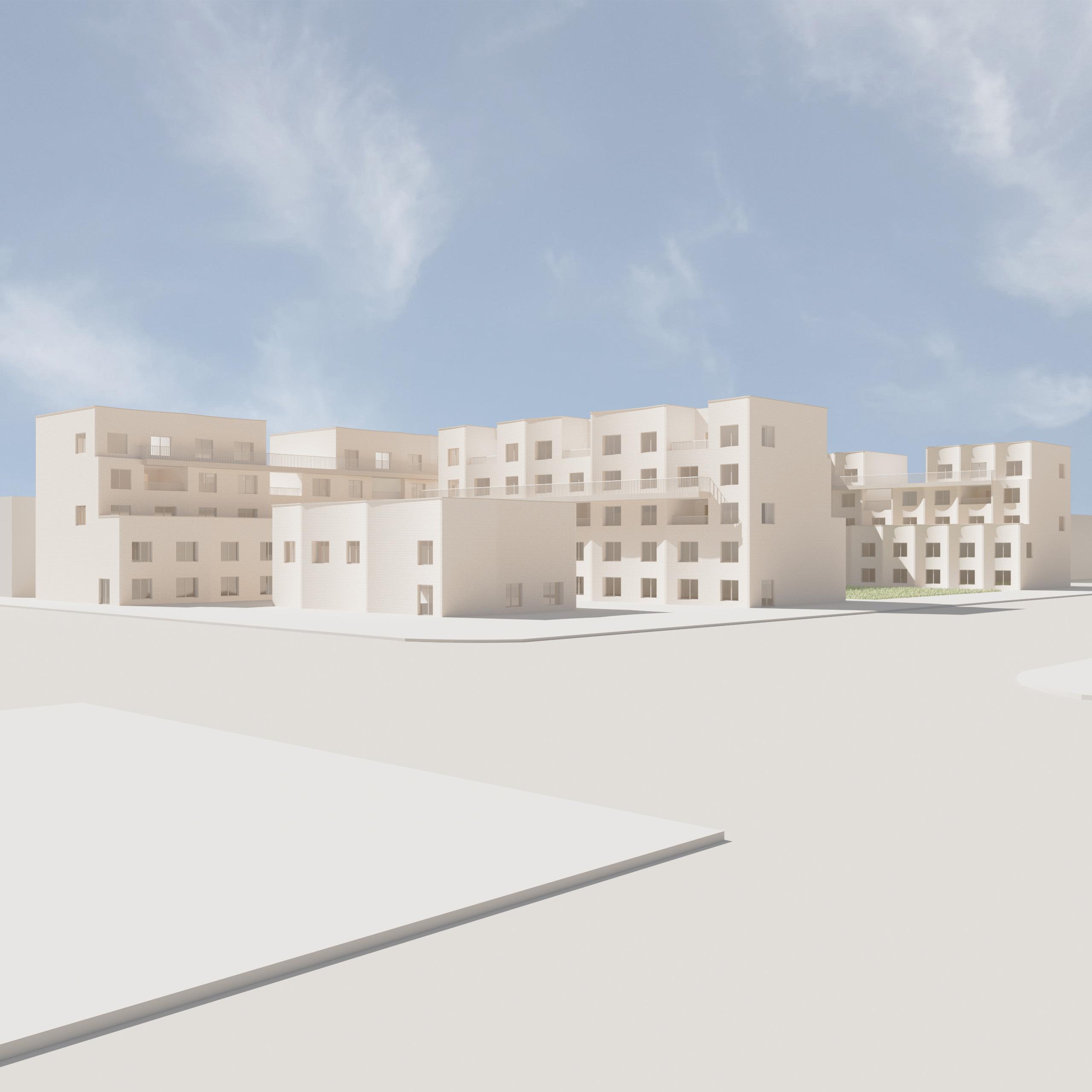
Exterior View
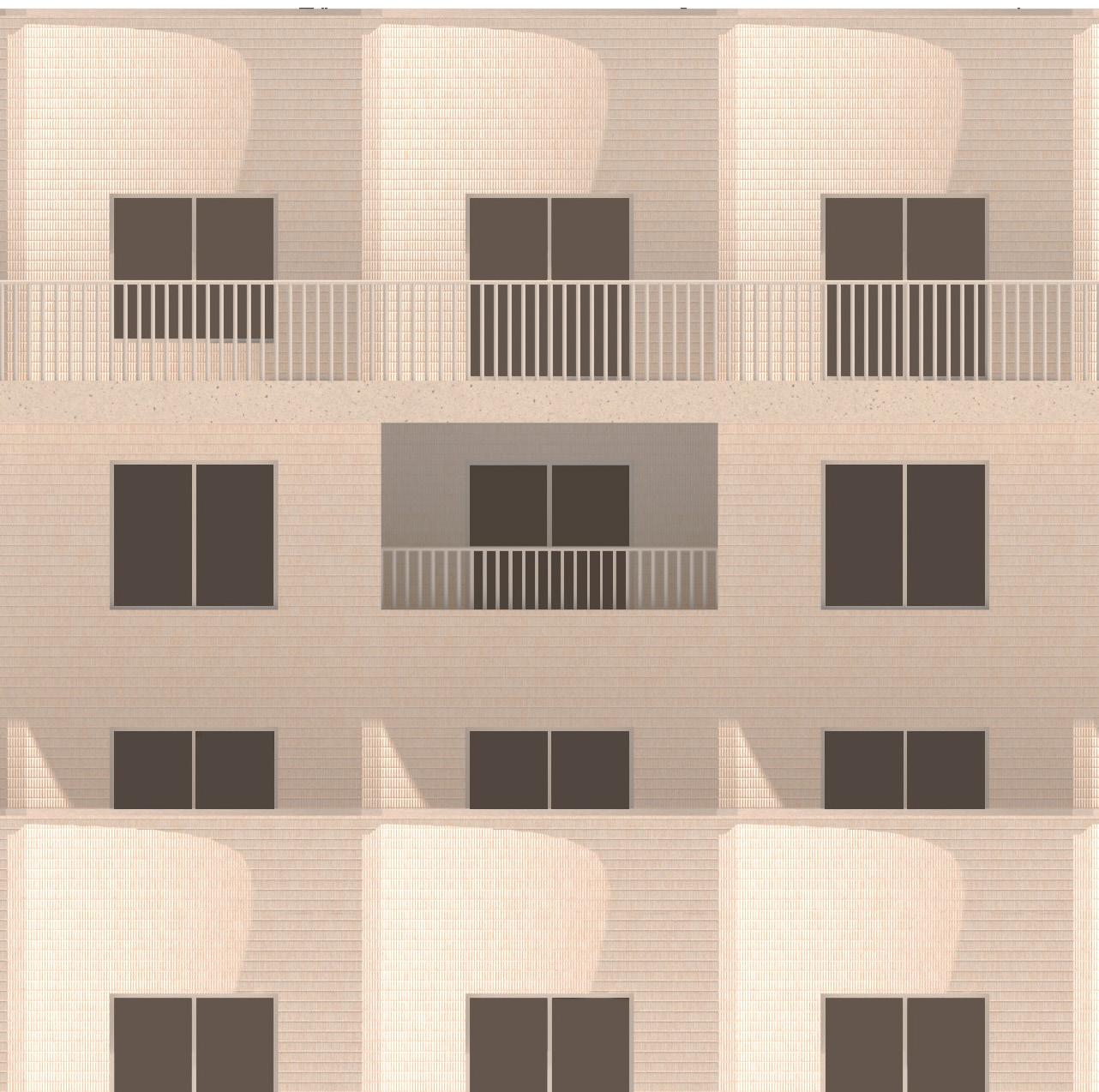
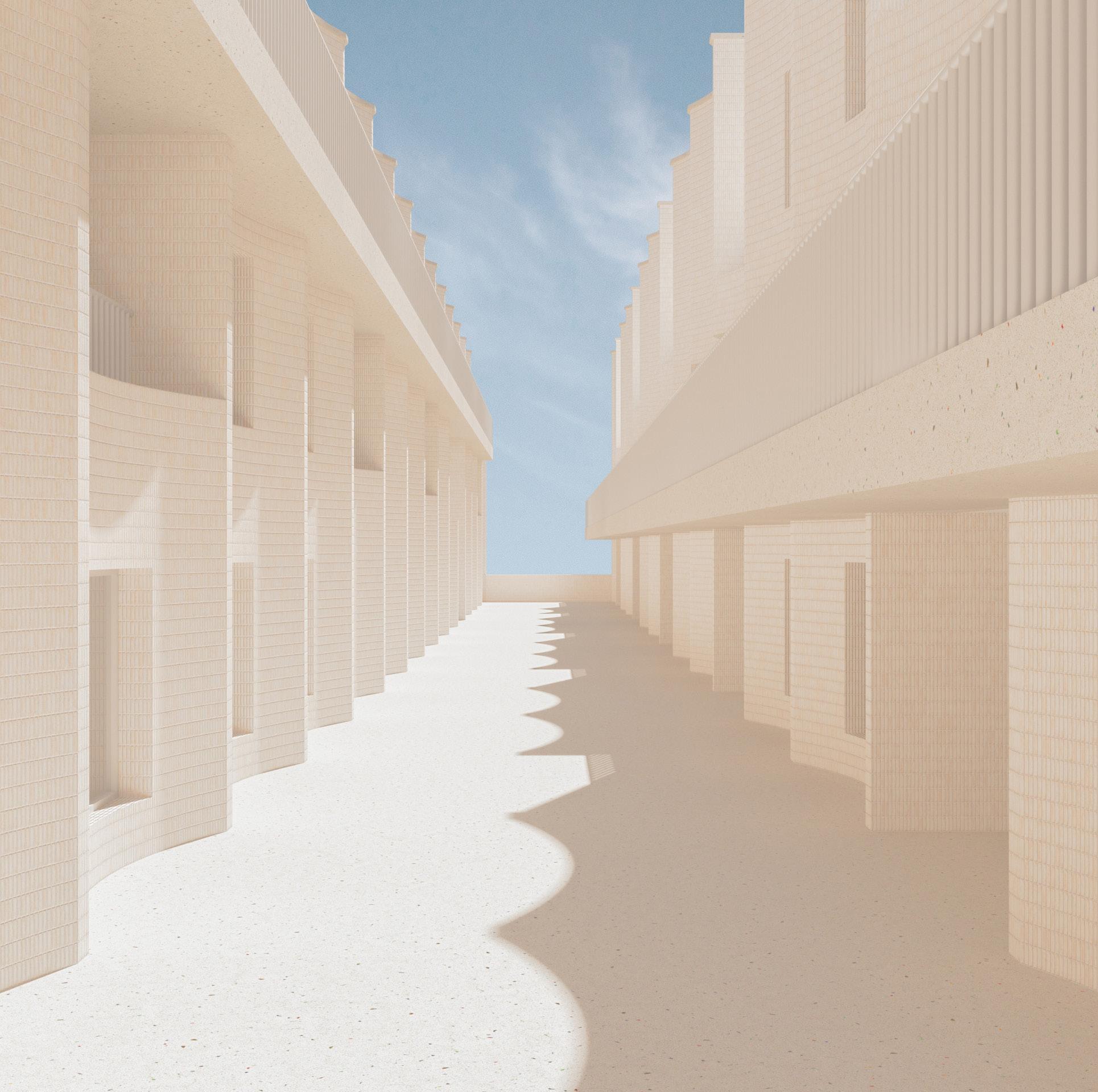
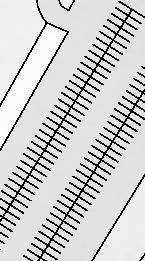
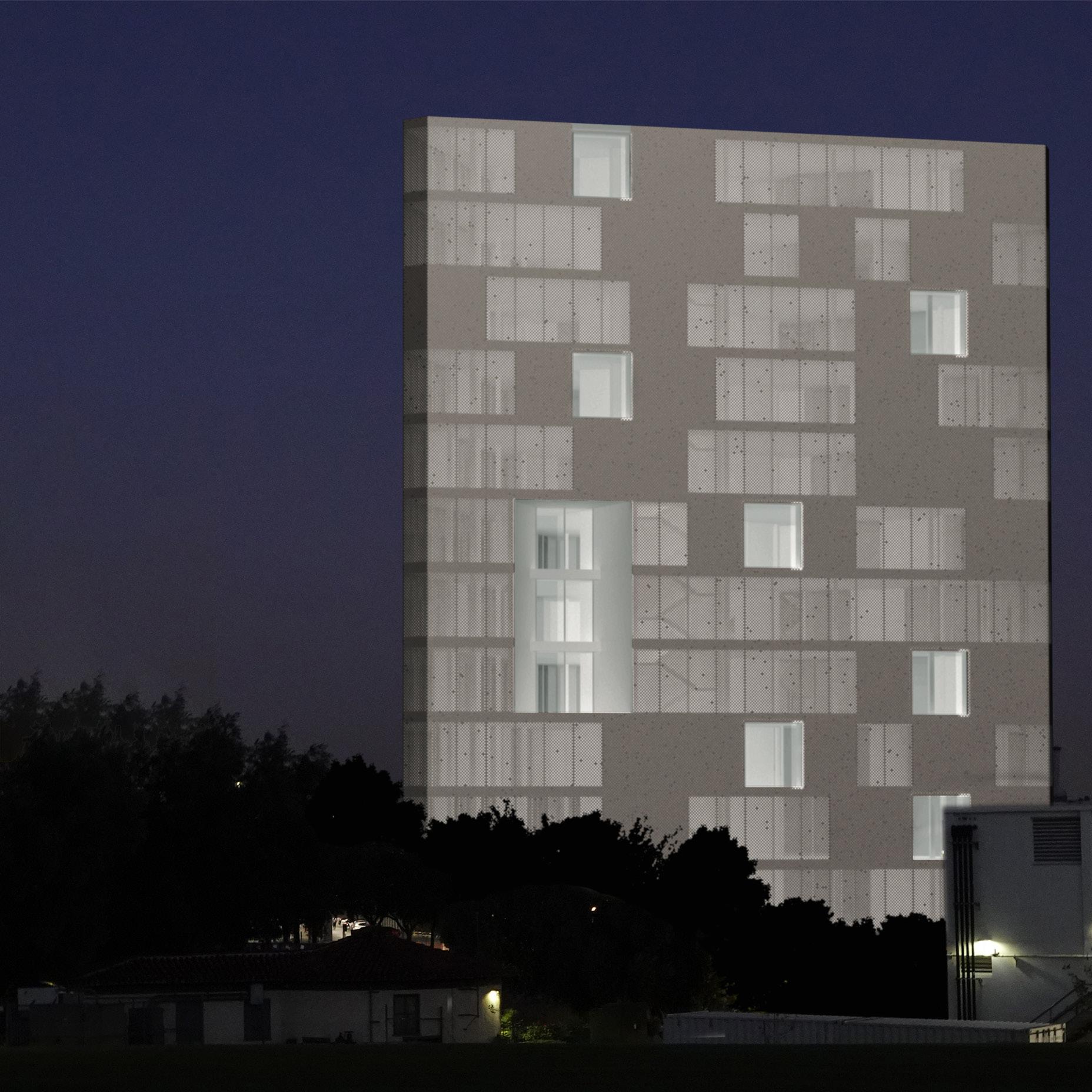
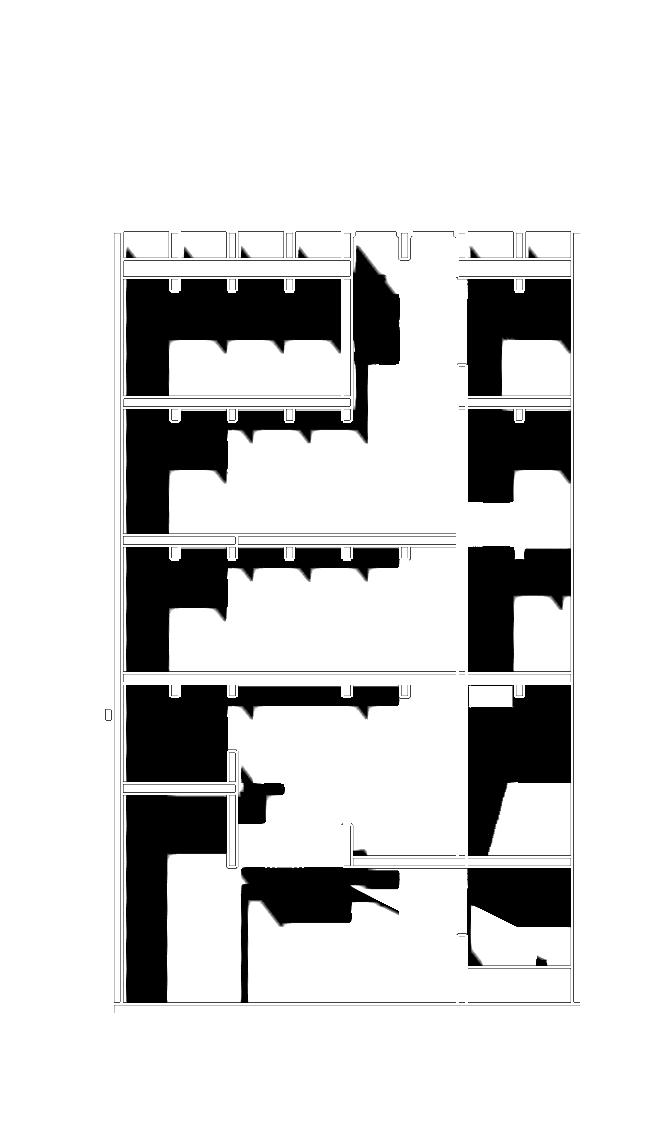
Santa Ana Sixty-Five is a multifamily housing project located just across the street from Santa Ana’s regional train station, providing residential units, retail shops, and community resources to the area. The massing of the project starts off with a scheme of two bars, one straight and another bent. The meeting of these bars creates three different spaces: a public courtyard, private courtyard, and private corridor. Each of these areas is meant to facilitate different types of relationships between the residents and the public. As for the unit stacking, the symmetrical quality of the units was taken advantage of to flip their orientation as one goes up the levels. They also begin to terrace back at the top, which reflects how the stack of units sit on top of the concrete podium. The façade features a use of scallops at two different intervals. Both provide different qualities and feelings to a viewer, and the locations where each type of scallop is found is a programmatic response. An additional component to the façade is the apertures, where there is a rigorous grid of windows and balconies that carve themselves into the façade. Although these elements are very regular and standardized, the result of combining them together provides a varied articulation of form, light, and shadow.
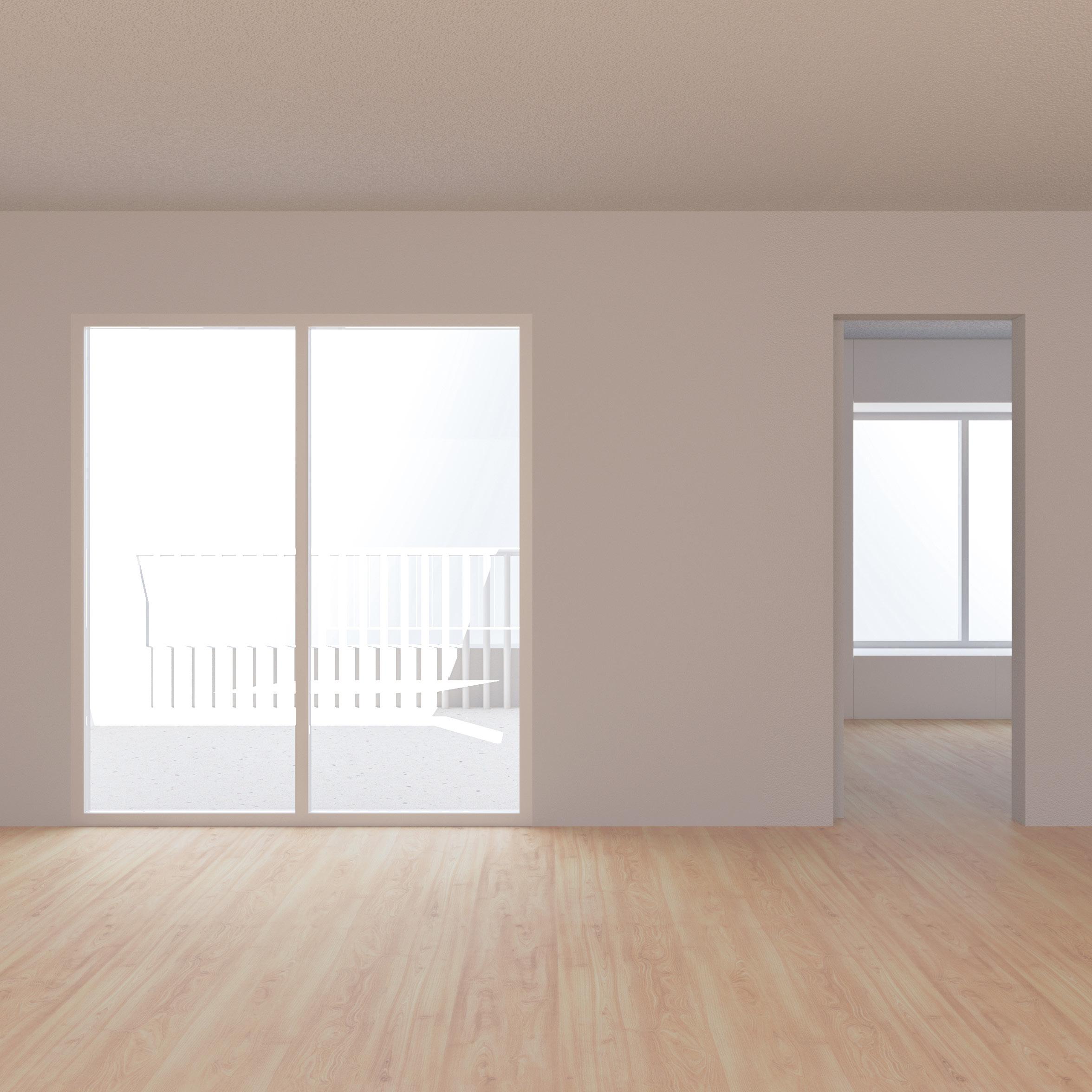
Interior View
Facade Render
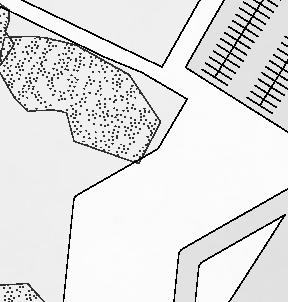
Podium Floor Plan
PODIUM
Exterior Perspective
Cal Poly Pomona UFC Arena
Pomona, CA
Partner: Benjamin Ramirez
Street View
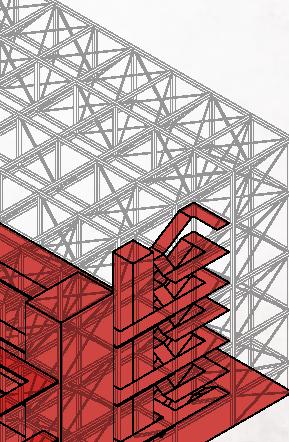
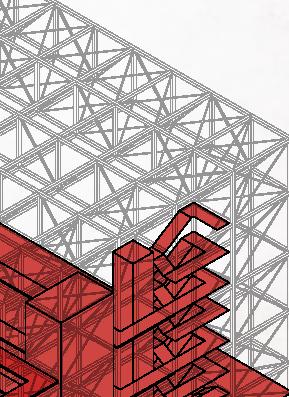
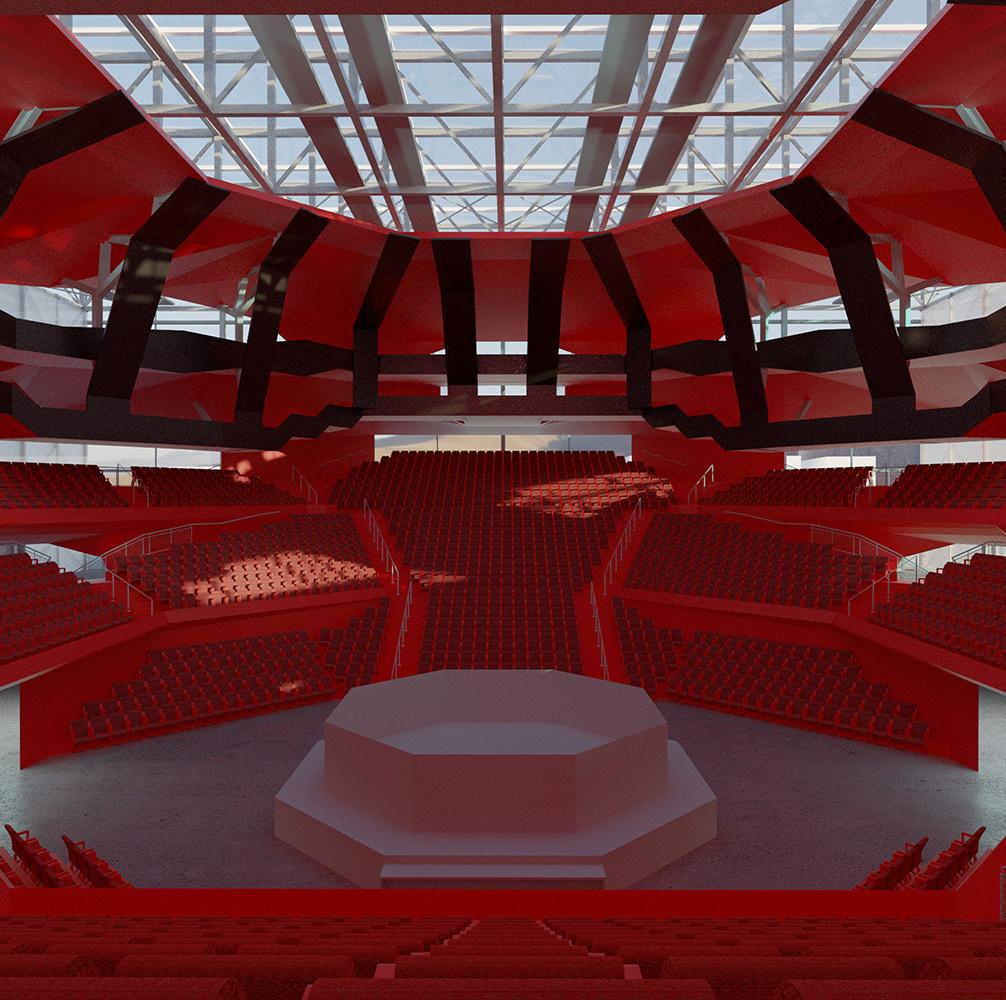
The Cal Poly Pomona UFC Arena is a stadium and training facility dedicated to the sport of UFC. Opera houses were used as an inspiration, as they seat spectators up close to the event in a compact footprint. Upon revolving seating around the UFC Octagon, the resulting bowl had a faceted and jewel-like shape. Rather than make the rest of the facility mimic this, we let the bowl be its standalone object. The enclosure around everything then becomes a simple box that sits over the bowl, and it is meant to act as the support piece. When it comes to materiality, a simple palette of steel and glass was chosen. Frosted glass was used on the side facades as a way to create a sense of anticipation and curiosity; they hide what is laying behind the facade and brings your attention to the front. There, you are greeted with a clear glass facade that bulges as an interaction of the glass box and the bowl. The combination of these two moves creates a sense of excitement for a spectator, as they are now ready to see what lies inside. As they make their way into the bowl, the visitor is surprised to see the intense, light-filled space on the inside, which is one that is most fitting to hold the exciting sport of UFC.
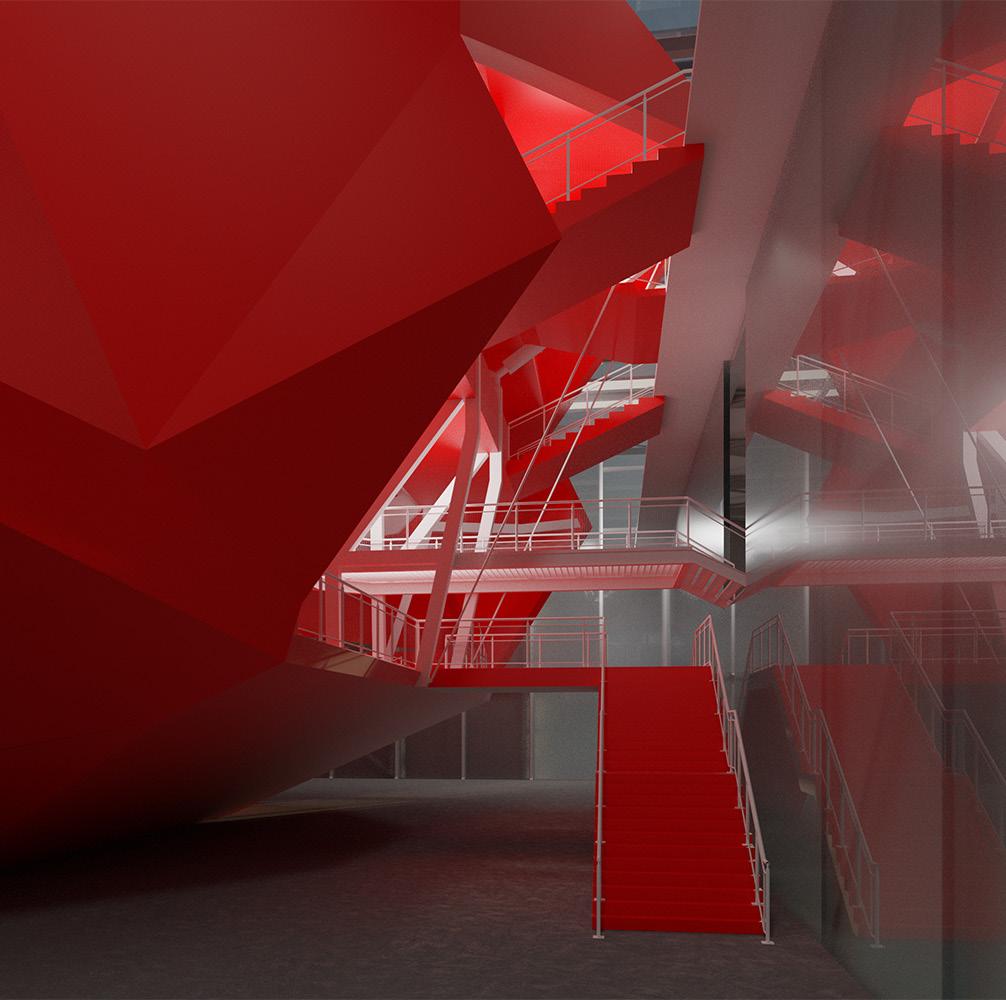
View of Connection to Box
Program Diagram
SCALE:1/128"=1'0"
Site Plan
SITEPLAN
CIRCULATIONDIAGRAM
Circulation Diagram
Basement + Ground Level Plan
Second + Third Level Plan
SECONDLEVELPLAN SCALE:1/16"=1'0"
SIGHTLINESDIAGRAM-SCALE:1/8”-1’-0”
Sightlines Diagram
Cal Poly Pomona School of Architecture
Pomona, CA
Evening Render
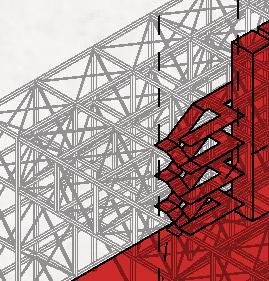
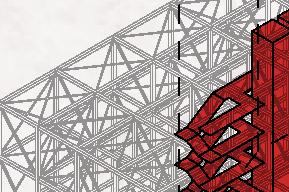
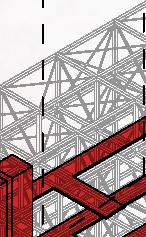
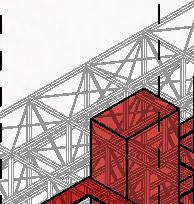
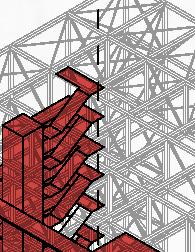
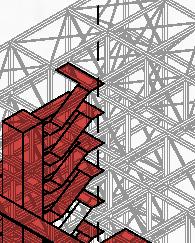
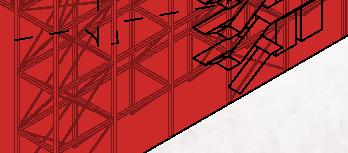
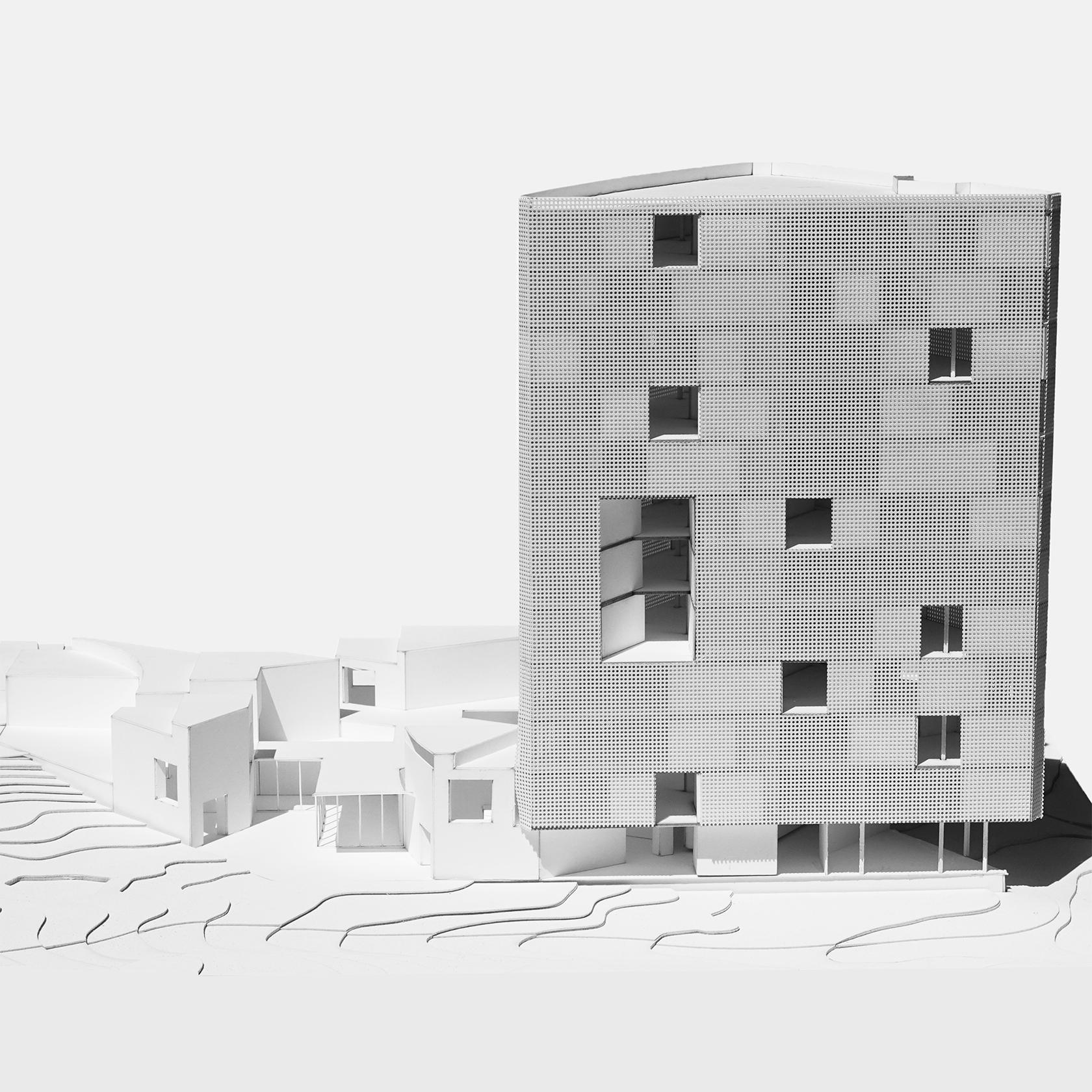
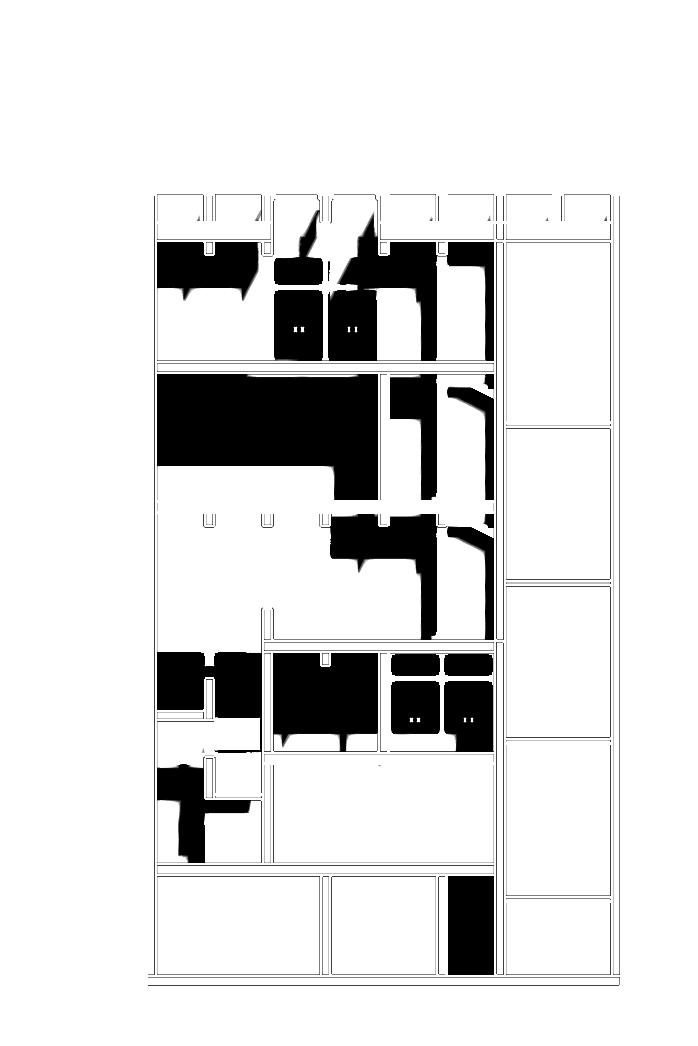
Cal Poly Pomona School of Architecture is an adaptive reuse project, utilizing the existing structure and footprint of the CLA building to create a new building for architecture students to use. Its form is all conceived through taking advantage of volumes. It begins in the plinth, which is a series of articulated volumes. Their composition allows for the interstitial space between them to be used as pathways into the site. The volumes are connected by a web, and this web folds upwards at entries to encourage visitors to come in. This web then has carvings taken out of it, creating outdoor courtyards. Moving onto the tower, it is instead a singular, articulated volume resting upon the plinth. Its main entry is through the web, which allows students easy access between all the facilities of the site. The tower also repeats the operation of carvings, creating outdoor spaces that connect multiple floors together and give students in studio a space to socialize or take a moment to recollect themselves.
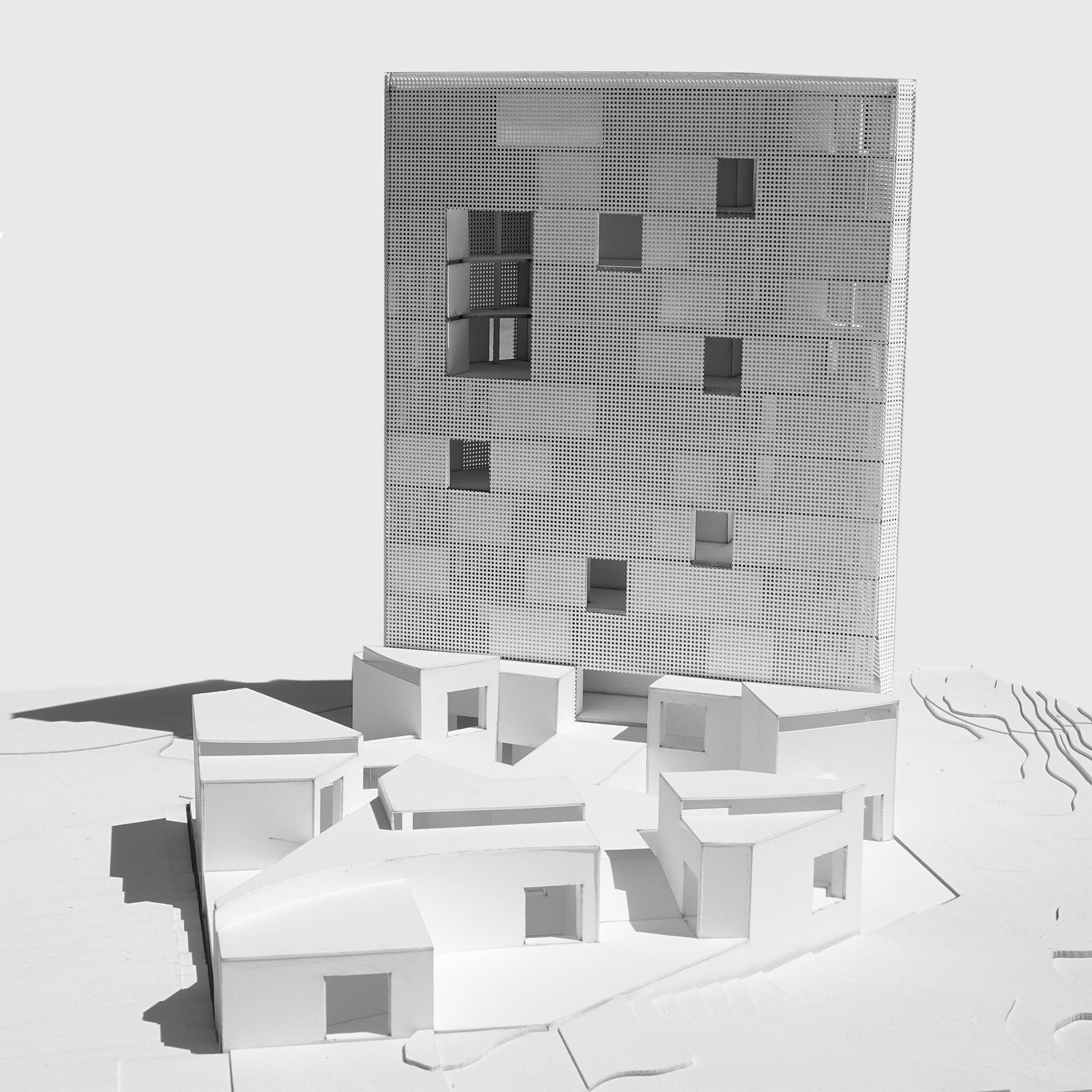
Model Photo
Concept Diagram
JAPANESE GARDEN
VOORISH PARK
STUDIO
LECTURE ADMINISTRATION GALLERY
FABRICATION LAB SEMINAR
CAFE MODEL SHOP
SITE ACCESS
TOWER ACCESS
EGRESS CORES
PROGRAM + CIRCULATION DIAGRAM NOT TO SCALE
Program+Circulation Diagram
Section of Tower & Plinth
SCALE: 1/16”=1’-0”
Model Photo
Museum of Japanese Contemporary Art
Little Tokyo, Los Angeles, CA
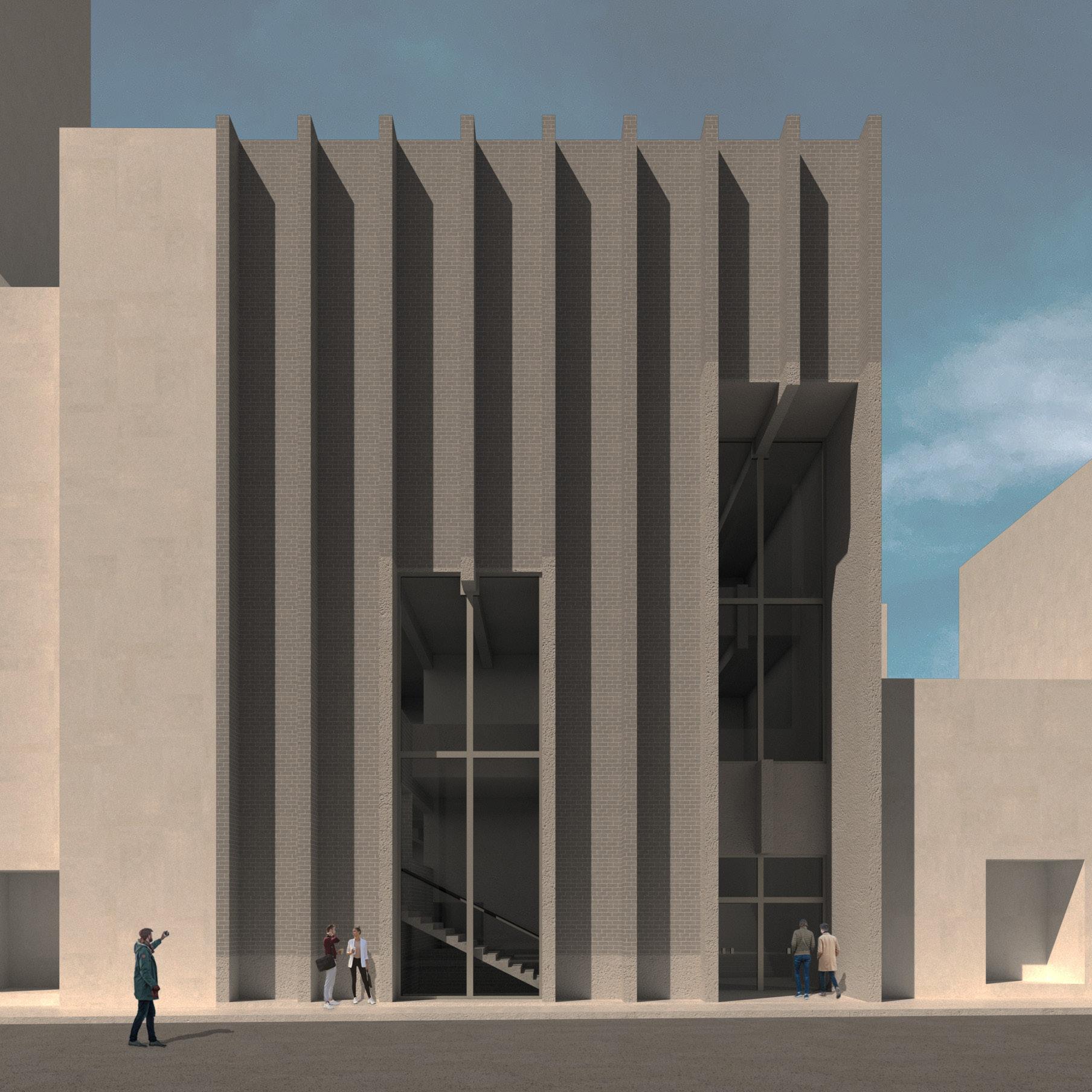
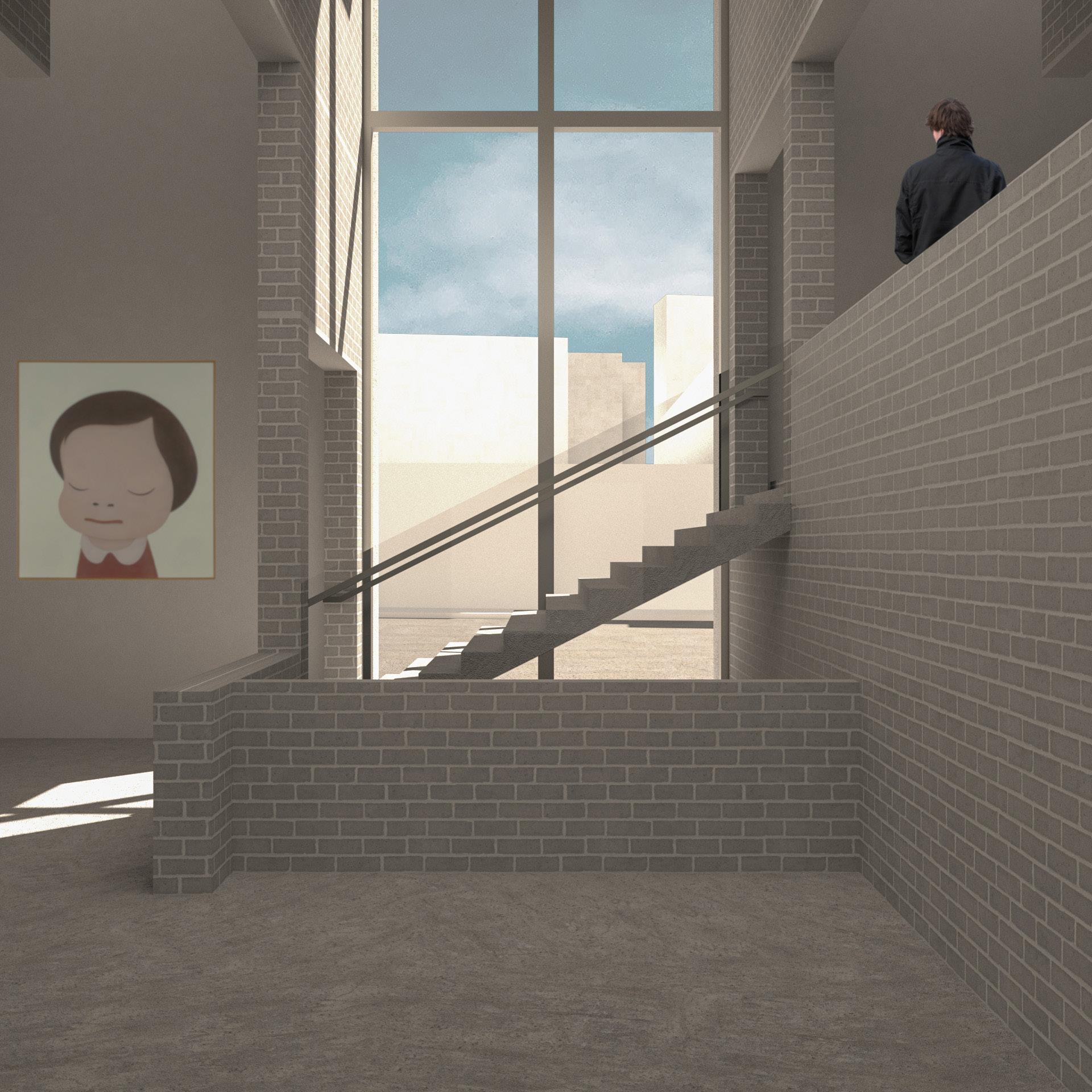
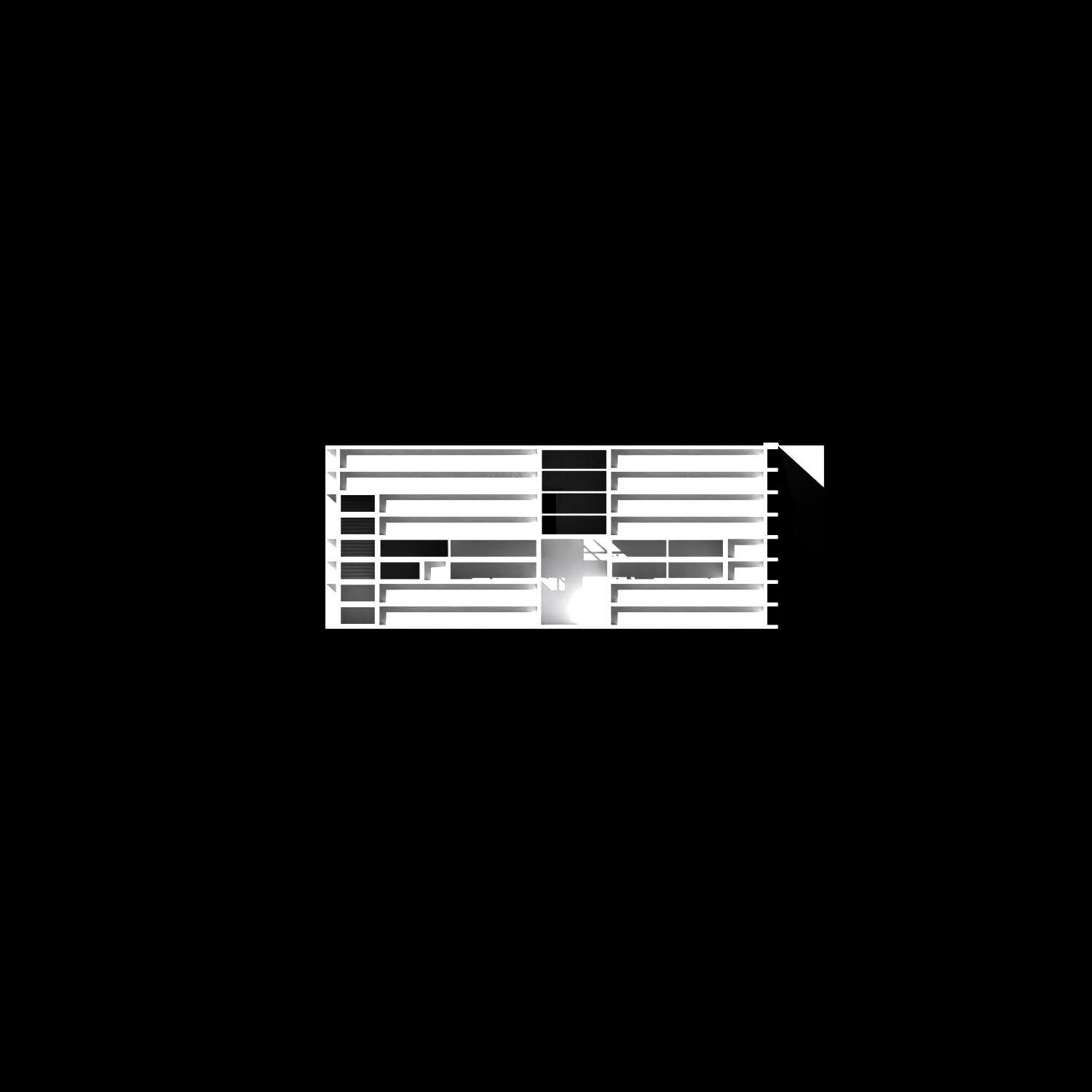
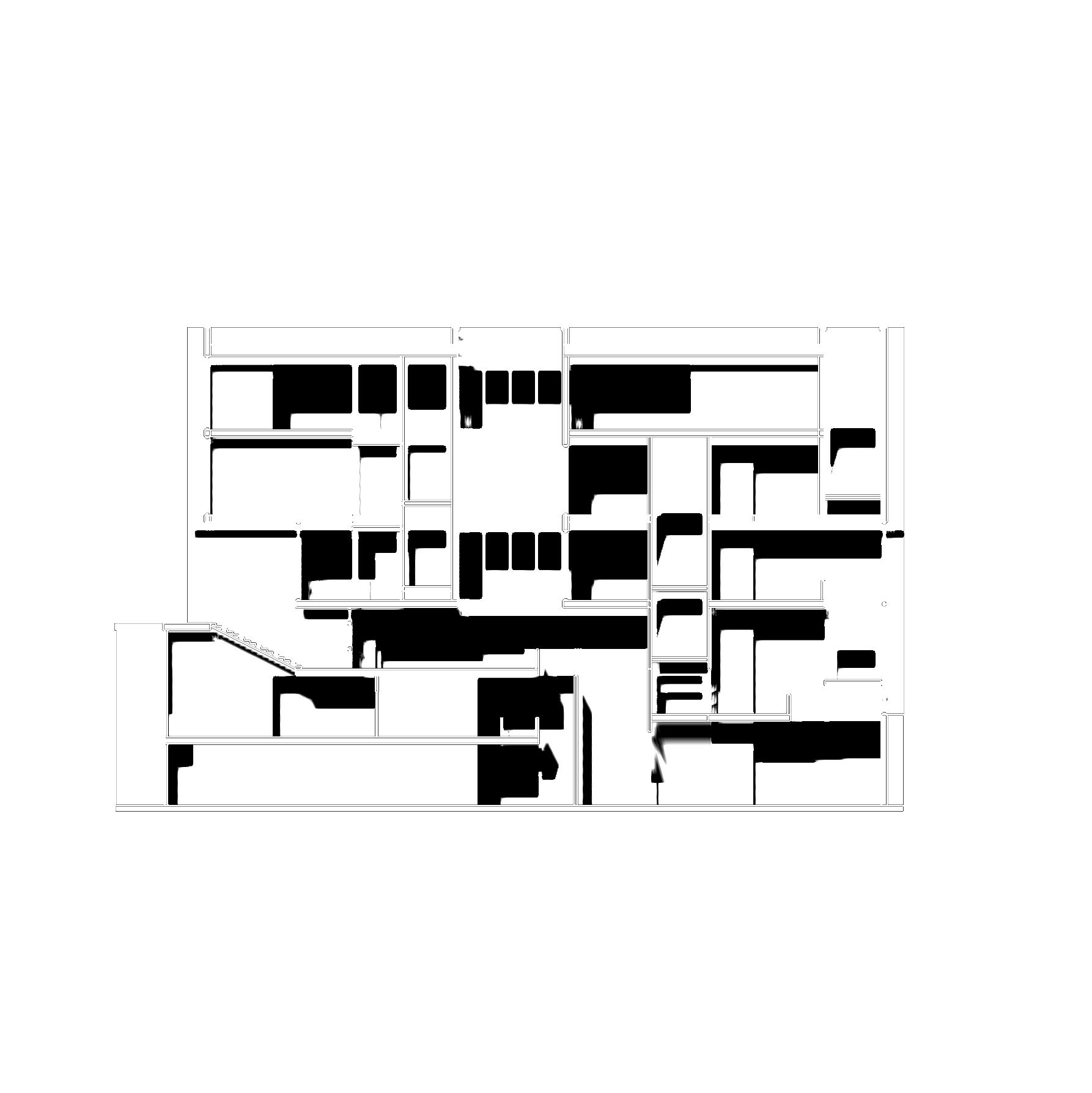
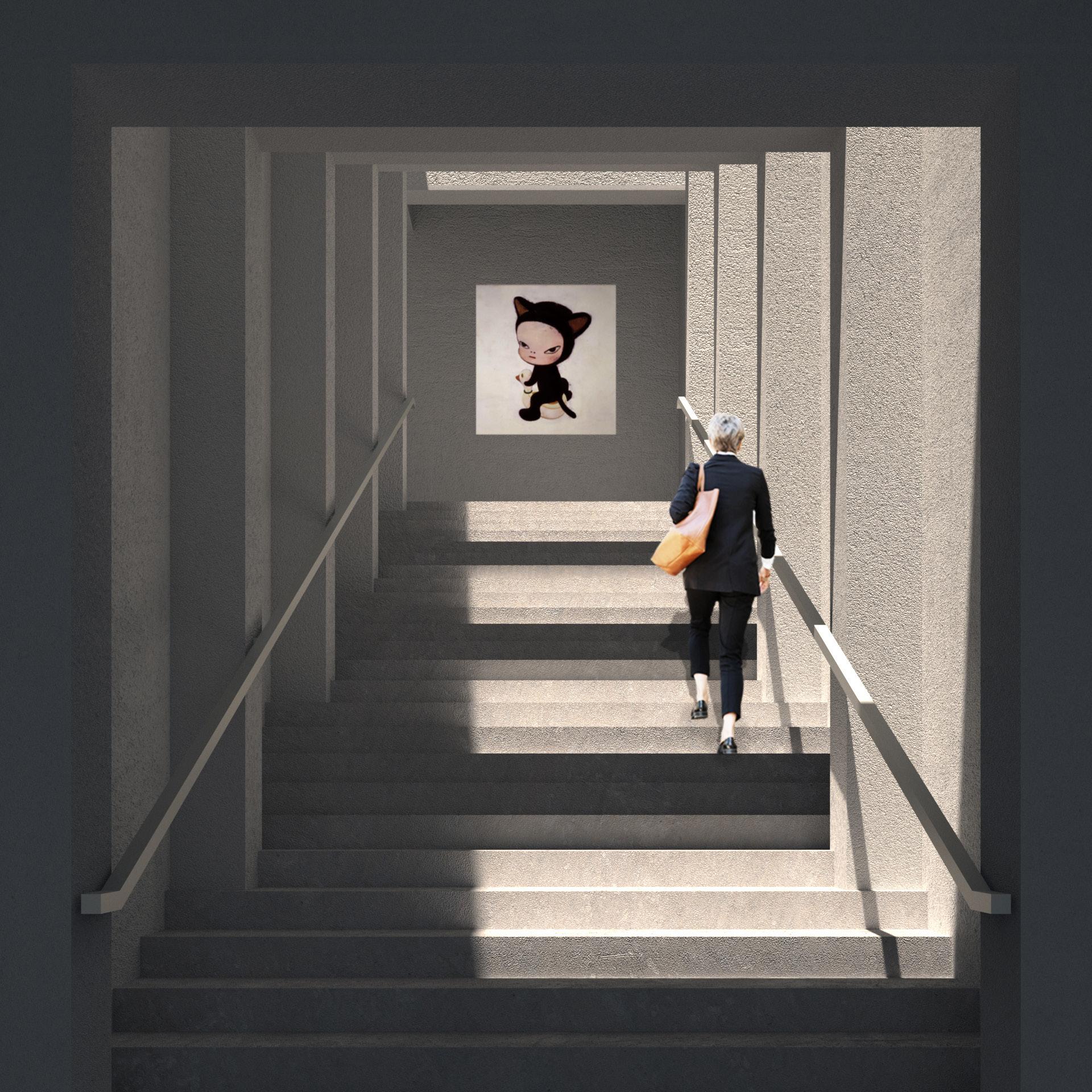
The Museum of Japanese Contemporary Art is an infill project, taking the space of what used to be a parking lot in Little Tokyo. Something notable that needed to be considered about the site is that there is an elevation change of sixteen feet between the side facing the street and the very back of the site. The form of the building started off by slicing through the site by a series of thresholds. A carving operation is then done on these thresholds to create a connection between both ends of the site, as well as to the sky. The result of this splits the museum into three separate sections, and this is what dictates the location of program elements such as galleries, public, and staff space. The circulation also plays along with the thresholds by puncturing through them, further emphasizing the experience of the building.
Facade Render
View from Galleries
SAN PEDRO STREET
Diagrams
EAST
Lobby Floor Plan
0'-0"
EAST
Cross Sections
Circulation Perspective