STUDENT ASSISTANT | center for spatial and visual planning | GA
PRODUCT DESIGN INTERN | andersen corporation | MN
MATERIALS & PROCESS INTERN | middle river aeostructure systems | MD
MAY 2025
DEC 2025
AUG 2023PRESENT
MAY-AUG 2024
MAY-AUG 2023
MYVATN SPA RETREAT
lake myvatn visitor’s center
hotel guesthouse
ice cream
parlor
beer spa
walking paths
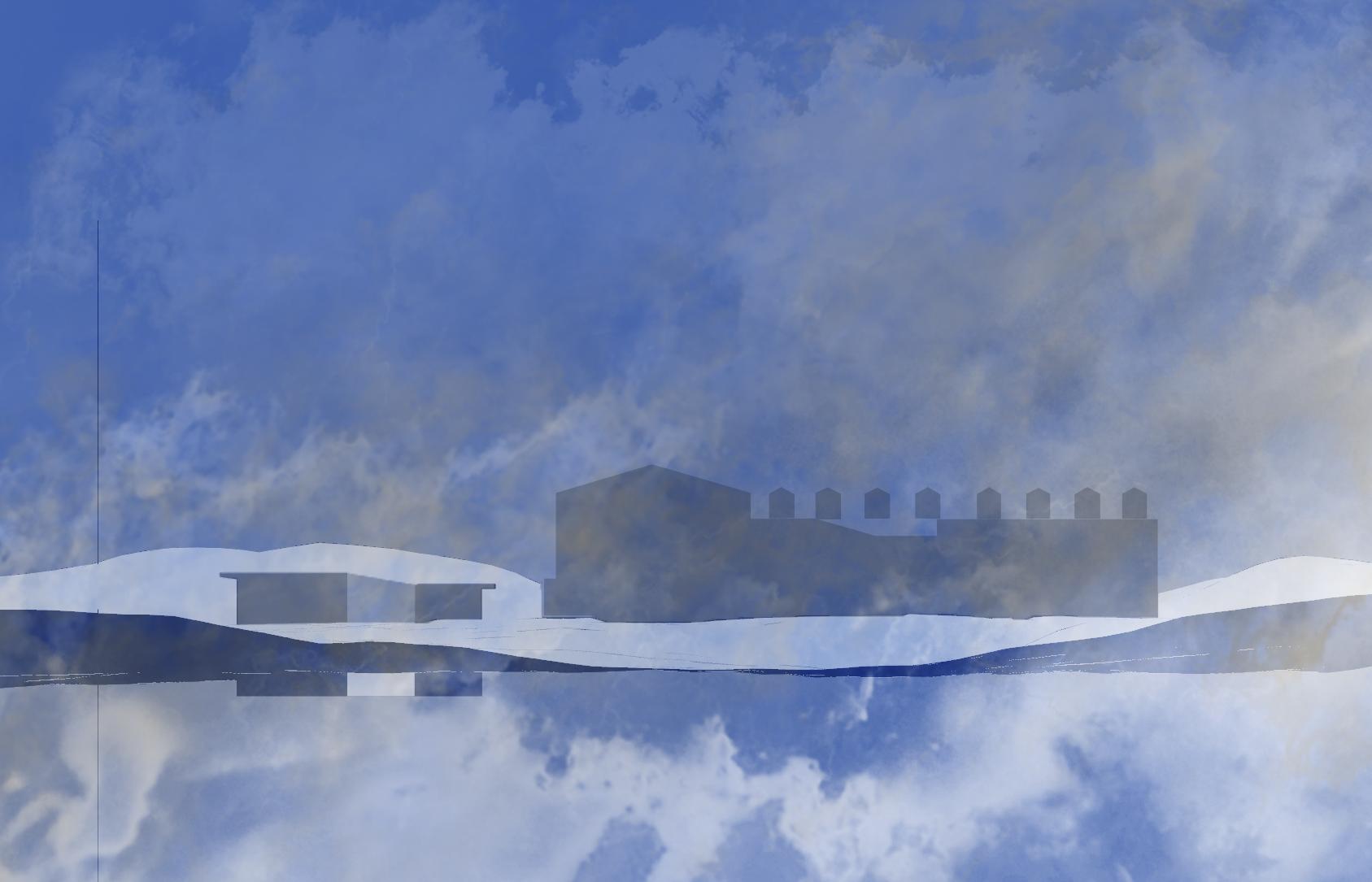
lake myvatn a focal point of northern iceland and a common tourist destination for its views and local culture
september 21
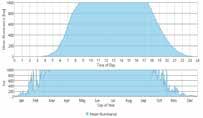
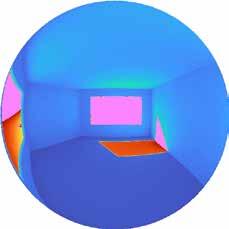
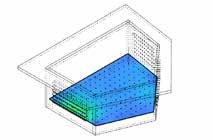
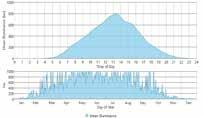
illuminance mean: 2241 lux
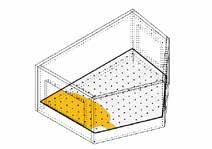
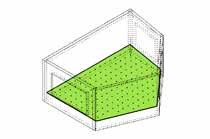
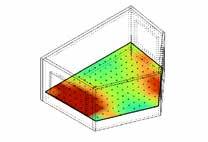
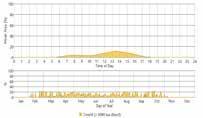
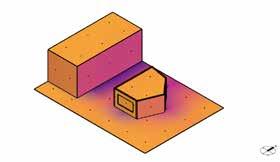
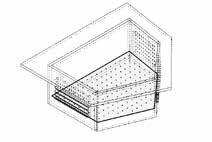
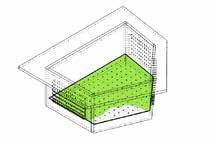
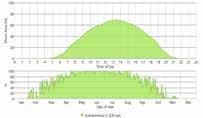
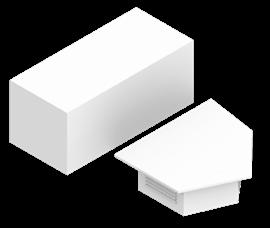
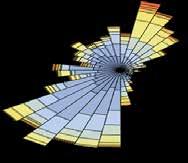
the base design has sufficient sDA at 100% but doesn’t have satisfactory ASE or illuminance. the illuminance value is well above the 500 lux target and ASE is above 10%. there would be visual discomfort inside given these conditions. this space will be primarily occupied
illuminance (lux)
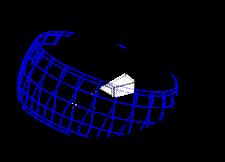
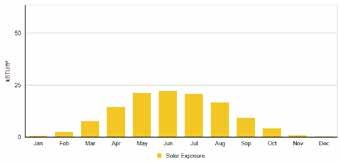
summer solstice
design case data
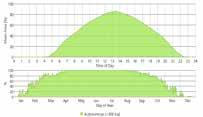
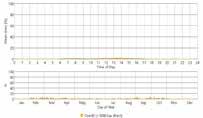
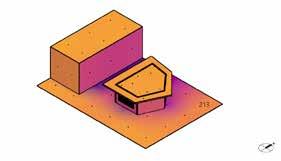
the design case reduces the amount ASE and the illuminance to be within the LEED v.4 criteria. the south facing window was too exposed so the louvers and the overhand seeks ot mitigate this effect. however, in order to achieve this, the sDA value was reduced but
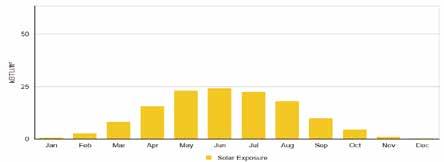
the daylighting and solar conditions necessary in a commercial space through the louvers, orientation, and roof shown in the design case. the sDA value was slightly lowered to achieve a design with acceptable ASE, illuminance, and solar radiation. there are further improvements that could be made such that the radiation or thermal gain is stronger and the illuminance is lower but given the small footprint, the design case adequately addresses the baseline model’s shortcomings.
MYVATN SPA RETREAT
arch 3016 | studio 4 | fall 2023
dr. mehmet bermek
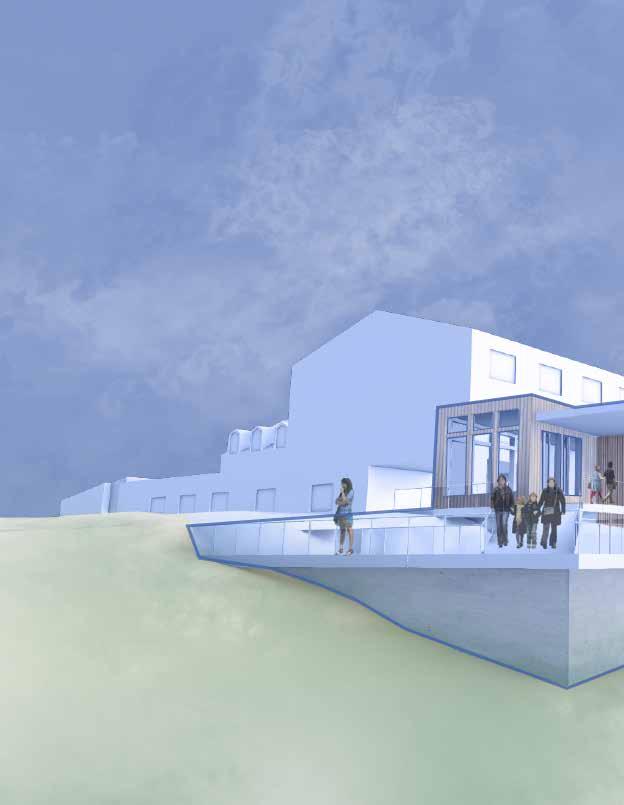
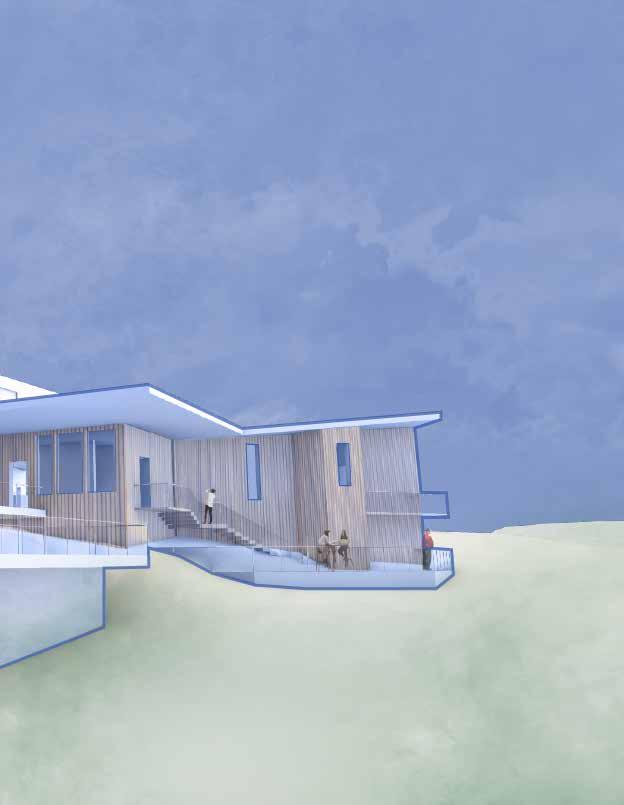
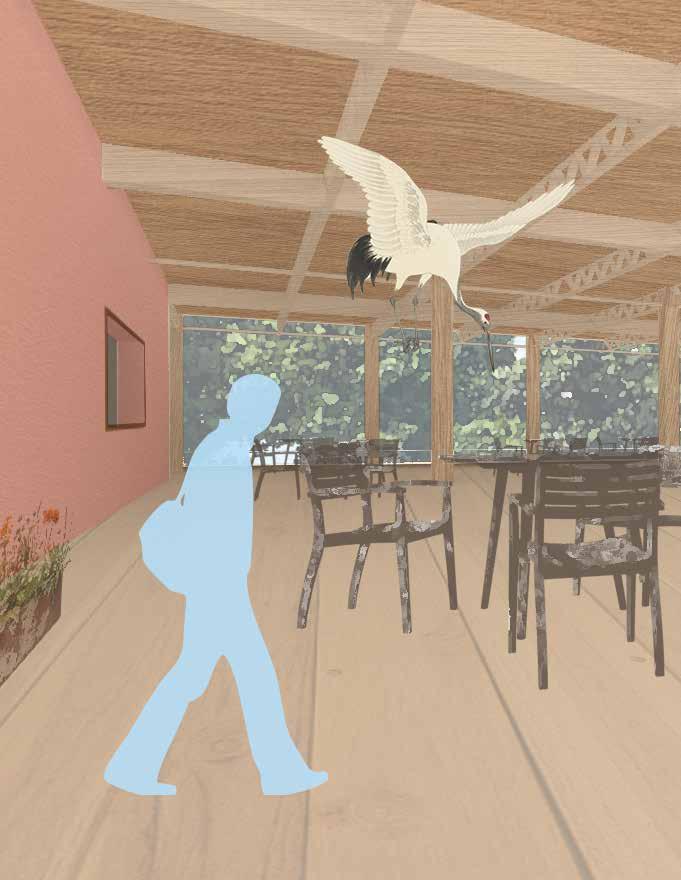
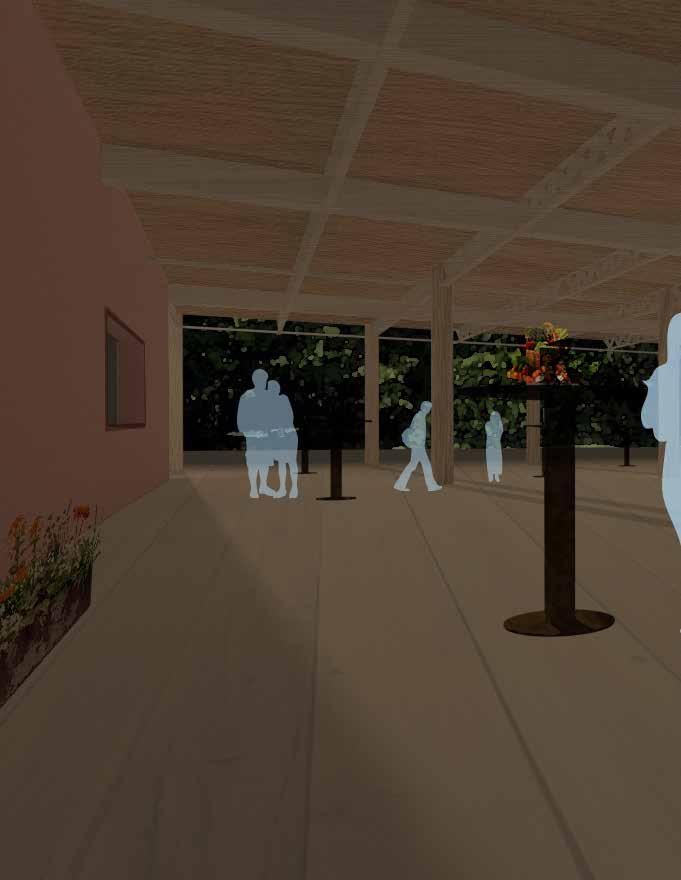
lake myvatn is a popular tourist destination in iceland. it has spectacular views that are important to capture. through iterative design pulling from the formal language of the site, an open use beer spa and cafe has been fit into the local narrative. the site sits next to the sel hotel and acts as an extension of one’s experience of the area. the structure, materials, climatic phenomena, and spatial relationships were focal points in this design in an exploration of more apt solutions to the spa and cafe functions. the spa function is intended to not close off the users from each other while being separate from those enjoying a different type of leisure at the cafe or bar. in an effort to solve many overlapping factors, the idea of intersection and embedded rhythms is paramount.
clt to foundation structure detail
southern glazing system detail
the initial massing and iteration with voronoi diagrams created a radial space framing the viewing and user experience. to achieve the complexities of this geometry and respond to the wind loads and daylighting conditions experienced near lake myvatn, glazing systems and the wall construction were explored and detailed
COLD WORKING OF COPPER
mse 4022 | materials processing | fall 2024 dr. himani sharma
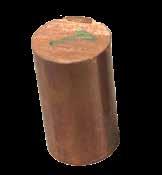
copper is an important material in many industries. in the architecture industry, copper is used in wiring, plumbing, roofing and cladding, or as a decorative element. these uses for copper date back to ancient egypt. understanding why copper is the chosen candidate for these applications lies in understanding its properties, their effect on processing, and ultimately on performance. the hardness of copper, its ability to resist changes in shape or plastic flow, was investigated through cold working, a common industry practice of deforming metals at room temperature, as opposed to under high temperature conditions
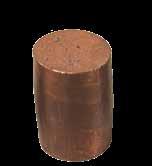
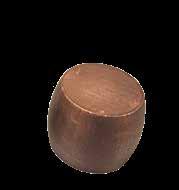
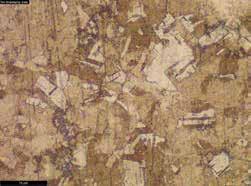
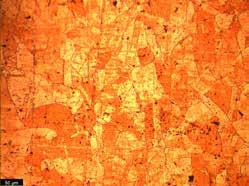
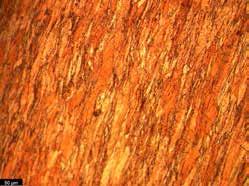
in this lab, hardness was studied through the compression of pure copper, microstructural analysis of the grain structure changes, and measurements of the respective hardnesses of the samples. this demonstrated the effect on grain elongation on the hardness of copper: as the grains elongate, and strains develop, the hardness increased.
physical effects of cold working
0% thickness reduction
thickness
microstructural analysis
30% thickness reduction
metals change shape as naturally occuring, micro-scale, 2D flaws move through the material. hardness resists this movement
lowest energy path, longest distance
highest energy path, shortest distance
conclusion
compression/compressive force
lateral elongation
dislocation path efficiency
hardness
0% < 30% < 50%
0% < 30% < 50%
0% > 30% > 50%
0% < 30% < 50%
with increased compression, or cold working, the grains experienced a greater elongation laterally, perpendicular to the applied load. as the grains were strained, the path for dislocations became greater, albeit still ~1/3 of the energy required to go through the grain itself. this increased the hardness as dislocations drive changes in shape.
high hardness is desired in high strength applications, such as cladding, while low hardness allows for more ductility, such as wires
COASTAL HERITAGE CENTER FOR INTEGRATED LEARNING
arch 4016 | studio 6 | fall 2024 | dr. danielle willkens | dr. russell gentry in collaboration witth anna demkovitch and annika fischer
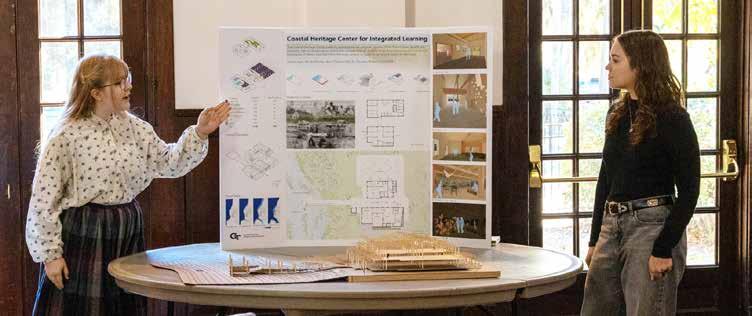
this senior architecture studio will build upon established relationships with the Penn Center (est. 1862) on St. Helena Island, SC, to propose a new multi-purpose educational building composed of mass timber and constructed on the site’s property outside of the National Historic Landmark District boundary (NHLD, est. 1974). students will explore the history and applications of regional woodcraft and low country vernacular, engage in an intensive field study program, and work closely with site leadership throughout the iterative research and design processes. through site visits, guest lectures, and a close partnership with an unparalleled heritage site from the Reconstruction Era, the studio focuses on a real-world community project, sustainable design, and preservation technology, offering the opportunity to study of historic wooden architecture alongside contemporary design and material innovation using one of the region’s most venerable and precious resources: wood.
the school operated until 1948 when South Carolina finally guaranteed African American students access to public education beyond grade eight. the school transformed into The Penn Center, a site dedicated to other educational needs, from early intervention and preschool initiatives to lifelong learning opportunities. in the 1960s, the site was integral to the Modern Civil Rights Movement and served as an organizational headquarters for the 1963 March on Washington, and Rev. Dr. Martin Luther King, Jr. wrote drafts of the “I Have a Dream” speech at the Center’s Gantt Cottage, named for the freedman who donated property to the Penn School. this site holds histories of construction, design, and agriculture, as well as the embodied knowledge of people, a dynamic coastline, and an educational legacy.
from dr. danielle willkens
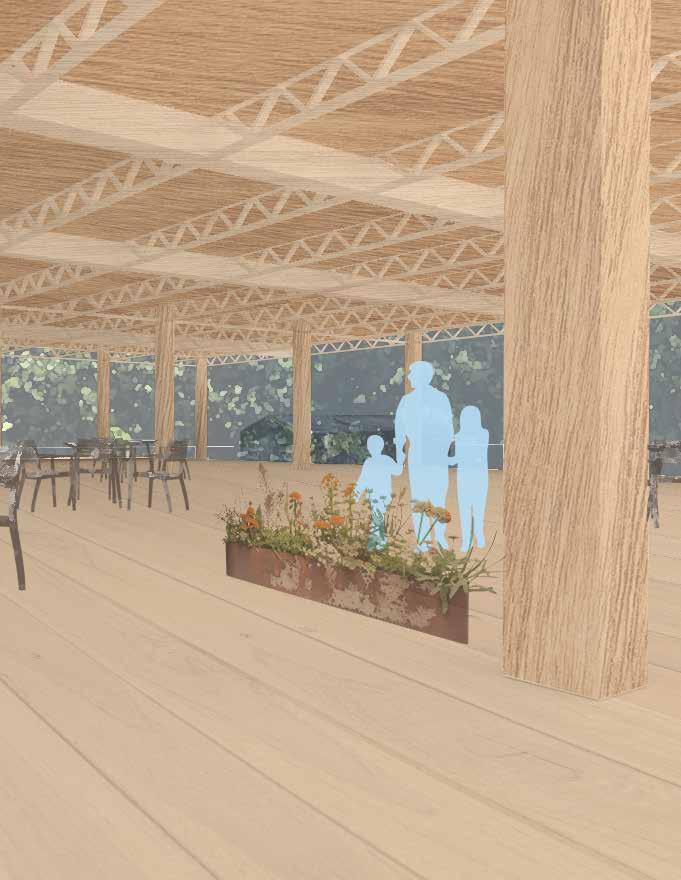
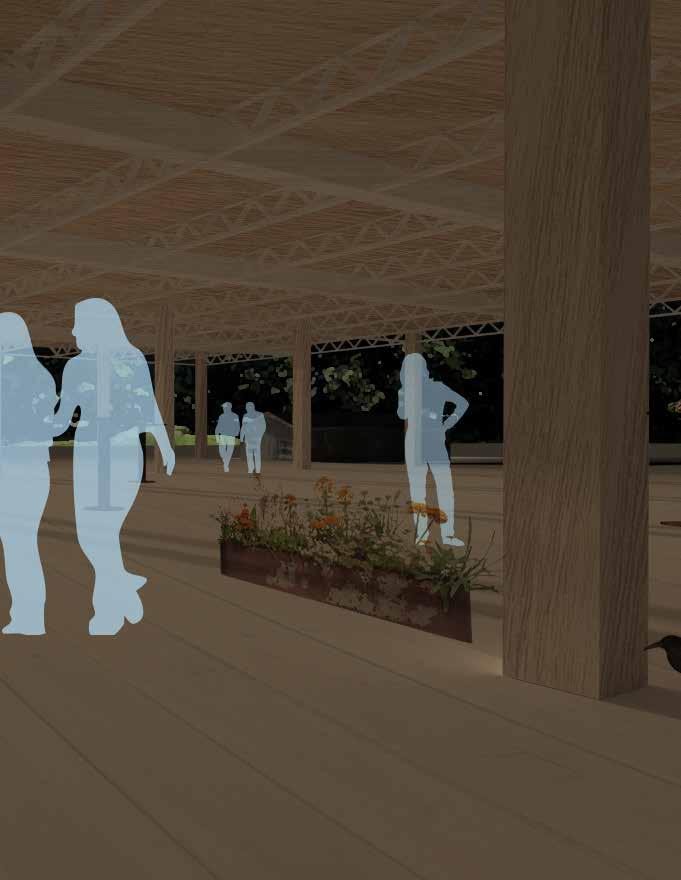
the Coastal Heritage Center seeks to revitalize the educational capacity of the Penn Center, specifically carpentry, historic preservation, and Gullah culture, through the blending of contemporary and vernacular techniques. it takes a step back from the main campus to invite students and visitors to the coast
program solved fully collaboratively
diagram in collaboration with ANNIKA FISCHER
platform + dock + massing informed massing flood plane + build zone geometry refinement sun + wind
INTERNAL CIRCULATION
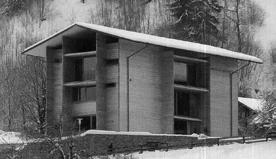
house | 1997
Switzerland | Peter Zumthor
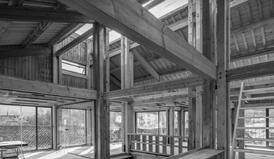
party and public service center of yuanheguan village | 2019 Hubei, China | LUO Studio
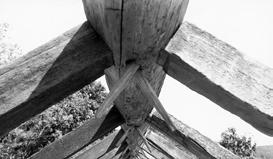
mortise
tie plate
ridge beam
bracing bracing
cattle barn | c. 1900
Hinsdale, Massachusetts | architect unknown
luzi
Jenaz,
enclosed swimming area
kayak launch
boathouse
clay tile roof cladding
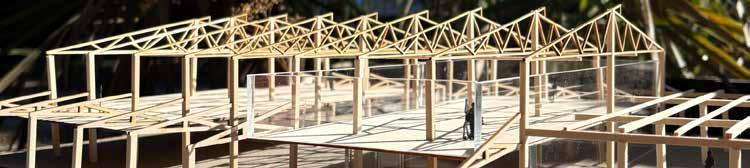
double + single kink trusses
triple kink clerestory truss | 94’ span
open web wooden joist 20” oc
14’ glulam column grid
heavy timber roof
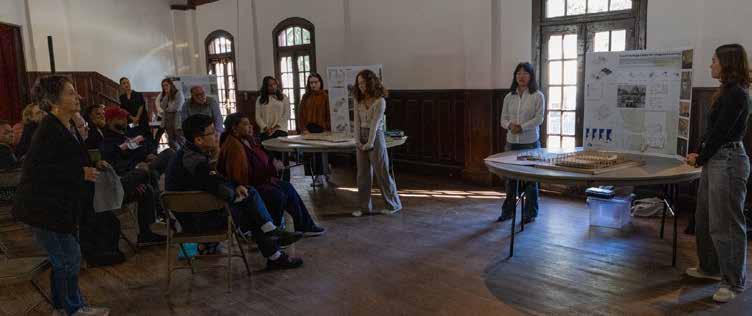
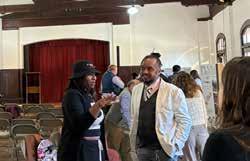
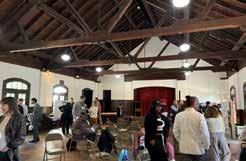
At the start of the semester, the Live Oak Studio had the opportunity to visit the Penn Center for a five day long field study experience. During that time, our cohort absorbed St. Helena’s flora and fauna as well as the captivating history of Gullah Geechee heritage. Instead of a traditional architectural review, our studio presented our semester’s work to the community of St. Helena and those involved at the Penn Center. Insights from the local residents were particularly generative for conversations about the future needs of the Penn Center, coastal resiliency on St. Helena Island, and the benefits of mass timber construction.
GOTHIC RE-FIGURING
arch 2016 | studio 2 | fall 2022 in collaboration with payton payne dr. lars spuybroek
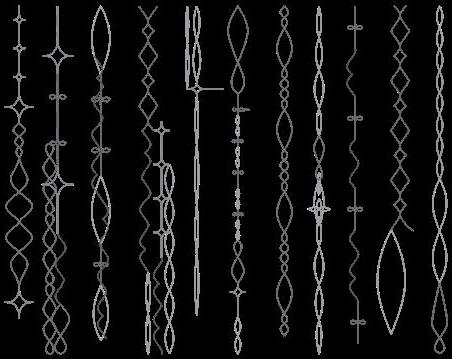
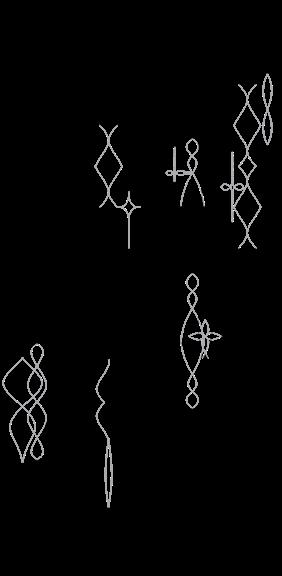
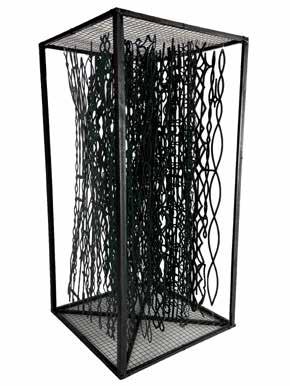
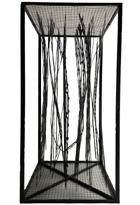
“s,” c,” and “j” figures were derived from gothic tracery in order to develop a figure dictionary through a series of mirror operations. the figures were then repeated to create segments, spliced and recombined with each other to create strands, and then joined vertically and horizontally based on similar rhythms to create sheets. the sheets were systematically varied, offset, and tested with each other digitally and physically to explore the 3d interaction between figures. the chosen 6-sheet conceptual model laid the foundation for further spatial connections to be created.
+ 1.1 + 2.4 + 3.1 + 2.1 + 2.3
dimensions:
16” x 16” x 36”
sheeet
vertical connectivity
2.5
INTERSTICE
arch 3017 | studio 5 | spring 2023 in collaboration with caroline hatcher dr. sonit bafna
a mid-density housing project in dc near howard university, the interstice seeks to activate the pedestrian and resident experience through spaces that vary as you move between about the complex. it is driven by edge activation and interstitial spaces people usually pass through
garrison elementary
seaton elementary
shaw junior high
kennedy playground
cardozo high school
banneker high school
howard university
gage-eckington elementary
site school park/sports fields/garden bus stops parking
SQUARE IN DECATUR
arch 2021 | media + modeling 2 | spring 2022
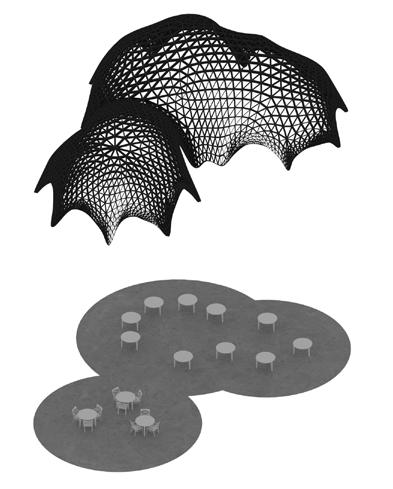
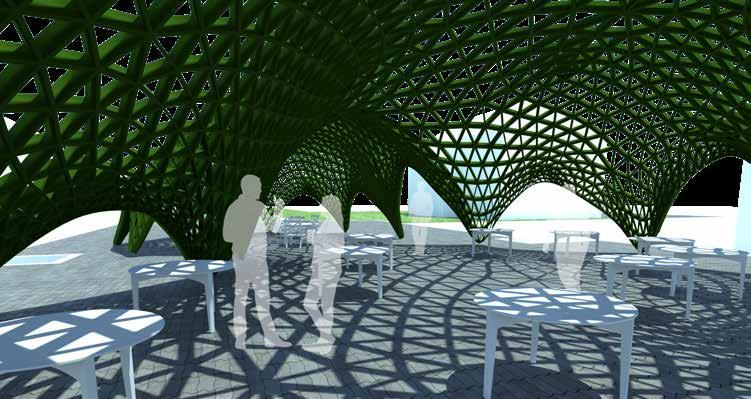
during this exercise vaulted geometry, viewing, circulation, and structural integrity were explored using kangaroo and weaverbird in order to develop a multi-use pavilion for the square in decatur, georgia. the three overlapping compartments create an hierarchy increasing the opportunities created despite the geometric simplicity. the configuration shown details an open market setting. anchor points force