Email: johnwilliams081703@yahoo.com
John Williams
EXPERIENCE
Gresham Smith, Tampa, FL— Life and Workplaces Intern
May 2025 - August 2025
Assisted with site visits and documentation.
Participated in team meetings and project reviews
Collaborated with architects and designers on space planning, layout optimization
CRG Architects/Palatka Inc, Palatka, FL— Intern
June 2023 - August 2023
Contributed to the smooth functioning of the company by gaining hands-on experience in daily operations
Assisted architects in the development of architectural plans, contributing to the creation of comprehensive design solutions
Collaborated with architects to revise architectural drawings, ensuring accuracy and alignment with design standards
Vystar Credit Union, Palatka, FL— Student Manager
June 2019 - June 2021
Scheduled and led presentations to assist with student financial literacy
Assisted with member inquiries regarding account services to ensure a positive experience with the bank
Maintained friendly and professional interactions with members
EDUCATION
Florida A & M University, Tallahassee, FL— Bachelor of Science in Architectural Studies GPA: 3.8
June 2021 - Present
SKILLS
Revit
Adobe Illustrator
Adobe Photoshop
Adobe InDesign
LEADERSHIP AND AFFILIATIONS
Traffic Court Chief Justice | Student Government Association | FAMU | Aug 2024 - Present
Member | NOMAS | FAMU | May 2023 - Present
Architect Licensing Advisor | AIASFAMU | FAMU | Aug 2022 - Present
Tau Sigma Delta Honor Society | FAMU | April 2024
Vic Chair | FAMU Active Volunteer Efforts | FAMU | Jan 2023 - Nov 2023
Volunteer | FAMUEfferson Student Union & Activities | Oct 2021 - Present
AWARDS AND ACCOMPLISHMENTS
NOMA Future Faces 2025
“Into The Woods” Exhibition 2024
Dwight David Eisenhower Fellowship October 2023/2024
Rhodes + Brito Award April 2023
Urban Constellation
Year Completed: Fall 2025 Duration: 16 weeks Location: Tallahassee, Florida
Urban Constellation is a visionary master plan that reimagines the Southside of Tallahassee as a dynamic network of interconnected spaces rooted in community, storytelling, art, and exploration. Inspired by the celestial patterns of the night sky, the design positions each space as a distinct yet connected star within a larger urban framework. At the heart of this constellation lies Horizon Gate, a light rail station designed as a threshold of movement and reflection where past and future align. Nearby, Crescent Junction serves as a sculptural light rail stop that introduces travelers to the constellation’s journey, its crescent form evoking the rhythms of lunar movement. These transit anchors guide visitors through a vibrant campus of activity, fostering seamless transitions between travel, gathering, and exploration.
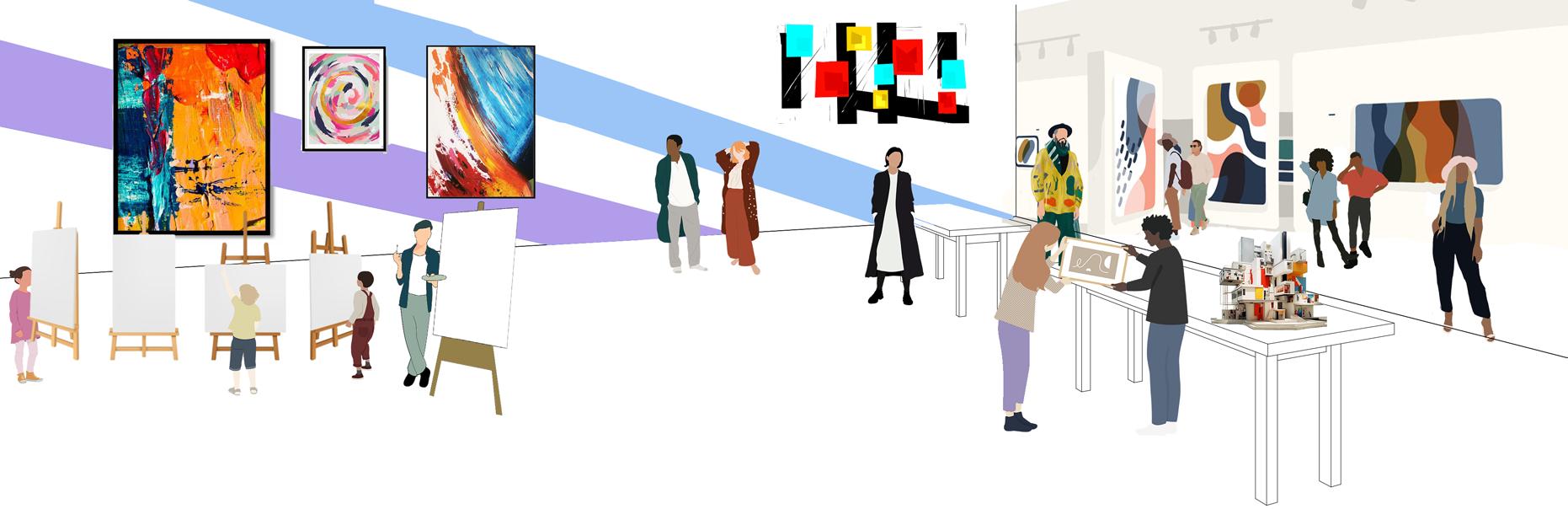
One of the constellation’s key cultural nodes is The Continuum Atelier Exchange, a fluid, multi-use space for creative discovery, community learning, and artistic expression. Its adaptable program supports everything from gallery exhibitions and workshops to informal public dialogues, embodying the project’s emphasis on shared experience and evolving narratives. Together, these spaces transform the site into more than just infrastructure they create a living cultural landscape where architecture becomes a medium for reflection, community engagement, and the celebration of place.


The site analysis explores Tallahassee’s cultural landscape as a constellation of museums, galleries, and landmarks that inform the master plan’s design. A secondary study highlights the vibrant street art and graffiti of the Southside community, which inspired the project’s emphasis on storytelling, creativity, and local expression within the Urban Constellation.



Crescent Junction
A place of movement, connection, and reflection. Inspired by the universe
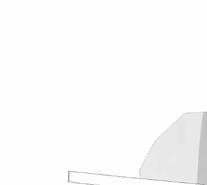
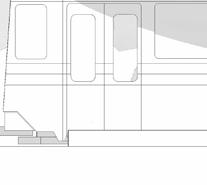
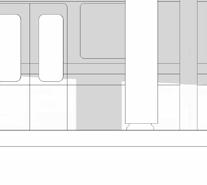
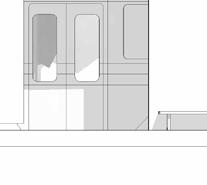
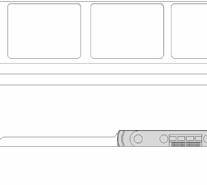
Crescent Junction acts as a symbolic and functional waypoint, introducing visitors to the Urban Constellation. Its crescent form and open platform provide a memorable experience of arrival and departure, echoing the lunar themes of movement and rhythm.





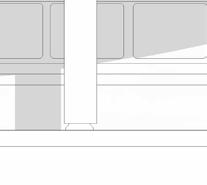
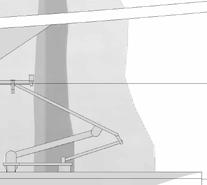
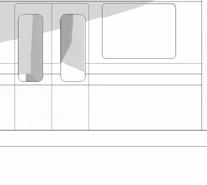
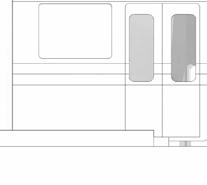

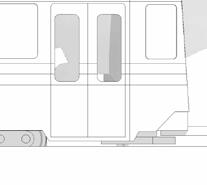


Light Train Stop Render
Light Rail Route Map
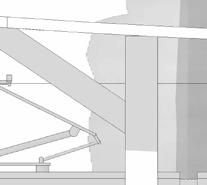
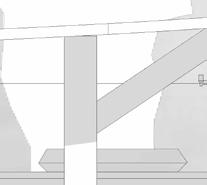
GLULAM BEAM STEEL PLATE
BEAM
Horizon Gate
A Passage of Transformation, Where Spaces Shift and Perspectives Align
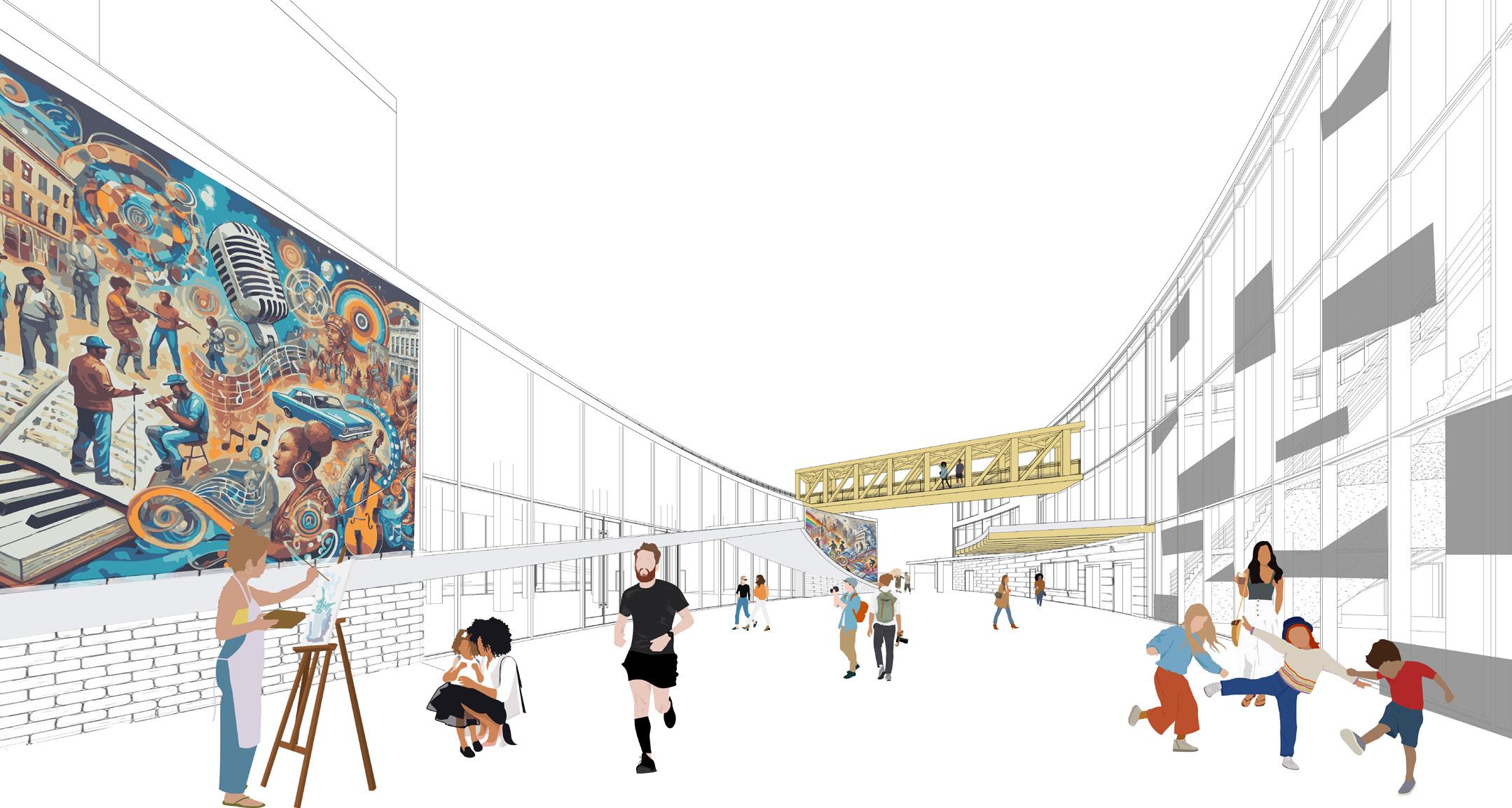
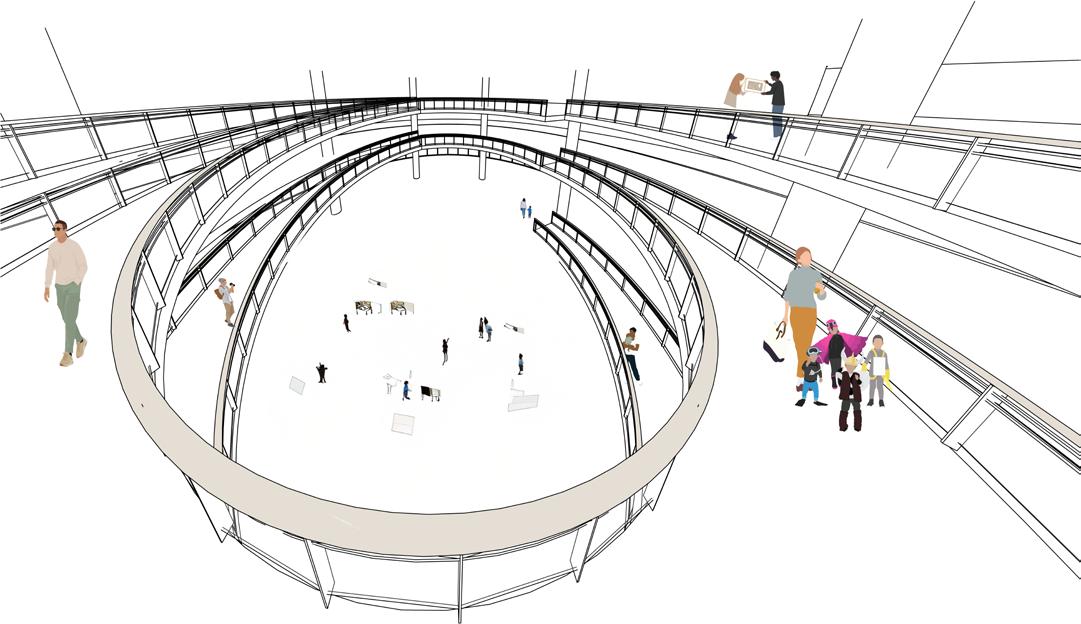
Horizon Gate serves as the gateway into the constellation, where the mirrored buildings and flowing circulation offer a sense of transition and alignment. It symbolizes the convergence of history, people, and movement within a vibrant transportation hub.
GLULAM COLUMN
STEEL PLATE
STEEL PLATE BOLT
Interior Courtyard Render
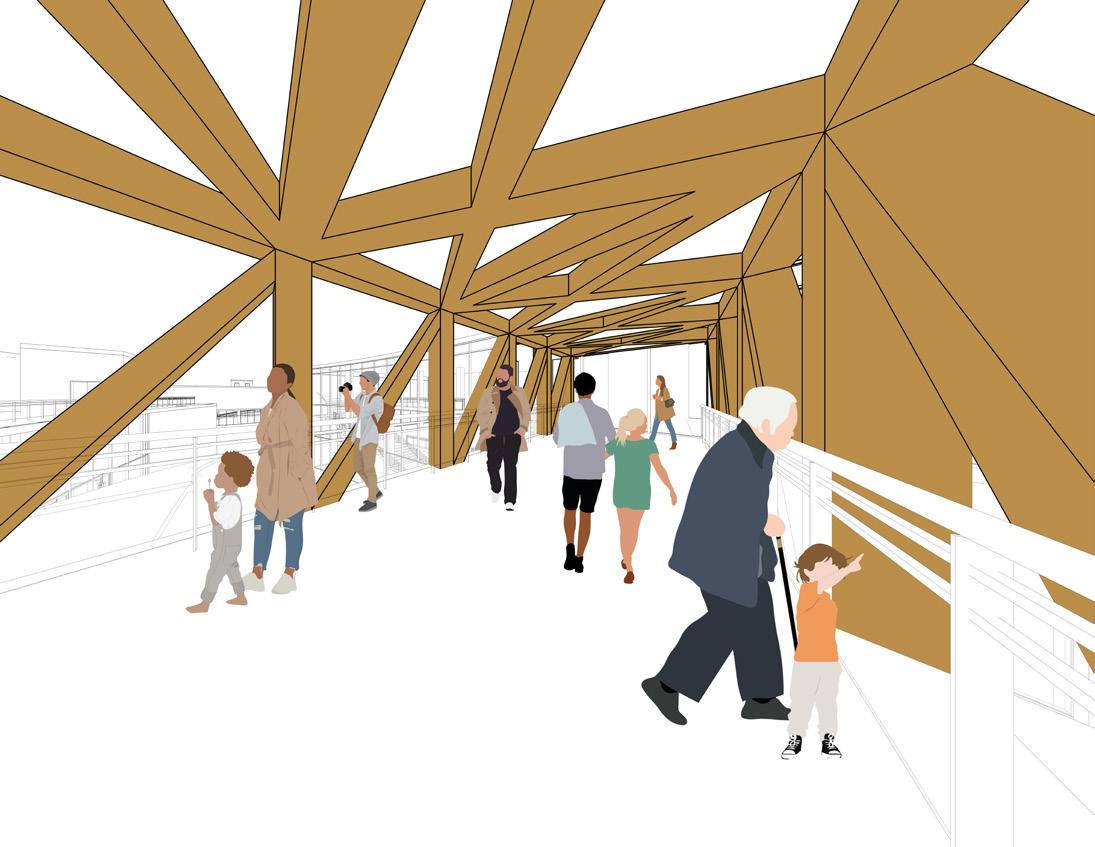
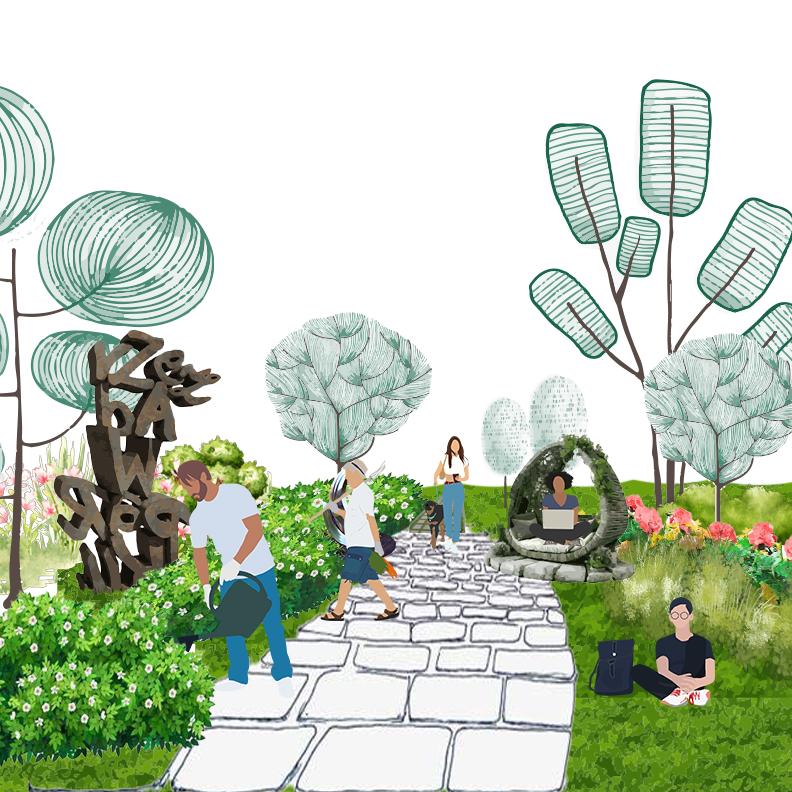
Horizon Gate offers dynamic spaces to overlook the entire site from its elevated bridge, providing a unique perspective of the Urban Constellation. With numerous places to lounge, enjoy a café, and connect with others, the station becomes a vibrant social and transit hub.



The Continuum Atelier Exchange
A Fluid Space for Creative Discovery, Expression, and Shared Experience
The Continuum Exchange is designed as a flexible cultural hub, fostering exploration, artistic expression, and community learning. It blurs the boundaries between gallery, workshop, and public forum, reflecting the ever-evolving needs of the community.
Sculpture Garden Render
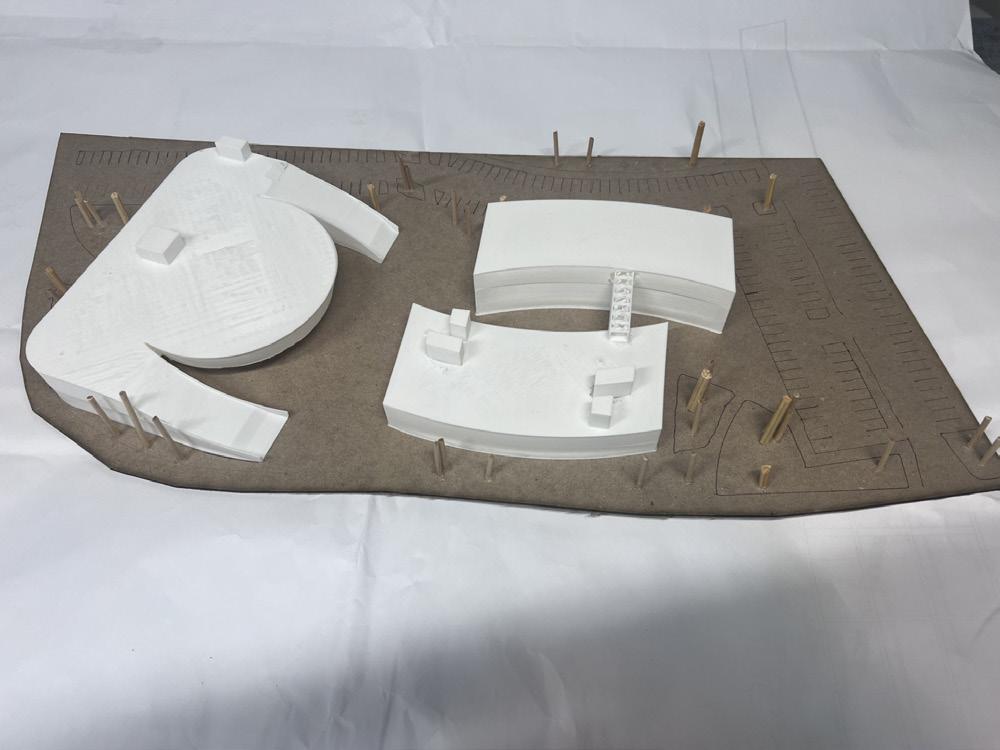
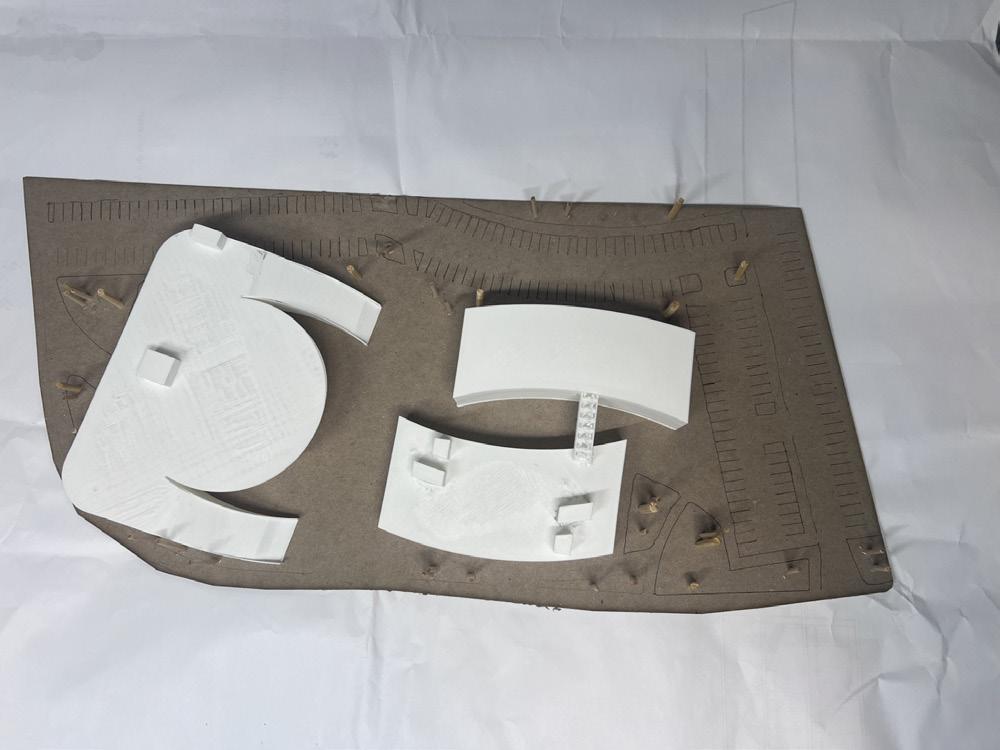
The Model
Aluminum Track Channel
Glazing
Concrete Column
Corbel
Steel Beam
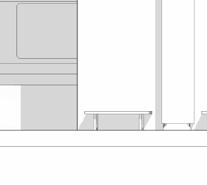
Shade Pocket Assembly
Aluminum Light
Shelf Bracket
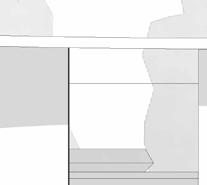
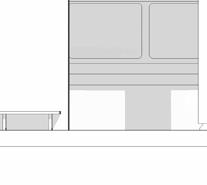
Wall Section
Spiral Gallery Render Gallery Render
Florida Forest Research Institute
Year Completed: Fall 2023 Duration: 9 weeks Location: Tallahassee, Florida
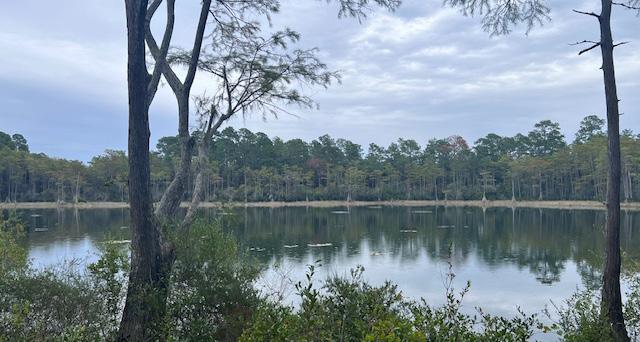
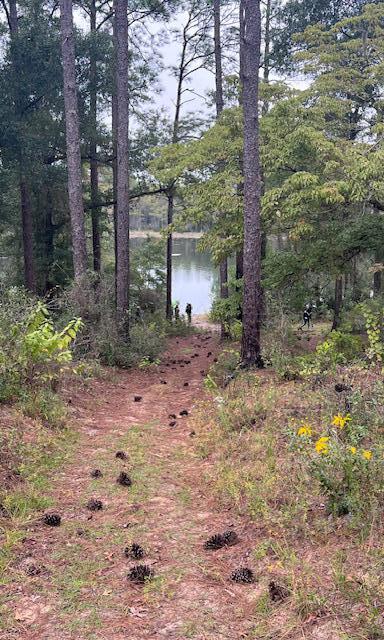
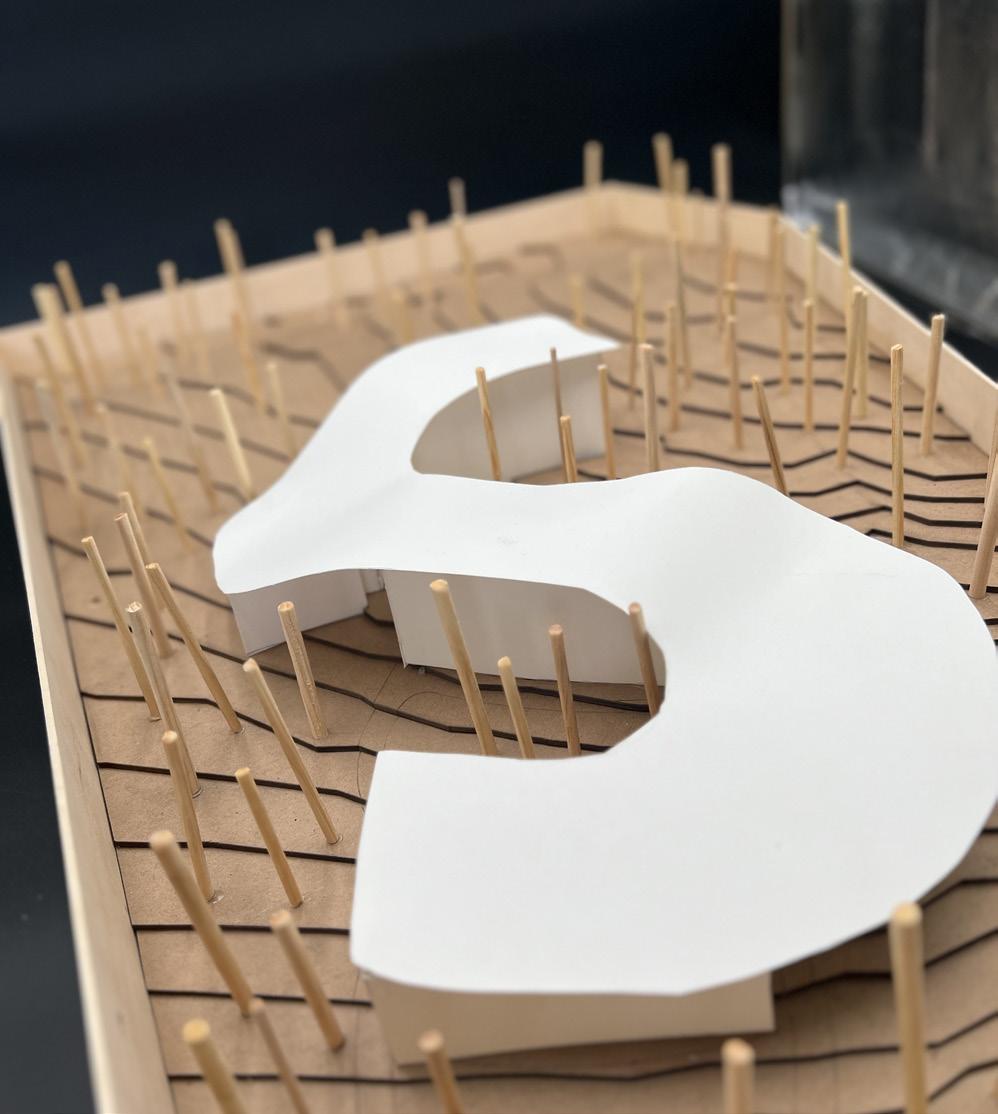
The Florida Forest Research Institution is conceived as a harmonious extension of its setting in the Apalachicola National Forest, near Andrew Lake at the Silver Lake Recreation Area. The project explores how architecture can respectfully inhabit a natural landscape without overpowering it. The design comprises a multi-building complex including a welcome center, exhibition spaces, research and laboratory facilities, auditoriums, offices, and dining amenities. Using mass timber as the primary structural and aesthetic element, the design reflects the ecological patterns of the forest and emphasizes sustainable development, environmental stewardship, and an immersive human experience.
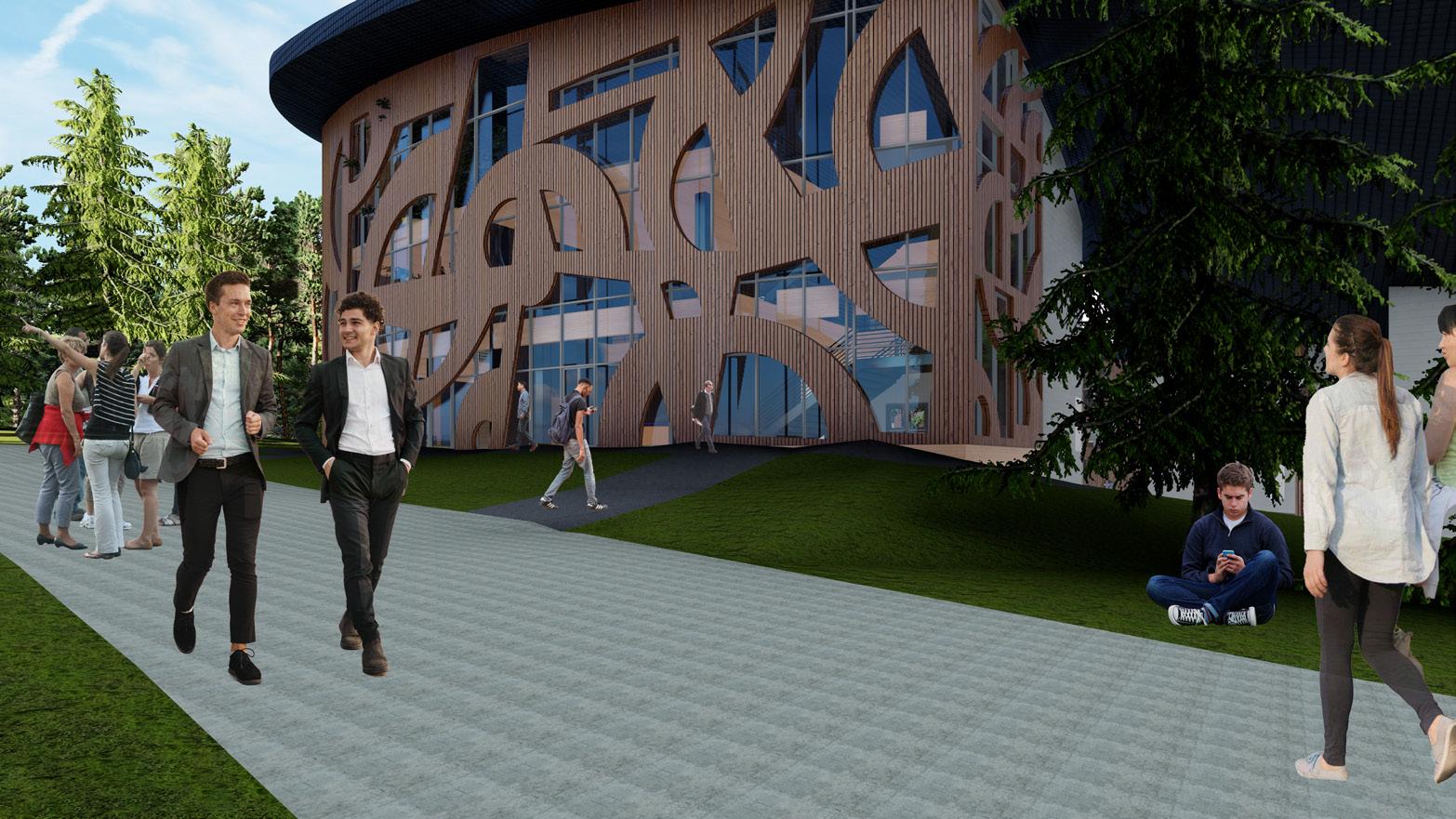
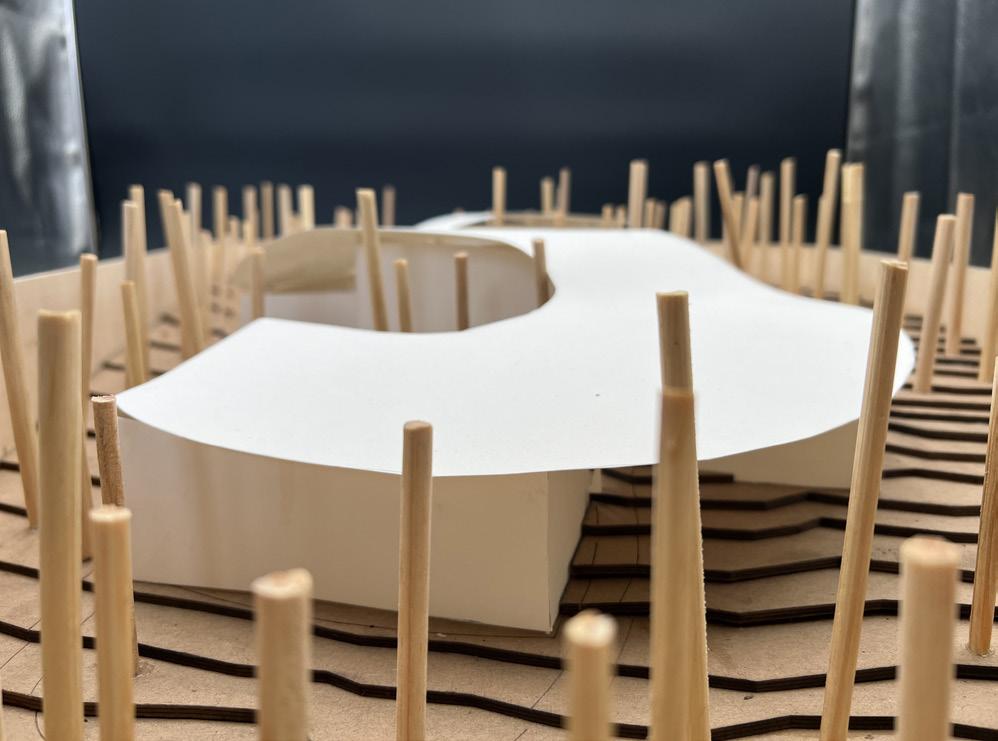
The site strategy works with the natural topography, allowing the architecture to wind organically through the landscape. A continuous roof form connects the buildings, creating a cohesive yet dynamic spatial experience that blurs the line between built form and nature. The facade design draws inspiration from the dappled light filtering through the forest canopy, creating ever-changing patterns across the surfaces. Through thoughtful site integration and materiality, the Florida Forest Research Institution offers a place of discovery, education, and reflection for visitors and researchers alike.
Abstract Site Model
Site Photo
Site Photo
The Site
Street View Render
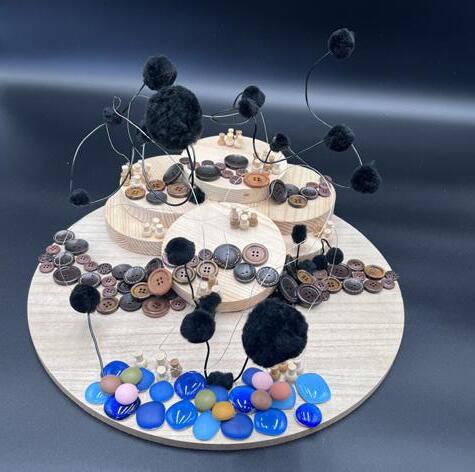
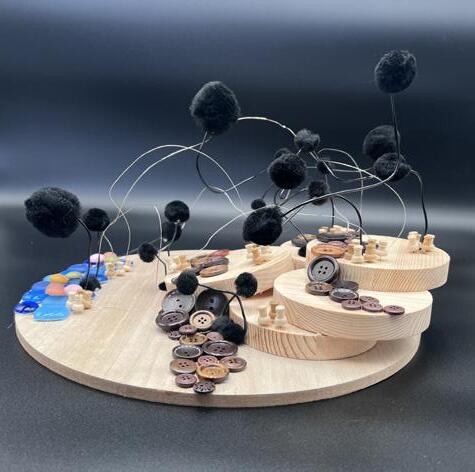
Abstract Site Model
Brown buttons represent the unkept ground of the forest of pine cones and leaves
Blue stones represent the lake found on the site
Black wire and pom poms represent the curvy trees
The Concept
The concept introduces architecture that seamlessly integrates with the natural environment. The site features a multi-building complex that winds organically through the trees and landscape, blurring the boundaries between built form and nature. A continuous roof structure connects all the buildings, unifying the experience while respecting the forest’s natural flow.
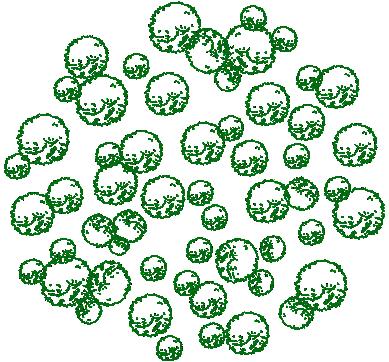
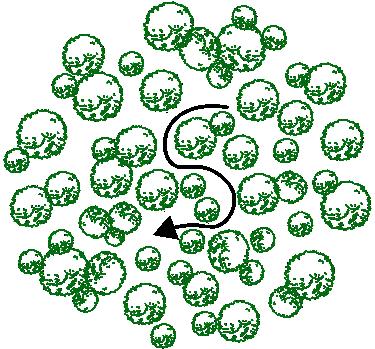
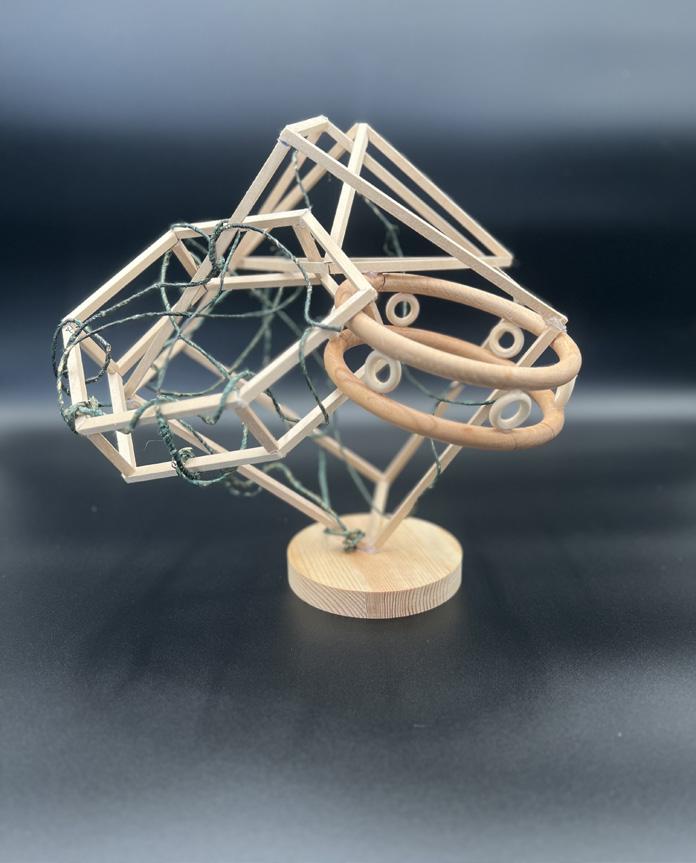
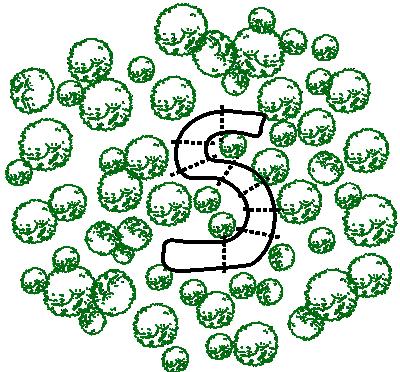
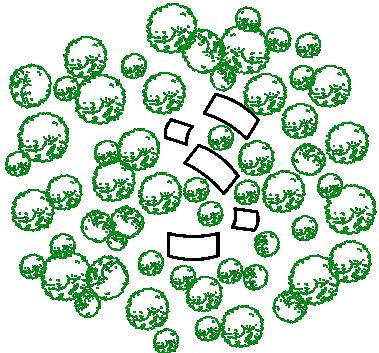


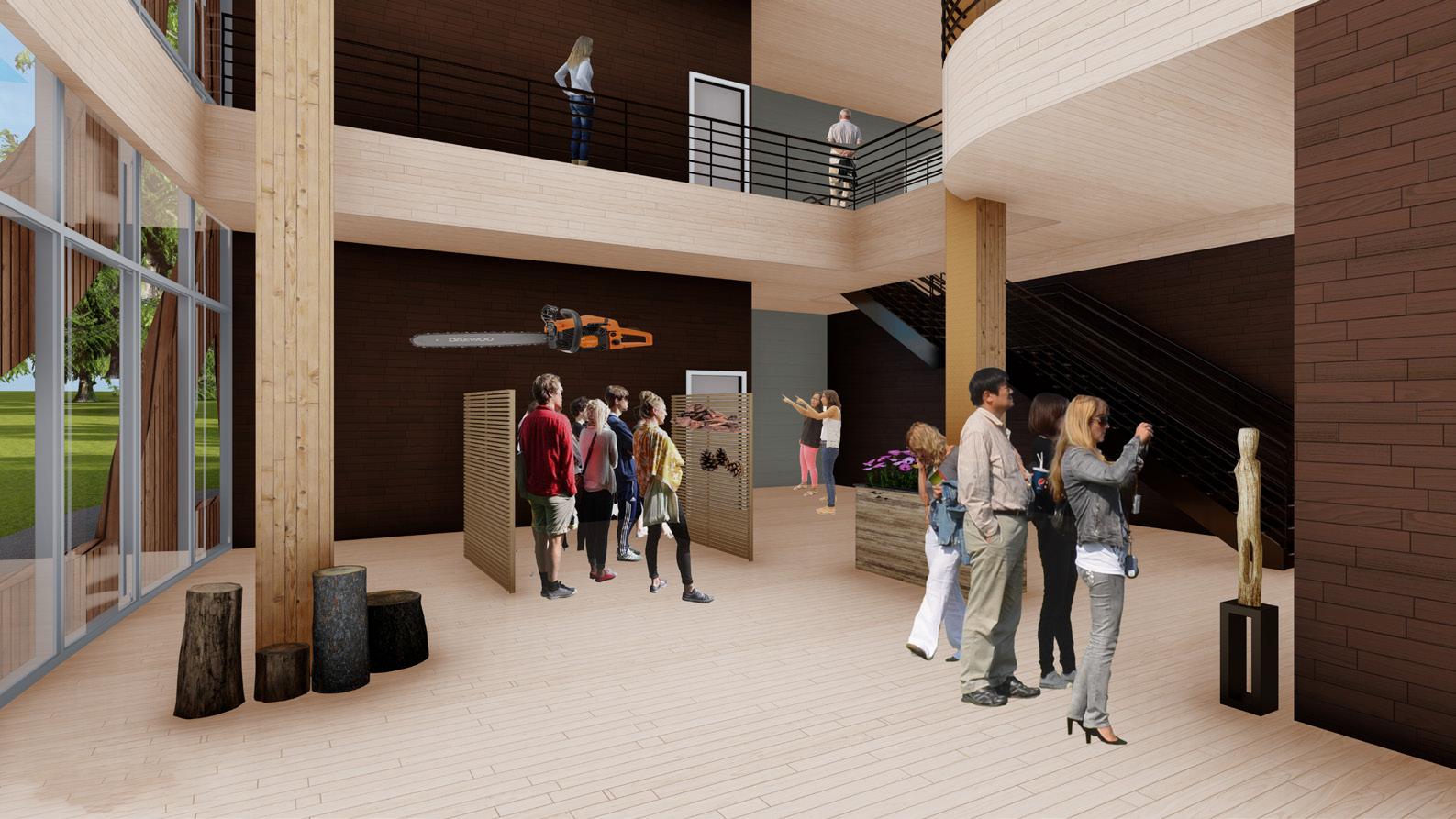
Designed to follow and respond to the site’s natural topography, the project minimizes extensive grading by working with, rather than against, the existing terrain.


Cross Section
Exhibition
Section A
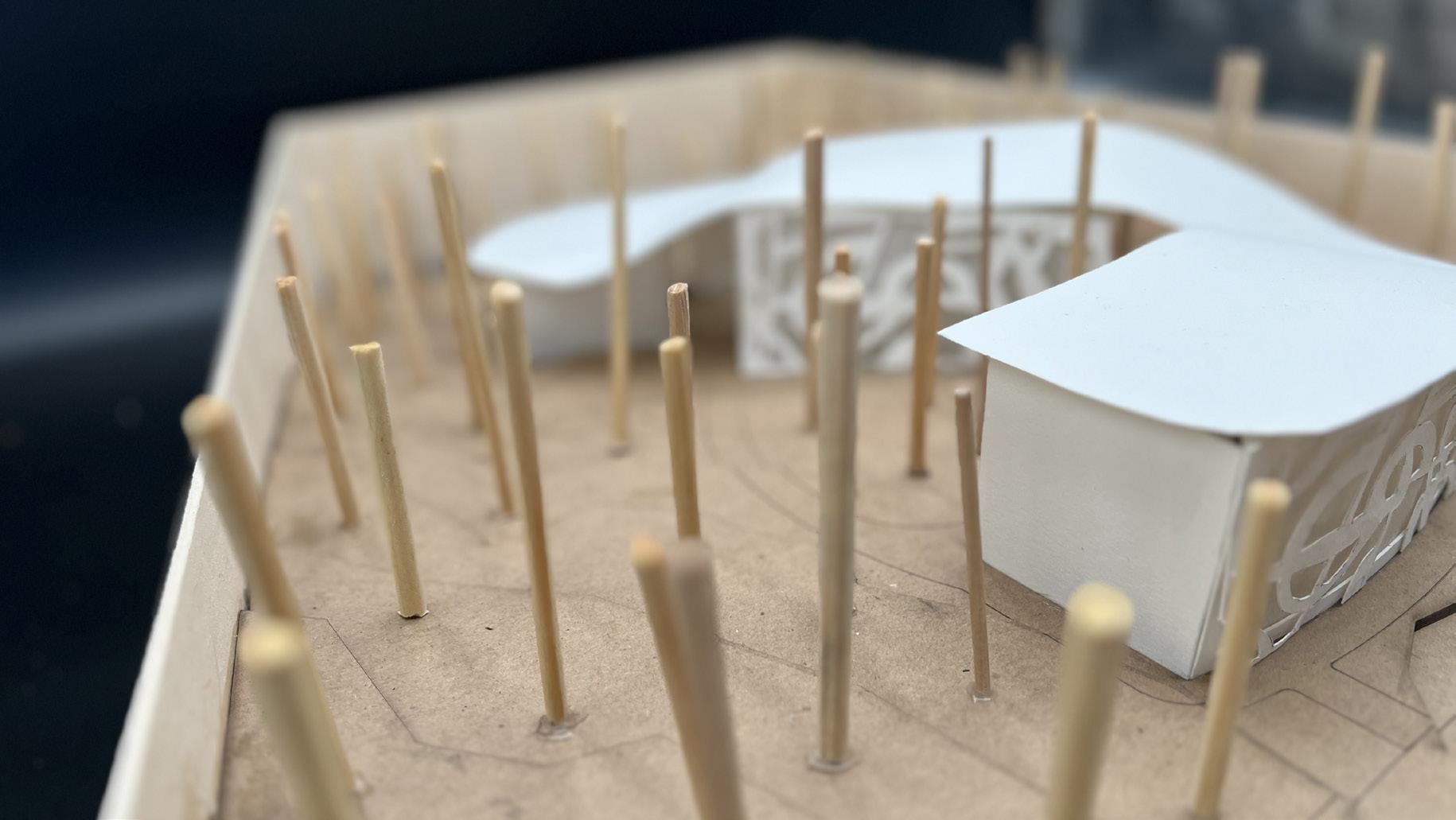
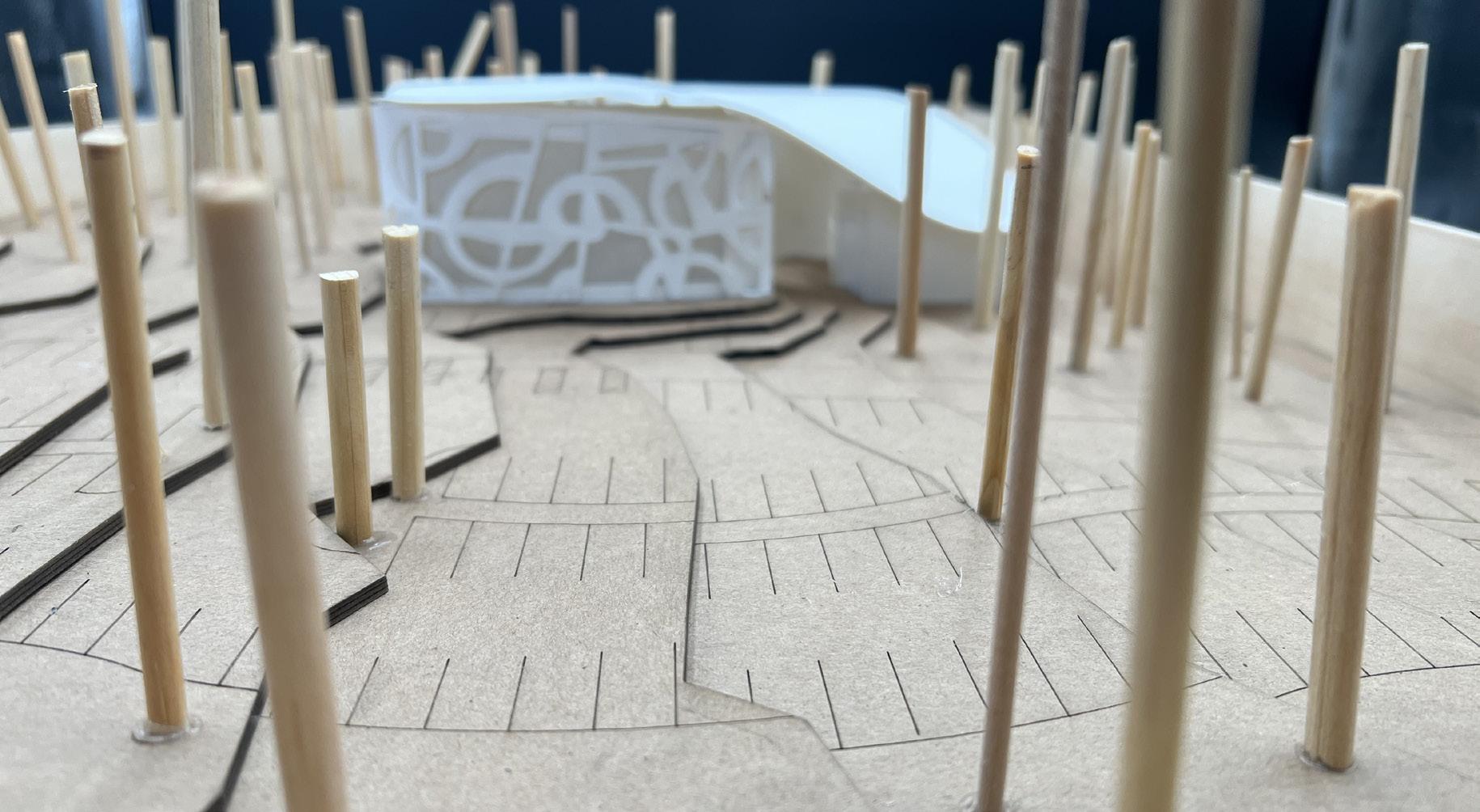
An intricate facade design inspired by the way light filters through the trees and leaves onto the forest floor, creating dynamic and captivating patterns.
South Elevation
North Elevation
East Elevation
West Elevation
The site is organized so that the first building encountered is the Welcome Center, followed by the Auditorium, with the Research Labs and Offices located deeper within the complex. This sequence creates a clear progression from public to private spaces, guiding visitors intuitively through the site
1. Lobby 6. Coffee Bar 11. Breakroom
2. Gift Shop 7. Lounge 12. Multipurpose Room
3. Exhibition 8. Research and Laboratory 13. Mechanical Room
4. Auditorium 9. Office Space 14. Restrooms
5. Restaurant 10. Conference Room
The Model
Global Center for Oceanic Innovation and Aquaframing
Year Completed: Fall 2024 Duration: 9 weeks Location: Barcelona , Spain
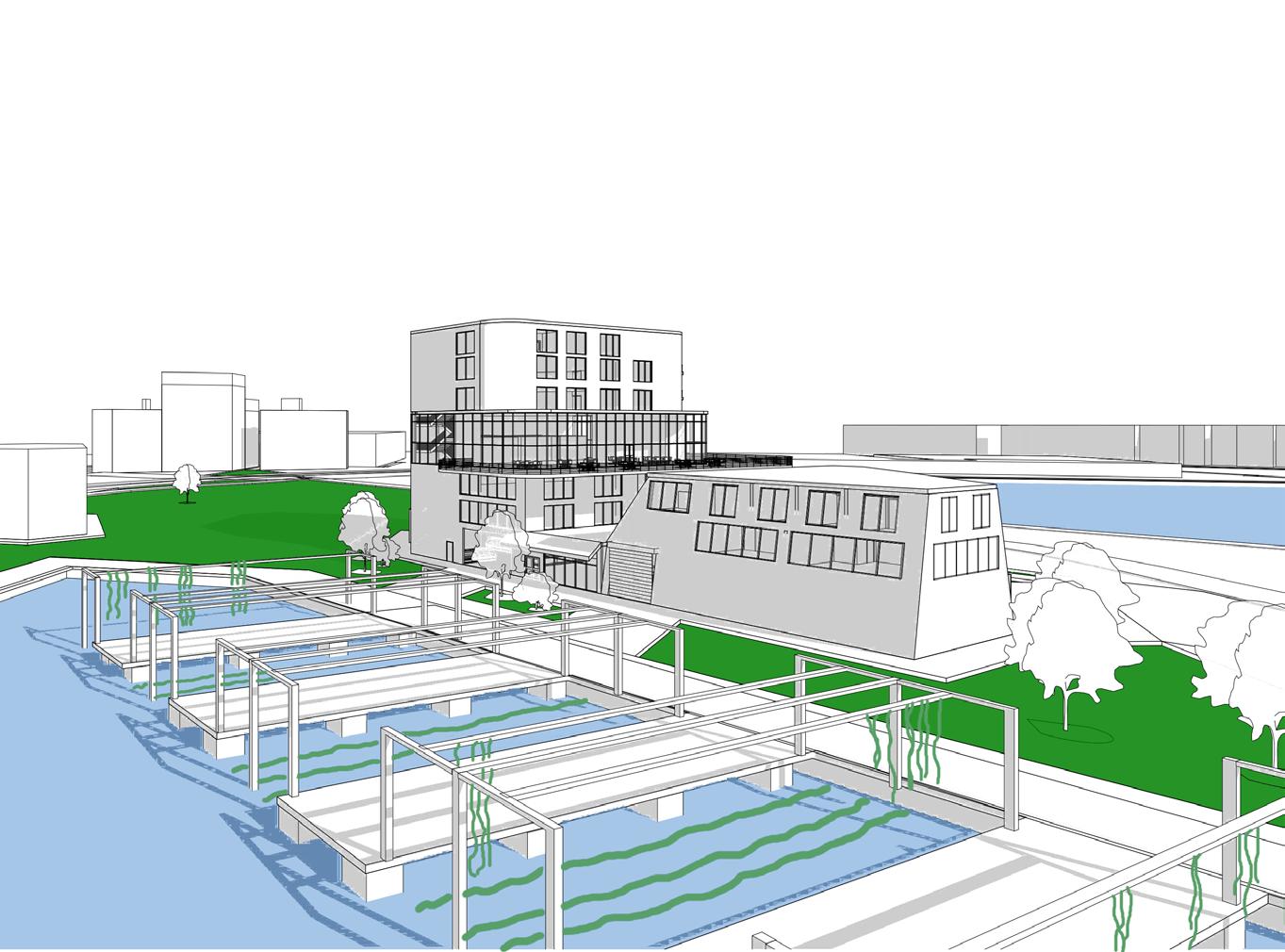
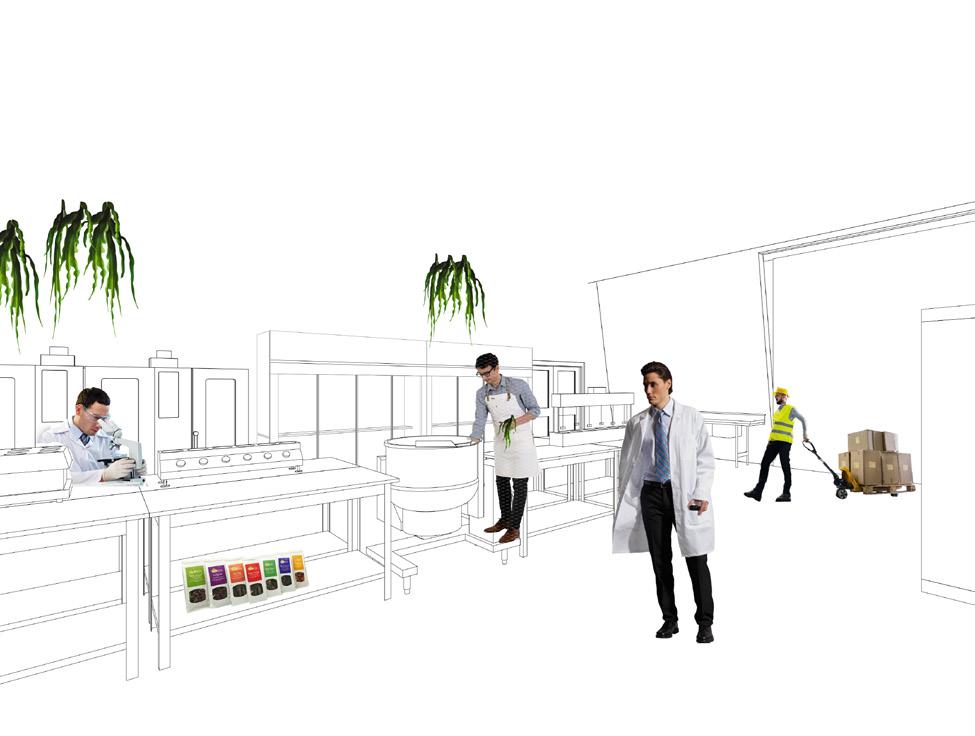
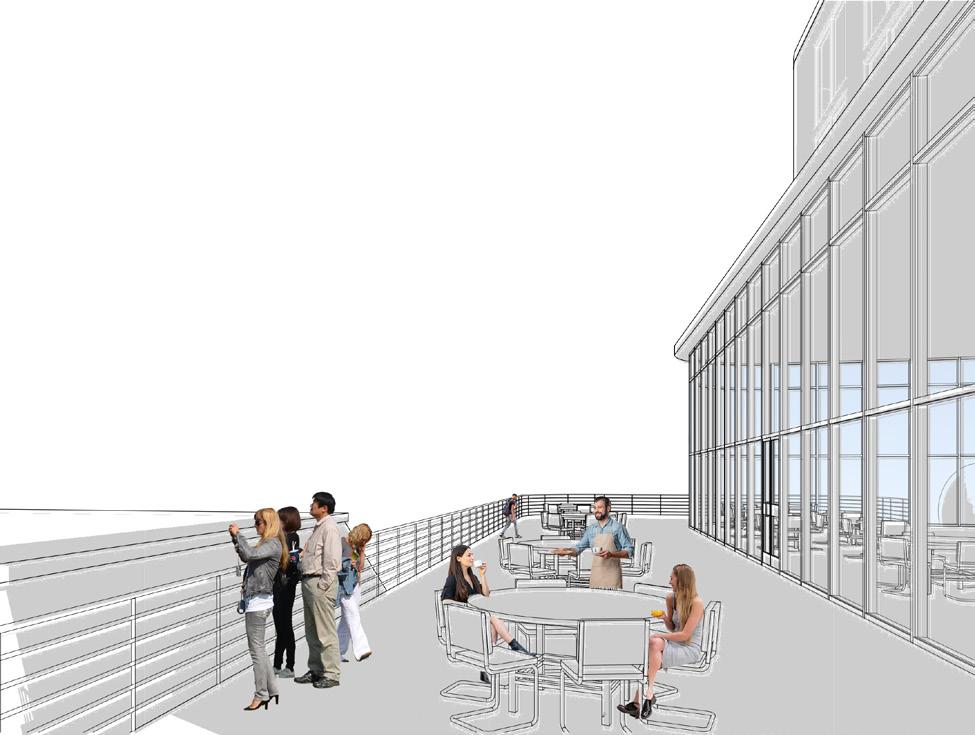
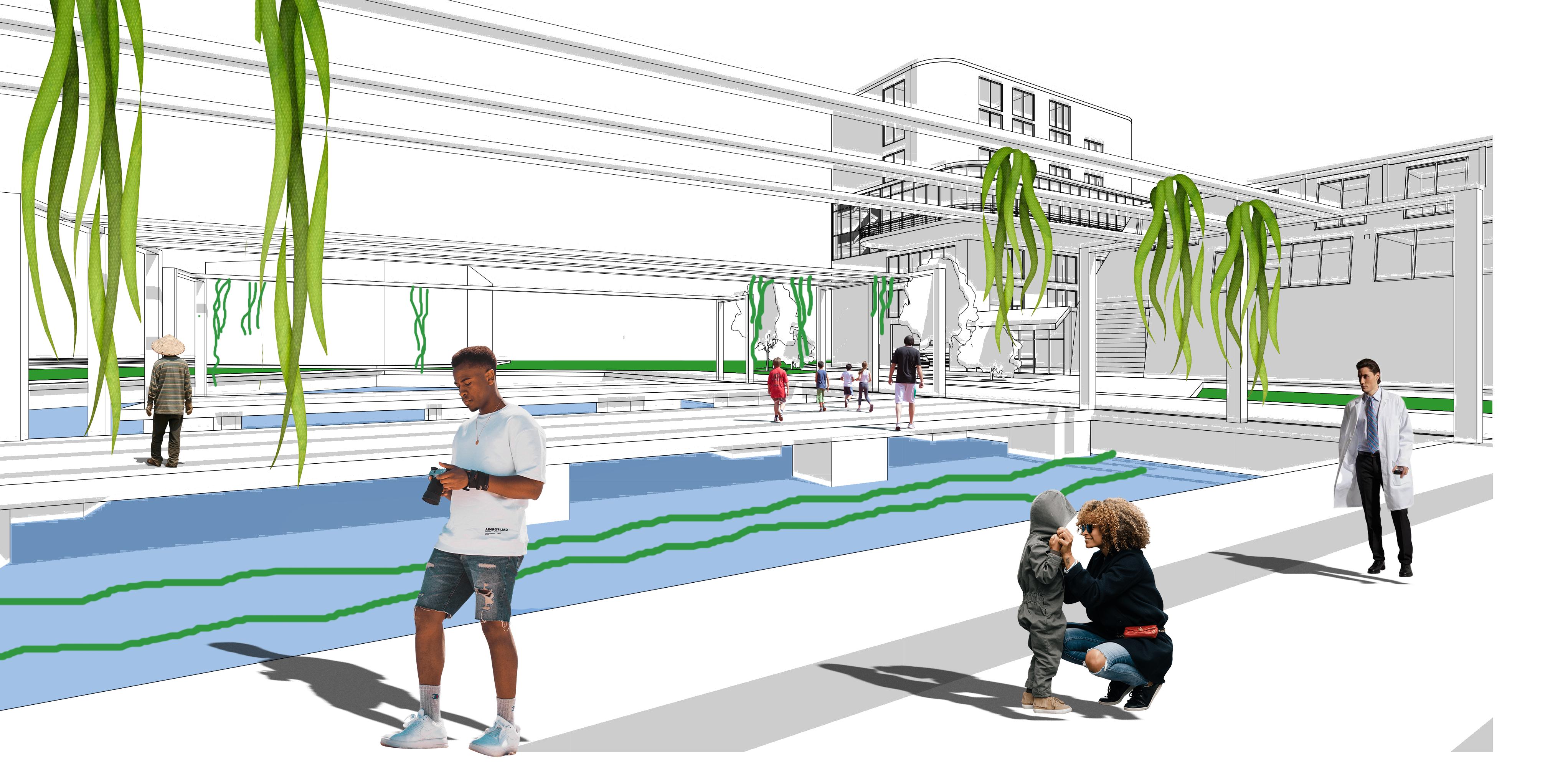
The Oceanic Innovation Center is dedicated to advancing sustainable seaweed Farming to address Barcelona’s critical environmental and urban challenges. The Center focuses on coastal protection by integrating seaweed aquaculture along the Coast, mitigating erosion and wave energy while promoting seaweed as an alternative food source. The center’s eco-friendly practices contribute to food security and carbon sequestration through research, education, and innovation, supporting the city’s blue economy and environmental resilience
The Research


Exterior Perspective Render
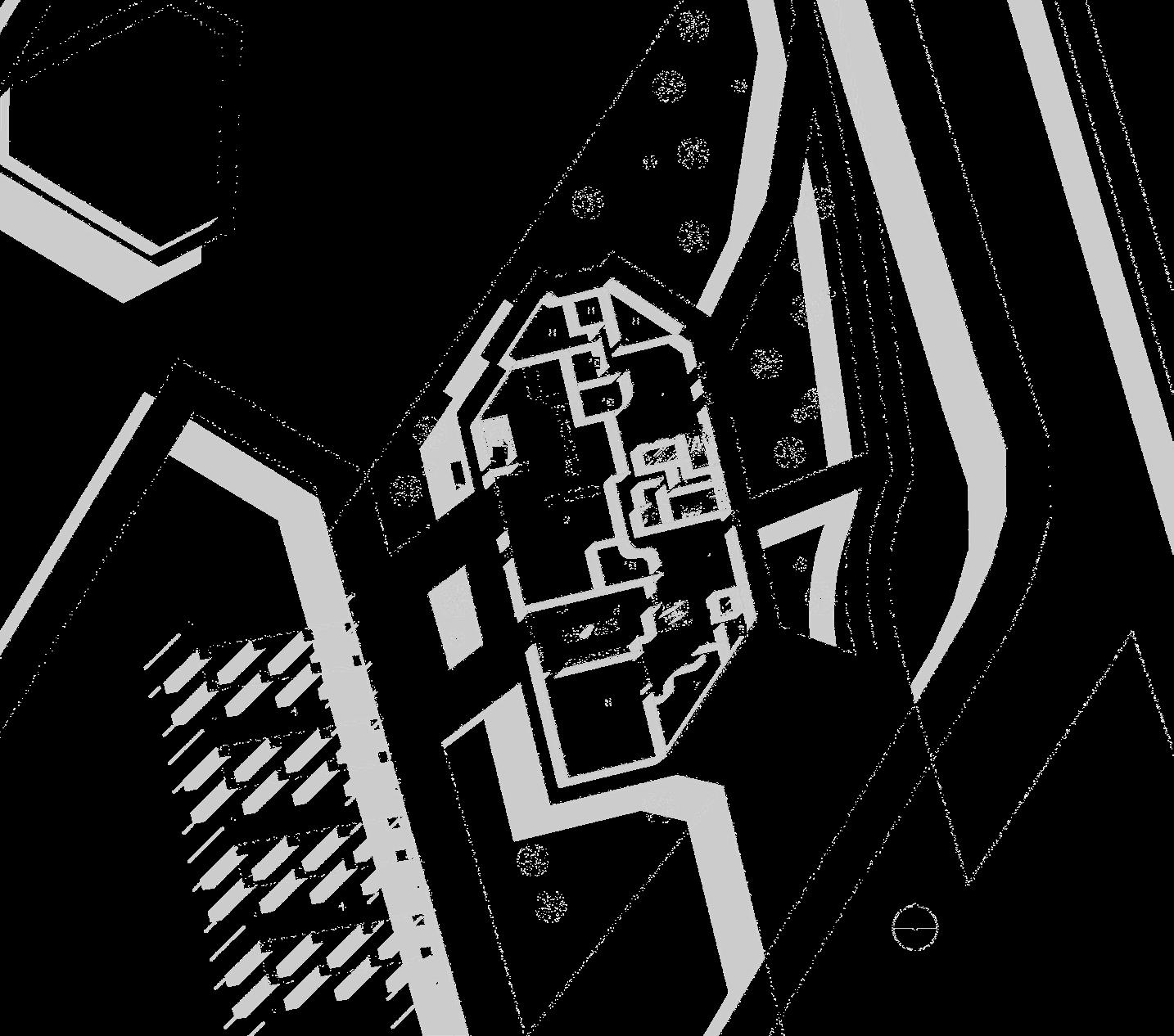
1. Lobby, 2. Fish Market, 3. Mechanical Room, 4. Grow Docks, 5. Research Lab, 6. Walk in Fridge, 7. Locker/Equipment Room, 8. Conference Room, 9. Restaurant 10. Offices, 11. Accommodation, 12. Learning Labs, 13. Rooftop Lounge
Program Key
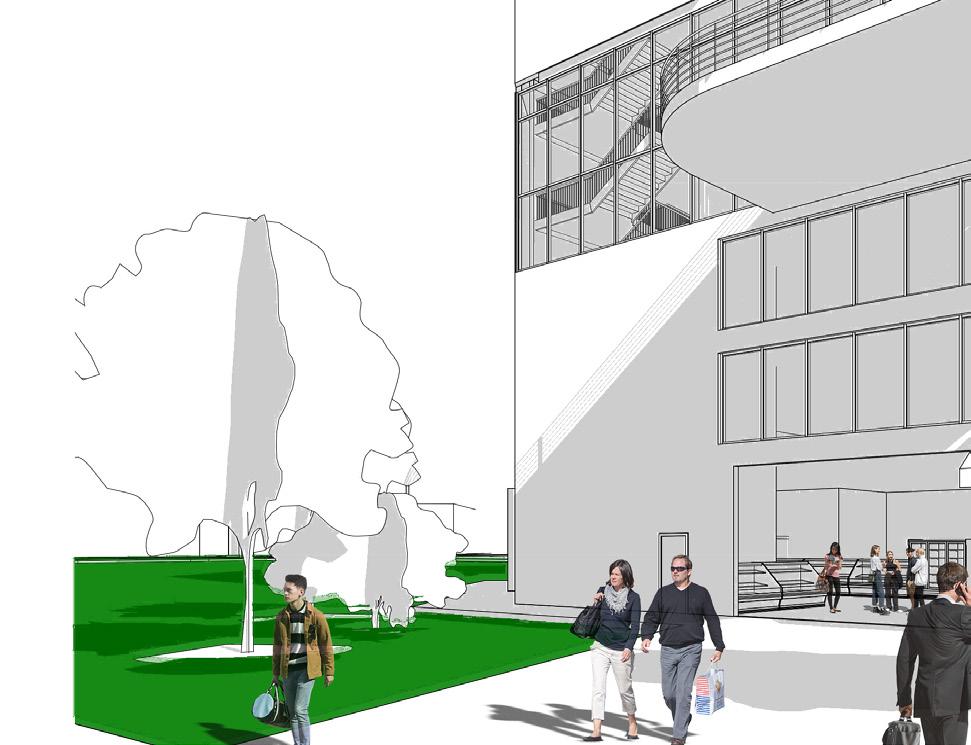
Sidewalk Render
Rooftop Lounge Render
Research Lab Render
The Rise at Monroe
Year Completed: Spring 2024 Duration: 6 weeks Location: Tallahassee, Florida
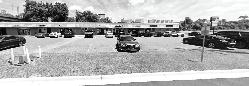
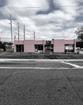
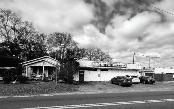
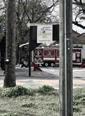
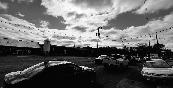
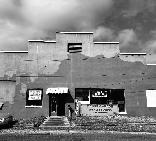
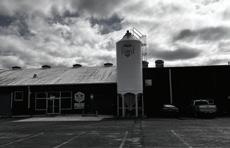
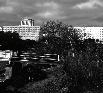
The Rise at Monroe is a multifunctional urban infill project designed to revitalize the historic South Monroe-Adams Corridor of Tallahassee. Once a hub of light industry and automobile-centered commerce, this corridor evolved alongside Tallahassee’s broader history of civil rights activism, cultural identity, and urban transformation. South Monroe Street and South Adams Street were central to the African American community, with landmarks such as the historic FAMU Hospital and the Foote-Hillyer Building serving as vital community anchors. The project respects this legacy while addressing current urban needs, proposing a mid-rise structure that promotes community vibrancy, walk ability, and mixed-use development.
Positioned as a gateway between Florida A&M University’s Southside neighborhood and Tallahassee’s urban core, The Rise at Monroe responds to the area’s complex history of industrial development, segregation, and grassroots community resilience. The design emphasizes density, layered programming, and social equity, incorporating public services, workspaces, hospitality, and recreational spaces. Through careful site integration and structural expression, the project creates meaningful connections between people, place, and the evolving cityscape, bridging Tallahassee’s past and future through thoughtful, community-focused urban design.
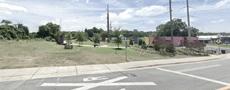

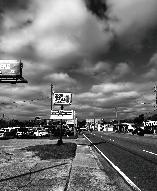
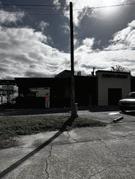

The Concept
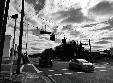
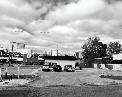
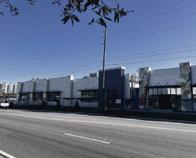
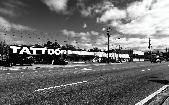
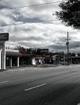
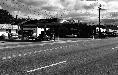

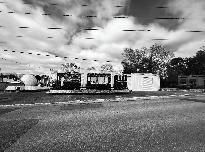
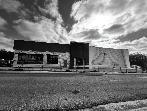
The concept centers on the idea of constant change and the dynamic evolution of two parallel elements, reflecting the continuous growth and transformation of the surrounding urban fabric
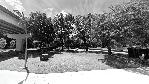
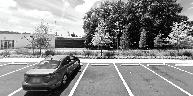
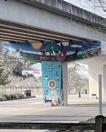
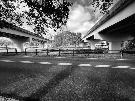
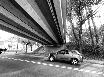
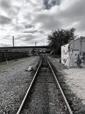
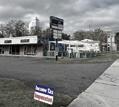
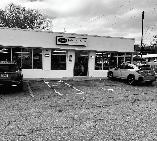
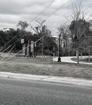
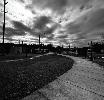
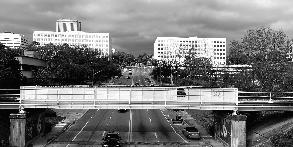
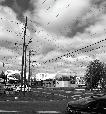
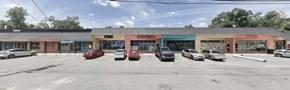
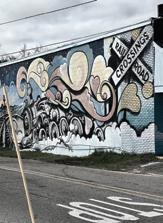
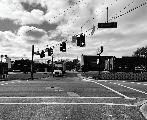
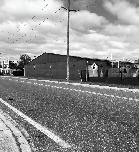
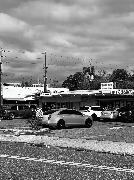
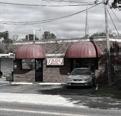
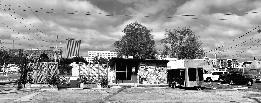
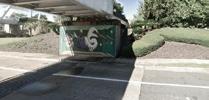
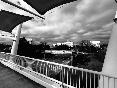
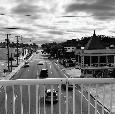
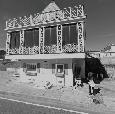
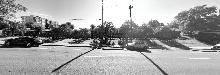
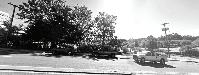
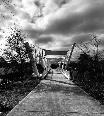
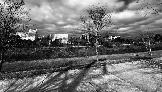
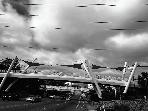
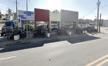
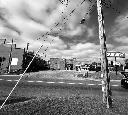
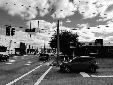
Photo Survey
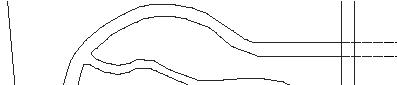
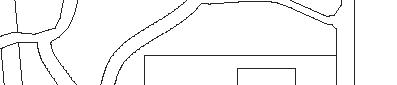
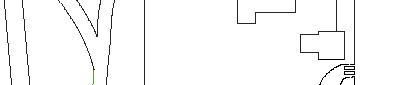
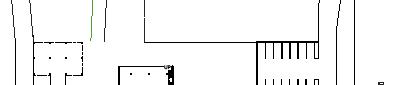
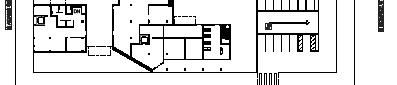
The floor plan of The Rise at Monroe is organized to balance public accessibility with private functionality, creating a layered spatial experience. The ground floor welcomes visitors with a lobby (1), retail spaces (5), and a restaurant (6), activating the street level and fostering engagement with the community. Office spaces (3) and conference rooms (4) occupy the intermediate levels, supporting professional and collaborative activities. Hotel rooms (2) provide convenient accommodations, further blending hospitality with mixed-use functionality. The design ascends to a rich variety of communal spaces including a rooftop garden (7), rooftop lounge (8), and a rooftop bar (9), offering panoramic views and encouraging social interaction. Additional amenities include a multi-purpose room (10) for events and gatherings, mechanical rooms (11), and bathrooms (12), all integrated seamlessly into the plan to support a dynamic urban lifestyle.
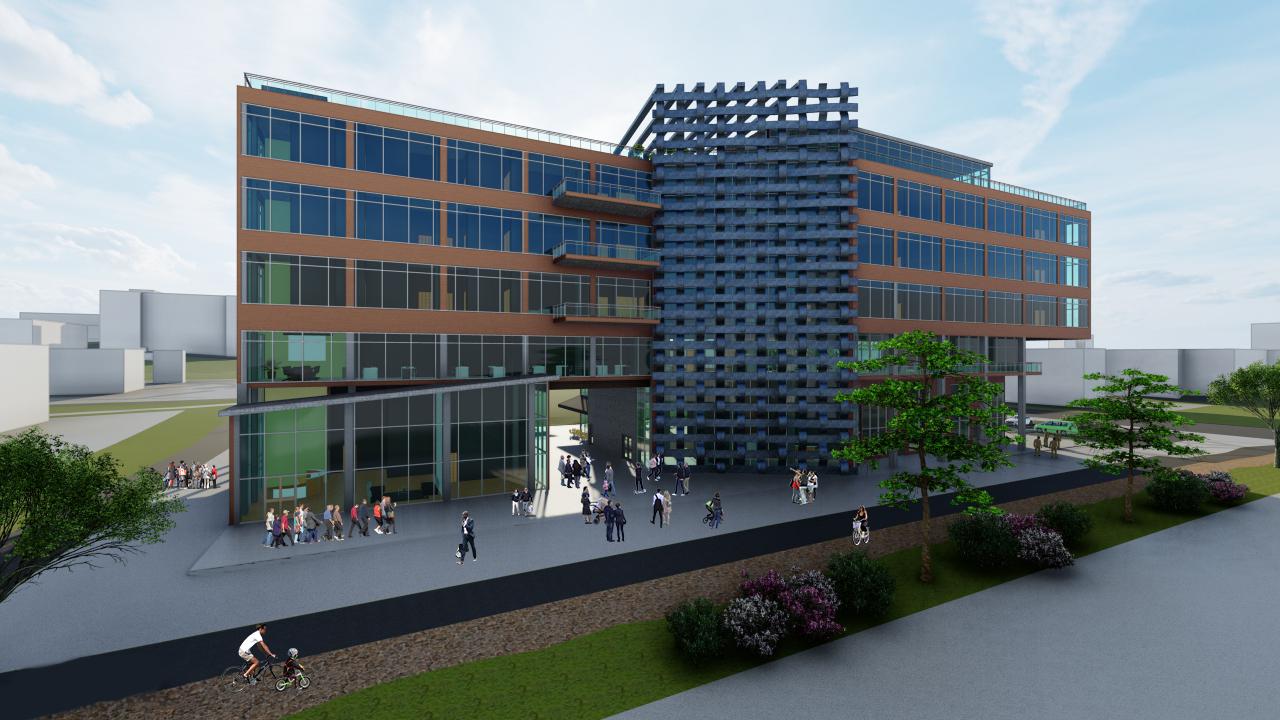
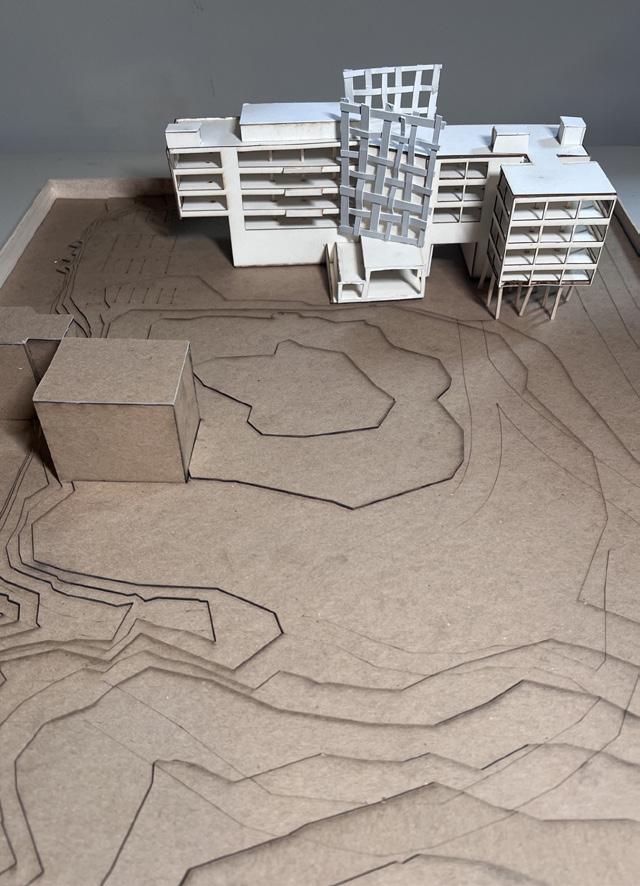
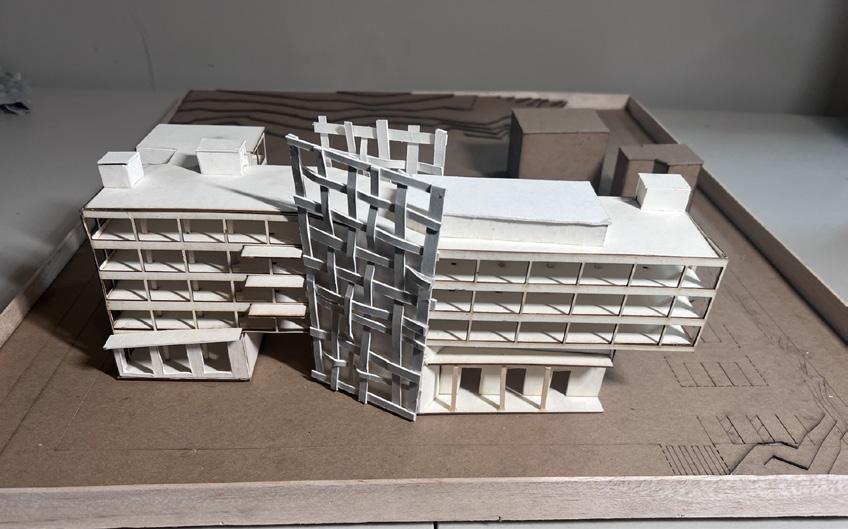
A woven tapestry facade serves as a narrative canvas for exploring the city’s history, culture, and human experiences. Embedded within the architectural fabric, it fosters a deeper connection between the built environment and the intertwined elements of urban life.

Building Render
Subterrain parking located under the building
Rooftop View Render Lobby Render Parking Plan
Section C
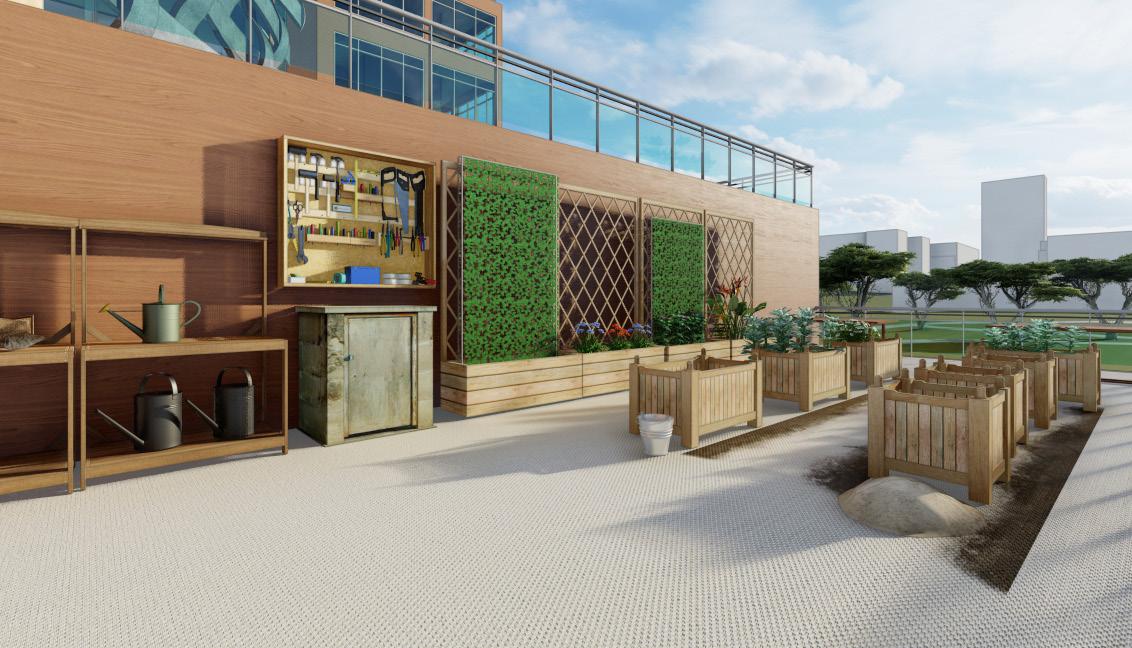
The Rise at Monroe is designed to foster community engagement and social interaction through a variety of vibrant outdoor spaces. The site integrates lush green areas for lounging and play, community gardening plots that encourage local participation and food cultivation, and open lawns where residents and visitors can relax or gather for informal activities. A key feature of the design is an art wall that showcases local artists and celebrates the cultural identity of the neighborhood. Together, these elements create a dynamic and inclusive environment that promotes wellness, creativity, and connection, transforming the site into a true community hub.
Sidewalk View Render
Sidewalk View Render Community Garden Render
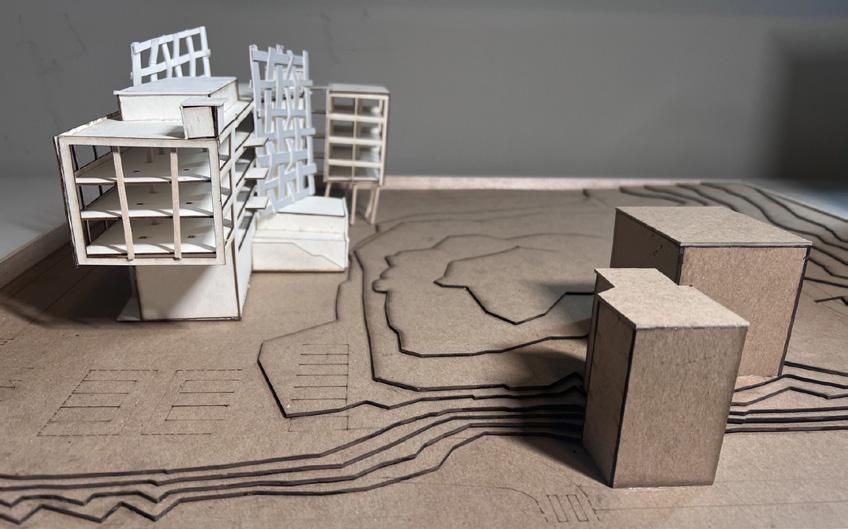
The Model
Journey in Motion
Year Completed: Fall 2023 Duration: 4 weeks Location: Florida A&M University Campus
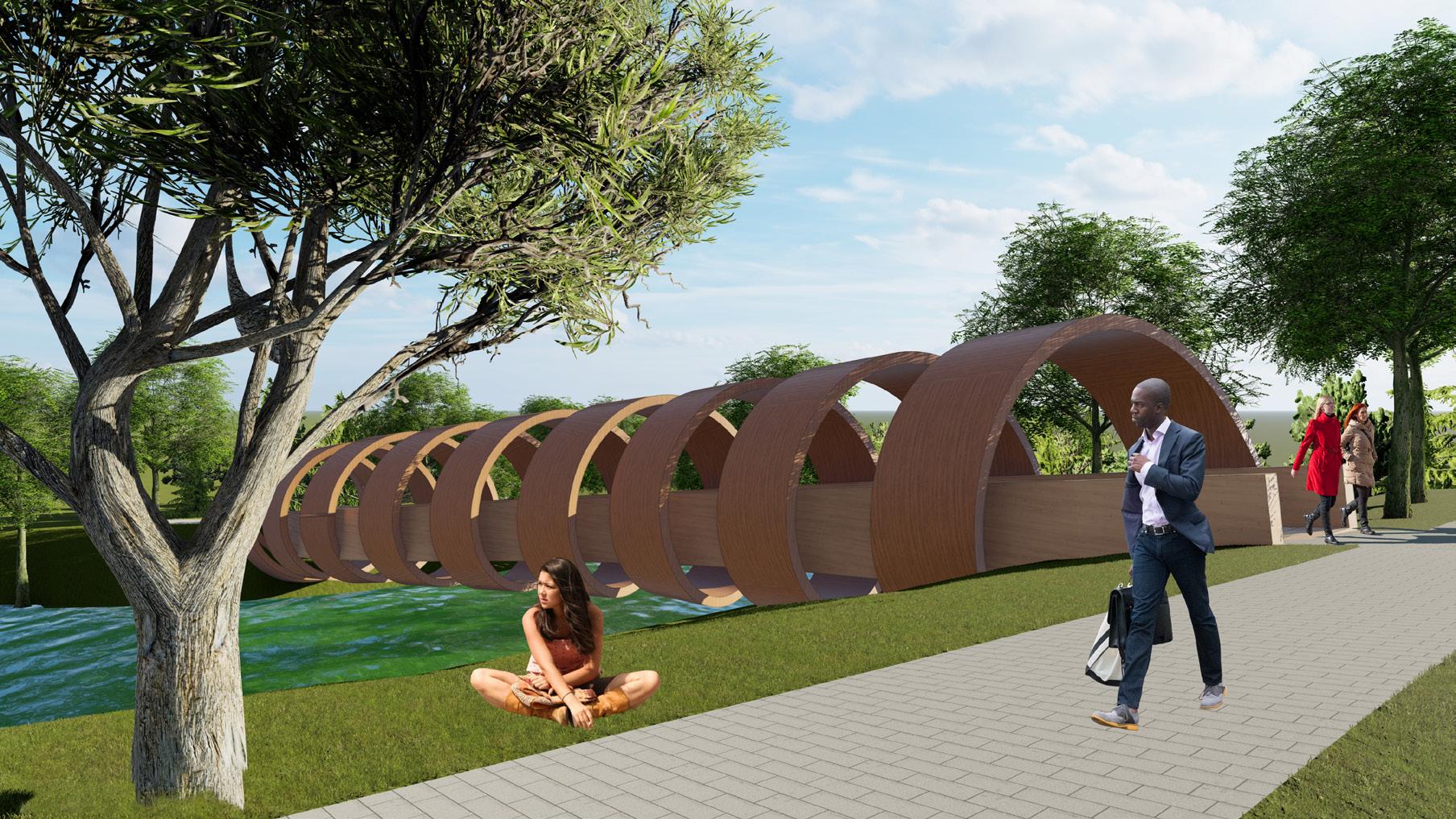
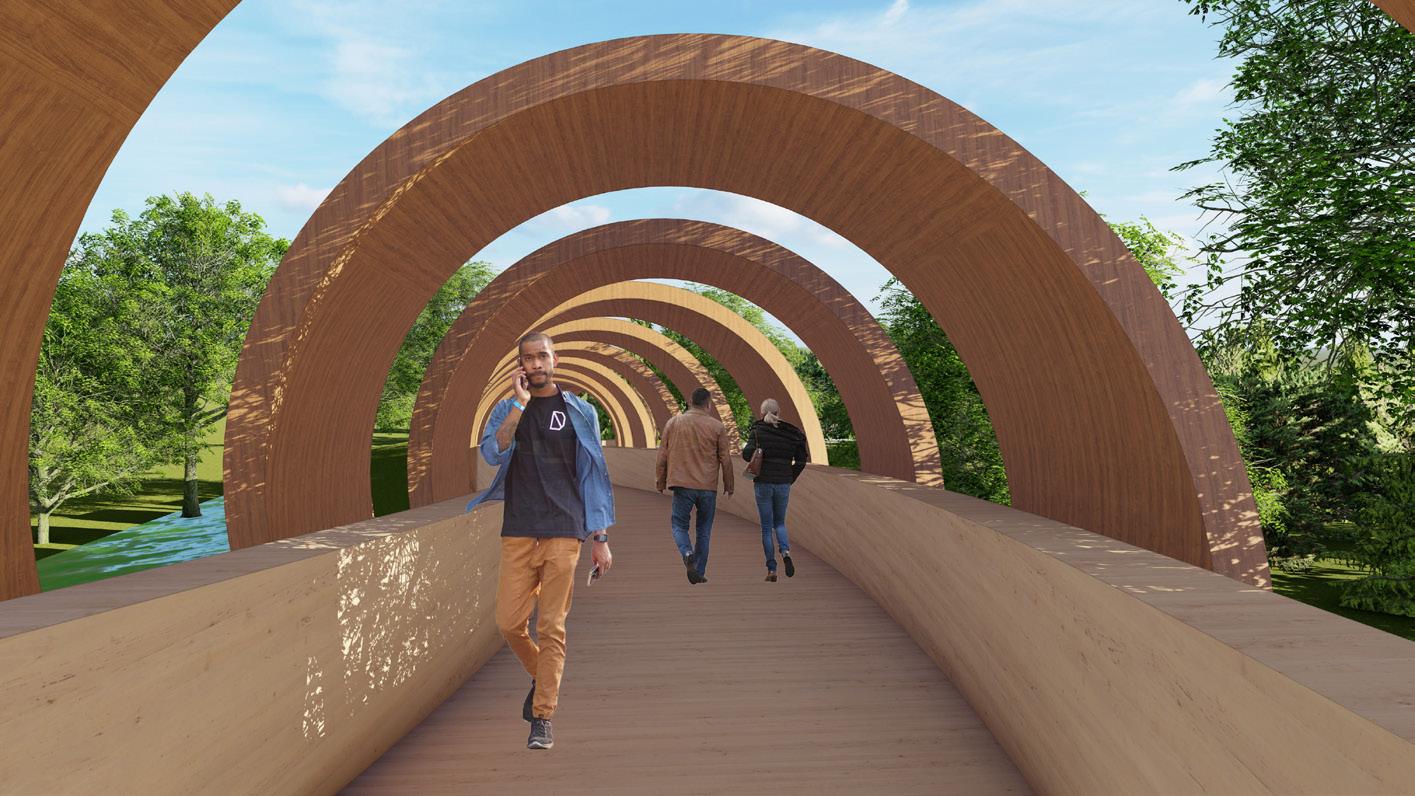
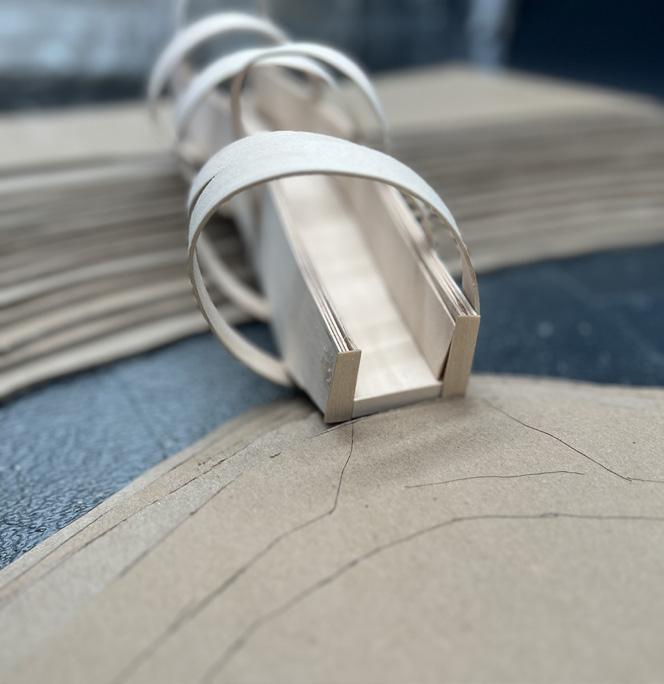
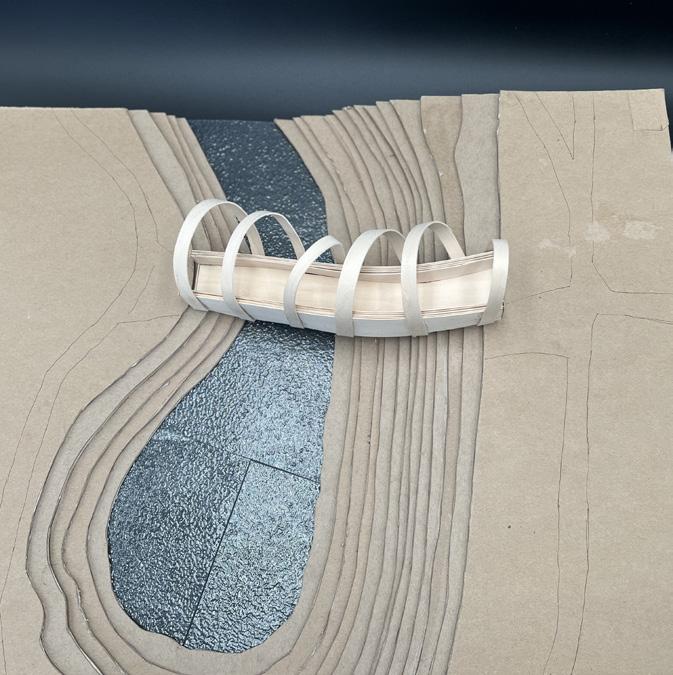
This project is an pedestrian bridge that reimagines the journey across a bridge as an immersive journey of self-discovery and inspiration. The spiraling form and winding deck are designed to engage users, encouraging reflection and motivation with each step. The structural interplay of mass timber and steel reflects a harmony between natural materials creating a bridge that is not only functional but emotionally resonant.
By transforming the act of crossing into an experience, the design amplifies the connection between space and user, reinforcing the idea that architecture can shape our mental and physical journeys.
The Concept
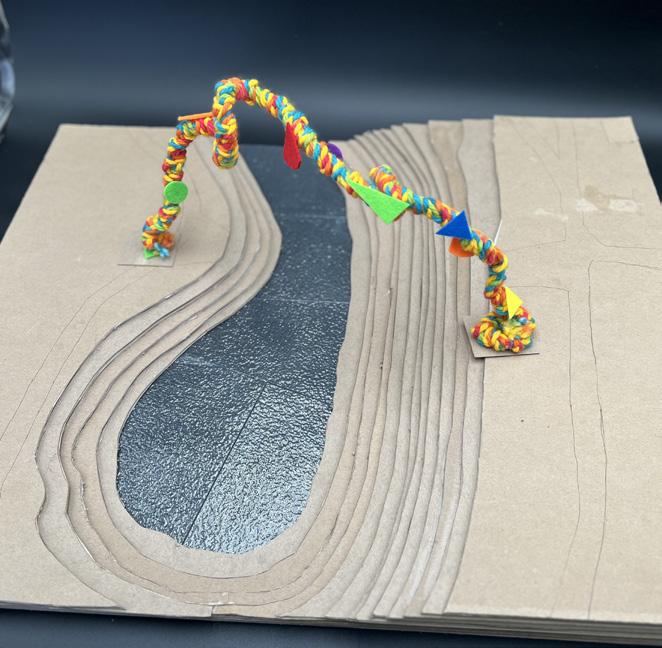
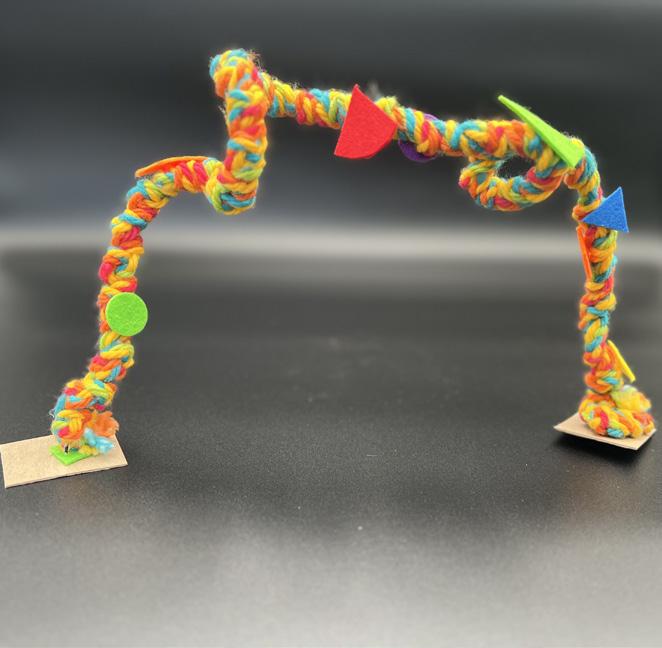
The design concept revolves around a persons playful imagination. The spiraling design is strategically employed to incite self-discovery and amplify the enjoyment of the journey.







Walking Path Render
On Bridge View Render
The Model