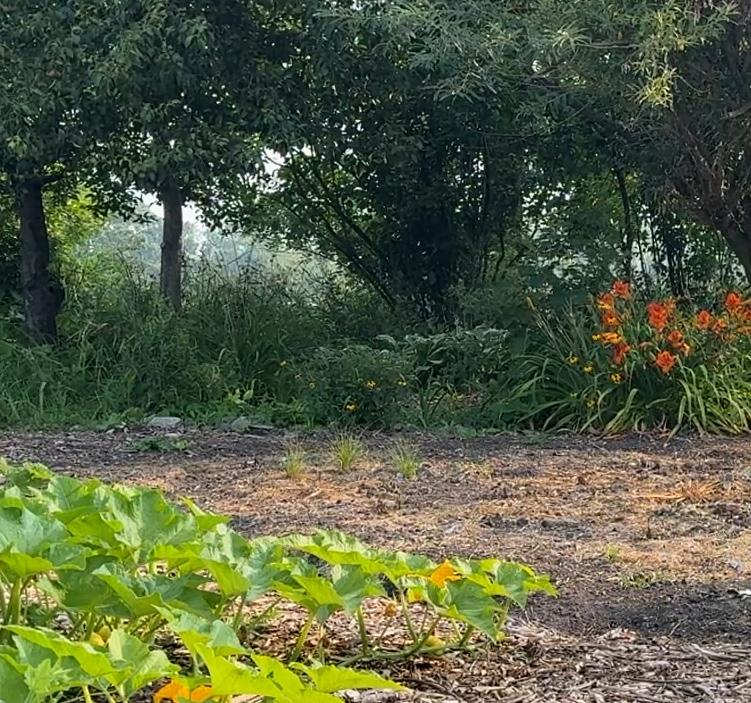
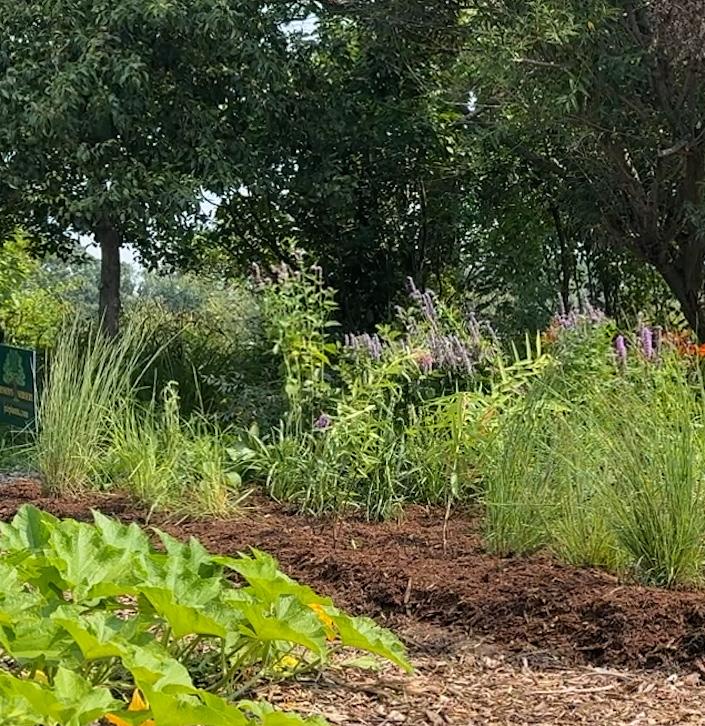
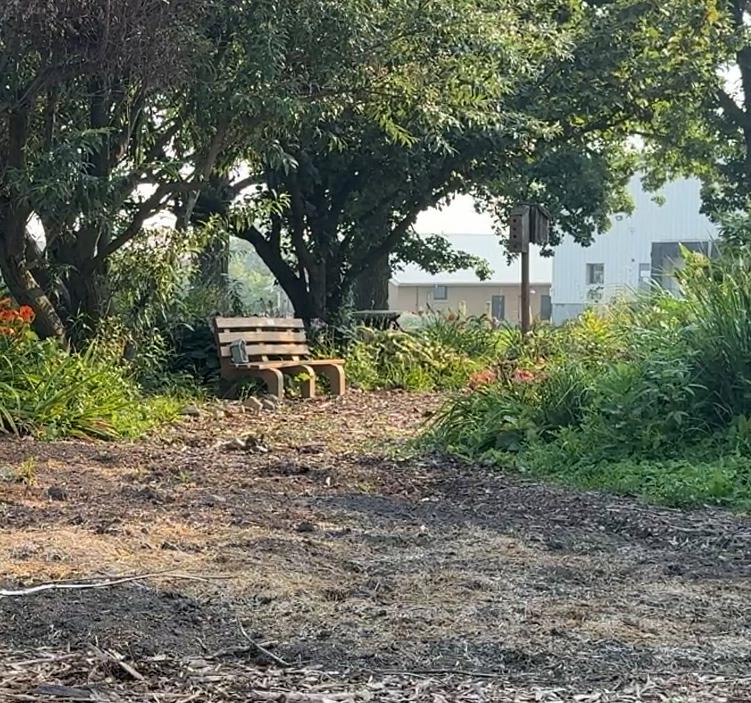
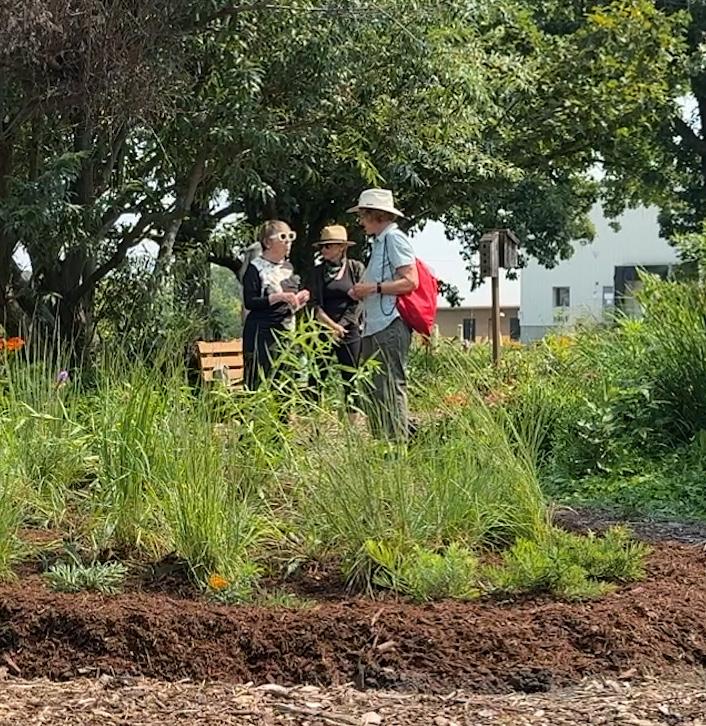
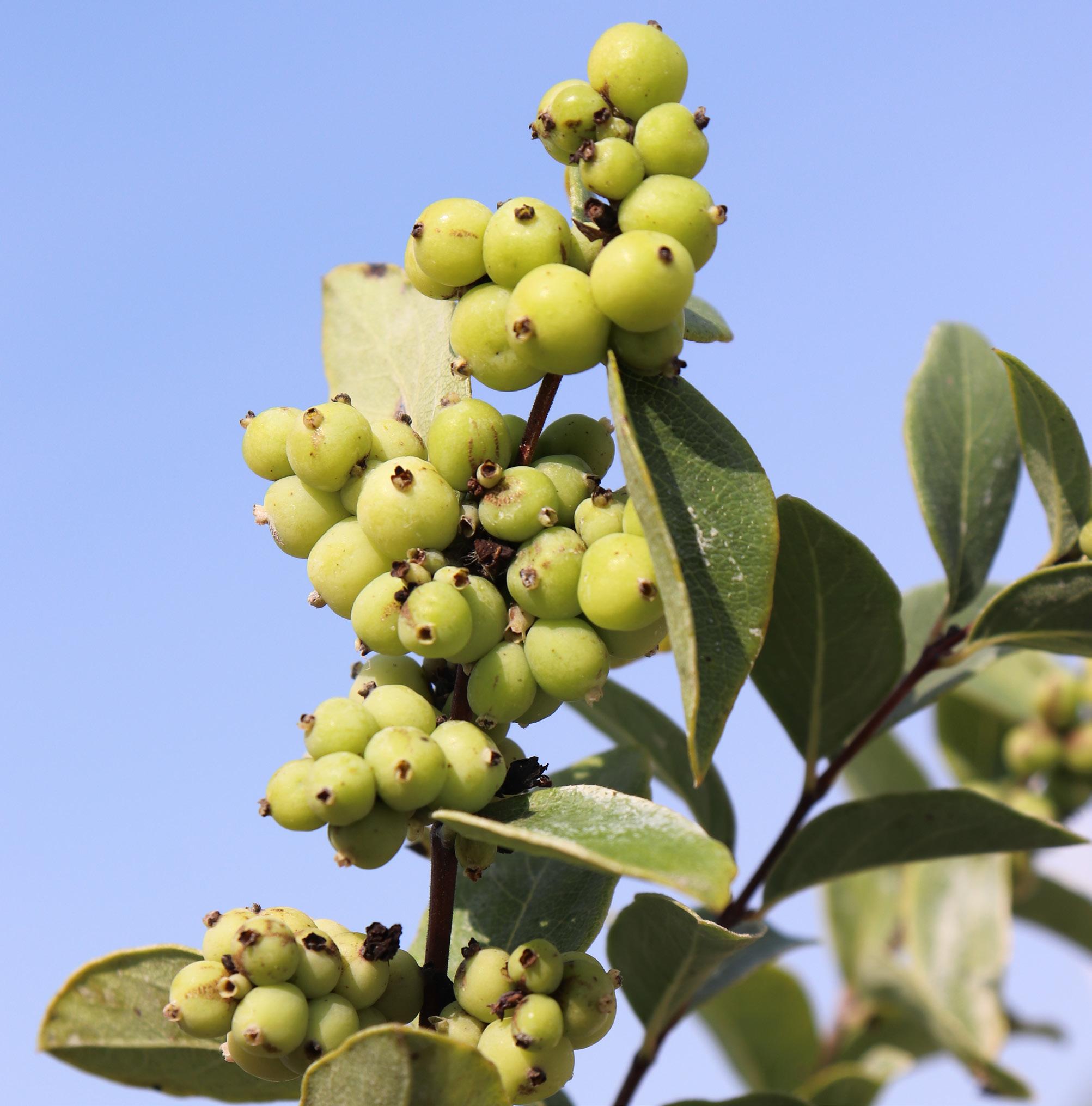
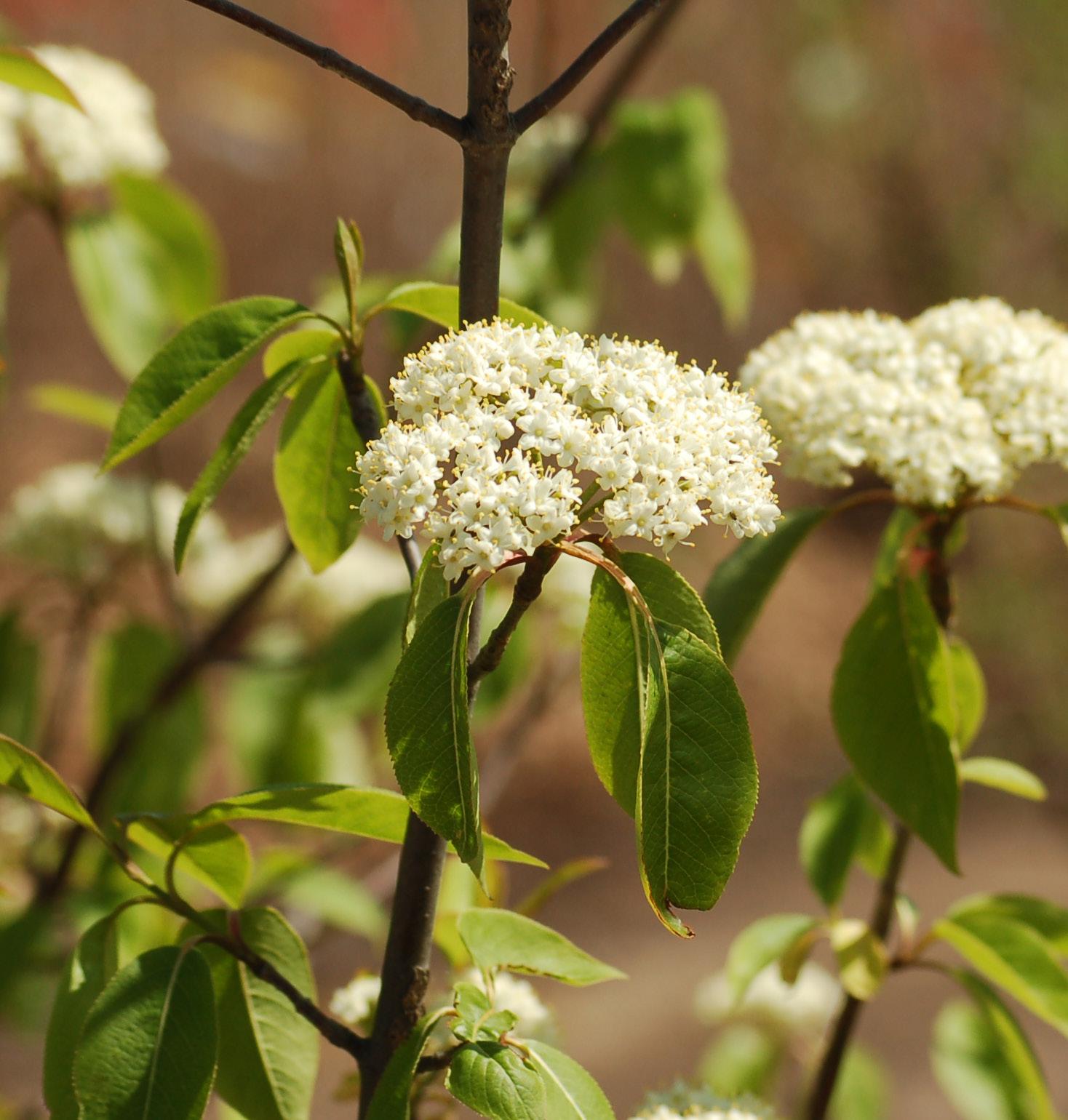
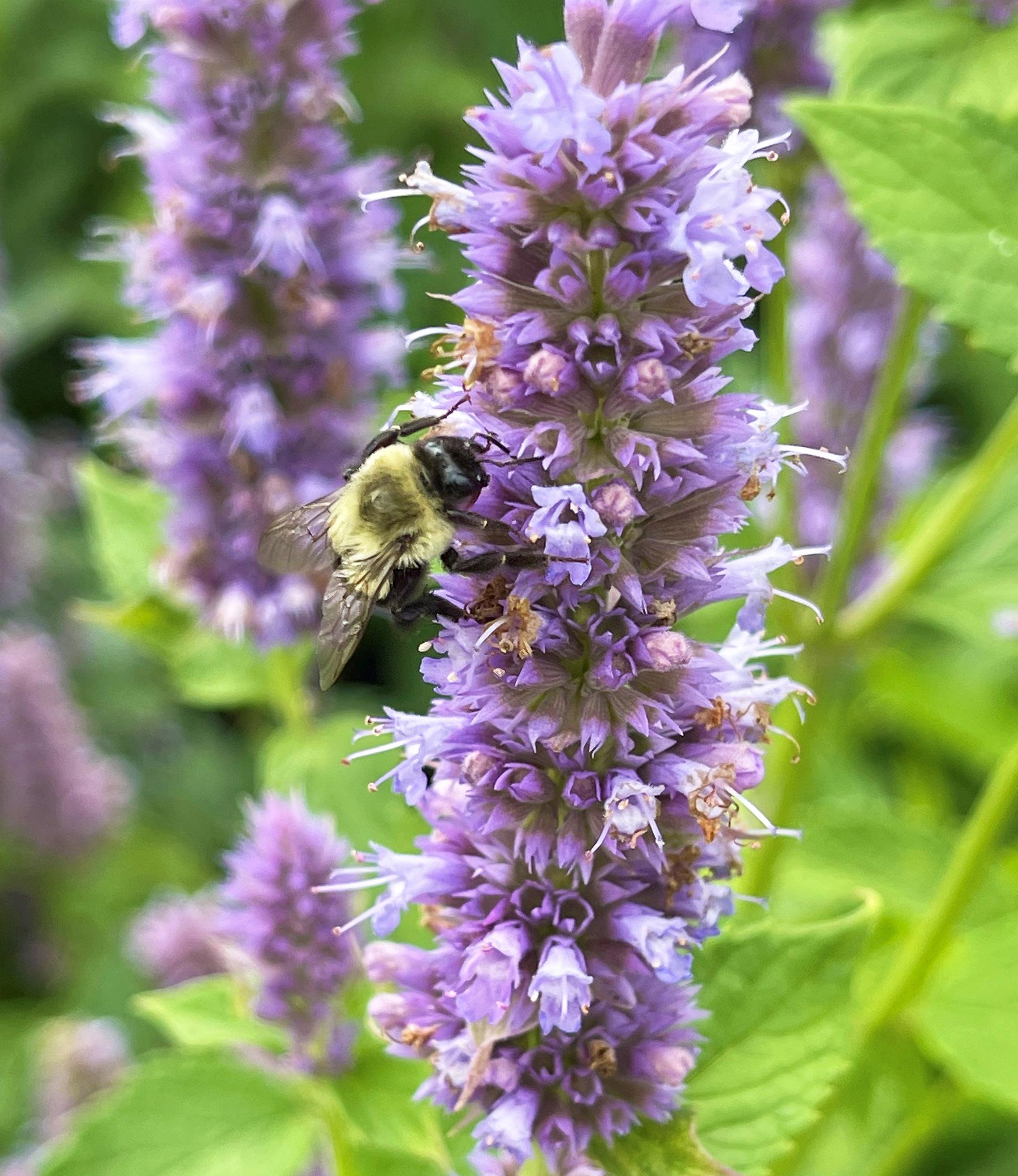
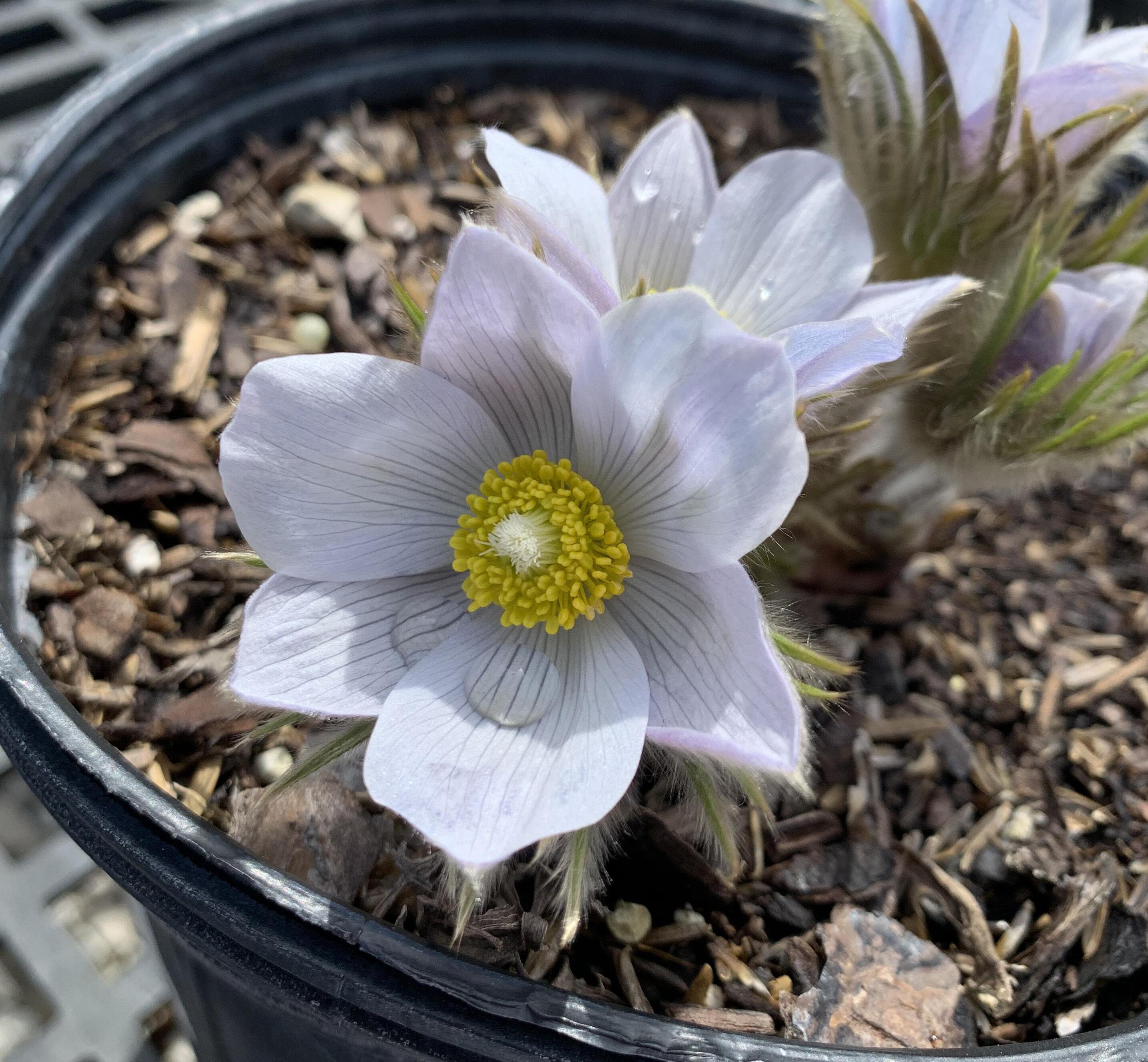
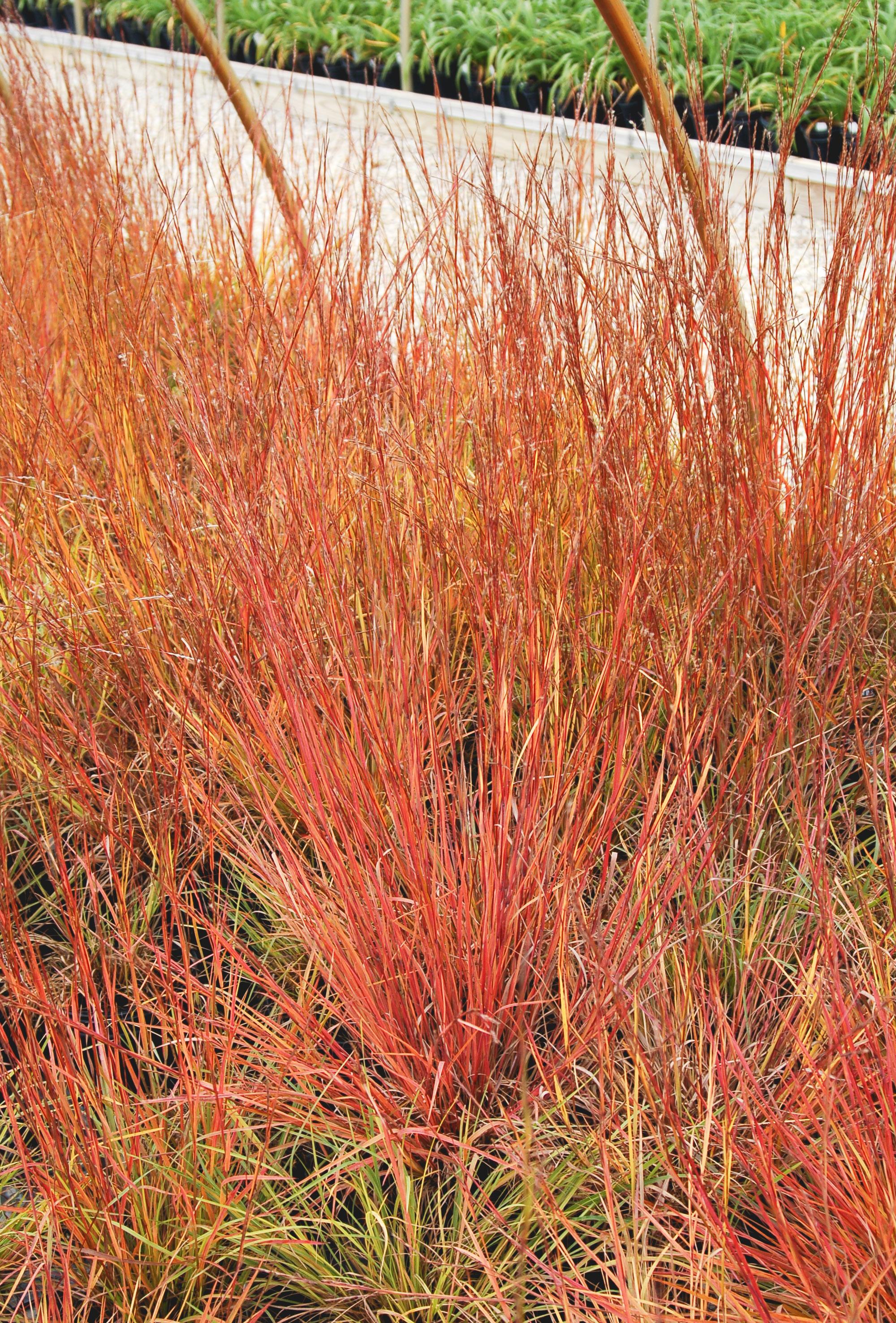
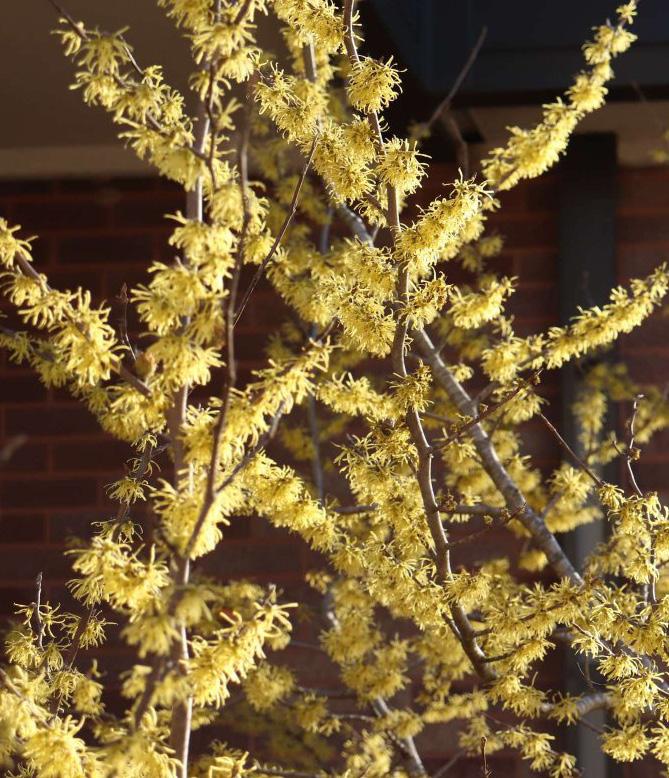
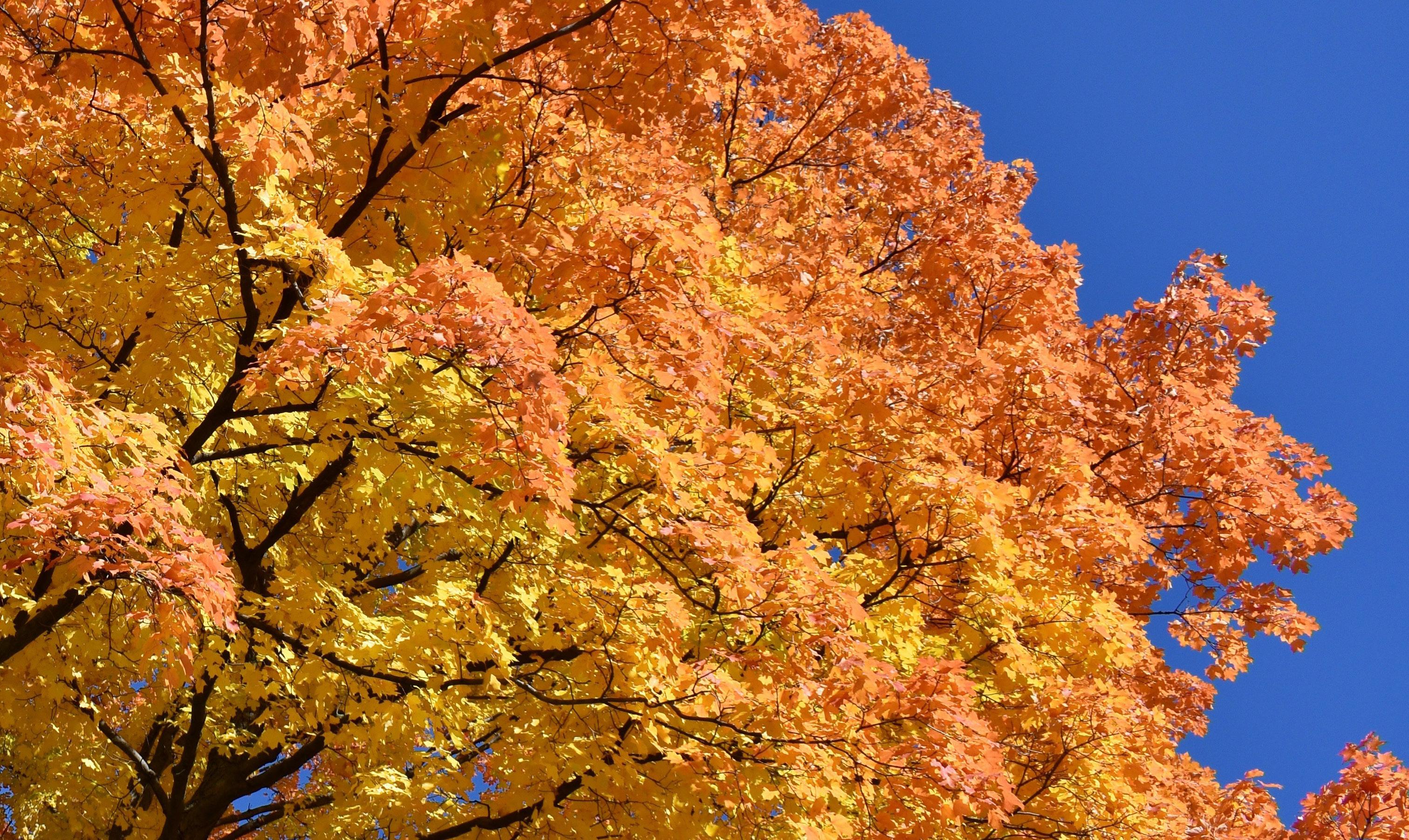
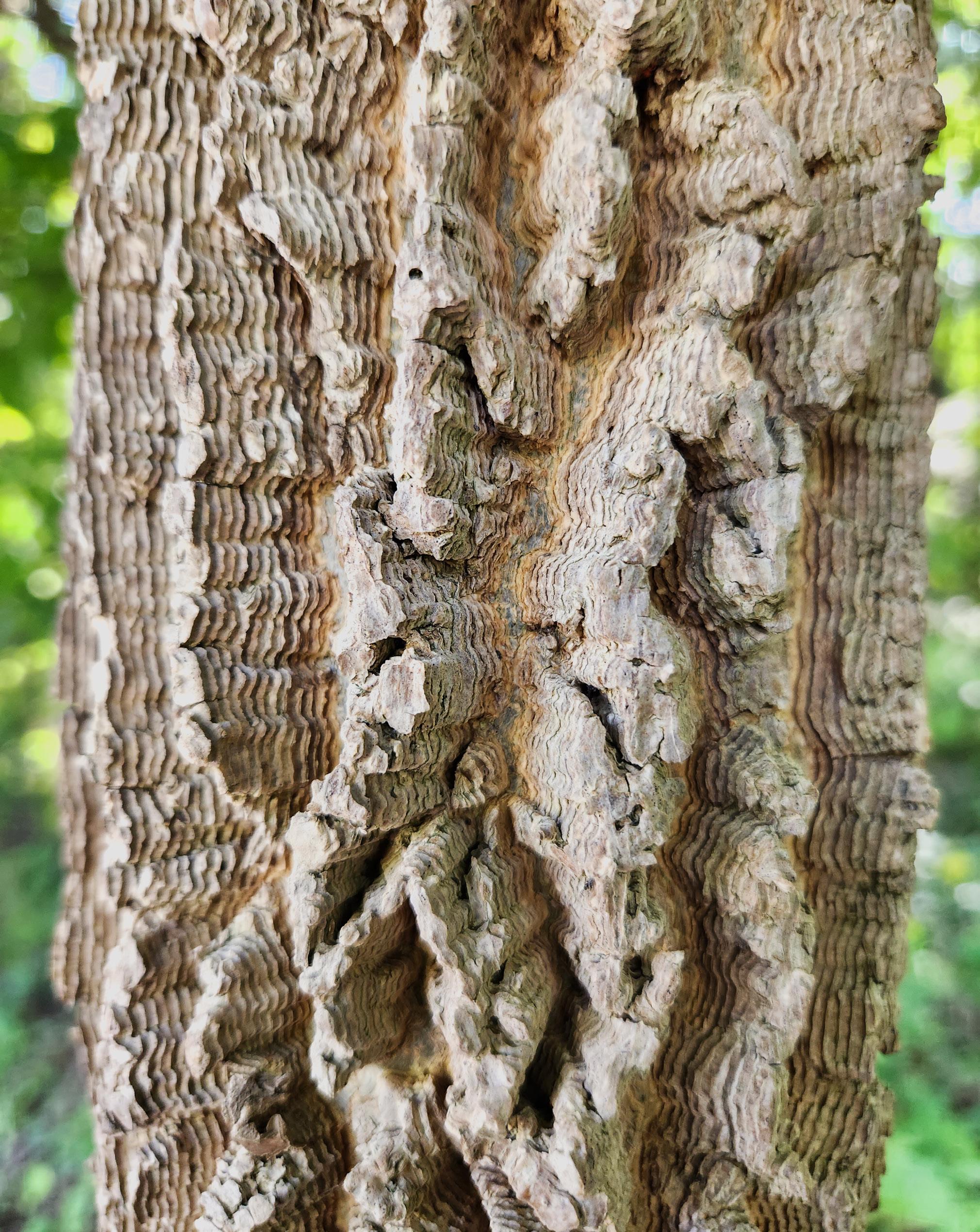
Johnson’s Nursery, LLC® is a third-generation family-owned business. We passionately pursue our goal of providing quality and hardy nursery stock to Southeastern Wisconsin and beyond. We grow trees, shrubs, conifers, broadleaf evergreens, fruit trees, and herbaceous perennials. Our complete inventory includes sizes from container perennials to massive specimen trees. Expect plants with genetic adaption to local climates and soils. We hand-pick seed from local provenances and parent plants. Understanding plant history affects the quality and long-term success of plants in your landscape. We advocate healthy growing practices and sound restoration ecology with native plants, and we hope you share similar values. Together we build and restore landscapes - small and large, urban and rural, residential and commercial.
Meet Ben
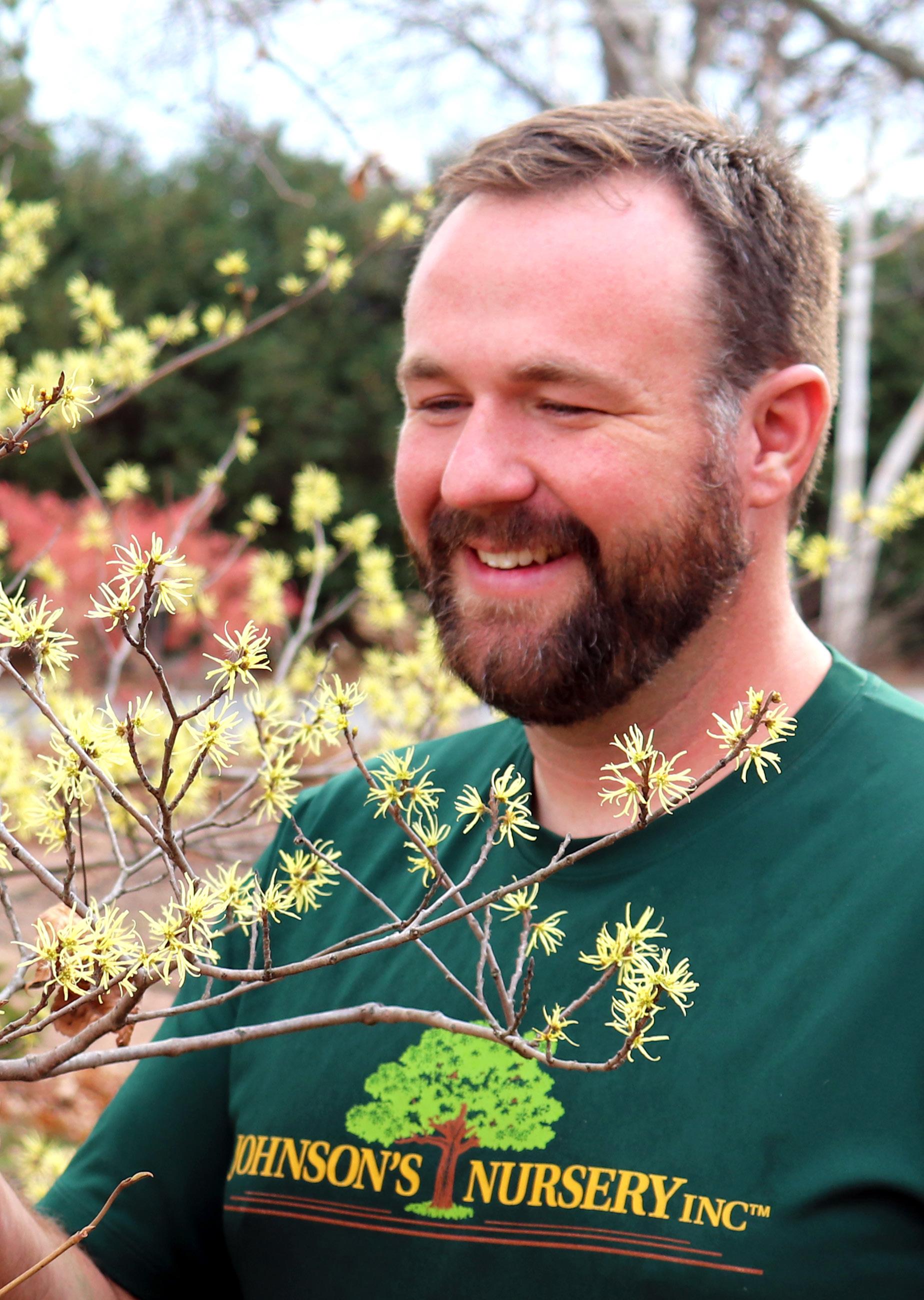
Ben started his roots over 15 years ago as a Propagation Intern. Today, he’s our Head Propagator, and his team is responsible for all in-house container-grown native plants. He maintains native production, monitors quality control, and leads research and development.
Ben stems from a long line of green industry propagators. He spent his earliest years at Johnson’s Nursery working with Michael Yanny, who worked with Herbert Trautman for many years.
Ben is a contributor to this catalog. He offers his plant expertise on our website and teaches propagation classes to local schools and colleges.
Propagator’s Picks
Jump to page 38 and find Ben’s top picks for native plants based on key characteristics like aesthetics, adaptability, and wildlife value.
Why Natives?
Native plants are beautiful, functional, and essential. Your choice to use natives will impact our local ecosystems, which includes a diverse mix of plants, water, fungi, soil organisms, insects, birds, insects, mammals, and you (to name a few). Plants are the foundation of nature’s food web. Housing, retail, and commercial development will continue to disturb natural habitats. By choosing natives as we build outdoor spaces you can establish a landscape that is uniquely Wisconsin. Create a sense of “place” for yourself while supporting and restoring countless interdependent species in the natural food web.
This mission applies to everyone, including those with residential lots, commercial properties, municipalities, or expansive land preserves. All for whom we grow.
Restoration Ecology
Ecological restoration means working together to renew and restore the ecosystems that have been degraded, damaged, or destroyed by human activities. It means repairing the relationships between people, plants, and wildlife - all of which require one another to survive. We need our natural resources, and it’s our responsibility to fix what we have damaged.
Whether you’re a homeowner, land manager, or commercial land developer, let’s align our mission to give back to the natural world.
Our hope with this catalog is for everyone to think critically about the health, integrity, diversity, and sustainability of Nature’s food web, which ultimately begins with plants.
Think Global, Act Local
Let’s kick the antiquated narratives of lawns to the curb. Instead, opt for modern landscapes that support our native food web. Regardless of your project’s scope, let’s work together to build a community ecosystem.
The regionally native plants you choose for your landscape today will positively affect the future. You may not see an immediate global impact, but just as every insect matters, so does every action we take towards a healthier world.
Seed Provenances
We’re proud to share decades of seed provenance records with you. The vast majority of our native plants are grown from locally collected, wild seed or seed from our plants. Search your native plant(s) in our Knowledgebase online to find the seed provenance of our native stock.
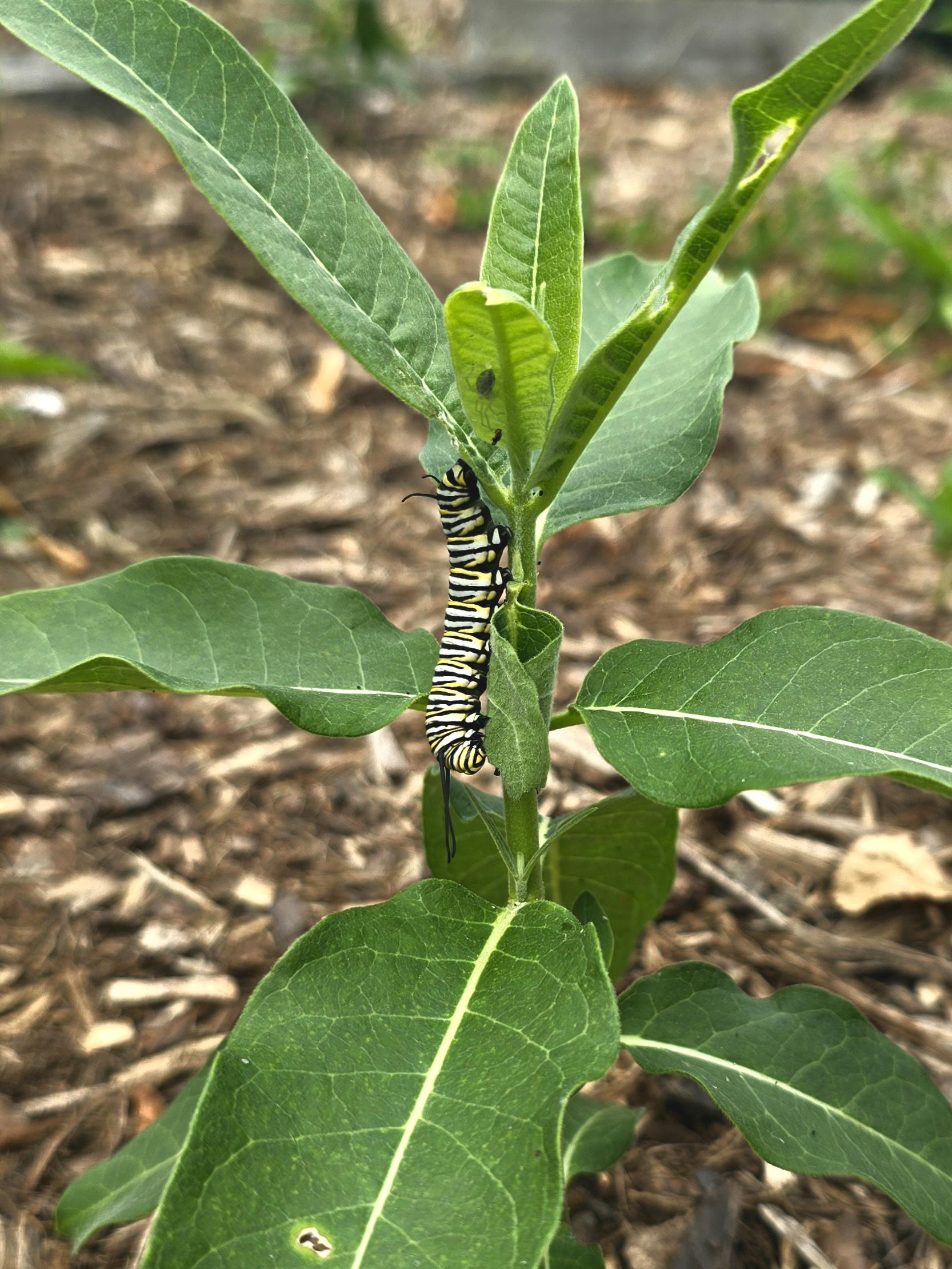
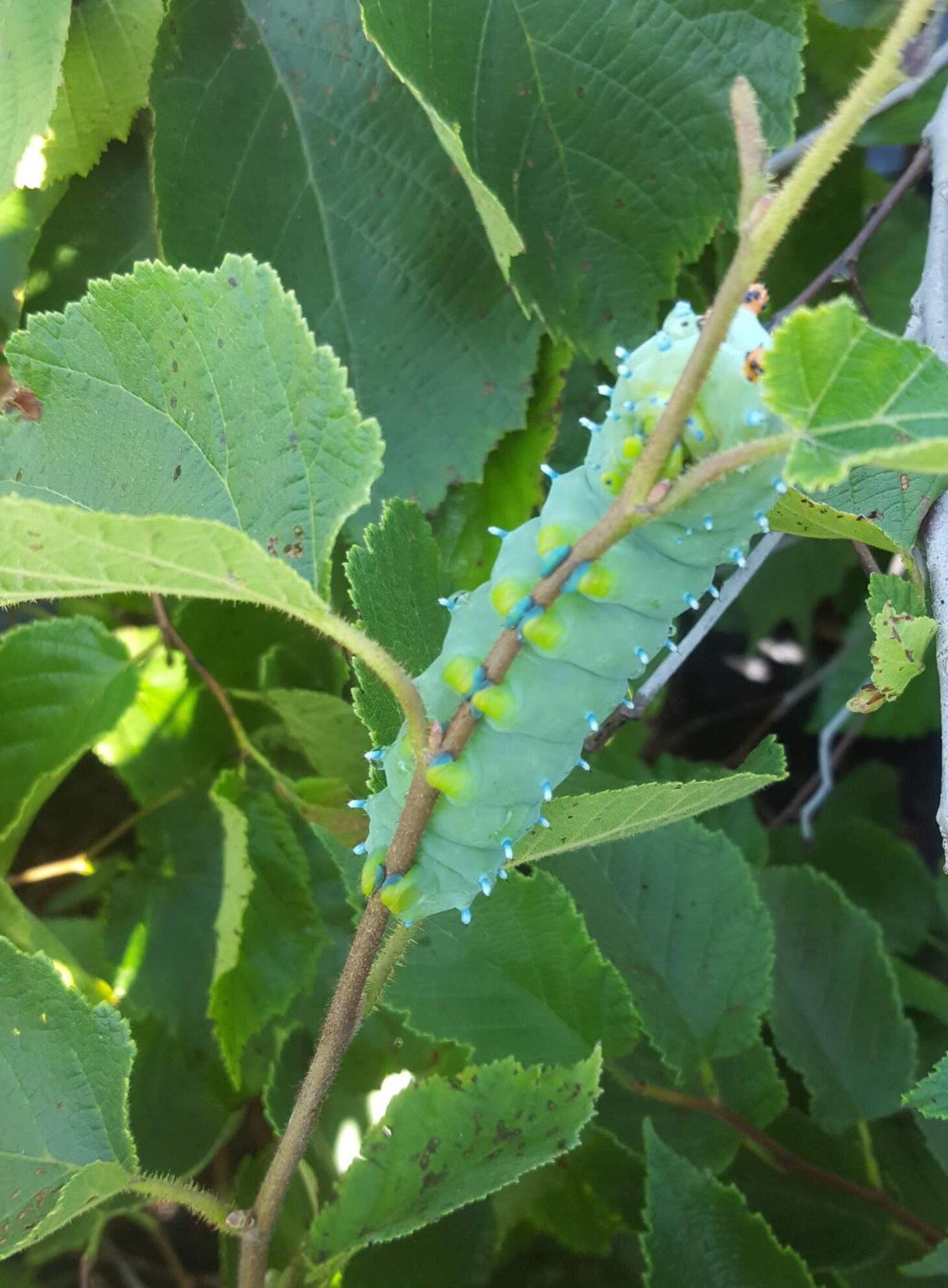
Cecropia moth caterpillar on American Filbert (Corylus americana)
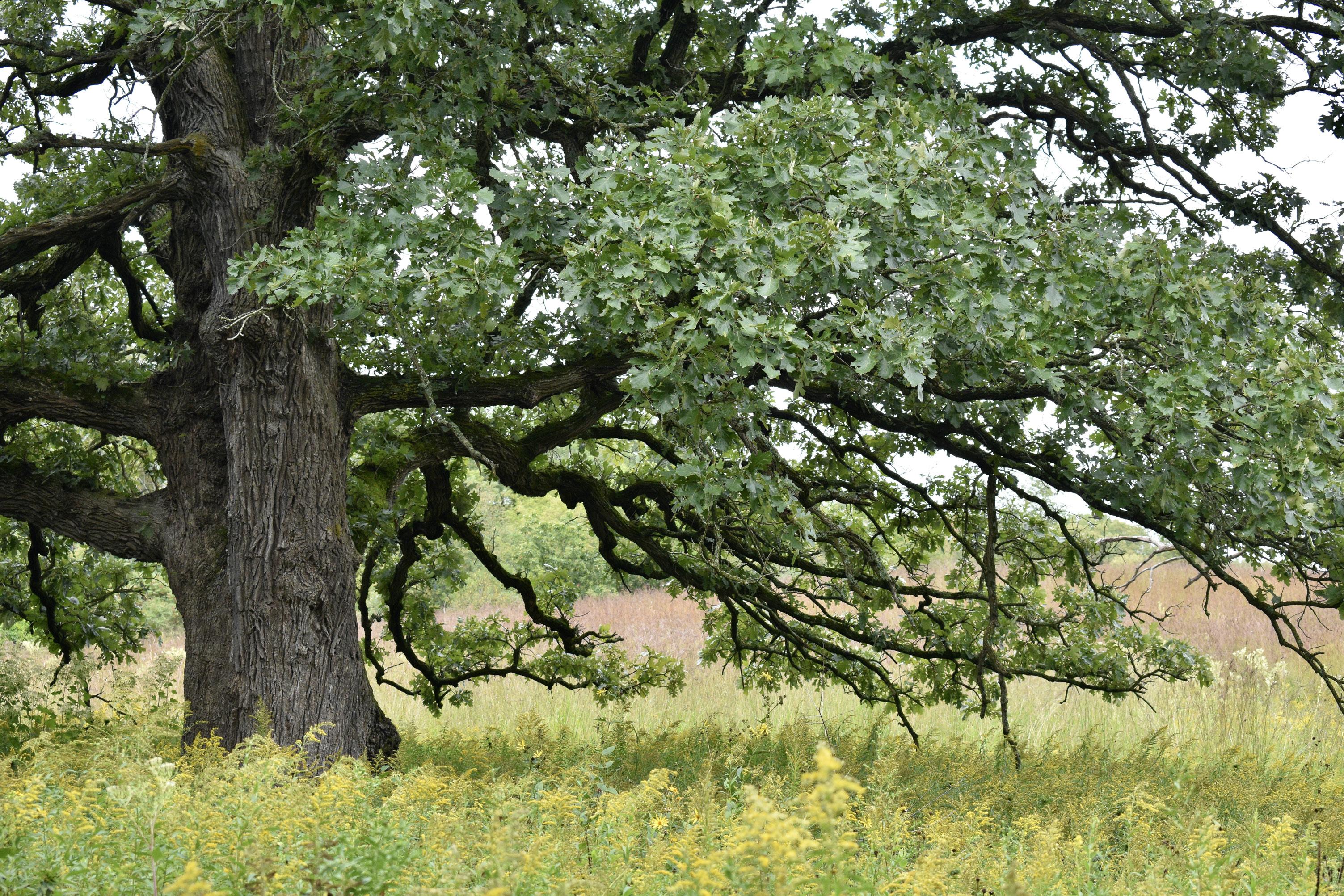
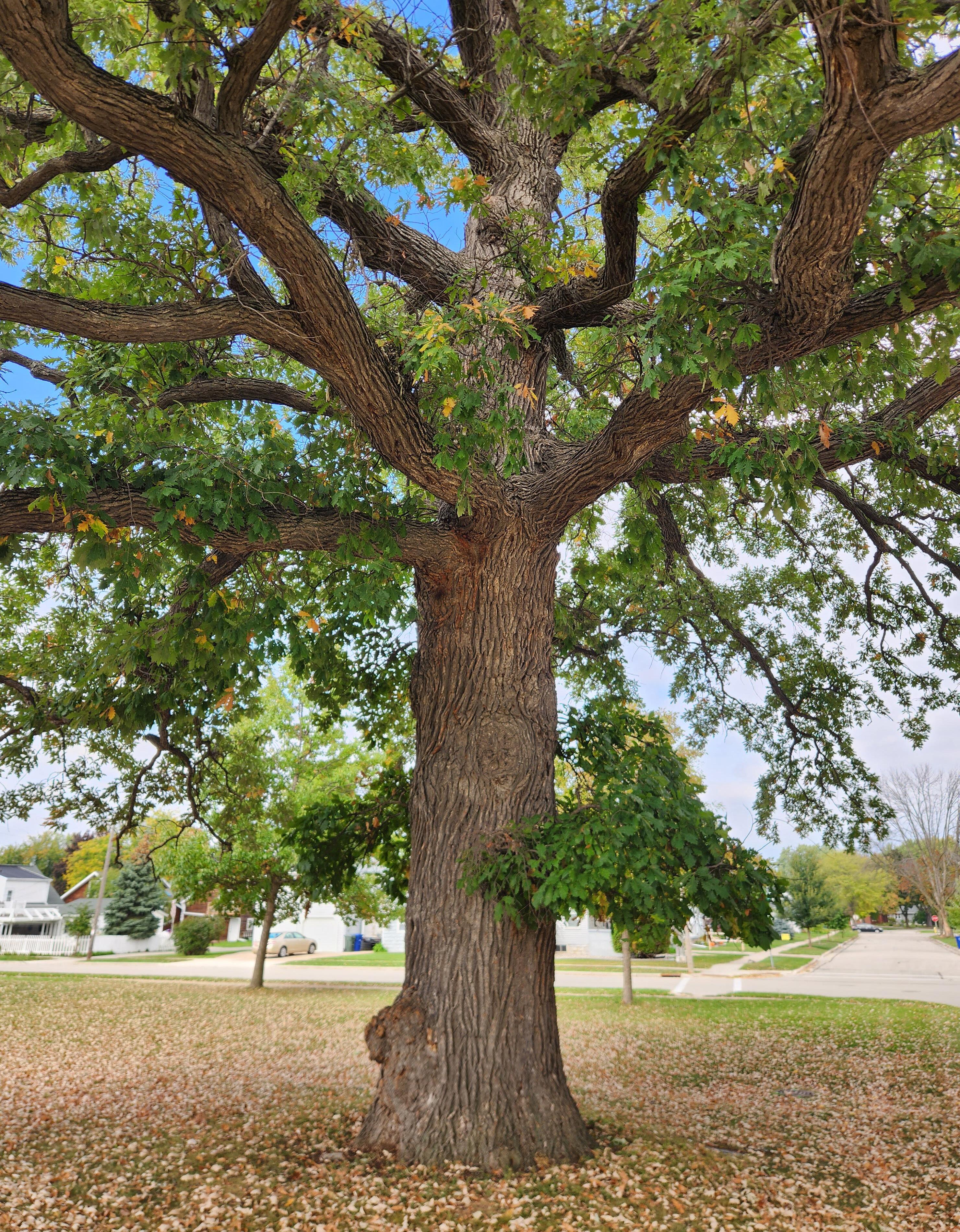
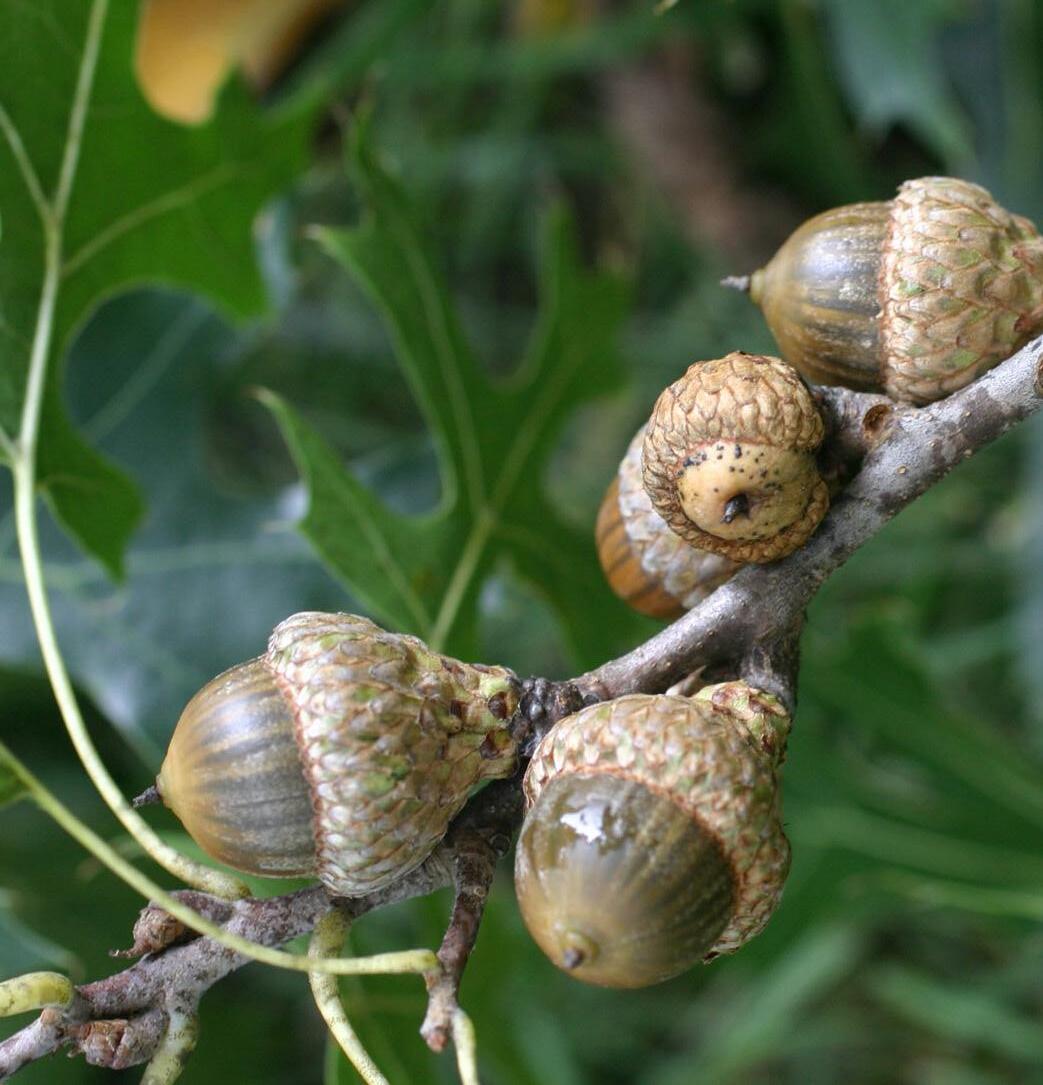
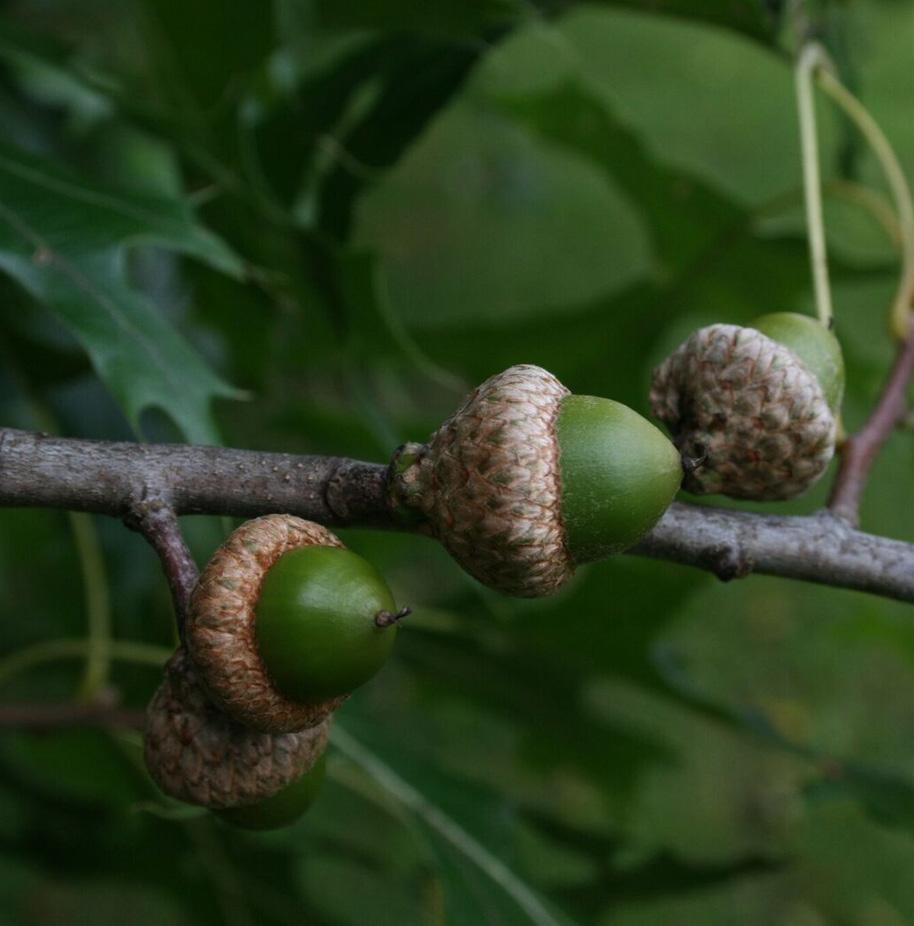
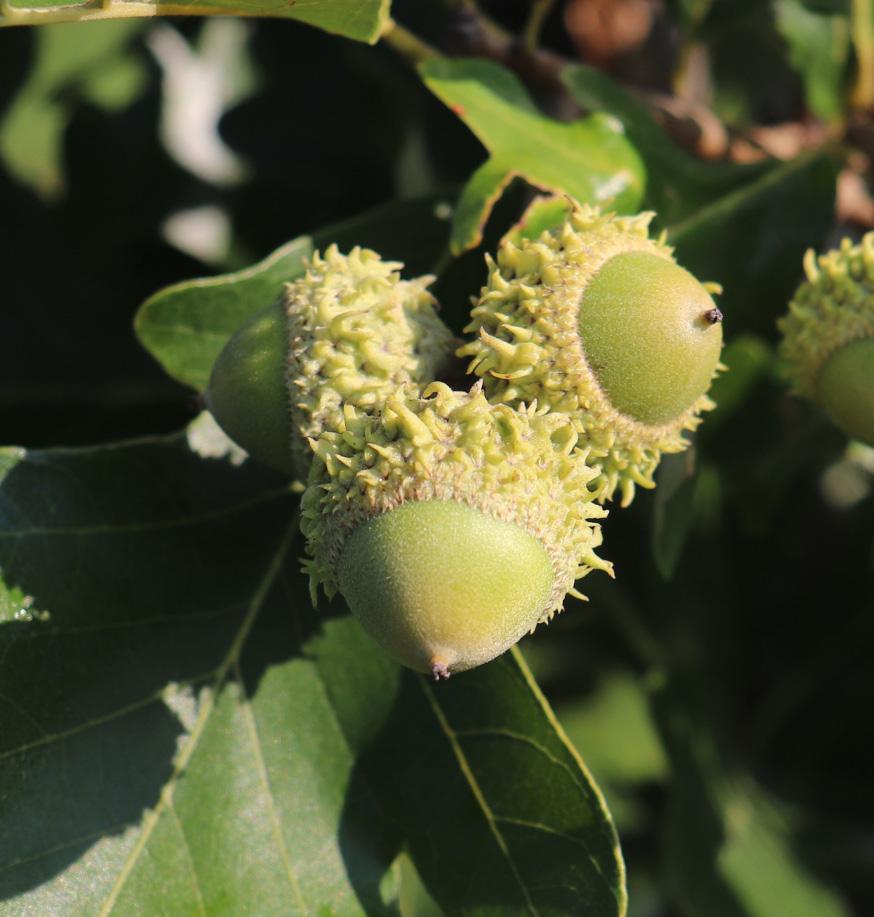
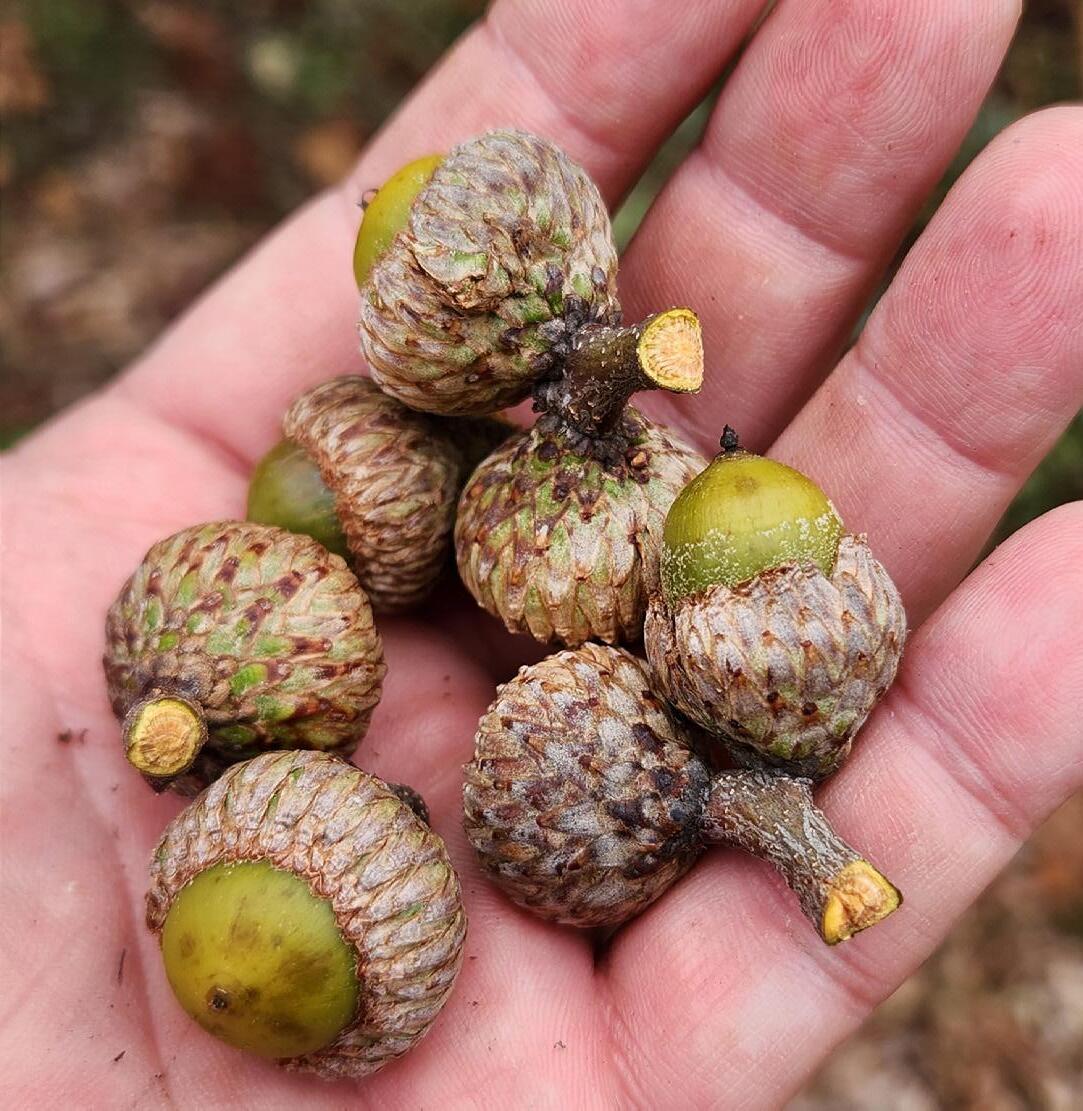
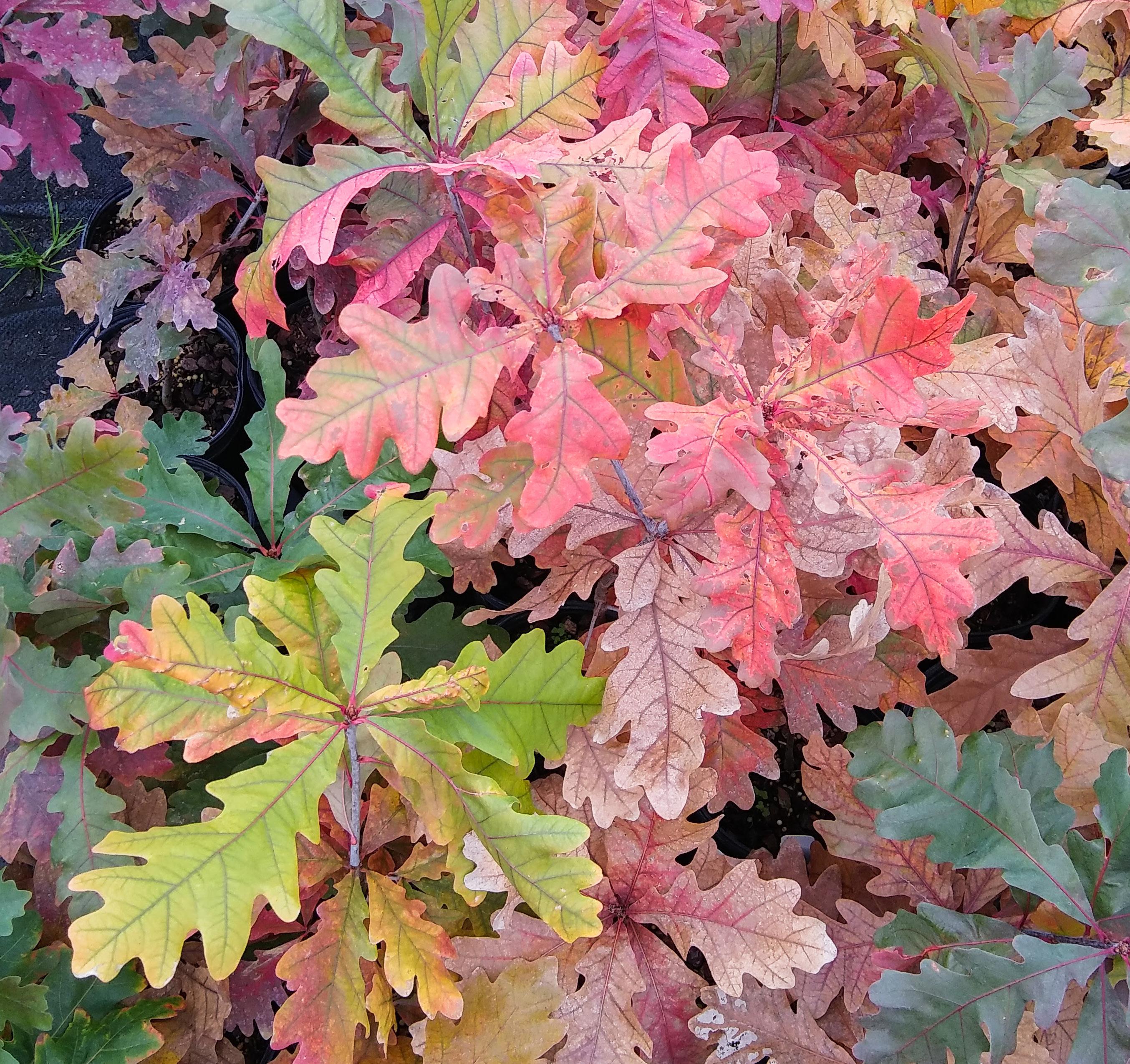
Bur Oak (Quercus macrocarpa)
A Few Strands in Nature’s Food Web
7500
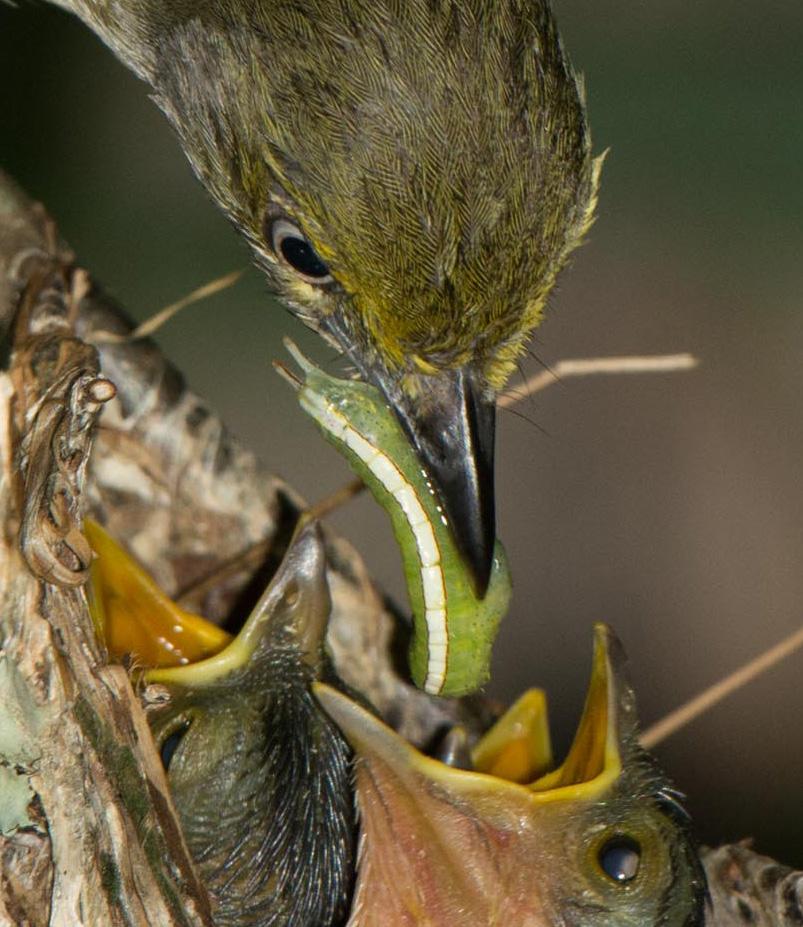
Caterpillars are needed for Chickadees to rear their young over 24-days. That’s about 312 per day or 13 per hour.
150 ft.
The average distance from their nest that local birds forage for food. Making plants available locally is significant!
85%
90%
Of the insects eaten by birds are supported by 14% of all plants. These plants include keystone species like oaks, poplars, willows and cherries.
16
Of the 20 most common native bird families eat caterpillars as their primary nesting diet.
Of invasive woody plants are escapees from our own gardens and landscapes.
87%
Of all plants are pollinated by bees, hummingbirds, bats, and others (but mostly bees). In addition, 33% of all human food crops rely on these pollinators.
90%
Of all caterpillars that develop on plants do not pupate on their host plant. They drop to the ground and pupate within the duff or just under the soil.
Oak Trees
“If you think of a plant as a bird feeder, which is exactly what it is, then in most regions, the oak makes the most food. In fact, oaks are ranked either number one or two in their support of the food web in 84% of all U.S. counties in which they occur.” - Doug Tallamy (Nature’s Best Hope, pg. 144)
A SPECIAL THANK YOU: Buy Nature’s Best Hope by Doug Tallamy homegrownnationalpark.com
March 2021. The Nature of Oaks: The Rich Ecology of Our Most Essential Native Trees by Doug Tallamy homegrownnationalpark.com
Southeast Wisconsin Phenology Guide
Monarch butterflies, bees, migratory and resident birds, and a wide range of other insects and mammals all depend on native plants for food, habitat, and reproduction. Resources can be scarce at critical points in fauna lifecycles and what you plant plays a role in supporting wildlife through those periods. Incorporating trees, shrubs, and grasses into your garden plans will dramatically increase your landscape’s winter hospitality. Strategizing flower selection to include blooms throughout the growing season allows continuous sustenance, especially in early spring and late summer when pollen and nectar sources are limited.
FAUNA
Many mammals begin mating
Migratory birds pass through on their journey north
Resident birds and small mammals compete over limited food sources - many resort to eating twigs, buds, and bark out of desperation
FLORA
Woody Species: offer blossoms, fruits, nuts, and sap of benefit to birds and pollinators. Their bark and foliage are crucial for overwintering, dormant insects. Leaf litter creates insulated winter habitat and decomposes to enrich soils. Limbs provide year-round habitat to birds, mammals, and insects. Grasses & Sedges: a deceptively modest appearance disguises their substantial benefit to wildlife. Blades and seeds are a major food source of herbivores. Trees, shrubs, grasses, and sedges keep ecosystems thriving through all seasons.
The stability and biodiversity of an ecosystem is highly dependent on these organisms, both flora and fauna. Without them, an ecosystem will drastically decline and can collapse entirely.
Monarch Favorites Bumble Bee Favorites
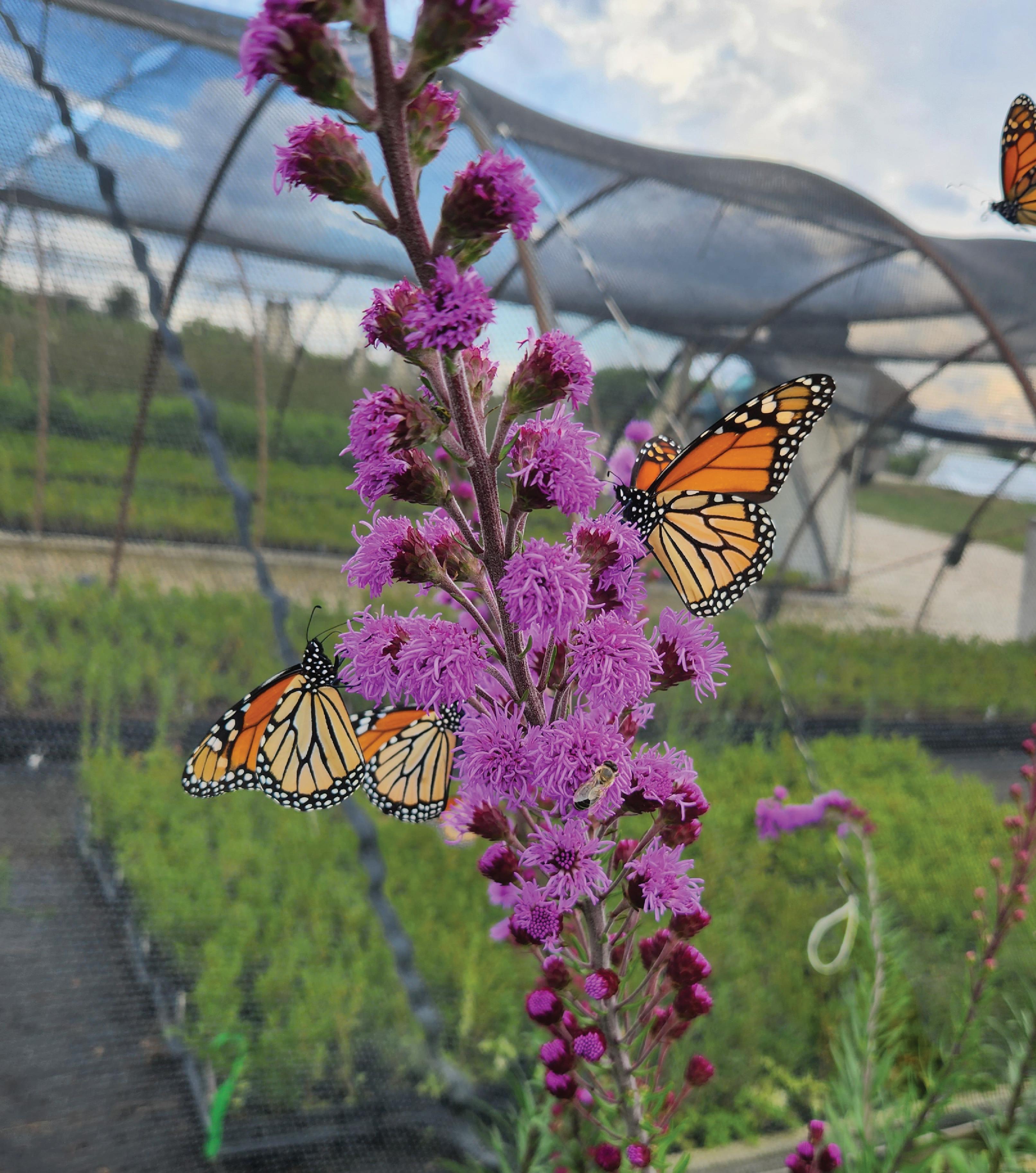
While not ecologically critical, their presence indicates a thriving Midwest ecosystem. Providing milkweed and nectar plants aids in monarch population recovery.
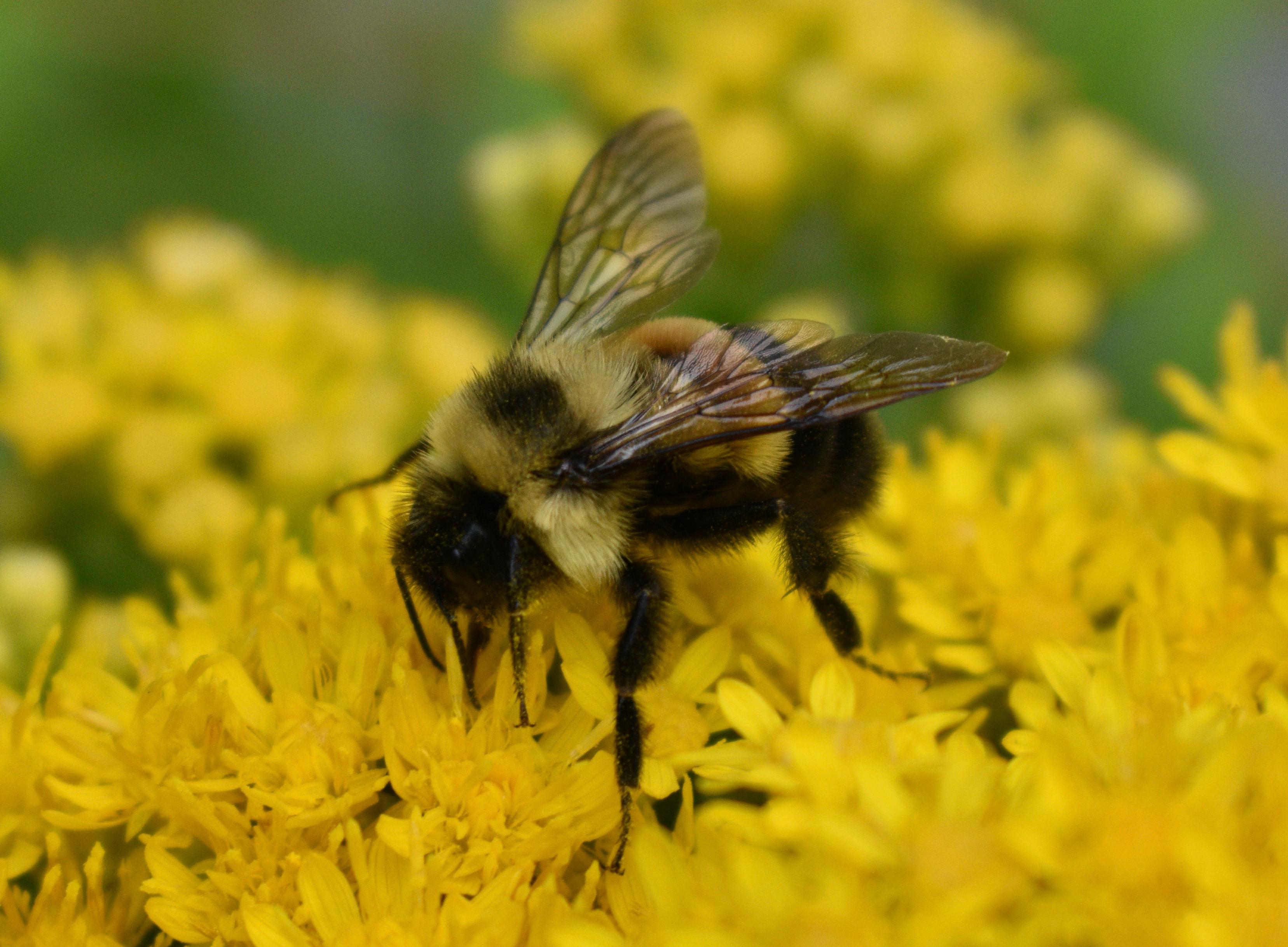
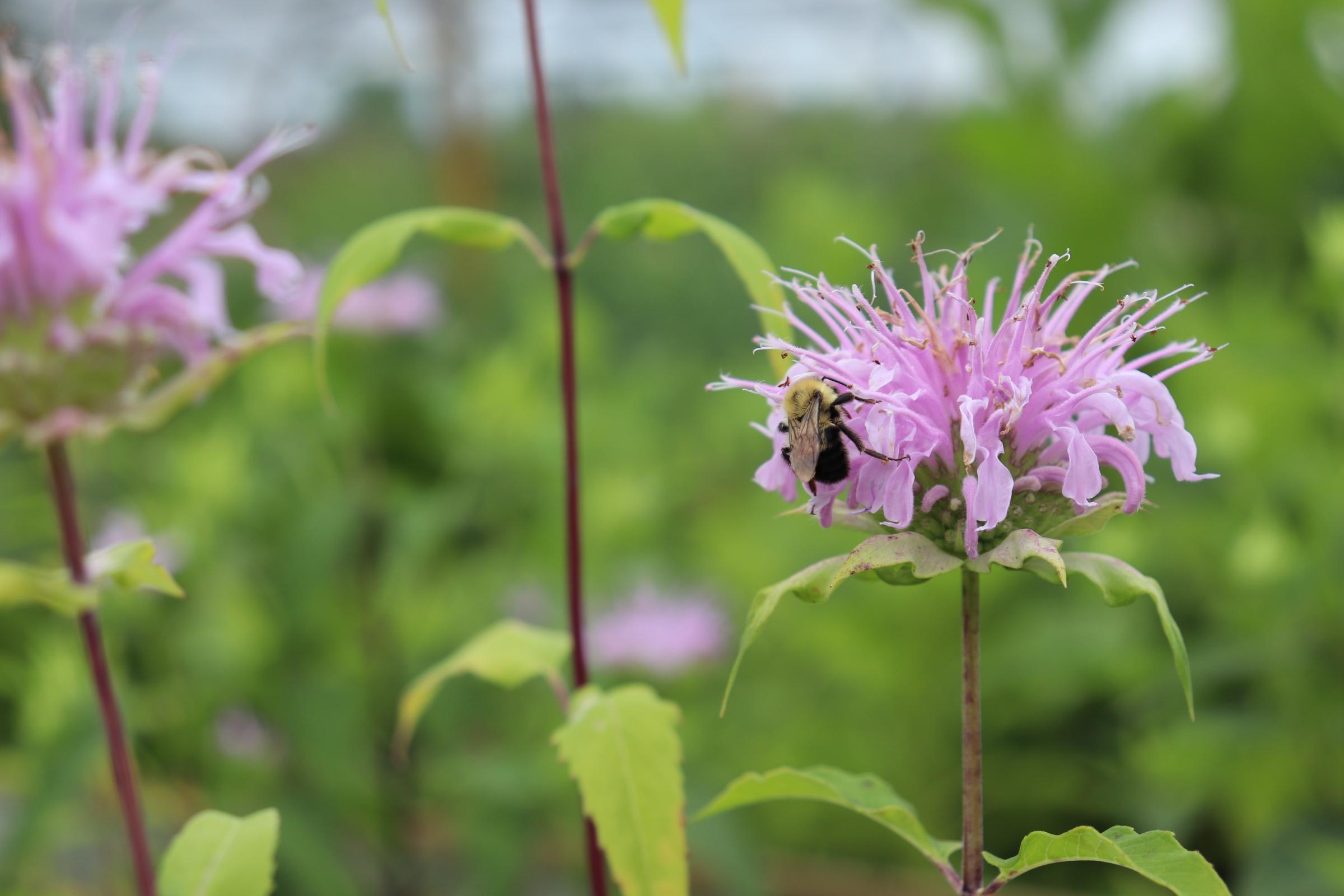
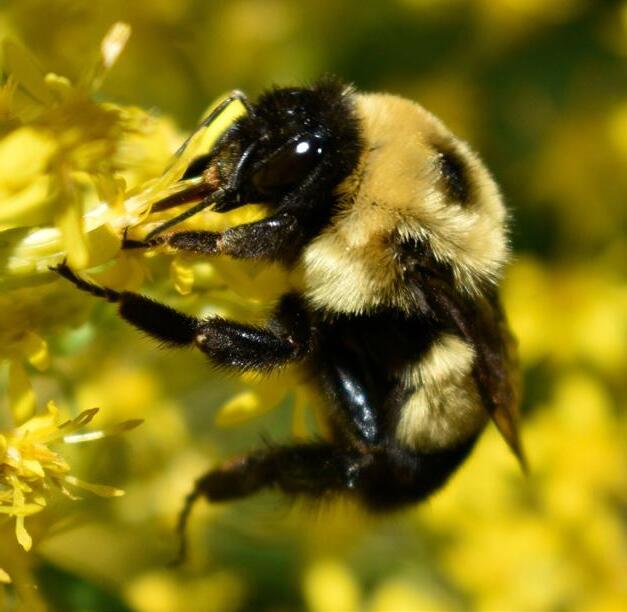
Nature’s most efficient pollinators, over a dozen bumble bee species call southern Wisconsin home. Provide their favorites to keep your garden abuzz.
Migratory birds pass through on their journey south
Summer generations of monarchs breed until final, “super generation” returns to Mexico
Insects seek host for winter dormancy
Perennial Bloom Times: providing pollen and nectar resources keeps pollinators thriving. This is especially important in early spring and late fall, when sources are limited. Perennials can also act as hosts for various beneficial insect larva. Post-bloom seeds sustain birds and small mammals.
Gynes (Future Queen)
Mating All but Gyne Die Gyne in Hibernaculum until Spring
Burrow (Hibernaculum)
Fighting Invasives With Natives
Invasives are non-native plants that will cause economic or environmental harm. They thrive in disturbed sites with exposed soil and minimal competition. They compete with, displace, and kill our native plant communities.
1) Use high-value plants. Unlike invasives, native plants satisfy many ecological niches, like erosion control and pollinator habitats (to name a few). Filling the needs of an ecosystem with high-value plants reduces the ability for invasives to move in.
2) Compete back. Invasives grow in spaces with minimal competition. Therefore, they can’t root in, establish, or colonize if native plants already occupy the space.
3) Natives have personalities. The below list includes aggressive natives that fill spaces quickly and require minimal maintenance. For areas that you’ll manage closely, less dominant species are generally sufficient.
Competitive Native Options
Trees
Alnus incana var. rugosa
Salix discolor
Shrubs
Cornus amomum
Cornus racemosa
Corylus americana
Rhus typhina
Rubus parviflorus
Sambucus canadensis
Viburnum lentago
Grasses
Andropogon gerardii
Carex muskingumensis
Scirpus atrovirens
Sorghastrum nutans
Speckled Alder
Pussy Willow
Silky Dogwood
Gray Dogwood
American Filbert
Staghorn Sumac
Thimbleberry
American Elderberry
Nannyberry Viburnum
Big Bluestem
Muskingum (Palm) Sedge
Dark-green Bulrush
Indian Grass
Perennials
Agastache foeniculum Purple Hyssop
Anemone canadensis
Meadow Anemone
Apocynum androsaemifolium Spreading Dogbane
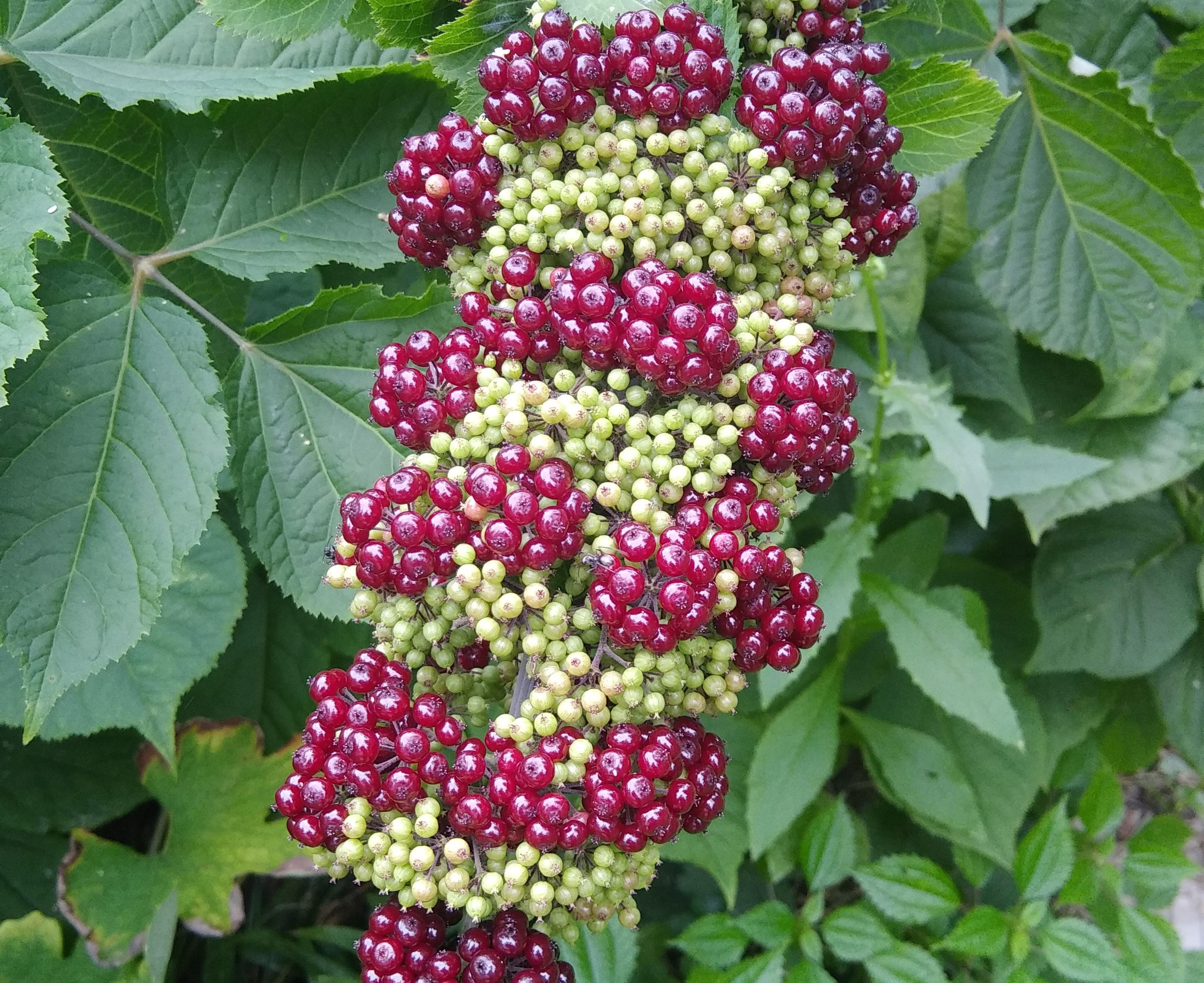
Aralia racemosa Spikenard
Asarum canadense Canada Wild Ginger
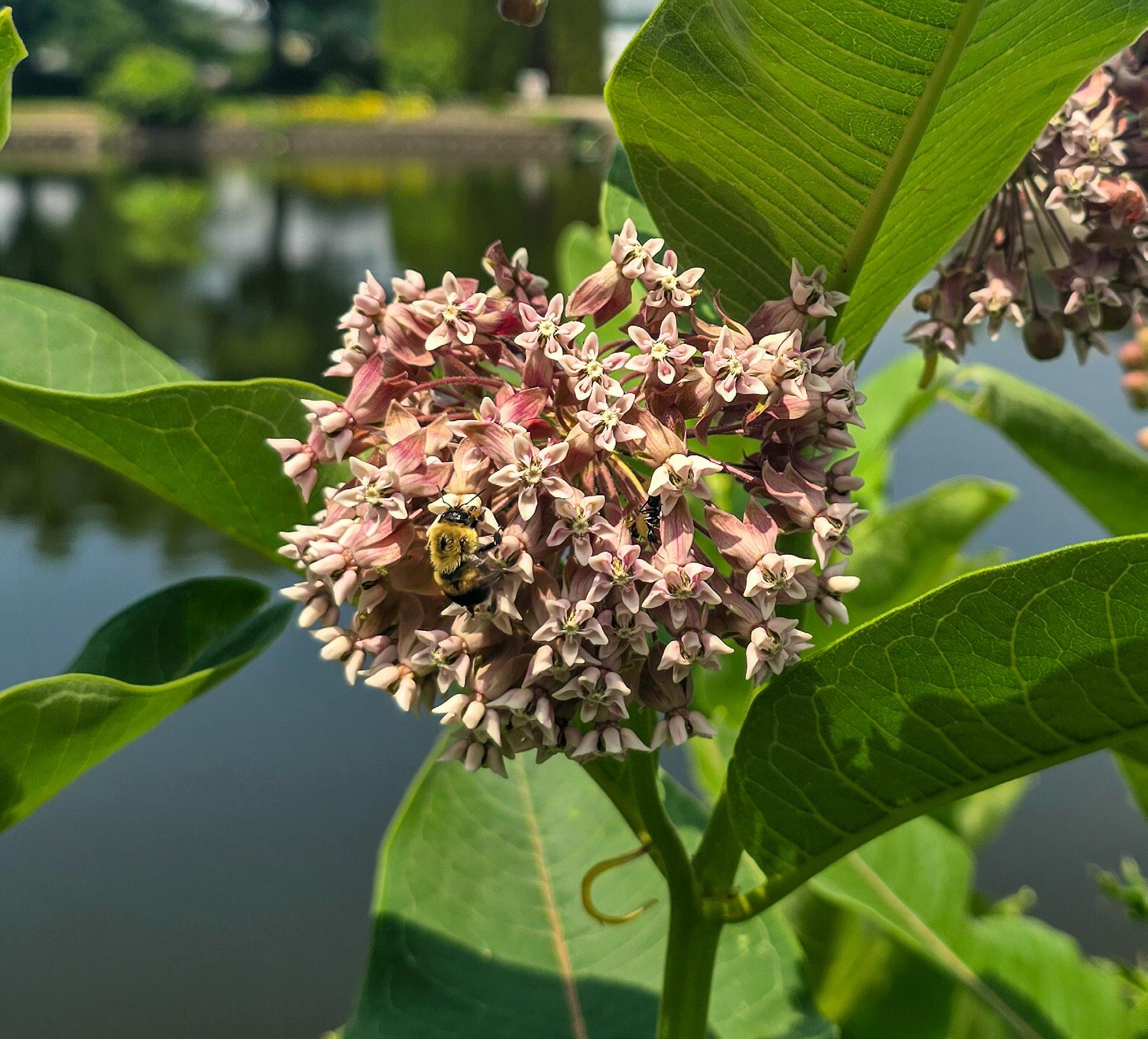
Asclepias syriaca Common Milkweed
Clematis virginiana Virgin's Bower
Eurybia macrophylla Bigleaf Aster
Fragaria virginiana Wild Strawberry
Iris virginica var. shrevei Shreve's Iris
Monarda fistulosa Wild Bergamot
Packera aurea Golden Groundsel
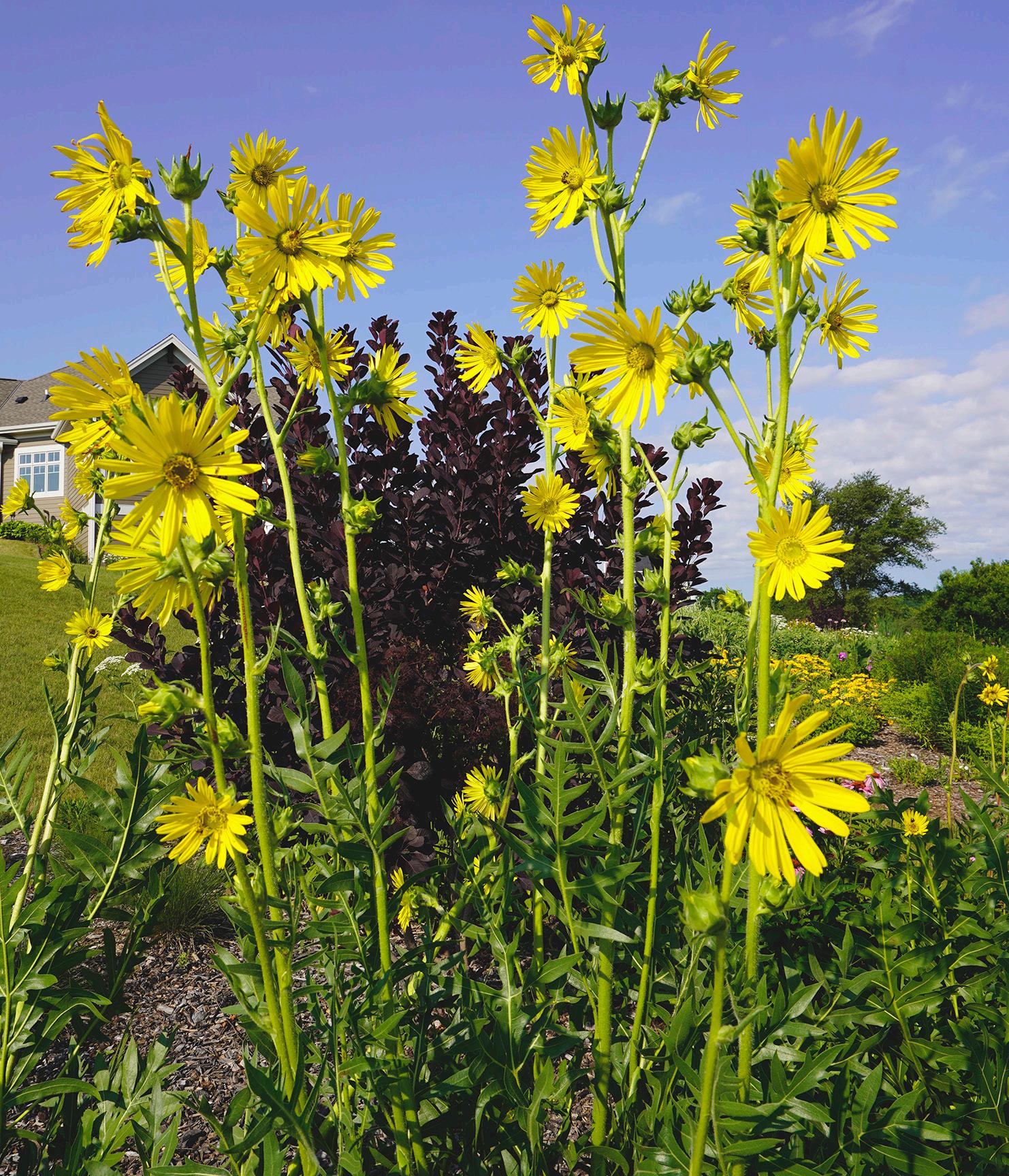
Silphium perfoliatum
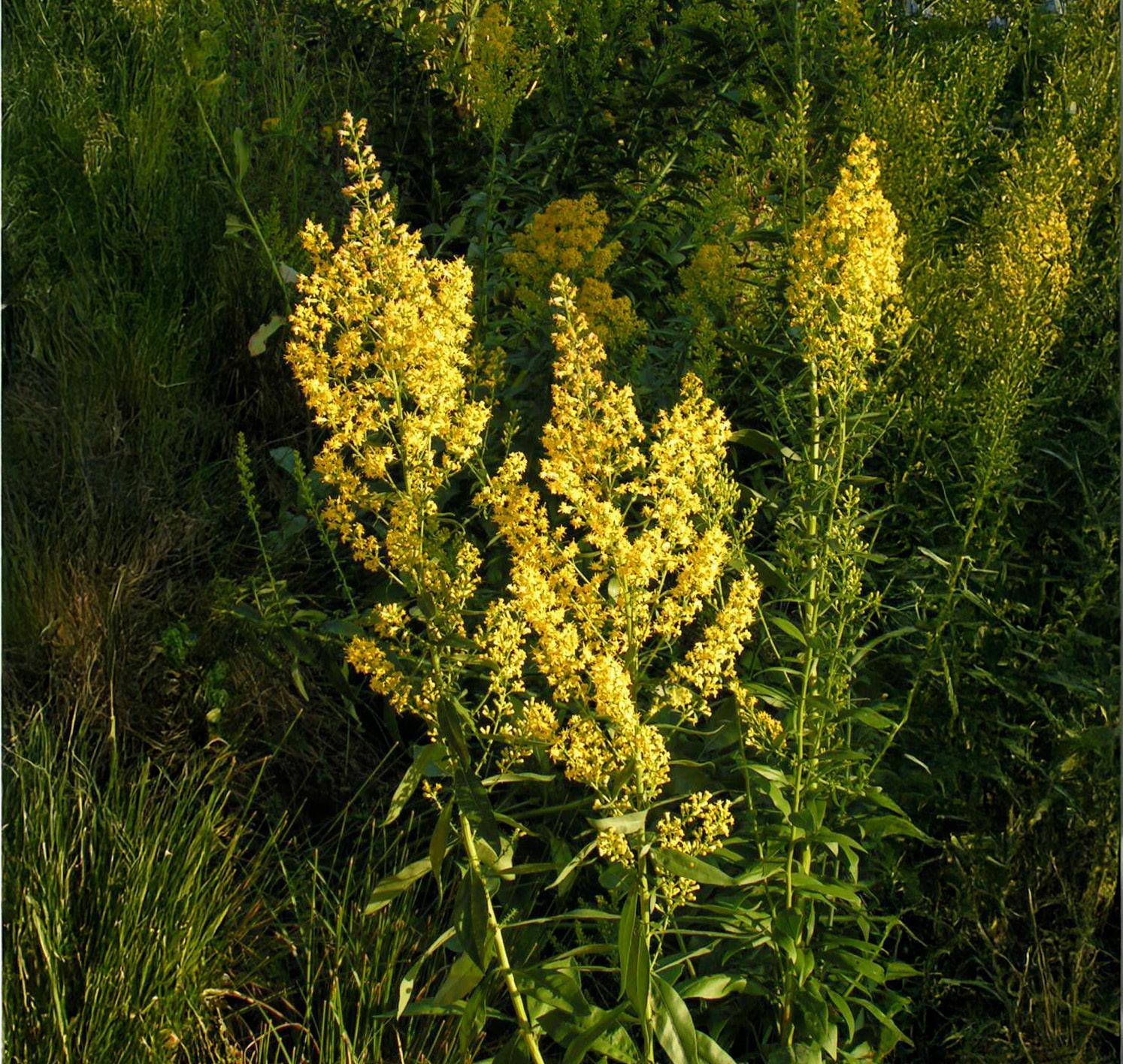
Solidago rigida
Cup Plant
Stiff Goldenrod
Symphyotrichum novae-angliae New England Aster
Vernonia fasciculata Ironweed
Common Invasives & Management
Facing an established patch of invasives is no small feat. Recognizing and removing problem plants early is the best way to avoid the need for chemical herbicides. Defeating the most aggressive species can be a yearslong process with herbicide use; going the natural route is exponentially more strenuous. Whatever method you choose, thoroughly research your target for the most effective treatment. Always read the entire label and follow instructions on any chemicals you apply to your landscape.
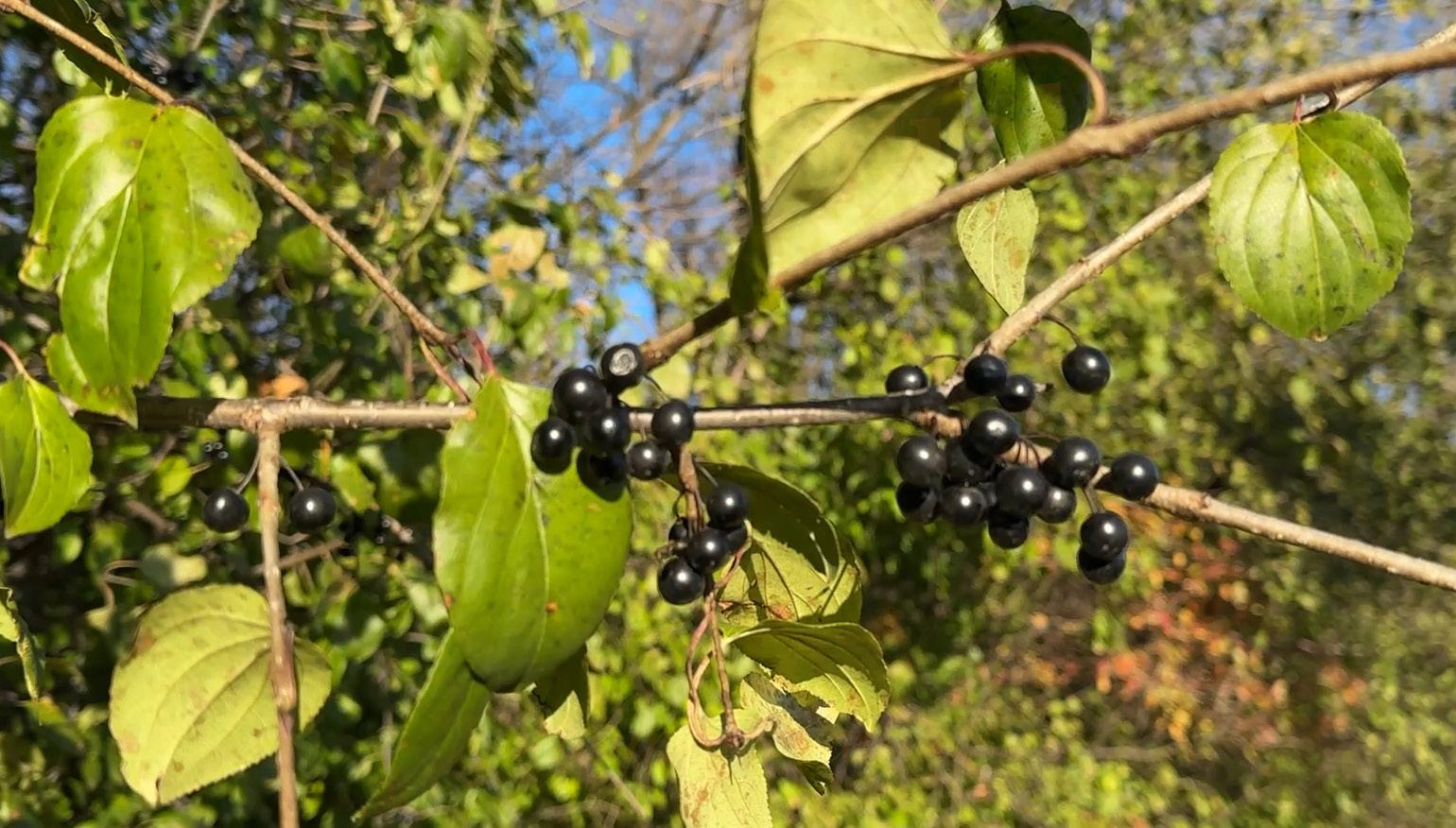
European Common Buckthorn (Rhamnus cathartica)
Commonly in neglected forests, savannas, and prairies. Shade tolerant and spreads by birds. Alters soil chemistry and shades out native species.
ID: Green leaves into November, dark berries on females, thorny twigs with hoof-shaped buds.
Control: Cut and treat stumps with herbicide in fall; target berry-producing plants first. Long-term: prescribed burns and overseeding natives reduce regrowth.
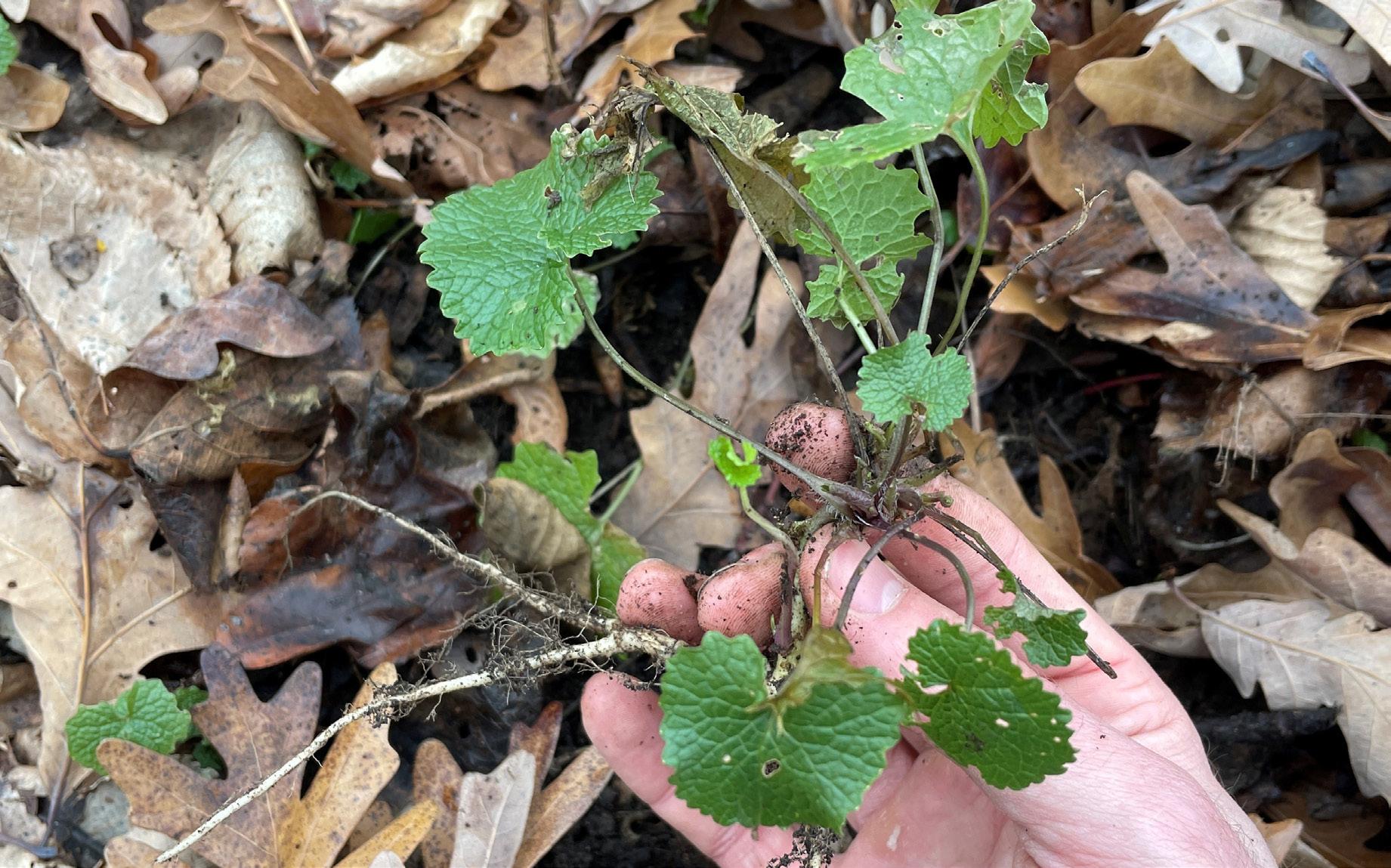
Garlic
Mustard (Alliaria petiolata)
Commonly in forests and edge habitats. Shade-tolerant biennial producing hundreds of seeds.
ID: Garlic smell when pulled; 2nd-year stems 1–2 ft tall with seed pods of tiny black seeds.
Control: Pull before flowering or treat 1st-year rosettes with herbicide. Annual burns and spring pulling prevents spread.
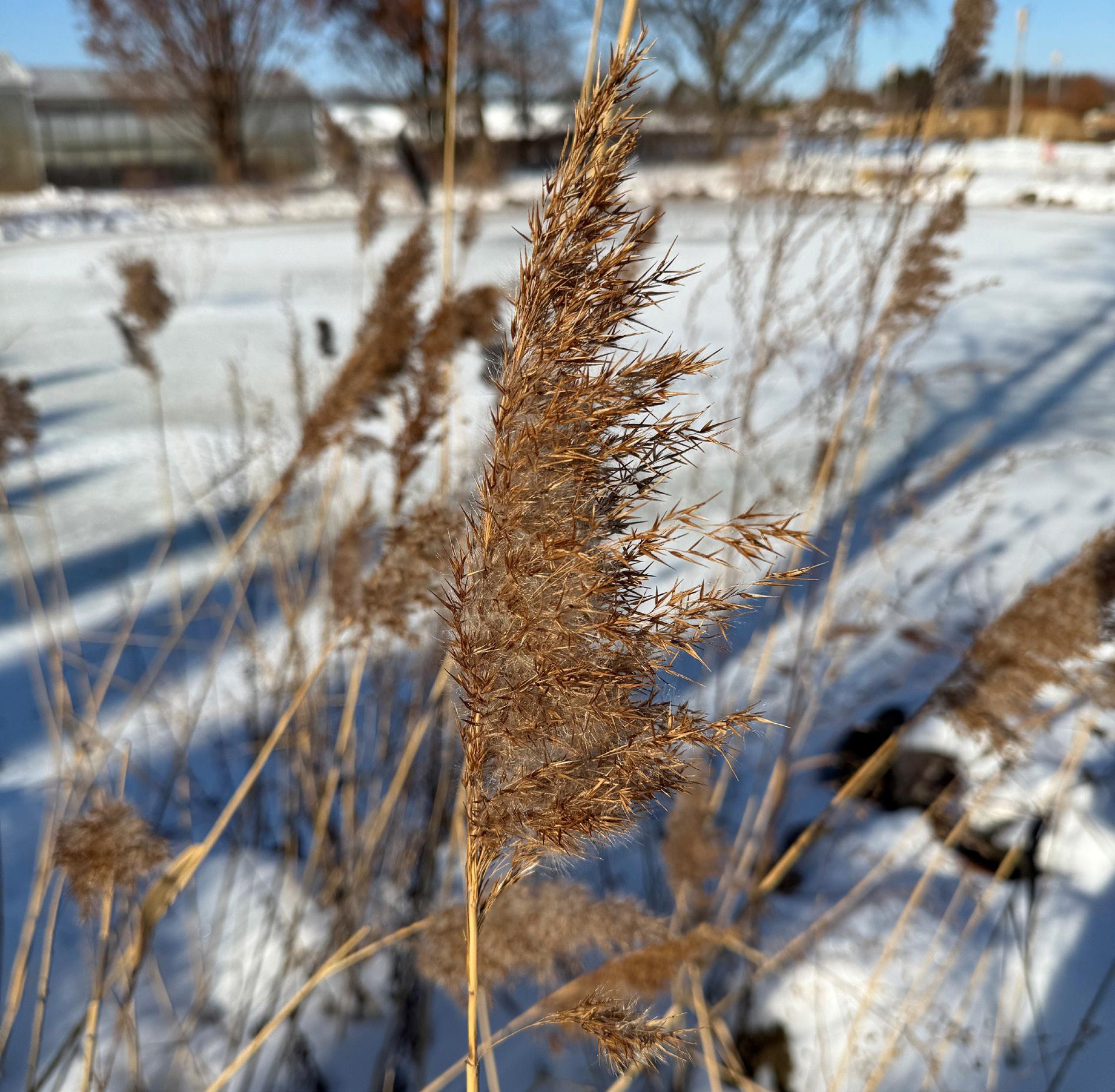
Common Reed (Phragmites australis)
Commonly in wetlands and roadside ditches. Wet-soil, salt-tolerant grass forming dense colonies.
ID: Tall, dense stands with fluffy seed heads.
Control: Cut low in summer and spot-spray new shoots; repeat monitoring.
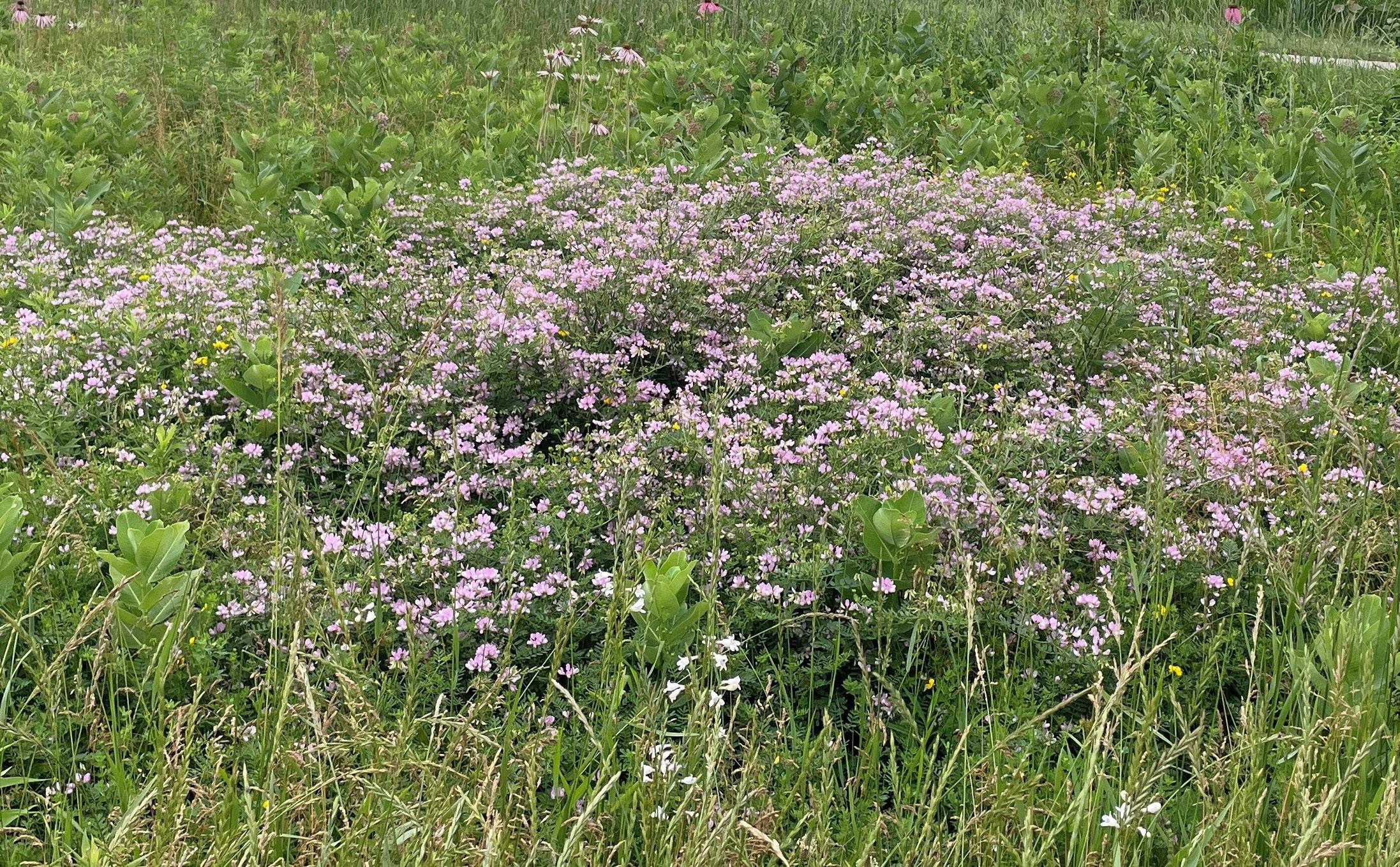
Crownvetch (Securigera varia)
Commonly found in prairies and roadside. Low-growing, forms dense mats that crowd out prairie species.
ID: Compound oval leaves, purple flowers fading to brown; common in mowed areas.
Control: Spot-spray in late spring; avoid mowing (it spreads seed). Use prescribed fire instead to manage prairie areas.
Other Invasives
Japanese Knotweed, Reed Canary Grass, Asian Honeysuckle, Oriental Bittersweet, Multiflora Rose, Autumn Olive, Burdock, Creeping Bellflower, Bird-foot Trefoil, Lesser Celandine, Cut-leaf Teasel, Hybrid Cattail, Glossy Buckthorn, European Milfoil, and more.
Common Buckthorn
Phragmites
Garlic Mustard
Crown Vetch
Getting Started
By now, we hope you’re enthusiastically jumping onto the native train. If you’re wondering where to begin, we’ve got you covered!
Set a Goal
Do you want to support anything specific—monarchs, bees, birds—or biodiversity in general? Your goal guides site choice and plant selection.
Examine Your Site
Study the space! Calculate square footage. How much direct sunlight does it get? Watch light conditions after any nearby trees have leafed out. What is the soil like a few days after a good rain? If it’s still heavily saturated, you probably have a wet to moist soil type. If it’s damp, you’re likely working with medium to welldrained. If it’s bone dry… well, your soil type is probably dry.
Establish Labor and Cost Limits
Generally, we recommend smaller, manageable pot sizes if you’re planting yourself. Johnson’s offers many native trees in 5-gallon, rootmaker pots and plug-sized perennials for an easier, costeffective way to cover lots of ground. If you’d like to start with more mature trees and shrubs, contractor expertise is valuable.
Choose Your Plants
Use the results of your site study to filter plant options by site conditions. You can narrow further by considering your personal preferences, such as bloom/fall color or the critters you’d like to draw. See page 40 for lists by conditions. We suggest including grasses and sedges for balance and stability.
Execute
Remove turf or invasives by mowing, tarping, flipping sod, or using herbicide. Then, plant those natives! Give them enough space to reach their full growth potential. Just like a class photo, you want tall species in the back and shorties up front. This is visually appealing and helps keep leggy species upright. Water well after planting and during dry spells until roots establish. Be patient, your new plants will focus on root growth for the first year or two; by year 3, plants will thrive above ground.
Maintain
Watch for woody seedlings and invasive species. Learning to identify them keeps your ecosystem healthy. Keep Learning! Explore local ecosystems, add diversity each year, and take time to enjoy the wildlife that returns to your yard.
Plug size Symphyotrichum oolentangiense-Sky Blue Aster
Before
After
Sunlight Requirements
Full Sun
Whether most of the sunlight occurs in the morning or the afternoon, full sun locations receive 6 or more hours of direct, unfiltered sunshine.
Partial Sun
These locations receive 4-6 hours of direct sunlight and are lightly shaded much of the day. Dappled or filtered sunlight the entire day is also considered partial sun.
Shade
Shaded locations receive fewer than 4 hours per day of direct sun and are heavily shaded much of the day. They may also receive little to no reflected or indirect light.
Soil Type and Moisture
Wet Soil
Wet soils are poorly drained, typically remaining saturated after heavy rains or spring thaw. They are common in low and compacted areas, and locations with heavy clay. With the right plants, they can be highly ecologically productive habitats and provide immense value in maintaining drinking water quality.
Moist Soil
Moist soils stay damp to the touch for most of the year. They’re often found in low-lying areas or rich forests with high amounts of organic matter. Some of the most diverse, pre-settlement forests in Wisconsin would fit into this category.
Medium
Medium soils offer a balanced mix of adequate moisture with periods in which the soil dries out. A majority of our native species can thrive in this soil type. This is the typical soil condition across most graded residential areas.
Well-Drained Soil
Well-drained soil allows water to pass through without becoming water-logged. They may contain sand, but with enough loam to retain some moisture. They are well-oxygenated which is important for healthy root growth.
Dry Soil
Dry soils contain low amounts of moisture most of the time. Examples include sandy or rocky soils which allow water to drain quickly, steep slopes where water runs off, or beneath the overhangs of buildings. Dry soils are often low in fertility and are only hospitable to the toughest of plants.
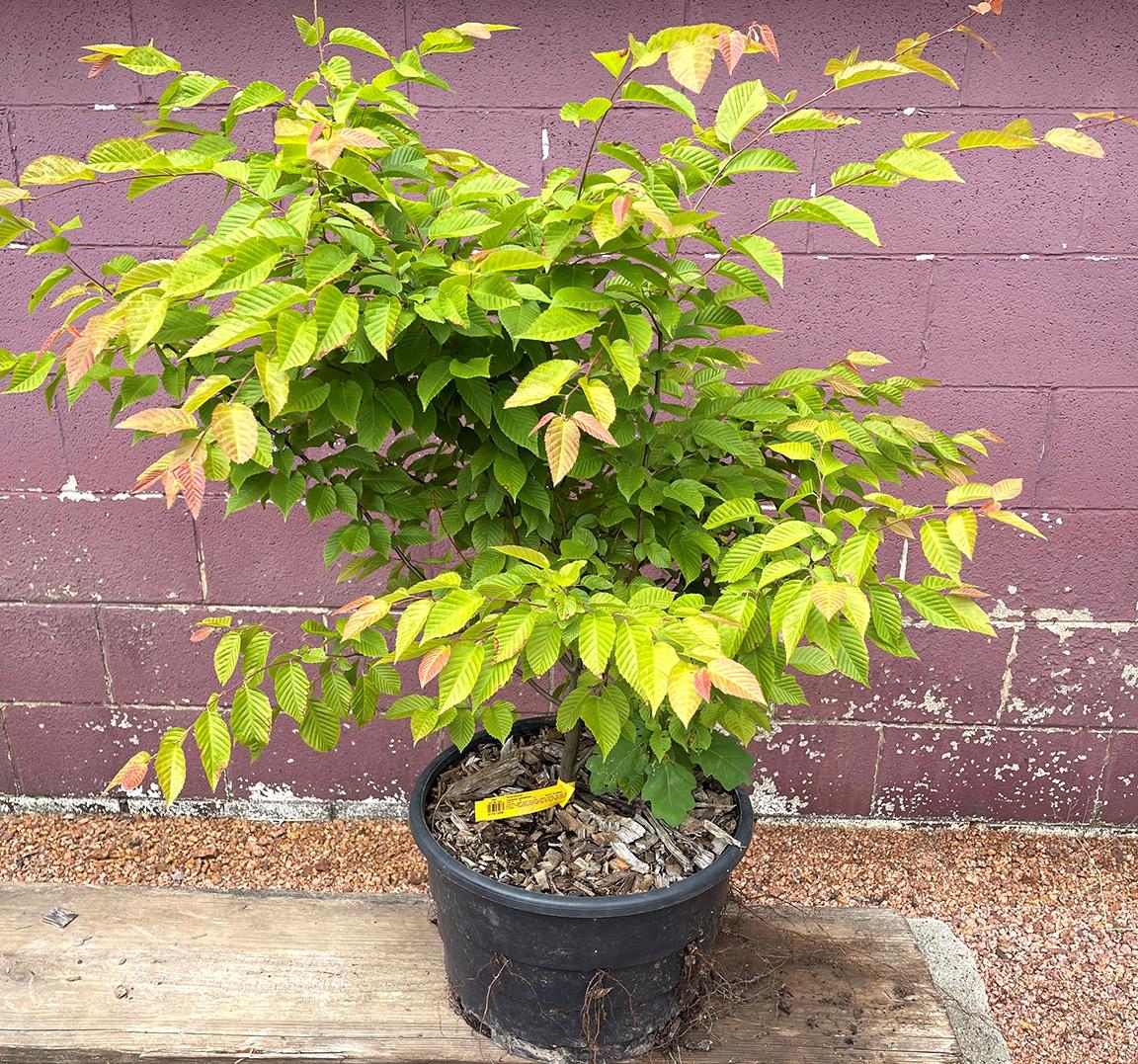
#5 Root Maker Carpinus caroliniana-Musclewood
TREES
Acer pensylvanicum
Striped Maple
H: 20' S: 15' Soil: Moist, Medium, Well-drained
P
A
A smaller-scale understory tree found in moist, cool woodlands. Distinguished by its green-striped bark and finely serrated leaves. Paired, winged fruits (samaras) appear in midsummer, late June to late August. Wisconsin DNR lists it as a Special Concern plant.
Acer rubrum
Red Maple
H: 40-60' S: 40-60' Soil: Moist, Medium, Well-drained U P
An iconic Wisconsin native. Showy red flowers in spring before leaves emerge. Beautiful fall color, turning bright red in ideal conditions. One of the most common trees in the Eastern United States. Prefers slightly acid, moist soils.
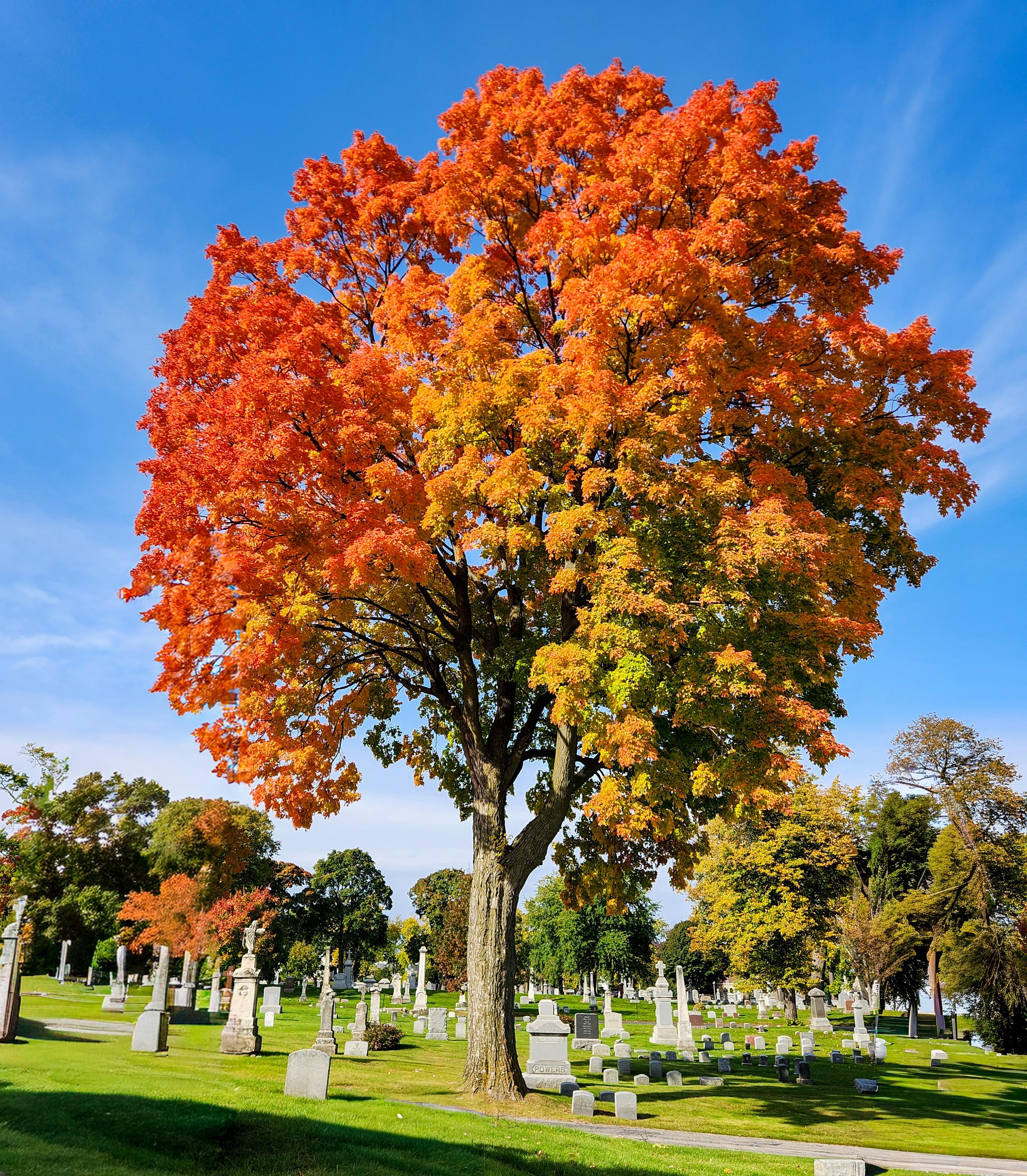
Acer saccharum
Sugar Maple
H: 50-75' S: 40-50' Soil: Moist, Medium
U
P A Wisconsin’s state tree and the dominant tree in our maple/basswood forests. Extraordinary fall color of gold, orange, and scarlet. Prefers a rich, well-drained soil. Not tolerant of road salt or poorly drained, compacted,
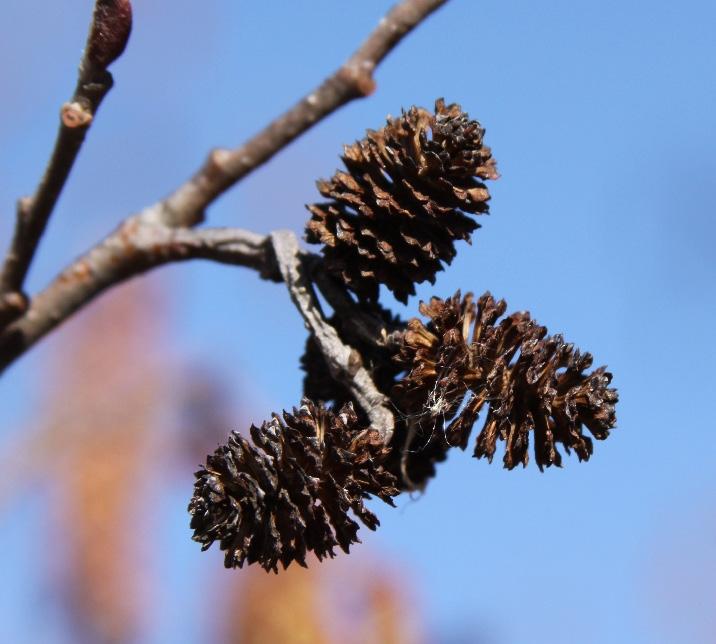
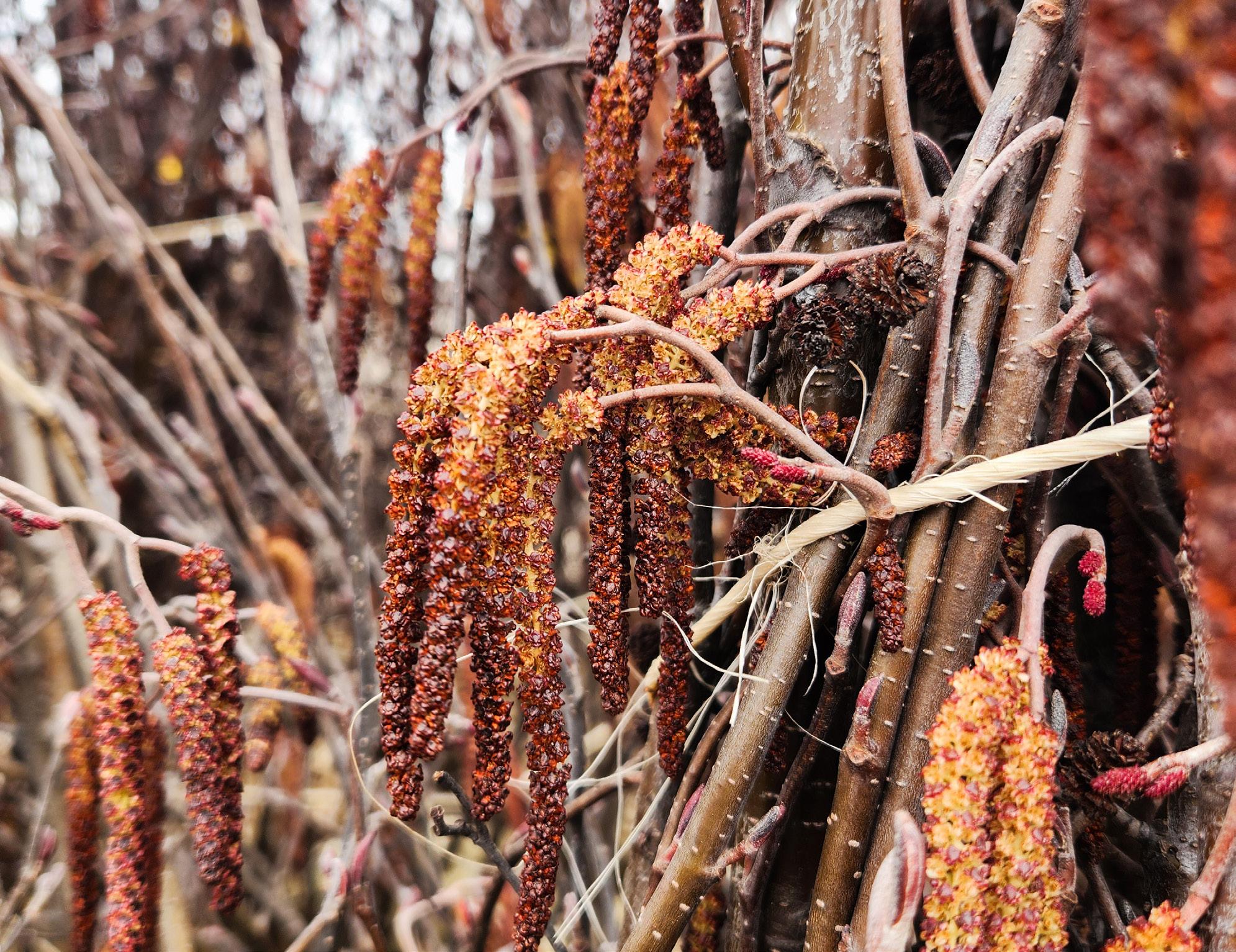
Alnus incana var. rugosa
Speckled Alder
H: 15-25' S: 6-15' Soil: Wet U P
A medium-sized shrubby tree that grows along river bottoms, edges of lakes, and in swamps. This is a fantastic choice for wet areas, providing both erosion control and habitat for trout. Produces interesting fruit pods resembling tiny pine cones that persist through winter.
Acer spicatum
Mountain Maple
H: 10-30' S: 10-30' Soil: Moist, Well-drained
U P
A smaller, shrubby understory tree typically found in cool, moist settings. You mostly see this plant as a multi-stem, but you can, at times, find it as a single stem. The medium green leaves are large and coarsely lobed, turning red, yellow, and orange in fall.
Amelanchier arborea
Downy Serviceberry
H: 15-25' S: 10-12' Soil: Medium, Well-drained U P
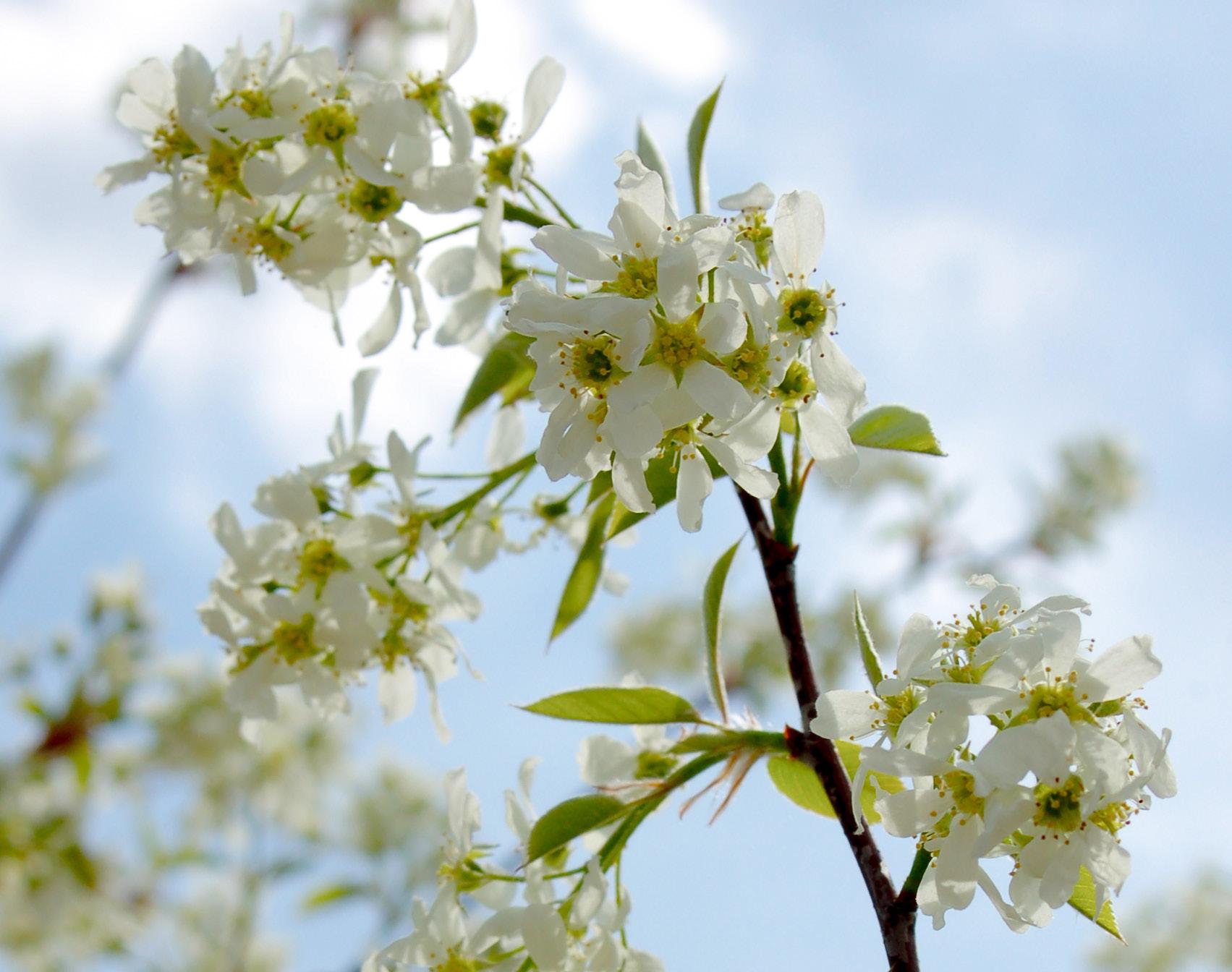
One of several WI native serviceberries. It’s adaptive to most soil types, provided they are well-draining. Typically found as an understory species. True to the species, it has multi-season interest with spring flowers, early summer fruit, and a nice fall color.
Amelanchier laevis
Allegheny Serviceberry
H: 25' S: 15' Soil: Medium, Well-drained
U P
Early spring brings delicate white flowers. Edible, sweet fruits follow in June and are swiftly scavenged by birds and other critters. Fall color varies from yellow to orange to red. Has smooth gray bark. Year-round appeal makes for a wonderful plant in any landscape setting. Excellent plant for the edge of woods.
Betula alleghaniensis
Yellow Birch
H: 40-60' S: 40-50' Soil: Moist
Carya cordiformis
Bitternut Hickory
U P
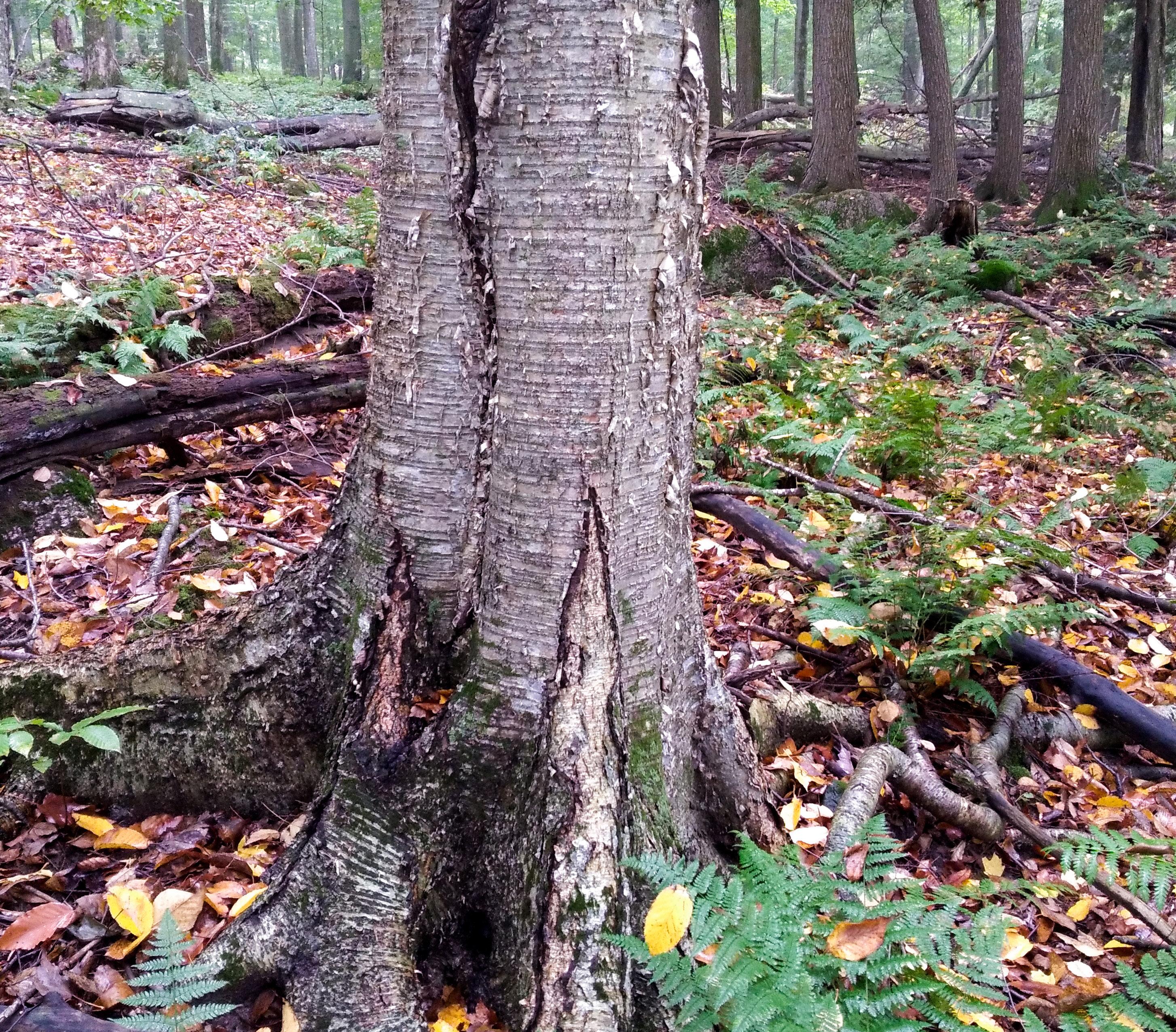
Magnificent tree! More common in the north woods but found throughout the state. Bark is silvery-yellow and curly, and twigs smell like wintergreen. Needs cool, moist soil. Grows in upland and lowland sites. They’re fairly shade-tolerant, are among the largest of the species, and they’re resistant to bronze birch borer.
Betula nigra
River Birch
H: 40-70' S: 40-60' Soil: Wet, Moist
Attractive, exfoliating cinnamon-brown bark. Resistant to bronze birch borer. Tolerates heavy, wet soils but will tolerate dry soils once established. Very adaptable but prefers acidic soils. It can serve as a specimen in the landscape and is useful planted in groves.
Betula papyrifera
Paper Birch
H: 50' S: 35' Soil: Moist
U P
Commonly found with several trunks. Bark on branches and younger trunks is reddish-brown with light-colored horizontal lenticels. With age, bark becomes white, papery, and often peels. 2” long catkins in summer. More common in northern Wisconsin's moist, rich woodlands and along rock slopes.
Betula pumila
Bog Birch
H: 6-9' S: 8' Soil: Moist U P
A shrub-form birch found in wetlands throughout Wisconsin. It is often seen in colonies in calcareous fens or along lake shores. Our local seed strain has fall colors ranging from yellow to orange to red, unusual for a birch.
Carpinus caroliniana
Musclewood
H: 25-30' S: 25-30' Soil: Moist
U P A
A fine-textured, graceful, small-scale understory tree. Named for smooth, gray bark with sinewy, fluted stems. Also called American Hornbeam. Adaptable to sun or shade but prefers moist soils. Great fall color can be yellow, orange, to red.
H: 60' S: 50' Soil: Moist
The fastest-growing hickory. Field-grown B&B Hickory transplants well, contrary to reports by others. Attractive bark and foliage with clear yellow fall color. A strong-wooded, fairly pest-free, underused tree. More northern in its range than Shagbark Hickory. Has distinctive sulphur yellow buds.
Carya ovata
Shagbark Hickory
H: 60-80' S: 30-50' Soil: Moist
P
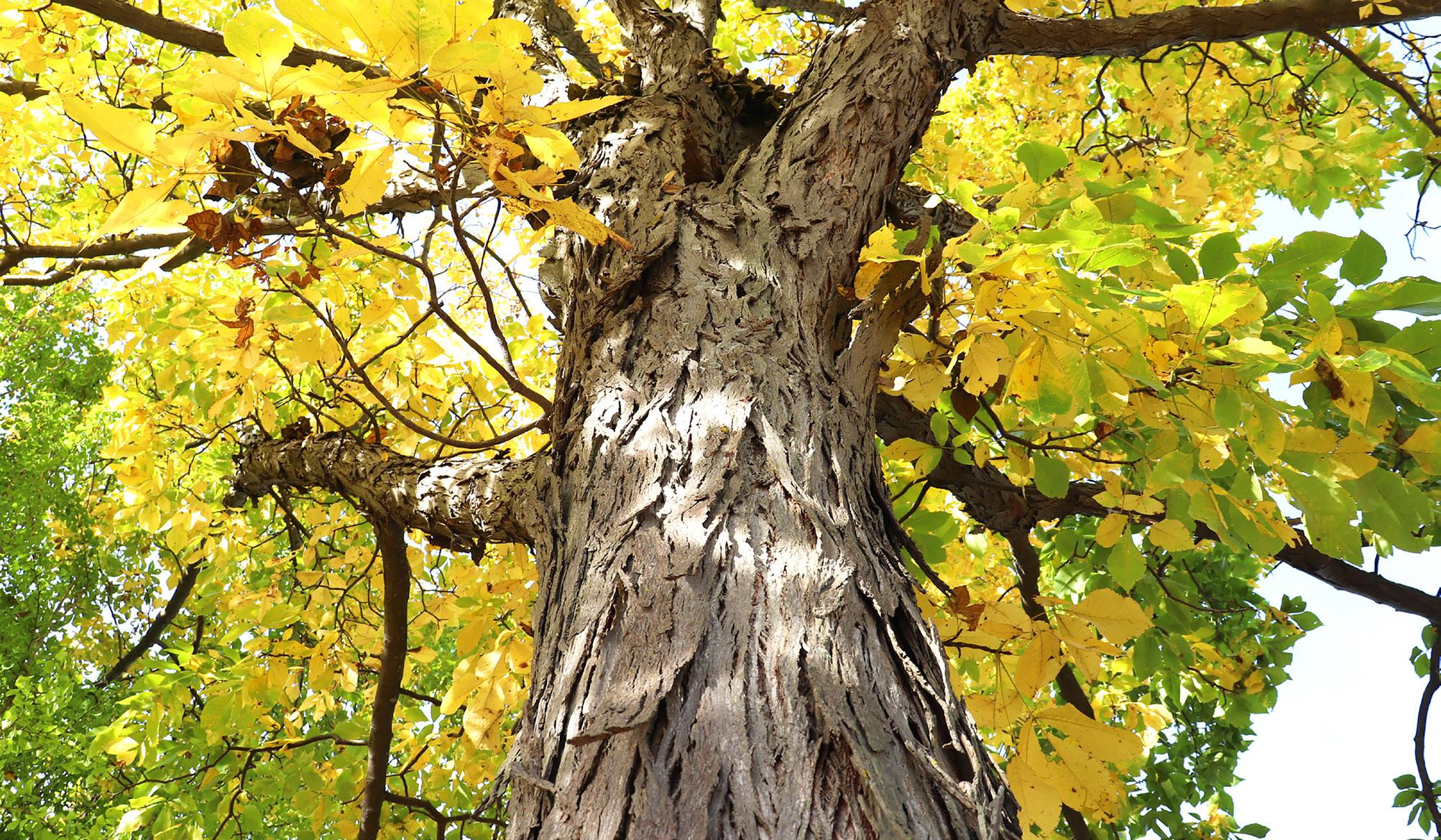
Shagbark Hickory is a durable, strong-wooded tree. Tolerant of a wide range of soil types from sand to clay. The bark exfoliates in iconic shaggy strips. Spectacular golden-yellow fall color. This beautiful tree is a great source of edible nuts for wildlife and humans. Historically difficult to transplant, however, we have had great success doing so.
Very adaptable with best growth on rich, moist sites, but will grow most anywhere. Clay soil and salt tolerant. Bark texture mimics stucco. Develops an elm-like habit at maturity. Birds love the small, pea-sized berries on this river-bottom tree.
Cornus alternifolia
Pagoda Dogwood
H: 15-25' S: 15-25' Soil: Wet, Moist
U P A
Native to every county in Wisconsin, a perfect choice for any rich, shady landscape. White spring flowers are held erect in horizontal panicles on layered branches. Summer brings blue/black fruits that birds love. Maroon fall color. Mulch and water when dry for optimal growth. Also called Alternate-leaf Dogwood.
TREES
Crataegus mollis
Downy Hawthorn
H: 20-30' S: 25-35' Soil: Medium U
Very tough and hardy tree, adaptable to varying soil conditions and exposure. Wonderful horizontal branching habit gives it a distinctive outline in the dormant season. White flowers in spring are followed by brick-red fruit. It can suffer from foliar diseases and has wicked thorns.
Fagus grandifolia
American Beech
H: 60-75' S: 55-65' Soil: Moist, Medium ,Well-drained U P
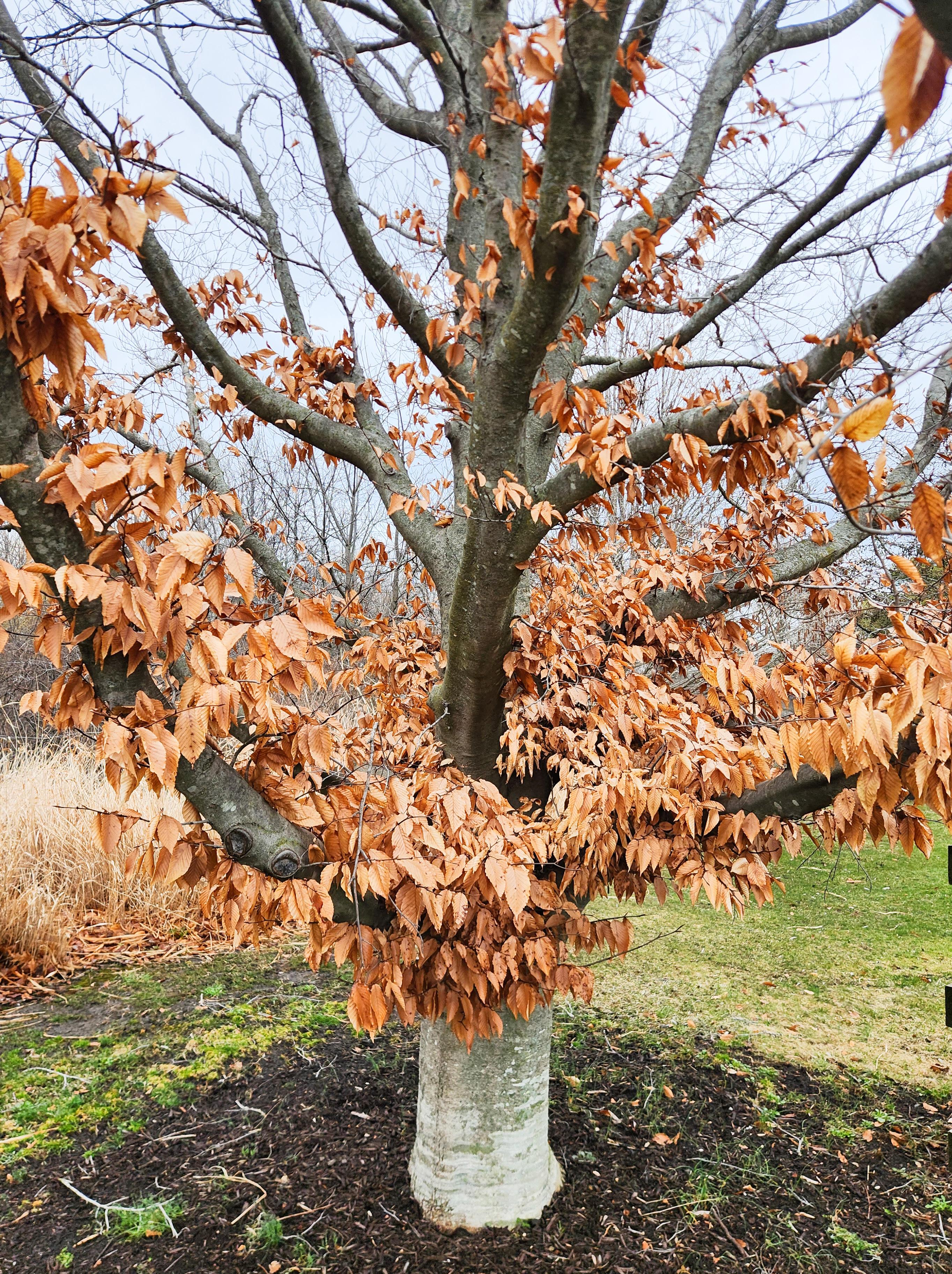
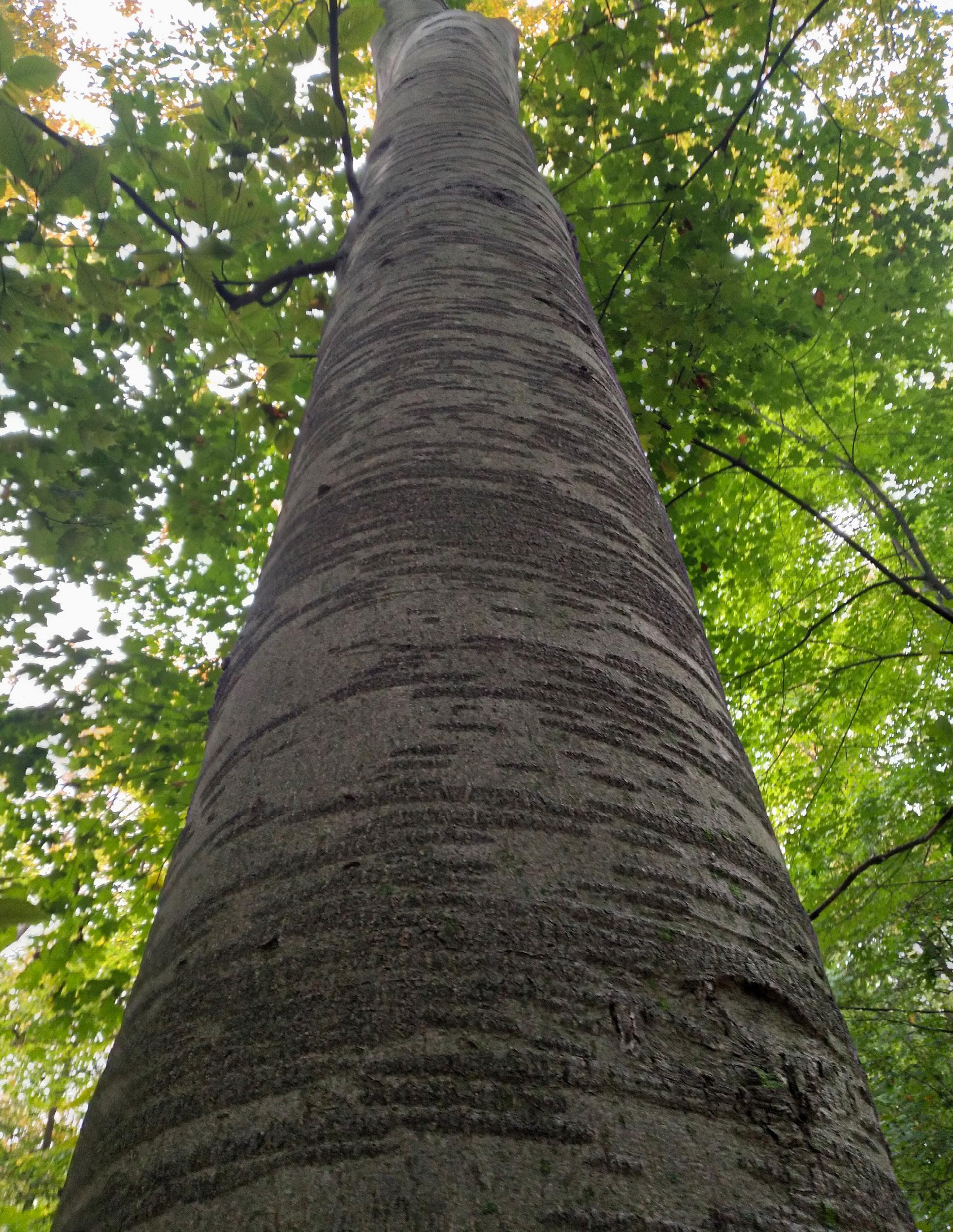
Large, slow-growing, long-lived, stately tree with light gray, smooth bark that can resemble an elephant’s hide. Slender winter buds with overlapping scales resemble tiny cigars. Dried fall leaves remain on the tree most of winter. Edible nuts are attractive to most wildlife and are produced about every third year. Climax forest tree.
Juglans cinerea
Butternut
H: 40-60’ S: 30-50’ Soil: Moist,Medium,Well-drained U
Large spreading tree similar to black walnut but more tolerant of a variety of sites, though it prefers moist, rich, deep soils. Larval host plant for the Luna moth and provides food for squirrels, rodents, birds, and mammals including foxes and squirrels. Nuts begin around 10 years and are sweet, mild, and quite tasty for humans. Like black walnut, it contains the chemical juglone which some plants cannot tolerate - caution when planting. Intolerant of shade.
Juglans nigra
Black Walnut
H: 50-75' S: 50-75' Soil: Moist,Medium,Well-drained U
A tough, durable, and fast-growing tree. Nuts are great for wildlife and tasty for humans. Old specimens develop a very picturesque shape. Valuable timber tree. All parts of the tree contain a compound (juglone) that can inhibit the growth of nearby plants.
Malus ioensis
Prairie Crabapple
H: 15-20' S: 15-20' Soil: Moist, Medium, Well-drained U
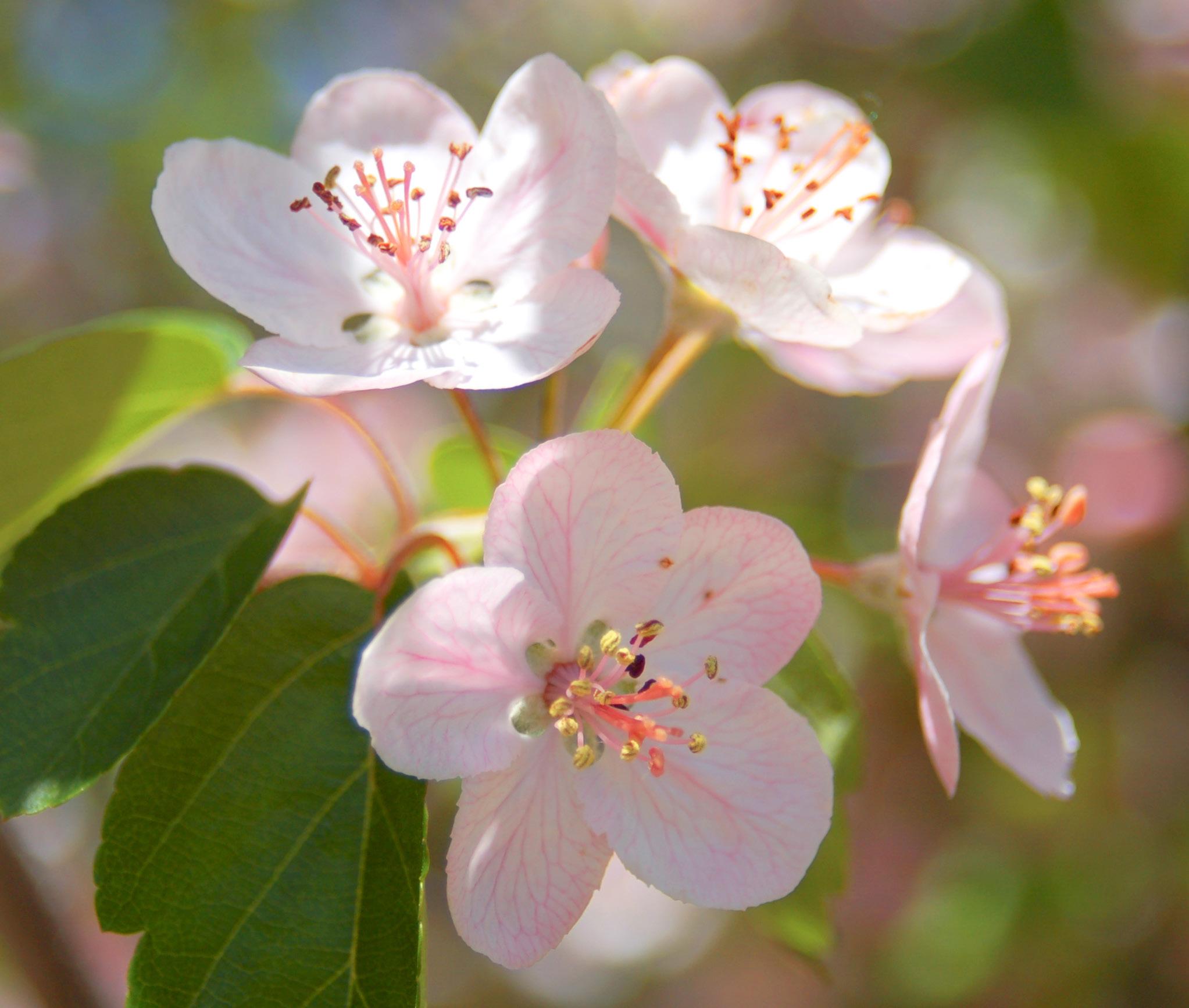
Spectacular, fragrant pink spring flowers rival any ornamental tree. Pingpong ball-sized, yellow-green fruits attract wildlife. Attractive bark and branching habit make for good winter interest. Keystone prairie species!
Ostrya virginiana
Ironwood
H: 25' S: 15' Soil: Medium, Well-drained, Dry U P A
Small, slow-growing pyramidal tree native to the dry understory in our local oak woods. Features, exfoliating bark, fine-textured foliage, 3-4” drooping catkins, persistent, hop-like winged nutlets, and a pleasing yellow fall color. Flowers in early spring. Great for small spaces, but intolerant of salt and heavy air pollution.
Populus balsamifera
Balsam Poplar
H: 60-90' S: 25-40' Soil: Wet, Moist U
This fast-growing poplar is a harbinger of our northwoods. Grows readily in northern Wisconsin, found in both upland and floodplain sites. This tree has a spreading, colonizing habit with a large, expanding root system. Because of this, it would do best planted away from structures, power lines, and septic tanks.
Populus deltoides
Eastern Cottonwood
H: 70-90' S: 70-90' Soil: Moist, Medium, Well-drained U
Eastern Cottonwood is a fast-growing tree with an impressive mature stature. It's ashy-gray bark becomes easily recognizable with age, developing long, deep longitudinal fissures and furrows. A fantastic choice for floodplains. A mature cottonwood can drink hundreds of gallons per day while growing.
Populus grandidentata
Bigtooth Aspen
H: 60' S: 10-20' Soil: Medium, Well-drained U
Leaves open with a white tinge in spring and are later identified by their toothed edge/margin. Hanging, 2-3” long catkins emerge midsummer. Bright yellow-orange fall color. Found in moist and well-drained areas from stream banks to upland woods; often in burned or cut-over areas. Faster growing than Quaking Aspen.
Populus tremuloides
Quaking Aspen
H: 40-50' S: 20-30' Soil: Medium, Well-drained U
A tree with a huge native range in North America, very adaptable and fast-growing. Attractive bark is smooth, grayish-white, reminiscent of Birch. Leaves dance in wind and exhibit a wonderful golden fall color. Forms colonies in the wild. Will send up root suckers in the landscape.
Prunus serotina
Black Cherry
H: 50-60' S: 25-35' Soil: Moist, Medium, Well-drained U
The biggest cherry in our forests. Fragrant white flowers develop into tart, edible black fruits that many birds find tasty. Fast growing and adaptable to many soils if well-drained. Nice yellow to orange fall color. Dark, almost black, bark. The source of prized cherry lumber for furniture.
Prunus virginiana
Chokecherry
H: 20-30' S: 15-20' Soil: Medium, Well-drained, Dry U
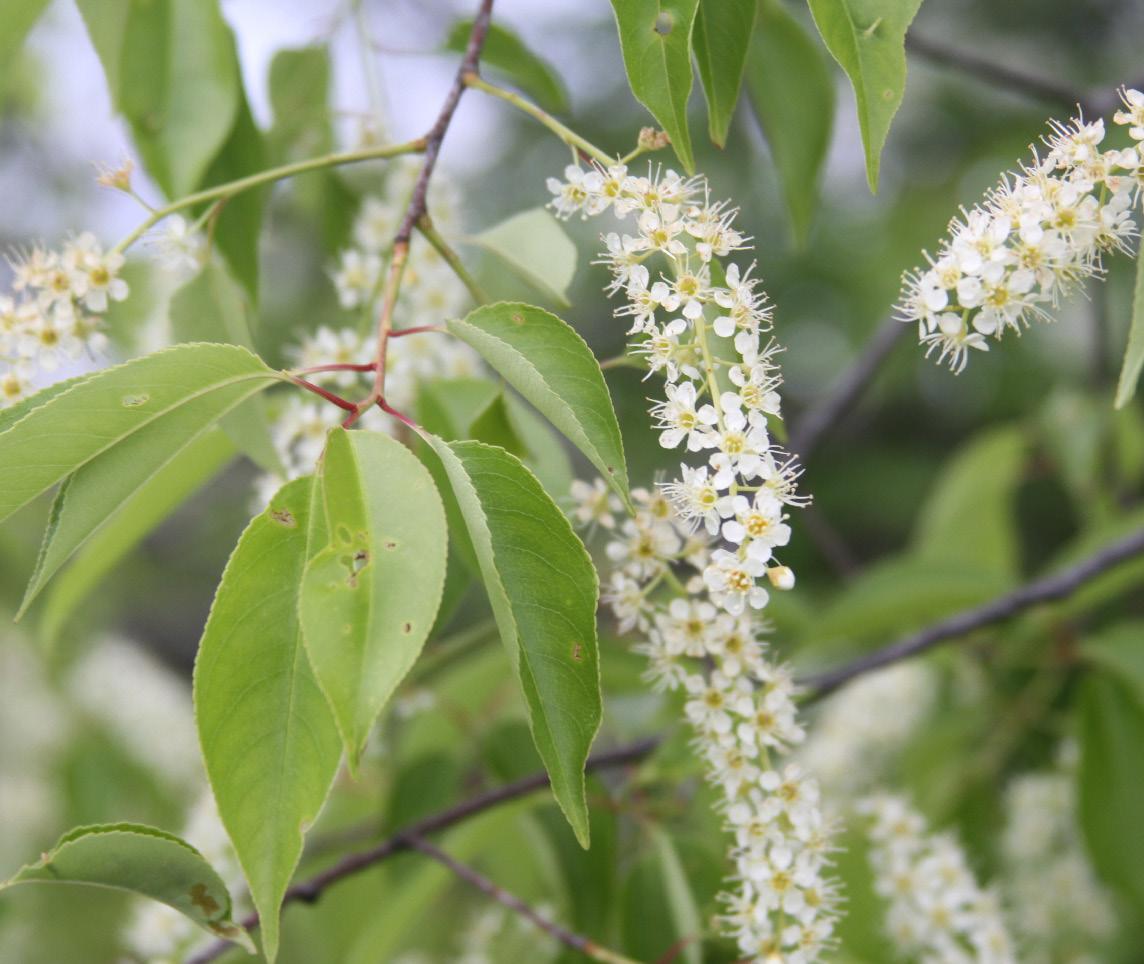
A shrubby, suckering, keystone tree that grows throughout the state. More shade-tolerant than other cherries. All the native cherries and plums are a good source of fruit for many birds and a host plant for many butterflies and moths.
Ptelea trifoliata
Hoptree
H: 15' S: 15' Soil: Moist, Medium, Well-drained, Dry U P A
Glossy leaves with sweet-smelling flowers. Round, flattened hop-like seeds add interest after leaf drop. Grows in alluvial thickets on rocky slopes and in gravelly deposits. Very drought-tolerant. The fruits were once used as a substitute for hops in brewing beer! Host plant for giant swallowtail.
Quercus on next page
Salix discolor
Pussy Willow
H: 8-27’ S: 15-20’ Soil: Wet, Moist U
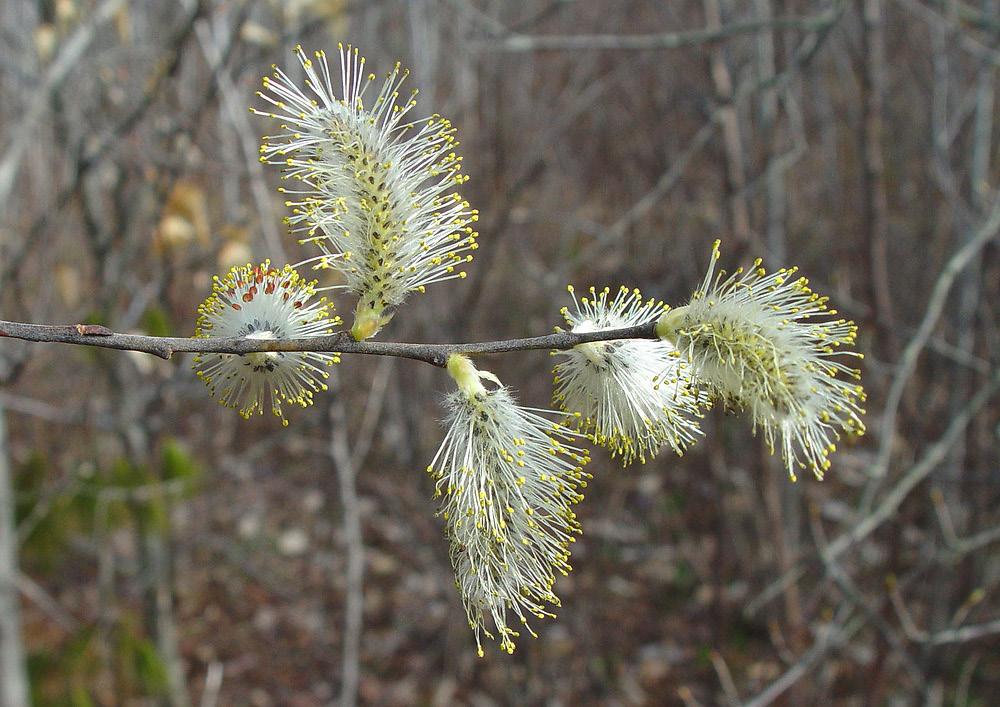
Pussy Willow is a fast-growing, shrubby colonizing species that’s the larval host plant to several species of butterfly. Fuzzy catkins emerge in spring, an iconic identifying feature of this species. Pussy Willow does great in wet sites where it has room to spread.
Salix nigra
Black Willow
H: 55-65' S: 55-65' Soil: Wet, Moist U P
An extremely fast and large growing tree that is very tolerant of wet soils. Black Willow is often used to stabilize stream banks and is great for erosion control. It is, however, weakly wooded, and not recommended for residential use.
Tilia americana
Basswood
H: 75' S: 50' Soil: Moist, Medium
A rapid grower with a dense teardrop shape. Often develops basal sprouts, resulting in multi-stemmed trees. Fragrant, creamy white flowers are the nectar source for basswood honey. Shade-tolerant.
Elms were once the most popular tree across America. That changed with the spread of Dutch Elm Disease, resulting in a massive decline of the species. DED is no longer as prevalent and elms are making a comeback. Coveted for fast growth rate, urban tolerance, and large vase-shaped crown, the American Elm is a grand native tree.
Ulmus thomasii
Rock Elm
H: 50-100' S: 50-60' Soil: Moist, Medium, Well-drained, Dry U
The tallest growing Wisconsin native elm. Naturally found in dry, upland sites on rocky ridges. It has a narrow crown, unusual corky bark, and yellow fall color. Wood is extremely strong. Associated forest species are maples and beeches. Unfortunately, this species is still susceptible to Dutch Elm Disease.
Plant Oaks!
Ben French, Propagator
Oaks can be found nearly every place that supports the growth of trees. There are almost 500 known species worldwide. North America is home to roughly 20% of those, with the United States boasting the highest concentration. Wisconsin is blessed with nine species, seven of which have major distribution within the state. Oaks are valuable in many facets:
• They are long-lived, large trees with a stately presence combining with an iconic form. When growing in a woodland setting, I find them to be more narrow and tall. When growing in open spaces, their form is typically broad spreading and sturdy.
• Provide shade, thus cooling homes, streets, and yards during the warm months.
• Many of them exhibit great fall colors. Red Oaks display reds, purples, and orangey-yellows, while White Oaks display subtle warm-yellows, tans, and maroons.
• During the growing season, few other trees match the deep luster of a healthy oak leaf, which tend to sparkle in the sunlight.
• High-quality lumber.
Besides being a treat for the eyes, Oaks have unrivaled ecological value. They provide food and habitat to more animals and insects than any other tree. Their acorns are valuable to many critters like deer, bear, ducks, turkeys, squirrels, and blue jays. Oaks are a mighty column supporting the local food web.
Lastly, because our ancestors recognized their myriad values, oaks are now something of a cultural symbol standing for strength and endurance. Their age allows them to witness time in a way many of us wish we could.
If you can. Plant Oaks.
Quercus alba
White Oak
H: 80-100’ S: 50-80’ Soil: Moist, Medium. *Loamy, Acidic U P
Ecologically our most important tree. Requires rich, well-drained soil. Wonderful architecture in winter. Fall color can be rich red. Acorns are great for wildlife. White Oaks are less susceptible to oak wilt than Red Oaks. Slow growing, but will get massive with time and adequate siting.
Quercus bicolor
Swamp White Oak
H: 75’ S: 65’ Soil: Moist, Medium. *Acidic U P
Swamp White Oak is a key component of forested wetlands. One of the easiest oaks to transplant due to its naturally fibrous root system, which is capable of dealing with thick layers of clay and compacted soil. Prefers slightly acid soils and can display chlorosis in alkaline sites unless it’s a local ecotype selection. This is a large, long-living tree, so be careful when selecting a site to ensure it has plenty of room to live its best life.
Quercus ellipsoidalis
Hills Oak, Northern Pin Oak
H: 40-75’ S: 40-75’ Soil: Well-drained. *Acidic, Sandy U Hills Oak should be sited only where soils are sandy and well-drained. It is an excellent choice where beautiful fall color is desired and moisture is limited. Shiny green leaves have deeply cut lobes with sharp points on the tips and turn scarlet red in fall. This oak is best identified by the yellow-orange under bark. Common in west/central Wisconsin. Adapts to our alkaline soils.
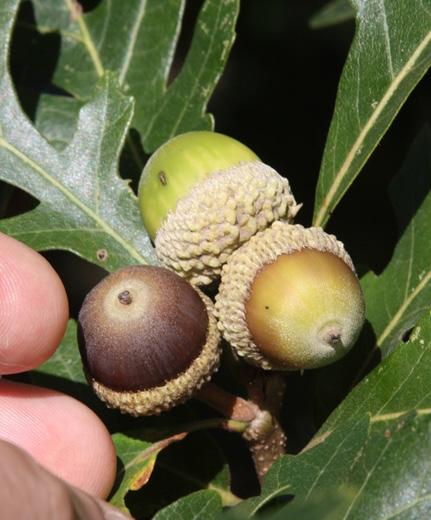
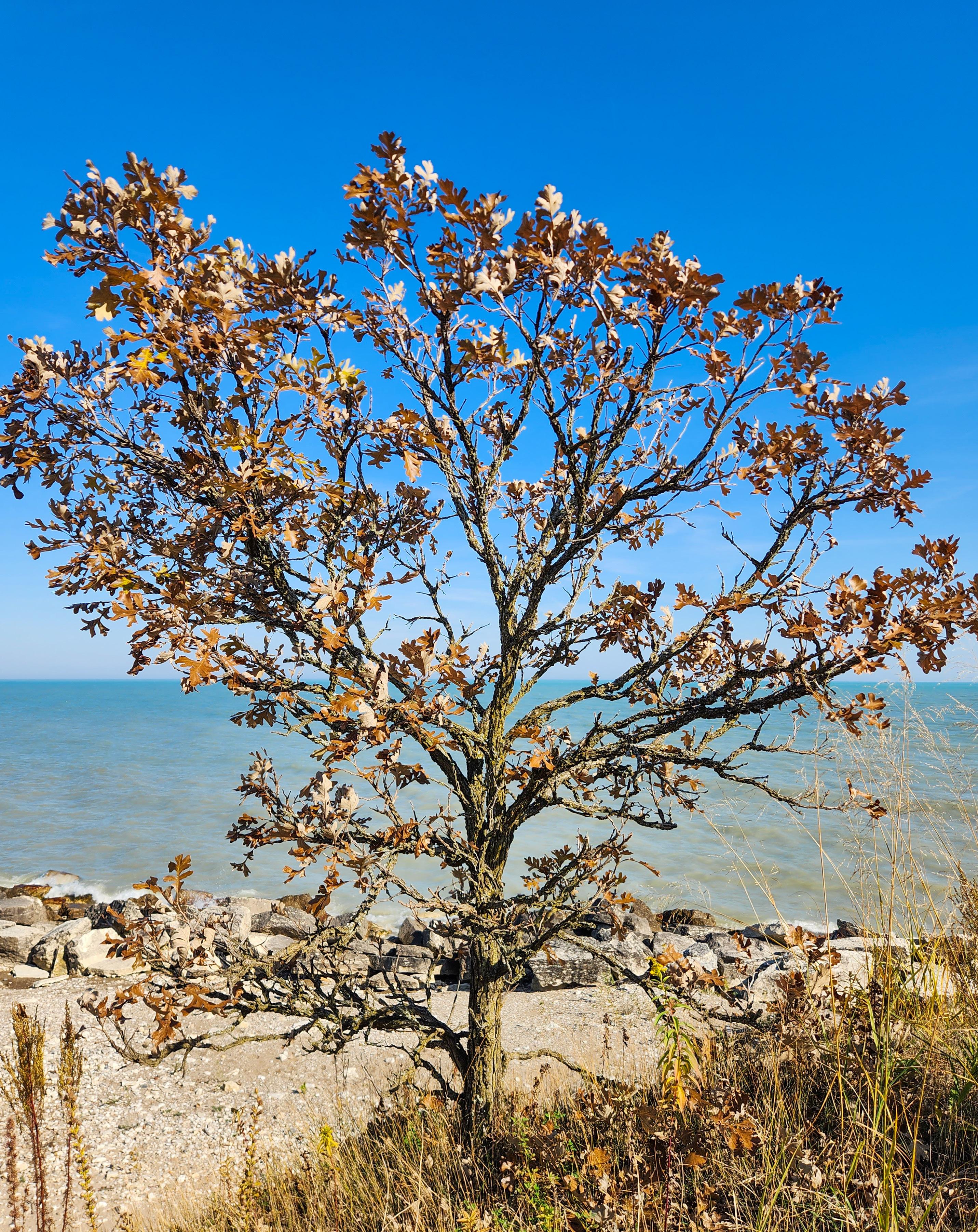
Quercus macrocarpa
Bur Oak
H: 60-80’ S: 60-80’ Soil: Medium, Well-drained. *Alkaline U P
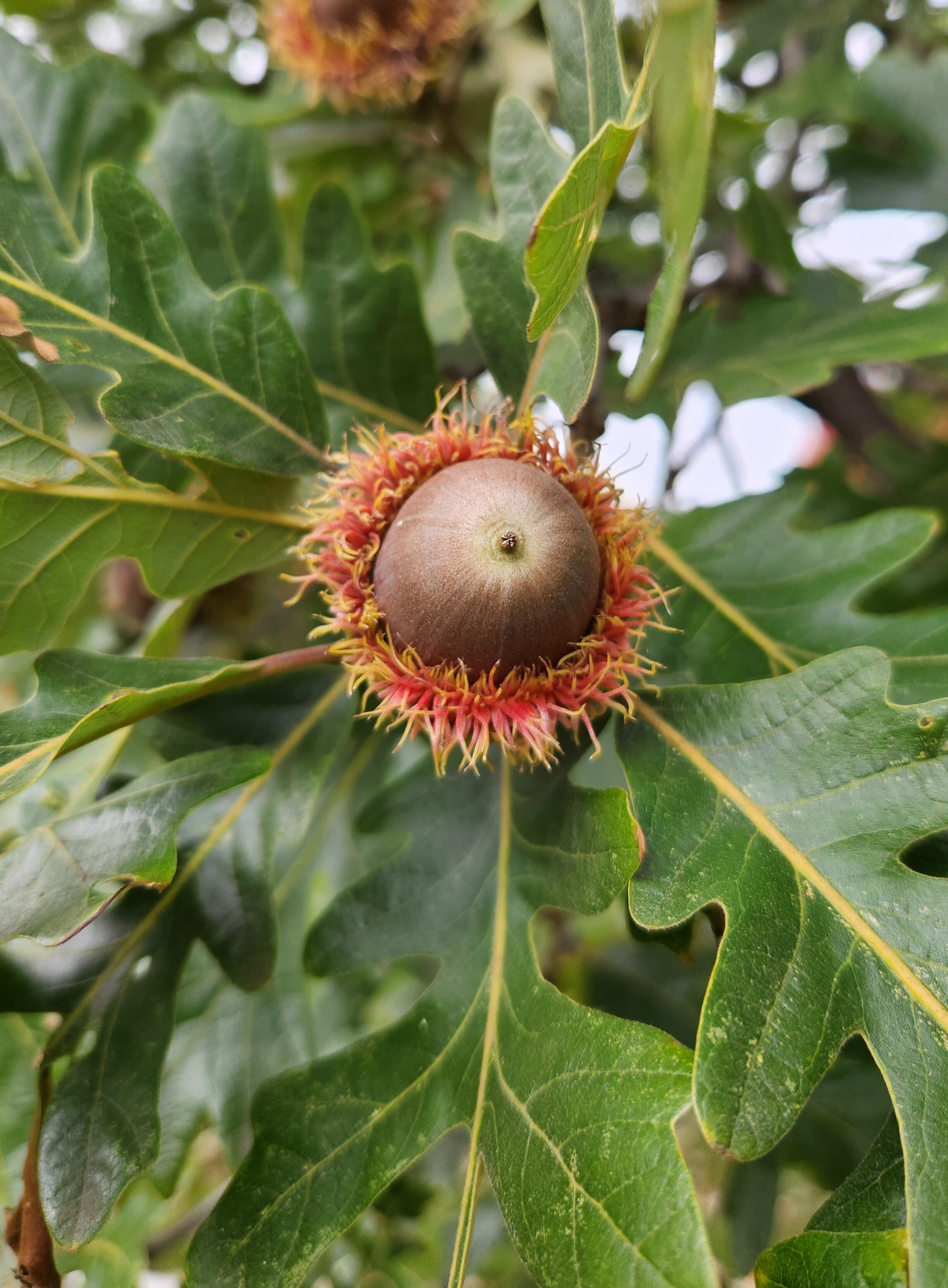
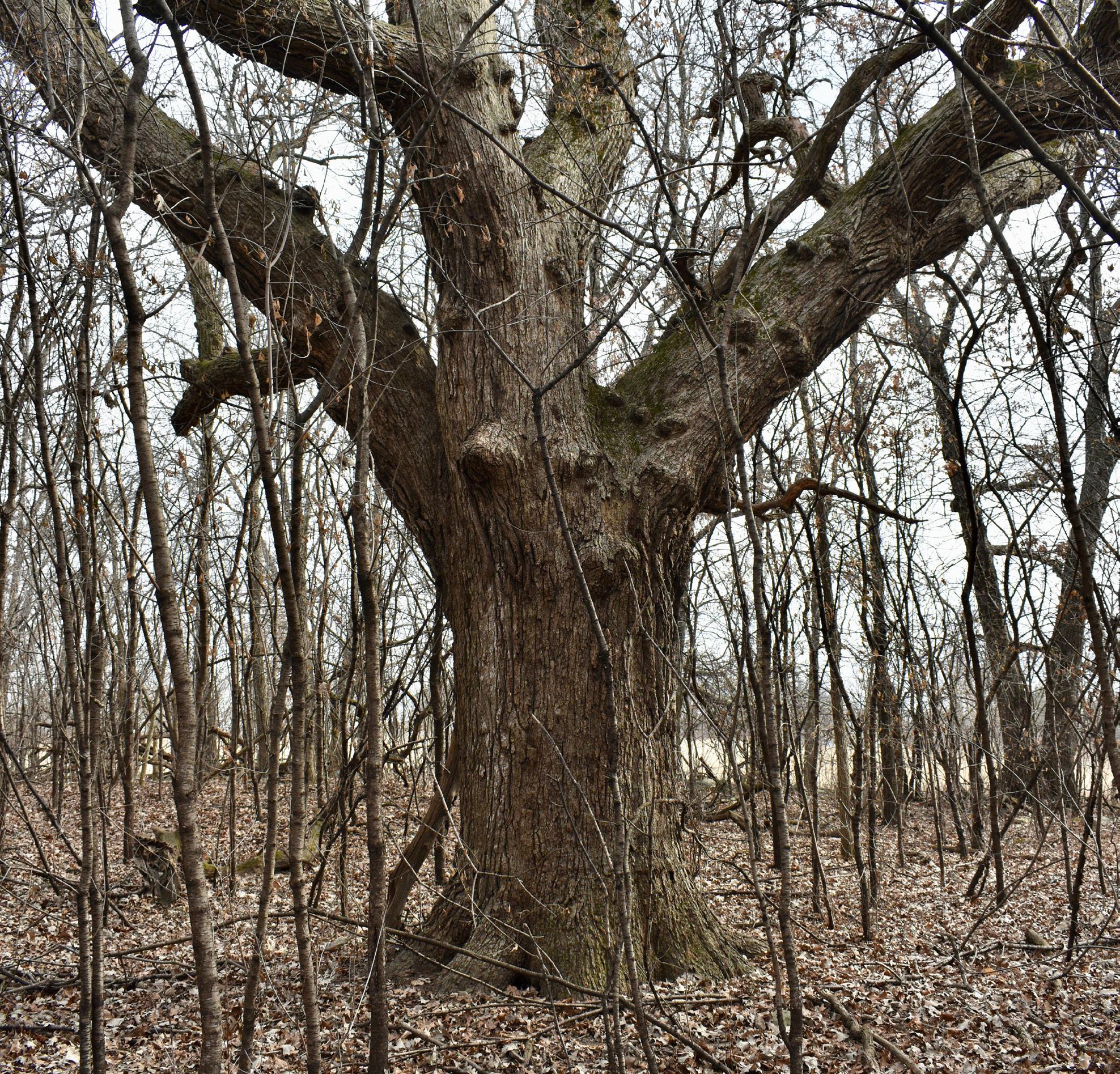
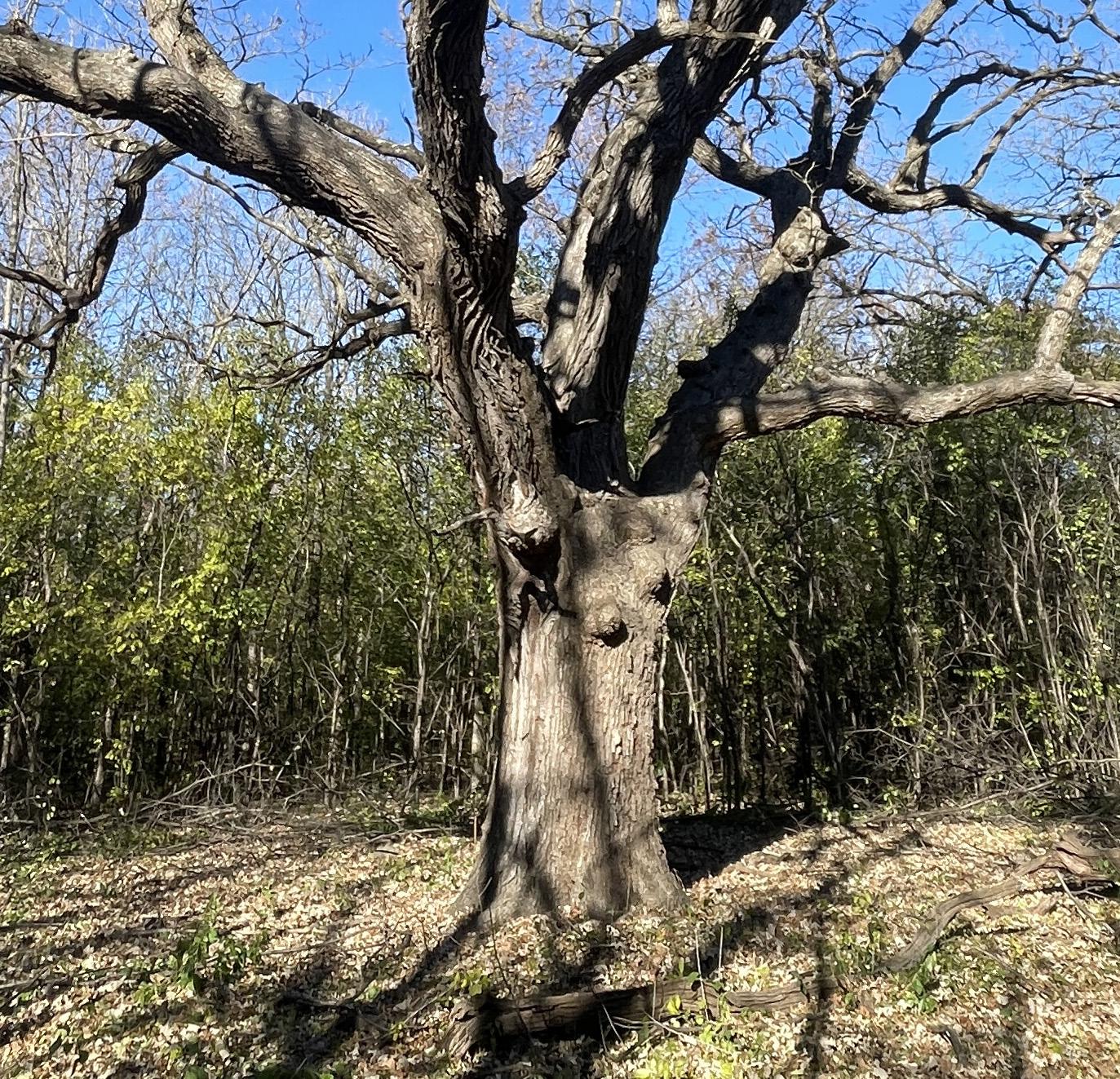
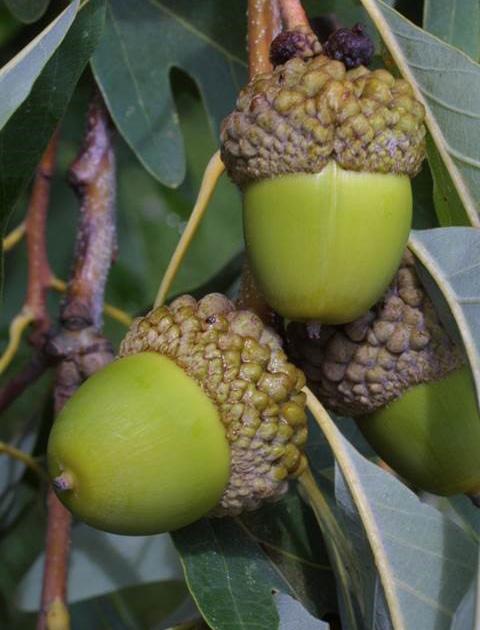
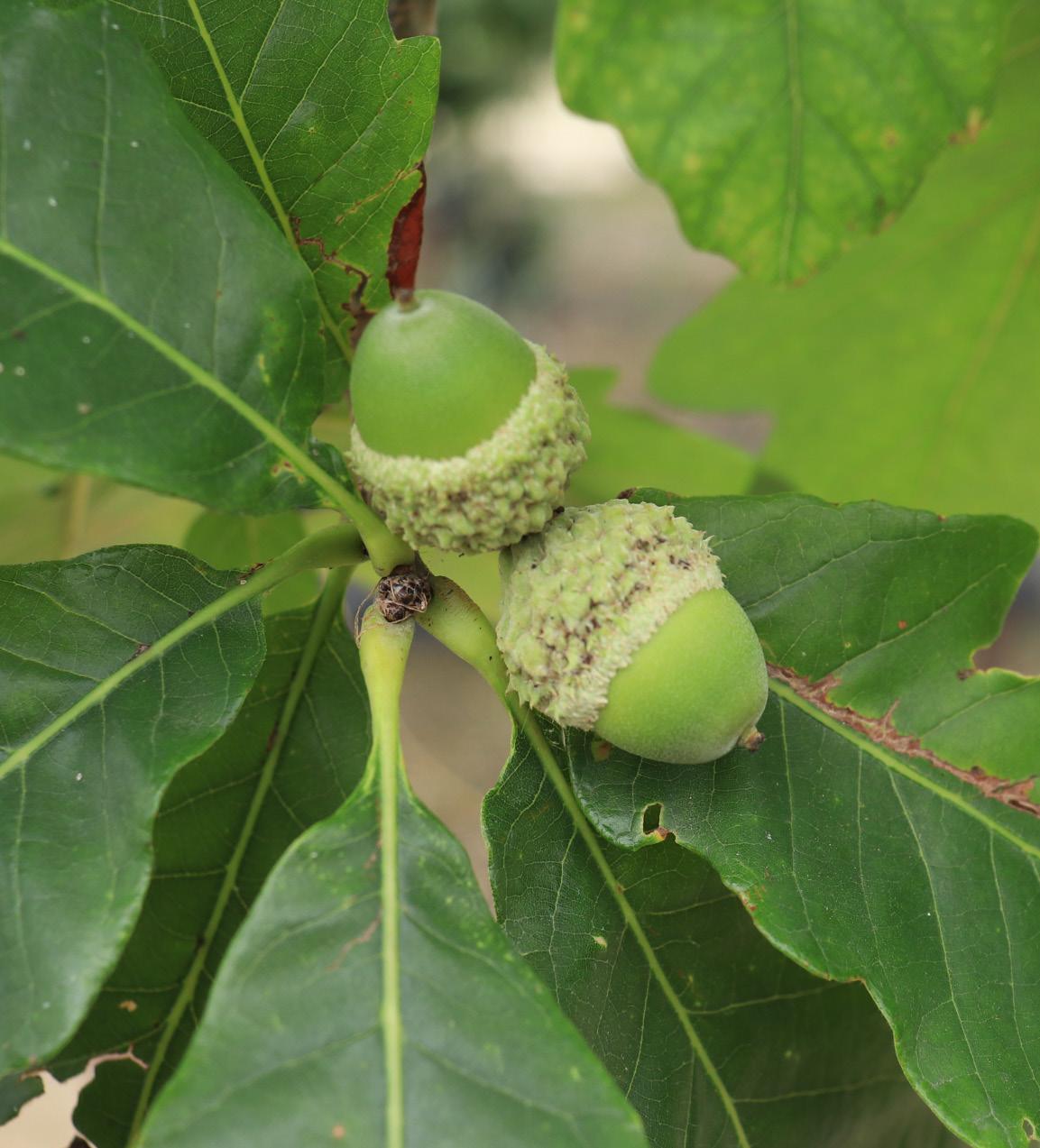
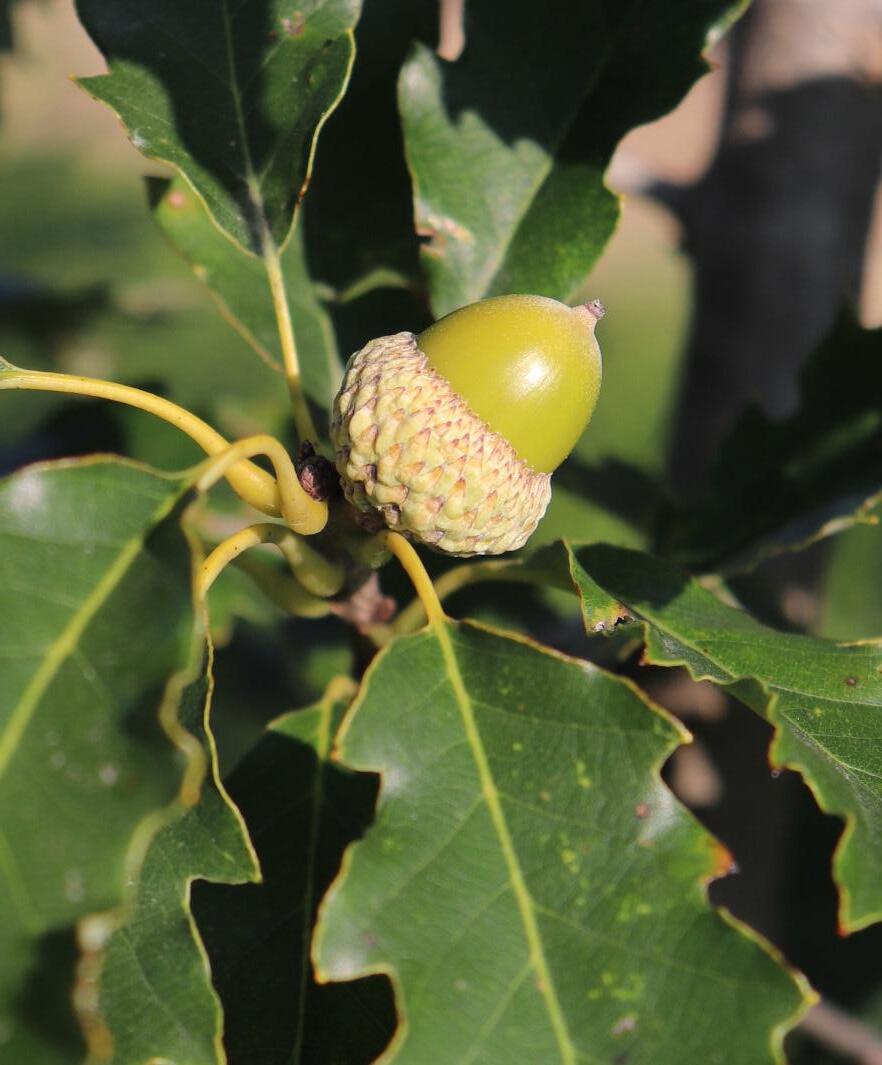
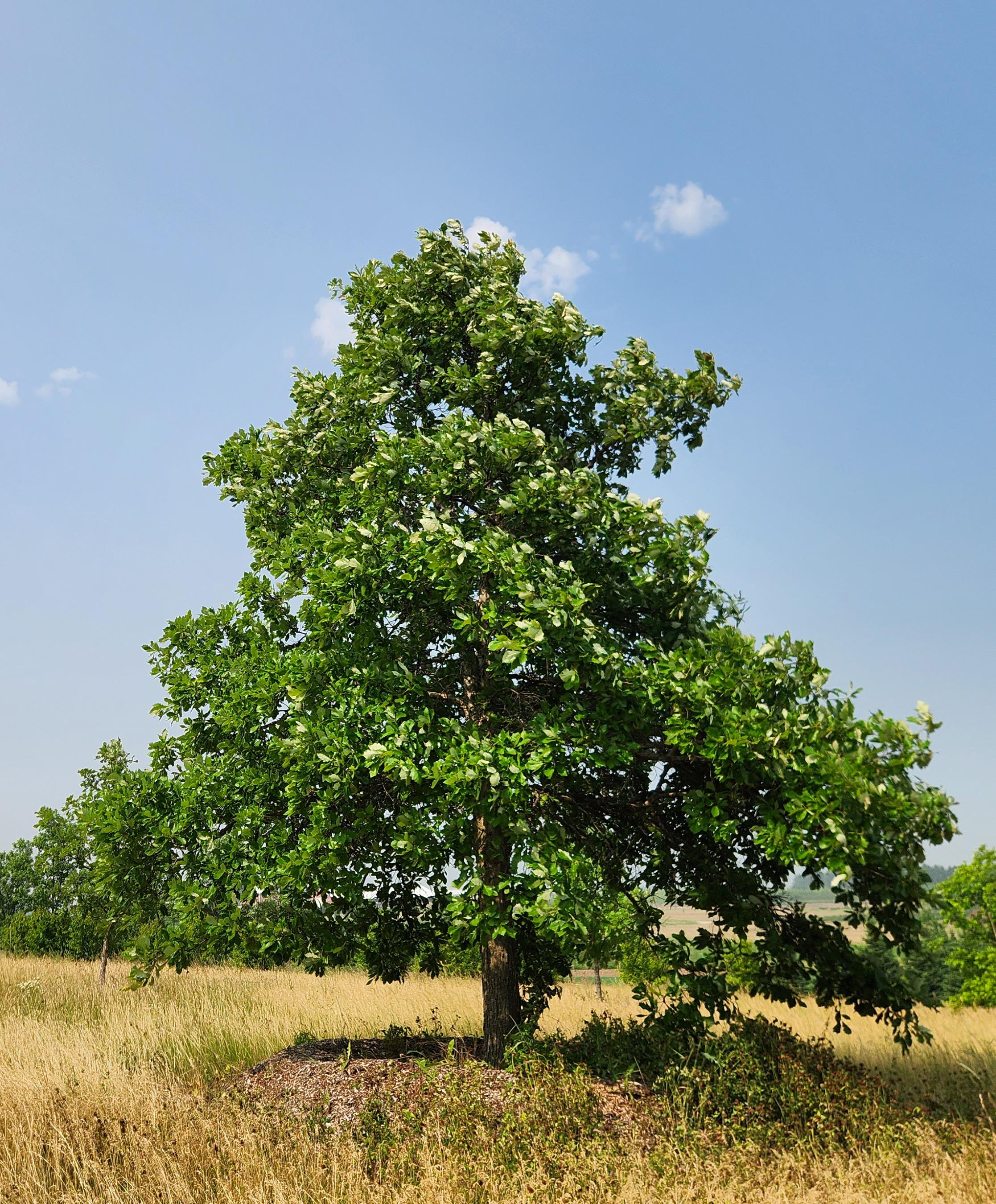
The iconic oak of the Midwest, Bur oak, is a tough, adaptable, long-lived tree. Tolerant of a wide range of soil conditions. Bur Oak is arguably the best oak tree for tough, urban sites. It’s drought and pollution-tolerant, indifferent to soil quality, and requires little maintenance once established. With age, it develops a huge, picturesque spreading crown. Naturally hybridizes with white oaks.
Quercus muehlenbergii
Chinkapin Oak
H: 75’ S: 75’ Soil: Medium, Well-drained, Dry U P
The rarest native oak in Wisconsin. Good for alkaline soils and adaptable to limestone bluffs, floodplains, or mesic woods. Attractive foliage and picturesque branching. It produces the sweetest-tasting acorn of the oaks, which are relatively small and are especially attractive to wildlife. It prefers alkaline soils and should not be sited where the pH is less than 6.5.
Quercus
rubra
Red Oak
H: 60-75’ S: 60-75’ Soil: Moist. *Acidic, Loamy, Sandy U P
A faster-growing oak found in woodlands throughout Wisconsin, especially in the northern half of the state. Red Oak prefers rich well-drained soils. Dark green foliage often turns russet to bright red in the fall. As with many oaks, some foliage is retained in winter, especially on young trees. Acorns are wildlife magnets. Red Oak benefits from a maintained mulch ring at its base. This mimics the natural duff layer in a forest environment and protects the shallow roots from mechanical damage and drought.
Quercus velutina
Black Oak
H: 50-60’ S: 50-60’ Soil: Well-drained. *Acidic, Sandy U
Black Oak is a close relative of Northern Red Oak. It’s commonly found growing in the southeastern part of the state, naturally occurring in our upland woods, sandy woodlands and sandy savannas. Black Oak gets its name for the nearly charcoal colored, dark brownish gray trunk on mature trees.
Quercus x schuettei
Hybrid Swamp x Bur Oak
H: 50-75’ S: 40-70’ Soil: Wet, Moist. *Rich, Loamy, U P
A naturally occurring hybrid between Q. bicolor, Swamp White Oak and Q. macrocarpa, Bur Oak. Easier to transplant than Bur Oak. More adaptable to alkaline soils than Swamp White Oak. This is a fast-growing oak that is not difficult to grow. An excellent choice for tough urban sites, wet or dry.
Q. alba
Q. bicolor
Q. ellipsoidalis
Q. macrocarpa
Q. muehlenbergii
Q. rubra
Q. velutina
Q. x schuettei
CONIFERS
Abies balsamea
Balsam Fir
H: 40-60’ S: 15-25’ Soil: Moist, Medium U
Features symmetrical, pyramidal to conical form and a spire-like crown. Its densely growing dark green needles have a silvery-white underbelly. In Wisconsin, Balsam Fir grows readily above the tension zone in the state’s northern half.
Juniperus communis var. depressa
Oldfield Common Juniper
H: 3-4’ S: 8-10’ Soil: Medium, Well-drained, Dry U
An extremely tough shrubby juniper, native throughout the northern hemisphere. Tolerant of poor, shallow soils and windy sites. Grows in Wisconsin on sand dunes and exposed hillsides. It will tolerate some shade. Variable in size, form, and color. Works well in combination with short grass prairie plants.
Juniperus horizontalis
Creeping Juniper
H: 1-1.5’ S: 6-10’ Soil: Medium, Well-drained, Dry U
A low, spreading “creeping” evergreen that is tolerant of dry soils, a great groundcover for tough sites. Blue-green summer foliage turns plum in winter. Common in junipers, the mature female cones are blue and berry-like. Native to most of North America.
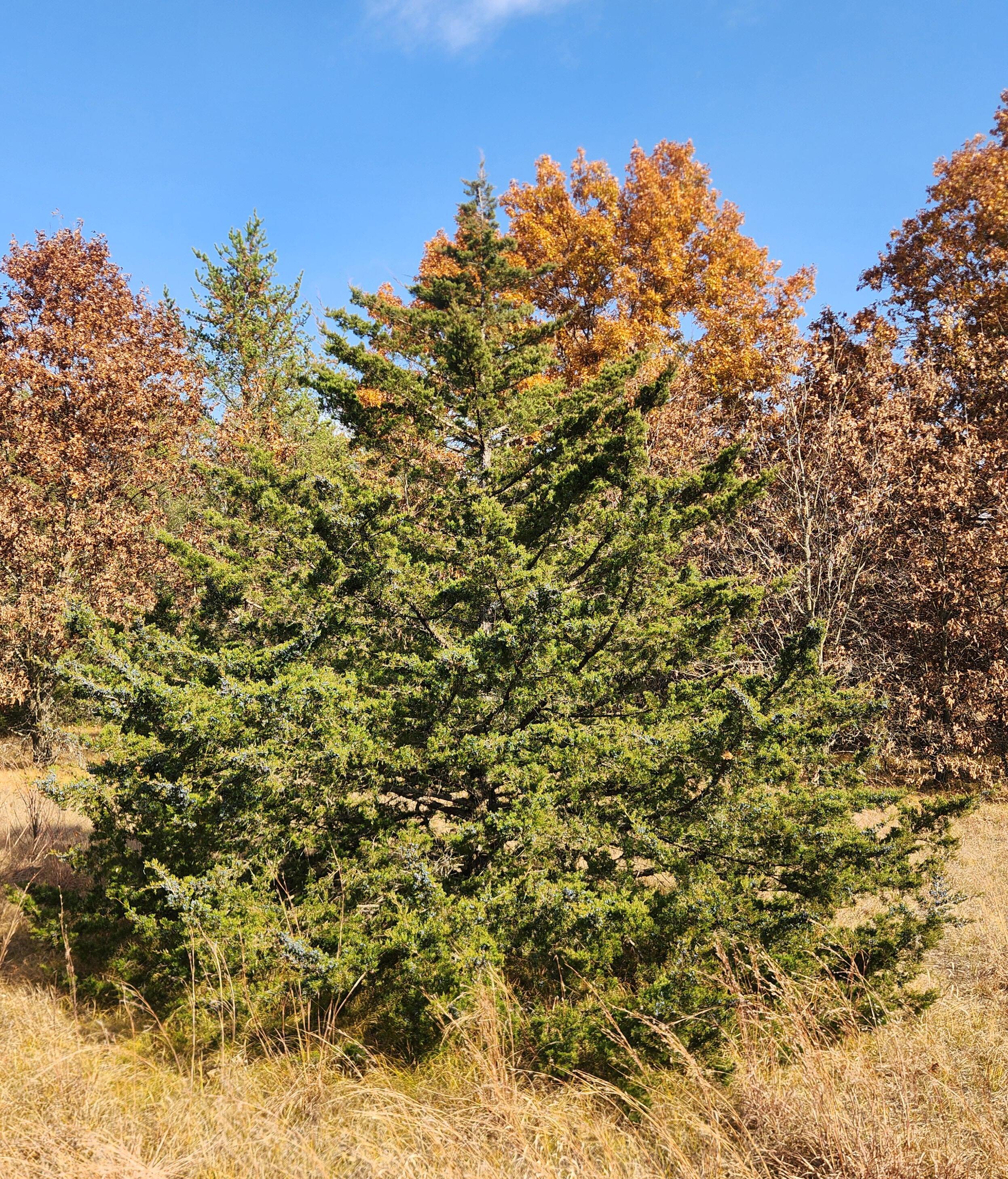
Juniperus virginiana
Eastern Red Cedar
H: 30-40’ S: 8-20’ Soil: Moist, Medium, Well-drained, Dry U
Wisconsin’s native juniper tree. Adaptable to a variety of soils if they are adequately drained. Good as a specimen and as a screen. Develops a picturesque form with age. Female junipers produce berries that are attractive to birds and can be used in cooking. Salt-tolerant.
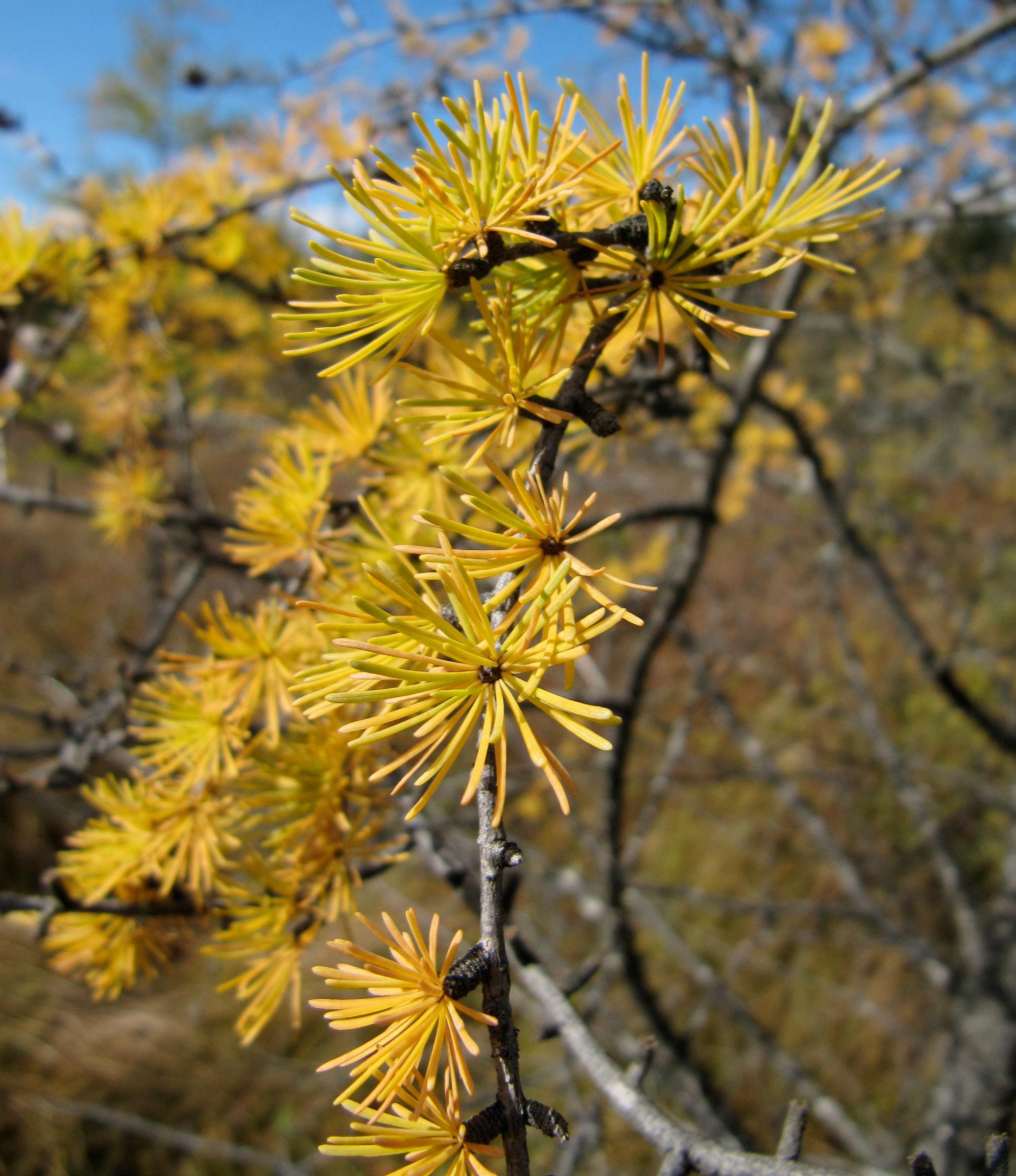
Larix laricina
Tamarack
H: 30-50’ S: 10-15’ Soil: Wet, Moist, Medium U
A deciduous conifer native to bogs throughout the state. It will grow on upland sites if given adequate moisture. Soft green needles in spring that turn to brilliant yellow in late fall. Tamarack grows fast, tall, and straight. Adaptable to many soils, but intolerant of drought.
Picea glauca
White Spruce
H: 40-60’ S: 10-20’ Soil: Medium, Moist, Well-drained U
Classic spire-shaped evergreen with aromatic green foliage. Grows best in full sun and moist-to-dry, well-drained soils. Native throughout the northern range of the continent from Alaska to Maine. Excellent as a specimen or for screening. Can tolerate poorer soils.
Picea mariana Black Spruce
H: 20-50’ S: 20-30’ Soil: Wet, Moist U P
Black Spruce is a conical and narrow evergreen with short needles and small, egg-shaped cones. It prefers wet but well-drained soil with cooler temperatures. While found growing primarily in the northern half of the state. It can be found in southern areas, typically in cold sphagnum bogs. Can struggle to grow in southern Wisconsin due to a sensitivity to hot and humid conditions.
Pinus banksiana
Jack Pine
H: 35-50’ S: 20-30’ Soil: Well-drained, Dry U
One of Wisconsin’s three native pines. It’s found growing in dry northern forests, sandy plains, and sandy savannas. In youth, it grows with a scraggly, open habit, but with maturity, it becomes more upright with irregularly spreading branches. This pine has character!
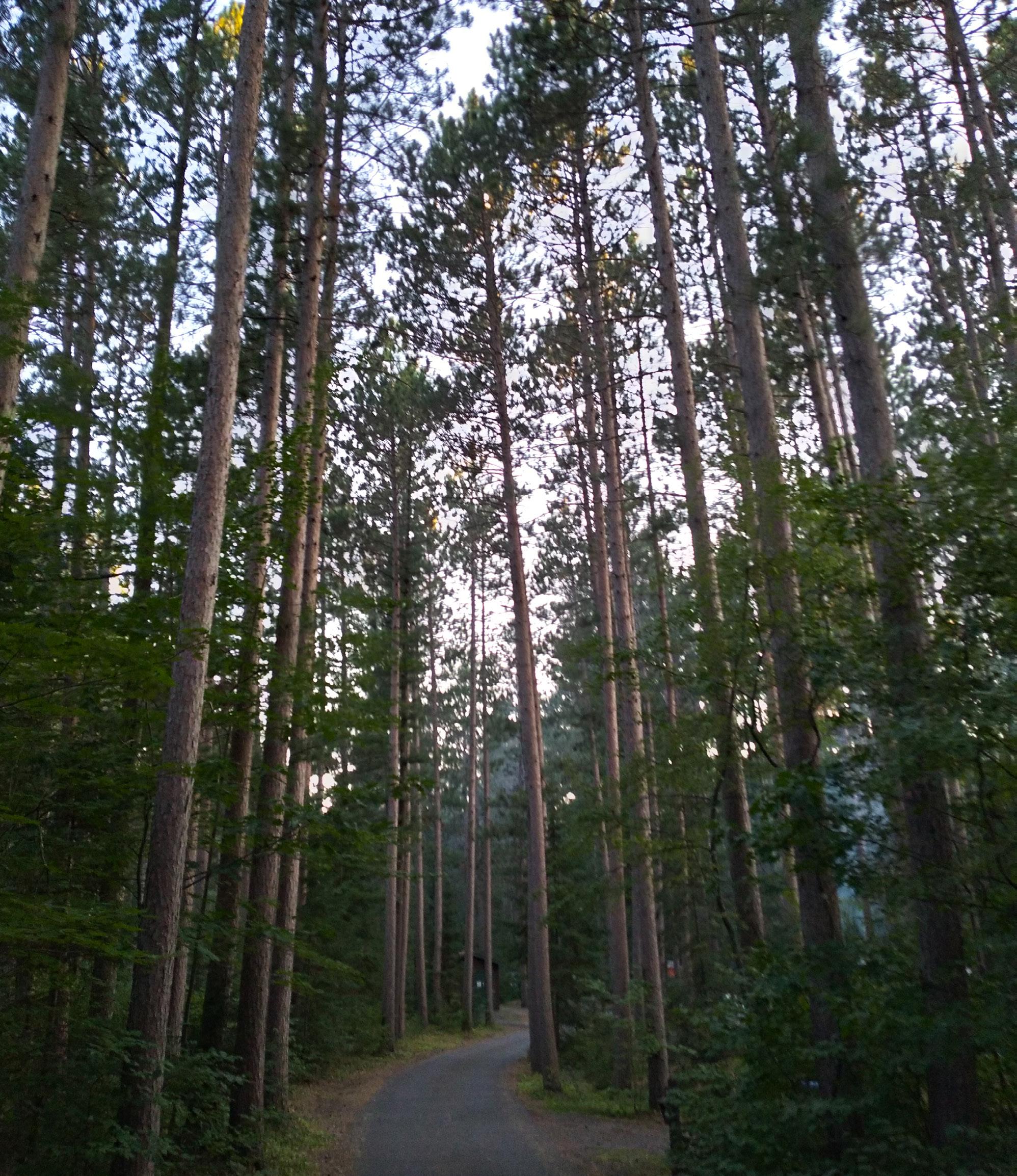
Pinus resinosa
Red Pine
H: 50-80’ S: 20-25’ Soil: Well-drained U
Red Pine is found growing primarily on the hills and slopes of northern Wisconsin, where soils are more acidic. This two-needle pine grows large with a conical form with an oval to rounded crown. A defining characteristic of this species is the flaky, plated, reddish-cinnamon bark.
Pinus strobus
Eastern White Pine
H: 50-80’ S: 20-40’ Soil: Medium, Well-drained U
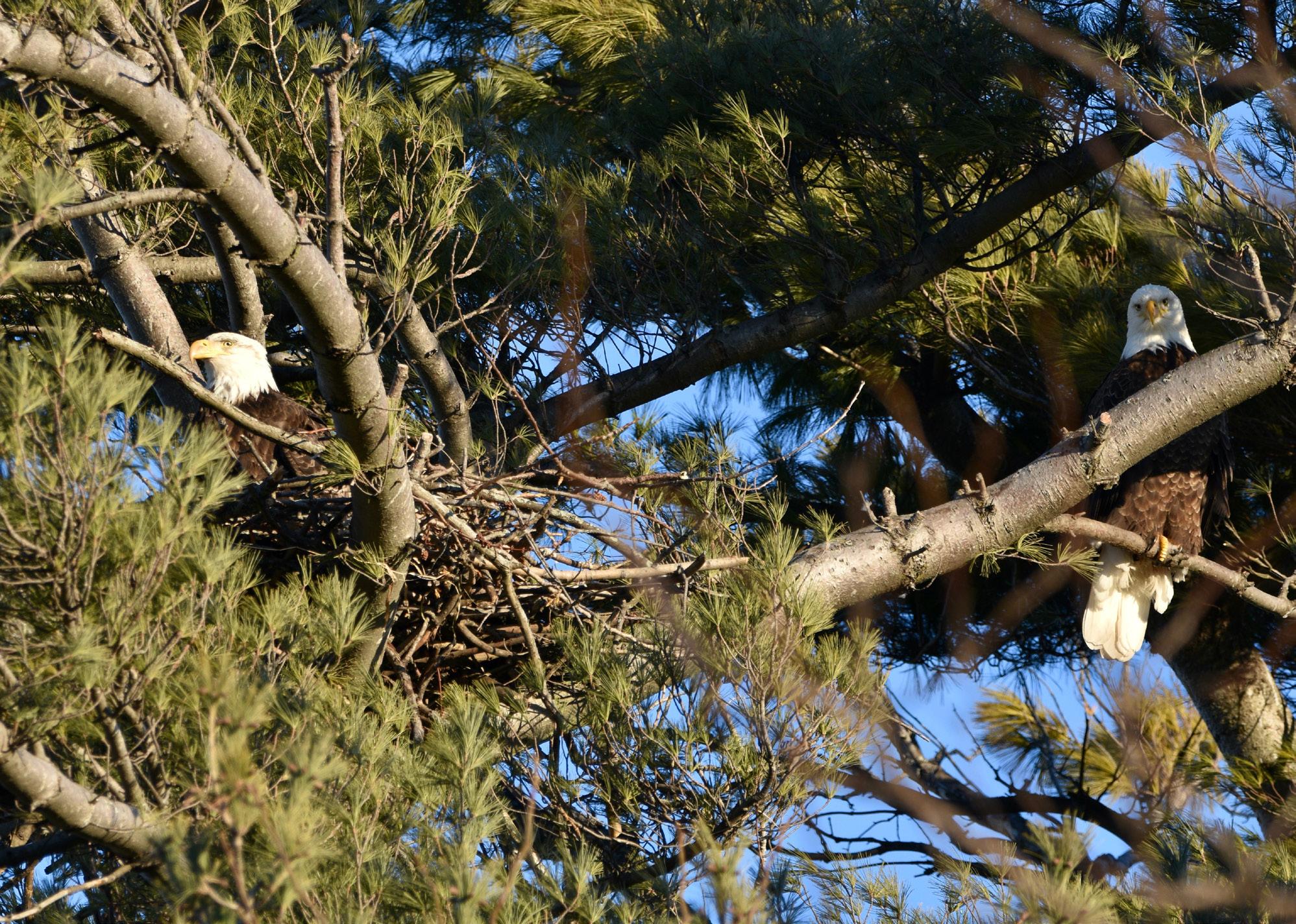
Pyramidal in youth, becoming horizontal and more open with age. Sports soft, medium-green needles and elongated cones. Grows in many habitats in the wild, from moist to dry. Struggles in heavy clay and demands well-aerated soils. Highly valued for its wood, from settlement to modern day. A favorite nesting spot of bald eagles.
Taxus canadensis
Canadian Yew
H: 3-6’ S: 6-8’ Soil: Moist, Well-drained
A
Commonly found as an understory inhabitant of late successional forests throughout the mid to upper portions of the state. Has become increasingly rare in Wisconsin due to deer over-browsing. Soft, dark green needles adorn sprawling, irregular branches, displaying attractive reddish bark and a unique habit.
Thuja occidentalis
Northern White Cedar
H: 20-30’ S: 10-15’ Soil: Alkaline, Medium, Well-drained U P
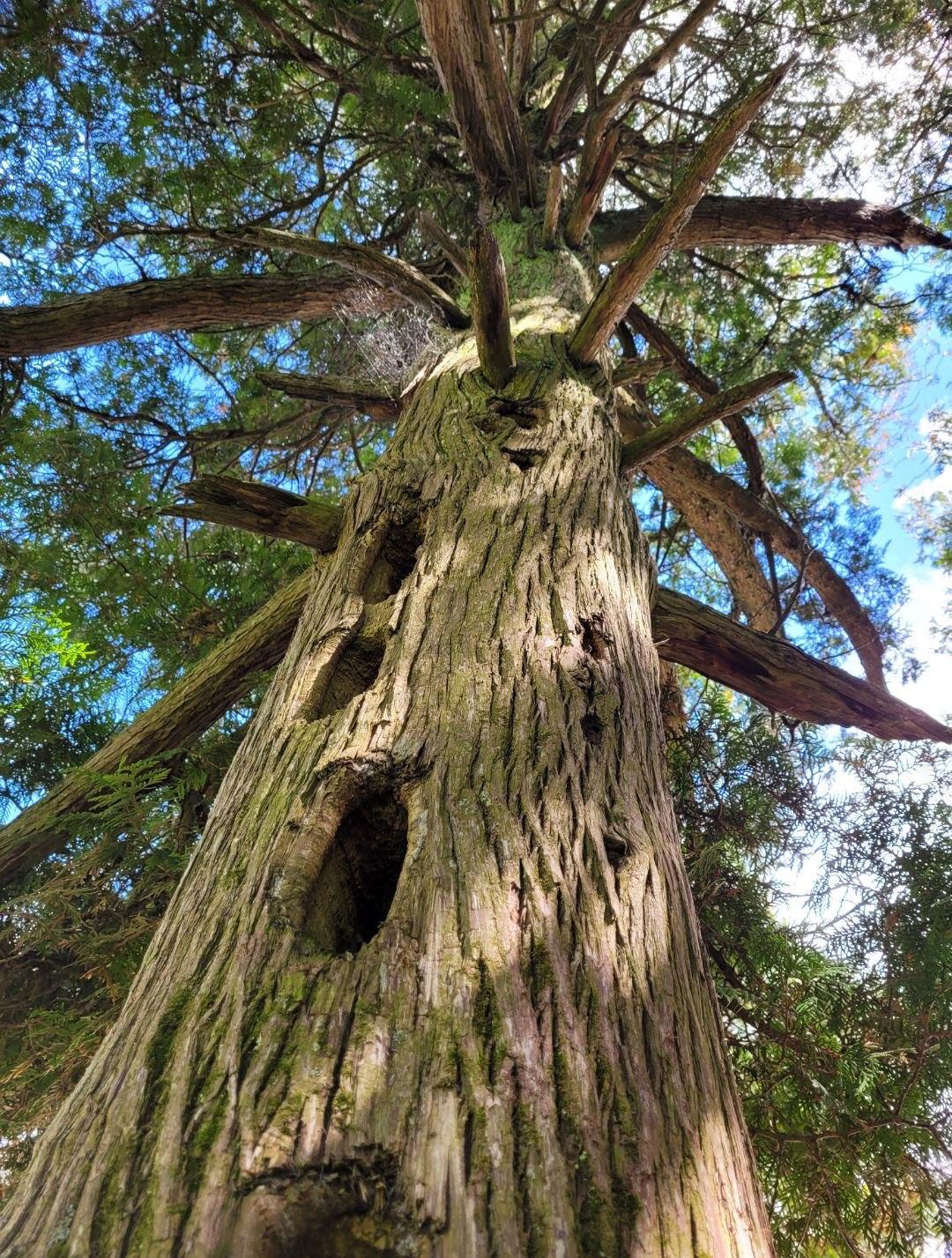
A beautiful coniferous native that appreciates cool, rich, moist, alkaline soils. Dense, bright-green, fan-shaped, evergreen foliage, makes it one of the most common privacy screens around. This is a great tree for compacted soils with poor drainage. It enjoys both wet and moist soils. It’s a fantastic option for rain gardens, lowlands, and near swamps.
Pyramidal conifer with gracefully spreading branches of soft, airy foliage. Best growth on rich, moist, well-drained soils, and protected from drying winds. More open and airier if grown in full shade. More common in northern Wisconsin. Mulch well to keep the soil cool and moist. Tough to grow in alkaline soils.
SHRUBS
Aronia melanocarpa var. elata
Glossy Black Chokeberry
H: 5-6’ S: 4-5’ Soil: Wet, Moist, Medium
U P
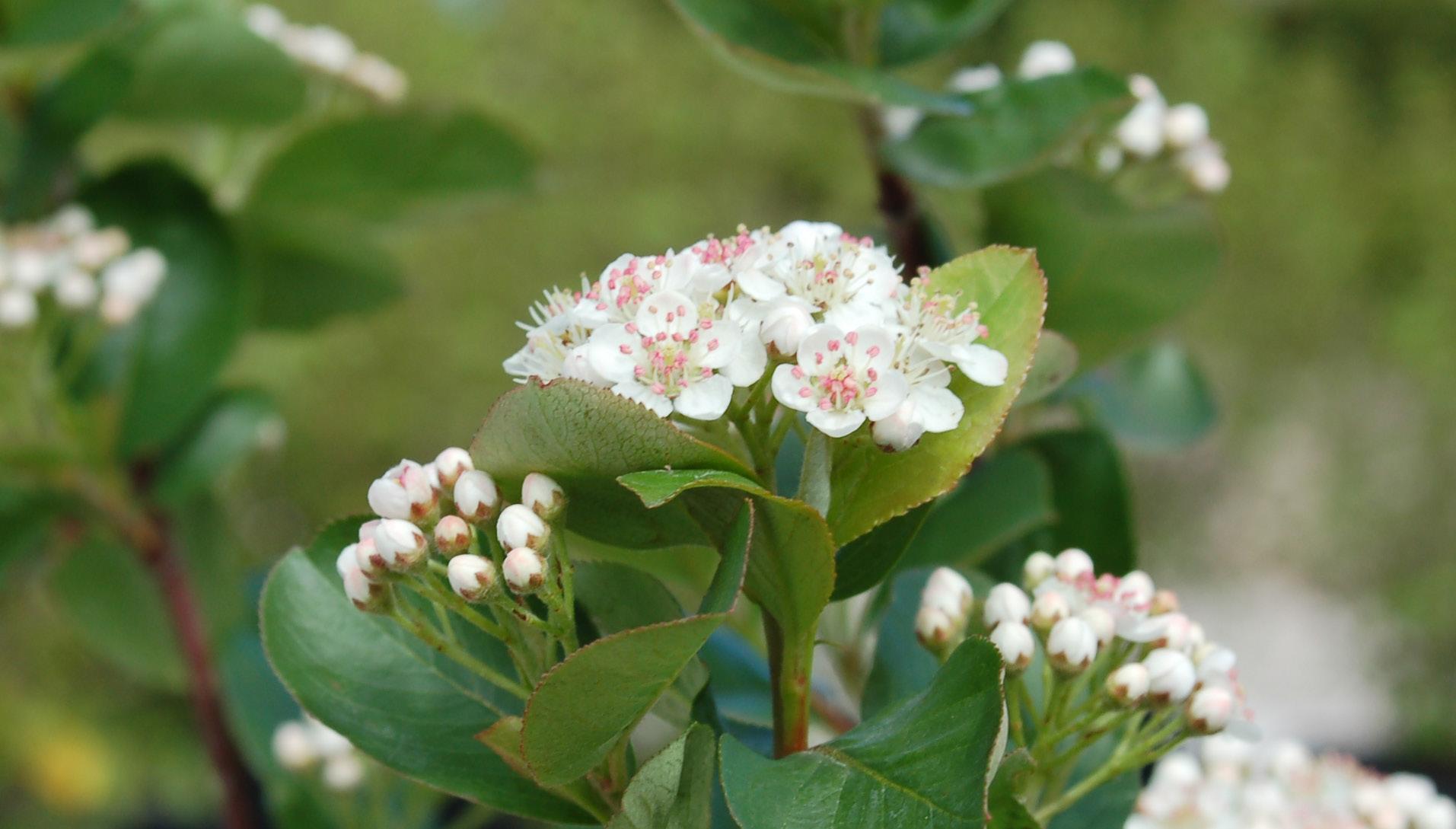
Glossy leaves turn bright, red-orange in fall. Abundant, deep-purple fruits hang on all winter. Easy to grow, a great plant for moist soils and for massing. Attractive year-round. Found in many habitats, including bogs, cliffs, prairies, and forests, though it is most common in wetlands.
Ceanothus americanus
New Jersey Tea
H: 2-3’ S: 2-4’ Soil: Well-drained, Dry
U P
Great shrub for prairies or open savannas with good drainage. Puffs of white flowers in July followed by maroon, flat-topped seed clusters. Nice, clean foliage. Works well in a mixed border in landscapes. Can form low-growing thickets over time.
Cephalanthus occidentalis
Buttonbush
H: 6-8’ S: 6-8’ Soil: Wet, Moist
U P
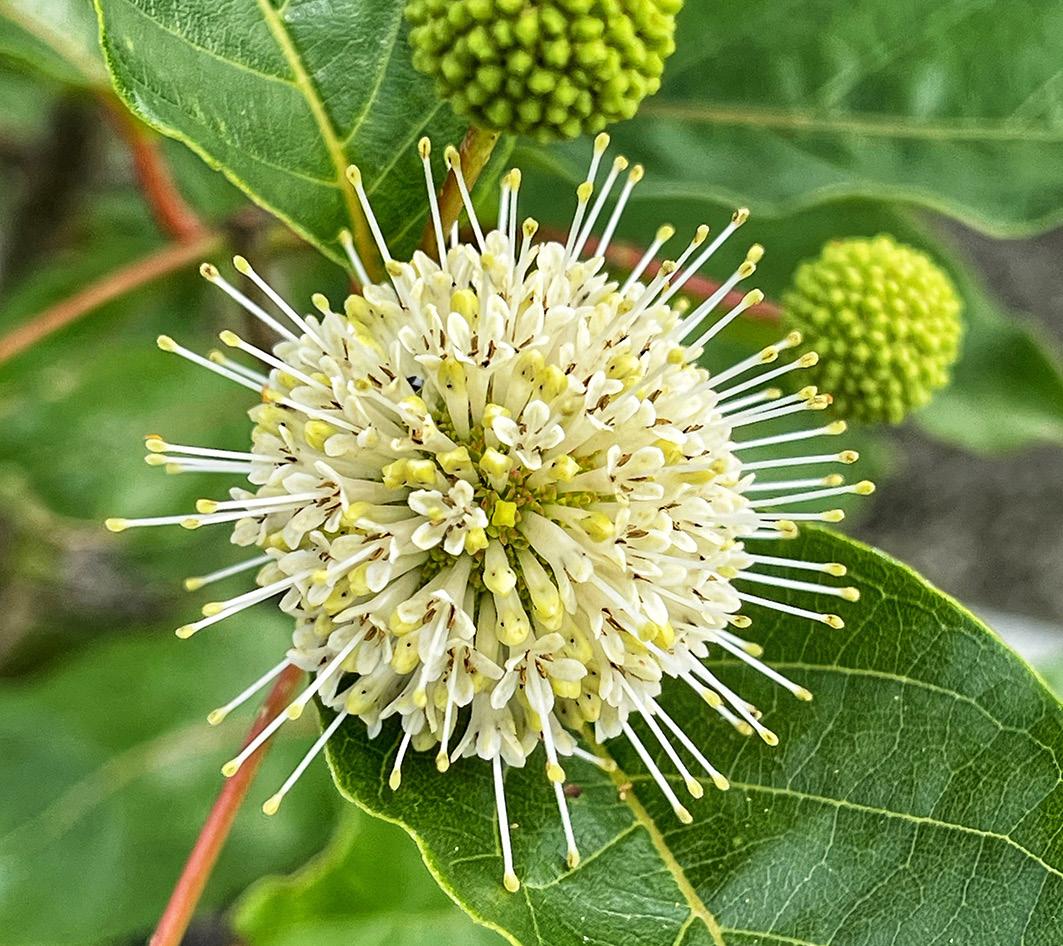
Excellent plant for moist to wet soils. Found in bottomland forests, wet meadows, and stream banks. Fragrant flowers are borne in one-inch diameter, perfectly shaped globes. Fruit heads turn orange-red in fall, then brown, and last all winter. Attracts birds, bees, and butterflies.
Cornus amomum
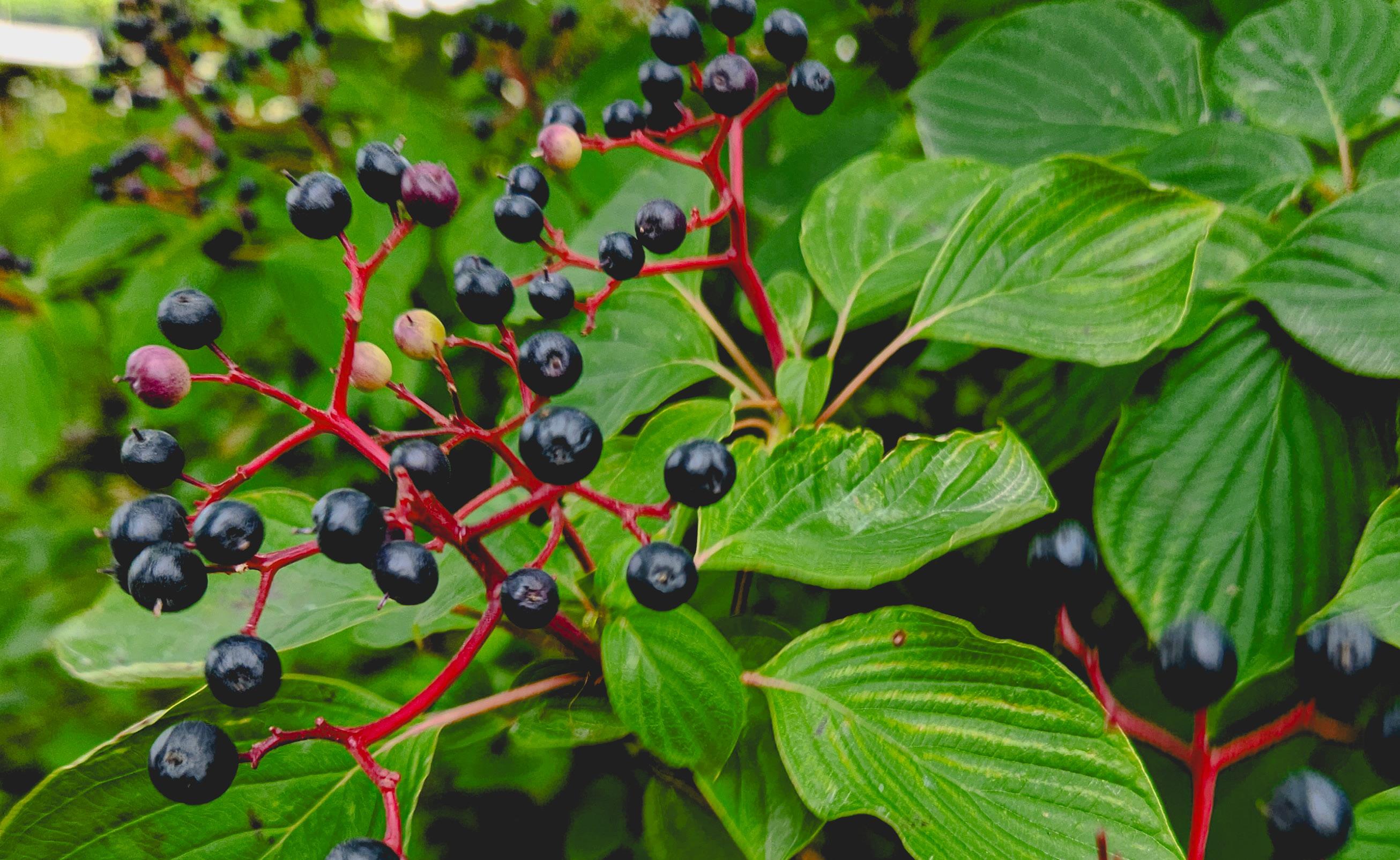
Silky Dogwood
H: 8’ S: 8’ Soil: Wet, Moist
U P
Young branches are maroon-purple. White flowers make way to very attractive, porcelain-blue fruit clusters. Beloved by birds. A great plant for wet areas and typically easy to grow. Most benefit from renewal pruning every 3-5 years. Purple-red fall color.
Cornus racemosa
Gray Dogwood
H: 8-12’ S: 8-12’ Soil: Moist, Medium U P
An erect, many-stemmed suckering shrub that forms large colonies. White flowers lead to abundant, pearly-white berries on red peduncles. Purple-red fall color. Adaptable to a wide range of soils and moisture levels. Makes an excellent, leafy screen all season that is especially attractive in the autumn months. Competes well against buckthorn.
Cornus sericea
Redosier Dogwood
H: 7-9’ S: 8-10’ Soil: Moist, Medium U P
Found throughout the state in moist to wet habitats. Grows best in full sun but will tolerate some shade. Clusters of white flowers in spring are followed by white berries in fall. Beautiful reddish-maroon fall colors. Red stems glow against snowy backdrops. Benefits from renewal pruning every 3-5 years.
Corylus americana
American Filbert
H: 8’ S: 8’ Soil: Medium, Well-drained U P
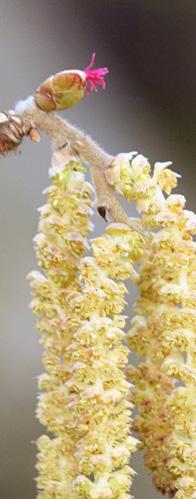
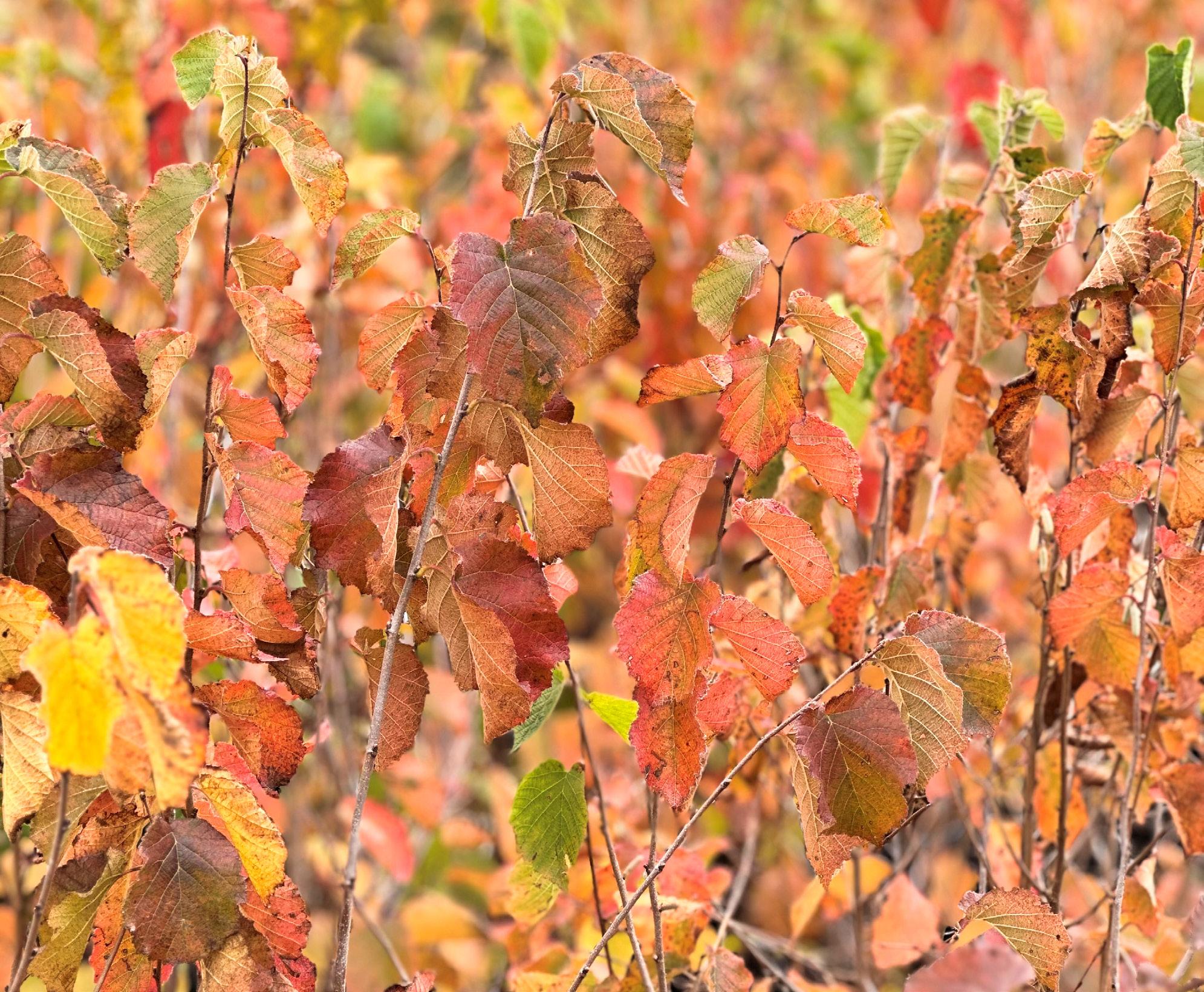
The earliest native plant to bloom in our area with interesting pendulous catkins in March-April. Our seed strain has clean foliage with orange-red and purple fall color. Thick and dense habit in full sun. Will tolerate light shade. The nuts are tasty to both people and wildlife.
Diervilla lonicera
Dwarf Bush Honeysuckle
H: 3-4’ S: 4-5’ Soil: Moist, Medium, Well-drained, Dry U P
An excellent, low-growing, suckering shrub with small yellow flowers. Yellow, red, to maroon fall color. Excellent for massing under trees and taller shrubs. A tough plant that will grow most anywhere, moist or dry. It can be pruned to the ground and will regrow nicely.
Hamamelis virginiana
Common Witchhazel
H: 12-20’ S: 12-15’ Soil: Medium U P
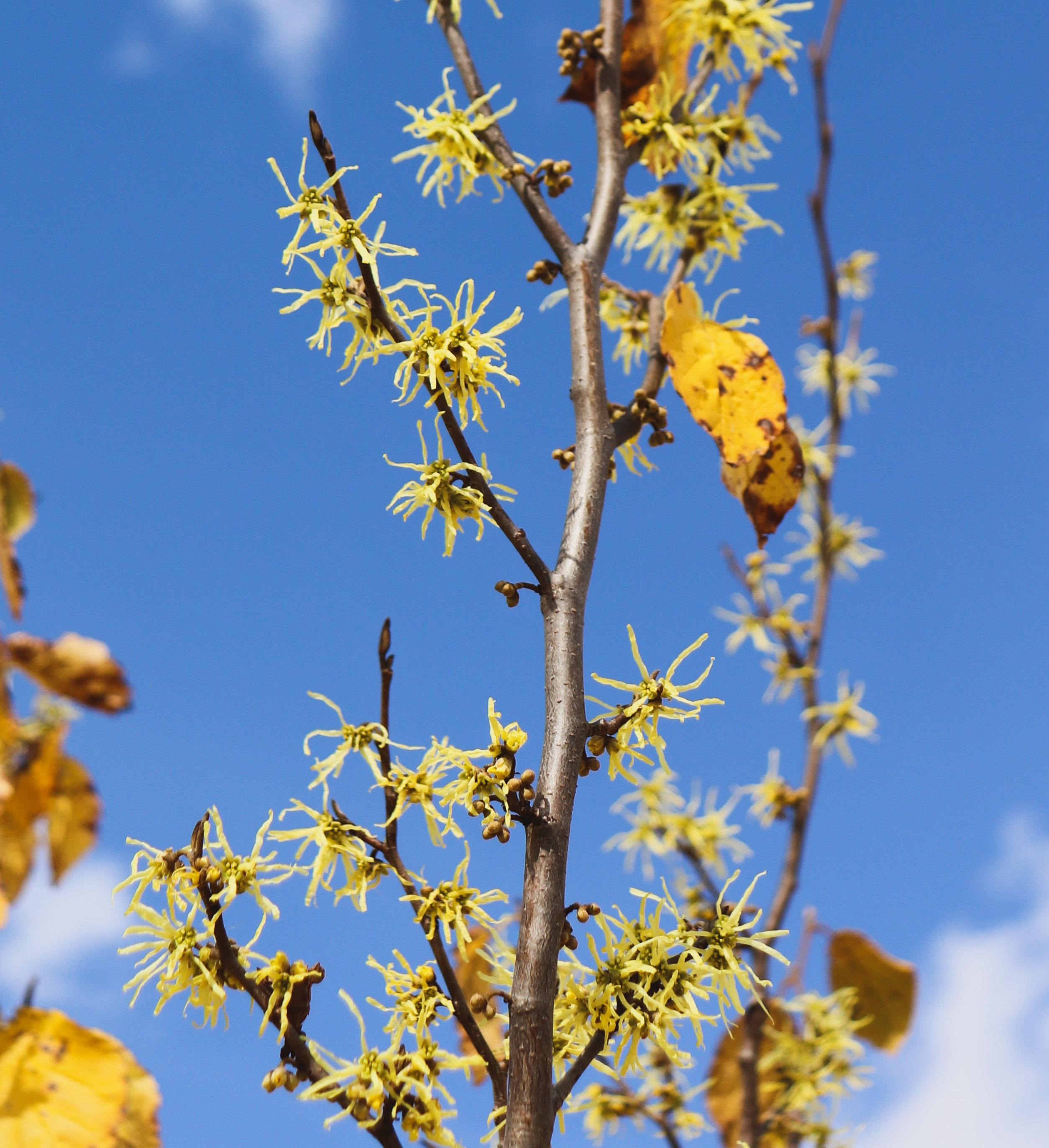
A large shrub that blooms distinct, bright-yellow flowers with small ribbon-like petals from fall through winter. When seeds mature in the fall, they burst out of the fruit with enough force to launch as far as 20’. Golden yellow fall foliage. Found in the understory of our woodlands.
Hypericum kalmianum
Kalm’s St. John’s Wort
H: 2-3’ S: 2-3’ Soil: Medium, Moist U
Small scale shrub with fine textured blue green foliage. Bright yellow, inchlong flowers last 6 weeks in mid-summer. The flowers are visited by many pollinating insects and are a favorite of bumble bees. Cinnamon-brown fruit capsules add interest in the dormant season. A great landscape plant that’s tough and adaptable to both moist and dry soils.
Hypericum
prolificum
Shrubby St. John’s Wort
H: 2-4’ S: 2-4’ Soil: Wet, Moist, Medium, Well-drained U P
A compact shrub featuring bright-yellow flowers with delicate stamens that bloom prolifically mid-summer to early fall, bringing much delight to bees. The bark of older stems exfoliates to reveal pretty, pale-orange inner bark. Small capsules split and release black seeds in autumn.
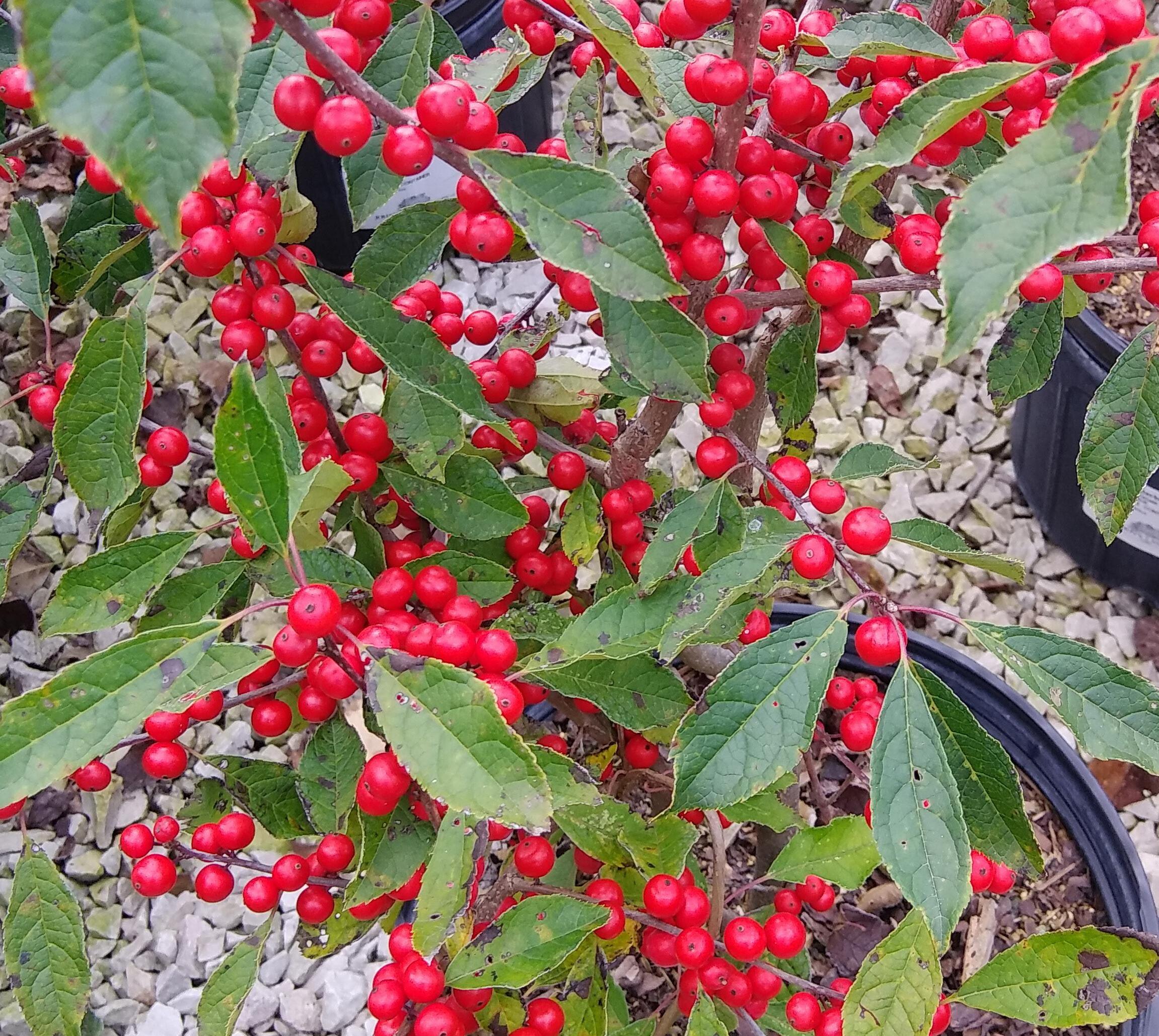
Ilex verticillata
Winterberry
H: 6-10’ S: 6-8’ Soil: Wet, Moist, Medium
Physocarpus opulifolius
Common Ninebark
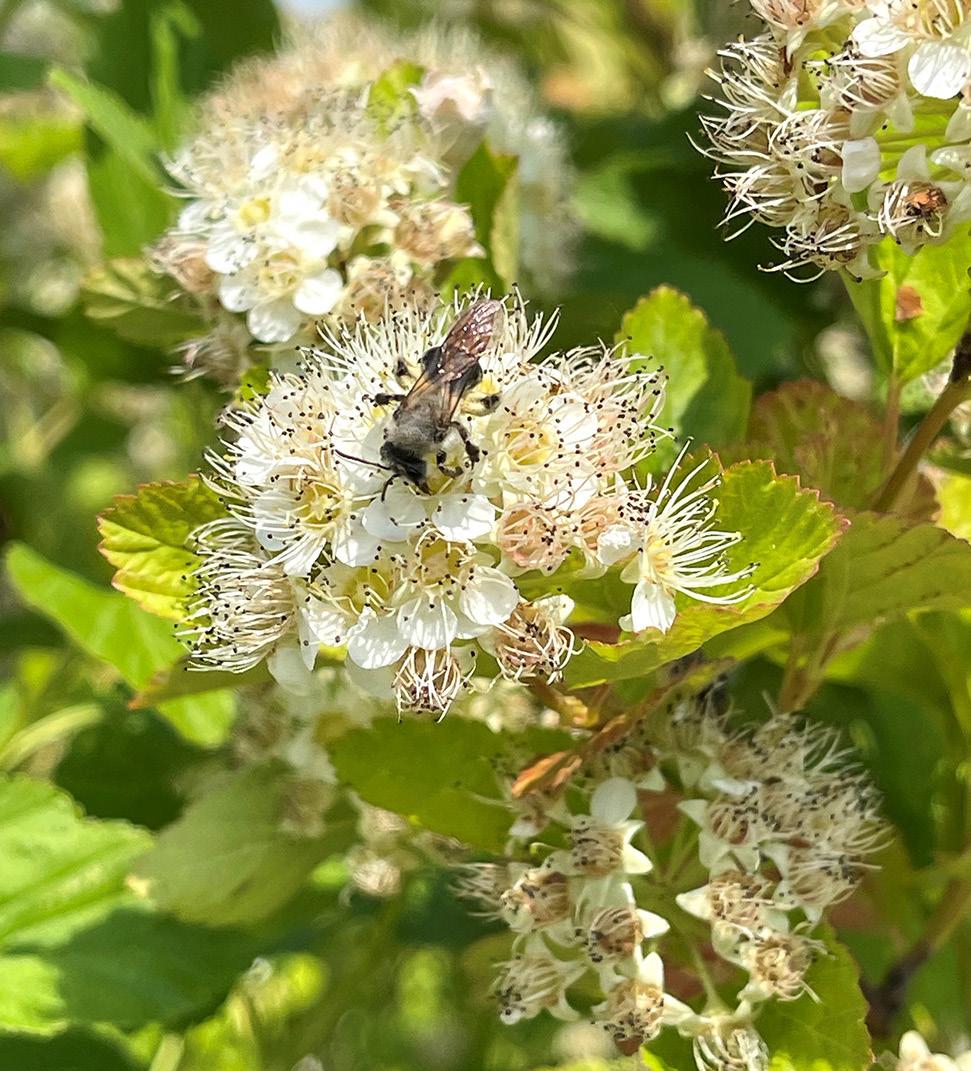
H: 8-10’ S: 8-10’ Soil: Medium, Moist, Wet U
Upright, spreading growth habit and dense foliage make this a nice screening plant. Exfoliating bark peels in strips to reveal reddish, light-brown inner bark. White flowers, reddish fruit capsules, and bronze fall color. This adaptable, tough plant is very easy to grow.
Prunus
americana
American Plum
H: 15-20’ S: 15-25’ Soil: Moist, Medium, Well-drained U P
Standing out like a sore thumb in May, this adaptable shrubby-like tree kicks off spring with a showy display of fragrant flowers. It’ll attract newly emerged bumble bees and the earliest migrating monarchs. Small plum fruits are wildlife magnets and its leaves can be consumed by over 300 different species of moth. A keystone species in Wisconsin.
Rhus aromatica
Fragrant Sumac
H: 6’ S: 8-10’ Soil: Medium U P
Rare in Wisconsin. A mid-sized, sprawling shrub good for massing. Dioecious flowers on females are insignificant but are followed by hairy red berries that are attractive to wildlife. The glossy green foliage is aromatic when crushed. Good fall color. Salt tolerance lends to use along roadsides.
Rhus glabra
Smooth Sumac
U P
Abundant bright red fruits hug branches on female plants from fall into winter. Plant in groups as both male and female plants are needed for fruit set. Prefers rich, moist, acidic soils.
H: 10-15’ S: 10-15’ Soil: Medium,Well-drained, Dry U P
Much like Staghorn Sumac without fuzzy stems. Large spreading shrub with brilliant orange-to-red fall foliage. Tolerant of most soils, except those that are poorly drained. Colonizes to form large thickets. Has spectacular clusters of red fruit that stand out in fall and winter. Attractive to wildlife. Dioecious.
SHRUBS
Rhus typhina
Staghorn Sumac
H: 10-30’ S: 20-30’ Soil: Medium, Well-drained
U P
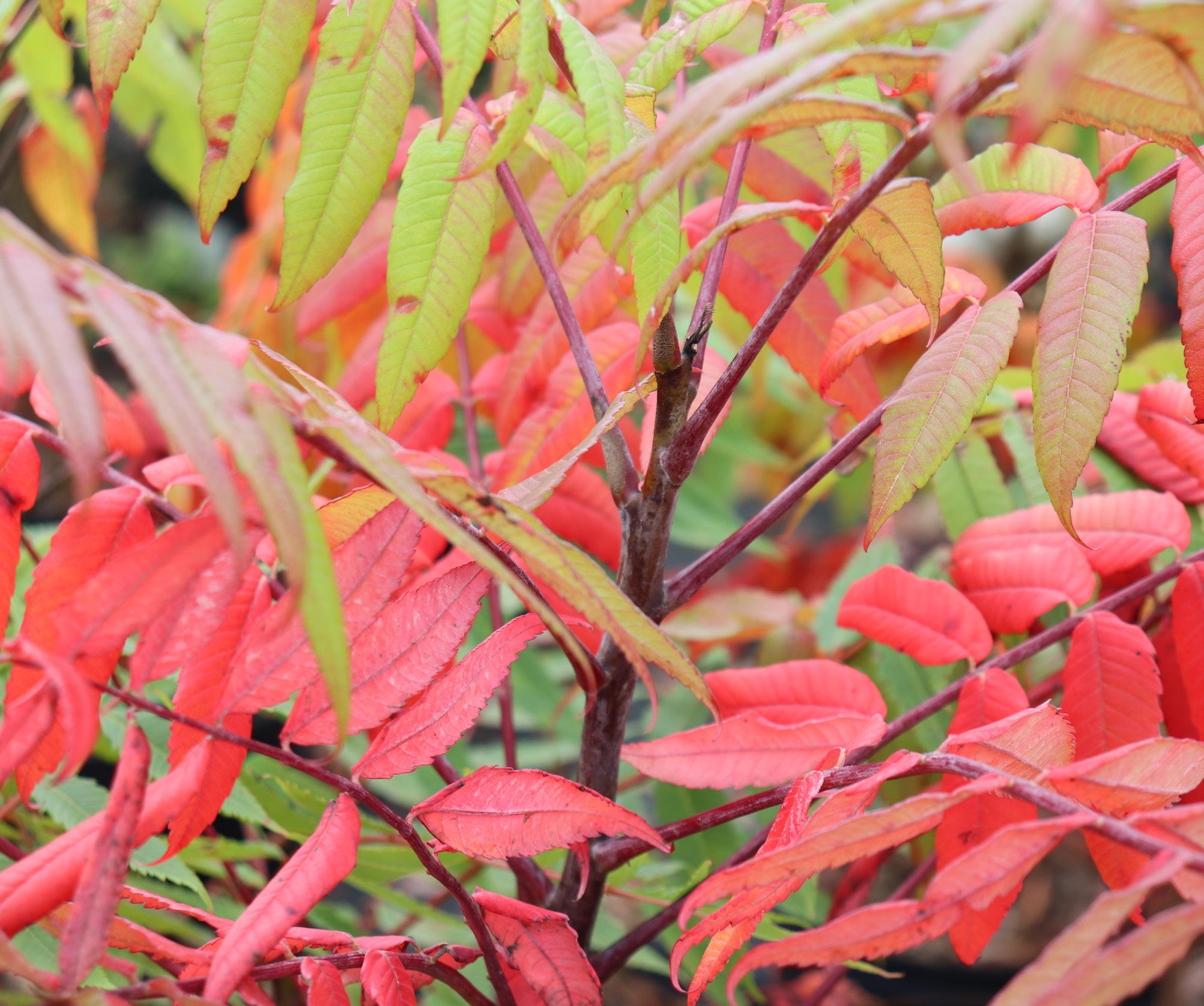
A showstopper in autumn with foliage varying from bright orange to scarlet and everything in between. Suckers to form large thickets. Easily grown in full sun with good drainage. Tolerant of roadside settings. It can be pruned to the ground to renew growth.
Ribes americanum
American Black Currant
H: 3-5’ S: 5-6’ Soil: Moist, Medium, Well-drained
U P
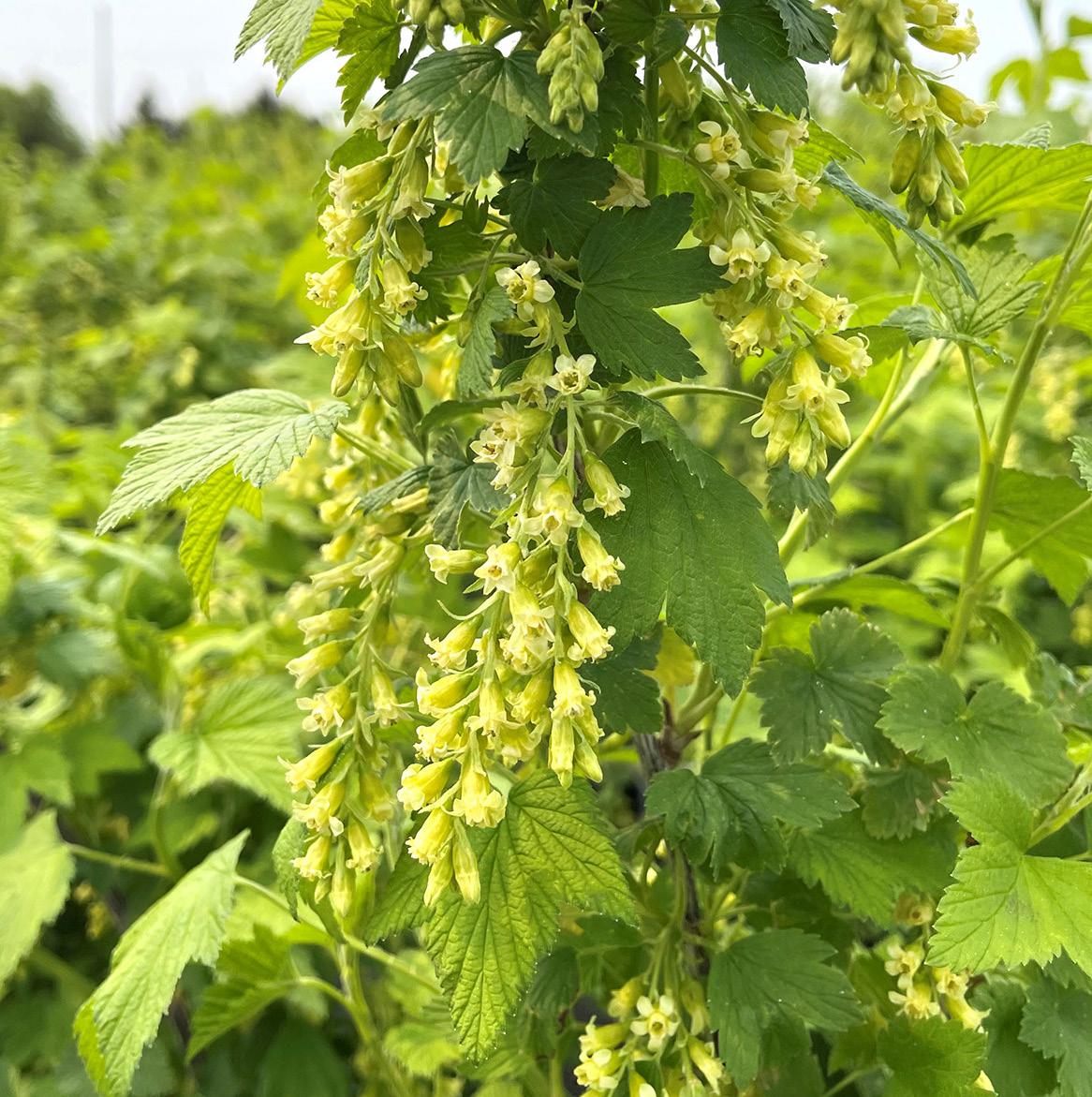
Rounded shrub with arching stems adorned with drooping clusters of yellowish-white, bell-shaped flowers in spring. Small, edible berries are wonderful for jelly, wine, pie, or tea. Natural habitat consists of sandy sedge meadows, partly shaded river banks, low areas, and open woods. Don’t plant near White Pine as it’s a host for White Pine Blister Rust.
Rosa carolina
Carolina Rose
H: 2-3’ S: 2-3’ Soil: Moist, Medium, Well-drained, Dry U
An adaptable lower-growing shrub with high ecological value. Historically, it has ranged throughout the eastern United States. One of the few wildflowers that bloom throughout June.
Rosa palustris
Swamp Rose
H: 3-6’ S: 3-5’ Soil: Moist, Medium
U P
Commonly found in marshes, bogs, swamps, and along ditches and streams. From June to July, you’ll see (and smell) beautiful pink flowers with yellow centers. Bright red, pea-sized rose hips follow, complemented by a deep-red fall foliage display.
Rubus parviflorus
Thimbleberry
H: 2-6’ S: 4-8’ Soil: Medium U P
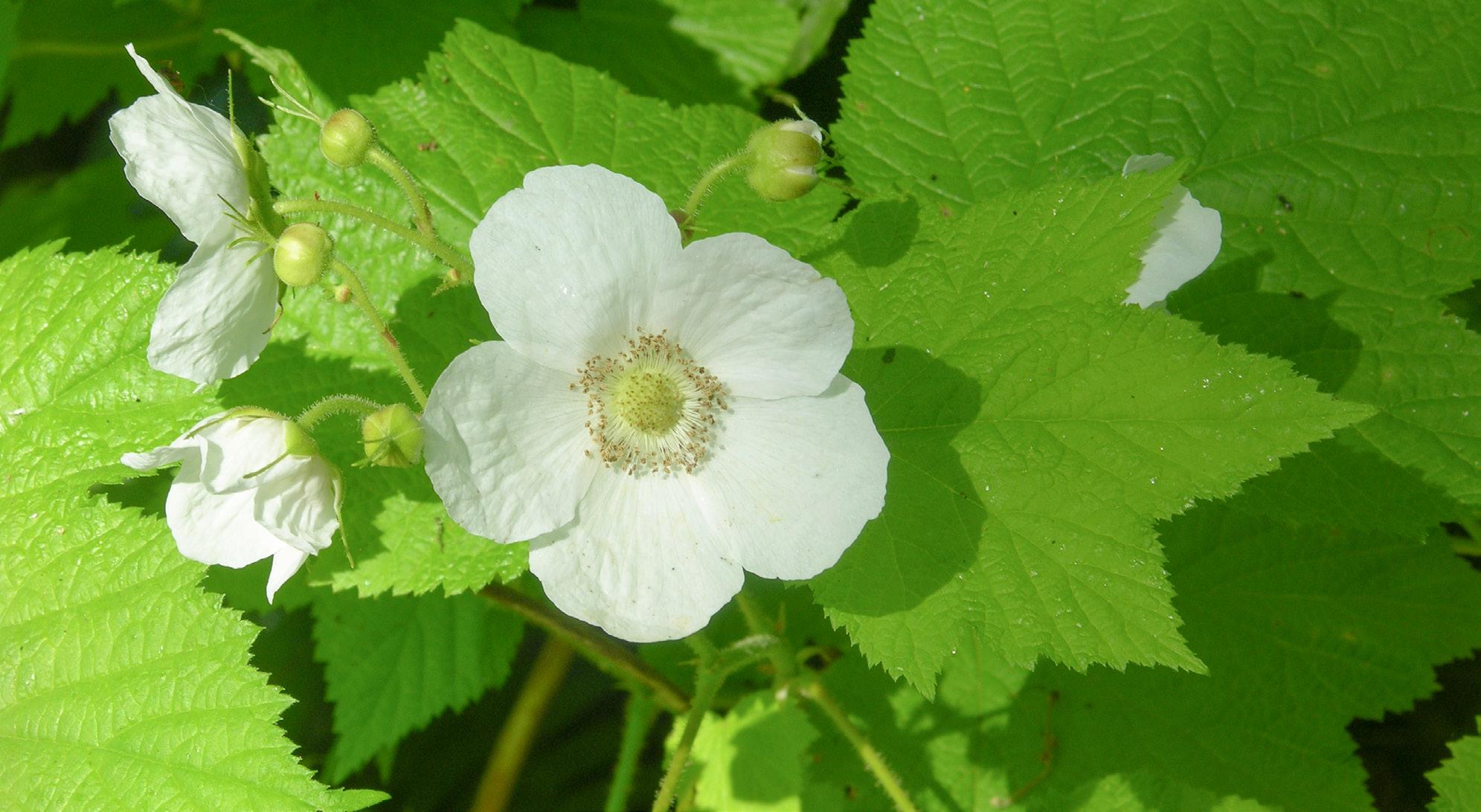
Maple-shaped leaves on a colonizing native. Large, white flowers in late spring and summer are followed by edible raspberry-like fruit. Stems are not thorny but do have prickles. Makes a great shrubby groundcover in a woodland garden. Prefers moist, well-drained, and shady sites. Common in northern Wisconsin.
Salix humilis
Prairie Willow
H: 10’ S: 10’ Soil: Wet, Moist
A short-stature willow commonly found throughout open areas in Wisconsin, hence the name, Prairie Willow. The leaves are slightly pubescent, giving the appearance of a grayish tinge to the foliage. The catkins attract most small bees and flies. Larval host plant for the Viceroy butterfly.
Sambucus canadensis
American Elderberry
H: 5-12’ S: 5-12’ Soil: Wet, Moist, Medium
U P A
Medium to large, suckering shrub. Large, white flower clusters in June/July attract butterflies. Clusters of dark-purple, nearly black fruit in late summer are relished by many birds. Very useful in moist to wet soils. Benefits from renewal pruning in early spring before new growth emerges.
Another great Elderberry noted for its outstanding bright red fruit. The pyramidal flower clusters in spring are very attractive. Dappled sunlight is best for this Elderberry. It is most commonly found in moist lowland woods but will also grow on upland sites if it does not dry out. Fruit is poisonous to humans.
Staphylea trifolia
Bladdernut
H: 10-15’ S: 8-12’ Soil: Moist, Well-drained
U P A
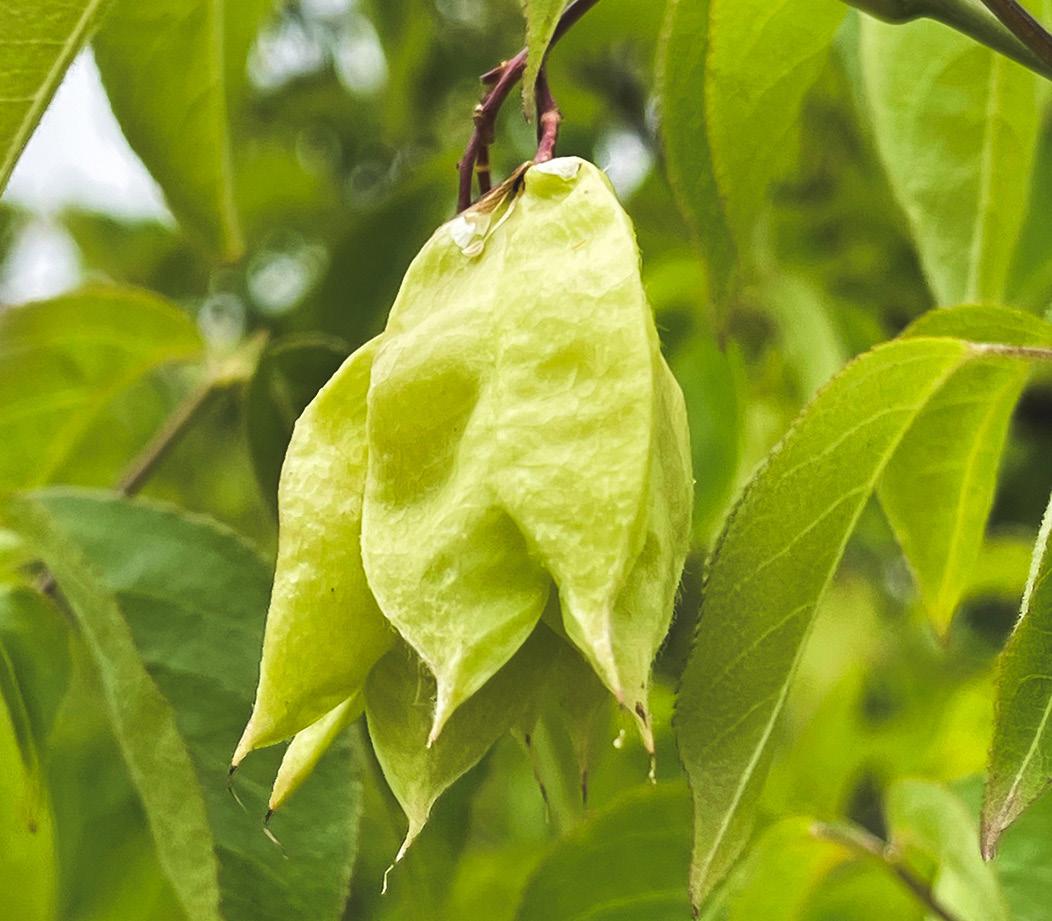
An underused native shrub. Pretty, bell-shaped, white flowers hang from the stems in May. Inflated bladder-like papery seed capsules follow in the fall while dark green leaves turn a soft yellow. Adapts to medium to moist soil conditions.
Symphoricarpos albus
Common Snowberry
H: 5-6’ S: 4-6’ Soil: Medium, Well-drained, Dry
U P A
A useful, low-growing, suckering shrub with blue-green foliage. Small, pinkish-white flowers develop into showy, 1/2” white fruits in fall. Very tolerant of various soil conditions in sun to part shade. Birds are attracted to the berries. Over time, forms colonies that reduce erosion risks.
Viburnum
cassinoides
Witherod Viburnum
H: 5-6’ S: 5-6’ Soil: Wet, Moist, Medium U P
Rare native shrub in Wisconsin. Creamy white flower clusters, 2-5” across, are followed by showy fruits changing from pink, to blue, to purple. They’re stunning in the pink stage. Glossy, leathery leaves develop brilliant red to purple fall color. Typically found in bog habitats and is intolerant of drought. Prefers acidic soil.
Viburnum lentago
Nannyberry Viburnum
H: 12-15’ S: 8-10’ Soil: Moist, Medium, Well-drained U P
A large, upright, multi-stem, suckering shrub adaptable to both lowland and upland sites. White flower clusters spread up to 4.5” across. Fruits change from red to blue to black and are readily taken by wildlife. Bright-red to maroon fall color.
Viburnum prunifolium
Blackhaw Viburnum
H: 10-15’ S: 12-20’ Soil: Medium, Well-drained, Dry U P
Develops into a large, horizontally branched tree-like shrub. White flowers followed by fruit that change from red, to blue, to black. Tough and adaptable to varying soil conditions. Size and density make it very useful as a screening plant. Beautiful red to maroon fall color.
Viburnum
rafinesquianum
Rafinesque Viburnum
H: 6-8’ S: 6-8’ Soil: Moist, Medium, Well-drained, Dry U P
Wisconsin’s native Arrowwood, named because Native Americans used the tough, straight branches for arrow shafts. Commonly found as an understory shrub in open woods. Creamy-white, flat-topped flower clusters in spring are followed by glossy, jewel-like, black fruits in August. Consistent rich-maroon fall color.
PERENNIALS
Agastache foeniculum
Purple Hyssop
H: 3’ S: 1-2’ Soil: Medium, Well-drained
U P
With a bloom time from late July all the way into October, this native mint is a favorite of bumble bees. Easily spreads by seed and is a fantastic addition to pollinator gardens. Favoring medium to well-drained soils, it’s quite adaptable from full sun to part shade. A favorite of rusty patched bumble bees.
Taller but stays more upright than Purple Hyssop. This is on a short list of monarch butterfly favorite plants in late summer. Able to handle a variety of sunlight conditions, it’s a great addition to butterfly gardens. Goldfinches go nuts for their seed once it matures.
Allium cernuum
Nodding Pink Onion
H: 18-24” S: 8-12” Soil: Moist, Medium, Well-drained U
Anaphalis margaritacea
Pearly Everlasting
H: 1-3’ S: 1-3’ Soil: Medium, Well-drained, Dry U
Long-lasting flower that turns into a fluffy seed head by fall and velvety-textured leaves. Handles drought and dry soils well, this plant is tough. A favorite host plant of the American Lady butterfly, you can often find larvae happily eating the leaves.
Anemone canadensis
Meadow Anemone
H: 12” S: 12” Soil: Moist, Medium, Well-drained U P
Blooms from June into July, creating a carpet of dense foliage and flowers. Can reseed easily and overwhelm small areas. Great along ponds or woodland edges. Spreads via rhizomes.
Anemone patens
American Pasque Flower
H: 4-16” S: 12-16” Soil: Well-drained, Dry U
In summer, stems are topped with nodding clusters of white-to-pink flowers among tufts of long, grass-like leaves. Characteristic, pungent onion aroma. Found in diverse prairies and along woodland edges. All plant parts are edible. Showy flowers attract a variety of bees and butterflies.
Amorpha canescens
Leadplant
H: 3’ S: 4’ Soil: Medium, Well-drained, Dry U
A shrubby perennial with fine-textured, gray-green foliage. In July, blue-violet flowers emerge on 6-8” spikes. Good for erosion control on slopes and hot, dry sites. Adds nitrogen to the soil and requires well-drained conditions. Once thought to alert miners to the presence of lead in the ground.
Anemone virginiana
Tall Thimbleweed
H: 12-30” S: 12-18” Soil: Medium, Well-drained, Dry U P
From June to August, five-petaled, white flowers on stiff stems are held high above deeply divided foliage. Seed heads are thimble-shaped. Tolerates full shade. Commonly found in dense clumps in the understory of woodlands.
Aquilegia canadensis
Canadian Columbine
H: 24” S: 12” Soil: Medium, Well-drained U P A
A must-have in moist, well-drained woodland gardens. May and June bring colorful and showy, nodding, bell-like, red flowers with yellow centers that hang above clumps of delicate, blue-green, fan-shaped leaves. Long flowers are the perfect shape for hummingbirds and long-tongued insects. Freely self-sows.
Aralia racemosa
Spikenard
H: 2-3’ S: 2-3’ Soil: Moist, Medium
P
A large shrub-like understory perennial for moist, shaded spaces. Huge pinnately compound leaves. Tiny, white flowers with long panicles appear in July-August. Forms large clusters of purple-red fruits. Roots were once used as one of the ingredients in root beer. Used by Native Americans to treat burns, skin irritation and infections.
A gem in the woodland garden. In spring, a thick, fleshy spike or spadix (Jack) forms and is covered by a striped purple, green, and white, leaf-like hood (pulpit). A glossy cluster of red berries ripens in late summer. Tends to be ephemeral. All plant parts are poisonous.
Asarum canadense
Canada Wild Ginger
H: 6-12” S: 18” Soil: Moist, Medium, Well-drained
P A
Large, pubescent, heart-shaped leaves hide small, carrion-colored flowers. Seeds are disseminated by ants. Roots are aromatic when crushed. Will form a dense groundcover with a little time and rich soil. Appears to inhibit the germination of garlic mustard seeds.
Asclepias exaltata
Poke Milkweed
H: 3-5’ S: 1-2’ Soil: Moist, Medium, Well-drained
P A
One of the earliest Milkweeds to flower and is also the most shade-tolerant. Often found in part sun to shade environments, it can be distinguished by pinkish-white flowers and long stems that are less dense than other milkweeds. A good indicator of a diverse habitat and a host plant for monarch butterflies.
Asclepias incarnata
Red Milkweed
H: 3-5’ S: 3’ Soil: Moist, Medium
Asclepias sullivantii
Sullivant’s Milkweed
H: 24-48” S: 6-12” Soil: Moist, Medium, Well-drained U
Sometimes called Prairie Milkweed, it is quite rare in Wisconsin. One of the last Milkweeds to bloom in summer, it stands out thanks to smooth, leathery leaves compared to others in the genus.
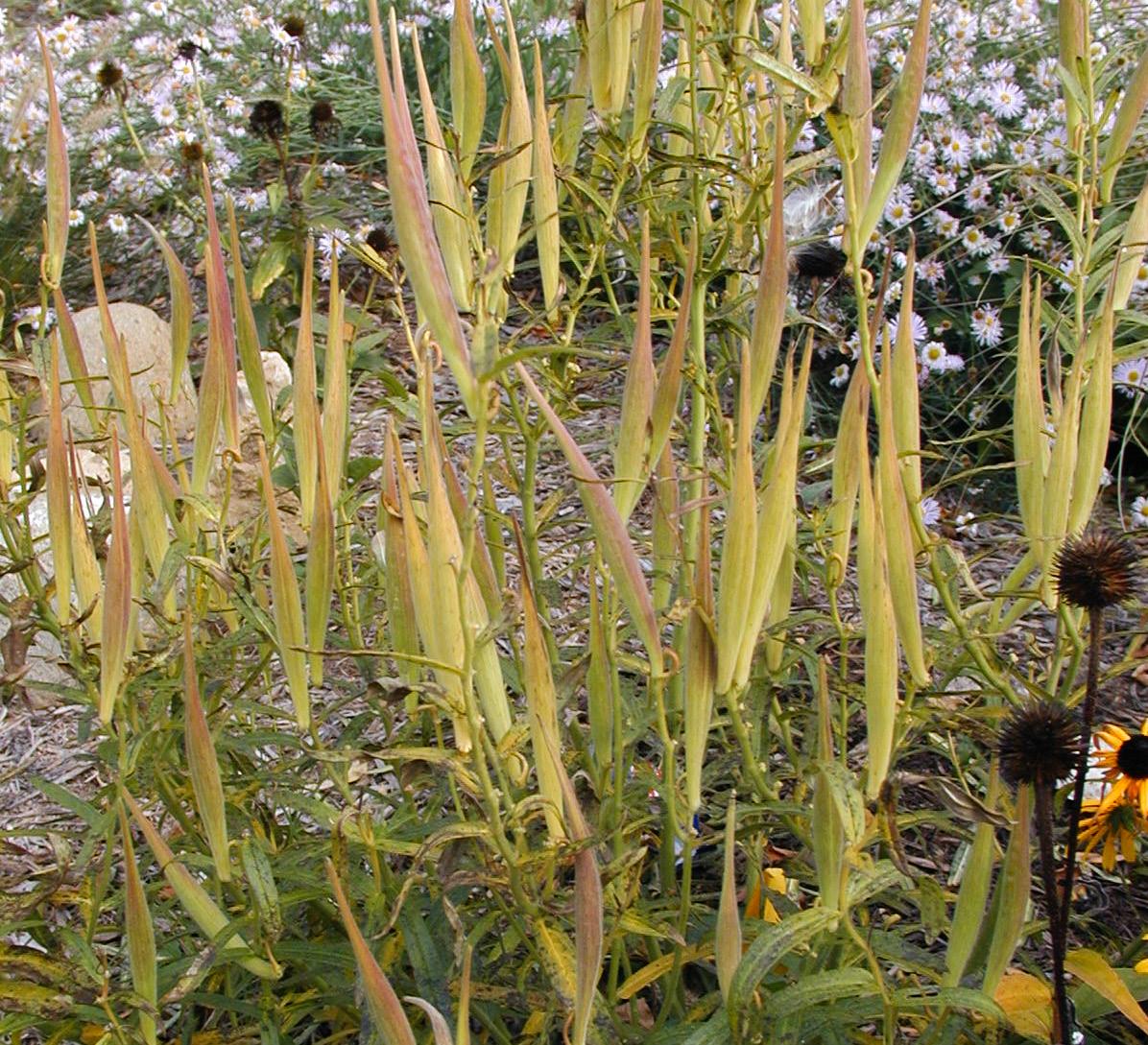
Asclepias syriaca
Common Milkweed
H: 3-6’ S: 1-2’ Soil: Moist, Medium, Well-drained, Dry U P
The most common Milkweed you’ll find in Wisconsin. Adaptable to most soils and sunlight conditions, this is a must-have for any butterfly garden. It will spread by rhizomes to form colonies, but the smell and wildlife it supports are worth the space. A host plant for monarch butterflies.
Asclepias tuberosa
Butterflyweed
H: 24-36” S: 9-18” Soil: Medium, Well-drained, Dry U P
Upright, shrub-like perennial with showy clusters of brilliant orange flowers in June-August. Long, skinny seed pods are packed with seeds that are dispersed with tufts of fuzz. Must have good drainage to over-winter well. Great perennial for sunny and dry habitats. Host plant for monarch butterflies.
Asclepias verticillata
Whorled Milkweed
H: 1-2’ S: 2’ Soil: Medium, Well-drained, Dry U P
One of the shorter native milkweeds, it can, over time, create low-growing colonies in dry sites. It can often be found along highways or near sites of glacial till. Like Poke Milkweed, flowers are white. Host plant for monarch butterflies.
Baptisia alba
U P
Erect, shrub-like perennial with sweetly fragrant clusters of pinkish-crimson flowers from July-August. Long seed pods enclose seeds that have tufts of hair, which aid in dispersion. Prefers moist conditions of swamps and other wetlands. Attracts hummingbirds, butterflies, unique bees, and harmless, solitary wasps. A host plant for monarch butterflies.
White Wild Indigo
H: 3-5’ S: 2-3’ Soil: Medium, Well-drained, Dry U P
Tall spiking flowers in June are a favorite of bumble bees. This tough wildflower is a prairie classic that can handle a variety of soils. One of the more satisfying seeds to collect, as their dry seed capsules can sometimes be full of interesting weevils.
A low-growing Baptisia that is the earliest flowering. Cascading flowers are a favorite of newly emerged queen bumble bees. It is a central United States staple with a native range from south Texas all the way to central Wisconsin!
Campanula rotundifolia
Blue Harebell (Bellflower)
H: 18” S: 12” Soil: Medium, Well-drained, Dry
U P
A semi-erect, long-blooming perennial that grows in small clumps. Nodding, 5-lobed, bell-shaped, blue flowers atop wiry stems from June to September. The basal leaves usually wither away before flowering time. Tolerant of dry, sandy soils. Attracts butterflies and bees.
Campanulastrum americanum
Tall Bellflower
H: 3-6’ S: 1’ Soil: Moist, Medium, Well-drained
P A
Excellent for part shade! Star-shaped, blue-violet flowers emerge from July until frost, attracting various unique bees. Native to moist woods, often found along stream banks. From a distance can be confused with Lobelia siphilitica. This species is annual or biennial.
Chamerion angustifolium
Fireweed
H: 2-6’ S: 1’ Soil: Wet, Moist, Well-drained
U P
A robust, colonizing plant that spreads readily on disturbed sites, especially after a wildfire, hence the name fireweed. Beautiful, hot-pink, showy panicles of Gaura-like flowers sit atop tall stems. Subsequent, fluffy seed heads are easily dispersed by wind. The narrow-green leaves turn into lovely shades of orange-red in fall.
Chelone glabra
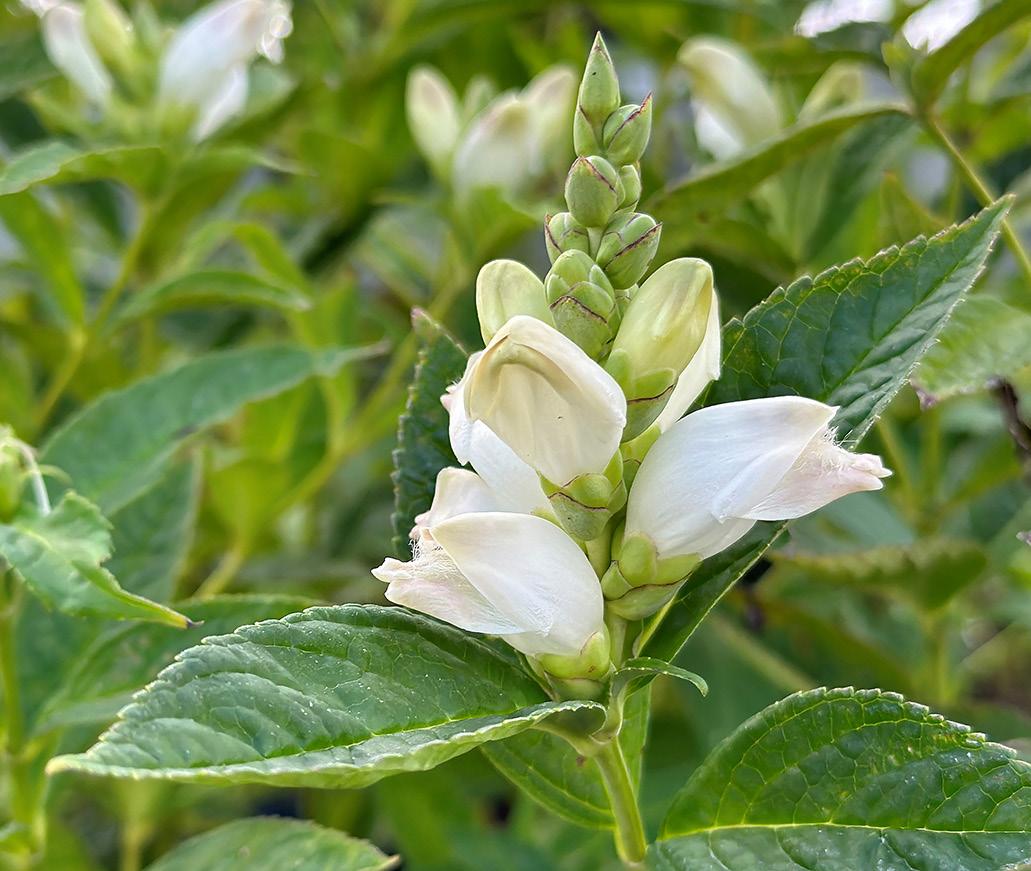
White Turtlehead
H: 2-3’ S: 1.5-2.5’ Soil: Wet, Moist
P
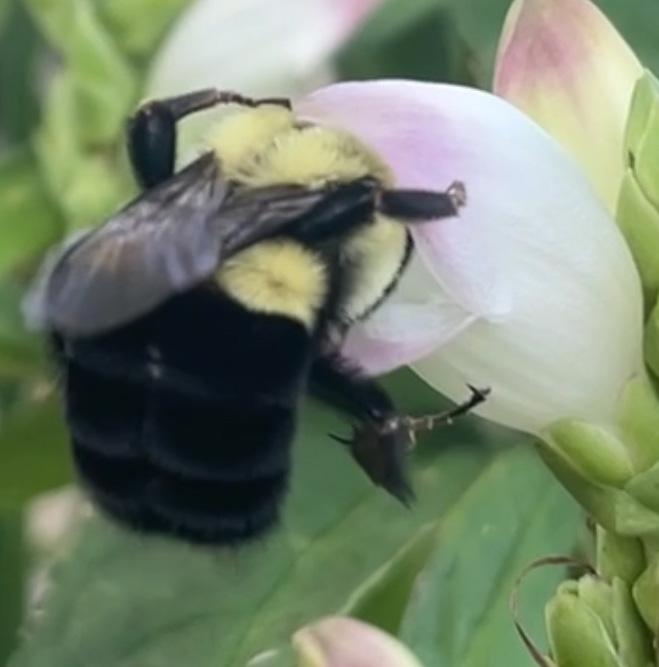
Late summer, cream-colored flower that bumble bees love. Generally, only larger bees are strong enough to force the hood of the flower open to get the nectar inside. This flower shape does, in fact, look like a turtle poking out of its shell.
Coreopsis lanceolata
Sand Coreopsis
H: 1-2’ S: 1-2’ Soil: Medium, Well-drained, Dry U
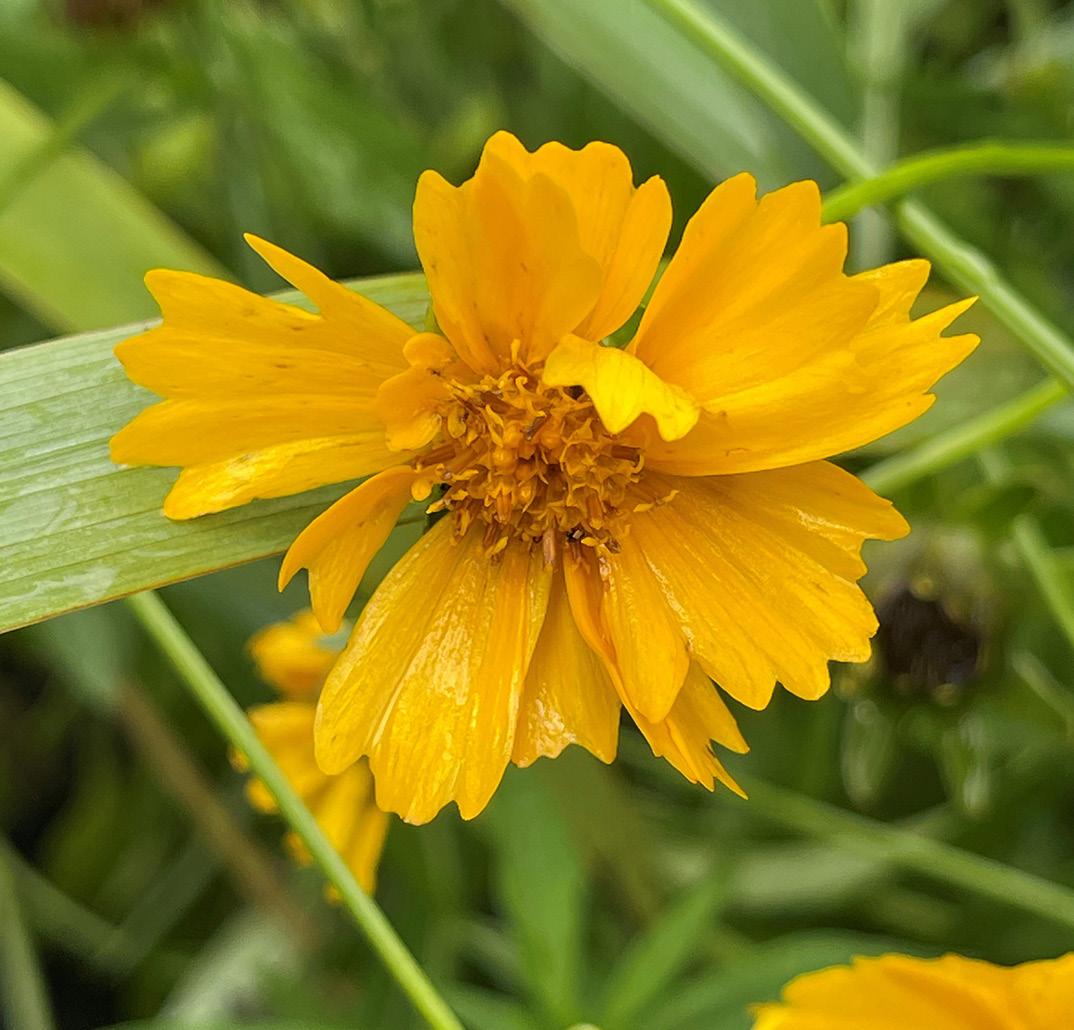
New shoots of large yellow-orange flowers emerge all summer long and are a favorite of native bees. Petite size and tolerance of dry conditions lends well to urban settings.
Coreopsis palmata
Stiff Coreopsis
H: 12-36” S: 15” Soil: Medium, Well-drained, Dry U
Stiff, upright perennial with bright yellow flowers that bloom on slender stems June-July. Narrow, green foliage turns orange-purple in fall. Prefers hot, dry sites. Commonly found in prairies and dry open woods. Compliments shorter native grasses well.
Dalea candida
White Prairie Clover
H: 1-3’ S: 1-3’ Soil: Medium, Well-drained, Dry U
Similar to Purple Prairie Clover, this species prefers drier locations. A wide array of specialist bees and pollinators take full advantage of their blooms. Their seeds are less fluffy in texture compared to Purple Prairie Clover.
Dalea purpurea
Purple Prairie Clover
H: 12-36” S: 18-24” Soil: Medium, Well-drained, Dry U
Offers floral resources to many specialist bees; it’s an important prairie species for pollinators. Favoring well-drained soils, it is a tough lower-growing wildflower. Its thimble-shaped purple flowers are a prairie classic.
Desmodium illinoense
Illinois Tick-trefoil
H: 2.5-4’ S: Soil: Medium, Well-drained
A showy plant with fuchsia, pea-like flowers. Naturally found in mesic to black soil prairies. No seed-collecting season is complete without getting its seeds stuck all over your pants. An adaptable prairie species. Foliage is a commonly used by leaf cutter bees to line their nests.
Dodecatheon meadia
Shooting Star
H: 12” S: 12” Soil: Moist, Medium, Well-drained U P
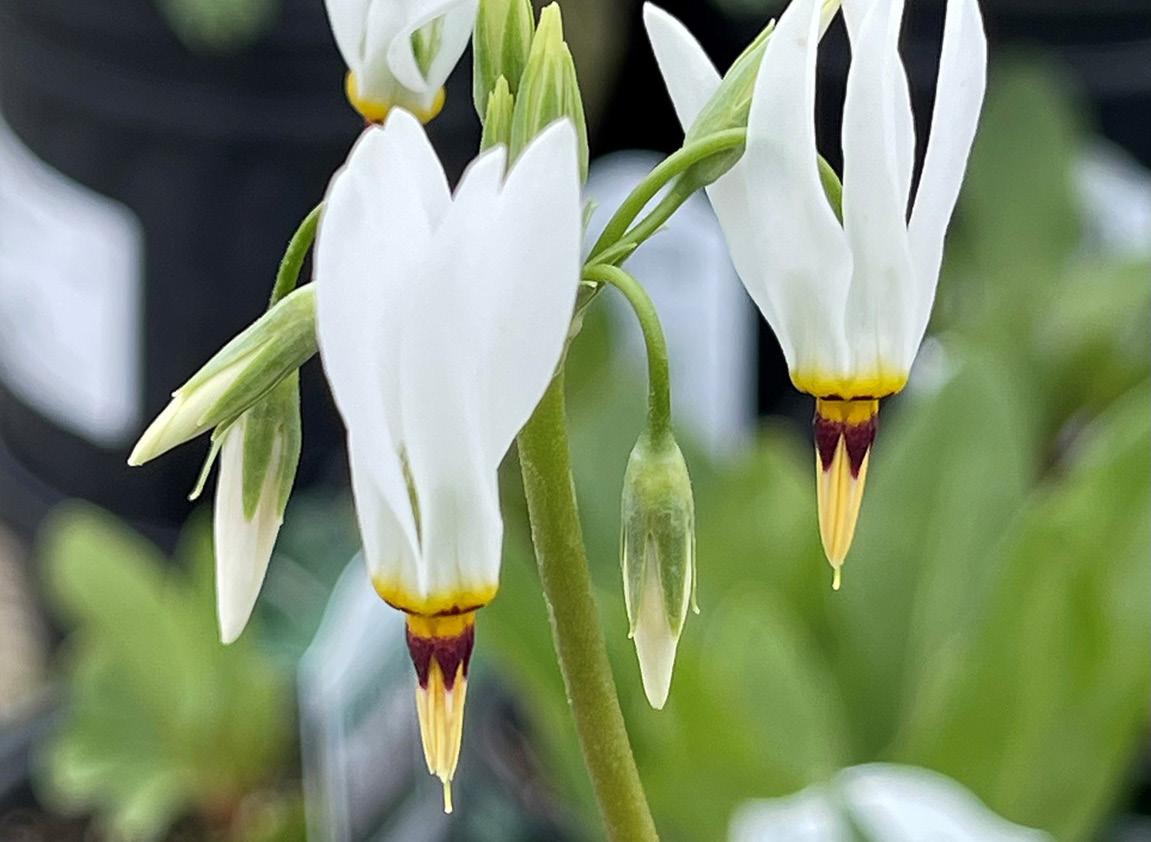
A favorite of queen bumble bees mid-May into June, it offers a unique insect-plant interaction. To release pollen from the anthers, bumble bees ‘sonicate’ the flower by buzzing. Once pollinated, flowers stick straight up in resemblance to a shooting star. Declines under too much leaf litter or thatch, thrives alongside dormant season prescribed fire.
Drymocallis arguta
Tall (Prairie) Cinquefoil
H: 1-3’ S: 1-2’ Soil: Well-drained, Dry U
A tough wildflower with cream-colored flowers that attract a multitude of pollinators. Adaptable to any well-drained soil type with excellent drought tolerance. Come fall they produce hundreds of tiny little seeds that need sunlight to germinate.
Echinacea
pallida
Pale Purple Coneflower
H: 36-48” S: 18-24” Soil: Medium, Well-drained, Dry U
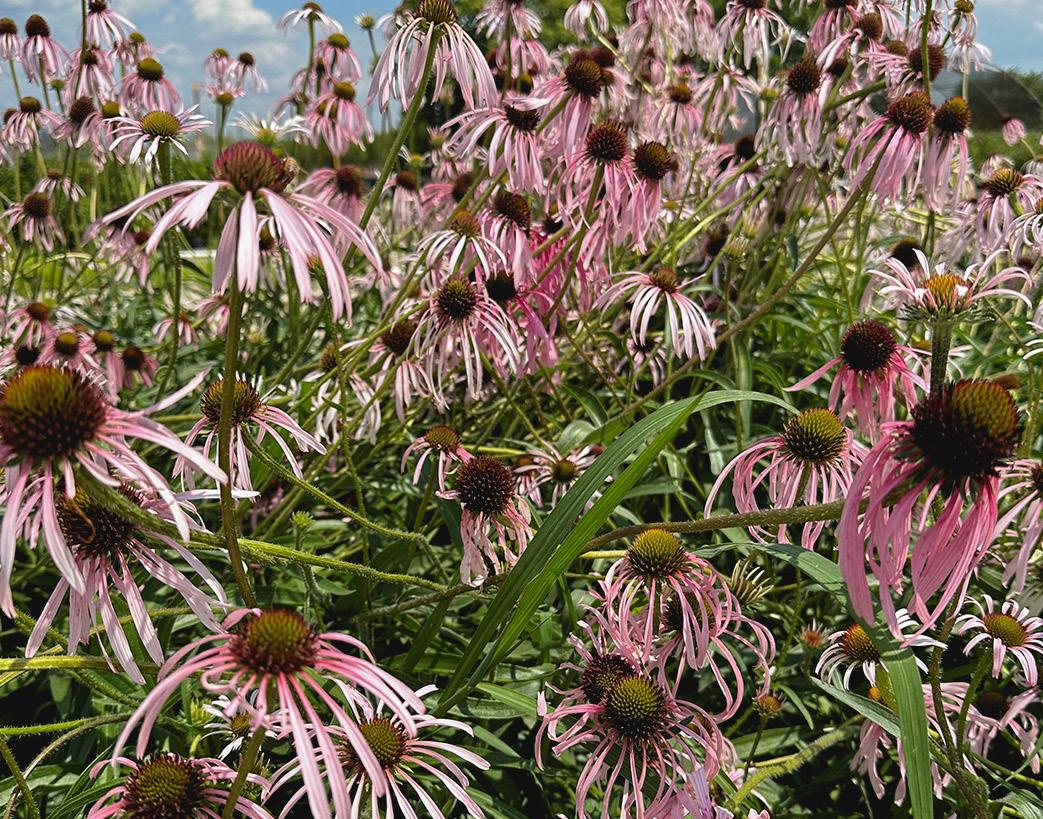
A tall, upright wildflower for medium to dry prairies. Large flowers with drooping, pale-pink petals encircle a large, brown, central cone. Strong taproot makes for great drought tolerance. The fruit (cones) are full of seeds and attract many birds. Used by Native Americans for many medicinal
Eryngium yuccifolium
Rattlesnake Master
H: 3-4’ S: 1-2’ Soil: Moist, Medium, Well-drained U
A unique name for an equally unique sight. Globular, spiked flowers bud blueish-green before maturing to white and are a favorite of harmless solitary wasps. Narrow, Agave-like foliage brings desert vibes to the Midwest. Declines with thatch buildup and thrives with dormant season prescribed fire.
Eurybia furcata
Forked Aster
H: 12-32” S: 12-36” Soil: Moist, Medium, Well-drained P
One of the earliest Asters to flower and a part-shade specialist. It has rapidly declined in our region to the point of being threatened, thanks to invasive species and fire suppression. It spreads by rhizome but behaves well with other savanna-loving species.
Eurybia macrophylla
Bigleaf Aster
H: 12-36” S: 24” Soil: Medium, Well-drained
A shade garden staple offering satisfying coverage and late-season blooms that persist into fall. Mix with other woodland species to create a diverse understory habitat that migratory songbirds will love.
Euthamia graminifolia
Grass-leaved Goldenrod
H: 2-3’ S: 1-2’ Soil: Moist, Medium U
An underutilized native garden gem. Presents a bushy form with thin leaves that are fragrant when crushed. An early and long-blooming goldenrod that hosts a wide variety of insects.
Eutrochium maculatum
Spotted Joe-Pye Weed
H: 4-7’ S: 1-3’ Soil: Wet, Moist, Medium U P
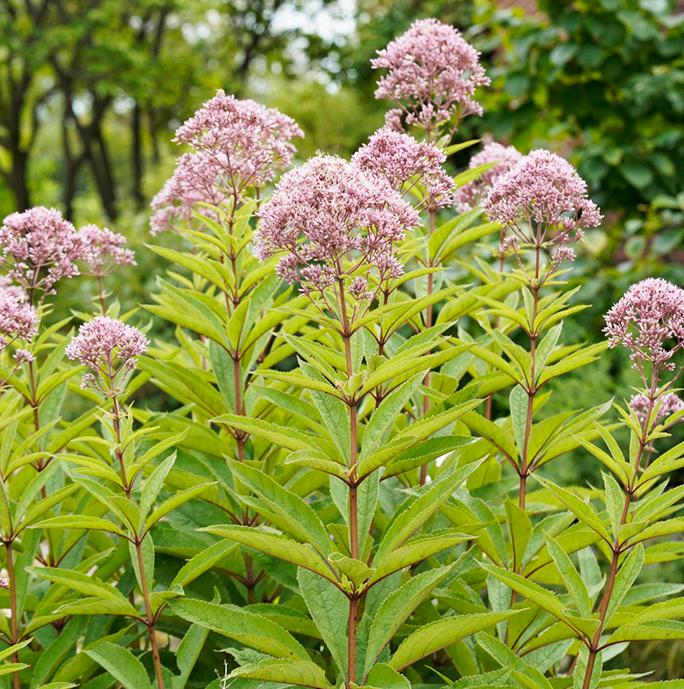
Must-have species to attract butterflies and the endangered rusty patched bumble bee. Spreads easily by seed, prefers wet soils. Does great in rain gardens and makes an impactful backdrop for shorter companions.
PERENNIALS
Eutrochium purpureum
Sweet Joe-Pye Weed
H: 4-6’ S: 1-2’ Soil: Moist, Medium
U
P
Doesn’t get as tall as Spotted Joe-Pye Weed but offers the same ecological benefits. Does well in moist conditions. Another favorite of rusty patched bumble bees and butterflies.
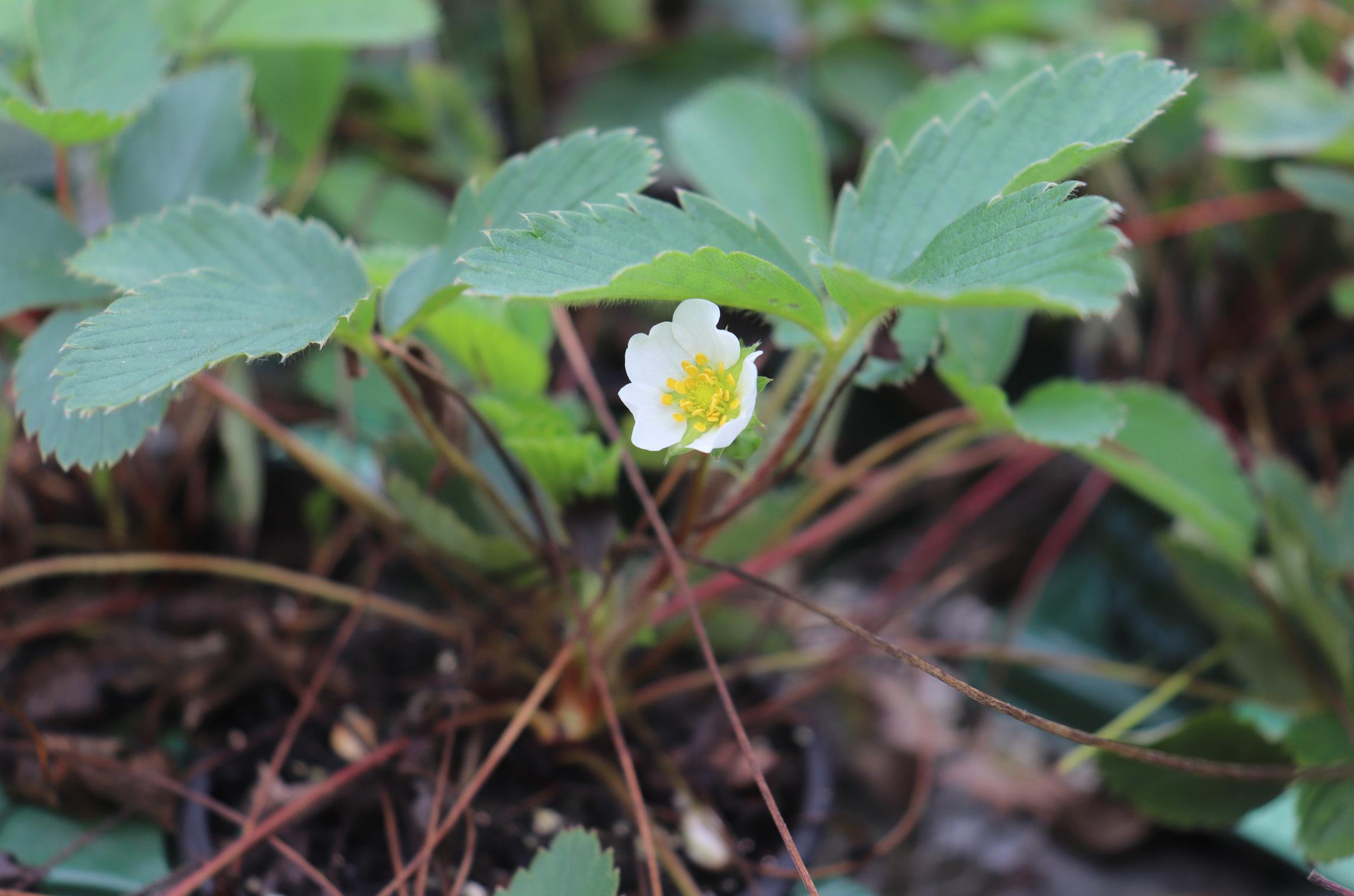
Fragaria virginiana
Wild Strawberry
H: 3-6” S: 12-24” Soil: Moist, Medium, Well-drained U P A
An excellent lawn alternative and prairie groundcover that quickly spreads without choking out other species. A key stone species in most habitats that hosts a wide variety of moth species. Possibly our toughest and most adaptable native plant.
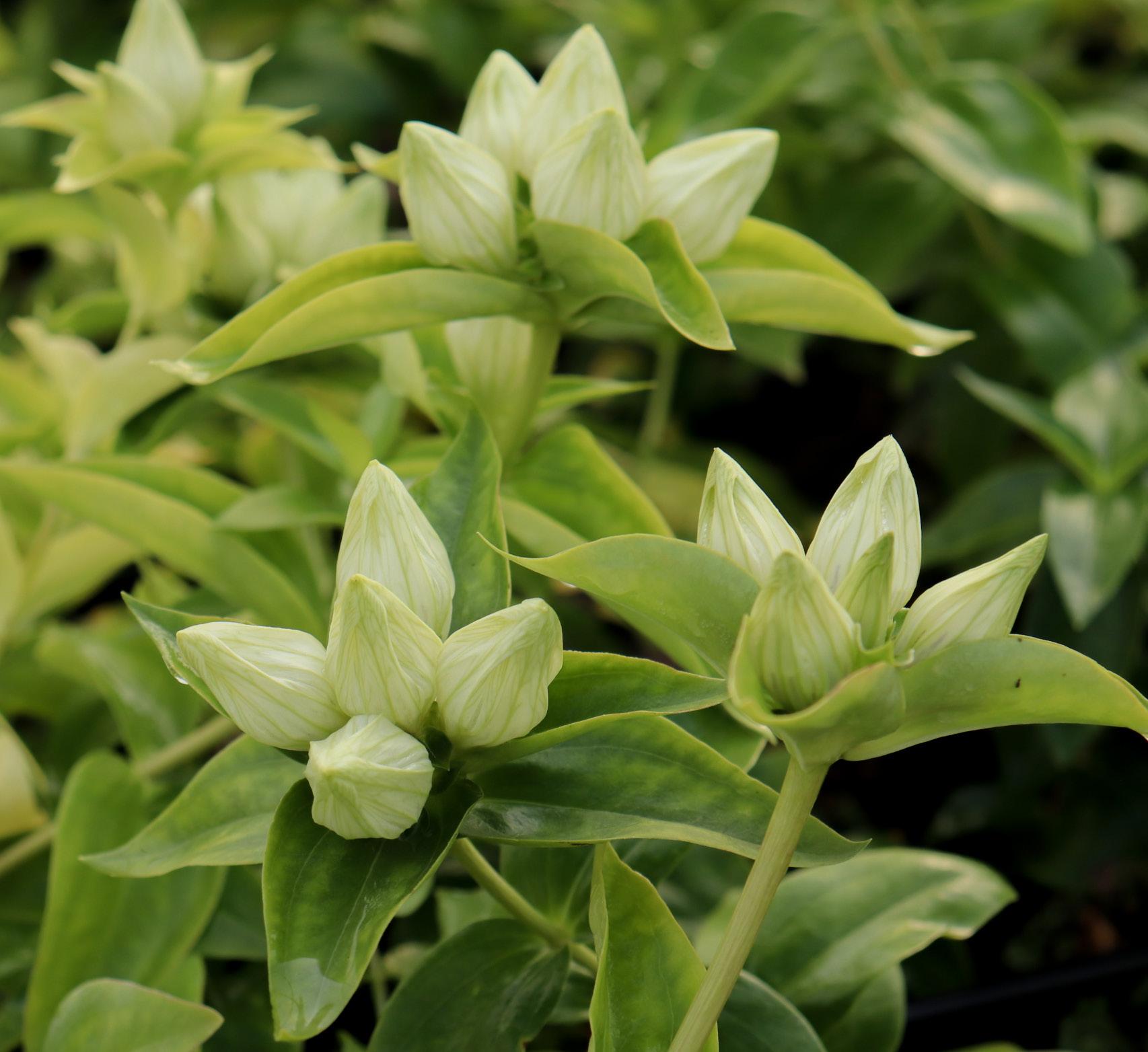
Gentiana alba
Cream Gentian
H: 1-2’ S: 1-2’ Soil: Moist, Medium
U
P
The earliest blooming Gentian featuring cream-colored flowers beloved by bumble bees. Generally found in intact prairies, it can handle drier conditions than Bottle Gentian. Only large pollinators are strong enough to force their way inside.
Gentiana andrewsii
Bottle Gentian
H: 1-3’ S: 1-2’ Soil: Wet, Moist U P
Dark-purplish-blue flowers are a show stopper in wet soils. Their closed flowers are only accessible to larger pollinators, just like Cream Gentian. While it can persist during dry spells, it flowers best when planted in a rain garden setting.
Geranium maculatum
Wild Geranium
H: 12-24” S: 18-24” Soil: Moist, Medium, Well-drained U P A
Loose, showy clusters of lilac-pink flowers with white centers bloom in May above clumps of deeply divided foliage. Red fall color. Great for massing as a groundcover. Prefers shady conditions but tolerates sun with plenty of moisture. A favorite of native spring bees.
Geum triflorum
Prairie Smoke
H: 12” S: 12” Soil: Well-drained, Dry
Among the earliest bloomers on the prairie. Raspberry-pink, nodding flowers in April rise above fern-like foliage. From May to June, seed heads turn upright and elongate into pink, feathery plumes with a smoke-like appearance or ‘Old Man Whiskers.’ Delightful when massed, creating a low groundcover.
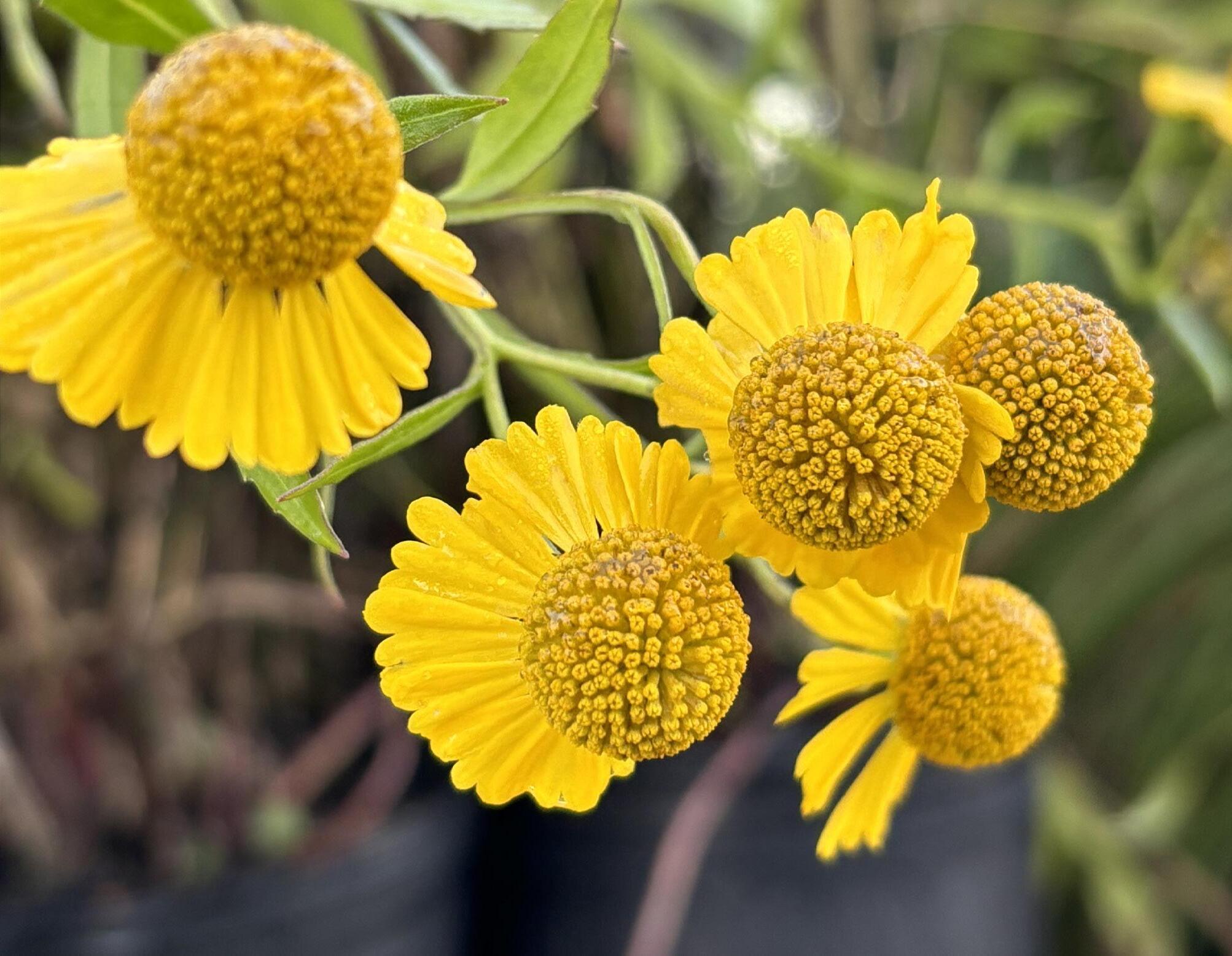
Helenium autumnale
Common Sneezeweed
H: 3-5’ S: 2-3’ Soil: Wet, Moist, Medium
This adaptable wildflower is an excellent floral resource for bumble bees in late summer. Yellow, daisy-like petals encircle a prominent seed cluster. Once mature, the seed ball satisfyingly shatters into pieces. Prefers soils with lots of organic matter.
Helianthus occidentalis
Western Sunflower
H: 2-4’ S: 1-2’ Soil: Medium, Well-drained, Dry U
While most native sunflowers reach massive heights, this species’ compact size allows for more diverse applications. Offers high ecological value and tolerance of drought and varying soils. Pollinators love their flowers, and goldfinches love the seed!
Heuchera richardsonii
Prairie Alumroot
H: 12-24” S: 18-30” Soil: Medium, Well-drained
U P
Delicate, inconspicuous flowers are often visited by unique bees such as Andrews’ Cellophane Bee. Hummingbirds and butterflies may also visit for nectar, while seeds invite other wildlife to browse. Often found in diverse prairie communities, rocky outcroppings, and shorelines.
Hypericum ascyron
Great St. John’s Wort
H: 2-5’ S: 2-3’ Soil: Moist, Medium, Well-drained
U P
Hypericum is one of the farthest spreading genera, spanning the entire United States. This perennial variety with large golden flowers stands out as one of the tallest, with sturdy stems that keep it upright. Excellent addition for any pollinator garden.
Iris versicolor
Harlequin Blue Flag Iris
H: 2-3’ S: 2-2.5’ Soil: Wet, Moist
Tall, clump-forming, moisture-loving perennial. Long, narrow, sword-like leaves emerge in spring, followed by beautiful, violet, beardless flowers that bloom May-July. Occurs naturally on lake shores, stream banks, swamps, and wet meadows. Spreads via rhizomes.
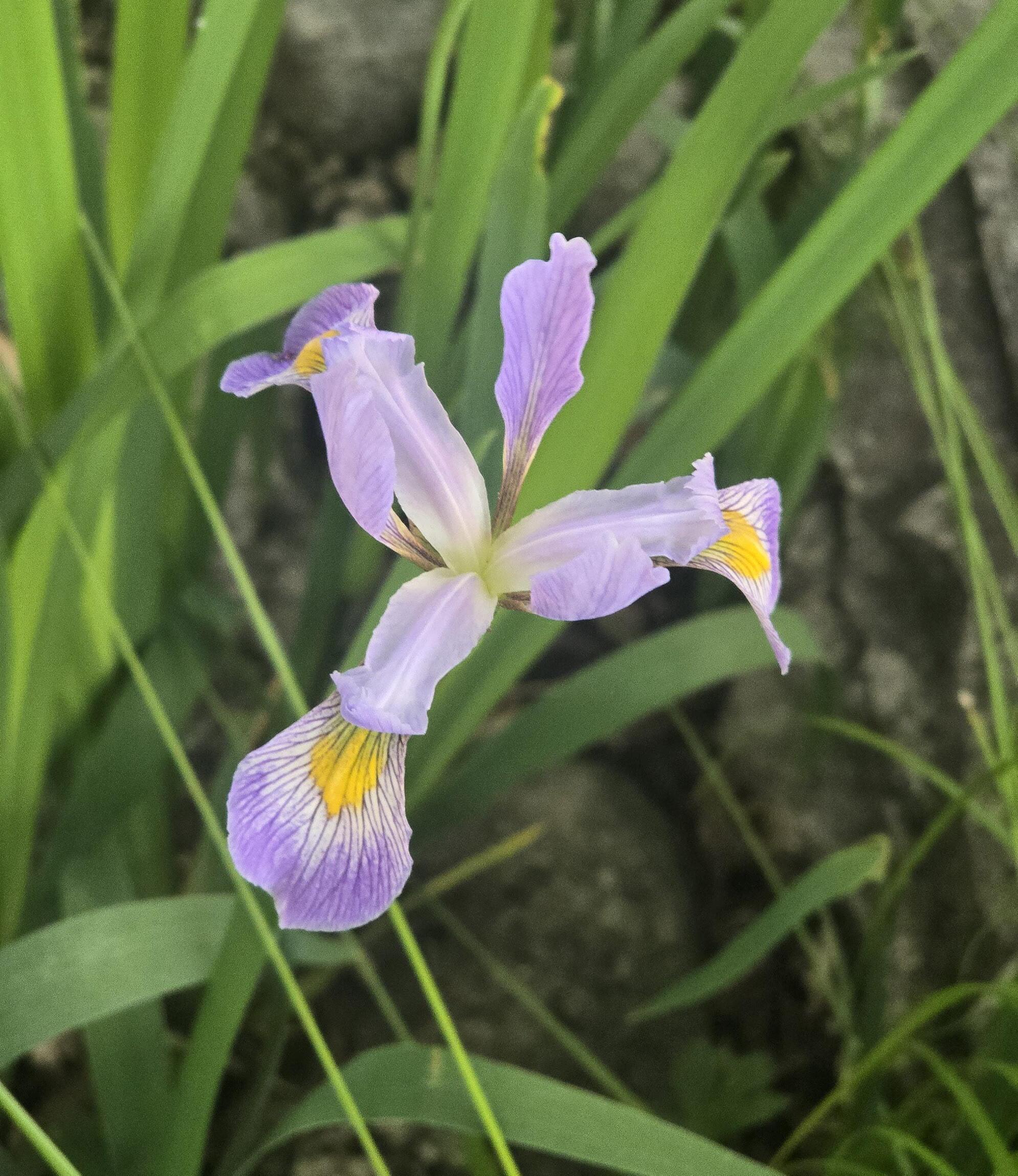
Iris virginica var. shrevei
Shreve’s Iris
H: 3-4’ S: 2-3’ Soil: Wet, Moist
Liatris ligulistylis
Showy Blazing Star
H: 3-4’ S: 1-2’ Soil: Moist, Medium, Well-drained U
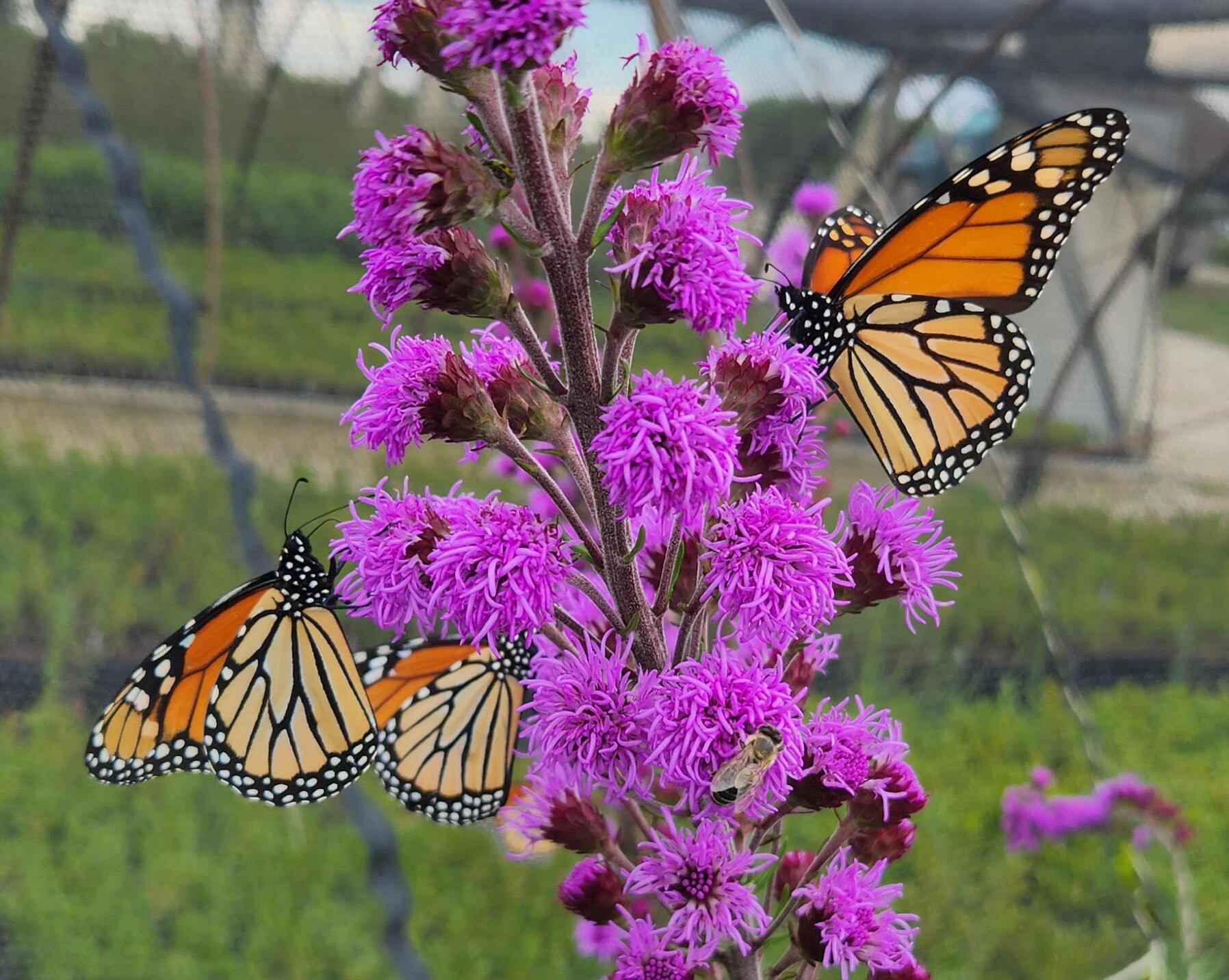
As it comes into full bloom, it signifies the beginning of the monarch migration south to Mexico. Even in small plantings, it can be covered in monarchs
Liatris pycnostachya
Prairie Blazing Star
H: 2-5’ S: 1-2’ Soil: Moist, Medium U
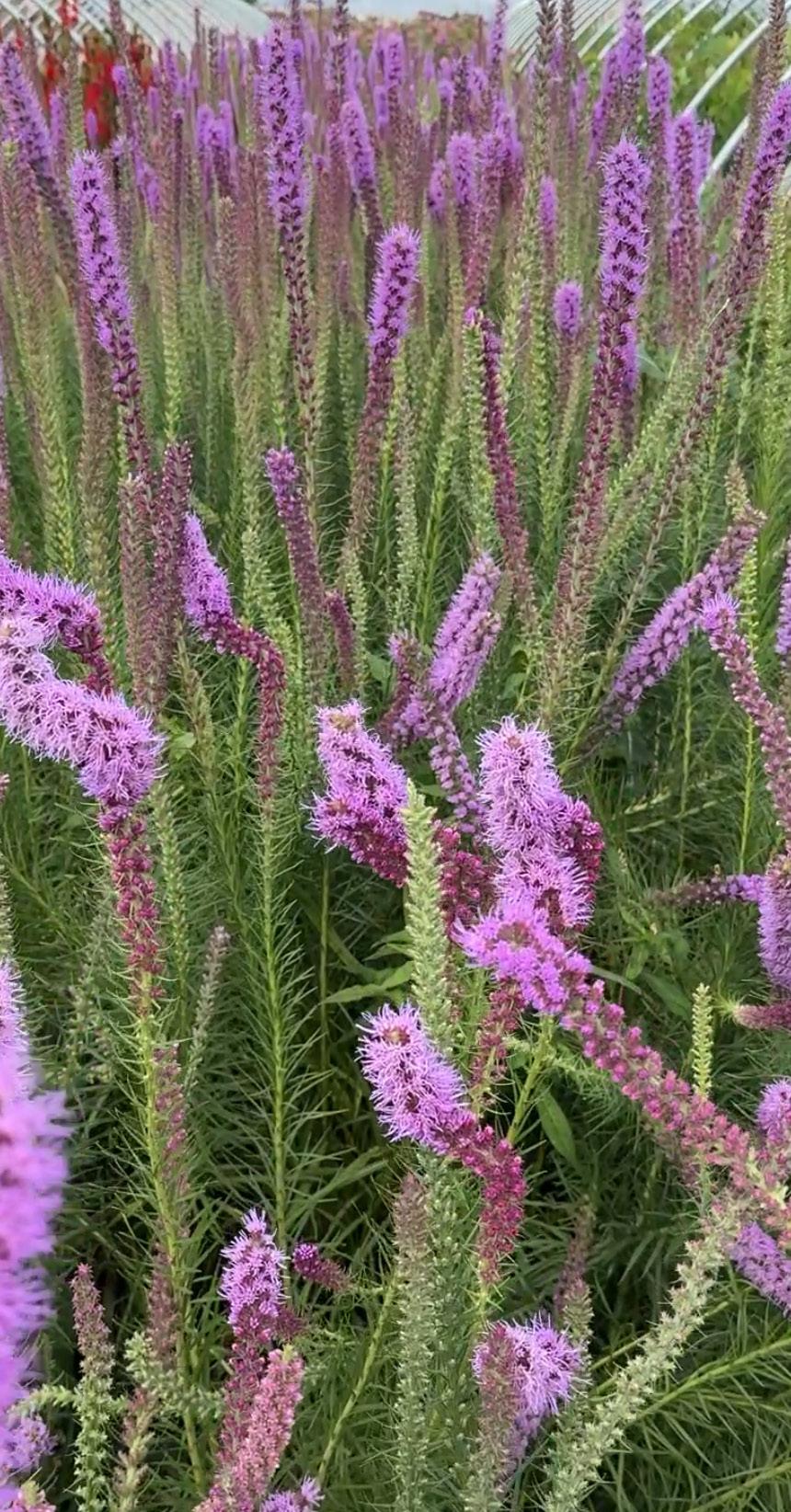
An iconic prairie plant that grows well in moist and clay soils. Thin, bottlebrush-like leaves climb tall, erect stems. Dense spikes of orchid-purple flowers bloom from July-September. Butterflies, bees, and hummingbirds flock to this plant.
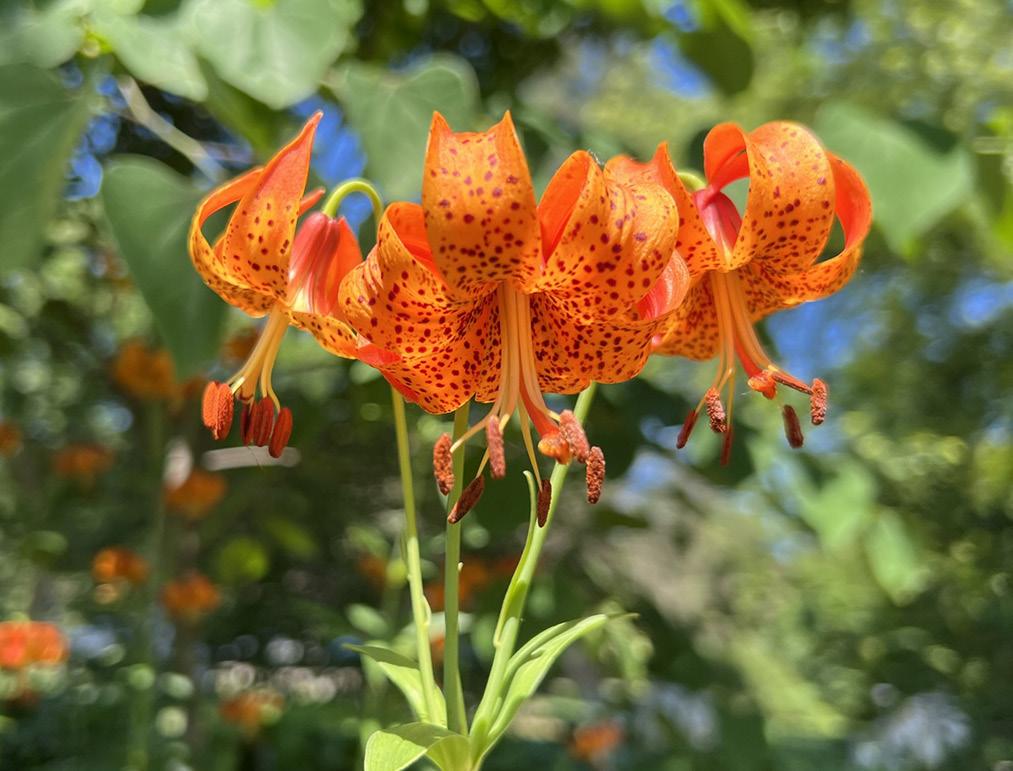
Lilium michiganense
Michigan Lily
H: 2-5’ S: 1-2’ Soil: Wet, Moist, Medium
Often called “Turk’s Cap,” with large, orange flowers that stand out like a sore thumb in diverse, moist prairies. Will get fairly tall but stays well behaved, unlike non-native lilies. Great for rain gardens and along wetland edges. Deer love browsing the blooms, protection is advised.
U
A classic addition to rain gardens and wetland plantings. You might see new growth as early as March, planting hope for spring’s arrival. Watching bumble bees force their way inside the large, brilliant-purple flowers is sure to spark joy. Forms dense colonies over time.
PERENNIALS
Lobelia cardinalis
Cardinal Flower
H: 2-4’ S: 1-2’ Soil: Wet, Moist, Medium
U
P
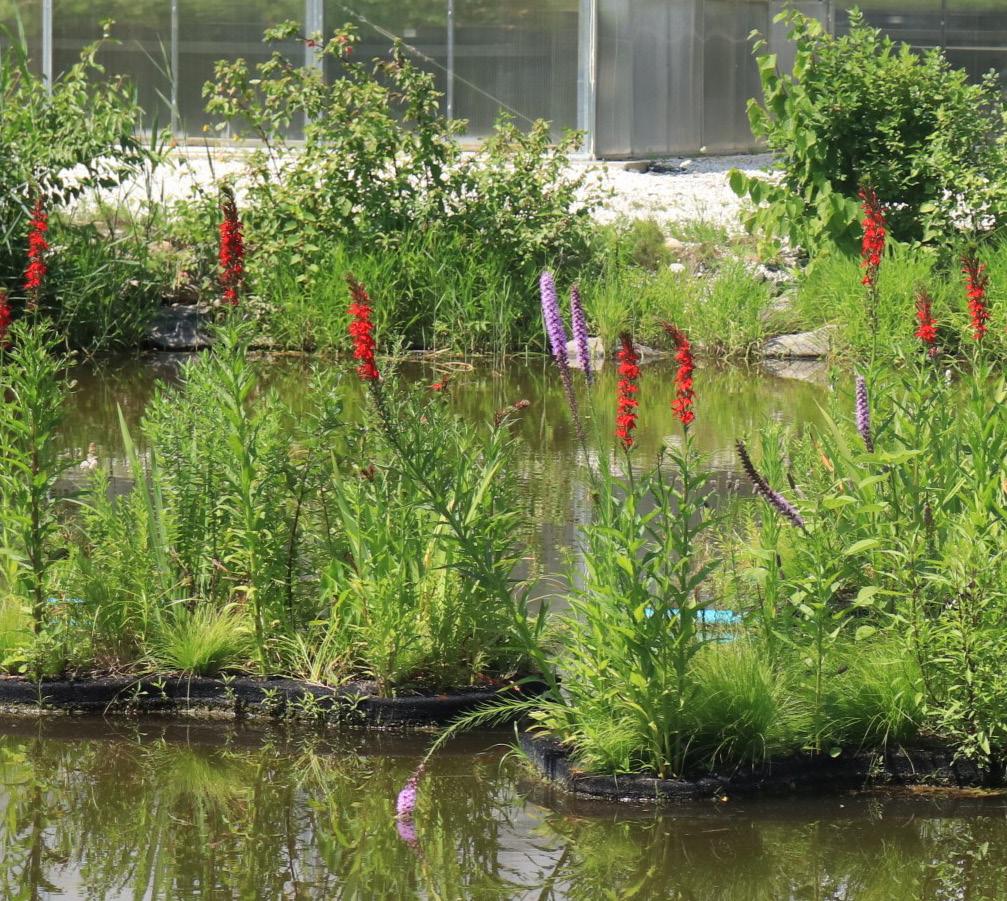
The most brilliant-red wildflower we have in Wisconsin. Often short-lived in garden settings but can persist well in wet soils. A favorite of hummingbirds in summer, it is a show stopper for rain gardens.
Lobelia siphilitica
Great Blue Lobelia
H: 2-3’ S: 2-3’ Soil: Moist, Medium
U
P
Less touchy than its Cardinal Flower cousin, this species adapts well to medium soils but thrives in rain gardens. Watching bumble bees force their way into deep purple flowers is always entertaining.
Lupinus perennis
Wild Blue Lupine
H: 1-2’ S: 1’ Soil: Well-drained, Dry
U P
Exclusive host plant for the federally endangered Garner Blue Butterfly. Thriving in drier conditions, it needs gritty soils for seeds to scarify and germinate. They can decline in the absence of fire and are one of the reasons fire suppression has led to Garner Blue declines nationwide. Central Wisconsin has some of the last healthy populations.
Mertensia virginica
Virginia Bluebells
H: 12-24” S: 12-18” Soil: Moist, Medium, Well-drained P A
A bumble bee favorite in spring with blue hanging flowers that are vital to newly emerged queen bumble bees. Does excellent in shade gardens. Goes dormant midsummer. An easy-to-grow ephemeral that is widely ethically sourced.
Monarda fistulosa
Wild Bergamot
H: 3-5’ S: 3-4’ Soil: Medium, Well-drained, Dry
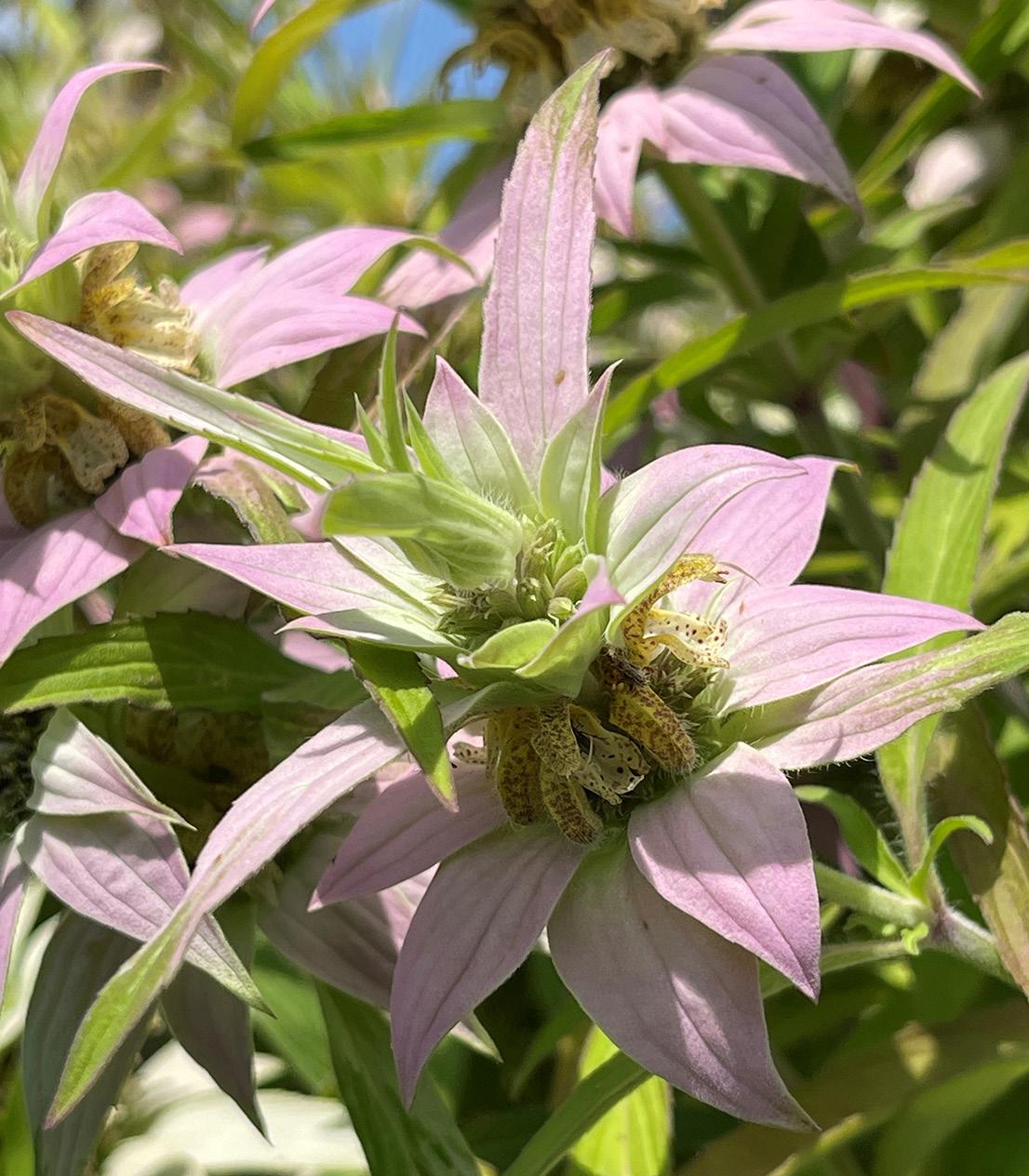
Monarda punctata
Spotted Bee Balm
H: 12-24” S: 12-18” Soil: Medium, Well-drained, Dry U P
An easily self-seeding wildflower that can flower in the first year from seed. It’s a favorite of unique solitary wasps that are harmless to people. Visiting pollinators are easily identified as it deposits pollen on their backs. The flower is a unique, spiky cylinder of pinks and whites that are dotted throughout.
Napaea dioica Glade Mallow
H: 4-8’ S: 2-3’ Soil: Wet, Moist
U P
Wisconsin’s native bee balm and one of our most adaptable wildflowers. A stiff, upright perennial that forms thick clumps. Pink-to-lavender tubular flowers form shaggy clusters July to August. A member of the mint family, all parts are aromatic. Wild Bergamot is happy almost anywhere: full to part sun, dry to moist soil, and fields to wooded settings.
U P
Native to alluvial soils along streams and rivers. Threatened in the state of Wisconsin. Produces some of the largest leaves of native perennials. Fragrant clusters of small, white flowers attract unique pollinators, and seeds are sought after by brave trapeze-daring chipmunks. Dioecious
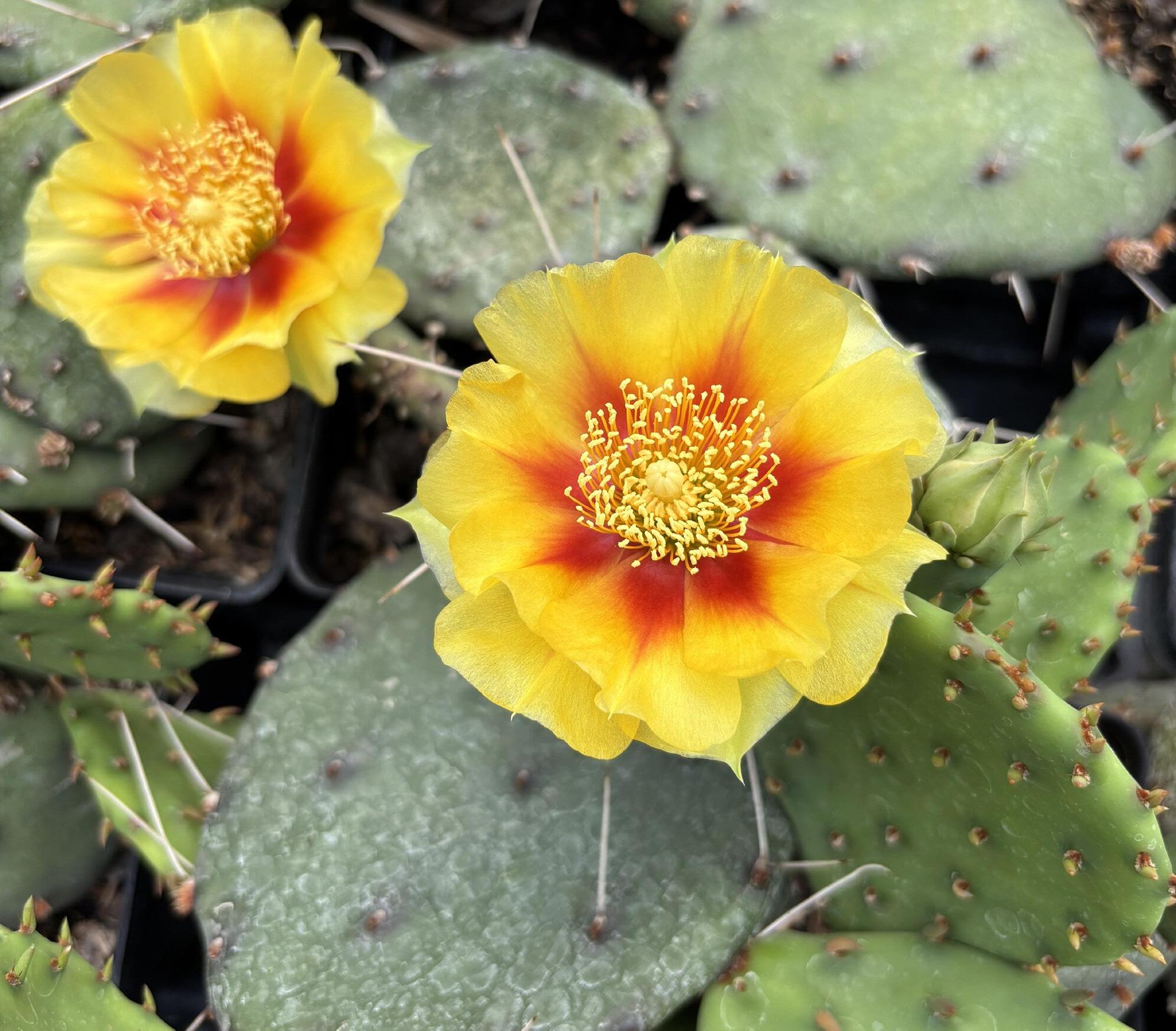
Opuntia humifusa
Eastern Prickly Pear
H: 6-12” S: 12-18” Soil: Well-drained, Dry
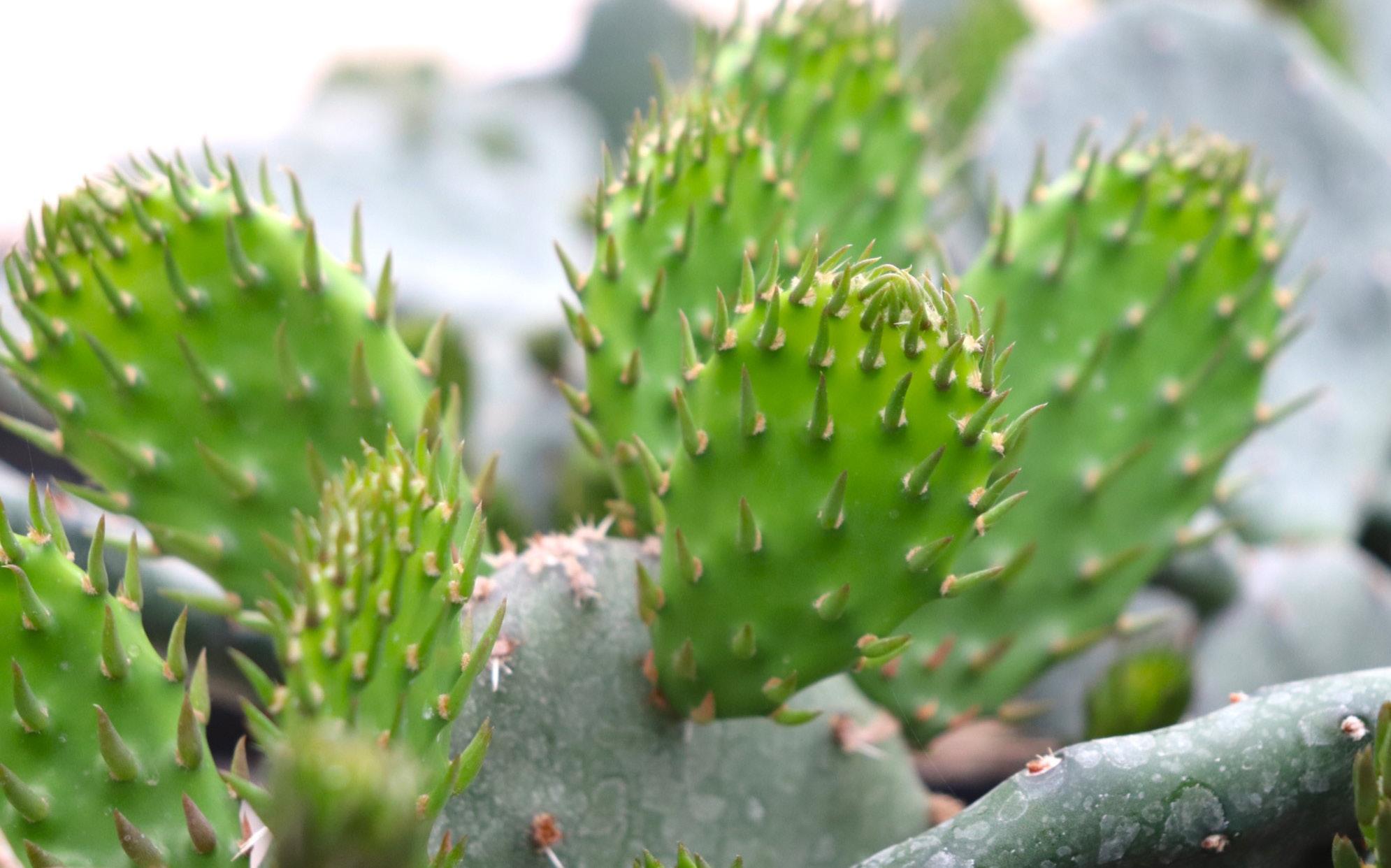
A cactus that’s native to Wisconsin! Large, yellow-orange flowers stand out in any dry soil planting. Over time, will create a prickly ground cover that complements other dry and rocky species. It will survive in medium soils but often gets out-competed by taller wildflowers.
Packera aurea
Golden Groundsel
H: 6-30” S: 12-24” Soil: Moist, Medium U P
An underutilized groundcover and great alternative to pachysandra. Come mid-late spring, their long-lasting yellow flowers are a favorite of small native bees. Ferns, sedges, and other savanna species can still grow through their seemingly dense ground cover foliage.
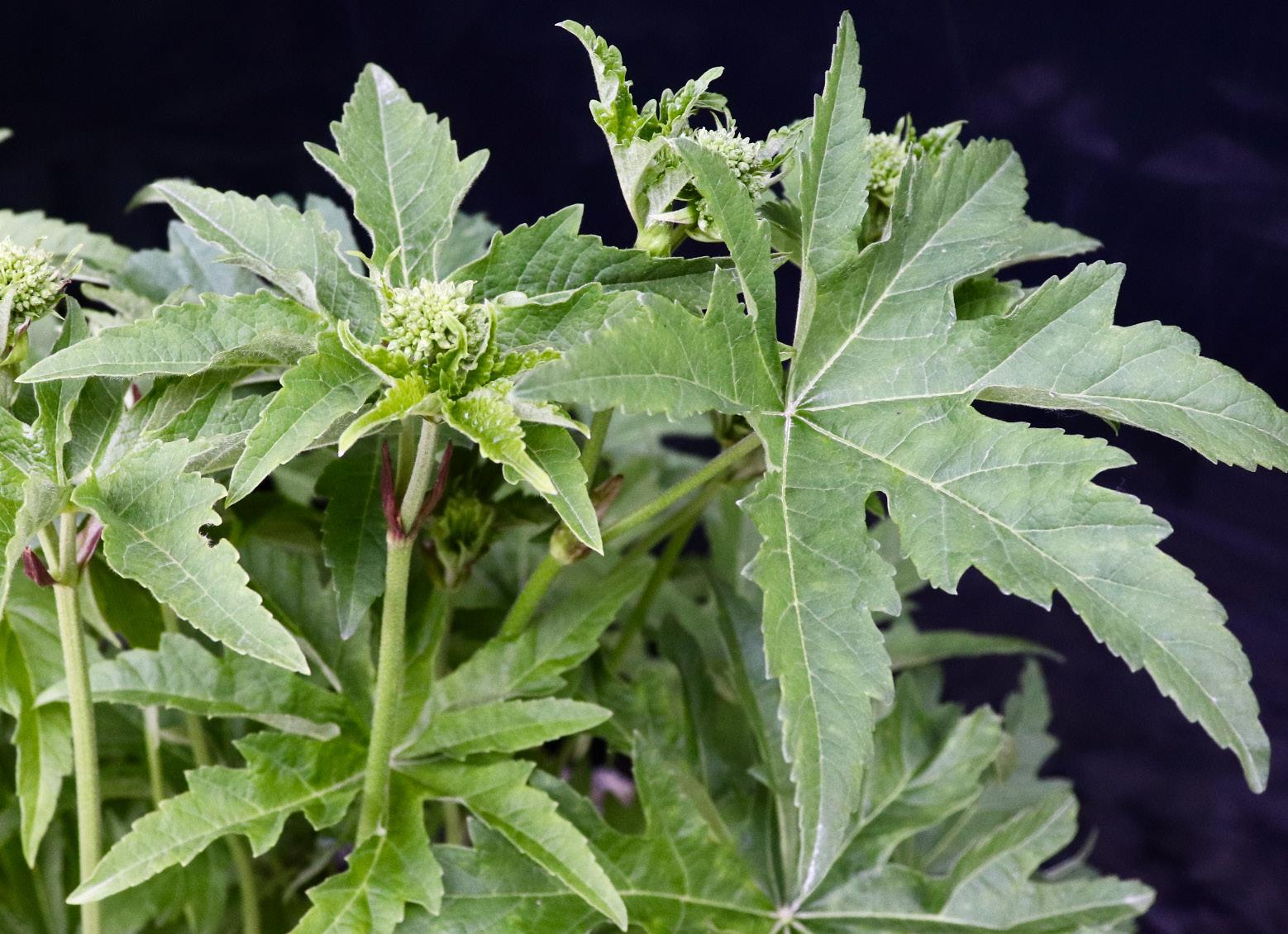
Parthenium integrifolium
Wild Quinine
H: 2-4’ S: 1-2’ Soil: Medium, Well-drained
Robust, erect stems with clusters of small white, flat-topped flower heads from late June to September; usually, there are several of them bunched loosely together on the same plant. Foliage is medium green, sand-papery, and fragrant when crushed. Thrives in open woods, thickets, and rocky prairies.
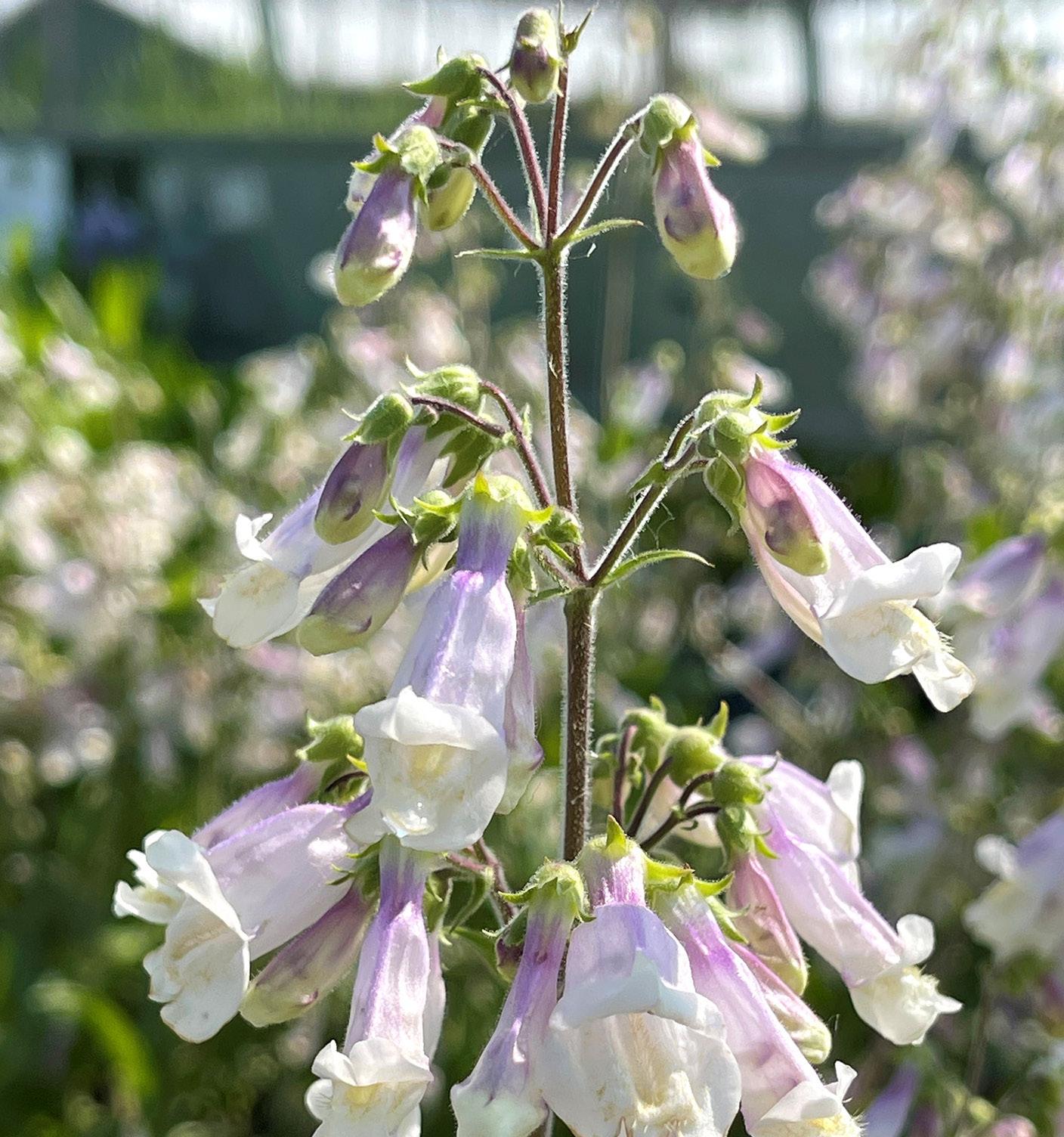
Penstemon gracilis
Slender Beardtongue
H: 8-24” S: 10-18” Soil: Well-drained, Dry U P
White to pale-lavender, tubular flowers emerge in late spring, attracting bees and hummingbirds alike. This forb is found in sandy prairies in dry, well-draining soils. A great option for a xeriscape or waterwise garden.
Penstemon grandiflorus
Large Beardtongue
H: 24-36” S: 12-24” Soil: Well-drained, Dry U
Large, pink, bell-shaped flowers and light-green, leather-like leaves are an excellent addition to dry gardens. Flowering in early Summer, it will attract a variety of bumble bee species and is sometimes visited by hummingbirds.
Penstemon hirsutus
Hairy Penstemon
H: 12-24” S: 10-15” Soil: Moist, Medium, Well-drained, Dry U P
An adaptable and underutilized beardtongue that is threatened in the state of Wisconsin. Stays small in height and forms a ground cover over time. Light-pink flowers attract newly emerged worker bumble bees in June.
Phlox divaricata
Woodland Phlox
H: 12-20” S: 12-20” Soil: Moist, Medium
Naturally found brightening up forest understories. Light, purplish-blue flowers are adored by butterflies, moths, and hummingbirds. Vast wildlife value and tidy appearance make it a fabulous shade garden plant. Will not tolerate salt, so best kept away from roads and walkways.
Phlox pilosa
Prairie Phlox
A
H: 12-18” S: 30-36” Soil: Moist, Medium, Well-drained, Dry U P
Small in size but a mighty-tough and adaptable native. Their bright pink blooms put on a show from late spring into early summer and are awe-inspiring in mass.
Physostegia virginiana
Obedient Plant
H: 2-4’ S: 1-3’ Soil: Wet, Moist, Medium U
Will quickly spread via rhizomes and self-seeding to form dense colonies of spiking, bell-shaped flowers. Best suited for large areas. Their bright pink color is a favorite of bumble bees and other late summer pollinators.
Podophyllum peltatum
Mayapple
H: 12-18” S: 8-12” Soil: Medium, Well-drained P A
With palmate, umbrella-like leaves, hidden flowers, and green, apple-like fruit, this plant is right out of a Dr. Seuss book. Forming colonies over time, it complements other native woodland plants well. It responds well to dormant-season fires that help maintain open understories.
PERENNIALS
Polemonium reptans
Spreading Jacob’s Ladder
H: 8-20” S: 10-18” Soil: Medium,Moist,Rich,Well-drained U P
Blooms mid-to-late spring but maintains excellent foliage throughout summer, an uncommon feature for spring bloomers. Prefers rich, moist soil and thrives in dappled sun. Lavender-blue, bell-shaped flowers are dainty, but their color and interesting foliage help them stand out in the landscape.
Ratibida pinnata
Yellow Coneflower
H: 36-48” S: 18-24” Soil: Moist, Medium, Well-drained U
Boasts flower heads of drooping, bright-yellow petals surrounding a grayish-brown cone atop tall, slender, stiff stems. Long bloom time in summer from July to September. Cones smell like anise when crushed. The foliage is hairy, upright, and deeply cut. Attracts butterflies and birds. Drought-tolerant.
Rudbeckia fulgida
Orange Coneflower
H: 3’ S: 1-2’ Soil: Medium U
A tried-and-true plant with iconic golden-yellow flowers, dark brown-black cones, and dark green leaves. Blooms from mid-summer through fall, offering multi-season interest to the landscape. Prefers moist soils, but highly adaptable so long as it’s sunny! Host plant to several species of butterflies.
Rudbeckia hirta
Black-eyed Susan
H: 1-3’ S: 1-2’ Soil: Moist, Medium, Well-drained
U P
A showy, short-lived plant that easily self-seeds. Naturally found in moist meadows, prairies, and roadsides. Sunny flowers appear from early summer into fall. Provide good drainage. Most of the plant is covered in little hairs.
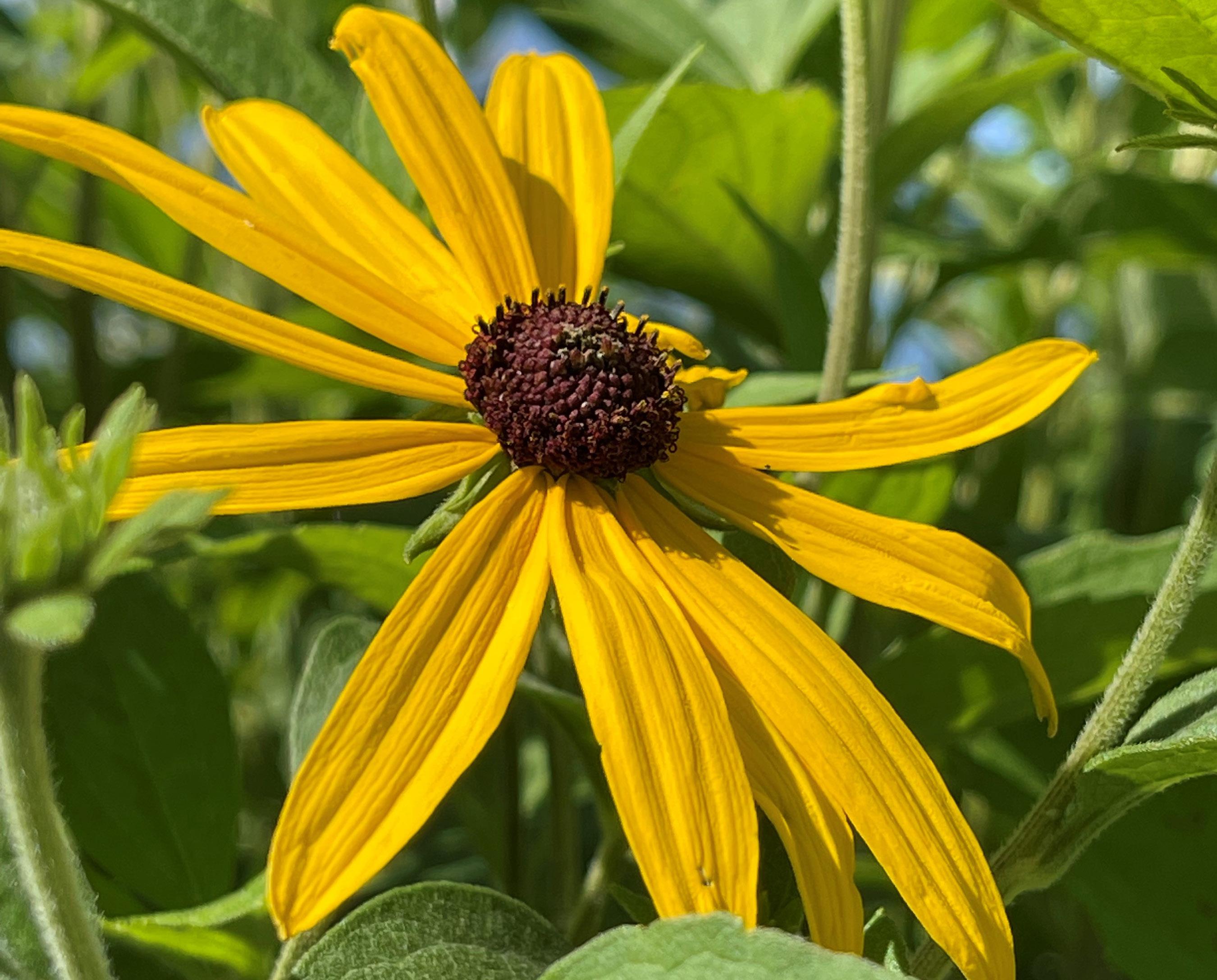
Rudbeckia subtomentosa
Sweet Black-eyed Susan
H: 2-5’ S: 2-3’ Soil: Moist, Medium, Well-drained U P
Sweetly fragrant, yellow, daisy-like flowers with purplish-brown centers dance upon tall stems from July through October. With larger, longer-lasting blooms compared to other Black-eyed Susans, they’re great in cutting, cottage, or native gardens. This lovely wildflower thrives in moist prairie-like settings or medium sunny gardens.
Ruellia humilis
Hairy Wild Petunia
H: 12-24” S: 12-15” Soil: Medium, Well-drained, Dry U P
An endangered species in Wisconsin that forms dense, sprawling clumps of gray-green, pubescent leaves and stems. Showy, lavender, funnel-shaped flowers bloom from June to September. Resembles cultivated Petunias. Superb drought tolerance. Self-seeds explosively, it’s pretty neat.
Senna hebecarpa
Wild Senna
H: 3-6’ S: 2-3’ Soil: Moist, Medium, Well-drained U P
Large, shrub-like perennial with open branching and unique, lush, bluegreen foliage. Bright-yellow pea-flower clusters. A deep root system aids in drought tolerance. Attractive brown seed pods add winter interest. Great for clay soils.
Silphium laciniatum
Compass Plant
H: 3-10’ S: 2-3’ Soil: Moist, Medium, Well-drained, Dry U
Possibly our toughest native wildflower. Distinctly huge leaves are deeply lobed and orient themselves with the sun in a north-south direction throughout the day. Large, bright-yellow flowers bloom July to September in branched clusters high above the foliage. Native Americans used the resinous sap from the top stems as breath-freshening chewing gum.
Silphium perfoliatum
Cup Plant
H: 7-8’ S: 3-5’ Soil: Moist, Medium U
The best Silphium for wet soils. Can form large colonies, bringing huge wildlife value. Pollinators love their large yellow flowers. Water collects in their leaves as a miniature oasis (...or cup).
Silphium terebinthinaceum
Prairie Dock
H: 3-10’ S: 3’ Soil: Moist, Medium, Well-drained
Easily identified on the prairie by clumps of large “elephant ear” leaves. In midsummer, it sends up a towering 4’-10’ tall stalk that is topped with a cluster of small, bright-yellow, sunflower-like flowers. A must-have for prairie natural areas.
Solidago caesia
Blue-stemmed Goldenrod
H: 18-36” S: 18-36” Soil: Medium, Well-drained
Highly uncommon in Wisconsin, typically found in woodlands. Clusters of bright yellow flowers are formed at the leaf axils along a dark, bluish stem. A well-behaved goldenrod that forms clumps.
Solidago flexicaulis
Zig Zag Goldenrod
H: 1-3’ S: 2’ Soil: Moist, Medium, Well-drained
P A
Shade-loving woodland native with finely-serrated, oval leaves. Leafy, unbranched, central stem zig-zags between nodes. Small clusters of bright-yellow flowers form between the leaves on the upper part of the plant in August-September. Common in many Wisconsin forests.
Solidago ohioensis
Ohio Goldenrod
H: 3-4’ S: 1-2’ Soil: Wet, Moist, Medium
An excellent goldenrod for garden settings. An indicator species found naturally in wet meadows and along riverbanks, though rare to encounter. Its long-lasting yellow flowers attract loads of pollinators.
Solidago ptarmicoides
Upland White Goldenrod
H: 18-24” S: 12” Soil: Well-drained, Dry
Low-growing perennial with showy, flat-topped clusters of 1/2” white, daisy-like flowers. The plant is covered with blooms from July to September. Attracts butterflies in the summer and birds in the fall. Thrives in dry, sandy soils.
Solidago riddellii
Riddell’s Goldenrod
H: 18-42” S: 12-24” Soil: Wet, Moist, Medium
A rare and well-adapted Goldenrod for wet soils. Found naturally in wet prairies and meadows. Great for restoration and pollinator gardens as they’re highly attractive to myriad bees, birds, and small mammals.
A favorite of bees, solitary wasps, and butterflies. Their clumping, golden blooms light up gardens with life late summer. On a short list of some of our most important prairie species. Tends to flop without neighbors.
Solidago sciaphila
Cliff Goldenrod
H: 1-3.5’ S: 1-2’ Soil: Well-drained, Dry U
Endemic to the Driftless Area. Thick, green leaves hold up well in harsh environments with relentless sun exposure. Thrives in sandy, rocky soils.
Solidago speciosa
Showy Goldenrod
H: 2-6’ S: 1-2’ Soil: Medium, Well-drained, Dry U
The latest flowering goldenrod, often supporting pollinators well into October. A favorite pit stop of future queen bumble bees that can be half the size of your thumb! It also welcomes monarchs that are behind on fall migration.
Solidago ulmifolia
Elm-leafed Goldenrod
H: 2-4’ S: 2’ Soil: Medium, Well-drained U P
Dry, woodland native with coarsely-toothed, thin, elliptical leaves that resemble elm leaves. Several, small, 3 to 5-petaled, yellow flowers bloom in spreading clusters nearest the top of the leafy arching stems. Established plants may spread by rhizomes to form colonies.
KEYSTONE HIGHLIGHT: Asters and Goldenrods
Together, they make up Wisconsin’s most diverse family of wildflowers. From the heaviest clay to the driest hilltop, you can find a suitable aster or goldenrod. Because of this adaptability, many insects have evolved to rely heavily on these plants.
Goldenrods are crucial for fall pollinators as they store up energy to go dormant underground. They are also host plants for more moth species than any other perennial! Asters are vital for native bees with numerous specialist bees relying almost entirely on asters for floral resources. Together, their purples, golds, and whites cover the late summer to fall landscape with brilliant color and life.
PERENNIALS
Symphyotrichum cordifolium
Blue Wood Aster
H: 12-48” S: 12-24” Soil: Medium, Well-drained P A
Small-leaved panicles of pale-to-rich-blue, daisy-like flowers with yellow centers bloom late summer to fall. Leaves are sharply-toothed with heartshaped lower leaves. Attracts long and short-tongued bees, wasps, flies, butterflies, skippers, and beetles. Prefers moist, rich soils, but cannot tolerate wet feet. Good air circulation helps reduce foliar diseases.
Symphyotrichum ericoides
Heath Aster
H: 12-36” S: 18-24” Soil: Medium, Well-drained, Dry U P
Shrubby, somewhat erect perennial that produces hundreds of small white daisy-like flowers that bloom August-October. Named for narrow leaves resembling those of heath. Habitats include open prairies and savannas. Larval host of the pearl crescent butterfly.
Symphyotrichum laeve
Smooth Aster
H: 24-60” S: 12-24” Soil: Medium, Well-drained U
Distinguished from other asters by smooth leaves. Light-purple flowers are excellent for native pollinators. Adaptable.
Symphyotrichum lateriflorum
Calico Aster
H: 24-36” S: 12-24” Soil: Moist, Medium, Well-drained U P A
Small, white flowers with white-to-purplish rays surround tiny tubular disc flowers that mature to purplish-red or yellow. Blooming from late August into October, they provide nourishment to pollinators later in the season. Supports a substantial number of short and long-tongued bees.
Symphyotrichum novae-angliae
New England Aster
H: 3-6’ S: 2-3’ Soil: Moist, Medium, Well-drained U P
A favorite of migratory monarch butterflies, its purple petals around yellow discs signal the beginning of fall. It has great ecological value, attracting a diverse range of small native bees. Likes to spread over time.
Symphyotrichum oblongifolium
Aromatic Aster
H: 12-30” S: 18-30” Soil: Well-drained, Dry U
In Wisconsin, this is the last aster to bloom and goes strong late into October. As a host to many butterfly species with nectar for pollinators and seeds for migrating birds, its an excellent option for increasing biodiversity in dry prairies, sandy barrens, and road banks.
Symphyotrichum oolentangiense
Sky Blue Aster
H: 24-36” S: 18-30” Soil: Medium, Well-drained, Dry U P
An excellent aster for most garden settings. Their purplish-blue flowers complement goldenrods excellently. It attracts many specialist bees that are sure to add unique life to any landscape.
Symphyotrichum prenanthoides
Crooked-stem Aster
H: 1-3.5’ S: 1-3’ Soil: Moist, Medium
An uncommon aster to come across in the wild. Its crooked stem is a dead giveaway along with light blue to white flowers. Adaptable to many yard conditions and will form a small rhizomal grouping over time.
Symphyotrichum puniceum
Purple-stemmed Aster
H: 6-8’ S: 2-3’ Soil: Wet, Moist U
A great aster for wet soils and naturalized areas. Its mature height is taller than most in the aster family. Like other asters, it offers immense ecological benefits.
Symphyotrichum sericeum
Silky Aster
H: 8-24” S: 10-12” Soil: Well-drained, Dry U
Found in some of Wisconsin’s harshest environments, handling sandy and rocky soils with ease. In early summer, their shimmering foliage stands out amongst other asters.
Thalictrum dasycarpum
Purple Meadow Rue
H: 3-6’ S: 3-4’ Soil: Moist, Medium
Commonly found in Wisconsin’s moist prairies, open woods, and along stream banks. Fine-textured, blue-green foliage resembles Aquilegia. In June-July, greenish-white, fringe-like flowers form large airy tassels that are held high atop stiff purple stems. Beautiful when massed.
Clump-forming perennial with bluish-green, arching, grass-like foliage. Large, interesting flower buds appear at the tips of stems before blue-to-lavender, 3-petaled flowers emerge. Watch for bumble bees sonicating this wildflower in early summer.
Verbena hastata
Blue Vervain
H: 3-6’ S: 18” Soil: Wet, Moist, Medium
An adaptable and fast-establishing wildflower. Deep-blue flower spikes cover this wet prairie plant from July through September. Often regarded as weedy due to a tendency to reseed, but offers long bloom times and is a favorite of many bees.
Verbena stricta
Hoary Vervain
H: 24-48” S: 12-18” Soil: Well-drained, Dry
Similar to Blue Vervain, it has a long flower period, but the flowering stems on Hoary Vervain elongate much further. Great at handling drier conditions and drought. Often a pioneer species.
Vernonia fasciculata
Ironweed
H: 4-7’ S: 15-18” Soil: Moist, Medium
A towering perennial for wet prairies and swampy meadows. Strong, reddish-to-purple, iron-like stems with excellent posture are lined with toothed, oblong leaves. Atop the stems are dense, branched clusters of bright reddish-purple flowers in late summer.
Veronicastrum virginicum
Culver’s Root
H: 3-6’ S: 1-2’ Soil: Moist, Medium, Well-drained
A must-have for any pollinator garden. From July through August, white, candelabra-like flowers are bee magnets. It does well even in part sun, making it adaptable to many conditions. Thrives in rain gardens.
Viola pedata
Bird-foot Violet
H: 3-6” S: 3-6” Soil: Medium, Well-drained, Dry U P
Named for deeply divided leaves that resemble a bird’s foot. Blooming in spring, the upper petals of this fragrant flower are typically dark purple with light blue lower petals. Foliage will die back in summer. Larval host plant of the threatened regal fritillary butterfly.
Viola pubescens var. scabriuscula
Smooth Yellow Violet
H: 6”-1’ S: 6” Soil: Moist, Medium
Great for part shade gardens, this species stays small in size with a more vertical growth habit than other violets. Their showy/fuzzy seed heads explode with tiny seeds by summer.
Viola sororia
Common Blue Violet
H: 4-6” S: 6” Soil: Moist, Medium, Well-drained U P A
Our state flower! A clump-forming perennial that will readily reseed and spread through rhizomes. It will quickly establish in rich, moist soils. Grows naturally in mesic woods and along shaded streambeds. Ample amounts of pollinators visit the flowers for spring nectar.
Viola sororia f. priceana
Common Blue Violet Bi-colored Form
H: 4-6” S: 6” Soil: Moist, Medium, Well-drained U P A
A form of Common Blue Violet, also known as Confederate Violet due to the mottled coloration of petals. Naturally found in woodlands in Wisconsin, forming colonies via rhizomes. Host plant for fritillary butterflies.
Zizia aurea
Golden Alexanders
H: 12-36” S: 12-36” Soil: Moist, Medium, Well-drained U P
This wildflower belonging to the carrot family is a host plant for swallowtail butterflies. Adaptable to most soils and one of the first common prairie species to flower in mid-to-late Spring.
PERENNIALS
GRASSES & SEDGES
Grasslands once formed the largest continuous ecosystem in the country. They built the fertile soils modern agriculture depends on. Today, less than one percent of Wisconsin’s historic prairies remain.
Grasses and sedges—also known as graminoids— have evolved to fill nearly every ecological niche. Countless species rely on them. Their resilience to fire, drought, and browsing ensures they’ll persist long after we’re gone.
Few sights compare to massed Big Bluestem, as tall as a horse, swaying in the summer wind. A forest floor blanketed in woodland sedges can rival any pristine lawn. Residentially underutilized, graminoids excel at filling space that might otherwise be overtaken by weeds. They help support wildflowers, acting as scaffolding for forbs to climb. Many insects and birds rely exclusively on these plants for food and habitat. If you think grasses are boring, it’s time to reconsider.
Andropogon gerardii
Big Bluestem
H: 48-84” S: 24-36” Soil: Moist, Medium, Well-drained, Dry U
Large clumps of silvery-blue foliage turn orange-to-bronze in fall. Purple, 3-parted seed heads resembling a turkey foot emerge in August. Great warm-season grass for erosion control and wind breaks. Dominant grass in native tall-grass prairies. Less is more with this plant in a yard setting.
Bouteloua curtipendula
Side-oats Grama
H: 18-30” S: 18-30” Soil: Medium, Well-drained, Dry U
An adaptable, low-growing grass that works well in urban settings. It’s hanging seeds add late summer and fall interest. Densely plant with other lower growing species for ‘green mulching’ gardens.
Carex blanda
Common Wood Sedge
H: 12-18” S: 12-18” Soil: Wet, Moist, Medium, Well-drained U P A
As the name implies, a common sedge in natural areas. Important food source for birds, insects, and other animals. Woodcock, wild turkey, ruffed grouse, cardinals, sparrows, and gray squirrels are visitors to sedges. Tolerant of a wide range of soil types.
Carex brevior
Plains Oval Sedge
H: 8-18” S: 12-18” Soil: Moist, Medium, Well-drained, Dry U P
An adaptable sedge for prairie plantings, this species holds up well to drought. Thin blades and thimble-shaped seed heads add pleasing texture to plantings.
Carex comosa
Bristly Sedge
H: 2-3’ S: 1-3’ Soil: Wet, Moist U P
A large, wetland sedge that forms dense clumps of long, lime-green leaves. Fruit is 2.5” long with scales that taper into long, thin awns, giving it a bristly appearance.
Carex crinita
Fringed Sedge
H: 2-4’ S: 2-3’ Soil: Wet, Moist
Excellent in wet soils, this sedge gets tall for the genus. Showy, hanging fruit stands out in any landscape. Great addition to wetlands and rain gardens.
Carex eburnea
Bristleleaf Sedge
H: 6-8” S: 12” Soil: Well-drained, Dry
U P A
Fine-textured foliage and a clumping habit makes a first-rate groundcover, lawn alternative, or a welcome addition to rock gardens. Deceivingly delicate in appearance with an innate toughness and superb adaptability to heat and drought. Its native habitat consists of conifer or mixed forests, often on limestone bluffs and ledges where it gets sharp drainage. Inconspicuous blooms arise in late spring.
Carex grayii
Gray’s (Morning Star) Sedge
H: 18-24” S: 12-18” Soil: Wet, Moist, Medium
U
P
This unique sedge prefers wet conditions but can also persist well in typical yard soils. Their mace-like clump of seeds stands out from other sedges, offering bursts of interest amongst lush, grassy foliage.
Carex lupulina
Common Hop Sedge
H: 1-3’ S: 1-2’ Soil: Wet, Moist
A showy, clump-forming sedge that is ideal for wetland restorations. Long, narrow, green leaves grow up to 18” long. Inconspicuous flowers in summer, give way to dark-brown seed heads that resemble a hop. This is an import ant species for waterfowl, turtles, songbirds, and mammals. Fibrous roots make this a great plant for stabilizing banks or slopes.
Carex muehlenbergii
Sand Bracted Sedge
H: 2’ S: 2’ Soil: Well-drained, Dry
Carex muskingumensis
Muskingum (Palm) Sedge
H: 12-36” S: 12-48” Soil: Moist, Medium, Well-drained U P
Noted for tufts of glossy, green foliage that resemble a palm. Caterpillars of several moths, skippers, and butterflies feed on the foliage, and many birds and mammals eat the seeds. Adaptable to many soils and sunlight conditions.
Carex normalis
Spreading Oval Sedge
H: 2-3’ S: 2-3’ Soil: Moist, Medium
U P A
Broad, green blades emerge in late April, forming a clump of grass-like foliage. By late spring, culms rise and sport distinctive inflorescences that mature to brown as mid-summer rolls around. The clustered seed heads are a favorite for birds and wildlife.
Carex pensylvanica
Pennsylvania Sedge
H: 6-12” S: 12-15” Soil: Medium, Well-drained, Dry P A
Carex plantaginea
Plantain-leaved Sedge
U P
Dry soil sedge that does best in full to part sun with little competition from other plants. Typically found in upland sites with sandy soils, such as dunes and sandy fields. Excellent food source for birds across a majority of the eastern United States. Useful for xeriscaping and erosion control.
H: 8-10” S: 12” Soil: Moist, Medium, Well-drained
Shiny, deep-green leaves are unusually broad and puckered like Christmas ribbon, providing unique texture. An excellent, mostly evergreen (the basal foliage overwinters) groundcover for medium to moist shade. Inconspicuous, thin, black-tipped flowers arrive early to mid-spring. Found in moist woods from Canada to Alabama.
Carex radiata
Eastern Star Sedge
H: 12” S: 12” Soil: Moist, Medium
A
A small-but-tough sedge for moist to medium soils in shady areas. In spring, star-shaped fruit rises complements dense tufts of slender leaf blades. Songbirds and upland game birds enjoy the seeds.
PERENNIALS
Carex sprengelii
Long-beaked Sedge
H: 12-36” S: 12-24” Soil: Moist, Medium
P A
Bright green, narrow-bladed foliage with drooping greenish-brown seed heads that form long beaks. Forms loose tufts that colonize given the opportunity - great for erosion control. Prefers moist or wet soil. Nodding seed heads provide food and cover for birds and wildlife. Naturally found across Wisconsin in dry to mesic deciduous forests, mixed conifer-hardwood forests, and bluffs.
Carex vulpinoidea
Fox Sedge
H: 24-36” S: 36-48” Soil: Wet, Moist, Medium, Well-drained U P A
An adaptable sedge that thrives in wet meadows. Clusters of seeds radiate from the center of the clump and turn a light brown by summer, a sharp contrast to glossy, light-green foliage. Can be competitive and best planted in large areas.
Carex woodii
Pretty Sedge
H: 12-18” S: 24-36” Soil: Moist, Medium, Well-drained P A
A mat-forming sedge that is denser than Pennsylvania Sedge. Plants form loose to dense clumps and often form loose non-flowering colonies from long, shallow rhizomes. Evaluated by the Mt. Cuba Center as the top performer in a mowing evaluation and could be a good lawn substitute.
Eragrostis spectabilis
Purple Love Grass
H: 1-2’ S: 1-2’ Soil: Well-drained, Dry
Low-growing but showy grass that glows with a purple haze of airy florets in midsummer. Inflorescence turns a range of purple to rust colors as seeds mature. Flourishes in poor, dry soils and is found in prairies, pine barrens, and sandy ditches.
Koeleria macrantha
Prairie Junegrass
H: 12-24” S: 8-18” Soil: Well-drained, Dry U
Excellent dry soil grass that stays modest in height. Standing out in June, thus the name, as its spikelet adds a unique texture to dry sites. Great forage for wildlife and an excellent addition to drier prairies.
Panicum virgatum
Switch Grass
H: 3-6’ S: 2-3’ Soil: Moist, Medium, Well-drained, Dry U P
A classic, warm-season tallgrass that stands out with fountaining influorescences. Tough and adaptable to many conditions. Spreads via rhizomes and can overwhelm small areas, best planted where it has room to sprawl.
Schizachyrium scoparium
Little Bluestem
H: 24-36” S: 12-18” Soil: Medium, Well-drained, Dry U P
One of the best native grasses for garden settings. Leaves range display a variety of blue and green hues. In the fall, the foliage changes to a rustorange-red, topped by fluffy silver seed stalks. Leave spent blades up for winter interest. Great for massing and tolerates a wide range of soils, except wetlands.
U
Scirpus atrovirens
Dark-green Bulrush
H: 3-5’ S: 1-3’ Soil: Wet, Moist
A fine addition to a lake shore planting, consistently wet rain garden, or ditch. A great follow-up to invasive removals like cattail and canary grass. Aggressive enough to fill a large area in a short time.
Sorghastrum nutans
Indian Grass
H: 48-60” S: 36-48” Soil: Medium, Well-drained, Dry U
A dominant grass in the tall grass prairie. Upright clumps of slender, bluegreen leaves turn beautiful shades of orange-yellow in fall. Soft, feathery flowers in July are followed by chestnut-colored seed heads that last all winter. Great for erosion control.
Spartina pectinata
Prairie Cordgrass
H: 3-9’ S: 2-6’ Soil: Wet, Moist, Medium
Present in the highest quality, wet-mesic prairies, this native grass excels in wet soils. Height can vary drastically by site, sometimes forming shorter, dense colonies but getting very tall in loamy conditions.
Sporobolus heterolepis
Prairie Dropseed Grass
H: 24” S: 18” Soil: Moist, Medium, Well-drained, Dry U
Often found in high-quality prairies, this well-behaved grass is a great addition to gardens as well. Fountain-like foliage and panicled seeds add late-summer and fall interest.
FERNS
Adiantum pedatum
Maidenhair Fern
H: 12-24” S: 12-24” Soil: Moist, Medium
P A
Likely the most recognized fern in Wisconsin’s rich, moist woods. Does not exhibit the typical vase shape of other ferns. Forms a clump of dark, wiry stems with fine-textured fronds that branch out horizontally. In spring, the emerging fronds are bright pink. It performs best in humid conditions.
Athyrium filix-femina
Lady Fern
H: 24-36” S: 24” Soil: Moist, Medium
U P A
Wonderfully upright, arching habit with bright-green, feathery fronds. Forms dense clumps. A dominant fern in forested habitats and along shaded streams. More drought tolerant than other ferns. Widely adaptable and fast growing. Great for slopes and preventing erosion.
Matteuccia struthiopteris
Ostrich Fern
H: 24-48” S: 24-48” Soil: Wet, Moist, Medium
P
A
Large, bright-green, gracefully arching fronds that resemble ostrich plumes. Woodland plant. Prefers wet, rich, acidic soil. Fabulous for a mass planting. Some wildlife (including humans!) may eat young, emerging fiddleheads. Large foliage provides shade and protection and keeps ground moist for small animals.
Onoclea sensibilis
Sensitive Fern
H: 12-24” S: 18-24” Soil: Wet, Moist, Medium
U P A
An adaptable fern that does fine in full sun, given adequate moisture. Spreading and filling in nicely between other wildflowers, it’s an excellent ‘green mulching’ plant. The leaves aren’t sensitive at all, but their fronds turn color at the first hint of fall.
VINES
Clematis virginiana
Virgin’s Bower (American Clematis)
H: 10-15’ S: Soil: Moist, Medium U P
A vigorous, twining vine found on woodland edges and stream banks. Numerous clusters of fragrant, starry, white flowers appear July-August, followed by feathery seed heads into September. Often confused with Sweet Autumn Clematis. Beautiful as it trails along fences or over nearby plants.
Smilax herbacea
Carrion-flower
H: 3-10’ S: Soil: Moist, Medium U P
Found on moist forest edges. Climbs on nearby plants and structures with twining tendrils. One-inch, round clusters of green flowers are malodorous (fly-pollinated). Female plants form spectacular golf ball-sized, round clusters of blue fruits in fall. Herbaceous.
Propagator’s Picks for Wildlife
Keystone Species
Trees
Acer rubrum Red Maple
Acer saccharum Sugar Maple
Alnus incana var. rugosa Speckled Alder
Amelanchier arborea Downy Serviceberry
Amelanchier laevis Allegheny Serviceberry
Betula alleghaniensis Yellow Birch
Betula nigra River Birch
Betula papyrifera Paper Birch
Betula pumila Bog Birch
Carya cordiformis Bitternut Hickory
Carya ovata Shagbark Hickory
Cornus alternifolia Pagoda Dogwood
Fagus grandifolia American Beech
Malus ioensis Prairie Crabapple
Prunus serotina Black Cherry
Prunus virginiana Chokecherry
Quercus alba White Oak
Quercus bicolor Swamp White Oak
Quercus coccinea Scarlet Oak
Quercus ellipsoidalis Hills Oak (Northern Pin Oak)
Quercus macrocarpa Bur Oak
Quercus muehlenbergii Chinkapin Oak
Quercus palustris Pin Oak
Quercus rubra Red Oak
Quercus velutina Black Oak
Quercus x schuettei Hybrid Swamp x Bur Oak
Salix discolor Pussy Willow
Salix nigra Black Willow
Tilia americana Basswood
Conifers
Pinus strobus Eastern White Pine
Shrubs
Cornus amomum Silky Dogwood
Cornus racemosa Gray Dogwood
Cornus sericea Redosier Dogwood
Corylus americana American Filbert
Corylus cornuta Beaked Hazelnut
Prunus americana American Plum
Rosa carolina Carolina Rose
Rubus parviflorus Thimbleberry
Salix humilis Prairie Willow
Grasses
Andropogon gerardii Big Bluestem
Perennials
Asclepias spp. Milkweeds
Eupatorium perfoliatum Boneset
Fragaria virginiana Wild Strawberry
Helianthus occidentalis Western Sunflower
Helianthus pauciflorus Stiff Sunflower
Heterotheca villosa var. minor Hairy Golden Aster
Monarda fistulosa Wild Bergamot
Ratibida pinnata Yellow Coneflower
Rudbeckia spp. Black-eyed Susans
Silphium laciniatum Compass Plant
Silphium perfoliatum Cup Plant
Silphium terebinthinaceum Prairie Dock
Solidago spp. Goldenrods
Symphyotrichum spp. Asters
Veronicastrum virginicum Culver’s Root
Viola sororia Common Blue Violet
Viola sororia f. priceana Bi-colored Violet
Zizia aurea Golden Alexanders
Monarch caterpillar on Butterflyweed (Asclepias tuberosa)
Wildlife Browsing Favorites
Trees
Alnus incana var. rugosa Speckled Alder
Amelanchier sanguinea Roundleaf Serviceberry
Amelanchier x grandiflora Apple Serviceberry
Carya cordiformis Bitternut Hickory
Carya ovata Shagbark Hickory
Juglans nigra Black Walnut
Prunus serotina Black Cherry
Prunus virginiana Chokecherry
Quercus spp. Oaks
Conifers
Larix laricina Tamarack
Shrubs
Aronia melanocarpa var. elata Glossy Black Chokeberry
Corylus americana American Filbert
Corylus cornuta Beaked Hazelnut
Prunus americana American Plum
Perennials
Agastache scrophulariifolia Giant Hyssop
Amorpha fruticosa Indigo Bush
Helianthus occidentalis Western Sunflower
Silphium laciniatum Compass Plant
Silphium perfoliatum Cup Plant
Silphium terebinthinaceum Prairie Dock
Solidago rigida Stiff Goldenrod
Solidago speciosa Showy Goldenrod
Symphyotrichum novae-angliae New England Aster
Grasses
Andropogon gerardii Big Bluestem
Bouteloua curtipendula Side-oats Grama
Koeleria macrantha Prairie Junegrass
Panicum virgatum Switch Grass
Sorghastrum nutans Indian Grass
Leadplant (Amorpha canescens)
Trees
Propagator’s Picks for Wildlife
Bird Favorites
Acer spp. Maples
Alnus incana var. rugosa Speckled Alder
Amelanchier spp. Serviceberries
Betula alleghaniensis Yellow Birch
Betula nigra River Birch
Betula papyrifera Paper Birch
Betula pumila Bog Birch
Carpinus caroliniana Musclewood
Carya cordiformis Bitternut Hickory
Carya ovata Shagbark Hickory
Celtis occidentalis Hackberry
Cornus alternifolia Pagoda Dogwood
Crataegus mollis Downy Hawthorn
Fagus grandifolia American Beech
Ostrya virginiana Ironwood
Populus balsamifera Balsam Poplar
Populus deltoides Eastern Cottonwood
Populus tremuloides Quaking Aspen
Prunus serotina Black Cherry
Prunus virginiana Chokecherry
Quercus spp. Oaks
Salix discolor Pussy Willow
Salix nigra Black Willow
Sorbus decora Showy Mountainash
Tilia americana Basswood
Ulmus americana American Elm
Ulmus thomasii Rock Elm
Conifers
Abies balsamea Balsam Fir
Juniperus comm. var. depressa Oldfield Common Juniper
Juniperus horizontalis Creeping Juniper
Juniperus virginiana Eastern Red Cedar
Larix laricina Tamarack
Picea glauca White Spruce
Picea mariana Black Spruce
Pinus banksiana Jack Pine
Pinus resinosa Red Pine
Pinus strobus Eastern White Pine
Taxus canadensis Canadian Yew
Thuja occidentalis Northern White Cedar
Tsuga canadensis Canadian Hemlock
Shrubs
Amelanchier stolonifera Running Serviceberry
Aronia melanocarpa var. elata Glossy Black Chokeberry
Cornus spp. Dogwoods
Euonymus atropurpureus Eastern Wahoo
Hypericum kalmianum Kalm’s St. John’s Wort
Hypericum prolificum Shrubby St. John’s Wort
Ilex verticillata Winterberry
Lonicera oblongifolia Swamp Fly Honeysuckle
Physocarpus opulifolius Common Ninebark
Prunus americana American Plum
Rhamnus alnifolia Alderleaf Buckthorn
Rhus aromatica Fragrant Sumac
Rhus typhina Staghorn Sumac
Ribes americanum American Black Currant
Ribes missouriense Missouri Gooseberry
Rosa palustris Swamp Rose
Rubus parviflorus Thimbleberry
Salix humilis Prairie Willow
Sambucus canadensis American Elderberry
Sambucus pubens Scarlet Elderberry
Staphylea trifolia Bladdernut
Symphoricarpos albus Common Snowberry
Viburnum cassinoides Witherod Viburnum
Viburnum lentago Nannyberry Viburnum
Viburnum prunifolium Blackhaw Viburnum
Viburnum rafinesquianum Rafinesque Viburnum
Eastern Kingbird on Compass Plant (Silphium laciniatum)
Perennials
Agastache scrophulariifolia Giant Hyssop
Aquilegia canadensis Canadian Columbine
Aralia racemosa Spikenard
Cassia hebecarpa Wild Senna
Celastrus scandens American Bittersweet
Clematis virginiana Virgin’s Bower
Coreopsis palmata Stiff Coreopsis
Echinacea pallida Pale Purple Coneflower
Eutrochium maculatum Spotted Joe-Pye Weed
Eutrochium purpureum Sweet Joe-Pye Weed
Fragaria virginiana Wild Strawberry
Helianthus occidentalis Western Sunflower
Helianthus pauciflorus Stiff Sunflower
Heuchera richardsonii Prairie Alumroot
Iris versicolor Harlequin Blue Flag Iris
Liatris ligulistylis Showy Blazing Star
Liatris pycnostachya Prairie Blazing Star
Lilium michiganense Michigan Lily
Lobelia cardinalis Cardinal Flower
Monarda fistulosa Wild Bergamot
Napaea dioica Glade Mallow
Physostegia virginiana Obedient Plant
Pycnanthemum virginianum Common Mountain Mint
Ratibida pinnata Yellow Coneflower
Silphium laciniatum Compass Plant
Silphium perfoliatum Cup Plant
Silphium terebinthinaceum Prairie Dock
Smilax herbacea Carrion-flower
Symphyotrichum oolentangiense Sky Blue Aster
Vernonia fasciculata Ironweed
Grasses
Andropogon gerardii Big Bluestem
Carex spp. Sedges
Panicum virgatum Switch Grass
Schizachyrium scoparium Little Bluestem
Sorghastrum nutans Indian Grass
Sporobolus heterolepis Prairie Dropseed Grass
Great Blue Heron in Wet Mesic Prairie
Trees
Propagator’s Picks for Wildlife
Butterfly Magnets
Acer pensylvanicum Striped Maple
Acer saccharinum Silver Maple
Acer saccharum ssp. nigrum Black Maple
Amelanchier arborea Downy Serviceberry
Amelanchier sanguinea Roundleaf Serviceberry
Amelanchier x grandiflora Apple Serviceberry
Betula alleghaniensis Yellow Birch
Betula nigra River Birch
Betula papyrifera Paper Birch
Betula pumila Bog Birch
Carpinus caroliniana Musclewood
Carya cordiformis
Carya ovata
Bitternut Hickory
Shagbark Hickory
Celtis occidentalis Hackberry
Cornus alternifolia Pagoda Dogwood
Malus ioensis Prairie Crabapple
Populus balsamifera Balsam Poplar
Populus deltoides Eastern Cottonwood
Populus grandidentata Bigtooth Aspen
Populus tremuloides Quaking Aspen
Prunus serotina Black Cherry
Prunus virginiana Chokecherry
Ptelea trifoliata Hoptree
Quercus spp. Oaks
Salix discolor Pussy Willow
Salix nigra Black Willow
Sorbus decora Showy Mountainash
Tilia americana Basswood
Conifers
Juniperus virginiana Eastern Red Cedar
Shrubs
Ceanothus americanus New Jersey Tea
Cephalanthus occidentalis Buttonbush
Cornus drummondii Roughleaf Dogwood
Corylus cornuta Beaked Hazelnut
Diervilla lonicera Dwarf Bush Honeysuckle
Hypericum kalmianum Kalm’s St. John’s Wort
Hypericum prolificum Shrubby St. John’s Wort
Prunus americana American Plum
Rhamnus alnifolia Alderleaf Buckthorn
Rhus spp. Sumacs
Ribes americanum American Black Currant
Rosa palustris Swamp Rose
Rubus parviflorus Thimbleberry
Salix humilis Prairie Willow
Sambucus canadensis American Elderberry
Sambucus pubens Scarlet Elderberry
Spiraea alba Meadowsweet
Viburnum spp. Viburnums
Perennials
Agastache foeniculum Purple Hyssop
Agastache scrophulariifolia Giant Hyssop
Allium cernuum Nodding Pink Onion
Anaphalis margaritacea Pearly Everlasting
Aralia racemosa Spikenard
Asclepias spp. Milkweeds
Baptisia alba White Wild Indigo
Campanula rotundifolia Blue Harebell
Cassia hebecarpa Wild Senna
Chelone glabra White Turtlehead
Clematis virginiana Virgin’s Bower
Black Swallowtail on Giant Hyssop(Agastache scrophulariifolia)
American Lady Butterfly on Pearly Everlasting (Anaphalis margaritacea)
Coreopsis lanceolata Sand Coreopsis
Coreopsis palmata Stiff Coreopsis
Echinacea pallida Pale Purple Coneflower
Eurybia macrophylla Bigleaf Aster
Euthamia graminifolia Grass-leaved Goldenrod
Eutrochium maculatum Spotted Joe-Pye Weed
Eutrochium purpureum Sweet Joe-Pye Weed
Fragaria virginiana Wild Strawberry
Geranium maculatum Wild Geranium
Geum triflorum Prairie Smoke
Helenium autumnale Common Sneezeweed
Helianthus occidentalis Western Sunflower
Iris versicolor Harlequin Blue Flag Iris
Liatris spp. Blazing Stars
Lilium michiganense Michigan Lily
Lobelia cardinalis Cardinal Flower
Lobelia siphilitica Great Blue Lobelia
Lupinus perennis Wild Blue Lupine
Monarda fistulosa Wild Bergamot
Parthenium integrifolium Wild Quinine
Phlox divaricata Woodland Phlox
Phlox pilosa Prairie Phlox
Ratibida pinnata Yellow Coneflower
Rudbeckia spp. Black-eyed Susans
Ruellia humilis Hairy Wild Petunia
Silphium laciniatum Compass Plant
Silphium perfoliatum Cup Plant
Silphium terebinthinaceum Prairie Dock
Solidago rigida Stiff Goldenrod
Solidago speciosa Showy Goldenrod
Symphyotrichum ericoides Heath Aster
Symphyotrichum novae-angliae New England Aster
Symphyotrichum oolentangiense Sky Blue Aster
Thalictrum dasycarpum Purple Meadow Rue
Tradescantia ohiensis Common Spiderwort
Vernonia fasciculata Ironweed
Veronicastrum virginicum Culver’s Root
Viola sororia Common Blue Violet
Viola sororia f. priceana Bi-colored Violet
Zizia aurea Golden Alexanders
Grasses
Andropogon gerardii Big Bluestem
Carex spp. Sedges
Elymus hystrix Bottlebrush Grass
Black Swallowtail on Prairie Blazing Star (Liatris pycnostachya)
Sullivant’s Milkweed (Asclepias sullivantii)
Propagator’s Picks for Aesthetics
Fall Color
Trees
Acer pensylvanicum Striped Maple
Acer rubrum Red Maple
Acer saccharum Sugar Maple
Acer saccharum ssp. nigrum Black Maple
Acer spicatum Mountain Maple
Amelanchier arborea Downy Serviceberry
Amelanchier laevis Allegheny Serviceberry
Amelanchier sanguinea Roundleaf Serviceberry
Amelanchier x grandiflora Apple Serviceberry
Betula alleghaniensis Yellow Birch
Betula nigra River Birch
Betula papyrifera Paper Birch
Betula pumila Bog Birch
Carpinus caroliniana Musclewood
Carya cordiformis Bitternut Hickory
Carya ovata Shagbark Hickory
Cornus alternifolia Pagoda Dogwood
Fagus grandifolia American Beech
Gymnocladus dioicus Kentucky Coffeetree
Juglans nigra Black Walnut
Ostrya virginiana Ironwood
Populus balsamifera Balsam Poplar
Populus grandidentata Bigtooth Aspen
Populus tremuloides Quaking Aspen
Prunus serotina Black Cherry
Prunus virginiana Chokecherry
Quercus alba White Oak
Quercus bicolor Swamp White Oak
Quercus coccinea Scarlet Oak
Quercus ellipsoidalis Hills Oak (Northern Pin Oak)
Quercus muehlenbergii Chinkapin Oak
Quercus palustris Pin Oak
Quercus rubra Red Oak
Musclewood (Carpinus caroliniana)
Sugar Maple (Acer saccharum)
White Oak (Quercus alba)
Conifers
Larix laricina Tamarack
Shrubs
Amelanchier stolonifera Running Serviceberry
Aronia melanocarpa var. elata Glossy Black Chokeberry
Cephalanthus occidentalis Buttonbush
Cornus amomum Silky Dogwood
Cornus drummondii Roughleaf Dogwood
Cornus racemosa Gray Dogwood
Corylus americana American Filbert
Corylus cornuta Beaked Hazelnut
Diervilla lonicera Dwarf Bush Honeysuckle
Euonymus atropurpureus Eastern Wahoo
Hamamelis virginiana Common Witchhazel
Physocarpus opulifolius Common Ninebark
Rhus aromatica Fragrant Sumac
Rhus glabra Smooth Sumac
Rhus typhina Staghorn Sumac
Ribes americanum American Black Currant
Rosa palustris Swamp Rose
Staphylea trifolia Bladdernut
Viburnum cassinoides Witherod Viburnum
Viburnum lentago Nannyberry Viburnum
Viburnum prunifolium Blackhaw Viburnum
Viburnum rafinesquianum Rafinesque Viburnum
Perennials
Chamerion angustifolium Fireweed
Geranium maculatum Wild Geranium
Geum triflorum Prairie Smoke
Zizia aurea Golden Alexanders
Grasses
Andropogon gerardii Big Bluestem
Eragrostis spectabilis Purple Love Grass
Common Witchhazel (Hamamelis virginiana)
Little Bluestem (Schizachyrium scoparium)
Propagator’s Picks for Aesthetics
Interesting Bark
Trees
Acer pensylvanicum Striped Maple
Acer saccharinum Silver Maple
Amelanchier arborea
Amelanchier laevis
Downy Serviceberry
Allegheny Serviceberry
Amelanchier x grandiflora Apple Serviceberry
Betula alleghaniensis Yellow Birch
Betula nigra River Birch
Betula papyrifera Paper Birch
Carpinus caroliniana Musclewood
Carya cordiformis
Carya ovata
Celtis occidentalis
Crataegus mollis
Bitternut Hickory
Shagbark Hickory
Hackberry
Downy Hawthorn
Fagus grandifolia American Beech
Gymnocladus dioicus
Kentucky Coffeetree
Malus ioensis Prairie Crabapple
Ostrya virginiana Ironwood
Populus deltoides Eastern Cottonwood
Populus tremuloides Quaking Aspen
Prunus serotina Black Cherry
Prunus virginiana Chokecherry
Quercus spp. Oaks
Sorbus decora Showy Mountainash
Ulmus americana American Elm
Ulmus thomasii Rock Elm
Larix laricina Tamarack
Conifers
Pinus banksiana Jack Pine
Pinus resinosa Red Pine
Taxus canadensis Canadian Yew
Thuja occidentalis Northern White Cedar
Shrubs
Cephalanthus occidentalis Buttonbush
Cornus amomum Silky Dogwood
Cornus sericea Redosier Dogwood
Hypericum kalmianum Kalm’s St. John’s Wort
Hypericum prolificum Shrubby St. John’s Wort
Physocarpus opulifolius Common Ninebark
Staphylea trifolia Bladdernut
Hackberry (Celtis occidentalis)
American Beech (Fagus grandifolia)
Trees
Alnus incana var. rugosa Speckled Alder
Fruit Display
Amelanchier arborea Downy Serviceberry
Amelanchier laevis Allegheny Serviceberry
Amelanchier sanguinea Roundleaf Serviceberry
Cornus alternifolia Pagoda Dogwood
Crataegus mollis Downy Hawthorn
Gymnocladus dioicus Kentucky Coffeetree
Juglans nigra Black Walnut
Malus ioensis Prairie Crabapple
Prunus serotina Black Cherry
Prunus virginiana Chokecherry
Conifers
Juniperus comm. var. depressa Oldfield Common Juniper
Juniperus horizontalis Creeping Juniper
Juniperus virginiana Eastern Red Cedar
Pinus resinosa Red Pine
Taxus canadensis Canadian Yew
Shrubs
Amelanchier stolonifera Running Serviceberry
Aronia melanocarpa var. elata Glossy Black Chokeberry
Cephalanthus occidentalis Buttonbush
Cornus amomum Silky Dogwood
Cornus drummondii Roughleaf Dogwood
Cornus racemosa Gray Dogwood
Corylus americana American Filbert
Corylus cornuta Beaked Hazelnut
Hypericum prolificum Shrubby St. John’s Wort
Ilex verticillata Winterberry
Lonicera oblongifolia Swamp Fly Honeysuckle
Physocarpus opulifolius Common Ninebark
Rhamnus alnifolia Alderleaf Buckthorn
Rhus aromatica Fragrant Sumac
Rhus glabra Smooth Sumac
Rhus typhina Staghorn Sumac
Ribes americanum American Black Currant
Ribes missouriense Missouri Gooseberry
Rosa carolina Carolina Rose
Rosa palustris Swamp Rose
Rubus parviflorus Thimbleberry
Sambucus canadensis American Elderberry
Sambucus pubens Scarlet Elderberry
Staphylea trifolia Bladdernut
Symphoricarpos albus Common Snowberry
Viburnum cassinoides Witherod Viburnum
Viburnum lentago Nannyberry Viburnum
Viburnum prunifolium Blackhaw Viburnum
Viburnum rafinesquianum Rafinesque Viburnum
Perennials
Aralia racemosa Spikenard
Arisaema triphyllum Jack in the Pulpit
Asclepias spp. Milkweeds
Celastrus scandens American Bittersweet
Clematis virginiana Virgin’s Bower
Polygonatum biflorum Giant Solomon’s Seal
Smilax herbacea Carrion-flower
Winterberry (Ilex verticillata)
Butterflyweed (Asclepias tuberosa)
Propagator’s Picks for Tough Sites
Heavy Shade
Trees
Acer pensylvanicum Striped Maple
Acer saccharum Sugar Maple
Acer spicatum Mountain Maple
Alnus incana var. rugosa Speckled Alder
Amelanchier arborea Downy Serviceberry
Amelanchier laevis Allegheny Serviceberry
Amelanchier x grandiflora Apple Serviceberry
Carpinus caroliniana Musclewood
Cornus alternifolia Pagoda Dogwood
Fagus grandifolia American Beech
Ostrya virginiana Ironwood
Ptelea trifoliata Hoptree
Conifers
Taxus canadensis Canadian Yew
Tsuga canadensis Canadian Hemlock
Shrubs
Amelanchier stolonifera Running Serviceberry
Aronia melanocarpa var. elata Glossy Black Chokeberry
Cornus amomum Silky Dogwood
Cornus racemosa Gray Dogwood
Corylus cornuta Beaked Hazelnut
Euonymus atropurpureus Eastern Wahoo
Hamamelis virginiana Common Witchhazel
Ribes americanum American Black Currant
Ribes missouriense Missouri Gooseberry
Rubus parviflorus Thimbleberry
Sambucus canadensis American Elderberry
Sambucus pubens Scarlet Elderberry
Staphylea trifolia Bladdernut
Symphoricarpos albus Common Snowberry
Viburnum cassinoides Witherod Viburnum
Viburnum lentago Nannyberry Viburnum
Viburnum prunifolium Blackhaw Viburnum
Viburnum rafinesquianum Rafinesque Viburnum
Grasses
Carex blanda Common Wood Sedge
Carex pensylvanica Pennsylvania Sedge
Carex radiata Eastern Star Sedge
Carex sprengelii Long-beaked Sedge
Elymus hystrix Bottlebrush Grass
Perennials
Actaea pachypoda Doll’s Eyes
Adiantum pedatum Maidenhair Fern
Anemone virginiana Tall Thimbleweed
Aquilegia canadensis Canadian Columbine
Aralia racemosa Spikenard
Arisaema dracontium Green Dragon
Arisaema triphyllum Jack in the Pulpit
Asarum canadense Canada Wild Ginger
Asclepias exaltata Poke Milkweed
Athyrium filix-femina Lady Fern
Campanulastrum americanum Tall Bellflower
Celastrus scandens American Bittersweet
Clematis virginiana Virgin’s Bower
Dodecatheon meadia Shooting Star
Eurybia macrophylla Bigleaf Aster
Fragaria virginiana Wild Strawberry
Geranium maculatum Wild Geranium
Hepatica acutiloba Sharp-lobed Hepatica
Lobelia cardinalis Cardinal Flower
Lobelia siphilitica Great Blue Lobelia
Maianthemum racemosum False Solomon’s Seal
Matteuccia struthiopteris Ostrich Fern
Mertensia virginica Virginia Bluebells
Nabalus albus Lion’s Foot
Onoclea sensibilis Sensitive Fern
Osmunda cinnamomea Cinnamon Fern
Packera aurea Golden Groundsel
Phlox divaricata Woodland Phlox
Podophyllum peltatum Mayapple
Polemonium reptans Spreading Jacob’s Ladder
Polygonatum biflorum Giant Solomon’s Seal
Polystichum acrostichoides Christmas Fern
Scrophularia marilandica Late Figwort
Solidago flexicaulis Zig Zag Goldenrod
Solidago riddellii Riddell’s Goldenrod
Solidago ohioensis Ohio Goldenrod
Symphyotrichum cordifolium Blue Wood Aster
Thalictrum dioicum Early Meadow Rue
Tiarella cordifolia Foamflower
Viola pubescens Downy Yellow Violet
Viola sororia Common Blue Violet
Viola sororia f. priceana Bi-colored Violet
Trees
Acer spicatum Mountain Maple
Alnus incana var. rugosa Speckled Alder
Betula alleghaniensis Yellow Birch
Betula nigra River Birch
Betula pumila Bog Birch
Carpinus caroliniana Musclewood
Celtis occidentalis Hackberry
Cornus alternifolia Pagoda Dogwood
Populus balsamifera Balsam Poplar
Populus deltoides Eastern Cottonwood
Populus tremuloides Quaking Aspen
Quercus bicolor Swamp White Oak
Quercus macrocarpa Bur Oak
Quercus x schuettei Hybrid Swamp x Bur Oak
Salix discolor Pussy Willow
Salix nigra Black Willow
Sorbus decora Showy Mountainash
Tilia americana Basswood
Ulmus americana American Elm
Conifers
Larix laricina Tamarack
Picea mariana Black Spruce
Thuja occidentalis Northern White Cedar
Shrubs
Cephalanthus occidentalis Buttonbush
Cornus amomum Silky Dogwood
Cornus sericea Redosier Dogwood
Hypericum prolificum
Shrubby St. John’s Wort
Ilex verticillata Winterberry
Myrica gale Sweetgale
Physocarpus opulifolius Common Ninebark
Rosa palustris Swamp Rose
Rubus parviflorus Thimbleberry
Salix humilis Prairie Willow
Sambucus canadensis American Elderberry
Staphylea trifolia Bladdernut
Viburnum cassinoides Witherod Viburnum
Perennials
Alisma subcordatum
American Water Plantain
Anemone canadensis Meadow Anemone
Asclepias incarnata Red Milkweed
Chamerion angustifolium Fireweed
Chelone glabra White Turtlehead
Dodecatheon meadia Shooting Star
Eryngium yuccifolium Rattlesnake Master
Euthamia graminifolia Grass-leaved Goldenrod
Eutrochium maculatum Spotted Joe-Pye Weed
Eutrochium purpureum Sweet Joe-Pye Weed
Fragaria virginiana Wild Strawberry
Gentiana andrewsii Bottle Gentian
Hasteola suaveolens Sweet Indian-plantain
Helenium autumnale Common Sneezeweed
Iris versicolor Harlequin Blue Flag Iris
Iris virginica var. shrevei Shreve’s Iris
Liatris pycnostachya Prairie Blazing Star
Liatris spicata Dense Blazing Star
Lilium michiganense Michigan Lily
Lobelia cardinalis Cardinal Flower
Lobelia siphilitica Great Blue Lobelia
Matteuccia struthiopteris Ostrich Fern
Melanthium virginicum Virginia Bunchflower
Mimulus ringens Allegheny Monkey Flower
Monarda fistulosa Wild Bergamot
Napaea dioica Glade Mallow
Osmunda cinnamomea Cinnamon Fern
Parnassia glauca Fen Grass of Parnassus
Physostegia virginiana Obedient Plant
Polemonium reptans Spreading Jacob’s Ladder
Ratibida pinnata Yellow Coneflower
Symphyotrichum puniceum Purple-stemmed Aster
Thalictrum dasycarpum Purple Meadow Rue
Tradescantia ohiensis Common Spiderwort
Vernonia fasciculata Ironweed
Grasses
Acorus americanus Sweet Flag
Andropogon gerardii Big Bluestem
Anthoxanthum hirtum Sweet Grass
Carex comosa Bristly Sedge
Carex crinita Fringed Sedge
Carex grayii Gray’s (Morning Star) Sedge
Carex lupulina Common Hop Sedge
Carex vulpinoidea Fox Sedge
Panicum virgatum Switch Grass
Poa palustris Marsh Bluegrass
Scirpus atrovirens Dark-green Bulrush
Propagator’s Picks for Tough Sites
Dry Soils
Trees
Acer saccharinum Silver Maple
Acer saccharum ssp. nigrum Black Maple
Amelanchier arborea Downy Serviceberry
Carya ovata Shagbark Hickory
Celtis occidentalis Hackberry
Crataegus mollis Downy Hawthorn
Juglans nigra Black Walnut
Malus ioensis Prairie Crabapple
Ostrya virginiana Ironwood
Populus grandidentata Bigtooth Aspen
Prunus serotina Black Cherry
Prunus virginiana Chokecherry
Ptelea trifoliata Hoptree
Quercus coccinea Scarlet Oak
Quercus ellipsoidalis Hills Oak (Northern Pin Oak)
Quercus macrocarpa Bur Oak
Quercus muehlenbergii Chinkapin Oak
Quercus palustris Pin Oak
Quercus velutina Black Oak
Quercus x schuettei Hybrid Swamp x Bur Oak
Ulmus thomasii Rock Elm
Conifers
Juniperus comm. var. depressa Oldfield Common Juniper
Juniperus horizontalis Creeping Juniper
Juniperus virginiana Eastern Red Cedar
Picea glauca White Spruce
Pinus banksiana Jack Pine
Pinus resinosa Red Pine
Pinus strobus Eastern White Pine
Shrubs
Ceanothus americanus New Jersey Tea
Comptonia peregrina Sweet Fern
Cornus drummondii Roughleaf Dogwood
Cornus racemosa Gray Dogwood
Corylus americana American Filbert
Diervilla lonicera Dwarf Bush Honeysuckle
Rhus spp. Sumacs
Rosa carolina Carolina Rose
Symphoricarpos albus Common Snowberry
Viburnum prunifolium Blackhaw Viburnum
Viburnum rafinesquianum Rafinesque Viburnum
Perennials
Allium cernuum Nodding Pink Onion
Amorpha canescens Leadplant
Amorpha fruticosa Indigo Bush
Anaphalis margaritacea Pearly Everlasting
Anemone patens American Pasque Flower
Anemone virginiana Tall Thimbleweed
Artemisia campestris Field Sage-wort
Asclepias speciosa Showy Milkweed
Asclepias sullivantii Sullivant’s Milkweed
Asclepias tuberosa Butterflyweed
Astragalus canadensis Canada Milk Vetch
Astragalus crassicarpus Ground-plum
Baptisia alba White Wild Indigo
Baptisia leucophaea Cream Wild Indigo
Campanula rotundifolia Blue Harebell
Cassia hebecarpa Wild Senna
Coreopsis lanceolata
Sand Coreopsis
Coreopsis palmata Stiff Coreopsis
Dalea candida
White Prairie Clover
Dalea purpurea Purple Prairie Clover
Dodecatheon meadia
Drymocallis arguta
Shooting Star
Tall (Prairie) Cinquefoil
Bur Oak (Quercus macrocarpa)
Echinacea pallida Pale Purple Coneflower
Eutrochium maculatum Spotted Joe-Pye Weed
Fragaria virginiana Wild Strawberry
Geum triflorum Prairie Smoke
Helianthus occidentalis Western Sunflower
Heterotheca villosa var. minor Hairy Golden Aster
Liatris aspera Rough Blazing Star
Lobelia siphilitica Great Blue Lobelia
Lupinus perennis Wild Blue Lupine
Maianthemum stellatum Starry False Solomon’s Seal
Monarda fistulosa Wild Bergamot
Monarda punctata Spotted Bee Balm
Opuntia humifusa Eastern Prickly Pear
Parthenium integrifolium Wild Quinine
Penstemon gracilis Slender Beardtongue
Penstemon grandiflorus Large Beardtongue
Penstemon hirsutus Hairy Penstemon
Phemeranthus rugospermus Prairie Fame-flower
Phlox pilosa Prairie Phlox
Ratibida pinnata Yellow Coneflower
Rudbeckia hirta Black-eyed Susan
Ruellia humilis Hairy Wild Petunia
Silphium laciniatum Compass Plant
Solidago ptarmicoides Upland White Goldenrod
Solidago rigida Stiff Goldenrod
Solidago sciaphila Cliff Goldenrod
Solidago speciosa Showy Goldenrod
Symphyotrichum ericoides Heath Aster
Symphyotrichum oblongifolium Aromatic Aster
Symphyotrichum oolentangiense Sky Blue Aster
Symphyotrichum sericeum Silky Aster
Verbena stricta Hoary Vervain
Viola pedata Bird-foot Violet
Grasses
Ammophila breviligulata American Beachgrass
Andropogon gerardii Big Bluestem
Bouteloua curtipendula Side-oats Grama
Carex brevior Plains Oval Sedge
Carex eburnea Bristleleaf Sedge
Carex muehlenbergii Sand Bracted Sedge
Carex pensylvanica Pennsylvania Sedge
Eragrostis spectabilis Purple Love Grass
Koeleria macrantha Prairie Junegrass
Schizachyrium scoparium Little Bluestem
Sorghastrum nutans Indian Grass
Eastern Prickly Pear (Opuntia humifusa)
Propagator’s Picks for Tough Sites
Clay Soils
Trees
Acer saccharinum Silver Maple
Betula nigra River Birch
Carpinus caroliniana Musclewood
Carya cordiformis Bitternut Hickory
Carya ovata Shagbark Hickory
Celtis occidentalis Hackberry
Crataegus mollis Downy Hawthorn
Gymnocladus dioicus Kentucky Coffeetree
Populus deltoides Eastern Cottonwood
Populus grandidentata Bigtooth Aspen
Populus tremuloides Quaking Aspen
Prunus serotina Black Cherry
Quercus bicolor Swamp White Oak
Quercus macrocarpa Bur Oak
Quercus muehlenbergii Chinkapin Oak
Quercus palustris Pin Oak
Quercus velutina Black Oak
Quercus x schuettei Hybrid Swamp x Bur Oak
Salix discolor Pussy Willow
Salix nigra Black Willow
Tilia americana Basswood
Ulmus americana American Elm
Conifers
Juniperus horizontalis Creeping Juniper
Juniperus virginiana Eastern Red Cedar
Larix laricina Tamarack
Thuja occidentalis Northern White Cedar
Tsuga canadensis Canadian Hemlock
Shrubs
Aronia melanocarpa var. elata Glossy Black Chokeberry
Cephalanthus occidentalis Buttonbush
Cornus amomum Silky Dogwood
Cornus drummondii Roughleaf Dogwood
Cornus racemosa Gray Dogwood
Cornus sericea Redosier Dogwood
Corylus americana American Filbert
Diervilla lonicera Dwarf Bush Honeysuckle
Hamamelis virginiana Common Witchhazel
Physocarpus opulifolius Common Ninebark
Prunus americana American Plum
Rhus aromatica Fragrant Sumac
Rhus glabra Smooth Sumac
Rhus typhina Staghorn Sumac
Rosa palustris Swamp Rose
Salix humilis Prairie Willow
Sambucus canadensis American Elderberry
Staphylea trifolia Bladdernut
Viburnum lentago Nannyberry Viburnum
Viburnum prunifolium Blackhaw Viburnum
Viburnum rafinesquianum Rafinesque Viburnum
Hybrid Swamp x Bur Oak (Quercus x schuettei)
Prairie Willow (Salix humilis)
Perennials
Agastache foeniculum Purple Hyssop
Amorpha canescens Leadplant
Amorpha fruticosa Indigo Bush
Anemone virginiana Tall Thimbleweed
Asclepias syriaca Common Milkweed
Astragalus canadensis Canada Milk Vetch
Camassia scilloides Wild Hyacinth
Cassia hebecarpa Wild Senna
Clematis virginiana Virgin’s Bower
Coreopsis lanceolata Sand Coreopsis
Dodecatheon meadia Shooting Star
Echinacea pallida Pale Purple Coneflower
Eupatorium perfoliatum Boneset
Eurybia macrophylla Bigleaf Aster
Fragaria virginiana Wild Strawberry
Gentiana alba Cream Gentian
Geum triflorum Prairie Smoke
Helianthus occidentalis Western Sunflower
Helianthus pauciflorus Stiff Sunflower
Iris versicolor Harlequin Blue Flag Iris
Liatris aspera Rough Blazing Star
Liatris pycnostachya Prairie Blazing Star
Maianthemum racemosum False Solomon’s Seal
Mimulus ringens Allegheny Monkey Flower
Monarda fistulosa Wild Bergamot
Napaea dioica Glade Mallow
Packera aurea Golden Groundsel
Penstemon hirsutus Hairy Penstemon
Phlox pilosa Prairie Phlox
Physalis virginiana Virginia Ground-cherry
Physostegia virginiana Obedient Plant
Polygonatum biflorum Giant Solomon’s Seal
Ratibida pinnata Yellow Coneflower
Ruellia humilis Hairy Wild Petunia
Scrophularia marilandica Late Figwort
Silphium laciniatum Compass Plant
Silphium perfoliatum Cup Plant
Silphium terebinthinaceum Prairie Dock
Solidago rigida Stiff Goldenrod
Solidago ulmifolia Elm-leafed Goldenrod
Symphyotrichum ericoides Heath Aster
Symphyotrichum novae-angliae New England Aster
Symphyotrichum oolentangiense Sky Blue Aster
Thalictrum dioicum Early Meadow Rue
Tradescantia ohiensis Common Spiderwort
Verbena hastata Blue Vervain
Vernonia fasciculata Ironweed
Grasses
Andropogon gerardii Big Bluestem
Carex crinita Fringed Sedge
Carex pensylvanica Pennsylvania Sedge
Carex vulpinoidea Fox Sedge
Elymus hystrix Bottlebrush Grass
Panicum virgatum Switch Grass
Schizachyrium scoparium Little Bluestem
Sorghastrum nutans Indian Grass
Sporobolus heterolepis Prairie Dropseed Grass
Prairie Blazing Star (Liatris pycnostachya)
Eco-Dictionary
Above-ground Nesting Bees Of the nearly 400 species of native bee in the state of Wisconsin, 30% rely on old plant material or leaf litter to fulfill their lifecycle. Pithy stems of perennials, such as sunflower, bee balm, and goldenrod are common places above ground nesting bees look for habitat. Leaving a foot or two of last year's stems in parts of your yard helps preserve above-ground nesting bee habitat.
Canopy The upper level of a forest where mature trees dominate, filtering sunlight to the forest floor. While hard to appreciate from the forest floor, this level is where countless insects reside and where birds eagerly browse for food.
Catkins the male flower of many species of tree and shrub. Their structure is a very successful means of reproduction. Sitting dormant over winter, the catkin opens in spring to release tiny pollen grains that are carried by wind and sometimes by insect. Willows, Birches, Oaks, and Poplars are a handful of species that grow catkins.
Chelsea Chop Cutting back plants by one-third to one-half from late May to early June is what's known in the gardening world as the 'Chelsea Chop'. It promotes more rigid regrowth for plants that tend to flop in summer. Perennials near paths that lack competition are great candidates for this. In essence, this mimics a spring browse by a deer and is a natural way to keep plants more upright. Named for the United Kingdom’s annual RHS Chelsea Flower Show.
Climax Forest Comprised of shade-tolerant species that require minimal disturbance to establish, a climax forest includes long-lived trees or perennial species. They are mature, stable ecosystems that are self-perpetuating and will maintain dynamic equilibrium until an external disturbance occurs (see “Forest Succession”). Sugar maple, American beech, Canadian hemlock, and musclewood are common examples of climax forest species in Wisconsin.
Deer Overpopulation Deer overpopulation in urban, agricultural, and even natural settings has become one of the bigger ecological issues in Wisconsin and northern United States. With declining hunter populations, many states are looking for biological control to reduce deer. Large, static populations decimate forest understories, spread disease, and increase the likelihood of car collisions. If you have deer in your neighborhood, we recommend fencing any tree you plant.
Dioecious The male and female reproductive parts of the plant are exclusive to individual plants. Buckthorn is dioecious. By removing female buckthorn plants (and the fruits that would be produced) from an area, you’re helping to prevent Common Buckthorn from successfully reproducing.
Drought Most of Wisconsin receives at least 30 inches of precipitation each year. When that rainfall or snow doesn’t occur, plant behavior changes drastically. Summer drought triggers plants to go into energy storage-mode by wilting, reducing floral resources to their flowers, and stopping growth. Fall and winter droughts can make spring fire behavior more severe, slow spring growth, or cause mortality.
Dutch Elm Disease Sadly, previously one of America's best street trees is now rarely present because of a fungus, Dutch Elm Disease. Introduced from Europe in the 1930s, it slowly kills native Elm trees. While many strains and hybrids of American Elm exist today, few hold a candle to the massive size our historic American Elm's reached.
Emerald Ash Borer An introduced beetle from Asia that has quickly spread through the United States. Their larva girdle mature Ash trees, quickly killing the tree. First, you may notice bark falling off the trunk, but by this point it’s already too late to save the tree. With Emerald Ash Borer killing off so many Ash trees in the Midwest, Common Buckthorn's takeover of our forests has accelerated.
Fire Suppression is the intentional act of stopping and preventing fires from occurring in natural areas. Historically, fire could occur in nearly any habitat across the Great Lakes region. Prairies and savannas, in particular, evolved alongside fire. Through lightning and Indigenous peoples, much of the region prior to European settlement experienced some level of burning every 5-30 years. Fire suppression favors woody plants and often non-native species from Europe and Asia.
Forest Succession The natural change of forest composition over time after a disturbance such as logging, fire, disease, or storm damage. Invasive species prevent the fulfillment of this natural cycle by out-competing native species.
Green Mulching Using grasses and sedges in place of traditional wood mulch to fill space between plants. The process better mimics natural ecosystems, provides more habitat, and allows ground nesting insects free movement into the soil profile.
Ground Nesting Bees Nearly 70% of our 400+ Wisconsin native species of bee are ground nesting bees. They use rodent holes or excavate their own nests to lay their eggs in. Over mulching or augering can prevent these native pollinators from surviving. Consider leaving areas of your yard unmulched, unmowed, and free from disturbance to allow for habitat for ground nesting bees.
Host Plant Plants that specific insects have co-evolved with that are used to fulfill their lifecycle, primarily by consuming their leaves. Milkweed, for example, is the only genus of plant that Monarch caterpillars can consume in order to grow. Famously, Oaks are a host plant for nearly 400 different species of moth in the Midwest!
Indicator Species An organism whose mere presence or absence reflects the health of the surrounding ecosystem. Monarchs are a great example in the Midwest. Beyond nationwide population declines, their absence from summer through fall indicates that an area lacks the milkweed species and diverse floral resources they need to survive.
Invasive Species Species with no historical presence on the landscape or predators to slow their spread are considered invasive species. At some point, all species were introduced to where they are today, but humans have introduced exponentially more species in a very short time. There's little biological control that can keep up. Eventually, invasive species form monocultures and limit the biodiversity of the surrounding areas.
Lifecycle Just like us, insects don't just magically appear full grown in the garden. Insects go through a life cycle. Starting from an egg, they mature to larva, then pupa, and finally, adult. This knowledge benefits those trying to control ‘pest’ populations, but can also help you become a great ecologist! Knowing when certain species are particularly vulnerable can inform your decisions and help to accommodate wildlife.
Lowland Forest Common throughout southeast Wisconsin. Low elevation allows for water accumulation from runoff and spring snow-melt, resulting in periodic flooding. Species like Silver Maple, Swamp White Oak, Ash, and Box elder thrive in these habitats.
Marcescence Many species of Oak retain their lower leaves well into winter. While they're not actively growing, they don't break off unless heavy snows or next year’s growth pushes them off. This is known as marcescence. It’s still unknown why Oaks, and a handful of other species, do this, but it's theorized that this deterred now-extinct mega fauna from browsing their lower branches as the dormant leaves acted as a taste aversion.
Eco-Dictionary
Mesic A term used to describe the moisture level of soil. Mesic Prairies are considered average in moisture content; not too wet, not too dry, just mesic.
Monoculture Occurs when one species has a disproportionately high population across a landscape. Invasive species, lawns, and industrial agriculture are excellent examples of this. Pre-settlement prairies that once supported hundreds of different plant species and the countless forms of wildlife that depend upon them have been replaced with homogeneous fields of corn and soybean. Monocultures not only reduce a spaces ecological productivity but increase its susceptibility to disease, pests, and weather-related disturbances.
Native Species When we describe plants as “native,” we're referring to pre-settlement documentation indicating where it was present in the landscape. As humans move, we tend to bring plants with us! This has introduced and shifted the natural range of countless species. This also occurred with indigenous cultures through trade but at a much smaller and slower scale.
Naturalized Species These are species that are not considered native, but have been around long enough, and play well enough, with native species so that surrounding biodiversity is not hindered. A great example of this is dandelion: thriving in mowed settings and spreads by wind, they appear invasive. However, once you naturalize an area and let plants grow, the dandelion is quickly out-competed by native species.
Phenology The study of nature’s cycles and how they relate to one another. Bird migration, mammal hibernation, insect emergence, spring buds, summer blooms, autumn leaf drop, and the climate’s ebbs and flows throughout the year are all cyclical, natural phenomena that exist in subtle symbiosis with one another.
Pioneer Species Plants that have evolved to rapidly repopulate recently disturbed sites often requiring full sun and bare ground. They serve an important role by stabilizing soils after wildfires, human development, and weather related changes to habitat composition. Seeds that are spread by the wind, such as poplar and willow, are generally the first pioneers to arrive.
Rain Garden Can be as simple as a low spot in a yard or the base of a downspout. Rain Gardens help manage storm water by slowing runoff and letting it soak deep into the ground, reducing reliance on expensive water treatment facilities.
Road Salt Soil contaminated with road salts becomes more alkaline, which many native species struggle to survive in. Few species have evolved to handle roadsides, thereby accommodating the spread of invasives. Erosive tendencies coupled with negative drinking water impacts from over-salting are considerable affects. Shoveling more and salting less is a great motto when promoting native habitat.
Rusty Patched Bumblebee Bombus affinis is a federally endangered species of bumble bee with some of its last strongholds surviving in southern Wisconsin and parts of Minnesota. With almost a dozen species of bumble bee native to southeast Wisconsin, a rusty patched bumble bee can be told apart in males by their famous rusty patch on their abdomen. Queen rusty patched bumble bees have no rusty patch, but have a black tack-shaped thorax patch. Bumble bees are our most efficient pollinators and are great indicator species to how diverse your habitat is. They prefer habitats with a wide array of native floral resources.
Solitary Wasps The mere mention of wasps may spark great fear within you. Social wasps like yellow jackets are famous for ruining summer barbecues. Yet many wasps are actually solitary, building small nests underground or in mud. They may look threatening, but these insects are more interested in pollinating flowers or parasitizing pest insect species than attacking you. Ecologically, they serve an important role in healthy Wisconsin ecosystems.
Sonicate A unique way that bumble bees, and a handful of other native bees, have evolved to shake pollen loose from flowers by rapidly vibrating their flight muscles. Prairie Smoke, Shooting Star, even tomato plants all require this "buzz" pollination to successfully cross pollinate.
Suckering The way in which some species, such as sumac, spread to colonize large areas. New shoots of a plant sprout from the root system of the parent plant, resulting in a genetically identical clone. A tree and its “suckers” are all technically still the same plant, while appearing to be numerous, individual plants. A famous example is named Pando, the Quaking Aspen in Utah that's the largest living organism on earth. Suckering plants offer efficient rehabilitation for recently disturbed habitat and stabilize soils.
Understory The lower level of the forest where you'll find small trees, shrubs, and perennials. The understories of healthy forests support a diverse number of species and widely varying ages of trees. Poorly managed forests that are infested with invasive species lead to monocultures and can lack any understory at all.
Urban Setting Increased foot traffic, road salt, pollution, soil compaction, highly variable moisture conditions, and invasive species tend to make urban environments very tough on plants.
Woodland Edge Ecologically some of our most-diverse habitats thanks to adequate sun and opportunity for both prairie and woodland species to thrive. Fragmenting habitats, essentially dividing up large properties into smaller lots, is now over-represented in the landscape. While it serves as excellent habitat for deer, it's also easily invaded by invasive species.
Xeriscaping Landscaping that takes advantage of certain plant species that need less water to thrive and survive drought conditions. These species use water wisely and prevent the need for irrigation. Native plants sourced from your region are generally already adapted to our precipitation levels, soil, and climate conditions.