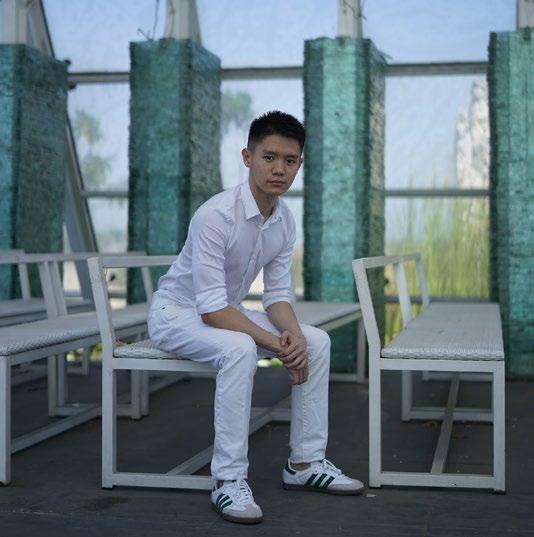
I am an Architectural Designer with over two years of experience working across a wide range of typologies and masterplanning scales with various scales and structure type. have a strong interest in architecture that emphasizes contextual design, focusing on sensorial quality and materiality across various project types. will be relocating to Surabaya this year and look forward to applying my design and technical skills while learning from the team to contribute meaningfully to various projects.
Experience Honor & Award
Junior Architect - SHAU Sep 2023 Feb 2026
Assisted in developing civic, commercial, religous, and cultural projects with various scales.
Produced working drawings in Autocad and contributed to construction documents
Participated in client meetings ,design presentations, project coordination and stakeholder engagement.
Coordinated with structural engineers and MEP engineers for minor adaptations and modifications.
Junior Architect - RAW Aug 2025 Sep 2025(Probation)
Assisted in developing residential project
Produced Produced architectural drawings and models in Sketchup
Design Collaborators - Petra Apr 2023 Jul 2023
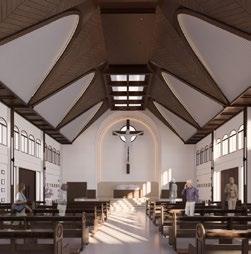
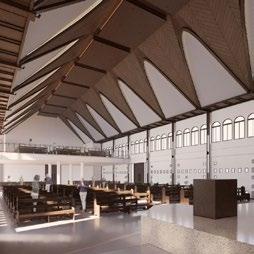
Developed the cathedral renovation concept, including 3D modeling and architectural drawings, from the conceptual through schematic
Intern - SB301 Nov 2022 - Feb 2023
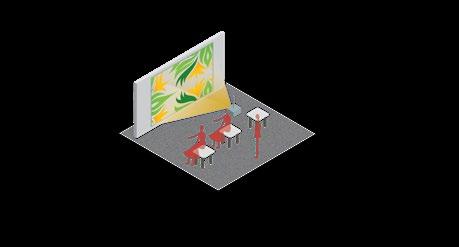
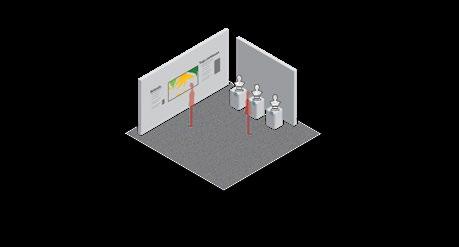
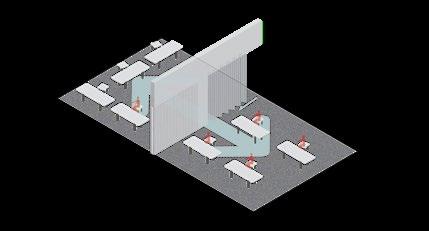
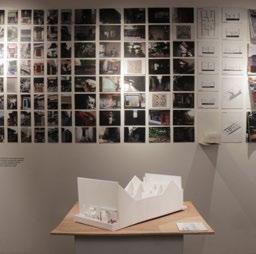
Supported the execution of the “archives and process” exhibition
Assisted in the design development process through sketches, modeling, diagrams, form studies, and related tasks
Contributed to the preparation of client proposals
Mentor Rhinoceros - Petra Mar 2023
Mentor Autocad - Petra Apr 2022
Archicare - Spectrum of life - Instalation (top 15)
72 hours (uph) - Kita[ran] - Instalation (top 15)
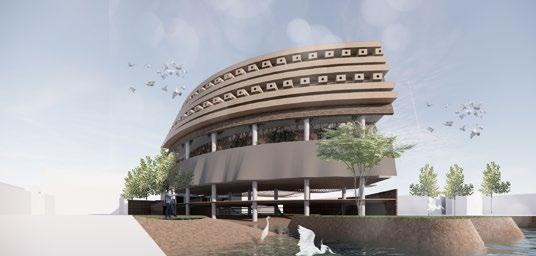
Archifest - Kukila - Mixed used building (top 5)
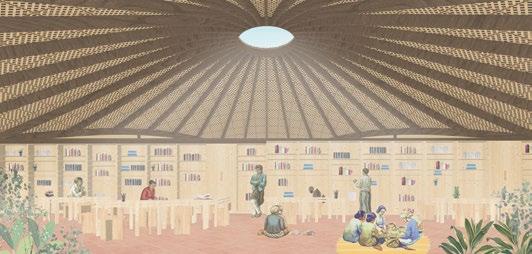
Superjury - Memor - Interpretation Center (1st award)
Nusantara Skyscrapper - Desa di AwanSkyscraper Reinterpretation (1st award)
Education
High School Diploma
Petra Christiran High School 1 2016 2019
Bachelor of Architecture
Petra Christrian University 2019 2023
Workshop
Architecture Conservation feb jun 2021
Sahabat Bambu nov 2022
Skills
Microsoft Office
Adobe Creative Suite
Autocad
SketchUp
Rhinoceros 3D
Enscape
Contact
Johansantoso937@gmail.com
+62 811 3470 999
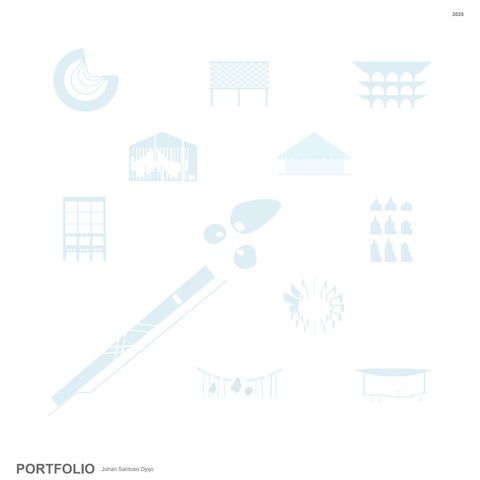
CONTENT
MASTERPLAN & BUILDING
HALF MOON
LAIN - LAIN
SARPRAS II
MEMOR
Memorial & Intepertation Center for Kedung Cowek
Studio 8 - 2023
Collaborator : Altrerosje Asri
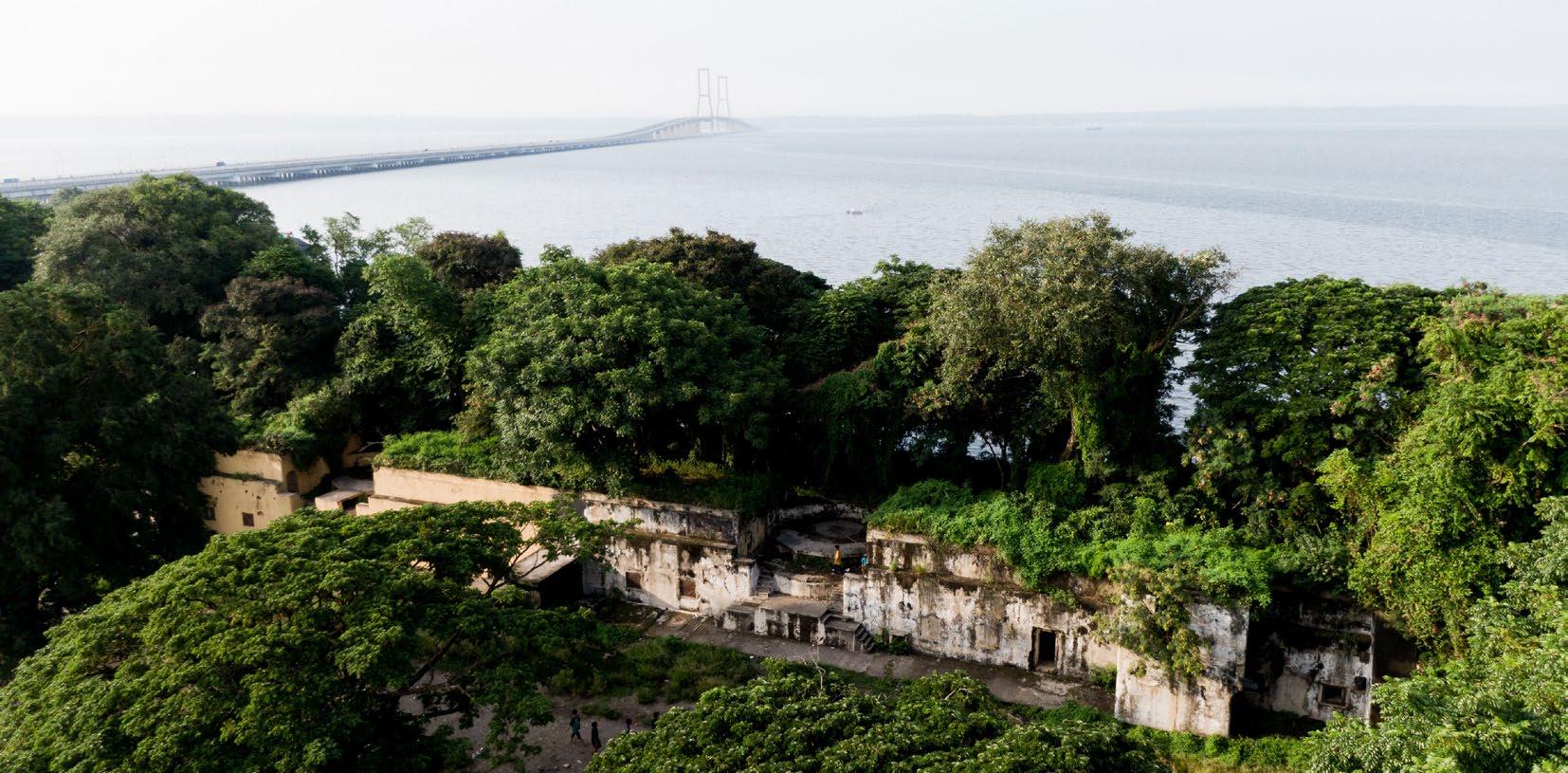
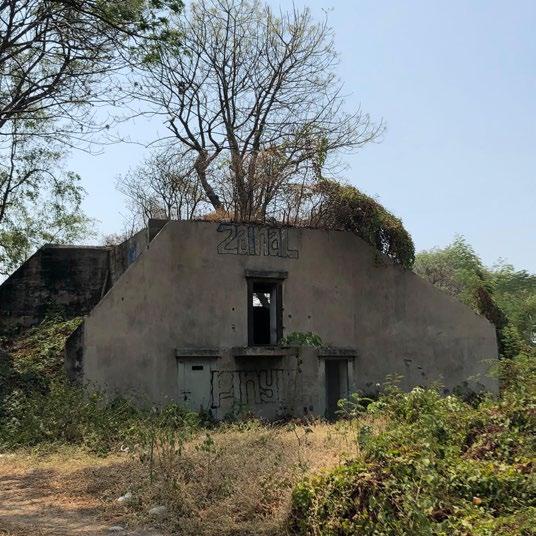
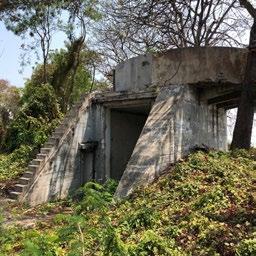
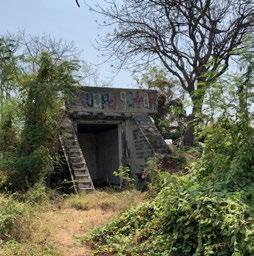
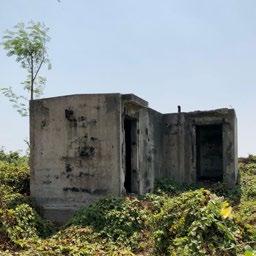
The Kedung Cowek Fortress area is one of the Dutch colonial relics built in the early 1900s, holding a significant place in Surabaya’s history—particularly during the height of the Battle of Surabaya in Kedung Cowek on November 28, 1945.
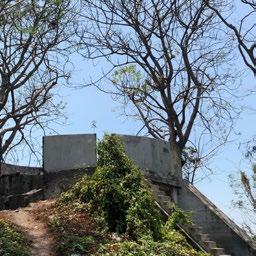
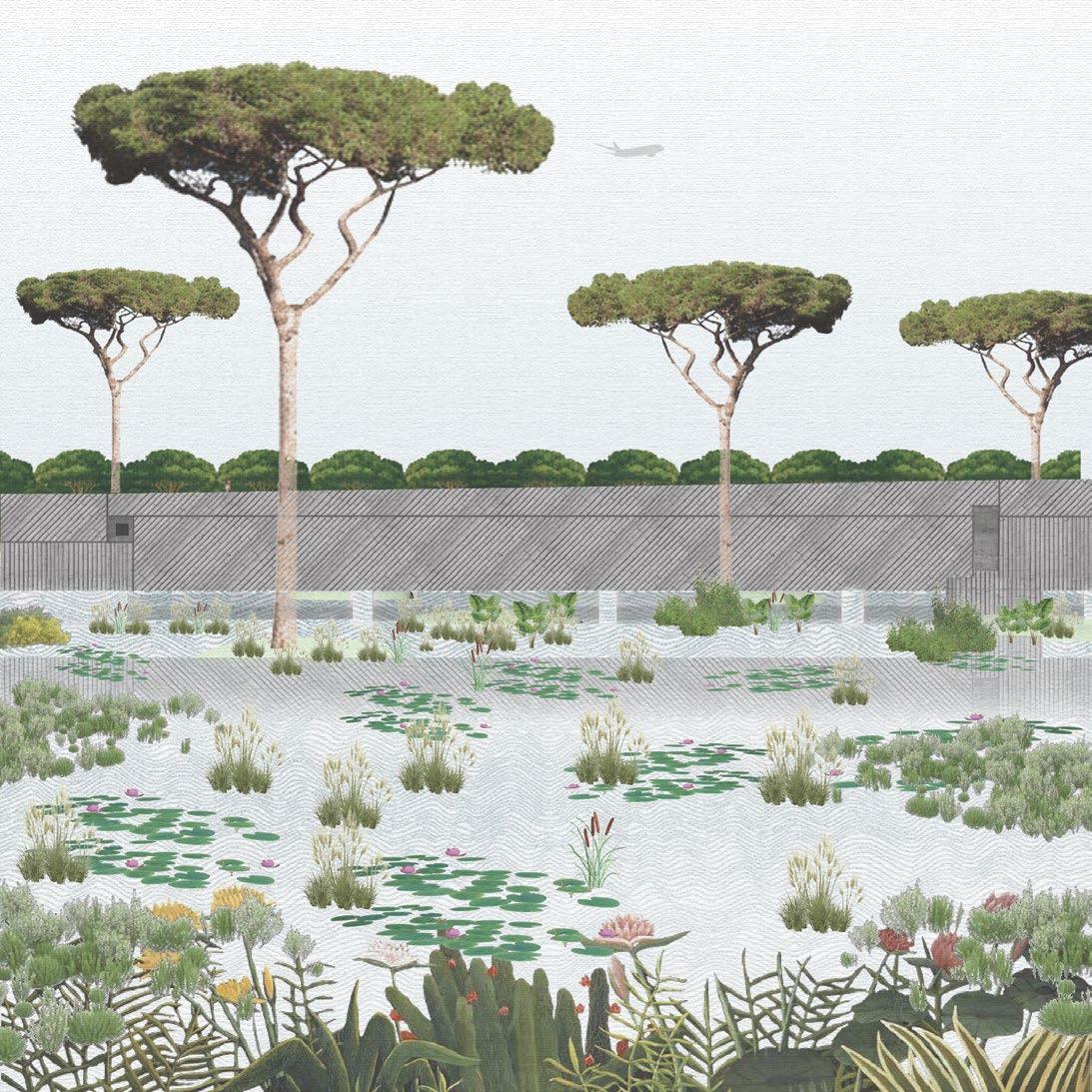
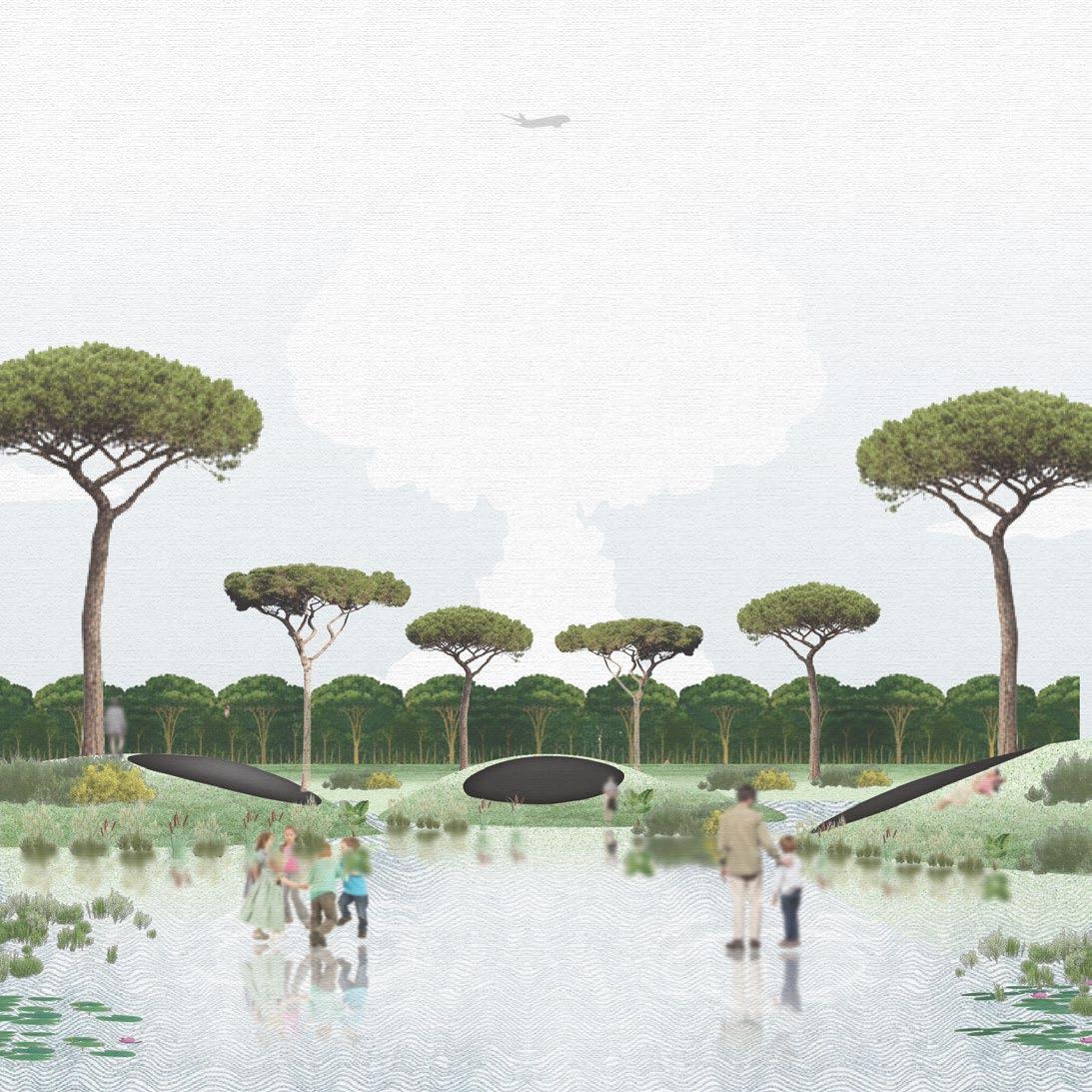
Beyond its historical potential, the area—forgotten over time—has been reclaimed by nature, which continues to grow and shape a new atmosphere while simultaneously burying traces of the past.
The proposed educational tourism facility aims to create a learning space for visitors, especially students, to better understand the site’s history and its relevance to Surabaya. Additionally, the involvement of conservation experts and archaeologists is essential to ensure the site’s preservation.
The main design challenge lies in developing an educational area that remains contextual— integrating harmoniously with the existing fort structures and natural surroundings—while also addressing the circulation between the new buildings, existing pathways, and the fort itself.
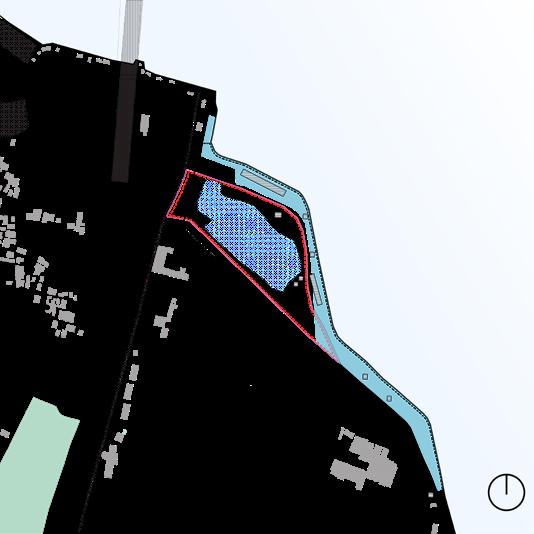
The site is located on Kedung Cowek Street, Bulak District, Surabaya, and is currently an empty plot within the Kedung Cowek Fortress area. It lies about 260 meters from the Suramadu Bridge and forms part of a designated cultural heritage zone.
The abandoned fort landscape holds both hidden potential and quiet sorrow. It still contains generous green areas, which are becoming rare in an increasingly urbanized Surabaya. Around the fort, visitors can enjoy mature trees and an intact ecosystem, far from the noise of the city. Its open edge facing the sea also offers a clear view toward the ocean and the Suramadu Bridge.
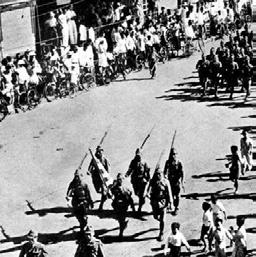
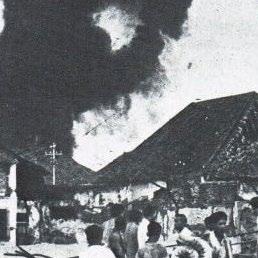
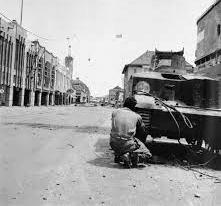
Fort Kedung Cowek was established after Surabaya grew into a key economic hub and the Dutch fleet was destroyed at Onrust. Its story spans four nations: the Dutch who built it, the Japanese who occupied it, Indonesians who defended it during the independence struggle, and the British who attacked during the 1945 Battle of Surabaya, where more than one-third of the Sriwijaya Division lost their lives inside the fort.
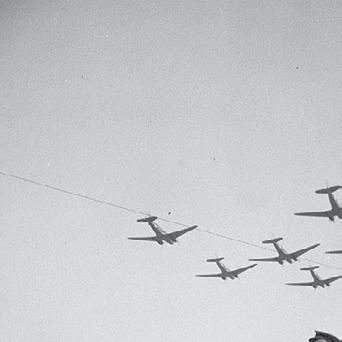
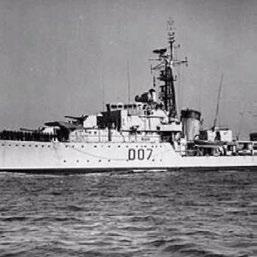
Indonesian fighters led by Colonel Williarter Hutagalung, including units from Sumatra such as the Sriwijaya forces, used the fort’s cannons to attack British warships. Their artillery strikes initially overwhelmed the Allied base, prompting the British to call in reinforcements of warships and fighter aircraft. The increased Allied firepower eventually overpowered the Indonesian defenders, leading to heavy casualties. It is estimated that around 200 Indonesian fighters fell at Fort Kedung Cowek during the battle.
Heritage Nature War
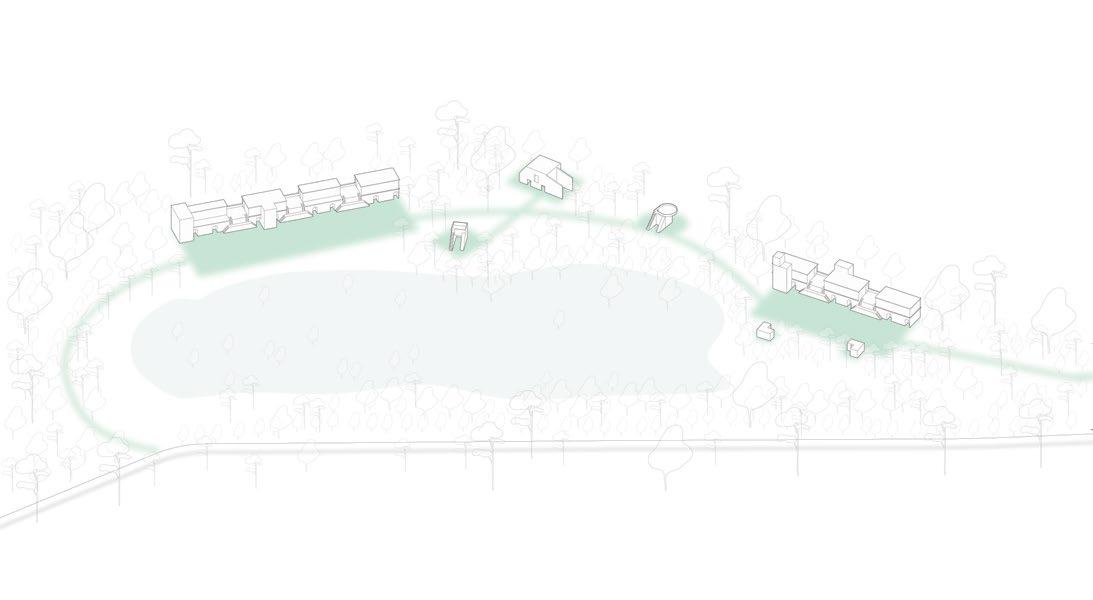
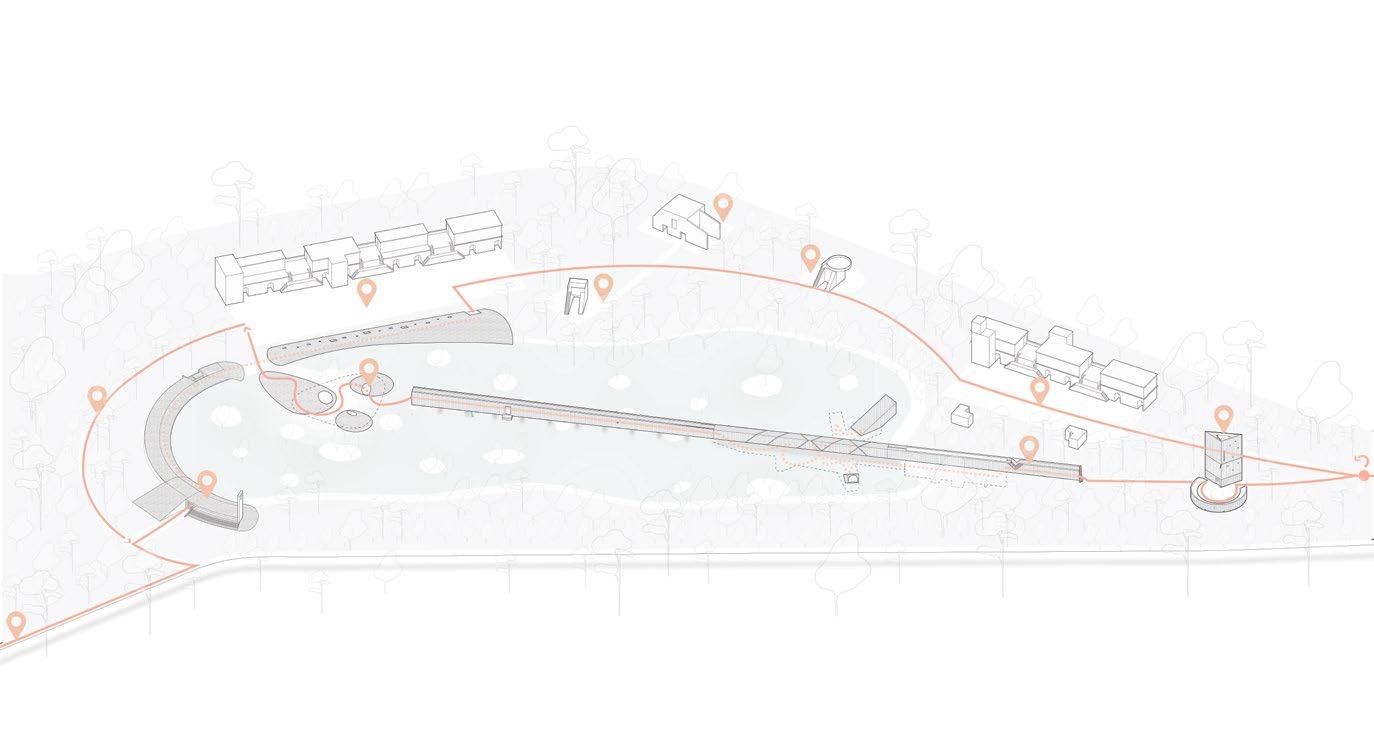
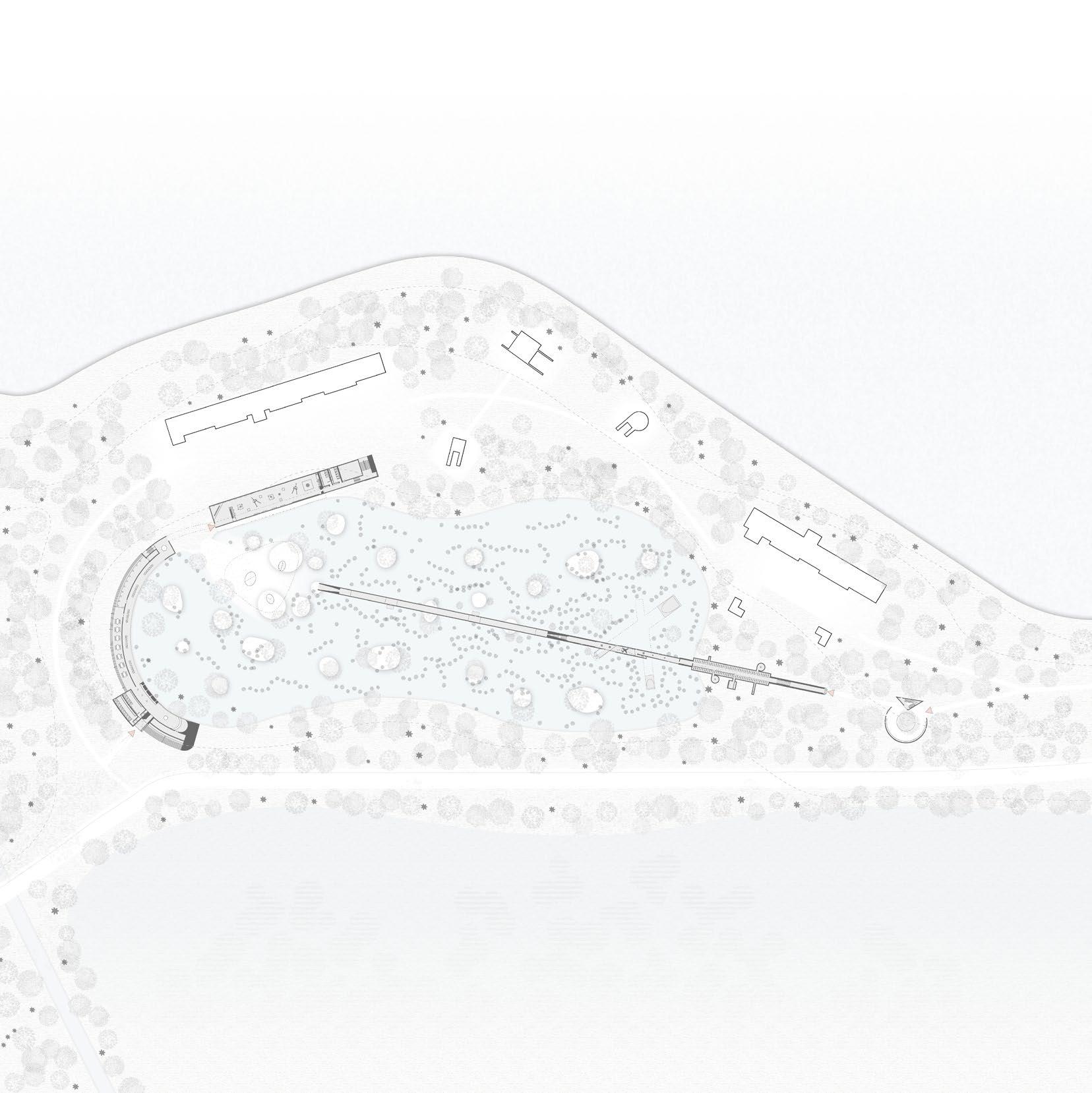
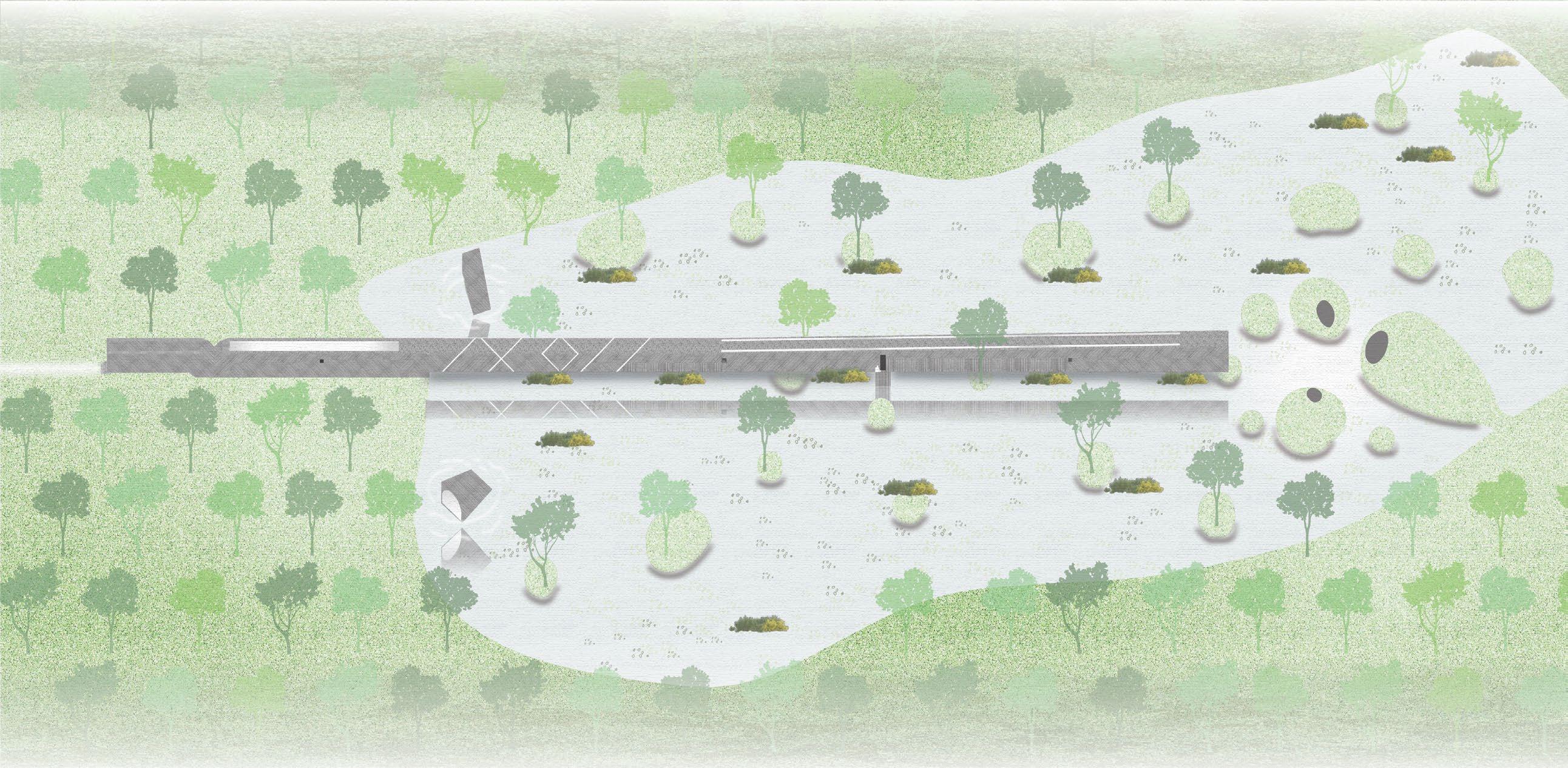
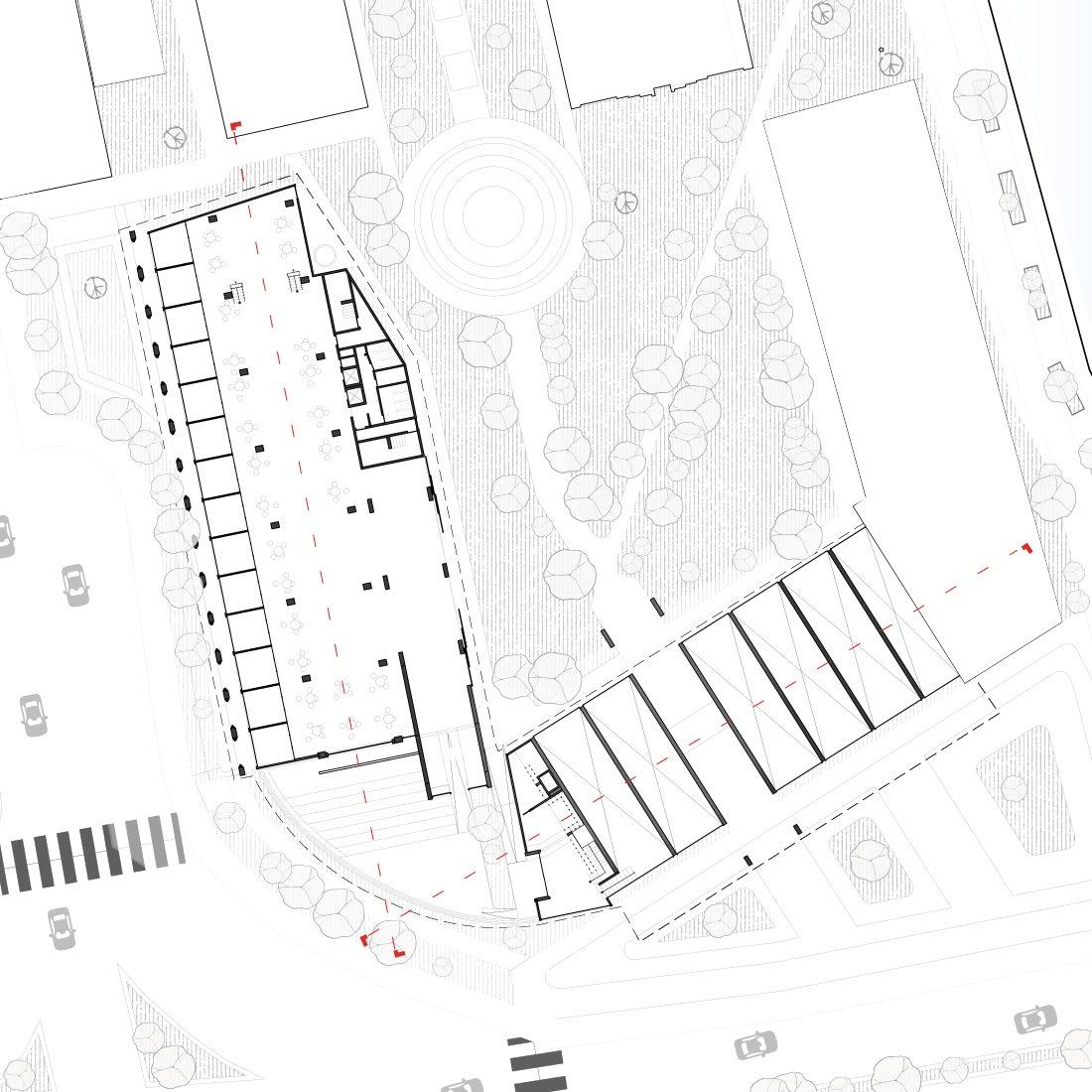
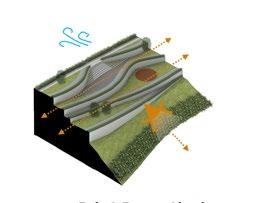
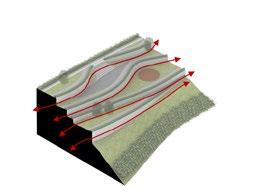
Due to the disordered circulation flow and the lack of open spaces to appreciate the fortress or to hold public activities, a new pathway and open area are introduced.
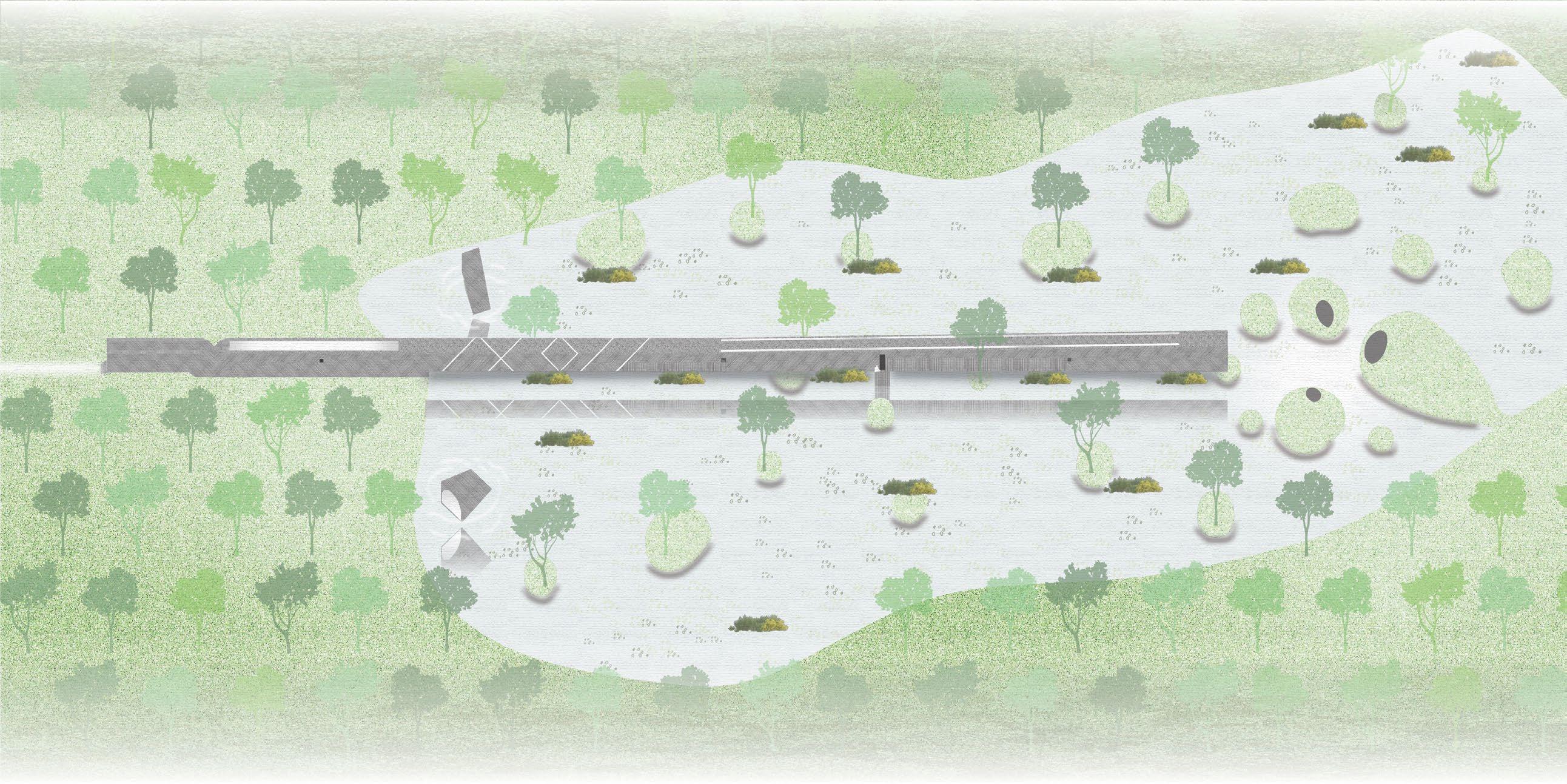
With the addition of new circulation and open areas, a reception (1) and introduction (2) mass is placed to respond to both the fortress and the landscape, while enhancing the overall movement through the site.
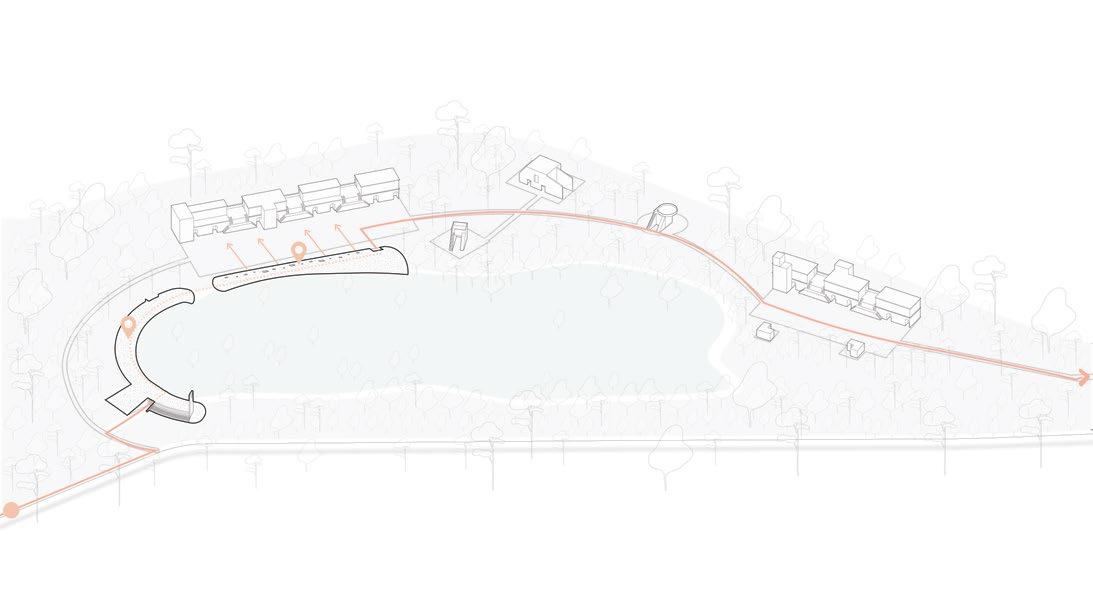
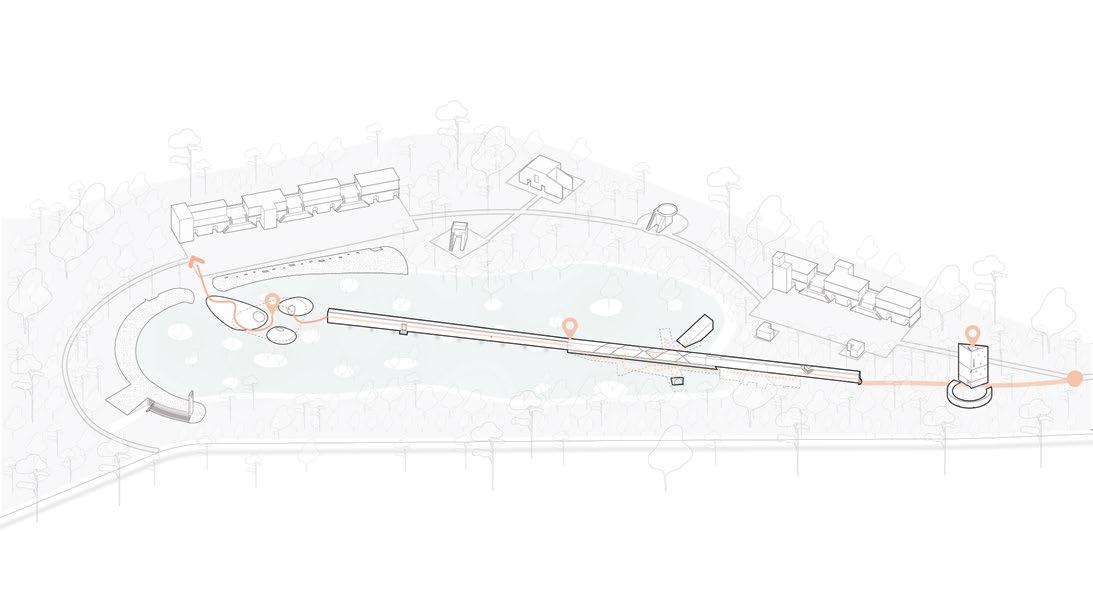
Access to the site is made clearer through a more structured circulation, where the placement of buildings and pathways is carefully curated to guide visitors through a storytelling sequence rooted in the context of Kedung Cowek
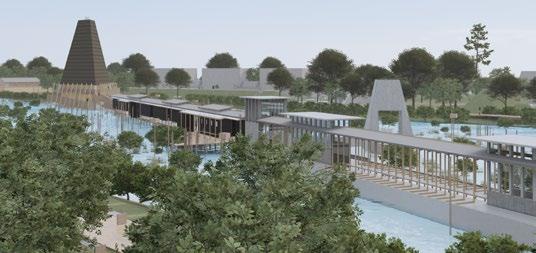
To preserve the site’s memory and avoid repetitive circulation, a rest area and viewing tower (3) are introduced, along with a new experience (4) that lets visitors cross the lake to see Kedung Cowek from a different perspective.
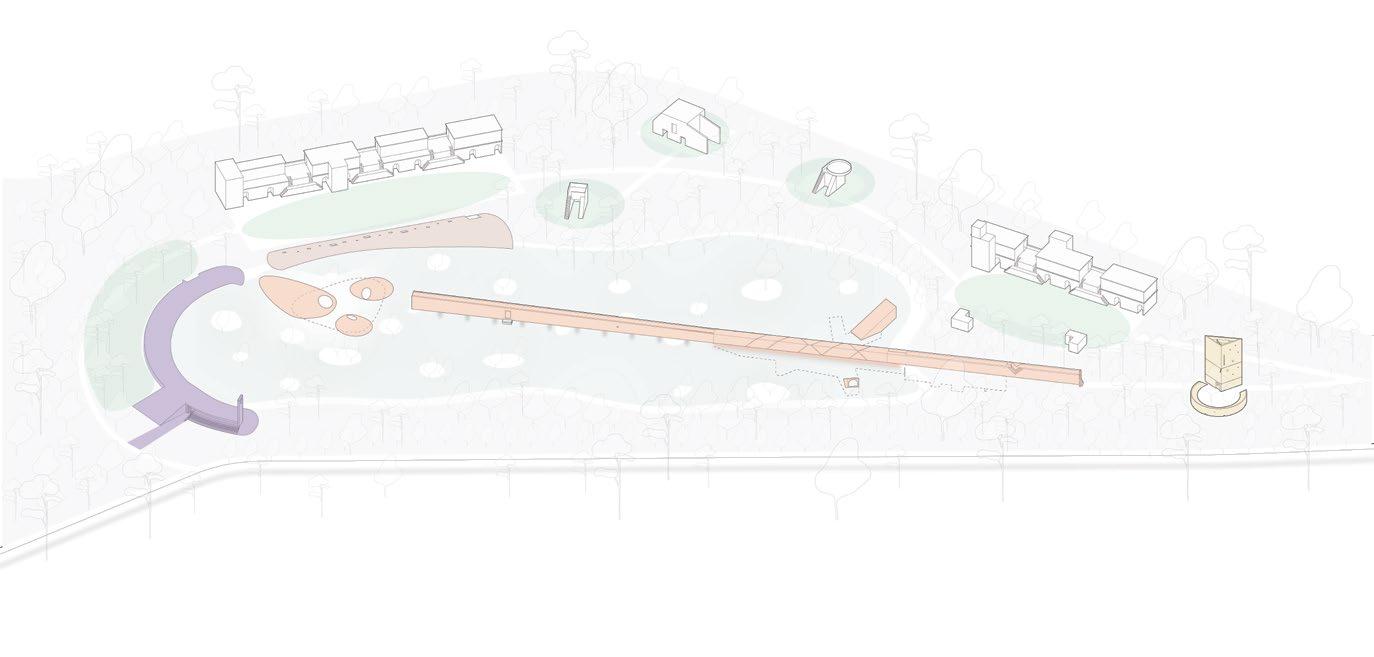
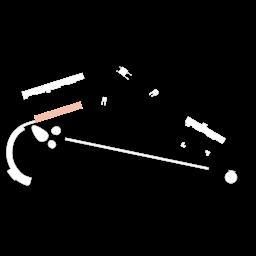
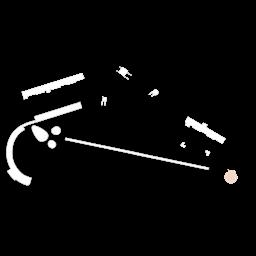
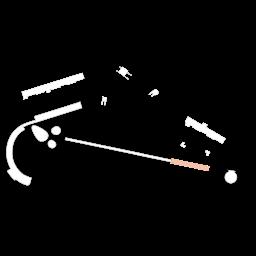
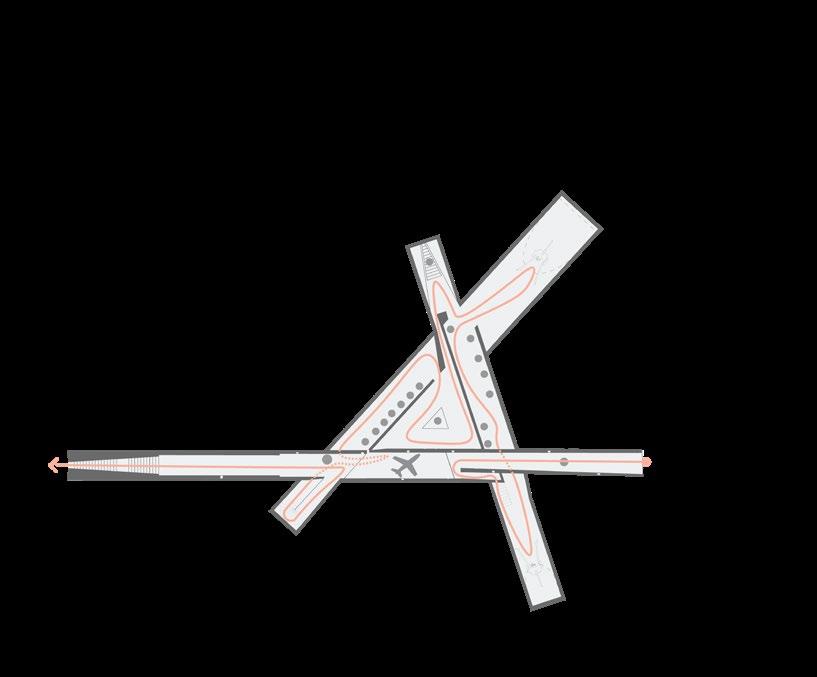
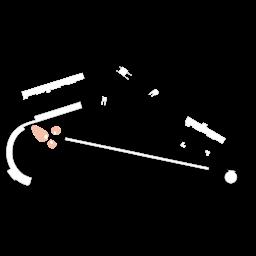
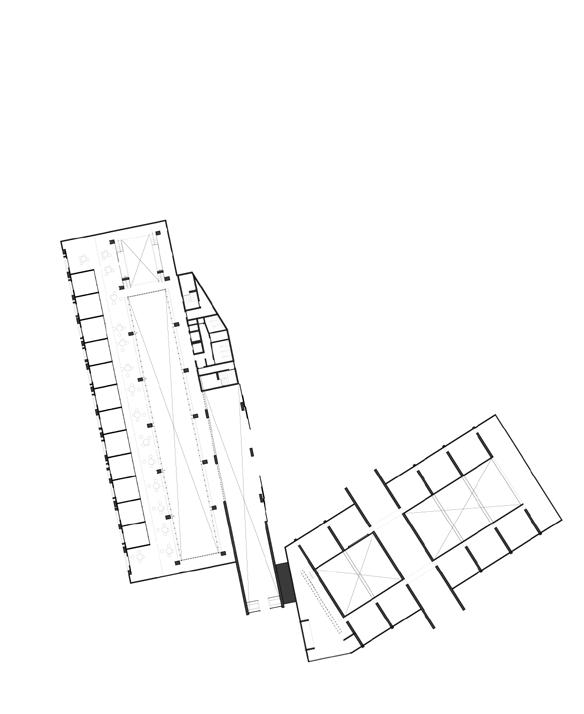
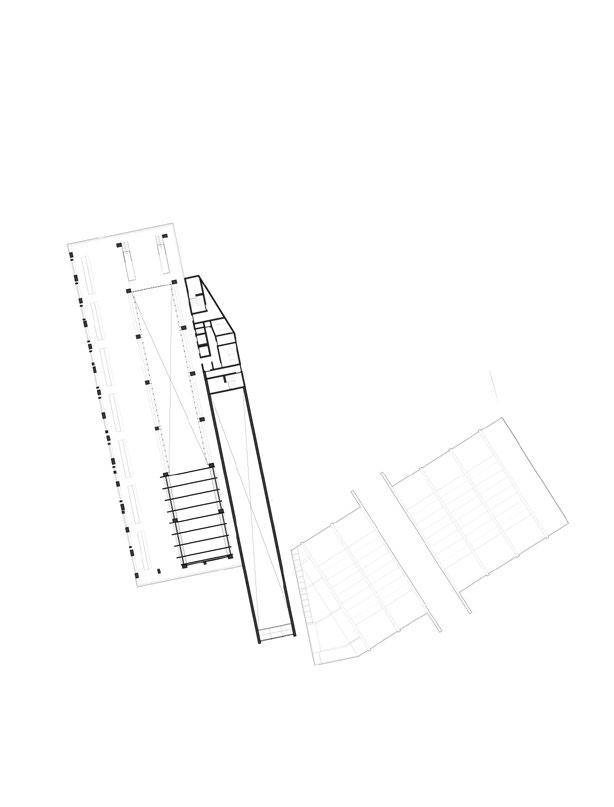
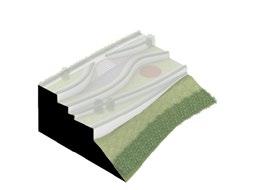
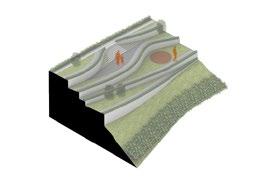
There are four building masses distributed across the site: the purple mass as the reception, the yellow mass as the rest area, and the pink & red mass that narrates the history of Kedung Cowek and the battles that took place here. The open spaces are strategically positioned around the fort
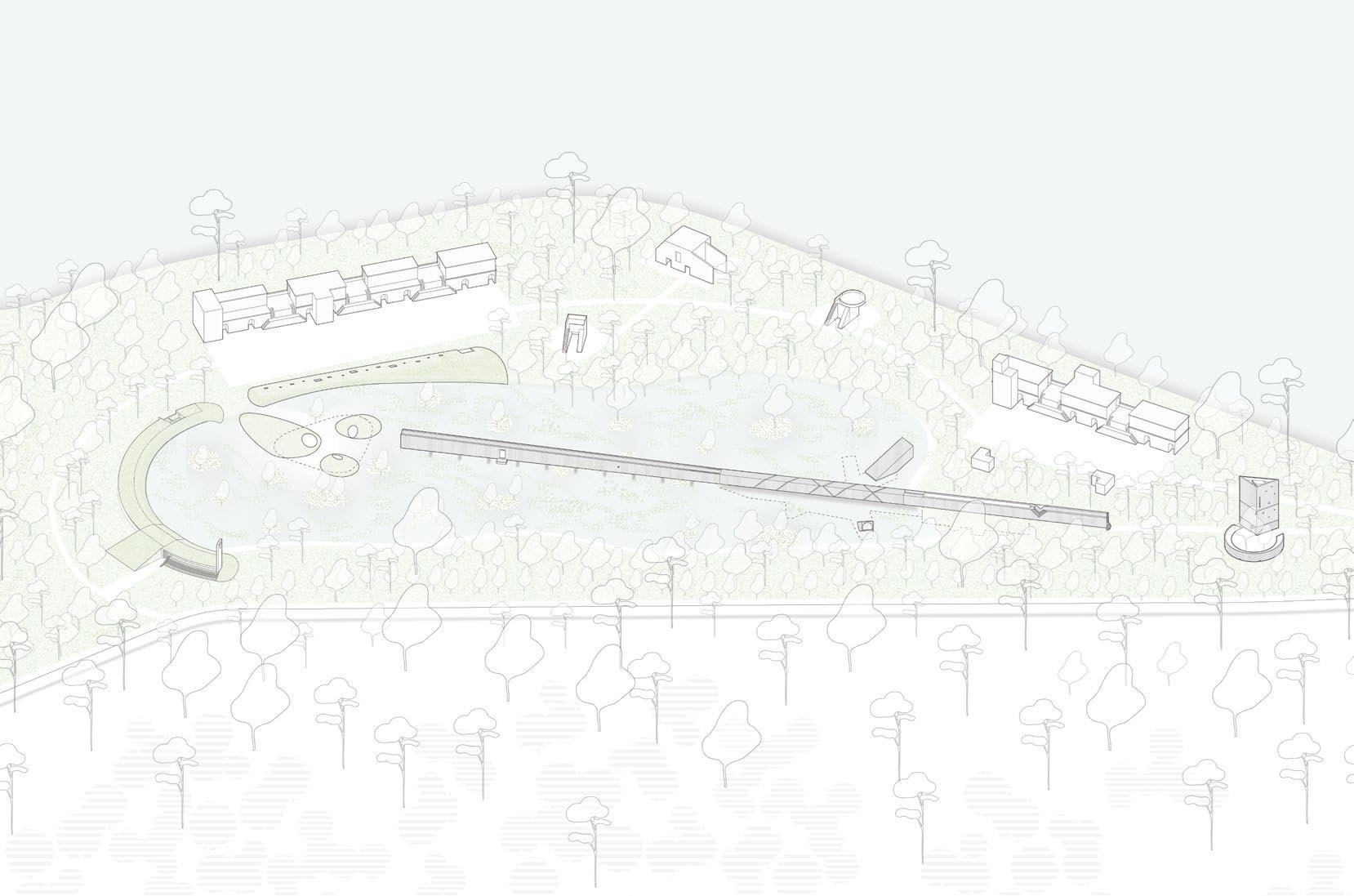
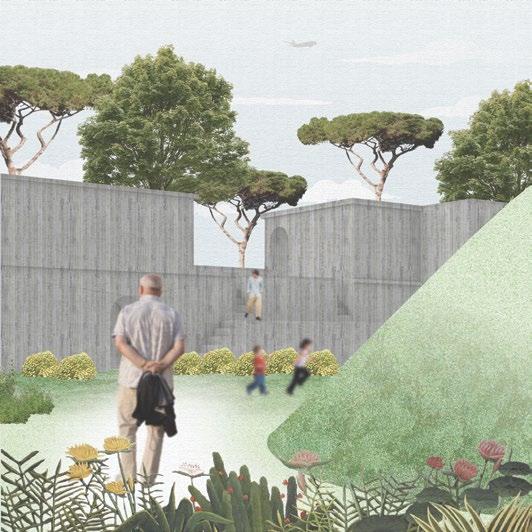
Integrating minimal intervention with place-based learning, the design lets the site’s history emerge naturally. New elements connect to the context, prioritizing spatial experience and emotional engagement than mere text. The project follows two strategies: (1) Blending and hidden with the landscape so the fort remains the dominant landmark, and (2) Extending the archetype of the old structures as the foundation for the new ones. 1.
Visitor Reception
Introduction Gallery
Courtyard of Pause
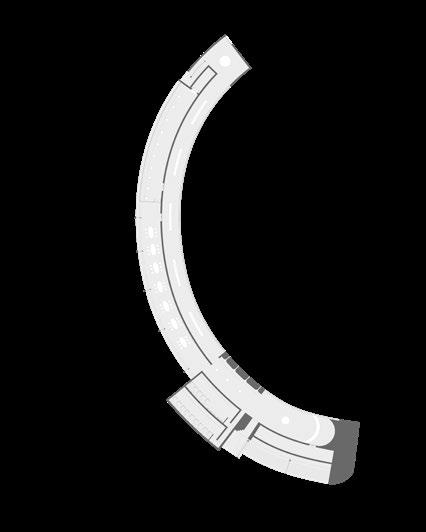
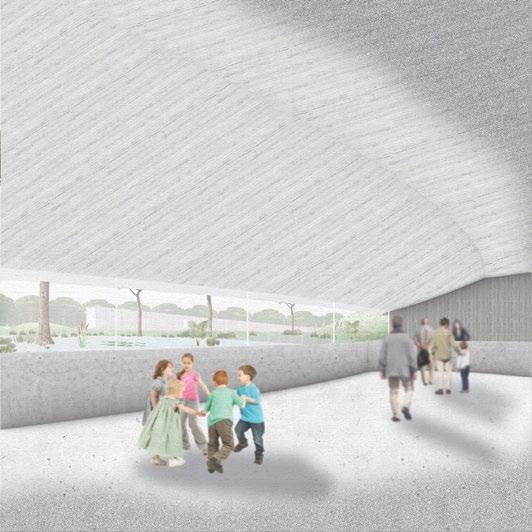
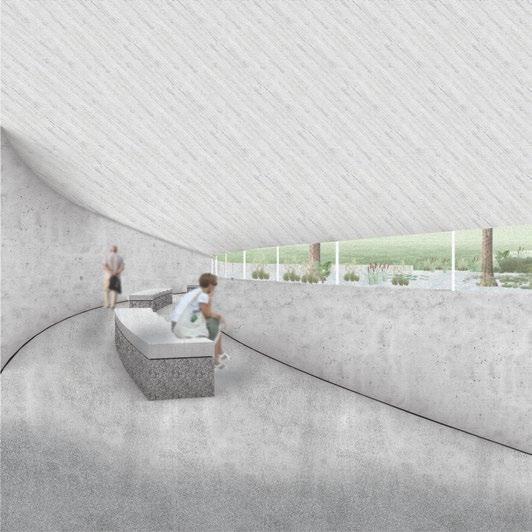
Submerged and partially concealed to avoid dominating the site, it serves as the visitor reception of Kedung Cowek. The form allows visitors to experience the surrounding nature while following the existing shape of the lake.
Using the same approach, Submerged because it is close to the fort, the mass blends with the landscape and remains unobtrusive. Its placement frames the fortress while introducing the area and explaining Kedung Cowek’s context within Surabaya.
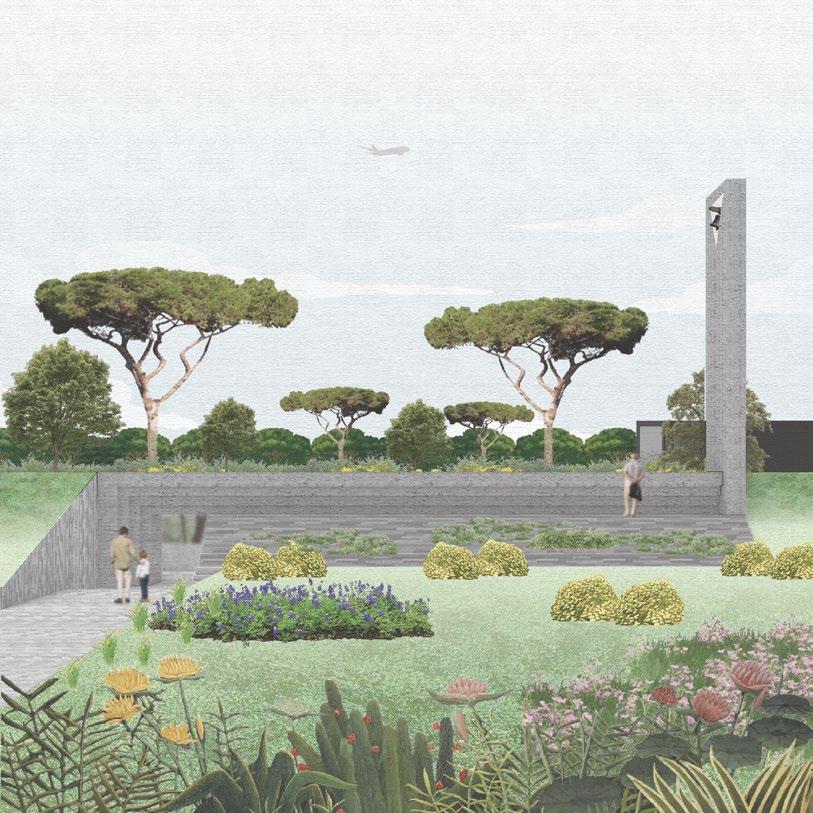
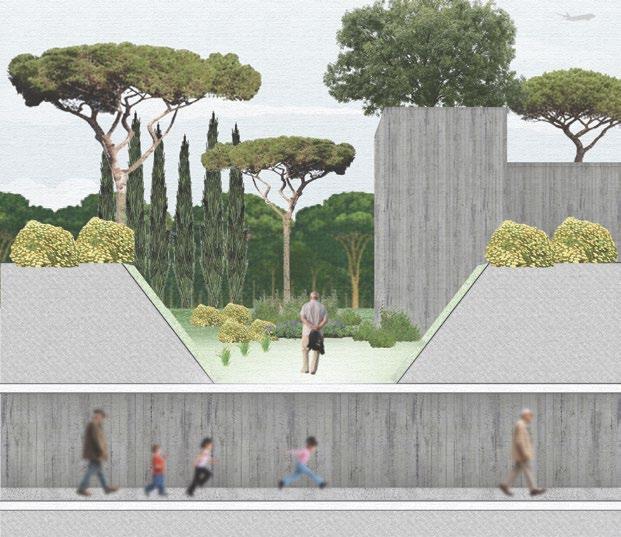
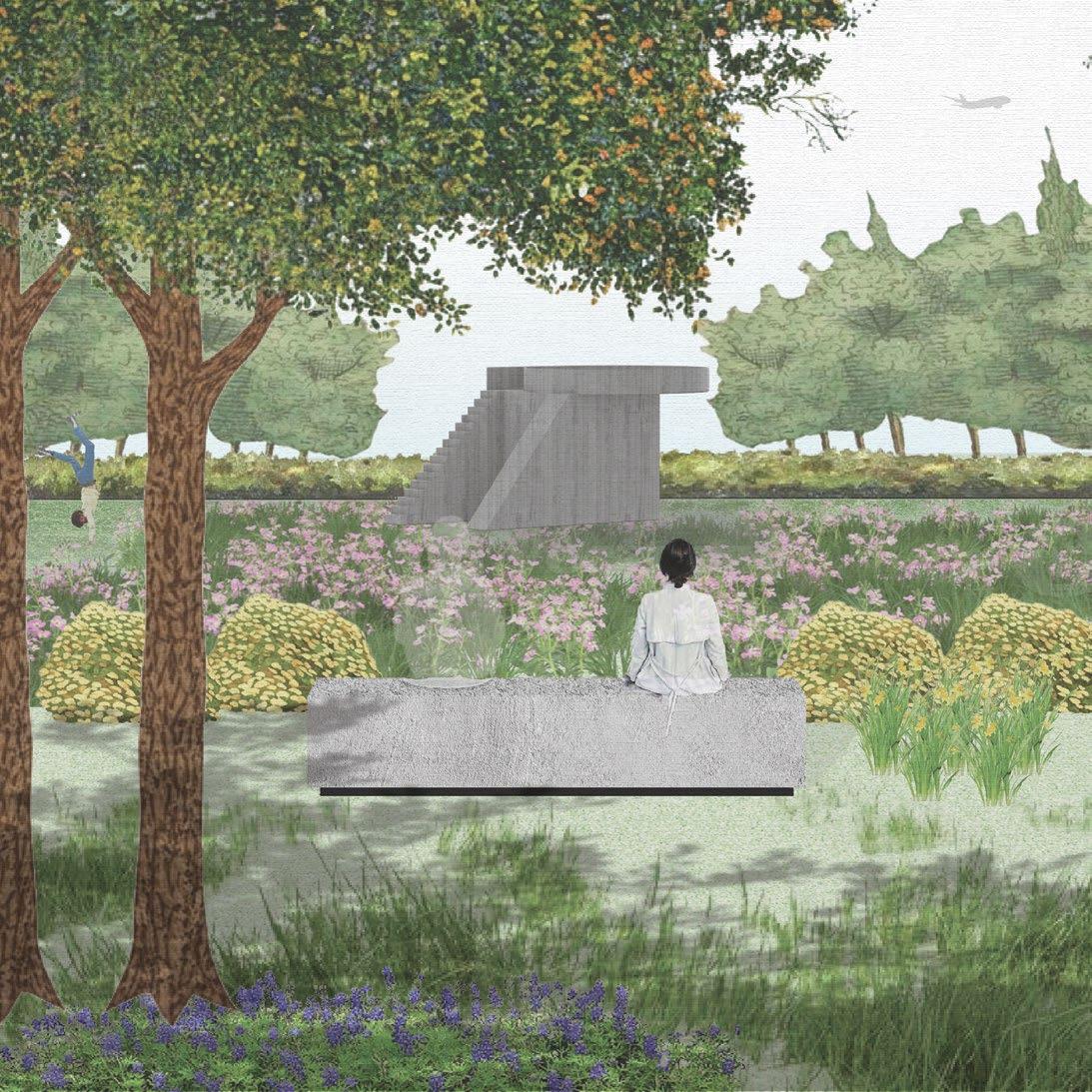
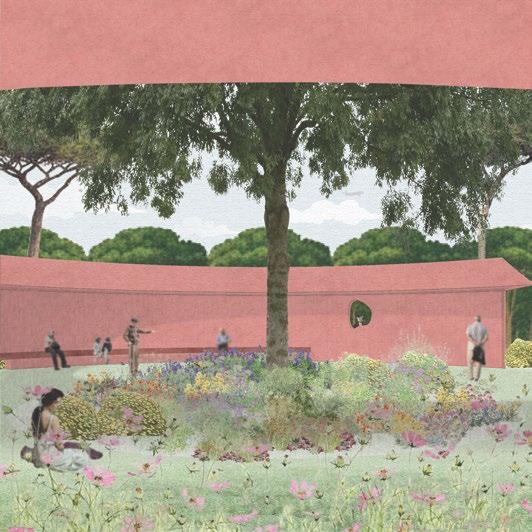
With the addition of an open space that highlights the fort and seating for contemplation, visitors are encouraged to pause and reflect on the site’s history.
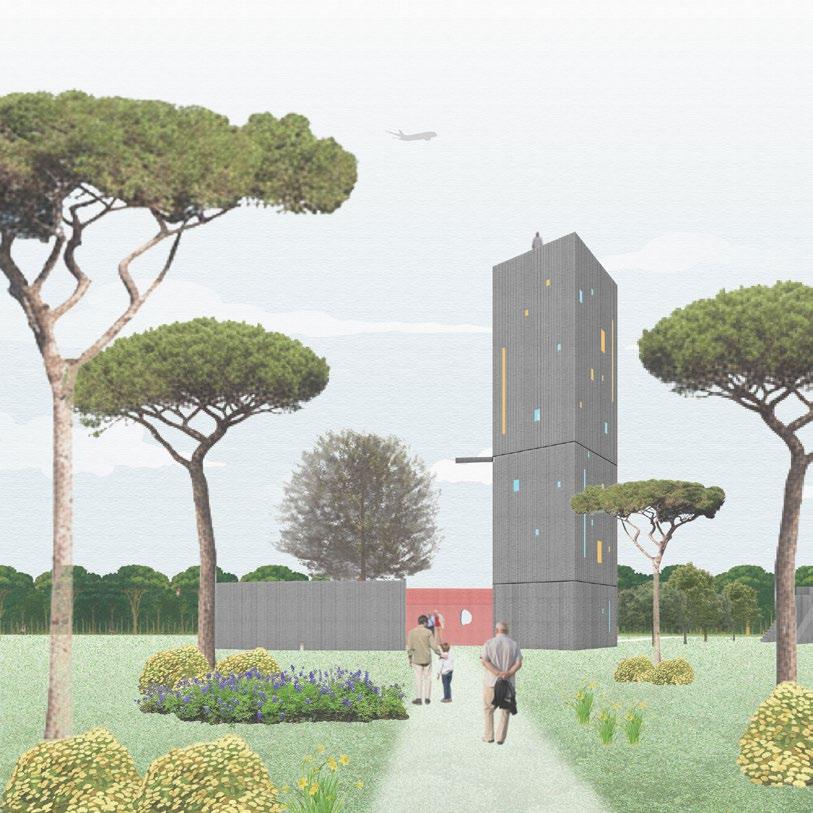
The open space functions as a flexible & resting area with a watchtower, shaped by simple geometries drawn from the fort’s dispersed forms. With minimal site intervention, it becomes an anchor that guides the orientation of the next buildings.
Inspired by Concetto Spaziale, Attese by Lucio Fontana, Kedung Cowek carries wounds that have long gone unrecognized. This place holds buried dreams, hopes, and even live, forming the silent foundation of our present. Through the concept of this “wound,” The building try to bring these suppressed memories back to the surface, transforming the site into a space that rekindles lost memories while providing a dignified resting place for those who sacrificed their dreams.
War is inherently complex and rooted in a long history. Many existing narratives focus on the national or heroic perspective, reducing it to numbers or a foundation of independence while overlooking the families and individuals who endured it. This building aims to restore that fuller context and reveal what war truly is. The expectation is that war is not presented merely as data but as an experience that must never happen again Therefore, in the curation process, the massing is divided into four chapters.
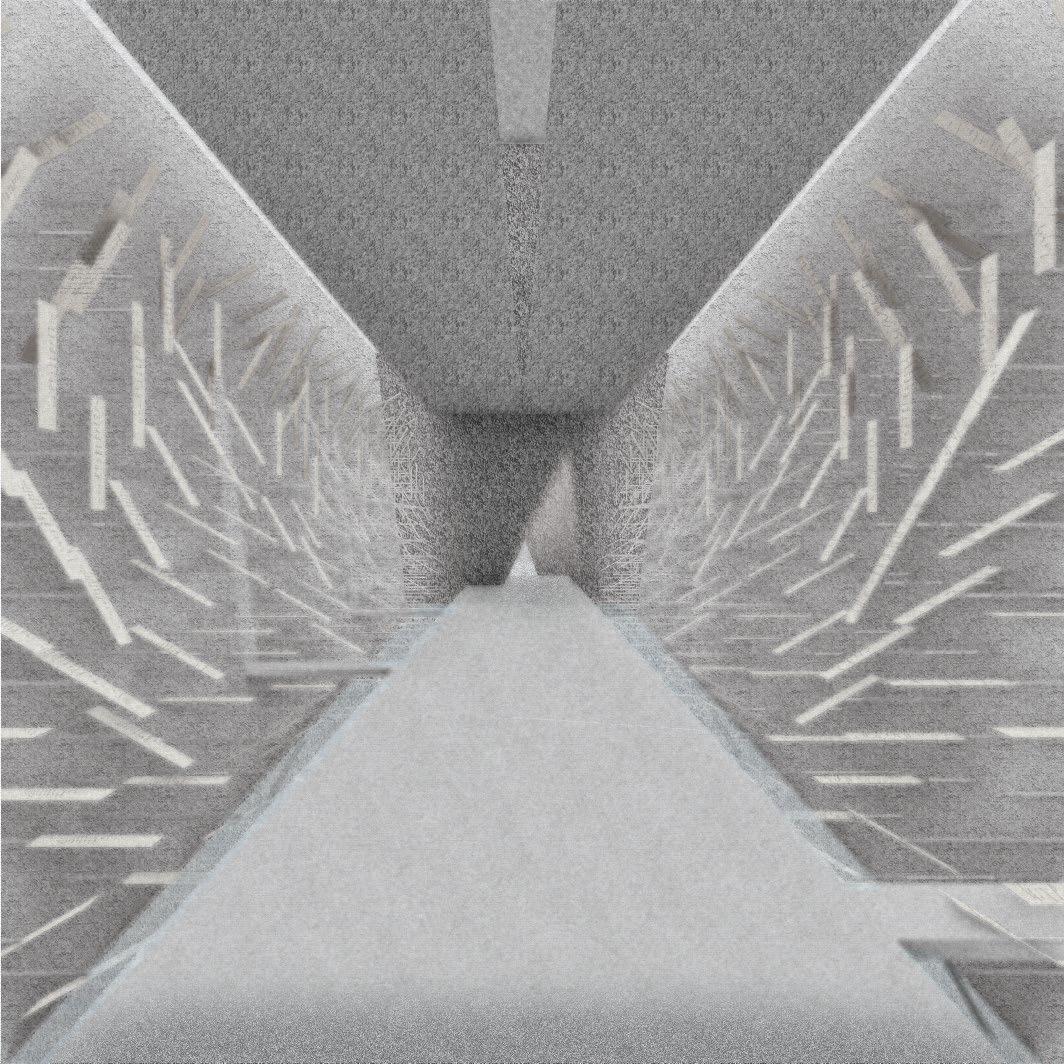
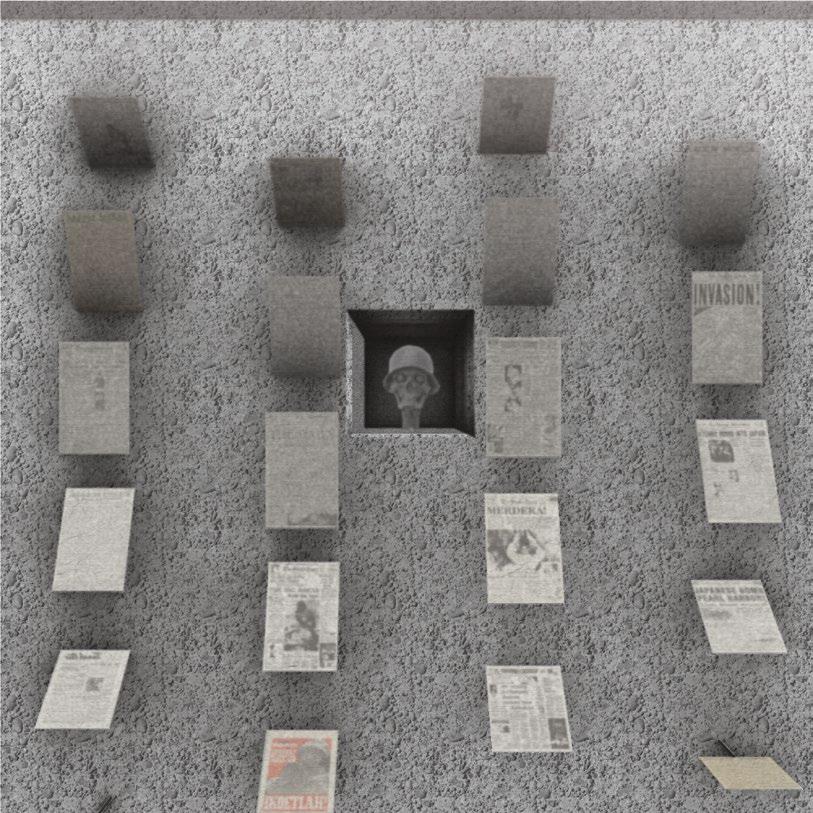
This theme captures the moment when danger becomes undeniable. Ultimatum sheets fall like silent verdicts, each declaring a single fate: death for those who resist. The air thickens with tension and the realization that a decisive line has been drawn
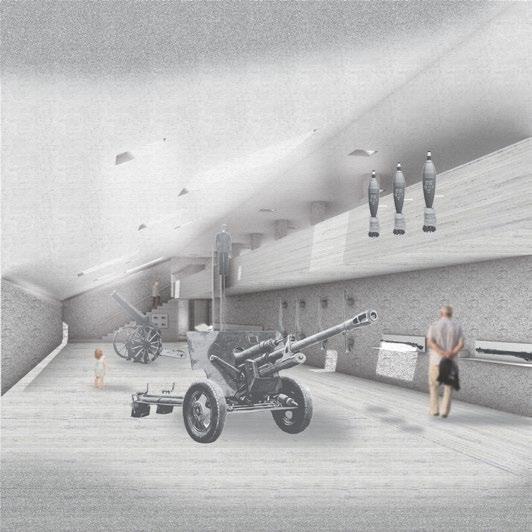
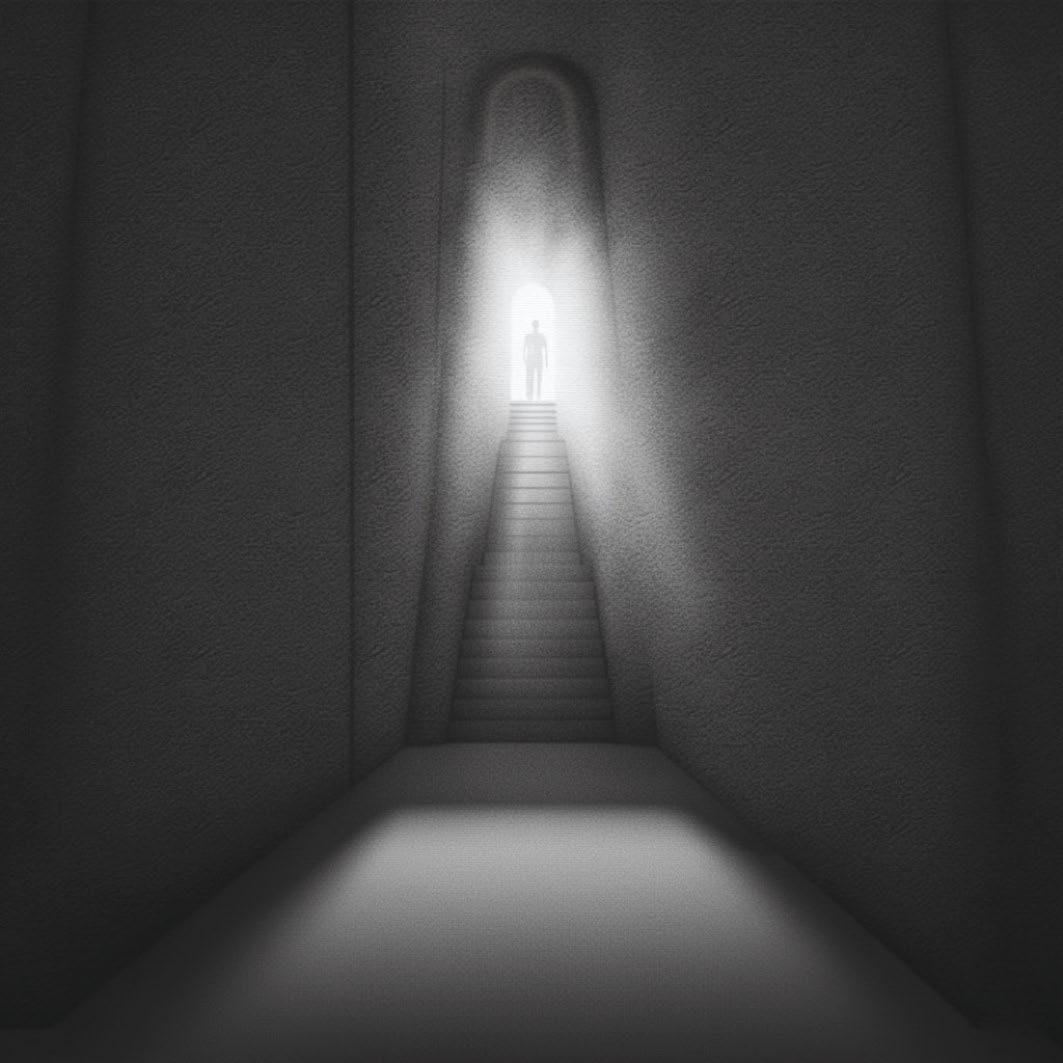
War unfolds in its stark reality: brutal, chaotic, and unavoidable. Confusion, darkness, the sting of gunpowder, and the violence of conflict overwhelm the senses. It is not heroism but disorientation that slowly erodes one’s humanity
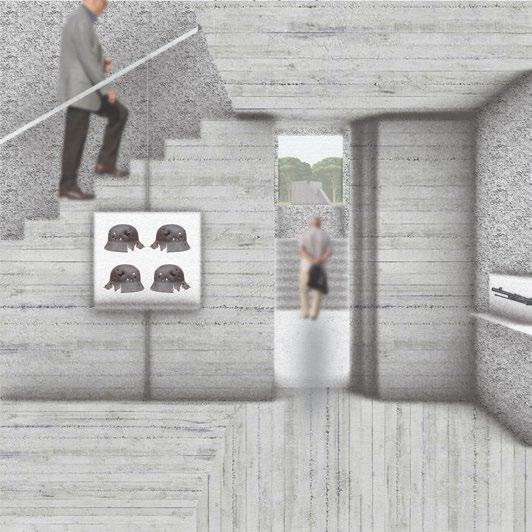
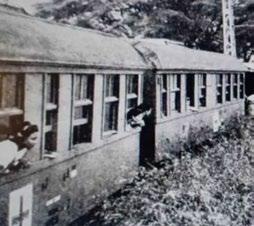
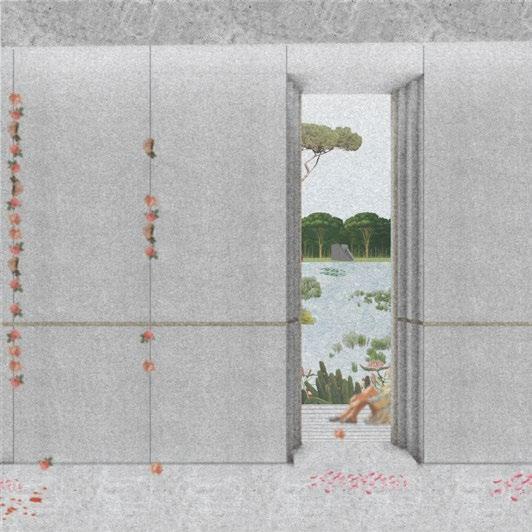
When the battle quiets, departure becomes inevitable. People leave behind homes, families, and the dreams they once carried. Ruins remain as mute witnesses to all that has vanished, while a faint hope persists that something lost might one day return
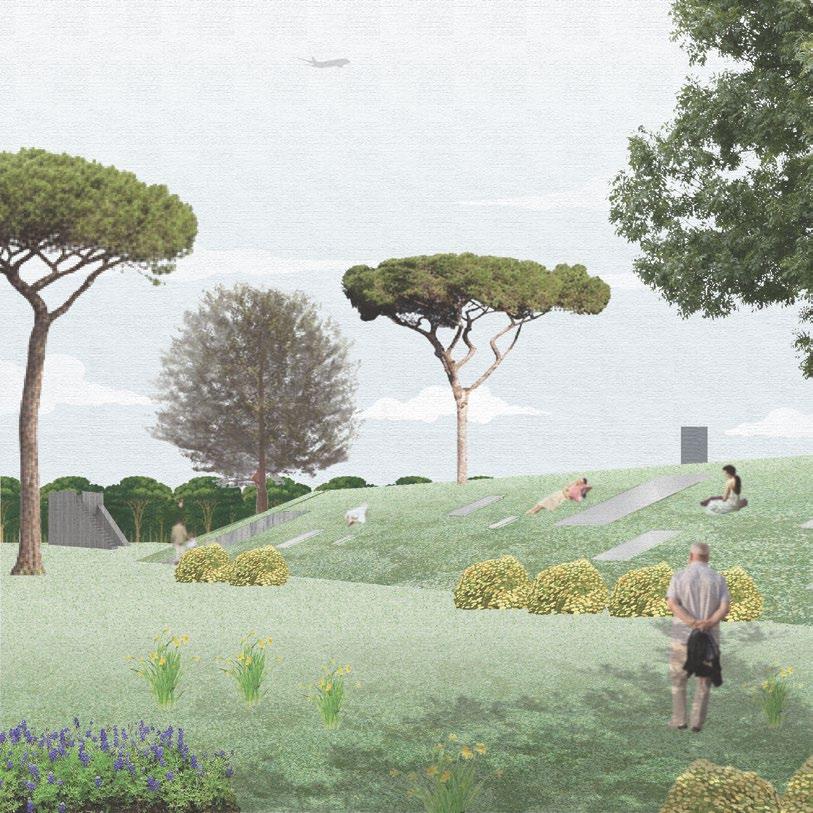
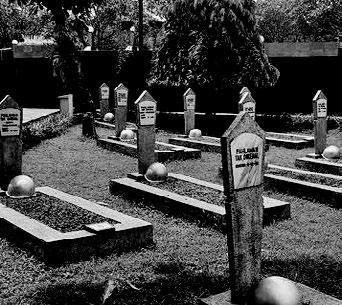
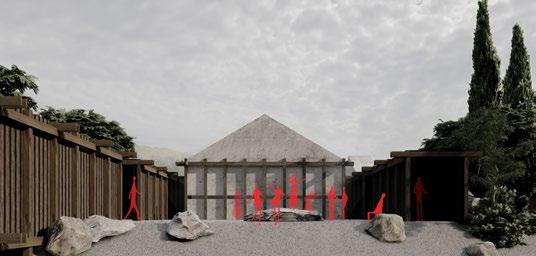
The final theme becomes a place of remembrance. A simple mound or marker stands to honour those who were once here, not as numbers but as human beings with stories and dreams, quietly echoing their final moments beneath the open sky and upon the
earth
Curation
Ultimatum War Evacuation Memoriam
Concept
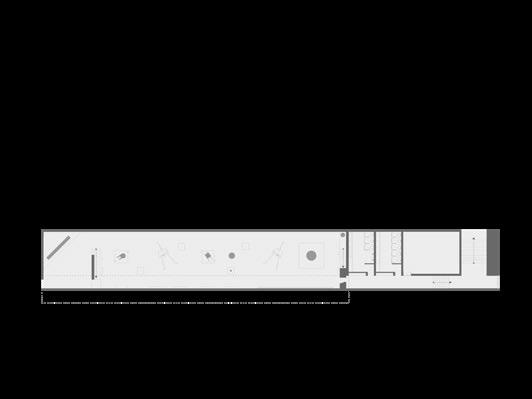
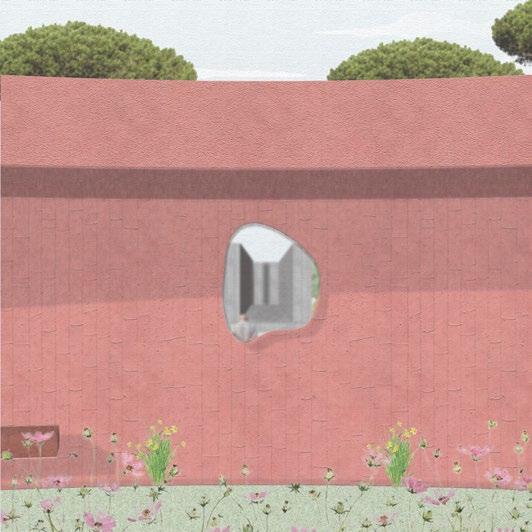
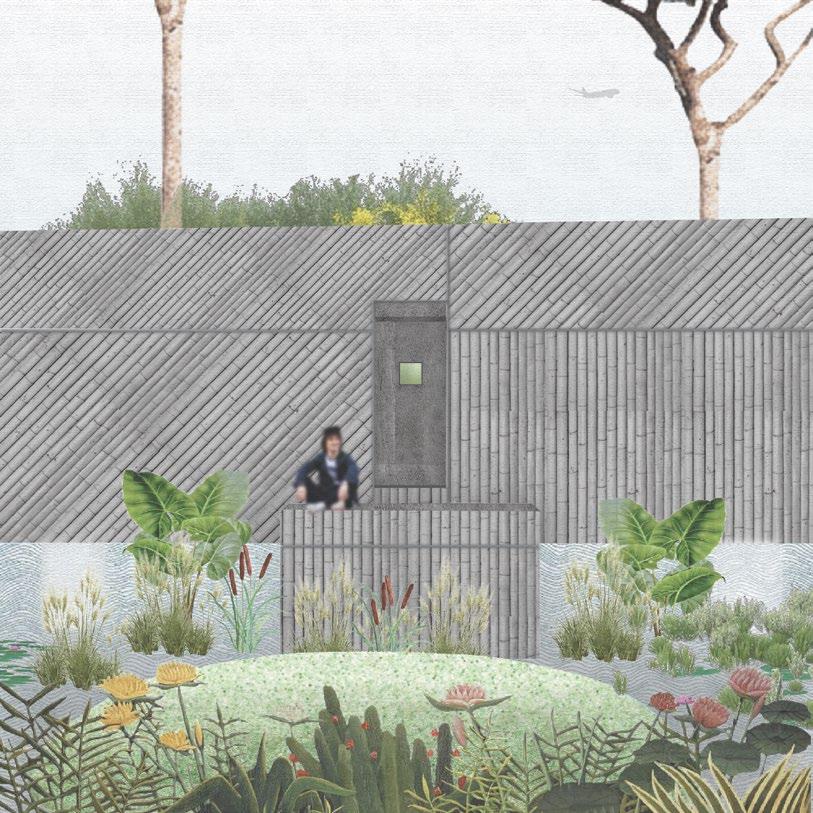
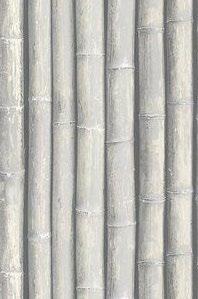
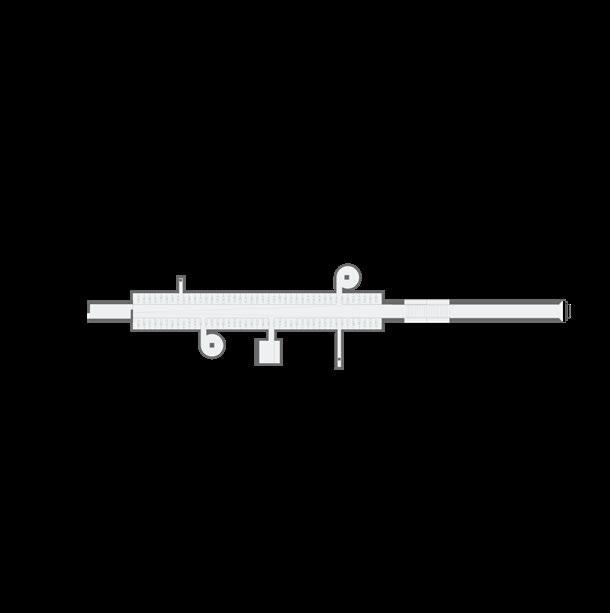
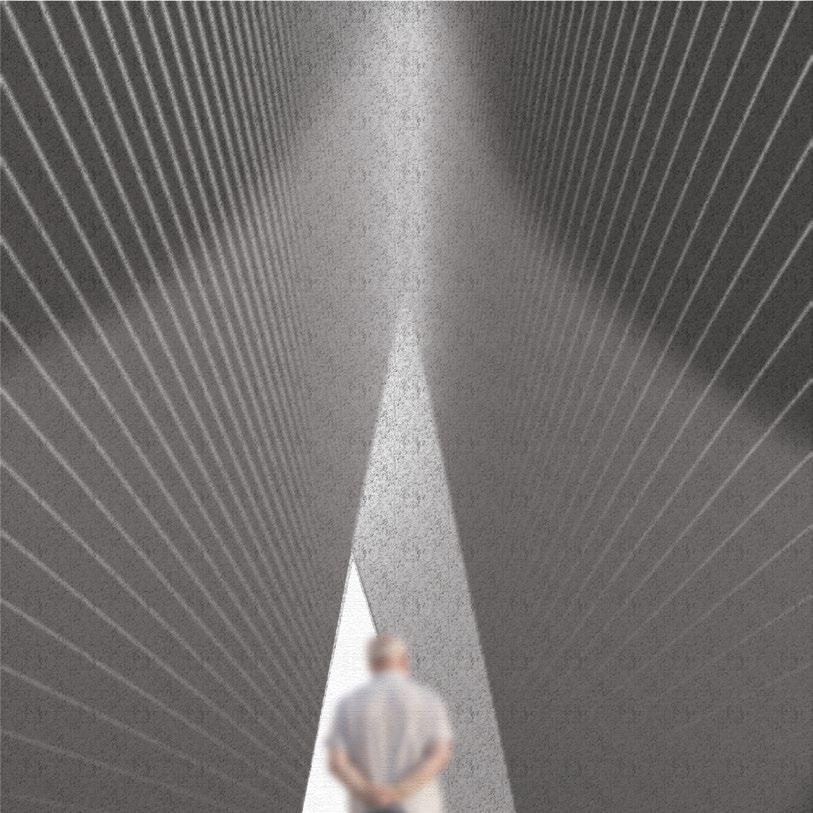
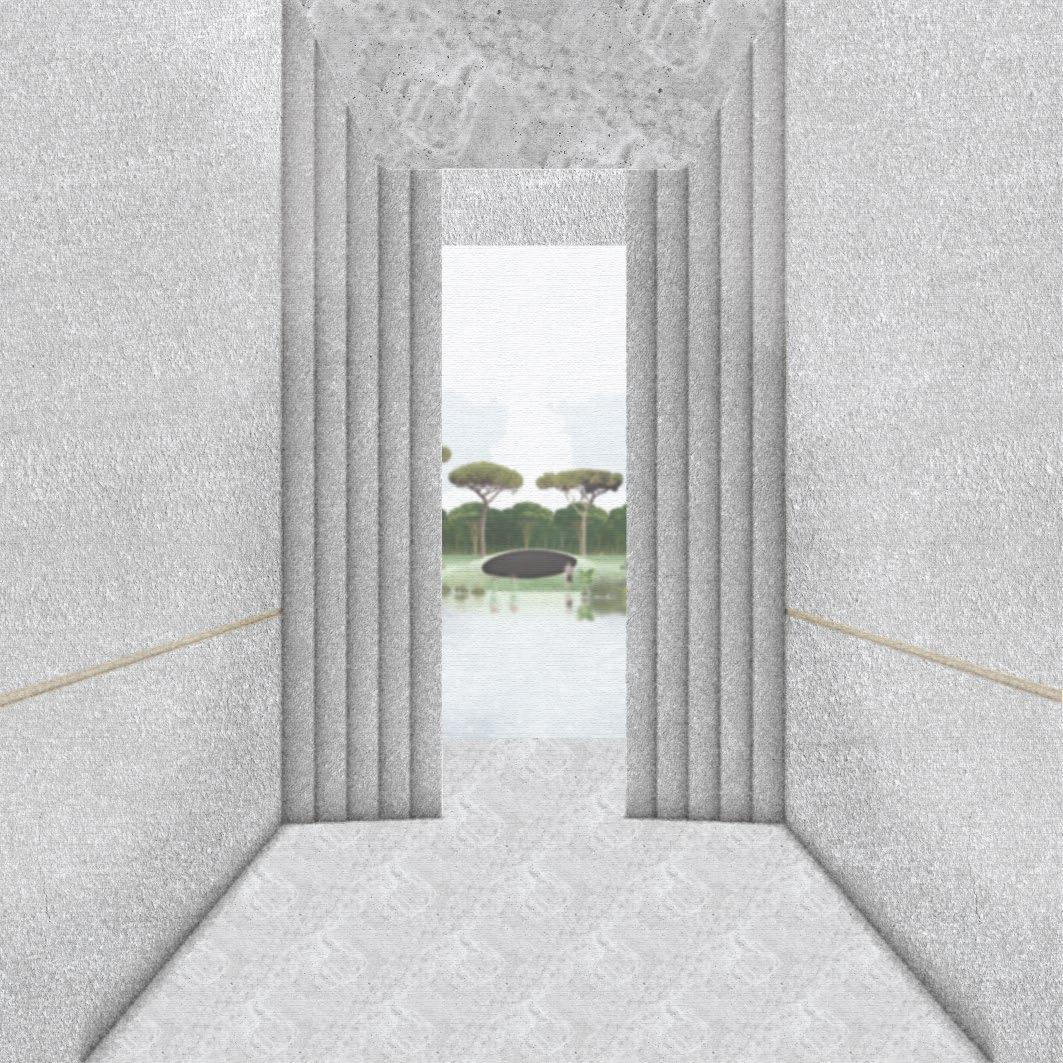
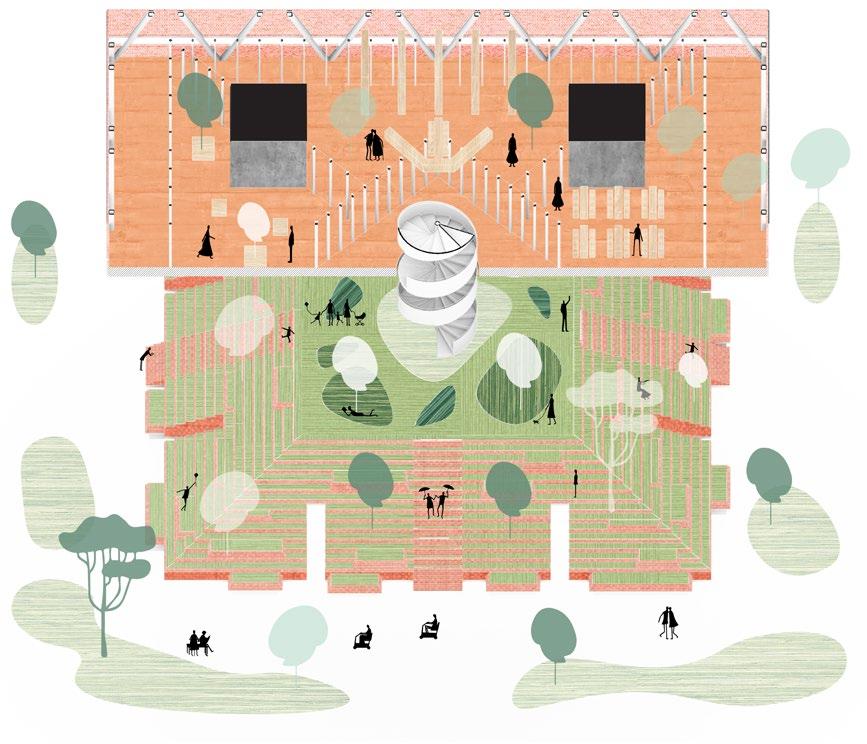
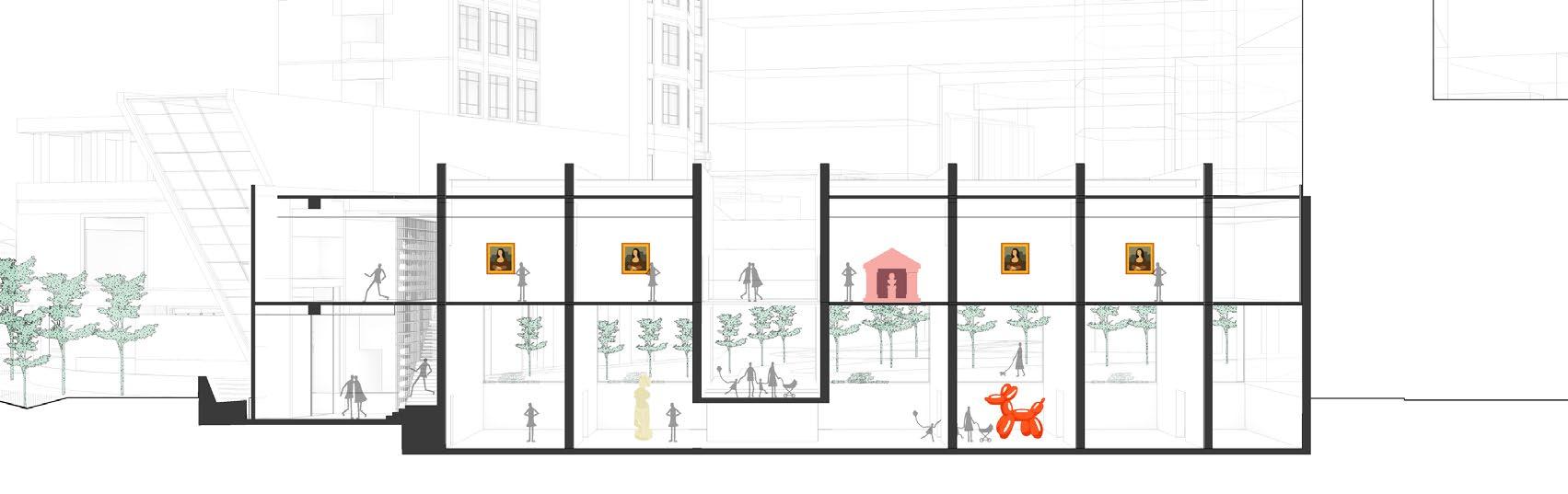
As a counterpoint to the richness of the wooded area and the wetlands, the memoriam emerges as a monolithic presence, its horizontal concrete volume defined by façades “grained” through a deliberate play of fine and coarse impressions created with bamboo formwork. This layered texture introduces subtle wounds across the monolithic figure.
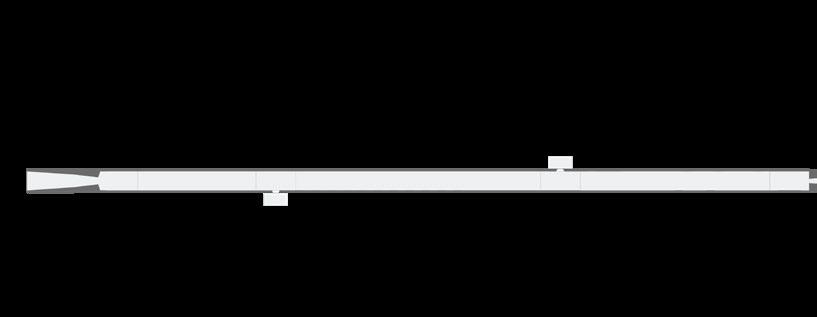
The elongated mass is composed to suggest that the journey has reached its end and nothing has been forgotten. Within this volume, columns and walls are concealed with mirrored surfaces, dissolving their physical presence and making the space appear floating as though it consists only of the bridge itself. Beneath this quiet illusion lies what is deliberately left unseen: wounds and memories pressed into the ground, suspended below the apparent lightness above.
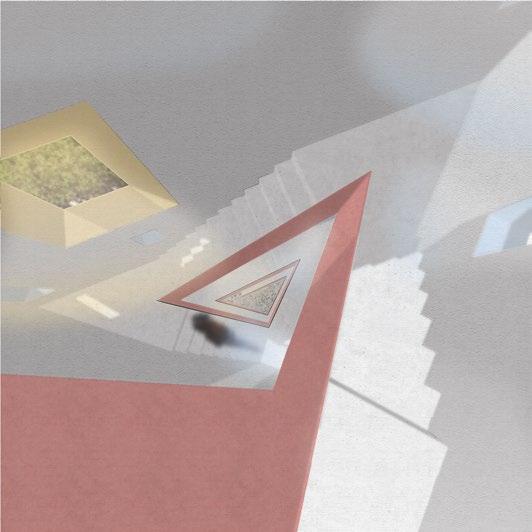
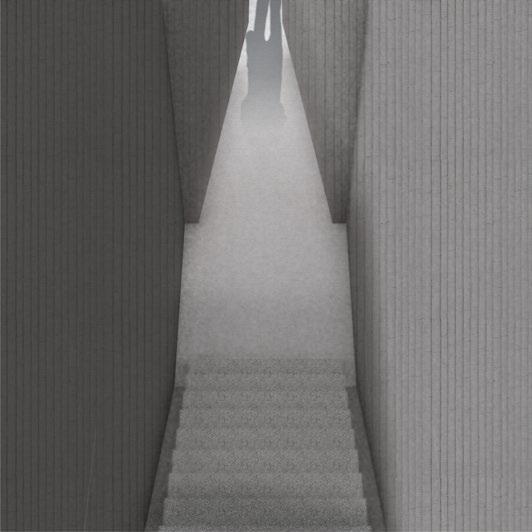
In this introductory space, visitors who were previously “carried” upward onto the bridge are suddenly brought downward and confronted with the image of falling ultimatum. It marks the instant when the warning becomes real and the inevitability of war begins to take shape.
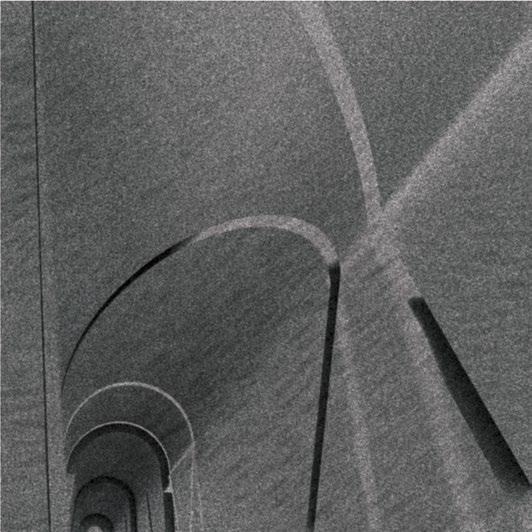
In this room, scenes of battle are displayed, and the space itself reinforces the atmosphere of turmoil. Rough textures define the surfaces, pathways are intentionally disorienting, and wounds are carved into the walls and ceiling. Even the arches are distorted, echoing the fractured nature of war itself.
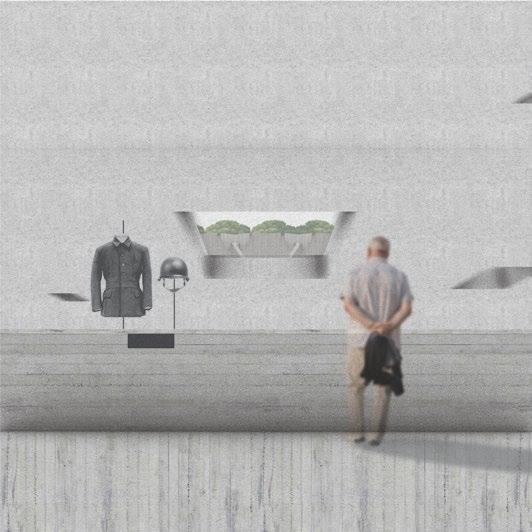
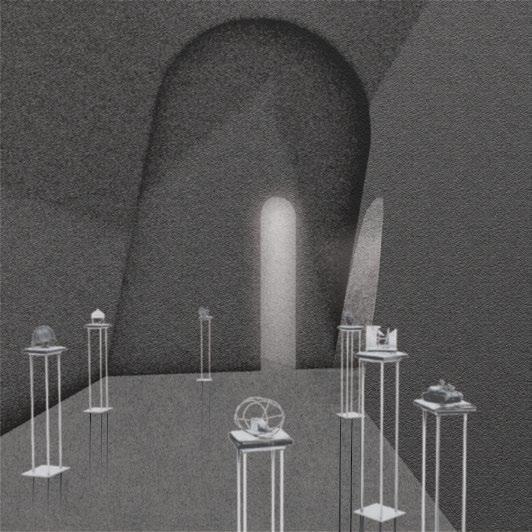
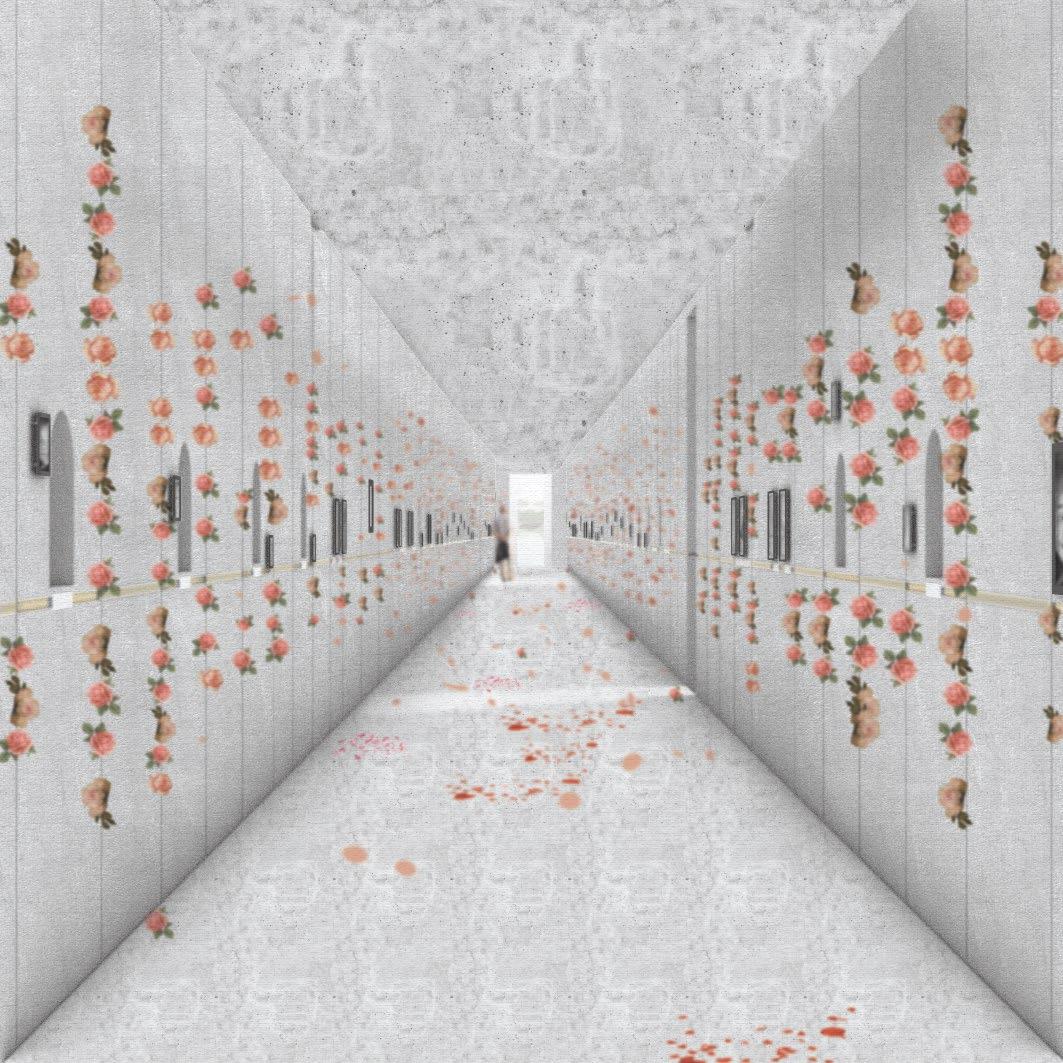
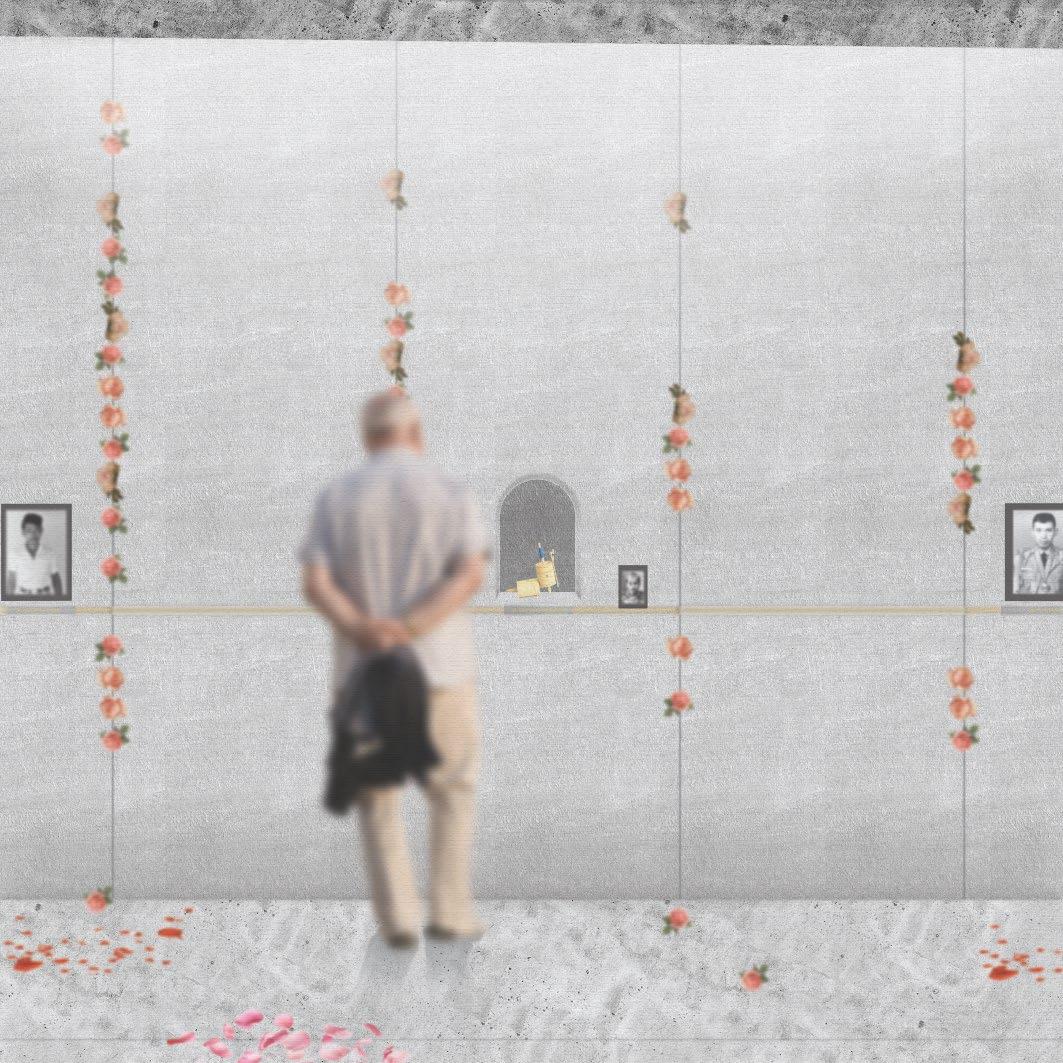
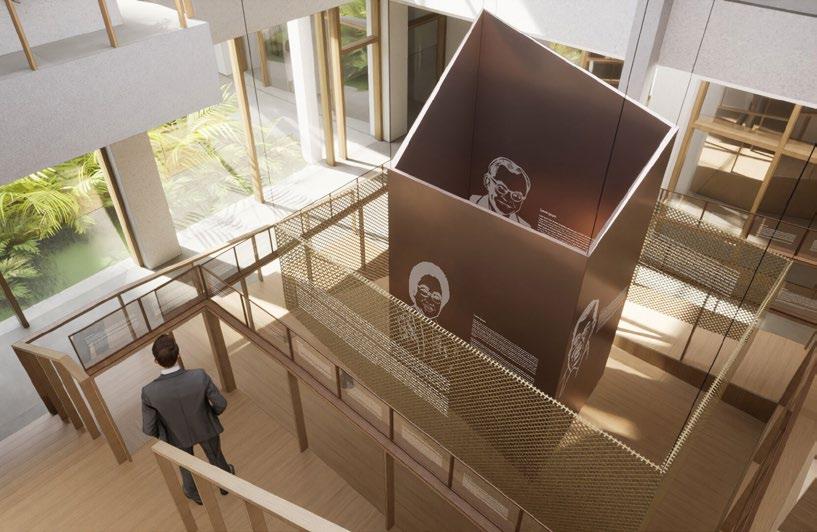
Ruins remain as mute witnesses to all that has vanished, while a faint hope persists that something lost may one day return. Inside this space, photographs and cherished belongings of the 200 individuals who died remind us that those who sacrificed their lives were not numbers but human beings, people like us who did not die without dreams. An outdoor resting area is also provided, offering a quiet place for contemplation, where visitors can pause, look toward the fort’s landscape, and reflect on the future.
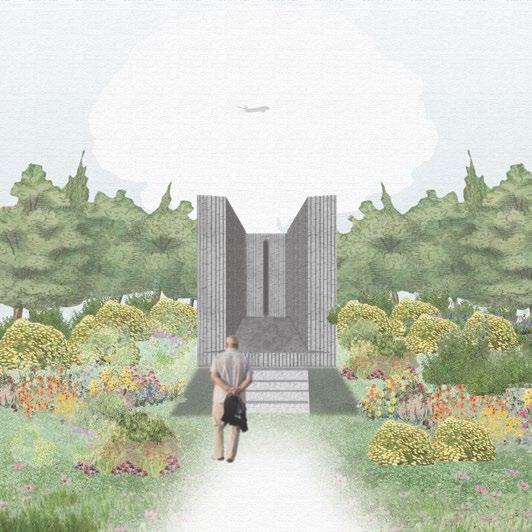
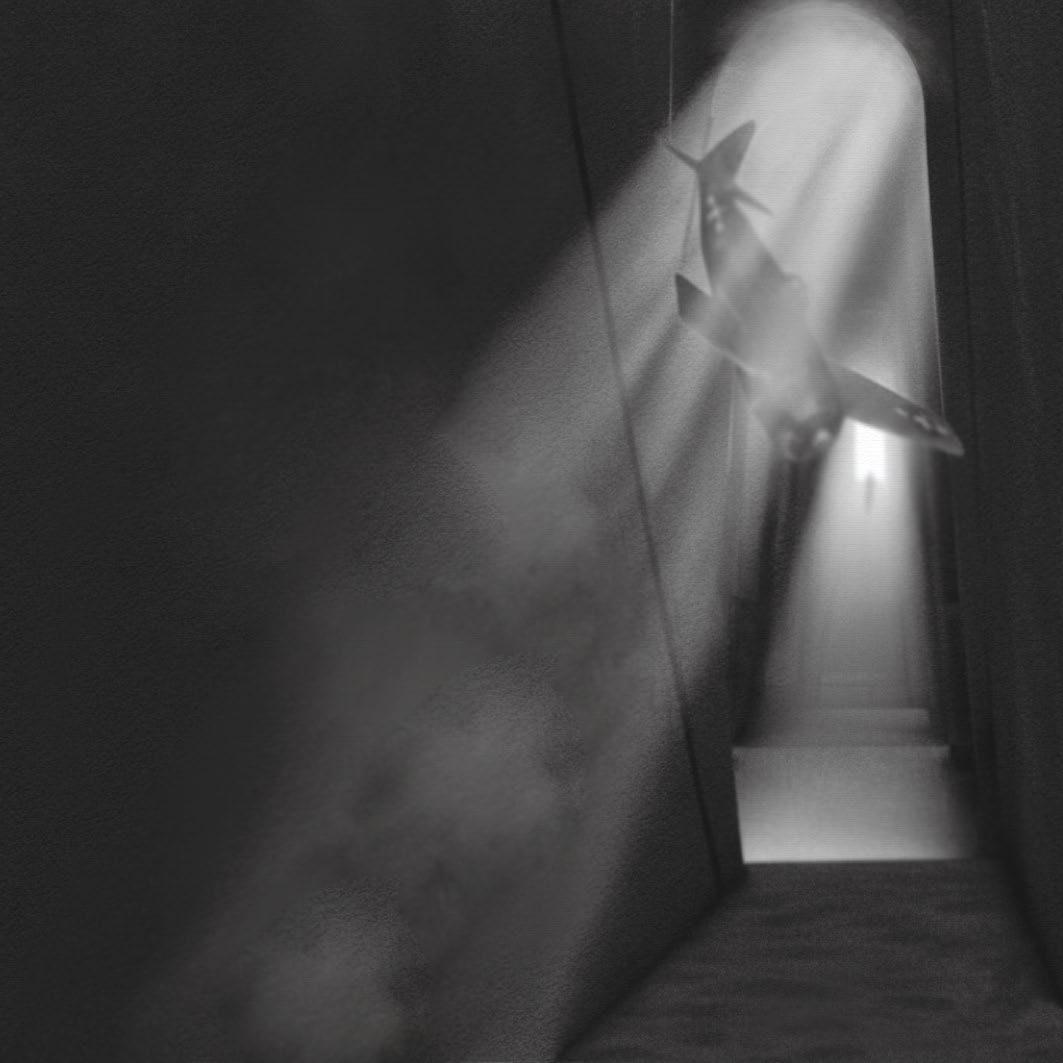
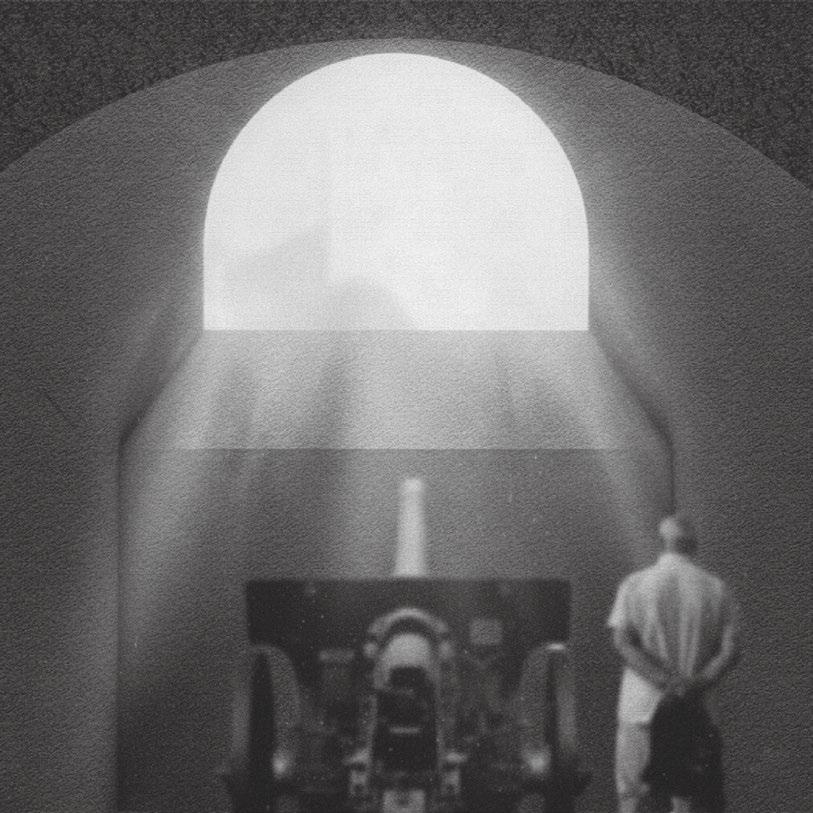
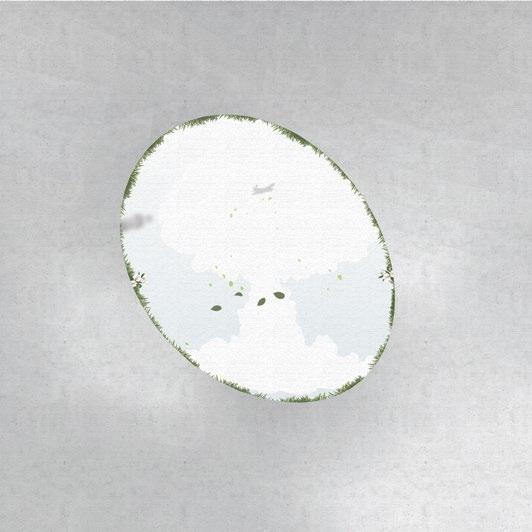
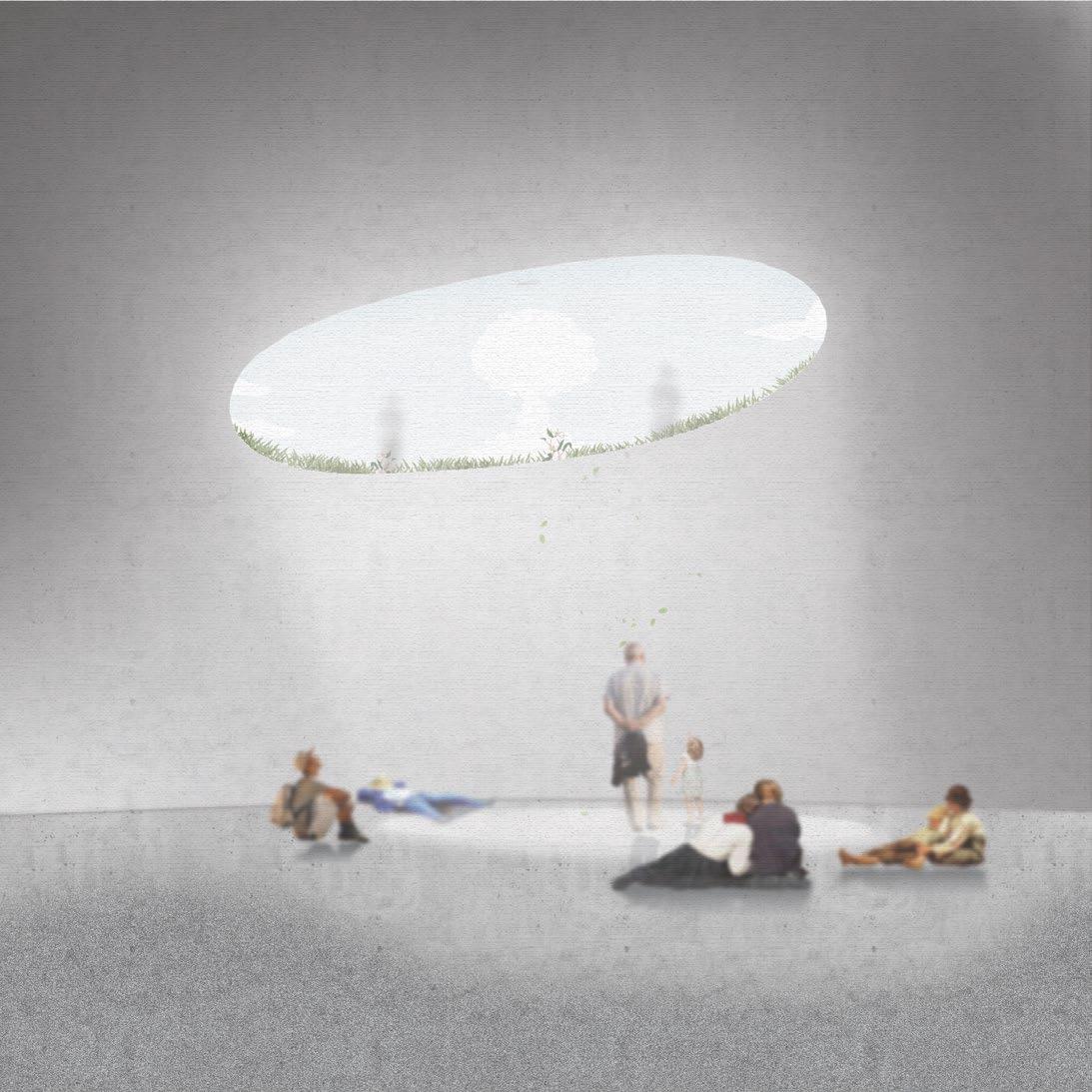
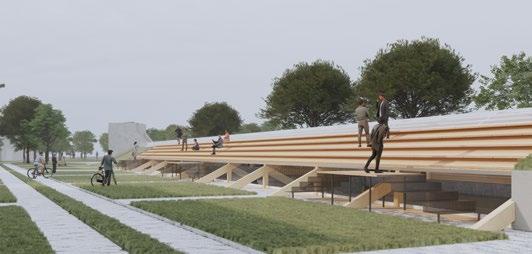
The project explores the relationship between architecture, nature, and human experience through a clear contrast The exterior takes the form of a gentle earth mound, symbolizing burial, memory, and a quiet return to nature. Inside, a dark and static space invites contemplation, lit only by opening above. The mound also recalls the imagined fate of those who died, seeing only the sky, passing planes, and falling bombs as they waited for an end that never came.
DESA DI AWAN
SKYSCRAPER REINTERPRETATION
With the shift of populations from major cities to smaller ones, Mojokerto must improve its infrastructure to ensure fairness for current and future generations.
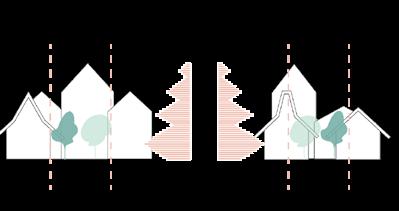
Across Asia, traditional urban villages that once shaped city life are rapidly replaced by uniform tower blocks driven by capital. We must learn from these mistakes and adapt in ways that preserve tradition, nature, and human connection.
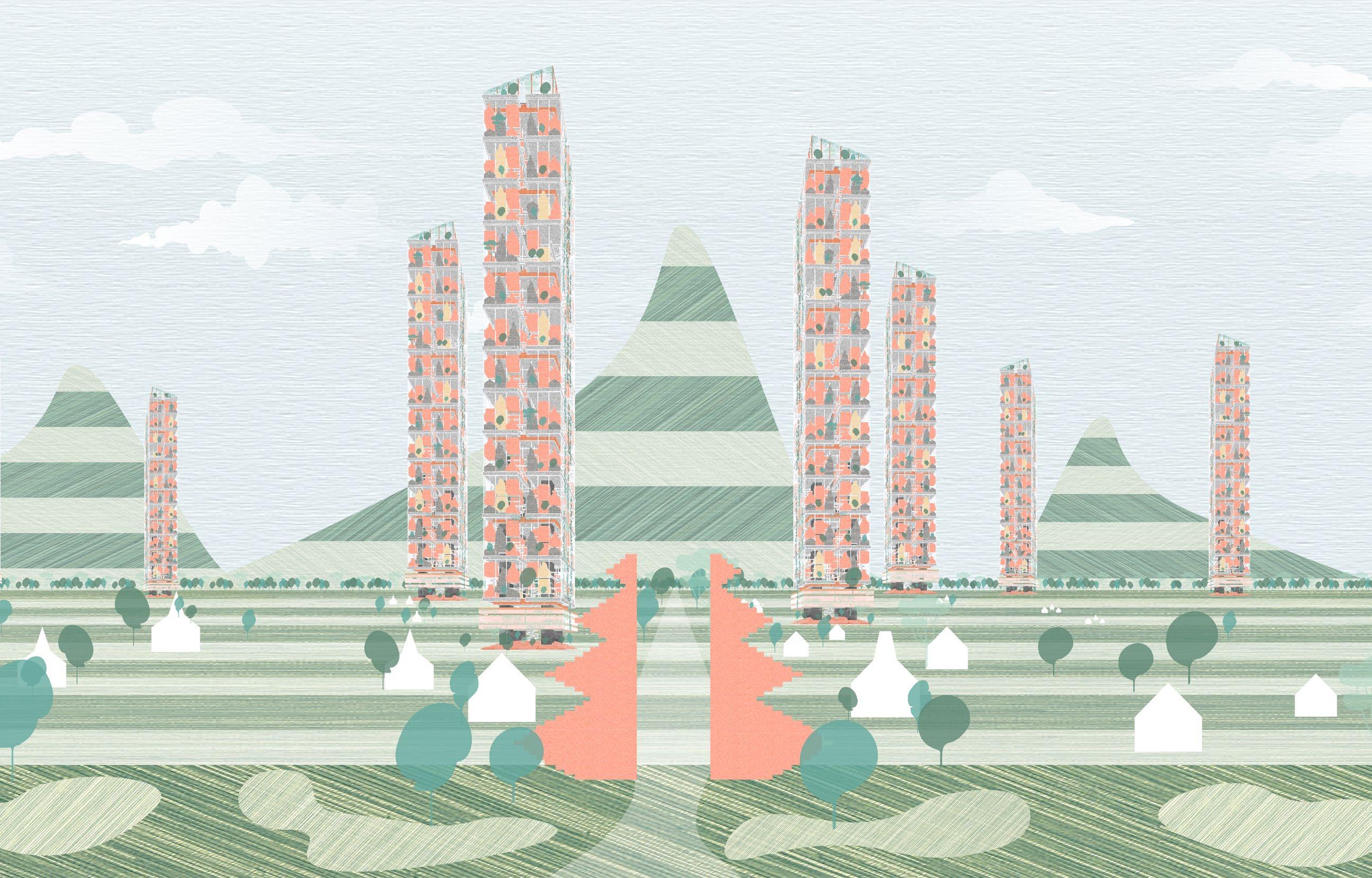
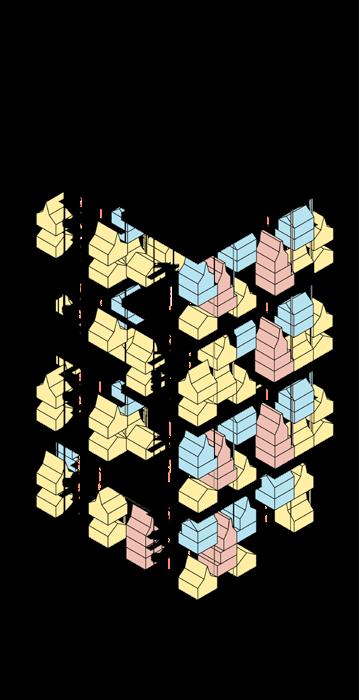
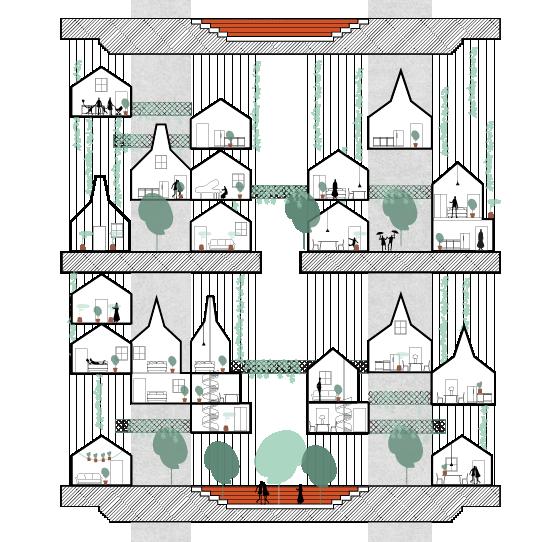
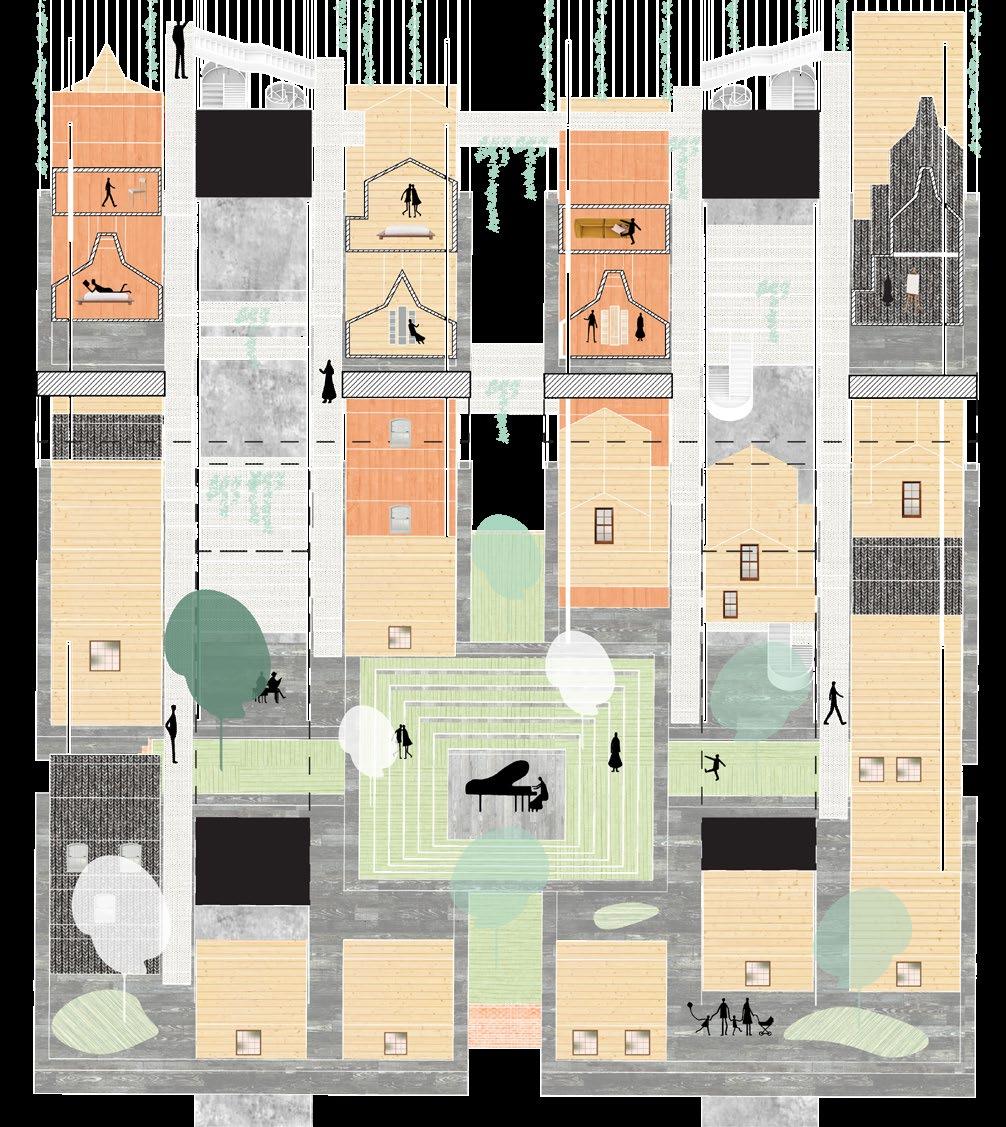
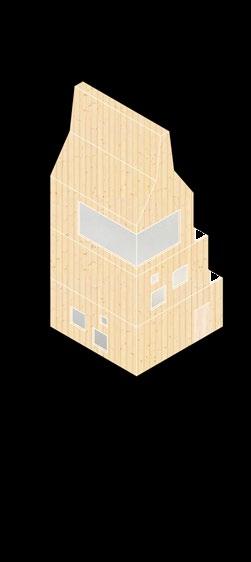
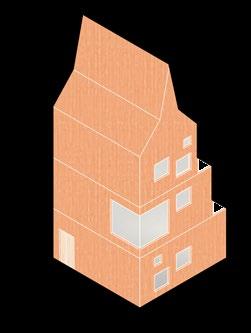
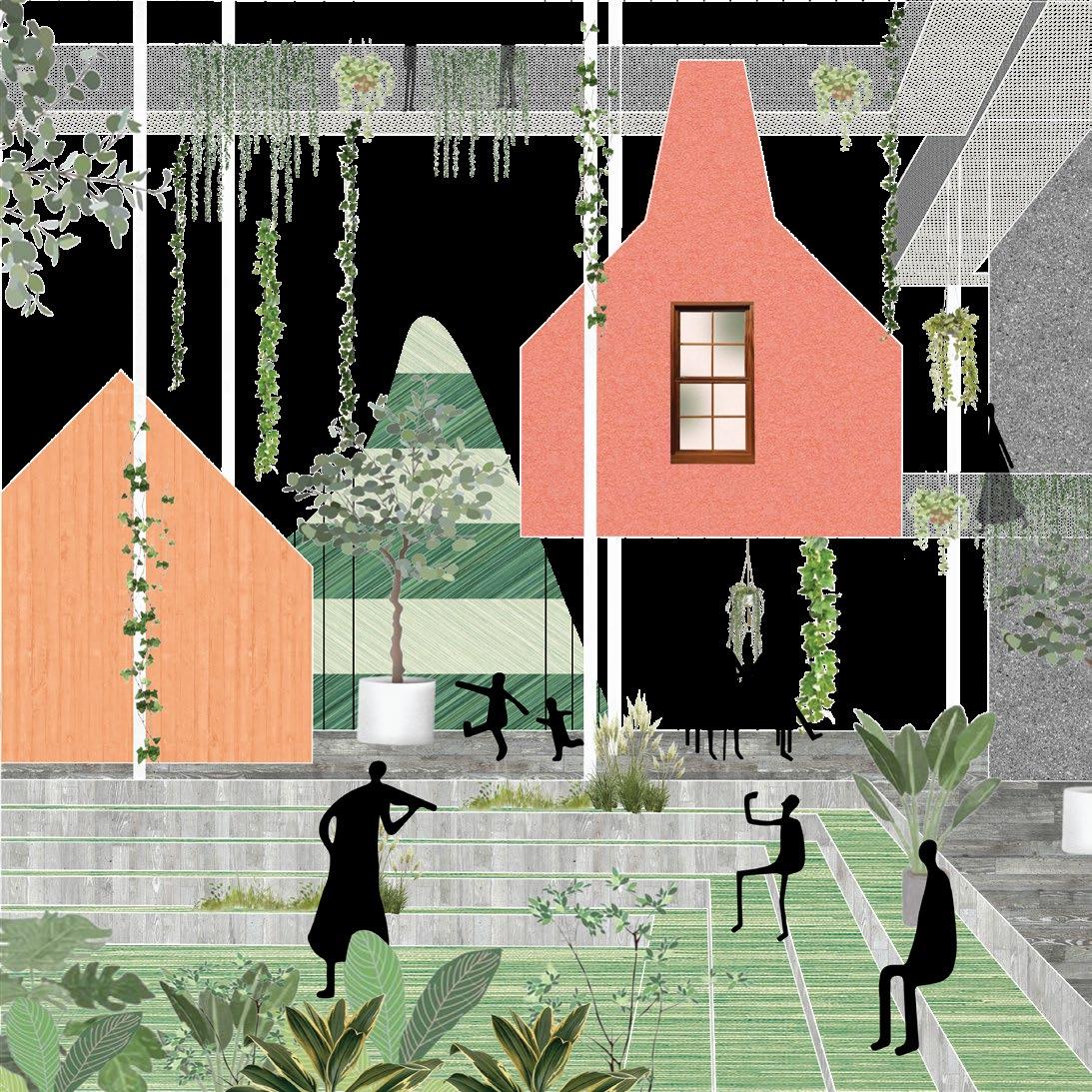
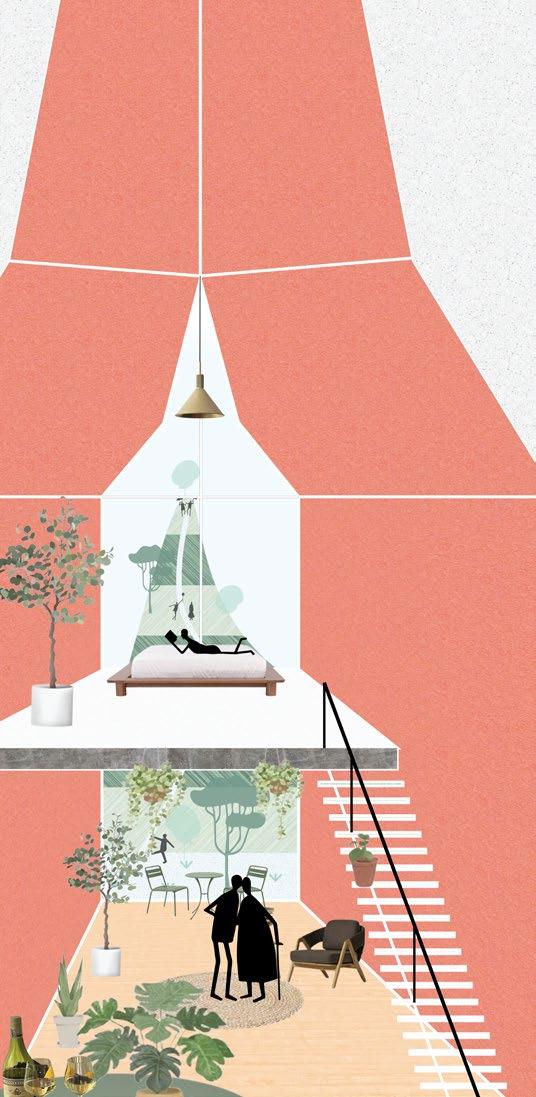
Our proposal reinterprets the “Desa di Awan,” introducing the spatial experience of city, village, and human scale within a tower. Inspired by Mojokerto’s traditional forms, it creates a varied village typology enriched with diverse public spaces and strong community identity.
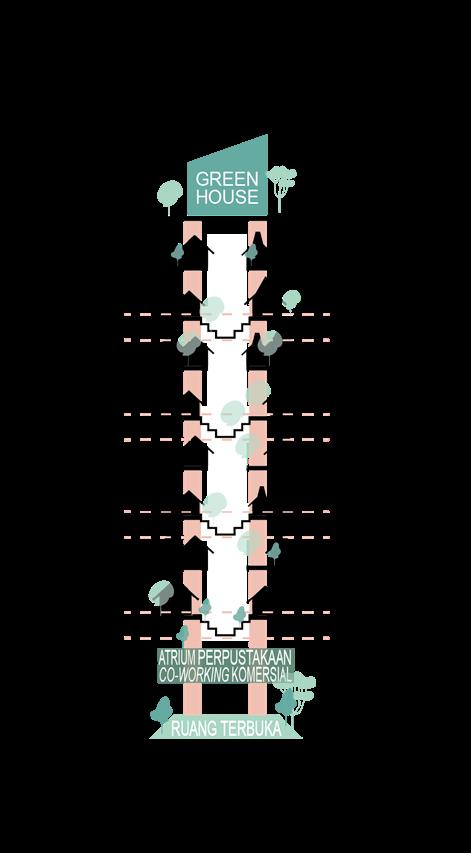
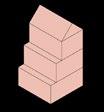
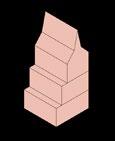
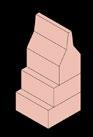
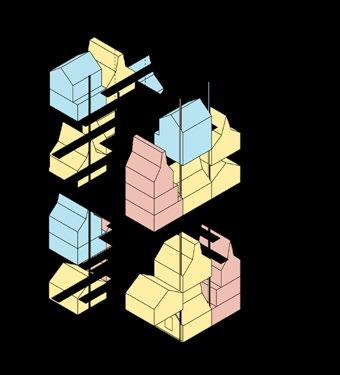
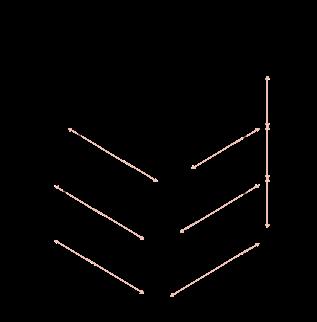
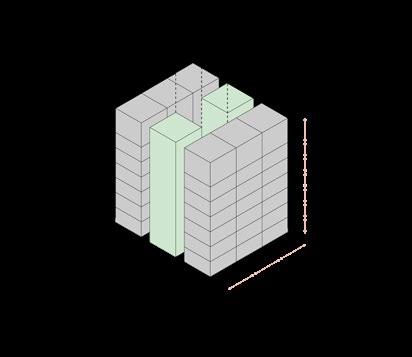
The tower uses stacked slabs with adjustable residential units inspired by traditional Mojokerto forms. Each “village” consists of two slabs housing 20 to 40 households. To avoid isolation within the tower’s verticality, each slab is limited to four floors and includes flexible communal spaces that strengthen the sense of village belonging.
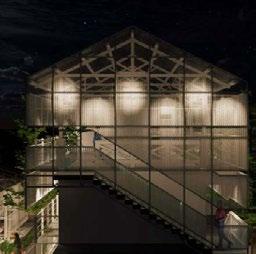
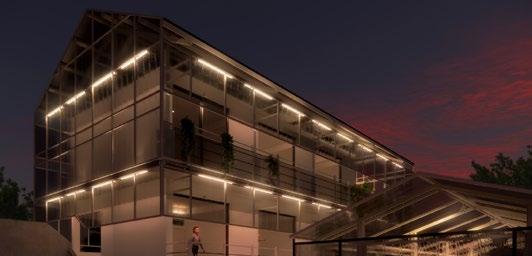
The design incorporates Mojokerto’s identity through references to the Majapahit gate and the use of local red brick for both façade and interior. The tower also provides multiprogram spaces with tiered platforms, along with public facilities such as a library, coworking area, atrium, art space, and rooftop greenhouse, supporting openness and an inclusive urban environment.
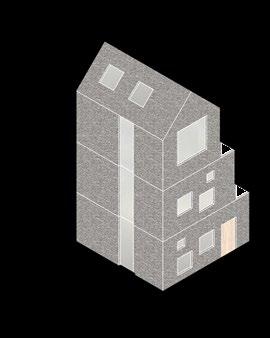
Each “village” contains 20 to 40 households, with variations shaped by local economy and tradition. Traditional roof forms such as limasan, joglo, and kampung serve as cultural references, with unit sizes of 36, 66, and 80 square meters.
Tenants rent a
space rather than a finished unit. The placement of units, connecting bridges, and shared infrastructure are collectively decided, fostering a villagelike community. The modular system allows units to be dismantled or relocated, creating a dynamic village in the sky.
Clear guidelines ensure order. Each slab can host 6 to 8 houses, must follow massing rules, and must keep the central east to west zone as communal space.
Community - Individuality
Through active community participation in shaping the village and providing multiprogram spaces, the design creates a strong identity for both the community and its individuals. Integrated spaces support various activities such as working, gathering, and living, offering a dynamic and harmonious experience within the village.
Growing House
The “Growing House” concept is designed to adapt to the evolving needs of its residents. Its flexible design allows spaces to be added or modified, supporting diversity by accommodating different individual needs and preferences. Guided by a modular system, the house serves as a reference while still allowing room for improvisation and spontaneity, reflecting the informal character of the village.
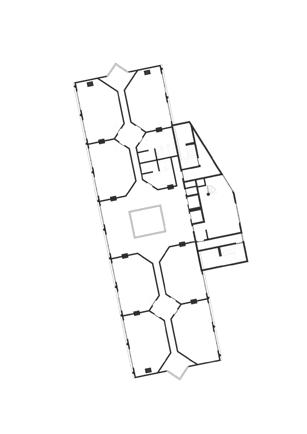
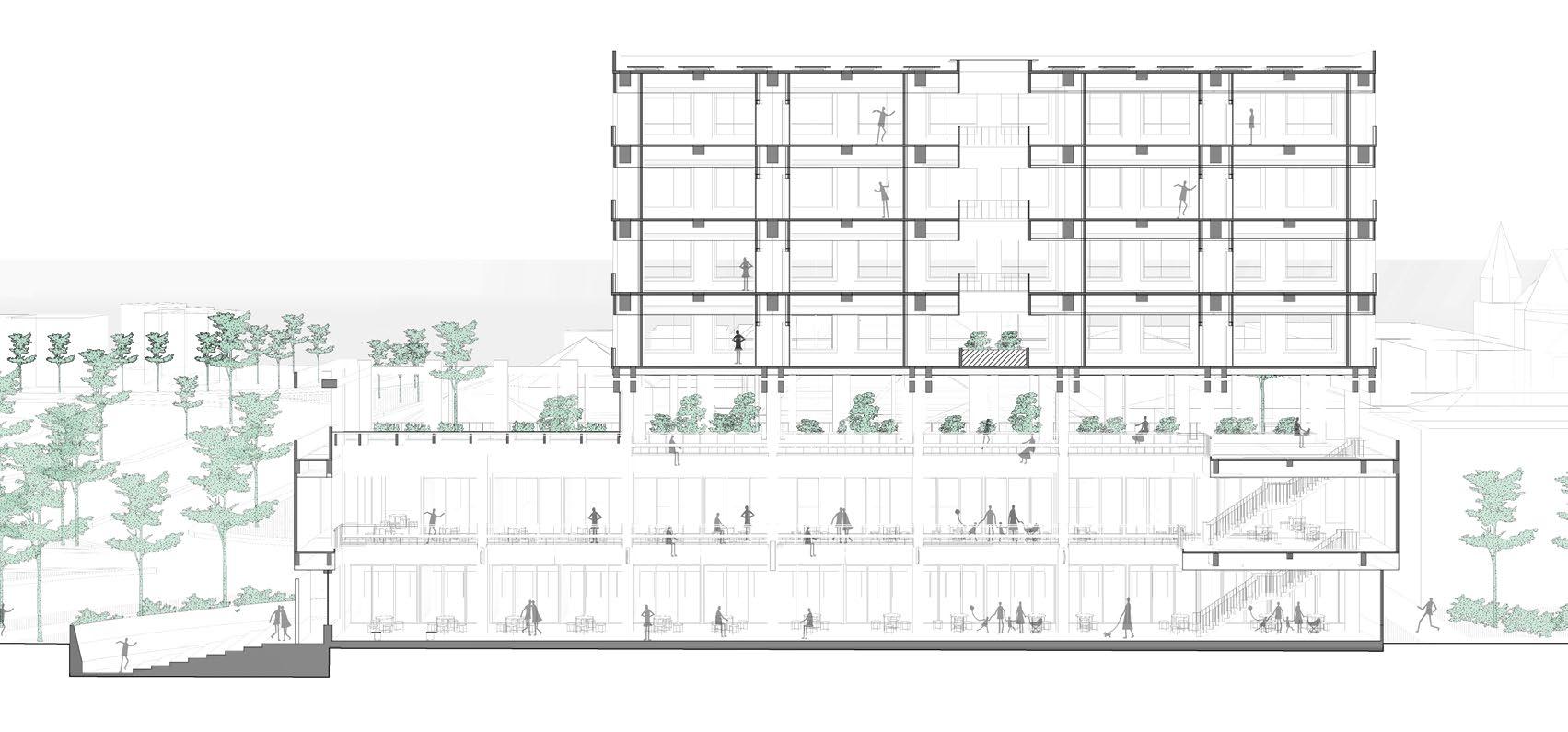
SUB.ID
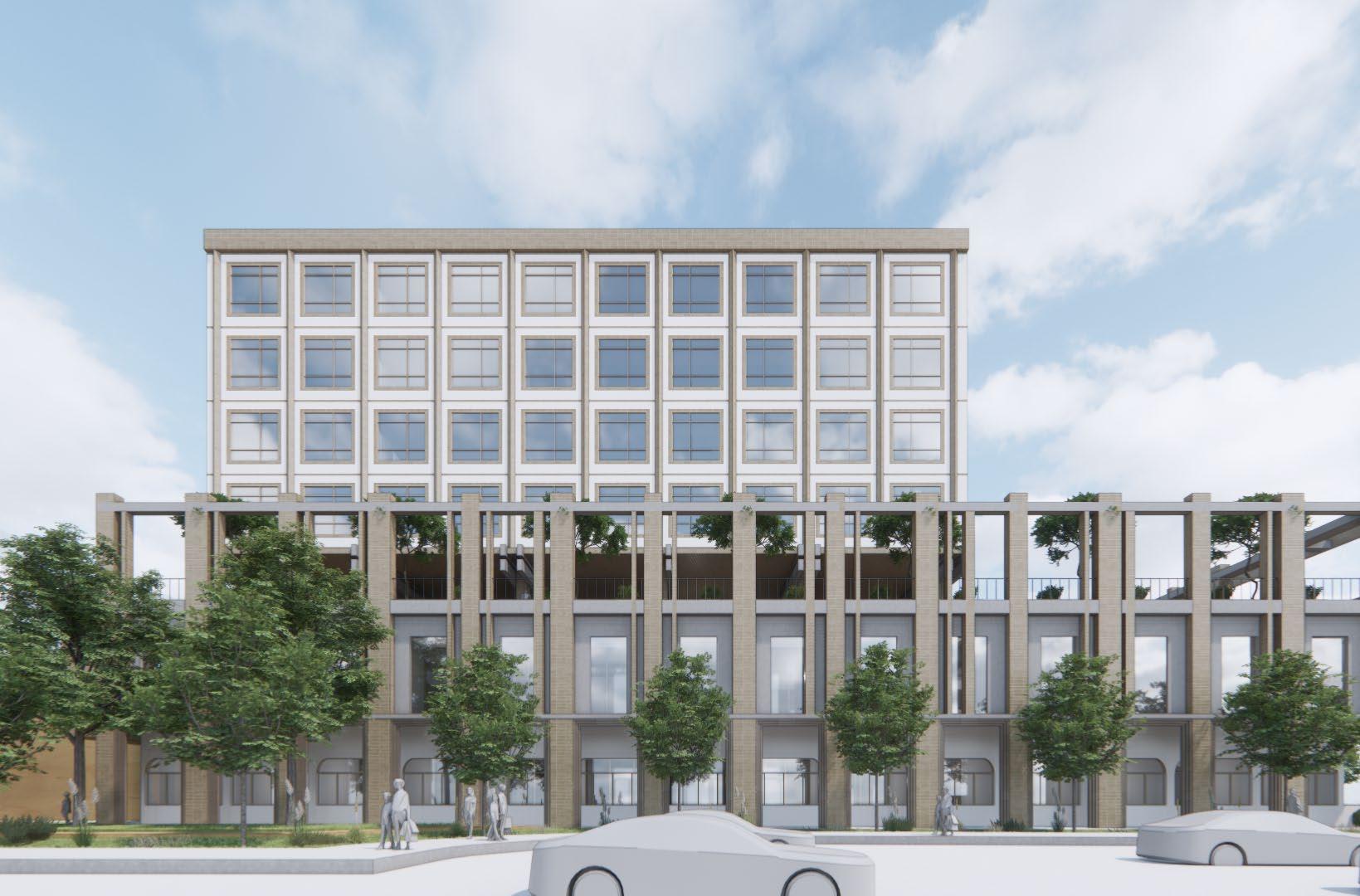
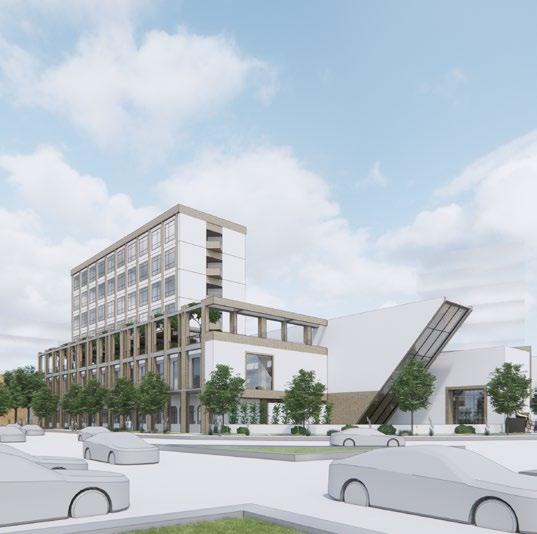
Mixed used Building
Studio 7 - 2023
Collaborator : Altrerosje Asri - Verrell R
In Studio 7, the aim is to revive central Surabaya, an area rich in historical and cultural value and once the city’s economic core.
Today, the district has lost its vitality due to the port’s relocation to the north and the privatization of heritage buildings and public spaces, which has diminished its character and pushed residents away.
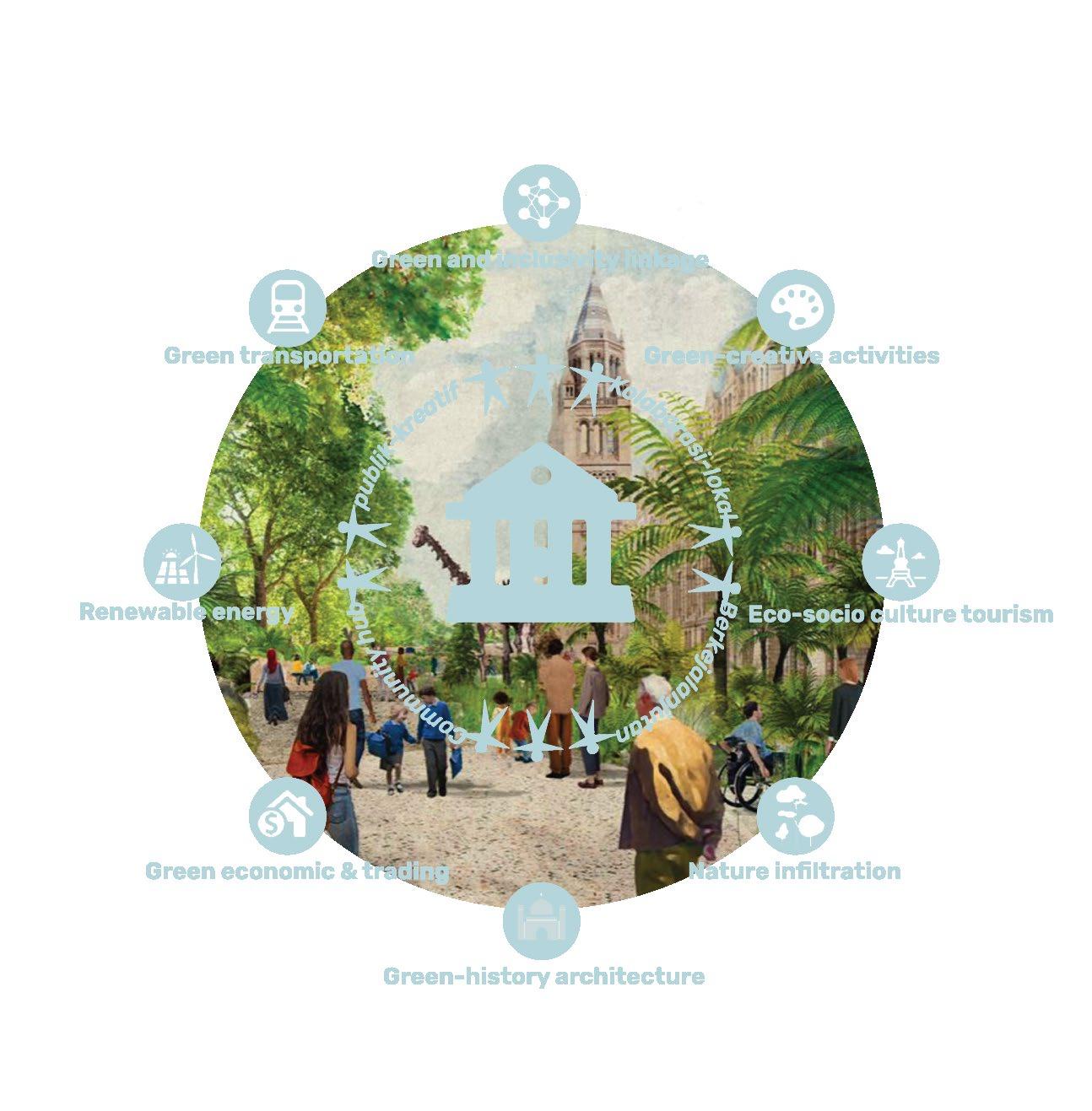
This proposal outlines a future development plan that redefines the district’s purpose and transforms it into a livable, sustainable urban area. The goal is for residents to once again choose to live and stay here.
The master plan introduces economic, cultural, and residential zones with facilities designed for easy access across the district.
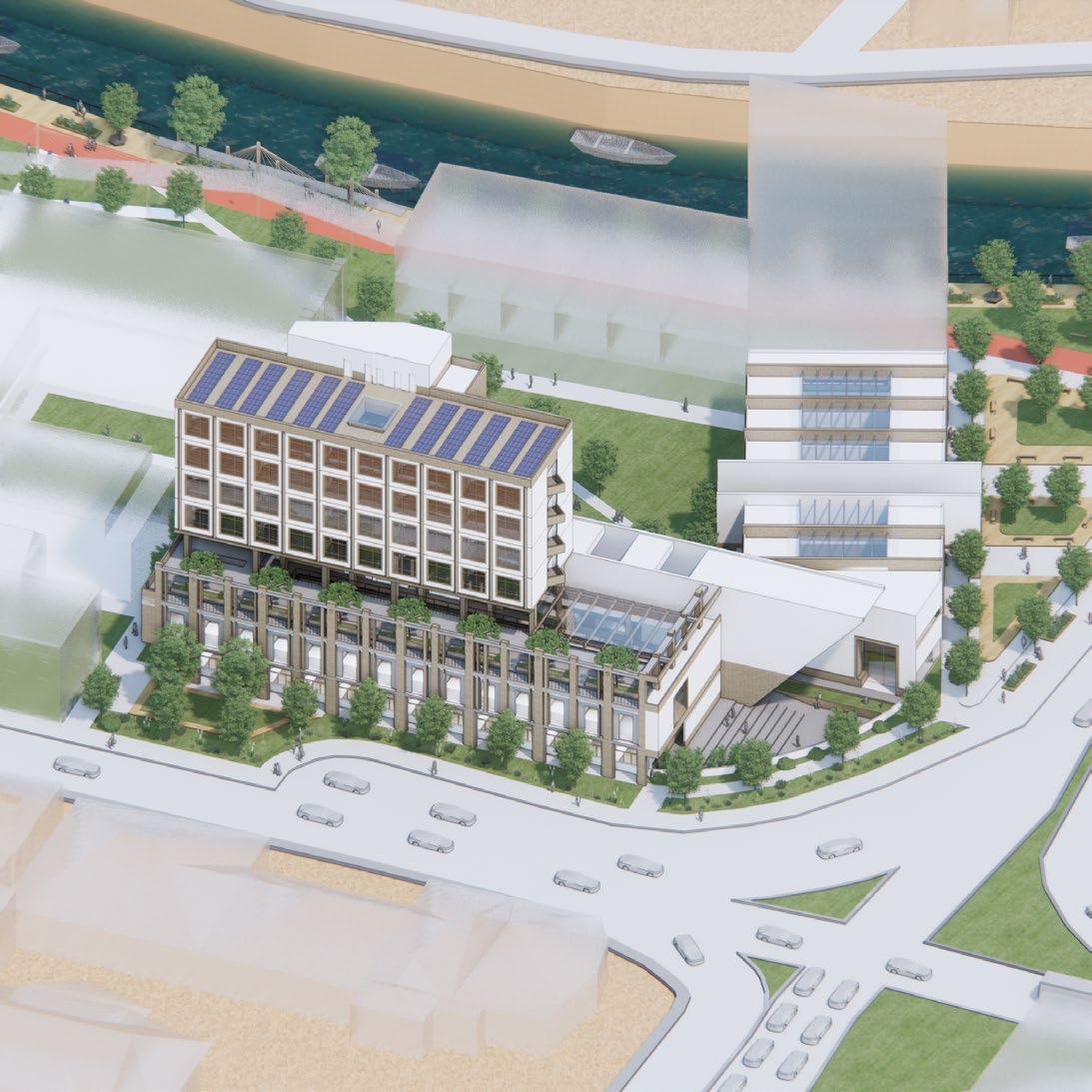
Each mass block will be developed into individual projects while maintaining the overall sustainable-city concept and functional framework. I was assigned a block focused on the creative economy and cultural programs, equipped with facilities that support economic growth, especially for the young people who will live here.
Kevin L Timothy P - Arief R - Vittorio H
Analysis
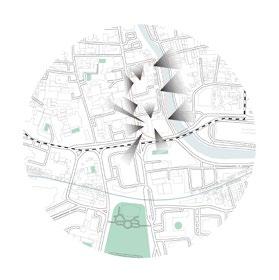
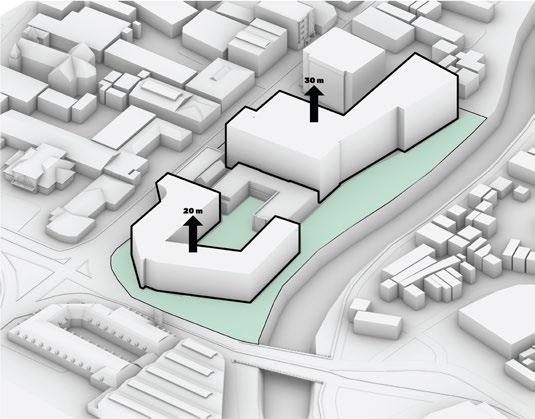
The European district in North Surabaya has not developed in line with the rest of the city. The site sits at a busy node, surrounded by educational institutions, migrant villages, a strong river axis, numerous historic buildings, and public transportation, yet it remains poorly integrated with its surroundings.
Various issues surround the site, including modern shop houses that lack contextual relevance, informal settlements along the riverbank, limited public space, weak connection to nature, and privatised old buildings. Most importantly, the area lacks a human-scale environment, causing its residents to live in constant displacement.
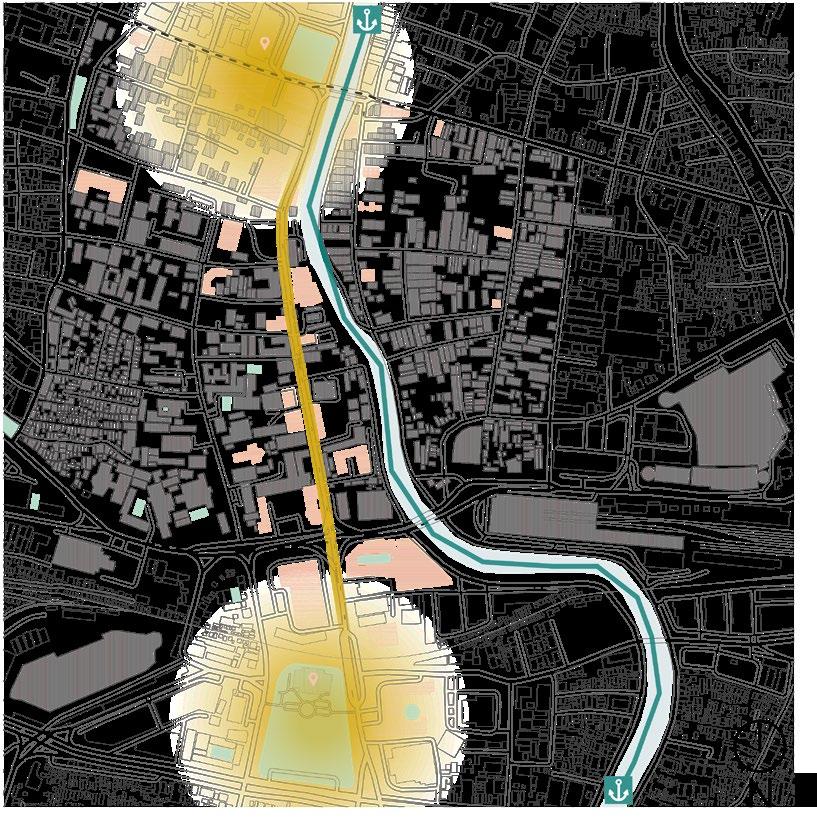
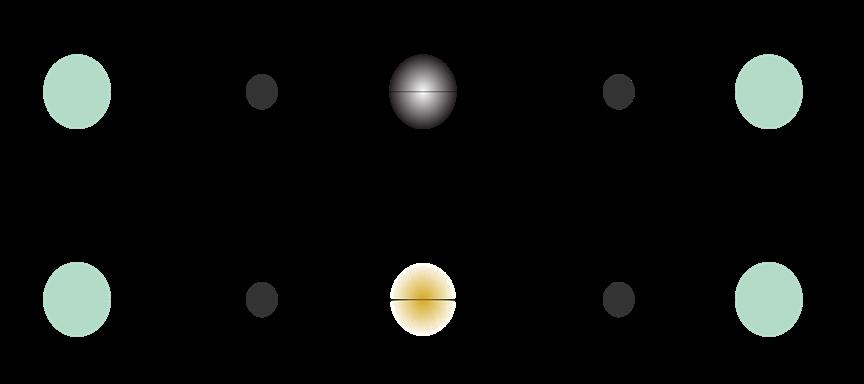
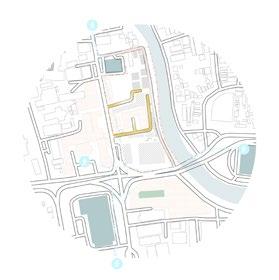
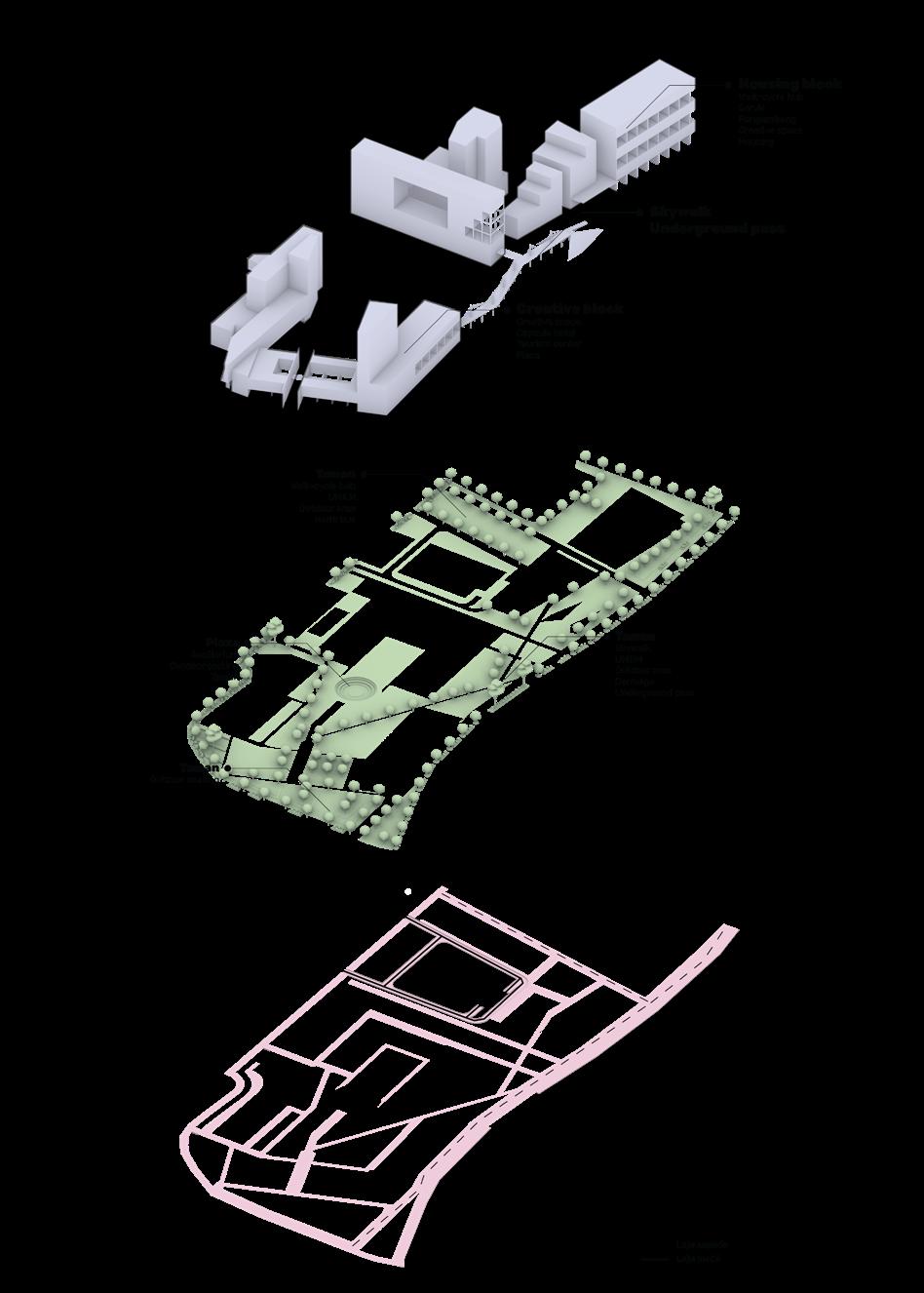
The main concept of the district is to reconnect with its history while revitalizing the local economy by activating the streets (yellow) and the river (blue) as publicfriendly areas. The development provides facilities that honor the city’s heritage and support the creative economy while applying sustainable urban principles.
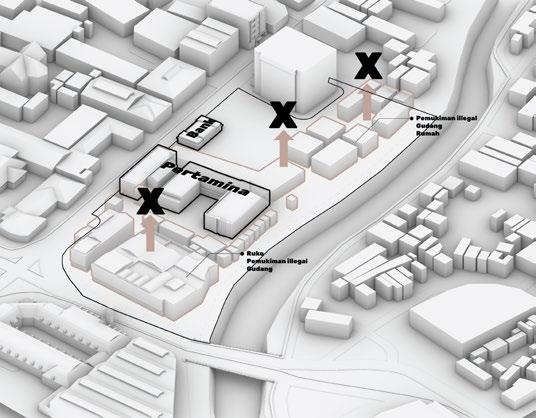
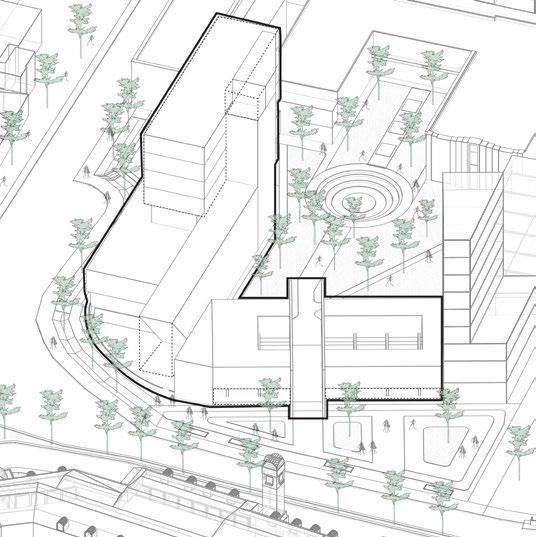
(Image 1) The Pertamina building and the former bank are repurposed into a hotel and café. The row houses are demolished, and the informal village homes on the site are relocated to new housing.
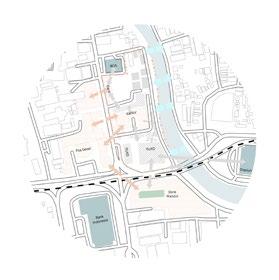
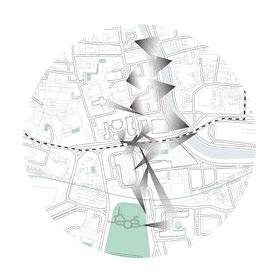
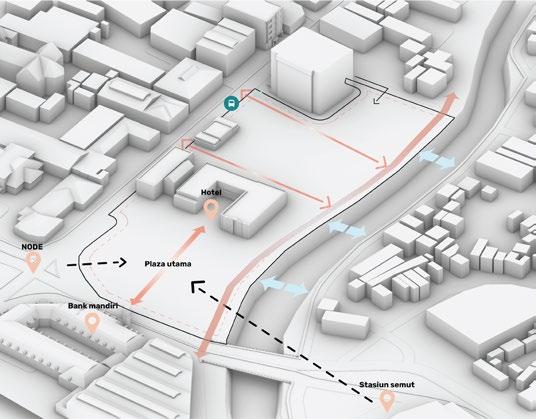
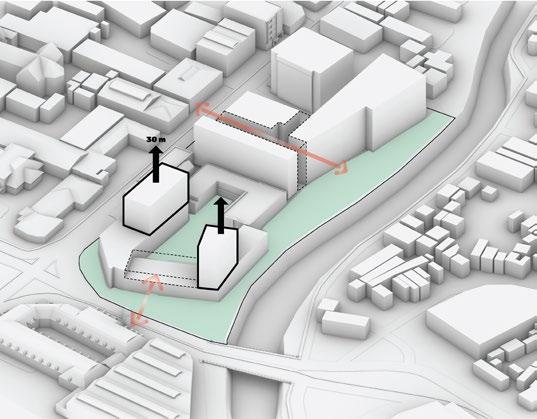
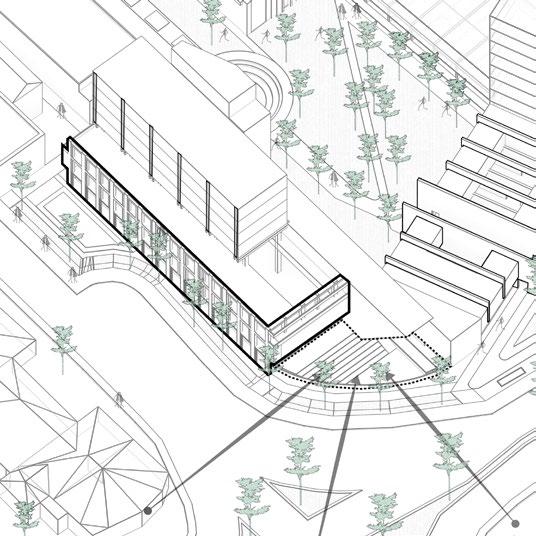
(Image 2) Landmarks and heritage buildings define the main axis, while a park and plaza receive pedestrians arriving from key nodes and public transport.
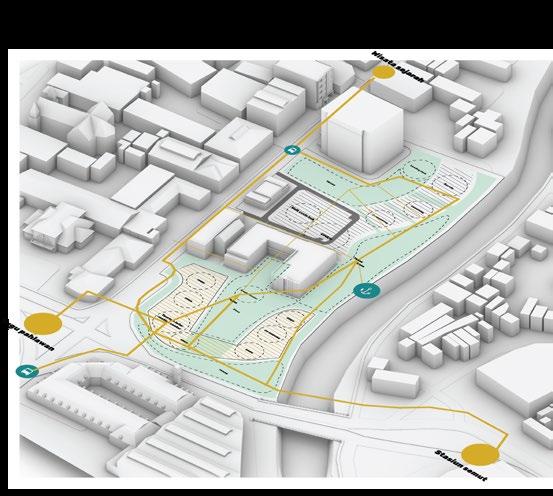
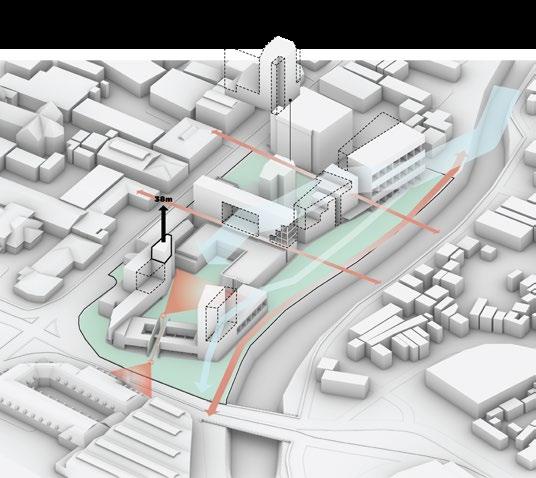
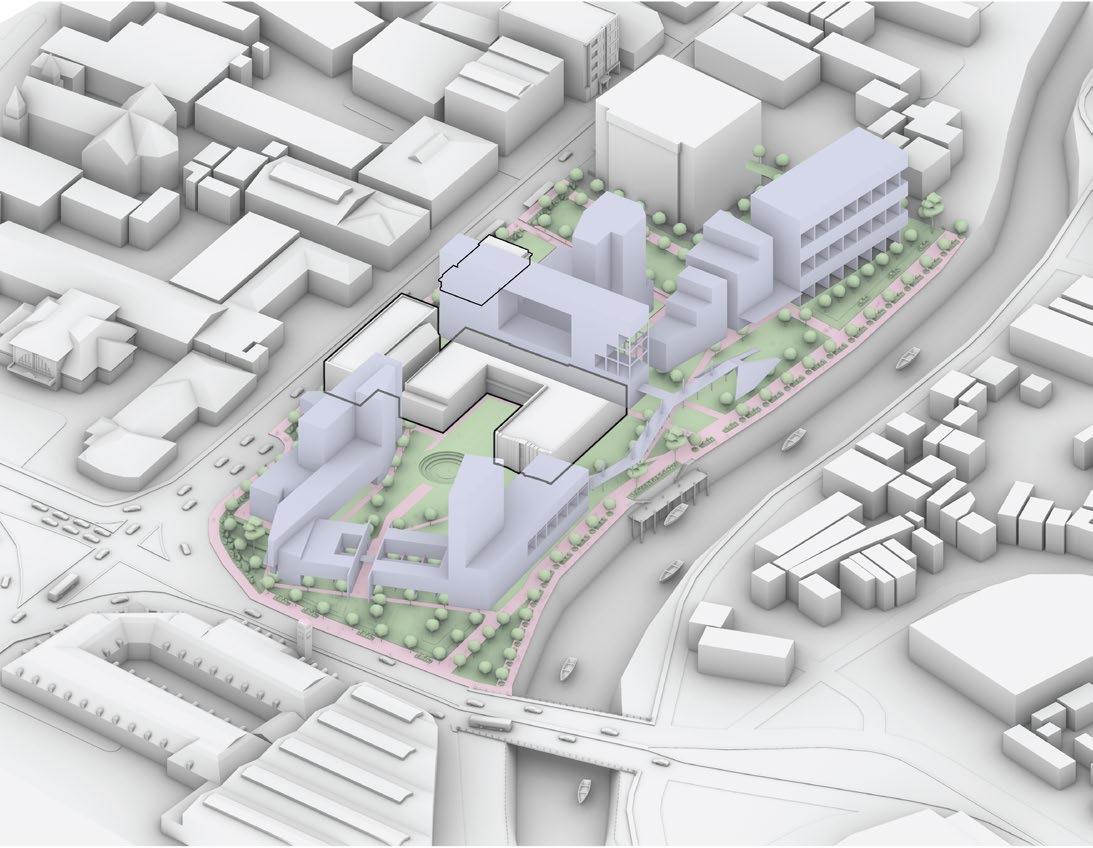
(Image 3) This area is designed for pedestrians, with 90% of it inaccessible to cars. The block is divided into two parts: a creative block to the south and a residential block to the north.
Programming
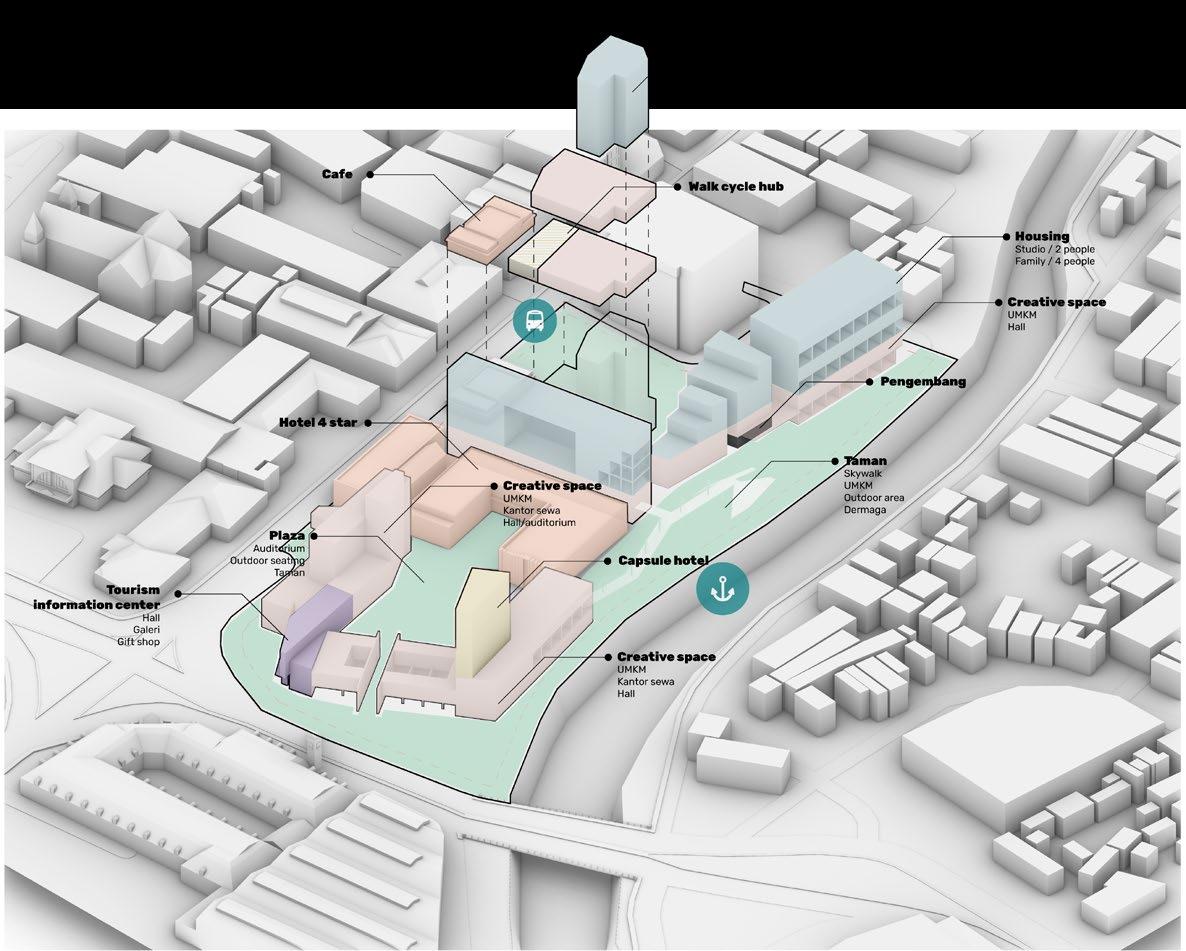
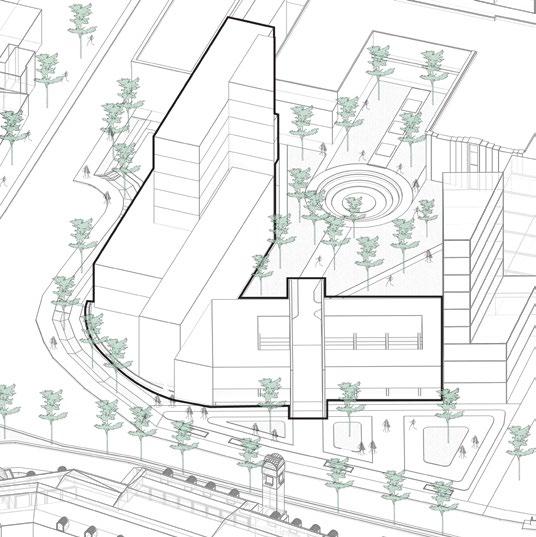
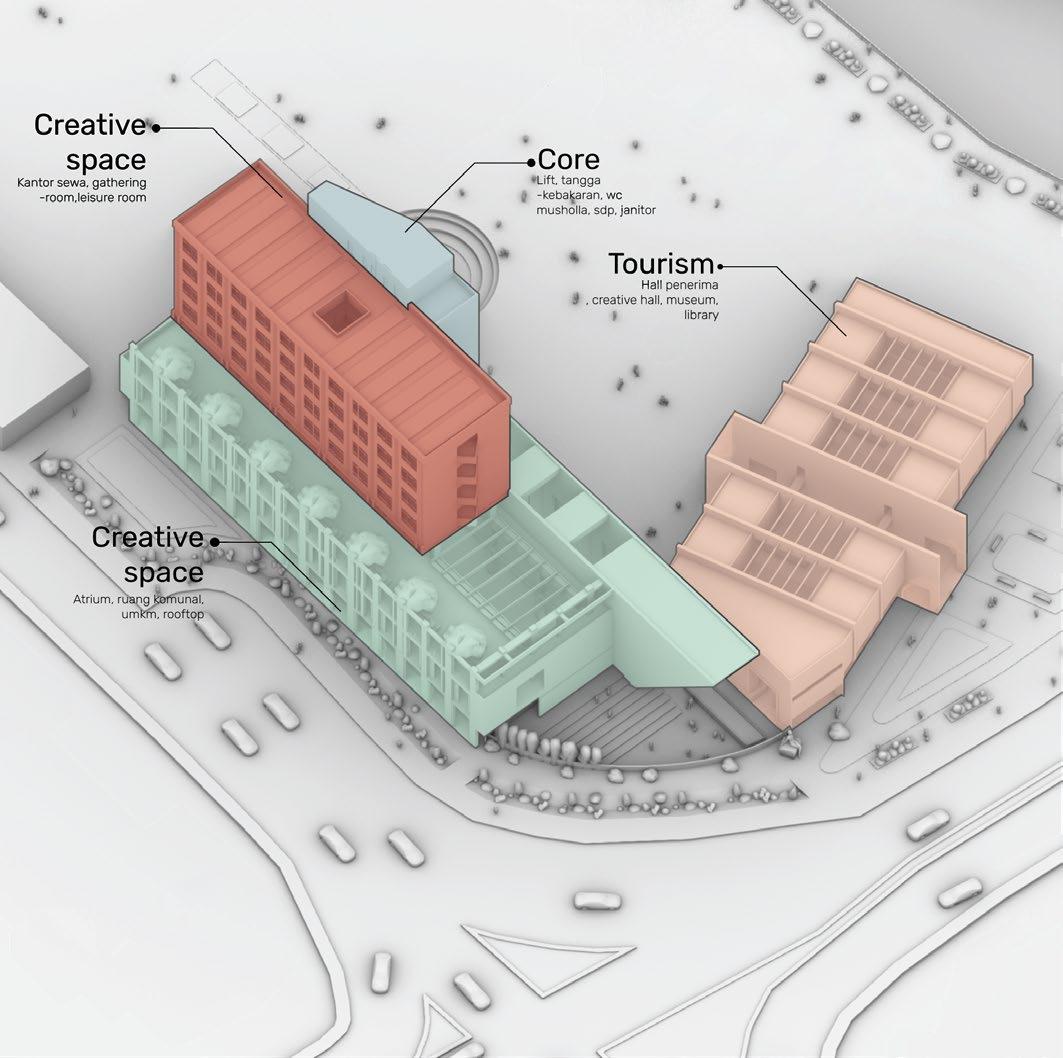
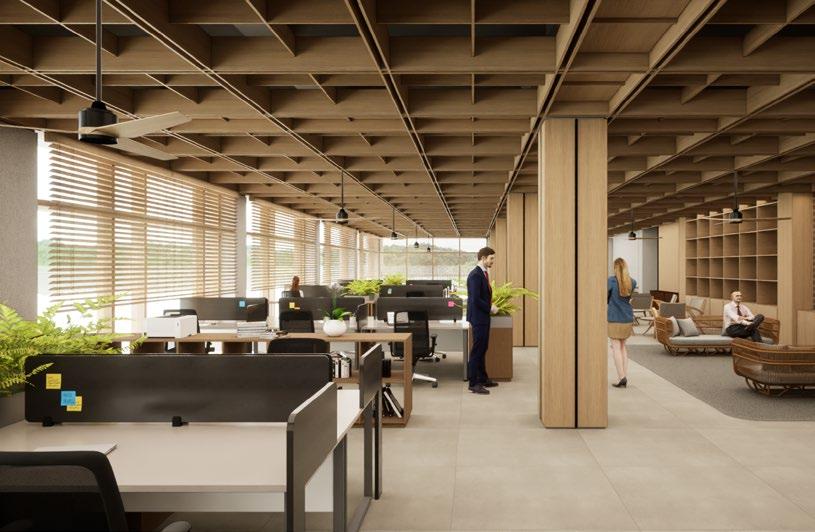
Based on the analysis, the creative block is dedicated to rental offices, SMEs, co-working spaces, a hall, tourist facilities, and a hotel. The residential block includes SMEs on the first two floors, a walk–cycle hub, and middle-income housing.
Massing Block
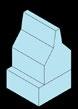
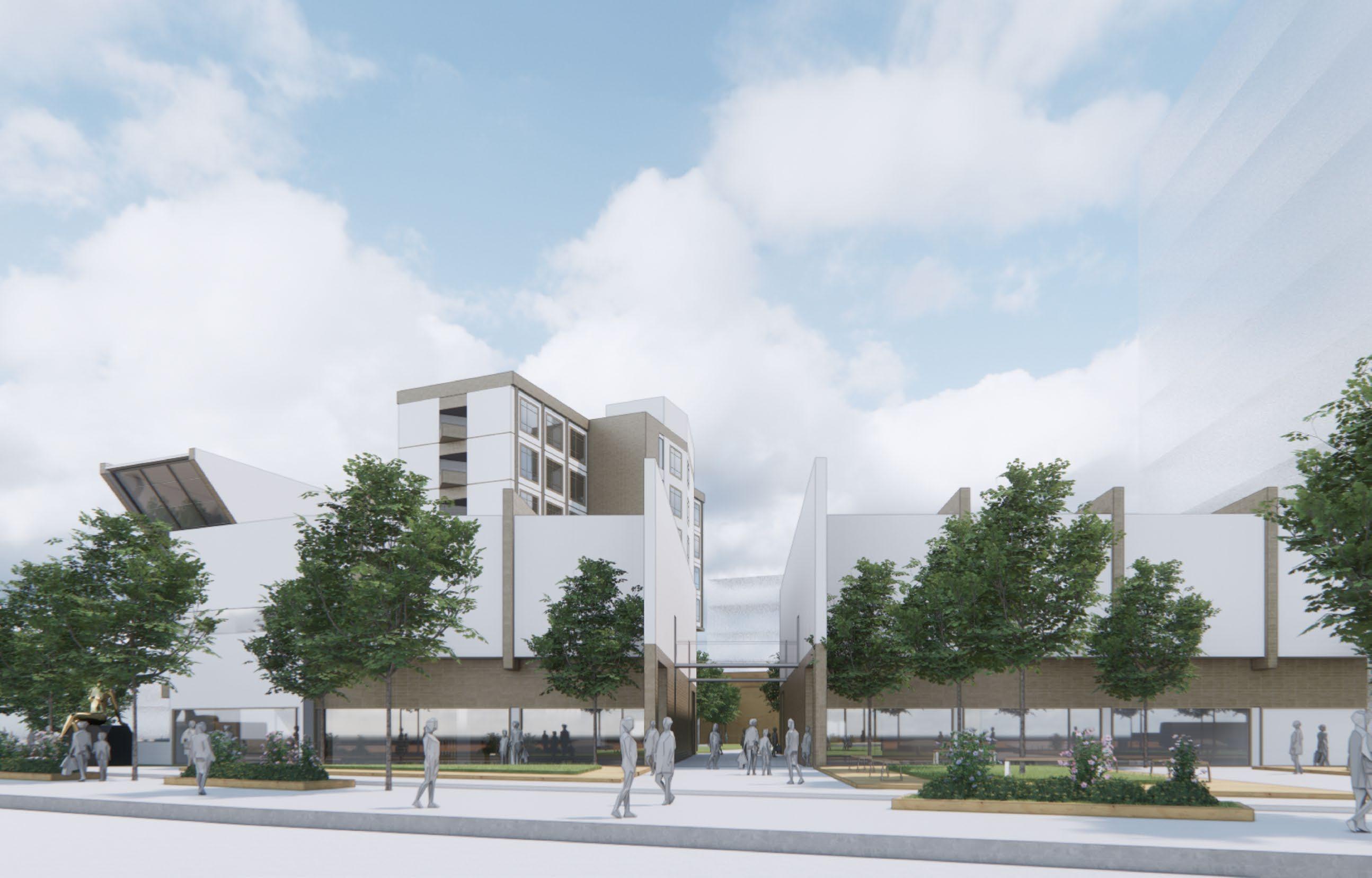
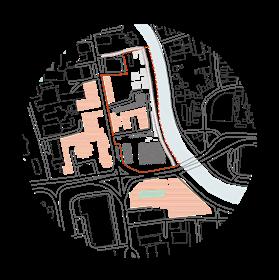
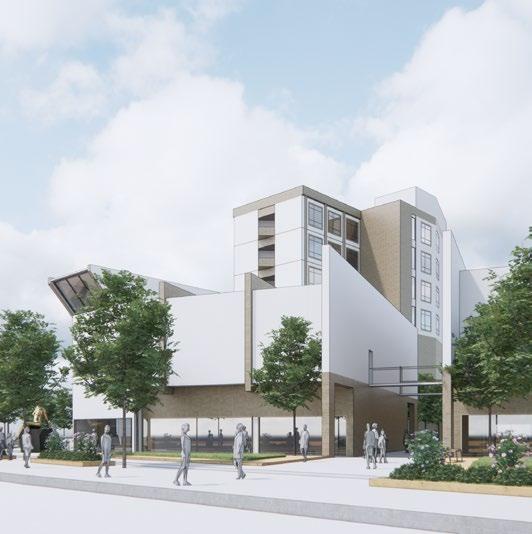
The new buildings (purple), despite being taller than the old ones (white), apply setbacks to respect heritage structures and human scale. They preserve the axis that highlights the old buildings and introduce a side garden as a vital point for pedestrians and the character of the district.
Axis /Shear
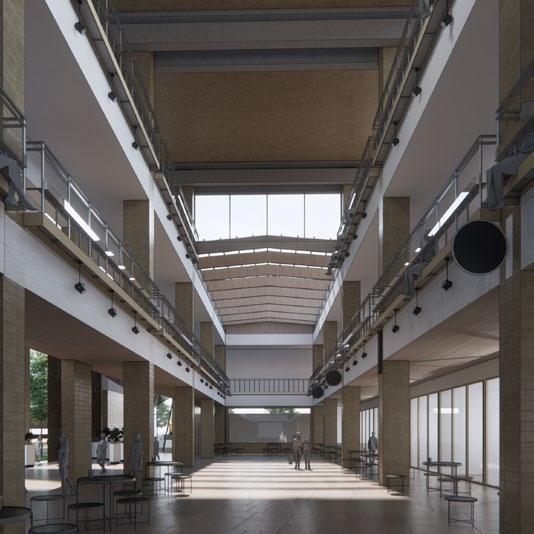
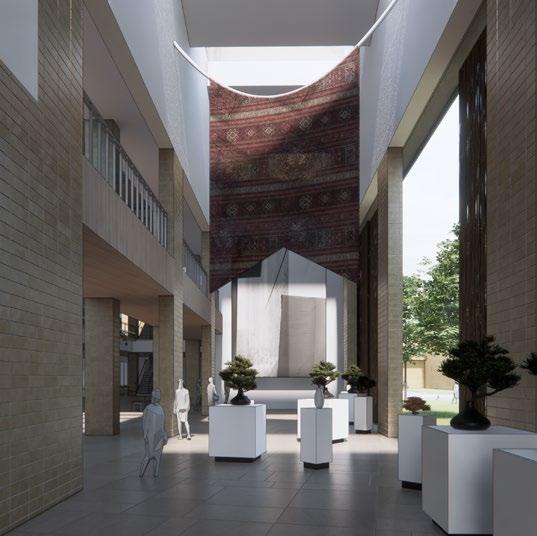
designed to serve the flexibility of the various programs and activities it contains, hosting multiple scenarios. also Maintaining the history
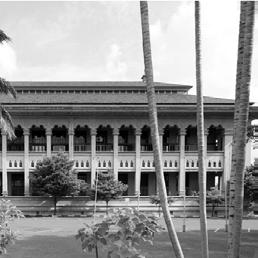
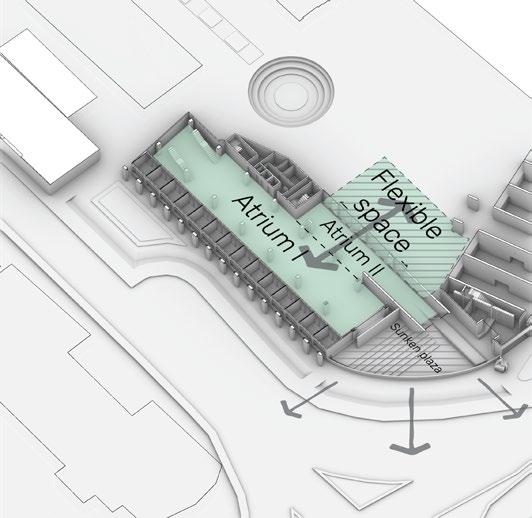
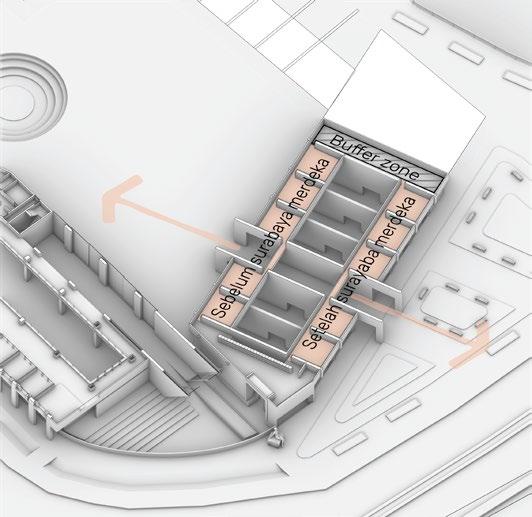
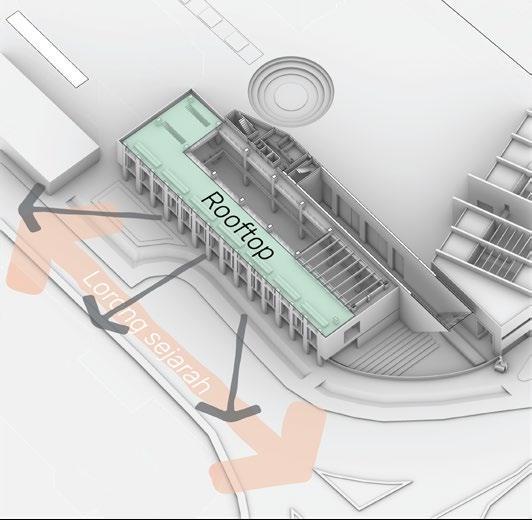
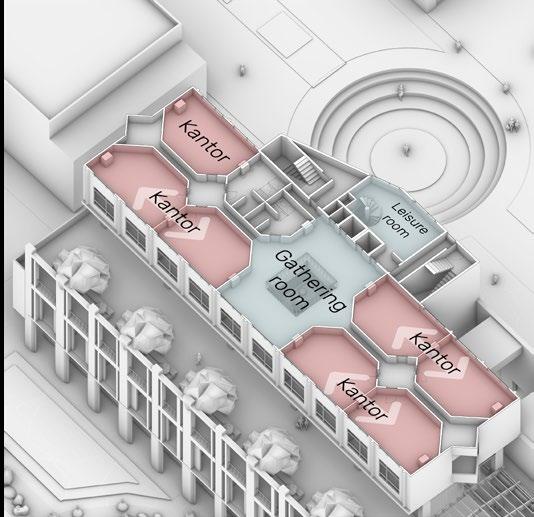
In developing the design, the atmosphere of the surrounding old buildings was studied and reinterpreted with a contemporary touch to evoke a sense of familiarity. This approach is applied to the façade, spaces, and corridors without compromising the programmatic flexibility of the building. The aim is for the mass to act as a catalyst while preserving the atmosphere of Surabaya’s old town.
Parti
Videography
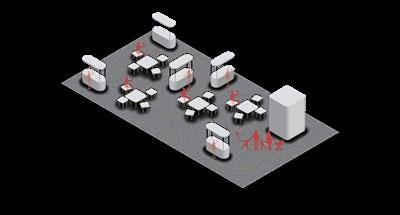
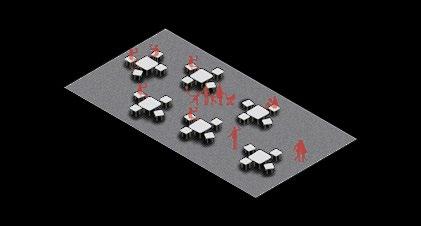
Creative space
Shop & Bazaar
Third Space
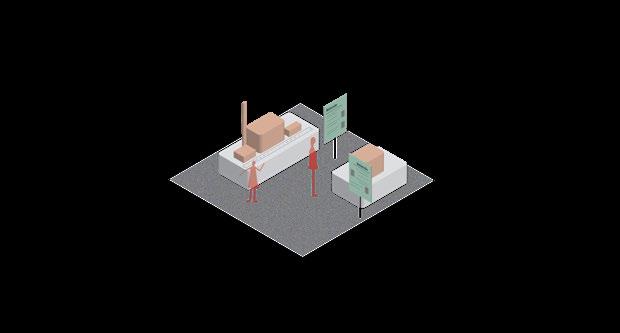
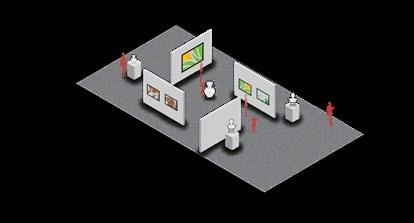
Exhibition
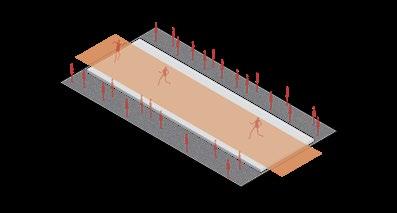
Event / Show
Atrium
Atrium & Seating Area
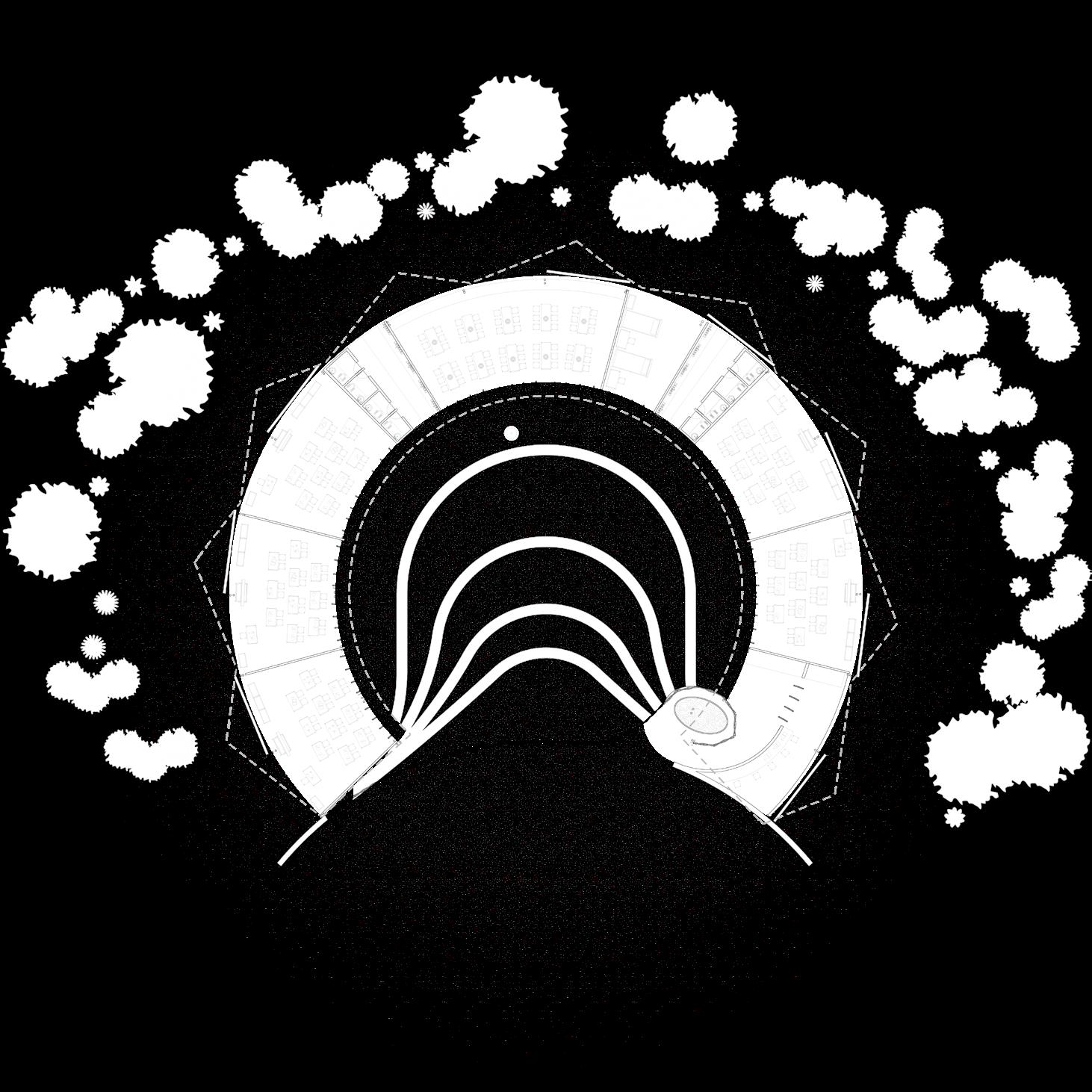
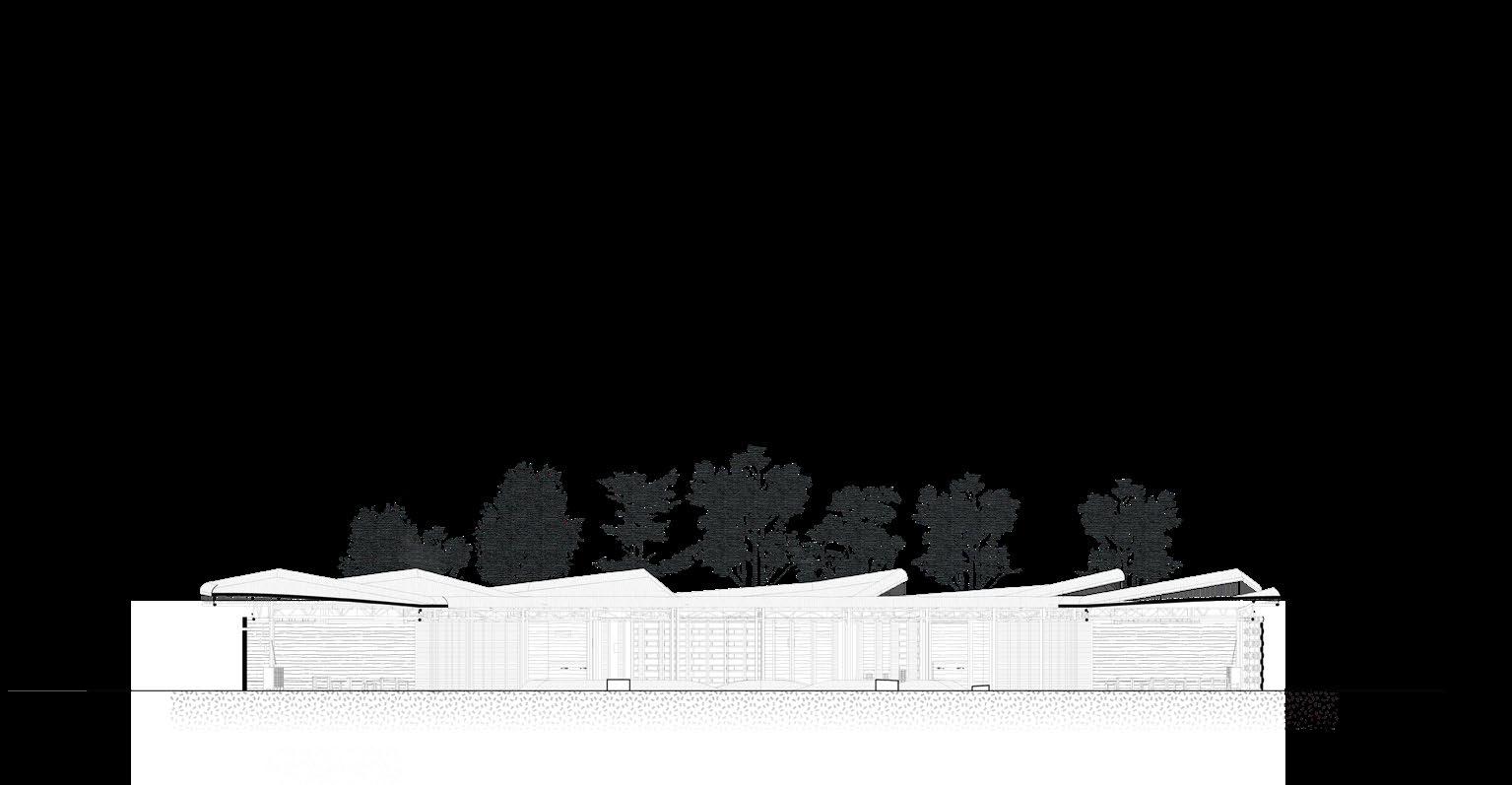
HALF MOON NURSERY SCHOOL
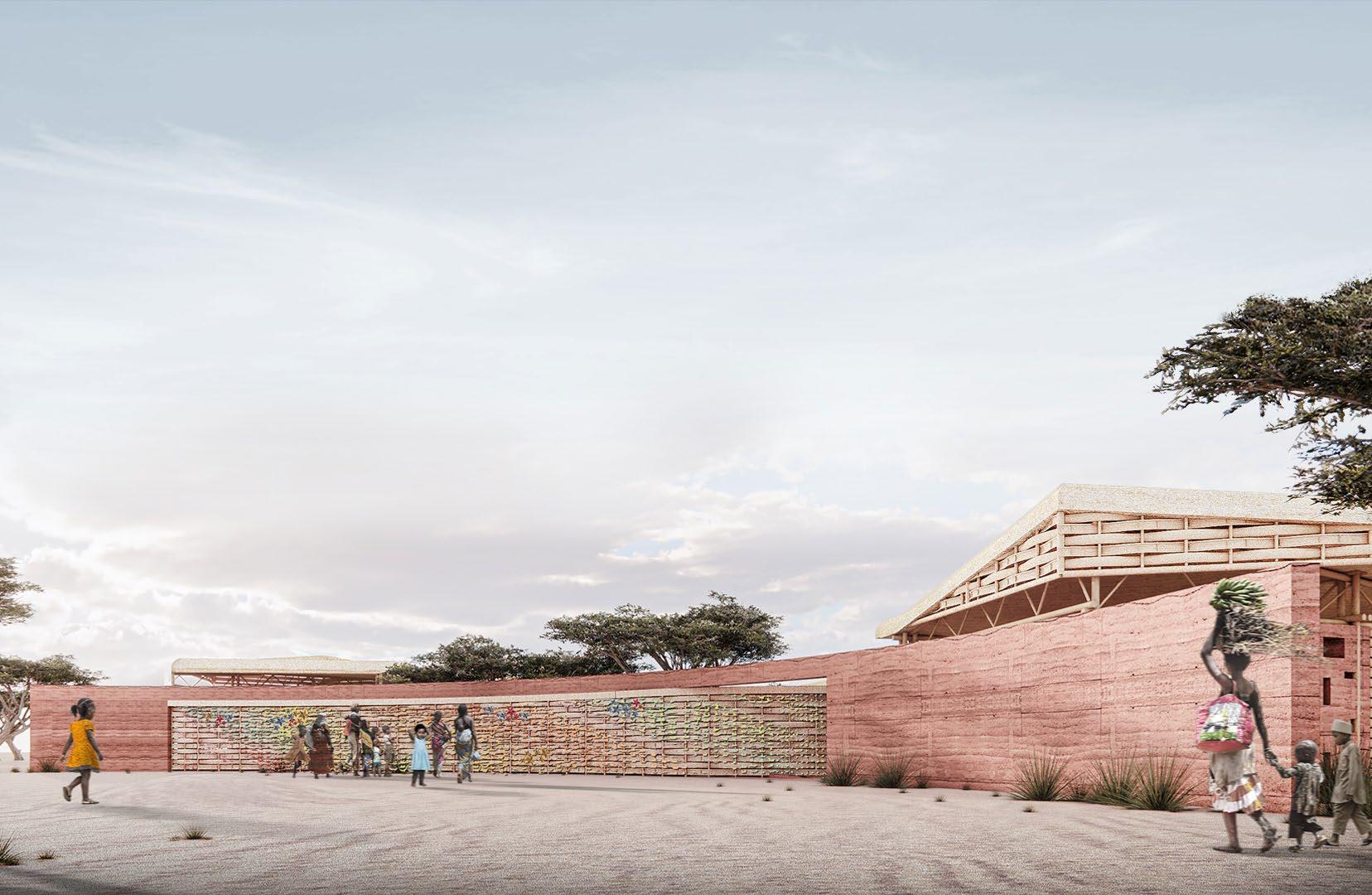
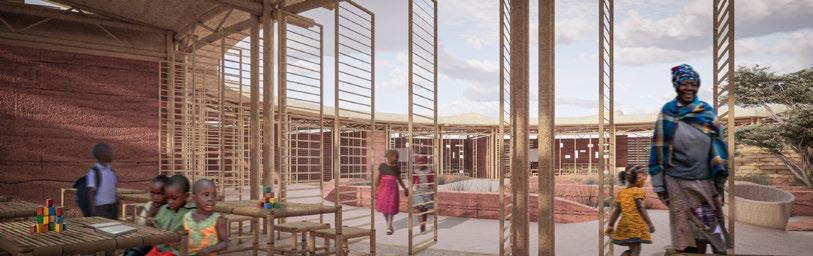
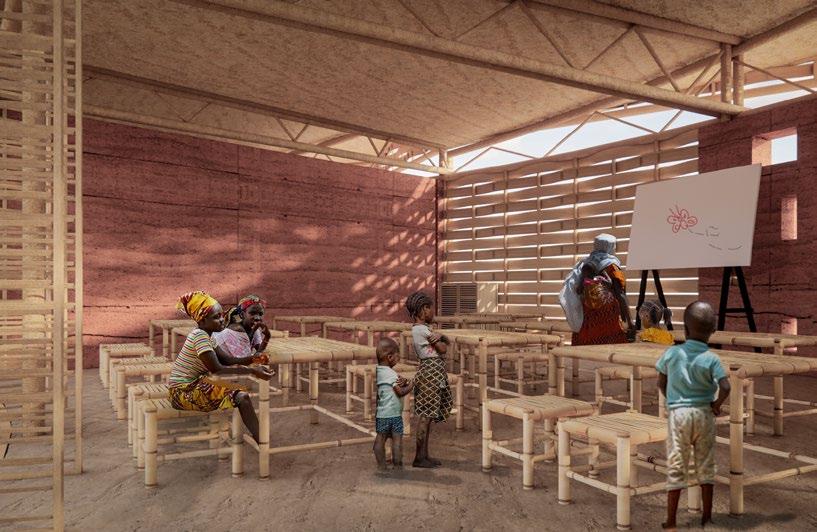
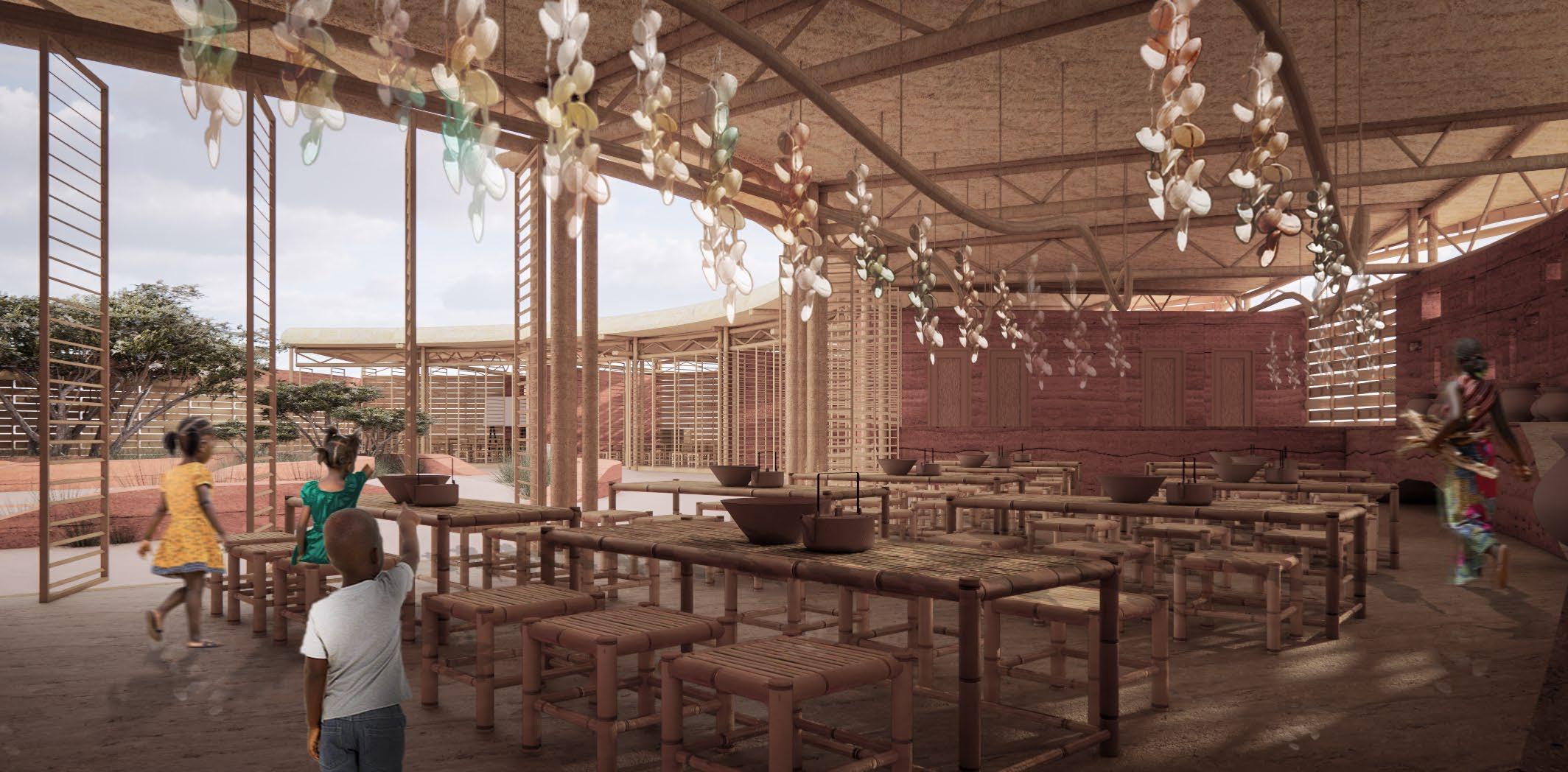
In South Senegal, many children face hunger, exploitation, and unsafe environments that hinder their access to education. When available, learning spaces often lack empathy, safety, and climate responsiveness, leaving children feeling unseen and vulnerable.
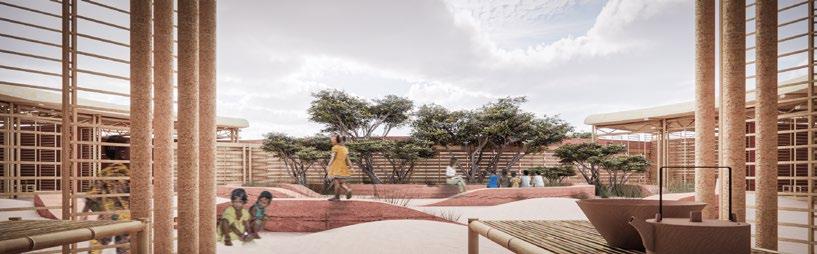
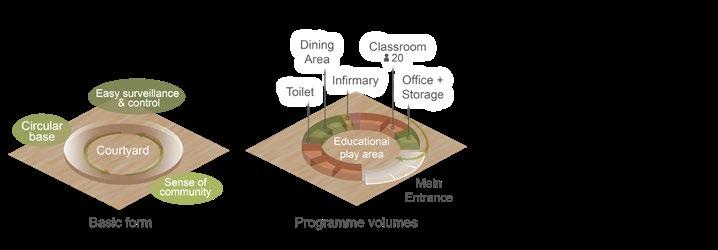
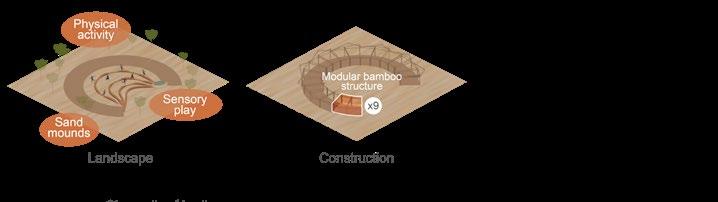
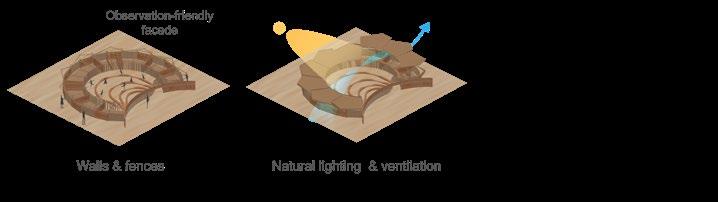
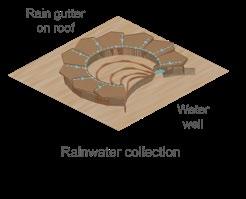
This nursery’s half-circle form creates an embracing, connected space. A central courtyard strengthens community through shared play, while the curved layout offers climate protection and gentle supervision, helping children feel both safe and free.
Using a modular bamboo structure, the building is efficient, adaptable, and easy to assemble on-site or prefabricate. Only the entrance wall is non-modular to clearly define and highlight the entry.
Responsible for the overall concept and massing design
Produced graphics for the submission panels
Competition - 2025
Collaborator : Aurelia A - Valerie P
Evelyn T - Andriyan H
ROLE IN PROJECT
6/Dining Area
4/Courtyard
HUMA BETANG UMAI
PALACE & ADMINISTRATION
Project - 2023
Team
SHAU with APTA and Cilaki Studio
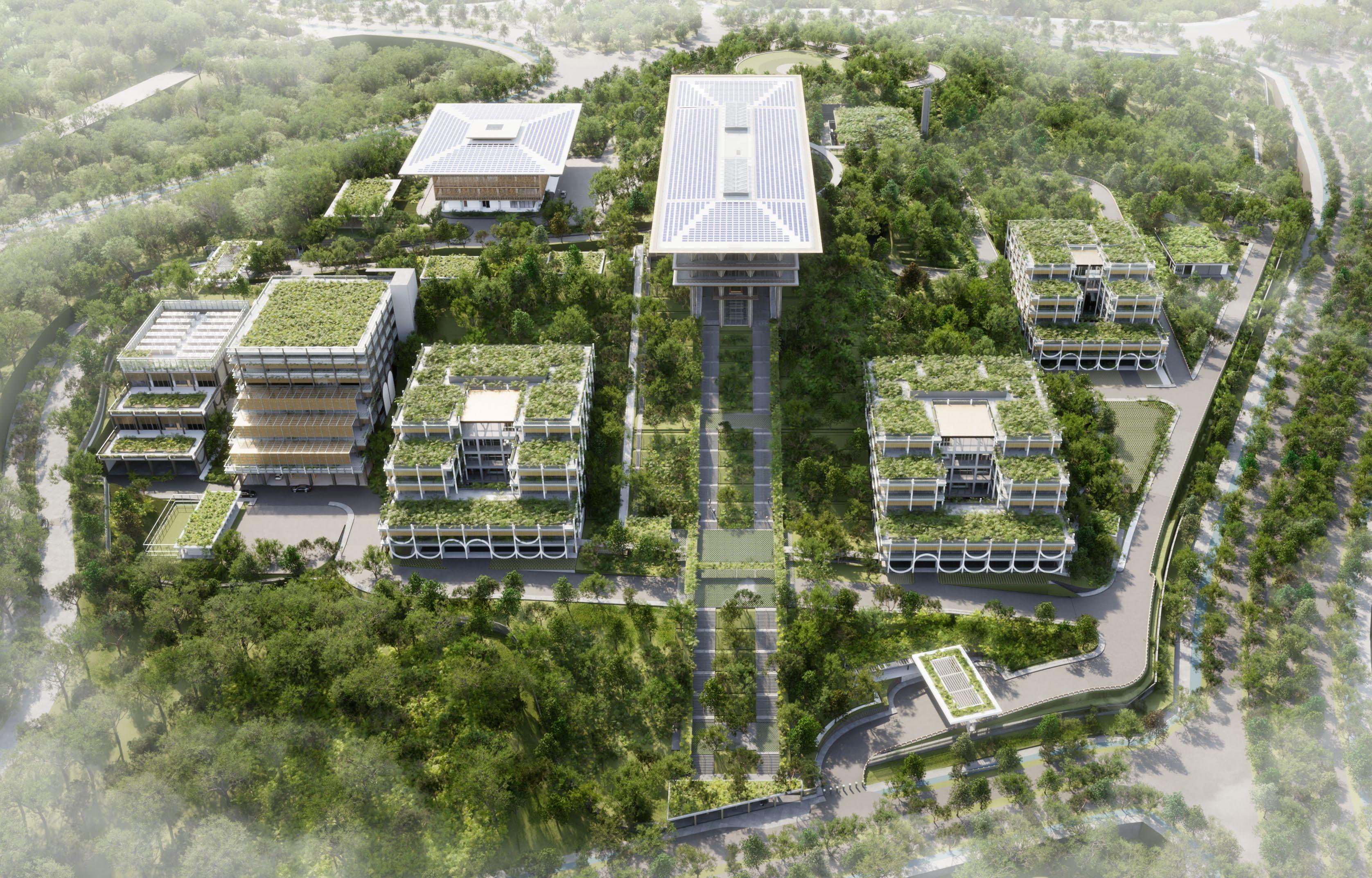
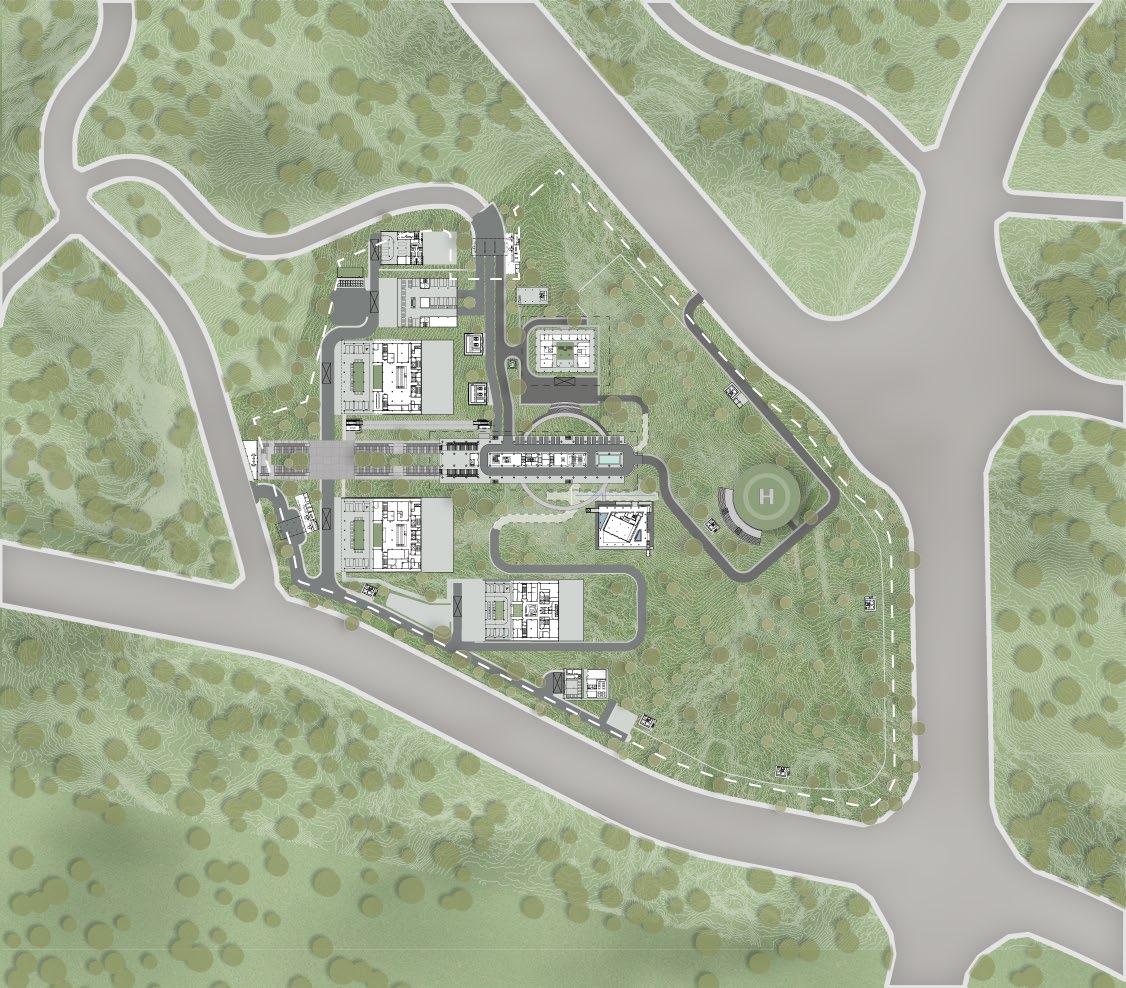
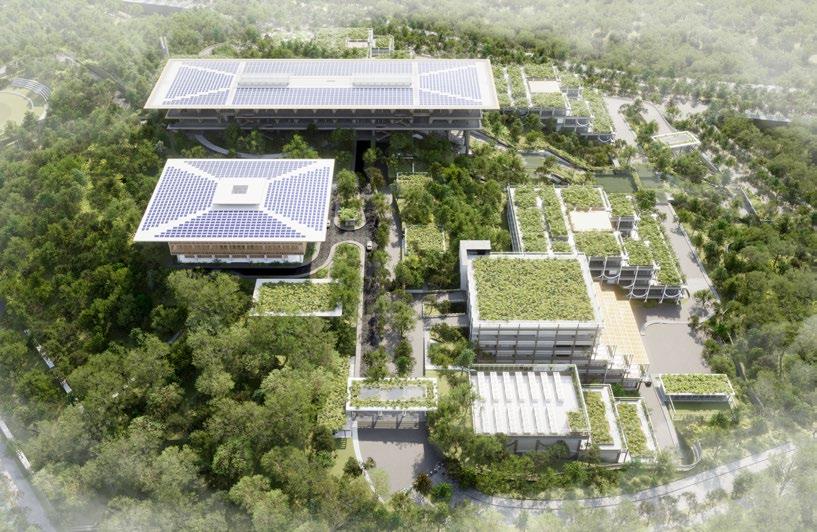
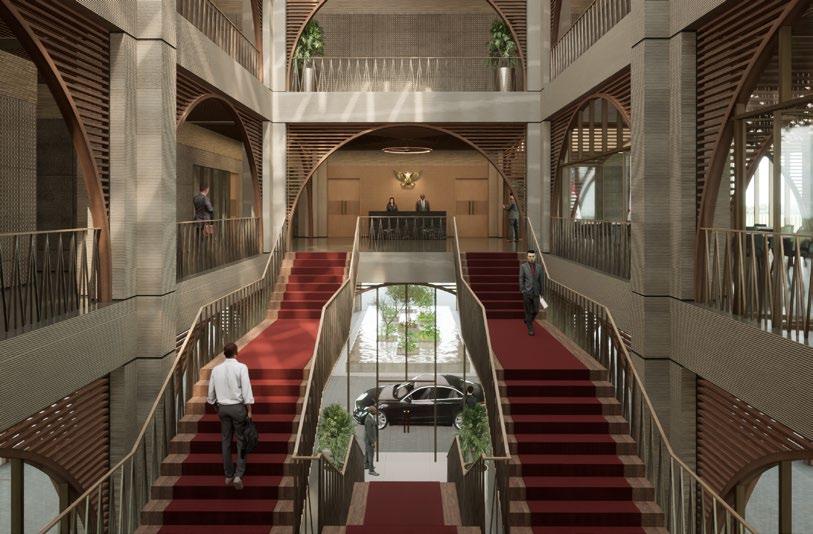
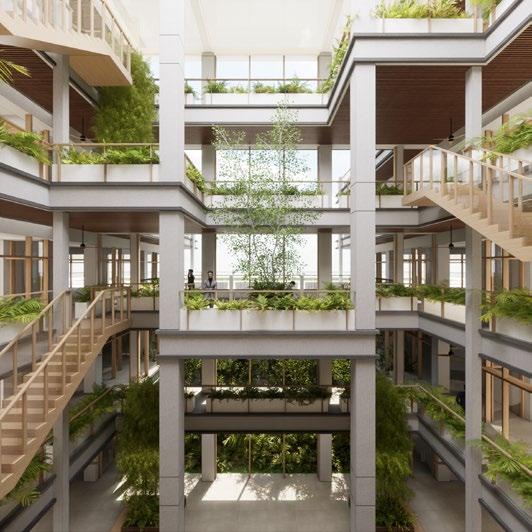
– has designed a vice presidential palace complex in Nusantara, the new capital of Indonesia in East Kalimantan. Titled ‘Huma Betang Umai’ –meaning Mother Long House, the design interprets the indigenous Dayak long house into a contemporary, sustainable-regenerative and people-centric palace. The project has been chosen based on a national open competition organized by the Ministry of Public Works and Housing.
ROLE IN PROJECT
Responsible for the master plan and parts of the massing design
Coordinated with the structural and MEP teams
Produced CAD drawings and graphics for the submission
Attended meetings and supervised the quality of the DED team’s work
Florian Heinzelmann & Daliana Suryawinata with, Ignatius Aditya Kusuma, Aprilea Sofiastuti Ariadi, Ben Barukh Kurniawan, Hoseo Viadolorosa, Muhammad Ichsan, Muhammad Arkan Haqqi, Zaky Abdullah Muhammad, Johan Santoso Djojo, Bonaventura Rah Abisca, William Khan, Arif Hidayatullah Adrian Michael
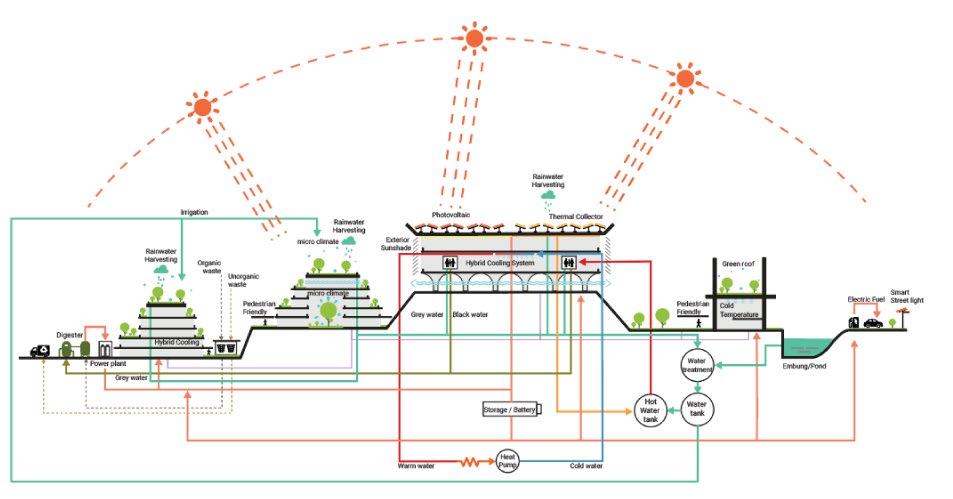
Sustainability and circularity must become the standard in Nusantara, aiming toward carbon negative and regenerative development. The Vice President’s district uses solar panels, rainwater harvesting for flushing and irrigation, 3R waste separation with organics sent to a biodigester, and separate greywater and blackwater treatment. Passive design responds to sun, wind, temperature, and humidity, while the façade maximizes natural daylight.
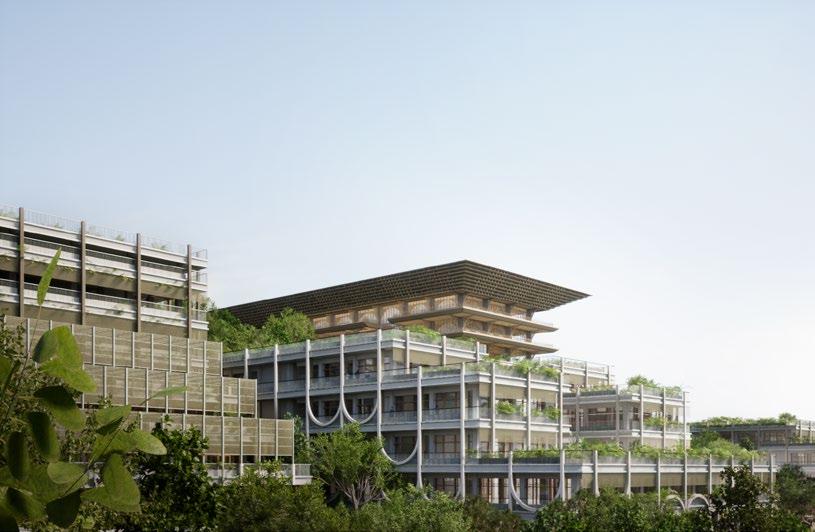
The monumental state buildings are designed using Nusantara principles of head, body, and feet, combined with a contemporary interpretation of Dayak architecture, all adapted to the tropical climate.
Supporting buildings such as the secretariat office, security housing, and other facilities are placed on the lower contours. Their terraced massing follows the terrain and blends with the surrounding forest and landscape.
Site Plan
Mass Concept
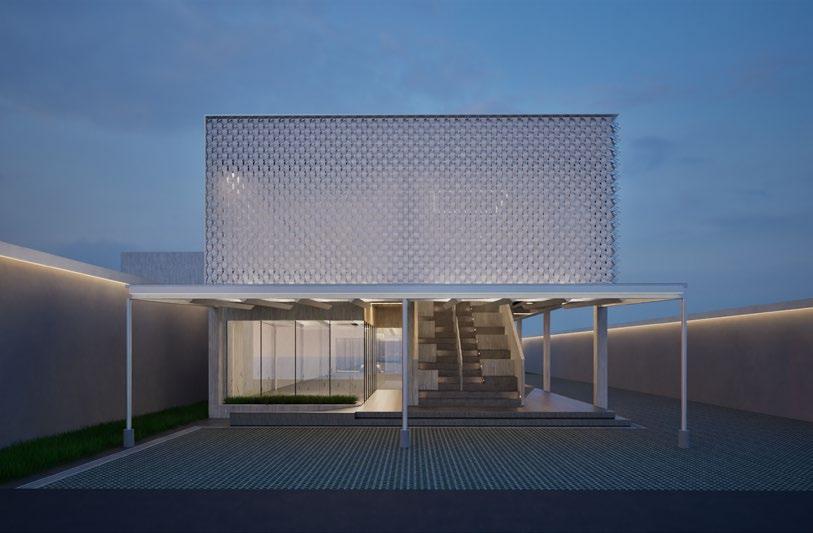
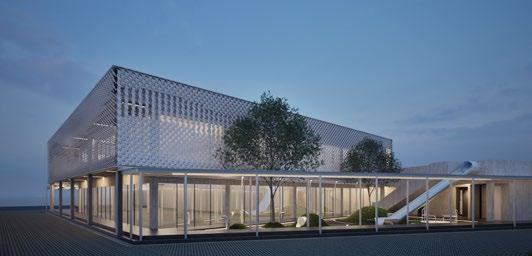
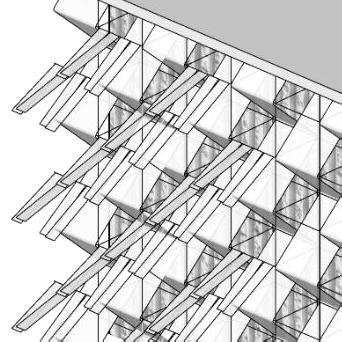
This project is conceived as a small creative hub built with a tight budget. Its defining element is the façade, crafted from woven banners as an exploration of low-cost material innovation. The building embraces simple construction and flexible spaces, showing how affordable architecture can remain expressive from thoughtful detailing.
POCKET PARK & TIC
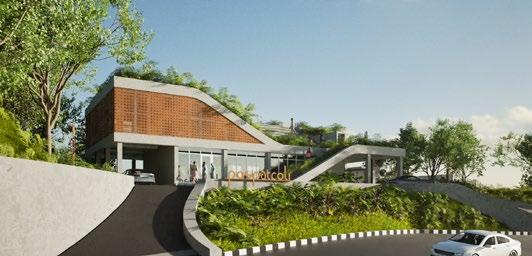
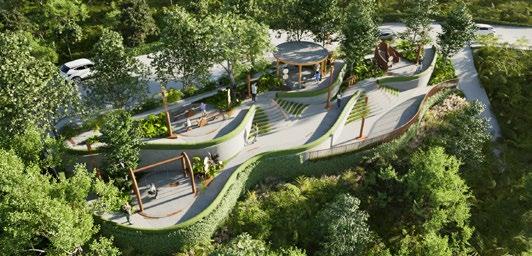
With the goal of restoring the Puncak corridor to its natural and pristine state, ecological beauty and function guide the park’s design. Inspired by the terraced landscape of nearby tea plantations, the proposal adopts similar terracing to enhance water management, soil stability, and ecological performance. This layered landscape reflects the region’s identity while creating a calm visual rhythm. The terraced configuration also acts as a subtle barrier, discouraging the return of informal vendors and helping preserve the restored ecological corridor.
SALIB KASIH
PILGRIMAGE SITE
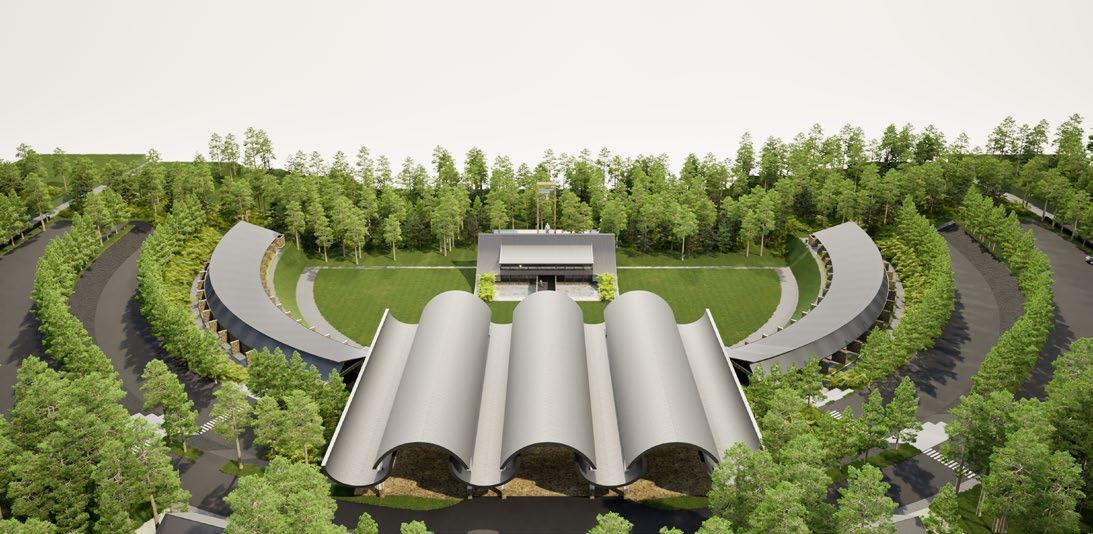
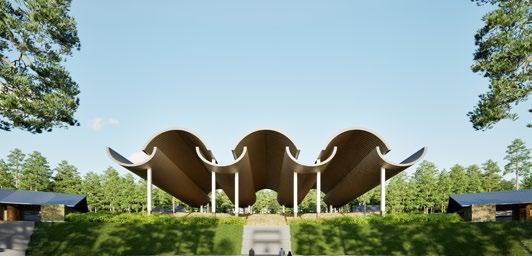
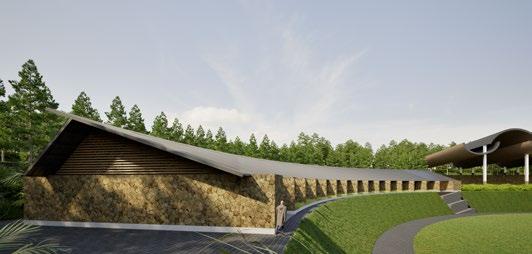
The revitalization of the Salib Kasih area seeks to restore the site to its original function as a serene place of prayer and reflection. The design emphasizes an iconic yet lowmaintenance character, ensuring the monument remains dignified, durable, and respectful of its spiritual significance. By strengthening the sacred ambiance and improving the visitor experience, the project aims to attract a wider audience interested in spiritual and religious tourism, while preserving the cultural and historical essence of the site.
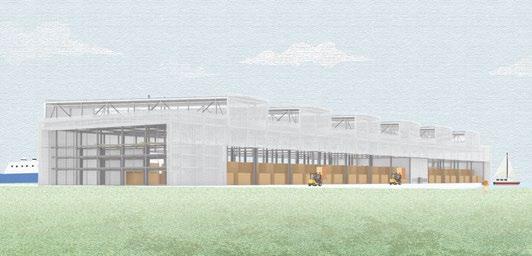
This shipbuilding facility is envisioned as a monumental structure, with its main volume shaped by the site. An east–west roof orientation maximizes natural daylight, reducing electrical use and improving overall efficiency.
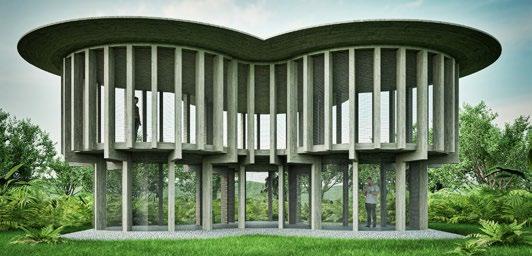
This pavilion is a living experiment in sustainable tropical design, where raw concrete forms meet climate-responsive openness. It expresses a lighter, local interpretation of Brutalism, blending bold geometry with wind, light, and landscape.
Bandung, Jawa Barat
Bogor, Jawa Barat
Batam, Riau
Tapanuli Utara, Sumatra Utara
Bandung, Jawa Barat
Team:
Team: Aurelia A - Valerie P
Team:
Team:
Team:
Florian Heinzelmann & Daliana
Suryawinata with, Ignatius Aditya Kusuma, Farhan Fajar, Adrian Michael, Raymond Kurniawan, Johan Santoso Djojo, Bonaventura Rah Abisca
Florian Heinzelmann & Daliana Suryawinata with, Ignatius Aditya Kusuma, Farhan Fajar, Adrian Michael, Johan Santoso Djojo
Florian Heinzelmann & Daliana
Suryawinata with, Ignatius Aditya Kusuma, Farhan Fajar, Adrian Michael, Atikah Nur Izzati, Raymond Kurniawan, Johan Santoso Djojo, Bonaventura Rah Abisca
Florian Heinzelmann & Daliana
Suryawinata with, Ignatius Aditya Kusuma, Johan Santoso Djojo, William Khan, Arif Hidayatullah, Raymond Kurniawan
Florian Heinzelmann & Daliana
Suryawinata with, Ignatius Aditya Kusuma, Johan Santoso Djojo, Raymond Kurniawan
Tracing Nature’s Patterns and Processes Natural Forms
Place-Based Connections Human–Nature Relationship
Project - Commercial- Bar in Forest
Office Project (SB301) - Exhibition - Archive & Process