jea257@cornell.edu
+1 (843) 582 7833
IG @joel.architecture
Joel Aidoo is a B.Arch student at Cornell University with a passion for using architecture to uplift communities and serve. For Joel, design is a form of care; an opportunity to blend creativity with purpose. He views architecture as a way to express his artistic voice while responding to the real needs of people. Whether crafting spaces for learning, healing, or gathering, Joel is committed to designing environments that celebrate diversity and foster connection. In the future, he hopes to create architecture that empowers individuals from all walks of life and helps build a more inclusive and compassionate world.
CONTENTS
INTERIM
LIBERTY HAVEN
MENDING THE DIVIDE: A NEEDLE, A THREAD, A FUTURE WOVEN
ADDITIONAL DESIGN WORK
The Ewurabena Rice House is more than a cookhouse—it is a space designed to cultivate community through the shared experience of preparing and enjoying West African rice dishes. Rooted in the cultural importance of food as a connector, its program and circulation are centered around the act of gathering.
Spring 2023
Project under the instruction of Ekin
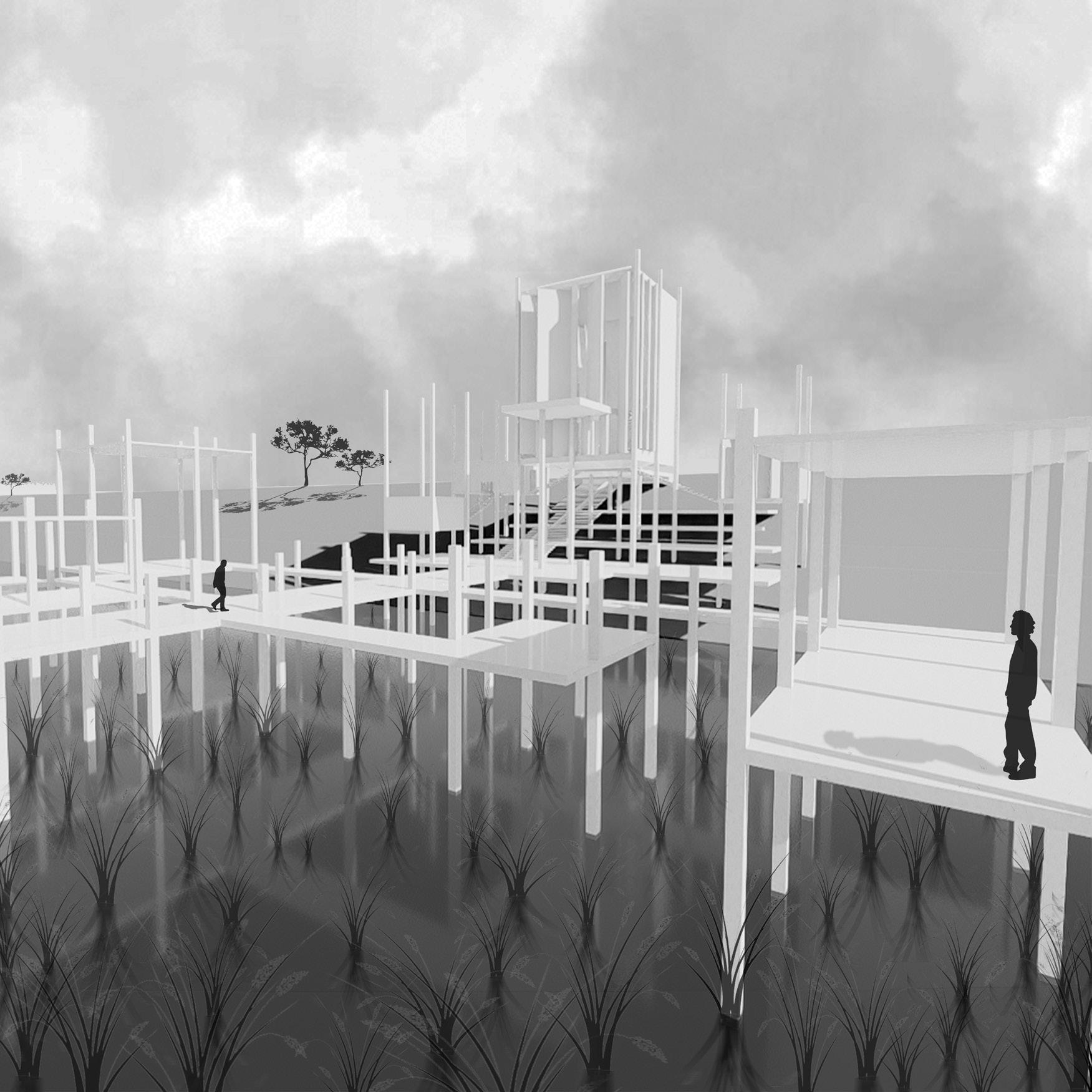
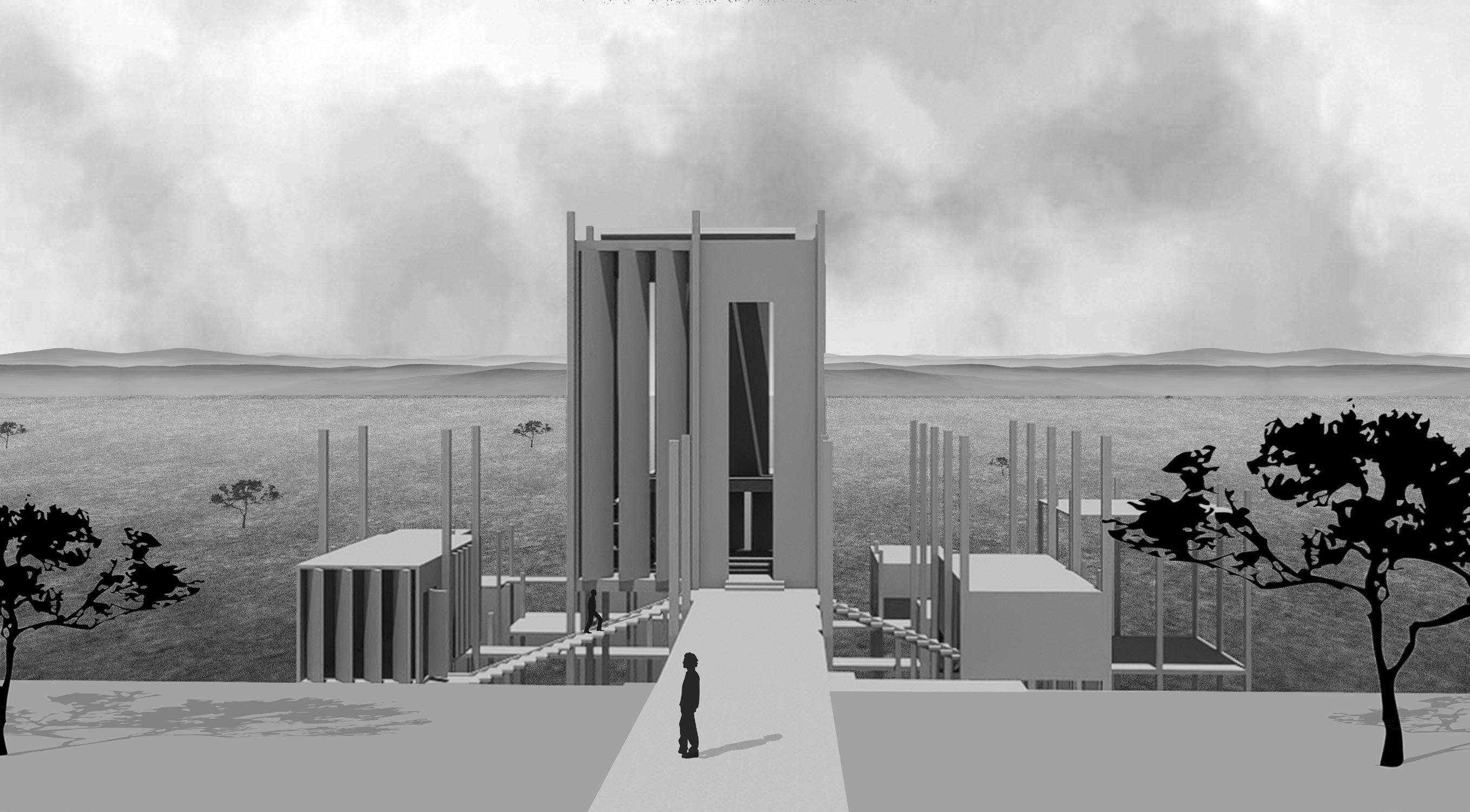
The largest and most prominent space in the structure is the communal dining area, symbolizing its central role in bringing people together. Upon entering, visitors are naturally drawn toward this space, though smaller adjacent rooms offer opportunities for preparation and conversation. At its heart, the Ewurabena Rice House celebrates the power of cuisine to foster dialogue, preserve tradition, and create a sense of belonging through shared meals.


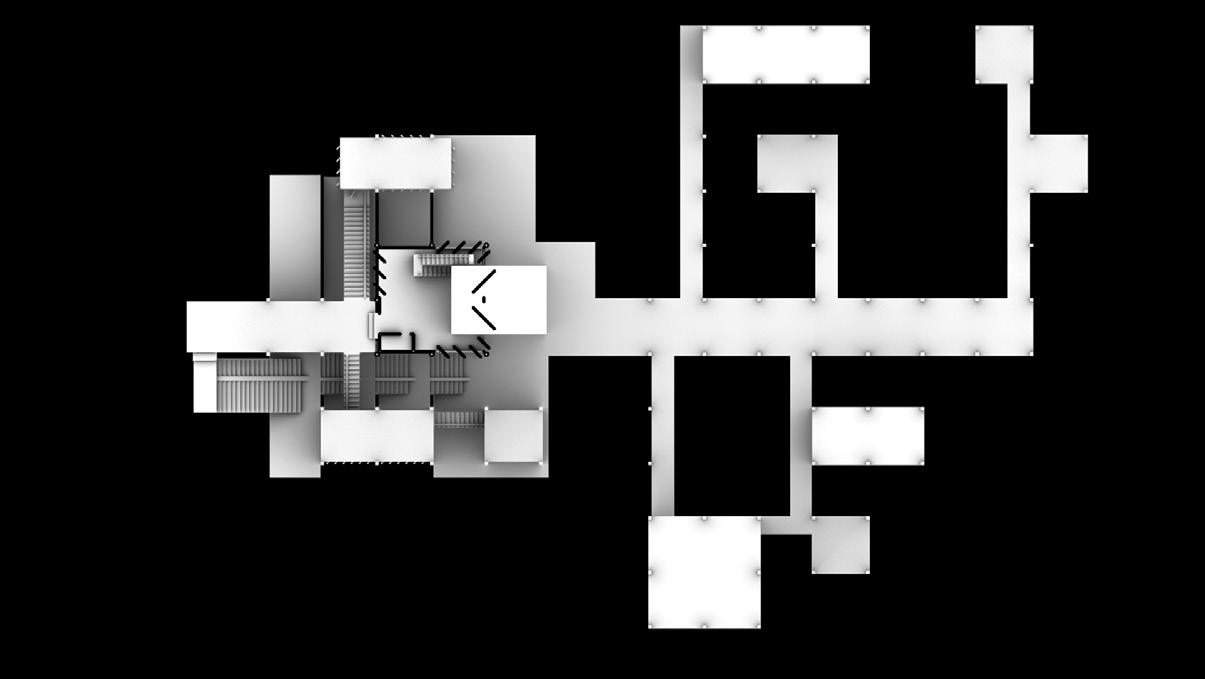
Bathroom
Entrance walkway


1. Intimate Dining
Kitchen/Prep 3.Tiered Plaza
Ricefeild Walkways
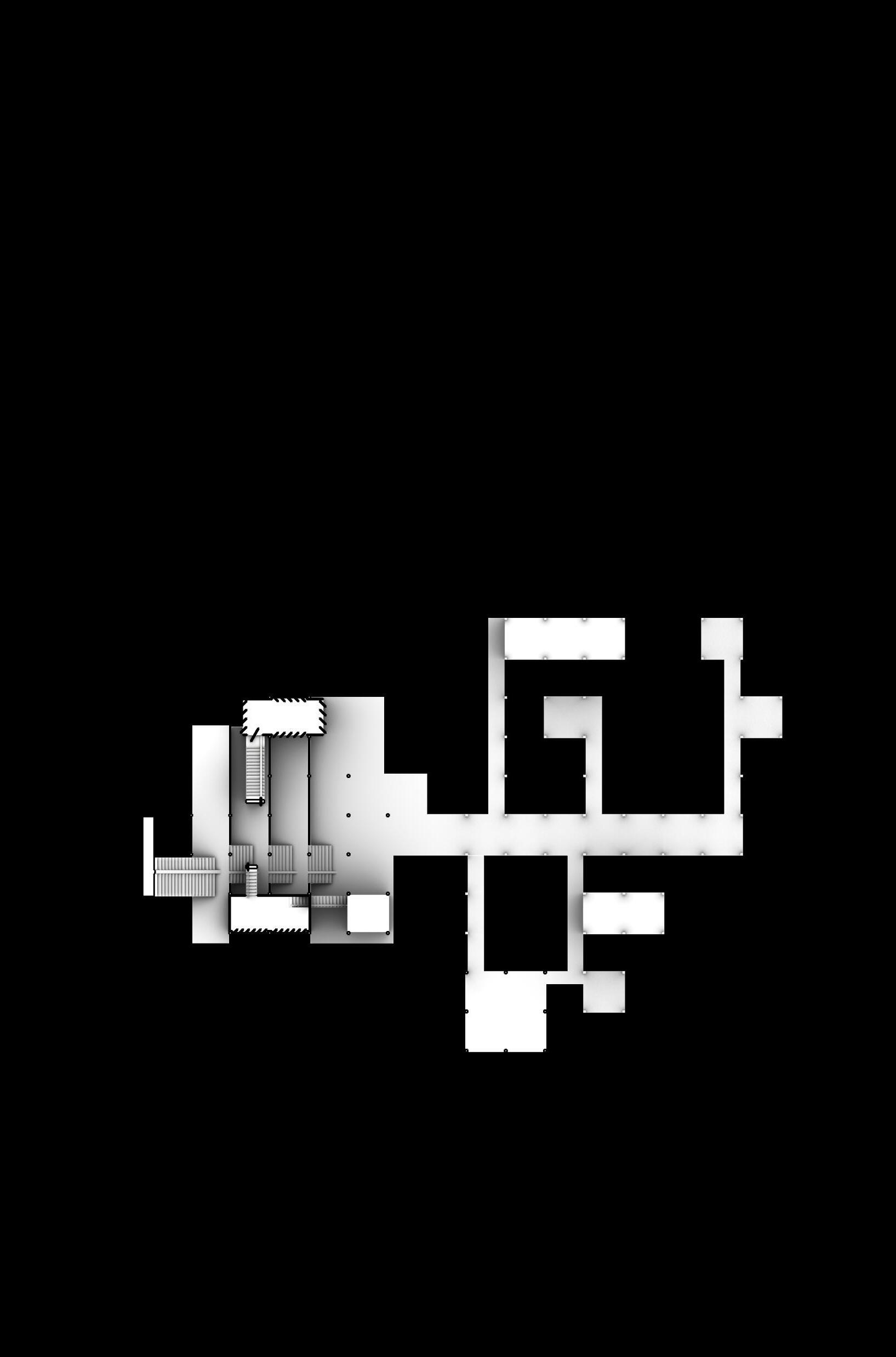


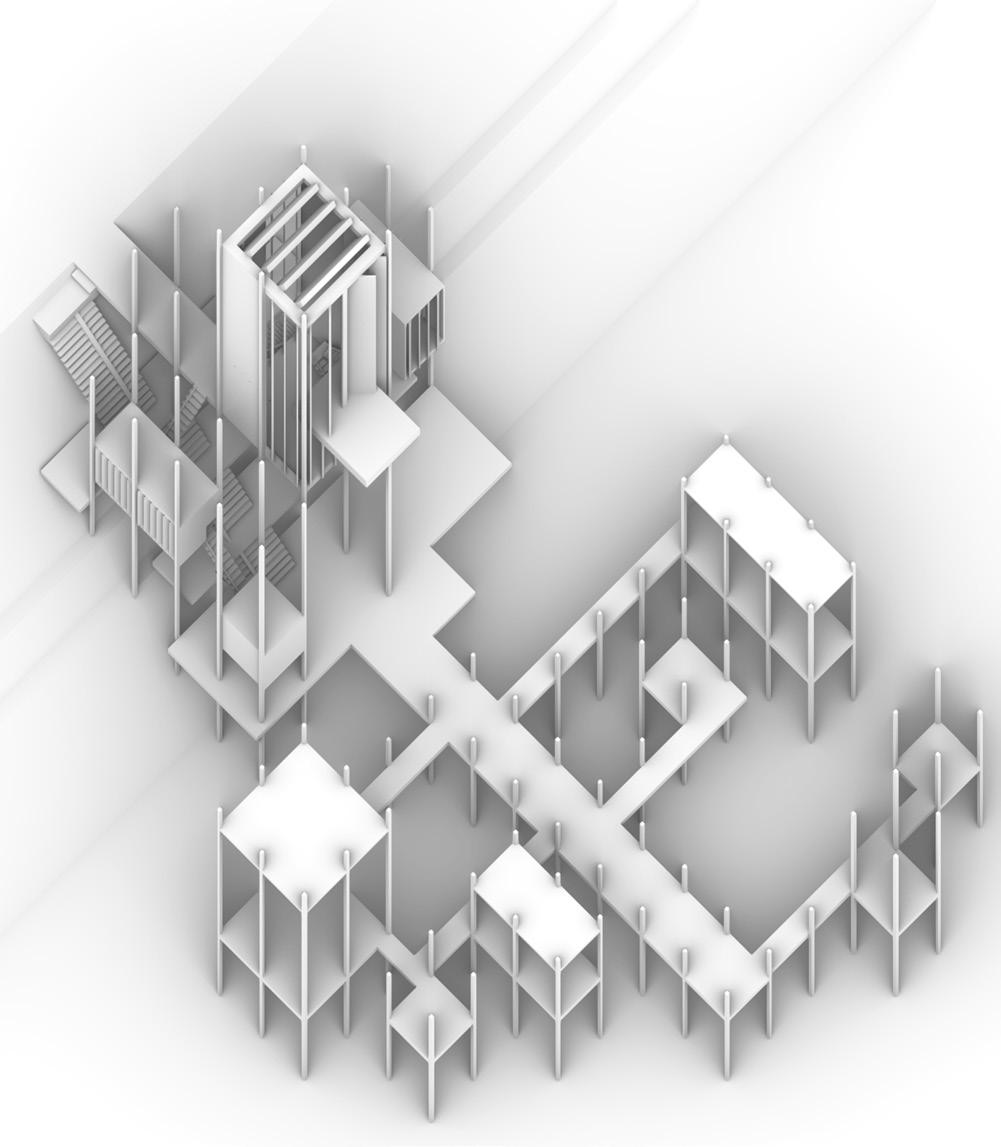
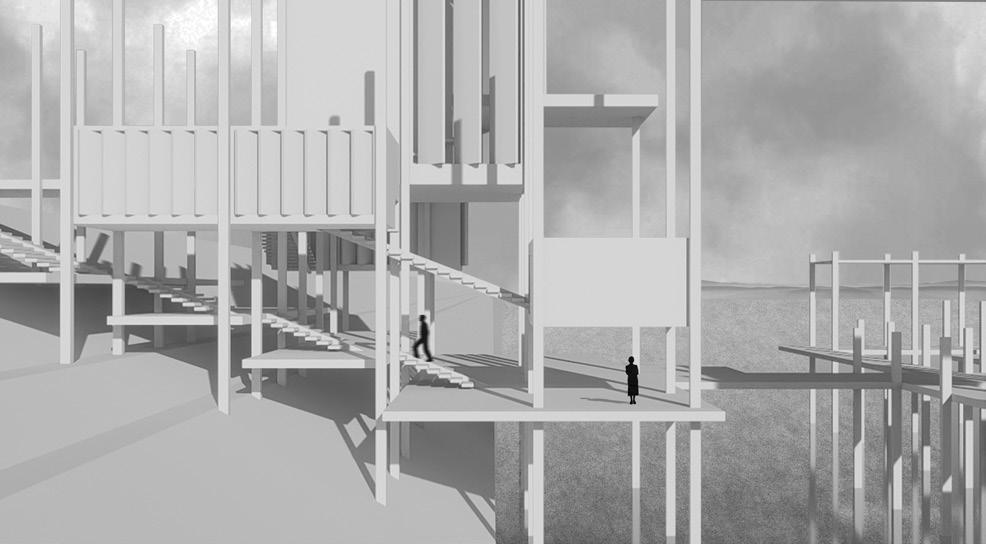

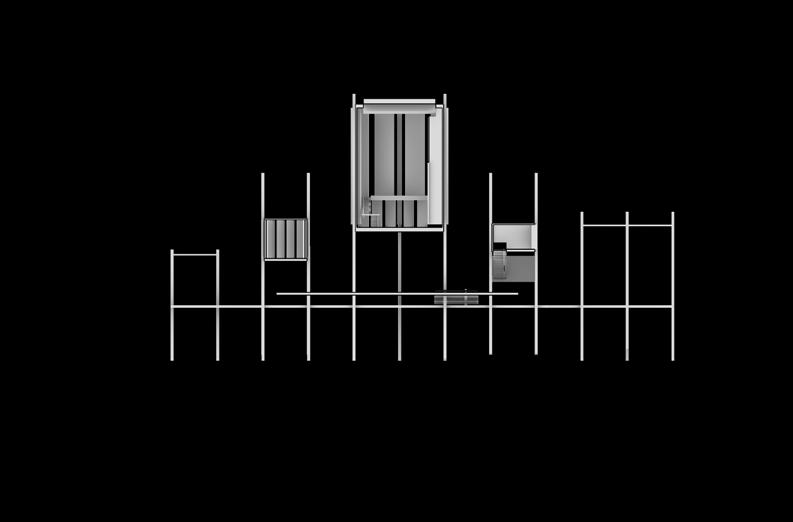
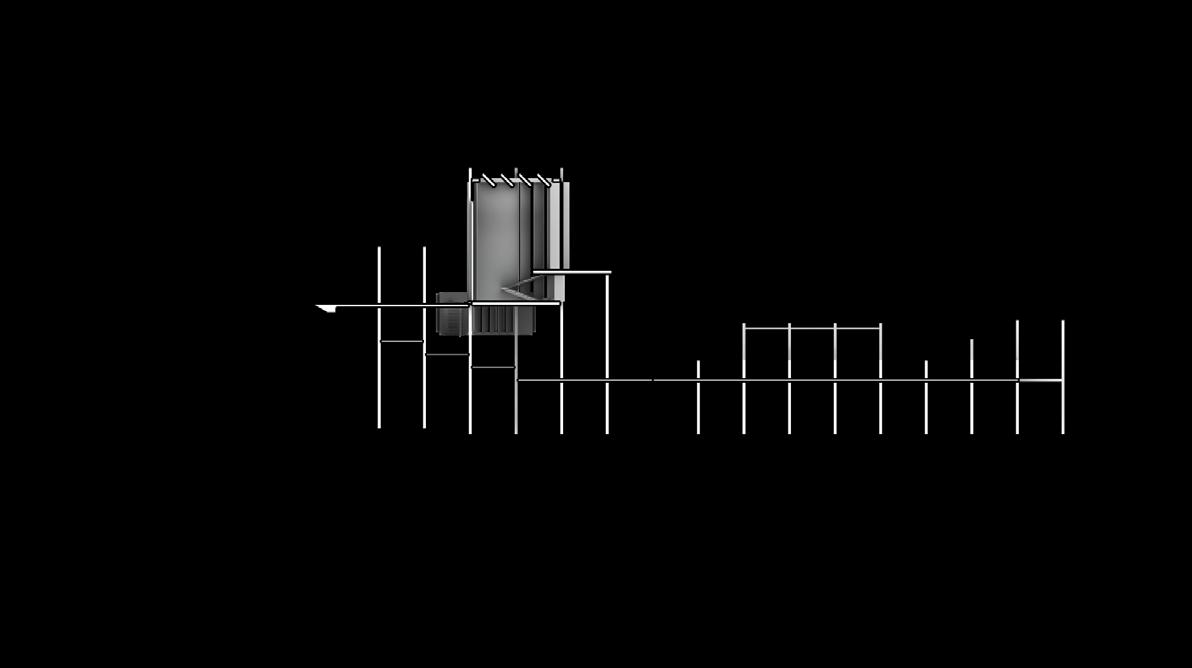
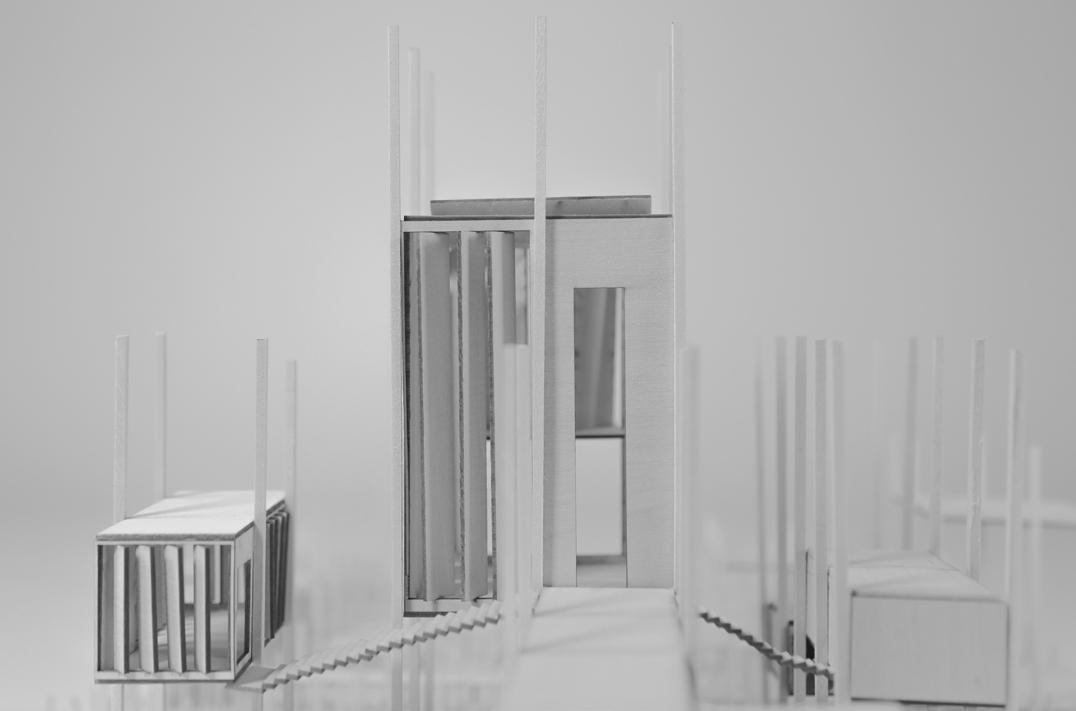
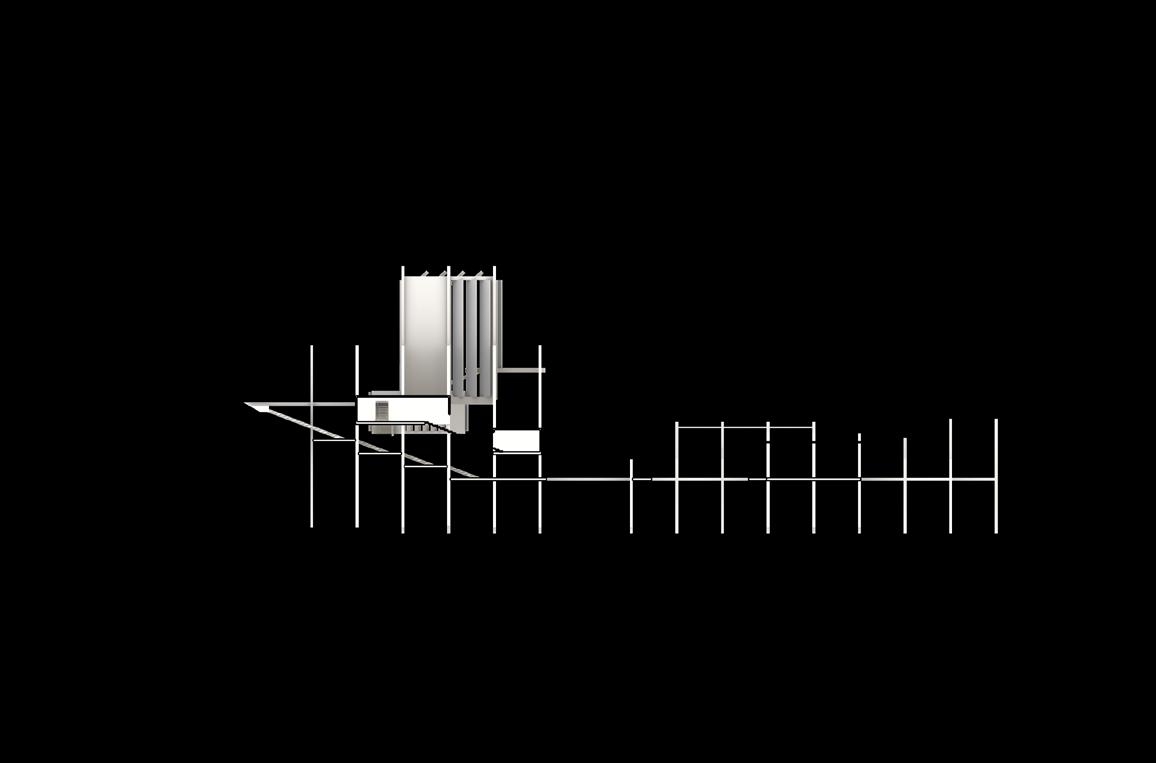
The Ewurabena Rice House is designed as a layered, sectional experience that brings people together at every level. At its core is the central dining space where West African rice dishes anchor moments of gathering and cultural exchange. Stepping down, a tiered plaza extends this sense of community outdoors, offering flexible spaces for sitting, socializing, and informal events. Elevated walkways above the rice fields provide a quieter, reflective path that connects back to the land and the food it produces. Together, these elements create a fluid, multi-level environment that celebrates food, culture, and community in one cohesive design.

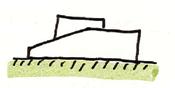
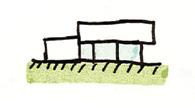

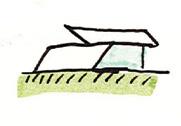
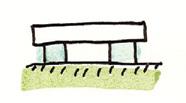
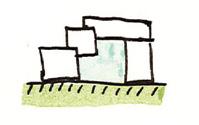
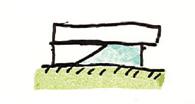
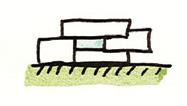
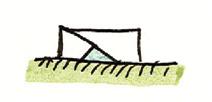
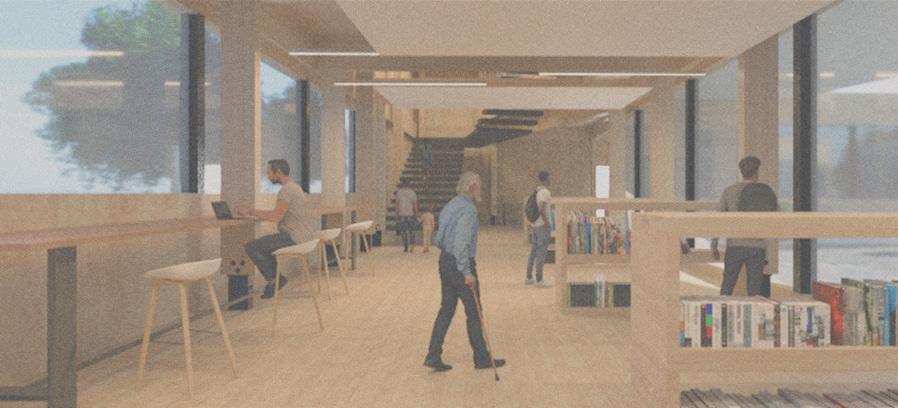
The Ithaca Library is more than a space for reading—it serves as a vital community hub where people can gather, access essential resources, and engage with the natural beauty of Ithaca. Through its thoughtful design, the library frames views of the waterfront, fills interior spaces with natural light, and creates an inviting atmosphere that encourages learning, connection, and a sense of belonging.
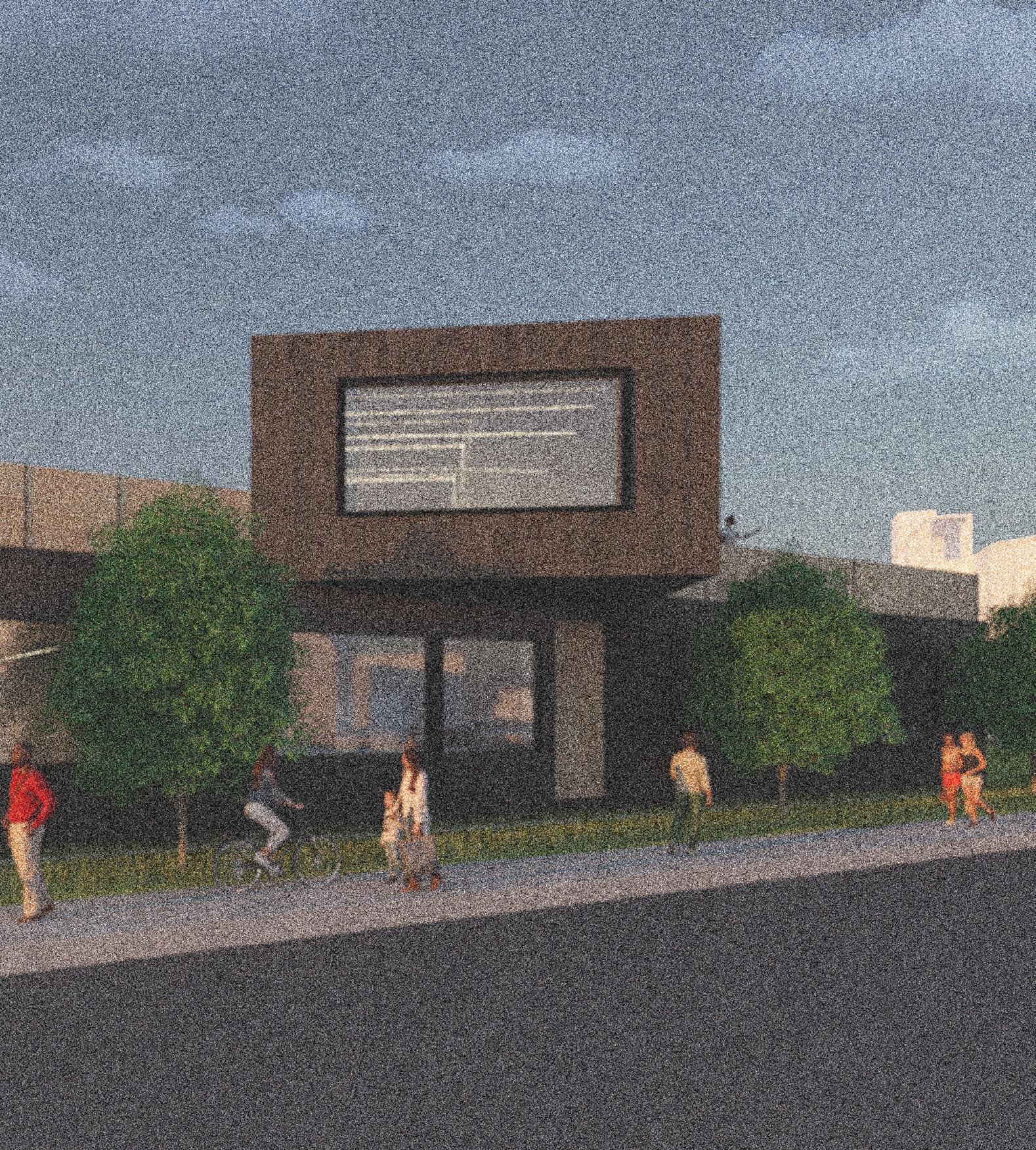
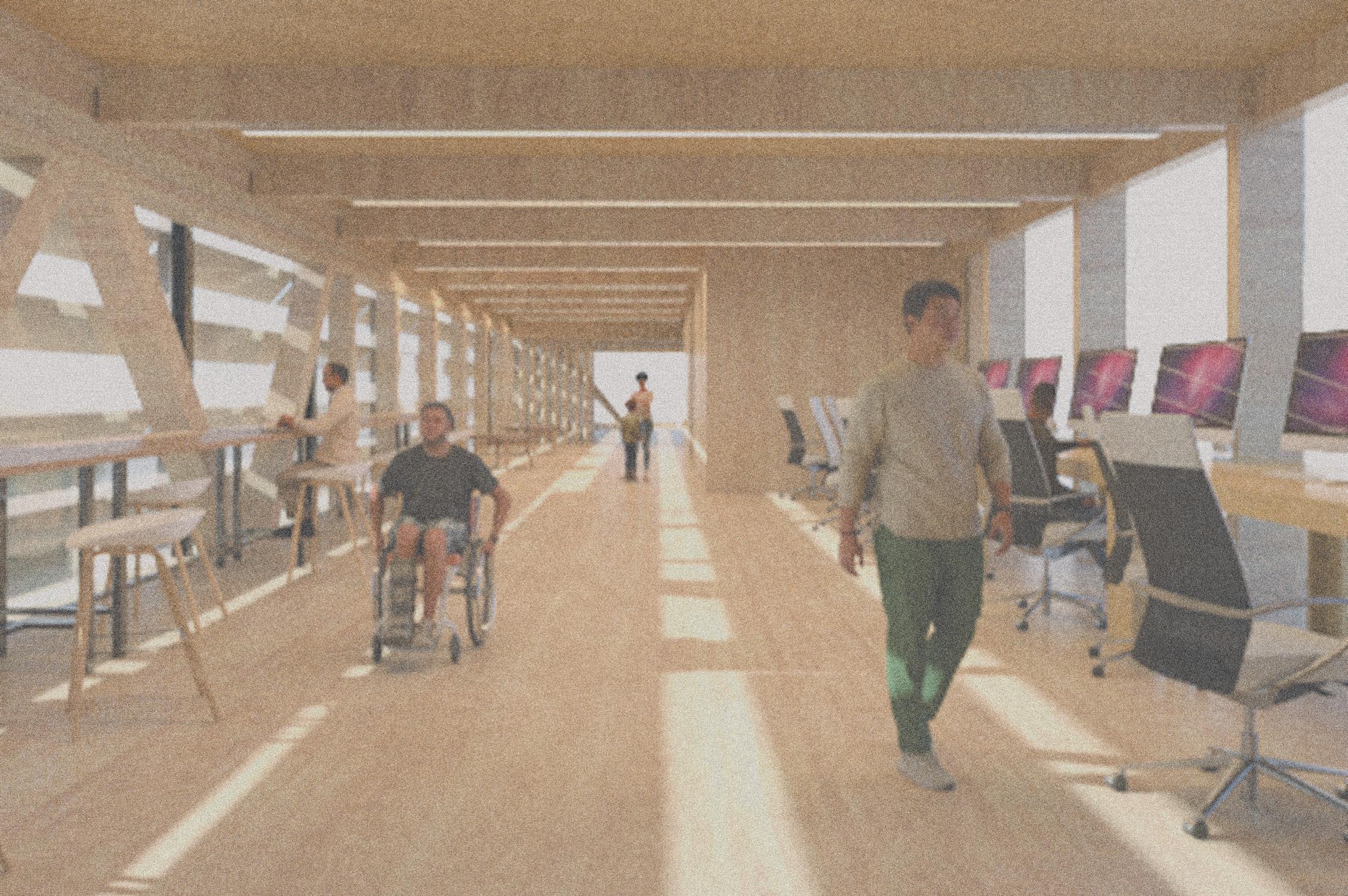
The Ithaca Library prioritizes not just function, but also form and the quality of the user experience. Its structural system plays a key role in reinforcing this vision.
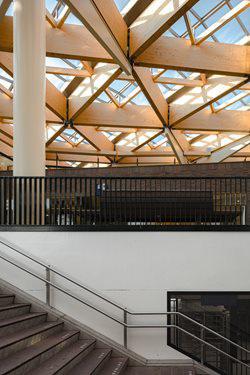
Mass timber is the sole structural material used throughout the design, and it is intentionally exposed to highlight its natural warmth and tactile beauty. This creates a welcoming atmosphere while celebrating the material’s strength and sustainability. To support the dramatic cantilever over the main entrance, a custom mass timber truss system was integrated, efficiently distributing loads back to the foundation. The carefully coordinated network of beams, columns, and trusses not only ensures structural stability but also contributes to the building’s character, making the structure itself part of the experience for every visitor.















The Ithaca Library is designed in full compliance with the International Building Code (IBC) and local life safety regulations specific to Ithaca, New York. From its use of mass timber construction to its integration of fire-rated assemblies, egress pathways, and a comprehensive sprinkler system, every aspect of the building has been thoughtfully developed to meet or exceed required safety standards. These measures ensure the structure not only supports occupant wellbeing and emergency preparedness but also aligns with all applicable zoning and code requirements enforced by the city and state.
Occupancy Type A3
Sprinlkled buildings with emergency alarm system
Egress
Minimum Number of Exits or access to exits
Regulatory: 2 Exits
Implemented: 3 Exits
Exit Access Travel Distance
Regulatory: 250 ft
Implemented: 150 ft maximum
Corridor
Minimum corrider width: 44”
Door Regulation
Regulatory: 32 inches minimum
Implemented: 36 inches minimum
Occupancy Load (IBC CH10)
Myrtle Beach is experiencing a growing crisis of homelessness, driven by low wages, rising rents, and a limited supply of affordable housing. Many residents, even those with jobs or fixed incomes, struggle to maintain stable housing. Organizations like New Directions and the Eastern Carolina Housing Organization offer critical support, but existing shelters and housing programs are stretched thin. As homelessness rises across South Carolina, there is an urgent need for both temporary housing to address immediate needs and supportive housing that combines affordability with services like mental health care, job assistance, and case management— offering a long-term path to stability for the city’s underserved.
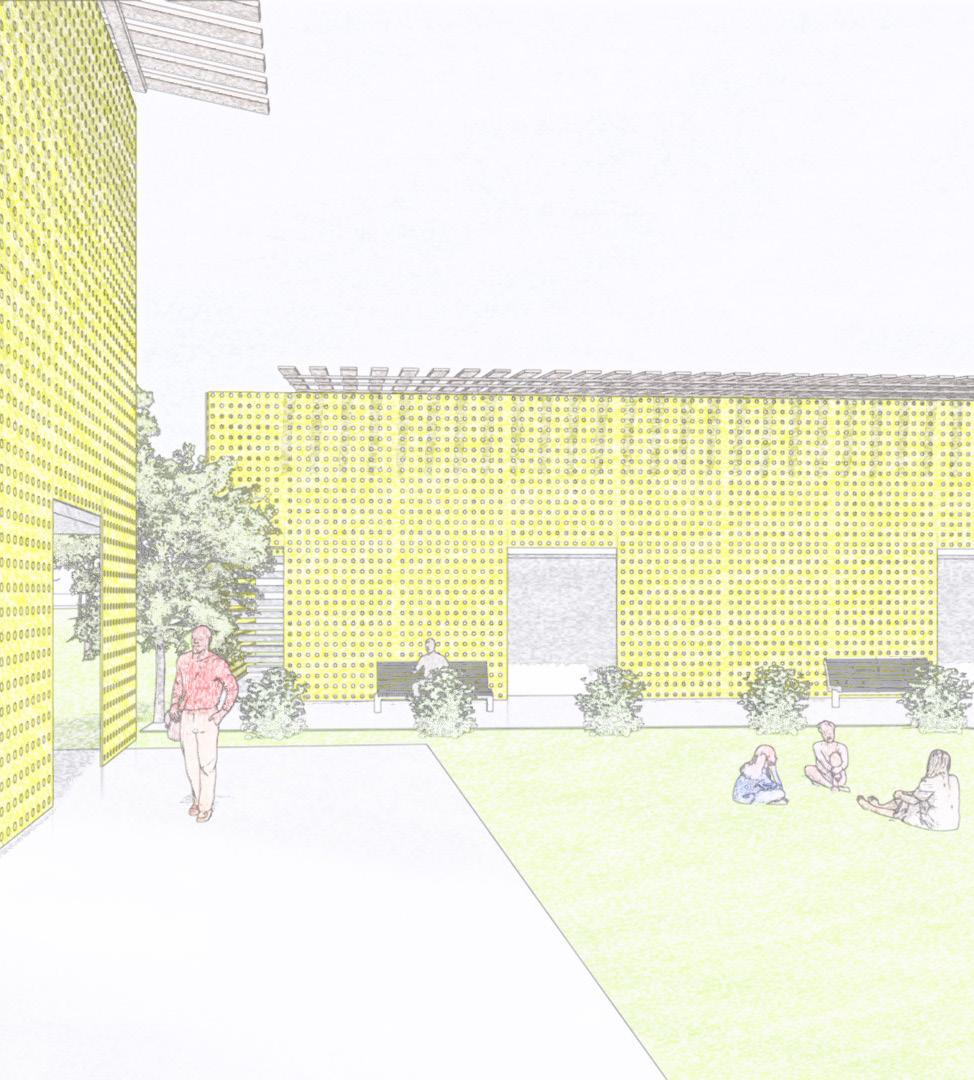
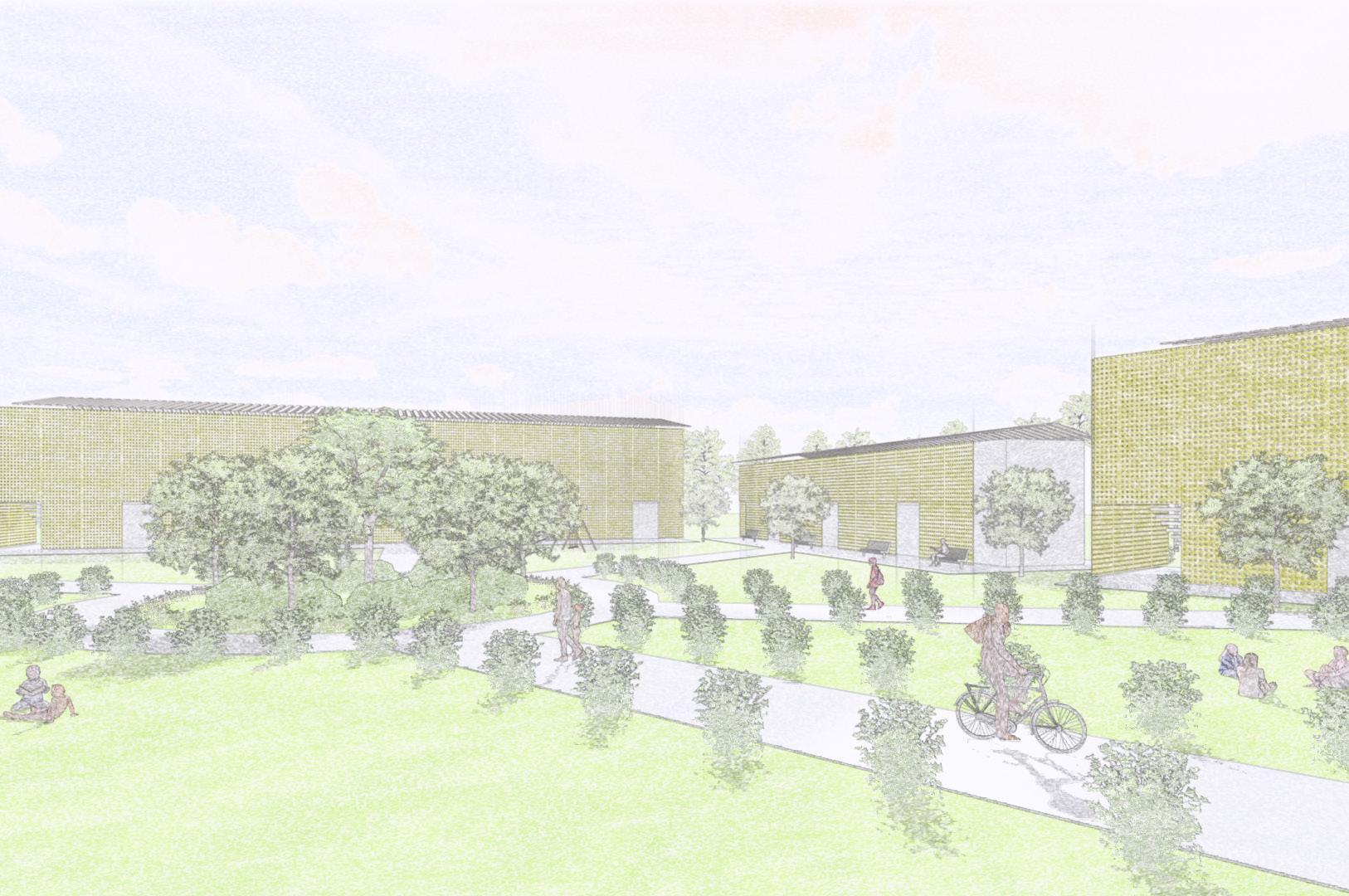
INTERIM is more than just housing; it is a sanctuary of transition. The name “Interim” reflects the idea of being in between two stages of life. In this case being a stage of need and a stage of personal success. This project hopes to realize the real needs of the Myrtle Beach community as it continues to grow and expand, seking to meet the social needs of an evolving area.
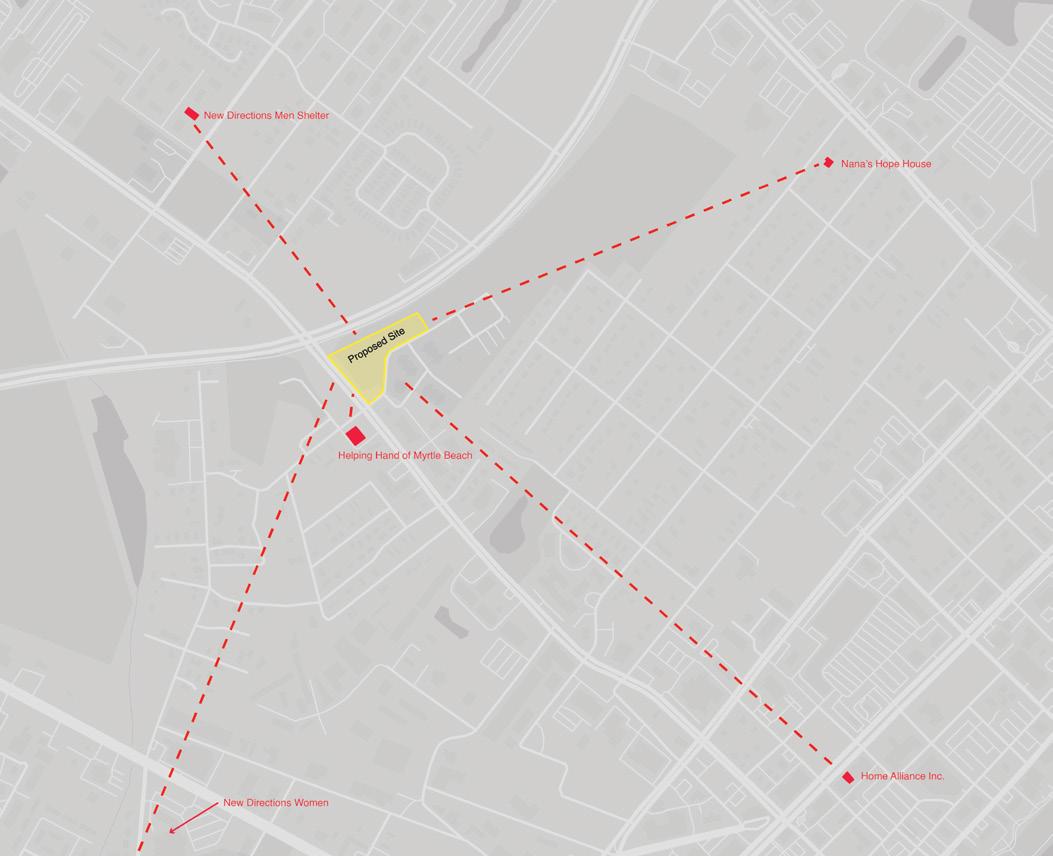
Point-in-Time Count Trends: 2014 to 2020
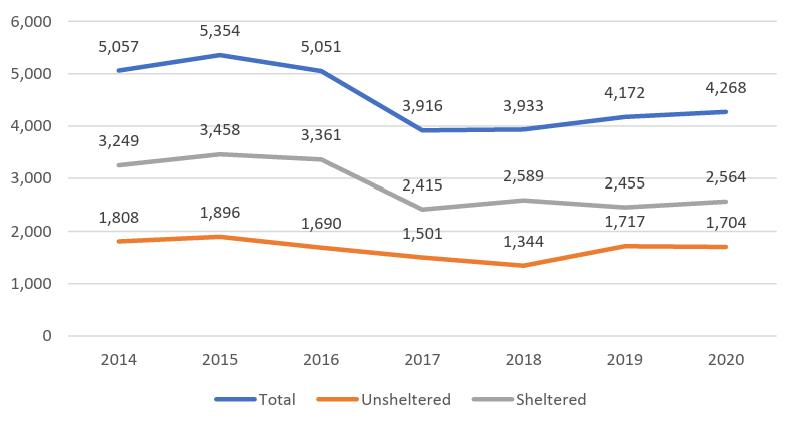
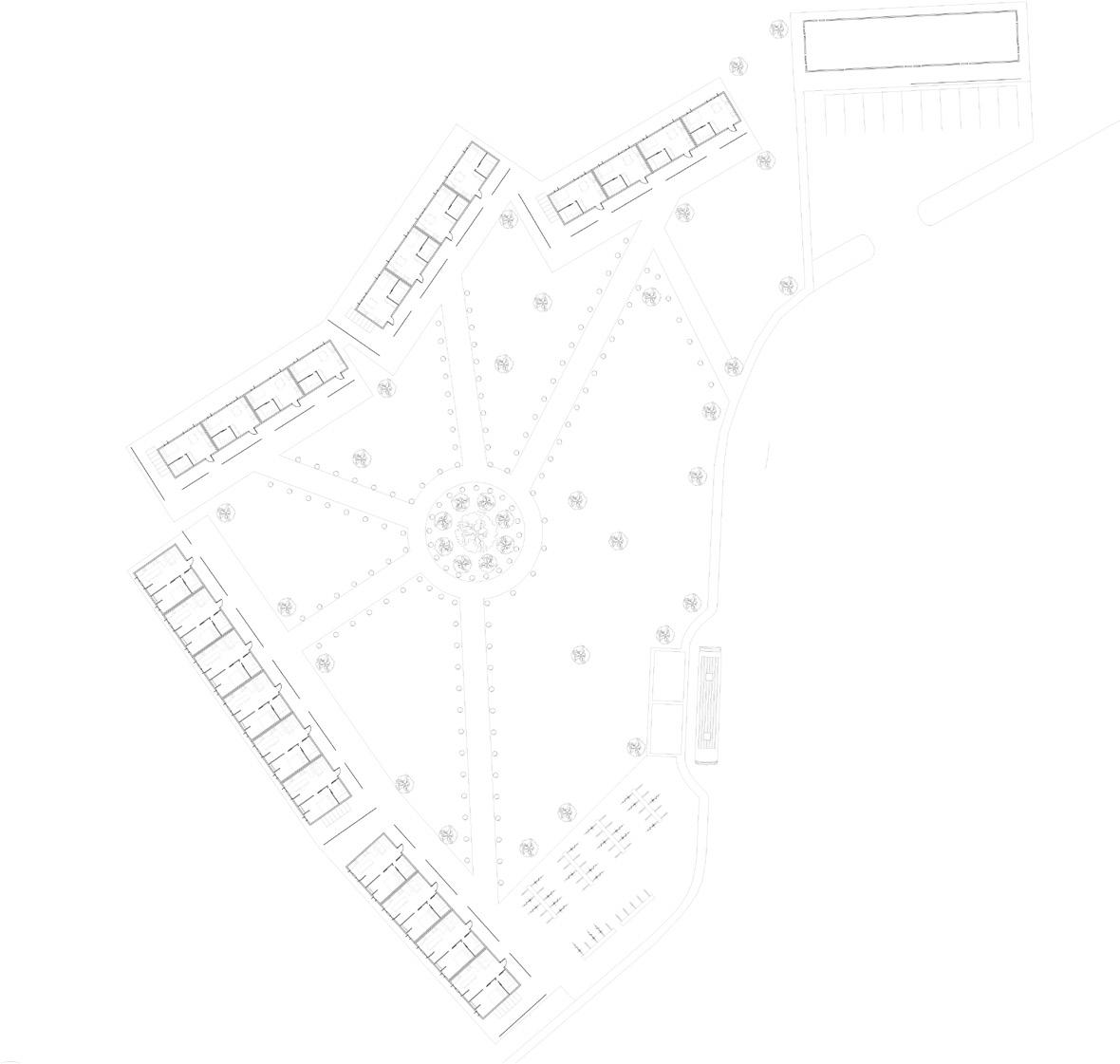
The proposed site is centrally located to help strenghten and expand the limited social services in Myrtle Beach, which are not meeting the communities current needs, as the data will show. INTERIM will add housing and also create “flex space” where additional social and/or medical services can be provided. All of this creates a broader, more connected network of resources for the area
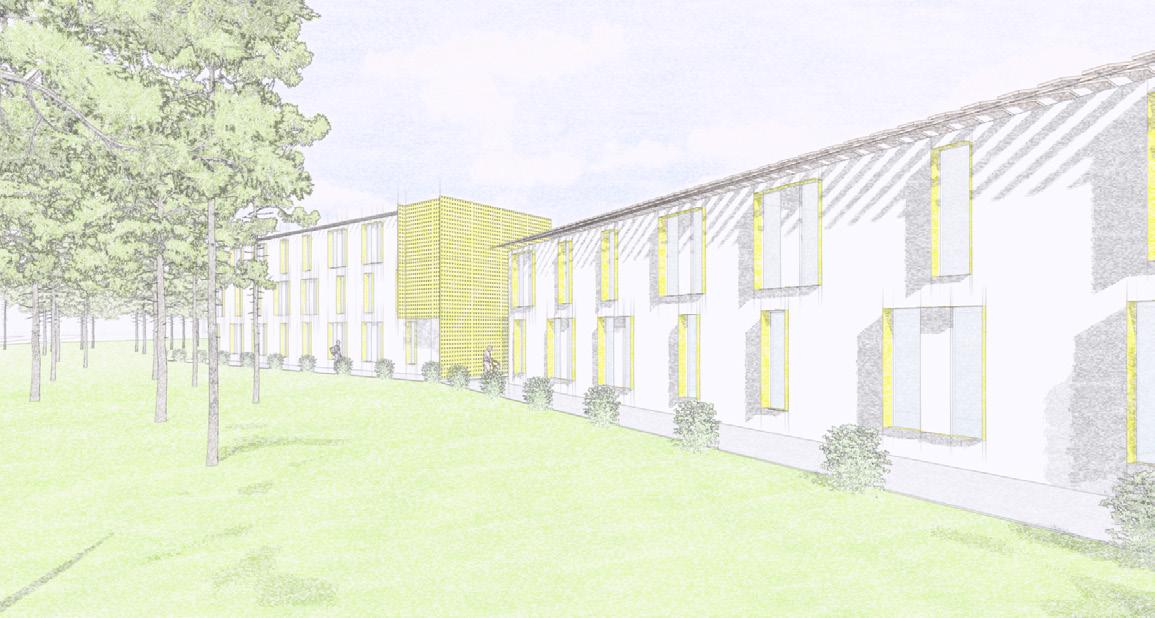
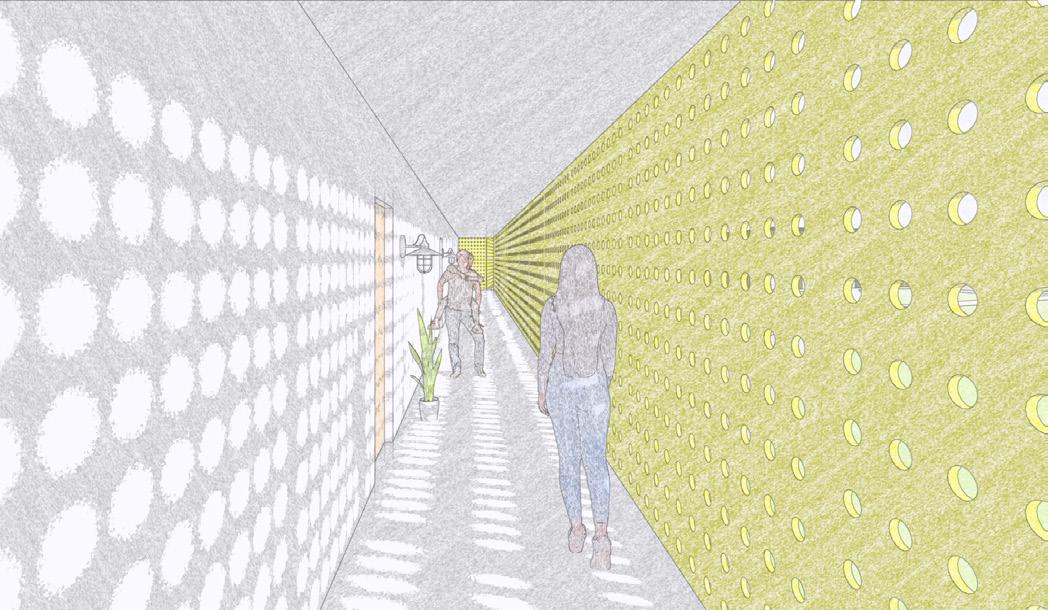
A commitment to reducing cost introduces the idea of prefabricated and unitized construction. This not only increases efficiency but also makes housing affordable. All components are fabricated off-site and assembled on-site, allowing those who need housing to move in quickly after assembly. 62 units are repeated in a stacked system, with easy installment via crane.
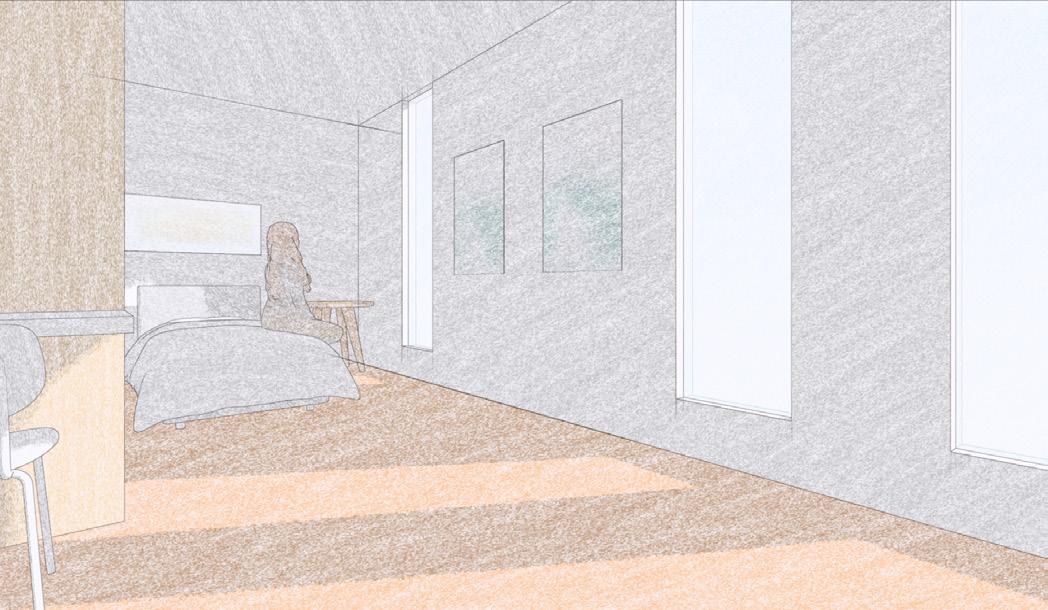
Two floor plan layouts repeat and mirror accross the building layout. The use of less structural variation with the ability to change the unitized partitions instead reduces fabrication costs and makes the prefab process more seamless
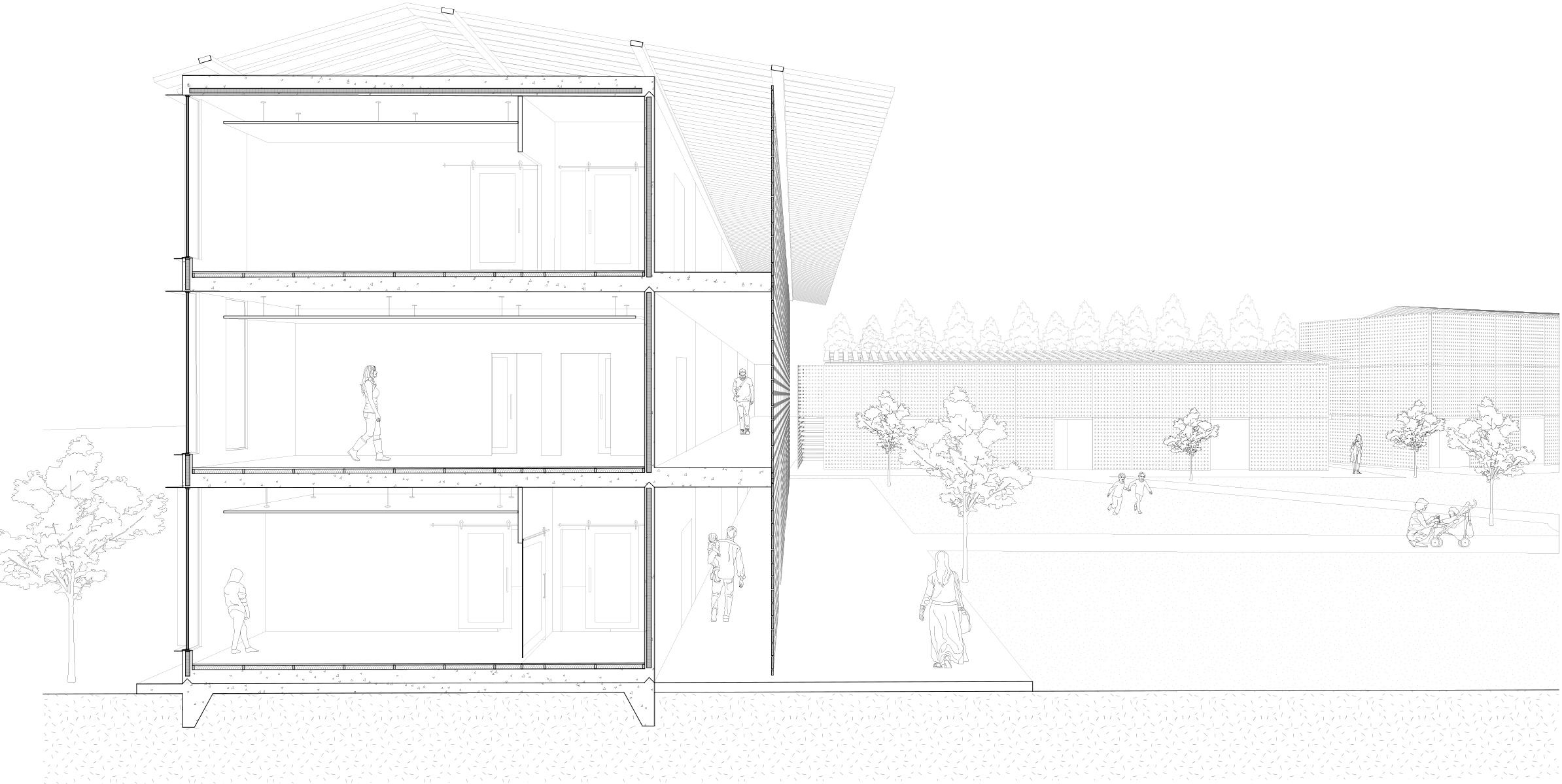
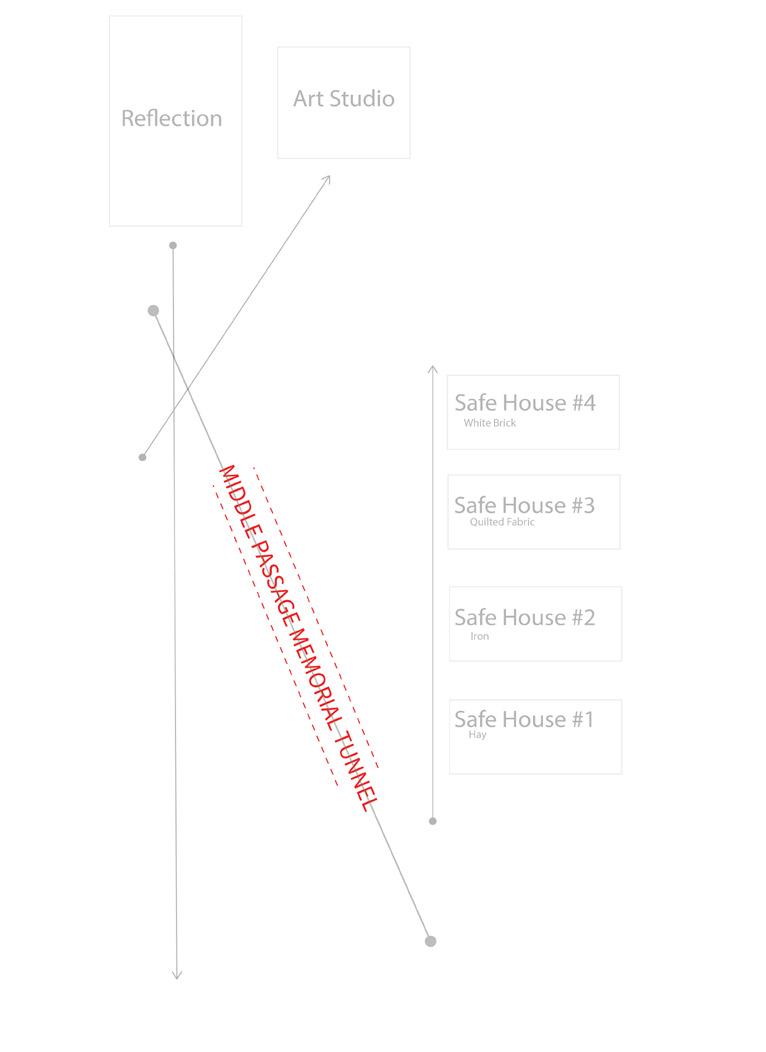
Black history has long been overlooked or exploited, yet it holds vital stories of resilience. The Erie Canal, often celebrated for commerce, was also a path to freedom—part of the Underground Railroad that helped enslaved people escape to Canada, making it a powerful symbol of Black resistance and liberation. Liberty Haven unearths just that.
Spring 2025
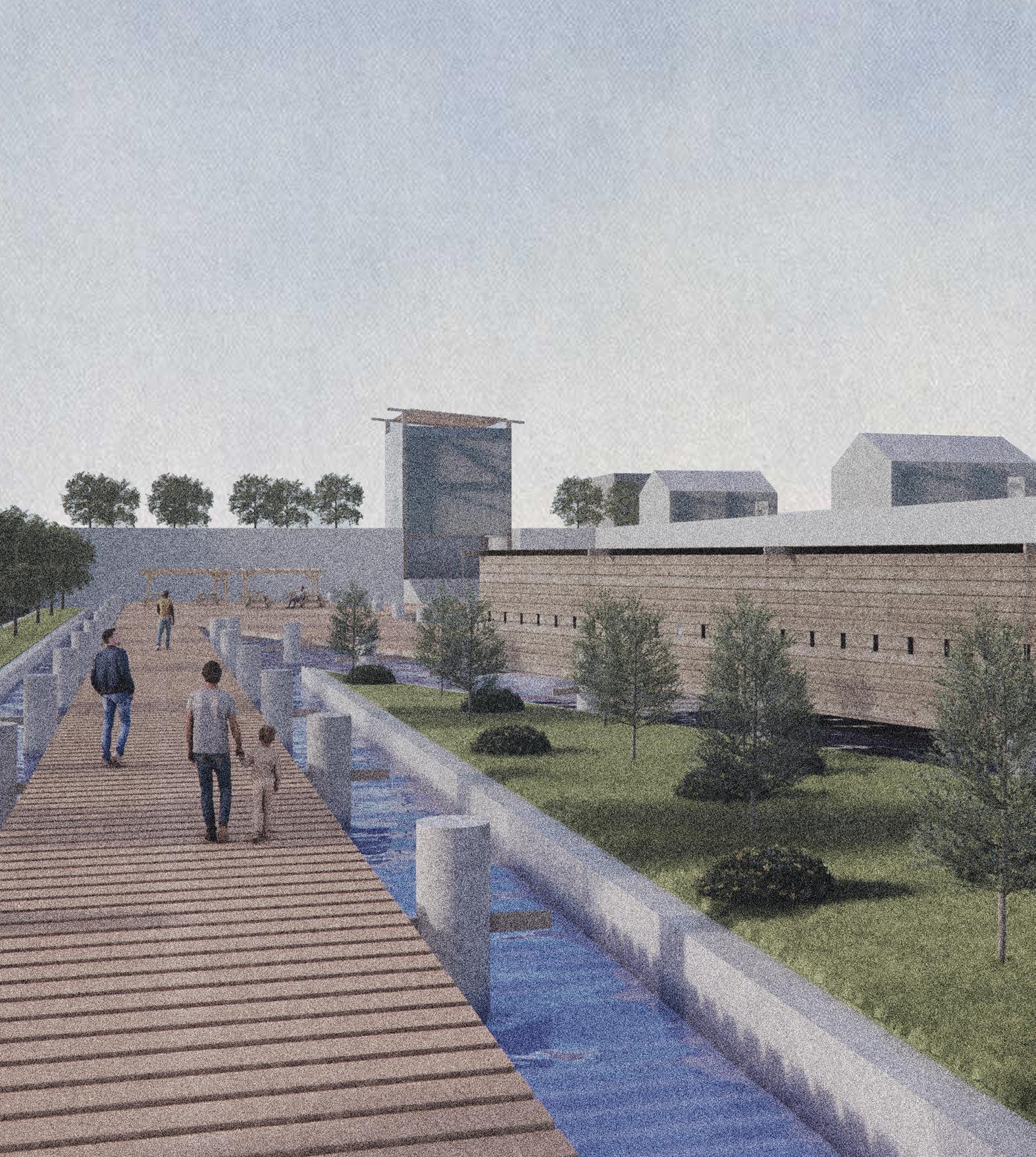
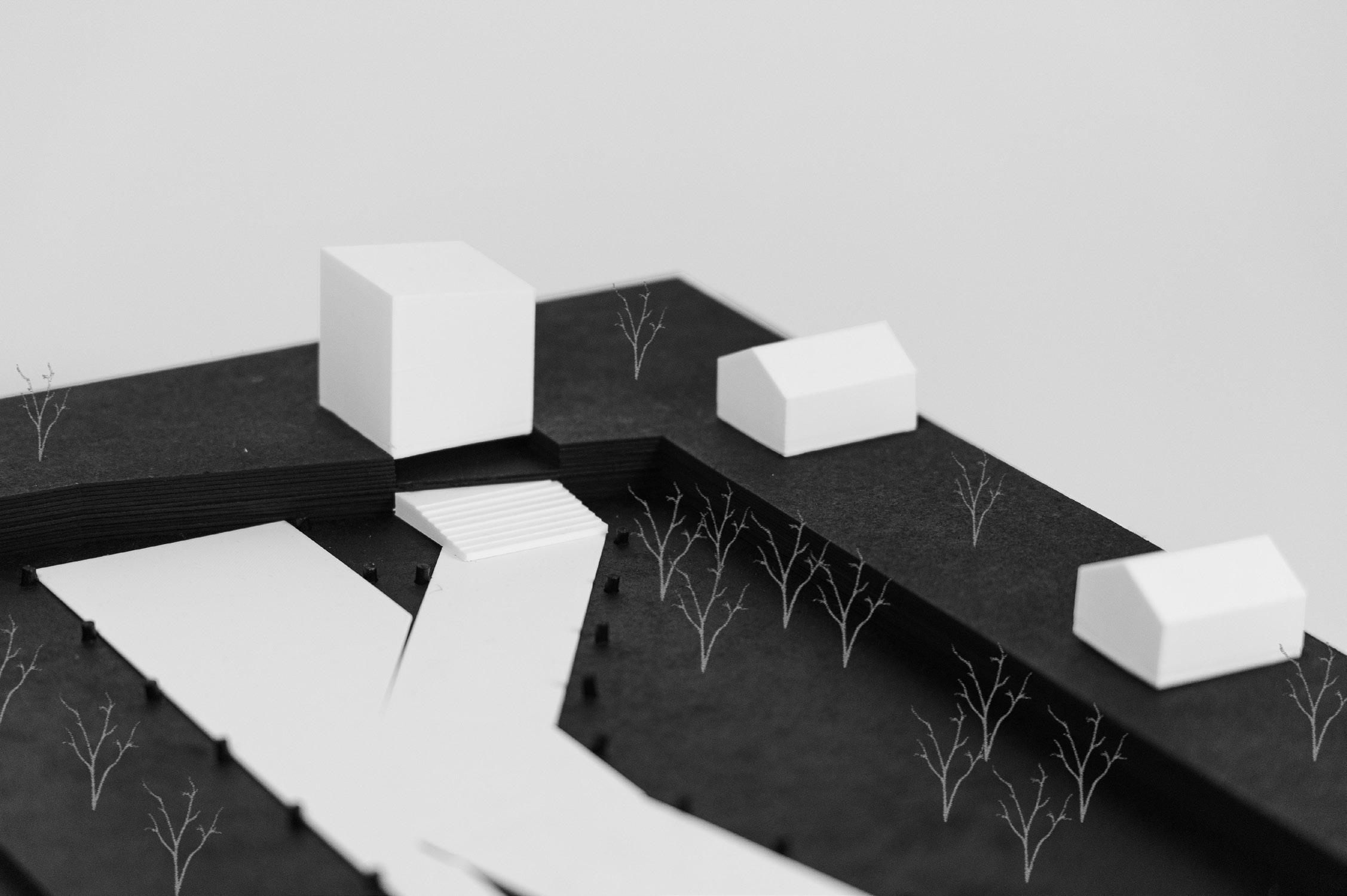
Liberty Haven begins with the Middle Passage Memorial Tunnel—a wooden structure that sits just above the shallow water on the site. It creates a quiet, reflective moment that honors the painful history of the transatlantic slave trade. From this entry point, the rest of the project opens up, both literally and symbolically uncovering a buried past. Living spaces are placed underground, inspired by the hidden paths and safe spaces of the Underground Railroad. Each set of units includes material that represent part of the journey to freedom. Movement through the site is facilitated across a series of decks toward spaces for art, reflection, or rest.
Liberty Haven is located along the Erie Canal, where safehouses once gave shelter to enslaved people escaping to freedom. It serves as both a starting point and a reminder of the Underground Railroad’s impact in this region.
Erie,
and
served as vital escape routes for African Americans fleeing slavery. Some followed the waterways north to reach freedom in Canada, while others built new lives in canal-side communities. Along these paths, allies operated safe houses near the canals, offering shelter and aid to those making their way to freedom via the Underground Railroad.
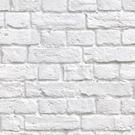

White bricks, especially those positioned at the top of a chimney, were sometimes used as discreet signals to indicate that a home was a safe haven or “station” on the Underground Railroad for freedom seekers escaping slavery.
Iron represents both bondage and resilience. While it evokes the chains of enslavement, it also symbolizes strength, endurance, and the unbreakable will of those who resisted oppression and sought liberation.
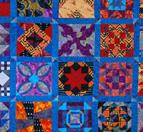
The quilt symbolizes secret communication. Quilts hung outside homes carried hidden messages and coded patterns that guided those on the Underground Railroad, offering directions, warnings, or safe passage markers.
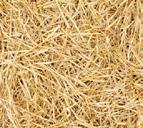
Hay was often used to conceal people escaping slavery, hiding them in wagons or barns during daytime travel to avoid detection. It represents the resourcefulness and quiet protection offered along the journey to freedom
Liberty Haven is grounded in symbolic materiality, with each material chosen for its deep connection to the history and legacy of the Underground Railroad.
Plan A 1’-0” = 1/8”
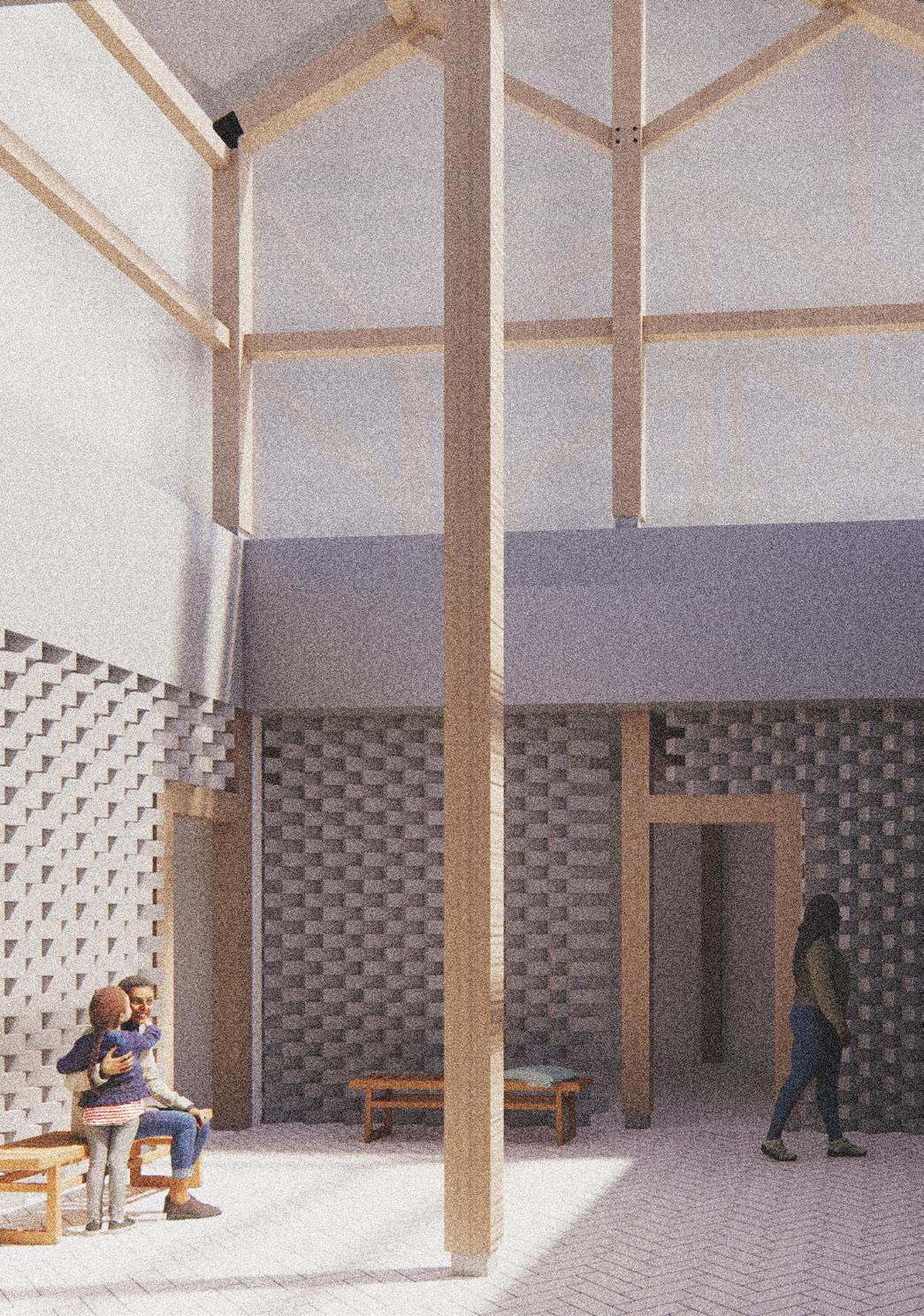
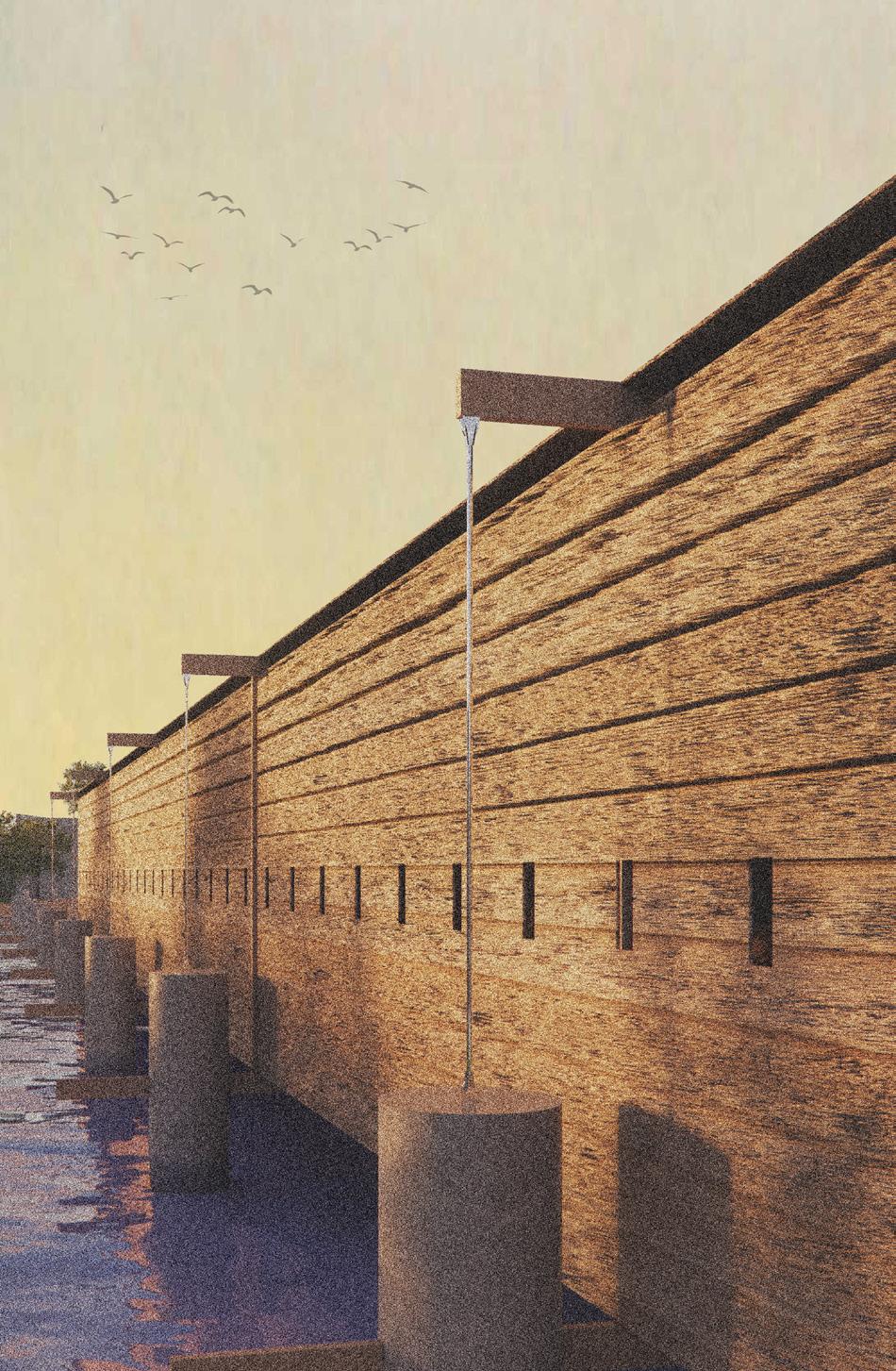
The Middle Passage Memorial Tunnel serves as a site monument that honors the Middle Passage of the slave trade, when the enslaved were brought on wooden ships chained and brought to be sold in the United States and surrounding countries.
Inhabitation is located below grade underneath polycarbonate “houses” meant to glow in the night, much like the lanterns to freedom. It is here that each materiality is uniquely expressed, such as the quilted material shown in the axon above.
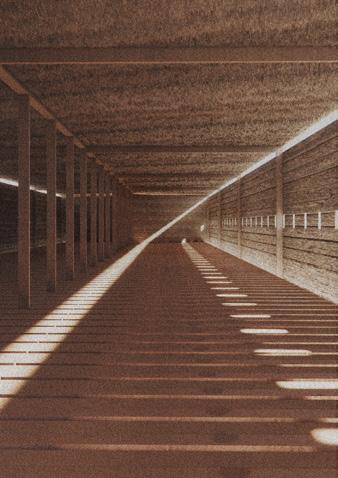
At the northernmost end of the site, an art studio and exhibition space is dedicated to uplifting minority artists and creators. It offers a place not only for making art but also for showcasing it both within the building and across the adjoining deck, inviting the public to engage with diverse creative expression.
B. Arch 2027
3rd Prize Winner for the NOMAS Barbara G. Laurie Student Design Competition
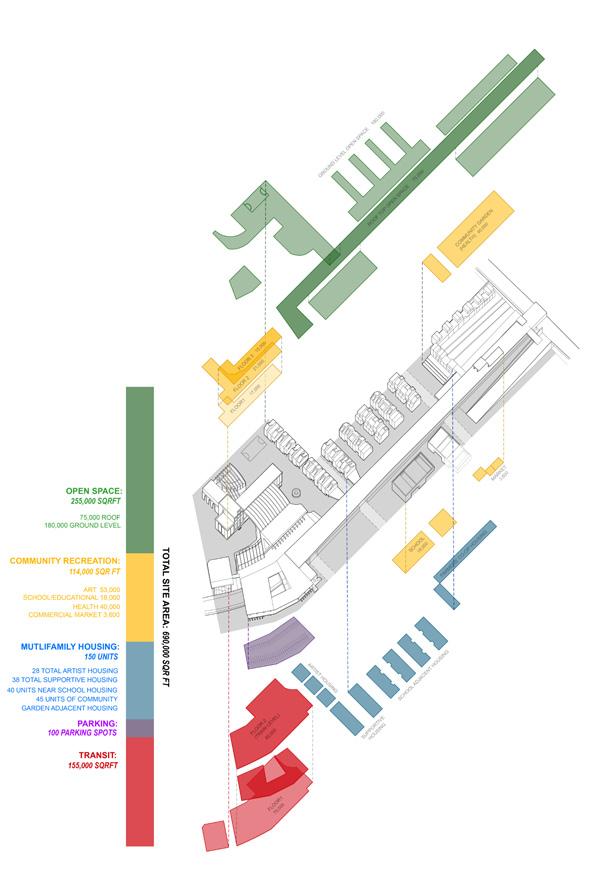
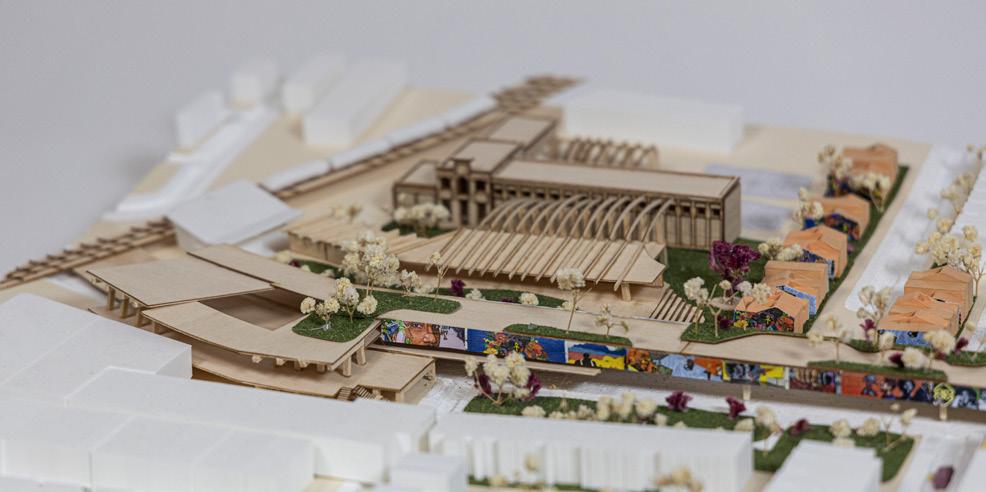
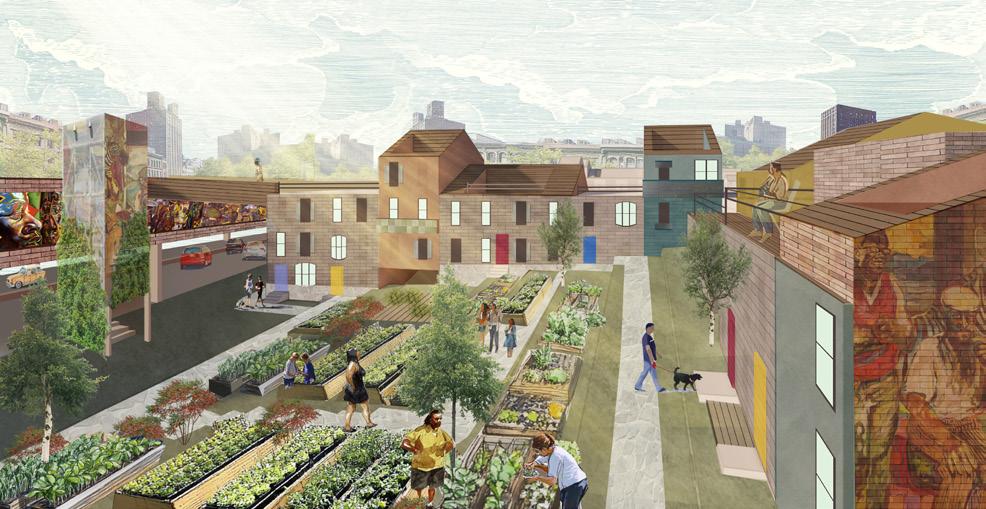
Mending the Divide: A Needle, A Thread, A Future Woven symbolizes the hope of healing in West Baltimore. Built along the Highway-to-Nowhere, this transit-oriented development uses housing, transit, and gathering spaces to reconnect a once-thriving Black community.
MENDING THE DIVIDE: A NEEDLE, A THREAD, A FUTURE WOVEN Spring-Fall 2024
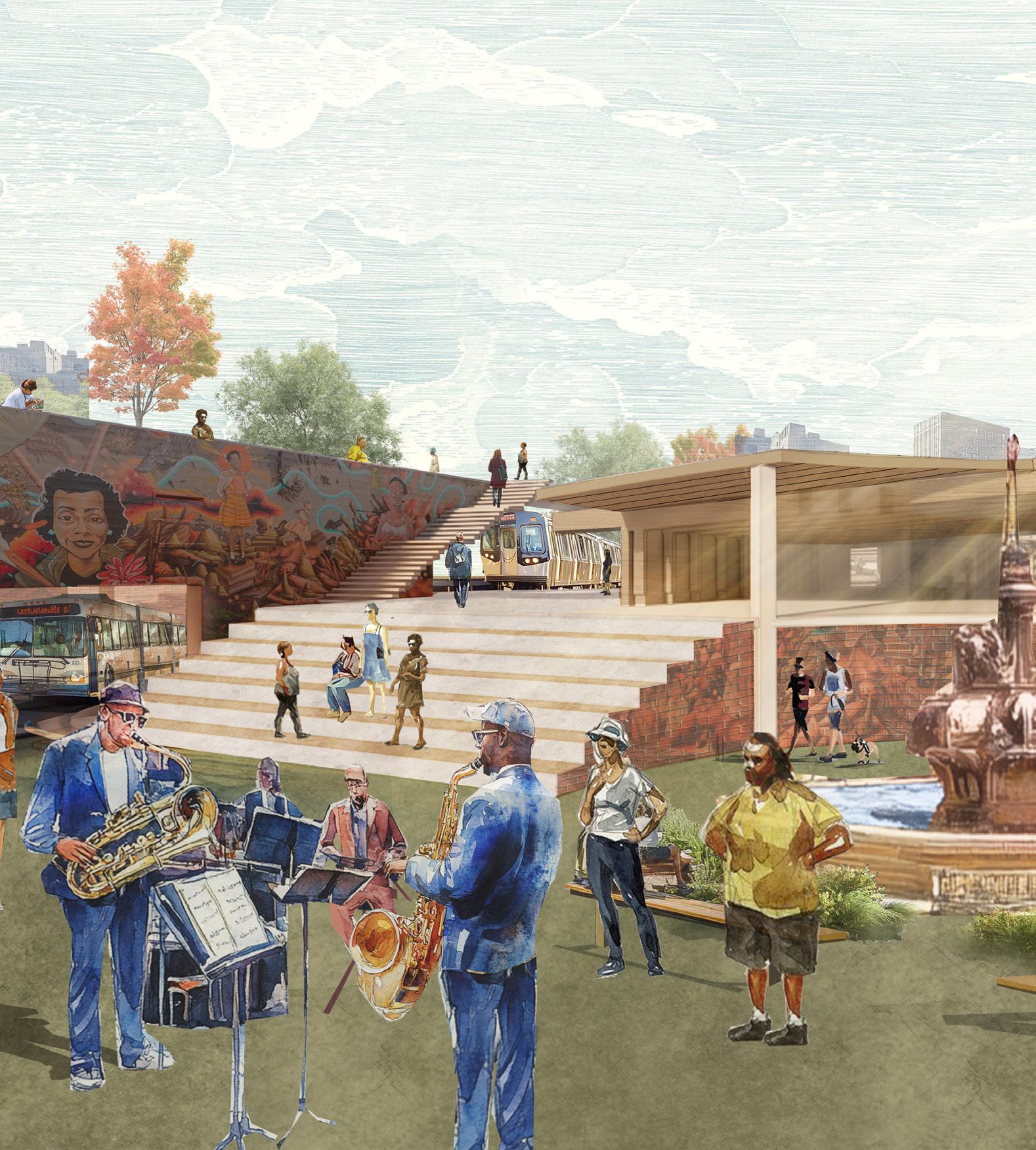
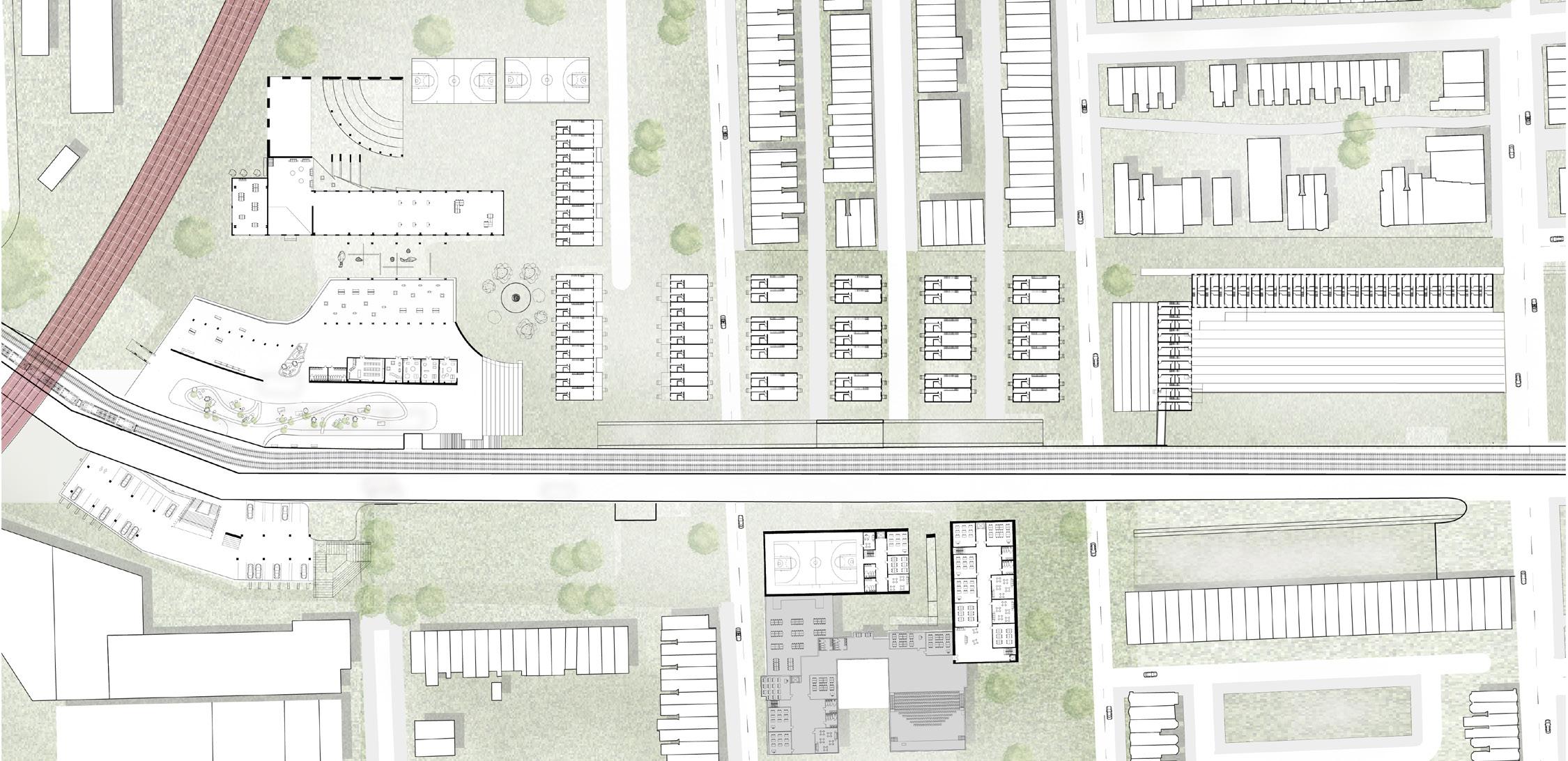
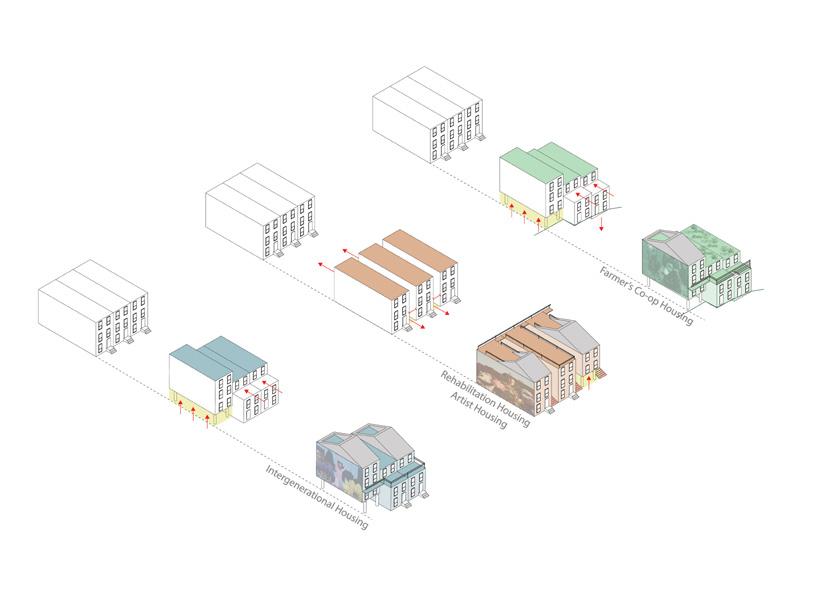
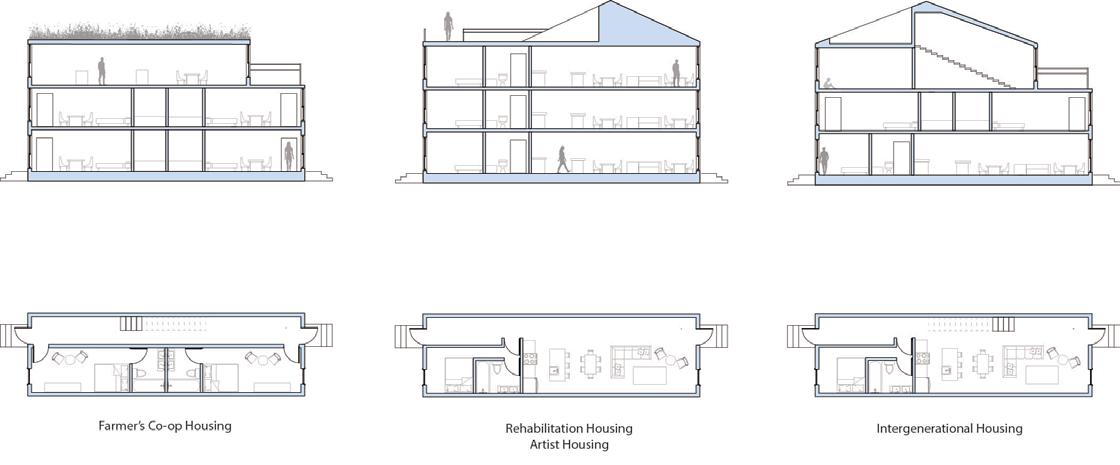
Baltimore’s rowhouses with their iconic stoops and repeating facades are central to the city’s identity. This project pays tribute to that legacy while adapting the typology for modern living. By rethinking the rowhouse, it creates inclusive spaces for diverse residents, fostering stronger community connections and contributing to a more vibrant urban fabric.

A series of smaller projects that showcase both my design skills and my commitment to community-centered design
ADDITIONAL DESIGN WORK62023-2025
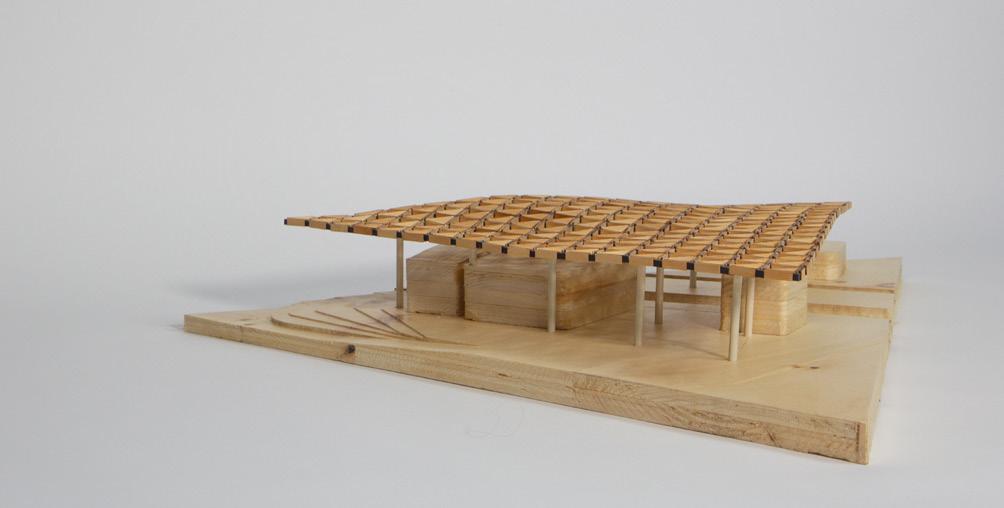
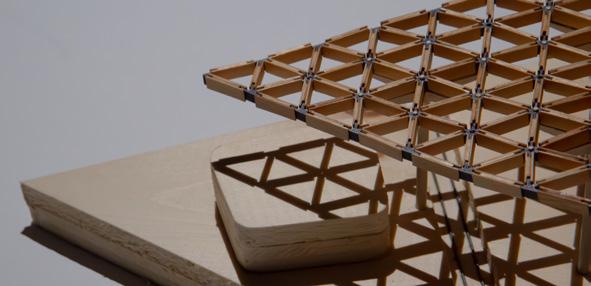
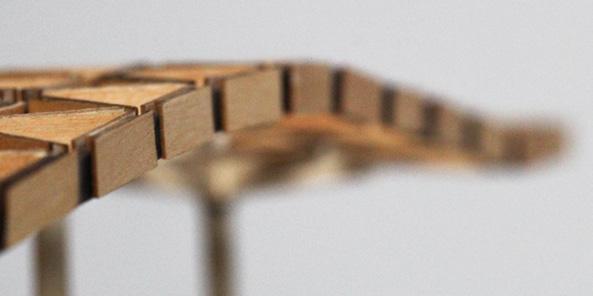
ASSEN STATION STRUCTURES MODEL
Fall 2023
Team Members
Anunya Kasliwal
Sara Shah
Project under the instruction of Dr. Mark Cruvellier
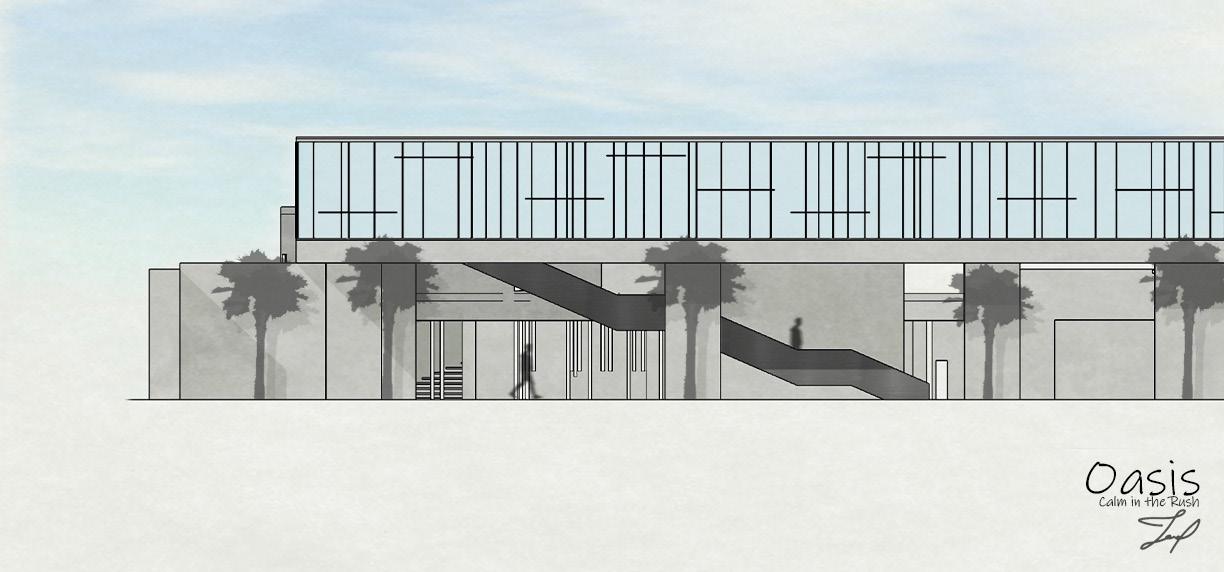
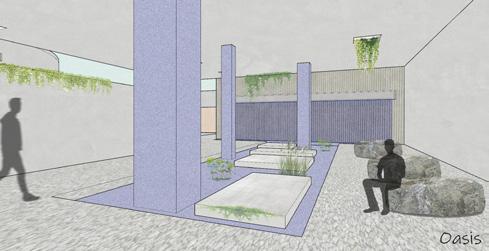
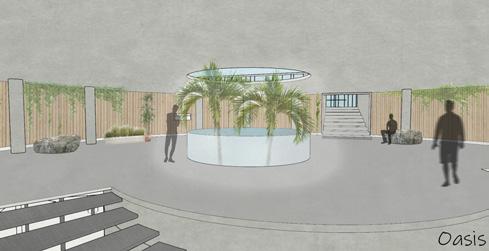
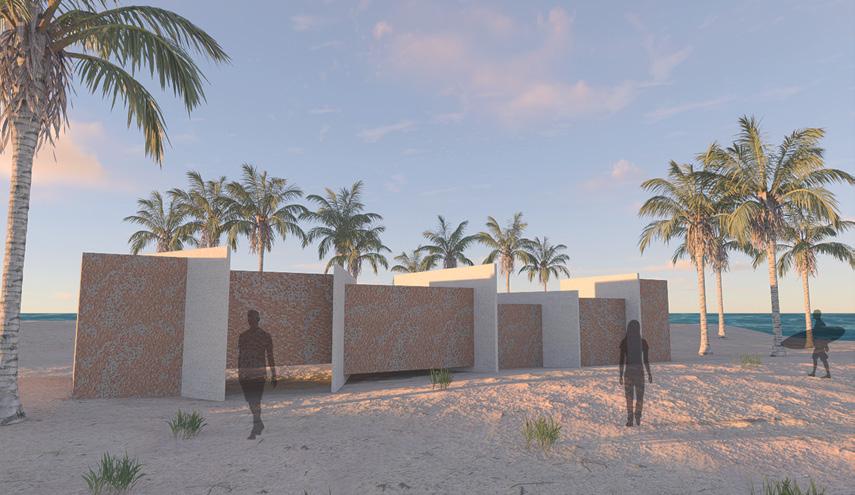
OASIS Summer 2024
Independent Work
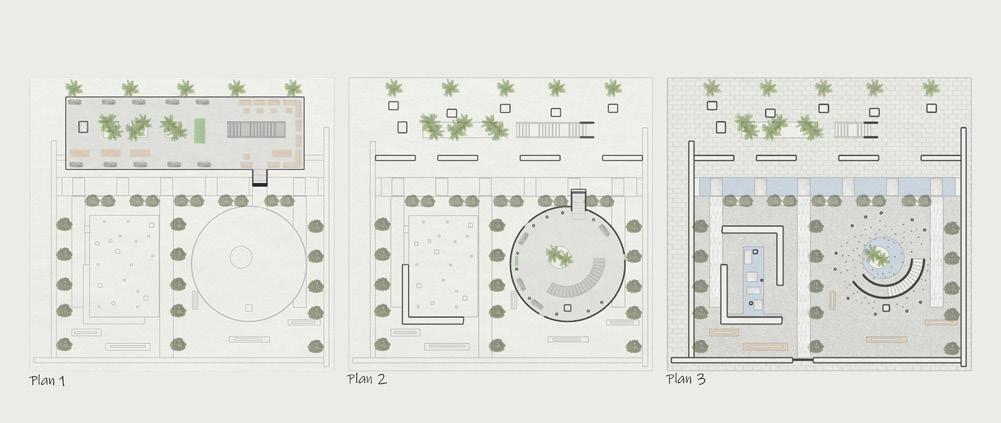
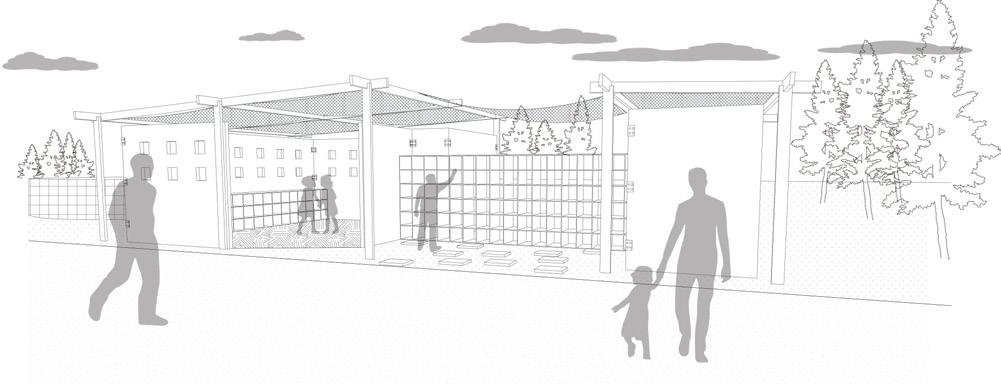
COMMUNITY CRATE Fall 2024
Seipp Prize Entry

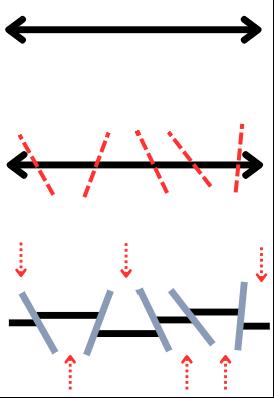
FRAG/MENTED TIME
Winter 2024
Independent Work
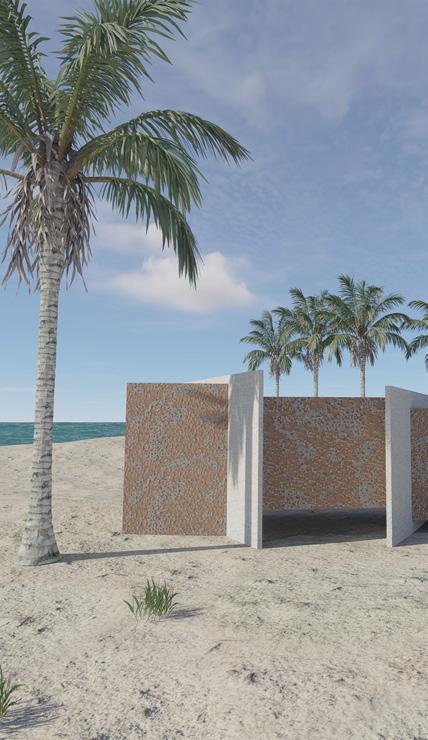
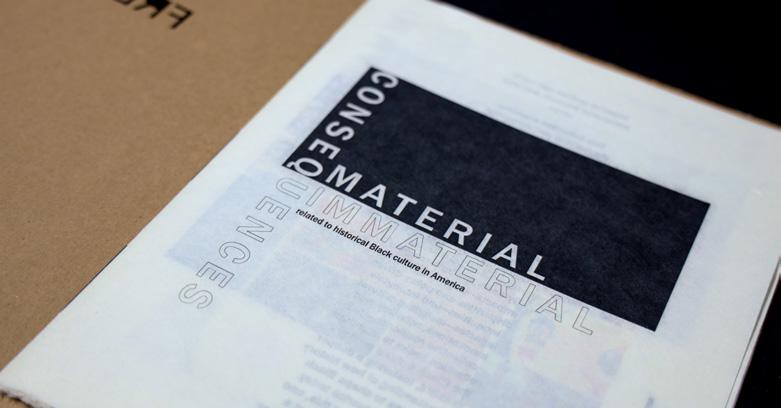
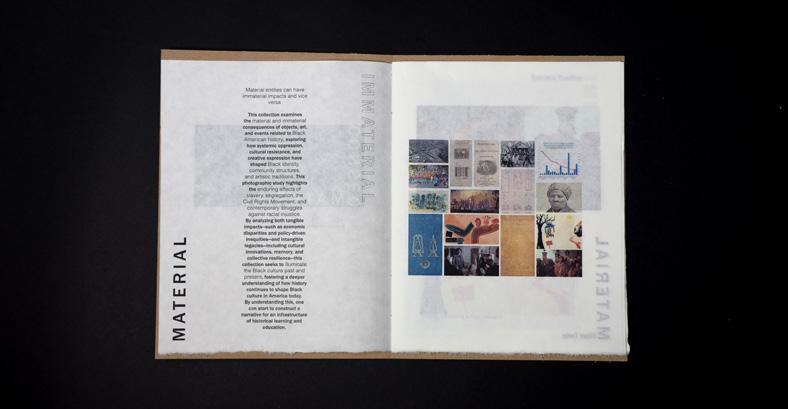
MATERIAL + IMMATERIAL CONSEQUENCES
Spring 2025
Studio Project under the Instruction of Pablo Castillo Luna