1.Introduction to Branding
The Old Norse word ‘brandr’ means ‘to burn’, and is referred to the practice of using a hot rod iron to burnish cattle, slaves and timber with the markings or symbols of the owner.
Jonathan Gabay Brand Psychology
A Brand is not a LOGO
Many companies have been led to believe that if they get a new brand name, logo and marketing materials, they have solved the branding problem. This is the number one mistake and a costly one.
A Brand is not an IDENTITY
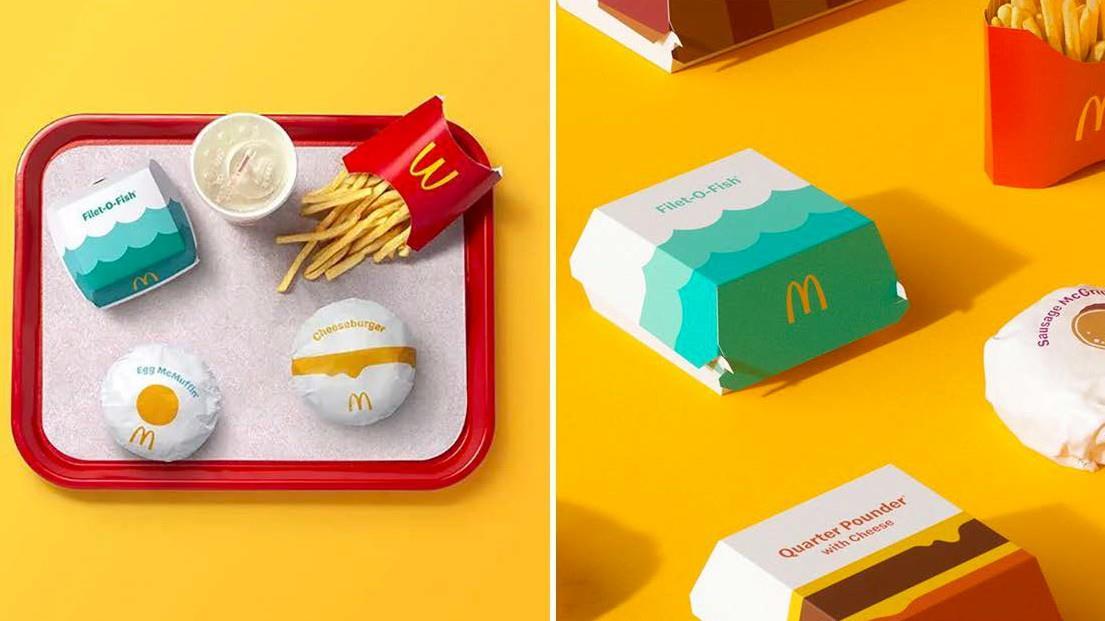
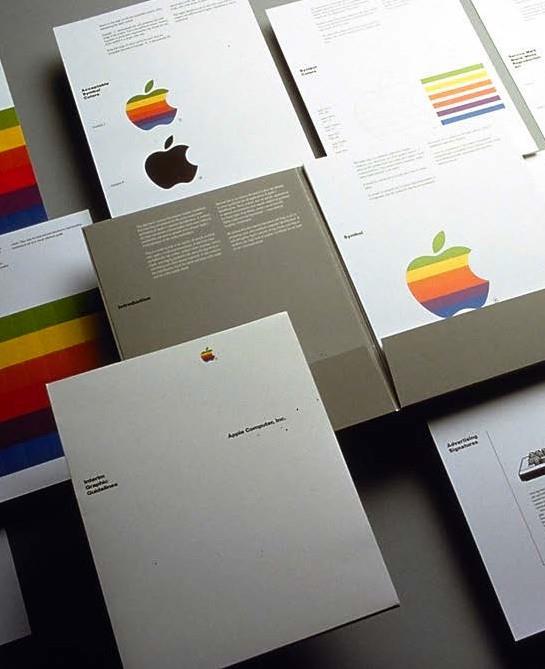
Identity is usually being assembled within a set of guidelines mainly used within a company. Successfully being applied throughout a variety of mediums, using approved colour palettes, fonts, layouts, measurements, and so forth, these guidelines help in creating an identity of the company. It is important to ensure that the identity of the company is kept coherent, which, in turn, allows the brand as a whole, to be recognizable.
A Brand is not a PRODUCT
If a product lacks any perception of distinct quality or value, it is better known as a commodity (think salt).
So what is a Brand?
A brand is a person’s gut feeling about a product, service or organisation. It exists in the hearts and minds of individuals.
When enough individuals arrive at the same gut feeling, a company can be said to have a brand.
Marty Neumeier Director of CEO Branding at Liquid
A brand is a name, term, design, symbol or any other feature that identifies one seller's good or service as distinct from those of other sellers.
Brands are used in business, marketing, and advertising. Name brands are sometimes distinguished from generic or store brands.
How a brand is perceived affect its success, regardless of whether it’s a start-up, a non profit or a product.
Brands are essentially PROMISES.
Branding is a disciplined process used to build awareness and extend customer loyalty.
Branding is about seizing every opportunity to express why people should choose one brand over the other.
A brand is what people trust and believe you stand for and lives in consumer minds.
Branding is the process of developing consumer beliefs and perceptions that are accurate and in alignment with what you want your brand to be.
It’s about creating PERCEPTION
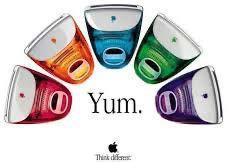
Without their brand, Apple would have died… several times.
For Apple, even today, the brand is always bigger than the product. It is an ideology, a value set. Apple is about imagination, innovation and individualism.
So it is not just about advertising or visual identity, the Brand must be built 360 degrees. Branding means that collateral information, meaning, association, and value have been spliced into the very DNA of the brand.
People find meaning only through those brands with personalities, not from products.
A brand is an intangible asset that resides in people’s hearts and minds, defined by expectations people have about tangible and intangible benefits that they developed over time.
A strong brand stands out in a densely crowded marketplace. People falls in love with brands, trust them, and believe in their superiority.
Why is Branding IMPORTANT?
• People have too many choices and too little time
• Most offerings have similar quality and features
• We tend to base our buying choices on trust and gut feelings

Feelin

• Customer buy products to build their identities.
• Customers want meaning.
• Customers want a sense of belonging.



A brand visual identity is the collection of visual elements that a company uses to communicate its brand to its audience. This can include things like a logo, color palette, typography, imagery, and design style. The purpose of a brand visual identity is to create a consistent and recognizable look and feel for a brand that helps it stand out in the market and build a connection with its audience.
A brand vision is the longterm goal or aspiration that a company has for its brand. It's a statement that outlines the company's purpose, values, and ambitions for the future. A brand vision serves as a guide for decision-making and helps the company stay focused on its goals and values.
A brand voice is the personality and tone of a brand's communication. It's the way a brand expresses itself through its messaging and content. A brand voice is important because it helps to create a consistent and recognizable tone that resonates with the brand's target audience.

Visual Your Brand Your Voice

Vision

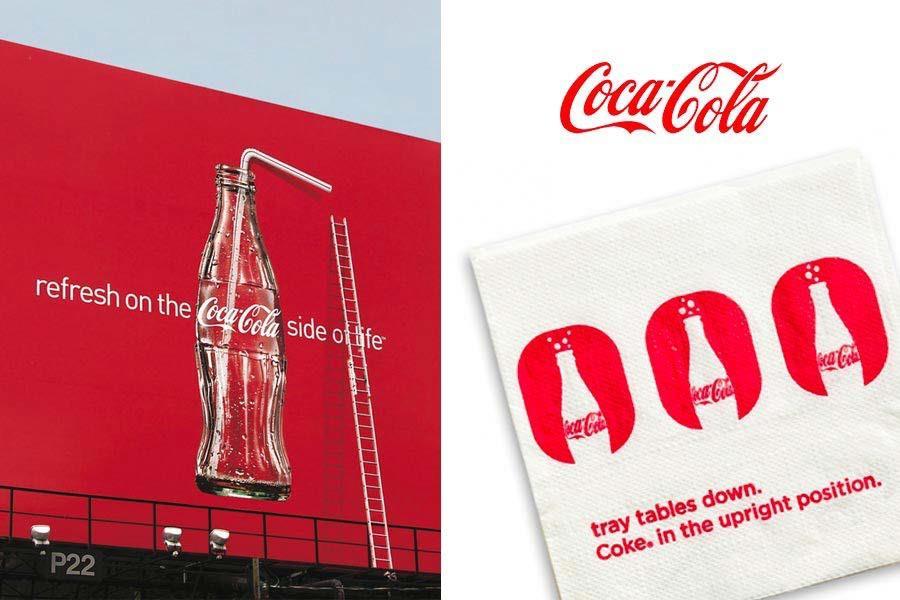
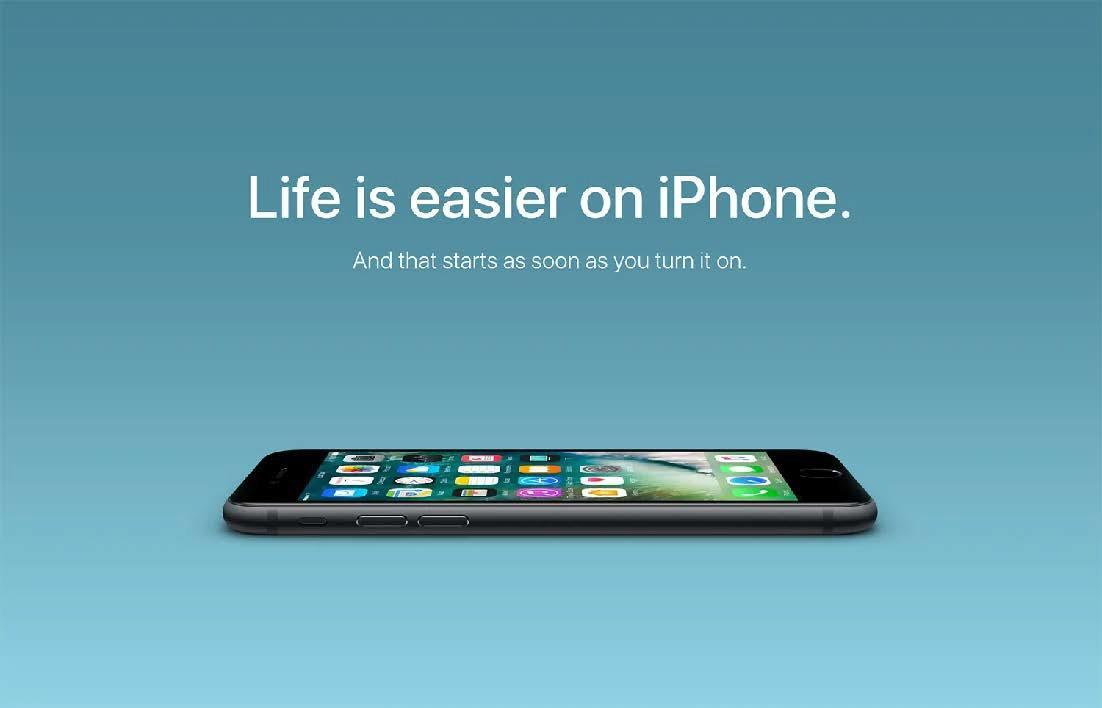
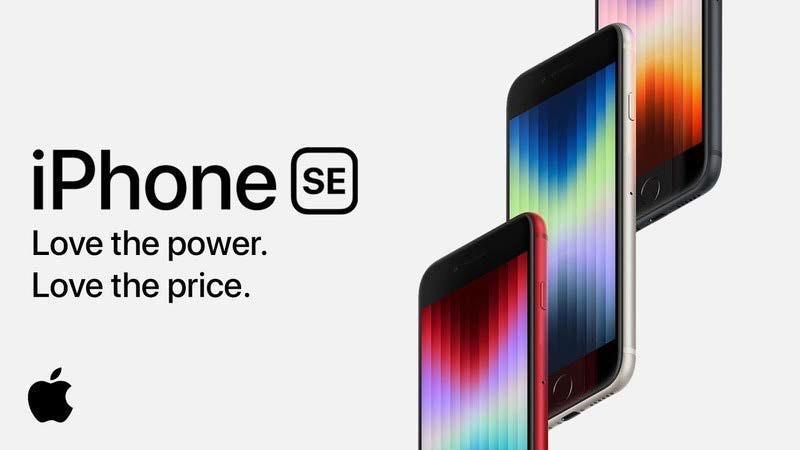
IF YOU CAN’T TELL WHO’S TALKING WHEN THE LOGO IS COVERED, THEN THE BRAND VOICE
IS NOT DISTINCTIVE.
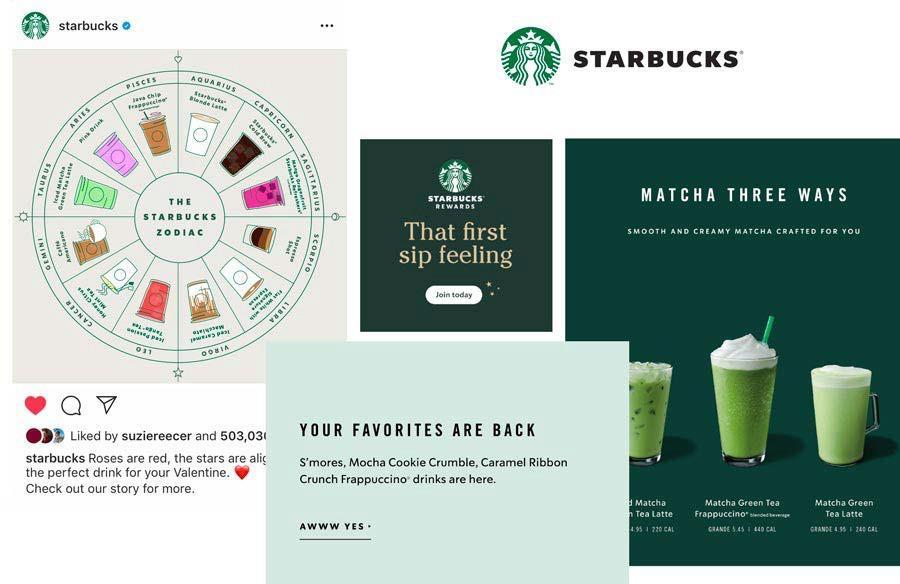

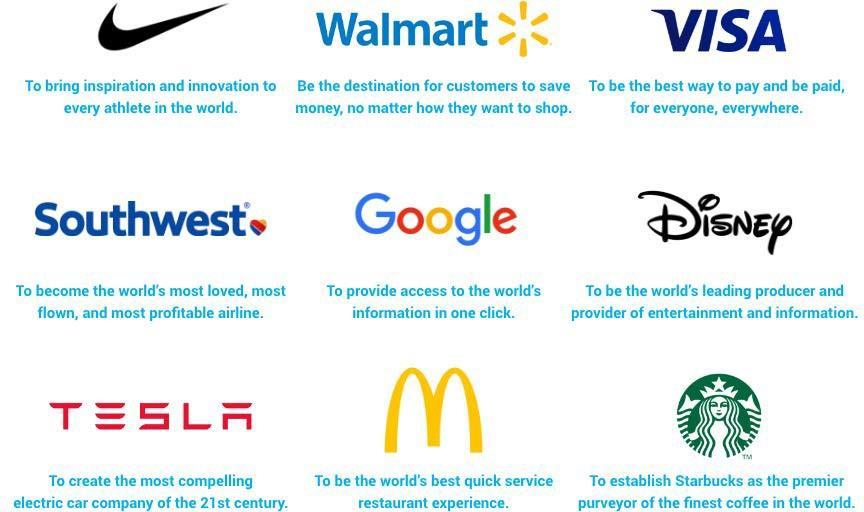
Brand vision is intention. It can be a single-minded intent, or a group of goals and objectives
Identify
which brand each brand vision is
referring to.
"Make cars that ordinary Americans could afford."
"
Accelerate the world’s transition to sustainable energy"
"Anywhere on Earth in under one hour."
VISUAL IDENTITY TRIGGERS PERCEPTIONS AND UNLOCK ASSOCIATIONS
SIGHT, MORE THAN ANY OTHER SENSE, PROVIDE INFORMATION ABOUT THE WORLD.
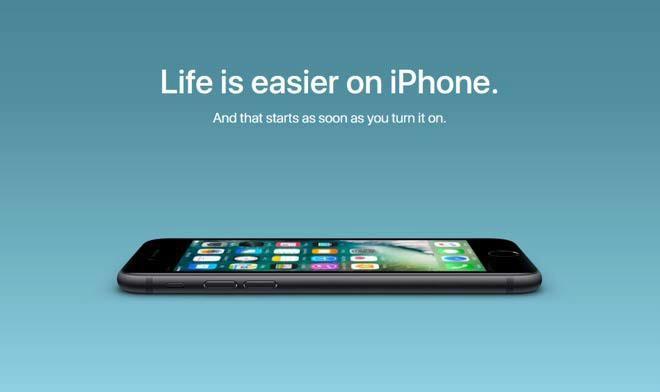
Through repeated exposure, symbols become so recognisable that companies such as Nike and Apple have actually dropped the logotype from their corporate signatures.
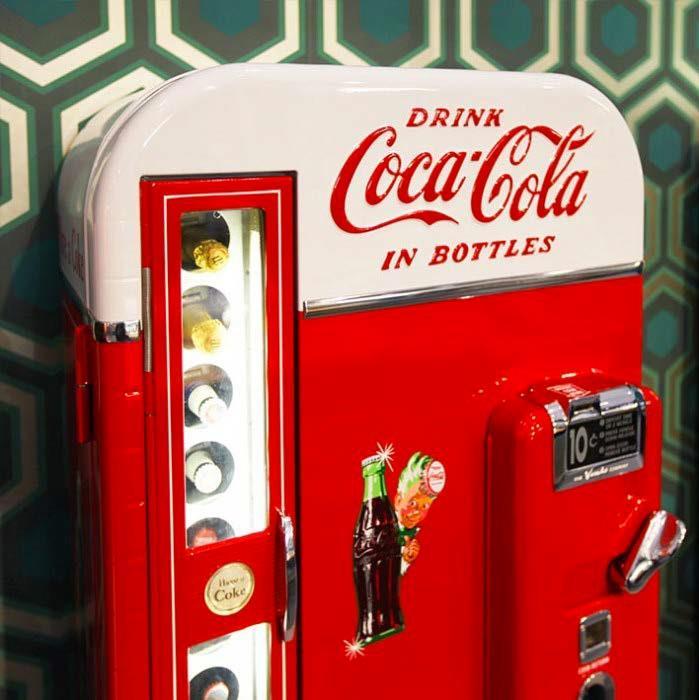
Colour becomes a mnemonic device or memory device - when you see a red vending machine, most probably its selling Coca Cola.
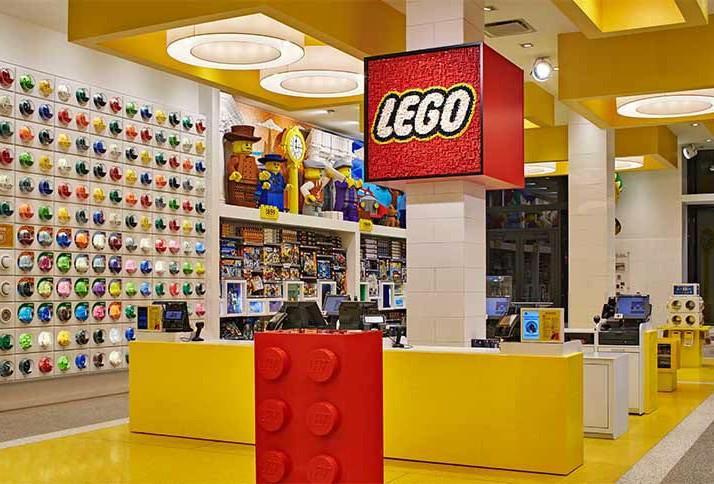
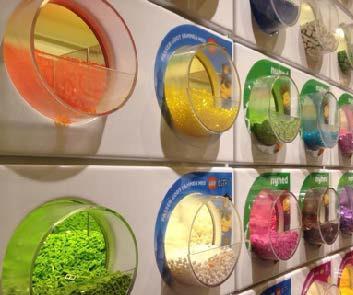
LEGO brand identity and communication is designed to reflect the target customer. Look at the typography of the logo, the layout of its stores, and the activities - all designed with child-like creativity in mind.


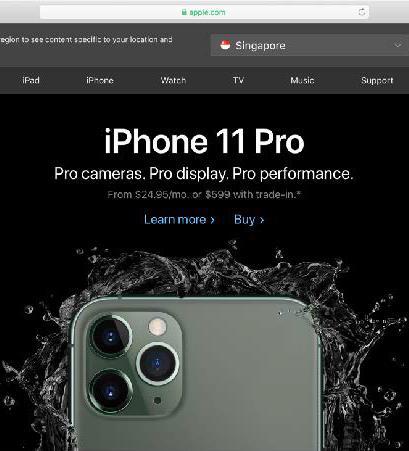
Whereas consider the design of Apple - from its logo to its typography, the simplistic store layout and industrial designthey all capture modernity, coolness and simplicity.


There is humanity in branding.
A brand is the personification of a product, service or even entire company. Like any person, a brand has a physical “body”.
Robert T. Blanchard Procter & Gamble in his 1999 "Parting Essay"