portfolio.
Jodie Uy
Sunken Home. 4 - architectural documentation
Futatsu. 7 - residential adaptive reuse
No Man’s Land. 12 - commercial museum + bar
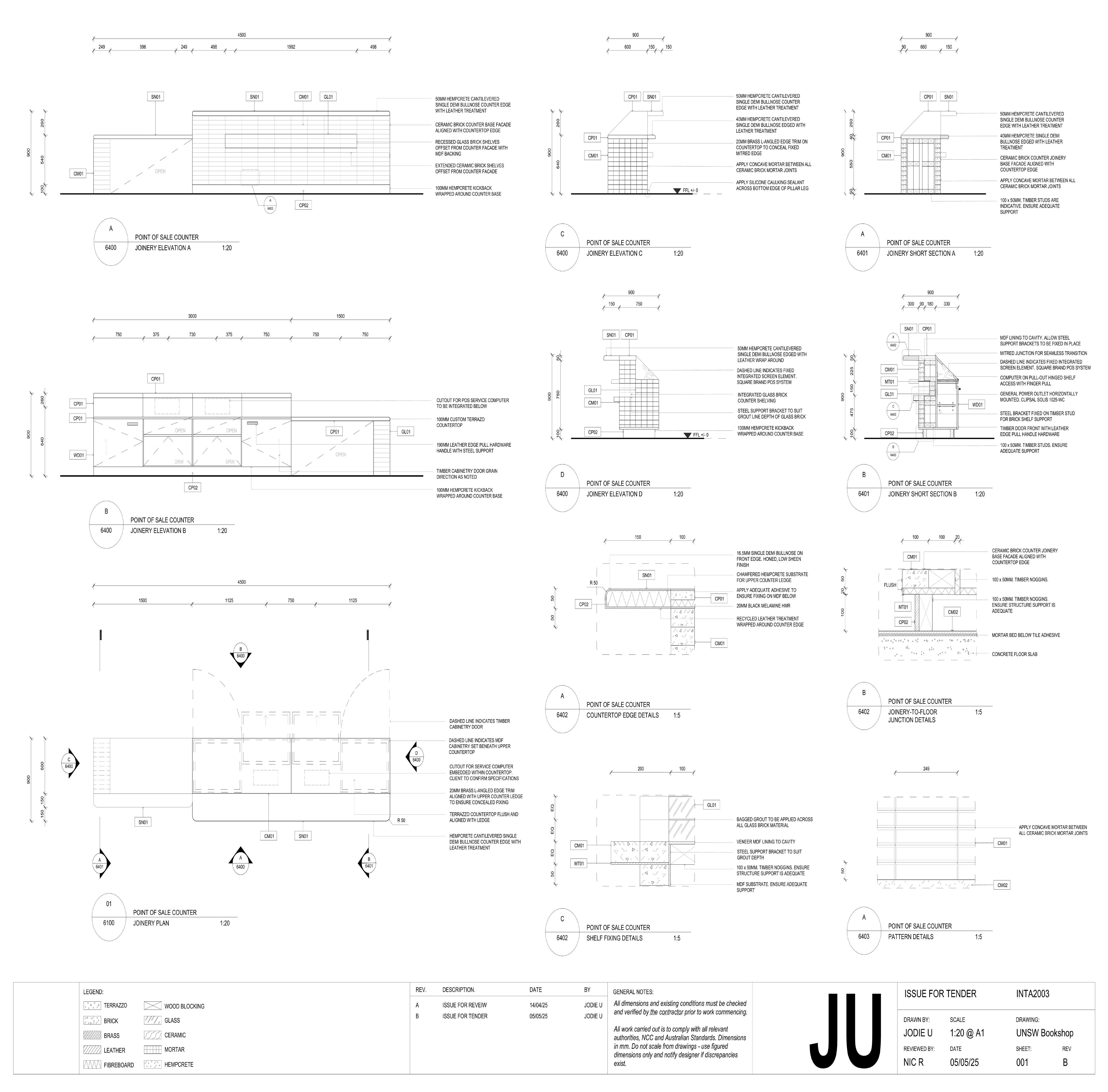
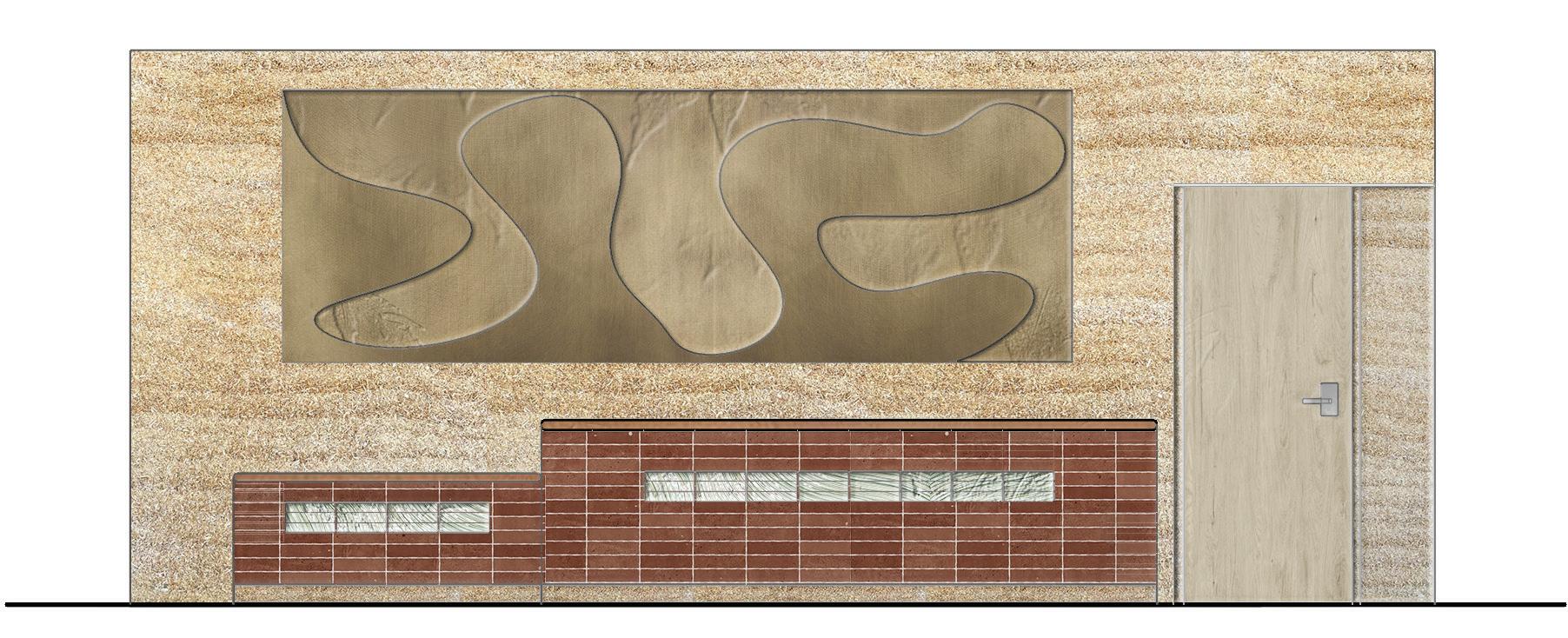
UNSW Bookshop Counter. 16 - joinery redesign
Sora Lab. 20 - branding and office design
Dos Islas. 13 - commercial interior design
Scoop. 16 - product design model iteration
Sketches. 18 - an archive
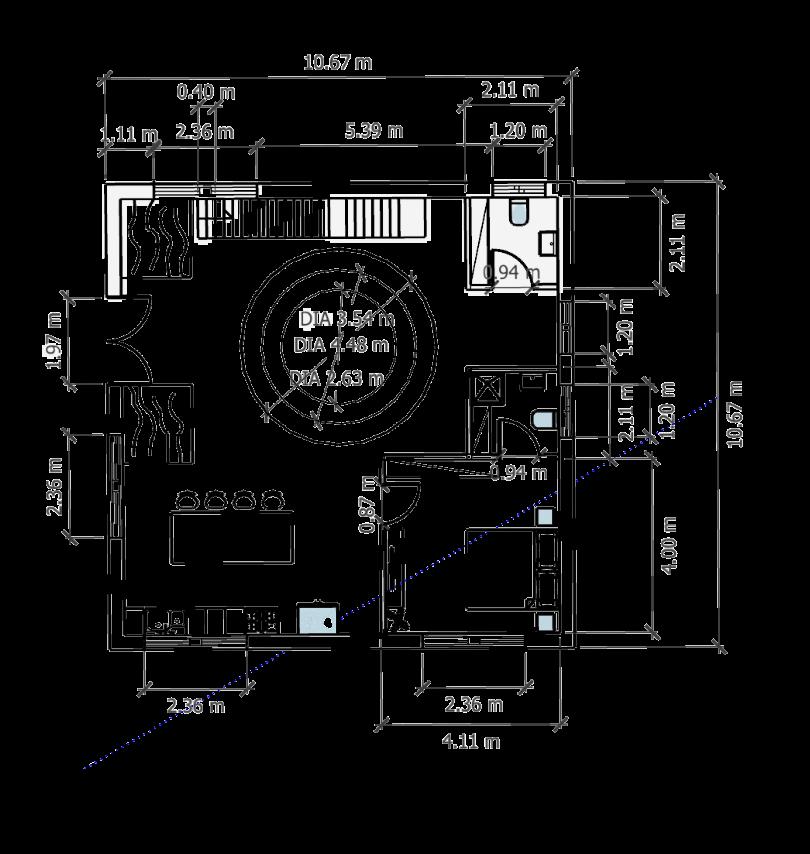
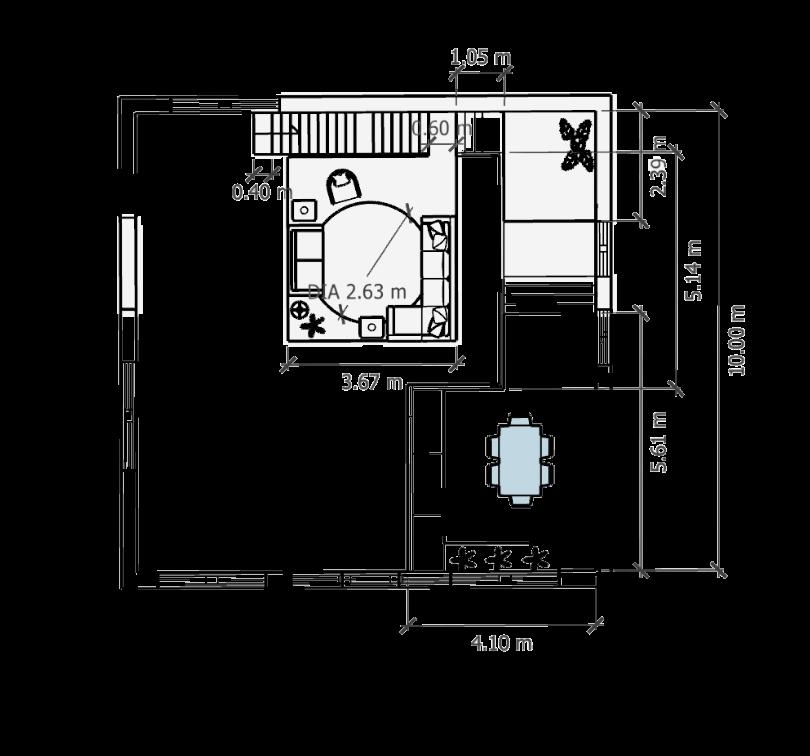
Futatsu.
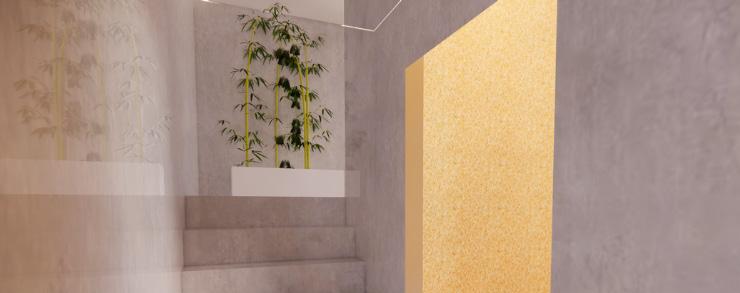
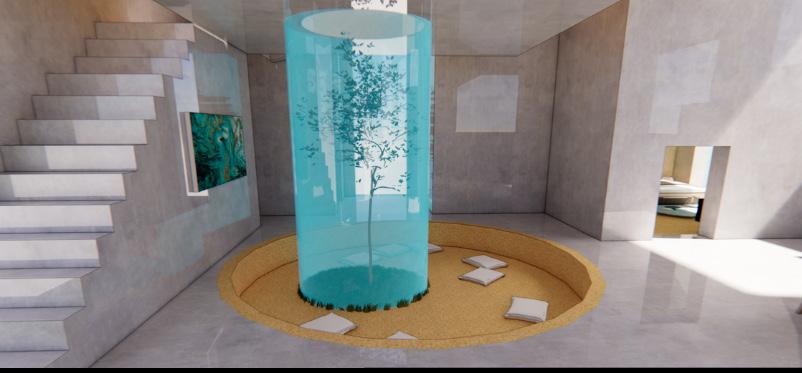
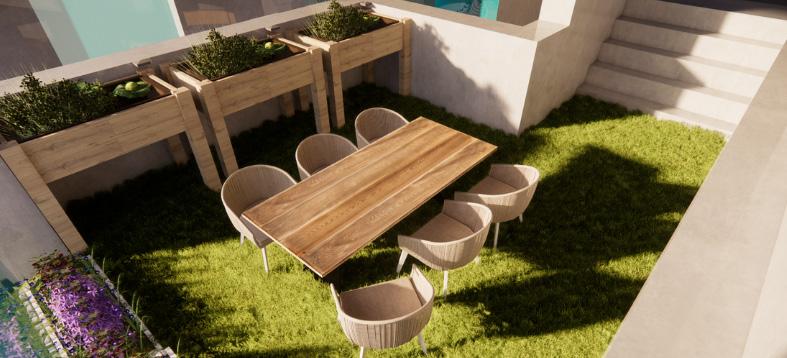
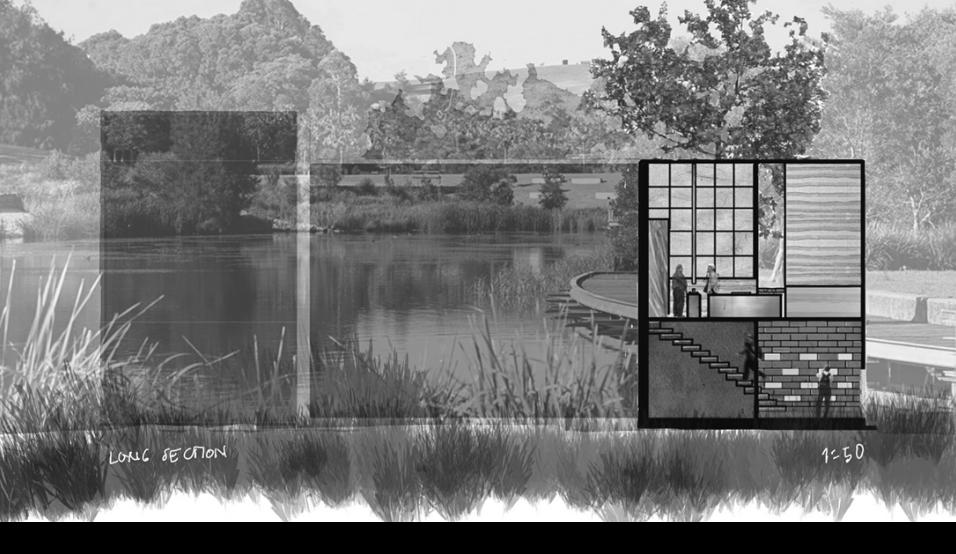
Grounded in the concept of duality, the project creates a dynamic yet harmonious dwelling at 424 Anzac Parade that balances the public and private, the natural and built, and the individual and collective.
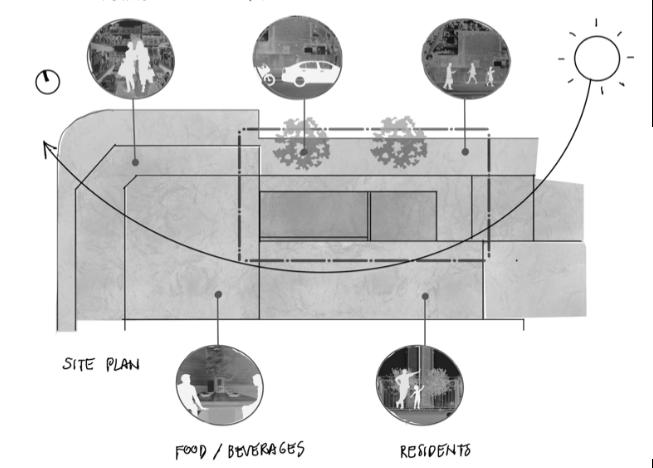
Drawing on the Japanese principle of Futatsu, the design leverages the boundary-less integration of contrasting elements, shaping an adaptable micro-apartment that aligns with the cultural, social, and urban context of Kingsford.
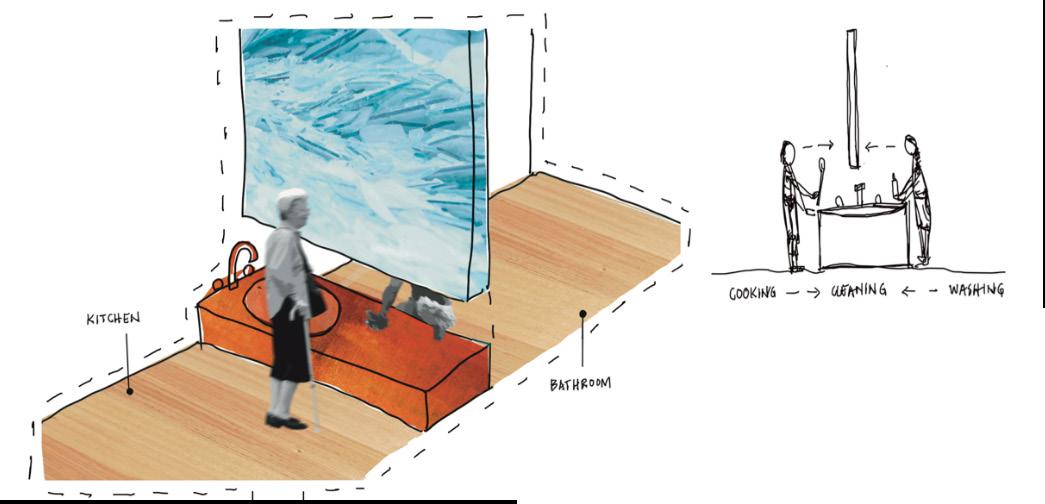
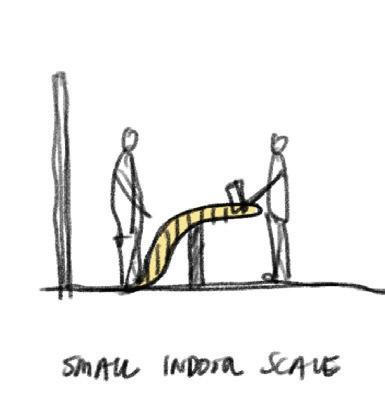
Emphasizing the potential of small-scale interventions and the seamless coexistence of multiple functions within a shared space, the design of the sink merges the kitchen and bathroom functions. Allowing two users to engage with the space simultaneously by creating a small breathing space that enhances the shared act of washing.
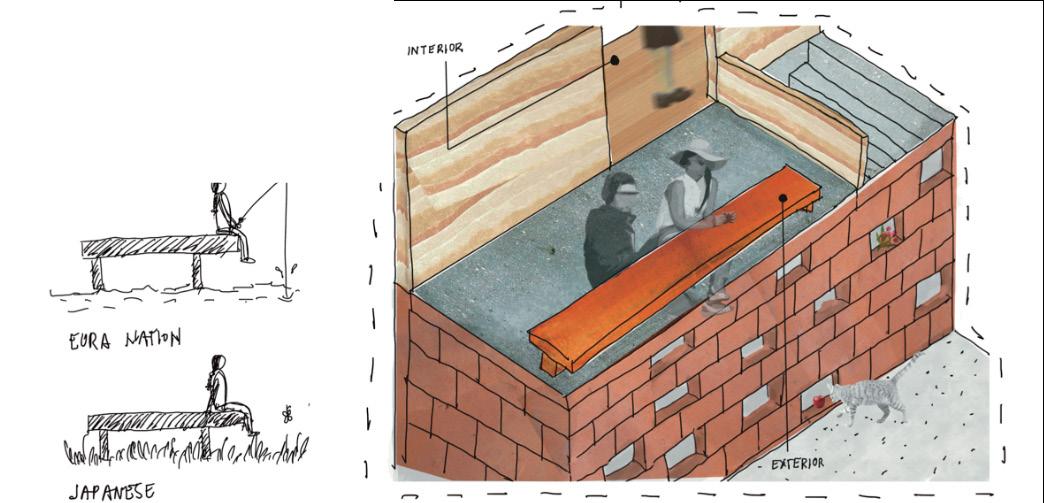
The Eora Nation, traditional custodians of the land, used canoes or docks to hunt and survey the sea, creating elevated vantage points for connection with their environment. Similarly, traditional Japanese homes featured wooden decks where occupants could perch, offering views into the surrounding gardens. This design element creates a space where both cultures can engage in contemplation and connection with their surroundings.
No Man’s Land.
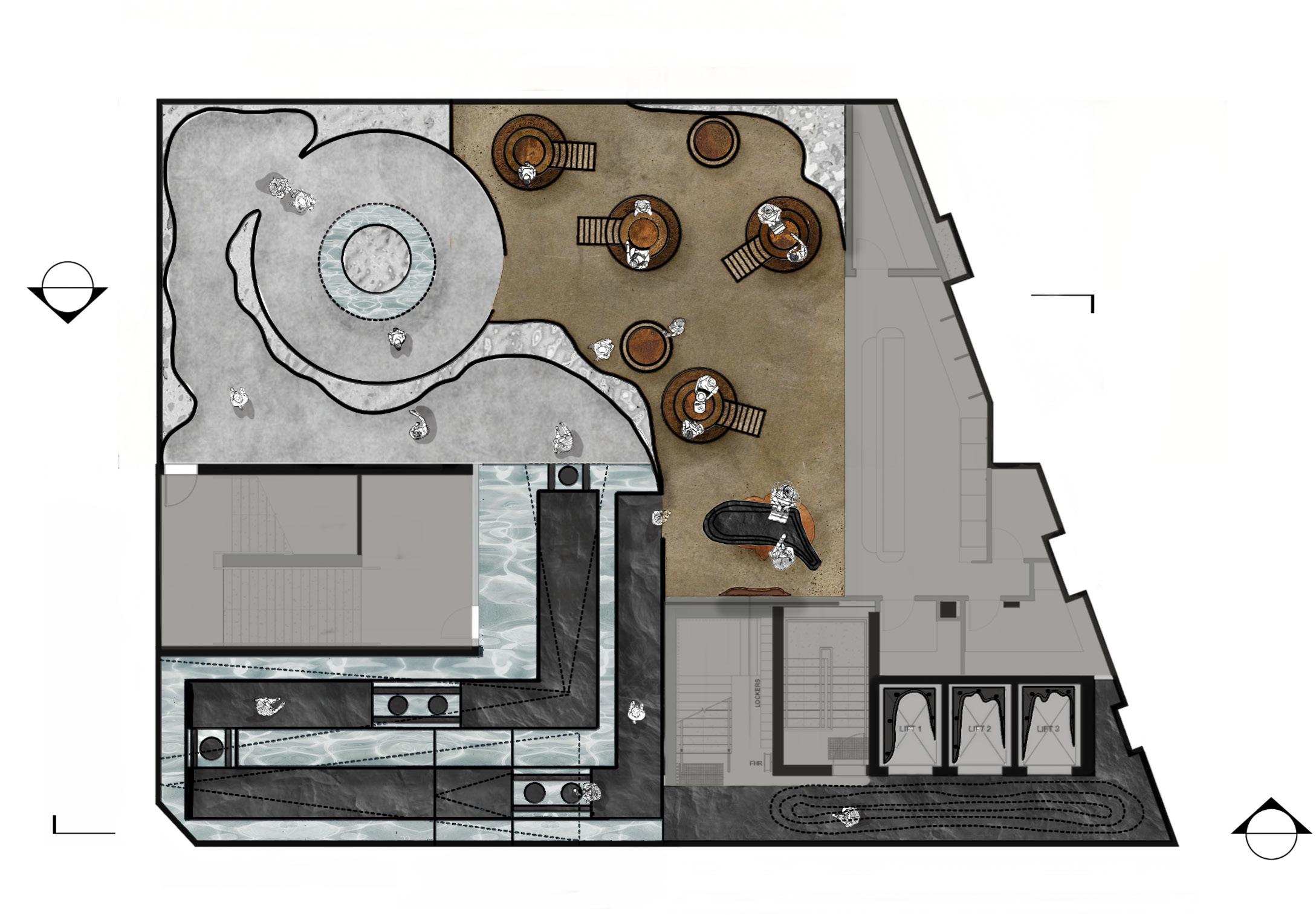
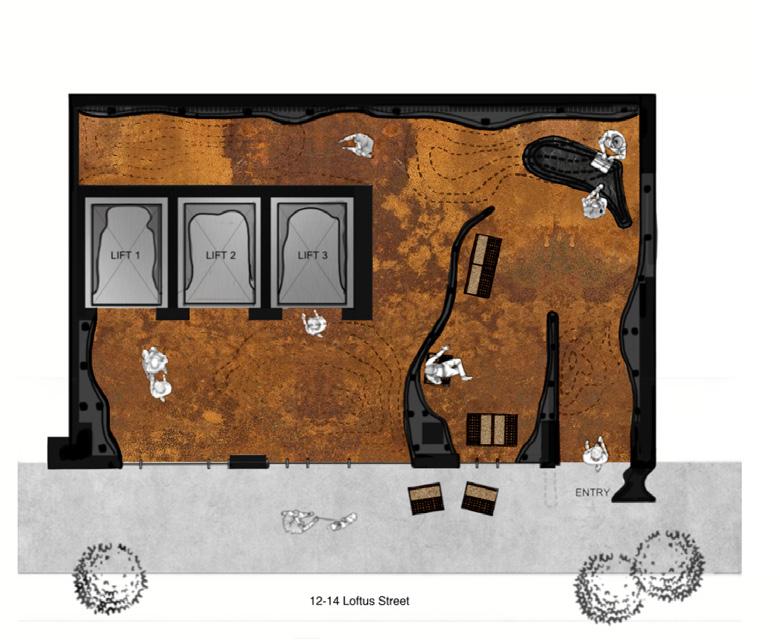
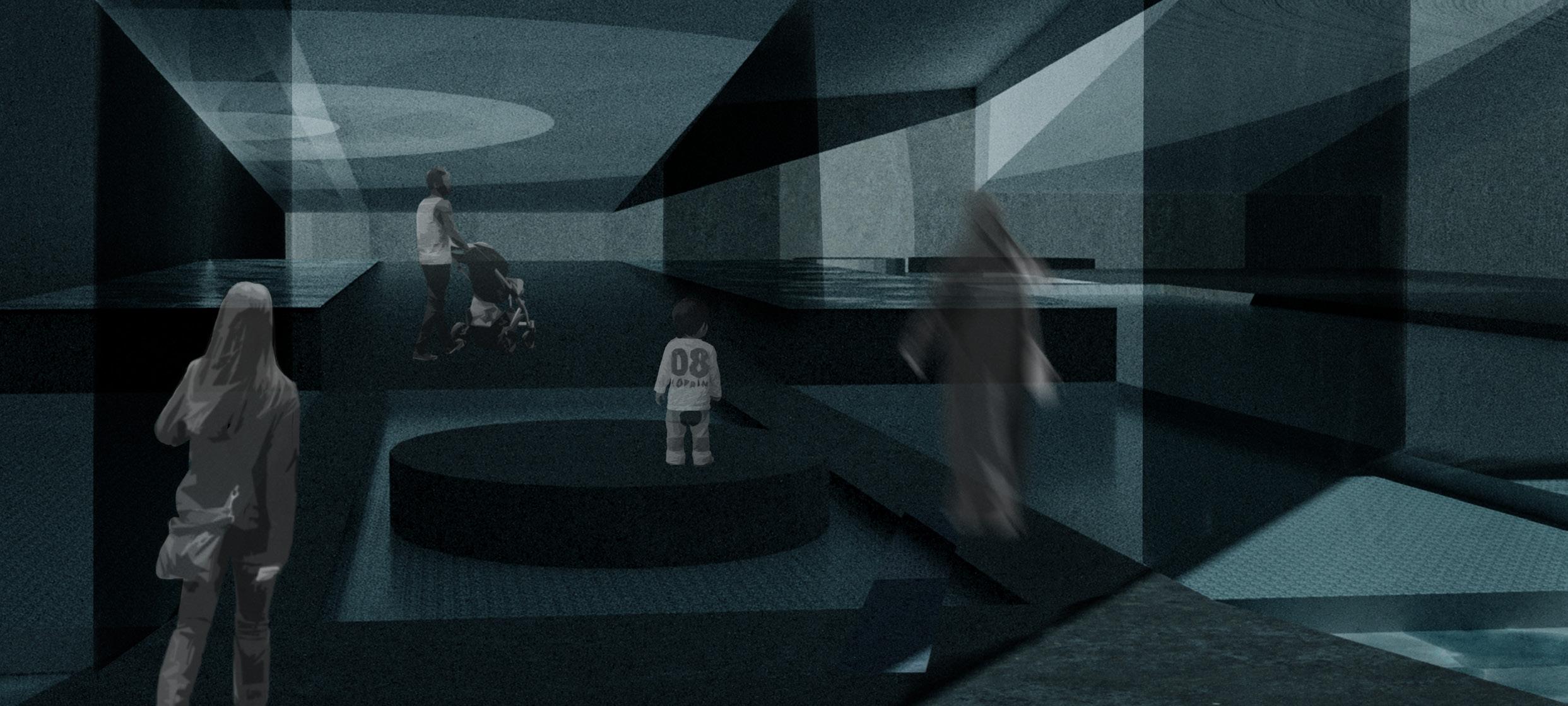
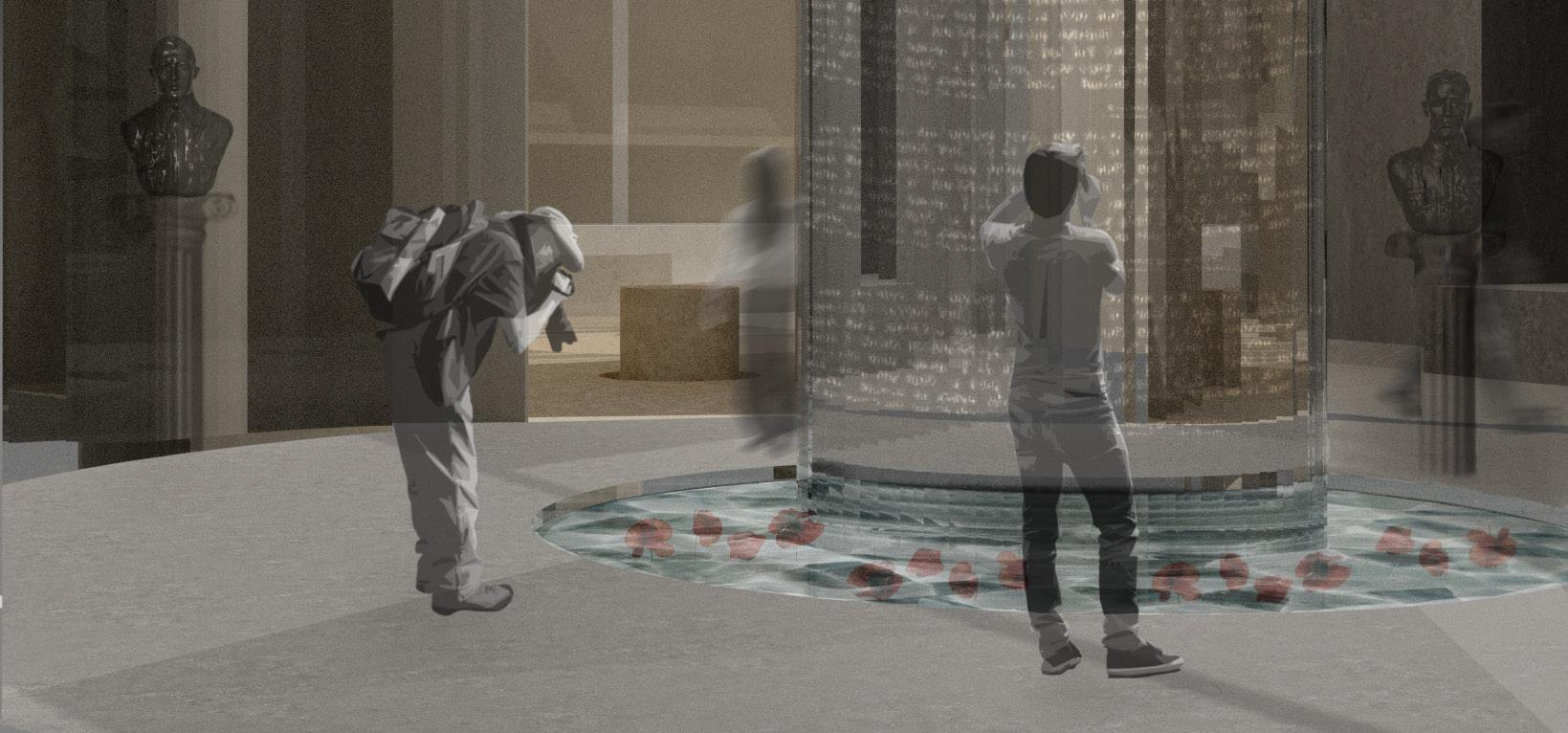
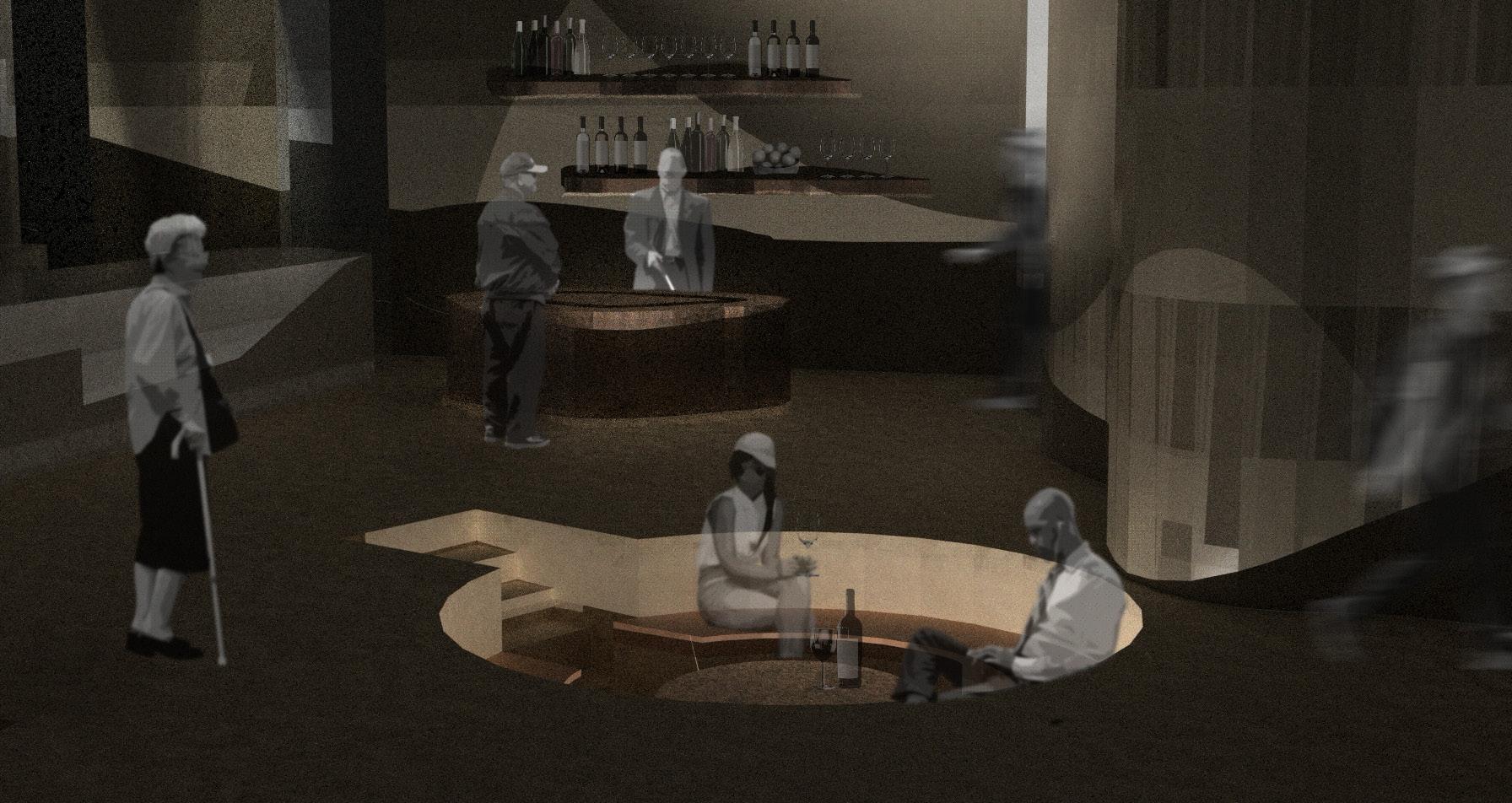
At 12–14 Loftus Street, Sydney, The Gallipoli Club is conceived as an experiential landscape of loss—a place where visitors do not merely observe history, but inhabit its emotional weight. The design draws on the metaphor of no man’s land—a suspended, fractured terrain between opposing forces. Reimagined here as a spatial condition, it reflects the liminal state of unresolved grief and collective trauma.

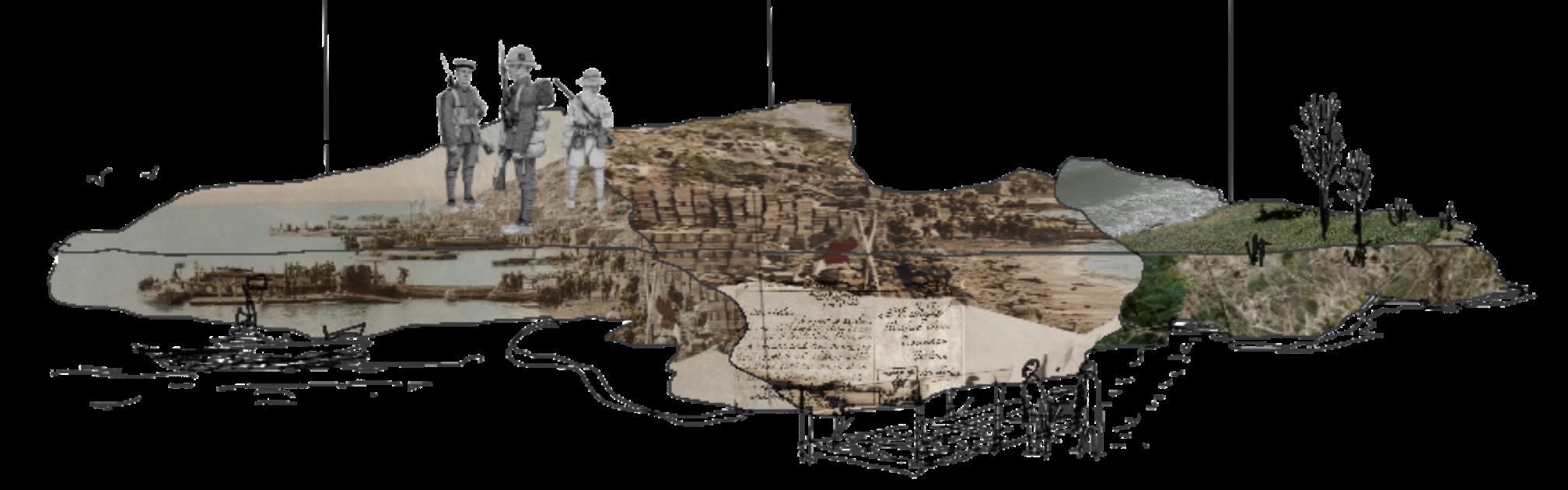
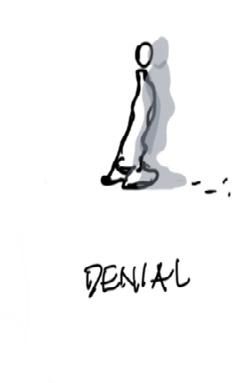
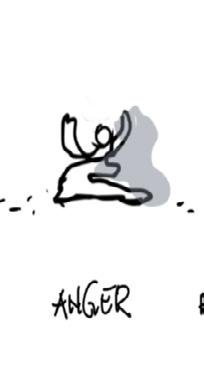
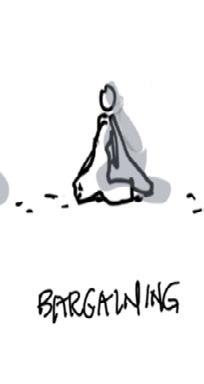
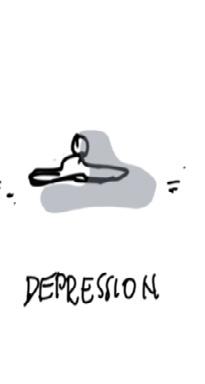
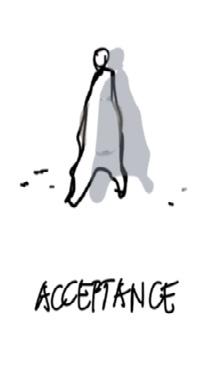

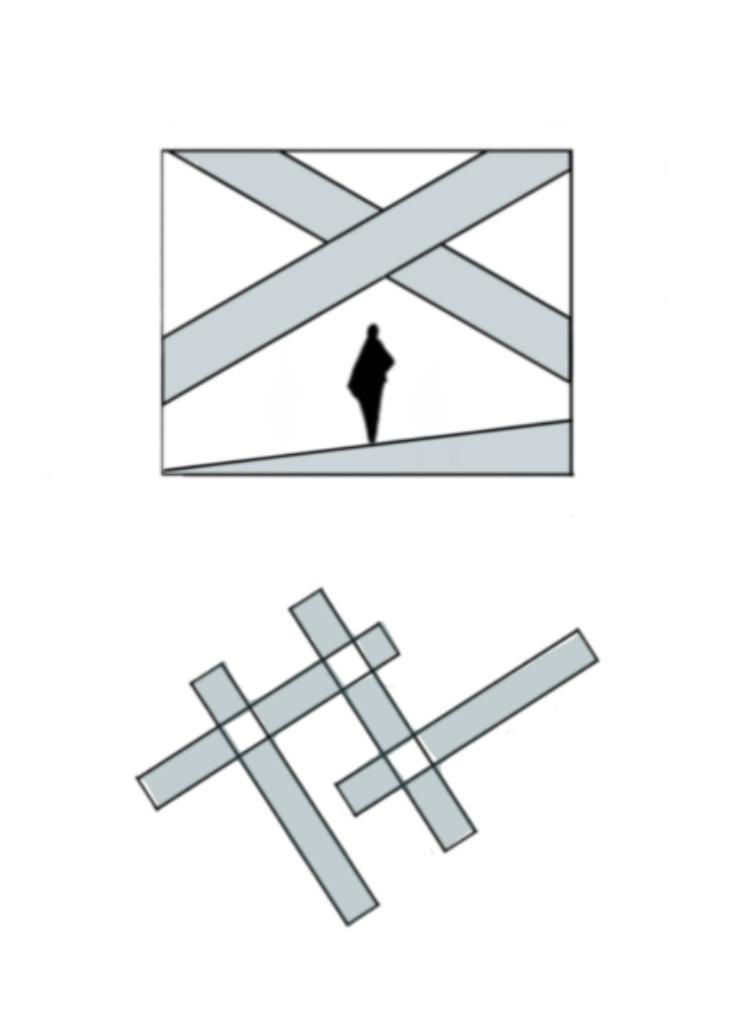
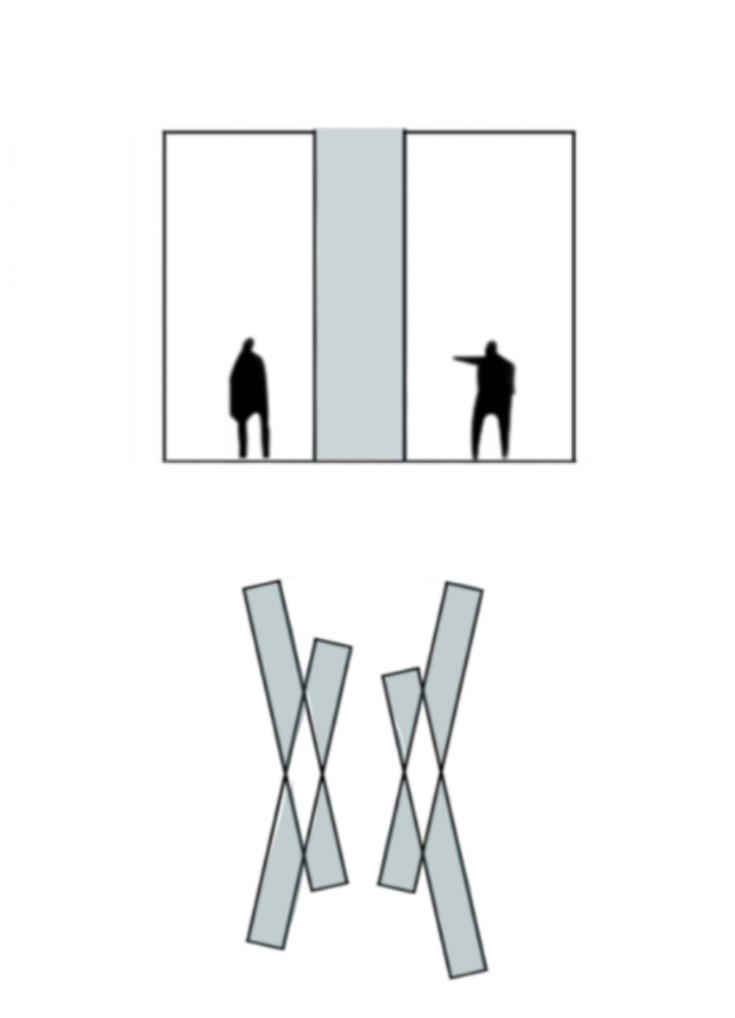
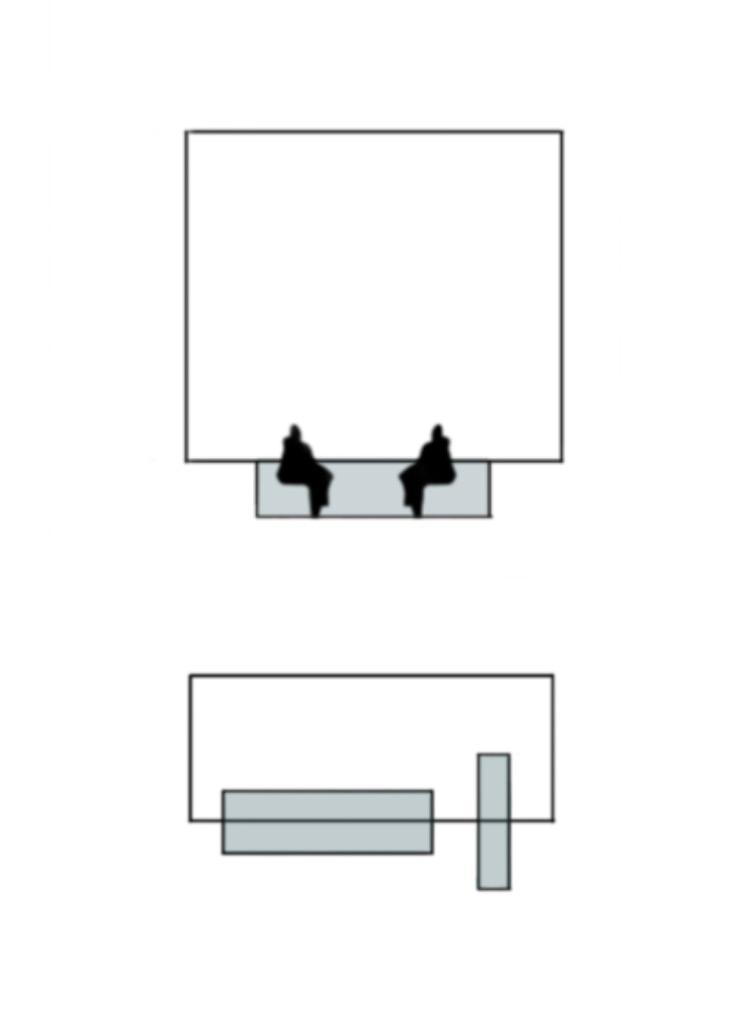
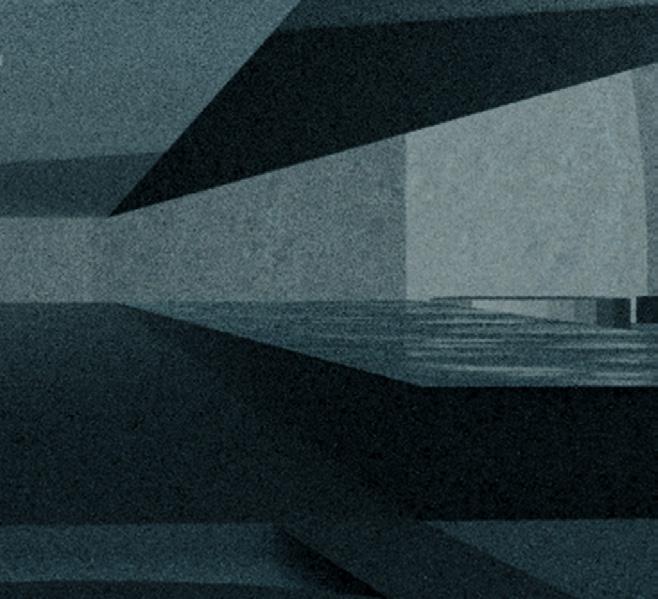
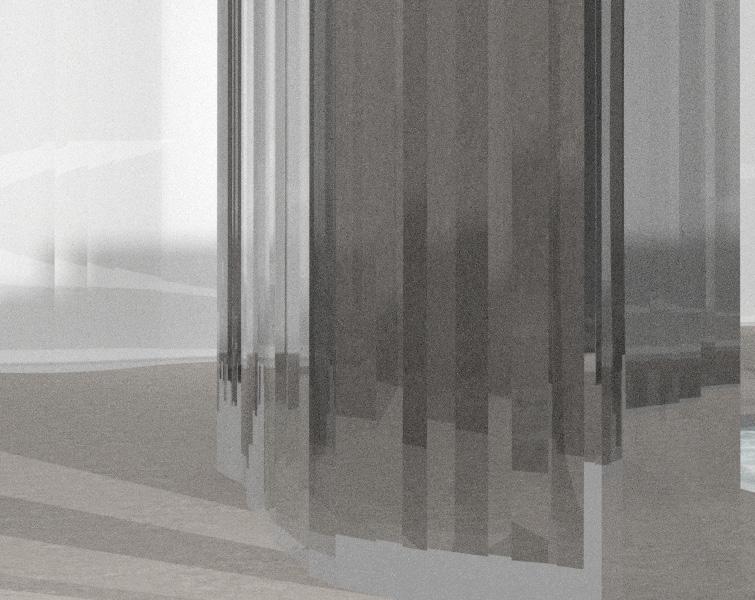
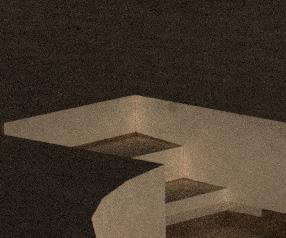
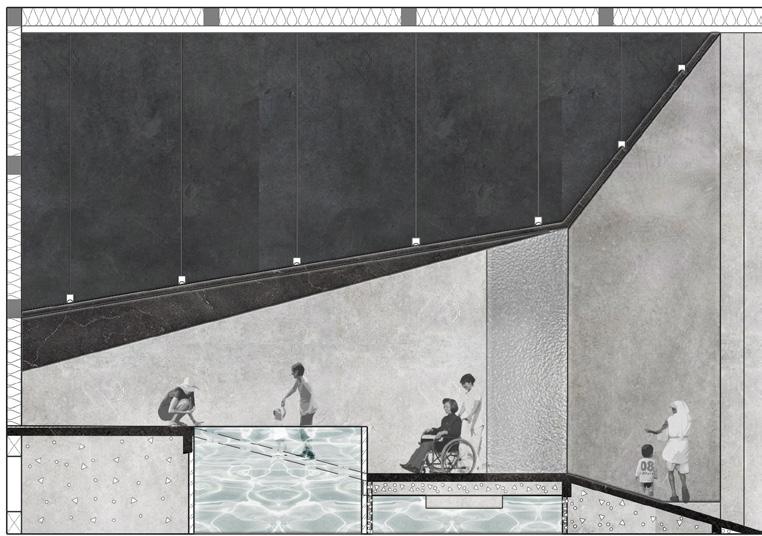
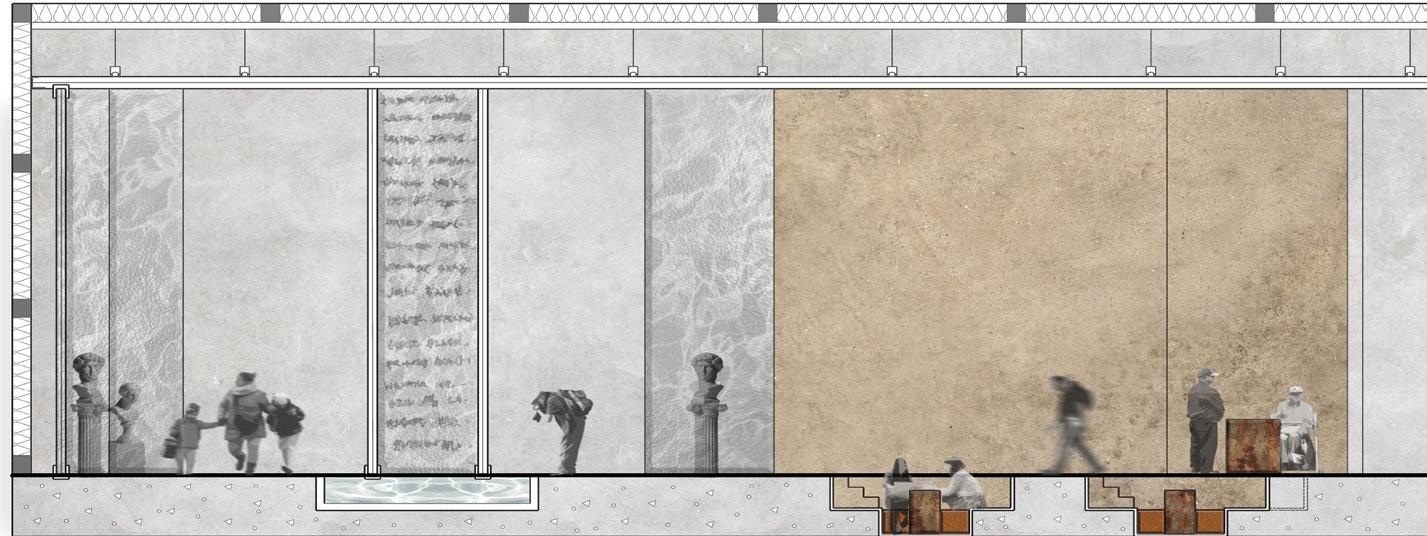
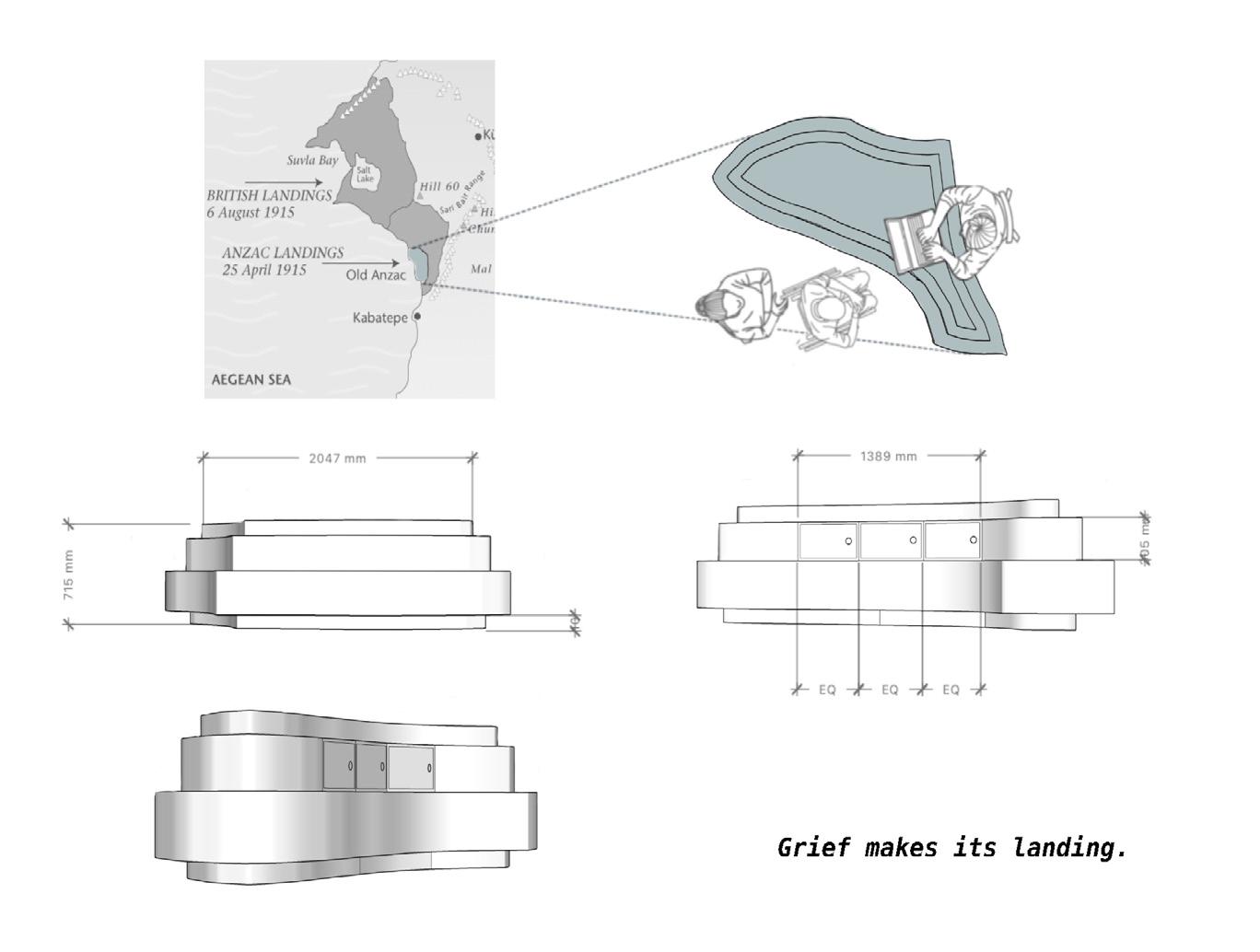
Architecture is an instrument of memory, shaping space as a vessel for grief, remembrance, and renewal. This in-between space invites reflection rather than resolution, holding space for silence, memory, and emotional presence. Rooted in the spirit of ANZAC, the architecture does not seek to offer closure but to honour absence— to make visible what is often left unsaid. Through the interplay of material, movement, and memory, the project becomes a vessel for what was, what remains, and what must never be forgotten.
per and zinc that is durable, and like its parent material copper, will develop a natural patina with time and use
• Infinitely recyclable
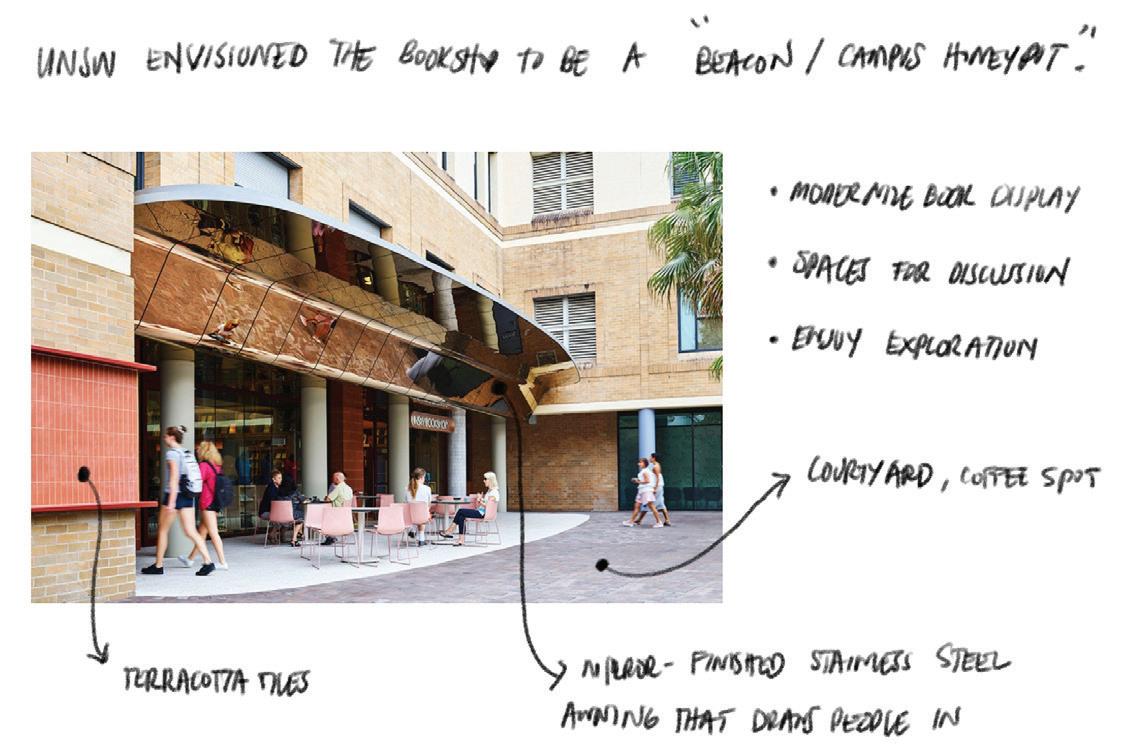
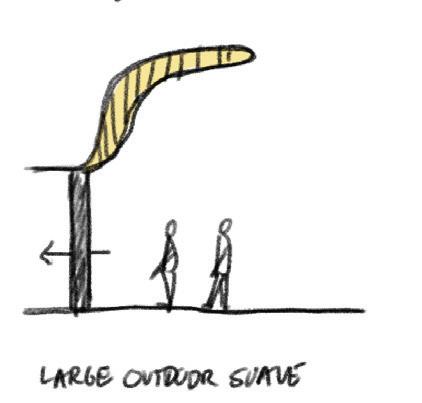
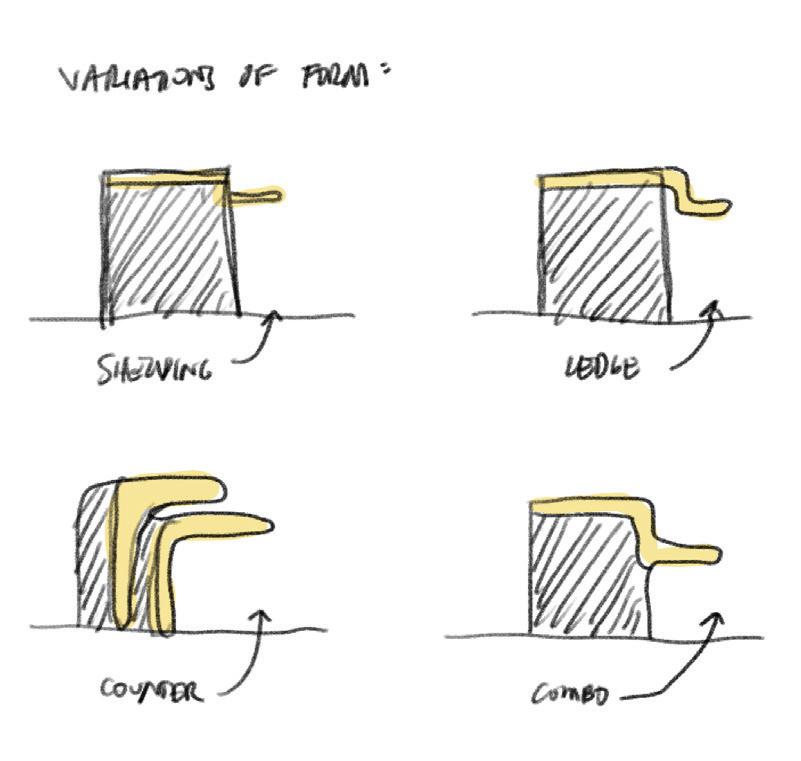
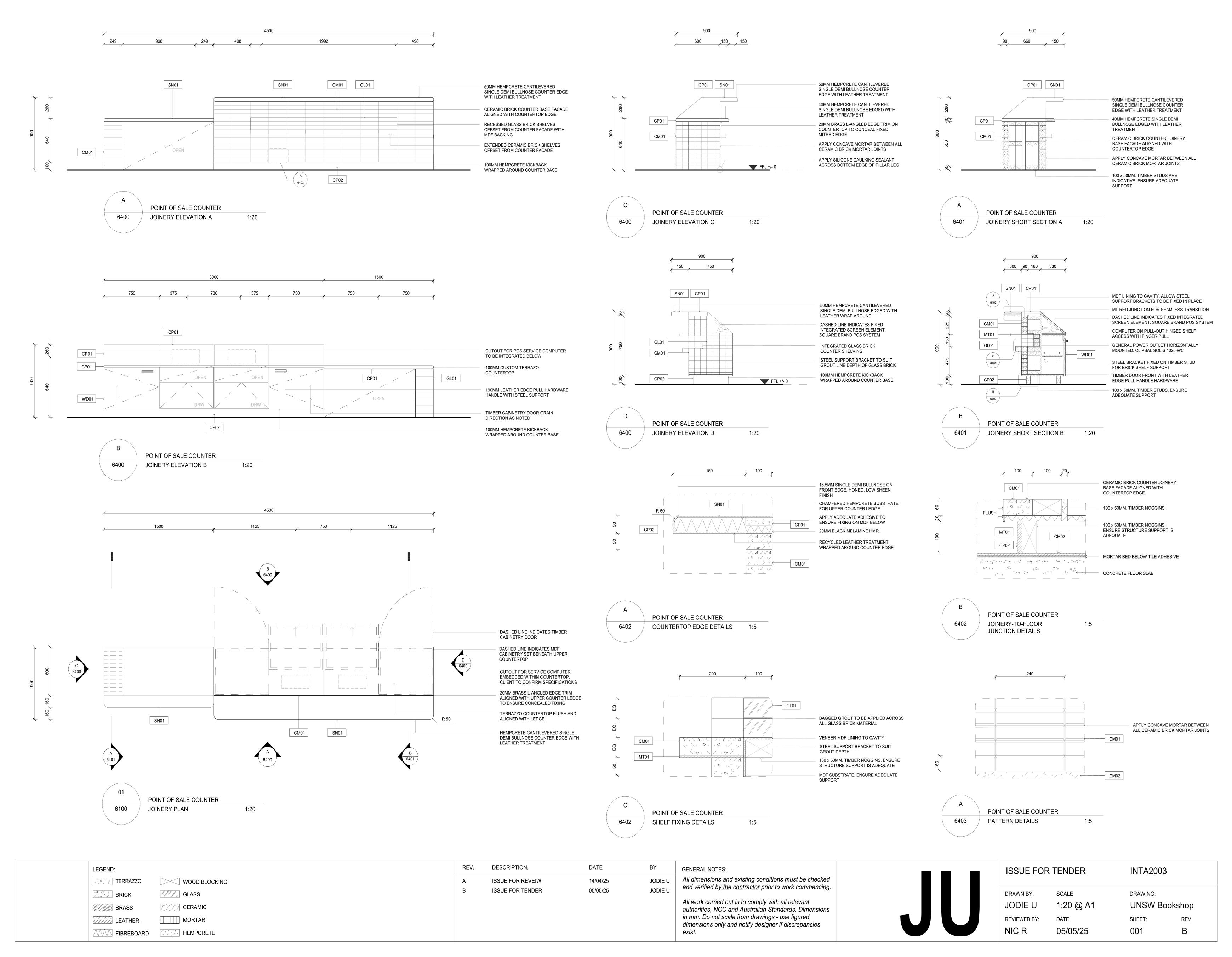
“The UNSW Bookshop has been an integral part of the University of New South Wales (UNSW) since the early 1960s, serving the university community for over half a century. In recent years, the bookshop underwent a significant modernization to enhance the shopping experience. The renovation aimed to create an inviting space that fosters discussion, learning, and growth, optimizing the display and sale of books. The redesigned interior encourages visitors to explore and engage with the literary offerings, reflecting the evolving role of university bookshops in the digital age.” (Gross, n.d.)
ral resources, reduces energy consumption, lowers carbon emissions, and minimizes landfill waste.


• Long lifespan • Natural aging

• 100% recyclable • Durable Energy-saving
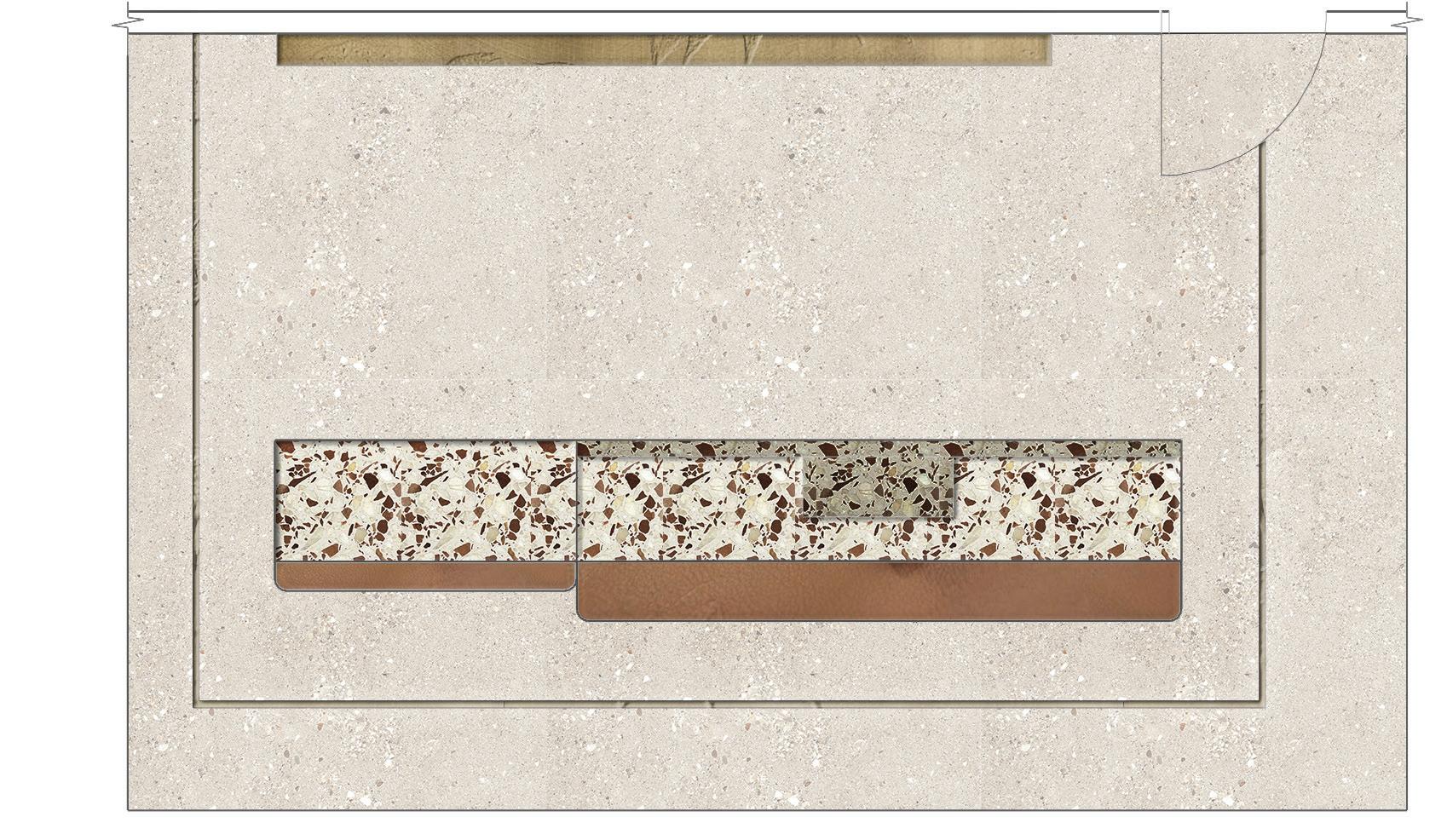
UNSW BOOKSHOP
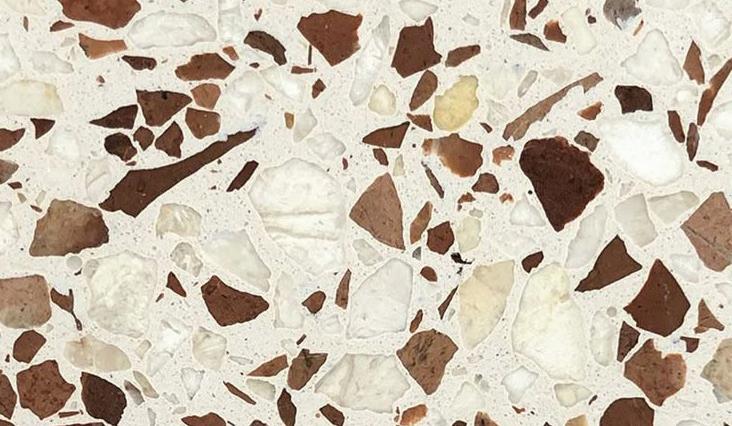
CP01 Terrazzo - comprised of natural stone aggregates, recycled glass or plastics held together with binders. Australian made from Australian materials which contain no plastics or epoxy binders
Material Research:

• Locally sourced • Recycled content • Low-impact binder
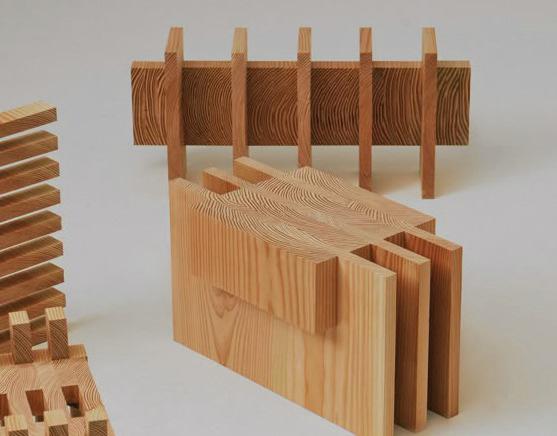
WD01 Timber - contributes to the reduction of carbon emissions and stores these within timber during growth and makes up 40–50% of its gross weight

• Recycled content • Low emissions • Durable aesthetic
UNSW BOOKSHOP POS
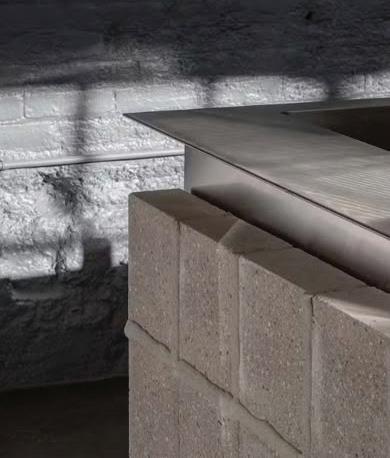
CP02 Hempcrete - a biocomposite material made from hemp hurds (woody core of the hemp plant) mixed with lime and water. Alternative to traditional concerete.

• Biobased • Thermal insulation
• Low-carbon binder
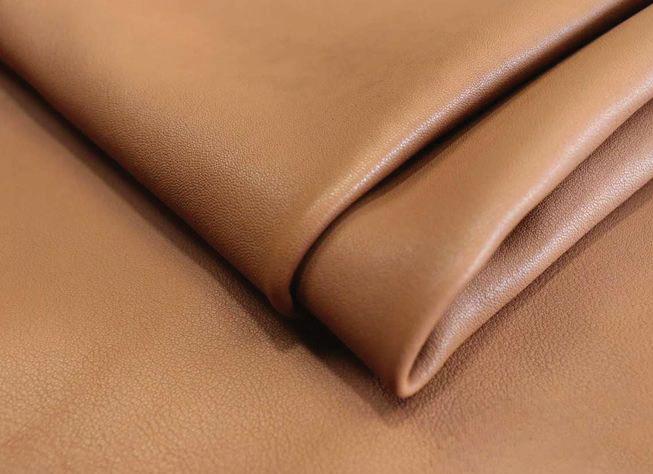
SN01 Recycled Leather - a by-product of the Australian meat industry destined for landfill. Using organic material from handpicked Australian processors with the best records for animal welfare and sustainability.


• Carbon storage • Low embodied energy • Natural resource for virgin steel production, saving energy and resources. 100% recyclable at the end of its life.

• Waste-diverting • Ethically sourced • Upcycled Material
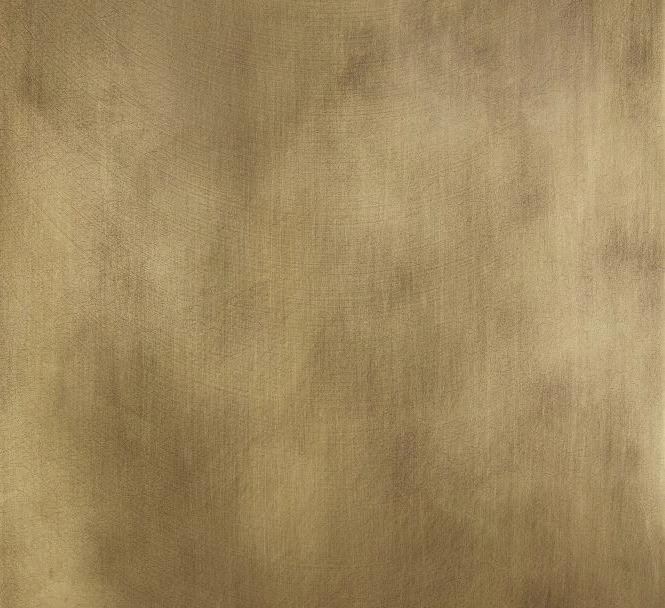

- an alloy
from
per and zinc that is durable, and like its parent material copper, will develop a natural patina with time and use


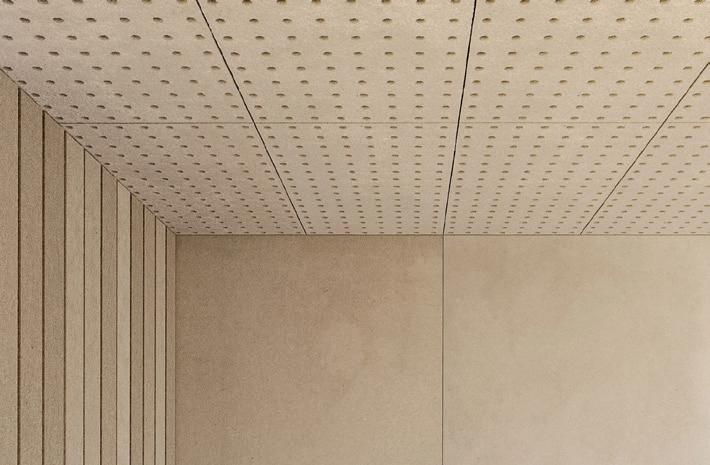
CP03 Construction Board Materialmade from a combination of enzymes and cellulose taken from the waste streams of paper production, making the board emissions-free.

• Waste-based • Zero emissions
• Circular economy
CM01 Brick - carbon-neutral bricks utilise biomass fuel (typically sawdust) in kiln-firing as a replacement to the burning of natural gas.


• Biomass-fueled • Traditional form • Reduced CO₂ output
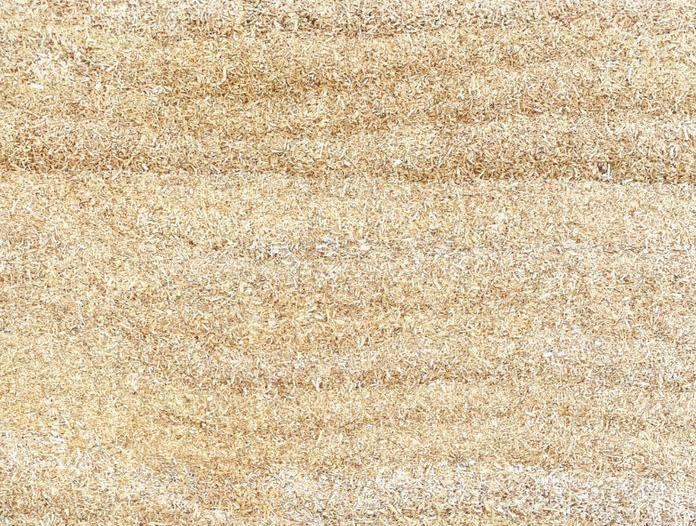
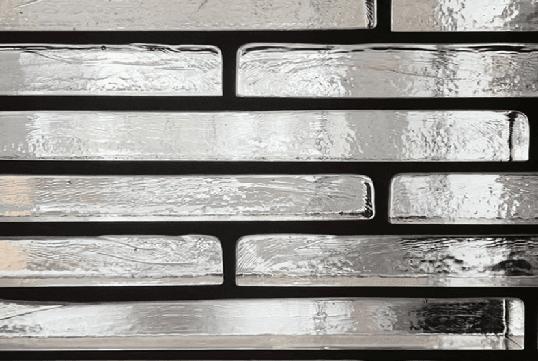
MT02 Recycled Steel - reduces need for virgin steel production, saving energy and resources. 100% recyclable at the end of its life.
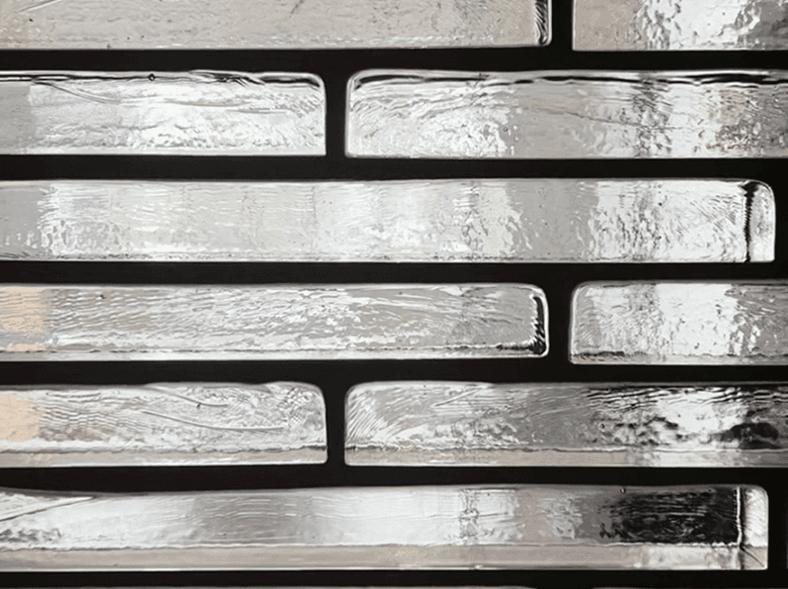
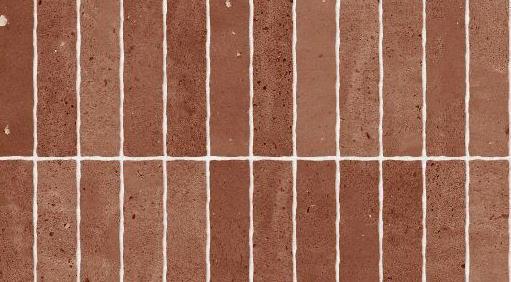
GL01 Recycled Glass - conserves natural resources, reduces energy consumption, lowers carbon emissions, and minimizes landfill waste.

• Infinitely recyclable • Long lifespan • Natural aging
CP01 Terrazzo - comprised of natural stone aggregates, recycled glass or plastics held together with binders. Australian made from Australian materials which contain no plastics or epoxy binders
• 100% recyclable • Durable
• Energy-saving
CP02 Hempcrete - a biocomposite material made from hemp hurds (woody core of the hemp plant) mixed with lime and water. Alternative to traditional concerete.

• Recycled content • Low emissions • Durable aesthetic
CP03 Construction Board Materialmade from a combination of enzymes and cellulose taken from the waste streams of paper production, making the board emissions-free.
• Biobased • Thermal insulation
• Locally sourced • Recycled content • Low-impact binder
WD01 Timber - contributes to the reduction of carbon emissions and stores these within timber during growth and makes up 40–50% of its gross weight
• Low-carbon binder
SN01 Recycled Leather - a by-product of the Australian meat industry destined for landfill. Using organic material from handpicked Australian processors with the best records for animal welfare and sustainability.
• Waste-based • Zero emissions
• Circular economy
CM01 Brick - carbon-neutral bricks utilise biomass fuel (typically sawdust) in kiln-firing as a replacement to the burning of natural gas.

• Carbon storage • Low embodied energy • Natural resource
• Waste-diverting • Ethically sourced • Upcycled Material
• Biomass-fueled • Traditional form • Reduced CO₂ output
Dos Islas.
2023
“The welcomong of the islands.”
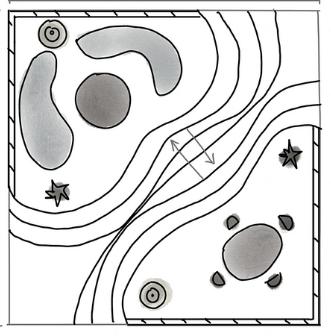
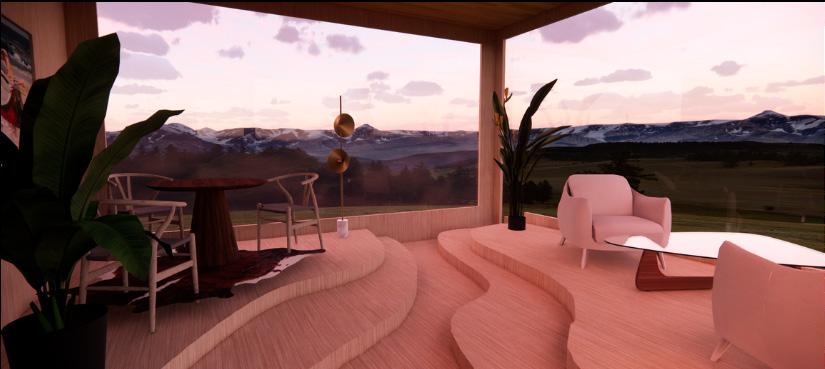
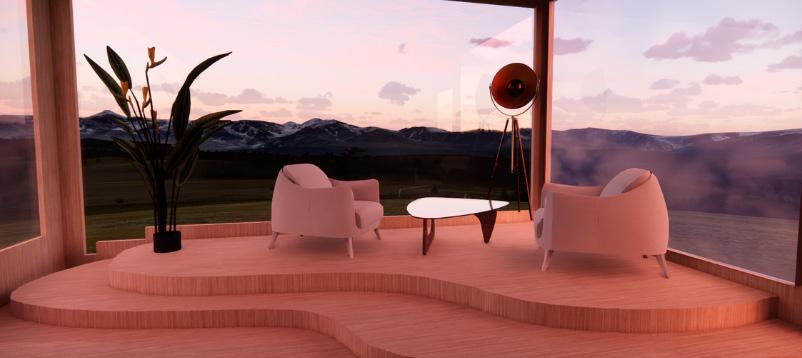
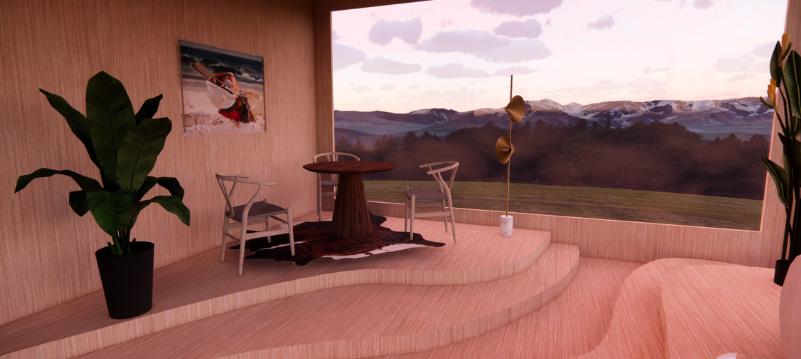
As part of a prompt in Interior Design Studio I class, this project entailed designing a 25-square meter pod that caters to the client’s own definition of work and play.
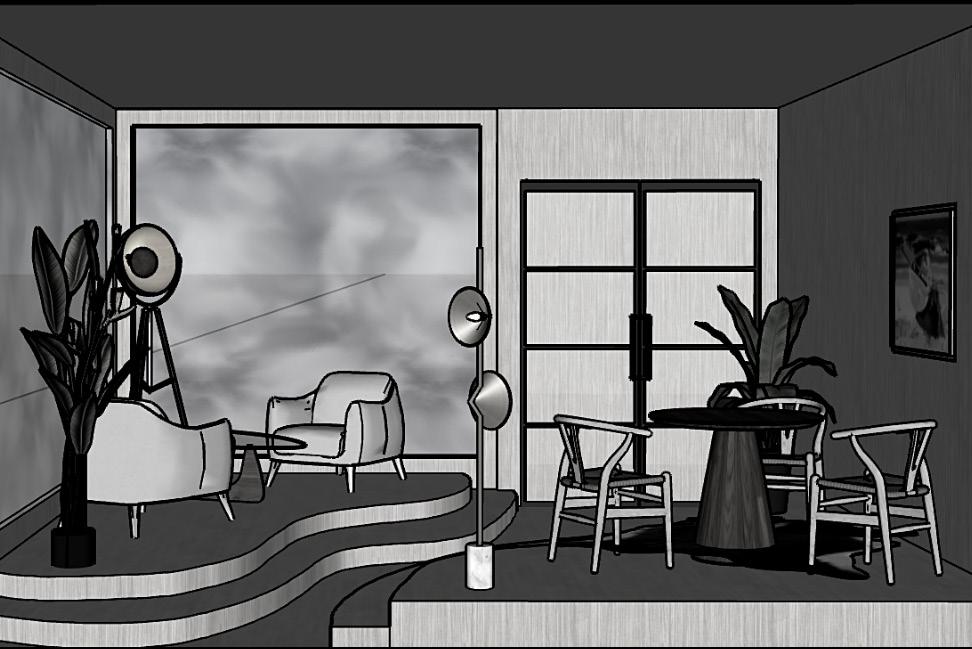
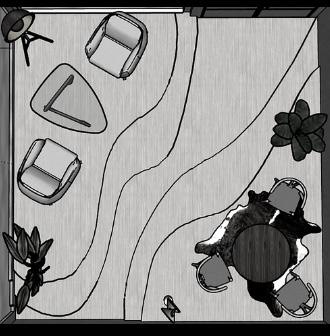
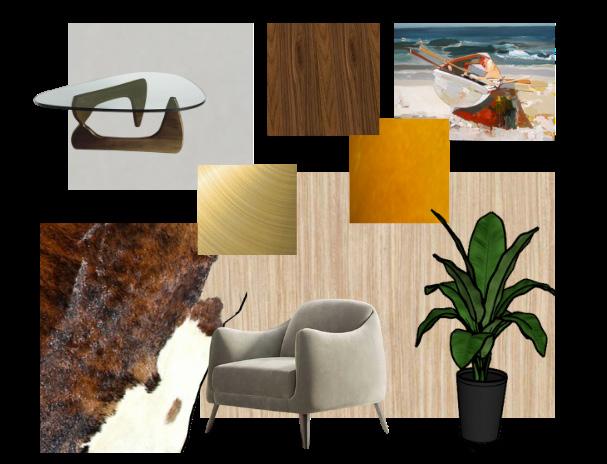
The client’s scope of work requires collaboration and a space to share ideas and thoughts. On the other hand, their idea of play is to lounge and converse comfortably with people they enjoy.
I took inspiration from the idea that two islands can still be seen as one entity when viewed as an archipelago. With this, the space was divided into two elevated areas with a walkway in between for movement and traffic.
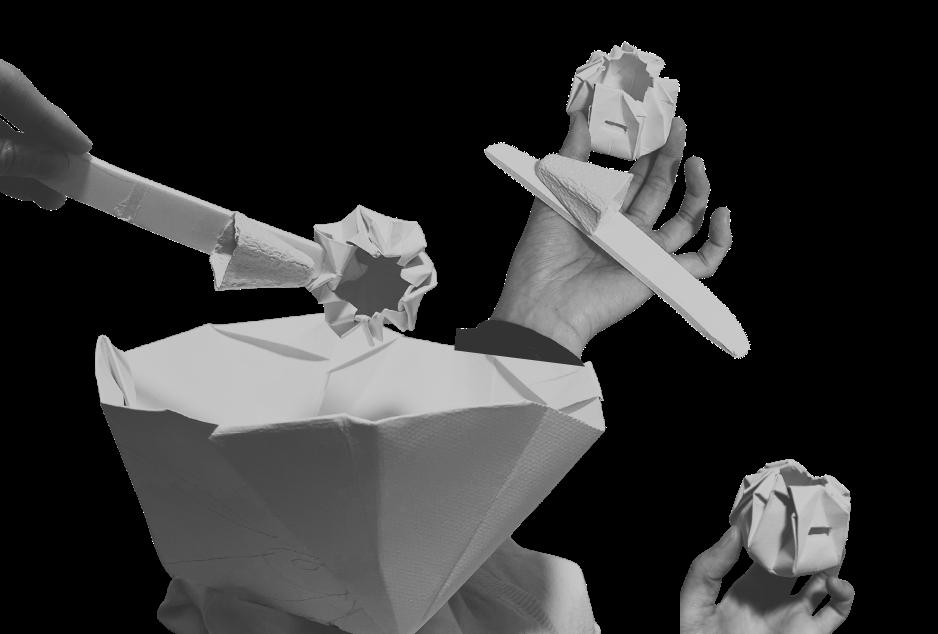
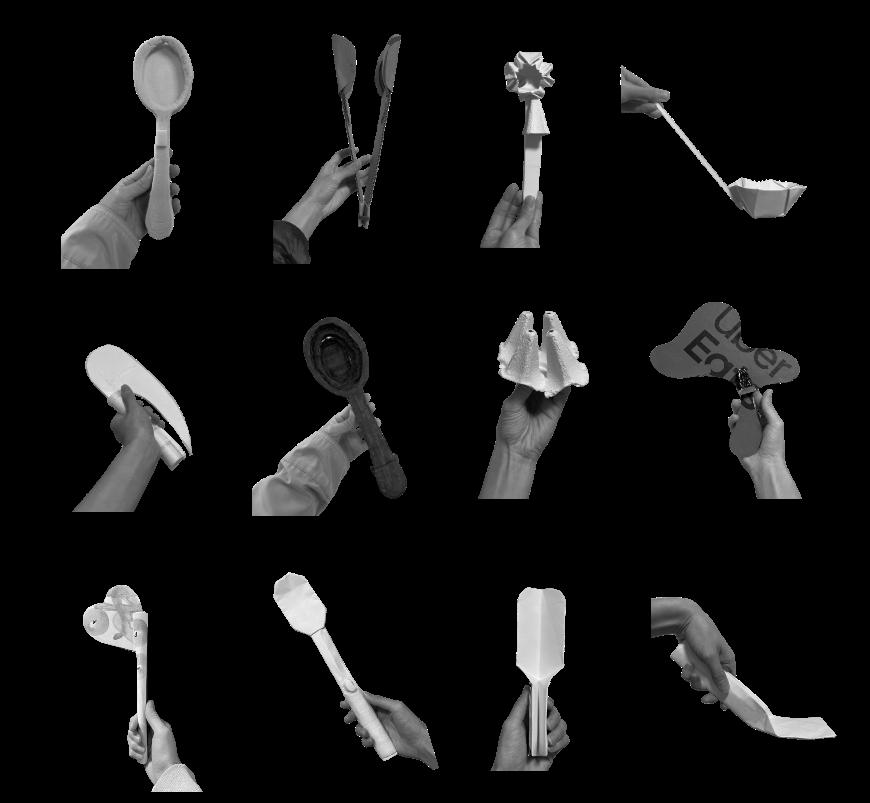
A different take on the traditional rice spoon, these design iterations revolved around becoming a measurement tool, rice shaper, and a functional aesthetic addition to any kitchen and dining table. This product was created for Industrial Design Studio 1A.
Sketches.
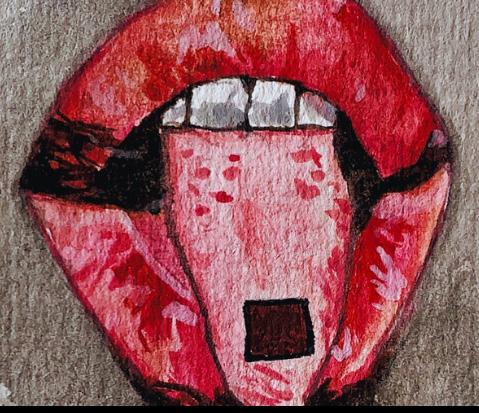
an archive
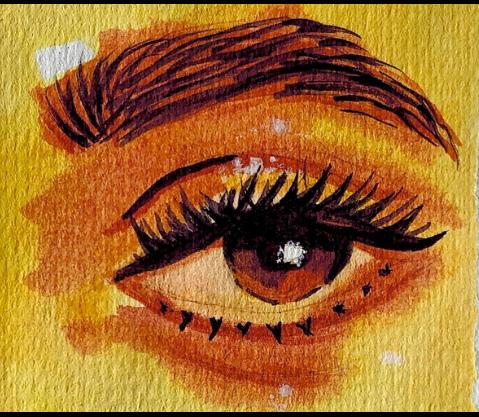
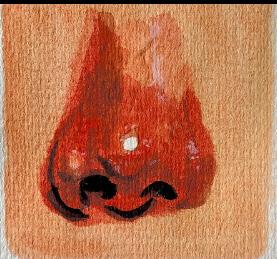
A collection of drawings and art I’ve created that speak to the things I’ve found interesting or valued throughout the years.