







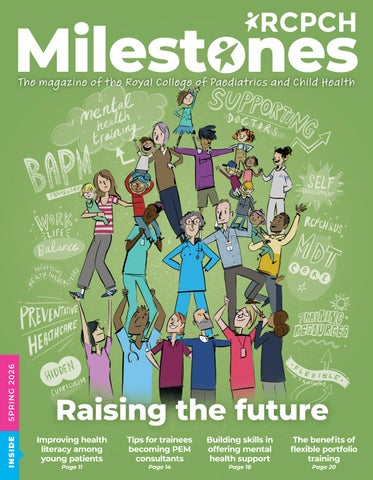









The spring issue of Milestones is always one that brings hope as we emerge from the cold and dark of winter. The sun is starting to shine, the birds are tweeting and our commutes are no longer in complete darkness. This issue is no different, bursting with brilliance and a beautifully illustrated cover that embodies our paediatric community – lifting and supporting each other to achieve the very best health and outcomes for our children and young people.
I have the pleasure of introducing our two new members of the Editorial Committee, Erva and Victoria, who have shared their day in the life, so head on over to page 30 to see the exciting new expertise they bring to Milestones
The start of spring also means the annual conference is fast approaching and we cannot wait to see you all there. This year is particularly special as we celebrate the 30th anniversary of the College! As usual, we will be listening to all of the incredible speakers and scouting for more members to pen their interesting stories for us, so please come and say hello.
Until then, I hope you enjoy reading this edition with a beverage of your fancy and perhaps one of Ash’s lovely bakes.
Dr Sharna Shanmugavadivel
PEM Registrar
Leicester Children’s Emergency Department



































11 RCPCH &Us The importance of health literacy
12 BAPM framework Delivering high-quality
The ‘hidden curriculum’ Insights for PEM consultants from senior
When to call the music therapist
instances when music can help
Please complete our membership survey
It takes about 12 minutes and your responses will be saved as you progress, so you can pause and return to it later. The closing date is midnight Monday 13 April. If you’re a current member: Research by Design, who is undertaking this survey on our behalf, has emailed all members who opted in to get surveys with a personalised link. Do check your inbox – the subject line is ‘Your voice matters: Help shape your member experience’. If you’re not a current member or didn’t get the email, you can complete the survey via our website at rcpch.ac.uk/survey26
We’d love to hear from you – get in touch at milestones@rcpch.ac.uk
local service tackling health inequalities
Getting our ducks in a row Building confidence in supporting CYP mental health in acute teams


20 FPT: an opportunity for paediatricians
The benefits of flexible portfolio training
22 Finding purpose beyond retirement Three paediatricians reflect on their
James Pembroke Media, Ground Floor Riverside North, Walcot Yard, Bath BA1 5BG. T: 01225 337777. Advertising: advertising@rcpch.ac.uk


Professor Steve Turner RCPCH President
This edition’s theme is personal and professional development. As I get less young, I see my development needs continue to evolve. I remember, many years ago, thinking that I’d aim to be at ‘the top of my game’ when I was 50. But I turned 57 a few weeks ago and can see how I can still develop and get better at what I do.
Back when I was a medical student, I was like a sponge soaking up large volumes of facts to be regurgitated at exams. As a trainee, my focus continued to be on factual information woven into a mesh of practical and clinical skills. Then, as my career meandered along, I sort of fell into research; at my ST1-equivalent interview, I was asked why I had not done any research, to which my answer
was: “There is enough for me to learn already and I don’t want to add any more.” And all along, without really realising, I was acquiring skills and experience in leadership, mostly gleaned from the school of hard knocks.
The university of life is a great educator, but the days of ‘see one, do one, teach one’ are long gone. However, RCPCH is here to provide a framework to support members on their lifelong learning journey. Whether you want an update on managing clinical scenarios old and new (I had no formal training in child mental health, school absence and public health) or to develop skills in
“Healthcare professionals will have to change how we practice faster than ever before”


The College turns 30 in August, with various celebrations planned –including at our annual conference. Look out for a special anniversary edition of Milestones this summer
research, leadership, quality improvement, medico-legal work, mentoring, etc, the College has resources to help you. Our annual conference is a perfect opportunity to sample all of these and more, and is also the ideal forum to meet new and old friends, and to network.
Your job and mine will continue to evolve. This change will be part reactive but part proactive to meet the everchanging needs of our patients, ourselves, our colleagues, therapeutic options and healthcare organisations. Today’s demand to transform health services across the planet means that, arguably, we are entering into a period where healthcare professionals will have to change how we practice faster than ever before. And while the future can be difficult to predict, I know children will always be born with or acquire conditions that require specialist care, and RCPCH will be there to support members and our patients.
Returning to Birmingham this May, the College’s annual conference promises to be a highlight of our 30th anniversary. Under the theme Reflecting the Past, Inspiring the Future, the three-day hybrid programme features specialist sessions, interactive workshops, networking, social events and a few birthday surprises.
Plenary speakers will tackle topics ranging from the paediatric
mental health crisis and innovation in primary care to family justice, alongside the welcome return of the plenary debate. When not immersed in clinical content, delegates can explore clinical spotlight theatres, sponsored symposiums, exhibition stands and ePosters, all complemented by a growing programme of social and wellbeing activities, including yoga, choir and our conference birthday dinner.
View the full programme and register now at rcpch.ac.uk/news-events/rcpch-conference
From shaping policy to working on the frontline, here’s what makes their work so meaningful
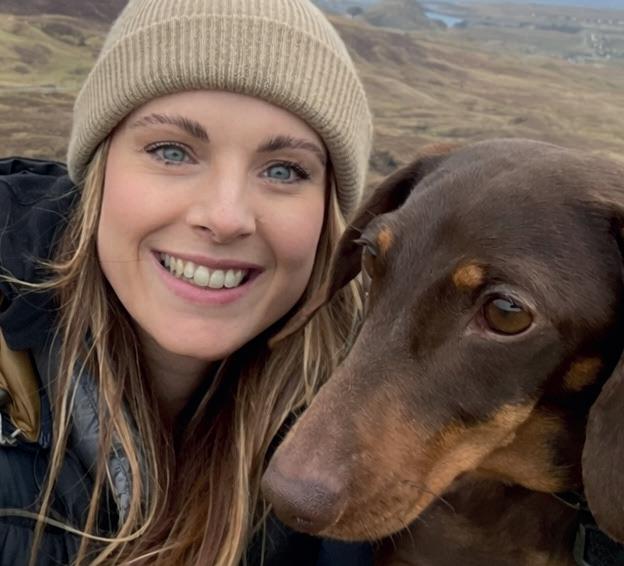
Gemma Richardson Policy and Public Affairs Manager (Scotland)
I joined RCPCH Scotland just after the last Scottish elections in 2021. Now, as we turn our attention to the Holyrood elections in May, I’ve been reflecting on how far we’ve come.
Working with Scottish members, committees, deputy officers and our Scottish Officer, Dr Mairi Stark, we’ve developed a manifesto that acknowledges the realities our members face every day. It also sets out bold calls for what we want to see from the next Scottish Government. I’m so proud of the strong, evidence-based document we’re using to engage with policymakers in the lead-up to the election.
Before joining the College, my career took me across the policy landscape, from the Scottish Government and the Royal College of Nursing to public affairs consultancies with clients spanning human rights, infrastructure, retail and health. The work was as
varied as it was rewarding.
My role now is to champion child health and paediatrics, ensuring RCPCH Scotland is recognised as a leader in child health policy. What makes this work so special is the dedication of our members, who bring their expertise to our policy work, helping us make a genuine impact when we meet with politicians and decision-makers. We are having important cross-party conversations on issues that impact child health, including waiting times, workforce, mental health and child poverty, and these are essential to ensuring that the voices of paediatricians and the needs of children and young people are at the heart of Scotland’s policy agenda.
Since I joined the team, RCPCH Scotland has achieved some major milestones: the launch of our Worried and waiting: A review of paediatric waiting times in Scotland and Collaborative healthcare in Scotland: Delivering the services children need in the community reports. Building on that work, we then launched our manifesto, The prescription for change: Transforming the future of child health, which we’ve been using for cross-party engagement.
When I’m not at work, you’ll find me exploring Edinburgh’s coffee shops or wandering Scotland’s stunning green spaces with my husband and our mini dachshund, Frankie.
Before starting work at the College, my background was in events and writing. My first role at RCPCH was on a temporary basis from November 2019, when I was brought in to support the Scotland team with event logistics for their State of Child Health launch event in the Scottish Parliament. I returned to the College in the role of administrator at the end of 2020 and gradually took on more tasks related to policy and public affairs work until being offered my current role.
Our areas of engagement in the Scotland team are extremely wide-ranging, which means that our work is never dull! I have worked on consultation responses and briefings covering everything from energy drinks and neurodevelopmental pathways to child poverty. One of my favourite aspects of my role at the College is the engagement with our members, who work
so tirelessly in their clinical jobs and never cease to amaze me with their dedication to bettering the lives of children and young people in Scotland by volunteering their time with us. I’m passionate about sharing the lived experiences of our members and the children and young people they care for, and channelling these into compelling, evidence-based reports and briefings for our political engagement.
One of my proudest achievements in the past year was working with Gemma and our Scottish Executive Committee on our Collaborative healthcare in Scotland report about community child health services in Scotland. We hosted an event in the Scottish Parliament to share the findings and brought together MSPs, Scottish stakeholders and College members to give these services more attention and to lobby the Scottish Government on essential changes that need to be made to reduce waiting times. Outside work, my passions lie in creative endeavours. I enjoy bookbinding, clay sculpture, soapmaking and sewing. I’m also a voracious reader and have had two short stories published so far, with my ultimate goal being to publish a novel.
Find out more about the RCPCH Scotland team’s work at rcpch. ac.uk/nations/scotland
Nick Brown Archives of Disease in Childhood Editor-in-Chief
@ADC_BMJ
Reflecting on the running order in the latest Atoms, I’ve been reminded of the breadth of papers/ views/clinical law pieces that examine the world of children in ‘their real ecosystem’, one in which their parents and families are fundamentally intertwined. “Isn’t this at the core of all paediatrics?” you think, but politely refrain from articulating too loudly. Well, it should be, but so often isn’t
(exceptions aside) in the ‘world of literature’. “So, give me the math then,” you rightly counterparry.
How about these (far from complete) examples from the past two issues alone: the dialogue with parents around vaccine refusal emergencies; children’s legal status in terms of treatment decisions; maternal support in the Born in Bradford cohort; trial evidence on family post-traumatic stress after PICU admission; sharing adrenaline pens at schools; the implications for parents of Martha’s Rule in the context of other international initiatives; outdoor play safety; early toilet training trial evidence.


Shanti Raman BMJ Paediatrics Open Editor-inChief
@BMJ_PO
I’m delighted to state boldly that BMJ Paediatrics Open has accelerated through puberty and reached maturity! We are now recognised as a high-quality journal dedicated to paediatrics and child health with an unashamedly global focus. Submissions to the journal have doubled in just two years and there were 303 papers accepted in 2025, compared with 273 in 2024 and 148 in 2023.
Our growth has been driven by several factors, including the
increasing impact factor, the topic collections and greater international awareness of the journal. China remains the leading country for submissions (16% of the total in 2025), followed by the UK (12%), India (7%), Turkey (4.5%), the US (4.5%) and Pakistan (4%). In terms of public-facing work and visibility, in December 2025, we partnered with the International Developmental Pediatrics Association (IDPA) conference in Guatemala. We held a successful workshop on publishing and communicating relevant research and policy, and soft-launched our Disability and Development in Early Childhood collection. We will publish all the abstracts from the conference in a supplement and
We’re pleased to announce the beta launch of this new resource on the Digital Health Hub. The Digital Solutions Catalogue is designed to help paediatric teams discover, compare and adopt digital tools that support high-quality child health services. From clinical decision support to remote monitoring and workflow optimisation, it brings together

ADC is 100
Visit the ADC centenary landing page adc.bmj.com/ pages/adc-centenary where we’re publishing a wide range of papers to mark this milestone over the course of the year.
Unlike most other specialties (here’s my bias in full view), we don’t treat an individual without the perspective of their surrounds. Just one of the many reasons that this fundamental part of the environmental equation is such a common feature in Archives.
are committed to publishing the best papers in a collection. Topic collections have been the driver not only of the improvement in quality of submissions but also of expanding the range and reach of our journal. The active collections for this year include: The Burden of Neurodevelopmental Disorders in Children in China; Paediatric and Child Healthcare in India: Opportunities and Challenges; and Children in Conflict Settings.
Sign up for e-alerts at bmjpaedsopen.bmj.com; members interested in reviewing should contact info.bmjpo@bmj.com
a curated list of digital health solutions in one place. This is an important step in supporting digital confidence and empowering clinicians to make informed choices about the tools that work best for CYP and their families. Explore the catalogue at hub.rcpch.digital, share your feedback and suggest additional tools
Our review aims to ensure that assessments better align with the curriculum and that those undertaken in the workplace and our examinations are fair, effective and sustainable
The review kicked off with a lively brainstorming event with doctors in training, trainers and College assessment and exam staff; everyone was asked to think beyond the confines of our existing strategy and consider what would make an ideal assessment programme. The themes which emerged were: ensuring clear relevance to the curriculum; keeping assessments meaningful and continuing our approach of quality over quantity; and ensuring that we are assessing capability in the broadest sense of the word. There was also recognition that assessment at specialty level should drive development towards readiness for consultant work. Assessments should form part of business as usual for all teams.
With these principles in mind, the review has gone through a comprehensive planning process by two short-life working groups and is now being managed by a project board. All these groups have had valuable input and representation from doctors in training, trainers and the College assessment and exam staff teams.
At the end of 2025, we moved on to piloting the new or revised workplacebased assessments (WPBAs) and the proposed format of the clinical exam. The results of those pilots have been analysed and formed the consultation that we launched earlier in March. The three WPBAs that were piloted focused on assessing examination skills earlier on in training, as well as assessing consultant readiness in preparation for a transition away from the Specialty Trainee Assessment of Readiness for Tenure, otherwise known as START.
The review of the clinical exam has been extensive and has looked at the

structure, scoring system, blueprinting, domains, and the involvement of children and young people. A new format aims to improve the reliability of test outcomes and further standardise the delivery method.
The next stages of the review will include analysing the responses from the consultation to inform our submission to RCPCH Council and the GMC. We hope to confirm GMC approval later in
“RCPCH aims to gradually transition away from START and to revamp the clinical examination and WPBAs. The ultimate goal is that our Certificate of Completion of Training (CCT) is a badge of honour. It must be sufficiently relevant to ensure that we are safe, effective and highly regarded paediatricians for the years to come. The changes are being developed in a considered way and final approvals (including GMC) are still required. Keep your ears peeled for updates (eg your ePortfolio inbox). Your requirements for annual review
2026, along with a clear implementation plan to ensure all doctors in training and supervisors understand the requirements and timelines.

Visit rcpch.ac.uk/ assessment-review or scan the QR code
of competency progression (ARCP) will change over the coming years, but it’s important to note that until we tell you of those changes, the current assessment strategy still stands. We know that change causes disruption in the short-term – and there has been a lot of that lately. Our training programme often leads the way in education development. That is something to be proud of. And it’s absolutely thanks to the patience and adaptability of you all.”
Dr Josh Hodgson Chair of RCPCH Trainee Committee
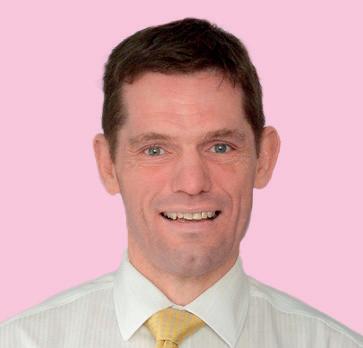
Dr David Tuthill
Consultant
Paediatrician
Children’s Hospital for Wales, Cardiff
Dr Yincent Tse
Consultant
Paediatric Nephrologist
Great North
Children’s Hospital
Co-chair RCPCH-
NPPG Medicines Committee
Throughout our careers, we’ve both been interested in creating communities for colleagues, students and trainees to learn, spread innovations and share challenging cases. When COVID-19 hit, much face-toface education was lost. Thus, we set up virtual Grand Rounds in both Wales and North East England. They became popular not only in our own hospitals, but in supporting colleagues in remote and rural units far afield. We heard several other regions similarly came together online.
After five years of delivering enthusiastic, informative speakers, we decided to see if we could share these benefits across the UK. Colleagues from many units were struggling to fill teaching timetables and wanted to consolidate efforts. So began a journey partnering with RCPCH Digital Learning that culminated in the National Paediatric Grand Round. We would like to acknowledge the infallible energy of the College’s Digital Learning Manager, Anthony Ferrante-Sharp.
We aimed to bring succinct, clinically relevant, high-quality content to all healthcare professionals. Topics and speakers are curated by a steering group of volunteers from across the four nations. Fortnightly during term time, speakers give a 30-minute talk followed by questions from the audience via the chat mechanism. Afterwards, the talks are freely available for those unable to join live. We are thrilled to report that, so far, over 4,000 consultants, doctors in training and allied health professionals have registered for diary links to the live webinars.
We launched in September 2025, inaugurated by RCPCH President, Professor Steve Turner, discussing best practice management of childhood asthma. A range of topics appealing to paediatricians in the community, specialties and general arena will be covered, ranging from vaccinations, vaping, hypertension, medication safety, poverty and legal considerations. We hope this platform enables members everywhere to keep up to date, provide a useful library to browse at leisure and help build our community.
Join the next Grand Round: visit rcpch.ac.uk/ grand-round or scan the QR code





Dr Mike McKean
Clinical Director
Great North Children’s Hospital
RCPCH VP for Policy
Health policy can sometimes feel like the part of our work that happens behind the scenes. Reports are published, consultations responded to and standards updated, often without visibility of the thinking, collaboration and persistence beneath them. This new column aims to change that.
In each edition of Milestones, a different Policy Officer will reflect on their practice, share what they’ve been working on and shine a light on smaller but significant pieces of work that shape the wider system for children and young people. I hope that this space makes health policy feel concrete, human and connected to our everyday paediatric practice.
Looking ahead, we’re guided by a refreshed Policy and Advocacy Strategy, shaped with officers, staff and members to focus our effort where the College can make the greatest difference. Over the coming years, that means public-facing work on our State of Child Health and a new Early Years campaign; longer-term influence on workforce, neighbourhood health and standards of care; and expert technical leadership in areas such as child protection and vaccination.
I hope this space makes policy feel human and connected to our practice
This column will follow those priorities: sharing the thinking, partnerships and steps that move them forward. Equity of healthcare through the lens of children’s rights, health inequalities and environmental health will remain central to what we do and how we work.
None of this happens in isolation. It’s shaped by members’ experiences, evidence from practice and a shared determination to improve outcomes for all children.
To support our work, email health.policy@rcpch.ac.uk
Dr Vicki Walker Consultant
Paediatrician
Sherwood Forest Hospitals NHS Foundation Trust
IHA Clinical Lead and RCPCH Assistant Officer for Child Protection Education
Dr Lynn Snow Community Paediatrician
Leicestershire Partnership NHS Trust
IHA Clinical Lead and RCPCH
Looked After Children Lead
These aim to improve children and young people’s experience of initial health assessments – the statutory health check that takes place when they enter care
The first RCPCH Initial Health Assessment (IHA) Standards were launched in November 2025. They are badged by CoramBAAF and were developed with professionals involved in IHA delivery, from paediatricians and nurses to social workers and GPs. Importantly, the standards were also shaped by the views of children and young people and their experiences of health assessments, collated from CoramBAAF research.
The document is framed around eight outcomes, each accompanied by a set of standards. Why is this the first RCPCH standards document to be designed around outcomes? Because we wanted it to empower those who use them and support improvements in IHA services. Whether your service can achieve every standard associated with an outcome or is working towards one standard in particular, the outcomes set a clear vision for the delivery of excellent IHAs, while charting a pathway for making this a reality.
In addition, we wanted the standards to improve outcomes for children and young people who are looked after, as this group can experience worse health and wellbeing compared to peers without care experience. To help achieve this, all outcomes are written from the perspective of children and young people. For example: ‘My IHA appointment considers
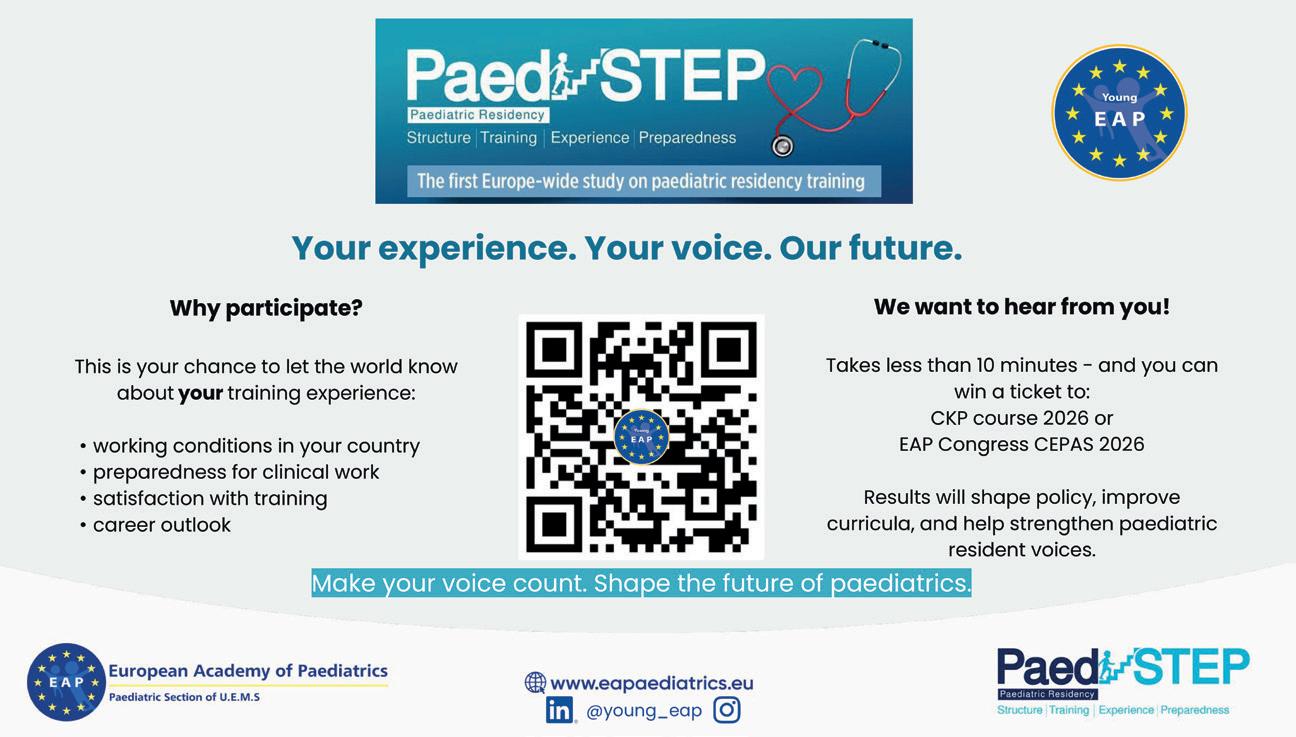
Your experience matters – in fact, it could help shape the future of paediatric training in Europe – so here’s your chance to speak up about what residency is really like: your working conditions, how prepared you feel for clinical practice, your satisfaction with training and your career outlook.
Paed-STEP, led by Young EAP (yEAP) – the paediatric trainee branch of the European Academy of Paediatrics – is the first Europe-wide study exploring how paediatric residency training is organised and how it shapes young paediatricians’ futures. Add your voice and help build a better future for paediatrics.
my individual needs and any barriers that make attending difficult. This makes me feel safe and helps me to engage’ (Outcome 2) and ‘I meet professionals who are supported, knowledgeable and have the right skills and time to help me’ (Outcome 6).
We acknowledge that some levers of change are within the power of the clinician or service, while others are at a commissioning and strategic level. The outcomes and standards address these different levels of the system and call on senior decision makers to consistently advocate for the needs of children and young people who are looked after.
In the document, we acknowledge that this is a challenging time for clinicians across the UK, in the context of scarce resources and mounting expectations, and we know that the NHSE/DHSC merger is making the picture particularly difficult in England. We hope the standards help to share a vision of what excellence looks like, and what might be within our ability to change in our own patches for the benefit of children and young people.

Access the IHA Standards at rcpch.ac.uk/IHA-deliverystandards or scan the QR code
Find out more at learning.rcpch.ac.uk
Assessment of jaundice in Black, Asian and ethnic minority babies
Recognising and managing jaundice in babies with darker skin tones.
Management of heterozygous familial hypercholesterolaemia
Information for paediatricians and healthcare professionals about FH.
Genomics in paediatrics 2026
Explore the latest advancements and how they are shaping the future of child health.
Safeguarding – now and the future
Dr Vicki Walker and Michelle Dougan from Barnardo’s discuss how safeguarding has changed in recent times and how paediatricians can best support CYP.
RCPCH Grand Round webinars 2025-26
Our fortnightly, free webinars replicate the ‘Grand Round’ that takes place in many hospitals. Whether you’re a consultant, trainee, nurse or allied health professional, these are designed to improve your practice and broaden your perspective. Register at: rcpch.ac.uk/grand-round
Leading the Way
7 April
How to manage: Gastroenterology (London)
29 April
A general paediatrician’s guide to common ano-genital presentations (Level 3) (London)
29 April and 18 May
Effective Educational Supervision (online)
6 May
How to manage: Paediatric sickle cell (online)
27 May and 17 June
Child protection in Scotland: From examination to court (Level 3) (online)
2 and 3 June
Expert witness in child protection (Level 3+, 4 and 5) (online)
8 June
Children, violence and safeguarding (Level 3) (online)
2 July
How to manage: Children and young people seeking asylum and refugees (online)
6 and 8 July
Supporting Level 4/named
Through open conversations with inspiring clinicians, healthcare professionals and thought leaders, we discuss the challenges, successes and key moments that shape their leadership in paediatrics and child health.
and Level 5/designated doctors (blended)
9 July
How to manage: Paediatric Allergy Training 3 (PAT 3) (online)
Studying for your RCPCH exams?
Find out what resources and online learning are available to help you succeed at rcpch.ac.uk/ education-careers/ examinations/resources
The Paeds Round
Listen to real-world advice and guidance on how to manage a range of clinical topics and much more on education, training and working in paediatrics. learning.rcpch.ac.uk/home/podcasts
Shreya, aged 16
Sarena, aged 16
Natalia, aged 15
Nathaniel, aged 15
Kavya, aged 16

Being able to see the benefits and risks associated with a certain treatment, understand medical terms and seek help when it’s needed is a crucial life skill
Health literacy –the ability to find, understand and use health information and services to make informed health-related decisions – is a fundamental skill. Low health literacy levels are strongly linked to poor health outcomes, but health literacy is often neglected or undervalued in educational environments.
Making sense of online information
In a digital world, it’s natural for children and young people to want to find out what they can about a health issue for themselves online – but how can they do it safely and accurately? Algorithms prioritise what people interact with, quickly spreading shocking, potentially fake, information. This means children and young people may arrive at appointments with a self-diagnosis and a lack of trust in what doctors say if it contradicts what they’ve seen online.
We ask doctors to address myths seen on social media during consultations without using medical jargon. Check for misinformation by finding out what we think we know about the issue we’re facing. Use simple analogies and
language. Display more posters on the walls of hospitals, schools and clinics, with QR codes that link to information about common issues.
Knowing where to go online is crucial. Many people struggle to identify reliable sources or find it difficult to access or log into apps. A list of a few trusted websites in a leaflet, on the wall or sent by text message would really help. Could you create, for example, a Reel about a common (or rare) medical problem? Could you send follow-up resources after consultations by text or email with details of where to read more?
Health education in schools
Health literacy is as important to a young person as any other subject, like maths, because it applies to their own life. However, Personal, Social, Health and Economic (PSHE) education tends not to go into much detail, which can lead to over-simplified explanations (such as diabetes only occurs from eating too many sweets) and leave gaps in a young person’s knowledge.
“Many people struggle to identify reliable sources”
RCPCH &Us: The Children and Young People’s Engagement Team delivers projects and programmes across the UK to support patients, siblings, families and under 25s, and gives them a voice in shaping services, health policy and practice. RCPCH &Us is a network of young voices who work with the College, providing information and advice on children’s rights and engagement.
Health is not talked about enough in schools generally. We might get a brief introduction to common conditions and who to go to if we need support, but more depth is needed – such as talking about lesser-known conditions – as well as advice on how to start a conversation with doctors to get the best support possible.
Forging closer links between doctors and local schools can help. Doctors could offer informative talks or short videos covering issues they notice that are frequently brought to clinic. Leaflets or magazines shared between local health services and schools could provide further information to children and young people, increasing their understanding and reducing confusion. Even better: joint informal health clinics could provide a safe space for young people to ask questions, and in doing so, decrease stigmas and increase knowledge of conditions that might go unnoticed or unspoken about due to embarrassment or lack of awareness. We need to work together to ensure children and young people are better able to find, understand and use health information and services to make informed health-related decisions. What will you do differently in your practice to support this ask?
Dr Alicia Regan
ST7 Paediatric
Registrar
Neonatal SPIN
Royal Devon and Exeter Hospital

Dr David Bartle
Consultant
Paediatrician
BAPM LNU/SCU
Representative
Royal Devon and Exeter
Hospital
Alex Mancini
National Lead Nurse for Neonatal
Palliative Care
National Neonatal
Palliative Care
Programme
Chelsea and Westminster
NHS Foundation
Trust
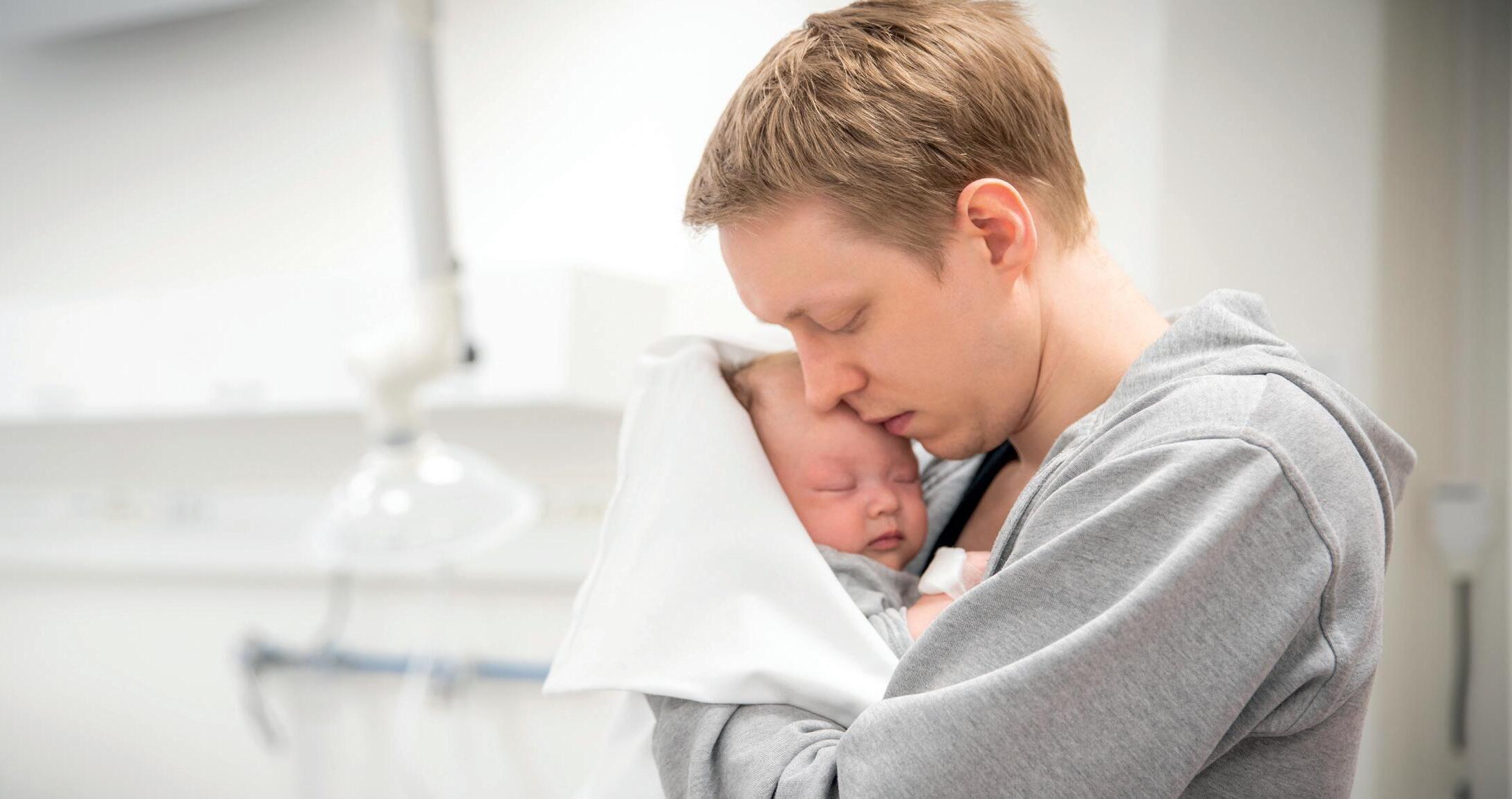
For some paediatricians in district general hospitals, neonatal palliative care might feel unfamiliar, but we can deliver high-quality and effective support to babies and their families
Neonatal palliative care is not something district general hospitals (DGHs) often encounter, as many babies are transferred antenatally or postnatally to NICUs. As a result, general paediatricians and trainees may feel inexperienced when caring for these babies and their families – worrying about saying the wrong thing to parents or feeling anxious when the diagnosis or prognosis is unclear. However, the British Association of Perinatal Medicine (BAPM) integrated framework for palliative care in perinatal medicine encourages us to embrace this uncertainty, and we can adapt it to deliver high-quality and effective neonatal palliative care to babies in DGHs.
Advances in neonatal care mean more babies born extremely preterm are surviving, combined with a rise in babies born with complex needs. Recent data shows that 58% of deaths among
children with life-limiting conditions occur under one year of age, the majority in the neonatal period, with 59% of these infants born prematurely1. The latest Child Death Overview Panel (CDOP) report identified key areas for improvement, including improvements in parallel planning, earlier engagement with palliative care, clearer documentation of advanced care plans and improved bereavement support. It emphasised that embedding palliative care within clinical teams reinforces its role as an integral part of the
“Palliative care should represent an active and total approach to care, delivered alongside treatments directed at cure”
overall care of the child. Palliative care is not synonymous with end-of-life care, but should represent an active and total approach to care, delivered alongside treatments directed at cure.
Identifying babies who may benefit from palliative care
This can be challenging in a DGH, particularly when the prognosis is uncertain, but the BAPM framework’s three-prong approach can help: Diagnostic approach Where a baby has an antenatal or postnatal diagnosis that is potentially lifethreatening or life-limiting Multidisciplinary concern Where a team member or parent raises concerns Surprise question For example, would we be surprised if this baby died before age 18? If not, a palliative care approach can be considered alongside survival-focused treatments
Palliative care integration into neonatal care
We can use the following five elements of care to deliver high-quality palliative care to babies: support, empower, plan, treat and loss.
Support: Providing holistic family support through this difficult period is vital. This can include addressing social and financial needs, practical advice (such as information on parking, accommodation, visiting times) and supporting spiritual and cultural wishes. Professionals such as psychological services, social workers and family support workers, as well as hospices and chaplaincy teams, can offer support, and we should give parents information on what organisations and help are available. Empower: Parents should be empowered to perform parenting tasks (feeding, cuddling, bathing) and to celebrate and record significant moments, taking enjoyment from experiences as a family. Bliss and Together for Short Lives – a neonatal charity and children’s palliative care charity – have created a parent information resource that embraces Family Integrated Care principles and aims to improve communication between parents and healthcare
Embrace uncertainty – use the BAPM framework to recognise which babies may benefit from a palliative approach
Create a close relationship with your local hospice – they often offer professional days and this will help you better inform families about how the hospice can support them
Facilitate discussions with the specialist palliative care team, NICU and the neonatal transport team – these can begin antenatally, with teams and parents meeting either in person or virtually
Develop a dedicated neonatal palliative care team within your DGH who can lead on training
professionals, and help parents be more informed and actively involved in decisions for their baby.
Plan and Treat: Parallel planning involves planning for life while also planning in the case of serious deterioration. This includes documenting parents’ wishes in advanced care plans and creating a symptom management plan to anticipate and treat possible symptoms. In a DGH, close communication with the specialist palliative care team, NICU and the neonatal transport team can help to plan and deliver coordinated, timely care and facilitate parents’ wishes.
Loss: This is a fundamental part of neonatal palliative care and, in a DGH, staff are often skilled in supporting memory-making activities. Parents should also be sensitively supported to care for their baby after death, if this is their wish, with open discussions about where this care may take place, including the option of care within the family home. Ongoing bereavement support should include compassionate follow-up in an appropriate setting, which may include a hospice, with practical guidance such as lactation advice for mothers. Parents should also be offered the opportunity
“Parents should be empowered to perform parenting tasks and to celebrate and record significant moments”
to participate in child death review processes and to access specialist support for future pregnancies.
Delivering high-quality neonatal palliative care within a DGH enables families to remain closer to home and promotes family-centred care. Continuity of care is strengthened, as often the medical team (especially resident doctors) cross-cover neonates and paediatrics; therefore, the same team can support the baby and family antenatally, during the neonatal period and if transferred to paediatrics. The key elements of neonatal palliative care are easily transferable to the paediatric population. Establishing a dedicated neonatal palliative care team within the DGH is important, with key individuals championing and coordinating care, as well as leading multidisciplinary training and upskilling.
As general paediatricians and trainees working in a DGH, we can learn to embrace uncertainty – whether that’s about the diagnosis, finding the right words for families or the baby’s prognosis. By offering palliative care early, alongside survival-focused treatments, we give each baby and their family the best possible care and can make a meaningful difference from the very beginning.
● Recognising uncertainty: An integrated framework for palliative care in perinatal medicine fn.bmj.com/ content/110/3/236
● Caring for your baby when the future is uncertain bliss.org.uk/ parents/coping-with-loss
[1] Infants, children and young people with life-limiting conditions. Learning from child death reviews on palliative and end-of-life care provision. National Child Mortality Database Programme thematic report. July 2025
For trainees transitioning to PEM consultants, these insights from ED nurses reveal the skills that matter most
Dr Vikram Baicher
PEM Consultant
Paediatric Emergency Department, Queen’s Medical Centre, Nottingham
Trainers often reference the ‘hidden curriculum’, especially when discussing communication and management with people approaching their Certificate of Completion of Training (CCT). The term sounds mystical and confusing in equal measure. However, for trainees about to step into consultant roles, it reflects the unspoken lessons that shape how we work. One important part of the so-called ‘hidden curriculum’ is the working relationship between the ED Nurse in Charge (NIC) and the Consultant in Charge (CIC). This is central to keeping patients, their carers and staff safe – but it can take many forms.
Few trainees think to ask senior ED nurses what qualities they most value in PEM consultants until they are preparing for consultant interviews. Yet their insights can provide invaluable guidance for those hoping to become not just effective clinicians, but respected colleagues.
‘What qualities do you like/look for in a consultant managing paediatric ED?’
We surveyed 11 senior nurses (band 6 or 7, who hold NIC roles during clinical shifts) in our children’s ED (which sits in a tertiary mixed major trauma centre). Their responses (see word cloud) tended to focus on communication rather than knowledge, which is at odds with written curricula.
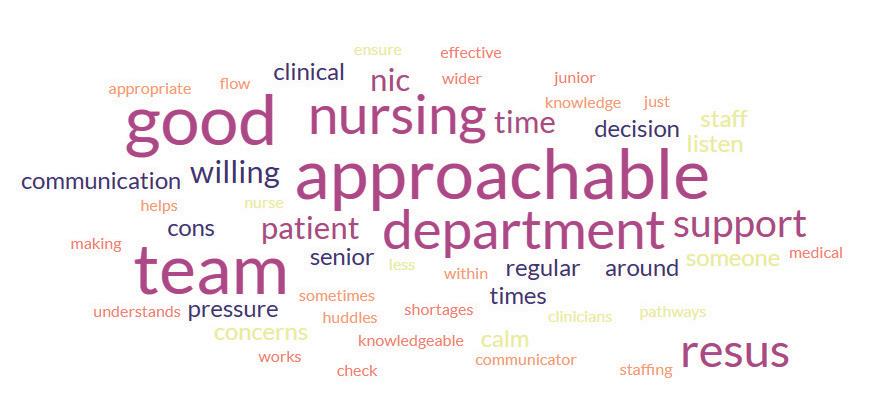
Here’s just one of their responses:
“Someone who works with the nursing team/ senior nurse to make decisions, highlight areas of concern and adapt the team to accommodate sta ng/patient needs. Someone who understands the need for e ciency and swift decision-making to support the patient journey





Dominique Hughes and Harriet Gill are both NICs within the Paediatric Emergency Department at Queen’s Medical Centre, Nottingham
Senior registrars often take on the CIC role, either to support their professional development or in situations where consultant cover is limited. While this is a valuable opportunity for growth, they must receive appropriate support. Ideally, this guidance should come from a consultant. However, in the absence of a consultant in the clinical area, the responsibility for providing oversight and guidance often falls to the NIC. In these circumstances, strong collaboration is essential.
A clear understanding of departmental flow, staff roles and capabilities, and escalation processes is crucial to ensure safe and effective leadership. Senior nursing staff often play a key role in supporting these developing clinical leaders. Their encouragement is typically offered with empathy and an
and time targets, and can support the doctors to attain this level.”
Below, two of our senior nurses reflect on the challenges that arise when consultants fall short and highlight the importance of supporting registrars in the emergency department.
appreciation of how daunting stepping into leadership can be.
If a consultant is not approachable, visible or unable to demonstrate leadership and clinical understanding, the team will naturally turn to the NIC for guidance. While nursing leaders hold immense practical knowledge and operational insight, it’s not fair or safe to expect them to carry the full clinical burden of decision-making. Just as it is unreasonable to expect a consultant to have the same depth of expertise in operational flow and staff coordination as an experienced NIC.
When the team describes what they seek in a PEM consultant during clinical shifts, they are describing a clinical leader who shares a common purpose, understands the complexities of a high-pressure environment and inspires trust. A leader who can collaborate with the NIC and together navigate the ever-evolving challenges of paediatric emergency care, advocate for strategy and flow, and demonstrate compassion at every level.
When the partnership between NIC and CIC functions well, leadership is balanced and responsibilities are shared. The wider team mirrors this unity. Communication improves, integration strengthens, and ultimately, patients receive safer and more compassionate care.
Six instances where this practical, evidence-based intervention can transform paediatric care
Katya Herman Head of Music Therapy
Great Ormond Street Hospital for Children
Whether it’s Disney songs to increase respiratory strength, maraca dance parties to aid rehabilitation or loud drumming for the teenager who needs to release their anxious energy before an MRI, music therapy is a clinical intervention grounded in neuroscience, developmental psychology and creative play. As HCPCregistered Allied Health Professionals, music therapists are members of the multidisciplinary team – working to achieve measurable outcomes through tailored, evidence-based interventions. Here are six moments when music therapy can transform paediatric care:
1. In NICU or PICU
Infants in intensive care are vulnerable to sensory overload. Live, infant-directed music can stabilise heart rate, support sleep, improve oxygen saturation and ease parental stress. Crucially, it strengthens bonding – helping parents feel less like anxious spectators in a sea of machines. In PICU, music therapy can reduce stress, pain and agitation, even for children who are sedated and ventilated.
2. For CYP with learning disabilities
Music is adaptable, accessible and doesn’t rely on spoken language. Sessions are strengths-based and child-led, shaped around individual communication styles and sensory preferences. Music therapy also pairs beautifully with AAC systems, ensuring that the voices of non-speaking communicators are heard, acknowledged and amplified.
3. During neuro-rehabilitation
Music can activate attention, memory and motor planning – sometimes sparking
responses when other therapies stall. Rhythmic cueing supports movement and gait, lyrics aid language recovery, and familiar songs can stimulate consciousness and cognitive recovery. Music therapy can also reduce cerebral agitation to maximise regulation and capacity for functional rehabilitation.
4. When a child is anxious before a procedure
Research shows that music therapy significantly reduces distress and physiological stress markers, boosts dopamine and lowers perceived pain. Engaging with music can redirect attention, support breath regulation and provide a much-needed sense of control. Sessions can take place before, during or after a procedure.
5. When a child is struggling
Whether they’re coming to terms with a new diagnosis or dealing with the cumulative impact of hospital-related trauma, music therapy offers a space to express what’s hard to say, to rekindle a sense of self buried beneath the weight of hospital life and to start regaining a sense of agency in a world that may feel out of control. Familiar music – or something new – can help a child to process what’s happening and find ways to cope with, and share, the enormity of their experience.
6. When a child is dying
Whether it’s writing a lullaby, choosing a meaningful song or simply sharing music in the moment, music therapists create space for connection, memory-making and meaningful shared experiences that can be cherished, even in the face of loss.
Music therapy should not be seen as an ‘extra’, but as a practical, evidencebased intervention that reduces anxiety, improves compliance and supports children with complex needs to get the care they require.
Tania, 13, is autistic, a nonspeaking communicator and experiences serious anxiety around her many hospital visits, which often manifests as selfinjurious or challenging behaviour. On one outpatient visit, Tania was scheduled for an assessment and MRI scan under general anaesthesia. “We were late as Tania had a meltdown at home and bit her arm in several places… She was very fractious when we arrived,” says Tania’s mum. Thanks to collaboration with the learning disability team, Tania’s care plan now includes music therapy. The music therapist spent time with Tania before the MRI. With live music tailored to her preferences and sensory needs, she was able to relax, regulate and enter the scanner without distress. Further examinations were also possible – something that had not been possible before. “The music switched up her mood and made the procedure possible,” says Tania’s mum. “We’re so grateful. It has made an enormous difference to our lives.”
What next? While some hospitals have employed therapists, others bring in music through charitable or community partnerships with organisations such as Jessie’s Fund, George’s Rockstars or The Grand Appeal; through relationships with groups such as Chiltern Music Therapy; or through pilot schemes supported by the British Association for Music Therapy. Even short-term initiatives can make a meaningful difference.


Dr Amina Al-Yassin General Practioner
Brent ICP
Clinical Lead for Children’s Services
Brent is a vibrant and diverse borough in NorthWest London. It’s home to Wembley Stadium, the magnificent Hindu temple in Neasden and over 102,000 young people. Of these, a shocking 58.7% live in incomedeprived households – the fifth highest nationally, according to the Income Deprivation Affecting Children Index (IDACI). This impacts our children’s health in many ways. Childhood obesity levels are 24% in reception and 43% in Year 6. Almost half (46%) of five-year-old children have at least one decayed, missing or filled tooth. There are high levels of non-urgent attendance and mental health crisis presentations at EDs, and low MMR vaccine uptake (as low as 43% in some communities).
So, as a paediatric trainee turned GP, when I became Clinical Lead for Children’s Services at Brent Integrated Care Partnership (ICP), child health inequalities were at the forefront of my mind. As a borough clinical team, we had the opportunity to redesign the primary care local enhanced services (LES) for Brent. These are locally commissioned services that GP practices provide in addition to the core NHS contract and are funded to meet specific local health needs that go beyond standard GP work. We developed three out of six with a focus on children, including the Brent Targeted Healthy Child Check.
This is a comprehensive, face-to-face appointment for children aged six to 10, carried out at their GP surgery. GPs receive payment for completing these assessments, with a differential payment to encourage invitations to children living in CORE20 areas – the most deprived 20% of postcodes, based on the Index of
Multiple Deprivation (IMD). The check includes measurement of height, weight and BMI, alongside screening questions covering diet, physical activity, household smoking, mental health and asthma. It also incorporates the Wellbeing and Health Action Movement (WHAM) questions, which explore household living conditions, bills and food insecurity.
The LES scheme began in May 2025, and by March 2026, 3,435 children from non-CORE20 groups and 1,446 children from CORE20 groups had completed health checks – meaning 31.4% of all our CORE20 children in the borough have been seen face-to-face since launch. Because this is a proactive, outreach-based appointment (rather than relying on families to contact us), GPs report seeing children who rarely attend the practice and identifying a significant number of previously unmet needs.
Our GPs are identifying stark health inequalities in our children (Figure 1),
such as previously uncoded or unreported childhood obesity, household smoking, incomplete immunisations, dental decay, housing inadequacy and asthma symptoms – all of which are more prevalent in the CORE20 group.
Of course, identification itself is not enough. The findings have encouraged us to make system-wide changes and to rethink how we can serve our children better. This has included:
• ensuring we have GP-paediatrician co-delivered child health hub clinics across the entire borough
• creating child health MDTs that include representatives from family centres and mental health services
• strengthening relationships with family wellbeing centres and streamlining referral pathways
• working with public health colleagues to deliver targeted dental access pilots
• improving access to voluntary-sector and social-prescribing programmes (eg Beezee Bodies for childhood obesity) through the Joy app
• developing a comprehensive signposting resource for our children’s services, alongside dedicated GP training on how to use it.
We’ve also recruited two children and family link workers who focus specifically
on supporting families identified through this LES. They help them register with dental services, advocate on housing issues, arrange referrals to food banks, complete school application forms and, more broadly, provide the practical support we know makes a real difference to health but which we, as time-pressed clinicians, are not best placed to deliver.
Our LES is still underway, but we have had early evidence that it is having a positive impact:
• GP referrals to the children’s community-based weight management service have increased by 151%
• children who have had a health check are 19.5 times more likely to be referred to a social prescriber, which indicates that families are getting further support
“We don’t often get that insight into the underlying factors that contribute to our patients’ health”
Dr Rammya Mathew, GP and Borough Medical Director
Data from health checks – comparing the CORE20 and Non-CORE20 groups between 1 April 2025 and 14 October 2025
Source: EMIS searches run in Brent GP practices on 14 October 2025
• children who have had a health check are 5.9 times more likely to have a catch-up vaccination administered
• the link workers have received 28 referrals in two months and are managing a complex caseload
• multiple previously unidentified physical health, safeguarding and other concerns are being identified.
What we’ve learnt
Data drives change, and what gets measured gets managed. Actively screening for the socioeconomic factors that influence health has enabled us to identify families in need of support and direct resources accordingly. This work has also prompted us, as a borough, to rethink and restructure our services, strengthening collaboration across partners and organisations to deliver better outcomes for children.
LES schemes in primary care are sometimes viewed cynically as tick-box exercises or hoops to jump through to maximise practice income. However, this LES has shown that such schemes have the potential to effectively target deprivation. As a secondary benefit, differential payments that incentivised reviews for children living in the most deprived postcodes ensured those facing the greatest health inequalities were prioritised. They also directed additional funding to practices serving more deprived populations, which are typically less well-resourced than their counterparts, helping to address inequality on two levels.
The LES has encouraged primary care teams to work collaboratively with a range of partners, from paediatricians and public health teams to Voluntary, Community and Social Enterprise (VCSE) sector organisations and family centres, to address major challenges such as childhood obesity and dental decay. By seeing CYP and families in their neighbourhoods and addressing the realities that shape their lives, we can begin to turn data into meaningful action and give every child in Brent (and beyond) the healthier start they deserve.
A collaborative approach to building children and young people’s mental health confidence across acute teams

Sadie Sullivan Clinical Lead for Education and Practice Development, Paediatrics and Neonates University Hospitals Sussex NHS Foundation Trust

Ruth Jacobs CAMHS Nurse Specialist CEO, Certified Minds
In 2024, University Hospitals Sussex and Certified Minds delivered four pilot cohorts of a five-day children and young people mental health (CYP MH) education programme, designed to equip interprofessional teams within acute services with foundational knowledge and skills to support CYP, their families and each other.
Assessment of need
We set out to respond to the increasing number of young people requiring paediatric mental healthcare in acute settings, as well as the limited staff training that, among other considerations, had contributed to
heightened safety risks. Many staff said they lacked confidence, while lots of teams said they felt unsure and underprepared, and that was becoming evident in inconsistencies in care.
Pre-registration training for nursing and medical staff often lacks education in this area, and previous trust offerings were fragmented. This programme aimed to make care safer and give staff the tools to feel ready for whatever comes through the door. We also aimed to shift negative cultures and empower staff by balancing theory and workshop skills.
Defining aims and curriculum design
The programmes were informed by staff feedback, literature reviews, incident learning and simulations, while conversations with learners about their education needs revealed:
• they relied on practice experience rather than structured, evidencebased education
• some were confident in some situations but felt uneducated, unsupported and under-resourced in others
• many highlighted legal knowledge
gaps, especially around the Mental Health Act and Mental Capacity Act, as major concerns
• high-risk patients and unpredictable behaviour raised concerns about safety for CYP MH patients, other patients, families and staff.
These themes supported the curriculum we had drafted, which we evolved to cover: care of CYP MH patients in acute settings; legal elements of care; risk assessment and management; eating disorders and meal support; and neurodiversity. As well as the entwined threads of reflective practice and pastoral care. We wanted to deliver this in a practical, evidence-informed way –grounded not in textbooks, but in skills and knowledge that could be immediately applied in real-world settings.
Making it happen
Our practice development team provided financial support to secure the venue and faculty needed to launch the programme and run four pilot cohorts. Staff attendance was enabled through
year-ahead planning, careful rostering, thoughtful spacing of other education and strong divisional commitment. Each cohort was designed as five consecutive days to maximise engagement, maintain momentum in discussion and build rapport within teams. Faculty consisted of the two of us (present every day for consistency) alongside guest lecturers who delivered targeted sessions.
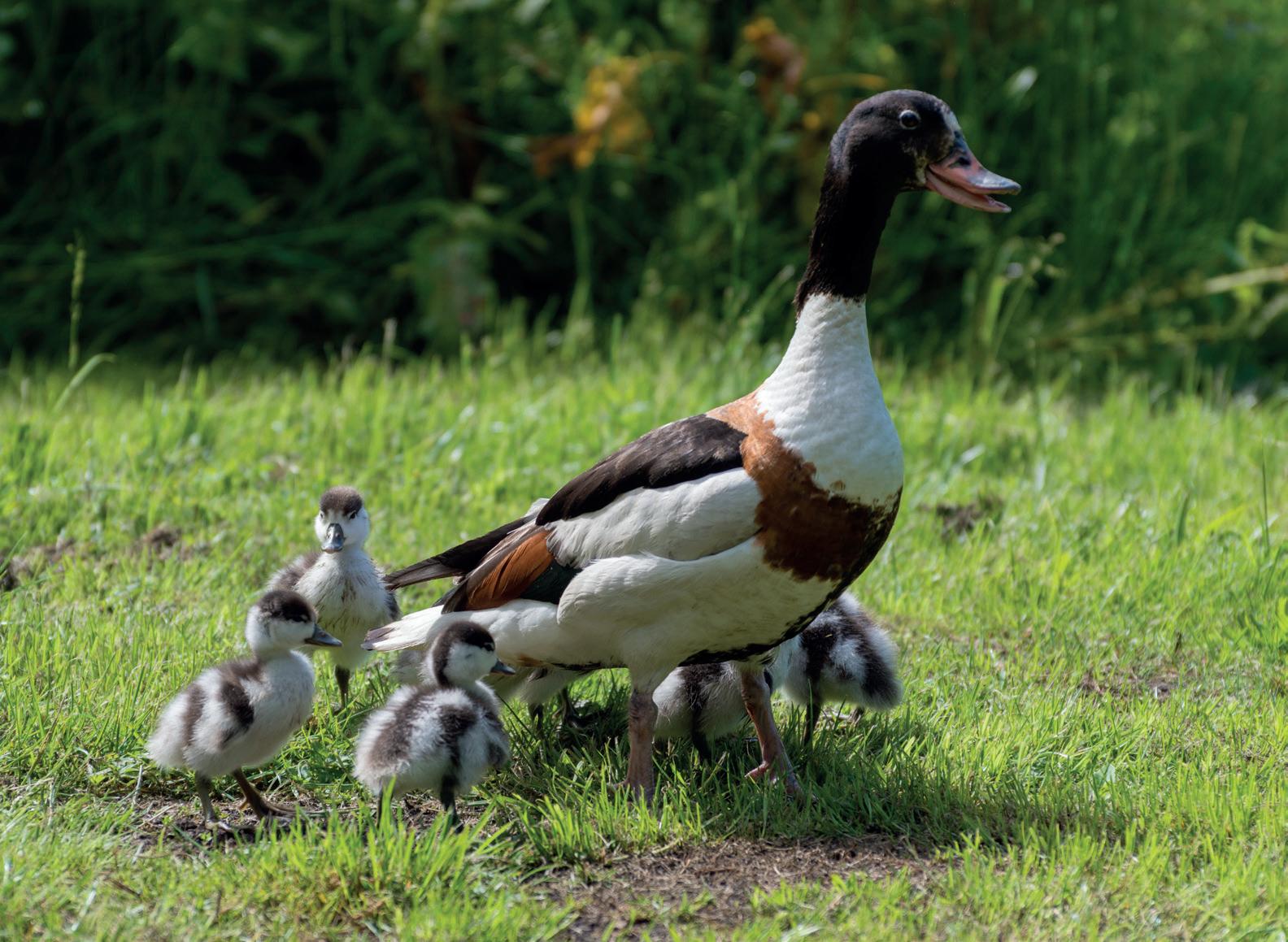
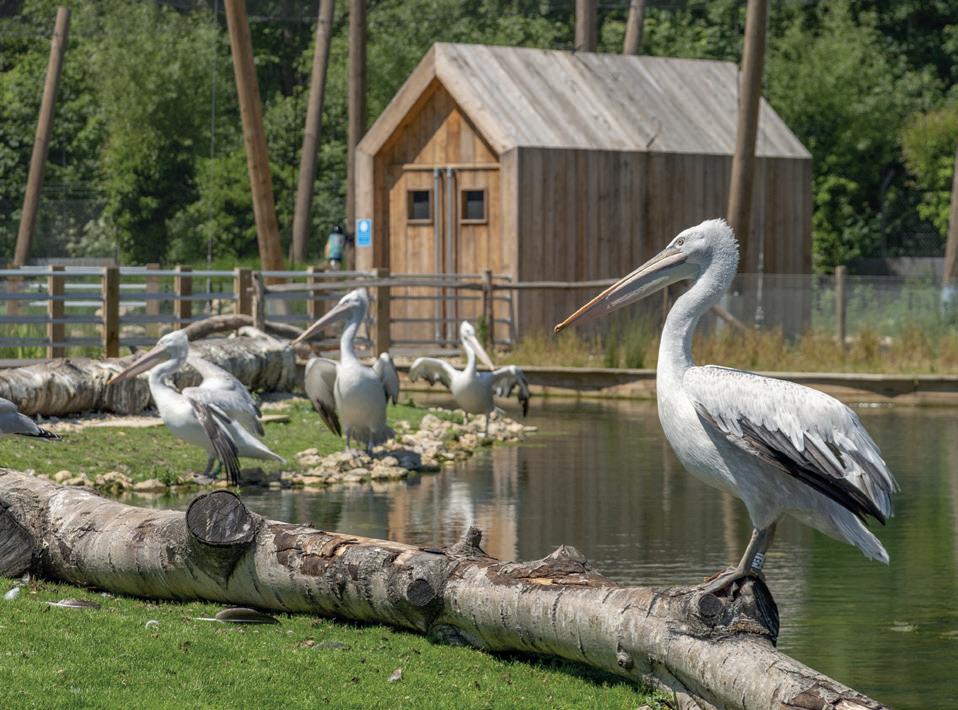
We chose not to use hospital education facilities – not only because of logistical challenges, but because we felt a natural environment offered a calmer, more open and supportive setting for a programme that was emotionally demanding. Nature’s ability to reduce stress, encourage reflection and foster honest discussion was central to our approach. Partnering with the Wildfowl and Wetlands Trust, we created a confidential teaching space immersed in nature that came complete with (somewhat ironically) two rebellious teenage pelicans!
Assessment and evaluation
Within our pilot cohorts, we trained 65 interprofessional team members who completed all five days – 52 completed the initial questionnaire (80%), 39 the postcourse questionnaire (60%) and 27 the six-to-eight-week follow-up questionnaire (42%). These digitally completed questionnaires were anonymised to encourage honest responses. Despite multiple reminders, completion rates dropped for post-course and six-toeight-week follow-ups, which may have
“Nature’s ability to reduce stress, encourage reflection and foster honest discussion was central to our approach”
limited the findings. However, the data still provided valuable trends, thematic insights and areas for improvement. The programme was evaluated using the Kirkpatrick Model to assess reaction, learning, behaviour and results.
Reaction and learning: Participants were asked in the pre- and post-course questionnaires to rate their confidence scores in multiple areas of care, and significant increases were seen in all areas. Learners were also asked to rate how supported they felt in practice. The precourse average was 3/5 and this increased post-course to 3.6/5. This was partially due to the impact that consistency in education had on consistency in practice, as well as learners reporting they felt heard and had been given a space to develop as a team. They also highlighted an increased awareness of who they could contact for support and advice. Within the initial feedback, factors that increased confidence were practical, particularly learning new communication methods, strengthening legal knowledge and applying these skills to individual assessment and care planning.
Behaviour: In the six-to-eight-week follow-up questionnaires, we asked what had changed in practice. Initially, answers focused on practical skills, but later, increased confidence seemed to come from more holistic things. Learners talked about feeling more consistent in the care they provide, having a better understanding and feeling more empowered. They noticed a change
in how they approached their work culture, showing more empathy toward CYP with mental health issues, as well as their families and carers. The language and terminology used in handovers had become more positive, and they were more compassionate with each other. However, these cultural shifts didn’t take hold as strongly when some team members were yet to complete the training.
Results: The initial learning outcomes set by faculty and learners alike were mostly met, with ideas for the development of the course including more education in areas such as high-risk behaviours. The programme has also generated several promising initiatives to enhance practice, such as the implementation of positive behaviour support plans, a charity bid for sensory equipment and improvements in pharmacy ordering processes.
One of the biggest challenges that came up was putting learning into practice when working with colleagues who hadn’t attended the course, or when only a few from a particular area had taken part. Learners noted this made it harder to create consistent changes and many said the course should be mandated in training requirements to increase consistency in care and standards. The programme’s natural setting was highly praised for enhancing engagement, supporting learning and promoting staff wellbeing, and the programme received the NHS South-East Nursing and Midwifery Green Week award for Clinical Leadership, Systems and Workforce.
Delivering the programme has not been without challenges – overcoming barriers of staffing, finance and logistics, as well as creating a safe space for staff to engage in open, often difficult, conversations. However, we’re proud of what we’ve achieved and believe the programme shows what’s possible when education is delivered with courage, creativity and commitment.
We welcome comments and questions at sadie.sullivan@nhs.net
It’s been available to specialties across England and Wales since 2023, yet many paediatric trainees remain unaware of flexible portfolio training. Here’s how you can benefit…


Dr Jodie Nguyen
ST8 Paediatric
Registrar University Hospitals Sussex NHS Foundation Trust

Dr Ruth Silverton
Locality
Postgraduate Dean for Kent, Surrey and Sussex Deanery
Flexible portfolio training (FPT) is an initiative within specialty training developed by Health Education England (now Workforce, Training and Education NHSE) and the Royal College of Physicians in 2019 to tackle burnout, retention and recruitment among medical registrars. The scheme protects 20% of a trainee’s time for non-clinical professional development within one of four pathways: research, medical education, clinical informatics (work involving information and communication systems), and clinical service improvement (previously the quality improvement pathway).
How does it work?
Each FPT pathway consists of six capabilities underpinned by descriptors. This framework allows a trainee to structure their development within their chosen pathway for a minimum of one year and extend it through training years with discussion. Trainees may
have specific projects in mind before application, but outputs that align with pathway learning outcomes can also be identified after acceptance onto the programme.
Trainees continue the same on-call commitments as their peers to avoid falling behind clinically or financially. However, unlike out-of-programme (OOP) activities, FPT should not impact the duration of clinical training, though individual progress is monitored and FPT adjusted if it does. While there is no formal accreditation for FPT, project work undertaken is expected to add significantly to a trainee’s portfolio, which will be useful for future career aspirations. In addition, annual FPT supervisor reports complement portfolio evidence and the annual review of competency progression (ARCP).

The programme has been well received across adult specialties, citing benefits such as more personalised training, flexible working and improved medical scholarship. It promotes independence and develops skills, such as personal goal setting and engaging in lifelong learning, and there’s also evidence of improved wellbeing and reduced burnout.
“While there is no formal accreditation for FPT, project work undertaken is expected to add significantly to a trainee’s portfolio”
For hospitals, the work undertaken by trainees will undoubtedly benefit trusts through service improvement, innovation and improved patient care. Aside from the usual trainee tariff granted to trusts, no extra funding is awarded for hosting an FPT post, but rota gaps are common and FPT-linked posts can also help fill what might otherwise be an empty post.
The FPT scheme in adult medicine has been a clear success, offering a more personalised approach to progression and supporting trainees’ goals and needs. These

benefits could easily translate to paediatrics with wider adoption of the scheme. However, uptake within paediatrics remains limited, as only a small number of deaneries currently offer FPT for paediatric trainees.
How can I apply?
FPT can be accessed at any point after foundation training, though it often works best for trainees who have completed a couple of years of specialty training. By this stage, most have settled into their programme, built evidence of appropriate progression and developed the confidence and insight needed to take on more independent learning.
The application process differs between deaneries. Some advertise FPT pathways alongside training posts, while others offer FPT as an additional option that can be incorporated into existing posts. Because each area sets its own approach and availability,
“I have been on the FPT pathway since 2024 and have found it invaluable. I had previously been involved in a project during my OOP year that was about to expand into a national research project. I wanted to get involved but knowing that I would return to ST7 at 0.8 wholetime equivalent, with no protected time for conducting research, I was looking for options to build more time into my job plan. Following discussions with my deanery, my head of school suggested FPT. I applied and became the first paediatric trainee in the Kent, Surrey and Sussex deanery to undertake FPT.
During the past year, I have become an associate principal investigator in a national research project, published work and presented at conferences, and learned a great deal more about conducting research. I have grown in confidence and independence, and have networked with a huge variety of people, building on my interpersonal and communication skills. Going forward in my career, I hope to use my experiences and learning to help drive research locally and also support trainees similarly interested in research.”
Dr Jodie Nguyen (ST8, FPT Research)
local guidance is essential. Most deaneries provide information on their websites or have an FPT lead who can advise on local processes. Those interested in FPT should speak with their training programme director and/or head of school early on to express their intentions, assess suitability and understand how applications are handled locally.
If a trainee has a specific project in mind, or if their training post has already been allocated, further discussions with the relevant department may be needed to confirm that FPT can be supported and to identify a suitable supervisor. Much of the process relies on trainees driving the
“Upon entering paediatric training in Kent, Surrey and Sussex (KSS), I was surprised to find no structured regional teaching programme, and I frequently felt out of my depth. Speaking with colleagues, I learnt this varies region to region, so I decided to create what was missing in KSS: a comprehensive teaching course for early trainees. Unsure how to start, I stumbled across FPT and am now using the time to develop a self-sustaining 12-month rolling teaching programme for ST1ST4s, to be delivered across all KSS trusts.
Securing FPT was challenging, as neither my trust, department nor training programme director had heard of it. A month in, I’m amazed by how much I can achieve with this dedicated time. The type of work is very different, but having time to commit to something I care deeply about outside my clinical duties has given me a new lease of life. I would absolutely recommend those with passions outside clinical medicine to consider FPT – it’s a unique opportunity and a huge privilege.”
Dr Annabelle Waller (ST3, FPT Medical Education)
initiative – proactively seeking opportunities and engaging with the deanery. Formal applications usually involve completing an application form and, in some cases, attending an interview with deanery leads. FPT gives paediatric trainees something invaluable: protected time to develop, the flexibility to explore new interests and the chance to build a portfolio that reflects their goals. If you’re looking to shape your training around what inspires you, FPT is a pathway worth considering.
While FPT has been expanded beyond its original pilot, each region determines which specialties can offer it locally. Therefore, availability differs across the country.
Three paediatricians reflect on how health challenges, creative pursuits and serving their community have shaped their lives after medicine

I was a consultant general paediatrician with a special interest in respiratory disease from 1998 to 2022. In 2005, I had a serious road traffic accident and subsequently developed heart arrhythmias (atrial fibrillation and flutter). I was started on anti-arrhythmic drugs and anticoagulated, and then underwent several pulmonary vein ablations (the last was in 2011). This was eventually successful in converting me to sinus rhythm. I had returned to work six months after the accident and got myself fit by completing a 5km Parkrun each Saturday.
It was during a run in 2016 that my son noted my left side was not moving properly and my run times had stalled at around 27 minutes. I saw the GP and neurologist, and the latter diagnosed me with Parkinson’s disease (PD). It was a shock. My grandmother had had PD, and I vividly remembered her severe tremor and fatigue. My response was denial. I threw myself into my work as a general paediatrician and director of undergraduate education. However, in 2021, I found my PD was increasingly affecting my stamina and fine motor control. I could no longer do acute work. I also noted that stress tended to worsen my symptoms, so I adjusted my working to mainly clinics and ward consults. I was well supported by colleagues and occupational health. However, when I sustained another road traffic accident in 2021, I finally decided to retire in 2022. Having retired, my focus was initially on getting well and addressing my PD. Luckily, I was referred for a rehabilitation assessment. I became acquainted with PD Warrior, which is an intense neuroactive exercise programme
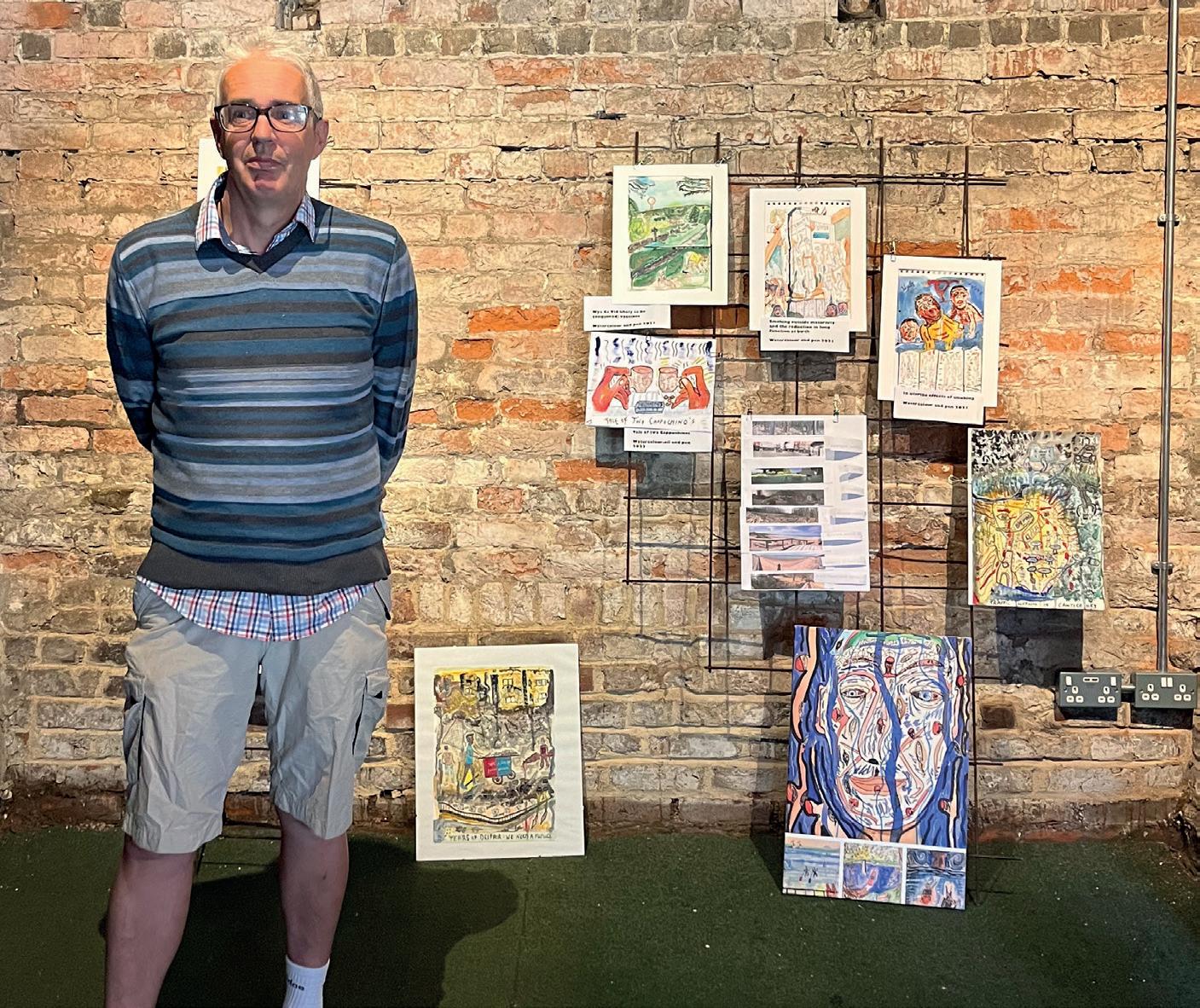
“I used to doodle on clinic sheets in between patients and, during lockdown, I produced over 300 paintings using drips and doodles”
designed to retrain the brain and improve symptoms, got advice on dietary changes I could make and received specialised speech and language therapy. I joined a PD initiative at the University of Kent called the Parkinson’s Centre for Integrated Therapy (PCIT). This has been transformative for me with access to yoga, dance, boxing, strength and conditioning,
tai chi and movement classes. I’d also enrolled in an online art course while recovering from the accident in 2021. This has led me to take up painting, especially watercolour. I used to doodle on clinic sheets in between patients and, during lockdown, I produced over 300 paintings using drips and doodles. I’ve since exhibited my work through an art group at PCIT. I’ve also written a memoir based on my experience training to be a paediatrician in the 1980s. It’s by Dr Harry Stone (a pseudonym) and is called Trust Me, I’m Exhausted: How Not to Train a Doctor. I’ve adjusted to life with my health issues. My art and writing have been a crucial creative outlet. Making the best of your time in retirement, whatever your circumstances, includes not being afraid to try something new!

Dr Anthony Kaiser
I was an NHS neonatologist in London and very happy in my job. I planned to defer full retirement for as long as possible, but a bomb dropped on me at the end of 2013, when I was just short of 60. I kept passing out, which was eventually attributed to arrhythmogenic right ventricular cardiomyopathy. “Don’t worry,” they said, “progression will be slow.” Wrong! I went into progressive heart failure, forcing me to reduce my commitments to four sessions a week. This made my working life intolerable and reduced job satisfaction. Family pressure, care responsibilities for my grandchildren and the approaching deadline to recertify pushed me to retire, aged 64, at the end of 2018. I spent three

For a few years after I retired from Great Ormond Street, where I worked as a consultant anaesthetist, I was cushioned by my continuing work for the GMC and the Royal College of Anaesthetists. However, I wanted an interest I could continue to pursue into my (hopefully) old age.
months organising myself and I was heavily involved in running my local synagogue. Around this time, consideration was given to a possible heart transplant, which eventually happened in late 2019. I had an amazing recovery and became fitter than I had been for many years.
I’d given some thought to what I might do after I finished working. A friend was a hospital visitor and I knew that I would be comfortable in that environment, that I had expert knowledge of the medical and administrative aspects and experience in
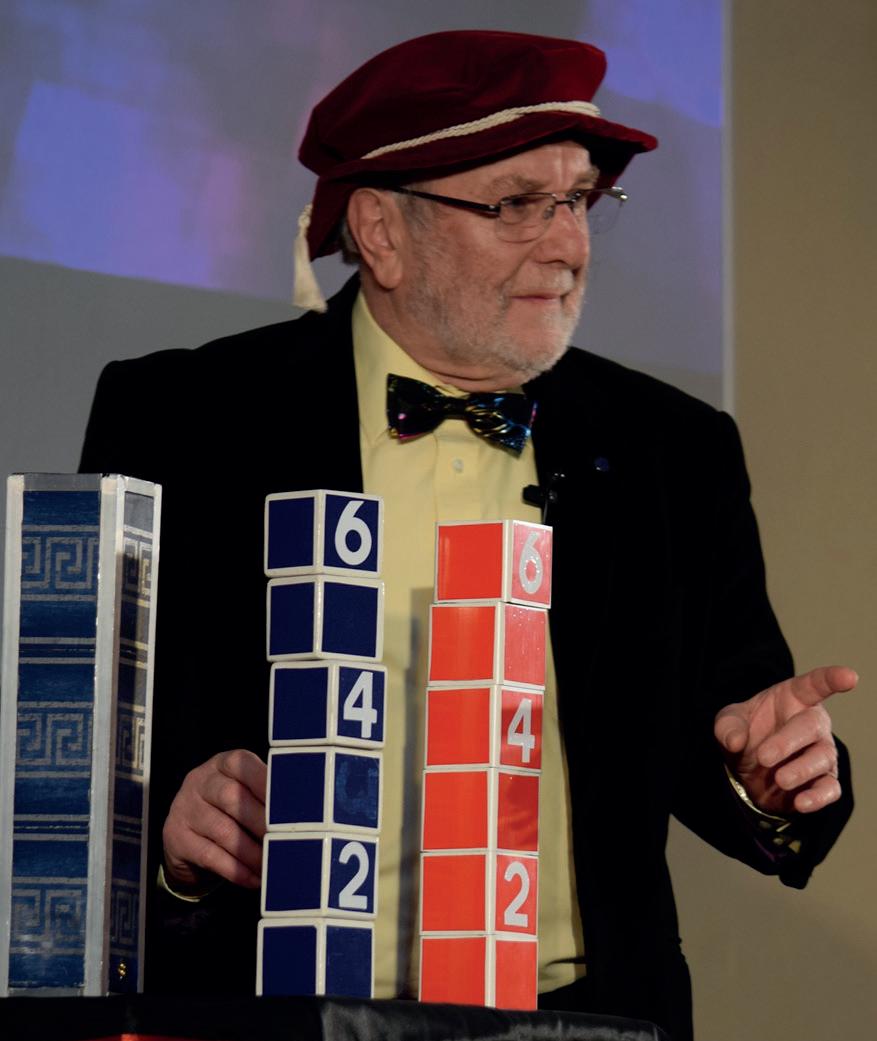
My sister hired a conjurer for her 60th birthday. He was so bad that, on the way home, my late wife said, “You could do better than that”. I decided to take up the challenge. I was advised to look at magic as an academic subject and study all its different aspects (close-up, stage, sleight of hand, mentalism etc). Its history alone is fascinating and will provide a source of reading for years to come. I soon couldn’t resist the urge to perform, first for friends and family, then at school assemblies and church functions as a member of Christian Magicians UK. In 2009, I passed the audition to The Magic Circle, and became its welfare officer for 10 years.
Retired doctors still have much to offer to society. My favourite charity is Mercy Ships, and I’m now one of its recognised speakers, giving talks about the charity as well as magic shows. I donate all fees to them. Retirement can be a form of bereavement, and it’s important to prepare for it in advance. I have always kept fit, but
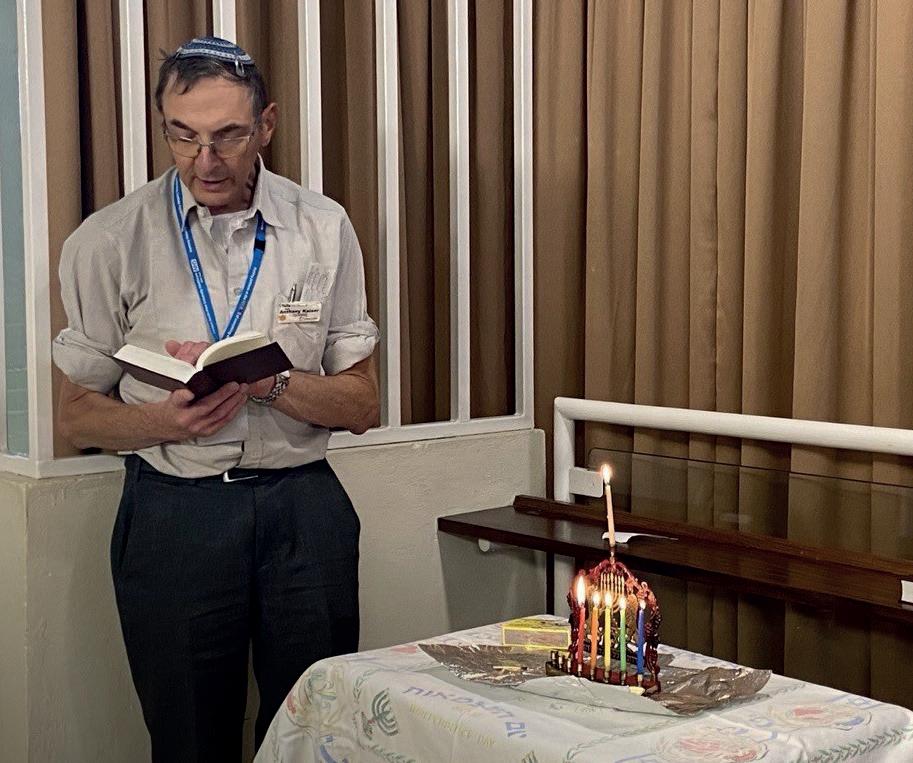
supporting families. I attended a fiveday course for chaplains and chaplaincy assistants at the end of February 2020 and started visiting my local hospital after the first COVID-19 lockdown.
When a chaplain resigned, my manager told me to apply and, to my surprise, I was appointed a full chaplain in 2022. I attend the hospital one day a week and am available at other times for advice or emergency visits. I don’t advertise my medical background, but I don’t conceal it if asked. The work can be challenging. I need my wits about me and, as in my career, I’m constantly learning.
I was forced by circumstances to give up the responsibility of running an ICU but being a chaplain has given me a new responsibility and an opportunity to learn different skills. I encourage other retirees to take up challenges and gain the opportunity to enjoy a fulfilling life post-medicine.
soon after retirement, my knees told me first to change from squash to badminton, and then to walks with my wife of 59 years. Since her death six years ago, I have been fortunate in having not only a loving family but a devoted partner, also widowed, whom I have known for over 50 years. We volunteer at the local bereavement café. For 35 years, we were founder members of an ecumenical church but now we worship at the local parish church, where we’re part of a very loving community.
My closest link with medicine is as a volunteer tour guide and lecturer at The Anaesthesia Museum in Portland Place. I enjoy reading and writing, but also just relaxing with my partner at the end of the day, or doing The Telegraph cryptic crossword and jigsaws together. Fortunately, we are in good health for our ages (I’m now 88). We still have two houses and gardens to maintain, so I think the rest of our retirement is well planned out. My runner beans did rather well last year.
We’ll feature a range of retirement stories in upcoming issues, showcasing the many ways paediatricians are navigating life after or alongside clinical practice. We’d love to hear yours, so email the team: milestones@rcpch.ac.uk
The journey to specialist recognition can feel daunting, but you’re not alone. Here are strategies, resources and support that can help you reach the finish line
Dr Neha Sharma
Consultant Neonatologist Derriford Hospital, Plymouth Portfolio Pathway Lead, RCPCH Associate Advisor for Portfolio Pathway applications, GMC
As a Portfolio Pathway
Lead, I have the privilege of actively supporting colleagues who are pursuing specialist recognition in paediatrics through this route. Portfolio Pathway – formerly known as the Certificate of Eligibility for Specialist Registration (CESR) – is one of the most rigorous yet rewarding experiences a clinician can undertake.
This year, I had the privilege of serving as faculty at two online events where I shared my own Portfolio Pathway journey. These were eye-opening experiences. It was clear that many clinicians remain uncertain about the pathway and need guidance and reassurance to navigate it successfully.
We’re keen to appoint regional champions
These are Portfolio Pathway graduates who can guide and support colleagues locally. They will help build community, share practical advice and organise regional training sessions for candidates and supervisors to bridge gaps in understanding. Applications open at 12pm on Monday 30 March and close at 12pm on Monday 27 April. Visit rcpch.ac.uk/ volunteering/opportunities
That reality makes our mission – to support you – more important than ever.
I’d like to take this opportunity to thank everyone who contributed to the short informal feedback exercise circulated last year. Your insights were presented at the Training & Quality Board meeting, where each point was carefully considered and fully supported. This is a strong reminder that your voices matter and that together we can shape a better journey for all aspirants.
I know, from speaking with many of you, that the road can feel steep, the process daunting and the barriers significant. The sheer volume of evidence required, the need for careful organisation and the challenge of balancing this with a busy clinical career can make the task appear overwhelming. My purpose in writing this is to remind you that you are not alone. With the right planning, strategies and support from your supervisors, employers and the RCPCH, this milestone is within your reach.
Understand the challenges
Acknowledging these barriers is the first step toward overcoming them:
• Volume of evidence Gathering and presenting material across all domains can feel like a mammoth task.
• Uncertainty Questions about eligibility, the type of evidence required or how to present it can create anxiety.
• Time pressures Many candidates balance full-time clinical work, exams, personal commitments and portfolio preparation all at once.
• Limited local support Not every workplace has colleagues who are familiar with the Portfolio Pathway, making guidance harder to find.
“We are committed to walking alongside you – sharing stories of success, building regional networks, enhancing resources and being available”
RCPCH’s commitment to you We’re continuously working to improve your experience of the Portfolio Pathway. We currently run two online training sessions a year for aspirants and are focusing on several initiatives designed to make your journey smoother and more supported:
• sharing testimonials and success stories from candidates, as real voices provide invaluable insight
• appointing regional champions –see box, below left
• preparing Portfolio Pathway passouts to become trained assessors for the College. By involving those who have first-hand experience, we ensure the process remains fair, relevant and grounded in real practice.
I want to pause here and speak to you directly, not as a lead, but as a colleague. I know how easy it is to doubt yourself. I know how overwhelming it feels to stare at a long list of requirements and wonder if you’ll ever get through them all. But let me assure you: you can do this. Every piece of evidence you gather, every reflection you write, every step you take brings you closer to the finish line. With planning, perseverance and the right support, your aspiration of specialist recognition can and

will become a reality. We are committed to walking alongside you – sharing stories of success, building regional networks, enhancing resources and being available whenever you need guidance.
Take a moment to remind yourself: this is not an impossible road. It’s a journey countless others have undertaken and one that you are fully capable of navigating. Your dedication to paediatrics, your service to children, young people and families, and your commitment to professional growth deserve recognition. And through the Portfolio Pathway, that recognition is within your grasp.
You can email portfoliopathway@ rcpch.ac.uk for support and, if you’re attending the RCPCH Conference, you can find me at the main College stand.

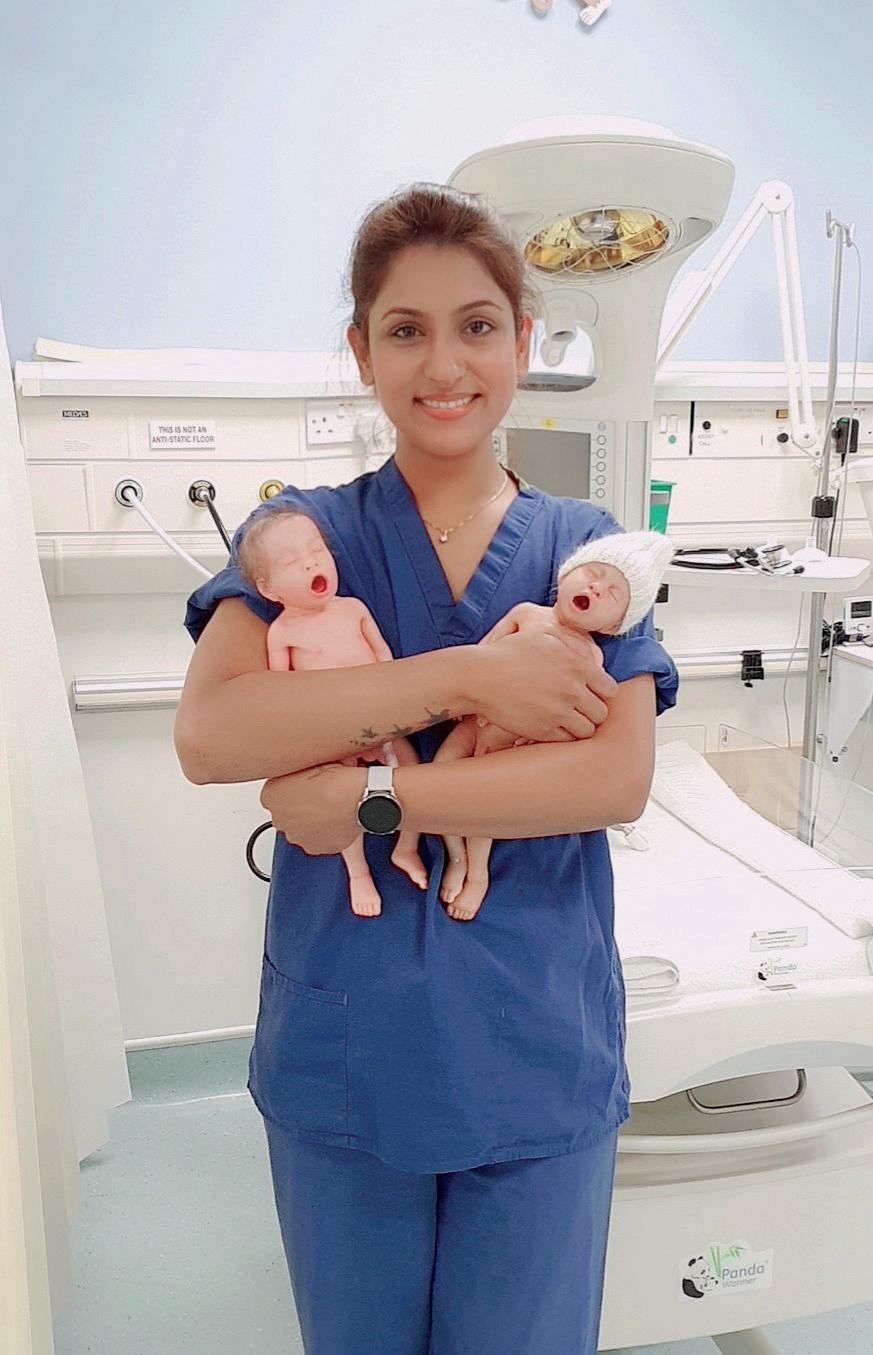
Portfolio Pathway is a marathon, not a sprint. Here are a few strategies that have worked for many aspirants:
1 Start early and stay organised by creating a system (digital folders, spreadsheets or portfolio software) to track and categorise your evidence.
2 Set small goals by working on one domain at a time. Steady, regular progress is more effective than doing everything at once.
3 Seek feedback through regular discussions with supervisors and colleagues to help improve the quality of your evidence.
4 Use the resources available by making full use of RCPCH guidance documents and training sessions.
5 Connect with peers to share experiences, tips and encouragement, which can help you stay motivated.
From stitching to skill-building: how slowing down, making mistakes and enjoying the process can build confidence


Dr Rachel King ST7 Paediatrician Salisbury NHS Foundation Trust
As healthcare professionals, we often look to mentors, inspirational colleagues, podcast hosts or perhaps even a college magazine for career guidance, personal inspiration and moments of reflection. I wonder, if we were to look up from the trenches and into someone else’s backyard, what lessons could we learn?
A revolution seems to be happening (maybe just on my social media feeds), and that’s the slow creep of crafting fever. Many of us are delving into the sphere of creativity for a new hobby, a distraction from the busyness of the modern world or an antidote to the frenetic lifestyles we lead. This winter, while waiting for spring, I’ve retreated inside to cosy up with my embroidery hoop and surround myself with mindful stitching, colour palettes and creativity,
from which I was surprised to learn lessons for my professional life, too.
Having rediscovered the slightly too repetitive cross-stitch, I’d decided a new challenge was needed – on top of approaching the end of training, raising a toddler and moving house (you know the drill) – and I stumbled into embroidery. Resurrecting the haberdashery skills taught many years ago in school, learning new techniques from stitch libraries, poring over designs and purchasing beginner kits, I was introduced to a world where beauty is created and what matters more than the end product is the journey, the acquisition of new skills and progress over perfection.
The parallels became clear, hanging off every word of teaching, desperate to learn nuggets of knowledge with a desire to practice and get better, but the frustration of just not being able to get something quite right. To go from a place of complete novice
by William MacAskill
Tasnim
Aged 17
This book reshaped my mindset when I read it at the beginning of Year 12. It challenged my assumption that good intentions alone are sufficient, instead arguing that meaningful, long-term impact requires evidence, careful reasoning and a willingness to revise one’s views in light of new information. MacAskill’s emphasis on effectiveness over intention encouraged me to think more critically
We’d love to hear from you, get in touch through our channels Facebook @RCPCH Instagram @RCPCH milestones@rcpch.ac.uk
may seem a long time ago for some of us, but I still remember and still experience the unnerving awareness of how much I just don’t know or just can’t do. Are we fearful of the process, aware of the need to push on but battered and bruised from the confidence knocks? I’ve gone from excited newbie to superconfident maker – adapting patterns and adding my own flair. Wherever you are on this meandering career path, remember you can’t guarantee perfection each day, but there will certainly be progress (or should I say, Progress+).
about how resources, time and effort can be directed to achieve the greatest possible good. Unlike many books I have read, Doing Good Better did not simply inform my thinking; it fundamentally altered how I reflect on, critique and apply my knowledge, prompting me to prioritise measurable impact and thoughtful evaluation in both my academic work and broader decision-making.
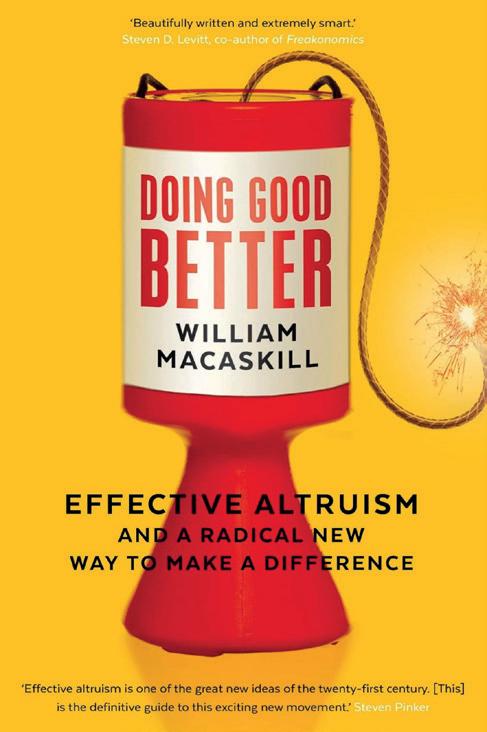
Consultant Paediatrician, The Grange University Hospital, Aneurin Bevan University Health Board
1. Describe your job in three words
Meaningful, demanding, rewarding.
2. After a hard day at work, what’s your guilty pleasure?
A quiet moment to unwind with something comforting to eat and watch.
3. What’s the best part of your working day?
Seeing a child’s condition improve or their anxiety ease.
4. The best advice you received as a trainee?
Stay curious, ask early and never pretend to know what you don’t.
5. Who’s the best fictional character of all time – why? Atticus Finch, for his calm integrity and unwavering moral clarity.
6. Name 3 medications you would want if marooned on a desert island filled with paediatric patients
In general categories, a child-appropriate pain/fever reliever, an antihistamine and an oral rehydration solution. Specific choices always depend on clinical context.
7. Choose a superpower – what would it be
Dr Josie Harrison
ST1 Paediatrics,
The Grange University Hospital,
Aneurin Bevan University Health Board
1. Describe your job in three words
Di erent every day.
2. After a hard day at work, what’s your guilty pleasure?
Making a hot water bottle and rewatching episodes of Friends
3. What’s the best part of your working day?
When the kids make me laugh, which happens a lot!
4. The best advice you received as a trainee?
Not to underestimate the power of observation: there is a wealth of information we can gather about a patient by just watching how they move, communicate, interact and play.
5. Who’s the best fictional character of all time – why?
Elizabeth Zott in Bonnie Garmus’s book Lessons in Chemistry. What a legend. She is determined, authentic, loyal and caring, with a wonderful sense of fairness. And I love how seriously she takes cooking!
6. Name 3 medications you would want if marooned on a desert island filled with paediatric patients Dioralyte, glucose and adrenaline.
7. Choose a superpower – what would it be and why?




The ability to pause time, creating space for clear thinking in critical moments.

8. Any advice you’d give yourself as a



Be patient with your progress and focus on understanding, not perfection.


9. What do you do to ensure you can Thrive at work?



Protect rest, maintain boundaries and treat wellbeing as essential to good practice.




10. How can you and your colleagues inspire the next generation of paediatricians?



By modelling compassion, professionalism and genuine enthusiasm for caring for





The ability to communicate in every language. I’d love to be able to reduce the language barrier that so many patients and families face. Plus, it’d be amazing for travel.


8. Any advice you’d give yourself as a medical student?
Discover co ee (it took me a surprisingly long time).
9. What do you do to ensure you can Thrive at work?
most children.
I’m most e ective, enthusiastic and energised at work when I dedicate time to recharging between shifts. This means switching o , keeping active and spending time with my husband, friends and family.
10. How can you and your colleagues inspire the next generation of paediatricians?
By proving that excellent paediatric care is powered by a happy, kind and collaborative team. Who wouldn’t want to be part of that?!







Dr Jonathan Darling
Consultant
Paediatrician
RCPCH VP for Education and Professional Development
Media doctors are everywhere, but they rarely talk about the big issues affecting child health. Wouldn’t it be great if there were a ‘media paediatrician’ who clearly and eloquently addressed the social determinants of health that affect children and young people? Well, we need wait no longer – step forward Dr Guddi Singh, a London-based consultant paediatrician, whose excellent three-part series is available on BBC Sounds.
Guddi asks searching questions about why, in the world’s sixth richest country, so many children live in
poverty, and how that impacts health and life chances.
The first episode starts in Hartlepool Baby Bank, where she muses on how GPs and paediatricians are often unaware of such organisations on their doorstep and the life-changing support they offer. Subsequent episodes visit an East London community playground, showing how play is fundamental to health; look at the rise of mental health issues and neurodiversity among teenagers; and explore how codesigned services and holistic care across mental and physical health can be incredibly powerful.
And who better to close the series than Professor Sir Michael Marmot,

Dr Richard Daniels
Paediatric
Registrar
St Mary’s Hospital
@DrRDaniels
One of my bugbears has been how much of modern medical life takes brighteyed adolescents with broad talents across academia, the arts, sports etc, and then slowly squeezes the extracurricular life out of them. Compare your UCAS form, dear reader, to your current weekly calendar. I bet it feels narrower. What we’re missing is the Medical Victorian Polymath (MVP). Now, there may be some publication bias here, and maybe the MVP was a rarity
back in their day too, but where is my Sir Frederic Still? That’s the real issue. Born in 1868, the only son of 12 children, Frederic excelled from an early age. Casually getting a first in the Classical Tripos at Cambridge, and achieving fluency in Greek, Latin, Hebrew and Arabic, he then decided to study medicine. Qualifying at Guy’s, he moved north of the Thames to study ‘children’s diseases’ before being appointed as the inaugural consultant at King’s College Hospital. Aged 38, he was appointed the first British professor of paediatrics in 1906. What took him so long?
who brings characteristic clarity and challenge on how we break the link between background and life chances. Do take the opportunity to listen to this important series – and signpost it to others.
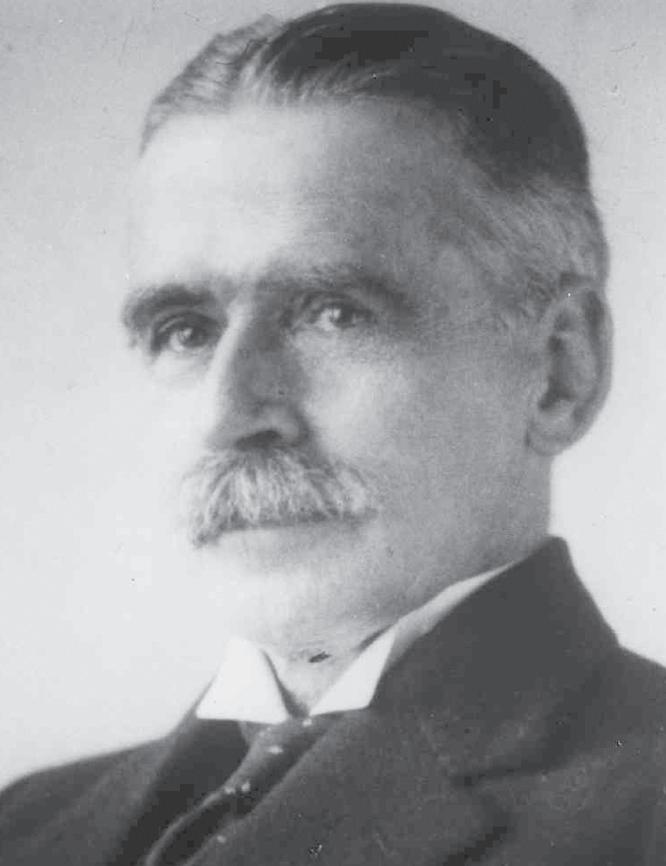
Frederic was quite a formal, serious chap, reportedly, although regarded for his rapport with children. He was a publishing machine, churning out more than 100 papers and multiple books, including the definitive
textbook for those following his path. A true generalist, he was especially known for his work on pyloric stenosis and scurvy. He retired in 1933, but was seduced back when he was appointed as the royal paediatrician, which allowed him ample time to follow his previous artistic pursuits, paused for 40 years as he helped build our specialty. One final contribution was the use of his house to host the meeting of paediatric minds, where the British Paediatric Association was founded. Frederic died in 1941. His contribution to ‘children’s diseases’ was immense.



Dr Ashish Patel Consultant Paediatric Nephrologist
Alder Hey Children’s Hospital
Wellbeing isn’t just about sharing positive moments. Remember that we, as paediatricians and healthcare professionals, are all human and life can throw us many challenges. It’s been a difficult time recently for many who are close to me, and this led me on a journey, reflecting on how I use baking as a tool for support and giving me inspiration for this issue’s bake.
Spring signals the start of the orange season, so I urge you to marry this flavour with cardamom. It sounds crazy to use a Middle Eastern/Indian spice in muffins, but by now you should trust me. This is a perfect recipe for a small batch to bring to a friend or colleague who may be struggling to brighten up their day. Enjoy and continue to spread the love of baking!
Makes 6 mu ns
Ingredients
• zest of 1 orange
• 6-7 green cardamom pods, deseeded and seeds crushed with a pestle and mortar
• 100g caster sugar
• 190g plain flour
• 1½ tsp baking powder
• ¼ tsp bicarbonate of soda
• 1 large egg
• 80g plain yoghurt
• 40ml whole milk
• 80g unsalted butter, melted
• 20g oil
• pearl sugar (optional)
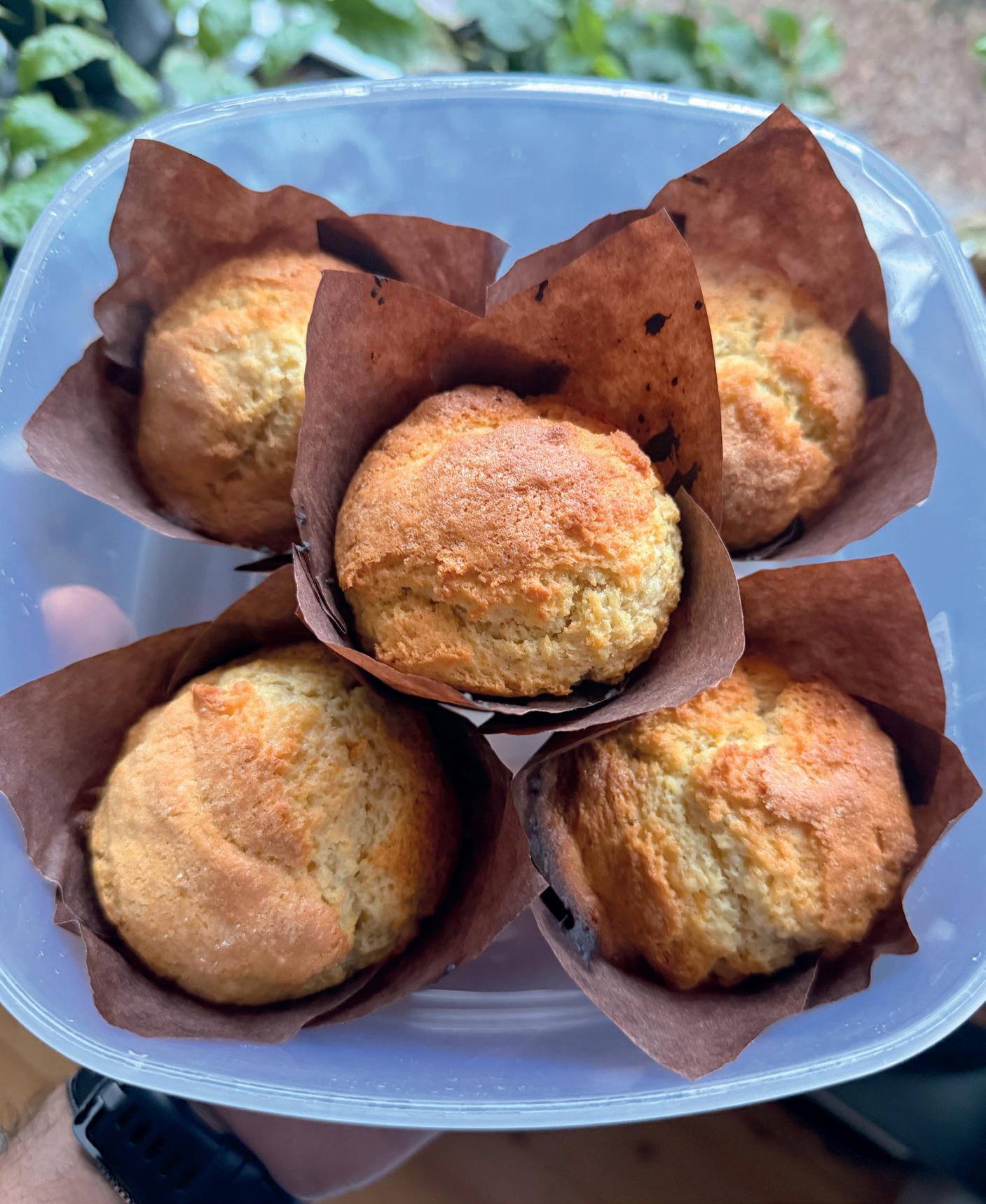
Instructions
1. In a bowl, add the orange zest, cardamom and sugar, and rub together until well combined and smelling fragrant.
2. Add the flour, baking powder and bicarbonate of soda, and mix well to combine.
3. In a separate bowl or jug, add the egg, yoghurt, milk, melted butter and oil, and whisk well to combine.
4. Pour the wet ingredients into the bowl and stir gently to combine. Leave the batter to sit for 15 minutes.
5. Pre-heat your oven to 200°C (fanassisted) and line a muffin tray with six muffin cases.
6. Use an ice-cream scoop to divide the mixture between the cases.
7. Top with pearl sugar (optional) or sprinkle with caster sugar after the bake.
8. Bake in the pre-heated oven for 7 minutes, then turn the temperature down to 170°C and bake for a further 10-12 minutes until golden brown on top and well risen.
9. Leave to cool slightly before serving – in my opinion, these are best eaten warm, with a strong coffee.
Dr Victoria Wilson @VWilson_54
I’m a paediatric trainee in Northern Ireland and am looking forward to being part of the Milestones Editorial Committee, working with the rest of the team to continue to deliver high-quality resources to the paediatric community. Having attended medical school and completed foundation training in England, I moved back during the COVID -19 pandemic. I enjoyed being home and started paediatrics training here. Since completing ST4, I’ve been working as a clinical fellow in paediatric haematology/ oncology, which has been a great opportunity to gain further experience in my specialty of interest.
My typical day starts with cycling to work. I love being outside while avoiding rush-hour traffic and queues. In my current role, my day usually involves a variety of clinical opportunities and meetings, which include seeing patients in clinic, on ward rounds or via the triage service. I also try to make time to work on projects and to develop teaching opportunities for medical students and fellow trainees.
The best bit of my job is working within a great multidisciplinary team (MDT), while building relationships with patients and their families. We are privileged to be involved with people during one of the most challenging periods of their lives.
The most difficult part of my job can be seeing patients experience the side effects of their treatment. The care provided by the MDT is essential to help children and young people manage these side effects. It can be challenging but very rewarding, especially when you earn a smile or a laugh!
I spend my spare time going for walks with my dog and making the most of Northern Ireland’s beautiful coastline. I’m passionate about teaching and am currently completing an MSc in Clinical Education, which keeps me busy.
Dr Erva Nur Cinar @cinarervanur

My typical day depends on where I’m working – like most paediatric trainees, I currently rotate every six months, so ‘typical’ never stays typical for long. Right now, I’m in paediatric haematology/oncology. I usually start at 08:30 and the plan I arrive with rarely survives the morning! The work is highly specialised and often intense, but also deeply rewarding. I’m usually done around 17:30, though an emotional shift sometimes follows me home.
I’ll rotate again in six months, this time into community paediatrics, and I’m excited to gain a wider lens on children and families, development, safeguarding and what life looks like outside the hospital. It will be a completely different environment and I’m looking forward to the learning curve.
I don’t work full-time and one day a week is for my ‘other jobs’: keeping up with my MSc in Public Health, editorial work for BMJ Paediatrics Open, ongoing leadership work with the RCPCH and bits of global health advocacy. It’s a lot, but it keeps me connected to the bigger picture and to what motivated me to be here in the first place.
The best bit of my job is finding new ways to communicate better with children and noticing how quickly they read the room. They are sensitive, honest, resilient and often wiser than most of us.
The most difficult part of my job is sometimes working within system limits – wanting to offer the very best care and knowing that time, staffing and services don’t always stretch far enough. It’s one reason I advocate for children everywhere; it’s also why I wanted to join the Milestones editorial team: to amplify voices in paediatrics (especially those of trainees) and to help connect our everyday work to the bigger picture.
On my days off, I try to keep things simple – slow walks in central London, a good book and two cats who treat cuddling like an urgent clinical priority.