a Second Wind
Manufacturers
h aven for h istory New
Region

Manufacturers
h aven for h istory New
Region
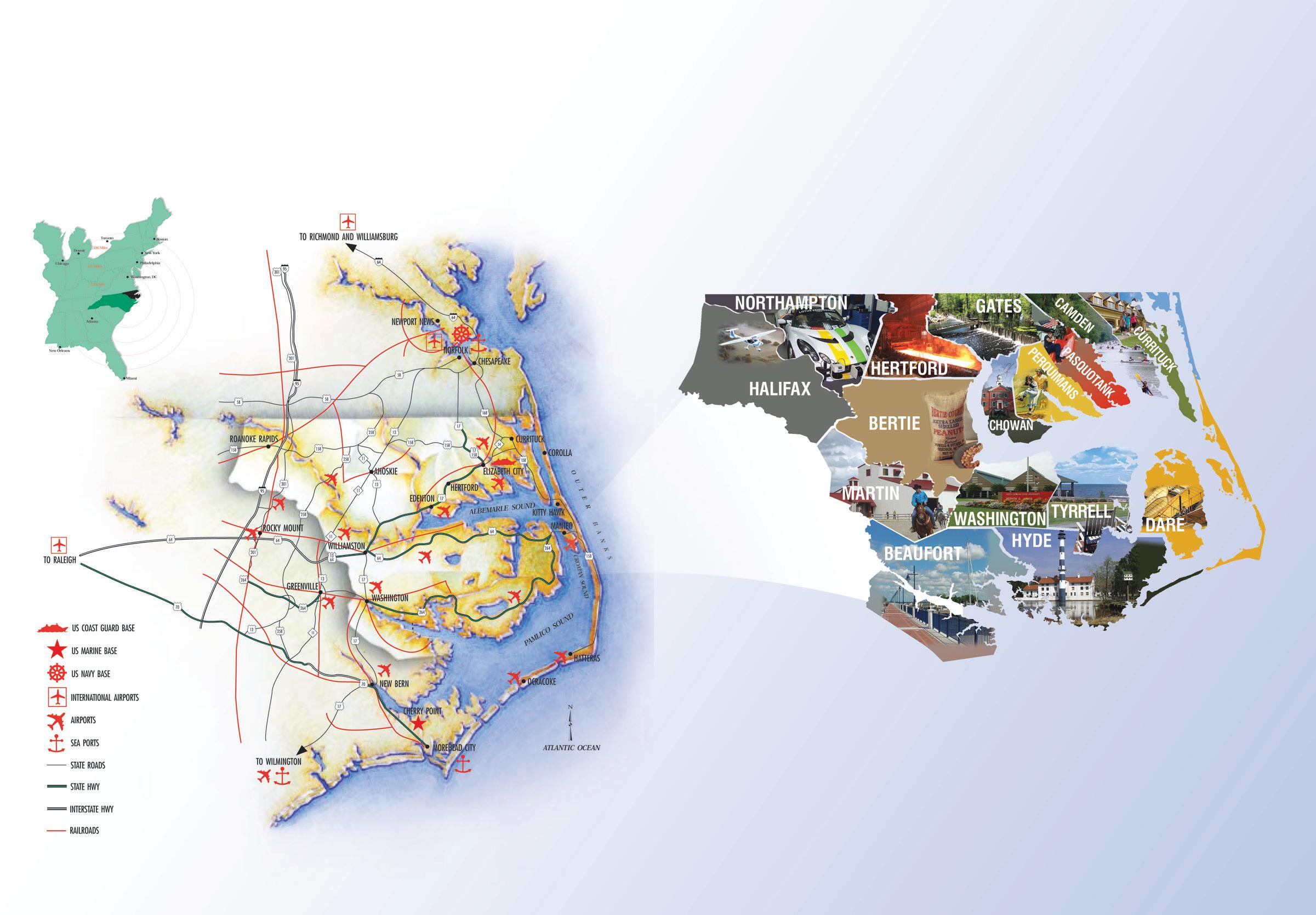
NorthamptoN CouNty
Economic Development – Gary Brown (252) 534-1092
hertford CouNty
Economic Development – Bill Early (252) 358-7801
Gates CouNty
Economic Development – County Manager (252) 357-1240
Chowa N CouNty
Economic Development – Zee Lamb (County Manager) – (252) 482-8431
h alifax CouNty
Economic Development – Cathy Scott (252) 519-2630
Bertie CouNty
Economic Development – Steve Biggs (252) 794-5301
martiN CouNty
Economic Development – Marvin Davis (252) 789-4904
Beaufort CouNty
Economic Development – Bob Heuts (252) 946-3970
perquima Ns CouNty
Economic Development – Dave Goss (252) 426-3188
pasquota Nk CouNty
Economic Development – Wayne Harris (252) 338-0169
CamdeN CouNty
Economic Development – Charlie Bauman (252) 338-1919
CurrituCk CouNty
Economic Development – Peter Bishop (252) 232-6015
washiNGtoN CouNty
Economic Development – Cheryl Young (Assistant County Manager) – (252) 791-0001
hyde CouNty
Economic Development – Kris Noble (252) 926-4474
tyrrell CouNty
Economic Development – Willie Mac Carawan (County Manager) – (252) 796-1371
dare CouNty
Economic Development – Bob Peele (252) 475-1414



Read the magazine on your computer, zoom in on articles and link to advertiser websites.
S ite guide >>
Find available commercial and industrial properties with our searchable database.
S u CC e SS
breed S S u CC e SS >>
Meet the people who set the pace for business innovation.
d ig d eeper >>
plug into the community with links to local websites and resources to give you a big picture of the region.
d emographi CS >>
a wealth of demographic and statistical information puts the community at your fingertips.
guide
links to a cross section of goods and services special to the
no rthea S t region e C onomi C development guide
2013 Edition, volum E 2
Editorial projEct managEr eMily McMackiN
contEnt dirEctor Bill McMeekiN
proofrEading managEr RaveN petty
contEnt coordinator Jessica walkeR
Staff WritEr keviN litwiN
contributing WritErS NaN BauRoth, MelaNie kilgoRe-hill, kathRyN RoysteR liisa sullivaN, JasoN Zasky
SEnior graphic dESignErS stacey allis, lauRa gallagheR kRis sextoN, Jake shoRes, vikki williaMs
graphic dESignErS eRica laMpley, kaRa leiBy, kacey passMoRe
SEnior photographErS JeFF adkiNs, BRiaN MccoRd
Staff photographErS todd BeNNett, MaRtiN cheRRy, Michael coNti
color imaging tEchnician alisoN huNteR
E xEcutiv E intEgratE d mE dia managE r suZi Mc gRudeR
ad production managEr katie MiddeNdoRF ad traffic aSSiStantS kRystiN leMMoN patRicia MoisaN
chairman gReg thuRMaN
prESidEnt/publiShEr BoB schwaRtZMaN
ExEcutivE vicE prESidEnt Ray laNgeN
SEnior v p./SalES todd potteR
SEnior v p./opErationS casey hesteR
SEnior v p./cliEnt dEvElopmEnt JeFF heeFNeR
SEnior v p./agribuSinESS publiShing kiM holMBeRg
v p./buSinESS dEvElopmEnt clay peRRy
v p./ExtErnal communicationS teRee caRutheRs
v p./viSual contEnt MaRk FoResteR
v p./contEnt opErationS Natasha loReNs
v p./travEl publiShing susaN chappell
v p./SalES RhoNda gRahaM heRB haRpeR, JaRek swekosky controllEr chRis dudley
SEnior accountant lisa oweNs
accountS payablE coordinator MaRia McFaRlaNd
accountS rEcEivablE coordinator diaNa guZMaN
SalES Support projEct managEr saRa quiNt
SyStEm adminiStrator daNiel caNtRell
WEb crEativE dirEctor allisoN davis
WEb contEnt managEr JohN hood
WEb dESignEr ii RichaRd steveNs
WEb dEvElopmEnt lEad yaMel hall
photography dirEctor JeFFRey s otto
crEativE SErvicES dirEctor chRistiNa caRdeN
crEativE tEchnology analySt Becca aRy audiEncE dEvElopmEnt dirEctor deaNNa NelsoN
nEW mEdia aSSiStant alyssa dicicco
diStribution dirEctor gaRy sMith
ExEcutivE SEcrEtary kRisty duNcaN
human rESourcES managEr peggy Blake rEcEptioniSt liNda Bishop
North Carolina’s Northeast Region Economic Development Guide is published annually by Journal c ommunications i nc. and is distributed through the North c arolina’s Northeast c ommission.
For advertising information or to direct questions or comments about the magazine, contact Journal c ommunications i nc. at (615) 771-0080 or by email at info@jnlcom.com.
For more inFormation, ContaCt: North c arolina’s Northeast c ommission 119 west water s treet • e denton, N c 27932 p hone: (252) 482-4333 • Fax: (252) 482-3366 www.ncnortheast.info
v i S it North Caroli N a’s Northeast r egio N eC o N omi C Developme N t g ui D e onlin E at bu S in ESS climat E .com/n E -north-carolina
© c opyright 2012 Journal c ommunications i nc., 725 c ool s prings Blvd., s uite 400, Franklin, t N 37067, (615) 771-0080. a ll rights reserved. No portion of this magazine may be reproduced in whole or in part without written consent.
Share with a friend
e asily share an interesting article, stunning photo or advertisement of your business on f acebook, twitter or via email.
e mbed the digital magazine into your site to add compelling information about the successful businesses located here, what it’s
h ear from decision-makers at leading companies, see video of

Member t he a ssociation of Magazine Media
Member c ustom c ontent c ouncil

Member North c arolina’s Northeast c ommission

Explor E a North E ast wh E r E wi N t E rs
h alfway between New england and Florida at the midpoint of the i -95 corridor, businesses with lofty ambitions are learning what the wright Brothers knew a century before them – that the 16-county region of North c arolina’s Northeast is a place where the spirit of innovation can soar. once a colonial powerhouse for shipping trades, agricultural production and political activism, North c arolina’s Northeast retains its charm with historic buildings, stately antebellum homes, civil war reenactments and unlimited recreation for water lovers.
Boasting some of the richest soil east of the Mississippi, the region is a fertile ground for the commercialization of innovative crops. add to that welltrained farmers and the ability to provide field-level research, and the region is ripe for becoming the center of agricultural biotechnology. wide open spaces have also drawn the attention of renewable energy
companies. w ith 60-plus percent more wind resources than any other atlantic c oast state, Northeast North c arolina is poised to be the premier e ast c oast site for onshore and offshore wind energy. Biomass companies are responding to the region’s proximity to ports in North c arolina and v irginia, as well as the availability of raw materials for wood pellets and alternative fuel sources. and solar farms are being constructed on open acreage.
c ompanies in the automotive industry are discovering North carolina’s Northeast, focusing on the North carolina center for automotive Research (N cca R). t he center opened in 2010 and features an independent testing facility with on-site engineering and tech support. t he temperate climate in the region offers companies year-round access to the facility, and the center’s proximity to ports provides an excellent u. s .
entry point for foreign companies. since the wright Brothers’ historic first flight more than 100 years ago, aerospace innovators have flocked to North c arolina’s Northeast. t he area is home to 13 regional airports –most of which have industrial sites ready for development. e xisting companies have helped establish an infrastructure that supports the aerospace industry and enables new companies to set up shop quickly and easily.
w ith a community college system that places a high priority on incumbent worker training and a university extension program with highly technical workplace training, our workforce can compete against the best. v isit www.ncnortheast.com to learn the latest on a region poised for growth and ready to help your business soar. we believe you’ll be pleased with what you discover in the nation’s other Northeast.
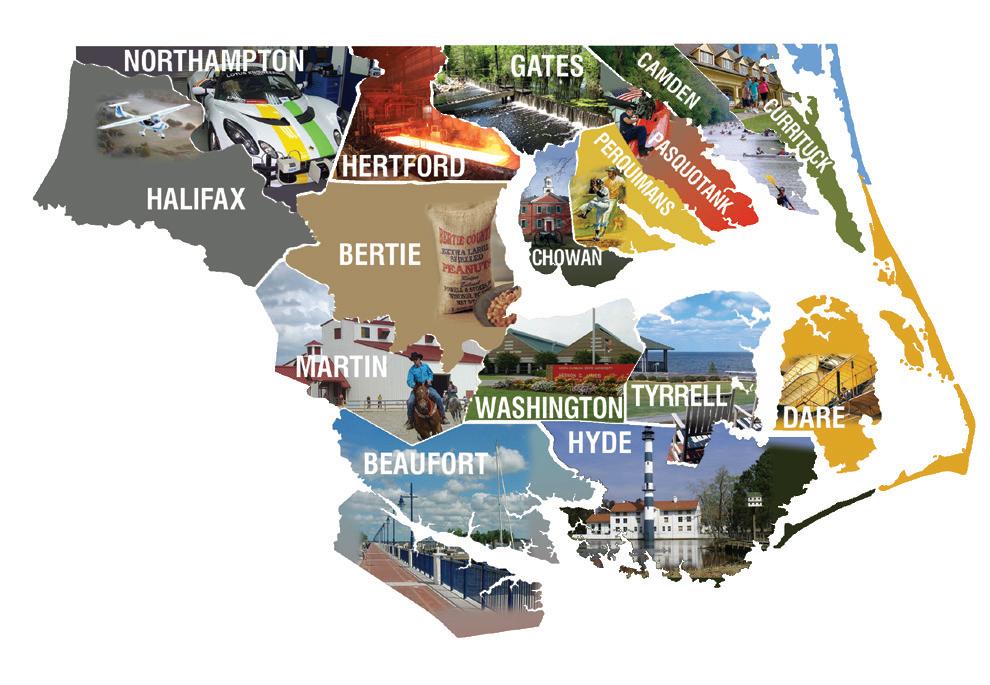
rEgio N al North E ast a lli E s
County
Chamber of Commerce:
Judy c ollier, (252) 534-1384
tourism: d ick c ollier, (252) 534-1383
hertford County
ahoskie Chamber of Commerce and tourism: d an Joyber, (252) 332-2042
mufreesboro Chamber of Commerce: Judy h atchey, (252) 398-4886
gates County
Chamber of Commerce: Marie a llen, (252) 506-1592
tourism: Reba w ynn h olley, (252) 357-1400
Chowan County
Chamber of Commerce:
w in d ale, (252) 482-3400
tourism: Nancy Nicholls, (252) 482-3400
halifax County
roanoke valley Chamber of Commerce: a llen purser, (252) 537-3513
tourism: l ori Medlin, (252) 535-1687
Chamber of Commerce and tourism: l ewis h oggard, (252) 794-4277
martin County
Chamber of Commerce: d avid whitley, (252) 792-4131
tourism: s arah k atherine a dams (252) 792-6605
beaufort County
Washington Chamber of Commerce: c atherine glover (252) 946-9168
belhaven Chamber of Commerce: Julian g off, (252) 946-9168
tourism: lynn l ewis, (252) 948-9415
perquimans County
Chamber of Commerce and tourism: sid eley, (252) 426-5657
pasquotank County (elizabeth City) Chamber of Commerce: kelly t horsby, (252) 335-4365
tourism: c harlotte underwood, (252) 335-5330
Currituck County
Chamber of Commerce:
Josh Bass, (252) 453-9497
tourism: d iane Nordstrom, (252) 435-2947
Washington County
Chamber of Commerce and tourism: Jennifer a rnold, (252) 793-4804
hyde County
Chamber of Commerce and tourism: Melissa Joyner, (252) 926-9171
tyrrell County
Chamber of Commerce: Monica Mauffray, (252) 796-6777
tourism: s ara l phelps, (252) 797-4800
dare County (outer banks) Chamber of Commerce: k aren Brown, (252) 441-8144
tourism: l ee Nettles, (877) 629-4386
Camden County
tourism: d onna s tewart, (252) 771-8333
craving something sweet for chump change? s top by woodard’s pharmacy in hertford, where you

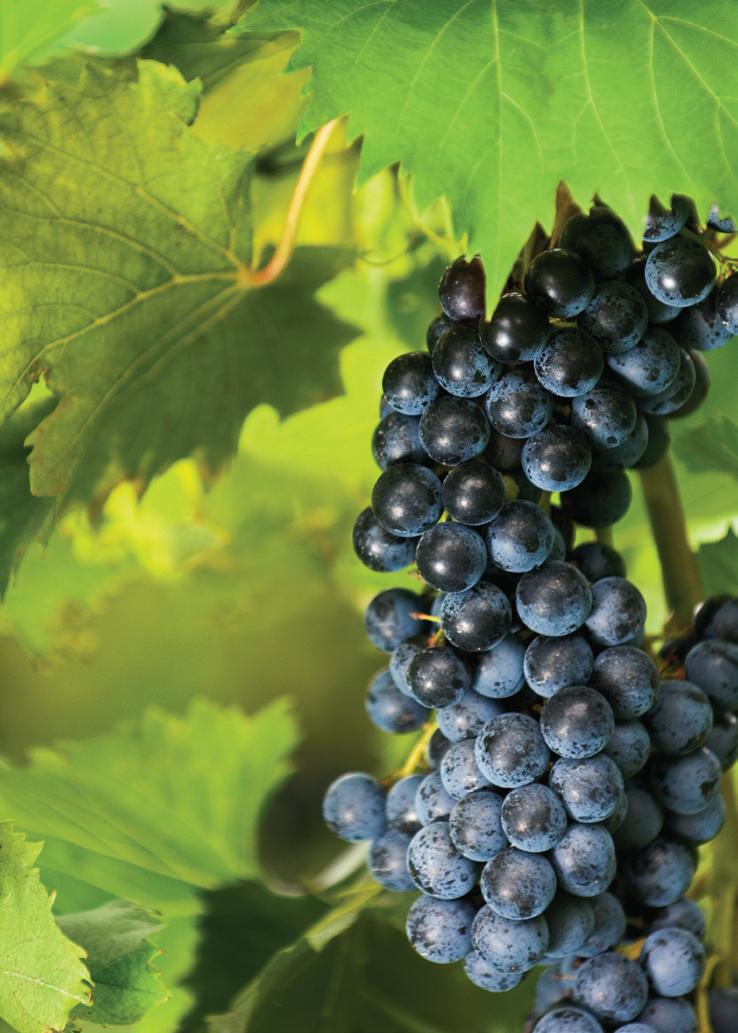
in 1524, explorer giovanni de verazzano discovered the nation’s oldest cultivated grapevine, the scuppernong, on Roanoke island. More than four centuries later, this 120-foot “Mother v ine” still exists, and the region is known for its muscadine grape variety that thrives on sandy soil. w ine connoisseurs can sip and sample muscadine and other types of wines at these area vineyards:
•Sanctuary vineyards: a wright family tradition for seven generations, this family-owned winery in Jarvisburg is known for its signature wines, including w ild pony white, viognier 2010 Reserve and coastal collage 2009.
•martin vineyards: w ith roots dating back to 1987, this vineyard plants its vinifera grapes in the rich soil near k notts i sland Bay to create dry reds, semi-dry reds and dry white wines.
•vineyards on the Scuppernong: t his c olumbia vineyard prides itself on using the highest quality grapes and offers daily wine tastings along with vineyard tours.
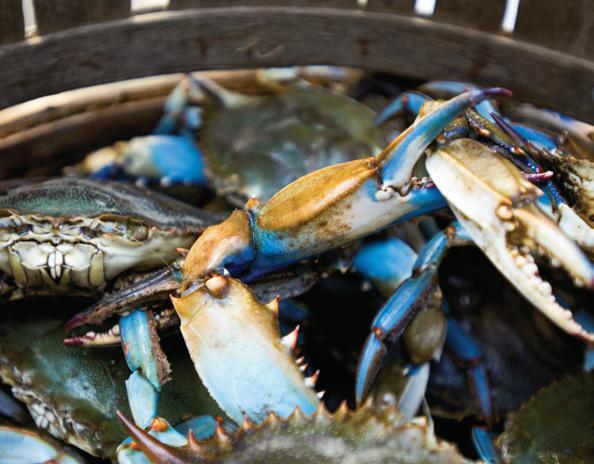
For more than 30 years, the o cracoke Fish h ouse has been a vital part of the commercial fishing market in o cracoke, allowing fishermen to unload and sell their catches with access to bulk quantities of ice. Facing the potential loss of the house several years ago due to lack of funding, o cracoke’s fishermen pulled together to raise financial support with the help of the ocracoke Foundation. through their efforts, the house obtained a $325,000 North c arolina Rural d evelopment grant – enough to keep it open for the foreseeable future. today it continues to be a thriving force in o cracoke’s 300-year-old maritime culture. Find the full story of the fish house at www.ocracokewatermen.org .
North c arolina’s Northeast Region is known for its historic lighthouses. d on’t miss these:
Roanoke i sland’s waterside t heater recently celebrated the 75th anniversary of its annual production of The Lost Colony – the longestrunning outdoor drama in the u s . First staged in 1937, the play tells the story of the 117 english settlers who inexplicably vanished from their colony on Roanoke i sland in the 16th century. written by pulitzer prize-winning playwright p aul green, the production involves more than 200 actors, dancers, singers and technicians, and its famous alumni include the late a ndy griffith. t he waterside t heater presents The Lost Colony each May through a ugust on a massive outdoor stage that is more than three times the size of most Broadway stages. plan a visit at http://thelostcolony.org
• Currituck beach lighthouse: towering above the historic town of c orolla, this red-brick lighthouse stands at 162 feet tall and has a winding staircase of 214 steps. i ts light can be seen for 18 nautical miles.
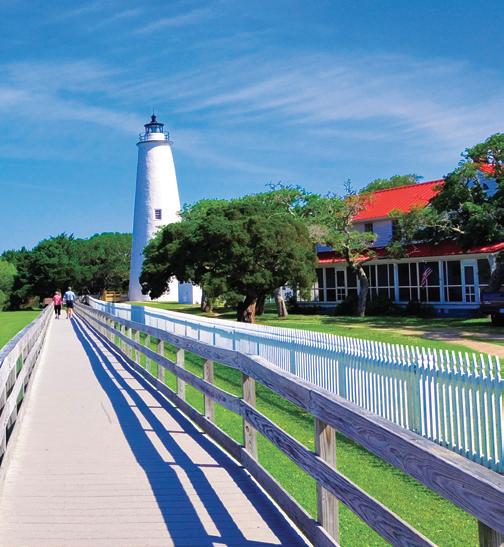
• ocracoke lighthouse: the lighthouse is the second-oldest lighthouse in the state and also the shortest, standing at 75 feet tall.
• Cape hatteras lighthouse: towering 200 feet, this lighthouse is the tallest brick lighthouse in the country and the 23rd tallest traditional lighthouse in the world.
• bodie island lighthouse: t his historic 156-foot-tall lighthouse is being restored by the National park service.
• 1886 roanoke river lighthouse: t his lighthouse, believed to be the last one in the u s. with a screw-pile design, originally sat at the confluence of the Roanoke River and a lbemarle s ound, but has since been restored and moved to edenton’s c olonial p ark.
• roanoke river lighthouse: a djacent to the Roanoke River Maritime Museum in plymouth, this replica of the 1886 Roanoke River lighthouse is a popular tourist destination.
• roanoke marshes lighthouse: a reconstruction of a cottage-style, screw-pile lighthouse located on the c roatan s ound and lost at sea, this replica in Manteo hosts historical and educational activities for the North c arolina Maritime Museum.
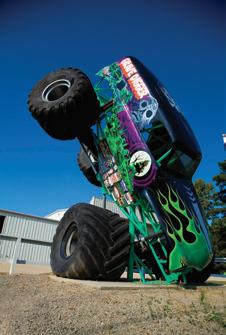
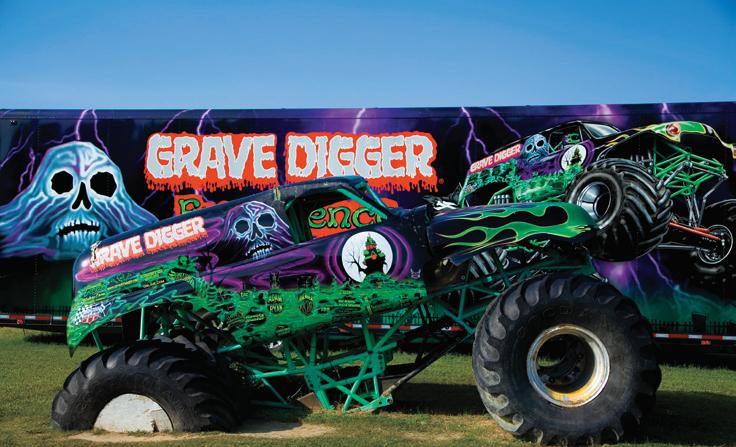
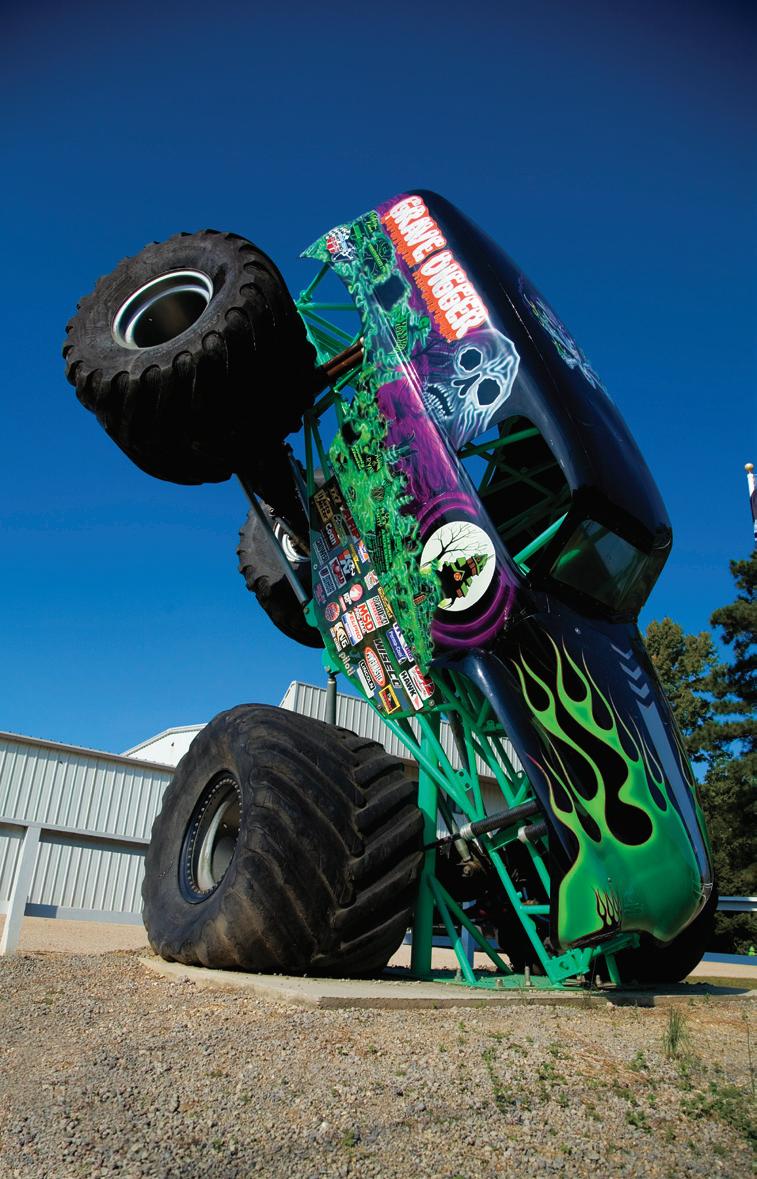
Monster truck fans can take a seat in the world’s largest truck, the grave d igger, at d igger’s d ungeon in poplar Branch. t he brainchild of c urrituck c ounty native d ennis a nderson, a star driver of the Feld entertainment Monster Jam series, the truck is known for its five-foot-tall wheels and green flame detailing. v isitors can get their picture taken inside the truck or purchase souvenirs inside the shop at d igger’s d ungeon, which is celebrating grave d igger’s 30th anniversary this year. plan a visit at www.gravedigger.com



•
•
•
•
•
•
•

Based in engelhard, e ast c arolina Bank has served residents of North c arolina for nearly a century since it opened on Jan. 20, 1920, and it continues to offer customers across its 25 branches a range of financial services. d espite numerous changes since its inception, it has stayed true to its mission of maintaining sound financial strength. i ts adherence to fiscal responsibility has made the bank, a wholly owned subsidiary of ec B Bancorp inc., a financial leader in North c arolina, with more than 230 employees and $920 million in assets. l earn more at www.myecb.com
From barbecue to oysters, North c arolina’s Northeast Region is full of unique restaurants serving the region’s best delicacies. d on’t miss these local favorites:
•bunn’s barbecue: h oused in a former gas station, this restaurant in w indsor is famous for its finely chopped, pulled-pork barbecue doused with vinegar and red pepper and served on cornbread sandwiches.
•Sunny Side oyster bar: since it opened in 1935, this oyster bar in w illiamston has become a legend in eastern North c arolina. i ts fresh seafood bar is stocked with steamed oysters, shrimp, scallops and crab legs.
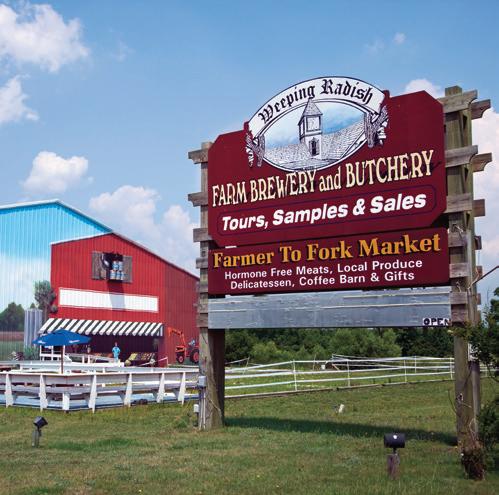
•Weeping radish restaurant and brewery: t his brewery in grandy brings diners the taste of farm-fresh foods with a variety of nitrate-free meats sliced daily. c omplementing its meaty offerings is a selection of master-crafted, chemical-free beers brewed at weeping Radish – the oldest microbrewery in North c arolina.
North c arolina’s Northeast Region is home to several high-tech companies including Motion s ensors in elizabeth c ity and Flanders Filters in washington. Motion s ensors develops and sells electrical sensors designed to withstand a variety of external stresses including vibration, extreme temperatures and even the concussion of explosions. Flanders Filters is the largest manufacturer of hepa filters in the u s . Founded in 1950, the filtration company designs, manufactures and distributes air filters for a range of applications, including residential and commercial hvac systems, semiconductor fabrication and food, photo and industrial processing systems. Flanders’ filters are also used in hospitals, universities and pharmaceutical, bioscience and biotechnology labs.
s tory by Nan Bauroth
no matter the economic landscape, forward-thinking companies look for a profitable environment to enhance their competitive edge. Given its confluence of key criteria for smart moves, North Carolina’s Northeast Region is becoming a transformational choice for businesses looking to expand, relocate or reboot. Innovation leaders here span the industry spectrum, from stalwarts in manufacturing, aviation, automotive research, boat building and tourism to hybrid ventures in renewable energy, agribusiness and biotechnology.
“We’ve created niches with assets and resources for technology and innovation valuable to companies outside this region,” says Vann Rogerson, President and CEO of North Carolina’s Northeast Commission. “We are positioning ourselves in these clusters to be globally competitive.”
A recent example of this is the selection of Hyde County by NCDOT Aviation as a test site for unmanned aerial vehicles, Rogerson says. Other successes include alternative energy, which
now constitutes one-third of all projects in the region. Food technology in Halifax County represents another growing niche, as do aerospace and automotive research.
“Repurposing buildings long vacant, as The Marco Company is doing to expand their market presence on the East Coast, is also an exciting trend,” Rogerson says.
The indigenous characteristics that first lured commercial interests to this destination in the 17th century remain a force for growth today. Centrally situated on the Eastern seaboard, the region’s Mid-Atlantic locus is ideal for companies pursuing entrée to U.S. markets in the Northeast, Southeast and Midwest, as well as those abroad. To advance connectivity, North Carolina’s Northeast boasts an intermodal transport system of roads, rails and airways, with the convenient plus of access to the Port of Virginia, an international shipping gateway.
Businesses in the service-based market benefit from technically
skilled employees from the U.S. Coast Guard Base in Elizabeth City, Newport News Shipbuilding in Newport News, Va., and Norfolk Naval Shipyard in Portsmouth, Va. Coupled with an enviable quality of life, low taxes, pro-business policies and ample financial incentives, the region’s advantages comprise a consummate opportunity for companies to grow.
Leaders in the region are continually developing more resources to enhance growth in key industry clusters. New infrastructure available includes Merchants Commerce Park in Gates County, which is located near Merchants Millpond Park, a tourist site that draws 250,000 visitors a year.
“The ultimate intent is for this to become a commercial hub of the county,” says Gates County Manager Toby Chappell, who notes that the mixed-use development already has commitments from a credit union, Lee Insurance Company and Meridian Senior Living.
This summer, The College of Albemarle will open an Aviation Technical Training Facility in Currituck County. According to Peter Bishop, Economic Development Director for Currituck County, the facility will offer the FAA’s Airframe & Powerplant certification program, which will be of value to contractors who help maintain the U.S. Coast Guard fleet based nearby.
“Another aspect of this hangar is mechanical flex-space training opportunities for companies in other industries,” Bishop says.
Surveying the economic development horizon, Rogerson foresees a moving target for corporate growth.
“This region is changing for the future, evolving for the next century,” he says.
manufacturers find profitable new life for production in North c arolina’s Northeast
s tory by Nan Bauroth • photography by Todd Bennett
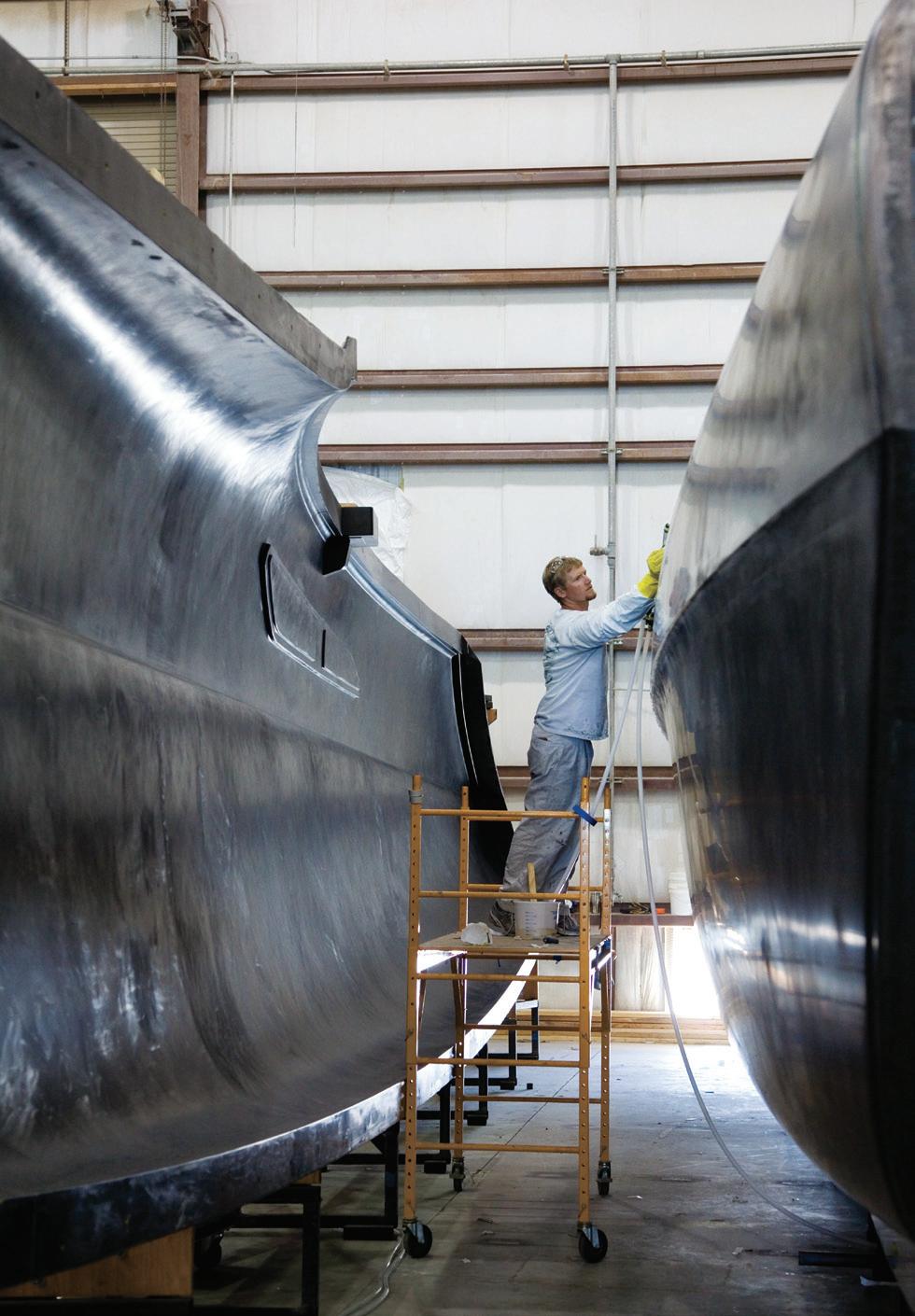
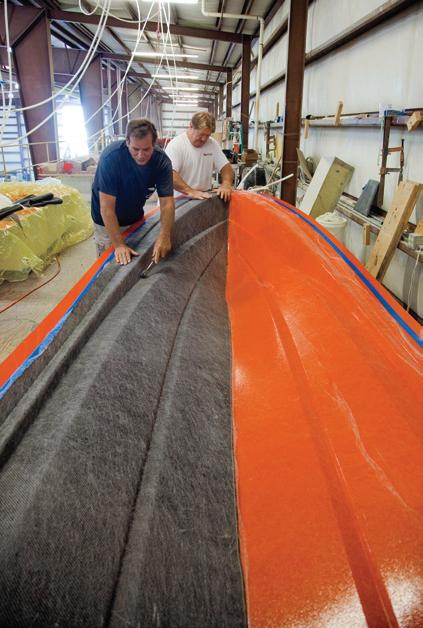
Sailors typically call it “center of effort” – the point at which all the forces on a sail are concentrated. For Peter Johnstone, president and CEO of Gunboat International, the concept is equally applicable to marketing, which is why he moved one of the production facilities for his iconic luxury sailboats from South Africa to Wanchese in Dare County.
“We’re in a location as close to the center of our Atlantic basin customer base as possible,” Johnstone says. “The area has a long tradition of building high-end, complex yachts. The passion, skills and attitude are right for our goals.”
Johnstone also took advantage of a former 30,000-square-foot yacht-building site that could accommodate the width of Gunboat’s cruising catamarans.
The final critical variable for Johnstone was cost-effectiveness.
“A right-to-work state is critical, as are compensation
rates and productivity that make us competitive worldwide with manufacturing in our largest market.”
In addition to bringing 71 jobs to the area, Gunboat will invest $1.8 million over the next three years in its new shipyard.
For The Marco Company, a Texas-based manufacturer of retail merchandising solutions, Northeastern North Carolina represented a logistical sweet spot to expand its market on the East Coast. The company is spending $190,000 to revitalize an existing structure in Jamesville, a move that will bring in 100 new jobs.
“Since announcing we are building there, people are contacting us who are interested in doing business because we will have an advantage over others,” says Marco Operations Manager Darin Dougherty. “Anyone who is as
efficient as we are in manufacturing suffers the same freight cost burden, so the transport factor will help build our eastern customer base.”
Dougherty notes that the incentives offered were second to none.
“Initially we wanted to lease, but North Carolina’s Northeast
Commission made us a deal we couldn’t refuse, instead to buy.”
The Marco Company also received building grants from two North Carolina state funds.
Another positive of positioning a business in Northeastern North
Carolina is the abundance of natural resources. For Domtar Corporation, a sustainable paper products company with a mill in Plymouth, loblolly pines were the attraction. The company pinpointed a synergistic fit when it purchased Attends Health Care Products, which has a plant in Greenville, only an hour away. Fluff pulp produced at the mill is now used in creating incontinence care products for Attends.
“The wood basket in this region is important to us,” says Domtar General Manager Dennis Askew. “Proximity to the Port of Virginia is also a key advantage, since most of our wood product is going overseas.”
Manufacturers across the industry are reaping the rewards of Northeastern North Carolina’s strategic location. Nucor’s factory in Cofield supplies steel plates used by onshore wind-turbine tower manufacturers, while Weir Valves & Controls in Washington produces hoses for hydraulic fracturing of natural gas reserves.
Digger’s Dungeon in Poplar Branch, owned by Monster Jam star Dennis Anderson, is expanding its shop, which preps Monster Jam trucks for televised shows across the country.
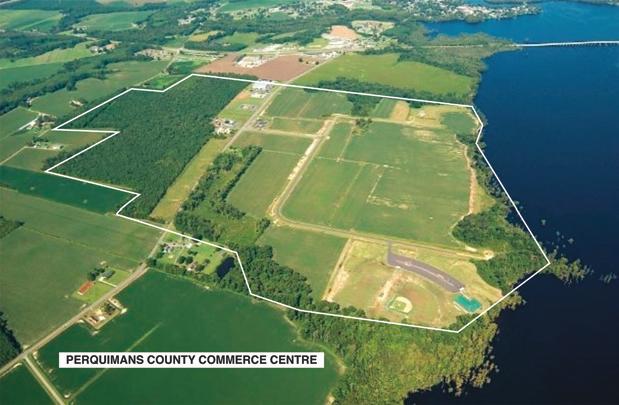
Marine-related trade is also on the uptick at the Wanchese Seafood Industrial Park and the new Perquimans Marine Industrial Park just south of Hertford on the Albemarle Sound.
Business benefits aside, manufacturers soon discover the region is also a great place to call home.
“I didn’t expect to personally fall in love with this area,” Johnstone says. “But within weeks, I sold my home in Rhode Island and moved here permanently.”
l eft: digger’s dungeon in poplar Branch is expanding its shop, which preps Monster Jam trucks for televised shows across the country.
N ccar gai N i N g grou N d as top auto t E sti N g facility
in 2008 when regional leaders launched the 620-acre North c arolina c enter for automotive Research in garysburg, they believed the automotive testing facility would eventually become a success – and they were right.
today, the $20 million N cca R complex in Northampton c ounty is one of only a few vehicle testing centers on the east c oast that give automakers, truck manufacturers and suppliers the opportunity for year-round testing. the convenience of NccaR means that automotive companies don’t have to travel to the west c oast desert to find such a facility, as they did in the past.
“ t his complex is conveniently located next to interstate 95 at a midpoint between two major international airports,” says g ary Brown, Northampton c ounty economic d evelopment d irector.
“ t here are also 1,200 hotel rooms just five miles south of us. i’ve been to many proving grounds in a rizona where you had to drive an hour or more to your hotel.”
tWo-mile r oad CourSe
Most large automakers operating in the u.s. already have their own test centers, says vann Rogerson, president of North c arolina’s Northeast c ommission, so NccaR is mostly for smaller supply companies or foreign car makers that want to test in the u s. but do not have a presence.
“o ur complex includes a twomile road course, an eight-acre dirt test area, a 15-channel w iFi telecommunications network and 23,000 square feet of office and garage space,” he says.
Rogerson adds that many clients who utilize NccaR don’t want their test sessions publicized to safeguard product secrecy, but a motorcycle company, team proMotion from pennsylvania, has no issue with announcing a three-year contract it signed with NccaR in March 2012.
e stablished in 1997, team proMotion trains motorcycle sports riders to drive aggressively and safely in racing competitions.
“i t’s not every day a track like this comes along,” says glen goldman, founder and president of team pro-Motion. “ t his track is a gift.”
to learn more about N cca R, visit http://nccar.us
– Kevin Litwin


• Abundant Water Supply
• Excess Wastewater Treatment Capacity
• Real Estate/ Well Water Analysis
• Reports and Mapping
• Development Review
• Capital Planning “Delivering Safe Drinking Water While Protecting Environmental Water Quality”
• Friendly Customer Service
• Pretreatment Management
• Grant/Loan/ Debt Capacity
• Competitive Rate Structure
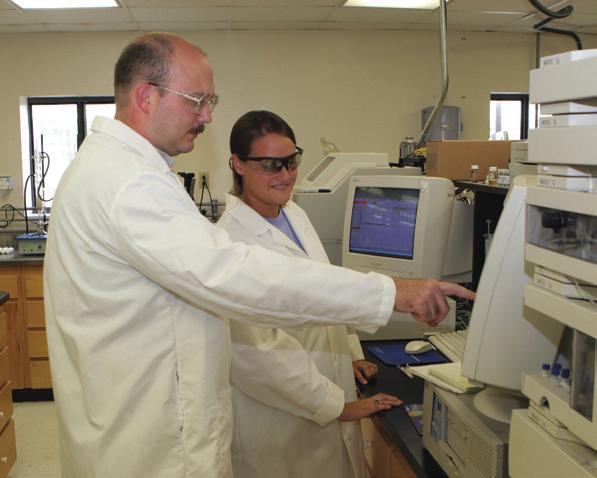
The art and science of extraction
• World’s premier botanical extraction company
• Custom developer and manufacturer of extraction products and services
• We blend, extract, concentrate, crystallize, purify and isolate unique products for customers based on specifications
• A solvent extraction facility operating under food grade GMPs
841 Avoca Farm Rd. • Merry Hill, NC 27957
Contact: Flint Harding Director of New Business Development

Your partner. Every step of the way.
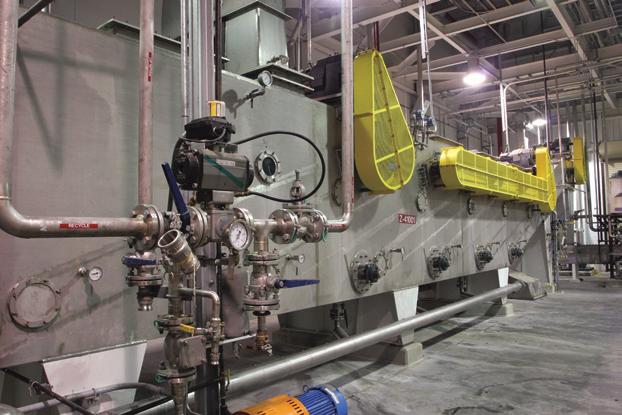
• Offers a comprehensive range of toll processing services
• Innovative product development solutions geared to meet and exceed your needs
• Expresses unique customer objectives using the most sophisticated extraction, concentration, crystallization and process chromatography technologies available today
• Ideal R&D partner
• Comprehensive operations, meticulous quality control and an expert team that is dedicated to ongoing evaluation, research and refinement.
• The results? Superior products. Unrivalled successes.
s tory by Liisa Sullivan
north Carolina consistently ranks as one of the top states for biotechnology, and the $74 billion agricultural industry in the Northeast Region is a key contributor to that leading edge.
Biotechnology companies in the region benefit from a diverse workforce, a collaborative lifescience community, low business
costs and partnerships with sophisticated crop growers.
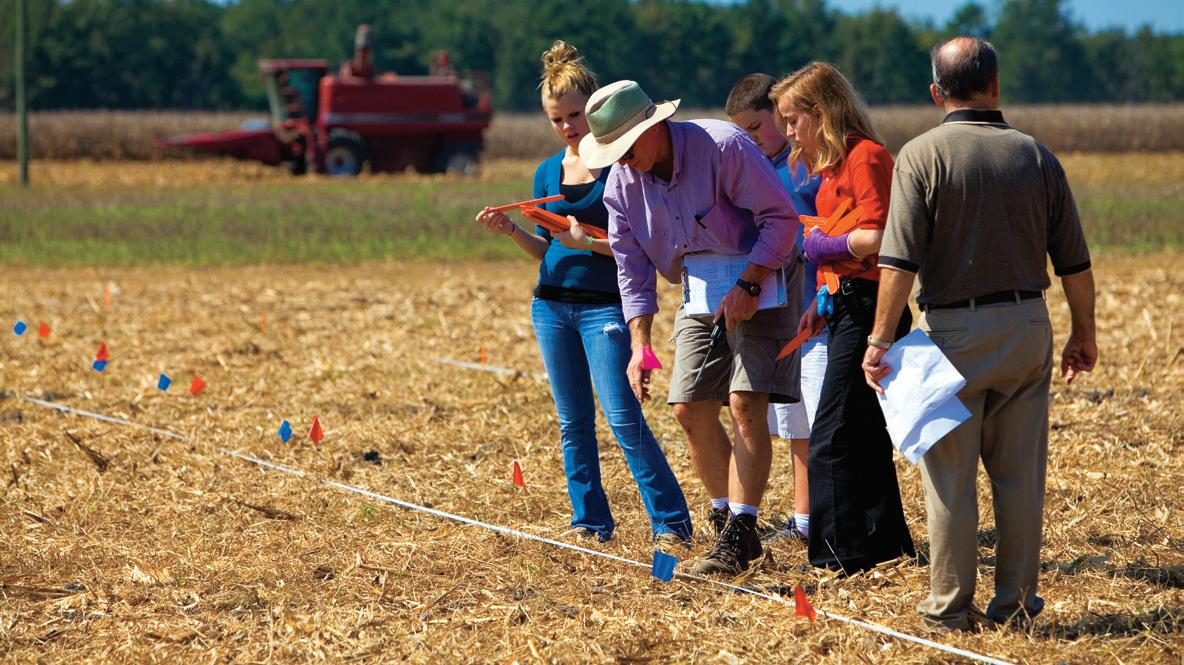
“This area is the perfect place for niche farming,” says Hyde County farmer Darren Armstrong.
Along with corn, soybeans and wheat, Armstrong also grows plant varieties like rapeseed, which produces oil used in commercial products.
“There’s a growing demand for it because of biodiesel fuel,” he says.
Farmers and biotech companies in the region are partnering with university and private research labs in the area to produce patented plant specialities for commercial markets. Avoca Inc. in Merry Hill, for example, is working with researchers at North Carolina State
Biotechnology research in North Carolina’s Northeast Region is not just about crops and plants; it also extends to marine life.
The UNC Coastal Studies Institute in Manteo on Roanoke Island conducts research exploring ocean energy, coastal sustainability, and estuarine ecology and human health, while also providing educational opportunities and community outreach programs for North Carolina’s maritime counties. For more details on the UNC Coastal Studies Institute or its research, visit http://csi. northcarolina.edu .
University to develop specialty crops like black carrots and certain purple sweet potatoes that can be used in natural food dyes.
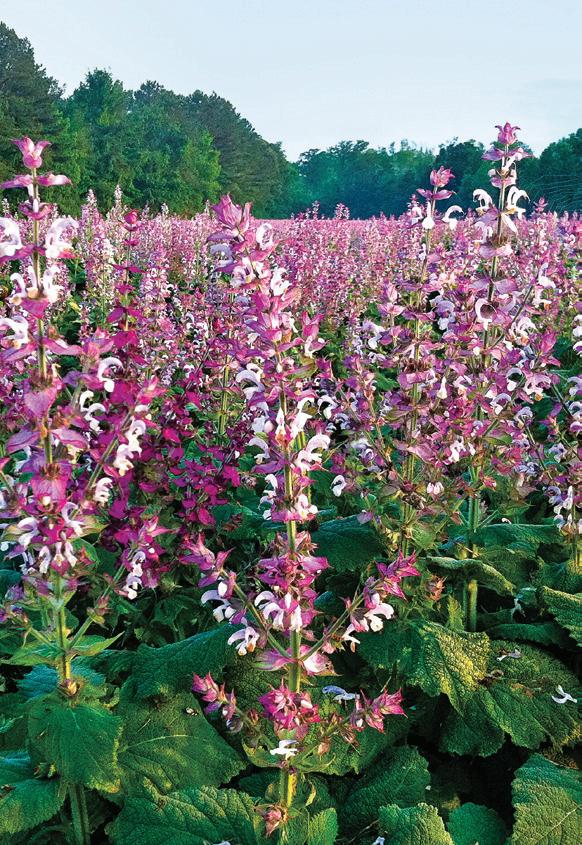
Avoca, a leading botanical extraction company, also grows 11,000 acres of clary sage in the region – a crop that produces waxy material used to make perfume fragrances linger longer on the skin and to improve the smell of detergents.
The company will soon be home to a new pilot-scale botanical extraction facility for companies producing and selling specialty crops. Steve Biggs, Economic Development Director for Bertie County, expects the facility to contribute even more added value to the biotechnology industry.
“We want to attract new companies,” Biggs says. “We have an agricultural force that is willing and able to try new things, we have research labs, and we have land –we really have it all.”
Another top biotech company in the region is Roanoke Rapids-based Empire Foods, which processes, packages and preserves locally grown produce.
groWing a Skilled WorkFor Ce
Northeastern North Carolina is home to crop research centers such as the Vernon G. James Research & Extension Center in Washington County, where university and field scientists perform applied research in crop science and agriculture.
In conjunction with NCSU, the center developed a voluntary certification program – the B-Cert Program – for farmers growing biotech crops. Biotech companies interested in conducting applied research and developing new crops can partner with B-Cert growers to utilize their expertise.
Industry leaders also hope to train students to work in the biotech field with the newly opened Northeast Regional School of Biotechnology and Agriscience, a STEM (science, technology, engineering and mathematics) school located at the center.
“The greatest benefit of the school is that if students are academically successful, they will have met the requirements for two years of college upon completion of the program,” says Hal Davis, the school’s principal.
In their last two years, students will work with researchers at the Vernon G. James Research & Extension Center on agricultural science projects.
These students will play a critical role in the future development of niche crops in the region, says David Peele, Avoca president and chairman of the school’s board. “We have to have a skilled workforce not only to grow these industrial crops, but to market them, too,” Peele says.
The region is also tapping into the consumer demand for locally grown produce. Nearly every county has a farmers market that sells homegrown products. In Martin County, farmers sell and deliver produce to restaurants through the Farmers Fresh Market, which connects producers to local buyers.
avoca inc. grows crops used in perfumes.
f ood productio N clust E rs grow i N r Egio N
w ith its rich soil, expansive farmland and deep agricultural roots, North c arolina’s Northeast Region is fertile ground for food production and distribution companies. t he industry continues to grow, generating billions in revenue and supporting thousands of jobs.
c urrently, the region produces a quarter of the state’s corn and soybeans. i t’s also known for cotton, wheat, peanuts and potatoes. a few companies producing nationally recognized brands include:
• Reser’s Fine Foods produces mashed potatoes and other side dishes, along with slaws, desserts and comfort food classics, in h alifax.
• aunt Ruby’s peanuts is a popular mail-order peanut business in h alifax.
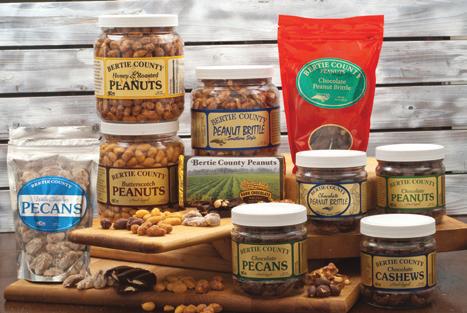
• Bertie c ounty peanuts ships peanuts around the nation from its w indsor facility.
• perdue operates a chicken processing plant in l ewiston.
• g eorge wood Farms grows potatoes for Frito- l ay in c amden.
• Rose a cre Farms produces a complete line of fresh, pasteurized, liquid, dried and farm specialty eggs in p antego.
• Jimbo’s Jumbos runs a peanut production and shelling facility in edenton with national distribution.
h yde c ounty’s sweet onions and chowan c ounty’s watermelons, cantaloupe and lettuce are also sought-after products, as are peppers grown in the region for the texas pete and don pablo’s brands.
cherry Farms s eed c o. in tyrrell c ounty produces wheat and soybean seeds as well as new seed varieties to suit customer needs.
From skill to space, the region has the competitive advantages
that food production companies are looking for, says s teve Biggs, economic d evelopment d irector for Bertie c ounty.
“o ne of the main reasons perdue chicken placed its production plant in Bertie c ounty was because of our skilled workforce, farmers and land,” he says.
– Liisa Sullivan
POTENTIAL LOANS:
NCEMC Business Development Loan Fund
• Up to $400,000
• 7 years, 0% interest
USDA Rural Economic Development Loan
• Up to $450,000
• 10 years, 0% interest
ADDITIONAL SERVICES:
• Assistance with site and building identification
• Energy audit services
• Assistance with market research


• Flexibility in rate design
• Power quality services
• Loan and grant assistance
• Demographic analysis

www.nceasterncoops.coop
s tory by Kevin Litwin photography by Todd Bennett
the Wright Brothers made their first flight in 1903 at Kitty Hawk in Northeastern North Carolina, and the region is once more looking to help the state become first in flight in the modern aviation field.
The region’s sector is already strong thanks to aviation-related companies that make everything from light aircraft and airships to radar and logistics systems. Now the North Carolina Department of Transportation’s Division of Aviation (NCDOT) is working to develop the area’s aviation and aerospace cluster even further.
“Aviation provides a $26 billion economic impact to North Carolina annually, which is six percent of the state’s gross domestic product; that is a significant dollar amount,” says Bobby Walston, NCDOT’s manager of statewide plans and programs with NCDOT. “The Northeast Region’s 11 general
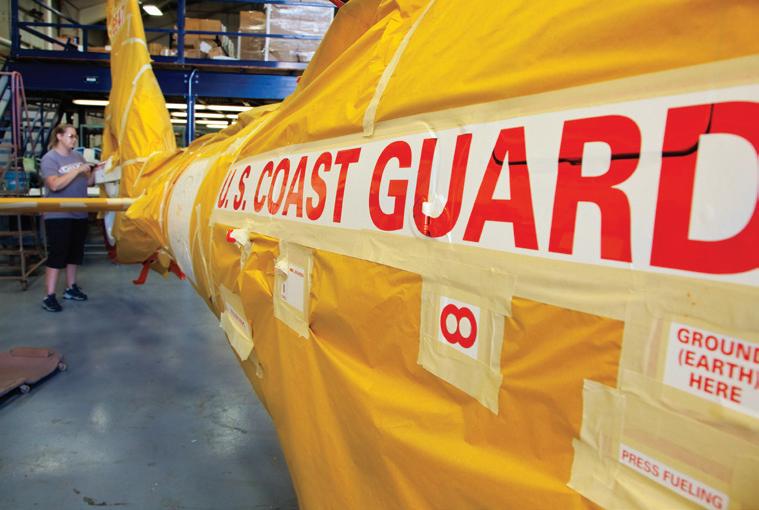
the u s c oast guard Base in elizabeth city is a key player in the region’s aviation industry, contributing $145 million a year.

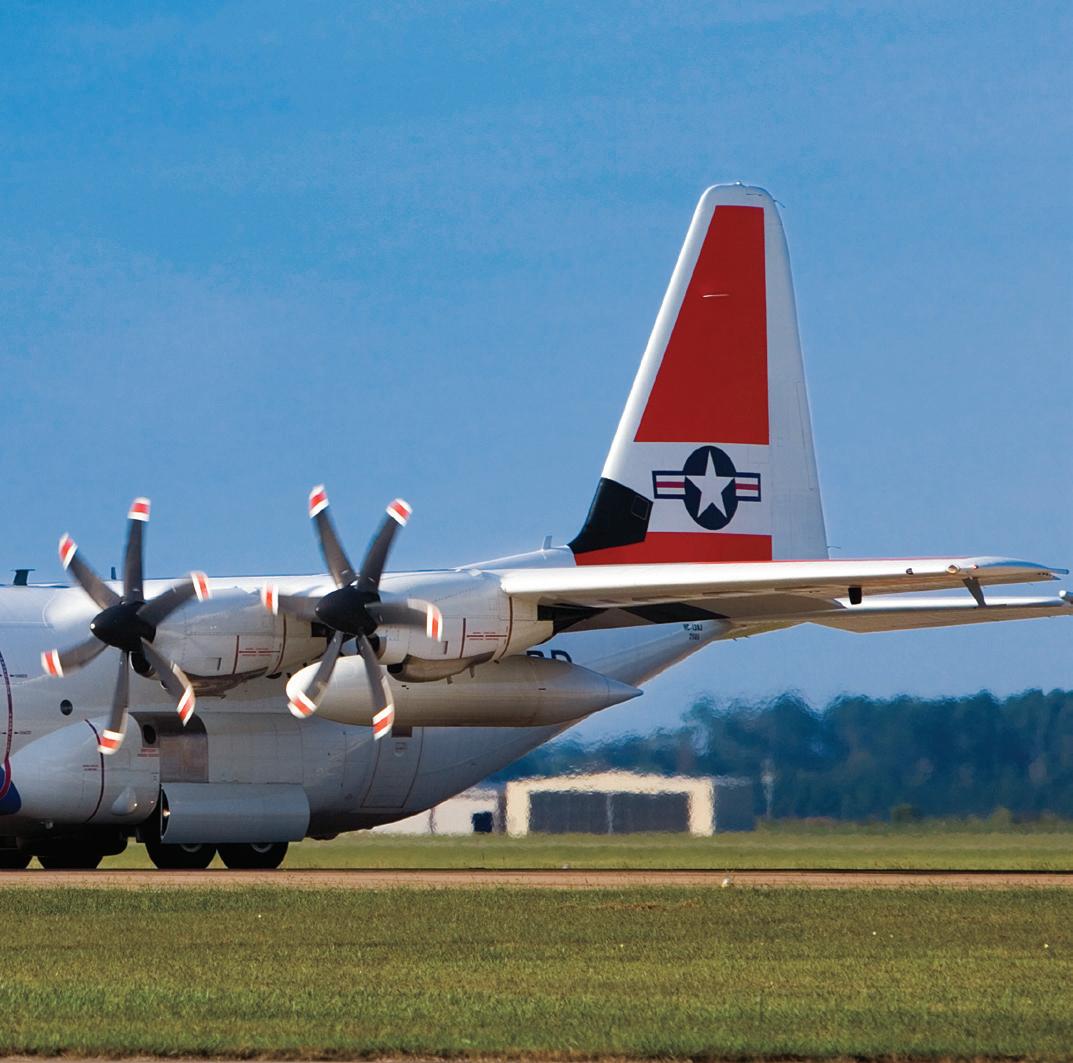
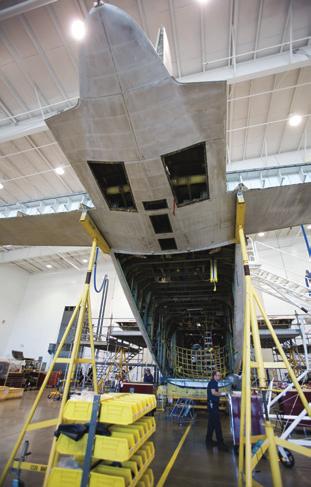

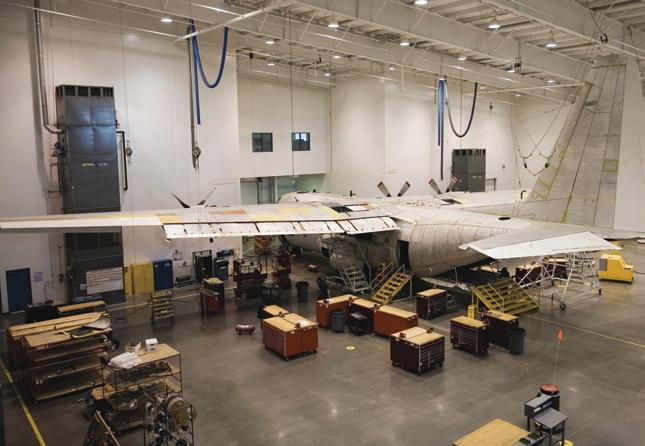
aviation airports add $195 million annually to the economy, with the U.S. Coast Guard Base in Elizabeth City contributing the most at $145 million a year.”
The U.S. Coast Guard Base is a big player, but “the other 10 airports in the region provide annual economic impacts ranging from $400,000 to $11 million,” Walston says. “All of them are important to their individual communities.”
One of the key focuses of aviation technology currently are remote piloted aircrafts, or RPAs, with the most famous ones being the well-publicized unmanned drones used in bombing missions in Afghanistan. With its secluded airspace, proximity to the water and aviation expertise, the region is a key player in the RPA push, and local leaders are working with North Carolina State University to bring the technology to the area.
NCSU established a NextGen Air Transportation center to help guide the state in the modernization of air transportation. One of its efforts is to develop resources and opportunities for using RPA technology in North Carolina.
“For example, an RPA can actually be a small 10-pound unmanned helicopter with an infrared camera that can fly over a wheat field and transmit information that tells of a specific area where spraying is needed,” says Kyle Snyder, NextGen Air Transportation director. “The RPA can detect specific crop damage three days before the naked eye can see it and save a farmer from having to spray his entire field.”
Snyder says talks are underway with officials at Hyde County Airport to have that facility serve
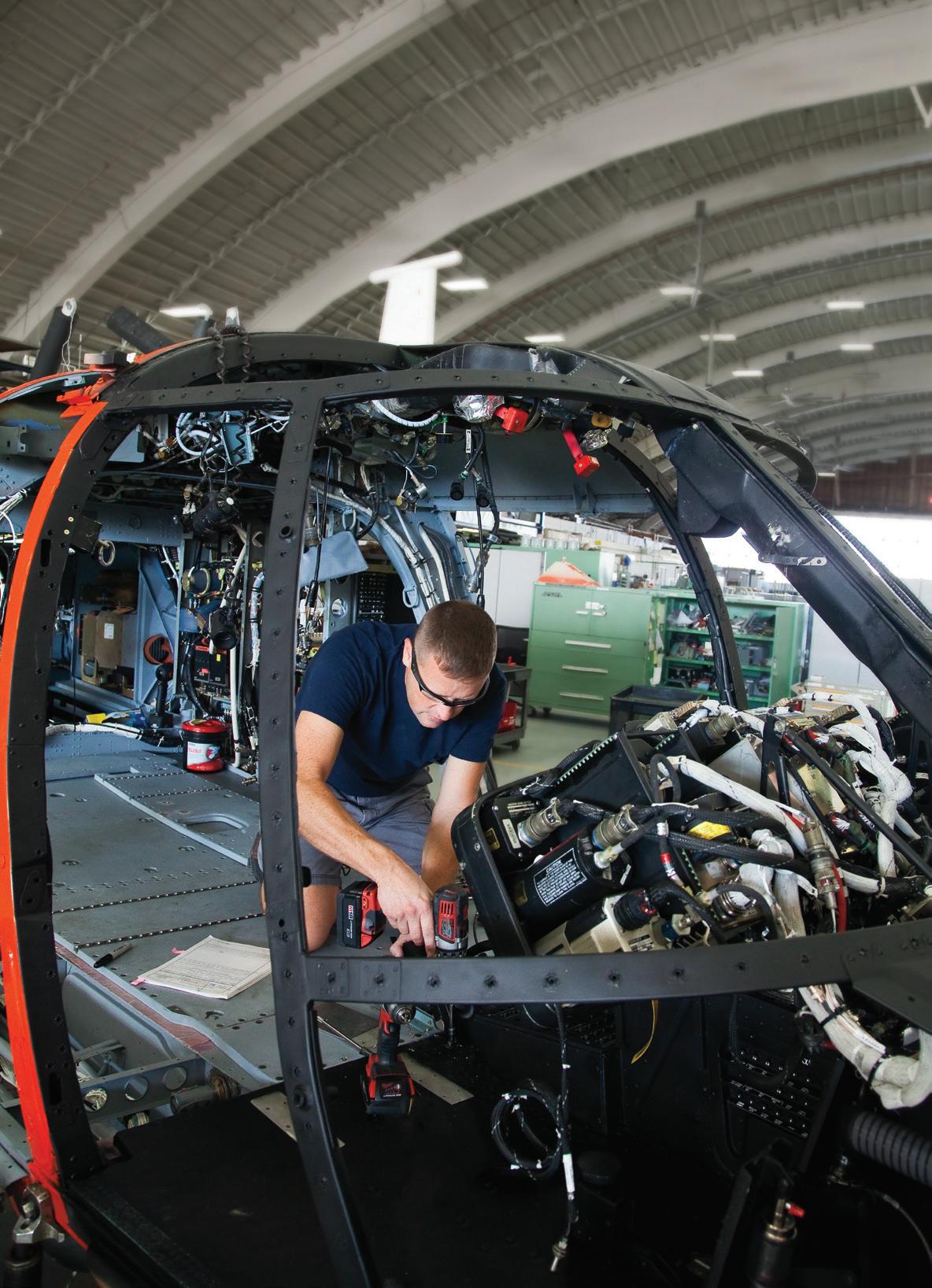
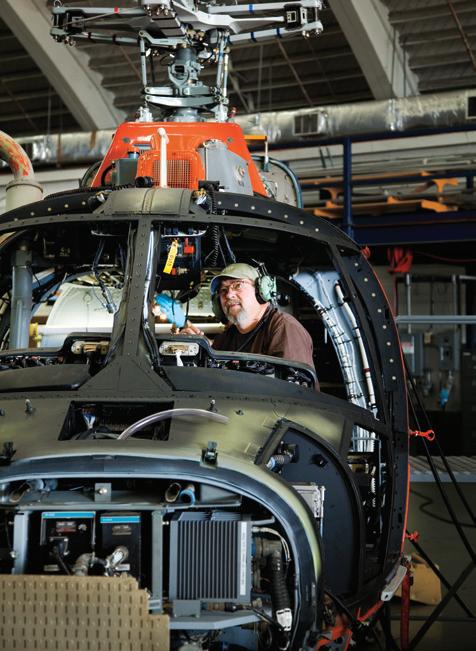
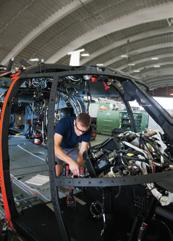
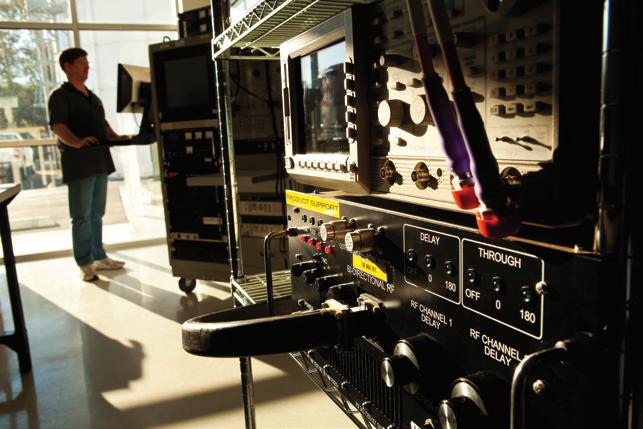
Clockwise from top: a technician tests radar equipment at telephonics c orporation; workers at the aviation logistics c enter at the u s c oast guard Base in elizabeth city refurbish helicopters; dRs technologies, which maintains aircraft for the c oast guard, is growing its facilities at the elizabeth city aviation Research & development c ommerce park.
as a testing site to develop the RPA program.
“Hyde County is mostly a hunting and fishing community, but it’s ideal for RPA testing because it’s near the water, surrounded by farmland and has an airport with low activity due to its remote setting and proximity to restricted military airspace,” Synder says.
Aviation companies in the region continue to grow, including DRS Technologies, which performs maintenance on U.S. Coast Guard aircraft in Elizabeth City, and Telephonics Corporation, which develops communication and sensor systems for military and commercial markets. Light aircraft maker LSA recently broke ground on a 16,000-square-foot plant at Halifax-Northampton Regional Airport, and Vector CSP,
which provides training and logistics for the Coast Guard and Department of Homeland Security, ranked on Inc. magazine’s list of the country’s fastest growing companies in October 2011.
Another key aviation player is surveillance company TCOM LP in Elizabeth City, which has been committed to airship manufacturing, assembly, flight testing and training for nearly 35 years. The company opened a $3 million, 40,000-square-foot manufacturing facility in 2008 that doubled its workforce in Elizabeth City to more than 100.
“The bottom line for the overall aviation and aerospace mission in the Northeast Region and all of North Carolina is to get airports, industry, academics and military bases ready for jobs of the future,” Snyder says. “Aviation is already an exciting industry and is about to soar even more.”
rE gion Trains Work E rs for To M orro W ’s a via T ion Jobs
to fill the region’s need for more aviation mechanics, c ollege of the albemarle offers courses such as aviation basic sheet metal and advanced composites, while elizabeth city state university’s aviation science department trains future pilots and air traffic controllers through a bachelor of science program encompassing aviation management, computer science, avionics, flight education and more.
Florida-based embryRiddle aeronautical university operates a campus in elizabeth city and offers degrees in professional aeronautics, technical management and other areas.


s tory by Jason Zasky • photography by Todd Bennett
Settlers have been gravitating to North Carolina’s Northeast Region since the 1580s, when Captain John Smith attempted to establish the New World’s first permanent English colony at present-day Manteo. Colonists were drawn by many of the same qualities that attract locals and visitors today: a temperate climate, breathtaking scenery and a landscape ideal for hunting and fishing.
A recent historical discovery that made international headlines may now prove that the New World’s first colonists – part of the so-called Lost Colony, which mysteriously vanished around 1587 – didn’t disappear at all, but likely migrated northwest, resettling near what is now Merry Hill in Bertie County.
In May 2012, a group of researchers, including Brent Lane, an adjunct professor at UNC’s Kenan-Flagler Business School, announced the discovery of a fort symbol on a 425-year-old Elizabethan map – an emblem written in invisible ink and hidden below a patch – which led archaeologists to conduct excavations alongside Salmon Creek across from the Arnold Palmer-designed Scotch Hall Preserve golf club in Merry Hill. The dig could unearth deep potential for the region’s heritage tourism industry.
“It means that Bertie County is not only going to be a center for very important archaeological and historical research,” Lane says, “It’s also going to be strongly associated with the Lost Colony story –whereas in the past, it had not.”
a plaCe oF FirS t S
Northeastern North Carolina already has quite a reputation for historically significant developments. In the early 20th century, bicycle mechanics Wilbur and Orville Wright made repeated trips to the area to test their experimental flying machines.
The windswept beaches and soft sand dunes characteristic of the Outer Banks and the barrier islands that comprise the Cape Hatteras National Seashore attracted the Wright Brothers to Kitty Hawk, where they pioneered the world’s first flight on Dec. 17, 1903.
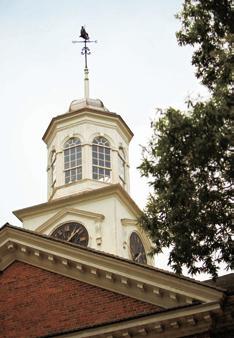
Visitors still flock to the Wright Brothers National Memorial in Kill Devil Hills, where they can walk the grounds where Wilbur and Orville launched the first Built in 1767, edenton’s chowan county courthouse is a National historic landmark and one of the region’s many historically significant sites.
H E r T ford pays H o M ag E T o b as E ball Hall of fa ME r Ji M “Ca T fis H ” Hun TE r
Nearly a decade after Baseball hall of Famer Jim “c atfish” hunter’s death in 1999, the town of hertford formally honored its favorite son by opening a museum that celebrates his life and legacy – a celebrated career punctuated by hunter’s perfect game with the oakland a’s and five world series titles (three with the a’s and two with the New york yankees). the museum, which is housed in the perquimans c ounty chamber of c ommerce/ visitors c enter at 118 w Market st. in hertford, showcases memorabilia donated by family, fans and local residents.

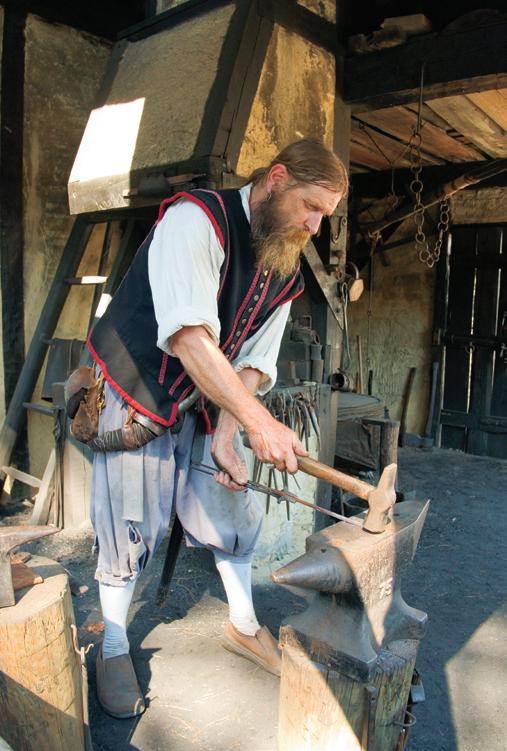



flight and examine a replica of the brothers’ 1903 Flyer.
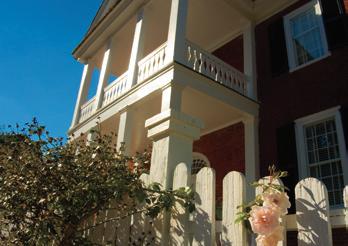
The entire 16-county region in North Carolina’s Northeast is rich in culture and history. Manteo, for example, is home to Roanoke Island Festival Park, a 25-acre interactive site commemorating the first English settlement and the lush Elizabethan Gardens of the era. And the nearby towns of Washington, Plymouth, Columbia, Halifax, Hertford, Windsor and Murfreesboro all have historic districts with unique characteristics, as does Bath, known as North Carolina’s first town, and Creswell, where the antebellum-era plantation Somerset Place takes visitors back to the 19th century.
Other must-see sites are the Jazz Age-era Whalehead Club Historic House Museum in Corolla and the historic town of Edenton, where visitors can tour some of the state’s oldest homes and churches – and even a historic baseball field.
The recent 150th anniversary of the Civil War has brought renewed attention to the region’s Civil War museums and historical sites. Two of the region’s most
popular stops along the North Carolina Civil War Trail include Fort Branch in Hamilton, the site of a Confederate earthen fort, and Plymouth’s Port O’ Plymouth Museum, which showcases displays of Civil War weapons and artifacts.
In 2012, a trio of regional development commissions sponsored and published the Eastern North Carolina National Heritage Area Feasibility Study –the first step on the road to designation as a National Heritage Area. According to Mary Ruffin Hanbury, owner of Raleigh-based Hanbury Preservation Consulting, which was hired to produce the study, a member of Congress will now need to sponsor legislation to have the area designated.
“It’s just a question of getting it on the agenda and radar of the legislative delegation from North Carolina,” she says, noting that approval would open the door to federal funding for new heritageoriented projects. That means the past may soon become an even greater part of the future for North Carolina’s Northeast Region.

region offers renewable energy companies rich resources, strong community support
s
tory by Kathryn Royster
renewable energy companies are flocking to North Carolina’s Northeast Region, where abundant resources and supportive communities nurture the success of green businesses.
The region offers large forests for biomass producers, plenty of open land and ideal weather patterns for solar and wind installations, plus conveniently located grid tie-ins for all producers.
Duke Energy is just one of the companies investing in this resource-rich region. Its new 37-acre solar farm near Murfreesboro is the state’s largest, with the capacity to power 700 homes.
Wind energy producers are also jumping into the game: Invenergy and Iberdrola Renewables are both planning wind farms in the region. And local companies are incorporating renewable energy into their operations. North Carolinabased Wellons Energy Solutions and Perdue AgriBusiness have partnered to produce and burn biomass at Perdue’s soybean crushing facility and feed mill in Cofield.
SuCCe SS in bioma SS
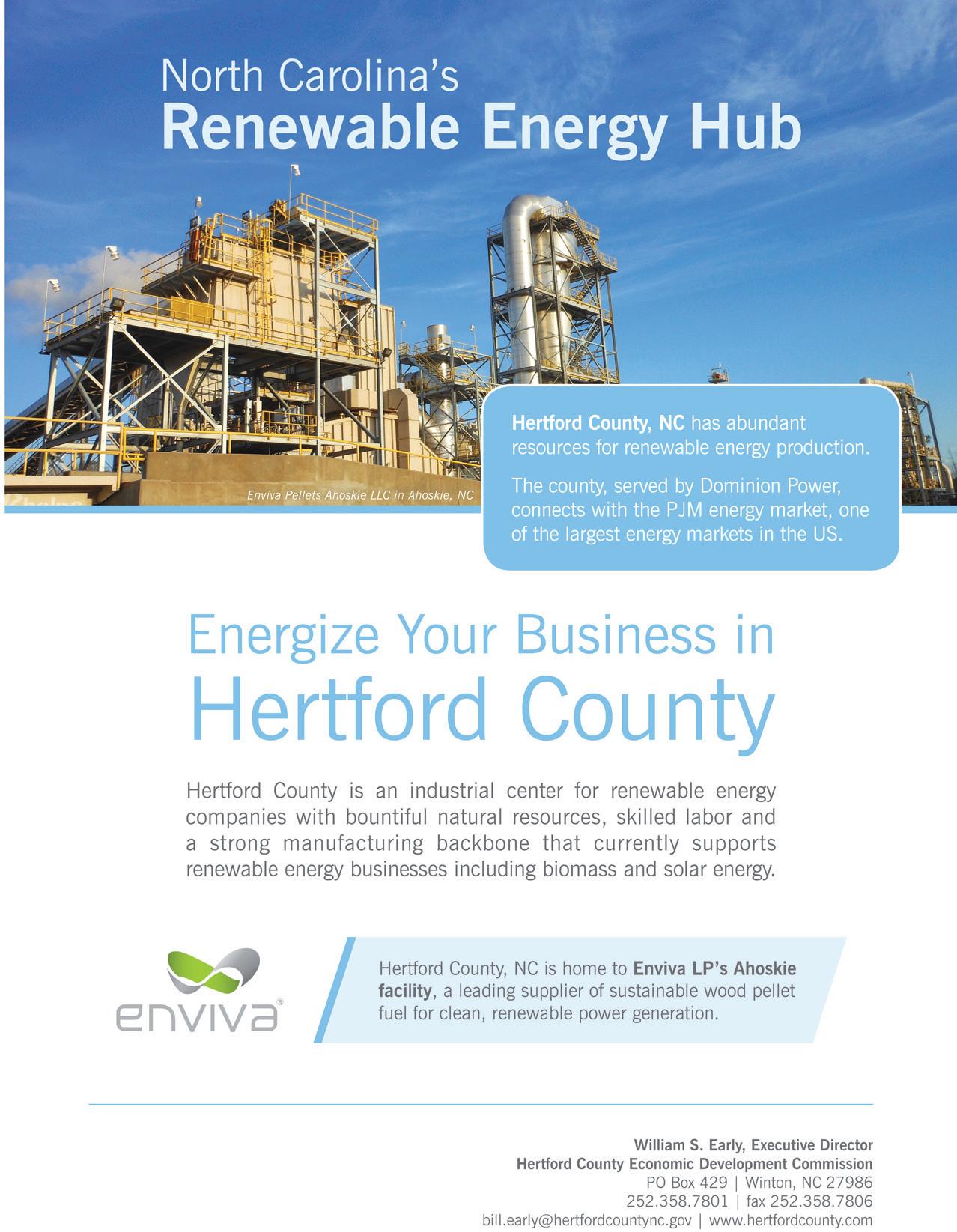
Another biomass success story is Enviva LP, which
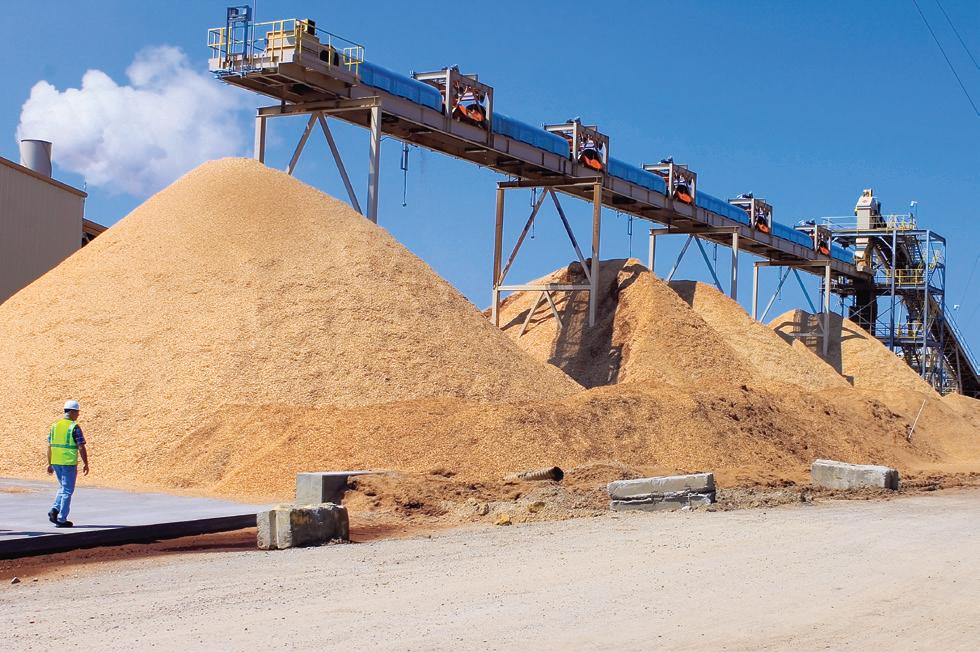
produces wood-pellet biomass fuel. The company’s flagship plant is in Ahoskie, and Enviva is now investing $60 million to build a second plant in Northampton County.
Projected to open in mid-2013, the facility will produce approximately 400,000 metric tons of pellets annually and employ more than 70 people. Pellets produced at the plant will be exported to European utilities; wood chips will go to domestic utility Virginia Dominion Power, which is converting some of its coal-fired plants to biomass.
“This area has an incredible wood basket, with robust commercial forests and a growing tradition of sustainable forestry,” says Elizabeth Woodworth, Enviva’s director of marketing, communications and
sustainability. “This is also an area where, with the downturn in the economy, forest owners need an outlet for their wood.”
Because Enviva sources its wood primarily from waste products like sawdust, fallen limbs and thinned or unhealthy trees, the company is able to provide that outlet while allowing landowners to keep their forests largely intact.
Leaders in North Carolina’s Northeast Region appreciate that kind of synergy. Both state and local agencies offer a variety of financial incentives for renewable energy producers. Enviva, for instance, received grants from the state’s One North Carolina Fund and from local economic development agencies.
But the support doesn’t end
with a written check.
“We have had incredible hospitality shown to us,” Woodworth says. “Folks have bent over backwards to make sure that it’s as easy as possible to do business in the region. North Carolina is definitely putting itself on the U.S. map for renewable energy.”
That doesn’t surprise Vann Rogerson, president and CEO of North Carolina’s Northeast Commission. In addition to a strong “farmer work ethic,” he says, North Carolina’s Northeastern communities are notable for their receptiveness to new industries.
“We know that companies like Enviva are good new citizens for us – they show what we can be in the future,” he says. “We feel pretty good that most any company can come into our region and be successful.”
b roadband aCCE ss Co M ing T o r ural Co MM uni T i E s
high-speed internet is on its way to rural Northeastern North c arolina. the initiative began with the Microelectronics c enter of North c arolina, which secured funding from the federal stimulus program and the golden leaF Foundation to install a 2,500-mile broadband network throughout the state. Northeast Rural Broadband will be working with rural northeastern communities to help them plan and implement their own connections to the core network and will be assisted by ecc technologies. North c arolina’s Northeast c ommission is helping to back the effort through outreach and coordination.

invenergy and iberdrola Renewables are planning to construct wind farms in the region.
s tory by Kevin Litwin
For companies looking to quickly and efficiently transport goods and products around the country – and the world – the transportation network in North Carolina’s Northeast Region offers plenty of logistical advantages.
The most recognizable transportation landmark in the region is Interstate 95, while other key roadways provide easy access for trucking companies and motorists. One of those thoroughfares is U.S. Highway 17, which the North Carolina Department of Transportation is expanding into
four lanes from the Virginia line to the South Carolina border.
“The biggest and most-traveled roads in and out of our region are four-lane corridors – 95, 17 and U.S. 64,” says Vann Rogerson, president and CEO of North Carolina’s Northeast Commission. “U.S. Highway 64 is four lanes from I-95 almost to the beach, with only one stoplight from Plymouth to the western edge of the region.”
Other vital routes traversing the region include U.S. 158, 168 and 264, and North Carolina routes 11 and 13. Rogerson says the region’s highway system is a key reason why more than 60 motor freight
carriers have located there, as well as big warehousing complexes such as Lowe’s Mid-Atlantic Distribution Center and Pepsi Bottling Ventures.
“It’s also an easy drive up to Hampton Roads, Virginia, and their 2 million people,” he says. “Some of our Northeast counties are part of the Hampton Roads metropolitan area, so trucks are running up and down I-95 all the time to deliver products for all of those consumers.”
A strong airport system is another advantage in the

Northeast Region, thanks to 13 general aviation sites.
In addition, the region is situated near Raleigh-Durham International, Richmond International and Norfolk International airports.
“Most of our smaller airports have lengthened their runways to accept corporate jets and large aircraft,” Rogerson says. “Several also have adjoining land to attract business prospects – airports in Edenton, Elizabeth City, Roanoke Rapids and Currituck County all have on-site industrial parks.”
Railroads are also a key contributor to the transportation advantage in the Northeast Region, with main carriers CSX and Norfolk Southern, as well as short-line haulers NCVA Railroad, Chesapeake & Albemarle Railroad and Carolina Coastal Railway in the area.
“This region still relies heavily on agriculture, so rail is a key
industry when moving grain, feed, fertilizer and cash crops,” Rogerson says.
e a Sy international Shipping
The ports industry is also vital to the area’s economy, with convenient access to deepwater ports in nearby Wilmington and Morehead City as well as the Port of Virginia at Hampton Roads – the third-busiest port on the East Coast.
“The combination of barges, rail and trucking gives the Northeast Region a competitive advantage with regard to shipping,” Rogerson says. “More and more companies are using trucks and rail to haul products to the ports, then use barges to transport those products to Europe. Nucor Steel in Hertford County is an example of an area company that does a lot of transatlantic business, utilizing the ports to their best advantage.”
Transpor T a T ion in n or TH Carolina’s n or THE as T rE gio n
• highways: i -95, u. s. highways 17, 64, 158, 168 and 264, and N.c. routes 11 and 13
• general aviation airports: currituck c ounty, dare c ounty Regional, First Flight, halifax-Northampton c ounty Regional, Martin c ounty, Northeastern Regional, ocracoke island, hyde c ounty, plymouth Municipal, tri- c ounty, warren Field, Billy Mitchell and elizabeth city cgas/Regional
• railroads: csx and Norfolk southern, plus several shortline haulers
• nearby ports: wilmington, Morehead city and the port of virginia
Edenton named one of America’s Prettiest Towns by Forbes.com
• strategic East Coast location
- Half way between New York and Florida
• Airport industrial Park
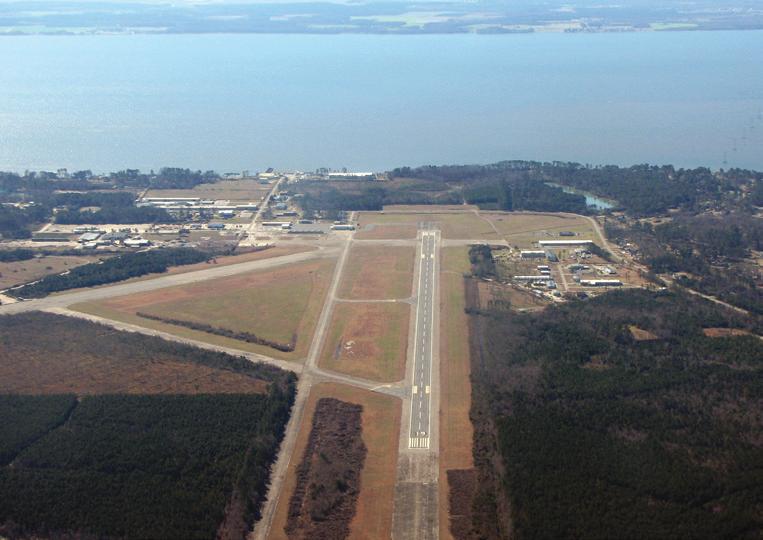
- Shovel-ready, buildable lots
- Existing buildings
- Access to the Albemarle Sound
• Easy Access to deepwater Ports
- 65 miles to Port of Norfolk/125 miles to Port of Morehead City
• First-Rate General Aviation Airport
- Uncongested airspace
- Ideal for all traveling executives
- Asset for companies in aviation/aerospace
The Edenton Chowan Partnership is ready to help you grow your business.
To learn more, visit our website www.edentontoday.com or email Chowan County Manager Zee Lamb at zee.lamb@chowan.nc.gov or call 252-482-8431.
c ommunities benefit from region’s strong health-care network
s tory by Melanie Kilgore-Hill
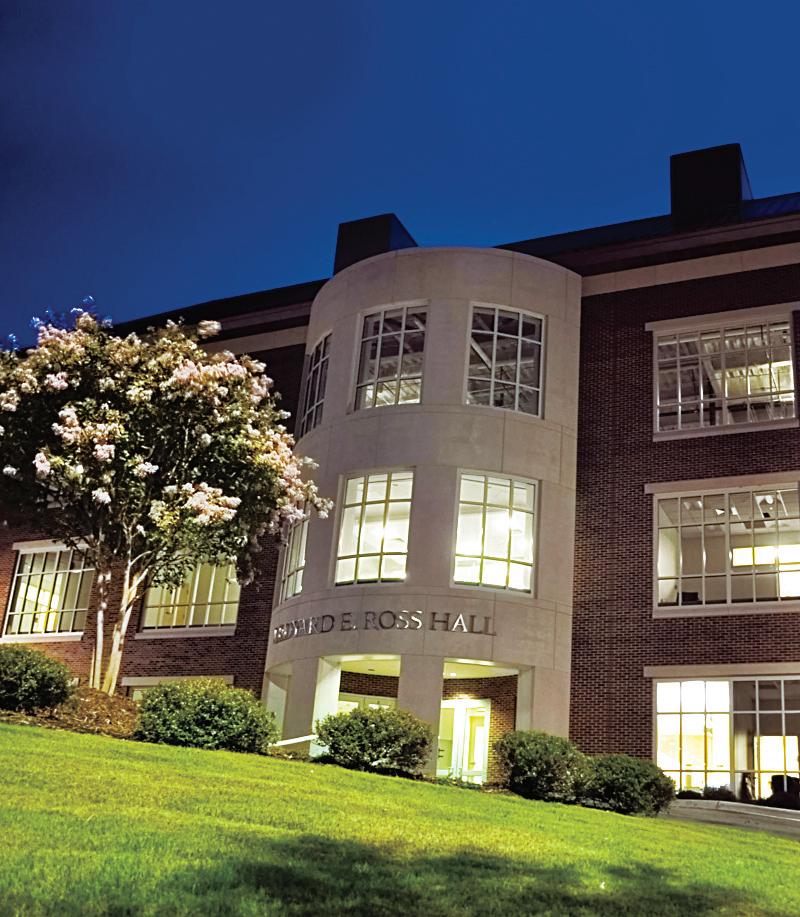
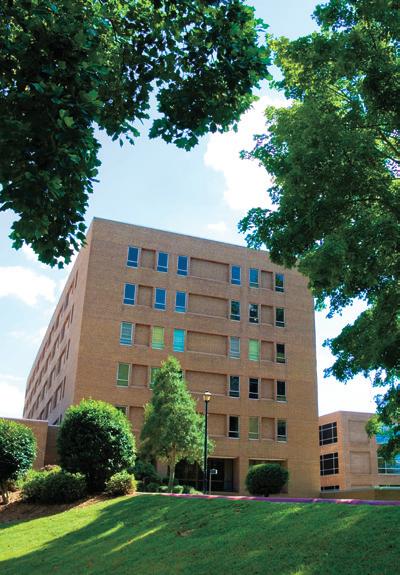
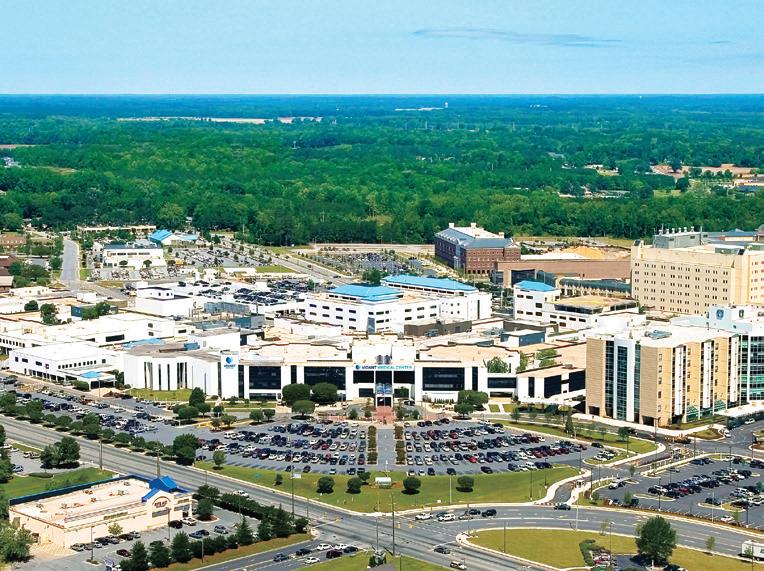
From highly populated suburbs to rural communities, North Carolina’s Northeast Region boasts first-class health care supported by nationally ranked hospitals, health-care systems and university medical services.
East Carolina University has long been a fixture in the region’s health-care network. Its recently opened dental school and dental community service learning centers are bringing brighter smiles to patients in the area.
In 2012, ECU’s School of Dental Medicine opened the first of 10 planned statewide community service learning centers in Ahoskie. The $3 million, 8,000-square-foot center will provide general and advanced dentistry.
“Our mission with the community centers is twofold,” says Michael Scholtz, D.M.D., director of Community Dental Practices at ECU’s School of Dental Medicine. “We want to provide and enhance dental services for underserved North Carolinians, and also provide an educational platform for postdoctoral and advanced students.”
The Ahoskie clinic adjoins the recently opened Roanoke Chowan Community Health Center and allows patients to pay for services on a sliding scale. Additional centers are under way in Elizabeth City and throughout the state.
ECU is also providing primary care services to the region. In 2011, ECU’s Brody School of Medicine
received a five-year grant to place 80 family medicine residents at rural clinics throughout eastern North Carolina communities, including Ahoskie and Williamston.
In Roanoke Rapids, Halifax Regional Medical Center is building on a centuryold commitment to health care. Founded in 1912, HRMC is marking its centennial with a $6.5 million renovation and construction project aimed at improving outpatient services to the community. Changes include larger surgical and recovery suites, expanded registration areas and increased parking.
“Despite health insurance reform and political instability, medical centers and their community partners are working to improve health by supporting patients to prevent hospital and emergency visits,” says William Mahone, president of HRMC. “We are well positioned to serve our two counties for the future.”
In January 2012, University Health Systems of Eastern Carolina became Vidant Health, a hospital system with interconnected physician practices, more
than 11,000 employees, home health and hospice programs, and wellness facilities.
“As our health system continued to grow, we found that many of our patients didn’t realize all the services that were being provided to them by one integrated system,” says Dr. David Herman, chief executive officer of Vidant Health. “By uniting all of our hospitals, programs and services under one brand, we are able to show the strength of this system of care.”
One of the system’s hospitals, Vidant Chowan Hospital in Edenton, recently debuted a state-of-the-art open-bore magnetic resonance imaging (MRI) unit, allowing patients more room within the MRI cylinder.
Other hospitals serving residents in the region include the 49-bed Martin General Hospital, which offers cardiac testing, a 24-hour emergency department, women’s and sleep centers, and sports medicine and rehabilitation, and the 49-bed Washington County Hospital, a critical access acute care facility in Plymouth. Members and retirees of the military can receive care at a new $1.76 million Veterans Affairs clinic, which opened in Elizabeth City this fall.
Hospi T als in n or TH Carolina’s n or THE as T rE gion
• Halifax Regional Medical Center
• Martin General Hospital
• Washington County Hospital
• Vidant Health, which operates the following regional hospitals:
• Vidant RoanokeChowan Hospital
• Vidant Bertie Hospital
• Vidant Chowan Hospital
• Albemarle Hospital
• The Outer Banks Hospital
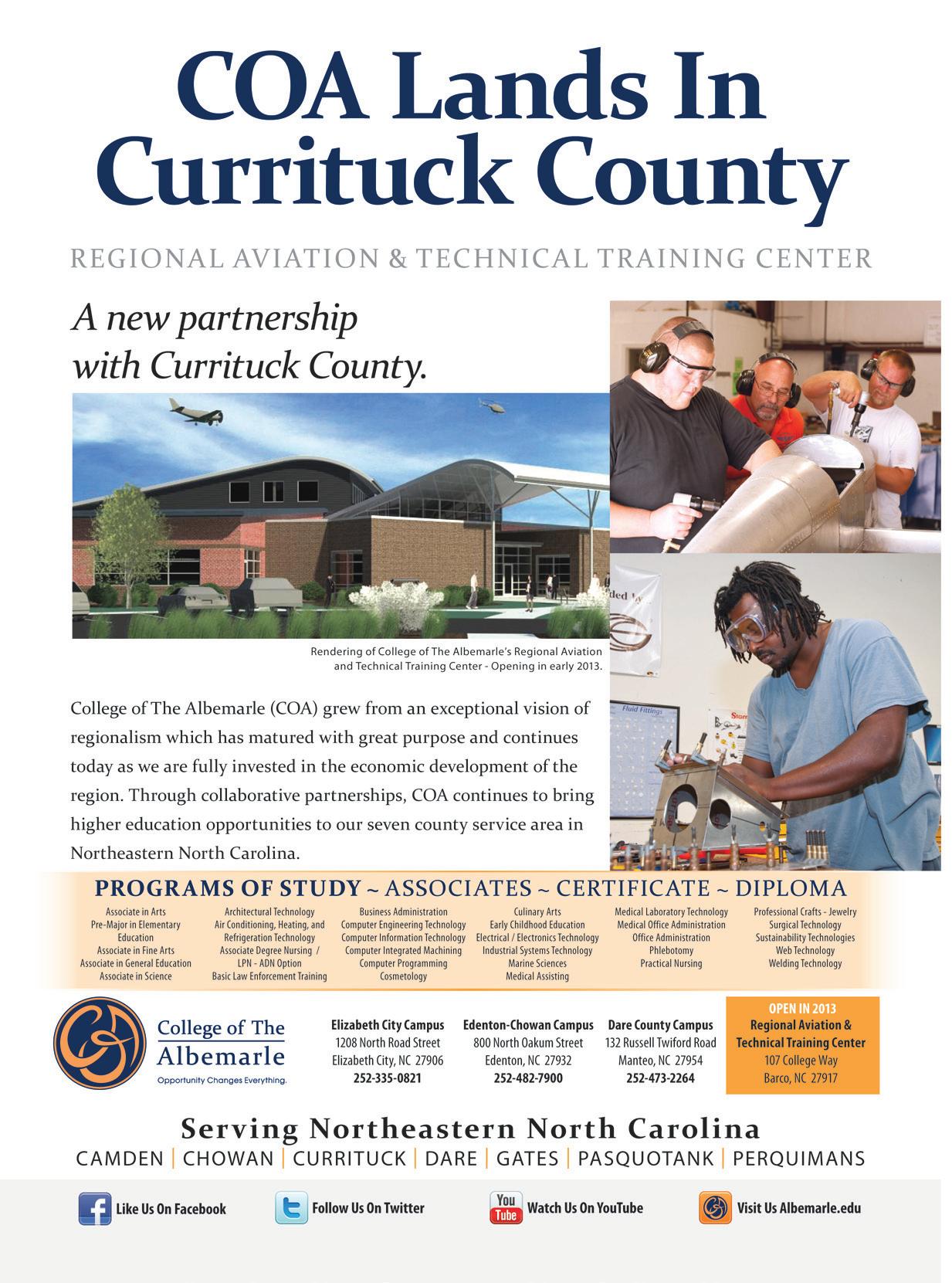
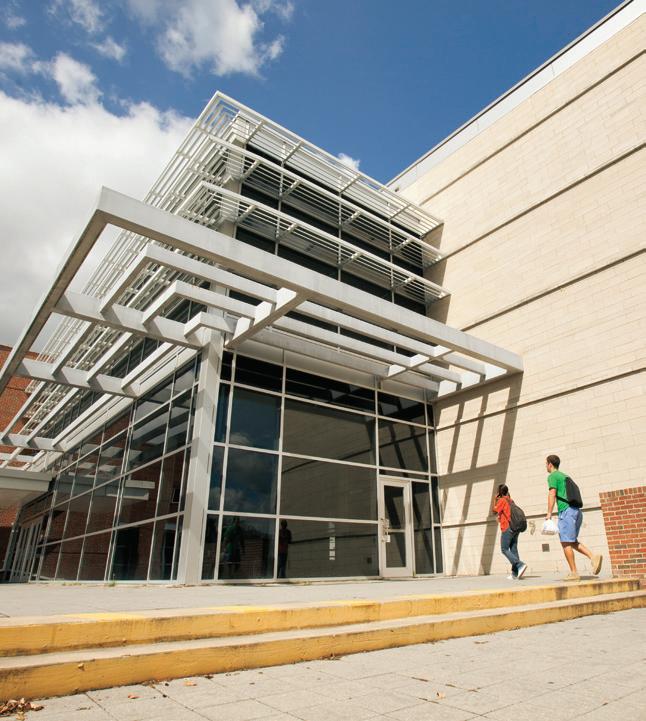
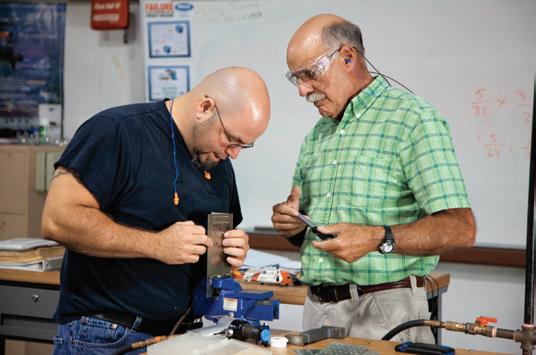
employers need educated, tech-savvy workers to keep their operations growing –and educational institutions in North Carolina’s Northeast Region are answering that call. Regional universities, community colleges and even some high schools are embracing specialized programs and curriculum designed to train students for top industries in the area such as biotechnology, health sciences and aviation.
The most recent innovative effort toward this goal is the Northeast Regional School of Biotechnology and Agriscience in Plymouth, which serves students in grades 7-13 from Washington, Beaufort, Martin, Pitt and Tyrrell counties.
The first regional school for biotechnology and agriscience in North Carolina, the school, located at the Vernon G. James Research & Extension Center, welcomed its inaugural class this year. Eventually, all graduates will earn their high school diplomas with the opportunity to complete

two years of college credit at no cost to their families.
“The School of Biotechnology and Agriscience is part of a private-public strategy to engage business and industry, public schools and higher education in creating a new generation of high schools,” says Tony Habit, president of the North Carolina New Schools Project. “New Schools Project is partnering with 250 educational institutions around the state to create similar schools that accelerate education to be more relevant to today’s new economy.”
While students at the school will focus on biotechnology and agriscience to prepare them for careers in research and science, they will also have the option of pursuing studies that lead to more traditional careers such as accounting, teaching, law and business.
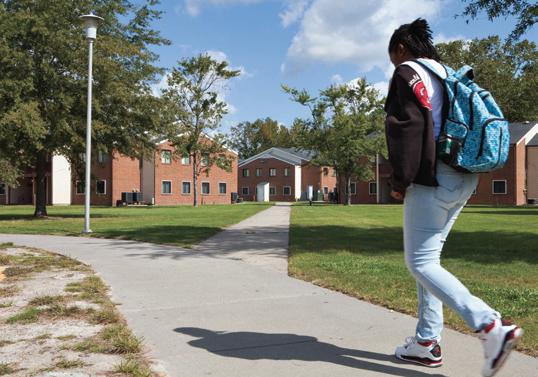
“This is part of an ambitious Vision 2015 program that is bringing a new approach to education,” Habit says. “The mission is to have students learn intelligent, forward-thinking lessons so they can eventually work in productive ways with people around the block or around the globe.”
Universities and colleges throughout the region are also amping up their degree programs and facilities to ensure that students are well-educated for the future.
Students pursuing careers in aviation and aerospace will soon be able to receive top-notch training at the College of The Albemarle’s new $6.8 million FAA-certified Aviation Technical Training Facility opening at Currituck
Regional Airport this summer.
Elizabeth City State University also has a strong aviation science program and serves as a branch campus for the University of North Carolina’s Eshelman School of Pharmacy. The college recently received a federal grant to boost its program offerings in STEM (science, technology, engineering and mathematics) fields.
Private institutions in the area, such as Chowan University and Mid-Atlantic Christian University, and the region’s five community colleges are also working to better prepare students for careers in the new economy.
“It’s all about being futureready,” Habit says. “Read, write, think, talk – in every class, every day. The time is now for education innovation in all North Carolina schools.”
c oll Eg E s provid E EN gi NEE ri N g, i N dustrial programs for work E rs
l ess than 100 students were enrolled in e ast c arolina university’s d epartment of engineering when it was established in 2004. a decade later, that number has grown to more than 400.
“Most of our current students hail from eastern North c arolina, and studies show that if students attend college near where they live, they will often remain in the region upon graduation,” says h ayden griffin, ecu d epartment of engineering chairman. “ l ocal companies looking for future engineers want to hear those kind of statistics.”
Based in nearby greenville, ecu offers five engineering paths – biomedical, bioprocessing, electrical, industrial systems and mechanical.
“i have visited about 70 companies in the area to learn about what engineering jobs are out there, plus inform companies about what our students can do to help them,” griffin says. “ s ome of those companies include Nucor s teel, avoca Farms, potashc orp, p fizer, N cca R and perdue Farms.”
building Stronger
c ompanies across the region are also teaming up with area community colleges to train current and future workers. workforce training programs are in place at Beaufort c ounty c ommunity c ollege, Martin c ommunity c ollege, Roanoke- c howan c ommunity c ollege, c ollege of the a lbemarle and h alifax c ommunity c ollege, which recently partnered with light sport aircraft manufacturer lsa to provide students with welding experience.
a t North c arolina s tate u niversity, the c ollege of e ngineering’s i ndustrial e xtension s ervice has established an e 3 program that provides job training resources for manufacturers who want to improve their processes and productivity.
“e 3 is short for economy, energy and environment, and we send assessment teams to manufacturers to advise

them on those three aspects of improving their companies,” says Rex Raiford, N csu industrial e xtension s ervice regional manager.
“ we look to improve a company’s carbon footprint and cut their energy costs, plus provide an overall safety analysis and business assessment,” Raiford says. “o ur goal is to help industries so they can grow and then eventually hire more engineers from North c arolina s tate university.”


When the time comes for relocating or expanding your business, think Bertie County. With an experienced workforce and infrastructure in place, why look any further? From biotechnology, marine trade industries, inner coastal development and everything in between.
s tory by Jessica Walker
it’s no secret that Northeastern North Carolina’s natural beauty lures people to the area, but the region offers more than a pretty view. With beaches, parks, wide-open waterways and wildlife, it is a nature lover’s paradise.
Located on the Outer Banks, Cape Hatteras National Seashore offers swimming, fishing, surfing and other activities. The beach once again garnered national attention with a spot on Dr. Beach’s Top 10 List of America’s Best Beaches, and it was voted Best Surfing Beach by The Weather Channel’s viewers.
Another destination in the Outer Banks, Ocracoke Island, is a frequently visited spot. Often referred to as the “Pearl of the Outer Banks,” the island features approximately 16 miles of undeveloped seashore. Visitors can enjoy nature trails, a variety of locally owned and operated restaurants, unique shops and bayside sunsets that are hard to beat.
The Outer Banks area also offers off-road expeditions in which participants can see the area’s wild horses near Corolla, as well as water sports such as kiteboarding and windsurfing.
“The Outer Banks, or OBX, is just a pure experience that’s hard to describe,” says Lee Nettles, executive director of the Outer Banks Visitors Bureau. “You feel it; it speaks to something deep inside you.”
Further inland, nature buffs can explore Dismal Swamp State Park, which comprises 14,443 acres and offers more than 20 miles of hiking and biking trails. Approximately 80,000 visitors come to the park annually.
“The park gives visitors the ability to really feel like they are in the wilderness,” says Joy Greenwood, who has served as the superintendent of Dismal Swamp State Park for five years.



From seminars to group getaways, the eastern 4- h environmental education c onference c enter in c olumbia offers a naturalistic setting along the albemarle sound for corporate and community organizations to host camps, meetings, conferences, banquets, receptions and other events. the state-of-the-art facility can be rented by anyone and comprises 21,000 square feet, with surrounding property that encompasses 250 acres of meadows, forest and wetlands that can be easily accessed. guests can enjoy a waterfront dining area, an outdoor ropes course, nature trails and more. staff members who assist with events include counselors, coordinators and instructors. learn more at www.eastern4hcenter.org .
The Dismal Swamp Canal provides opportunities for kayaking and canoeing, and also features the popular Paddle for the Border event each year.
“We have a great location for paddling,” says Donna Stewart, director of the Dismal Swamp Canal Welcome Center. “It’s nice and green in the spring and summer, and in the fall, leaves fall like confetti.”
Merchants Millpond State Park in Gatesville is another popular destination. The 3,250-acre park offers camping, hiking, fishing and canoeing. Water activities can also be enjoyed at Mattamuskeet National Wildlife Refuge in Hyde County, home to more than 200 bird species who flock to 40,000acre Lake Mattamuskeet – North Carolina’s largest natural lake.
Located in Scotland Neck, the 18-acre Sylvan Heights Waterfowl Park gives visitors a peek into the natural habitats of more than 1,500 ducks, geese, swans and
exotic birds from South America, North America, Europe, Africa, Asia and Australia.
Williamston includes the Senator Bob Martin Eastern Agricultural Center, which features equestrian and livestock events, and animal lovers may also enjoy the Livermon Recreational Park & Mini Zoo in Windsor. For a splash of marine life, the North Carolina Aquarium on Roanoke Island houses the state’s largest collection of sharks.
More water-based activities in the region include fishing in Weldon, known as the “Rockfish Capital of the World,” and fishing, kayaking and canoeing along the Roanoke and Perquimans rivers. Partnership for the Sounds in Columbia offers tours of the Cashie River in Windsor as well as River Roaming, a pontoon boat tour of the Scuppernong River. Its North Carolina Estuarium in Washington offers scientific and historical exhibits for those interested in learning more about the area’s waterways.

rEgio N ’s small tow N s off E r pl EN ty of hospitality, history a N d cultur E
v isit most any town in North c arolina’s Northeast Region, and you’ll find culture, charm and history, along with a welcoming atmosphere that attracts visitors and encourages people to put down roots.
c alled the h arbor of h ospitality, elizabeth c ity is known for its mix of family-friendly and cultural attractions and popular waterfront events. t he city’s commitment to preserving its downtown recently earned its Main s treet program national accreditation from the National trust for historic preservation.
“o ne public-private partnership that has revitalized our downtown area recently is elizabeth c ity’s ‘h . a . s .’ (history, a rt and s cience) program,” says c harlotte underwood, director of the elizabeth c ity a rea c onvention and v isitors Bureau. “i t dates to 2010, when a trio of local
attractions came together to show visitors that ‘elizabeth c ity h a s i t!’ – a cluster of history, arts and science sites, a vibrant downtown and unique shops and restaurants, all within a walkable four-block area.”
t he city is also located near several top golf courses including the s ound golf links at a lbemarle p lantation and t he p ines at elizabeth c ity.
edenton, also home to a National Main s treet p rogram, celebrated its 300th birthday in 2012. t he city, founded in 1712 along the a lbemarle s ound, features a quaint downtown area full of shops, restaurants, bed and breakfasts, and historic homes and sites.
“ edenton has been known for its rich history, culture and small-town charm for three centuries,” says Nancy Nicholls, director of the
edenton- c howan c ounty tourism d evelopment authority. “Recently recognized by Forbes.com as one of a merica’s prettiest towns, edenton shows her age with pride.”
a long with the town’s historic must-sees like the c howan c ounty c ourthouse and the c upola h ouse, other attractions include the Rocky h ock playhouse, which showcases musicals throughout the year, as well as c hristmas and holiday shows at the Rocky h ock o pry.
a short drive from edenton, visitors can also find more live entertainment and family fun at d eadwood, a western theme park and restaurant near w illiamston, or hit the links at s cotch h all preserve in Merry hill, recognized as one of the country’s top private courses by Golf Digest magazine.
– Jessica Walker
6 Albem A rle economic Development c ommission
20 Avoc A i nc.
43 b ertie c ounty economic Development c ommission
c 3 b ertie c ounty p e A nuts
47 cA m D en c ounty
40 c ollege of the Albem A rle
15 c urrituck c ounty economic Development
48 DomtA r pA per c ompA ny llc
4 eA st cA rolin A u niversity
37 eD enton c howA n pA rtnership
23 e lectric co-ops
of e A stern north c A rolin A
2 e lectri c ities of n orth cA rolin A i nc.
12 fA irfiel D i nn & s uites
32 h ertfor D c ounty economic Development c ommission
27 mA rtin c ounty economic Development c ommission
c 2 n orth cA rolin A’s n orthe A st c ommission
48 p erquim A ns c ounty economic Development
19 r oA noke rA pi D s sA nitA ry District
c 4 v i DA nt h e A lth




Albemarle Economic Development Commission www.discoverec.com
Avoca Inc. www.avocainc.com
Bertie County Economic Development Commission www.co.bertie.nc.us
Bertie County Peanuts www.pnuts.net
Camden County www.camdencountync.gov
College of the Albemarle www.albemarle.edu
Currituck County
Economic Development www.thinkcurrituck.com
Domtar Paper Company LLC www.domtar.com
East Carolina University www.ecu.edu
Edenton Chowan Partnership www.edentontoday.com

Electric Co-Ops of Eastern North Carolina www.nceasterncoops.coop
ElectriCities of North Carolina Inc. www.electricities.org
Fairfield Inn & Suites www.marriott.com/orfec
Hertford County
Economic Development Commission www.hertfordcounty.com
Martin County
Economic Development Commission www.martincountyedc.com
North Carolina’s
Northeast Commission www.ncnortheast.com
Perquimans County
Economic Development www.perquimanscountync.gov
Roanoke Rapids Sanitary District www.rrsd.org
Vidant Health www.vidanthealth.com
North c arolina’s Northeast Region: 366,837
Beaufort c ounty: 47,759
Bertie c ounty: 21,282
c amden c ounty: 9,980
c howan c ounty: 14,793
c urrituck c ounty: 23,547
d are c ounty: 33,920
g ates c ounty: 12,197
h alifax c ounty: 54,691
h ertford c ounty: 24,669
h yde c ounty: 5,810
Martin c ounty: 24,505
Northampton c ounty: 22,099
p asquotank c ounty: 40,661
p erquimans c ounty: 13,453
tyrrell c ounty: 4,407
washington c ounty: 13,228 ma Jor p opulation Center S (2010)
e lizabeth c ity, 18,683
Roanoke Rapids, 15,754
washington, 9,744
k ill d evil h ills, 6,683
b u S ine SS Climate in n orth Carolina’ S n orthea S t
North carolina’s Northeast Region encompasses 16 counties, including the outer Banks region, and has a combined labor force of 168,786. top industry sectors in the region include manufacturing, aviation and aerospace, marine trades, tourism and growing sectors in biotechnology, automotive research and development, and alternative energy. Most counties qualify for maximum state incentives. For more information, visit North carolina’s Northeast commission online at www.ncnortheast.com or call (252) 482-4333.
perdue products incorporated
pcs phosphate c ompany inc.
Flanders airpure Nc division
Reser’s Fine Foods
Nucor s teel hertford
ann’s house of Nuts
lowe’s home c enters inc.
Meherrin a griculture and chemical c ompany
u s department of homeland security (u s c oast guard)
domtar paper c ompany
highWayS
i -95, u s . highways 17, 64, 158, 168 and 264

for more in-depth demographic, statistical and community information on North carolina’s Northeast region, go to businessclimate.com/ne-north-carolina and click on “facts & stats,” then “demographics.”
airport S
• currituck c ounty airport
• dare c ounty Regional airport
• First Flight airport
• halifax-Northampton c ounty
Regional airport
• Martin c ounty airport
• Northeastern Regional airport
• ocracoke island airport
• hyde c ounty airport
• plymouth Municipal airport
• tri- c ounty airport
• warren Field
• Billy Mitchell airport
• elizabeth city cgas/ Regional airport
r ail
csx , Norfolk s outhern, c hesapeake & a lbemarle Railroad, N c/ va Railroad, c arolina c oastal Railways
nearby port S
p ort of v irginia, p ort of w ilmington, p ort of Morehead c ity
Sources: www.quickfacts.census.gov; e mployment s ecurity c ommission of North c arolina, l abor Market i nformation d ivision