 By: Jean-Paul Leclair
By: Jean-Paul Leclair
“Rally” racing can be defined as a form of motorsport which involves racing one by one in small, modified affordable road cars or bespoke race cars on mixed surface “stages” (i.e. a route to race on), which can include dirt, sand gravel, snow, asphalt, etc..., while listening to your navigator in the passenger seat tell the route of the course on the fly, all in an effort to achieve the fastest time on the rally stage itself. It is not uncommon today for rally driver’s to average speeds of 120 mph on dirt, through an entire, unfamiliar rally stage, making it one of the skilled , and dangerous motorsports there is.
Lancia, pronounced “Lan-chi-a,” is the most successful car manufacturer in the history of the World Rally Championship (the largest, and most famouns rally event in the world), but is only known by a smallminorty of the population of North America, as the Automotive Manufacturer has never sold any cars in the United States or Canada.
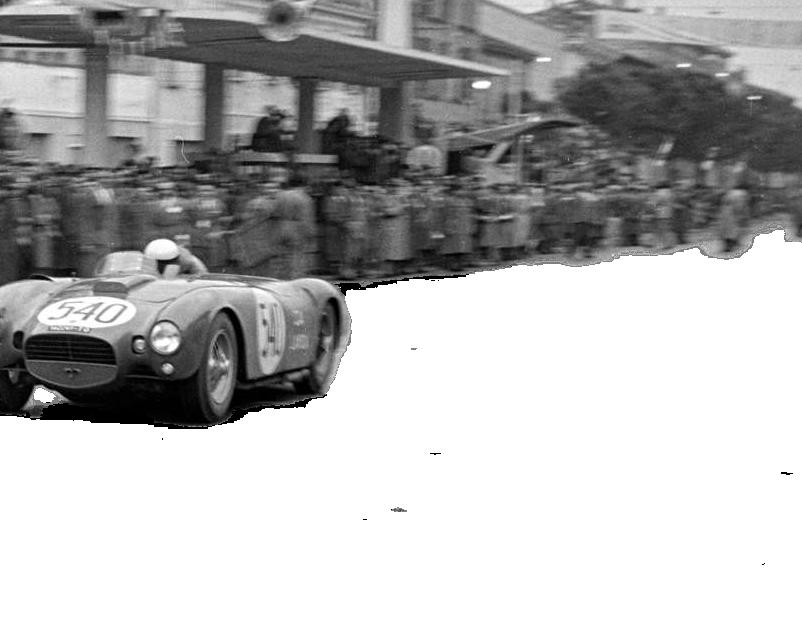
Despite its lack of sales in North America, Lancia has been able to make its name known here, via its involvement in Formula 1, and sports car racing in the 1950’s, but mainly through its dominance of rally racing from the early 1960s until the mid 1990s.
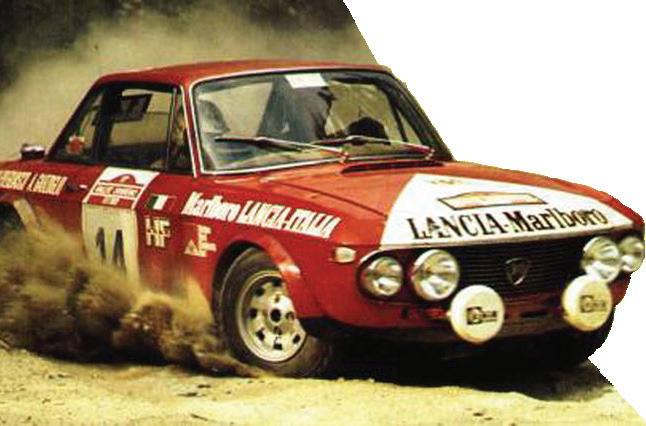
Known as one of the first, great, contemporary rally cars, the FULVIA made its depute into the rallying world in 1955, coming straight from Formula 1. From 1965 to 1973, the Fulvia would win every single Italian Rally Championship, showing to the world that, not only was Lancia well experienced in the road-racing realm, but could easily hold its own on some of the most gruelling and beautiful rally stages in the world.
Not only did the Fulvia put Lancia on the rally-racing map in the eyes of enthusiasts, but Lancia’s constant persistence to innovate and engineer new designs for their normal, road cars increased, making them more desirable overall, and keeping the company afloat until the late 1960’s.
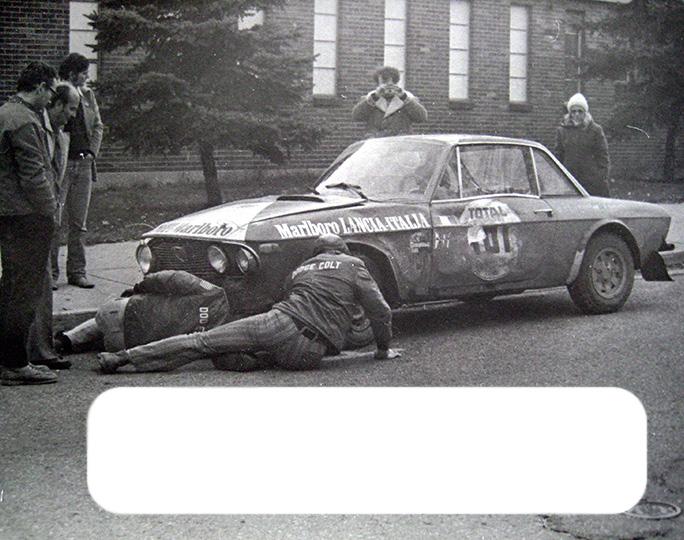
Despite the Fulvia being Lancia’s FIRST car to compete in the World Rally Championship, around the late 1950’s, it began to start showing its age, and by the late 1960’s, when Lancia was struggling with its finances, needed to, desperately, be replaced. Luckily, in 1973, the wedge-shaped Stratos would take its place... mostly, only finally being retired from the sport in 1992.
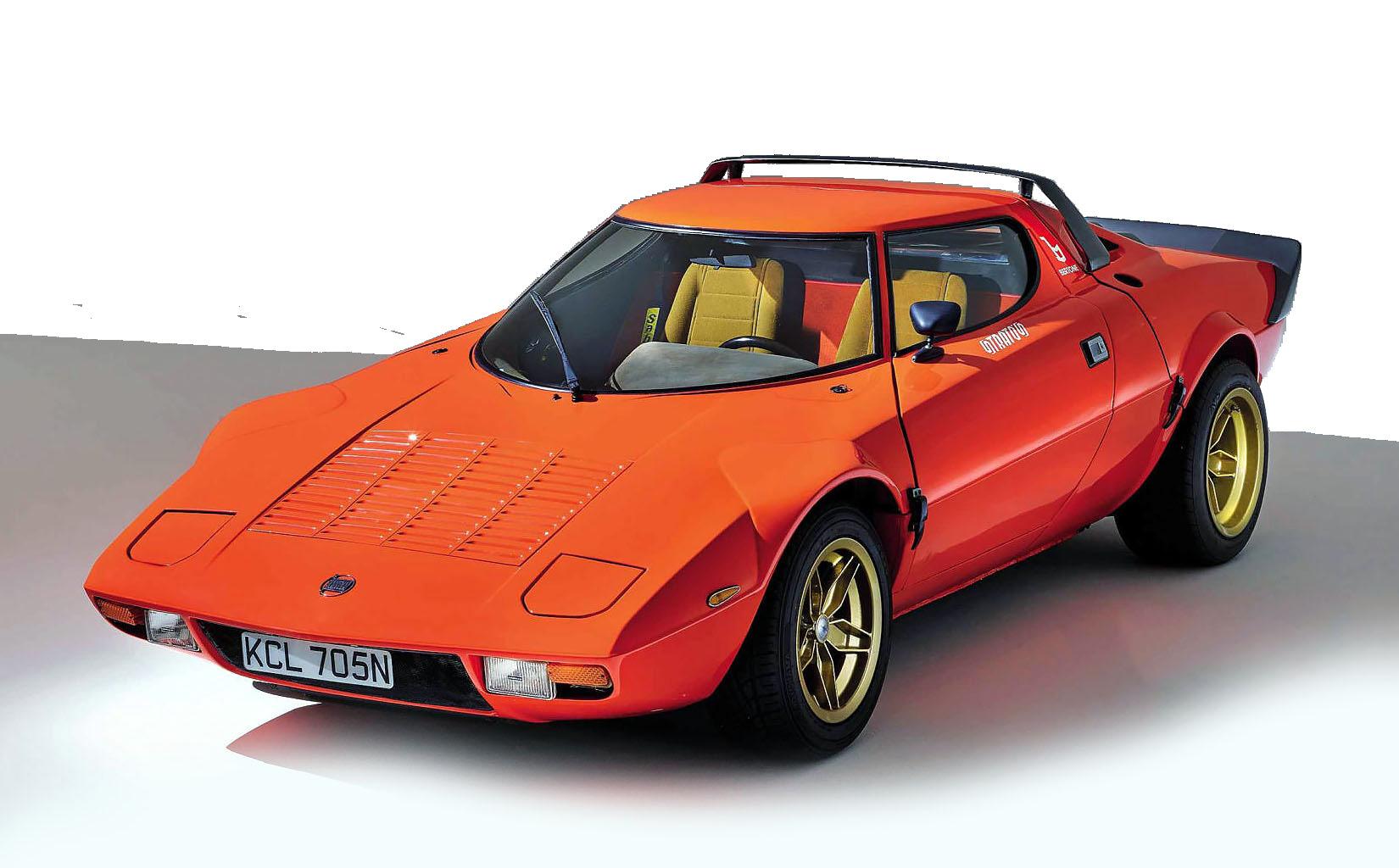
Known as one of the most beautiful cars ever made, the LANCIA STRATOS was created under odd circumstances.
Proof of the STRATOS’S unique upbringing and history includes; having a V6 engine from FERRARI, being designed by famous design house, Bertone, and CHEATING homolgation rules (meaning that a certain number of road-legal cars had to be built in order to race) by only showing the racing offical a few cars and convincing him they had all te required cars, despite having less than half. The STRATOS is one of the most legendary rally cars of all time, and sits quite high at the top of most rally enthusiast’s “favorite car” lists.
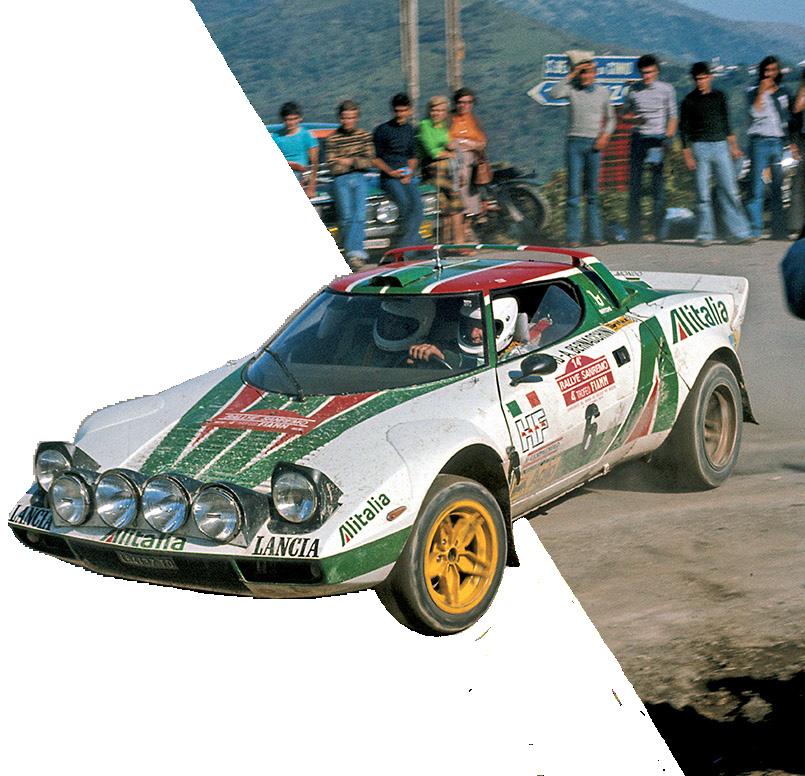
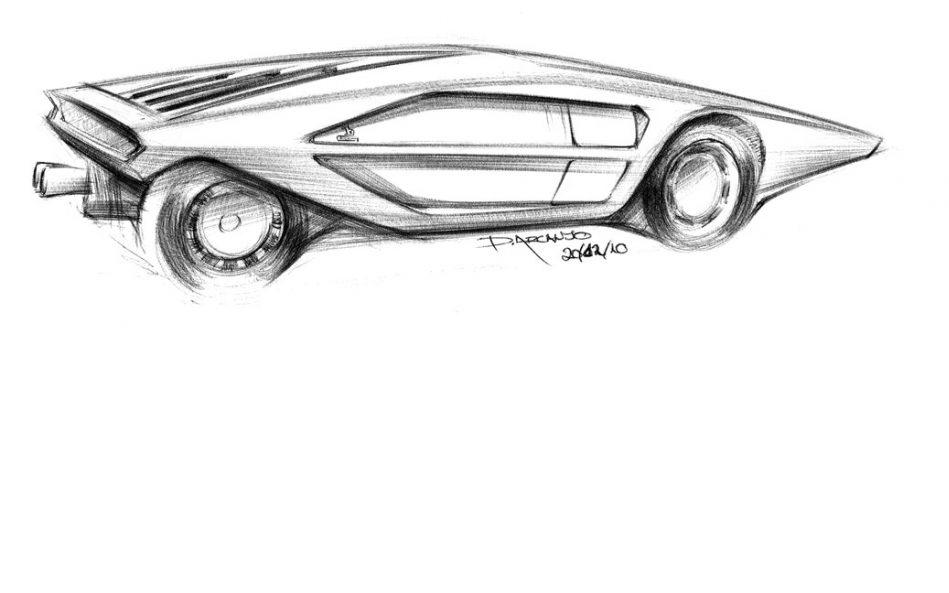
Referred to as “The Door Stop,” the Stratos Zero Concept, created by famous automotive designer, Bertone designed this car completely, drove it to Lancia’s headquarters across Turin, and, with the help of Ferrari, engineered the Lancia Stratos as a means to give Lancia a better identity, mainly to help gain more sales after struggling financially in the early 1960s.
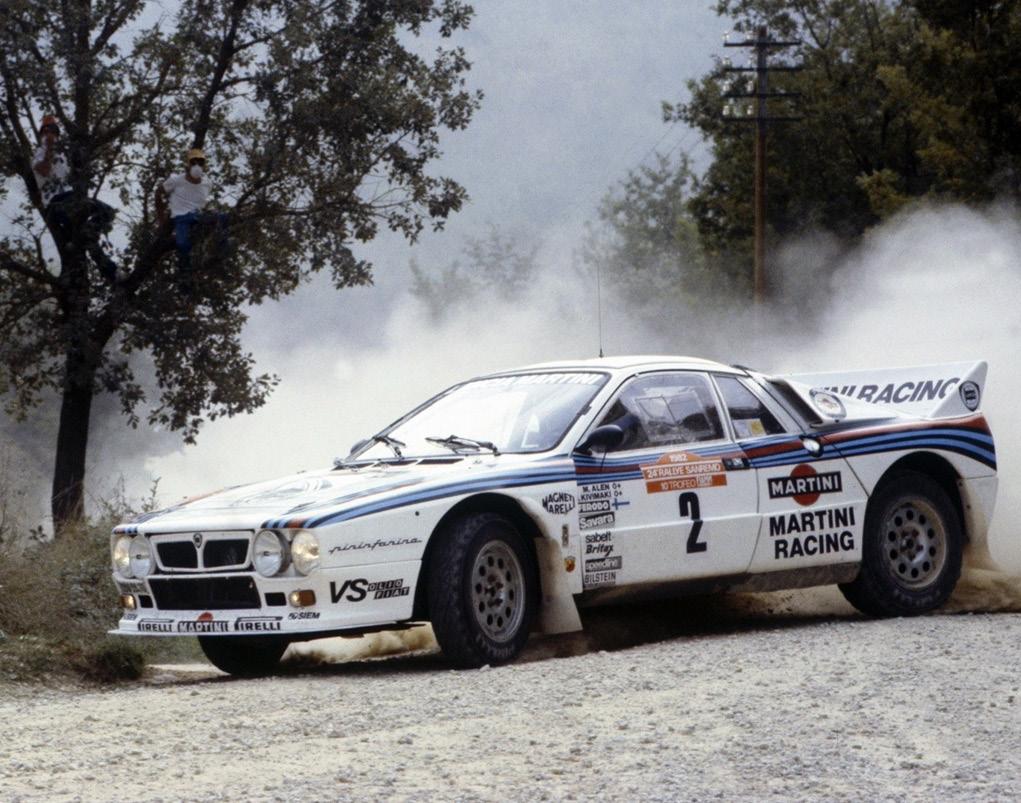
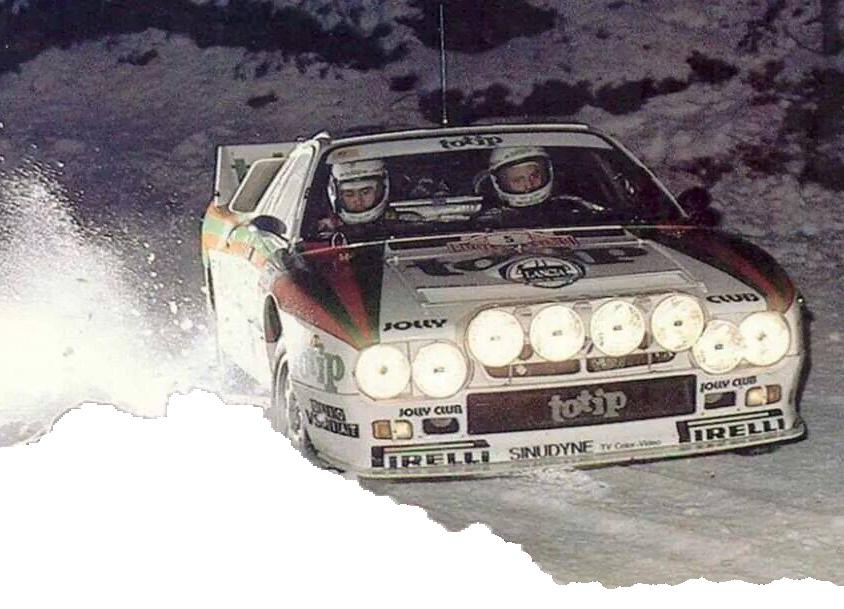
Created as a replacement to the iconic Lancia Stratos, the 037 Stradale gained a similar, wedgeshaped design, but a different, smaller, yet more poerwful engine, and was made specifically to go rally racing, with only a handful of road-legal examples being created, (cheating racing officals again, similar to how the fooled them with the Stratos years earlier).
The 037 would also be known as the last rear-wheel drive car to win the World Rally Championship, as the advent of the Audi Quattros with their all-wheel-drive powertrains began to become dominant.
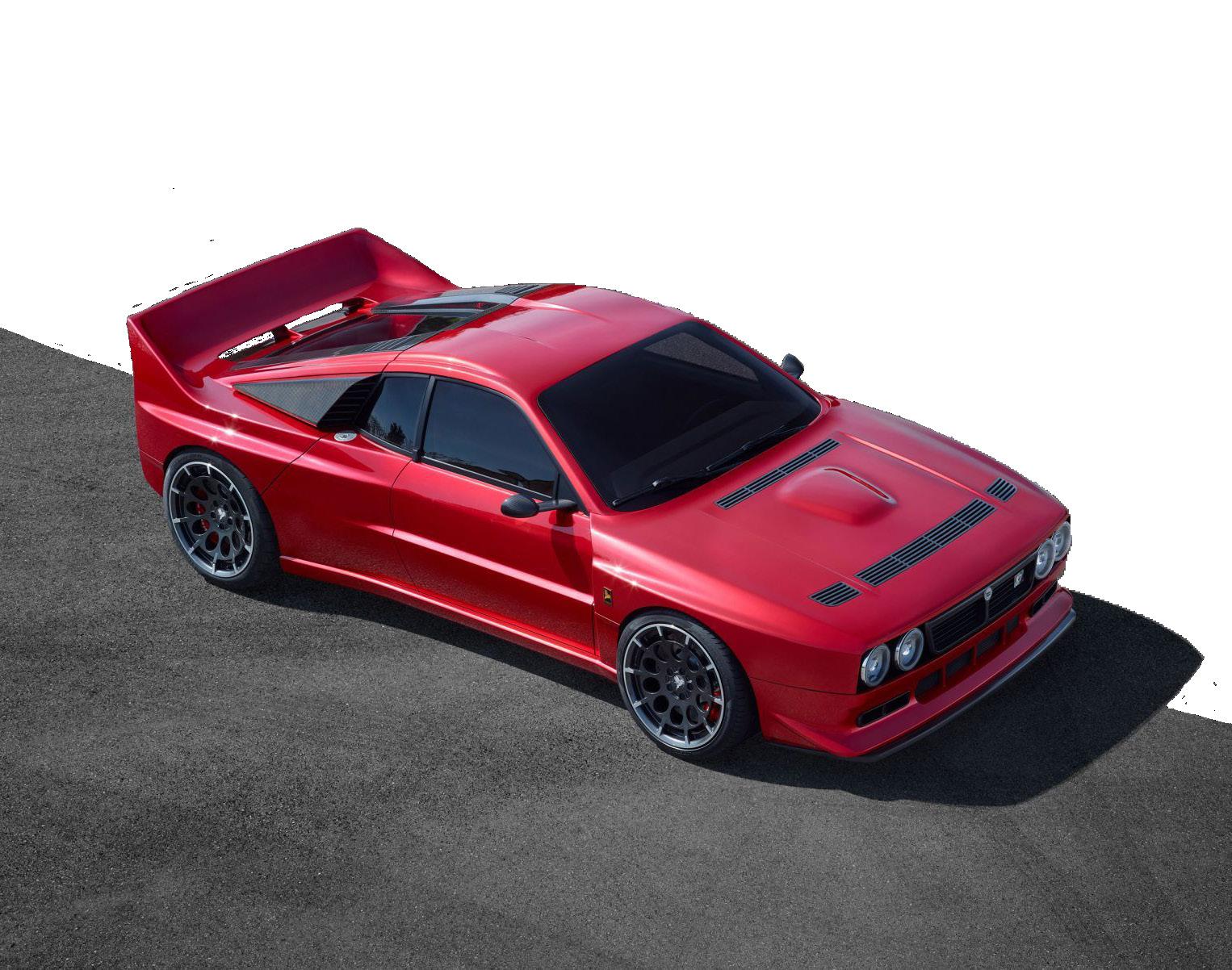
Despite being a car from the 80’s, the beloved 037 stradale, and its wedge-shaped 80’s aesthetic is still very desireable today, so much so that a company known as “Kimera Automobili,” out of Italy, has reimagined both, the 037 Stradale as the “Kimera Evo 37,” something not uncommon in the car world overall, but not uncommon to Lancia’s rally icons, even having an Italian coachbuilding company; Automobili Amos, which has made a very similarly designed reimaging of the Delta Integrale Evo II, (seen on the following pages), as the Automobili Amos Lancia Delta Futurista.
Neither of these reimaginings is cheap though, with the Kimera Evo 37 being $599,400, and the Lancia Delta Futurista being a slightly cheaper, $388,500.
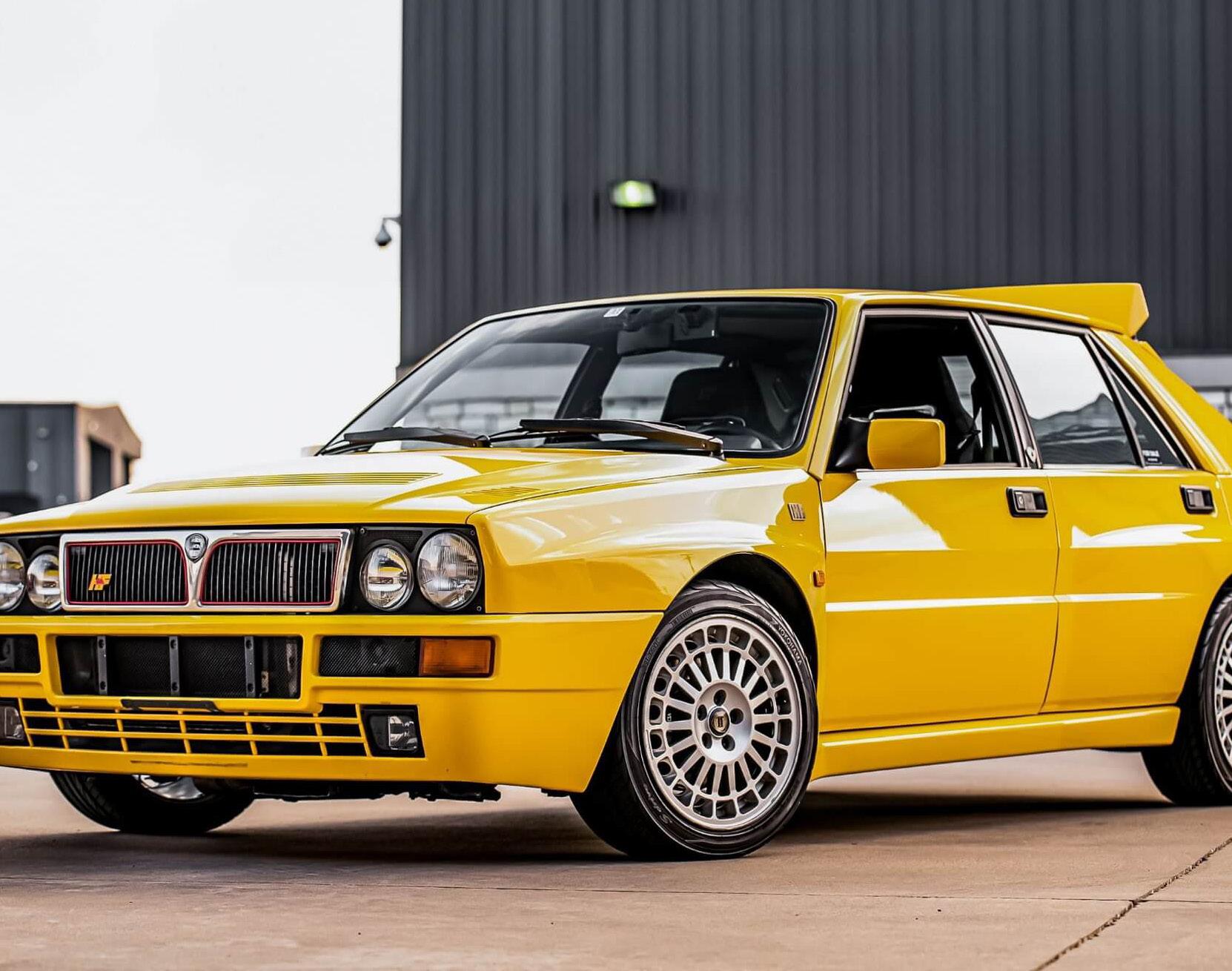
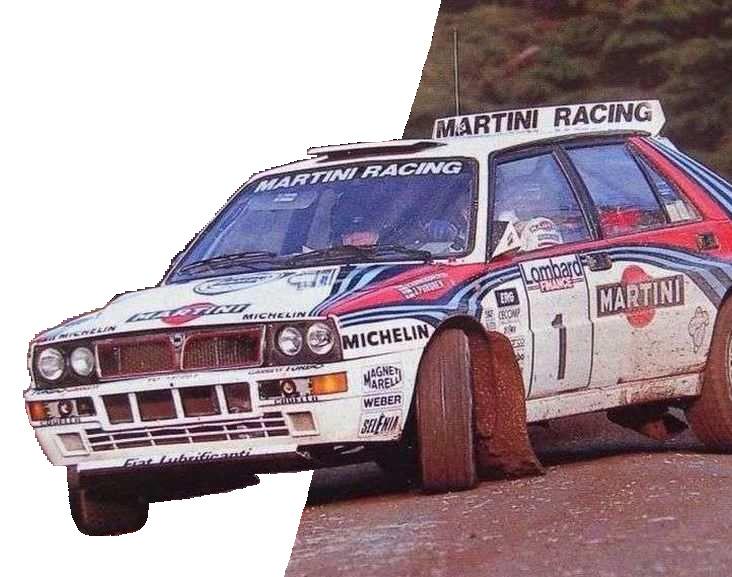
While the Delta Integrale EvoII may look like a somewhat silly-looking, cheap hatchback, it happens to be the most successful car to ever compete in the World Rally Championship, winning 6 years in a row, a record that has not been reached before, or since 1992.
The Delta Integrale brought rally racing back into the public’s eye, after racing regulations become much more stringent and limiting after the ridiculous, and deadly era of Group B rally racing of the 1980’s.
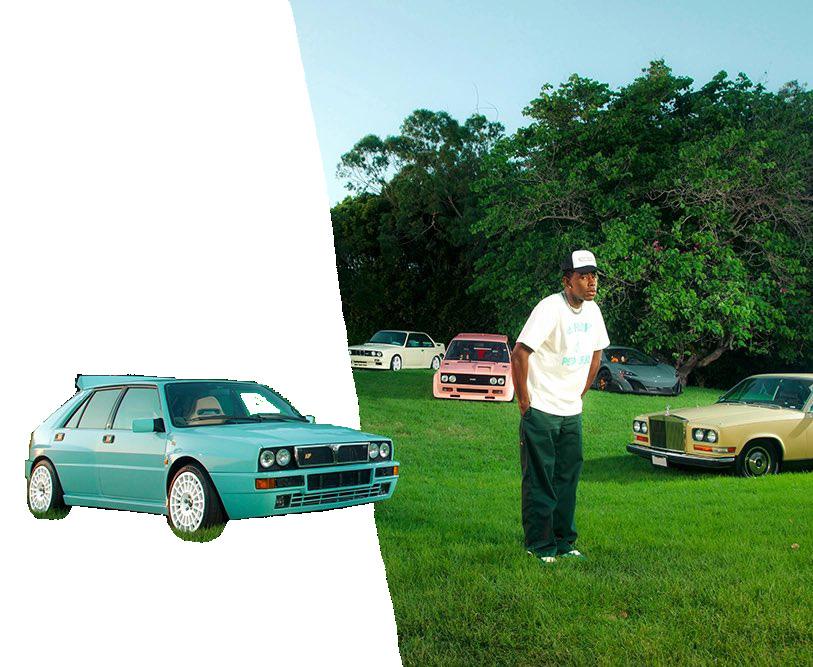
The Delta Integrale Evo has become such an icon, and is so reknowned for its rallying successes, boxy, wide-body styling and enjoyable, allwheel-drive handling, that it not only has been recreated into a $388,500 hatchback, but is even owned by multiple celebrities, including the famous, American rapper/singersongwriter Tyler The Creator, pictured here alongside his very respectable collection of other, European cars.
The Delta Integrale Evo, while not well-known on the North American continent, has made waves among all car enthusiasts from all walks of life.
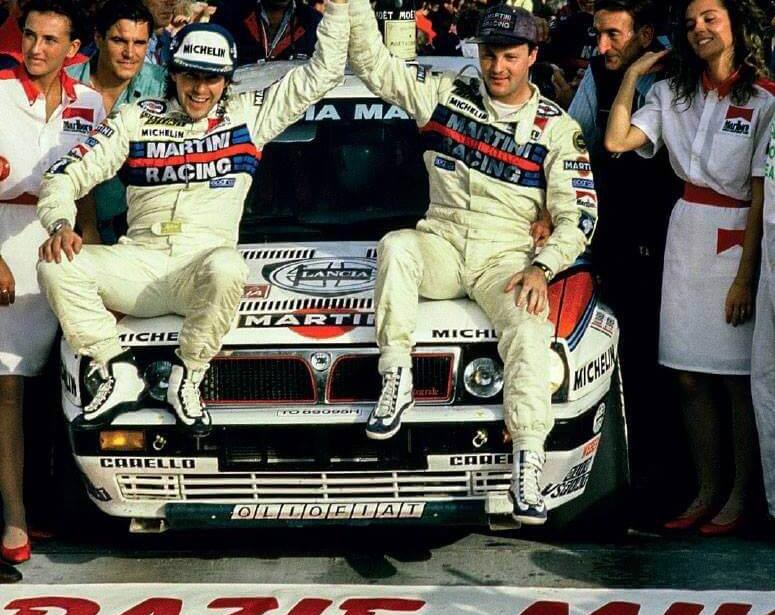
The successes and stories of Lancia among the rally racing sport cannot be overlooked, as the manufacturer has created some of the most unique, successful, creative, and iconic cars of all time, and it is a shame how little recognition all of these cars get in other parts of the world where Lancia is not present.
Despite their lack of North American recognition though, Lancia’s motorsports success and history is one of struggle, innovation and eluding rules and regulations simply to be able to race in one of the most challenging forms of racing in the world.