
Facts and Froth
Jill Lowe
The Transatlantic Crossing
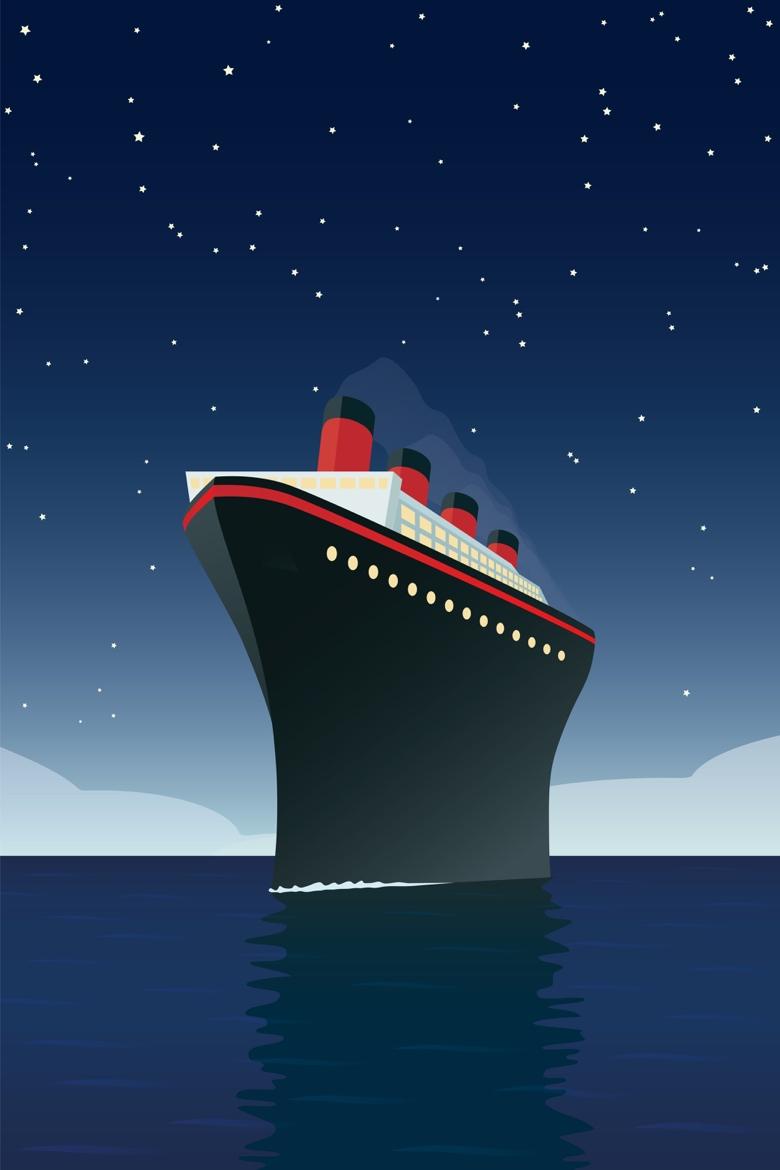
We talk here of a crossing rather than a cruise. The focus is on a voyage, from one place to another and it may be to or from Southampton UK to New York, USA. Very early historical crossings from the UK to America, included Viking voyages and then Columbus in 1492.
The first regular transatlantic crossing was established in 1840 with the Cunard ship : The Britannia. But it is the earliest 20th century which brings the Golden Age of the Ocean Liner when those ships dominated long distance passenger travel. This also corresponded with the peak years of American immigration from Europe.
But by the 1950’s the regular commercial transatlantic flights challenged the prominence of the ocean liner. They continued of course with ships such as the SS United States, the Queen Mary and the Queen Elizabeth and the Queen Elizabeth 2. Any surviving ocean liners became the first cruise ships, moving away from the concept of a voyage from one origin to a destination, and instead the cruise ship has become the destination, made even more popular with the “Love Boat” TV series in 1977.
The movie Titanic in 1997 brought nostalgia for the Golden Age of ocean liners as it romanticized the elegance and grandeur of early 20th century travel contrasting with the often more casual cruise travel.
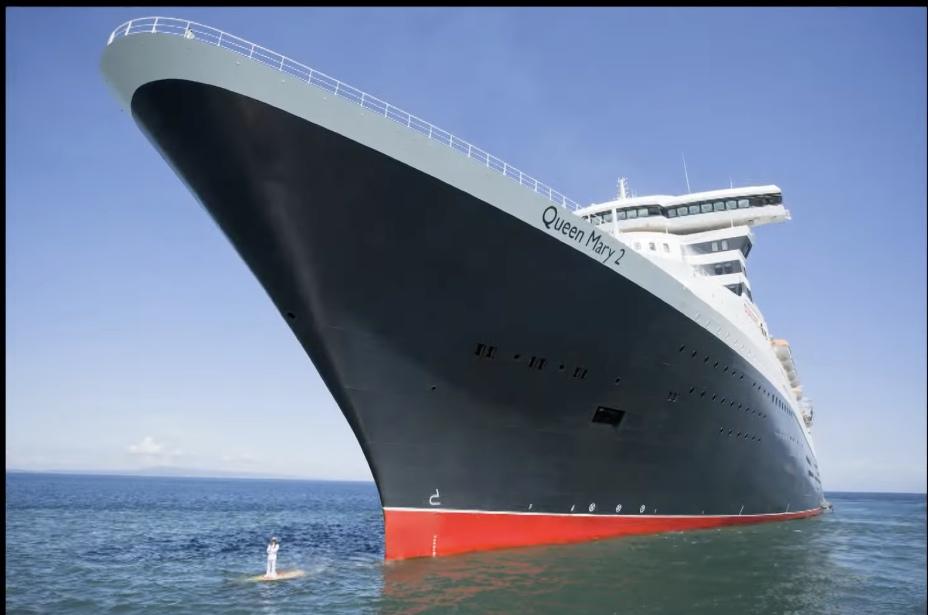
The launching in 2004 of the Queen Mary 2 - the QM2 at 151,200 gross tons, was specifically designed as a liner for the transatlantic route in this enduring niche market.
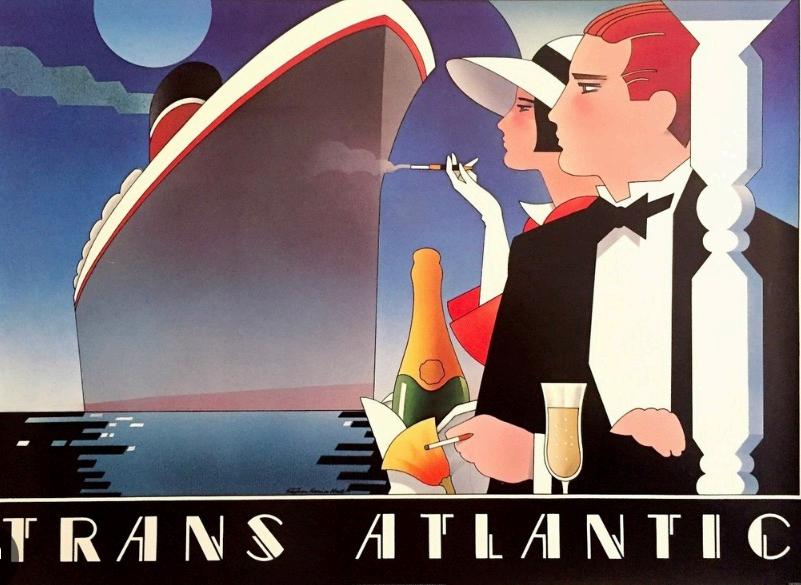
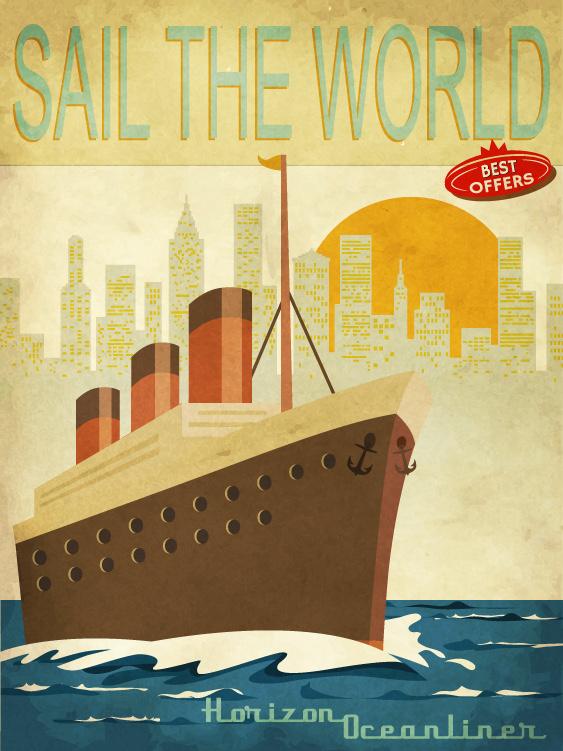
From the Golden Age, a myriad of posters continue the romanticizing of ocean liner travel. The posters illustrate luxury, glamor and dressing up and so, beautiful and plentiful luggage including steamer trunks was promoted to further the notion of glamor.
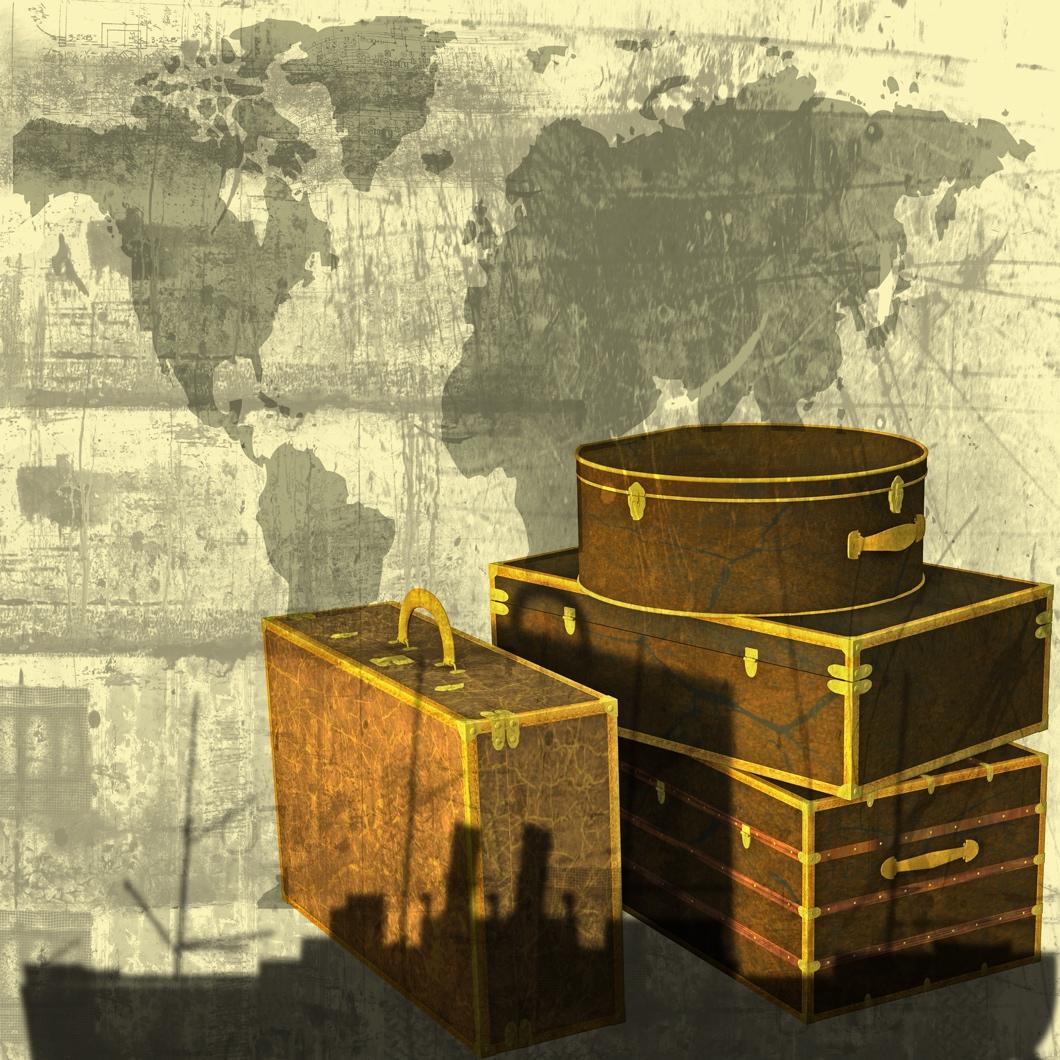
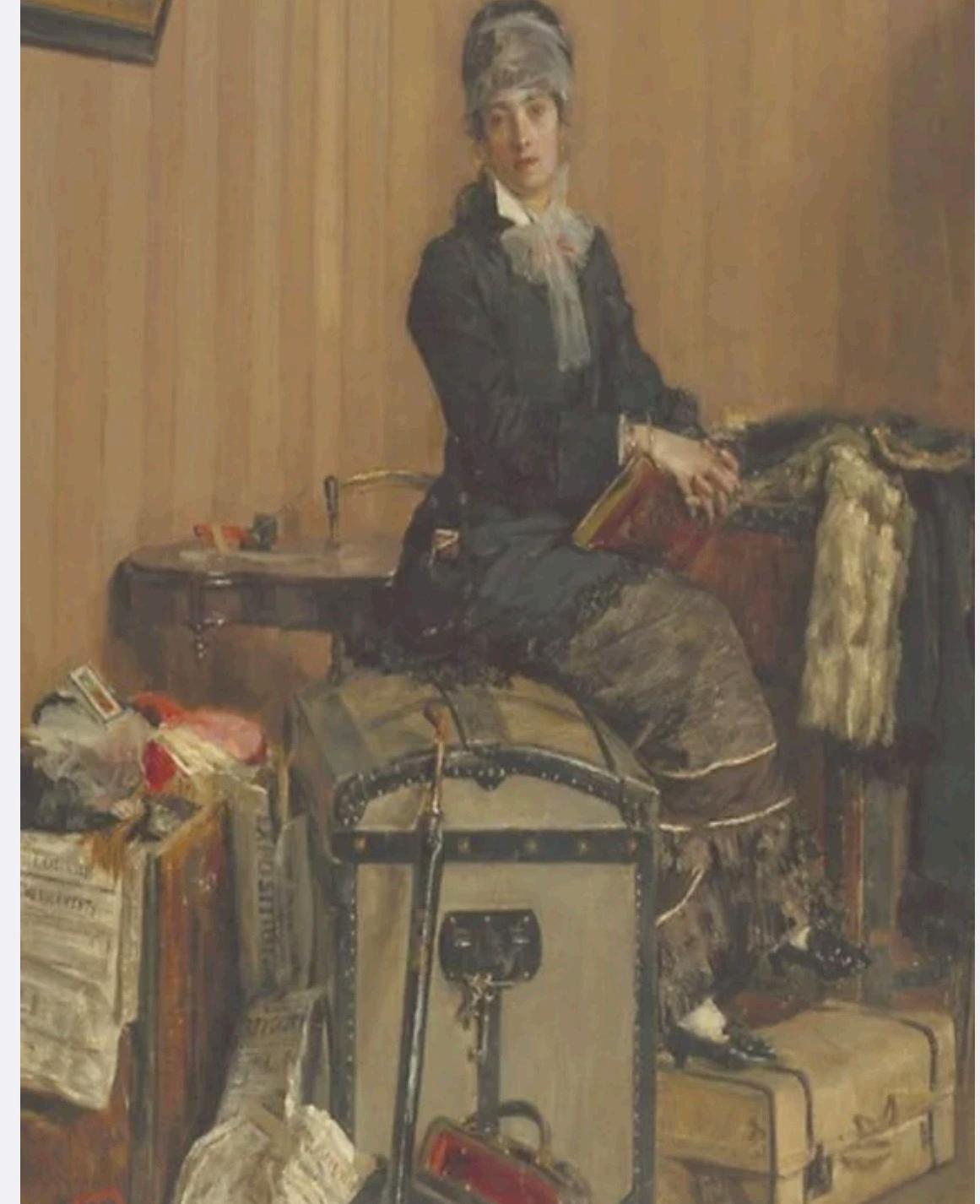
The baggage of the early days of long transatlantic travel as seen above was replaced with the more modern in the Golden age of the liner travel.
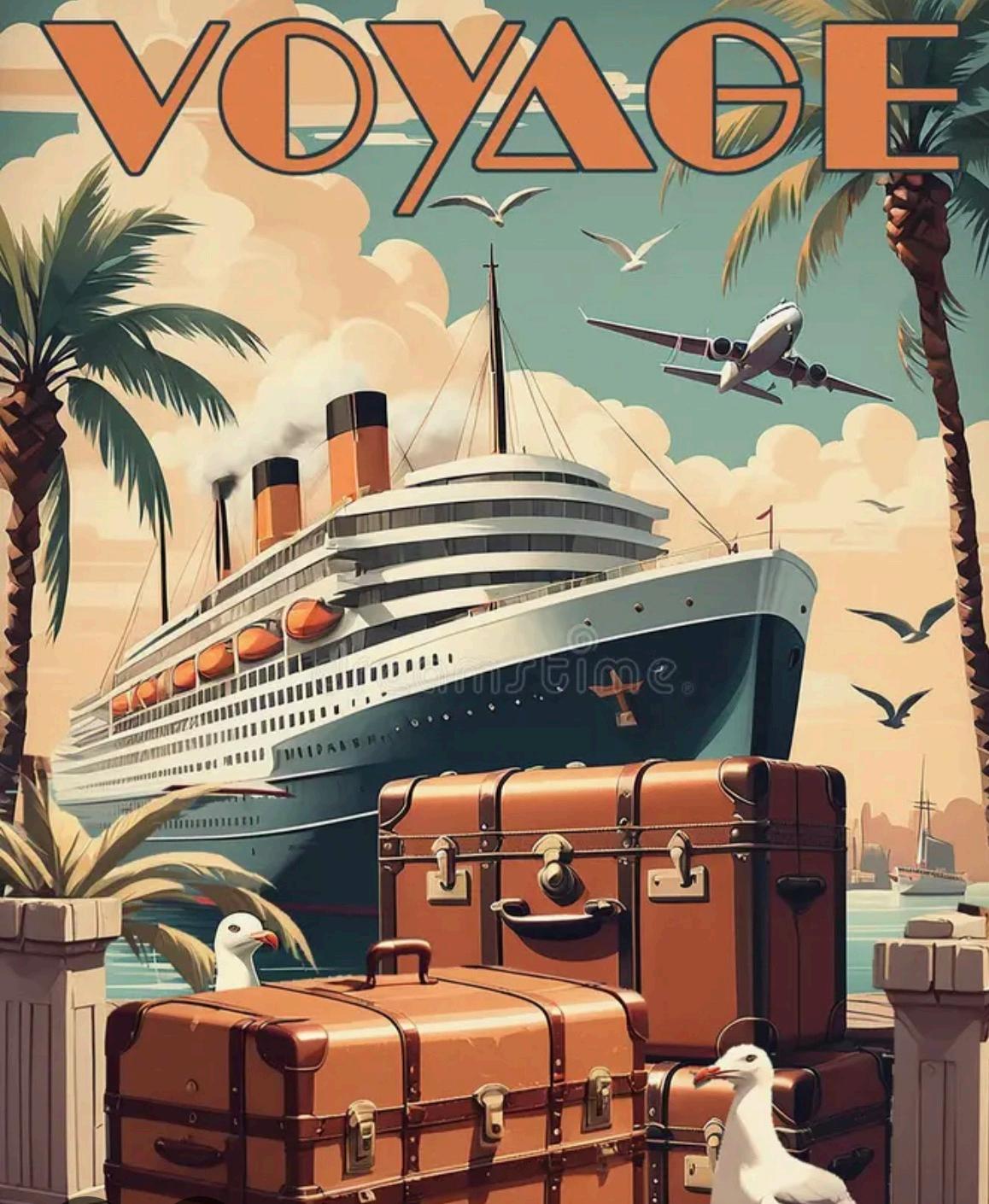
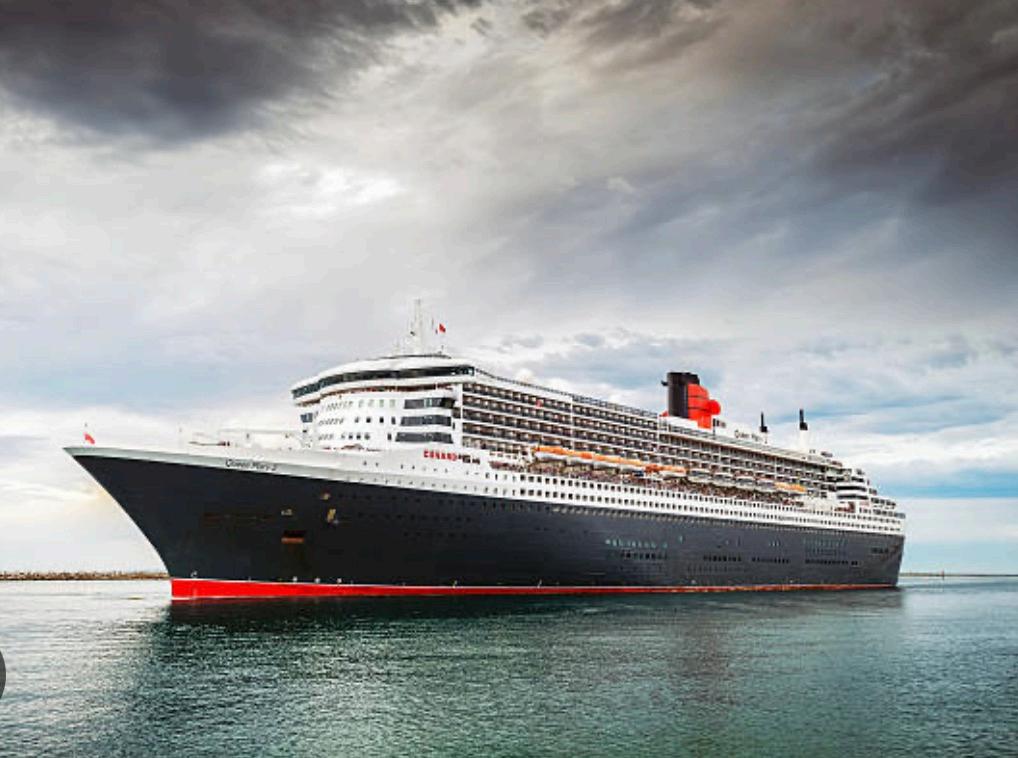
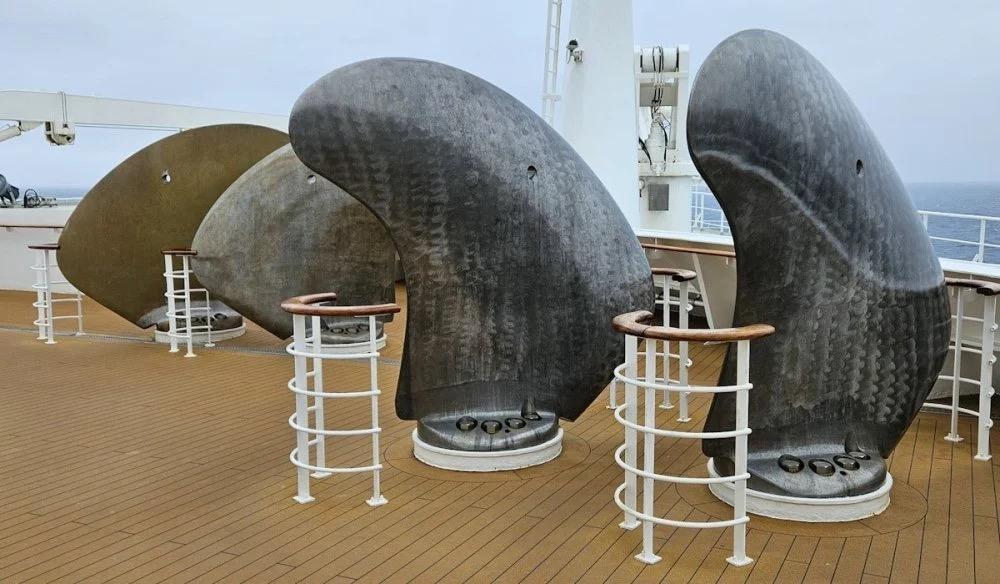
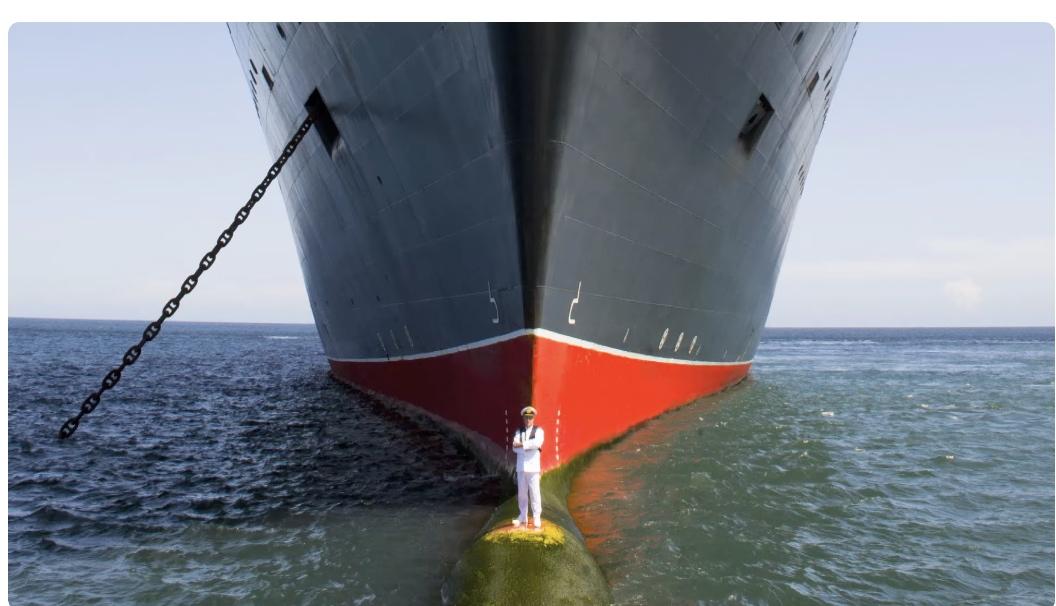
The QM2 was launched in 2004 and is the last of the world’s true ocean liners. With advanced stability systems and propulsion enabling higher speeds to be reached, even with adverse weather she can glide through the very vast Atlantic ocean.
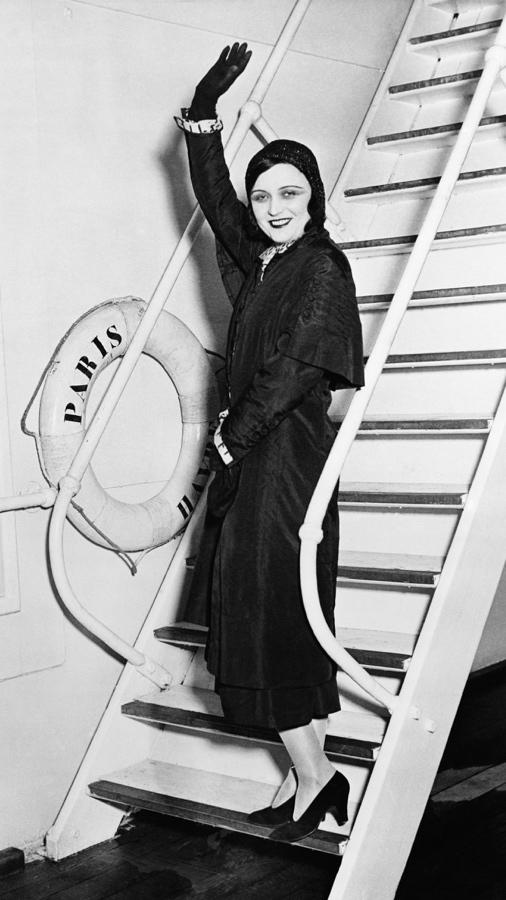
The QM2 has of course all modern conveniences. Since those early days of sea travel, improvements emerged as technology and updates were available.
Conditions such as scurvy (from lack of oranges) are not known now with the high dining of today.
As ships began to incude bathrooms in cabins, initially, in the early 20th century the showers were of seawater. Guests were issued soap which would lather in seawater.
Early swimming pools on ships were filled with seawater.
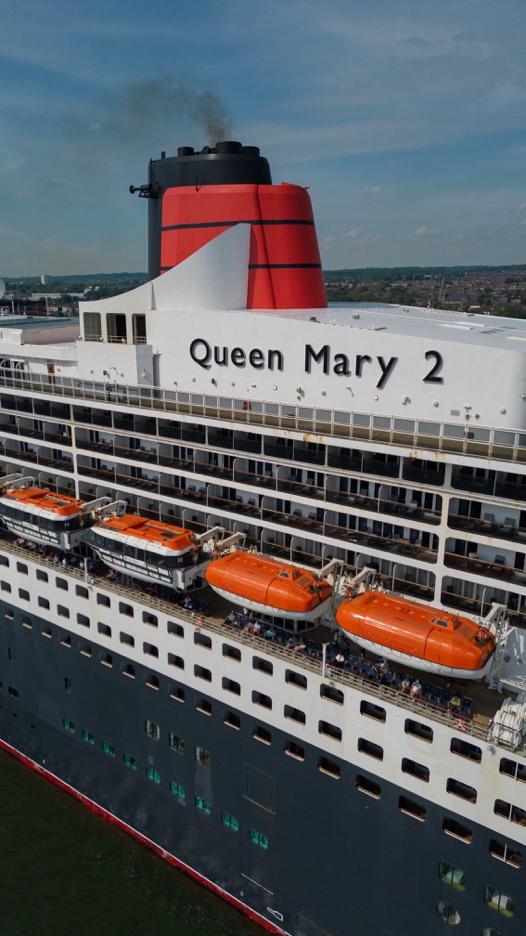
What to do in the seven days? - some options
One is not going to find water slides or climbing walls on QM2, but there is a well equipped gym and library. Too there are golf nets, a golf simulator, shops, and some activity classes.
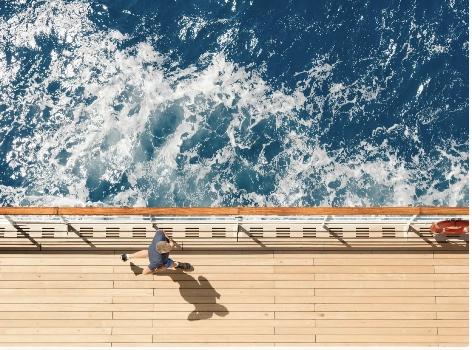
Walk on Deck 7 - the teak promenade deck 3 lengths = 1 mile
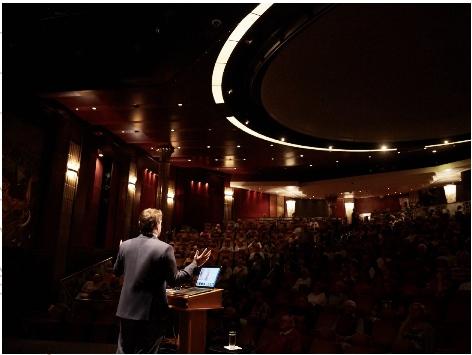
Insight lectures in the Illuminations Theatre Superb speakers in literature, and movie and military history. These are extremely popular.
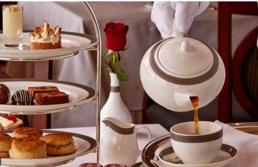
Afternoon Tea
Tea is served every afternoon at 3:30pm Many finger sandwiches, scones with jam and cream are served.
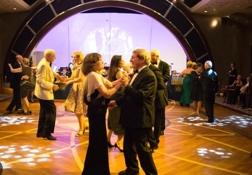
Ballroom
dancing
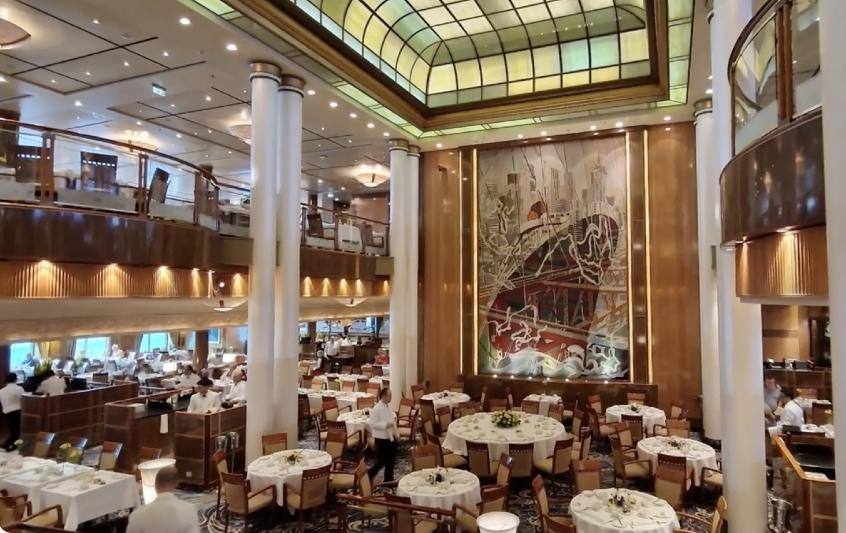
Various dining venues on the QM2 cater to all. This Brittania dining venue above is magnificent.
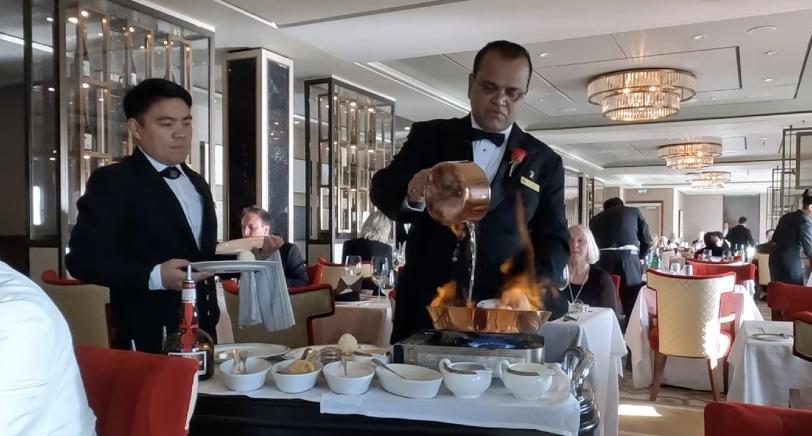
The Grills dining venue above provides superb food and service.
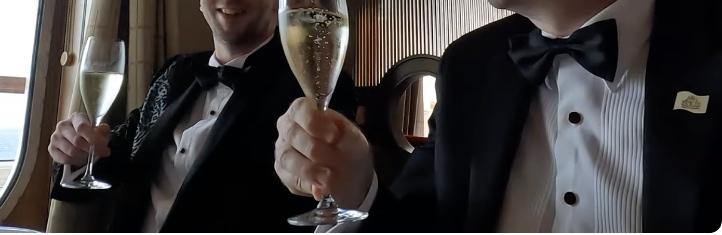
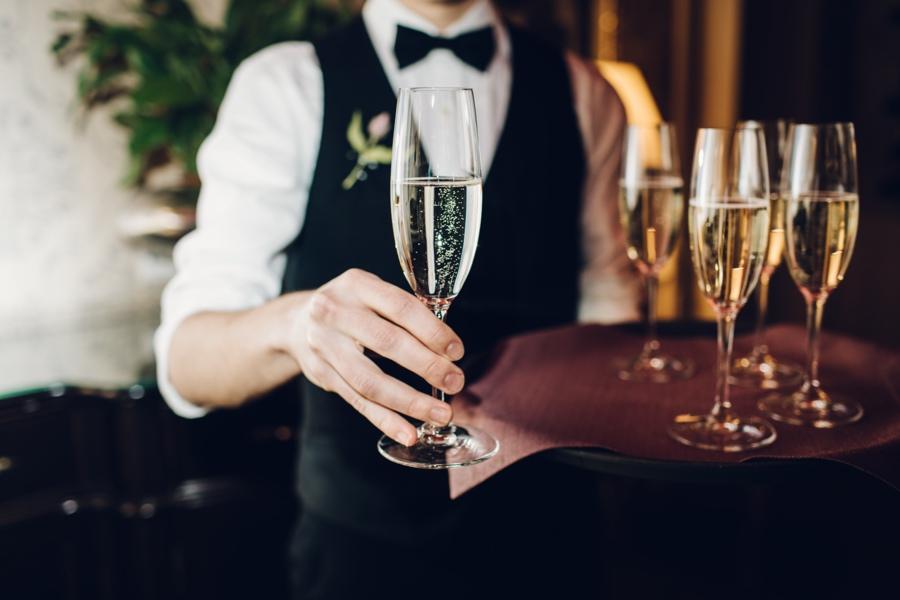
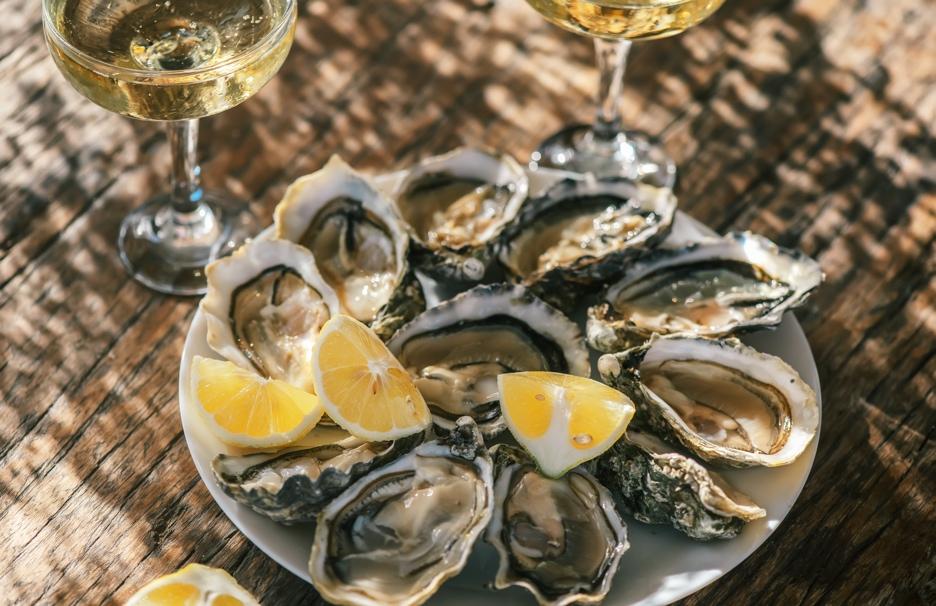
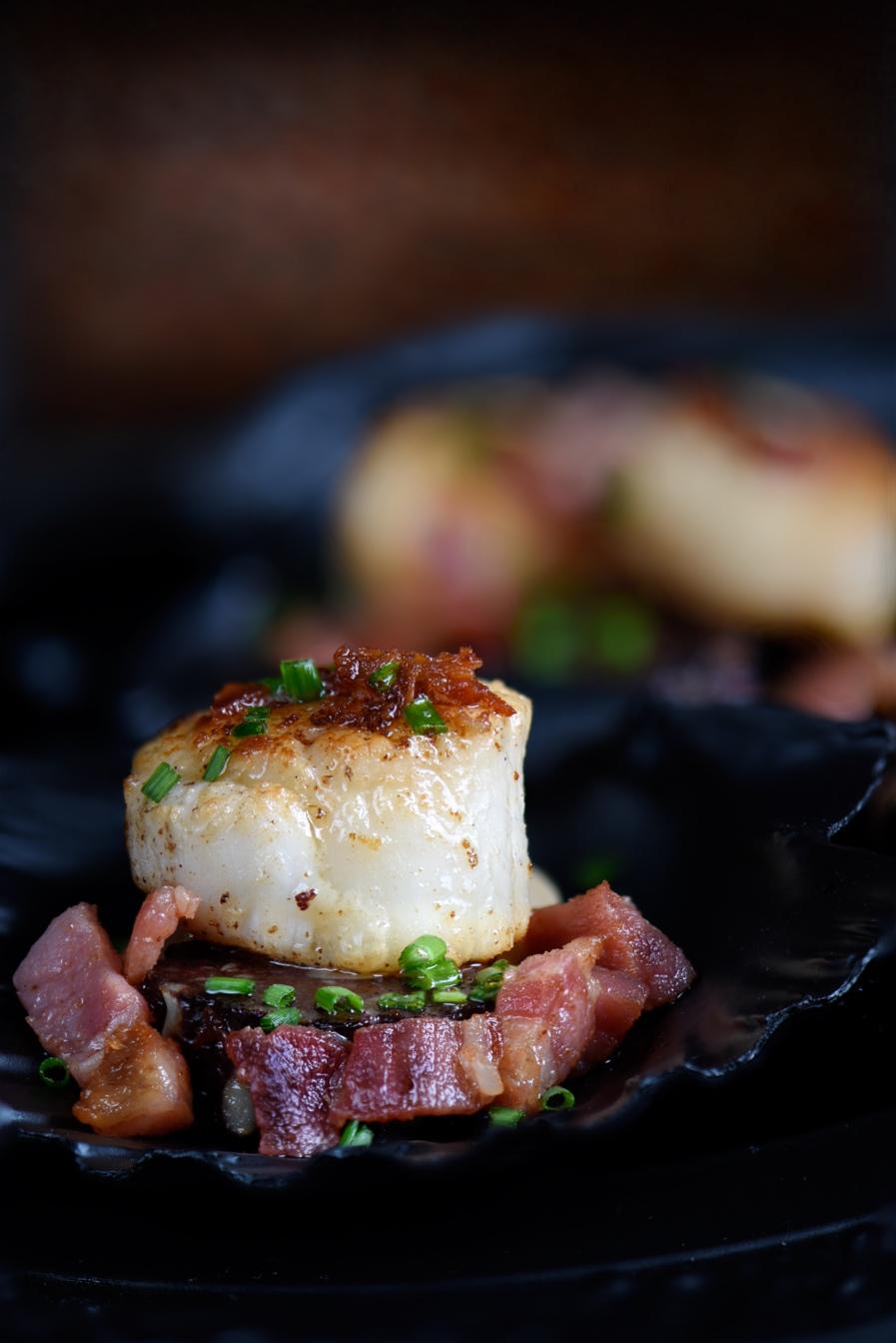
Champagne, oysters, caviar, duck a l’orange, beef wellington, dover sole and other foods considered special are offered in abundance in the Grills dining venues.
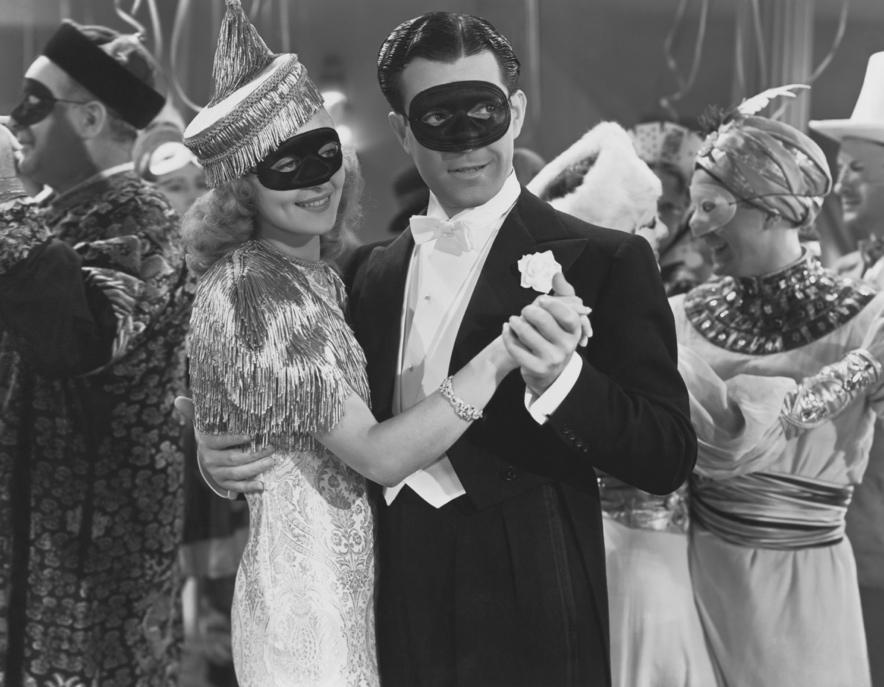
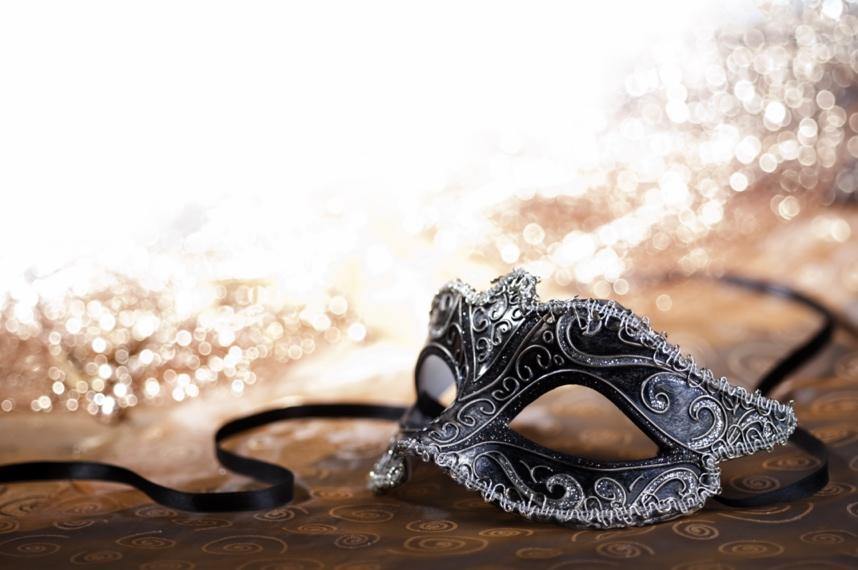
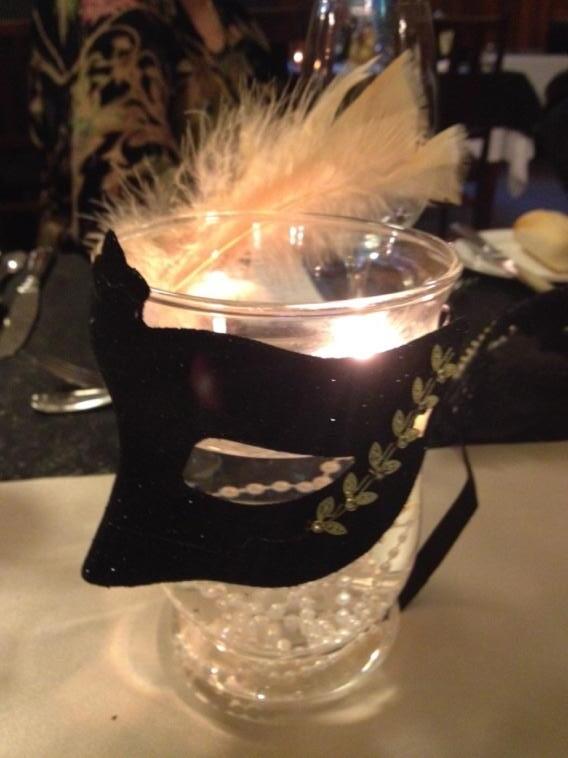
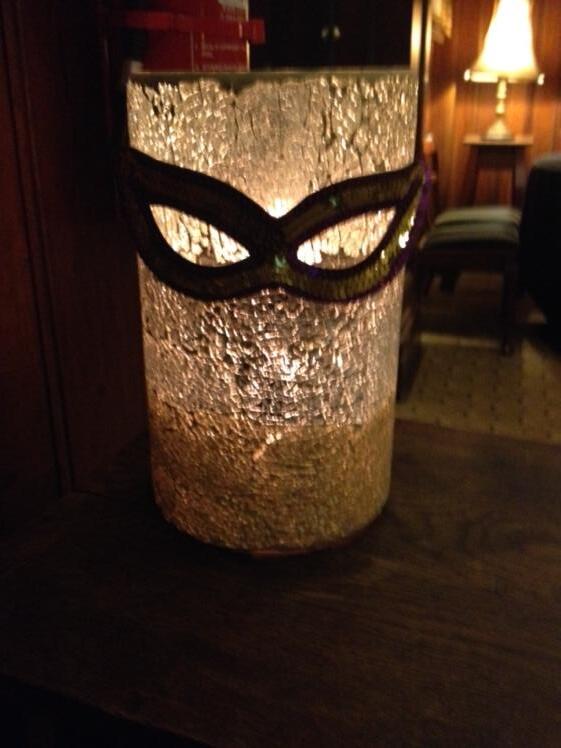
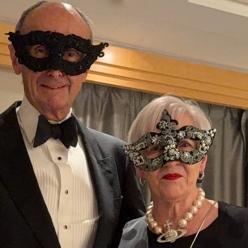
Perhaps a Masked Ball is on the schedule for an evening. This crossing is for those who enjoy dressing for dinner and galas.
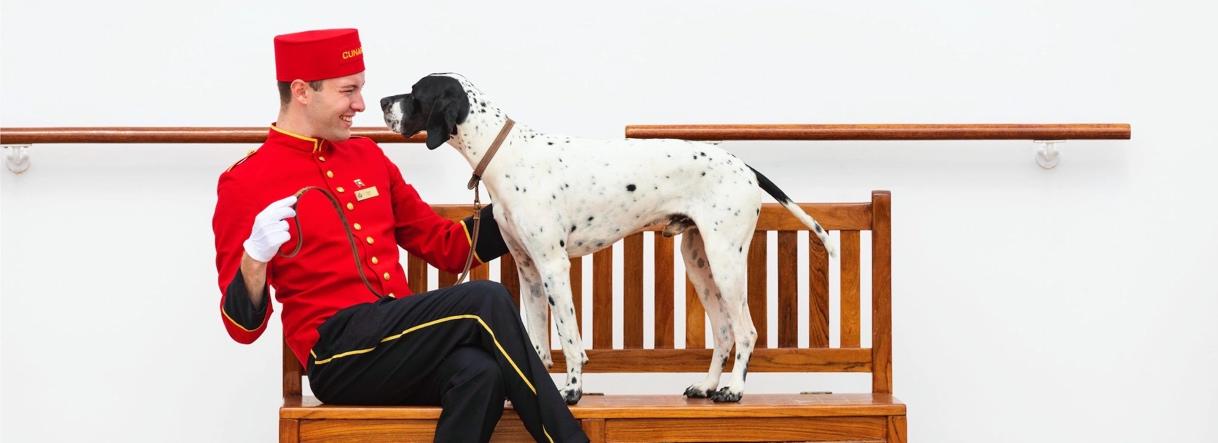
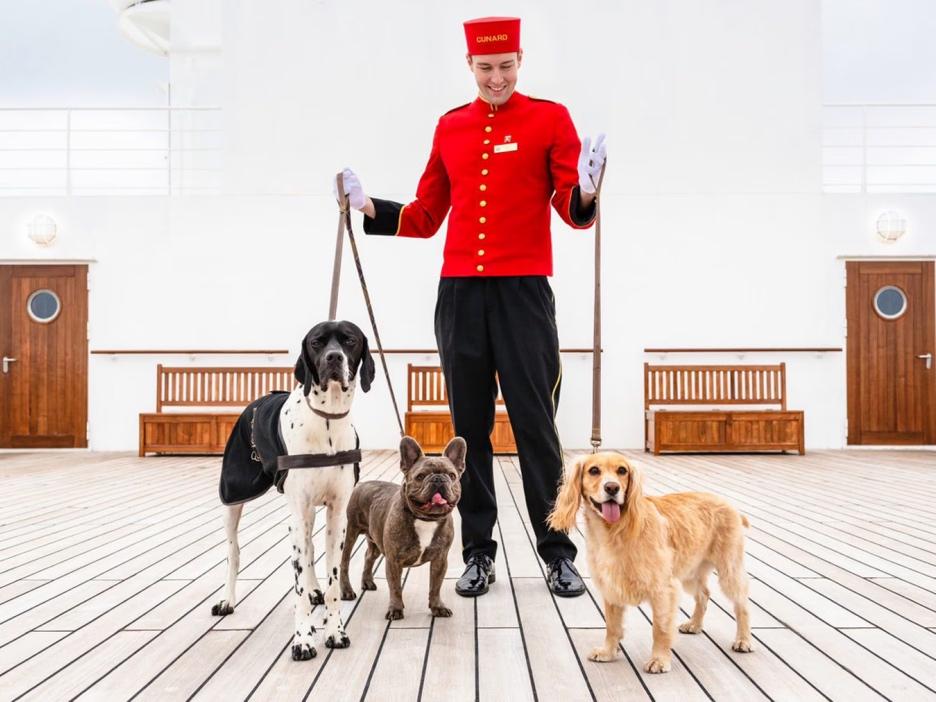
Bring your dog for the crossing! Fido can be walked by you or the staff.
A life jacket for your dog is provided. Book early, dog staterooms sell out fast! The QM2 kennel area has a lamp post and a fire hydrant, for dogs when in fresh sea air.