JIANRAN MA PORTFOLIO 2021-2024
2021-2024 WORKING SAMPLE
Jianran Ma 314-696-4651
Jianran@wustl.edu
Master of Architecture May.2024
CONCRETE RIDGE
ARTIST FOUNDATION WITH RESIDENCY
Bachelor of Engineering June.2020 SPACE
CHICAGO COLLECTIVE HOUSING AMERICAN DWELLING COMMON PARADISE PARK INSIDE URBAN COMMUNITY
CONCRETE RIDGE
Architechture Design
2024 Spring
Individual Work
Instructor: Don Koster
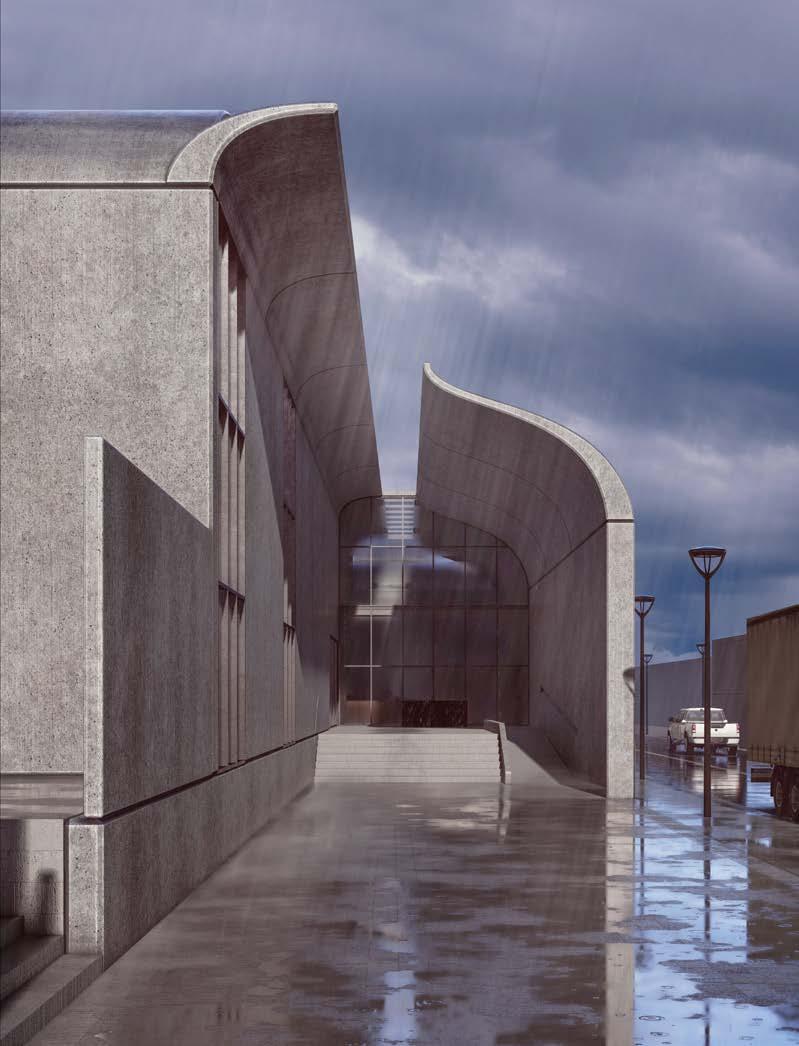
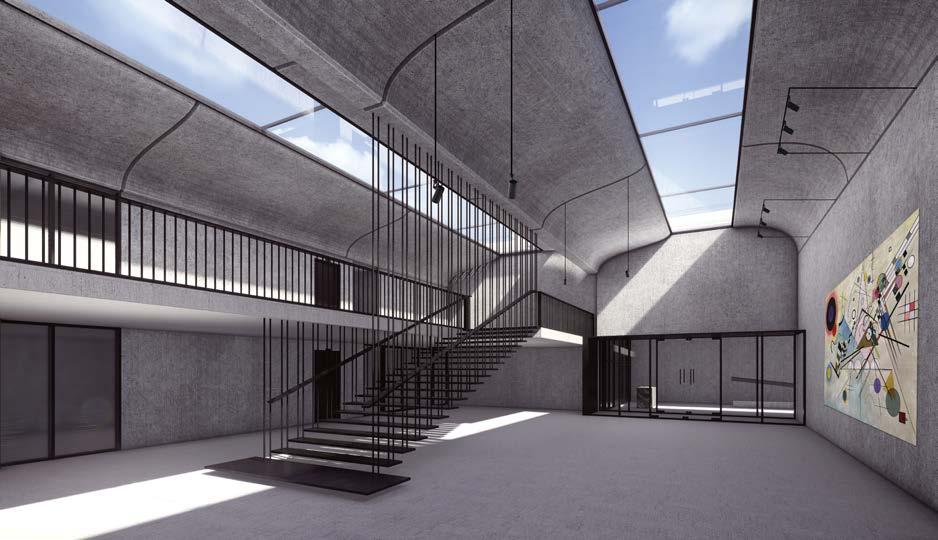
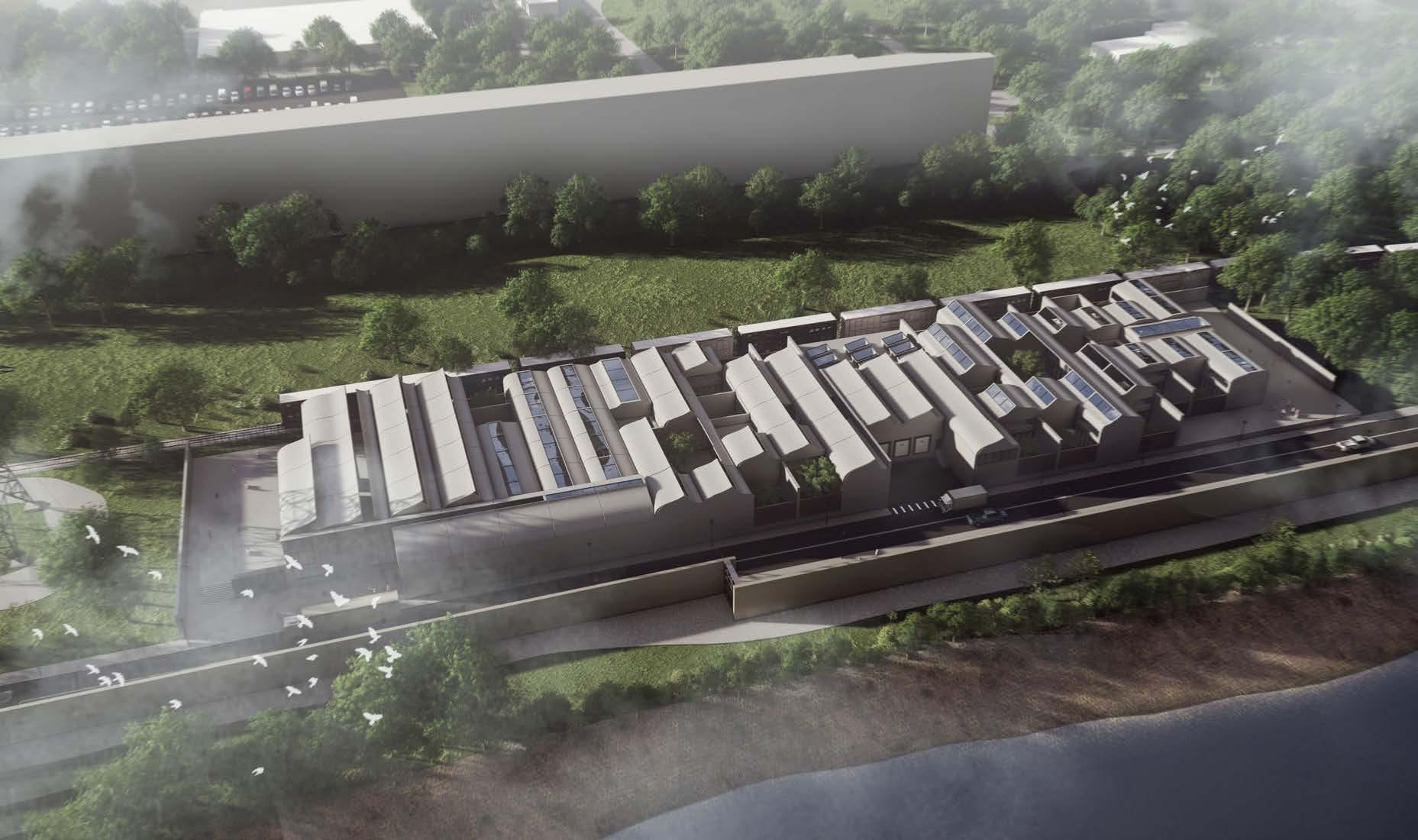
Light is ephemeral, concrete is permanent. Exploring the dynamic between these elements in the urban landscape, I see light as a fleeting marker, symbolizing transience, while concrete serves as a solid base, a canvas where life's interactions are sketched out.
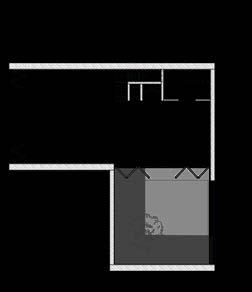
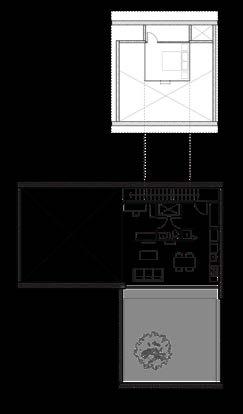
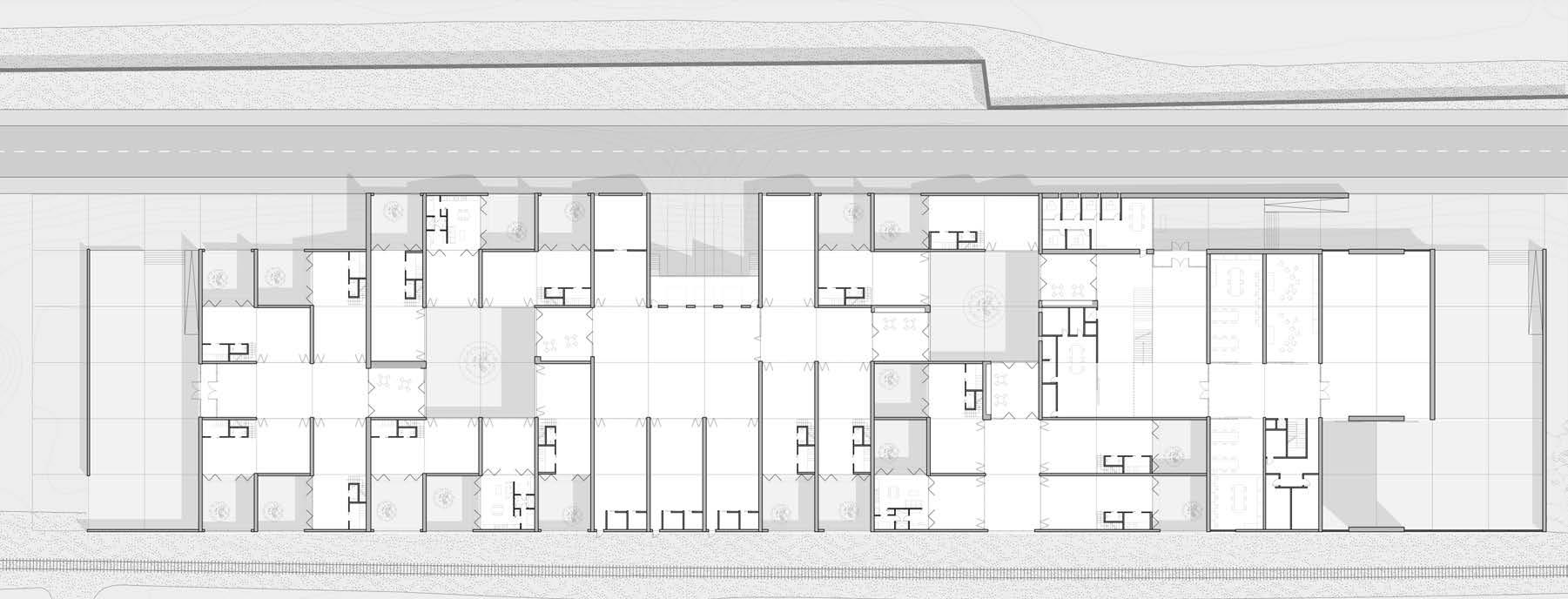
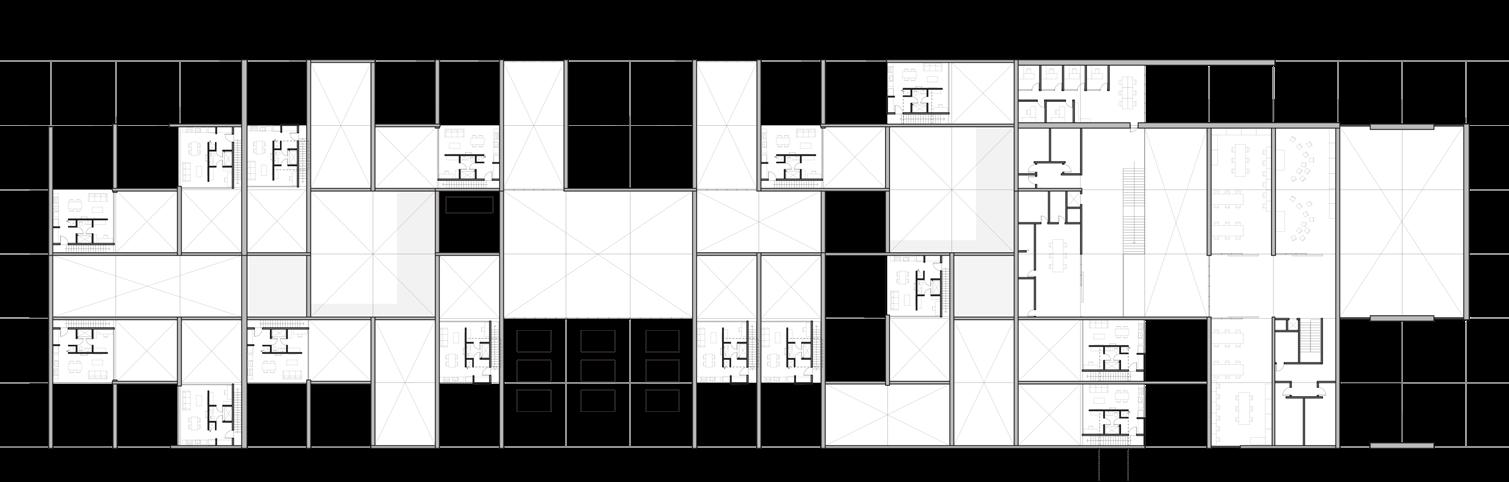
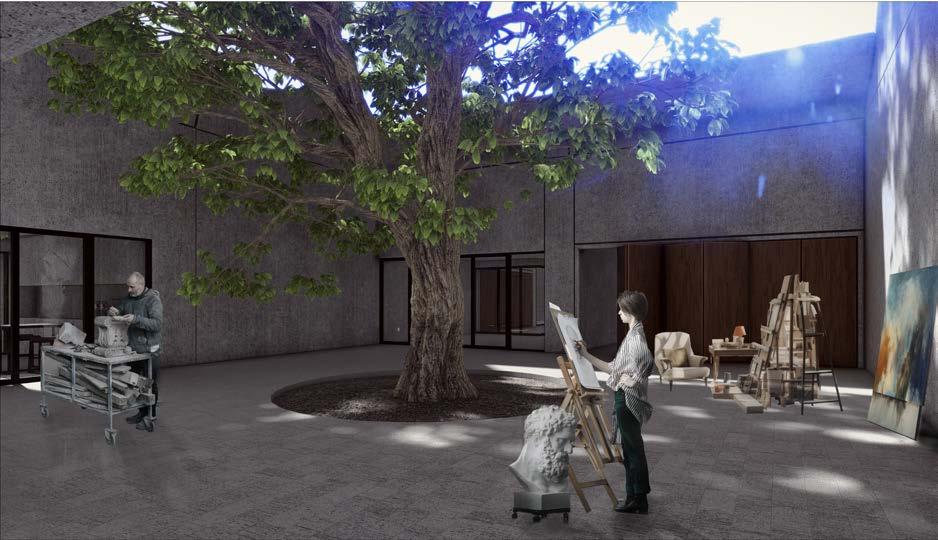
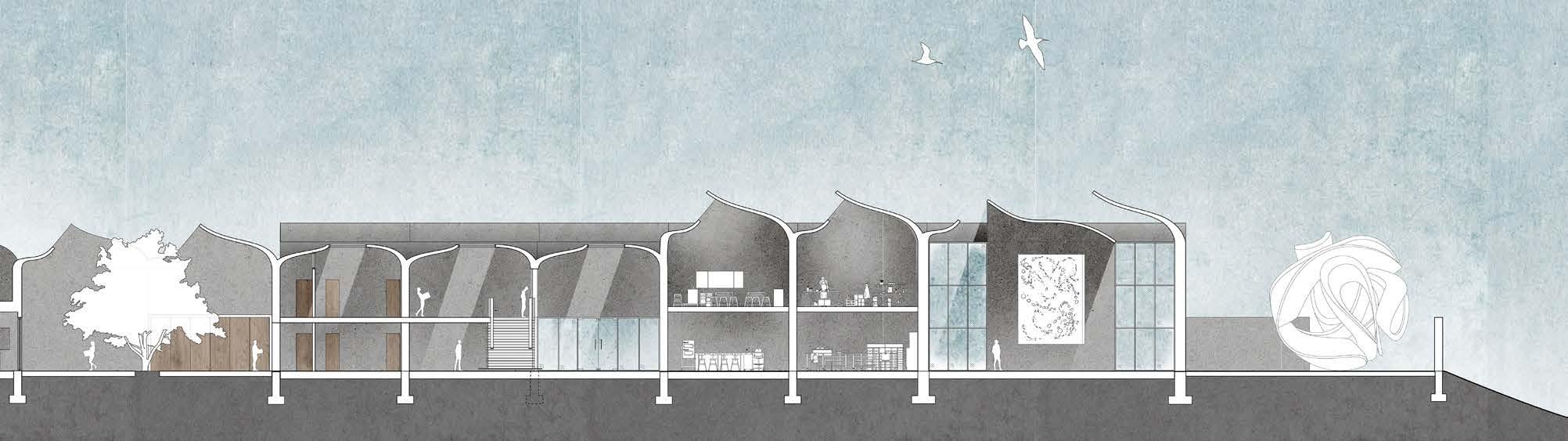
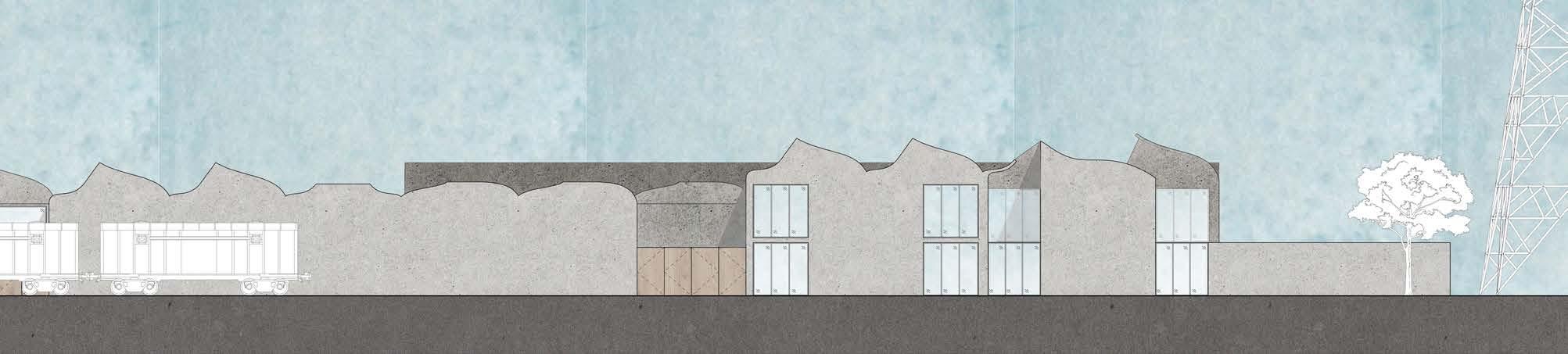
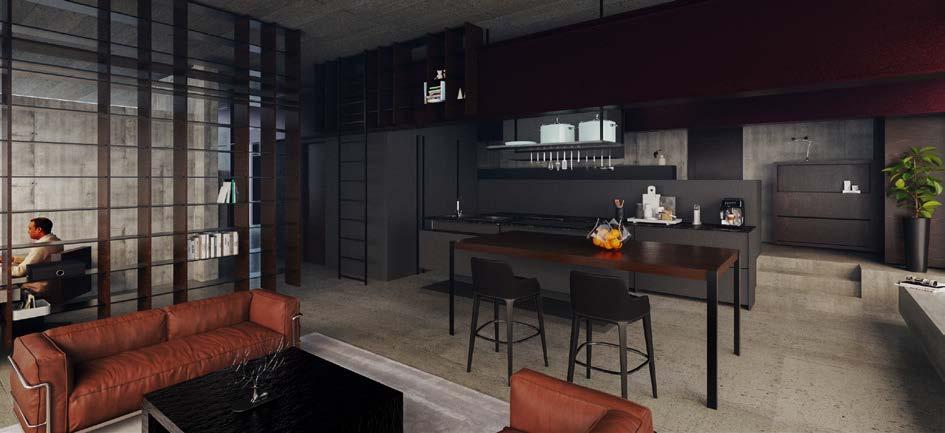
This artist foundation with residency provides artists with various spaces suited to their creative needs, along with ample workshop facilities. Equipped with basic residency amenities, artists can choose to live here, merging into the industrial vibe, or use it as a workspace with a bed to rest. The studios are connected by a shared working space with large sliding doors, allowing artists to collaborate or, if necessary, close off their space to focus on sensitive projects.
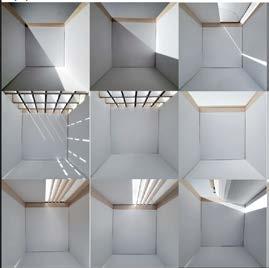
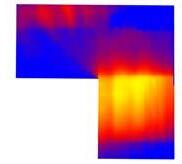
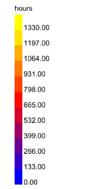
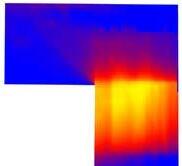
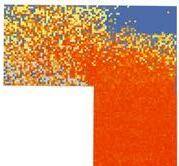
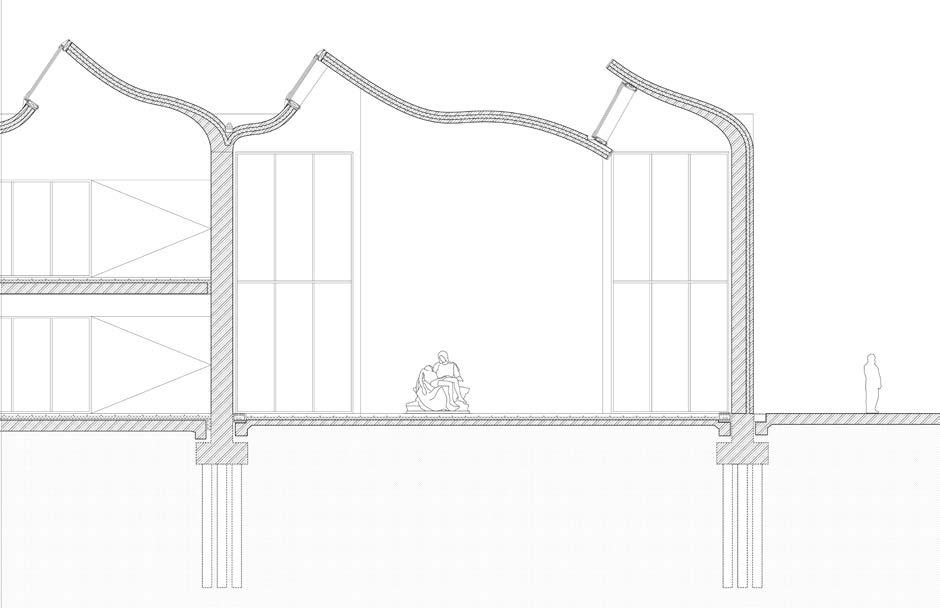
The rooftop shape corresponds to the function of each chamber, whether workshop, studio, or residency. It also adapts to the need for natural light, providing unique lighting conditions for artists, whether they are sculptors or painters.
The site for the project is uniquely positioned next to the Cotton Belt Freight Depot on the edge of the Missouri River. As St. Louis has transitioned from industrial operations to a service-oriented economy, areas like the Cotton Belt Freight Depot have seen a decline in traditional industrial use. The move away from manufacturing is driven by several factors including economic shifts favoring modern business sectors, technological advancements rendering old facilities obsolete, urban redevelopment priorities focusing on residential and recreational enhancements, and increased environmental regulations protecting vital waterways. These factors have collectively spurred the abandonment of many industrial sites, leaving them ripe for innovative transformations.




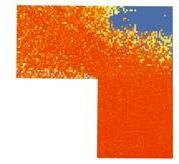
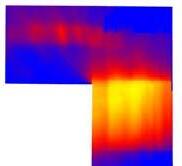
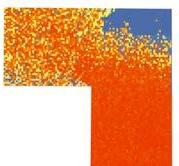

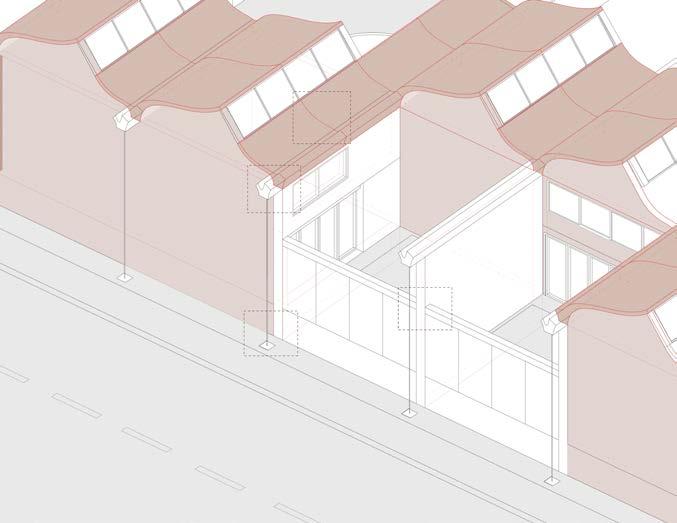
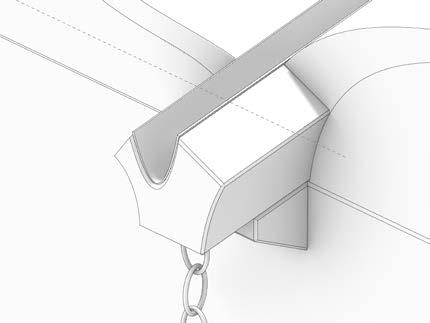
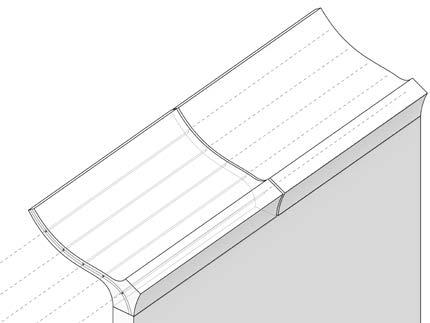
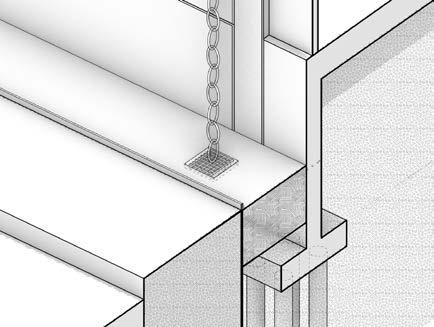
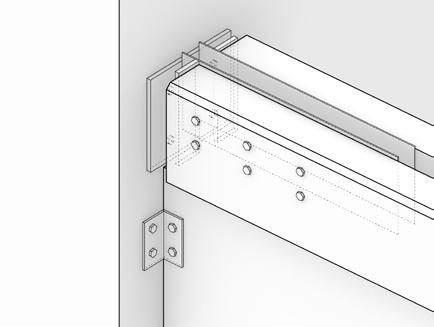
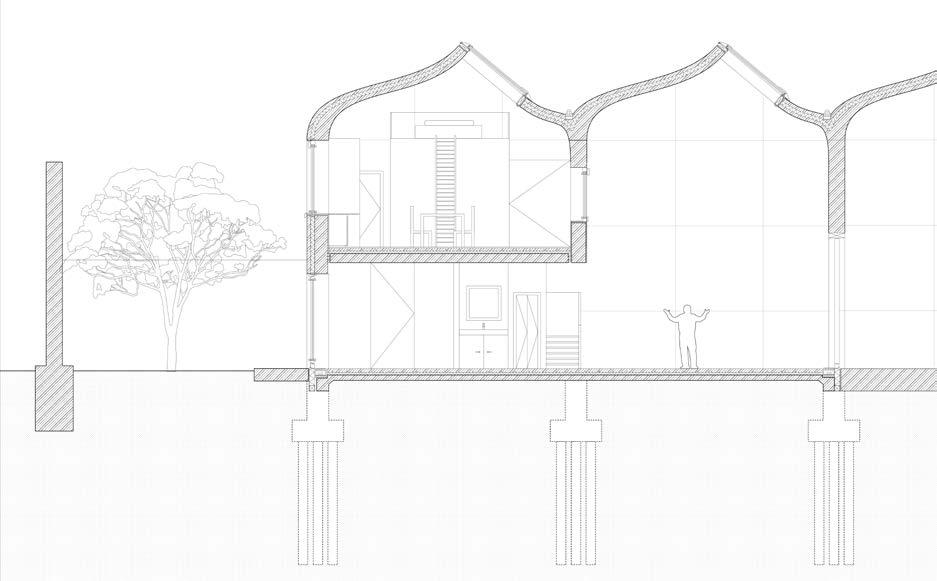
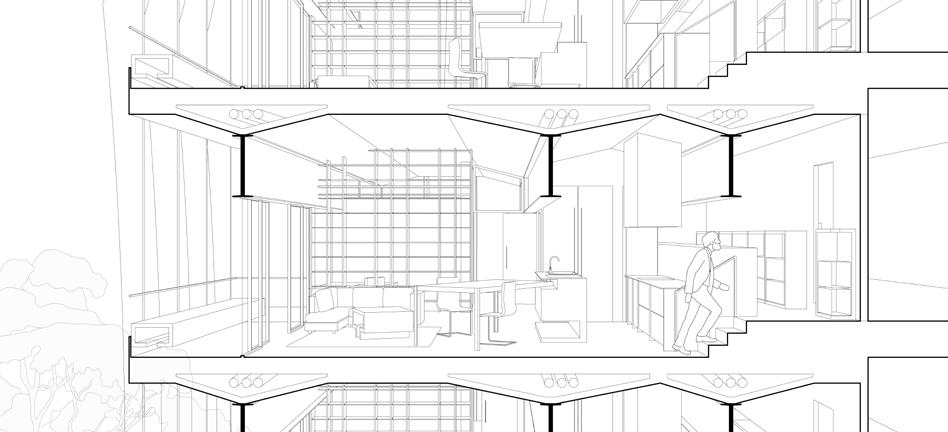
Residency Section Detail
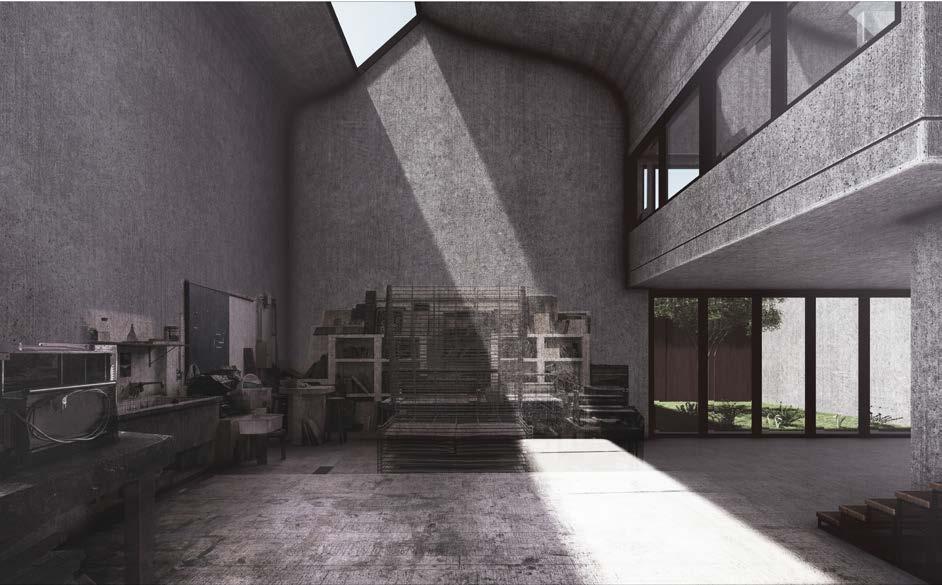
Residency Unit Rendering
01 4” OUTER PRECAST CONCRETE SLAB;
4” RIGID INSULATION CORE;
16” PRECAST CONCRETE SLAB
02 SECOND FLOOR CONSTRUCTION:
1” PRE-FINISHED PARQUET;
3” CONCRETE SLAB WITH EMBEDDED RADIATION PIPING;
3” THERMAL INSULATION; POLYETHYENE VAPOR BARRIER;
10” CONRETE SLAB WITH REINFORCED STEEL;
2” FINISHING WOOD CEILING
03 TRIPLE GLAZING WITH IMPROVED EDGE SEAL
04 FIRST FLOOR CONSTRUCTION:
1” PRE-FINISHED PARQUET;
3” CONCRETE SLAB WITH EMBEDDED RADIATION PIPING;
3” THERMAL INSULATION; POLYETHYENE VAPOR BARRIER;
6” TO 10” CONRETE SLAB WITH REINFORCED STEEL ON SOIL REPLACEMENT
05 DAINAGE: GALVANIZED SHEET STEEL GUTTER IN U-SHAPE PREFABRICATEDD REINFORCED CONCRETE ELEMENT
06 24”X56” STRIP FOUNDATION WITH INJECTION ANCHORS AND PILE
07 DOUBLE GLAZING SKYLIGHT WITH ALUMINUM SNAP CAP
08 12” REINFORCED CONCRETE SLAB
09 1” WOOD BASED MATERIAL PANEL FOR WINDOW SILL
10 18” CAST-IN-PLACE CONCRETE WALL
11 6 PIECES 9’ THERMAL BROKEN WOOD FOLDING PANEL
12 VENTILATION GRATING 13 12” CONCRETE TERRACE PAVERS 2% TO FALLS
SOAK IN HIMALAYAS
Architechture Design
2023 Fall
Individual Work
Instructor: Georgia Daskalakis
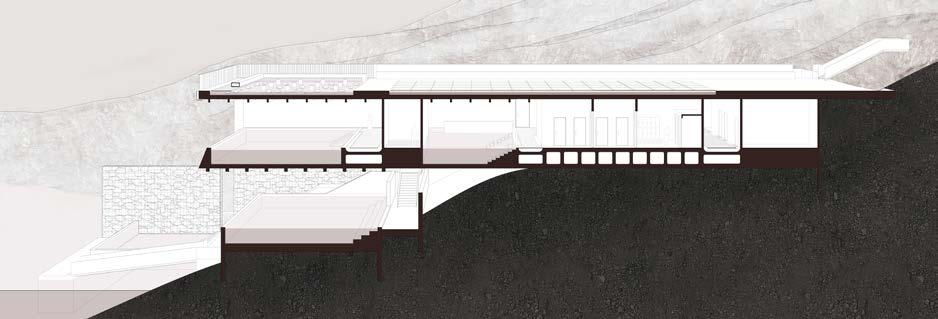
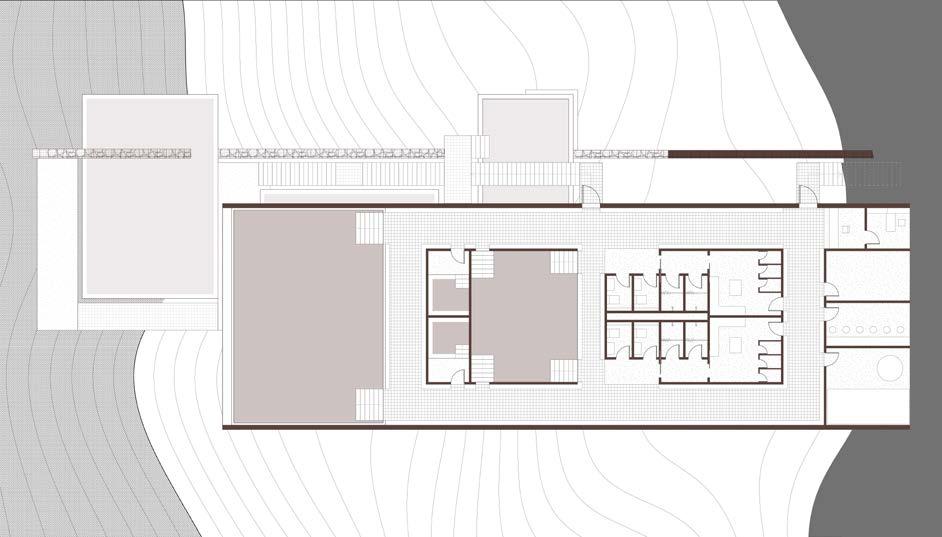
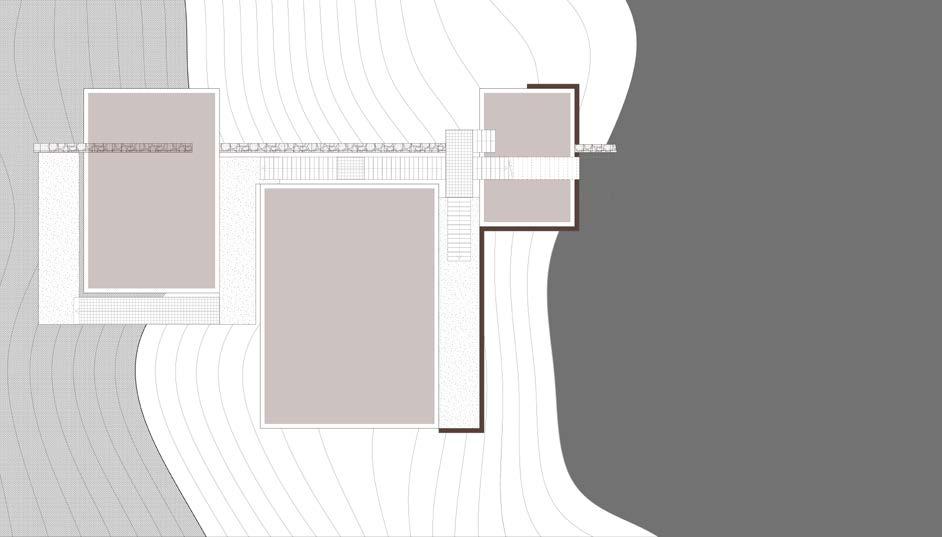
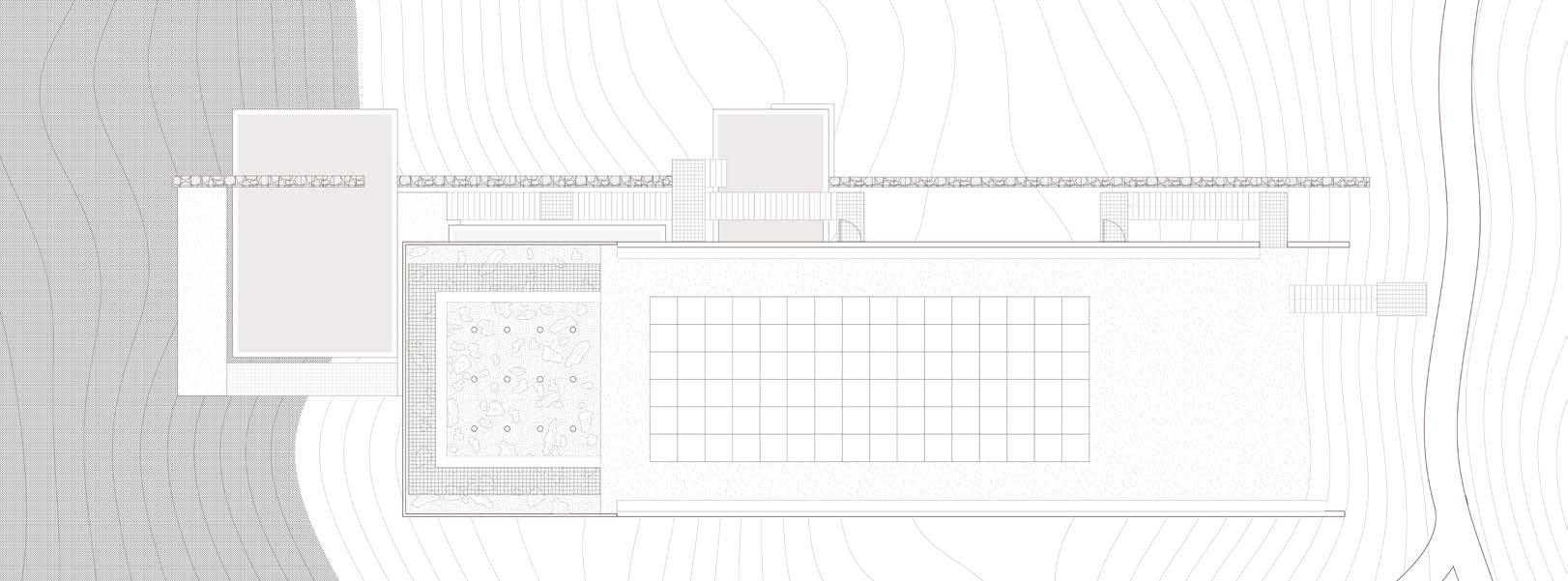
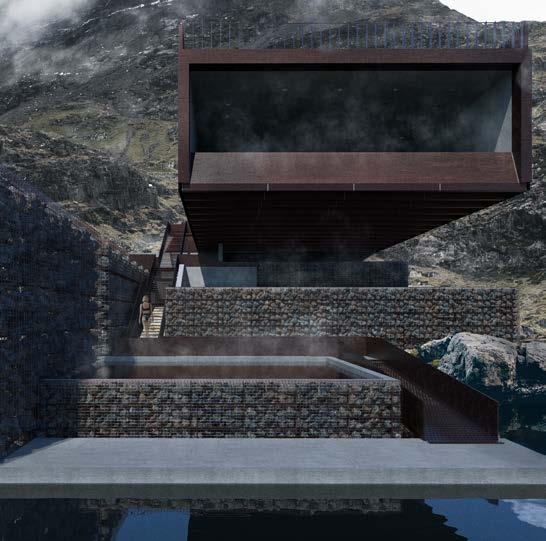
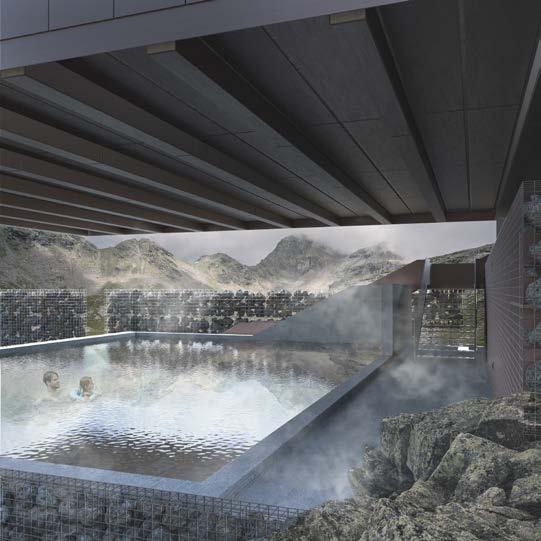
This thermal bathhouse in the Gosaikunda Hot Springs, near the sacred Gosaikunda Lake in Nepal, utilizes corten steel to track the weathering effects of water. The horizontally embedded corten steel cube serves as a specialized instrument for monitoring the impacts of water and weather, aligning with the project's goal to understand nature's processes and the relationship between water, weather, and the environment.
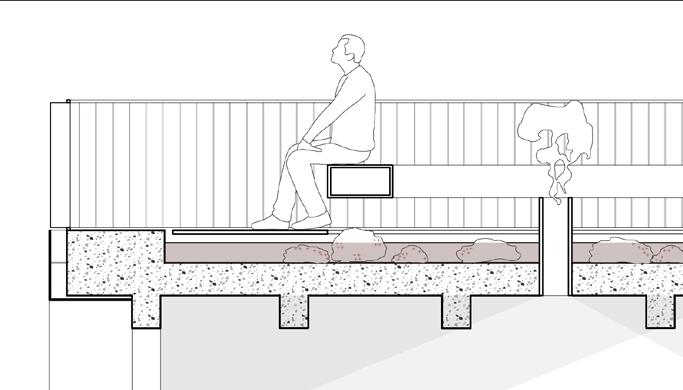
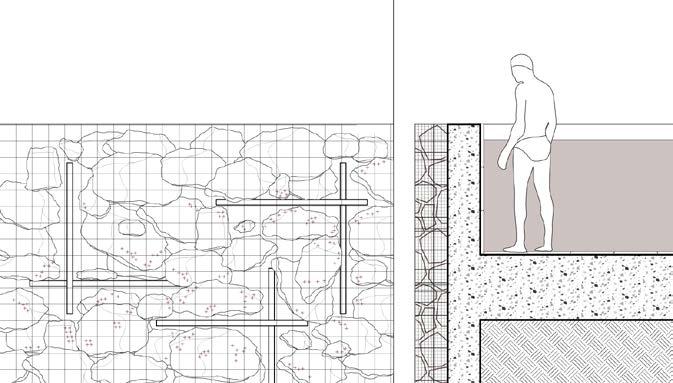
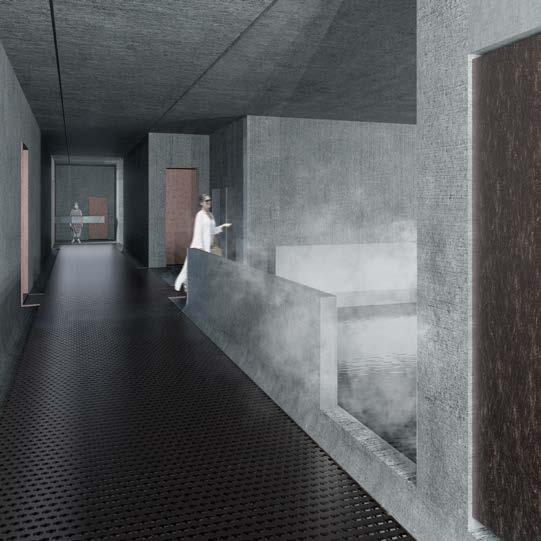
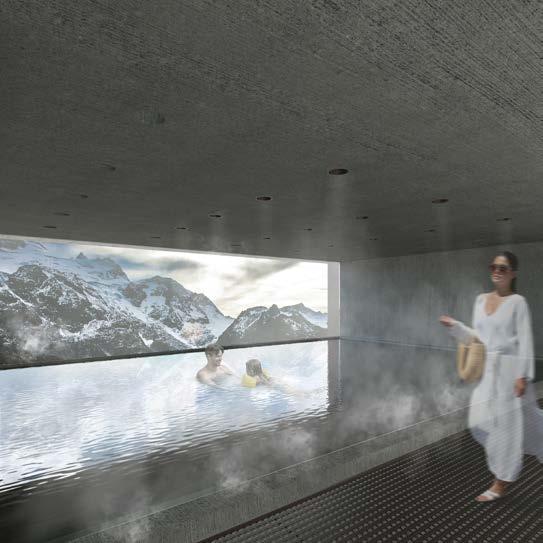
Heated by Gosaikunda Lake's geothermal energy, the water in the bathhouse flows through pool walls made of gabions and metal panels, allowing for natural weathering. The rooftop features a small landscape pool with rocks, symbolizing the union of structure and nature. Steam from indoor pools is released through cylindrical chimneys, enhancing the design's interaction with water and the landscape.
The space is divided into two levels. The upper floor, a large rectangular structure, is embedded into the mountain, with corten steel panels contrasting rough concrete walls and perforated metal floors. The lower floor features three staggered outdoor pools, creating a water-walking experience. Gabion walls built with local rocks enclose the space, allowing natural weathering and blending the design with its environment over time.
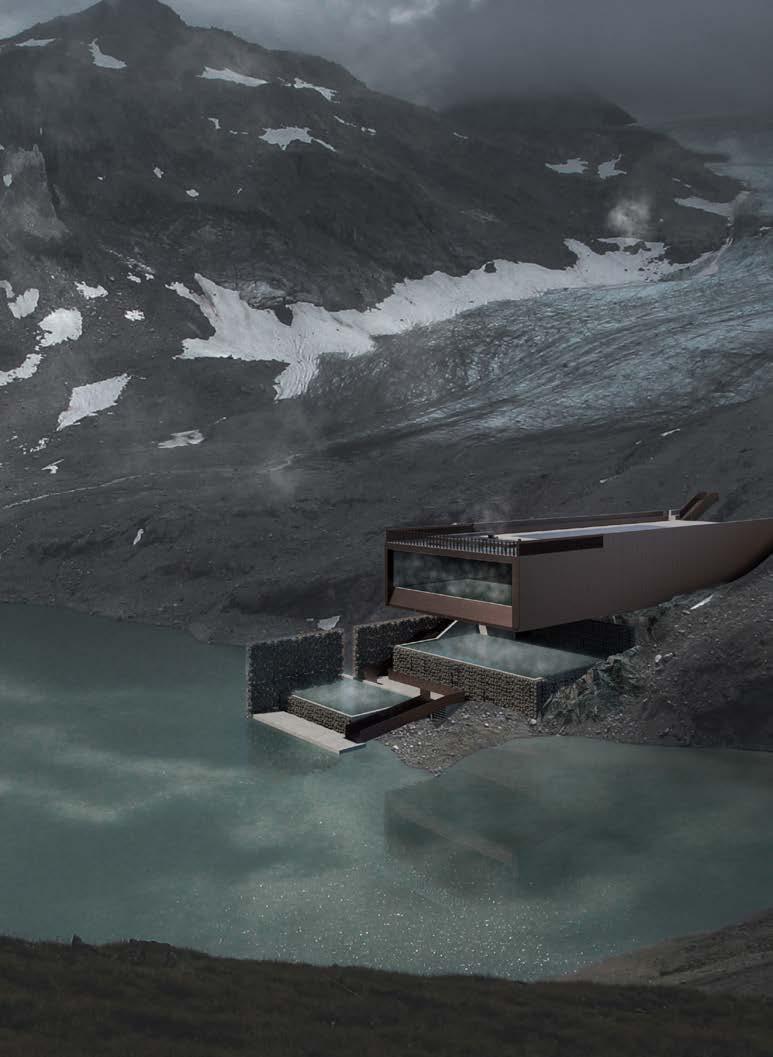
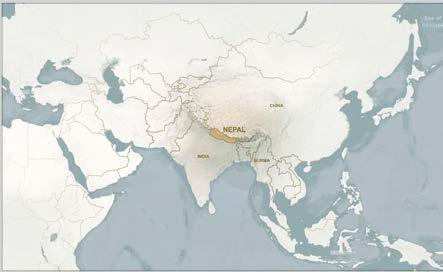
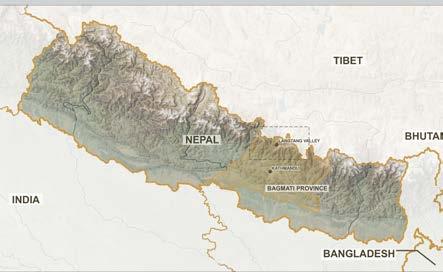

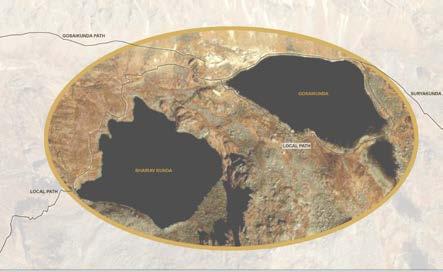
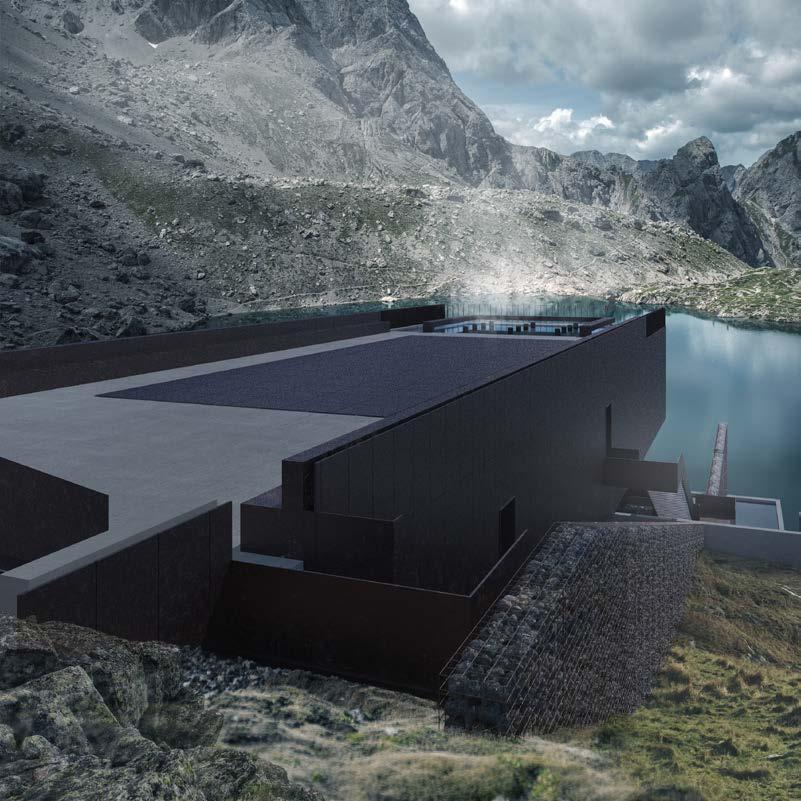
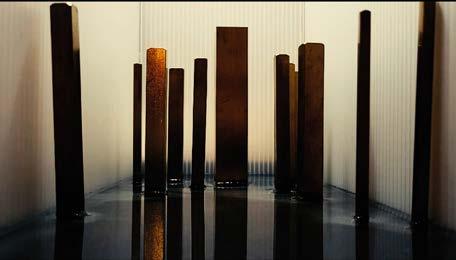
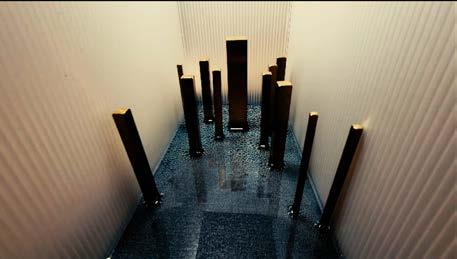
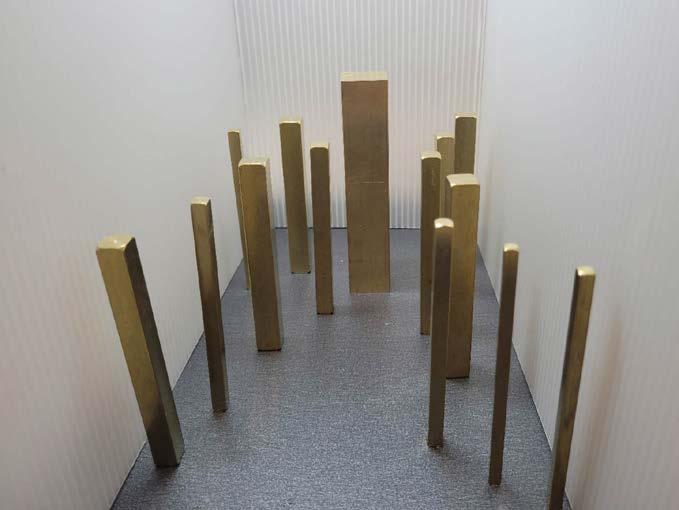
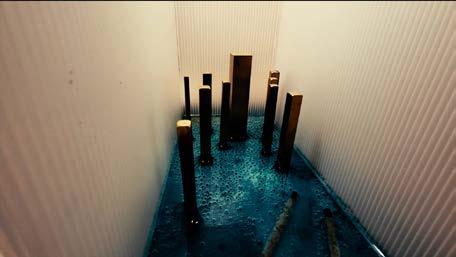
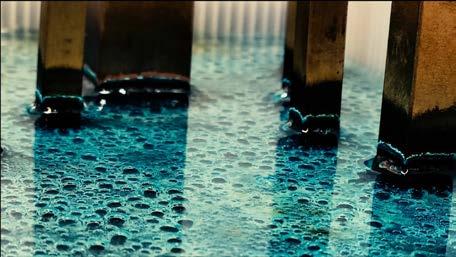
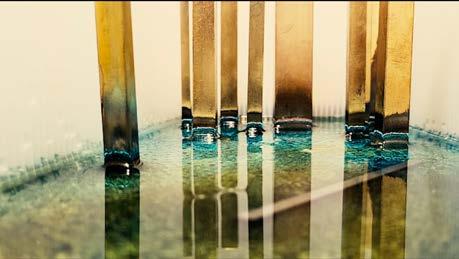
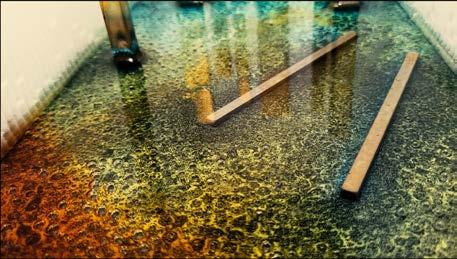
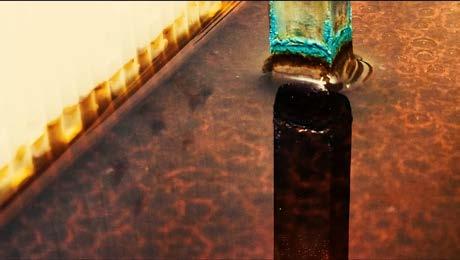
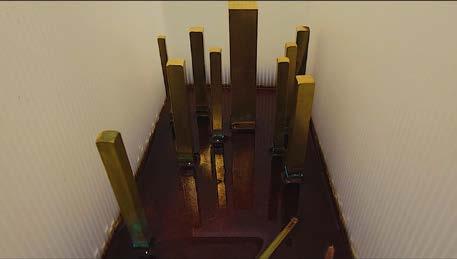
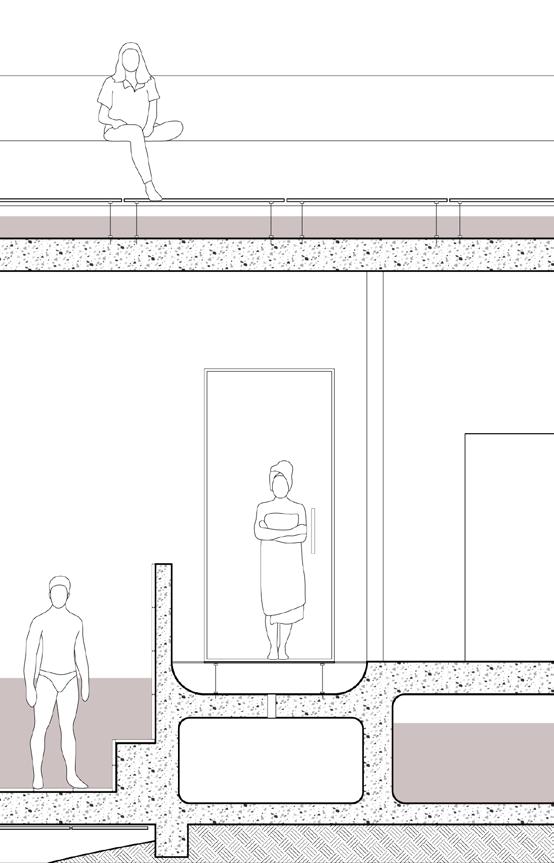
This project utilizes Gosaikunda Lake's water, heated by the lake's underlying geothermal energy. The design intricately connects to water's various states and its impact on the building. Pool walls are constructed with gabions, incorporating metal panels amongst the stones, allowing for natural weathering.
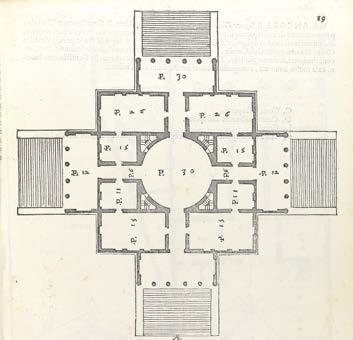
COMMON PARADISE
Architechture Design
2023 Spring
Individual Work
Instructor: Rammon Bosch
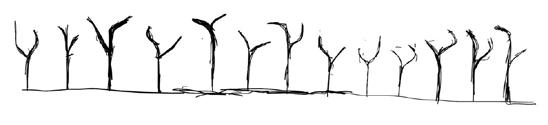
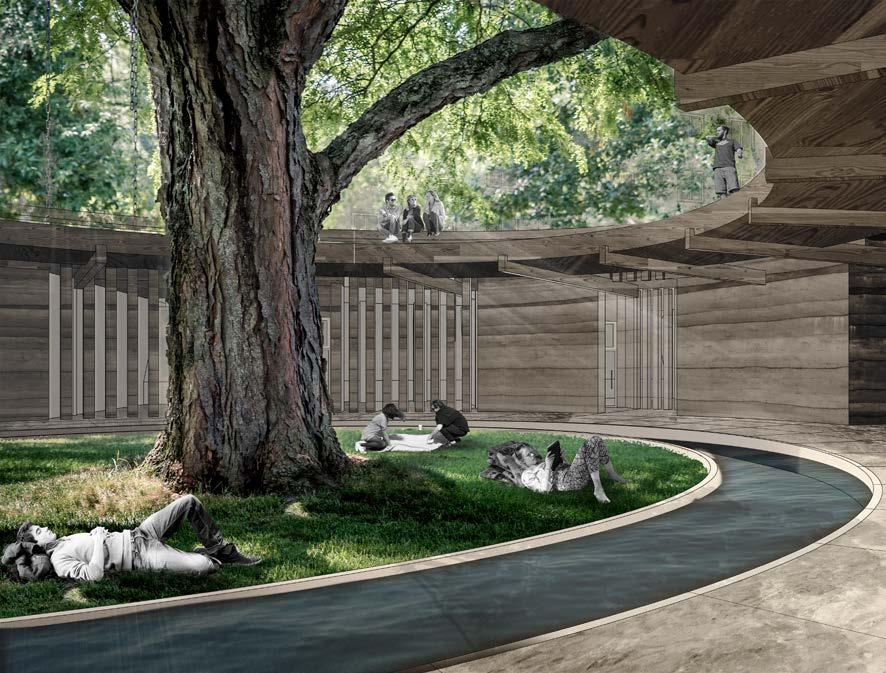
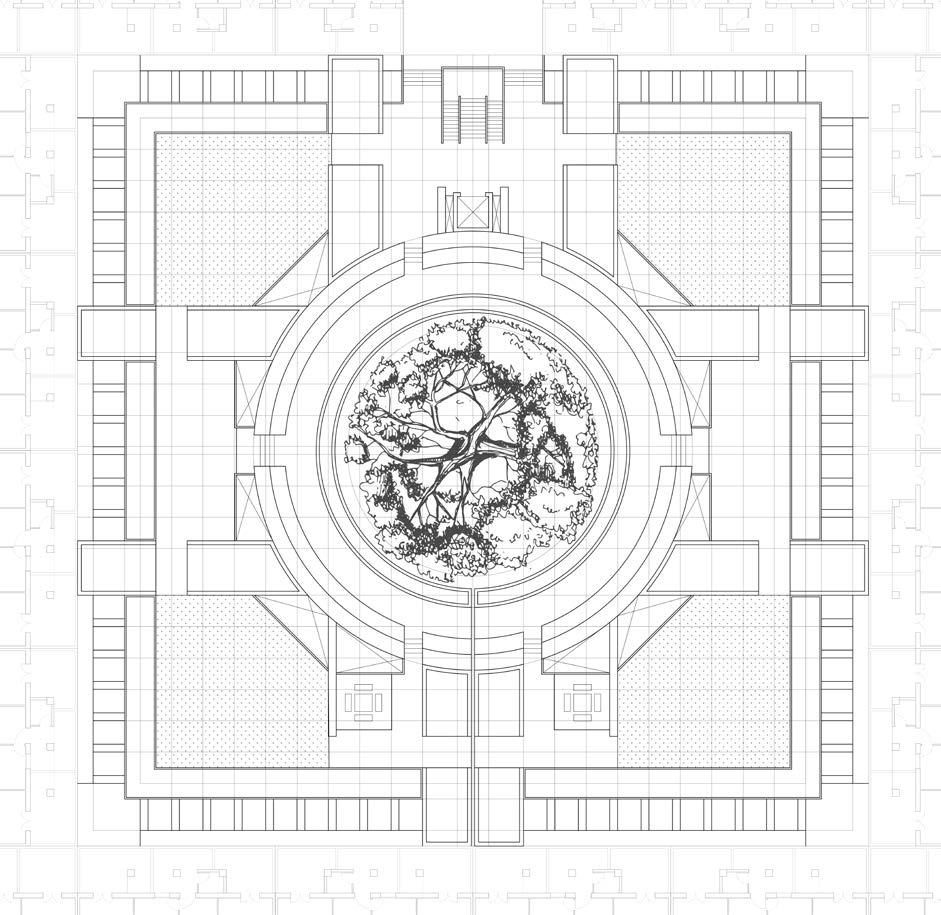
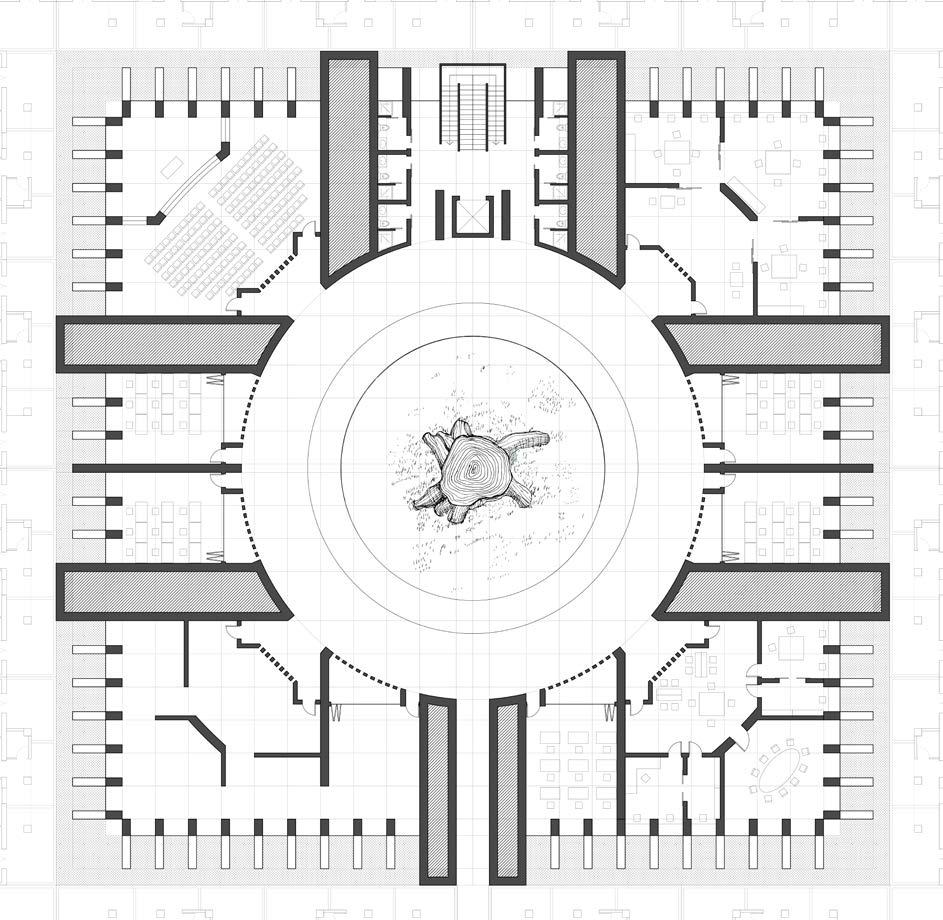
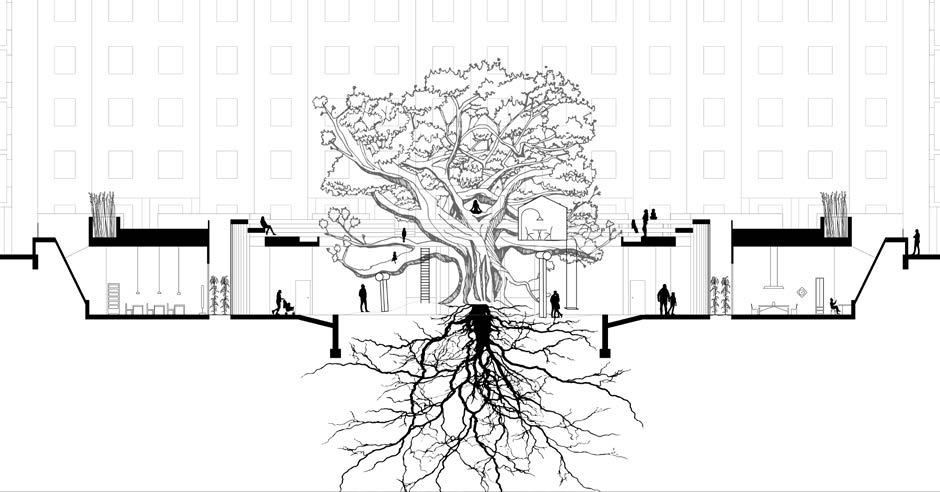
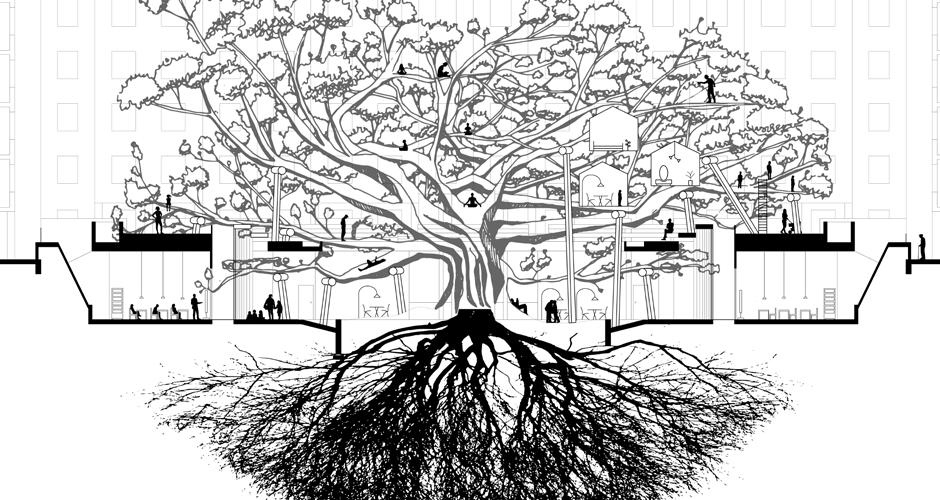
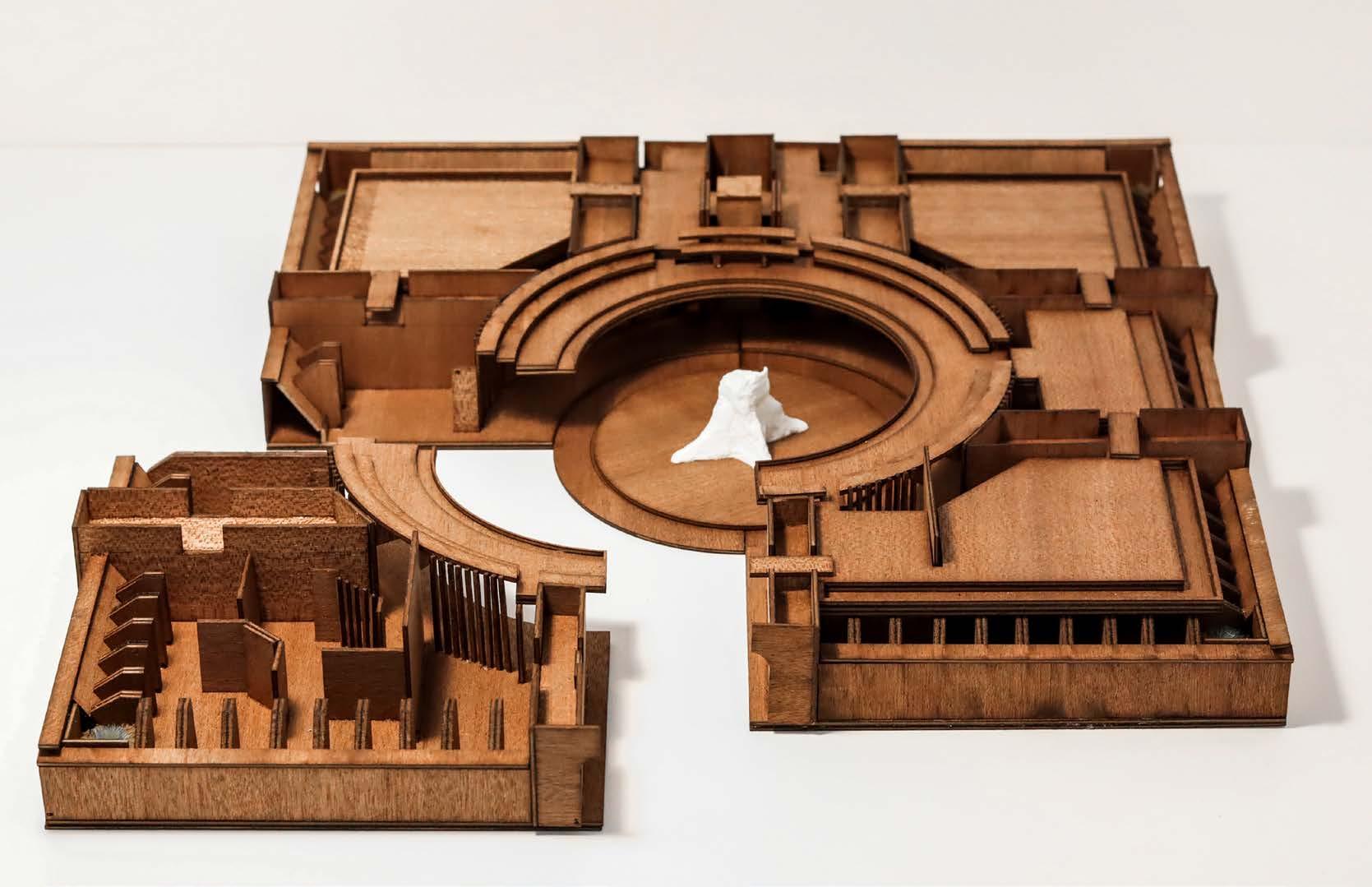
The tree is the absolute central core around which the entire structure and its functions revolve. It represents a living, breathing entity that requires time, water, and care to grow, embodying the intersection of nature and urban life. The design acknowledges that a tree needs time to mature, an aspect often overlooked in fast-paced city planning. Design the perimeter, and let nature weave the central rhythm.
The park, with shared common spaces such as offices, classrooms, and stores located at the lower level, is designed as a representation of nature's utilization, influencing the behavior and perception of its inhabitants. By integrating the tree's growth timeline from sapling to grand tree with human interaction, the project creates a dynamic space where nature and urban life coexist and influence each other.
A system reuses gray water gathered from the surrounding residences, using plants like common reed and cattail planted around the park to purify the water resources for both the tree and the people. The water tank, designed with eight thick walls, not only stores water but also functions as thermal mass, storing heat to cool down the entire building. The integration of nature with the urban environment is not only an expression of architectural form but also a realization of sustainable functions.
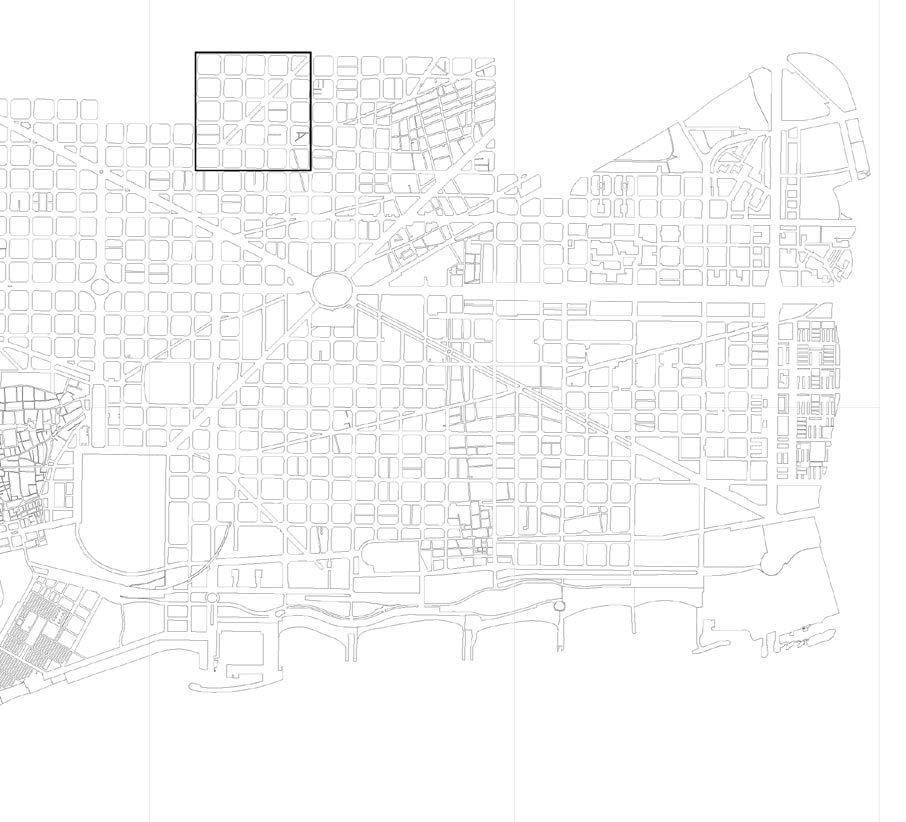

The late 19th and early 20th centuries heralded a new era of architectural magnificence in Barcelona.
L’Eixample district became the heart of the Modernist architectural movement, with iconic architects like Antoni Gaudí, Lluís Domènech Montaner, and Josep Puig i Cadafalch creating extraordinary designs. Gaudí's La Sagrada Família, along with Casa Batlló and Casa Milà,
stand as testament to this era's architectural brilliance. In recent times, Barcelona has embraced its role as a dynamic global city. Hosting the 1992 Olympic Games was a turning point, leading to extensive redevelopment and further modernization. Today, it's celebrated as a key cultural, economic, and tourist center.
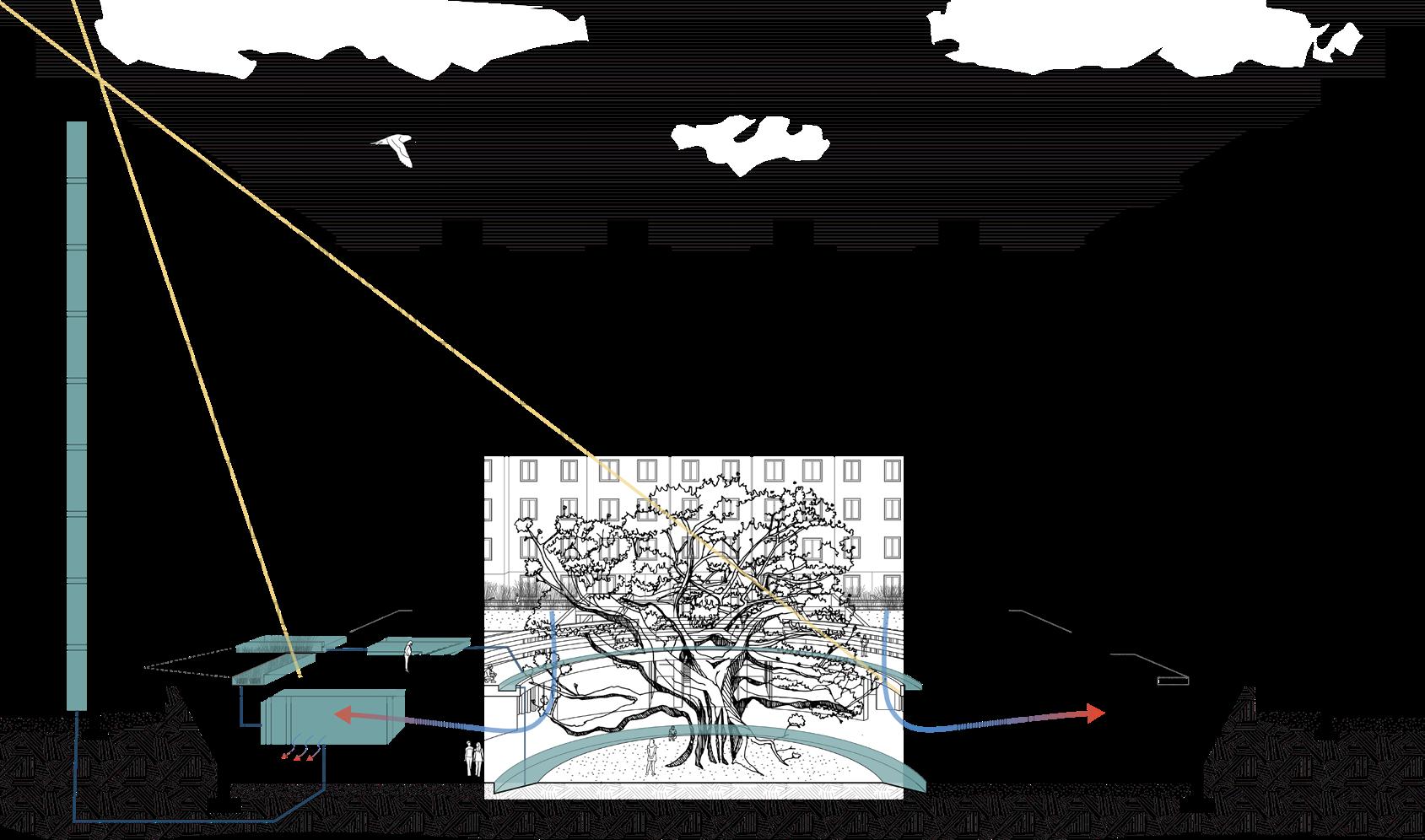
Wintersunpath(45degree)
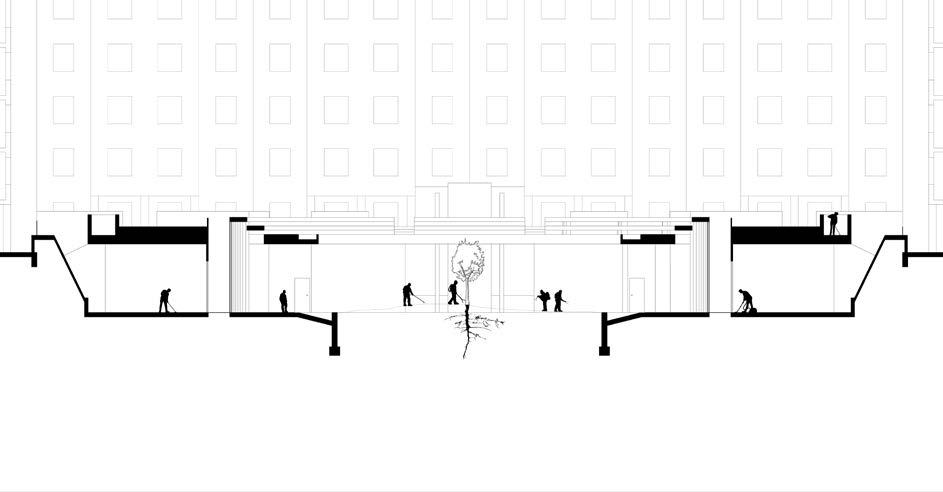
Phase 1: human take care of sapling
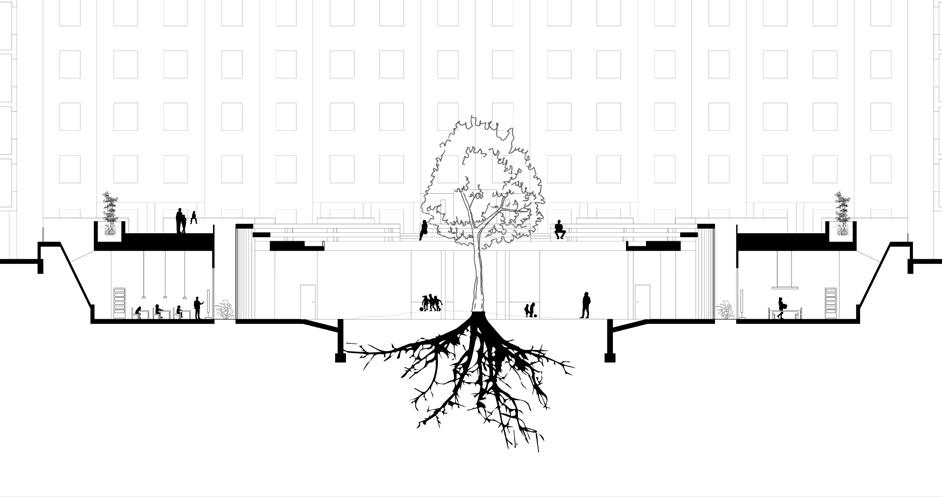
Phase 3: The tree grows because of the careness

CHICAGO COLLECTIVE HOUSING
Architechture Design
2022 Fall
Individual Work
Instructor: Philip Holden
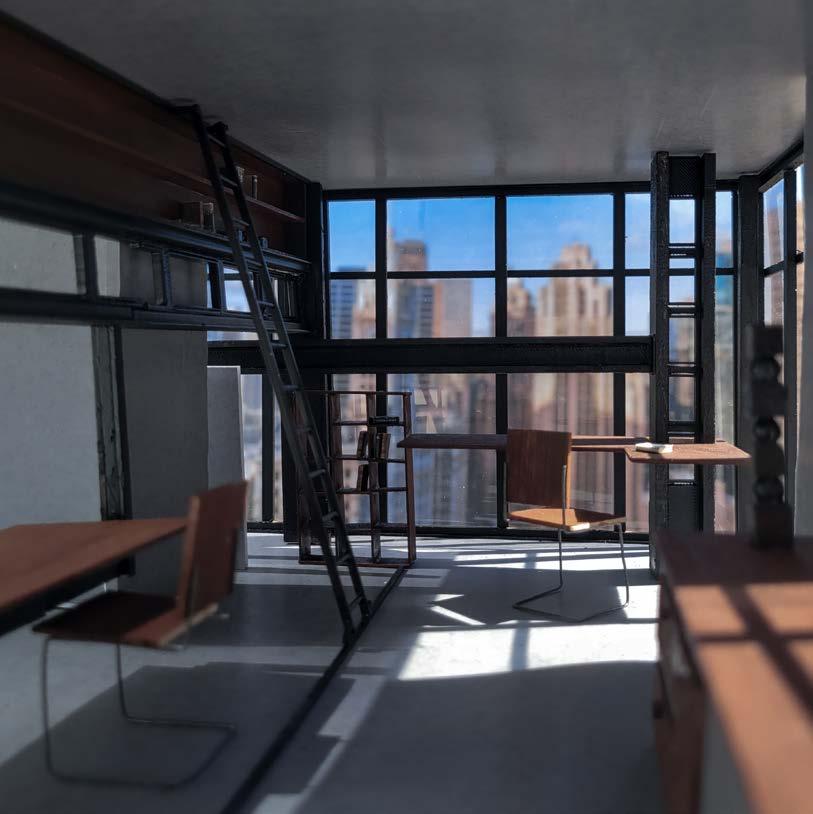
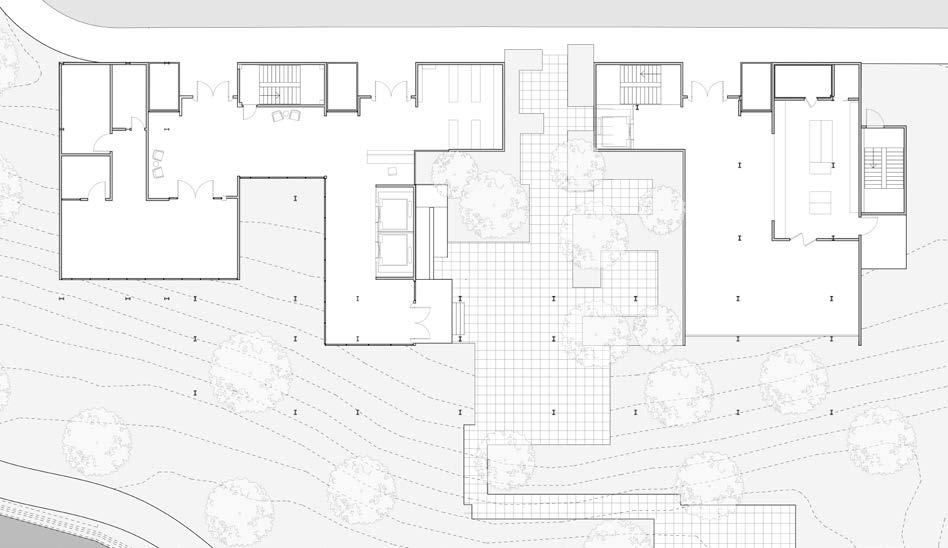
This project integrates the primary steel structure into the interiors of dwelling units in Chicago, a city renowned for its architectural innovation. By merging structure with aesthetics, the steel beams actively shape and organize the living spaces.
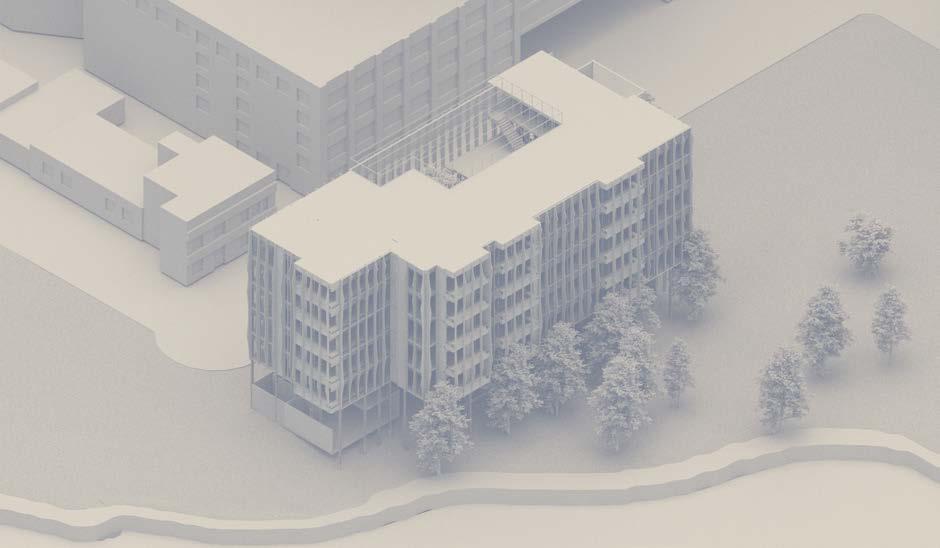
The approach employs a reinforced-concrete system for robust structural support, liberating the facade from conventional constraints and enabling innovative design possibilities. This flexibility enhances the building's efficiency and user experience.
The wave-like facade design thoughtfully mirrors the fluidity of the nearby Chicago River, creating a visual and thematic connection. Utilizing Grasshopper for the facade design ensures high precision and complexity, showcasing advanced architectural technology.
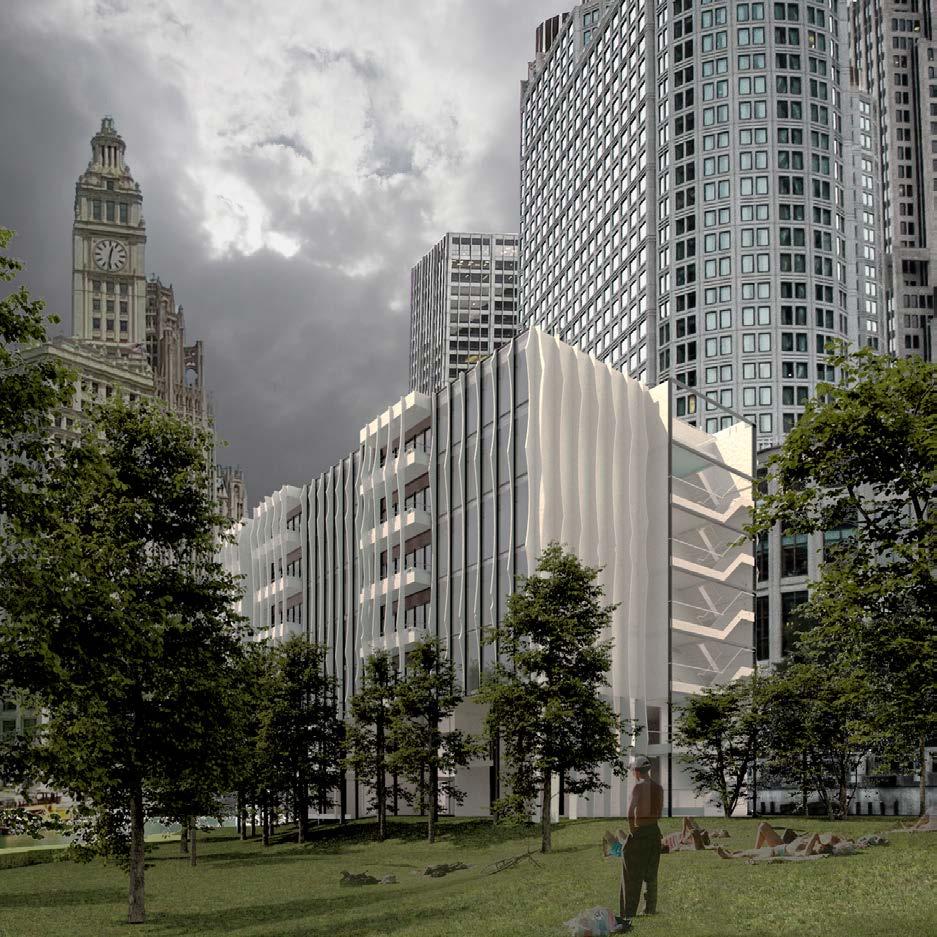
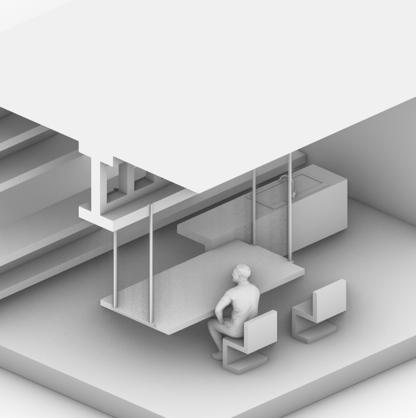
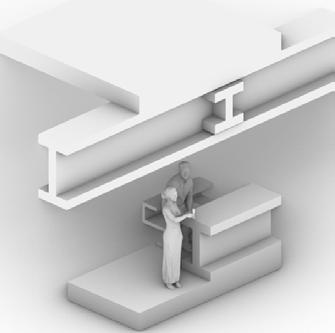
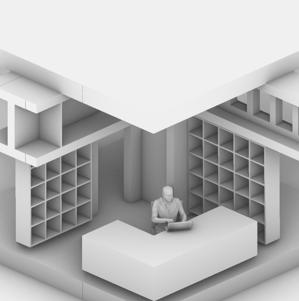
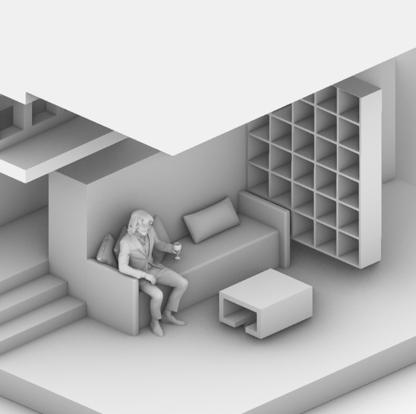
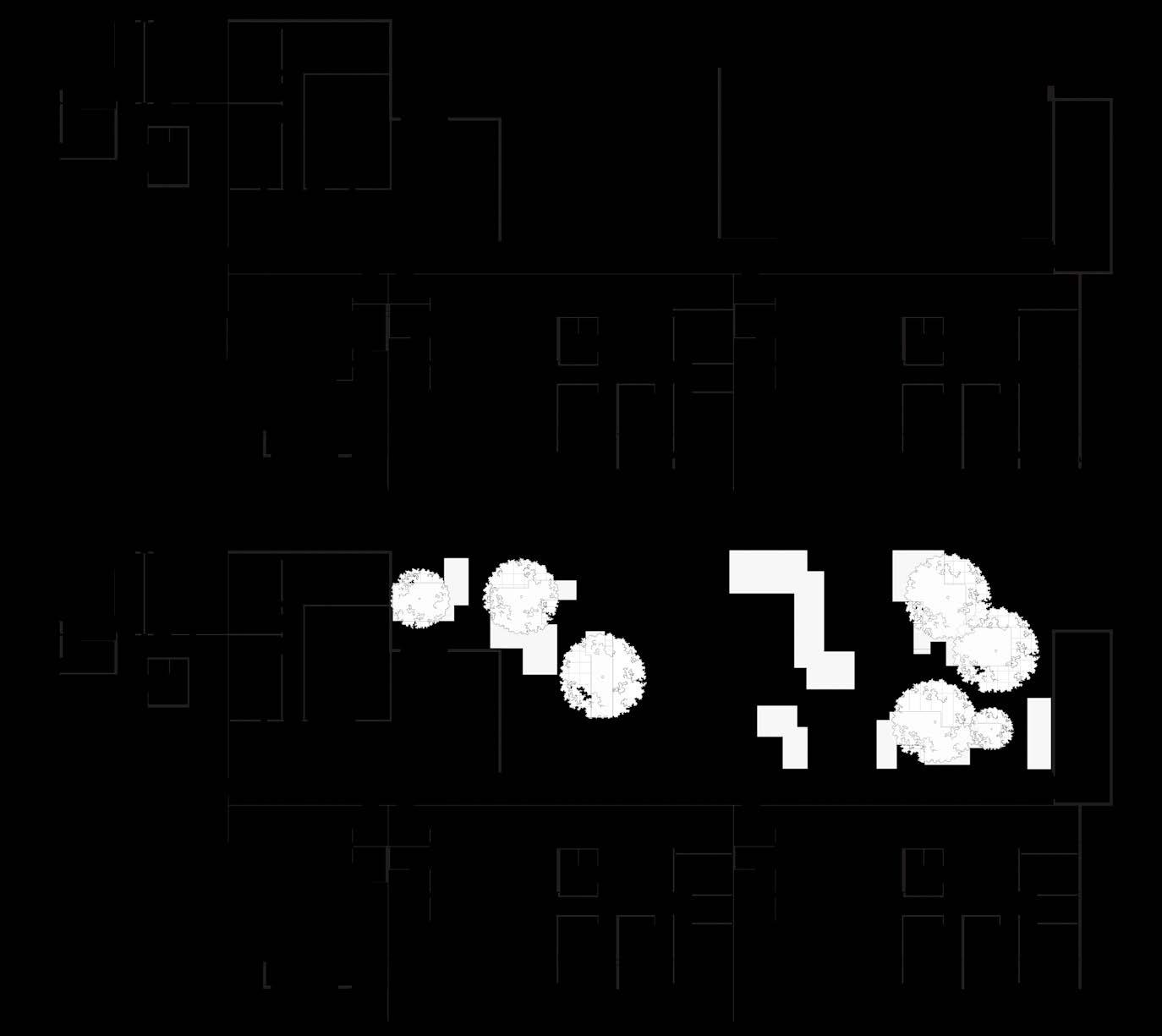
The concept for the development at this project is rooted in the harmonious blend of Chicago's rich historical legacy and the dynamic rhythm of modern urban life. The design aims to create a multi-dimensional space that respects the past, engages with the present, and anticipates the future of chicago living.
THE RESIDENCE PUBLIC AN URBAN FIRE STATION
Architechture Design
2022 Spring
Individual Work
Instructor: Kelley Van Dyck Murphy
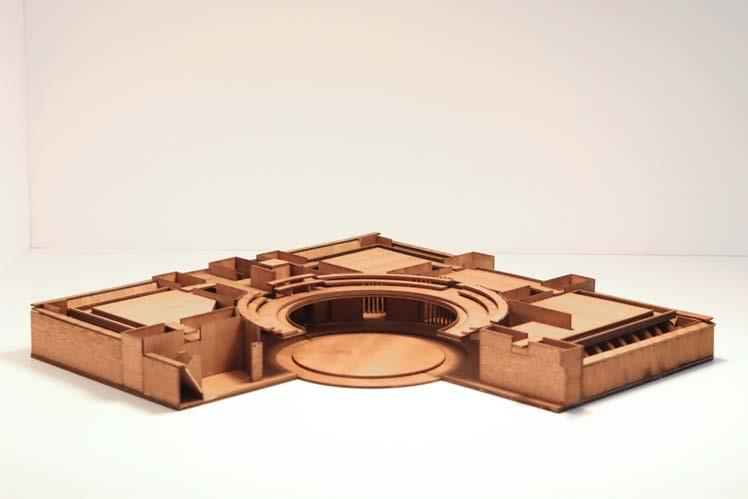
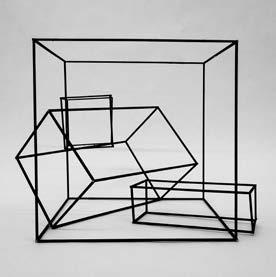
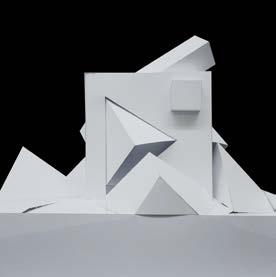
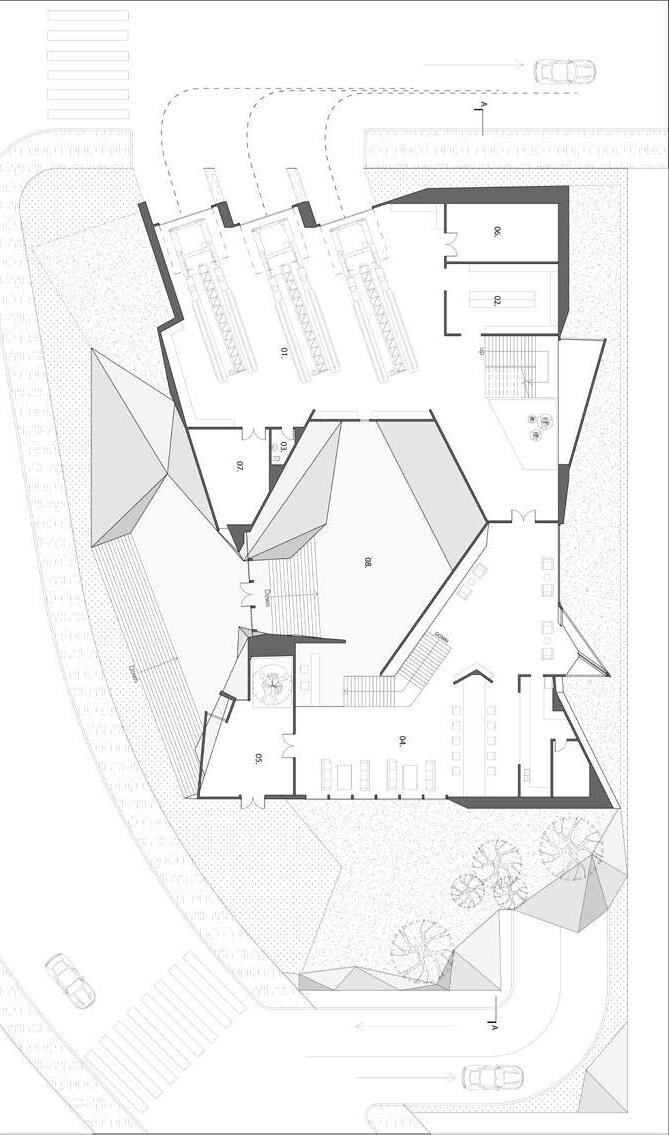
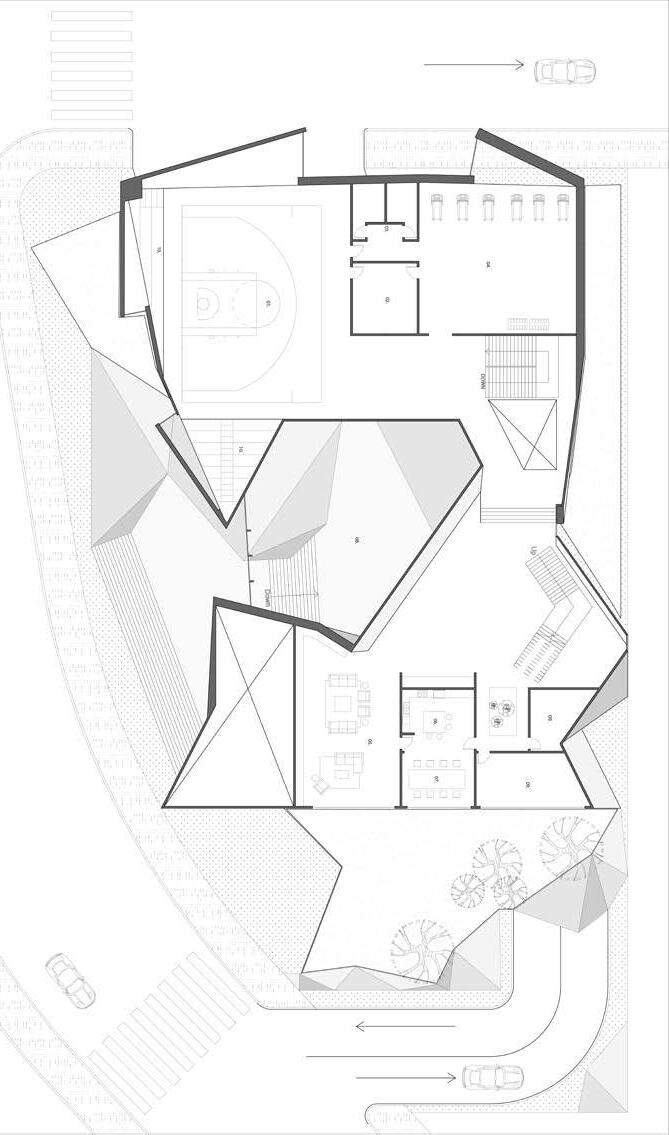
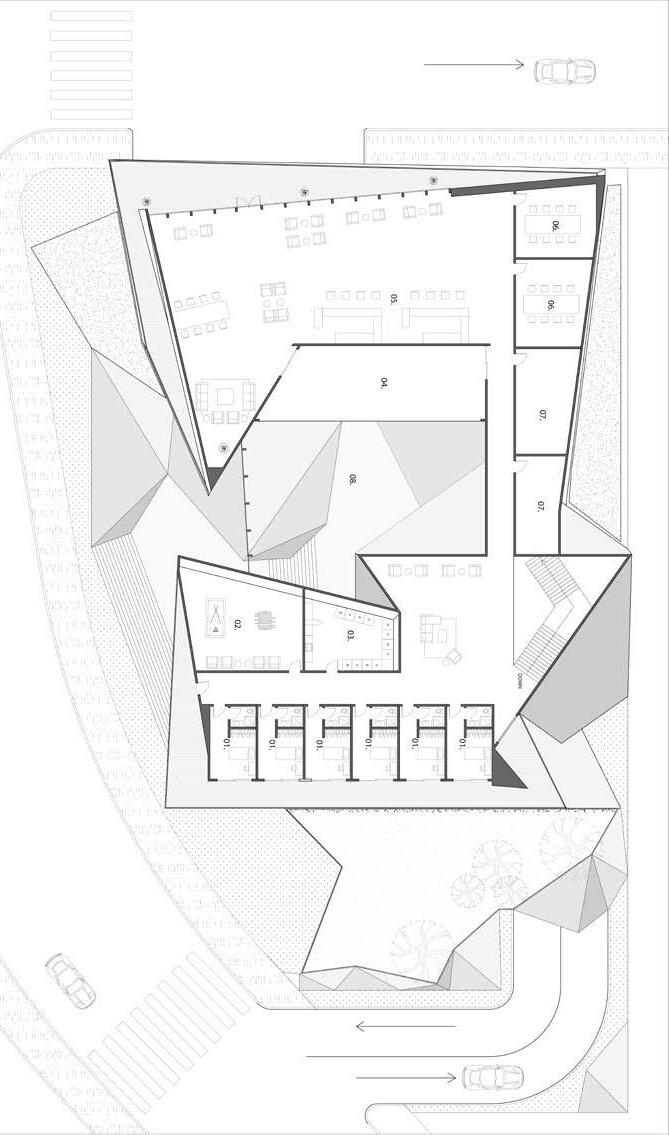
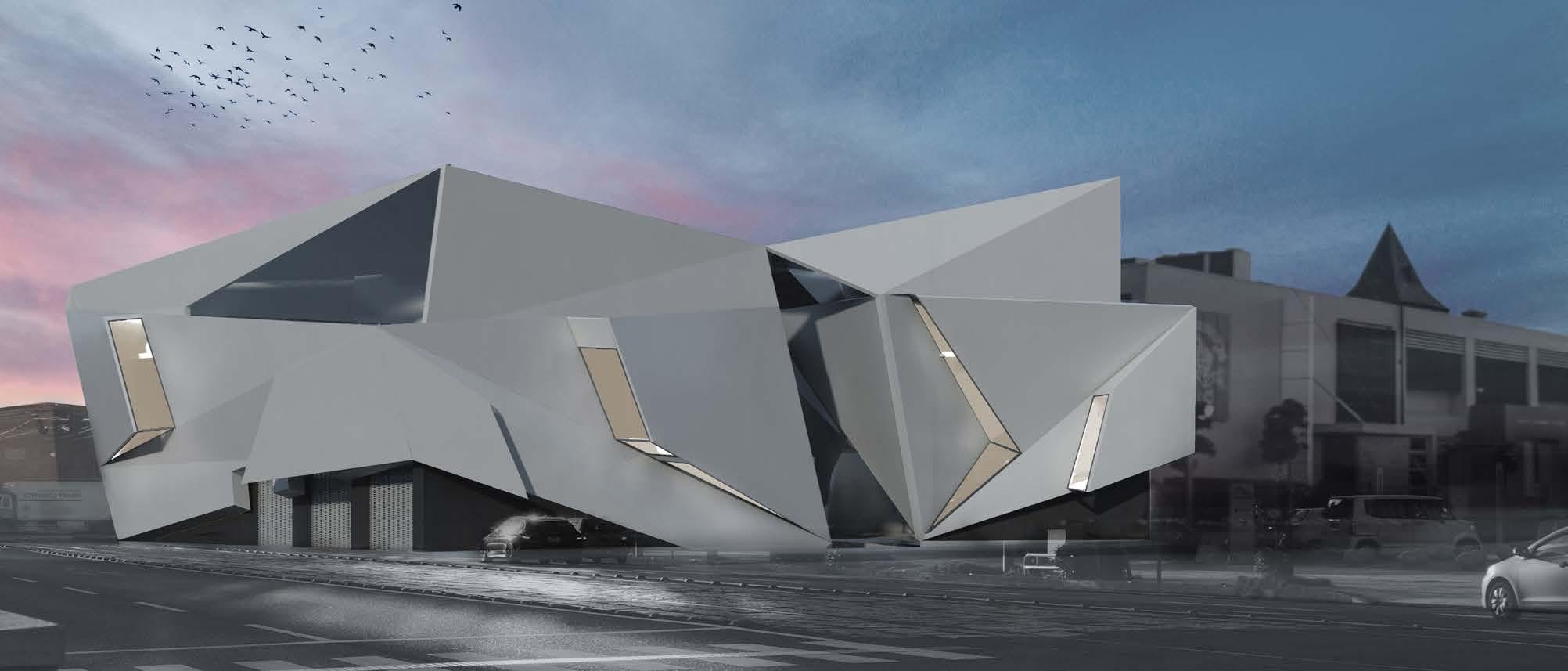
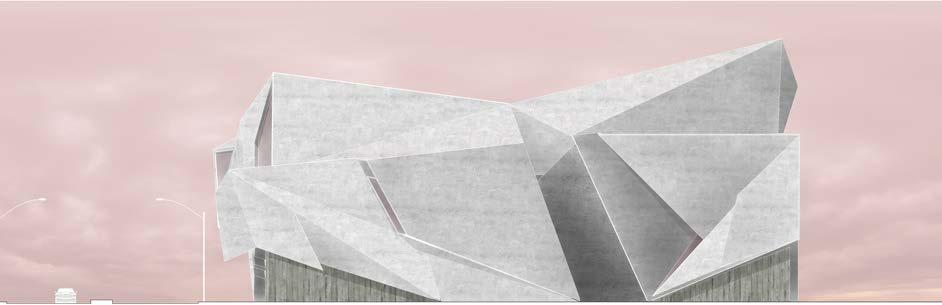
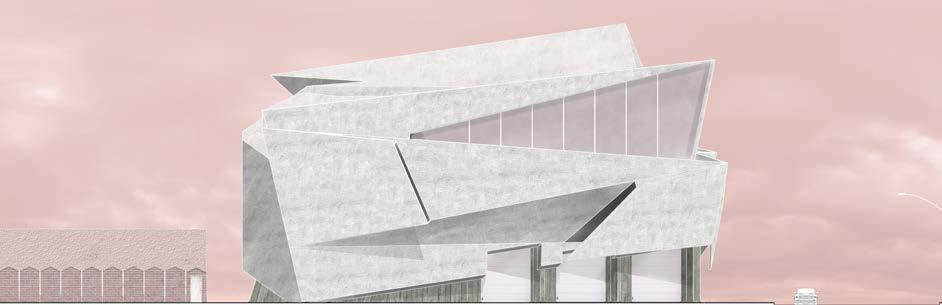
This fire station in the St. Louis urban area embodies a unique blend of functionality and aesthetic appeal. The form-oriented project began with four tilted cubes, exploring the possibility of creating space using regular geometry, challenging traditional architectural forms and meanings. The cube, a simple and pure geometric shape, serves as a neutral starting point that can be manipulated, fractured, and reassembled in innovative ways, aligning with an ethos of questioning and reinterpreting conventional architectural norms.
The void formed by the interaction of the cubes is a climbing wall at the core of the building, serving dual purposes: it's a training facility for firefighters and a recreational option for the community. This multifunctional approach extends to other features, such as the large rooftop space designed for diverse uses like parties or lectures.
The design carefully considers essential aspects of a fire station—firefighting operations, fire truck accessibility, equipment storage, and living quarters for firefighters—all while engaging in community outreach. The separate dorms for firefighters, located near staircases for rapid access to the garage, demonstrate a thoughtful approach to operational efficiency.
EARTH TRIBE
Architechture Design
2023 Summer Competition
TEAM MEMBER: JUNTING YING, JIANRAN MA, ZHUOYUN CHEN
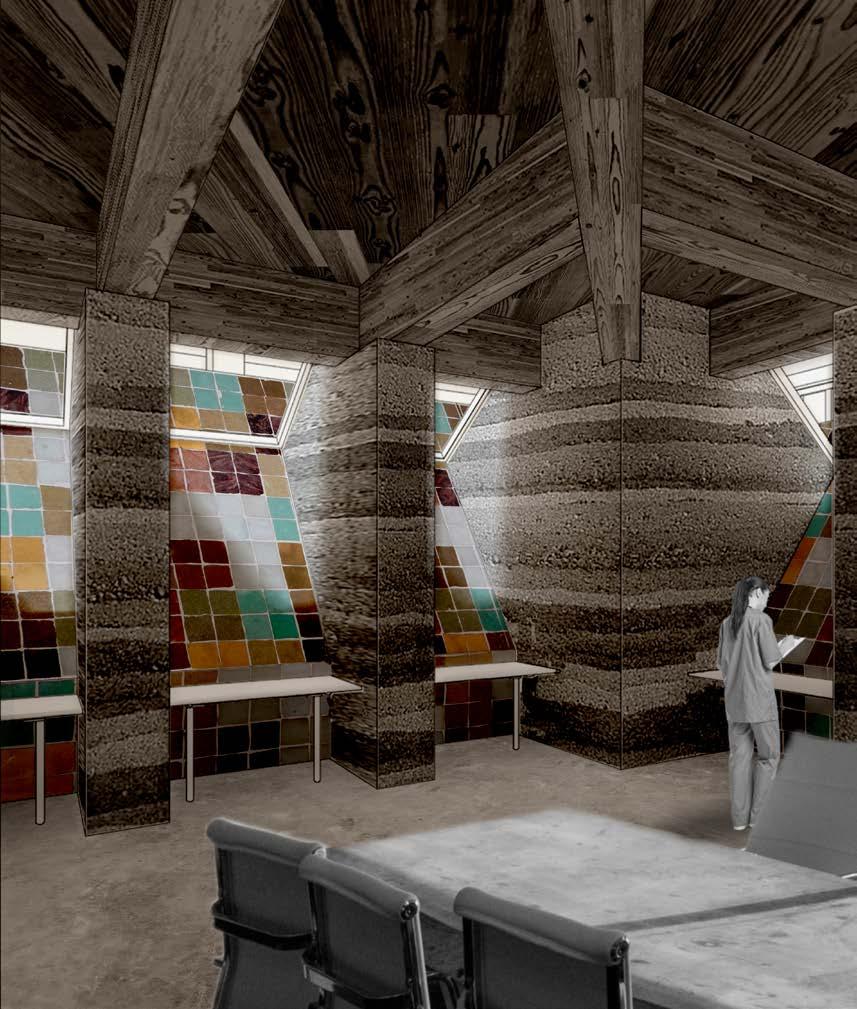
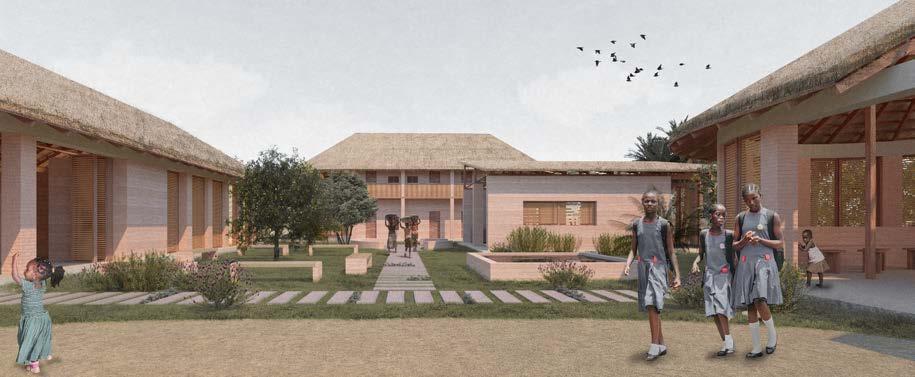
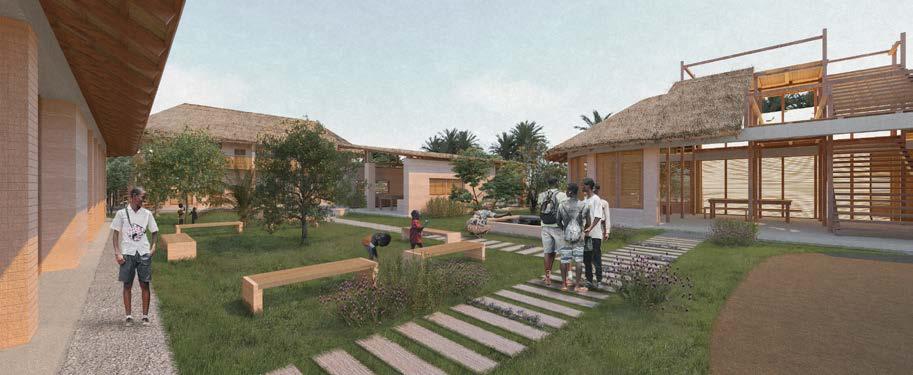
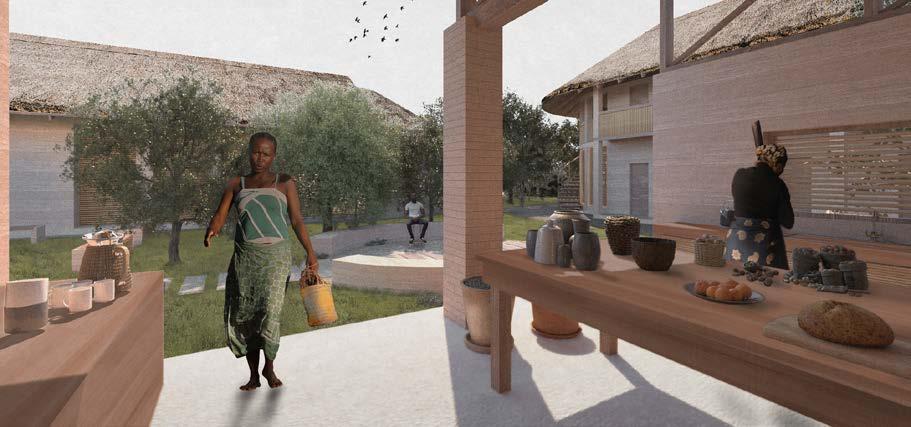
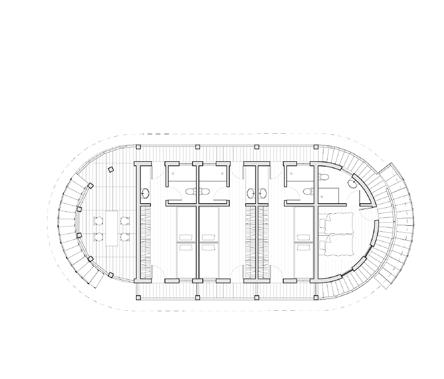
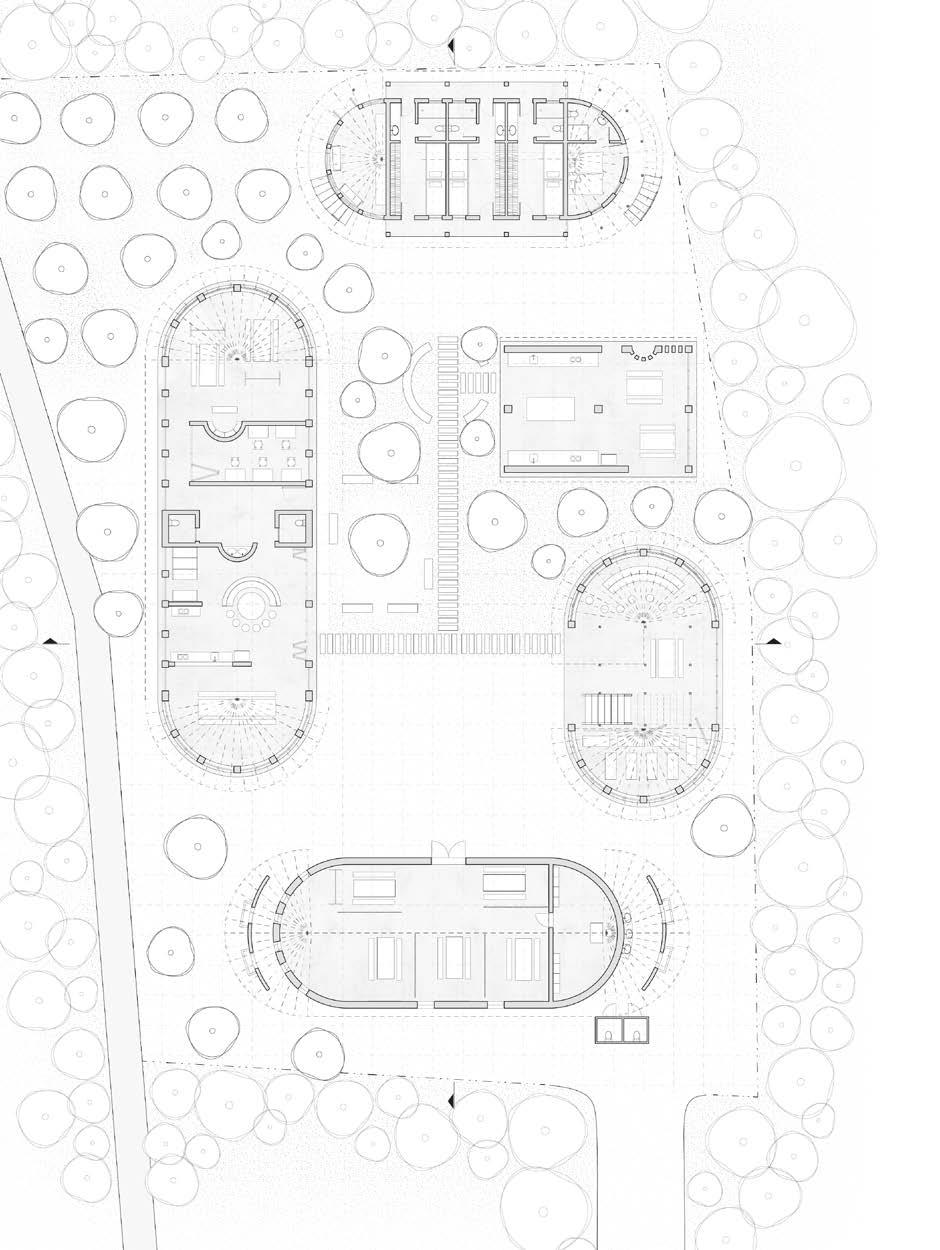
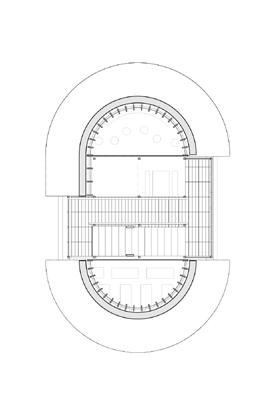
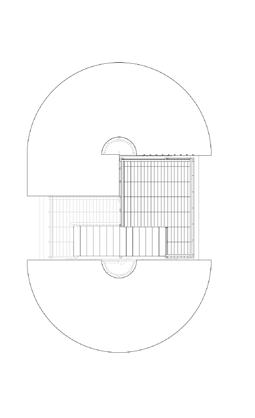
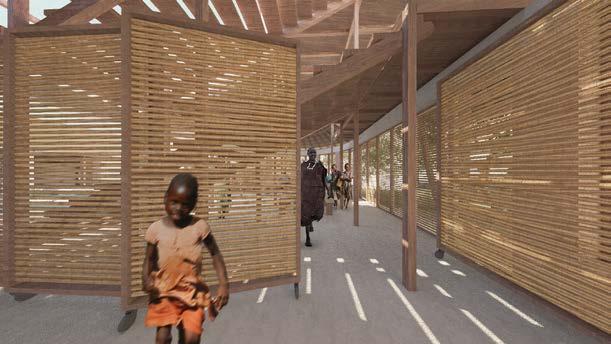
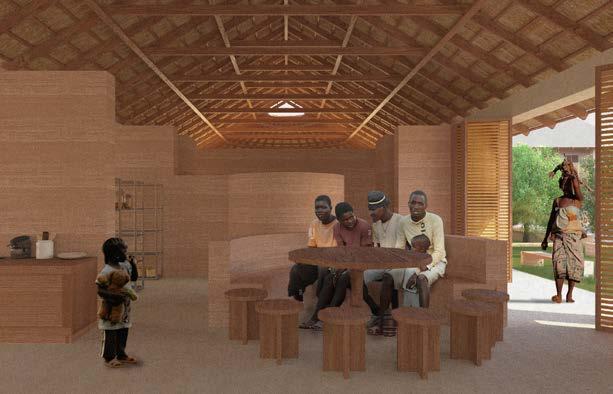
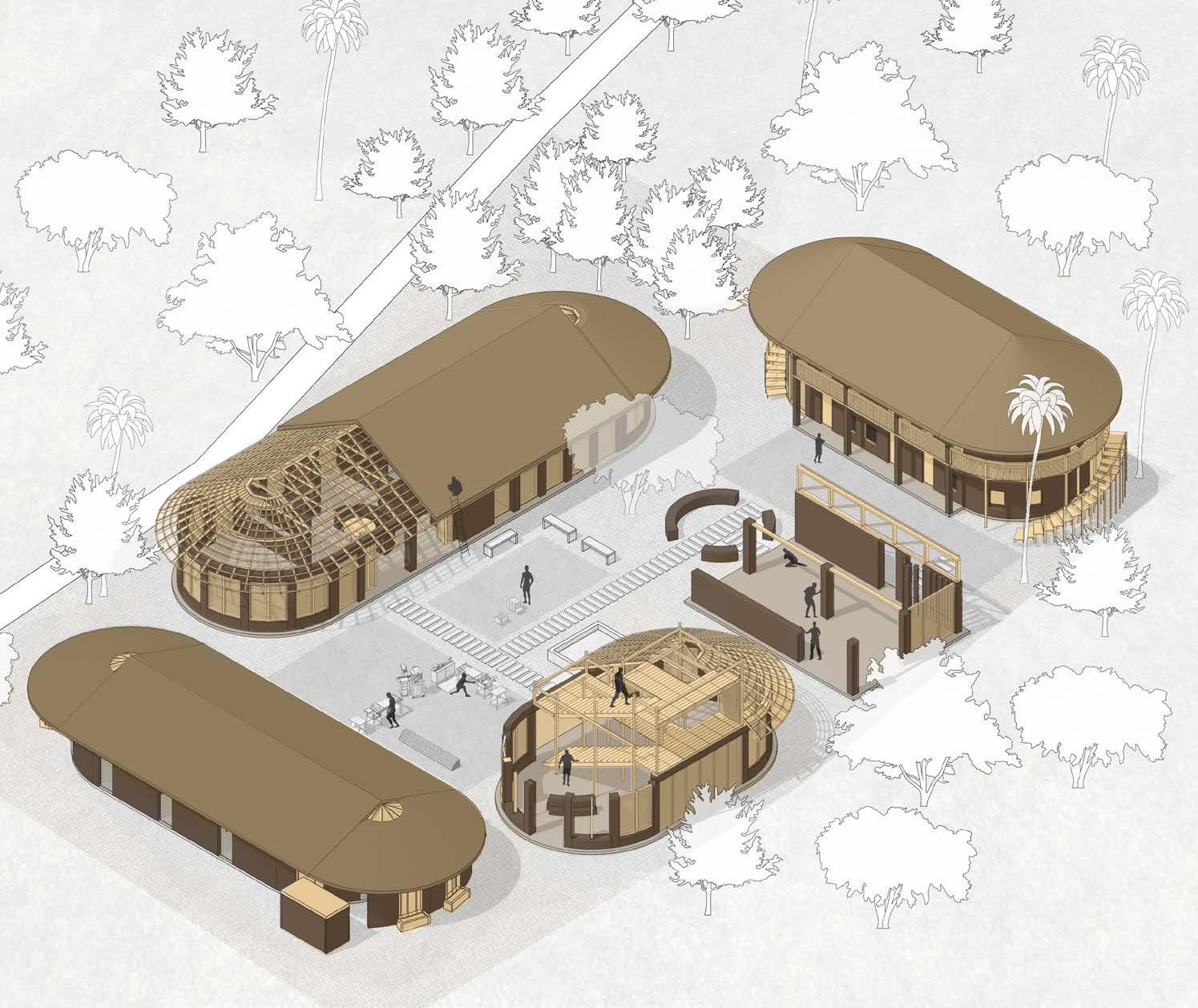
‘Earth Tribe’, we’ve drawn our inspiration from traditional African communities to create a concept that revolutionizes educational architecture. The heart of our project is to foster a deeper connection between learners and their environment, emphasizing a sense of natural belonging and respect for our planet.
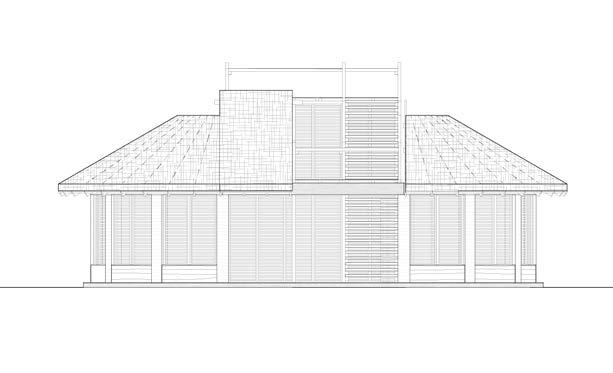
In the heart of our design, we’ve prioritized the use of sustainable materials such as rammed earth, compressed earth blocks, wood frames, and thatch roofs. Our aim was to meld modern construction methodologies with an unwavering commitment to environmental sustainability. The significance of these materials extends beyond their low ecological impact - they also substantially contribute to thermal comfort, ensuring a pleasant learning atmosphere for students throughout the year.


THE TOWER OF VITALITY
City Landmark 2023 Spring
Competition
TEAM MEMBER: GUO ZIDONG, JIANRAN MA, JEAN WANG
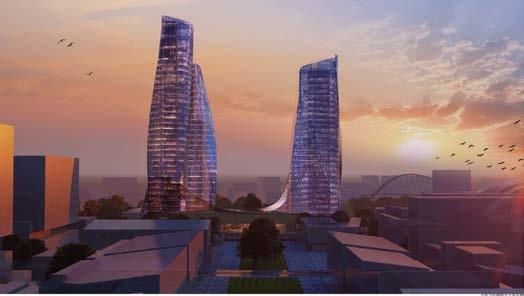
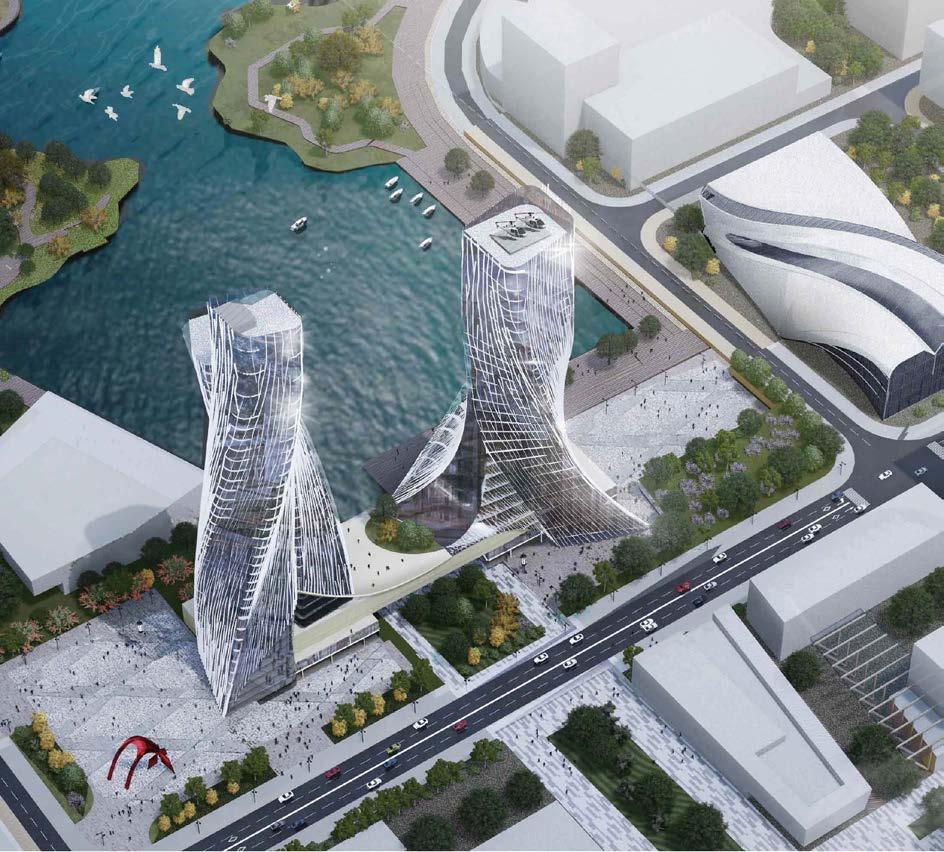
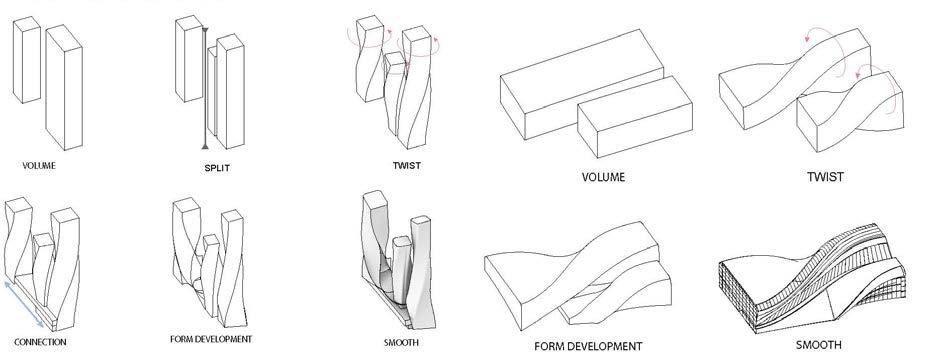
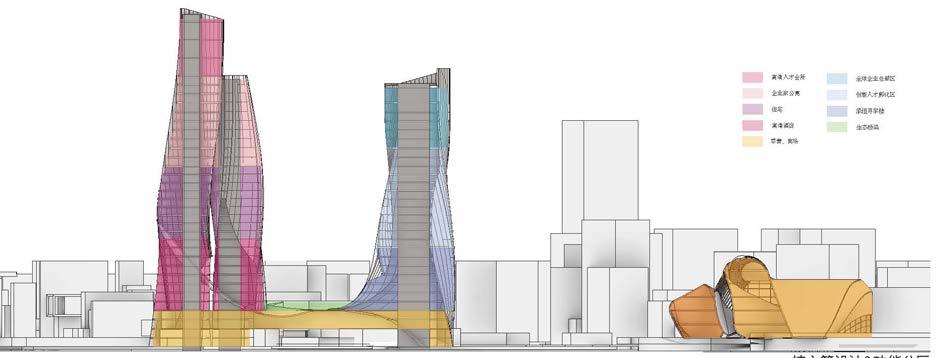
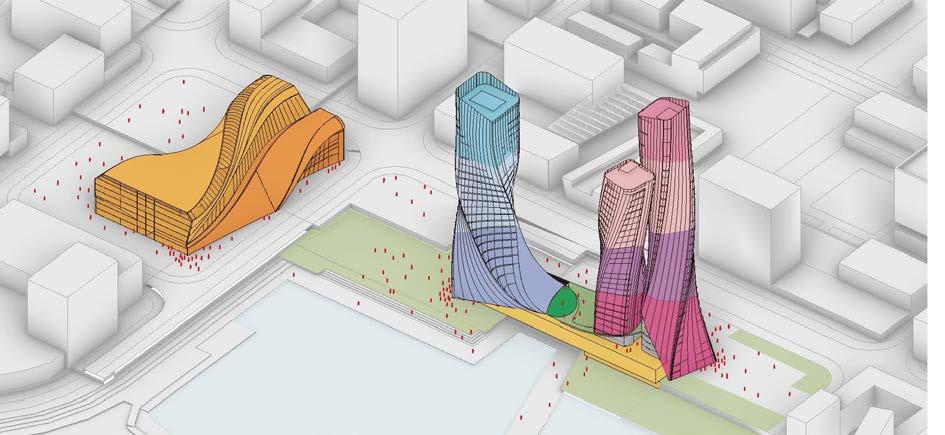
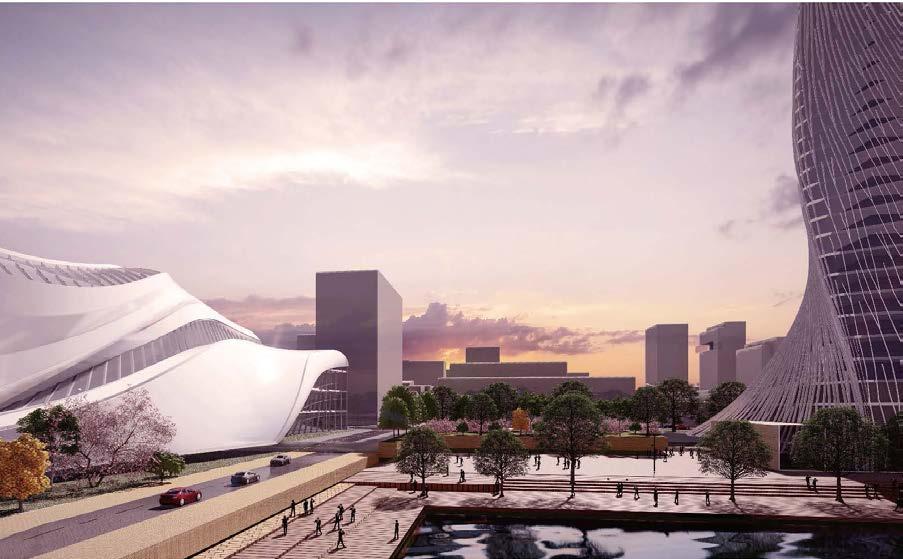
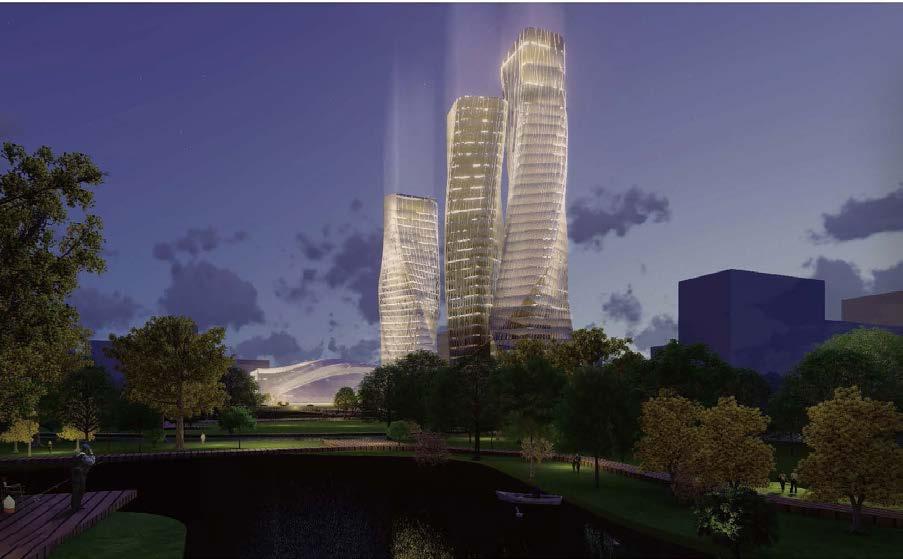
The Quzhou Central City Complex, with its distinctive double helix-shaped main tower, symbolizes the fusion of scientific innovation and ecological sensitivity. Inspired by DNA, it integrates ecological bridges, promoting connectivity and sustainability.
The tower houses hotels, residences, and commercial spaces, creating a vibrant city center. The auxiliary tower offers hightech office spaces, catering to diverse business needs and enhancing the work environment with amenities like an ecological green island. Plot 3, planned as a low-density commercial street, seamlessly connects with Wenli Lake, emphasizing the complex's commitment to harmonizing urban development with natural landscapes, epitomizing Quzhou's vision for a sustainable, people-centric future.
COMMUNITY IN JIANSHUI EAST CITY
KUNMING ZHONGSEN HUACHUANG ARCHITECTURAL DESIGN CO. Intern
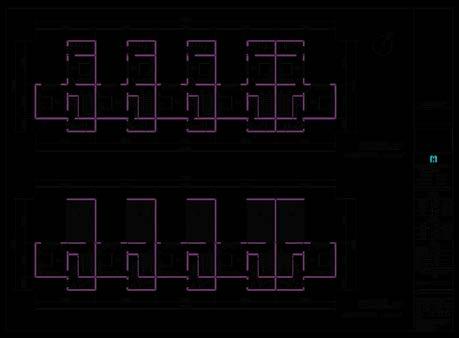
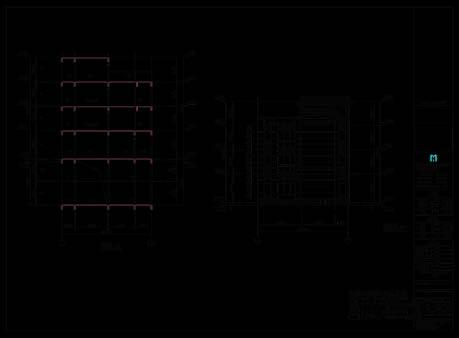
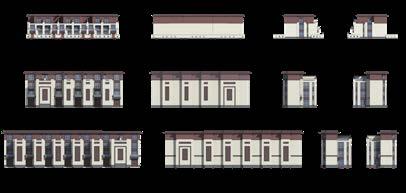
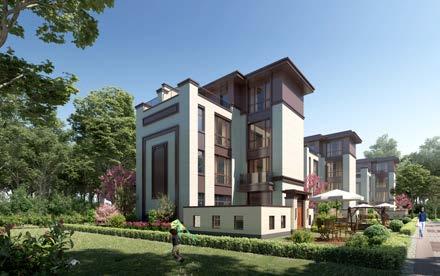
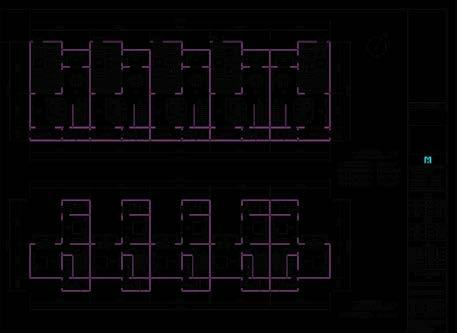
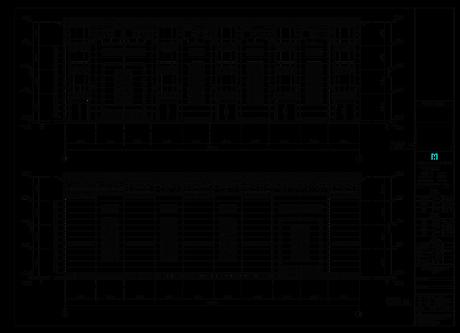
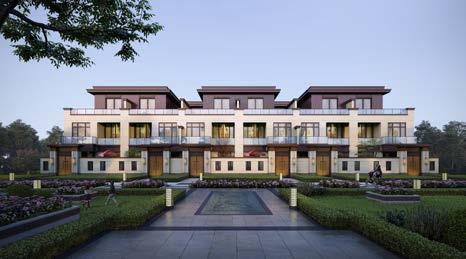
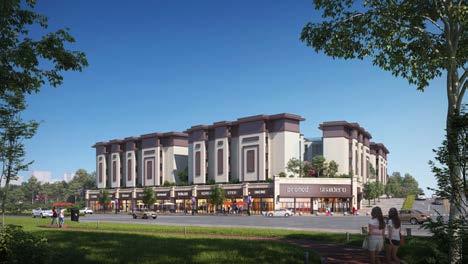
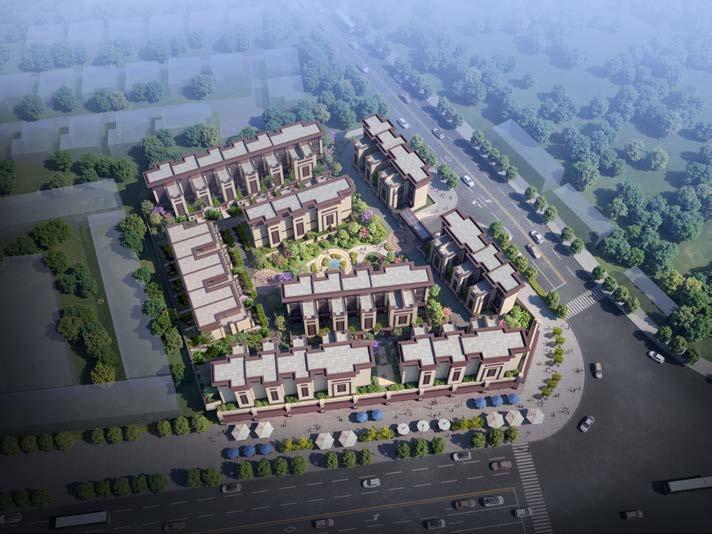
The project, a sprawling residential complex named "Jianshui Dongcheng Community," is located in the developing region of Jianshui in Yunnan, China. Covering an expansive area of 50,000 square meters, the community includes a diverse range of housing types, from spacious 5-floor single-family homes to 4 modern apartment buildings. The project was designed to cater to a broad spectrum of clients, including local families, young professionals, and retirees seeking a serene living environment.
My primary responsibility during this internship was assisting in the creation and revision of construction drawings for the Jianshui Dongcheng Community under the guidance of experienced architects. This involved meticulous attention to detail and frequent modifications to address various issues identified in the architectural plans. I collaborated closely with civil engineers to ensure the structural integrity of the designs and made necessary adjustments to the building facades based on client feedback and requirements.