JIACHENG ZENG
ARCHITECTURE PORTFOLIO [2022-2025]

Observstion & accommdation building/
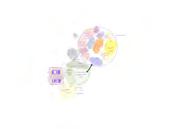
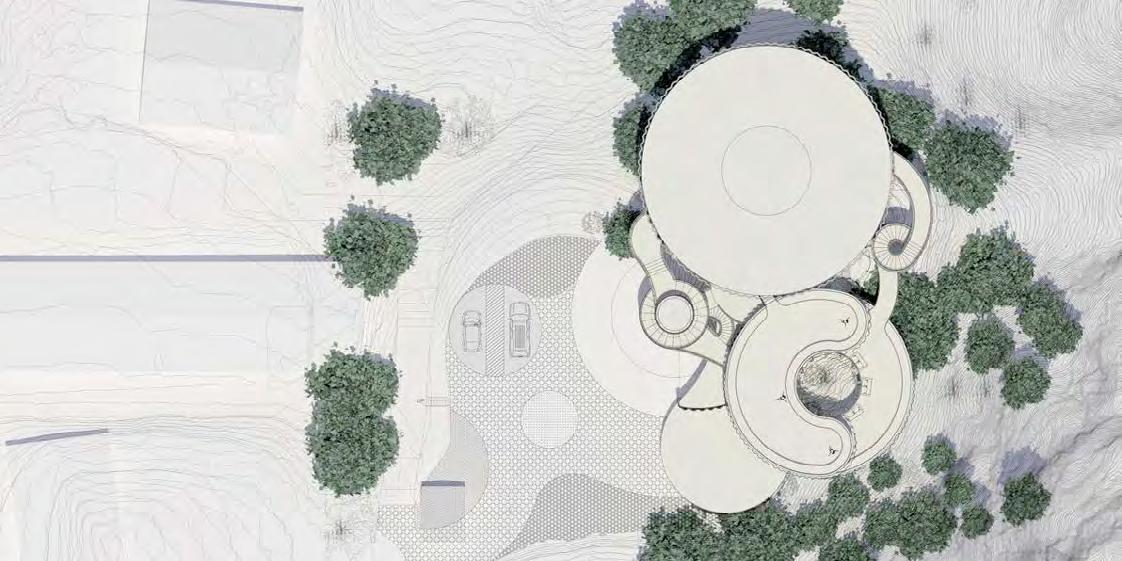
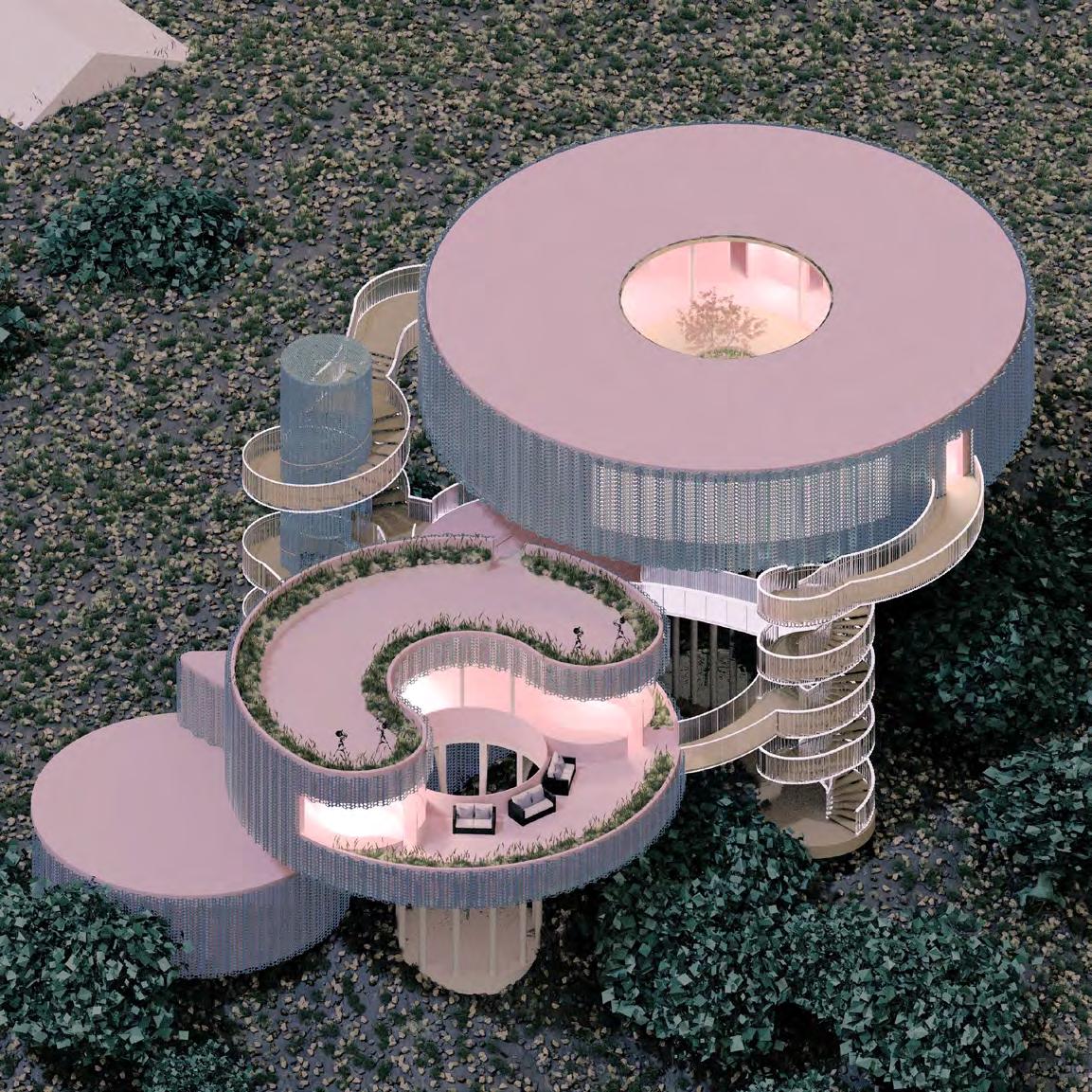
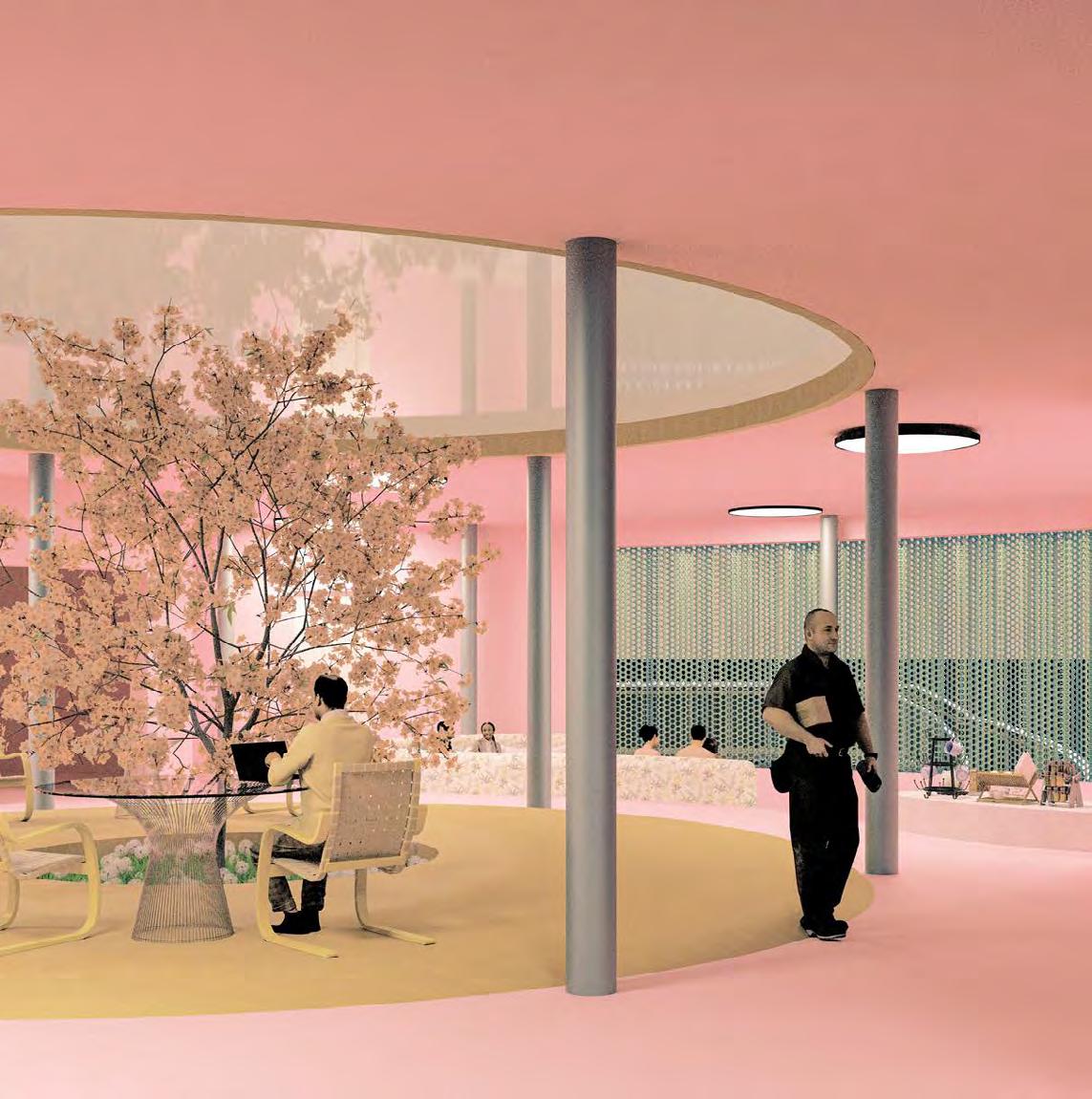
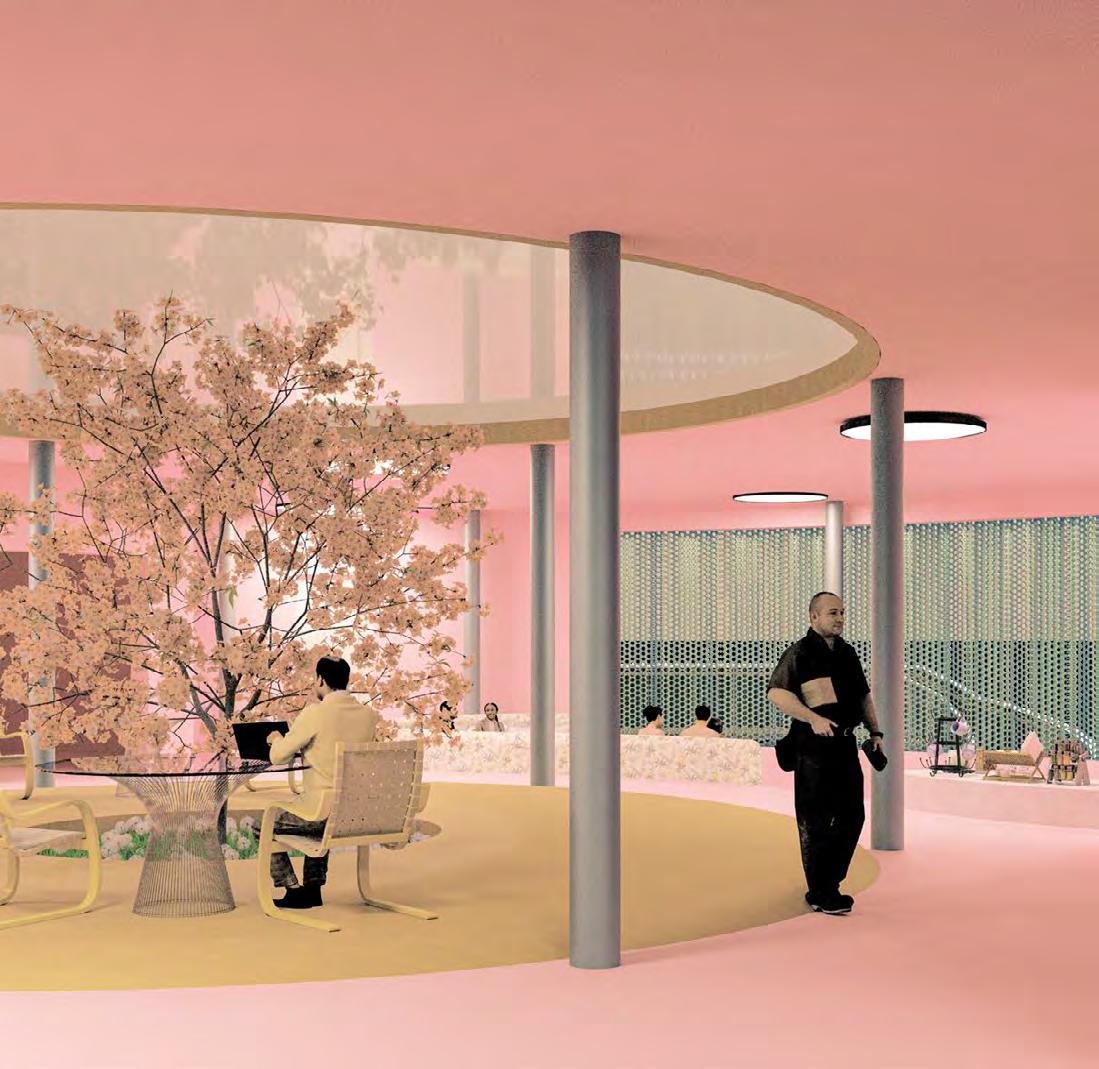
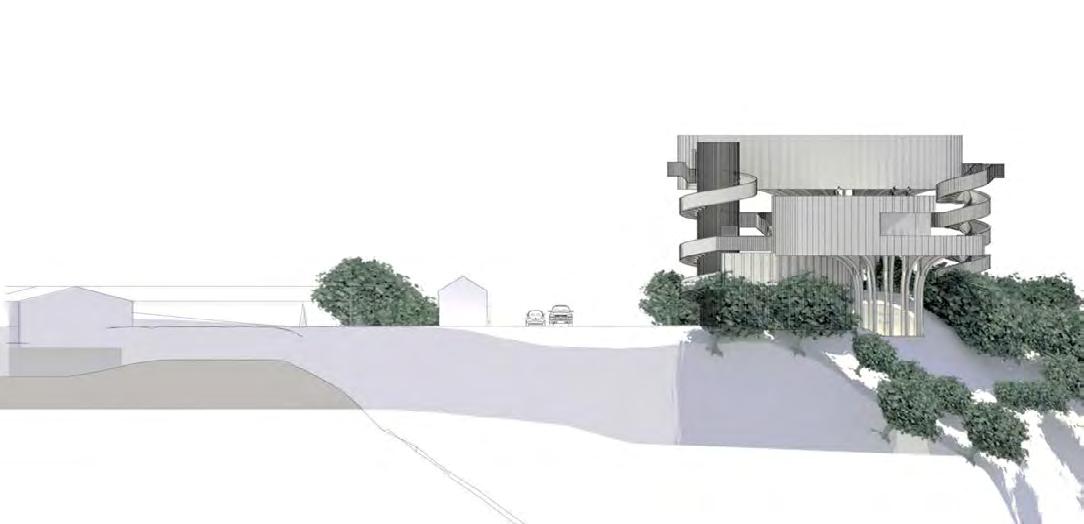
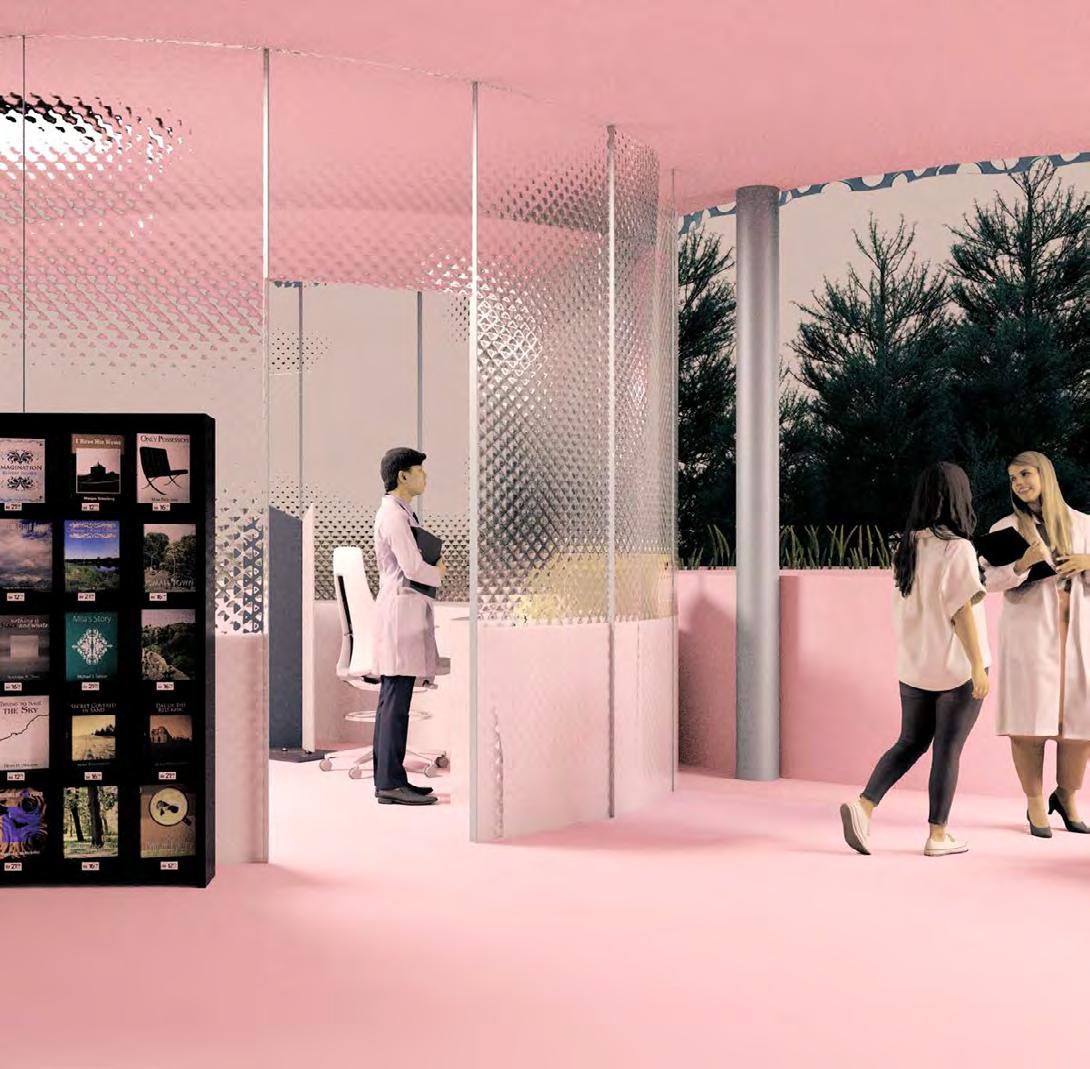
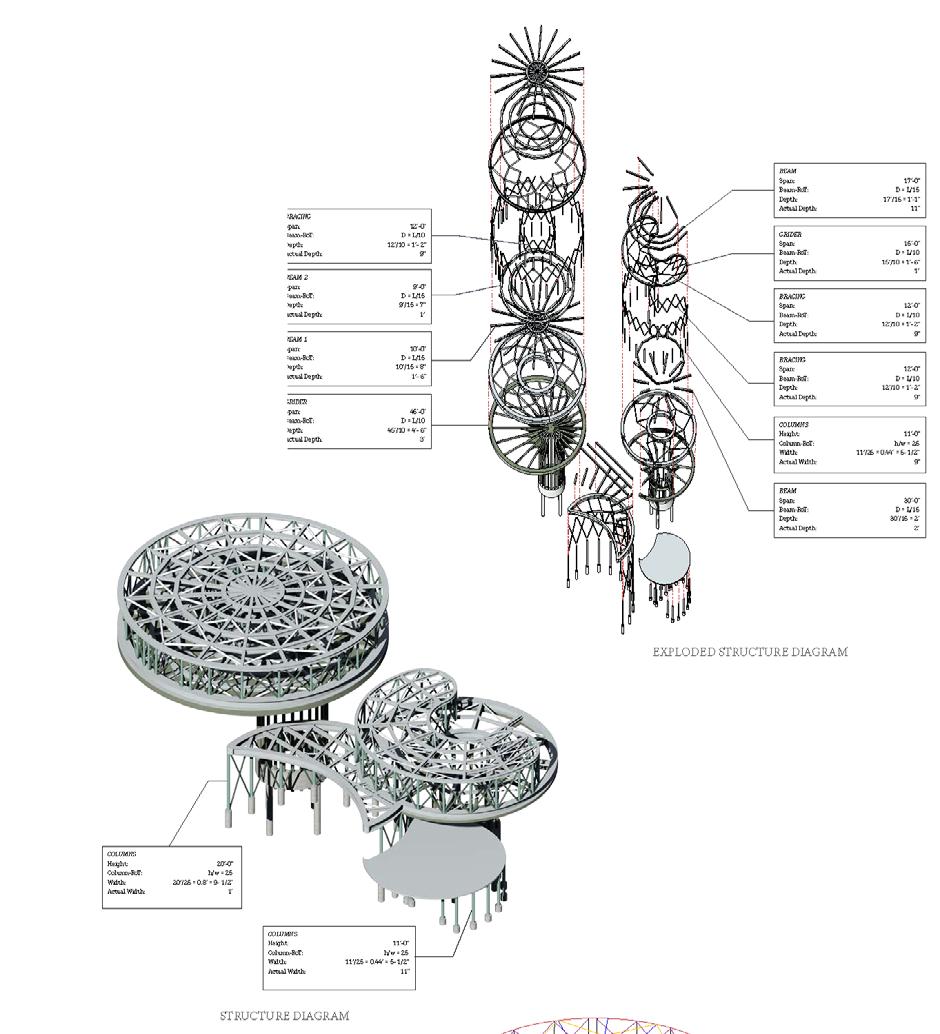
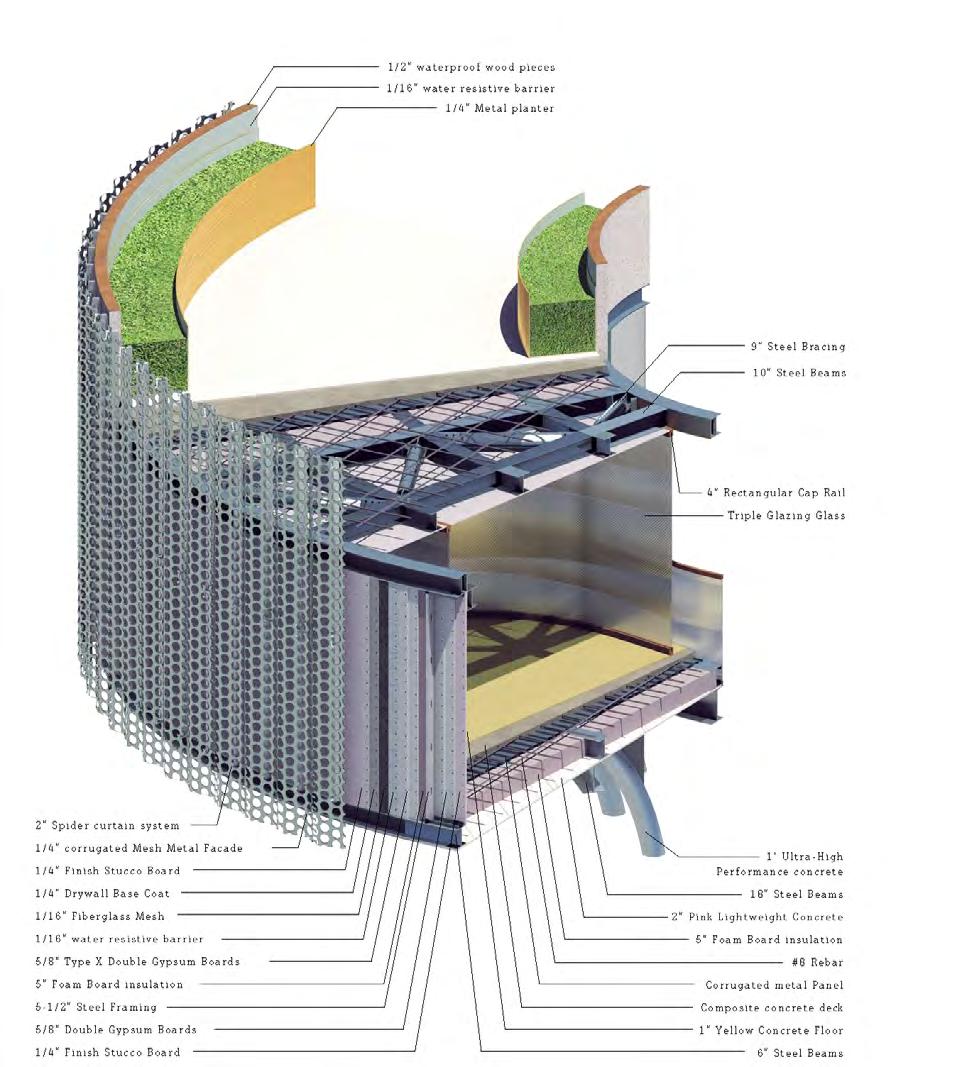
Due to light pollution and the comparably low altitude, Mt. Wilson Observatory is no longer on the forefront or astronomical research. Major funding has shifted to internationally run telescopes in the Andes Mountains in Chile. In 1986 the Mt. Wilson Institute was formed with the focus to have the observatory function as an educational facility for the public as well as to support local junior scientists with their research. The lack of financial support in recent years led to parts of the facility being neglected. Especially the astronomer’s living quarters require a major overhaul. The design project’s topic is a privately funded boarding facility for scientists and guests located on a east side of the Mt. Wilson campus. The facility will be used by researchers that stay on the mountain for a few days or up to months at a time. Occasionally it shall entertain weekenders interested in astronomy and occasionally hikers. The resident researchers can share their enthusiasm for science with the public in a sky amphitheater, where they give lectures and hold events.
Residential building/
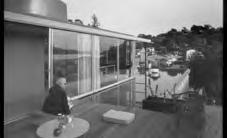
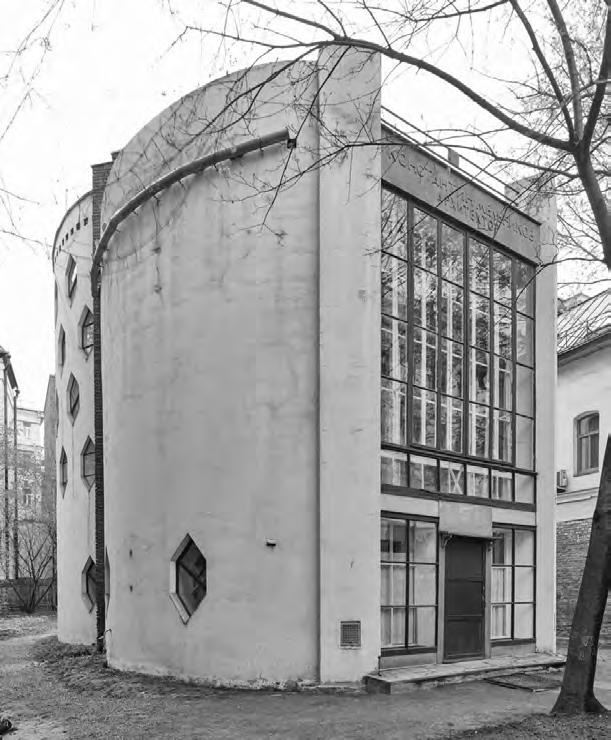
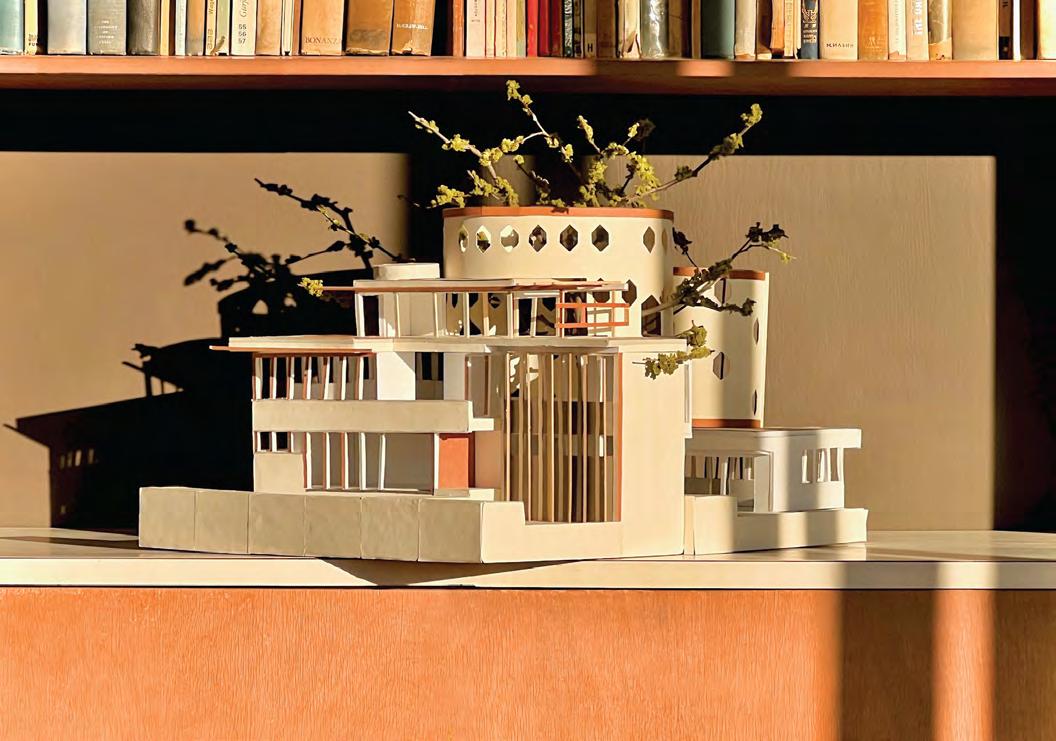
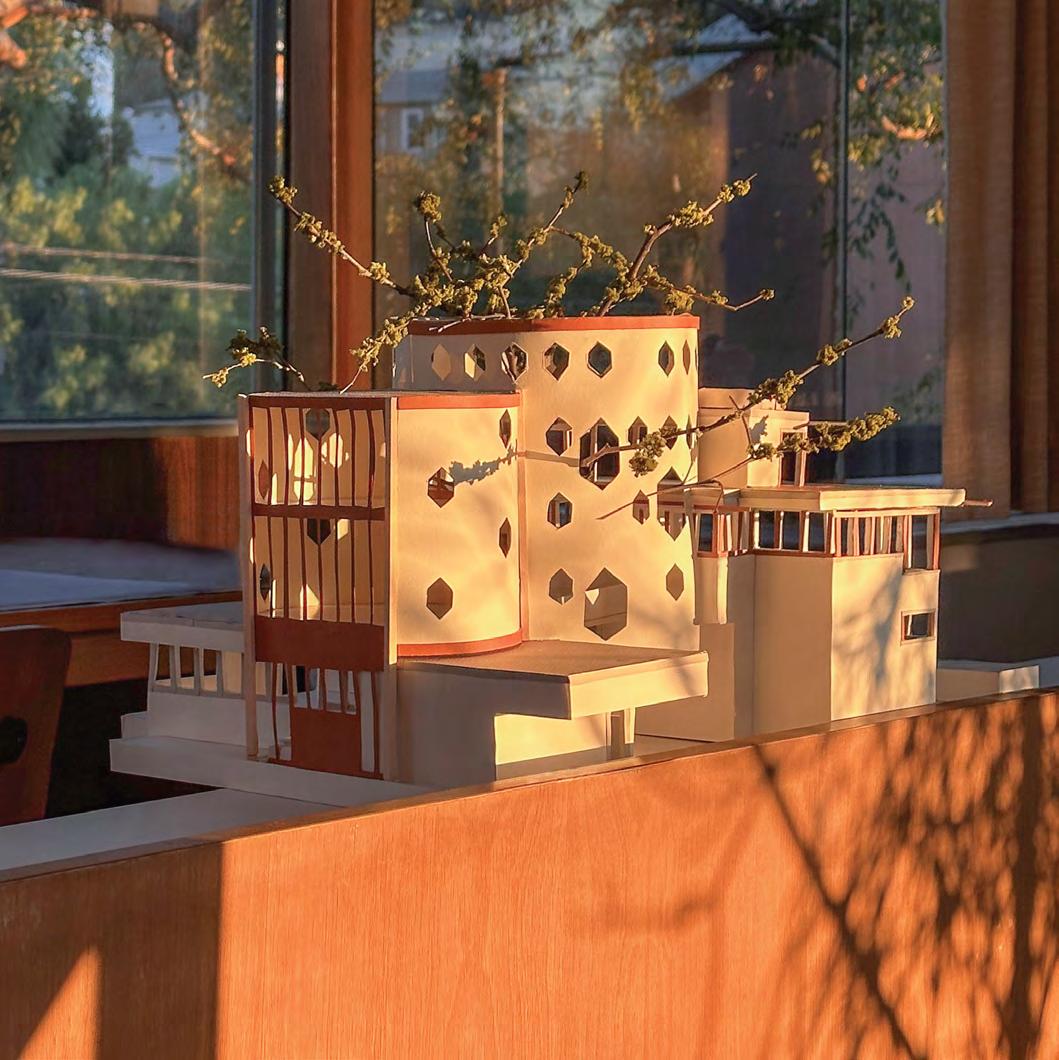
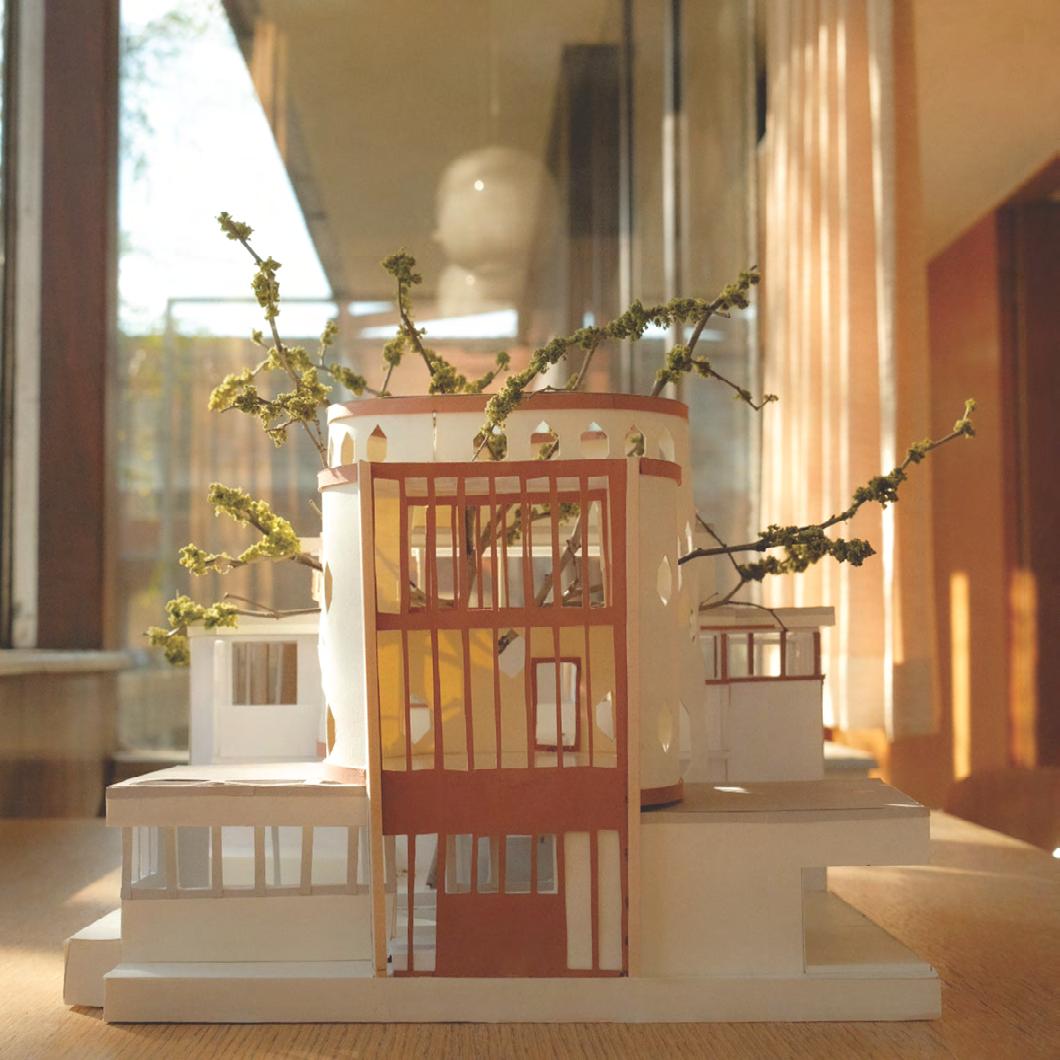
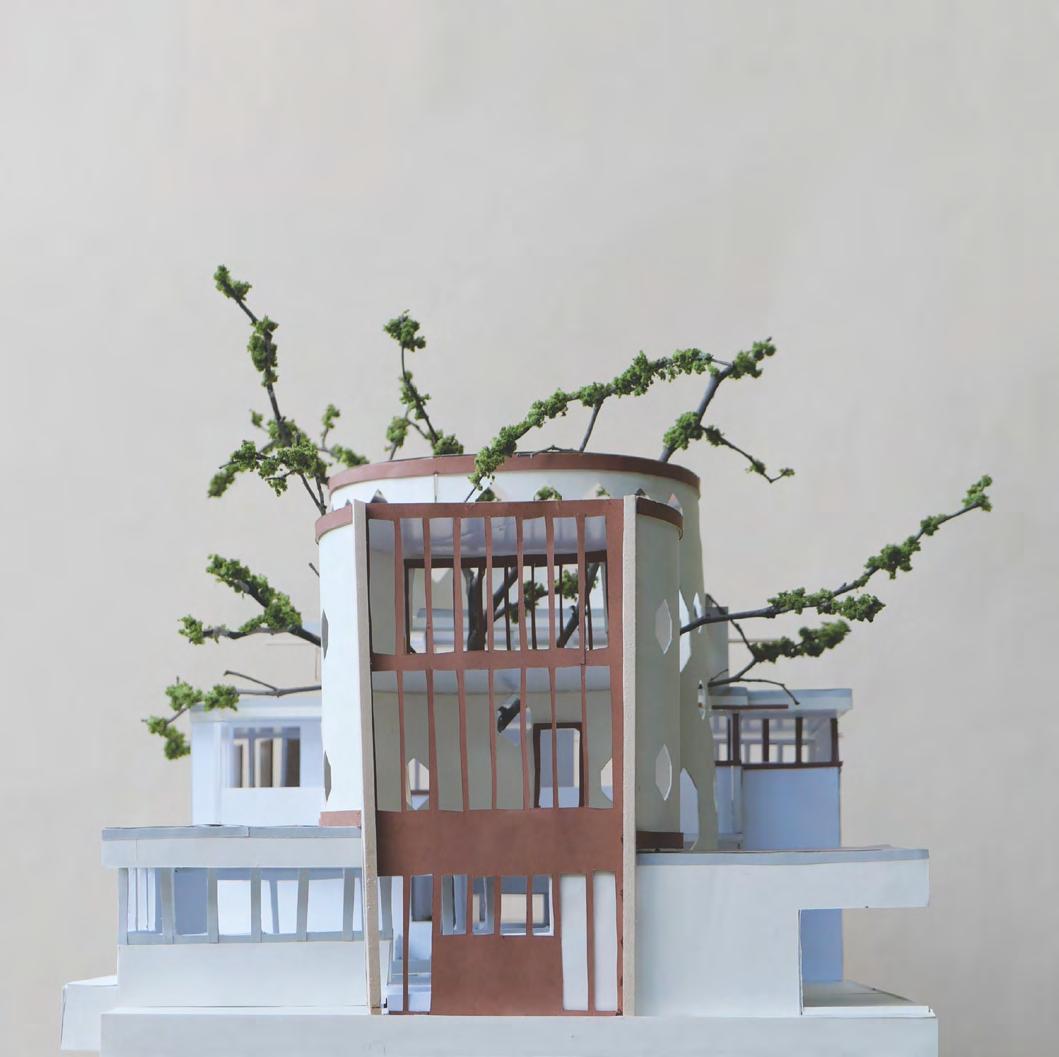
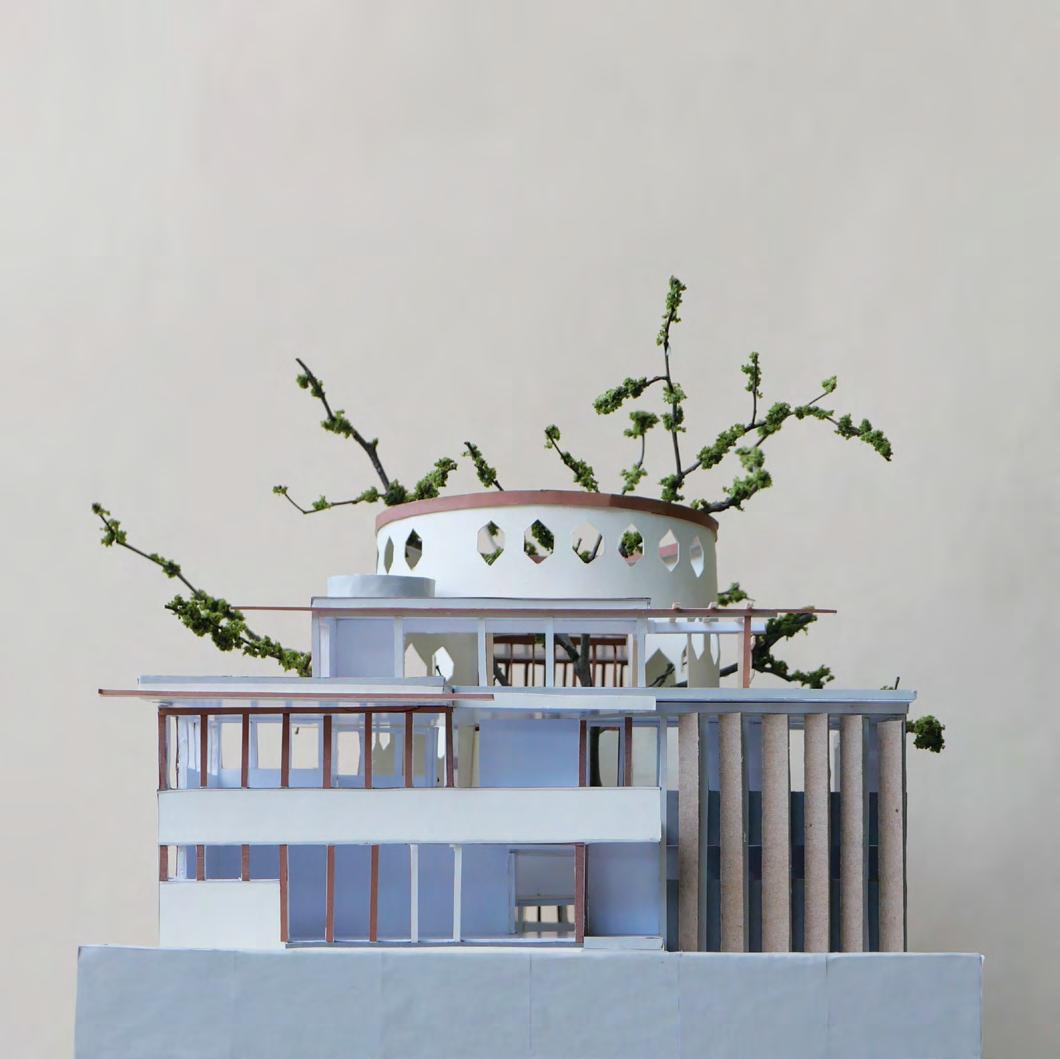
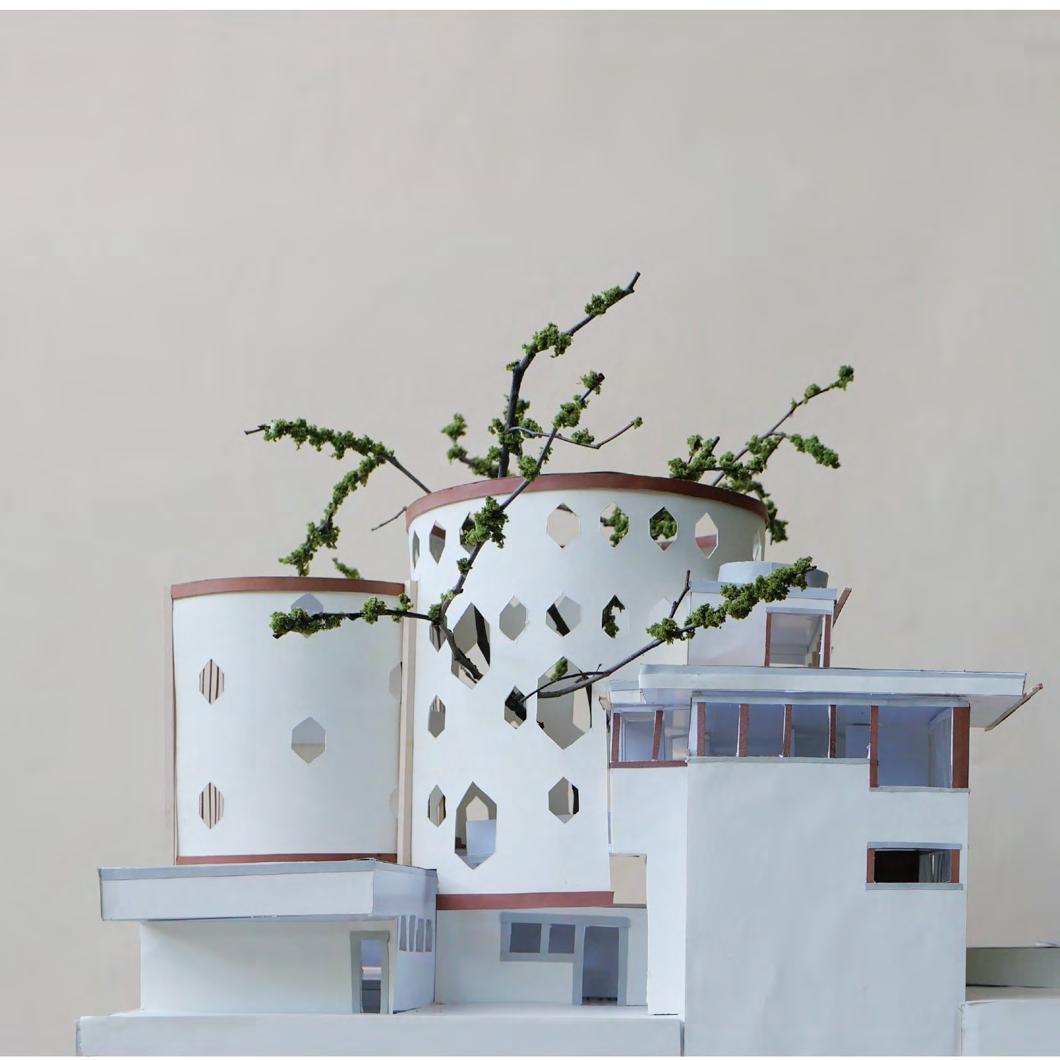
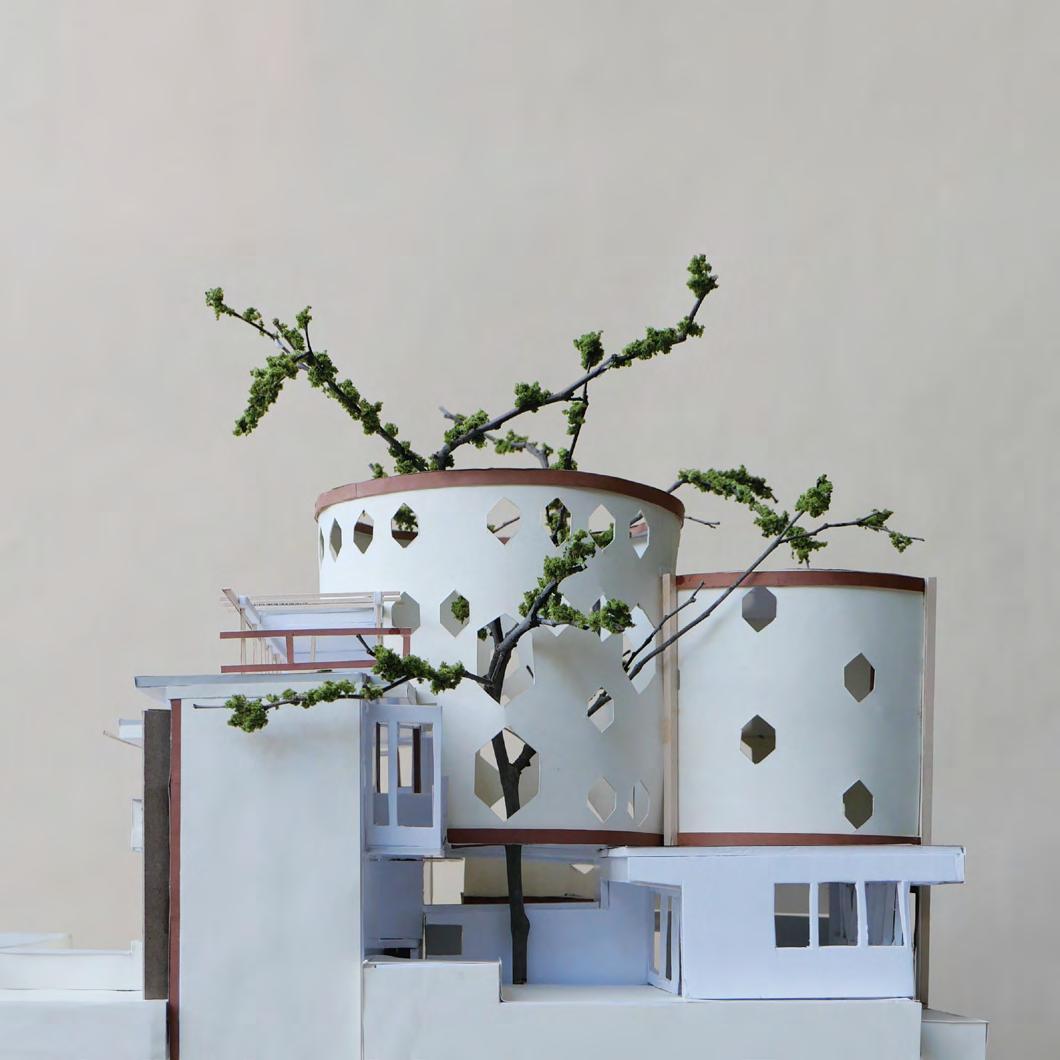
The workshop Richard Neutra and the Cousins from Abroad takes a light-hearted approach to the theme of adaptive re-use by cross-breeding the architectural languages of the VDL House with their cousins. The VDL House designed by Richard and Dion Neutra will be paired with iconic projects designed by Lina Bo Bardi, Konstantin Melnikov, Itsuko Hasegawa, Lacaton Vassall and Ettore Sottsass. The students will use the architectural language of the cousins from abroad to design an extension to the main building of the VDL House. As its architectural twin, the extension will be roughly the same size as the VDL cousin. Using large models, the students may employ a wide range of design strategies ranging from a seamless continuity to a con¬flict-ridden take-over of the existing structure. While the design process will be fast and intuitive, driven by a serious investiga¬tion into architectural form and language, overarching questions of construction, programme and time will be implicitly present in every project.
Dear journal,
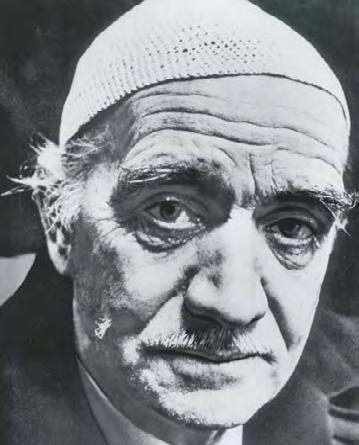
This morning, the courtyard was looking especially lovely. The gentle breeze made the shadows of the tree dance all over. Taking my coffee outside, I sat down and began writing this entry. Just then, I looked up and saw Melnikov observing me through his window, perched up a few floors above me. He nodded towards me and I nodded back. Then we both went about our days like usual. I don’t think Melnikov and I would ever be friends, but we have enough respect for each other to coexist in this space.
Public school building/
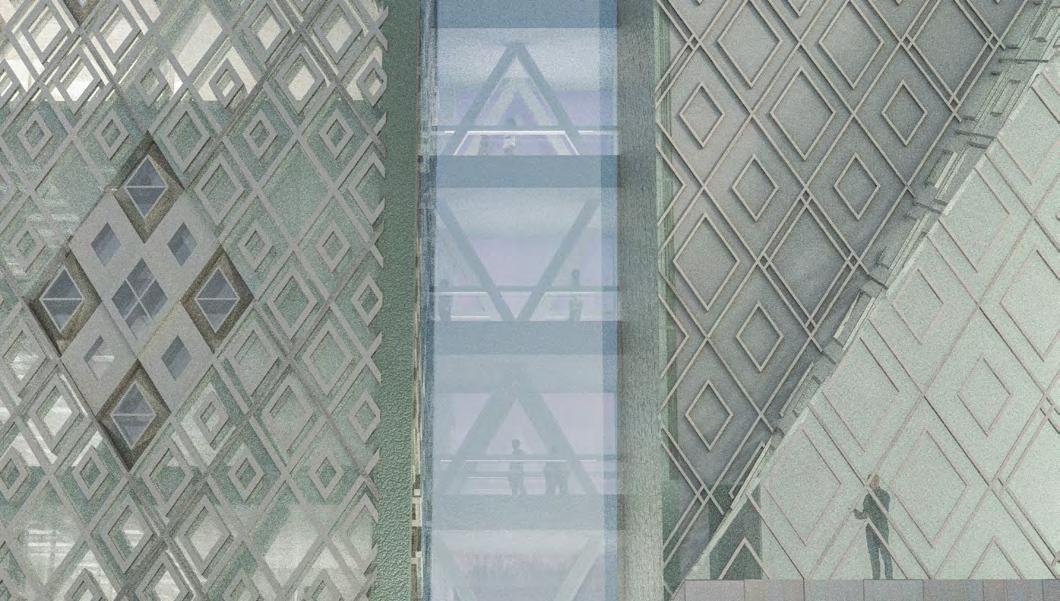
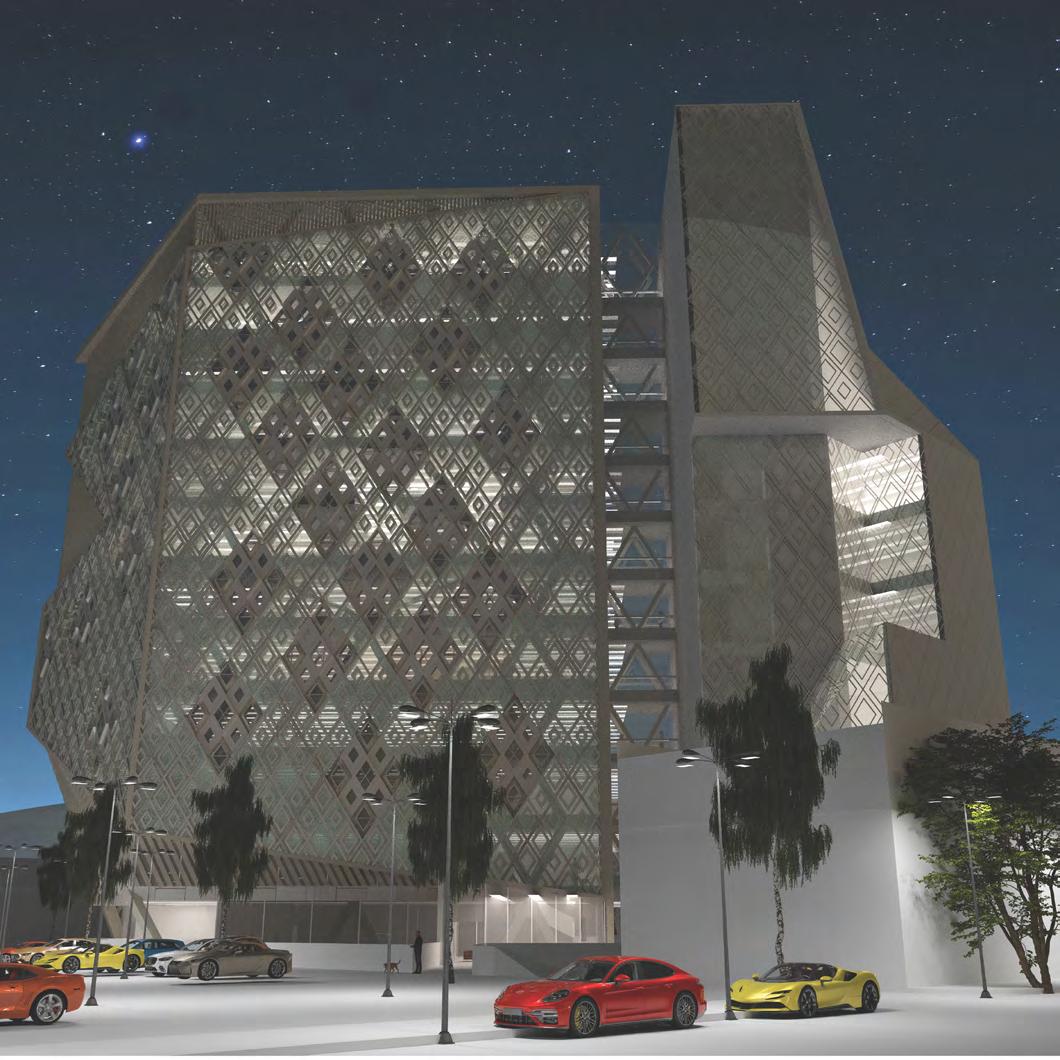
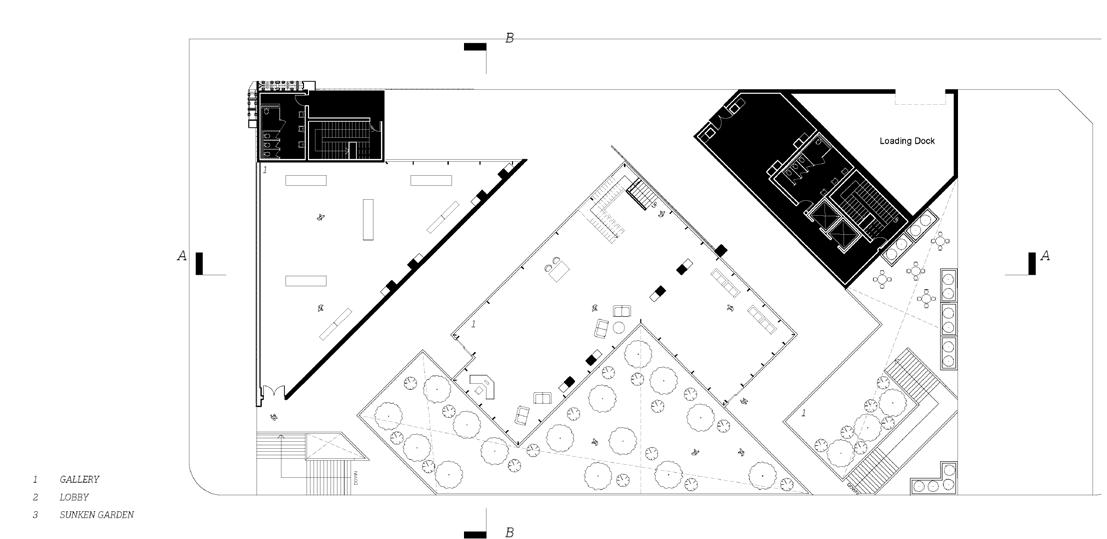
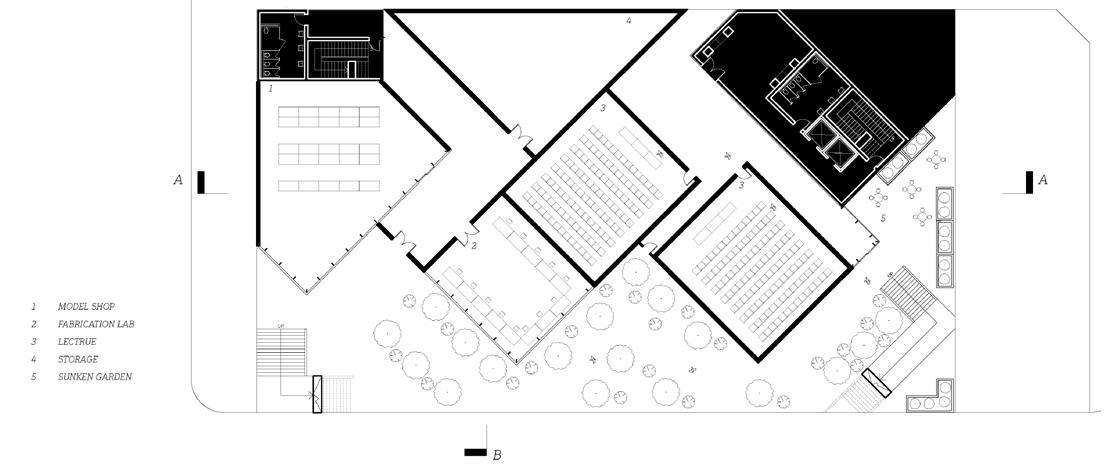
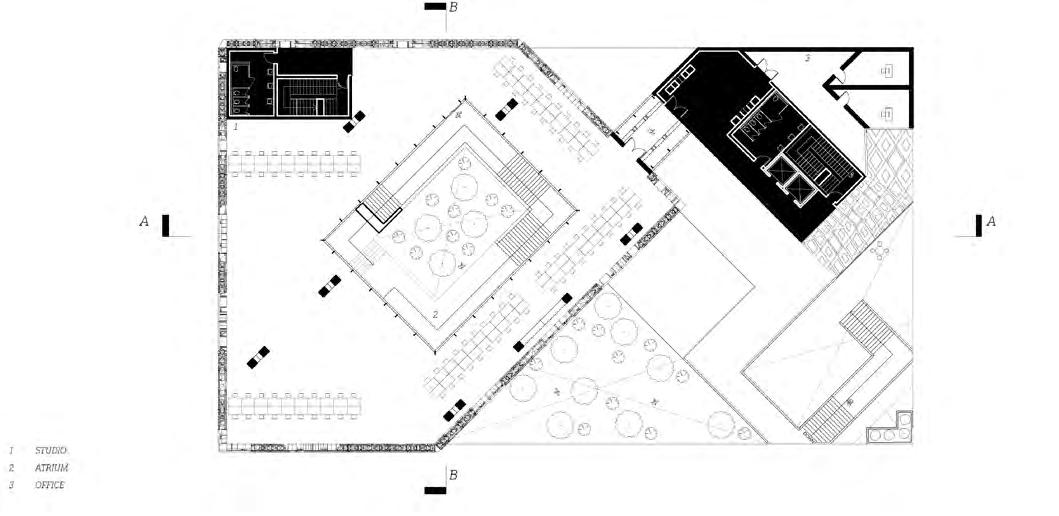
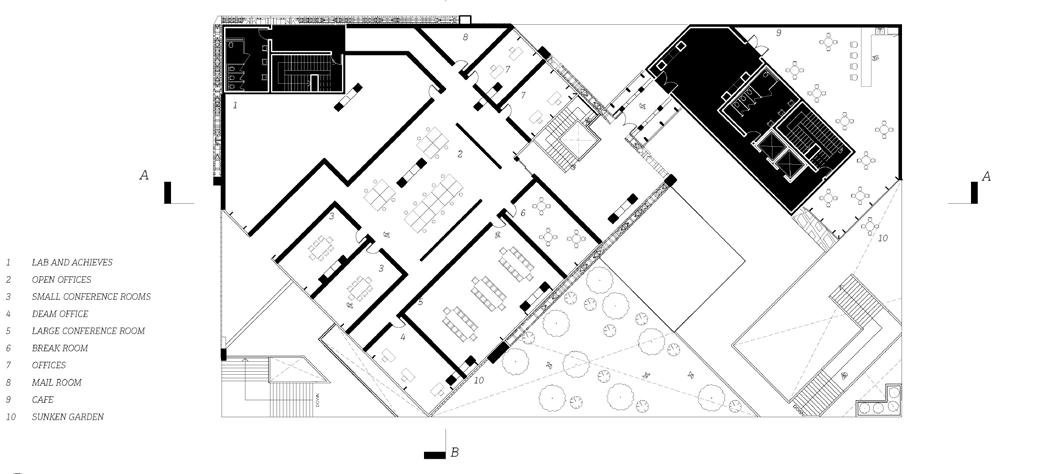
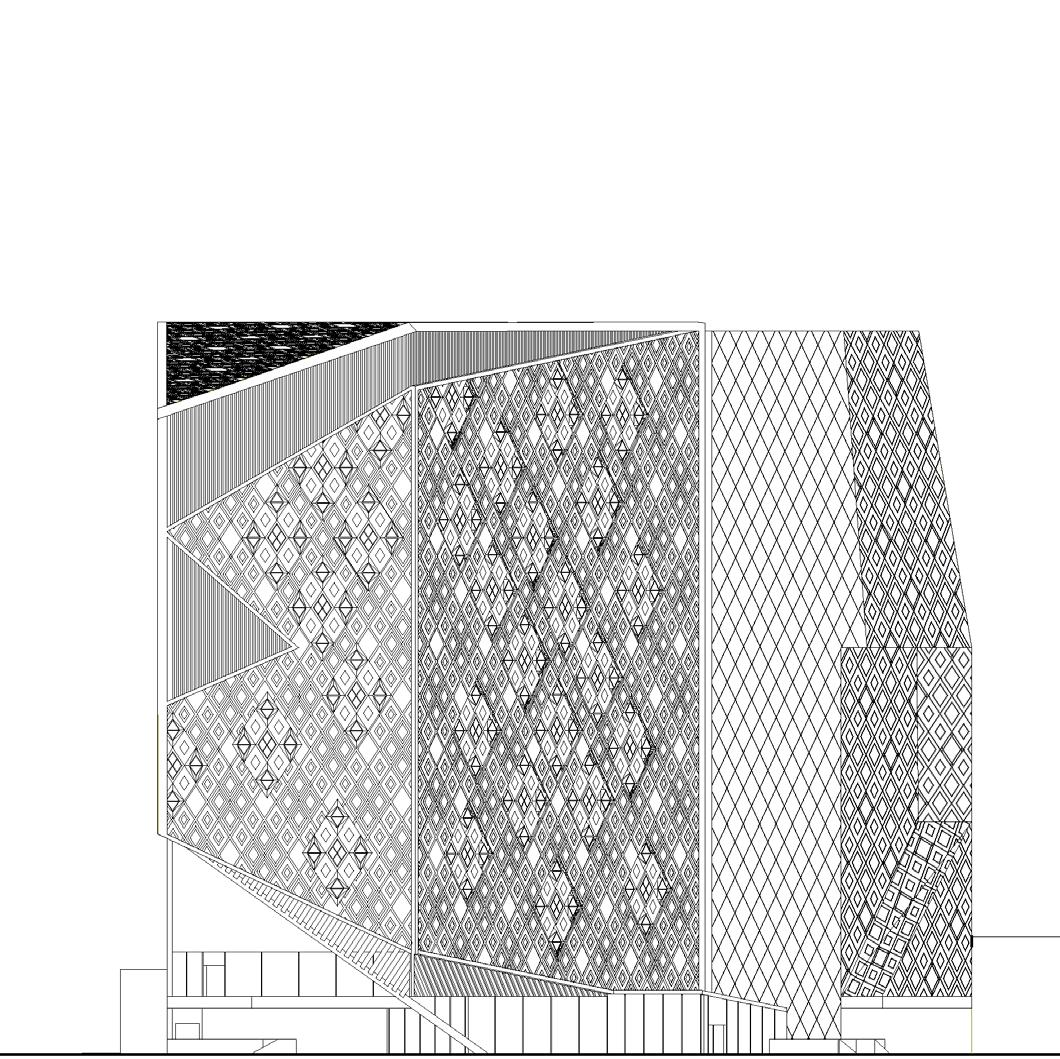
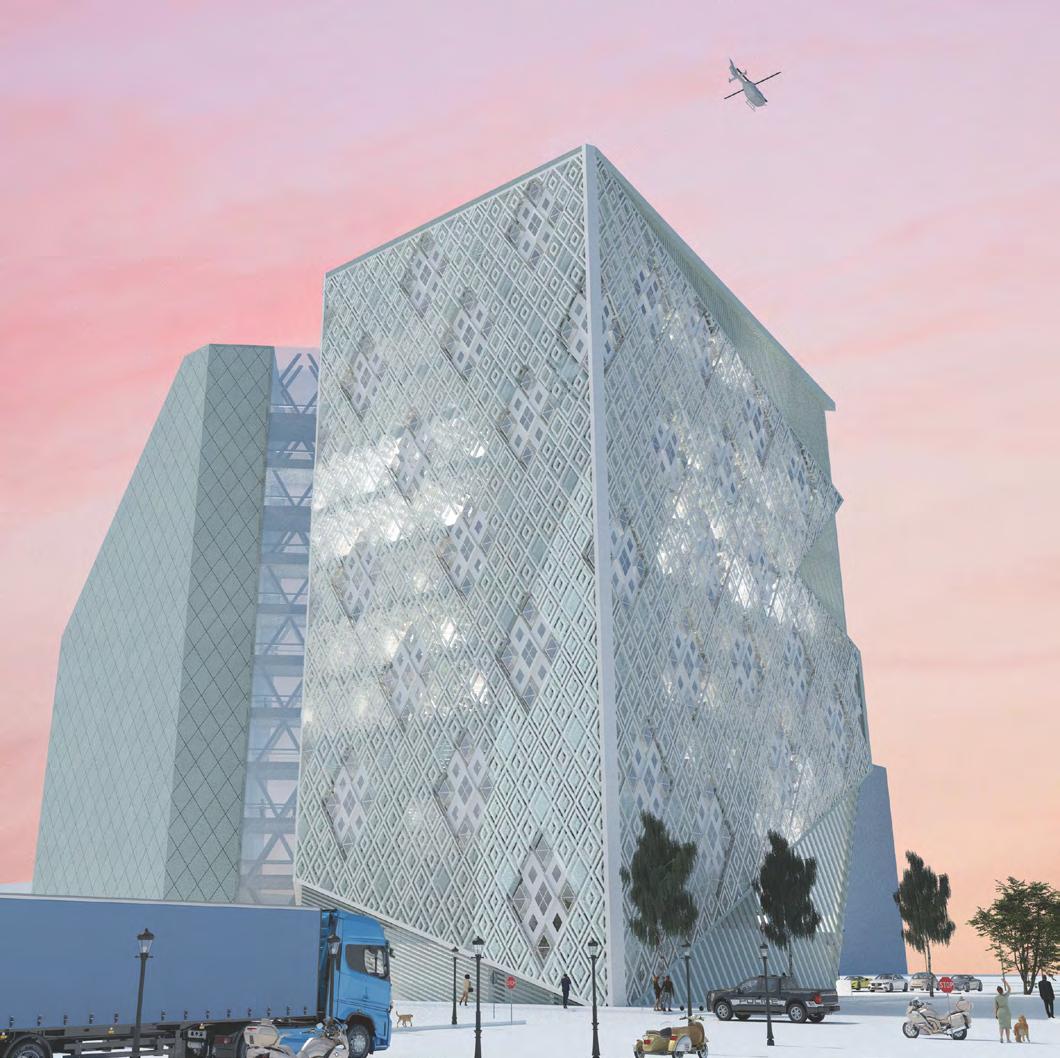
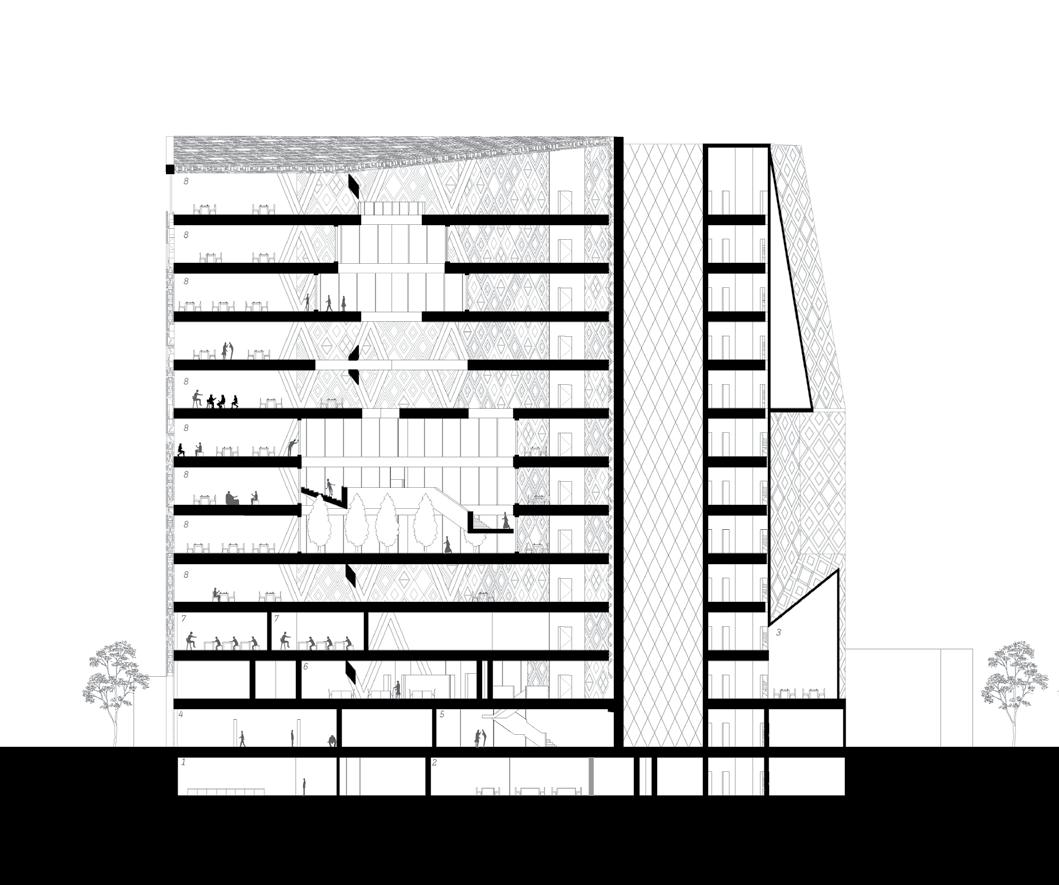
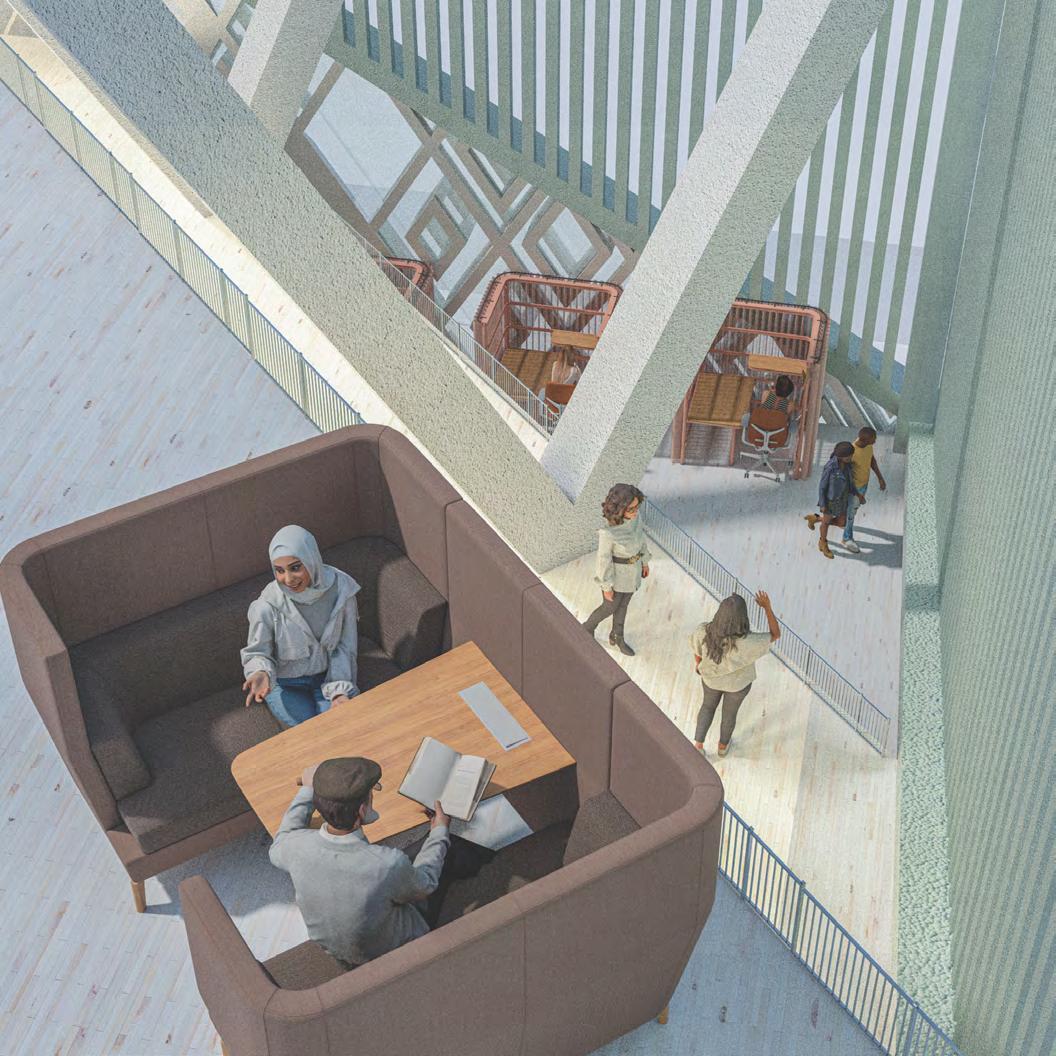
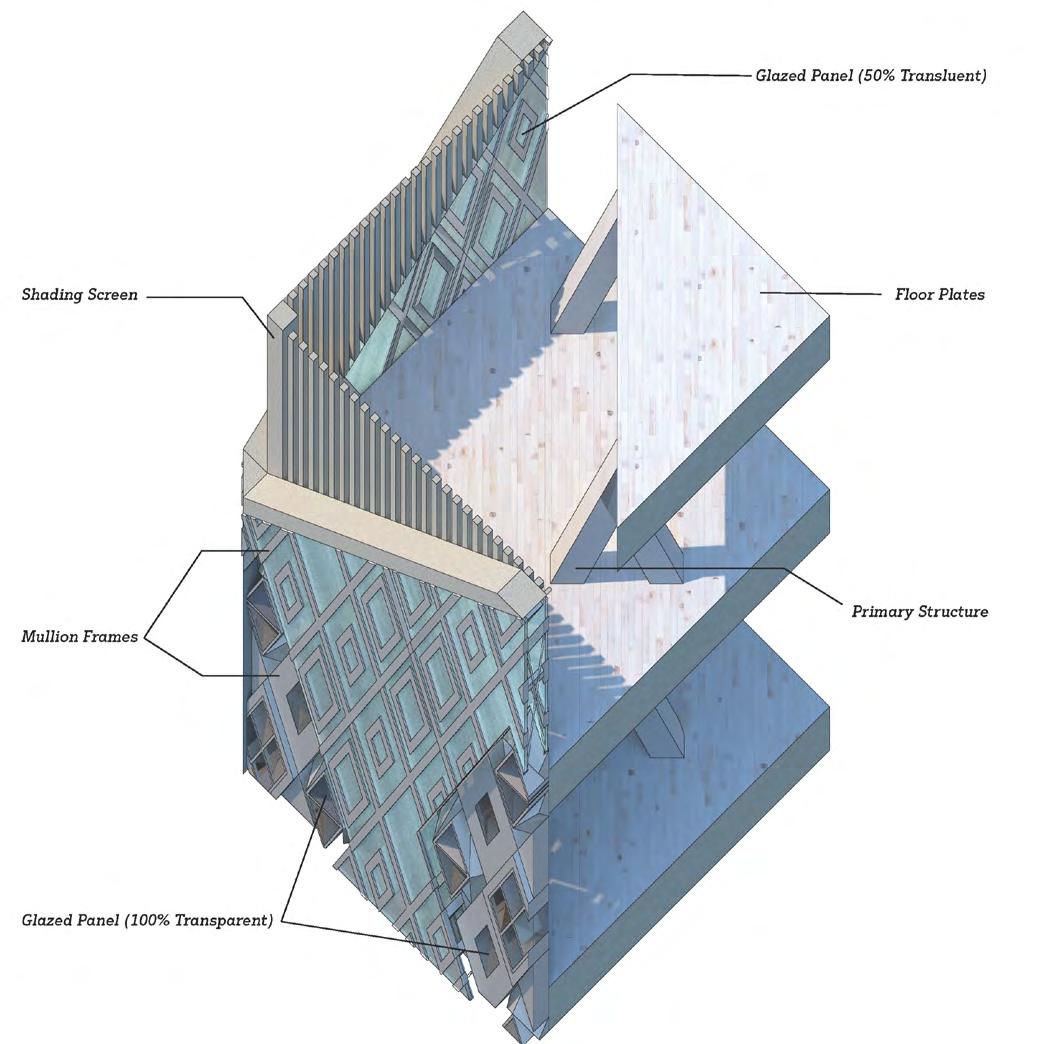
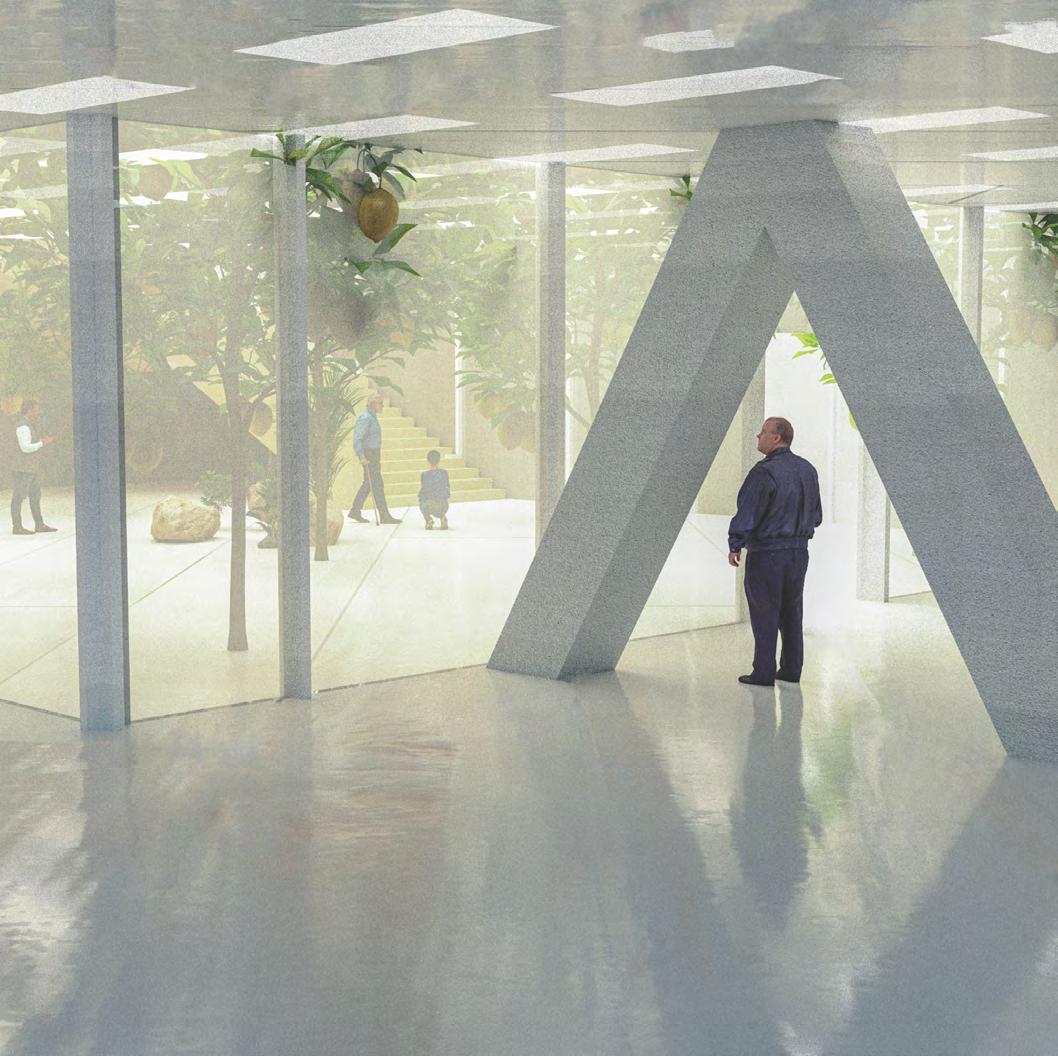
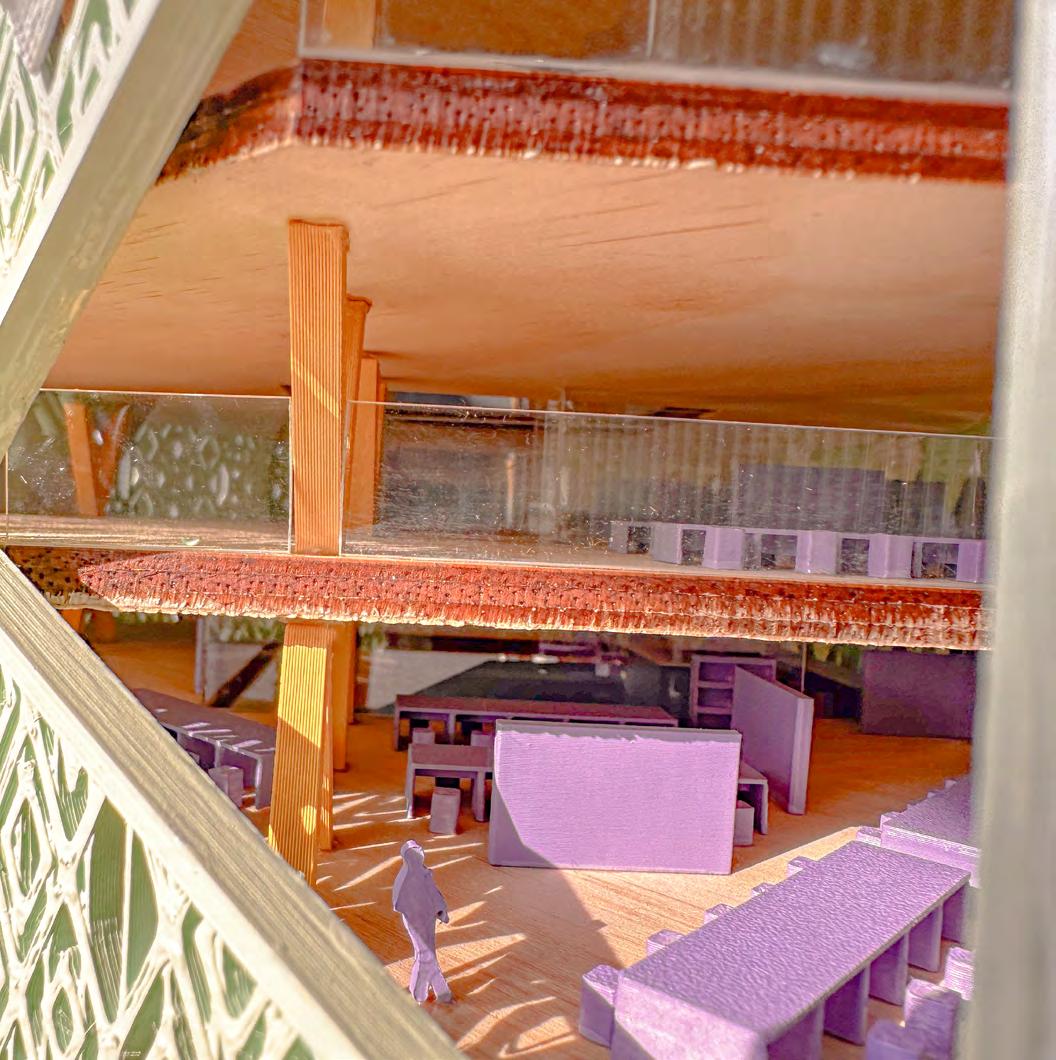
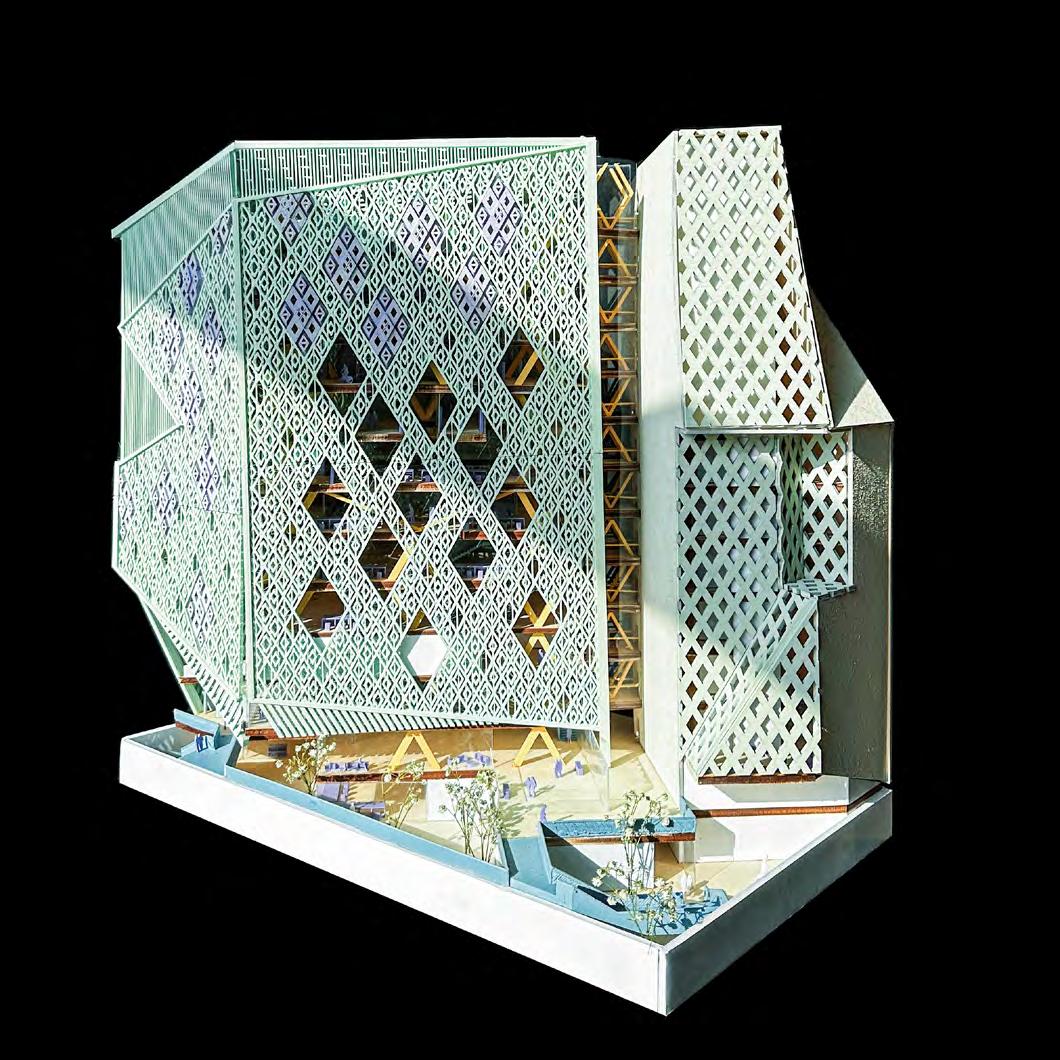
The main concept of this building design is to create more activity connection and communication between studios in different floors; bring more natual elements into this building to create more playful and enjoyful environment for architecture students and coworkers. The circulation, building shape, face, and structure are inspired by the 45 degree rotated grid. The site circulation makes short cut for the 2nd street and the parking lot. When people passing by the site, the programs in ground level and underground level will catch their attention, such as gallery, lobby, model shop, fab lab. The diagonal building shape and roof design allow more natural light come into the building. The facade are combined with 2 different pattern glasses. One is translucent, and the other one is transparent. The translucent can block the direct sunlight for studio and office area, but still can bring natural light in it. The transparent glass bring the direct sunlight into the atrium area, a small garden in the studio. This gathering spaces create a communication spot for different studio students. The triangle structure have more stability to support the building.
Public cultural center/
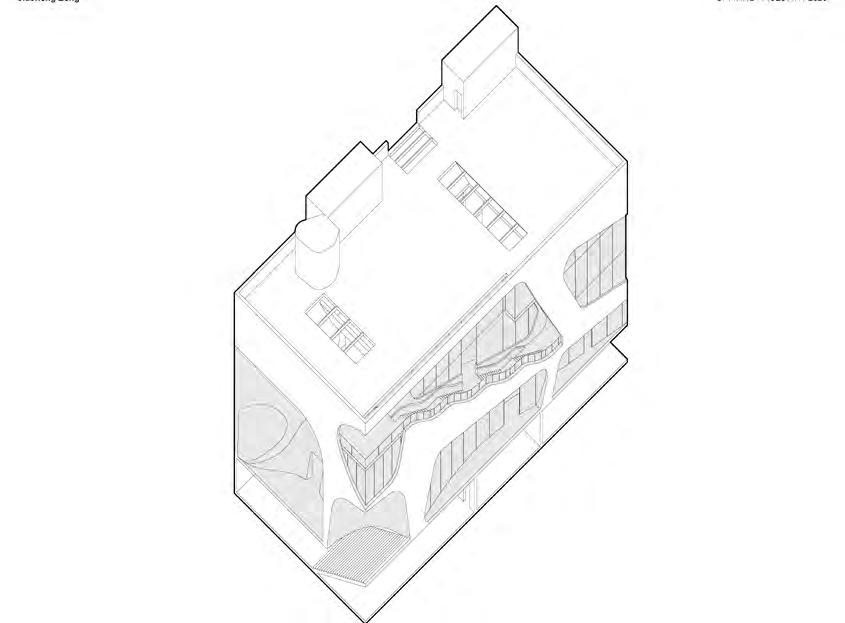
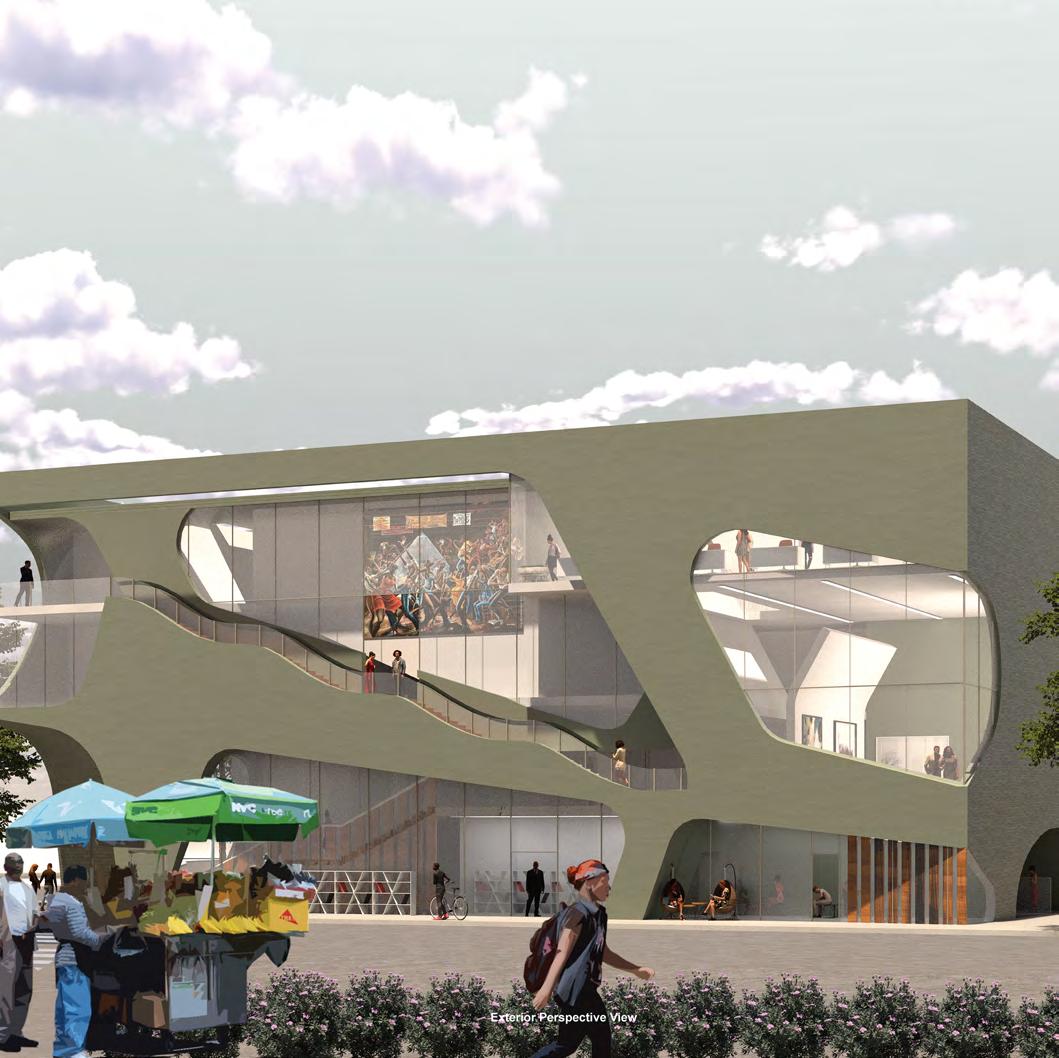
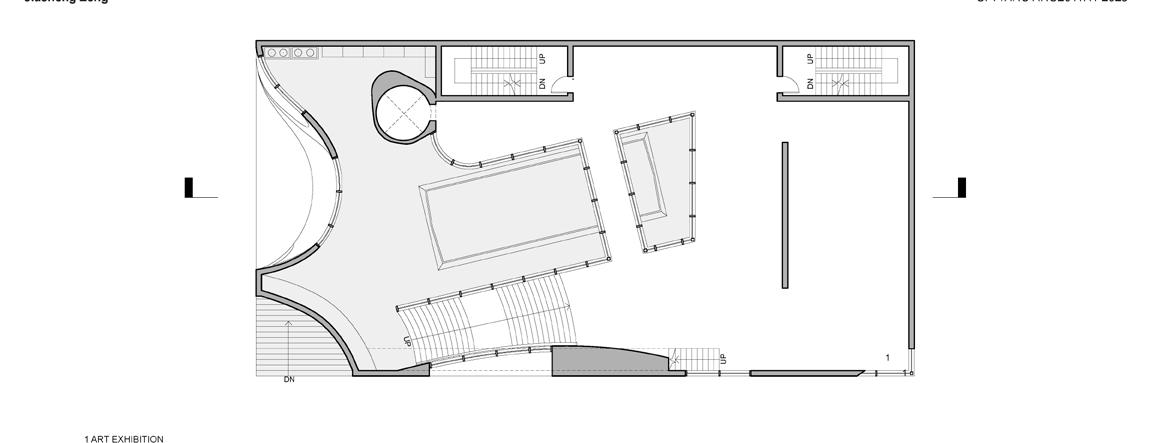
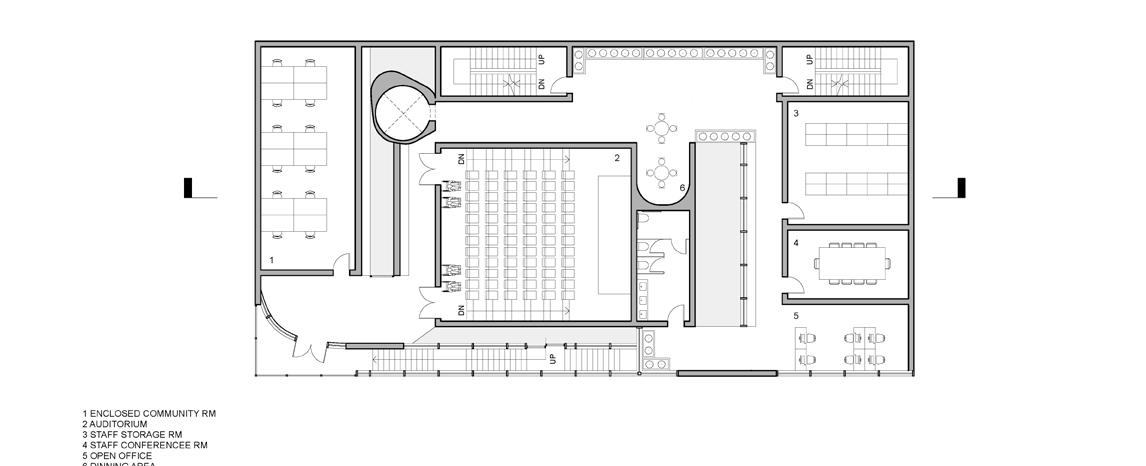
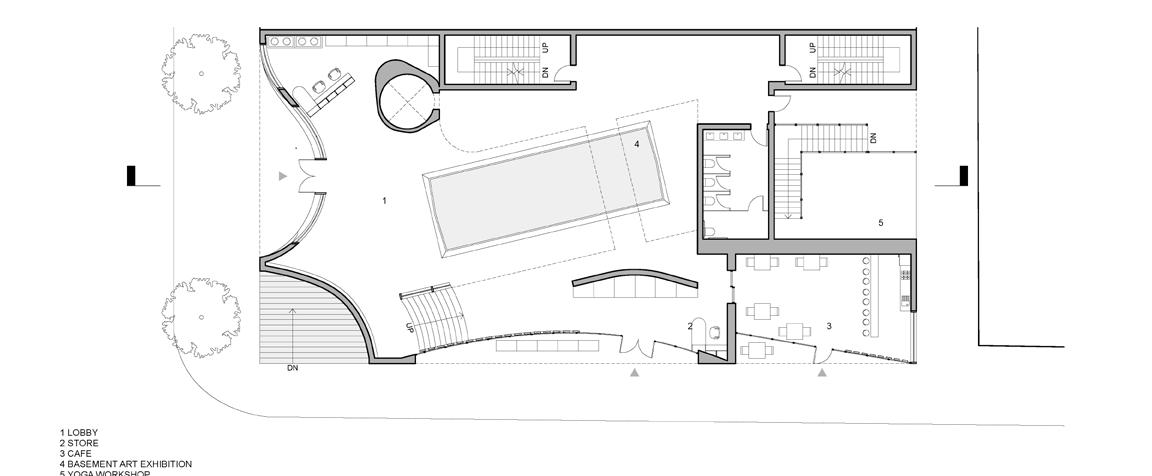
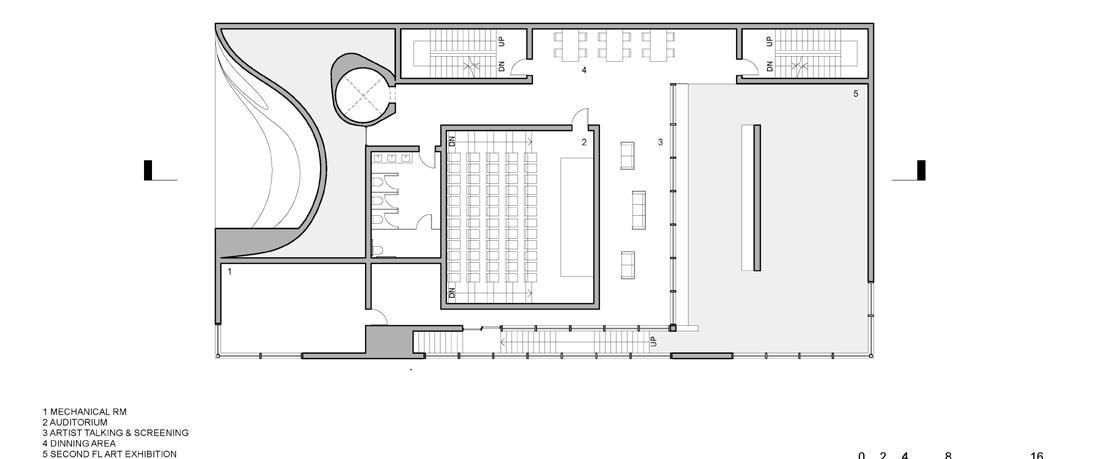
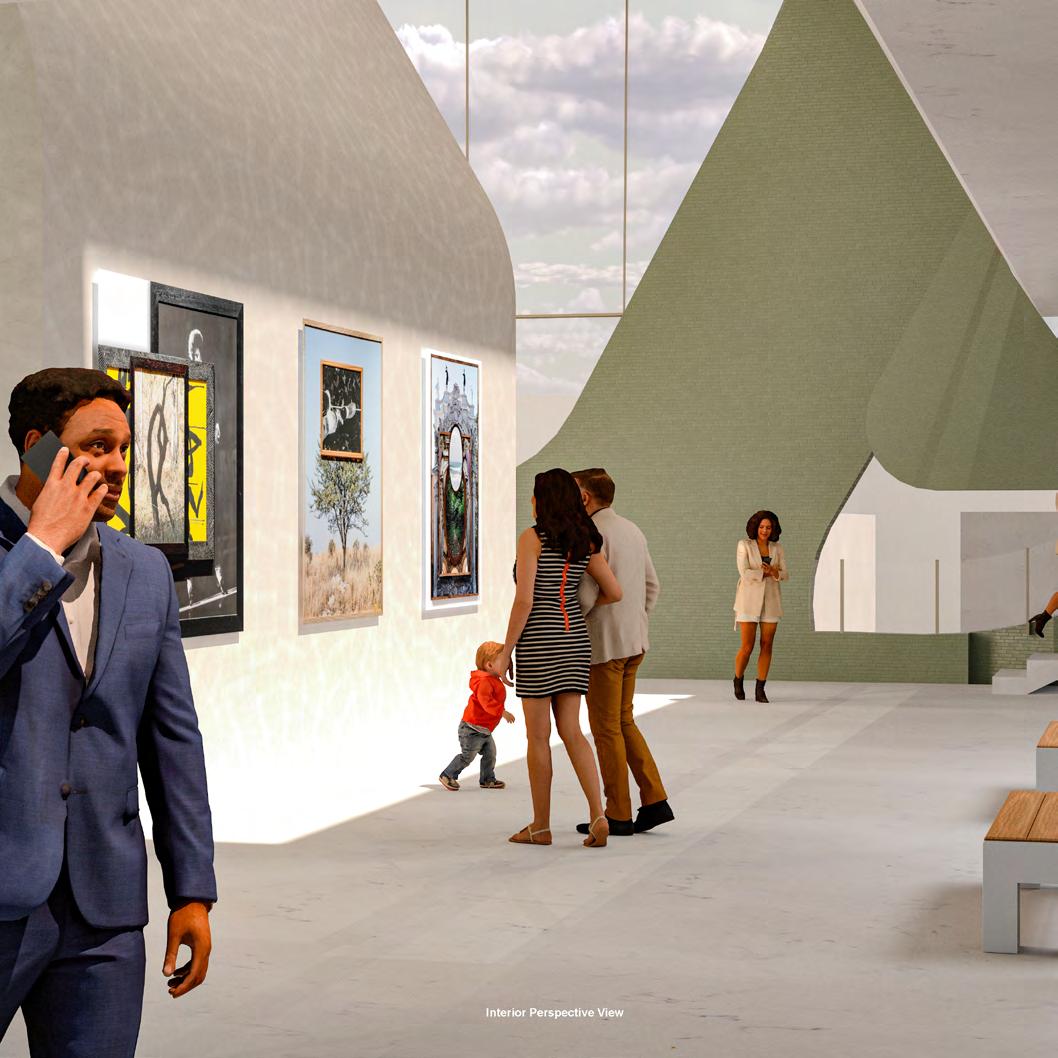
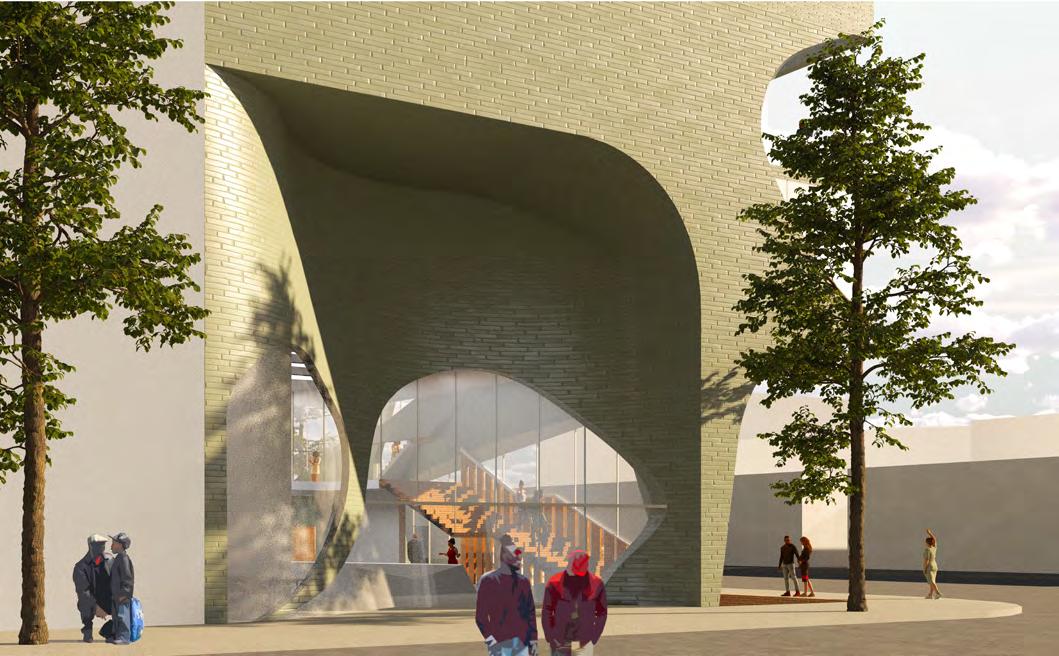
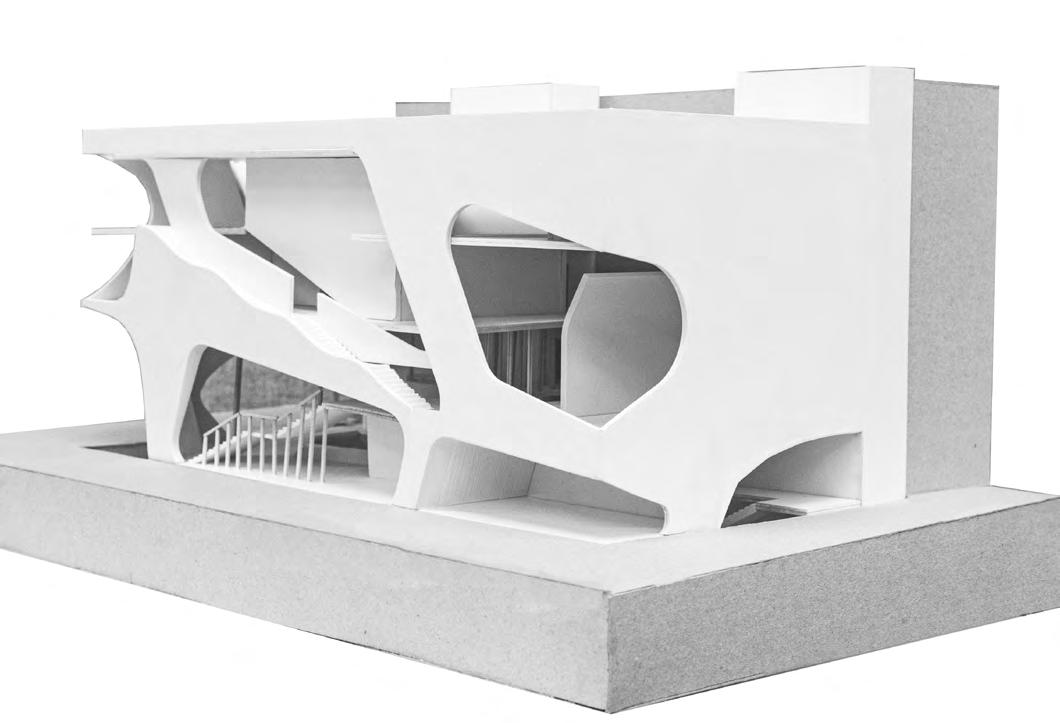
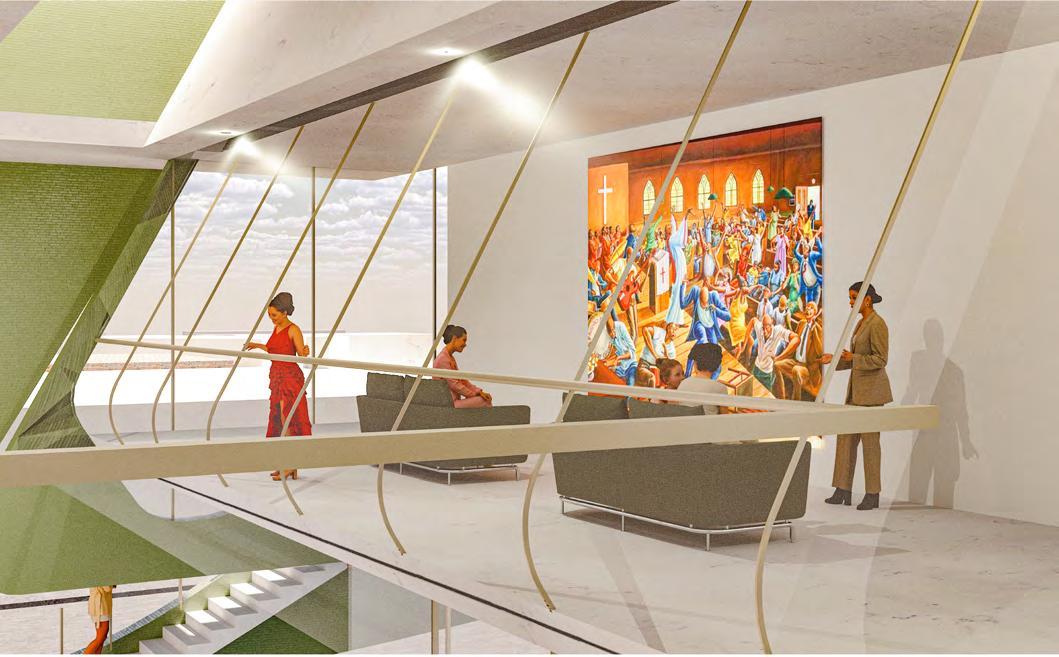
The primary idea behind the community art center is to draw people’s attention to it by highlighting the arrangement of the building’s activities through the contrast of solids and voids. The transparent openings redefine the spatial experience within the building, and they’re blurring the transition between the outdoor and indoor spaces. The large transparent openings can be seen as a visual focal point, and they reflect and emphasize the significance of the programs, which attract people’s attention to particular areas in the community art center. Three concave entrances allow people to access the building easily because they guide the path from the street to the entrance and create a sense of progress between outdoor and indoor spaces.
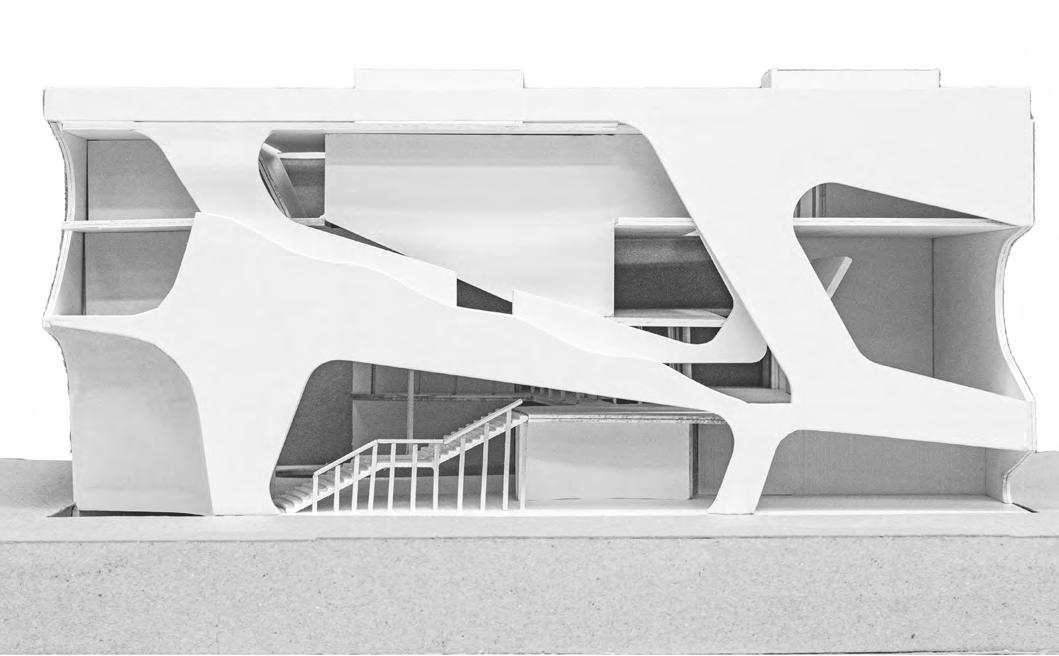
A continuous, ascending corridor cuts through the facade on the second floor, allowing users to access the different levels of the exhibition. Easy access to different levels emphasizes the connection between various functions at different levels. Even though the transparent opening has different sizes, the curves of the opening give the structure a more cohesive and harmonic appearance.
The unique opening shape of the building distinguishes the structure from other surrounding buildings, making the building more identifiable in the overall environment.
Natural light may enter the building through the two large skylights, and illuminate the functional spaces, especially the entrance of the lobby and exhibition area. Skylights enhance the natural light source in the interior, creating a more attractive interior environment to encourage more visitors to visit the building and participate the activities in various programs.
Public commercial building/
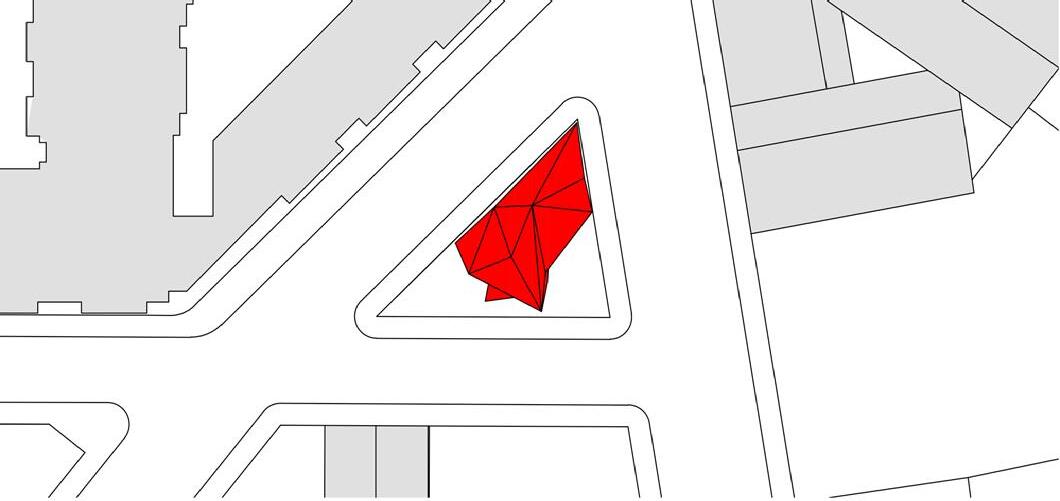
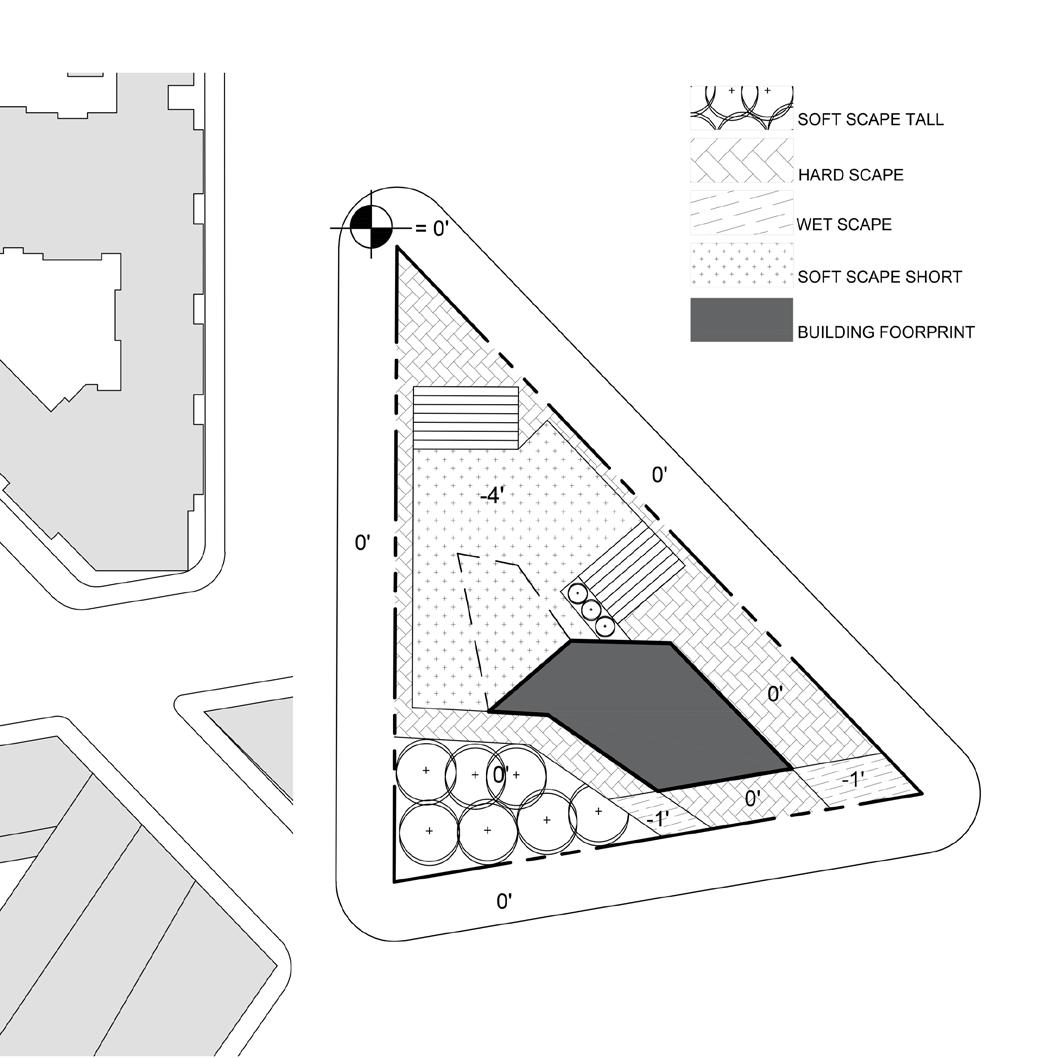
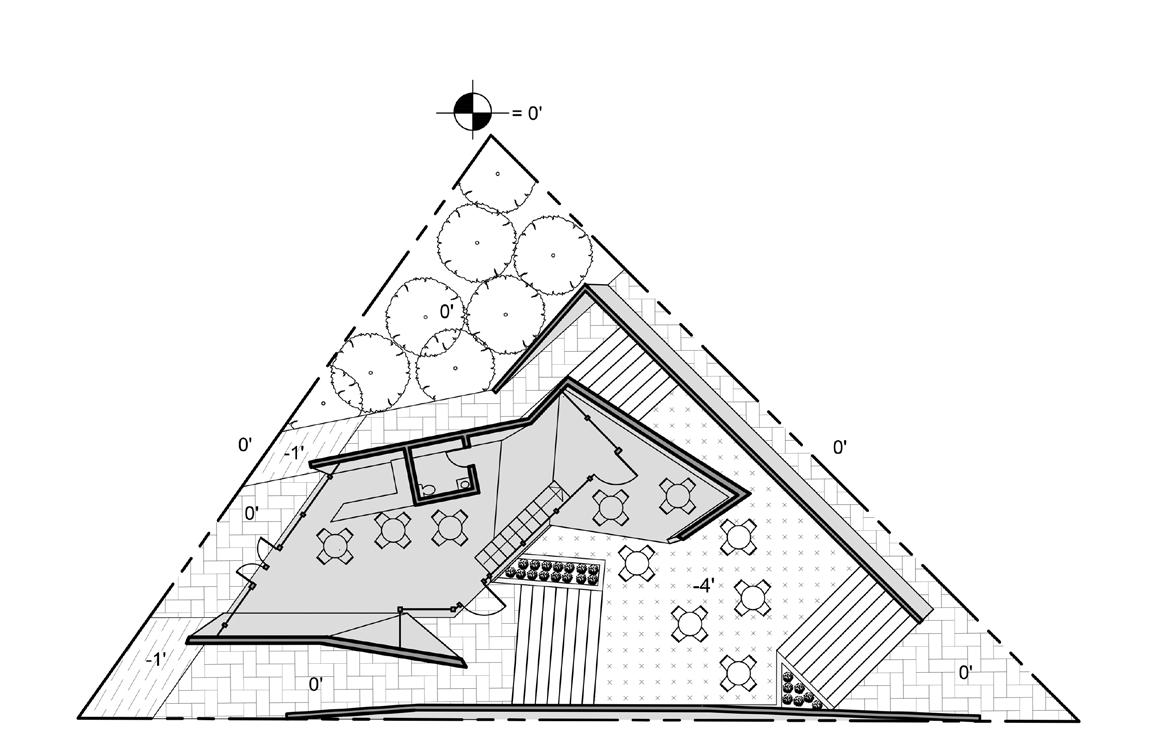
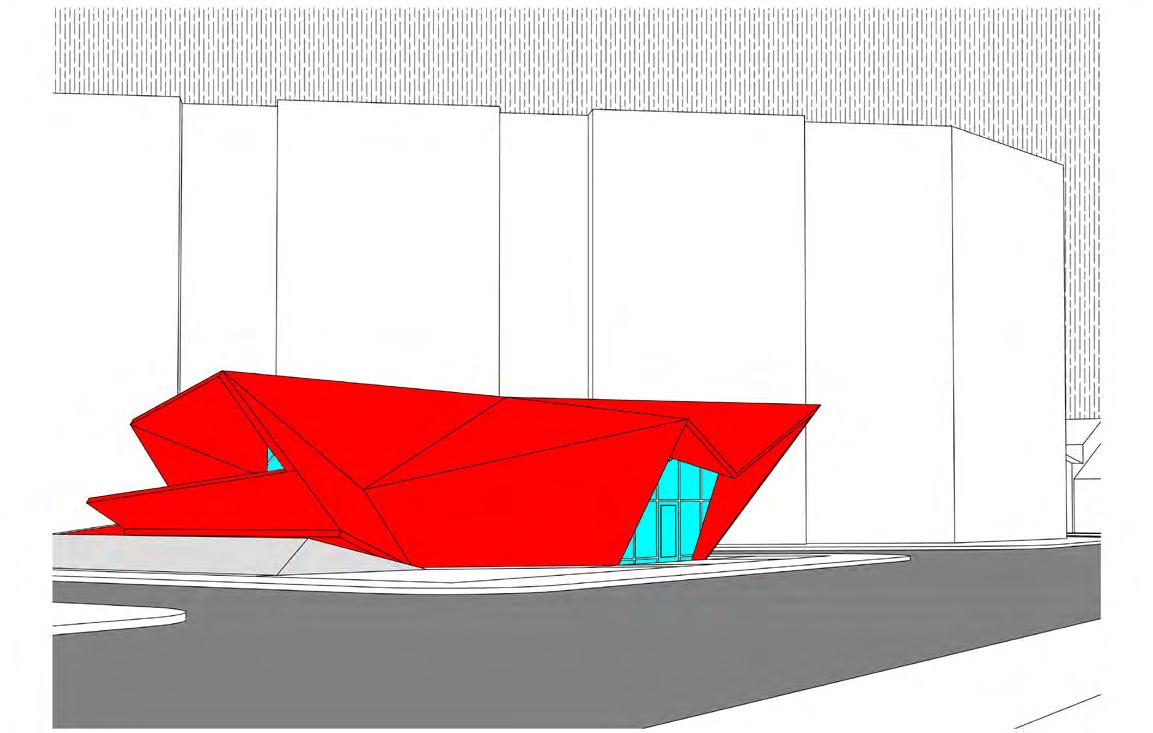
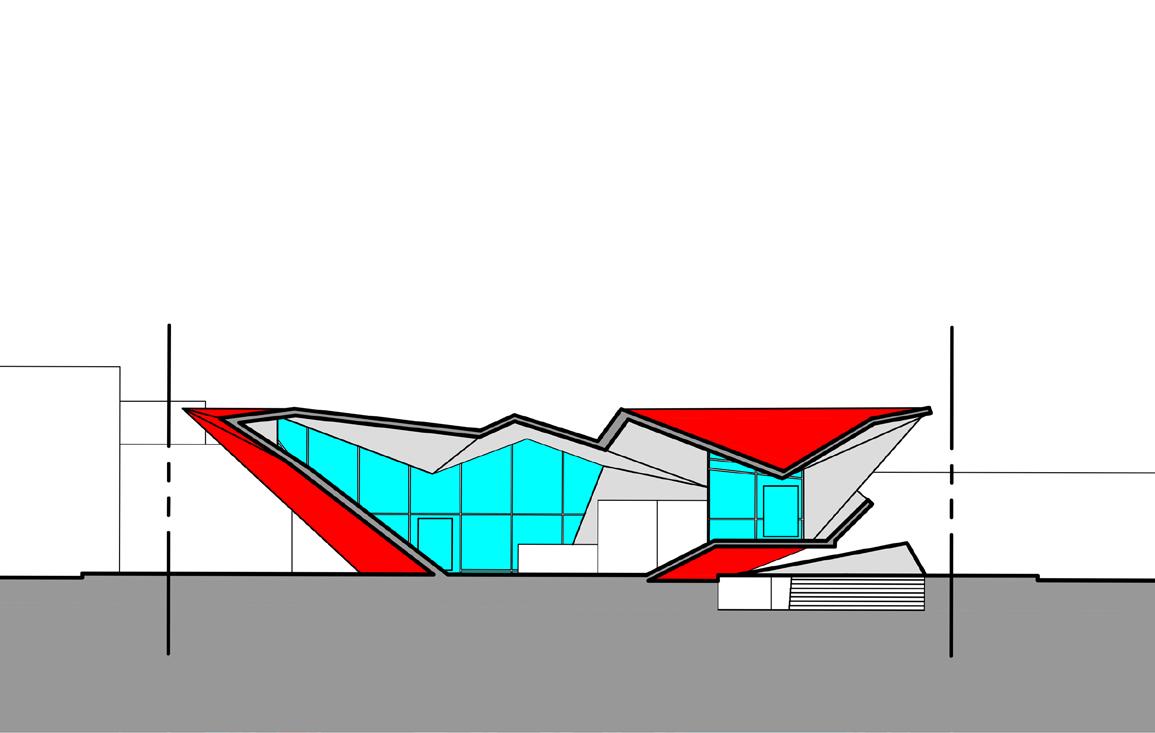
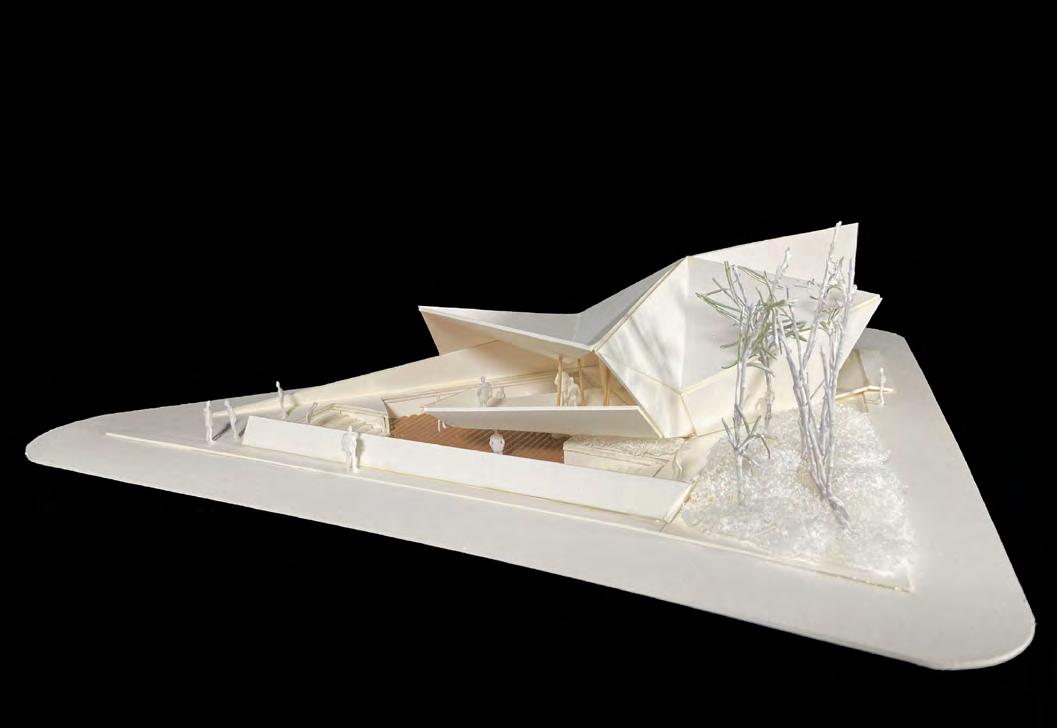
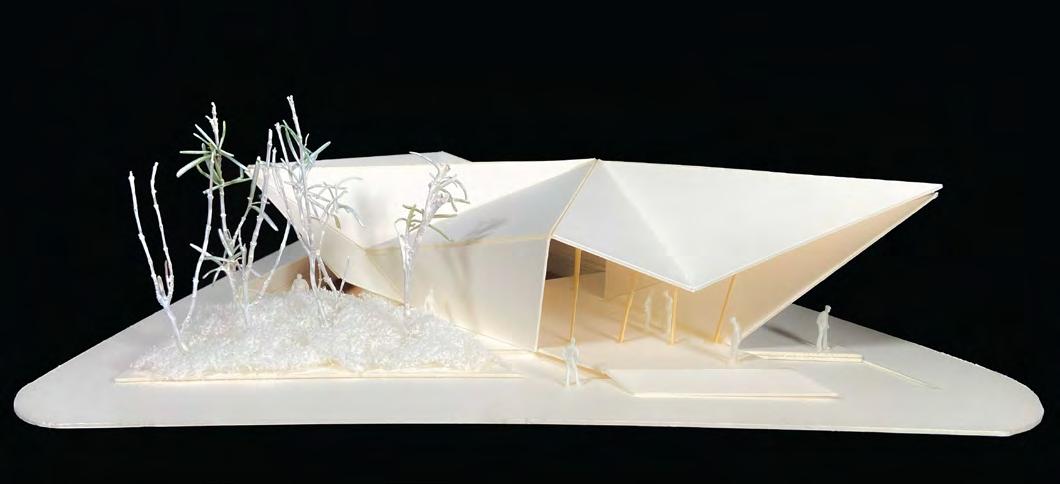
The diagonal-shaped tea house in downtown Los Angeles is a captivating architectural marvel that challenges conventional design norms. With its bold angles and sleek lines, the building commands attention while seamlessly blending into the city's modern skyline. The striking facade is a combination of glass and sustainable materials, allowing natural light to flood the interior and offering inviting views of the bustling urban surroundings.
Upon entering, guests are greeted by an open, airy space characterized by warm wooden accents and minimalist decor that reflects a serene tea-drinking experience. The diagonal layout creates cozy nooks and inviting spaces for patrons to gather or retreat for solitude, fostering a sense of community while maintaining an intimate atmosphere.