JOSHUA HOLSTEIN DESIGN
PORTFOLIO

01 02 03 04 05
GATHER: WAYNE
May 2026
Master of Architecture- Expected 2026
University of Nebraska- Lincoln, NE
GPA: 3.71
May 2023
Bachelor of Science in Design, Interior Design
with a Minor in Architectural Studies, with Distinction
University of Nebraska- Lincoln, NE
GPA: 3.69
Dean’s List- Spring 2021, Fall 2022
Nebraska Achievement Scholarship Recipient- 2019
Summer 2024
Architecture & Interior Design Intern
Altus Architectural Studios- Omaha, Nebraska
Contributed to the Pre-Design Research Phase for the WCHS Hospital Masterplan
Summer 2023
Interior Design Intern
LEO A DALY - Omaha, Nebraska
Collaborated with the Healthcare Studio on Local and National Projects
Contributed to Design Development on a VA Hospital in Los Angeles
Summer 2022
Architectural Intern
Slaggie Architects - Omaha, Nebraska
Created Initial Construction Documents for a high end restaurant
2023-2025
joshuaholstein02@gmail.com
jholstein2@huskers.unl.edu
Digital Portfolio
Revit
Photoshop
InDesign
Lumion
Rhino
Illustrator
Bluebeam
2022-2025
Graduate Teaching Assistantship
College of Architecture - University of Nebraska- Lincoln
IDES-210 2nd Year Interior Design Studio with Lindsey Bahe
IDES-211 2nd Year Interior Design Studio with Nate Bicak
DSGN-140 History of Design with Zac Porter, PHD
ARCH-240 Arch History & Theory II with Supasai Vongkulbhisal, PHD
College of Architecture Student Ambassador
College of Architecture - University of Nebraska- Lincoln
Graduate Assistant for High School COA Camp and Open House
Student Representative for Prospective College of Architecture Students
Mentored twelve Freshman Interior Design Students in the d.ONE program
AIAS: Since 2023
Executive Board: 2024-2025
IIDA: Since 2023
Kappa Kappa Psi: 2019-2023
Chapter Historian: 2020
Cornhusker Marching Band: 2019-2023
Big Ten Flags Captain: 2020-2023
Designing Futures: Interior Spaces of Refugee Education in Kenyan Communities
Sonya Grace Turkman, Joshua Holstein (Jan 2025)
Interdisciplinary Design Studio: Programming Document Visioning for a Robotic Demonstration, Research, and Engagement Dairy
Steven Hardy, Nathan Bicak, et al. (Dec 2022)
Pamoja is an interdiciplinary research partnership between the University of NebraskaLincoln, AMREF International University and MOI University in Nairobi, Kenya.
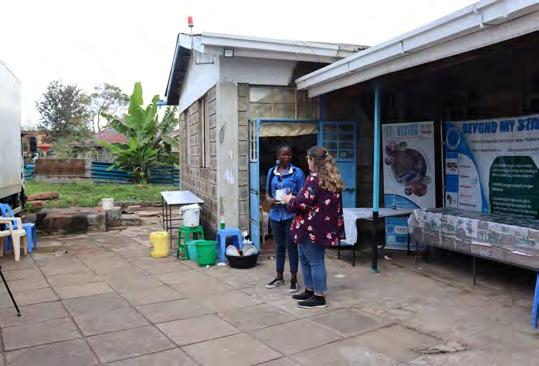
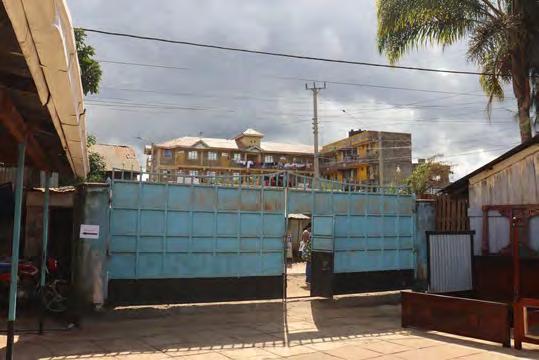
This project focuses on Global Health and Wellness funded by the UNL Grand Challenges Planning Grant: Developing an Interdisciplinary Global Forced Migration and Health Collaborative (FMHC) led by Dr. Julie Tippens. Our field work studies took us to refugee led organizations in Urban Nairobi during the summer of 2024.
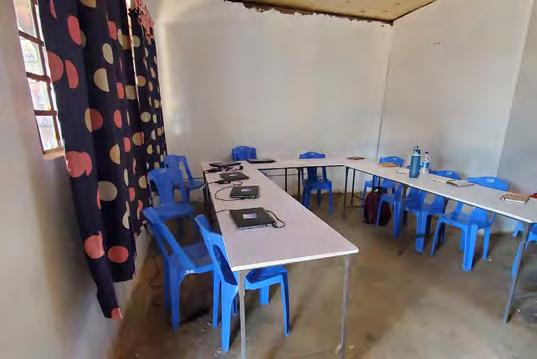
Classroom: Umoja
spaces all day for digital skills,
and language education every day.
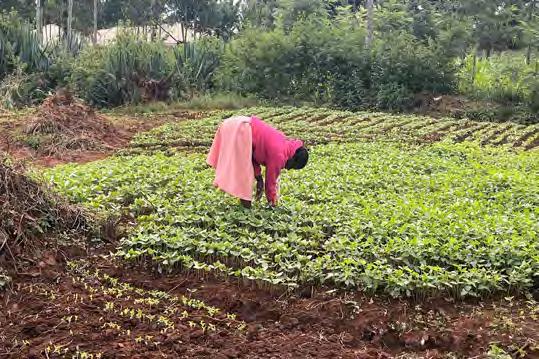
Crop Fields: Spreading the knowledge of self sufifcient agriculture in a food insecure urban area.
Dr. Sonya Turkman and I documented educational spaces of Urban Refugee education in our field research. What we found were many effective spaces of education outside of the westernized scope of design. Much of the education was taught through apprenticeship and focused on the development of valuable skills. Additionally there were learning barriers to overcome such as language, literacy, and basic computer skills.
Dr. Sonya Grace Turkman, Joshua Holstein
University of Nebraska- Lincoln
This study examined the interiors of community education locations in Nairobi, Kenya, and surrounding areas that provide services to refugee populations. “Interiors” were conceived broadly, encompassing exterior courtyards where craftspeople sold their goods, crowded training rooms where women learned to sew, field hospitals offering accessible prenatal care, and the unique context of an urban orphanage. Education was equally broadly defined, encompassing the development of craft skills, entrepreneurship training, and advocacy for mental and physical health. These broad categories reflect the timely need of design research that attends to interiors outside of the traditional scope as defined by Western ideals.
The purpose of this study was to bring an awareness to the inclusive capabilities and transformative potential of interiors, while also celebrating these communities and their efforts to create better lives for some of the world’s most vulnerable populations. The study relied on visual methods of data collection and field notes, weaving together a narrative that highlighted these interiors and their significant roles within the refugee communities they serve.
This research underscored the need for a reimagined understanding of interiors—one that embraces inclusivity and recognizes the diverse contexts in which they function. By attending to the interplay between design, education, and community, this study revealed interiors as more than static designed space, but rather as active facilitators of empowerment. As design research continues to evolve, these findings advocate for an expanded framework of interiors and in so doing this study hopes to inspire further design research that prioritizes inclusivity.
Presented at the Architecture Media and Politics Society Conference
“New Schools of Thought”
January 8th, 2025
Lecture & Photo Exhibition: University of Nebraska College of Architecture
February 5th, 2025
Article Publication: Architecture Media and Politics Society Journal
Expected: May 2025




DSGN 410 COLLABORATE STUDIO
FALL 2022
BICAK, STEVE HARDY, DR. TAMI BROWN-BRANDL
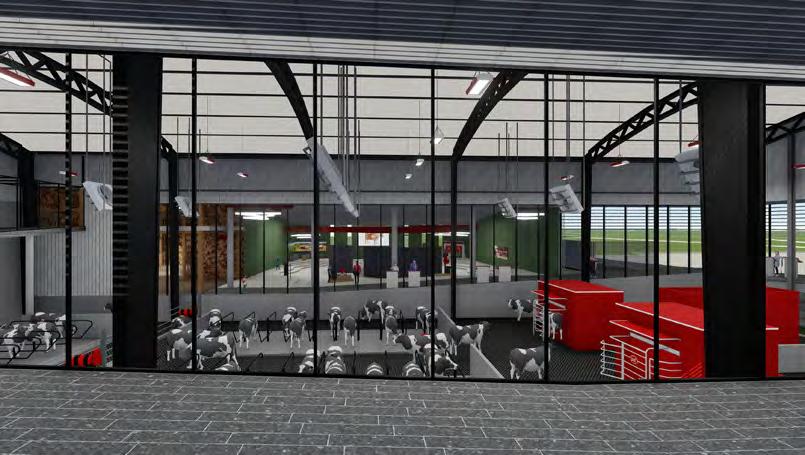
Nebraska Innovation Dairy is a project in the UNL 4th Year Collaborate Studio. Groups with Architecture and Interior Design Students were tasked with researching the Dairy Industry and designing a center on a UNL Campus to showcase and educate the public about the emerging technologies making Dairy Farms more efficient for Farmers and Dairy Cattle. This studio is part of a grant proposal in collaboration with Animal Science, Agriculture Engineering, and College of Architecture students being led by Dr. Tami Brown-Brandl. The semester of research and design involved meetings with dozens of experts in Dairy Farming, Barn Construction, Agricultural Precision Management, Food Science, and Engineering. We were able to make informed decisions about design for this Barn and education center through our compiled research.








Nebraska Innovation Dairy is located on Innovation Campus on 23rd and Salt Creek Roadway. We justify this site for it’s intended purpose as an agricultural technology building in the Campus Master Plan as well as Innovation Campus’s Mission to uplift emerging technologies. The building is oriented to allow a tunnel ventilation system to allow generous airflow to regulate the cattle body temperature as well as provide a view from passers on Salt Creek Roadway. We also had to account for where cattle emissions would flow in relation to buildings in the surrounding area. The layout of the site accommodates parking for visitors and Semi-Truck access to service the Dairy Production.

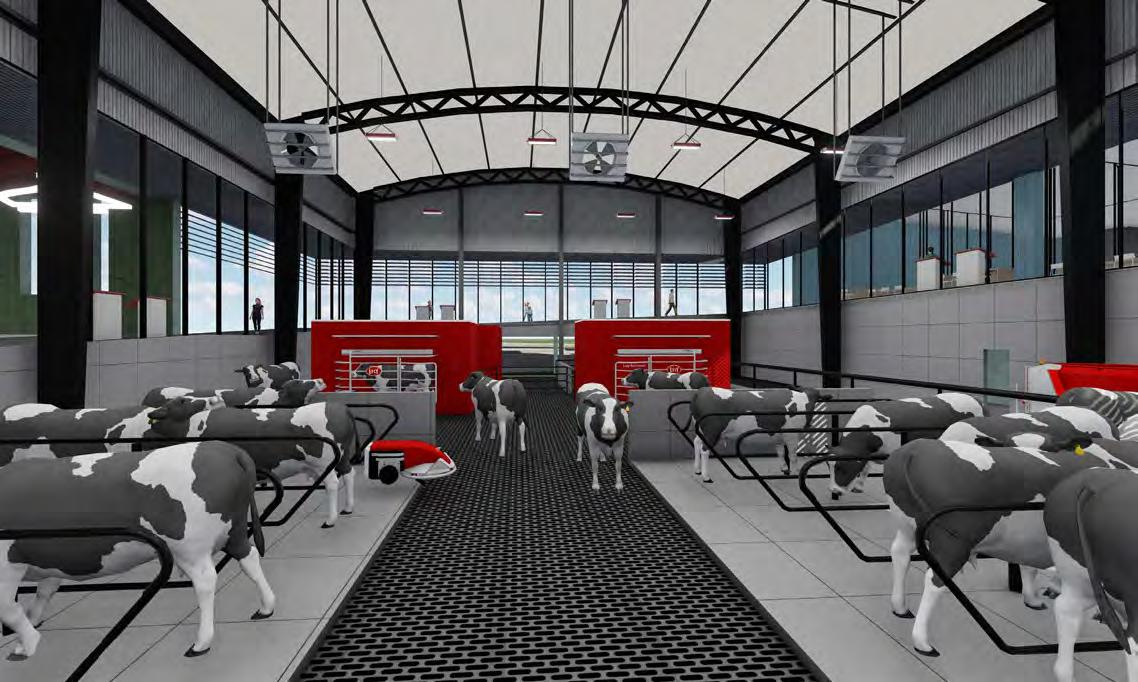
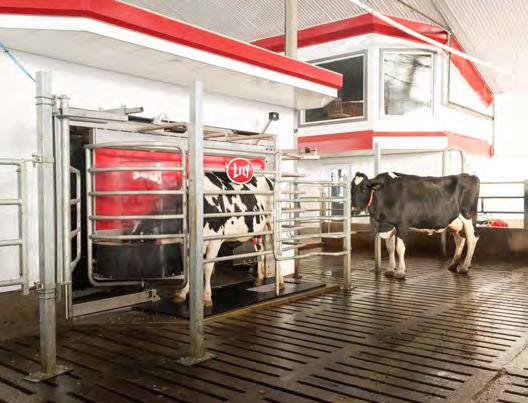
Lely Astronaut- “Milking Robot”
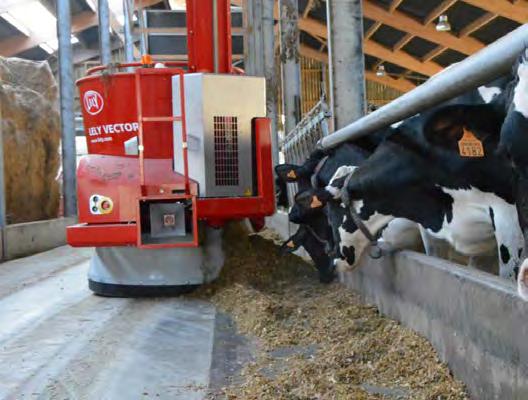
Vector- “Feeding Robot”
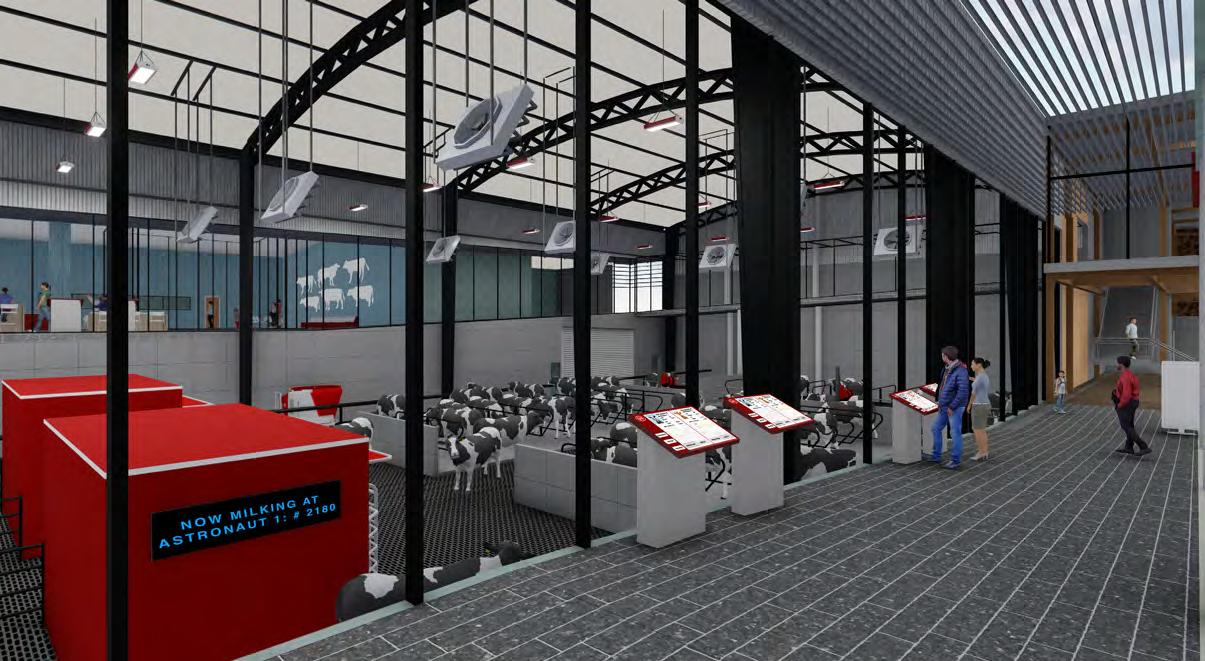
Automated Dairy Barns provide efficiencies to improve the lives of Dairy Cattle. The Astronaut and Vector Robots allow Cows to be Milked and Fed 24/7 and when Barn Staff is not present. Designing for an Automated Dairy Barn encompasses the need to accommodate the movement of Public Visitors, Barn Staff, Dairy Cows, and Robots.
DAIRY/FOOD PROCESSING+OBSERVATION STEEL POST & BEAM STRUCTURE
FEED STORAGE/VECTOR KITCHEN STEEL POST & BEAM STRUCTURE
DAIRY BARN CONCRETE TEE STRUCTURE
VAULT STEEL TRUSS STRUCTURE
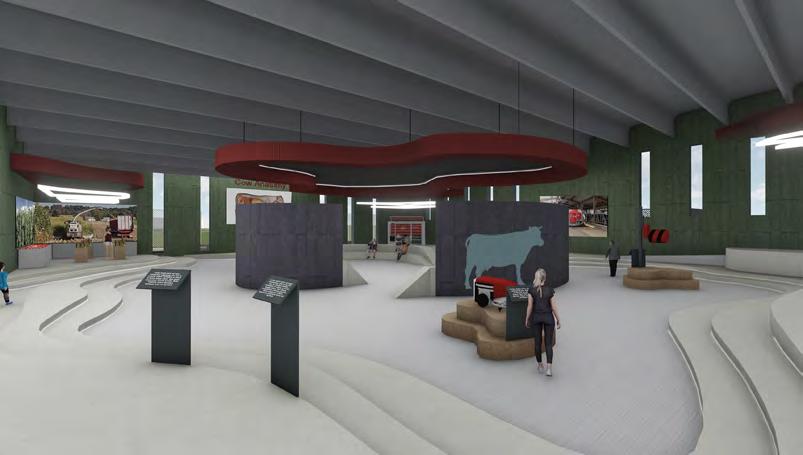
INTERACTIVE EXHIBITION
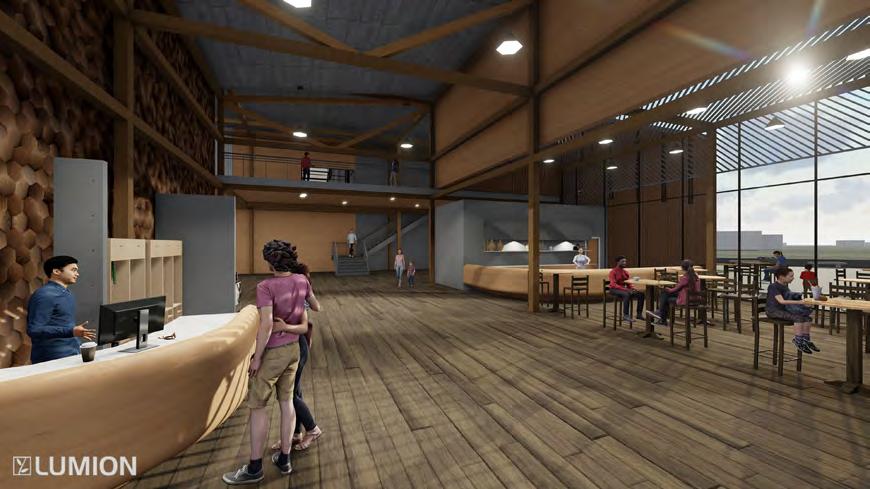
MAIN ENTRANCE/CAFE/OFFICES WOODEN POST & BEAM STRUCTURE
CIRCULATION RAMP
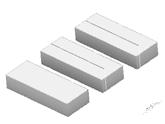
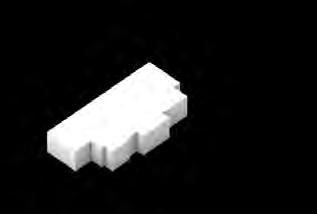
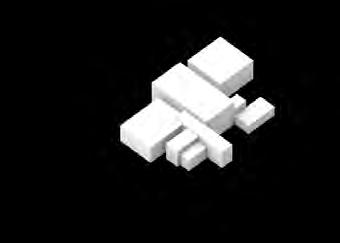
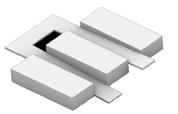
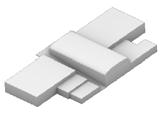
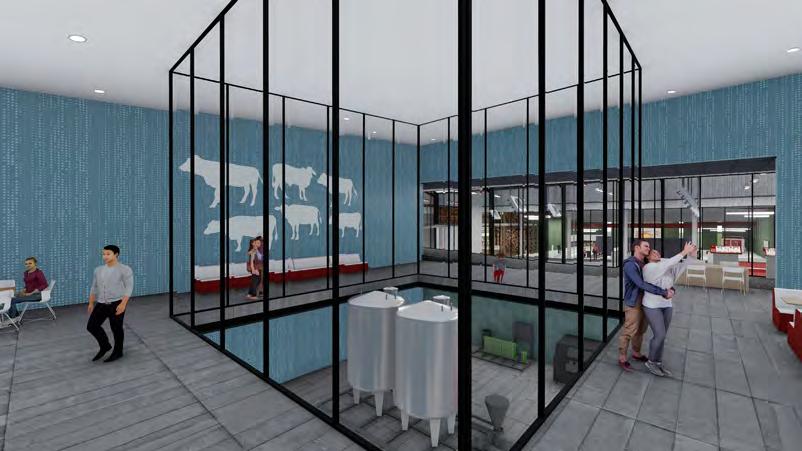
The idea of modularity was the backbone to our massing. In order to keep the public, Milk Processing, and Dairy Barn spaces separate, we developed modules that could interact with each other behind a defined barrier. Though this design, the public has viewing that does not contaminate Milk Processing or Dairy Barn functions. Additionally, the Processing and Dairy Barn areas no not cross-contaminate in the same building.
The central program of this building is the Robotic Dairy Barn. The public walks around the perimeter of the Barn on an Elevated Circulation Ramp interacting with an Exhibition and Observation spaces showcasing how a modern dairy barn operates with the latest technology.





OBSERVATION
JOSHUA HOLSTEIN, MEGAN PFEIFER, ANGELA VU
REFORM an HDR speculative studio
TOM TRENOLONE, TAYLOR NIELSEN, ASHLEY GLESINGER
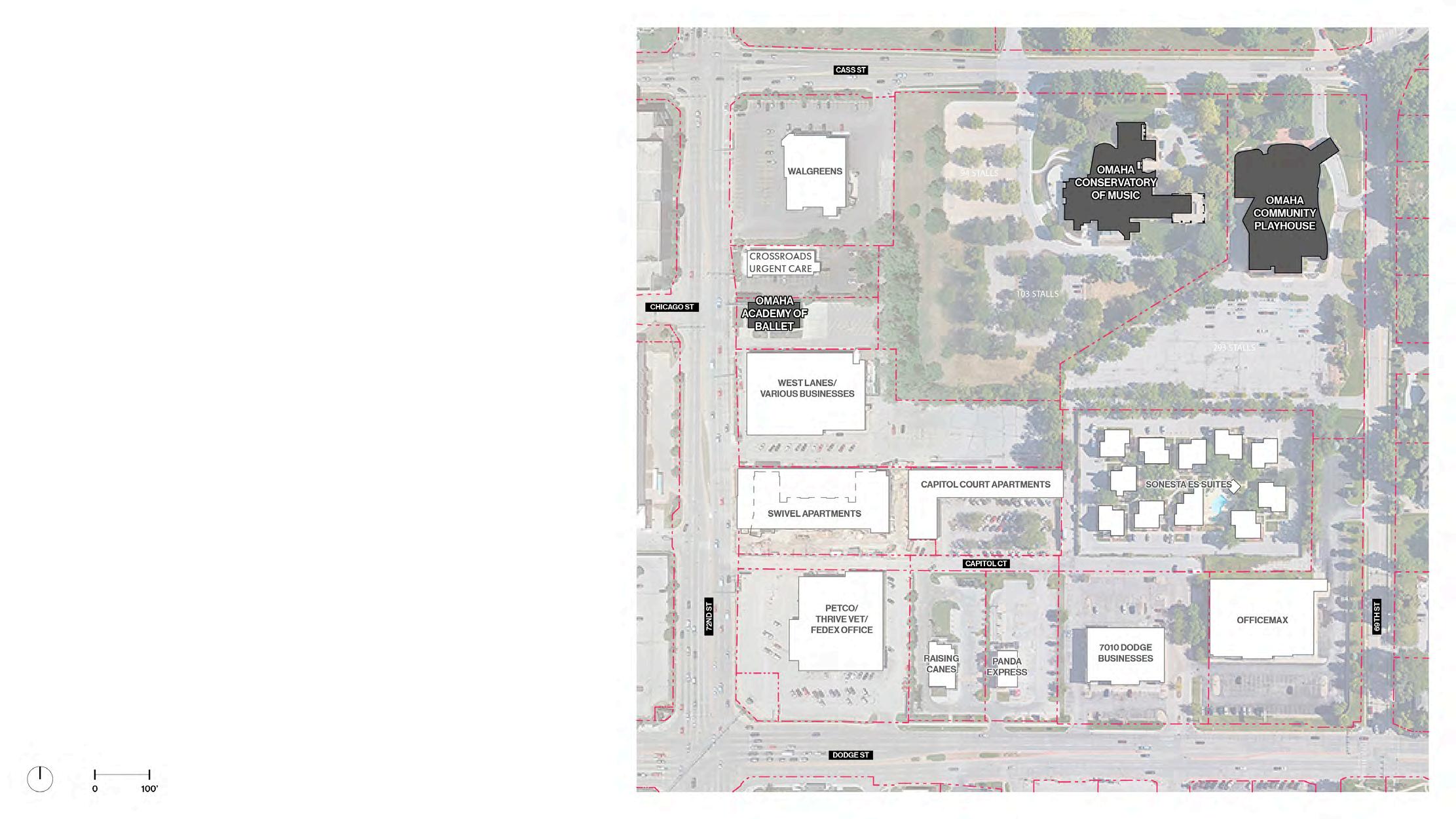
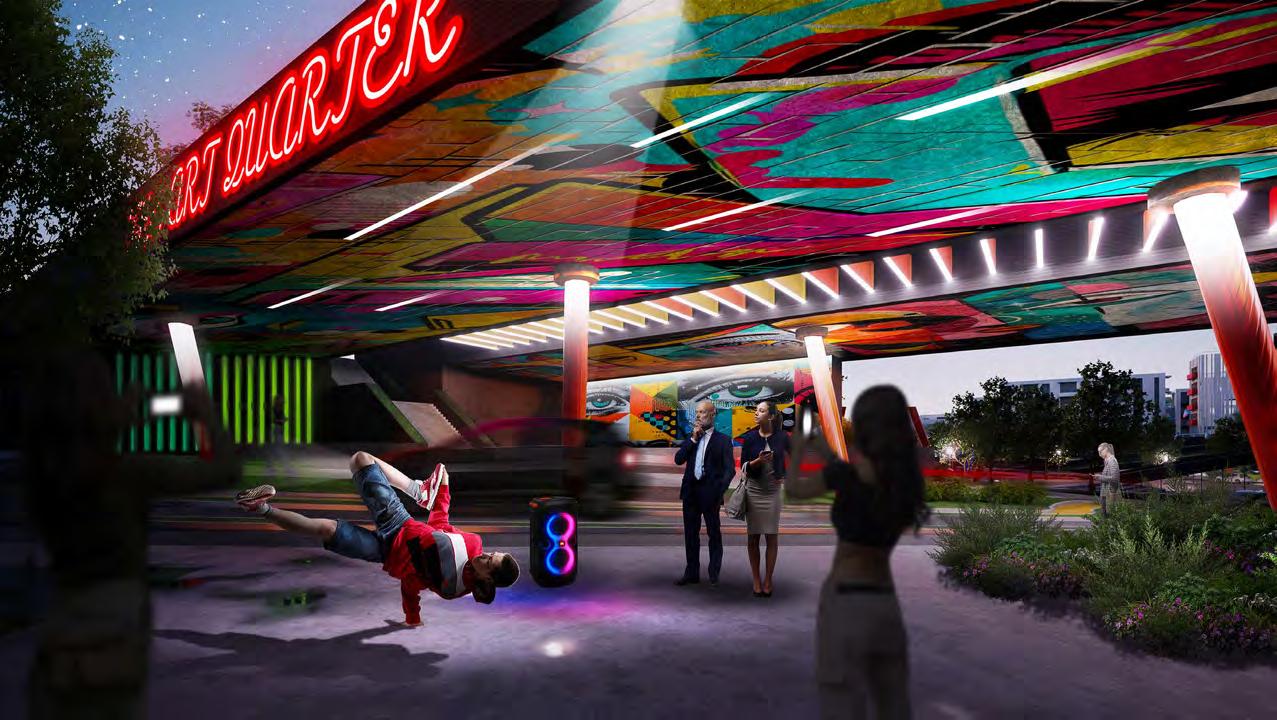
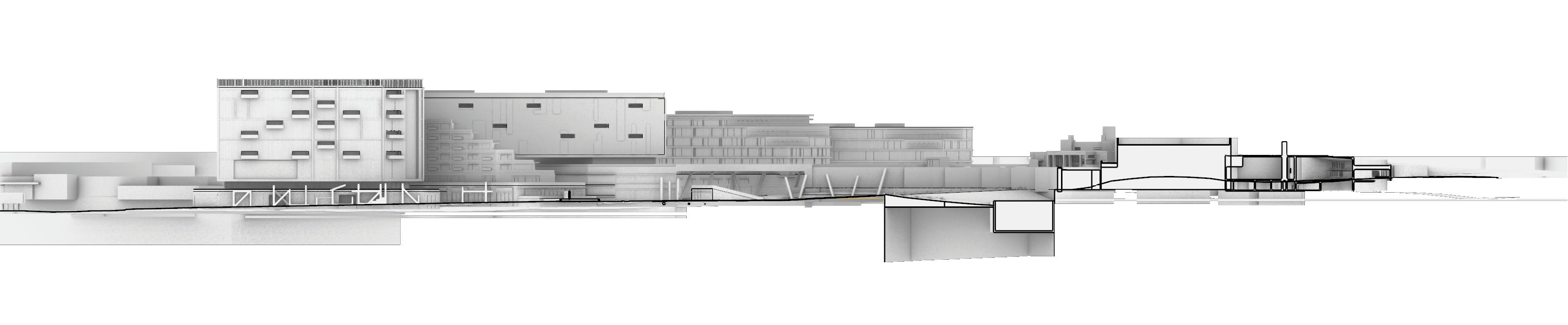
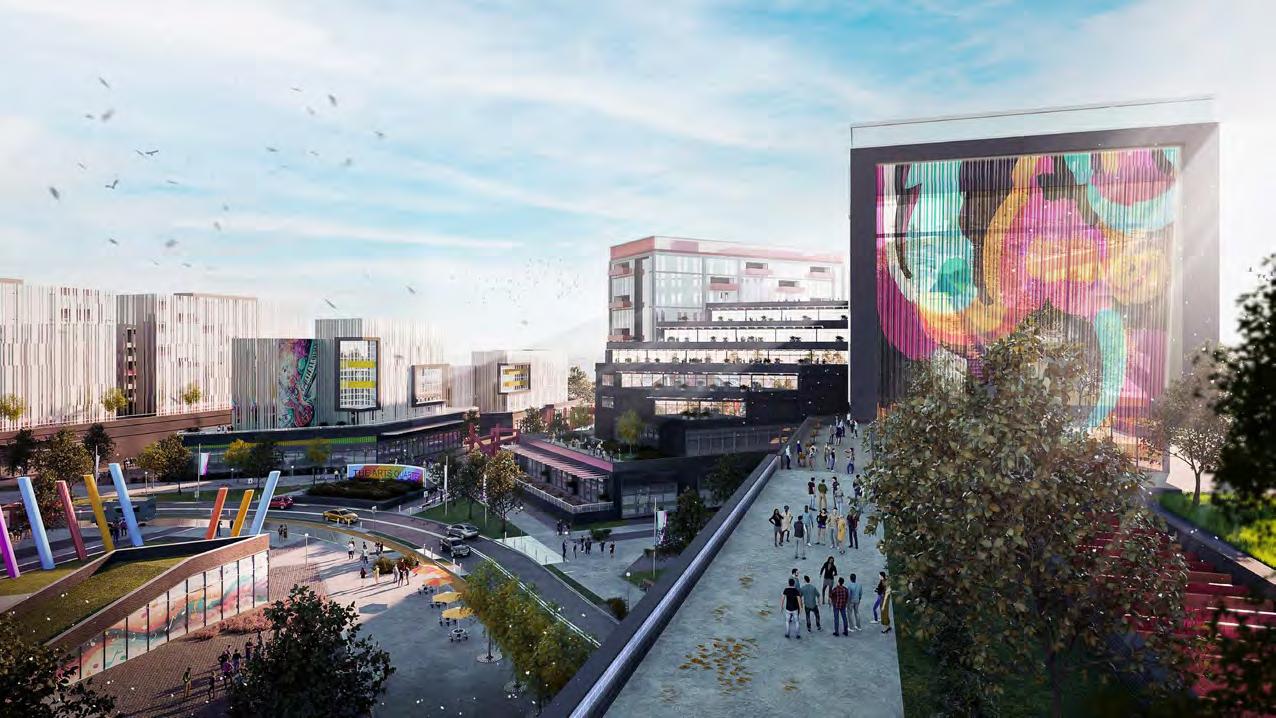
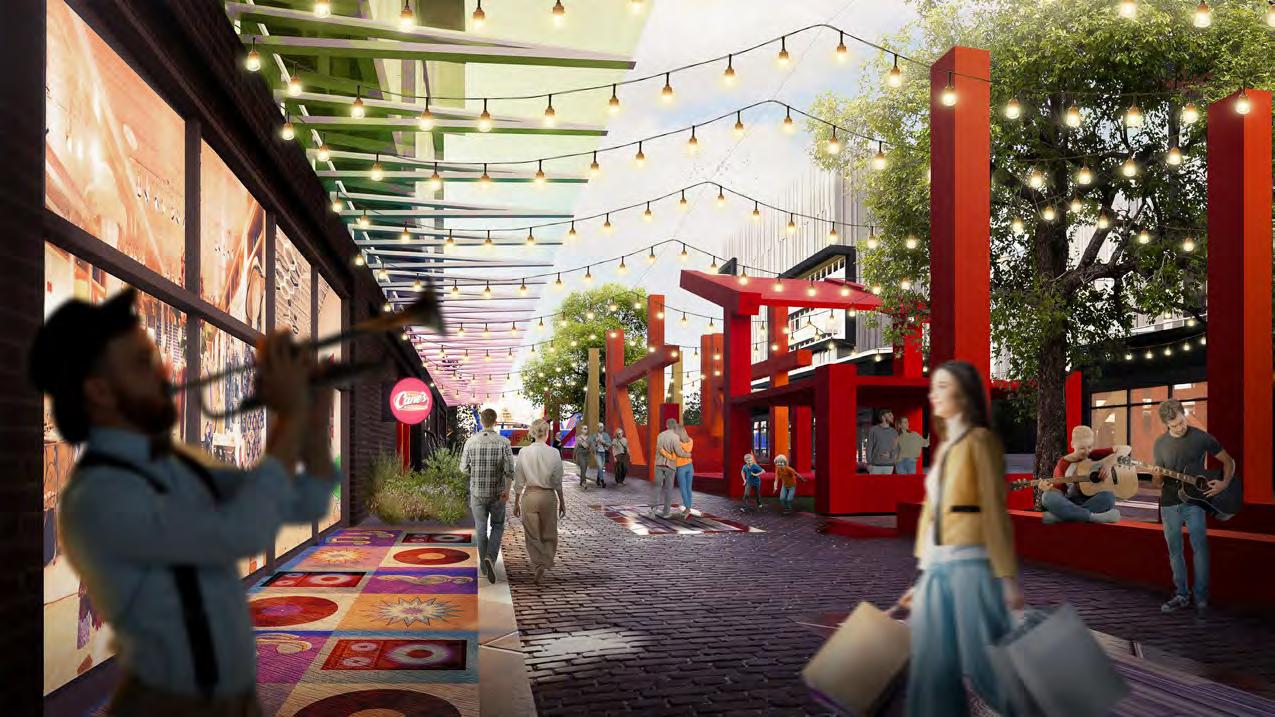
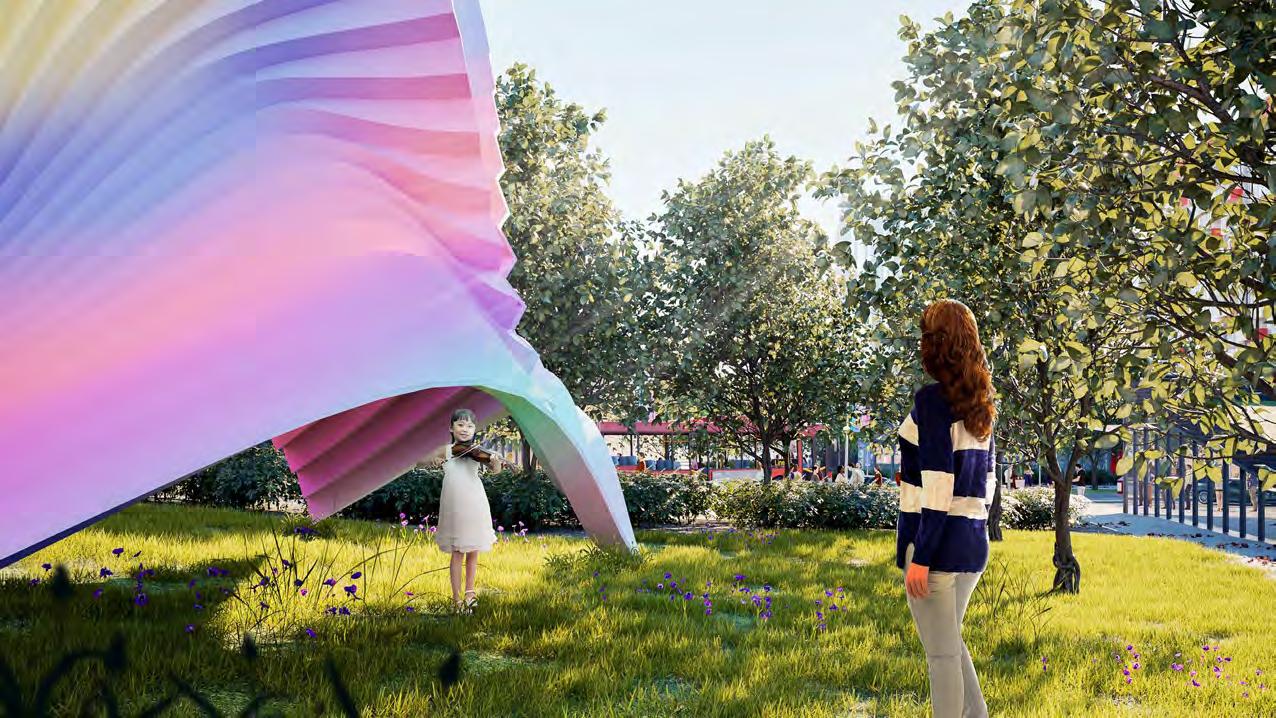
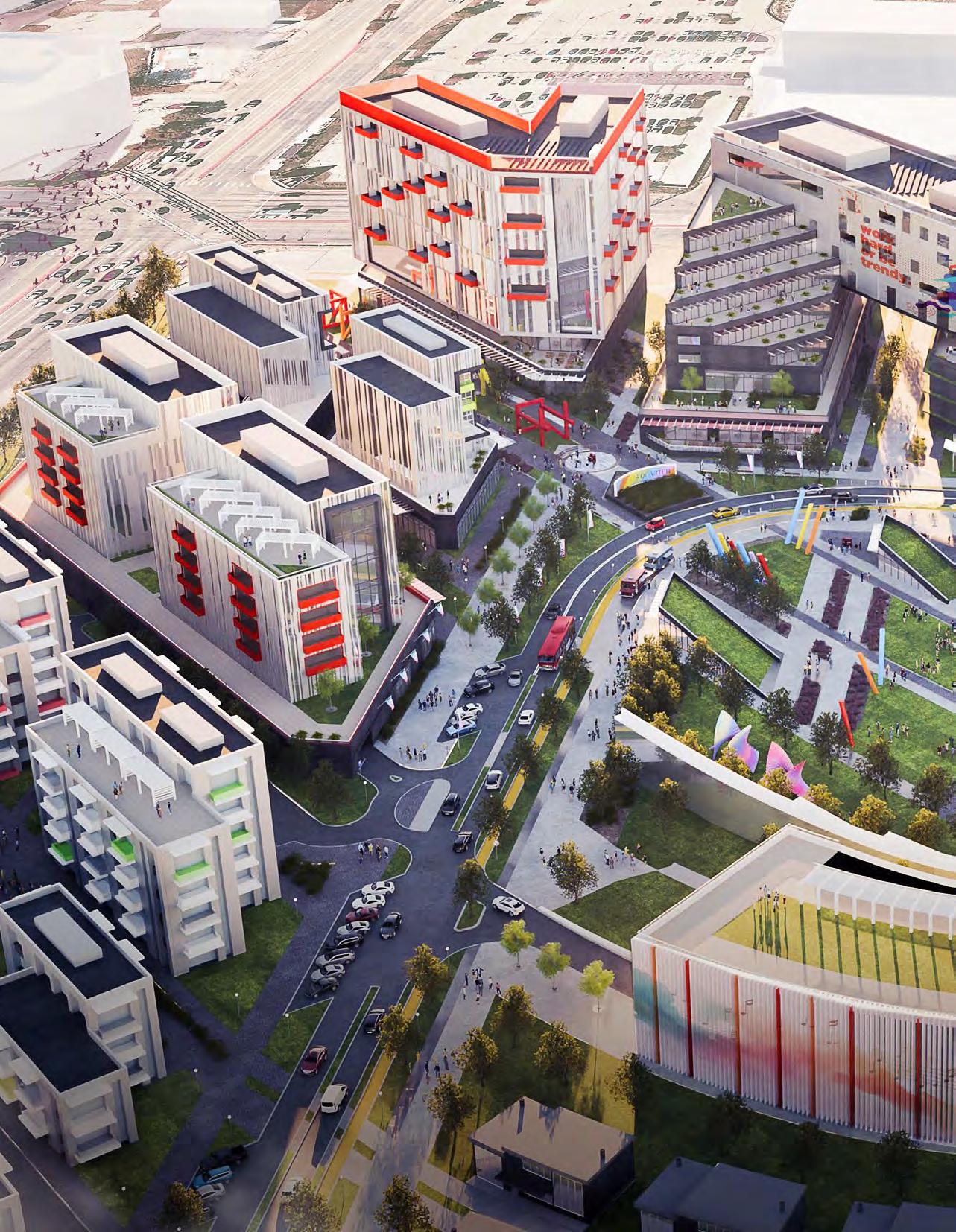
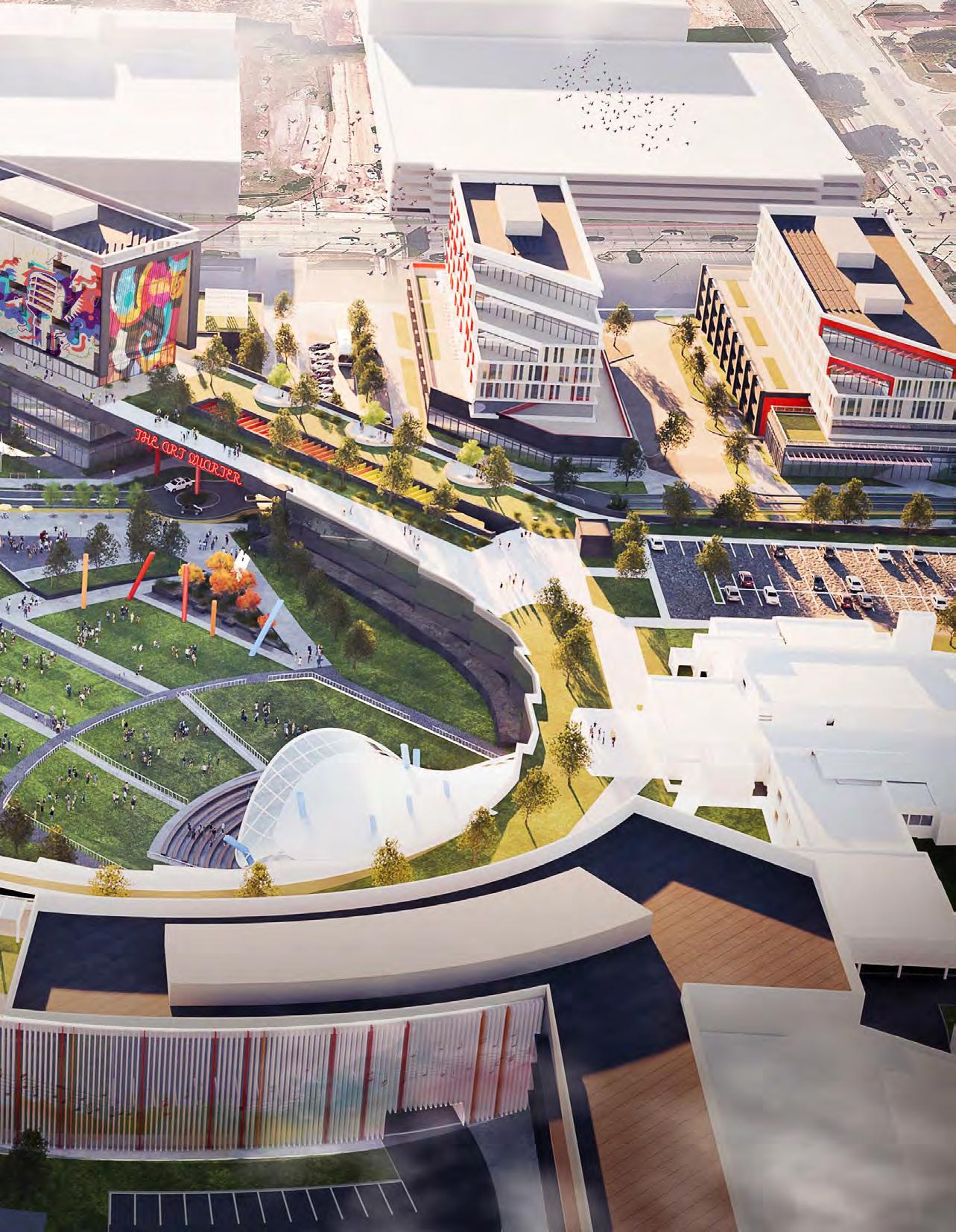
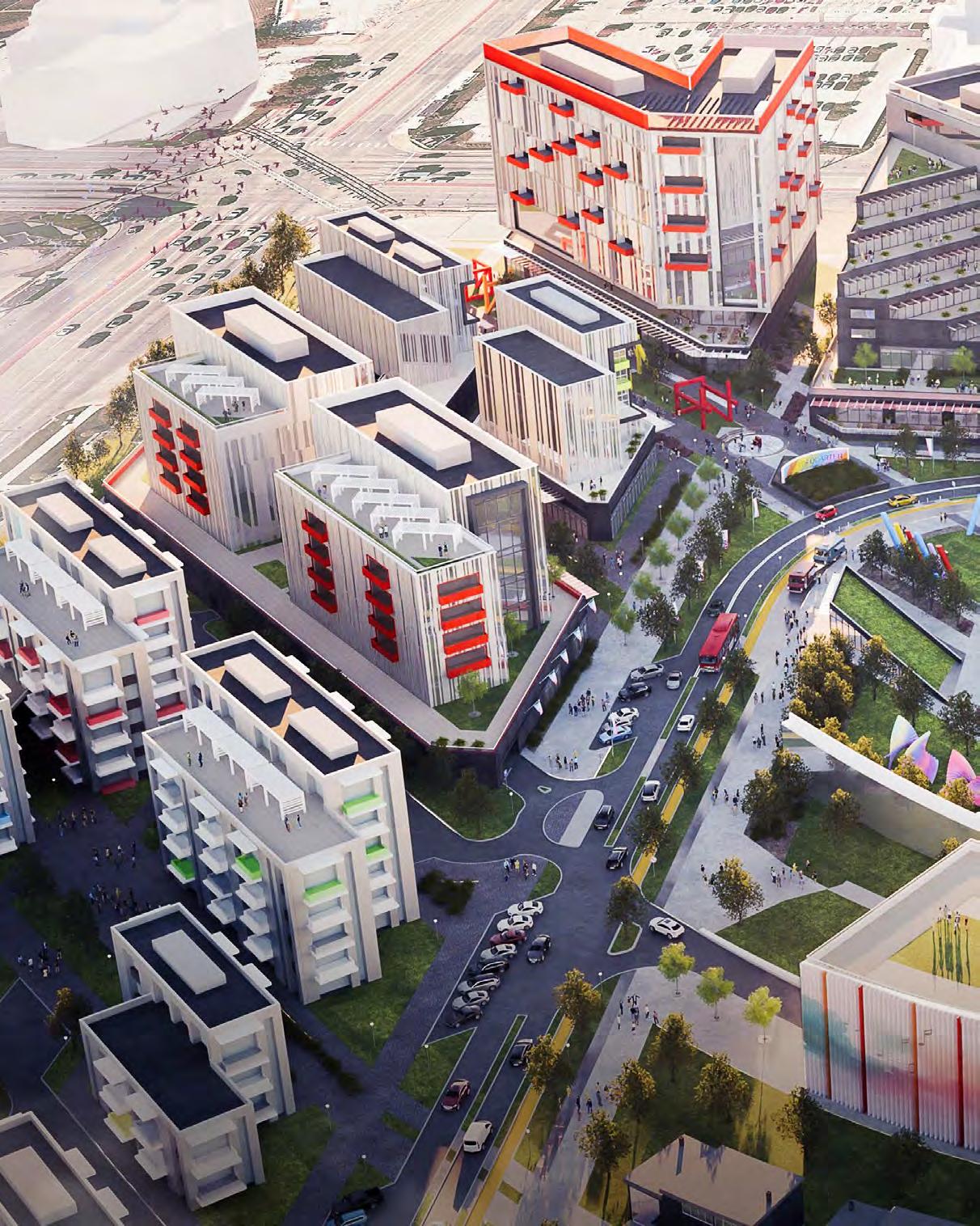
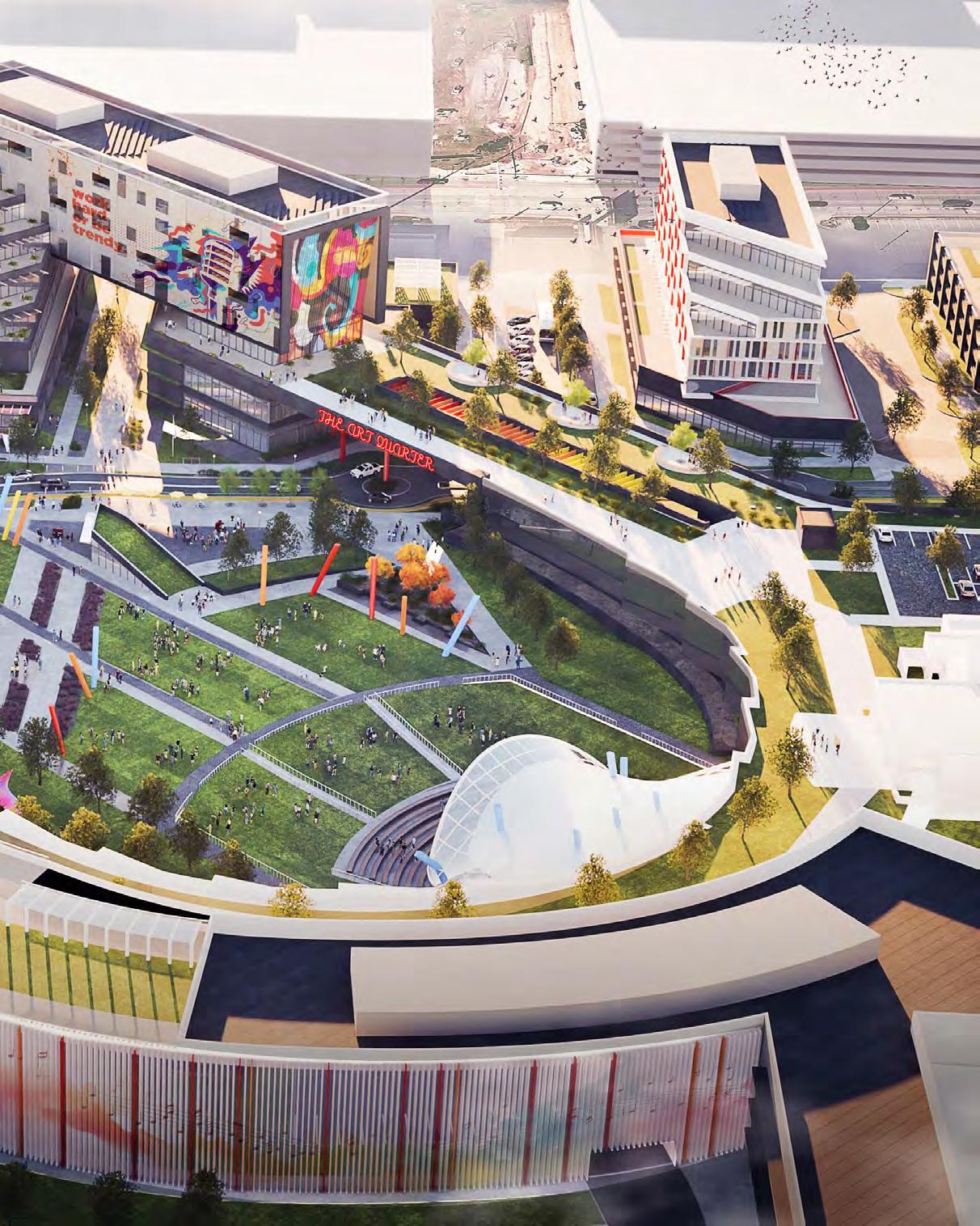
72nd and Dodge has historically played an important role in Omaha community. Adjacent to the Crossroads Mall, this site has been a central node for community triumph, joy, and protest. Looking to the future, Crossroads is being redeveloped into a Mixed Use District and redefining the character the most visited intersection in Omaha. The HDR: REFORM Studio conducted programmatic research to create an Arts District with the assistance of the Omaha Community Playhouse , Omaha Conservatory of Music , and Omaha Academy of Ballet.
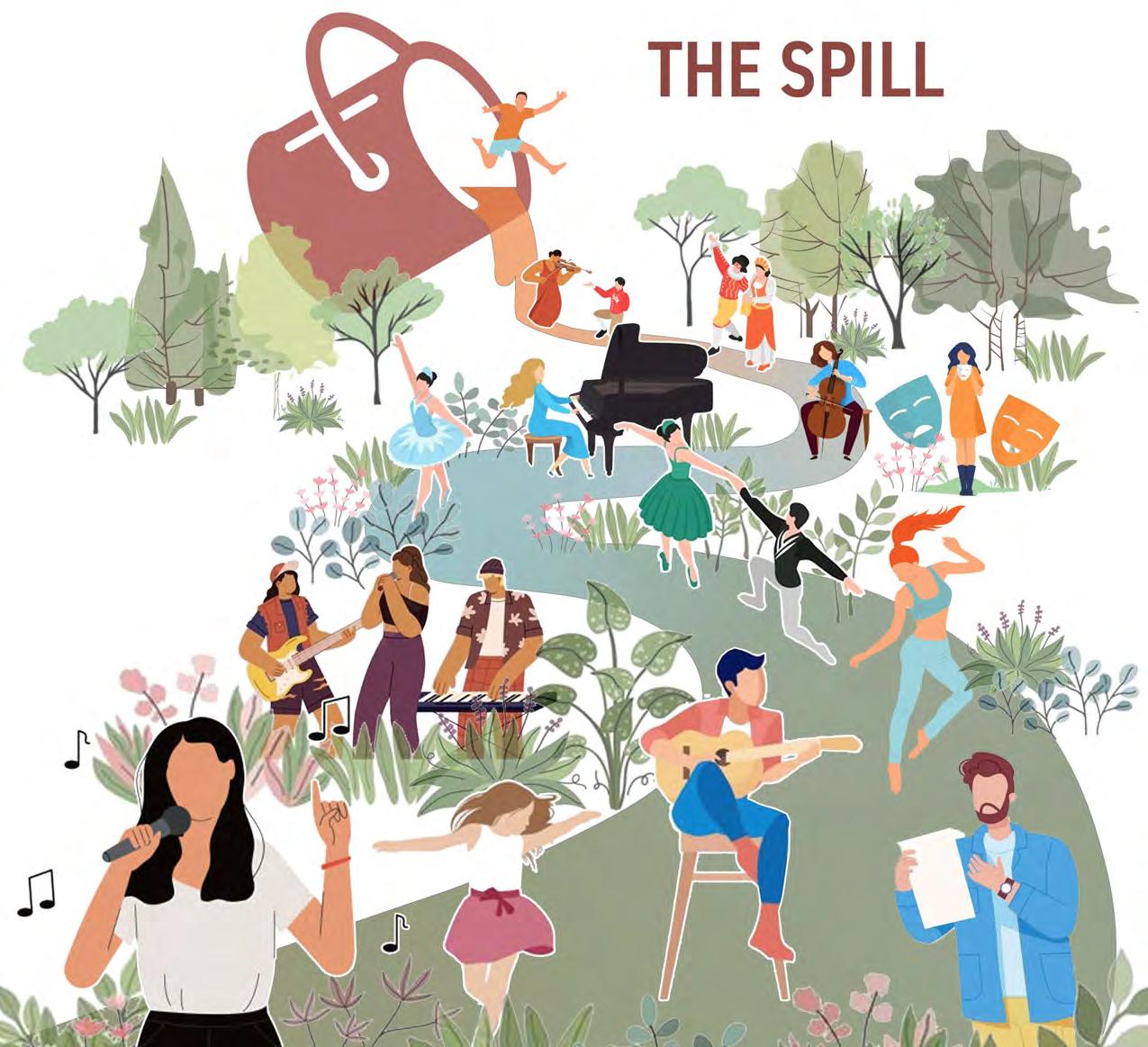
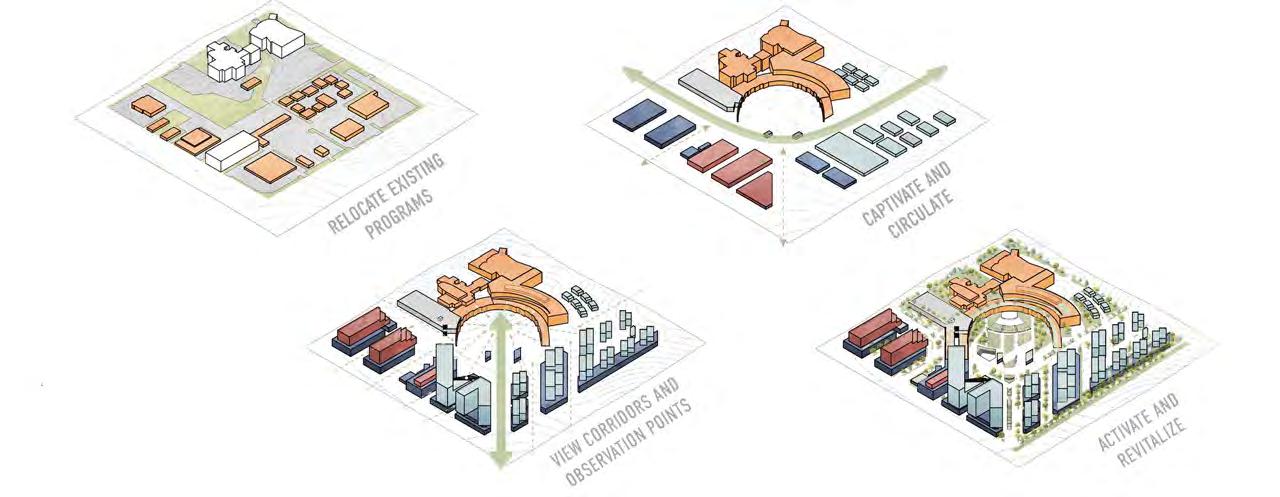
The Omaha Arts Quarter, showcases the vibrant artistic spirit in the community. This district brings together regional talent—from music to theater and beyond—and infusing it into the area around the iconic 72nd and Dodge. Providing a central home for performing arts talent cross pollinates new ideas and opportunities and will SPILL back into the community. The Omaha Arts Quarter invites exploration and fosters collaboration and inclusion among the community and visitors alike, inspiring all to stay all day and night.
PERFORMING ARTS CAMPUS
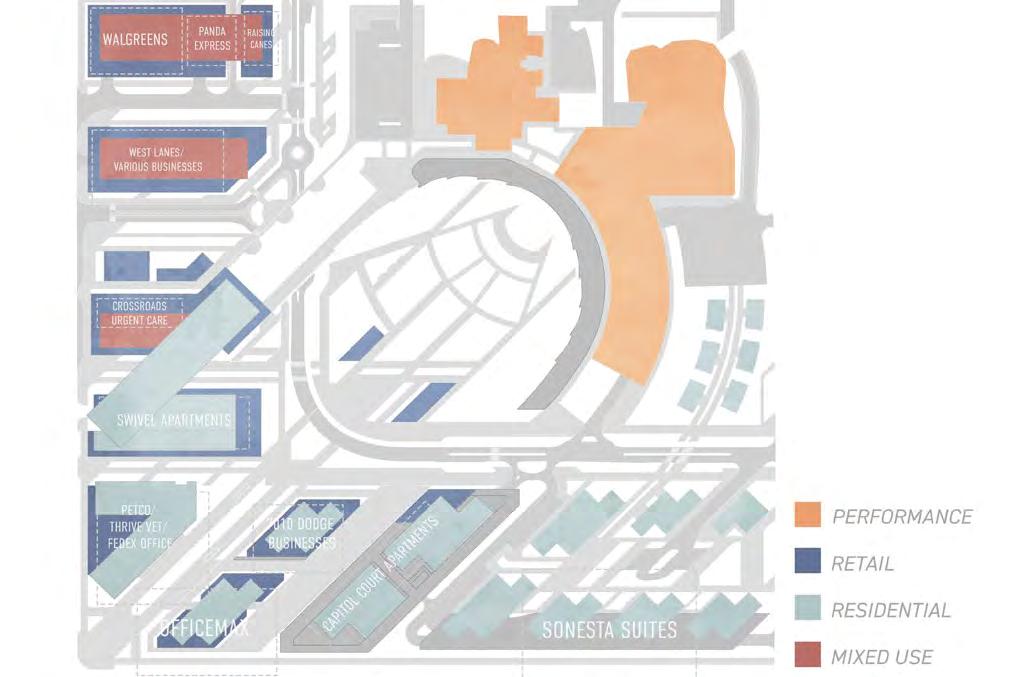
PERFORMING ARTS [EXPANSION] [EXISTING] [EXISTING]
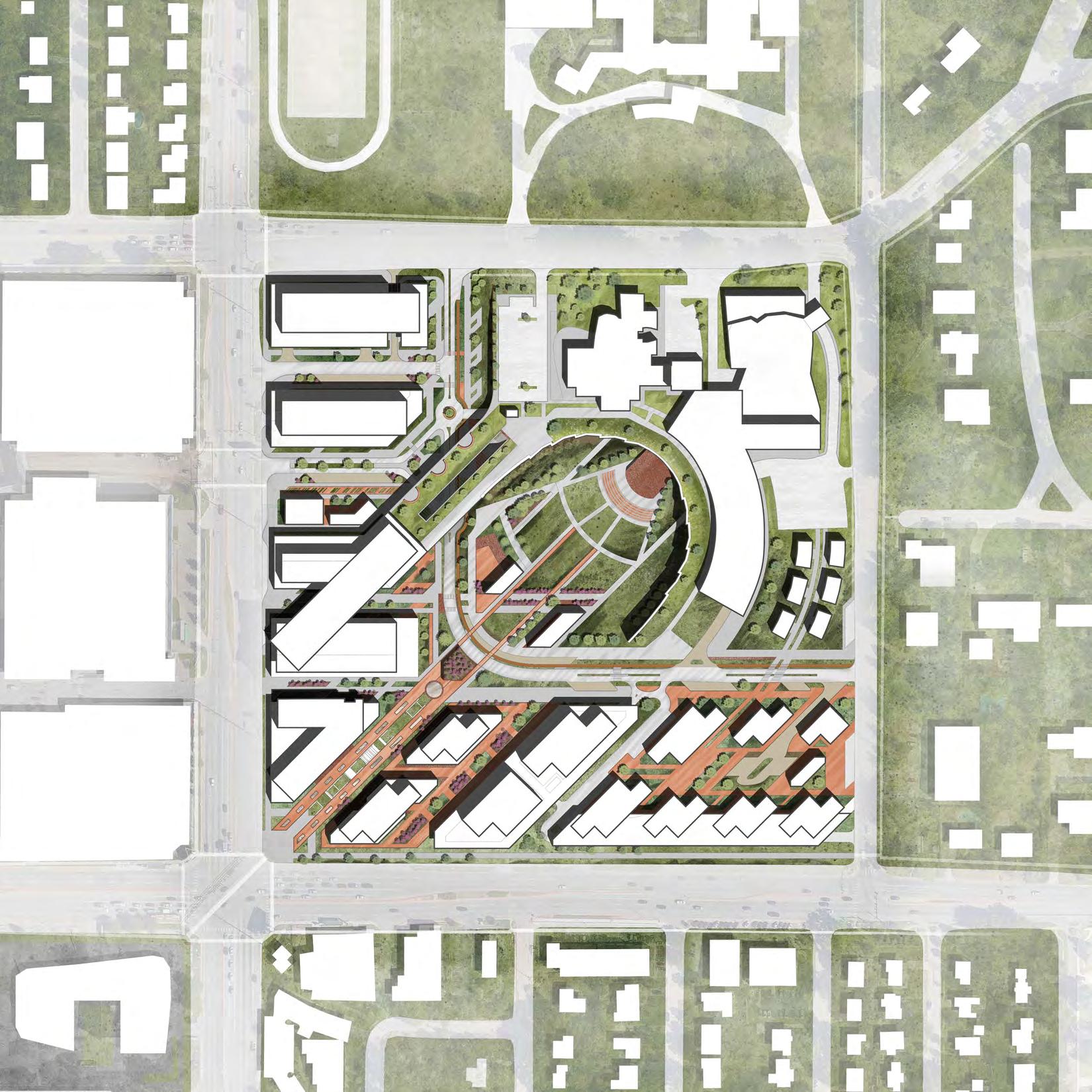
OMAHA ARTS QUARTER
72ND & DODGE STREET, OMAHA, NE