 Joshua Holstein
University of Nebraska- Lincoln Design Portfolio
Joshua Holstein
University of Nebraska- Lincoln Design Portfolio
Resume
Table Of Contents
Nebraska Innovation Dairy KCAI Wellness Center Ocular Vessel Williams-Sonoma Grow SEVA

Joshua Holstein
University of Nebraska- Lincoln Design Portfolio
Resume
May 2026
Master of Architecture- Expected 2026
UniversityofNebraska-Lincoln,NE
GPA: 3.61
May 2023
Bachelor of Science in Design, Interior Design
withaMinorinArchitecturalStudies,withDistinction
UniversityofNebraska-Lincoln,NE
GPA: 3.69
Dean’s List- Spring 2021, Fall 2022
Nebraska Achievement Scholarship Recipient- 2019
Spring 2022
Rome Education Abroad
AcademicInitiativesAbroad-Rome,Italy
Explored typologies and historical context of Roman and Italian architecture
Von Gillern Scholarship Recipient- Spring 2022
2023-2024
2022-2024
Graduate Teaching Assistantship
CollegeofArchitecture-Universityof Nebraska-Lincoln
Co-Taught IDES-210 Sophmore Interior Design Studio with Lindsey Bahe
Graduate Learning Assistant for DSGN-140 History of Design with Zac Porter
College of Architecture Student Ambassador
CollegeofArchitecture-Universityof Nebraska-Lincoln
Graduate Assistant for High School COA Camp and Open House Student Representative for Prospective College of Architecture Students Mentored twelve Freshman Interior Design Students in the d.ONE program
Summer 2023
Interior Design Intern
LEOADALY - Omaha,Nebraska
Collaborated with the Healthcare Market on Local and National Projects Contributed to Design Development on a VA Hospital

Contact
Phone:
402-999-3400
Email:
joshuaholstein02@gmail.com
jholstein2@huskers.unl.edu
Portfolio:
https://issuu.com/jholstein02
AIAS: Since 2023
IIDA: Since 2023
Kappa Kappa Psi: 2019-2023
Chapter Historian: 2020
Cornhusker Marching Band: 2019-2023
Big Ten Flags Captain: 2020-2023
Interdisciplinary Design Studio: Programming Document Visioning for a Robotic Demonstration, Research, and Engagement Dairy
Steven Hardy, Nathan Bicak, et al. (Dec 2022)
Summer 2022
Architectural Intern
SlaggieArchitects-Omaha,Nebraska
Created Initial Construction Documents for a high end restaurant



FALL 2022
NATEBICAK,
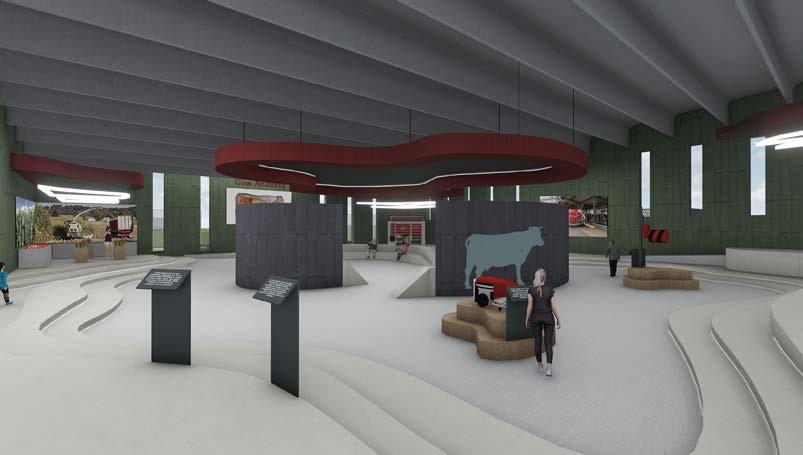
STEVE HARDY, DR. TAMI BROWN-BRANDLNebraska Innovation Dairy is a project in the UNL 4th Year Collaborate Studio. Groups with Architecture and Interior Design Students were tasked with researching the Dairy Industry and designing a center on a UNL Campus to showcase and educate the public about the emerging technologies making Dairy Farms more efficient for Farmers and Dairy Cattle. This studio is part of a grant proposal in collaboration with Animal Science, Agriculture Engineering, and College of Architecture students being led by Dr. Tami Brown-Brandl. The semester of research and design involved meetings with dozens of experts in Dairy Farming, Barn Construction, Agricultural Precision Management, Food Science, and Engineering. We were able to make informed decisions about design for this Barn and education center through our compiled research.

SITE:







Nebraska Innovation Dairy is located on Innovation Campus on 23rd and Salt Creek Roadway. We justify this site for it’s intended purpose as an agricultural technology building in the Campus Master Plan as well as Innovation Campus’s Mission to uplift emerging technologies. The building is oriented to allow a tunnel ventilation system to allow generous airflow to regulate the cattle body temperature as well as provide a view from passers on Salt Creek Roadway. We also had to account for where cattle emissions would flow in relation to buildings in the surrounding area. The layout of the site accommodates parking for visitors and Semi-Truck access to service the Dairy Production.
SALTCREEKROADWAYDAIRY/FOOD PROCESSING+OBSERVATION
FEED STORAGE/VECTOR KITCHEN
MAIN ENTRANCE/CAFE/OFFICES
CIRCULATION RAMP
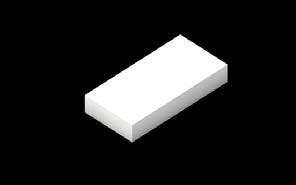
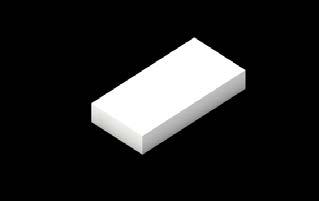
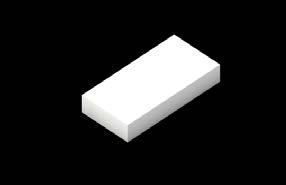
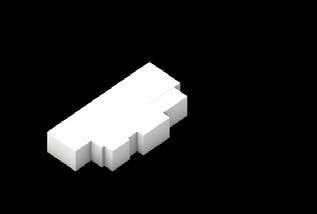
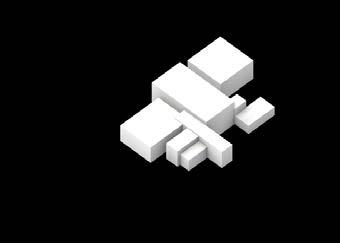
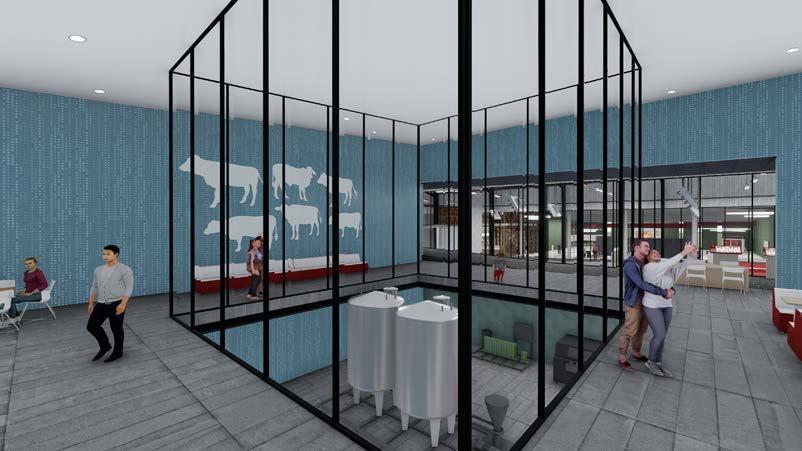
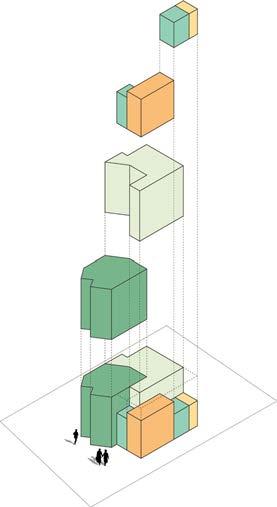
The idea of modularity was the backbone to our massing. In order to keep the public, Milk Processing, and Dairy Barn spaces separate, we developed modules that could interact with each other behind a defined barrier. Though this design, the public has viewing that does not contaminate Milk Processing or Dairy Barn functions. Additionally, the Processing and Dairy Barn areas no not cross-contaminate in the same building.
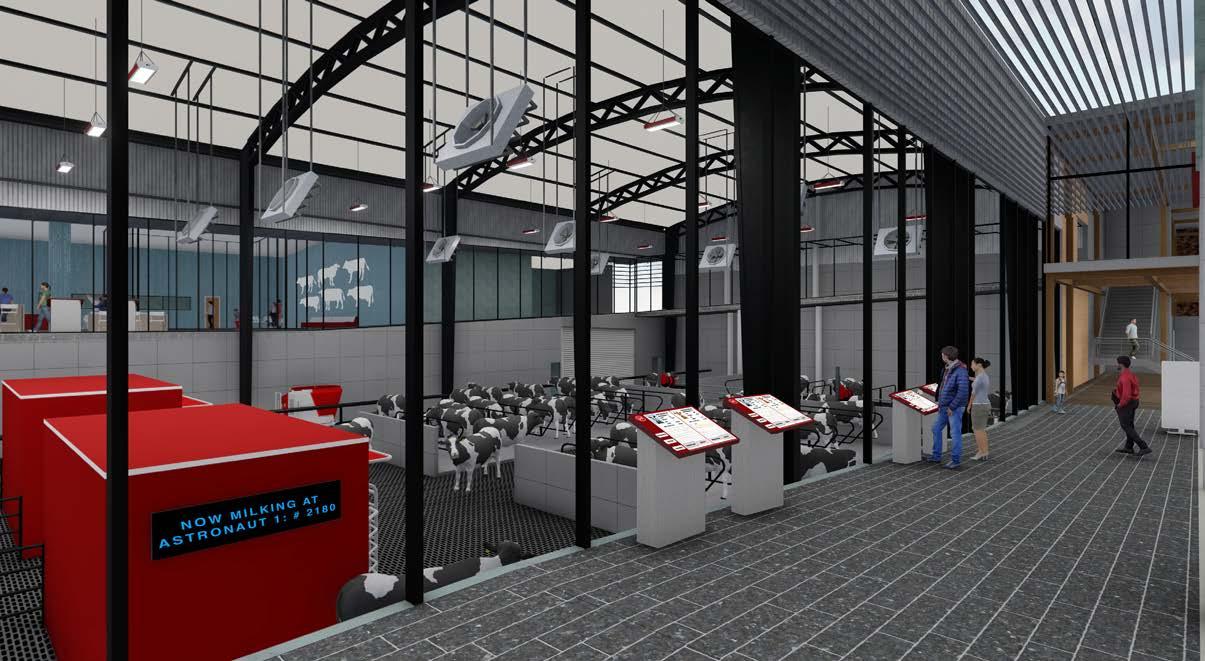
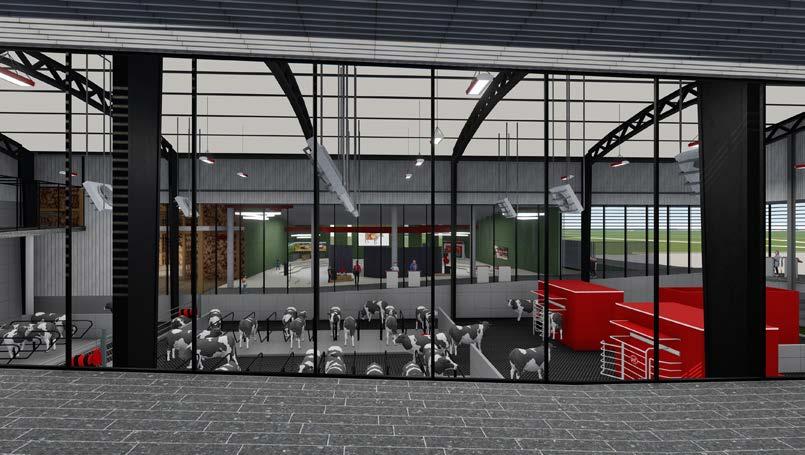
The central program of this building is the Robotic Dairy Barn. The public walks around the perimeter of the Barn on an Elevated Circulation Ramp interacting with an Exhibition and Observation spaces showcasing how a modern dairy barn operates with the latest technology.


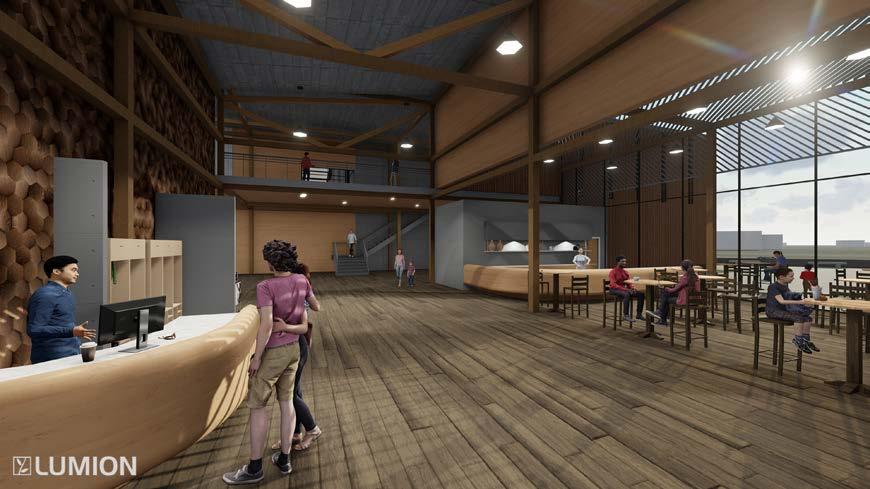



Kansas City Art Institute Wellness Center is a project from my 1st Master of Architecture Studio. Our studio was challenged to design our first individual architecture project in a 6 week timeline. The overall site context of Kansas City’s art core around this campus created unique opportunities to think about how design could be uplifted to reflect the character of this arts hub of the Great Plains.

The building form consists of a tall bar connected to an organic form that is the sculptural anchor to the campus greenspace.




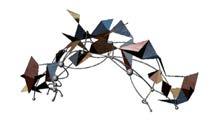
To reduce the energy load on this building, the South Facade features a shading system. This system blocks out direct sunlight and allows the indirect light to enter the interior. The window mullions have a dual purpose to contain the glass and pin onto the shading screen.














PRICING
Lumber.............................................................. $2,000 CAD
Corrugated Cardboard.................................. $400 CAD
Paint.................................................................. $80 CAD
Mylar Sheets.................................................... $100 CAD
Curtain Fabric.................................................. Up-Cycled
Supplies............................................................$500 CAD
Labour...............................................................$10,000 CAD
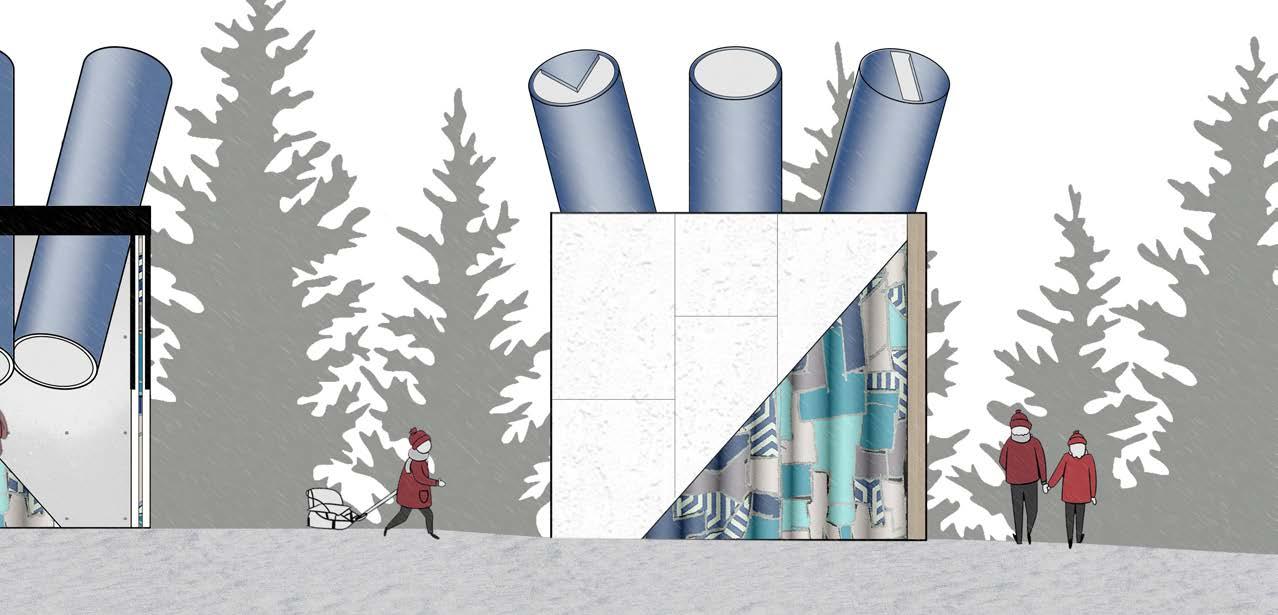
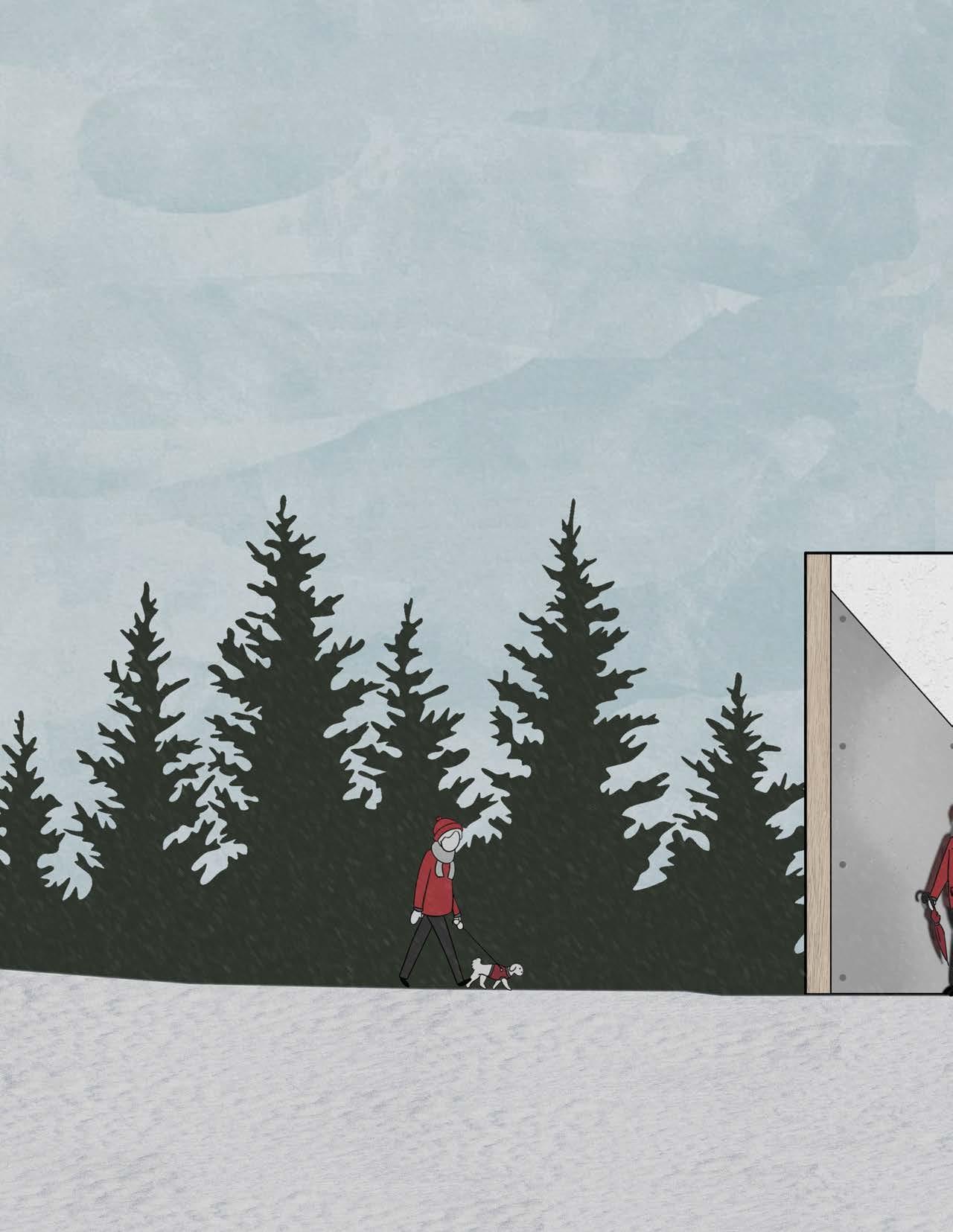
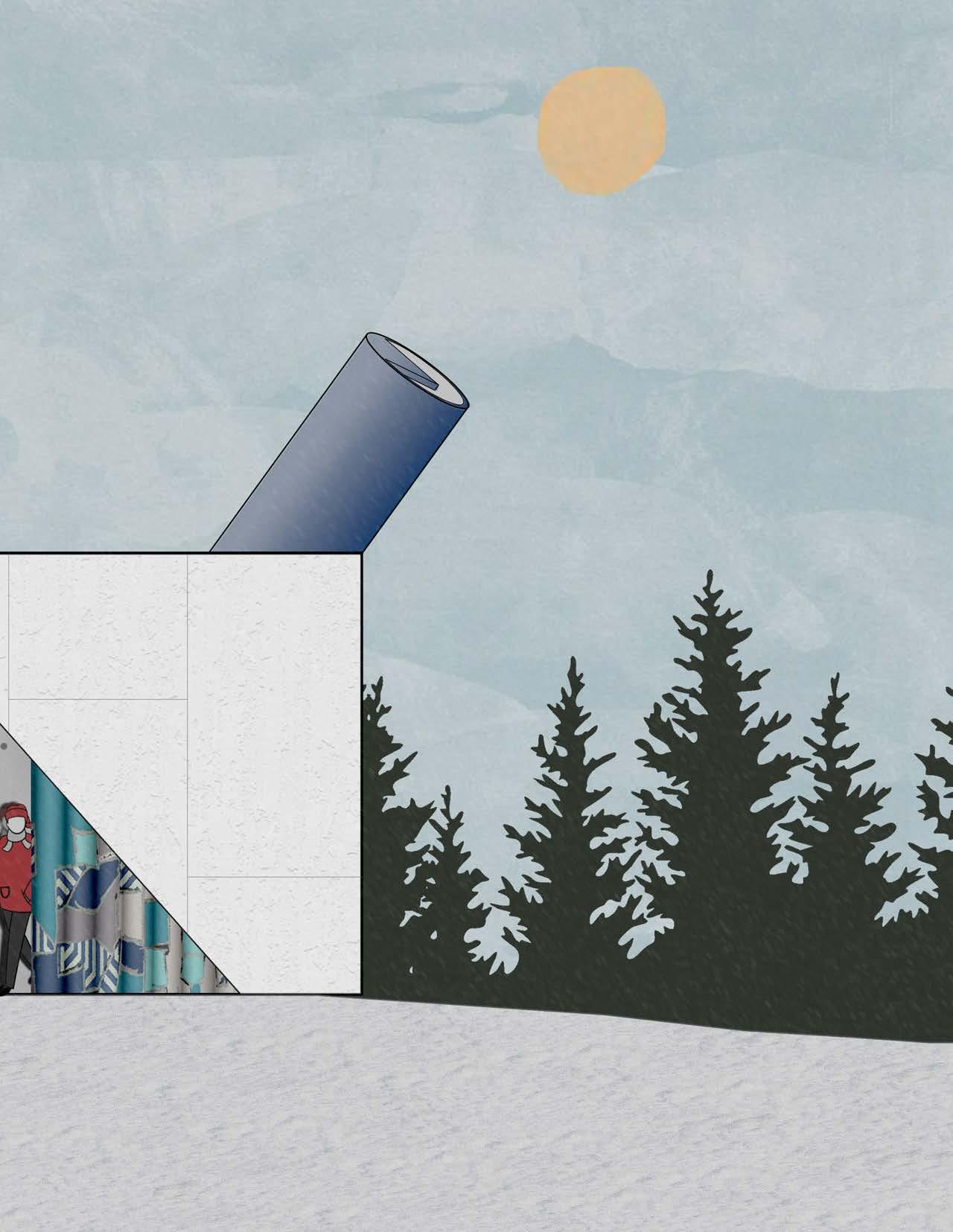
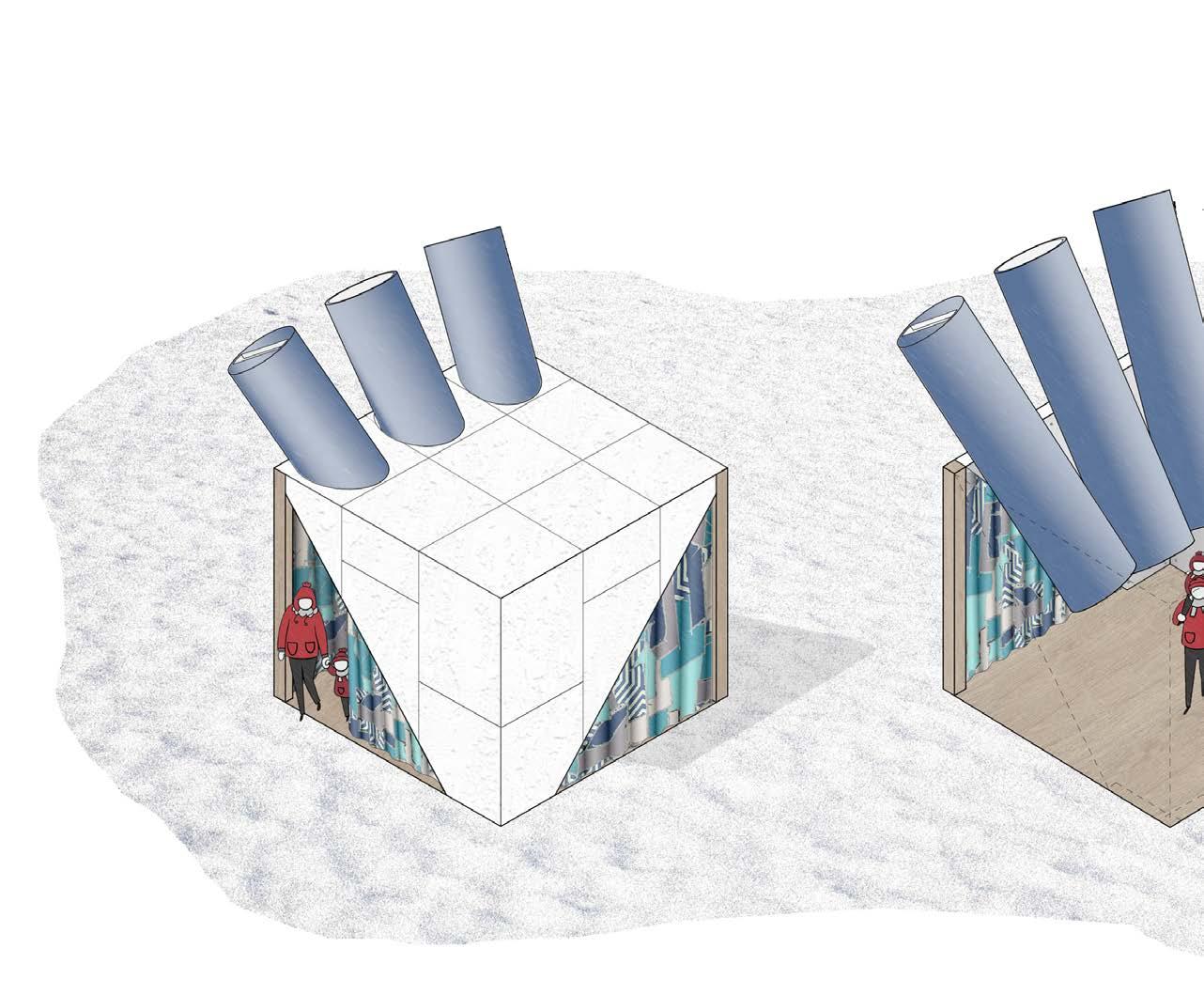
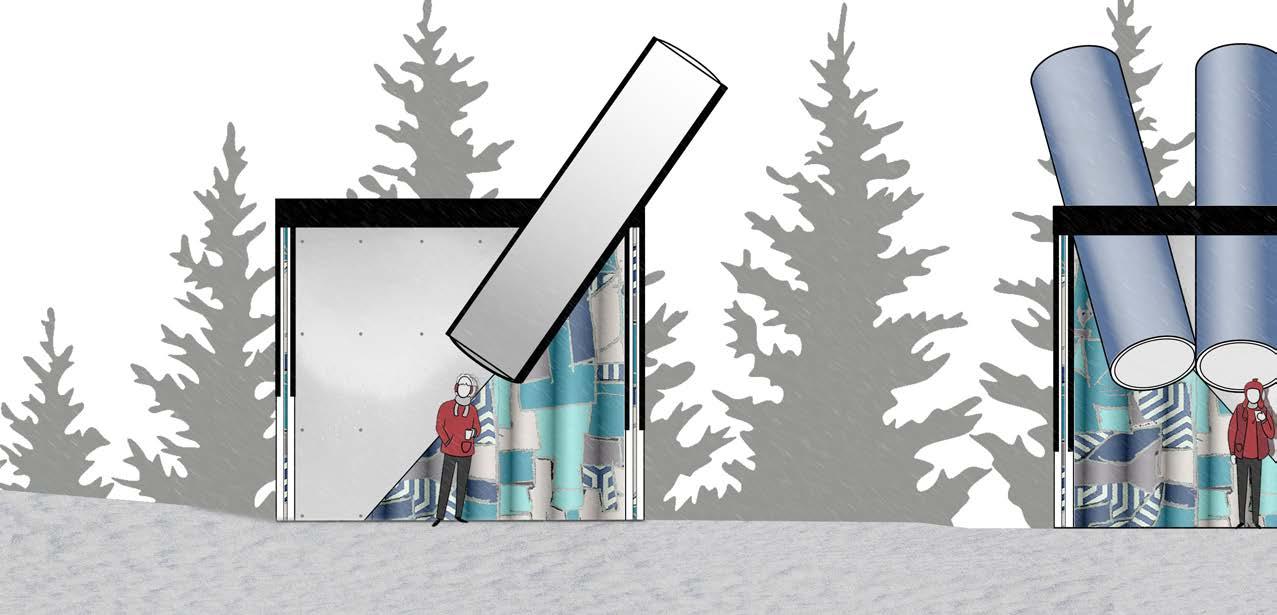
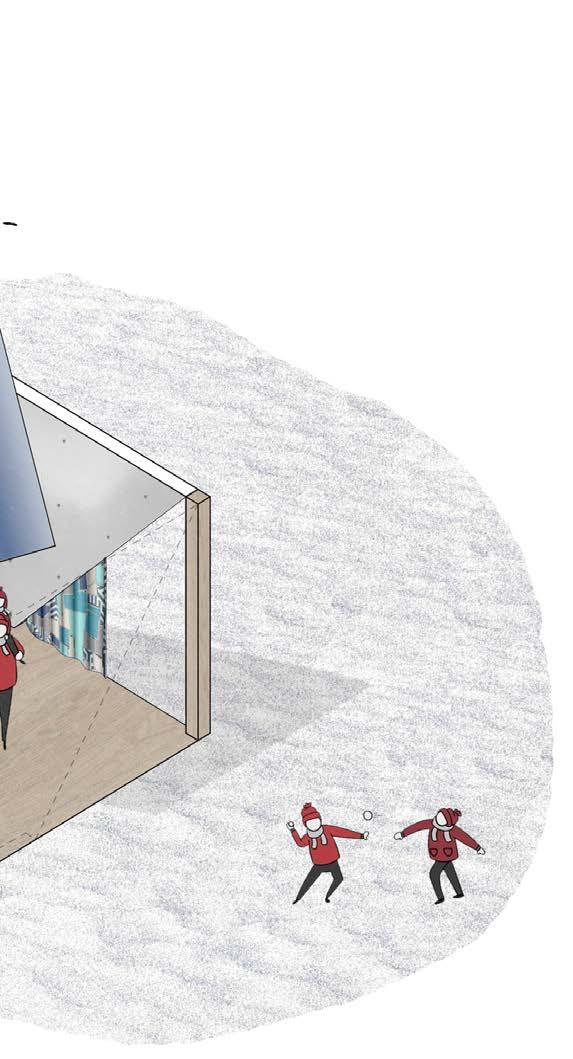
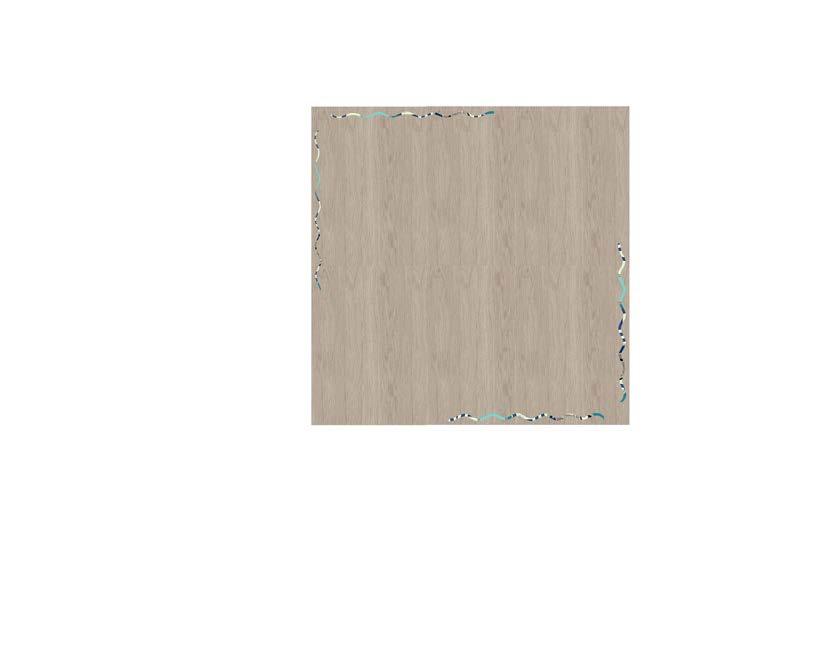
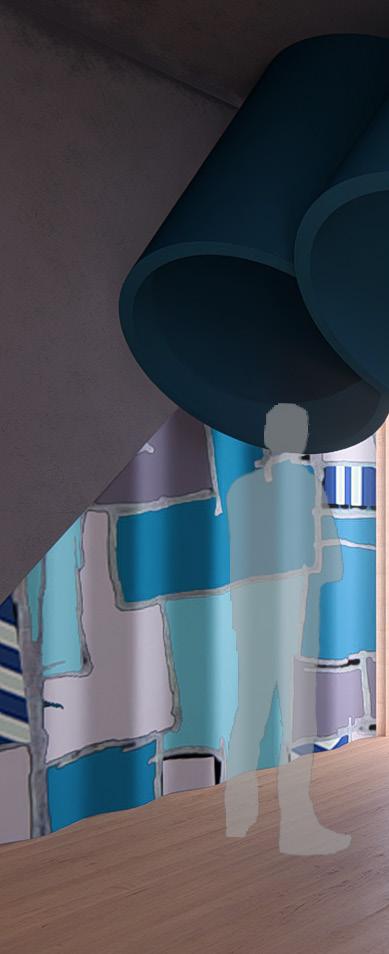
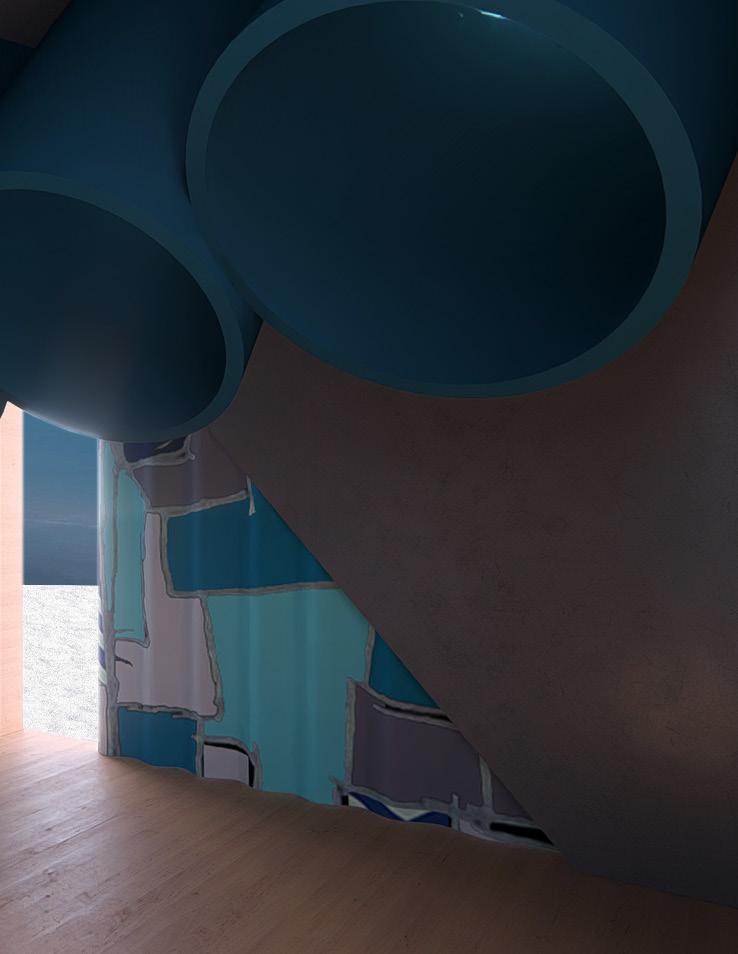
This installation seeks to capture the human perception of light, shadow and volume.
When visitors pass through a curtain threshold, they will be transported to a realm of focus and serenity.
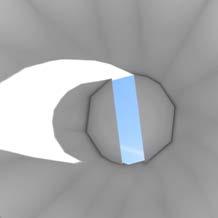
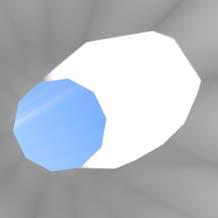
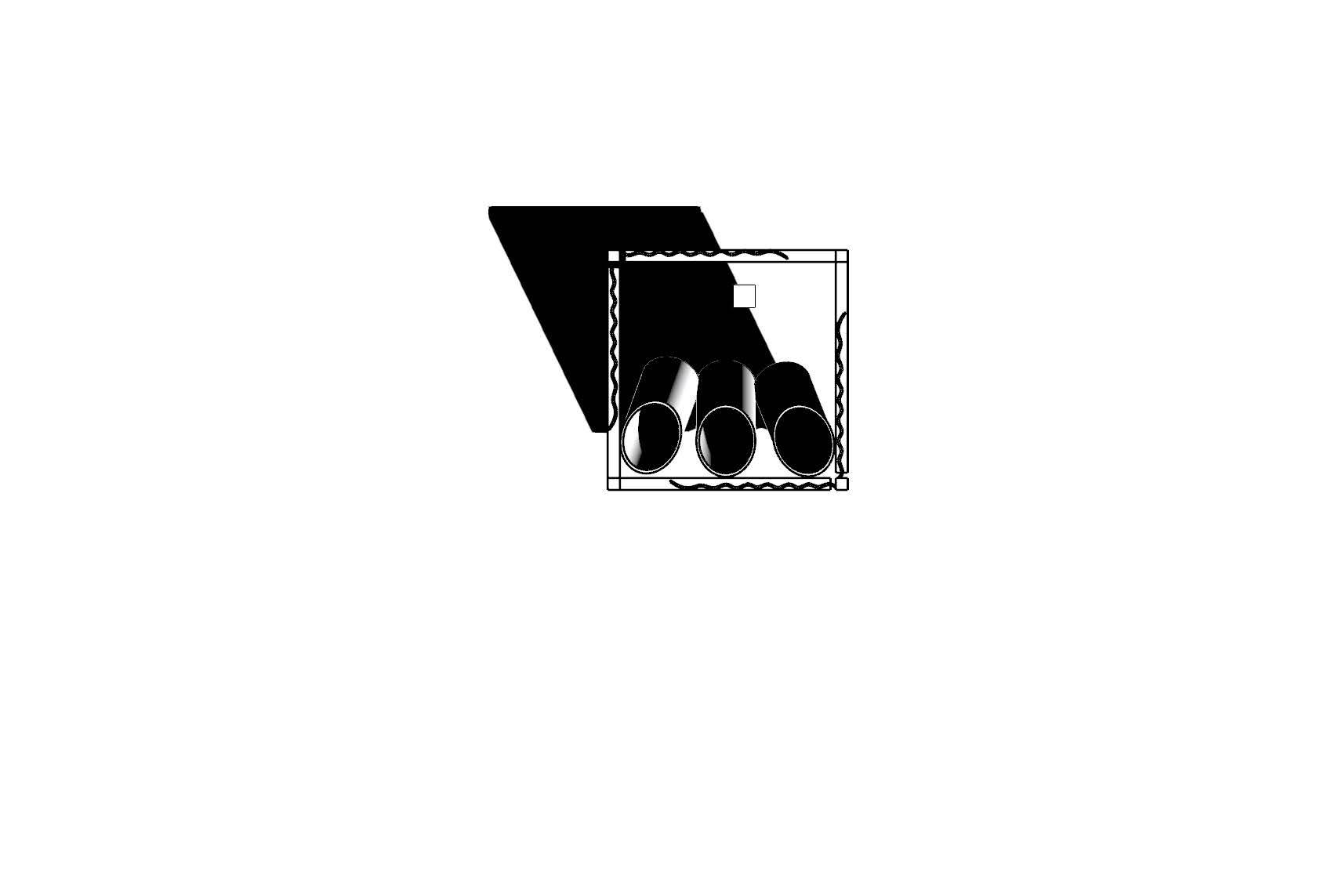
They will experience a dark room with three cylandrical apertures that punch through the ceiling.
These apertures frame light and shadow in its simplest escense as it reflects and casts it’s shape.
Throughout the day, light moves and changes allowing opportunities to experience new reflections throughout the day.
DESIGN LEADER:
Joshua Holstein
SUPPORT TEAM:
Elena Felix
Calvin Glomb
Shayla Jorgenson
Mattie Purcell
Grace Vollmuth
ADVISOR/PROFESSOR:
Peter Olshavsky, PH.D.
Jacob Granger


Joshua
Holstein, Keely Perkins, Noor Almaamari, Grace VollmuthIntention:
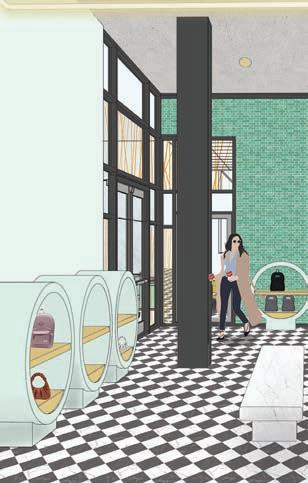
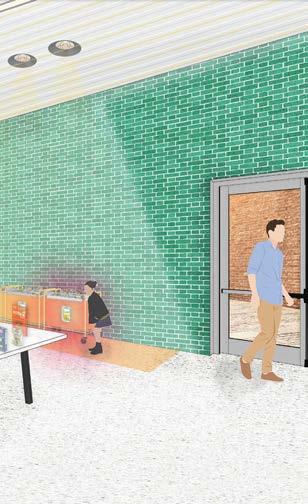
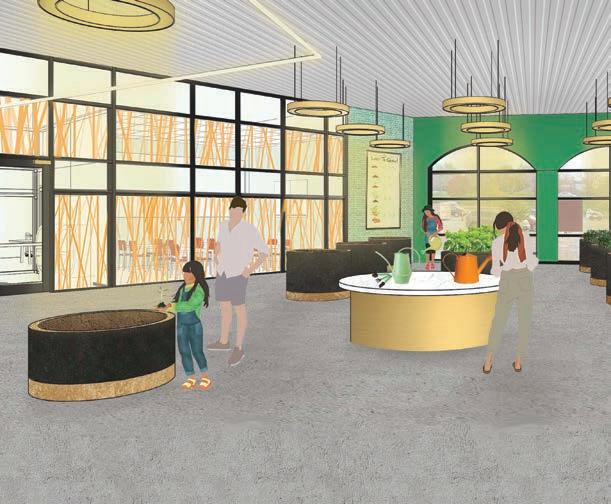
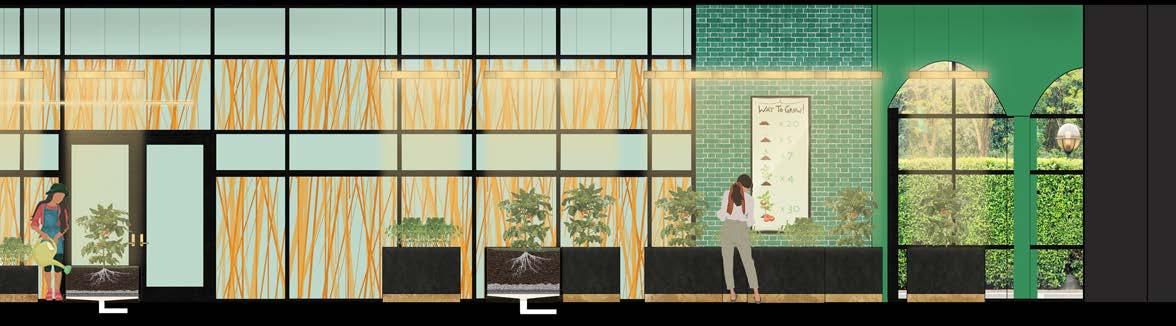
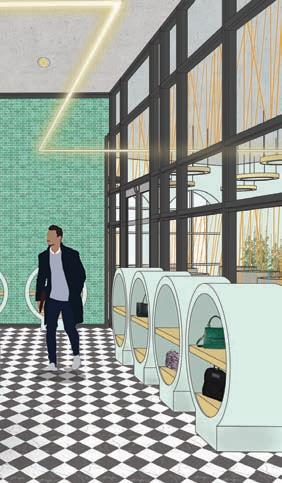
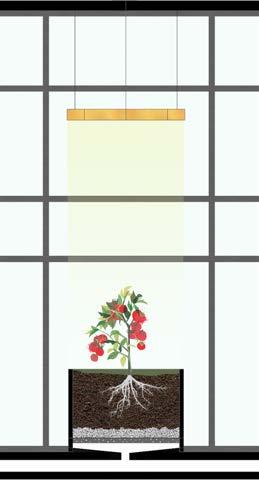
This project explores the relationship Williams-Sonoma has with the nonprofit, No Kid Hungry. We were tasked with creating a flagship retail store that explored how a high end appliance and food retailer could foster a community with a non profit. No Kid Hungry is a well known organization which raises money to provide free meals for low income students. They also provide resources on proper nutrition for children and advocate at the local and national level. The result of this concept is Williams-Sonoma Grow which functions as a retail space as well as a community garden to be distributed to local food banks in Lincoln, Nebraska.
The color and material scheme brought together the bold colors of No Kid Hungry with the dignified and
european inspiration of WilliamsSonoma. The materials inspired by Williams Sonoma can be seen in the checkered flooring and gold trim as you move from the retail to the garden space. Some of the more european inspired touches include the built in shelving on the north wall shaped like arches.
We wanted the bold colors of No Kid Hungry to be present in this space as well, so we included wall materials that gradient from orange to green. It was important that we included orange in our retail space so Williams Sonoma and No Kid Hungry are more cohesive.
Restroom& Retail Storage
Donation Storage
Flex- Space
Retail Garden
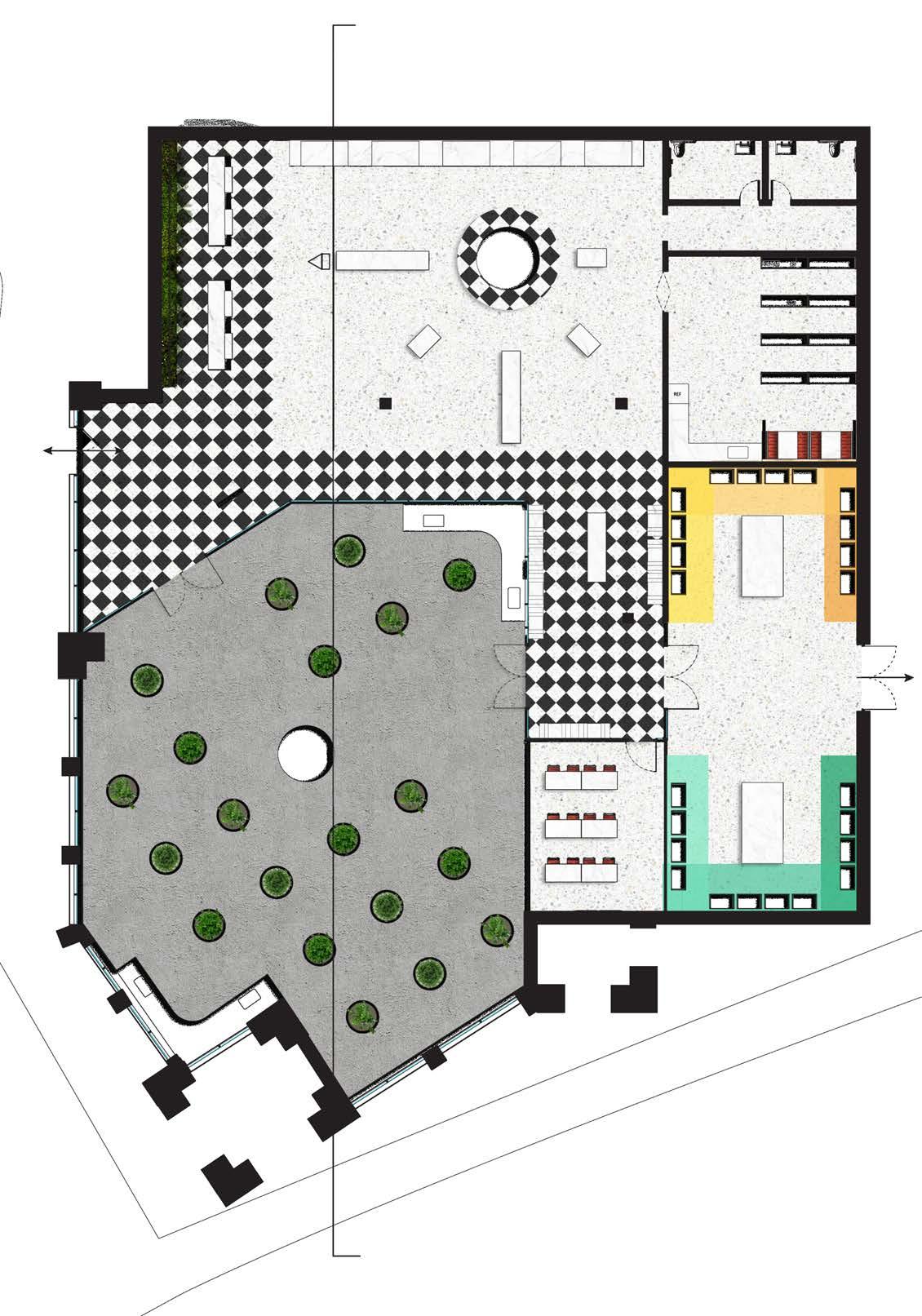
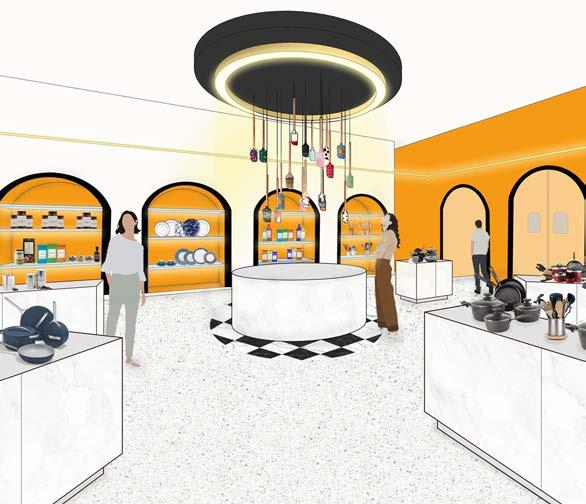
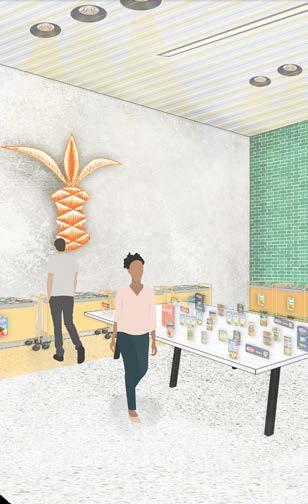
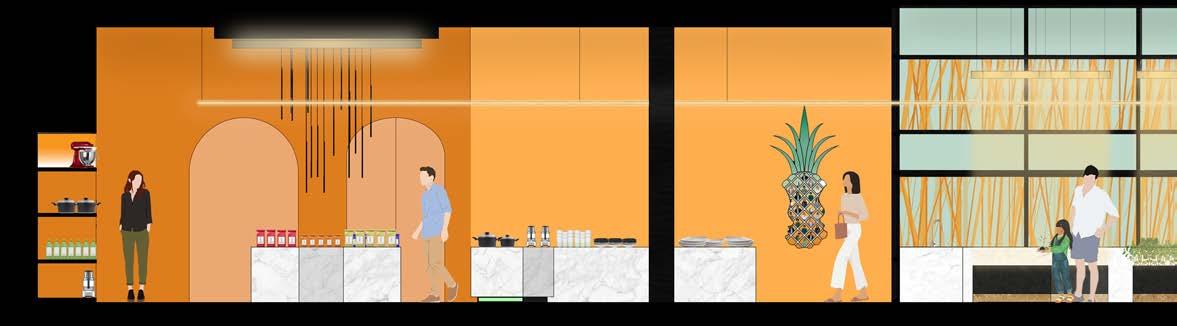

 Section 1/8” = 1’ 0”
Retail Donation
Section 1/8” = 1’ 0”
Retail Donation
 Joshua Holstein & Rebecca Sowl
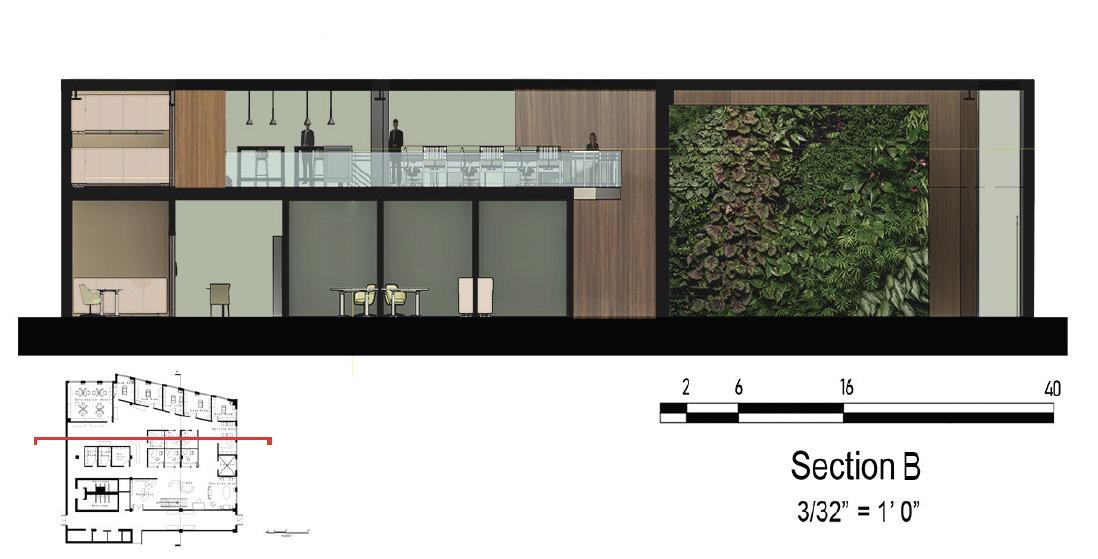
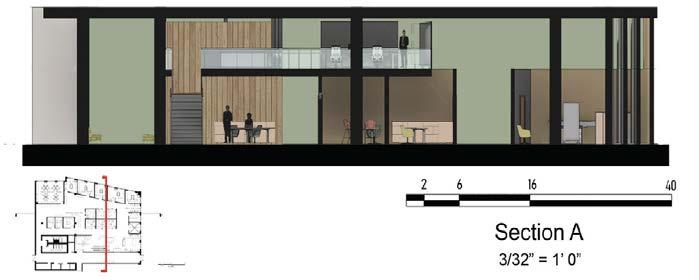
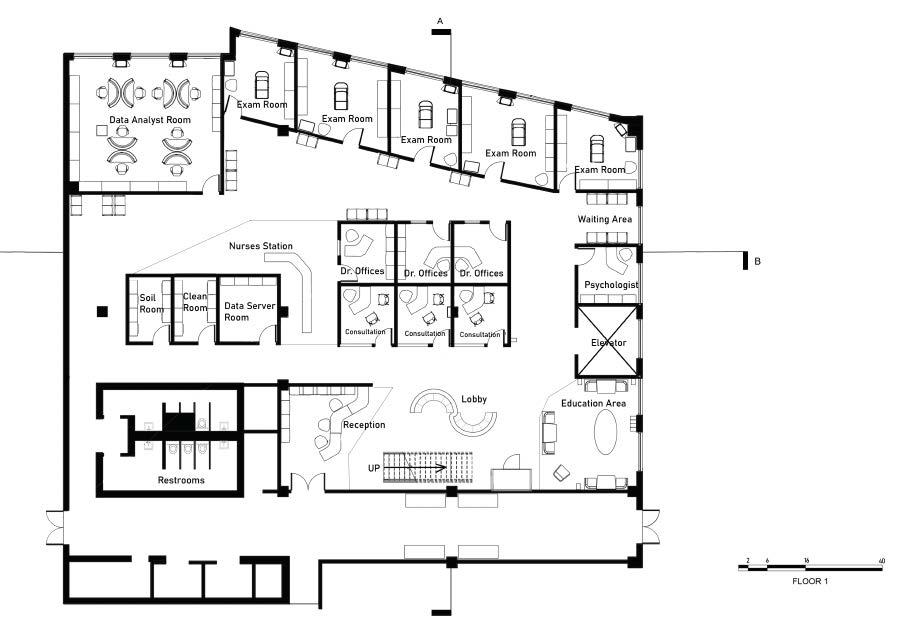
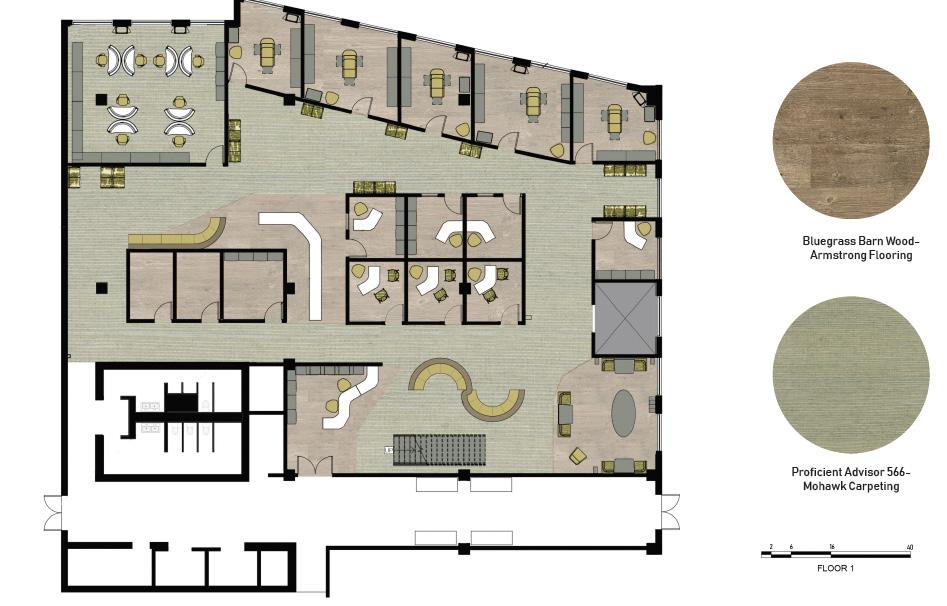
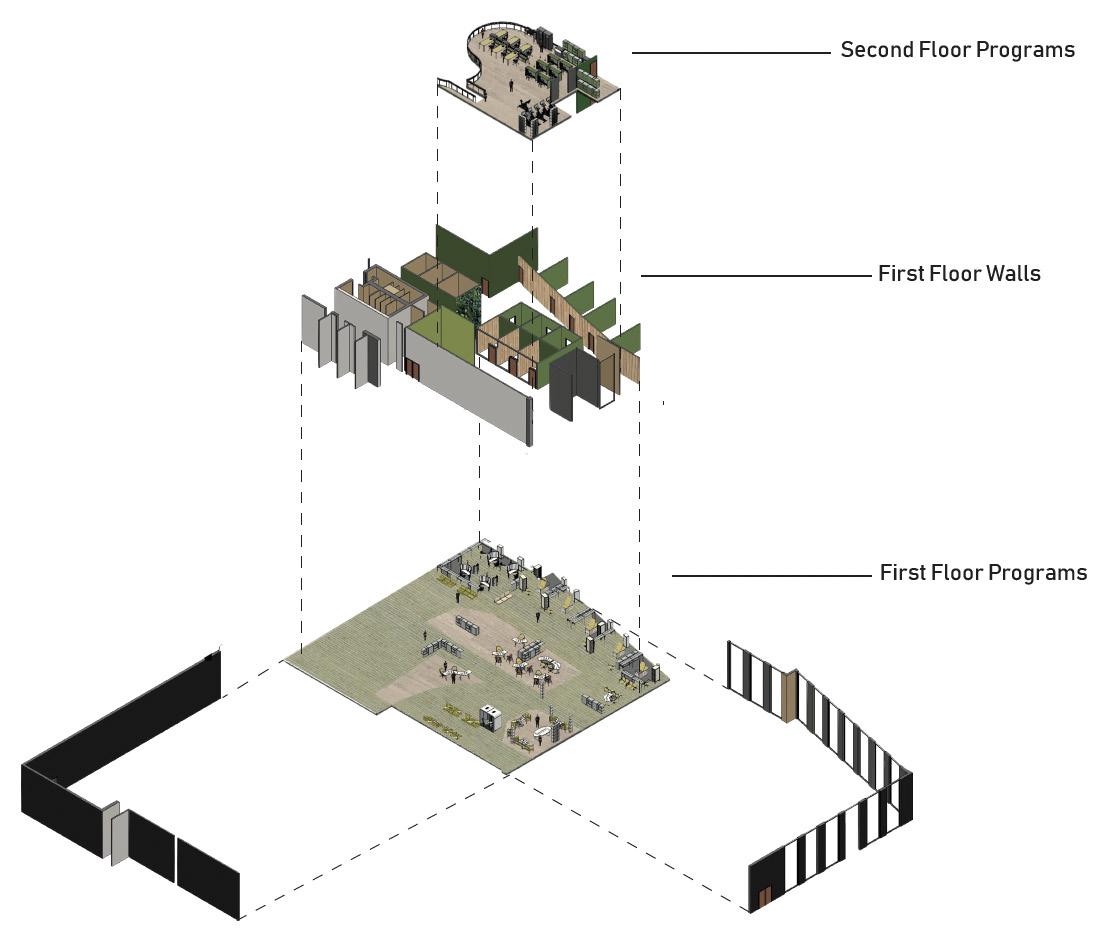
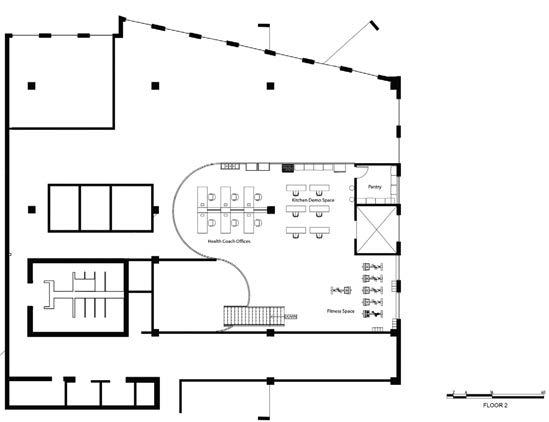
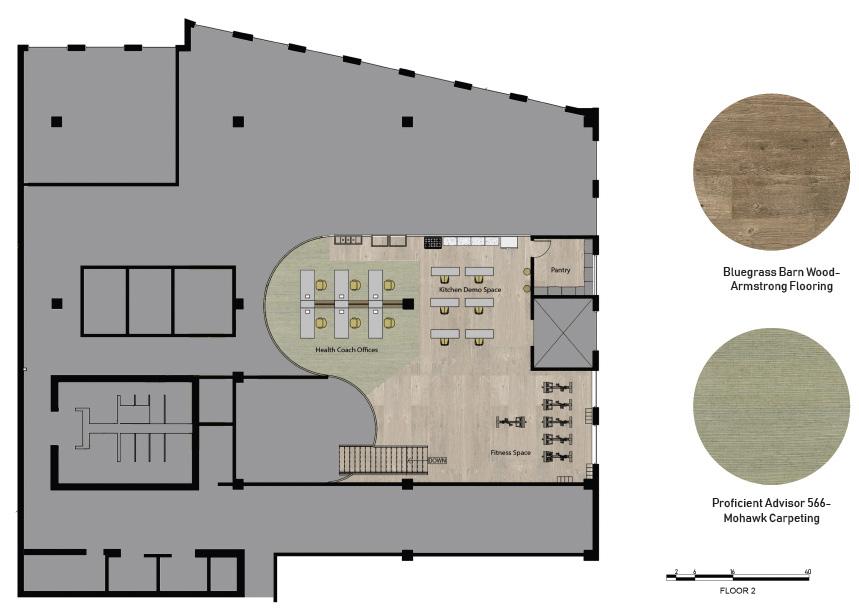
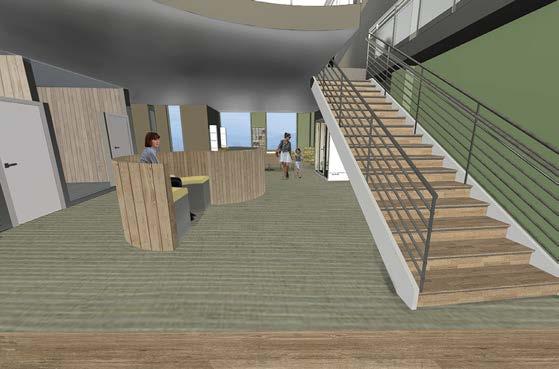
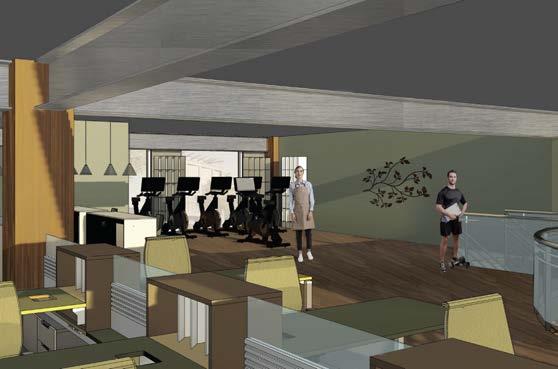
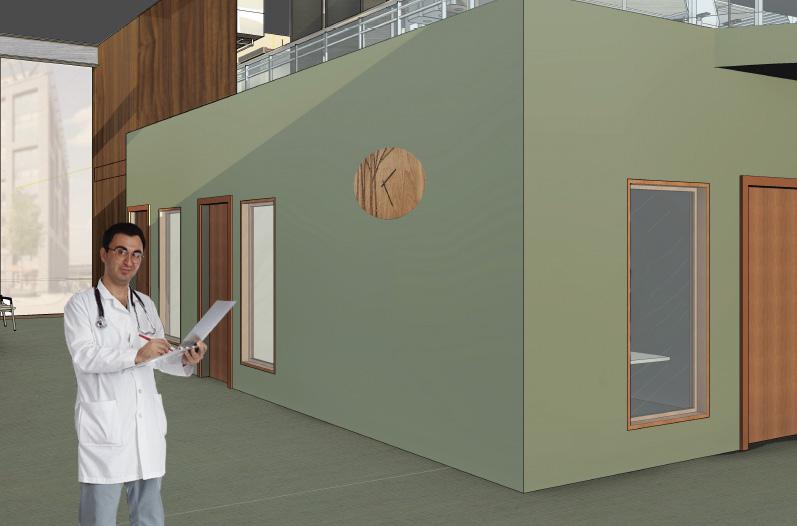
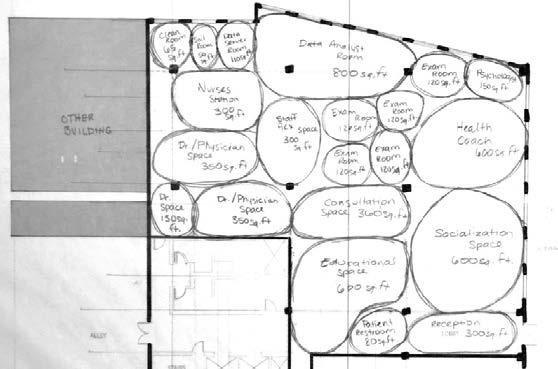
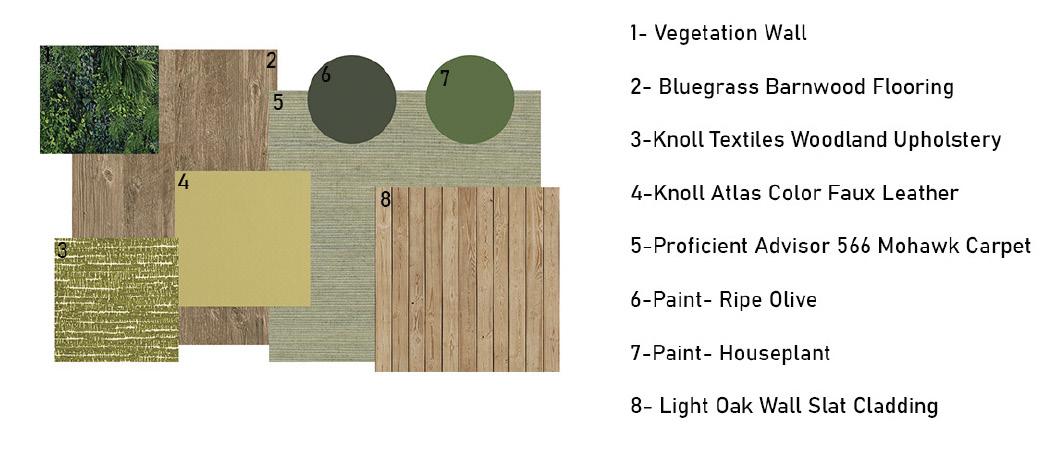
This project conceptualized how healthcare can evolve architecturally to function in the future. The result is SEVA, a health and wellness clinic for individuals of all ages. This program provides preventative care through lifestyle management and integrated wellness plans including dietary and exercise regimens, telehealth, medical analysis, and one-on-one medical care to reach an optimal state of being.
We explored spacial strategies that allow for clear circulation paths and include adjacencies to relevant programs. This healthcare facility would treat reactive care patients and use health coaches to help patients to fulfill healthier lifestyles long term. The Covid-19 pandemic helped open the possibilities of the future of medicine through design. By designing for a space to be used for virtual and in-person meetings, we could rethink what roles our healthcare providers play short and longterm.