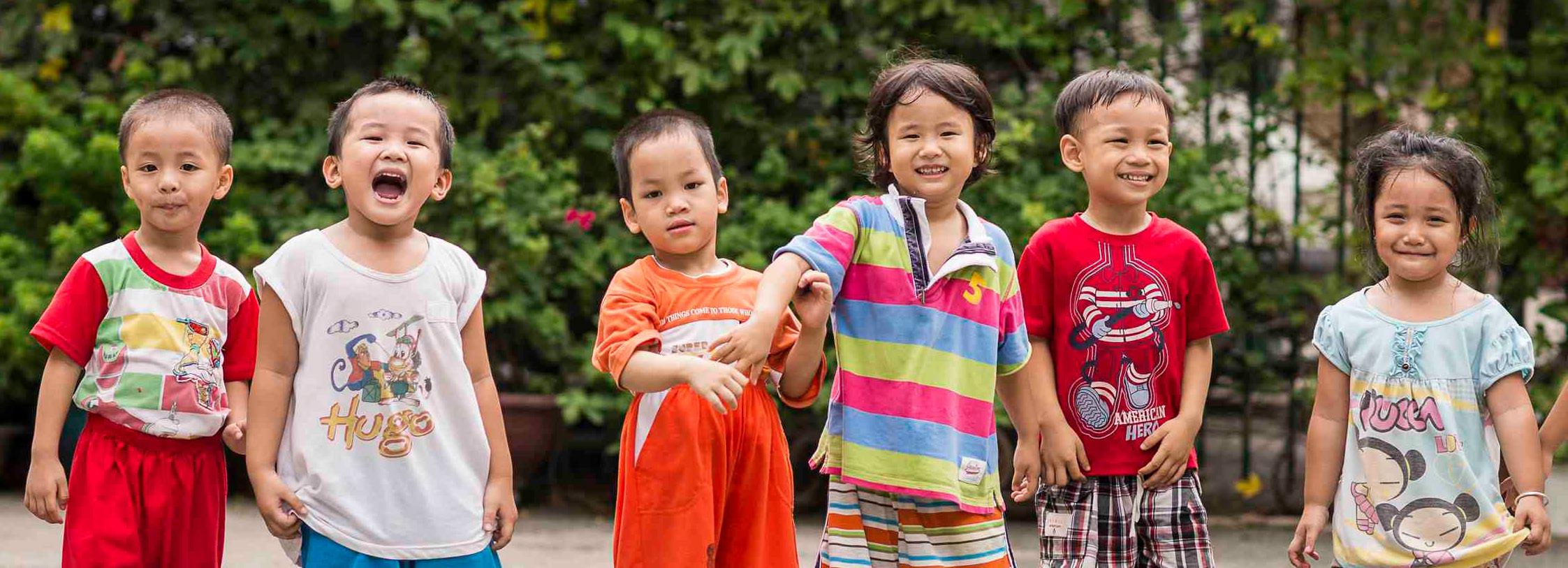
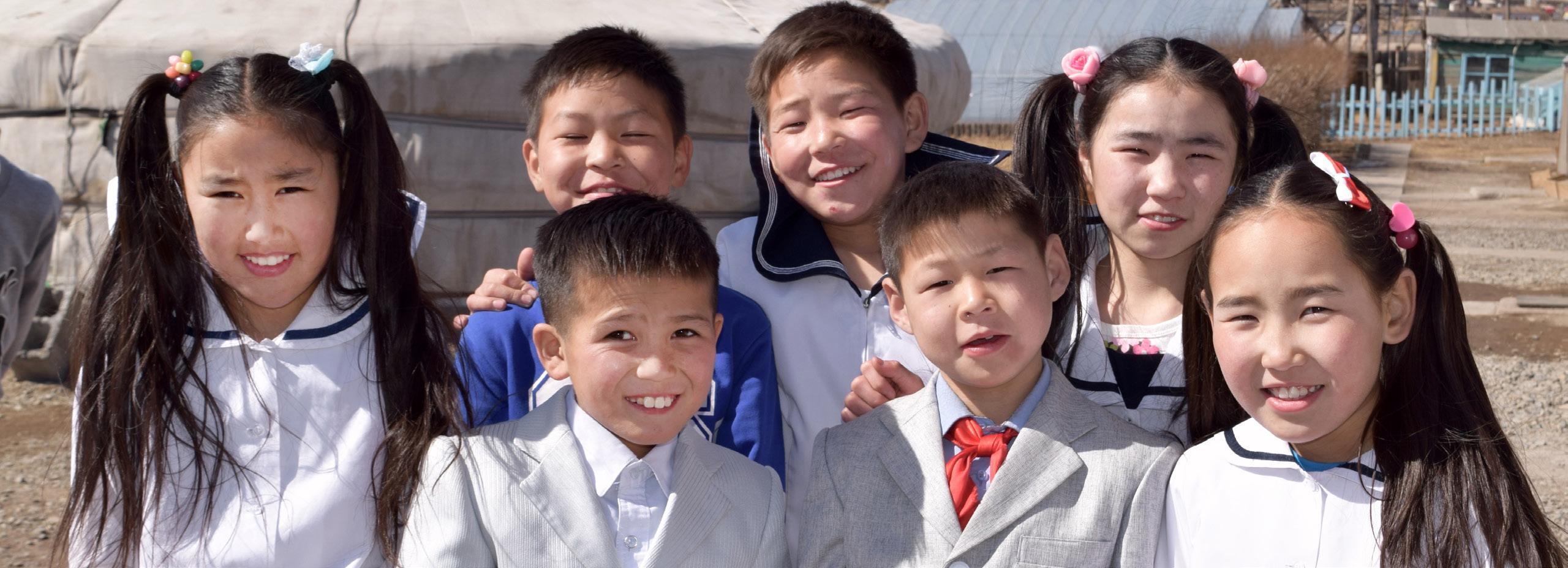
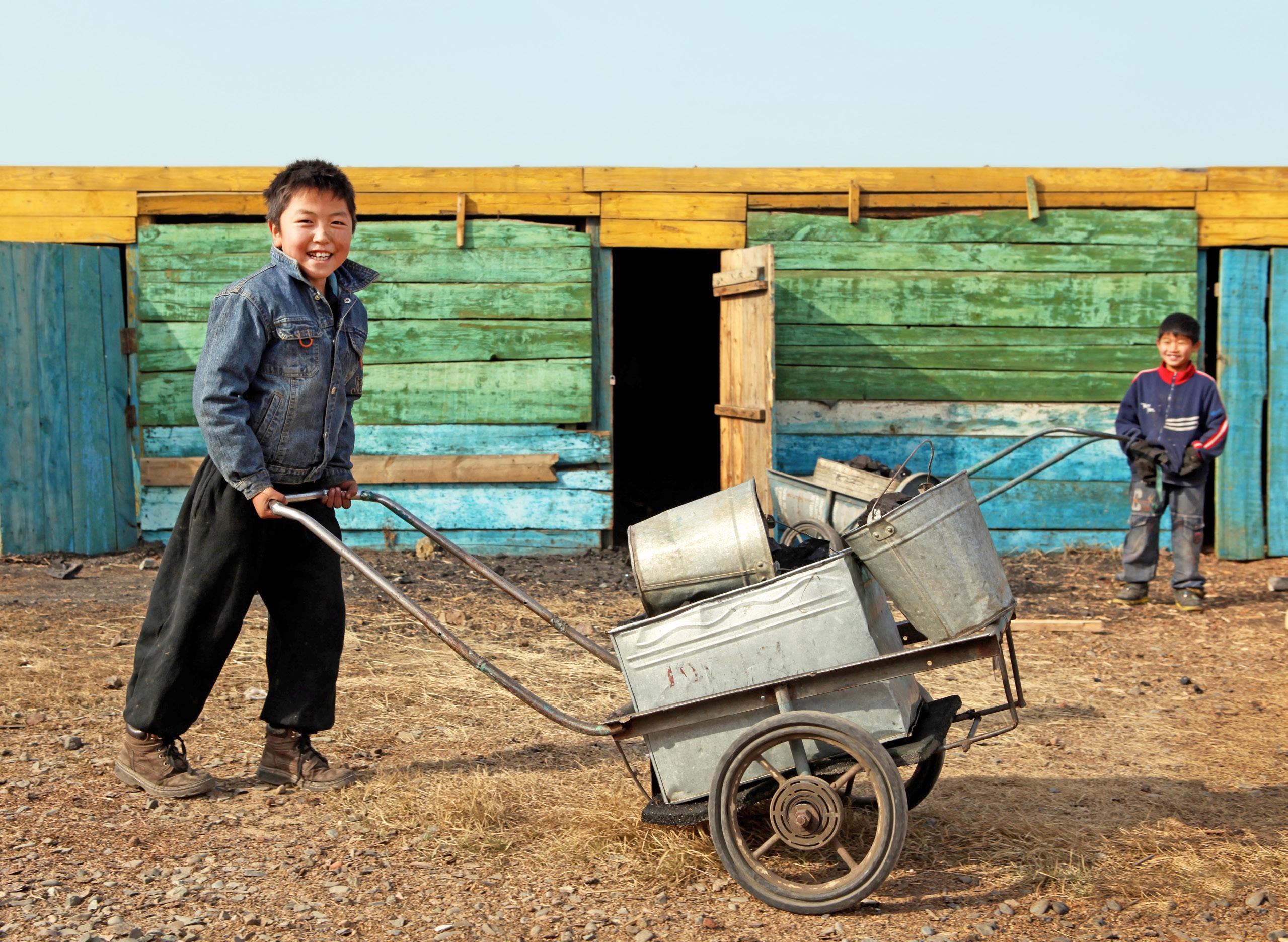
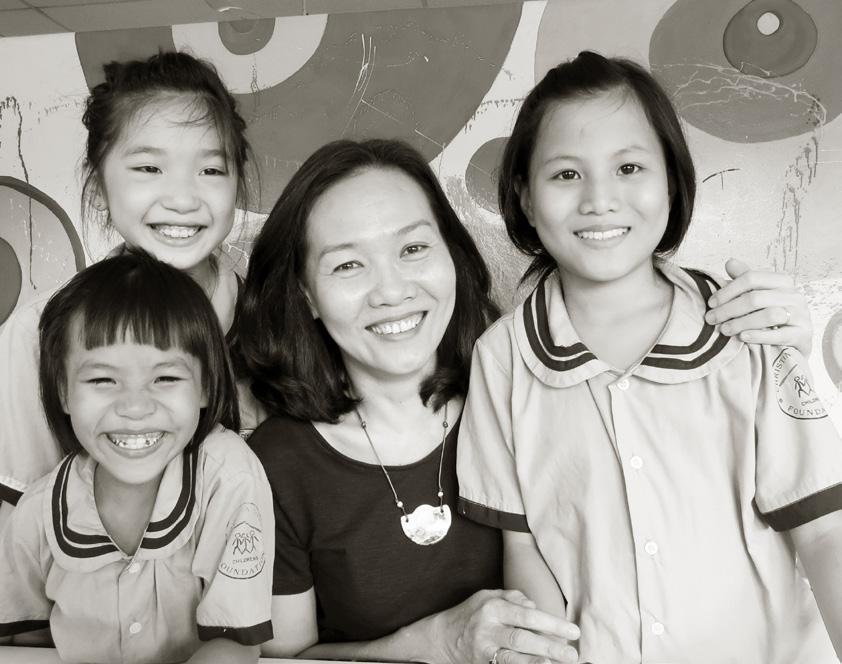
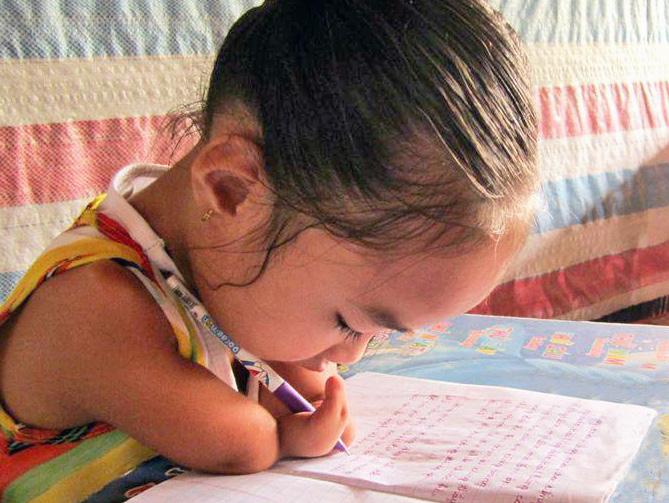
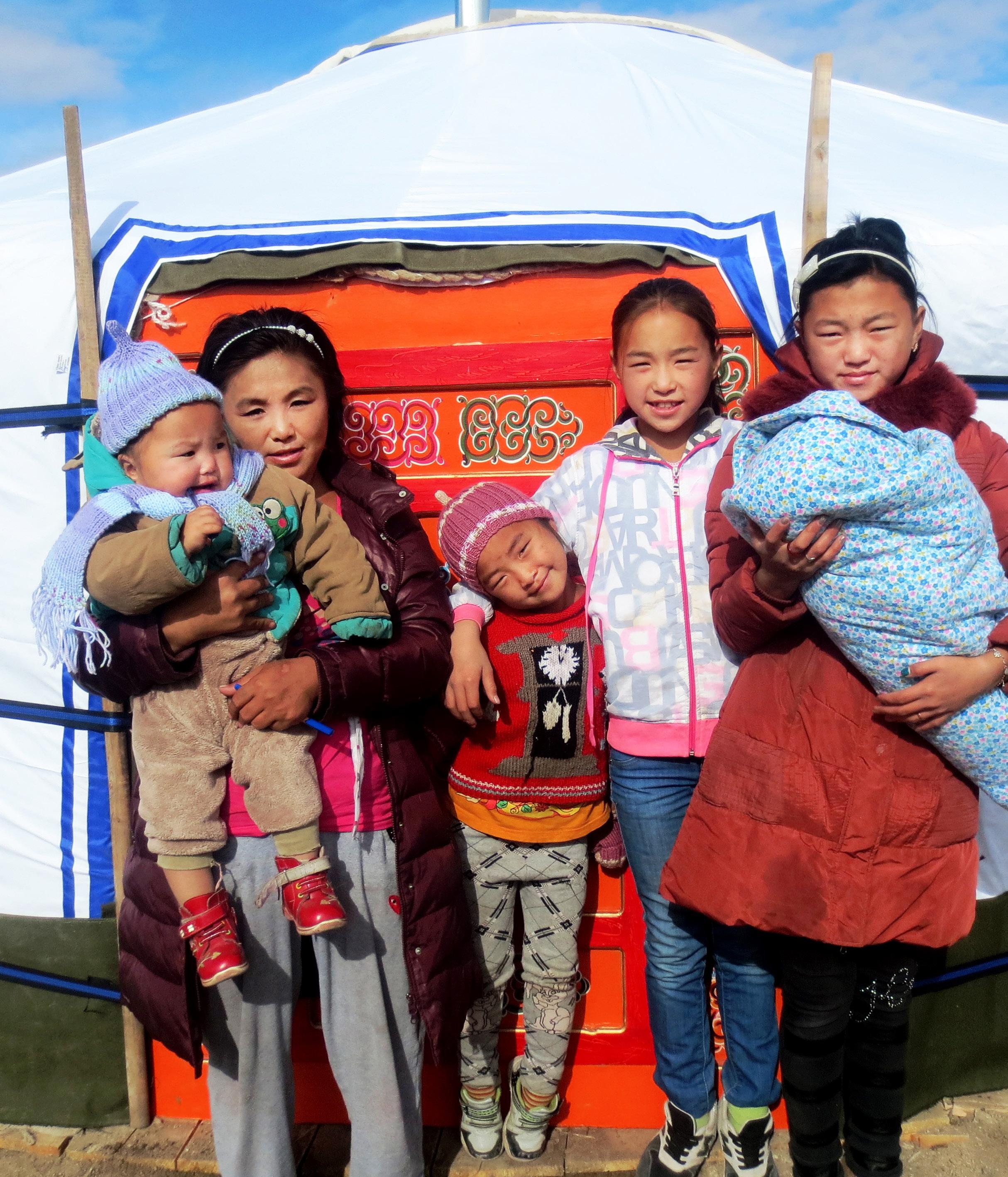
Vision A united world where children are free from suffering, poverty, exploitation, fear, and oppression. Where children are aware of their fundamental human rights.
Mission Our Foundation is committed to helping alleviate child poverty and giving all children the right to a happy and safe childhood by providing them with the necessary care and protection for them to live in peace and surrounded by love.
can make a difference.
Values Our values represent our beliefs and guide how we behave. They are: Love, Compassion, Respect, Honesty, and Integrity.
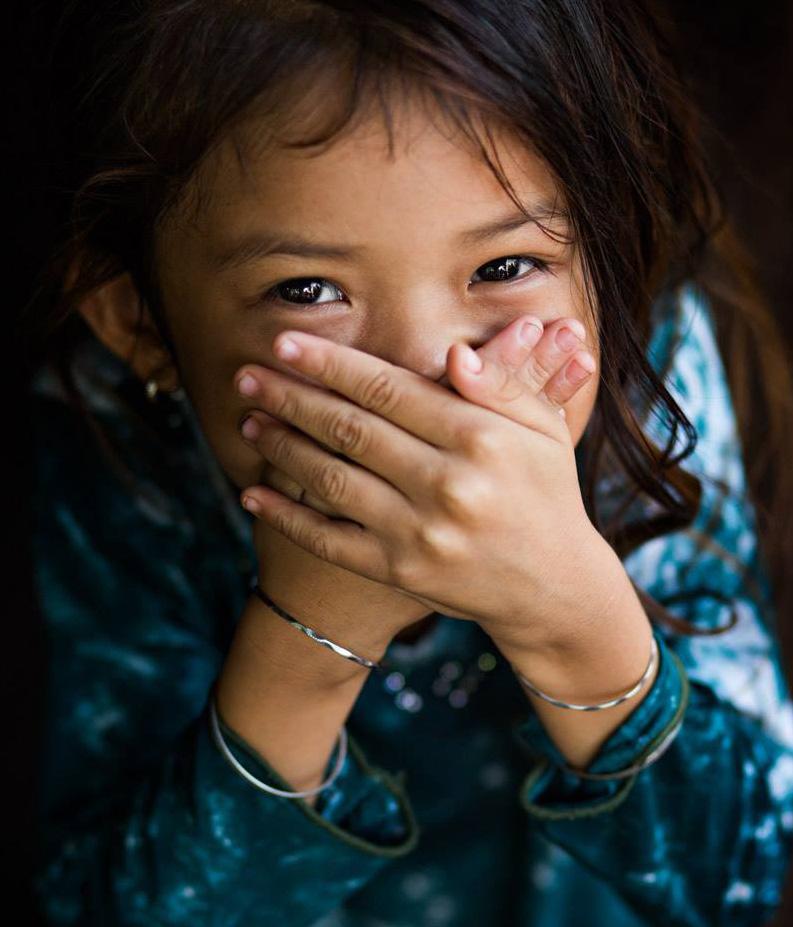
Réhahn Photography
The Christina Noble Children’s Foundation would like to acknowledge and express its deep gratitude to the following people who significantly contributed their time and services pro bono to producing this annual report.
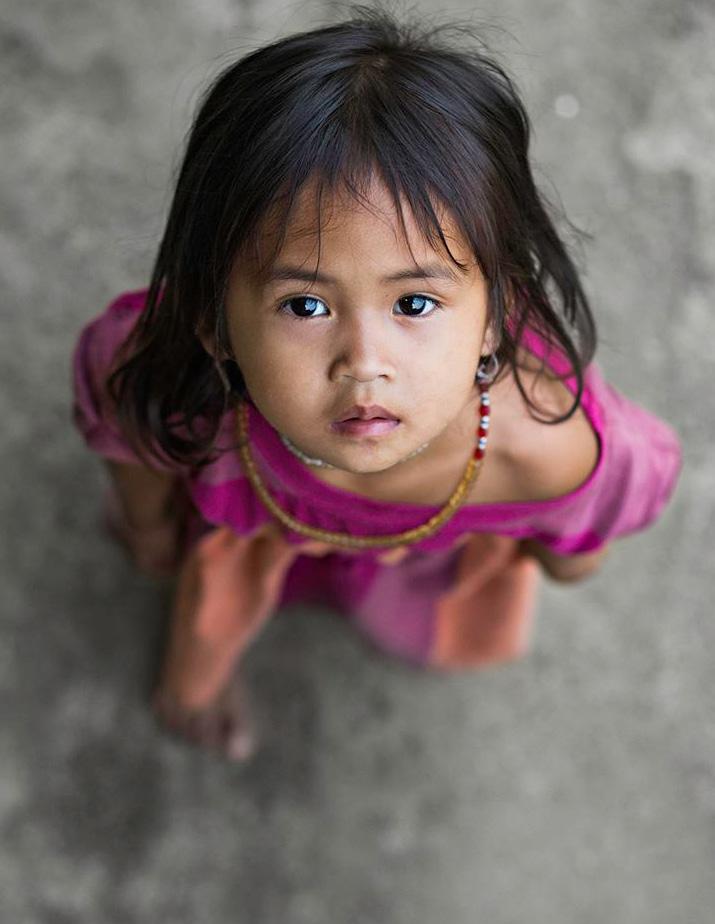
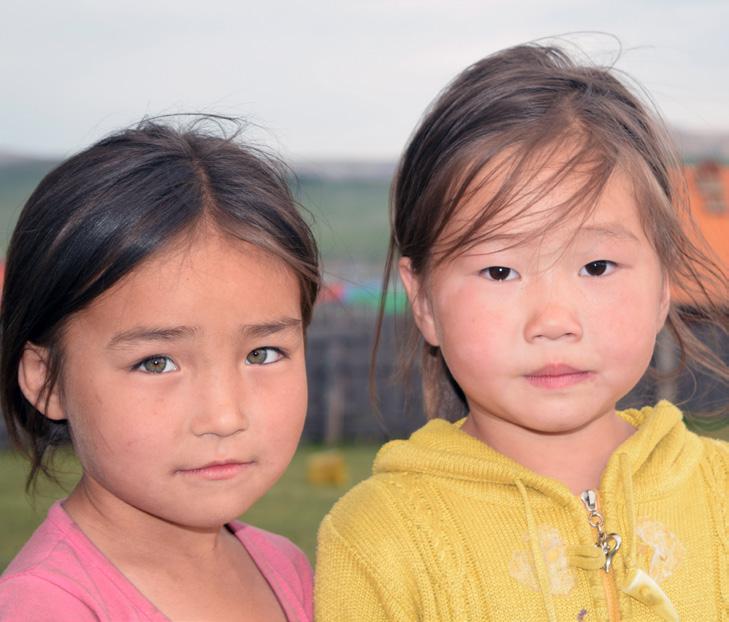
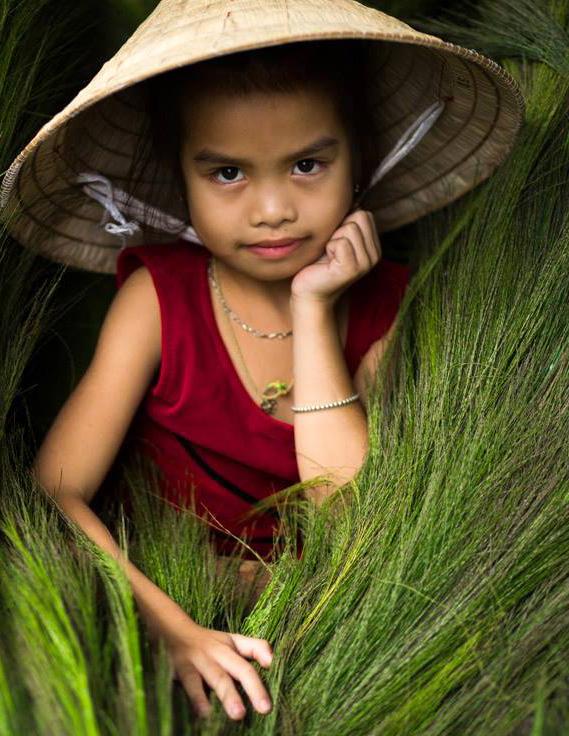
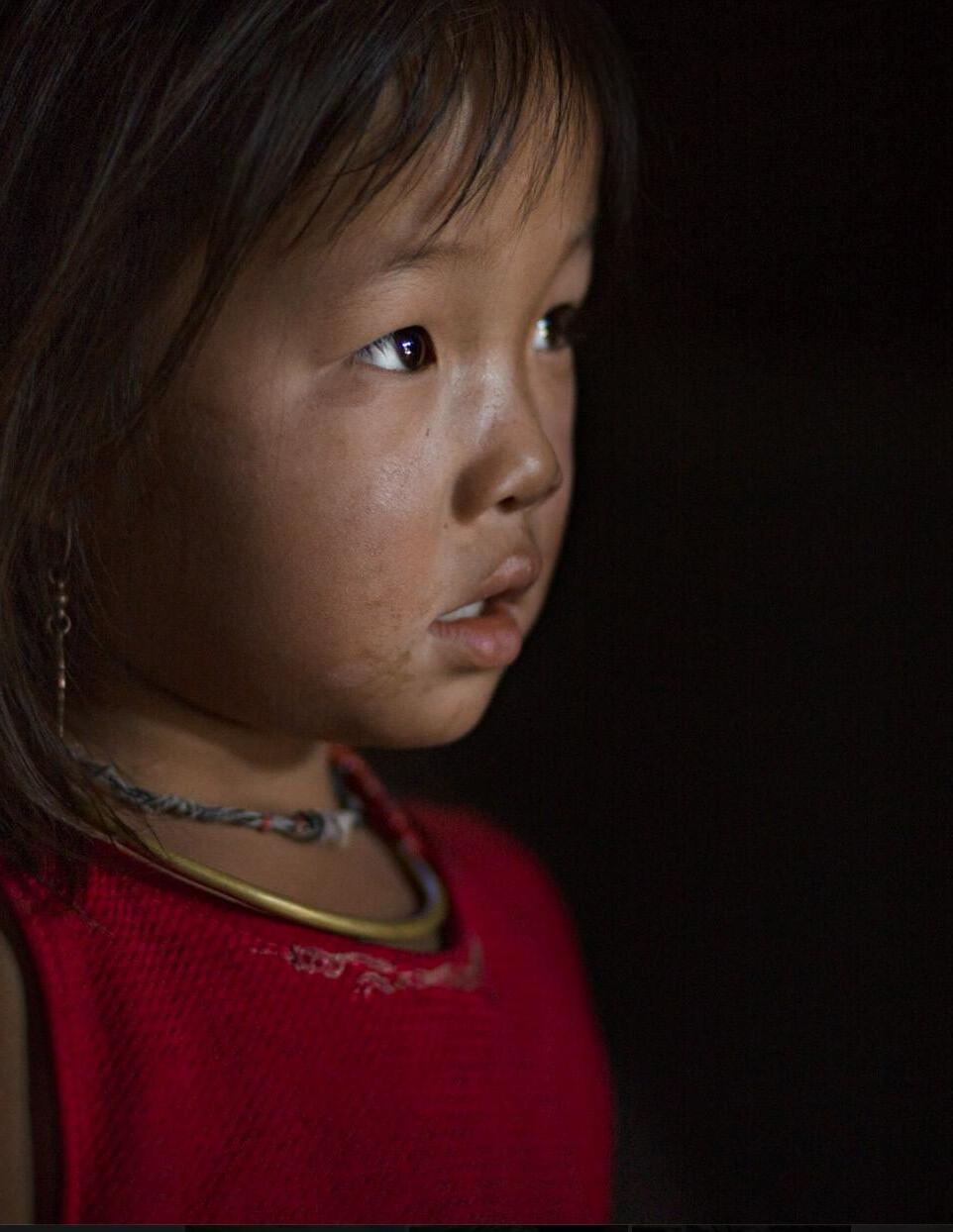
Thank you to long time supporter of CNCF, Réhahn Photography, for use of images where credited. www.rehahnphotographer.com
Pavithra Ram
Content Manager
Joanne Hemerlein
Graphic Design
Andrew Knott
Proofreader
Réhahn Photography
dedication
This report is dedicated to Mai Lan, who sadly passed away after 20 years in our care. When you first came to us as a small baby you were given only weeks to live. Your courage and determination will never be forgotten and will continue to inspire our continuing efforts to help disadvantaged children and impoverished communities.
Mai Lan & Christina
“I believe in childhood.” -Christina Noble
message from the founder
We love children and we believe that every child has the right to a happy and safe childhood. Love is the most important and powerful gift we can give children. Love brings to childhood the magic, laughter, and security that allows for development of children’s minds, bodies, and souls.
Every child that comes into our world deserves the very best start in life. In our shared commitment to making the world a better place, we also share in the responsibility of making it so, and therefore, we must love and protect all children—for who would choose to live in a world where every child is not cherished and loved?
Children often arrive at our Foundation in desperate circumstances—their eyes void of life and hope, their bodies limp, their spirits broken, often clinging to life by a thread. However, with time, care, and love they grow into confident and accomplished young men and women strong in body and mind, their senses alive and stimulated. Witnessing this transformation is our greatest joy and accomplishment.
The needs of the children and the communities we work with are at times immeasurable and I remain humbled and inspired by their strength, determination, and dignity—often in unimaginable and at times terrifying conditions.
As the reports in the following pages show, our Foundation does important and often life-saving work on behalf of vulnerable children, their families, and
the communities in which they live. Our teams and volunteers have worked continuously and tirelessly in often very challenging and sometimes life-threatening situations for over twenty-seven years, and we have only been able to continue our work because of the ongoing belief and support of our warm-hearted, compassionate, and dedicated community.
However, our projects and operations cannot run on love alone. We continue to need your help. This past year saw our lowest ever ratio of donations to programme costs, and thus, we have had to rely upon our modest financial reserves to bolster our operational expenditure more than at any other time in our history. The unfortunate truth is that modern day charity has become incredibly competitive, if not at times aggressive. In recent years raising funds globally has become increasingly challenging for charities of our size, and we continue to do what we can to address this.
We are all part of a greater family—a greater humanity—where each and every one of us can make a difference. For our children’s lights to shine ours too must shine; for our children to come alive we too must come alive; and for our children to love we too must love.
Our Foundation and the children need your help. As you read our report, I sincerely ask that you consider supporting us in any way you can so that we may continue our vitally important work.
I remain deeply and eternally grateful to all our committed and sincere supporters—past, present, and future.
Thank you,
Christina Noble
compassion &caring make a difference.
abbreviations
CAP Capital Projects
CEO Chief Executive Officer
CNCF Christina Noble Children’s Foundation
CSADC Centre for Social Assistance for Disadvantaged Children
CSP Child Sponsorship Programme
ESP Education Scholarship Programme
GM General Management
HCMC Ho Chi Minh City
MAP Medical Assistance Programme
MOLISA Ministry of Labour, Invalids and Social Affairs
RCSI Royal College of Surgeons in Ireland
UAE United Arab Emirates
UK United Kingdom
UNICEF United Nations Children’s Fund
USA United States of America
USD US Dollar
VSO Voluntary Service Overseas
about Christina Noble
Christina Noble, OBE established the Christina Noble Children’s Foundation (CNCF) in 1991 in Ho Chi Minh City after first visiting Vietnam in 1989 and seeing first-hand the challenges faced by local children living in poverty. Born into the slums of Dublin, Ireland, Christina overcame the death of her mother at an early age and spent her childhood in dire circumstances––ultimately surviving years spent in orphanages and a period of homelessness on the streets of Dublin. Her difficult beginnings fuelled her passion for children’s rights, to which she has dedicated her life.
Christina’s passion for children’s rights and unselfish willingness to serve others has shown the world that street and impoverished children are a vital part of humanity and that the abuse and maltreatment they suffer can be stopped. In 1997, Christina travelled to Mongolia and saw first-hand the deprivation and poverty left behind after the withdrawal of the Soviet Union and the socio-economic collapse of the country. Christina expanded CNCF’s operations to help the thousands of children forced to live in the dilapidated freezing streets of Ulaanbaatar.
Christina and CNCF have received over one hundred humanitarian and achievement awards for their work on behalf of children’s rights. For example, Christina was recognised by Time magazine as one of the “Most Inspiring Heroes of our World,” received the Order of the British Empire, and was awarded the prestigious Albert Schweitzer Award. In recognition of her service to the children and poor communities of Vietnam, Christina was only the third person to receive the “Order of Friendship Medal” from the Vietnamese Government in 2012. This award is the highest honour given to foreigners by the President and the people of Vietnam.
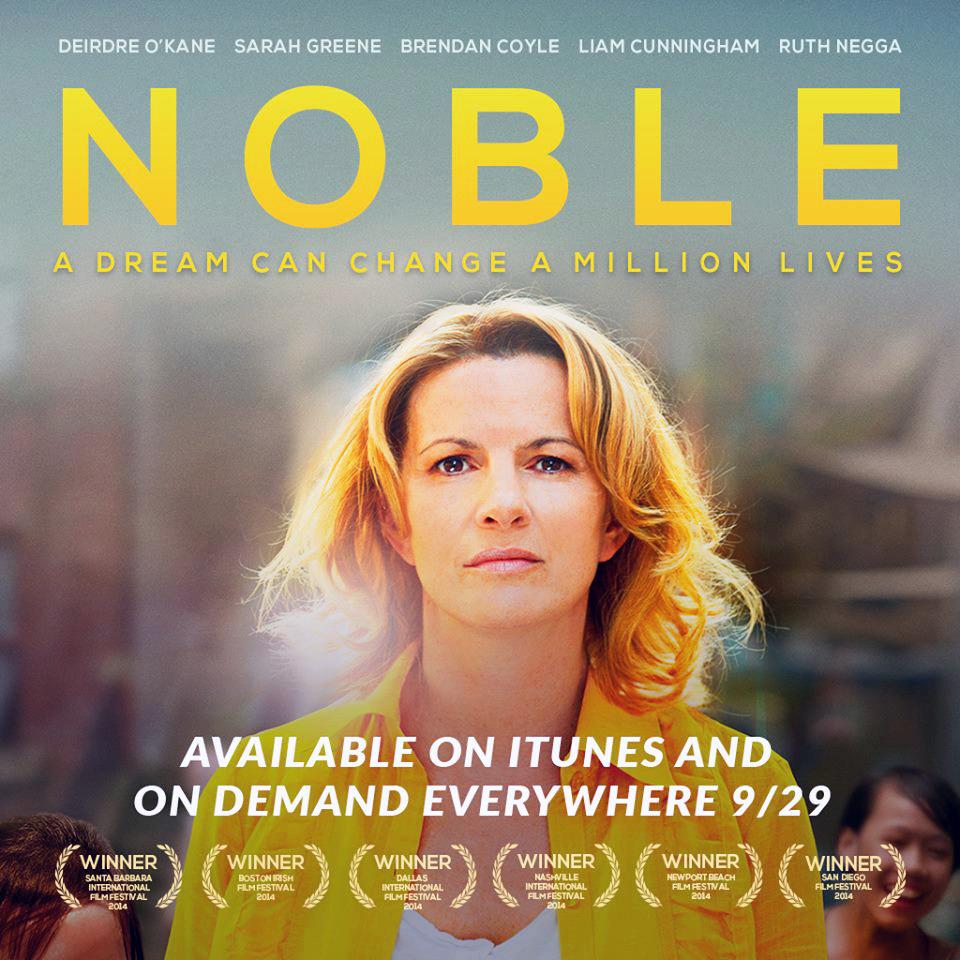
Christina is the author of two international bestselling autobiographies, Bridge Across My Sorrows (1994) and Mama Tina (1997). Christina was also the subject of two awardwinning documentaries, Mama Tina (1997) and In A House That Ceased To Be (2014), and the biopic feature film NOBLE (2014), which won seven international film awards.
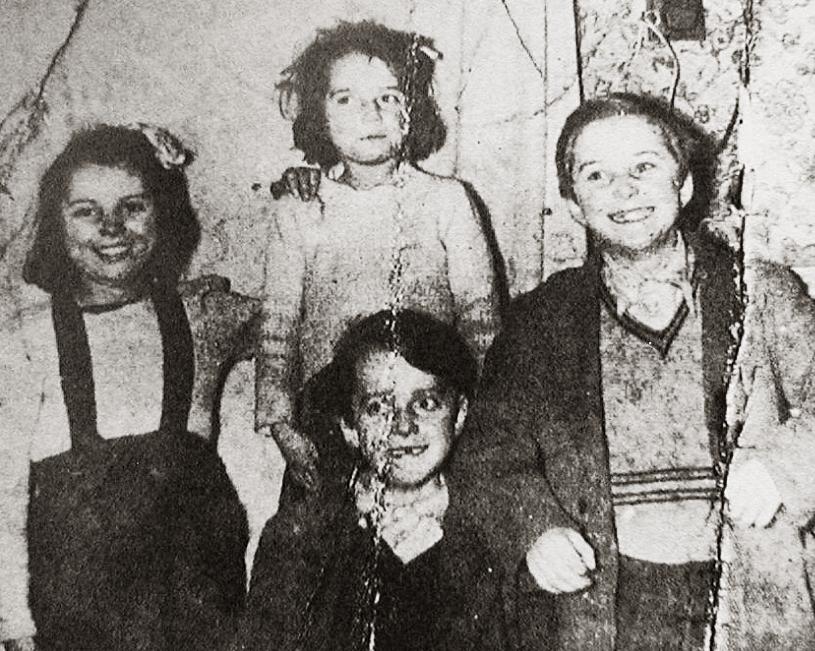
Christina, far left, with her siblings
Christina in Mongolia
about our foundation
Réhahn Photography
about CNCF
The Christina Noble Children’s Foundation is a partnership of people dedicated to serving children in need, including those at risk of sexual and commercial exploitation, by providing emergency and long-term medical care, nutritional rehabilitation, educational opportunities, vocational training, and job placement.
We seek to maximise the potential of each child. This is accomplished within the context of the family and the community whenever possible and always with love and respect for the dignity of each child as an individual.
Our programmes address poverty at the grassroots level with a long-term focus on providing a nurturing environment for personal development. All the children who benefit from our programmes are deeply burdened by poverty. In addition, many are orphaned and homeless and/or suffer from disabilities and disease. Because of these factors, almost all are extremely vulnerable and at high risk of exploitation. Thus, CNCF’s work is not only life enhancing, it is lifesaving.
In its more than twenty-five years of existence, CNCF has established over 120 projects providing services to vulnerable children and their families and poor rural communities. These projects have directly assisted over 700,000 children and impacted the lives of over one million children and adults.
Réhahn Photography
Since inception CNCF has established over 120 projects providing services to vulnerable children, their families, and poor rural communities.
where we work
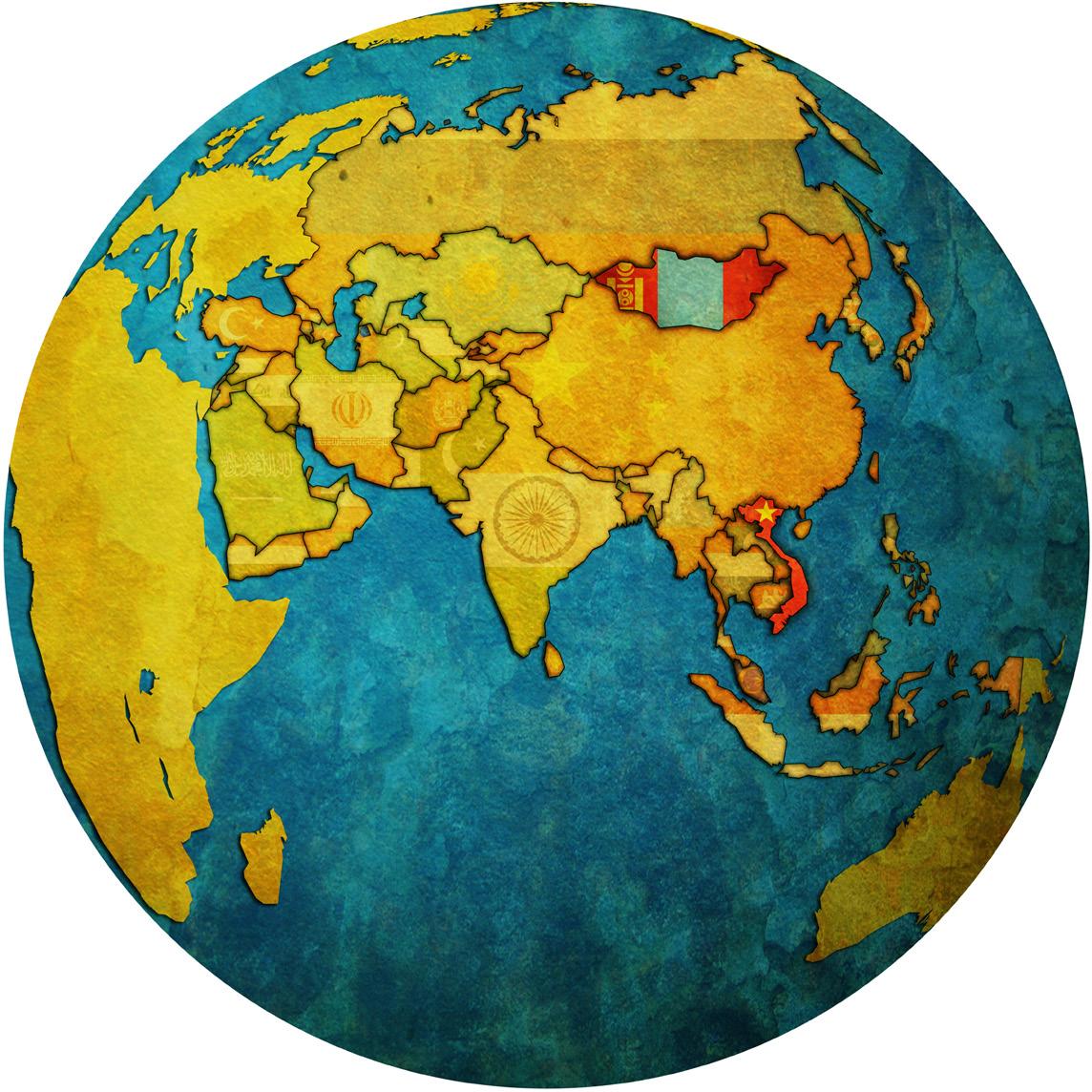
CNCF operates programmes in Vietnam and Mongolia.
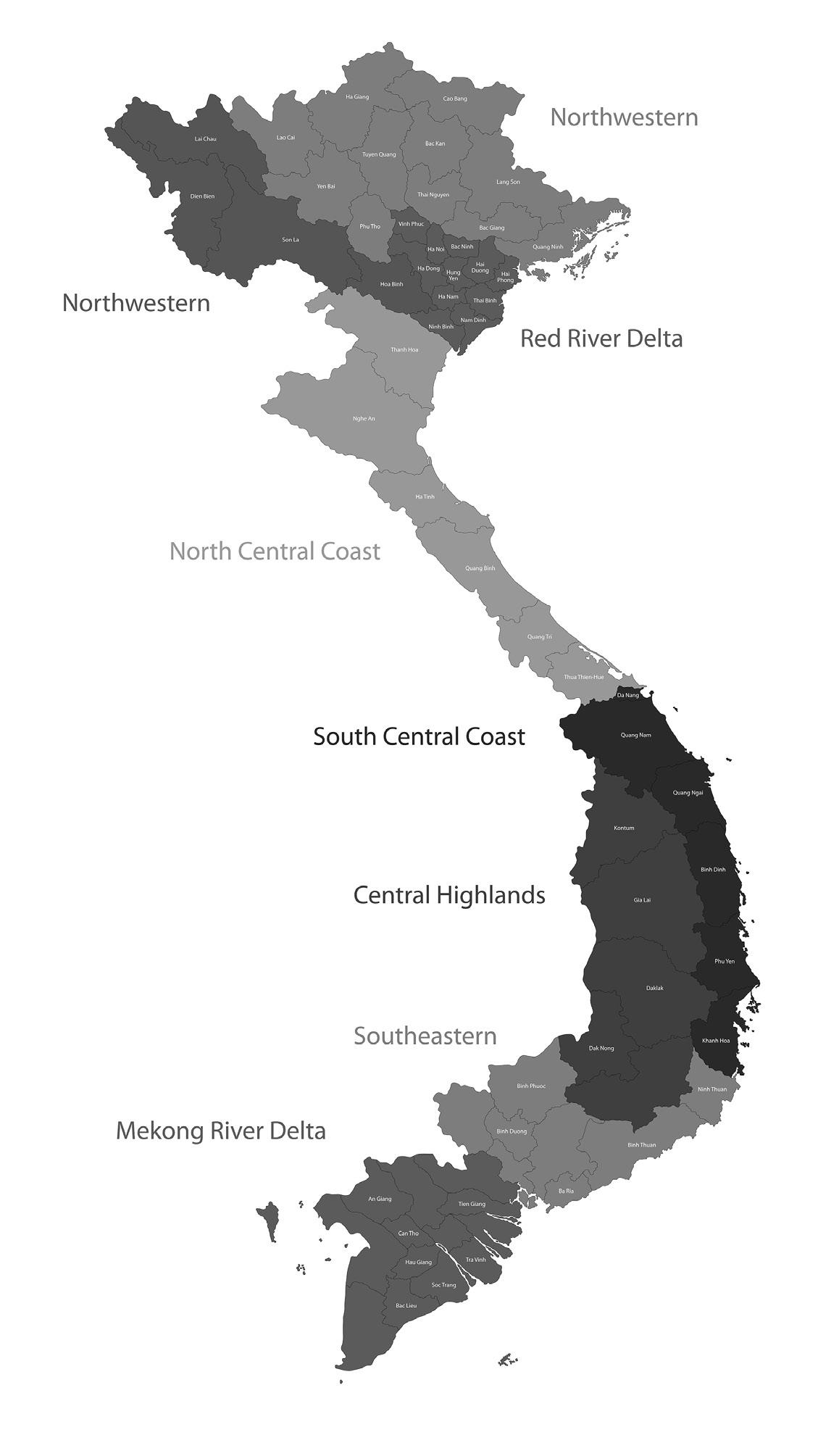
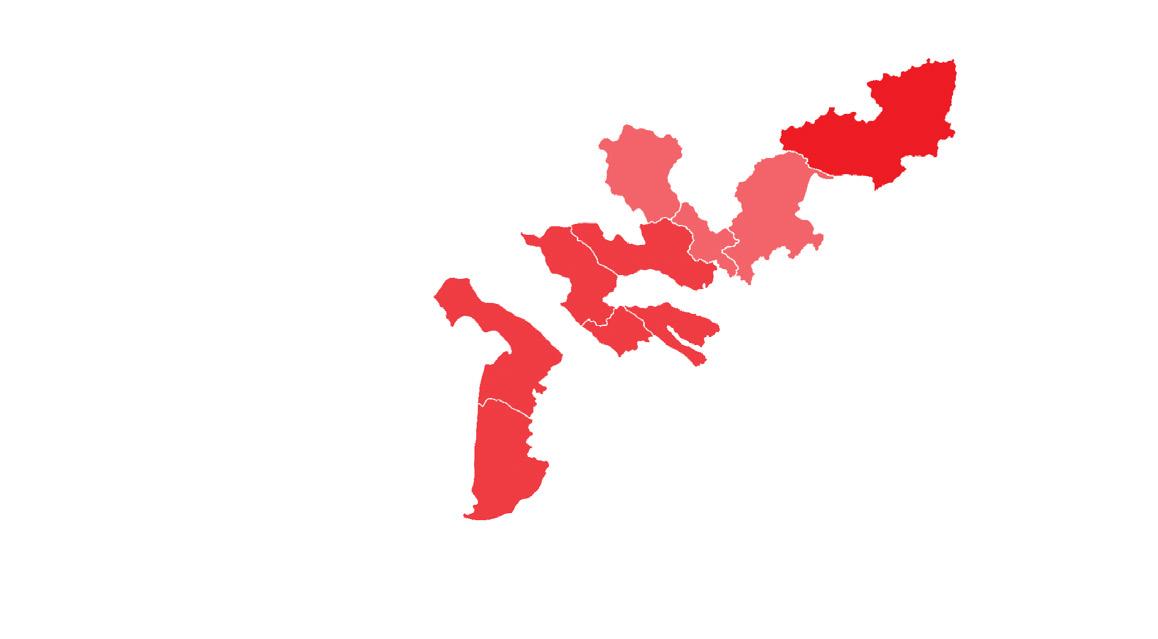
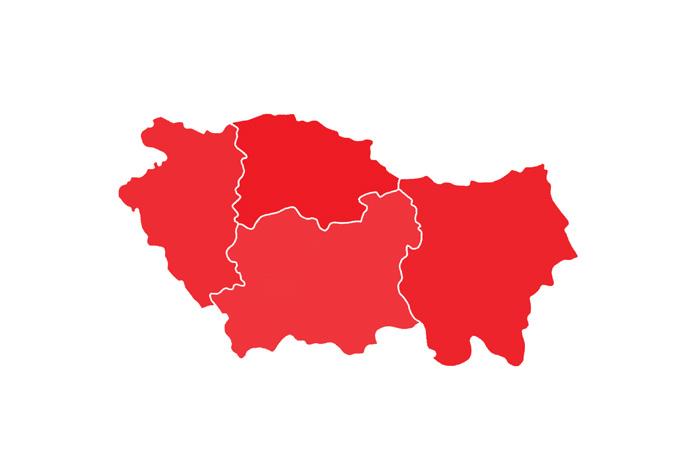
In Vietnam, we work in ten provinces: Ho Chi Minh City and the Mekong Delta Areas, Lam Dong, Dong Nai, Tay Ninh, Kien Giang, Dong Thap, Ben Tre, Ca Mau, Vinh Long, and Long An.
Vietnam
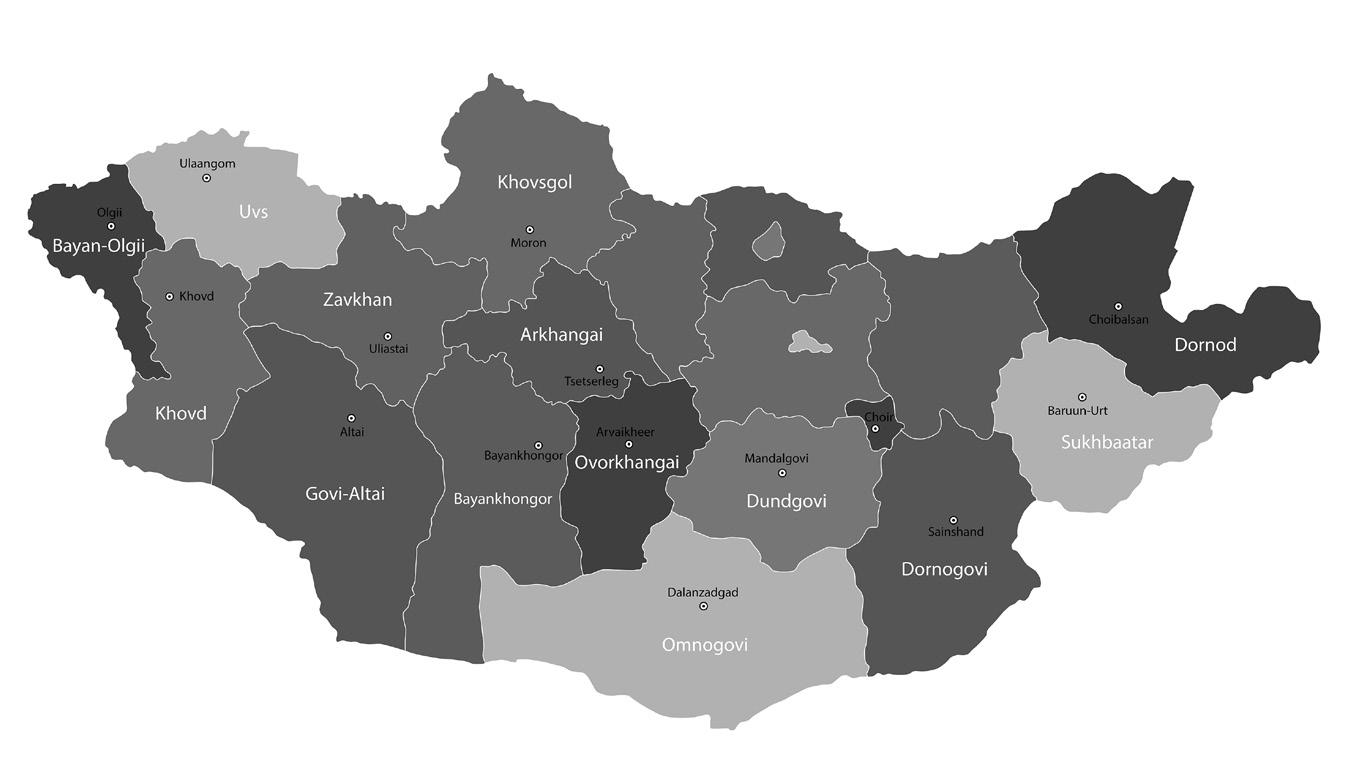
In Mongolia, we work in nine districts in the capital city of Ulaanbaatar and other cities including Erdenet, Darkhan, Nalaikh, and Baganuur. We also work in the following provinces and districts: Bulgan province (Bulgan, Orkhon, Khishig-Undur, Gurvanbulag, and Dashinchilen soums), Tuv province (Bayanchandmani, Erdene, and Argalant soums), Selenge province (Khutul and Zuunkharaa soums), and Khentii province (Undurkhaan soum).*
In addition to our operational centres in Vietnam and Mongolia, we have a head office located in the UK and partner fundraising and child sponsorship administration offices in Australia, France, Hong Kong, Ireland, New Zealand (managed by our Australia office), United Arab Emirates, and the USA.
Mongolia
CNCF seeks to maximise the potential of each child. This is accomplished within the context of the family and the community whenever possible and always with love and respect for the dignity of each child as an individual.
Réhahn Photography
organisational profile
CNCF is a registered UK Charity established in 1991 with its Head Office in London, England, United Kingdom, charity registration number No.1007484. Our field operations (CNCF Vietnam and CNCF Mongolia) are licensed to operate through our UK Head Office.
CNCF Group comprises individual entities each with its own Board of Directors and limited liability status. These individual entities are CNCF America, Australia, France, Ireland, and Hong Kong.
CNCF Group adheres to the Foundation’s mission, values, policies, and identity guidelines. Policies include child protection, health and safety, ethical fundraising, donor relations, anti-corruption, anti-money laundering, social media, photography, transparency, and confidentiality. There is also a written Code of Conduct included in the employment contracts of staff and volunteers. All group entities may use the CNCF brand as directed by the Head Office and the Group Communications team.
Group Boards make local budgetary decisions and are responsible for the management and alignment of their offices. Each Group Board meets on a regular basis with their office’s General Management (GM) team. All members of the Boards of Directors are unpaid, non-executive volunteers.
Board of Directors and General Management Team
CNCF’s operations in Vietnam and Mongolia are governed by the Head Office Board of Directors. Our founder, Christina Noble, attends Head Office board meetings in an ex officio capacity. Vietnam and Mongolia Operations each have a Board of Management that reports directly to the Chief Executive Officer (CEO) on a monthly basis.
The Head Office Board of Directors has delegated management of operational offices to the CEO. The CEO leads the GM team whose members are all employed by CNCF. The GM team consists of the Directors of the Vietnam and Mongolia operations and one representative from each Group office. The GM team is responsible for implementation of CNCF’s strategic plan in areas such as fundraising, campaigning, and advocacy; marketing and communications; and monitoring, evaluation, and capacity building. The GM team meets once a month to discuss progress, outstanding issues, and fundraising and advocacy campaigns. In addition, specialised teams focusing on particular areas such as marketing, communications, and fundraising meet at least twice a month.
Strategic Organisational Changes in 2015
CNCF made several organisational and staff changes in 2015 that we believe will increase our effectiveness and enable us to make a greater impact in the communities we work.
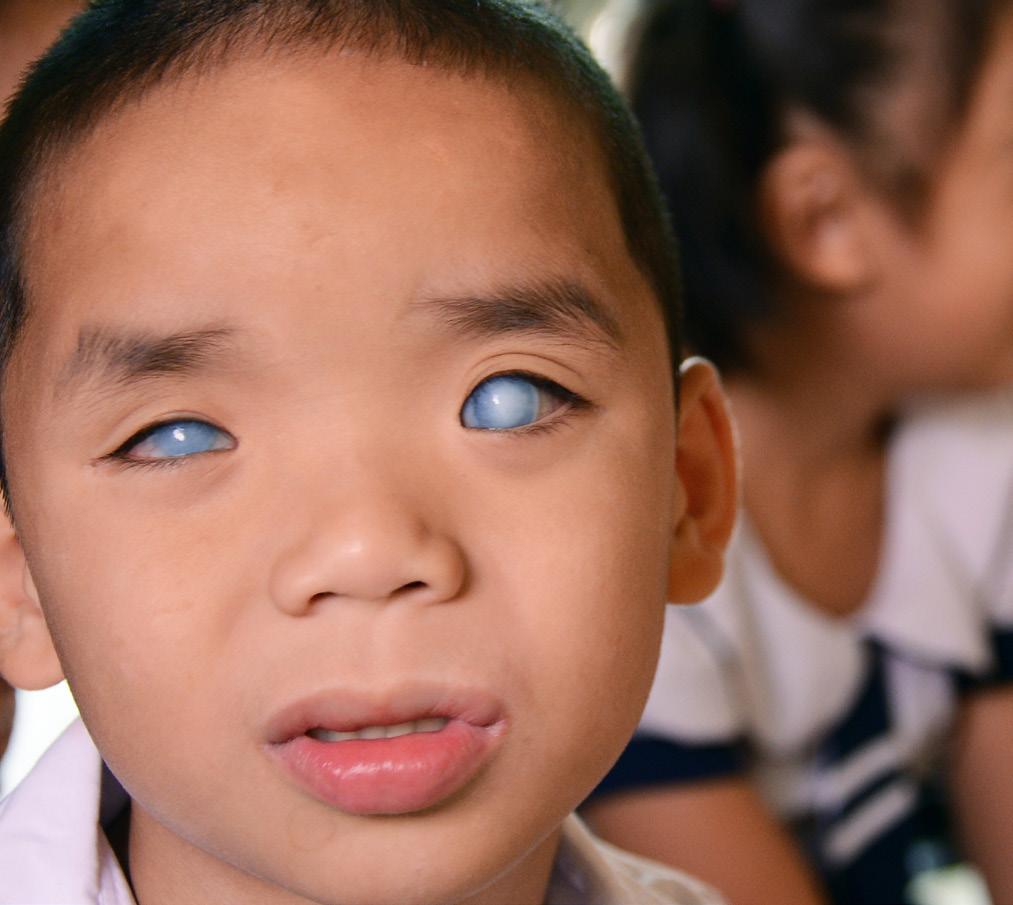
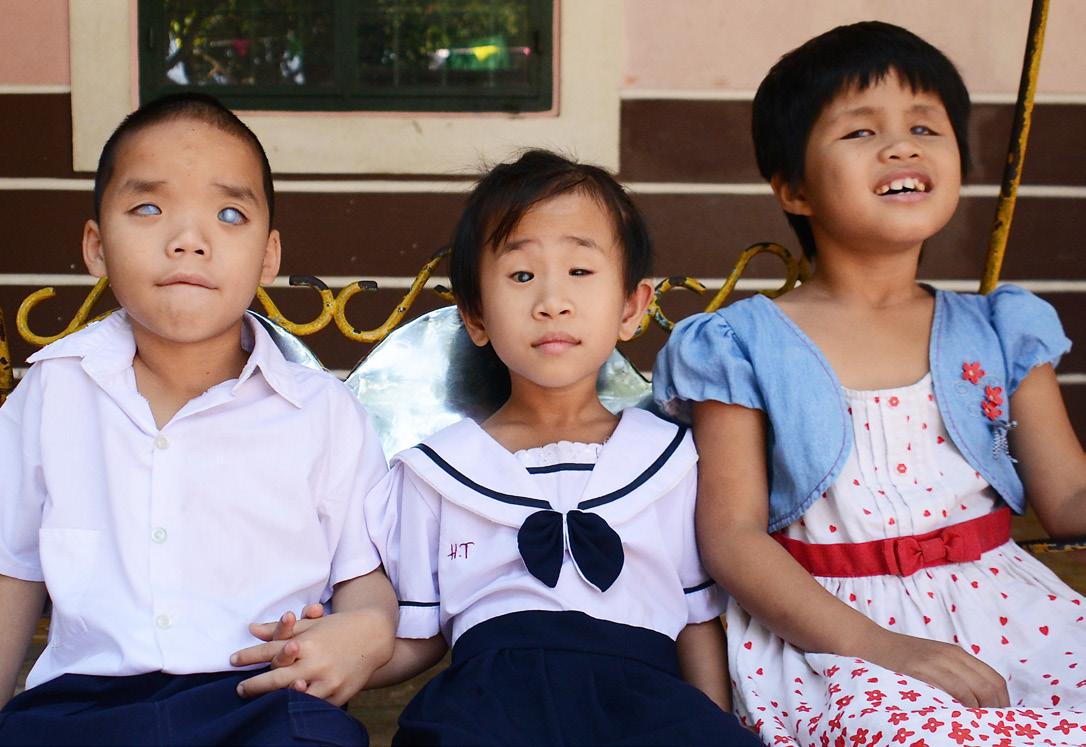
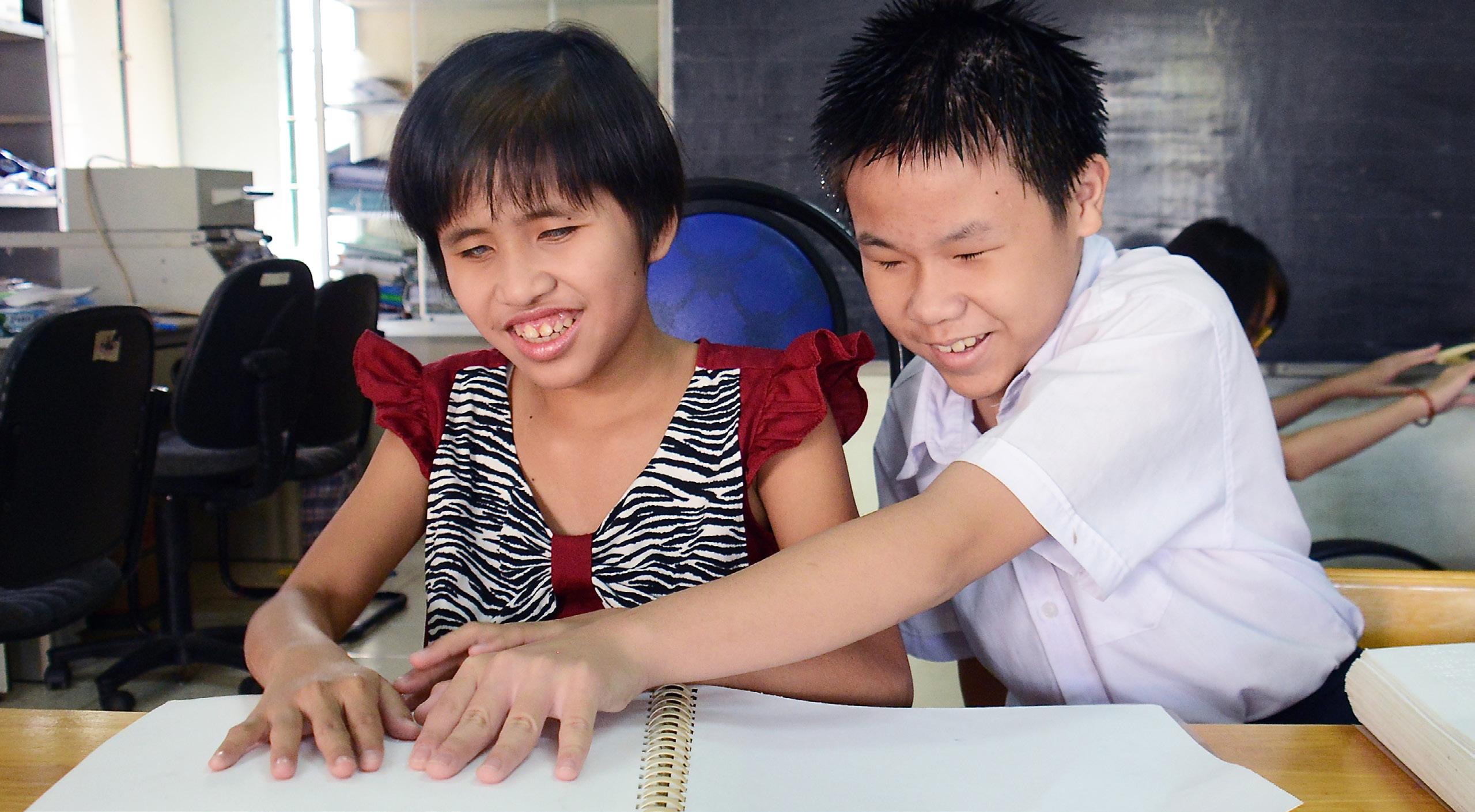
Child at our Tay Ninh Centre for Visually Impaired Children
Vietnam: CNCF implemented fundamental organisational changes, particularly at the management level, in the Vietnam operational centre in 2015. To address the Foundation’s longterm sustainability, the Board of Management was restructured and the Leadership Team was localised. This entailed promotions of key staff members to the positions of Director and Vice Director of Operations. Further, two new roles were added to the Leadership Team: i) an Operations Project Director to oversee the overall management of programmes including daily project operation and periodic and annual monitoring and evaluation of project planning, implementation, and budgeting; and ii) a Project Development Director to explore possibilities and develop new activities, approaches, and procedures to enhance and improve programmes, including but not limited to project activities, administrative procedures, and human resource development.
“Love is so strong and powerful... stronger than all of the weapons... and it’s free.”
to support the Project Development Director; ii) a Fundraising and Marketing Coordinator to seek new opportunities to partner with individual and corporate sponsors in Vietnam; and iii) a Community Relations Officer responsible for community outreach and engagement with local and expatriate communities.
-Christina Noble
Mongolia: CNCF also made significant organisational changes in Mongolia. A new Ger Village Manager was added and the previous manager became Ger Village Director. This change has helped streamline overall management of our operations.
In addition, three other programme level positions were created: i) a Project Development Officer
Most importantly, the psychosocial team in Mongolia was substantially strengthened by the addition of two full-time child psychologists, one senior and one junior. These two new staff members working together with the existing social worker team have produced ground-breaking improvements in the psychosocial health of many children who were previously considered our most difficult cases. Significantly, our Junior Psychologist is a former Ger Village child who was under CNCF’s care since age six.
Australia
France
Hong Kong
Registered Charity and Incorporated
Association: No. A003961916
Non-Profit Organisation:
Association Loi De 1901
Registered Charity: 564596
Ireland Registered Charity: CHY12636
Mongolia
USA
United
Vietnam
Non-governmental organisation.
operating. Registration and issuing authority, No. 1036025 issued by Ministry of Foreign Affairs Mongolia. Licensed to operate through our UK Head Office charity registration No. 1007484.
Registered Charity/Non-profit,
No. 39694 501(c)3, Tax Exempt
Registered Charity (No.1007484)
Non-governmental organisation.
Registration and issuing authority No. 68/CNV-VPDA, issued by Ministry of Foreign Affairs Vietnam. Licensed to operate through our UK Head Office charity registration No. 1007484.
Réhahn Photography
He recently graduated university with a bachelor’s degree in Psychology and Behavioural Sciences.
The administration office and financial team was also restructured to improve efficiency. A new Procurement Manager position was created to oversee, manage, purchase, and track all stock and assets. The new financial team was able to cut costs substantially without sacrificing quality of care and service.
Group Offices: CNCF also implemented several organisational changes in our Group offices. In France, we appointed a new President of the Board and a Communication and Development Manager. In addition, new volunteers were recruited for specific roles to maximise the efficiency of their contributions. In Hong Kong, a new Business Development Director was hired to expand our corporate partnerships. In the USA, one of our part-time staff moved to a fulltime role to develop institutional partnerships and grant writing.
Moving Forward
In 2015, CNCF started making changes in the way we think, work, and operate as an organisation. We believe that being successful in our work requires us to have a unified agenda so that we can make decisions in the best interest of the communities we serve. With the appointment of our CEO Helenita Pistolas at the end of 2015 we are moving toward greater integration of our Group entities that will facilitate closer working relationships and consolidation of reporting to our present and future stakeholders.
In the coming years, we will review and revise many of our internal policies, including our Code of Conduct, which will be made more comprehensive and will be available online for all our stakeholders to access in 2017.
With the establishment of over 120 projects, CNCF has directly assisted over 700,000 children and impacted the lives of over one million children and adults.
our yearinvietnam
Réhahn Photography
2015 highlights
60,795 programme impacts through our education, healthcare, and community development programmes
1,566 children received an education or educational support through our programmes
62 children attended the day care kindergarten (Son Ca) at our Sunshine Centre
146 children attended the Sunshine School
1,002 children enrolled in our Sponsorship Programme
356 children received educational assistance through the Education Scholarship Programme
8,950programme impacts through our healthcare programmes
8,350 treatments provided at our outpatient and outreach clinic
74 residential children at our Sunshine Centre received medical, nutritional, and psychosocial care
141 children impacted through our Medical Assistance Programme
385 parents/guardians of our children received health education through our outreach programme
50,279 children and people in poor and rural communities have benefited from our community development programmes
49,891* people impacted by our capital construction projects
132 beneficiaries of our Microfinance Loan Programme
105 residential children at our Sunshine Homes for Boys and Girls and the Tay Ninh Centre for Visually Impaired Children
151 children received bicycles through our Bicycle Support Programme
our yearinmongolia
2015 highlights
2,785 programme impacts through our education, healthcare, and community development programmes
1,507children and adults impacted by our Foundation
1,309*children received an education or educational support through our programmes
70 children attended the Blue Skies Day Care
1,196 children enrolled in our Sponsorship Programme
40 children received educational assistance through the Education Scholarship Programme
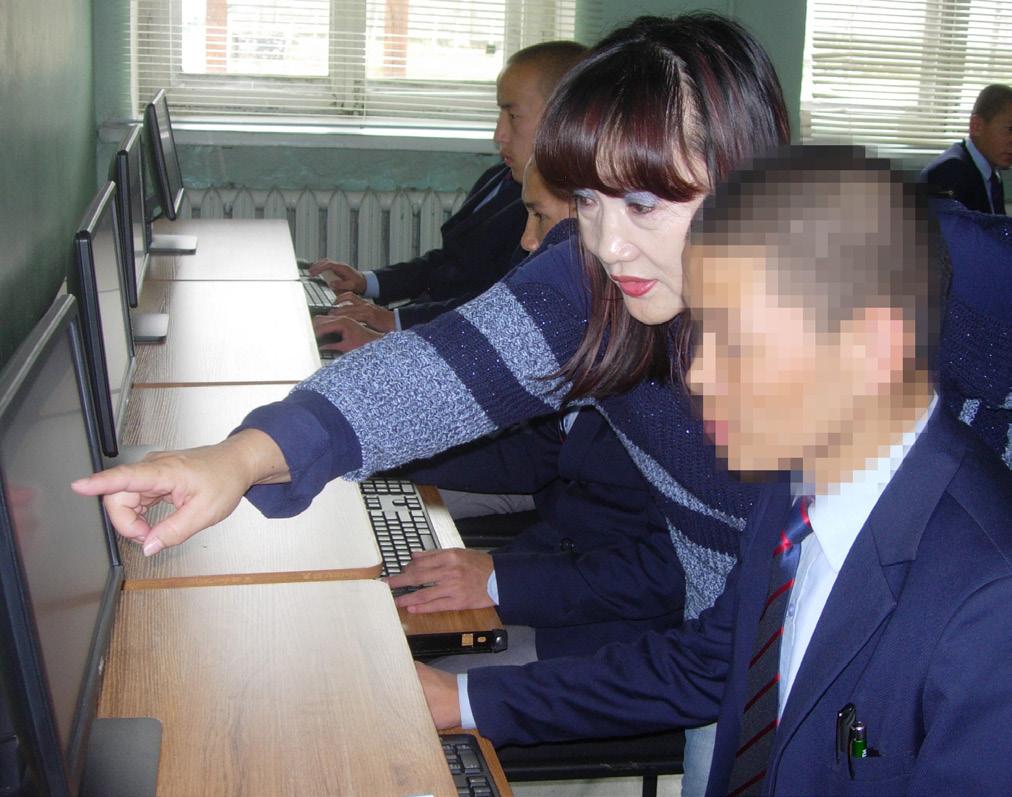
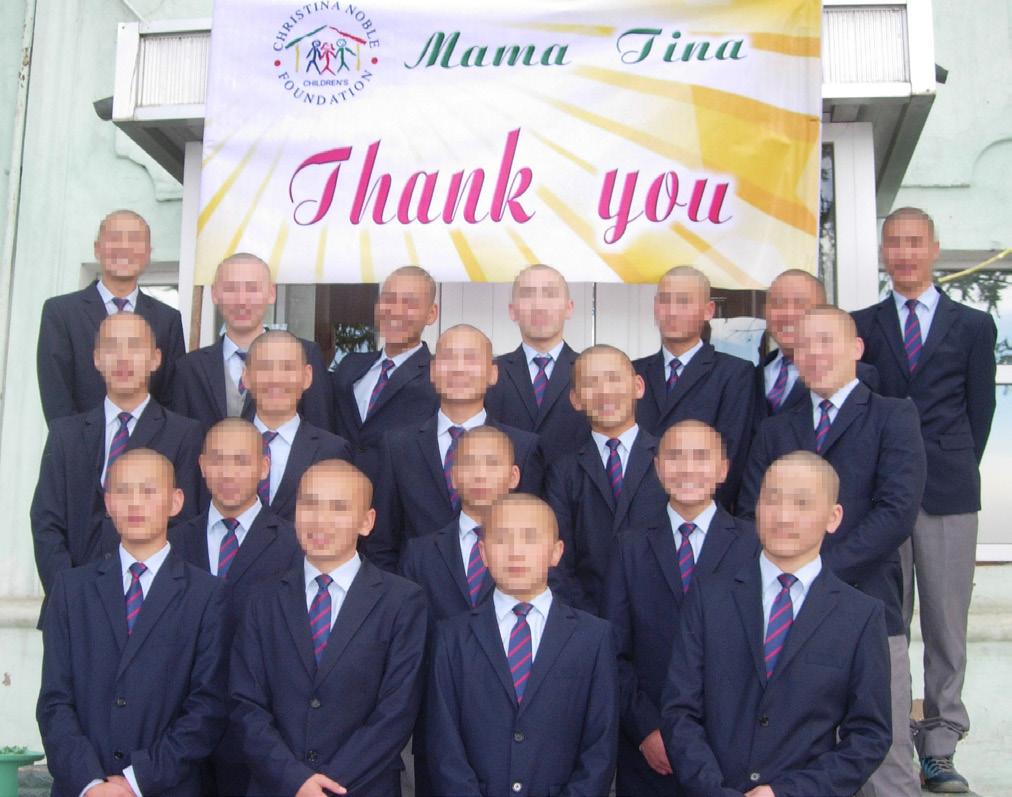
43 boys who are in prison studied at school through our Boys’ Prison Education Programme
493beneficiaries received healthcare/medical assistance through our Healthcare Programme
53 children in the Blue Skies Ger Village
49 children in the Blue Skies Day Care
25 staff at the Ger Village
263 children in the Sponsorship Programme
103 relatives of children in the Sponsorship Programme
1,341 treatments provided to 493 patients
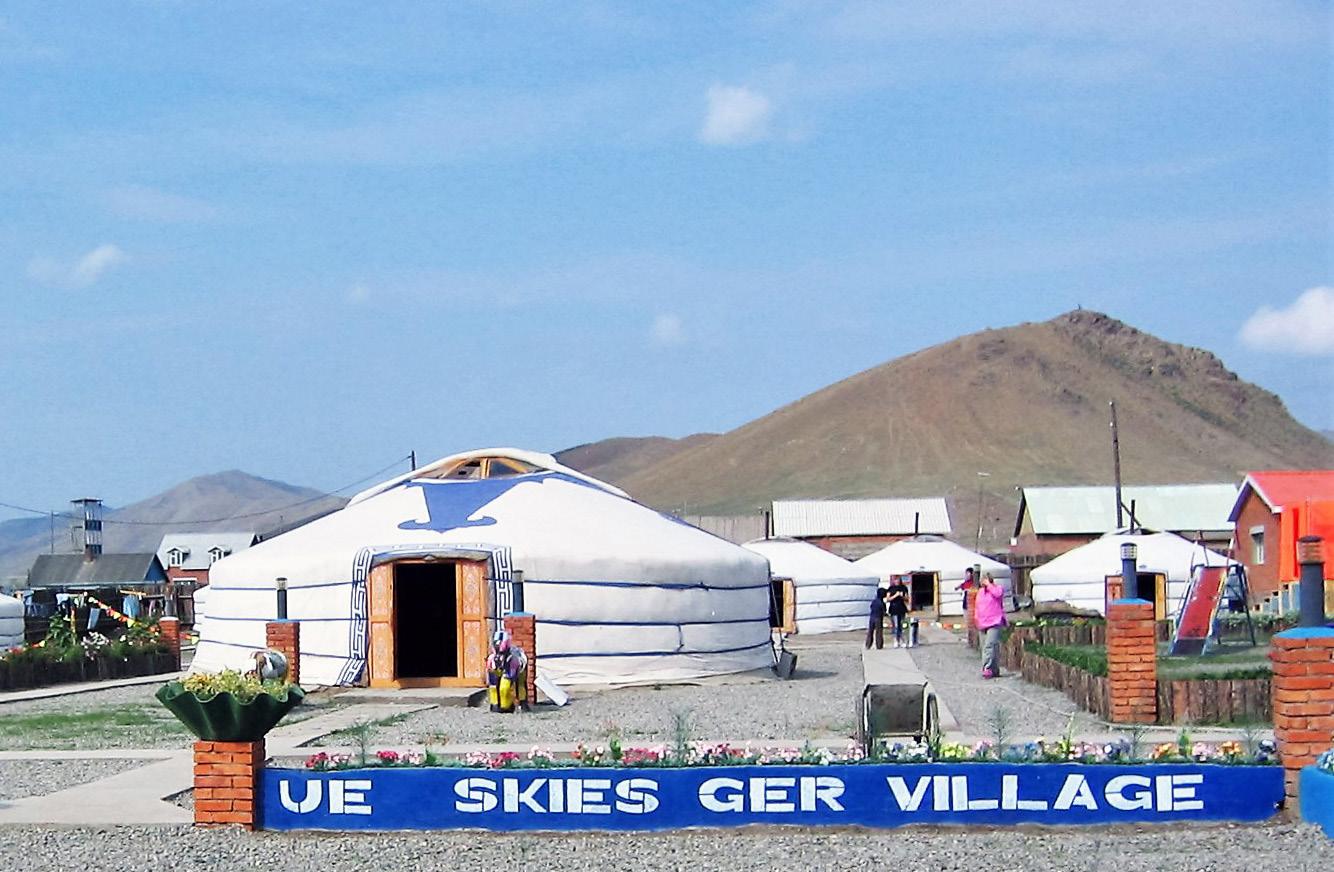
53 children at our Blue Skies Ger Village experienced a safe and caring environment where they receive healthcare, education, and life skills and extra-curricular activities designed to enable them to live their lives as happy and independent adults
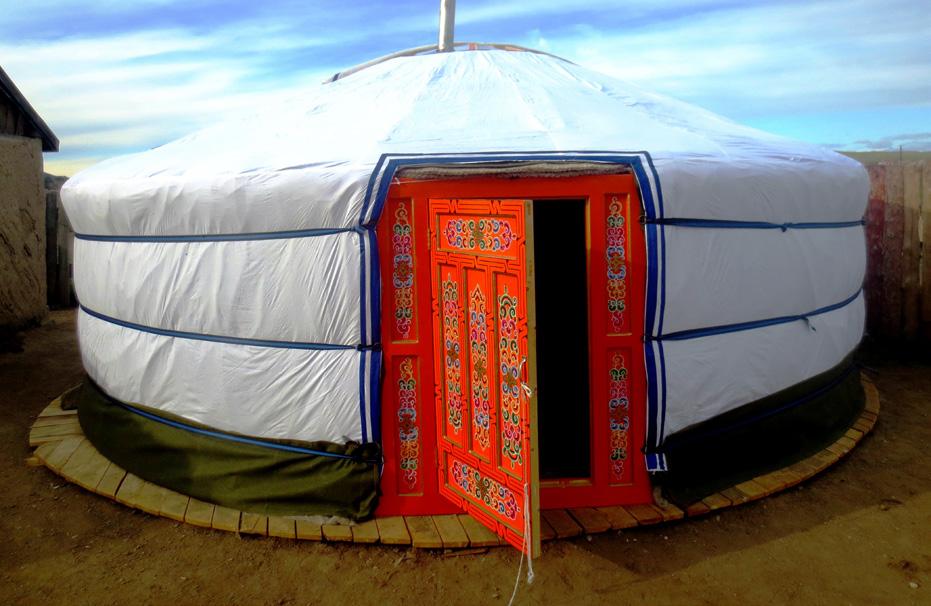
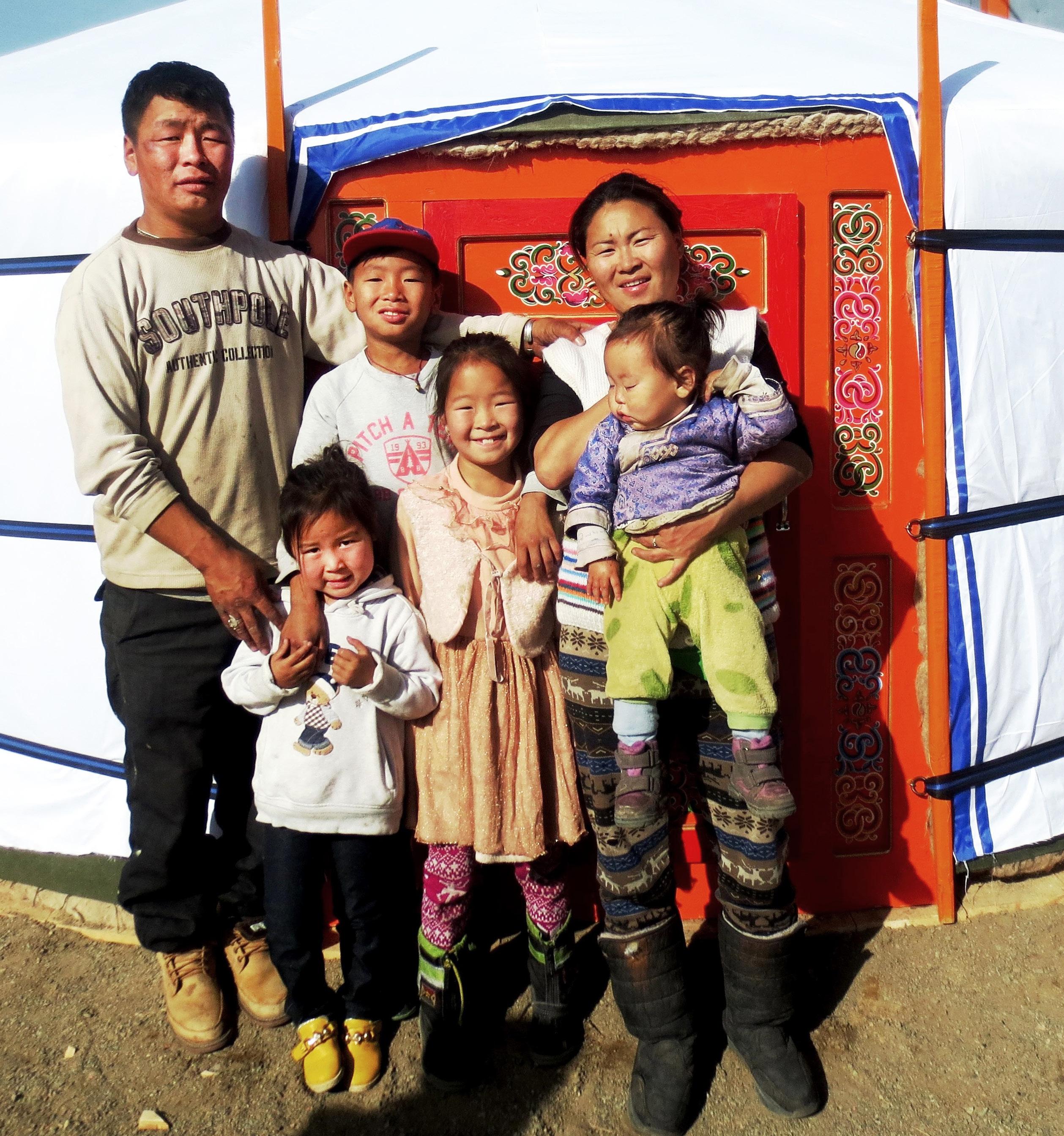
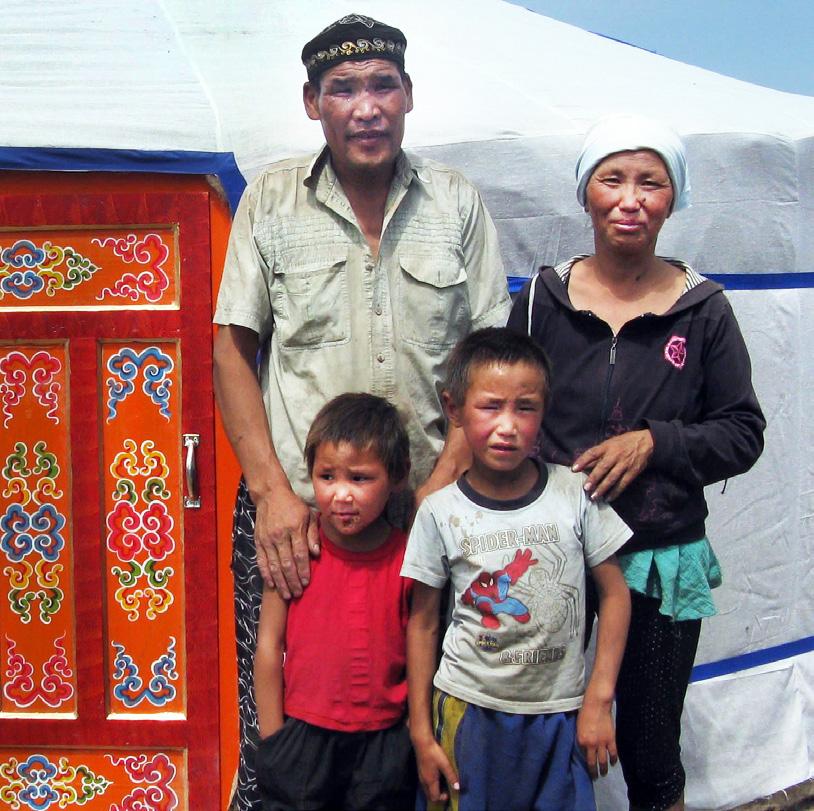
19 families received gers through our Give-a-Ger Programme – 12 five-walled gers and 7 four-walled gers
82
people benefited from the Give-a-Ger Programme –55 children and 27 adults
Children at the Blue Skies Ger Village
Children in the Blue Skies Ger Village, Mongolia
Piers Birtwistle
awards and recognition
Our dedicated staff and volunteers are passionate about creating a safer, happier, and healthier world for the children and communities we serve. We were proud that our work was once again recognised by our host country governments and local partners in 2015.
Recognition from the Vietnam government and local partners:
1. The Centre for Social Assistance for Disadvantaged Children (CSADC) and Dr. Ngan, Director of the CSADC, were awarded the Labour Order, a prestigious award given by the Vietnamese government. This included 7 Certifications of Merit, 3 Flags of Merit, and 1 Prime Minister’s Diploma of Merit, which is awarded only to those who have received 5 consecutive certifications at a Ministerial level.
2. Certificate of Merit from The People’s Committee of Ca Mau Province for CNCF’s significant contribution to social welfare in 2014
3. Certificate of Merit from Ho Chi Minh City Union of Friendship Organisation for CNCF’s contribution to charity work in Ho Chi Minh City from 2013 to 2015
4. Certificate of Merit from the President of the People’s Committee of Ben Tre Province for CNCF’s contributions to construction of kindergartens, sponsorships, and support of underprivileged children in 2014
5. Certificate of Merit from the President of the People’s Committee of Long An Province for CNCF’s contribution to charity work in 2015
6. Certificate of Merit from Long An Union of Friendship Organisation for CNCF’s contribution to humanitarian and social development of Long An Province
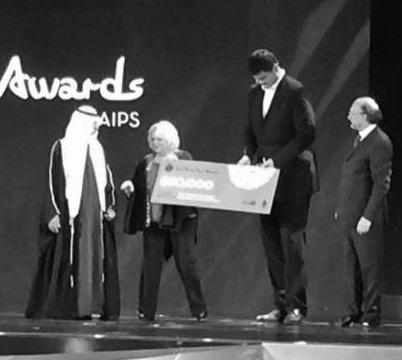
Christina with Yao Ming and jurors from the Sport Media Pearl Awards
7. Certificate of Merit from Vietnam Association in Support of Disabled Children and Orphans for CNCF’s contribution to helping disabled children and orphans in Tay Ninh Province from 2010 to 2015
8. Certificate of Merit from the People’s Committee of Dong Nai Province for CNCF’s contribution to the protection and care of children in Dong Nai Province from 2011 to 2015
9. Certificate of Merit from Department of Labour, Invalids, and Social Affairs of Dong Nai Province for CNCF’s contribution to implementation of the Children Protection, Care, and Education Programme in Dong Nai Province from 2011 to 2015
Recognition from the Mongolian government and local partners:
10. Blue Skies Ger Village manager received the gold medal from the Ulaanbaatar Children’s Development Center for her dedicated service to children.
11. Blue Skies Ger Village received the 90th Year Anniversary medal, commemorating establishment of the first children’s organisations in Mongolia.
12. Blue Skies Ger Village passed the national inspection test with an A+ rating. This inspection was made by the Ulaanbaatar Children’s Development Center and the Songino-Khairkhan District Children’s Development Center.
13. CNCF received an award for successful long-term cooperation and friendship from the Governor of Ulaanbaatar Boys’ Prison.
14. The Director of Operations received the Ulaanbaatar 375th Anniversary Medal from the city mayor.
15. The Director of Operations received the Ulaanbaatar City Medal of Major Cooperation.
Awards and Recognition for our Founder:
16. Pride of Ireland Life Time Achievement Award
17. Listed in Top 10 Ireland’s Greatest Women
Other Awards:
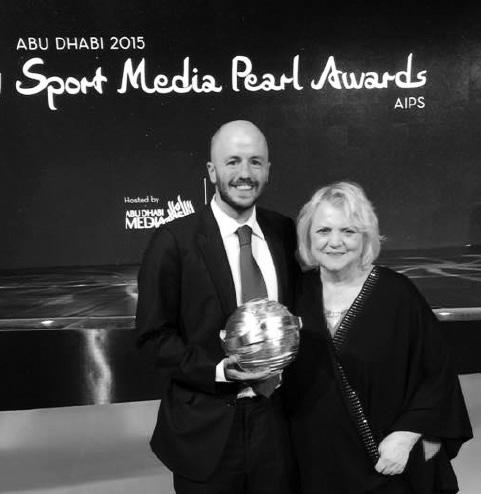
18. Paul Radley, a journalist at the UAE newspaper The National, won the prestigious Sport Media Pearl Award for excellence in sports journalism. Paul Radley’s win was in the “Sport for a Better World” category, which focuses on coverage dedicated to sporting initiatives that aim to improve the lives of marginalised members of society. Paul spent three days with us in Vietnam and his piece highlighted our use of taekwondo to help street children. As a result of this award, we received a very generous donation of USD 50,000 for our sports programme in Vietnam.
A full list of awards and recognitions can be found on our website www.cncf.org
“Healthcare, shelter, and education are pressing concerns in Vietnam, but one charity sees sport as a vehicle for good, too.”
-Paul Radley, Journalist
24 Christina Noble Children’s Foundation
Paul Radley with Christina at the Sport Media Pearl Awards
Réhahn Photography
message from the director
Despite economic growth in Vietnam that has allowed the country to move from low income to lower middle income, there are still large and everwidening economic disparities. The rural poor are most affected by increasing inequality. Rural and ethnic minority populations are emerging from poverty at a much slower pace than their urban counterparts and they continue to experience high rates of poverty, limited access to healthcare, high infant mortality, and poor access to education. In addition, children with disabilities have not been fully integrated into the community and do not have adequate access to healthcare and education.
Climate change is another issue affecting our children and families. Vietnam is in the midst of its largest drought in ninety years, which is tragically affecting the poorest of the poor, primarily farmers. Major negative impacts are expected in 2016. Many farmers are for the first time in their lives unable to grow crops and are struggling to support their families. An emergency joint task force made up of International NGOs and the UN conducted a rapid assessment report of the drought and saltwater intrusion in late March 2015 and their findings suggest that the situation is dire.i
Thus, we will continue to provide free medical care through our Sunshine Centre and community outreach to ensure support for marginalised communities. We will also continue the invaluable services provided in our Tay Ninh Residential Centre offering education, healthcare, and life skills training to visually impaired children.
We are deeply concerned that children are still being trafficked domestically and internationally and that child labour continues, with children being forced to give up their childhood far too early to go to work. Children are often forced to work long hours with little or no pay in crowded factories or on agricultural farms. One-third of the children work an average of 42 hours per week, and the majority are not able to attend school. Statistics like these only increase our resolve to continue the work that Christina started twenty-five years ago to protect children and provide them with opportunities and avenues to receive care and education and, above all, a chance to experience a real childhood.
CNCF believes that no child should be subjected to physical, mental, or sexual abuse. All children deserve the right to have a proper childhood, one in which they have love, care, a safe haven, food, education, and healthcare. One in which they are allowed to be children. In 2015, we were able to give over 60,000 children in Vietnam a chance at a real childhood by building kindergartens for the rural poor, providing access to medical care in local hospitals and our own Sunshine Centre, offering safe havens to at-risk children in our Sunshine Homes, supplying comprehensive support to our visually impaired children in Tay Ninh, and providing financial support to children who otherwise would have been unable to attend school.
We know that there are many challenges ahead in 2016 including the very real possibility of increased migration of the rural poor and their children to the cities in search of work. We are confident that with the support of those who believe in our work we can continue to make a difference in the lives of children
annual review of projects
Réhahn Photography
why we are
invietnam
When Christina Noble first arrived in Vietnam, the country was still struggling with the aftermath of the American-Vietnam War. After the war, Vietnam was in ruins—thousands of its people had been killed, its infrastructure was destroyed, and its farmland was contaminated by Agent Orange. The USA imposed an arms and trade embargo on the country in 1975, which was only lifted nineteen years later in 1994. Thousands of children orphaned by the war roamed the streets and became easy targets for drug and sex trafficking and abuse. It was to help these very children that Christina, one of the first foreigners who worked to provide humanitarian relief in Ho Chi Minh City, established CNCF. At the time, CNCF was the only place where many street children could seek refuge from the violence and abuse they were subject to on the streets.
Since the 1980s, Vietnam has developed rapidly. Political and economic reforms (Doi Moi) launched in 1986 have transformed the country, increasing per capita income from USD 100 to 2,000 in 2014. iii
Vietnam has also achieved a number of the Millennium Development Goals and targets such as eradication of extreme poverty and hunger, provision of universal primary education, and promotion of gender equality in education. It has also achieved certain health-related indicators and the poverty rate fell from 58.1% in 1993 to 8.4% in 2014. iv
“Childhood is the foundation of life. Help us make it a good one.”
-Christina Noble
We believe that education is more than just schooling and our programmes ensure that children receive a holistic education that allows them to flourish in all aspects of learning and development.
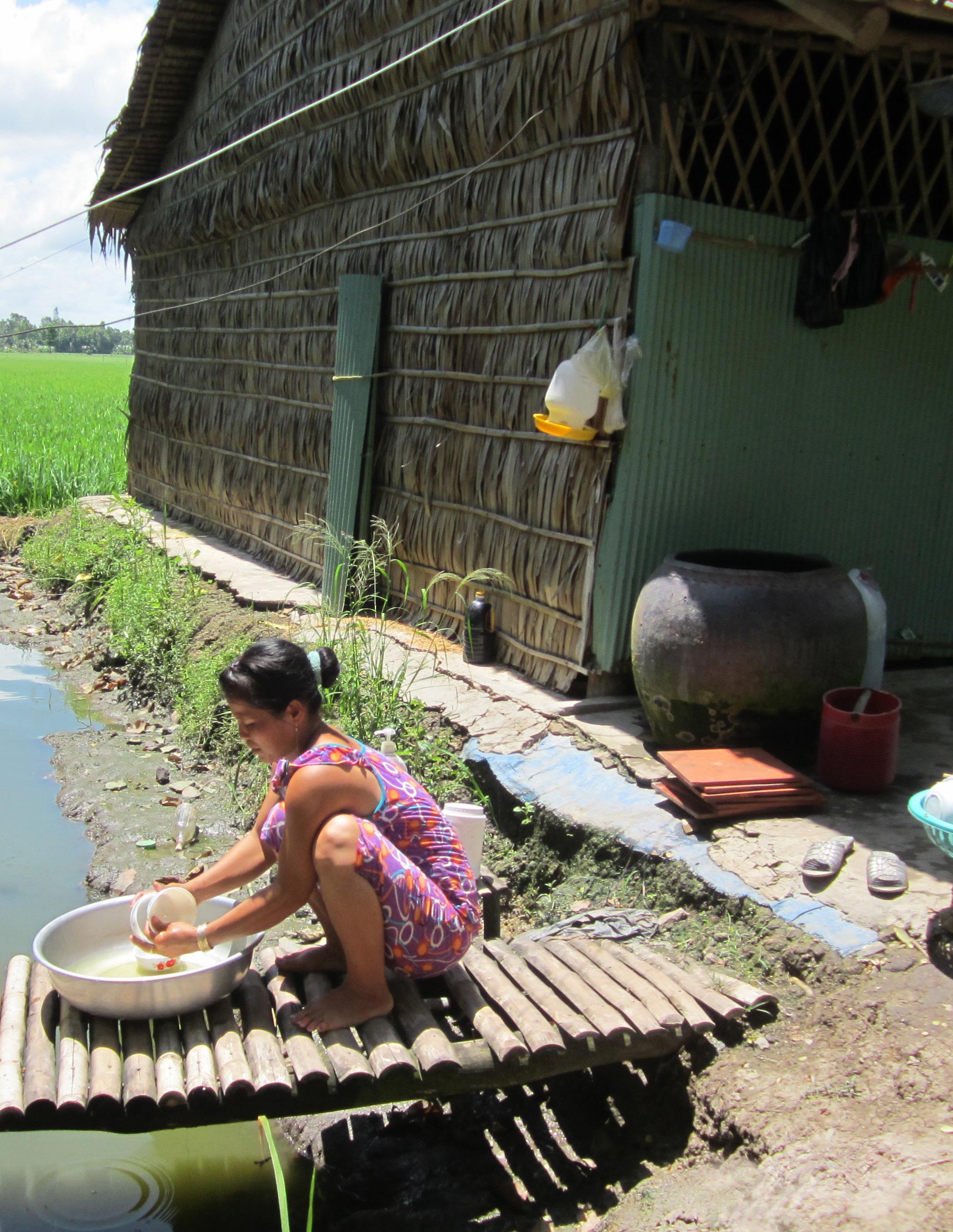
While the poverty rate is reportedly only 1% in the Southeast region where Ho Chi Minh City is located, the poverty rates in the Central Highlands and Mekong Delta are 13.8% and 7.9%, respectively. Even in areas where the reported poverty rate is low, there are significant disparities between the rich and poor.
Despite Vietnam’s achievements, economic disparities, gender inequality, and inequities between rural, hard-to-reach areas and the more affluent urban areas persist. Rural and ethnic minority populations are emerging from poverty at a much slower pace and still experience high poverty rates. Many individuals do not have access to adequate water, sanitation, health services, and education (particularly secondary education).v
1,529 children received an education or education support through our programmes*
In the major cities, the gap between the rich and poor is most evident. According to the Ministry of Planning and Investment “over the last decade, rapid industrialisation and urbanisation have taken place along with dramatic increases in migration to urban areas. Most foreign investment in Vietnam is concentrated in urban centres, which then attracts more rural labour to big cities.” Many thousands of people migrate to the city each year in pursuit of a better future. Migrants are usually unskilled, have no relatives to support them, and are often unable to adapt to city life. Many migrants end up in desperate situations. Typically, the children who come with these migrating families are not well cared for. Children are often required to work when families struggle to make ends meet.
net and increased focus on reaching the poorest and most disadvantaged children. viii Twenty-seven percent of Vietnam’s population is under 18 years old. ix Various sources suggest that around 7 million children, more than 1 out of every 4, are living in poverty. x However, according to a study that used a more multidimensional and outcome-based approach to measure incidence, depth, and severity of child poverty, every third child (37%) in Vietnam is multi-dimensionally poor and these rates are even higher in the Mekong Delta (60%), Southeast (23%), and Central Highlands (41%). xi CNCF works with children who are among the country’s most disadvantaged and vulnerable. Most of them are exposed to alcoholism, drug use, and domestic and sexual abuse. Through our Education, Healthcare, and Community Development projects, we strive to give these children an opportunity to break out of the poverty trap and achieve a brighter future.
“When
According to the most recent data available, 6.9% of children between the ages of 5 and 14 years are involved in child labour activities. vi, vii These children are in great danger of ending up on the street and at risk of exploitation. Ho Chi Minh City has the largest number of street children in Vietnam, with a vast majority of them becoming victims of commercial exploitation, physical and sexual abuse, trafficking, and drug addiction.
Because of Vietnam’s economic progress, now is the time for greater investment in the social safety
children are educated, they possess something which cannot be lost or taken away from them and which offers them some protection from exploitation and abuse. They will have more power in the labour market; they will be better equipped to provide for themselves in a way which protects their integrity and their dignity.”
-Christina Noble
Basic Education
making a difference through education
Our founder established her first school in 1991 to provide both street children and children from destitute families educational opportunity. Because Christina called the street children of Ho Chi Minh City her “Sunshine Children,” her school became known as the Sunshine School. The Sunshine School is still located at the CNCF’s centre of operations in Vietnam. Since then, our Sunshine School has grown and we have added more programmes that help children learn and develop as individuals. We believe that education is more than just schooling and our programmes ensure that children receive a holistic education that allows them to flourish in all aspects of learning and development. Our programmes facilitate academic achievement as well as emotional, creative, personal, and social development. We also support the children’s families, helping them understand the importance of educating their children and ensuring that their children remain in school, excel, and attain the knowledge and skills necessary to break the cycle of poverty.
In 2015:
Early Childhood Education and Primary Education Vietnam has reportedly achieved the Millennium Development Goal of universal primary education. However, according to the UN in Vietnam, despite the country’s progress, the quality of education remains uneven and is acknowledged to be generally poor. Many schools lack well-trained teachers and appropriate curricula. Because Vietnam is a lower middle income country, it is important that the education system not only teaches children basic knowledge and skills, but also equips them with competencies that prepare them for the changing world. xii
62 children attended the Day Care (Son Ca) at our Sunshine Centre
146 children received primary education at our Sunshine School
1,358 children received educational support through our Child Sponsorship and Educational Scholarship Programmes
146 children who attended Sunshine School also received art, music, and sports lessons
Over 100 children in other CNCF programmes such as our Sunshine Homes, Sponsorship Programme, and Educational Scholarship Programme attend extra arts, music, and sports (badminton, taekwondo, and swimming) lessons
4 rural kindergartens built attended by 288 children
3,180 children this year attended the 38 kindergartens built since 2005
Furthermore, the UN also highlights that while public school primary level students are not required to pay tuition fees, there are other costs such as transportation, uniforms, and learning materials and schools or communes often levy additional fees at the local level. Many children from poor households simply cannot complete their primary education due to economic constraints.
In 2015, our Sunshine School provided holistic, primary education to 146 children between the ages of 6 and 16. The majority of these children are from extremely under-privileged families and migrant families, including ethnic minorities, who moved to Ho Chi Minh City to work. Many are street children who are exposed to crime and
Réhahn Photography
abuse. Normally, children in our Sunshine School are over the maximum school age or otherwise excluded from mainstream schools because they lack the required legal documents to enroll (this is often the case for migrants). The Sunshine School helps them integrate into the mainstream school system and empowers them with literacy and other skills that will help them pursue higher education. Our children also participate in extracurricular activities, such as sports, music, arts, and excursions, and are given the opportunity to participate in educational activities designed to equip them with necessary life skills. These children and their families also have access to other facilities and support through our Bicycle Support Programme, Child Sponsorship Programme, Educational Scholarship Programme, and Healthcare Programme.
In addition to providing free primary education, CNCF also focuses on providing a holistic range of care designed to facilitate child development. Because our Sunshine children come from disadvantaged backgrounds that place them at risk of dropping out of school and falling prey to exploitation, we established dedicated social work support to help them face or resolve their problems while continuing their education. The school social worker has an in-depth understanding of the family background of each student. S/he makes home visits and provides counselling to students and their families. Through home visits, the social worker observes the living situation, social environment, and economic conditions in which the students and their families live and assesses potential risks. In 2015, our school social worker conducted 98 home visits, 159 counselling sessions, and referred 55 cases to other CNCF programmes for further assistance.
Our Sunshine Centre hosts a day care facility (called Son Ca) that serves community children (ages 3 to 4) from poor families. Parents or guardians of Son Ca children can attend work knowing that their children are receiving early childhood education in a safe and loving environment where their nutrition and health needs are monitored daily. Without CNCF’s support many parents would have no choice but to take their children to work or leave them home alone.
Our school social workers make home visits, necessary to gain an in-depth understanding of the family background of each student.
Of the children currently enrolled in our Sunshine School:
• 90% come from migrant families
• 7% are ethnic migrants
• 90% live in slums with their families
• 21% are orphaned or were abandoned by their parents and now live with their relatives, usually their grandparents
Some of the residential children in our Sunshine Centre also attend the kindergarten. Our aim is to provide the children with an opportunity to participate in mainstream schooling and experience the social interaction benefits this affords.
Once a child is enrolled, we make an extensive assessment, taking into account physical well-being,
awareness, language, and speech development and abilities. Our classes follow the Vietnam National Curriculum for early school education. However, we modify teaching methods to meet our children’s learning needs. We continue to focus on learning through play and fun activities. In 2015, 62 children attended our Son Ca kindergarten including 10 residential children from our Sunshine Centre.
Special Needs Education at our Sunshine Centre
Basic
Education
Early childhood education and primary education that allow children to integrate into mainstream schools
Holistic Education
Opportunity for creative, personal, and social development through extracurricular activities including music, art, and sports
We provide special needs education for our residential children with developmental delays. Our main goal is to help the children develop the tools necessary for them to live a more independent life. These include language and non-verbal communication, fine and gross motor
Continuing Education
Educational support to ensure that children do not drop out of school and are able to complete secondary, higher, and university education
skills, and decision making. A special needs education specialist, aided by volunteers assigned through our Volunteer Programme, provides daily one-on-one and group sessions to 9 children with severe conditions such as cerebral palsy and hydrocephalus. Across the board, children with developmental delays consistently show marked increases in concentration levels and exhibit increased interaction with their caregivers and visitors.
Tutoring
To enhance our children’s academic performance, we hold tutoring classes three times each week. These extra lessons for children experiencing academic difficulties often prevent them from dropping out of school. In addition to providing disadvantaged children with free primary education, we also offer noon-time tutoring and reading sessions for students whose parents have to work in other districts and cannot pick the children up on time.
We are very proud when our Sunshine children continue their education and we always seek to support them however possible. In 2015, 18 of our 5th grade students graduated from primary school and successfully passed their primary level examinations. One-third of these children achieved outstanding scores. Of the children who graduated, 17 are now enrolled in secondary school.
Chau* graduated from the Sunshine School in 2015 with top scores. Since graduating first in her class from primary school, she has been accepted into a state secondary school. CNCF will continue supporting Chau through the Child Sponsorship Programme. Like all of our children, we are very proud of Chau and hope to see her flourish in the years ahead.
*name changed for child protection
Continuing Education
Continuing education can help break the cycle of poverty. In Vietnam, the completion rate for lower secondary education is 81.3%.xiii However, 1 out of 4 children in the Central Highlands and 3 out of 10 children in the Mekong River Delta have not completed lower secondary education. In the Southeast provinces including Ho Chi Minh City, 82% of children have attended and completed secondary school, but due to the prevalence of urban poverty, the risk of children dropping out of school is very high because their families often must prioritise work over school.
A 2013 UNICEF report on Out of School children in Vietnam highlighted that school dropout rates increase with child age.xiv To help children remain in school, CNCF started the Child Sponsorship Programme. The programme was implemented in 1996 when it initially supported 50 children. By 2015, we had assisted over 19,000 1 children with 1,002 children enrolled in the programme in 2015.
Because we recognised that more support was needed to ensure that children continue their education, CNCF started the Education Scholarship Programme in 2002 to provide scholarships to children whose families are otherwise unable to afford schooling with the aim of ensuring that children are able to remain in the education system.
Khanh* from Ho Chi Minh City joined the Child Sponsorship Programme when she was in Grade 9. Khanh’s parents struggled to support their three children. Her mother makes and sells rau câu (Vietnamese jelly dessert) on the street. Her father, a cyclo (tricycle/pedicab) driver, was forced to look for a new job after a government ban on cyclos in the city. He was able to find work as a xe om (motorbike taxi) driver, but the couple’s income was still very low and unstable and was insufficient even to feed their children, let alone fulfill the hopes and dreams they had for their children’s education. Khanh’s parents sought support from CNCF and Khanh was accepted into our Child Sponsorship Programme. In the eight years she was in the programme, Khanh was hardworking and dedicated and completed high school with excellent results. She dreamed of continuing her education, a dream that came to fruition when she successfully passed the university entrance exam and was accepted to study Accounting and Auditing in university. She was committed to her goal of becoming an accountant and continued to work very hard during her four years at university. Khanh graduated in September 2015 and was recruited by an international auditing firm based in Ho Chi Minh City.
Children like Khanh remind us that every child deserves an opportunity to learn, and when given it, they can reach their dreams.
*name changed for child protection
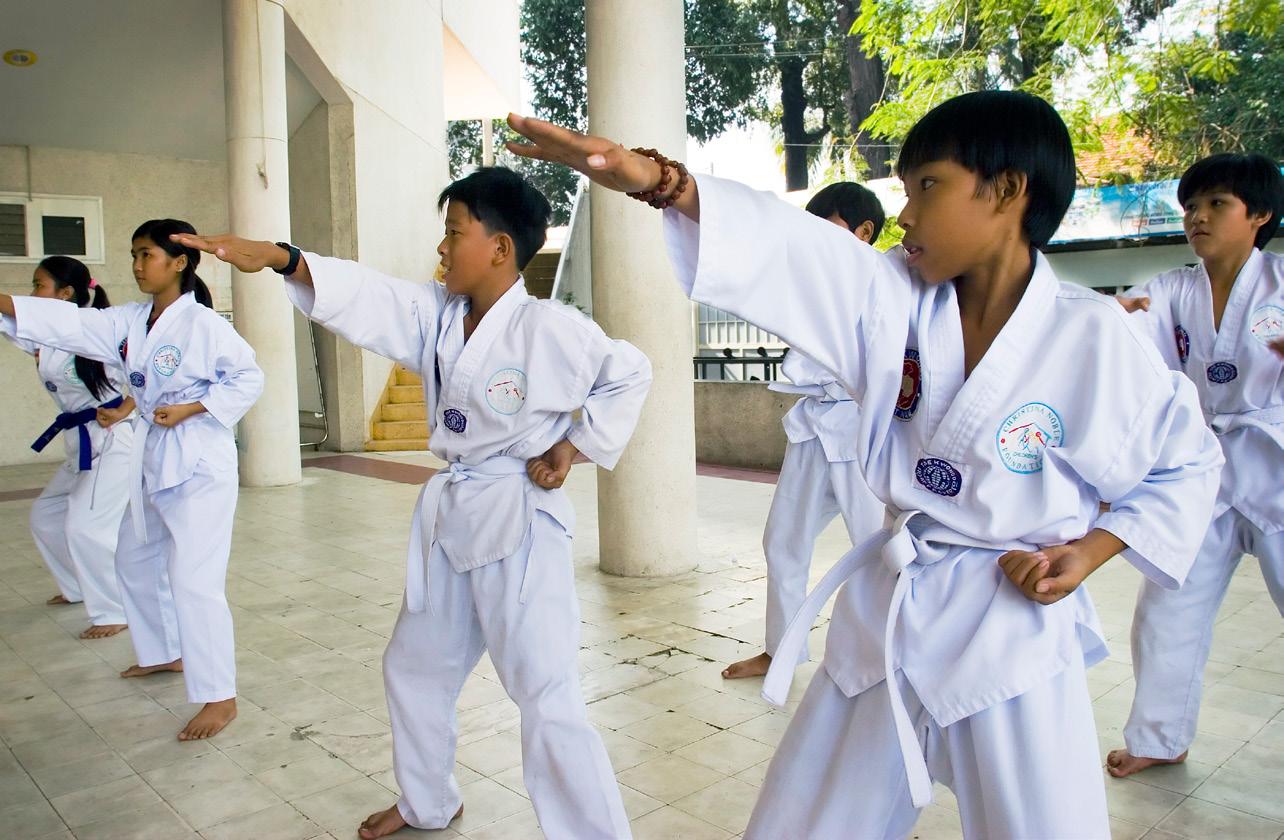
The children are offered taekwondo as a part of the Sunshine Sports Programme.
“I am extremely grateful to Christina Noble Children’s Foundation. The scholarship I received during these past years has helped me reduce the burden of studyrelated fees, be more confident, and believe in my bright future.”
- Dinh, recipient of an Education Scholarship Programme scholarship
Since the programme was implemented over 3,000 children have received scholarships. In 2015, 356 children in Ho Chi Minh City and other provinces in the Mekong Delta received scholarships.
Holistic Education
CNCF strongly believes that sports and arts allow disadvantaged children to build their self-esteem and develop into happy, fulfilled, and expressive young adults. We believe that an education without exposure to music, art, and sports is not a complete education.
Music and art play a crucial role in the growth and development of all children, allowing them to express themselves more freely and helping develop important social skills, self-confidence, and self-awareness.
Our children attend classes and workshops in music (instruments and choir), dance, visual art, and photography.
Our Sunshine Sports Programme steers the street children in Ho Chi Minh City away from the many dangers they face on the street and helps integrate them into school or vocational training. The children also develop important teamwork skills and are extremely proud of their many accomplishments. We offer badminton, football, taekwondo, and swimming lessons.
Badminton is a huge success with the Sunshine School morning students. Every Tuesday and Thursday morning, the school courtyard is filled with children’s voices and the sound of shuttlecocks whizzing through the air as the children enjoy their time rallying with their peers and teachers. In addition to having fun, children get healthy exercise and develop hand-eye coordination.
sponsor
a child
For 1 USD a day, a sponsor can change a child’s whole world by giving them access to basic nutrition, proper healthcare, education, and vocational training, not to mention one of the greatest things a person can have—a friend.
Our Child Sponsorship Programme connects children and their families to people from around the world who wish to be a part of a rewarding journey to create change in the lives of those most in need.
For 31 USD a month a sponsor parent can make a significant difference to the life of a child living in poverty.
making a difference through healthcare
Sunshine Centre
The Centre for Social Assistance for Disadvantaged Children, or the Sunshine Centre as we affectionately call it, remains to this day the heart of CNCF.
When Christina Noble arrived in Vietnam in 1989 she was overwhelmed at the plight of the many thousands of destitute children roaming the streets of Ho Chi Minh City. She immediately felt compelled to take action and make a strong stand to help the poor and the forgotten street children of post-war Vietnam. The Sunshine Centre was her flagship project and it remains at its original location. After much heartache and many closed doors, in 1991 Christina was finally able to raise the funds necessary to establish the Sunshine Centre, then known as the Social and Medical Centre, in partnership with Vietnam’s Ministry of Labour, Invalids, and Social Affairs (MOLISA). The aim of the Centre was to provide care for orphans and children from poor families. At the request of MOLISA, it was renamed the “Centre for Social Assistance for Disadvantaged Children” in 2004 and in the same year underwent a complete renovation. Today, the Sunshine Centre remains a bustling facility providing healthcare to children from poor families in Ho Chi Minh City and surrounding provinces. Throughout its 26 years of operation, the Centre
has provided full-time residential care for more than 3,000 orphans and children and almost 300,000 people have received free examinations and treatment at the outpatient clinic.
Still run jointly with MOLISA, the Sunshine Centre received the highest accolade bestowed by the Government, the prestigious Labour Order Medal, in 2015. The Centre was recognised for excellence in service and care over its 26-year history and for providing an integrated programme of services for abandoned babies, street children, sick and malnourished infants, and their parents.
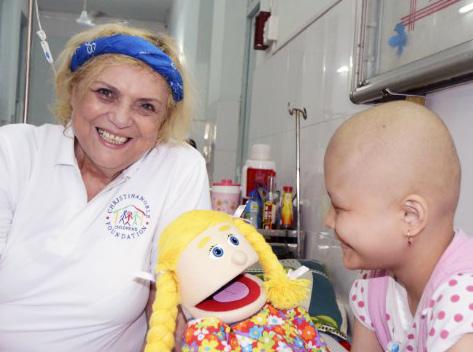
Christina shares a special moment with a young patient
The Centre provides international standard healthcare through its Intensive Monitoring Unit (specifically for babies age 0 to 2), Outpatient Clinic, and Day Care and Residential Care facilities. The Sunshine Centre provides high quality nutritional care, and where needed, early intervention of physiotherapybased rehabilitation for orphans and poor children. All children are covered under an annual health scheme that includes a health check, a dental check, and an eye examination. All our children are provided with regular health assessments, and when necessary, prescribed a course of treatment and rehabilitative care to address their specific medical and social needs. For children requiring
Thao* was brought to our Centre when she was less than a year old. She suffers from hydrocephalus. When she first arrived in the Centre she had no muscle tone and was unable to even lift her head. After a long road of intense physiotherapy, she is now learning to walk and talk and her beautiful smile brightens everyone’s day.
*name changed for child protection
more specialised treatment, referrals are made to the two main paediatric hospitals located in Ho Chi Minh City with which we have close working relationships.
Medical Care
Care is provided over three floors within the Sunshine Centre:
i) Ground floor: Walkin outpatient clinic and Intensive Monitoring Unit (IMU) for babies and infants up to age 12-18 months.
ii) Second floor: Hoa Mi, nursery for residential toddlers and children ages 2 to 7 years.
iii) Third floor: Son Ca, day care and kindergarten for children from poor families in the Ho Chi Minh City area.
In 2015:
8,565* children received healthcare/medical assistance through our outreach clinics, Sunshine Centre, and Medical Assistance Programme
8,350 treatments through our patient/outreach clinics
74 residential children including 27 babies and 47 toddlers received social and medical care at the Sunshine Centre (CSADC)
27 residential children received 4,727 sessions of physiotherapy
251 children were vaccinated (Quinvaxem, MMR, and Japanese encephalitis vaccines)
629 children received Vitamin A supplements
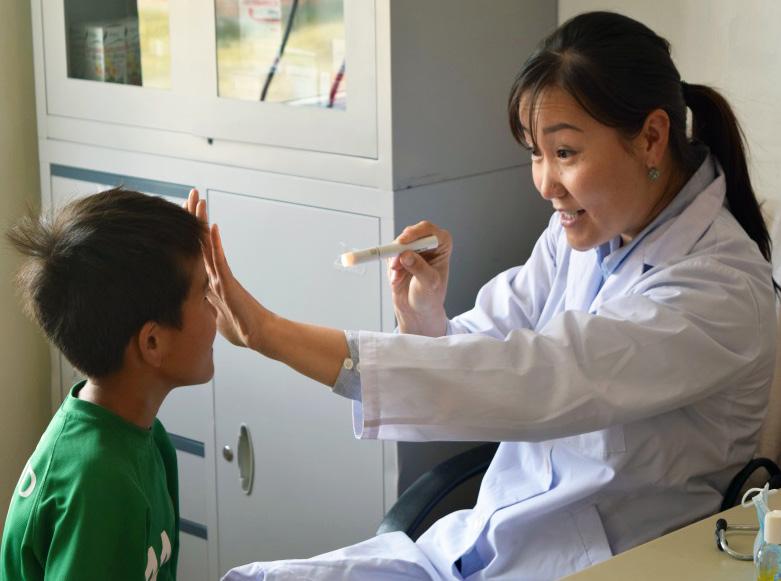
53 children received eye examinations
117 children received dental check-ups and 40 children underwent further dental treatment
106 children received monetary assistance for medical care through our Medical Assistance Programme
111 children received extra support/after-care in the form of donations from the MAP team
35 children were treated by Irish doctors who were a part of the Foundation’s Medical Exchange Programme and 3 Vietnamese doctors were sent to Ireland for training
385 families received parental health education
42,116 treatments were provided at our rural medical stations
All residential children receive vaccinations in accordance with the Ministry of Health’s vaccine schedule. In 2015, 251 children including residential, day care, and outpatient children were vaccinated (Quinvaxem, MMR, and Japanese encephalitis vaccines).
Dental check-ups for 117 children, including residential children and day care children, were provided by our dentists. Of those children, 34% required further dental treatment.
Fifty-three children received eye examinations.
Physiotherapy
“There is so much more I want to do here… I want specialists in physiotherapy and psychology to deal with disabled children.” -Christina Noble, Bridge Across My Sorrows, published 1994
The Sunshine Centre provides physiotherapy at an international standard and is well-known among Vietnamese orphanages and other social and medical centres as one of the leading physiotherapybased rehabilitation centres in Ho Chi Minh City. The Centre has two full-time physiotherapists who work
*Number
closely with our medical staff and take part in all case discussions.
In 2015, 27 residential children with cerebral palsy, hydrocephalus, and developmental delays attended physiotherapy sessions and we are delighted to report that we have observed remarkable progress in all of these children.
Sunshine Centre
The children in our residential care have daily access to our physiotherapy services and we continue to provide unlimited services to non-residential children from impoverished families who otherwise have no access to any form of healthcare due to their financial situation. Our physiotherapists conduct special training sessions for the parents or guardians of these children so they can continue to provide on-going physiotherapy at home.
“My son was born premature and blind. When at home, as a result of his legs and arms being very weak, he was unable to walk, and crawled around by dragging his feet behind him. Since coming to the Sunshine Centre, he has become very active. Though we are away from our hometown and family [so our son can receive treatment], I feel reassured when I bring him to the Centre, and every day I see how happy he is. The carers look after him very well at CNCF. When I bring him back to our hometown, my parents are very delighted to see how well their grandson is developing thanks to the good care and physiotherapy exercises given by the staff at the Centre.” -Father of Linh Da
Nutritional Care
One of the Millennium Development Goals Vietnam reportedly achieved was eradication of extreme poverty and hunger. According to the Country Report, 15 Years Achieving the Millennium Development Goals, by 2008, Vietnam had secured the target “to reduce the malnutrition rate of children aged below 5.”xv
The drop in malnutrition among Vietnamese children is a reflection of the country’s efforts to provide adequate care and nutrition; however, economic disparities and unequal living conditions have resulted in huge variations in nutrition levels across different social groups and geographical regions.
Malnourishment among children in the higher economic bracket is minimal, while the prevalence among disadvantaged groups is consistently higher. According to the National Institute of Nutrition, overall, 14.5% of children are underweight, while the rate of stunted growth is higher at 24.9%. UNICEF Vietnam reports that Ho Chi Minh City ranks third nationwide in number of stunted children (75,000) and it has the highest number of children suffering from acute malnutrition (32,000).xvi
“I have known Christina Noble personally since 2003. If I was limited to one word, that word would be amazing, incredible, outstanding, saint, humanitarian, but fortunately I am not as none of the above single descriptives really do her and her work justice. Christina is a rare human being—compassionate, caring, and self-sacrificing. She saw an unmet need for complex surgery for some of her children in HCMC in 2003 and asked if we would be willing and able to go to Vietnam and help. After that initial engagement it was apparent that there was a greater need for complex paediatric surgery not only for the children that CNCF looked after but also on a wider scale in HCMC. There began a 12-year involvement in Children’s Hospital No. 2 through CNCF to engage with the local surgical, medical, and nursing teams and enable them to acquire complex skills in these areas. This programme has resulted in the successful development of a children’s cardiac centre, oncology centre, and complex neonatal and surgical centre at Children’s Hospital No. 2 and this is largely due to the foresight, support, and commitment of Christina.
It is difficult to list all the surgical, nursing, medical, and anaesthetic competencies that have resulted from this engagement but they are significant indeed. Christina and CNCF have supported our efforts locally by providing necessary funds that allow Irish clinical staff to fly to Vietnam (taking time off their annual leave) and participate in a truly uplifting programme. The success of the engagement is due, in part, to the level of co-operation that she and CNCF give with each visit.
It is my greatest pleasure to know and be involved with Christina and CNCF and that engagement has lasted for the past 12 years. She is one of the world’s most remarkable women and has risen above her own personal challenges to bring hope and health to many thousands of underprivileged children in Vietnam and Mongolia.”
-Professor Martin T. Corbally, Consultant Paediatric Surgeon, Head of Dept. of RCSI Bahrain
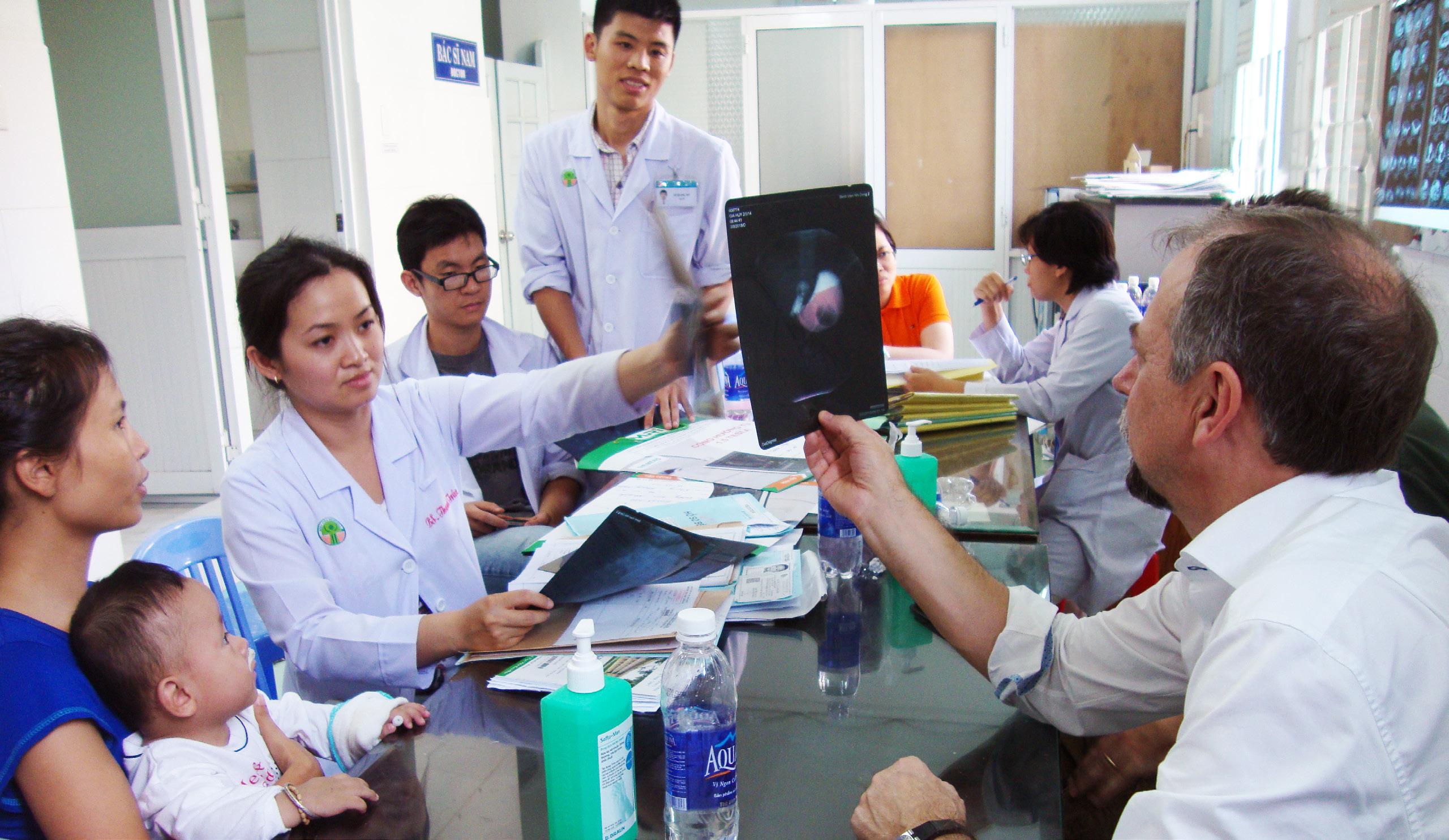
Our medical exchange programme was established by CNCF in 2004 together with Professor Martin Corbally and medical teams from the Royal College of Surgeons Ireland (RCSI). This programme has made a significant contribution over the years in bringing paediatric surgery in Vietnam up to international standards.
Most of the children who come to our Sunshine Centre have lived in extreme poverty, unsanitary conditions, and without access to nutritious food, clean water, and sanitation. When they arrive at our Centre, almost all children are suffering from malnutrition and other related health issues. Thus, proper nutrition provided at the Centre plays a key role in their recovery. To address these high levels of malnutrition, we provide children with wellbalanced meals, nutritional supplements, and careful monitoring to ensure they are gaining weight in accordance with their age and height.
In 2015:
77% of children who reside at the Sunshine Centre (26 babies and 31 toddlers) are orphans
57% of our residential and day care children have malnutrition and related illness (16 babies, 37 residential toddlers, and 25 children who attend day care)
10 (3 babies and 7 toddlers) of our residential children have cerebral palsy
1 baby has Down Syndrome
5 (1 baby and 4 toddlers) of our residential children have hydrocephalus
4 (1 baby and 3 toddlers) of our residential children are visually impaired
1 baby has cleft palate
4 children have congenital defects (3 residential toddlers and 1 child who attends day care)
As part of the Ministry of Health’s National Vitamin A Programme run by the Ho Chi Minh City Health Service, 639 of our children (including residential and day care children and children from our outpatient clinic) received Vitamin A supplements.
Psychosocial Care
Our Volunteer Programme allows us to provide an additional level of care and support to our children. In Vietnamese society, it is not yet a common practice for children to receive stimulation, targeted sensory development, and educational play. Our dedicated volunteers complement the loving care provided by our local staff by providing daily interactive play sessions with the children and organising activities such as arts and crafts, sensory activities, music, dance, and sport. These activities help the children develop their gross and fine motor skills and verbal and social skills. Volunteers also assist the staff with their daily work duties, maintain daily records for each child noting particular personality traits, behavioural issues, and achievements, and assist with special education classes.
Our volunteers also help organise excursions twice a week. These are vital to our children as they provide them the opportunity to explore outside their home environment and experience activities and places such as nearby parks, the city zoo, and ice cream shops.
Public Health Services
Our Outpatient Clinic and our Outreach Programme form a two-pronged approach to delivering health services to poor families in Ho Chi Minh City and surrounding areas.
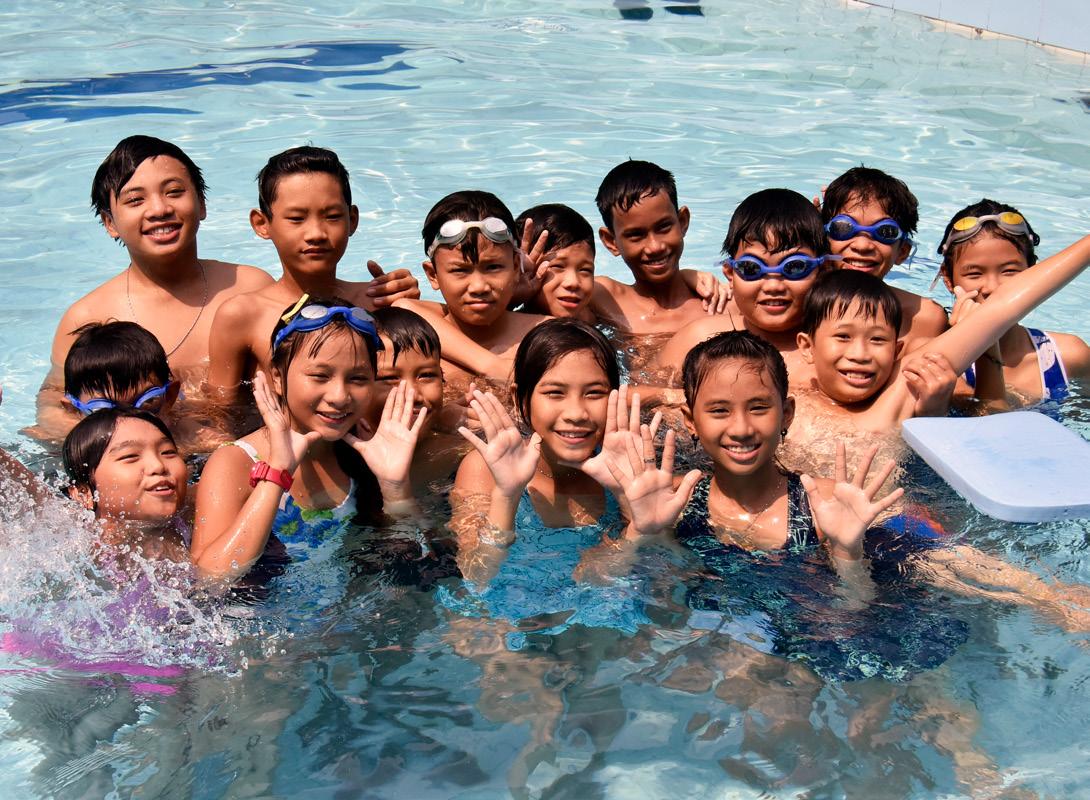
This year, we were able to provide some children with their very first swimming pool experience.
Ngoc* was born in February 2012. Her parents were overjoyed at the birth of their first child, but joy quickly turned to sadness when they learned their daughter had cerebral palsy. They were very poor and could not afford early medical intervention. Ngoc was showered with love, and her parents knew that if she had any chance of development they would have to seek treatment. When they heard about CNCF’s Sunshine Centre they were filled with great hope that there was indeed a real chance that their little girl would finally have access to the treatment she so desperately needed. Due to the severity of Ngoc’s condition, the family determined that our Sunshine Centre was their only hope and decided to make the long journey from their northern province of Hai Duong located over 1600 km away.
When Ngoc came to our Centre, although she was over two years old, her general development was assessed as that of a ninemonth-old. She had numerous physical issues and suffered from malnutrition, developmental delays, and associated behavioural issues.
At the Centre, Ngoc received extensive physiotherapy exercises and proper nutrition and attended special education classes. She made slow progress initially, but began to improve with time. When Ngoc’s father was finally able to visit her at the Centre after more than a year, he could not hold back his tears as he watched his little girl walk for the first time. She was also learning to talk. Ngoc recently returned home to live with her family and we have high hopes for her future.
*name changed for child protection
2
In 2015, our outpatient clinic treated 8,350 patients.2
Medical Conditions Treated at the Outpatient Clinic 4,824 57% 3,324 39% 292 4%
The outpatient clinic provides poor children and their families with high quality paediatric consultancy, treatment, and social support. Many families that bring their children to our outpatient clinic travel several hours from surrounding provinces to access the medical consultations and treatments we provide.
We recognise that the medical services we provide cannot on their own bring about the wide-sweeping improvements to children’s health we wish to achieve. Educating children and their families about relevant healthcare issues is another important aspect of our health services. Research shows that children––who in our experience are the most energetic, enthusiastic, and open to new ideas––can also be powerful agents for behavioural change in their families and communities. In 2015, we held five health awareness workshops focused on healthcare and preventative measures for certain prevalent diseases and 385 parents and guardians of our children attended these informal talks, which were designed to make attendees more comfortable with and receptive to new ideas and give them the opportunity to ask questions. Topics covered
were Japanese encephalitis, road safety, MERSCov, vaccination, and dental care.
Medical Assistance Programme (MAP)
For most of Vietnam’s very poor, medical care is inaccessible due to the prohibitive cost of care, which is prioritised well below other basic daily needs. An emergency room visit can lead to financial ruin for a poor family.
But even worse, families without medical insurance who cannot afford medical treatment are often turned away from hospitals altogether. According to a recent article, around 1 out of 4 people in Vietnam do not have government health insurance.xvii
Pre-admission Steps
• Receive a referral from the hospital (or from other CNCF programmes)
• Meet the child’s family to collate information on the medical condition, family circumstances, and take photographs for our records
• Obtain further information about the family’s circumstances from the local government to cross-check the information already gathered
In-hospital Steps
• Confirm that the hospital may proceed with treatment plan
• Assess if any immediate follow-up is required
• Child and family receives healthcare advice from MAP Team specific to their case and in conjunction with the hospital medical team
• Organise payment to the hospital
Post-admission (home visits/follow-ups)
• Conduct post-admission interview either by home visit or at the Centre to check the child’s health status post-discharge
• Review of family circumstances and potential need for further assistance such as nutritional advice or referral to another CNCF programme such as our Child Sponsorship Programme
• Periodic home visits
How MAP Works
Conditions Referred to the MAP Team
Our Medical Assistance Programme (MAP) allows children to afford life-saving surgical procedures, post-operative care, basic medical treatment, social support, and health insurance. Our MAP team works closely with the two main paediatric hospitals in Ho Chi Minh City, Children’s Hospital No. 1 and No. 2, and the Eye Hospital of HCMC with whom we established a formal partnership in 2014. The hospitals provide detailed information on each child they refer to us for consideration, including details of the child’s medical condition, diagnosis, and treatment options, and estimated treatment costs.
In 2015, 106 children were referred to and supported by CNCF.
According to a news article published by the Ministry of Health in Vietnam, 16,000 children per year in Vietnam are diagnosed with congenital heart conditions. xviii This was reflected in the increased number of patients referred to our MAP team in 2015. Because a heart operation costs from USD 500 (with health insurance) to over USD 5,000, an amount well beyond the capacity of poor families, our assistance can literally be the difference between life and death. Likewise, the number of children referred to us with ophthalmic problems (cataracts, lacrimal duct obstruction, retinal detachment, eye removal, and
dermis-fat graft for the eye due to eye cancer) also increased considerably. More than 3 million children in Vietnam have reduced vision due to refractive errors and about 23,000 children have complete visual impairment.xix Several factors are responsible for the high incidence of visual impairment including lasting effects of the use of defoliants during the war, inadequate health education and monitoring, inadequate access to medical care, and the high incidence of malnutrition (including Vitamin A deficiency during pregnancy).
Other reasons children were referred to MAP include congenital disfigurements, congenital abnormalities of the major organs, severe infectious diseases, emergency surgical conditions, and injuries from accidents, thermal or electrical burns, and poisonings. Of the above, home visits offering post-operative care were provided to 111 children.
Our Medical Exchange Programme, which helps establish best practices in all areas of paediatric surgery in Vietnam, is coordinated through the Medical Assistance Programme. The Exchange
“Over the years, the Foundation has cooperated with Children’s Hospital No. 2 to share the heavy burden of treatment costs for many poor families. This support has not only helped many children completely recover from their illnesses and return to their normal life activities, but it also helped many families avoid taking out high interest loans for treatment costs, which helped reduce their worries.”
- Ms. Cam Tuong Chief of
the Poor Patient Assistance Department, Children’s Hospital No. 2
Programme was established in 2003 in partnership with the Royal College of Surgeons in Ireland (RCSI). The aim of the programme is to bring world-class medical expertise to Vietnam through medical delegations that come to train Vietnamese medical staff, assess difficult medical cases, and perform surgeries otherwise unavailable in Vietnam. The programme also brings key local Vietnamese medical staff to Ireland for intensive surgical training that they then can apply in the local hospitals in Vietnam. We are incredibly proud of our Medical Exchange Programme and the great relationship formed over many years with RCSI. The investment of this programme over the years in bringing in highly acclaimed international doctors to Vietnam and the capacity building of dedicated Vietnamese surgeons and medical teams have led to an enormous improvement in quality healthcare services available
and accessible to all Vietnamese people.
In 2015, 35 children received medical consultations: 25 children were treated for cardiac conditions, and 10 were treated by oncologists for oncological conditions.
Twenty-two of these children were operated on by Irish surgical teams: 15 children with cardiac conditions and 7 children with oncological problems.
Further, through our Medical Exchange Programme, three Vietnamese doctors from the Cardiology Department of Children’s Hospital No. 2 travelled to Ireland for a 3-month training in Paediatric Cardiology.
Thirty-five children received medical consultations (25 for heart diseases and 10 for tumours and cancers) and 22 of these children were operated on by Irish medical teams (15 children with heart conditions and 7 children with tumours and cancers).
making a difference in the
community
Children in the Community Sunshine Homes
Currently, around 60,000 children in Ho Chi Minh City are in need of special protection.xx Of Ho Chi Minh City’s 9 million people, 44% are under age 25. In addition, an estimated 2 million migrants live in the city. The majority of these migrants are from the Mekong Delta region who come in search of job opportunities. Beneath the growing prosperity and economic development hides desperate urban poverty and economic disparities. Children are often the most at risk. In September of 2015, talks were initiated between the Vietnamese government and the UN for the development of a Child Friendly City Initiative. The aim of this initiative is to promote a better quality of life for vulnerable children through access to basic services and social protection.
Our Sunshine Home for Boys opened in 1994 to provide a safe and caring environment for young street boys who were at risk of starvation, commercial exploitation, drug trafficking, and violence. The Sunshine Home for Girls was opened in 1997. Before we gave them a safe haven, the girls, mostly runaways from abusive homes or girls forced to live on the
“I want to build ‘nests’ around Ho Chi Minh City, places of shelter and safety that the street children can go to each night. They must have a secure place to sleep.”
- Christina Noble Bridge Across My Sorrows
In 2015:
105 children in our residential centres were provided a safe and caring environment where they received healthcare, education, life skills, and vocational training, which will enable them to live independently in the community when they are adults
24 children resided at our Sunshine Home for Girls
25 children resided at our Sunshine Home for Boys
56 children who are visually impaired resided at our Tay Ninh Centre for Visually Impaired Children
151 children from poor families who were at risk of dropping out of school were provided bicycles so they could stay in school
streets due to extreme poverty, were at constant risk of starvation and sexual and commercial exploitation.
The Sunshine Homes aim to provide a safe haven, a place where the children are looked after in a nurturing and loving environment. The children have access to psychological counselling, healthcare, education, and vocational training, which will enable them to thrive and grow into well-adjusted young adults, lead independent lives, and make a positive contribution to the community.
In the years since we first opened our Homes, our generous donors and sponsors have enabled us to provide a sustainable future for 958 children3 including 567 boys and 391 girls. In 2015, 49 vulnerable children, 24 girls
Sunshine Homes
Safe Haven/Residential Care
Healthcare
Psychosocial Support
Education & Vocational Training
Personal & Social Development
Recreational Activities
and 25 boys, who were at risk of exploitation, were provided a safe haven at our Homes.
Khoi* had a very traumatic childhood that drove him to the brink of death. When he was very young, his parents divorced and his mother remarried. Khoi’s step-father grew increasingly violent and abusive. When Khoi could not stand the abuse any longer, he ran away from home when he was just 10 years old and attempted suicide by drinking poison. Thankfully, the doctors at the Paediatric Hospital were able to save him and referred him to our Sunshine Home for Boys to receive the love and care he so desperately needed.
With a lot of hard work by CNCF and Khoi, he was eventually able to regain trust in adults around him and experience a true childhood. He embraced his education, was an excellent student who participated in all programme activities, and went on to flourish at our Sunshine Home for Boys. Khoi completed his education and was eventually accepted into Ton Duc Thang University, a renowned university in Ho Chi Minh City. After successfully graduating in Network Administration, he got a job at a well-known Vietnamese company. Today, not only is Khoi self-reliant and leading a thriving independent life, he is also in a position to support younger members of his family. Khoi has come such a long way. The Sunshine Home was able to give Khoi back his childhood and the opportunity to break free from the cycle of poverty and abuse.
*name changed for child protection
All the children living in our Homes are provided with health insurance and regular health check-ups. Regular monitoring of the children’s health and personal hygiene is also conducted and medical assistance and health awareness trainings are provided. All of our children who live in our Homes have experienced extreme childhood trauma in one form or the other. To help the children process these experiences, we provide sessions with trained counsellors and social workers.
All children are sent to school and/or receive vocational training, depending on their age and ability. In 2015, 44 of our children were enrolled
In 2015:
• The girls from our Sunshine Home were provided sex education;
• attended an awareness talk on the issue of child kidnapping in Vietnam;
• participated in a workshop titled Youth Violence and Emotional Management with a focus on how to control anger.
• The boys from our Sunshine Home attended a workshop on sexual abuse and how to protect themselves against this.
• Two of our boys were chosen to attend a training workshop on life skills, organised by Thao Dan Centre, a youth community centre, and funded by UNICEF. Based on the skills they acquired during this training, the boys organised a workshop on communication skills for the other children at the Sunshine Home.
in school. All our children have been integrated in mainstream local schools. Those undertaking vocational training have the opportunity to choose from a wide range of apprenticeship courses suited to their individual needs and interests.
In addition to their studies, the children are encouraged to develop their sport and artistic abilities through our Sunshine Music and Arts Programme and Sunshine Sports Programme. We also provide life skills training and personal and social skills development.
Bicycle Support Programme
The Bicycle Support Programme was set up in 2004 to provide bicycle kits—bicycles, safety helmets, and road safety training—to children from extremely poor families. Studies have shown that providing transportation to families, particularly those living in rural areas, can dramatically increase their income. Without transportation, many families struggle to send their children to school.
“I am very happy with my new bike. I can ride to school independently and my mother has more time to work. My new bike is really helpful.”
- Sang, 11 years old, who received a bicycle through the BSP in 2015
By providing a child with a bicycle we allow them to:
• Have better educational outcomes by increasing school access and attendance and reducing dropout rates;
• Improve child safety during the commute to and from school for those children who would otherwise have to walk very long distances (sometimes up to 10 kilometres to and from school) in the blistering heat or torrential monsoons;
• Have better economic outcomes by reducing their transport costs.
In 2015, 151 children from poor families were given bicycles so they could remain in school.
1,638
bicycle kits have been provided by our Bicycle Support Programme since 2004
Bicycle Kit:
Bicycle High quality branded bicycle
Helmet High quality safety helmet
Training Road safety training for every child (and at least one parent/guardian)
For USD 130, one bicycle really can make a world of difference.
mobilty opportunity economic development
“We were impressed with the care taken by CNCF in organising the handover [of bikes]. As donors, we felt reassured about the validity of the cause, as well as the credibility of CNCF. The satisfaction of seeing our donations being pedalled out through the gates, the enthusiasm with which the children receive their bikes, and the knowledge that the project is being monitored and managed efficiently is also reassuring. It gives us confidence to continue to raise funds on a regular basis in the future.”
- Malcolm Andrews
Tay Ninh Centre for Visually Impaired Children
Tay Ninh Centre for Visually Impaired Children is a residential centre that provides healthcare, education, rehabilitation, and vocational training. In addition, children learn life skills that help them develop self-sufficiency so they can successfully integrate into the community.
In 2015: 56
children at the Tay Ninh Centre for Visually Impaired Children
25 (44.6%) children are completely blind 16 girls / 9 boys
31 (55.4%) children are partially blind 13 girls / 18 boys
Tay Ninh, a largely rural province in the Mekong Delta, was the scene of extensive military action during the AmericanVietnam War. xxi Nearly 700,000 gallons of defoliant (Agent Orange) were sprayed during the 1960s, covering 23% of the total area of the province. After the war, it became apparent that a high number of children were being born with a variety of serious deformities, among them eye defects and blindness. That high levels of visual impairment persist within the province has been attributed to several factors: long-lasting effects of Agent Orange, inadequate health education and monitoring, inadequate access to medical care, and high incidence of malnutrition, including malnutrition during pregnancy.
17children (30.3%) have visual impairment plus a hearing, mental, or physical disability/impairment
8 girls / 9 boys
3 boys have partial blindness and hearing impairment
3 girls have visual impairment and physical disabilities
6 boys and 5 girls have visual impairment and mental disabilities
need for a secure and caring environment for these highly vulnerable children, we built the Tay Ninh Centre in 1999. Construction was partially funded by UNICEF.
Our residential Centre, which is run in partnership with the Department of Labour, Invalids, and Social Affairs Tay Ninh, can accommodate over 60 visually impaired children at one time. It is the only facility of its kind in the province that offers holistic services to children and young adults. It has been in operation for over 16 years and has gained the respect of the local authorities and community for the positive impact it has made and the life-enhancing opportunities it provides.
Over 700 children with a full range of impairments have been empowered with skills and capabilities allowing them to lead healthier and more independent lives.
Over 100 children have graduated from the Centre and are now totally selfreliant. Furthermore, families of children who reside at the Centre have also been positively impacted by the care and support their children receive through external services provided by CNCF.
Many children who are born with these impairments come from families that are already facing serious economic hardships. Because of the pressing
In 2015, 56 children (31 girls and 25 boys) resided at our Centre.
Healthcare
A full-time nurse was assigned to the Centre in 2000. The nurse monitors the children’s general health and personal hygiene and provides around-the-clock medical assistance as needed. All children are also monitored by the Ho Chi Minh City Eye Hospital. Appointments are arranged immediately whenever any child complains of discomfort or pain in their eyes. Twenty-five of the children in the Centre are completely blind. Unfortunately, there are no surgical procedures available in Vietnam that could improve or restore their sight. In addition, medical staff organise regular physiotherapy sessions for two children with weak motor skills. These children have already shown great signs of improvement.
At Tay Ninh Centre for Visually Impaired Children, children learn life skills that help them develop self-sufficiency so they can successfully integrate into the community.
Education and Vocational Training
A recent study conducted by UNICEF and the Ministry of Education and Training on the “Readiness of Education for Children with Disabilities in Eight
The Tay Ninh Centre has a designated library with books published in Braille, audio books, and tactile books. These resources are provided by CNCF and other organisations such as Audio Library for People with Visual Impairments through the Ho Chi Minh City General Library. The General Library sends a mobile library every quarter for the children at the Centre to use. The children eagerly anticipate the arrival of the mobile library and wait in line for their turn.
Provinces of Vietnam 2015,” noted that 87% of disabled children and 24% of disabled children at primary school level were not in school compared to 3.5% of children with no disabilities.
We believe education is fundamental to breaking the cycle of poverty. This is particularly true when children face physical and mental challenges. Without education, they lack the tools necessary for them to develop, grow, and prosper. Many children had little or no education prior to being admitted to our residential Centre. This is partly due to social stigmas associated with all types of disabilities that are still prevalent in Vietnam (particularly in rural areas). Because there is a persistent belief that these children are unable to study or learn new skills, disabled children are sometimes confined to their homes or, in worst-case scenarios, abandoned or handed over to state institutions where they often remain for the rest of their lives. However, more recently, even as attitudes toward disabled children have begun to change, there remains a chronic lack of educational facilities that can cater to children who are physically and mentally challenged. While the government now advocates inclusive education, mainstream schools often lack the resources and trained teachers necessary to implement inclusion initiatives effectively.
CNCF fully supports and advocates the integration of children with disabilities into mainstream education. In 2015, 39 of our children went to school. Of these, 23 studied in mainstream schools and the remainder attended a state school that specifically serves children with special needs. However, because we recognise there are still many areas of the state system that need improvement, our residential Centre continues to provide supplementary educational support to all of these children.
Vocational Training
Computer classes: Held 2-3 times per week, taught by specialised teachers from the local community. We have a fully equipped computer lab at our Centre.
Massage therapy: 16 of our children currently hone their massage skills and each month this service attracts many clients. The Centre has two massage rooms that are equipped with air conditioners, a steam bath machine, massage tables, and towels.
Handicrafts: The children are taught to make jewellery, key rings, bracelets, beaded wallets, etc. These products are all sold at the Centre, the CNCF office in Ho Chi Minh City, and at all special community events.
Music classes: Lessons in keyboard, drums, and singing are taught by specialised teachers from the local community.
For example, children whose grades are average or below average receive extra tuition and all children receive increased support during testing and examination periods.
Our Rehabilitation Tuition Programme provides specialised instruction and guidance to visually impaired children in how to orientate and control their body movements to best negotiate daily activities. In 2015, all our children participated in these classes conducted by four specially trained staff members. The goal of this programme is to develop the children’s self-confidence and help them become self-sufficient. The Centre has a special rehabilitation room, which recreates a home living environment complete with a kitchen and laundry area. Here the children can safely practice life skills such as cooking, cleaning, ironing, and washing clothes.
The life skills that our children learn in our programmes help them to become self-reliant.
Réhahn Photography
Capital Projects
Our Capital Projects were established in 1997 to provide communities in poor and remote rural areas in Southern and Central Highlands provinces kindergartens, medical stations, and water supply solutions.
CNCF is committed to empowering poor children and their families. We also work closely with our local partners––Department of Labour, Invalids, and Social Affairs in the Ben Tre and Kien Giang provinces, the National Fund for Vietnamese Children in Dong Thap province, and the Union of Friendship Organisations in the Vinh Long and Ca Mau provinces––to ensure implementation and sustainability of the projects. Empowerment takes time and long-term commitment. Over the past two decades our generous donors, sponsors, and partners have helped create a sustainable future for thousands of families and their children.
Our Capital Projects help:
• Children with little or no access to early childhood education and those who are studying in substandard facilities that do not meet their basic needs
• People living in poverty with little or no access to clean water
• Communities that have little or no access to basic healthcare services or adequate modern medical equipment
Rural Kindergarten Construction Programme
cared for in a way that gives them the best possible start to life. The objectives of the project are to:
• Provide quality early childhood education to children in rural communities
• Provide children with a learning environment that is healthy, safe, and equipped with adequate resources and facilities
• Provide children with nutrition and regular health monitoring
• Reduce overcrowding in classrooms
• Increase overall school attendance numbers
In 2015, CNCF built 4 kindergartens (2 in Dong Thap province, 1 in Vinh Long province, and 1 in Ben Tre province). These kindergartens provided quality early childhood education to 288 children. In addition, 3,180 children attended kindergartens built in previous years.
Rural Clean Water Programme
Contaminated water and poor sanitation are linked to transmission of diseases such as cholera, diarrhoea, dysentery, hepatitis A, typhoid, and polio. Vietnam has made progress in recent years in improving its water supply. However, due in large part to climate change, Vietnam has been severely impacted by reduced rainfall and high salinity in freshwater. The country is currently experiencing its biggest drought in ninety years, which is tragically impacting the poorest of the poor.
CNCF established the Rural Kindergarten Construction Programme to promote early childhood education in underserved areas of the country. Our kindergartens allow parents and guardians of young children to go to work knowing that their children are happy and safe, eating good nutritious meals, and are being
Our Rural Clean Water Programme was established with the ultimate goal of eradicating waterborne diseases. In 2015, CNCF’s Capital Projects built water tanks for rainwater collection for 216 households, thus providing over 900 children and their families access to clean water. An additional 2,400 people had access to clean water from previously built CNCF water tanks and 998 people used water wells built by CNCF.
49,891* people have been reached through our capital projects
4 kindergartens were built in rural communes in 2015
216 households were provided with water tanks for rainwater collection in rural communes
33 families received revolving loans through our Microfinance Loan programme in 2015
Microfinance Loan Programme
Poor families in Vietnam often lack the collateral necessary to qualify for bank loans. In addition, commercial banks are reluctant to lend to poor families involved in farming because of the high risks associated with crops and livestock that include unpredictable weather conditions and stagnant markets. Consequently, these communities have no means to develop their small business activities to improve their living conditions. According to the
grocery stores. At the end of the loan cycle, the loan is recovered and recycled to help other poor households in the community. The duration of a loan cycle varies from one to three years and a household usually has to go through several loan cycles before they become self-reliant.
We have primarily targeted women as the beneficiaries of this programme for several reasons. First, domestic violence is common in Vietnam and many women who are trapped in abusive relationships do not have other means of financial support. Second, single mothers often face considerable financial difficulties and do not have the financial stability necessary to provide their children a safe and nurturing environment. The Microfinance Loan Programme helps empower women living in challenging situations.
To date, loans provided have helped increase the income of poor households, empowered women, and ensured that children from recipient families remain in school, which is one of the criteria for receiving a loan.
World Bank, financial inclusion, which advances universal access to and use of financial services, is crucial to inclusive growth and poverty reduction.xxii
CNCF established the Microfinance Loan Programme in 1996 to support impoverished communities by providing access to financing for small businesses. The programme’s aim is to help poor people help themselves. We use simple lending procedures to provide small, low-interest loans of between USD 250 and USD 750 to poor families. Recipients use the loans to start, maintain, and expand microenterprises such as rice farming, cash crop farming, livestock breeding, or retail businesses such as
In 2015, 33 families (comprising 132 people) received revolving loans.
Vietnam – Moving Forward
In 2016, we will reassess our planning, monitoring, and evaluation of projects beginning with review and revision of our Project Framework for all programmes. By the end of 2016, we will begin using our revised framework for all projects.
The Project Development Director will build on the programme evaluations conducted in 2014–2015 and focus on the Child Sponsorship and the Microfinance Loan Programmes.
This newly built kindergarten provides 98 children with early childhood education.
We are currently looking at several ways to restructure our Child Sponsorship Programme. With inflation and the increasing cost of living in the cities, our current sponsorship amount per month per child no longer has the same impact it once did. However, because this programme is heavily dependent on individual donors, increasing the monthly cost could negatively affect our ability to retain current donors and recruit new donors. In addition, this programme currently places high demands on our staff and resources because we adhere to very stringent monitoring, evaluation, and enrolment procedures that include home visits and frequent follow-ups with our sponsored children. By the end of 2016, we aim to have a new structure and/or procedures in place to ensure that we are able to maintain and/or increase our level of impact at the grassroots level.
In 2015, we were encouraged by the increased corporate interest in our Microfinance Loan Programme, which if expanded would allow us to reach more marginalised communities. Similarly, expanding our construction projects is another strategic aim that would help us fulfil our long-term vision of creating sustainable change. The impact of climate change in Vietnam and the resulting drought and high salinity in fresh water makes it even more critical that we expand our Rural Water Programme. Discussions of ways to expand our loan and construction projects are still in early stages and by the end of 2016 we look forward to having more detailed, actionable plans in place.
inmongolia
message from the director of operations
While 2015 was a difficult year for Mongolia in general, CNCF in Mongolia continued to build on our strengths.
By the end of 2015, inflation in Mongolia had dropped to below 2% for the first time since 2009, down from around 10% at the start of the year. For the poorest families in Mongolia, the slowing of rapid inflation, which reached a staggering 31.9% in July 2008, has provided relief, although many challenges remain.
Despite a significant reduction in recent years of people officially classified as “living in poverty,” 61% of Ulaanbaatar’s population still resides in the city’s ger districts with no access to running water or sewage systems. Of these 736,000 ger district residents, 60% are unemployed. This is in large part due to incredibly high levels of migration from the countryside to the city over the past ten years. As the price of goods rapidly increased, the traditional nomadic way of life quickly became uneconomical and untenable for many people who subsequently flocked to Ulaanbaatar with hopes and dreams of steady employment and greater prosperity. Unfortunately, these dreams were not realised by the vast majority of new arrivals and Mongolia now faces a tenuous
situation where its capital has 1.4 million people living in a city that was originally designed to support only 400,000.
Immense overpopulation and related large-scale unemployment are the roots of many systemic and often complex societal dysfunctions. Alcoholism, domestic violence, child abuse and neglect, and families living in extreme destitution are just some of the many depressing and desperate realities that face our staff and social workers every day as many residents of the ger district communities struggle to survive with very little support, scarce opportunities, and no social welfare.
It is to many of these families––and to many children who have no family––that CNCF provides a vital lifeline. The ongoing work of CNCF and our committed supporters all around the world continue to make a crucial difference to many thousands of Mongolian children by making it possible for them to go to school, reap the benefits of a positive and supportive community, and have a safe and secure place to call home for the first time in their lives.
Our team in Mongolia is extremely dedicated to creating real and lasting change in the lives of these beautiful children, yet the practical reality is that without the support of our donors there is very little we can do. We are all on this journey together and it is only through your caring and compassion combined with our team’s hard work and diligence on the ground that our shared commitment to humanity can be realised and we can continue the Foundation’s vitally important work of giving children back their childhoods.
Tom Minter Director of Operations, Mongolia
Songino Khairkhan, a ger district, is the most crowded of Ulaanbaatar’s nine districts. The district has a population of 16,000 people made up of 4,500 families, the majority of whom are migrants from the countryside looking for work and a better future for their children. Nearly half are unable to afford proper housing with 1,900 families living in traditional Mongolian tents, or gers, and another 100 living in public housing. There are 2,032 children aged 0 to 5 but only 698 are enrolled in kindergartens located in other micro-districts. A kindergarten was newly opened in December 2015 and 200 children were enrolled in the school. However, the majority of the remaining 1,334 children had no access to preschool.
why we are
inmongolia
Mongolia was a satellite state of the Soviet Union governed from Moscow by the Communist Party between the years of 1924 and 1990. The relationship brought many benefits to Mongolia, but also many tragedies. During the 1930s, many religious leaders, intellectuals, and anyone who was considered a threat to communist ideals was executed or exiled to Siberia and much of Mongolia’s cultural heritage was destroyed; the fierce independence and selfdetermination of the Mongols was broken and an entire cultural heritage was stripped within the space of a generation.
On the other hand, however, Soviet administration also brought significant economic, political, and military support along with extensive improvements to Mongolia’s infrastructure. Roads, railways, running water and sewage systems, communications networks, and power stations were constructed. Industry flourished as a result, as did civil services such as state education and healthcare. Many Mongolians were sent to Russia to receive education in science, engineering, and medicine, while a large number of herders who had previously lived the traditional nomadic way of life were given new administrative jobs in settlements designed to create a more geographically fixed population.
a peaceful revolution culminating with the nation’s first democratic election since the time of the great Mongol empire.
The collapse of the communist system brought many changes, the two most significant of which were the end of Mongolia’s massive Soviet support, including funding for development, and the transition to a market economy.
Unprepared and ill-equipped for such significant changes, Mongolia went into a deep economic recession resulting in triple-digit inflation, rising large-scale unemployment, shortages of basic goods, and food rationing. The fledgling national economists struggled to adapt to the new market economy and an over-allocation of bank credit led to a collapse of the financial system in 1995.
Driven by her own childhood experiences, Christina expanded the operations of CNCF and established the Blue Skies Ger Village as a safe haven for orphaned, homeless, abandoned, or otherwise at-risk children.
The “Russian Years” are remembered with great fondness by those Mongolians who were fortunate enough to share in its benefits, yet by 1990 the Soviet Union was in irreversible decline. When the Russian military withdrew a year earlier, Mongolia underwent
Mongolia plunged into crisis and the nation suffered; many people froze to death. In the coldest capital city in the world with no food, no homes, no jobs, and no foreign aid, the future of Mongolia and its children looked increasingly hopeless and desperately bleak. It was at the depth of this crisis, in 1997, that our founder first visited Mongolia.
Christina saw first-hand the deprivation and poverty left behind as a consequence of the Soviet withdrawal. Thousands of homeless and destitute children roamed the streets, living down the city manholes. These children were left exposed and vulnerable to both Mongolia’s unforgiving winter weather and unscrupulous adults––or often older children––who sought to abuse, exploit, or otherwise take advantage of them.
Driven by her own childhood experiences, Christina expanded the operations of CNCF and established the Blue Skies Ger Village as a safe haven for orphaned, homeless, abandoned, or otherwise at-risk children in Ulaanbaatar.
In the first external poverty assessment of Mongolia conducted in 1996, a year before Christina first arrived, it was reported by the World Bank that 36% of Mongolia’s population lived below the weighted poverty line of USD 17 per month.xxiii Since then, Mongolia has gone through periods of incredibly fast development driven primarily by large foreign investments into the mining industry.
In 2001 the world’s second largest ever deposit of copper-gold ore was discovered in the Gobi Desert, fuelling what many have labelled the “Mining Boom.” xxiv When the boom peaked in 2007, Mongolia was greatly affected by the global economic downturn as the price of metals fell rapidly, particularly copper, which decreased by 65% between July 2008 and February 2009.xxv
Mongolia has been recovering since 2010, but the economy continues to face challenges due to the low levels of global demand for minerals. Economic growth slowed to 3% in the first half of 2015xxvi and the trend looks set to continue through 2016.xxvii
In spite of the economic slowdown in recent years, on the whole, between 2001 and today, Mongolia’s rapid development is undeniable and the standard of living has improved for a significant percentage of the population.xxviii Official figures show that the poverty rate declined from 27.4% in 2012 to 21.6% in 2014.xxix
However, despite apparent progress on a national level, many of the poorest families have been left behind. As is so often the case in rapidly developing countries there is a widening chasm between the rich and poor. Because of the massive price inflation stimulated by the mining boom (inflation peaked at an incredible 31.9% in July 2008),xxx many families are now unable to afford basic necessities such as food and heating and there is effectively no social welfare available to support them. Despite the rapid increase in commodity prices over the past fifteen years, the income of these families has increased at a very meagre rate.
Between thirty and forty thousand people migrate from the countryside to Ulaanbaatar each year in search of increased income, steady employment, and a better life.xxxi Unfortunately, in a city that is already functioning well beyond its capacity, many of Ulaanbaatar’s new residents are greeted with scarce opportunities. The city boundaries expand each year as more and more gers are erected on the outskirts.
The resulting overpopulation, desperate poverty, and large-scale unemployment create a melting pot of frustration and dysfunction throughout much of the expanding ger district. Alcoholism, domestic violence, child abuse and neglect, and families living in extreme destitution are, unfortunately, accepted as an inherent part of everyday life.
Growing up in dire circumstances without security, guidance, or protection means that many Mongolian children are exposed to a significantly higher risk of exploitation from unsavoury adults, organised gangs and, sadly, their own families.
CNCF works tirelessly with these children––the country’s most disadvantaged and vulnerable. Through our education, healthcare, and community development programmes we strive to break the cycle of poverty and give these children back their childhoods.
making a difference through education
After the Soviet withdrawal in 1990, Mongolia faced a major challenge in maintaining the high levels of overall education and literacy achieved under a centrally planned system. The economic difficulties of the early transition years severely impacted school facility maintenance, education and training of competent teaching professionals, and provision of education services as a whole.xxxii
Despite the early setbacks, however, education in Mongolia has made significant progress in the past decade. A VSO report stated in 2011 that “the Mongolian government has made an immense effort to develop the education sector at all levels since its transition to democracy with an admirable openness and willingness to progress towards its further development.” xxxiii
“We could start out with education for the children… that’s always a good way to begin.”
- Christina Noble Mama
Tina, the sequel to Bridge Across My Sorrows
It is a requirement of all CNCF programmes that the children we support attend school full-time whenever possible.
State education is provided for free, but its associated costs are often prohibitively expensive for the poorest families. Required items such as school uniforms, equipment, and books are incredibly expensive relative to many families’ incomes, rendering school attendance unattainable and unaffordable in many cases. CNCF’s support is frequently the crucial element that allows a child to attend school and receive an education.
Providing all children under our care quality holistic education is integral to our philosophy. Through a combination of programmes, we facilitate a well-rounded education that allows each child the opportunity to achieve academic success and develop creatively, personally, emotionally, and socially through a wide range of extracurricular activities including music, art, and sports.
Our education programmes in Mongolia focus on early childhood education (Blue Skies Day Care), continuing education (Blue Skies Ger Village and Sponsorship Programmes), further education (Education Scholarship Programme), and holistic education (Arts and Music and
Support from CNCF is frequently the crucial element that allows a child to attend school and receive an education.
Sports Programmes and other activities). We also provide boys in Ulaanbaatar’s Juvenile Detention Centre #411 with a rehabilitation and education programme that enables them to receive the same education and qualifications as any other child in the city (Boys’ Prison Education Programme).
Early Childhood Education
Our Blue Skies Day Care was established in our Blue Skies Ger Village in 1998 to support the educational and emotional development of preschool children living in the Village and in the surrounding ger district area. The day care has nurtured and educated close to 200 children ages 2 to 6, helping them build a strong and happy base for future learning.
In 2015:
1,339 children received an education or education support through our programmes*
70 children attended the Blue Skies Day Care Centre (5 of these children also lived in the Blue Skies Ger Village)
1,196 children are enrolled in our Sponsorship Programme
30 children received educational assistance through the Education Scholarship Programme
43 boys who are in prison studied at school through our Boys’ Prison Education Programme
184 children participated in our Blue Skies Arts and Music Programme
The majority of children who attend our day care live outside the Ger Village in sub-districts 7 and 24 of the Songino Khairkhan District, where unemployment rates are high and living conditions are extremely poor. Most often the children are from single parent families who are struggling to survive in the most desperate circumstances and without any available financial or emotional support.
The Blue Skies Day Care is one of only two free or affordable facilities in the local area and is therefore an indispensable lifeline for children and their families. Without CNCF’s support, many parents have no choice but to go to work and leave their children at home on their own, often locked inside their ger, in unsafe, unstimulating, and deprived conditions for several hours. Alternatively, many children accompany their parents to unsafe and unhygienic working environments assisting them
with jobs such as collecting rubbish from the streets or scouring through the local dumpsites for reusable items that can later be sold. Families want the best for their children, but low-income prospects and severely limited educational options often leave them trapped in a cycle of poverty.
Our day care provides these children with nutritious meals, access to proper healthcare, and a loving environment that offers them the best possible start to life. The day care follows the national preschool curriculum, helping children build a solid base of skills and knowledge in their crucial early years.
In addition to the services and facilities the children receive on site, we believe that it is important to work with the families to improve their living conditions. We therefore provide learning and personal development opportunities for parents and guardians, arrange food and clothing distributions,
Blue Skies Day Care Centre
and our day care social worker performs regular home visits.
In 2015, 70 children attended the Blue Skies Day Care. Five of these children were residents of our Ger Village.
Primary and Secondary Education
Our Child Sponsorship Programme connects children and their families to people around the world who want to create change in the lives of those most in need. The sponsorship programme works to facilitate mutually beneficial and empowering relationships, human being to human being. The programme is a lifeline for many and provides families in desperate and vulnerable situations the financial means to eat, keep warm, and send their children to school. Our social workers monitor each family closely, supporting them and conducting workshops and seminars to foster personal growth and development.
“ The future of our world is the future of our children… our beautiful children. For many of them it is a matter of giving them back their future, giving them a life, giving them hope.”
-Christina Noble
An often life-changing aspect of this programme is the cultural exchange and friendship that evolves over time. An initial profile allows the sponsors to learn about the child they are sponsoring and the challenging circumstances they and their family face. This understanding is developed further over the course of the sponsorship by letters, reports, photos, and other personal exchanges. With the guidance of our social workers, many sponsors are also able to meet the families that they have been supporting. These meetings are always incredibly
memorable and heart-warming experiences for everyone involved.
Since its inception in 1997, our Child Sponsorship Programme has supported, both directly and indirectly, over 12,000 children, many of whom are now living their lives as happy, educated, and confident adults.4
1,196 children directly benefitted from the Child Sponsorship Programme in 2015, many of whom have been sponsored continuously for over ten years.
Holistic Education
A holistic approach to childhood development is at the core of our work and inspires a depth to our care that goes beyond fulfilment of basic physical needs. Our programmes are designed to nurture all of our incredible young people in a way that recognises them as individuals with different needs, both physical and emotional, and values their very special human spirits.
We provide our children with a rich and varied range of extracurricular activities in areas such as art, music, dance, and sport so they can discover and develop new skills, talents, and important character traits that will benefit them throughout their lives.
We believe the most effective way to support holistic development is to treat all experiences, activities, and interactions as opportunities for learning and growth. We consistently encourage our children to try new things, ask questions, and expand their perceived boundaries.
An example of this holistic approach is our horticulture project at the Blue Skies Ger Village. Children who come to us from backgrounds of extreme poverty and neglect are amazed to see the seeds they plant in the soil they prepare grow into vibrant, nutritious fruits and vegetables that they can eat. Allowing the children to participate in this simple natural process supports their overall development by stimulating and cultivating moral, emotional, physical, and psychological aspects of
Our programmes are designed to nurture all of our incredible young people in a way that recognises them as individuals with different needs, both physical and emotional, and values their very special human spirits.
Child Sponsorship Programme
For just USD 31 a month a sponsor can change a child’s whole world by giving them access to basic nutrition, proper healthcare, education, and vocational training.
their character. We believe that this type of experiential teaching helps foster a love of education, and hopefully, a sense of wonder that will continue to enrich the children’s lives as they grow and develop.
Many of the children in our programmes have missed prolonged periods of schooling, and therefore, often lack fundamental academic knowledge and confidence. Teaching in this hands-on, fun, and engaging way can be particularly important for such children because it helps them develop self-worth and an excitement for learning new things.
Other activities we incorporated into our holistic education programme in 2015:
Taekwondo Lessons were reintroduced at our Ger Village in April 2015 and took place six times a week. Over the course of the year our team entered six competitions winning a total of 21 medals. Our children developed confidence, physical strength, respect, and self-discipline.
“First you feed a child’s stomach and then you feed their spirit!”
-Christina Noble
Music Ger Village children took lessons in guitar, drums, and keyboard in addition to traditional Mongolian instruments such as the morin khuur, also known as the horsehead fiddle, and the yatag, the Mongolian half-tube zither. We believe that music
Six art workshops were held for our children in the sponsorship programme. The sessions were a fun and uplifting experience for our young people, who through creativity and imagination were able to let go of their daily pressures and make beautiful works of art.
has helped our children develop confidence and focus while directing their emotions in a positive and healing way.
Art Art lessons and workshops were provided to children in our Child Sponsorship, Ger Village, and Boys’ Prison Programmes. The creative sessions helped our young people explore their active imaginations, build feelings of self-worth, and learn to express their emotions in a positive way. Children also had the much needed opportunity to relax, have fun, and make friends.
Dance A variety of traditional Mongolian and hiphop dance lessons were offered to our Ger Village and sponsorship children. Our young people were able to explore and communicate emotions, develop self-confidence, and let go of their daily frustrations. It was also a fun and effective way for our children to improve their overall health and fitness.
Dulgunn and Saruul’s Story
We first met Dulguun* in 2007 when he enrolled on our Child Sponsorship Programme when he was 12. He and his sister Saruul* grew up in the countryside where they lived in poverty. The family struggled to survive without any stable income and mainly subsisted on food provided by neighbouring families in exchange for help with livestock.
Upon meeting the family and hearing about their desperate circumstances, our social workers decided to enroll both children in the sponsorship programme. The financial support benefited the children and their family greatly, helping to relieve many of their daily struggles and allowing the children to buy clothes and important supplies for school. The children were so touched that someone, somewhere had shown such care and kindness toward them that it inspired their efforts at school and made them determined to work hard to achieve their dreams. Over the years, Dulguun excelled both academically and in extracurricular activities such as sports and art. Because of his commitment and performance
in school, Dulguun was accepted to the University of Science and Technology to study mining engineering where, thanks to the support of CNCF’s Education Scholarship Programme, he is now studying hard in his fourth year.
We are delighted to report that Dulguun was recently chosen for an engineering apprenticeship in Chita, Russia because of his outstanding grades. This is an incredible opportunity that will no doubt set him on a path toward a successful career in his chosen profession.
Full of energy and optimism for the future, Saruul is also thriving after being awarded a scholarship to Soka University in Japan. She is now working as a successful Japanese teacher and translator.
Saruul is also doing wonderfully and after being awarded a scholarship to Soka University in Japan for one year now works as a successful Japanese teacher and translator. She is full of energy and optimism for the future.
We are so proud of both Dulguun and Saruul.
Without access to CNCF’s programmes it is unlikely that these talented young people would have been able to pursue further education and achieve their dreams.
*names changed for child protection
Dulgunn is studying mining engineering at the University of Science and Technology and was recently chosen for an engineering apprenticeship due to his outstanding grades.
Personal development In partnership with the Policy Center, 20 of our children living at the Ger Village and 23 teenagers from the boys’ prison participated in a series of twelve weekly personal development workshops. The training sessions taught our young people a wide range of important life skills with topics including personal leadership, confidence building, goal setting, choosing the right career path, social and dining etiquette, and interpersonal communication, as well as two educational field trips to consolidate their learning in a hands-on way.
Archery During the summer, our sponsorship programme and Ger Village children took part in an eight-day archery course lead by national and world champion archers Simon and Michèle from Belgium. The sport, which is deeply rooted in Mongolian culture, helped our children develop focus, calmness under pressure, and concentration.
Craft workshops Fourteen of our children participated in a six-month course at Ulaanbaatar’s Creative Center for Crafts. The children attended once a week and learned to design and make a variety of things such as small boats, cars, airplanes, and clothes. It was a wonderful opportunity for our children to learn new skills, understand the dedication required to follow a challenging task through to completion, and have fun being creative.
Countryside walks and snow trips It is important for our children to spend as much time outdoors in nature as possible, so they often go on walks where they learn about trees, animals, weather, their history, and the Mongolian steppe.
Creative performances and competitions The children took part in a variety of competitions and performances where they showcased their talents in taekwondo, dance, music, and art. These events helped our children improve their stage presence, develop confidence, and make new friends.
Further Education
CNCF understands that our work with children does not end when they leave school at the age of seventeen. In order to truly break the cycle of poverty
it is important that we continue to support our young people until they are living as emotionallysecure and independent adults.
Our Education Scholarship Programme allows children from disadvantaged backgrounds the opportunity to pursue their educations beyond the secondary level. All young people in the areas we serve are eligible to apply for funding. This fund also provides complete financial support to all children living under our direct care at the Blue Skies Ger Village who wish to continue their studies beyond compulsory schooling.
Students who apply for funding (i.e., those who do not live at our Ger Village) are selected based on family income and factors such as ambition, commitment, talent, academic ability, and potential for the scholarship to positively affect their lives. We offer this opportunity to anyone who has a strong desire to pursue his or her future development and learning whether through vocational training, university, or college.
CNCF provided financial assistance to 31 students during the 2014–2015 academic year. Thirty scholarships were also awarded for 2015–2016 (21 continued from the previous year and 9 new).
The Education Scholarship Programme has allowed many ambitious, talented, and motivated young people who would have otherwise had no choice but to leave education and enter unskilled unemployment the opportunity to develop their skills and interests to become qualified, fulfilled, and successful members of Mongolian society.
Boys’ Prison Education Programme
Since Christina first visited Ulaanbaatar’s boys’ prison in 1997, CNCF has played a central role in pioneering reform in the juvenile detention system and transforming the way young offenders in Mongolia are perceived and managed.
Working relentlessly and tirelessly alongside key forward-thinking members of government, Christina spearheaded the creation of “Official School 110”
“…I wanted to open the prison gates and get all these children out.
‘Do they get any kind of education here?’ I asked Dr. Boshigtt, and he shook his head.”
- Christina Noble, Mama Tina, the sequel to Bridge Across My Sorrows
within the walls of the prison. This was a monumental achievement that marked a fundamental shift in the penal system, from one that existed to punish and condemn to an eminently more progressive one that sought to empower through education and rehabilitation.
and share their thoughts, feelings, and ideas with their peers.
Forty-three children participated in the Boys’ Prison Education Programme in 2015 and the programme has educated more than 1,000 children since 1997. Boys released from prison this year went on to continue their studies in fields such as architecture, welding, electrical engineering, plumbing, food technology, and hairstyling.
11 students were released
15 students transferred to other institutions
10 of the older boys transferred to men’s prison
All the boys in the prison can now attend school and receive the same education and qualifications as any child in the city. CNCF funds the educational programme and pays for teacher salaries, school supplies, classroom equipment, and extracurricular activities.
In addition to the public education curriculum, the school teaches life skills and provides vocational training for all the boys as well as certifications in the arts and information technology. We also equip and run the prison bakery and our Ger Village baker runs workshops for the boys.
For the vast majority of children in the prison this is the first time they have been supported, believed in, and guided by well-meaning and positive adults. Many of the boys warmly embrace and make the most of the opportunities made available to them.
The children typically arrive at the prison lacking basic academic comprehension and communication skills. However, over time, they learn to read and write and many develop a passion for reading books in the prison’s library. As they are exposed to new ideas and ways of thinking in a supportive environment, many of the boys begin to open up
We purchased a complete set of new computers for the prison IT lab. The boys now can receive the same level of computer and IT education as their peers in public schools.
We invested in new school uniforms for the students in 2015. This played a significant role in improving their attitude toward education and academic confidence.
Art Club
Because many of the boys in prison come from backgrounds marked by poverty, hardship, and emotional pain, dedicated time for selfexpression is particularly valuable and can play an important role in the rehabilitation process.
The boys’ prison art club allows students to discover their creative talents and learn more about themselves. This can be a liberating and empowering experience for these young men who as a result of the creative sessions often learn to channel and express difficult emotions in a positive and healing way.
When asked, many of the boys spoke about how art had helped them become calmer and more open and develop a greater capacity for compassion and understanding toward others. In addition, they often describe how art allows them to feel connected to the world beyond the prison walls.
“I may be imprisoned here, but when I paint I feel free.” – Boys’ prison art club participant
For these children, unlocking their creative selves is a new and exciting experience that benefits them both during their time in prison and after they leave. Our head teacher reported that she has seen a noticeable improvement in the boys who attend art class. She noted that they become much more respectful toward themselves and others and have an improved outlook on life.
Twenty-eight boys attended art classes in 2015.
making a difference through healthcare
Fundamental to CNCF’s philosophy is the belief that all children, without exception, should be entitled to good quality healthcare. Our Health Care Programme was established in 1997 to provide the disadvantaged and at-risk children of Mongolia with free professional medical attention and emergency care.
Healthcare in Mongolia Mongolia has made steady progress in improving the health of its population over the last two decades and is on track to meet its Millennium Development Goal targets for maternal and child health.xxxiv
Despite the good progress, there still exists a wide disparity between urban and rural areas; the majority of regional hospitals are not properly equipped and many doctors are decidedly undertrained.
as a whole. State hospitals—including the one dedicated children’s hospital—are continuously oversubscribed with very long waiting lists for many basic procedures.
The State provides free healthcare to citizens that make Social and Health Insurance contributions; however, the State system is inaccessible for many of the poorest families who are unemployed, and in many cases, lack official documents and paperwork.
Healthcare Programme
493 beneficiaries* received healthcare/medical assistance through our Healthcare Programme
The majority of children who come into our care at the Blue Skies Ger Village have grown up in incredibly unsanitary conditions, sometimes living in cold dilapidated sheds or around garbage sites. The children who attend our Blue Skies Day Care and those enrolled in our Sponsorship Programme typically live in rural areas or Ulaanbaatar’s ger district in extreme poverty, exposed to Mongolia’s harsh winters, often without access to clean water, sanitation, or good quality food.
Lack of access to water, sanitation, medications, and good quality healthcare is the primary problem in Mongolia’s rural areas. In the cities, particularly the capital Ulaanbaatar, poor air quality is the most significant health risk factor. Air pollution results from Ulaanbaatar’s overcrowded road system, Soviet-era power plants, and the burning of low quality energy sources to heat gers in the winter such as discarded plastics and old rubber tires.
An estimated 30,000–40,000 people migrate from the countryside to Ulaanbaatar each year,xxxv which has put tremendous stress on the capital’s healthcare system, economy, and society
Our Healthcare Programme provides free medical examinations, treatments, and nutritional care. In addition, we conduct health awareness workshops and trainings to help encourage and sustain healthy behavioural changes for children and their relatives.
Medical Examinations and Treatments
New children arriving at our Blue Skies Ger Village receive full health check-ups. Our caring and sensitive nurse and paediatrician carry out these examinations, ensuring that the children feel safe and comfortable at all times. If the medical staff identifies any health issues that cannot be resolved, they refer the child to a paediatric specialist for further diagnosis and treatment. Some of the most common ailments we see in our new arrivals are malnutrition, rickets, growth retardation, and severe dental issues.
Our Healthcare Programme provides free medical examinations, treatments, and nutritional care.
Children living at home with their parents in gers, including children enrolled in our sponsorship programme and day care, are often diagnosed with respiratory problems caused, in large part, by the ger district’s poor air quality. Air quality in Ulaanbaatar is typically three times worse than World Health Organization standards and on bad days pollution can climb to twelve times the recommended limit.xxxvi
Healthcare Programme
Some of the conditions our healthcare team encountered this year were impetigo, open skin wounds, common cold, chronic obstructive bronchitis, acute diarrhoea, chronic gastritis, kidney and urinary tract inflammation, middle ear infection, and tonsillitis.
Medical examinations and treatment
Outreach clinic (on sponsorship distribution days)
Nutritional care
Mental health training and awareness
Our healthcare team treats children experiencing mild to moderate health conditions with modern and traditional medicines. If the team is unsure about a diagnosis or a case is more serious, they refer the child to a tertiary level hospital. CNCF pays for emergency treatment at private clinics when necessary. These payments are made from either our Healthcare or Special Assistance budgets. This prevents children in need from having to wait weeks or months to be seen at a state hospital.
We also have partnerships with local organisations that help us provide many of our children with private check-ups and treatments for free or at significantly reduced costs.
Doctors from the Optometry and Otolaryngology departments of the National Centre for Maternal and Child Health (NCMCH) visited the Blue Skies Ger Village and Blue Skies Day Care to carry out eye check-ups and ear, nose,
and throat screenings for all the children. As a result of the check-ups, five children received prescription glasses and two have been scheduled for eye surgery. Fourteen children from the day care were diagnosed with respiratory conditions and have been prescribed traditional remedies.
The children also received check-ups from the resident doctors at the Mongolian National University of Medical Sciences (MNUMS). In partnership with the School of Stomatology, 39 Ger Village children received oral and dental screenings and treatments for cavities. Five children were diagnosed as needing orthodontic treatments, which are scheduled to take place at the School of Stomatology in 2016.
In addition to the 53 Ger Village and 49 day care children that received healthcare through our programme, 263 sponsorship children were also treated along with 103 of their relatives. Twentyfive CNCF staff also received mandatory screenings for contagious diseases, which are required by the government for all adults who work directly with children.
Our healthcare team treats children experiencing mild to moderate health conditions with modern and traditional medicines.
Training and Awareness
Because we believe preventing illness is more effective than trying to cure it, our medical team organises regular workshops and seminars to help educate our children about the importance of maintaining good health. The children learn how to make healthy lifestyle choices and the value of a good diet, physical fitness, and personal hygiene. Seminar topics in 2015 included How to Brush Your Teeth, Keeping Your Body Clean, The Benefits of Exercise, and Diet and Nutrition. Pre-pubescent and pubescent girls and boys also have individual and group sessions to talk about hormonal changes and how to manage some of the related challenges such as
In 2015:
1,341 treatments provided to 493 patients (53 children from the Blue Skies Ger Village, 263 children from the sponsorship programme, 103 relatives of children in the sponsorship programme, 49 children in the Blue Skies Day Care, and 25 staff at the Ger Village)
39 children at our Ger Village and 49 day care children received eye screening examinations in partnership with the National Center for Maternal and Child Health (NCMCH)
36 children at our Ger Village and 49 day care children received ear, nose, and throat screening examinations through the NCMCH Otolaryngology department
39 children received oral and dental screening examinations in partnership with teachers and resident doctors of the Mongolian National University of Medical Sciences (MNUMS) School of Stomatology
We believe preventing illness is more effective than trying to cure it, so our medical team educates our children about the importance of maintaining good health.
acne, body odour, and menstruation.
One of our children’s favourite workshops this year was first-aid training. The children loved the hands-on learning and came away from the session confident they could tend to minor injuries such as nose bleeds, cuts, and small burns. They also had fun learning how to put on bandages and practicing CPR using a dummy. Our staff also attended first-aid training and nine first-aid boxes were placed around the Village for easy access.
Saikhnaa’s Story
Like most children who come to live at our Blue Skies Ger Village, when 12-year-old Saikhnaa* first arrived he was clearly undernourished and underweight. He was suffering from severe malnutrition and rickets, a preventable illness that is common in Mongolia and is most often caused by severe and prolonged vitamin D deficiency. As a result, Saikhnaa was much shorter than the other boys his age and had noticeably bowed legs, a problem that both restricted his movement and clearly made him selfconscious.
Before coming to live at our Ger Village, Saikhnaa’s lived in extremely difficult conditions. He and his six siblings had grown up in a cramped, filthy ger where they spent hours unsupervised, understimulated, and without proper food. The children were used to looking after themselves and Saikhnaa would skip school daily to earn money out on the streets begging or selling small items like chewing gum and cigarettes.
The children didn’t know their father and it was
clear that their mother, who worked as a city street cleaner, lacked the means to play an active role in their healthy development. The children were neglected and as a result all showed signs of poor health and malnutrition––Saikhnaa being the most severely affected.
When Saikhnaa and his three younger siblings first arrived at our Village we immediately started them on a plan to improve their health. Saikhnaa received priority attention from our healthcare team and he received a detailed nutrition and exercise plan from a specialist.
Over the following months, we watched Saikhnaa grow stronger as the nutritious foods and dietary supplements he was prescribed started to take effect.
In just six months, his weight increased by six kilograms and, even more remarkable, he began to stand taller, gained strength, and walk without the limp that had caused him such physical and mental distress.
We were all delighted by Saikhnaa’s progress. He is now building toward a brighter future because of our Healthcare Programme and the love and care he received at the Blue Skies Ger Village.
*name changed for child protection
Above, Saikhnaa is shown before he arrived at Blue Skies Ger Village, undernourished and underweight. After following a nutrition and exercise plan at the Village, you can see (below) he is now healthy and happy.
Happy children in our Blue Skies Ger Village
making a difference in the community
Blue Skies Ger Village
The Blue Skies Ger Village is a residential care facility for children who have experienced childhoods shaped by poverty, abuse, and neglect. The Village provides a safe, happy, and supportive home for these children––one where they receive unconditional love and respect.
“Crowds of them [children] came into the city from the countryside on the trains and ended up living rough, begging and stealing, and becoming involved in prostitution. To keep warm, they slept in the manholes, but in the winter the temperature in Mongolia drops to minus 30°C and many died from hypothermia and frostbite.”
- Christina Noble Mama Tina, the sequel to Bridge Across My Sorrows
Fundamental to our philosophy and what makes the Ger Village such a special place is that everyone is part of the family and plays a key role in ensuring our children’s happy and healthy development. The continuous encouragement and positive adult guidance that surrounds our children is crucial in helping them rebuild their trust in a world that has
previously caused them such sadness and suffering. It is a loving and therapeutic community where children can feel safe and have a childhood.
To give our young people the best possible start in life, we employ a holistic approach to their development. For example, we provide nutritious meals and regular exercise classes to support their physical growth and development and a full-time psychosocial team to support their psychological health and social development. Our children are looked after in their entirety, as individuals, and with respect for their own free will and personal choices.
By providing a range of opportunities and experiences, we help our young people develop their character, discover their passions, and realise their innate capabilities. We believe that in doing so we
Psychosocial care including counselling and art therapy
Residential gers provide a safe home for the children
Early childhood education at Blue Skies Day Care
Vocational and life skills training
Blue Skies
Ger Village
Children from our Village attend the local public schools
Healthcare at Ger Village infirmatory Arts, music, dance, and sports
empower our children to follow their dreams and ultimately lead rich and fulfilling lives.
Since its establishment in 1997, the Blue Skies Ger Village has helped to support over 500 children, serving as both a temporary shelter and a permanent home. In 2015, a total of 53 children directly benefitted from the Blue Skies Ger Village programme.
Daily Life
All children at the Blue Skies Ger Village receive healthcare and counselling and attend local schools. They also receive vocational and life skills training. In addition to their studies, our children are encouraged to develop their personal, social, and artistic skills through our Arts and Music and Sports programmes. The Village can support up to 54 children, with up to six children sleeping in each of our nine residential
gers. Gers typically contain a mixture of older and younger children who all contribute to the upkeep and maintenance of their home, each with their own age-appropriate responsibilities. One of our goals at the Village is to mirror traditional Mongolian family life wherever possible and appropriate.
Each ger is assigned a key worker, a senior member of the Village staff who is the first point of contact for the children of that ger. The key worker ensures the necessary tasks are completed, the ger is clean and tidy, and that the children are working well together and supporting each other. The key workers act as mentors, carers, and counsellors for the children in their day-to-day lives and notify the Ger Village Manager of any successes, challenges, or causes for concern.
Psychosocial Support
All our staff support and guide our children as much as they can. In addition, we have a professional psychosocial staff made up of three members: one senior psychologist, one social worker, and one junior psychologist (who is himself a former Ger Village child).
All three members of the team work to address the emotional trauma that affects to varying degrees all of the children who live at the Village.
Our senior psychologist conducts one-on-one and group sessions with the children, including art therapy. In 2015, nine children were identified as needing regular ongoing sessions, with five of those needing close observation.
residential children (49 permanent and 4 temporary) at our Blue Skies Ger Village lived in a safe and caring environment where they received healthcare, education, and life skills training and had access to extra-curricular activities designed to enable them to live their lives as happy and independent adults
7new arrivals at the Ger Village
7children graduated/left the Ger Village
19 families (55 children and 27 adults) received gers through our Give-a-Ger Programme
7 five-walled gers and 12 fourwalled gers were given to families
For two months over the summer, accredited British child psychologist Miranda Marsh (MA UKCP) lived at the Village and worked closely with our children and staff. Miranda’s work has been integrated into our Village community and our psychologist continues to use the methods, models, and techniques learned.
Munkhsukh’s Story
Munkhsukh* came to our Blue Skies Ger Village at the age of six. His life before then is little more than a faded memory of confusion, fear, and loneliness.
The Centre for Lost Children referred Munkhsukh to us after he was found unsupervised on the streets. Munkhsukh explained to the authorities that two years before his father took him into the city to go to the market. While they were there his father had to leave and told Munkhsukh to wait by a statue until he returned; he never came back and four-year-old Munkhsukh was left on his own, exposed, vulnerable, and with no idea where his father had gone.
Not knowing what to do, Munkhsukh tried to find his way back to his mother in the countryside. Sadly, however, he never found his way home and spent the following two years looking for his family. To this day, he still does not know what happened to his father.
Since being brought to our Foundation at the age of six, Munkhsukh’s family has been the staff and children at our Village. It is his home and the place he has forged most of his childhood memories.
“I’m happy to be back at the Ger Village. I grew up here and it has always been a very special place for me. I am now working hard using both my academic training and own personal experience to help my brothers and sisters.”
-Munkhsukh, on his return to CNCF
effective communicator and problem solver.
Once Munkhsukh completed his course, he contacted CNCF to see if we had any job opportunities available. He had always wanted to be able to give something back to the Foundation and help other children who are facing similar challenges to those he faced.
We were ecstatic to hear from Munkhsukh and eager to see how he could best support our work while gaining valuable experience to further his career.
Over the years, we have watched Munkhsukh grow into a confident, kind, and determined young man, deeply loved and respected by our CNCF community.
In 2013, Munkhsukh decided to leave his childhood home and embark on a new and more independent chapter of his life. Munkhsukh continued to make us all proud by working hard to achieve a bachelor’s degree in Behavioural Research and Psychology. He found learning about the psychology of human behaviour fascinating and he learned to be an
Ultimately, Munkhsukh came on board as a Junior Psychologist on our psychosocial team, supporting our psychologist and social worker while learning how to apply his studies in day-today situations.
Munkhsukh has now been with us for just over a year and has once again quickly become an integral part of our Village community. He gets the children out of bed for early morning exercises, organises fun interactive activities, and helps the children with their daily tasks, all while providing positive guidance and emotional support.
With CNCF’s support, Munkhsukh was able to break the cycle of poverty and is now a happy, secure, and independent adult with a young family of his own. There is little doubt that without the dedicated work of CNCF his life would have been very different.
*name changed for child protection
With the help of CNCF, Munkhsukh was able to break the cycle of poverty and today he is a happy, independent adult with a family of his own.
Give-a-Ger Programme
We believe that all children need a place to call home. A place where they can lay their heads at night with peace in their hearts, surrounded by love, security, and protection.
It seems so simple, and in many ways it is, yet when thousands of children close their young eyes each night they are cold, frightened, and vulnerable.
“Suddenly everything seemed clear and obvious. ‘I’d like to build a small village for the children...,’ I said. ‘A small ger village.’ I wanted the ger village to be a real village community, with each little unit living exactly as if they were at home...”
-
Christina Noble Mama Tina, the sequel to Bridge Across My Sorrows
Our Give-a-Ger Programme was established in 2001 to create real and lasting change for these precious little ones and their families by providing them with a warm, safe, and beautiful home of their own.
For many who apply to our programme, CNCF offers their only hope for escaping a lifetime of violence, abuse, and exploitation that often goes hand-inhand with homelessness and extreme destitution.
Families who have come to us beaten and broken by the harsh reality of everyday life, without a home, have been able to rebuild their lives and flourish in an environment where they can be together, free from fear, and without ongoing uncertainty of what tomorrow will bring.
Because of the love and support of our donors, we were able to give 19 families a new homes in 2015, directly benefitting 55 children and 27 adults. Of the 19 gers given, seven were a larger five-walled version (six metres in diameter) for bigger families and 12 were a slightly smaller four-walled version (five metres in diameter) for families of up to six.
Give-a-Ger Programme
You can secure a Mongolian ger for a needy family which consists of the following:
• 4- or 5-walled ger
• floor panels
• double felt covers for the roof
• 1 waterproof lining
• 1 stove and chimney
• 2 beds
• 1 wardrobe
• 1 cupboard
• 1 small table
• 4 small stools
Four-walled ger .............$3,100 (sleeps up to 6)
Five-walled ger ..............$3,800 (sleeps up to 8)
Multiples
of $25 ................ $25
Donations to the programme can be made in multiples of USD 25 and all donors receive a full progress report including photographs.
You do not just give a ger—you give families back their hope, dignity, and security and offer them a new chance at life.
Our Give-a-Ger Programme allows families to rebuild their lives and flourish in an environment where they can be together, free from fear, and without ongoing uncertainty of what tomorrow will bring.
Myagmaa and Anujin’s Story
Myagmaa* (father) and Anujin’s* (mother) family of seven has lived a difficult life. Four years ago they moved from the countryside to Ulaanbaatar in hope of finding work. Before relocating, both parents collected pine nuts from the nearby forest in order to earn just enough money to survive.
This way of life was hard, but the unforeseen challenges of city life proved to be even more difficult, ultimately leaving the family more desperate, destitute, and fearful for their future together.
The scarcity of jobs and housing in the city was a shock. Lacking many of the necessary skills and qualifications for city employment, Myagmaa and Anujin quickly had their dreams of a better life shattered and were forced to confront the reality of the struggle that lay ahead.
After weeks of searching, Anujin eventually found work as a cleaner in one of the city’s apartment blocks. The work was physically tiring and paid very little, but with no other options available, Anujin gladly accepted the job and the family took up residence in one of the apartment’s stairwells.
The space was dark, unhealthy, and too small for even one person to live, never mind a family of seven. Unsurprisingly, the appalling conditions took their toll on the family both
physically and mentally, initiating a downward spiral of depression, bad health, and diminishing optimism.
It was during this time that they heard about CNCF’s Give-a-Ger Programme. Although it seemed like an unrealistic fantasy, the programme did offer a small glimmer of hope for them to have a home of their own.
On the day we arrived to erect their ger, the family of seven were eagerly waiting at their new plot of land, bursting with excitement and enthusiasm to embark on this new chapter––a chapter filled with possibility and hope.
After receiving their new home through CNCF’s Give-a-Ger Programme, Myagmaa and Anujin’s family of seven saw their entire world transformed!
Our social work team, the ger construction company, and the family worked together over the course of the morning to put up their new home, and within a matter of hours, the lives of seven deserving people in need were transformed forever.
Since receiving their new ger, the family’s fortunes have continued to improve. Myagmaa found work on a nearby construction site. They now have both a safe and secure home and steady income.
Because of the love and kindness of just one caring donor, this family’s whole world was transformed.
*names changed for child protection
Renovations at the Blue Skies Ger Village
In 2015, in order to promote and cultivate a more integrated community at the Village, we built a communal eating space where all the children could come together as one—to eat, laugh, share stories and news, and develop an even deeper sense of togetherness.
Since building the new dining and kitchen ger, there have been noticeable improvements in the Ger Village community. Through eating together regularly the sense of family unity has grown stronger and there is a greater overall feeling of mutual respect, cooperation, and understanding among our children and staff.
New furniture was purchased for all the residential gers including beds, wardrobes, cabinets, and tables. Many other items were also purchased for the Village.
The continuous encouragement and positive adult guidance that surrounds our children is crucial in helping them rebuild their trust in a world that has previously caused them such sadness and suffering.
88 Christina Noble Children’s Foundation
Mongolia – Moving Forward
In Mongolia, our sights are set on two main areas of development: high quality school and day care for young children and support for young men from disadvantaged areas.
There is a significant shortage of kindergartens in Ulaanbaatar, particularly outside of the city centre. Because our Blue Skies Day Care located in Songino Khairkhan district is the only free day care in its area, it plays a vital role in the community, giving local children, particularly those from single parent families, in these low income ger district neighbourhoods the opportunity to receive high quality preschool education. There are other kindergartens in surrounding ger district areas, but they are not free, making them virtually inaccessible for the lowest income families.
There is extremely high demand for free preschools in the Songino Khairkhan district, and therefore, we would like to open another kindergarten or, at the very least, expand our existing day care so that we can enroll more children.
with access to more information and choices than any other generation in history, yet are also receiving the least amount of guidance. This confluence has produced a number of challenging societal conditions that require significant attention and is therefore an area that we are eager to support.
As is always the case, our ability to start new programmes, projects, and initiatives is dependent on funding. We are currently submitting proposals for this new programme and plan to implement it as soon as possible.
We hope to begin construction of a new kindergarten in 2016 if necessary funds are available.
Another area lacking in Mongolia, as in many nations around the world, is support for young men. Mongolian culture has well-defined expectations for its men; however, for the first time in its history the support structures of traditional communities are breaking down. Young men today are growing up
CNCF works tirelessly with Mongolia’s most disadvantaged and vulnerable children. Through our education, healthcare, and community development programmes we strive to break the cycle of poverty and give these children back their childhoods.
accountability to children
Our most important stakeholders are our beneficiaries––the children and young adults with whom we work.
Safeguarding and Protecting Children
Because we work with some of the world’s most vulnerable children, we uphold very stringent child protection policies. Safeguarding the children we work with can be challenging because of the cultural context of the communities we work in where children’s rights are sometimes considered less important. In addition, some of our children come
from hostile environments. Thus, the measures we take to ensure their well-being have to be solid and relevant to the different settings in which our teams work.
Hiring Personnel
The first step in keeping our children safe is ensuring that all those who work with our Foundation place children’s rights and needs above all else. Our recruitment process includes extensive vetting of
all prospective hires in strict accordance with our policies and procedures. Whenever possible we contact government bodies such as the Criminal Record Bureau and, in accordance with their guidelines, check on all staff and volunteers that work with children.
Obtaining thorough background checks for local staff in our operational offices can be challenging because it is difficult to obtain official police records. In such cases, we always complete our own stringent background checks prior to finalising any offers of employment.
“I understand the depths of pain that a child feels, the breaking heart of a child, and how precious childhood is.”
-Christina Noble
Our volunteer recruitment process is also very stringent. Because volunteers work with us on a short-term basis (typically three months) and arrive from different countries to work at our operational centres, we engage only those with clean criminal records and those that prove, after several rounds of applications and interviews, that they understand that children’s rights and needs are of utmost importance. Even after recruitment, all volunteers and interns continue to be monitored closely by the Volunteer Coordinator and Programme Managers. Volunteers are only permitted to continue working with the children as long as they are deemed to be meeting expectations in all areas.
Training
Every employee and volunteer is required to read and sign our Child Protection Policies, which are part of their employment contract with CNCF. These policies are also covered extensively in the orientation programme attended by all staff and
volunteers. All CNCF members are made aware of the actions they should take if they have concerns about child safety. All staff including board members, managers, staff, volunteers, and interns are encouraged to report evidence of misconduct to the appropriate people in charge or directly to our Head Office Board.
Visitors Policy
CNCF is committed to transparency and our operational centres in Vietnam and Mongolia welcome visitors to observe our work first hand. An important aspect of many of our programmes is personal and social development of our children, and thus, we encourage them to interact with people outside of their regular environment, such as visiting Foundation members from our partner offices, donors and supporters, local project partners, students from international and local schools, and members of the local community. All visitors are required to sign terms and conditions before visiting and are accompanied by authorised CNCF management staff at all times while interacting with our children.
Photography Policy
dismissals or disciplinary actions taken against any employee or volunteer for not following our child safeguarding and protection policies.
Programme Accountability
We believe that the voices of the children and communities we work with are of the utmost importance and we actively seek to learn directly from them how they are being impacted, what else we need to do, and how we can improve our services.
Our monitoring and evaluation activities include regular home visits where we talk with children and their families about their experiences with our programmes. During these visits, our programme managers and social workers gain an in-depth understanding of the family background and environment of each and every child. These observations offer insights into the lives of our children and allow for appropriate planning. Consulting, counselling, and referral services are provided in a timely manner to help the children stay in school.
To protect our children, visitors and volunteers are not allowed to take photographs unless approved by authorised CNCF management. In addition, no images may be made public without consent of CNCF. Images of our children and other beneficiaries cannot be disseminated if they interfere with a person’s rights, privacy, bodily integrity, or dignity. Incidents
In 2015, no child safety concerns requiring investigation were reported. Furthermore, there were no
During our child sponsorship disbursement days and rural field visits, we share information about our organisation and projects, educate people on how they can get involved, and proactively listen to and act on feedback.
For our residential programmes, we organise regular meetings between our children and residential staff so concerns or complaints can be addressed in a timely and efficient manner. Furthermore, our children are aware that they can speak with any staff member or social worker at any time if they have concerns. Our children are also encouraged to provide feedback to Programme Managers about the programmes and activities they are involved in and how they think we can improve.
our people
When Christina Noble founded CNCF she created a culture of family. This culture is weaved into the very fabric of our organisation and remains as strong as ever today. Our people are our most valued asset.
Our humanitarian achievements would not be possible without the hard work and dedication of an international team of compassionate people. Our people bring to CNCF a wide range of skills and expertise, but most importantly, they bring passion for and a shared belief in the importance of our work on behalf of children.
We are deeply indebted to all the people who have built CNCF into a force for good in the world. Because we recognise that the work our people do is both challenging and invaluable, our goal is to foster an environment in which our people can flourish and succeed, not just professionally, but in all aspects of their lives.
Equal Opportunity and Diversity
In 2015 our Foundation consisted of 331 staff and volunteers globally. This includes 34 members who serve on our Boards of Directors in seven partnership fundraising offices; 140 staff and 32 volunteers and interns in our operational office in Vietnam; 46 staff and 10 volunteers and interns in our operational office in Mongolia; and 17 staff and 48 volunteers and interns in our partner offices.
Our global team is made up of people of many different nationalities. In addition to our local Vietnamese and Mongolian staff, our team includes people from the United Kingdom, Ireland, France, Spain, Greece, Italy, China, India, Australia, New Zealand, and the United
one person
States. In our Vietnam and Mongolia operations, 95% of our staff are local nationals. We recognise that hiring locally can benefit the communities we work in and provide us with a better understanding of the people’s needs. We also believe that localising the leadership of the Foundation and utilising the
Dr. Aldarmaa spent her professional life working as a paediatrician at Ulaanbaatar’s children’s hospital. After retiring from full-time employment, she wanted to continue to help young people, so she applied for a role with CNCF. Her kind nature and years of experience in traditional medicine impressed us and in October 2011 we offered her a part-time position as our Foundation’s doctor.
Working out of our Blue Skies Infirmary and attending child sponsorship distribution days, Dr. Aldarmaa helped many children and their families using a combination of traditional treatments, such as acupuncture and massage, and Western medicine.
Sadly, after working with us for just under four years, Dr. Aldarmaa passed away from cancer in June 2015. She was a well-respected and loved member of our community. She will be truly missed.
Doctor Purevdulam graduated from our Educational Scholarship Programme in Mongolia. She is a graduate of the National University of Medical Sciences and is pursuing her studies as a residential doctor. She works with CNCF during the monthly Child Sponsorship Programme disbursements to provide health check-ups and medical advice for parents and children in our programme.
remarkable talent of our local staff makes our Foundation and our impact in the community more sustainable in the long run.
We also encourage people with physical disabilities and CNCF graduates from our programmes to apply for employment positions within our Foundation.
Work-life Balance and Workplace Flexibility
We encourage healthy work-life balance, and thus, where possible, we offer our staff flexibility in the way they work, including location-free work places and flexible working hours. However, we do acknowledge that this is not always possible, particularly for teams that work directly at the grassroots level. We continue to make a conscious effort to enhance collaboration between all teams to increase creativity and learning.
Training and Development
At CNCF, an important component of our capacity building effort is professional training and development of our people. In addition to formal external training on various topics, we also promote a culture of learning internally so that our staff can develop together as one team. This includes weekly knowledge sharing sessions.
Each staff member sets personal and professional objectives, which are assessed during mid-term
Ms Van, our librarian at the Sunshine School and Sunshine Centre in Vietnam, graduated from our Sponsorship Programme in 2013. Van first joined our Sponsorship Programme when she was 14 years old. Her mother, who suffered from a mental disorder could neither work nor take care of her children. Van’s father was a labourer and could not afford to send all four of his children to school. The children were admitted on to our Sponsorship Programme. Van was not only able to graduate from high school, but also attended further education. Her sisters are still enrolled in our CSP. Van is currently studying to become a preschool teacher alongside working at our Foundation.
appraisals and annual reviews with their line managers and the Director of Operations. Furthermore, all staff, volunteers, and interns who work directly with children attend an orientation programme that covers topics such as child protection, cultural sensitisation, safety, and basics of play and behaviour therapy. In addition, training for volunteers and interns includes a combination of on-the-job-training, observation, and mentoring. All volunteers and interns work closely with and are monitored by the Volunteer Coordinator or Programme Managers.
Our Volunteers
Our volunteers are an integral part of our success. Many volunteers are long-term supporters who support our work in many important ways. Our volunteer programme5 allows volunteers to work in our operational centres and at the grassroots level. While we recognise that everyone who wants to volunteer with us is well-meaning, we do not condone the growing ‘voluntourism’ industry. Protecting our children’s personal space and integrity is our number one priority. Thus, we have very stringent volunteer application and selection procedures.
We have long-term partnerships with educational organisations such as the Royal College of Surgeons Ireland (RCSI) where groups of students are chosen annually to participate in our summer volunteer programme. Other volunteers can apply directly through our website. Our Volunteer Coordinator ensures that our children and local staff receive the maximum benefits from the programme, while also ensuring a rewarding volunteer experience for our volunteers. In 2015, a decision was made to restructure the volunteer programme based on findings of a strategic evaluation. All forms and policies including the induction programme and volunteer Code of Conduct are currently being reviewed and revised. CNCF is a member of the Comhlámh Code of Good Practice (CoGP) for Volunteer Sending Agencies in Ireland, which is a set of standards for organisations involved in facilitating
Training workshops, programmes, and courses attended by our staff in 2015:
• Mongolia – Conducted by Miranda Marsh, Child Psychotherapist from the UK. Two months of daily staff group training sessions on the psychological needs of children who have experienced trauma.
• Six new staff in Vietnam attended Basic Orientation to Social Work.
• Our Vietnamese staff attended Case Management training, conducted by Tuyet Brown, a licensed independent clinician and psychotherapist and social worker. After receiving this training, our staff reviewed our Project Manuals and Social Work Handbook.
• All our staff in Vietnam attended a Sexual Health Education workshop where they learned how to handle sensitively issues related to sex and sexuality when dealing with children. Because Vietnam is a historically conservative society, this training was crucial in providing practical and helpful tools for our staff.
• Two of our Vietnamese staff attended Playright training conducted in Hong Kong on how to create environments conducive to play and learning. The training was sponsored by Porticus Asia Limited.
• Our staff in the French office attended English classes.
• Our team in Hong Kong worked with the JP Morgan Technology Force for Good Programme to implement a new database management system, moving to set up Salesforce CRM in the HK office to increase compatibility with other international offices. The project is expected to launch in 2016 and the HK team will receive dedicated training and follow up from JP Morgan.
• Our team in the USA attended online training and webinars in social media best practices and grant writing.
international volunteer placements. The focus is to ensure overseas volunteering has a positive impact for the four main stakeholders: the local project, the community, the volunteer. and the sending agency. By completing the CoGP, a volunteer sending agency commits to implementing good practice in their work.
Volunteer Story
In June, we welcomed child psychotherapist Miranda Marsh (UK) to our Blue Skies Ger Village in Mongolia where she spent several months living and working with our staff and children. During her time with us, Miranda conducted group training sessions with all of our staff at the Village, helping to further their understanding about our children’s psychological needs and providing valuable advice on how to most effectively support children who have experienced trauma in their lives. In addition to the group
development workshops, Miranda worked one-onone with our child psychologist Nomin-Erdene in sessions where they focused on current international psychotherapy practices with individual children who had experienced particularly difficult and traumatic pasts. Because psychology is a relatively new area of focus for Mongolians, having the opportunity to learn from such a knowledgeable practitioner was a deeply rewarding and worthwhile experience. Miranda’s practices have been integrated into our Village community and Nomin-Erdene continues to use the lessons and techniques that she learned from Miranda. We continue to provide therapy to our young people, using the most advanced practices and techniques and providing them the best support possible to ensure that they grow into happy, fulfilled, and confident adults. Miranda Marsh hopes to return to Mongolia to volunteer on a regular basis.
Because psychology is a relatively new area of focus for Mongolians, having the opportunity to learn from such a knowledgeable practitioner as Miranda was a deeply rewarding and worthwhile experience.
Our volunteers are integral to our Sunshine Centre in Vietnam. Carol Alford (above), an Australian expatriate in Ho Chi Minh City, volunteered at the Foundation as a long-term, part-time volunteer. She spent over a year working in our Intensive Monitoring Unit, helping our babies with their gross and fine motor skills and language and verbal skills. Carol remained a volunteer with CNCF until she left Vietnam to move back to Australia.
“I will cherish forever the memories of my time with the babies and staff at CNCF. The Foundation helps the children so much in so many ways and I felt privileged to be a part of this for a year. Many challenges, but my day always felt complete if I could help a little person smile or giggle when feeling a little sad or unsettled, or after having a tough developmental session with them (not hard with all the tickling going on!) A piece of my heart will always remain in IMU.”
-Carol Alford
100 Christina Noble Children’s Foundation
Réhahn Photography
Health and Safety
The health, safety, and security of our children and staff is a top priority. We consider it our duty to ensure the physical and emotional well-being of our children and our staff. We ensure that health and safety risks related to our activities are controlled by providing and maintaining safe and healthy working conditions. CNCF provides all our children and staff in our Vietnam and Mongolia Centres with social and health insurance. Volunteers and interns are required to be insured in their countries of residence before they begin work with CNCF. They are also required to be vaccinated against communicable diseases and infections such as chicken pox, hand-foot-and-mouth disease, scabies, and measles that are common in Vietnam and Mongolia. In the event of an outbreak, all affected children are quarantined and our Centres are closed to all visitors, volunteers, and project office staff (with the obvious exception of our medical teams and child care workers who take necessary precautions to minimise their risk of infection). All our staff undergo a compulsory annual health check-up.
Security cameras in the Sunshine Centre in Vietnam and the Blue Skies Ger Village ensure the safety of the children and staff. Security guards are also stationed at main entrances of all our Centres and all those entering must sign in, state reasons for entering, and sign out upon departure.
The Fire Department conducts regular fire safety checks and comprehensive annual fire drills for all our staff and children. Part of the drill includes evacuating all children and conducting first-aid training.
Anti-corruption Policies
CNCF has stringent anti-corruption policies in place that meet international financial standards. All staff are contractually required to understand the Foundation’s anti-corruption policies. Any breach of the anti-corruption policies by CNCF staff is absolutely prohibited and results in disciplinary action. All staff including board members, managers, staff, volunteers, and interns are encouraged to report any misconduct and malpractice to the appropriate people in charge or directly to our Head Office Board. In 2015, there were no dismissals or disciplinary actions taken against any employee as a result of corruption.
Communications
CNCF emphasises a well-rounded people management approach and one-on-one dialogue between staff members to monitor progress and address any issues in a timely manner. It is important that all our staff are fully informed and engaged with organisational developments. Weekly management meetings and regular departmental meetings keep staff informed about all programmes and give them the opportunity to raise questions and voice concerns. These meetings also serve as a platform for knowledge sharing and problem solving. CNCF Group offices send quarterly reports to the Boards of Directors and Christina Noble. Group Boards of Directors meet monthly or quarterly. The Group General Management team meets once a month via conference call.
In addition to general daily communication, the CEO of the Foundation and the Directors of the operational offices have weekly conference meetings. The CEO also maintains an opendoor policy for all staff members.
The languages used for internal communications in our offices are English and the local language where applicable (Vietnamese in our operational office in Vietnam, Mongolian in our operational office in Mongolia, and French in our partner office in France).
regularly update our internal policies and procedures because personnel management and team development remain works in progress.
We are working toward reviewing and revising our Code of Conduct, which will be available online for all our stakeholders to access in 2017.
We are currently reviewing all policies and procedures pertaining to the Volunteer Programme and in 2016 we are aiming to be recognised by Comlamh Code of Good Practice (CoGP) for following their Core Indicators.6
In 2015, we expanded our online presence on various social media platforms with a combined total of over 33,000 followers. We are now active on Facebook, Twitter, Instagram, and Pinterest. We have separate platforms for Vietnam and Mongolia that keep our supporters up to date with what is happening in our programmes. Our Group offices also have their own individual platforms to promote all local fundraising events and activities.
Training and development are important to us and we recognise that we still need to improve and build capacity, particularly at middle-management levels. We aim to provide our managers with the most updated resources available in the market, thus enabling them to have a clearer understanding of their roles and the skills they need to manage teams, projects, and budgets. As a small foundation that makes big things happen, obtaining sufficient funding for capacity building is an on-going challenge.
To communicate with the wider community, our websites, blog, and social media are updated with the latest news, information about our work, and ways to get involved. Our Group Offices also send regular newsletters and email updates to our supporters around the world.
Moving Forward
Since its founding twenty-five years ago, CNCF has been committed to following best practices in all areas including compliance with external standards. We
An important area for future growth in our organisation is development of supporting IT infrastructure to allow for improved documentation and information management to improve overall efficiency. We have begun to address these challenges with the introduction of a global customer relationship management (CRM) system, which we are currently implementing in all our partner offices.
Our people are our most important asset and our aim is to continue to support them in all areas with the resources available to us.
6 Comlamh outlines 41 indicators a volunteer sending agency should take to ensure that the needs of the organisation, international partner(s), and international volunteers are being met. Of these, 15 have been identified as ‘core indicators.’ Beginning in 2014, organisations that can demonstrate they have implemented the core indicators as outlined by the CoGP are formally recognised for doing so by an external recognition panel.
Réhahn Photography
our partnerships and supporters
When donors invest in CNCF they are directly investing in the lives of the children and communities we support.
Secure and diverse funding enables CNCF to undertake our vital work, maintain our independence and reputation, and operate effectively. We receive funding from a range of donors including corporations, institutions, government agencies, and individuals. Funding may be unrestricted or earmarked for specific projects or programmes. We will accept monetary or in-kind donations from any donor, provided that acceptance does not impair our independent pursuit of our mission or compromise or endanger our integrity and reputation.
Vietnam, we sought to identify and partner with local businesses. The response from the business community has been very encouraging. We formed partnerships with corporations such as Starbucks, Hebronstar, Sony, Prudential, and Savills who supported us in a variety of ways through their local offices’ CSR initiatives.
CNCF’s work is only possible because of the generosity and kindness of others. We endeavour to build long-term close relationships with our partners and supporters, and in order to achieve this, we recognise that we must be transparent and accountable throughout the different stages of our work.
Corporate Partners
CNCF works with corporate partners who share our mission of helping vulnerable children and poor communities in Vietnam and Mongolia. Our corporate partners also view the collaboration with us as a meaningful way to engage their employees, clients, and consumers.
In 2015, with the creation of our Marketing and Fundraising team in our operational office in
“At first we were introduced to the Christina Noble Children’s Foundation and we visited their premises, we started to get to know the team, we engaged with the children, we started with some activities, then they got bigger and more engaging. We made friends with the volunteers and the management, the children came to our stores and we had Christmas singing events. We had some fun artistic activities with the children and the staff.
Starbucks Vietnam is so happy we established the relationship with CNCF.
Starbucks Vietnam is proud to be a supporter of this wonderful organisation. Thank you CNCF.”
-Patricia Marques, General Manager, Starbucks Coffee (Vietnam)
“ A friendship founded on the basis of helping others is a friendship to be respected, protected, and one to be very proud of.”
Painting the Starbucks mural
“The Christina Noble Foundation has been the charity partner for Acelity EMEA, ANZ, & ASIA for the past two years. The Foundation has been a pleasure to partner with, the transparency and truth afforded to us has been fantastic. Having visited the centre in Vietnam, I have witnessed first-hand the care, love, and comfort that the children have received. The words ‘do the right thing’ are etched in my brain when I think of the Foundation as that is what they do, they simply do the right thing. I am proud that they are our partner and I am proud that they can support the vulnerable children in Vietnam and Mongolia. I look forward to many more years of partnership and truly making a difference.
If each and every single person could do a little bit more for the people that are not fortunate like us, the world would be better. We did a lot and we can do much more. And believe me, together we are going to do more in 2016.”
-Laura Piccini, President, Acelity Developed Markets (EMEA, ANZ, & Asia)
“Banham Group have supported CNCF from the very beginning since Christina Noble registered CNCF as a charity in 1991. We remain just as committed as ever, as we are in awe of the difference Christina and her team continue to make in the world. The work of the Foundation does not just saves lives but provides futures for children and their families. The projects build sustainable communities and give hope, education, and support to the most vulnerable.”
-Lucy Banham, CEO, Banham Group (United Kingdom)
“I first met Christina around 1990 in California when she first visited the USA to raise funds for her Foundation. It would be another 25 years before we would physically meet up again, this time in Colorado where we had arranged a fundraising event for CNCF and Christina was able to attend. Her passion for children’s rights has not been diminished by the years and she has gone from someone with a vision to help children, to someone who has changed the lives of countless children in Vietnam and Mongolia. CNCF allows people like me to help make this world a better place for children and I thank her and all the people at CNCF for this opportunity.”
-Donal Grogan, CEO, Argon Masking Corp (USA)
We are deeply grateful to the support from our corporate partners in 2015:
1. Acelity, EMEA, ANZ and Asia
2. Alison Hayes, United Kingdom
3. Armani Hotel UAE
4. Argon Masking Corp, USA
5. Banham Group, United Kingdom
6. Berwin, Leighton, Paisner LLP, Hong Kong
7. BLP Law, Hong Kong
8. BGC Partners Hong Kong
9. Boehringer Ingelheim Ptylis, Australia
10. British Business Group Vietnam (BBGV)
11. Byrne Group, United Kingdom
12. Capital Group International, Hong Kong
13. Cantor Fitzgerald, Hong Kong
14. Chef’s Garden, Paul Daley, Hong Kong
15. Connected Group Hong Kong
16. Currencies Direct, UAE
17. GaveKal Hong Kong
18. Hertz, UAE
19. Hebronstar Vietnam
20. Holt International Leonard Bernhardt, USA
21. HK Tennis Club, Greg Brutus, Hong Kong
22. Liquidnet Asia, Hong Kong
23. Little Group, Australia
24. Marriot Marquis, UAE
25. Noble Agri Hong Kong
26. Preferred Training Networks Australia
27. Prudential, Vietnam
28. Pure Collection, United Kingdom
29. Rotary Club of Kowloon North Hong Kong
30. Savill, Vietnam
31. Savills, Hong Kong
32. Shoefabrik Company Ltd., Vietnam
33. Shun Shing Shipping Hong Kong
34. SEA Consortium Private Ltd. Vietnam
35. Starbucks Vietnam
36. Stormy Paddling Club, Hong Kong
37. The Fry Group, Hong Kong
38. Toyota, UAE
39. Wharton Investment Advisors Ltd. Hong Kong
“Pure Collection is proud to support the very important work of the Christina Noble Children’s Foundation in Mongolia. Mongolia is especially close to our hearts as this is the region from which we source our cashmere, making CNCF the perfect choice for our charitable efforts. We have supported the Foundation’s work for the past seven years, during which time we have been thrilled to see how our support has enabled unloved, uncared for street children to thrive in the Blue Skies Ger Village and look forward to a future full of promise and hope.”
-Nick Falkingham, Co-Founder, Pure Collection (United Kingdom)
“It has been an absolute honour and privilege to have been part of the CNCF family. Meeting Christina back in 1996 was both an incredible and unforgettable moment—her passion and humanitarian qualities as well as those of her volunteers (in making real transformational difference to the lives of so many unfortunate children in Vietnam) were truly infectious and awe-inspiring. Her boundless energy and unfailing commitment to this day remain humbling and I would urge anyone to learn and support this amazing cause at every possible opportunity.”
-Tom Nguyen, Chairman, British Business Group (Vietnam) 2014-2015
Institutional Partnerships
CNCF partners with and receives grants from various institutions. Our institutional partners also help us raise awareness of our work. Grants are typically earmarked for projects and, in some cases, capacity building to ensure the future sustainability of our Foundation. Typically, we apply for institutional funding by submitting proposals and supporting documents as required by grant-giving organisations.
Currently, we are working towards increasing the strength of our institutional partnerships by reviewing our grant application and management processes.
Our Valued Institutional Partnerships:
1. Banham Foundation (UK)
2. Bilqees Sarwar Foundation (UAE)
3. Chillag Foundation (UK)
4. Gemini Foundation (UK)
5. Gulf for Good (UAE)
6. Ireland Network Chicago (USA)
7. Irish Network Houston (USA)
8. One Foundation (Hong Kong)
9. Peter Bennett Foundation (Hong Kong)
10. Porticus Foundation (Hong Kong)
11. Sovereign Art Foundation (Hong Kong)
12. Sport Media Pearl Awards (UAE)
Partnerships With Educational Institutions
Our School Visits Programme helps students learn the importance of service. It also aims to promote an understanding of the types of issues and difficulties that some of the most disadvantaged members of our global community face and how CNCF strives to help alleviate poverty and restore dignity to the deprived.
“It has been my privilege to take over the Hale School group tour organisation, and the three days we spend with CNCF every year have always been a highlight of the tour. You just get a sense of magic being done at the Children’s Medical and Social Centre, and somewhere in the background there is a magician that started it all. Well last night I met the magician, and she is not dressed up at all. In fact, she is a mortal. Not an ordinary one, mind you. It was my privilege to talk to Christina and her love and care for young people is palpable. So thank you for [bringing] the most irrepressible, humble and inspirational person I have ever met to Perth.”
-David Alderson, Service Learning Coordinator at Hale School
We are proud to be associated with the following educational institutions:
1. Australian International School (Hong Kong)
2. Australian International School (Vietnam)
3. American International School (Vietnam)
4. Chinese International School (Hong Kong)
5. Hale School (Australia)
6. Hoa Sen University (Vietnam)
7. Loreto School (UK)
8. Royal College of Surgeons (Ireland)
9. Singapore International School (Hong Kong)
10. St Paul’s Secondary School, Monasterevin, Co Kildare (Ireland)
11. University of Miami (USA)
12. United World College South East Asia (Singapore)
13. Yew Chung School (Hong Kong)
We also partner with educational institutions to promote capacity building of our local partners. For example, our Medical Exchange Programme aims to bring paediatric surgery in Vietnam up to international standards. This programme was established by CNCF in 2004 together with Professor Martin Corbally and a medical team from the Royal College of Surgeons Ireland (RCSI).
Réhahn Photography
Programme Delivery Partners
In both our operational offices, we work very closely with local government partners to implement our programmes. Our relationship with our partners is based on our mutual commitment to improving the communities we work in and increasing our impact on children in need.
We have regular open dialogue with our local partners to help us better understand issues and challenges related to project implementation and identify timely resolutions and new communities and regions in need of support. We also facilitate capacity building of our local partners as we believe that this will have the most impact in terms of promoting long-term, sustainable change.
Réhahn Photography
CNCF is privileged to partner with the following local government and other partners in Vietnam and Mongolia:
Vietnam
• Ministry of Labour, Invalids, and Social Affairs of Vietnam
• Department of Labour, Invalids, and Social Affairs
- Dong Thap, Lam Dong, Ca Mau, Don Nai, Kien Giang, Tay Ninh, Ben Tre
• Union of Friendship Organisations of Vinh Long Province
• Association for Promoting Education of Tan Dinh Ward (District 1, Ho Chi Minh City)
• Thao Dan Social Protection Centre
• Tuong Lai Project
• Women Union of Cau Ong Lanh Ward (District 1, Ho Chi Minh City)
• Union of Friendship Organisations of Long An Province
• Bureau of Labour, Invalids, and Social Affairs of District 10 (Ho Chi Minh City)
• Children’s Hospital No.1
• Children’s Hospital No.2
• Eye Hospital of Ho Chi Minh City
• Women Union of Long Thanh District
• Bureau of Labour, Invalids, and Social Affairs of Can Gio District
• People’s Committee of Chau Thanh District and Thanh Hoa District (Long An Province)
Mongolia
• National Authority for Children
• National Authority for Family and Child Development
• District Authority, Songino Khairkhan
• Children’s Police Precinct, Songino Khairkhan
• Social Welfare Department, Songino Khairkhan
• Family and Child Development Centre, Songino Khairkhan
• 7th Micro-district Authority, Songino Khairkhan
• Brigade 411 under jurisdiction of the General Executive Agency of Court Decisions
• General Court of Mongolia
• School of Dentistry
• Aim4R Dance Studio
• Focus on the Family
• Little Khan Theatre
• Gradon Architecture
• Mongolian Amateur Cricket Association
• Wash Action LLC
• Policy Personal Development Course
Our Individual Supporters
“One person can make a big difference in the life of a child. Each of us is only one person. But by joining all the ones together, we can accomplish greatness.”
- Christina Noble
Our supporters are vital to our success and their contributions to our mission take many forms. For example, through volunteering, regular donations, child sponsorships, and participation in our Noble Challenges and other fundraising events and activities our individual supporters are the fuel that makes our Foundation run.
We encourage everyone who has contributed to our organisation or who is passionate about our mission to visit our operational centres and see first-hand the positive impact our work is making. Supporters can connect with us in person, via email or telephone (details listed in Contact Us), or through our social media channels (Facebook, Twitter, Instagram) and our website and blog (www.cncf.org).
“Having been a CNCF supporter for over 17 years and having visited projects in both Vietnam and Mongolia, I have seen first-hand the way in which the lives of so many children have been transformed.
social workers. This has enabled me to build a very personal relationship with many of the sponsorship children and their families, which has given me the privilege and opportunity to monitor their progress over the years. The staff are always very welcoming and patient. They are very dedicated, work long hours, and always put the well-being of the child first. I also have a lot of admiration for the work being carried out at the Boys’ Prison. CNCF has given these young lads, many of whom are illiterate, an education, vocational training, and the hope of having a good future. Most of these lads are there for having committed petty crimes and they simply need somebody to believe in them. It’s amazing what a little TLC can do for many of them. The prison teachers, who are employed by CNCF, are extremely dedicated and try their hardest to help these young lads. They take a personal interest in each individual. It’s both impressive and moving.
Finally, for me the Ger Village is a very magical place and the children who stay there are treated with dignity and respect, but most of all they are loved and nurtured, which shows on their faces. Living in the Ger Village has given many of these children back their childhood, which in turn helps their broken lives to heal and eventually by the time they leave the Ger Village, they are educated and confident young adults.”
On a more personal level, most of my involvement has been with Mongolia, where I have visited the Foundation many times and worked closely together with the staff and
-Jackie and Rainer Pries, Individual Supporters
“Our relationship with CNCF began in 2004 after our first visit to Vietnam and our desire to sponsor one of the many needy children in Ho Chi Minh City. In 2007, we returned for four months so that Sue could volunteer at the Social and Medical Centre with the support of Paul. We were so impressed by what we saw and experienced and the love, care, and support given to so many children by the Foundation, that
Jackie Pries, a long time supporter who has sponsored many children in Mongolia
Finn, one of our youngest supporters from Hong Kong, made a generous donation on his birthday.
we have since and continue to raise funds for the Foundation, with the help of our family and friends. Our projects have included a kindergarten, school equipment, a bridge construction, 100 water tanks, and thirty bicycles. Our first sponsored child is now thriving at secondary school, aged 13. We have gone on to sponsor three other children and our own children have a further five sponsored children between them! Our interest and involvement in the wonderful work of this great charity continues to be a rewarding and enriching experience for both of us.”
-Susan and Paul Lines, Individual Supporters
Leonard Bernhardt, a long time supporter who has sponsored many children in Vietnam and Mongolia
“At this present time it just keeps rolling on, I keep sponsoring more and more children in Vietnam and in Mongolia. The part I like about it is that their organisation has got a really good programme of keeping me informed on how the children are doing during the year, if they drop out, if they have a problem, if they need more help.
I’ve sponsored some children that are married now, they have a home, a job, and they’re taking care of their parents who raised them in poverty with nothing. And now they are helping their parents and they’re doing it on their own completely. If you’re thinking about sponsoring a child I can guarantee you’ll never regret it because it’s so rewarding—just do it!”
-Leonard Bernhardt
Accountability to our Partners and Supporters
We aim to maintain high levels of accountability and transparency in our operations and we adhere to strict evaluation and reporting procedures at all times.
1. Projects run by our Foundation
• Budget control is assigned to the accountant, project managers, and finance manager.
• Any disbursement required by project staff must be checked against the budget by project managers and accountant and receive Board of Management approval before payment is released.
• Each month, the accountant compares what the Foundation planned to spend with what was actually spent.
• The budget deviation analysis report is sent to project and finance managers for monthly review. The budget deviation analysis helps determine how well our operational outcomes match our plans, how much to budget in the future, and where expenditure problems might arise in the future.
2. Projects run by our Local Partners
When we grant money to local partner organisations in the countries we work, we rigorously monitor their expenditures.
• Budget control is assigned to the accountant, project managers, and finance manager.
• Partners are required to send monthly financial reports along with all supporting documents, invoices, and receipts to the Foundation.
The accountant makes sure all financial disbursements by partners are correct and match the project budget. The accountant provides a complete budget analysis to the finance manager and project managers for review.
All CNCF Group Offices submit annual external audits of their operations to the UK Head Office.
The generous support we receive is our life blood and the reason we are able to continue our work. All
donations we receive in cash or in kind are allocated to best serve the children and communities we support.
Although we appreciate and are deeply grateful for all offers of support, in order for us to be accountable to the communities we serve, we do not work with or accept resources from partners whose products, practices, or ethics conflict with our values.
While we value and are deeply grateful for every single gift and donation, we place the dignity and safety of our children above all else, and therefore, we do not accept donations of clothes or toys that are not in good condition and not fit for use. Our kind supporters and donors understand the rationale behind this policy.
As a part of our commitment to all children, when we are fortunate enough to receive more than what we require at any one time for the children in our projects, with the donors’ consent we donate any surplus gifts, toys, and clothes to local state orphanages who share our mission.
We are proud of the progress our children and communities make and thus endeavour to share stories with our supporters and partners. However, we are always careful to respect the privacy of our children and supporters. In some cases, certain information cannot be disclosed due to security or confidentiality concerns, but we always provide reasons for non-disclosure.
We are committed to being open and transparent with all our partners, supporters, and donors. Thus, we provide details on how we spend the funds we receive and how we use in-kind gifts.
Finally, we have an open-door policy that allows members of our community to drop by our offices at any time during business hours so they can talk to our team members and learn more about our work and our administration.
Moving Forward
One primary area of focus in 2016 is our grant application processes. Our goal is to increase the number of successful applications for institutional funds by improving our internal reporting and auditing processes.
We are constantly working toward strengthening our internal governance protocols and integrating new accountability standards. We aim to exemplify good governance, ethical practices, and transparency. In 2016, we plan to identify candidates to fill two new positions: Group Director of Finance and Compliance, Head Office Board of Directors UK, and Group Financial Manager.
All our programmes will continue in 2016 and we will continue to monitor them on a regular basis. While we are not planning to expand any programs in 2016, we are always looking at ways to improve our programmes/projects to ensure that they continue to serve and benefit children and that our philosophy and values are adhered to at all times.
you can make a difference.
Students of CIS Hong Kong with the boys from our Boys’ Prison Education Programme in Mongolia
financial overview
Fundraising and Income
Historically, our Group offices have been responsible for fundraising and building and maintaining relationships with donors and supporters globally to support our operational centres. In 2015, because of the increasing challenges of fundraising overseas and the lifting of restrictions on in-country fundraising, we created a Fundraising and Marketing team in Vietnam.
Annual Fundraising Activities and Events
Noble Challenges - CNCF Group Event Collaboration
Our Noble Challenges are endurance events for people of all levels of fitness who love adventure and are passionate about doing good.
In 2015, 21 participants from around the globe joined our first Global Challenge “CamNam.” This exhilarating bicycle challenge began in the temples of Angkor Wat Cambodia and culminated with an emotional finish at our Sunshine Centre in Ho Chi Minh City where all the children from our Sunshine School welcomed and congratulated the participants. Our Noble Challengers then spent the rest of the afternoon meeting and playing with our Sunshine children. Participants fundraised prior to the event and the time spent with the children in our projects allowed them to witness first-hand exactly what their hard work supported. This was the first year a collective CNCF
Group fundraising initiative was held. In 2016, we plan to conduct a Mongolian Challenge and another CamNam Challenge.
Dubai Rugby 7’s Tour
CNCF has a long association with rugby around the world. Perhaps our most notable affiliation is with the Emirates Airline Dubai 7’s, the biggest rugby 7’s tournament in the world.
In the past eight years, some of the biggest names in international rugby including Brian Lima (Samoa), Percy Montgomery (South Africa), Will Greenwood (England), Josh Lewsey (England), Orene Ai’i (New Zealand), Tim Horan (Australia), and Daffyd James (Wales) have pulled on their boots and run out in front of 50,000 fans as members of the Christina Noble Legends in support of our children and our work. In addition to their presence on the pitch, the players also take part in a week of activities raising the profile of the Foundation through grassroots initiatives, family events, media interviews, and a corporate golf day.
“ These last two weeks have changed my life and how I see my world. The people I have met, the friends I have made, the things I have experienced, the people I have helped, and the people that have helped me. I have done things that terrified me, I feel bigger and smaller all at once, I care more for the really important things and less about the insignificant. Genuinely wasn’t expecting that...” –Sean Miller, Noble Challenger
At the CNCF Family Fun Day supported by Toyota, Hertz, and Virgin Atlantic, players including New Zealanders Orene Ai’i and Pita Alatini put 150 local children through their paces in rugby coaching clinics for boys and girls. These clinics included interactive sessions that instilled the values of rugby and promoted the mission of CNCF. The Christina Noble Legends were then challenged to a Polo match. Fitting for the region, each player was given a camel and played 4 chukkas of camel polo to the delight of the crowds.
The Christina Noble Legends also hosted “Scrumdown Scramble,” a unique tournament combining golf and rugby. Seventy-two players took to the course for 18 holes of competitive golf, which was described by guests as the best golf day they had ever taken part in.
The CNCF Tour brings together rugby players, international tourists, and regional companies for an unforgettable week of rugby and entertainment with a serious cause at its heart, to raise awareness of vulnerable children in Vietnam and Mongolia and the projects making an impact on these young lives.
We offer our deepest appreciation and thanks to the Christina Noble Legends past and present for the monumental support you have given us over the years. The 2015 squad: Josh Lewsey, Mel Deane, Howard Graham, Dan Harris, Ceri Sweeney, Orene Ai’i, Pita Alatini, Adrian Kerr, Robbie Hurrell, Tim Collier, Jim Jenner, Liam Wordley, Luke Sherriff, Kevin Yates, and Jamie Ringer.
Ladies Long Lunch Hong Kong
show sponsored by Tommy Bahama. We are very grateful for the support we receive in Hong Kong, and in particular, those who support this event annually.
CNCF Hong Kong hosted the sixth annual Hong Kong Rugby 7’s Ladies Long Lunch in 2015. Hong Kong’s generous ladies turned out for this hugely anticipated annual event that has gained a reputation over the years for being the charitable event to attend. The HSBC Penguins rugby team once again volunteered their time as event hosts, assisting with the silent and live auctions before taking to the runway for a fashion
Golf Day, Stanmore Golf Club, United Kingdom
In June, 18 teams participated in a day of golf, dinner, music, and entertainment. The event was sponsored by Pat Donelan of Revaprime, a big supporter of CNCF in the UK, and prize bags were provided by Banham Security, another of our most loyal supporters.
Operational Office in Vietnam, Fundraising Activities
Local businesses including Caravelle Hotel, Vinspace Gallery, Sam’s World, and La Fiesta fundraised for CNCF and helped raise awareness in the community. The British Business Group in Vietnam continued to support us through their annual Fun Run of which we are one of their annual beneficiaries.
We believe that engagement with the local Vietnamese and expatriate community is important to our continued success. Individual members of the expatriate community in Ho Chi Minh City fundraised for us privately and we also reached out to a large expatriate community group, An Phu Neighbours, which resulted in regular in-kind donations and establishment of a Christmas gift drive.
The economic and political climate over the past few years has been challenging and fundraising has
To the delight of the crowd, Christina Noble Legends were challenged to a Polo match.
The HSBC Penguins rugby team volunteered at the sixth annual Hong Kong Rugby 7’s Ladies Long Lunch in 2015.
proven to be more difficult. War in Syria and other middle-eastern countries, the refugee crisis, and natural disasters around the world have deservedly earned the focus of many donors. We are deeply grateful to everyone who has continued to support us in these trying times so that we can continue our important work.
NOBLE Premiere, Screenings, and Movie Nights
After the successful theatrical premiere of NOBLE in Ireland in 2014, our Group Offices in Australia, Hong Kong, and USA hosted movie nights and screenings of the film to raise funds for CNCF.
The Australia/New Zealand Office hosted a premiere at the historic Rivoli Theater in East Melbourne in June. Similar screenings were also held in Sydney, Brisbane, and Perth. It was a whirlwind tour for Christina highlighted by multiple radio interviews and an appearance on the popular Australian television programme Weekend Sunrise. By far the highlight of the trip for Christina was meeting all of the supporters both new and old. We thank Tugg Australia who provided public relations for the NOBLE movie, Rialto Distribution New Zealand who organised four fundraising events in New Zealand, and Village Roadshow who provided a discount on the venue for the launch of the film.
Ethical Fundraising
philosophy, and values and have no conflicts of interest.
Furthermore, our internal communications framework provides guidelines for selection of appropriate messages and images for ethical fundraising based on “Focus on Ethics: Addressing Tensions in Choosing Fundraising Images.”
NOBLE - The Movie
In May 2015 NOBLE, the biopic story on the life of our Founder Christina Noble was released. NOBLE is an independent film by Ansty Productions and Destiny Films. Starring Deidre O’Kane, Sarah Greene, Brendan Coyle, and Liam Cunningham and written, directed, and produced by Stephen Bradley, this movie is based on the true story of how Christina overcame the harsh difficulties of her childhood in Ireland to discover her destiny on the streets of Saigon.
Winner of seven U.S. film festival awards, including the Panavision Spirit Award at the Santa Barbara International Film Festival, this powerful biopic drama has received critical acclaim.
CNCF is committed to ethical fundraising.
We respect the rights of our donors to be informed about the causes and programmes for which we are fundraising. When seeking funds, we only collaborate with partners and supporters who share our mission,
CNCF is not entitled to receive any profits or royalties from the film. It is our hope that we will continue to benefit from the awareness the film is creating.
Financial Headlines 2015
CNCF operates a structure of group fundraising offices dedicated to raising the necessary funds to deliver its care programmes in Vietnam and Mongolia. The Foundation concentrates on delivering stable, efficient, and high impact projects focussed on its core mission. This provides donors with the comfort that funds are used to “best value”, balancing much needed care with the right amount of monitoring and reporting to ensure that the funds deliver the best possible results.
CNCF operates several infrastructure intensive operations such as CSADC* (Vietnam) and Blue Skies Ger Village (Mongolia). These operations require high capital investment and, as such, CNCF maintains financial reserves to ensure the long-term future of its operations and provide assurance to donors that their funds will be used well into the future to provide much needed medical care, education, and community development to children and impoverished communities.
Fundraising
The Group total income for 2015 was USD 2.5M (2014: 2.7M)
Direct Fundraising administration costs totalled USD 247K
representing 10% of total funds raised (2014: 223K)
Total Expenditure for the Operating Activities and Fundraising administration costs totalled USD 3.5M (2014: 3M)
Administration costs relate primarily to paid staffing, office costs, and investment in new funding and communication resources.
CNCF operates and leverages significant amounts of volunteer resource and pro bono services.
Charity Operations
The Operations received and generated total funds of USD 2.3M (2014: 2.7M) and cost USD 2.6M (2014: 2.3M) to run and the deficit was funded from local reserves.
Reserves
CNCF targets to maintain three years’ worth of operational costs to ensure the long-term future of its project investments.
Total Reserves stand at USD 4.8M, which represents two years’ worth of running costs at 2015 level.
For full breakdown of consolidated group financial report please visit our website www.cncf.org
For individual group audit statements please visit our website www.cncf.org
Bibliography
i http://borgenproject.org/child-labor-vietnam/
ii http://reliefweb.int/sites/reliefweb.int/files/resources/VietNamDroughtAssessmentReport
iii http://www.worldbank.org/en/country/vietnam/overview
iv Country Report. 15 Years Achieving the Millennium Development Goals, September 2015
v http://www.unicef.org/vietnam/overview_20385.html
vi A child is considered to be involved in child labour activities under the following classification: (a) children 5 to 11 years of age that during the week preceding the survey did at least one hour of economic activity or at least 28 hours of domestic work, and (b) children 12 to 14 years of age that during the week preceding the survey did at least 14 hours of economic activity or at least 42 hours of economic activity and domestic work combined.
vii UNICEF: http://www.data.unicef.org/countries/VNM.html
viii http://www.unicef.org/vietnam/overview_20385.html
ix UNICEF: http://www.data.unicef.org/countries/VNM.html: Total population is 92,548,000 of which 25,078,000 are children aged under 18 and 7,138,000 are under age 5.
x http://vinacapitalfoundation.org/the-effects-of-poverty-on-the-children-of-vietnam/
xi Roelen, Gassmann, and Neubourg (2010). Child Poverty in Vietnam: Providing Insights Using a Country-Specific and Multidimensional Model. Social Indicators Research. 98(1): 129-145
xii http://www.un.org.vn/images/stories/MDGs/MDG2_Eng.pdf
xiii 2011-012 data from ‘Country Report. 15 Years Achieving the Millennium Development Goals’, September 2015 (source GSO 2007-2012)
xiv Out of School Children in Viet Nam: A Country Study, published by UNICEF in Hanoi, December 2013, page 11
xv Country Report. 15 Years Achieving the Millennium Development Goals, September 2015
xvi http://www.unicef.org/vietnam/media_24676.htm
xvii http://dantri.com.vn/viec-lam/nam-2015-bhyt-bao-phu-75-dan-so-can-them-2-trieu-nguoi-tham-gia-20151127003758609.htm
xviii http://moh.gov.vn/news/Pages/TinKhac.aspx?ItemID=514&QAItemID=514&sId=1
xix http://hanoimoi.com.vn/Tin-tuc/Suc-khoe/757467/ty-le-mu-loa-o-tre-em-viet-nam-cao-thu-tu-chau-a
xx http://www.unicef.org/vietnam/media_24676.htm
xxi Bailey, Charles: The Aspen Institute Agent Orange in Vietnam Program, People with disabilities and Tay Ninh Province March 2013
xxii World Bank website: http://www.worldbank.org/en/results/2013/04/02/financialinclusion-helping-countries-meet-the-needs-of- the-underbanked-andunderserved
xxiii World Bank (1996) Mongolia: Poverty Assessment in a Transition Economy, Report number: 15723 [online] http://documents.worldbank.org/curated/en/470151468774005721/Mongolia-Poverty-assessment-in-a-transition-economy
xxiv BBC (2013) Mongolia’s Mining Boom, Radio 4: Crossing Continents, 1 April 2013, http://www.bbc.co.uk/programmes/b01rgm9q
xxv World Bank (2009) Mongolia Quarterly, February 2009, http://siteresources.worldbank.org/INTMONGOLIA/Resources/ MongoliaQuarterlyFebruary2009English.pdf
xxvi World Bank (2016) Mongolia Overview, 12 April 2016, http://www.worldbank.org/en/country/mongolia/overview [accessed 19/04/16]
xxvii World Bank (2016) Mongolia Economic Brief, January 2016, http://pubdocs.worldbank.org/en/419151454466826444/MEB-Jan-2016-en.pdf [accessed 20/01/16]
xviii Asian Development Bank (2010),The Rise of Asia’s Middle Class, http://www.adb.org/sites/default/files/publication/27726/ki2010-special-chapter.pdf [accesses 07/01/16]
xxix World Bank (2016) Mongolia Overview, 12 April 2016, http://www.worldbank.org/en/country/mongolia/overview [accessed 19/04/16]
xxxi National Statistical Office of Mongolia (2010) Population and Housing Census 2010, Population and Housing Census Bureau, http://catalog.ihsn.org/index. php/catalog/4572 [accessed 24/04/16]
xxxiii Gundenbal, T. & Salmon, A. (2011) The Mongolian Education Sector and the Role of International Volunteers, VSO Mongolia
xxxiv World Health Organization (2014) Mongolia: Country Cooperation Strategy, http://www.who.int/countryfocus/cooperation_strategy/ccsbrief_mng_en.pdf [accessed 12/04/16]
National Statistical Office of Mongolia (2010) Population and Housing Census 2010, Population and Housing Census Bureau, http://catalog.ihsn.org/index. php/catalog/4572 [accessed 24/04/16]
Edwards, T. (2015) Mongolia’s Booming Ulan Bator, World’s Coldest Capital, Is Choking On Smoke, Los Angeles Times, 15 May 2015, http://www.latimes. com/world/asia/la-fg-mongolia-air-pollution-20150515-story.html [accessed 13/04/16]
group board of directors
UK Head Office
Tom Ward - Chairman
Bea Williams - Treasurer
Kate Greer - Secretary
Shane Banerton - Director
Victoria Moir - Director
Australia
Sharon Kinsella - Chair
Greg O’Hanlon - Director
Rod Young - Director
Kirsty Cole - Vice Chair
Ishara Shaldin - Treasurer
James Evans - Secretary
Kirrily Graham - Director
France
Jean-Antoine Bouchez - Chairman
Bao le Trung - Treasurer
Thérèse Nguyen Quang - Member
Christine Bernabeau - Member
Hong Kong
Amanda Clare Whitmore Snow
Sandra Burgess
Carolyn Ann Frank-Lee
Gregory Denis Brutus
Christopher Louis Mikosh
Eileen Jean O’Connell Bowers
Christine Lynnette Cameron
Andrew John Lever Robinson
Anthony David Richman
Ireland
Lilian Harris - Chairperson
Niall McCabe - Secretary
John R. Goulding
Caroline Downey
Jean Murtagh
Carmel O’Callaghan
Aidan Raynor
Paschal Walsh
Tom Ward
USA
Chris Mikosh - Chairman
William Georgiades
Edward O’Connor
“The charity field is a two-way street: you give and you also receive. What you expect as a volunteer, is the confirmation that you are been useful, helpful—that you serve a purpose. In other words, that the organisation you are trying to help is relevant. With CNCF, I have long stopped this permanent questioning. I met Christina in 1992 in Paris and ever since have been part of the CNCF family. I have not even the slightest doubt about the value of the work being done at the grassroots: long-term vision, thoroughness, transparency, and warmth are the words that come to my mind when trying to reflect on CNCF’s work. I know that the Foundation is at a crossroads, with new ambitions, putting in place a stronger internal organisation to meet the international standards of the best charities. With the talent and stamina of Christina Noble’s team and followers, I am quite sure of the new endeavour’s success.”
- Jean-Antoine Bouchez Chairman, CNCF France
The Christina Noble Children’s Foundation is committed to transparency. We welcome requests for information and feedback on our work. If certain information cannot be disclosed for reasons such as child protection, security, or confidentiality, we will provide reasons for non-disclosure.
We also have an open-door policy. All members of the community are welcome to drop by our Group offices at any time within business hours to talk to a member of our team about our humanitarian work and our administration processes.
Both our operational centres in Vietnam and Mongolia welcome visitors who want to see our work first hand. To minimise the impact on our staff and the children in our care, we ask that visitors make appointments in advance and adhere to our Code of Conduct, which, among other things, stresses cultural sensitivity and child protection. Visitors receive the Code of Conduct via email prior to their visit.
For further information about this report, please email us at international@cncf.org. Visit www.cncf.org for more information about CNCF. Our offices can be contacted using the information at right.
Christina Noble Children’s Foundation
Réhahn Photography
Australia & New Zealand
Ross House
247-251 Flinders Lane
Melbourne 3000
Victoria, Australia
ph: +61 3 9663 4447
+61 3 413 308 035
email: australia@cncf.org www.cncf.org.au
Registered Charity and Incorporated Association: No. A003961916
France
Association Christina Noble Château Ouvrier
5 Place Marcel Paul 75014 Paris
ph: +33 6 47 18 76 39
email: france@cncf.org www.assocncf.fr
Association Loi De 1901
Hong Kong
Unit A, 17/F Kai Kwong Building 332-334 Lockhart Road