winning author of student fiction, such as “Forged,” “Chains,” and “Ashes.”
More than 100 teachers from 11 states and the District of Columbia applied to attend the professional development opportunity. Among the reasons teachers cited for wanting to attend the program, one stated that these “resources fit my goal to make history more engaging and meaningful… and help students confidently engage with primary sources.” Another teacher noted that he wanted to use the resources to help his students “see that their own struggles and worries are not unique to them today.”
— Anne Marie Baker, Teacher Programs Manager — Catherine VanDyke, Education Resource Specialist
History Makers Dinner Boosts Education Programs
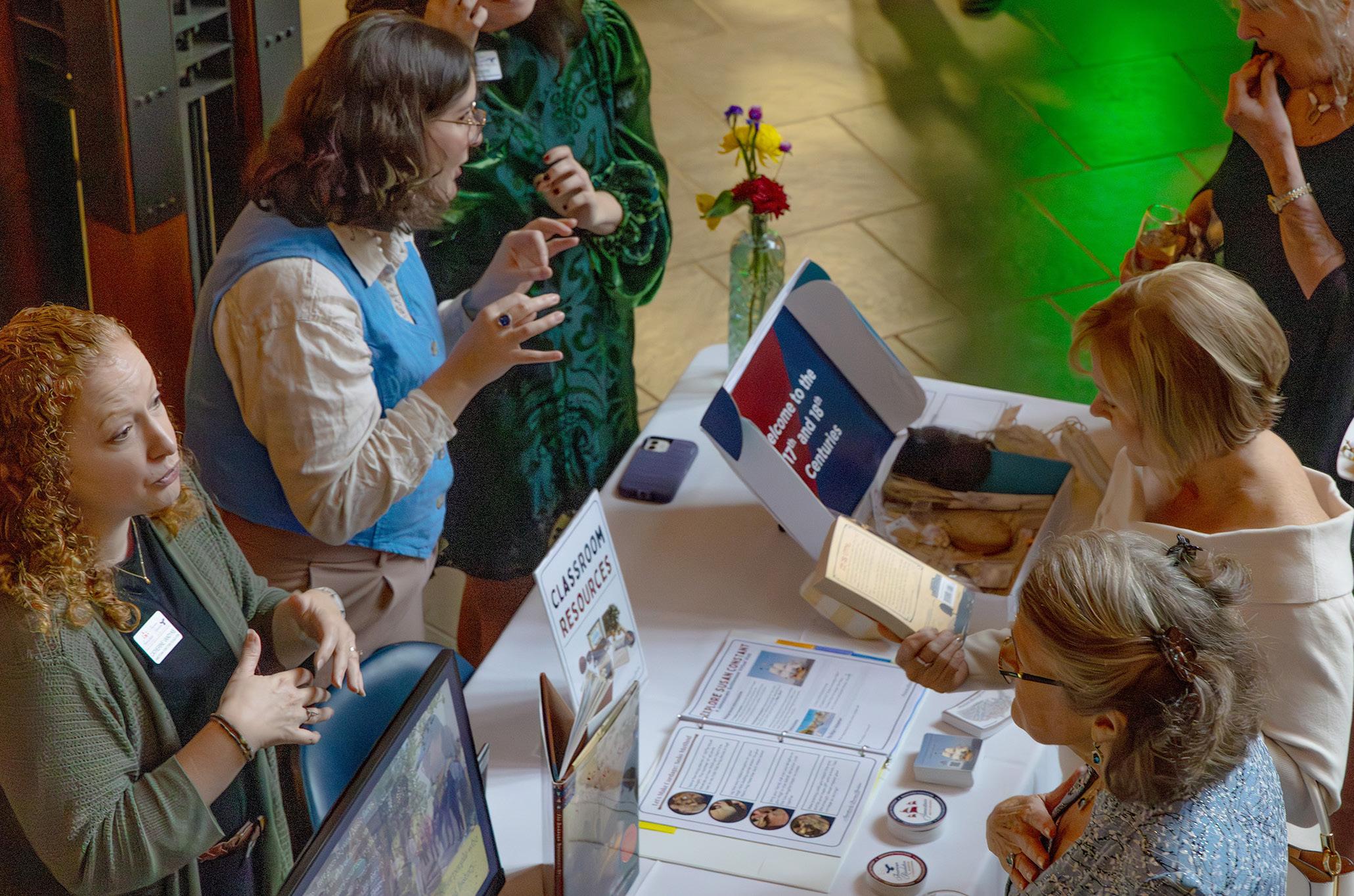
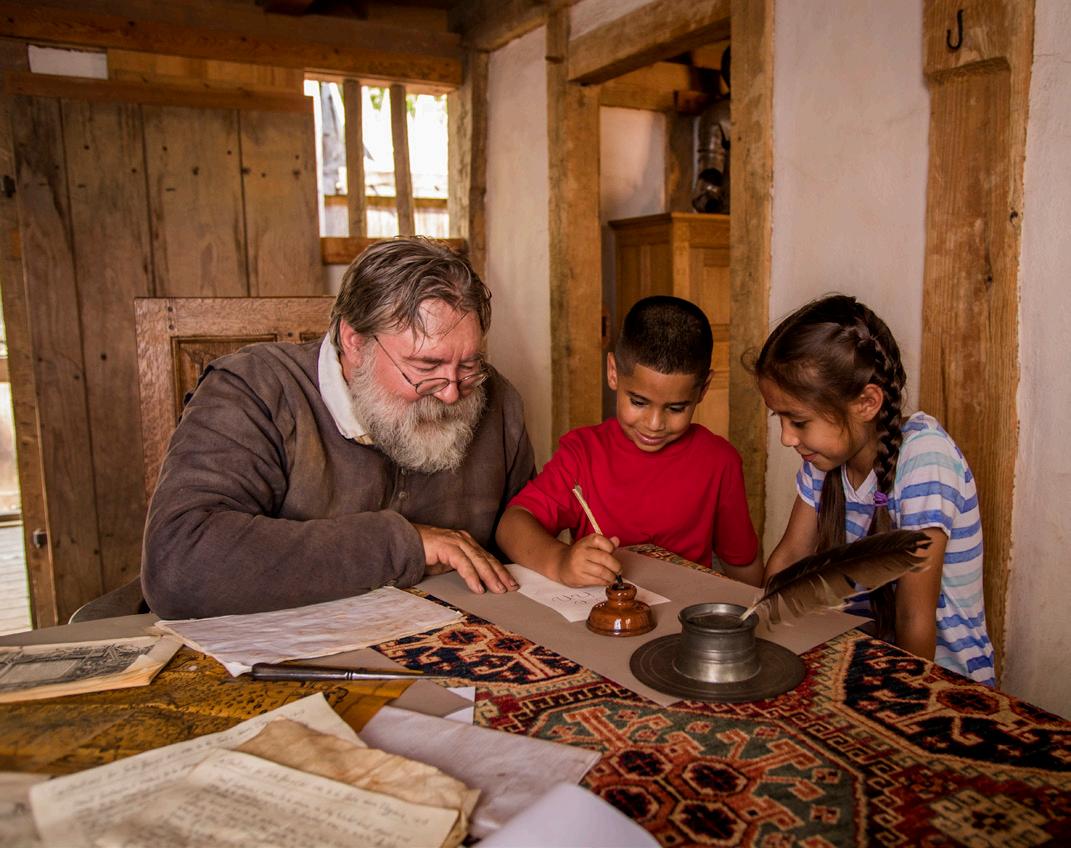
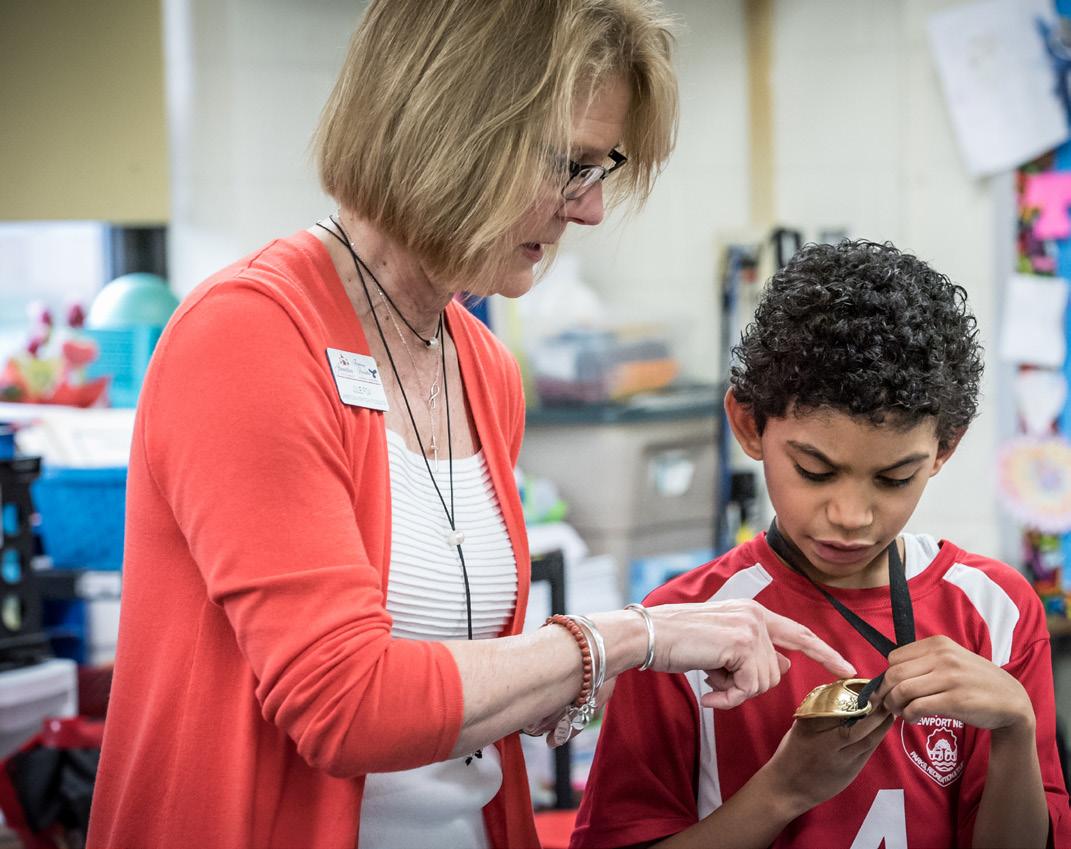
On September 27, Jamestown Settlement hosted the History Makers Dinner, an exclusive after-hours event highlighting the education programs that donors make possible through their generous gifts. Throughout the evening, guests had the opportunity to experience hands-on education demonstrations led by museum educators. From handling replica artifacts, such as quill pens and the first paper money used during the revolution, to exploring JYF educational resources, donors had the opportunity to sample just some of the work that goes into educating thousands of students and teachers in the Commonwealth and beyond. In 2024-2025, JYF education programs served 198,484 learners through student educational experiences and teacher professional development sessions at both museums and in outreach settings, reaching 107 of Virginia’s 134 school districts and 13 states.
The workshops and online resources are funded through a generous grant from the Library of Congress Teaching with Primary Sources, which supports the shared goal to help students develop critical thinking and analysis skills through the exploration of primary sources.
Visitors to the American Revolution Museum at Yorktown can engage with the Personal Stories of the American Revolution interactive, which features 19 historical accounts of people of the past (and one dog) who share their perspectives through video stories and artifacts.
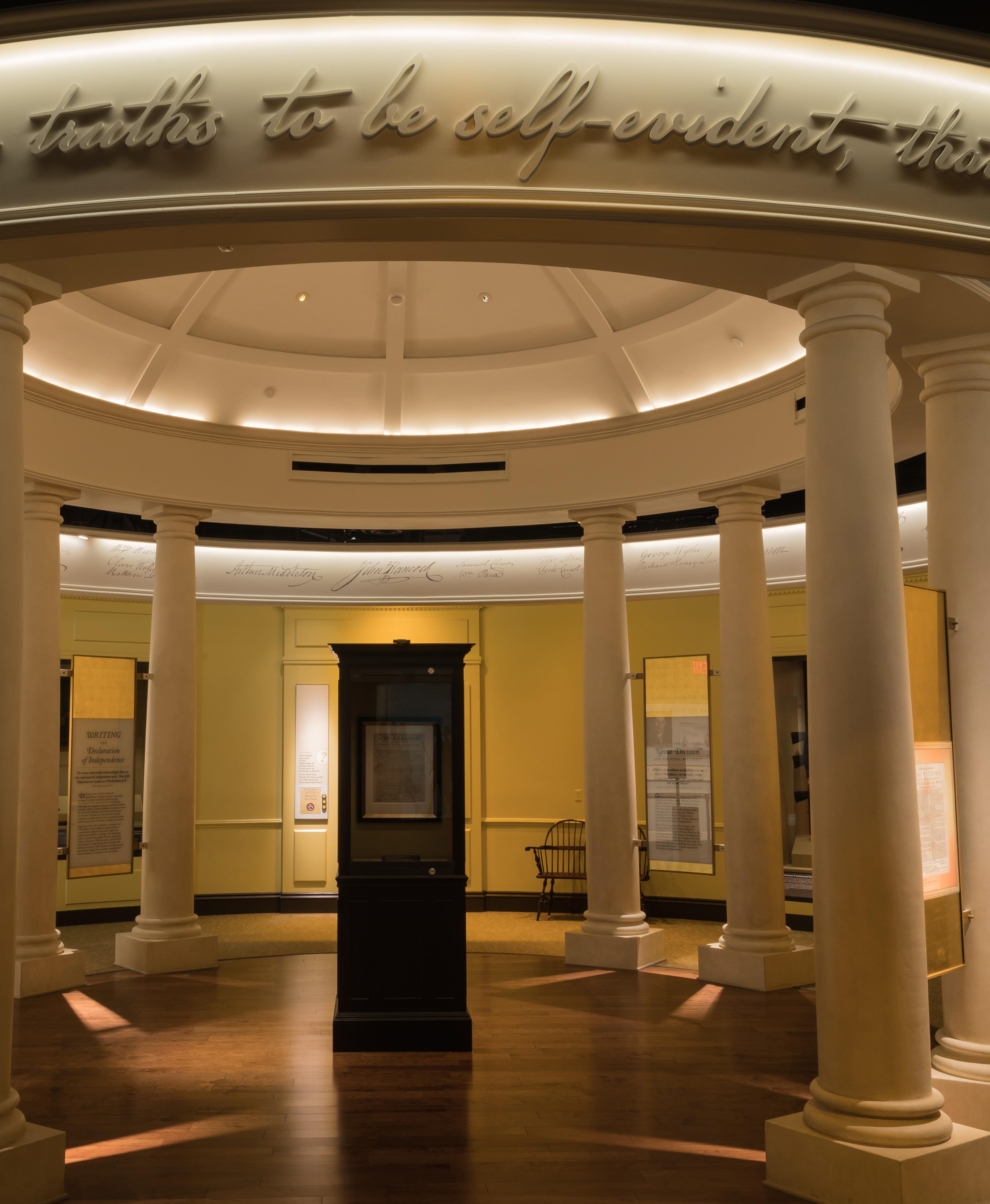
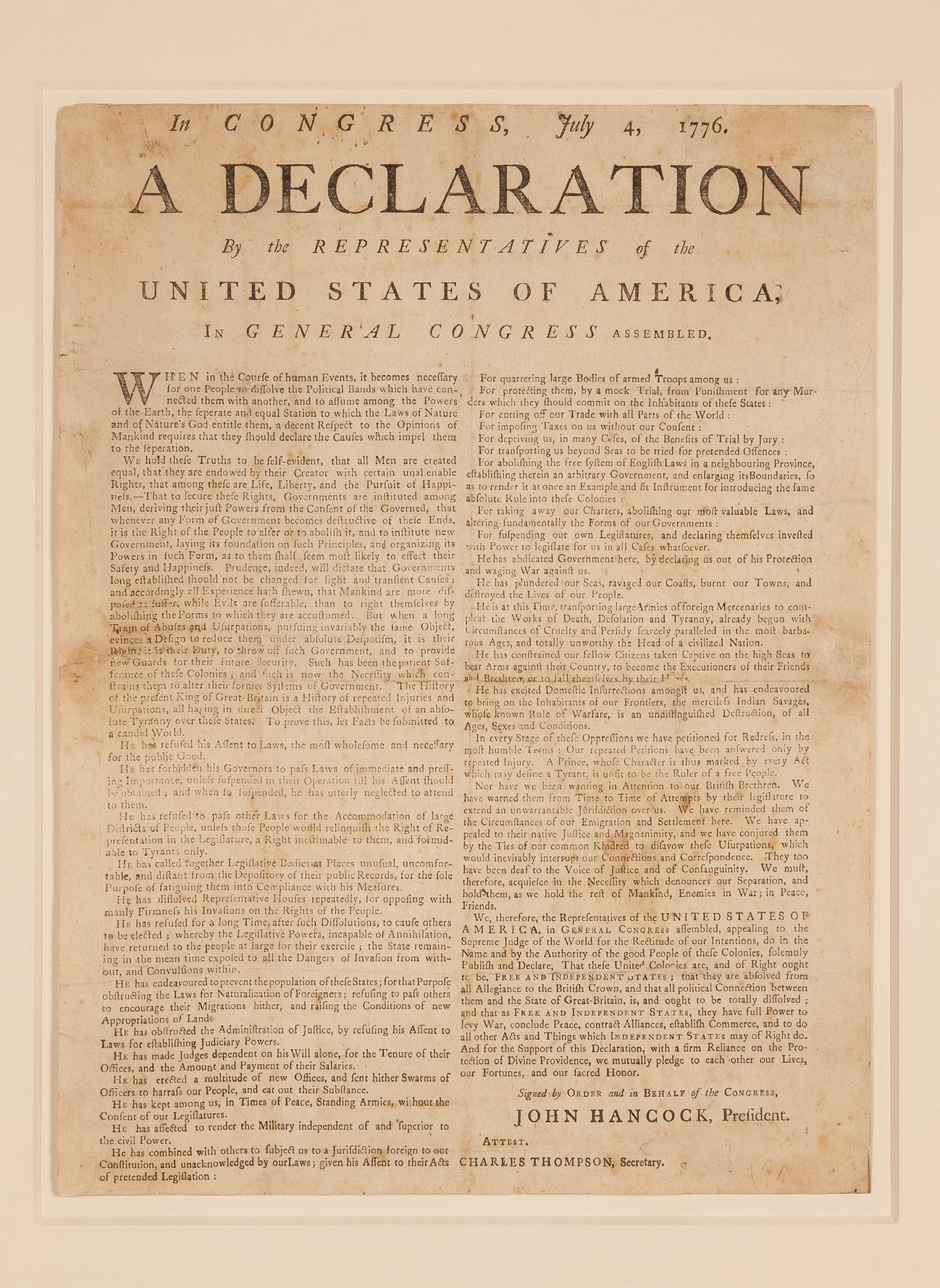
At the American Revolution Museum at Yorktown, view an early broadside of the Declaration of Independence printed in Boston soon after the Declaration was adopted by the Continental Congress on July 4, 1776. JYF2009.12.
A look at the past to comprehend the present
“There is a difference between history and nostalgia, and somewhere in between the two is memory.”
— Clint Smith “How the Word is Passed”
In the midst of the 250th commemoration of the American Revolution and signing of the Declaration of Independence, being able to understand the ways in which history is remembered is essential. We can acknowledge how fallible our individual memory is in our daily lives, but historians especially insist on having credible sources and documentation to prove their arguments while conducting research and writing. Commemoration often lives in the same place as memory — between history and nostalgia. When looking to anniversaries to commemorate and celebrate the American origin story, we have an opportunity to not only analyze real events but also examine how we understand ourselves today. Think about the stories of Betsy Ross and the American flag (an origin myth featured in “Fresh Views”), or Washington and the cherry tree. Whether fact or fiction, these stories tell us more about our values as a nation. Of course, 2026 is the 250th anniversary of the Declaration of Independence. The 250th anniversary of the Siege of Yorktown will be celebrated in 2031, followed by the 250th anniversary of the ratification of the U.S. Constitution in 2037. These celebrations are a marathon, not a sprint.
As historians and educators, Jamestown-Yorktown Foundation staff must consider the events of the war as well as the significance it holds to Americans today. With the special exhibitions, “Fresh Views of the American Revolution” and “Give Me Liberty: Virginia & The Forging of a Nation,” along with related programs and events, the 250th provides an opportunity to look closely at the past and perhaps move forward with a better awareness of our place in history.
We can ask questions about our own understanding of history: What parts of the story have been left out? What has new research taught us about the motivations and choices the colonists had to make? Who were the founders really, as human beings and not just symbolic figures? These are the questions that our museums’ exhibitions and programs in 2026 (and beyond) hope to answer.
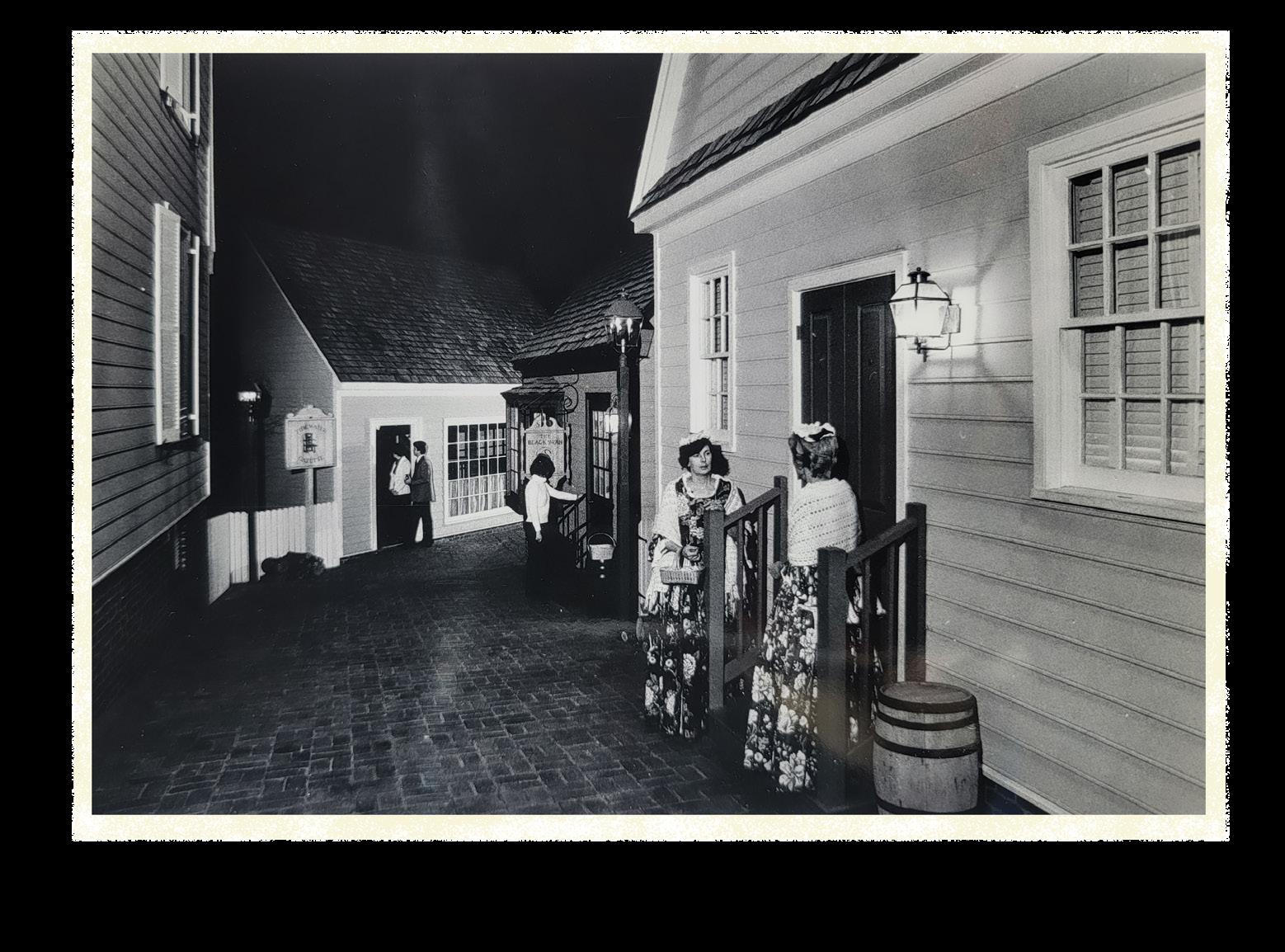
Revolution Museum at Yorktown, visitors enjoyed a walk through an exhibit called “Liberty Street.”
While considering what we want to accomplish over the next commemorative years, it’s impossible not to compare the upcoming anniversaries to those of the past, such as the 1976 Bicentennial. Unsurprisingly, many history museum employees and volunteers have vivid memories of the bicentennial and how they celebrated in school or with their families.
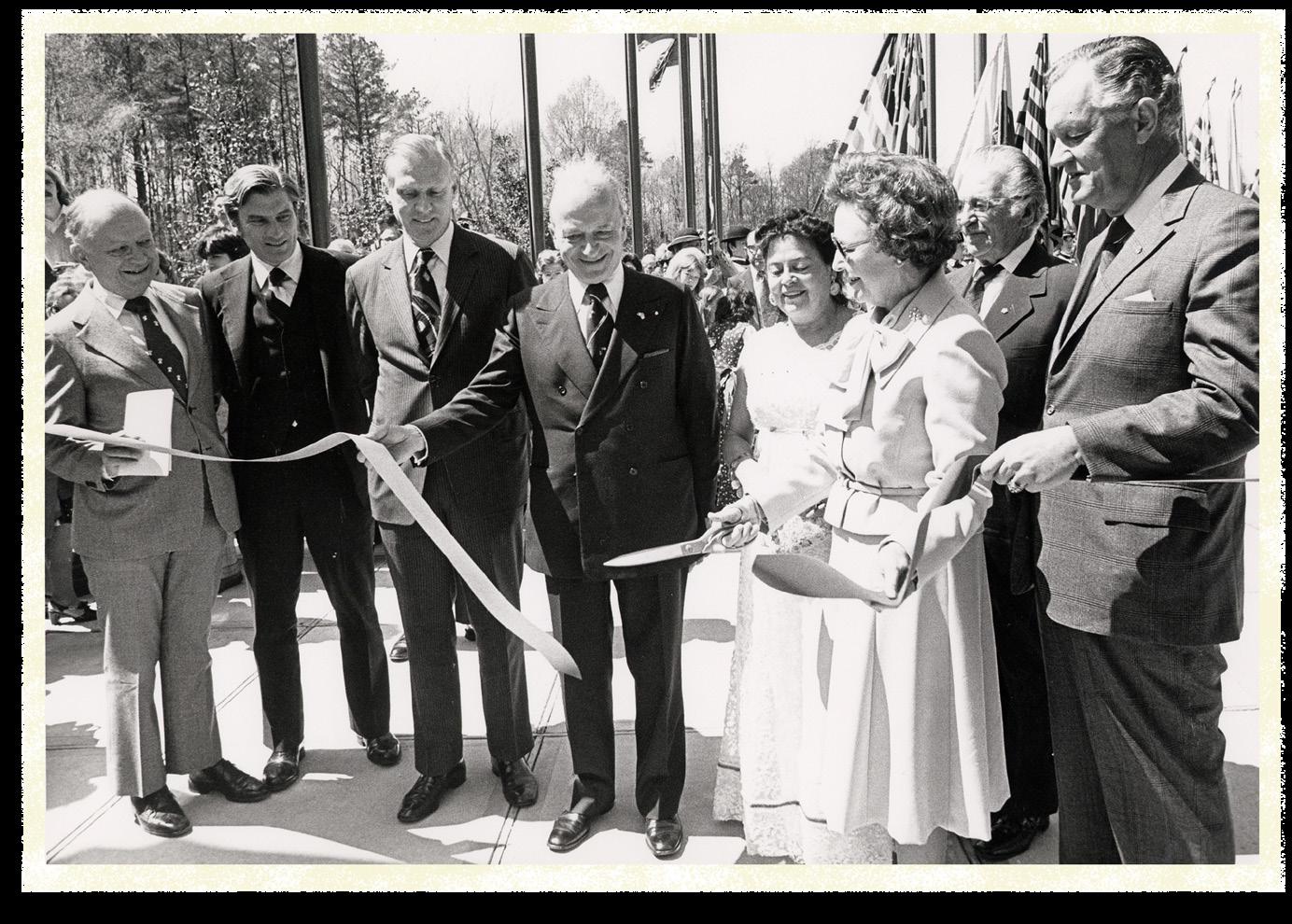
The commemoration was seemingly everywhere — from the “Bicentennial Minute” on television every night, to parades, re-enactments, commemoration site constructions, and more. Along with JYF benefactors, the late Nick and Mary Mathews, we have this fervor to thank for the construction of the Yorktown Victory Center, now the American Revolution Museum at Yorktown.
Today, our goals are not much different from the goals of the 1976 Bicentennial. Planning for this American milestone began as early as 1966 with the formation of the American Bicentennial Commission (ARBC), a legislative action signed by President Lyndon B. Johnson. Actually, early discussions did not focus on history, and the ARBC instead hoped to move “toward a time for
reappraisal of the principles on which the Country was founded; recommitment by every institution and individual.”
At its core, the opportunity to commemorate declaring independence from Great Britain is an opportunity to understand what our foundational values and ideals are as Americans — and how far those ideals have taken us in 250 years.
One historian who studies this phenomenon is M.J. Rymsza-Pawlowska, author of “History Comes Alive: Public History and Popular Culture in the 1970s” (2017, University of North Carolina Press). Her book sets the record straight on how the 1976 Bicentennial arrived at a moment when people were already beginning to rethink their relationship with the past. It also dispels some of the myths surrounding the commemoration, taking a closer look at how national organizations were mired in internal conflict while smaller organizations and state commissions placed an emphasis on events and individuals important to the American Revolution.
—Sally Meyer, Director of Learning and Community Engagement
On National Commemorations and How We Do History Now:
The Bicentennial, the Semiquincentennial, and What We Can Learn About the Future of the Past
March 14
Jamestown Settlement, 3 p.m.
M.J. Rymsza-Pawlowska, interdisciplinary cultural historian of the 19th- and 20th-century United States and an associate professor of history and public history at American University, draws from her book on the 1976 Bicentennial as well as in-progress research about how Americans are engaging history now to explore and explain the way that national commemorations help to clarify, crystallize, and accelerate emergent trends in historical engagement. During the bicentennial, Americans became interested in more personal, immersive and interactive forms of history. How will the upcoming semiquincentennial reflect what history looks like now? The talk and Q&A session will explore the 1970s and how the time period shaped the operation of museums, historic sites, and more over the last 50 years. The program is included with museum admission.
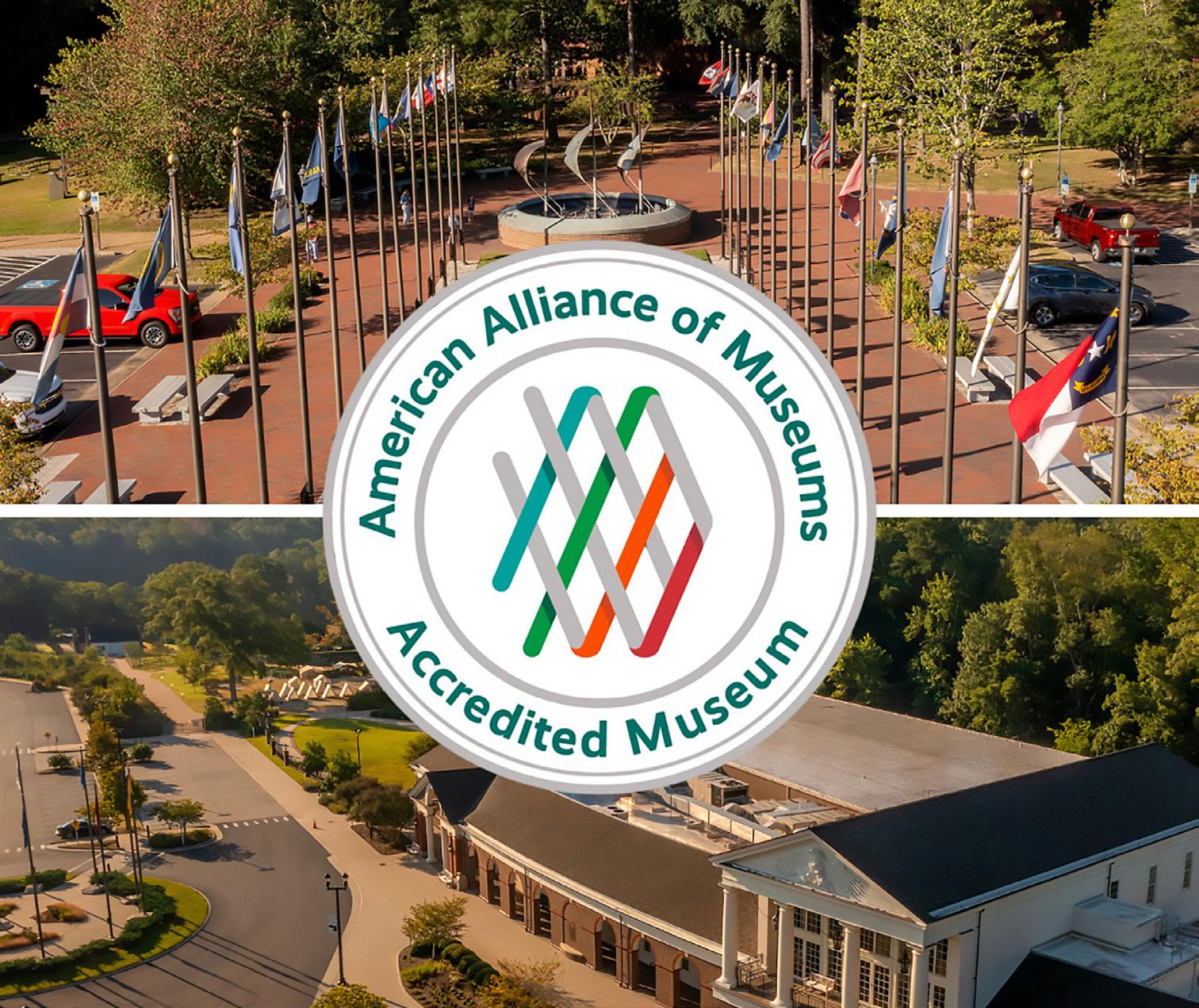
JYF achieves AAM Reaccreditation
The Jamestown-Yorktown Foundation has once again achieved accreditation by the American Alliance of Museums.
It’s the gold star of the museum world, with less than four percent of the 33,000 museums nationwide holding this honor.
The reaccreditation process, a thorough 18-month review, applauds the agency’s commitment to best museum practices, high professional standards, and excellence in education, conservation, and collections care.
At the heart of its mission, Jamestown Settlement and the American Revolution Museum at Yorktown strive to foster an understanding of the founding and development of the United States through the convergence of American Indian, European, and African cultures and the enduring legacies bequeathed to the nation.
“We are fortunate to have exceptional staff, boards, and volunteers who ensure our visitors have memorable experiences,” said Christy S. Coleman, executive director.
“We are most proud of achieving ‘Exemplary Practices’ citations in virtually every area reviewed.”
The final report by AAM peer reviewers praised JYF’s work across five categories.
Educational: “JYF has made a purposeful pivot in its storytelling, to capture the diverse narrative of two sites and two eras…”
Collections Stewardship: “We saw a highly organized team with clear divisions of labor. JYF enjoys large, clean, well-organized storage and lab facilities… Museum curators have shared authority for the living-history function, which emphasizes the integrity of interpretation.”
Public Service: “Staff and visitors both build understanding through on-site experiences that connect to the physical reality faced by ancestors from three cultures.”
Planning: “Specific outcomes and system-wide performance monitoring help ensure the [strategic] plan is translated into action.”
Organizational Health: “JYF is an independent state agency working in tandem with two affiliate non-profit organizations to execute a shared mission. That might be a recipe for chaos or consternation, but our finding is the opposite.”
Overall: “We were struck by the clarity of vision that links the overall mission to the interpretive plan to the daily tasks; from the chief executive to the docent at the information desk, there seemed to be one sheet of music from which everyone sings.”
Godspeed set for Sail250® Virginia
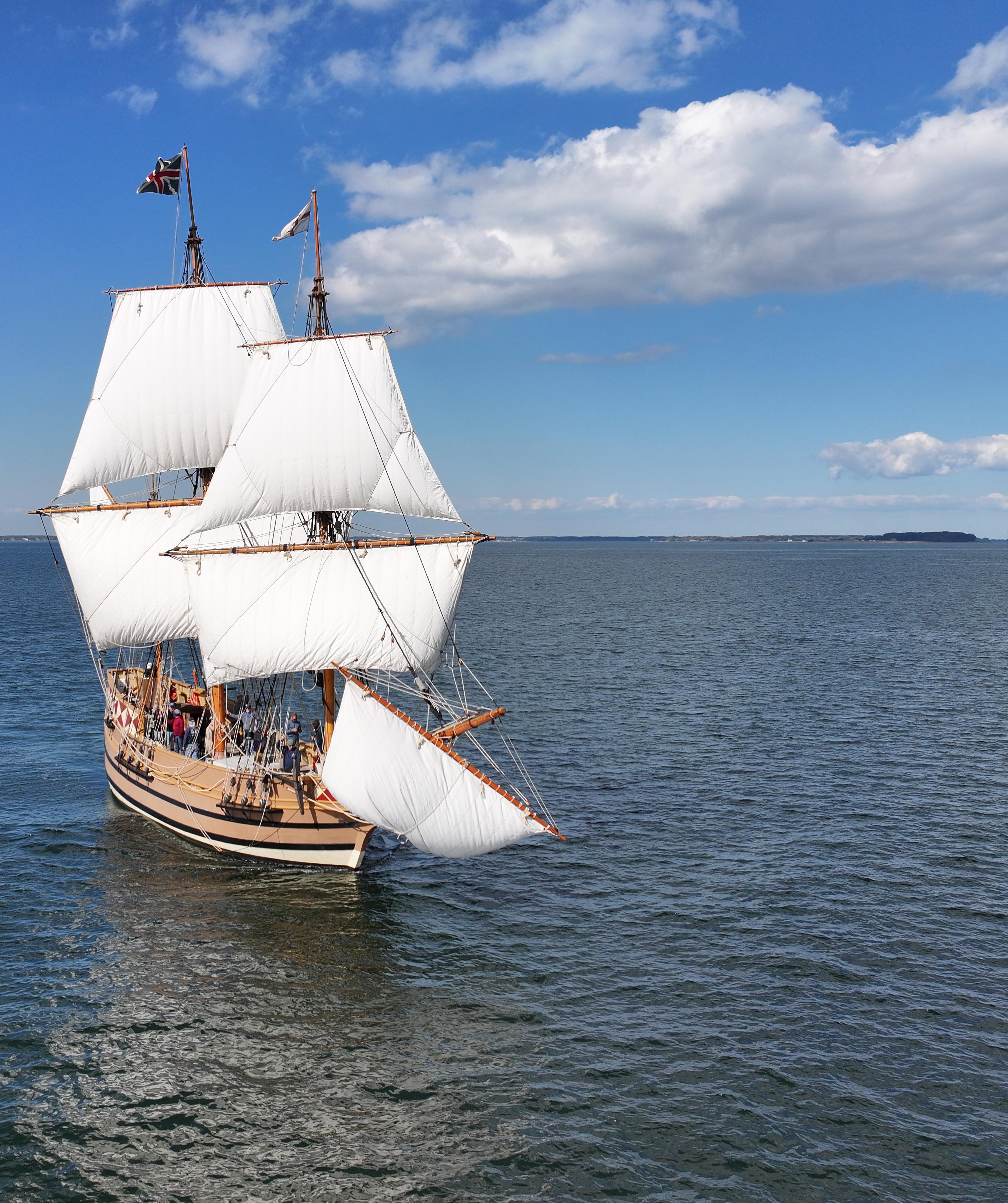
Jamestown Settlement’s Godspeed will join Sail250 ® Virginia, an international fleet of tall ships and military vessels in June 2026 to celebrate the 250th anniversary of our nation’s founding in 1776 – the United States of America’s Semiquincentennial.
The Godspeed, part of the “official fleet of the Commonwealth,” will take part in Sail Virginia SM Affiliate Harbor events at the Sail Yorktown Festival, June 12–14 and Sail250 ® Virginia in Norfolk, June 19–23, offering opportunities to tour the re-creation of the merchant ship that sailed from England in 1606-1607.
Sail250 ® Virginia, a statewide maritime celebration across 12 localities in partnership with the VA250 Commission, is expected to welcome 77 tall ships and military vessels representing over 36 nations, along with 14,000 officers, cadets, and crew. The 10-day event is projected to draw more than 3 million visitors and generate more than $150 million in spending activity to the region.
On June 12–14, historic vessels will arrive at Sail Virginia SM Affiliate Harbors — Alexandria, Hampton, Onancock, Richmond, Yorktown, and Smithfield/Isle of Wight — followed by additional ship visits and events June 18–23, in Virginia Beach, Cape Charles, Chesapeake, and Portsmouth.
Norfolk will host the international fleet on June 19–23, launching with the iconic Parade of Sail with a fleet of the world’s most magnificent international tall ships and military ships sailing into the port of Virginia as part of Sail250® America, following the tradition of the past five iconic OpSail events since 1976. The festival will encompass four days of ship tours, international crew events, maritime exhibitions, and waterfront activities, including concerts and fireworks.
Join in the maritime celebration at sail250virginia.com.
INTRODUCING THE NEW JAMESTOWN-YORKTOWN FOUNDATION MEMBERSHIP PROGRAM
A Fresh Way to Connect with History
If you’ve been craving a different way to experience history, our new Membership Program is for you!
Through the new Jamestown-Yorktown Foundation Membership Program, you won’t simply observe history; you’ll have the opportunity to feel, to question, and to carry it forward. You’ll experience the stories of people — both famous and forgotten — who shaped the world we live in today. Our new JYF Membership Program gives you the chance to be part of the story.
Whether you’re a lifelong learner, a family seeking meaningful time together, or someone who believes in the power of the past to shape a better future, there’s a place for you in our membership community.
Open the Door to Discovery
All membership levels include unlimited admission to both Jamestown Settlement and the American Revolution Museum at Yorktown. From the Individual level at just $65 to the prestigious Executive Director’s Circle at $50,000, every member enjoys core benefits such as:
• 10% discount at museum shops and cafés
• A subscription to INSIDE JYF
• Discounts and early access to lectures, programs, and special events
Where Membership Meets Meaning
We’ve expanded our offerings to include exciting new perks that bring members closer to the heart of JYF’s mission. Starting at The 1607 Society level ($1,607), members receive:
• Invitations to special programs and behind-the-scenes experiences
• A quarterly e-newsletter with insider updates
At higher levels, members enjoy even more exclusive opportunities, including:
• Guest passes to share the experience with friends and family
• A virtual State of the Foundation with the executive director
• Complimentary tickets to our signature annual fundraising event
• Acquisition of important artifacts for galleries
Engage More Deeply with Our Mission
The new Membership Program is more than a collection of perks — it’s a gateway to deeper connection and cultural curiosity. Inspired by JYF’s interpretive vision, our programs are designed to nurture belonging in the present through our shared past.
Membership support fuels:
• Educational experiences that expand the borders of the classroom
• Living-history programming that brings the past to life for visitors of all ages
• Special exhibitions and research that deepen public understanding of early American history
A Historic Moment: Join in Time for America’s 250th
As we approach the 250th anniversary of the Declaration of Independence on July 4th, there’s never been a more exciting time to become a JYF member. JYF is a proud member of the Virginia American Revolution 250 Commission, and both museums are taking part in the celebrations. Special exhibitions, public programs, and immersive experiences are already underway, including:
• “Fresh Views of the American Revolution” — an exhibition featuring the folk art of Oscar de Mejo created during the 1976 Bicentennial alongside engaging contemporary art
• Events at Jamestown Settlement and the American Revolution Museum at Yorktown that explore the diverse voices and pivotal moments of the Revolution
• Coming in July 2026 — “Give Me Liberty: Virginia & The Forging of a Nation” highlights Virginia’s leading role in the American Revolution exploring the actions of both iconic and ordinary people
By joining our new Membership Program, you can have unique insider access to these once-in-a-generation experiences. Your support can help us celebrate our collective history.
Join Us in Making History
The new JYF Membership Program is more than a pass — it’s a partnership. It’s a way to deepen your connection to the stories that shaped our nation and to ensure they continue to inspire future generations.
Whether you’re renewing your support or giving for the first time, we invite you to explore the new benefits and find the level that’s right for you. Every membership strengthens our mission and brings history to life for thousands of visitors each year.
Interested in becoming a member? Visit jyfmuseums.org/ membership for more information and to join. You can also become a member by visiting a Visitor Services desk at either of our museums or calling the Development office at (757) 253-4139.
Why Now?
Because History Is Happening
The 250th anniversary of American independence is just around the corner, and the Jamestown-Yorktown Foundation is at the heart of the celebration! From bold exhibitions to unforgettable events, there’s never been a better time to become a member.
With a JYF Membership, you’ll
• Unlimited admission to Jamestown Settlement & the American Revolution Museum at Yorktown
• Early access & discounts on programs, lectures, and events
• 10% off at museum shops and cafés
• A subscription to INSIDE JYF Can’t-Miss 250th Events and Exhibits
• Fresh Views of the American Revolution – folk & contemporary art collide
• Give Me Liberty: Virginia & The Forging of a Nation – Opening July 2026
• Special programs, family days, and behind-the-scenes experiences all year long!
KEITH DUBOIS
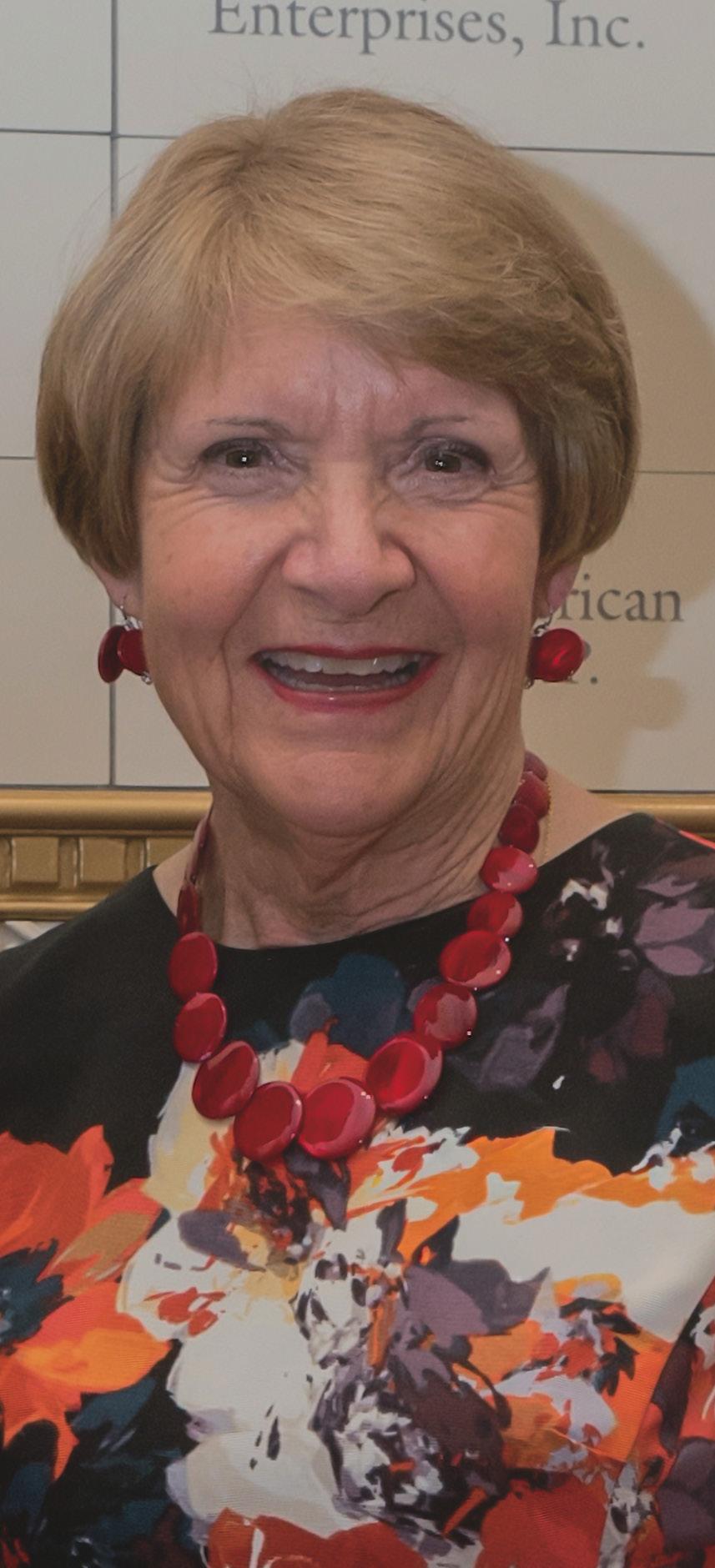
For Keith Dubois, supporting the Jamestown-Yorktown Foundation is a family affair. Not only does her family foundation, the Charles S. and Millicent P. Brown Family Foundation, support the Summer Teacher Institute and Master Teacher Programs, the family has a long history of service to the organization as well.
Her grandfather was the state senator representing James City County, visiting with the Queen on her visit to Jamestown in 1957, and Keith herself has served two terms on JYF’s Board of Directors. She visited the museums every year as a child, and recounts long trips in the back seat, waiting for vacation to start. However, it was a trip as an adult with JYF’s outreach education team that showed Keith the impact she wanted to have.
“Education is the basis for everything,” Keith said. “Kids can sit in a classroom and not get it. Learning has to be an action item.” In this outreach visit, Keith observed students involved in what was taught to them, engaging with the outreach educator in dynamic and exciting ways. “That’s why living history works,” Keith said. “They began to appreciate history in a whole new light after actually seeing it in action.”
The Brown Family Foundation’s commitment to the Summer Teacher Institute has been paramount for the program. Keith says it began as an opportunity to reach more kids, as she saw educating the teachers as “connecting the dots.” She knew that her mother and father had both been very supportive of educational opportunities, so funding teacher education was a sure thing. “It’s more important to us to fund people than buildings.”
When asked what she would say to a donor that was considering supporting JYF, Keith answered, “If you want to understand these museums, follow a school group and see it through their eyes.” Keith and the Brown Family Foundation have made many of those awe-stricken looks possible, and our museums are better for it.
—Morgan Culbertson, Director of Major Gifts
Daily Life on the Farm HOMESPUN ON THE HOMEFRONT
Life is the first of the inalienable rights listed in the Declaration of Independence, but how did daily life change for the men, women, and children living here during the American Revolution?
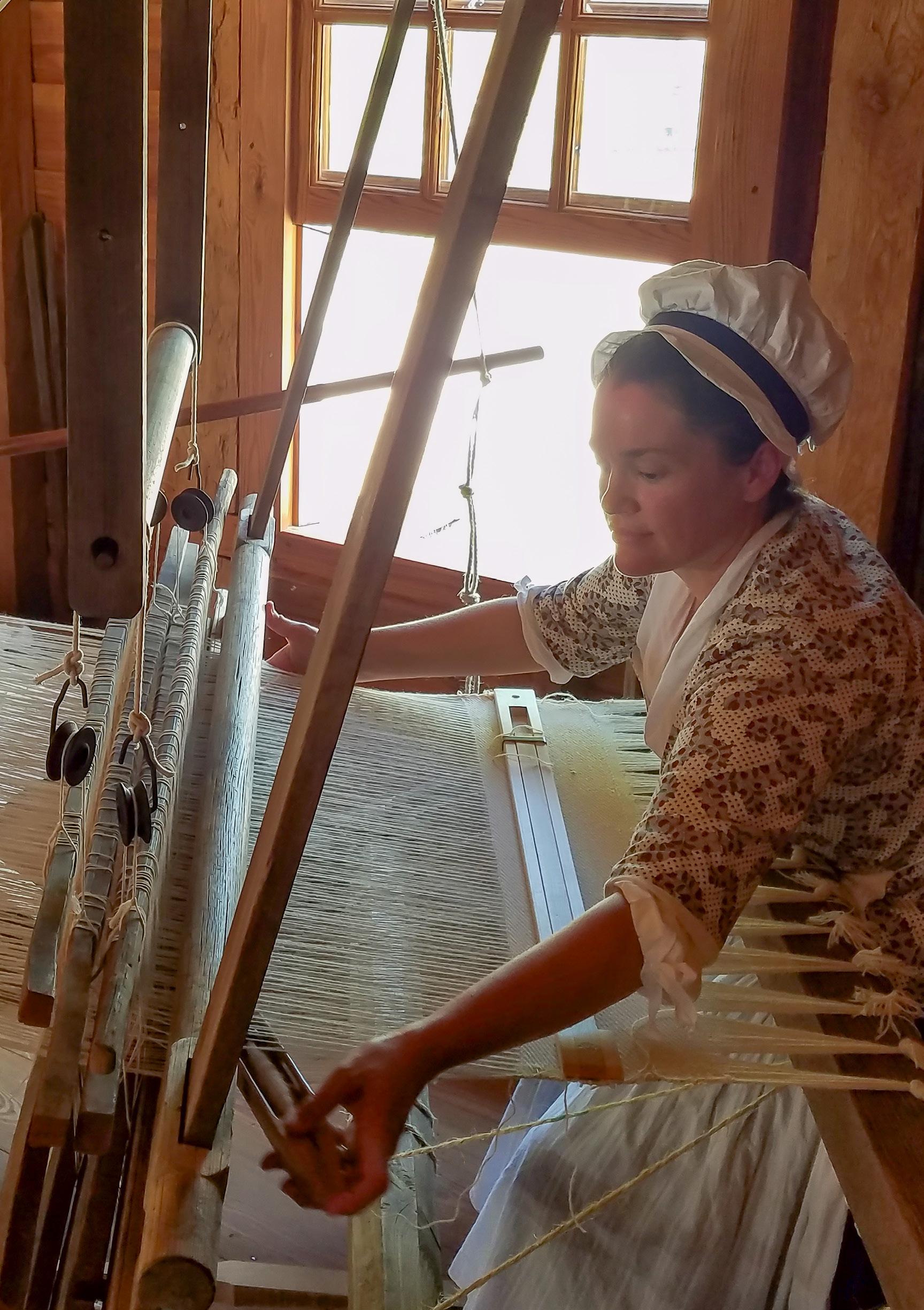
As citizens of the British Empire, American colonists were consumers. Almost all manufactured items came to the British North American colonies through Great Britain, including fabric. Many products were consumable luxuries such as tea and sugar, but fabric was essential at every level of society. Throughout the 17th and 18th centuries, textiles were one of the largest imports to the colonies from England. Virginia, like her sister colonies, was to produce and send raw materials back to the mother country. Large-scale industry for textiles was not only discouraged but unlawful and, in most cases, unnecessary. Boycotting was a primary way that Americans could have their voices heard, and these boycotts against British products led to shortages of goods such as fabric. While there were professional weavers here in the colonies, there were not enough to keep up with the demand of the American market when dealing with the shortages caused by embargoes and eventually the war. How would average people provide the necessary textiles for their families as well as support the cause of independence?
Clothing promoting a political ideology, for example, was just as prevalent 250 years ago as it is today. Hunting shirts or knitted caps with slogans like “Liberty or Death,” or “Liberty to Slaves,” were common for men of the time, but what about women? One way the Virginia House of Burgesses chose to showcase their patriotism was by forming the Virginia Association. After being disbanded by Lord Botetourt, they gathered at Raleigh Tavern in Williamsburg and called on their fellow Virginians to “promote and encourage industry and frugality, and discourage all manner of luxury and extravagance.” The association resulted in the boycott of British fabric and a greater reliance on homespun. The boycott would have largely failed had the women of the community not agreed to participate. Free women might choose to display their patriotism in a subtle manner by wearing homespun garments. They held spinning parties and led knitting drives to provide stockings for the soldiers, but not all women could express their ideas so freely. How might have enslaved women felt about their mistress’s patriotism? Would she have viewed it as more work for
herself, or would she have imagined a way that this revolution built on freedom would extend to her and her family members kept in bondage?
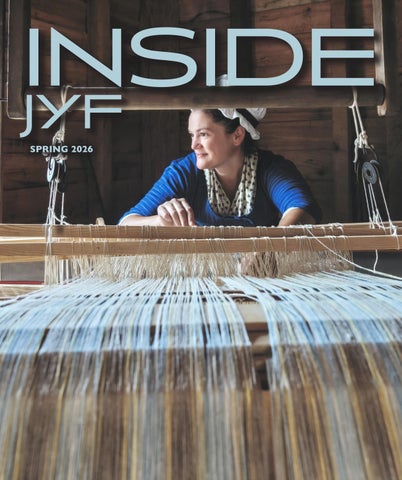
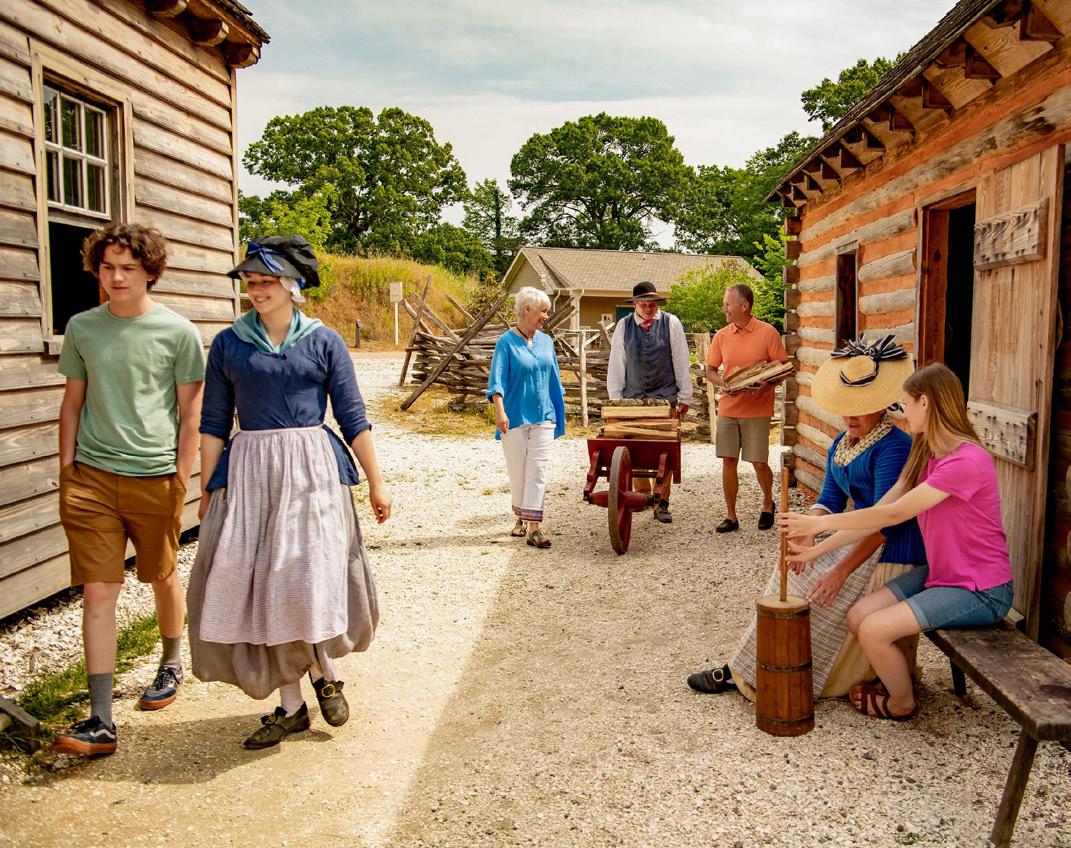
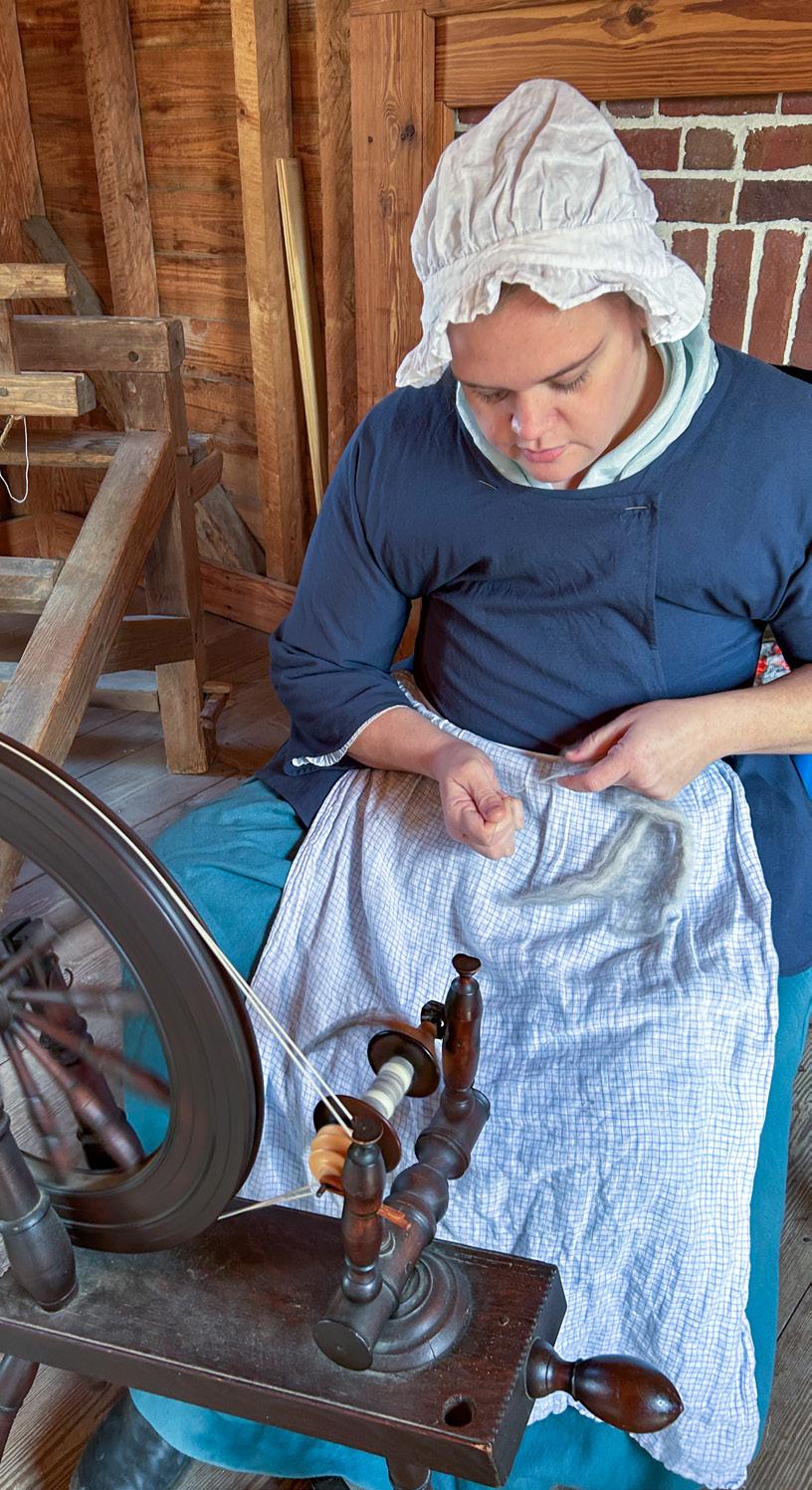
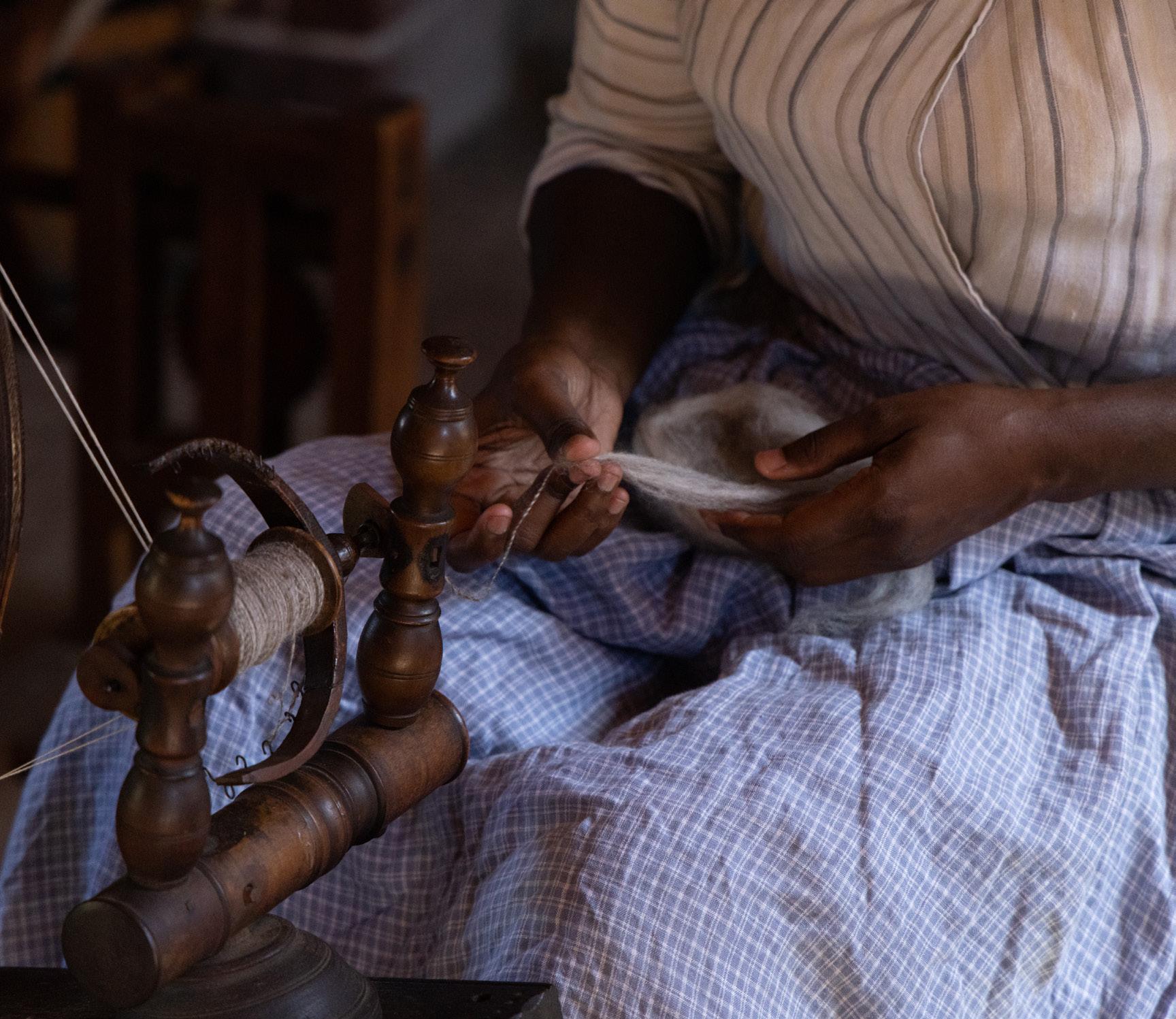
At the American Revolution Museum at Yorktown’s Revolution-era farm, living-history interpreters bring this homespun history to the forefront, turning curiosity about objects like a spinning wheel into a broader discussion about wartime necessities, personal choices, division of labor during the war, and the global economy. The homespun movement was one of the earliest forms of political protest for women in this country, and it showed how women’s economic and therefore political power had the ability to shape daily life.
—Gretchen Johnson, American Revolution Museum at Yorktown Living History Manager
—Sarah Raiford, Revolution-era Farm Site Coordinator
American women of all classes and races had the basic skills of spinning, knitting, and a little sewing. With boycotts looming, these skills were put to the test, as shown in an advertisement recruiting spinners in Dunlap’s Pennsylvania Packet, Vol. IV, No. 198, August 7, 1775: “...In this time of public distress you have each of you an opportunity not only to help sustain your families, but likewise to cast your mite into the treasury of the public good.”
March 6 - May 18
Weaving together continents and centuries, “Outlander: Costumes Woven in Time” debuts March 6 at the American Revolution Museum at Yorktown.
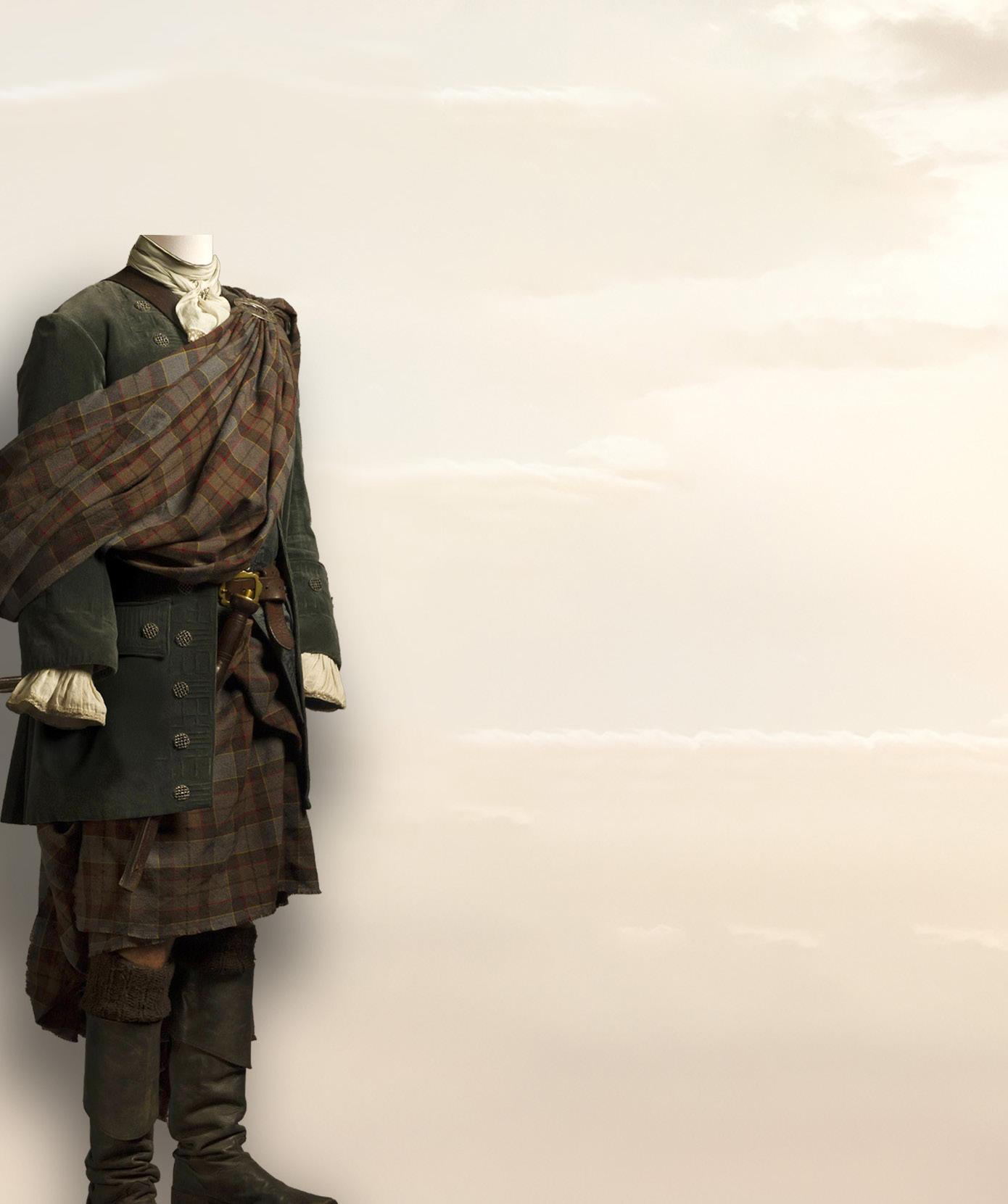
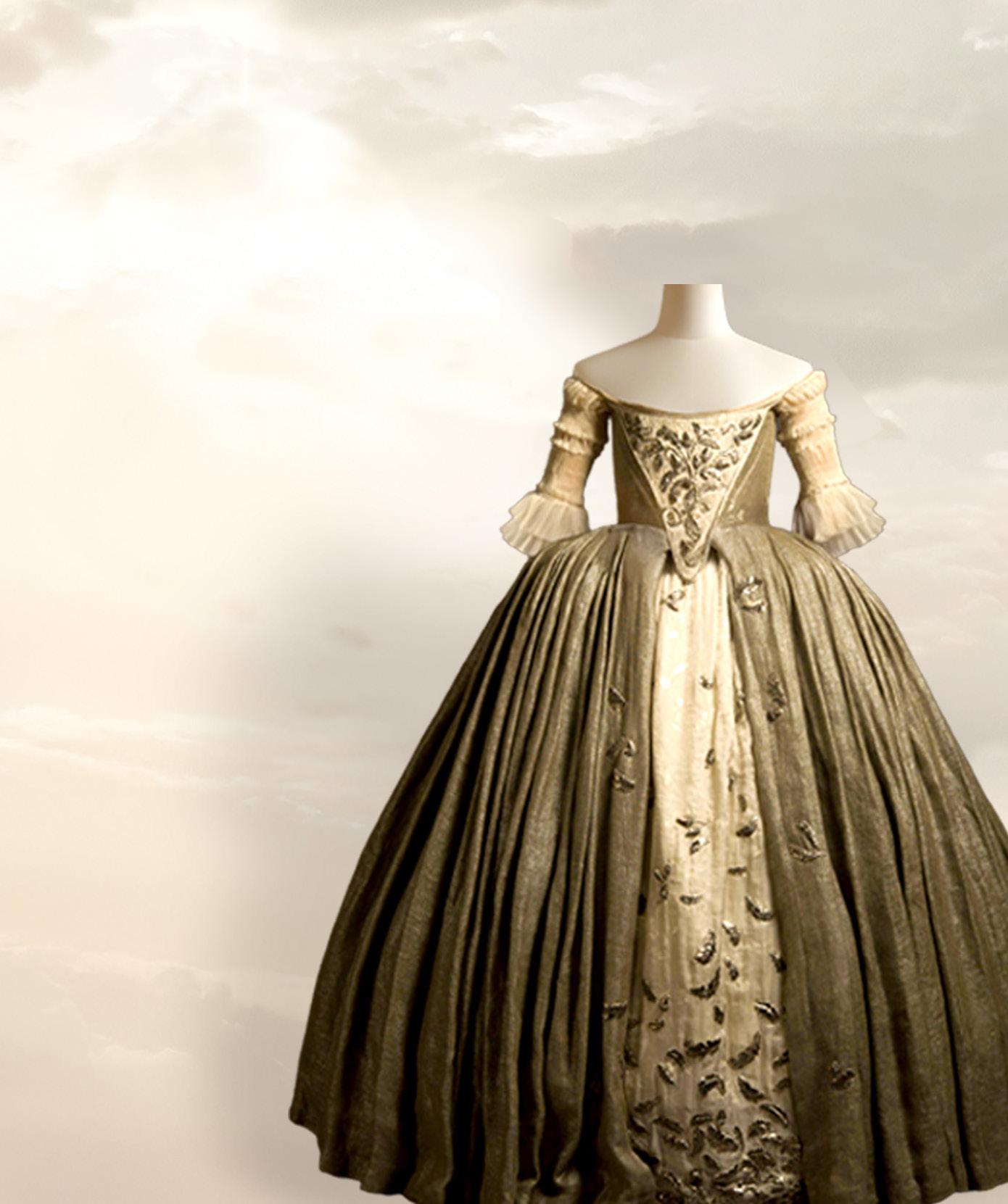
In collaboration with Sony Pictures Television, the exclusive exhibition offers visitors an immersive exploration of the richly crafted world of the “Outlander” time-traveling drama through the acclaimed costume design of Terry Dresbach (Seasons 1-4). Visitors can view original gowns, kilts, and iconic outfits just as the final season premieres on STARZ. The exhibition is on display through May 18.
Dresbach hand-selected 26 of her original and legendary designs, curated especially for the museum exhibition, that bring each of the show’s characters to life. Visitors can gaze at Jamie and Claire’s wedding attire, study Claire’s bold red Versailles gown, and admire Brianna’s cross-century styles.
“I’m so excited that the remarkable scholars at the American Revolution
Museum at Yorktown have provided this opportunity to showcase the work we did on ‘Outlander,’” Dresbach said. “In putting together this exhibit, they’ve shown such a deep understanding of how costumes are an integral part of storytelling and convey so much about characters, their lives, and their world.”
“As I approached my job as costume designer, I was constantly asking myself questions,” she continued. “Who are these people? What was their daily life like? What’s the history of their family? What was happening in the world they lived in? History is so much more than the listing of dates in a textbook. It’s the story of being human. This exhibit is a wonderful opportunity to examine our own lives and the history we create every day as we get dressed. I hope you enjoy the exhibit as much as I enjoyed doing the work behind it.”
As Season 8 premieres, the exhibition invites “Outlander” fans back to the series’ origins through this exclusive assembly of costumes and accessories highlighting how Dresbach’s meticulously researched, emotionally expressive designs became central to the show’s visual identity and storytelling.
This exhibition reveals how clothing becomes a powerful storytelling device, illuminating identity, class, culture, craftsmanship and the enduring interplay between past and present. Together, they chart a continuous history of how people express who they are, and who they might become, through what they wear.
Tickets for timed entry are on sale. Discover how to experience the “Outlander” costume collection at jyfmuseums.org/outlander.
Exclusive Exhibition debuts in time for the STARZ final season premiere
OUTLANDER PROGRAMS
Behind the Seams Exhibition Tour
March 6 & 26 • April 12 & 22 • May 7 & 14
This after-hours tour will give you the opportunity to examine costume pieces and accessories not on display in the exhibit and learn about details that are ordinarily out of view by audiences.
Woven in Time Dye Workshop
April 25
Join living-history interpreters on the Revolution-era farm for an interactive workshop to experience how different fibers were dyed in the 18th century and take home a hand-dyed silk scarf.
Outlander Day
May 16
Celebrate all things “Outlander” as the sounds of pipes and drums fill the air, march through the Continental Army encampment, and examine clothing styles of Jacobian rebels.
Thoughtful and Useful items for the Virginia Homemaker in 1776 & 2026
“A man may work from sun to sun, but a woman’s work is never done.”
—Traditional adage
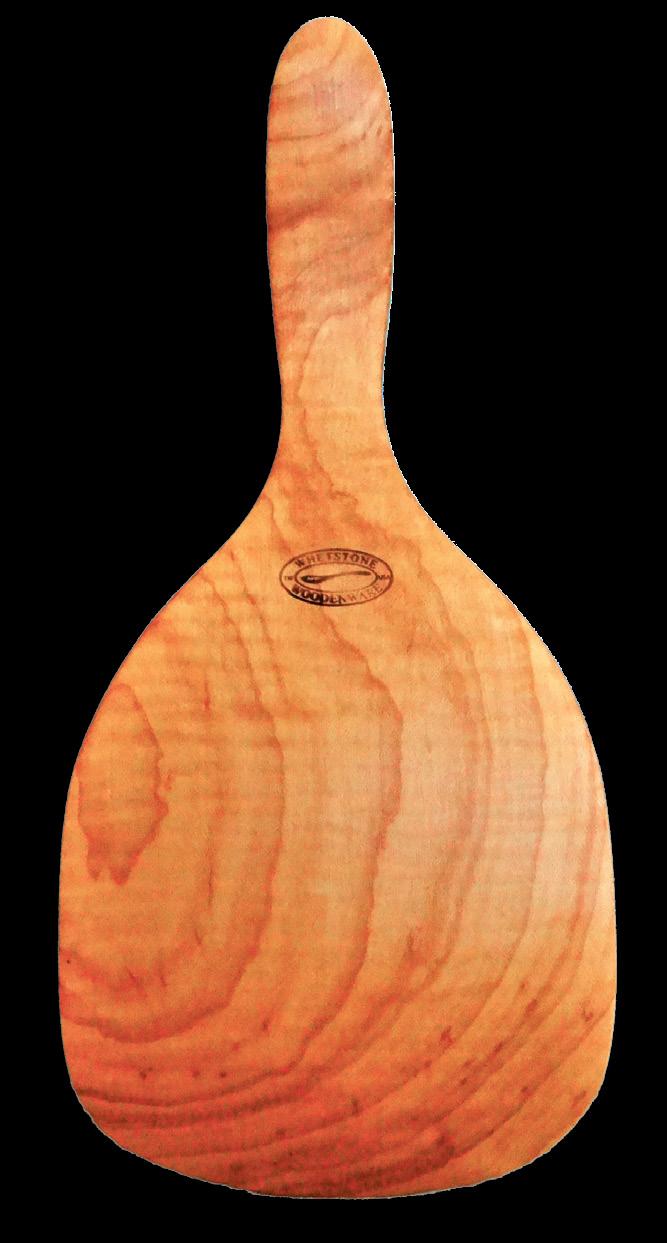
Wooden Butter Paddle from Whestone Woodenware, Silver Lake, Indiana
Butter paddles were used to scoop freshly churned butter into serving and storage containers. This replica butter paddle is handmade from kiln-dried hardwood maple, then polished and treated with mineral oil.
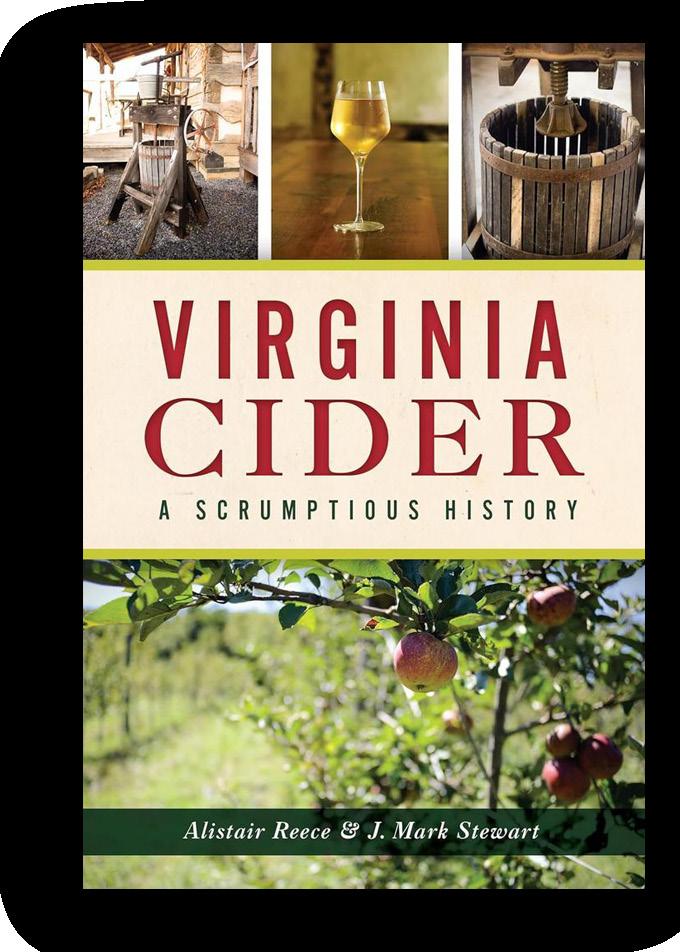
“Virginia
Cider: A Scrumptious History”
by Alistair Reece and J. Mark Stewart
Dig into the long history of cider in Virginia — the Old Dominion’s original craft beverage.
When the adventurers aboard the Susan Constant , Godspeed, and Discovery stepped foot on Virginian soil they brought with them the traditional English love of cider. Required by statute to plant orchards, the apple played a central part in the development of the colony as its juice became the favored libation of every class of society. From the modest laborer to the table of Thomas Jefferson, cider was Virginia’s tipple of choice. More than 400 years later, cider is enjoying a renaissance. Read about a new generation of makers re-introducing Virginians to their original craft beverage. Local author Alistair Reece, aided by the stunning photography of J. Mark Stewart, tells the story of cider in the Old Dominion.
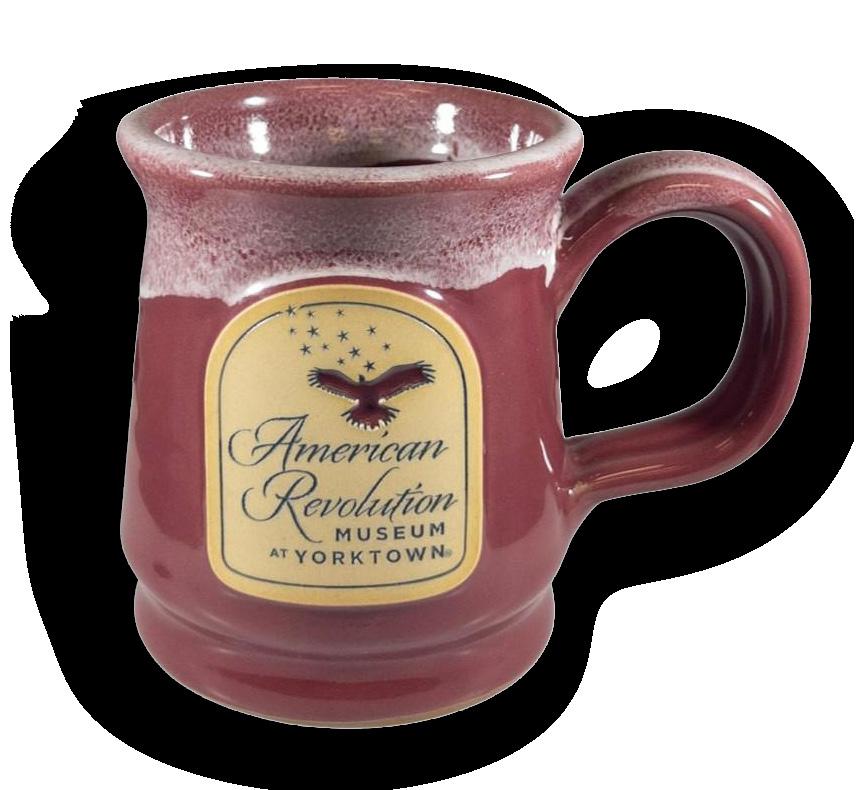
Footed Mug from Deneen Pottery
St. Paul, Minnesota
Created as part of the Historic Virginia Museums Collaboration to commemorate the semiquincentennial, this hand-thrown footed mug from Deneen Pottery is cranberry red and finished with their signature white foamy glaze. It features the American Revolution Museum at Yorktown logo in a raised relief panel. Dishwasher and microwave safe.
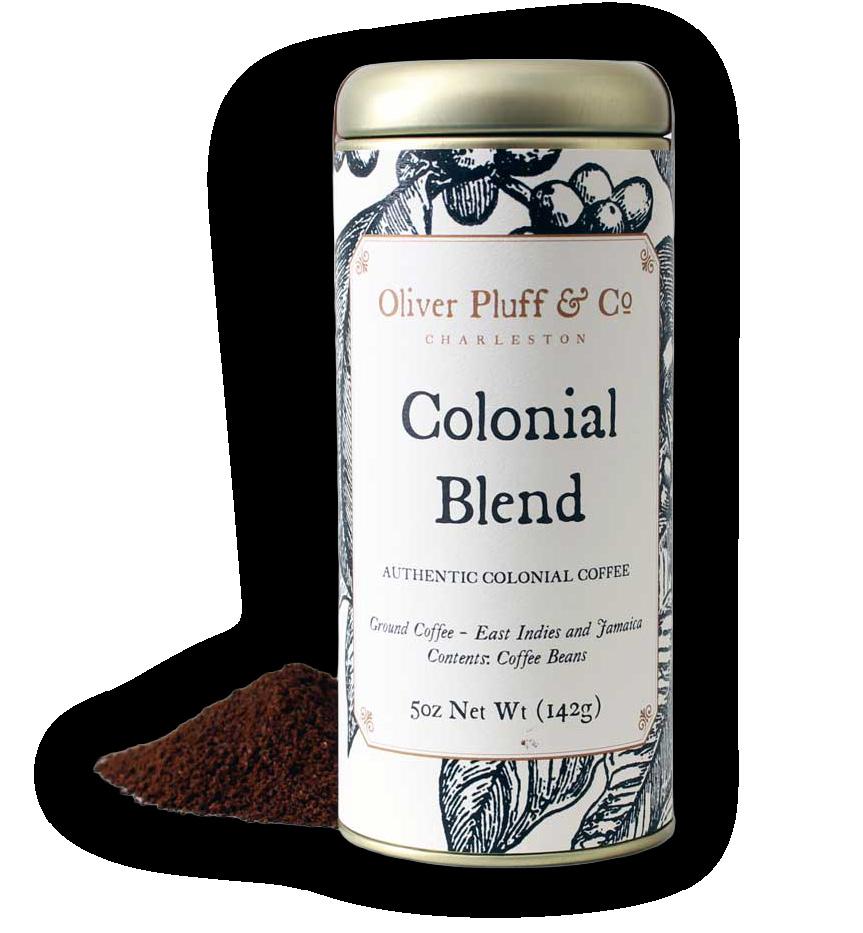
Colonial Blend Ground Coffee Tin from Oliver Pluff & Co. of Charleston, South Carolina
In colonial times, coffee had strong competition from wines, liquors, and imported teas. Consequently, coffee was not widely consumed among colonists until their agitation against King George III arose due to the fateful tea tax. Coffee was supplied to the American colonies by trade from the East Indies (Sumatra), and the West Indies (islands of Haiti and Jamaica).
Colonial Blend Coffee is a tasty blend with fruity notes balanced by richer Sumatran black coffee flavors.
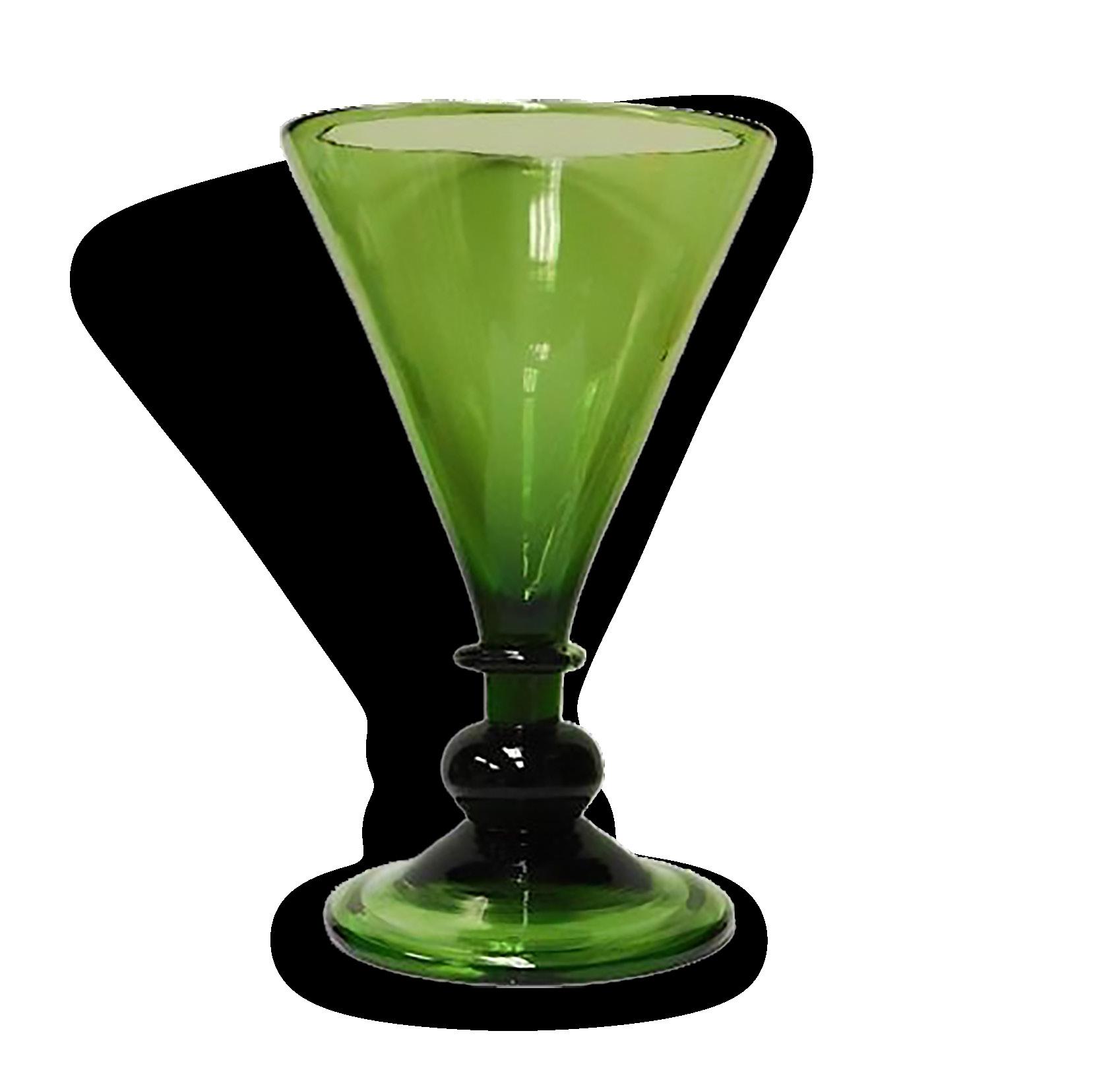
Green Handblown Beer Glass from Jamestown Glasshouse, Jamestown, Virginia
Handblown without any metals, this colonial green glass is crafted using traditional techniques at the Jamestown Glasshouse, Jamestown, Virginia. Handmade items may have irregularities. Hand wash only.
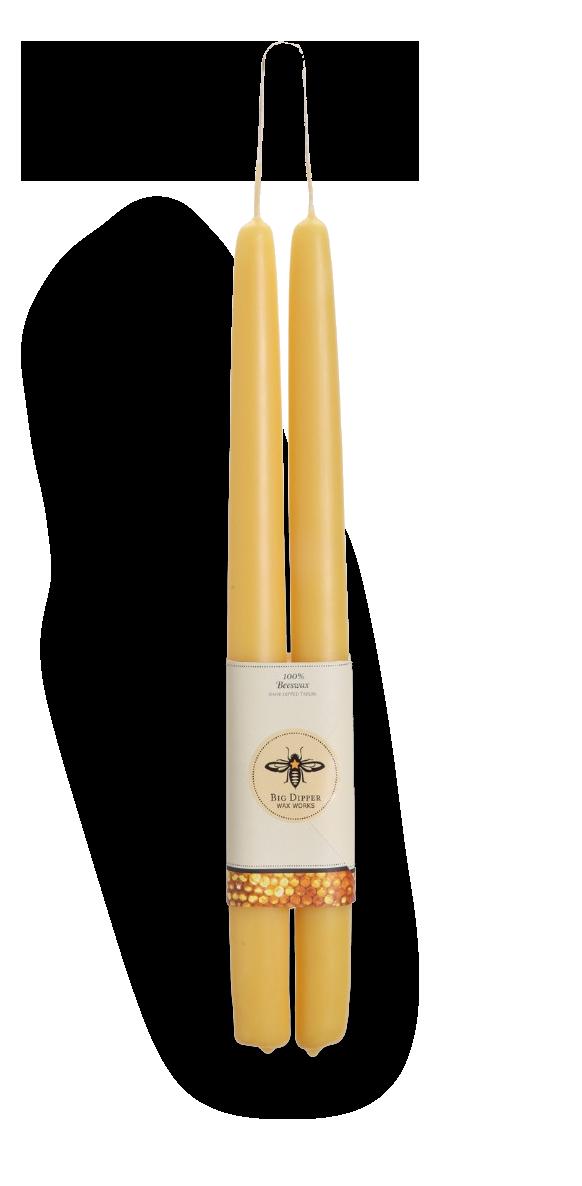
Pure Beeswax Taper Candles
from Big Dipper Wax Works, Seattle, Washington
Beeswax gets its wonderful natural color and honey-like fragrance from the pollen and nectar of the flowers the bees are pollinating. The color often depends on what particular crop the bees are pollinating. Dark berries, like blueberries or blackberries, derive much darker, browner wax. Clover, however, results in a brighter, golden tone.
• Beeswax is a product of the sustainable industry of beekeeping and is a completely natural renewable resource.
• Beeswax is the purest and least processed candle wax, containing only natural and healthful properties from the hive.
• Beeswax candles burn clean and soot-free, emitting air purifying negative ions.
• Beeswax candles burn dripless and radiate a natural, sun-like, spectrum of light.
These colored beeswax candles are created with eco-friendly dyes, never tested on animals, that do not contain hazardous solvents or additives such as naphtha or naphthalene. Big Dipper Wax Works candles are handmade, and the beeswax is never 100% consistent in shade, so there may be variations in color.
LEAVING AN ENVIRONMENTAL LEGACY
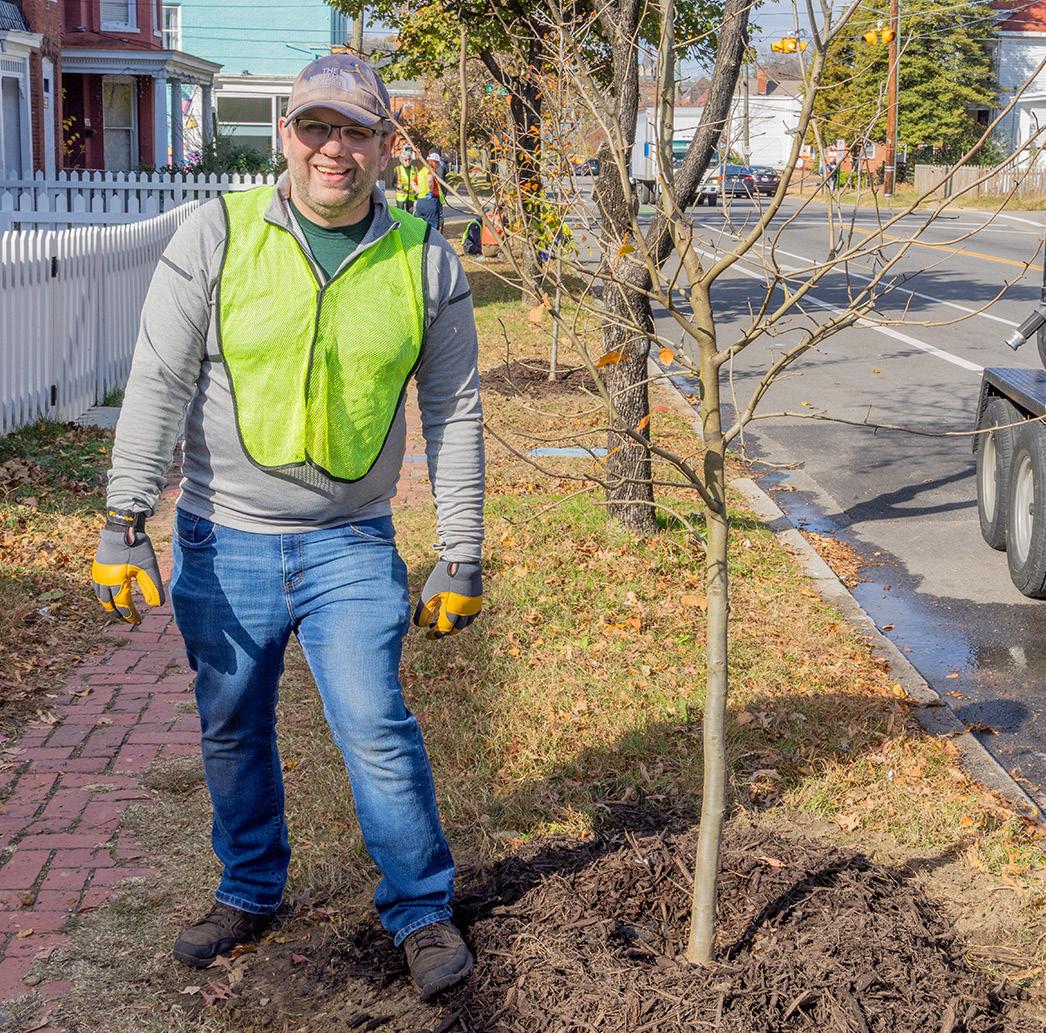
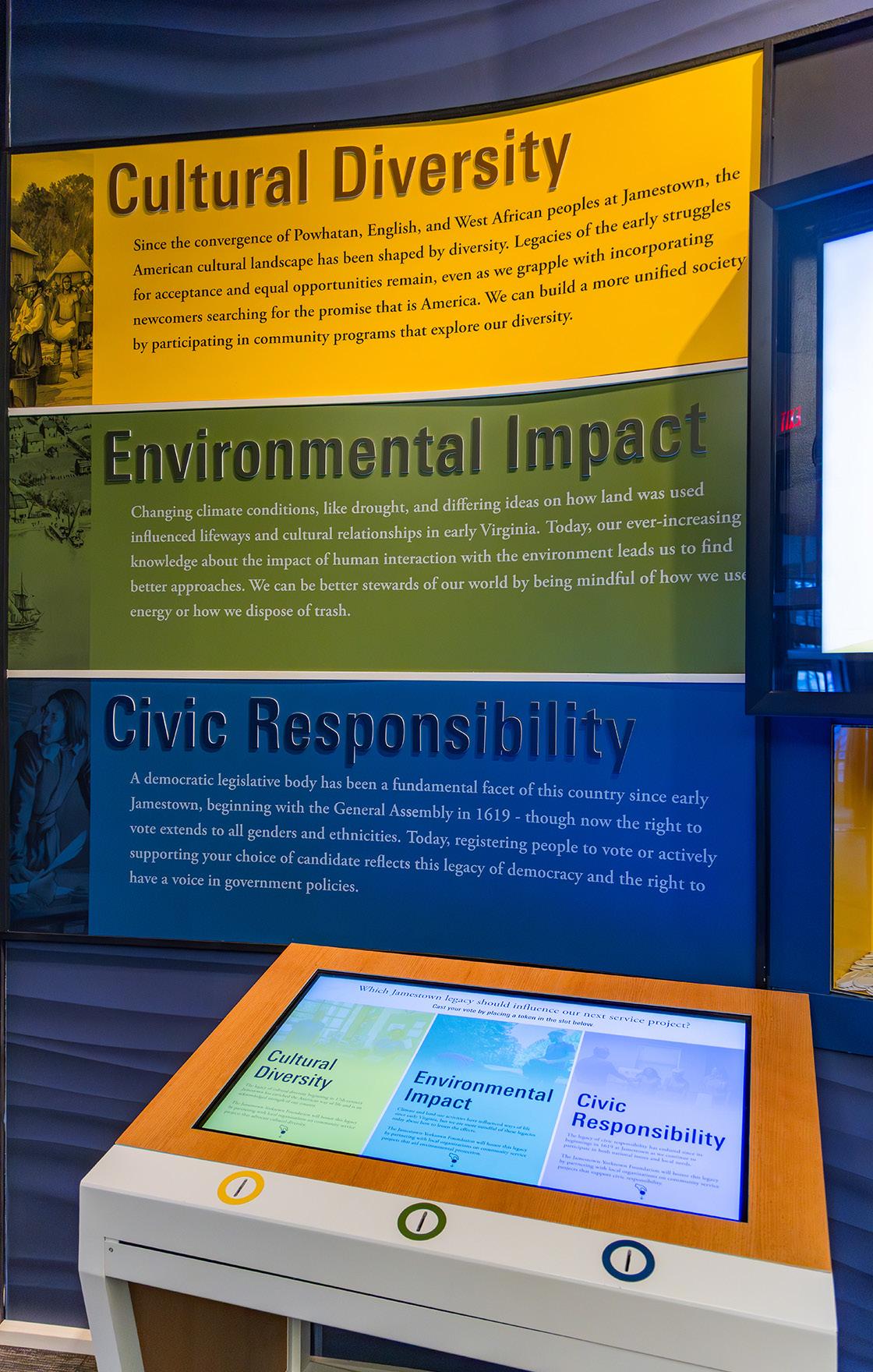
Visitors to Jamestown Settlement’s galleries can now vote on which legacy from Jamestown’s founding they believe should inspire a JYF community action project. Choosing from the legacies of cultural diversity, environmental impact, or civic responsibility, 10,551 visitor votes determined that JYF’s first 2025 action project would support the local environment. In November 2025, the Community Engagement team and staff across the agency partnered with the James River Association for a community tree-planting event at the East End Branch of the Richmond Public Library. By expanding the tree canopy, trees can reduce stormwater runoff, improve local air quality, reduce urban heat, and establish wildlife habitats. Gallery exhibits examine how the early years of the Jamestown colony were shaped by the environment. Tree-ring data reveals that when Jamestown was established in 1607, they experienced the worst drought in 770 years, impacting water quality and food resources.
Tobacco cultivation later yielded profits but quickly depleted soil nutrients and required an ever-growing need for land and labor. This greatly impacted the environment as vast swaths of land were used for large-scale agricultural practices that led to displaced Indigenous peoples, deforestation, pollution, and forced labor, which left a long legacy.
Visitor voting will continue to shape JYF’s community projects, with votes tabulated on a triannual basis to inspire action based on Jamestown’s legacies. For more information, visit jyfmuseums.org/legacy.