architecture portfolio





SELECTED WORKS



Year [3]: 2022 Spring Studio: Diploma Design
Team: Jess Kiser
Concept: Revealing the lost history of NYC, a city built on slavery Programs Used: Rhino, Grasshopper, Revit, Lumion, Illustrator, Photoshop, InDesign
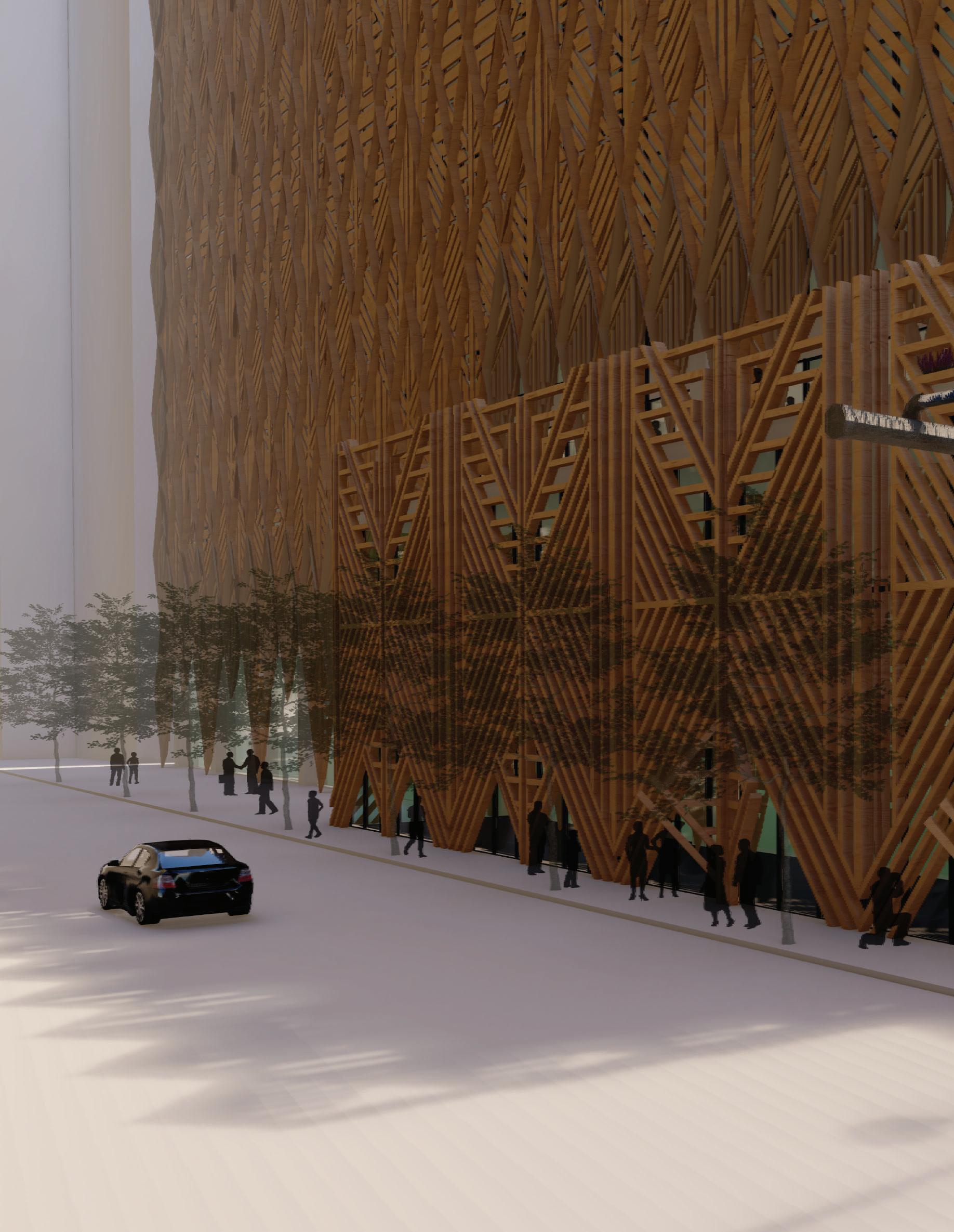
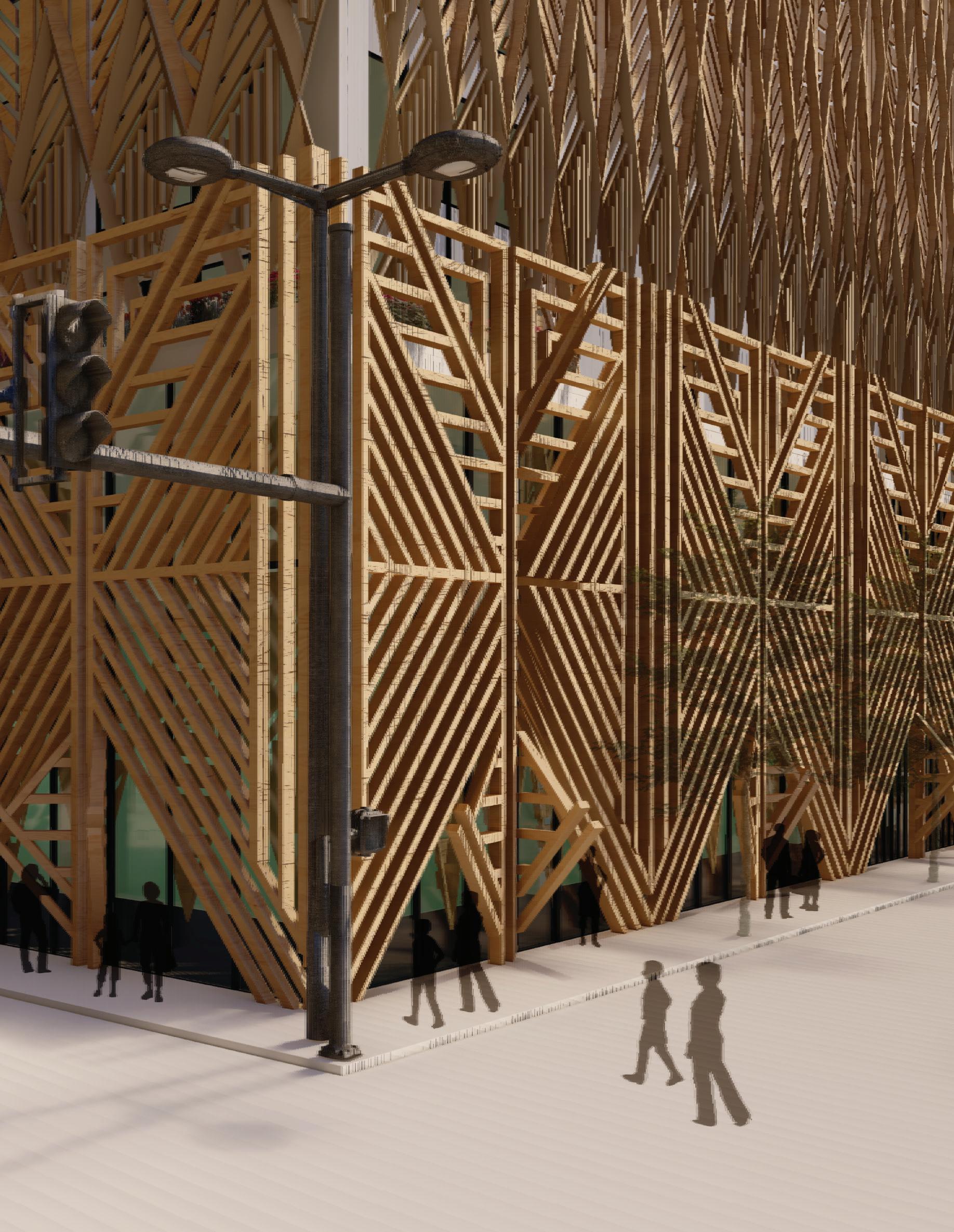
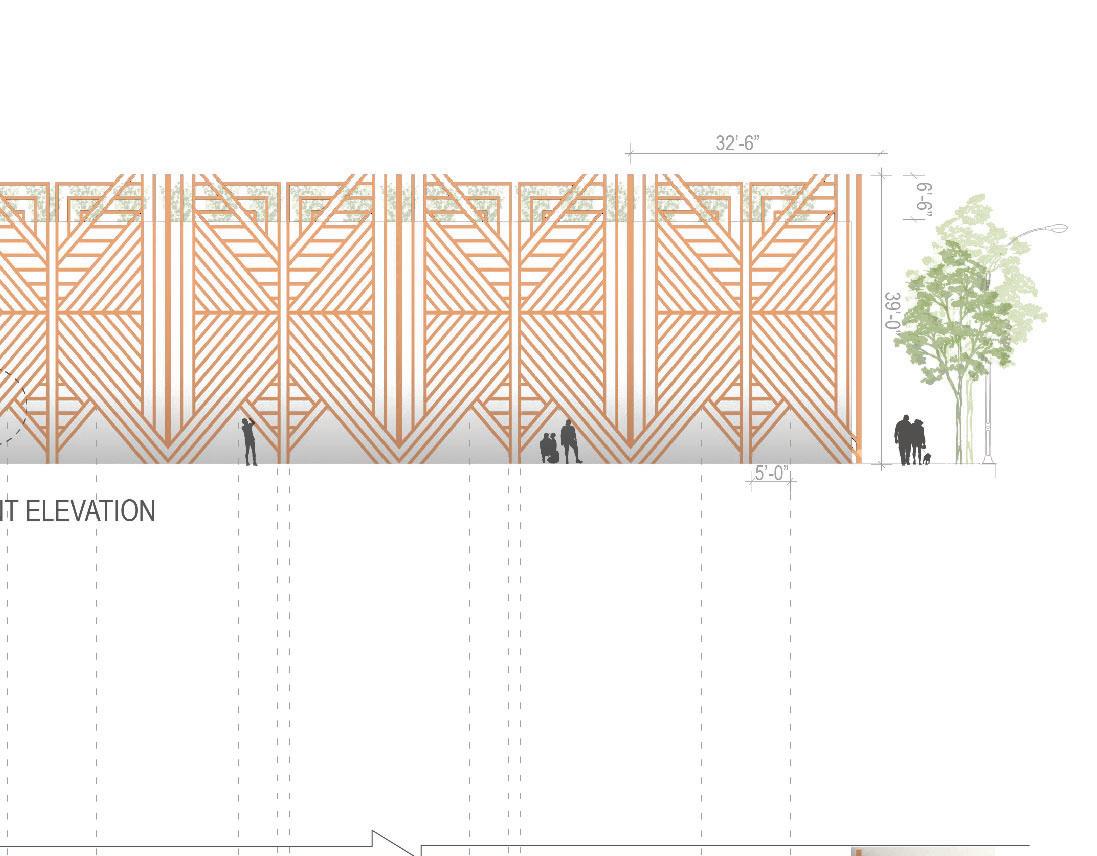
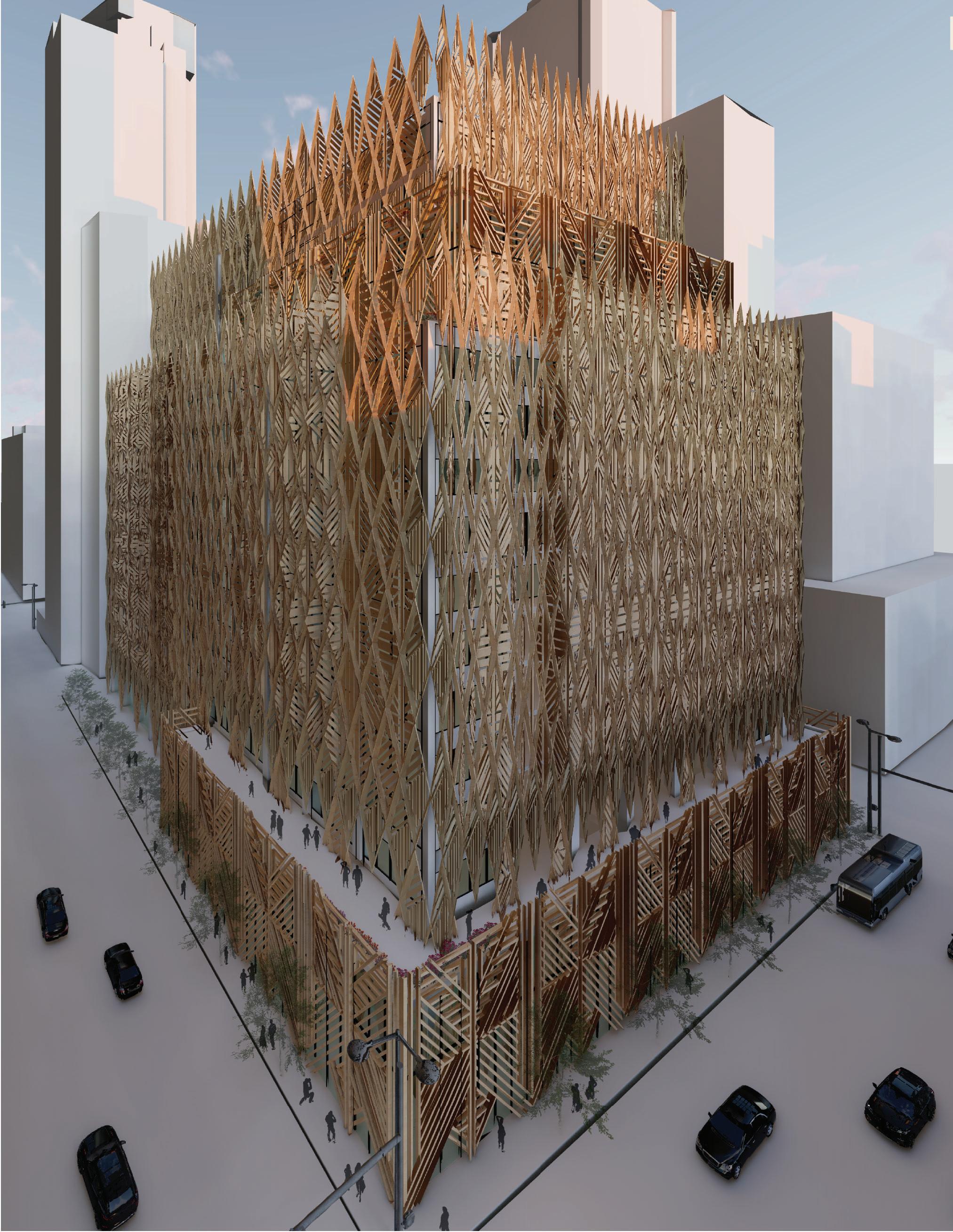
Sankofa is an active kinetic facade intervention that focuses on proposing a carbon-neutral design, with Congolese inspired material, motif, and movement. Congo was the largest of three locations in Africa where individuals and families were kidnapped from, then brought to New York City and subsequently responsible for the city’s construction. The African Burial Ground is approximately 3 miles from the proposed site location.
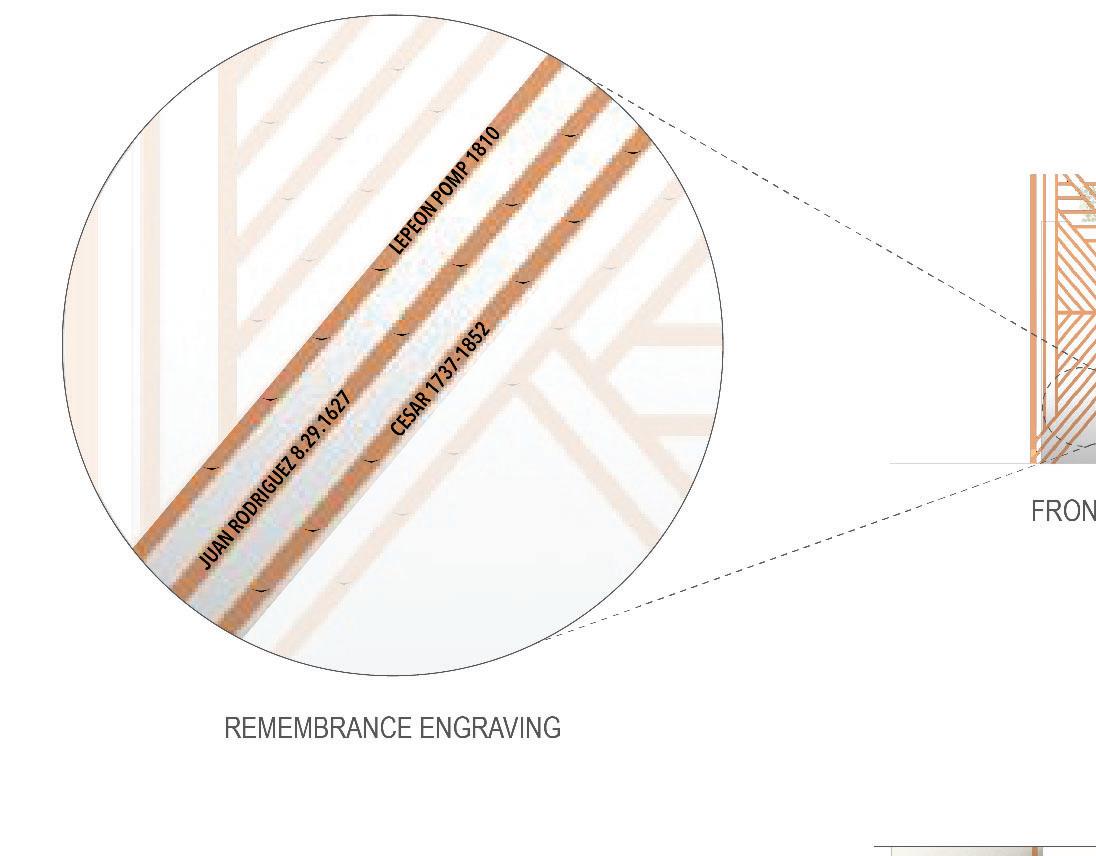
Foundational research was rooted in studying the early history of New York City, its connection to slavery, and further investigation of Congo culture. Honoring these African lives that were lost was paid through the education and celebration of Congo design, incorporating ritual inspired kinetic movement (tertiary function).
Historical Congolese patterns were analyzed through local textiles and oliphants. It is believed that stories were created within these patterns then passed down generations. Key pattern features became the facade design inspiration. Integrating the Sankofa symbol reminds us that we must continue to move forward, as we remember and honor our past.



Year [3]: 2021 Fall
Studio: Integrated Design
Team: Jess Kiser + Jordan Reynolds
Concept: Connecting past, present, and future
Programs Used: Revit, Rhino, Lumion, Illustrator, Photoshop, InDesign
*AIA 2022 COTE TOP 10 COMPETITION ACSA STUDENT PARTICIPANT
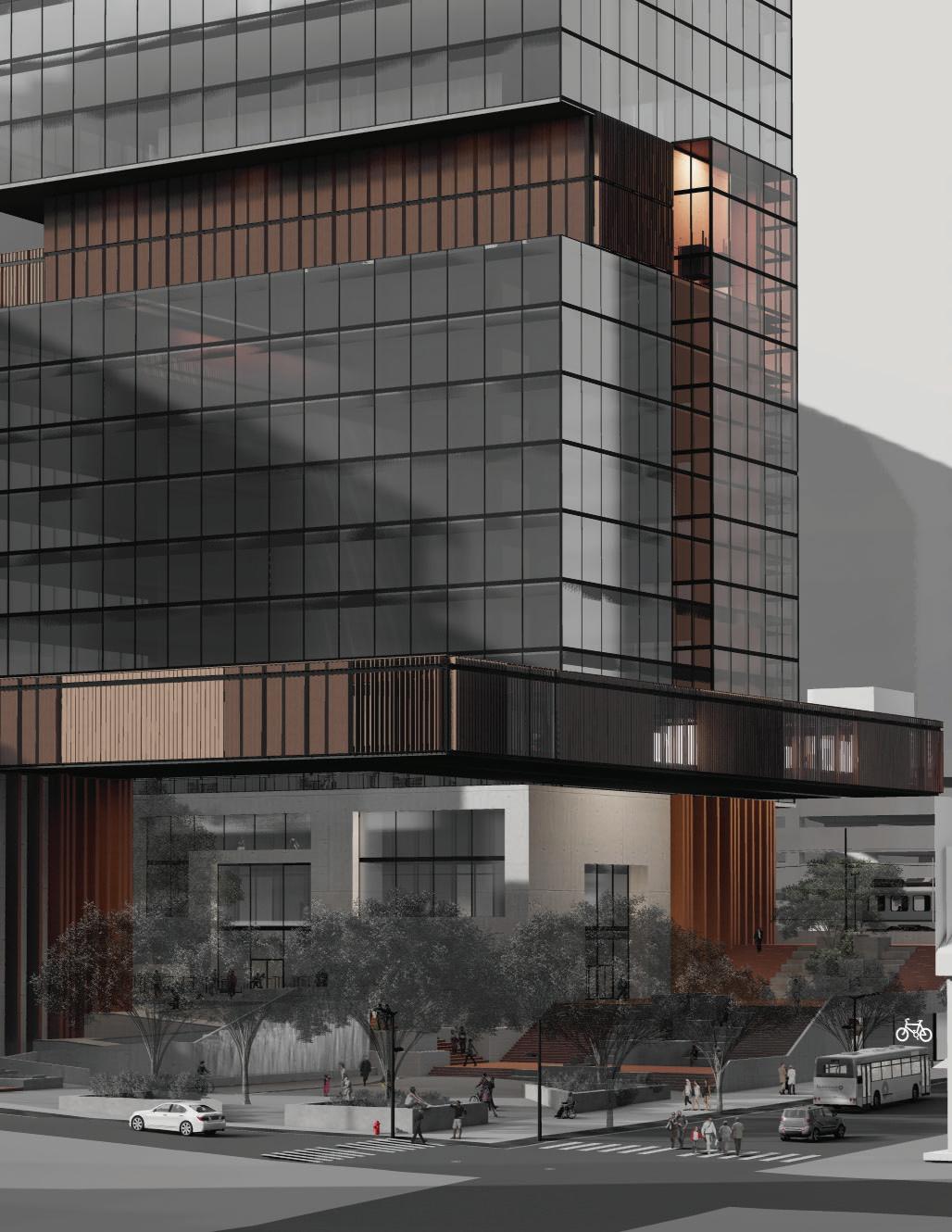
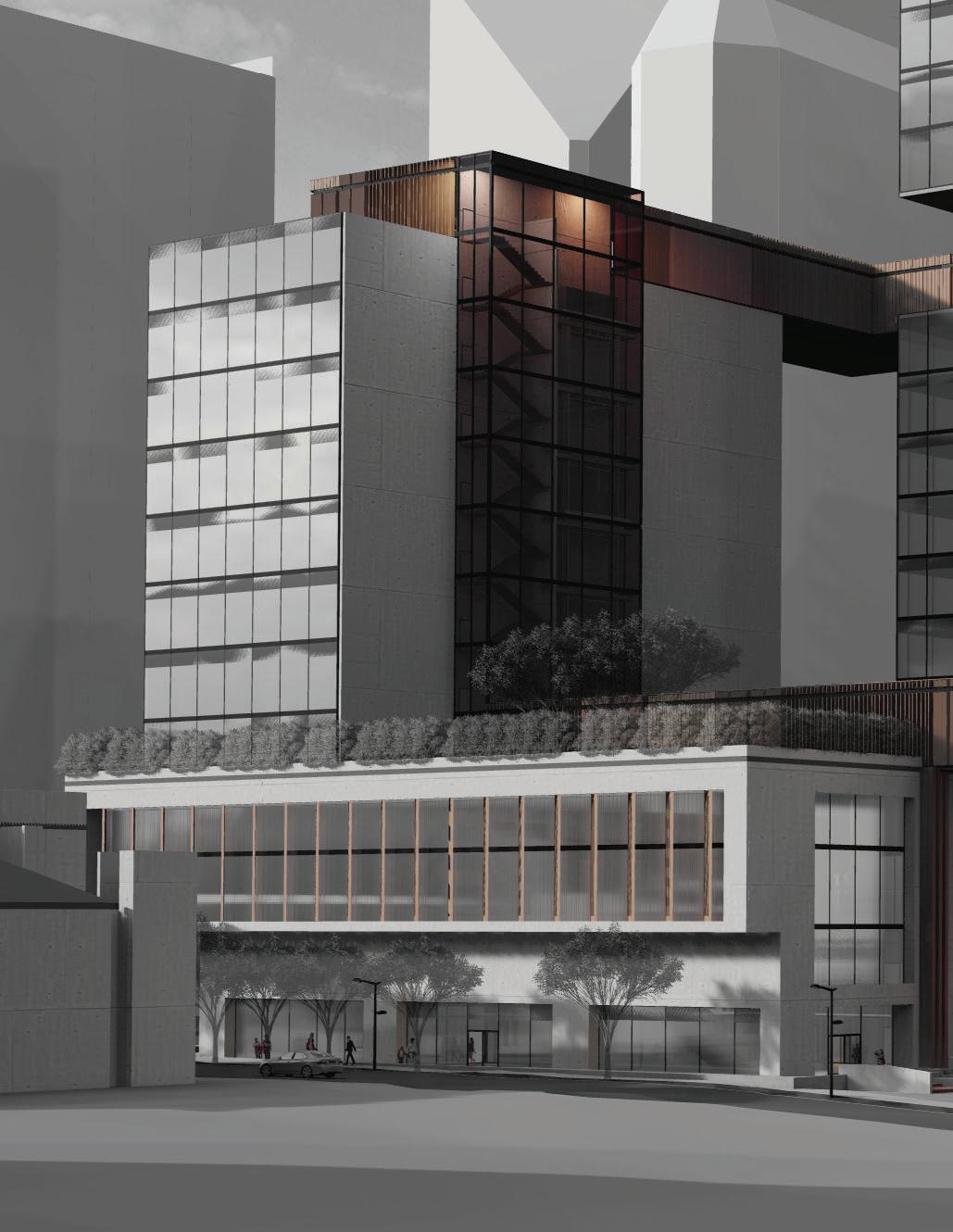
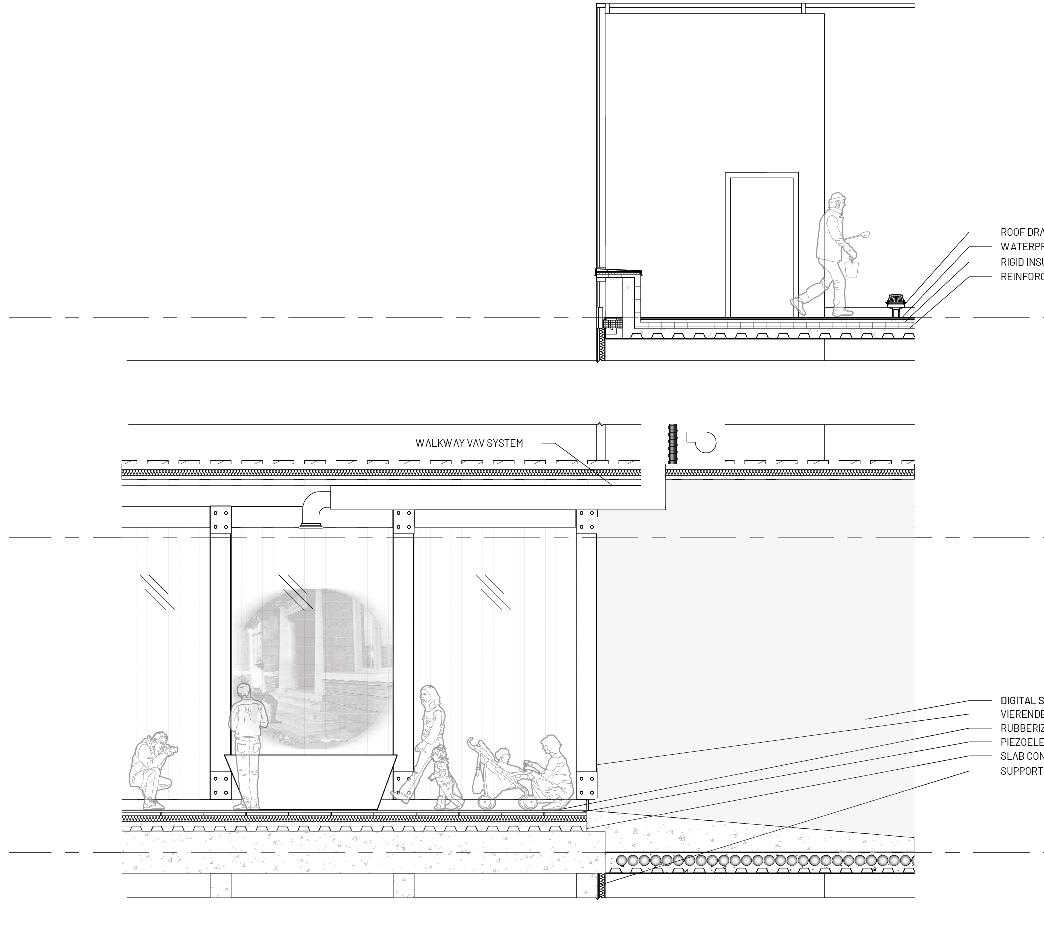
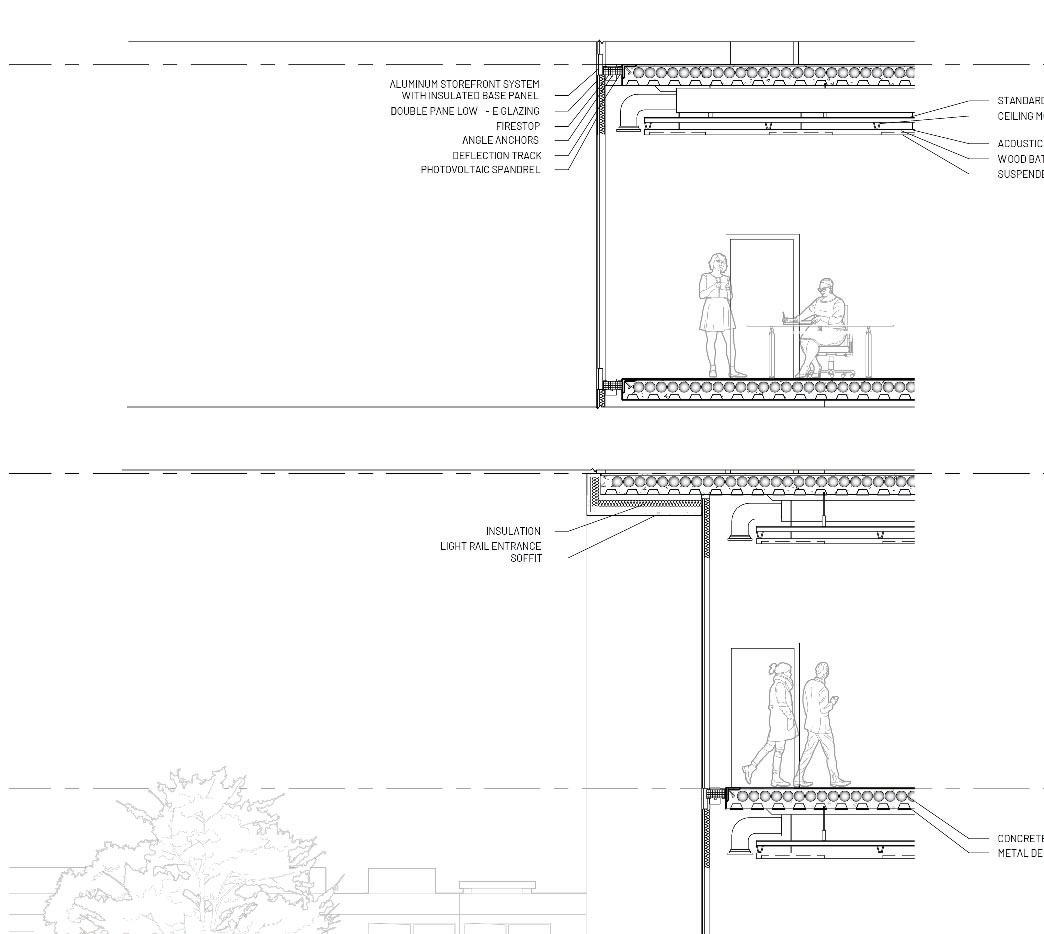
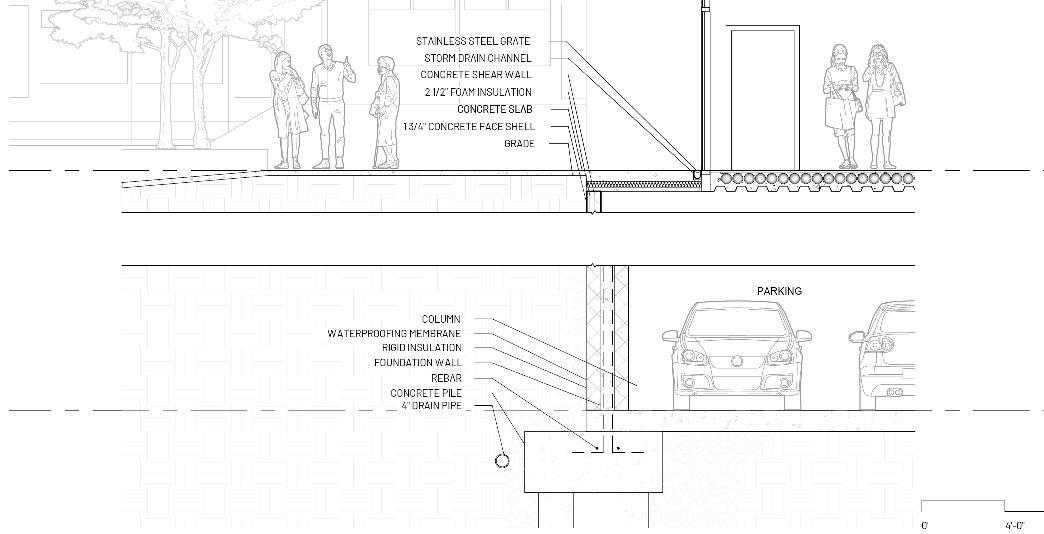
Charlotte, NC has a habit of erasing its history, and as a result, the historical and cultural elements are missing from the city. In the 1960’s Brooklyn was a thriving African American neighborhood that was the economic epicenter of black Charlotte; shockingly, it was demolished almost overnight.
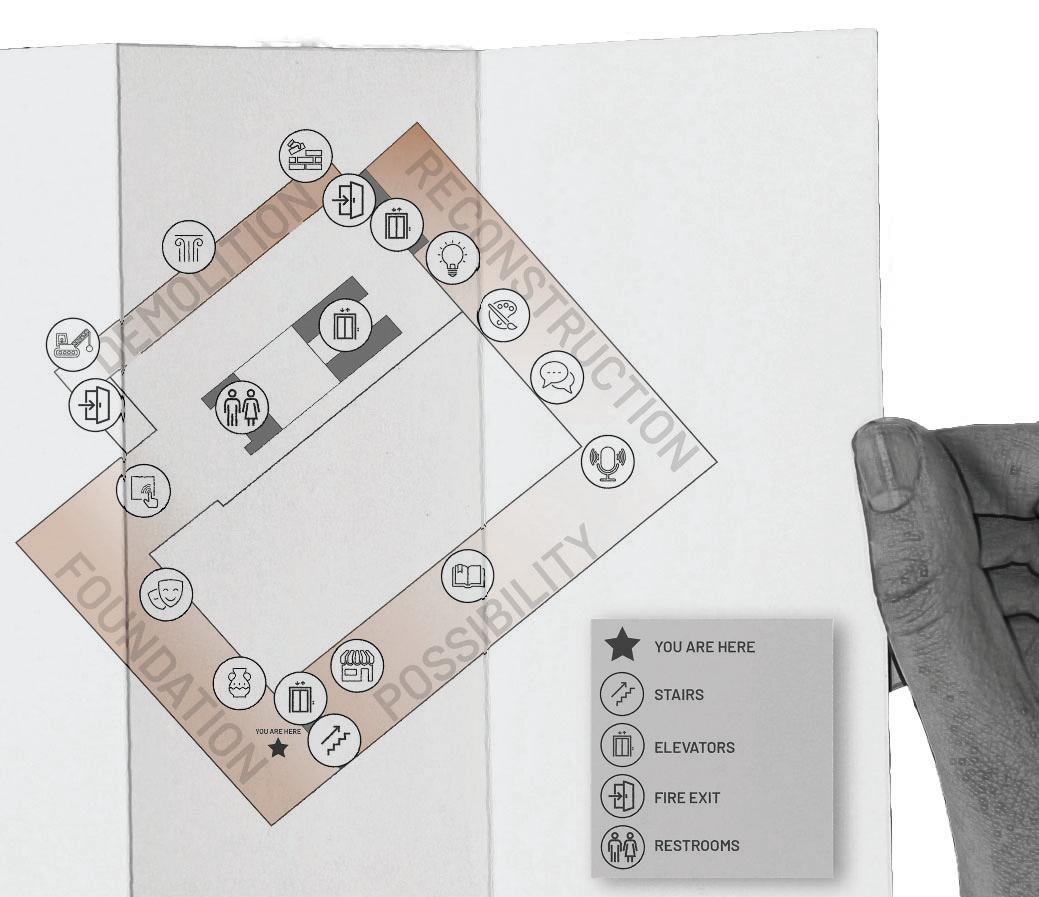
Today, little is known of these events, leaving a void in Charlotte’s historical identity. Through analyzing the past, present, and future, an ongoing cycle of movement is created. Devoid of the past, that cycle is forever broken - insert the purpose of Missing Link.
Concept was translated into the Missing Link Museum design, connecting an intentionally selected vocational school and business incubator. Local businesses are promoted through this concept, infusing trade back into the area - an asset Brooklyn once brought to the city.


Year [2]: 2021 Spring
Studio: Urban Agrihood Design
Team: Jess Kiser
Concept: Where the neighborhood comes together
Programs Used: Revit, Lumion, Illustrator
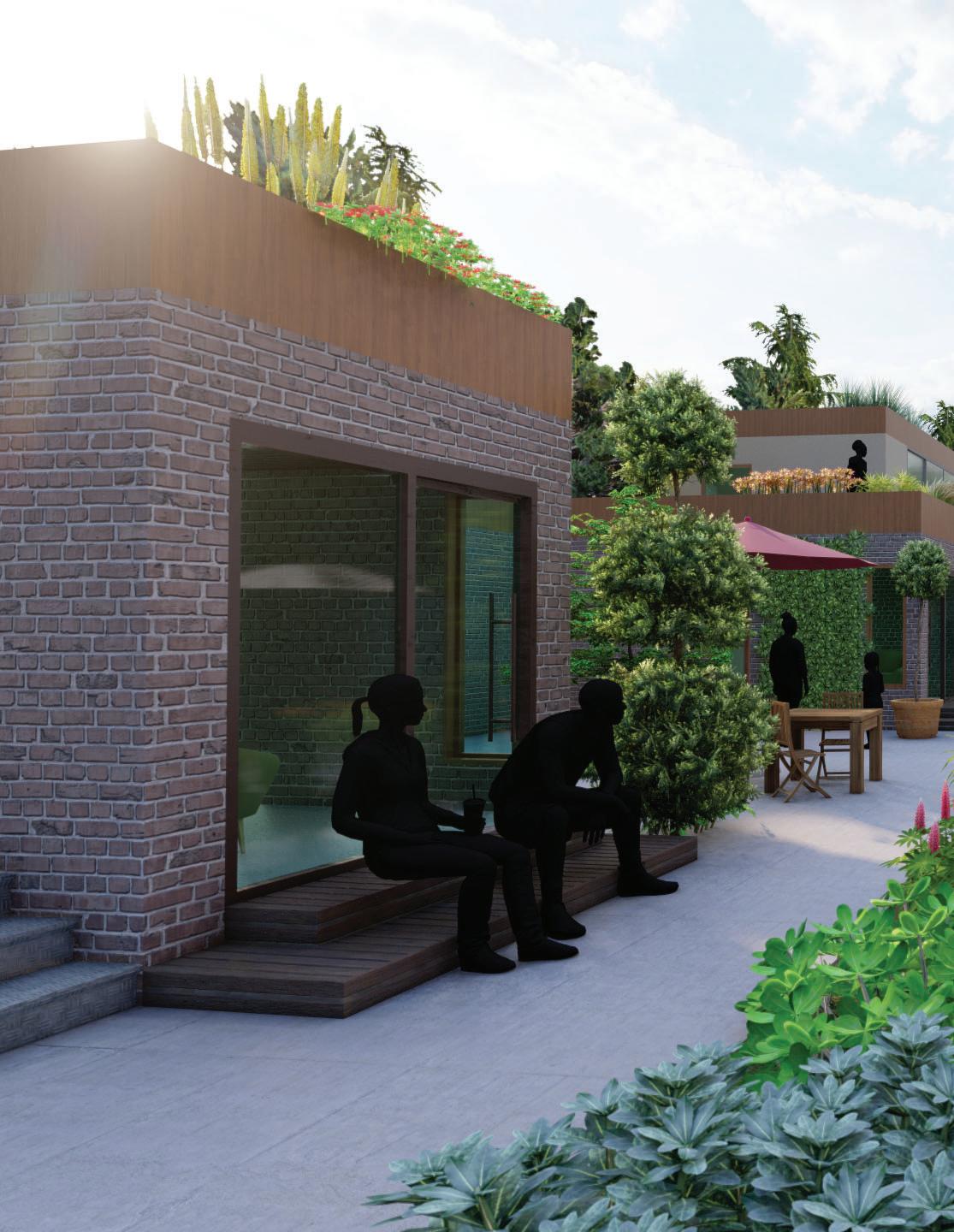
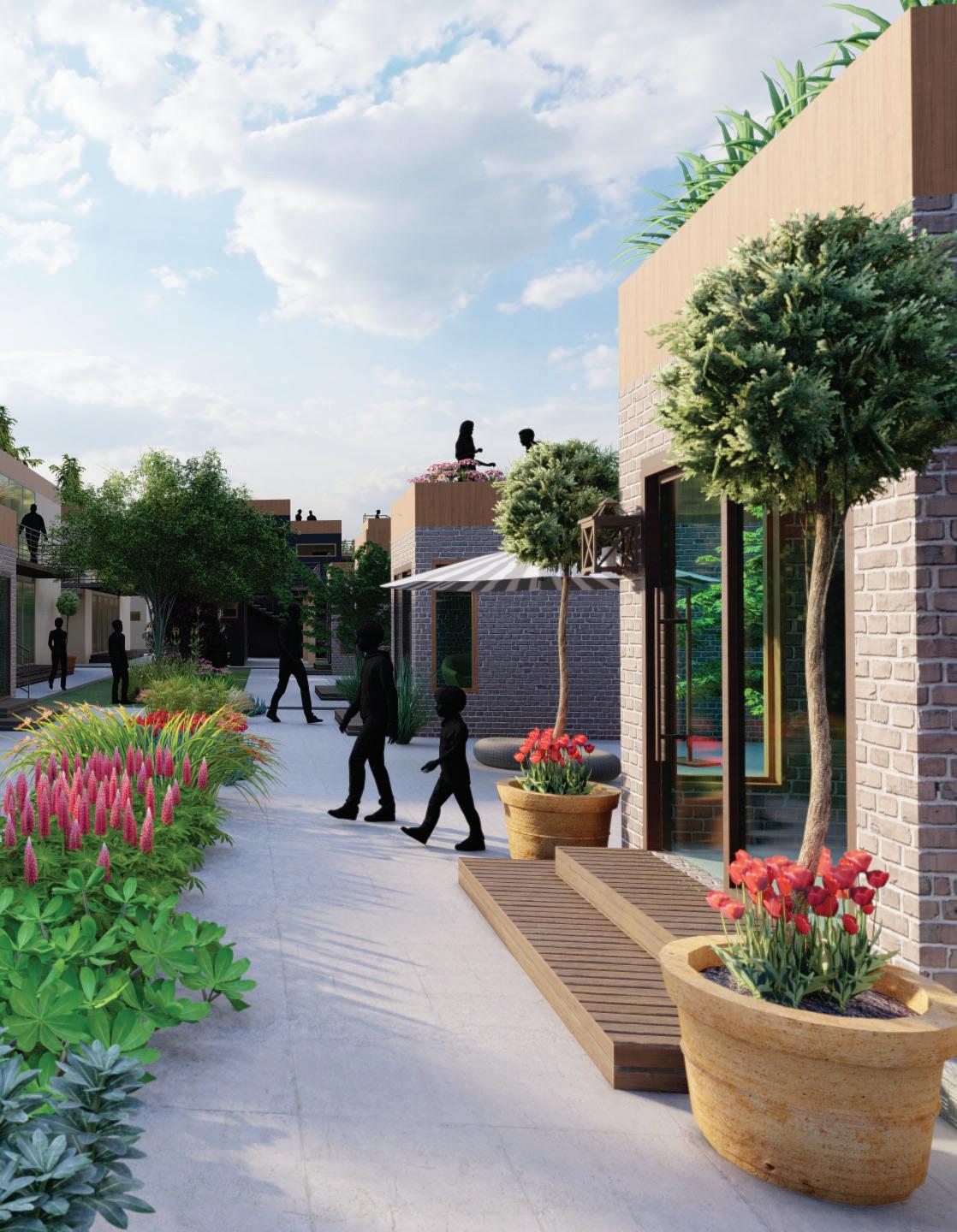
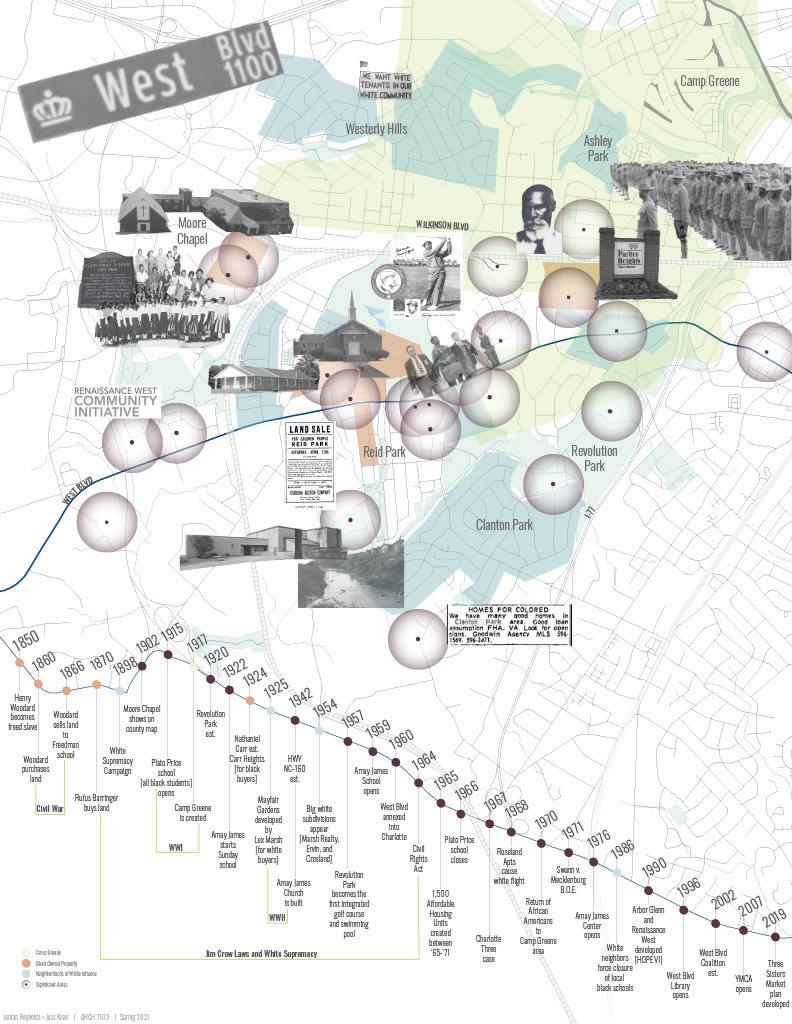
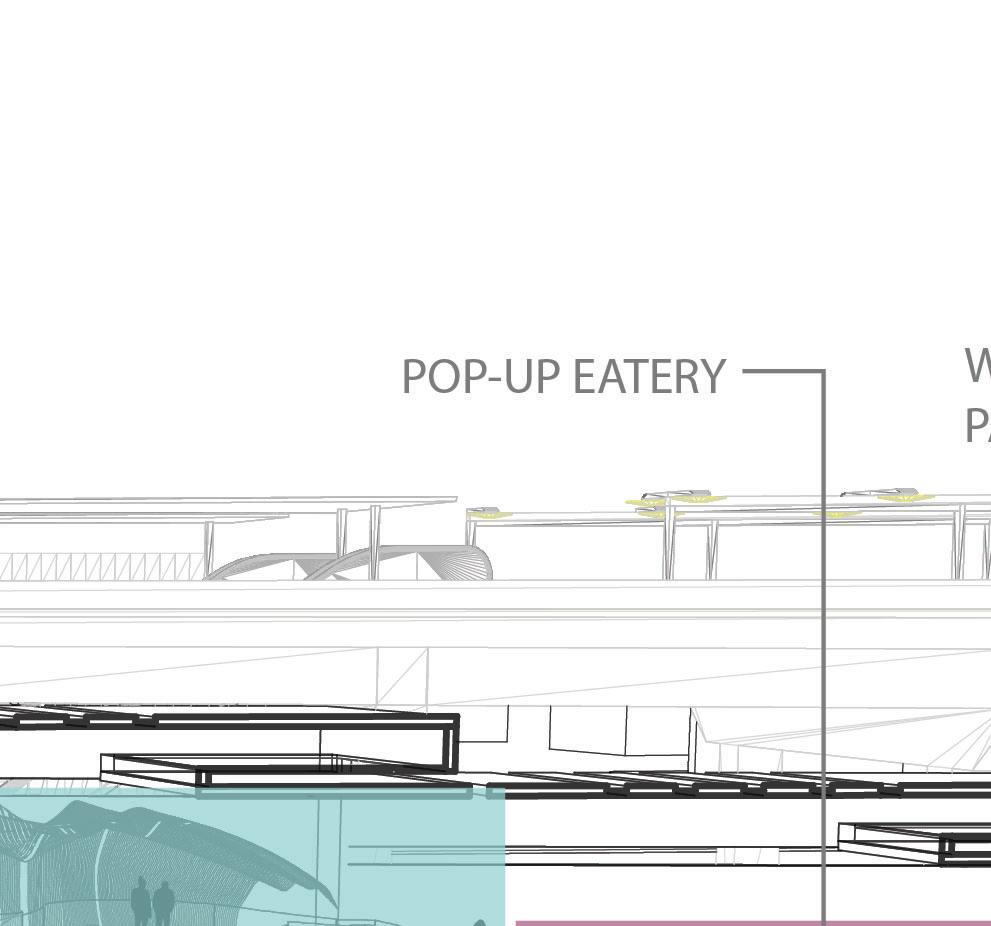
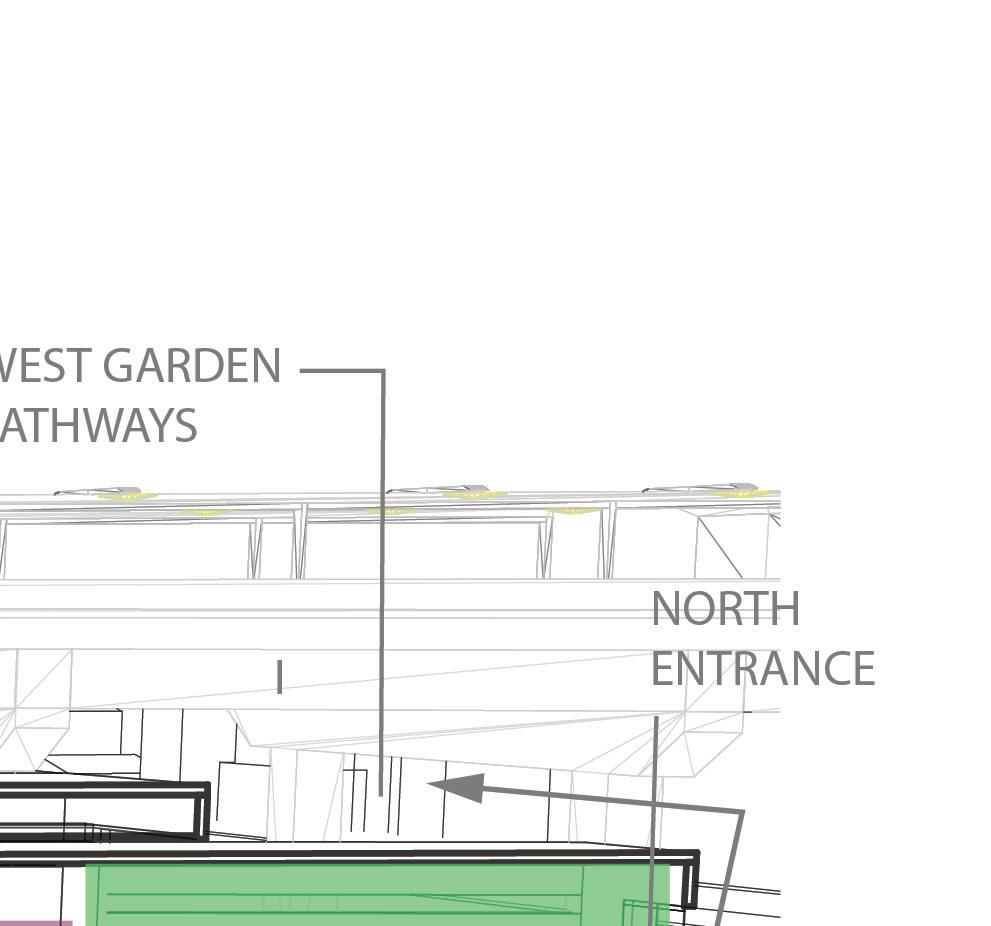
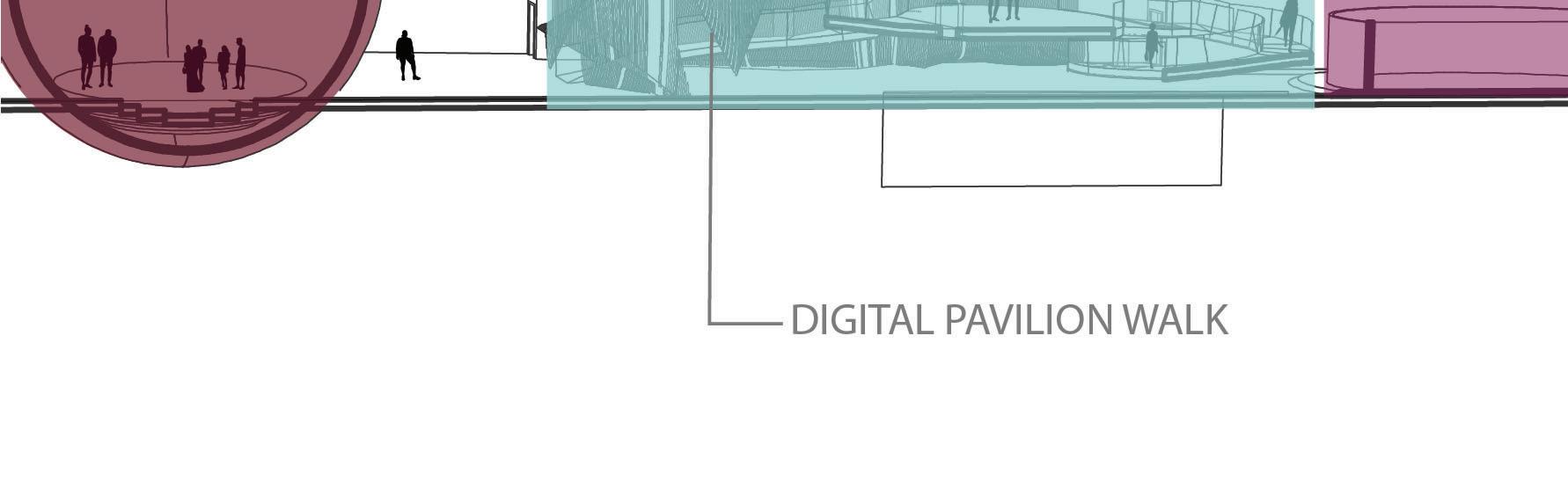
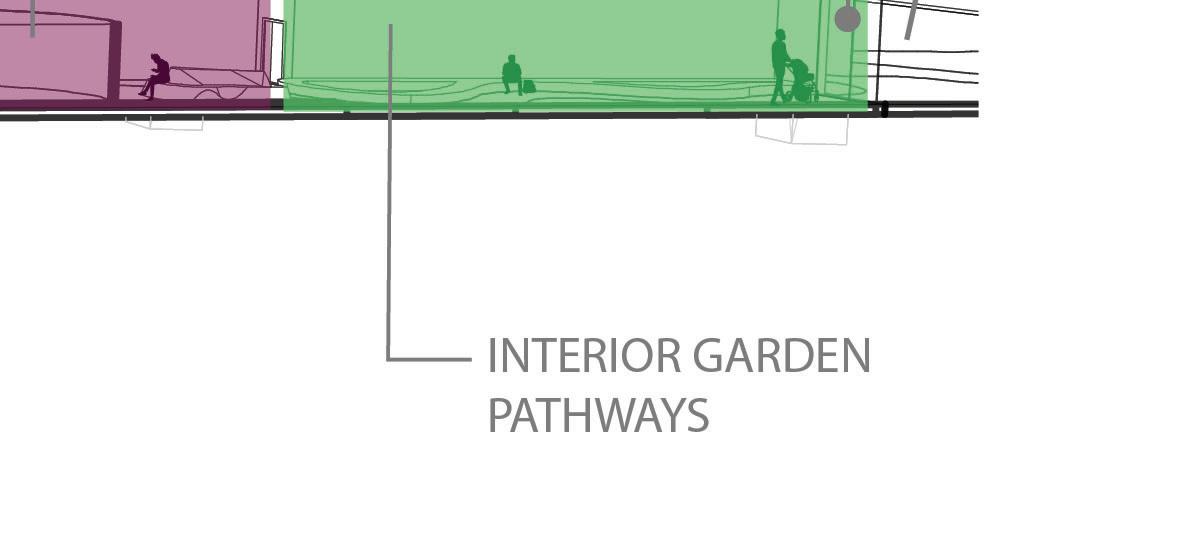
Over the years, West Boulevard in Charlotte, NC has seen a lot of change; even so, one constant remains – the individuals within the community who seek to add value for the benefit of others. Despite this resilience, recent data reveals that there is a lack of cultural identity and connection to historical roots within the community. With that said, how can we bring the community back together, while creating a space that encourages a sense of togetherness?
Adaptable building space manifested itself in modular design on site. Residential units paired with public units create more community focused spaces for gathering. An edible garden allows residents to connect with others in need within the larger community; while the West Boulevard Historical Walk allows for a physical walk throughout history.

Year [2]: 2021 Spring
Class: History IV
Team: Jess Kiser + Messay Simie
Concept: Design proposal for Mecklenburg County

Programs Used: Revit, Illustrator
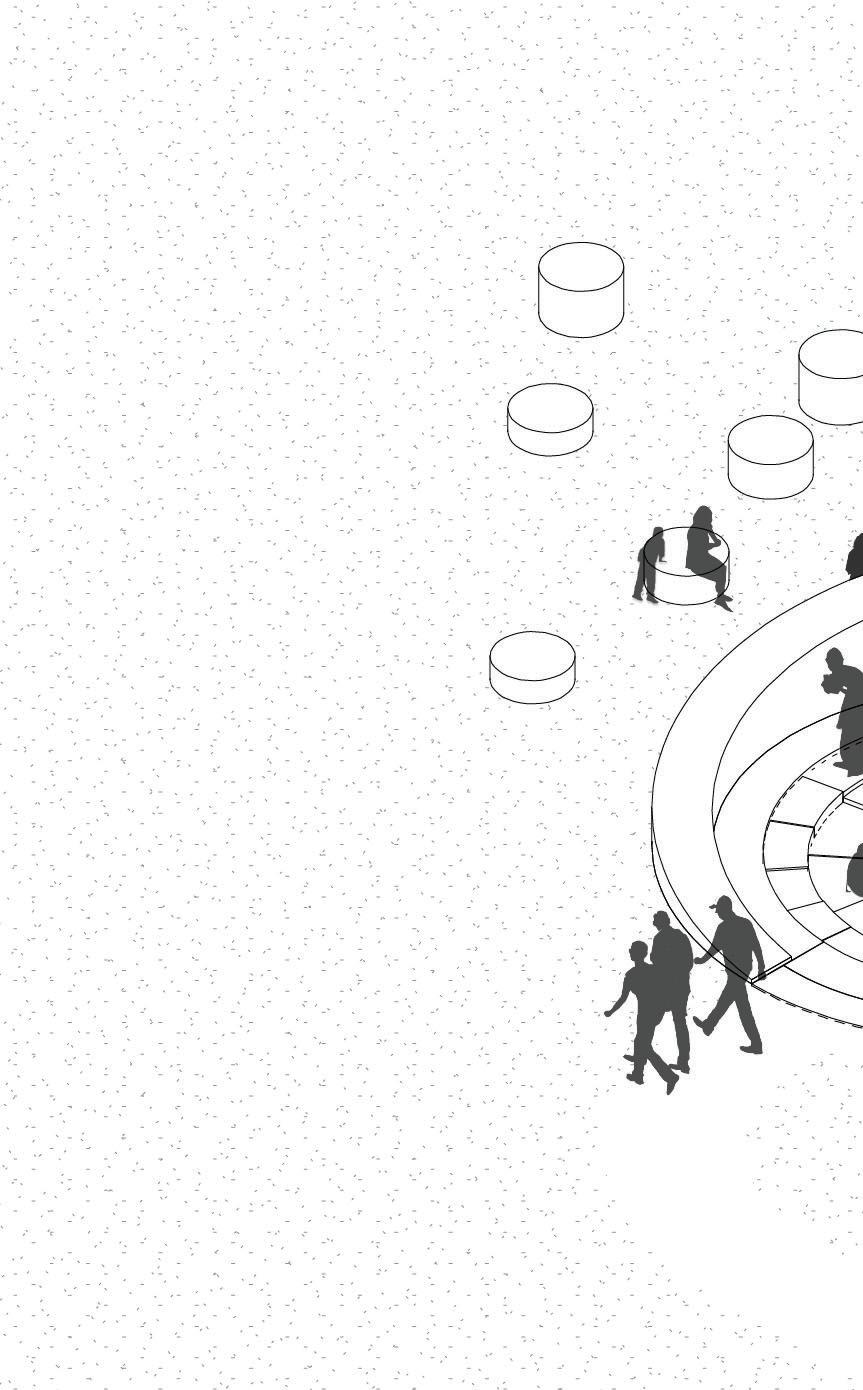
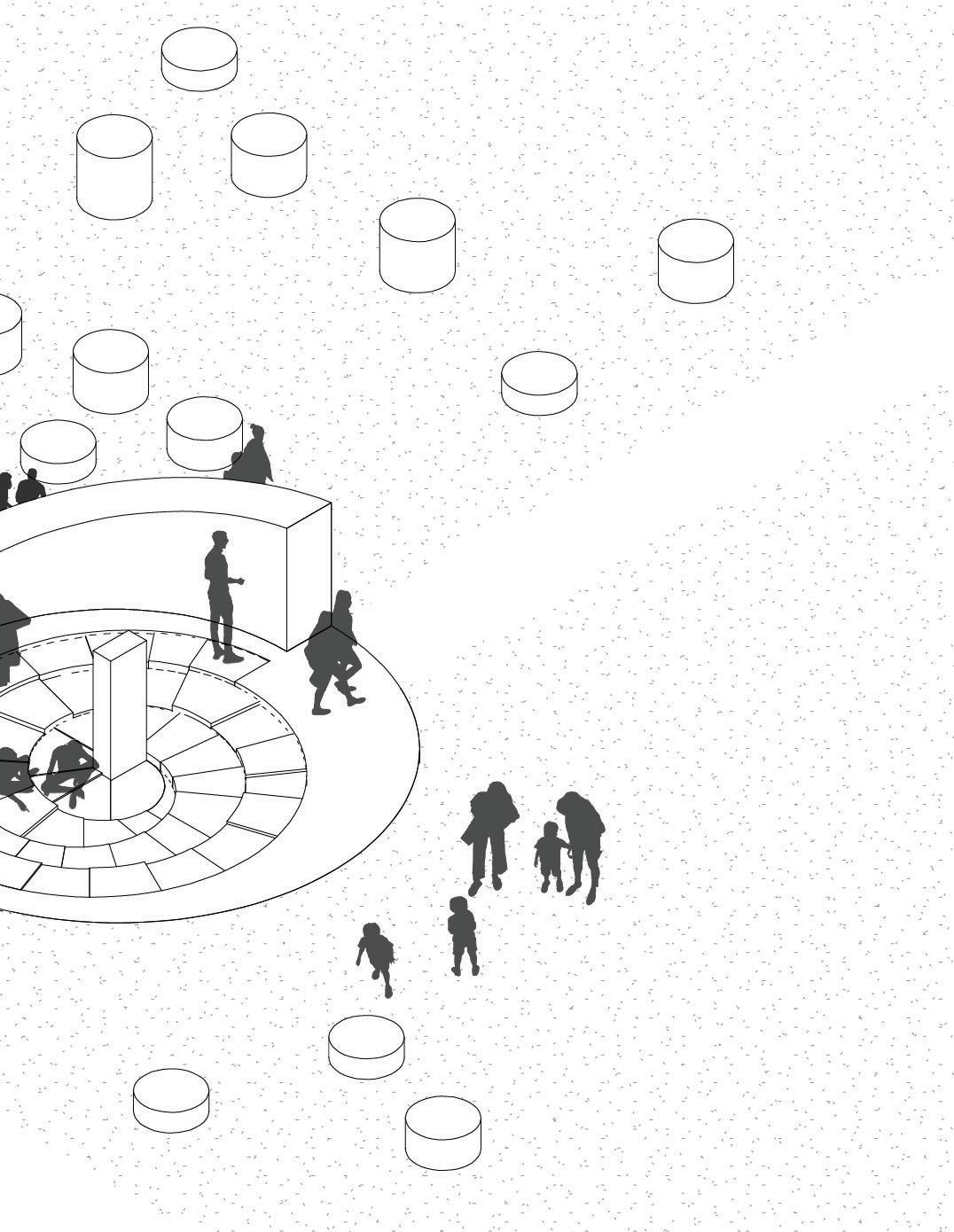
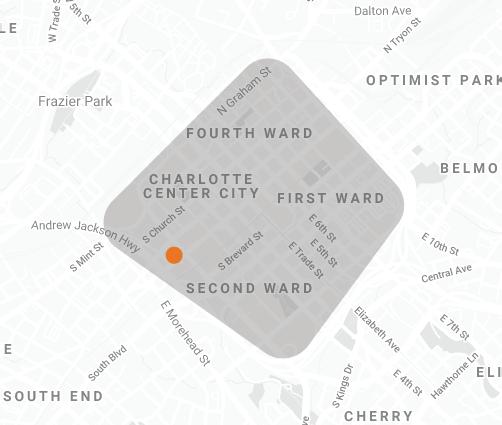
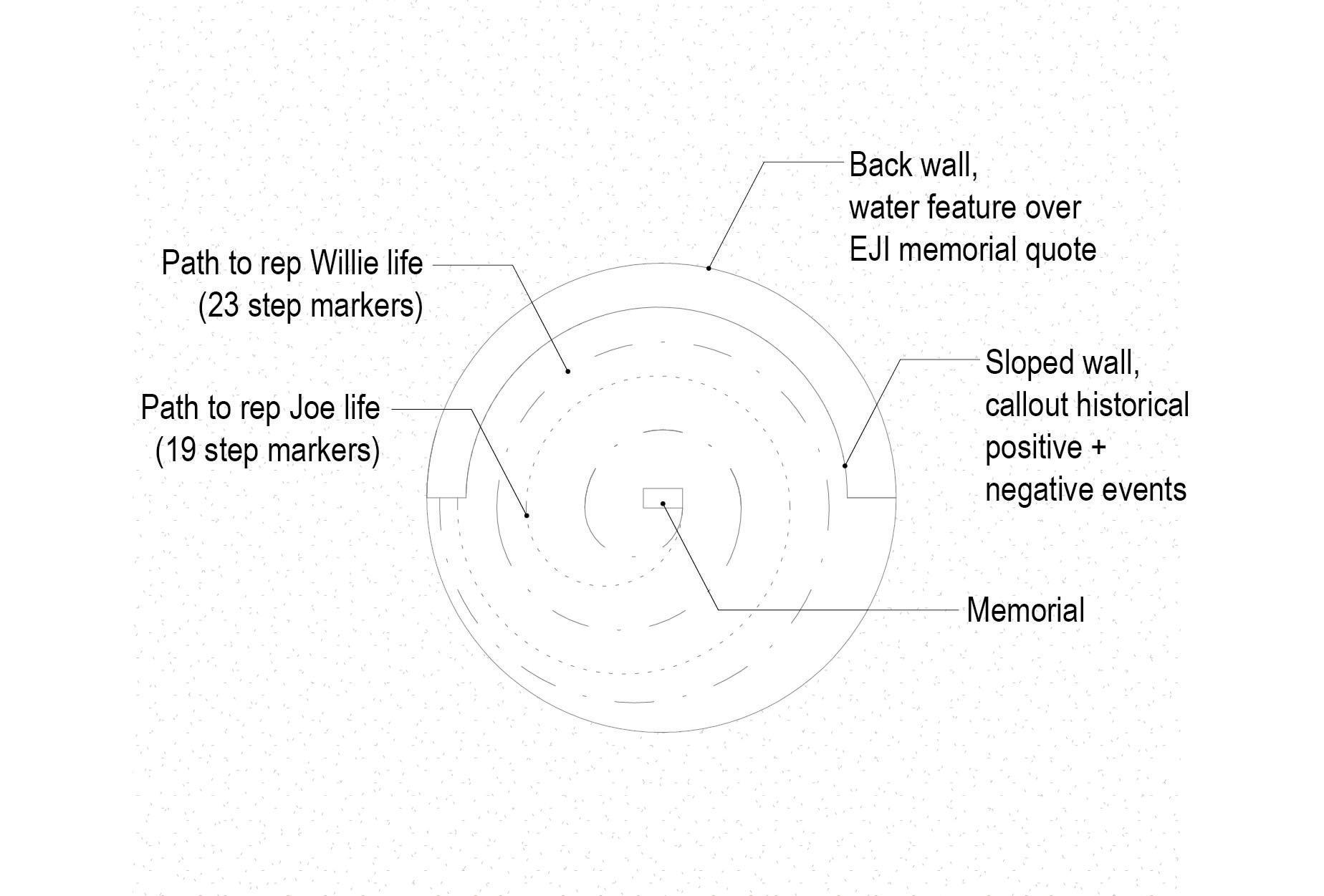
Honoring the lives of those lost to lynching is necessary for healing within a community. This design concept is a proposal for the placement of the Charlotte, NC memorial (connected to the National Memorial for Peace and Justice located in Montgomery, AL).
This design concept encompasses site selection, creation of form, proposed materials + text, along with community engagement ideas. Special care was used in studying the histories of both lynching victims, and their stories have been integrated into the design through inviting pathways that reflect on each lifespan. Representation of present-day Charlotte, along with connections back to the National Memorial for Peace and Justice were incorporated through community engagement and text respectively – allowing opportunities for further education of our country’s lynching history.
Year [2]: 2020 Fall
Studio: Community Design
Team: Jess Kiser + Jordan Reynolds
Concept: Blending the community, redefining the neighborhood
Programs Used: Revit, Lumion, Illustrator, Photoshop
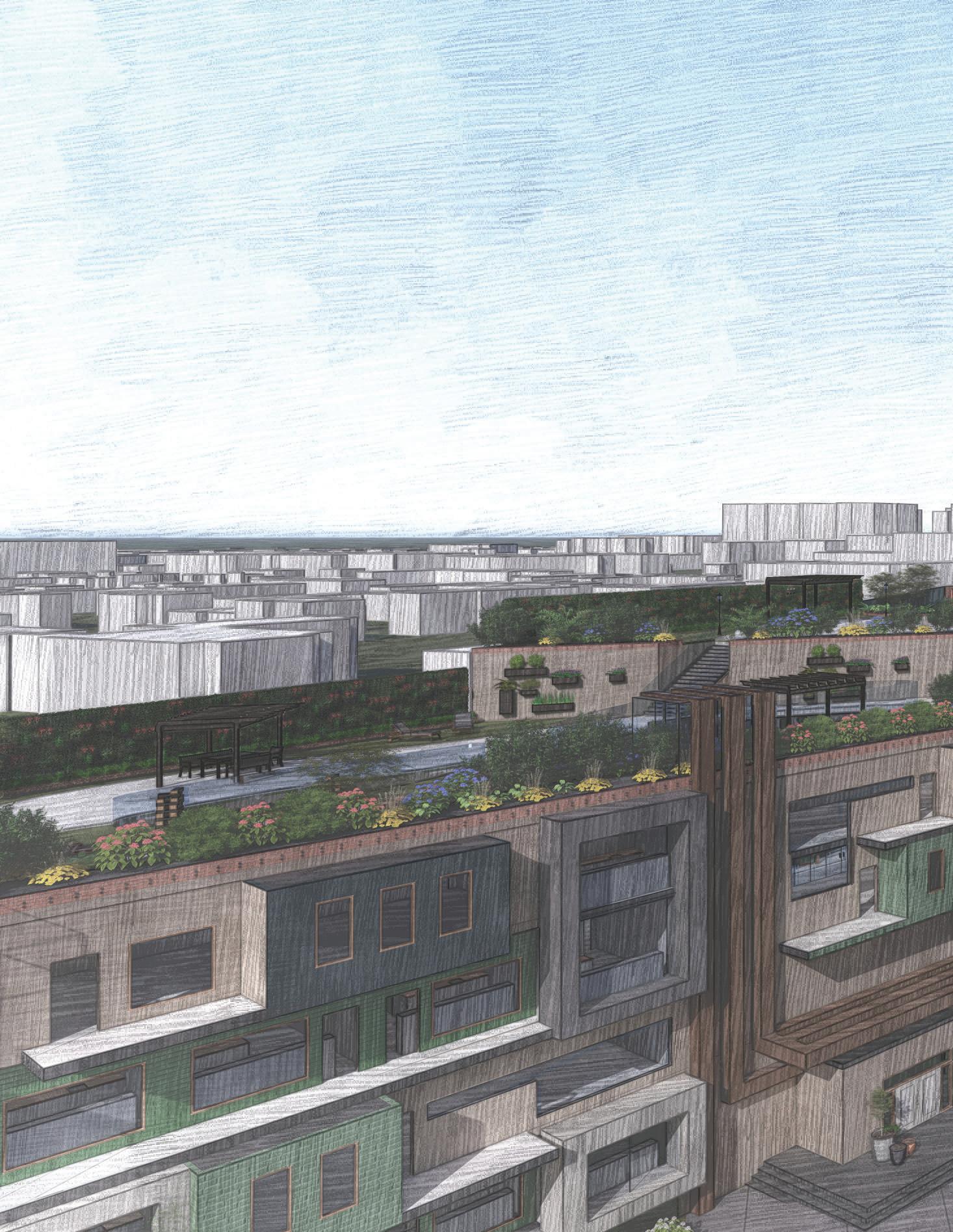
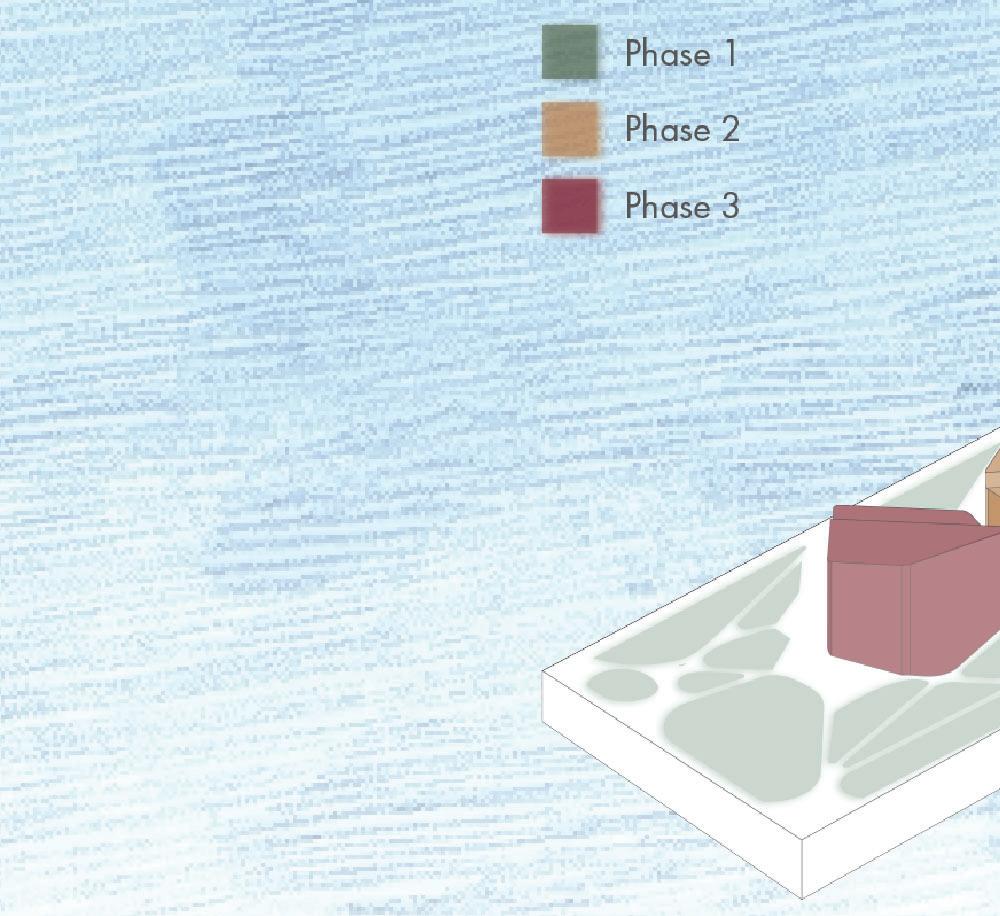
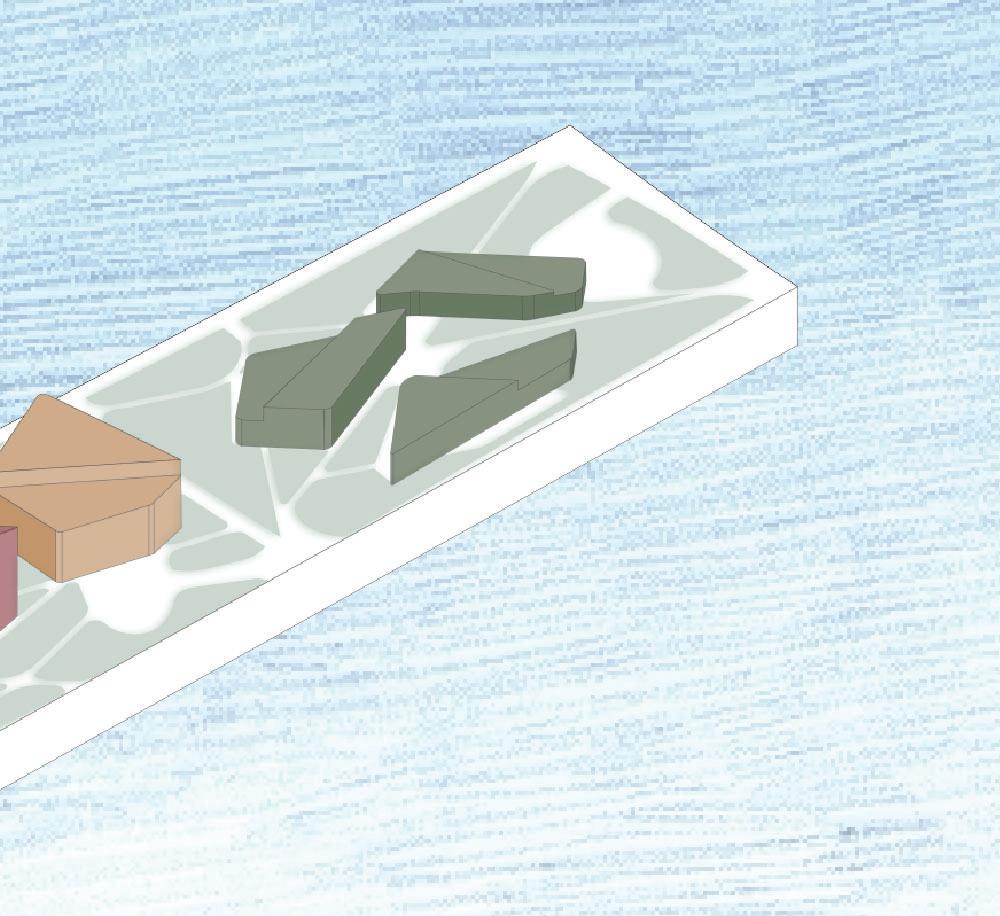
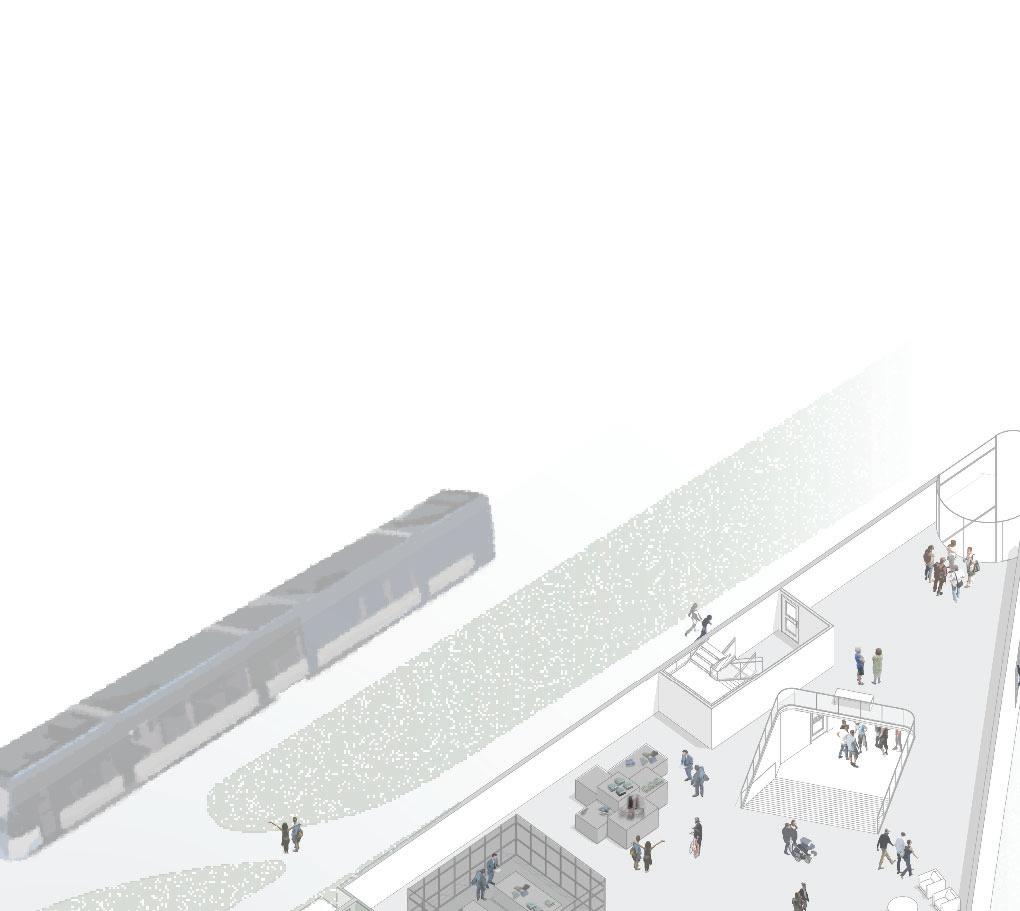
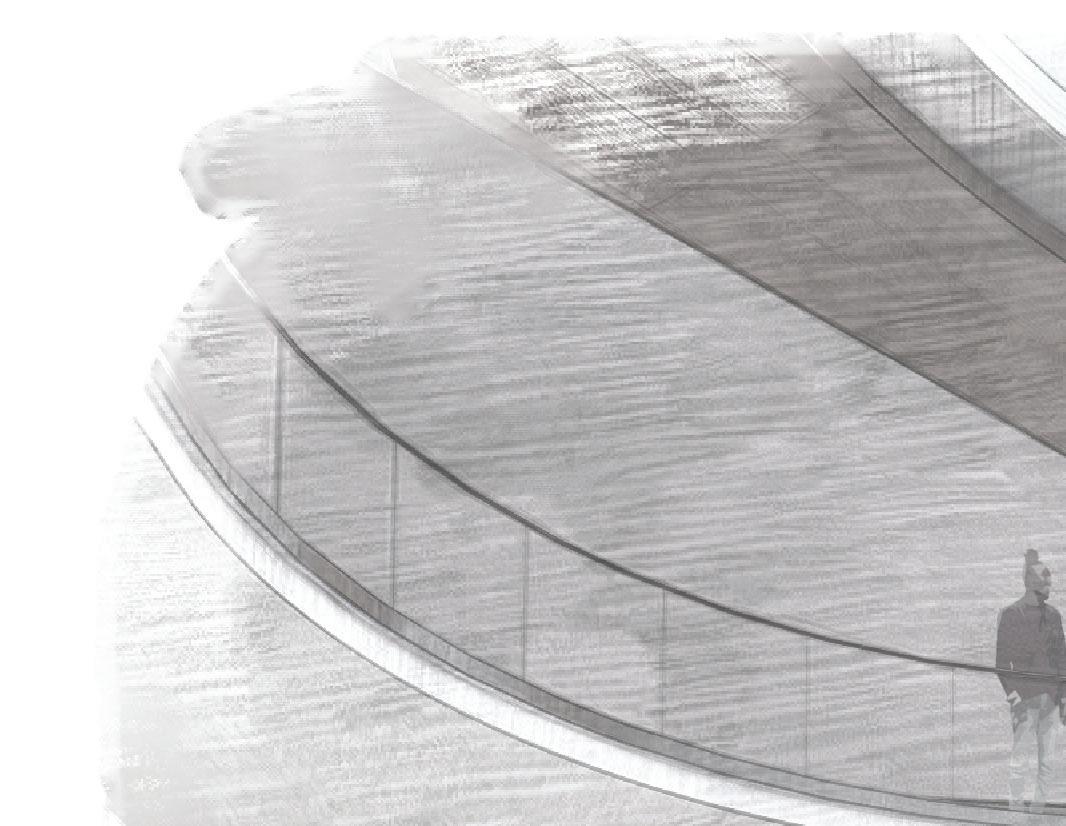
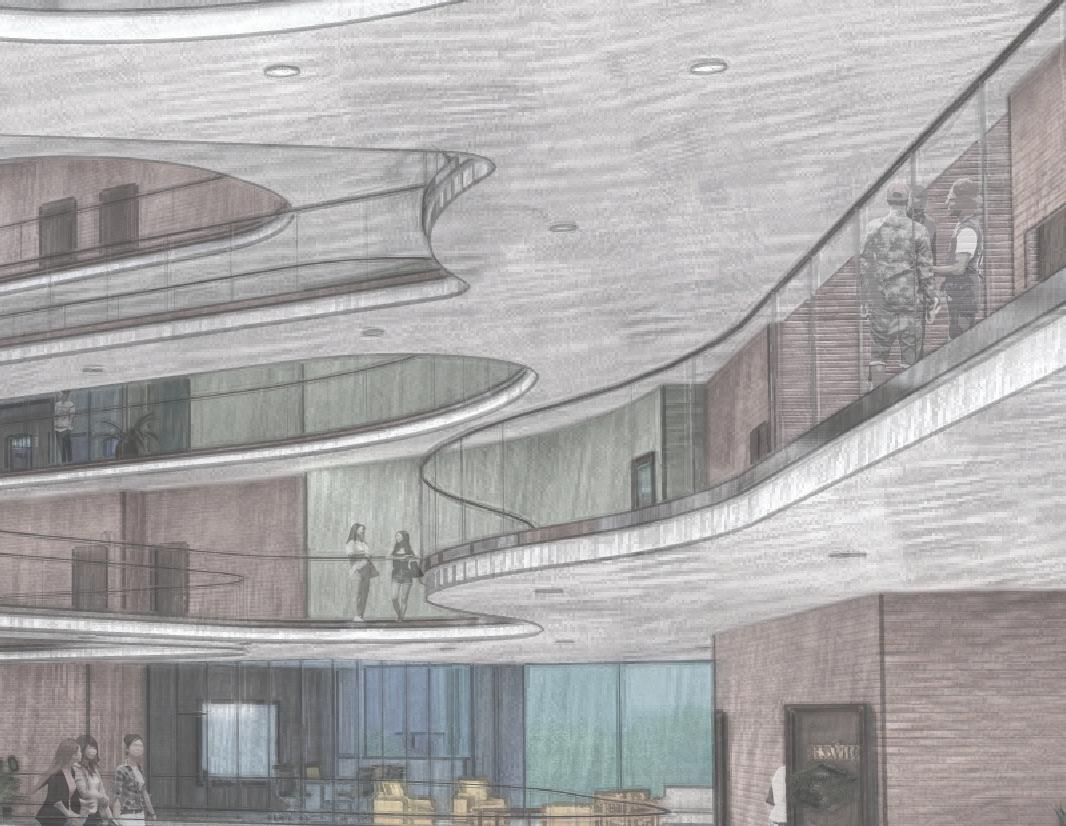
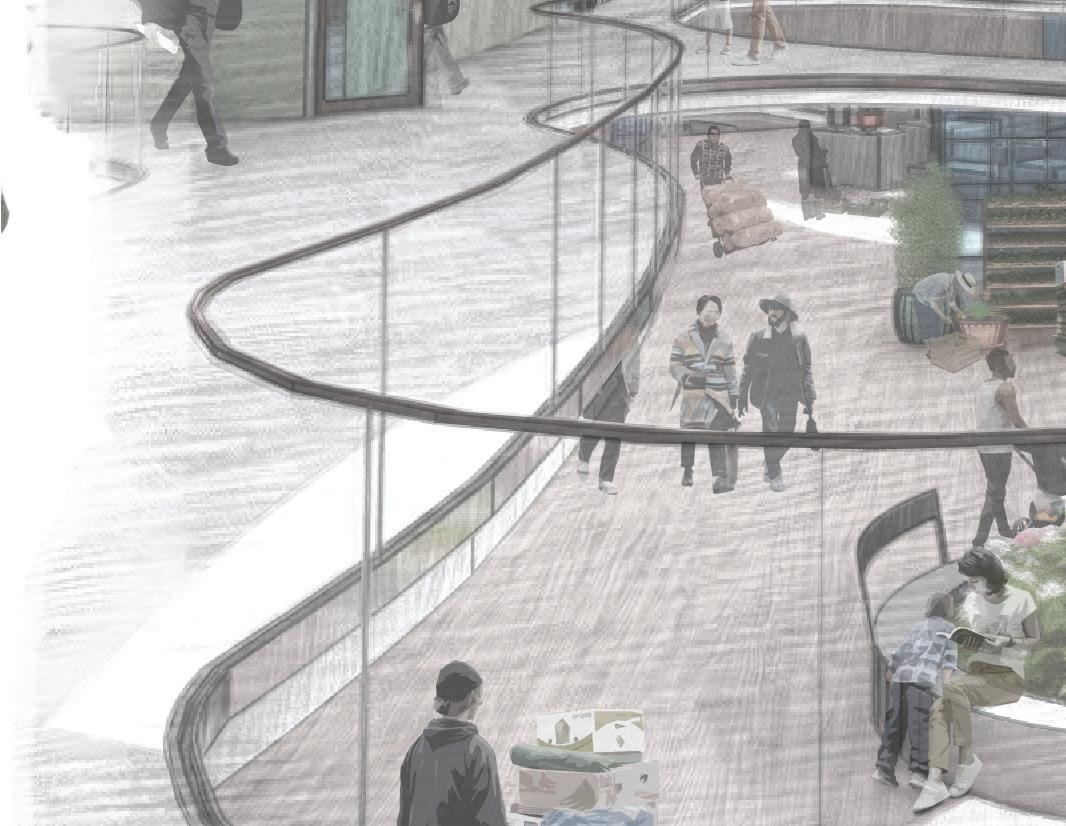
The Gradient is an innovative neighborhood design that is focused on reintegrating impoverished individuals within the larger Charlotte community - How do people know what a better lifestyle is if they have never seen it?
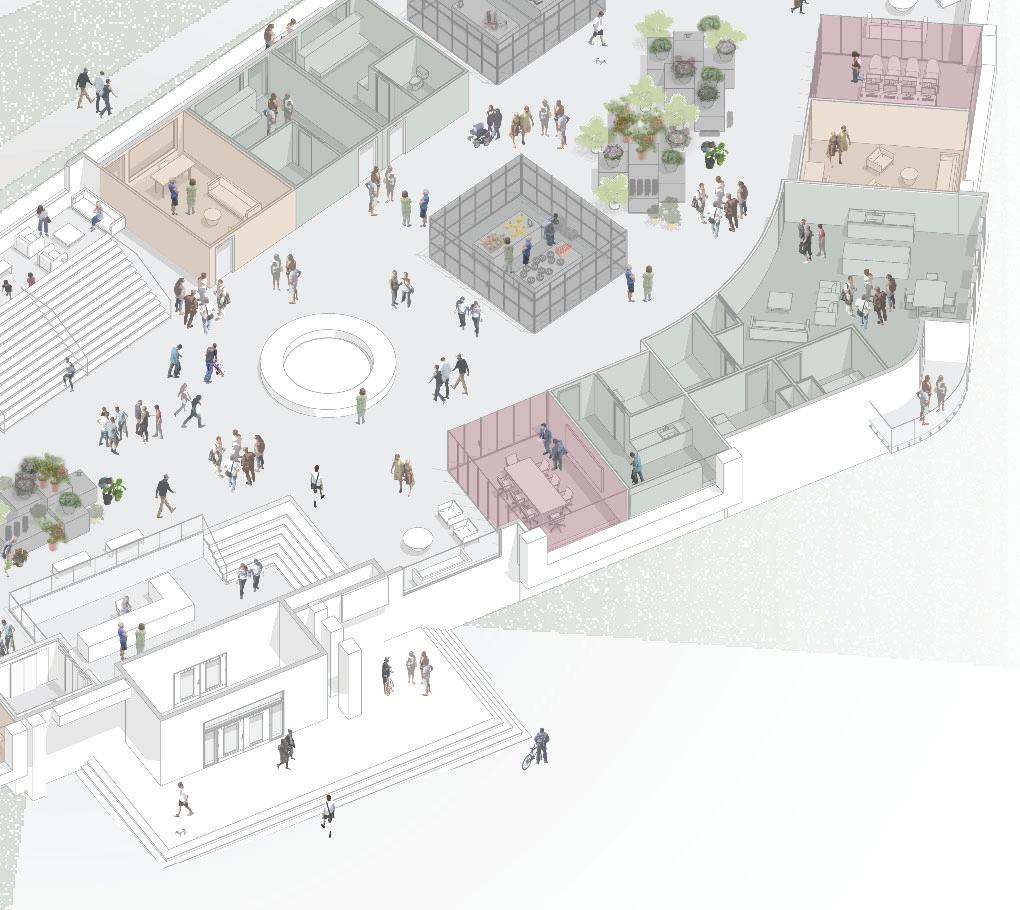
Giving every person an equitable chance in life is crucial to the success of all. We believe that helping those who are impoverished within our neighborhoods, will make the most significant impact on our community. Creating a space for everyone within the community to feel welcome is at the forefront of this design. On-site programs mix affordable housing, market spaces, areas for wellbeing, educational resources, along with business incubators, all of which creates a unique form of social blending.
 *AIA 2021 COTE TOP 10 COMPETITION ACSA STUDENT PARTICIPANT
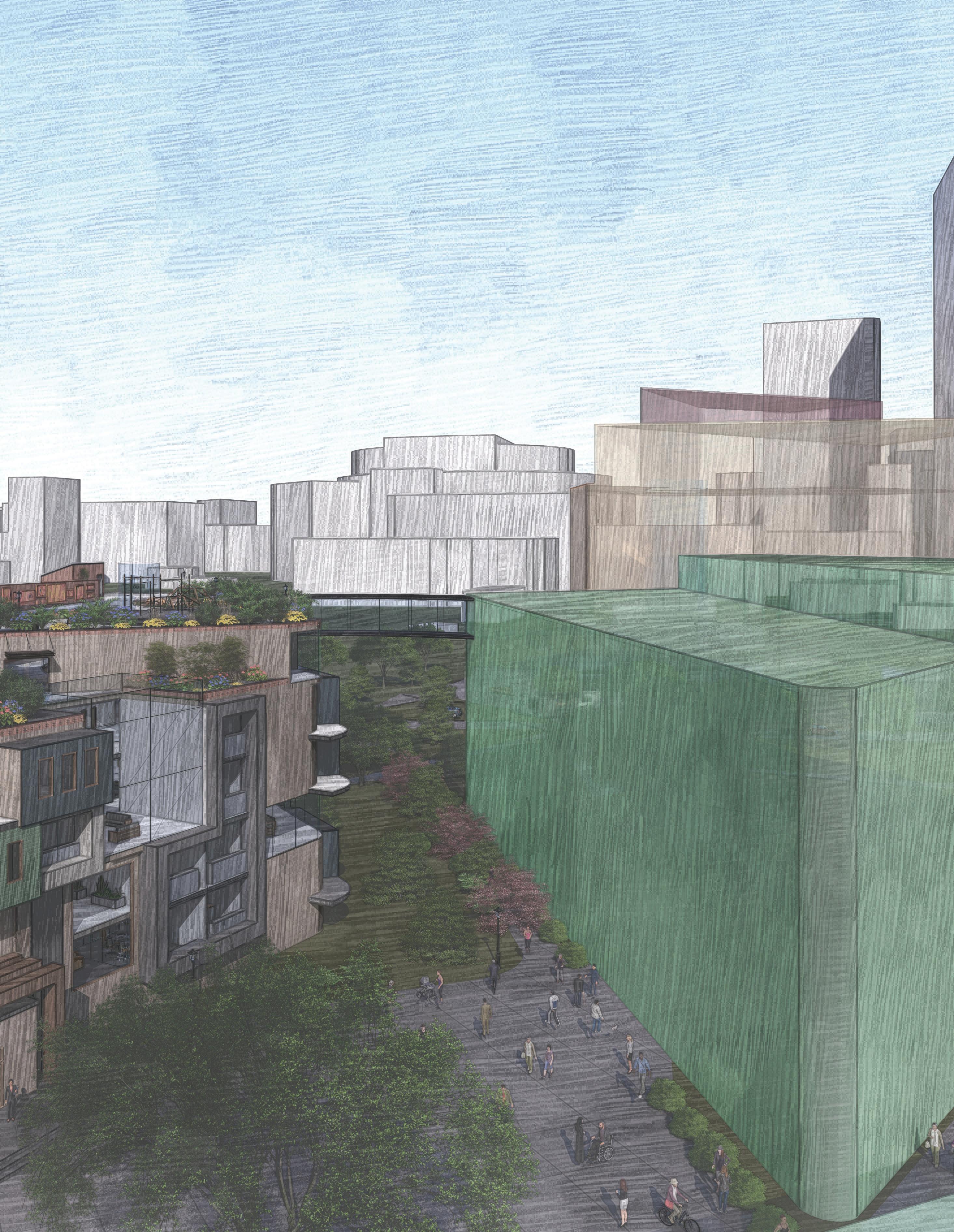
Axonometric Level 1 | Social Mixing










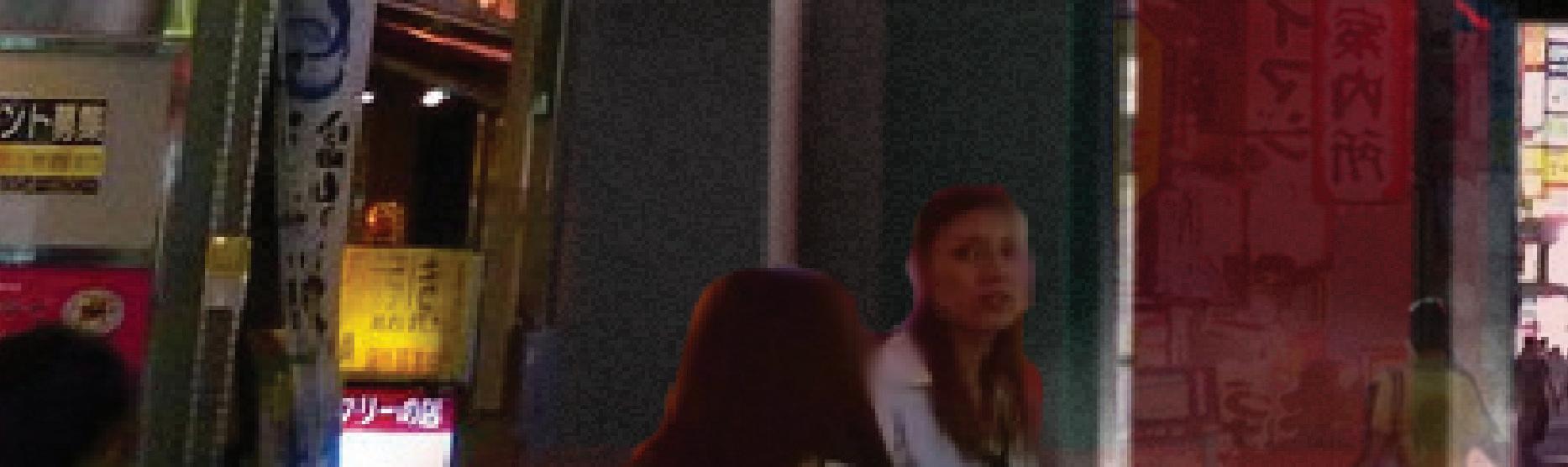
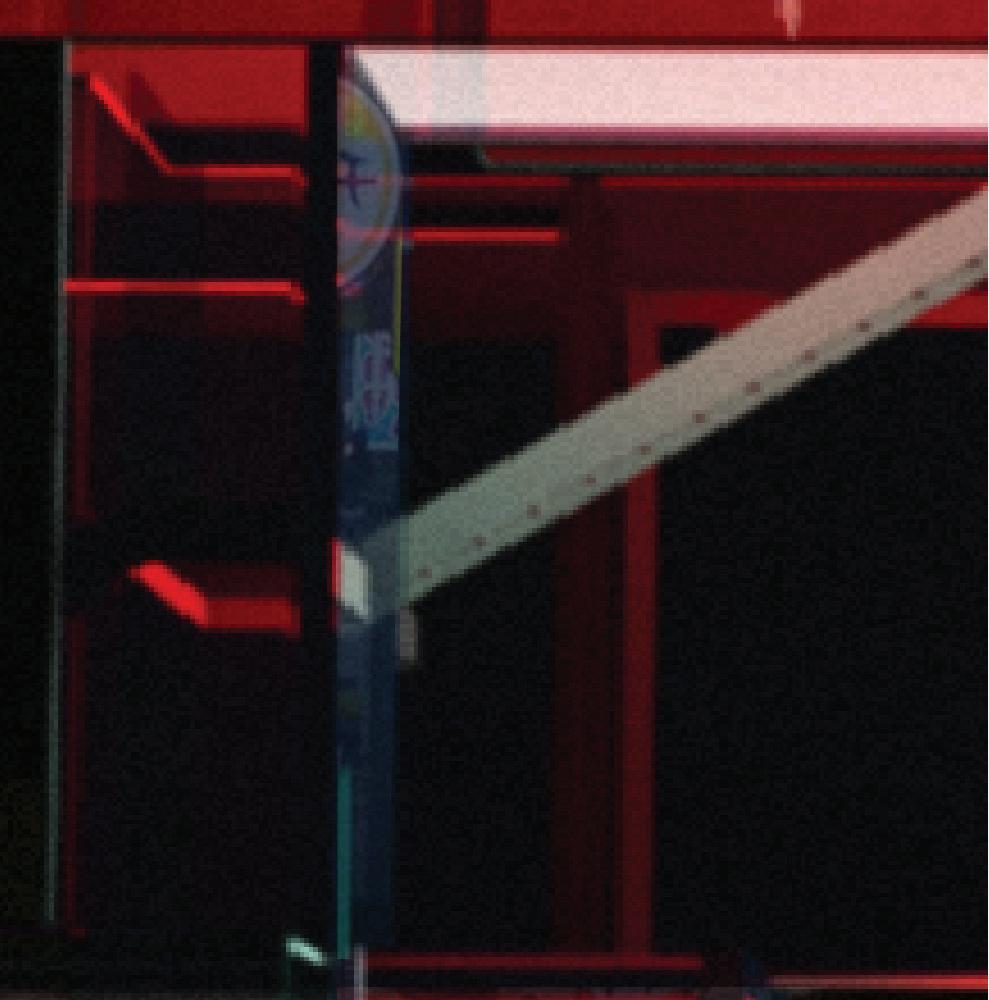
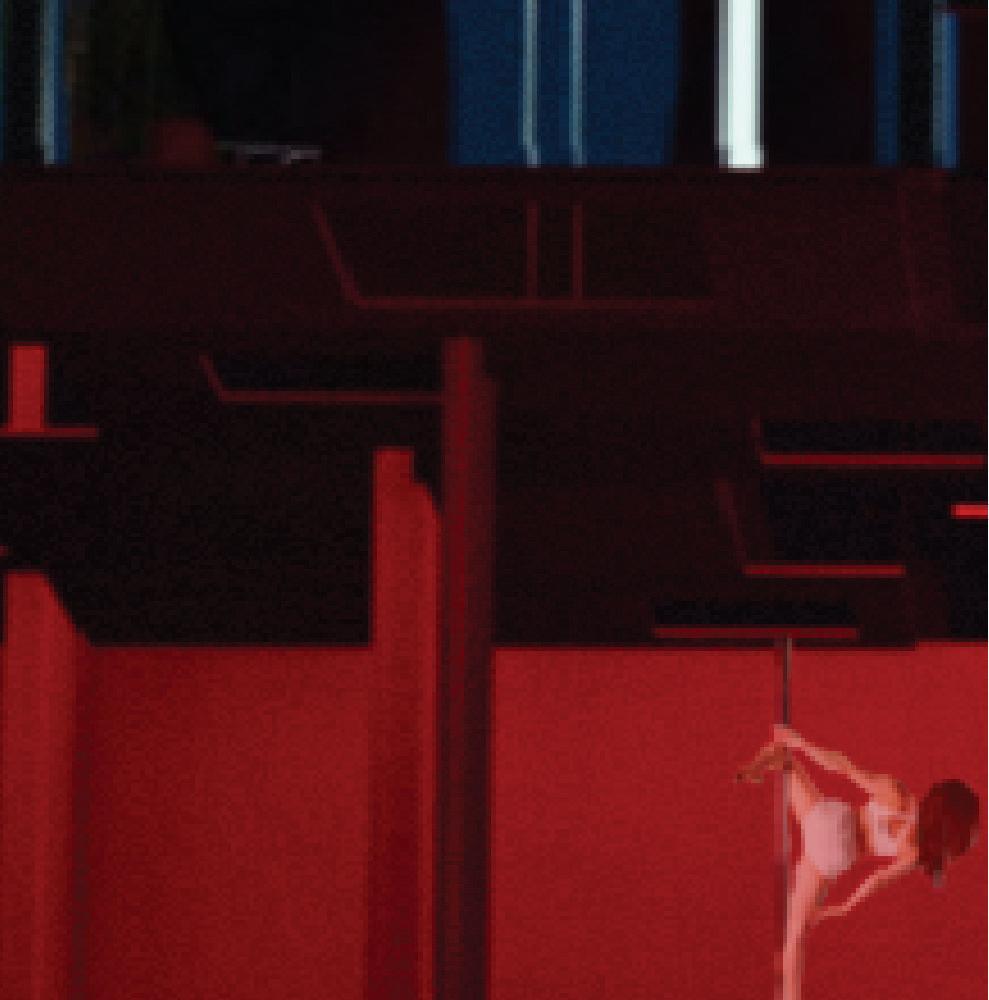
Year [1]: 2020 Summer Studio: Intervention Design Team: Jess Kiser + Jordan Reynolds Concept: Pandemic impacts on the 35th parallel north Programs Used: Revit, Rhino, Lumion, Illustrator, Photoshop, InDesign
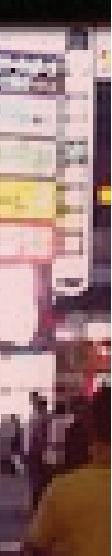
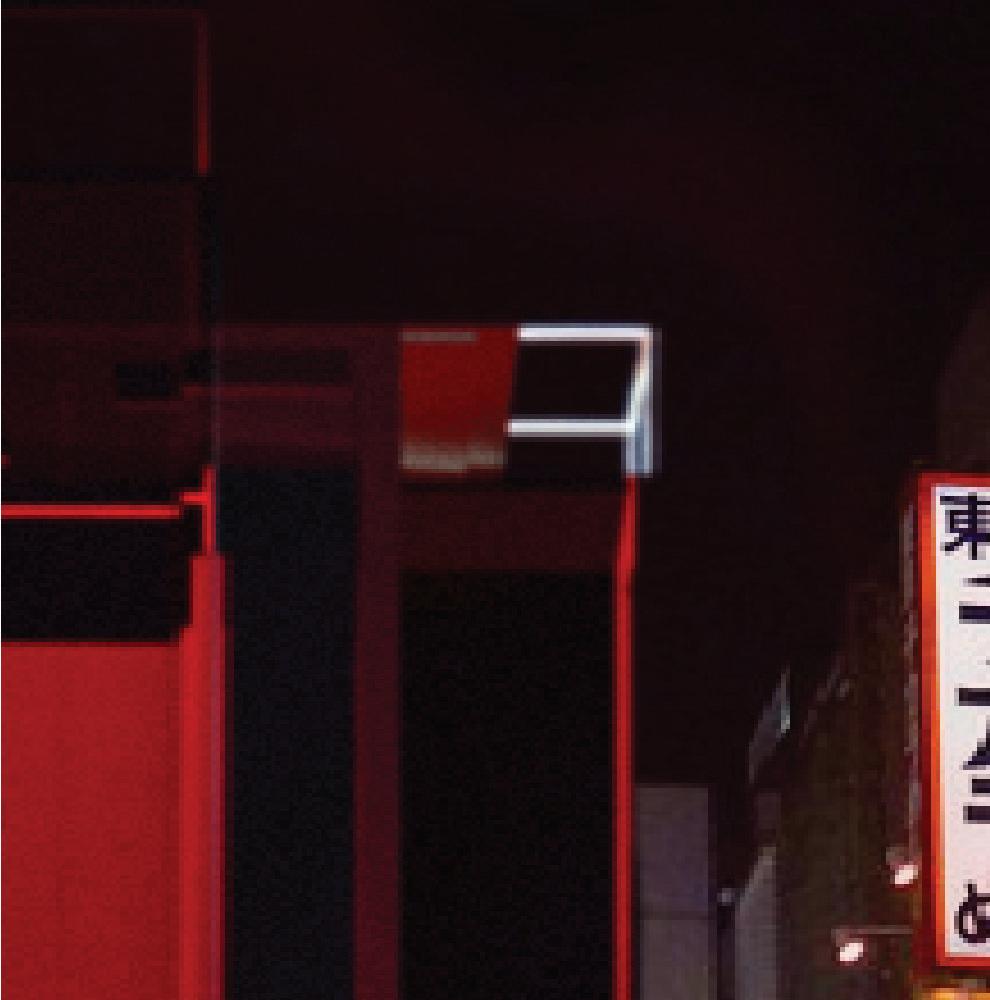
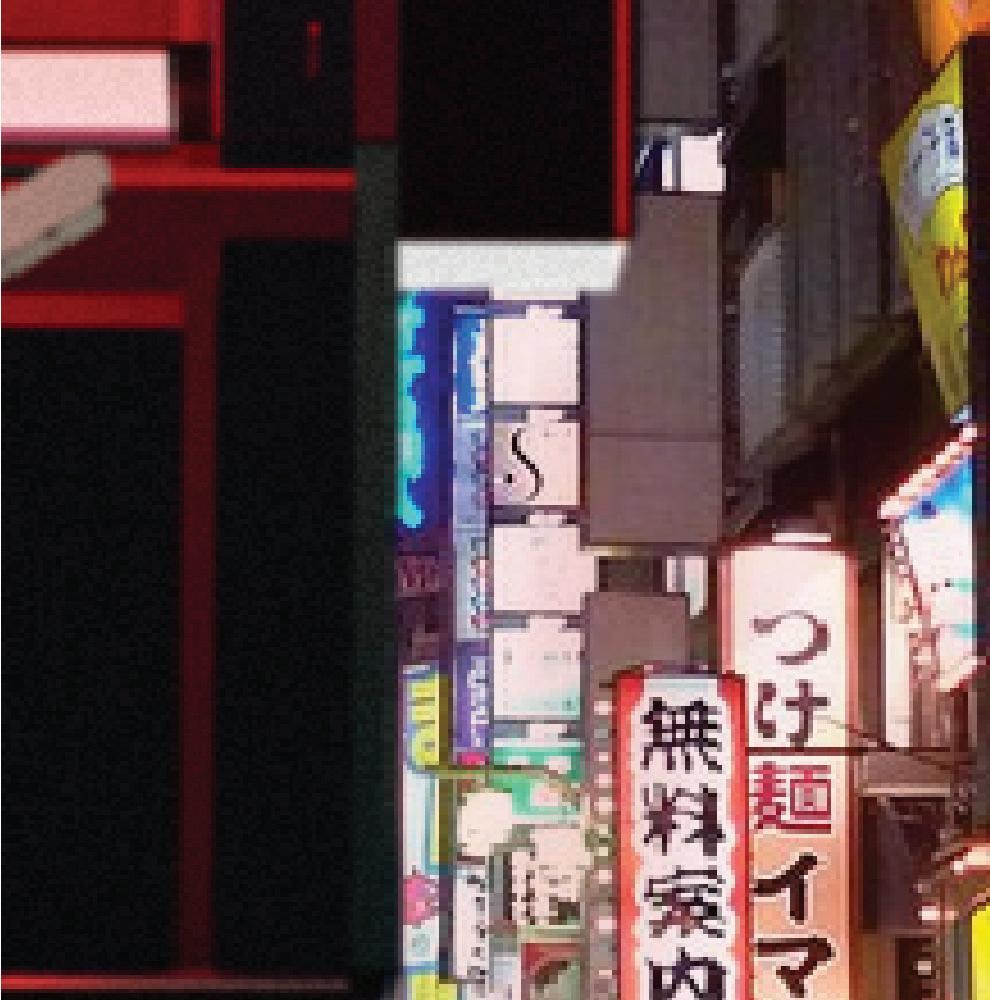
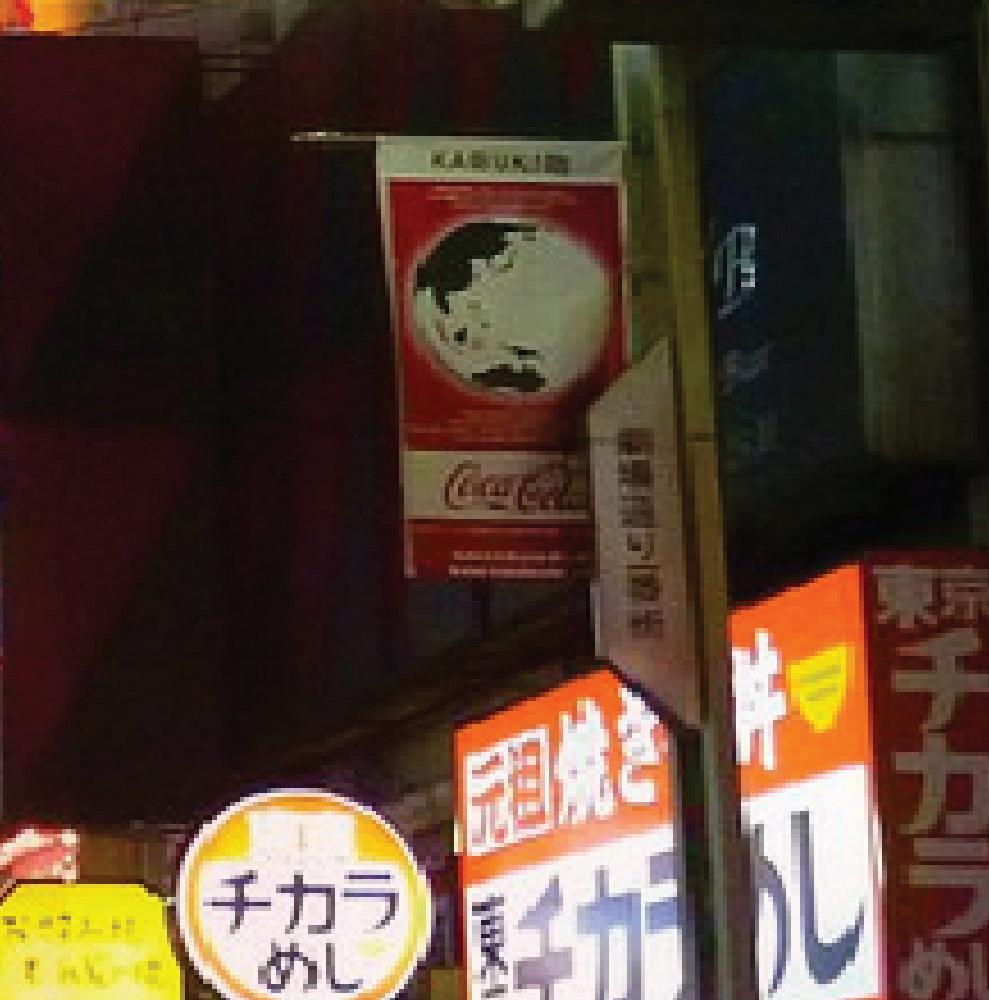
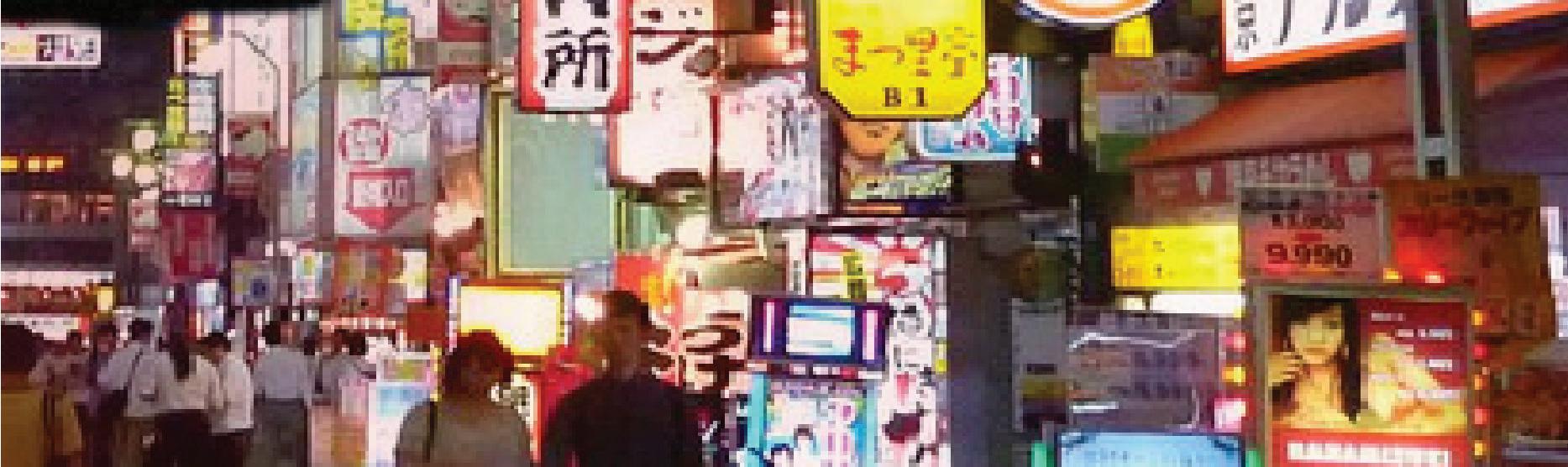
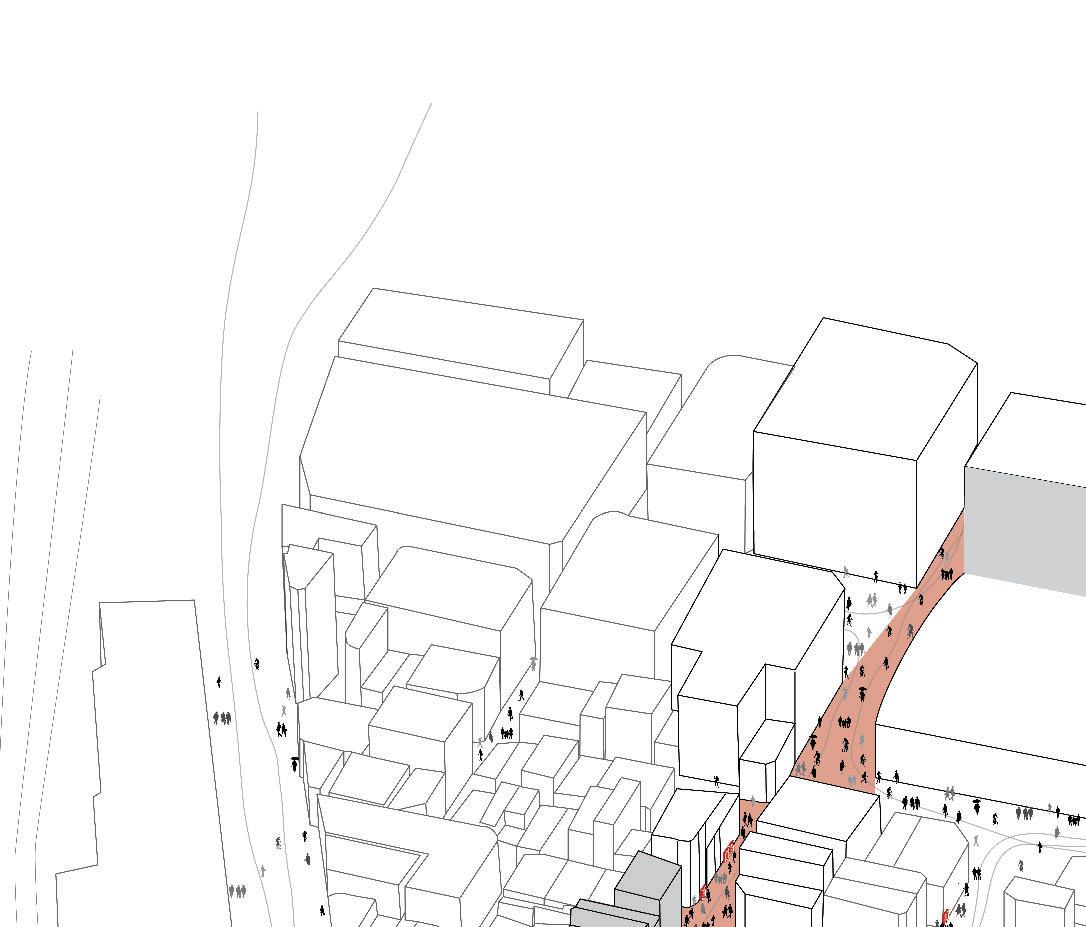
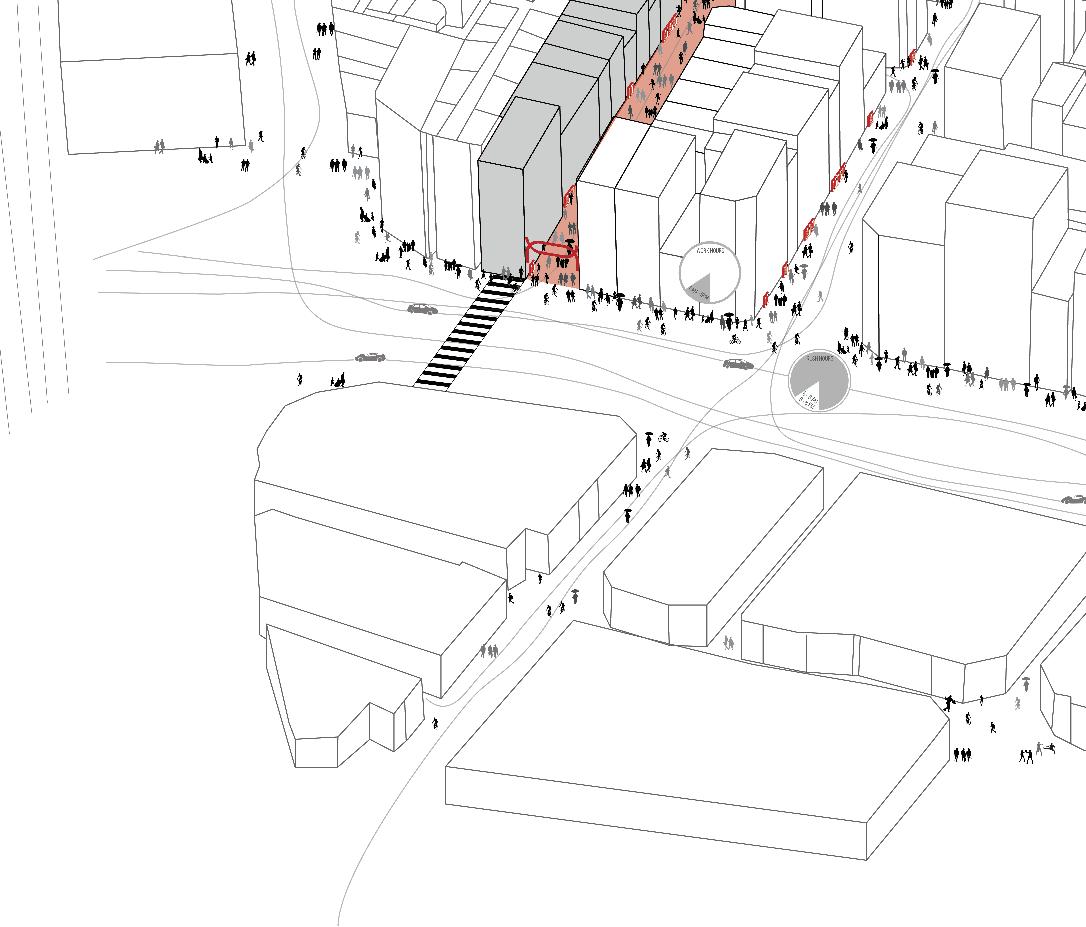
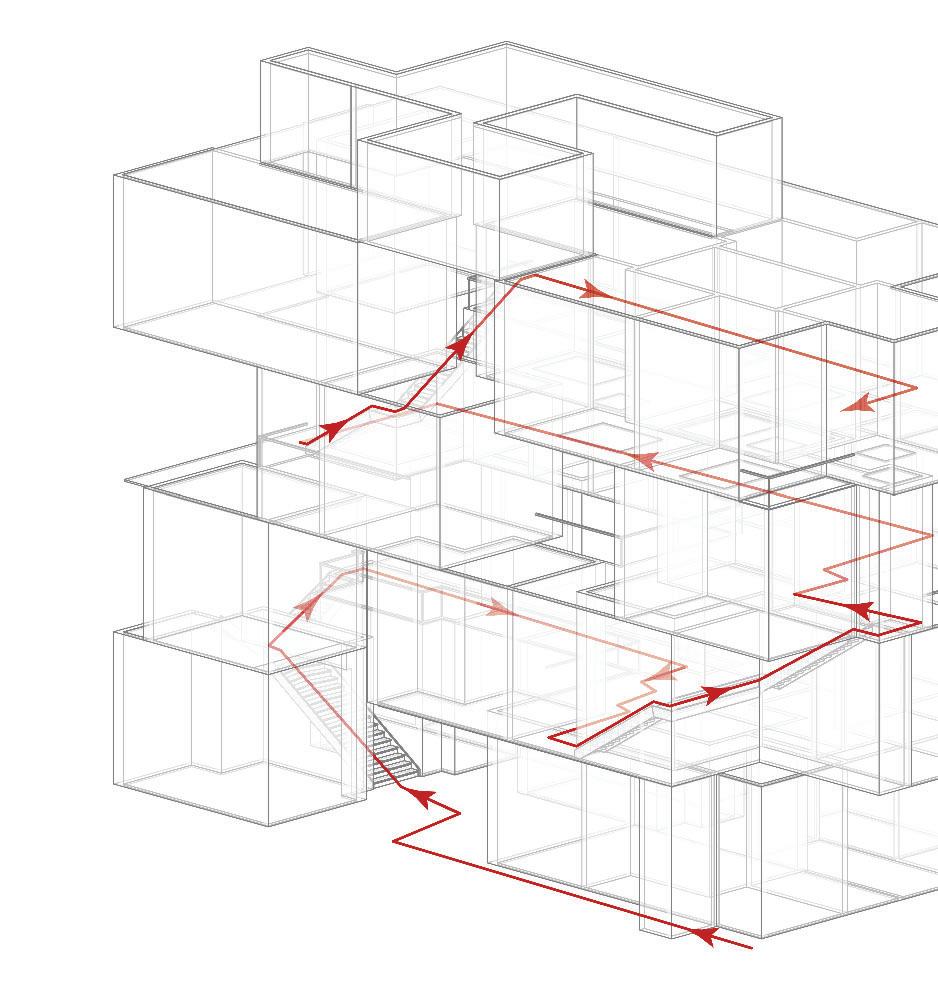
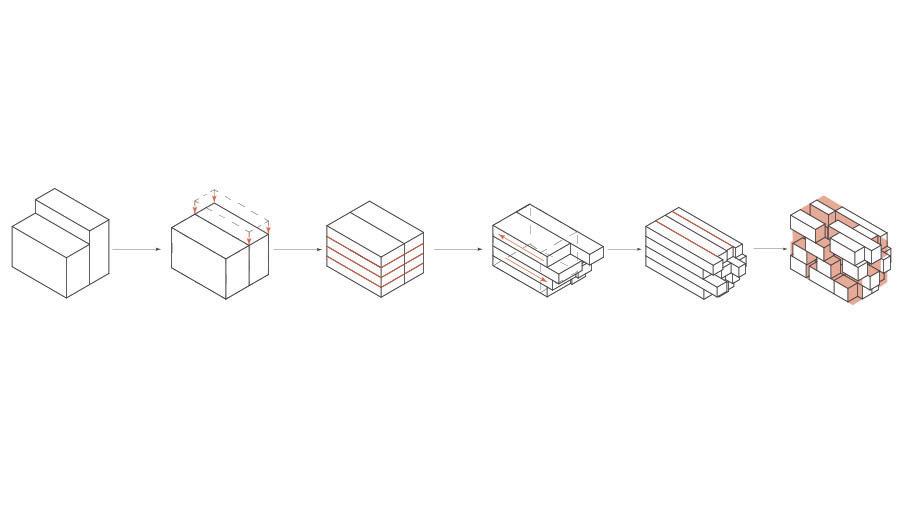
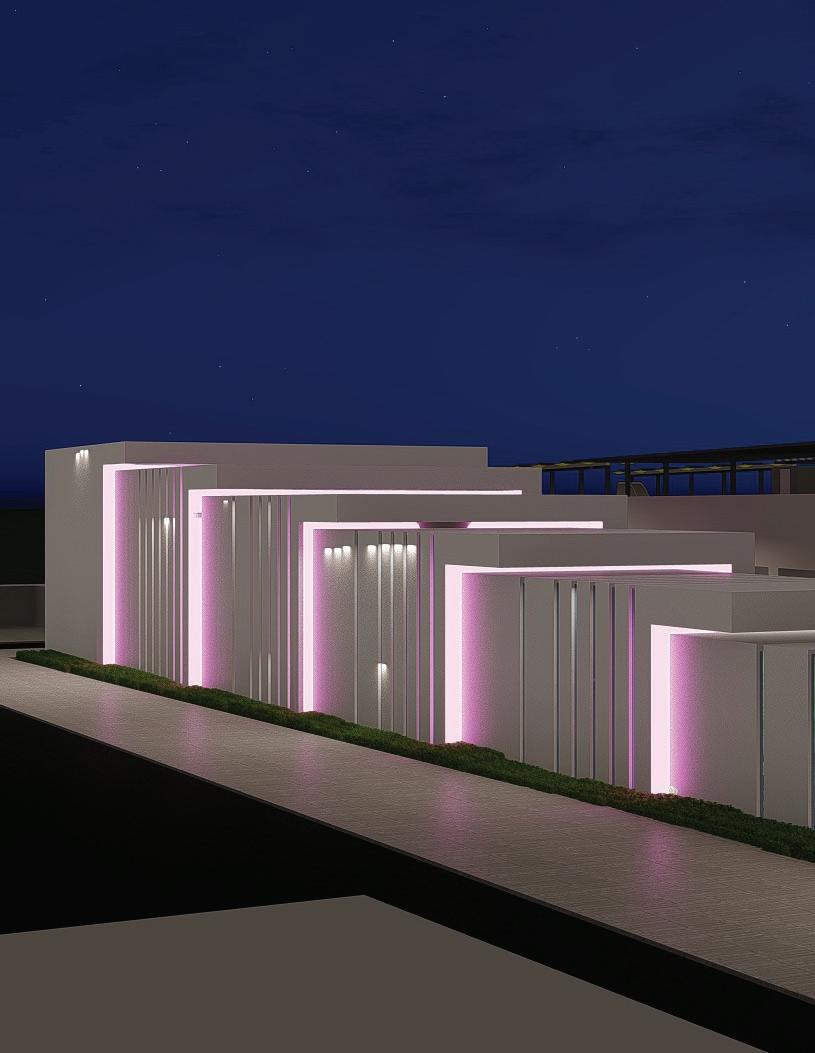
Our design intervention is the manifestation of compartmentalization, which is a key component of Japanese culture. Each room within this building is pushed and pulled to create extrusions in the street, which invoke a disruption to those walking on the street. The exterior extrusions create interior voids, which brings a new definition to the entertainment reputation Kabukicho has become known for. The things we see and experiences we have, shape our lives - what could a building design like this change?
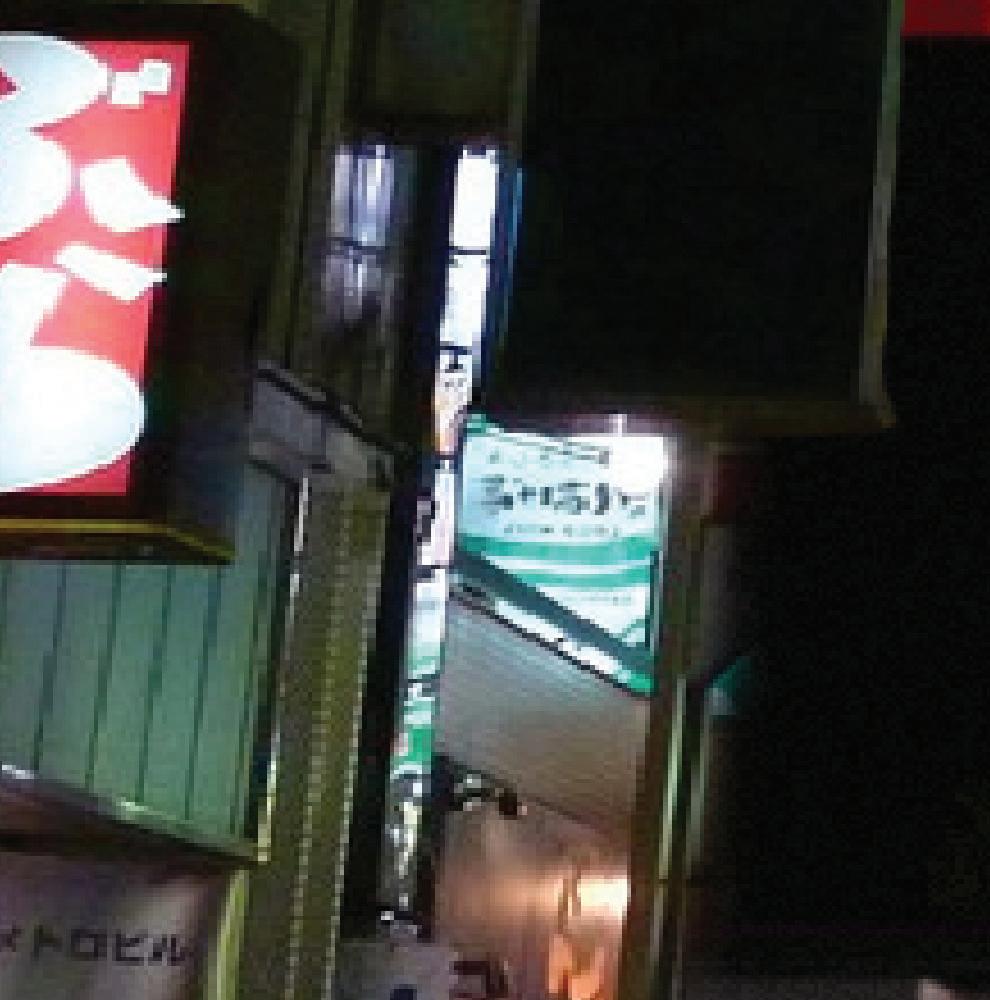

A blog was created to record and track project research, while also showing phases of development: The Intervention




Year [1]: 2020 Spring
Studio: Fundamentals II
Team: Jess Kiser
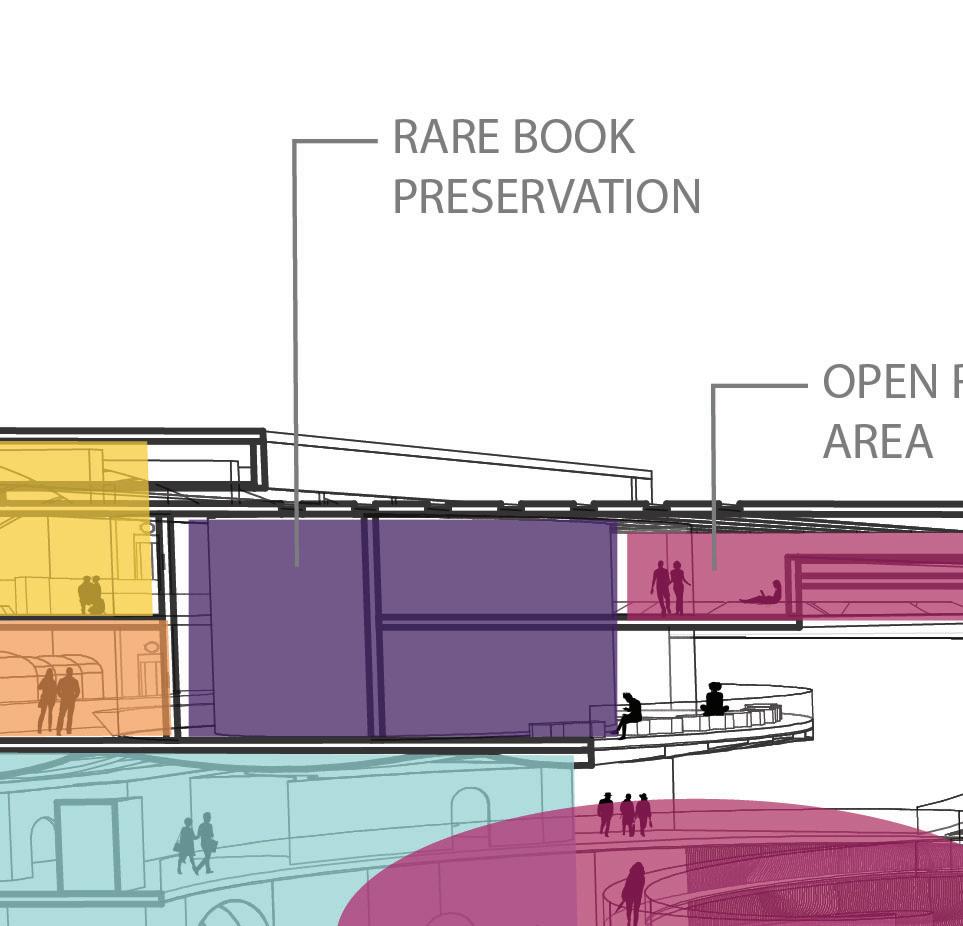
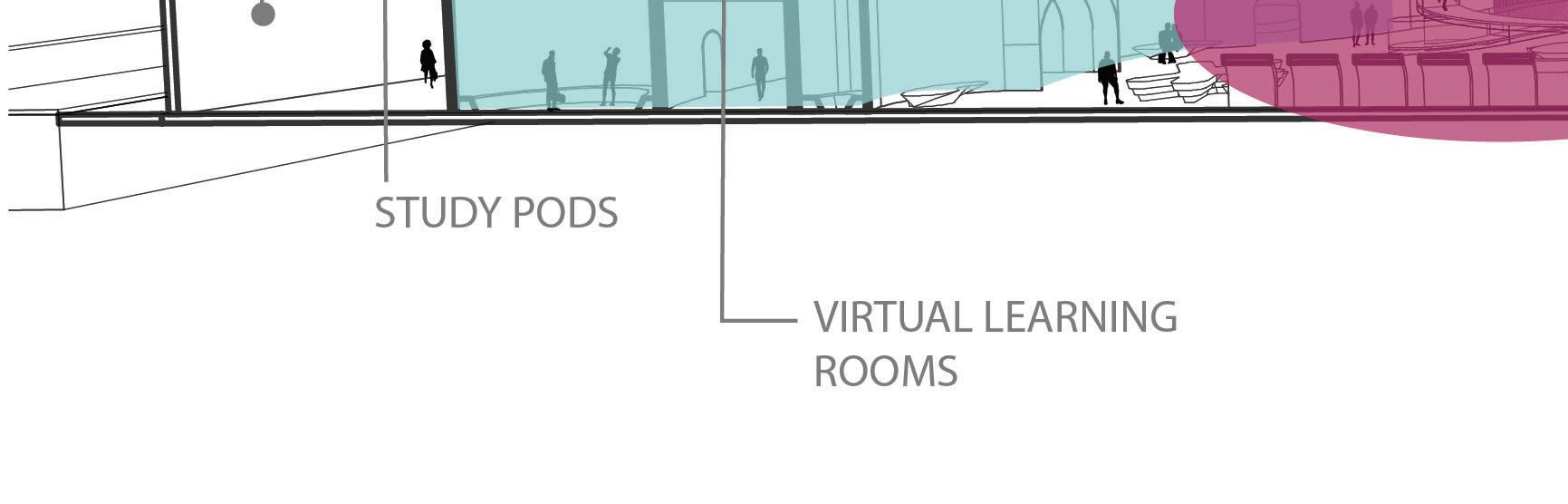
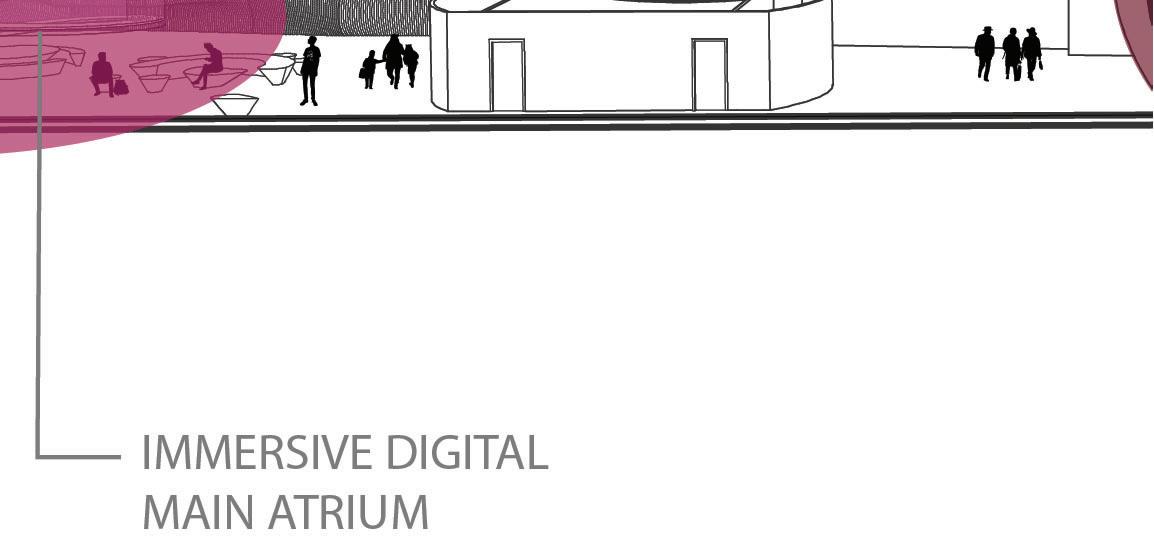
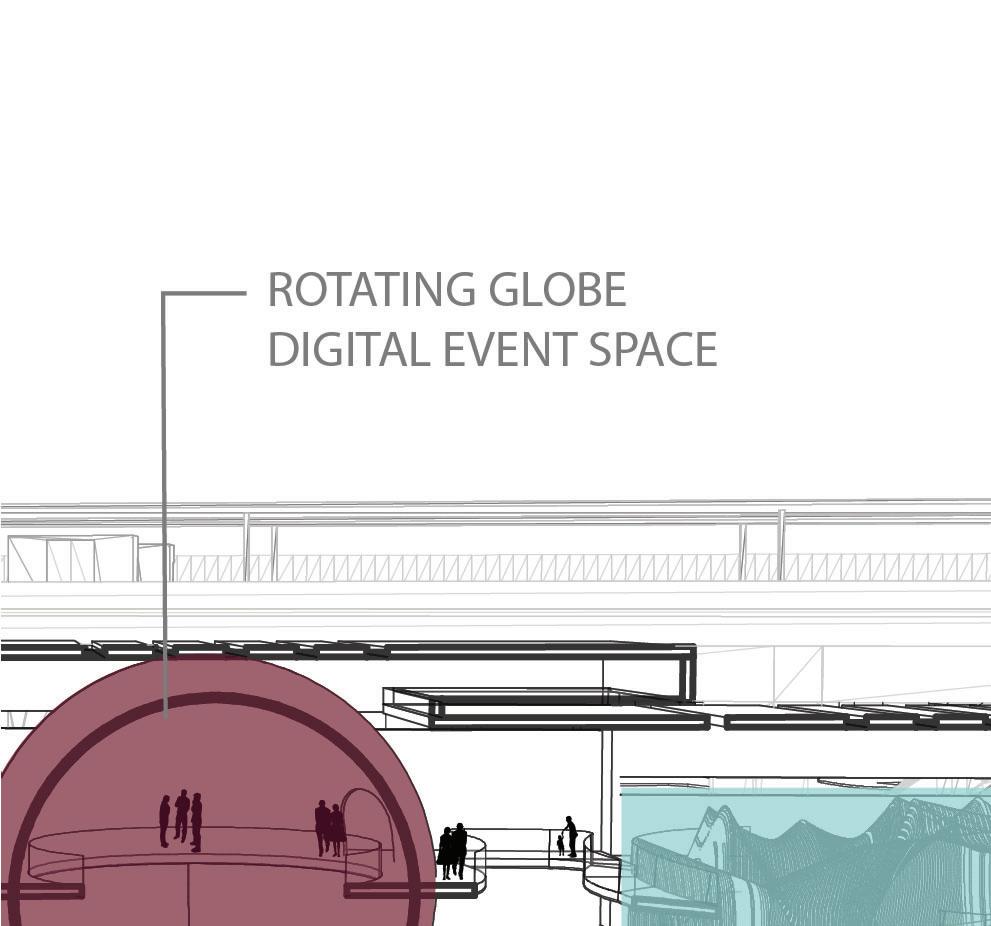
Concept: Library of 2050 design concept
Programs Used: Revit, Rhino, Lumion, Illustrator, InDesign
Model: Constructed by hand, laser cutter
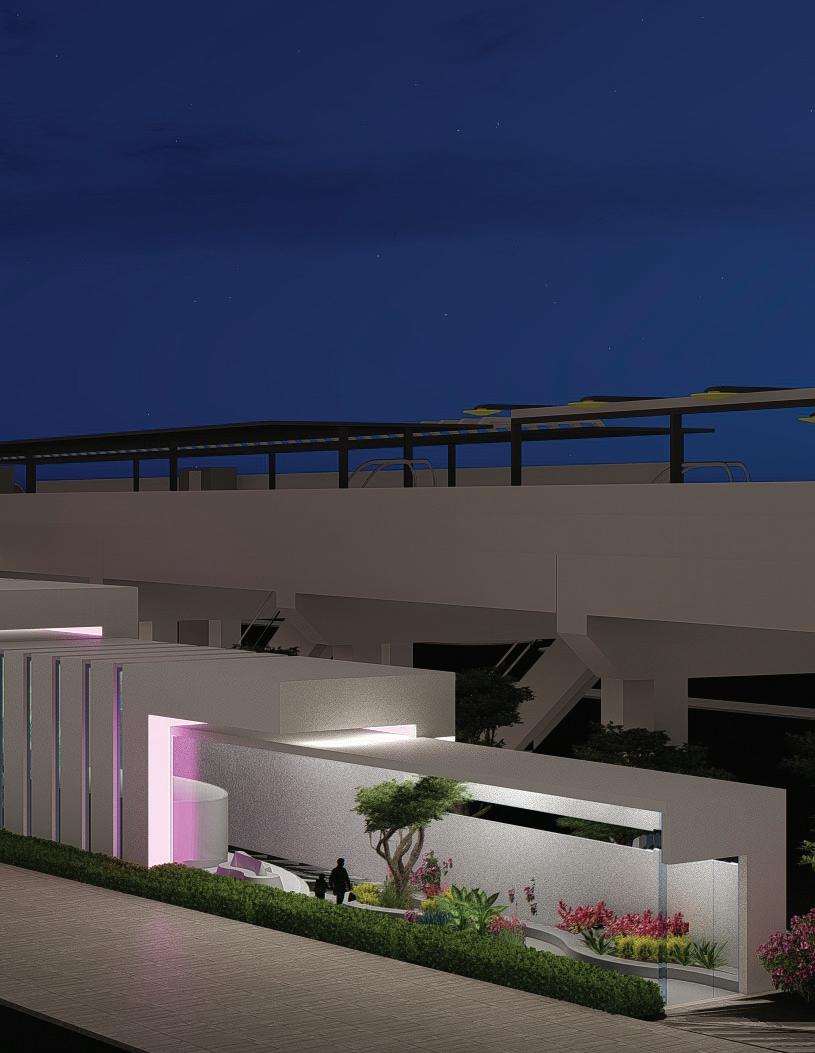
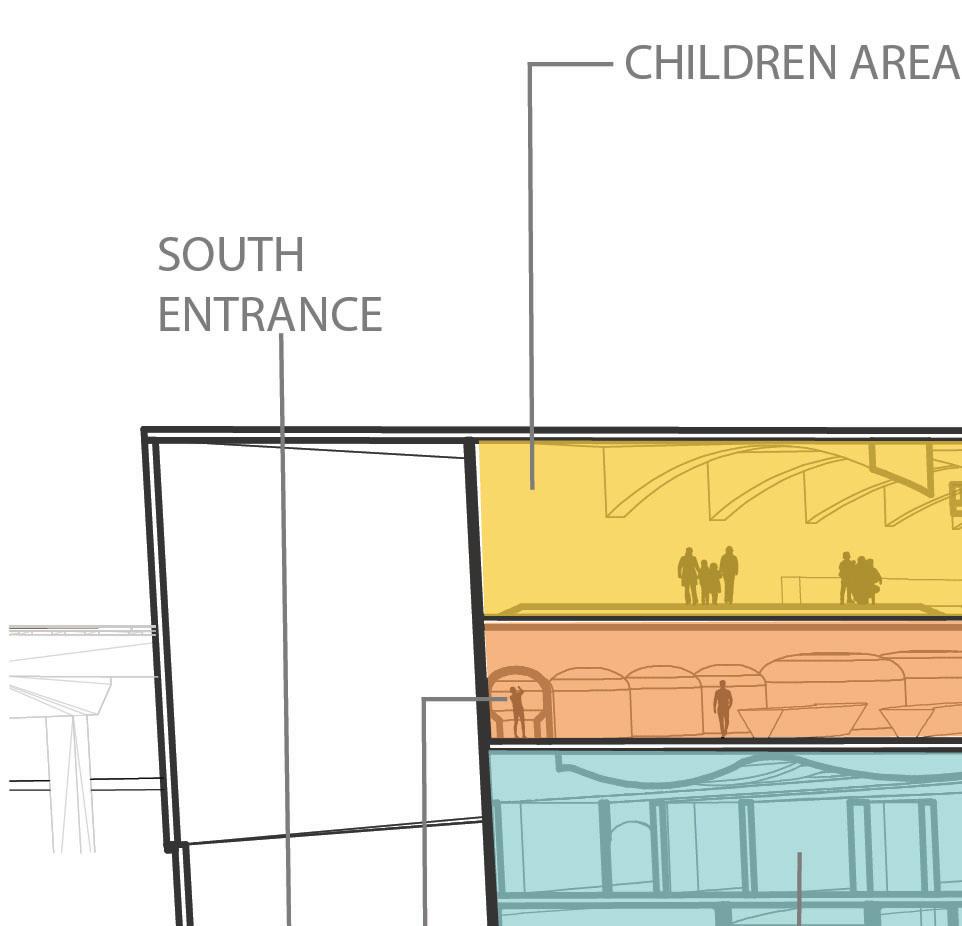
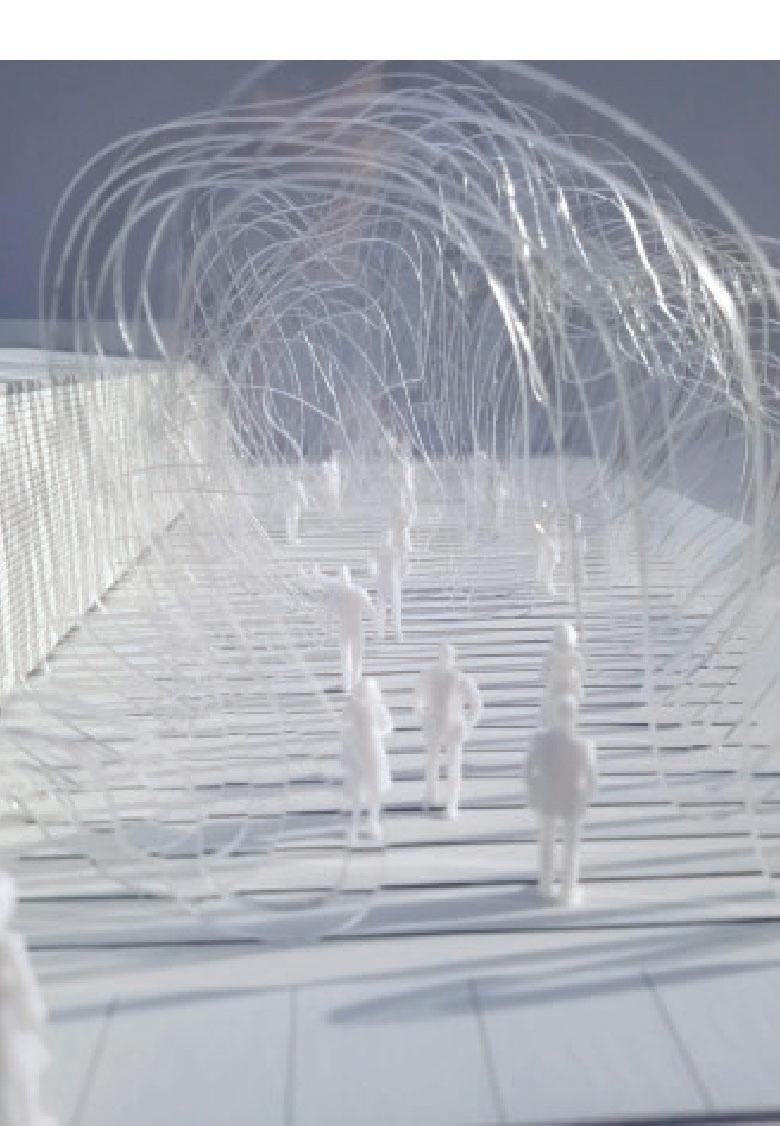
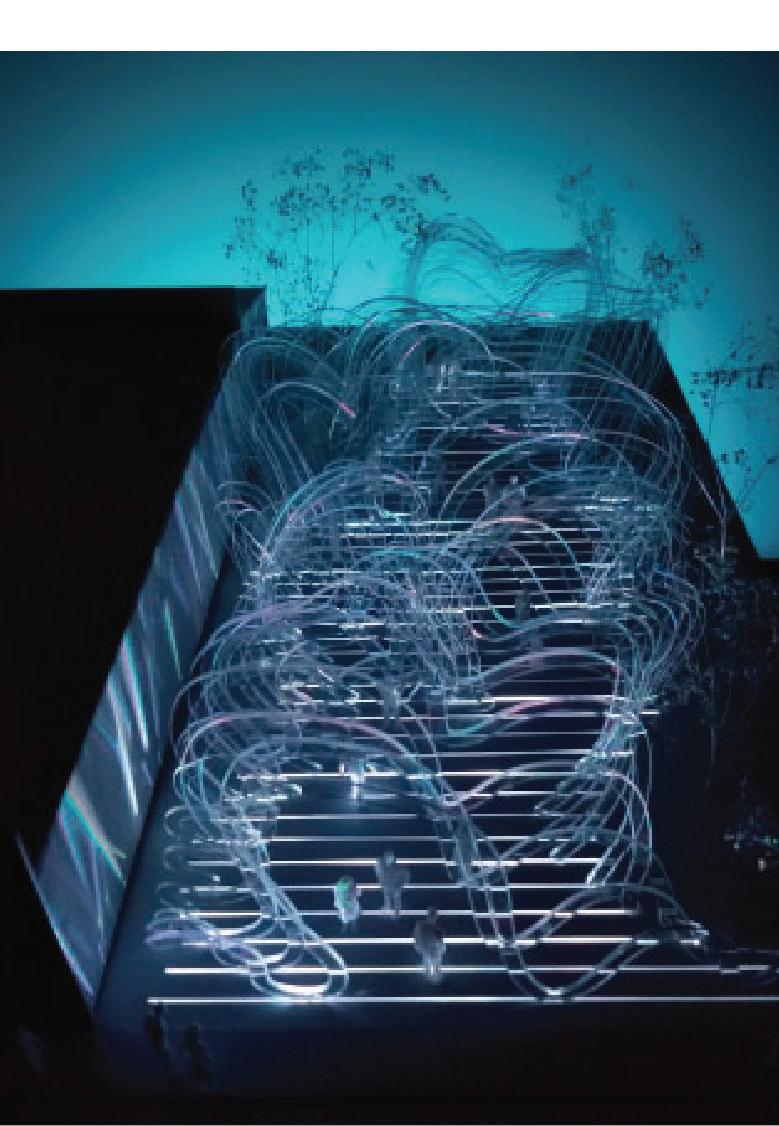
This design concept stemmed from a pavilion study performed. Inspiration drawn from this project focused on: light, shade, shadow; flowing curves of fabric; contour lines. Each piece inspired a deeper study of what emerged as a play on contradictions, noted mainly as: compression and contraction - line vs curve - light vs shadow.
The site of this library is in Oakland, CA. Accessibility to these valuable educational resources still presents many challenges. The underlying goal of this design concept is to create an experiential learning environment that draws in all generations. Future library design will preserve the best memories of society today, while pushing the boundaries of what can be created tomorrow.

Year [1]: 2019 Fall
Studio: Fundamentals I
Team: Jess Kiser
Concept: Pavilion study based on Le Corbusier
Programs Used: Rhino, Sketchup, Lumion, InDesign

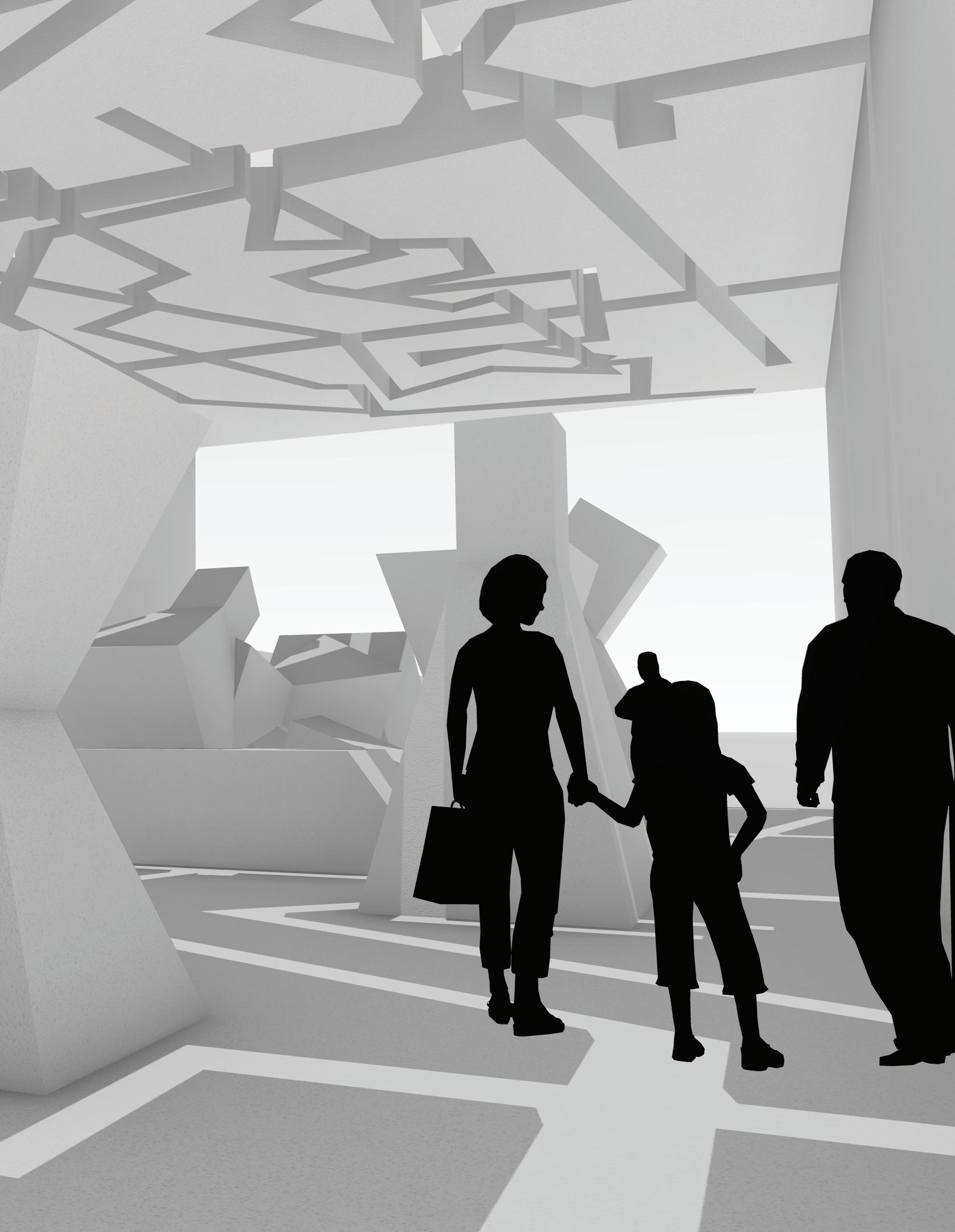
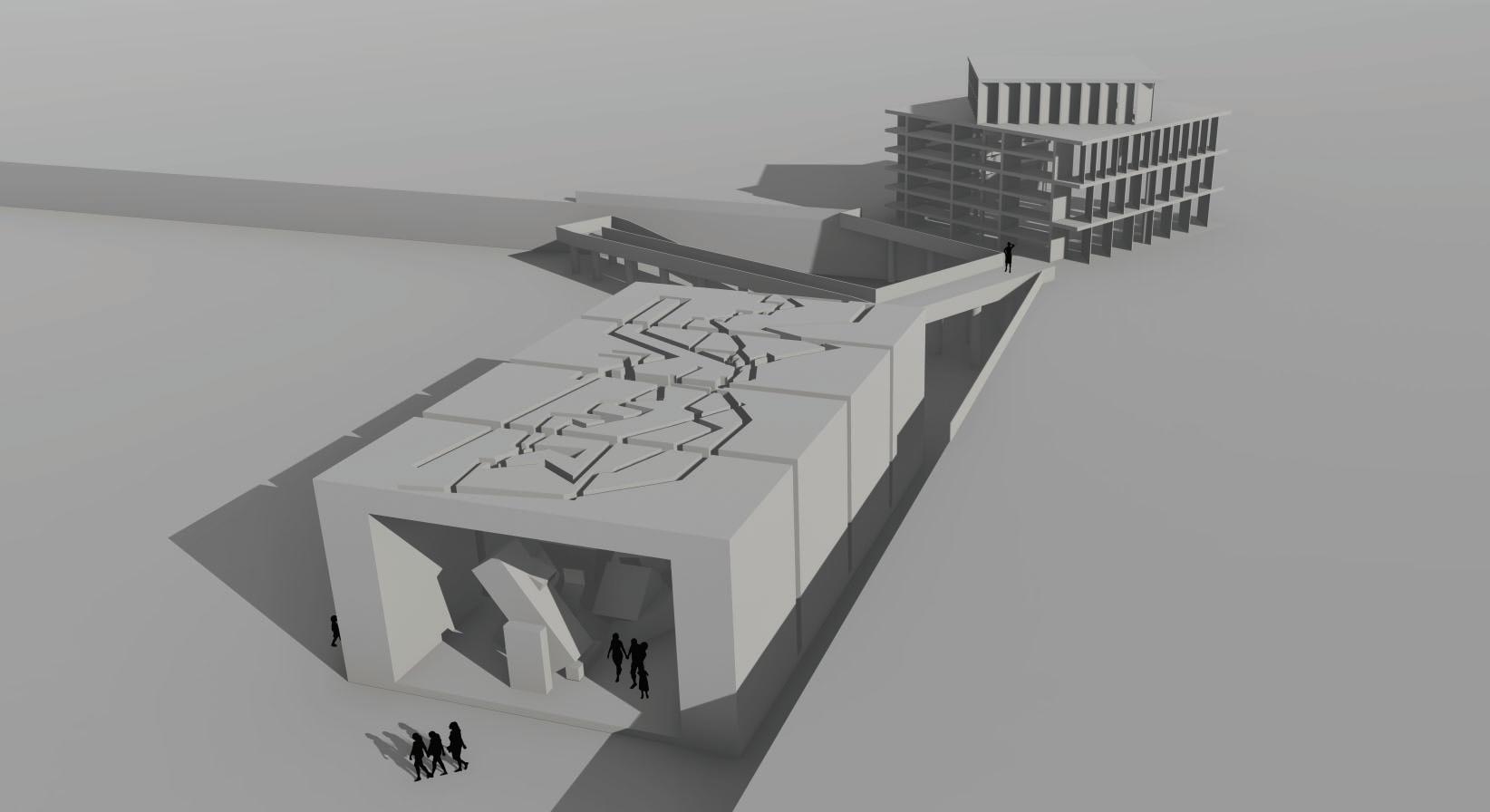
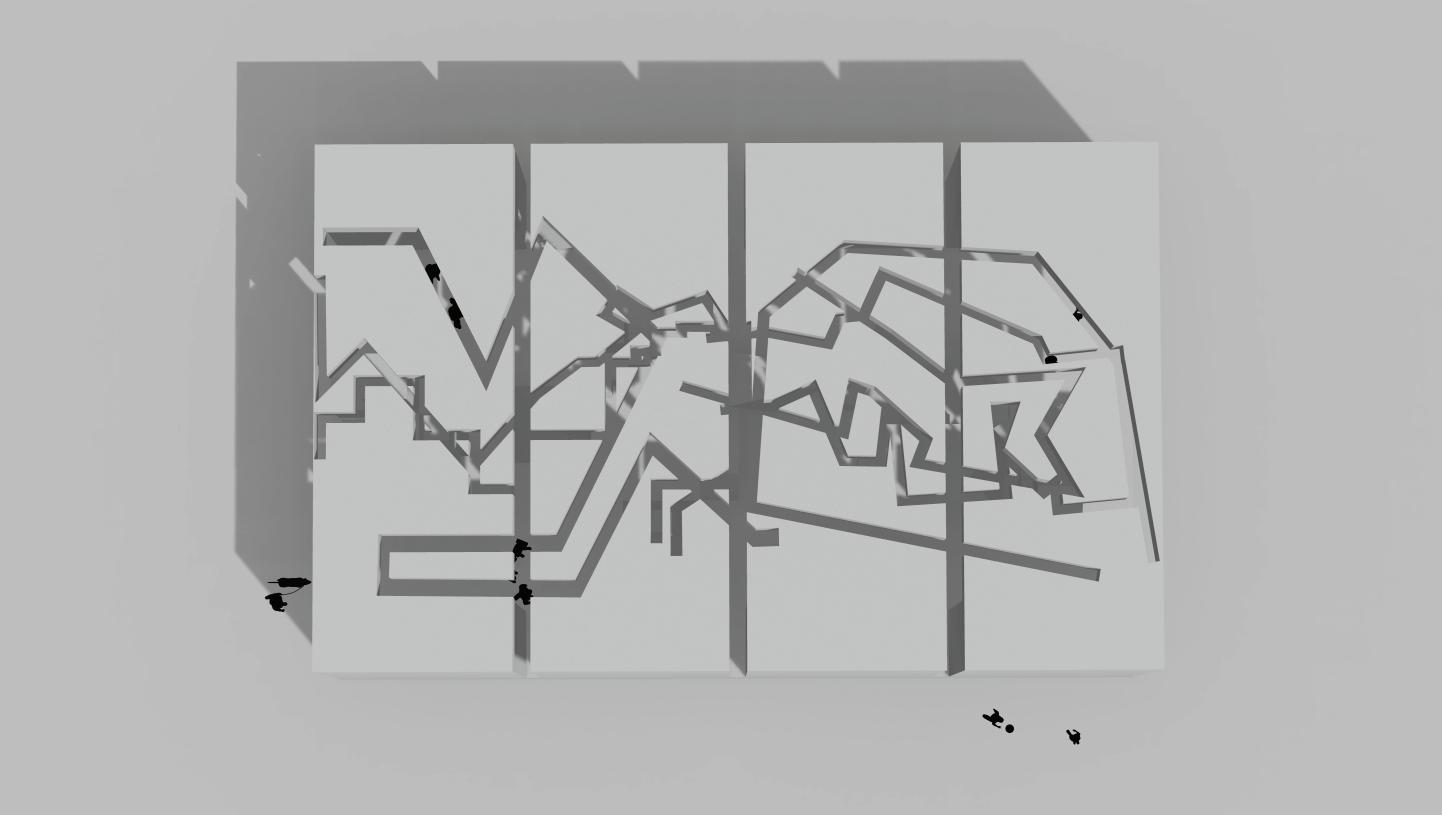
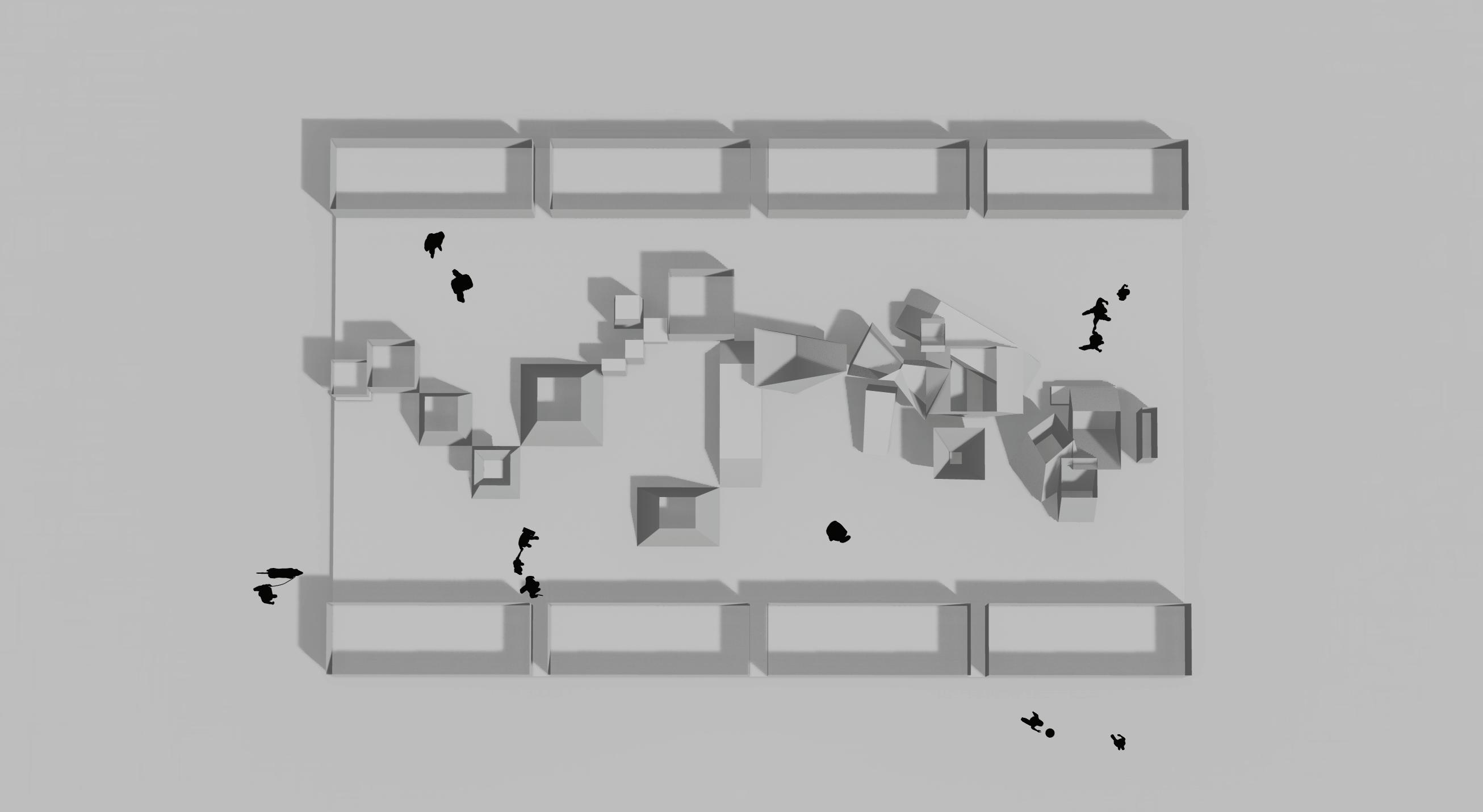
Made entirely in concrete, this open-air pavilion’s design draws inspiration from the natural pathways formed by the placement of interior sculptures, creating a processional flow of traffic.
Adjacent to the pavilion is the Tower of Shadows. It’s sharp presence, along with angular, graphic gaps left in the pavilion’s exterior, allow for an ever-changing play of light and shadow on the interior surfaces. This varies the overall experience of the visitor by season and hour.

Year: 2019 Spring
Studio: IA+D Capstone II
Team: Jess Kiser
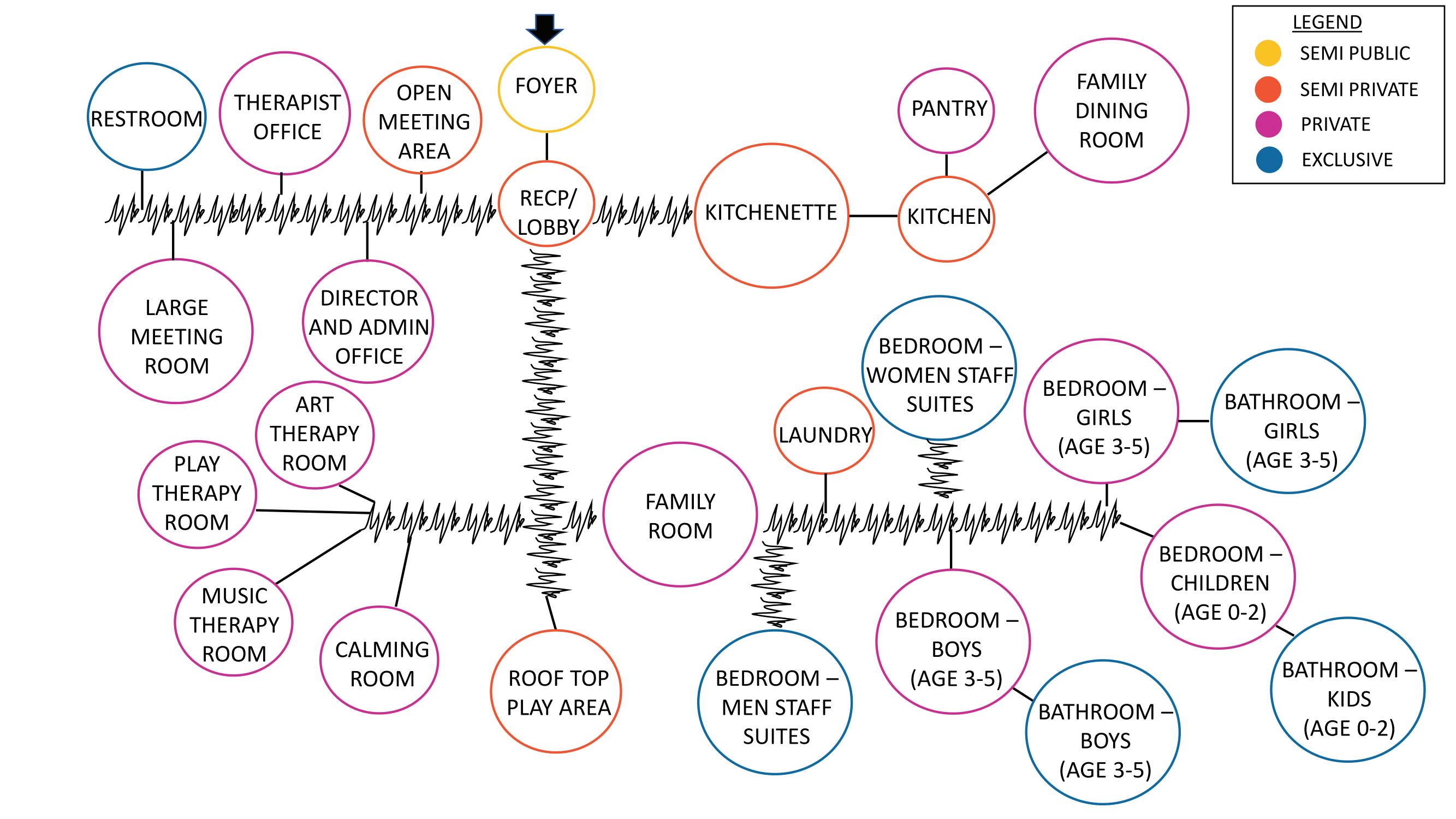
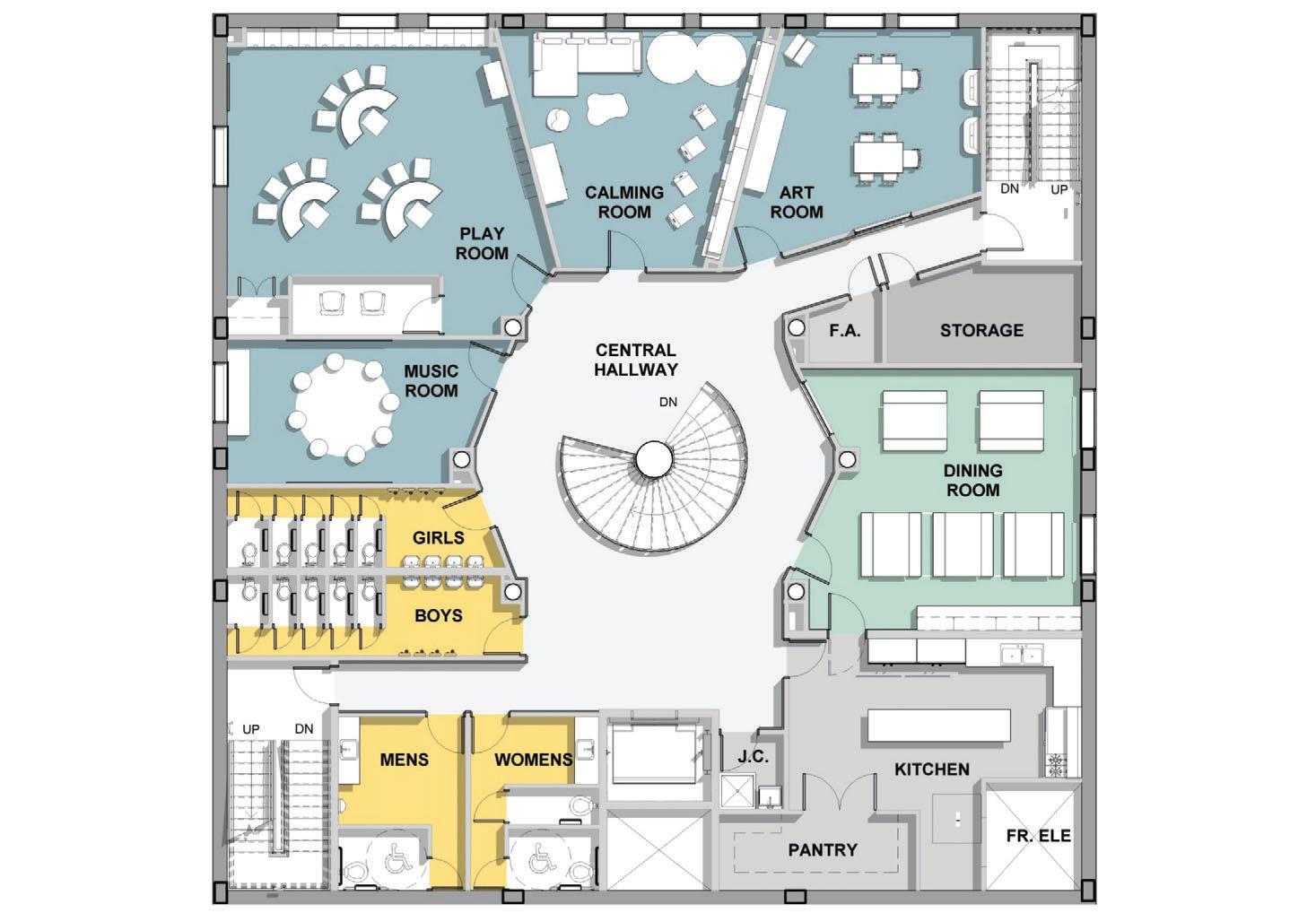
Concept: Interior renovation, therapy home for children
Programs Used: Revit, Illustrator, Photoshop
*2019 OUTSTANDING STUDENT AWARD
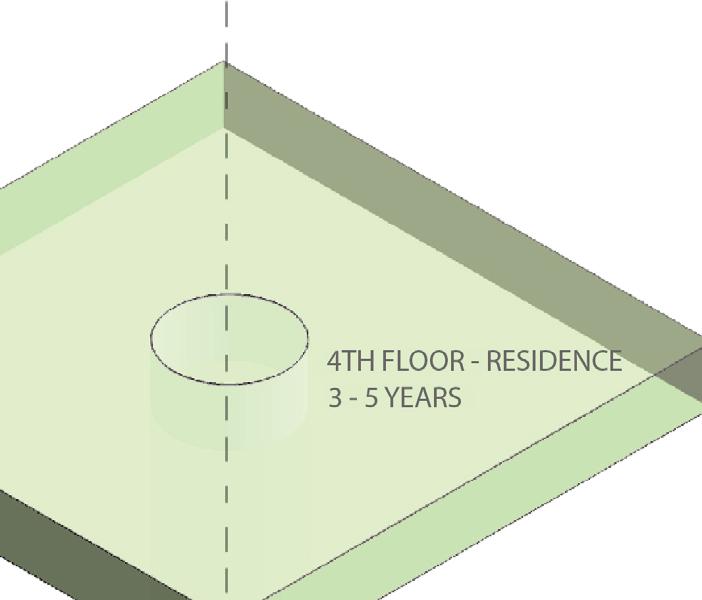
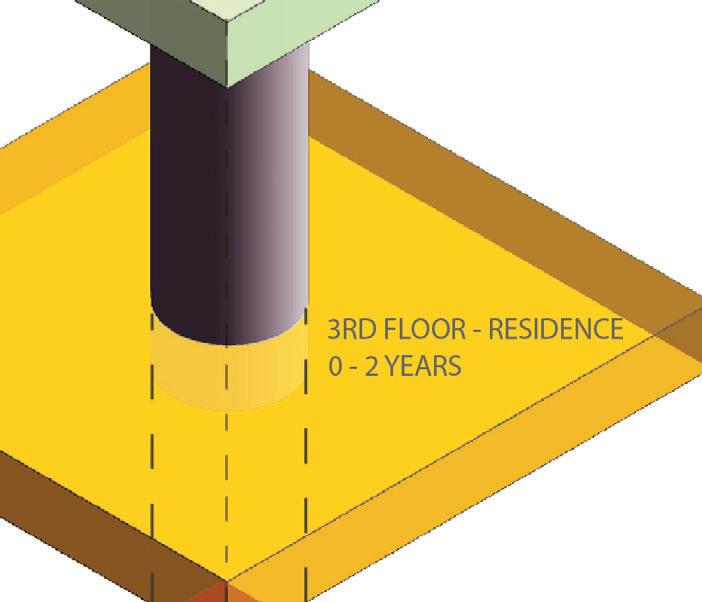
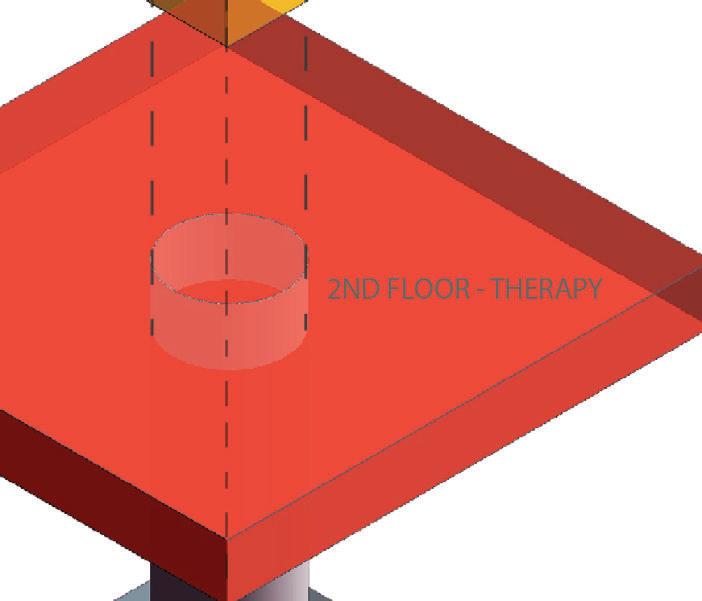
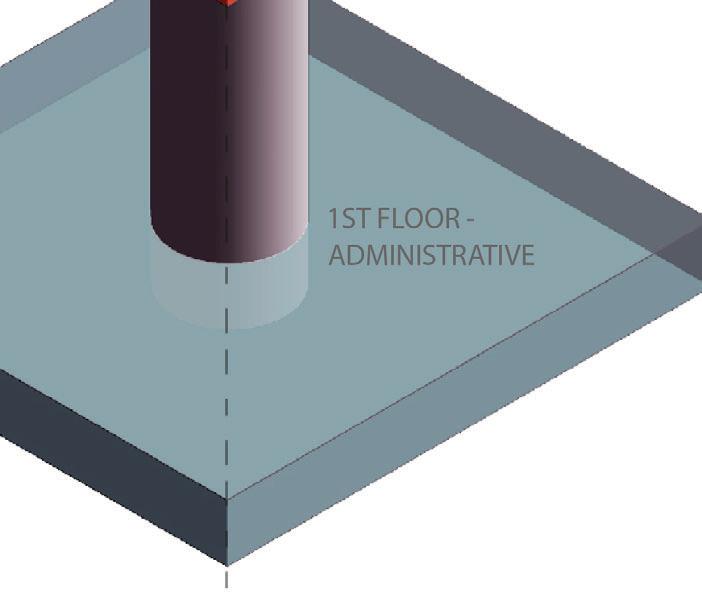
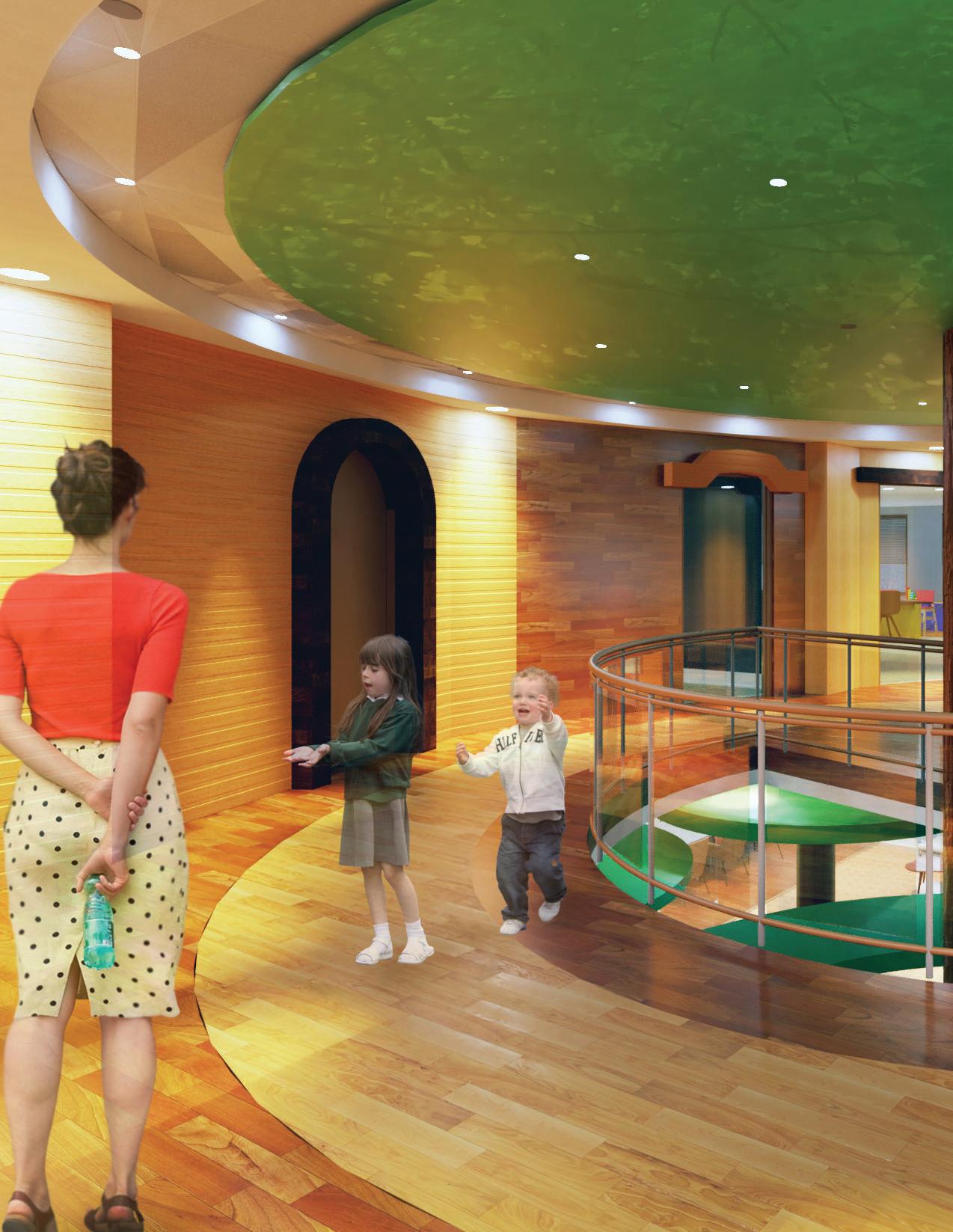
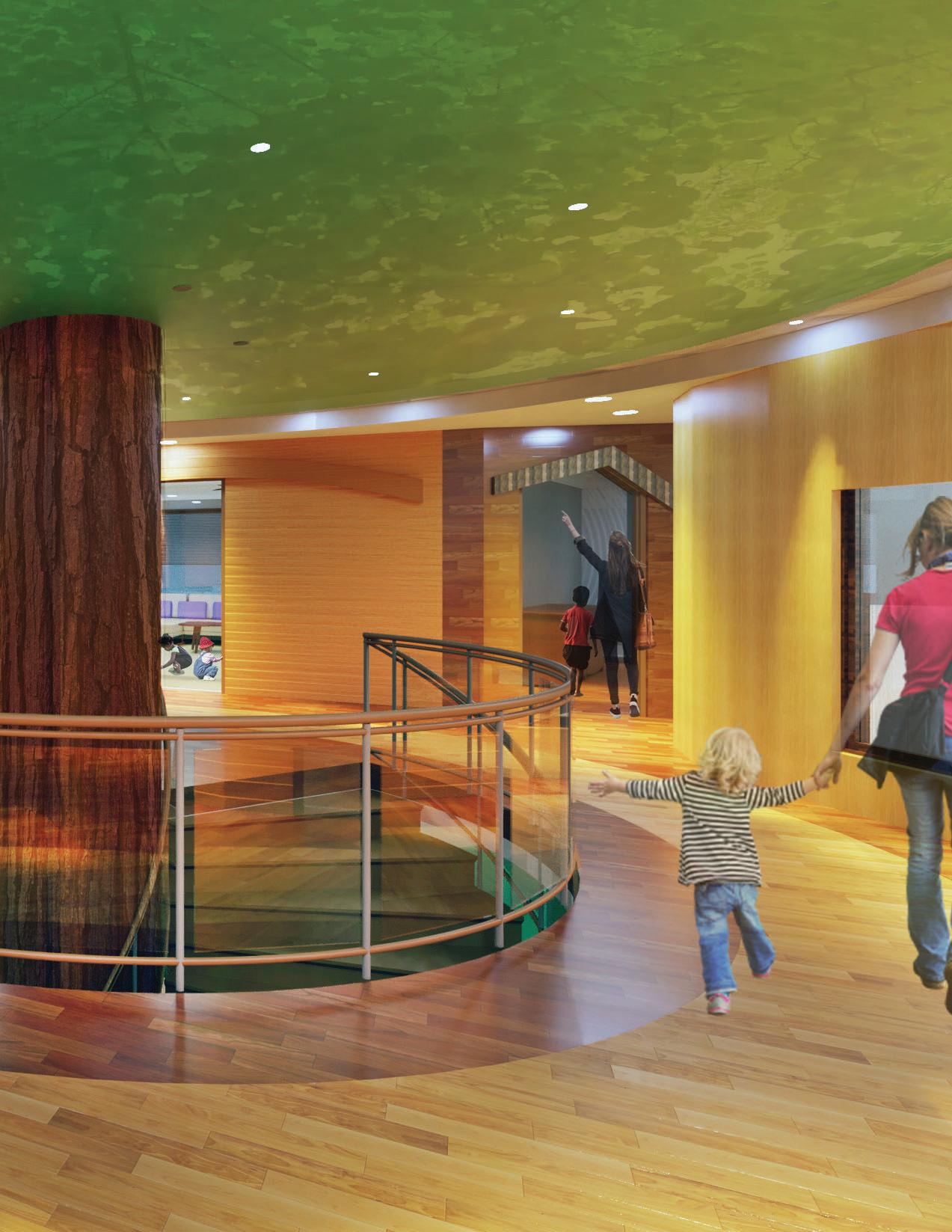
The Cure is a restorative home for children age birth through five, who are placed for adoption by families who are either unwilling or unable to care for them, but have chosen to preserve their life. Its concept and mission supplement healing during a child’s most crucial developmental years.
With design decisions primarily addressed by needs and practicality, this establishment’s inspiration rooted itself in the form of a tree and its circular canopy shape. The four-floor building and programming are designed to incorporate a playful use of material, shape, color and form.
This Capstone project is the result of two semesters worth of work - first semester primarily devoted to research, second semester focused on design. Example deliverables included a final booklet, technical drawings, materials board, and consultation with a professional for red-lining.