2025 Water Quality Report
The Jersey New Waterworks Company Limited
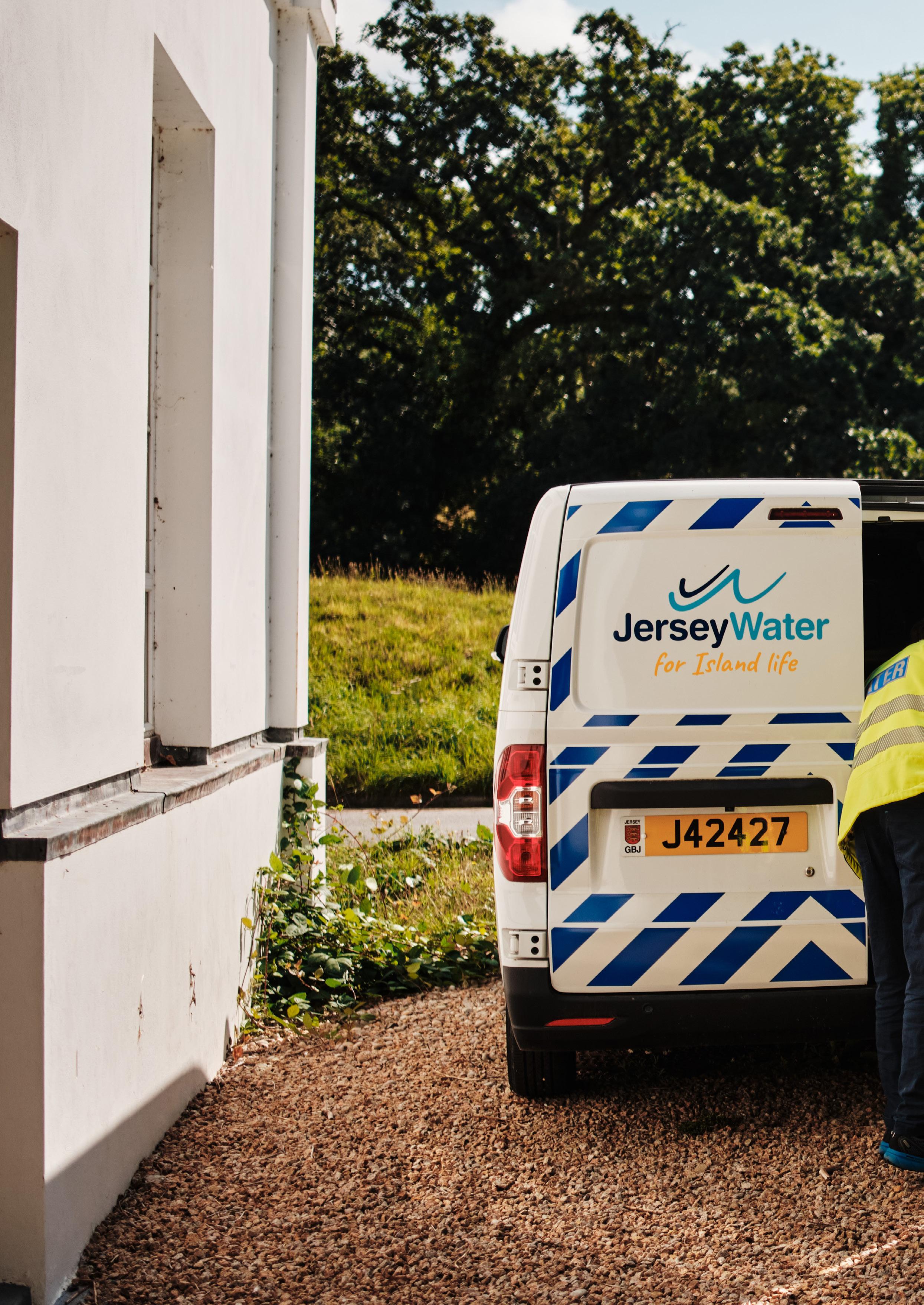
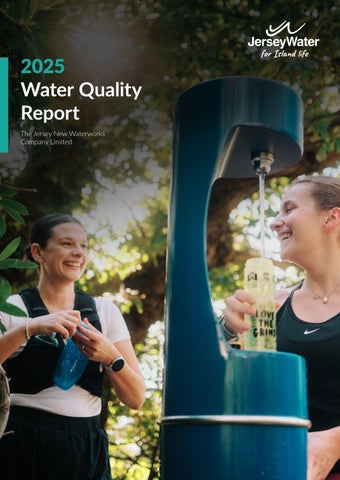
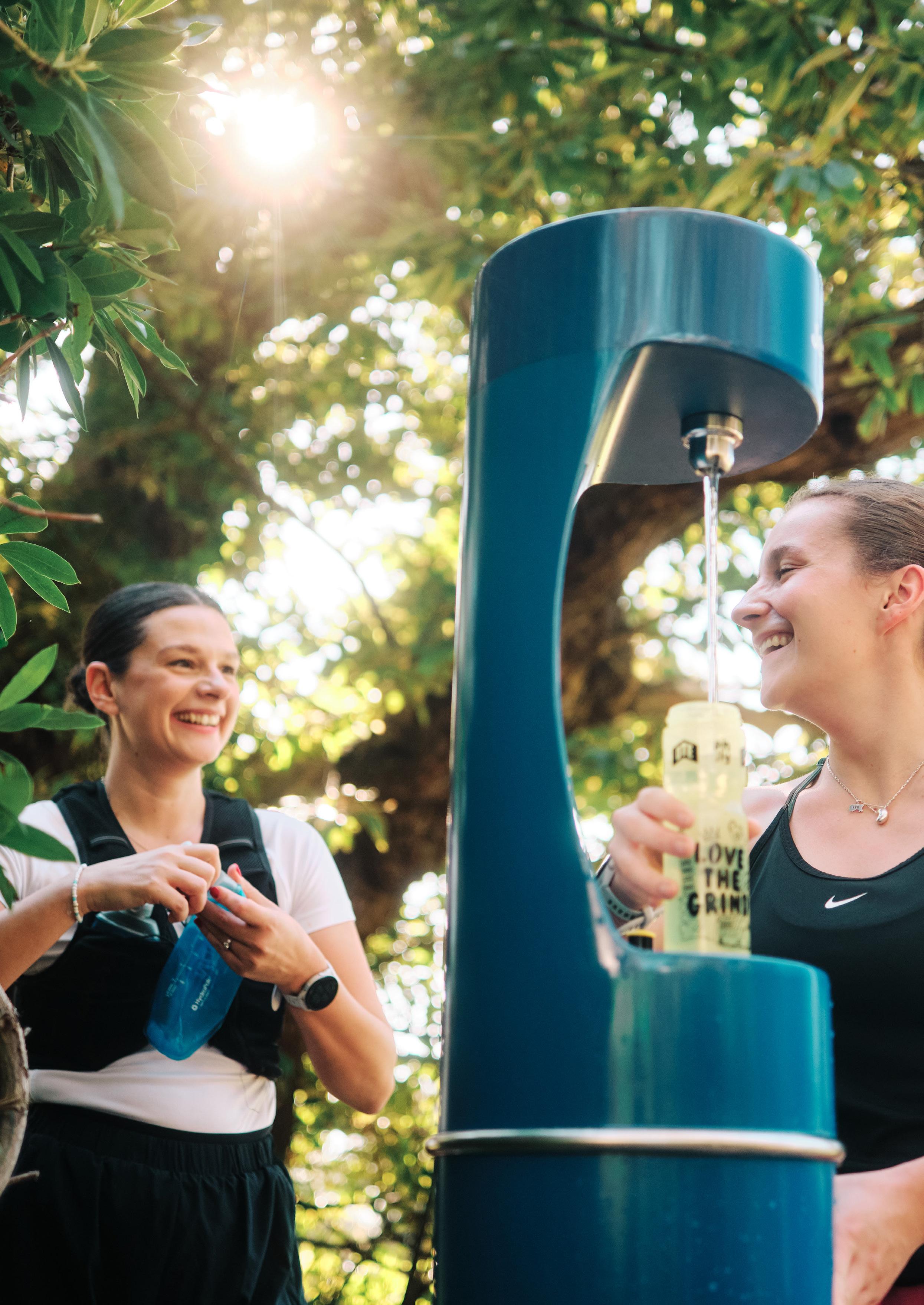
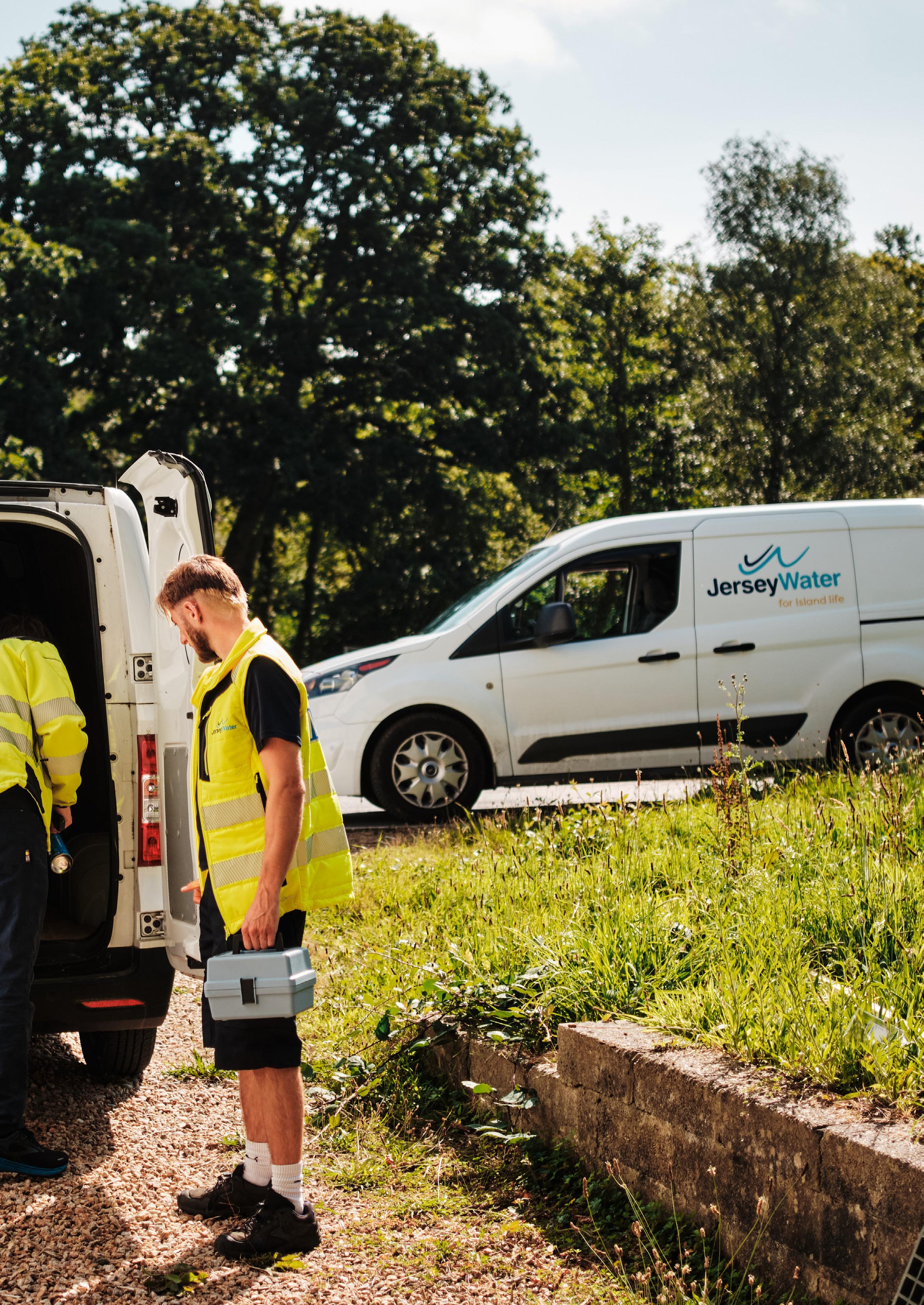
Front cover image: Runners filling up their water bottles at our refill point in Howard Davis Park. Photographer Max Burnett Inside cover image: Operational Scientists getting sampling equipment out of operational vehicle. Photographer Max Burnett
2025: The year at a glance

28,698 tests on untreated water (2024: 27,583)
240 samples from randomly selected customer properties (2024: 243)
16,724 PFAS tests conducted at UK accredited laboratories (2024: 16,656)
12 nanograms/litre average for sum of 4 PFAS compounds (2024: 12)
130 lead pipes replaced on our network (2024: 147)
12,900 regulatory tests on treated water (2024: 14,851)
126 customer calls/emails/enquiries about water quality (2024: 114)

£160,000 spent on PFAS research (2024: n/a)
31nanograms/litre average for sum of 48 PFAS compounds (2024: 32)
100% compliance with regulations for lead (2024: 100%)
10 Water quality experts, scientists, samplers and technicians (2024: nine)



failures for nitrates and pesticides (2024: Zero)


compliance with all water quality standards (2024: 99.95%)


compliance with EU regulations and UK guidance for PFAS (2024: 100%)
A message from our Head of Water Quality
Jeanette Sheldon
Public interest in water quality has never been higher. Across the world, there is growing attention on how pollution is affecting the water we all depend on. Water companies are facing increasing pressures to manage both recognised risks, such as nitrates and pesticides, and emerging threats, like PFAS1, a group of man-made chemicals now under global scientific and regulatory scrutiny.
Against this backdrop, we remain more committed than ever to protecting the Island’s drinking water. As science, regulation and customer expectations evolve, so is our approach to our work. We are continuously enhancing our monitoring and testing, investing in infrastructure and sharing more information with the public, to make sure Islanders can have confidence in the safety and reliability of their supply.
Beyond our day-to-day technical operations, a large part of our work is increasingly focused on engaging with the public: educating, informing and addressing concerns, while actively countering misinformation and misunderstanding around water quality.
100% compliance
We have an exemplary track-record for the quality of the water we supply, and we improved it further in 2025, achieving 100% compliance. Out of the 12,900 regulatory tests carried out on treated drinking water throughout the year, every single one met the Island’s water quality regulations, aligning with the standards set by the UK and European Union. This reflects the dedication of our Operations and Water Quality teams to ensuring we maintain exacting standards at every step of the water supply process. From Island streams and reservoirs, our two water treatment works and randomly selected customer taps, we carried out 56,683 sampling tests during the year on both untreated and treated water to make sure that your drinking water was always completely safe.
Maintaining water quality during a dry year
The dry spring and summer brought several challenges for protecting water quality. Low rainfall and warmer temperatures led to increased algae growth in our reservoirs, which we carefully monitored and managed to ensure effective treatment before supplying to customers’ taps. We also detected elevated manganese levels in the reservoirs, a common issue in dry periods, which impacts water flow. Our Water Quality and Operations teams responded quickly by optimising processes to control and treat algae and effectively remove manganese, ensuring drinking water remained compliant with all standards throughout the season.
Meeting future water quality standards
At the time of writing, the Government of Jersey is considering new, stricter water quality standards for PFAS chemicals. We have been advocating for specific limits for PFAS since 2019, so we welcome this development. Until the regulatory requirements and any associated funding for treatment are confirmed, we will continue to prepare for any new standards, while minimising the trace levels of PFAS we detect in drinking water. We anticipate having to adopt new treatment processes to manage PFAS and other contaminants, so we are developing a long-term treatment strategy to ensure that you can continue to have confidence in your tap water.
Tackling PFAS
Throughout 2025, we continued to dedicate significant effort to addressing PFAS as part of Jersey’s broader response to this environmental issue. Global scientific consensus is that water is just one of many sources of exposure to PFAS. Water treatment is therefore a key focus for reducing any potential risks, and we remain fully committed to ongoing action in this area. While the Island’s current water supply meets all UK and EU water quality standards for PFAS, and an independent panel of experts commissioned by the Government of Jersey to look at PFAS across the Island has confirmed that there is “no cause for concern” with our drinking water, we are proactively investigating treatment solutions to meet any new regulations. This is considered by the independent experts to be a “precautionary” measure to future proof the water supply. We are therefore taking steps to make sure your tap water remains safe to drink, today and in the future.
The work we are doing is in two key areas. Firstly, we are supporting the Government and Ports of Jersey with their remediation work to address the pollution around the airport. All five of our boreholes in St Ouen’s Bay and our stream source at Pont Marquet remain out of service due to contamination caused by the historic use of firefighting foam containing PFAS. Following the publication of an independent hydrogeological report, we have been assisting with testing private water supplies and assessing options on the Government’s behalf to extend mains connections to newly identified properties in the affected area. We have
of all our samples met the regulatory requirements
Jeanette, Head of Water Quality
Out of 12,900 tests carried out on treated drinking water this year, every single one met the Island’s water quality regulations, aligning with the standards set by the UK and European Union.
also provided information about our operations to the independent panel, and we have been meeting and speaking with local residents and campaigners about their concerns.
The other area of work we have been advancing is our research into potential treatment technologies to remove the trace concentrations of PFAS that we detect in the mains supply. The independent panel initially recommended to the Government a precautionary limit of four nanograms per litre for four specific compounds (PFOA, PFOS, PFHxS and PFNA). To make sure that we are ready to meet any new regulatory standard, this year we carried out a detailed research project to assess ten different options for addressing PFAS in drinking water. Having identified two solutions as potentially suitable for Jersey, namely activated carbon and/or ion exchange, we will soon be undertaking pilot trials. The results over the next 12 to 18 months will help us determine the feasibility, investment needed and ongoing operational costs for introducing any required treatment. We welcome the Government’s provision for PFAS in its Investing in Jersey Fund.
While water treatment and environmental remediation are essential, tackling pollution at its source is equally critical. Manufacturers have a key role to play in exploring alternative substances for their products so they do not pose environmental risks. At the same time, as consumers, we all need to be more conscious of what our everyday products contain, and the long-term impact they may create. Where there are opportunities to reduce or replace non-essential products that use these substances, we should be taking them, so that we protect the environment and our water resources for the long term. See pages 20 to 23 for more information about our progress on PFAS.
Nitrates and pesticides
There is a long-standing misconception that Jersey’s water supply is high in nitrates and pesticides. In reality, levels of these substances have been consistently low and within drinking water standards for 12 years and nine years respectively, thanks to the
collaborative work of the Action for Cleaner Water Group between Jersey Water, the farming community and the Government. Working together to bring about stricter controls and better practices on the use of fertilisers and pesticides, we have collectively reduced levels of these chemicals in our streams and reservoirs. As a result, we did not seek to renew our dispensation for oxadixyl from the Environment Department when it expired in January 2025.
The dry weather was also a notable factor for reducing potential field run-off and contributing towards the lower levels of nitrates. For the year, the total average detections of nitrates in treated drinking water were 27 milligrams per litre (mg/l) (2024: 31mg/l). We are committed to carrying on this important work with the Government and local farmers to protect water quality and our reservoirs. For the eighth consecutive year, we sponsored the Jersey Farming Conference, strengthening these relationships further. We will continue our efforts over the next five years and beyond, as part of our 2026-2030 strategy, with the development of a coordinated catchment management plan.
Water quality for the future
It’s not long now until we move into our new laboratory at our new headquarters, Douet House, in Rue des Pres trading estate. Over the course of 2025, we were focused on finalising the requirements for the new facility, which will be significantly larger than our current set-up at Millbrook and will provide us with the space and advanced facilities to enhance our water quality operations. We also strengthened the team with the right expertise, resources and structure, including welcoming a new, experienced Water Quality Manager. This investment in our people and infrastructure will future proof our operations, so that we can face emerging water quality challenges more efficiently and costeffectively, ultimately delivering the highest standards of water quality, service and reliability for our Island.
Jeanette
Sheldon
Head of Water Quality
11 December 2025
The water quality standards we have to meet
We supply drinking water under the Water (Jersey) Law 1972, which requires us to provide “wholesome” water (see page 43). That means water that is safe to drink and free from anything that could harm your health.
The Government of Jersey sets the standards we must follow and acts as our regulator. We work closely with the Government to make sure our water meets all legal requirements.
We also go further. To make sure we’re doing everything we can to keep your water safe, we look to the guidelines, best practice and regulations set by the UK’s Drinking Water Inspectorate and the European Union to inform our approach. With water quality regulations varying from country to country, these are wellestablished, science-based standards that help us go beyond local requirements and give us a robust benchmark for ensuring our drinking water remains safe to drink.
We also use the World Health Organisation’s risk-based water safety planning approach to identify and mitigate any potential risks to drinking water from source to tap.
New water quality standards
At the time of writing, the Government of Jersey is considering new, stricter water quality standards for PFAS chemicals. An independent panel of experts commisisoned by the Government to look at PFAS across the Island has initially recommended a precautionary limit of four nanograms per litre for four specific compounds (PFOA, PFOS, PFHxS and PFNA). While the panel has stated that “there is no cause for concern” with the quality of the current water supply, we are preparing to meet any new regulations and envisage having to adopt new treatment processes to manage PFAS and other pollutants.
While the requirements and funding are being confirmed by the Government, we will be developing a long-term strategy, trialling interim treatment solutions and conducting pilot trials to ensure you can continue to have confidence in your tap water.
For more information on our progress against PFAS, see pages 20 to 23.
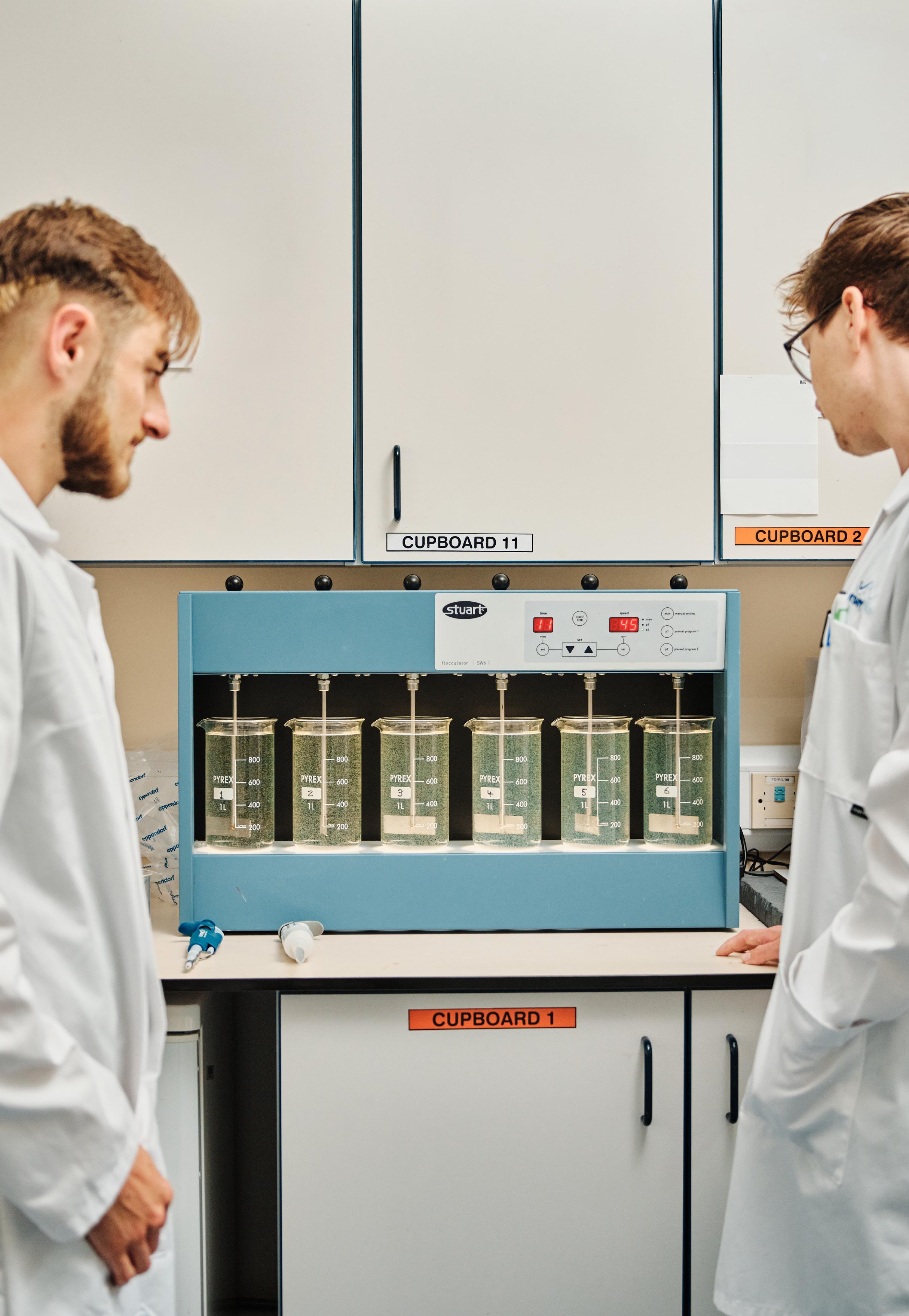
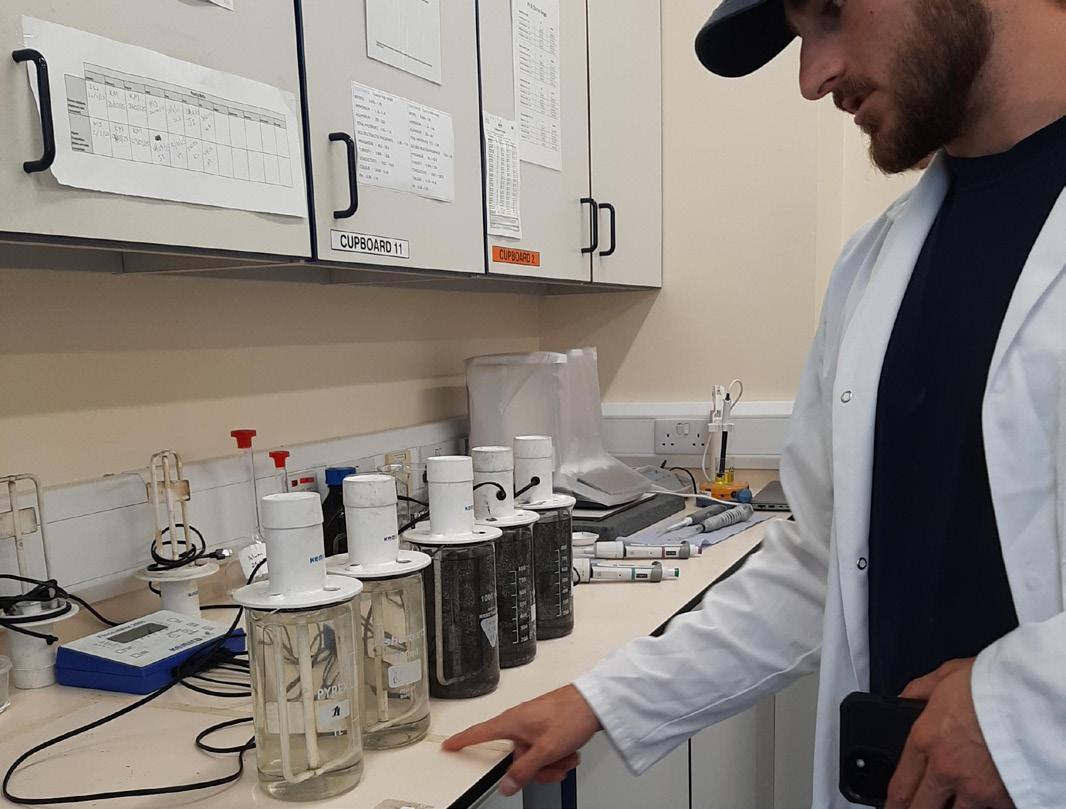
Jack and Max, Operational
What we test for
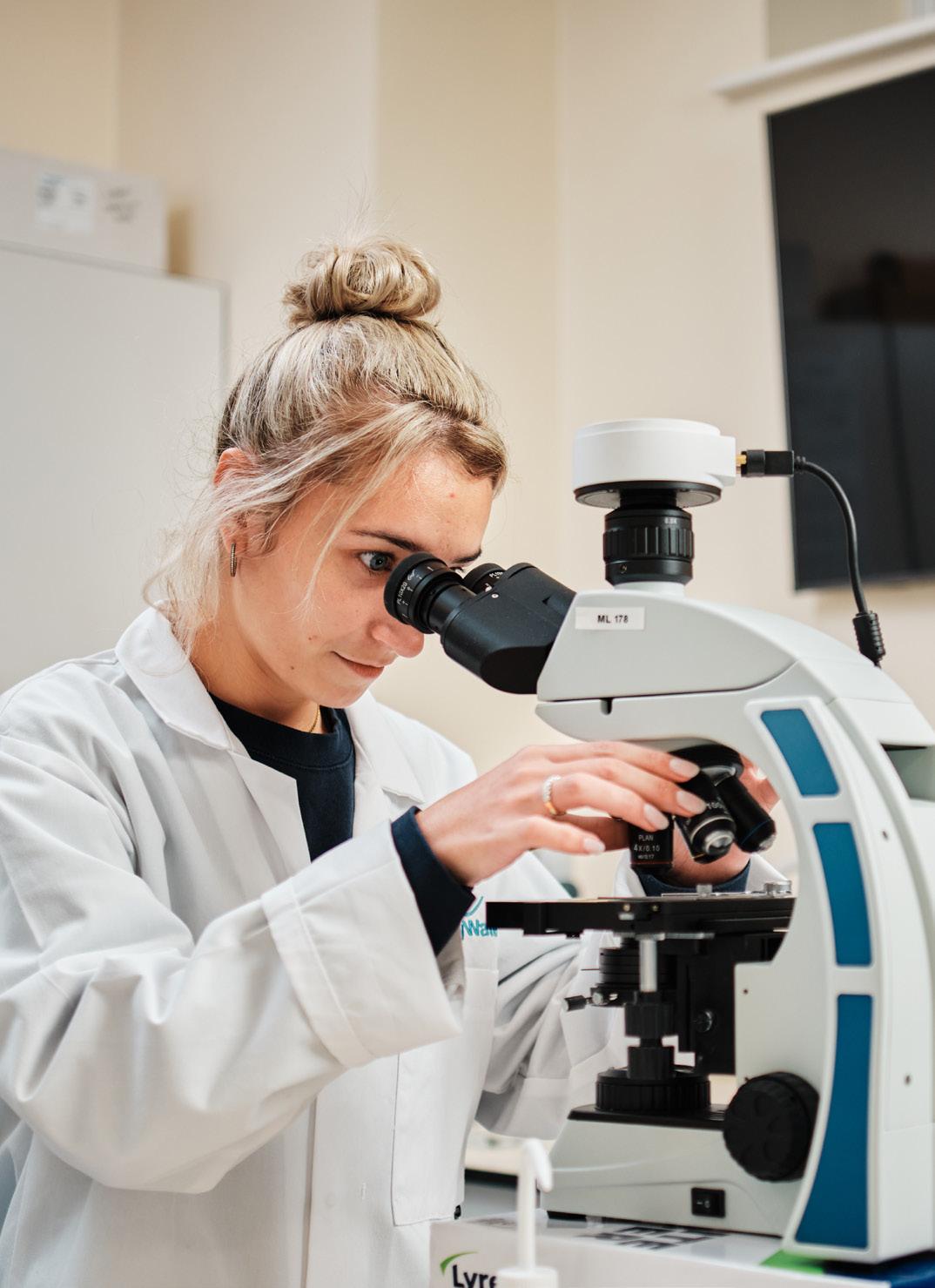
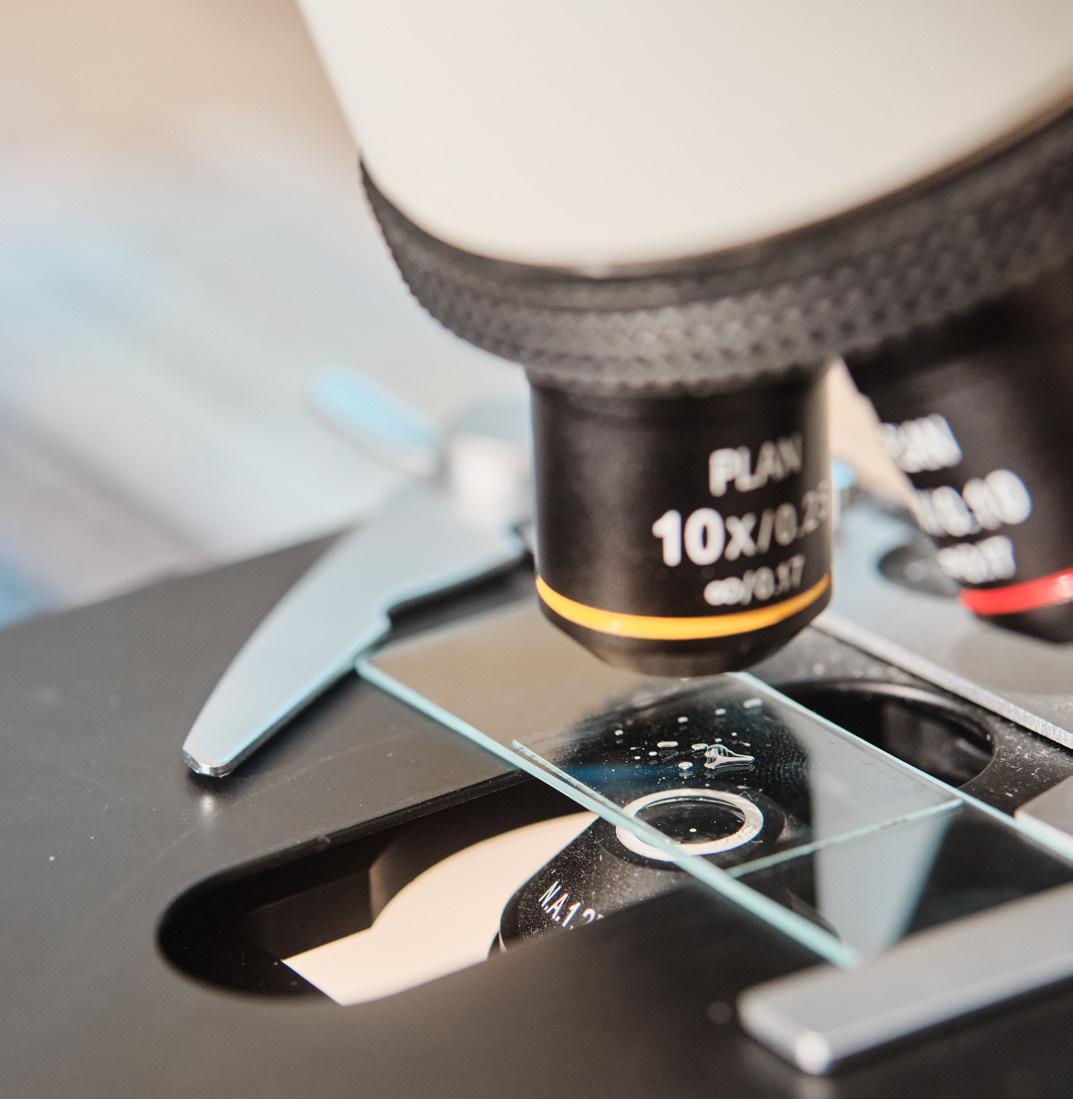
We test the Island’s water supply for a wide range of physical, chemical and microbiological parameters. In fact, we carry out testing for more than 100 different chemicals, bacteria, algae and pathogens, as well as 450 different pesticides.
Some of the substances we test for occur naturally in untreated water like minerals, some are present due to man-made pollution, such as PFAS and pesticides, then others, for example chlorine, are added to remove bacteria and viruses to make sure the water is safe to drink when it comes out of your tap.
We take samples from streams, reservoirs and the water entering our treatment works, as well as the drinking water leaving the works, our treated water service reservoirs and also at random customers’ properties. This ensures the quality of the water from source to tap.
Physical
Monitoring the physical characteristics of our water gives us an insight into its quality, for example its colour, clarity (turbidity) and pH. Variation in these parameters detected in raw water can give us early warning of potential pollution or contamination.
We monitor our raw water reservoirs weekly during the spring and summer for algae. The results from our tests enable us to select the best possible water to send to our treatment works.
Chemical
We measure a range of chemical parameters in raw and treated water, including dissolved minerals, metals, nutrients (including nitrate), pesticides and PFAS. This range enables us to monitor for pollution incidents and agrochemicals. The standards are stringent safety factors to ensure we supply water that is safe to drink.
Some substances when elevated, such as iron and manganese, may lead to discoloured water. The standards we adhere to have also been set for aesthetic reasons, to make sure that the appearance of the water is acceptable for our customers.
We also monitor for a small group of chemicals which are associated with the pipes and plumbing fittings found in private properties, for example lead, nickel and copper.
Microbiological
We sample and analyse our treated water for bacteria and pathogens to ensure the water is safe to drink at all times. We look for different types of bacteria, which will indicate potential issues with water quality, as well as those that may pose a risk to public health. For example, the detection of coliform bacteria may indicate the sub-optimal performance of our treatment processes or ingress of contamination into the distribution system. These bacteria do not pose a risk to health but can act as an early warning of pollution or contamination.
Further details on each parameter we monitor can be found in our test results from pages 30 to 41.


“We have an exemplary track-record for the quality of the water we supply, and we
improved it further in 2025, achieving 100% regulatory compliance”
Keeping water safe
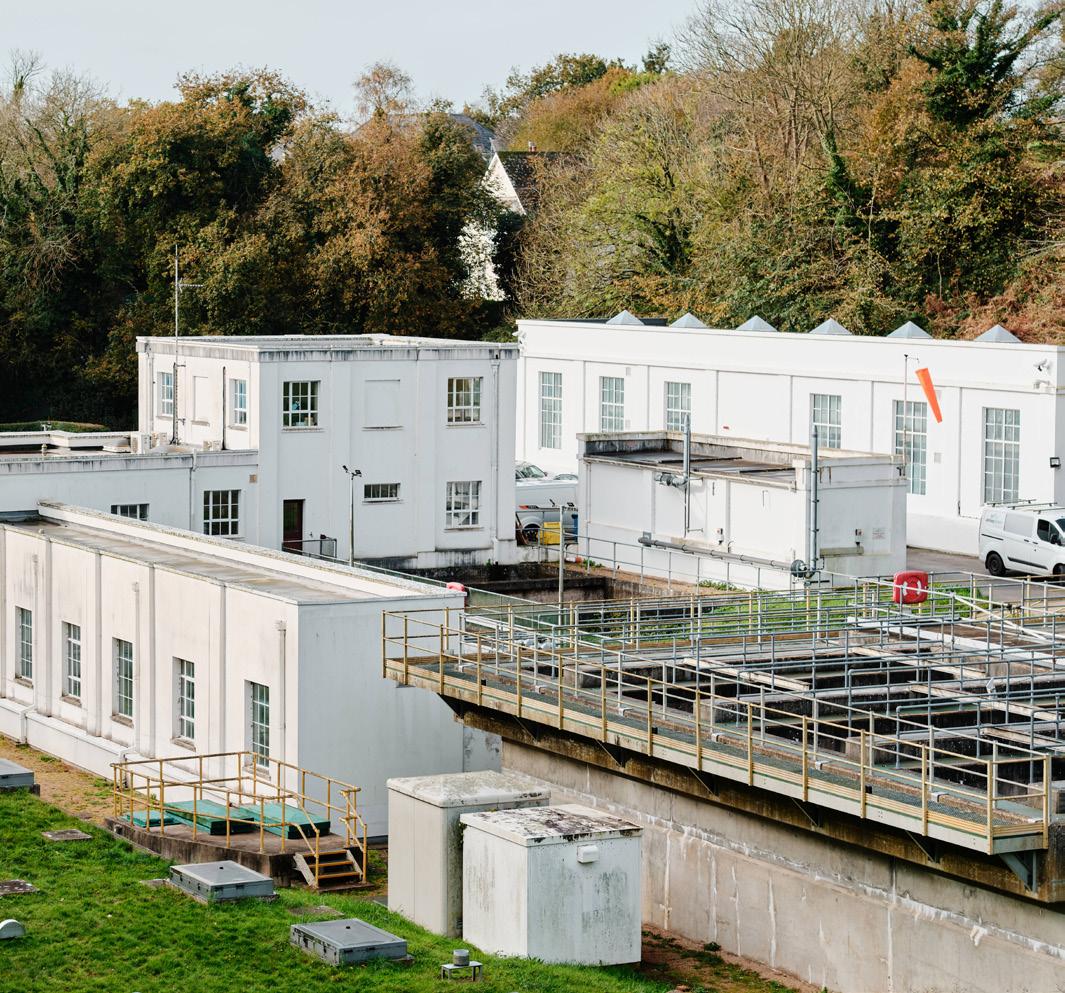
We keep water flowing to approximately 40,000 homes and 3,600 businesses across the Island. Our team works around the clock to treat and clean 19.6 million litres of water that we supply each day.
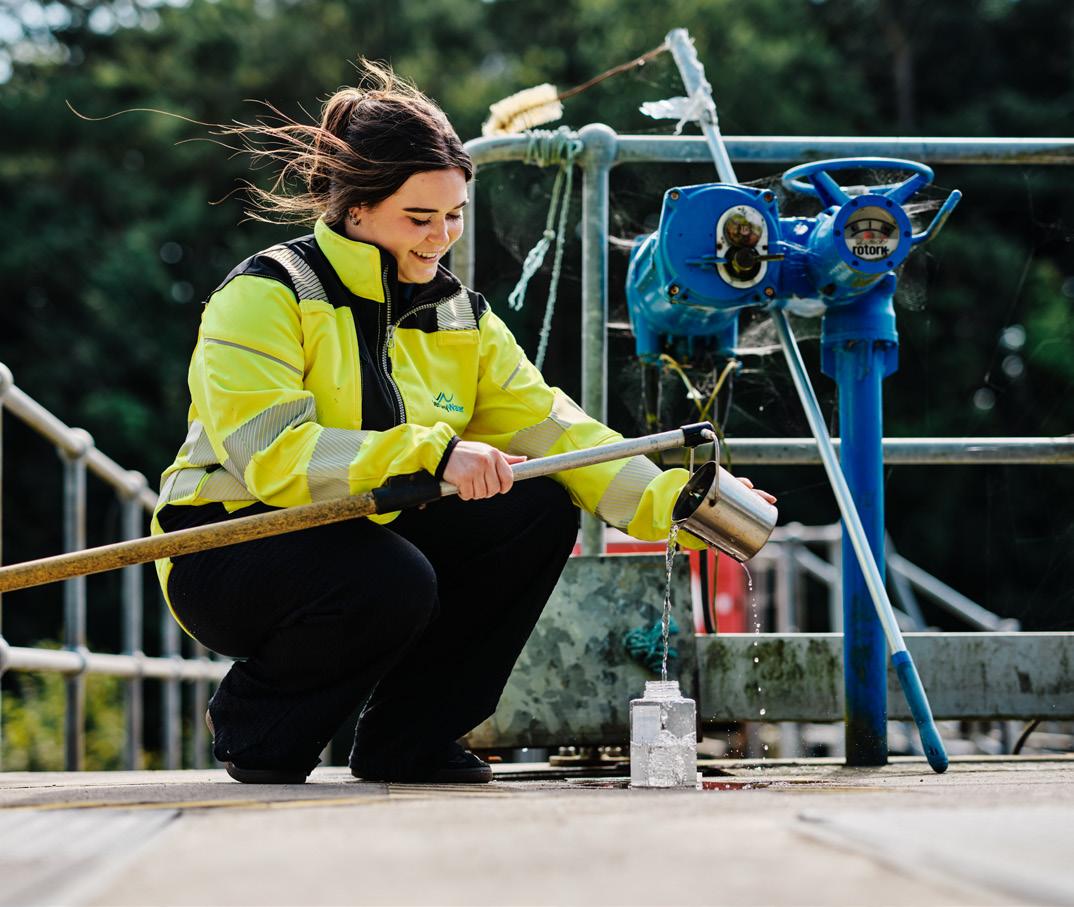
Our team of 10 scientists, technical specialists and samplers carry out more than 500 tests every week. They take samples from streams, reservoirs, both our two treatment works, our two service reservoirs where treated water is stored and from customers’ properties. This is to make sure that your water is safe and clean before you turn on your tap.
100% overall compliance
We are proud to report that between 1 October 2024 and 30 September 2025, our drinking water met 100% of the water quality regulations set by the Government of Jersey, which align with the EU and UK standards. This means your tap water is safe to drink and well within the limits for chemicals such as PFAS, pesticides and nitrates.
100% overall compliance is recognised industry-wide as an exceptional achievement and demonstrates our continued commitment to making sure that we supply all our customers with excellent water quality. This result is from more than 12,900 regulatory tests that we conducted during the year from our two treatment works, two service reservoirs and customers’ taps.
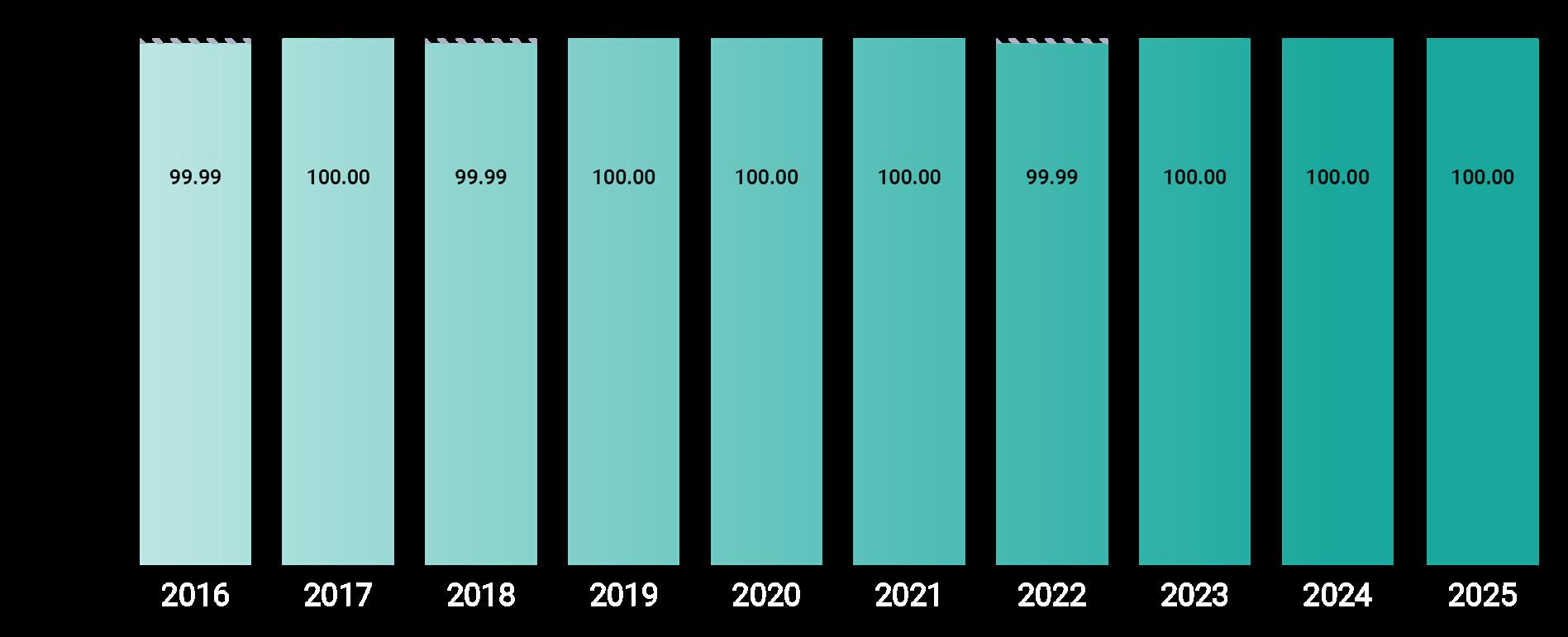
The graphs on these pages show our compliance for the past ten years. You can find more detailed results of our testing programme for both untreated and treated water on pages 30 to 41.
Overall drinking water compliance
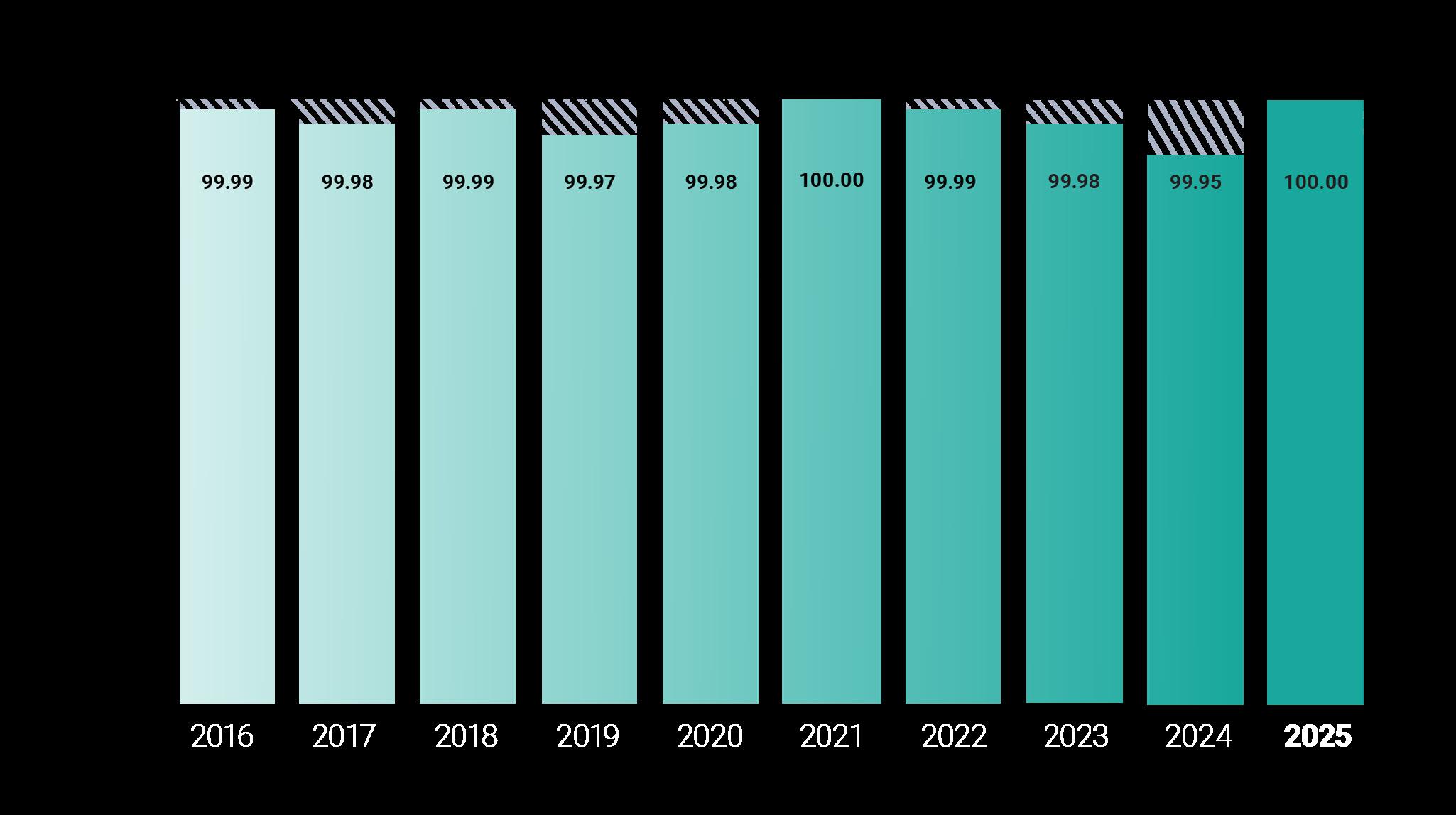
compliance
Compliance at our two water treatment works
Minimising pollution
Pollution risks to treated water quality include substances like PFAS, nitrates and pesticides, which can all potentially harm health if levels are too high. Even though there isn’t currently a regulatory standard for PFAS in Jersey, the trace levels that we detect are much lower than the limits set by UK and EU. In fact, we remain 69% better than those standards (2024: 68%). While an independent panel of experts commissioned by the Government of Jersey to look at PFAS across the Island has confirmed that “there is no cause for concern” with the current water supply, we are actively investigating new treatment options to tackle these man-made chemicals and ensure we can continue to meet any new regulatory limits set for the Island.
Our 2025 test results show that the number of pesticides detected in treated water has decreased to eight from 12 in 2024, of the 83 we tested for. Importantly, these pesticide levels are extremely low, with the trace amounts well below the regulatory limits.
Nitrate levels have also been significantly reduced over the last decade due to efforts by Jersey Water, the farming community and the Government of Jersey. In 2025, the average detections of nitrates in drinking water were 27mg/l, compared with the regulatory limit of 50mg/l. This can be attributed to a year of low rainfall but equally the collaborative efforts to protect the catchment and streams.
Overall, our water quality results demonstrate a strong commitment to keeping Jersey’s water safe, clean and meeting regulations.
Our water treatment works
We have two treatment plants which between them can produce up to 46 million litres of water each day for supply to the Island.
Because Jersey’s supply largely comes from surface water captured in streams and stored in reservoirs, we need to use processes tailored to the individual raw water quality. We use a multi-stage treatment process to thoroughly clarify and filter the water before disinfecting to remove any bacteria, pathogens and viruses that may be present.
Once again in 2025, all of the 7,114 tests on water leaving our treatment works were 100% compliant with water quality standards.
Our service reservoirs
To make sure we can meet peak demand periods, we have two service reservoirs where we store treated drinking water. These are strategically located at Westmount and Les Platons.
In 2025, we proactively upgraded key components of these reservoirs, to ensure they remain in top condition and keep treated water safe. This included routine maintenance to clean, inspect and replace parts of this critical infrastructure. For the first time, we also invested in industry-leading photogrammetry technology to capture detailed imagery of the inside of these storage reservoirs, which will allow us to more easily monitor their condition.
“Nitrate levels have been consistently within the drinking water standards for more than a decade”
From our pipes to customers’ taps
When treated water leaves our treatment works, it goes through kilometres of pipework on our mains network before it reaches your property’s plumbing. In 2025, we took 240 samples from randomly selected customers’ properties and all of them were 100% compliant with the stringent regulatory limits that we adhere to. We are always really grateful to customers who take part in our sampling and analysis programme, as it helps maintain high standards from source to tap.
While we have a duty to ensure that the water remains clean and safe to drink on our side, it is your responsibility to keep your pipes and fixtures in good condition. To make sure your water is still of excellent quality when it reaches your property, it’s important that you take care of your plumbing. Keep your taps clean to prevent build-up that could affect water flow and quality. Also, look after your plumbing system with regular checks by a qualified plumber to ensure everything is working efficiently and safely, and make sure you know how to turn off your supply at the stopcock if needed. These simple steps will help protect your water quality at home.
Just as we ask you to look after your plumbing, we regularly monitor and upgrade our own pipework. Our mains network spans nearly 600km connecting 95% of properties across the Island. This is the equivalent distance from Jersey to Amsterdam, so a fair amount to maintain! Every year, we renew sections of pipework to improve the Island’s water supply infrastructure and in 2025 we replaced a further 1.06km.
Replacing lead pipes
Even though we did not have any failures for lead during 2025 and remained 100% compliant with regulatory standards, we understand that the presence of lead pipework and solder is a concern for some customers.
The water that leaves our treatment works does not contain any lead. We use a plumbosolvency control treatment at our treatment works but lead can still dissolve from pipework en route to your tap, particularly if you still have lead pipes in your private plumbing. We are happy to sample your water free of charge to check whether there is lead present. If there is, we would recommend you replace your plumbing and we will also ensure that there isn’t any lead present on our pipework supplying your property.
Although we have a small amount of lead pipework, we are steadily removing it and, in 2025, we replaced an additional 130 lead pipes (2024: 147). Our five-year strategy to 2030 includes more lead pipe replacement, alongside collaboration with the Government of Jersey to raise awareness with Islanders about the importance of removing lead from domestic and commercial plumbing. These proactive steps ensure that the water you receive remains safe and among the highest quality globally.

“We remain more committed than ever to protecting the Island’s drinking water”
Monitoring untreated raw water

28,698
Tests on water from streams and raw water reservoirs
(2024: 27,583)
Zero
Failures for nitrates and pesticides (2024: Zero)
Zero
Dispensations used* (2024: Zero)
Delivering top quality drinking water starts long before it reaches your tap. We take water from lots of different sources around the Island, the majority of which is surface water. This comes from rainwater feeding streams, our six storage reservoirs and a number of other sources that we rely on for Jersey’s water supply. We refer to water before it has been treated as ‘raw water’.
Every week, we check the quality of the water in the streams that feed our reservoirs and the reservoirs themselves. The test results help us to identify changes in the water and any pollution, allowing us to choose the best water to send to our treatment works. To make sure we only use the best quality raw water, we blend water from our different sources before sending for treatment, which is standard industry practice.
Protecting our streams and reservoirs
Making sure the catchment areas that feed our reservoirs are managed appropriately is critically important for protecting water quality. The main risks arise from agricultural chemicals, such as fertilisers and pesticides, running off the fields during wet weather. Other threats include sewerage overflows, industrial activities and fuel and oil pollution from road accidents.
Thanks to collaboration between Jersey Water, the farming community and the Government of Jersey under the banner of Action for Cleaner Water, and alerts from the emergency services and concerned members of the public, we have made great progress with how the areas surrounding and feeding the reservoirs are managed and protected.
*An
Nitrates
Improved fertiliser management, careful selection of water sources and strategic blending of raw water supplies during the growing season have all helped to reduce the amount of nitrates in raw water.
Average nitrate levels detected in streams and reservoirs were 32.4 mg/l during the year, peaking at 98.5 mg/l in Queen’s Valley side stream catchment. Given this long-term downward trend, it is highly unlikely that we will apply to renew the nitrate dispensation when it expires in 2027 as it hasn’t been used at all in the past 12 years.
We remain committed to minimising nitrate levels and safeguarding the quality of our reservoirs through targeted catchment management and close collaboration with our partners in agriculture.
Algae
Most Islanders will notice that it is not unusual for the reservoirs to change colour in the warmer months to a vibrant green. This is caused by algae, which is a naturally occurring phenomenon in raw water between March and October, when there can be a build-up of nutrients, such as phosphorous and nitrogen.
Because we manage it effectively, these algal blooms do not

it reaches your tap”
“Delivering top quality drinking water starts long before
present any risk to public health or water quality. We carry out routine monitoring, sampling and testing to ensure we manage the levels. We treat the algae both in the reservoirs and at our treatment works, and it is completely removed before water reaches your tap.
The drier and hotter weather in 2025 did lead to higher levels of algae in our reservoirs. With climate change, we anticipate algae levels will only increase. For the past three years, we have been actively involved in research projects with the universities of Bath and Cardiff on managing algae to find ways of treating the blooms with fewer chemicals and resources. One of our Water Quality team also had their research paper published.
Pesticides
Rigorous monitoring, including analytical screening for more than 450 compounds, enables us to identify and manage potential contamination events. During 2025, pesticide levels in streams exceeded 0.1 micrograms per litre (μg/l) on only two occasions (2024: 36 occasions), and we bypassed affected sources to protect the reservoirs as a result.
Using powdered activated carbon at our treatment works continues to ensure that we effectively remove pesticides prior
to filtration. With concentrations of the legacy fungicide oxadixyl (that was banned in 2003) continuing to decline, and no failures recorded for the ninth consecutive year, we did not renew our oxadixyl derogation when it expired in January 2025.
The Government’s pesticide amnesty in November 2024 was a positive step to help farmers and Islanders dispose of pesticides, with more than 950kg and 420 litres collected and safely destroyed.
We always encourage Islanders to use and dispose of pesticides responsibly.
Ongoing collaboration with the Government and farmers also remains central to maintaining these excellent results and protecting drinking water quality.
Other pollution
Fortunately, we only had one incident reported to us during the year where slurry run-off affected one of our reservoir catchments. This prompted us to temporarily bypass the stream to prevent contamination and protect the quality of the water entering Grands Vaux reservoir.
Our stream source at St Catherine’s was operated intermittently during the year due to a pollution incident upstream of the woods. As a result of this incident, we are looking into installing online monitoring to give us early warnings if pollution reaches our water sources. This matter is being investigated and is ongoing pending remediation.
Progress against PFAS
PFAS - a global problem
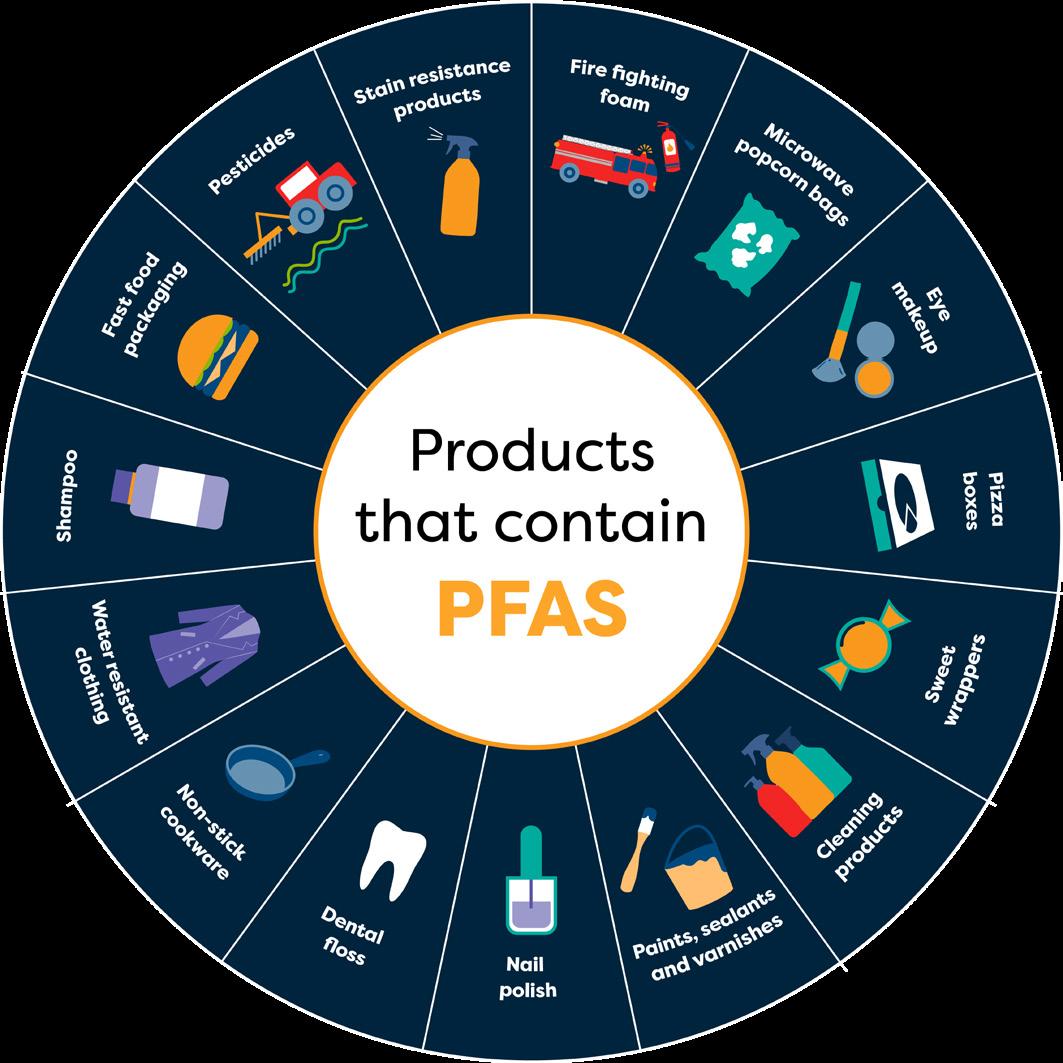
PFAS, or poly and perfluoroalkyl substances, are a group of more than 10,000 synthetic chemicals that have been used in manufacture since the 1940s because of their heat, oil and water-resistant properties.
Today, they are still found in many everyday products, including food packaging, cosmetics, waterproof clothing, cleaning products, some non-stick cookware, medical equipment and smart technology.
As a consequence, they are also now found in our environment: in soil, air, water, sea and rainfall. Known as so called “forever chemicals”, they do not break down easily and there is growing concern about the potential implications for public health. PFAS pollution is now recognised as a global issue, arising from decades of industrial and consumer use.
Water companies – not the cause but a solution
Although water companies are not the source of this pollution, they are being increasingly seen as part of the solution. Scientists agree that water is just one of a number of sources of human exposure to these chemicals and it has, therefore, been identified as a targeted and manageable way of removing PFAS.
While removing PFAS from water is an option, these chemicals
are highly problematic for water quality because they cannot be removed with typical water treatment processes. This has led to widespread efforts to monitor and regulate PFAS in public water supplies. Water utilities everywhere are therefore being asked to minimise compounds that are of particular concern.
At Jersey Water, for years we have been proactively managing and reducing PFAS levels, to safeguard the Island’s water supply and protect our community. Although we do detect trace concentrations of PFAS in mains water, they are well within the water quality limits set for PFAS by the UK and EU.
Addressing PFAS at source
While water treatment and environmental remediation are essential, tackling pollution at its source is equally critical. Manufacturers have a key role to play in exploring alternative substances for their products that do not pose environmental risks. At the same time, as consumers, we all need to be more conscious of what our everyday products contain, and the longterm impact they may create. Where there are opportunities to reduce or replace non-essential products that use these substances, we should be taking them, so that we protect the environment and our water resources for the long term.
Historic contamination around Jersey Airport
In 2025, an independent hydrogeological report commissioned by the Government of Jersey identified that an area of PFAS pollution around Jersey Airport had grown. This contamination pre-dates the 1990s and was caused by the historic use of firefighting foam containing PFAS, which leached into the environment and polluted private water supplies. Five of our own boreholes in St Ouen’s Bay and a stream source at Pont Marquet were also contaminated and remain out of operation. Being able to return these water sources to service would help alleviate pressure on our resources.
Over the past year, we have continued to play an active role in supporting the Government of Jersey and Ports of Jersey with their PFAS remediation work around the airport area. We have been assisting with testing private water supplies at properties in the extended investigation area, helping to build a clearer picture of how PFAS has affected local groundwater, boreholes and wells. On behalf of the Government, we have also been looking at options for extending the mains network to affected properties.
Engagement with the community has been an important part of our work over the course of the year. We have attended public meetings, met with concerned customers and campaigners and shared information about the steps we are taking to protect the Island’s water supply. This important work will continue into 2026 and we remind all customers that they can contact us with their enquiries and concerns. If you do your own research on PFAS,
we always suggest checking that any sources you consult are credible and verified. There is a lot of inaccurate information being circulated.
PFAS in the mains water supply
Outside of the identified area of contamination around Jersey Airport, the rest of the Island is not a pollution hotspot. While we do detect trace levels of PFAS in our treated drinking water, these are well within the regulatory standards set by the UK and EU.
Once again in 2025, from 16,724 tests, we had zero failures for PFAS and, similarly to 2024, the low concentrations were 69% better than the standards (2024: 68%). This demonstrates our consistent efforts to minimise the presence of these chemicals in tap water.
Drinking Water Inspectorate / EU
As Jersey does not currently have specific regulation for PFAS, we look to the UK and EU and align with the relevant guidance and standards. The UK’s Drinking Water Inspectorate requires testing for 48 different PFAS compounds. The average PFAS concentration for drinking water in 2025 was 0.031 micrograms per litre (µg/l) for the sum of the 48 compounds we currently test for.
We use an accredited laboratory in the UK for our PFAS testing and, during the year, there were delays in receiving some of the results for our testing. To reduce turnaround time moving forward, we have changed to an alternative accredited laboratory and this should ensure that we receive results more quickly to better inform our water quality operations.
For the results of our PFAS testing on both untreated and treated water, see pages 34 and 40.
International regulations
In 2025, regulatory scrutiny of PFAS chemicals continued to intensify globally. The EU and US have already announced that they are introducing stricter bans and enforcing tighter controls on concentrations in water supplies, as well as phasing out the use of these chemicals in a variety of commercial categories.
Currently, there are no regulatory requirements for PFAS chemicals in Jersey, so we follow EU regulations and UK guidance for drinking water quality.
The Government is looking at greater alignment with international regulations and considering setting specific water quality limits for PFAS. An independent panel of experts has also been commissioned to look at PFAS levels across the Island, beyond the hotspot contamination around the airport.
Augrès
Victoria, Laboratory Team Leader
The initial recommendation from the panel is for Jersey to adopt a limit of four nanograms per litre for a combined total of four key compounds:
• PFOA (perfluorooctanoic acid)
• PFOS (perfluorooctane sulfonate)
• PFHxS (perfluorohexane sulfonate)
• PFNA (perfluorononanoic acid)
Currently, we monitor and test for 48 different compounds, which include the above. For these four specific compounds, the current levels in tap water are 12 ng/l. For context, this is the equivalent of one teaspoon of sugar in 133 Olympic-sized swimming pools. The proposed limit of 4 ng/l would be one teaspoon in 400 Olympicsized swimming pools.
Addressing the trace levels of PFAS in mains water
We have been focusing our efforts on continuing to minimise PFAS in the mains supply. While the trace concentrations are currently well within the regulatory limits set by the EU and UK and are not considered to be a cause for concern, in 2025 we dedicated time and resource to investigate potential treatment technologies for Jersey.
We assessed ten scenarios, ranging from continuing with our current approach of minimising PFAS to completely changing the Island’s supply to be desalination only. Many of these options were ruled out because they would not meet the much lower limits recommended by the independent panel.
Looking ahead, we have committed nearly £2 million to investigate interim treatment measures using powder activated carbon (PAC) and to carry out pilot trials with granular activated carbon and ion exchange technologies. These trials will help us understand which approach would be the most suitable for Jersey’s unique infrastructure and supply requirements. The Island’s size, geography and reliance on both surface and groundwater sources present logistical challenges that we need to address carefully before selecting the most effective long-term solution.
Our pilot trials are expected to run for 12 to 18 months so we can assess how the technologies perform across all seasons and water conditions. This work will help us identify the most effective, affordable and sustainable solution for Jersey. Importantly, any future treatment process must not only deal with PFAS but also help to future-proof our water supply against other potential contaminants that could emerge in the years ahead. Allowing time to fully assess options and select a treatment approach that is both proportionate to the risks faced and grounded in robust health evidence will help ensure that any investment delivers lasting, sustainable protection for Jersey’s water quality.
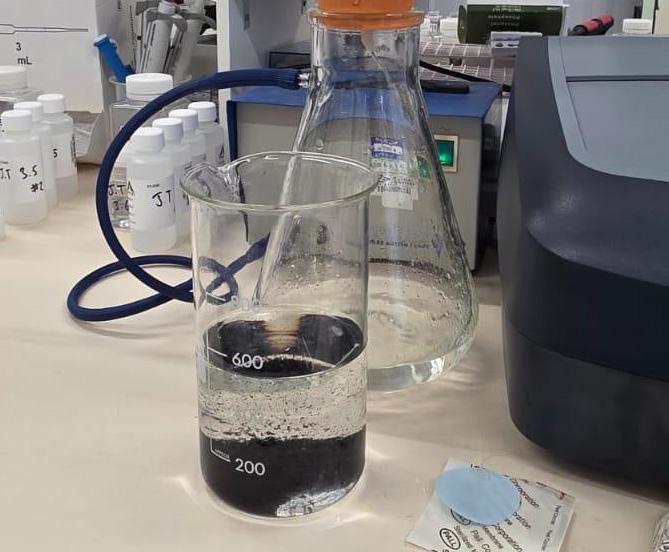
16,724 tests
Conducted at our UK accredited contract laboratories (2024: 16,656)
There is still uncertainty surrounding the exact future regulatory limits that the Government is likely to set and how they will be applied in Jersey. We expect to have a better understanding of what the standards will be in 2026. Once the new regulation is set and the funding for any required treatment is confirmed, we will be able to identify the most appropriate treatment approach and determine the likely capital investment, operational costs, any potential impact on customer bills and the timelines for delivery and compliance. In the meantime, we will keep working closely with the Government, maintaining open communication with our customers and making sure we are well prepared to meet whatever standards are introduced.
We are committed to being transparent, collaborative and realistic about what is possible to tackle PFAS, based on scientific evidence and expert research.
You can be reassured that we are investing significant resources and expertise to protect Jersey’s drinking water now and for the future.

Handling customer enquiries

48
Contacts about the appearance of water (2024: 60)
26
Contacts about taste, odour or illness (2024: 36) 12
Contacts about PFAS testing (2024: eight)
We always carefully review, investigate and record all customer calls and emails that we receive into our Water Quality department. Depending on the nature of a customer’s enquiry, we may visit their property and, as required, take steps to improve water quality or provide advice if it’s an issue with their plumbing.
Main reasons for customer enquiries
Following changes to how the UK’s Drinking Water Inspectorate reports customer contacts about water quality, we have updated our own reporting to follow this methodology. Under this new reporting, our results show that we perform favourably with water companies in England and Wales. During 2025, our Water Quality team received a total of 126 calls from customers regarding the acceptability of their tap water quality (2024: 114). This translates to 1.29 calls per 1,000 customers, compared to 1.79 per 1,000 in England and Wales.
All customer enquiries that we received between 1 October 2024 and 30 September 2025 are summarised in this section of our Water Quality Report and are broadly comparable with the previous reporting year.
Appearance
38% of all the customer enquiries that we received related to cloudy or discoloured water. This is typically the case each year and is generally caused by historic deposits in older, corroded pipes.
To address this, we actively replace outdated pipework and service connections across our mains network. While this essential work may occasionally cause short-term disruptions or
temporary discolouration, it is a vital part of improving long-term water quality.
In 2025, we replaced 1.06km of mains pipework as part of our commitment to modernising the infrastructure and ensuring a more reliable supply. We always let customers know in advance of any planned works and we greatly appreciate your cooperation and understanding during these upgrades.
PFAS
Due to the growing focus on PFAS, increased media coverage and social media commentary, we understandably received more enquiries from customers with concerns about these chemicals and drinking water. During the year, 12 customers contacted our Water Quality team specifically to request PFAS testing. We spent time responding to each enquiry and allaying concerns.
Filtering your water
We filter your drinking water as part of our treatment processes, so there is no need to filter it from the tap. Depending on where you are in the Island, the taste and smell can be slightly different, but it is nothing to be concerned about: your water is clean and safe to drink.
Everyone has different preferences when it comes to drinking water. Some people prefer the taste of tap water, while others choose to use a filter to change how it tastes or smells. Whether you filter or not is entirely up to you: it is very much a personal preference.
If you do choose to use a filter, make sure you follow the manufacturer’s instructions and change the filter regularly to keep it working properly. As filters remove chlorine, you should use the water within 24 hours to prevent bacteria growing.
Chlorine
If you have noticed a slight chlorine smell or taste, it’s because we add a small amount to protect against bacterial growth, so the water remains clean and safe as it travels through the Island’s network of pipes to your tap. This is standard industry practice and meets all safety standards. We monitor chlorine levels around the clock.
You can reduce the taste or smell of chlorine by filling a jug with tap water and leaving it in the fridge for a few hours only.
pH of drinking water
The pH level tells us how acidic or alkaline the water is. Typically our tap water is between 7.0 and 8.2, which is well within the regulatory safe range for drinking water. Jersey’s pH on average is 7.8, so neither strongly acidic nor alkaline.
pH is mainly influenced by naturally occurring minerals like calcium and magnesium, which are safe to drink and, in fact, can be good for your health. Using a home filter, ioniser or a treatment system can remove these minerals and may leave a residue in the filter. This is normal but be sure to change the filter regularly.
Heavy metals
We regularly test our water for metals including lead and copper. These substances are not found in our treated or untreated water supplies. Our testing is thorough and meets strict safety standards, so you can be confident that your drinking water is safe. For full details of our latest test results, see pages 30 to 41.

Customer concerns about the quality of their water
The category descriptions are consistent with the DWI methodology for the Annual reporting of consumer contacts. https://dwi.gov.uk/wp-content/uploads/2024/08/IL-01-2024-Annual-Consumer-Contacts-Revised.pdf

Understanding our test results
We are required to undertake monitoring to comply with the Water (Jersey) Law 1972 (as amended).
Our 2025 Water Quality Report is based on the 12-month period from 1 October 2024 to 30 September 2025. The following defined terms are used throughout our test results.
Term Definition
% Compliance
Max
Mean
Min
MPN
Sample point
Standard
Test
Unit
Bq/l
CFU
mg/l
ng/l
The percentage of the results that comply with the regulatory limit
The maximum or highest result produced for that test
The average value of all the results produced for that test
The minimum or lowest result produced for that test
Most probable number – a statistical method used to estimate the viable numbers of bacteria in a sample
The location where the sample was taken
The maximum or range of values allowed by law in the water supply (regulatory limit)
The item we are testing for.
Definition
Becquerel per litre - measurement used to quantify radioactivity
Colony-forming units – a physical count of the number of colonies of bacteria visible on a membrane or an agar plate (Petri dish)
Milligrams per litre or parts per million (equivalent to 1p in £10,000)
Nanograms per litre or parts per trillion (equivalent to 1p in £10,000,000,000)
NTU Nephelometric turbidity unit - used to quantify the clarity of water
µg/l
µS/cm
Micrograms per litre or parts per billion (equivalent to 1p in £10,000,000)
The unit of measure commonly used for electrical conductivity in water, microSiemens/cm.

Test results
2025 Treatment works performance
bacteria
Primary indicator of faecal contamination of treated water.
Detection of coliform bacteria may indicate sub-optimal operation of the treatment process or ingress of contamination from breaches in the integrity of the distribution system.
Monitoring water supplies for colony count bacteria can be useful for monitoring trends in water quality or detecting sudden changes in quality.
Nitrite may be associated with nitrate or with the use of ammonia in water disinfection.
Sufficient chlorine is added to all supplies to ensure the absence of harmful microorganisms.
The standard requires that there should be no haziness caused by fine particles.
A measure of the ability of the water to conduct an electric current and therefore a measurement of the mineral salts dissolved in the water.
2025 Treatment works performance (continued)
Trichloroethene &}
Tetrachloroethene} 10 µg/l
Tetrachloromethane 3 µg/l
Augrès All results were below limit of detection from both sample points.
Handois
The presence of Clostridium perfringens in filtered water and/or final water may indicate deficiencies in the filtration process (e.g. filter breakthrough) or in the disinfection process.
The standards have a large built in safety factor. Higher levels may be associated with running the desalination plant.
Benzene may be introduced into source water by industrial effluents or atmospheric pollution.
50 µg CN/l
Handois
Augrès All results were below limit of detection from both sample points.
1,2 dichloroethane is an organic solvent. Its presence is an indication of industrial pollution.
Handois
Augrès All results were below limit of detection from both sample points.
Bromate can be associated with industrial pollution or can occur as a by-product of the disinfection process.
Handois
Augrès All results were below limit of detection from both sample points.
Trichloroethene and Tetrachloroethene are organic solvents. Their presence is an indication of industrial pollution.
Augrès All results were below limit of detection from both sample points.
Handois
Augrès
Handois
100
All results were below limit of detection from both sample points.
This substance is an organic solvent. Its presence is an indication of industrial pollution.
Very low levels may occur naturally, but higher amounts could be associated with industrial pollution. The standards are health related but have a large built-in safety factor.
2025 Treatment works performance (continued)
Chloride can occur naturally in source water, including sea water, and is a component of common salt. The standard is not health-related but set to avoid taste and corrosion potential.
Dissolves in water after contact with certain mineral deposits. Excess levels can contribute to corrosion.
This parameter assesses the organic content of the water.
These parameters are measured as part of screening for radioactivity.
2025 Treatment works pesticide analysis
We analysed a group of 83 pesticides from the treated water that leaves our treatment works to be supplied to our customers. The following table shows the ones that were above the limit of detection. 75 substances were not. As well as our regulatory requirements, we take additional samples for operational purposes to identify potential issues with the untreated water, using an analytical method which scans for 450 pesticides.
2025 Treatment works per- and polyfluoroalkyl substances (PFAS) analysis
We analysed for a group of 48 per- and polyfluoroalkyl substances during the year from the treated water that leaves our treatment works to be supplied to your taps. All results are reported as micrograms (µg/l). The following table shows the ones that were regularly above the limit of detection*. 28 substances were not found at all.
On three or more instances, in 2025 we found two additional PFAS compounds (PFNA and PFPeA) in treated drinking water, which are detailed in the table below. These were detected due to the advances in the analytical capabilities of the accredited laboratory that carries out our testing in the UK.
PFBA (357-22-4) Perfluoro-n-butanoic
(375-73-5) Perfluoro-1-butanesulfonate
(1763-23-1)
(2706-90-3)
PFPeS (2706-91-4)
The following ten PFAS compounds have been found at, or only just above, the level of detection in two or less of the 60 samples we have taken from the treated water: 5:3 FTCA,6:2 CI-PFESA, 6:2 FTAB, 8:2 FTSA, NEtFOSAA, NMeFOSAA, PFDA, PFHpS, PFNS, PFUnA.
*The limit of detection is the lowest level of a substance that can be detected by a method with reasonable certainty.
2025 Service reservoir performance
Primary indicator of faecal contamination of treated water.
Detection of coliform bacteria may indicate suboptimal operation of the treatment process or ingress of contamination from breaches in the integrity of the distribution system.
Monitoring water supplies for colony count bacteria can be useful for monitoring trends in water quality or detecting sudden changes in quality.
Sufficient chlorine is added to all supplies to ensure the absence of harmful microorganisms.
2025 Water quality at customer taps
Coliform bacteria can be indicative of the condition of the customer’s plumbing. Where issues of this nature arise, we provide the customer with advice
Chlorine is added to our water along with ammonia to form a stable chloramine disinfectant compound, to ensure that there are no harmful bacteria in the water we supply.
Occurs naturally in many water resources. Aluminium compounds are also used at some water treatment works to remove impurities. These compounds are removed in the process.
May be naturally present in some waters and is not harmful.
Monitoring water supplies for colony count bacteria can be useful for monitoring trends in water quality or detecting sudden changes in quality.
Water should be clear and bright but natural organic matter or pipework corrosion products may occasionally impart a slight tint.
A measure of the ability of the water to conduct an electric current and therefore a measure of the mineral salts dissolved in the water.
2025 Water quality at customer taps (continued)
A measure of acidity or alkalinity. Excessively acidic or alkaline water can contribute to corrosion of pipes and fittings.
Iron may be associated with the corrosion of old iron mains. The standard has been set for aesthetic reasons as levels persistently above the standard can give rise to discoloured water.
Occurs naturally in many water sources. The standard is set for aesthetic reasons as black deposits of manganese dioxide can give rise to discoloured water.
Nitrate arises from the use of fertilisers in agriculture and may be minimised by good farming practices and appropriate controls.
Nitrite may be associated with nitrate or with the use of ammonia in water disinfection.
The regulations specify that the ratio according to the following formula must not exceed 1, [nitrate]/50 + [nitrite]/3, where the square brackets signify the concentrations in mg/l for nitrate (NO3) and nitrite (NO2) respectively.
The water is examined for unpleasant taste or odour. These are set for aesthetic reasons.
The standard requires that there should be no haziness caused by fine particles.
Very low levels may occur naturally, but higher amounts could be associated with industrial pollution. The standards are health related but have a large built-in safety factor.
2025 Water quality at customer taps (continued)
Very low levels may occur naturally, but higher amounts could be associated with industrial pollution. The standards are health related but have a large built-in safety factor.
Benzene may be introduced into source water by industrial effluents or atmospheric pollution.
The standards have a large built in safety factor. Higher levels may be associated with running the desalination plant.
Very low levels may occur naturally, but higher amounts could be associated with industrial pollution. The standards are health related but have a large built-in safety factor.
Chloride can occur naturally in source water, including sea water, and is a component of common salt. The standard is not healthrelated but set to avoid taste and corrosion potential.
Any significant amount of copper is likely to come from corrosion of customers’ pipes or fittings. Excess amounts can cause a metallic taste.
The presence of this organic solvent indicates industrial pollution.
Used to assess the significance of the presence of coliform bacteria in the absence of E.coli or to provide additional information when assessing the extent of possible faecal contamination. They are regarded as secondary indicators of faecal pollution.
Occurs naturally in many water sources. The standard is set to ensure no adverse effects. Jersey Water does not artificially fluoridate the water supplies.
These parameters are measured as part of screening for radioactivity.
2025 Water quality at customer taps (continued)
Absent in water entering supply but variable concentrations of lead may be found in water at the customer’s tap in older properties built at a time when lead was commonly used in domestic plumbing systems. The standard recognises that the intake of lead should be minimised for health reasons.
Very low levels may occur naturally, but higher amounts could be associated with tap fittings. The standards are health related but have a large built-in safety factor.
Low levels may occur naturally in water after it has passed through various mineral deposits and rock strata. Selenium is an essential element and is required as part of our diet.
Occurs naturally in water after passing through certain mineral deposits and rock strata or in brackish groundwater. Sodium salts are used extensively in the home and in industrial processes. Domestic water softeners regenerated with brine produce water containing an increased concentration of sodium. Always use unsoftened mains water for drinking, cooking and for preparing babies’ feeds.
Occurs naturally in many source waters after contact with particular mineral deposits and rock strata. The concentrations normally found in drinking water do not represent a risk to health.
These substances are organic solvents. Their presence is an indication of industrial pollution.
This parameter provides a measure of the total amount of organic matter in water.
THMs are formed by the reaction of chlorine added as a disinfectant with naturally occurring organic compounds in the water.
2025 Raw water sources per- and polyfluoroalkyl substances (PFAS) analysis
We analysed a group of 48 per- and polyfluoroalkyl substances during the year from samples taken from the untreated raw water streams, reservoirs, boreholes and seawater. All results are reported as µg/l. The following table shows total PFAS values found in these samples. Due to delays in receiving results from our UK accredited laboratories, the table below will be updated once all sample data has been received.
Grands Vaux Reservoir abstraction point
Handois Reservoir abstraction point
La Hague Reservoir abstraction point
Sum
2025 Raw water sources nitrate analysis
Glossary
Catchment An area of land that collects rainfall and contributes to surface water (streams) or to groundwater.
Chlorination
Use of chlorine as a means of disinfection.
Coliform bacteria Can be found in the environment, in soil and on vegetation; while coliforms themselves are not normally causes of serious illness, they are easy to culture, and their presence is used to indicate that other pathogenic organisms of fecal origin may be present.
Disinfectant residual The amount of free and/or available disinfectant remaining after a given contact time under specified conditions.
Disinfection
The process designed to kill most microorganisms in water, including all pathogenic (diseasecausing) bacteria. There are several ways to disinfect, with chlorine being most frequently used in water treatment.
Dispensation An exemption from usual rules, granted to allow for specific circumstances.
Distribution system A network of pipes leading from a treatment plant to customers’ plumbing systems.
Drinking water Water intended primarily for human consumption (excluding bottled water).
Drinking water quality monitoring
DWI
The wide-ranging assessment of the quality of water in the distribution system and as supplied to the customer, which includes the regular sampling and testing performed for assessing conformance with guideline values and compliance with regulatory requirements and agreed levels of service.
Drinking Water Inspectorate - The drinking water regulator for England and Wales which we use for guidance for our water quality.
Exposure Contact of a chemical, physical or biological agent with the outer boundar y of an organism (eg through inhalation, ingestion or dermal contact).
Filtration
Process in which particulate matter in water is removed by passage through porous media such as sand and antracite.
Groundwater Water contained in rocks or subsoil.
Indicator
Limit of detection
Microorganism
Nephelometric turbidity unit (NTU):
Nitrate
A specific contaminant, group of contaminants or constituent that signals the presence of something else (e.g. Escherichia coli indicate the presence of pathogenic bacteria).
The limit of detection is the lowest level of a substance that can be detected by a method with reasonable certainty.
Organism too small to be visible to the naked eye. Bacteria, viruses, protozoa, and some fungi and algae are microorganisms.
A measure of turbidity.
A naturally occurring compound formed from nitrogen and oxygen atoms. It occurs naturally in all surface water and ground water although higher concentrations tend to occur only where fertilisers are used on the land.
Oxadixyl A type of fungicide (pesticide) historically used to treat some food crops.
Pesticide Also known as ‘plant protection products’ (PPP) are used to control pests, weeds and diseases. Examples include insecticides, fungicides, herbicides, molluscicides, and plant growth regulators.
pH
Raw water
Reservoir
Risk
Service reservoir/tank
Source water
Surface water
Turbidity
Water quality
Wholesome
An expression of the intensity of the basic or acid condition of a liquid. Natural waters usually have a pH between 6.5 and 8.5.
Water in its natural state, for example stream water, prior to any treatment; or the water entering the first treatment process of a water treatment plant.
Any natural or artificial holding area used to store, regulate or control water. For example, Val de la Mare or Queen’s Valley.
The likelihood of a hazard causing harm in exposed populations in a specified time frame, including the magnitude of that harm.
A storage for drinking water, generally within the distribution system, used to meet fluctuating demands, accommodate emergency requirements and/or equalise operating pressures.
Water in its natural state, before any treatment to make it suitable for drinking.
All water naturally open to the atmosphere (e.g. rivers, streams, lakes and reservoirs).
The cloudiness of water caused by the presence of fine suspended matter such as clay, silt, plankton and other microscopic organisms.
Refers to the chemical, physical and biological characteristics of the water, by reference to the standards set out in relevant regulations
Wholesome water is safe for human consumption, free from harmful microorganisms and chemicals, would not constitute a potential danger to human health and meets specific quality standards as set out in Water (Jersey) Law 1972 (as amended).
References
Water (Jersey) Law 1972 (as amended): https://www.jerseylaw.je/laws/current/Pages/27.700.aspx
PFAS and Forever Chemicals. 2025: https://dwi.gov.uk/pfas-and-forever-chemicals/
DWI PFAS Guidance for Water Companies. March 2025: https://dwi-production-files.s3.eu-west-2.amazonaws.com/wp-content/uploads/2025/03/24141825/DWI_ PFAS-Guidance_Mar_2025.pdf
DWI Drinking Water 2024 (Annual report) – Summary of the Chief Inspector’s report for drinking water in England PFAS Guidance for Water Companies. July 2025: https://www.dwi.gov.uk/what-we-do/annual-report/drinking-water-2024/drinking-water-2024-summary-ofthe-chief-inspectors-report-for-drinking-water-in-england/
Environmental Performance Index Results 2024: https://epi.yale.edu/measure/2024/EPI
EU Drinking Water Directive. December 2020: https://eur-lex.europa.eu/eli/dir/2020/2184/oj
Final PFAS National Primary Drinking Water Regulation (US). April 2024: https://www.epa.gov/sdwa/and-polyfluoroalkyl-substances-pfas
Interim Fourth Report of the Independent PFAS Scientific Advisory Panel for Jersey – PFAS and Mains Water. August 2025: https://www.gov.je/SiteCollectionDocuments/Planning%20and%20building/Draft%20Interim%20Fourth%20 Report%20of%20the%20Independant%20PFAS%20Scientific%20Advisory%20Panel%20for%20Jersey.pdf
Third Report of the Independent PFAS Scientific Advisory Panel for Jersey – Testing, biomonitoring and management of PFAS in the human body. May 2025 (revised October 2025): https://www.gov.je/https://www.gov.je/SiteCollectionDocuments/Health%20and%20wellbeing/Third%20 Report%20of%20the%20Independent%20PFAS%20Scientific%20Advisory%20Panel%20for%20Jersey.pdf
Second Report of the Independent PFAS Scientific Advisory Panel for Jersey – An Assessment of the Impact on PFAS Exposure on Health. November 2024: https://www.gov.je/SiteCollectionDocuments/Health%20and%20wellbeing/Report%202%20Health%20 impacts%20of%20PFAS.pdf
PFOS and PFOA in Drinking-water: Background document for development of WHO Guidelines for Drinking-water Quality. September 2025: https://www.who.int/teams/environment-climate-change-and-health/water-sanitation-and-health/chemicalhazards-in-drinking-water/per-and-polyfluoroalkyl-substances
Water Supply (Water Quality) Regulations 2016, England (as amended): https://www.legislation.gov.uk/uksi/2016/614/contents
Guidance on implementing the Water Supply (Water Quality) Regulations: https://www.dwi.gov.uk/water-companies/guidance-and-codes-of-practice/guidance-on-implementing-thewater-supply-water-quality-regulations/