JEREMY BOWEN
 B.Arch | KennesAw stAte University | thesis
CONTACT: Jeremy Bowen
email: jeremybowen30@gmail.com
mobile: 770.286.7432
B.Arch | KennesAw stAte University | thesis
CONTACT: Jeremy Bowen
email: jeremybowen30@gmail.com
mobile: 770.286.7432
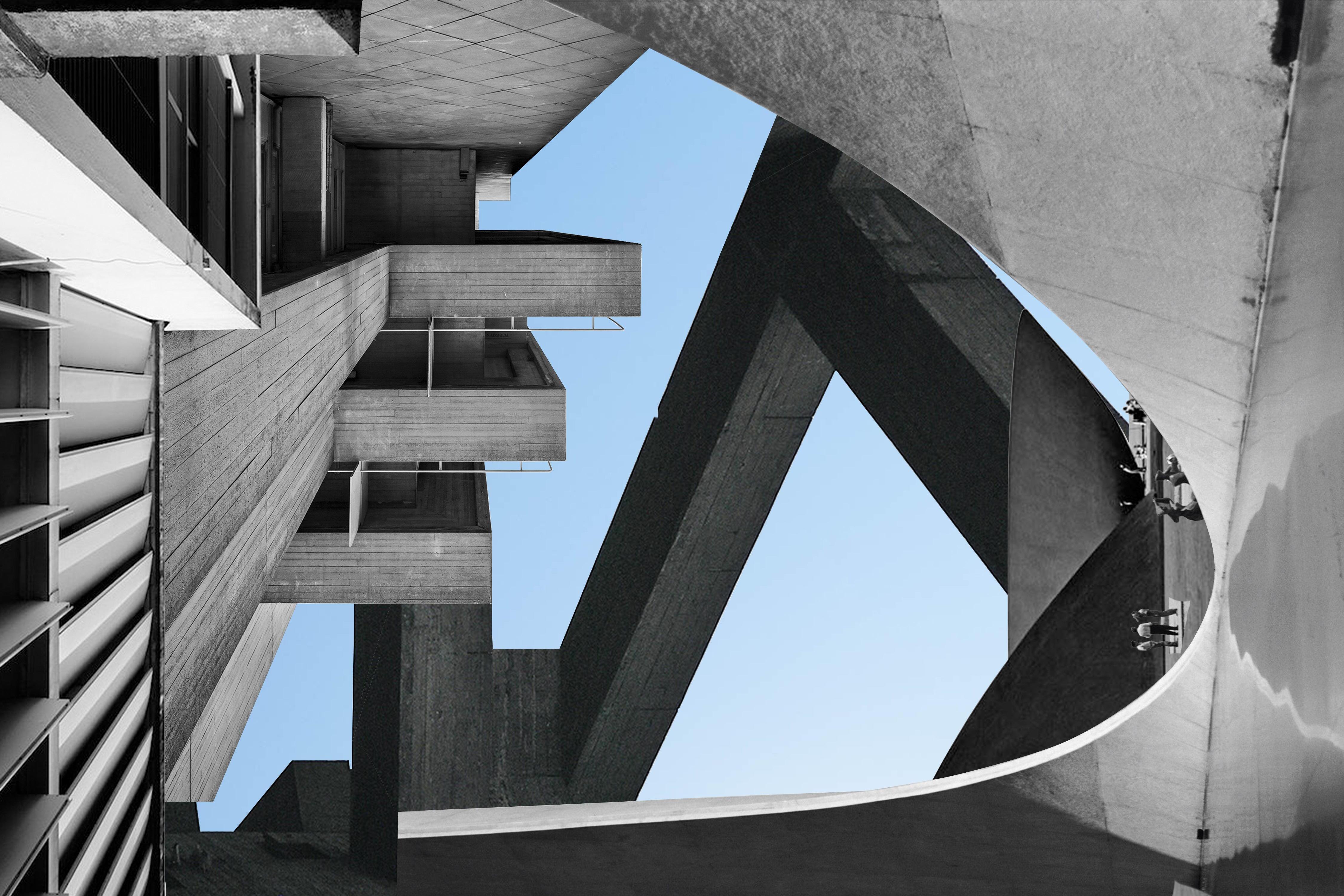
A way of thinking. Skaters build upon the seemingly mundane cityscape and imagine and embody another world. Rather than space remaining static, it becomes constantly reinterpreted by skater’s interaction with physical forms and their projected use onto the environment. What can that mean for architecture and the potential of skater and non-skater interaction?
Skateboarding is a unique activity that changes your movement, speed, visualization, and experience of the space around you. As a designer, I continue to be fascinated with the relationship between skating and architecture. Skateboarding is made possible by the built environment, but without architecture necessarily being designed for its occurrence. Without knowing it, designers have created environments that facilitate a social and artistic culture to thrive. And this has happened – for the most part – in leftover pieces of landscape, infrastructure, and urban settings.
This project proposes that a deeper understanding of skater’s methods of interaction with their physical surroundings will aid in the production of architectural interventions that enhance the built environment for both skaters and non-skaters.
View complete thesis book at:
https://digitalcommons.kennesaw.edu/barch_etd/97/
“While the old flatlanders flounder in their parks, the boys are going upside down in the sewers”
(Borden I, Skateboarding, Space and the City)
The iterations generated within existing section created many different types of spatial experiences. Some were impossible or undesirable to inhabit/use, while others were full of potential for both skaters and non-skaters. Identifying conditions that were to extreme or restricting were helpful for understanding the limits of both groups.
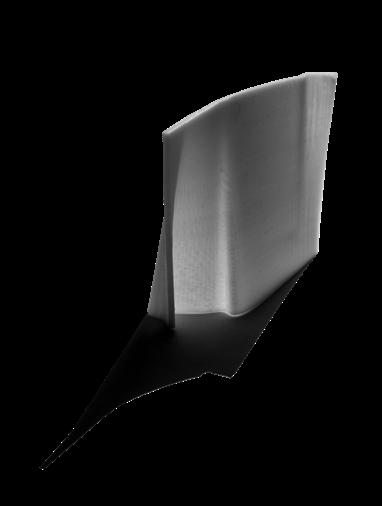
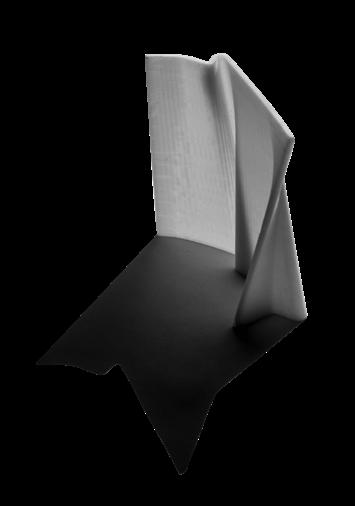
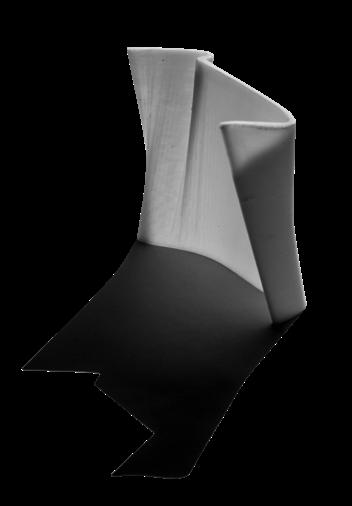
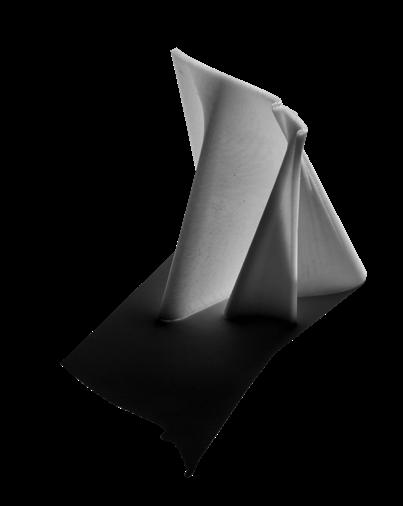
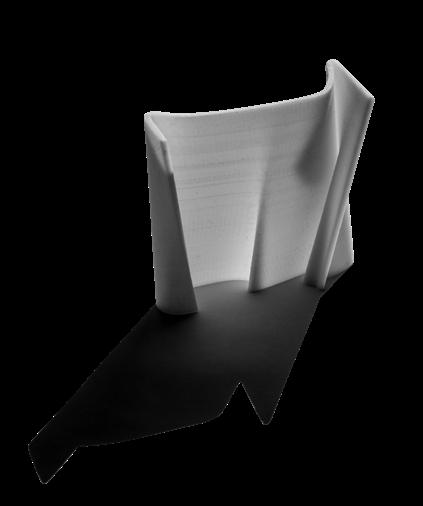
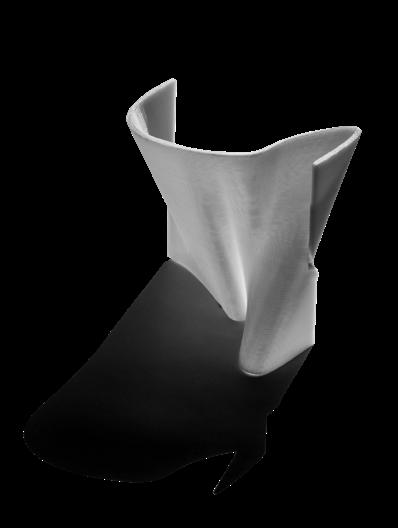
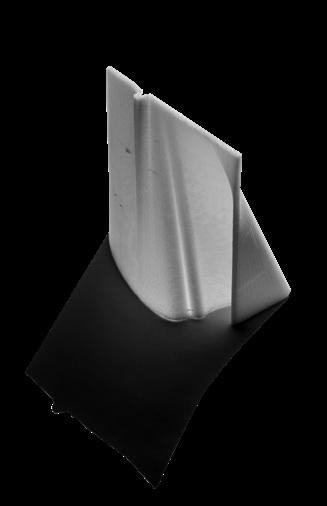
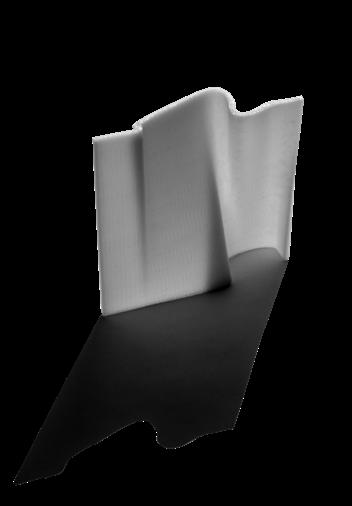
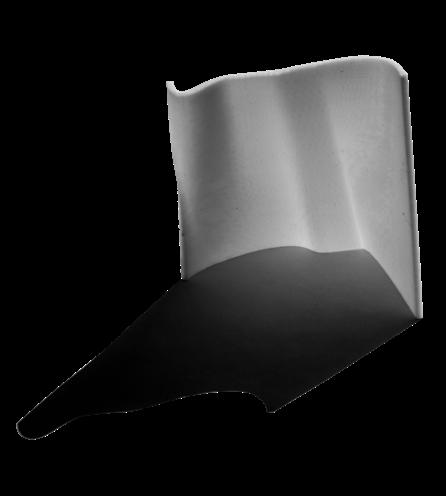
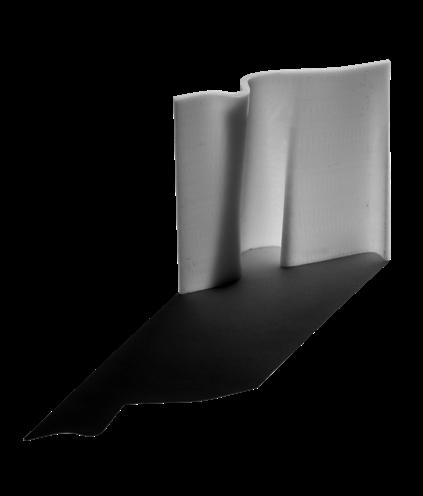
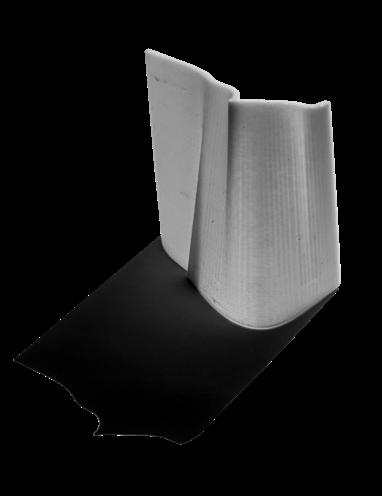
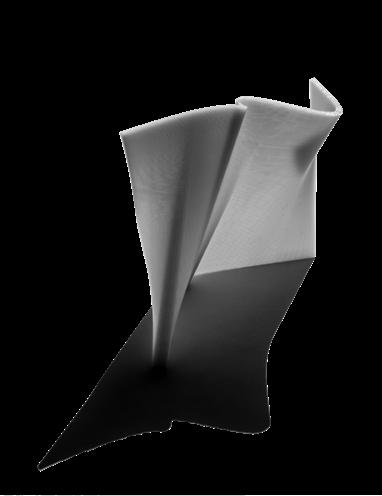
To better understand the relationship between form and functionality, a study was done to imagine how usability would change at different human scales. Once again, the analysis tool was applied to visualize further modification. The study yielded an idea for how certain formal characteristics, when combined together, could produce a maximal amount of differentiation of architectural experience and space.
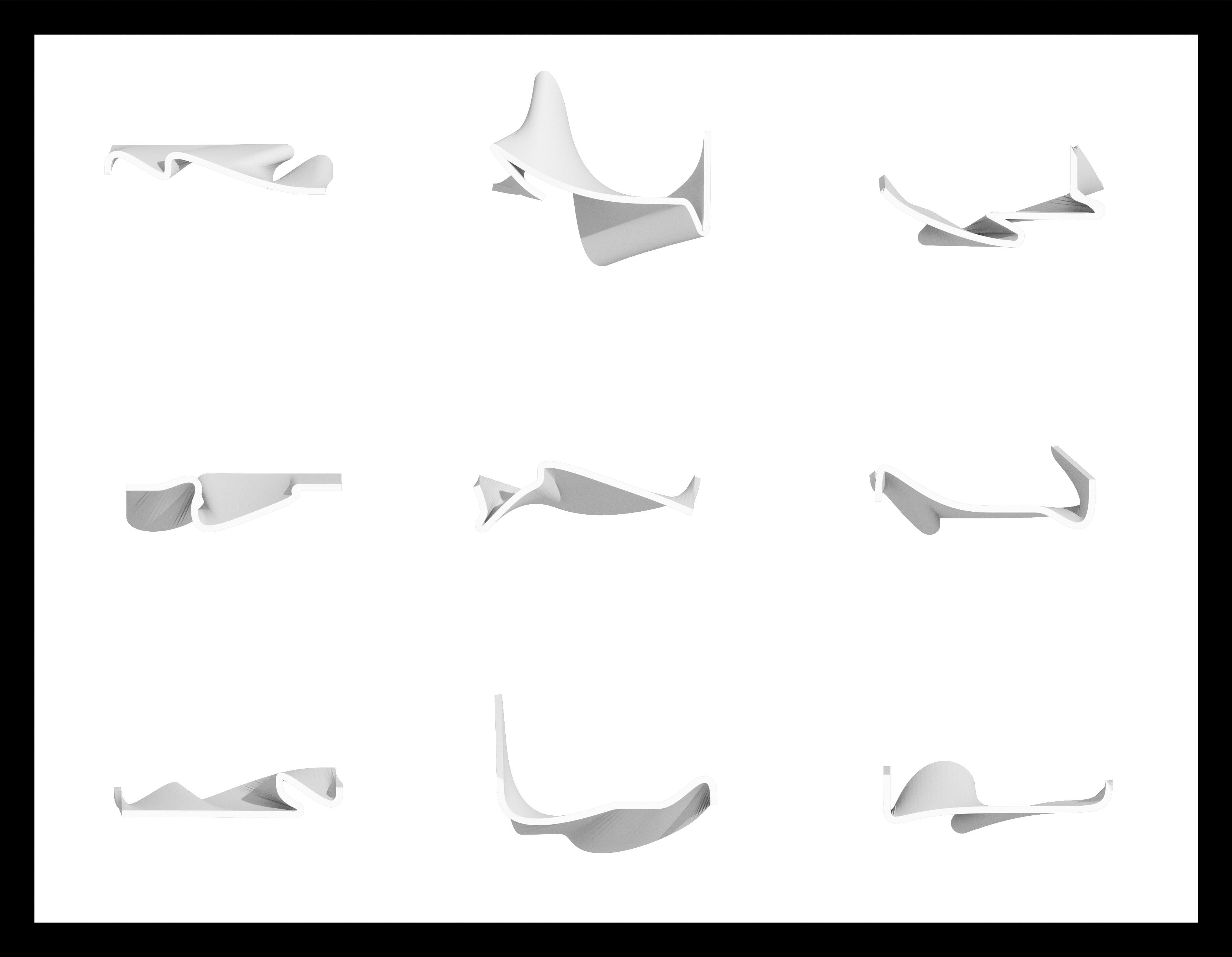 [BODY ANALYSIS]
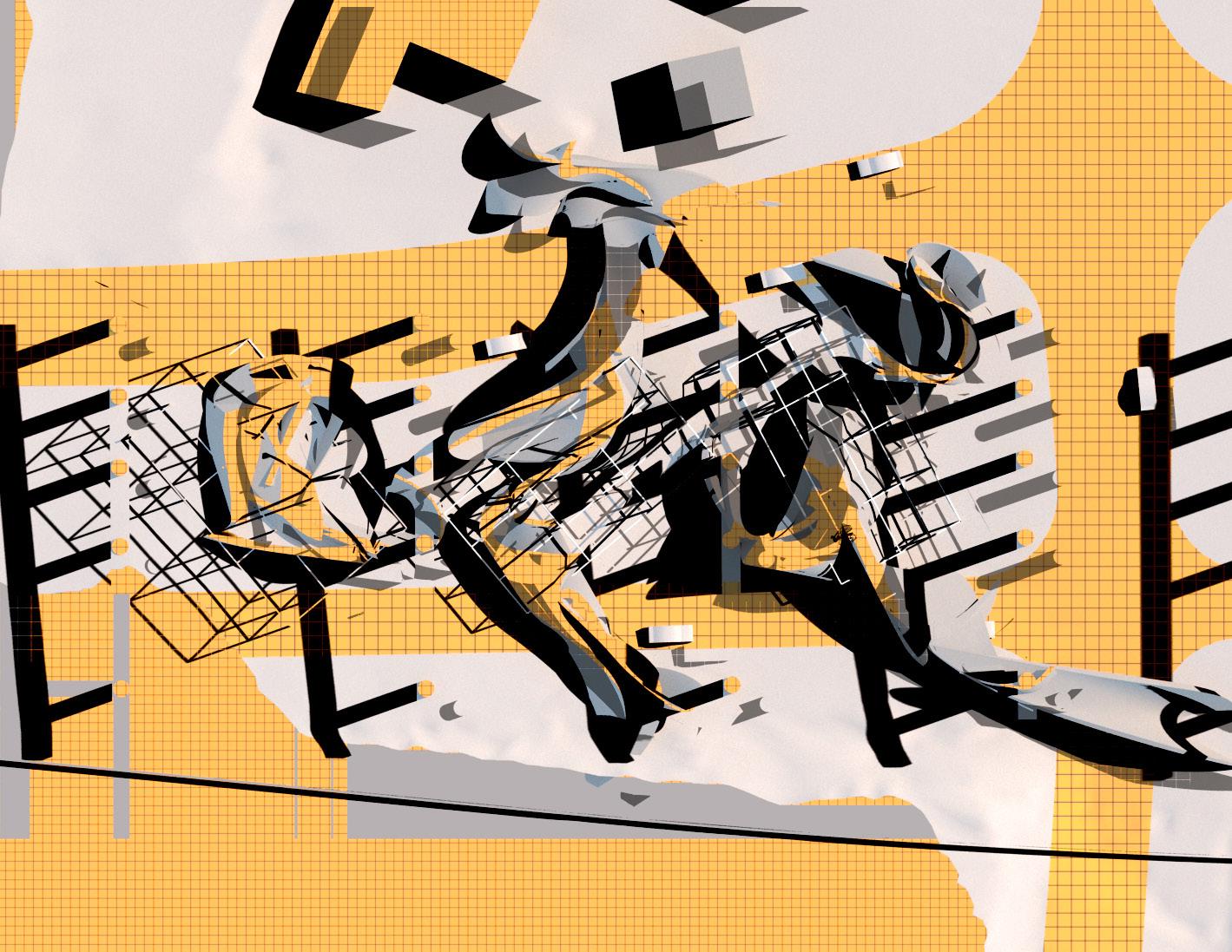
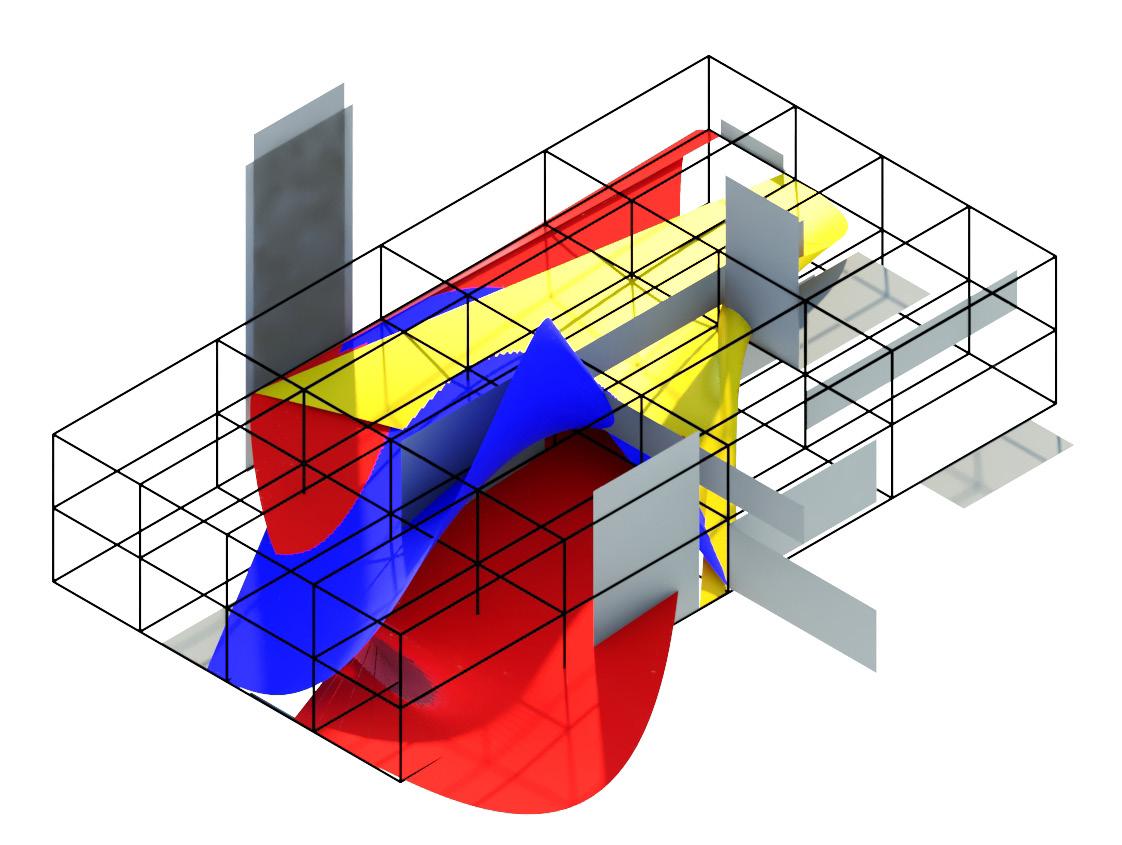
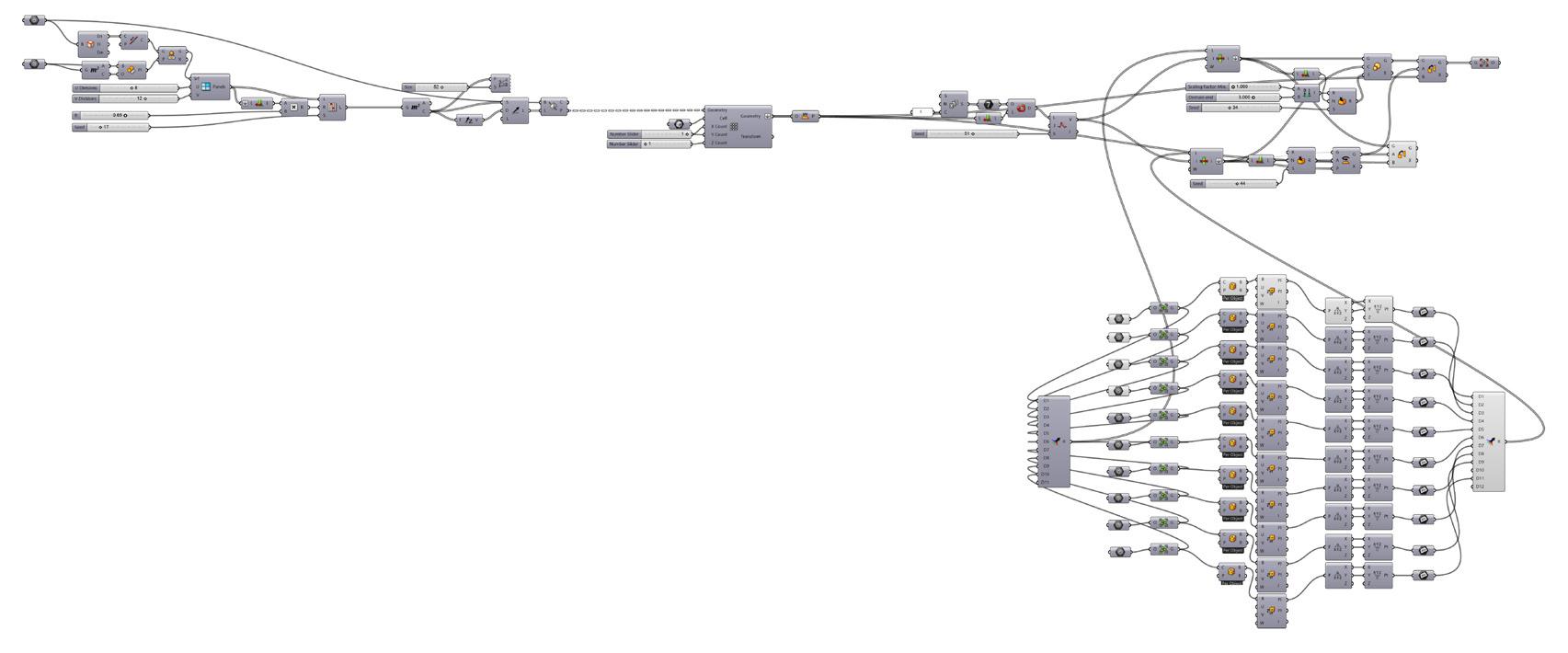
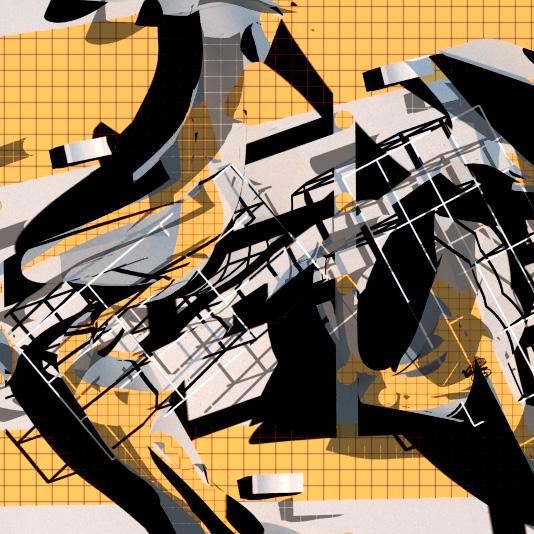
To further the design process, a script was developed that generated individual modules consisting of up to 3 forms, a 3D grid, and vertical/horizontal planes. Initially, geometry is generated randomly using the grid as a basis for lines to start and end. This acts to quickly cycle through different options, but once an interesting grouping is found, each form manipulated individually until a final module is produced. In the end, eight different modules were produced.
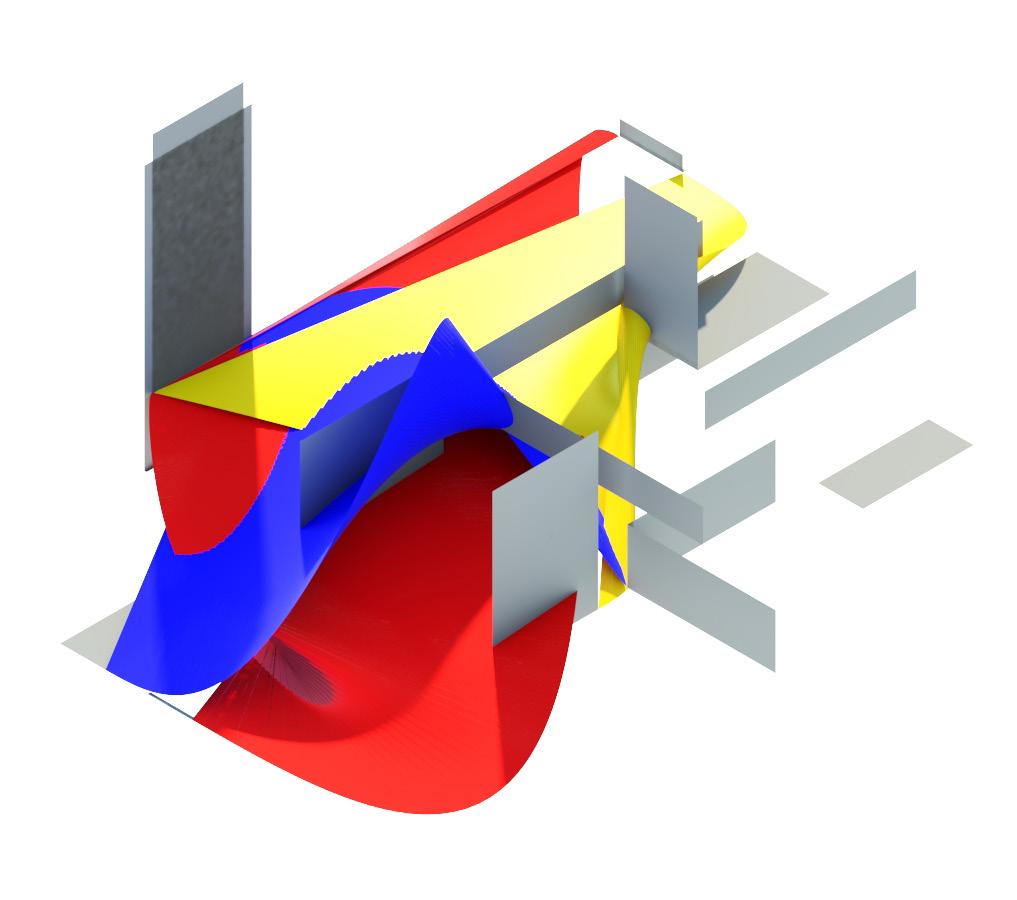
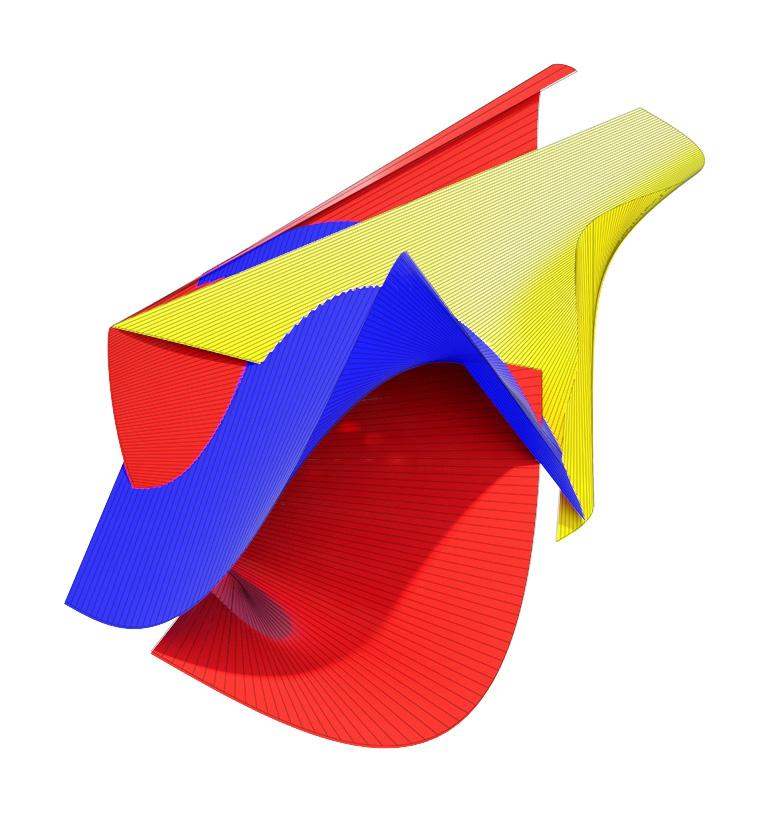
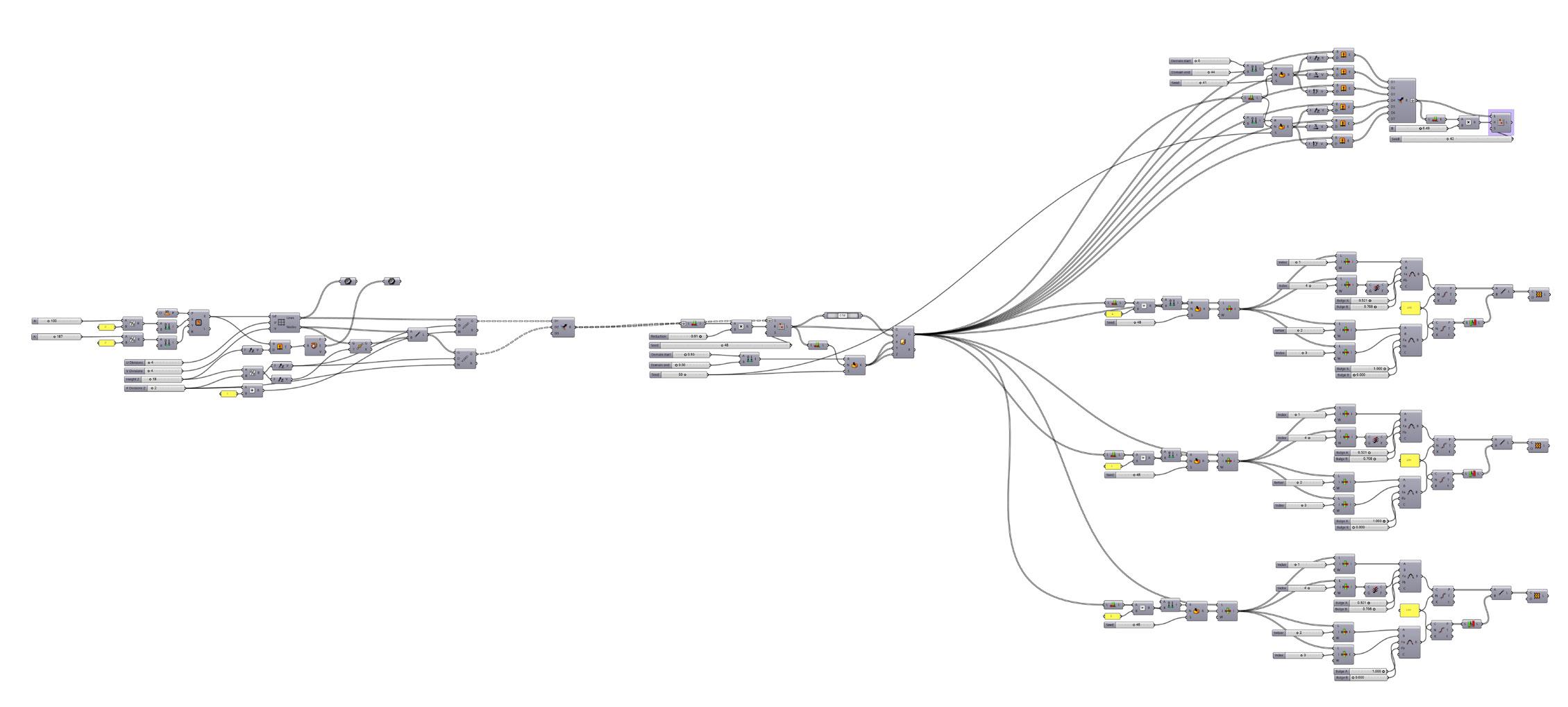
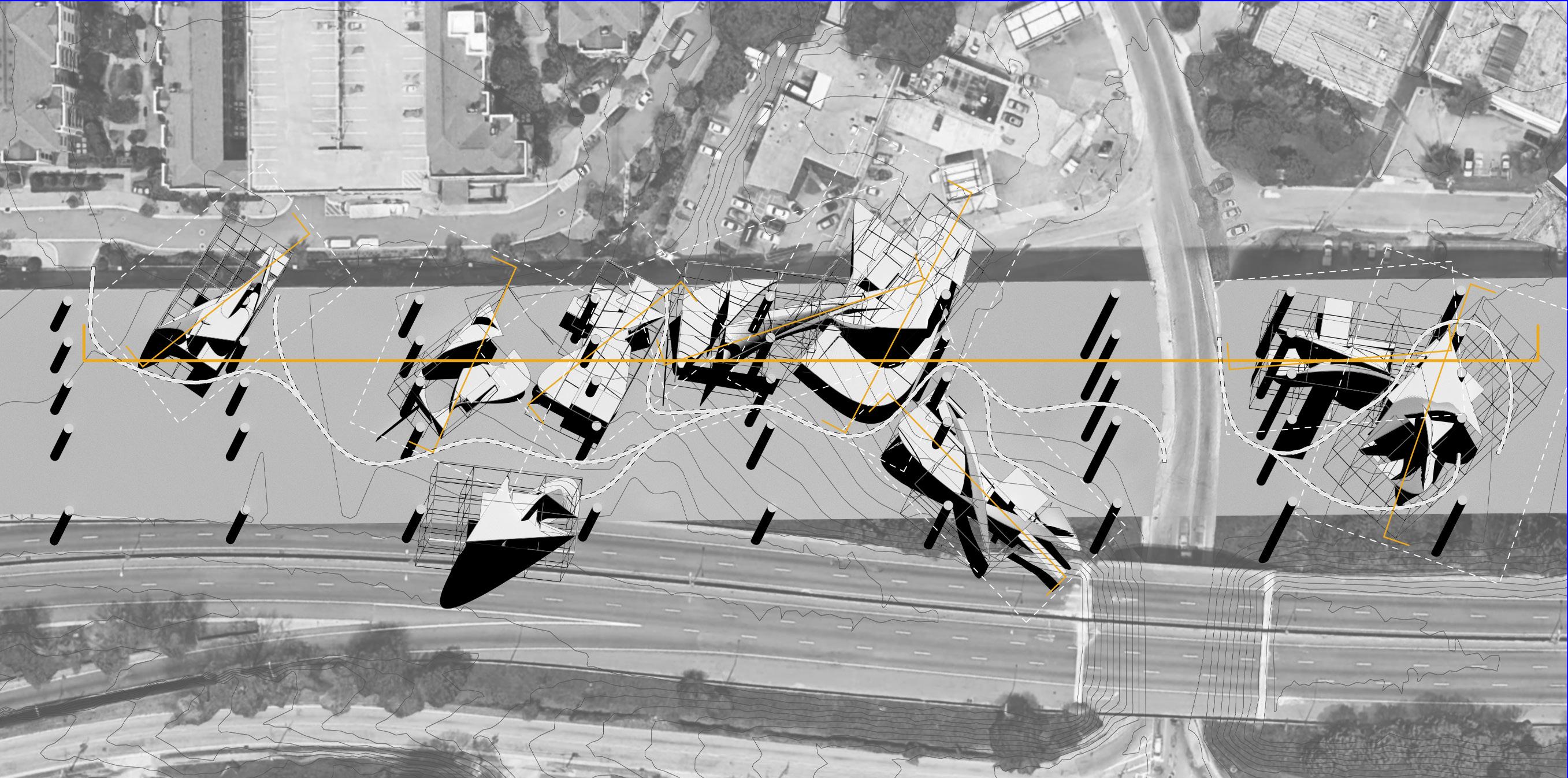
To place these modules within some kind of context, a second script was created that would distribute them throughout a topography. The parameters that guided the distribution could be adjusted to produce areas of concentration or avoidance. Additionally, the modules were scaled and rotated at random to produce varying conditions of orientation and scale.
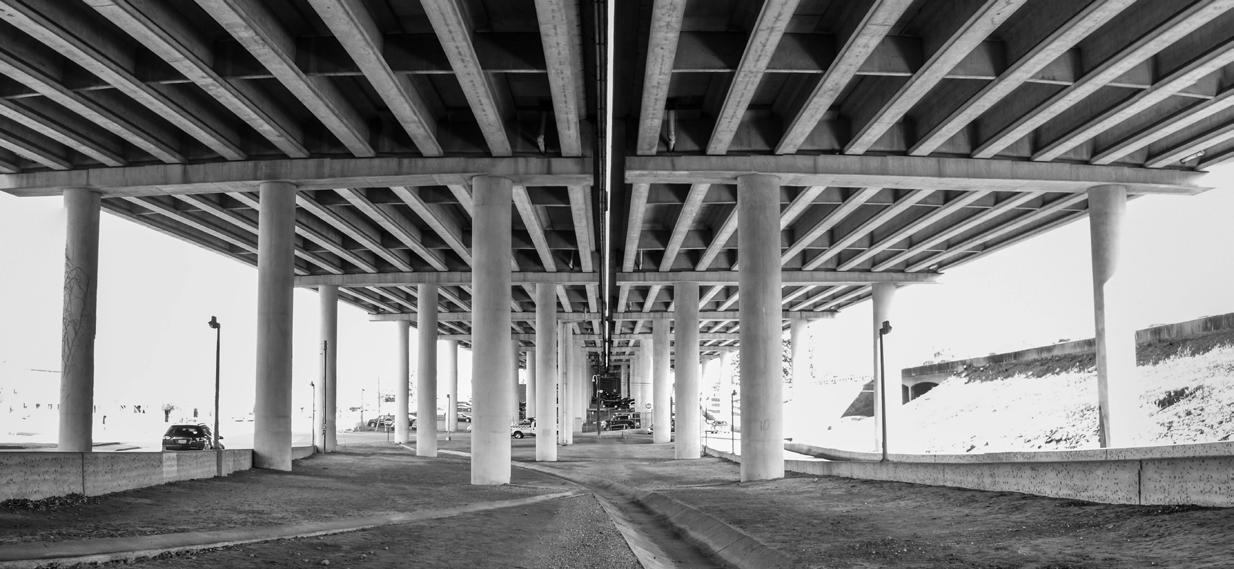
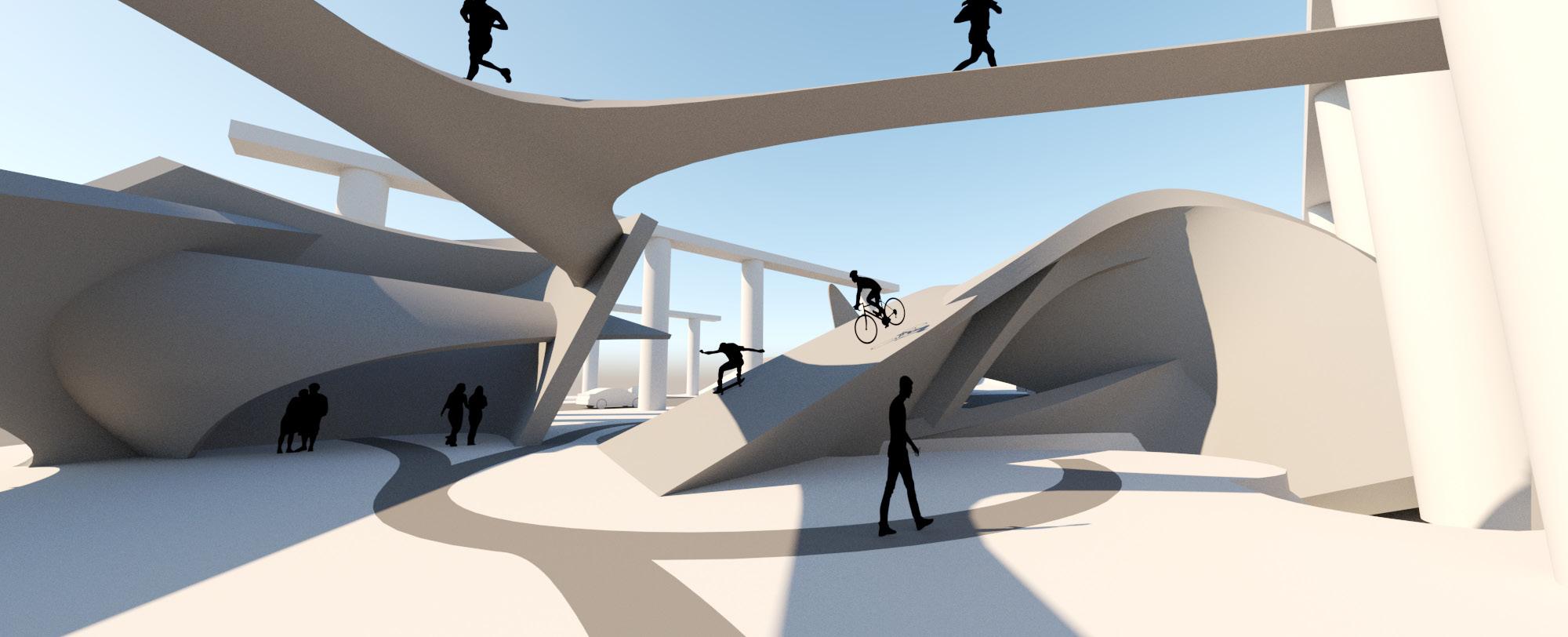
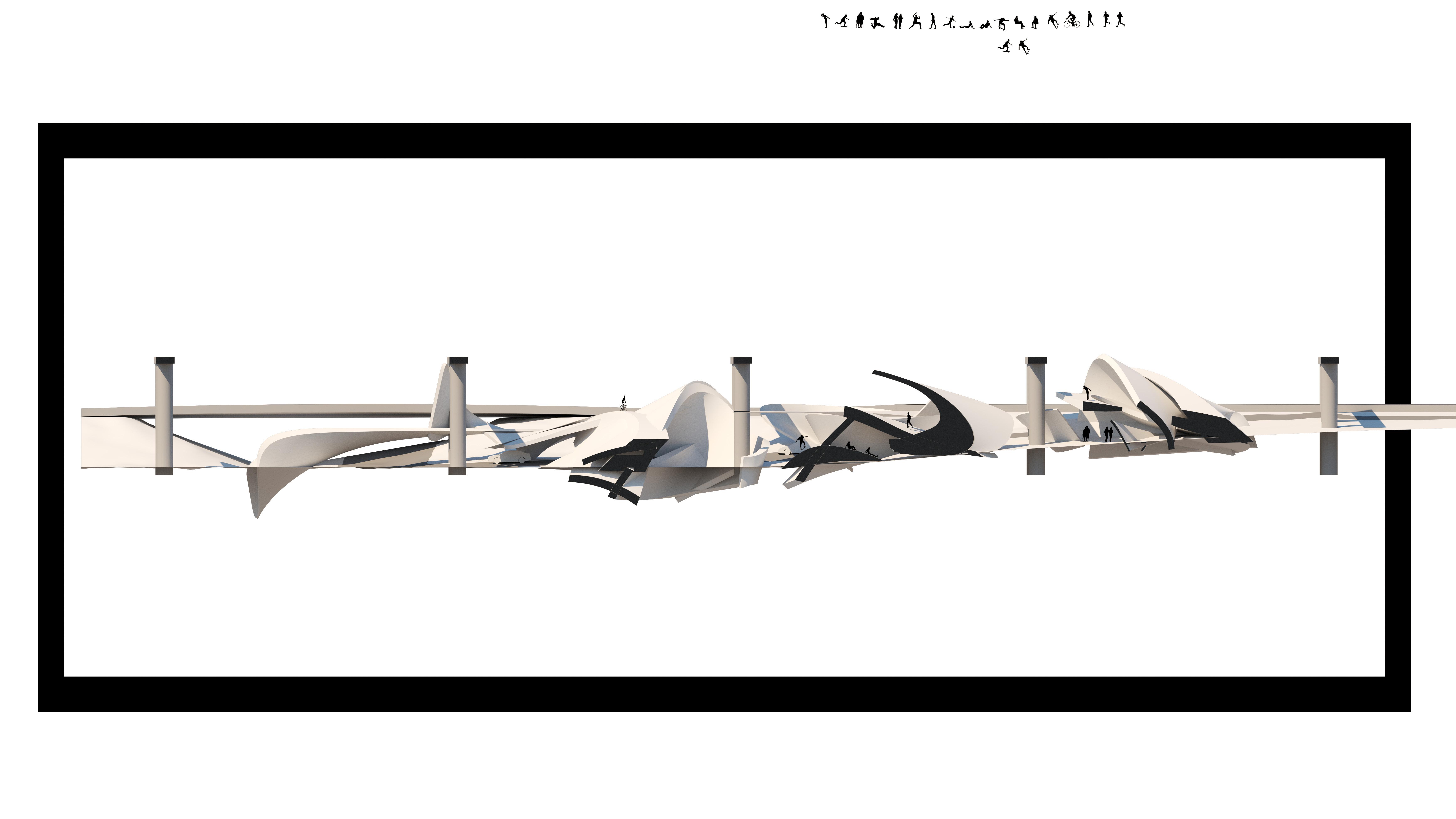
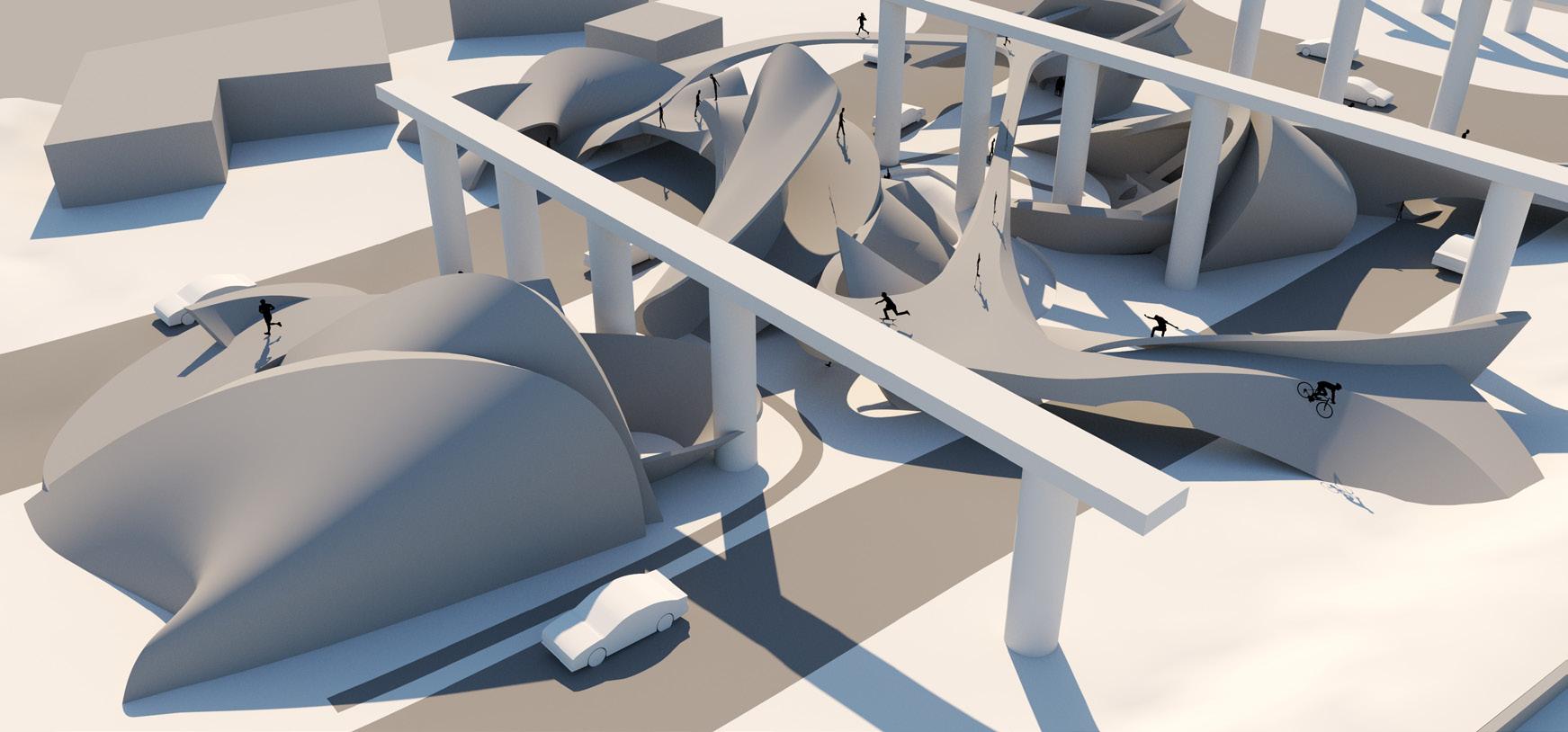
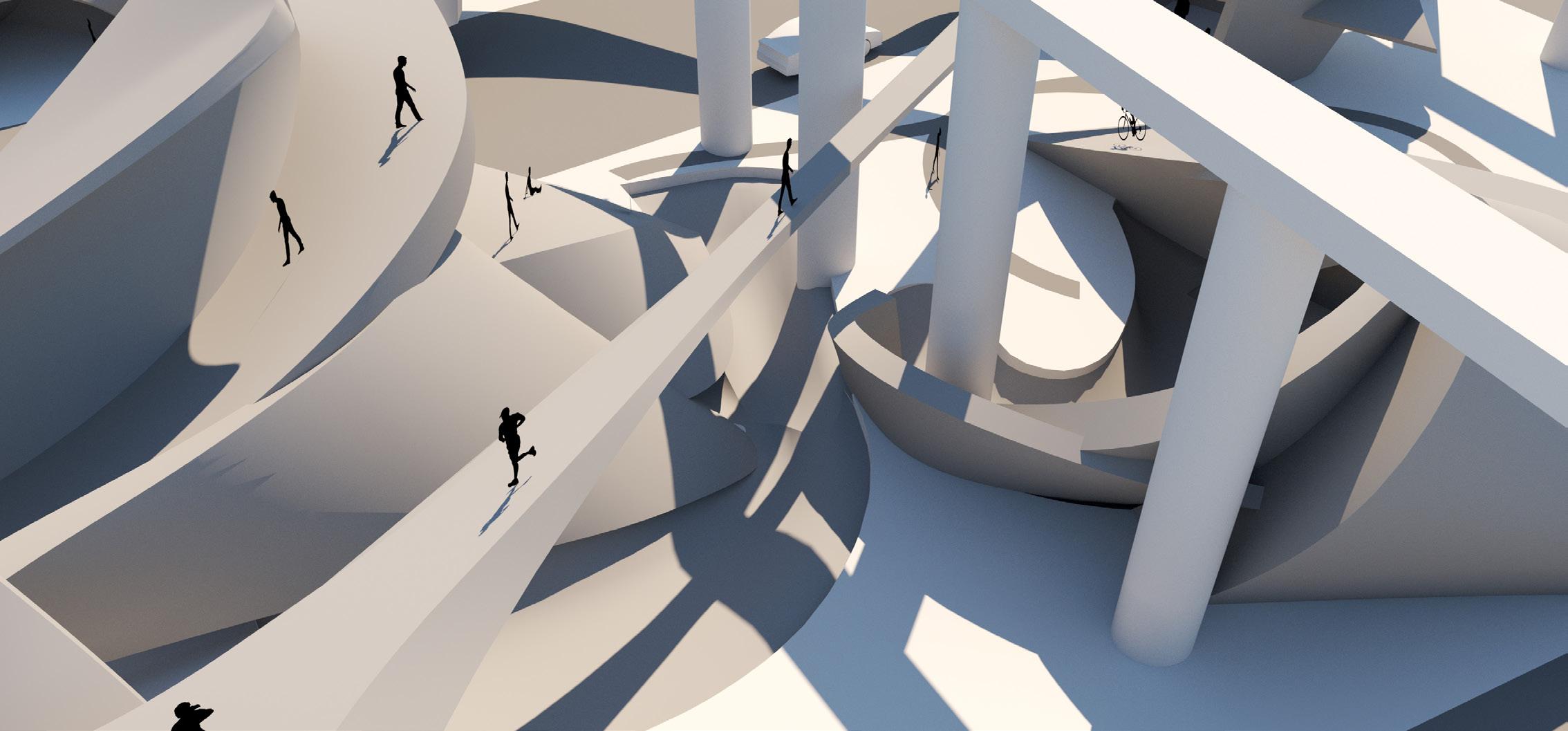
The site chosen was an abandon lot underneath Interstate 85. The site was unique for the boundaries it had, which were seen as input information which the forms had to respond to. There was the height of the freeway above and the columns that supported the highway. Responding to these conditions caused the forms to be oriented in a purposeful way rather than just generated onto the site. The site intervention was seen as a way to respond to the needs of the future community that would live in this area. Currently there are no public parks that the residents in the surrounding apartments could take advantage of. The project also would provide bridges to get people safely across the streets.
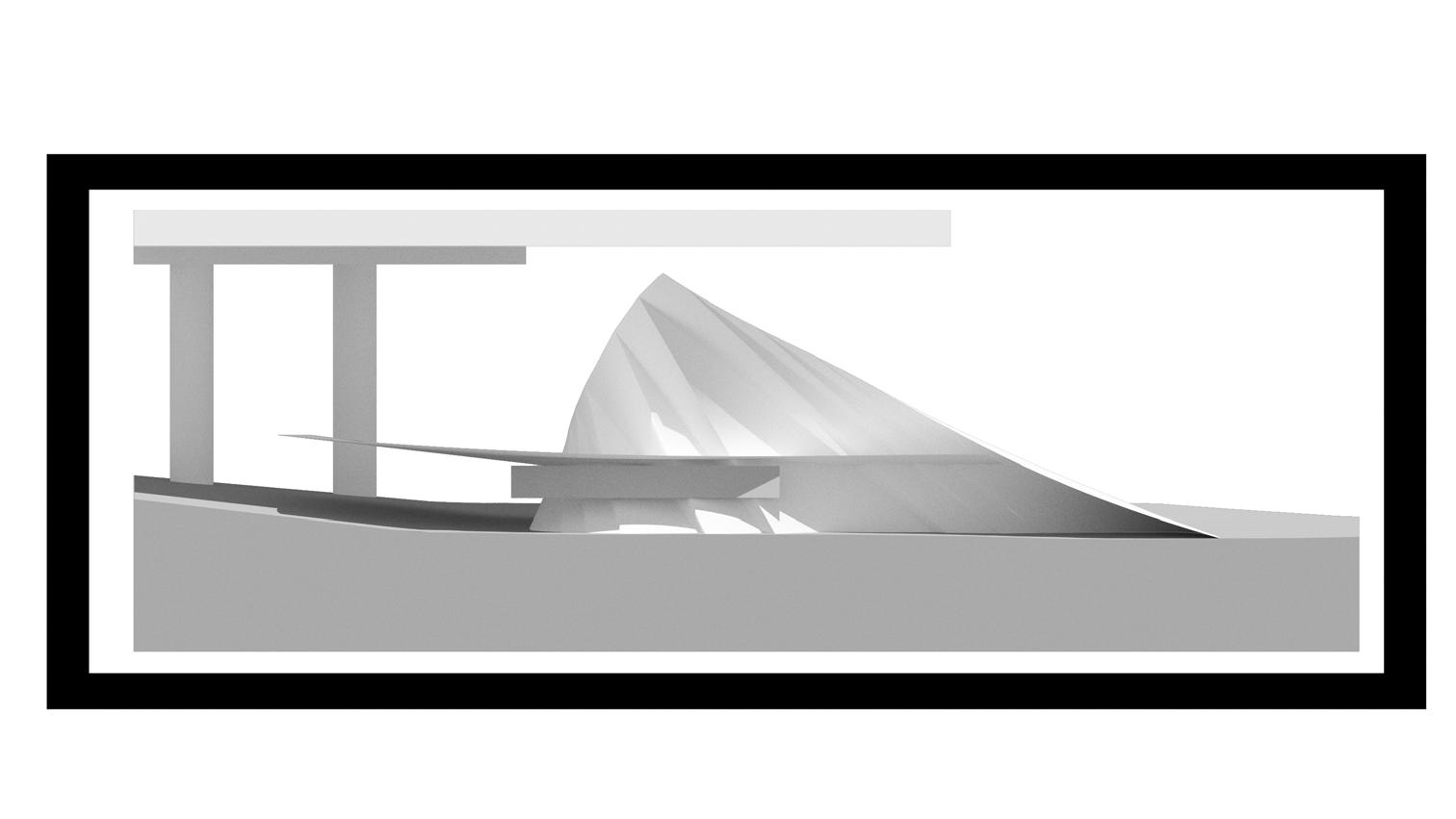
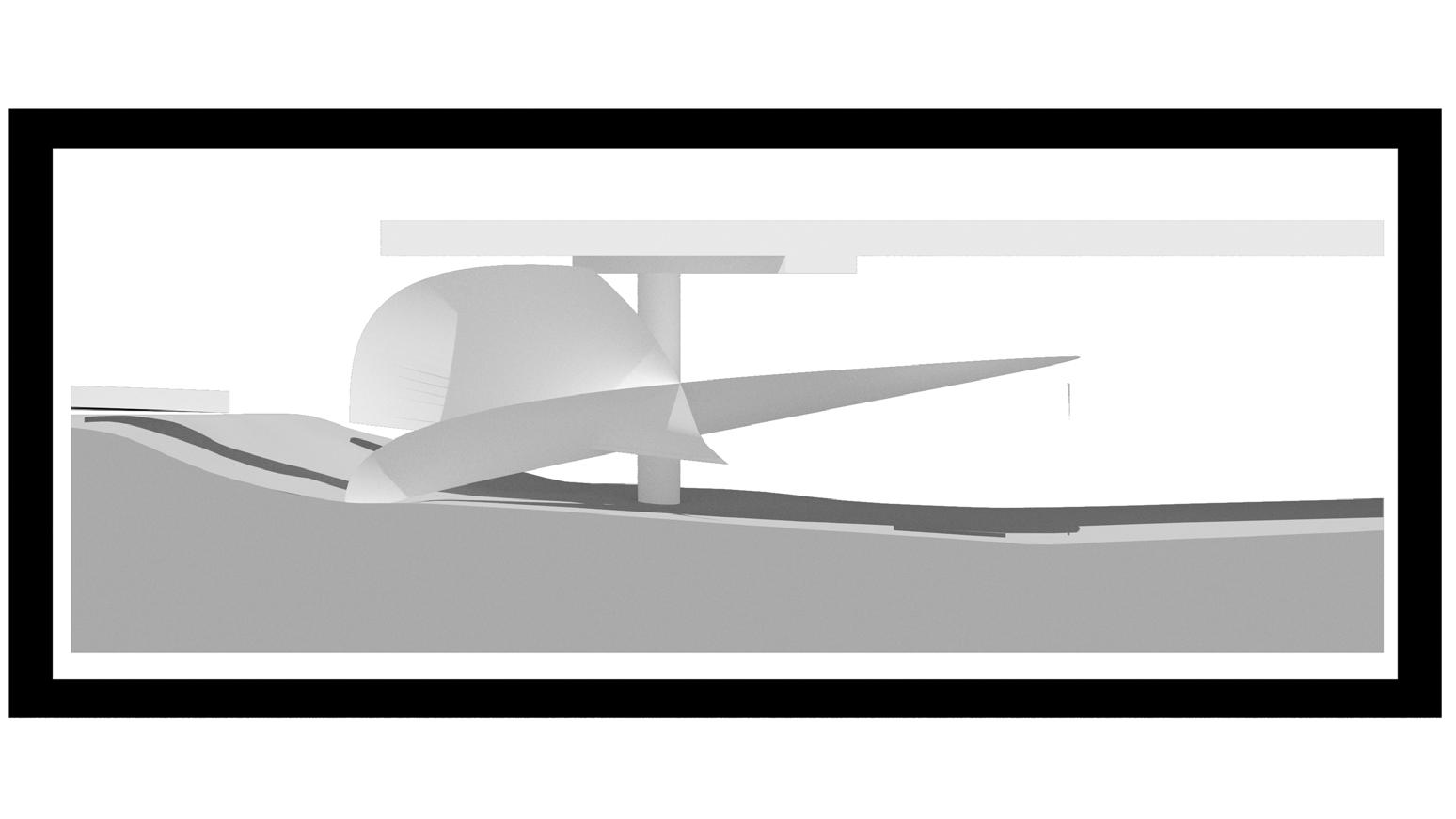
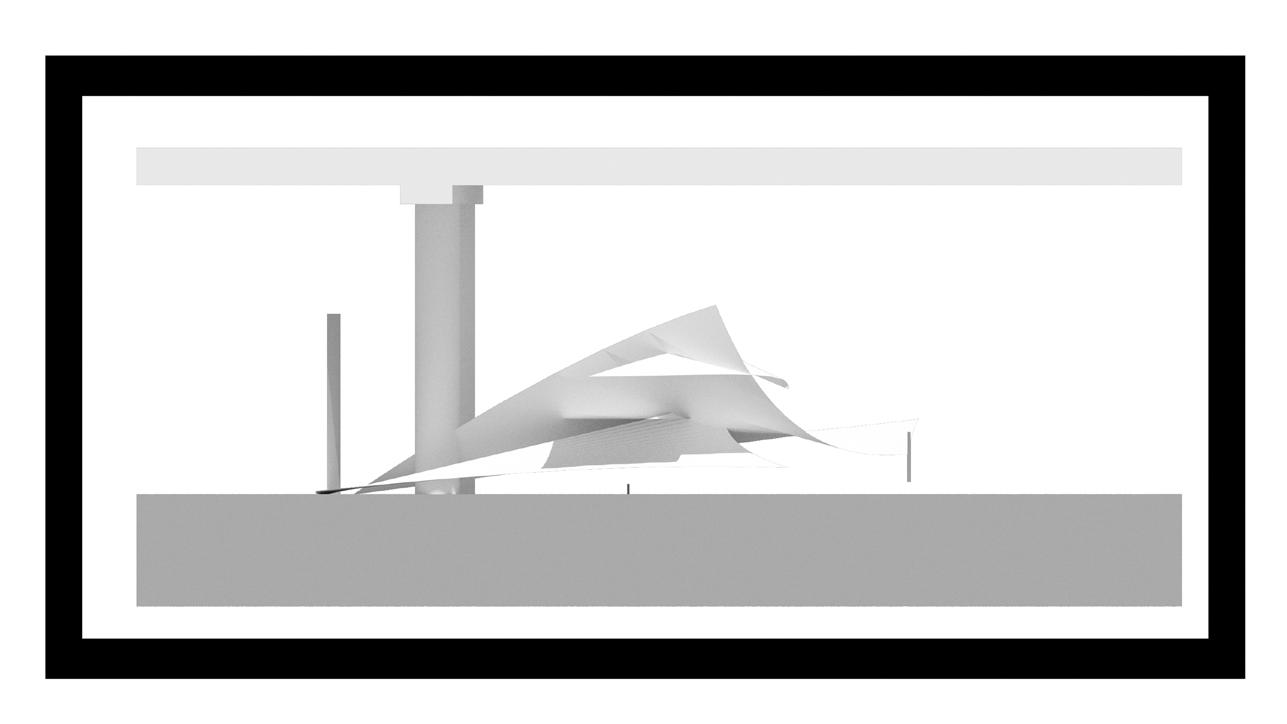
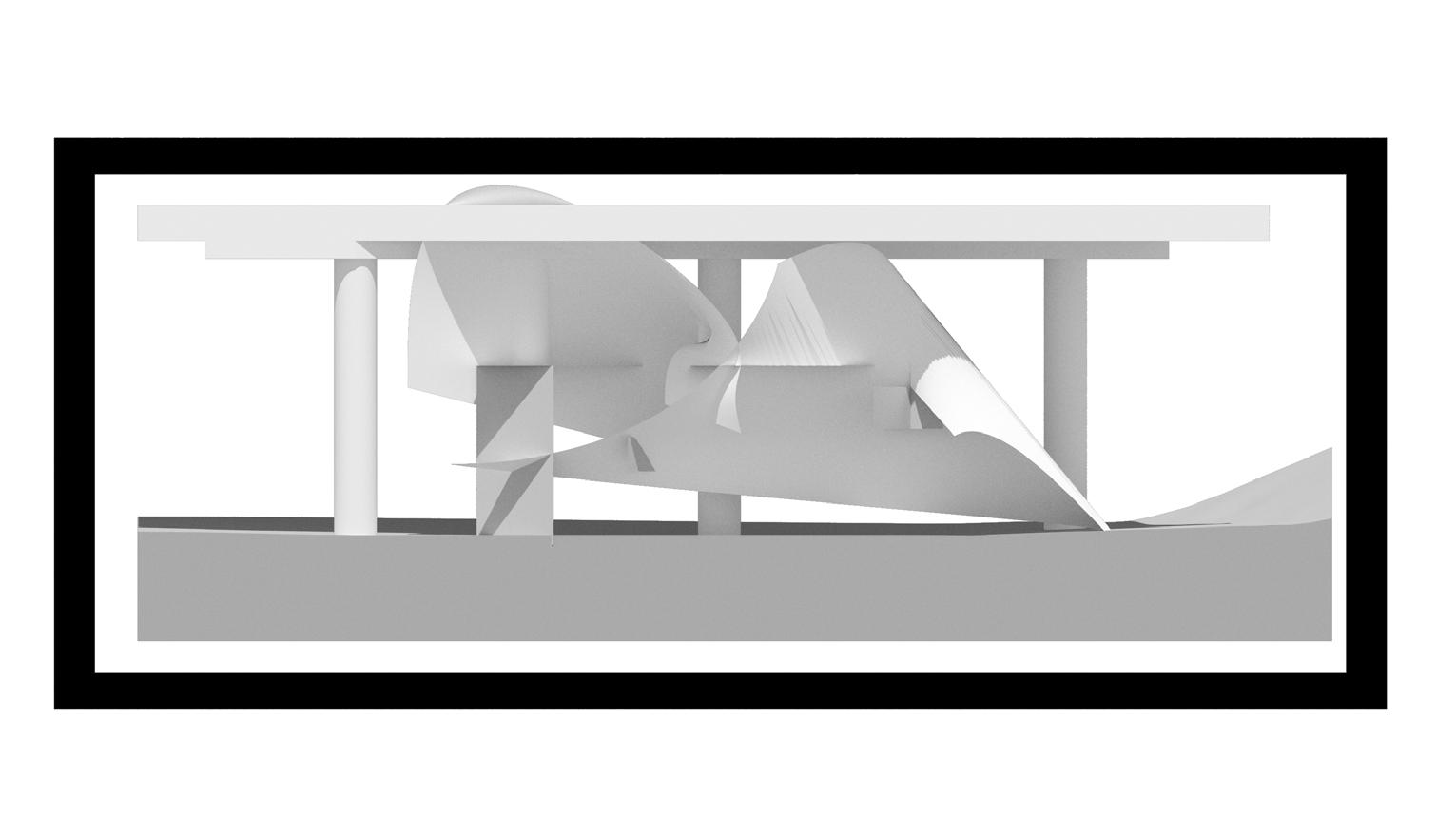
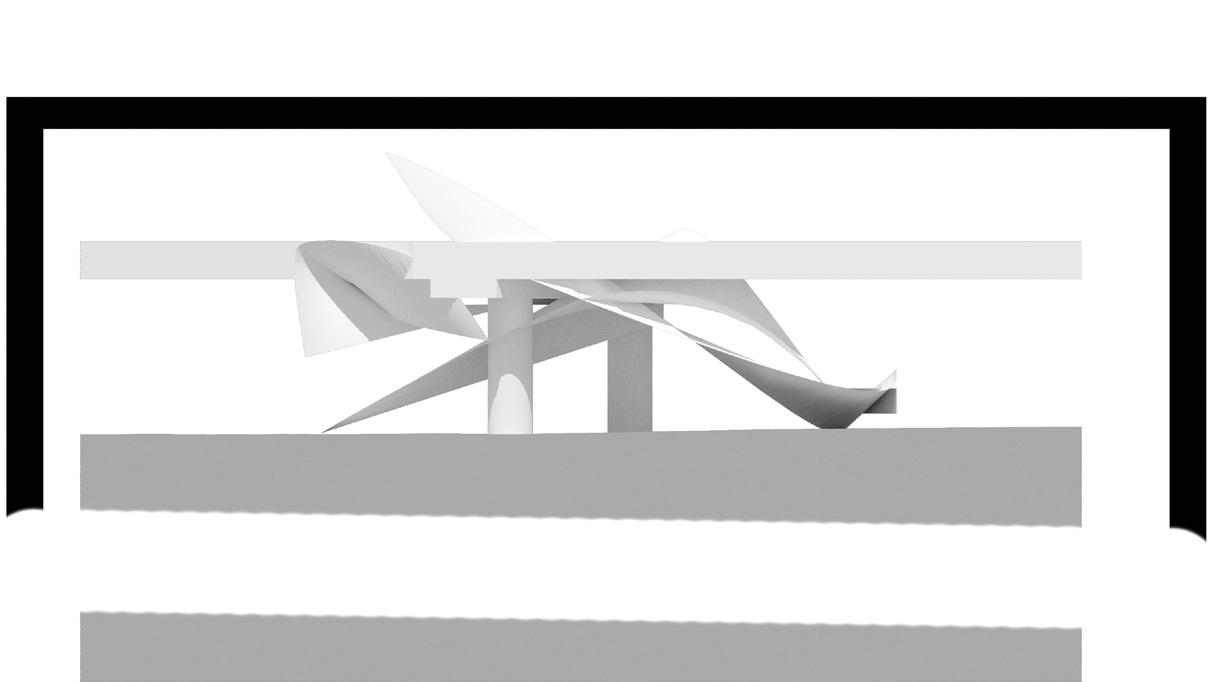
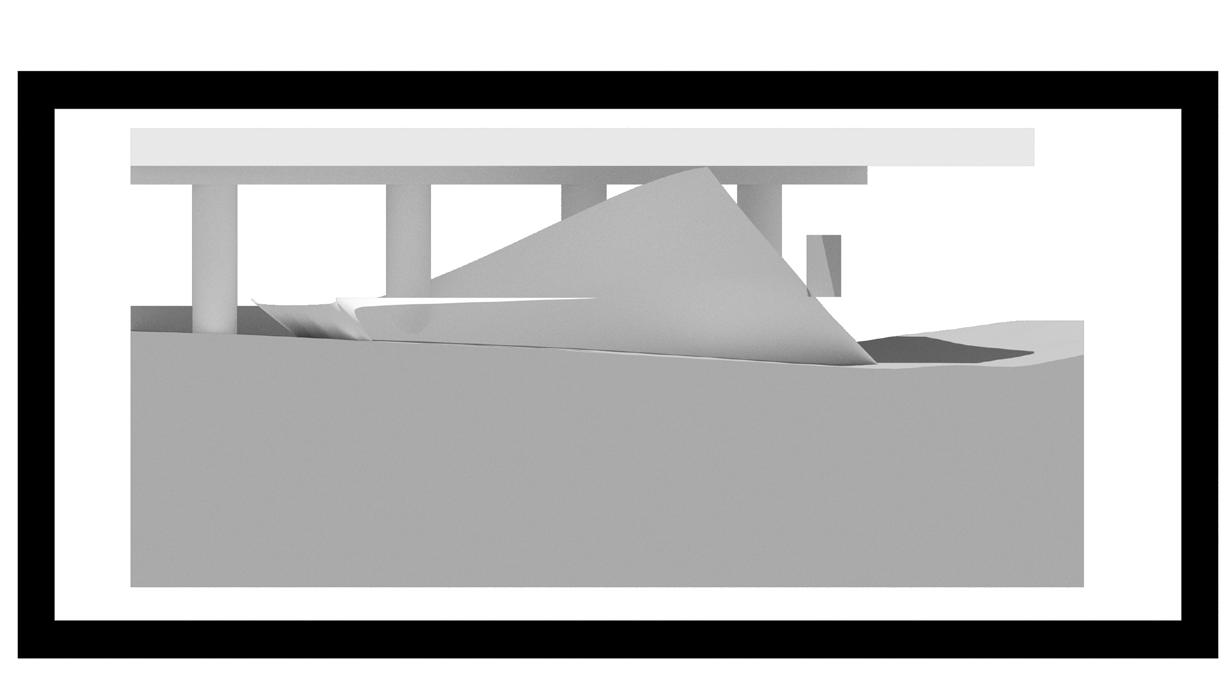
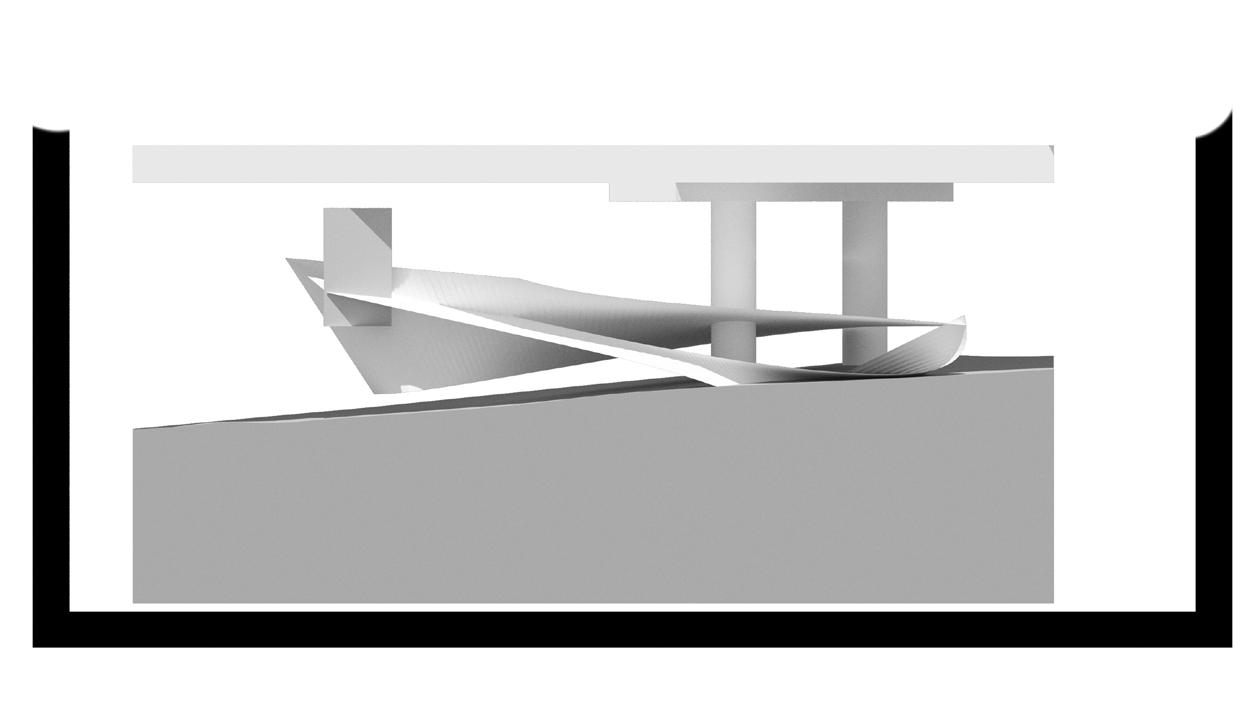
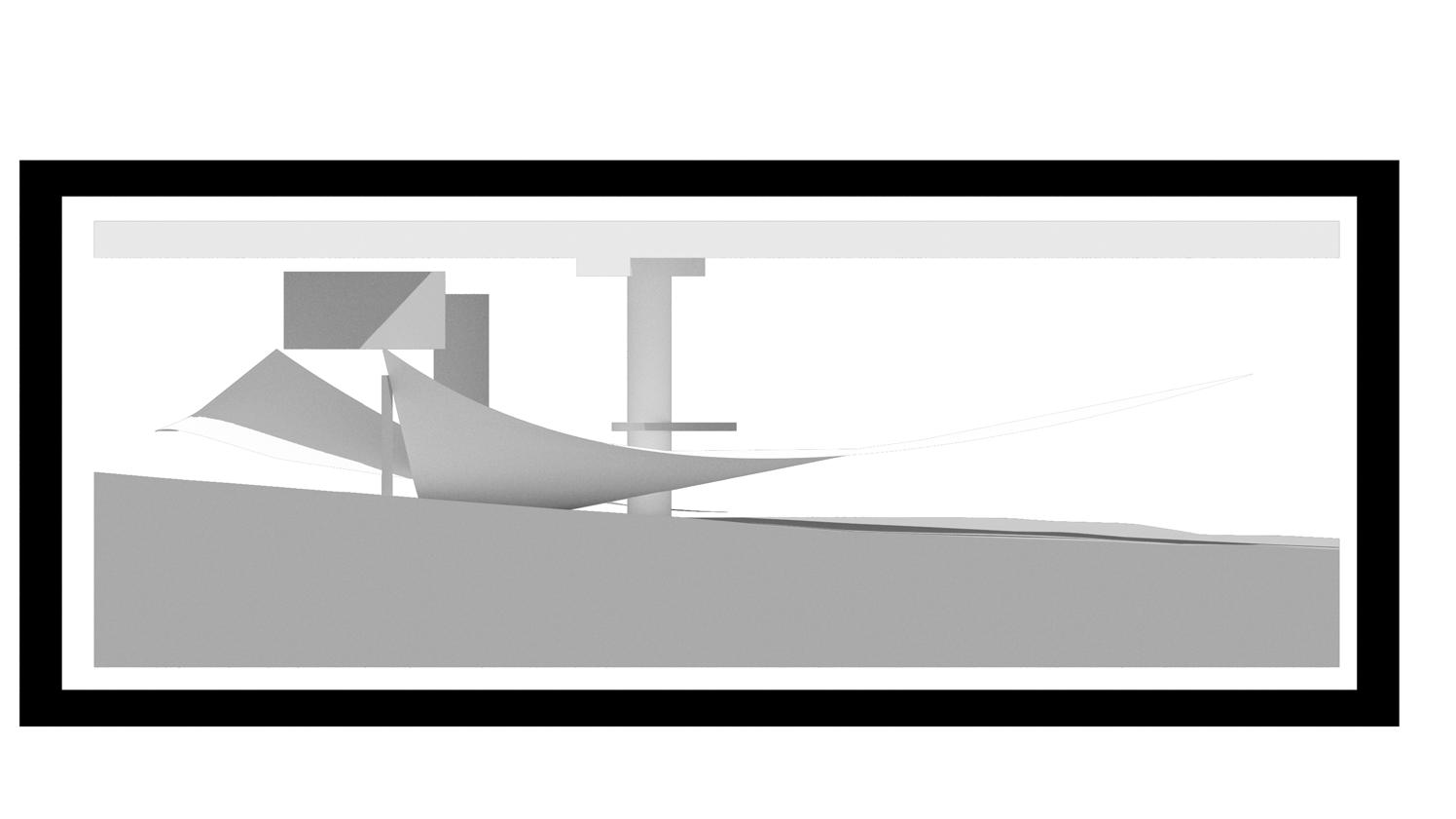
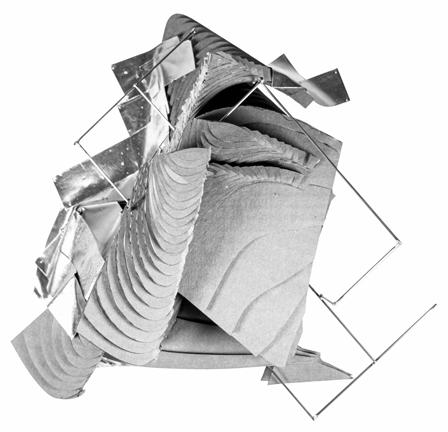
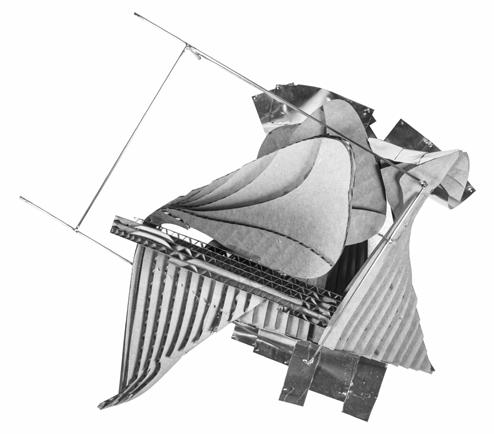
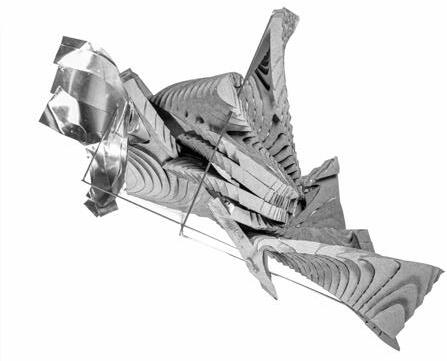
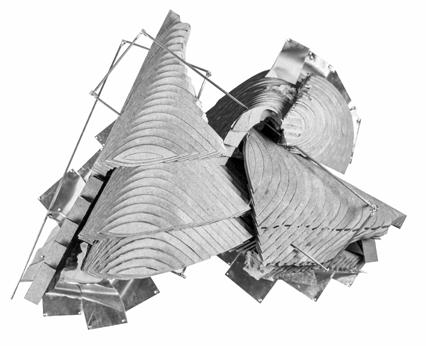
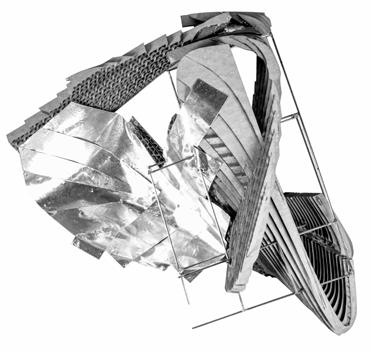
After the digital models were applied to the site, they were brought back into the physical for more experimentation. Each model started as two intersected forms and several copies of each individual form. The idea was to create a massing that an enclosure could then be carved out of while producing thickness as well. As more forms were added to the assemblage, certain surfaces carved away at the landscape to add a subtractive element to the models.
Sheet metal was used as a way to blend the landscape back into the forms so they would be one with the topography. Remnants of the structural grid were punctured through to add another level of complexity.
The goals of the models were to quickly imagine ways that the forms could create spatial conditions and glitch themselves into creating new formal conditions that were not seen in the digital models.
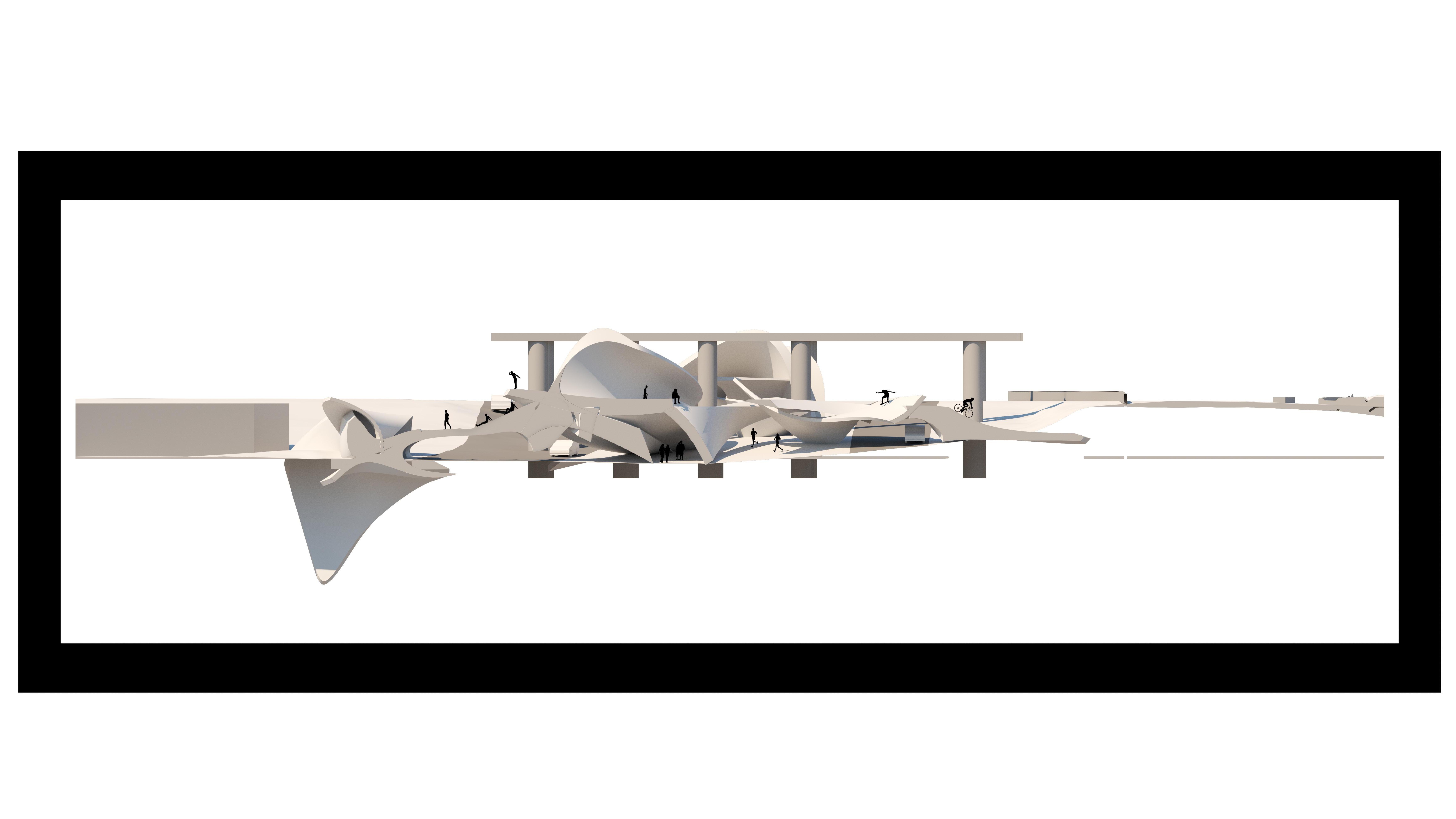
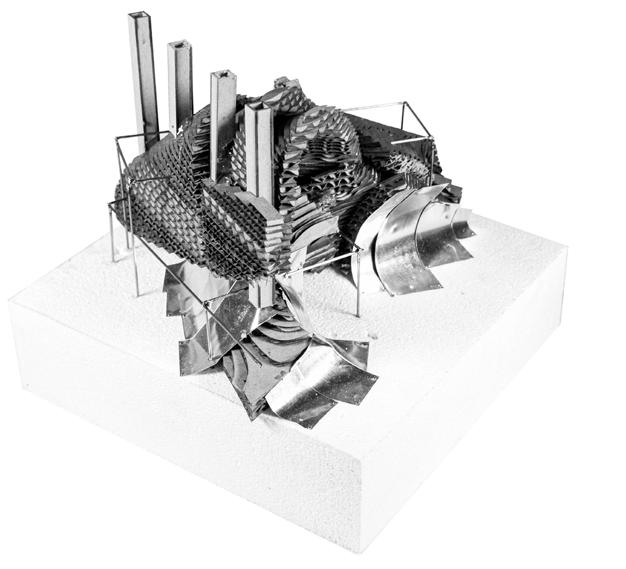
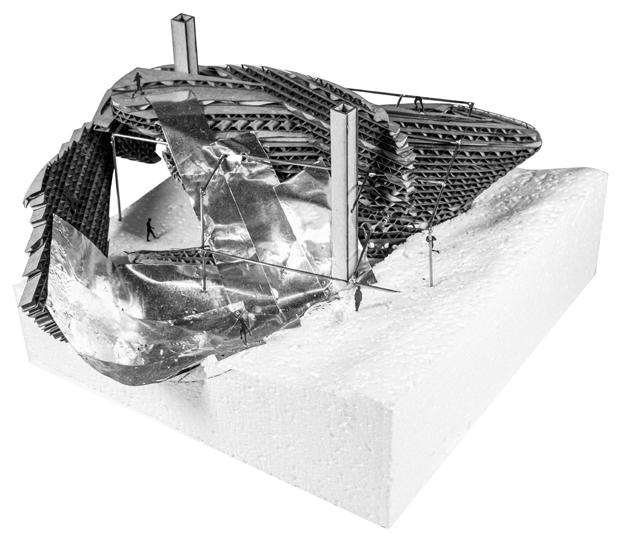
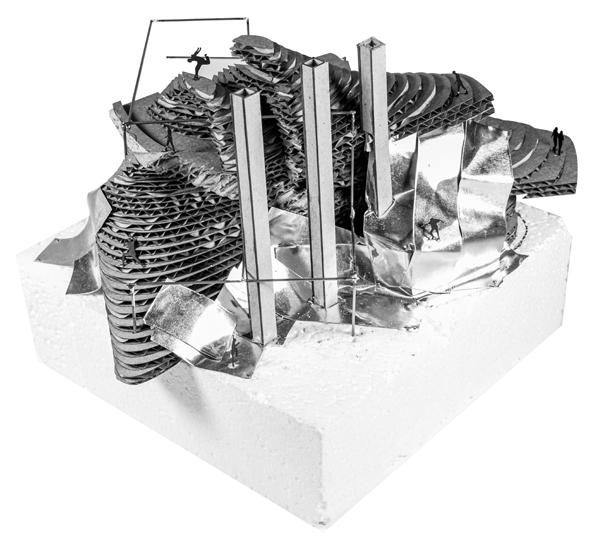
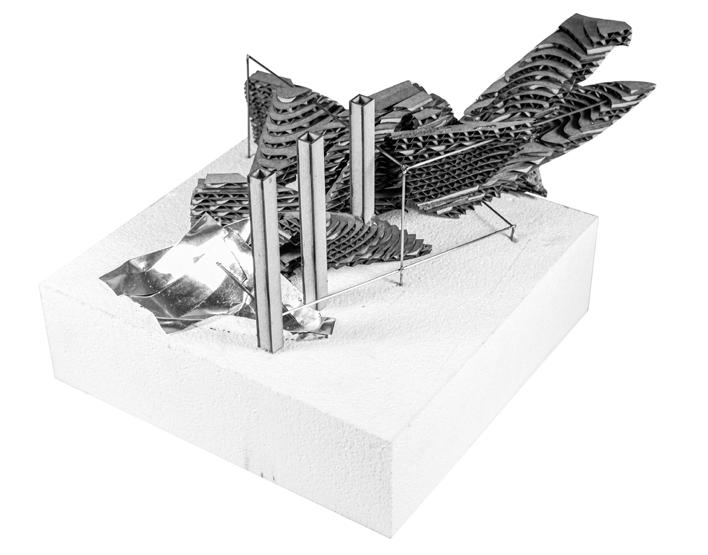
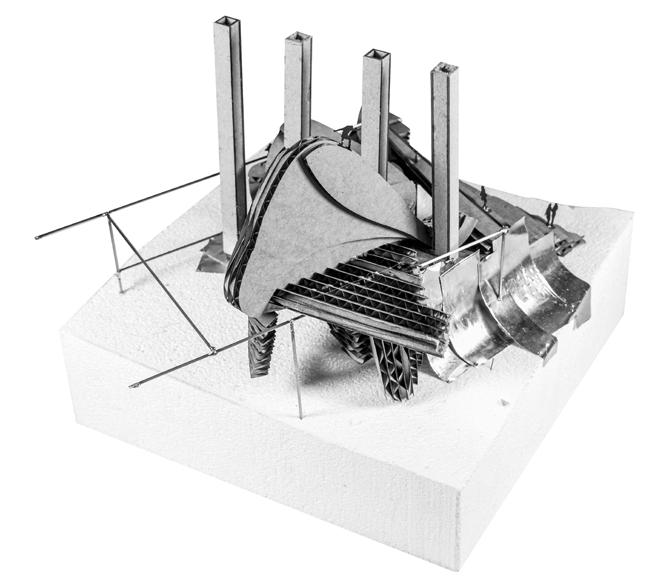
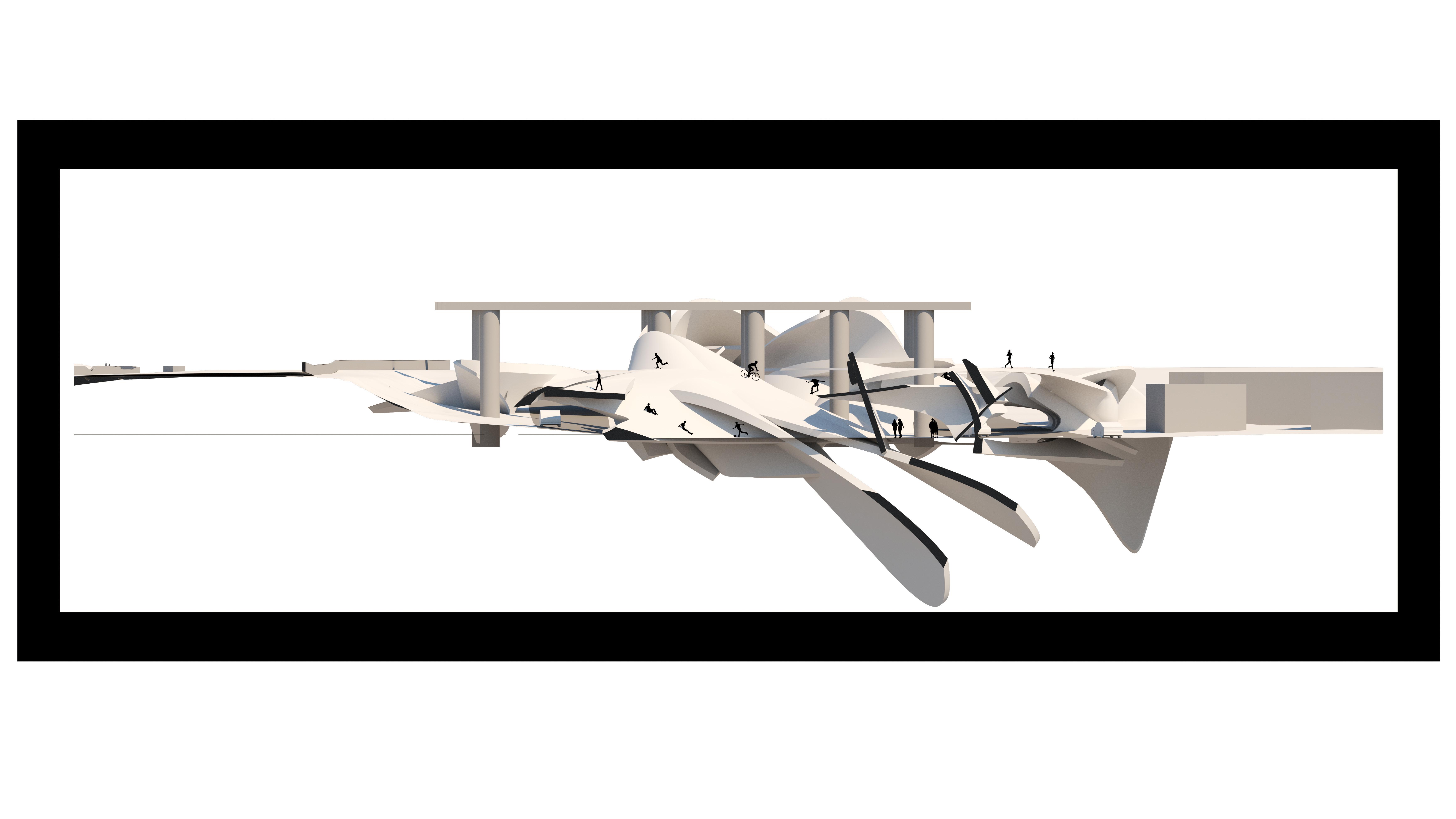 assemblage model studies
mobile: 770.286.7432 email: jeremybowen30@gmail.com