PORTFOLIO 2025
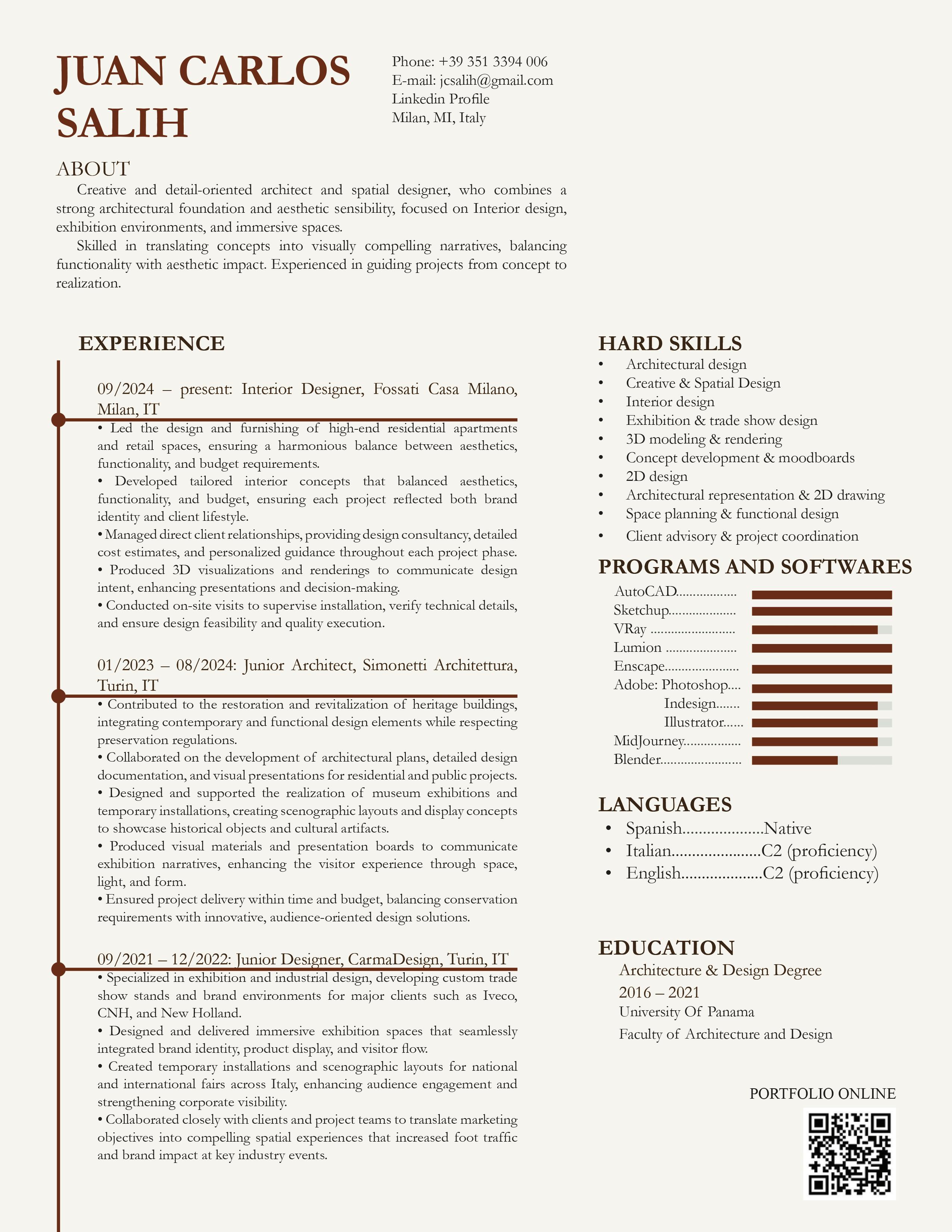
Project in collaboration with FossatiCasa
Location: Milano, Italy.
Year: 2025
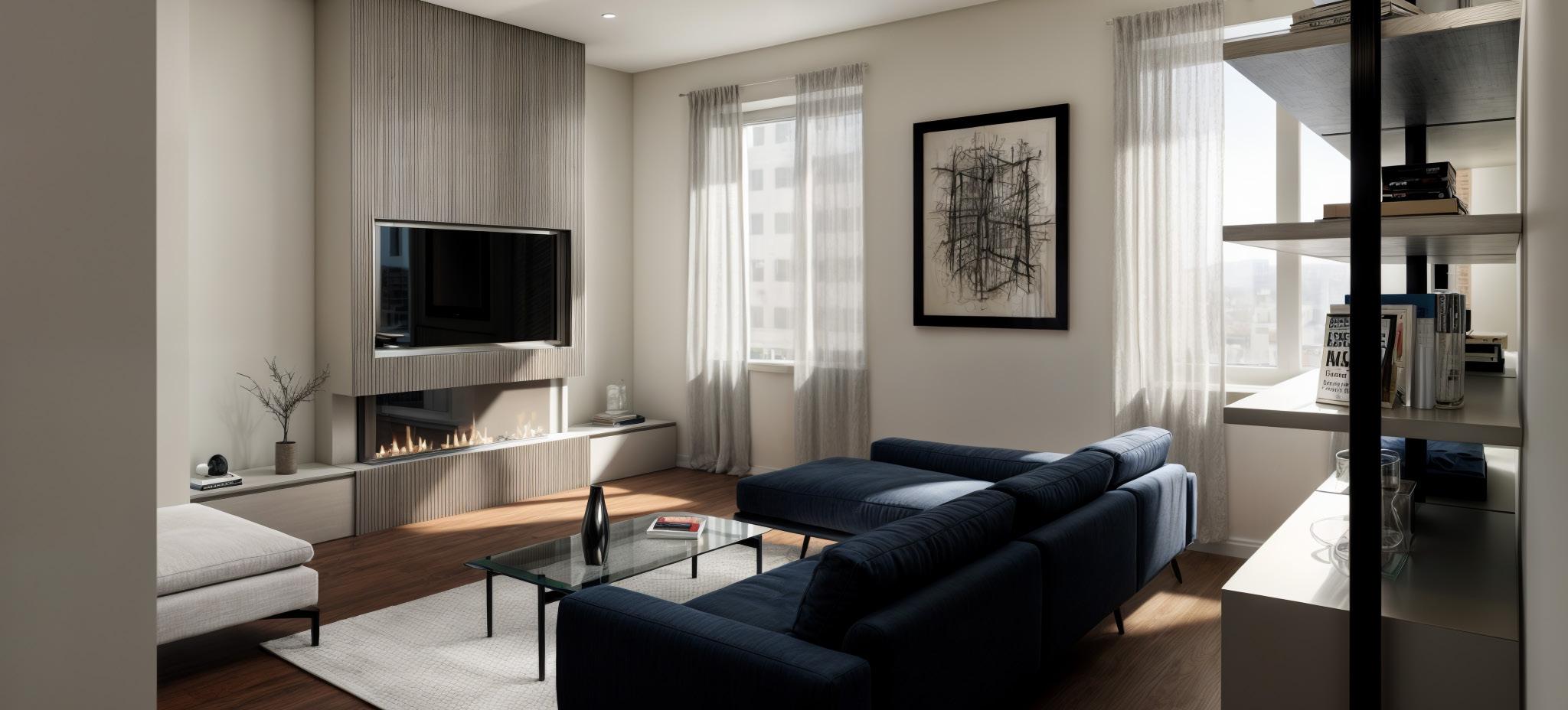
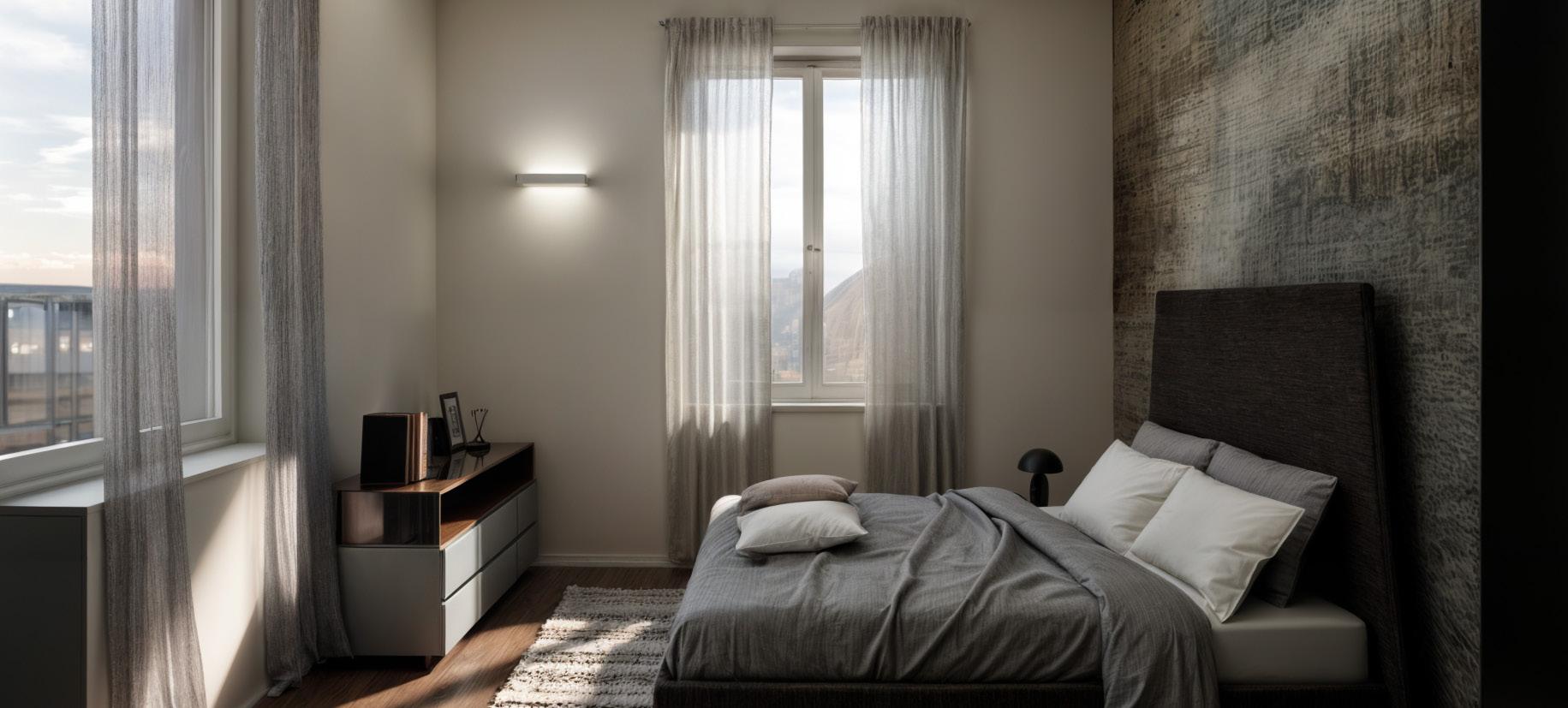
For the reinterpretation and design of this apartment project in a historic building, the goal was to combine the majesty of classical architecture with the comfort and elegance suited for a modern, dynamic family.
Open, bright spaces merge with the building’s historical elements, creating a unique atmosphere that evokes the grandeur of the past while offering the comfort of the present.
Every detail has been carefully crafted to provide all modern conveniences without compromising the charm and authenticity of the historic setting. From the finishes to the layout, our aim is to create a home that is both functional and aesthetically stunning.
Project in collaboration with FossatiCasa
Location: Milano, Italy.
Year: 2025
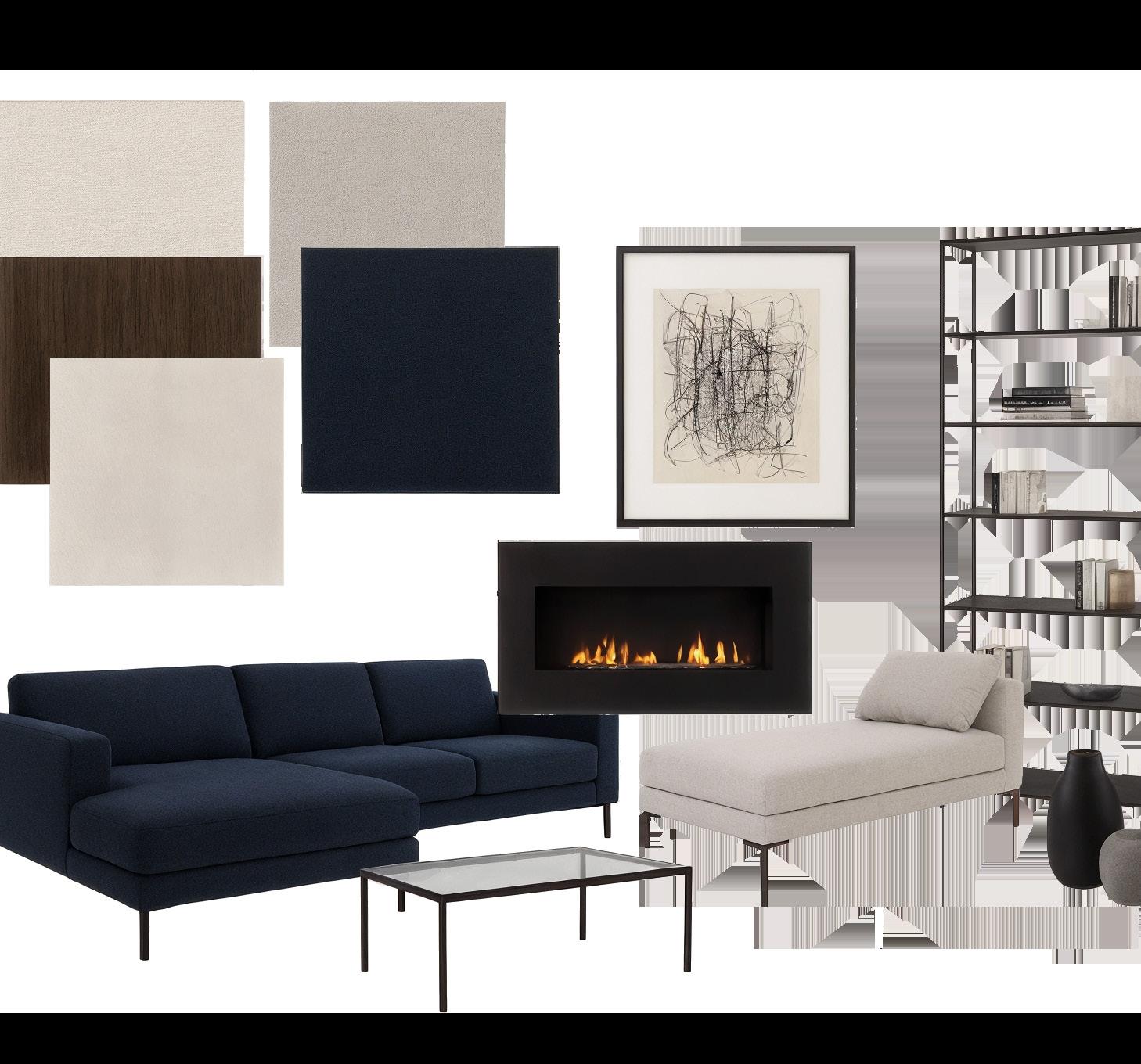
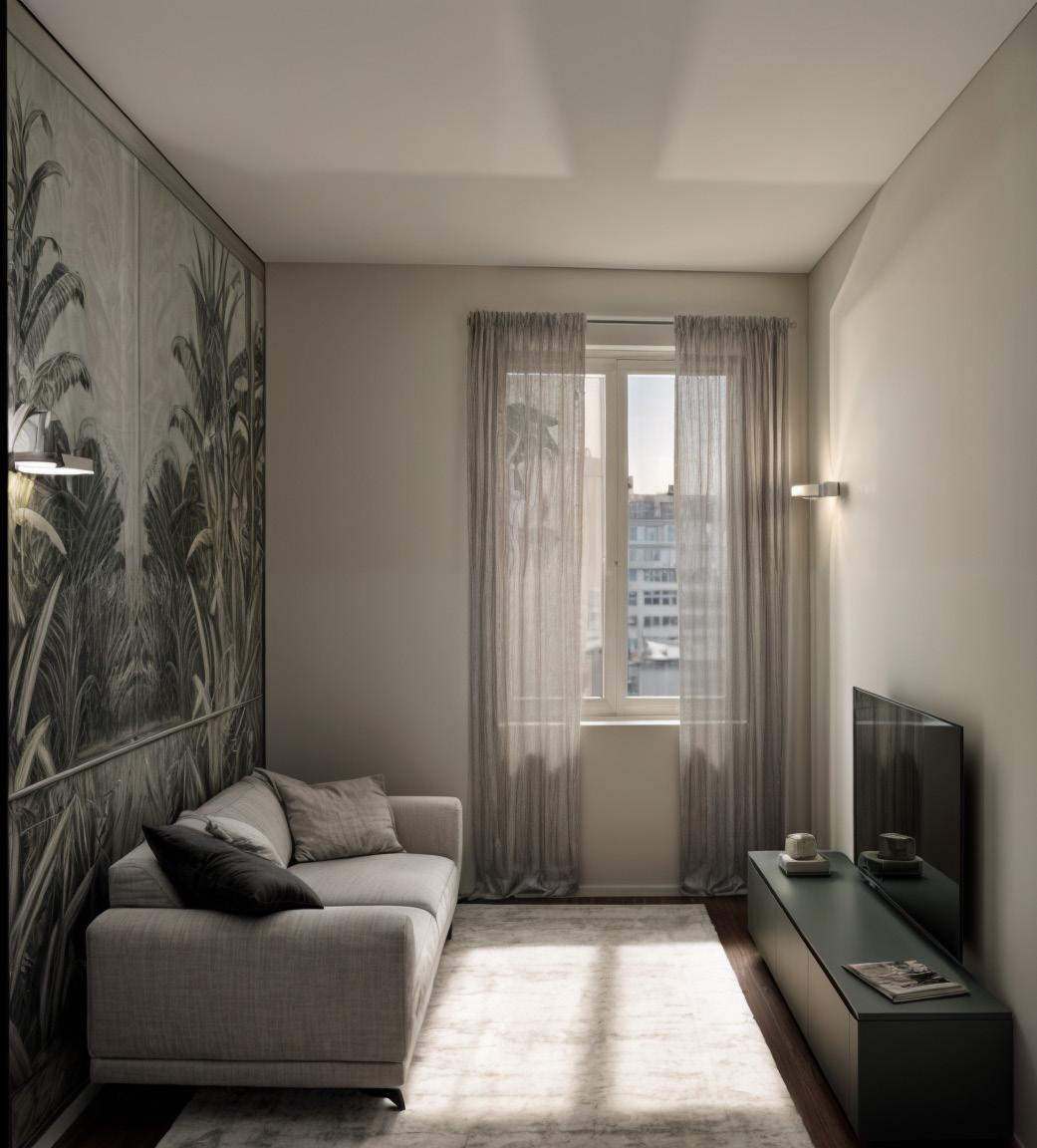
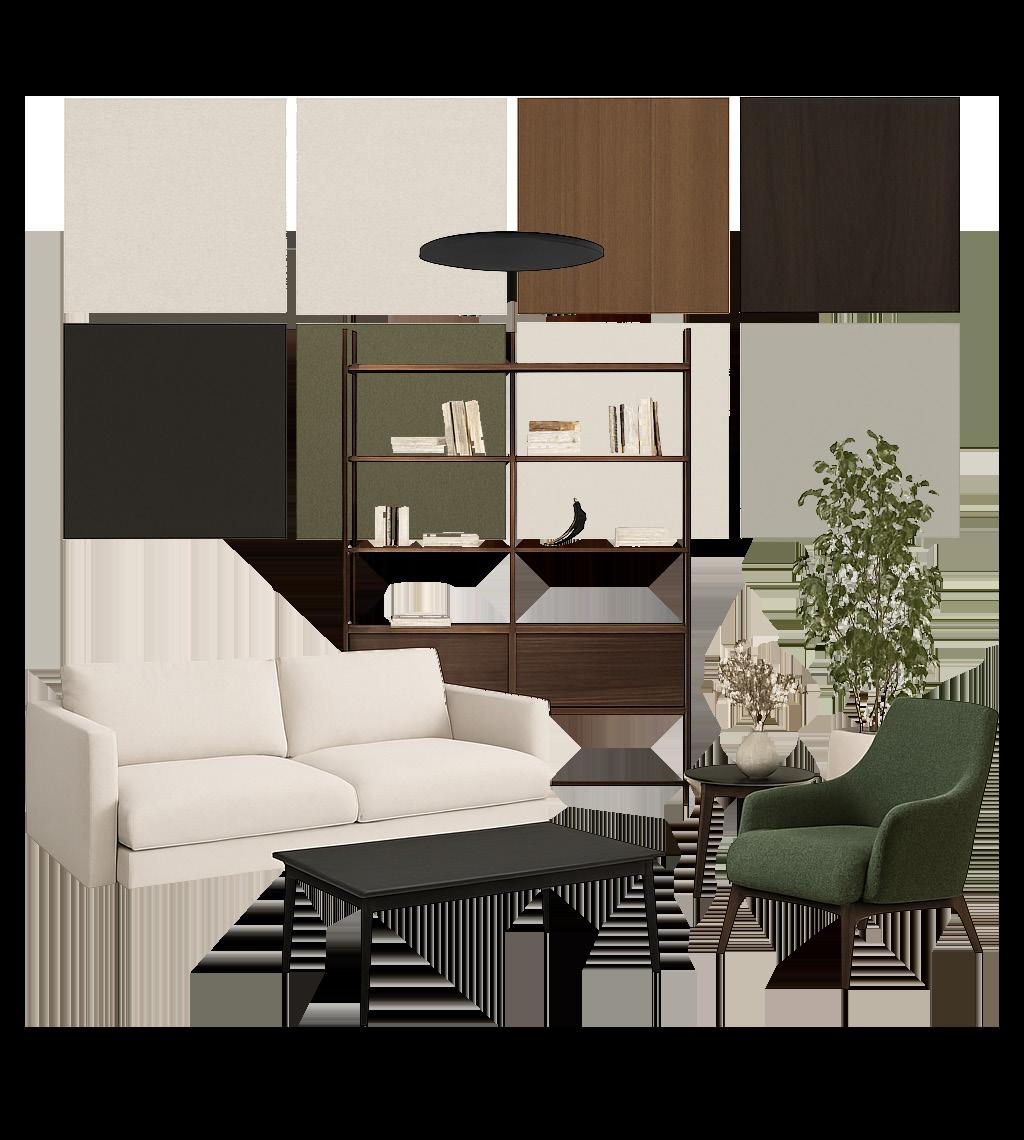
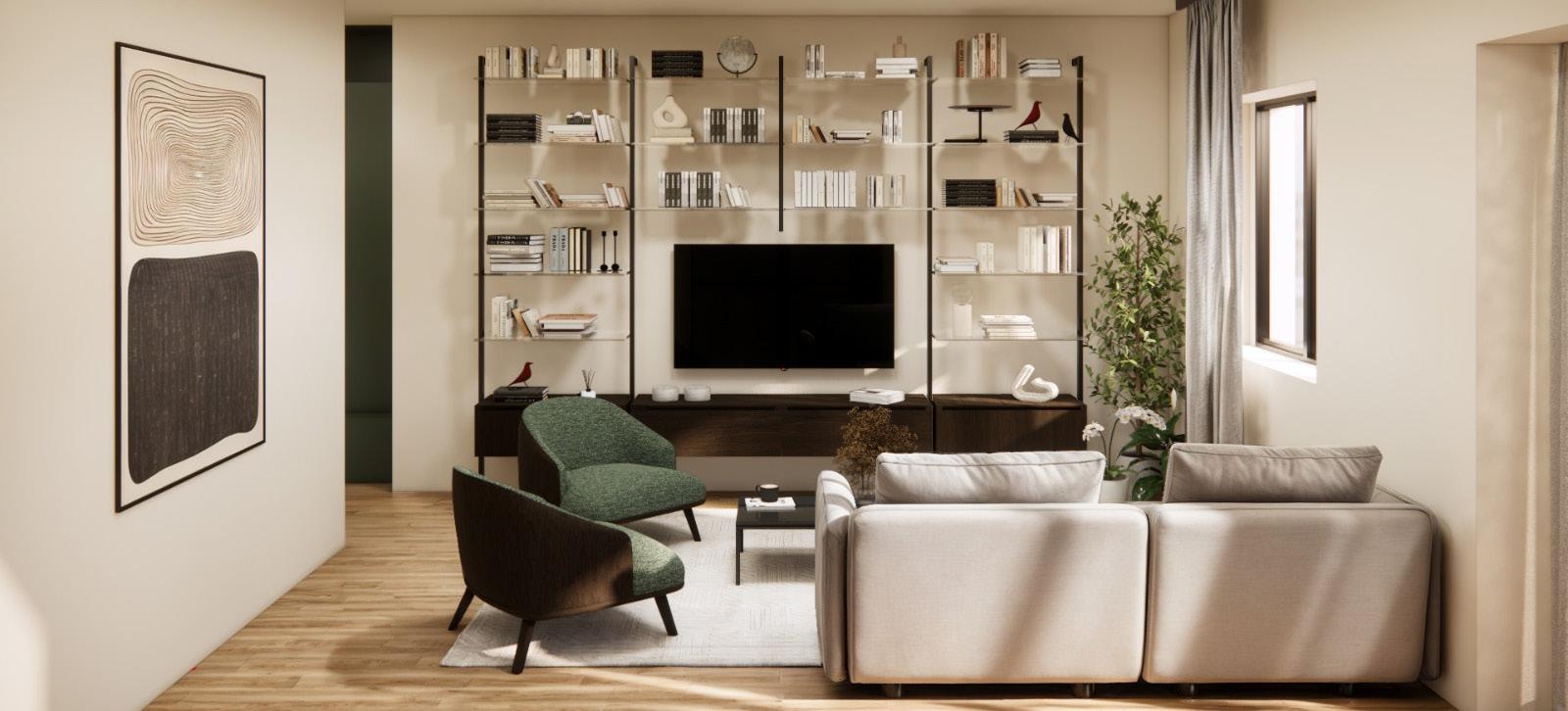
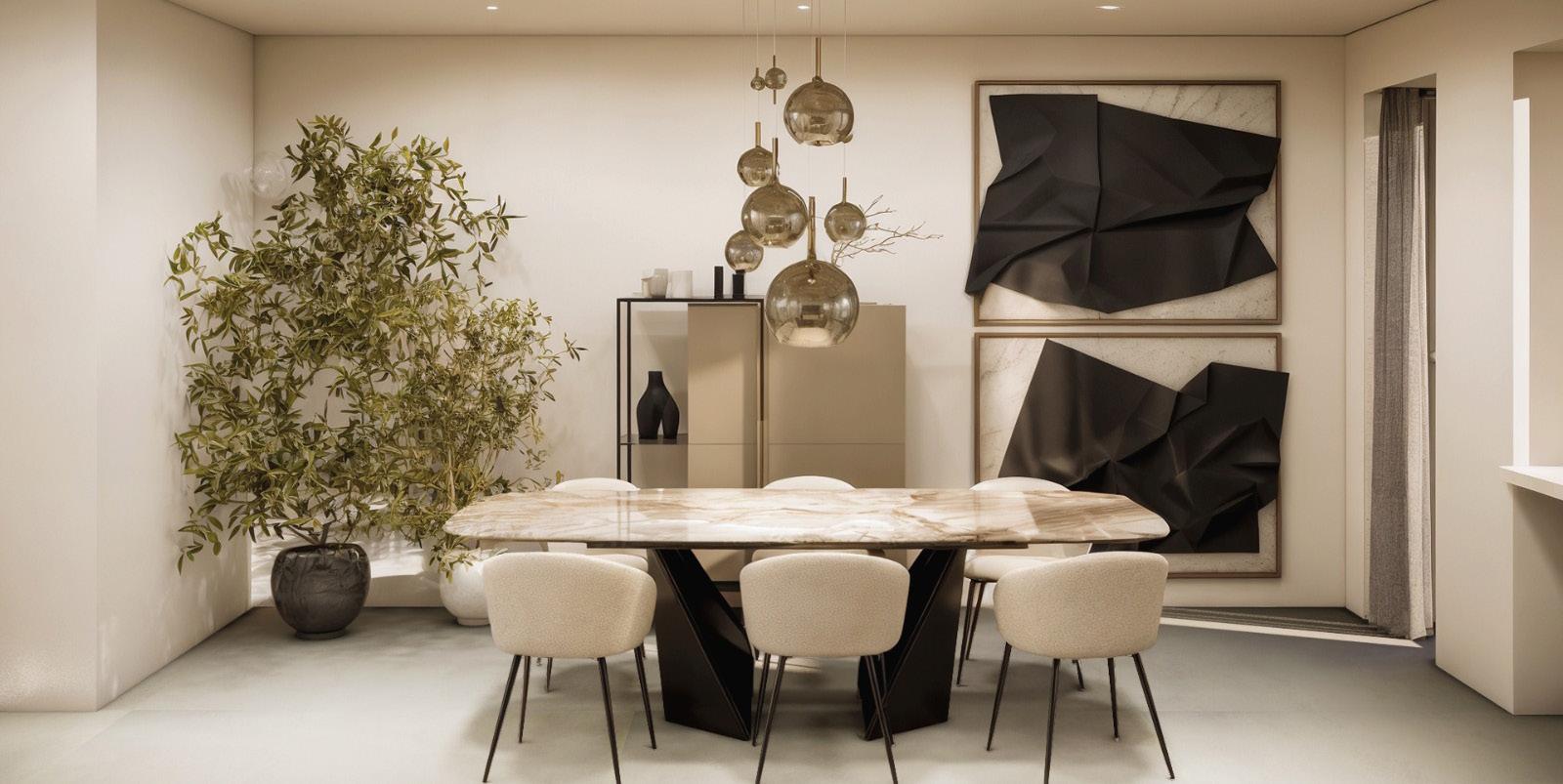
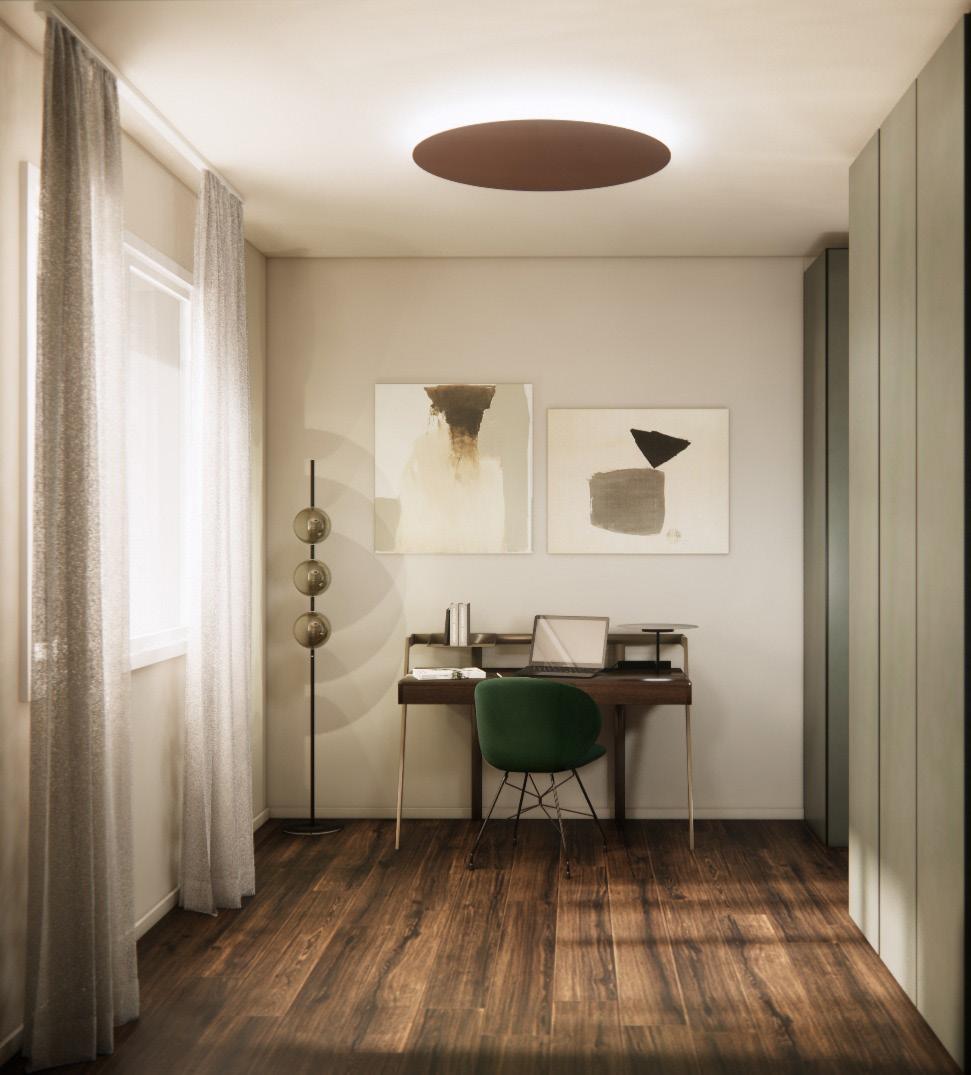
The primary objective of the project was to achieve a balance between sophistication and practicality. The central element of this space is the bookshelf, whose modular structure and minimalist lines not only enhance visual spaciousness but also optimize storage and organization.
The neutral color palette with warm tones on the walls and furniture, creates a welcoming atmosphere, while the subtle green accents in the armchairs introduce a touch of freshness without disrupting harmony. The dark wood of the TV console provides a refined contrast, adding depth and elegance to the composition.
Each element has been meticulously selected to maintain a balance between comfort and style. The soft, diffused lighting from the ceiling highlights textures and details, establishing an ideal ambiance for both relaxation and entertaining guests.
Project in collaboration with FossatiCasa
Location: Milano, Italy.
Year: 2024
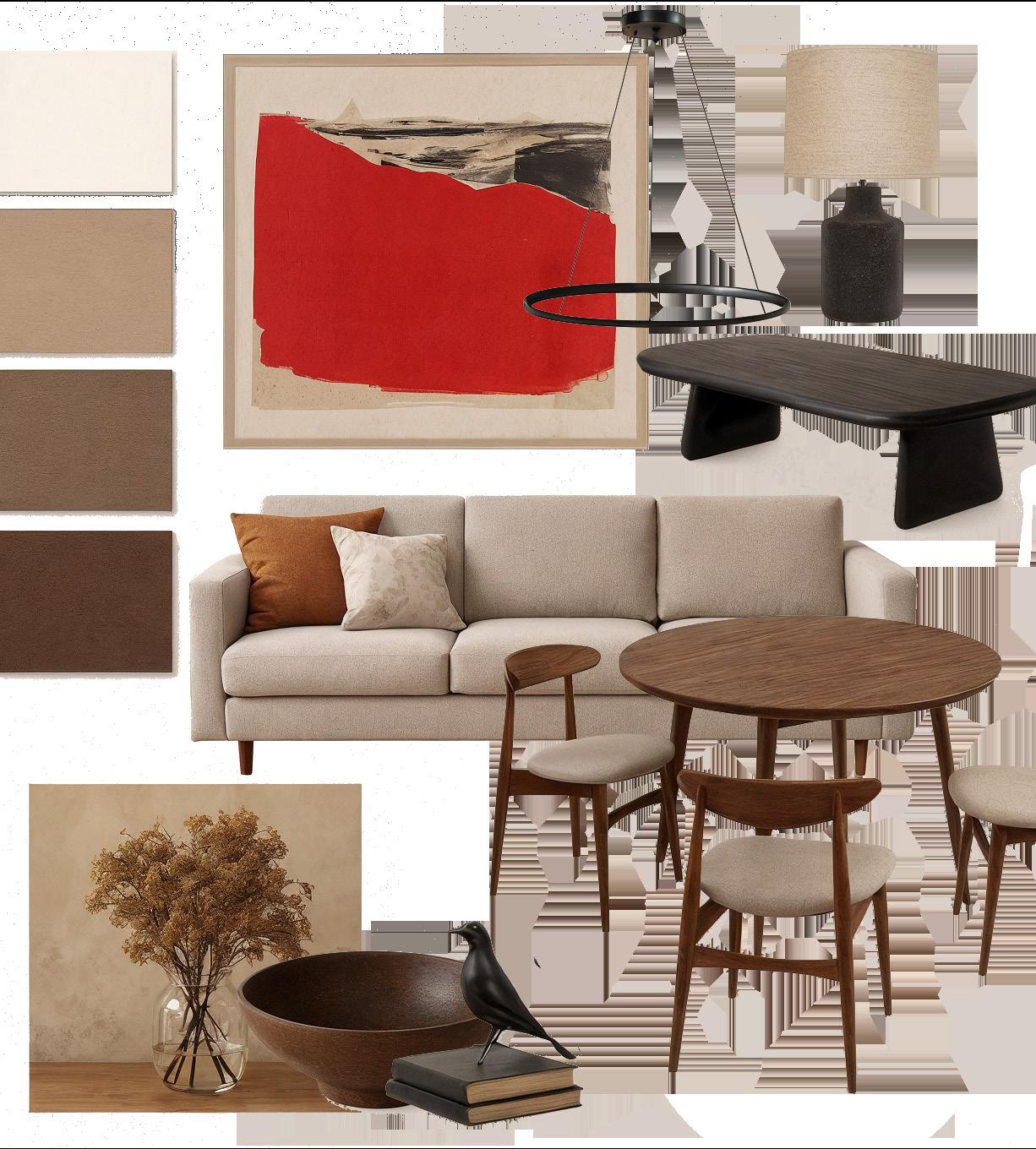
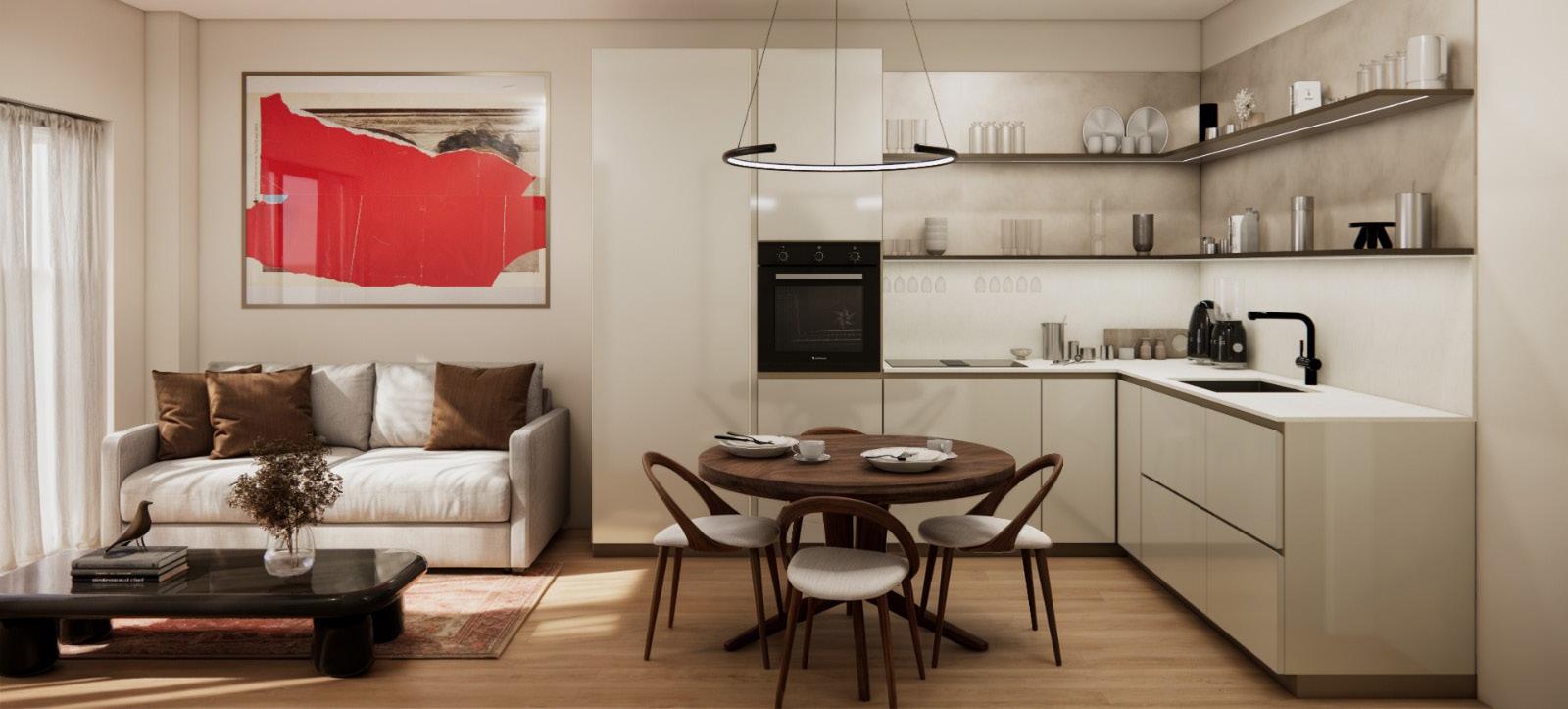
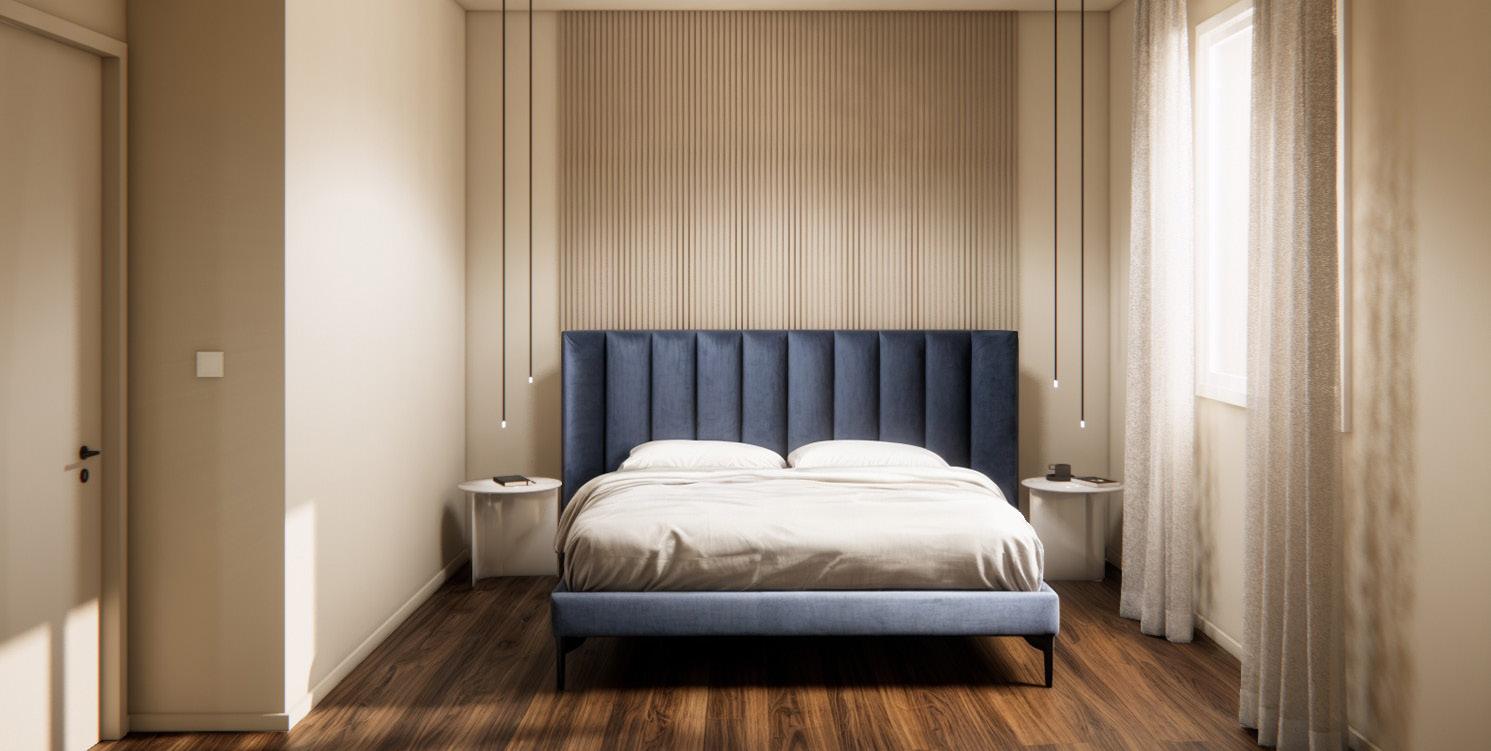
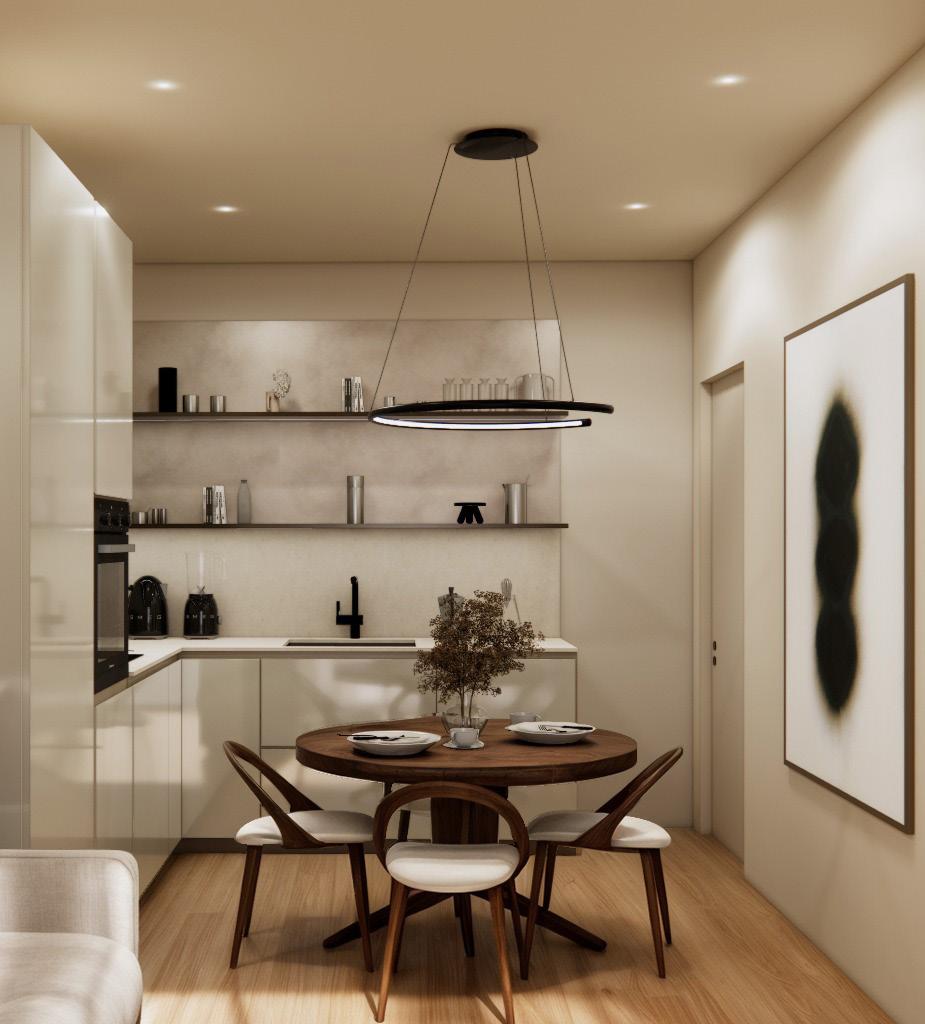
This project focused on the integrated design of a compact kitchen and living area, with an emphasis on optimizing space without compromising style or functionality. The concept combines clean lines, understated materials, and a neutral palette, enhanced by warm accents and graphic elements that add visual interest.
The kitchen features a linear layout with glossy cabinetry and open shelving that brings visual lightness and allows everyday objects to become part of the design. The light countertops and integrated shelf lighting create a bright and welcoming atmosphere-ideal for small spaces.
The dining area is centered around a round dark wood table with elegantly curved chairs, introducing a soft, organic touch. Adjacent to it, the living space includes a neutral-toned sofa with contrasting cushions, framed by a vintage rug and a bold contemporary artwork in vibrant red that serves as a focal point, breaking the calmness of the palette.
The harmony between elements, thoughtful material selection, and the seamless flow between kitchen, dining, and living areas make this project a strong example of functional yet characterful contemporary design.
Universidad de Panamá
Location: Veracruz, Panamá. year: 2021
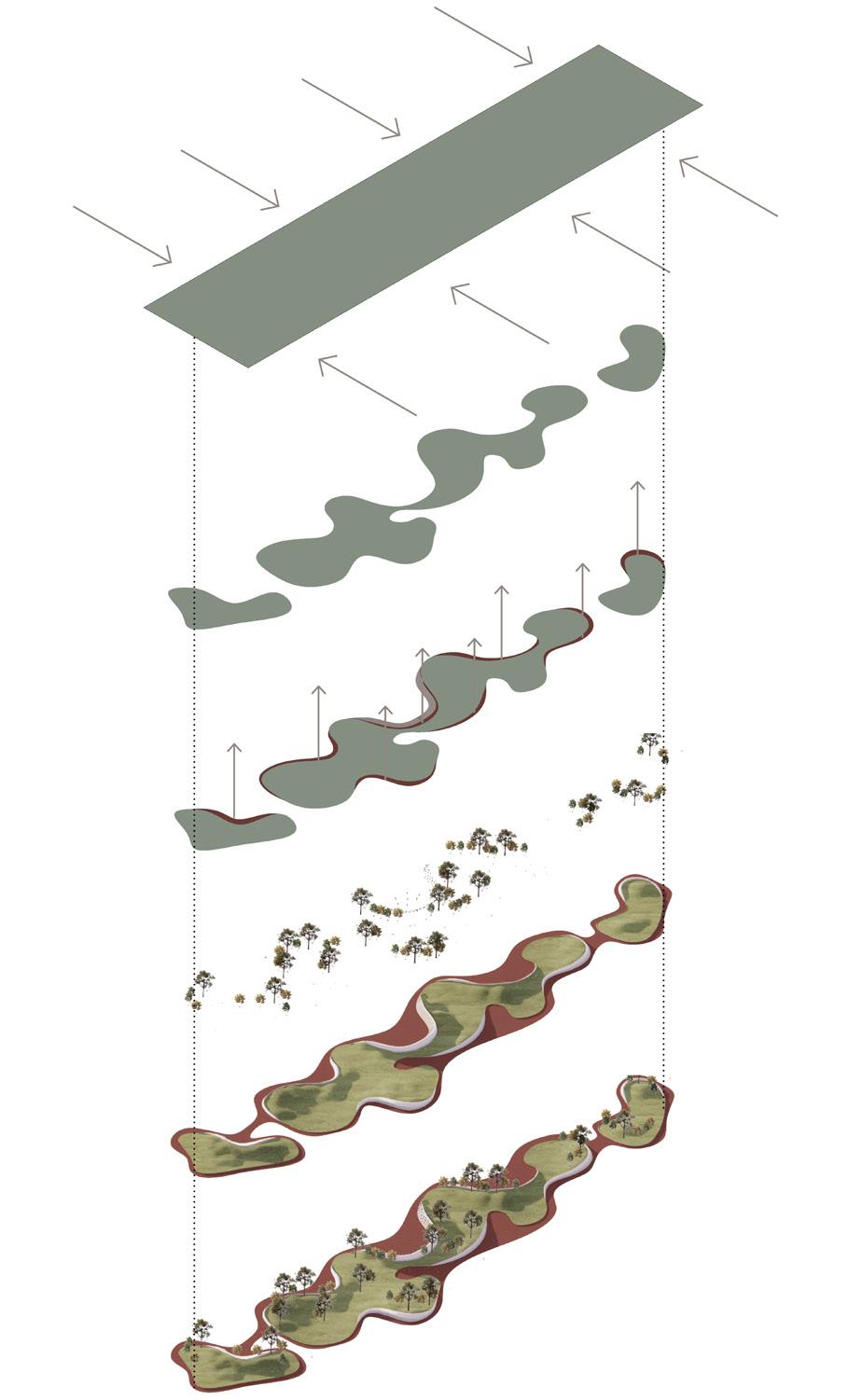
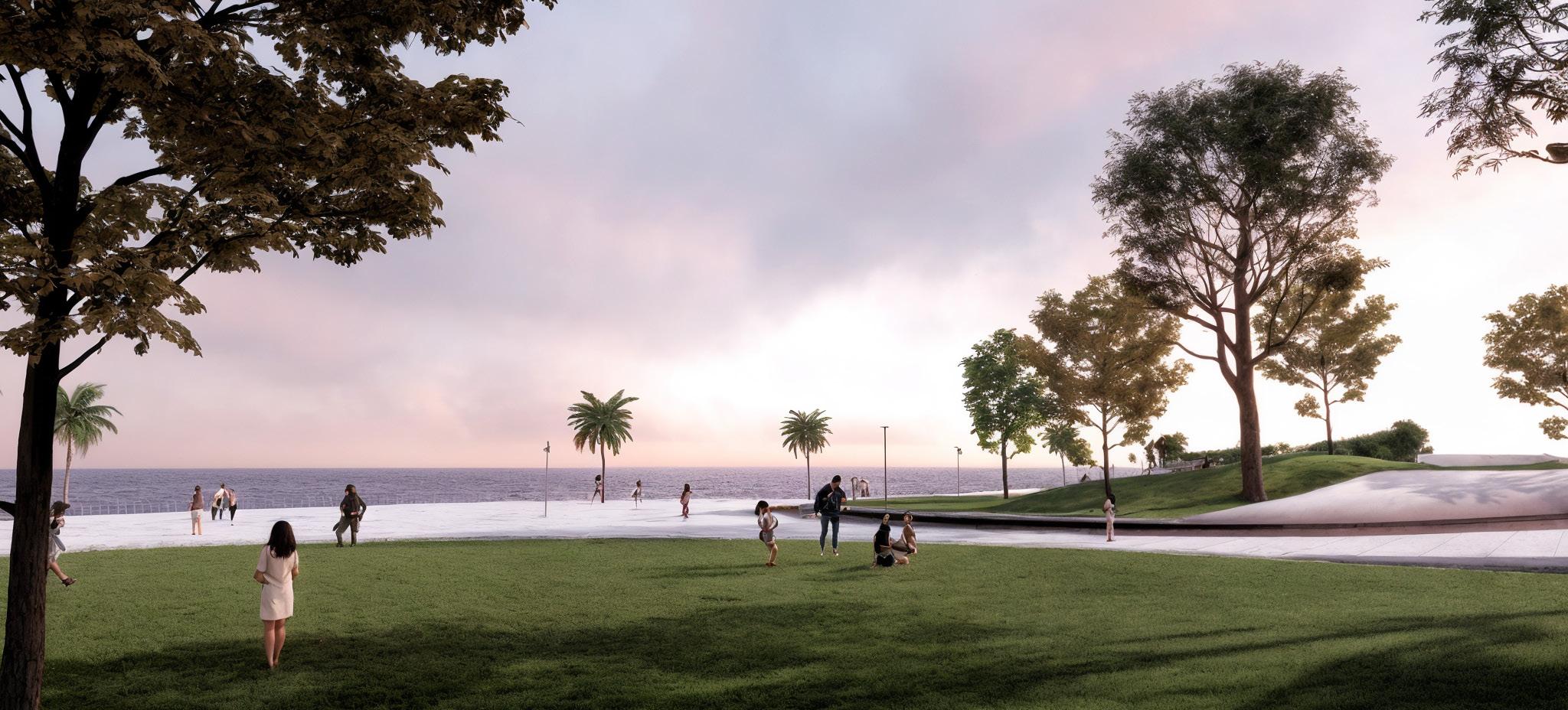
Urban interventions should contribute to the development, growth, and positive evolution of an area, where different lives, realities, rhythms, and activities of users coexist. There should be a harmonious integration between the natural and built environments.
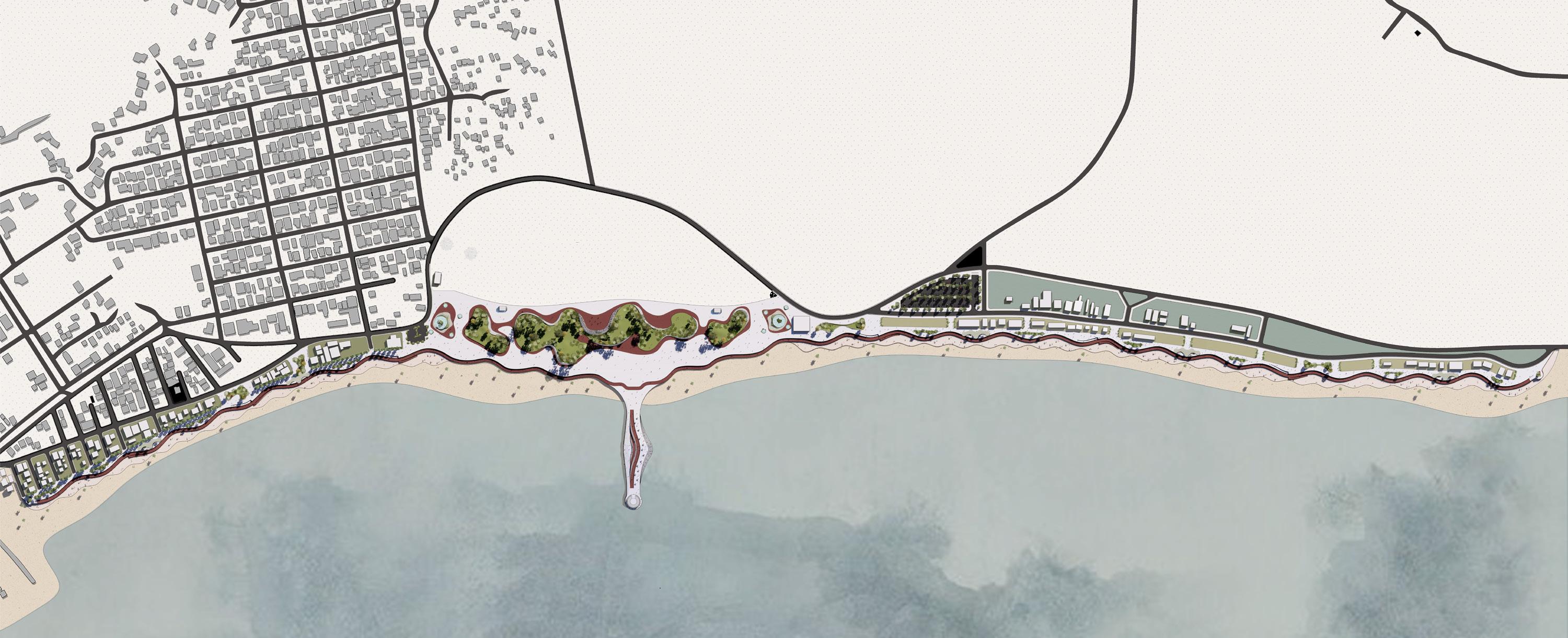
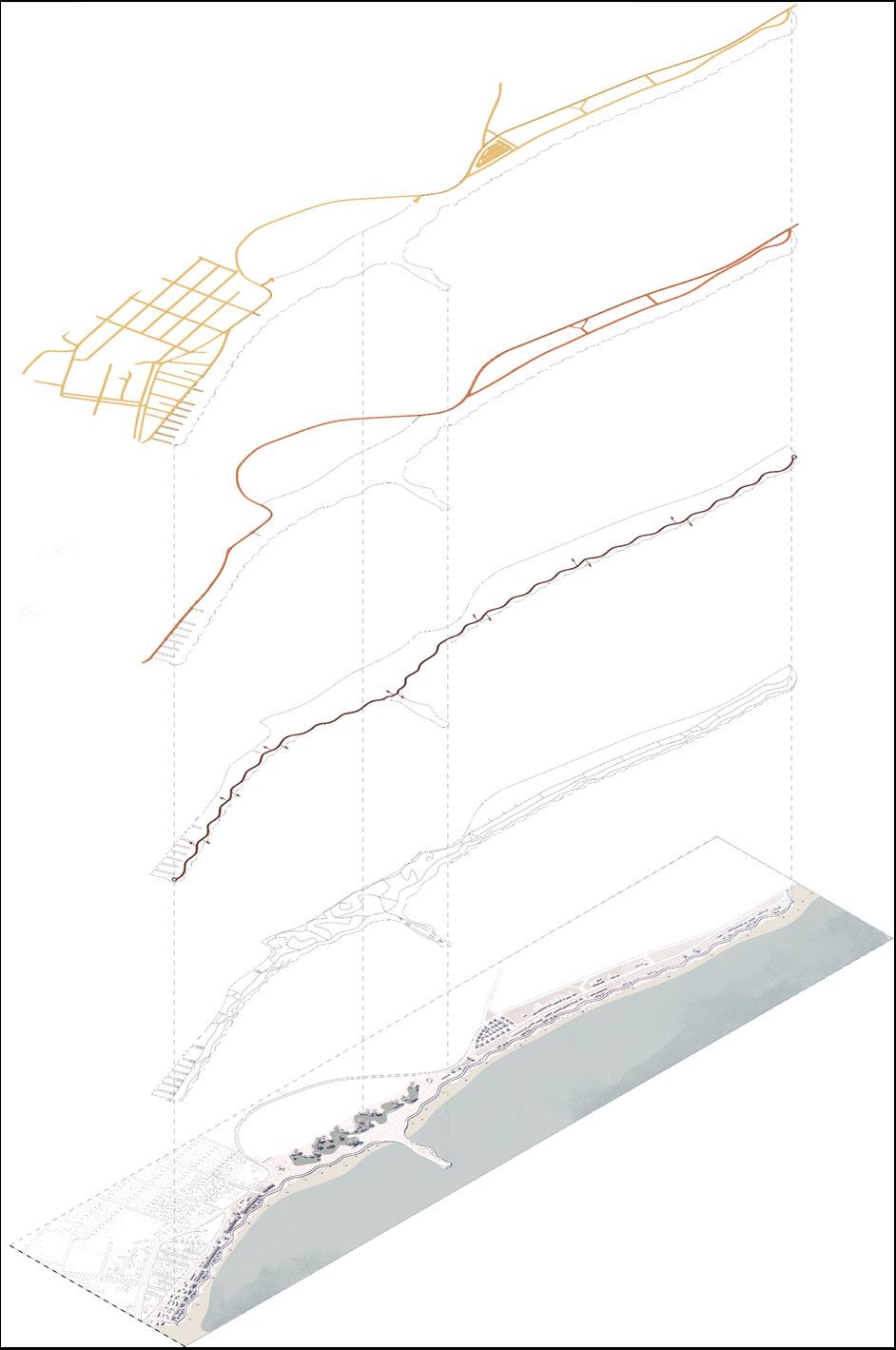
In response to the current conditions along the coastline of the district of Veracruz, this project aims to improve the interaction between the city and its coast, providing a recreational urban space that serves as a connection point between the city and nature.
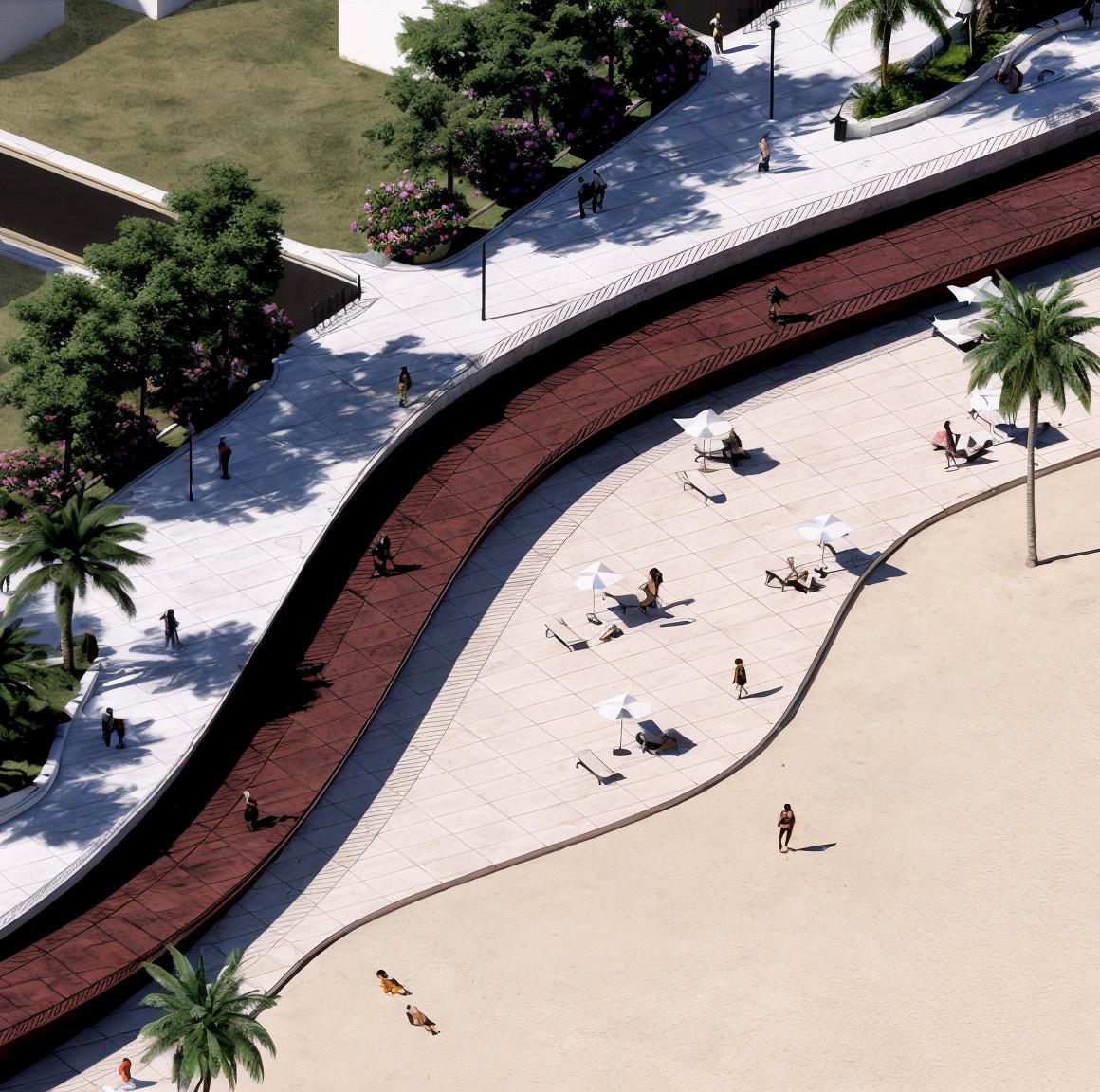
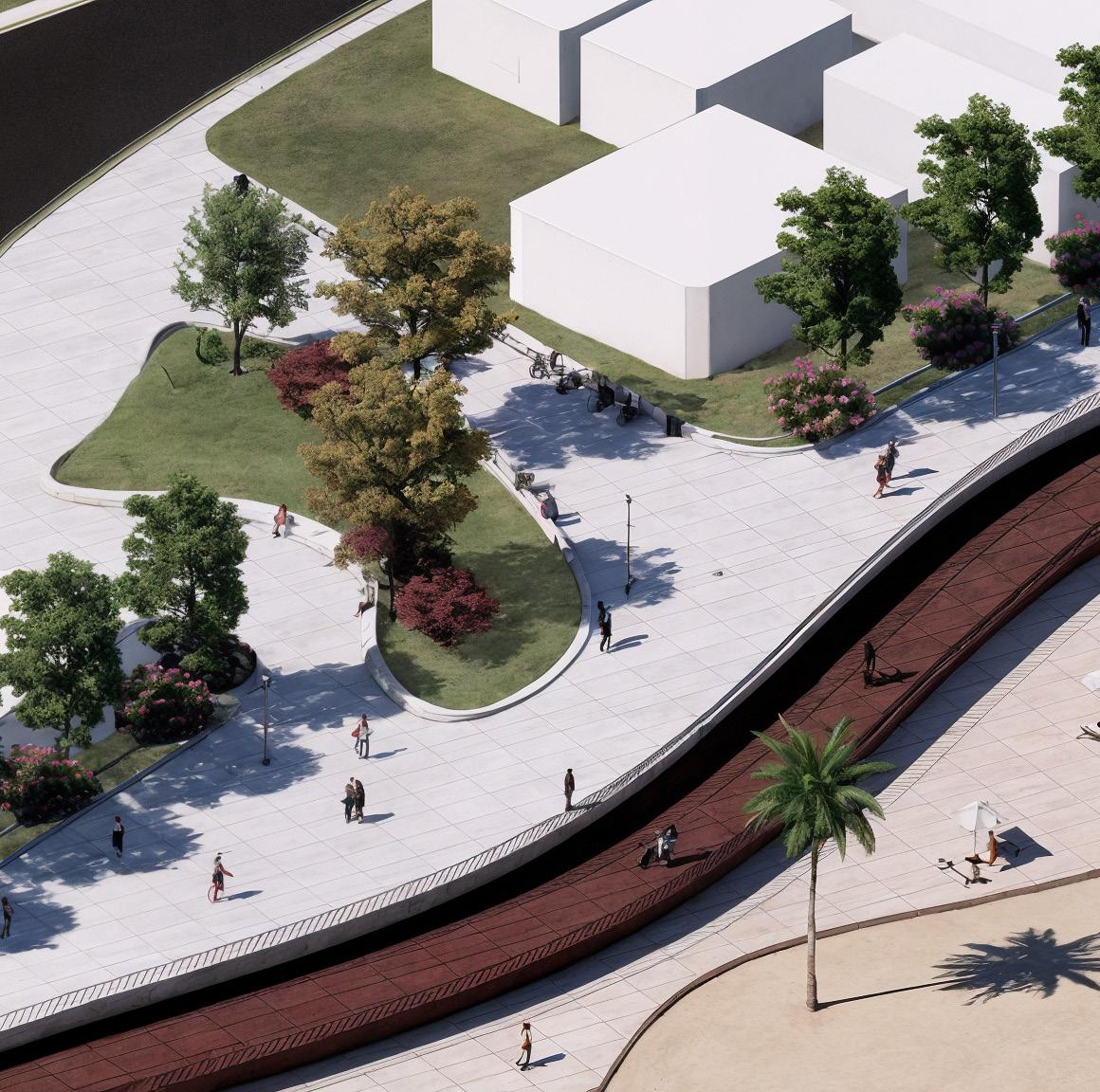
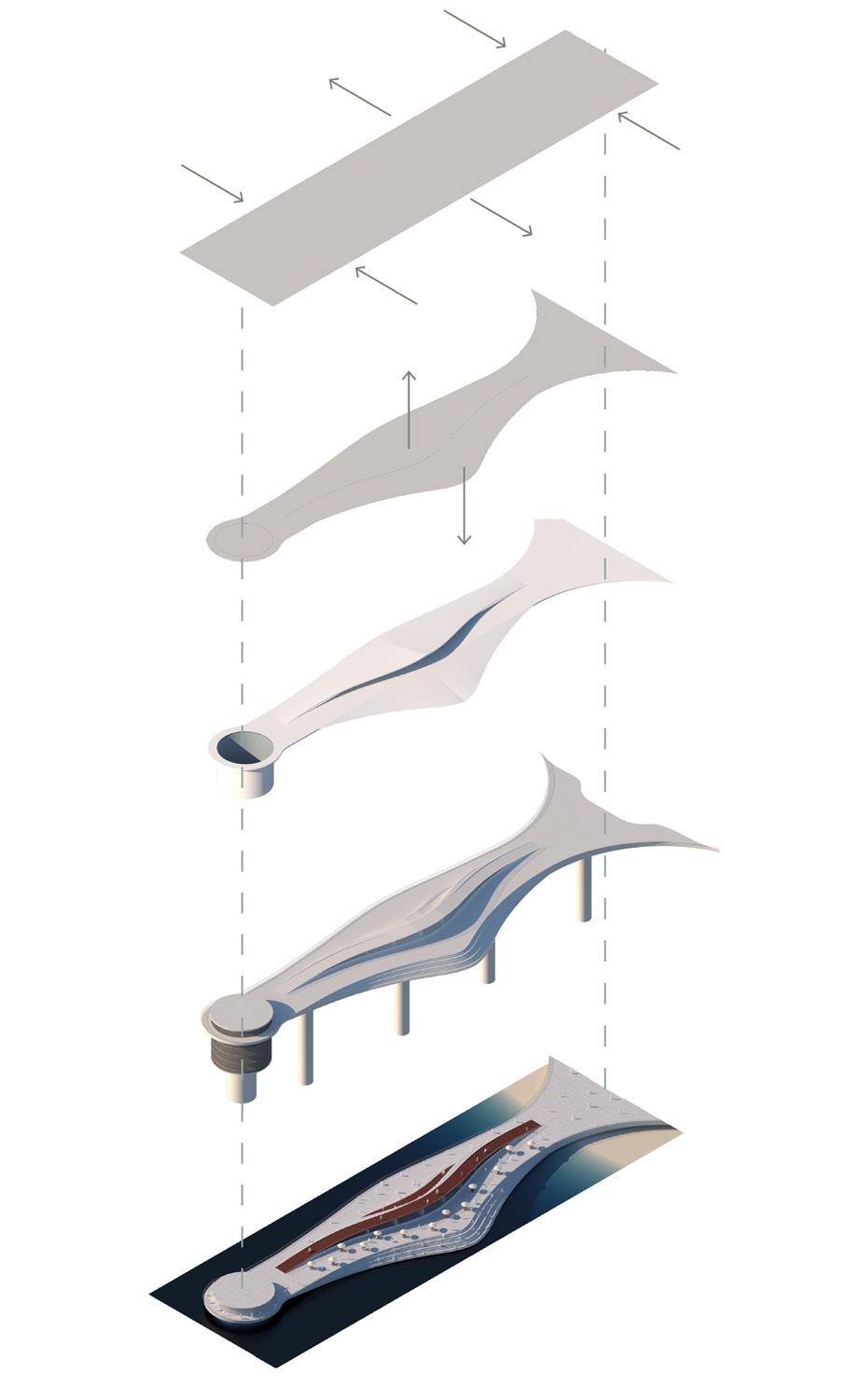
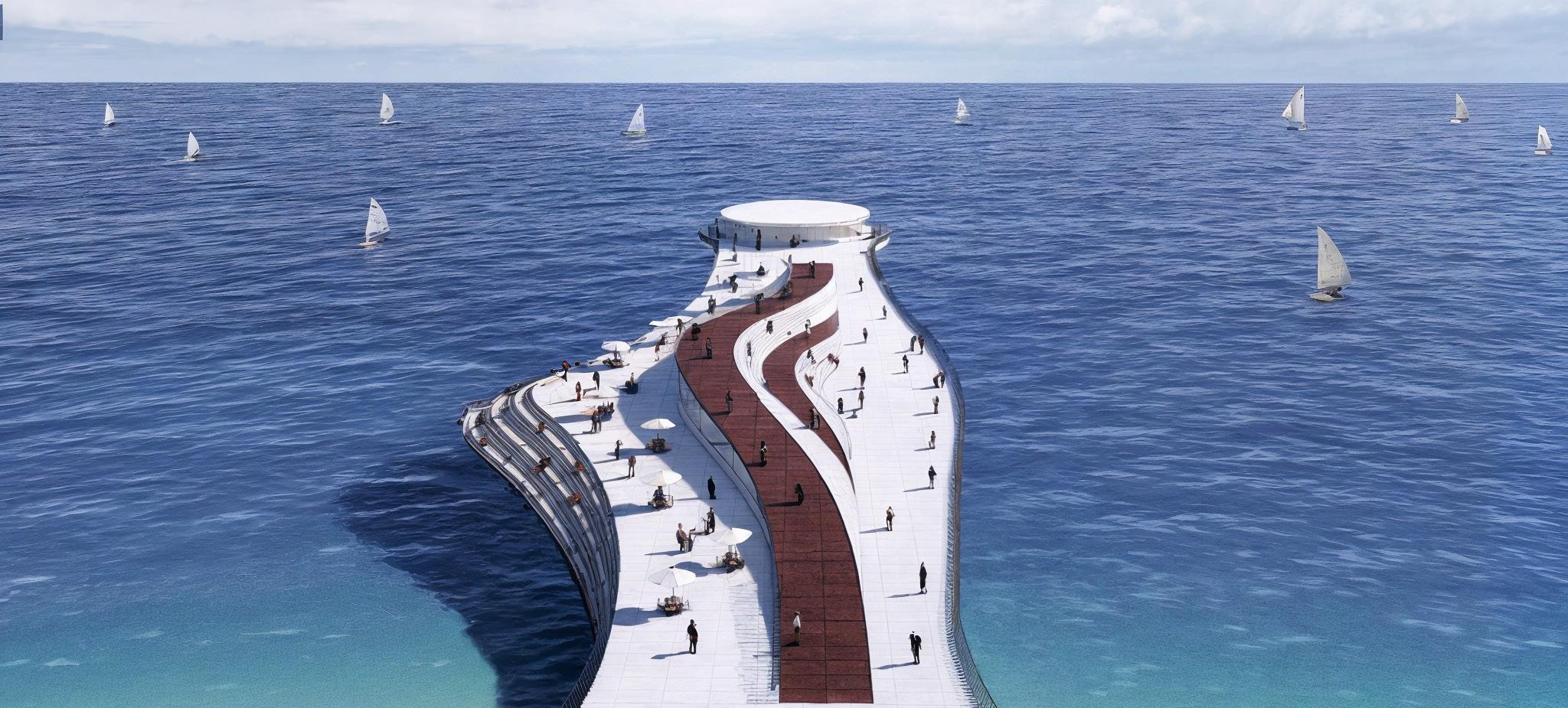
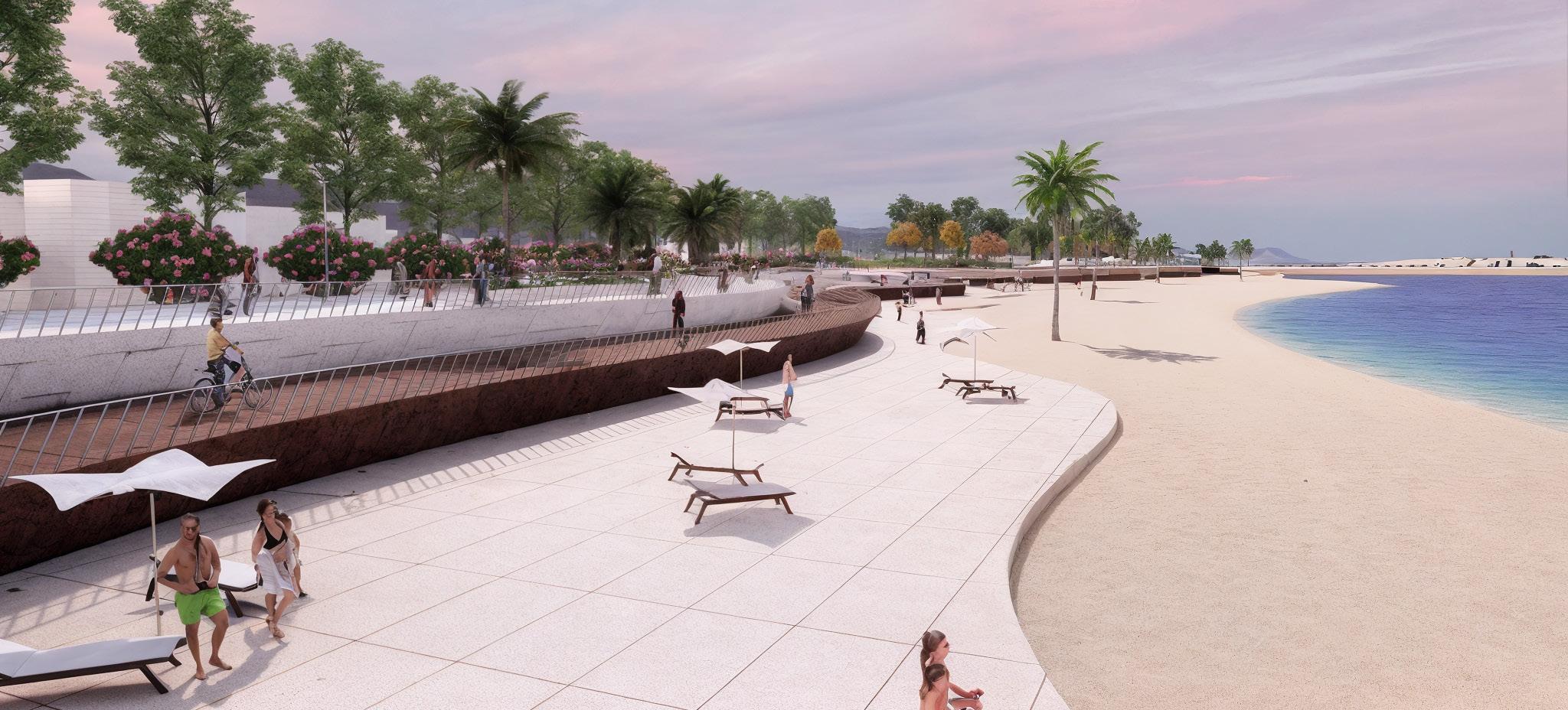
This waterfront promenade project for the district of Veracruz, conceived with an urban, practical, and avantgarde identity, seeks to create a space that enhances the use of the beach and its surroundings as a public and recreational area. It proposes a 2.8-kilometer esplanade featuring pedestrian walkways, bike lanes, viewpoints, green and recreational areas, spaces designated for cultural activities, resting areas, and commercial spaces.
It is an urban renewal proposal that aims to return prominence to the true users of cities — pedestrians — and their ability to move through and appropriate the space, creating flexible zones that can be easily adapted to the needs and characteristics of their users.