TEACHING PROCESS

Education does not occur in a vacuum: demographic, geographic, sociocultural and pedagogical factors shape how teaching and learning take place.
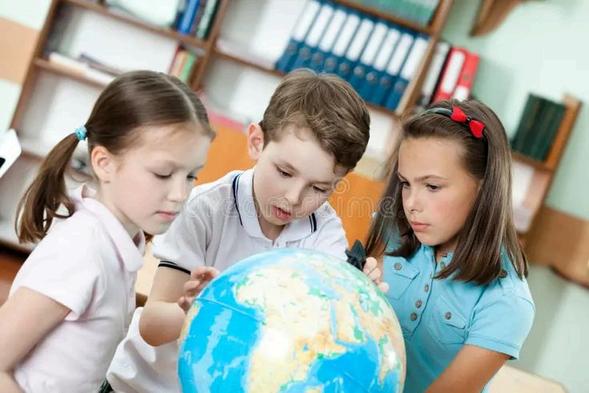

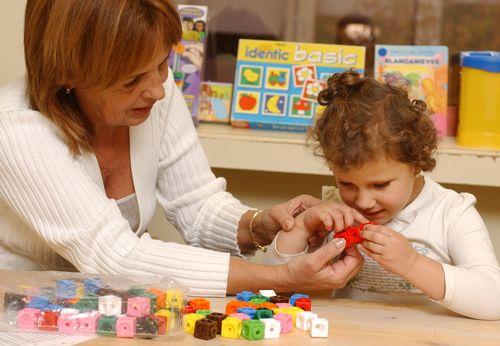

ituated learning is a theory that says
we learn best when we are in real or life-like contexts. This means that students learn more when they are connected to their environment, their culture and their experience. They don't just memorize, they understand and apply!

Its theoretical bases are based on:
Vygotsky's sociocultural theory: The social environment and collaboration are essential to build knowledge.
Contextualization: Learning mathematics by solving community problems or biology in a school garden are examples of its application
Benefits: Increased retention of information and ability to transfer skills to everyday situations.
The educational environment is defined by four interconnected dimensions, which influence how students learn and how teachers must teach, impacting the process in different ways.
4
It includes factors such as economic situation, family and the environment in which students live.
Economic inequalities limit access to technological resources or specialized tutoring.


It has to do with the customs, beliefs and values of each community.
Local beliefs and traditions influence pedagogical methods (e g , intercultural bilingual education)
Consider aspects such as age, gender and group composition
Countries with a high proportion of young people require more investment in school infrastructure

In Bolivia, 57% of the population belongs to indigenous communities, which requires adapting content to local languages and worldviews.
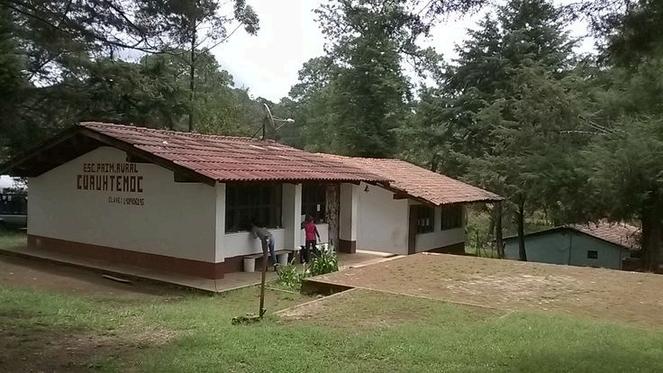
RIt encompasses the physical location of the teaching location
ural schools often face challenges such as limited connectivity or lack of teachers.
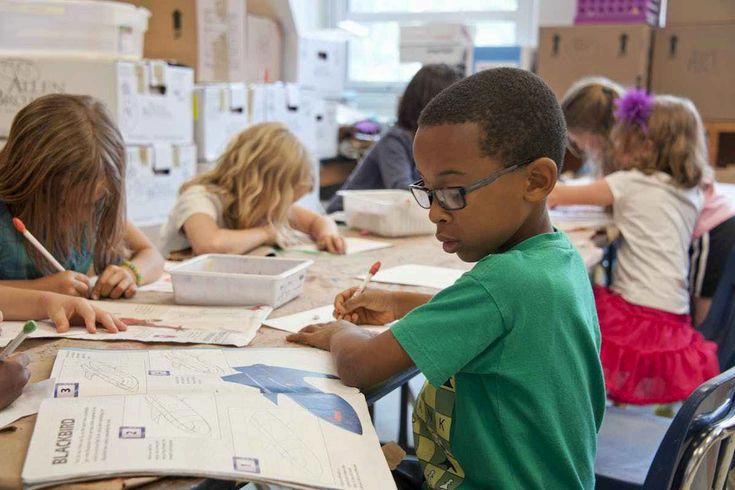
Language is not only a means of communication, but also a social tool. It is related to identity, culture and the way people interact.
In the classroom, it is important to recognize that each student uses language differently Some speak indigenous languages, others have local slang, and some learn Spanish as a second language. These communication styles influence how they learn.
Language also shows social aspects such as class, gender, age and cultural background Therefore, it is key for teachers to respect and value how their students express themselves.
When a teacher includes the way their students speak in the classroom, they create a more inclusive environment where everyone feels heard and valued
In Brazil, the black population has an average schooling level 30% lower than the white population, which is evidence of sociolinguistic barriers.
This process is at the heart of education It is not just about the teacher talking and the students listening, but about creating an experience where both learn and actively participate.
A good teaching-learning process includes: motivating students, using different strategies to explain content, listening to their doubts, giving feedback, and adapting classes to their needs It also involves building an environment of trust where students feel comfortable to learn, make mistakes and ask questions.
This process is greatly enhanced when the diversity of the classroom and the context of each student is taken into account Thus, teaching becomes more humane, approachable and effective
Fact: In Mexico, schools implement communities of practice where teachers share teaching experiences in marginalized contexts.
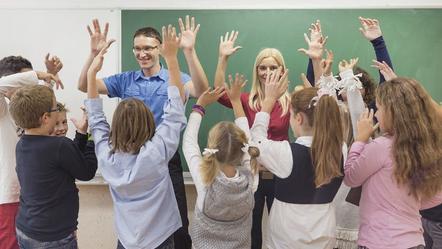
Educational contexts are living systems that demand pedagogical flexibility. Integrating social, linguistic and geographic realities into teaching not only improves academic outcomes, but also builds more equitable societies.


Aprendizaje Situado - Vinculación con el Medio UNAB. (n.d.). Retrieved April 17, 2025, from https://vinculacion.unab.cl/wiki/aprendizaje-situado/
Aprendizaje situado: qué es y por qué te conviene aprenderlo. (n.d.). Retrieved April 17, 2025, from https://www.universidadviu.com/es/actualidad/nuestros-expertos/elaprendizaje-situado-un-enfoque-social-y-orientado-al-contexto
El contexto sociocultural en la enseñanza-aprendizaje de la lengua materna. (n.d.). Retrieved April 17, 2025, from https://www.redalyc.org/journal/4780/478055147010/html/
Procesos de Enseñanza y Aprendizaje | INEE (n d ) Retrieved April 17, 2025, from https://inee.org/es/eie-glossary/procesos-de-ensenanza-y-aprendizaje
Relación lenguaje-cultura y sociedad y su repercusión en la Universidad del Deporte en Santiago en Cuba. (n.d.). Retrieved April 17, 2025, from https://www.efdeportes.com/efd180/relacion-lenguaje-cultura-y-sociedad.htm