Multi-faceted designer, excited to contribute to team success through innovative sustainable design ideas. With excellent interpersonal skills seeking to obtain a position that broadens career scope.
As an architect, I have great attention to detail and willingness to put time and effort to accomplish it. Throughout my journey I have always strived to learn as much as I can about different architecture styles and various softwares and resources to best represent my ideas.
Carrer Objective
My career objective is to deepen my knowledge and expertise in sustainable building practices and green architecture, contributing to environmentally responsible and innovative design solutions.
Work Experience
Crown resorts / Waitsperson
May 2023 - Ongoing
Criniti’s / Senior front of house staff
Dec 2023 - Ongoing
MA Architects / Architectural Intern
Jan 2022 - June 2022
Graphic Designing
Music
Cooking Interests
Languages
English
Hindi
Punjabi
Get in touch
0478 241 090
wadhwajayesh22@gmail.com
As an intern in a small firm, I was able to work on variety of projects ranging from commercial to housing. This gave me exposure on how projects are executed and also the contractual side of an architecture firm. In addition, I was responsible for producing 2D drawings and 3D models alongwith rendering of specific projects.
Education
The University of Western Australia / Masters of Architecture
Feb 2023 - Dec 2024
Guru Nanak Dev University / Bachelors of Architecture
June 2017 - June 2022
Mukat Public School / Higher secondary school(Non-medical)
March 2017
Volunteering
Uni-Mentor programme / UWA
June 2023 - Dec 2023
Helping and mentoring new students settle in a new city, also helping with transition from school to university. Guiding them to relevant support services available in university
Reference
Mrs. Gemma Hohnen / Design Studio Lecturer / UWA / gemma.hohnen@uwa.edu. au
CONTENTS
01
02
BALI BATHOUSE
Residential building I Sem-2 2024 I 5-11
SOUTH HEDLAND PERFORMING ARTS CENTRE
Cultural building I Sem-1 2024 I 12-18
03
AFFORDABLE HOUSING
Mixed-Use Development I Sem-1 2023 I 19-23
04
ADAPTIVE RESIDENTIAL
Residential building I Sem-2 2023 I 24-28
05
OTHER PROJECTS
Miscellaneous Projects I 2023-24 I 29-30
PROJECT 1 : BATH HOUSE
BRIEF
In this studio, we explored totality, where landscape, atmospheres, and intent converge to form a holistic architectural approach. Our focus was on a select composite of materials and environmental dynamics, paired with atmospheric effects to craft deeply resonant spaces.
APPROACH
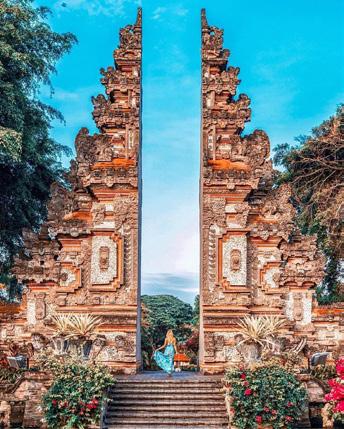
Candi bentar, or split gateway, is a classical Javanese and Balinese gateway entrance commonly found at the entrance of religious compounds, palaces, or cemeteries in Indonesia.It is a candi-like structure split perfectly in two to create a passage in the center for people to walk through. In contrast to the very ornate shape and decoration of the main faces, the sides of the passage are left completely plain. The passage is usually elevated with a flight of stairs to reach it. A candi bentar is commonly found in Java, Bali, and Lombok.
Candi bentar has a candi-like form but is split perfectly in two to create a symmetrical image. Candi bentar characteristically has a stepped profile, which can be heavily decorated in the case of Balinese candi bentar. The two inner surfaces are always left sheer and unadorned as if the structure has been split in two.
Inspired from the gateways with plain inner surfaces and all the structure flanking on its either side, the bathhouse has been designed with circulation right in the middle mimmicking the sharp plain walls. The programmes are divided on the either sides of the circulation.
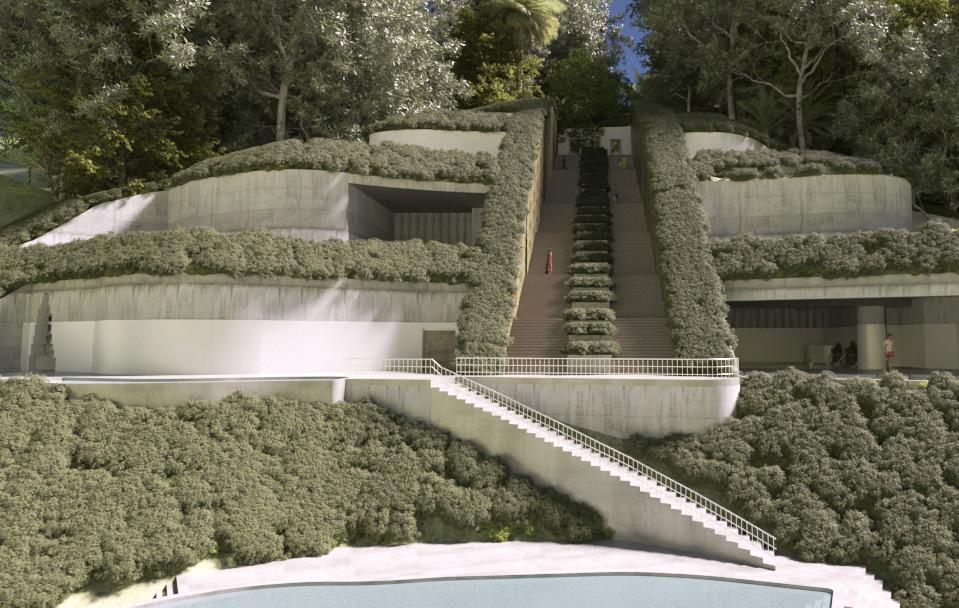
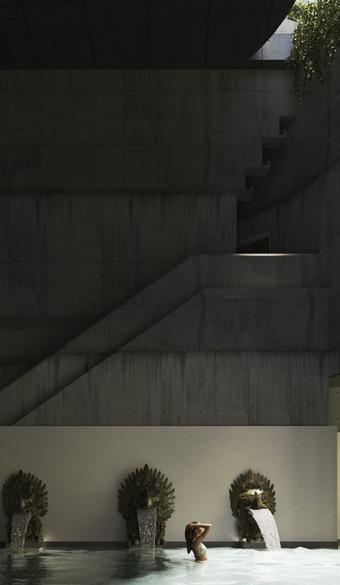
Candi bentar are designed in such a way that they frame the temple with the staircase and the walls. This design reflects the same approach with the central staircase leading to the pool which is the main function of this bathhouse, keeping in mind the nothingness of the split gateways and making the entire space plain and symmetrical.
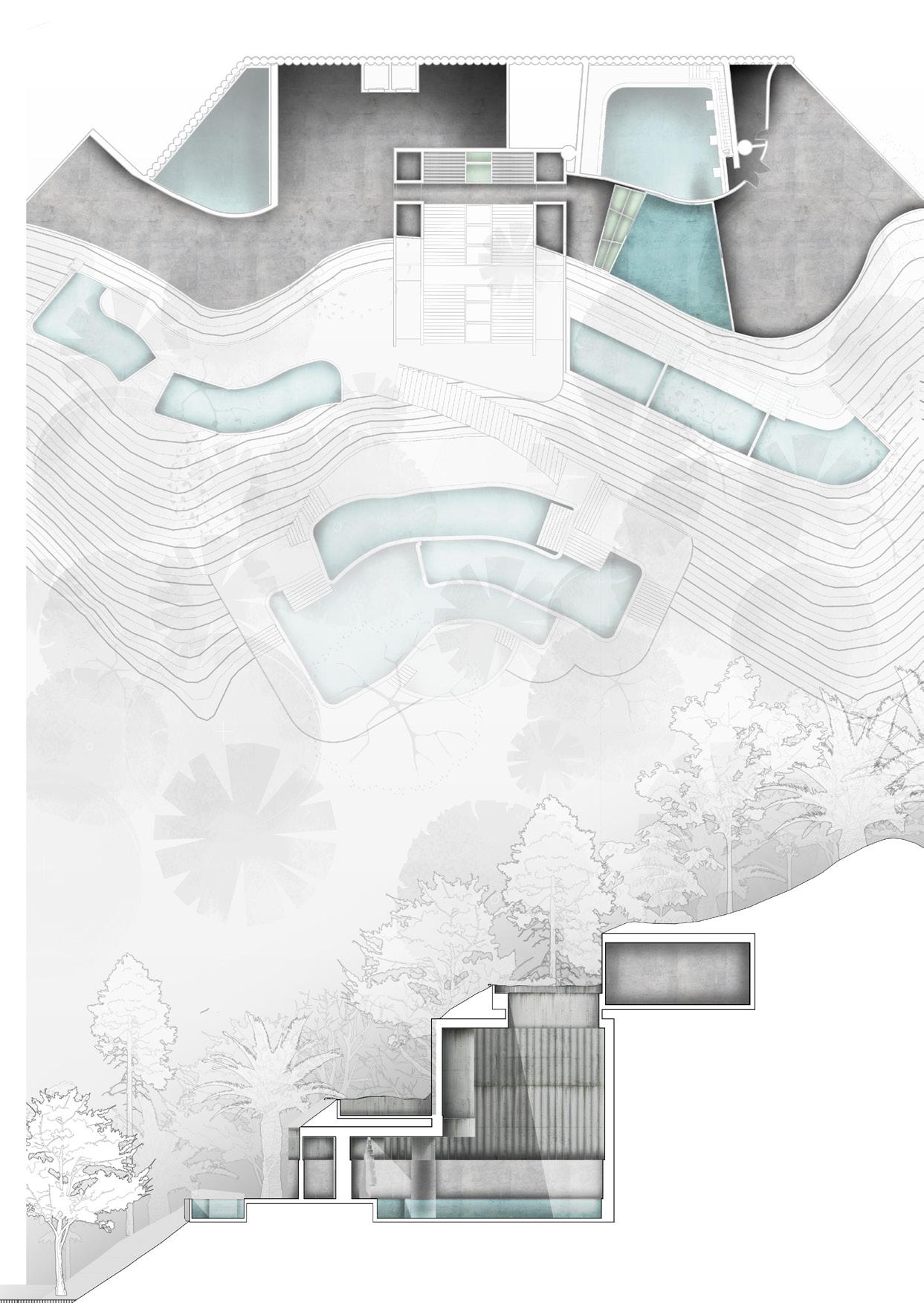
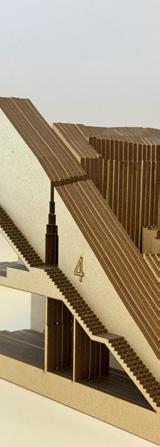
section showing the
Common public pool
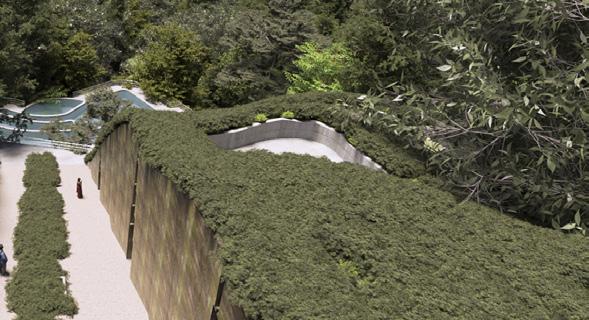
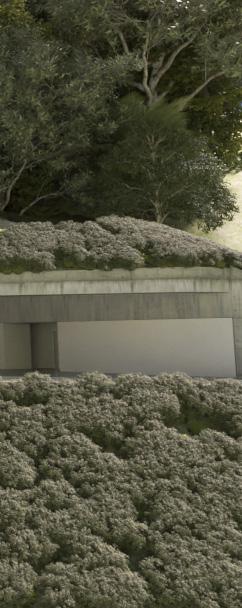
3D elevation(View from across the valley), Highlighting the central staircase being plain ed,reflecting the conecpt of Candi Bentar. The white plain wall on the lowest floor signifies given a smooth finish contrasting to the rough concrete from construction, to the height average human height.
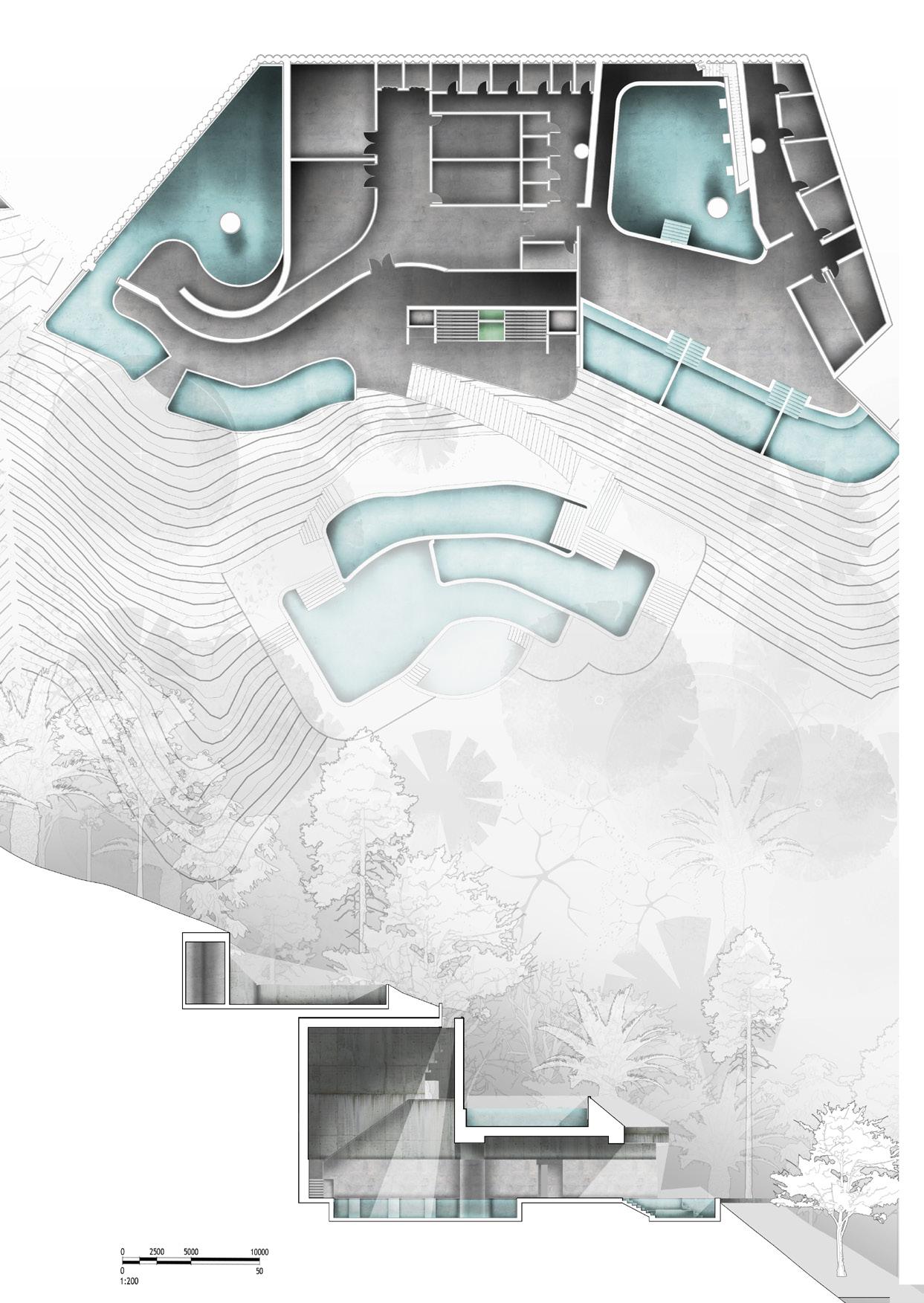
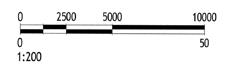
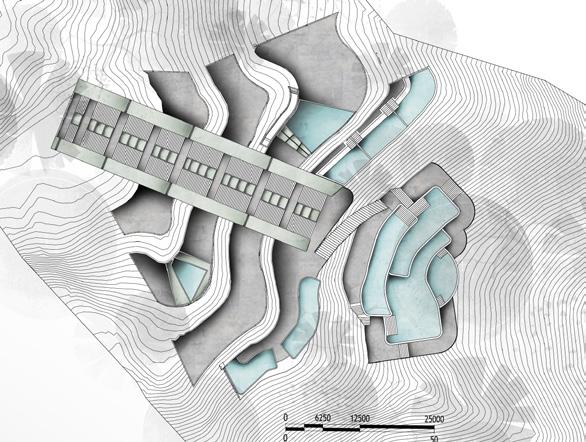
Site plan(Graphical scale provided)
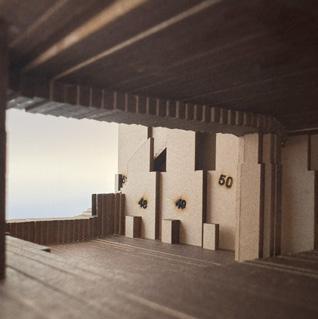
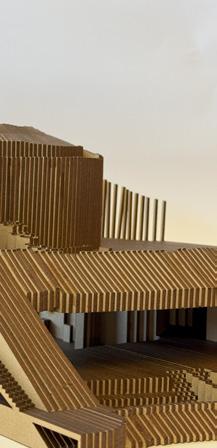
Physical Model shot of the private pool
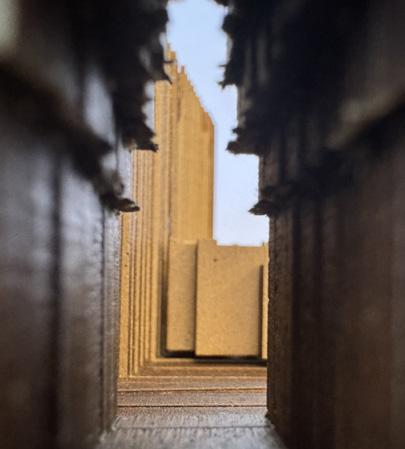
Physical Model shots showing key elements of the structure entrances in the central wall.
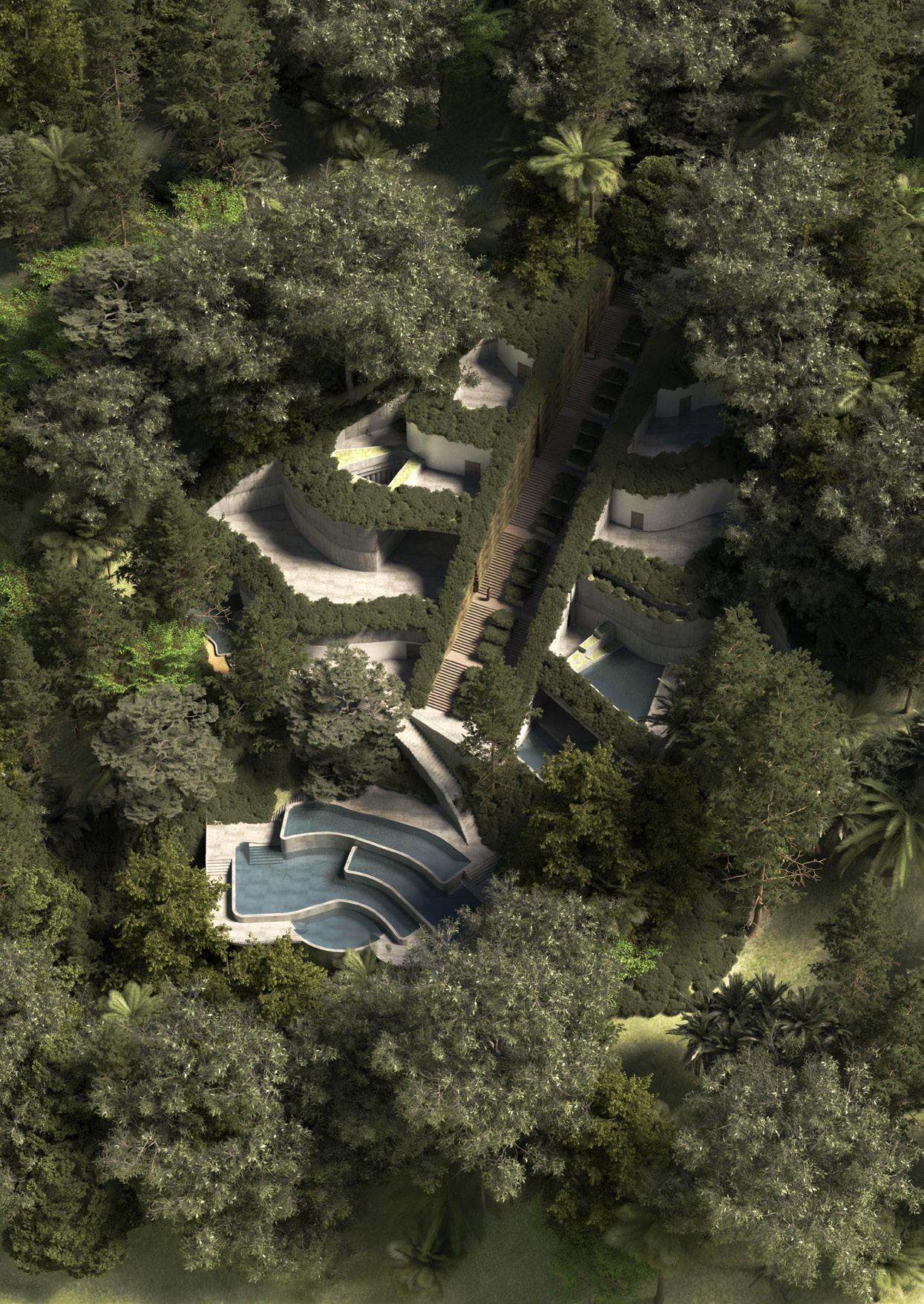
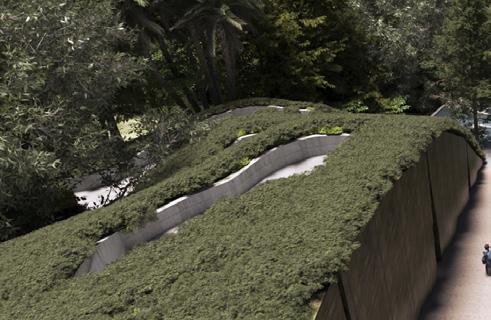
Aerial shot of the central staircase leading to the to the temples.
Orthographic
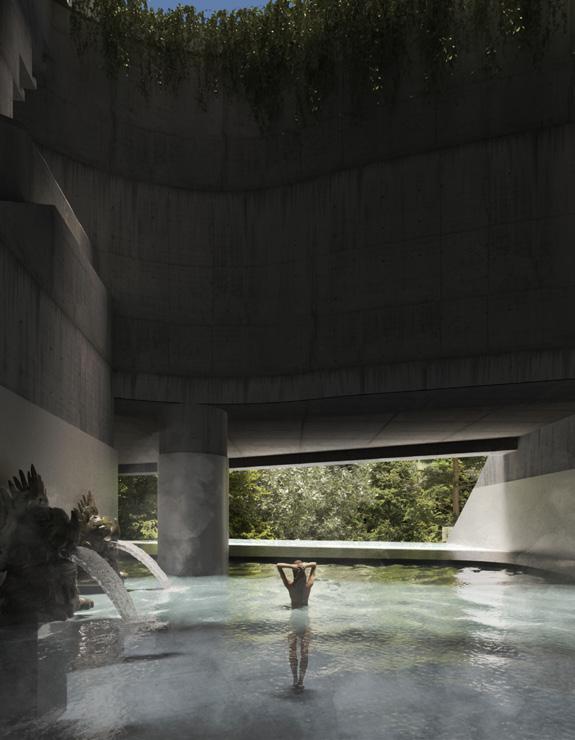
public hot pool, dark interior, bright and lush green exterior, connected by a narrow canal.
plain and not compliactsignifies the walls being height a little more than an
staircase and the common pools, inspired by the stairs in a candi bentar leading
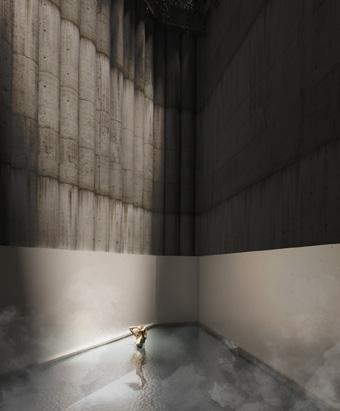
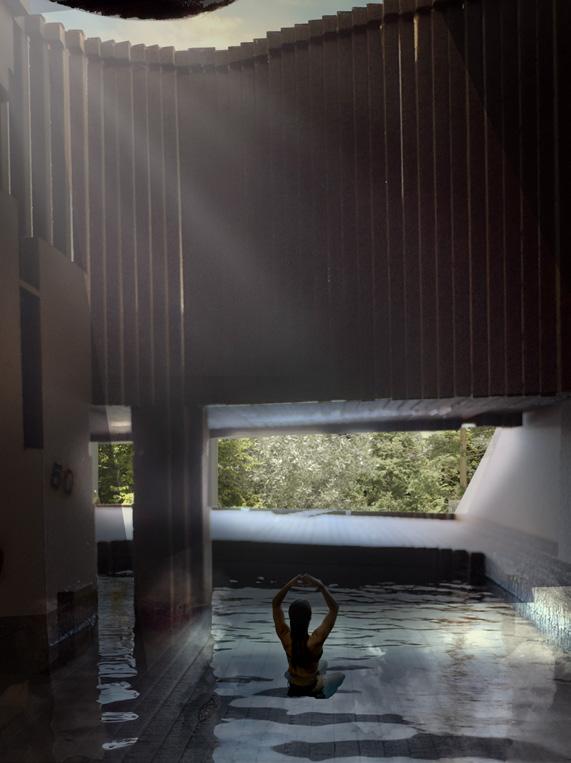
Interior view of the private hot pool
Photograph of a physical model edited to replicate a digital render
Interior view of the public hot pool. Sunlight illuminating the proposed dark interior of the pools can be seen in the render.
Private hot pool
REFLECTIONS AND LEARNINGS
Through this project, I discovered how architecture can introduce something entirely new to an area while still resonating with its cultural essence, as seen in my design’s subtle reference to the Candi Bentar. Additionally, the bathhouse is thoughtfully designed to welcome both locals and tourists, creating a shared space that celebrates Balinese traditions and modern wellness
In the Bali bathhouse project, one of the key learnings was navigating the site’s challenging slope. This required strategic planning to create a seamless flow between levels while maintaining accessibility. The project also emphasized water as a central theme, not just as a functional element but as an aesthetic one, using reflective surfaces and hydrotherapy pools to craft a serene atmosphere. This experience highlighted the importance of creating multi-sensory spaces, and cave-like structures enhanced the user’s connection to the surrounding environment through sound, texture, and light. Together, these insights deepened my understanding of designing spaces that are contextually sensitive, immersive, and experiential.
PROJECT 2 : SOUTH HEDLAND PERFORMANCE ARTS CENTER (SHPAC)
BRIEF
The studio was the development and design of the SHPAC facility and masterplan. It considered in part, the technical requirements for performing arts venue design through functional planning and understand this building type and its role in the community both historically and in contemporary contexts Theatre is the spectacle of illusion, a conceptual leap of faith, the dualism of its design – back of house vs front of house, the crude contraption vs the ethereal, technology vs culture, the real vs unreal.
APPROACH
The goal was to develop an algorithm that could recognise and replicate patterns or flow in the landsape in a unique way, producing a distinct variant of the pattern, by using a common variable
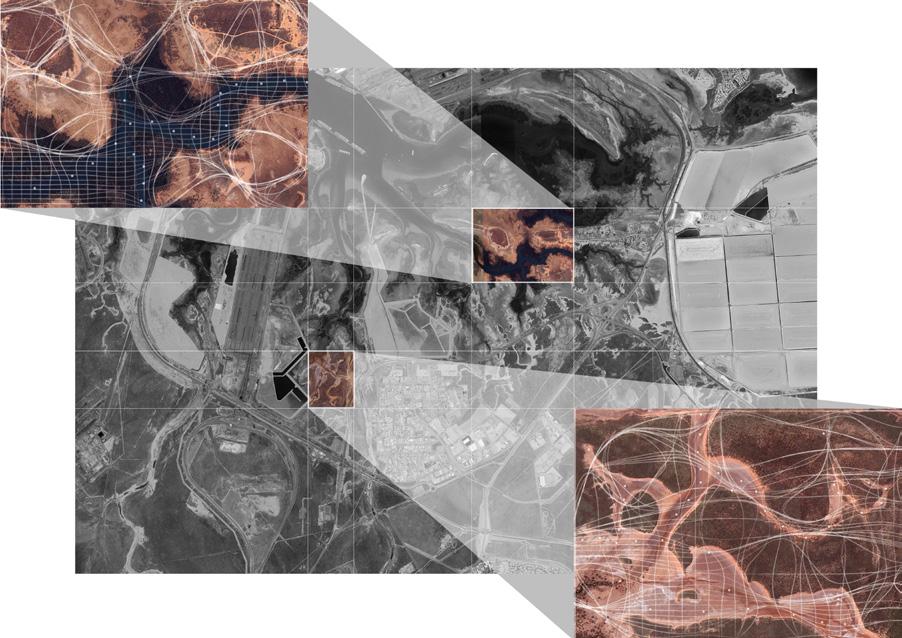
In this case I found that the low points or the drainage points in the site and in the landscape I analyzed. Hence, I defined the drainage points and other low points, according to the site topography to understand or replicate the pattern of these landscapes.
The rationale behind going with a dynamic or more fluid design is that it creates unique, non-repetitive settings. Repeating the same error or experiencing the same problems throughout the outcome is what happens when we apply concepts like grid, radial, or radburn repeatedly; in contrast, non-repetitive and completely diverse areas present a fresh opportunity and challenge each time.
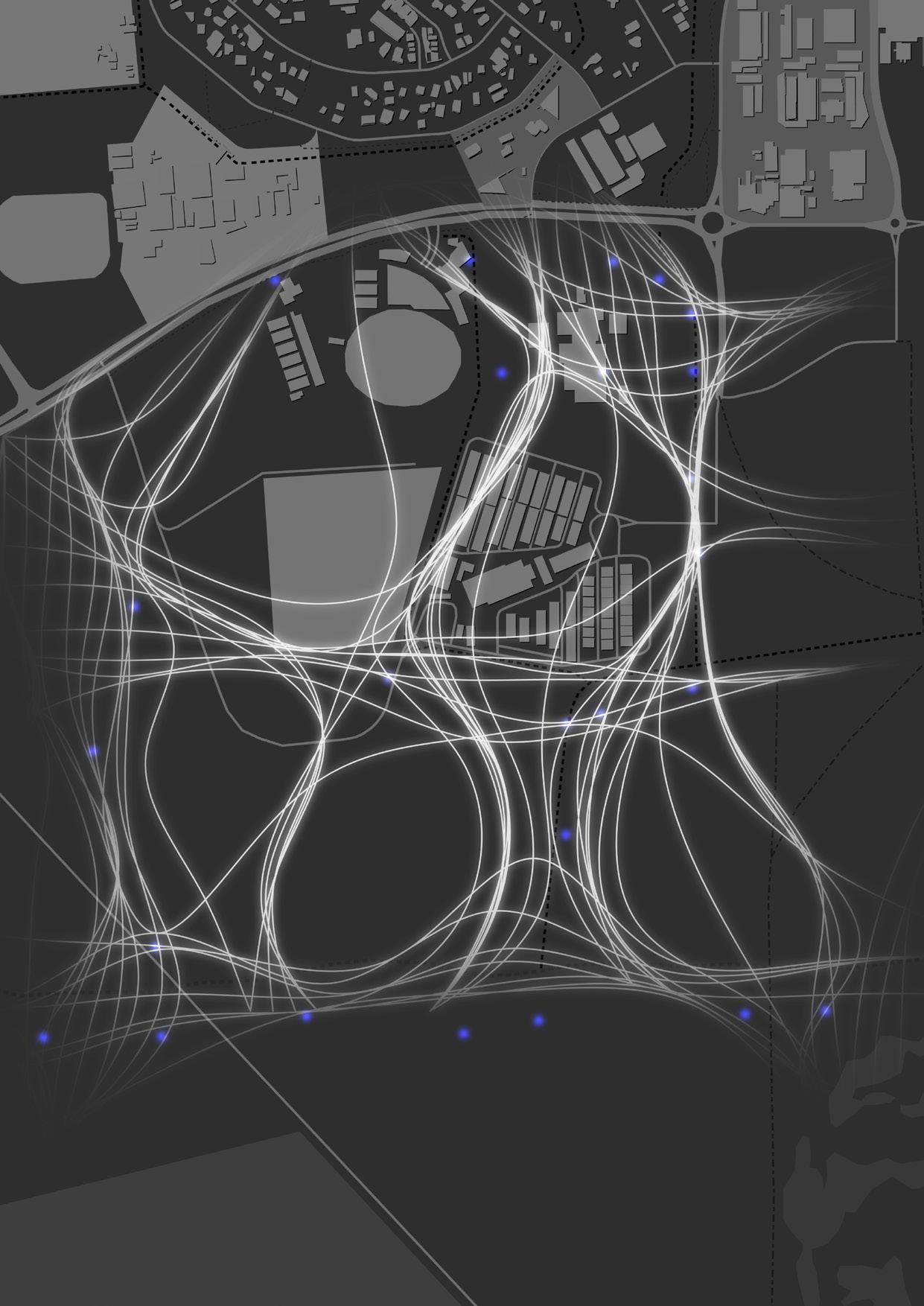
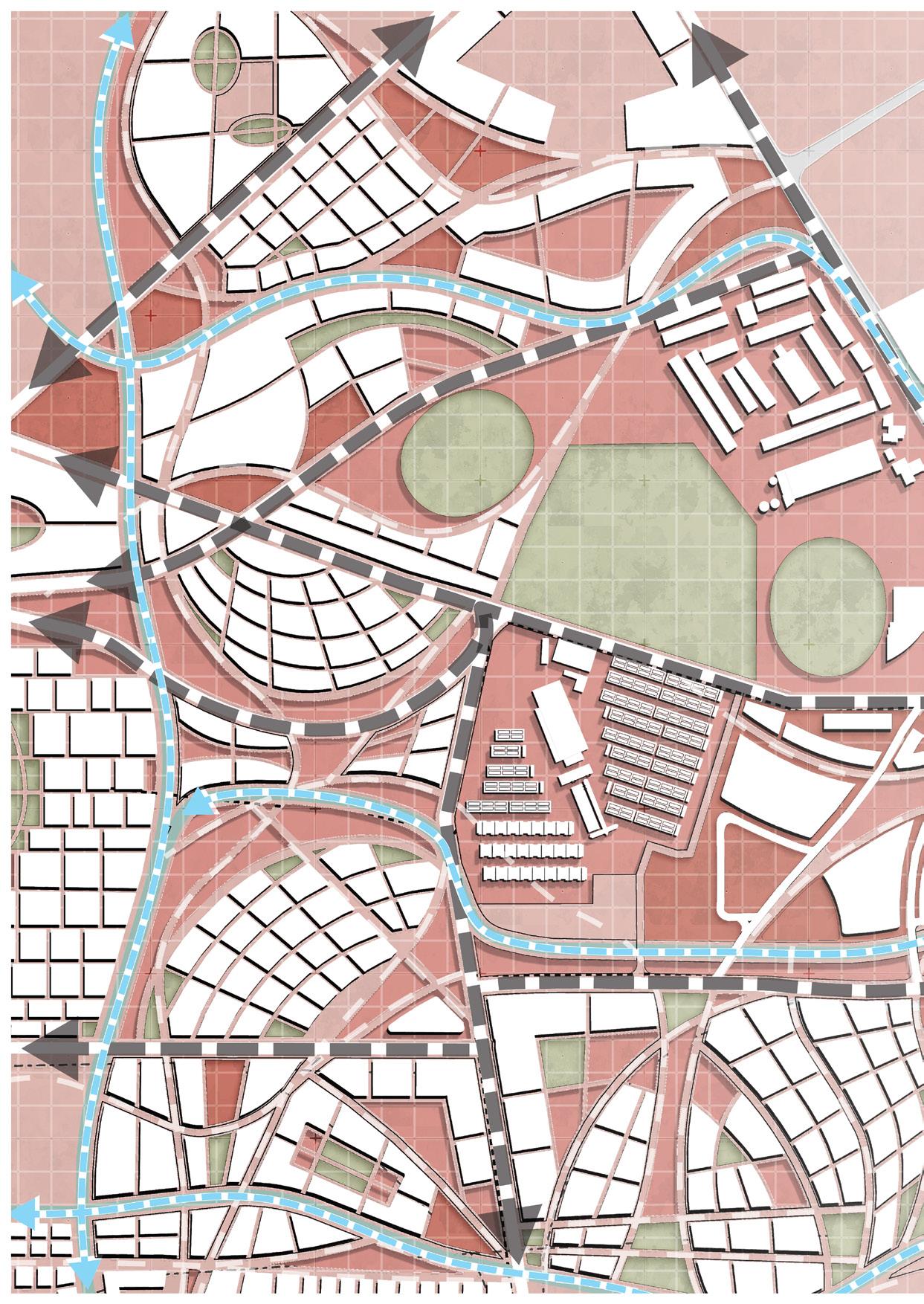
This script was developed in grashopper, by defining the identified points it produces a pattern with help of lines that does not replicate the landsccape pattern but can be seen to follow it and divide it into smaller regions.
The blue dots represent the points in the site with low elevation. These points defined the pattern, as they were the input in the script that generated the line pattern.
There is an exisiting swale that passes near the site acting as a natural drain and leads straight to the ocean. This drain line and the existing drainage system of south hedland are sticthed together, by the lines produced by the algorithm, deriving the masterplan.
Points of the existing natural drain
Valley points on the site
Existing drainage of the city
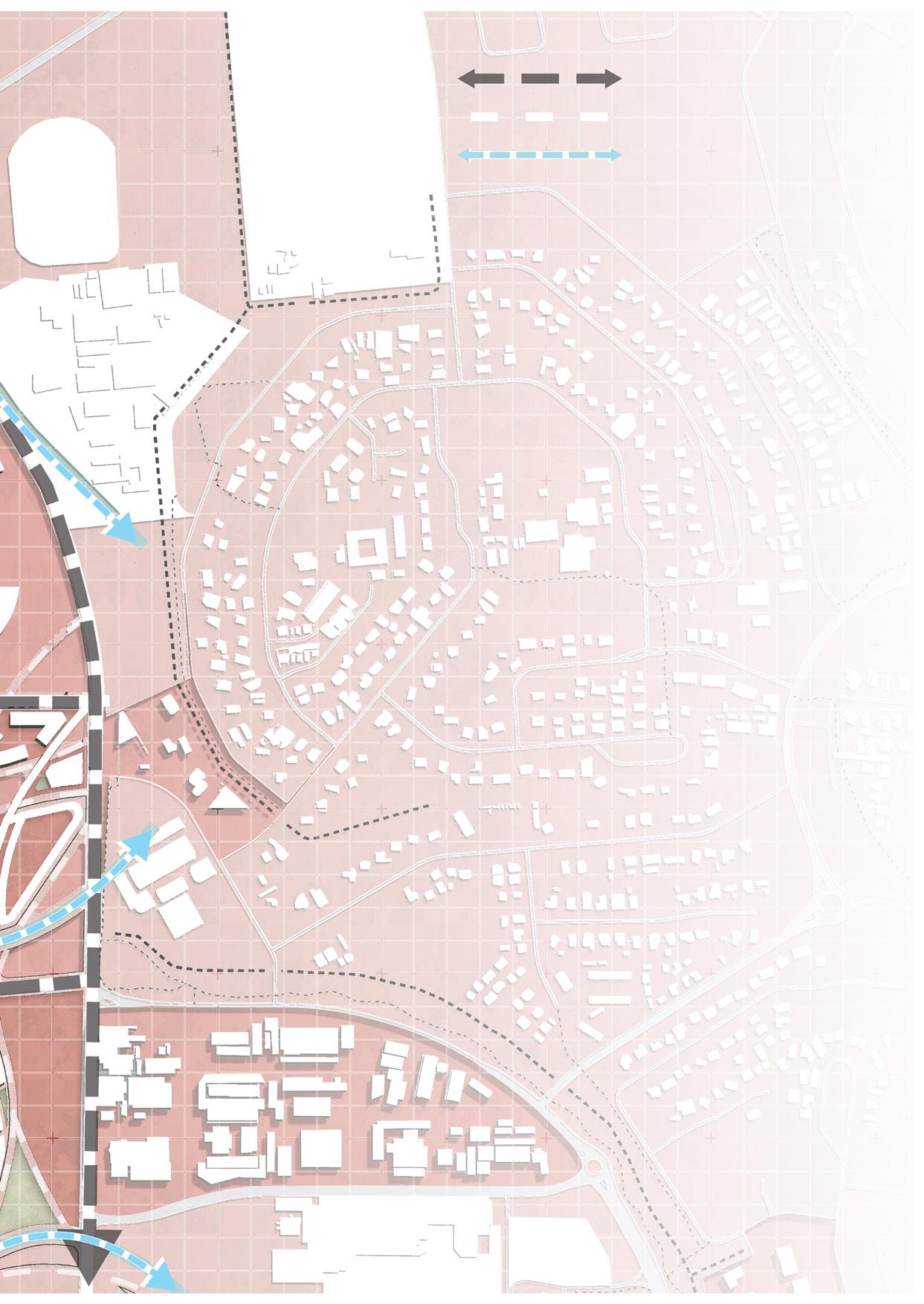
MAJOR ROADS
MINOR ROADS/PATHWAYS
DRAIN SWALE
PROPOSED MASTERPLAN
Location: South Hedland
Latitude: -20.4087°S
Longitude: 118.6020° E
Next step was to eliminate the unnecessary lines and choosing only the most important ones and identifying what the lines represent. Some of the existing feature of the site are retained and used to define the building shapes or the connectivity of programmes.
The BLUE LINES represnt the drain connecting the city’s drains to the existing drainage(marked in the illustration), connected to the ocean.
BUILDING CONCEPT
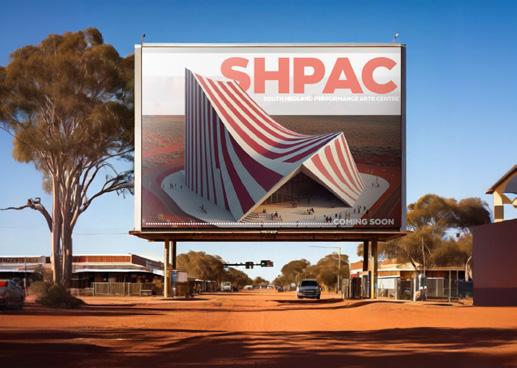
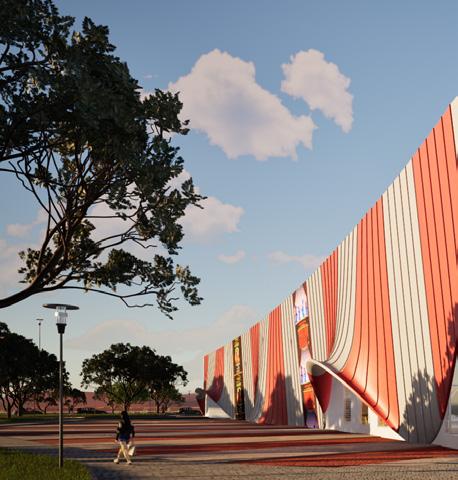
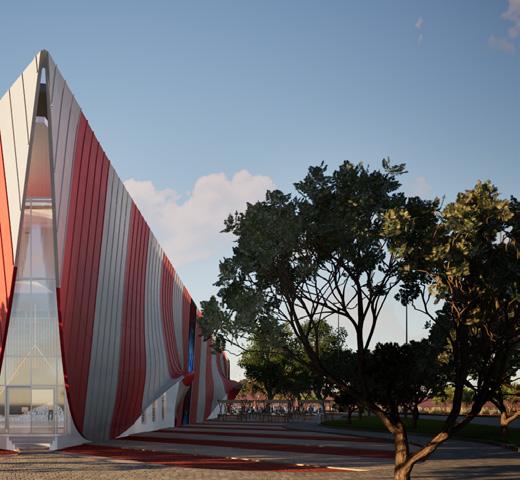
The building’s architecture was influenced by the temporary circus tents, which are among the first known venues for performing arts. Furthermore, when someone thinks of a place like South Hedland, the first thing that comes to mind is circus tents. Thus, the concept behind my project is to transform these transient tents into something permanent, analogous to the temporary industrial or fifo buildings/structures in South Holland that are truly permanent. The tents are abstractly portrayed in the design.
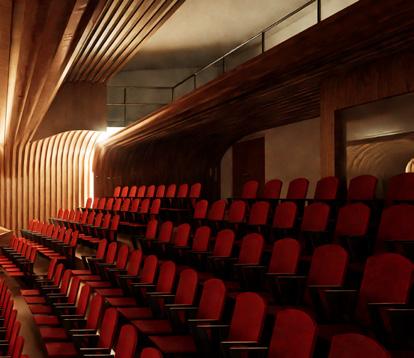
AI softwares were to be used to inspire the building form and design. Microsoft designer, Playground AI and ChatGPT were used to produce this image.
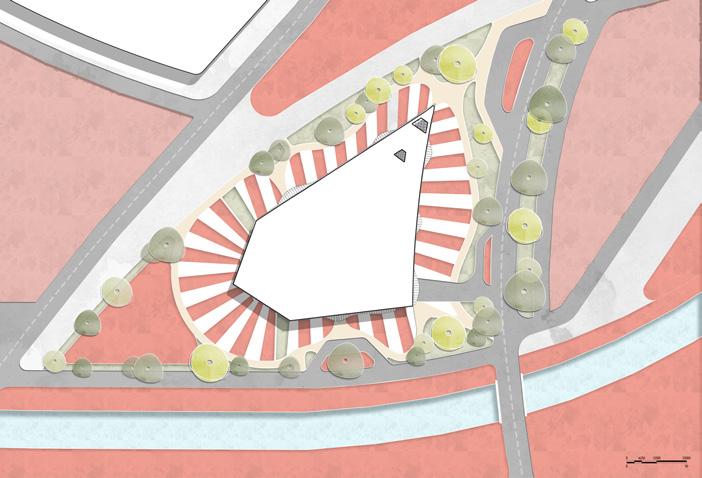
Site Plan(Graphical scale provided)
Perspective of the front elevation
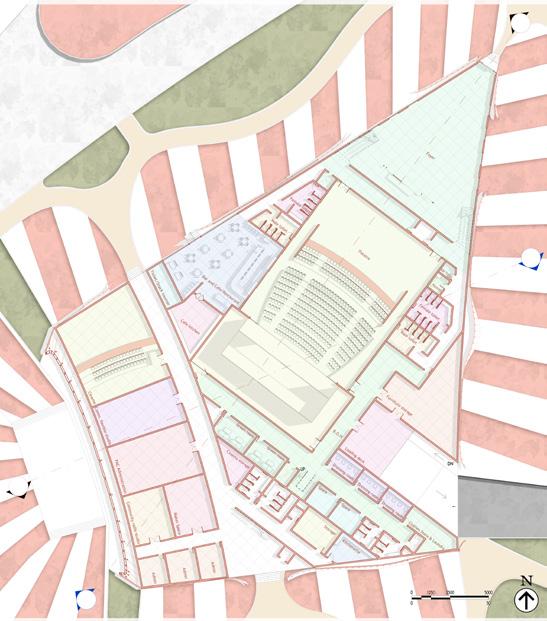
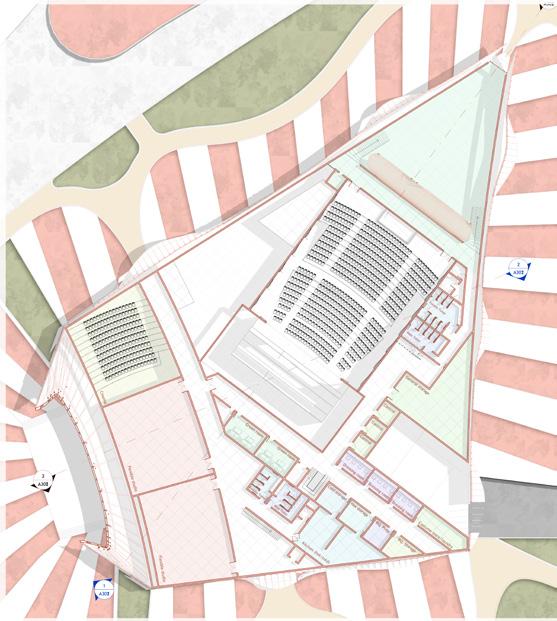
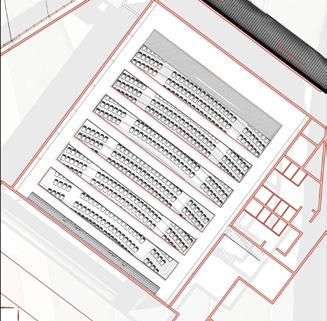
First floor plan
Ground floor plan (Scale provided for both the plans)
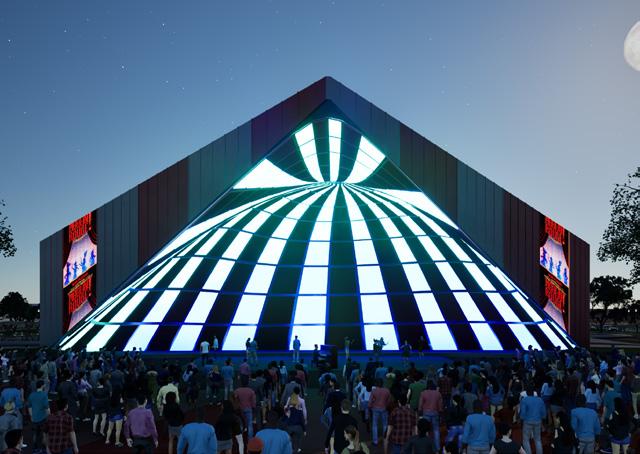
Exterior view of the outdoor live music venue & events space.
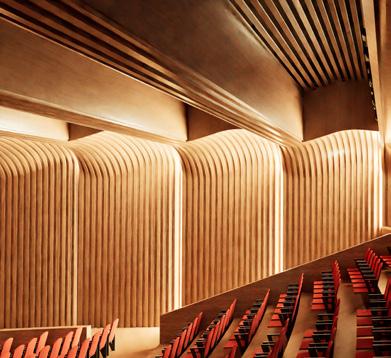
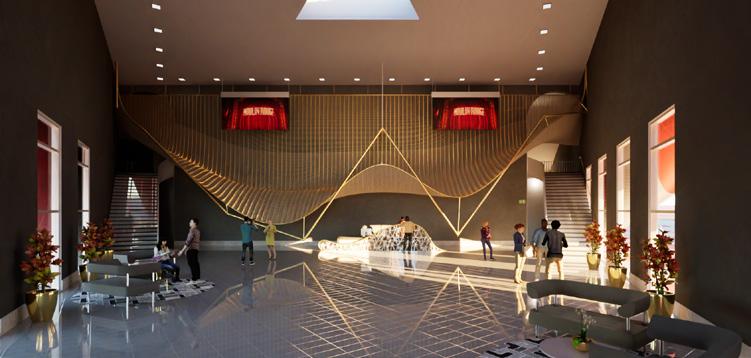
Interior view of the entrance lobby
Auditorium Catwalk plan
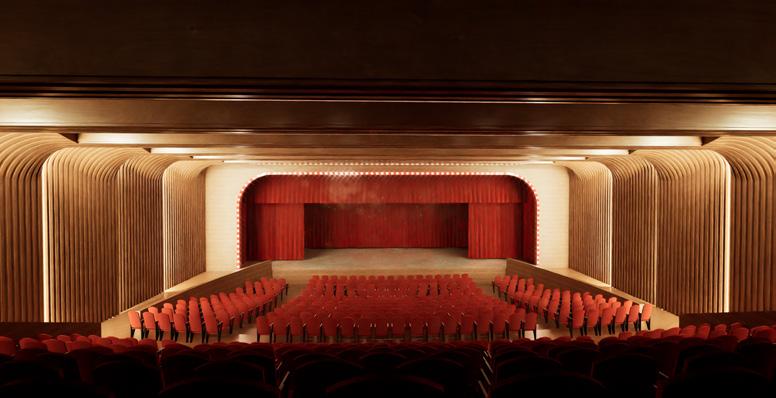
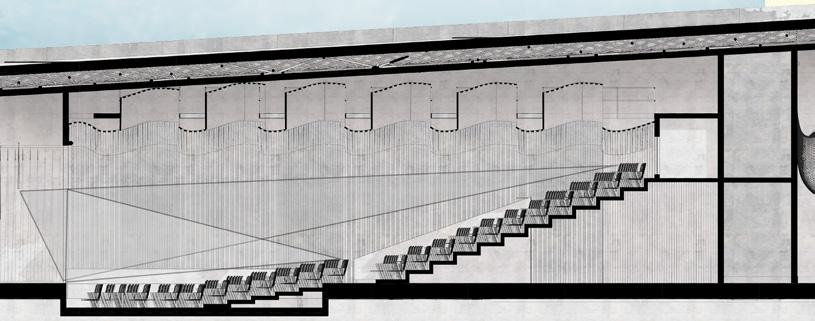
Auditorium section
Section
REFLECTIONS AND LEARNINGS
In this project, utilizing AI was instrumental in developing and refining the concept. I learned how to effectively use AI to translate abstract ideas into visual representations, allowing to articulate my vision more clearly. By prompting AI to generate designs inspired by circus tents, I explored unique forms and unconventional structures, demonstrating how AI can expand creative possibilities in architecture. Additionally, AI significantly streamlined the ideation process, providing diverse design options that could refine further, ultimately saving time and enhancing creativity. This experience highlighted AI’s potential as both a conceptual tool and a source of inspiration in architectural design.
Affordable housing for individuals, couples, and families. Project may restrict itself to this size, or add additional housing, whether subsidised or for sale. Provision of resident parking is optional but not essential. The project is also to include one or more public spacescourt, passage, garden etc. The project is to include one or more additional programs of a community nature- cafe, clinic, childcare centre, etc. The pupose is to address the issue of housing affordability in the context of the reconstruction of the city as a democratic space.
APPROACH
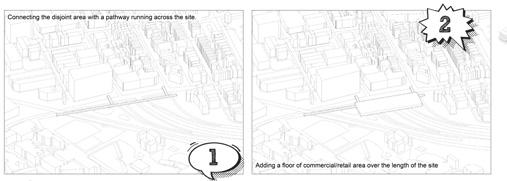
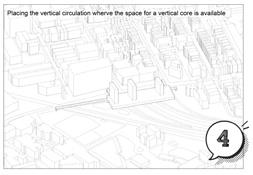
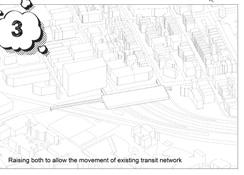
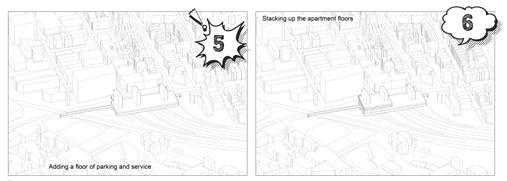
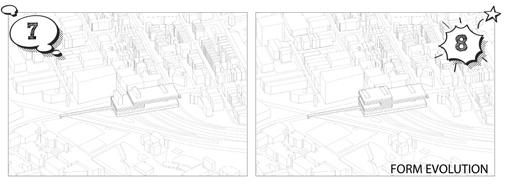
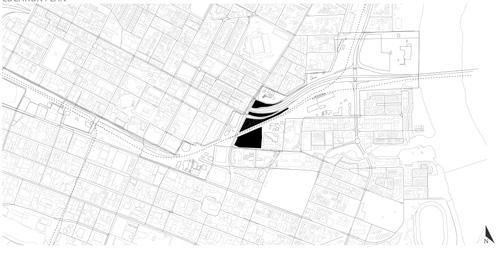
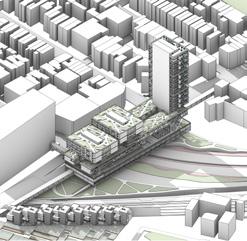
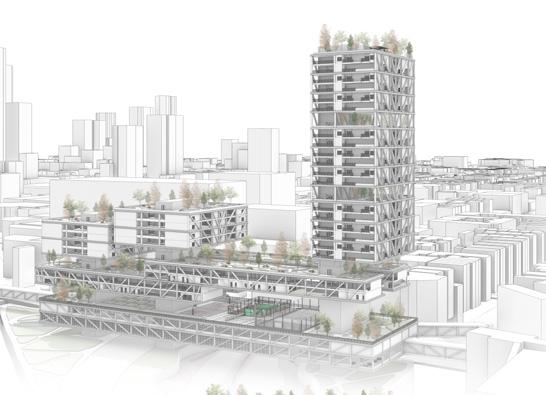
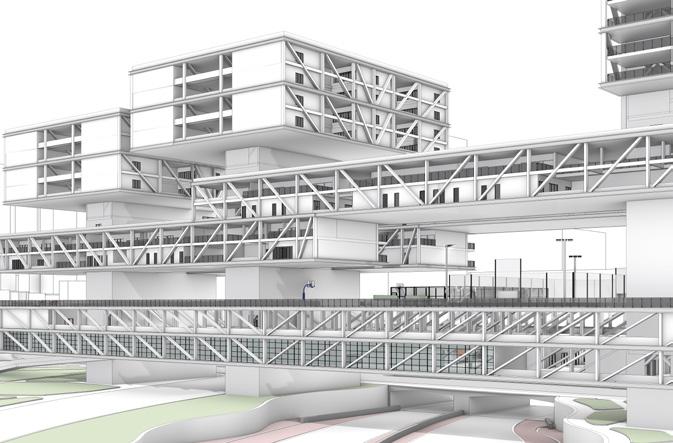
The proposed site has been selected because a real opportunity can be seen there. It was observed that the Graham farmer freeway, Lord street and the train line seperated some important buildings/zones and segregates them, where a connection is needed. Hence, the proposed building will not act just as a housing but a connection connecting the surroundings. The site currently is not being used for any purpose and is available. The proposed building has its own ground level means not much land on site will be occupied
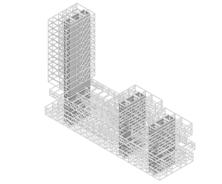
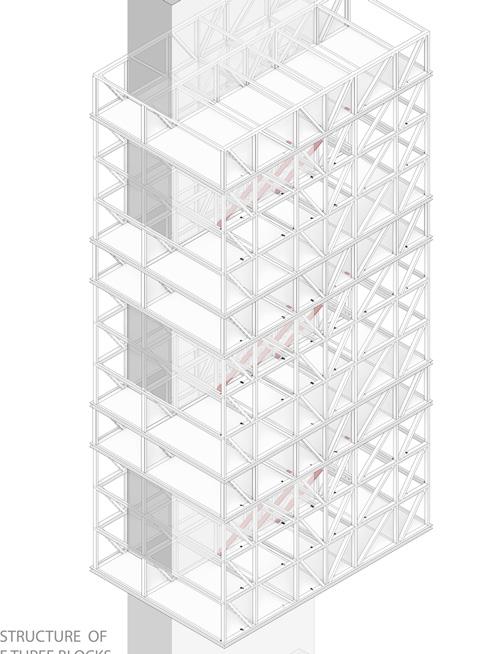
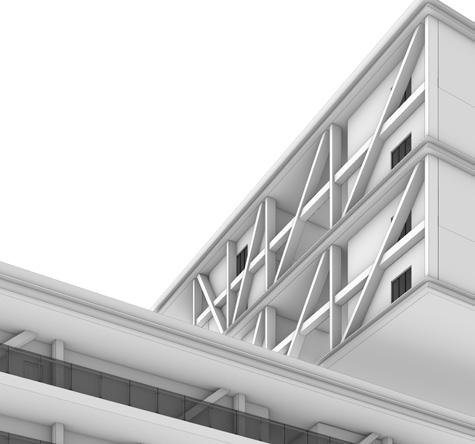
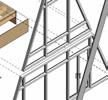
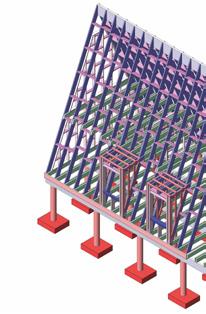
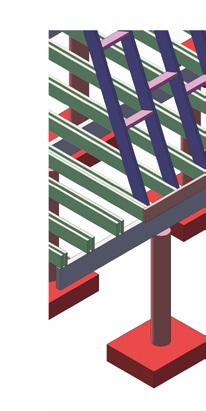
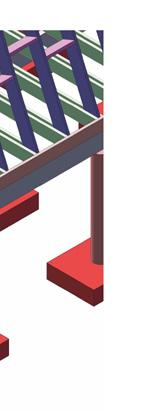
Truss structure of the penthouse floors(highlighting the diagonal bracing in red). The project costs exceeded the budget for affordable housing, so luxury penthouses were added in the upper levels to help cover expenses. These high-rise units are expected to sell at high prices due to their central location, stunning views, and premium amenities.
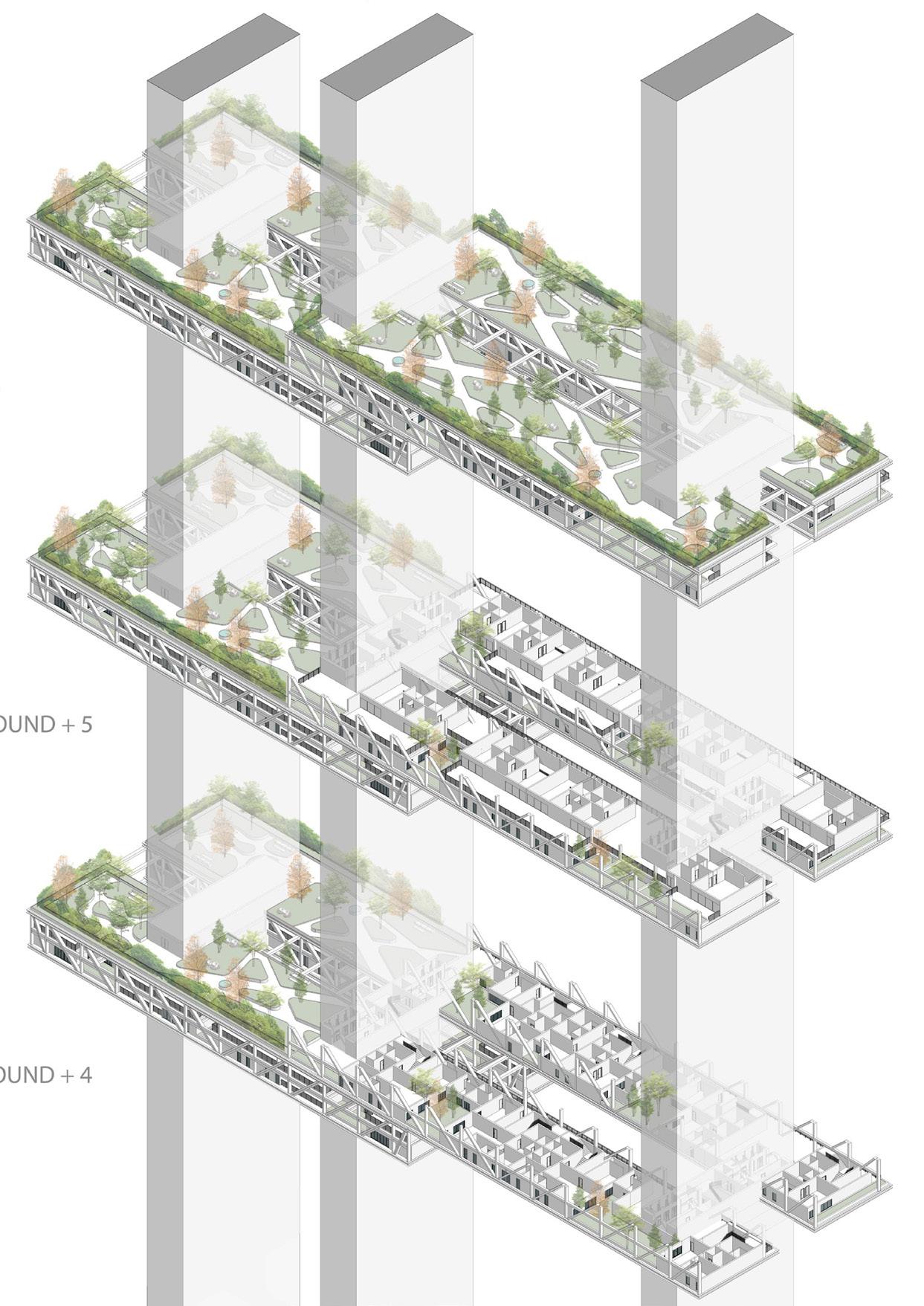
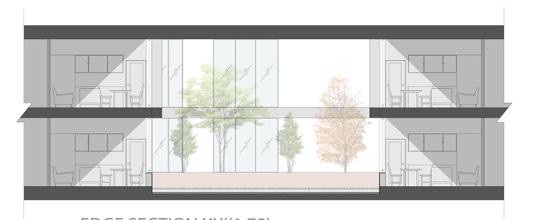
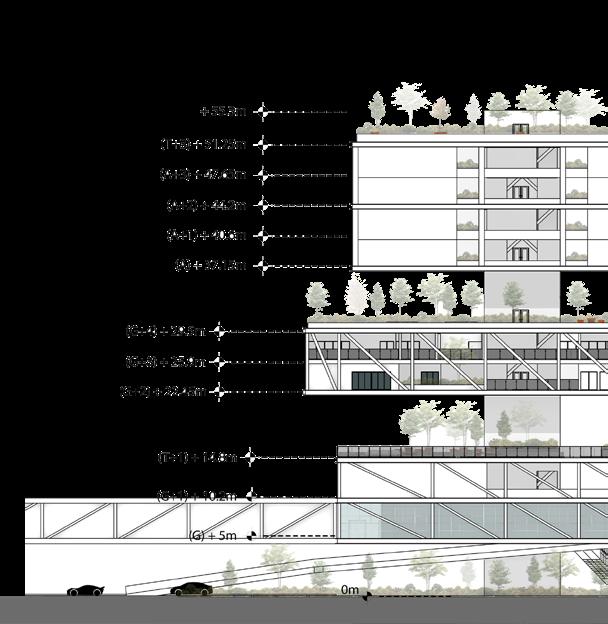
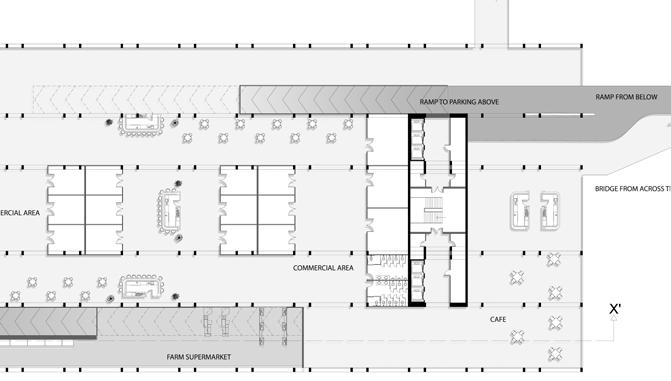
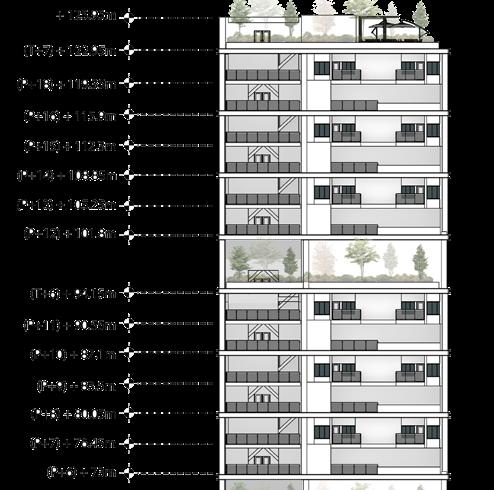
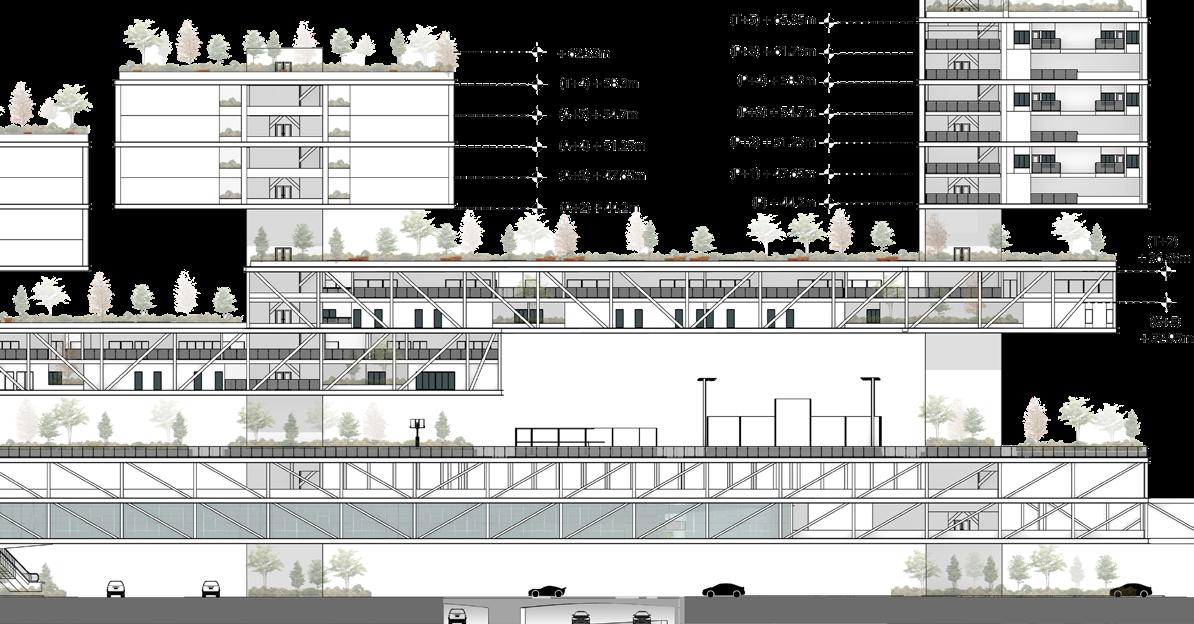
Section of floors A. Illustrates the sunlight access to all the floors and the garden also provides privacy. Elevation. The lower two floors are the communal spaces,
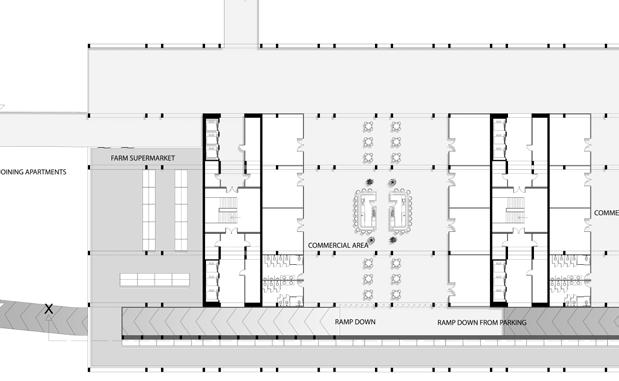
restaurants and supermarket.
Perspective view of the communal floors from the street.
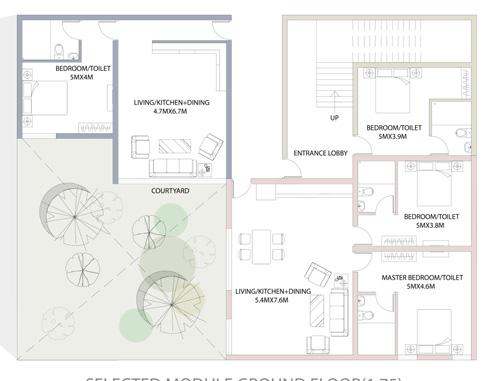
1,2 and 3 BHK module floor plan
G+2-A+5 are the subsidised or low cost housing and rest are the penthouses. The entire project stands over a busy highway.
REFLECTIONS AND LEARNINGS
The primary lesson from this project was addressing the pressing issue of affordable housing in a densly populated area, while overcoming the challenges of a complex site. The location, consisting of three narrow spaces along a highway with a road passing underneath, demanded strategic planning and innovative structural solutions. Incorporating diverse housing typologies posed a significant challenge, particularly ensuring adequate ventilation and sunlight access for all apartments.
Inspired by Le Corbusier’s Unité d’Habitation, it explores how housing can be both functional and self-sustaining. Additionally, Norman Foster’s Hong Kong Bank served as a key reference for the structural design.
PROJECT 4 : ADAPTIVE RESIDENTIAL (MIDLAND, WA)
BRIEF
The difference between 1.5°C and 2°C warming is a critical issue for the planet. The degree to which architects are aware of, or motivated by this difference, is an open question. In any case, given the climate science of the IPCC, what does that say about the way that architects create climate imaginaries and deploy spatial practices? Are the good intentions of the architectural imagination enough? As architects our carbon impact is far greater at work than at home, and the immediate savings are deceptively simple to achieve.
APPROACH
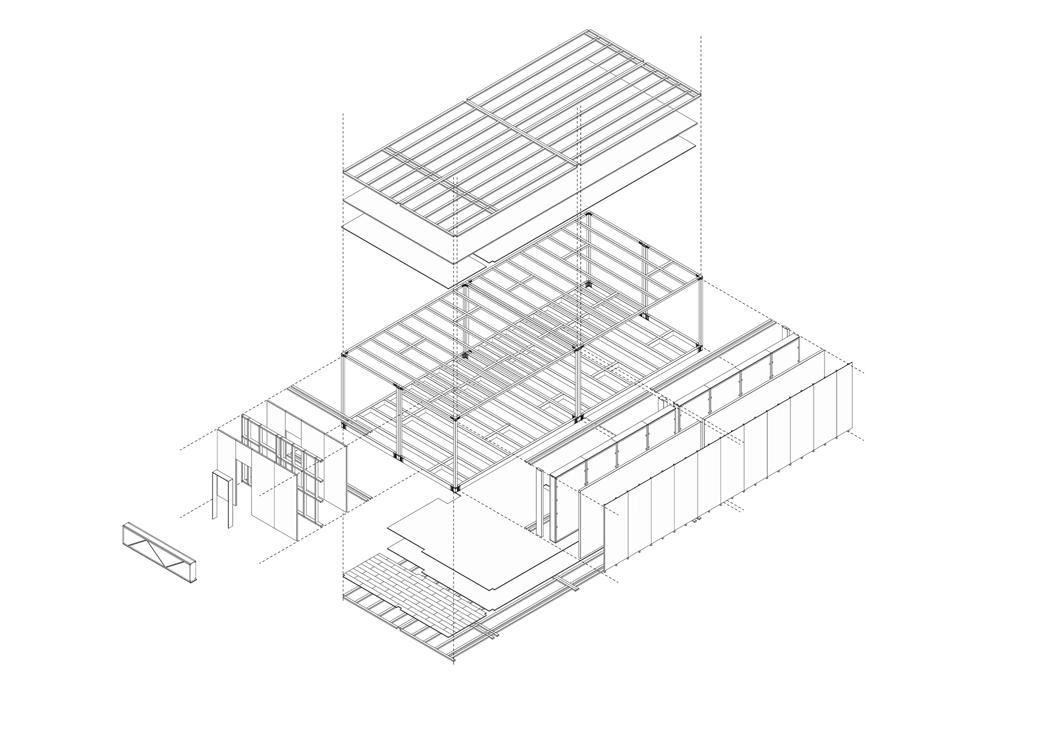
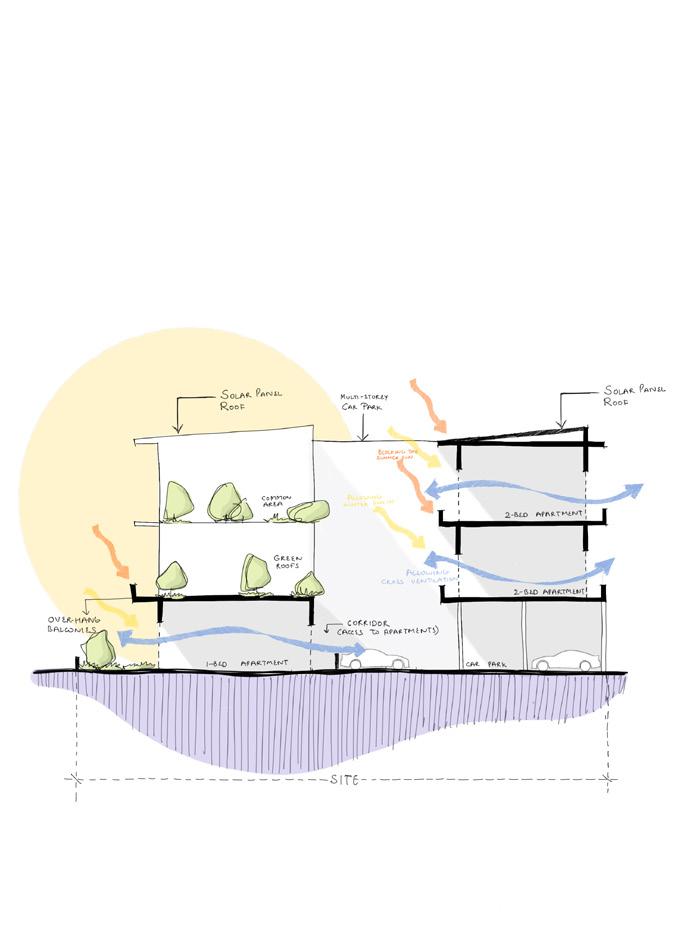
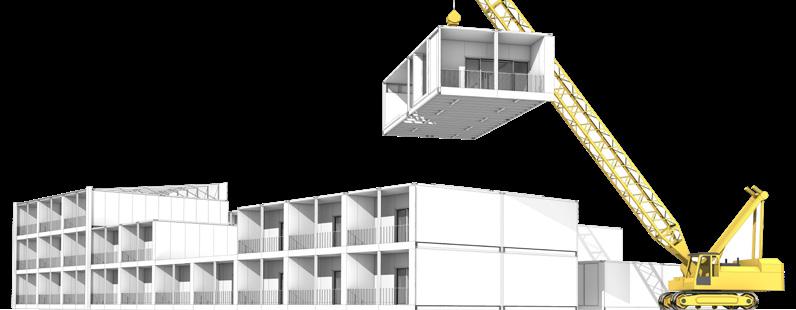
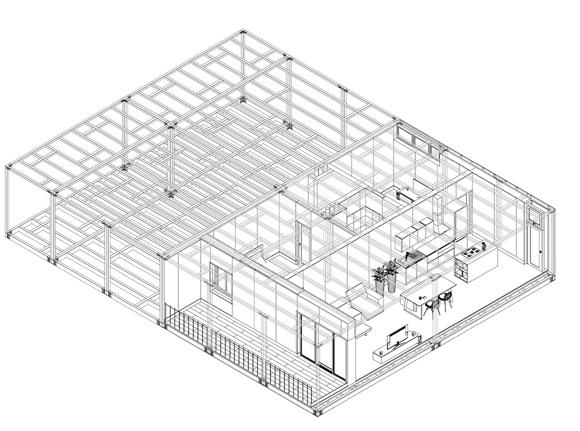
The idea behind this proposal is to construct adaptable and sustainable buildings by utilising strawbale panels and green steel to create modular structures. Because of its modular architecture, areas may be easily expanded or reconfigured to meet a variety of demands.
Green steel is an environmentally friendly substitute for traditional steel since it is not only stronger than any other structural material but also extremely durable with a reduced embodied carbon.
Strawbale balances this off with superior insulation and a lower carbon impact because of its natural nature. The building approach guarantees environmental responsibility and flexibility by mixing these elements.
In this approach, the use of Z modular connections plays a key role in enhancing the flexibility and efficiency of the modular building system. Z modular connections allow the individual modules to seamlessly interlock, ensuring a secure and stable assembly while also facilitating easy disassembly or reconfiguration when needed. This type of connection provides precision alignment between the units, ensuring structural integrity and simplifying the construction process.
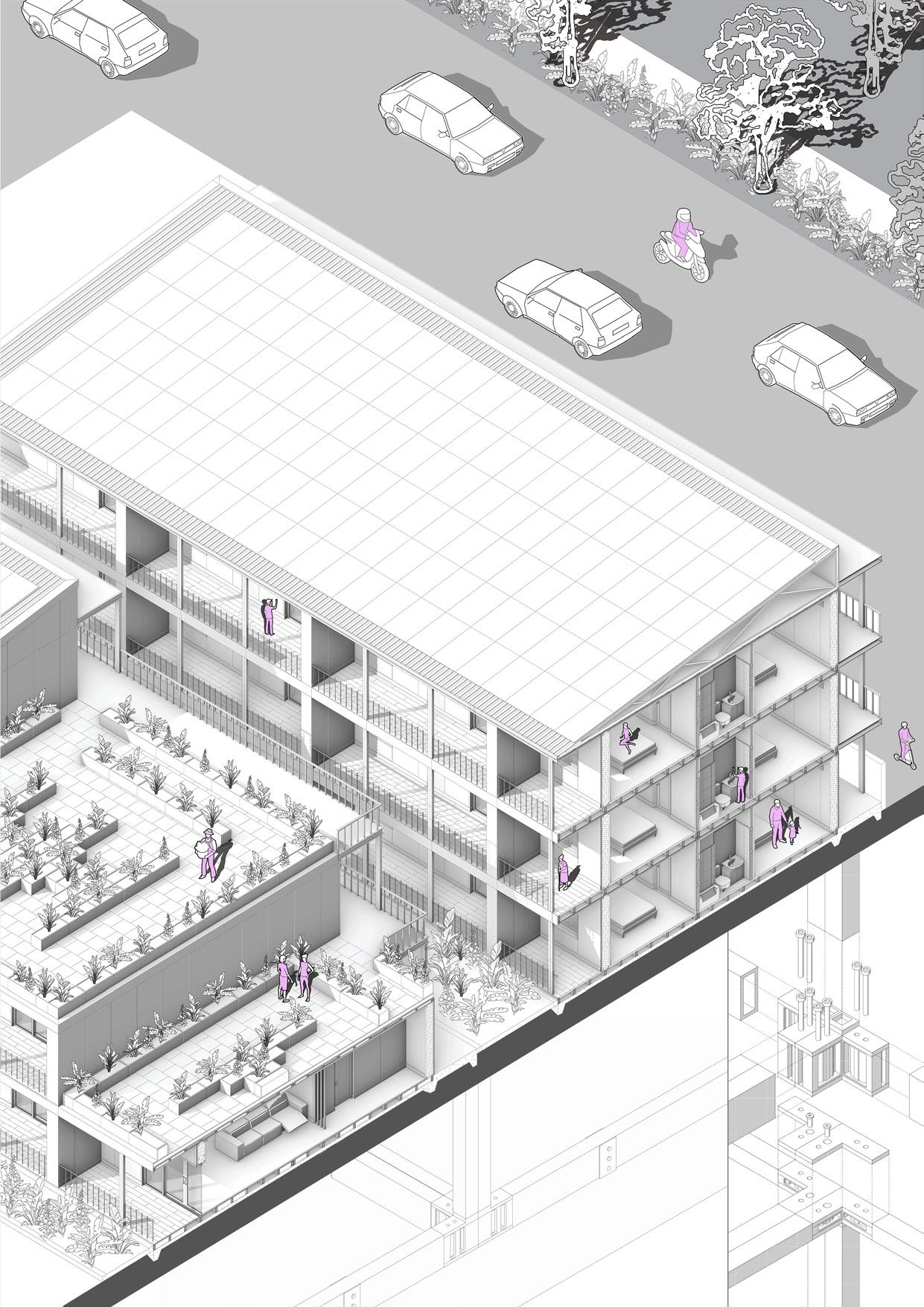
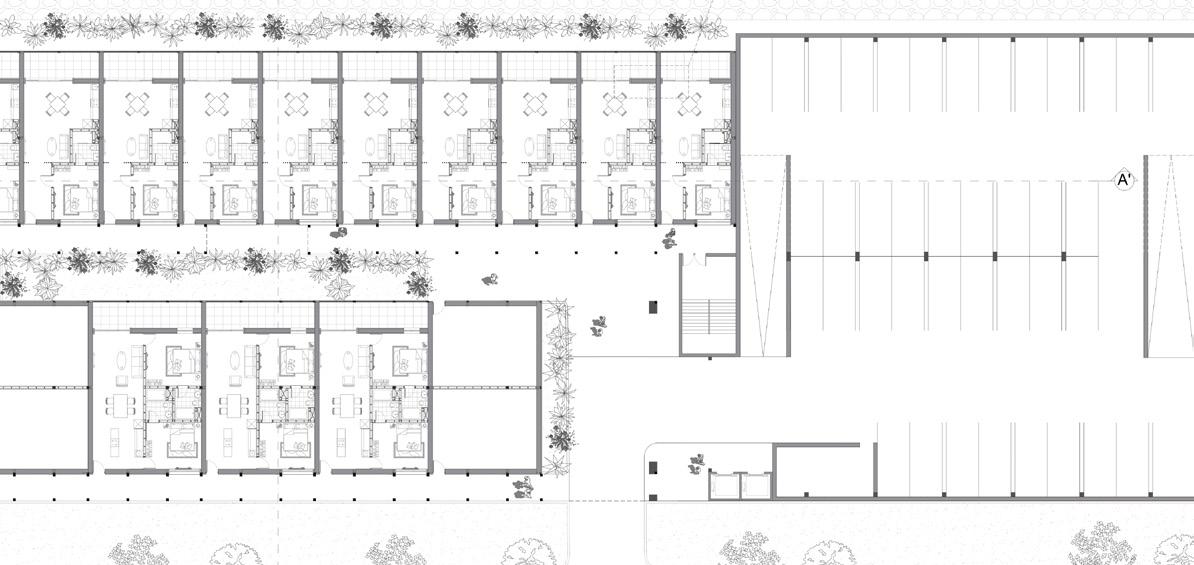
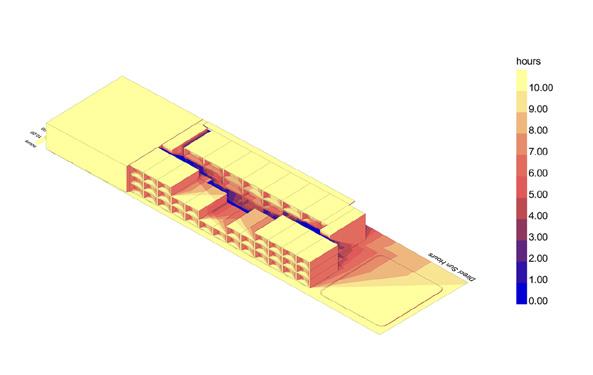
Coneptual Section. The modules are arranged to ensure that all inhabited apartments in the south block receive ample sunlight, while those that receive little to no sunlight are designated for parking. The design prioritizes passive solar principles to enhance efficiency and reduce operational carbon.
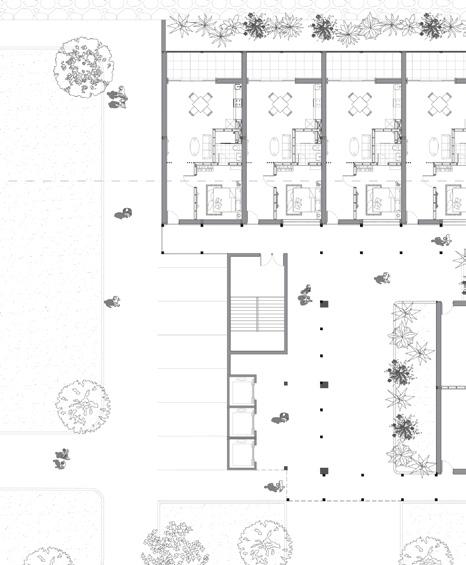
Ground floor plan
Modules are prefabricated and can be assembled at the site and the building can be completed in very less time as compared to the traditional construction.
Floor Plans and Sections of 1BHK and 2BHK apartments. The walls seperating the tooms are strawbale panel walls, which can be diassembled and open the spaces into a bigger space for future adaptibility.
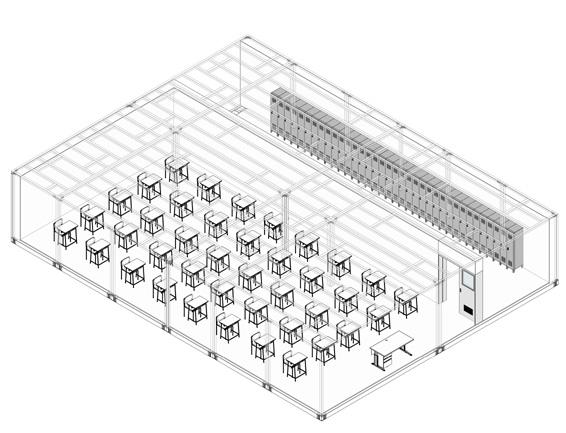
Proposal for future adaptability is turning the apartment complex into a school. Two or more modules can be joined together to form a bigger room such as a classroom. The strawbale panel walls between the modules can be easily removed and the spaces can be combined.
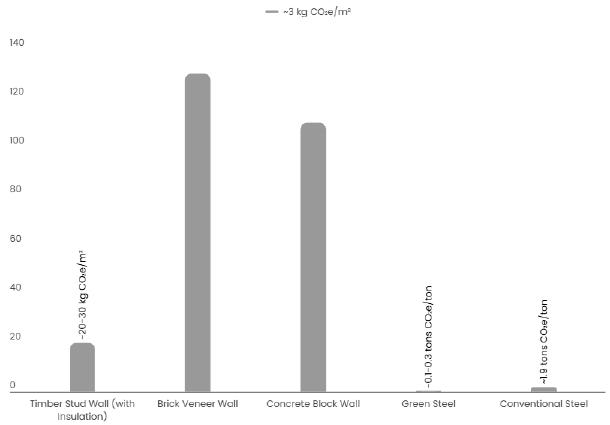
Graph compairing embodied carbon of strawbale and green steel to conventional building materials.
Massing and Sunstudy(using Ladybug for Grasshopper in Rhinocerous 7.0).
REFLECTIONS AND LEARNINGS
This project focused on exploring alternative materials to replace those with high embodied carbon. It was an eye-opener in understanding the impact of both embodied and operational carbon, and how reducing these can make buildings more energy-efficient with a smaller carbon footprint. The Residential Housing Project (EcoCocon) in Eindhoven (Netherlands) was a big inspiration in understanding and planning for modular buildings.
This project not only deepened my understanding of embodied carbon and its impact but also introduced me to innovative materials in the industry that serve as excellent replacements for conventional ones. It expanded my knowledge of sustainable practices, increasing my awareness of the ongoing fight against climate change and highlighting practical ways to contribute to this critical global effort through architectural design.
Unit - Project Implimentation and Documentation (Sem 2,2023)
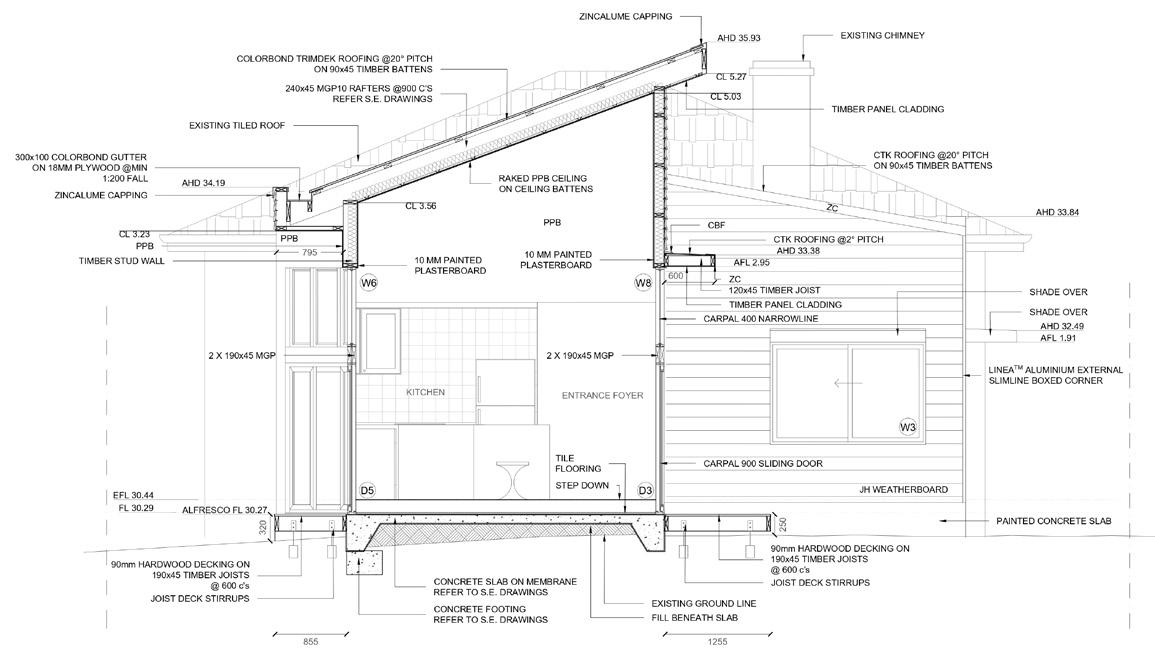
This project aimed at learning and producing drawings sent for DA for a residence. The task was to submit a proposal for alterations and additions to the existing building.
Unit - Building Information Modelling (Sem 1,2024)
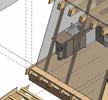
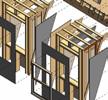
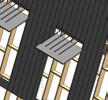
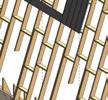
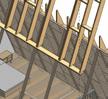
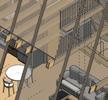
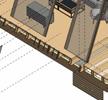
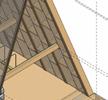
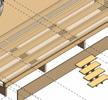
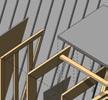
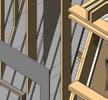
This project focused on mastering Revit—from 3D modeling and 2D drafting to keynoting and complete project documentation. Dynamo was also used to model some of the components of the structure.
Unit - Photo Real Rendering (Sem 2,2023)
This focus of this project was to learn modelling environments in 3ds max and produce photo real renders using Vray in 3ds max , inspired by photography style of acclaimed photographer of choice(BOYSPLAYNICE).
Unit - Architectural Technology, Services and Services (Sem 1, 2023)
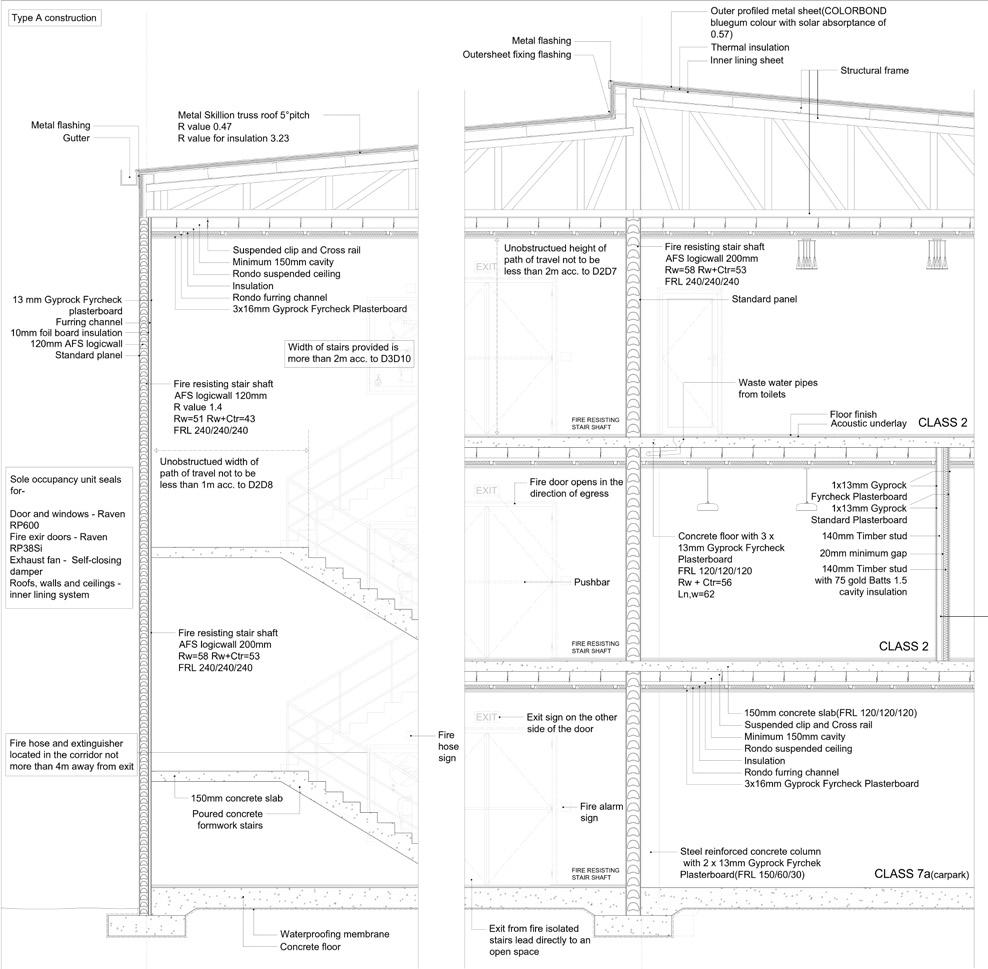
Aim of the project was to firstly identify the project based on NCC, and check for compliance. Next step was to modify a section of the project to ensure compliance with the NCC standards.