President & CEO Chris Chastain
Contributor:

When outdoor temperatures drop, electricity use naturally rises. Colder weather drives us indoors, where we rely more heavily on home heating systems, more lighting and household appliances. Heating systems run longer and more frequently to maintain comfortable indoor temperatures. Combine that with the fact that most people use electricity at the same times, typically in the morning and early evening, and the result is significant pressure on our electric grid.
RushShelby Energy works closely with Hoosier Energy, our local generation and transmission (G&T) cooperative, to plan for these seasonal weather patterns and changes and ensure you have reliable power every day of the year. This partnership involves detailed resource and infrastructure planning to ensure electricity is available when you need it. However, it’s important to remember that our local system is part of a much larger regional and national electric grid.
During the winter months, when homes and businesses across the country are using more electricity simultaneously, overall demand can approach or occasionally exceed available supply. This is especially true during severe weather events, such as ice storms, sudden temperature drops or equipment malfunctions that reduce generation capacity. In rare cases when demand threatens to outpace supply, the regional grid operator may call for temporary, controlled outages, often referred to as rolling blackouts. This is done to prevent broader system failures. If such a situation arises, RushShelby Energy will provide timely updates and information to members.
To prepare for these scenarios and minimize risks, RushShelby Energy and Hoosier Energy take proactive measures to strengthen reliability year-round. These include routine system maintenance, smart thermostat programs, investments in grid modernization and comprehensive disaster response planning. These proactive steps are designed to ensure our portion of the grid remains resilient even under extreme conditions. Yet, maintaining a reliable electric system requires a collective effort and every member plays an important role in lowering demand when the grid is under stress.
You can help by taking simple actions during periods of high electricity use, especially on the coldest days of winter:
• Lower your thermostat slightly. Even reducing the temperature by a few degrees can help.
• Delay using large appliances during peak hours, which are mornings when most people are getting ready for work and school and the afternoon and evenings when most are getting home from work. Run dishwashers, washing machines, and dryers during off-peak hours typically midday or late evening.
• Adjust your water heater. Setting it to 120 degrees F and spacing out showers helps conserve both energy and hot water.
• Unplug unnecessary devices. Power used for lighting and electronics adds up and accounts for a significant portion of home energy use. Disconnect unused items to reduce energy waste.
Understanding how winter weather impacts electricity demand, is key to maintaining system reliability. By practicing simple energy conservation habits at home, you not only save money on your monthly bill, you also help strengthen the resilience of the grid that powers our community. Together, through small actions and shared awareness, we can ensure our homes remain warm, our lights stay on, and our local grid continues to serve us reliably throughout the season.
Electric cooperatives are unique among utility providers. As member-owned, not-for-profit organizations, our goal is to help you use electricity as affordably as possible while remaining deeply rooted in the communities we serve. RushShelby Energy's new Connect to Save program, starting this month, brings those values together in one simple, impactful way.
Many factors outside the cooperative’s and our members’ control can cause electric rates to rise. One of the most significant is peak demand, which can lead to higher costs, strain on electric infrastructure, and even rolling blackouts. Peak demand occurs during an “energy rush hour,” when the combined electricity use of homes and businesses exceeds what the power grid can comfortably supply. This most often happens during periods of extreme heat or cold, when heating and cooling systems are working overtime to maintain indoor comfort.
The good news is that even small actions can make a big difference. Adjusting your thermostat by just a few degrees during these peak times helps reduce strain on the grid and keeps costs down for everyone.
Through Connect to Save, RushShelby Energy is given limited access to participating smart thermostats. During times of high demand, an adjustment event may occur, temporarily making minor temperature changes to help balance electricity use across the system. Smart thermostats are adjusted by no more than four degrees, and events last no longer than four hours. You always remain in control. If you feel uncomfortable during an adjustment event, you can change your thermostat settings at any time, and no further adjustments will be made until the next event.
The program currently supports several popular smart thermostats, including Ecobee, Google Nest, Sensi, and Honeywell TCC. As a thank-you for participating, RushShelby Energy offers a one-time $75 incentive per enrolled device, along with a $25 annual incentive per device.
To learn more or enroll, open the settings on your thermostat or its mobile app. You may also contact our office at 765-544-2600 and ask for Jeremy Bohn with any questions. Together, we can reduce peak demand, strengthen our electric system, and keep power affordable for our entire cooperative community.
RushShelby Energy is committed to helping our members use energy wisely, lower bills, and invest in home improvements that deliver long-term value. Making energy-efficient upgrades can have a meaningful impact on both comfort and affordability. That’s why RushShelby Energy, with the support of Hoosier Energy, offers a variety of rebate programs designed to help offset the cost of qualifying upgrades.
Members may be eligible for rebates on several energy-efficient improvements, including heating, ventilation, and air conditioning (HVAC) systems, heat pump water heaters, electric lawn equipment, and HVAC tune-ups. These upgrades can improve overall efficiency, reduce energy usage, and help homes operate more reliably throughout the year.
To better serve our members, rebate forms have recently been updated to make the application process simpler, clearer, and easier to complete. The streamlined forms help ensure faster processing and make it easier for members to understand eligibility requirements and receive money back on qualifying improvements.
Please note that rebates are available for permanent residences, occupied year-round. Applications for eligible upgrades can be submitted through December 11, 2026, giving members plenty of time to plan projects and take advantage of available incentives.
If you are considering an energy-efficient upgrade or would like more information about current rebates, RushShelby Energy is here to help. Members can contact Jeremy Bohn with questions or visit www.rse.coop/energy-savings/rebates/ for full program details, eligibility requirements, and rebate forms. You can also scan the QR code to the right, which will take you directly to our Rebate page.
By taking advantage of these rebates, members can reduce upfront costs, improve home comfort, and make smart energy choices that pay off for years to come—while helping RushShelby Energy continue its mission of powering communities efficiently and responsibly.

Cold weather can put a strain on more than just your comfort level — it can also take a toll on your heating system and monthly energy bills. As temperatures drop, your home has to work harder to stay warm, and even small inefficiencies can lead to wasted energy and higher costs. It’s no secret, winter can be tough on more than just your driveway and your patience — it’s a frigid fact that you simply use more energy during cold weather.
When outdoor temperatures fall, your heating system runs longer and cycles more often to maintain the same indoor temperature, even if you don’t change your thermostat setting. Over time, that extra workload adds up. And while many people associate higher winter bills with electric heat, gas heating systems aren’t immune either. Gas furnaces still rely on electricity to power fans and distribute warm air throughout your home, meaning electric usage often increases in winter regardless of how you heat your space.
If your bill looks a little higher this month, you’re not alone. It doesn’t necessarily mean you’re doing anything differently or using more energy intentionally — sometimes winter simply asks your heating system to do a lot more work.
That’s where winterizing your home comes in. Winterizing isn’t just about staying cozy; it’s about preventing energy waste, protecting your home’s systems, and preparing for extreme weather. Taking small steps can make a big difference. Simple, practical actions like the ones below help prepare your home for winter and improve efficiency, reduce energy use, and keep heating costs manageable throughout the coldest months of the year.
Small air leaks around windows, doors, and entry points can add up to big heat loss. To minimize leaks, use weather-stripping around doors, apply caulk around drafty window frames, check for gaps around pipes and outlets, and add door sweeps to block cold air from entering beneath doors. A well-sealed home helps heating systems run more efficiently and maintain a steady indoor temperature.
Most ceiling fans have a small switch that lets blades rotate clockwise, gently pushing warm air down from the ceiling. This simple adjustment can help rooms feel warmer without turning up the thermostat.
Lowering the temperature when sleeping or away from home can significantly reduce energy use. A programmable or smart thermostat manages automatic adjustments based on schedules and activities so comfort isn’t compromised.
If using a fireplace or wood stove, you should schedule an annual inspection, make sure the damper is closed when not in use, and burn clean, dry wood to reduce buildup and increase efficiency.
A professional tune-up can ensure heating systems are operating safely and efficiently. Routine maintenance can also extend the lifespan of equipment and help prevent unexpected breakdowns during the coldest days of the year.
Heating systems operate more efficiently with clean filters. Check filters monthly and replace them every 30-90 days, depending on use. If the filter is dirty, airflow becomes restricted, causing the system to work harder and use more energy.
Don't forget the outside of your home. Disconnect water hoses, cover outdoor faucets, and protect or cover outdoor AC units.
Some homes, especially older ones, may benefit from additional insulation in attics, basements, and walls. Pipe insulation also protects against freezing temperatures that could lead to busted pipes, water damage and expensive repairs. Proper insulation reduces heat loss and helps create a more consistent indoor temperature and improve efficiency overall.
Want a better understanding of how your energy use changes during winter? SmartHub offers helpful tools to track and compare your usage by day, month, or year. Under the Usage section, you’ll find graphs that make it easier to spot patterns and understand fluctuations — especially during extreme weather or busy holiday periods. Budget Billing is another option that can help smooth out higher winter (and summer) bills by spreading costs more evenly throughout the year. More information is available in SmartHub under the Bill & Pay dropdown, within Budget Billing.
Taking the time now to make a few small changes can lead to lower heating costs, improved efficiency, and a safer, more comfortable season ahead.
Breaker boxes may not receive much daily attention, but they are among the most important safety features in a home. RushShelby Energy encourages members to become familiar with their breaker panels and understand the warning signs of electrical overloads.
When too much electricity runs through a circuit, it becomes overloaded. That extra demand can cause wires to overheat, breakers to trip, or even create sparks and fire hazards.
Signs of overloaded outlets or circuits include:
• Flickering or dimming lights
• Warm outlet or switch covers
• Burning odors from outlets or switches
• Circuit breakers that trip often
• Crackling or buzzing sounds near receptacles
• Mild shock or tingling when touching appliances or switches
• Appliances or tools not running at full strength
If any of these signs appear, homeowners should check their breaker panel, usually located in the basement or garage. A tripped breaker will be in the “off” or middle position. To reset it, flip the breaker fully to “off,” then back to “on.”
It is also recommended to map and label each circuit in the panel before issues arise. Knowing which outlets and rooms are tied to each breaker can help identify and resolve problems faster. Extension cords may provide a quick fix when outlets are limited, but they are meant for temporary use only. Heavy reliance on cords often indicates a home needs additional outlets installed by a licensed electrician.
Winter weather brings more than cold temperatures — it creates hazardous driving conditions that significantly increase the risk of accidents involving utility poles. Snow, ice, and slick roads make it easier for vehicles to slide off course, especially on rural roads where utility poles are often located just a few feet from the pavement. Visibility can drop quickly during snowstorms as road markings and signs become obscured, while slush and ice increase braking distances and reduce tire traction, making sudden stops difficult.
One of the most dangerous winter hazards is black ice. Often invisible, black ice can cause a vehicle to lose traction without warning, and even a small skid can lead to a serious accident. Snow drifts and plowed snowbanks may also narrow lanes and shoulders, pushing vehicles closer to poles and creating hidden dangers such as concealed ditches, curbs, or drop-offs that can cause a vehicle to slide or roll over.
Because winter conditions make pole-related accidents more likely, understanding what to do after hitting a utility pole is incredibly important. Responding correctly can help prevent serious injuries and may even save lives.
If you hit a utility pole, stay put! Striking a pole can damage electrical equipment or bring down power lines. Even if lines are hanging harmlessly or lying on the ground, they can still be energized. Electricity is silent, invisible, and deadly. Downed lines do not have to spark or move to pose a threat.
The safest place you can be after hitting a utility pole is inside your vehicle. Your vehicle acts like a protective shell that helps keep you safe from electrical contact. Stepping out could expose you to energized ground or downed wires. Call 911. Emergency responders will coordinate with RushShelby Energy to disconnect power and secure the scene. Warn others to stay far away. Bystanders may try to help, but they should remain at least 30 feet away from the vehicle, the pole, and any downed lines. Remain in the vehicle until utility crews give the all-clear. Only trained lineworkers can determine when the scene is safe. Even first responders will wait for the utility before approaching the vehicle.
There is only one reason you should ever get out of your vehicle after striking a utility pole: if the car catches fire. When it is no longer safe staying inside the vehicle, open the door carefully, avoiding metal surfaces, and stand in the door. Jump clear, do NOT step out, and land with both feet together. This technique reduces the danger of “step potential,” which happens when electricity spreads through the ground in uneven patterns. Keeping your feet together minimizes the chance of electricity traveling up one leg and down the other.
RushShelby Energy is committed to helping our members understand electrical hazards and how to respond safely during emergencies. One of the most effective tools we offer is our live wire demonstration program. These demonstrations show what energized lines look like, how electricity behaves when equipment is damaged, why staying in your vehicle after a crash is the safest choice, and how first responders and utility crews work together in pole-strike situations. By seeing these dangers firsthand, community members, students, and first responders learn why caution around downed lines is critical.
As winter conditions settle in, remember to slow down, increase your following distance, and stay alert for changing road conditions. Share these safety tips with friends and family, especially young, inexperienced, or new drivers, so everyone understands how to stay safe around downed lines and damaged electrical equipment. If an accident does occur, following the right steps can make all the difference. RushShelby Energy is dedicated to keeping our community informed, prepared, and safe all winter long.
Page Day - January 9
Youth Tour to Washington D.C. - February 13
Student Art Contest - February 27



To learn more or to apply, visit our website at www.rse.coop and click the Youth Activities link under the Community dropdown.
Dave Sheehan has achieved 35 years of service with RushShelby Energy. For more than three decades, Dave has been a pillar of reliability, leadership, and professionalism. His deep knowledge, steady guidance, and unwavering commitment have shaped our cooperative in countless ways. From supporting major projects to mentoring teammates and always putting our members first, Dave’s impact runs wide. We couldn't be more grateful for the passion and loyalty Dave brings to RSE.

Recipe Correction — Holiday Edition!
It looks like our Christmas Chex Mix recipe in the December Electrawatt was feeling extra generous with peanut butter and listed it twice!
To keep things merry (and accurate), the correct measurements are:
½ cup peanut butter ¼ cup butter
We appreciate your understanding. Thanks for mixing and making with us. Happy snacking!
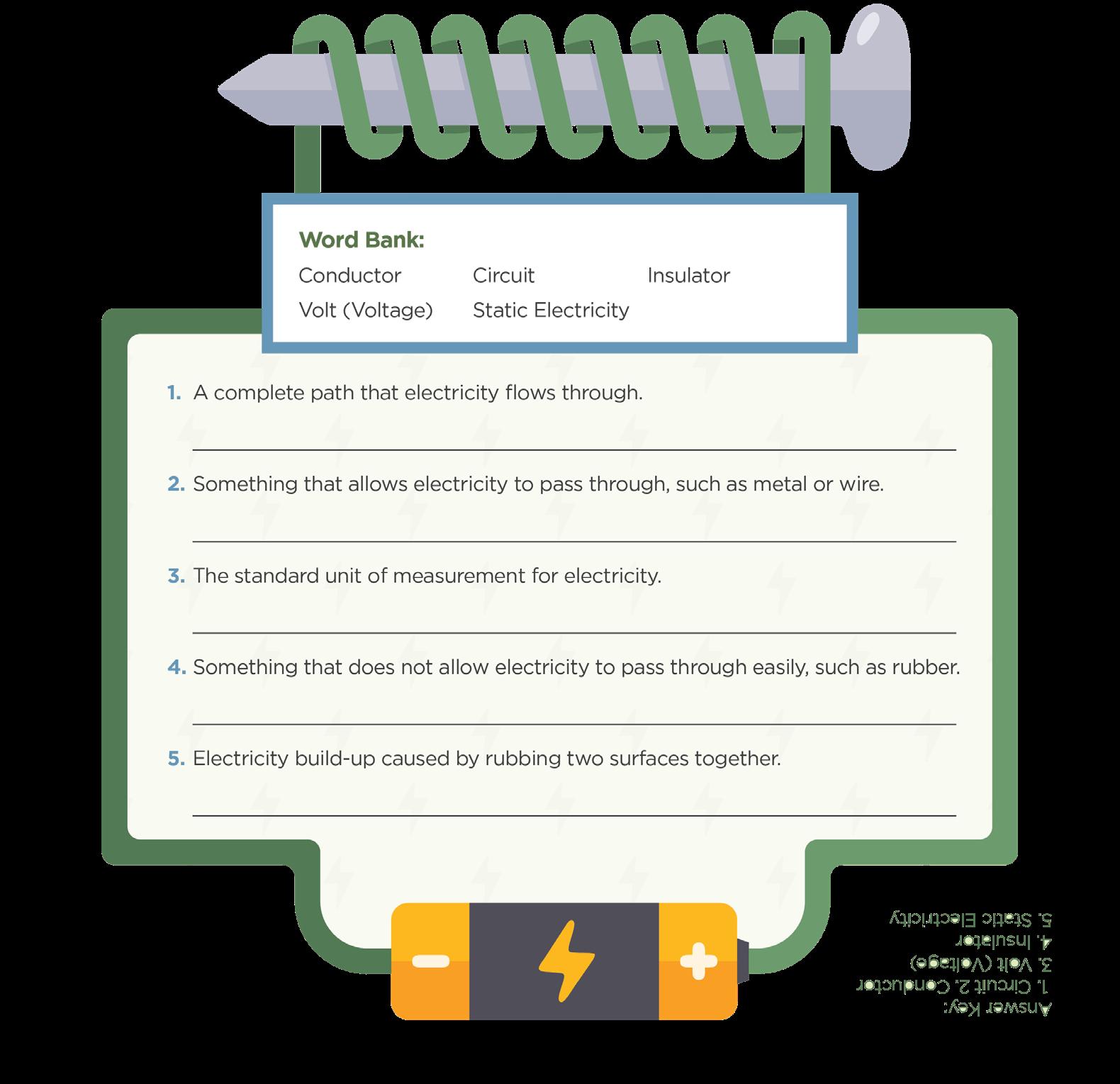
How well do you know terms related to electricity? Test your knowledge! Read the definitions below, then look at the word bank to match the correct terms to their definitions. You can only use the words once, so choose carefully. Check your work in the answer key.