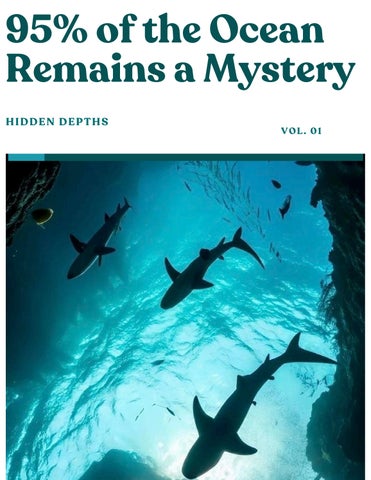
95% of the Ocean Remains a
What if the truth is being avoided? What if the truth is being avoided?

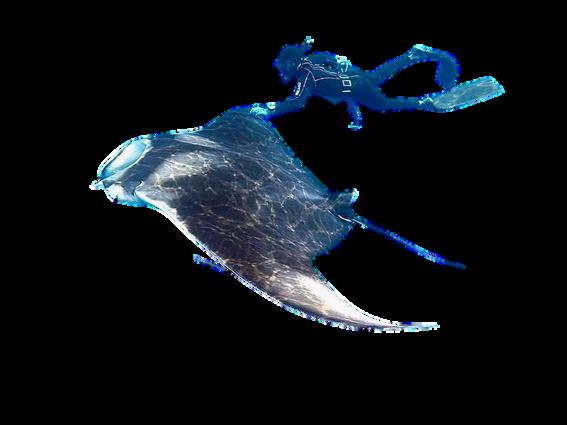
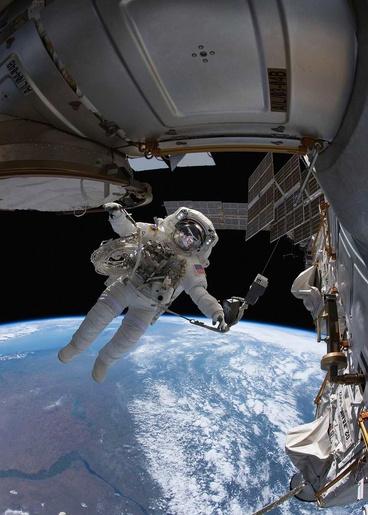
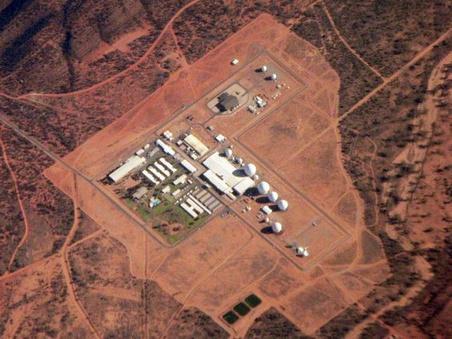
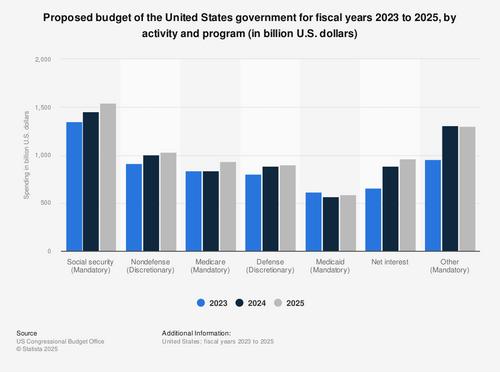
The deep ocean is often described as too dangerous or too expensive to explore. While these challenges are real, governments regularly spend billions of dollars on space missions, military technology, and surveillance systems. If funding exists for those priorities, why does ocean exploration remain so limited?
The deep ocean is often described as too dangerous or too expensive to explore. While these challenges are real, governments regularly spend billions of dollars on space missions, military technology, and surveillance systems. If funding exists for those priorities, why does ocean exploration remain so limited?
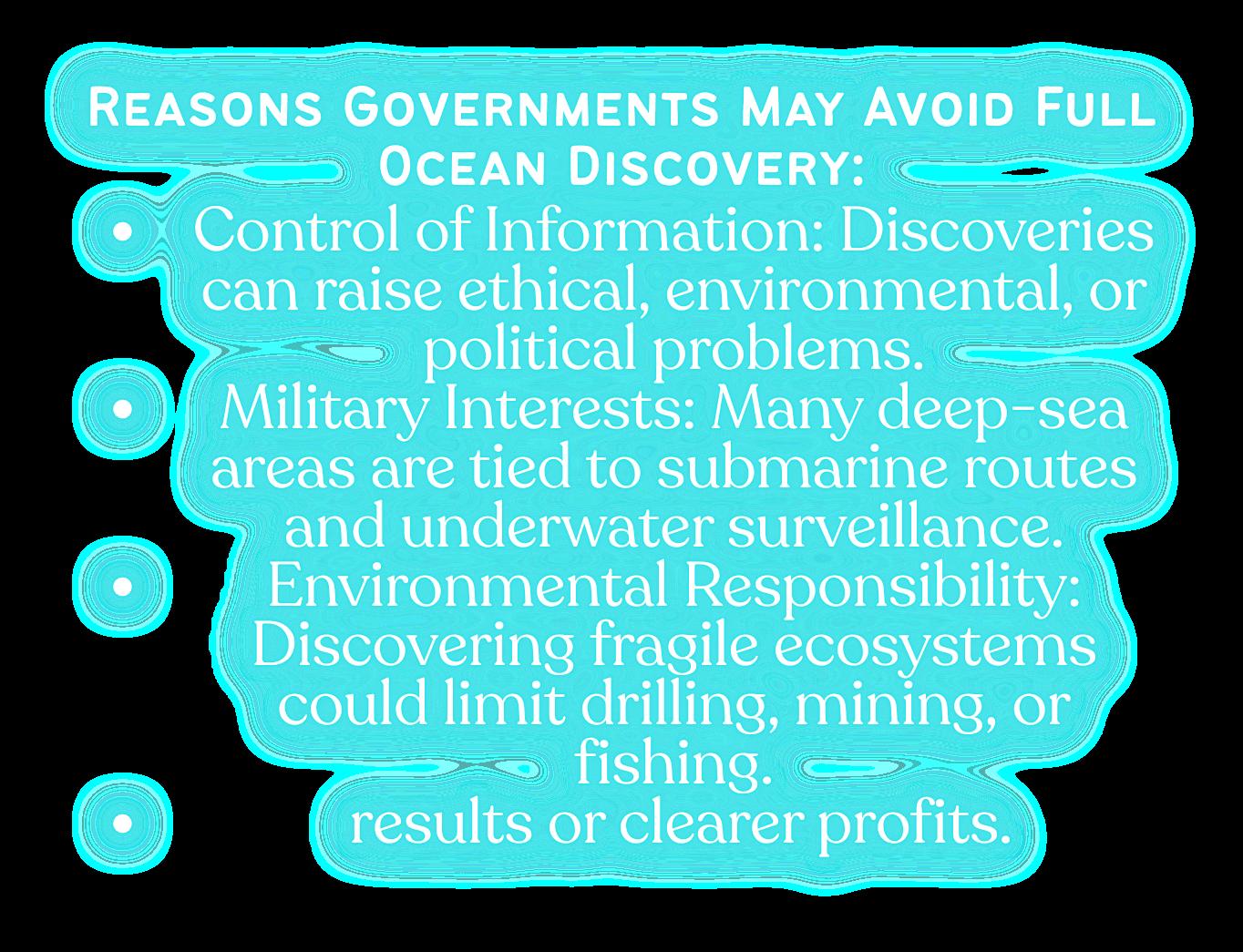
Some scientists and critics believe governments may be hesitant to fully explore the ocean because of what could be found. Unknown species, massive untapped resources, or ecosystems that require protection could force governments to change laws, economies, or military strategies. In some cases, not knowing may be more convenient.
Some scientists and critics believe governments may be hesitant to fully explore the ocean because of what could be found. Unknown species, massive untapped resources, or ecosystems that require protection could force governments to change laws, economies, or military strategies. In some cases, not knowing may be more convenient.

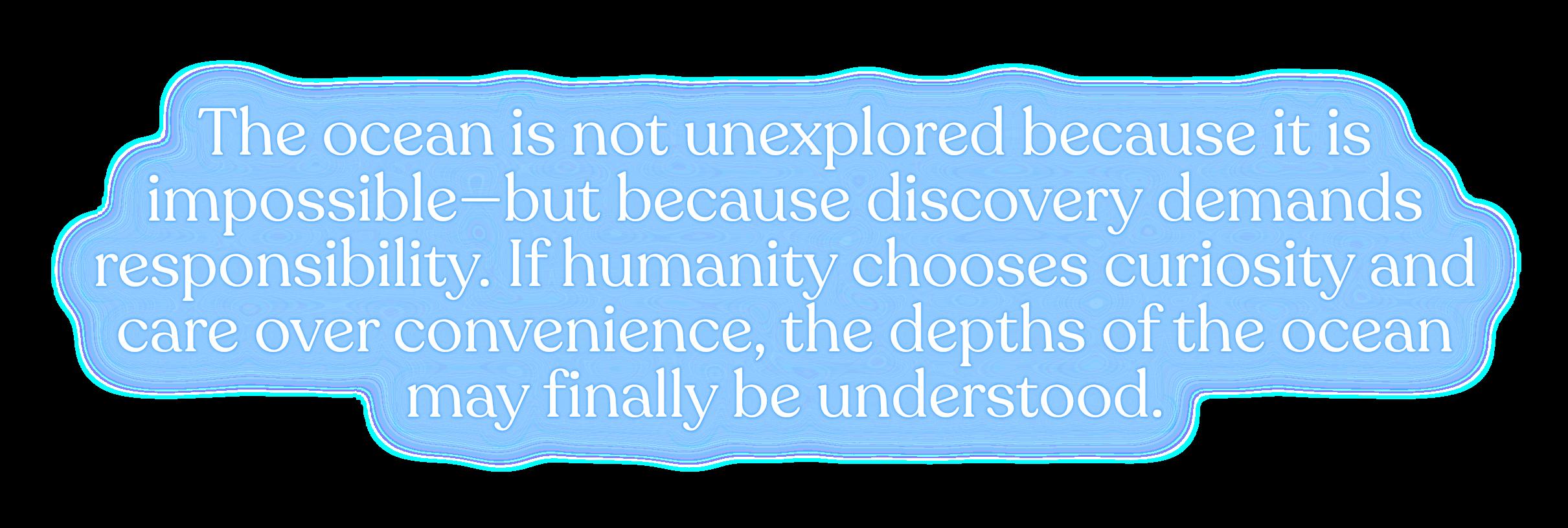
This does not mean exploration should stop. In fact, it means the opposite. If governments truly invested in ocean discovery, humanity could gain critical knowledge about climate change, biodiversity, and Earth’ s future. The ocean may not be unexplored because it is impossible—but because discovering the truth could demand change.
Images of new species discovered in the past year
Images of new species discovered in the past year