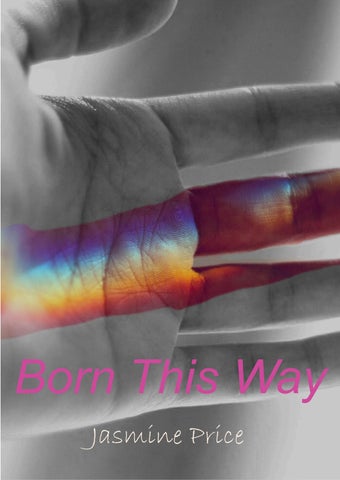
Born This Way
Jasmine Price
Introduction
This book is an intimate exploration of my personal journey, a visual diary that tells the story of my struggles, growth, and self-acceptance as an LGBTQ individual. Each photograph in this collection is a piece of my soul, a manifestation of emotions I have carried and the transformation I've undergone as I reconciled my identity with my deeply rooted religious background.
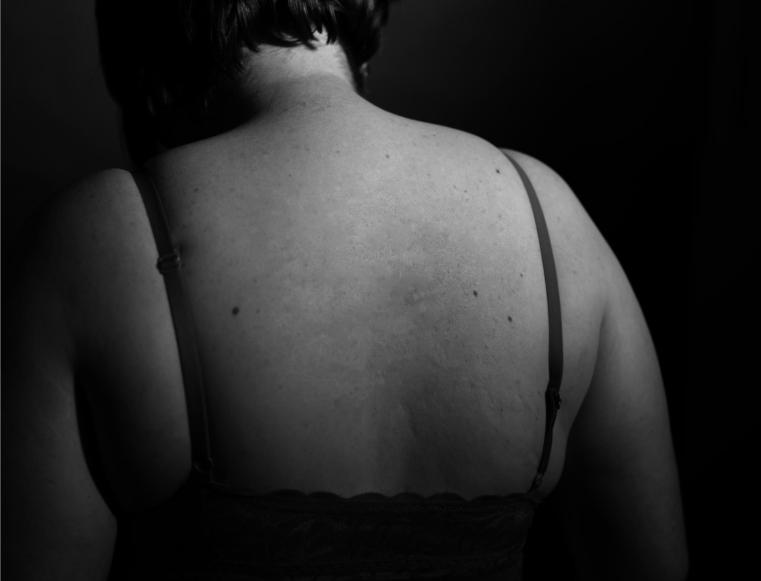
Growing up in a religious environment, I was taught to suppress parts of myself that didn’t align with what I was told was "acceptable." For years, I felt trapped between the love I was taught to have for my faith and the love I had to find for myself. The conflict I experienced, the shame, the fear, the longing, and the eventual liberation from that internal battle—this is what I wanted to convey. The writing on my own body, captured in these photos, represents the raw emotions and thoughts I have felt at different stages of my life. Words etched onto my skin serve as both a personal release and a declaration of the emotions that I once kept hidden.
These images are more than just portraits; they are a physical representation of my journey—my acceptance, my pain, my anger, and ultimately, my healing. The words on my body are a language that tells the story of the emotional scars I've carried and the strength it took to heal them. They are a symbol of the reconciliation between who I was told to be and who I have always been.
Through this project, I want to speak to those who may feel like I once did— lost, conflicted, and caught between their faith and their truth. This book is not just for me, but for anyone who has ever struggled to be their authentic self in a world that tries to define them. It is a celebration of the complexity of identity and the power of embracing every part of who we are, no matter how painful or difficult the journey may seem.
I invite you to look not just at the photos, but to feel the emotions embedded in each image, to understand that this journey is universal, and to know that there is beauty in every step, even the hardest ones.
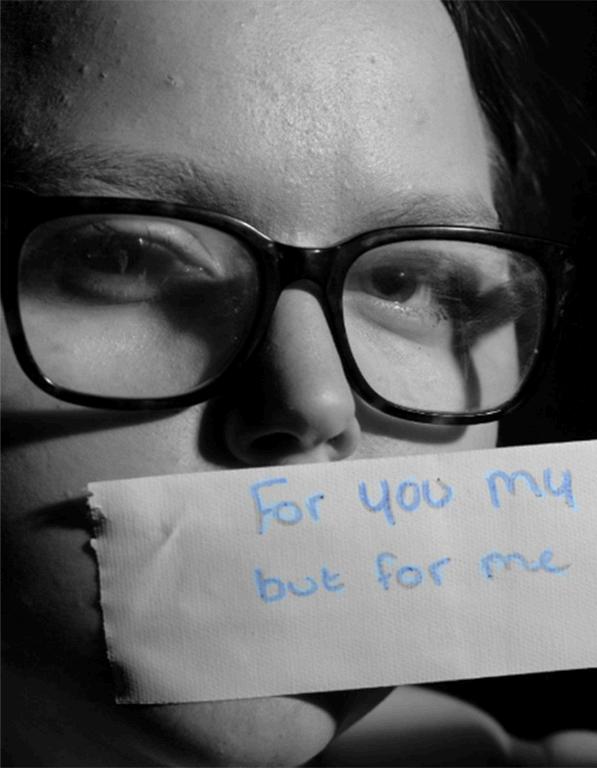
I’ve avoided talking about this for far too long. Some of you might think I’m wrong, or perhaps you measure your respect for me through the lens of your own experiences and for that, I apologise.
I’m sorry if anything has led you to be less than loving, accepting, or kind.
But despite the story life has given you, I hope you can try to understand mine. Fear may be the price I pay for acceptance, and disappointment the price I pay for truth. But the cost of living without authenticity is too high, so here is my truth — the one I must live by.
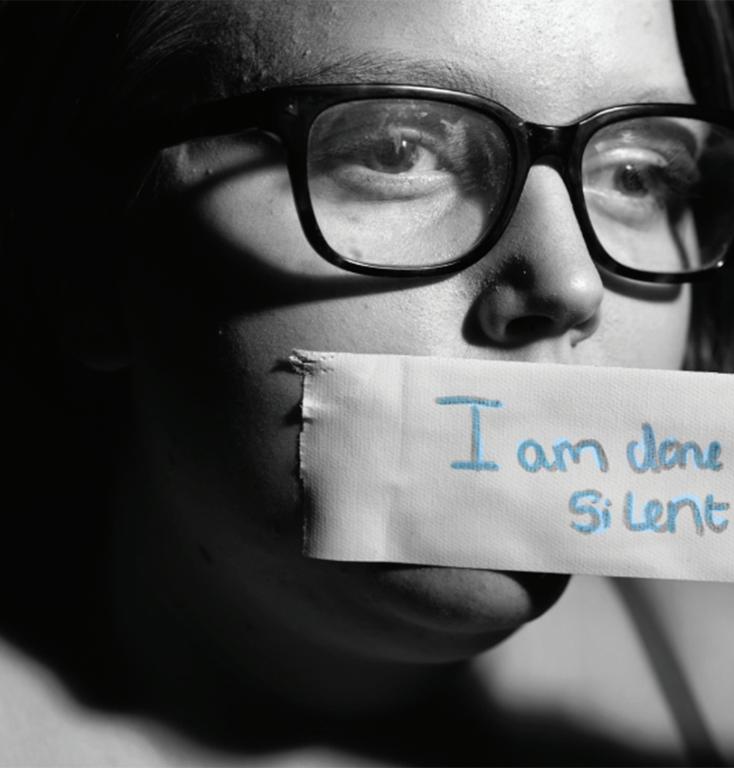
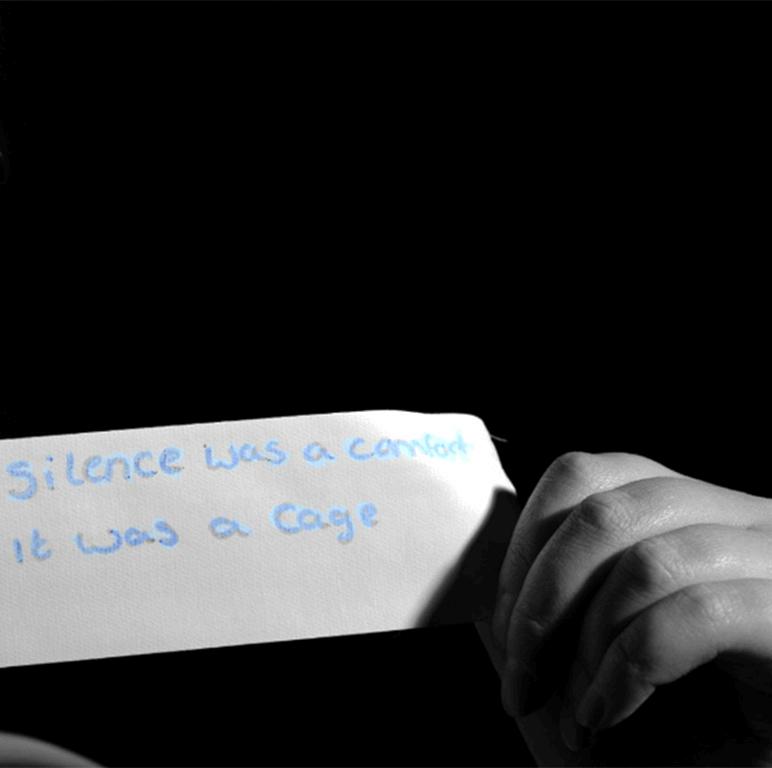
Although silence has been a comfort, it has also been a cage. For a long time, keeping quiet protected me from judgment, rejection, and conflict. It created a safe space where I could hide, where my truth remained untouched and unchallenged. But over time, that silence grew heavier. It became a prison — one built from fear, shame, and the weight of unspoken words.
While silence offered temporary relief, it also trapped me in a version of myself that wasn’t fully alive, wasn’t truly me. The more I stayed silent, the more I distanced myself from who I really am, and the more I lost touch with the connection I longed for with others.
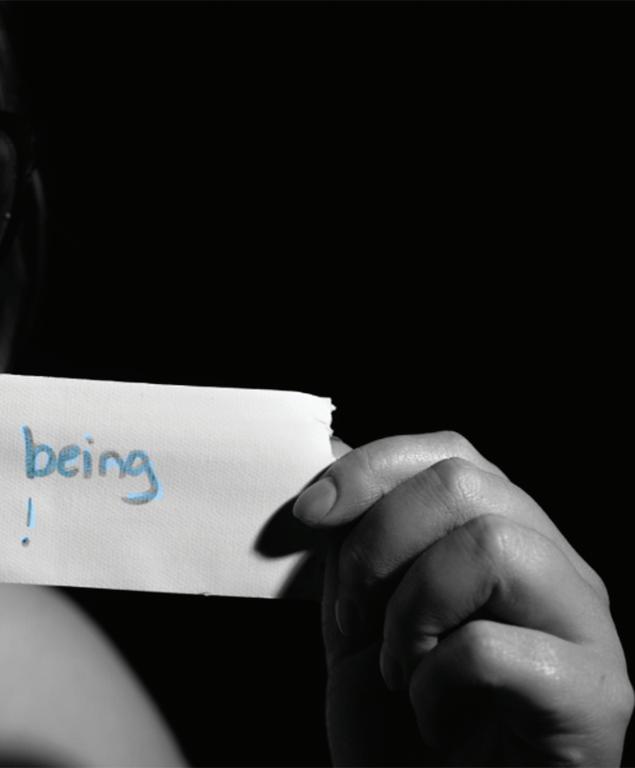
Now, breaking the silence feels both terrifying and freeing. It’s a choice to embrace vulnerability and to step out of the cage I’ve built for myself. It’s time to let my voice be heard, to live authentically, and to face the consequences, no matter what they may be.
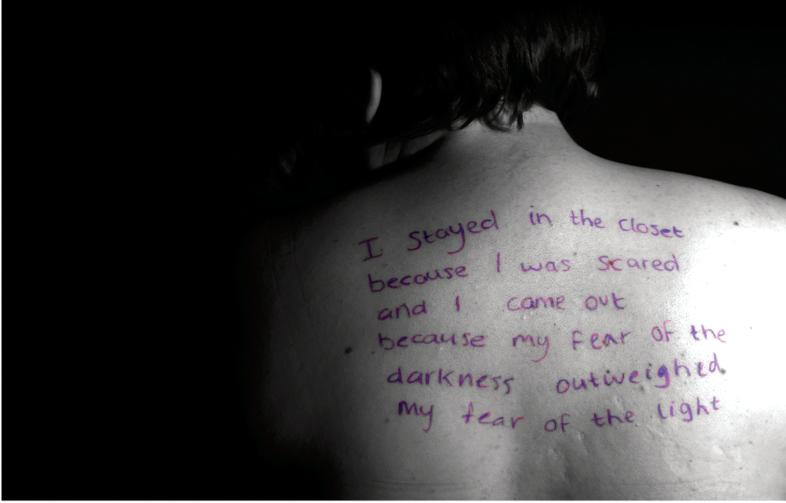
I don’t know when it was exactly that I realised I liked girls. I think it came slowly, almost naturally, but also very scarily. I don’t remember one defining moment, just an unfolding awareness that made me question things in ways I hadn’t before. It was as if the pieces were always there, but it took time for them to fall into place. I remember sitting in my bedroom when I was younger, crying, overwhelmed by the fear of how I was going to tell everyone. The thought of exposing this part of myself felt like a heavy weight on my chest, and the fear of rejection or misunderstanding made it harder to breathe.
Hiding who I was felt like chains wrapped around my body, tight and suffocating, but in a strange way, those chains also protected me. They were a kind of armor, keeping me safe from the world’s judgment, but they also held me back from being my true self. It was a paradox — I wanted so desperately to break free from those chains, to feel the freedom of living openly, but every time I tried to loosen their grip, they would pull me back down, forcing me to my knees. The fear of being vulnerable, of exposing myself fully to the world, was like a heavy burden that I couldn’t shake.
But the more I tried to fight it, the more I realized that being free meant embracing vulnerability. It meant showing up in the world as I truly am, even if it meant risking disappointment or hurt. Finally, when I let that secret about myself out, when I allowed my truth to escape, it was like the weight of all those years of silence and fear were lifted from my shoulders. But at the same time, the relief came with a strange heaviness, as though I had to kneel in that moment to acknowledge the depth of what I had been holding inside.
That moment was pivotal. It wasn’t just about telling others — it was about telling myself. It was the first time I felt I could fully embrace who I am. I finally had the courage to look at myself in the mirror and see the person looking back at me. I recognized her. She wasn’t hidden, she wasn’t chained, and she wasn’t afraid anymore. She was me, and I was free
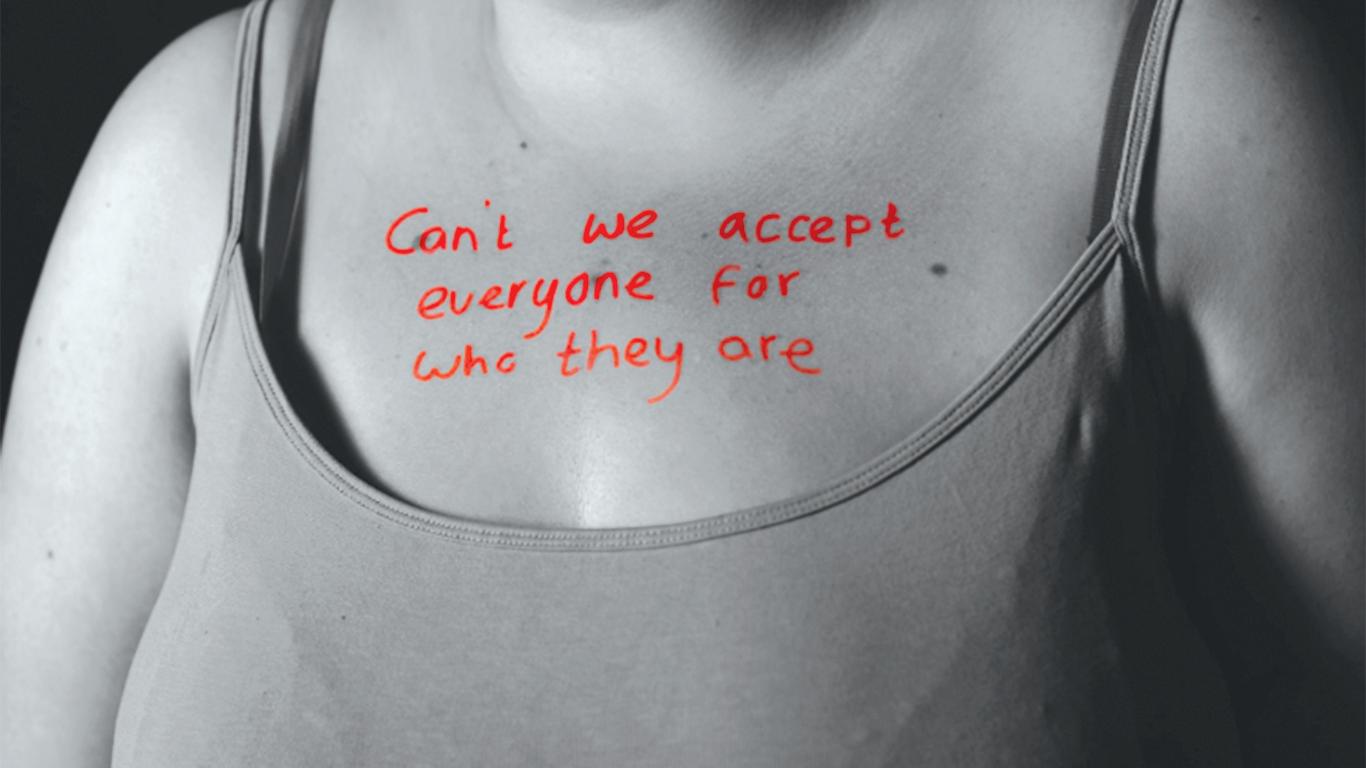
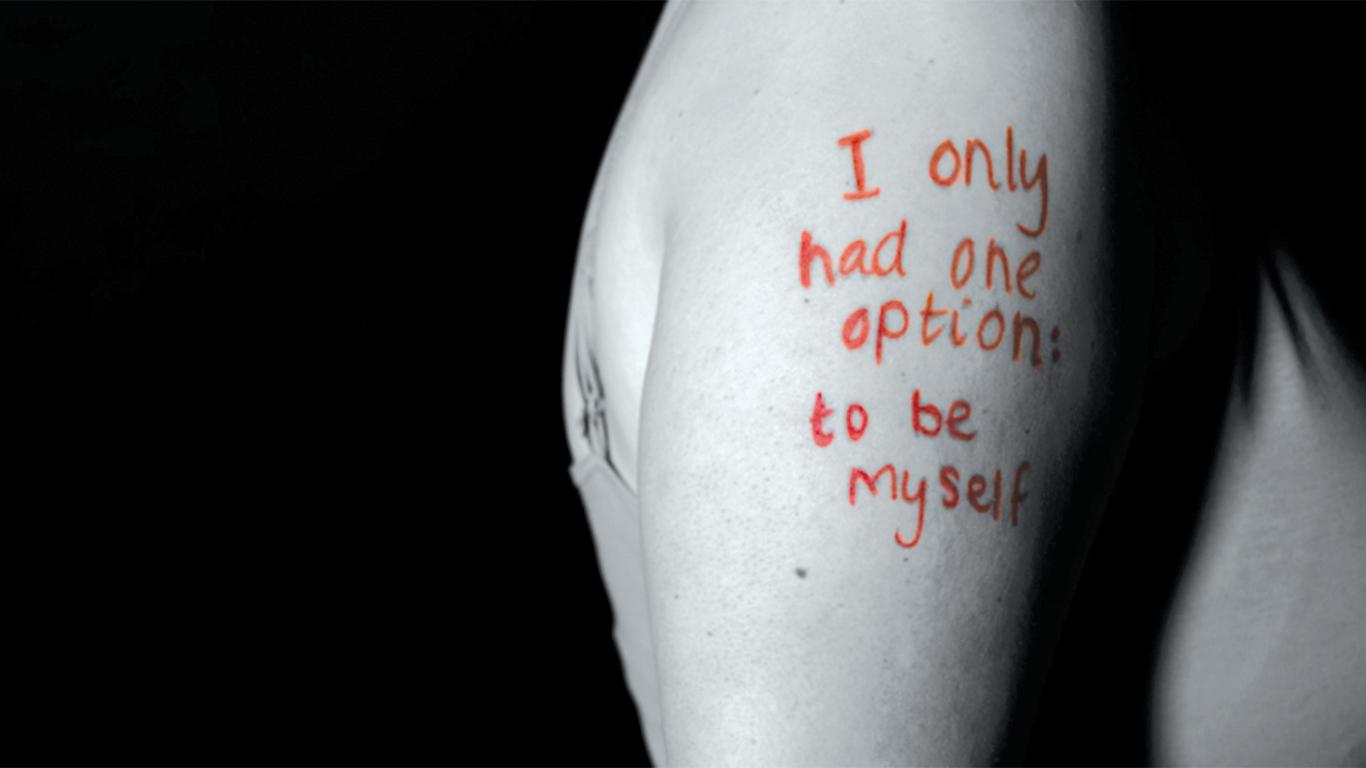
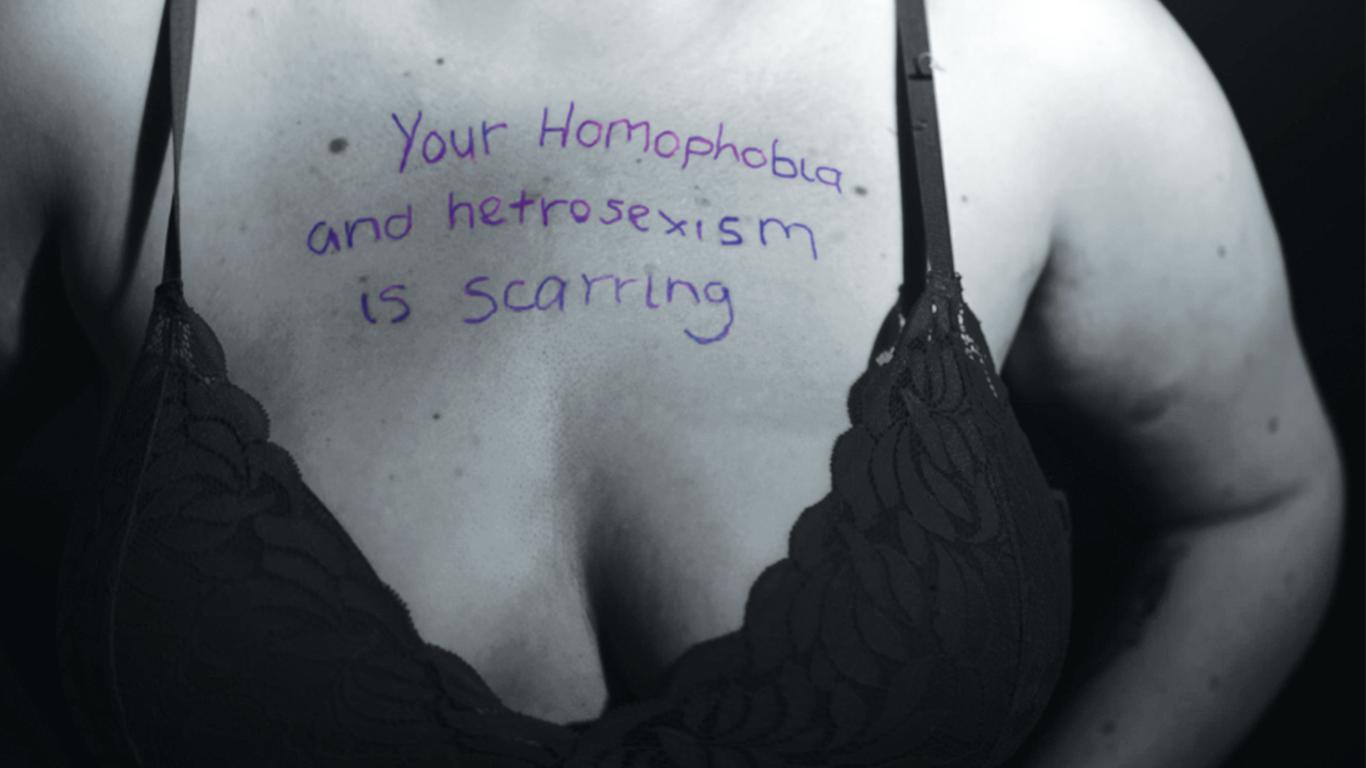
Homophobia and heterosexism are deeply scarring because they shape the way we view ourselves and others, often in ways that are invisible at first but incredibly damaging over time. From a young age, I was exposed to a world where being anything other than straight was considered wrong or abnormal. The constant reinforcement of heterosexuality as the only acceptable orientation created an environment where anything outside that norm felt like it had to be hidden, suppressed, or even denied. These ideologies don’t just affect how people see you, but how you begin to see yourself. When you’re told repeatedly that who you are is wrong or unnatural, you internalize that message. You start to believe, somewhere deep inside, that the love and attraction you feel isn’t as valid or valuable as that of others
The scars of homophobia aren’t always visible, but they leave a mark on your soul. They affect how you move through the world, how much you trust others, and how comfortable you feel in your own skin. They create a sense of otherness, like you’re always on the outside, trying to fit into a box that was never made for you. It’s exhausting to constantly adapt and shrink yourself to fit into a world that doesn’t fully see or accept you. And when you finally begin to embrace your true self, the journey of unlearning all that damage is long and painful. It takes time to realize that your love and your identity are just as valuable and worthy as anyone else’s.
I imagine a world only filled with love — not the shallow kind, but love that runs deep, that heals, that unites. A love that’s not bound by labels, borders, or preconceived ideas, but one that transcends all of that. It’s a world where people lift each other up, where we celebrate our differences instead of fearing them, and where every person feels they belong. It’s a world where hope is not just an ideal, but a reality that shapes the way we live our lives every day.
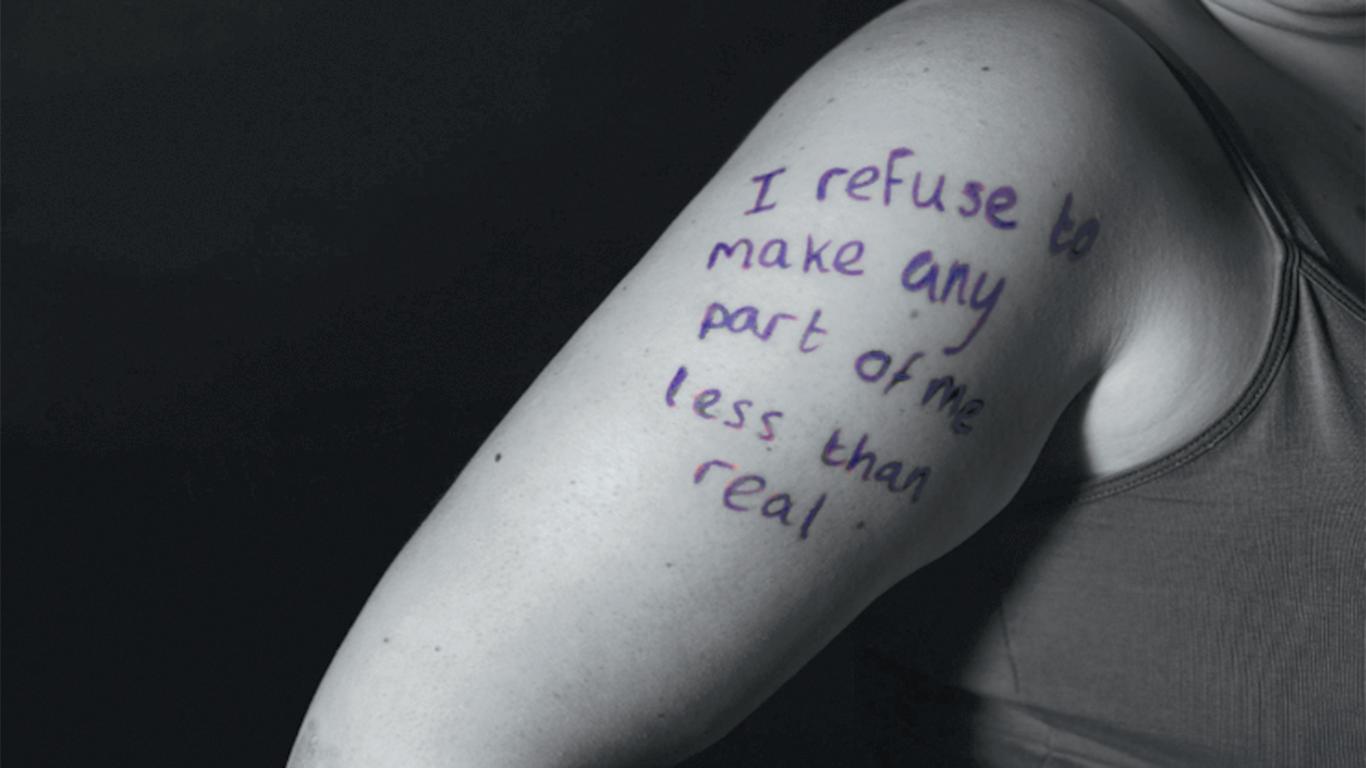
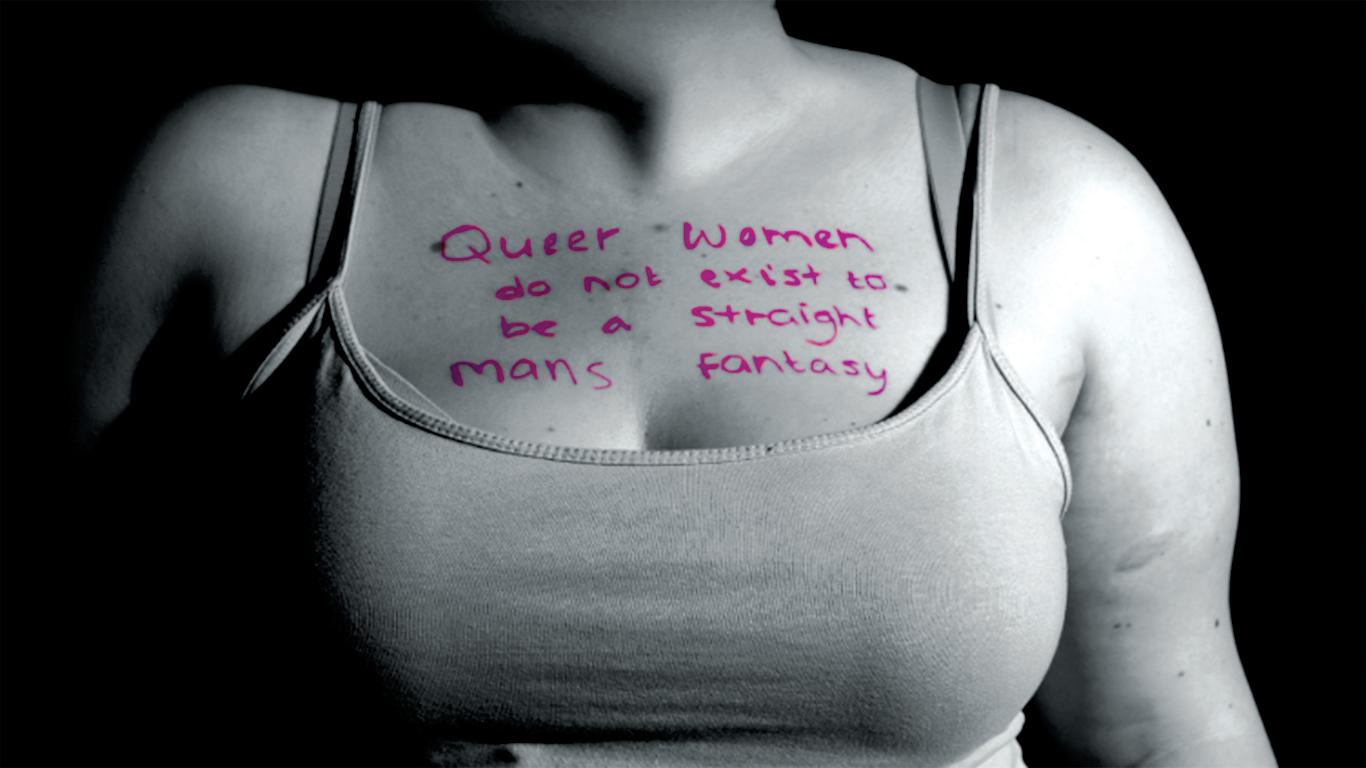
The moment some men find out that I’m into women, it’s as if my identity suddenly becomes a novelty, something to be fetishized. They treat it like it's this exotic, irresistible thing, assuming that my sexuality is some kind of spectacle for their entertainment or curiosity. They begin probing into the most personal aspects of my life, asking invasive questions about my sex life, as if it's a performance for them to dissect or turn into some kink. What is meant to be a personal, intimate part of who I am is suddenly reduced to something they feel entitled to discuss, almost like it exists solely for their consumption.
It gets even more absurd when I hear things like, "I could change that," implying that sex with them would magically turn me straight. As if my queerness is just a phase, or a challenge to be "fixed." The idea that they can somehow "correct" my sexuality is not only disrespectful, but deeply insulting. My identity isn’t a project, and it certainly isn’t something that can be rewritten by the whims of someone else. These comments reinforce the idea that my queerness is something to be challenged or even erased, instead of being accepted as it is.
I’ve also been told that coming out was just a tactic to avoid male attention, as if my identity is about escaping unwanted advances or playing some kind of game. It completely ignores the truth of my experience — that my queerness isn’t a strategy, but a part of who I am. It’s not about dodging male attention; it’s about embracing the people I feel genuine attraction to. Reducing my coming out to a way to "avoid" men’s attention not only invalidates my truth but perpetuates harmful stereotypes about queerness and sexuality.
Fetishizing someone’s queerness is not even remotely the same as respecting or accepting them. When people treat your sexuality like a fantasy, a curiosity, or a challenge to be conquered, they erase the depth and reality of your experience. True respect comes from understanding that your identity is valid, complex, and deserving of space, not from turning it into something that exists for someone else’s pleasure. Respect is about acceptance, not appropriation. It’s about seeing someone for who they are, not just what you can get from them or what you think they should be.
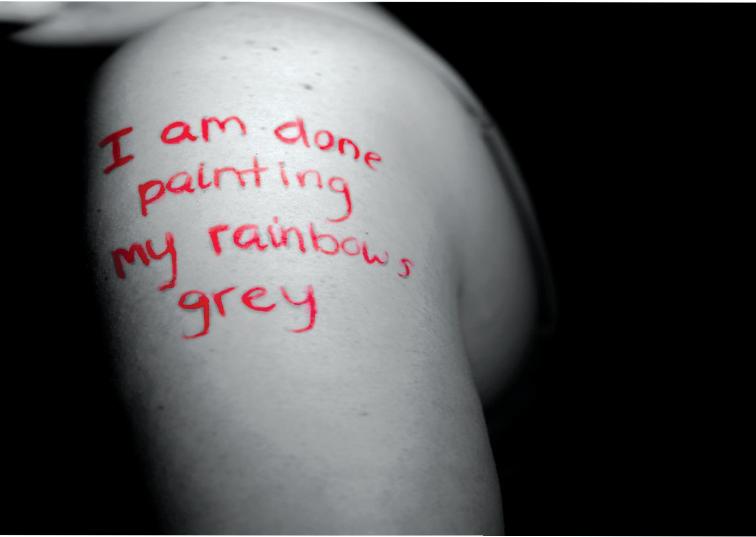
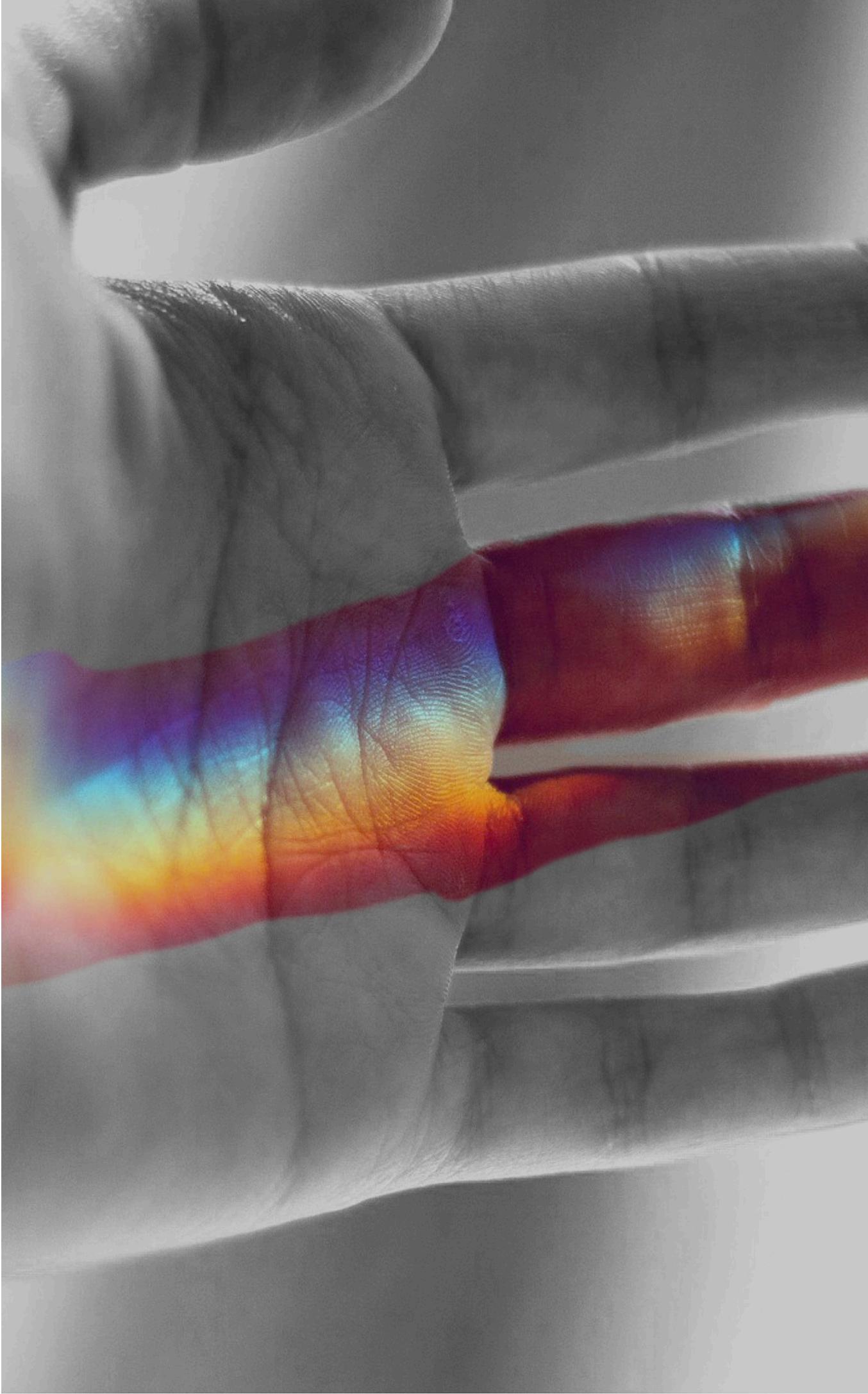
I am done painting my rainbow grey. For so long, I let fear and doubt bleed the colors from my life, trying to fit into spaces that weren’t meant for me, trying to meet expectations that were never mine to fulfill. I tried to tone myself down, to dim the brightness of my truth so that it wouldn’t be too much for others to handle, so that I wouldn’t be judged or misunderstood. I let my rainbow fade into muted tones, blending in with the gray of the world around me. I thought if I could just make myself smaller, more acceptable, I would find peace. But in doing so, I lost pieces of myself along the way.
The inner voice has been consuming me, a constant echo that whispers, questions, and critiques everything I do. It’s like a relentless force, pushing me to conform to expectations, to fit into a mold that doesn’t feel like mine. For so long, this voice has been my companion, but it’s been anything but kind. It tells me I’m not enough, that I’m too much, that I don’t belong, or that I should hide parts of myself that I fear others won’t accept. It’s as though this inner voice is trying to keep me contained, trapped in a limited version of myself, shackled by the fears and doubts that it plants.
But lately, I’ve realized that this voice, as powerful as it may seem, doesn’t define me. It doesn’t hold the final word on who I am or who I can be. The struggle has been about learning to listen to it without letting it control me, about finding space to hear my own truth above the noise. I’ve spent so much time battling this voice, trying to silence it, that I forgot the most important part — I need to make room for a different kind of voice. One that speaks love, acceptance, and freedom. One that encourages me to paint my life with the colors of my truth, rather than the dull, muted tones that the inner critic has chosen
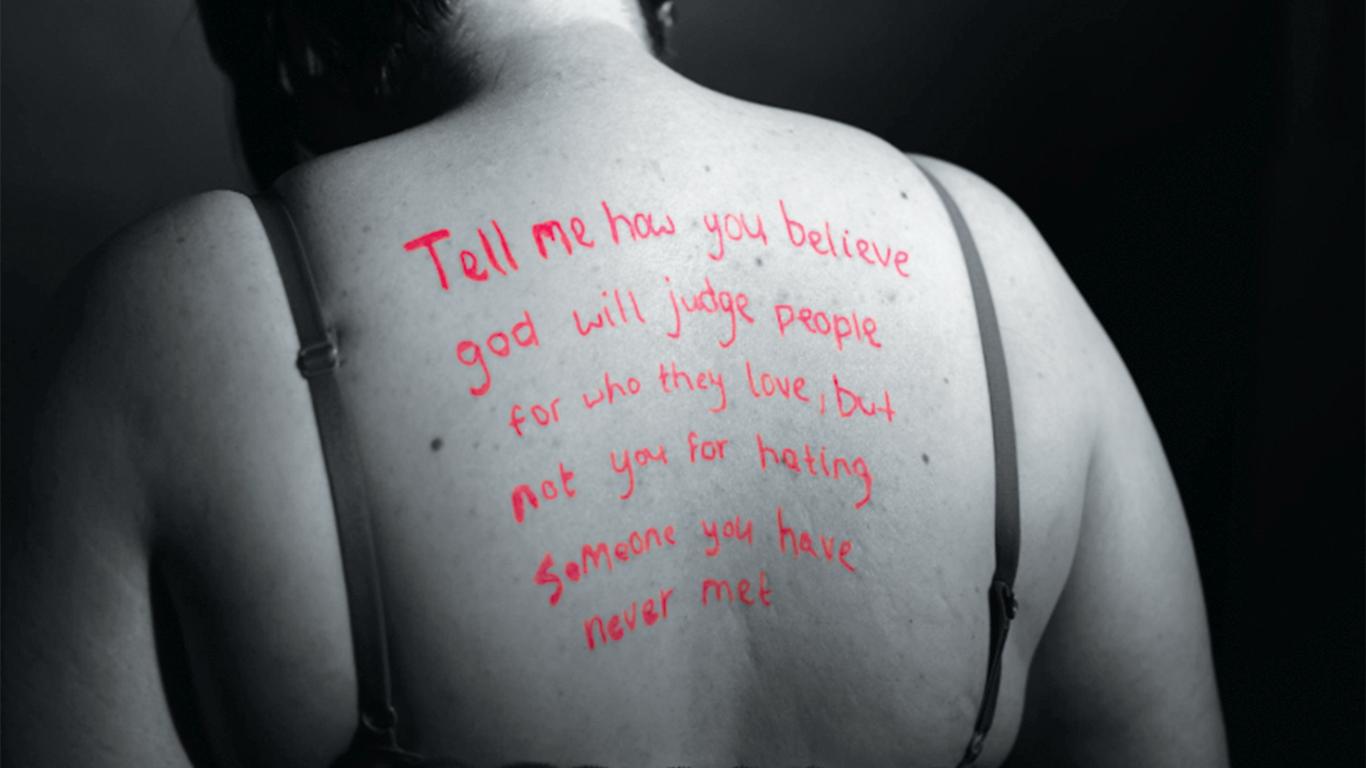
Tell me how you believe God will judge people for who they love, but not you for hating someone you’ve never met. How is it that the love between two people — a love built on connection, trust, and understanding — becomes something that you feel entitled to judge, while your own hate, which harms no one more than yourself, somehow goes unnoticed? How can you place such heavy emphasis on the love between others, questioning its validity, while ignoring the venom that you let flow freely from your lips? The hypocrisy is staggering.
You say God will judge people for loving those who may not fit into your narrow view of what's acceptable, but where is the judgment for the hatred that you harbor? The anger, the prejudice, the assumptions about people you’ve never even spoken to, never even tried to understand? How can you stand in the name of a love that is supposedly all-encompassing, while simultaneously condemning someone for the love they share with another human being? How do you reconcile that with your faith? How do you justify hating someone for simply being who they are, for loving freely, for existing in ways that don't harm anyone? Isn’t that, in itself, a rejection of the very love and compassion that you claim to hold dear?
But even more than that, tell me how you reconcile the fact that love — love that is given freely, love that is unconditional, love that builds and nurtures — is so powerful that it’s the one thing you feel the need to judge, yet hate, which destroys and diminishes, goes unchecked. How is it that your own capacity for hatred seems to be overlooked, while the love of others is scrutinized and condemned? What does that say about the way we choose to interpret the very essence of who we are meant to be in this world?
True faith should ask us to look inward, to examine the hate and the fear that we harbor, and to challenge the assumptions that we place on others. True faith should remind us that it is not our place to judge the love that others share, and that our actions and words are just as worthy of scrutiny as anyone else’s. God will judge us not just for who we love, but for how we treat others, for the judgment we pass, and for the hate we choose to hold onto. And in the end, it will be the love we give — not the hate we spread — that defines us.
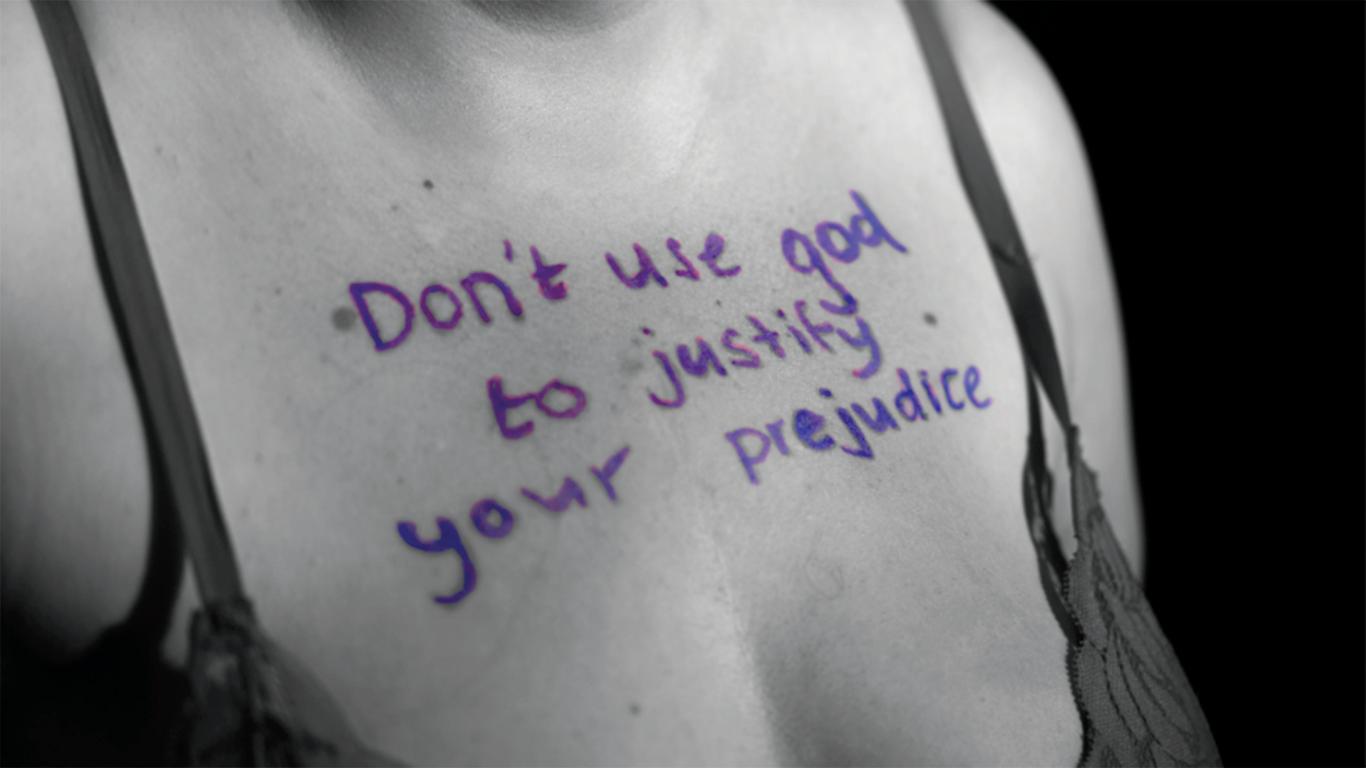
Don’t use God to justify your prejudice. To claim that your hatred or judgment is in line with divine will is not only a distortion of faith, but a misuse of the very teachings that call for love, compassion, and acceptance. God, or whatever higher power you believe in, has never spoken of exclusion or hatred as virtues to be upheld. So when you use religion as a shield for your prejudice, you're not honoring the true spirit of faith. You're weaponizing it to mask your own discomfort, fear, or ignorance, all while pushing others down, denying them the basic dignity they deserve.
Faith is meant to unite, to guide us to a higher understanding of each other and the world around us. It's meant to open our hearts to the experiences and struggles of others, not to close them off. True faith asks us to reflect on our own actions and biases, to challenge ourselves to grow, to become better versions of who we are. It teaches us that everyone is made in the image of a creator, deserving of love, respect, and acceptance — no matter their race, their gender, their sexuality, or their beliefs.
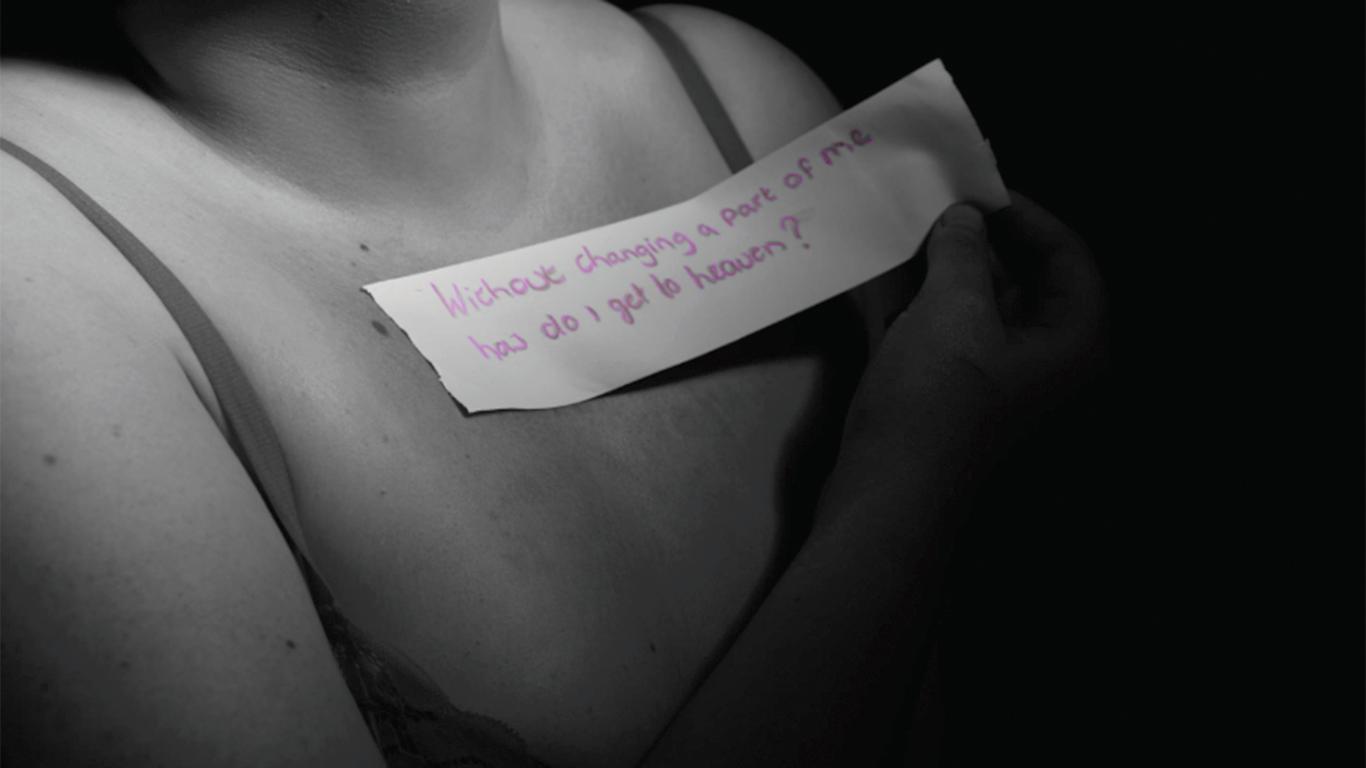
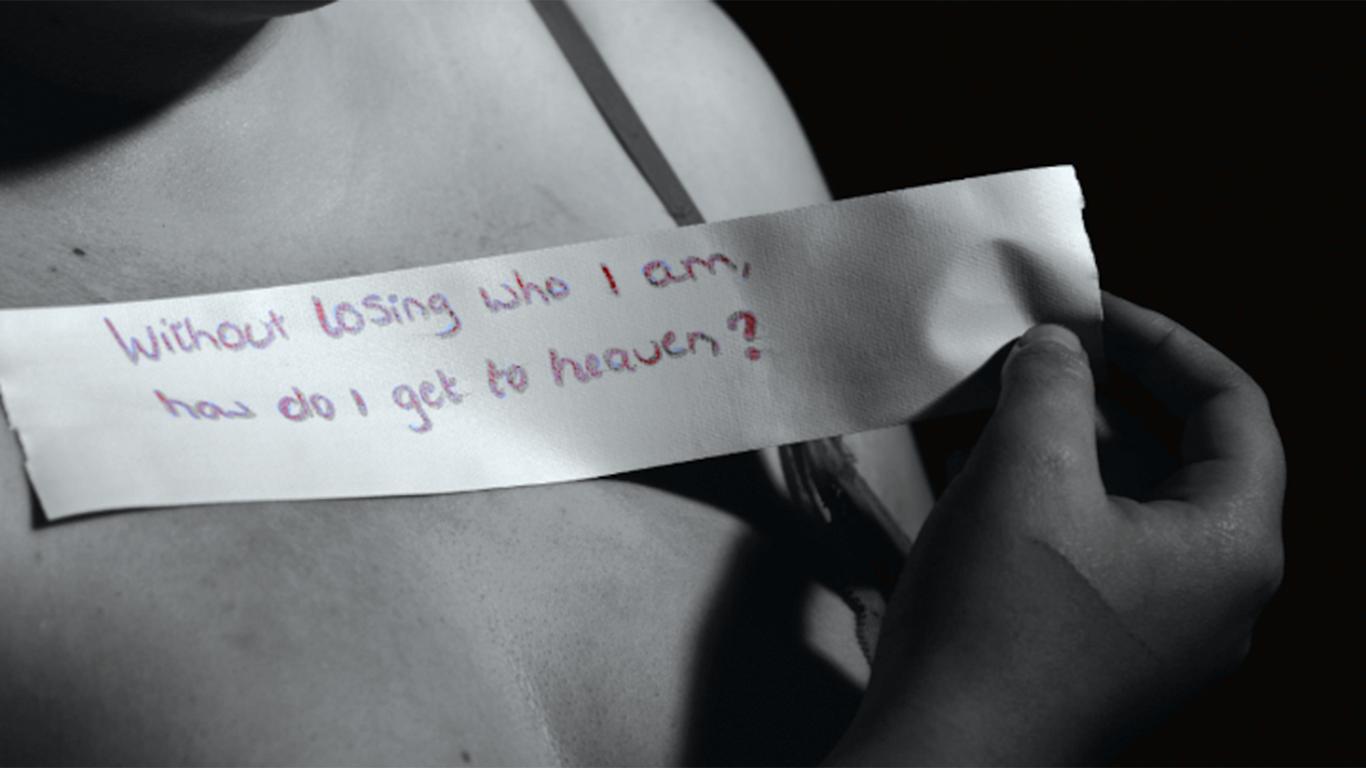
Feeling as though my heart has gone astray is a heavy burden to bear, like wandering through a fog where every step feels uncertain, every choice feels misplaced. It’s as if I’ve strayed from the path I thought I was meant to follow, questioning who I am and what I stand for, and whether that version of me is worthy of grace or redemption. In these moments, the weight of doubt can be suffocating, like I’m being pulled in every direction by external expectations, religious ideals, or societal norms that demand I change myself to fit some predetermined mold.
But if I have to change a part of me — if I have to give up the very essence of who I am, the things that make me feel alive, true to myself, and connected to others — then perhaps I’m not sure I want to go to heaven after all. Because if heaven is a place where I must relinquish the parts of me that make me human, the parts of me that love, that feel deeply, that embrace my truth, then I wonder if that kind of heaven is truly a place I want to be. If I am forced to suppress the authenticity of who I am, to erase the parts of me that feel real and genuine, just to be accepted into some idealized version of paradise, then I have to ask: is that heaven, or is it a prison?
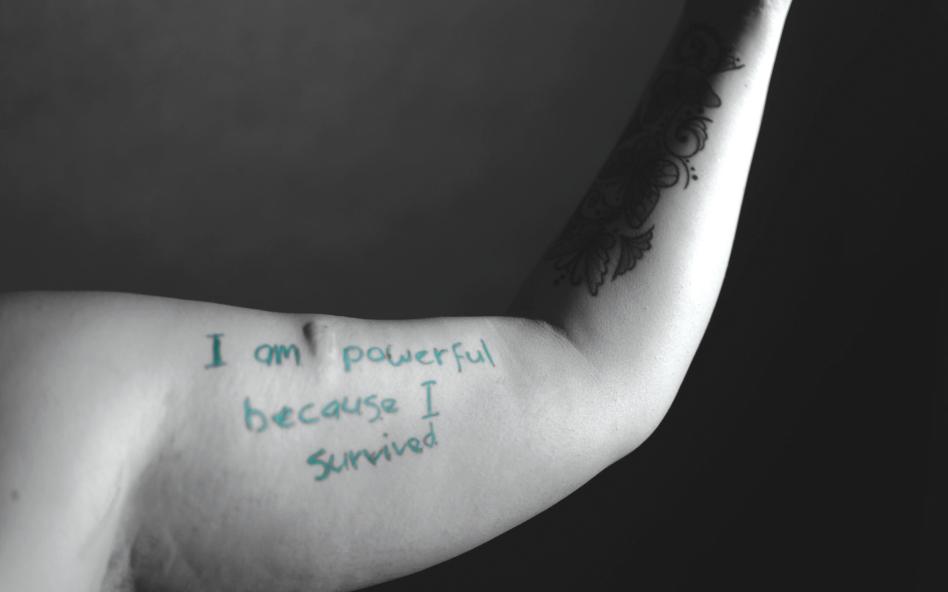
I am powerful because I survived. I didn’t just get through the challenges I’ve faced — I lived through them, learned from them, and came out stronger on the other side. Every hardship, every struggle, every moment of doubt, and every setback that I have faced has only served to reinforce my strength. Survival isn’t just about making it to the other side unscathed; it’s about the resilience you discover in yourself when the world pushes you to the brink. It’s about finding the will to continue, even when every part of you is screaming to give up.
Survival has given me the ability to understand my own limits, but also to recognize my limitless capacity for endurance. I’ve faced moments where the pain seemed unbearable, where I thought I couldn’t take one more step. But somehow, I did. Each time I rose, I discovered something new about myself — a strength I didn’t know I had, a courage that lived deep inside me, waiting to be called upon. And in surviving, I found my voice. I found the power to say, “I’m still here,” to speak my truth, to demand my space, and to reclaim my narrative.
I am powerful because I’ve fought for my peace, for my identity, for my right to exist and to be loved as I am. I’ve weathered storms, endured the silent battles no one else could see, and still, I stand tall. My scars aren’t signs of weakness; they are emblems of my survival, reminders that I faced things that tried to break me and yet, here I am — unbroken, unwavering, unapologetically myself.
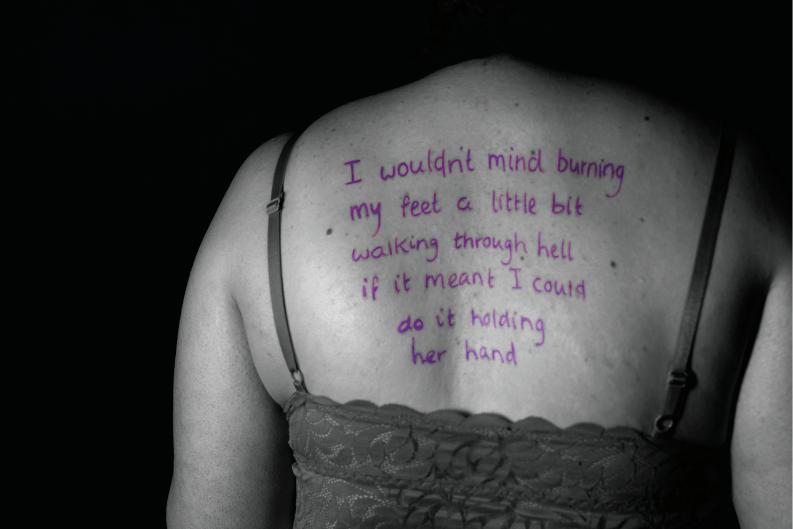
My religion taught me that the "holy" and "righteous" path was the only one worth following and that straying from their set goals would result in eternal misery. It implanted in me that if I pursued an unapproved love, one that didn't meet their restricted definition of "worthy," I would pay the ultimate price — an eternity of misery and torment. What they don't realize — or understand — is that love cannot be controlled or contained. It cannot be defined by their norms or limited knowledge. It is not a thing to be exchanged for acceptance, nor is it a transaction in which you give up your identity to conform to their definition of what is "right." True love is uniquely raw, vulnerable, and sacred. If I must suffer, let it be for the freedom to love freely, to be real, and to live a life that reflects who I am. The love I have for her is worth every sacrifice, hardship, and moment of doubt.
Despite your words clinging to me like glue for all these years, I am finally peeling them away and embracing who I truly am without apology. For so long, I let your judgments define me, carrying the weight of your expectations like a heavy burden. But today, I refuse to let your words have power over me any longer. I have come to understand that I am worthy, just as I am — and that my identity is not something to be hidden or minimized for the comfort of others.
The things you said may have stuck to me for a while, lingering in the back of my mind, whispering doubts and insecurities. But I’ve learned that those voices don’t speak my truth. The truth is that I am who I am, and that is enough. My worth is not dependent on your acceptance or approval, nor does it diminish because I don’t fit into the narrow boxes you’ve tried to place me in.
I have found the strength to embrace my true self, to love the parts of me that I once feared or tried to bury. I’ve stopped running from my own reflection, and instead, I stand tall in it, unashamed and unapologetic. I am free now, no longer bound by the limitations of your words or the shame they tried to impose. I am enough, simply because I exist as I am, and nothing can take that away from me.
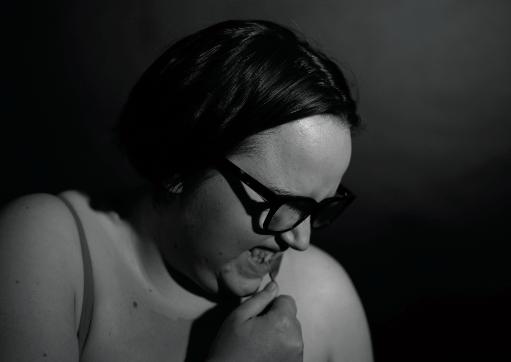
I love who I love, and I feel the way I feel, and I refuse to shrink or distort any part of myself for the sake of what you think is ideal. The version of me that is true, authentic, and unapologetic is the version that deserves to be seen — not the one you’ve constructed in your mind. I will no longer hide or suppress the essence of who I am just to fit into someone else’s idea of what’s "acceptable." My truth is not something I should be ashamed of or lock away; it is something to be celebrated, because it is mine.
I have come to understand that the ideal version of me isn’t about conforming to your expectations, but about embracing the full spectrum of who I am — flaws, strengths, love, and all. The real me is enough. And I will never again apologize for it.