Well Videos

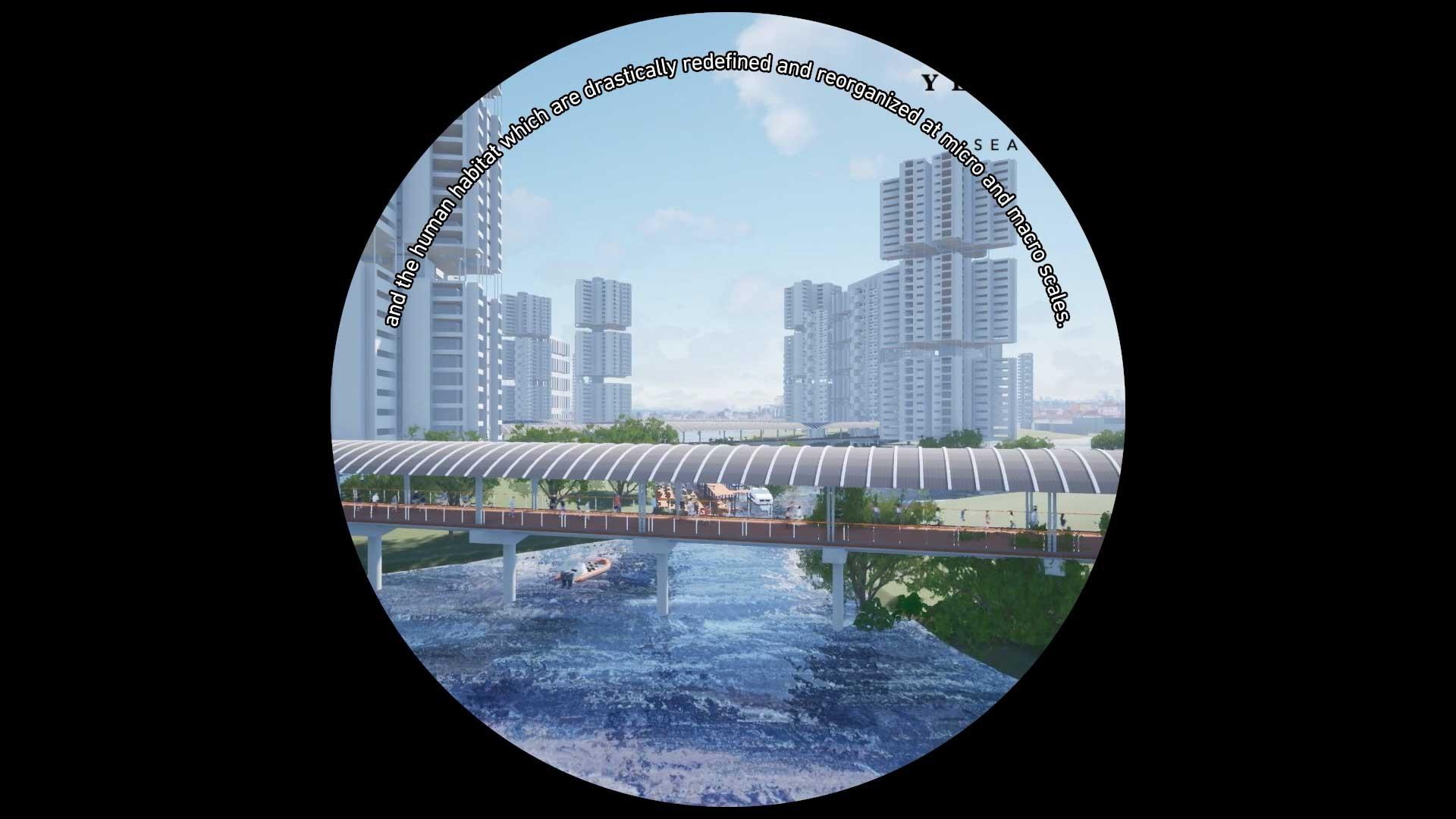
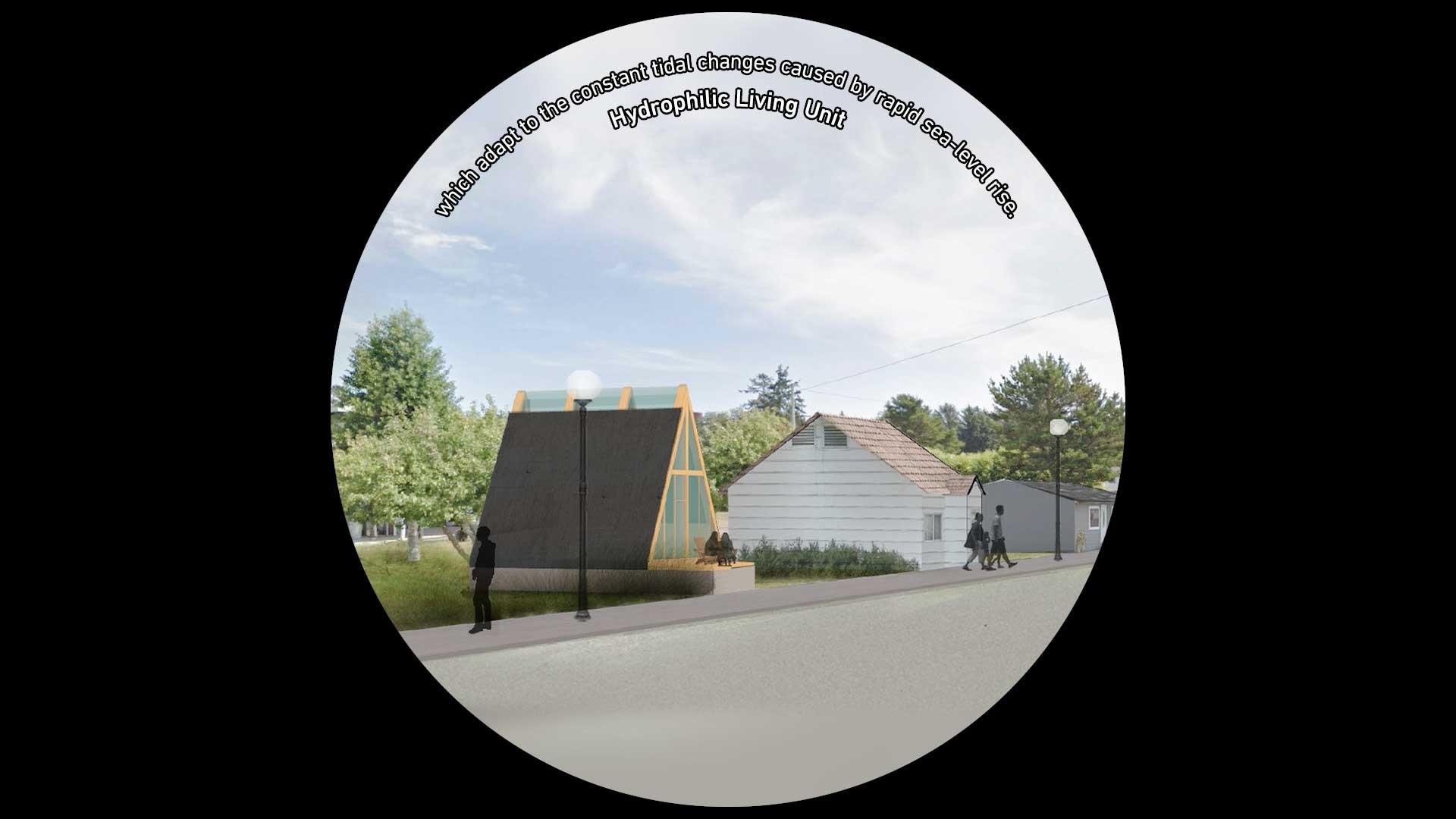
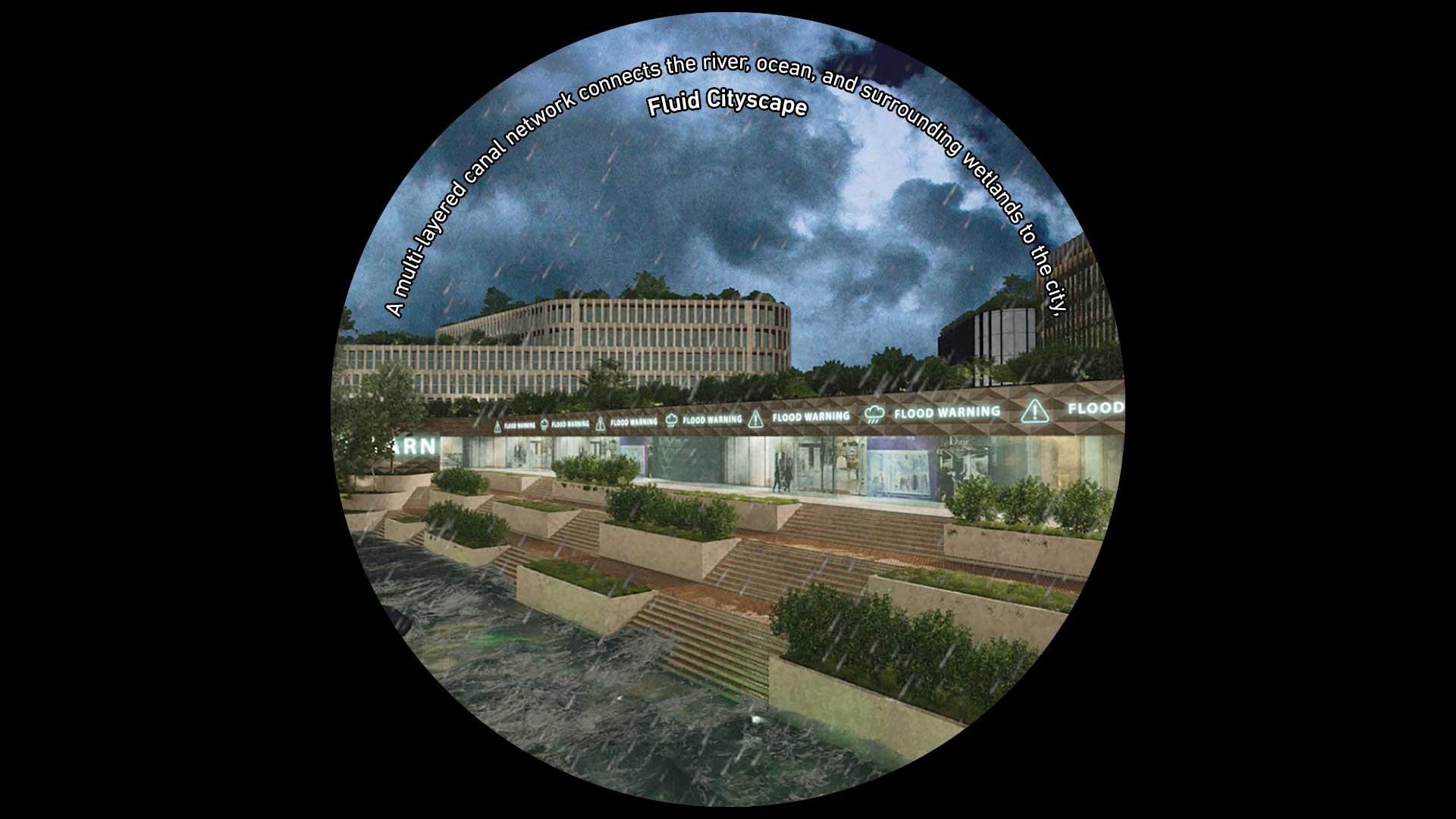
Hydroactive City, featured in this video, is where various mechanisms absorb, store, and distribute water to support urban life and coastal communities embrace new forms of livelihood and commerce with the nearby water.
The Archipelagic City, featured in this video, is designed as multiple elevated islands of community groups protected from fire and rising tides.
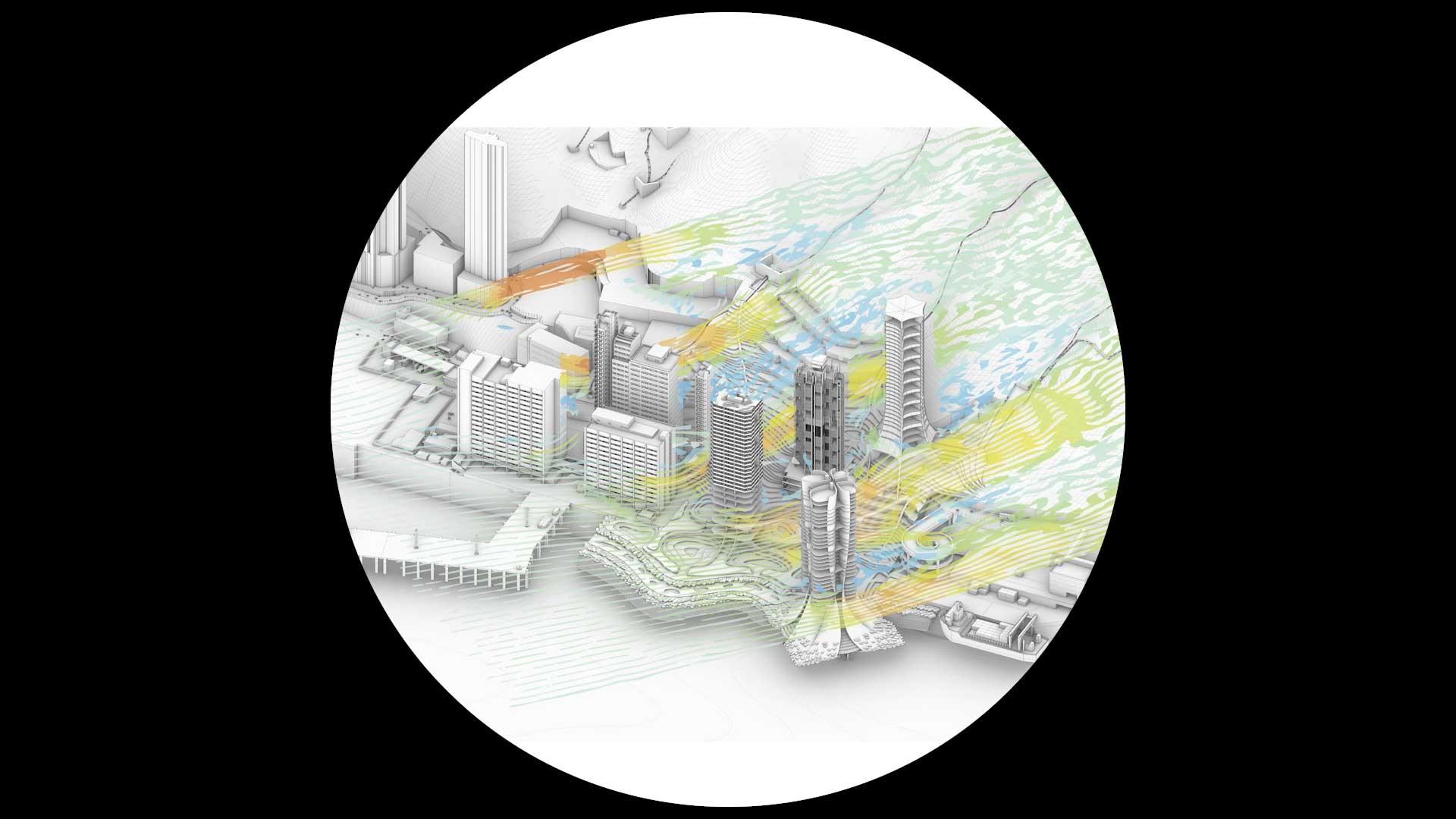
Chronosystemic City with a time-based plan and design for habitation, growth, and management, is where the components of the city are flexibly replaced, switched, removed, and exchanged to survive and thrive.
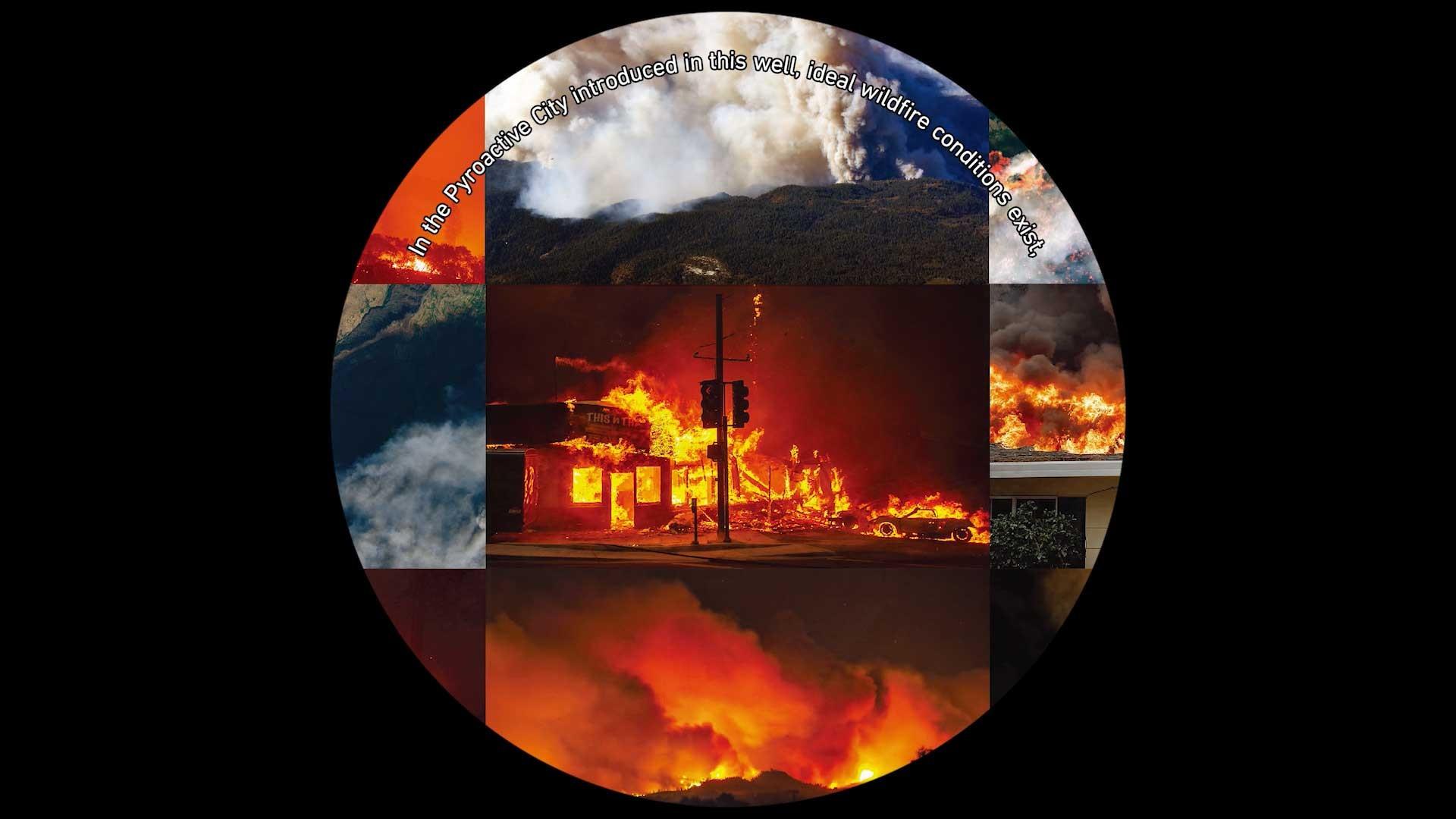
The Pyroactive City featured in this video proposes a balance between city and nature, with safe boundaries and redefined buffers to wildfire activity.
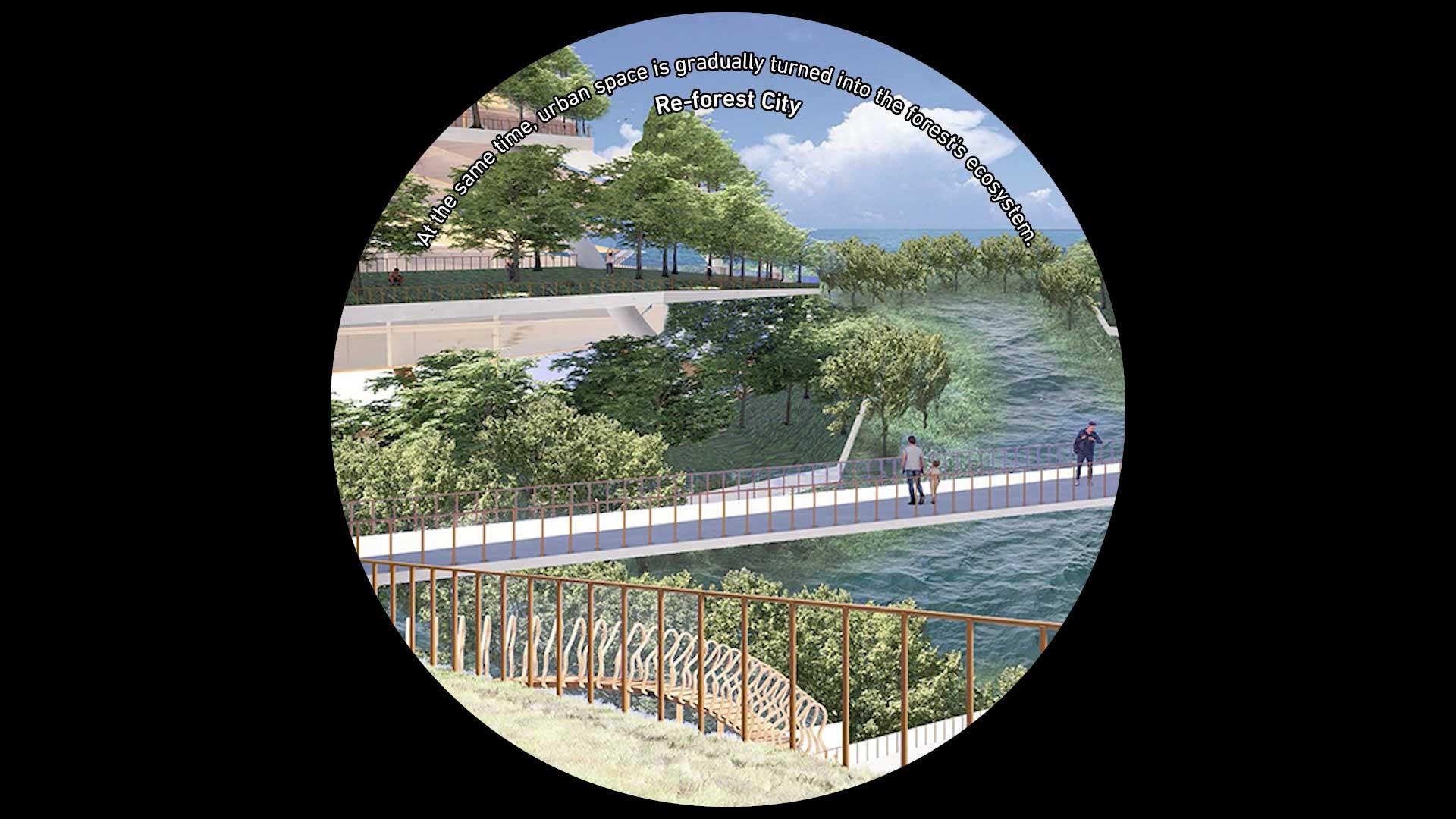
The Biophilic City, featured in this video, is where natural processes are symbiotically integrated promoting cooperation between different ecosystems and plant life within the city.
The Nomadic City, featured in this video, is based on mobility and flow, rather than sedentary lifestyles, so that streets, highways, and rivers can provide means of refuge and new sites of habitation.
The Dialogic City emphasizes dialog between all members of the city, ensuring cultural traditions as part of urban evolution, to create a more balanced, harmonious society.
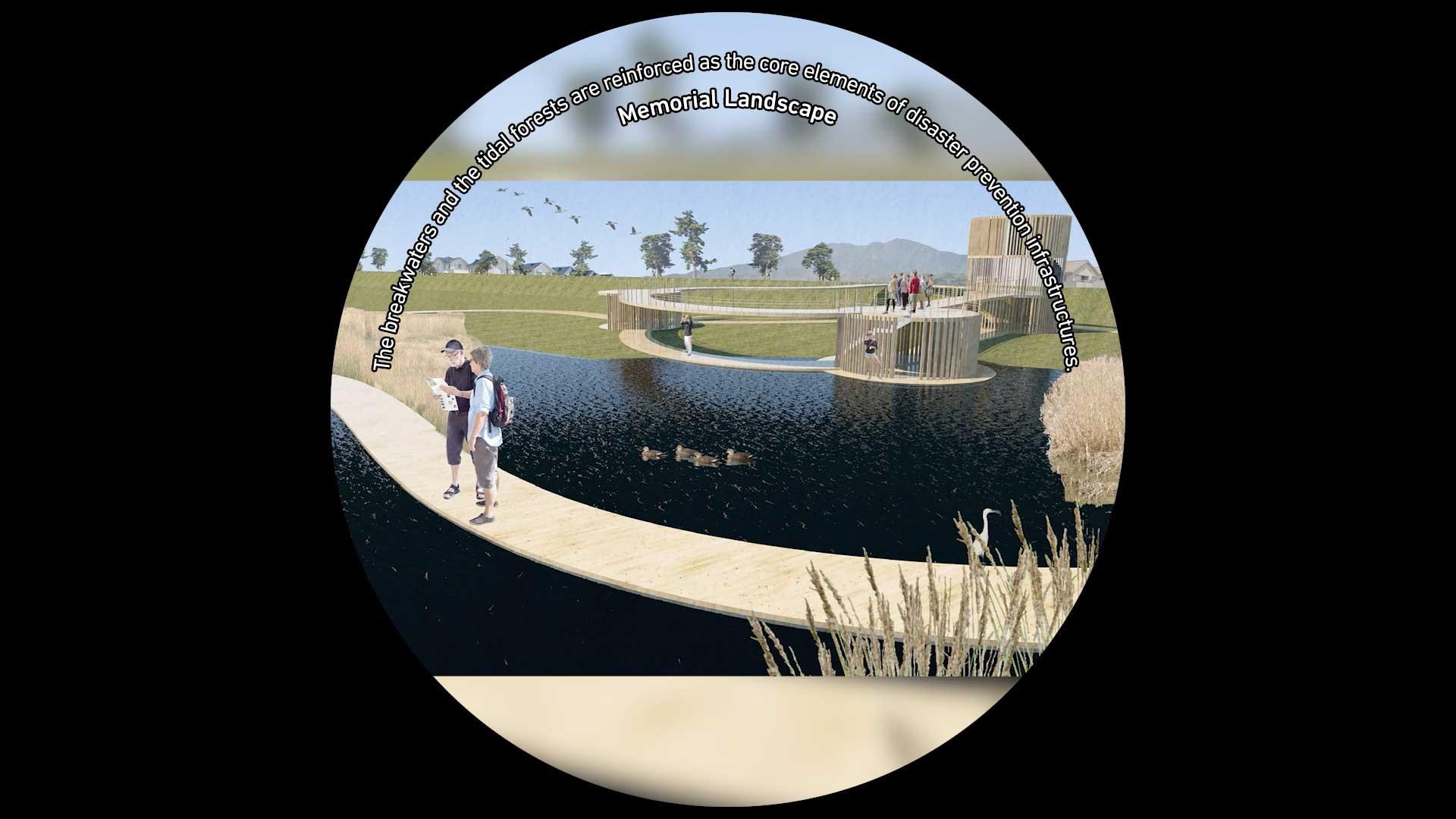
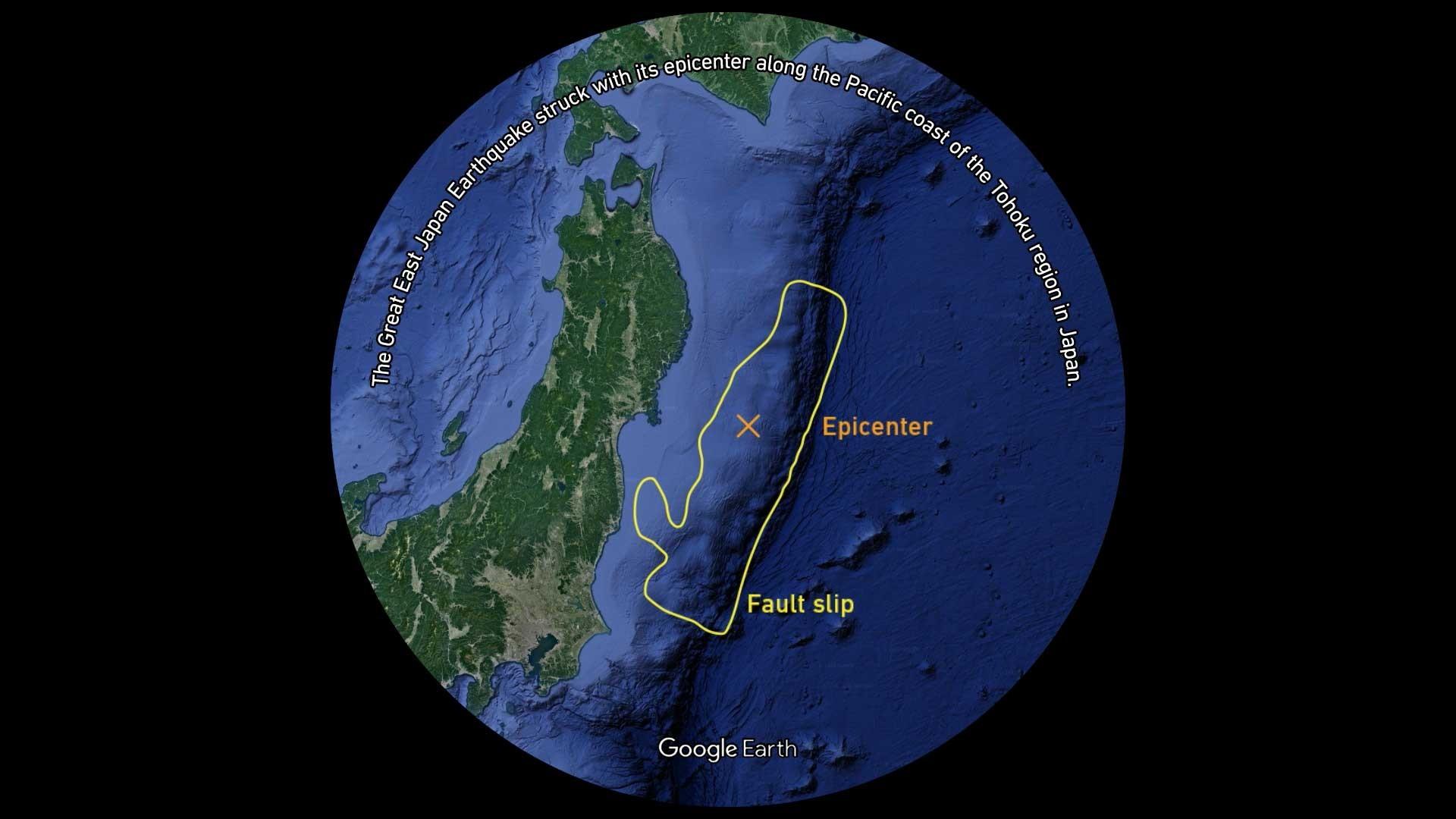
On March 11, 2011, the Great East Japan Earthquake struck with its epicenter along the Pacific coast of the Tohoku region in Japan. Coastal areas of Tohoku were devastated by the massive earthquake, tsunami, and nuclear power plant accident.