.janhavi khairnar
portfolio.
2019-2023
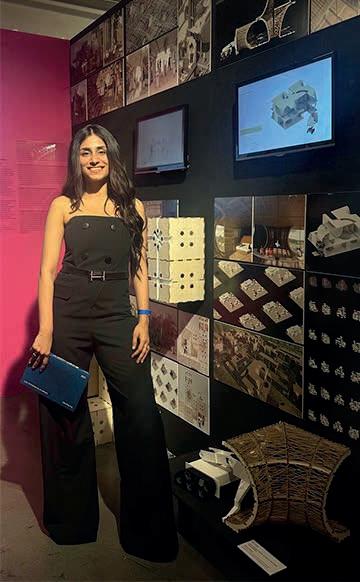
JANHAVI ANAND KHAIRNAR
Architectural Assistant Part 2 (equivalent)
Janhavi Anand Khairnar, a Bartlett School of Architecture, UCL graduate, brings extensive experience and dedication to the role of Architectural Assistant 2. With a passion for innovative design, Janhavi has gained valuable work experience at E—Group Architecture and Prudence Infrastructures, showcasing leadership in international workshops and academic achievements. Her visionary approach merges artistic vision with practical design to shape transformative architectural experiences. She is a visionary architect committed to shaping environments that transcend boundaries and push beyond conventional limits, seamlessly merging artistic vision with practical design to reimagine spatial experiences.
EDUCATION
2022-2023
2017-2022
Masters of Architecture- Architectural Design
Bartlett School of Architecture, UCL, London Grade: 9.35 cgpa
Bachelors of Architecture
Dr. B. Nanavati College of Architecture, India
Grade: Merit
EXPERIENCES AND ACHIEVEMENTS
American Society of Landscape Architects
Award of Excellence & Honor in Student Collaboration/ Urban Design
LYX Arkitekter
Iconic Villa of the Century Competition (Oct 2021)
See Our City Workshop
15 Universities Worldwide (Oct 2020)
BCN; Modern & Contemporary Architecture and Urbanism (Group Leader)
EXPERIENCE
AUG 2022- FEB 2024
Prudence Infrastructure Pvt. Ltd.
Architectural Firm - Steel and Tensile
Junior Architect
-contributed in working on steel fabrication projects in the private and public sectors
JUN 2021- NOV 2021
E-Group Architecture
Urban Planning
Architectural Intern
-Involved in regular site visits, creating masterplans, attending client meetings, and working on structural details
Utah University, U.S.A
New Urban Inserts Old Morphologies (Oct 19-30, 2020)
Department of LAEP at Utah University U.S.A
University Nomination
COA: Best Thesis of the Year (2023)
Parametrized 1.0
Parametric Architecture and Computational Form Finding (May 2020)
AI Urbanised: Eco-Urban Analysis
Parametric Analyzing Workshop and Competition (March 2021)
NOV 2019- APR 2020
Prudence Infrastructure Pvt. Ltd.
Architectural Firm - Steel and Tensile
Architectural Intern
-Gained knowledge on utilising tensile fabric as an element of building envelope and canopy design
Dr. B. N. College of Architecture
Arches, Vaults, and Domes Workshop (2018) Bamboo Workshop (2018)
International Model United Nations
JAN 2021- MAR 2021
Personal Project
Jawaharlal Nehru Port Trust
Community Centre
-Led the project design from its inception through completion.
Certificate of Appreciation in IMUN Online Conference 14.0 July 2020
Pillar of BNCA Award Award for Leadership skills and Management (2018)
CONTACT



+44 07867050173 janhaviikhairnar@gmail.com W14 9DJ, London

https://www.linkedin.com/in/janhavi-khairnar1999/
SOFTWARE SKILLS SKILLS
3D MODELLING
• Rhinoceros
• Maya
• Sketchup
RENDERING
• VRay
• Keyshot
• Enscape
• Twin Motion
• Lumion
PARAMETRIC DESIGN
• Grasshopper
SCRIPTING
• C# with Unity
• Python
GAME ENGINE
• Unity
• Unreal Engine
PRESENTATION
• Photoshop
• Indesign
• Premier Pro
• Illustrator
FABRICATION
• 3D Printing
• Laser Cutting
• CNC Milling
ROBOTICS
• Dynamixel
• Raspberry Pi
• Leadership
• Communication
• Management
• Goal Oriented
• Time Management
• Attention to Detail
• Collaboration
• Pragmatic Thinking
• Problem Solving
• Adaptability
• Creativity
• Responisibility
• Prototyping
• Exploring New Softwares
• Reading
• Travelling
• Techno Music
• Music
• Dancing
• Football
INTERESTS
CONTENTS
re^2 (BOT)
M. Arch. Architectural Design Project at UCL, 2023
TRANSCIENCE
B. Arch. Semester 7 Design Project, 2021
BRIOME
B. Arch. Semester 8 Design Project, 2020
MAKSHIKA
LYX Competition Project 2021
THE HYDROGEL EFFECT
Bartlett Workshop Project, 2022
THE ACHERON
B. Arch. Thesis Project, 2022
KYRA INTERNATION HOTEL Work Project at Prudence Infrastructures, 2022 01 08 12 17 21 29 24

Refugee Rehabilitation through Robots
TUTORS : Tyson Hosmer, Octavian Gheorghiu, Philipp Seidler, He Ziming, Jordi Vivaldi Piera, Baris Erdincer
Year: 2023
Video Links for the Project https://vimeo.com/861282062?share=copy https://vimeo.com/891362632?share=copy
LIVING ARCHITECTURE
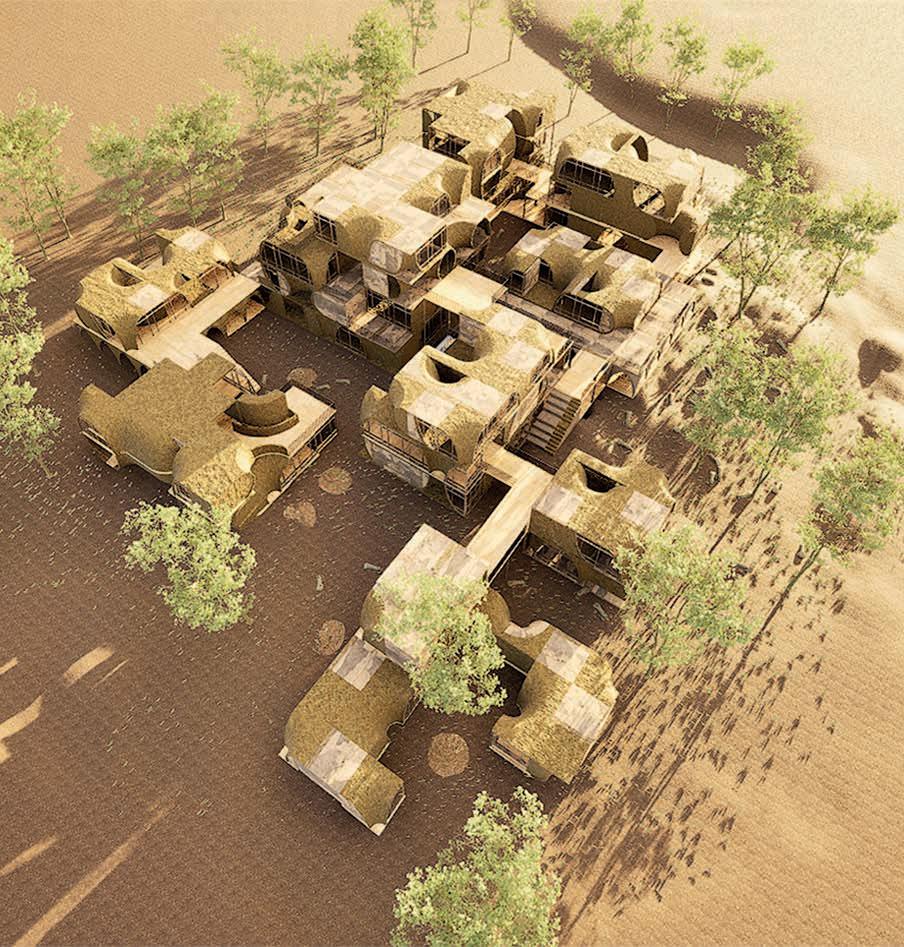
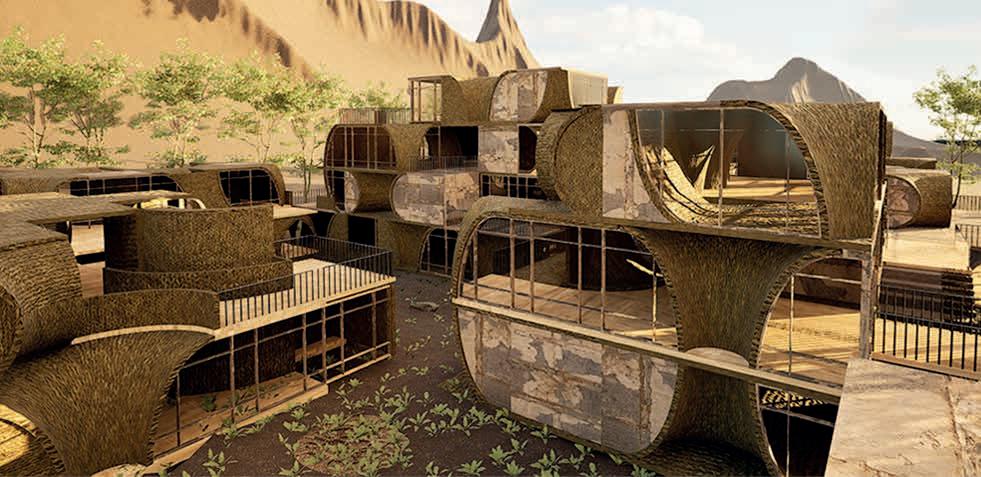
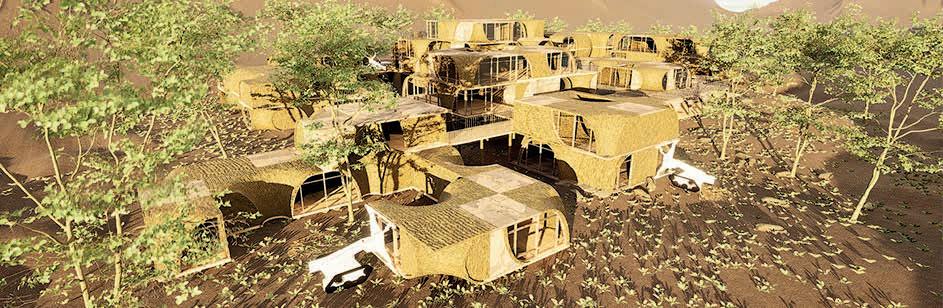
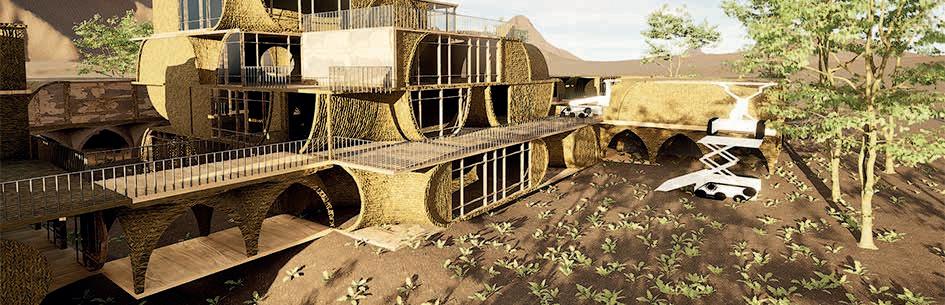
The (re)2 BOT system revolutionizes modular construction, focusing on disaster relief and refugee scenarios. It features effortless assembly, disassembly, and reconfiguration via large-scale robots, aiming to create sustainable communities by transforming rapidly deployable camps into enduring settlements. Key to (re)2 BOT is its lightweight, reversible monocoque components, prefabricated with eco-friendly materials in osite micro factories, closely collaborating with large-scale robotic assembly systems. Utilizing cutting-edge computational algorithms, including constraint solving and reinforcement learning, it adapts spatial layouts to evolving refugee community needs, exploring autonomously reconfigurable buildings with agency, facilitated variation, and AI.
01
01
SPATIAL UNITS AND TYPOLOGIES
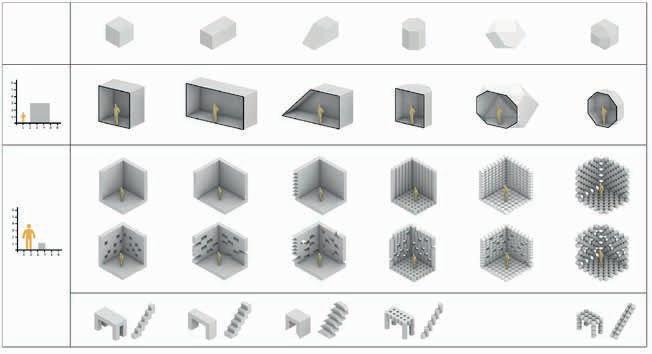
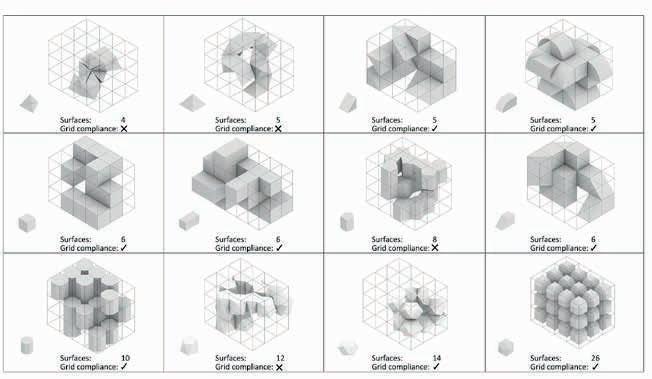
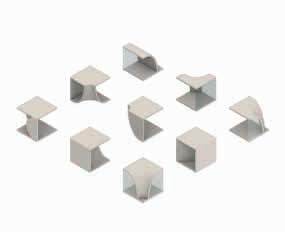
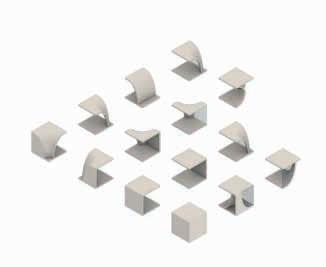
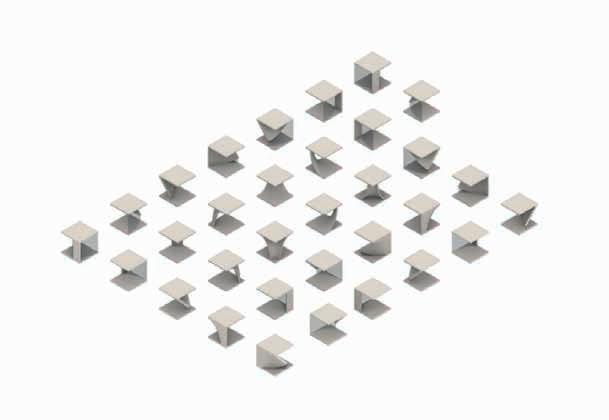
The research endeavor strives to construct a comprehensive catalog of large scale spatial units, each meticulously designed based on the principles of double curvature geometries and the specific spatial requirements thoroughly studied. These units possess the remarkable flexibility to be arranged in varying combinations and sequences, thereby generating a wide array of distinct spaces, layouts, and typologies. This approach places the user’s needs and preferences at the forefront, allowing for adaptable configurations that can seamlessly evolve to cater to diverse requirements. The initial studies for spatial systems, robotic systems, and computational algorithms laid the foundation for spatial exploration, establishing a framework of constraints and rules to guide further geometric investigations. Grid-Based Geometry: The geometry adheres to a grid structure, with each grid cell measuring 3m x 3m, providing a standardized area of 9 square meters, the proposed space for temporaryhousing for a single individual. Scale Analysis: A thorough examination of various scales was undertaken to ascertain the optimal geometrical scale.
02
Housing Units
Healthcare Units
Recreational Facility Units
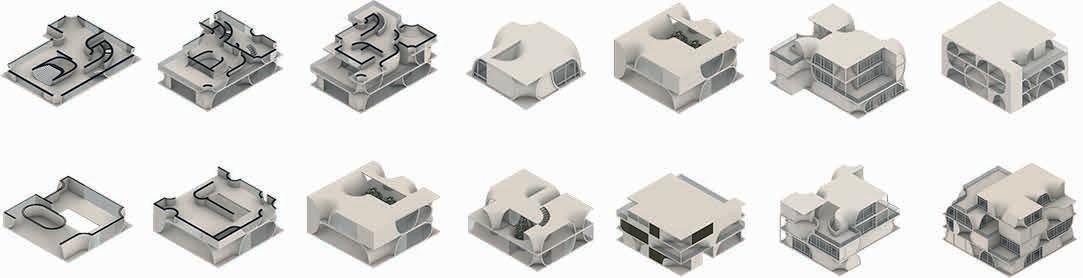
Spatial Units Assembly and Aggregations
Scale Analysis
Grid Analysis
COMPUTATIONAL SPACE GENERATION ALGORITHM
Game of Life
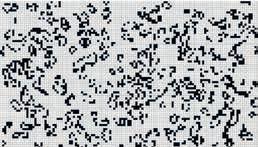

Neighbourhood Density
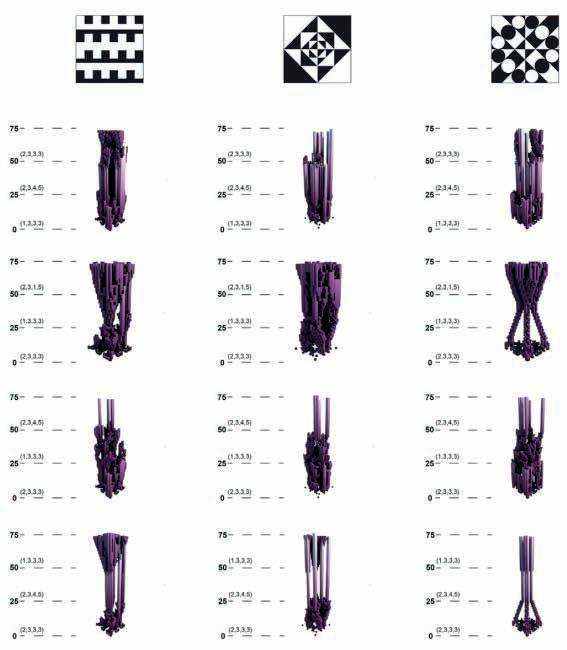
Wave Function Collapse
Spatial planner was integrated with the WFC3D algorithm, which generated each aggregation invarious sizes and typologies, precisely aligning them with the positions designated by the spatial planner algorithm. Spatial planner aided in creating systematic development from phase 1 to 3 expansion whilst WFC 3D helped generating the modular layouts of the spatial units within.
Wave Function Collapse
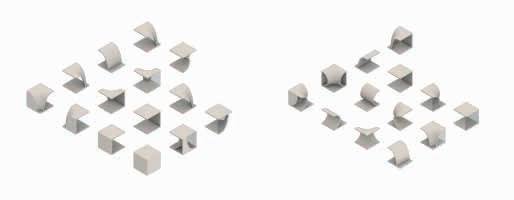
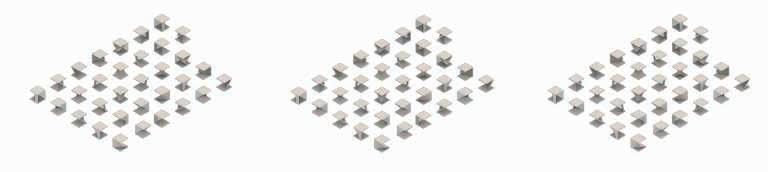
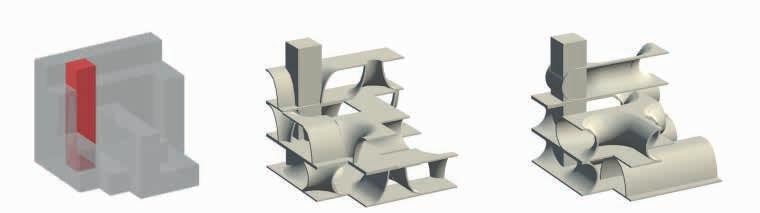
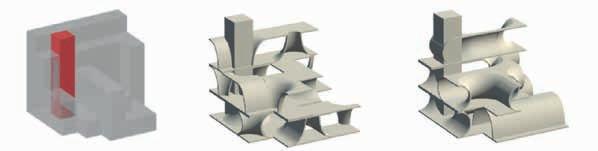
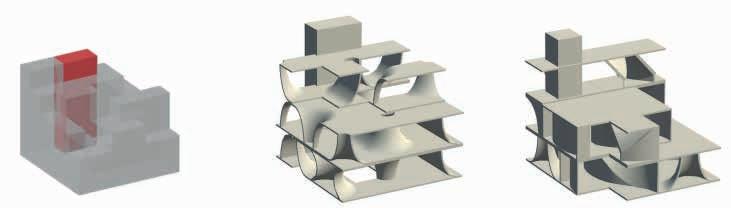
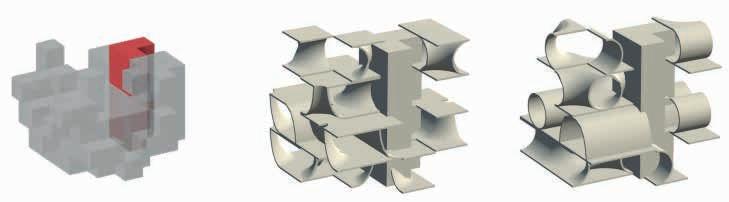
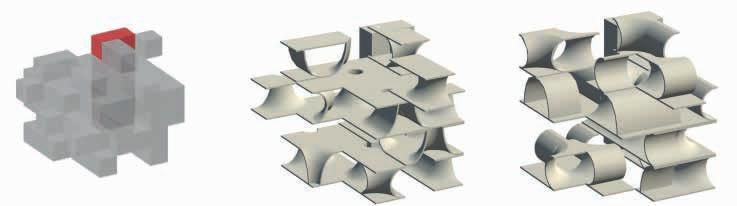
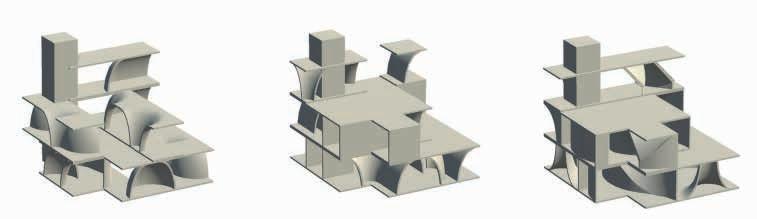
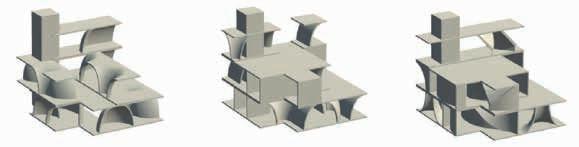
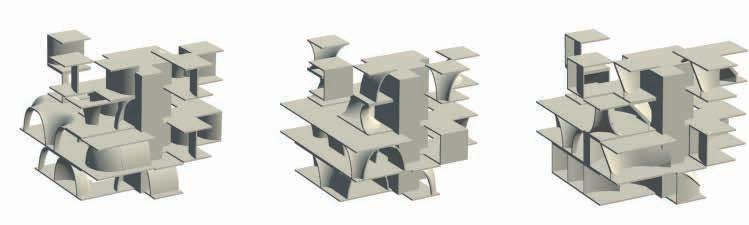
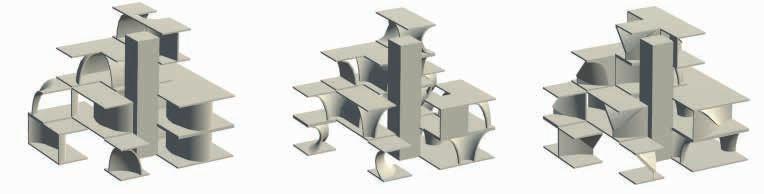
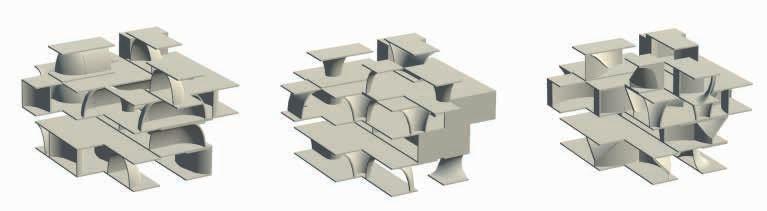
Educational Units Healthcare Units Recreational Units Mesh D Mesh D Mesh D Mesh D Max conflict: 70 Count X: 5 Count Y: 4 Count Z: 5 03
Permanent Housing Community Centre
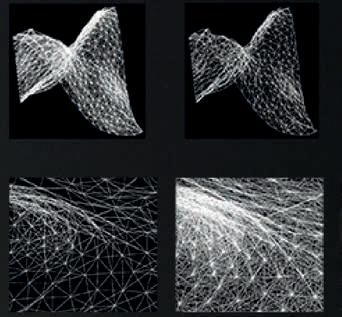
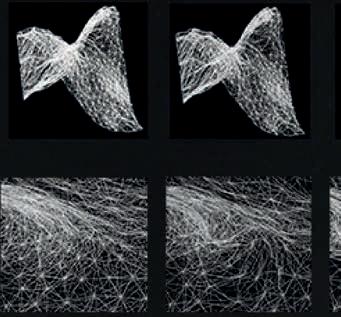
Computational Pattern Studies
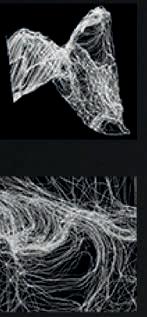
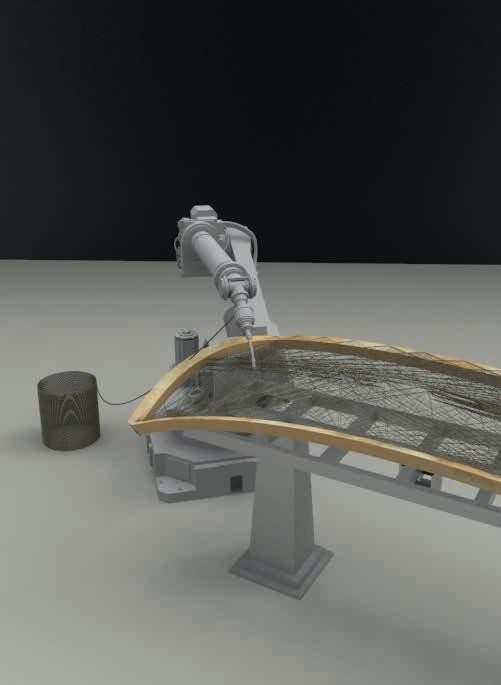
PREFABRICATION STRATEGIES
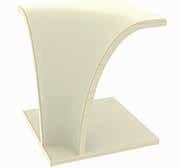
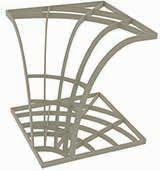
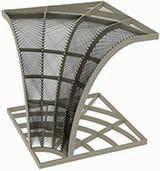
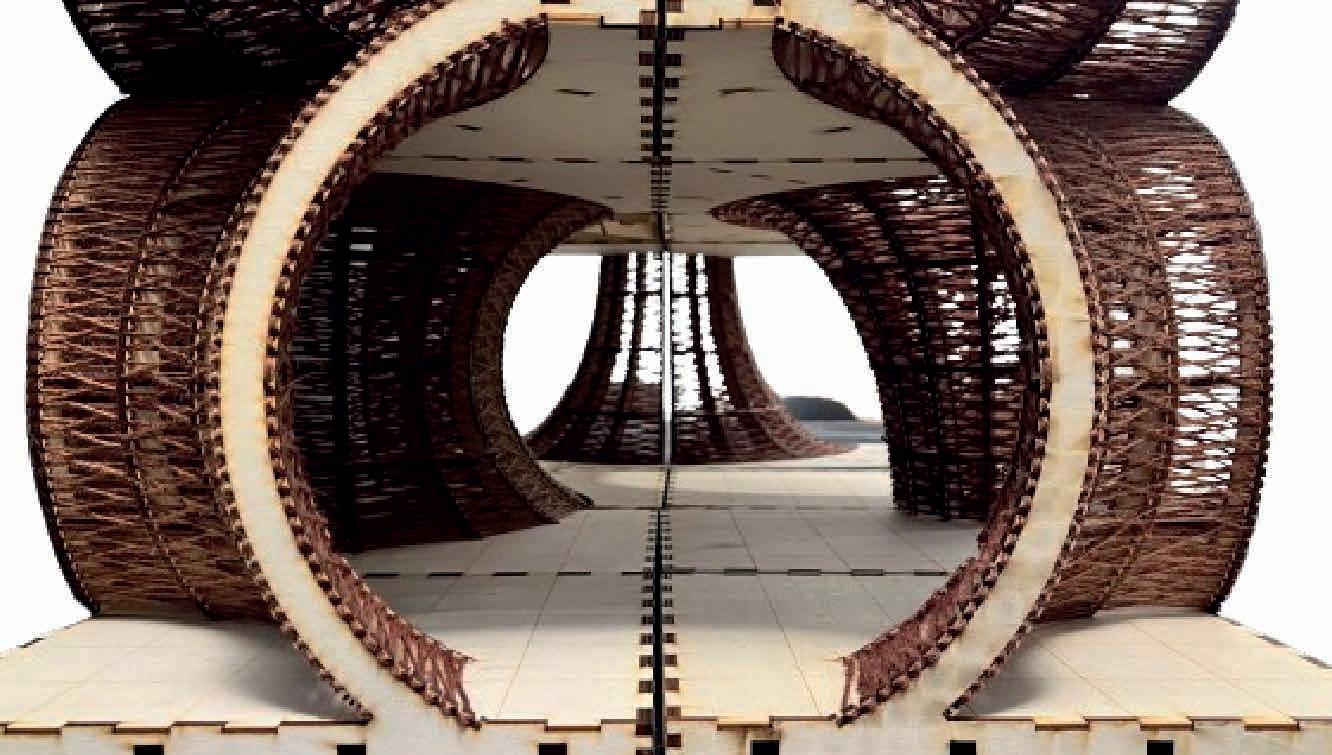
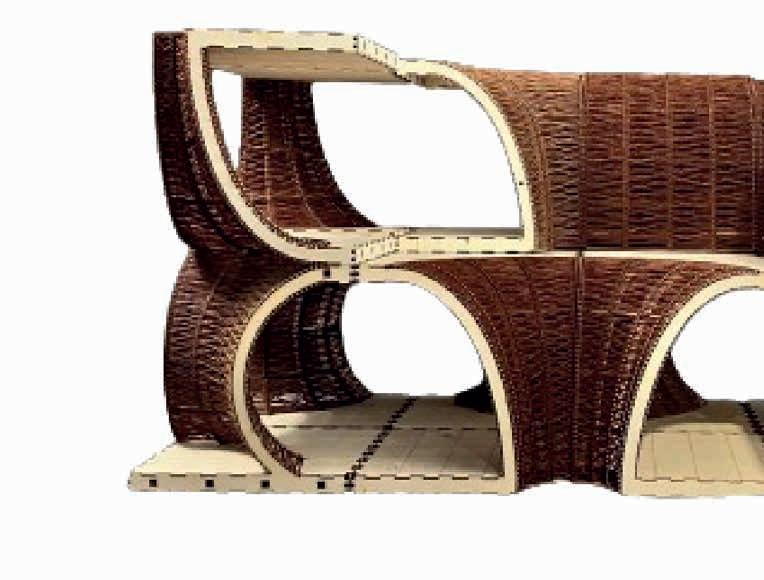
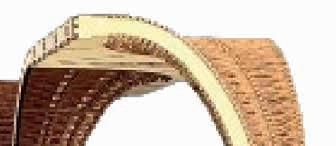


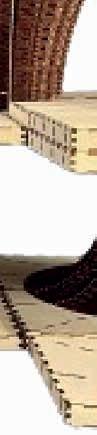



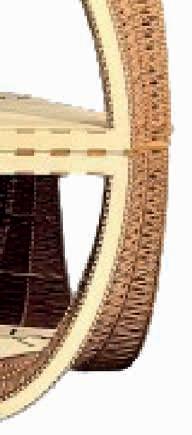 Modular Unit
Prototype for Prefabricated Spatial Units Aggregation
Monocoque Unit
Weaved Unit
Modular Unit
Prototype for Prefabricated Spatial Units Aggregation
Monocoque Unit
Weaved Unit
04
MACHINE LEARNING AGENTS
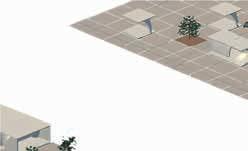

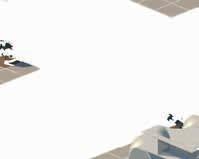
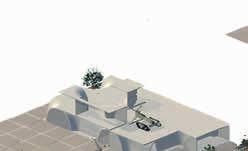
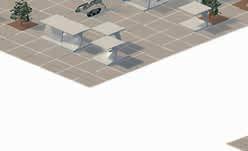
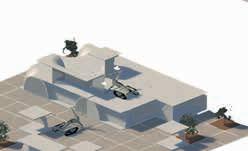

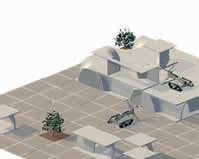
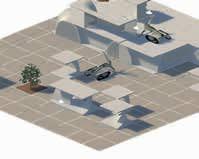
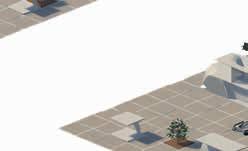
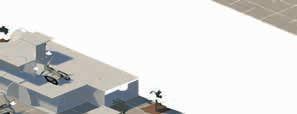

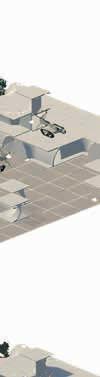
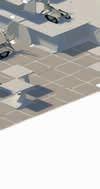

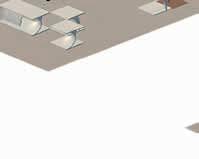
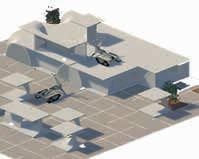
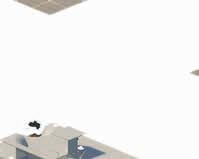
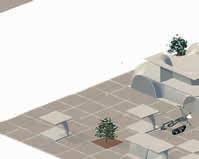
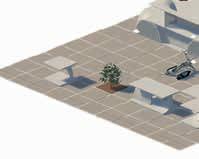


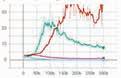
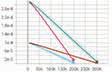
ROBOTIC TRAINING: MACHINE LEARNING
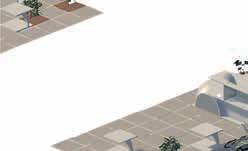
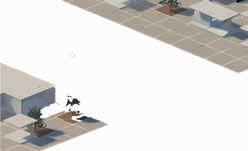
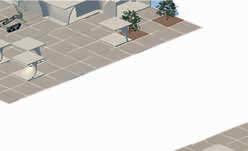
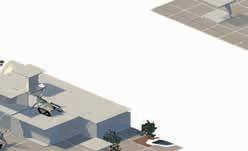
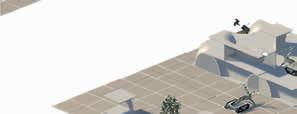
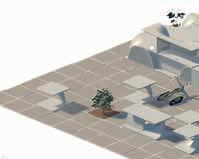
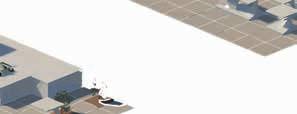
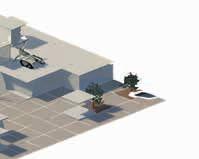
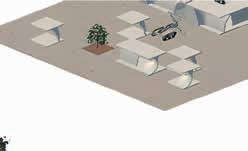
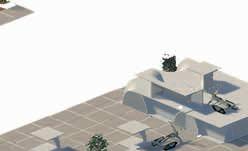
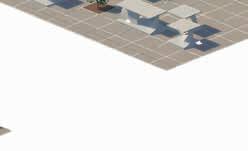
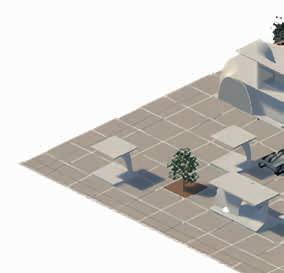
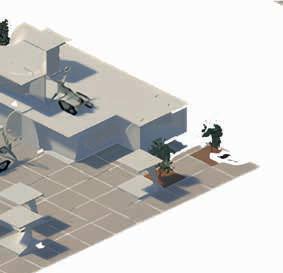
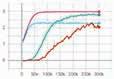
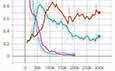
To train robotic agents in tasks like locating spatial units, navigating via the shortest path, and placing them without encountering obstacles, nine scenarios were created. We meticulously tracked learning progress with graphs, showcasing the performance gap between deep learning-trained agents (S1 and S2) and their initial human-based performance, which served as a baseline.Agents: The environment contains multiple agents. Agent Reward Function:
+1.0 if the distance to target < 1.42
+0.5 if the distance to target < 3.5
+0.2 if the distance to target < 5
+0.1 if the distance to target < 6.5
- 0.3 if the distance to target < 10
- 0.5 if the distance to target < 12
- 0.1 if the agent touches the obstacle
- 1.5 if the agent fell off the platform
-0.01 Existential penalty
Behavior Parameters:
Vector Observation space: Size of 17, corresponding to movement and velocity of the agent and the sensor of obstacles.
05
Training Set C
Episode
Value Loss Learning Rate
Cummulative Reward
length
Robotic Simulation Sequence
ROBOTIC
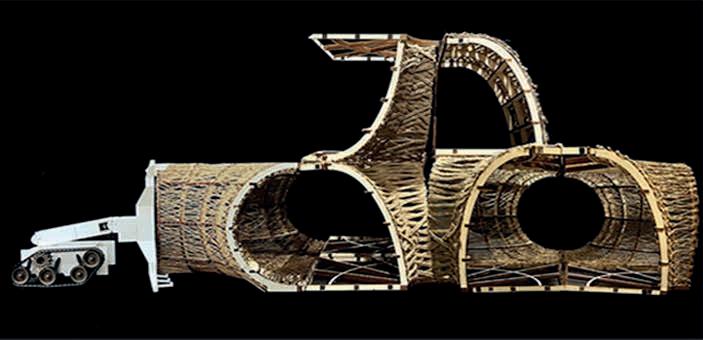
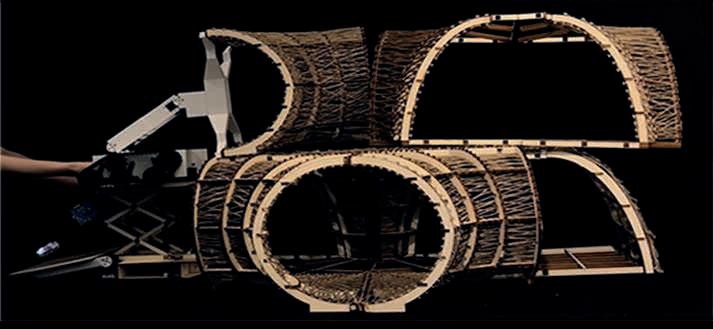
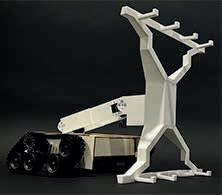
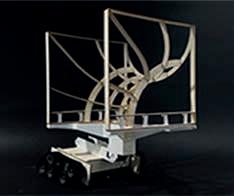
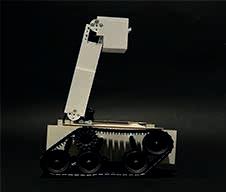
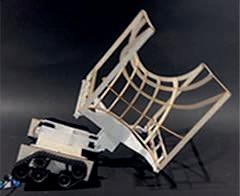
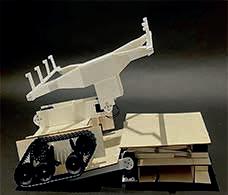
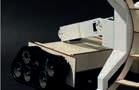
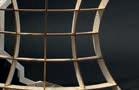
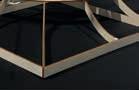

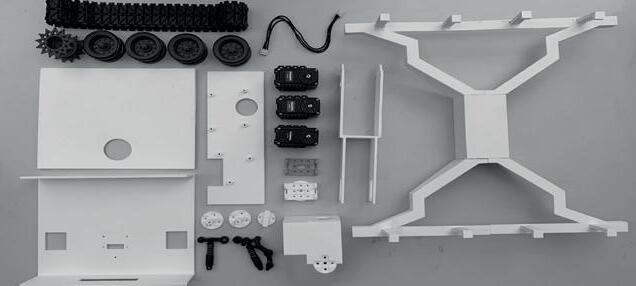
Robot 1 and 2 Prototype experimenting
1 Prototype experimenting Robot 1: End Effector 1 Robot 1
the
unit Robot 1: End Effector 2 Robot 2 Robot 1 with the modular unit
PROTOTYPING
Robot
with
modular
Robotic Parts and Dynamixel Motors
06
Robot 1 with the modular unit
STRUCTURAL ROOF AND INTERIORS
07
Phase III: The Exapansion Stage of the Refugee Rehabilitation Centre
02 TRANSCIENCE
A Cultural Concourse
Tutors: Ar. Aarti Sahasrabuddhe
Year: 2021
THE TRANSIENCE OF ART AND FORM
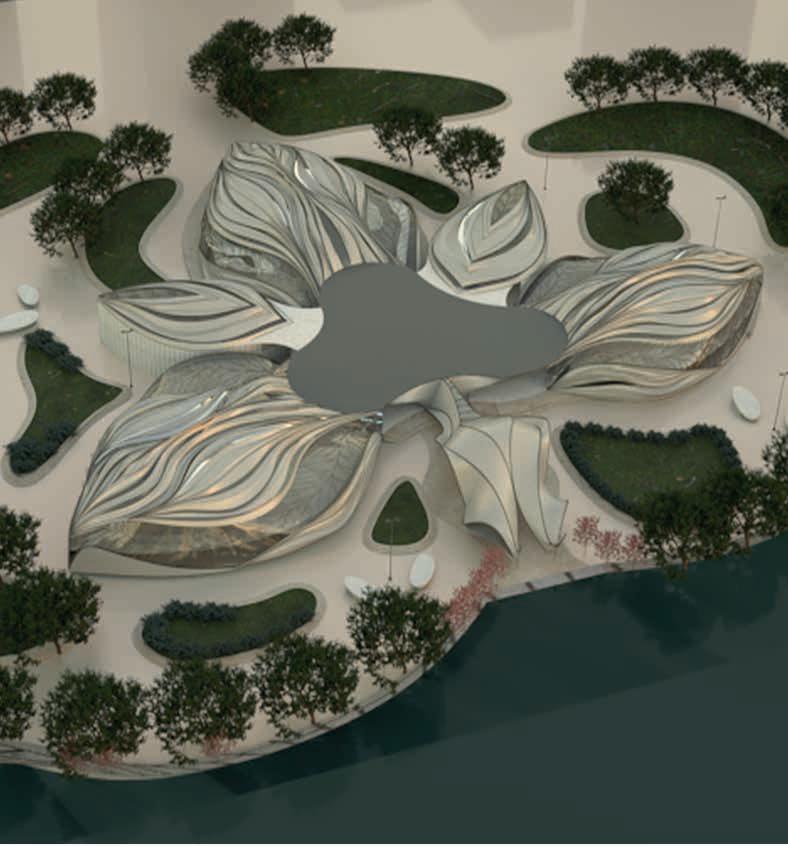
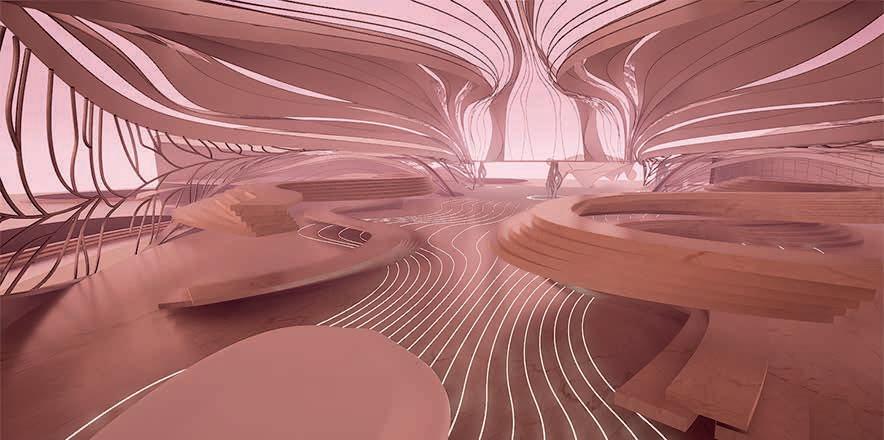
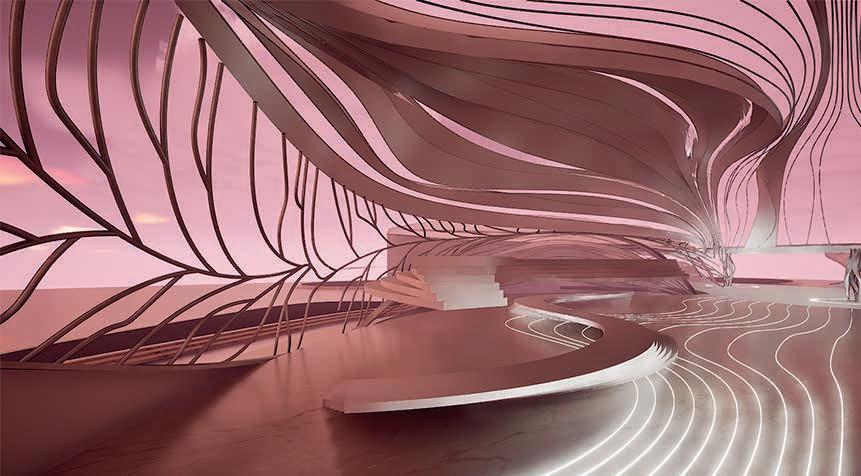
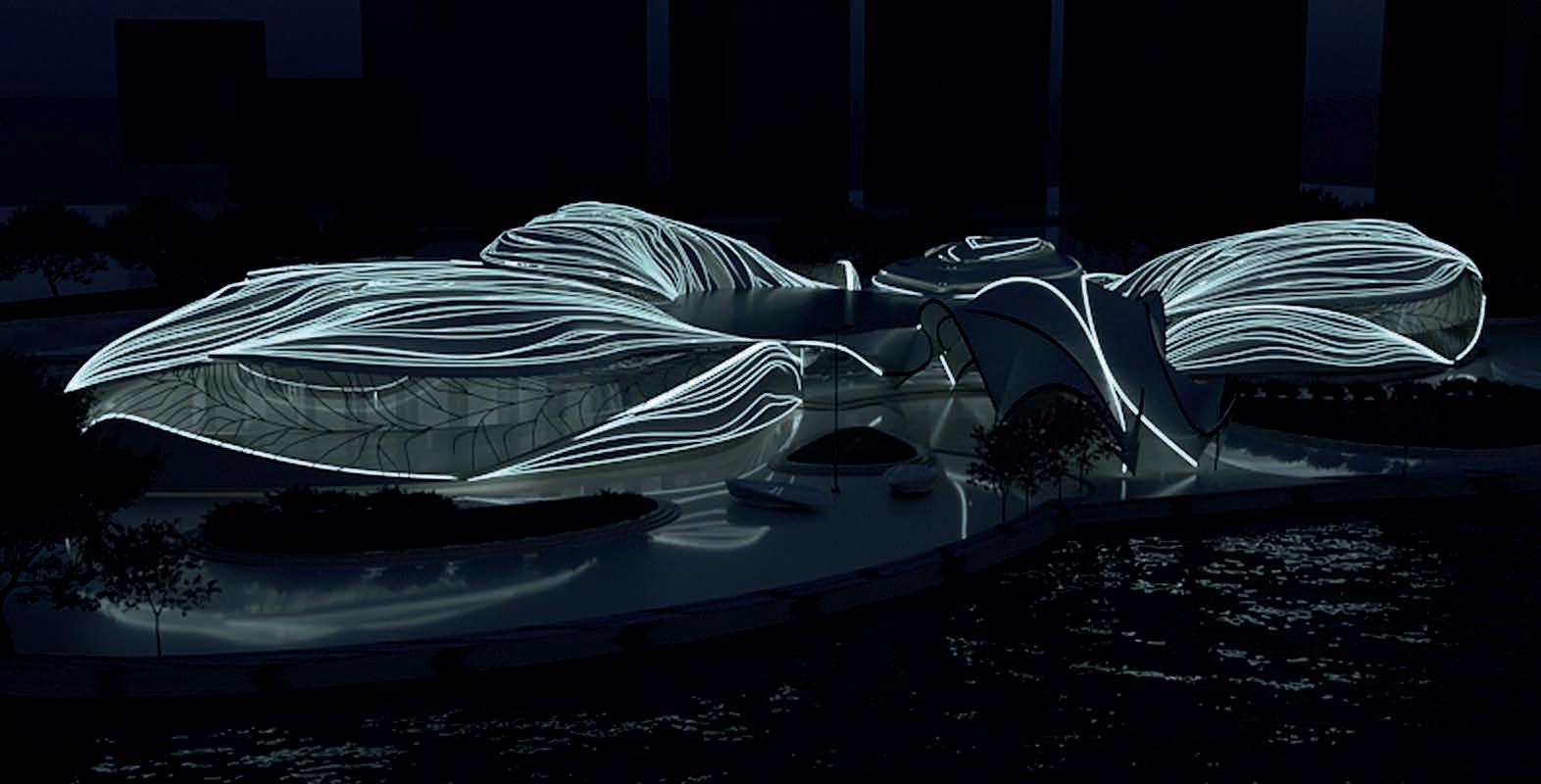
Transience explores history to desig n a modern Cultural concourse, blending futuristic aesthetics with cultural heritage. The architectural framework houses diverse disciplines like Arts, Fashion, and Relic preservation. The resulting organic structure resembles leaves forming wings housing various amenities, emanating from a central plaza. Access is through a walkway resembling a stream, enriched by various modeling techniques. These techniques allowed for a comprehensive exploration of design possibilities, ensuring that the final concourse embodies the vision of transcending historical narratives to reflect the vibrant spirit of contemporary life. Transience is a project rooted in the exploration of form, seeking to design a Cultural concourse that spans through history to our contemporary understanding of life.
08
CONCEPT DESIGN




FORM AND FUNCTION FOLLOWING EACH OTHER
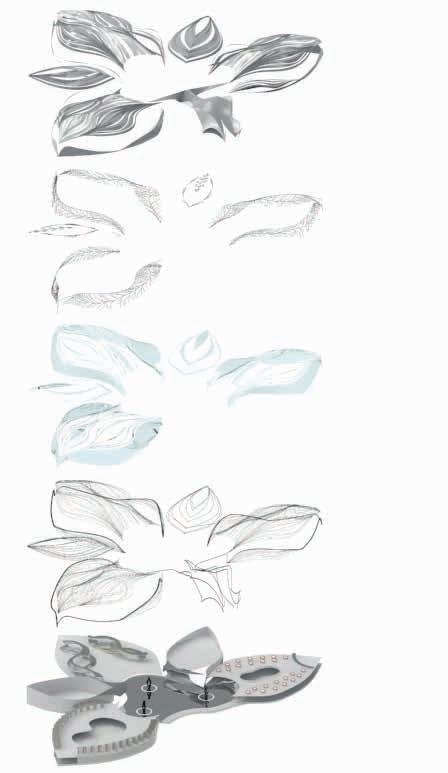
The process of form exploration contradicts both statements of ‘form follows function’ and ‘function follows the form’. The Villa is mindfully designed by taking into consideration the form, the function, and the concept. Both being dependent on each other, the final designs have been explored in the due course of the form-finding process. An equal share of enclosed, solid, and transparent surfaces has been provided in the structure, giving it a muscular, ripped facade.
Acrylic Glass
Mild Steel Pipes
Tensile Fabric
Mild Steel Pipes
Restaurant
Art Gallery
Exhibit Central Plaza Boutique Stores
360 deg revolution 09
Exploded sketch of the cultural centre
STRUCTURAL
ROOF AND INTERIORS
CULTURAL REFLECTIONS
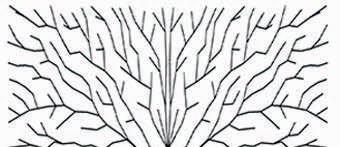
The interiors of the cultural center have been intricately designed to blend seamlessly with the sweeping curves of the structure’s curvilinear facade and roof. This reflects an embrace of a comprehensive design approach aimed at cultivating harmony and fluidity. Through this seamless integration of interior elements with the organic form of the roof, the cultural center creates a unified and immersive environment that deeply resonates with visitors. The roof of the structure is inspired by the leaf venation patterns. Algorithmic studies were done to achieve the venation pattern lines on the facade of the structure.
Leaf Venation Patterns

Probalistic reticulate
Simulating Leaf Venations
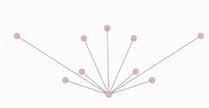
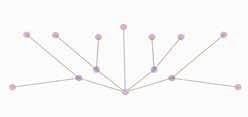
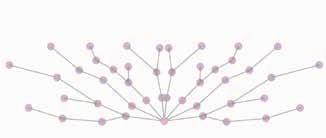
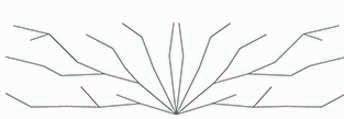
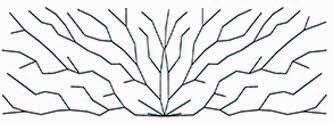
The simulationg begins with isolated root veinsin an environment of digital hormone sources. These sprout out as branches in a space-filling netwrok that is both hierarchial and rhizomatic. Growth steps:
1) insert source points
2)compute source neighbourhood
3) add a new vein for each influenced vien
4) repeat steps 2-4
Step 1 and 2
Step 3
Step 4
Algorithmic Explorations Isogonic reticulate Probalistic reticulate Normal Isogonic
Exhibit
Exhibit
10

11
Highlighting the curves of the structure
03 BRIOME
An Urban Intervention
Tutors: Ar. Aarti Sahasrabuddhe Year: 2021
THE TRANSIENCE OF ART AND FORM
Transience explores history to desig n a modern Cultural concourse, blending futuristic aesthetics with cultural heritage. The architectural framework houses diverse disciplines like Arts, Fashion, and Relic preservation. The resulting organic structure resembles leaves forming wings housing various amenities, emanating from a central plaza. Access is through a walkway resembling a stream, enriched by various modeling techniques. These techniques allowed for a comprehensive exploration of design possibilities, ensuring that the final concourse embodies the vision of transcending historical narratives to reflect the vibrant spirit of contemporary life. Transience is a project rooted in the exploration of form, seeking to design a Cultural concourse that spans through history to our contemporary understanding of life.
12
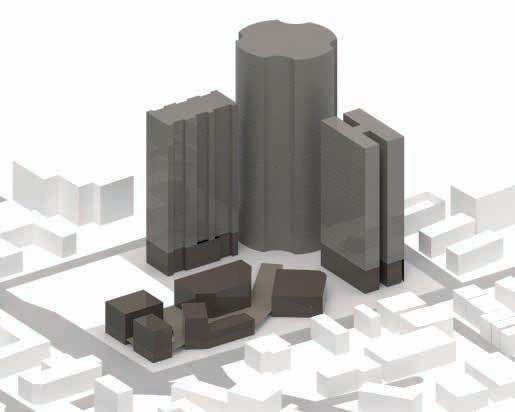
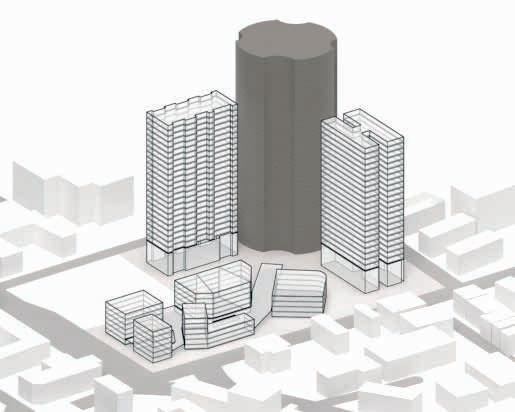
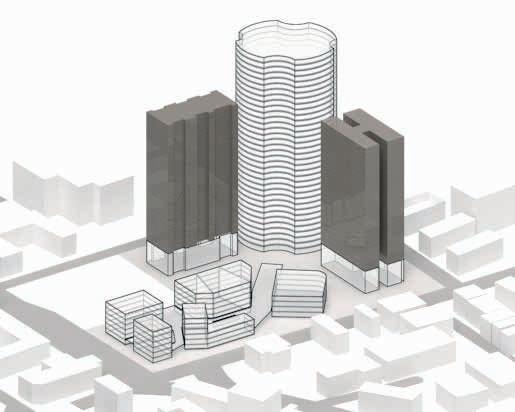
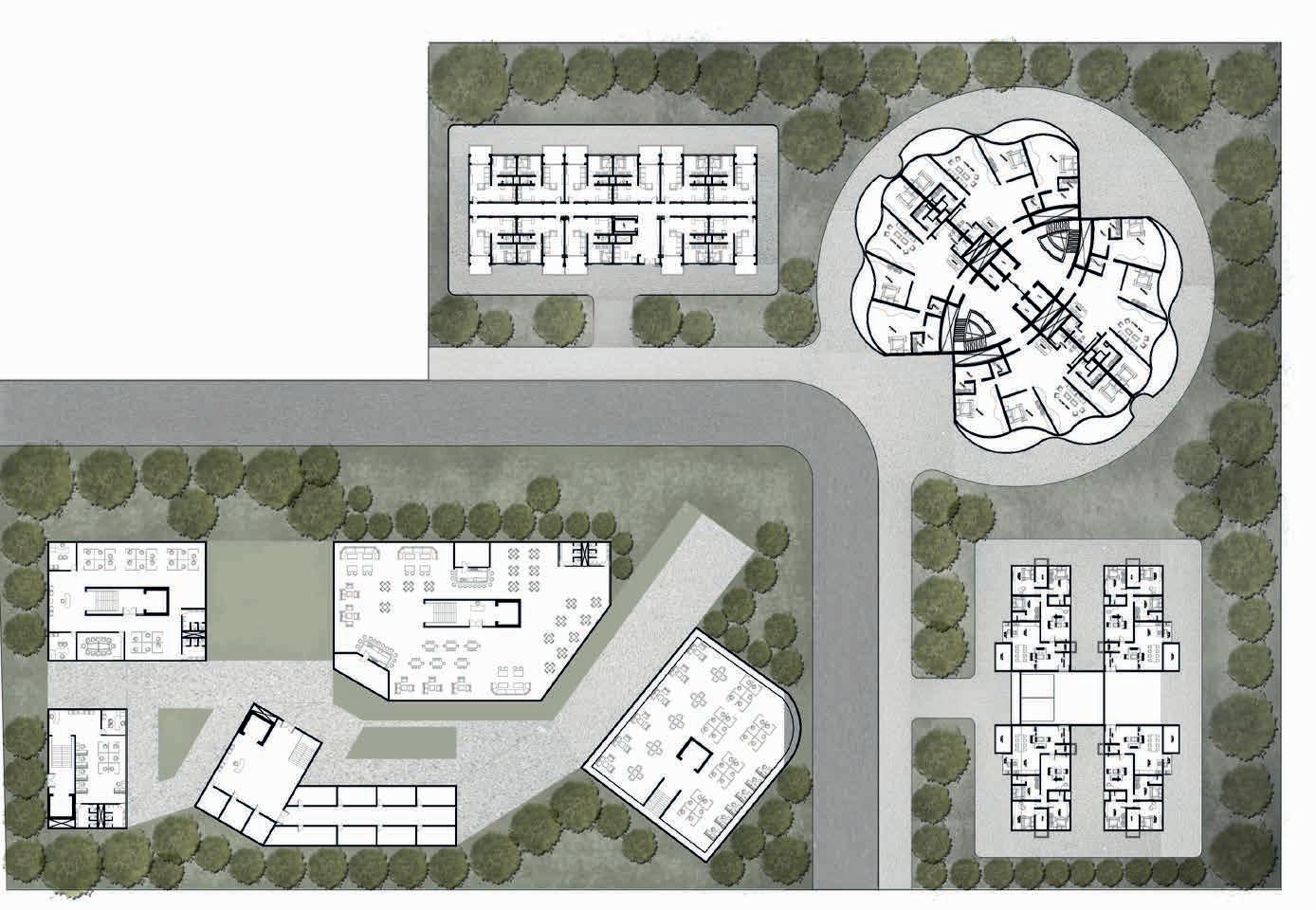
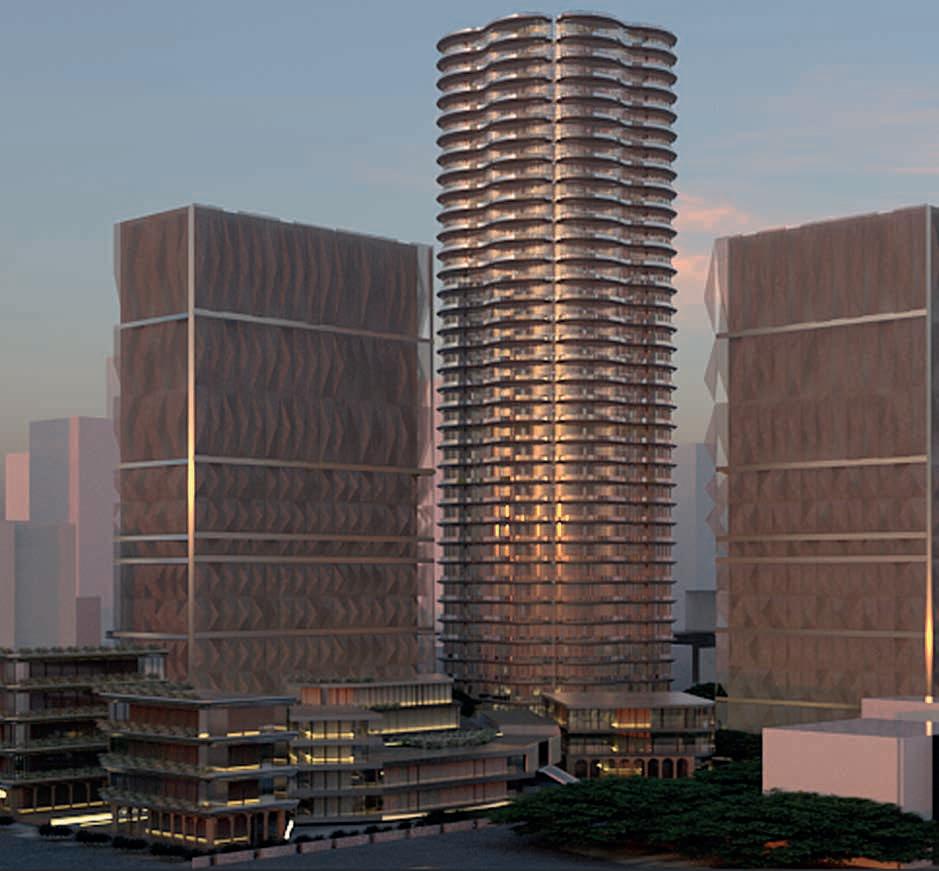
THE COMMERCIAL PLAZA 13 1 : TOWER 1 2 : TOWER 2 3 : TOWER 3 4 : OFFICES 5 : OFFICES 6 : RESTAURANT 7 : RETAIL STORES 8 : CO-WORKING SPACES Site Plan Commerical Spaces Residential Spaces Tower 1 Tower 2 and 3 1 3 4 5 6 7 7 8 2
THE COMMERCIAL PLAZA
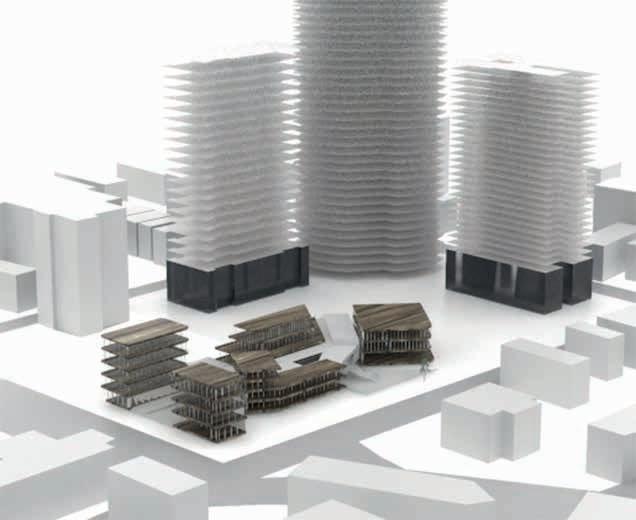
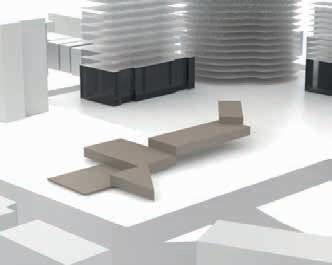
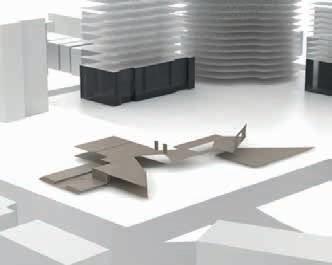
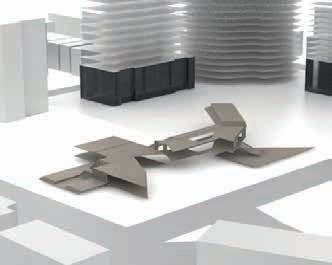
The project emphasizes a traffic-less and feasible vehicle transportation system within the complex. The main entrance, located on the shorter side of the plot, facilitates resident access. Opposite the vegetable market, a commercial plaza integrates stores, co-working spaces, restaurants, and leisure areas. Angular junctions and varied heights lend a whimsical attribute to the plaza, with spaces designed to serve as gardens, co-working areas, or restaurant fronts. Partially enclosed plaza levels feature louvres for privacy and ample light. Dynamic angular pavements, illuminated with LED lights, replace the basic grid layout, aiding in navigation.
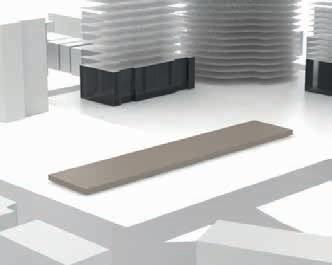
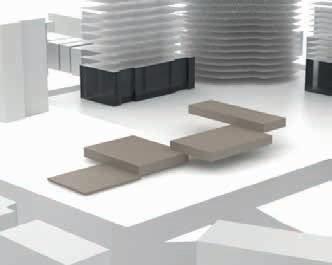
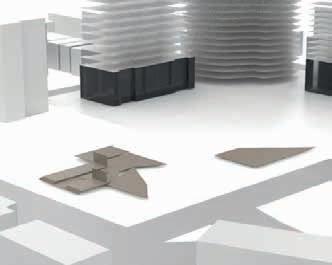
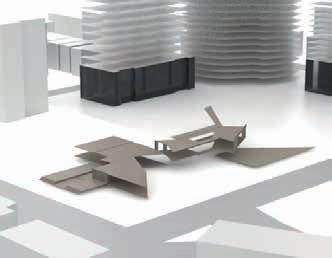
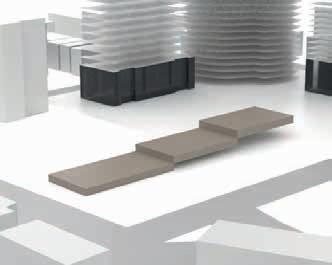
 Conventional Plaza Design
Commercial Buildings and Plaza
Conventional Plaza Design
Commercial Buildings and Plaza
1 Plaza Level 3
Breaking the conventional design
Plaza Level
Creating 3 Levels
Plaza Level 2 All Plaza Levels
Modifying the Plaza Levels
14
THE COMMERCIAL PLAZA
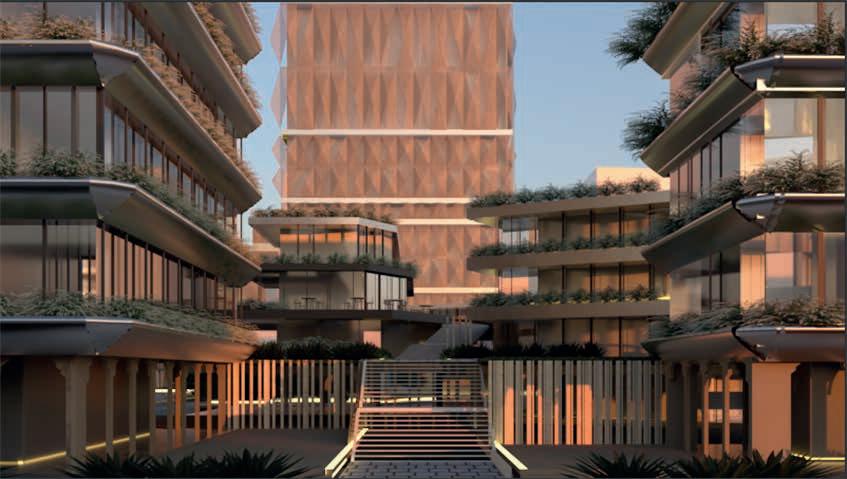
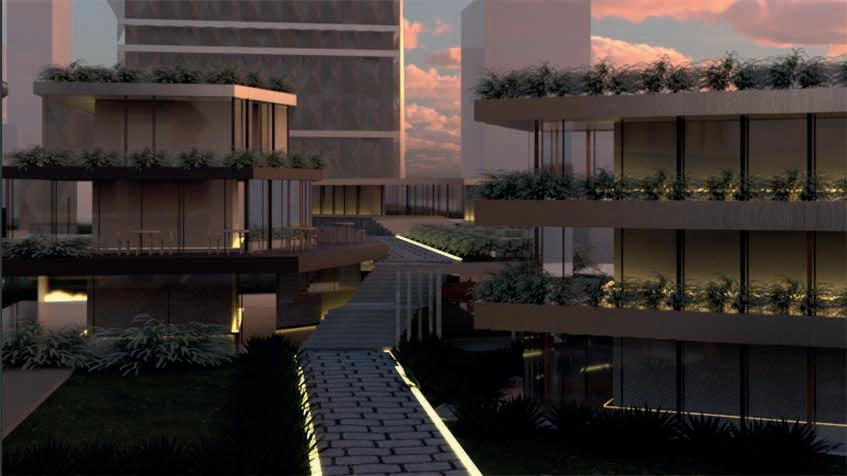
Commercial Buildings and Plaza Commercial Buildings and Plaza
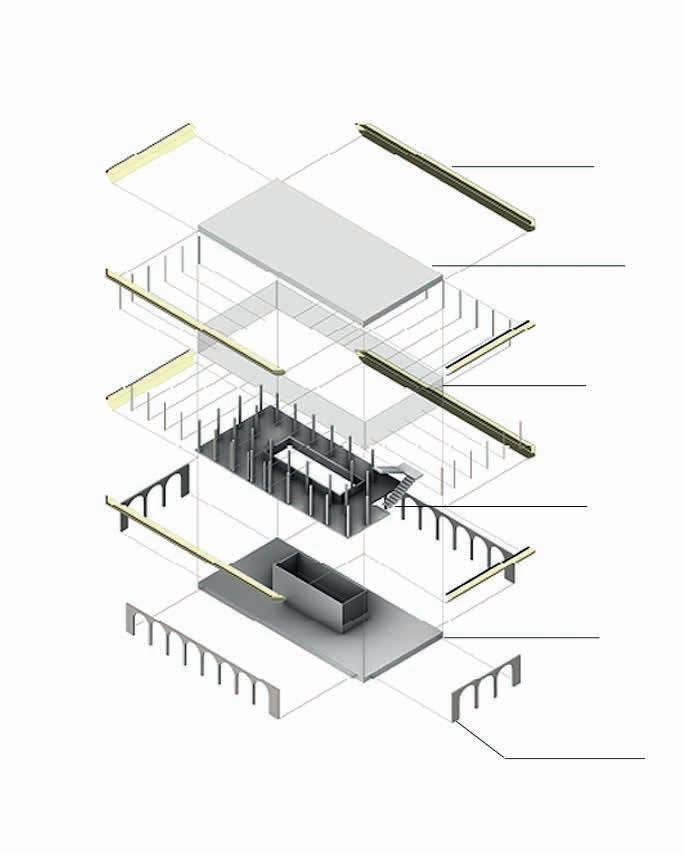
Glass Windows Office Working Space RCC Slab ACP Cladding Arches Ground Floor Entrance
A typical exploded axon of the commecial offices and co-working spaces, retail stores and market shotps, restaurant and leisure spaces.
15
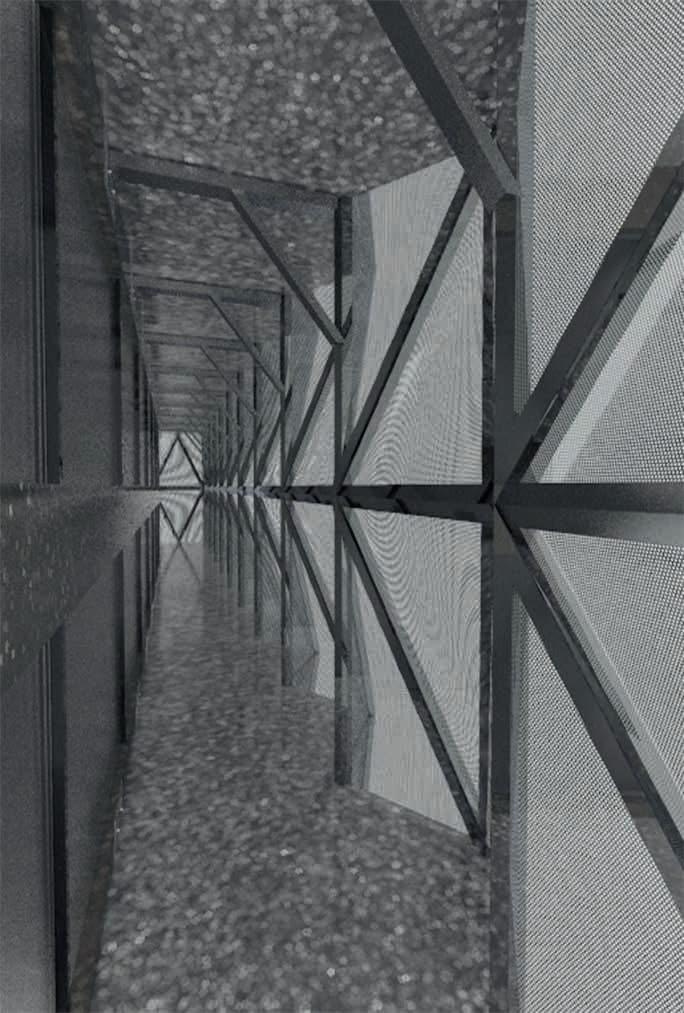
TOWER 2 AND 3 FABRIC CLADDING
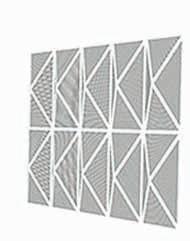
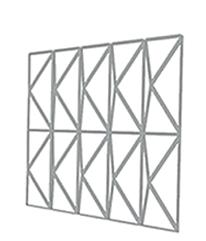
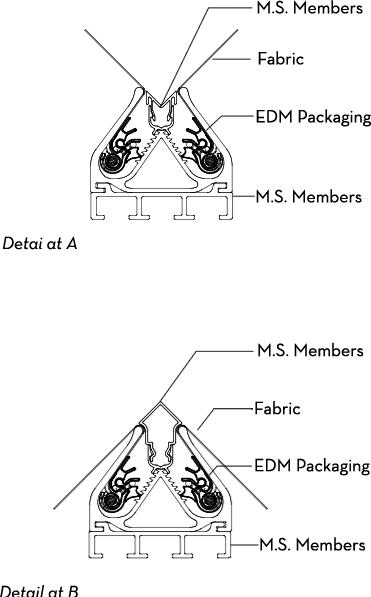
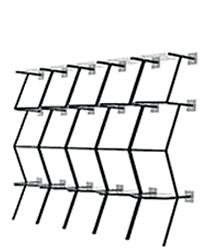
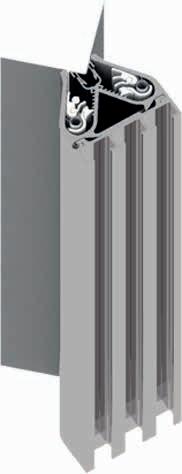
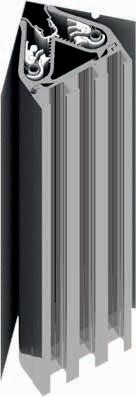 Fabric Cladding Frame For Fabric
Main Frame to the Wall
Detail at A
Detail at A
Fabric Cladding Frame For Fabric
Main Frame to the Wall
Detail at A
Detail at A
16
Detail at B Detail at B
04 MAKSHIKA A Fly (Sanskrit)
Cmpetition Project
Year: 202
BRIDGING THE GAP BETWEEN REALISM AND FUTURISM
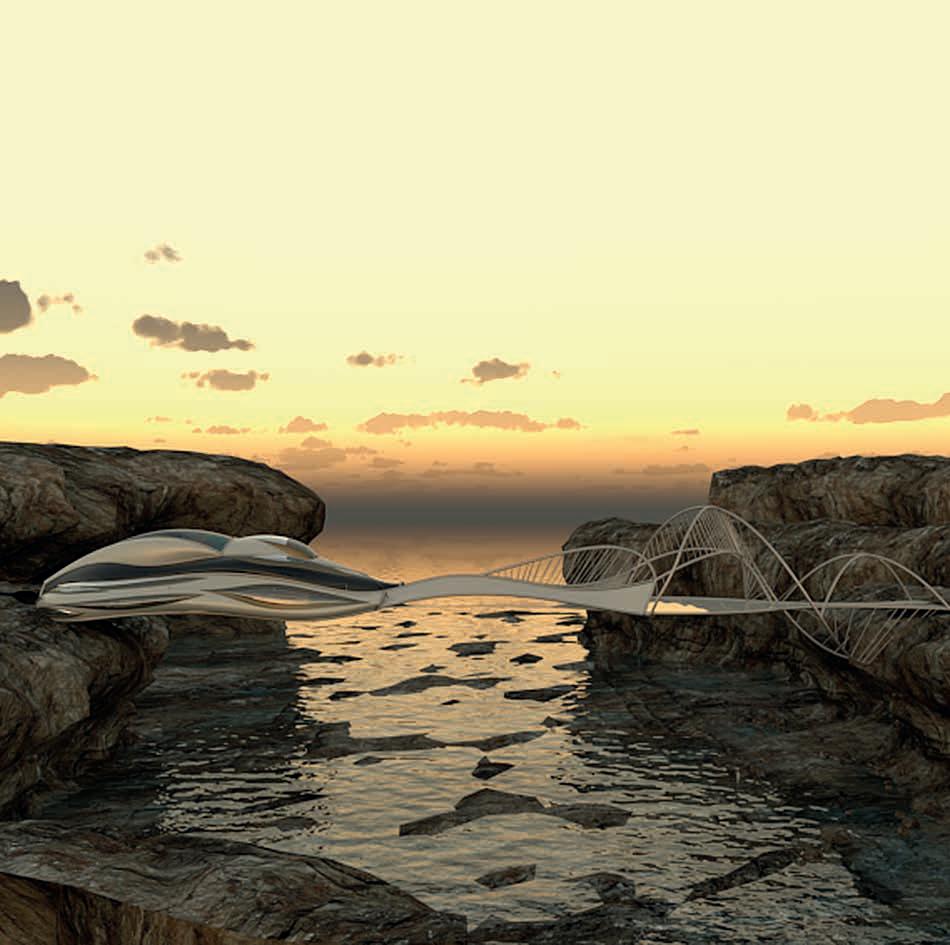
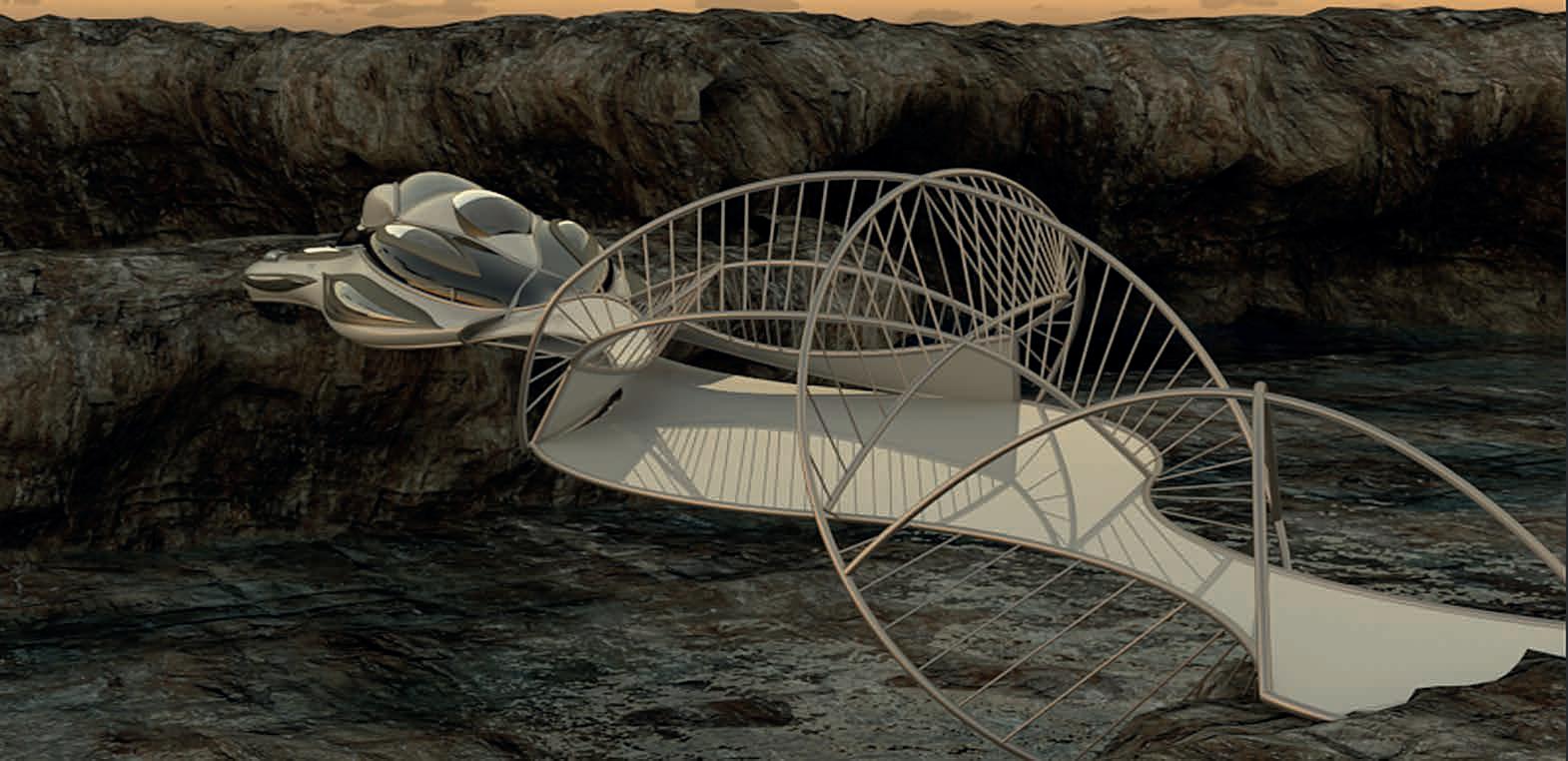
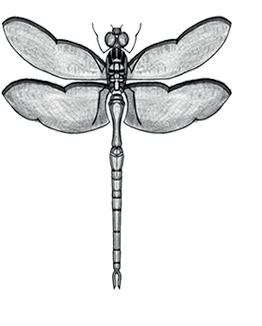
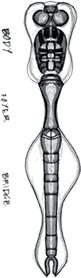
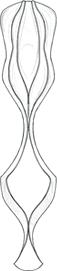
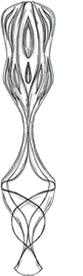
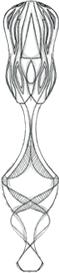
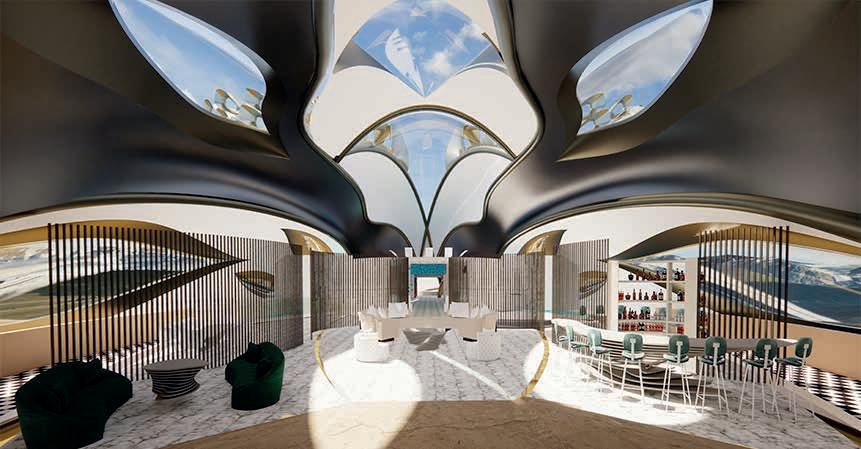
The project emerged as a competition entry ofr Iconic Villa design by LYX Arkitekt merges nature- inspired aesthetics with futuristic architectural concepts. Inspired by the anatomy of a dragonfly, the villa’s segmented structure echoes the creature’s tail, body, and head. Perched elegantly on two cliffs, it serves as a literal bridge between natural formations, blending seamlessly into its surroundings. This innovative approach enhances both aesthetic appeal and environmental integration. The Iconic Villa symbolizes architectural innovation, pushing boundaries to create a functional and visually captivating living space.
17
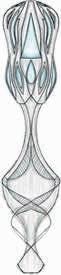
INTERPLAY OF FORM AND FUNCTION
The process of form exploration contradicts both statements of ‘form follows function’ and ‘function follows the form’. The Villa is mindfully designed by taking into consideration, the form, the function
concept originating from the structural body of a dragonfly 18
Design
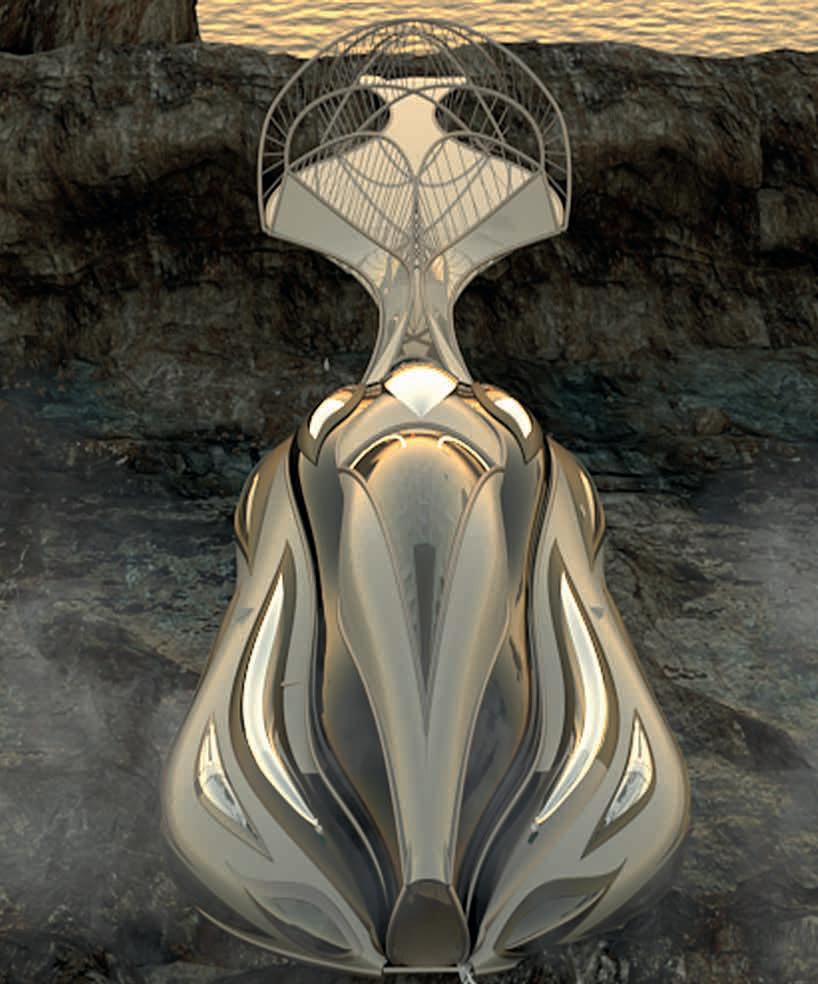
FORM EVOLUTION
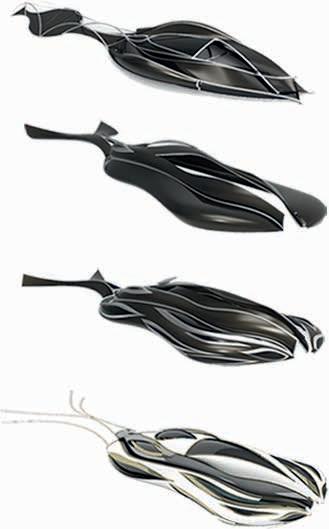
FORM AND FUNCTION
The process of form exploration contradicts both statements of ‘form follows function’ and ‘function follows the form’. The Villa is mindfully designed by taking into consider ation, the form, the function and the concept. Both being dependent on each other, the final designs have been explored in the due course of the find forming process. An equal share of enclosed, solid and transparent surfaces has been provided in the structure giving it a muscular ripped facade.
Form Evolution 1 Form Evolution 2 Form Evolution 3 Final Form 19
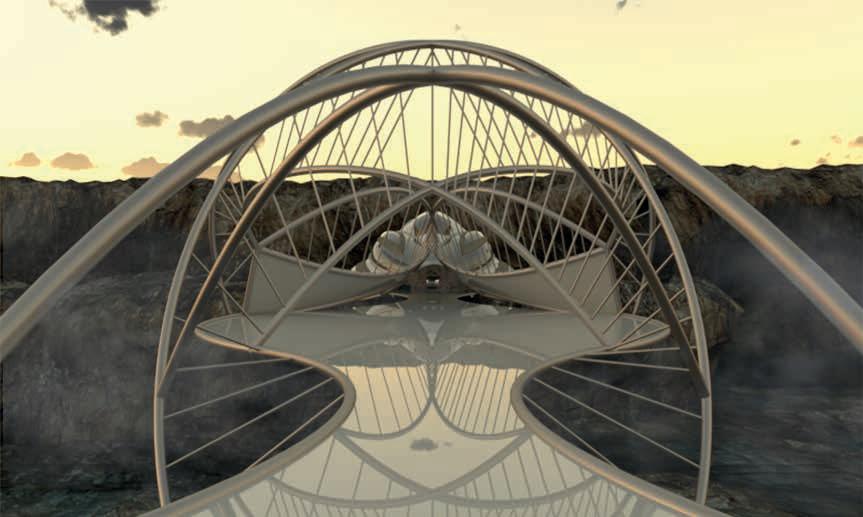
Mild Steel plate Framing of the structural body
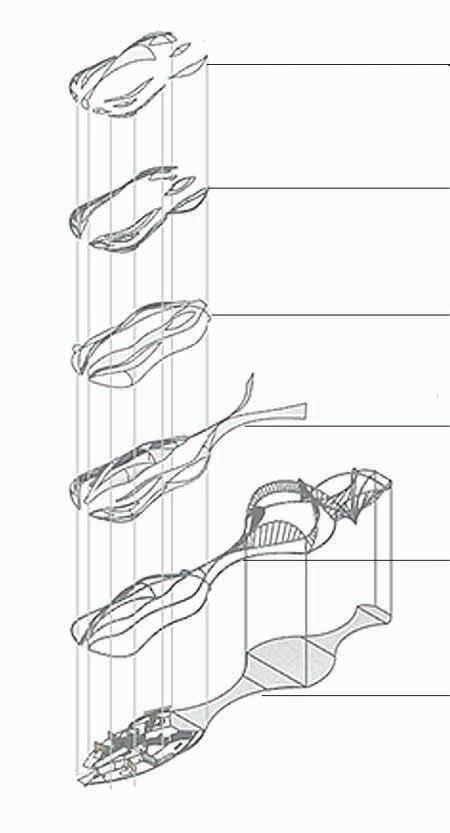
A typical exploded axon sketch of the villa showings all the structural layers and the interiors of the villa.
High Tensile Mild Steel Framing
Walls, Floor plates and Interiors of the
Aluminium Composite Panels
Aluminium Composite Panels
Glass Opening and Skylight
Entrance bridge leading up to the villa
Living Room and Bar
20
THE HYDROGEL EFFECT
A natural cooling System
Workshop Project at Bartlett, UCL Year: 2022
HYDROGEL COOLING EFFECT IN OPEN AREAS
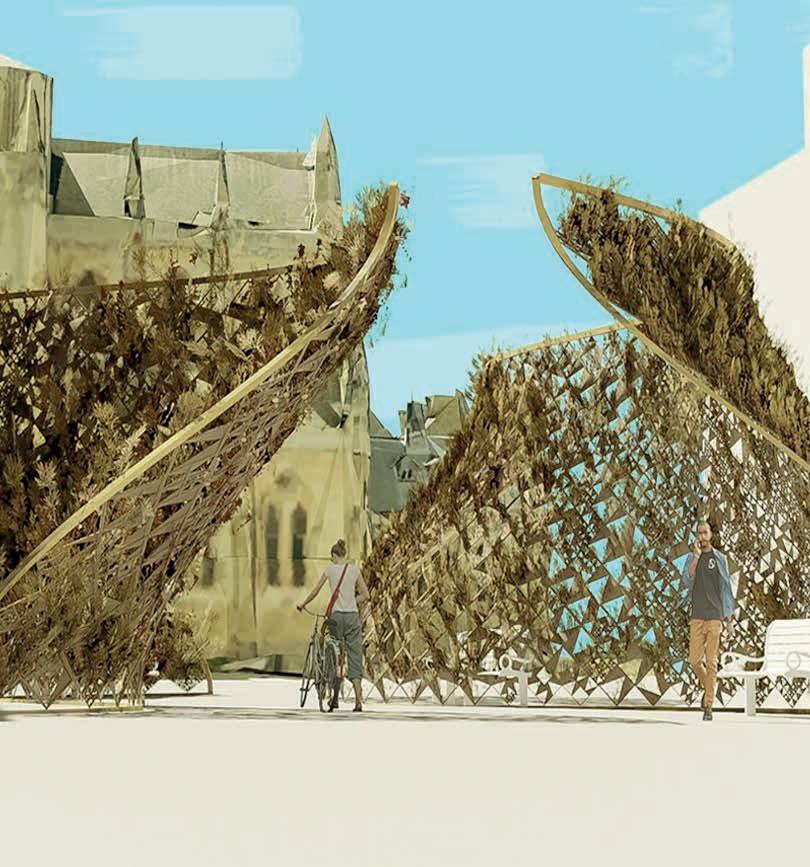
This workshop project at the Bartlet Schooll of Architecture focused on exploring sustainable materials using Grasshopper as a computational modeling tool. We researched sustainable material selection and integrated Grasshopper into design processes for analyzing material properties. This holistic approach provided practical skills for incorporating sustainable materials into future projects, addressing global heating issues using Hydrogel and seaweed agar bioplastic.
05
21
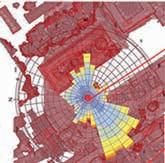
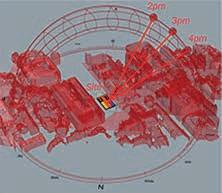
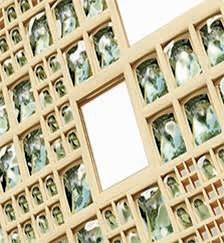
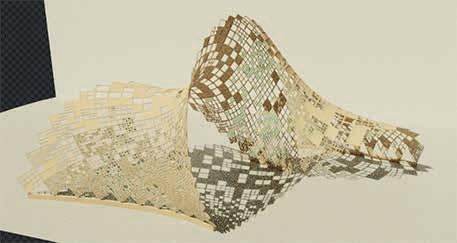

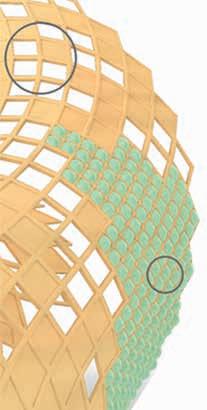
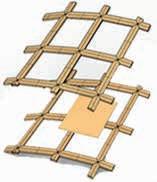
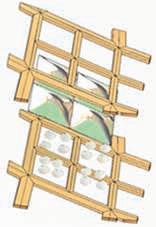

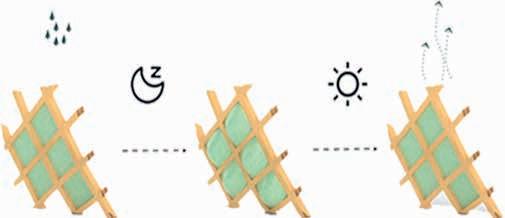
The windward walls of the pavilion have increased frame density for extra hydrogel installation. Ventilation apertures strategically placed for optimal airflow. Upper sections have reduced frame density for shading panels to block sunlight and enhance passive cooling.
PAVILION DESIGN IDEOLOGY
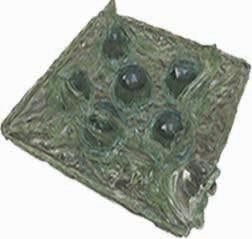
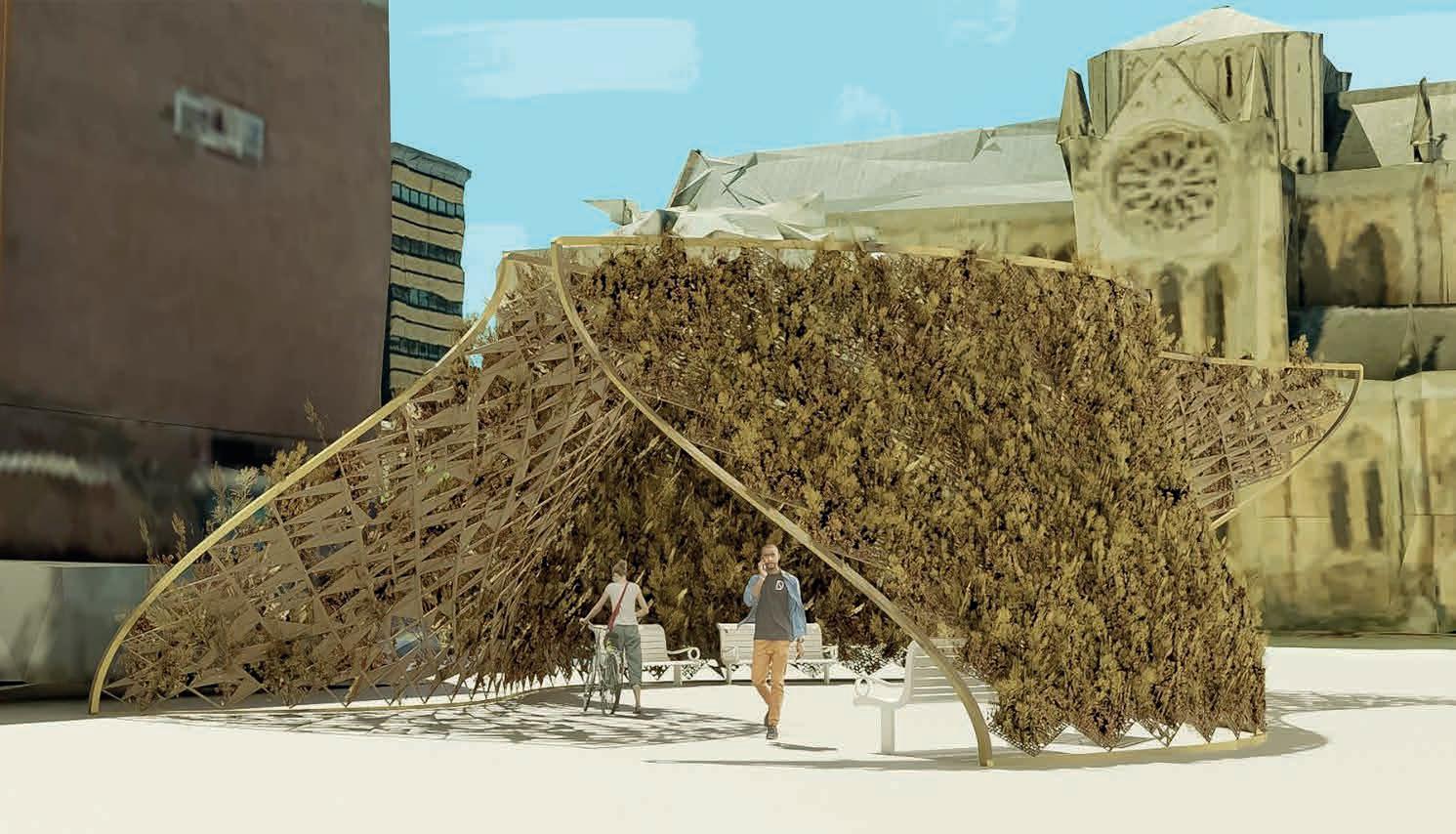
In the Anthropocene era, a novel natural air conditioning approach has emerged, garnering attention from architectural innovators. Recent data reveals an increased reliance on air conditioning, particularly in corporate settings. The crux of this innovation lies in material selection, with hydrogel—a moisture-retaining substance—playing a central role. Leveraging the heat of vaporization of water, approximately 0.6 kilocalories per gram, hydrogel facilitates a unique cooling effect. Paired with seaweed in a composite material, it embodies sustainability and efficacy, promising to redefine architectural norms within a pavilion design.
Pavilion Iteration 1
Pavilion Iteration 1
Site Location
Sun Analysis
Wind Analysis
Hydrogel, Seaweed Composite
Pavilion
Detail at A Detail at A
Details
A B
Dry Stage Swollen Stage Evaporation Stage
22
23
The Hydrogel and seaweed composite Pavilion
06
THE ACHERON
Living with the Corals
Tutors: Ar. Deva Prasad Year: 2022
ESTABLISHING RESILIENT CORAL REEFS IN THE ANTHROPOCENE
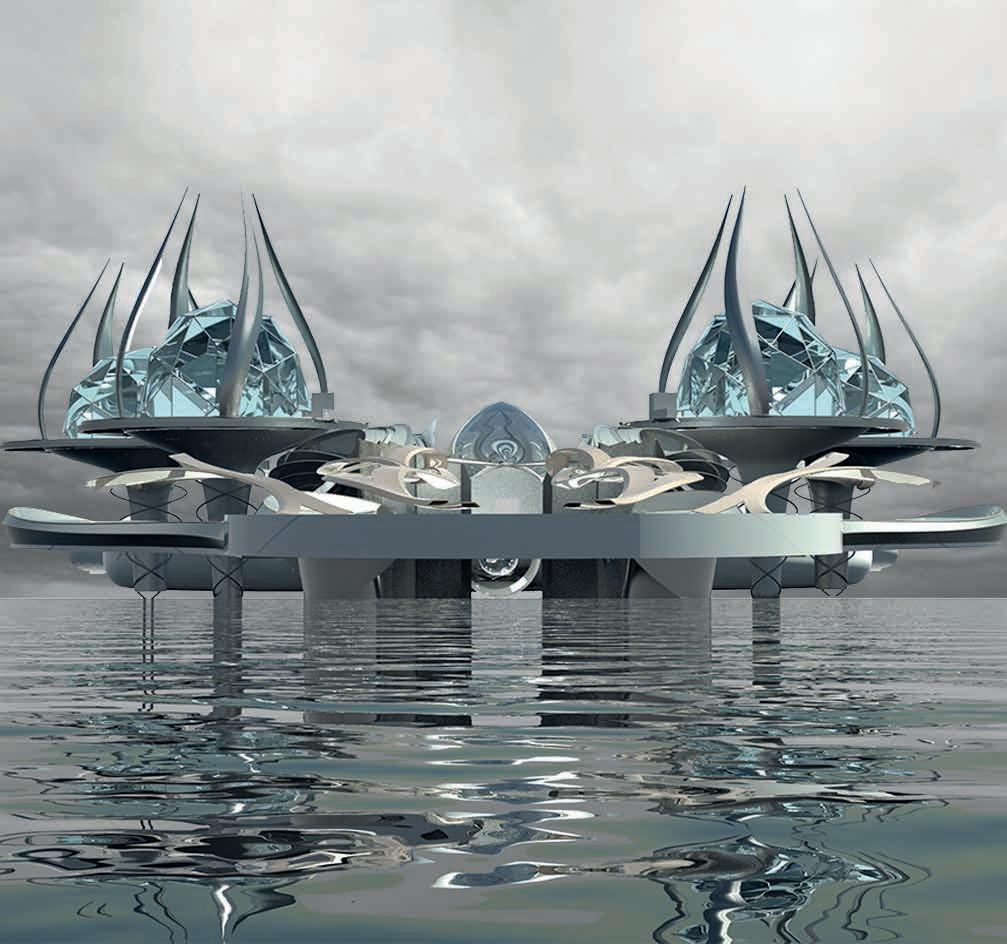
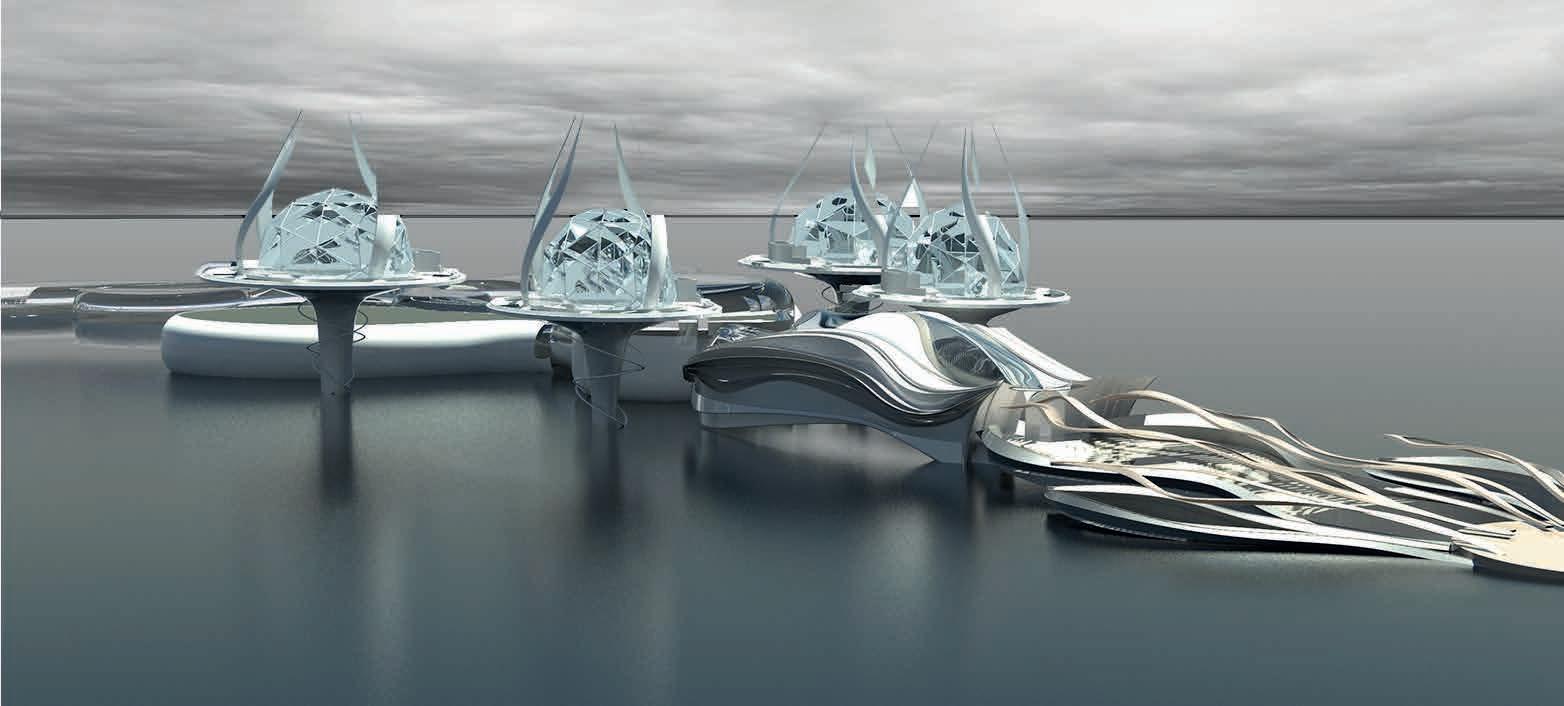
In 2020, the Indian Prime Minister announced plans to develop the Andaman and Nicobar islands as a maritime and startup hub, including the Little Andaman island, the fourth largest in the group. Coral bleaching occurred due to high summer temperatures, exacerbated by sewage discharge into coastal areas where the population is concentrated. Climate change, global warming, and human negligence have severely impacted marine ecosystems over time, particularly coral reefs. This project aims to address coral decline by creating a tourist attraction and oceanarium to raise awareness and revenue while revitalizing the reefs. T hrough showcasing coral formation and growth patterns, the design of the structure is influenced by the tentacles sprouting from the coral skeleton.
24
CONCEPT DESIGN
DESIGN CONCEPT
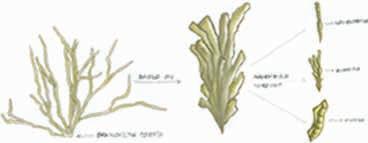
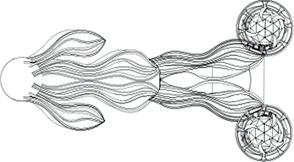
Depicting the formation of corals and observing their pattern growth, it is observed that the bud sprouts out the tentacles following the skeleton of the corals. These tentacles grow in a manner that when the tentacles come near each other, they automatically go either ways sprouting out more tentacles. Following this concept of the coral pattern growth, the final design has been derived. In the images it is clearly visible how inspired by the tentacles, the plan is branching making them the different structural blocks but while staying attached to the central bud.
Design concept originating from the Growth pattern of Coral Tentacles
25
The Oceanarium and Coral Research Centre
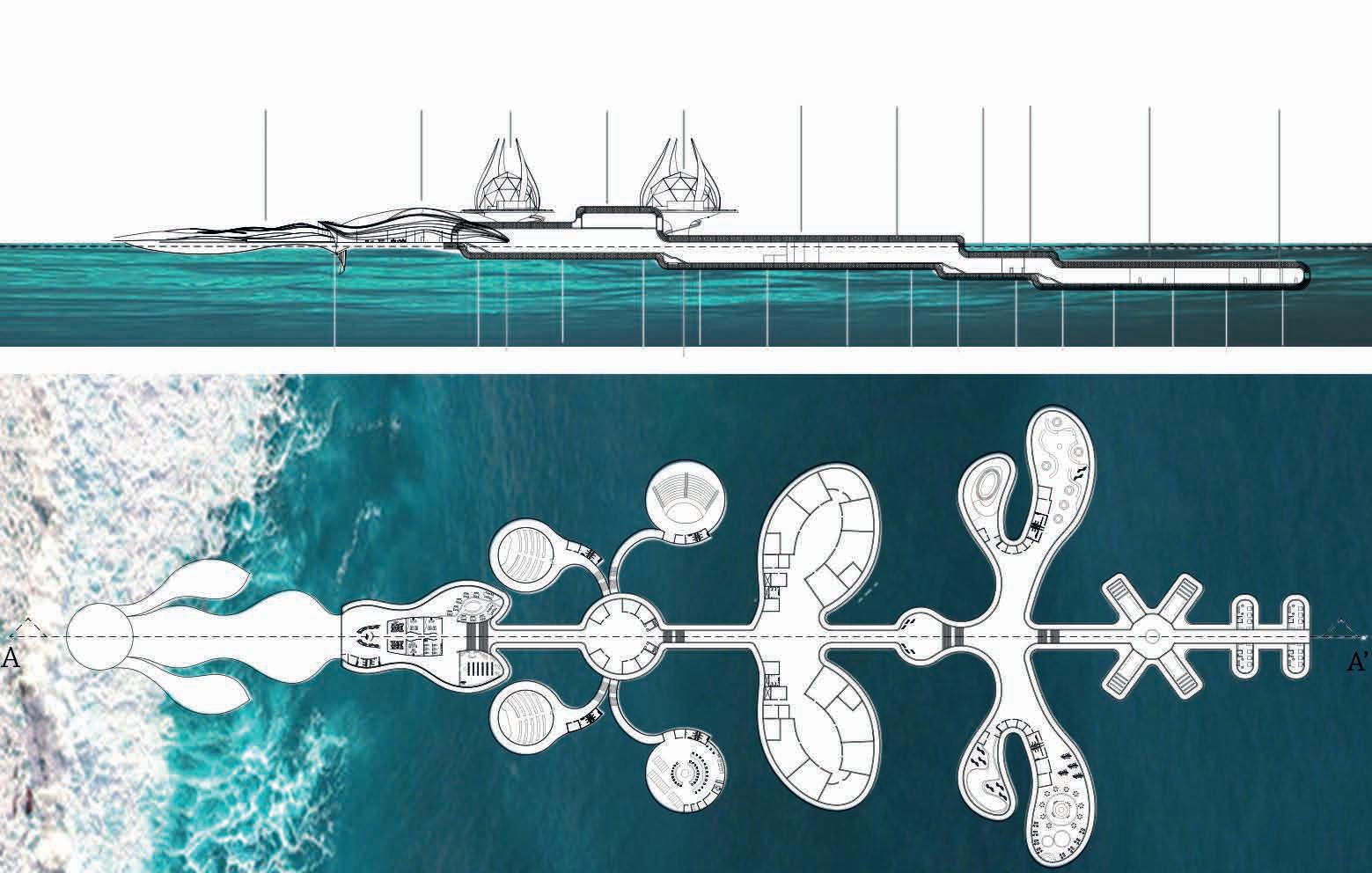
OCEANARIUM AND RESEARCH CENTRE DRAWINGS
Oceanarium and Research Centre Floor Plan at 1:700
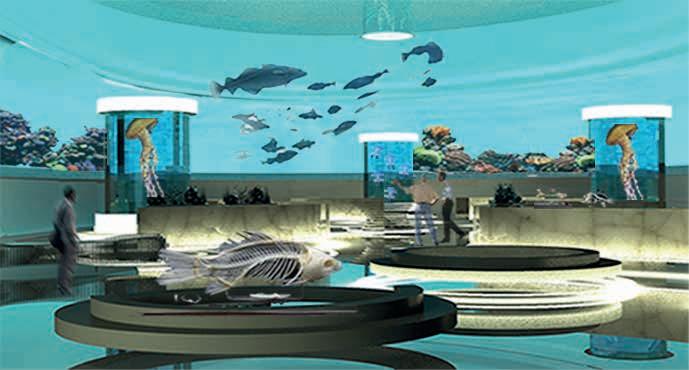
Entrance Foyer Admin Centre Amphitheatre Central Core Control Units Oceanarium Recycling Unit Exhibit ans Museum Restaurant Research Centre Scientists’ Rooms 26
Oceanarium and Research Centre Section at 1:700
THE STRUCTURE ABOVE WATER
THE CENTRAL CORE
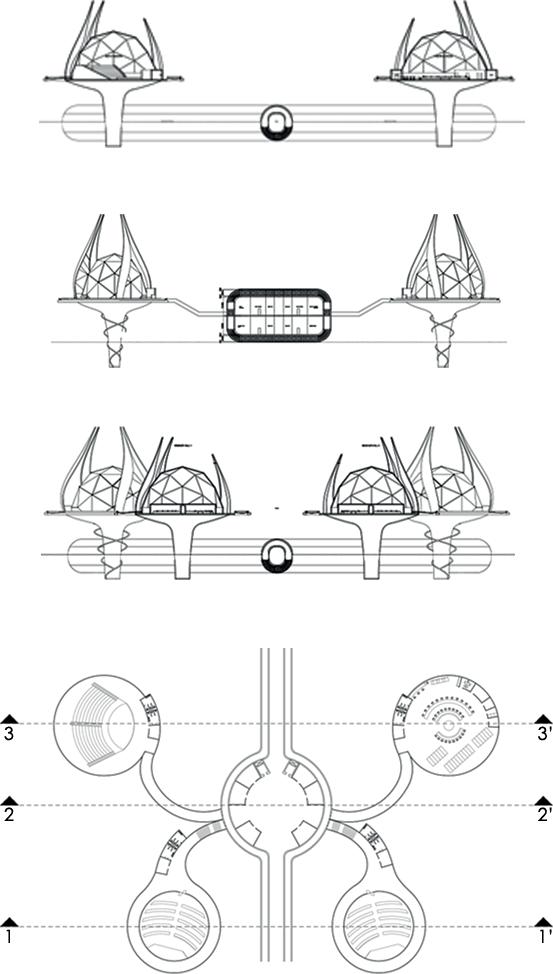
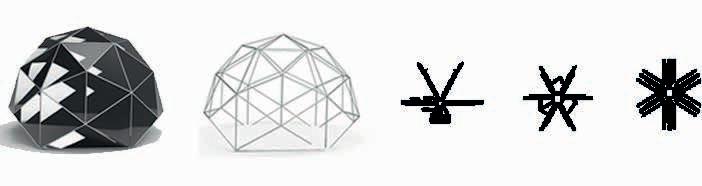
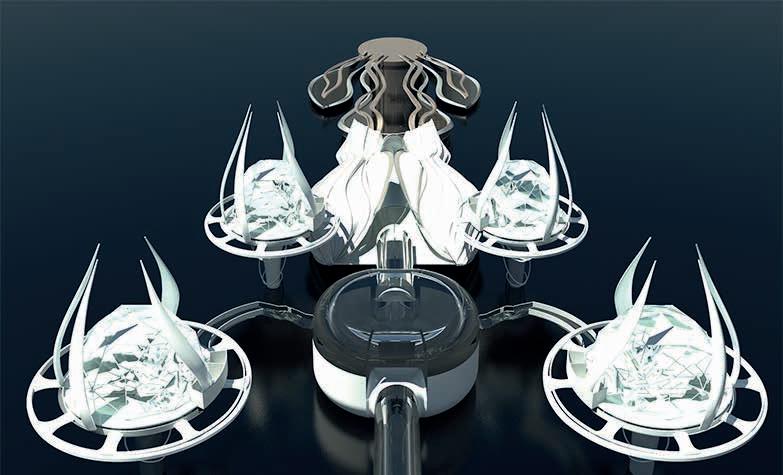
The structure begins at the water’s surface, with an opening leading to the administrative area atop the ocean. An underground tunnel links it to the central service core, gradually descending into the water by 3000 mm after each segment. The administrative section connects to four spheres - geodesic domes serving as amphitheaters and control rooms resembling a lighthouse. The central core functions as a storage facility for provisions, utilities, etc., housing essential equipment like oxygen supply and carbon dioxide removal units.
 The Central Core and Amphitheatres Floor Plan
The Central Core and Amphitheatres
Structural Details of the Geodesic domes
Section 1-1’
Section 2-2’
The Central Core and Amphitheatres Floor Plan
The Central Core and Amphitheatres
Structural Details of the Geodesic domes
Section 1-1’
Section 2-2’
27
Section 3-3’
THE STRUCTURE UNDER WATER
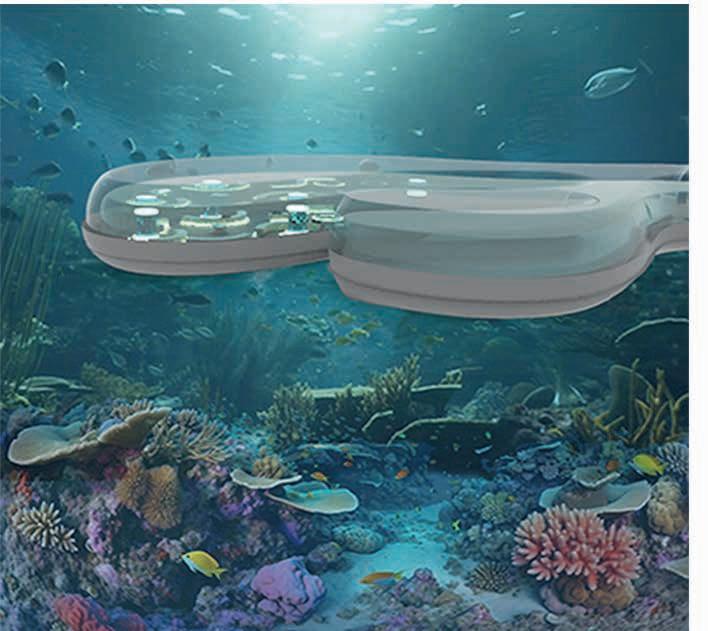
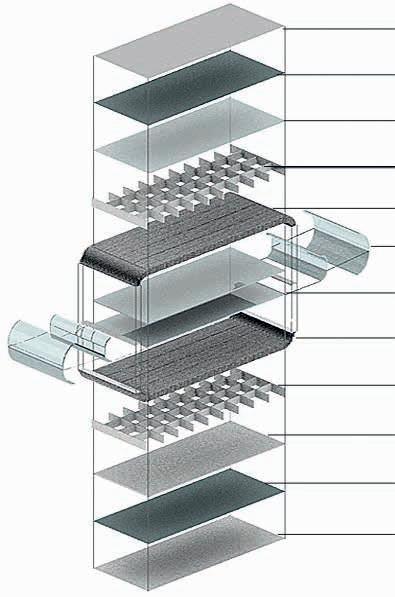
Exploded axon sketch for the underwater structural layers
Designing watertight and airtight underwater structures is crucial for ensuring structural integrity and safety in challenging underwater environments. Utilizing materials such as corrosion-resistant steel, along with effective sealing methods and construction techniques like welding and pressure testing, helps create durable and reliable structures.
Design concept originating from the structural body of a dragonfly
Rigidised Foam
Rigidised Foam
Deck Sheet
3x 20 mm Butyl Marine Rubber
3x 20 mm Butyl Marine Rubber Deck Slab Deck Slab
Beam Grid
Beam Grid
Acrylic sheet
300 mm
Calcified Steel Mesh
28
Calcified Steel Mesh
HOTEL KYRA
A Steel Hotel Building
Senior Architect: Ar. Umesh Patil
Firm: Prudence Infrastructures, India
Year: 2021
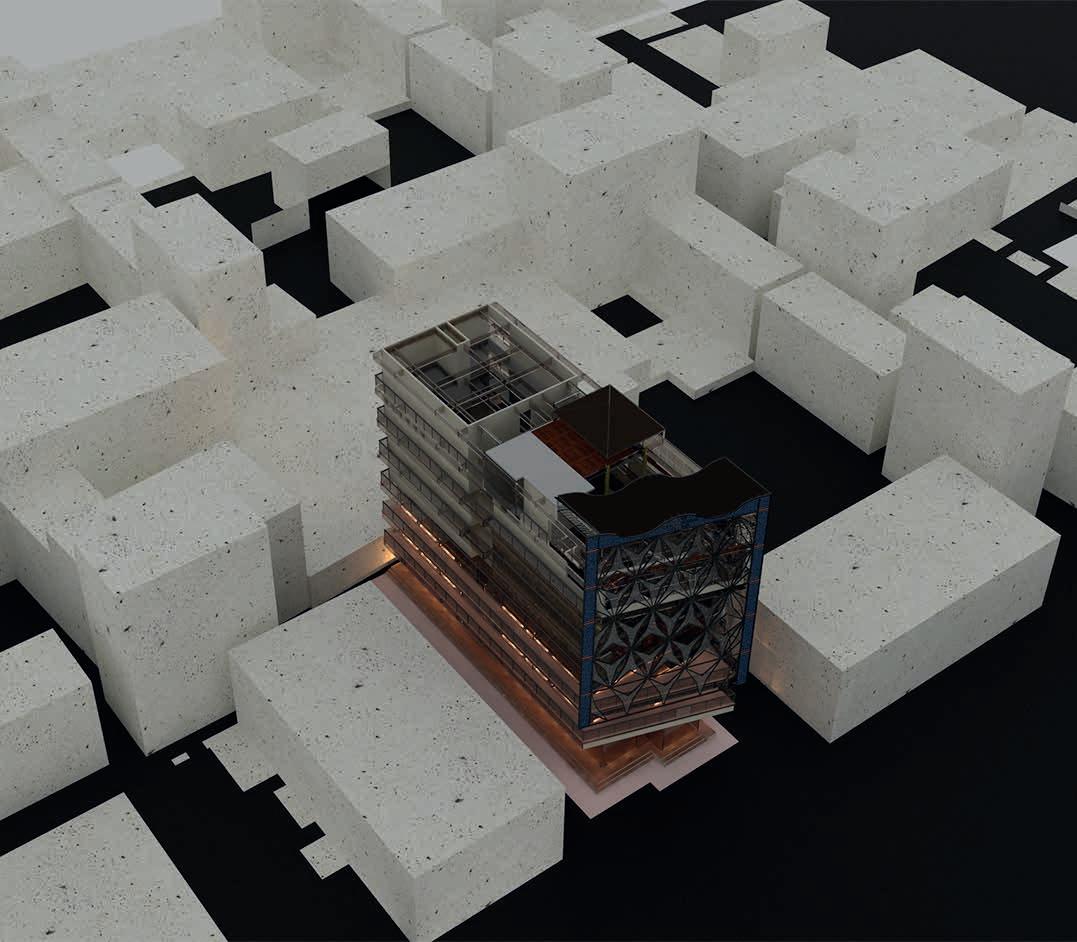
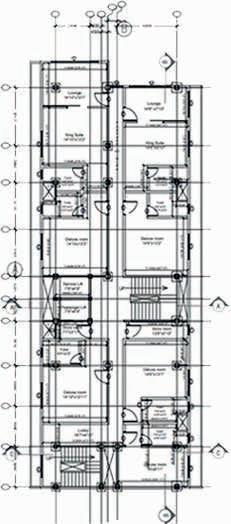
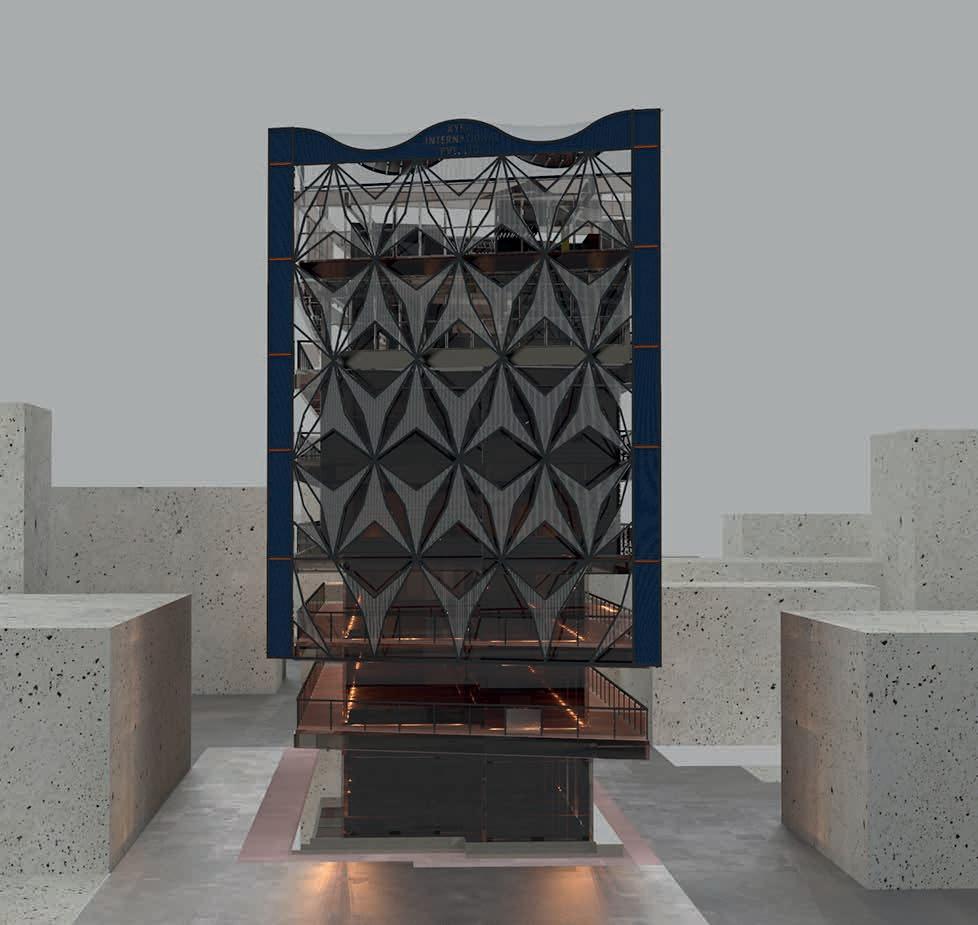
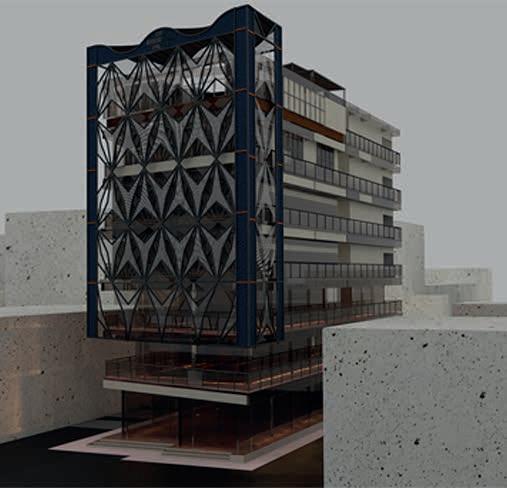
A WORK PROJECT FOR KYRA INTERNATIONAL
The site in Itahari, Nepal, spans from the Himalayas to parts of the Indo-Gangetic plain, offering diverse geography including fertile plains and forested hills. With its proximity to the world’s tallest mountains like Mount Everest, which faces earthquake risks. The client required a steel hotel building with c ommercial space up to the second floor and hotel rooms above, including amenities like A/C and open-air restaurants, a bar, spa, and conference hall. Itahari boasts a rich cultural heritage, set amidst mountains and dense trees, with a cooler atmosphere and Nepali culture. Balancing Nepali lifestyle with modern technology in designing the hotel is the essence of the project.
07
29
WORKING DRAWINGS
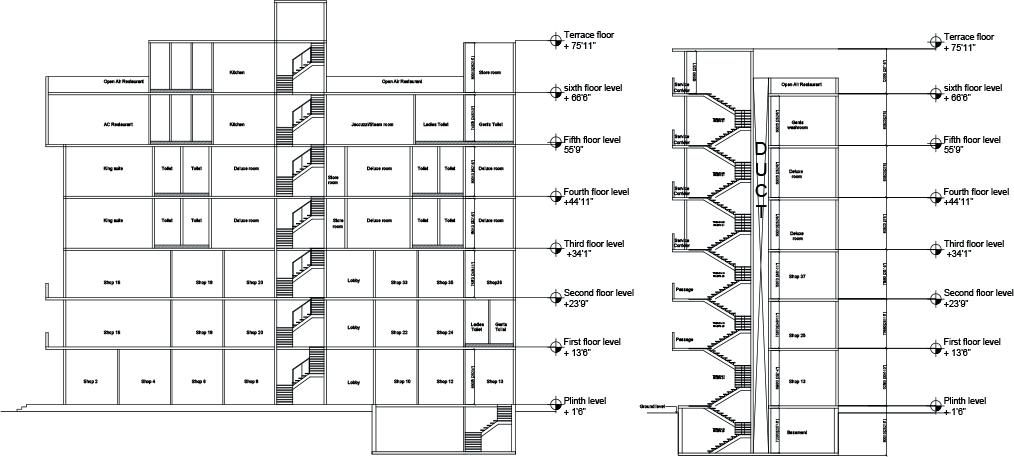
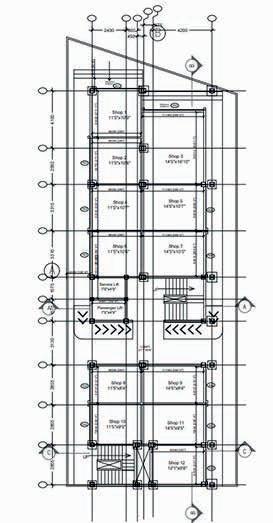
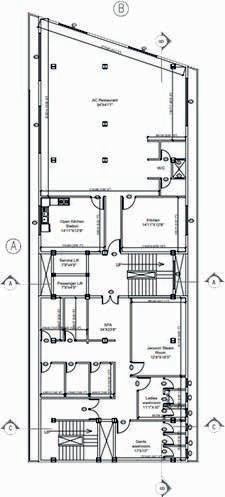
 Gound to Second Floor Plan
Section at B-B’
Gound to Second Floor Plan
Section at B-B’
Third and Fifth
Sixth
30
Section atA-A’
Floor Plan
Floor Plan
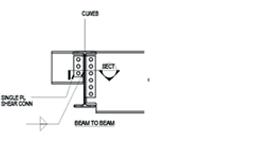
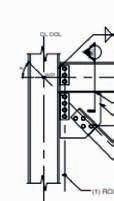
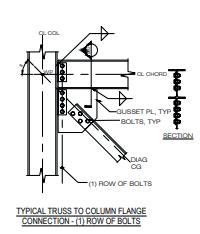
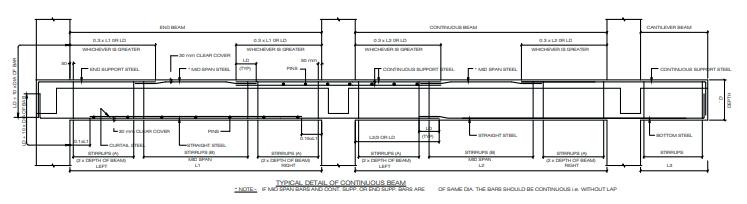
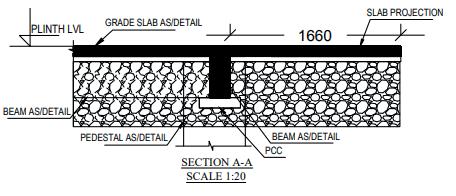
STRUCTURALDRAWINGS
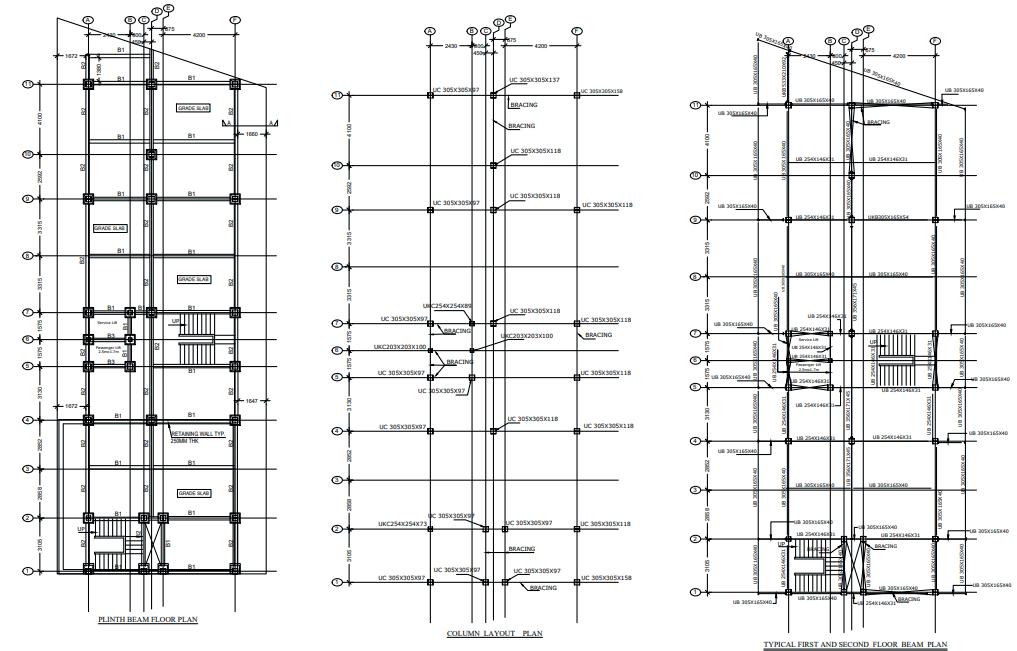
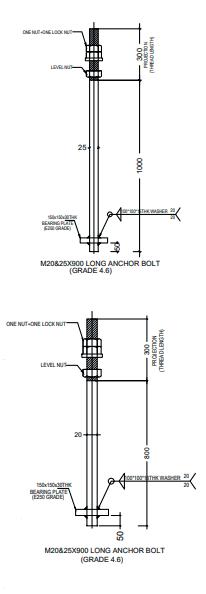
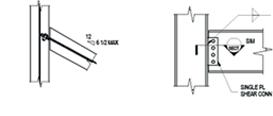
Structural Details
31
JANHAVI ANAND KHAIRNAR
janhaviikhairnar@gmail.com