W 1J a m e s C h a r l e s M a r t i nB y M a d d i s o n W h i t e
W
James Charles Martin

Contents Introduction MAIN----------------------------------------Militarism & Alliances Imperialism & Nationalism 2 3 4 5 7 Locations of WW1 Effects and Impacts Young boys at war 8 James Charles Martin case study 9 Timeline 10 Bibliography 11
INTRODUCTION
World War One, also known as The Great War, was a global conflicted that went from 1914 after the assassination of Archduke Franz Ferdinand of Austria. His murder catapulted into a war across Europe that lasted until 1918. Although Australia and New Zealand only joined on the 25th of April 1915.
Some reasons that Australian and New Zealand men enlisted into the army was because they wanted the money, some of them sought combat or adventure, and others wanted to do their duty for the British Empire. The Anzacs landed at Gallipoli around 4:30 A.M on the 25th of April 1915. And at that very moment the turkey was ready to fire. On the first day landing at Gallipoli over 2,000 Anzacs had been killed or injured by the next morning.
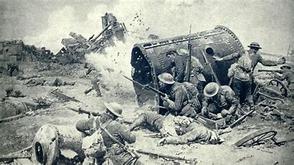
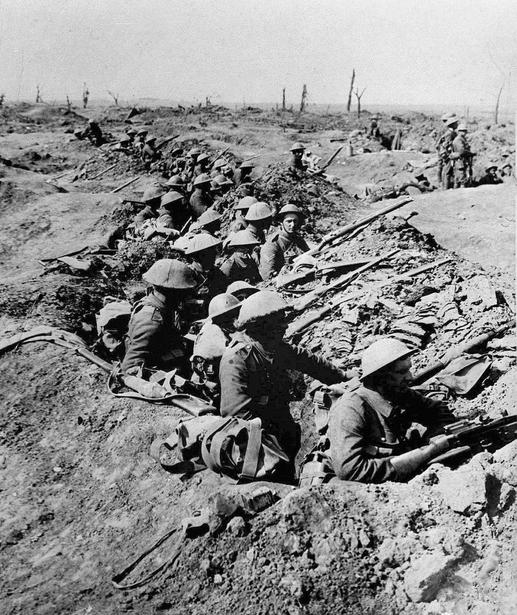
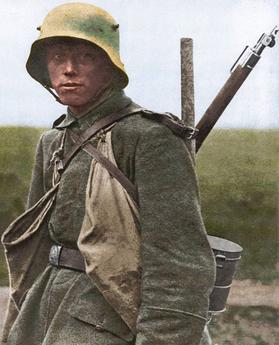
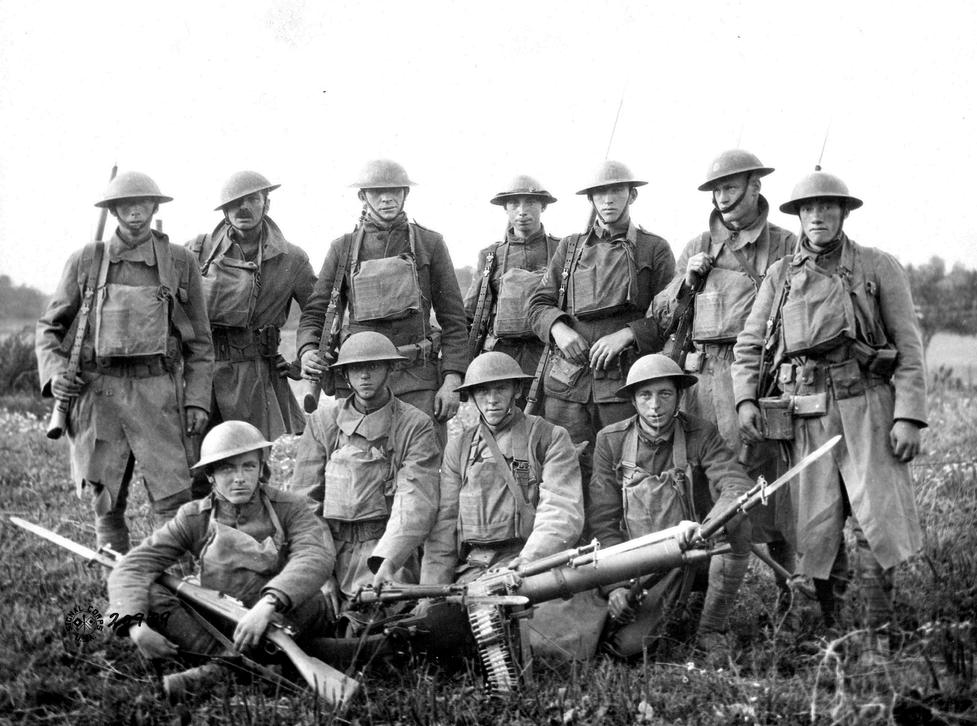
The human cost of World War 1 was staggering, with at least 12 million people killed on the battlefield. While millions were left wounded and disfigured, limbless, crippled or seriously injured. The weapons of industrial warfare, particularly artillery and machine gun fire, killed or injured many young men.
MAIN
Militarism & Alliances M A I N
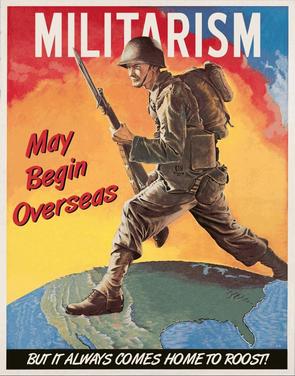
Militarism was one of the main reasons WW1 started, however it was not the only reason. Military leaders influenced over civil governments and placed their interests first. They demanded increase in defense and arms spending, which led to an arms race.
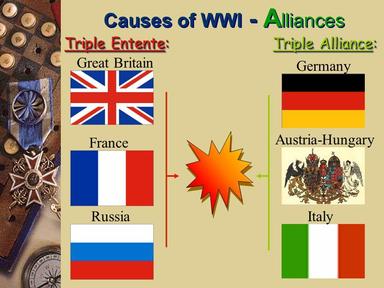
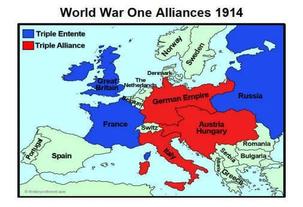
Alliances was another major cause or WW1 starting. In WW1 the world divided into colonial empire groups. They divided into a series of alliances and treaties, based Apon factors, like tradition and strengths. There were two major groups the Triple Entente and the Triple Alliances. Any time throughout the war, the alliances could change groups. There were two different major groups called the triple Entente and the Triple Alliance. The Triple Entente was Great Britain, France and Russia. While the Triple Alliance was Germany, AustriaHungary and Italy.
Imperialism & Nationalism
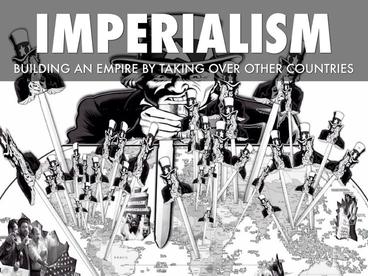
Imperialism was a major factor of WW1. Imperialism is simply defined as the act of extending a nation's power through acquisition. This can be done by making direct territorial claims or assuming political and economic control of a territory for the benefit of the nation. Italy and Germany, as newly unified governments in the early nineteenth century, quickly developed imperialist ambitions to meet the demands for territory and resources, as well as domestic economic constraints.
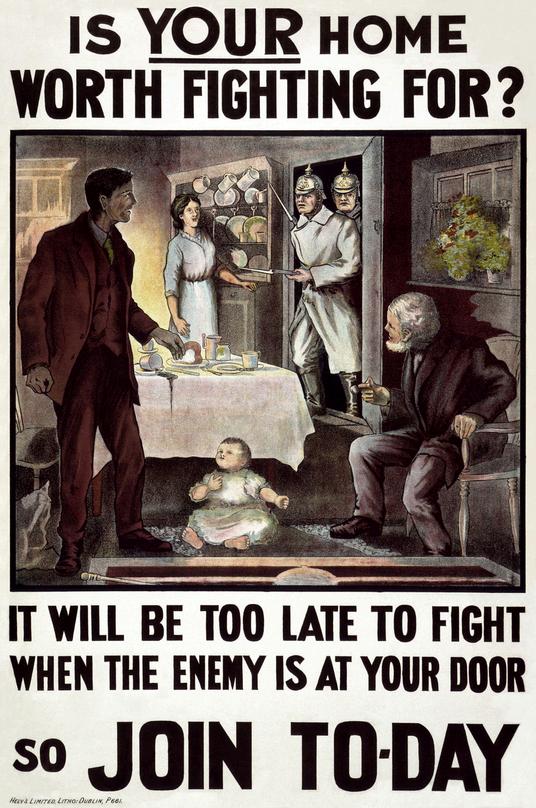
Nationalism was very common in early 20th-century Europe and is considered as a significant cause of WW1. Nationalism was also significantly present in pop culture as it influenced literature, theatre and music. Leaders in power (royal families, politicians and diplomats) made no attempt to stop this trend and some even actively contributed to it. These trends of nationalism also gave citizens overconfidence in their nation, governments and the military strength. It gave them a false sense of fairness and righteousness.
Locations served in WW1
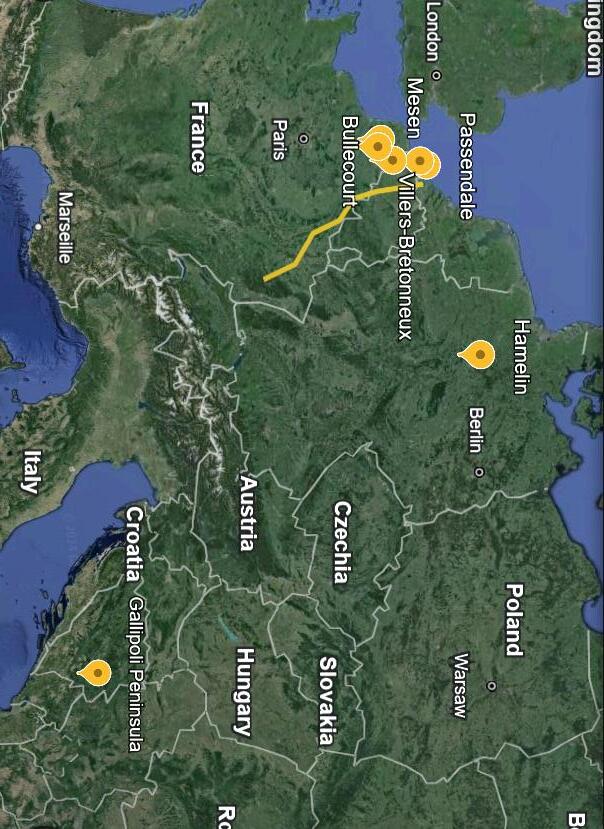
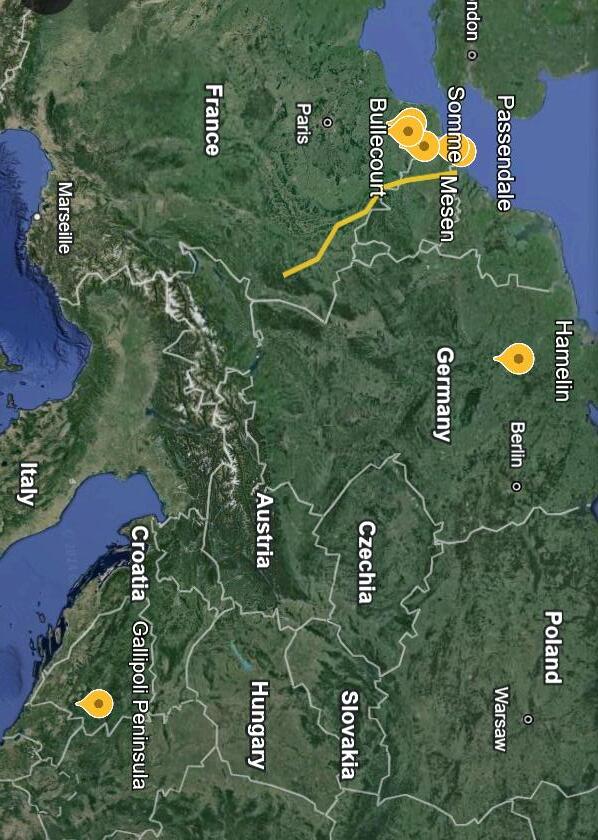
Australians fought at many places during WW1. Soldiers and medical staff mainly served at Gallipoli peninsula, the western front and in the middle east. While the Air men and ground crews from the Australian Flying Corps Served in Egypt and the Middle East. And Sailors, from the Royal Australian Navy (RAN) worked on the seas and oceans around the world during WW1.
Effects and impact on Australian soldiers
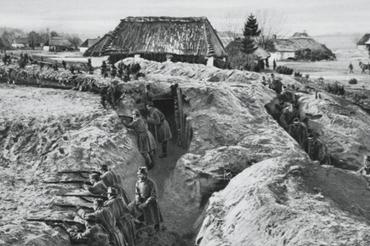
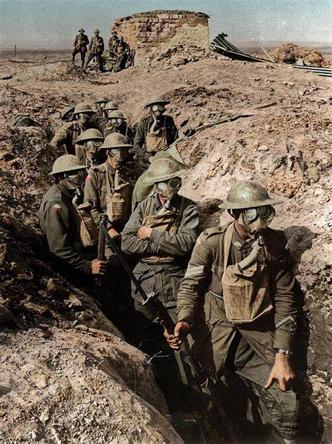
During WW1 there was around 416,809 Australians enlisted to serve. Which most, if not all were men, who were enlisting for many different reasons. War was nothing like anyone expected. There was constant gun shots and bombs flying over their head, day and night. Most soldiers had long-term effects of war, like shell shock (PTSD) and amputations. General hygiene was something that they did not have while at war. There was around 5,000 people who died from diseases during WW1. Many people had trench foot, which was caused from people walking around in wet shoes and socks. Most of the time trench foot cause people to have their foot amputated. Even though soldiers had a lot of wounds they also had unseen wounds such as, loss of sight and speech, tremors and tics.
“War confers many things on boys who pick up a weapon to fight. They learn the true meaning of fear. They test their own capacity for courage and the limits of human endurance, physical and mental.” Quoted by BBC News.
Young Boys at war
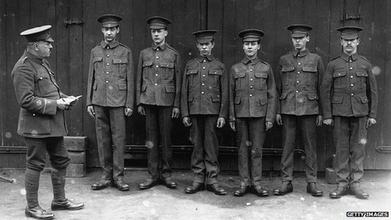
During the start of WW1 in 1915, there were set requirements people had to meet to be able to serve. These requirements were, you must have been 19-38 years old, a height of 5ft 6in and chest measurements of 34 inches.
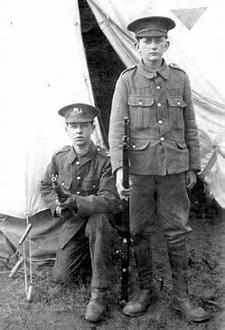
Although there were set requirements to serve in war many of the boys faked their age to get in. As many of 250,000 boys under the age of 18 served. Some boys from the age 14 to 17 were able to enlist as buglers, trumpeters and musicians.
Some boys found this as an opportunity to prove their courage and loyalty to their country, even though they were only young. For others, they got peer pressured which most often came from their friends, who also lied to enlist.
James Charles Martin
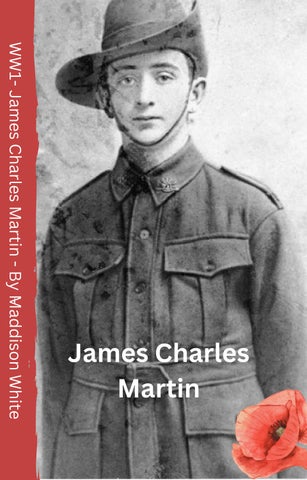
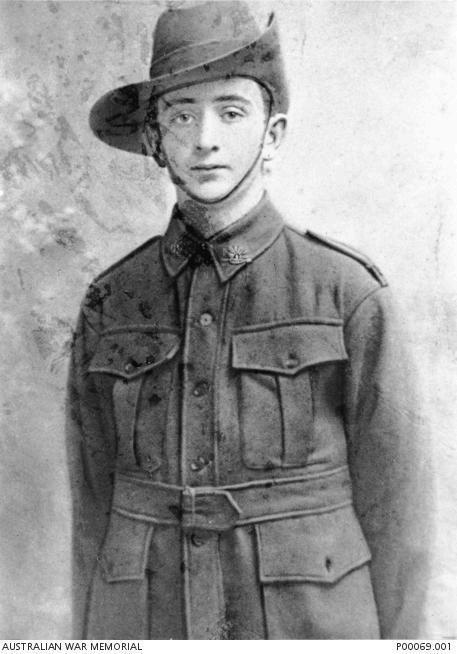
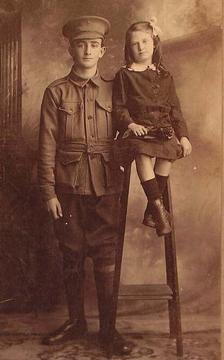
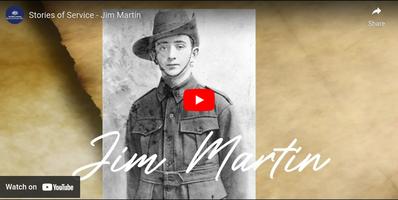
James Charles Martin, born on the 3 of January 1901. Was thought to be the youngest person to serve and die at war. James was 14 years old when he enlisted for War. James forced his mother to let him sign up for war, after his dad tried but got rejected. James told his mother that he wanted her to let his serve at war, and that he would write letters back home, or he would run away from home and enlist under a different name and would not write to his parents.
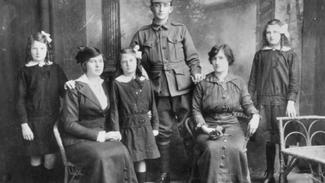
James had 5 siblings who were all girls, and his parents back at home, that he would write to as often as he could. Jame didn't die from gunshot on the battlefield. But instead, in late October he caught typhoid fever and was evacuated to a hospital ship, in bad conditions. Despite the best efforts of the medical staff, James died of heart failure just under two hours later.
Time and location of serves
28 Jun 1915:Involvement AIF
WW1, Private, 1553, 21st Infantry Battalion,
Enlistment/Embarkation WW1, --:embarkation _ roll: roll _ number: '13' embarkation_place: Melbourne embarkation _ship: HMAT Berrima embarkation _ship_number: A35
public_note: ''
12 Apr 1915:Enlisted AIF WW1, Private, 1553, 21st Infantry Battalion, Melbourne, Victoria
28 Jun 1915: Embarked AIF WW1, Private, 1553, 21st Infantry Battalion, HMAT Berrima, Melbourne
29 Aug 1915:Involvement AIF WW1, Private, 1553, 21st Infantry Battalion, ANZAC / Gallipoli

25 Oct 1915: Discharged AIF WW1, Private, 1553, 21st Infantry Battalion, D.O.D
Bibliography
“An Introduction to World War I.” World War I, 25 Nov. 2014 alphahistory.com/worldwar1/introduction-to-world-war-i/.
Australian Department of Veterans' Affairs. “Stories of Service - Jim Martin ” YouTube, 19 Aug 2021, www youtube com/watch? v=ii25LEPYhRU&t=5s. Accessed 31 May 2024.
Australian War Memorial. “Boy Soldiers | the Australian War Memorial.” Awm.gov.au, 2019, www.awm.gov.au/articles/encyclopedia/boysoldiers.
--. “First World War 1914–18 | the Australian War Memorial.” Awm.gov.au, Australian War Memorial, 2 June 2021, www.awm.gov.au/articles/atwar/first-world-war.
--. “Private James Charles Martin.” Awm.gov.au, 2015, www.awm.gov.au/collection/P11013283.
Civic/Canberra City. “Landing at Anzac Cove 25 April 1915 | Anzac Portal.”
Anzacportal.dva.gov.au, 23 July 2020, anzacportal.dva.gov.au/wars-andmissions/ww1/where-australians-served/gallipoli/landing-anzac-cove.
corporateName =Department of Veterans’ Affairs; address=21 Genge St, Civic/Canberra City. “Life for Australians in the Army during World War I.” Anzac Portal, 19 Aug. 2021, anzacportal.dva.gov.au/wars-andmissions/ww1/personnel/army-life.
Department of Veterans' Affairs. “Australians on the Western Front 1916 to 1918 | Anzac Portal ” Anzacportal dva gov au, 20 Sept 2021, anzacportal.dva.gov.au/wars-and-missions/ww1/where-australiansserved/western-front
--. “Timeline of Australians and the Gallipoli Campaign | Anzac Portal.” Anzacportal.dva.gov.au, 30 June 2022, anzacportal.dva.gov.au/wars-andmissions/ww1/where-australians-served/gallipoli/timeline.
“Enlistment Standards | Australian War Memorial.” Www.awm.gov.au, www awm gov au/articles/encyclopedia/enlistment#:~:text=The%20r equirements%20in%20August%201914%20were%2019%E2%80%933 8%20years%2C
Bibliography
“Enlistment Statistics, First World War | Australian War Memorial.” Www.awm.gov.au, www.awm.gov.au/articles/encyclopedia/enlistment/ww1#:~:text=416%2C809% 20Australians%20enlisted%20for%20service%20in%20the%20First.
Genge. “Enlisting in the Australian Forces during World War I.” Anzac Portal, 2014, anzacportal.dva.gov.au/wars-and-missions/ww1/militaryorganisation/enlistment#:~:text=Initially%2C%20Australian%20men%20volunt eered%20to%20enlist%20for%20different.
--. “Where Australians Served during World War I.” Anzac Portal, 20 Sept. 2021, anzacportal.dva.gov.au/wars-and-missions/ww1/where-australiansserved#:~:text=Soldiers%20and%20medical%20staff%20served%20in%20the %20Australian.
Ray, Michael. “Timeline of World War I.” Encyclopædia Britannica, 2019, www.britannica.com/list/timeline-of-world-war-i.
Royde-Smith, John Graham, and Dennis E. Showalter. “World War I.” Encyclopedia Britannica, 23 Nov. 2018, www.britannica.com/event/World-WarI.
“The Teenage Soldiers of World War One.” BBC News, 11 Nov. 2014, www.bbc.com/news/magazine29934965#:~:text=As%20many%20as%20250%2C000%20boys%20under%20t he%20age. Accessed 28 May 2024.
Tibbitts, Craig “Casualties of War ” Australian War Memorial, 30 Mar 2021, www.awm.gov.au/wartime/article2.
--. “Casualties of War.” Australian War Memorial, 30 Mar. 2021, www.awm.gov.au/wartime/article2.
W W 1J a m e s C h a r l e s M a r t i nB y M a d d i s o n W h i t e
January 3rd, 1901- October 25th 1915
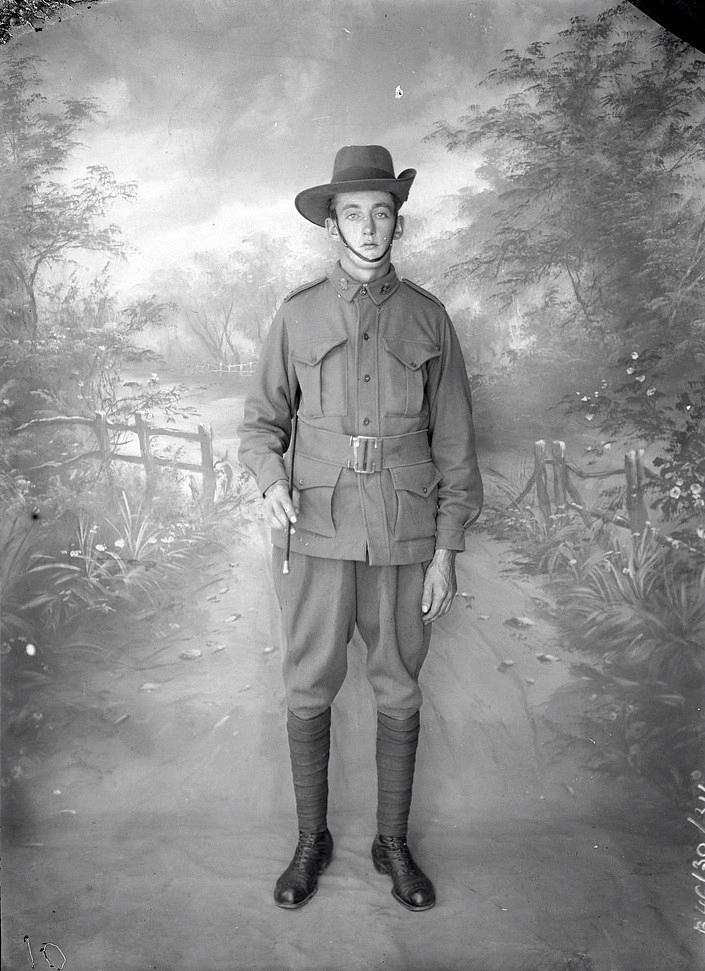 James Charles Martin