I’m Jake, and thanks for joining us on the second page; it’s great to have you here.
I thought I would provide a little extra information about myself as a human person, in addition to showcasing some of my work in the following pages, so please feel free to read on if you are so inclined (but no pressure if you can’t/don’t want to; there won’t be a quiz).
Firstly, I’m a Bachelor of Interior Architecture graduate from the University of South Australia, and I also hold a degree in Media (Creative Arts) from Flinders University, specialising in communications and graphic design. I grew up on the coast in regional South Australia, I’m pretty terrible at most balance-related sports, and I strongly believe that brunch (although it costs a small fortune for something you can *definitely* make at home), is the ideal meal for a number of occasions. Yes, I will die on this hill.
In terms of my designs, it’s a process of understanding the why before commencing the how; I’m the person who uses the time stuck behind a truck at the traffic lights to figure out how the rear doors lock (apparently no one else does things like this?) I will also continually try and see if wine glass bases will fit into the top of water glasses at *every* restaurant I visit (it’s actually become part of my personality and I make no apologies); this one is less about how things work, and more just a habit now, I suppose ...
On a more serious note, I’m extremely passionate about experimental and installation design, innovative thinking, sustainability in all forms, and restorative practices; I’m also really passionate about inclusive design in all forms and dignified accessibility, including how this can shape the way in which people interact with these spaces, and how this is often overlooked or underestimated when it comes to true accessibility. I design with function and purpose at the forefront and aim to ensure the results are interesting, playful and have a sense of energy and personality.
Coupled with an innate interest in how things ‘tick’ (mind you, I still can’t read analogue clocks and it’s not something I’m proud of), I always design for good and try to do so with as much fun as possible. I’ll always push away from playing it safe and actively look to challenge myself in the process.
Anyway, if you’d ever like to know more about my design philosophy, why I am very seriously considering picking back up a caffeine addiction to justify buying a beautiful and *ludicrously* expensive coffee machine, or just other things about me, please don’t hesitate to get in touch.
Concepts: Small Scale Planning / Sustainability Environmental Design / Research
inter-
Year: 2023
Type: Exhibition
Concepts: Installation / Curation / Programming
Project Management / Philanthropy
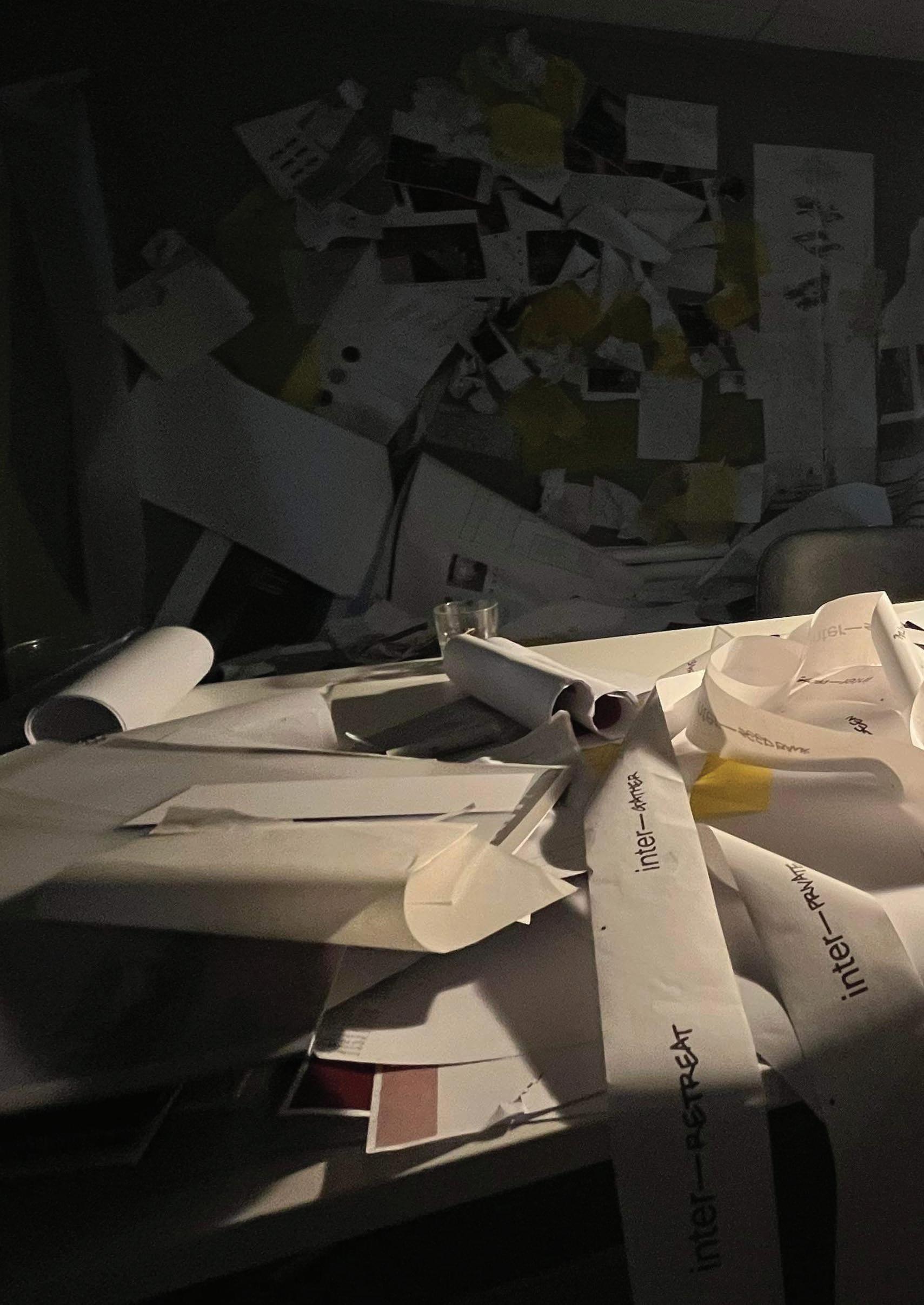
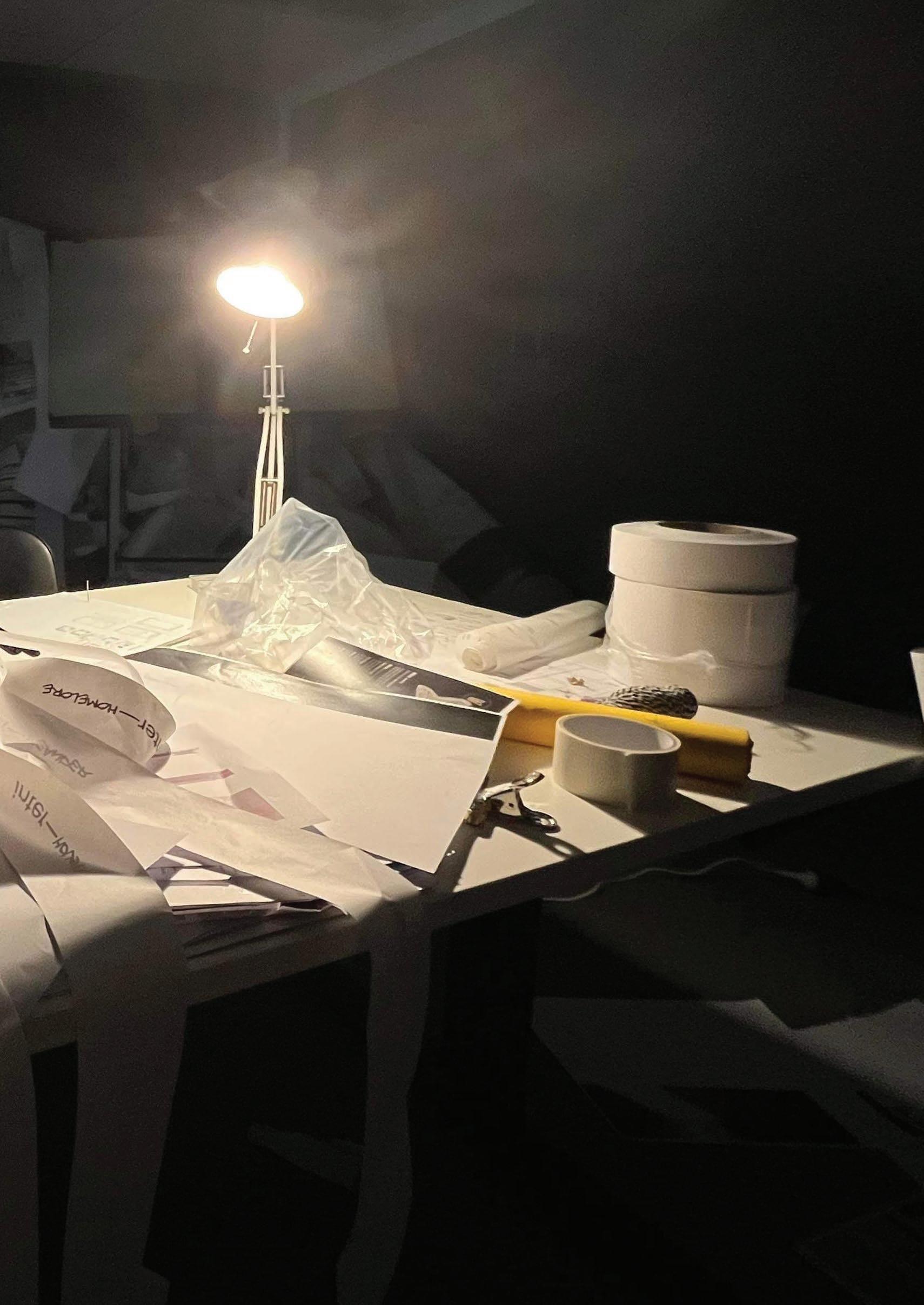
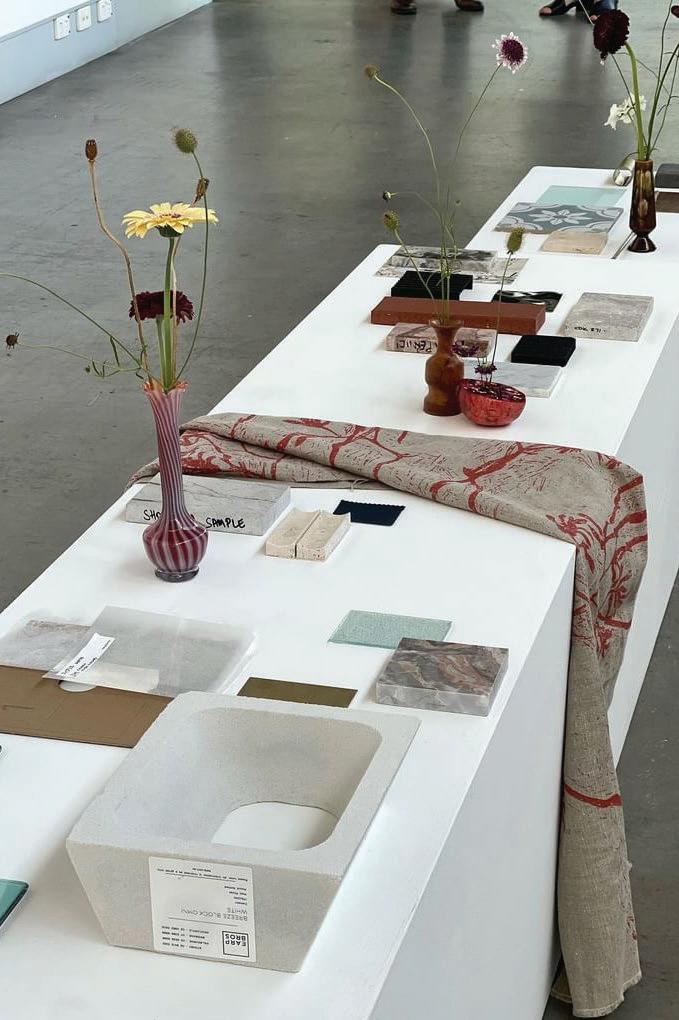
In its incompleteness, ‘inter-’ embraces the unfinished and open-ended path of exhibiting students, and celebrates the potential for exploration, collaboration, and growth.
It recognises this stage not as an endpoint, but a stepping-stone and encourages reflection on individual goals, aspirations, achievements and trajectories. Visitors are also encouraged to consider the multitude of possible outcomes in their own journey, and their relationship to the collective shared experience of life.
The 2023 “Inter-” design exhibition explored the multifaceted and incomplete nature of the journey for graduating Architecture and Interior Architecture students.
Embracing the open-ended possibilities and untapped potential within this transitional career phase, the exhibition invited visitors to ponder the limitless paths that exist ahead of them.
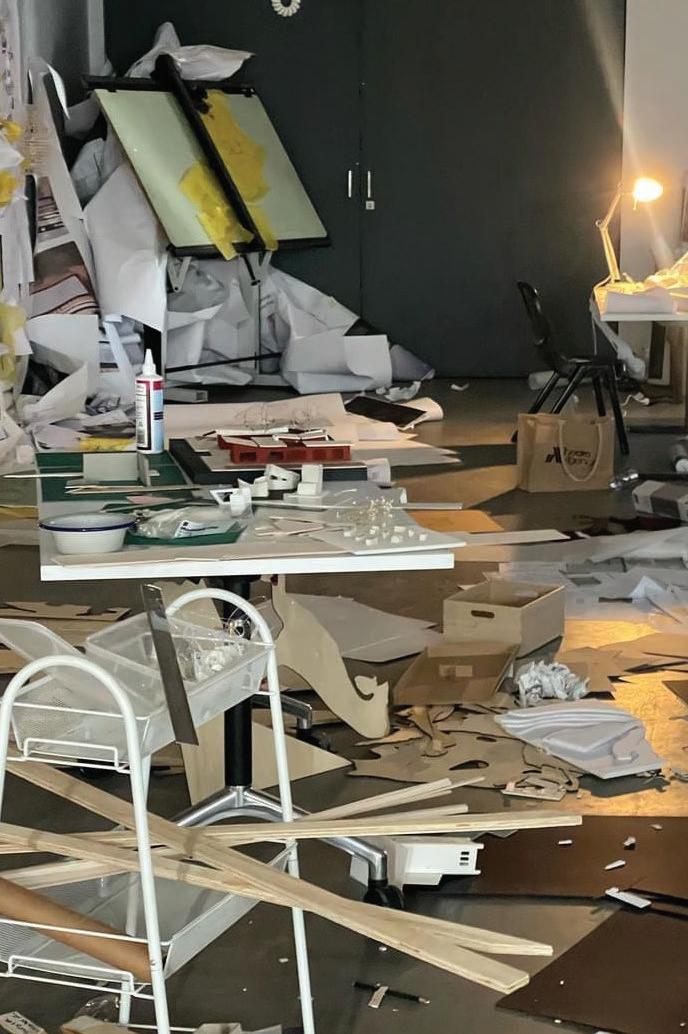
Further drawing upon the spectrum of skills developed during their studies, inter- mirrored student experiences, growth, exploration, and the evolving nature of their capabilities in open and transparent ways, and exhibited their experiences and process to attendees.
Celebrating both the pathway and the final outcome concurrently, the exhibition highlighted the beauty and value in all aspects of the process, and used these to both guide visitors, and link the gallery spaces.
Openhouse
Year: 2023
Type: Commercial (Accommodation)/Civic
Concepts: Multi-residential / Materiality
Adaptive Reuse / Research
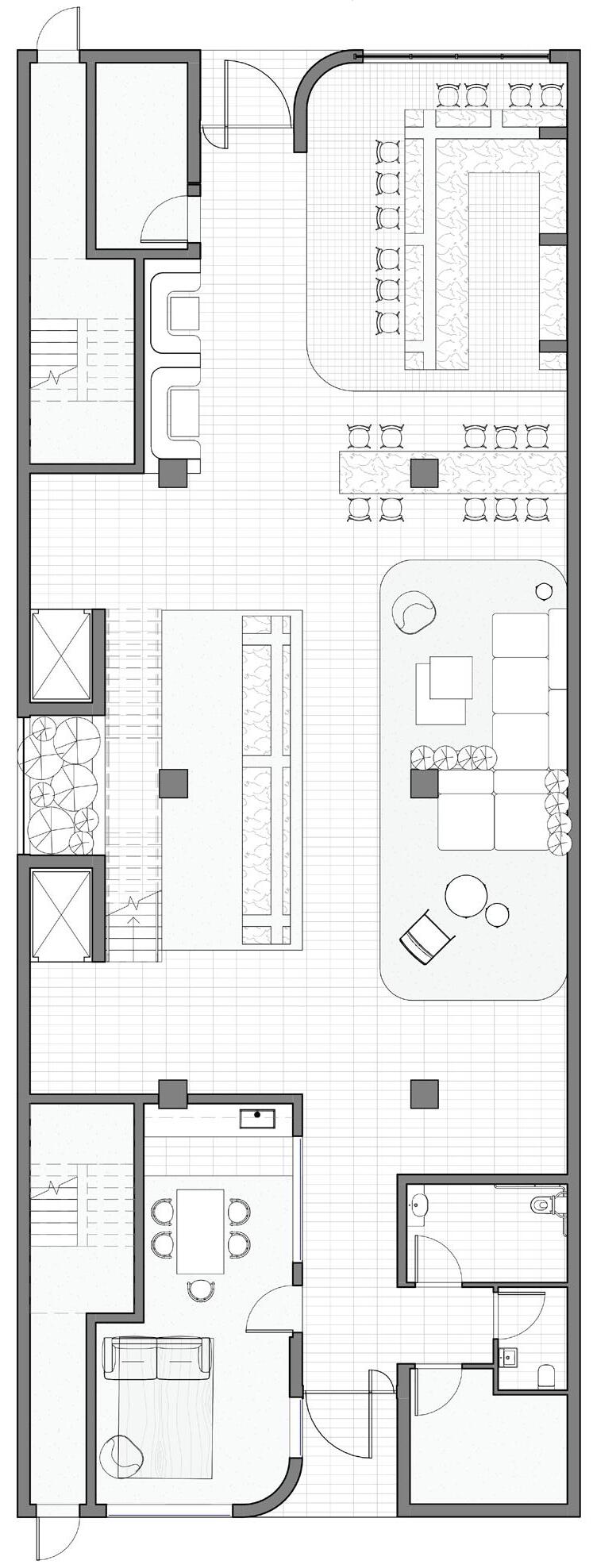
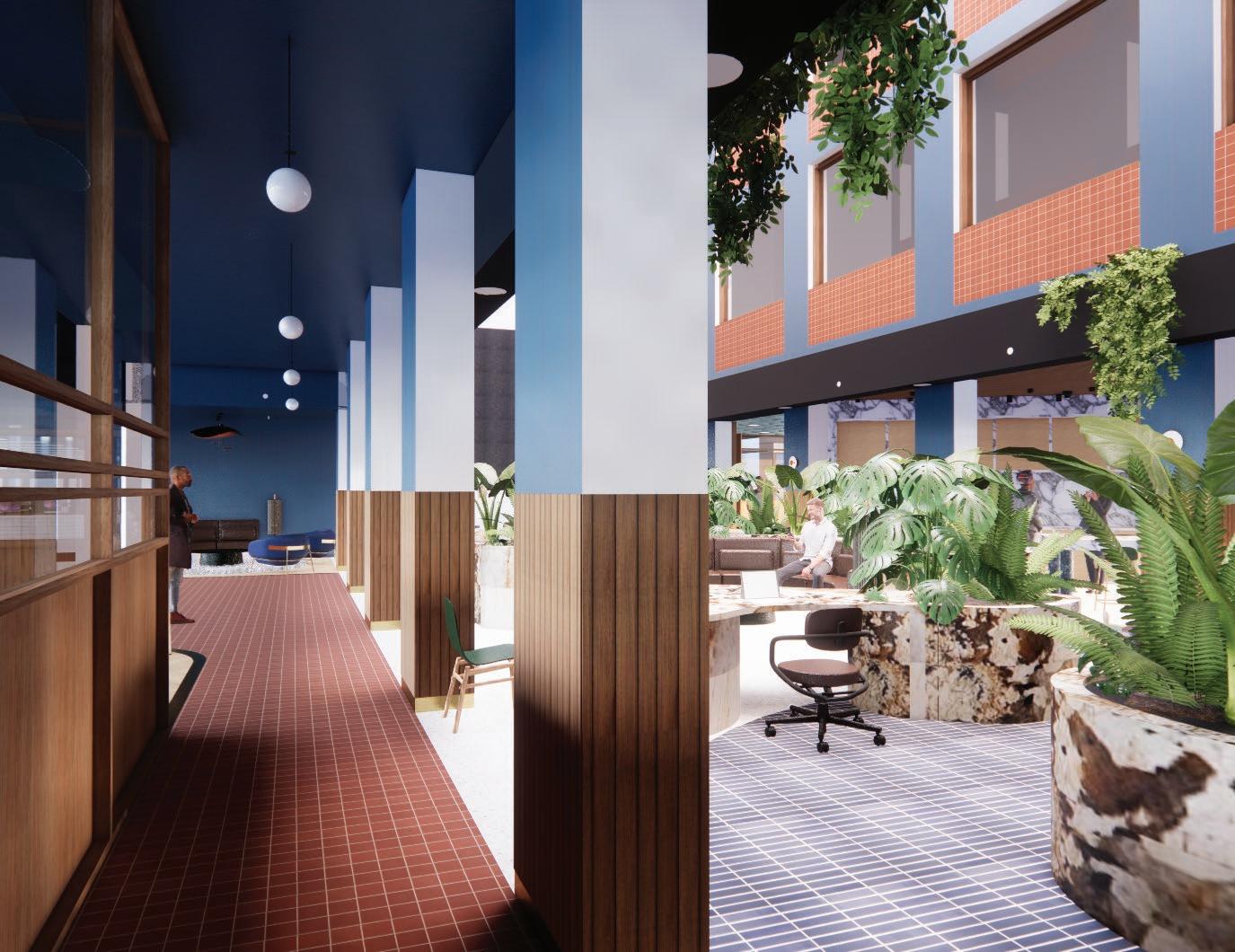
Openhouse is predominantly a civic space that understands ‘luxury’ to be, first and foremost, the careful consideration of the user experience, and which is underpinned in its design by the concept of ‘hospitality for all’.
The design seeks to celebrate the art of people in motion, with the co-existence of multiple individual stories generating a collective experience; overall, it aims to blur the boundaries between new and familiar, inside and outside, public and private.
*Award Winner: Artichoke Magazine Prize in Interior Architecture*
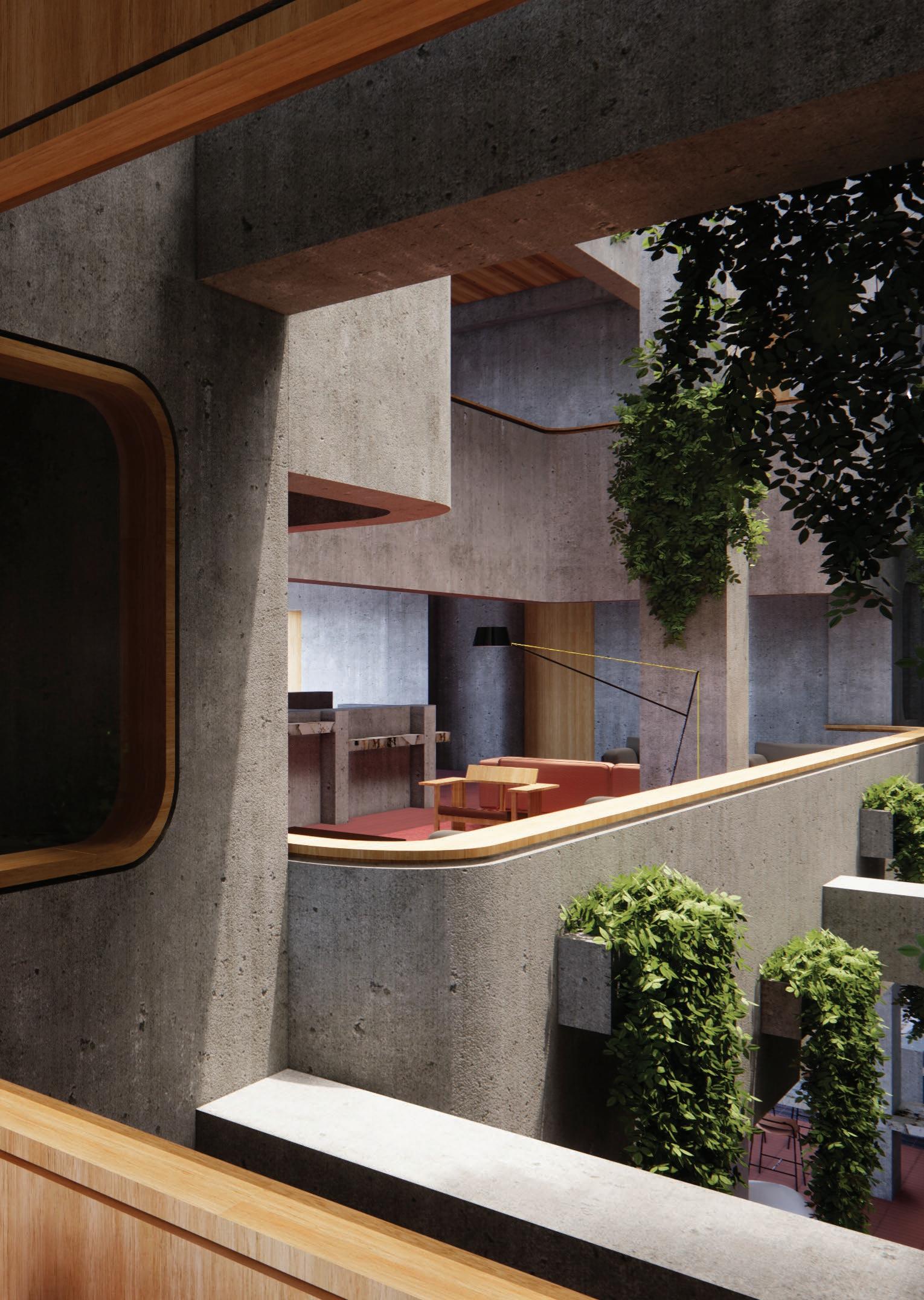
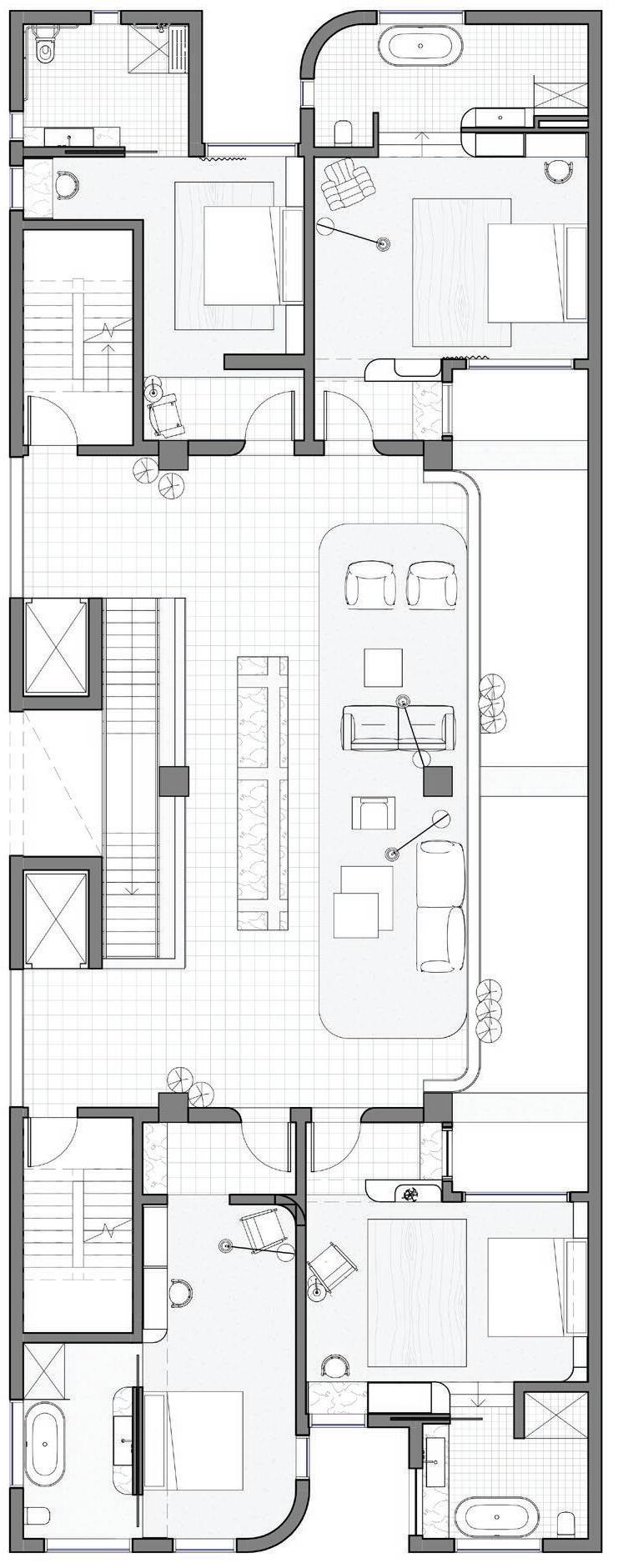
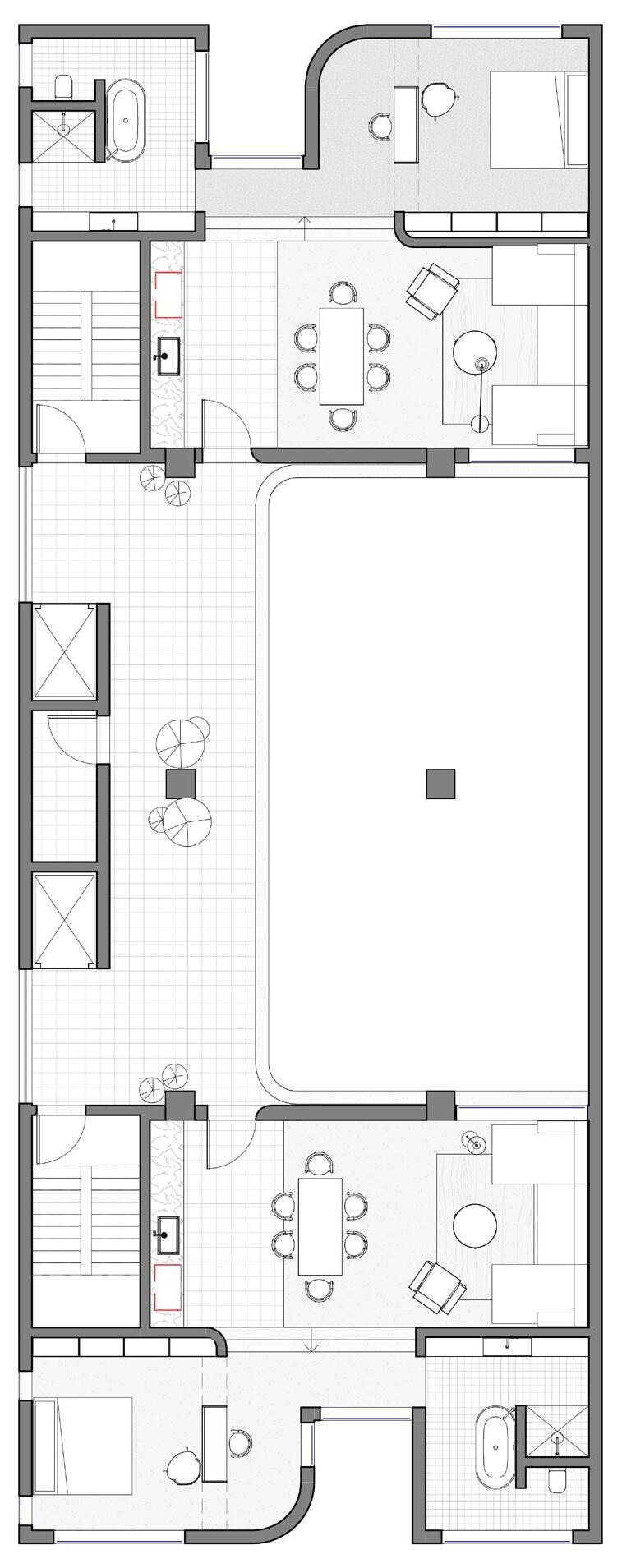
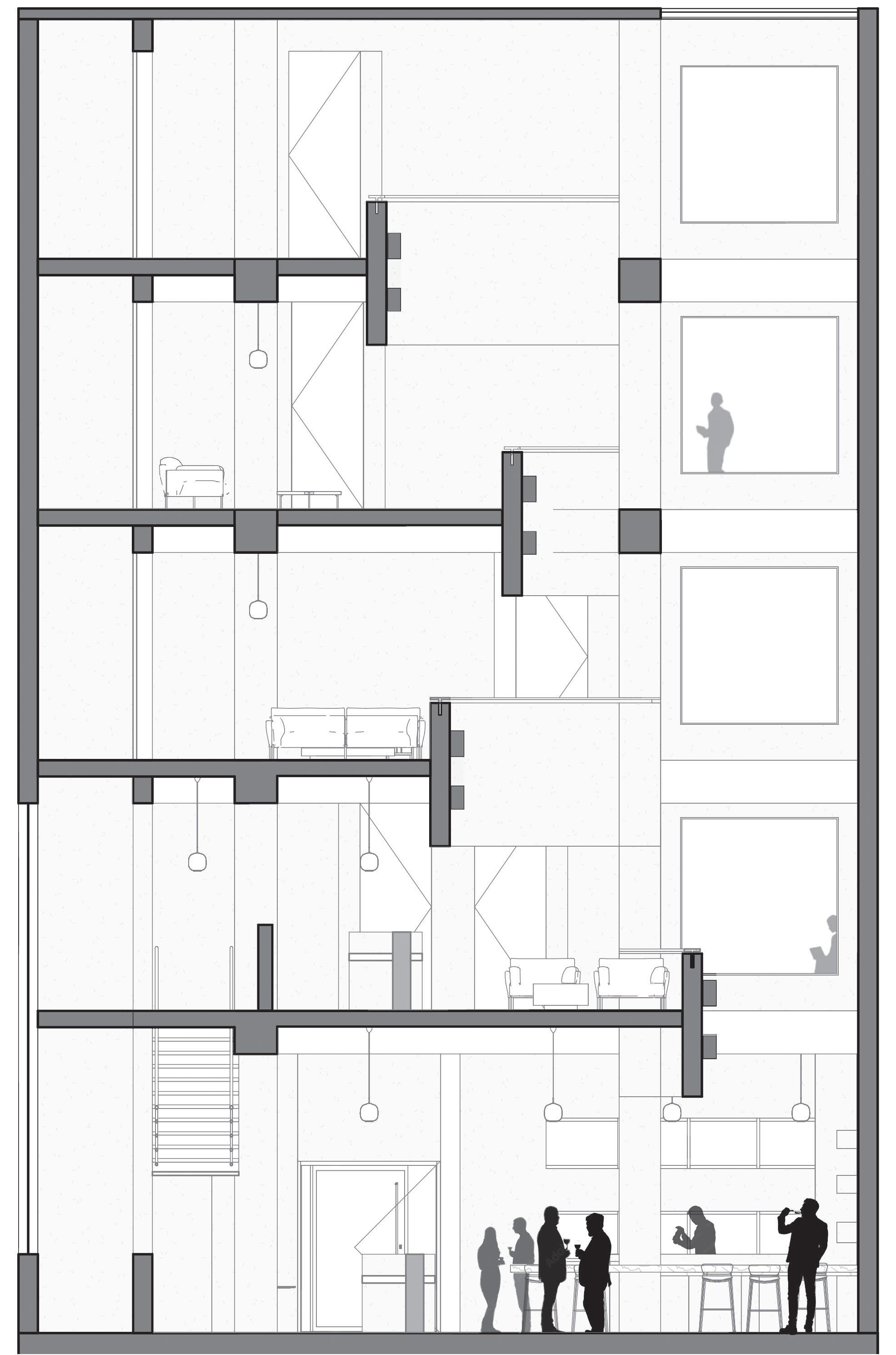
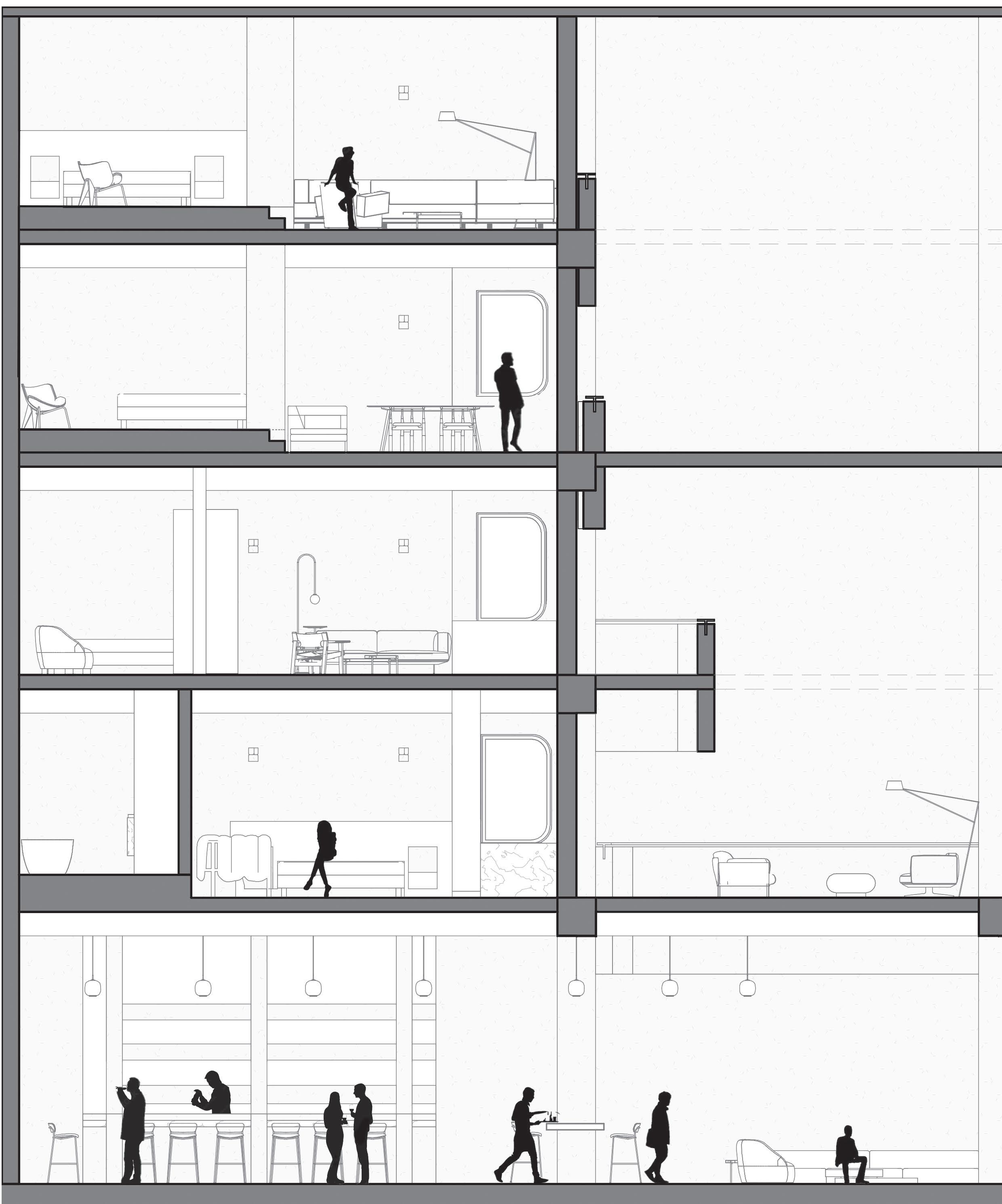
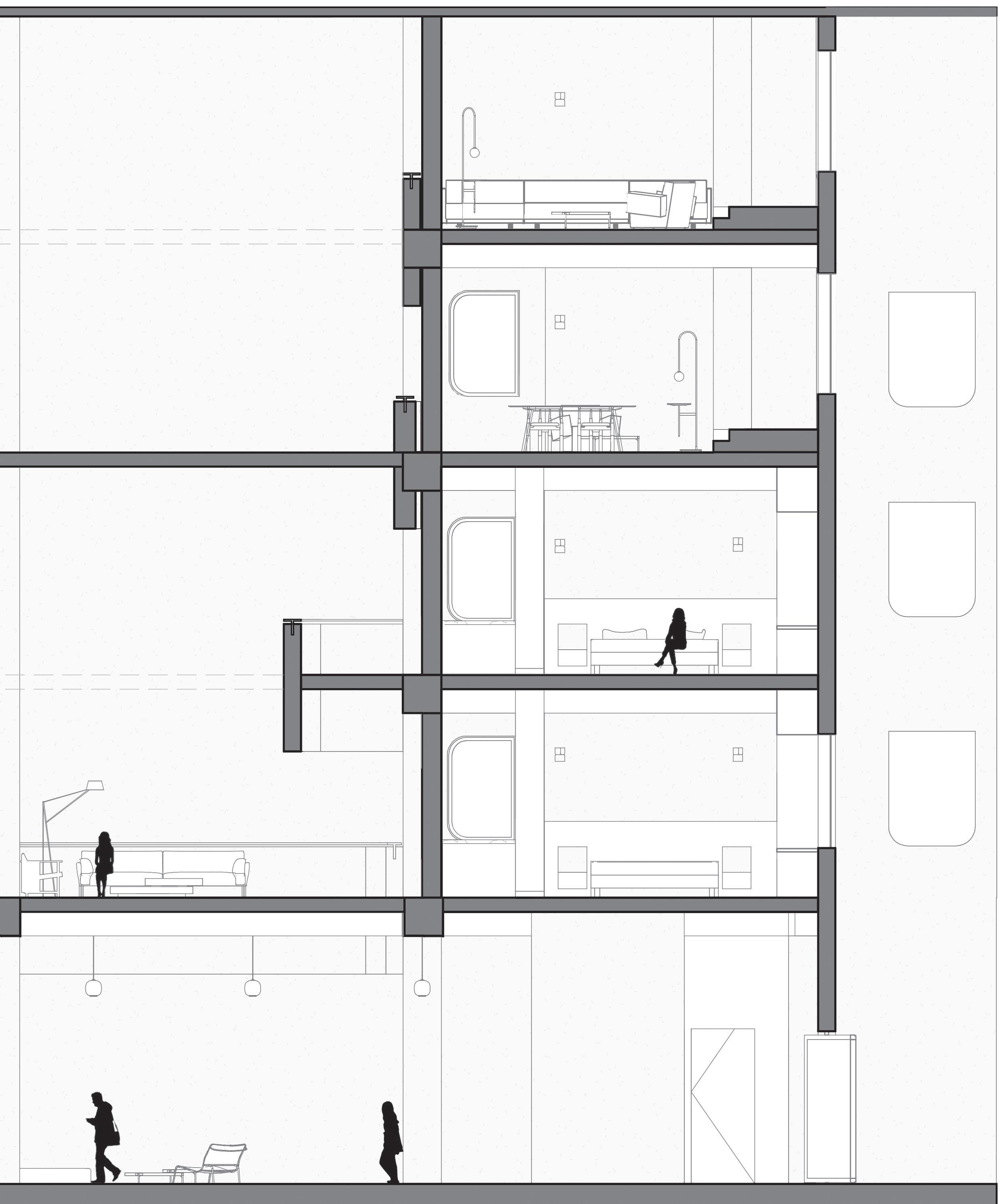
The key area of focus within the design is the interstitial space at the building’s core, which captures elements of the lobby, main circulation pathways (both horizontal and vertical), general public areas, and private guest suites, all contributing to the overall ‘shared experience’.
With the movement of people driving the design, circulation became paramount, and this is reflected in the floor and suite layouts; the ground floor is configured as a corridor for smoother navigation throughout both the building and the wider precinct, providing a civic space that invites the public interactions, engagement with one another or for simply observing others going about their business.
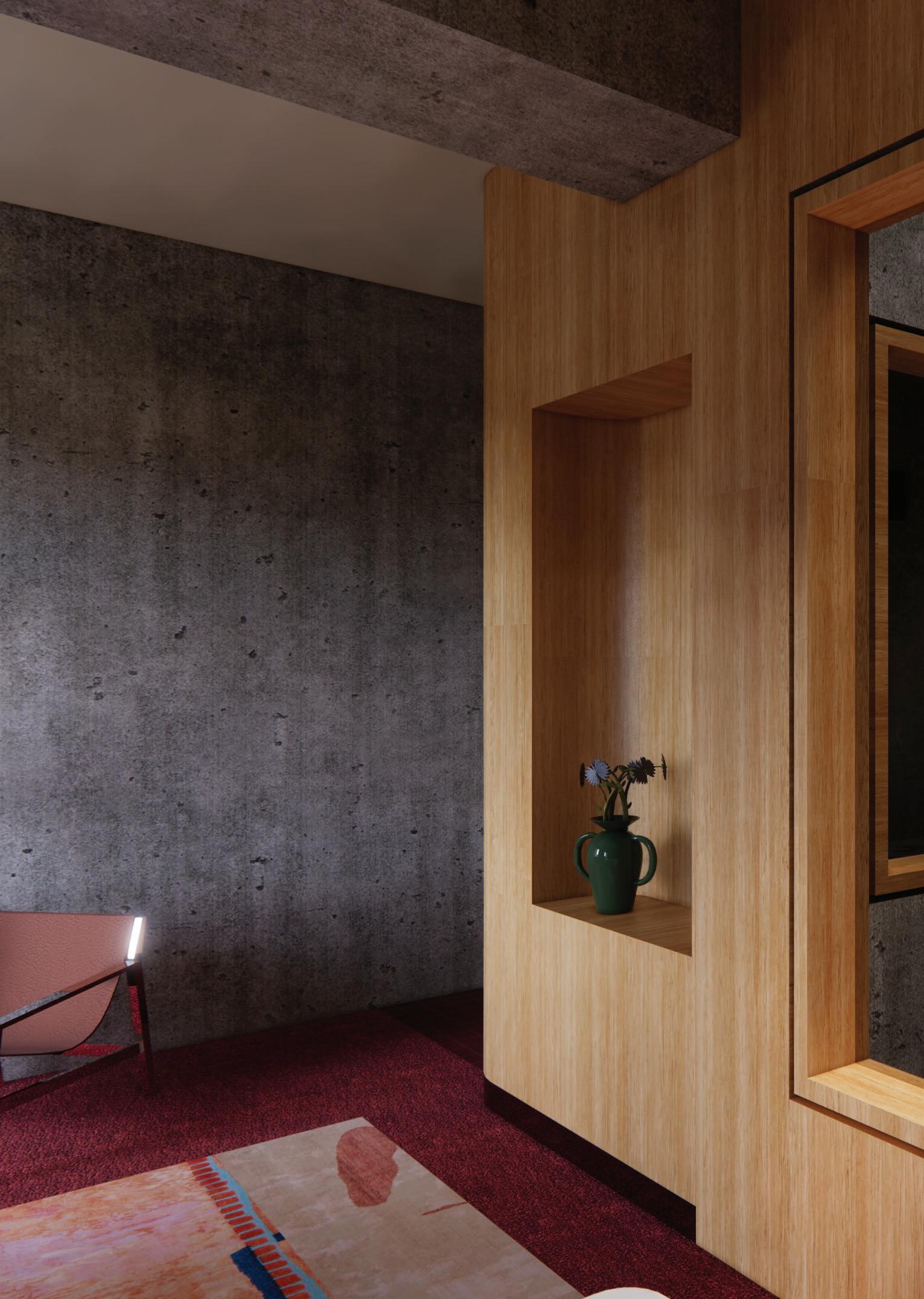
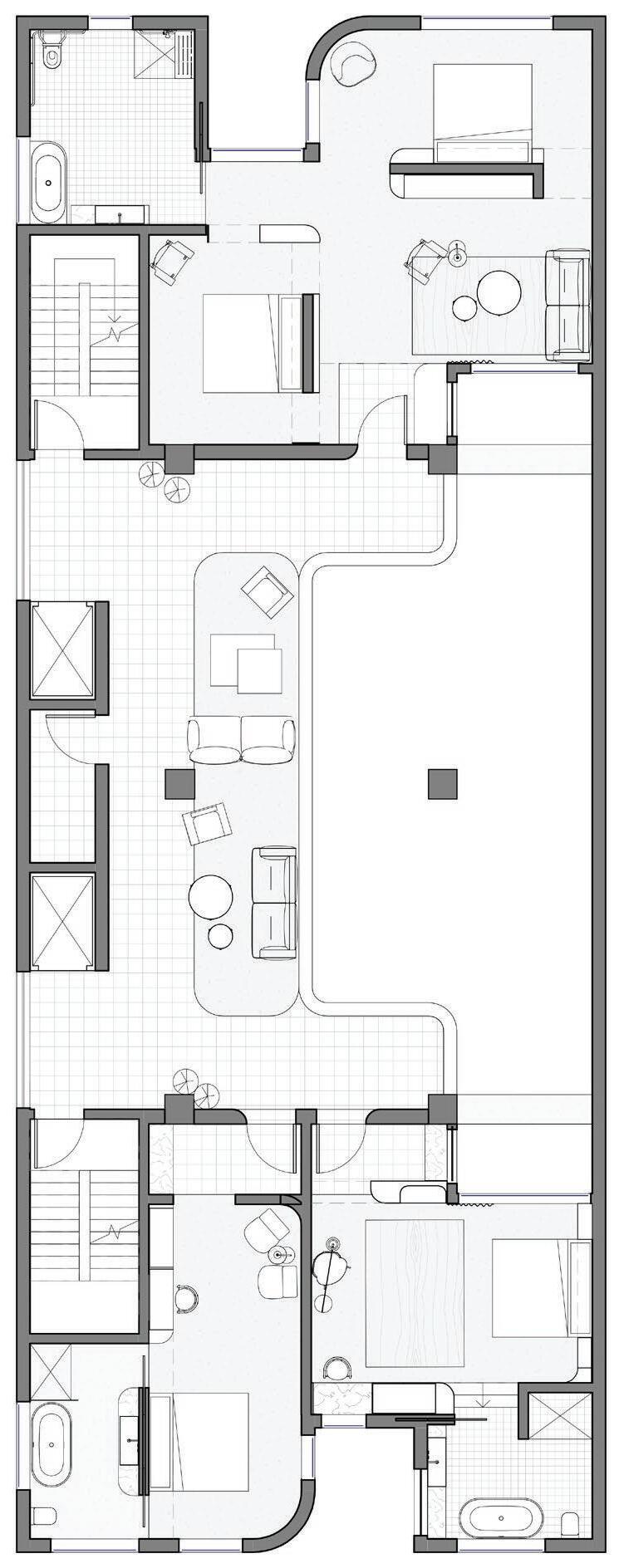
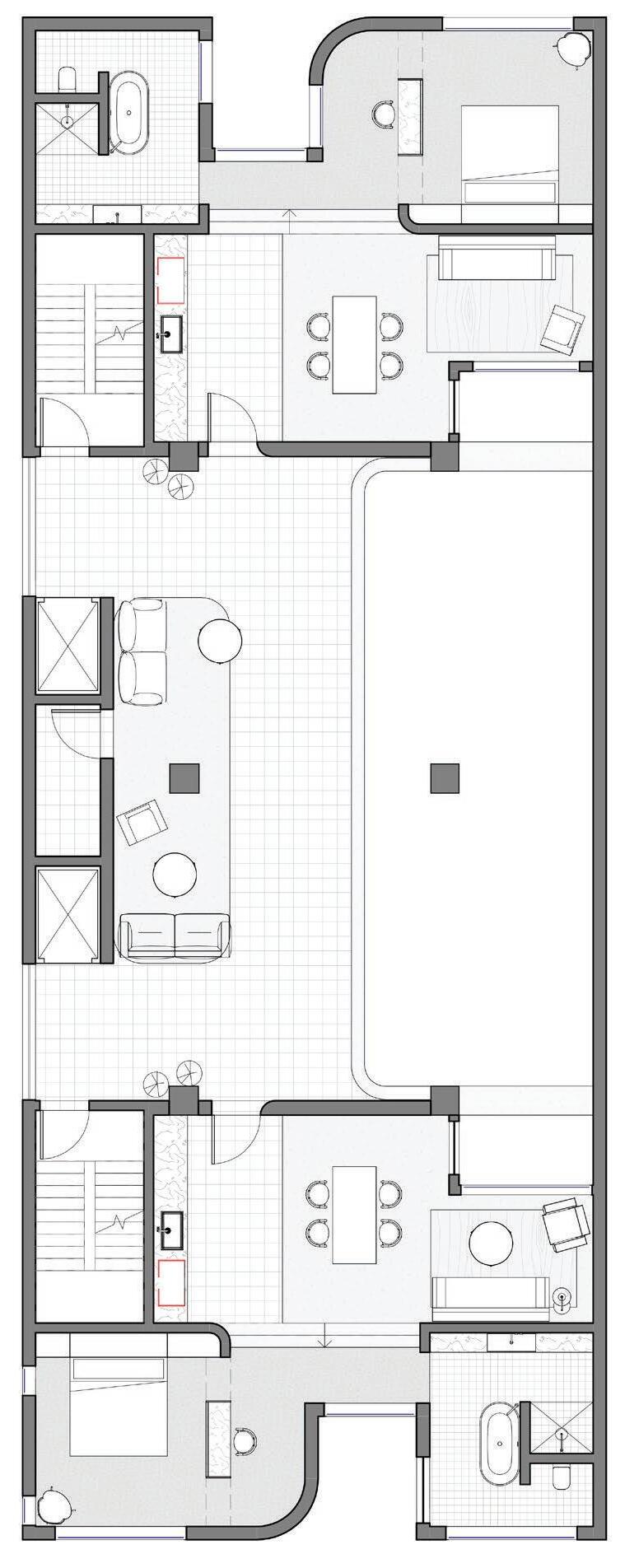
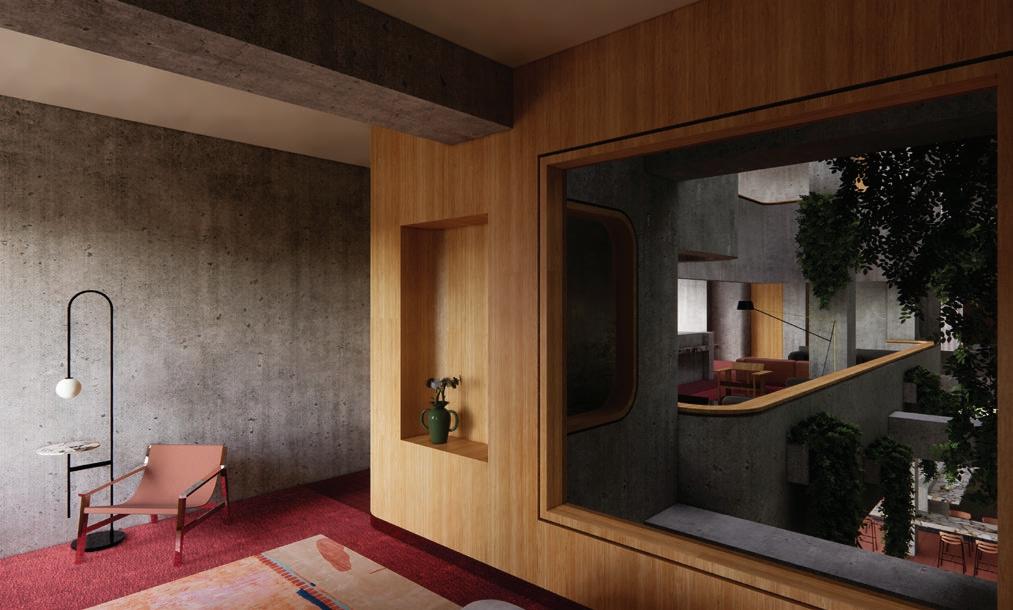
The guest suites are laid out to ensure guests’ experiences are significantly more elevated than can be achieved in their own home, but without losing that sense of familiarity and comfort. Each floor also hosts a semi-public communal space for guests to interact with one another as an extension of the private suites, which also provides visual connection to the floors below and above.
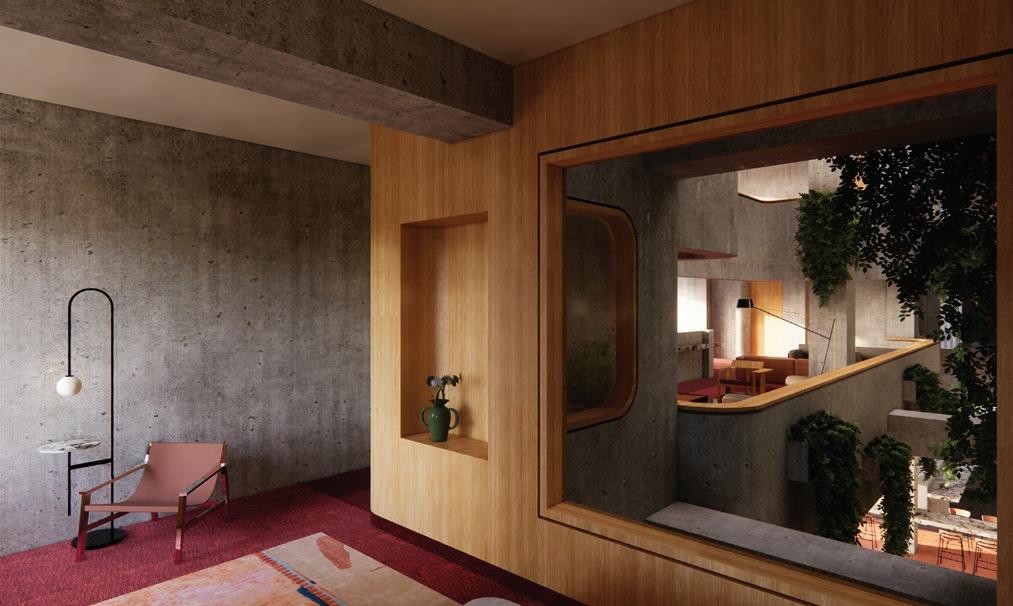
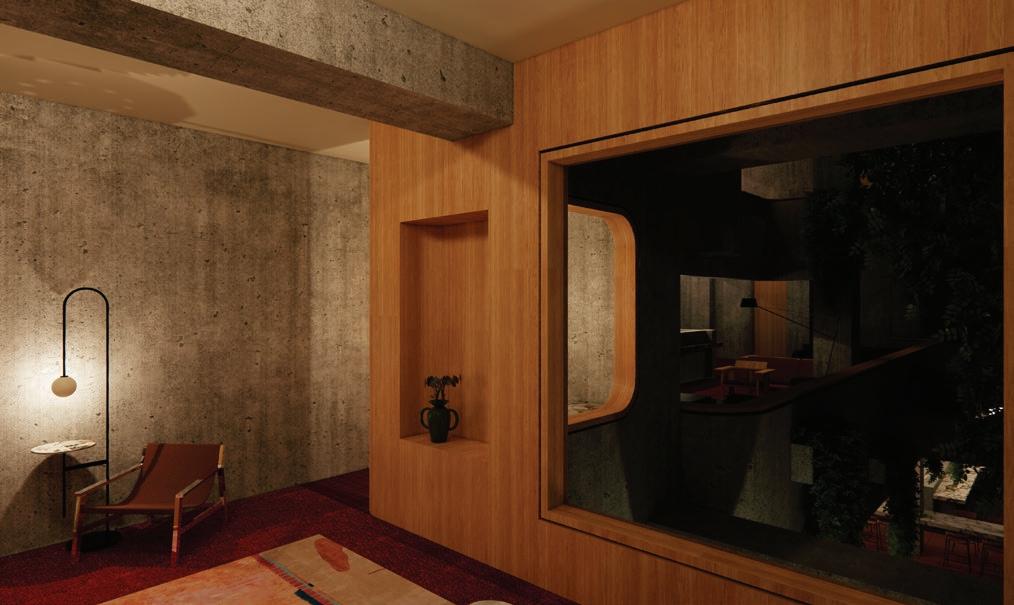
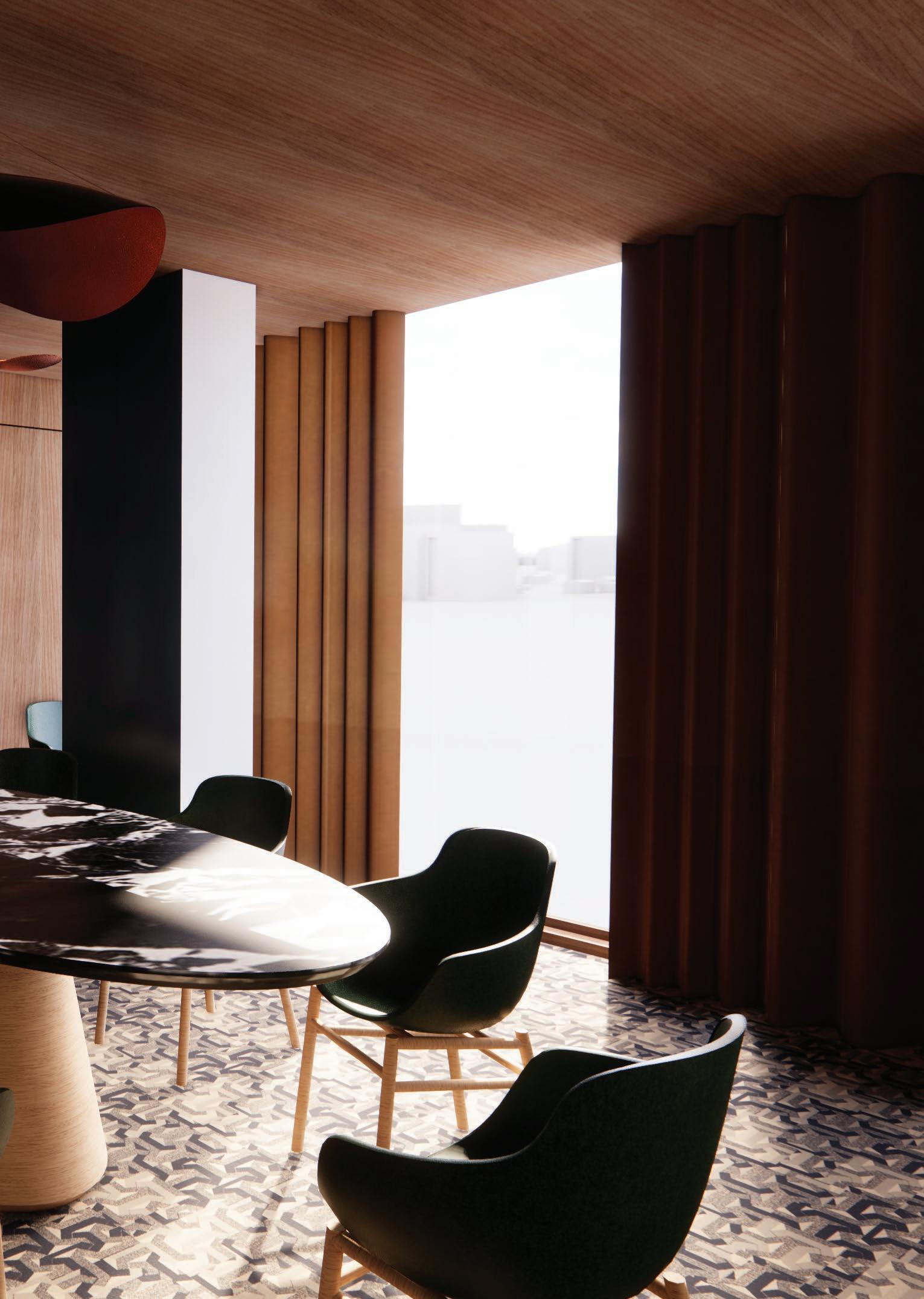
Through light studies conducted on the final design, the heart of the building is seen to move throughout the duration of the day, giving personality to different areas as needed.
Guest rooms take on the right amount of light for commencing the day in the early morning and winding down in the late afternoon, whilst the lobby features around midday (see cover page) and disappears following check in times in the early afternoon.
The bar on the ground floor then springs to life later in the evening, with guest suites enjoying a sense of cosiness and homely-comfort, throwing a soft glow across the void for the below patrons to enjoy over a glass of wine or two.
Alternating balcony depths allow for staggered views both below and above from all levels, whilst also maximising the amount of natural light provided by the glazed roof structure above.
The ground floor serves a dual purpose, functioning as a corridor for a smoother navigation throughout the precinct, and as a civic space that invites public engagement. As guests move up into the building suites, luxury experiences are built upon through the provision of larger accommodation spaces, additional amenities, furnishings, views, and through reduced public activity.
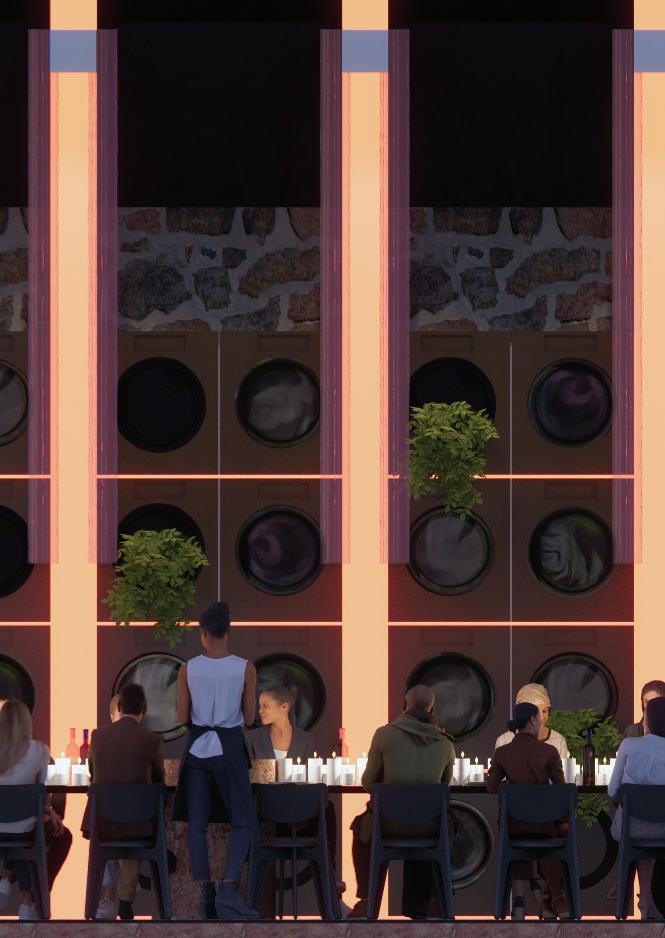
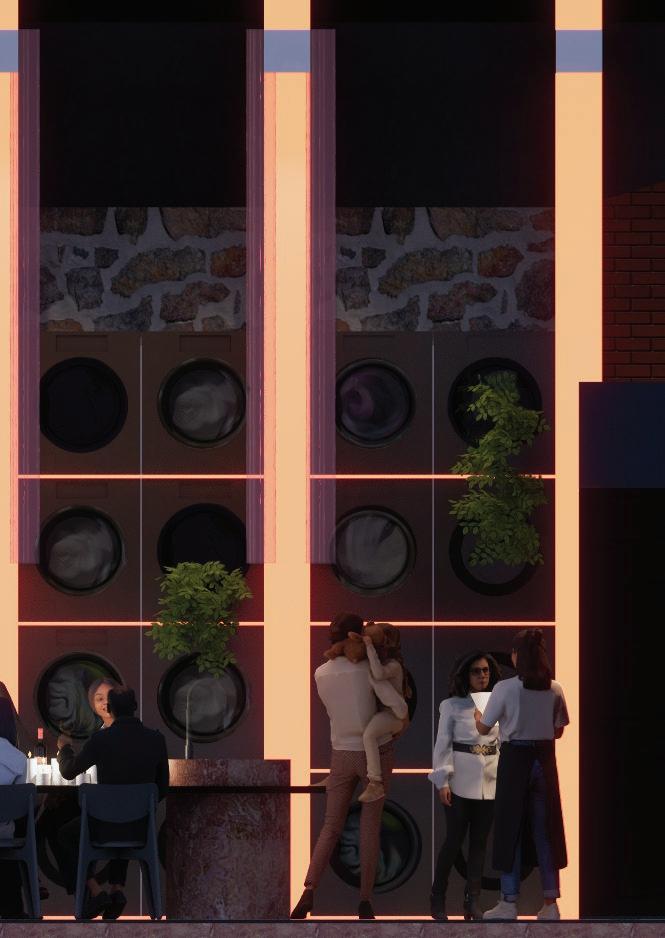
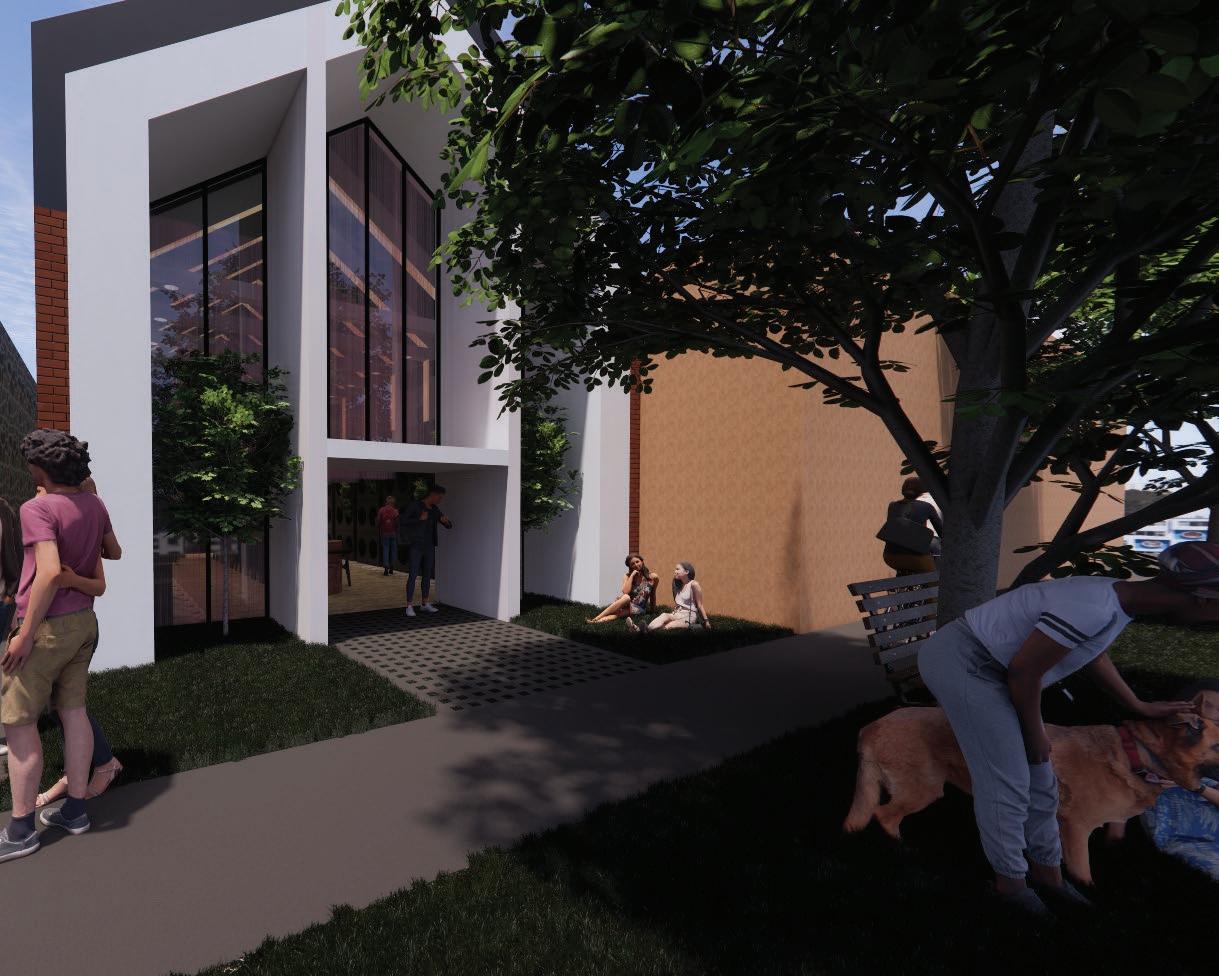
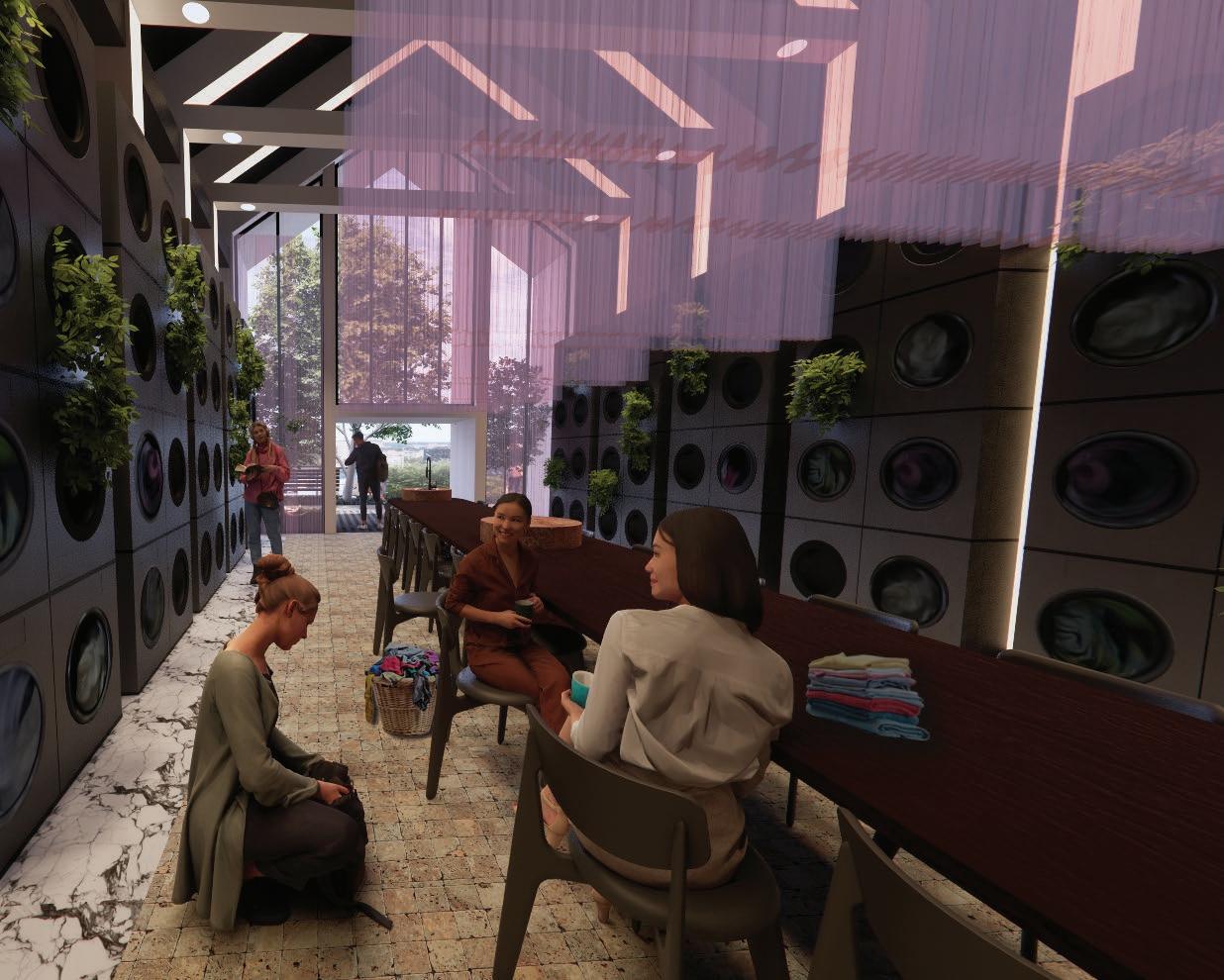
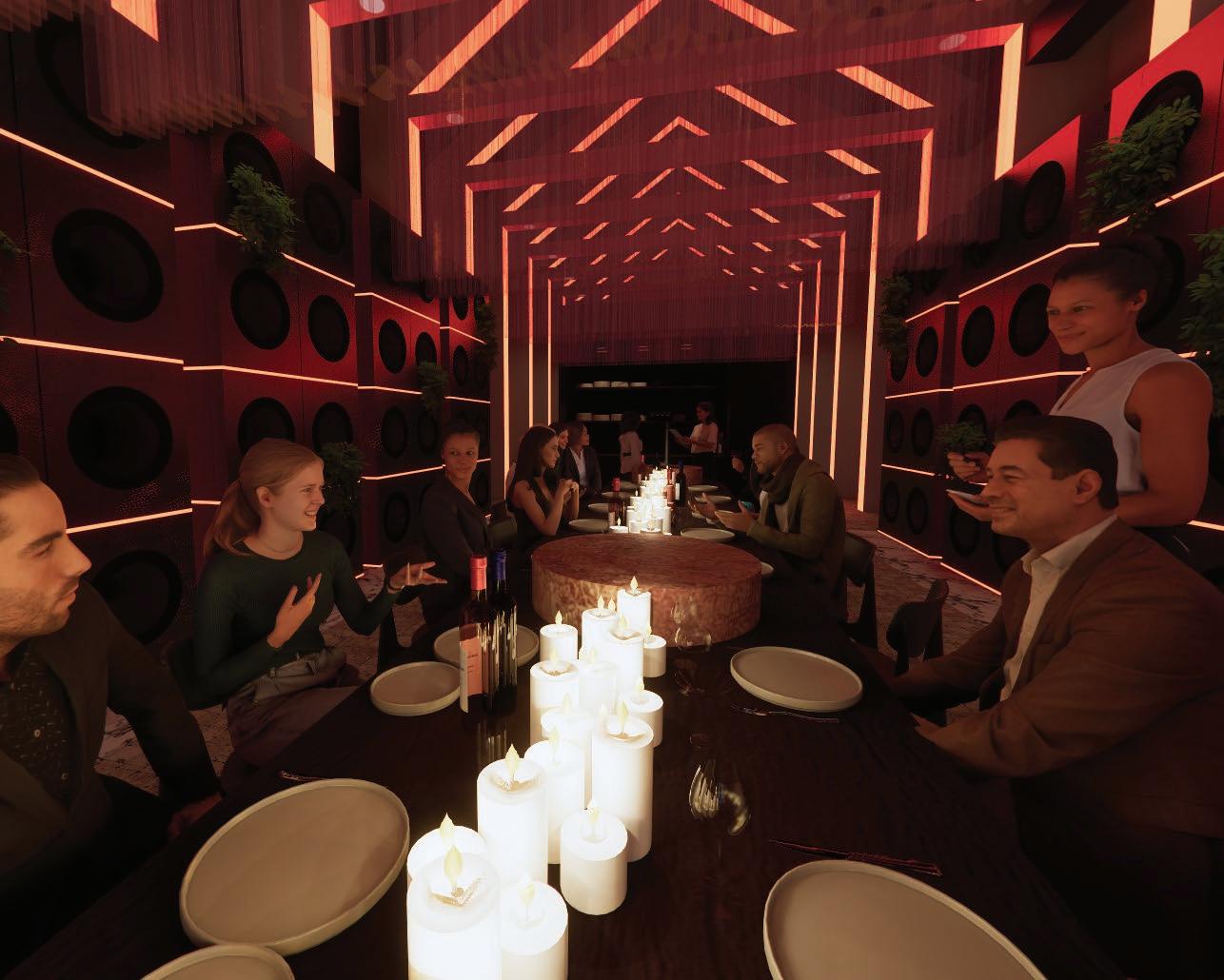
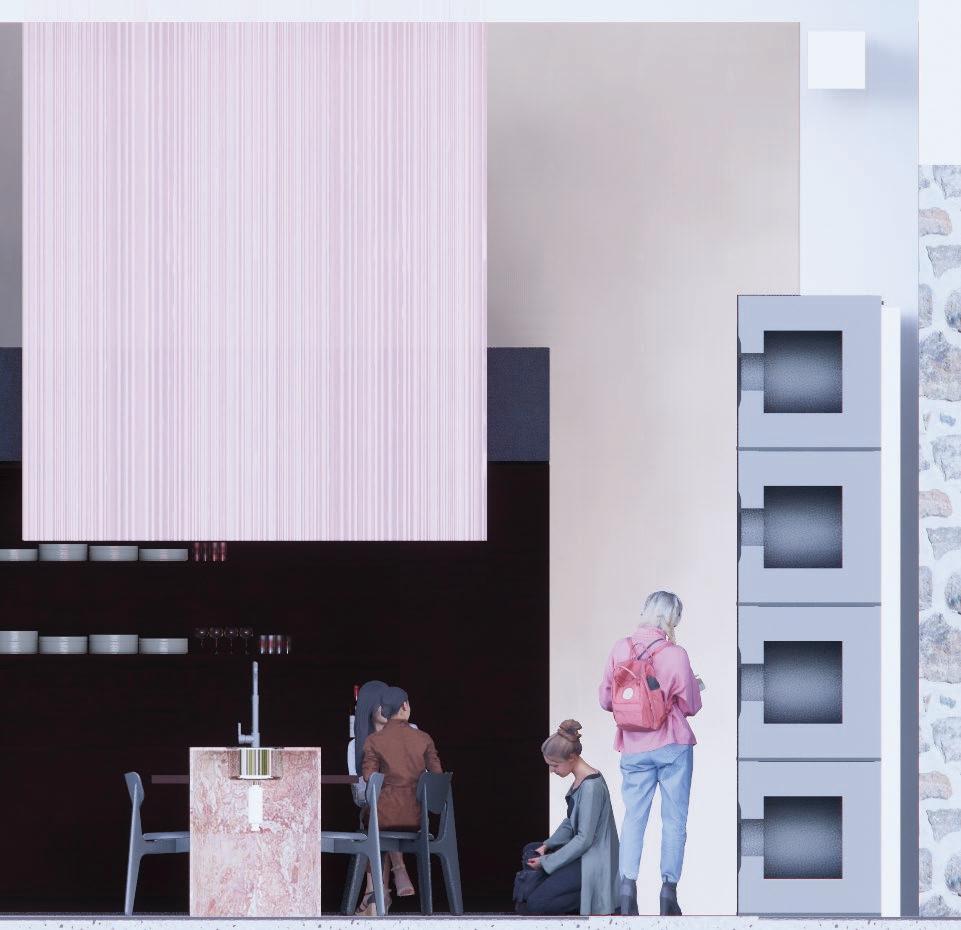
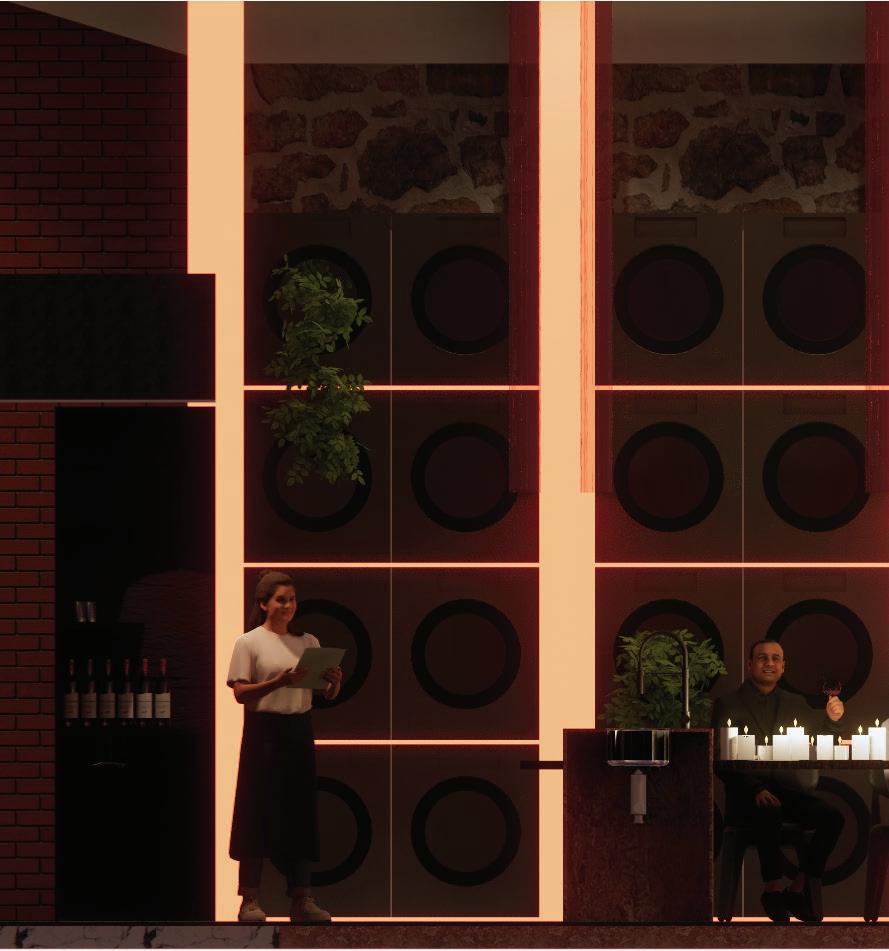
Grub[by] is a multi-pupose space that meets the needs of a range of community groups through two main programs; a functional laundromat, and fine dining restaurant. The project was an adaptive reuse initiative, aimed at reinvigorating the local precinct, in combination with a number of other regenerative initiatives.
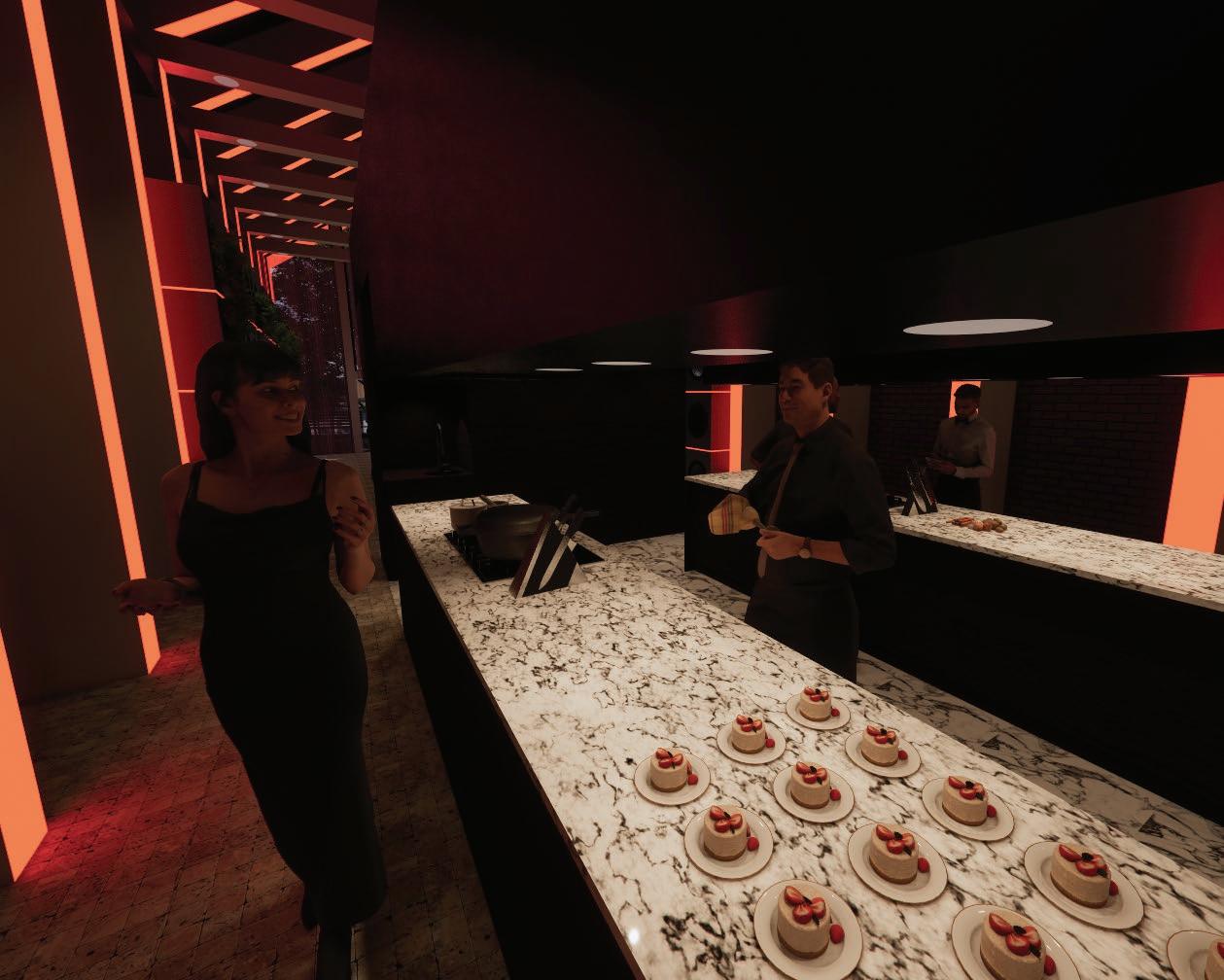
During the day, the space operates as a functional laundromat, tailored at meeting the needs of the lower socio-economic communities within the precinct. As day turns to night, an interactive culinary experience centred around regenerative agriculture commences, educating diners (and laundromat users) about responsible food consumption and waste management.
The adaptive reuse approach to the existing building is via installation, maximising the existing envelope of the building in order to better support the new design concept.
By removing the existing roof structures, some internal walls and partially editing some of the facade, a new support structure can then be installed within the remaining walls.
Seeking to acknowledge the materials of the remaining structure, the new installation mirrors the sawtooth profile of the rear brick warehouse.
Halfcap
Year: 2022
Type: Commercial (Workspace)
Concepts: Adaptive Reuse / Client Consultation
Large Scale Planning / Scheduling
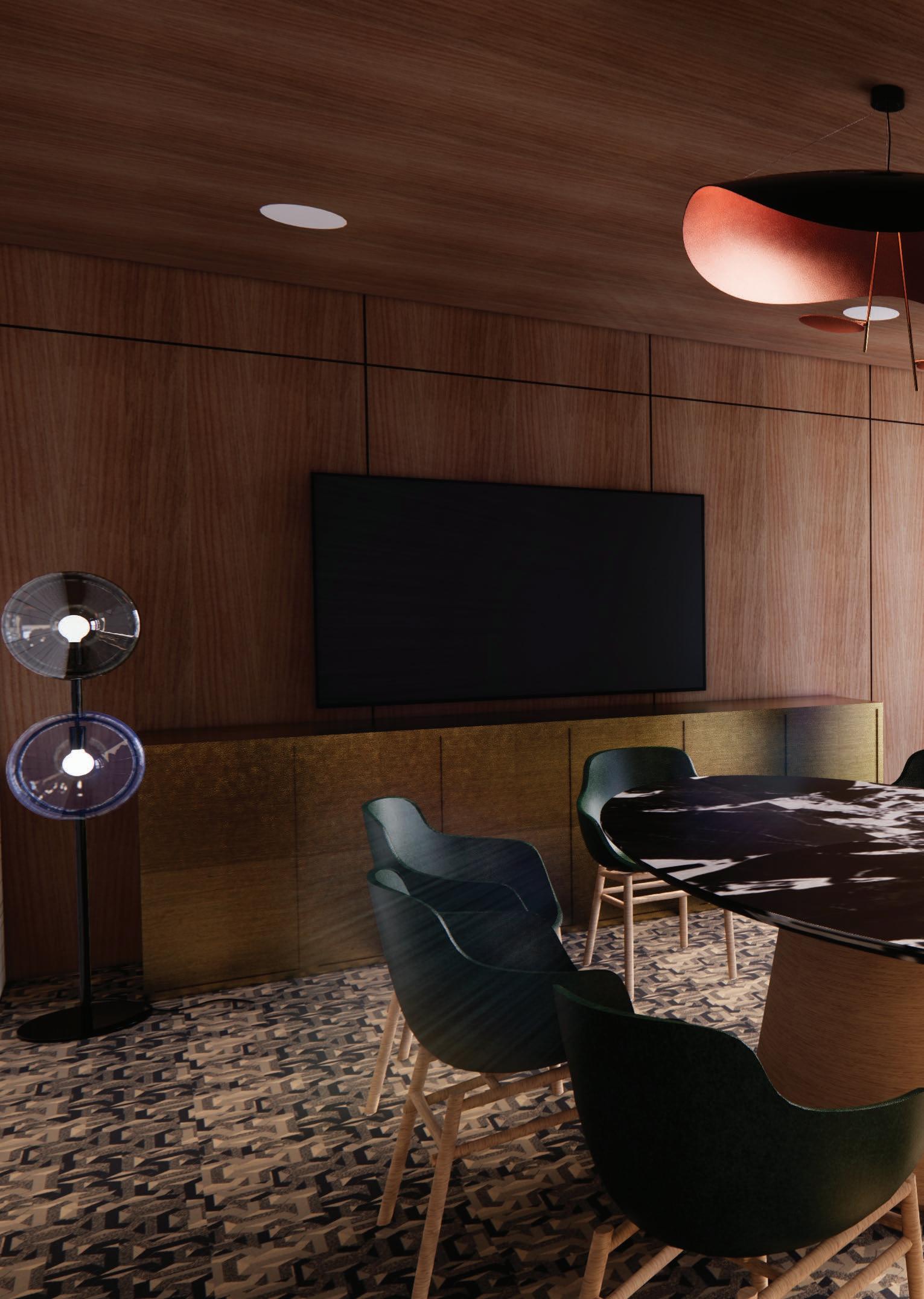
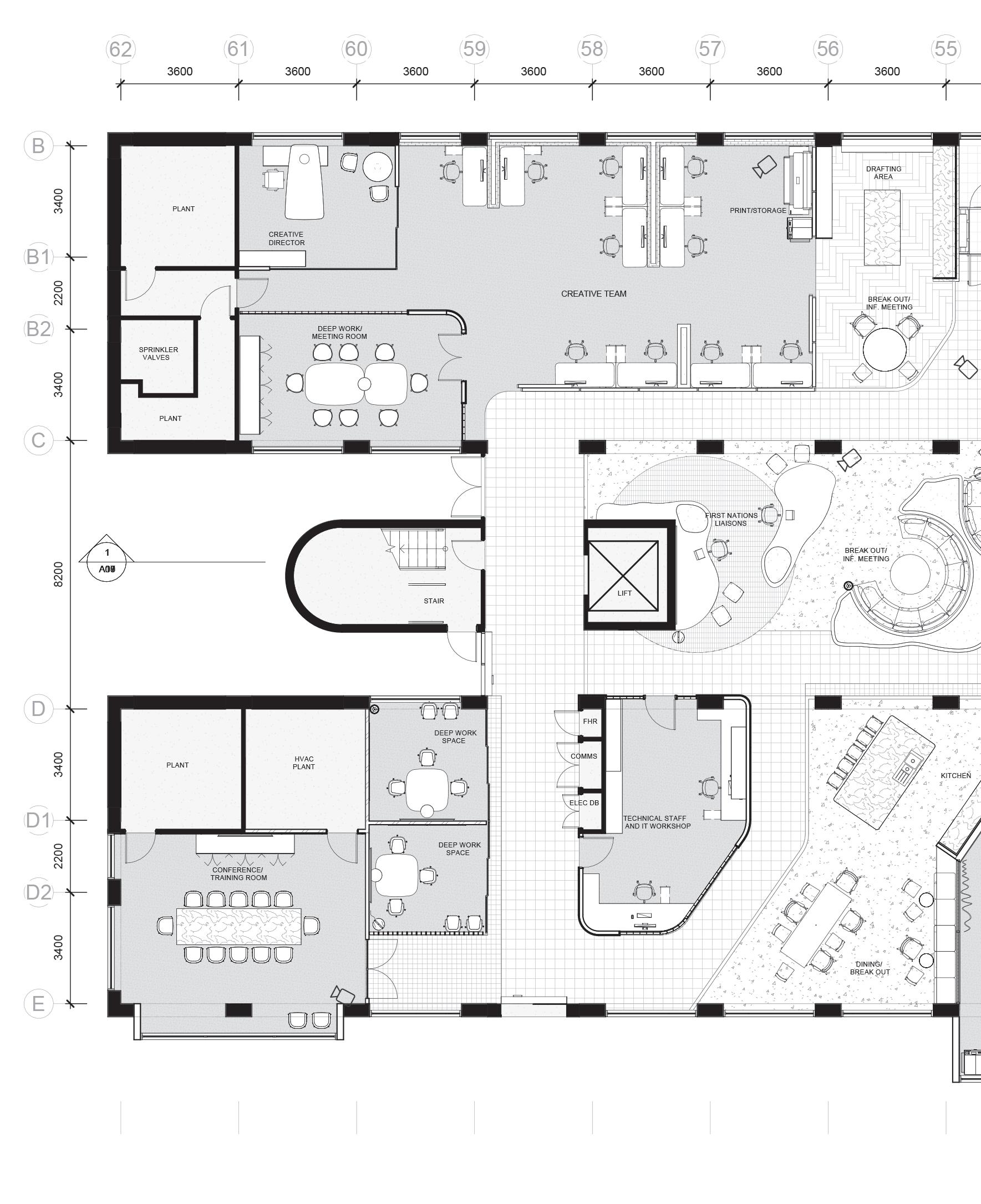
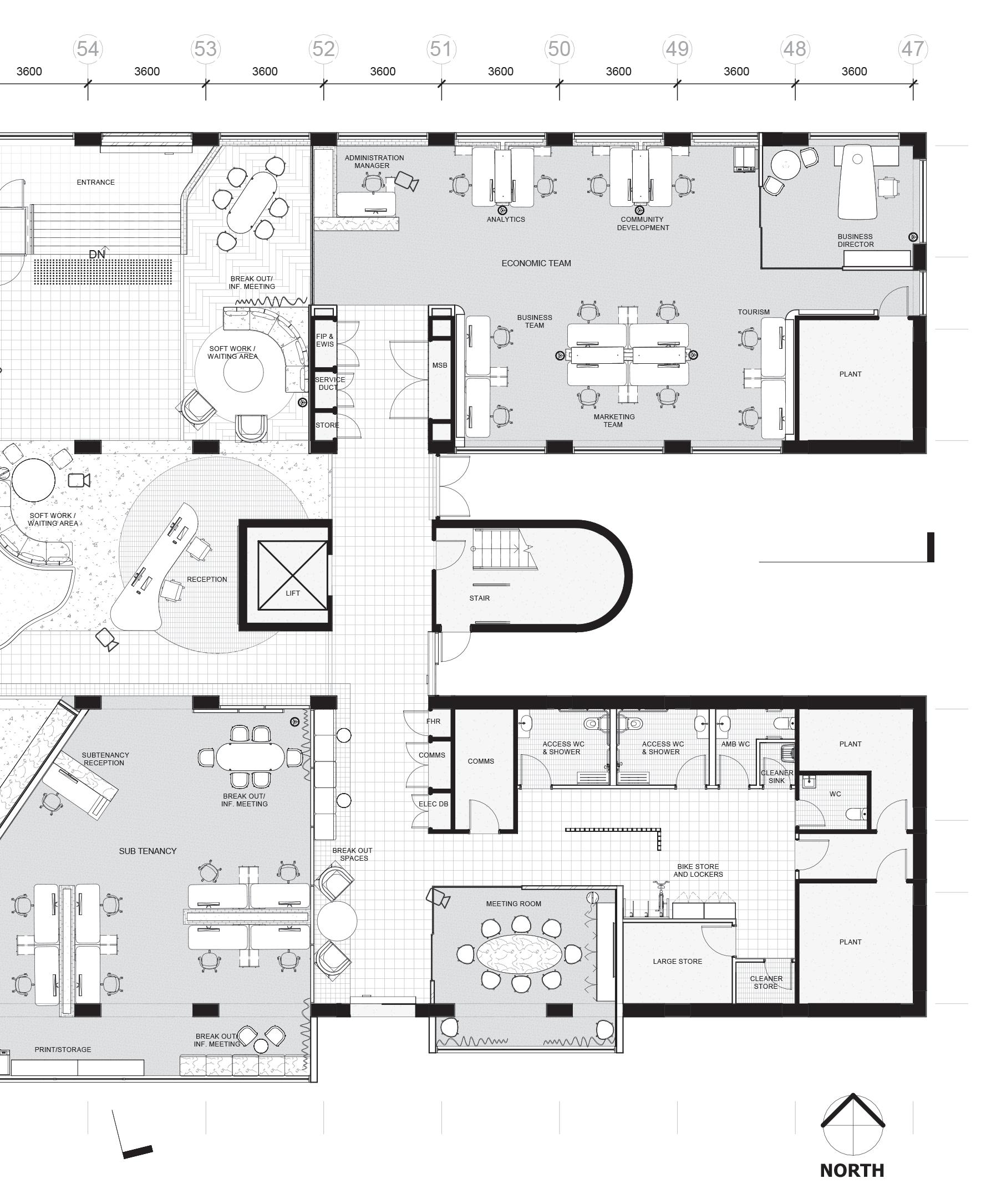
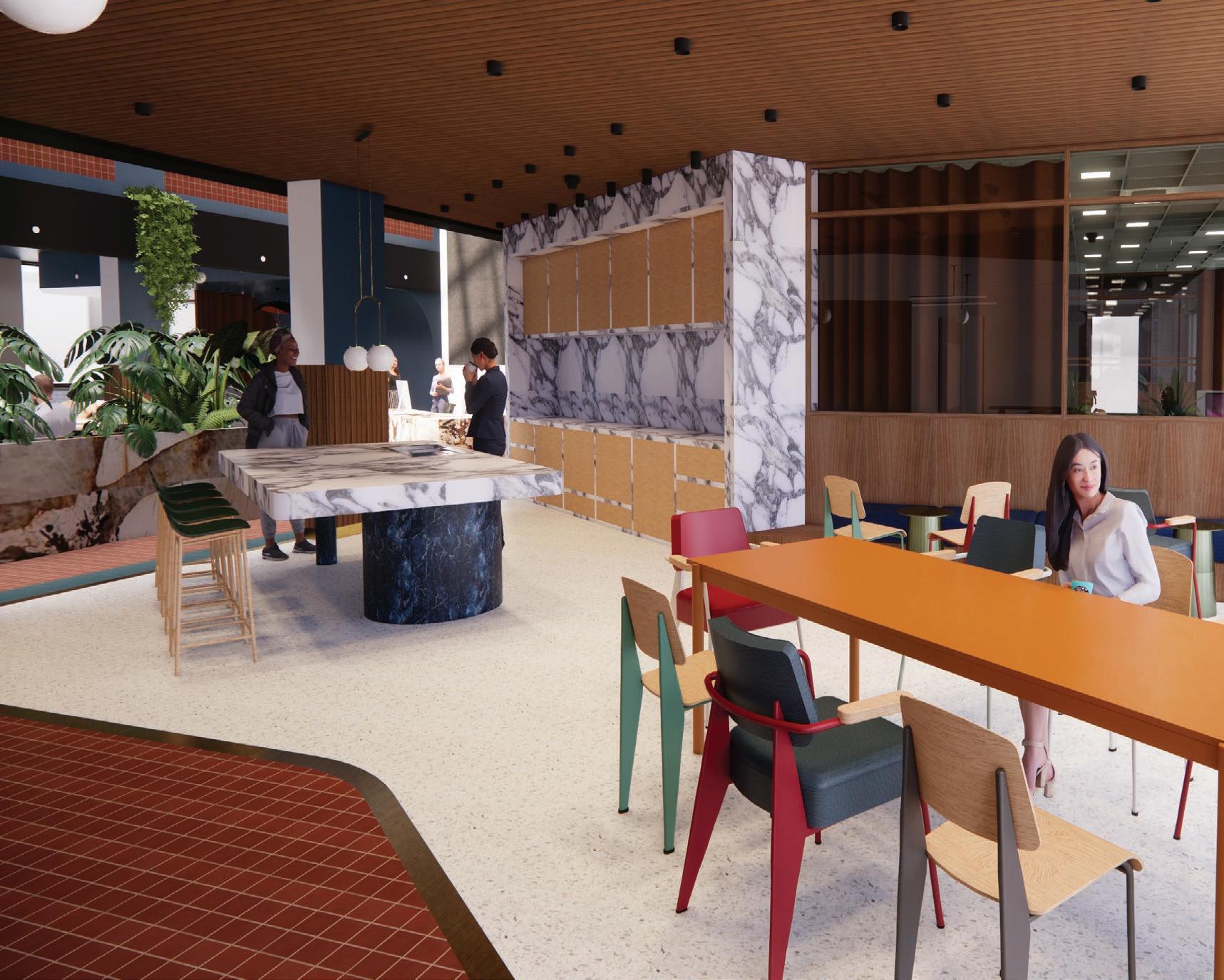
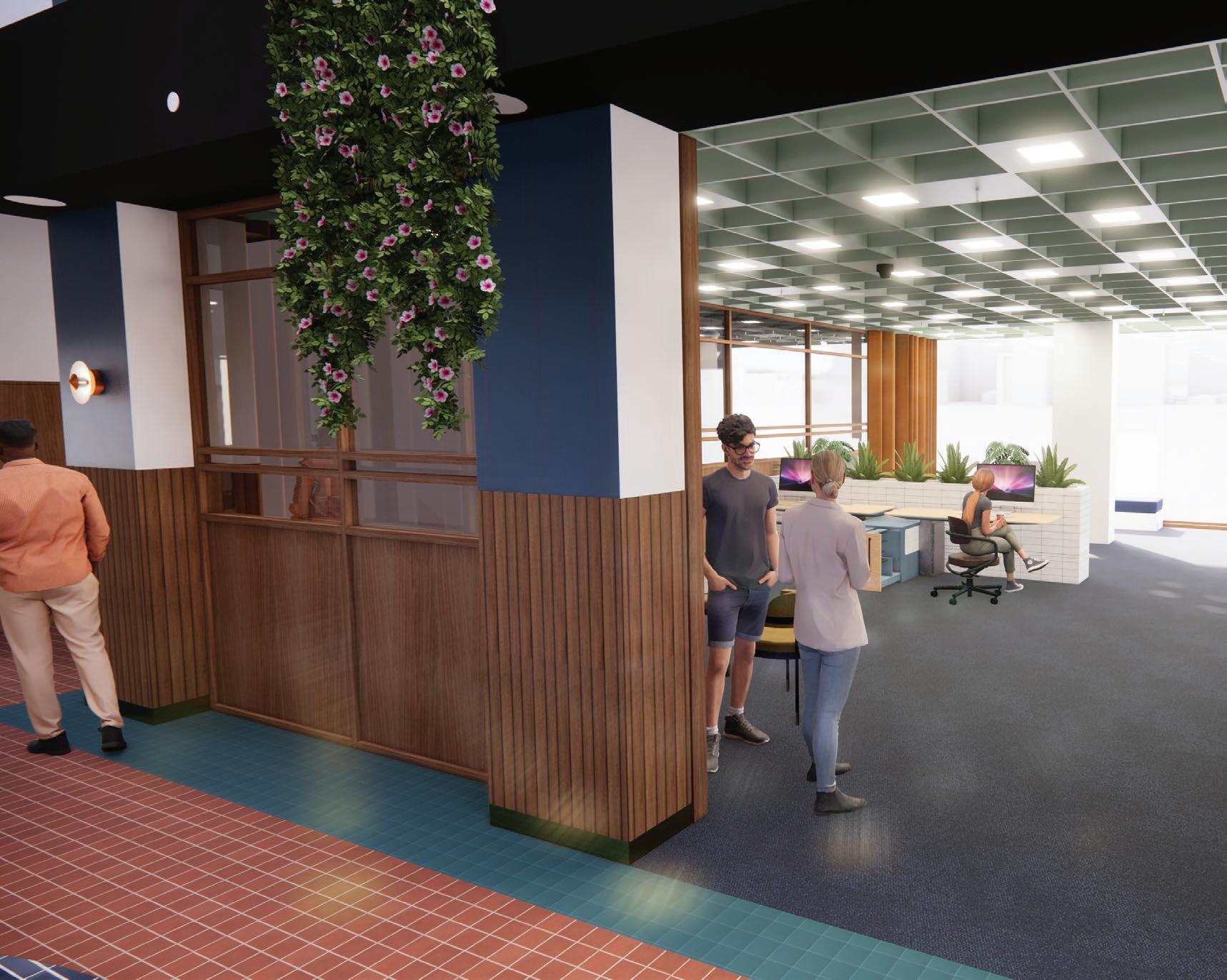
The Halfcap Studio office was an adaptive reuse project aimed at transforming and reinvigorating an existing University of South Australia building for a new business, and subtenant.
Working closely with the business’ directors, the design process frequently adapted and changed to accommodate new priorities, whilst ensuring the core requirements of the initial brief were continually met.
*Award Winner: Woods Bagot Grant in Interior Architecture*
Temporary Home
Year: 2022
Type: Residential (Temporary Accommodation)
Concepts: Small Scale Planning / Sustainability
Environmental Design / Research
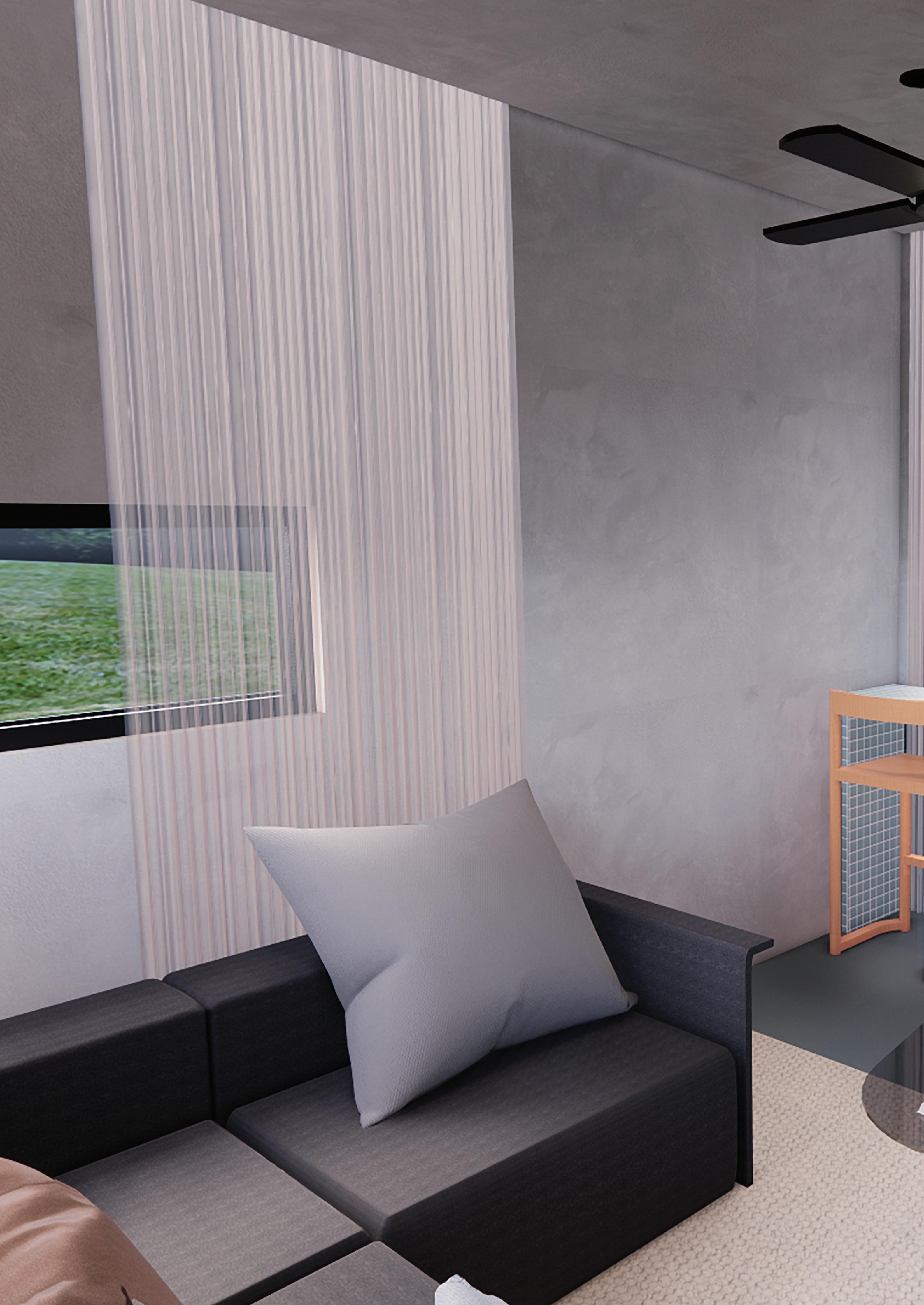
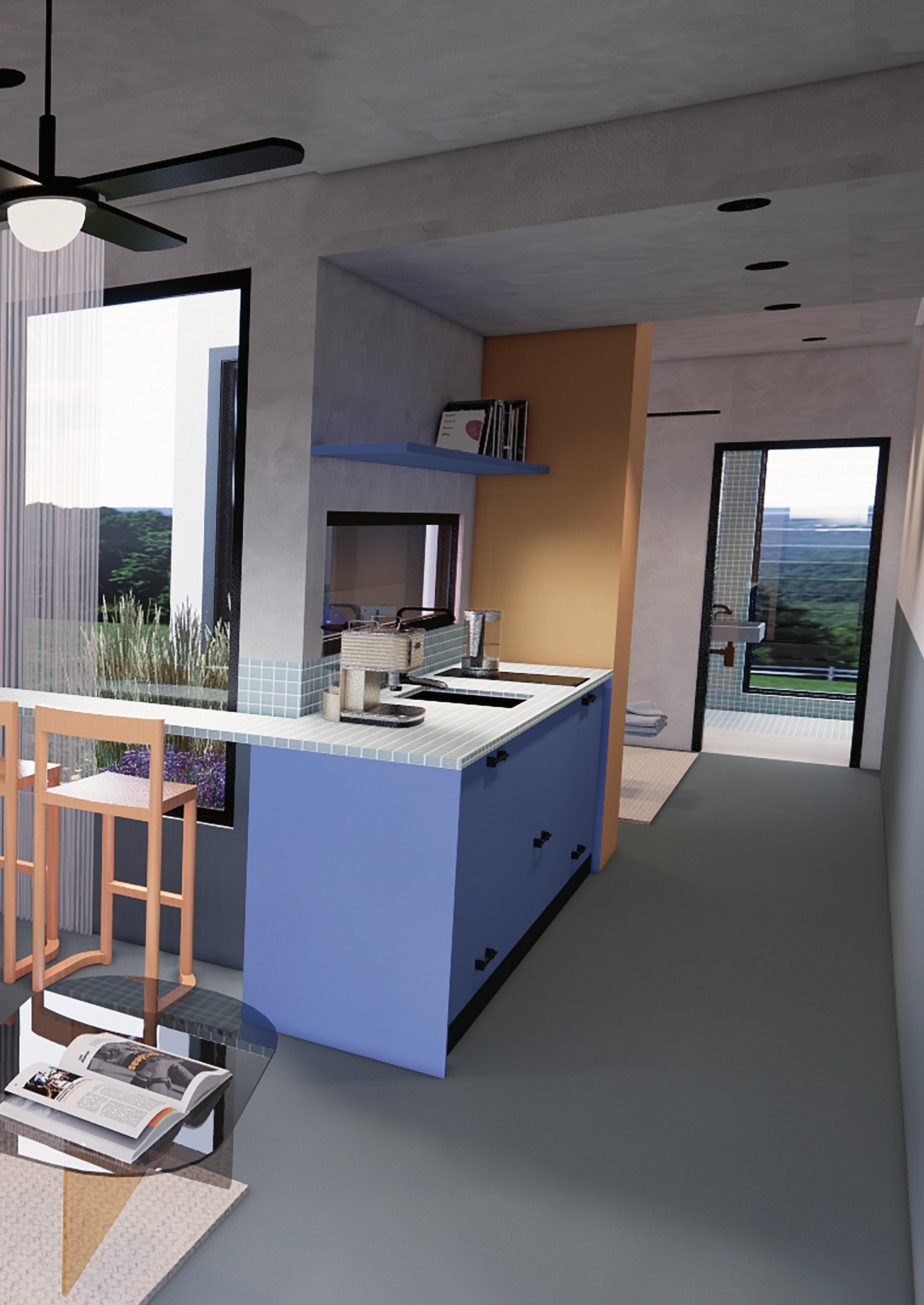
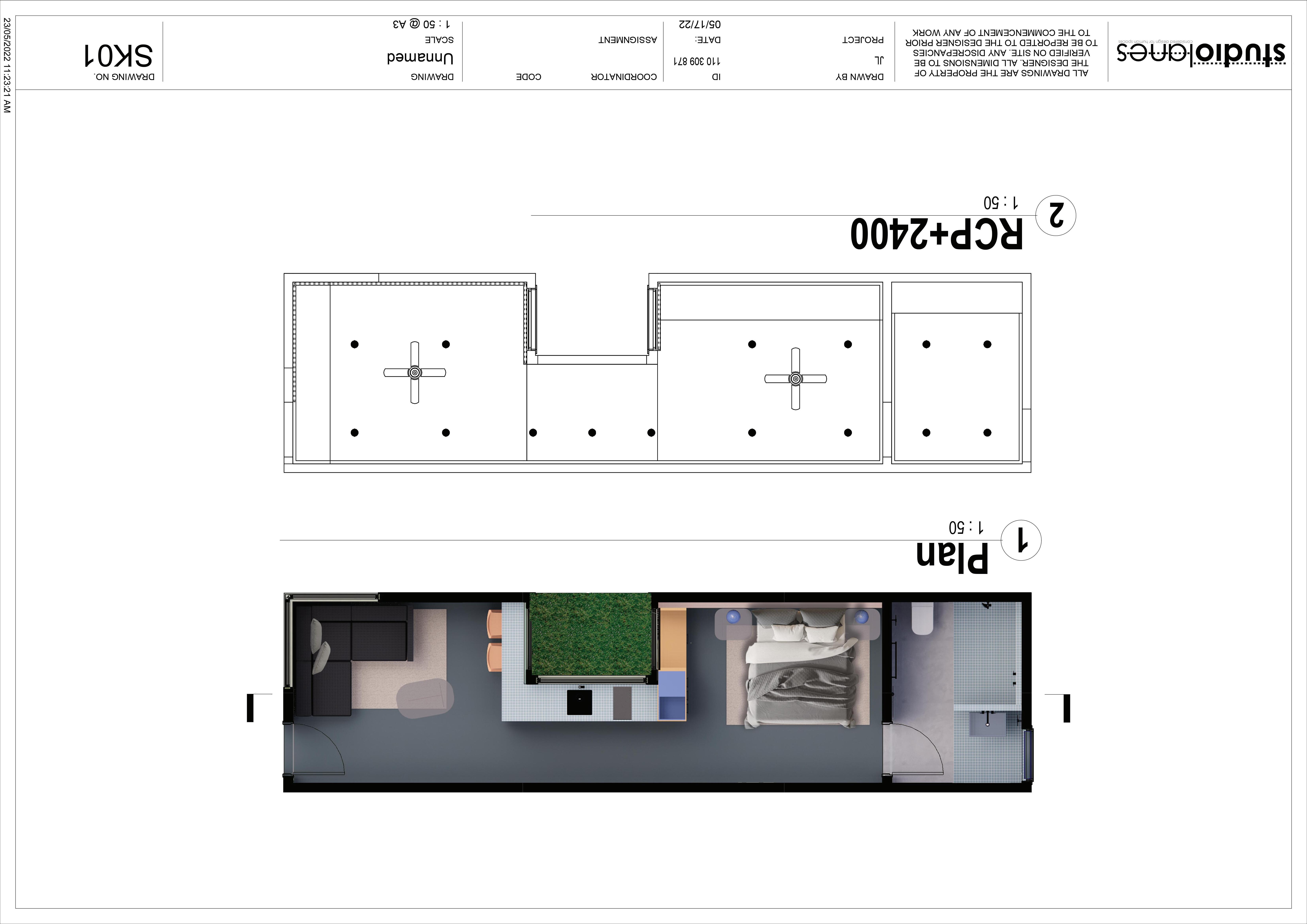
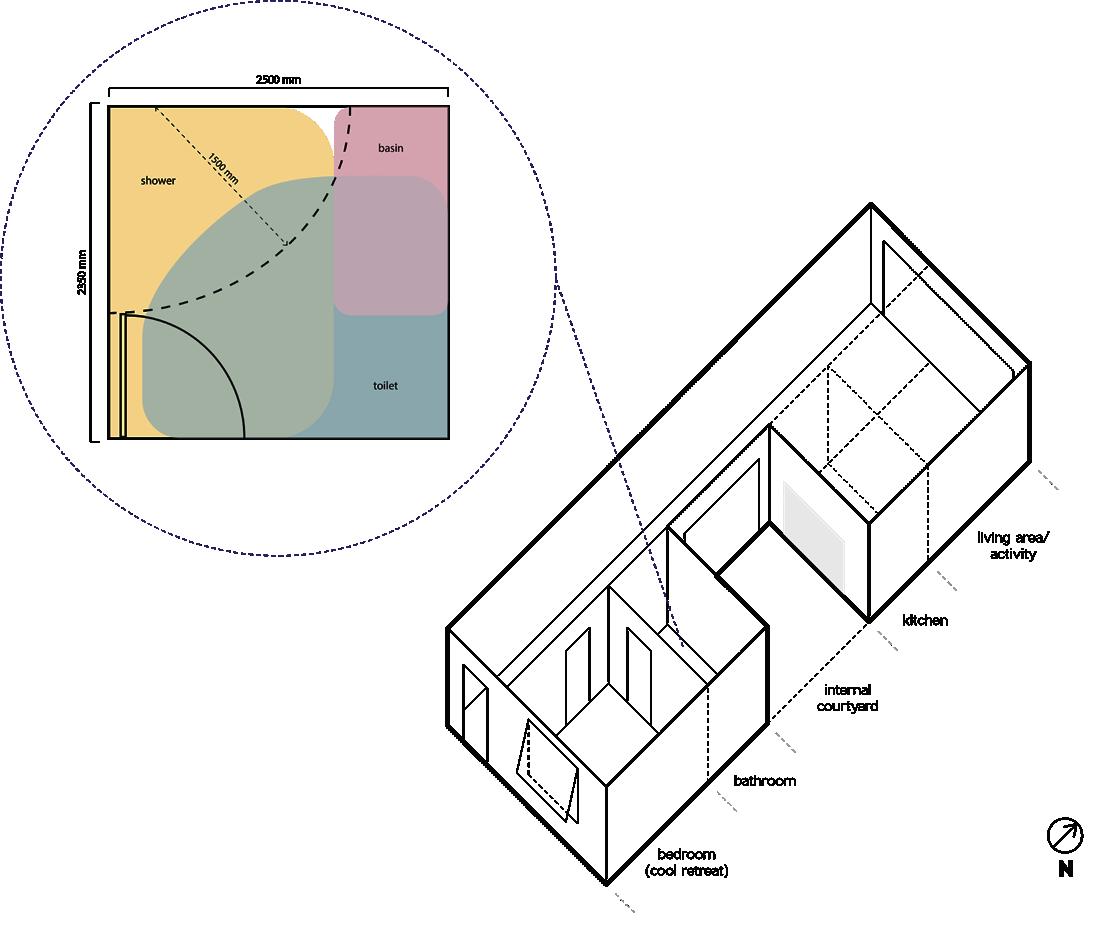
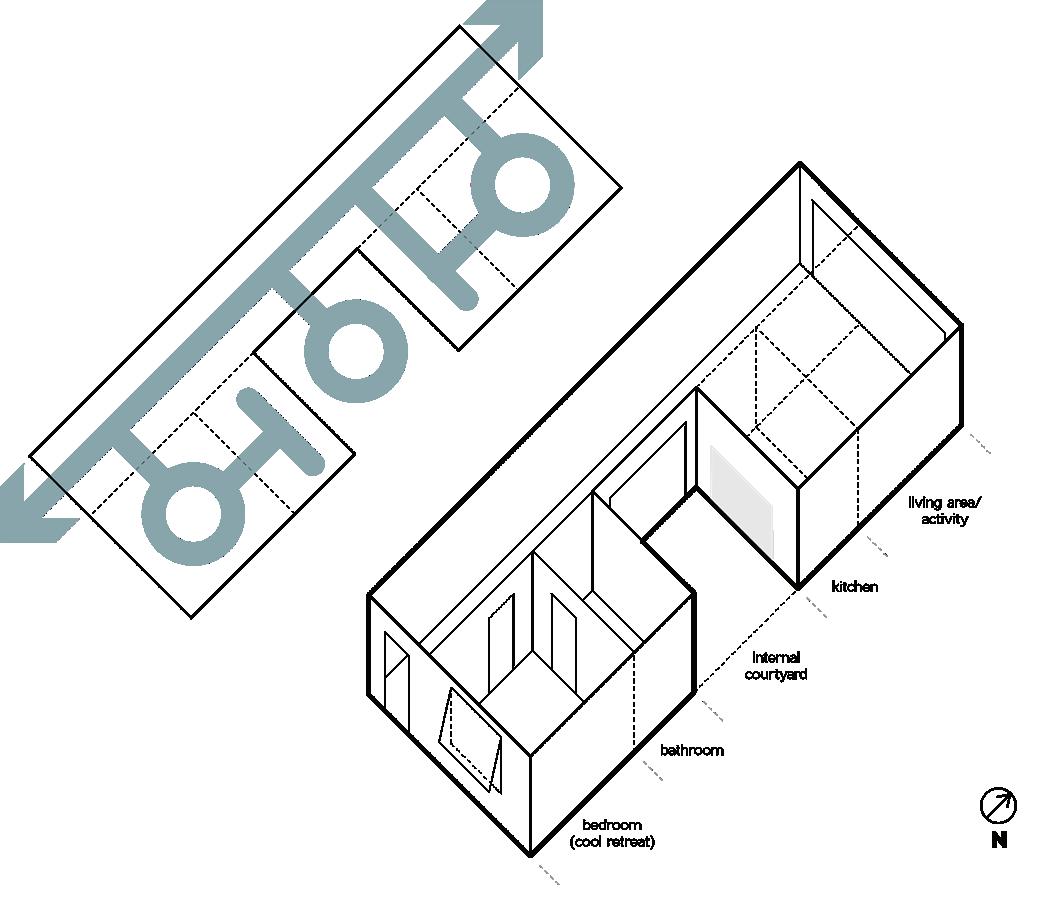
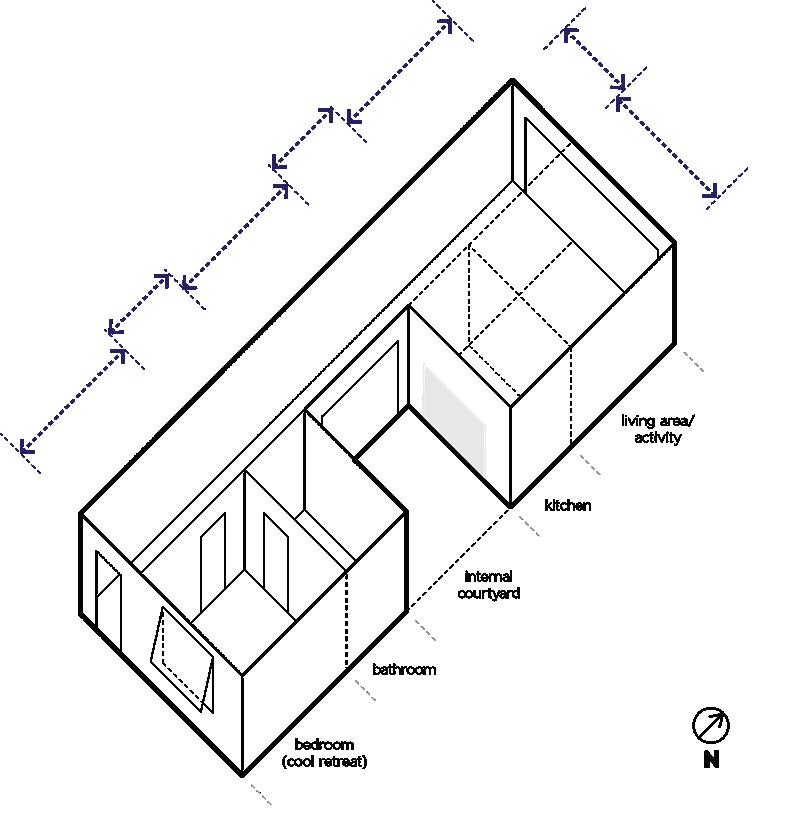
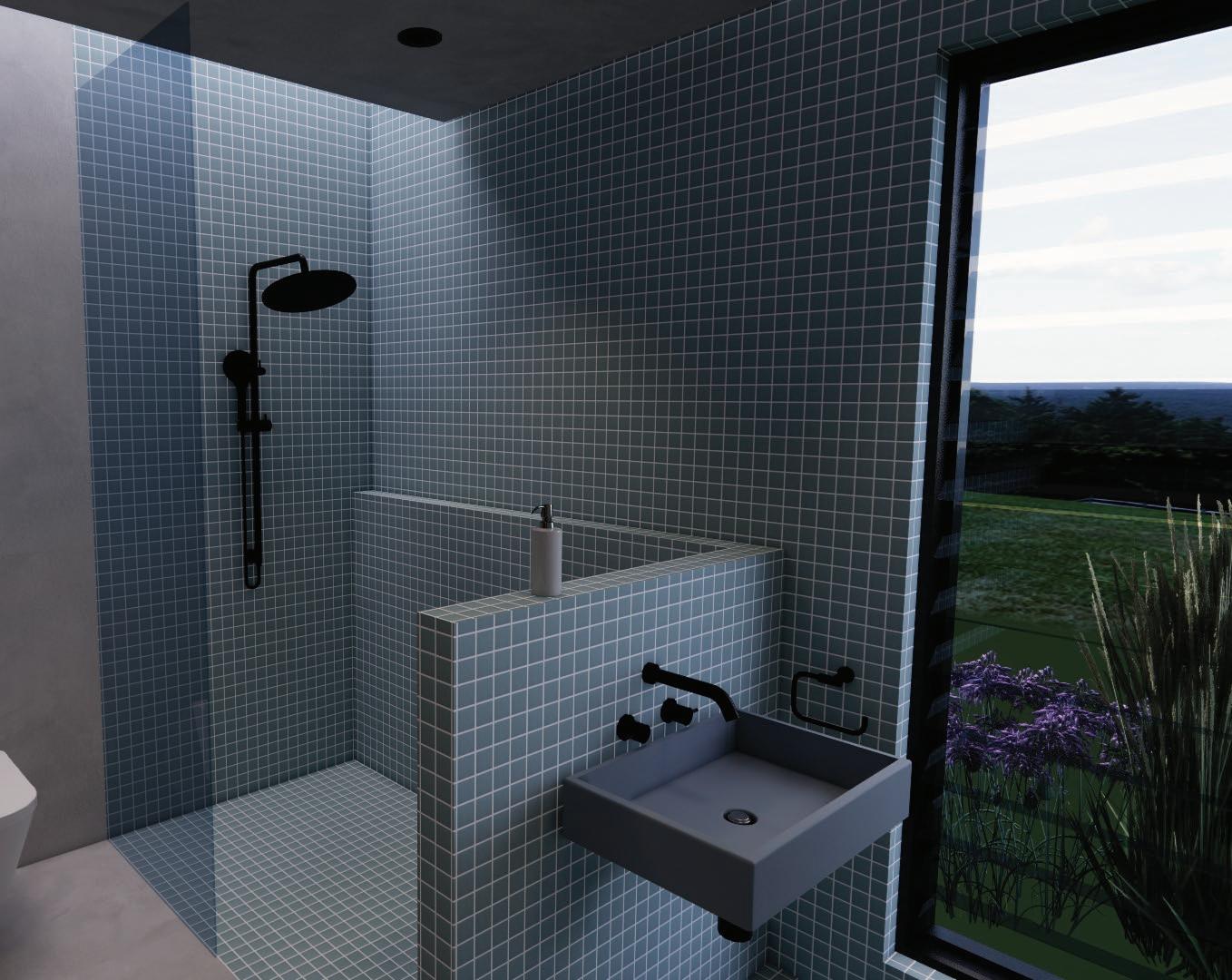
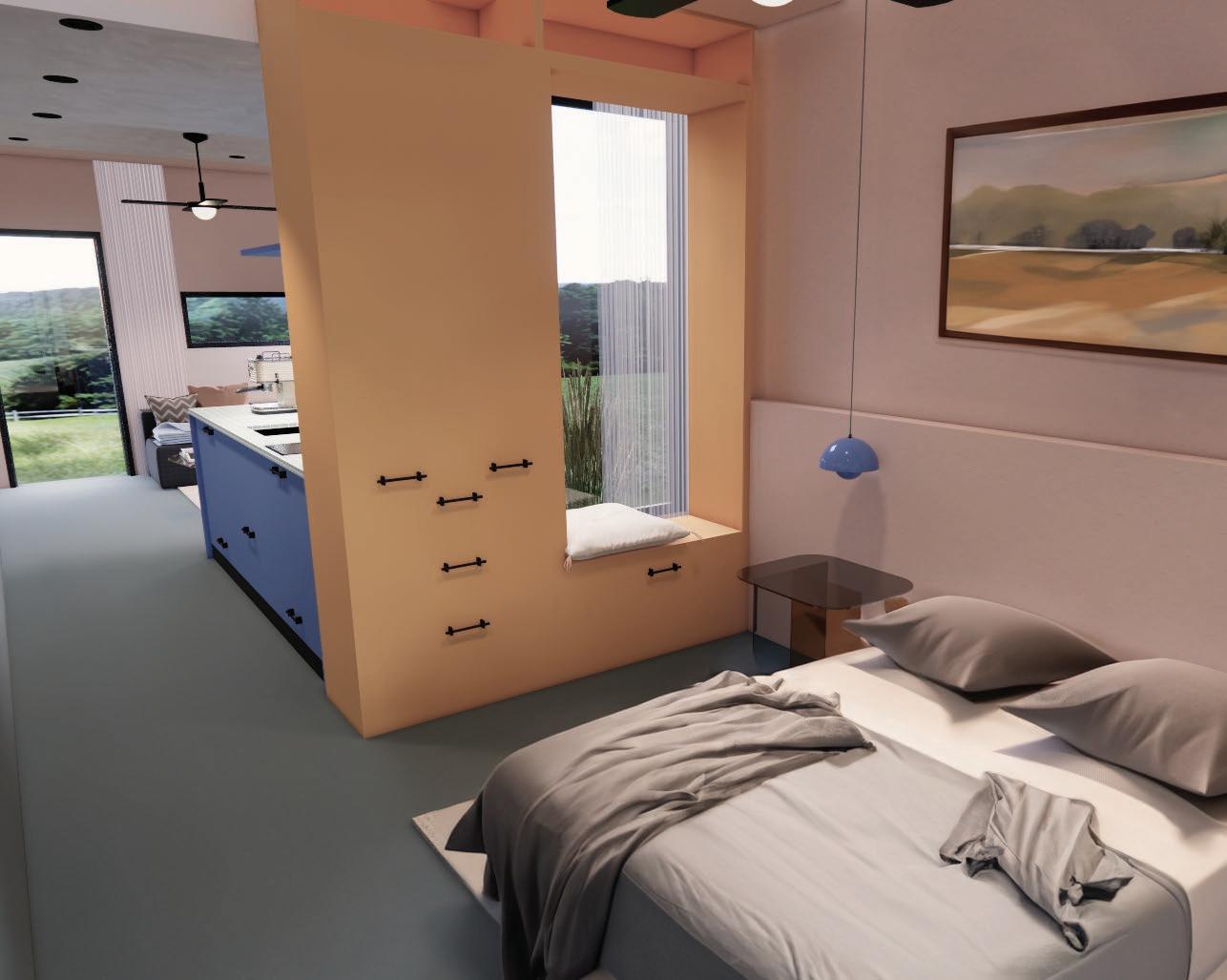
The Temporary Home Project was designed to enable vulnerable populations to feel safe, secure and aim to prevent illness during periods of extreme heatwave in South-Eastern Australia. Comprised of two portable units joined together, the project provided temporary shelter for users at times when they were most required, and removed when they were no longer needed.
Within an accompanying research document, users (65yo+) were identified to spend a large amount of time inside (between 3-14 days at a time), and it was highlighted that these spaces should be places of respite that are comfortable, inclusive and accessible.
Module 1
Module 1
Kitchen Lounge/Work Area
Heat Break
Below are some of the key findings that informed the design, from my report In the Climate of Design: Designing temporary refuges for at-risk communities during summer heatwaves in South Australia and Victoria. The research was conducted to better inform the design and outline the requirements for this type of temporary accommodation that isn’t currently available.
accessible
The design of these acommodation spaces needs to exceed accessibility standards AS 1428.1-2021 as a priority to determine spatial layouts and circulation, but to do so with comfort and dignity; this includes, but is not limited to the materials and finishes, fixture and fitting hardware, bench and storage heights, lighting, and visibility considerations.
functional
The design of the space should be centred around user function and purpose, aiming to reduce crowding both phycially and aesthetically; as indicated by case study data, functional aspects of spaces enabled users to feel more comfortable and secure.
unique
To increase appeal, adaptability and personalisation of spaces can play a significant role in engagement; as indicated by users, spatial layout adjustments and a degree of customisation can assist in feeling comfortable and secure.