Portfolio.
2 0 1 5 - p r e s e n t

2 0 1 5 - p r e s e n t
I am an aspiring architect and designer
See More...

PGWP in Global business management
Conestoga College, ON, CA
Bachelor in Architecture
L.J. School of Architecture
Graduated with a 3 7 GPA, equipped with a comprehens ve understanding of architectural design principles with the research Thesis topic: Psychology in learning spaces.
Free online course by Ar. Farhad Mortezaee
With a robust background of over a year in the dynamic field of design and architecture, coupled with over two years of leadership experience, I offer a wealth of expertise in utilizing techno ogy, driving innovation, and guiding teams toward outstanding results. I aspire to become a member of the Ontario Association of Architects (OAA).
presentation, and
Farhad Mortezaee
FarMor Architecture
Phone:
+1 (403) 453-4413
Email : Architect, AAA, OAA, AIBC, FRAIC, Principal
info@fmarch.ca
Updated building plans to comply with the 2023 National Building Code of Canada (NBC), demonstrating knowledge of significant changes and updates from the 2006 version.
Applied understanding of fire rating, fire separation, and fire compartmentalization to design and update building plans and Calculated limiting distances and unprotected opening limits to ensure fire safety.
Learning Revit 2024 by LinkedIn
Editing Revit families
Annotations and Dimensioning of the Plan
Plotting a set of documents
Sustainability for Design, Construction, and Manufacturing by LinkedIn
Sustainability in Architecture practices
Circular economy and systems thinking
Green and healthy buildings
Introduction to Psychology by Coursera
Learned about behavioural psychology and its implications of spaces, designs, their impact on human psyche.
Assisted in creating preliminary design sketches, working drawing sections for residential projects in AutoCAD and presentation drawings Photoshop, 3D models and sections in Revit and Sketchup, to help clients visualize the early design concepts.
Contributed up to 2 residential and 1 institutional project at once in design stage to permit passing stage. Participated in 4 client meetings, actively listening to their preferences and requirements, and incorporating feedback into the evolving design.
Conducted in-depth research on architectural concepts like sustainable design, leading to the development of creative design solutions that enhanced the final project's aesthetics and functionality roughly by 15%.
Crafted visually compelling presentation materials in Photoshop, including 7-9 renderings per project and 3 visualizations in Lumion for institutional project and community center, to effectively convey design ideas to clients in PowerPoint Presentations, ultimately facilitating project approvals and buy-in.
AI Urbanized workshop by EQUIM Education
Parametric modelling for design, architecture
Structural analysis and fabrication.
Parametrized 2.0 workshop by EQUIM Education
Building form development and analysis at an urban scale
Facade designs and self-optimized forms using visual scripting
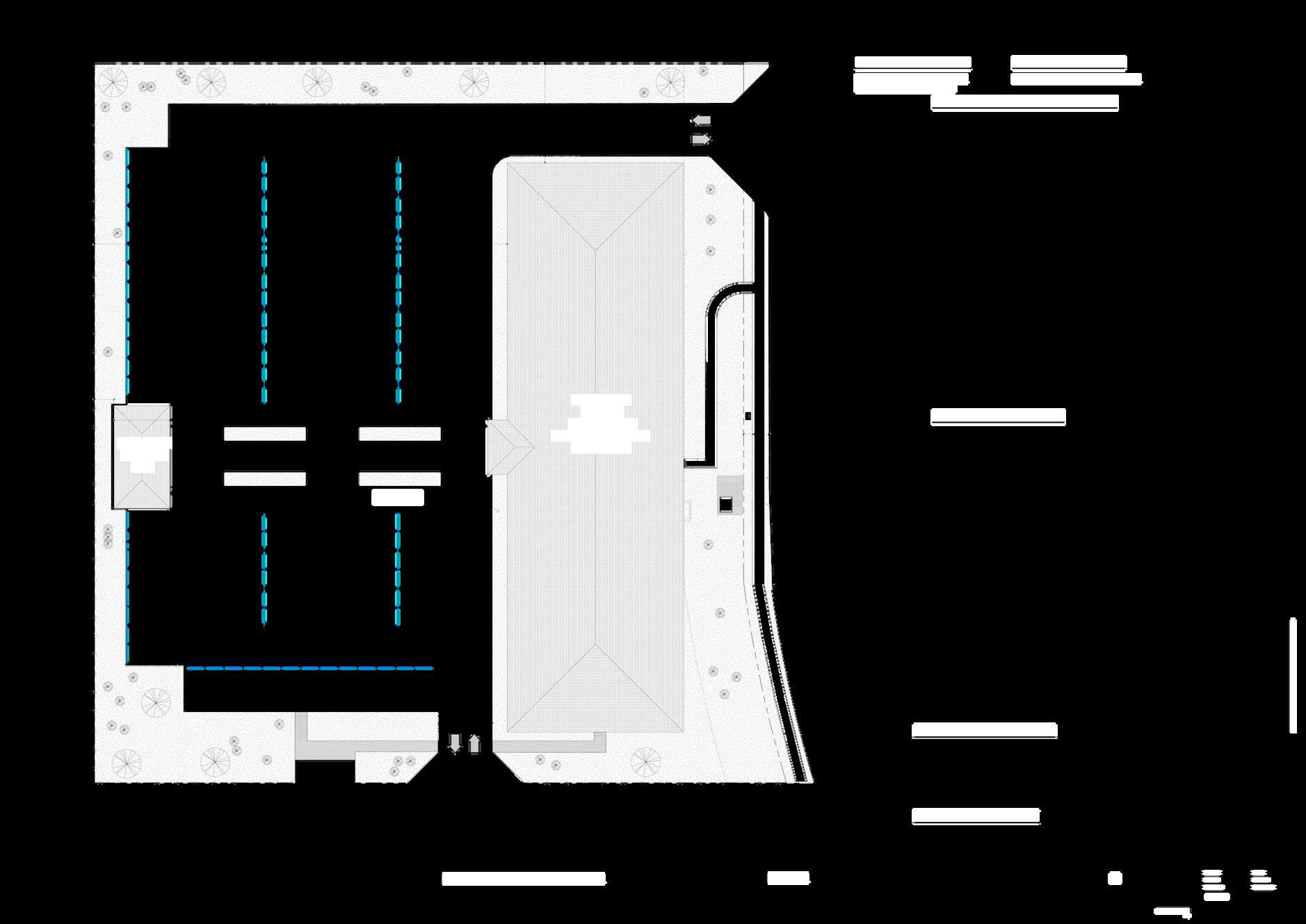
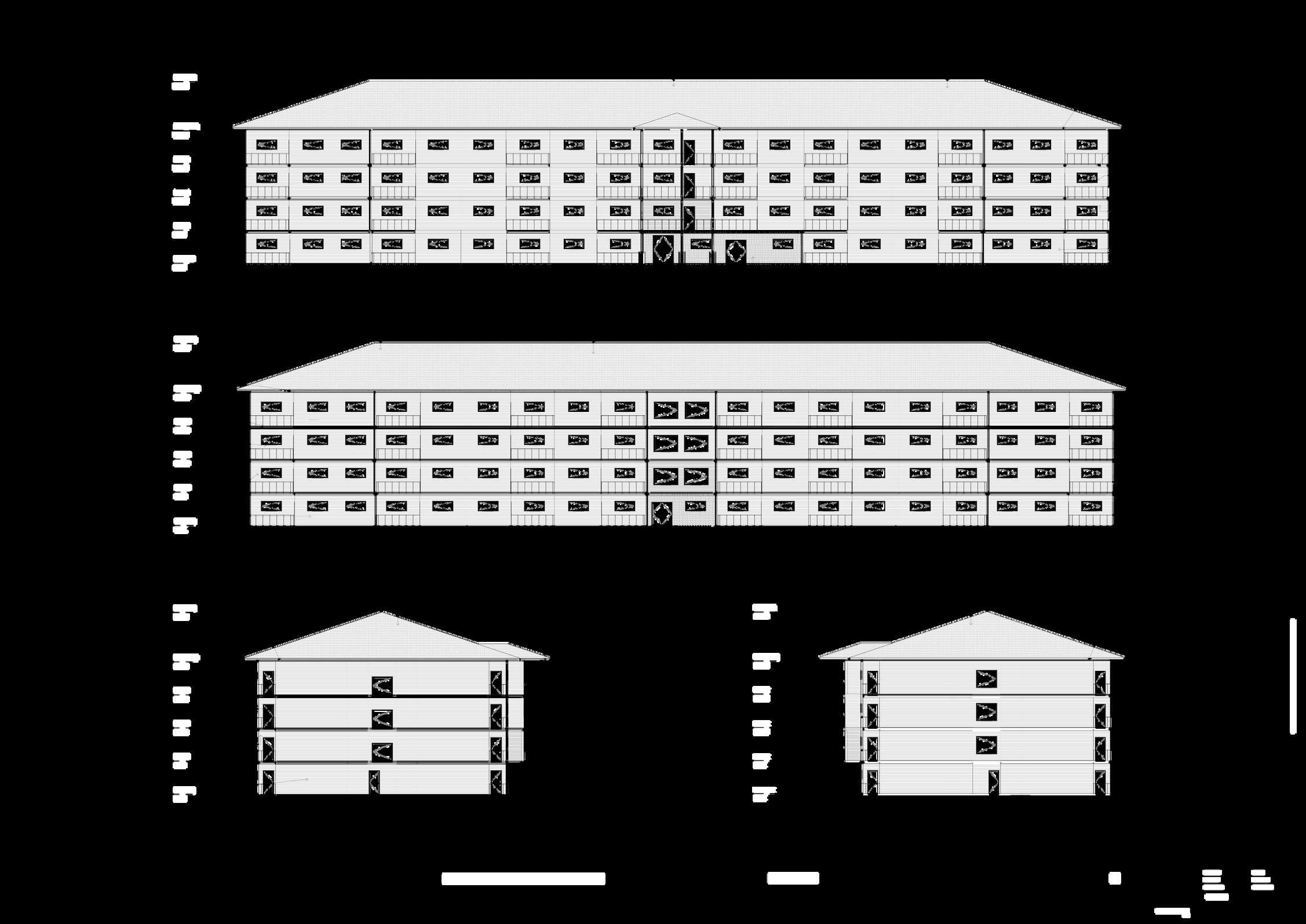
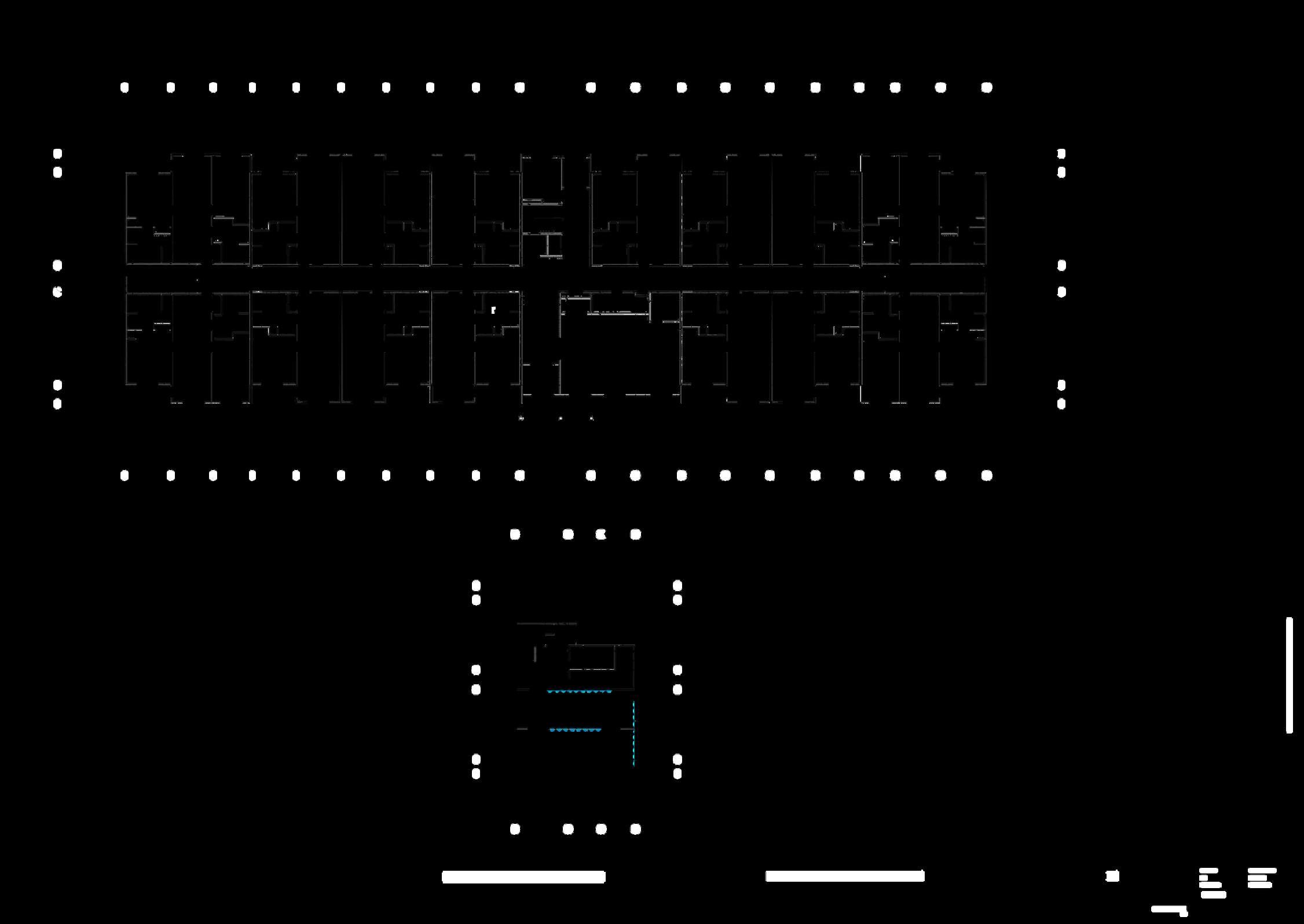
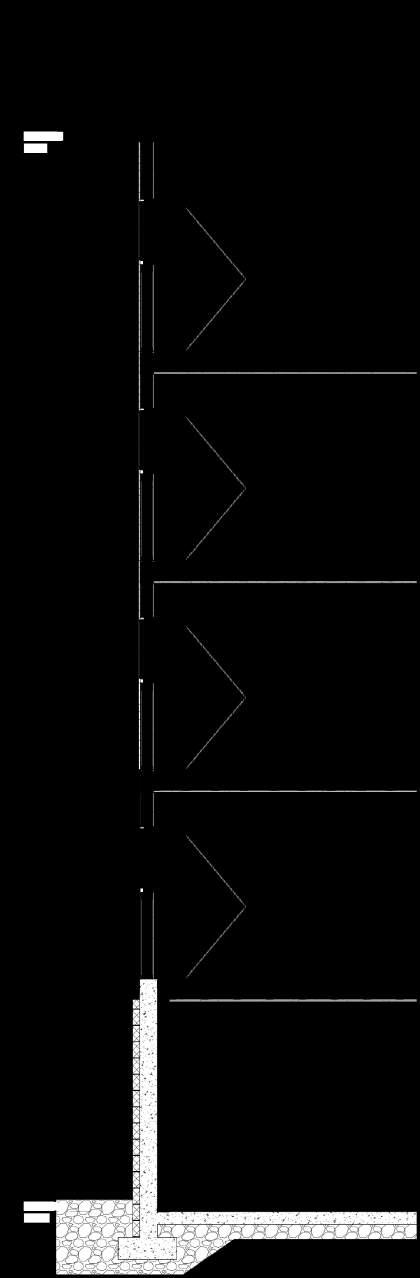
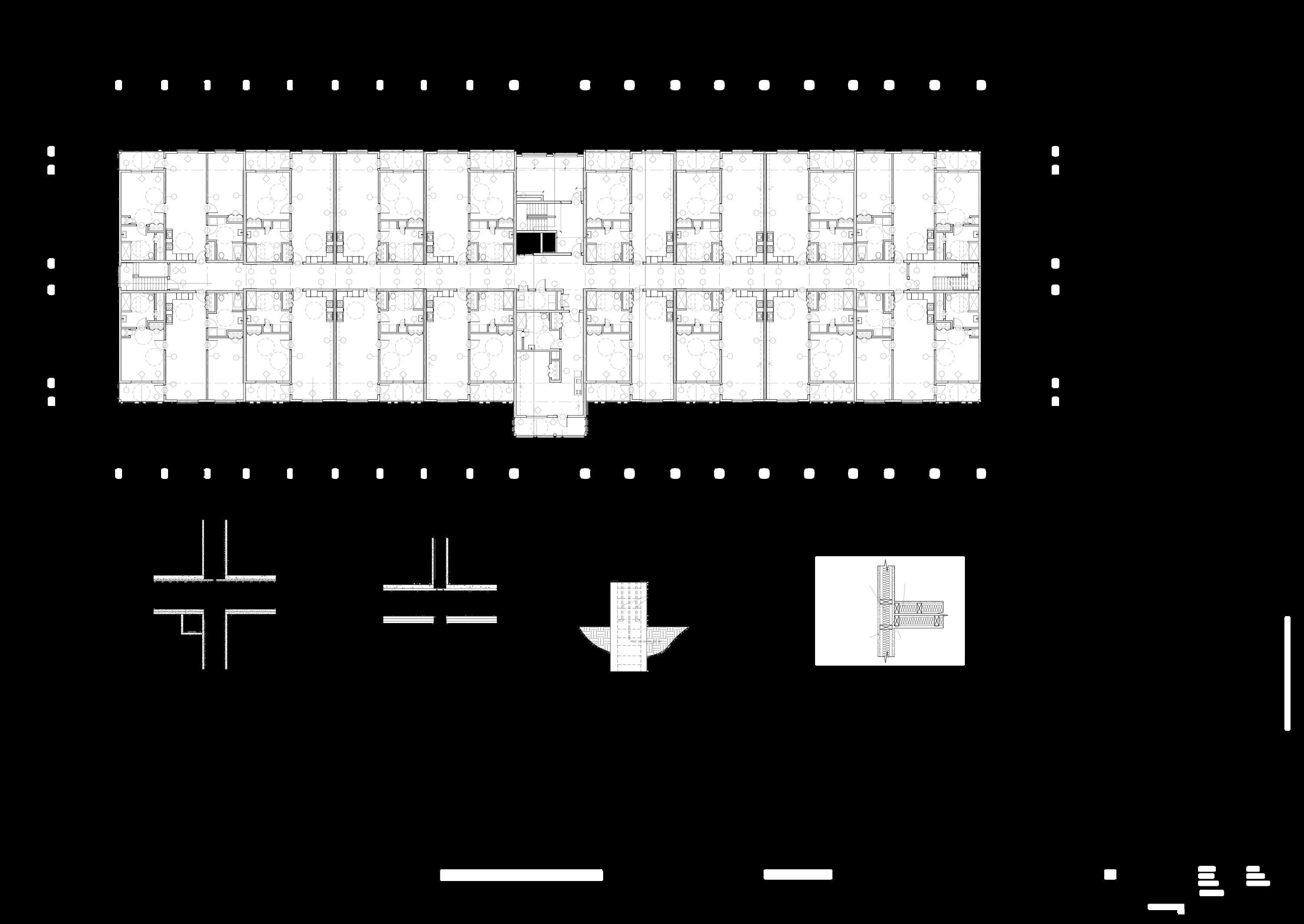
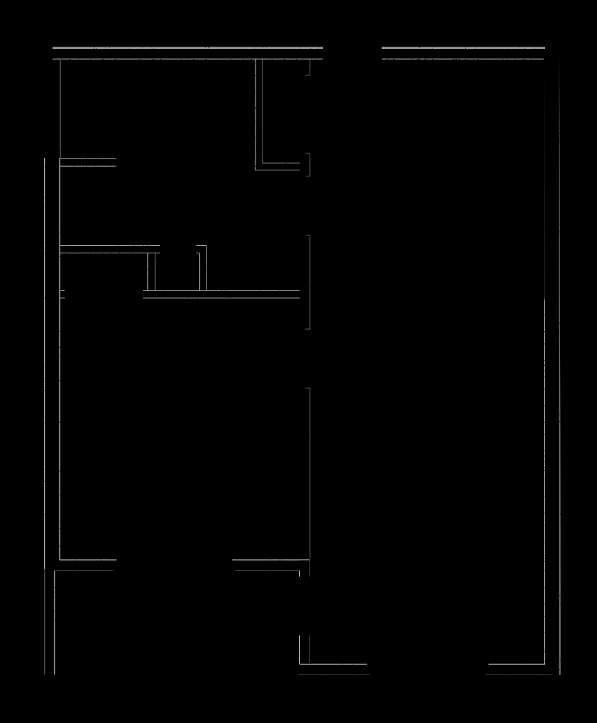
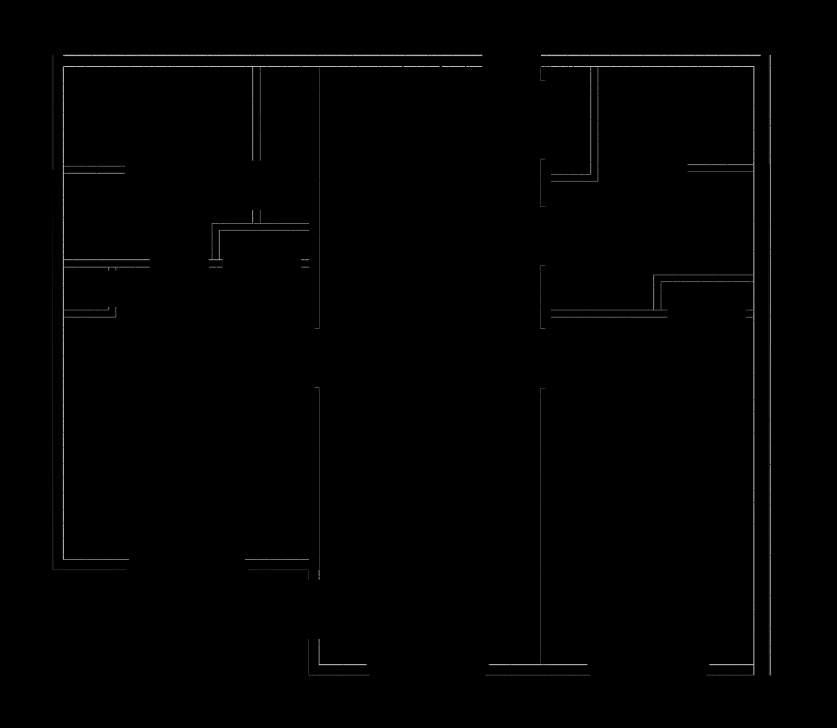
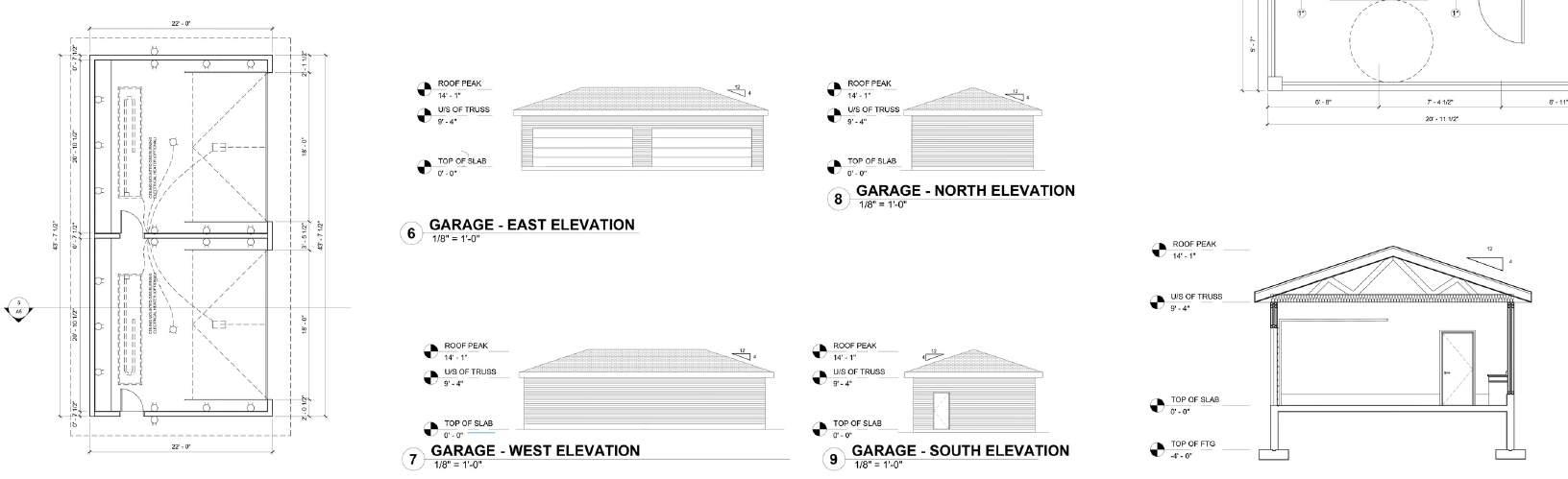
Re-drawing permit drawings:
OCC classification GROUP 3 - APARTMENTS
PART 3- A.B.C. 2023 - 3.2.2.52
The Jaffer-66 unit apartment building was built in Stony Plain, AB based on NBC AE 2006. So, a part of the practice was to update the documents based on the 2023 version of the NBC AE.
This course gave me in-depth understanding on Occupational Classifications, Fire Rating, Fire separation, Fire Compartment, calculating Limiting Distance and the percentage of Unprotected Opening Limits, Construction Requirements for Exposing Building Faces, Sprinklered and Non-sprinklered Buildings, Sound Rating, Fire Alarm, Stand pipes, as well as wall and Floor Assemblies, and building materials.
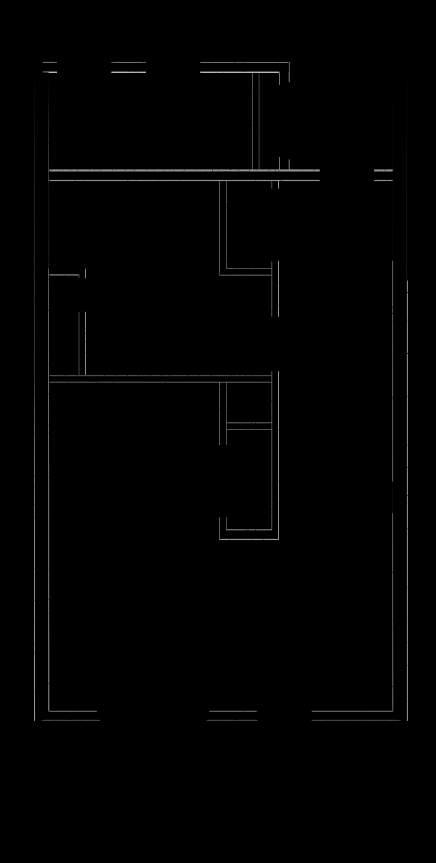
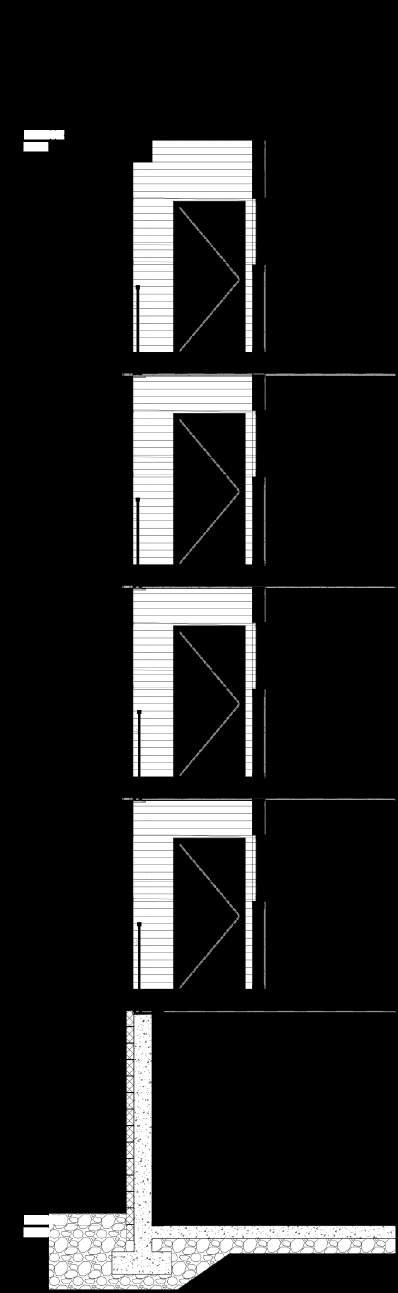
Site Location: Idar, Gujarat, India
Site area: 14184.96 sqm
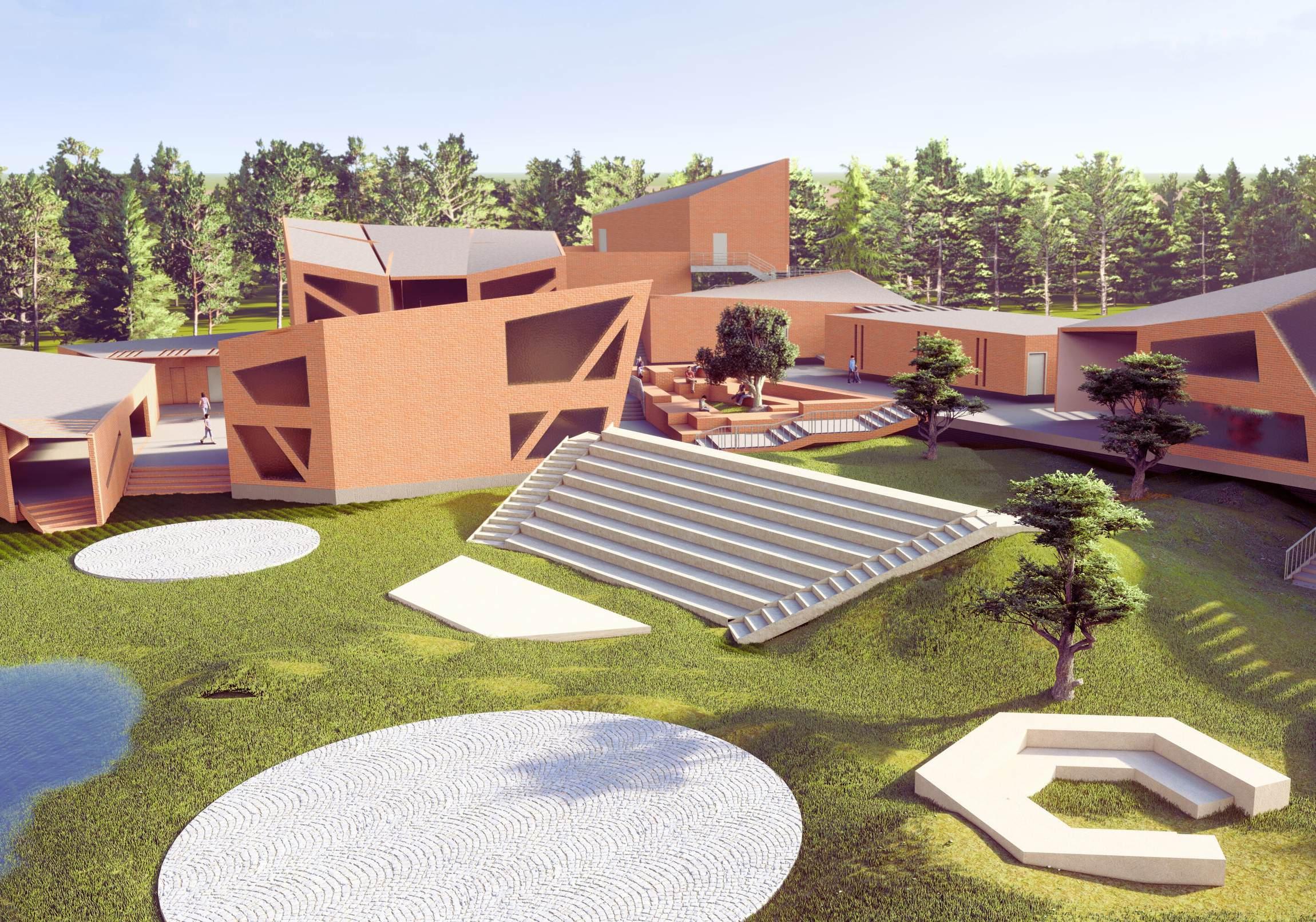
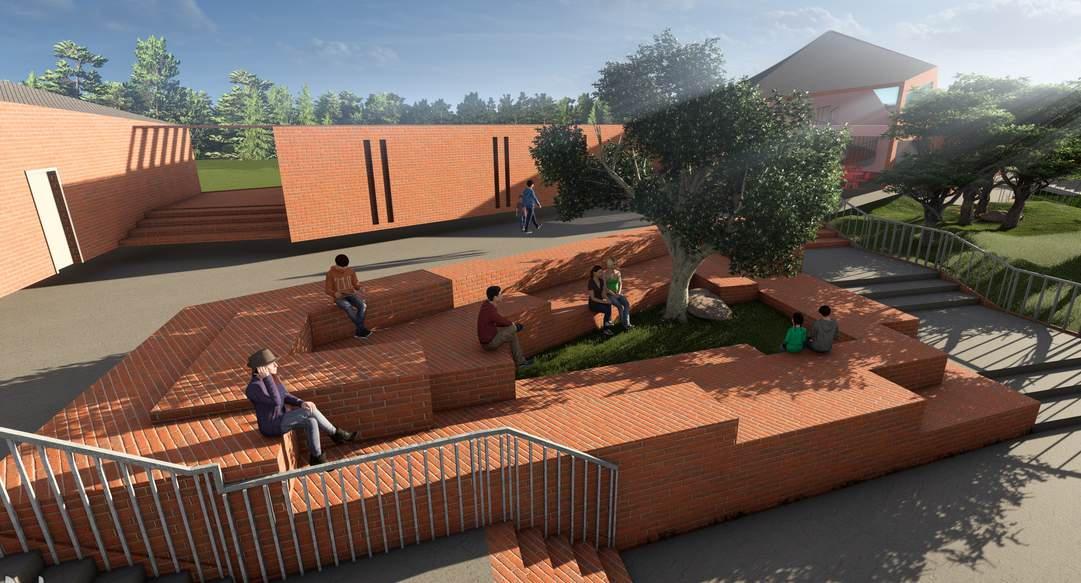
Situated in an underdeveloped area of the city, this lakefront site holds immense potential for transformation into a stunning urban intervention.
Nestled alongside a serene lake, with a neighboring village, ancient temples, and century-old trees, this project sought to breathenew life into the area. The goal was to create a space that would invite the entire community to engage with the previously overlooked water body.
Natural contours of the site
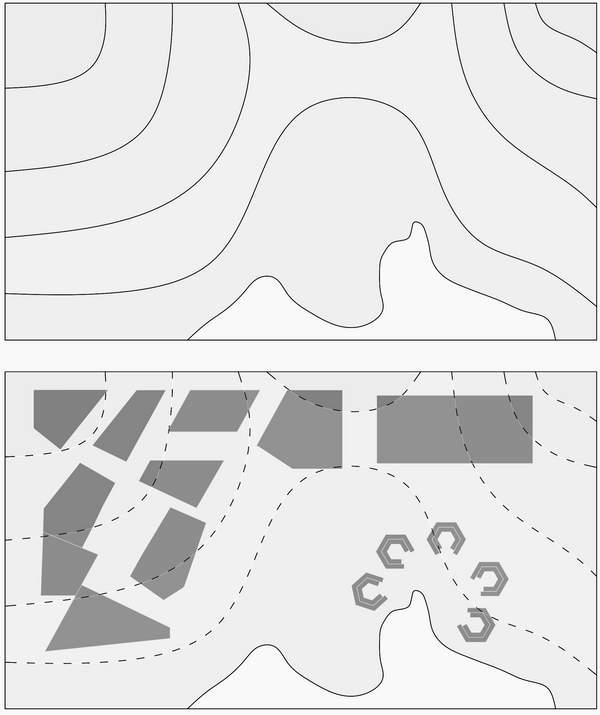
Placement of building considering the contours
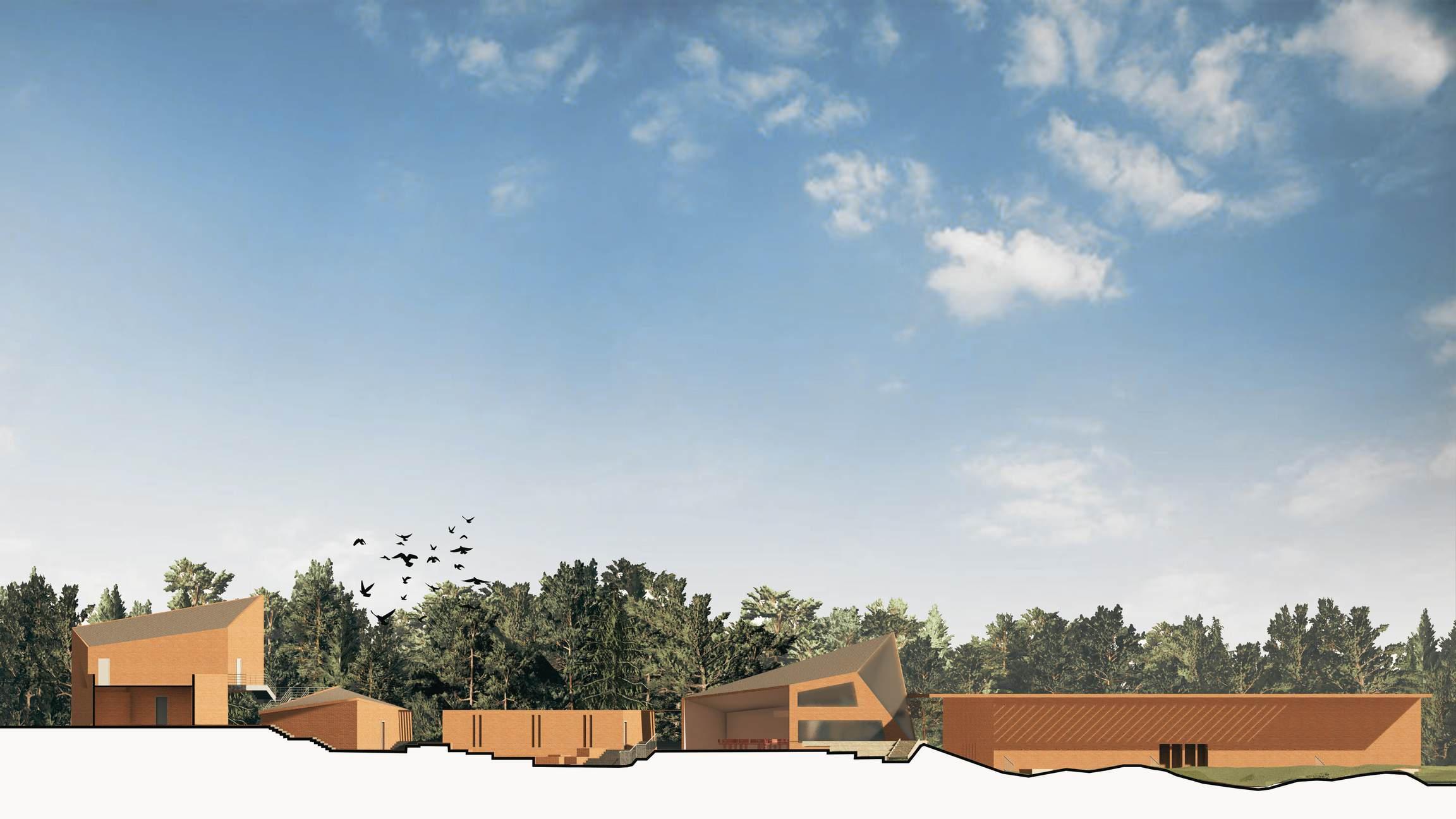
A lakefront site with varying levels presented a remarkable opportunity to weave together the captivating allure of nature and the creativity of human architecture. The task was to design a space where the organic contours of the land meet the precision of well-planned design, resulting in a harmonious fusion of the built form.
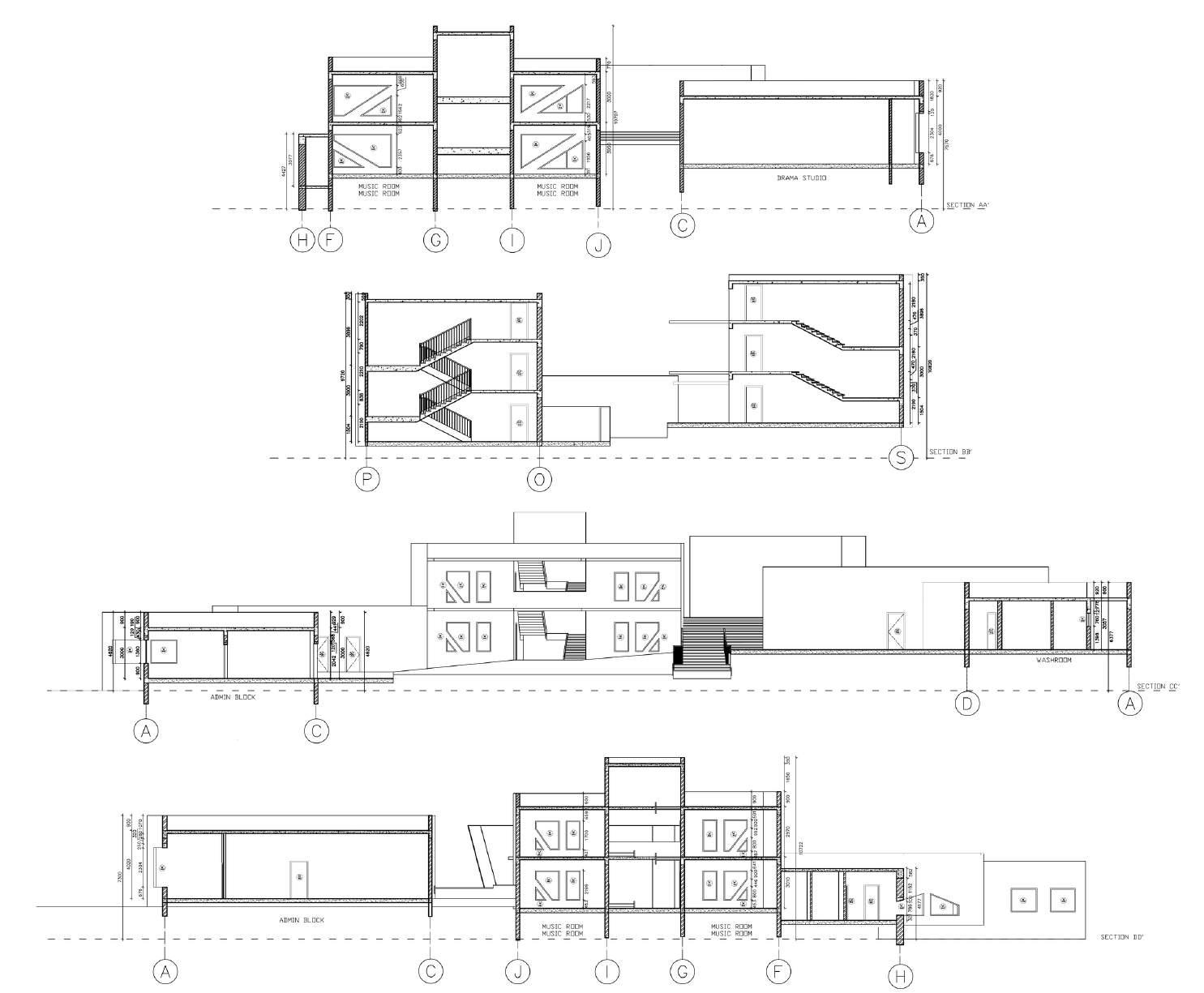
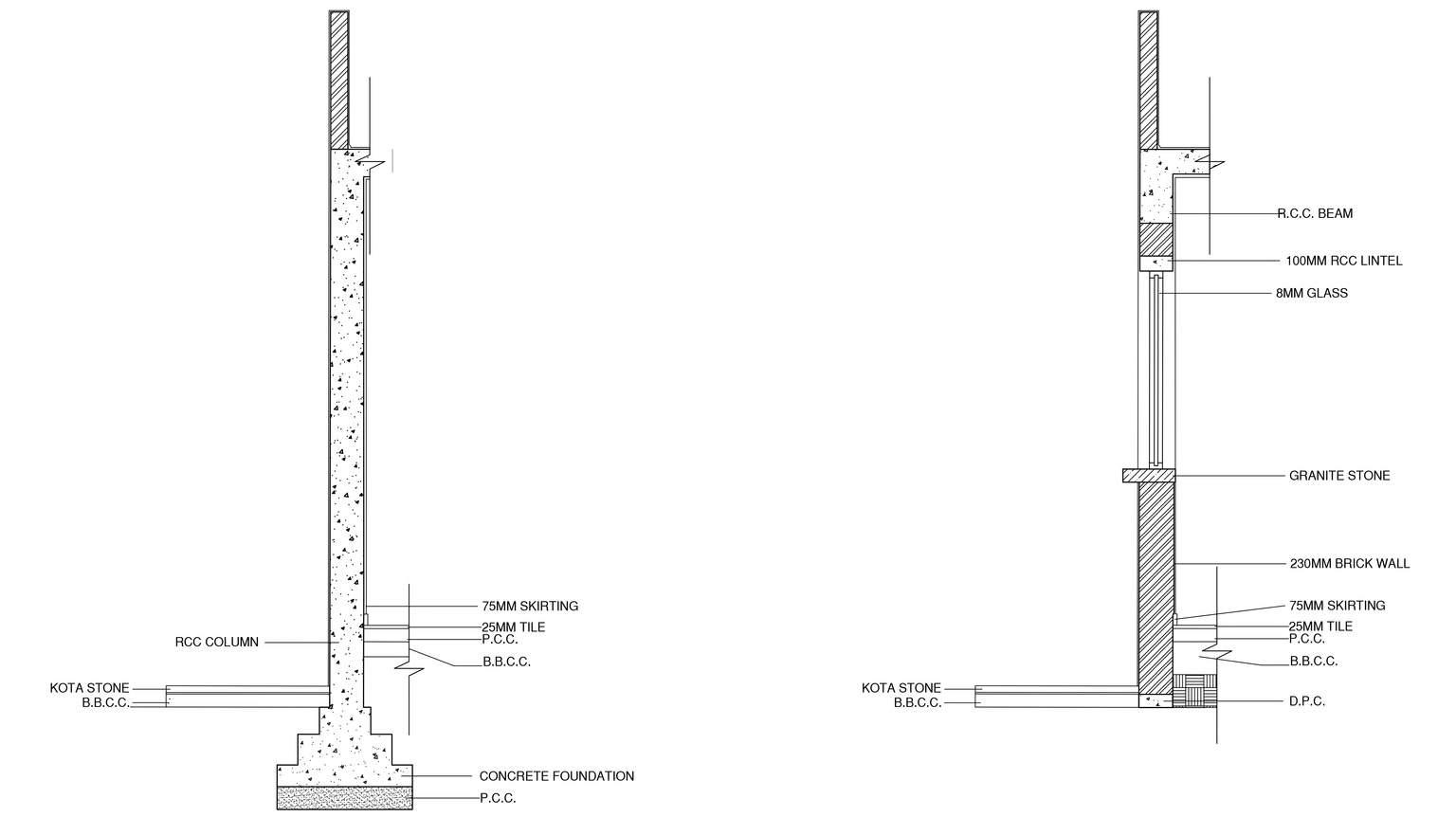
Produced in the fifth semester of an architectural degree program, these drawings represent a milestone in the development of skills that have continued to evolve and improve with ongoing experience and expertise
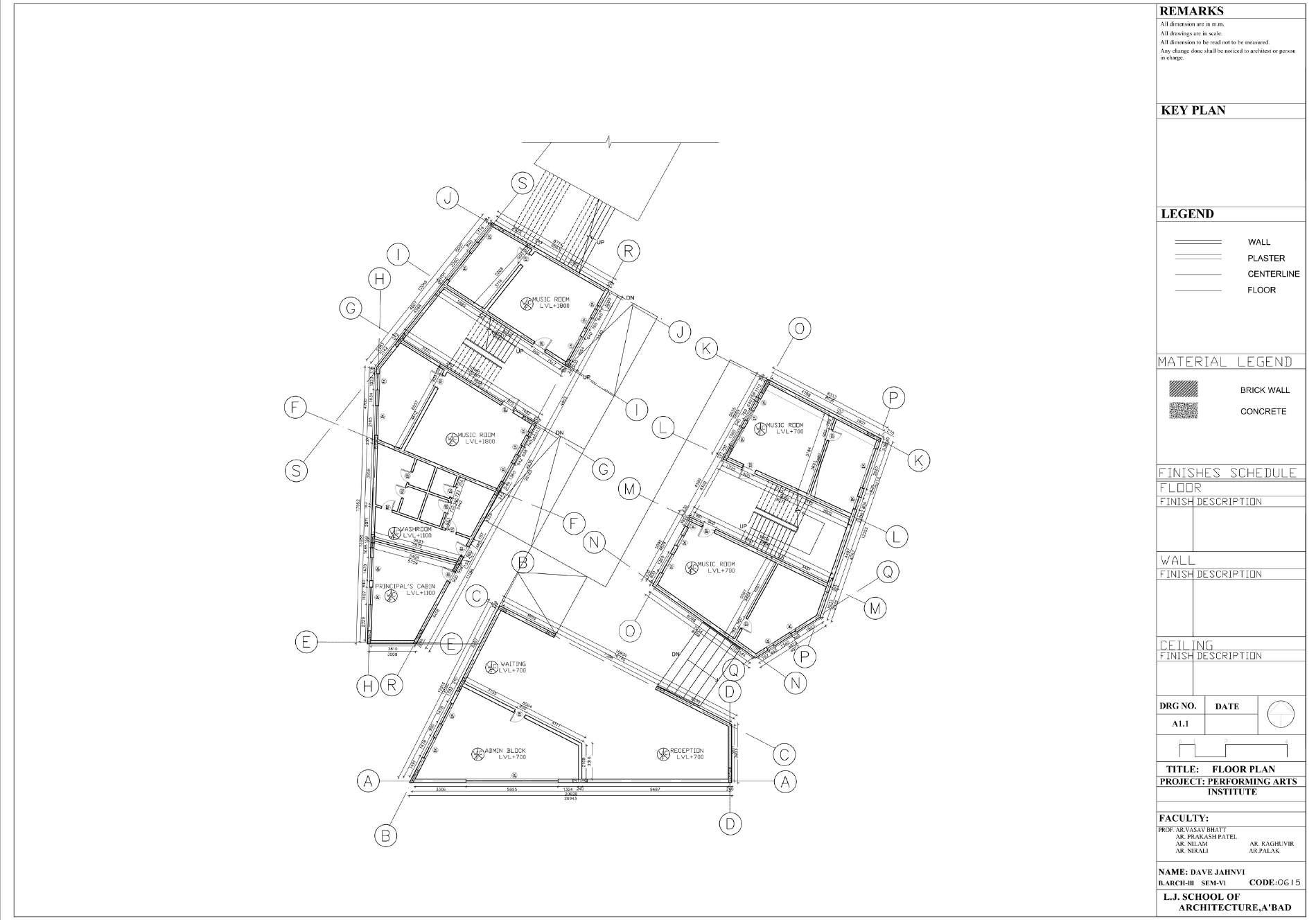
FLOOR PLAN
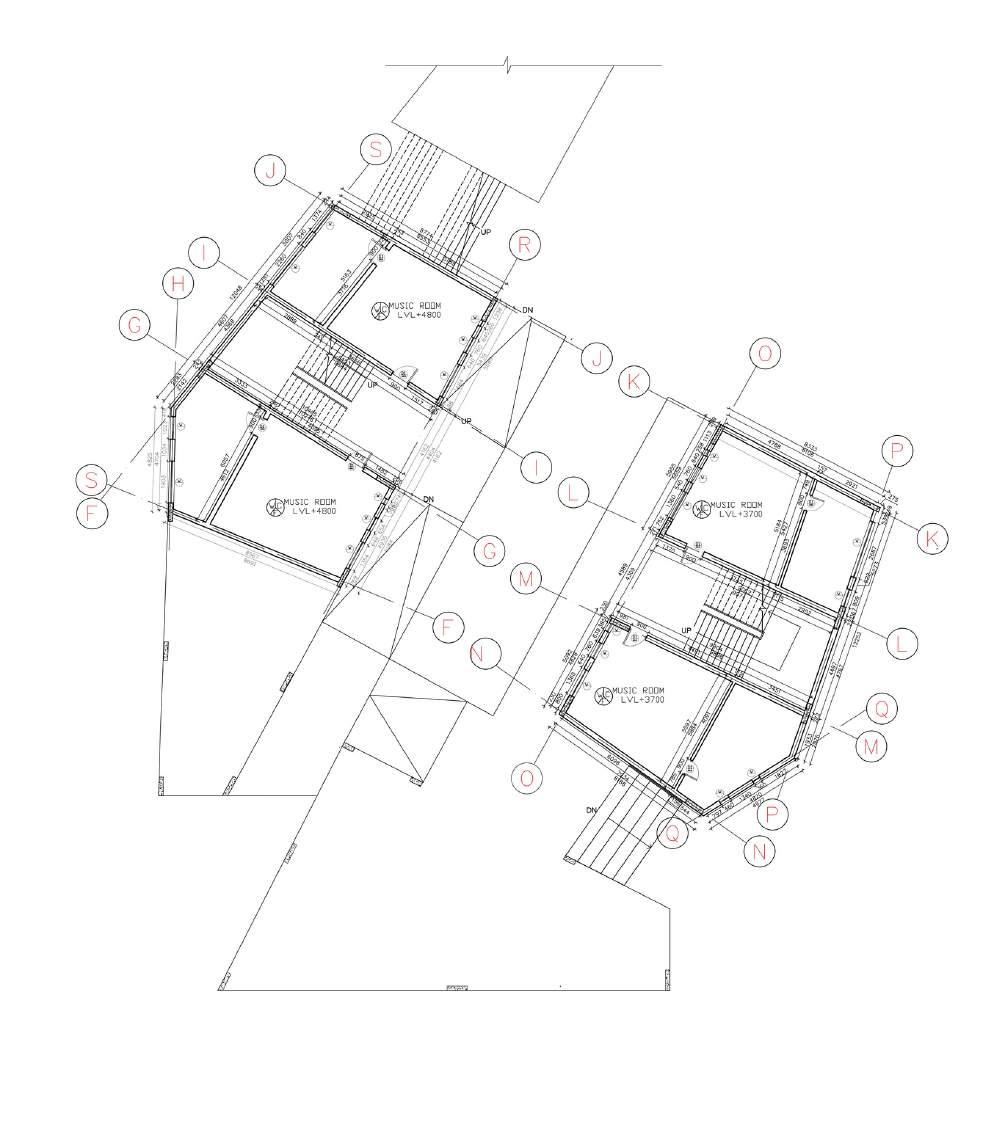
FLOOR PLAN
Produced in the fifth semester of an architectural degree program, these drawings represent a milestone in the development of skills that have continued to evolve and improve with ongoing experience and expertise
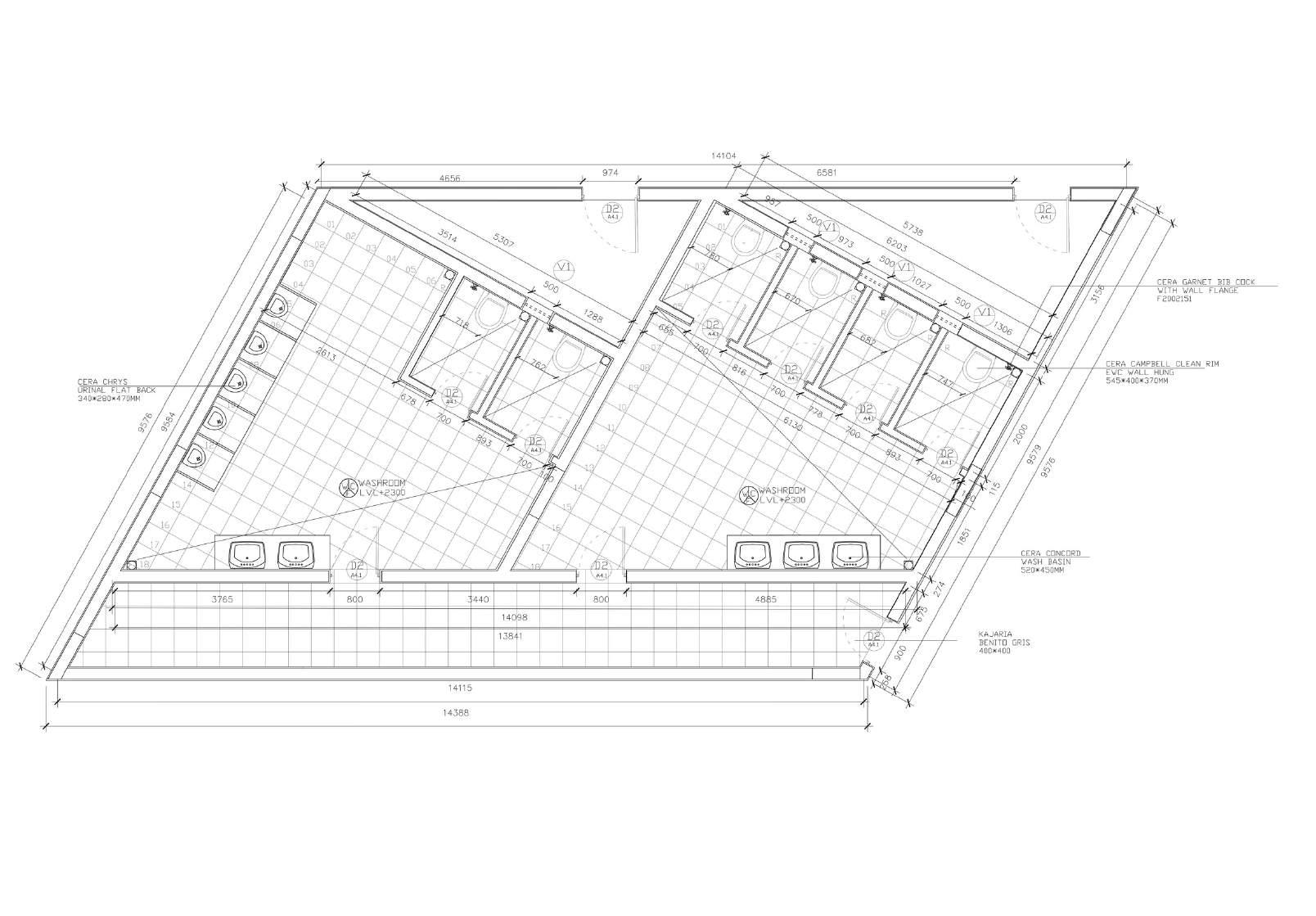
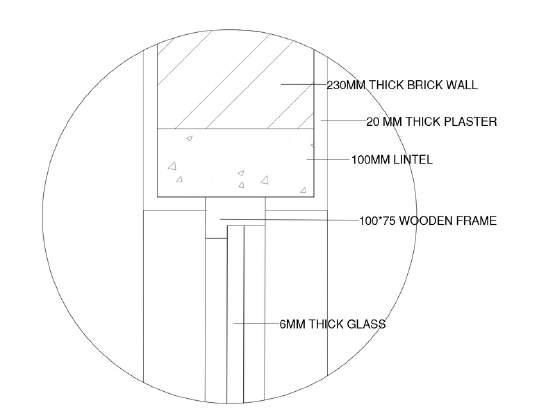
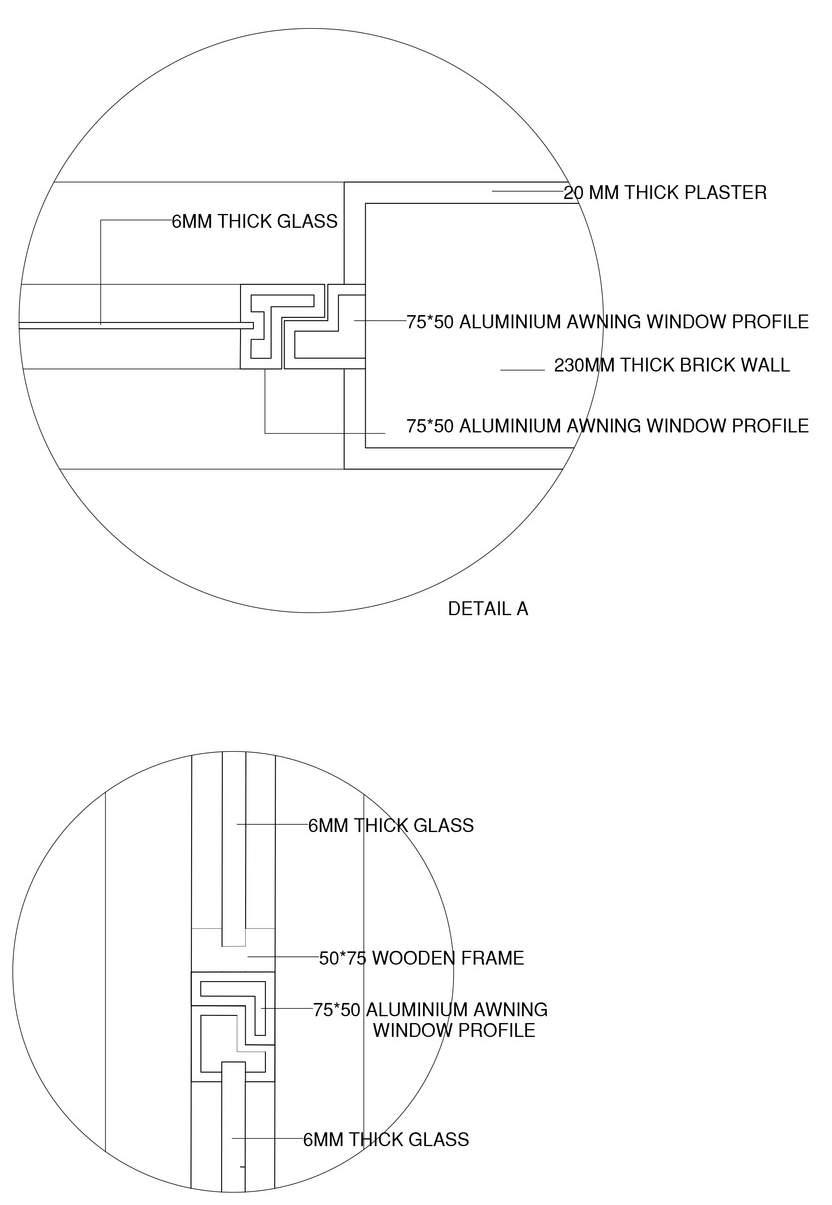
Produced in the fifth semester of an architectural degree program, these drawings represent a milestone in the development of skills that have continued to evolve and improve with ongoing experience and expertise
Site Location: Goa, India
Site Area: 4886.7 sqm
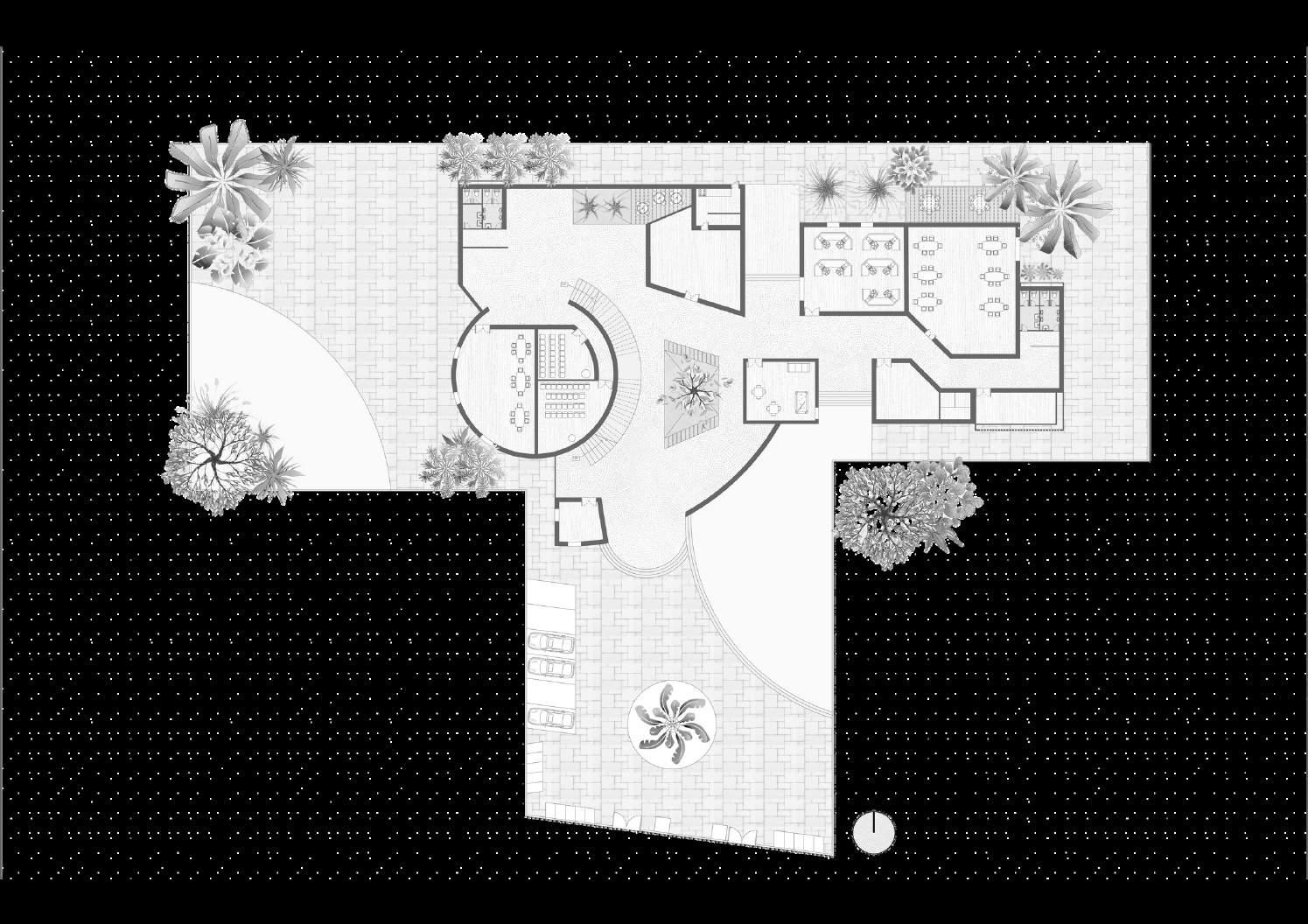
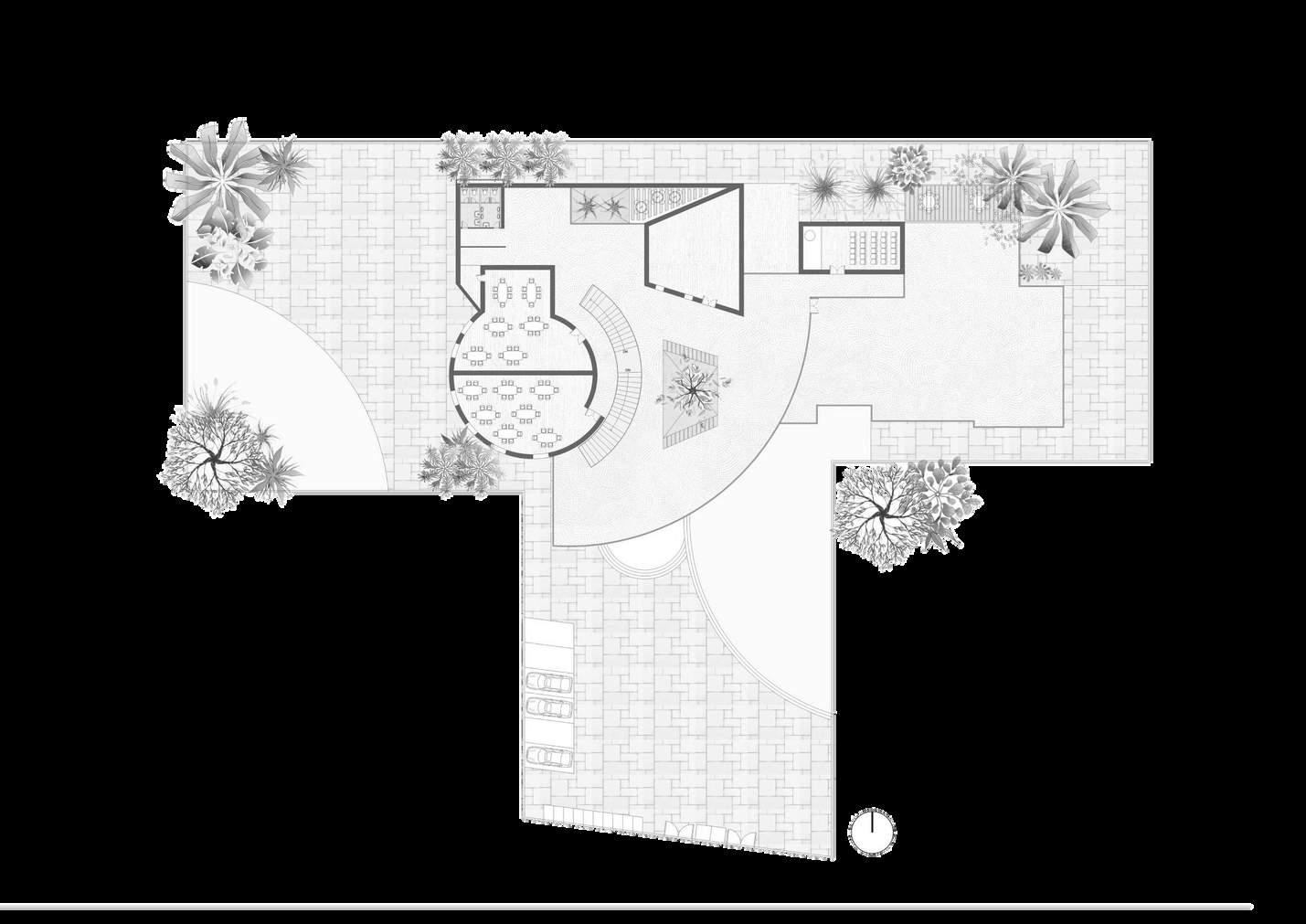
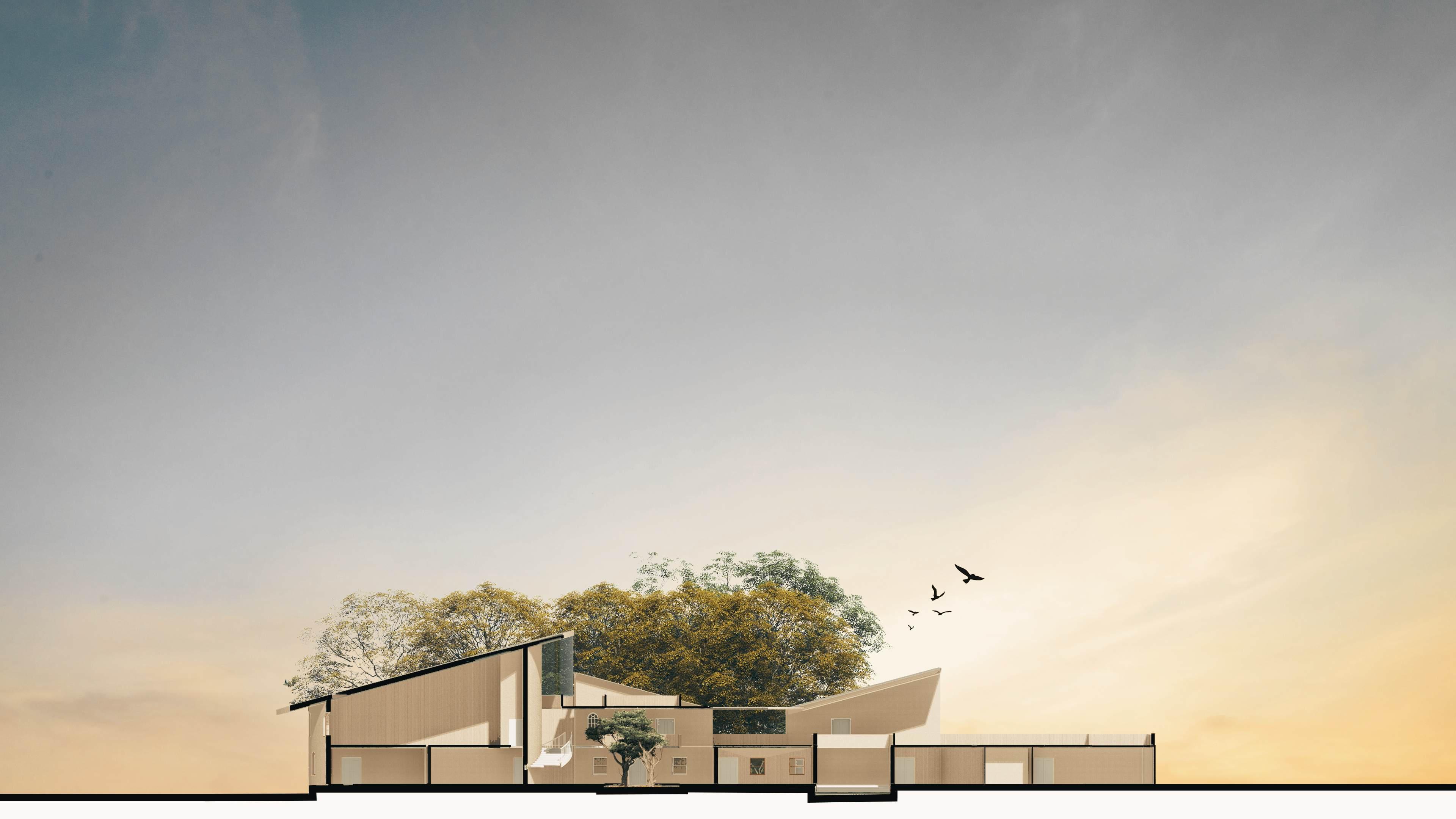
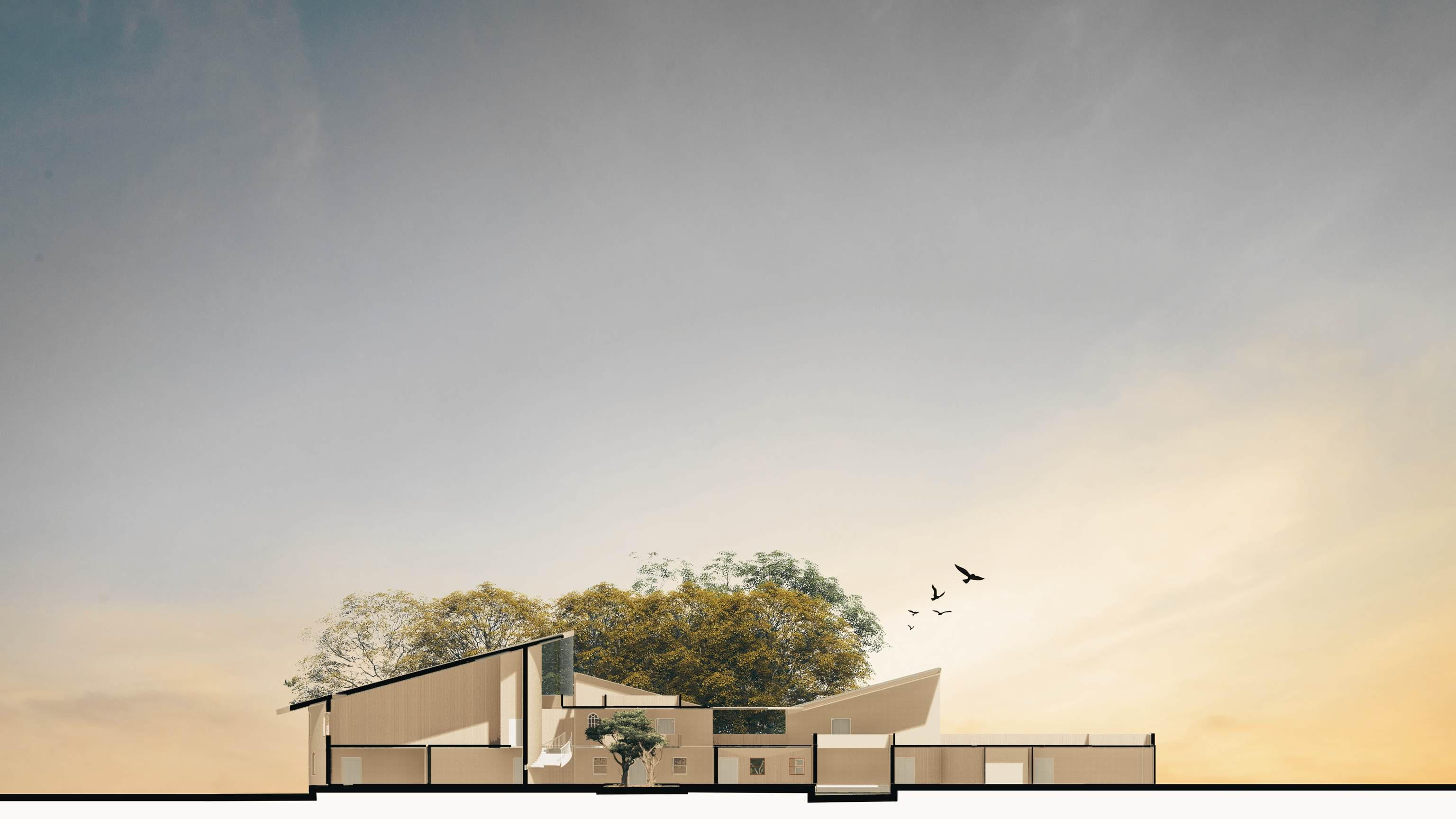
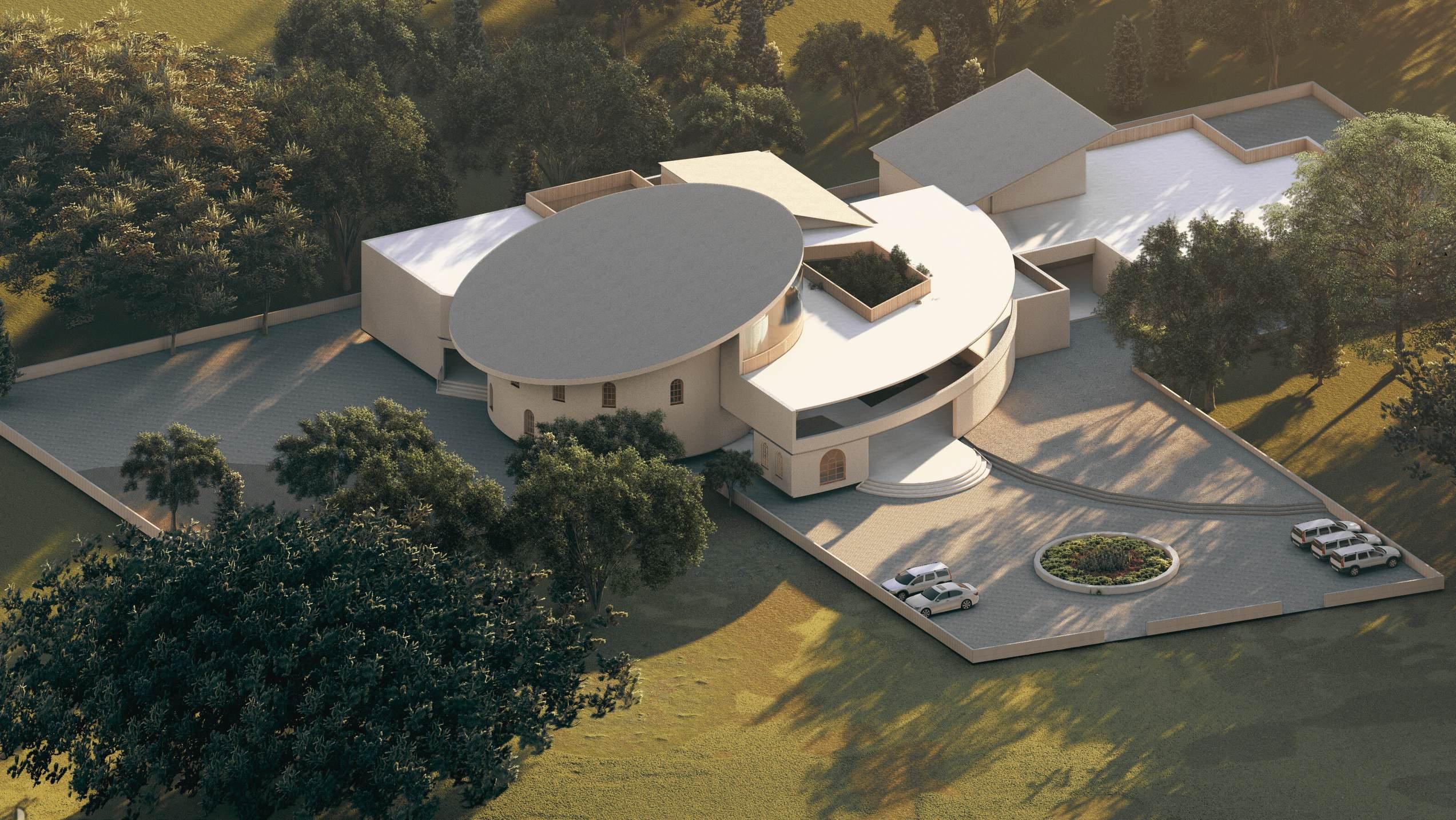
Situated in the vibrant city of Goa, our selected site for the Responsive Space Planning (RSP) project becomes the canvas for an innovative youth center design. Our primary goal is to infuse contextual architecture into the space, deviating from traditional norms by experimenting with diverse 3D forms and curves. The intention is to disrupt monotony and create an environment that not only caters to the multifaceted development of youth but also fosters their physical and cognitive growth.
Softwares used: AutoCAD, Photoshop, Revit, Sketchup, Lumion
Built form development
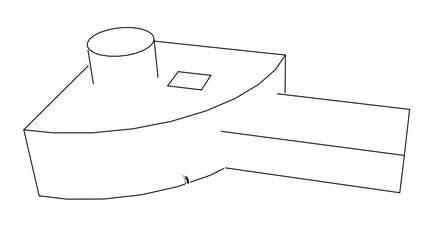
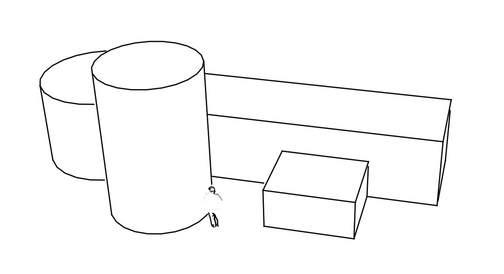
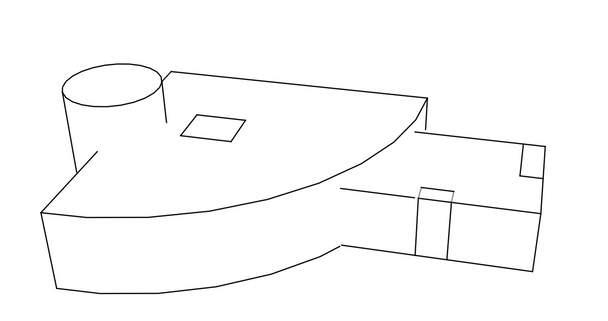
Raw, curved entrance combined with traditional rectangular spaces to break the monotony of a traditional youth centre.
Youth Center | Bachelor semester 3 | 2016
The envisioned youth center encompasses a spectrum of facilities, including educational spaces, theatres, play zones, technological rooms, a reading room, as well as dedicated areas for yoga and a gym. The incorporation of these diverse spaces aims to offer a stimulating and adaptive environment, ensuring that the center remains a versatile and evolving platform for the youth of Goa.
Site Location: Ahmedabad, India
Site Area: 100,400 sqm
This housing project focuses on one such slum redevelopment project in Ahmedabad West, Nava Vadaj, which is one of the largest slum areas in the city with almost 80,000 hutments and 1.5 lakhs of the population as per data given by AMC. The housing conditions in slums vary; many homes are pucca constructions while many have kuccha houses with nearby work areas.
Softwares used: autocad, photoshop, revit, sketchup, lumion
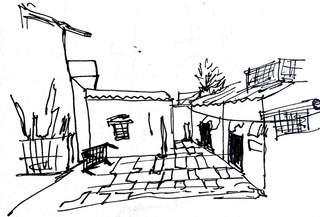
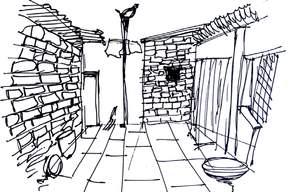
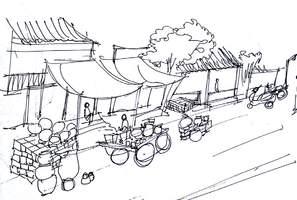
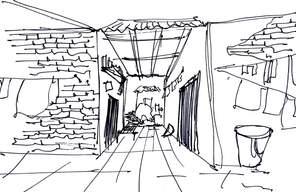
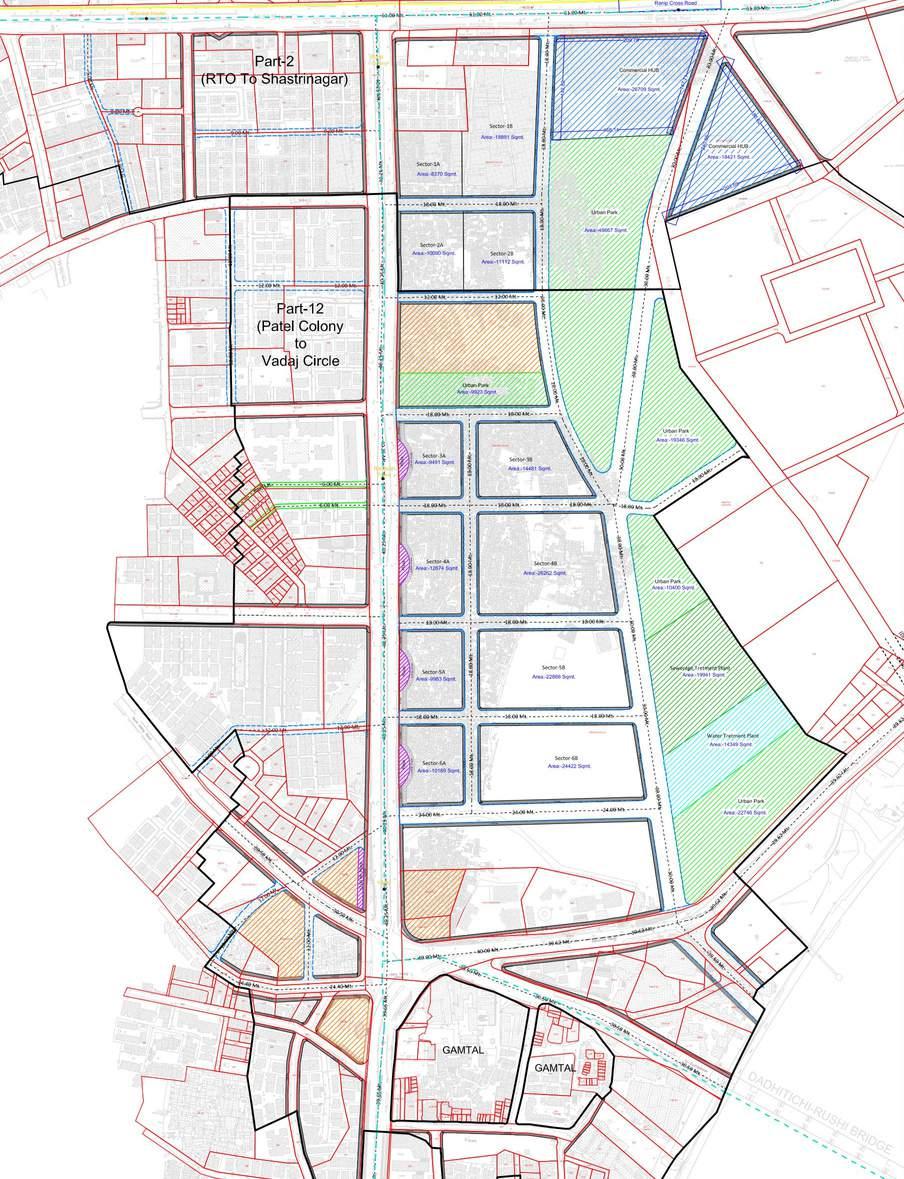
There are different communities residing together with their social and physical boundaries defining their area with certain elements like gates, different occupations, and housing typologies and clusters. Thus, this slum has been surveyed and studied under various expertise, and a plan for redevelopment is proposed for the better living standards of the human habitat.
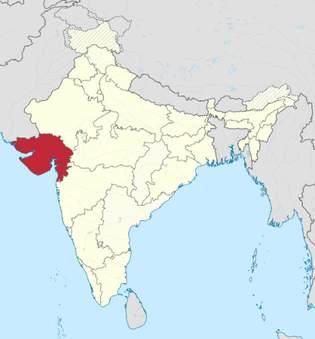
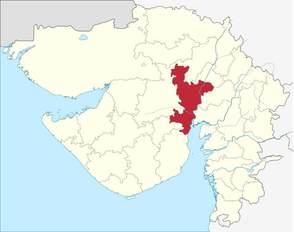
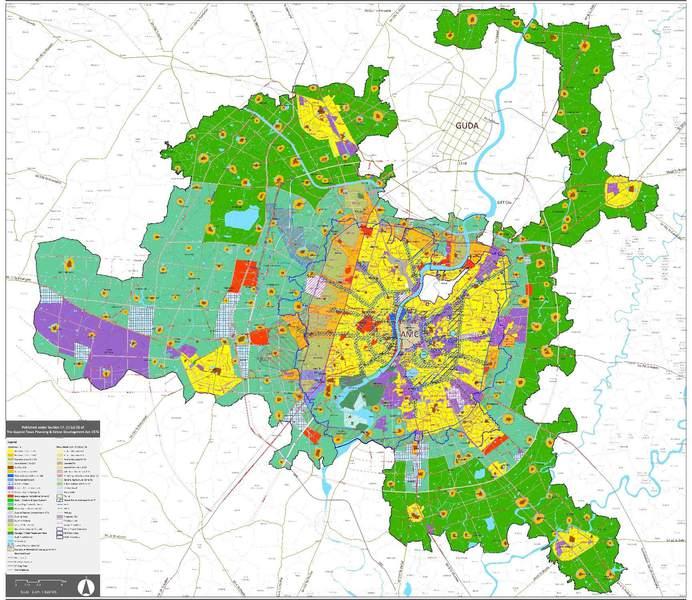
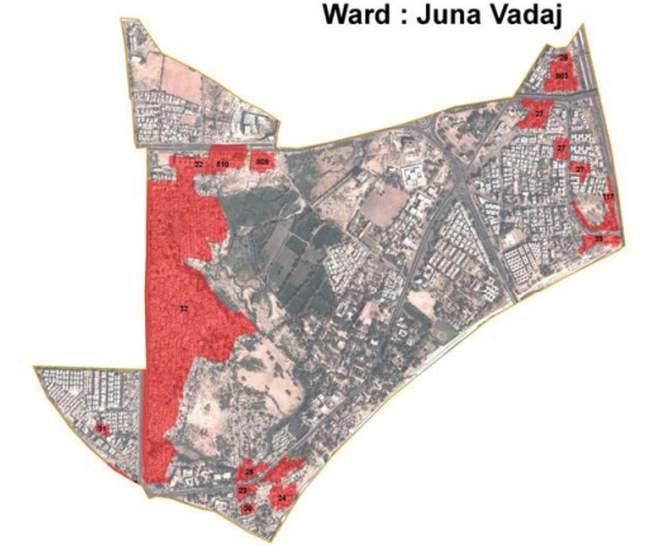
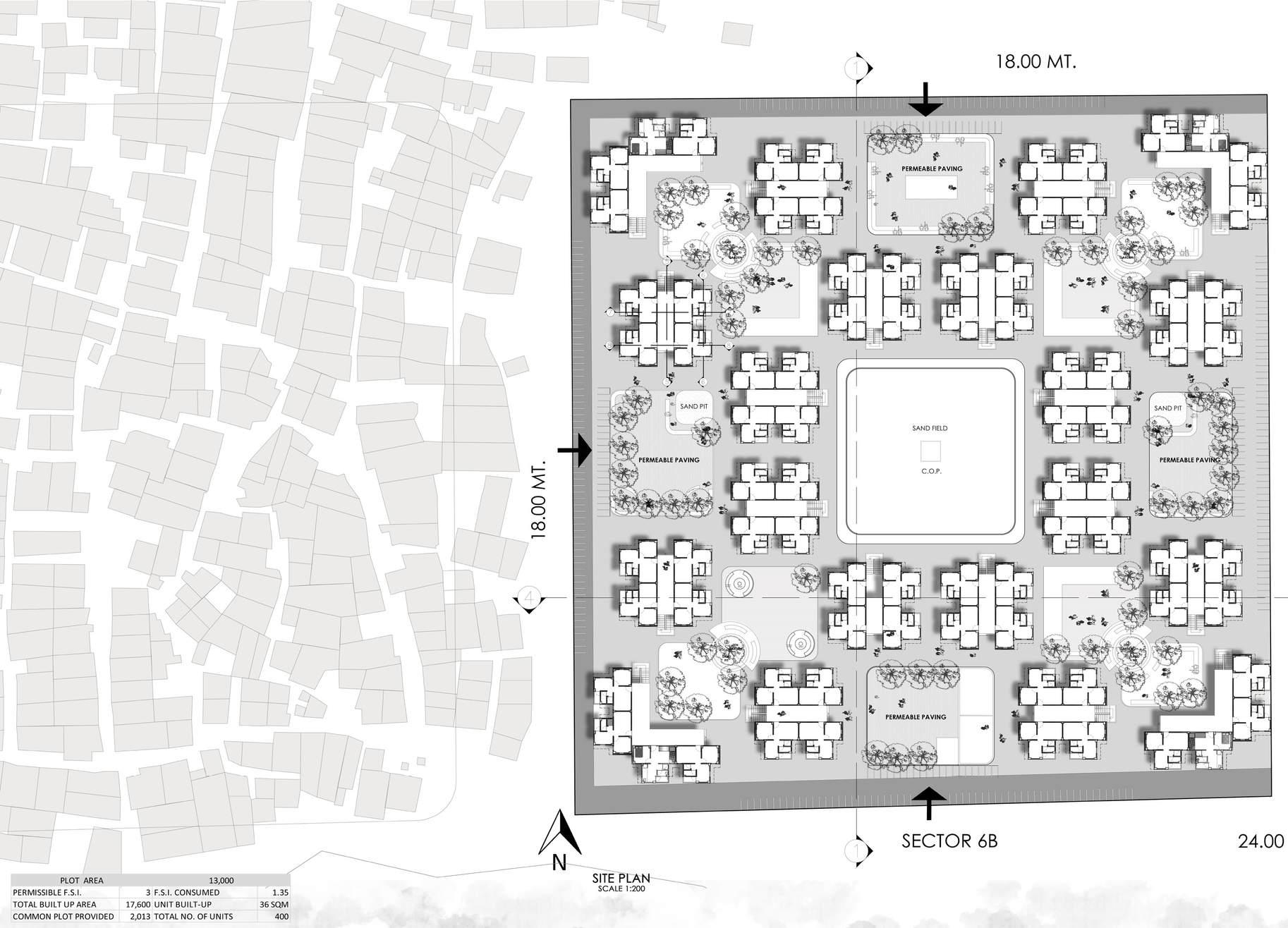
The whole area has been divided into 6 sectors containing 80,000 hutments and around 150,000 people.
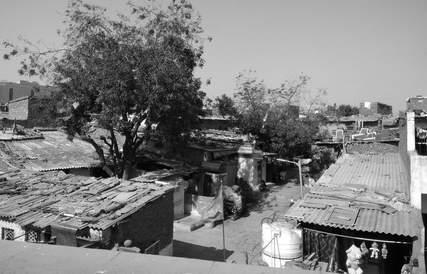
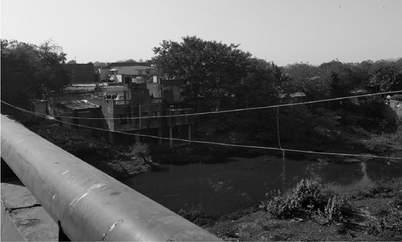
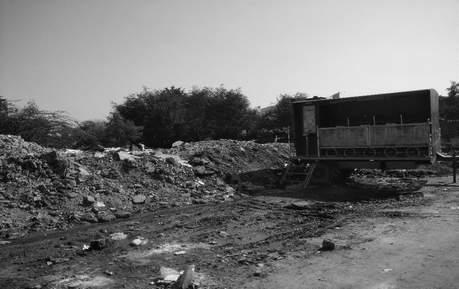
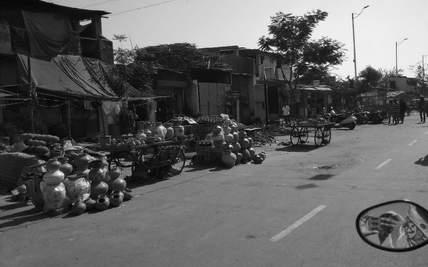
Issues Of Existing Slums
Improper or no light and ventilation
Health issues
Lack of sanitation, toilets, etc.
Poor quality of drinking water
Overflowing gutters in monsoon
Communal riots
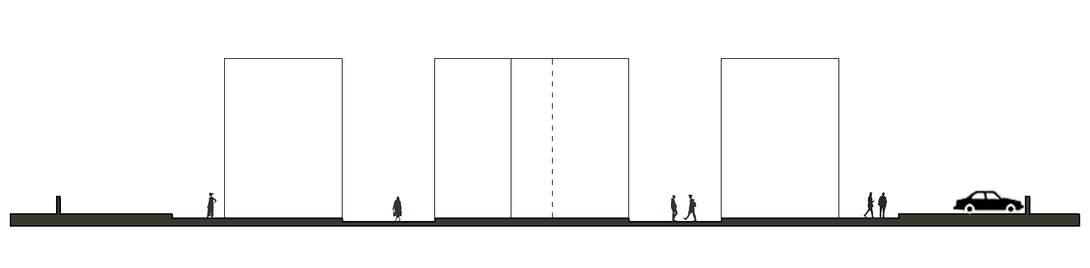
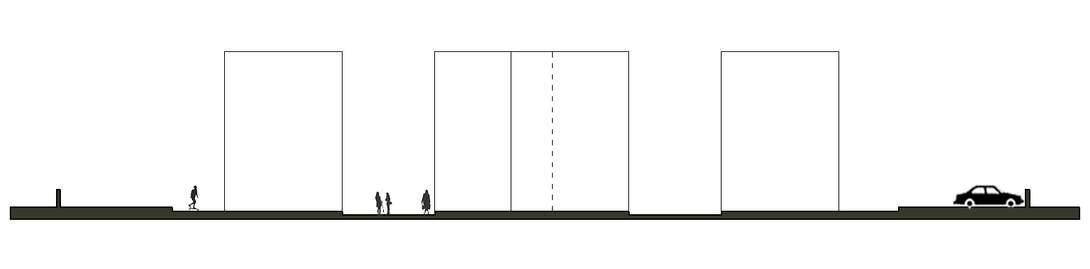

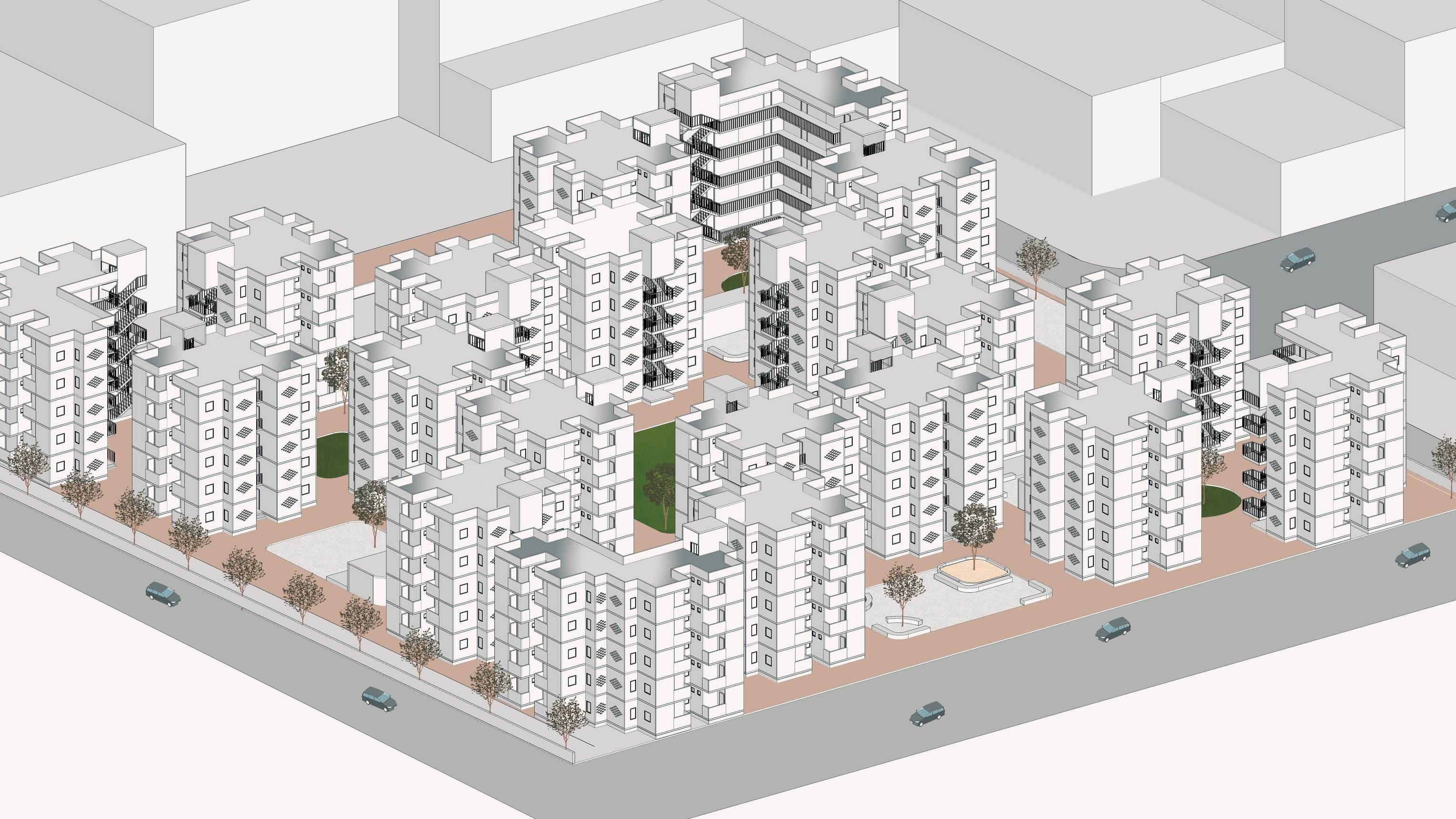
In the meticulous planning of the built forms, sustainability emerged as a pivotal and integral factor, significantly influencing the entire design process. Recognizing the pressing need for environmental responsibility, our approach prioritized sustainable practices to ensure that the built environment harmonizes with ecological well-being.
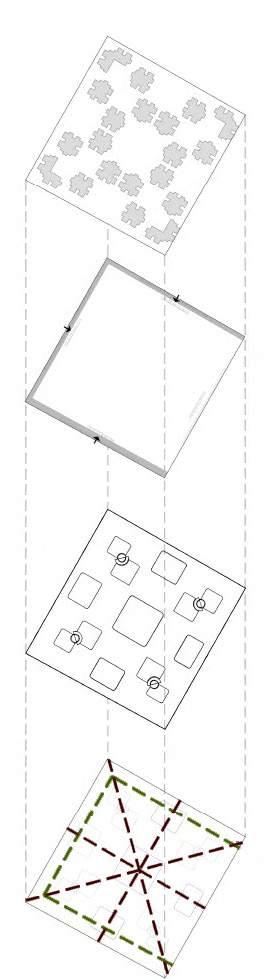
hardscape vs softscape
Entry/exit from three primary roads shows controlled vehicle
Hierarchy of open spaces showcasing community space, walking space, vegetable market, clinic, rag-picking, storage, gathering space.
vehicular (green) vs pedestrian (red) movment network
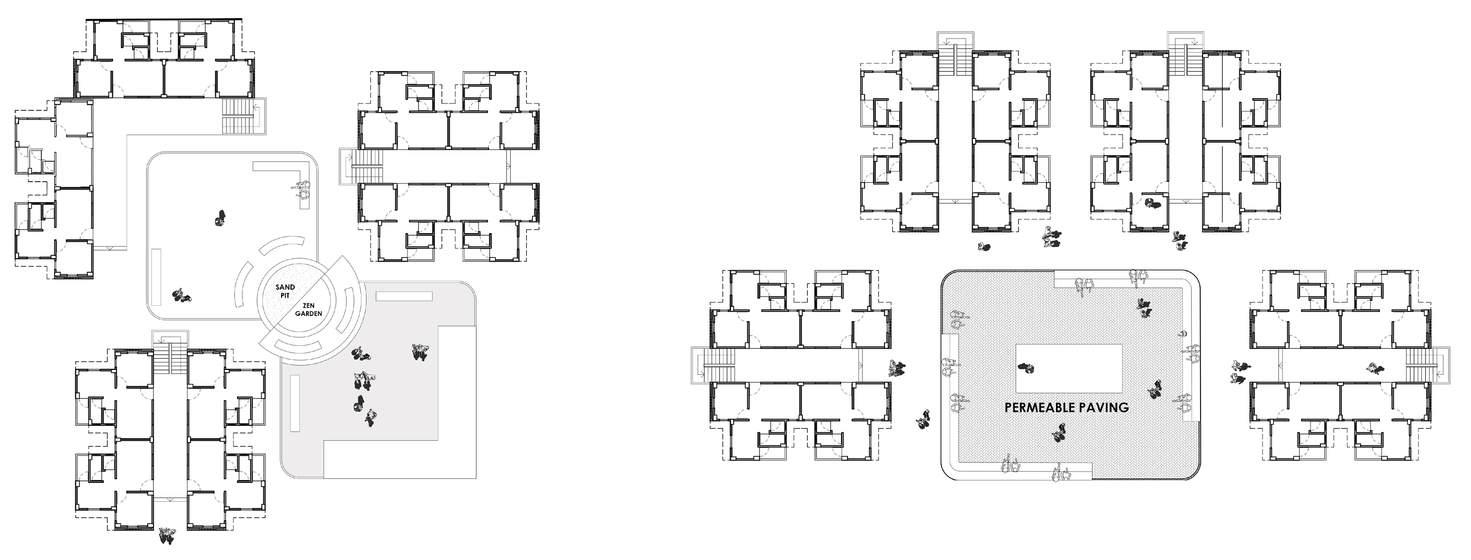
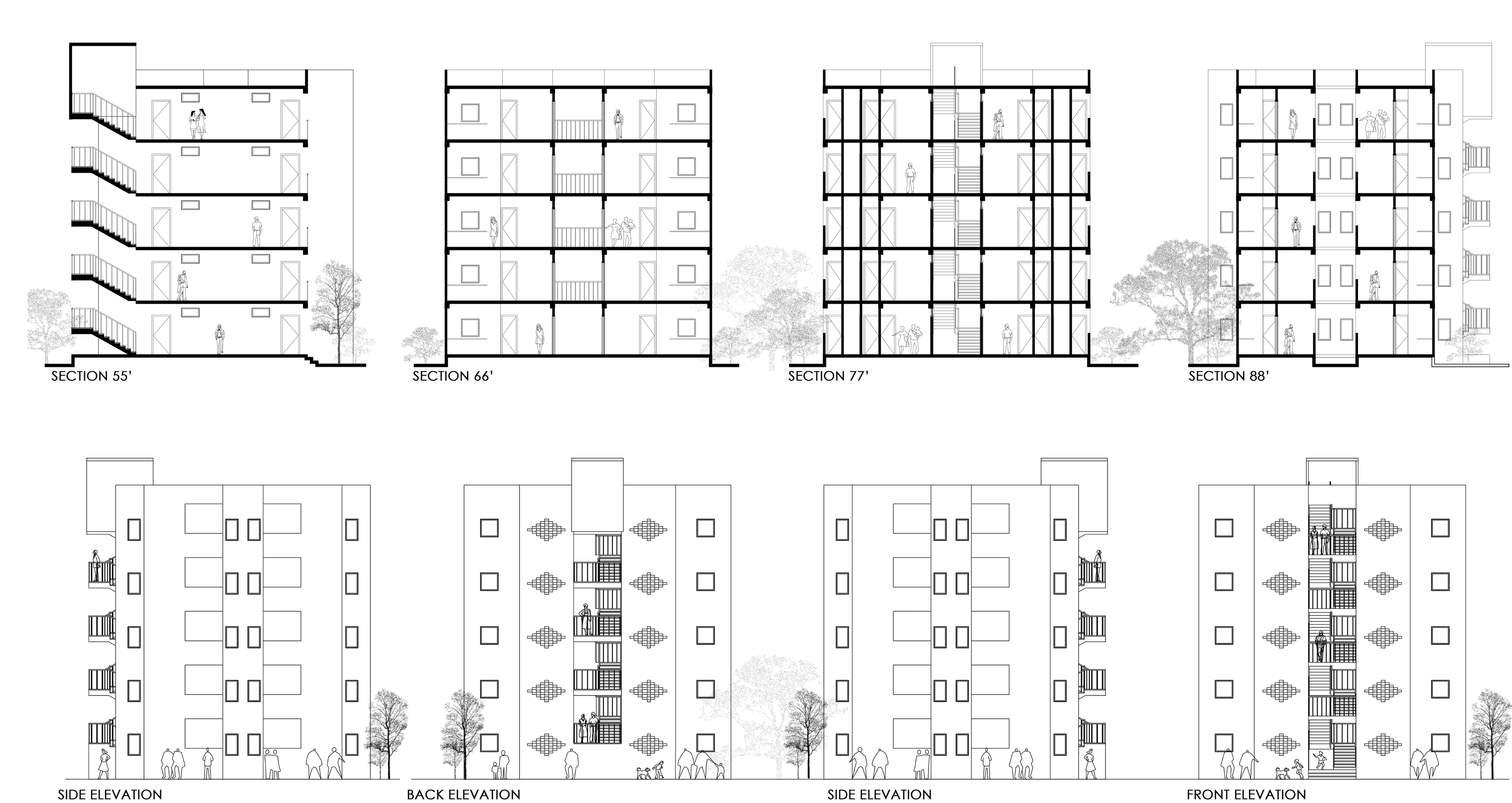
Cluster design plays a pivotal role when conceptualizing a space tailored for the rehabilitation of a closely-knit community. The first type of cluster is designed to address specific rehabilitation requirements, providing an environment conducive to healing and growth by fostering a sense of unity and shared support. Additionally, the accompanying open space within this cluster serves as a communal area for activities that promote socialization, therapy, and overall well-being.
In contrast, the second type of cluster introduces a different set of functionalities, tailored to accommodate diverse needs within the rehabilitative community. The associated open space here is strategically designed to enhance the overall accessibility and adaptability of the area, providing room for various rehabilitation programs, recreational activities, and community events.
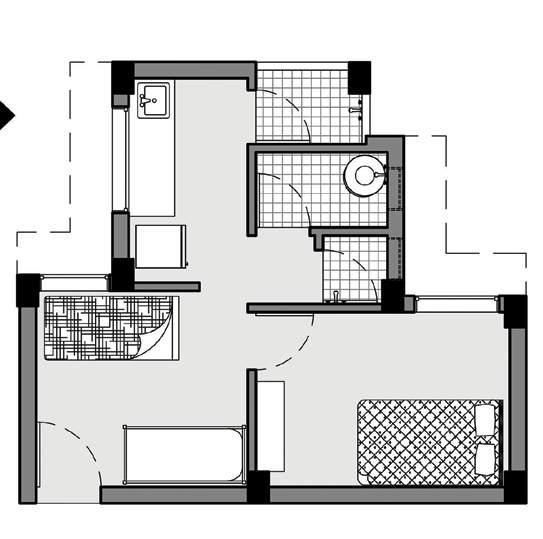
Occupation includes labour work, rickshaw driving, working in AMC, rack picking, pottery, cattle rearing, small shops, and housekeeping.
Females are busy with other work like rag picking, making handicrafts, working as labourers, cleaning homes of others, sweeping, etc.
The community of Valmiki Samaj, i.e., Bhangi, Chamar, Thakore, Kumbhar, and Varnkar, lives here.
Building materials for:
Walls: mud, brick
Floor: Kota stone, cement floor
Roof: corrugated sheet, RCC slab
j a h n v i d a v e 9 @ g m a i l . c o m
M y L i n k e d I n