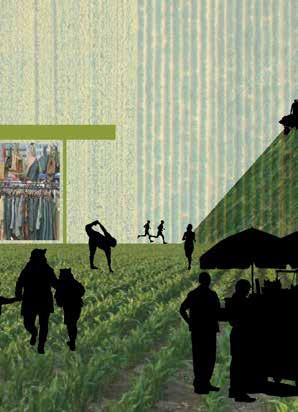
The following projects are a selected sample of my undergraduate work at the University of Minnesota - Twin Cities in the Bachelor of Science in Architecture program and my in progress studio work in the M.Arch program at the University of Michigan. The goal of this portfolio is to demonstrate the range in my current design abilities and approaches to architecture, as well as the diversity in my experience at different scales and the levels of collaborative and independent work. Although I have professional experience working as an architectural intern at ISG, I have purposefully narrowed my selections to academic work to provide the best example of my commitment to architecture as a student and to communicate the level of learning and academic experience I have aquired thus far. Through the selected works, my intent is to display my attention to detail and my passion for unique approaches to how people interact with the built environment, and with one another. I hope to continue to pursue a rewarding career in architecture, and gain valueable knowledge and experience that would come with a summer 2026 internship position.
01 | Green Expo 2031 University of Minnesota: Studio 04
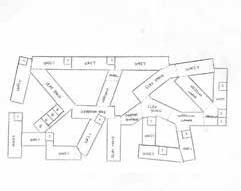
02 | In Progress: “Westgate Market” University of Michigan: Institutions Studio
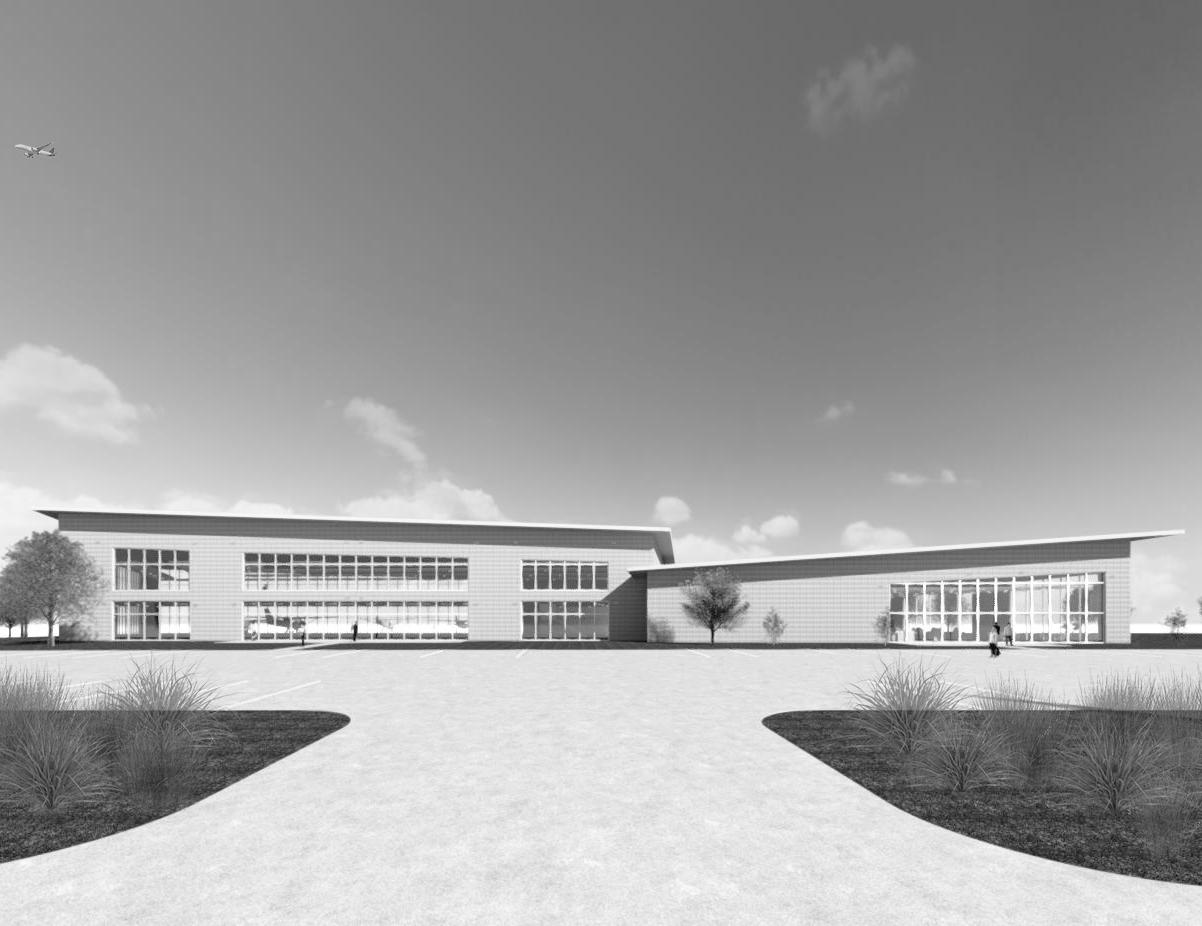
05 | “Wingspan” Airplane Hangar University of Minnesota: BIM
03 | “Northeast Collective Housing” University of Minnesota: Studio 03
05 | “The White Pine Academy” University of Minnesota: Studio 05
01 GREEN EXPO 2031
Urban Design Proposal for the 2031 Green Exposition | Fall 2024
Location: 13690 Pine Bend Trail, Rosemount, MN
Course: Architecture Studio 04 (UMN)
Project Partners: Sage Wesenberg & Stevie Samuels
Instructors: Carl Koepcke & Wanjing Ji
Software: Rhino, Illustrator, Photoshop
THE JOURNEY OF THE SEED: SOW THE FUTURE, TASTE THE PRESENT
CONCEPT:
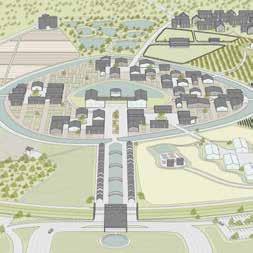
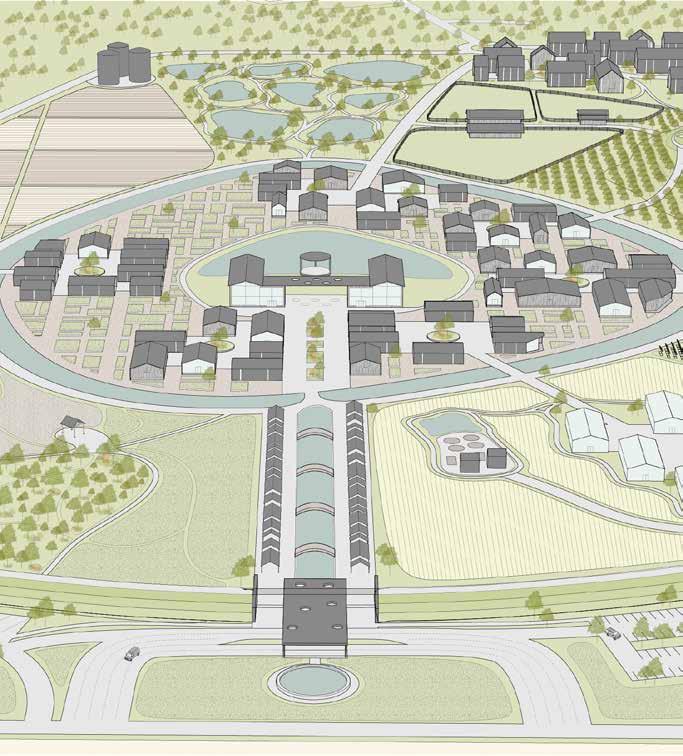
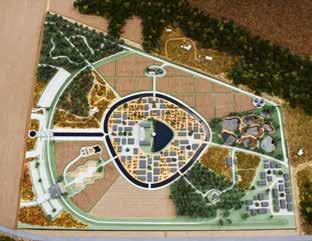
The Green Exposition will be coming to Minnesota in 2031, and our task for Studio 04 was to expand our boundaries to Urban Design. The main concept of my group’s expo design is the journey of the seed, and to bring this theme to life we used it to shape the expo experience, organization, and circulation.
As seen in the large diagram I created to the left, visitors will enter on the west side of the site, and circulate clockwise around the expo’s main path, stopping at each district for a unique experience. Each district supplies food for our farm-to-table restaurant, which is the star of the expo.
The exhibit clusters are on the inside of the main path, each being associated with one of the production districts on the outside. At the inner core are the host and international pavilions accompanied by a stage and green space for the opening and closing ceremonies.
Our intention with this design is to keep visitors at the expo all day by providing them with various commerical activities beyond the requirements of the expo. After the expo we imagine this self-sustaining expo turning into a self-sufficient living community.
Final site plan produced by Jacob Hanson.
Aerial view produced by Jacob Hanson. Staff housing axon produced by Jacob Hanson. Exhibit cluster axon produced by Sage Wesenberg. Brewery axon produced by Stevie Samuels.
As the star of the expo, we created a detailed design of our farm-to-table restaurant and market. The restaurant sits on top of the berm that wraps around the ticketed portion of our expo. On the parking side is the market and on the expo side is the restaurant, with the berm’s biking path cutting through the middle of the building.
Floor plan produced by Jacob Hanson. Render hand-drawn by Sage Wesenberg and photoshopped by Jacob Hanson. Section produced by Sage Wesenberg. Axon produced by Jacob Hanson.
RESTAURANT
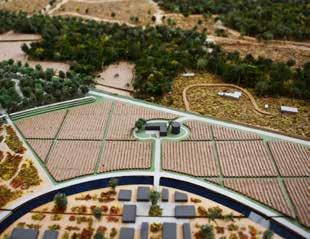
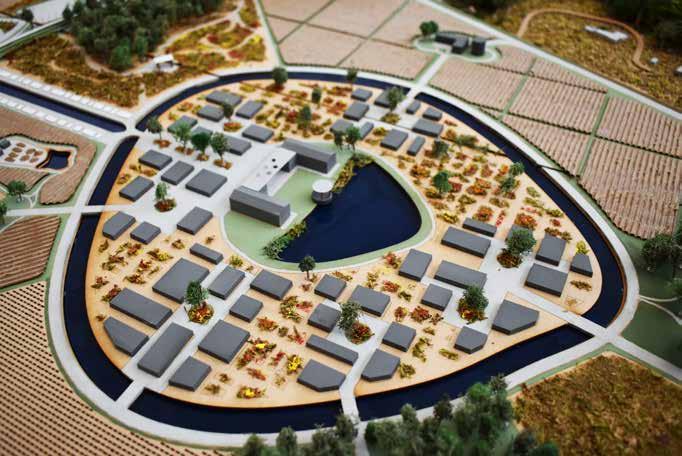
A closer look at the core of our expo reveals the canal that seperates the production land from the exhibit clusters. The exhibit clusters are surrounded by botanical gardens following the same 20 x 20 grid to allow for free movement.
Physical model produced by Jacob Hanson, Stevie Samuels, and Sage Wesenberg.
02 WESTGATE MARKET (IN PROGRESS)
Health & Wellness Market in Ann Arbor | Fall 2025
Location: 2475 W Stadium Blvd, Ann Arbor, MI
Course: Institutions Studio (University of Michigan)
Instructor: Sharon Haar
Software: Rhino, Illustrator, Photoshop
PRECEDENT ANALYSIS:
Prior to conceptualizing a design for a market in Ann Arbor, I analyzed Torvehallerne Market in Copenhagen, Denmark; a place I know well as I studied abroad at DIS Copenhagen in 2023.
Through my analysis, I produced a series of diagrams highlighting the key design principles and spacial characteristics of the market. These include the open shed structure, market stall organization, site and building circulation, and the strategic use of shading devices. My study of Torvehallerne market was shared along with numerous other international market examples studied across the studio to provoke a sense of logic for the design of a market in Ann Arbor.
CONCEPT:
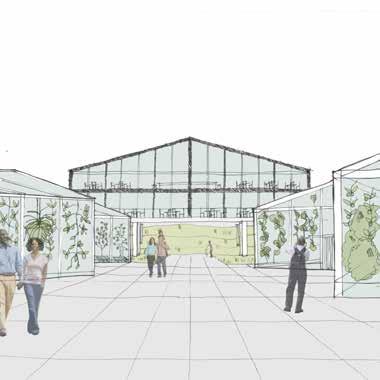
The concept of the Westgate Market in Ann Arbor surrounds the idea of urban farming and how the program of the site can directly connect to the program of the interior. My idea of commerce with regard to the exchange of goods expands beyond the standard market model, providing an exchange of ideas and practices with regards to all things related to health and wellness.
Thus, this health and wellness market features indoor and outdoor vendor stalls, a test kitchen for visitors to learn how to cook healthy meals, a restaurant supported by the test kitchen, an auditorium for wellness education, and a fitness center. The entire roof will be both walkable and farmable, demonstrating the ability of Ann Arbor to transform into a more sustainable community.
The diagrams and drawings shown display the development of the design for the midterm review. The final design is in progress.
Moving forward, I aim to create a more fluid market by rethinking the eight foot storage corridor that follows the bend in the roof and by designing spaces in which programs overlap. The program of the roof will stretch further into the existing parking lot, creating a more seamless connection to the site.
03 NORTHEAST COLLECTIVE LIVING
Communal Housing in Northeast Minneapolis | Spring 2024
Location: 1209 Tyler St NE, Minneapolis, MN
Course: Architecture Studio 03 (UMN)
Project Partner: Aria Lissick
Instructor: Anjali Ganapathy
Software: Rhino, Illustrator, Photoshop
CONCEPT:
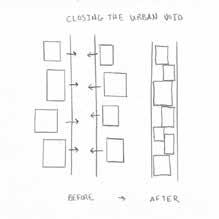
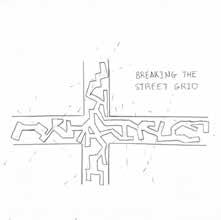
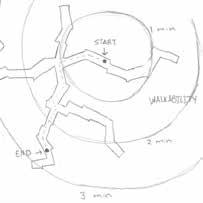
Through rigorous research of MOS Architect’s “Thoughts on a Walking City,” a proposal to convert the streets of Orange, New Jersey into housing and commerical space, my project partner, Aria Lissick, and I designed a collective housing facility for Northeast Minneapolis focused on community interaction, shared resources, and easy access to necesities within a walkable distance.
Prior to the design phase of this project, we created a set of diagrams to best illustrate the core ideas of MOS Architect’s proposal. This set of diagrams included the walking radius diagram I created to the left, in addition to the ideas I expressed through simple sketches above.
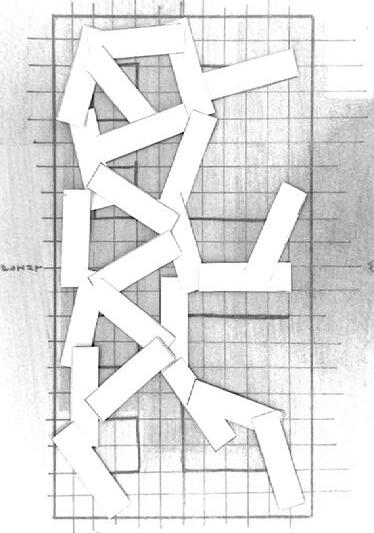
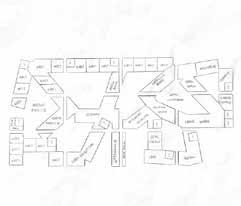
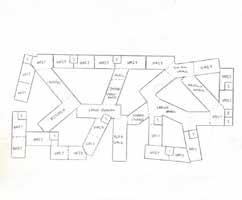
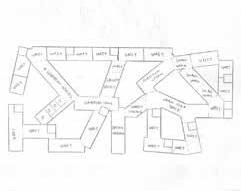
In order to develop our form without a street grid to break, we developed our own 17’ x 17’ grid across the rectangular site. We then arranged 17’ x 68’ rectangles to reach out towards the street and create inner courtyard spaces, while remaining closed to the rear.
Given a list of programatic deliverables, we placed the residential space on the perimeter of the building and the community spaces towards the core.
Unit designs to the left produced by Jacob Hanson & Aria Lissick. Final upper level floor plan above produced by Aria Lissick. Section perspective below produced by Jacob Hanson.
Axon produced by Jacob Hanson & Aria Lissick.
The first level floor plan produced by myself showcases our sliding glass panel wall design to open the building up to the community courtyards, each programmed with a different use.
Each 17’ x 68’ rectangle contains multiple private sleeping units, although the residents share kitchen, dining, and laundry resources.
04 WINGSPAN AIRPLANE HANGAR
Community & Small Commercial Airplane Hangar | Spring 2024
Location: Minneapolis, MN
Course: Design & Rep with BIM (UMN)
Instructor: Benjamin Delwiche
Software: Revit, Photoshop
CONCEPT:
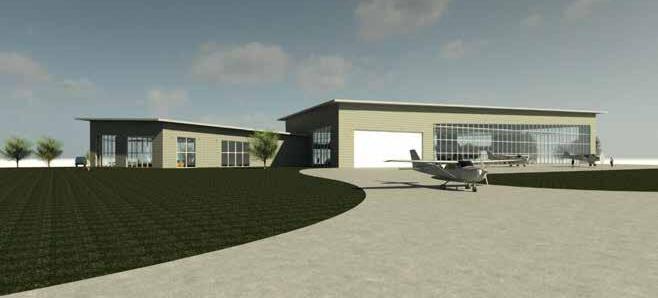
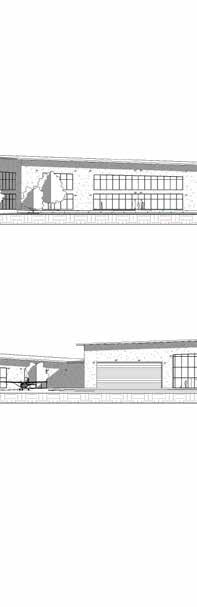
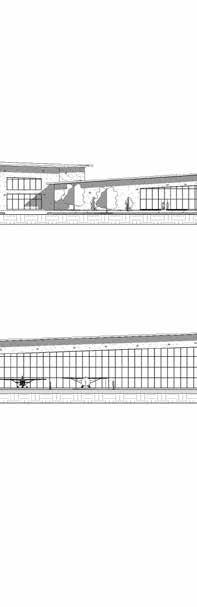
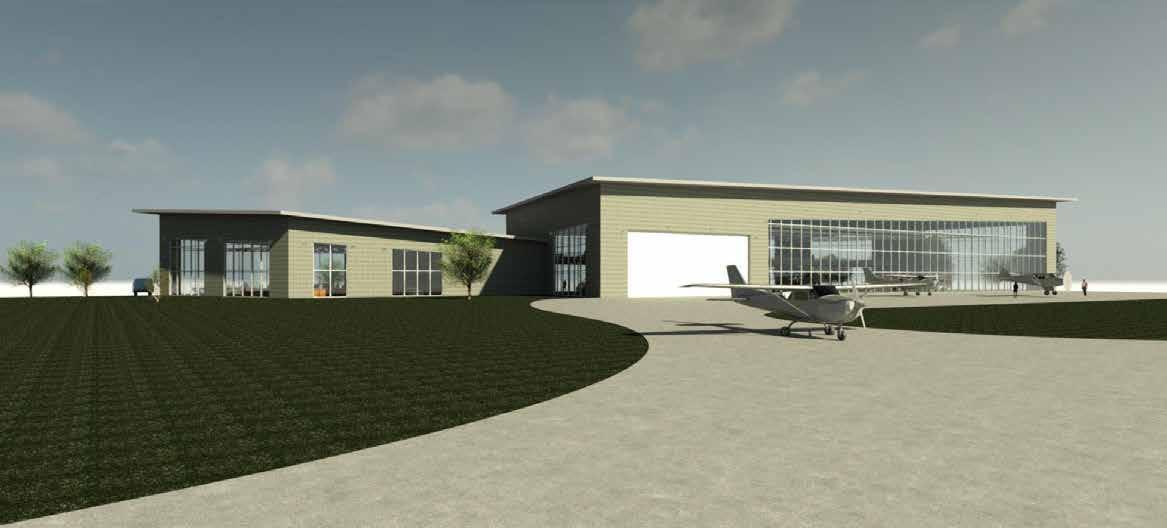
The goal of this project was to enhance my Revit skills through designing an airplane hangar for private and small commerical planes. Given specific spatial requirements, I designed the building to appear like a set of bird wings, with the small wing covering the office area and the large wing covering the hangar.
The building is complete with a mezzanine over the hangar interior, an office space, a break room, locker rooms, and a storage room. The ceiling also has a unique design to provide adequate lighting to the interior. All drawings were produced in Revit, including the renders, and were submitted to the class instructor on a typcial construction drawing set. Render edits were made in Photoshop.
Render taken from the airstrip to the south of the hangar. Note the slople of the curtain walls matches the slope of the roof.
05 THE WHITE PINE ACADEMY
Learning Center For Minnesota’s Lumber Industry| Spring 2025
Location: Hennepin Island, Minneapolis, MN
Course: Architecture Studio 05 (UMN)
Instructor: Jessica Garcia Fritz
Software: Rhino, Illustrator
CONCEPT:
Personal research was centered around White Pine, including its value as a building material, its decrease across scales, and its historical significance to the state of Minnesota. White Pine was once the material gold that drove the establishment of the lumber mills on Hennepin Island, but since the start of the logging industry in Minnesota, White Pine has decreased exponentially from the state’s forests, from written specifications, and from the production site. With the use of a visualization apparatus, I communicated my research findings through extra-orthographic drawings, models, and material organizations.
The design focuses on the establishment of a lumber academy teaching White Pine preservation, timber construction, and the importance of the lumber industry to Minnesota. The White Pine Academy has two campuses: One on Hennepin Island and the other in the “Lost Forty” in northern Minnesota. The Lost Forty is the last old growth White Pine forest in the state of Minnesota and provides students with an immersive experience with White Pine.
The Hennepin Island campus is designed to be the main learning center and is proposed to be constructed of mass timber.
HENNEPIN ISLAND SITE
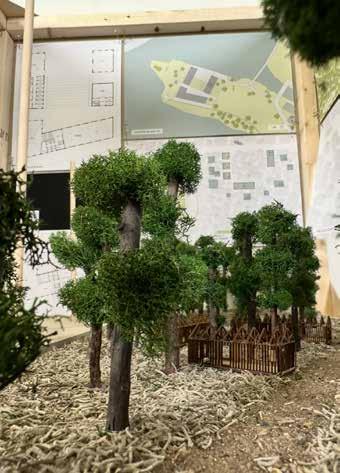
Final review visualization apparatus showcasing the timber frame construction of the satelite campus amongst the old growth White Pine forest.