REUSSER REUSSER JACKSON
UNIVERSITY OF KANSAS
MASTER OF ARCHITECTURE
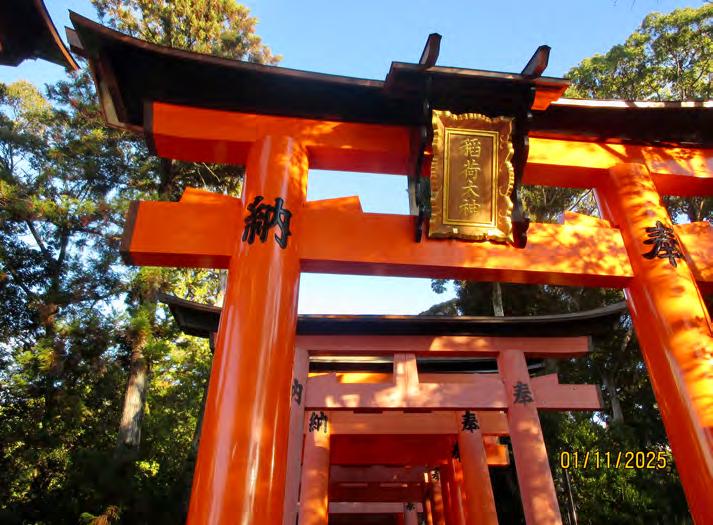
Personal Photography
Senbon Torii Shrine | Kyoto, Japan
JACKSON REUSSER, AIAS
EDUCATION
Fall 2022 - Present Winter 2024/25
Fall 2018 - Spring 2022
WORK
Summer 2024 Fall 2023 - Present Fall 2024
jacksonreusser628@gmail.com
(316)631-2909
www.linkedin.com/in/jackson-reusser
The University of Kansas | Lawrence, Kansas | GPA 3.94
Master of Architecture & Minor in Business | Expected May 2027 Honors Program
Architecture in Asia Study Abroad | Singapore, Malaysia, Japan
Kapaun Mt. Carmel Catholic High School | Wichita, Kansas | GPA 4.375
Galloway & Company Architecture | Architectural Design Intern Wichita, KS
Created 3D Revit models to be used on projects, composed sets of sheets to send to clients, and completed red-lines to further the progress of multiple projects.
KU School of Architecture & Design | Hatch Reading Room Assistant Lawrence, KS
Assist visitors in finding books from catalogue and maintain a welcoming and comfortable space for students to study.
KU School of Architecture & Design | Grader Lawrence, KS
Graded assignments and hold office hours for ARCH 103: Introduction to Architecture
ACTIVITIES
Fall 2023 - Present
Mentorship Collaborative | President
Lead fellow 3rd and 4th year Architecture students in introducing new students into the Architecture Program at KU.
American Institute of Architecture Students (AIAS) | Active Member
HONORS
Fall 2024 - Spring 2025
Spring 2025 Fall 2022 - Present
SKILLS
REFERENCES
Richard & Ruth Starr Scholarship | KU School of Architecture and Design
AIA Wichita Scholarship | KU Endowment
Donald Ewart Memorial Scholarship | KU School of Architecture and Design
School of Architecture Dean’s List | GPA above 3.75
3D Modeling | Revit, SketchUp, Physical Modeling; learning Rhino & Grasshopper
2D Drafting | AutoCAD, Hand drafting Graphics | Illustrator, Rayon, Photoshop, Indesign
Jae Chang | KU School of Architecture and Design | jdchang@ku.edu
Professor of Architecture & Associate Dean of Research, Innovation & Entrepreneurship
Kapila Silva | KU School of Architecture and Design | kapilads@ku.edu
Professor of Architecture & Associate Dean for Community Excellence
Christopher Carlson | Galloway & Company | ChrisCarlson@gallowayus.com
Regional Architecture Team Manager & Principal
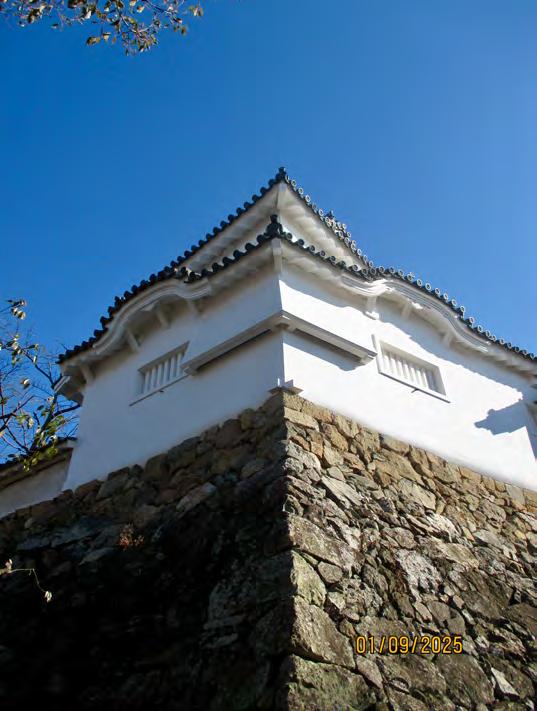
Personal Photography
Himeji Castle | Himeji, Japan
MUSEUM FOOD HALL

MUSEUM
OF COMMUNICATIONS TECHNOLOGY
Dallas, TX
Fall 2024
Professor Kapila Silva
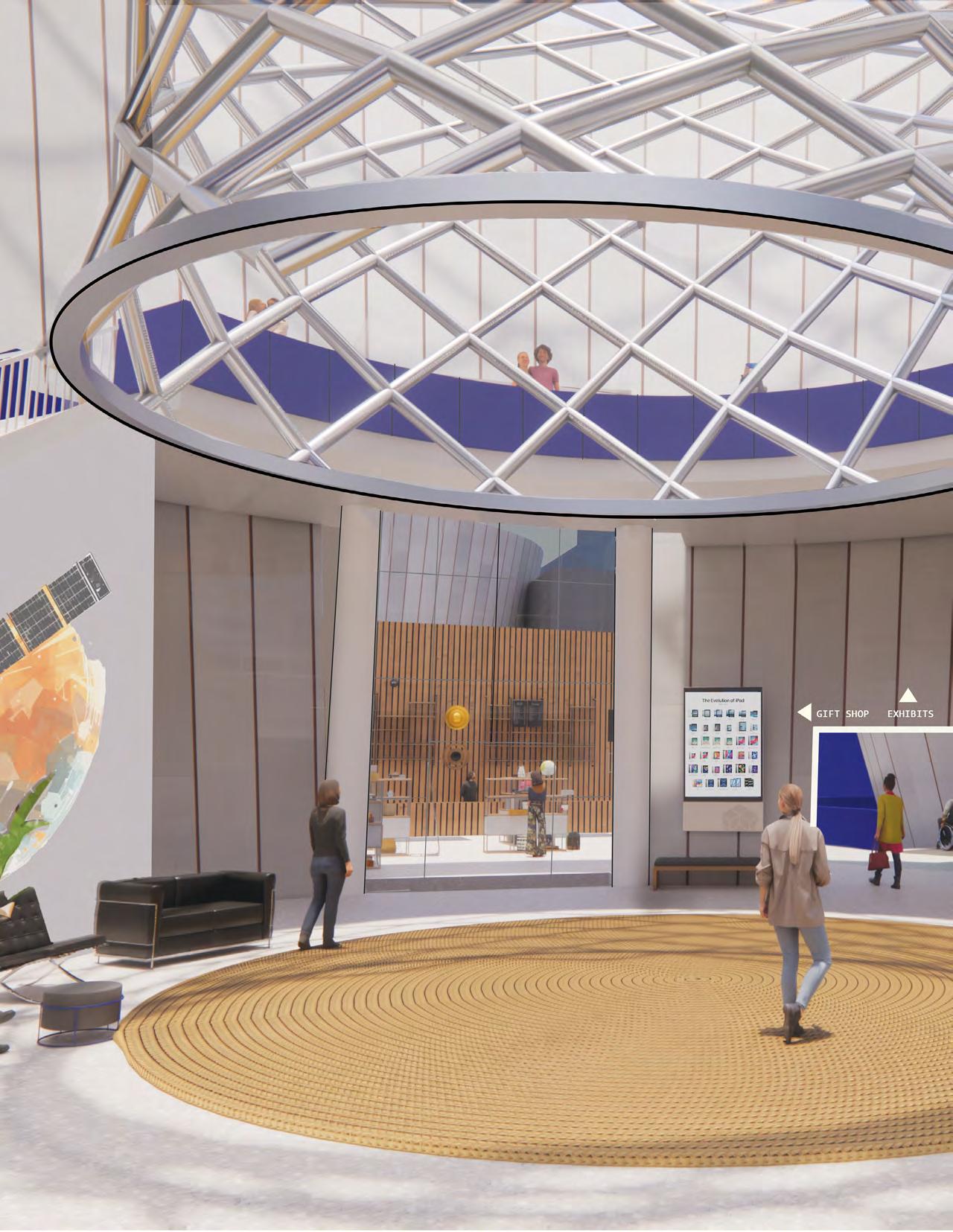
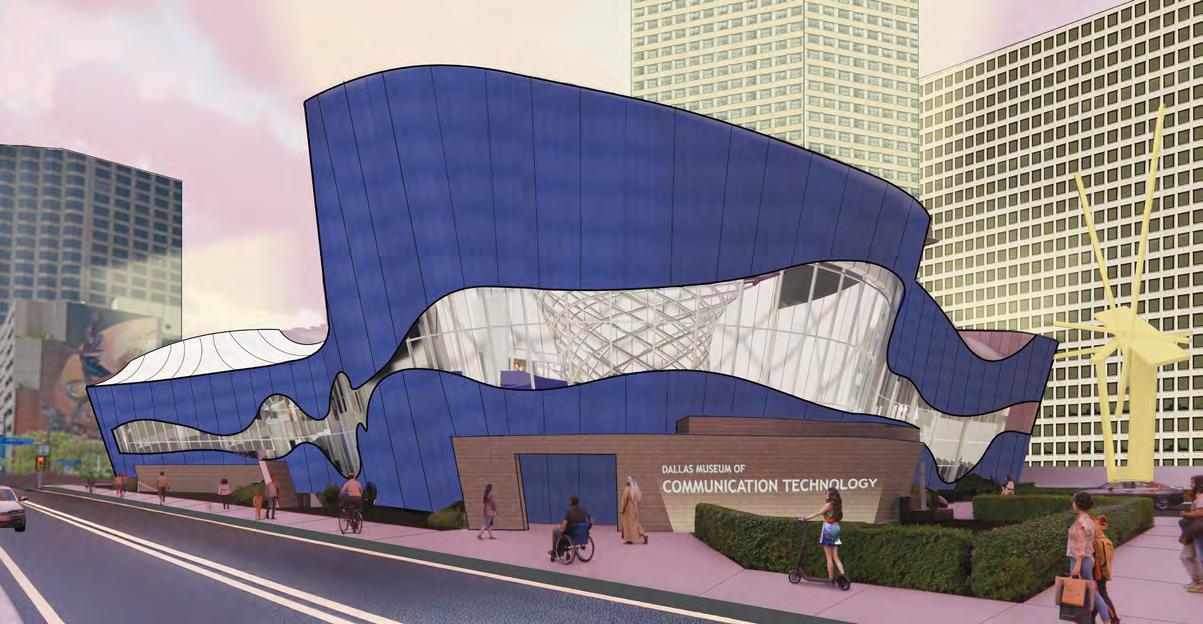
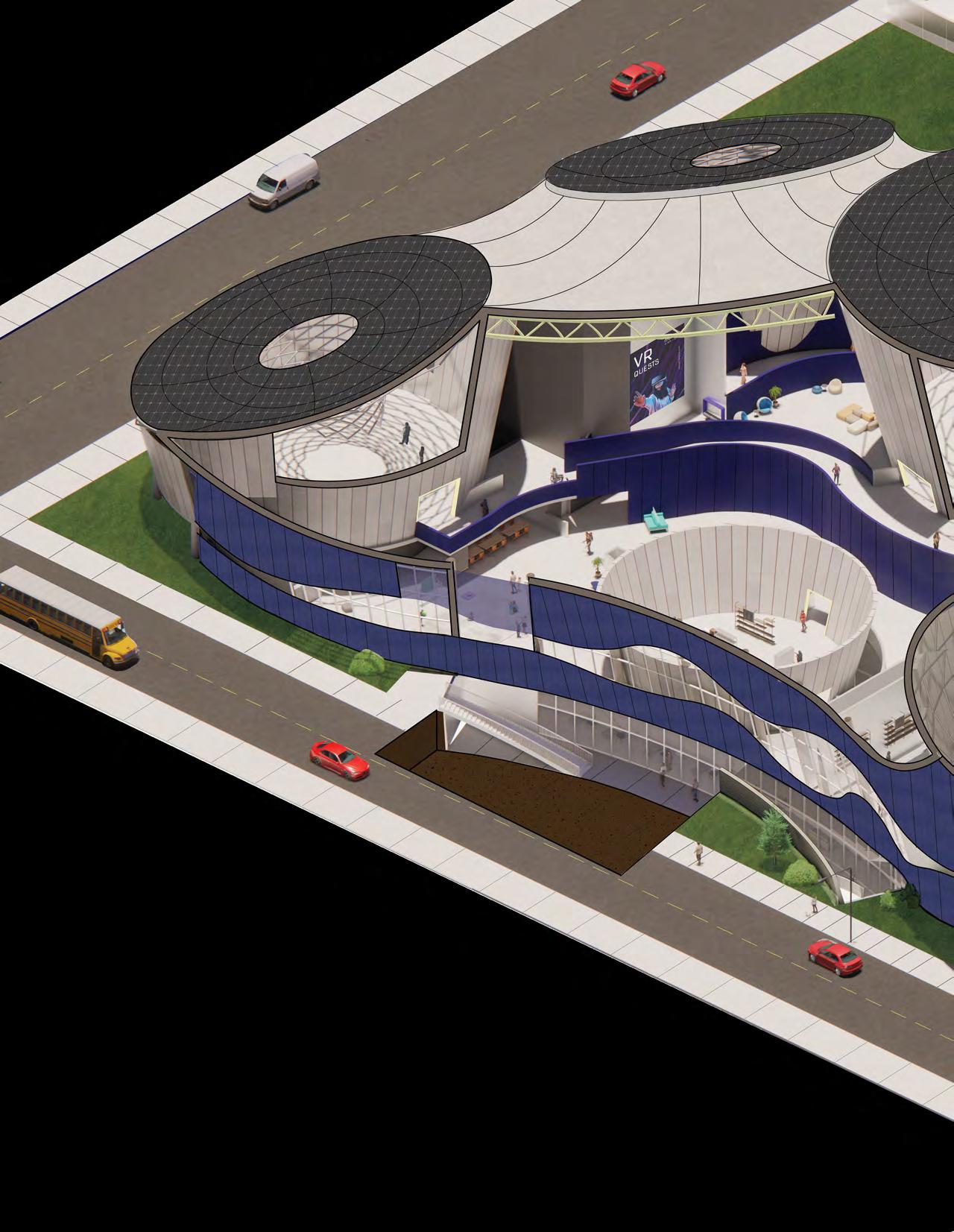
The Museum of Communications Technology, located in the heart of the Dallas cultural district, uses symbols of light and elevation to tell a moving story about the evolution of communication between humans. Light funnels in each of the exhibits disperse light throughout. A winding path between exhibits gives dynamic views of the museum which supplement the story being told. This project challenged the class to give careful consideration to the materials and tectonics utilized in the museum, which exemplify the themes of technology and communication in this solution.
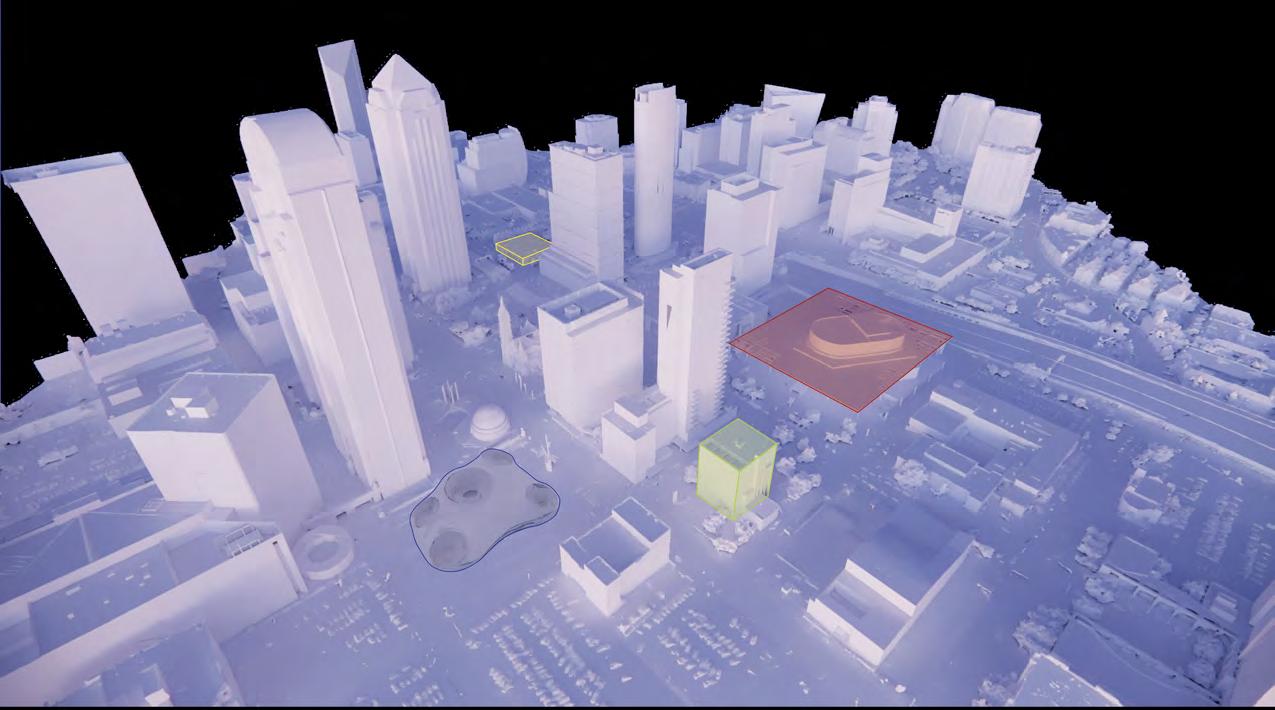
Dallas Museum of Communications Technology
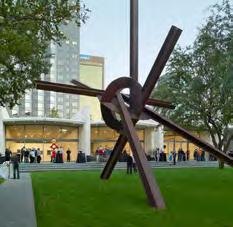
Nasher Sculpture Garden
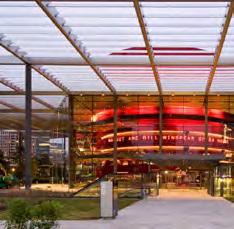
Wiley Theater
Winspear Opera House
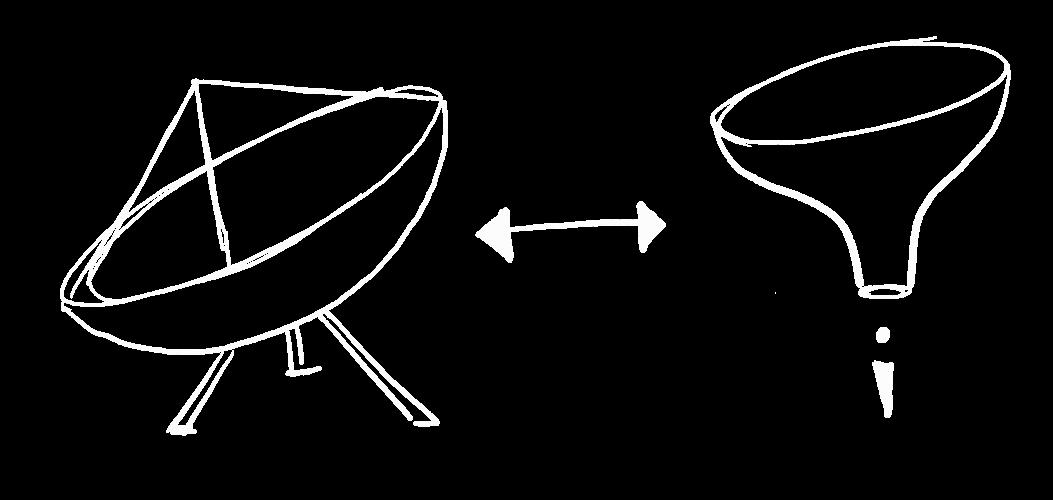
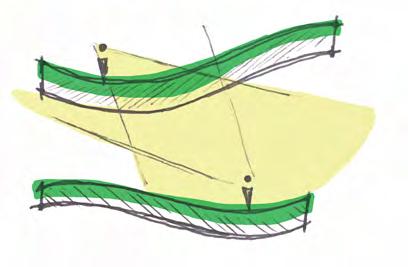
SATELLITE
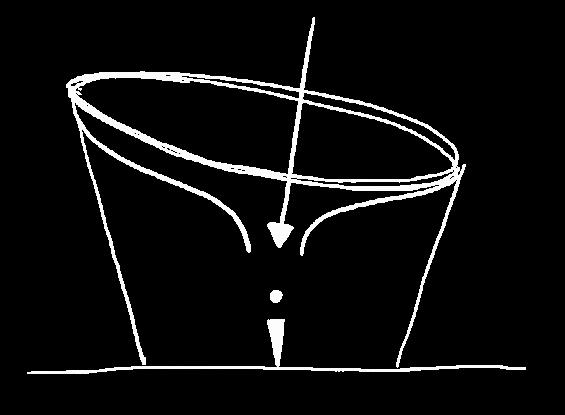
As a museum of communications, the primary focus of inspiration is from the satellite. Just as a satellite takes in data and converts it into information, the light funnels in the museum take in light and disperse it throughout the exhibits.
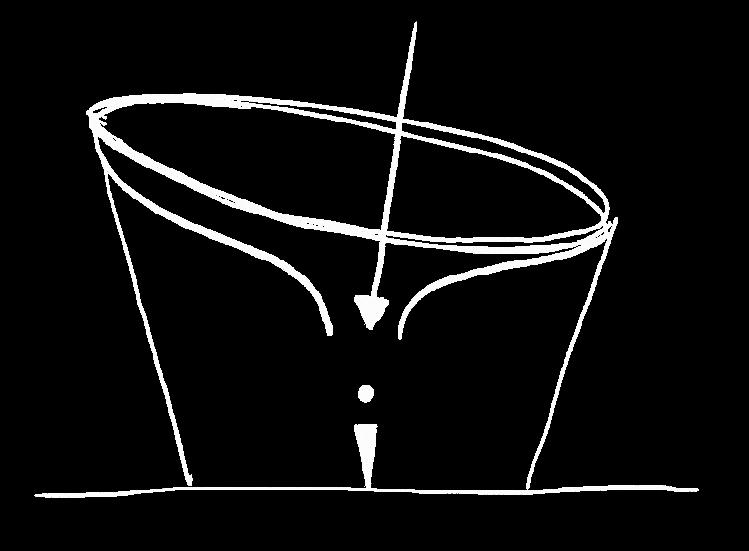
LIGHT ELEVATION
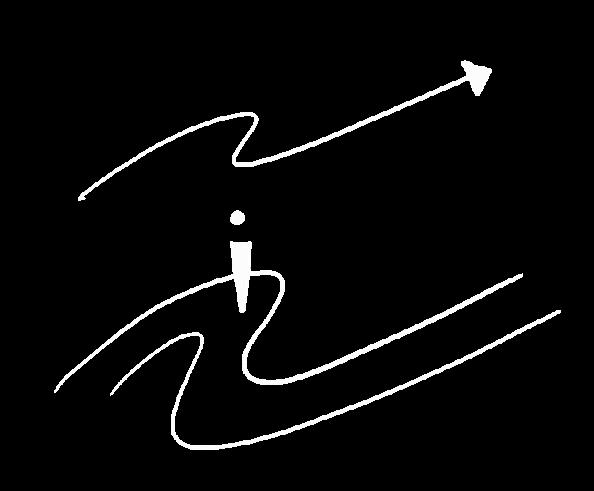
As a guest progresses through the museum path, the exhibits become more filled with light
Similarly, each exhibit is elevated from the one before it, using the elevation change as a symbol for reaching out and becoming connected.
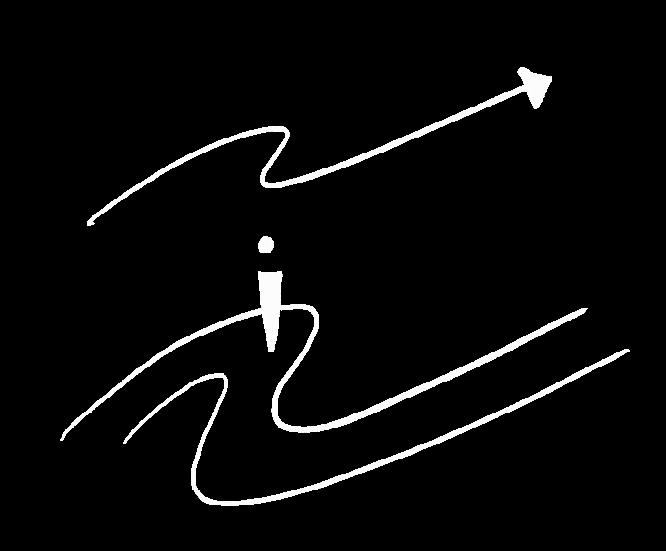
SITE
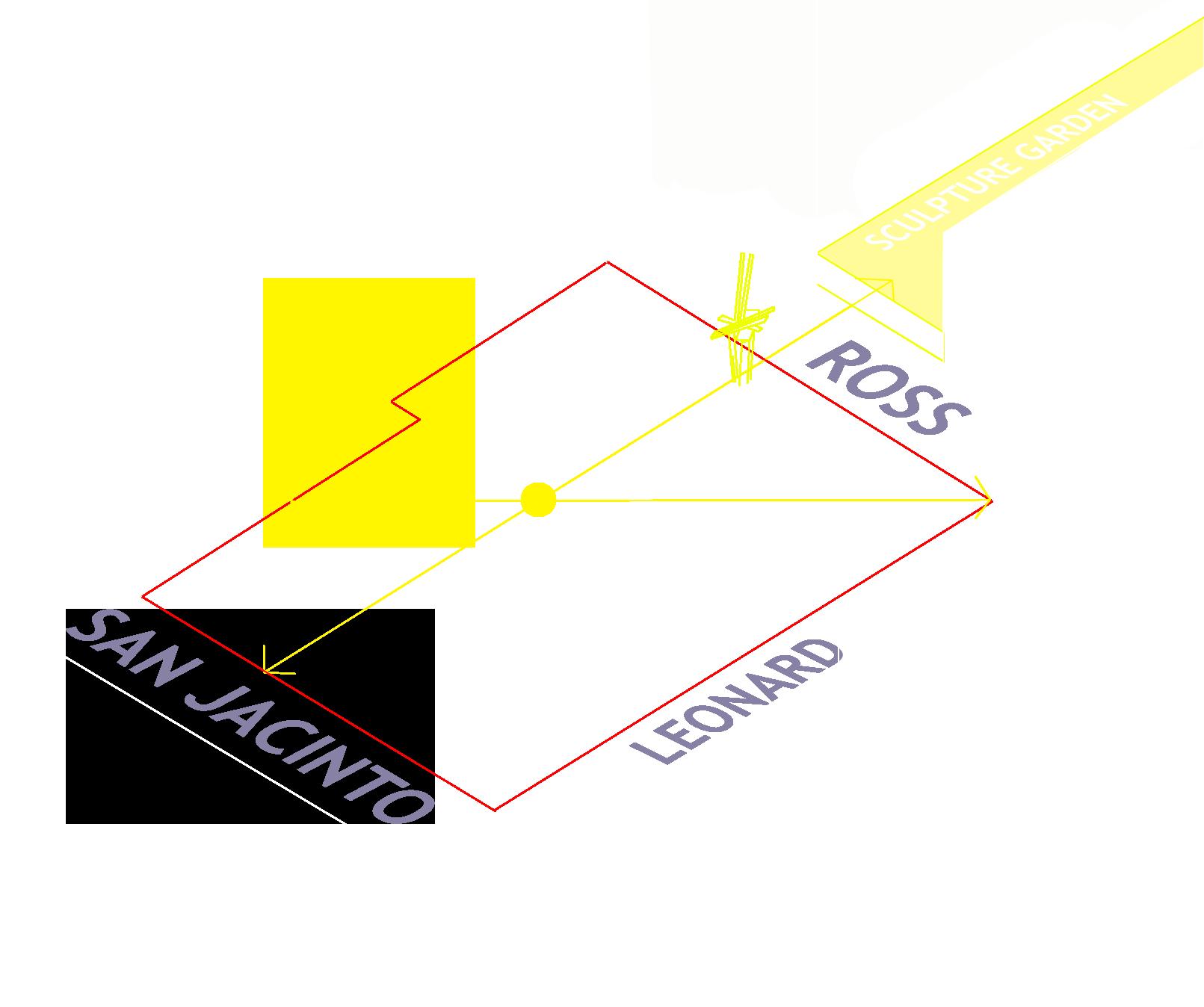
the
Located in
arts district of Dallas, Texas, the Museum of Communications Technology interacts with the prominent intersection of Ross & Leonard as well as the sculpture garden across Ross St which continues onto the site.
AXES MOMENTS
The axes from the street intersection and sculpture garden intersect to create a focal point.
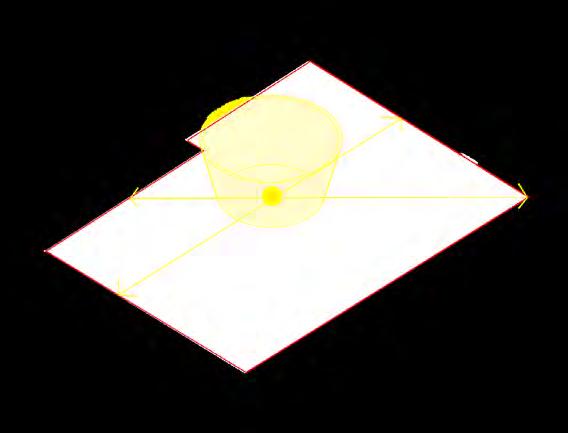
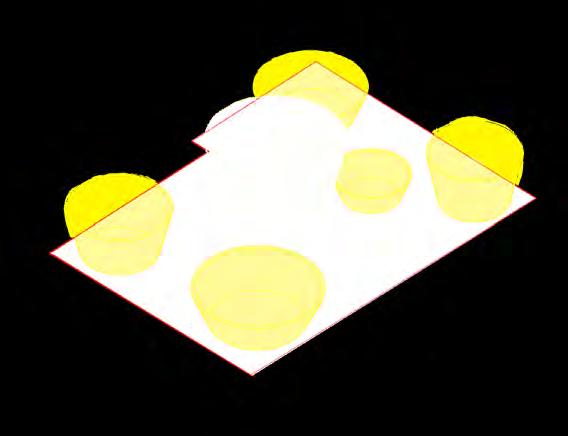
The main exhibits of the museum are erected from these moments on the site.
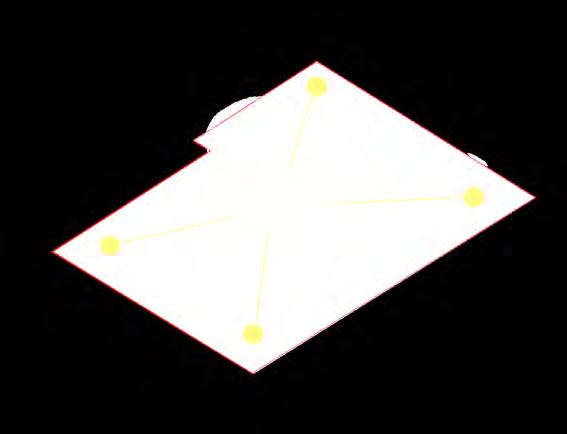
From the focal point, moments of emphasis lay on the corners to fully engage the site.
EXHIBITS PATHWAYS DISKS ENCLOSURE
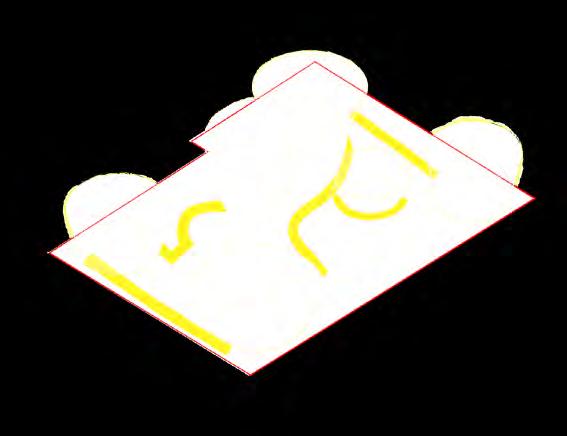
Pathways connect the exhibits to each other, rising through the museum as the journey progresses.
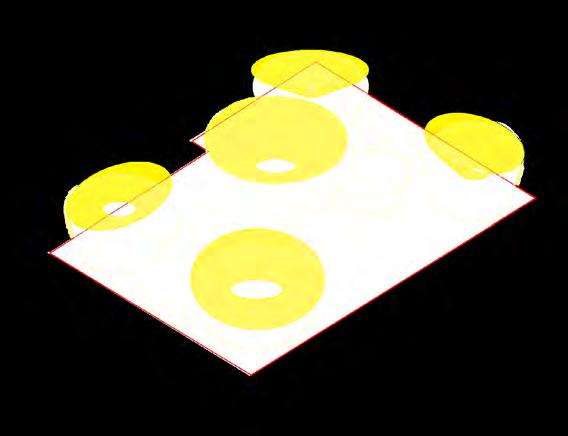
Satellite-shaped disks top the exhibits to funnel light into them.
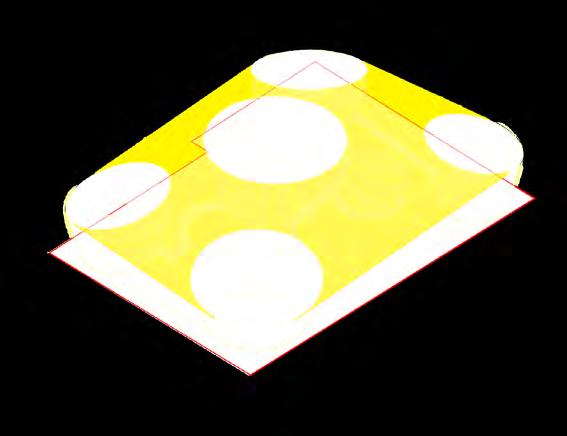
A flowing roof curves to each of the disks to emphasize their practical and symbolic importance.
Adding back green space
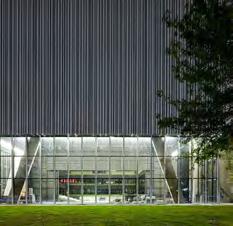
Aluminum Panel Facade
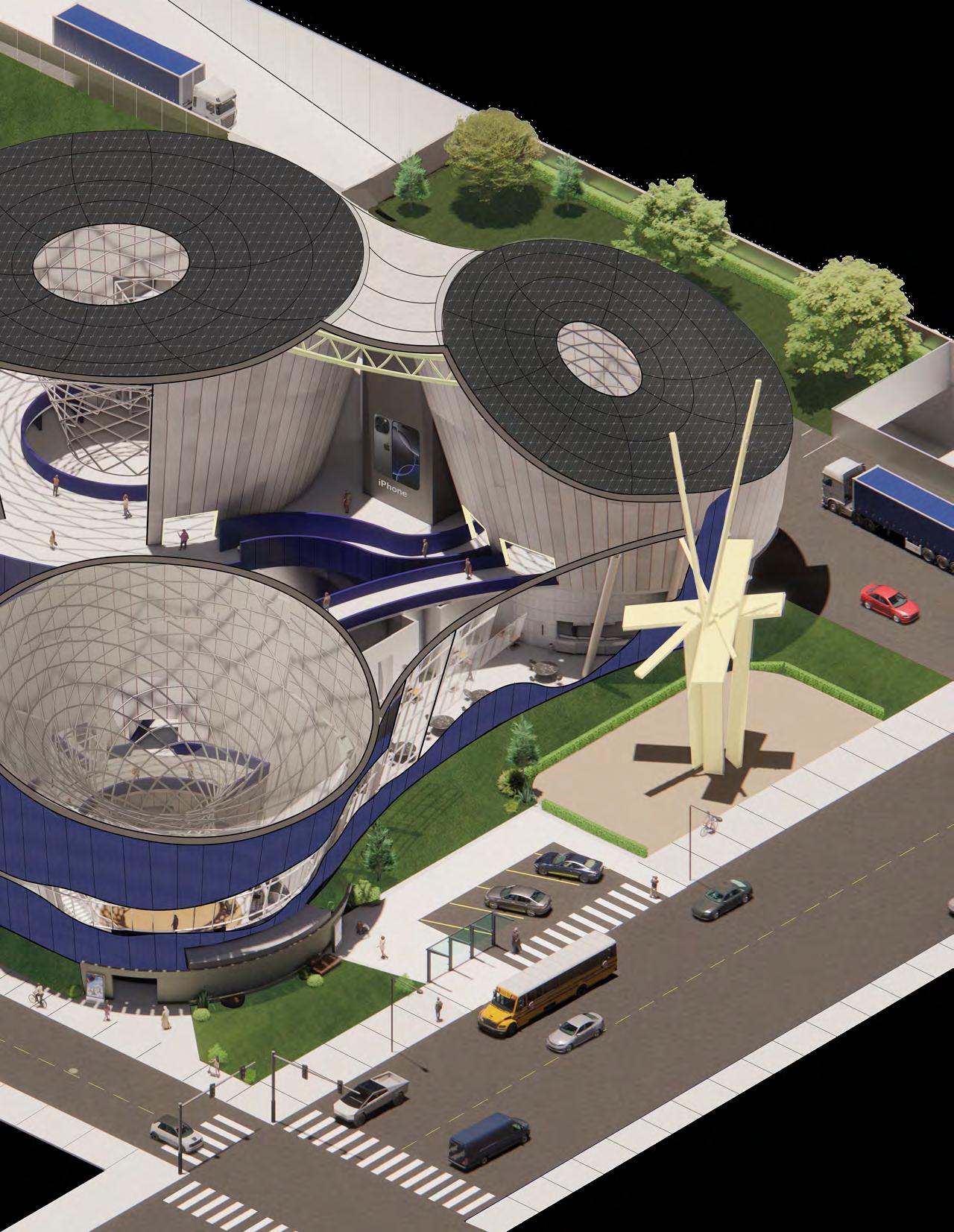
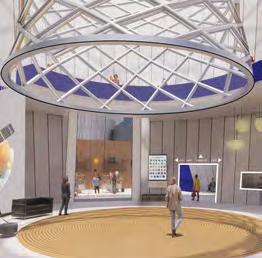
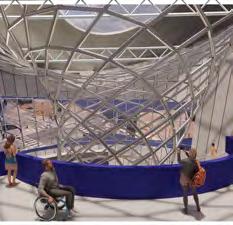
Diagrid structured light funnels
KITCHEN
San jacinto
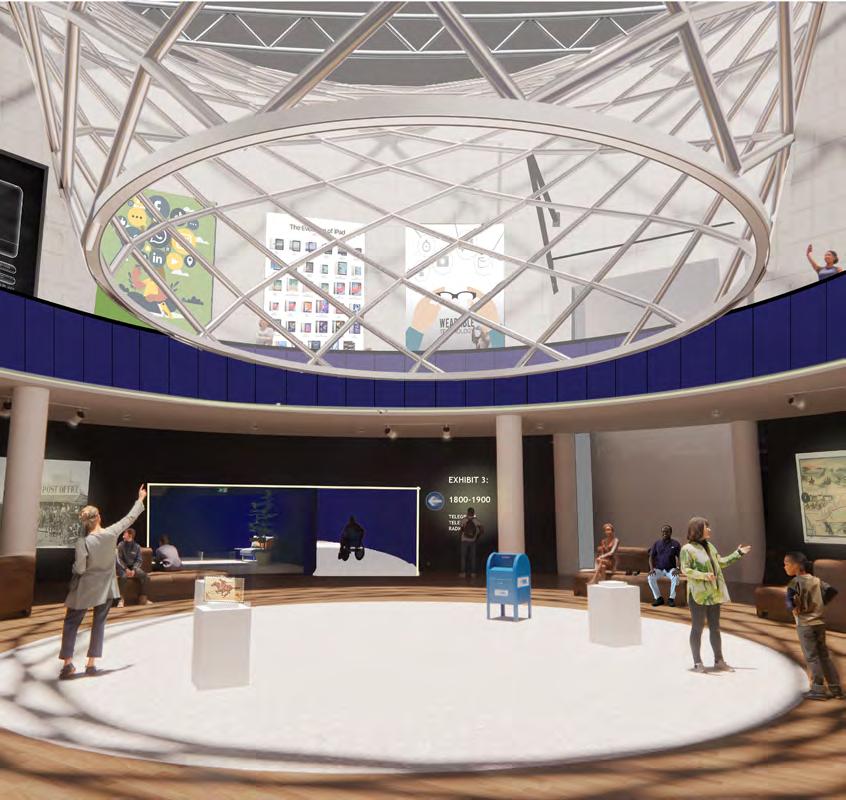
Light enters the exhibits, seen here in Exhibit 2, and is dispersed by the light funnel, casting an intricate shadow on the exhibit floor
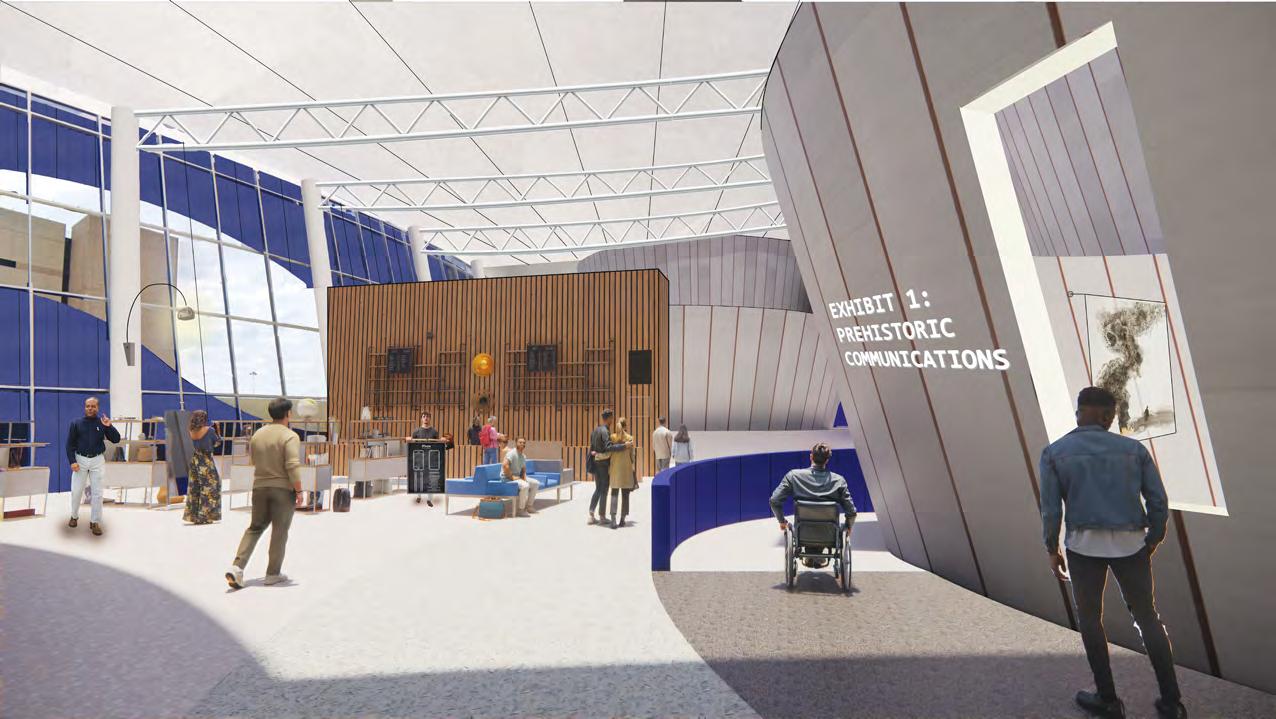
A complex system of ramps provide an accessible primary form of circulation
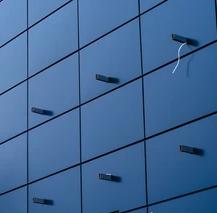
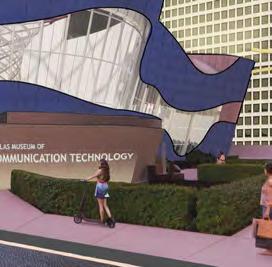
The aluminum panel facade, inspired by the sound wave, highlights views into the cultural district of Dallas
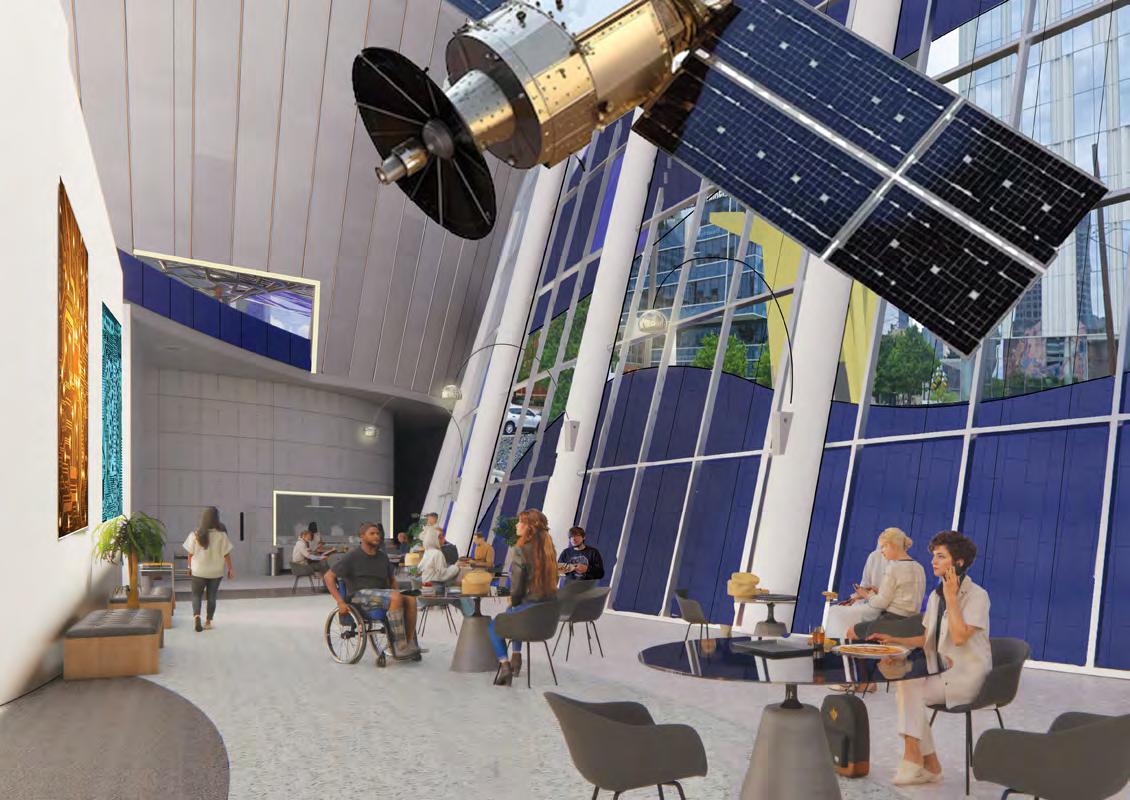
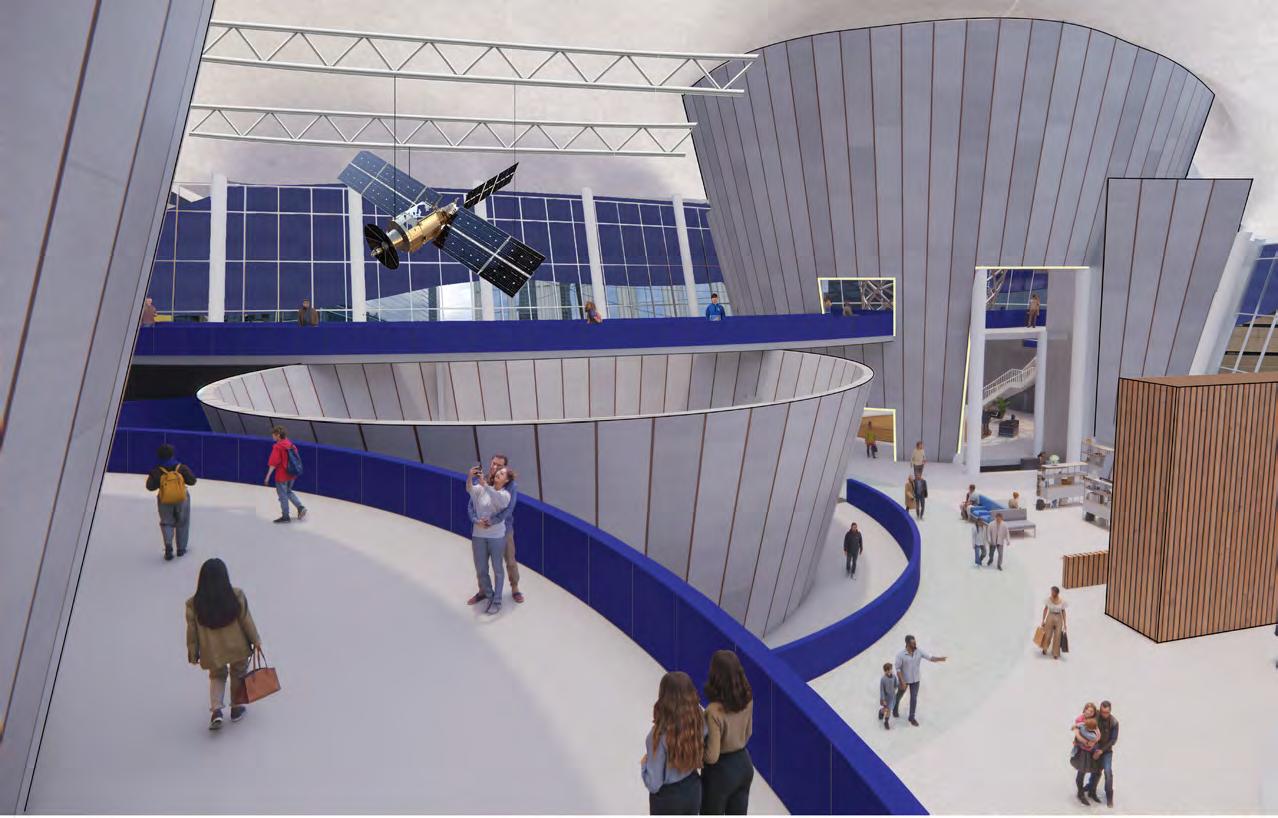
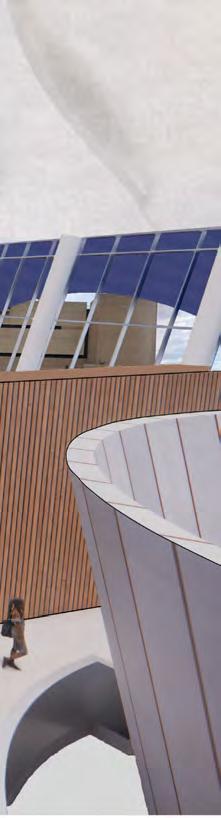
As guests continue on the path through the timeline of communications technology, there is a dynamic switch between the enclosed exhibits which each encompass a specific time period, and the vast open area between exhibits that overlooks the education space, gift shop, cafe, and even previous exhibits.
section
PacClad TM Flush Aluminum Panel
3” Exterior Rigid Insulation
Vapor and Moisture Barriers
3/4” DenseGlass TM Sheathing
6” Steel Stud
3/4” DenseGlass TM Sheathing
1/2” Gypsum Board
Drainage System
Gravel Layer
Moisture Barrier
Steel Decking
Steel Truss
3” Concrete Panel Cladding
PacClad TM Flush Aluminum Panel
3” Exterior Rigid Insulation
Vapor and Moisture Barriers
3/4” DenseGlass TM Sheathing
Hollow Steel Tube
1/2” Gypsum Board
1/2”
Drop Ceiling Tile
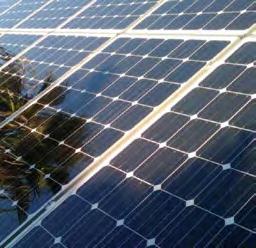
Roofit TM Solar Integrated Metal Roofing
3” Rigid Exterior Insulation
Vapor & Moisture Barriers
3/4” DenseGlass TM Sheathing
Steel Truss and Purlins System
Basement Level: -15’
Service Level: -18’
Top of Roof: 66’6”
Top of Wall: 47’6”
KC CONNECTION
FOOD HALL
Kansas City, MO
Spring 2024
Professor Jae Chang
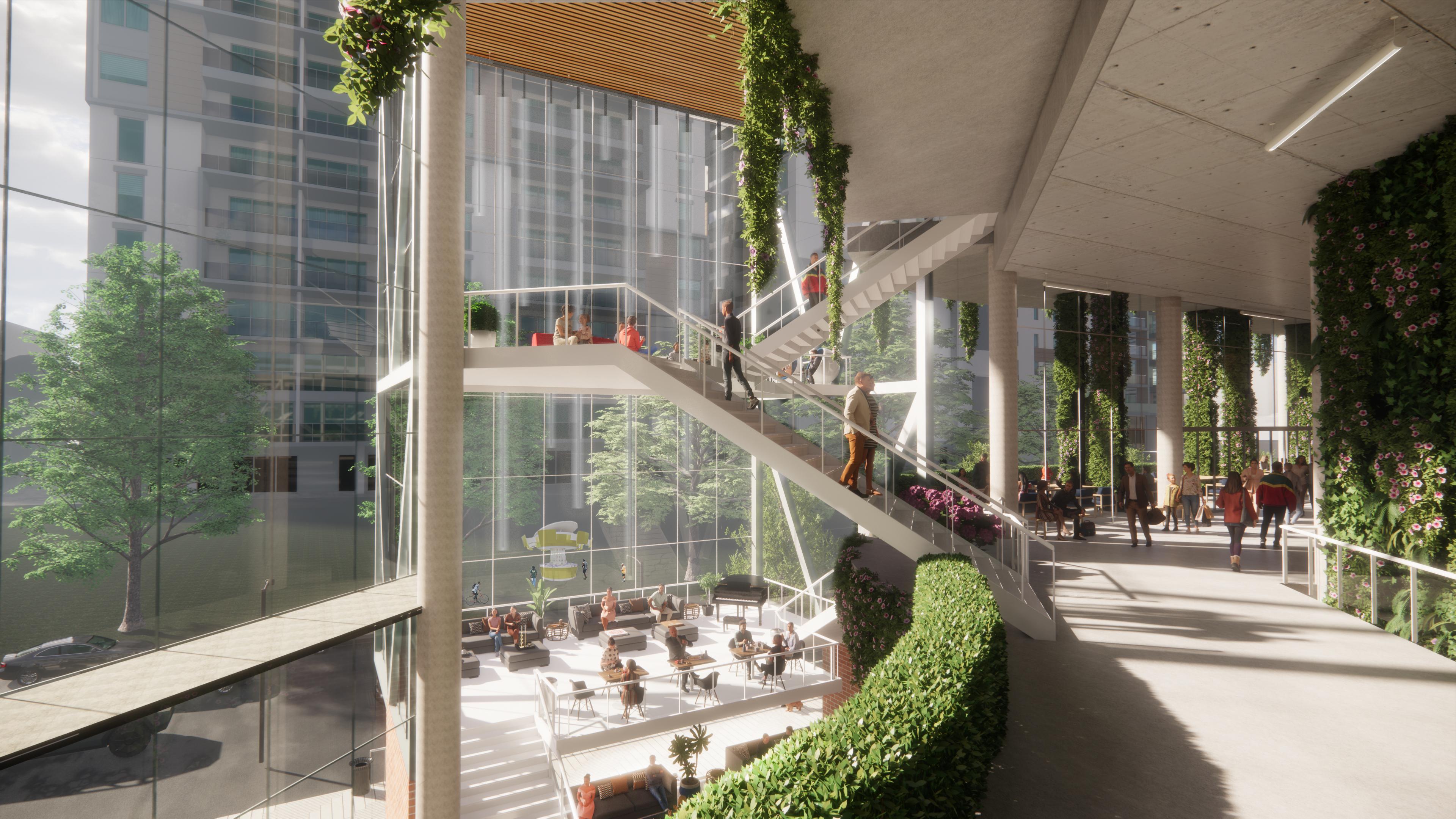
This food hall, located in the heart of the Crossroads district of Kansas City, was designed to bring people together with its monumental design and plethora of dining options. The design places a heavy emphasis on greenery and vegetation, as well as various seating options indoors or on dynamic balconies on the outside of the building. This project challenged the class to fit a multistory building into the context of a deeply urban area, which required consideration of many pieces of context such as the surrounding architecture, future plans for the area, and transit routes in a city with diminishing parking.
SOUTH LOOP PARK
T-MOBILE CENTER
SITE
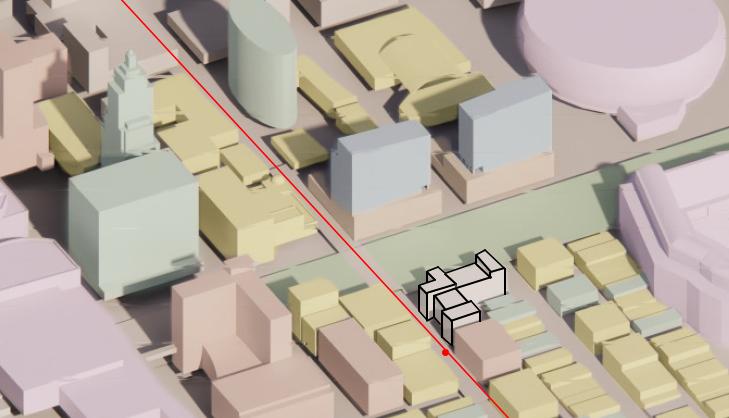
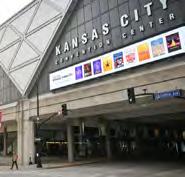
The Food Hall Site is the corner of Truman Street and Main Street in the Crossroads District of Kansas City. There are already vast amounts of retail, restaurants, offices, hotels, and entertainment spaces in this area.

FOOTPRINT

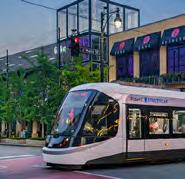
The footprint of the KC Connection Food Hall activates entrances coming from the street car line as well as pedestrian traffic from Truman Street
EXTRUSION
The entire footprint was extruded to match the height of surrounding buildings, so as to fit in with the surrounding context .
CIRCULATION
SPACES
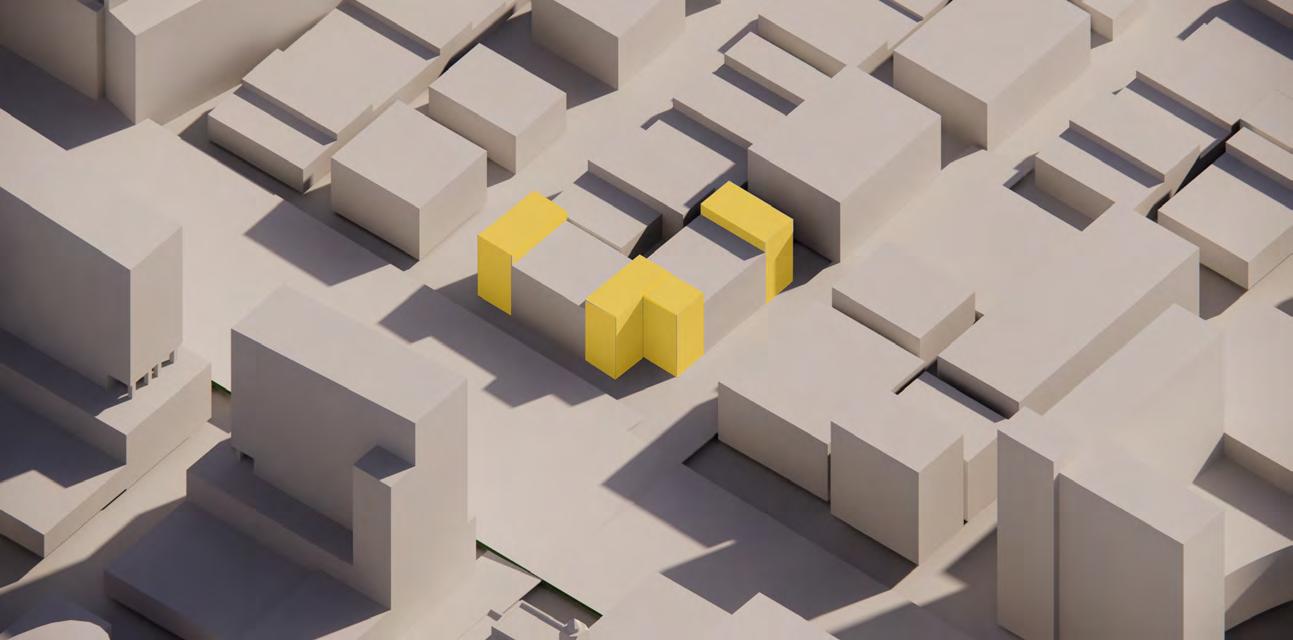


The corner and ends of the food hall serve as circulation corridors . These corridors activate the busy street corner with grand staircases.
To allow for pedestrian space, the non-circulation forms of the building were pushed in. The grand staircase modules are cantilevered over this outdoor area to provide views across the street.
BIO PHILIA :
The innate human desire to connect with nature and other life forms.

GREENSPACE
The KC Connection Food Hall acts as an architectural reflection of the South Loop Park that will be across the street. The greenery in both the park and Food Hall serve as biophilic pockets in a densely urban area.
Vegetation lines the balconies of the KC Connection Food Hall, bringing visitors back into communion with nature as they look into South Loop Park

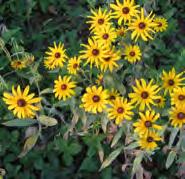
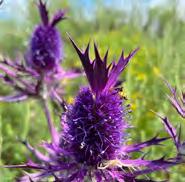
Native plants populate the balconies to look beautiful and full of life year-round .

2 & 3
1. KITCHEN
2. STORAGE
3. TRASH
1. KITCHEN
2. STORAGE
4. MECHANICAL
5. OFFICE
The glass boxes which hold the staircases float above the sidewalk and allow for transparency into the food hall from the outside and vice versa. The rigid lines and materials of the steel framing and brick walls contrast the organic forms and greenery of the balconies the same way that the historically industrial area does the new revitalization of the park.

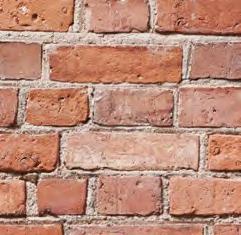
Brick reflects the industrial history of Kansas City and grounds the Food Hall
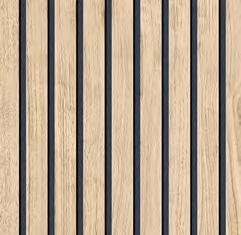
A wooden slats ceiling serves as a soft connection to the light and organic side of the hallways
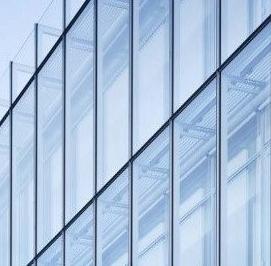
A glass curtain wall with folding doors allows for visibility onto the green balconies and park below

POP-UP
Spring 2024
Professor Jae Chang
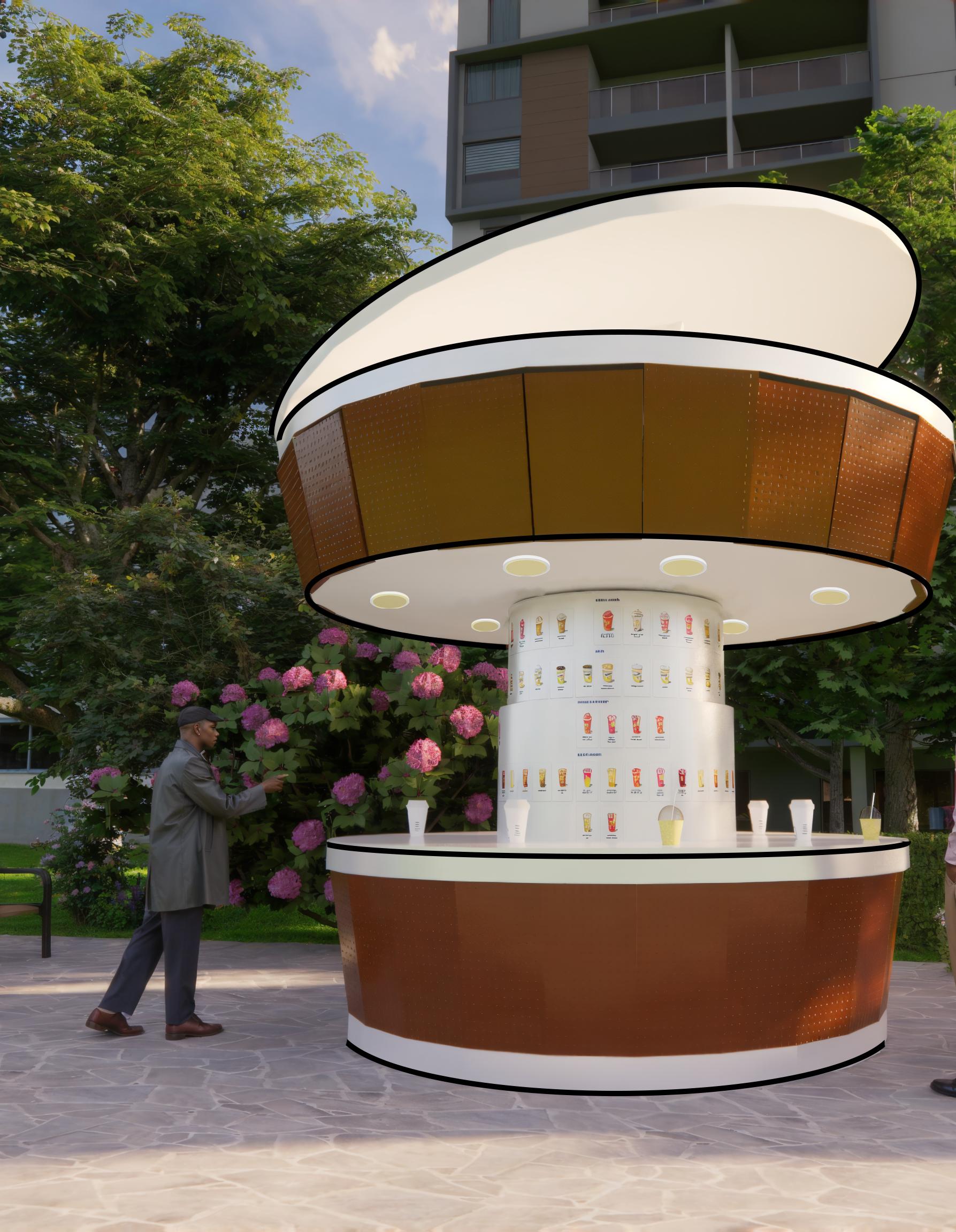
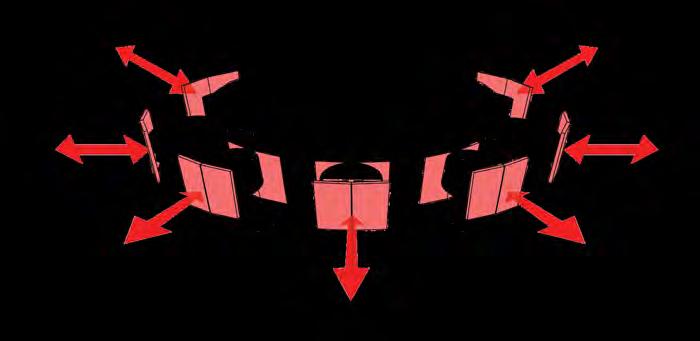
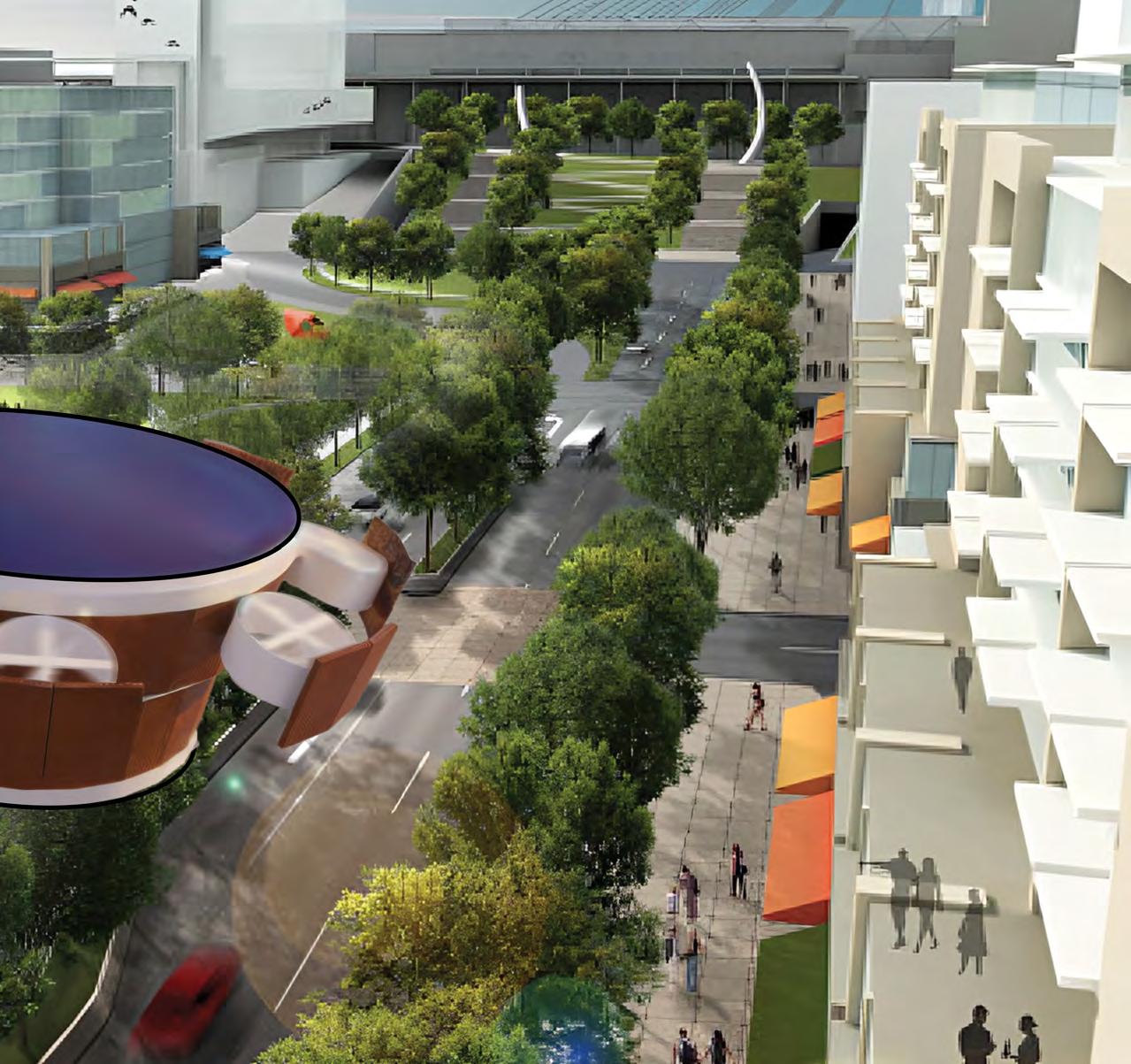
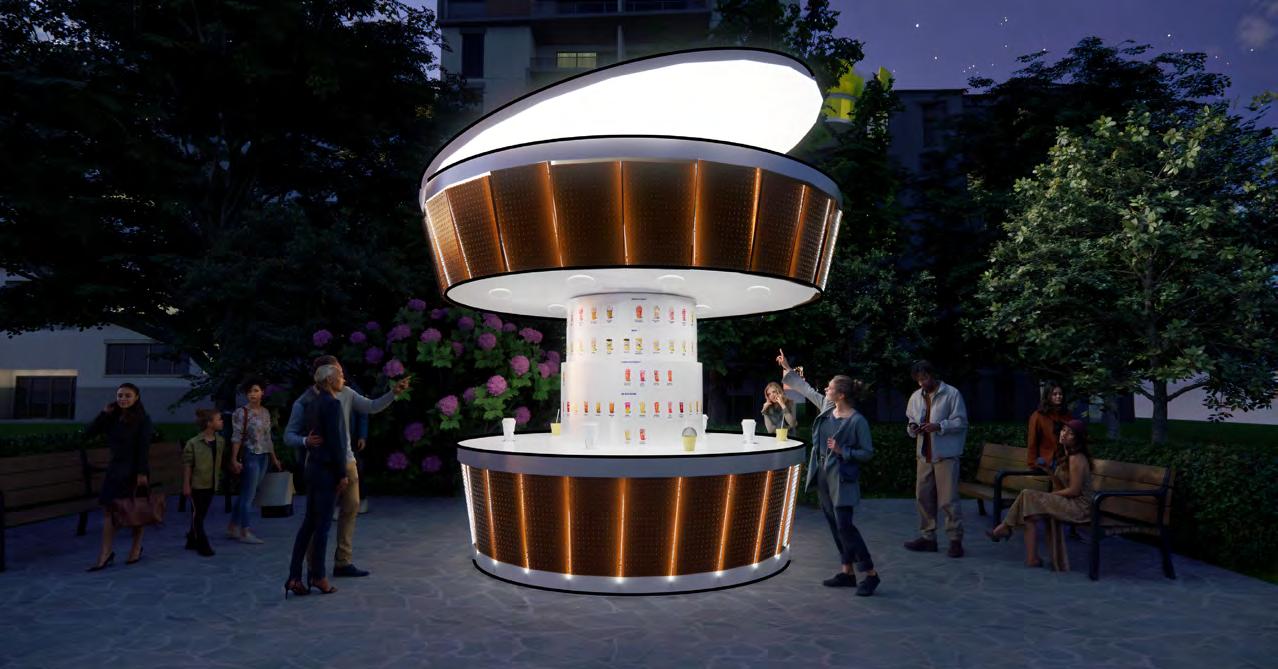
This pop-up coffee kiosk, designed for a fast-food coffee chain, is to be built twenty years in the future. Its ability to autonomously fly to a site, deploy, and serve customers allows it to be seamlessly used for any occasion. The self-adjusting solar roof and small footprint make this pop-up future-proof in sustainability, and the user-friendly experience creates a model for the future of fast food.
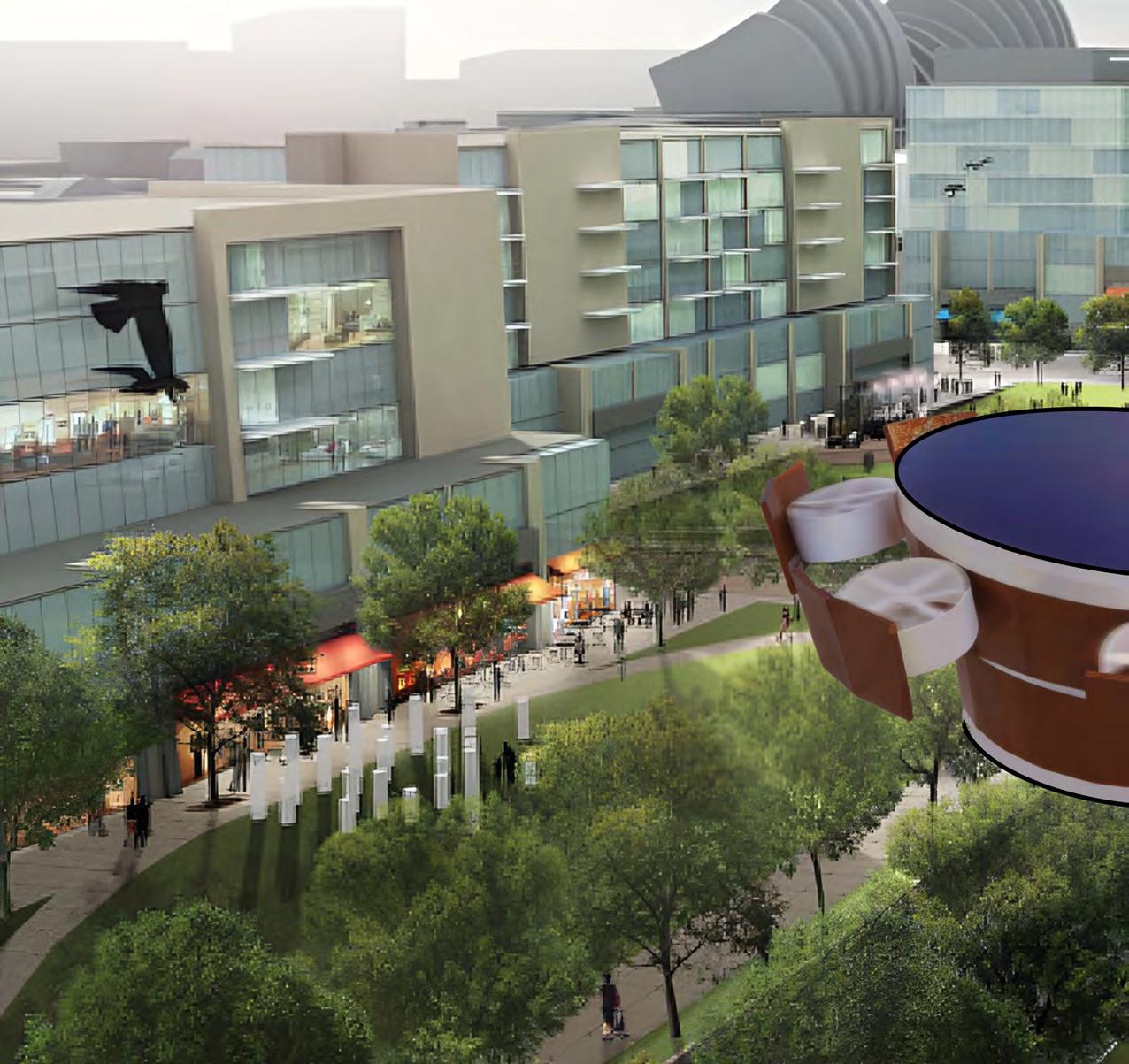
*Background render created by the KC South Loop Project*

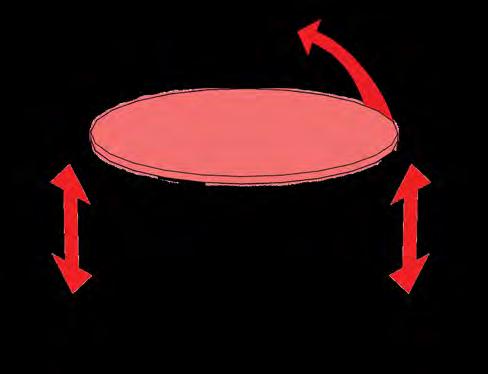
ROOF ADJUSTS TO SUN
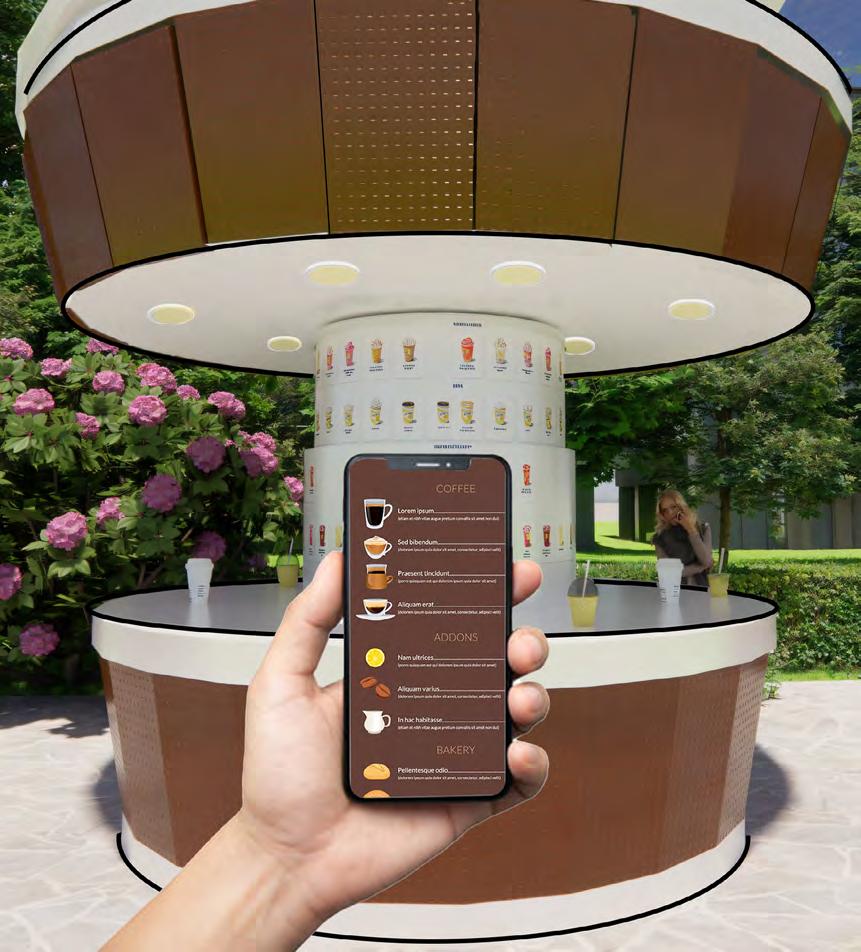
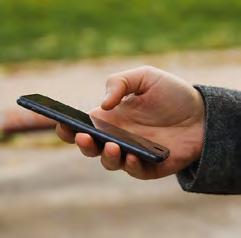
A mobile app makes ordering quick and easy for customers
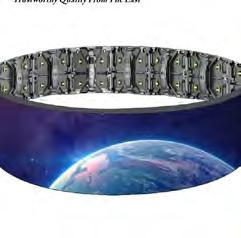
The curved LED display retracts into the kiosk when not in use
A solar paneled roof adjusts on a hinge to the angle which captures the most sunlight
Drones nest inside the top of the kiosk when not in use, and are deployed on hot days to cool off customers
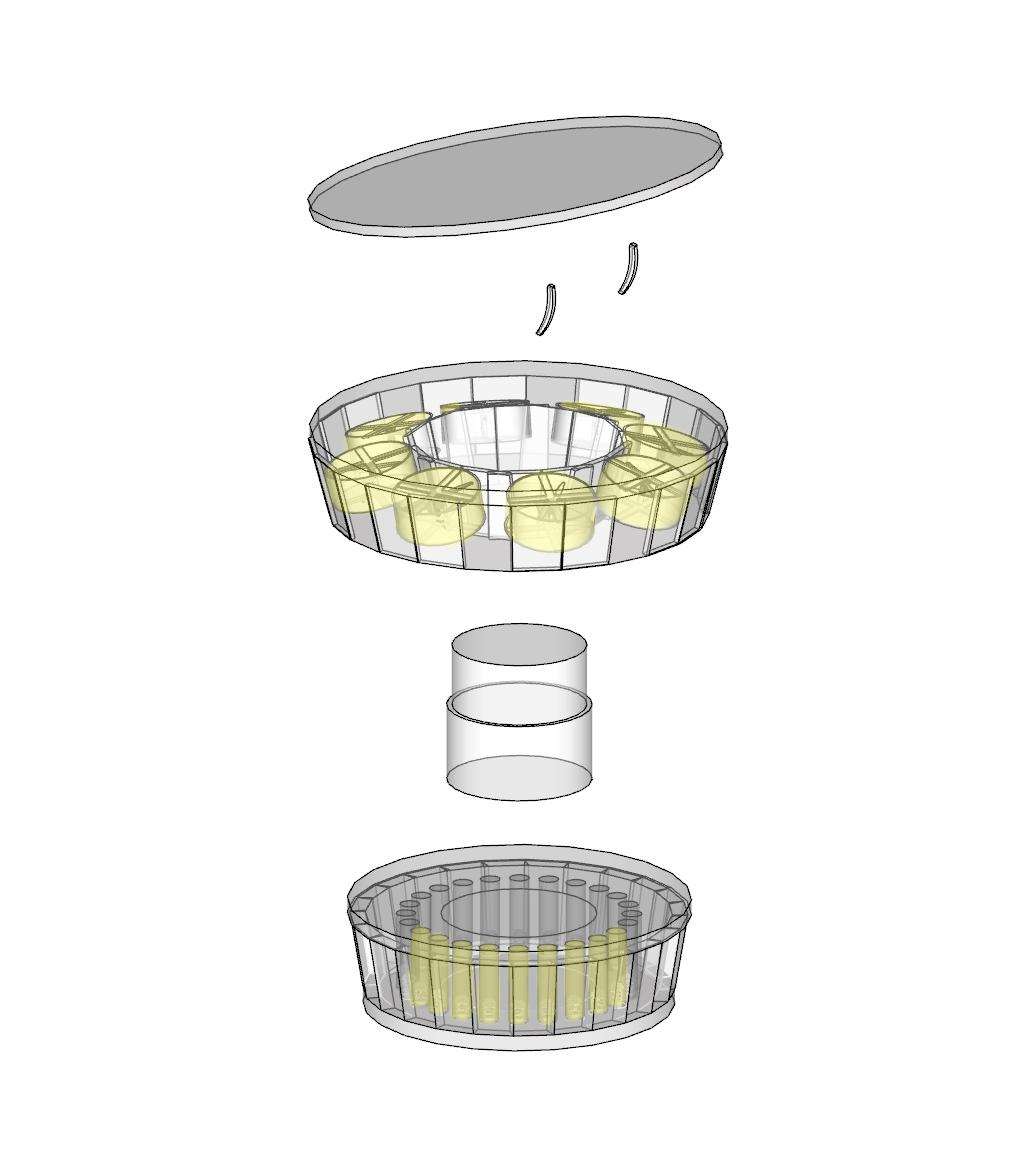
A hydraulic system expands and contracts to deploy and take down the kiosk
The bottom section of the kiosk houses the components to create the beverages, and tubes to deliver them straight up to the counter top
PIONEER CHAPEL
Lawrence, KS Fall 2023
Professor Kent Spreckelmeyer
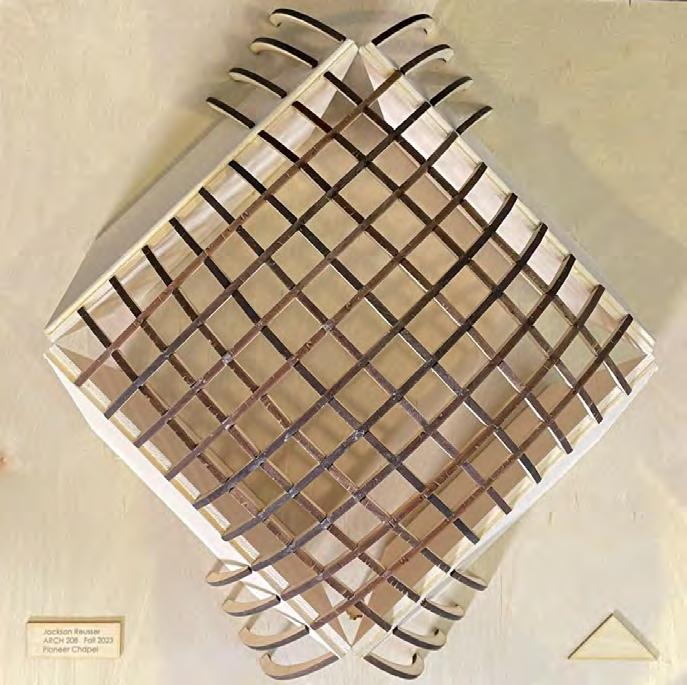
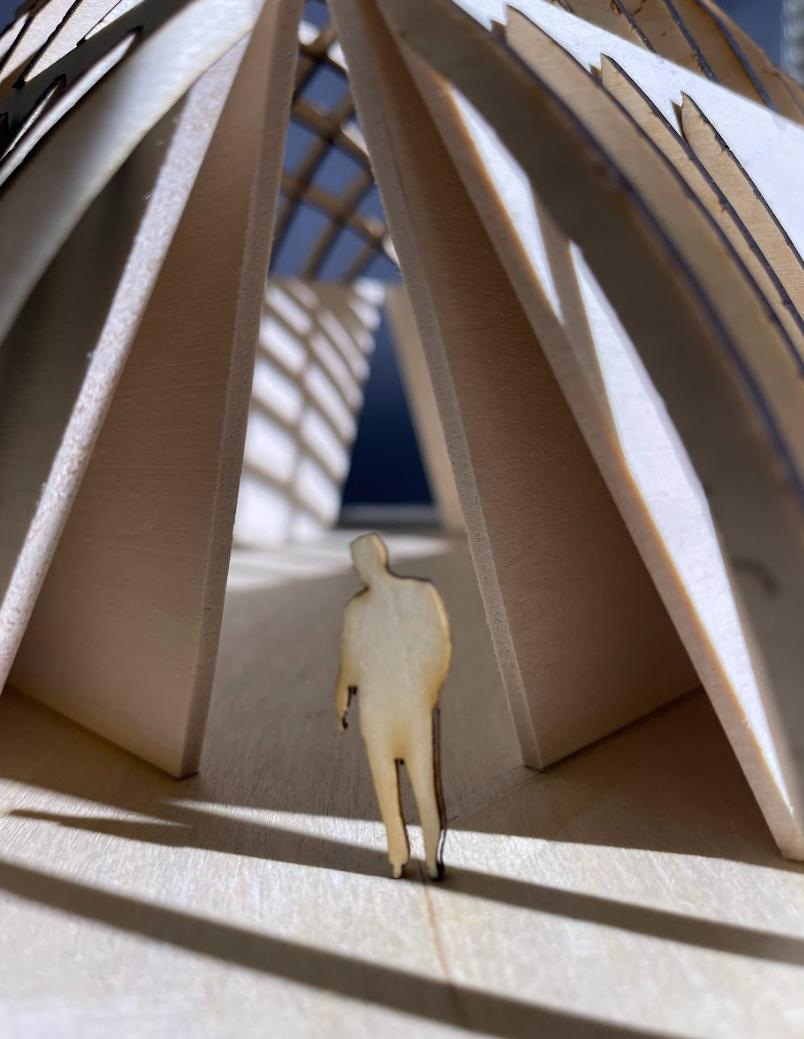
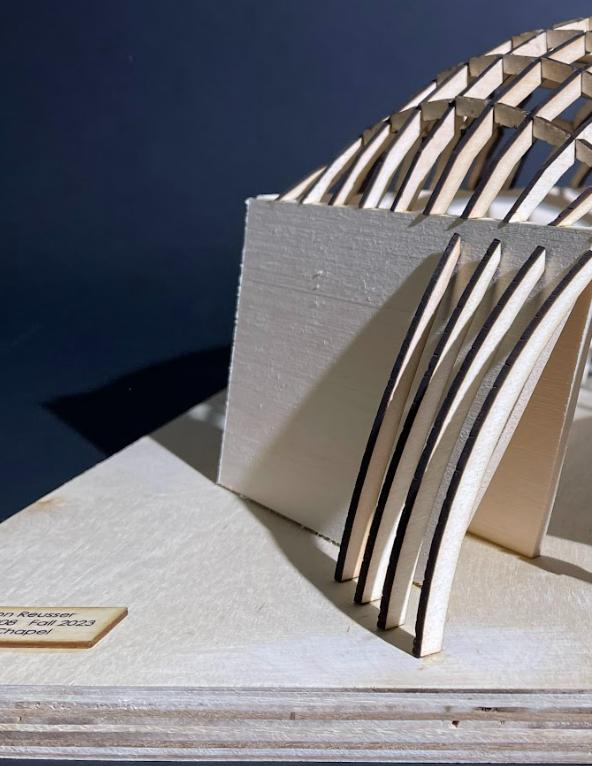
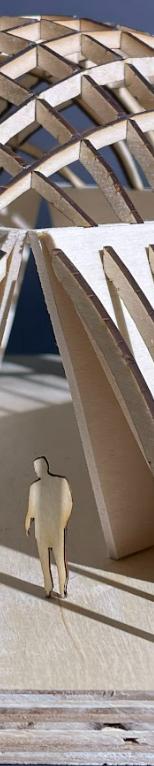
This “Place of Contemplation” is a chapel on a site near Pioneer Cemetery on West KU campus. This project focused on using mass timber, and was designed with the goal of creating an ornamental structure. This interpretation of the Place of Contemplation used the dome structured roof to create a shadow inside of the space as well as a design which draws attention upwards. Another important element was the continuation of arches coming down from the roof to the ground to give the feeling of protection to visitors.
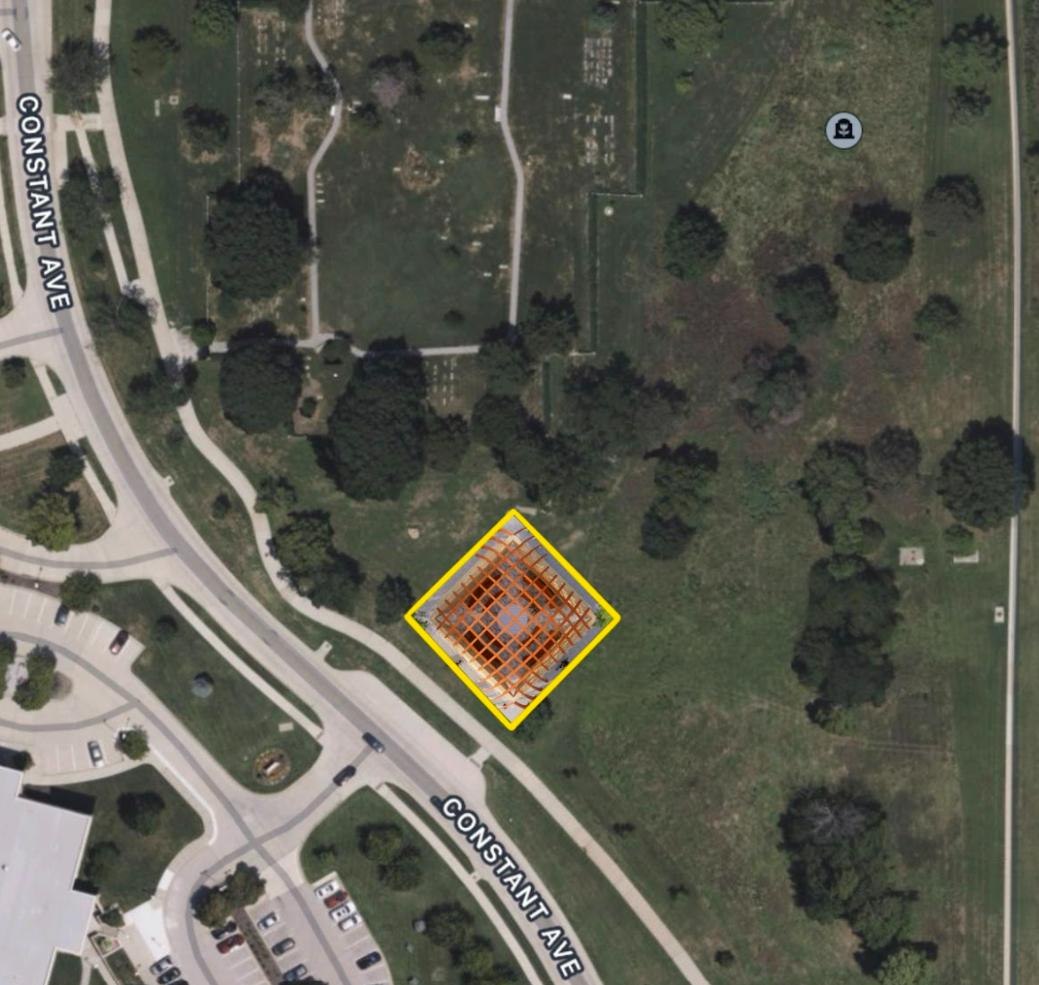
The placement of the chapel focused on its relationship to the nearby Pioneer cemetery . The chapel’s main entrance invites visitors to look through the chapel and its gridded dome roof into the cemetery.
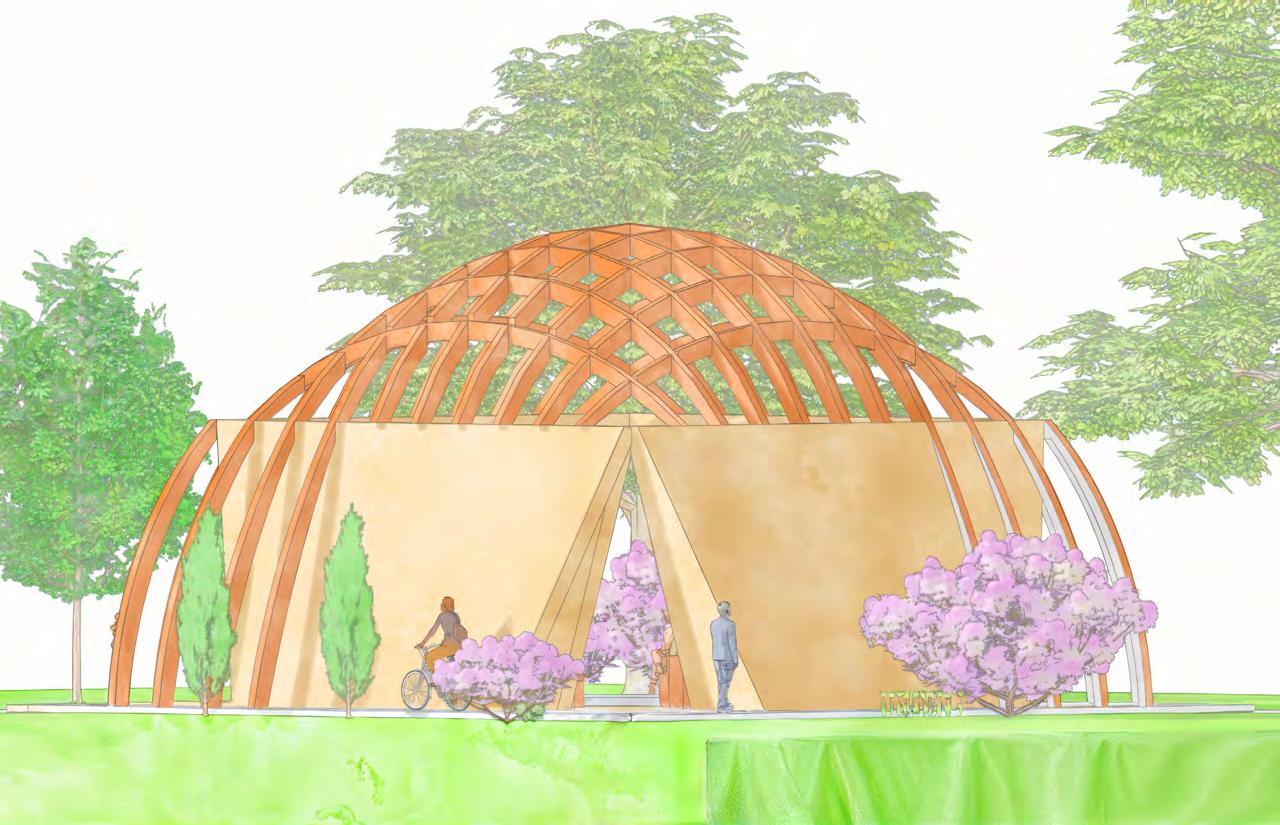
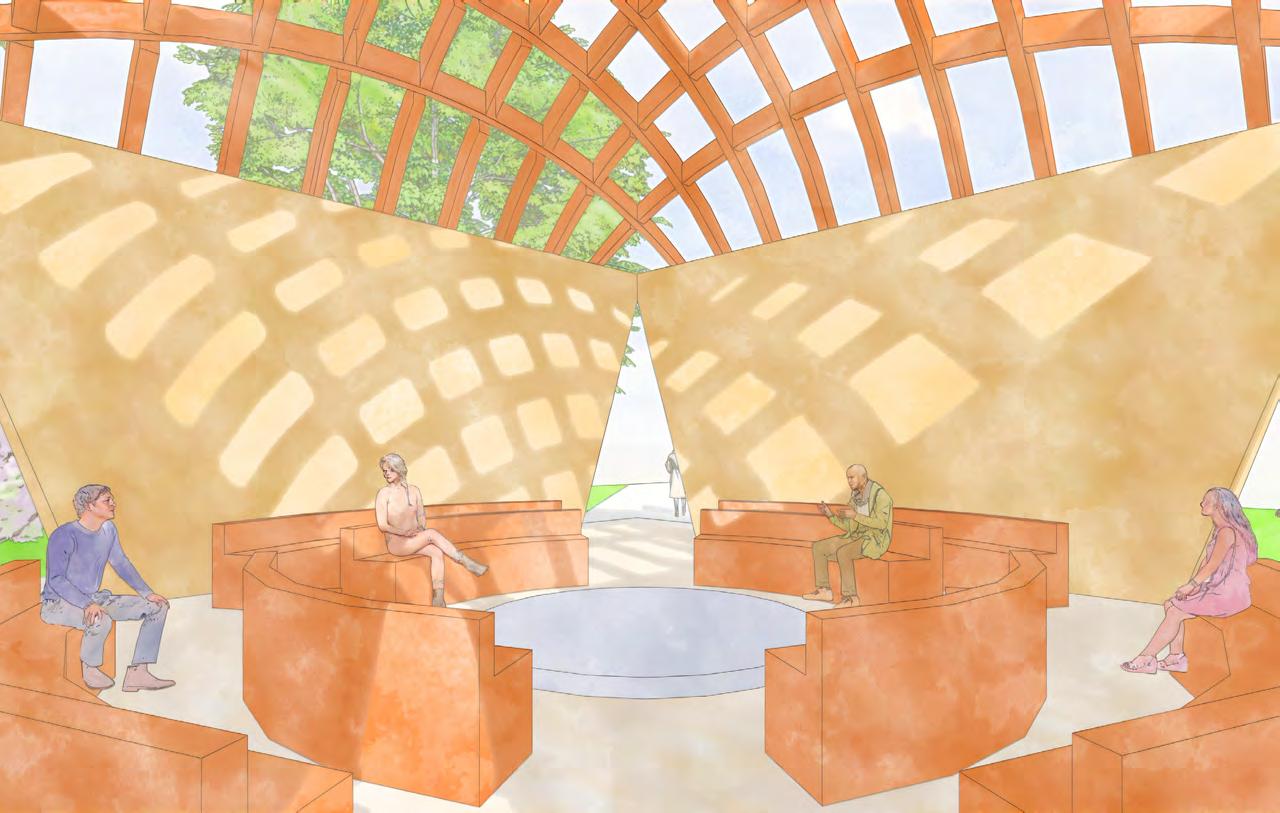
As can be seen in these watercolor-style renders, the chapel’s open plan allows for visibility straight through the roof and openings, and gives an overall sense of tranquility to visitors who enter the space. The sun makes its way through the lattice roof structure and casts an elegant shadow throughout the chapel, depending on the time of day. Openings at each corner of the structure ensure that one does not feel at all trapped inside the space, but stone walls give a sense of security .
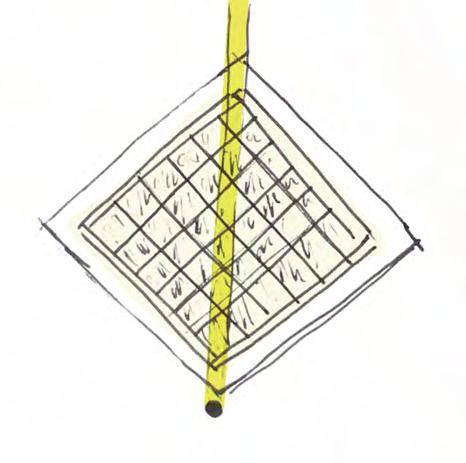
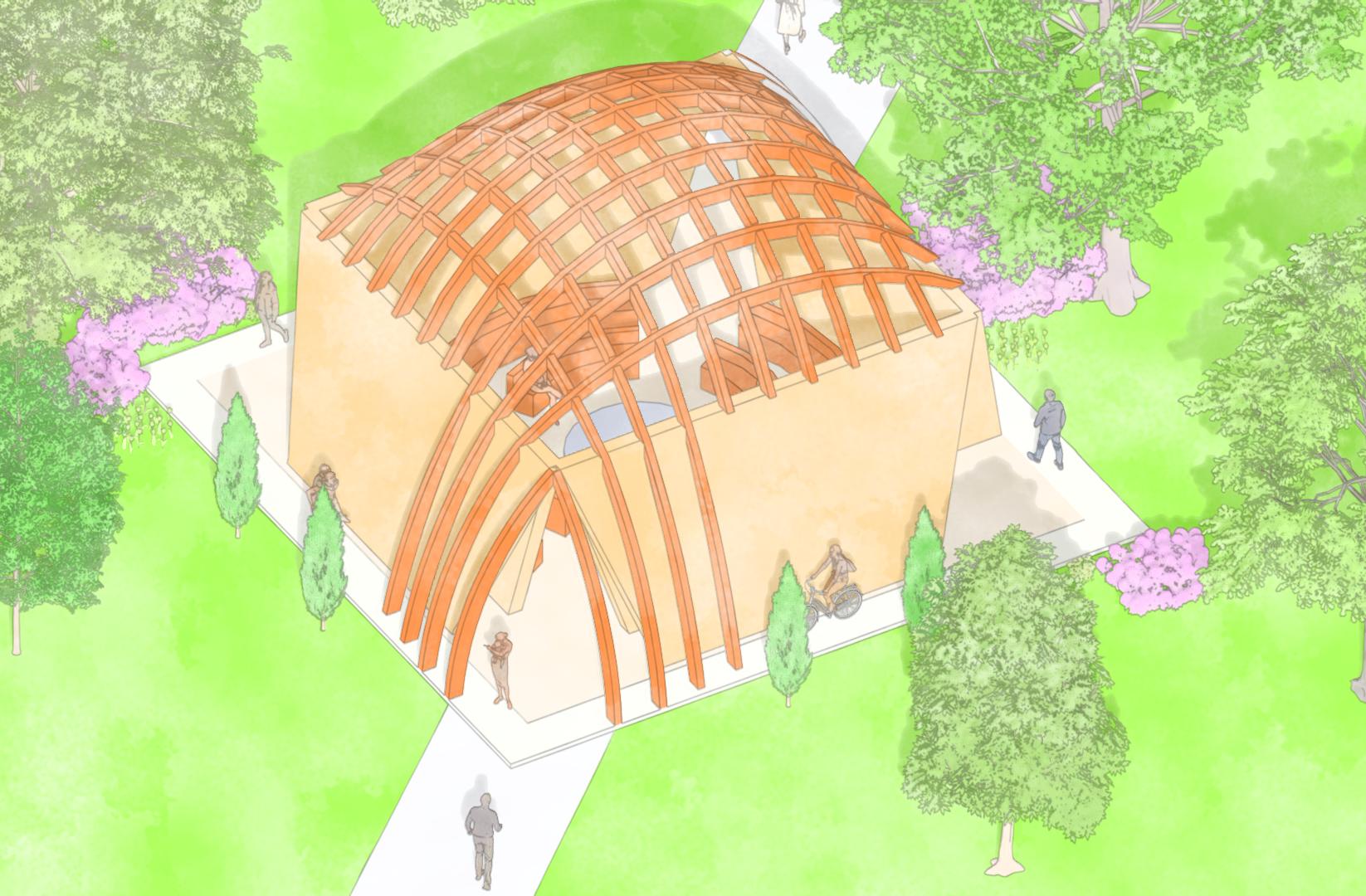
The roof of the chapel was designed to be simple and elegant . The criss-crossing wooden beams which curve to create a dome draw visitors’ attention upwards towards the sky.