
JACK ELLIOTT PORTFOLIO

My name is Jack Elliott and I am currently a fifth-year architecture student at California Polytechnic State University in San Luis Obispo, California graduating in June 2024. My experience at Cal Poly has been guided by the Learn By Doing philosophy, putting me out of my comfort zone and giving me a hands-on approach to my education. I have an interest in sports architecture and I am seeking to guide my career down that path.
Outside of work, I enjoy getting active. I have played soccer my whole life and that has been a gateway to many activities like running, hiking, and lifting weights. I am originally from Austin, Texas and that has instilled a love for food as well. On my days off I like to expirement with recipes and cook meals with friends. I am also not afraid to try new things as my roommates have taken me to the beach and began teaching me how to surf.
Moving forward, I hope to continue to learn as much as I can through diverse experiences and meeting new people. As I develop my individual and collaborative skills, I hope to also find my own architectural identity.
TABLE OF CONTENTS
JACK ELLIOTT PORTFOLIO PAGE 01
ASCENT 01
Museum and space launch viewing platform in Lompoc, CA.
02
GREEN UTOPIA
Adaptive reuse project in San Donnino, Italy. Created as a collaborative effort.
ONGOING WORK
03
HOPE VALLEY
Senior thesis project.
04
FABRICATION
Fabricated work from various studios and design competitions.
JACK ELLIOTT PORTFOLIO PAGE 02
ASCENT
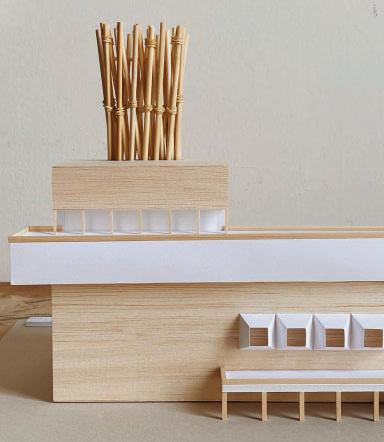
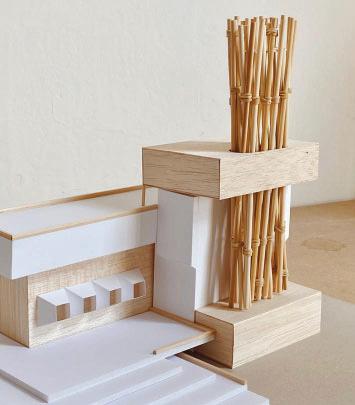
Located within Ken Adam Park in Lompoc, California, Ascent is a space musuem and viewing area for the nearby SpaceX launch platforms. Designed to give inhabitants the feeling of launch, the building harnesses the upward momentum from the existing path and extends toward the sky. The form of the project is oriented to both the walkway and the launch platforms while the interior tapers to give the viewing area a telescope effect.
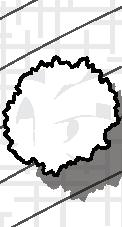
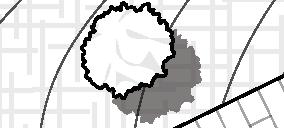
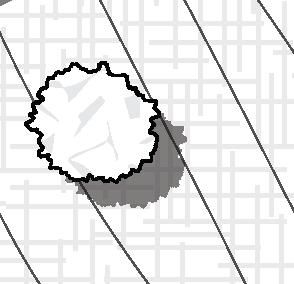
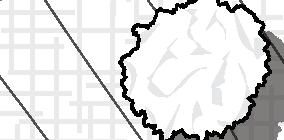
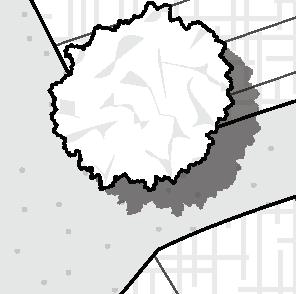
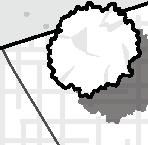
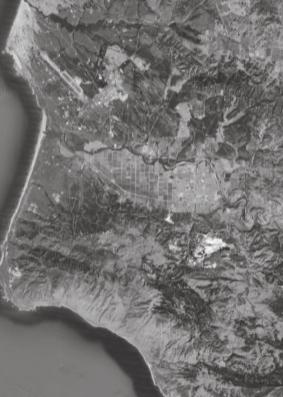
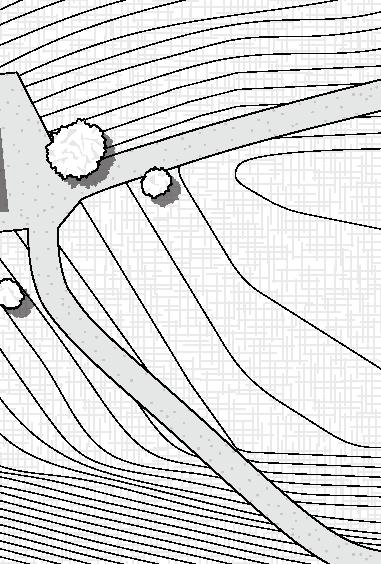
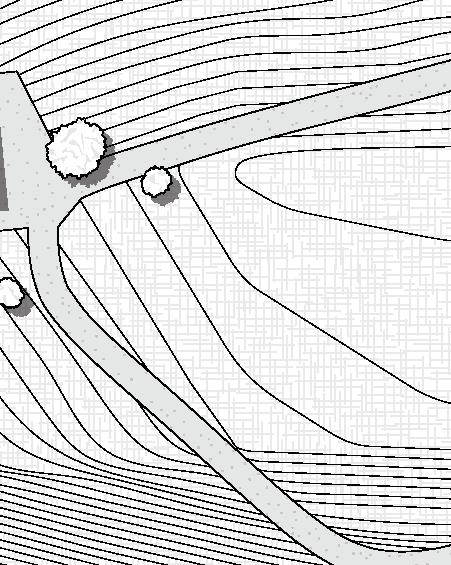
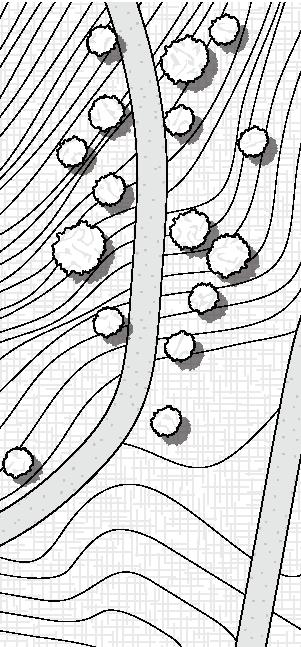
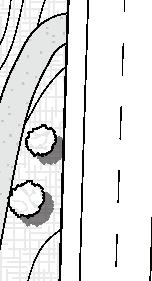
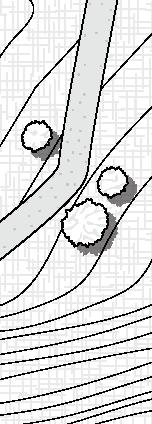
Site: This project is located in Ken Adam Park found along the highway just north of Lompoc, CA. The park has a single walking path that makes its way throughout the site. Beginning at street level it brings users down into a ravine and back up again. When at the bottom of the ravine, all sounds are muted and the wind dies down. Upon coming out of the ravine, the wind picks back up and the noise from the highway returns. About 10 miles southeast of of the site are the SpaceX launch complexes. At the highest point of the site, there are no trees or bushes to obstruct views of the launches.


JACK ELLIOTT PORTFOLIO PAGE 04
1 1 1 246 135 Launch Complex 3 Launch Complex 4 Launch Complex 6 Launch Complex 8 Lompoc, CA Pacific Ocean




JACK ELLIOTT PORTFOLIO PAGE 05


JACK ELLIOTT PORTFOLIO PAGE 06
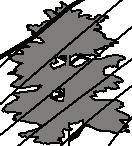
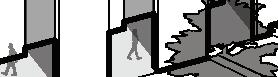
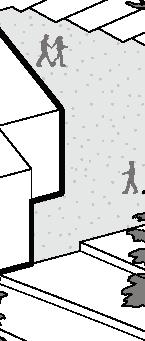
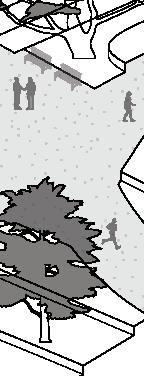
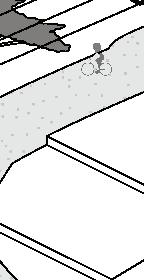
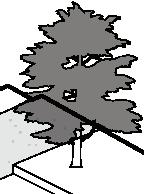
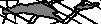
Form Diagrams
PAGE 07 JACK ELLIOTT PORTFOLIO 123
456
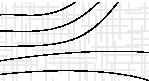
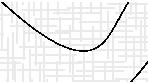

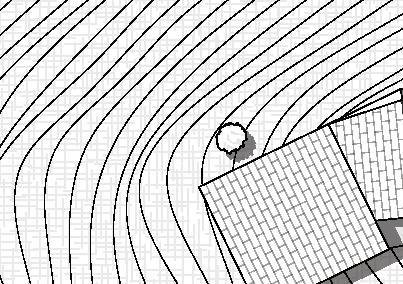
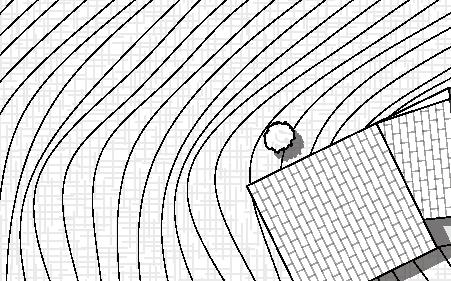
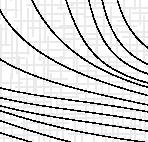
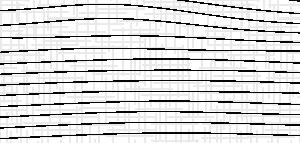

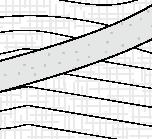
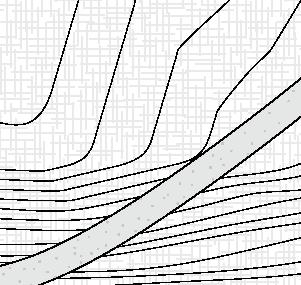
Form and Orientation: Following the existing path, visitors will make their way out of the ravine and up to the highest point of the site. To ease access and continue that upward momentum, the entry and museum section of Ascent lies along that path. In the further section, the form of the building shifts toward the SpaceX launch platforms. This viewing area is characterized by the floating verticle mass and the glass box it sits above. By rising as it does, Ascent gives inhabitants the feeling of launch while supplying them with ideal views of rocket launches. The glass box also cantilevers above the natural downward sloping topography to create a feeling of weightlessness.



JACK ELLIOTT PORTFOLIO PAGE 08
F2
0’ 40’ 80’ 160’
F1
GREEN UTOPIA
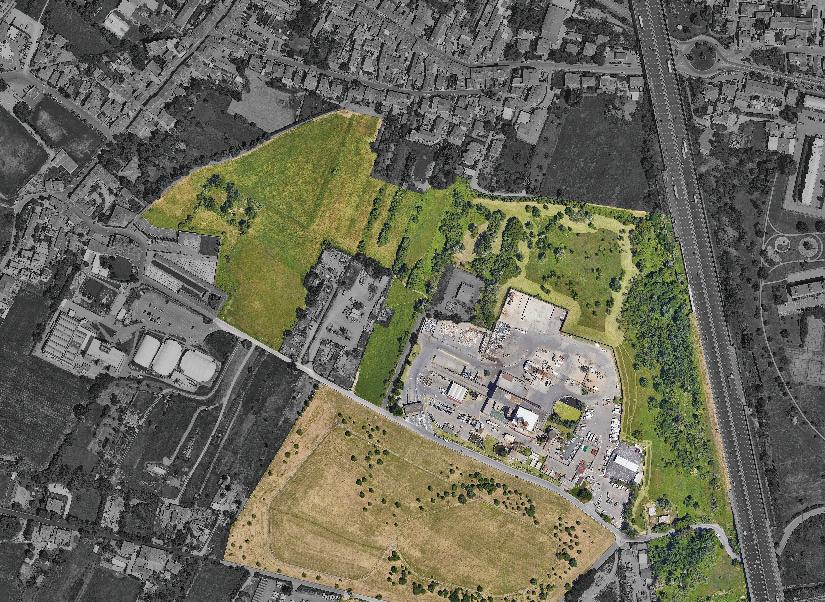
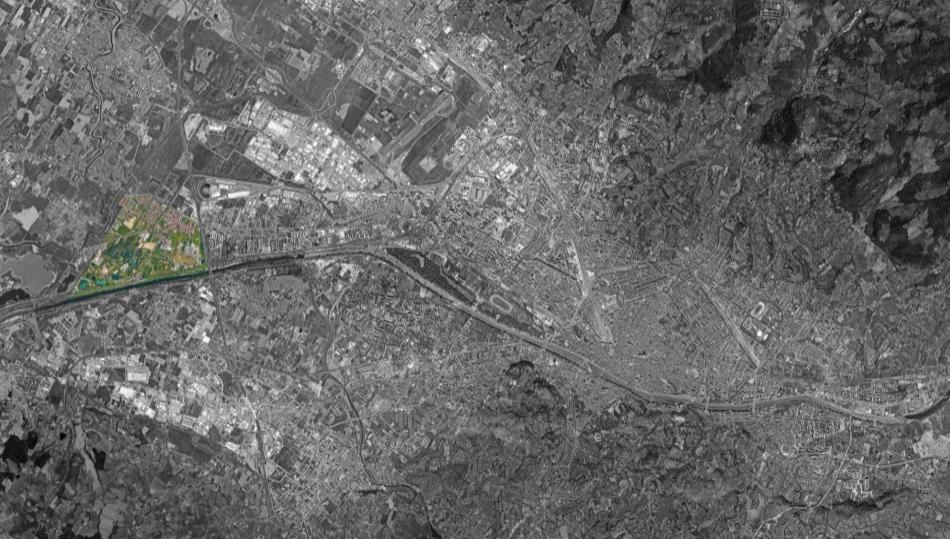
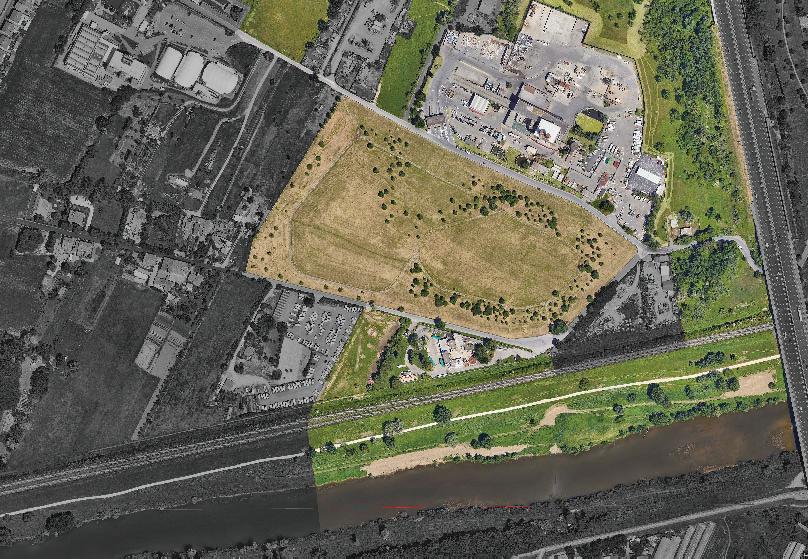
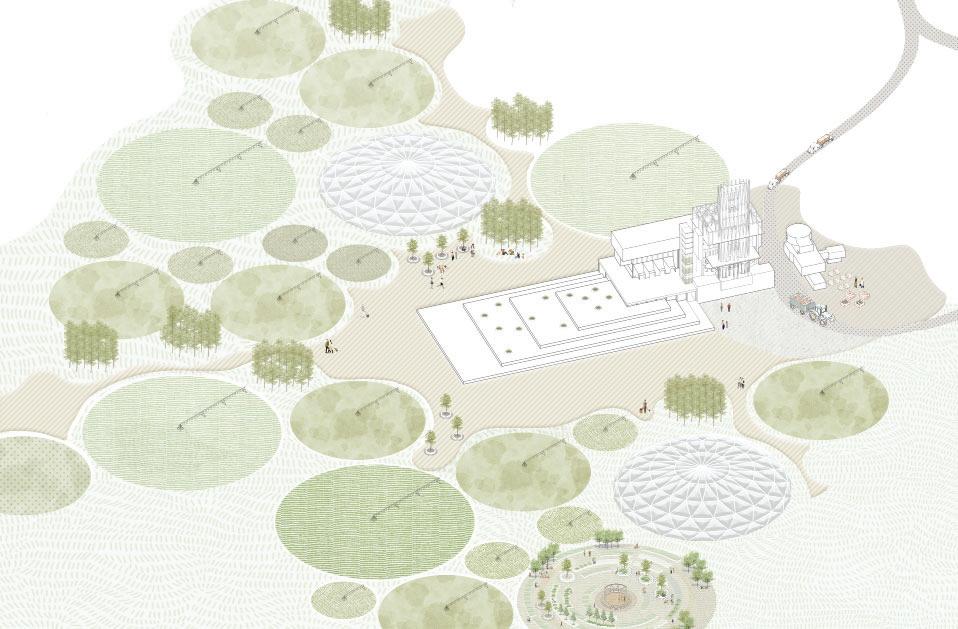
Just outside the city of Florence, Italy is the town of San Donnino. Once a historical monument, the incinerator located there was shut down due to pollution and energy consumption. Now all that remains is a reminder of how much waste accumulates around the globe everyday.
To respond to increasing food scarcity in our ever-growing global population, Green Utopia brings architecture and agriculture together in a place that was once a hotspot for waste and pollution.
Created in collaboration with Emma van Zuthem and Hannah Scoggins.
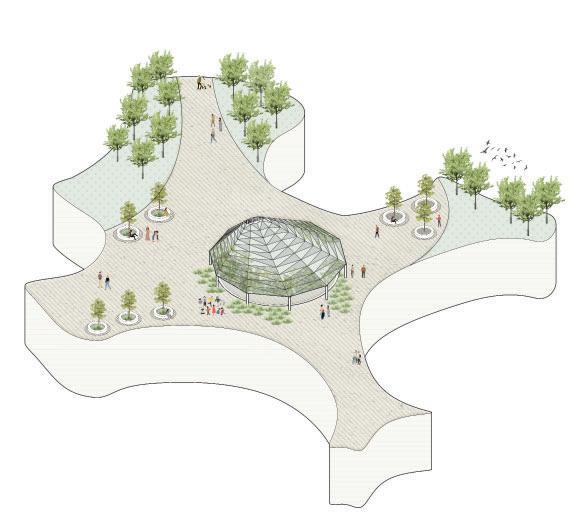
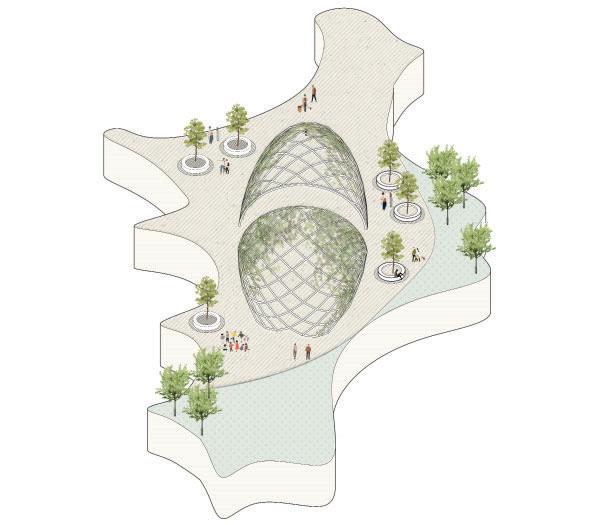
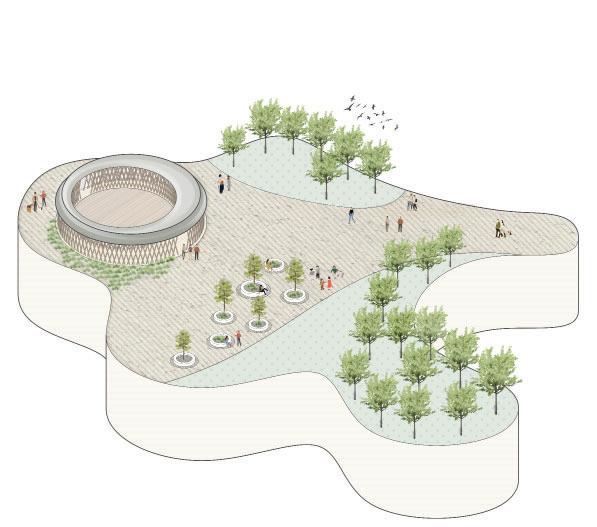
Nodes: In order scale the site down for human enjoyment, we have employed three nodes at each of the site entrances. To the north is the visitor center, linked to public transit traveling from Florence. On the west side is the market place which connects Green Utopia to the existing San Donnino communtity. The third
and final node is the culinary school found at the southern border of the site. Each of these nodes are the first stop for visitors. They break the site down into zones that can make the approach to the monumental

incinerator more gradual. Each of the nodes is defined by openair timber pavilions to engage the beauty of the site and maintain the flow of circulation.
JACK ELLIOTT PORTFOLIO PAGE 10
San Donnino
Visitor CenterMarket PlaceCulinary School
Florence
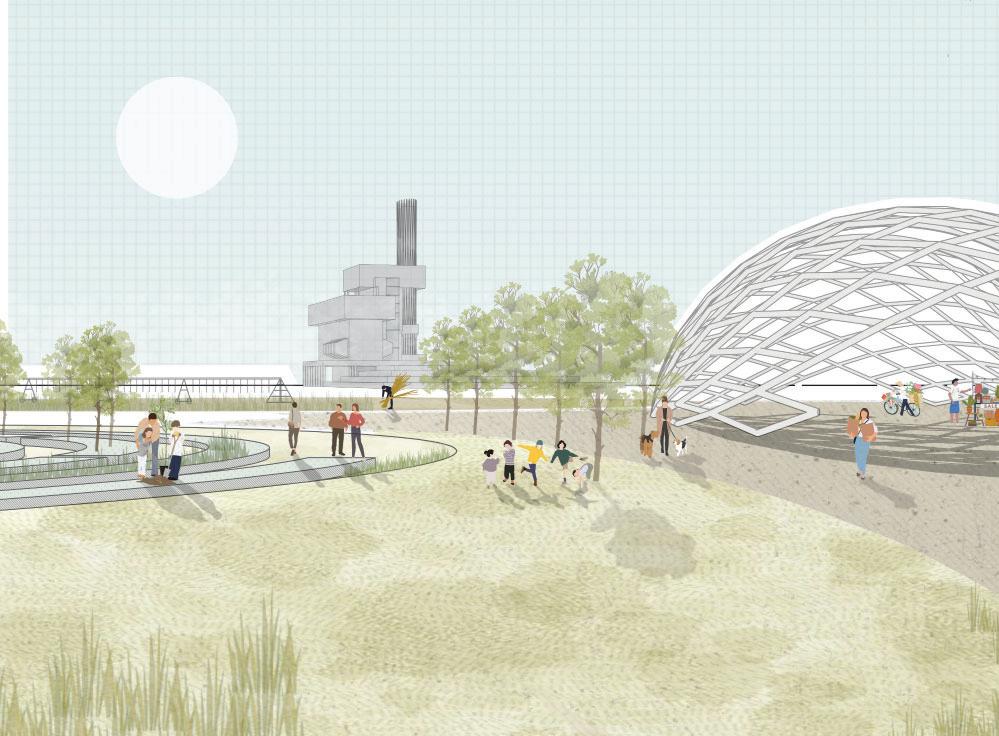
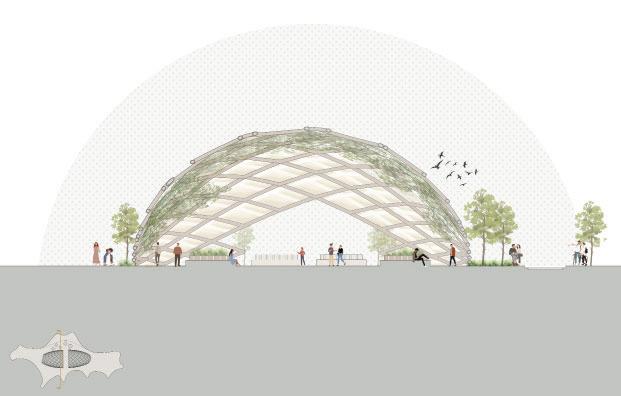
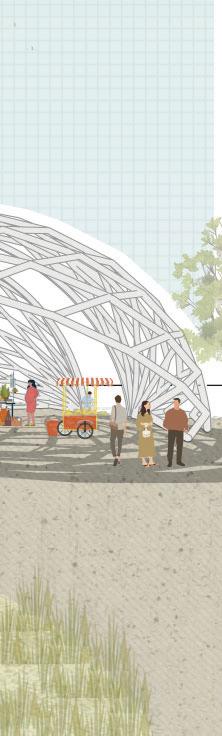
Market Place: One of the three nodes in Green Utopia, the market place is found on the western entrance to the site. Bordering the San Donnino community, this pavilion supports local vendors to buy and sell goods while also easing the scale of the site as they approach the monumental incinerator.
PAGE 11 JACK ELLIOTT PORTFOLIO
PAGE 12 JACK ELLIOTT PORTFOLIO

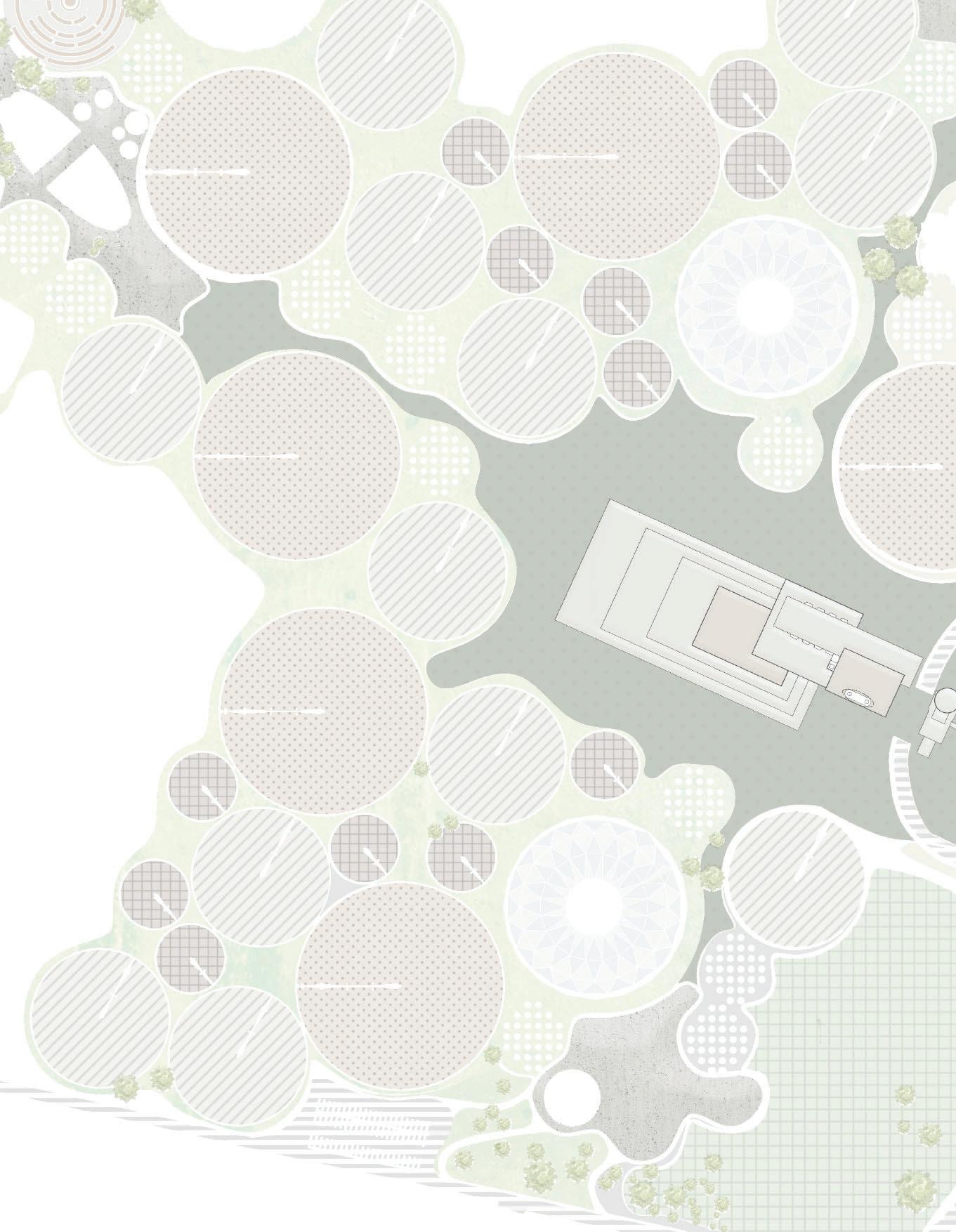
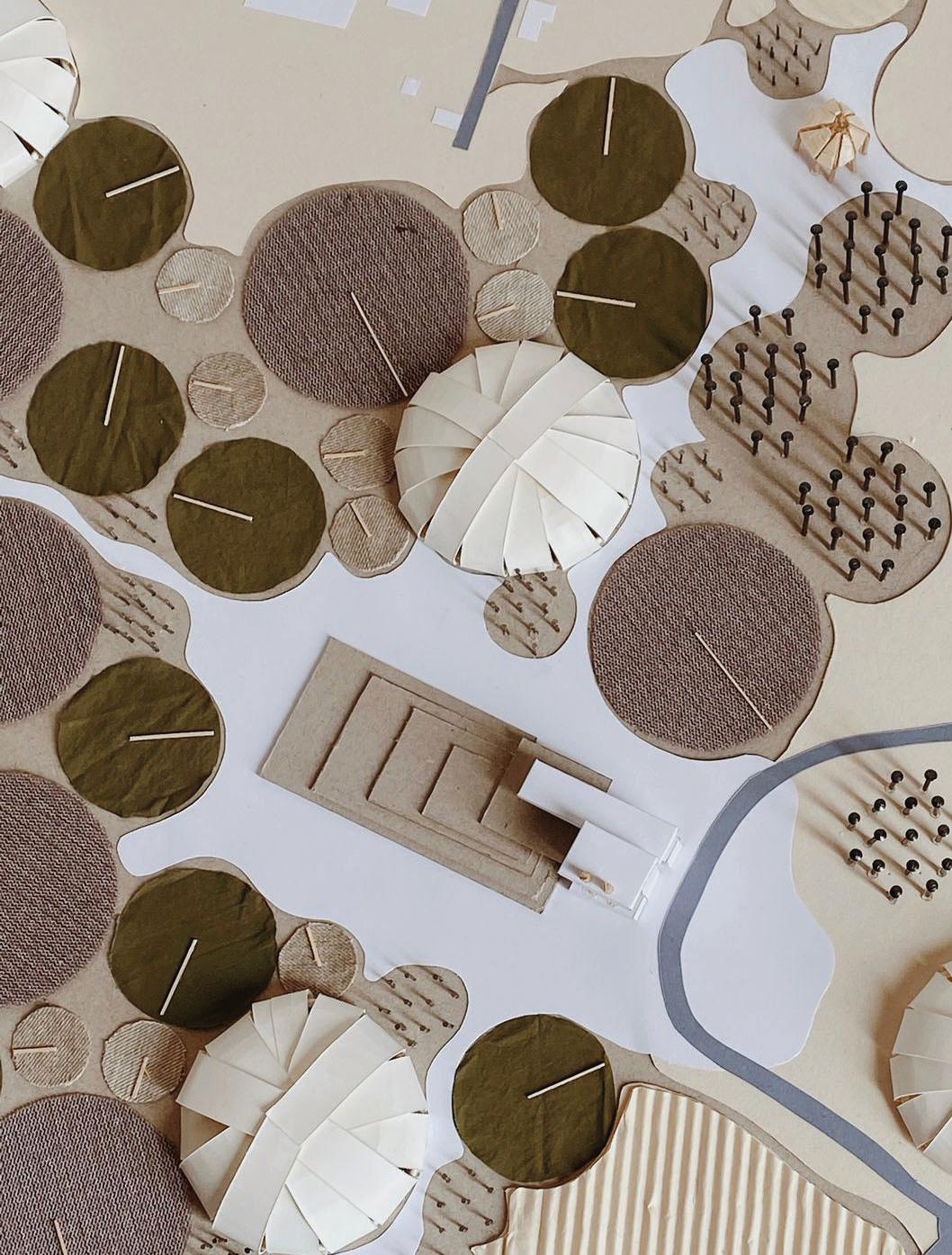
Circular Forms: The circular areas on our site are the agricultural plots and their shape is derived from center-pivot irrigation. This form of irrigation is known for being one of the most efficient agricultural watering techniques. Green Utopia utilizes this to conserve water and reduce soil tilling which in turn encourages decomposition and minimizes soil compaction.
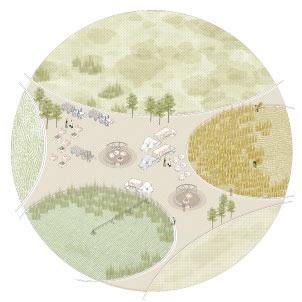
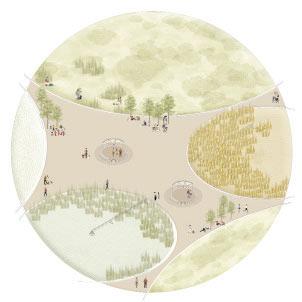
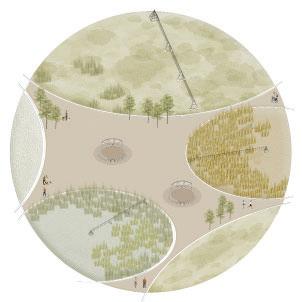
PAGE 13 JACK ELLIOTT PORTFOLIO MorningAfternoonEvening
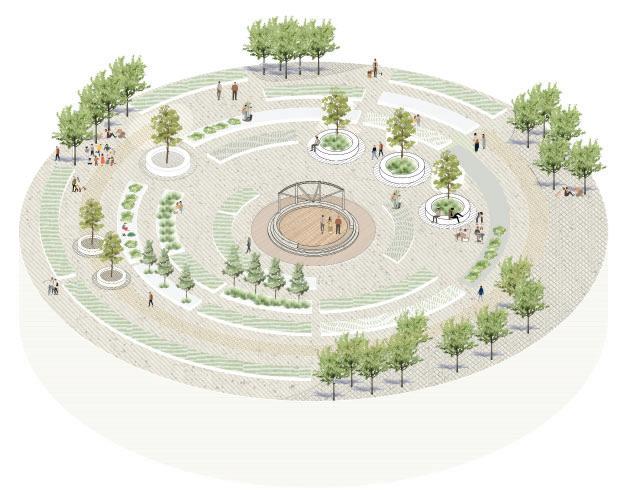
In-Between Spaces: Created as a by-product of the circular agricultural plots, these “dead” areas are uniquely formed by the negative spaces. Green Utopia takes advantage of these areas by giving them back to the public as gathering spaces and circulation. These in-between spaces also mitigate the boundary between private, agricultural land and the public realm.
PAGE 14 JACK ELLIOTT PORTFOLIO

HOPE VALLEY

This section includes work samples from my ongoing senior thesis project.
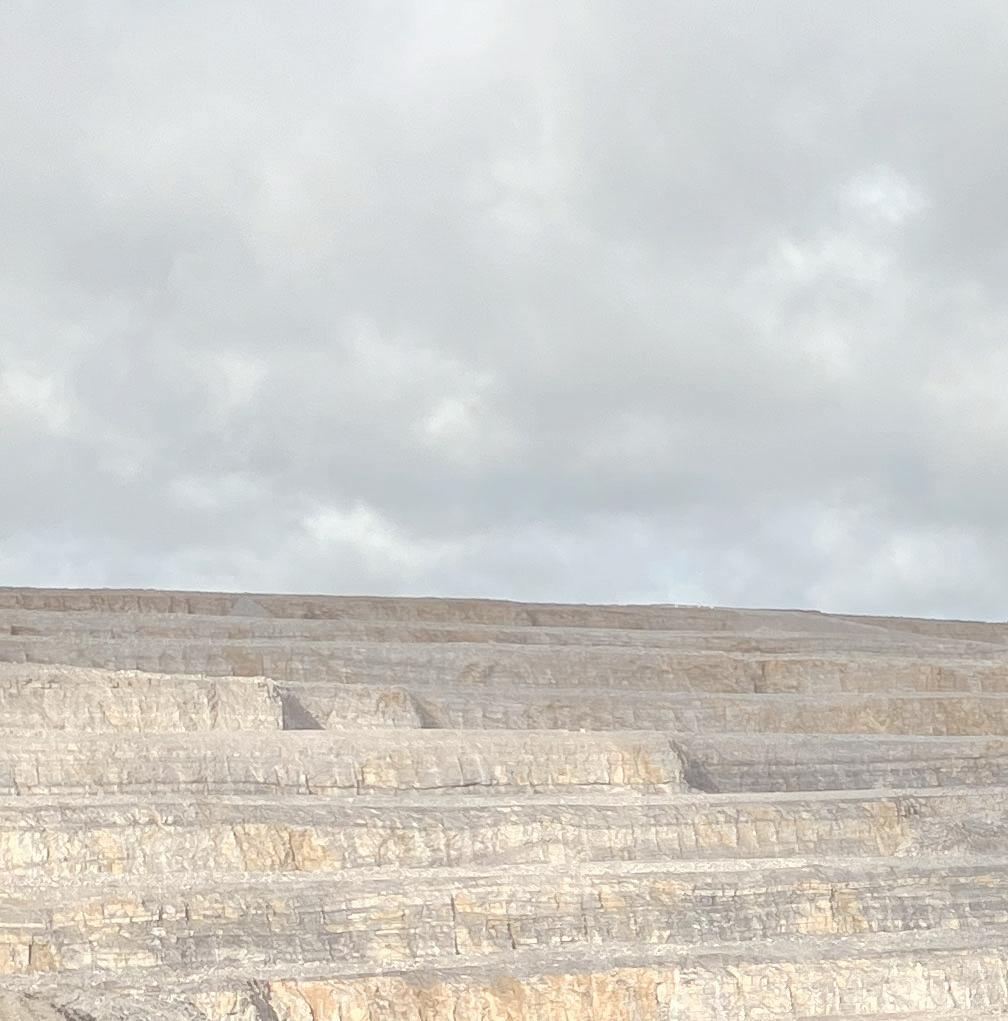
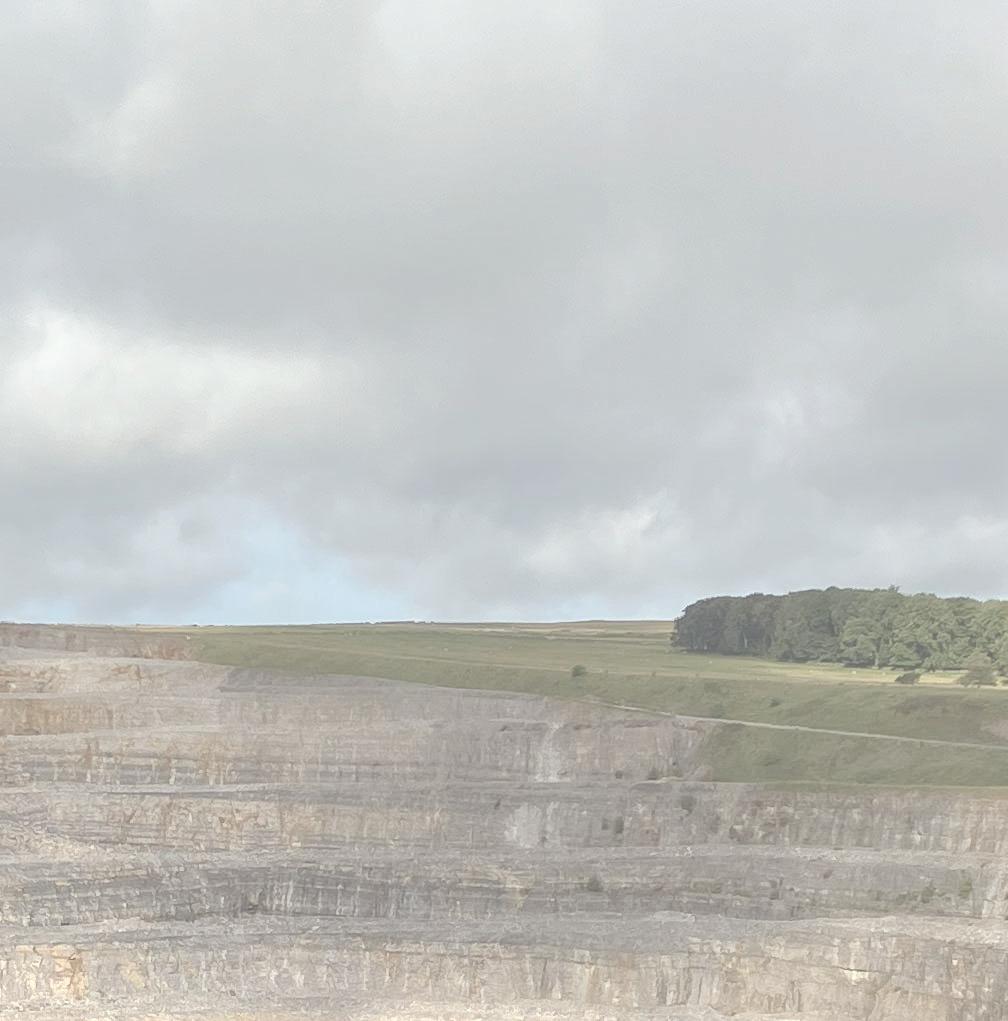
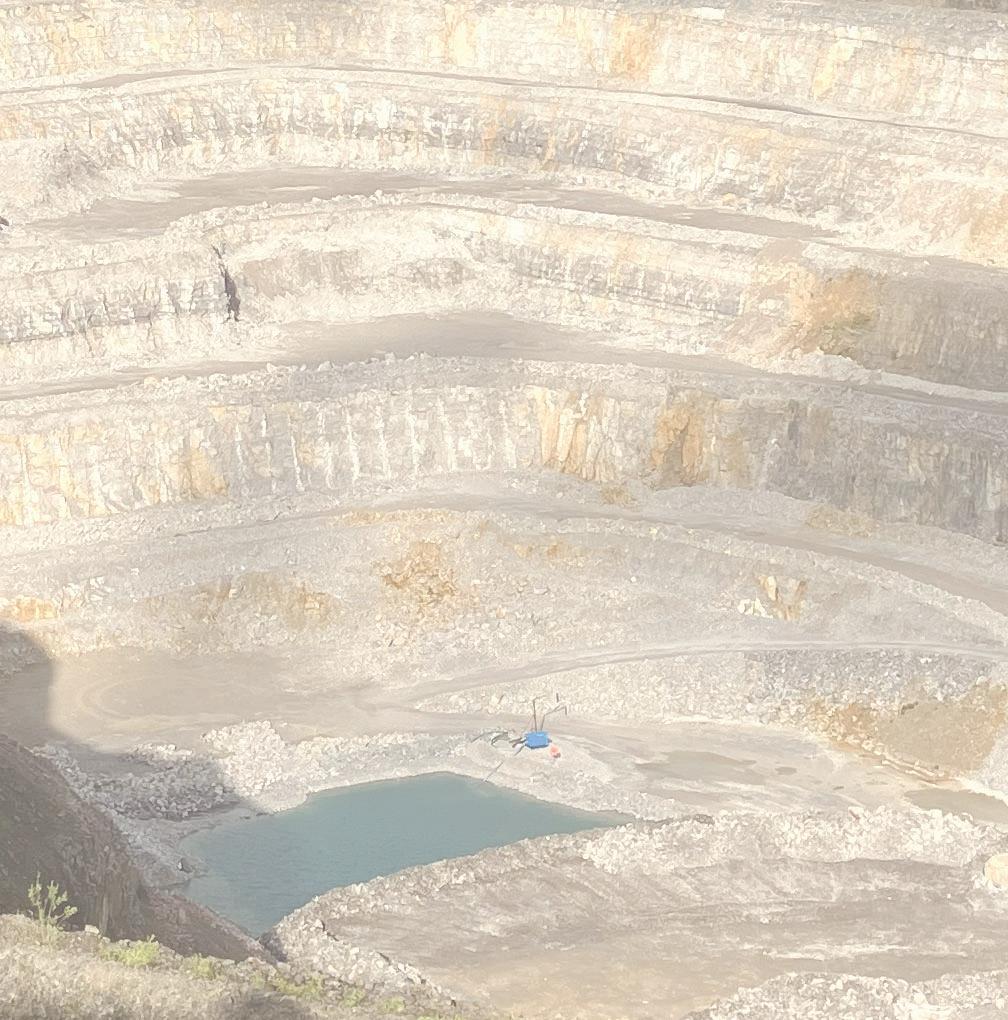
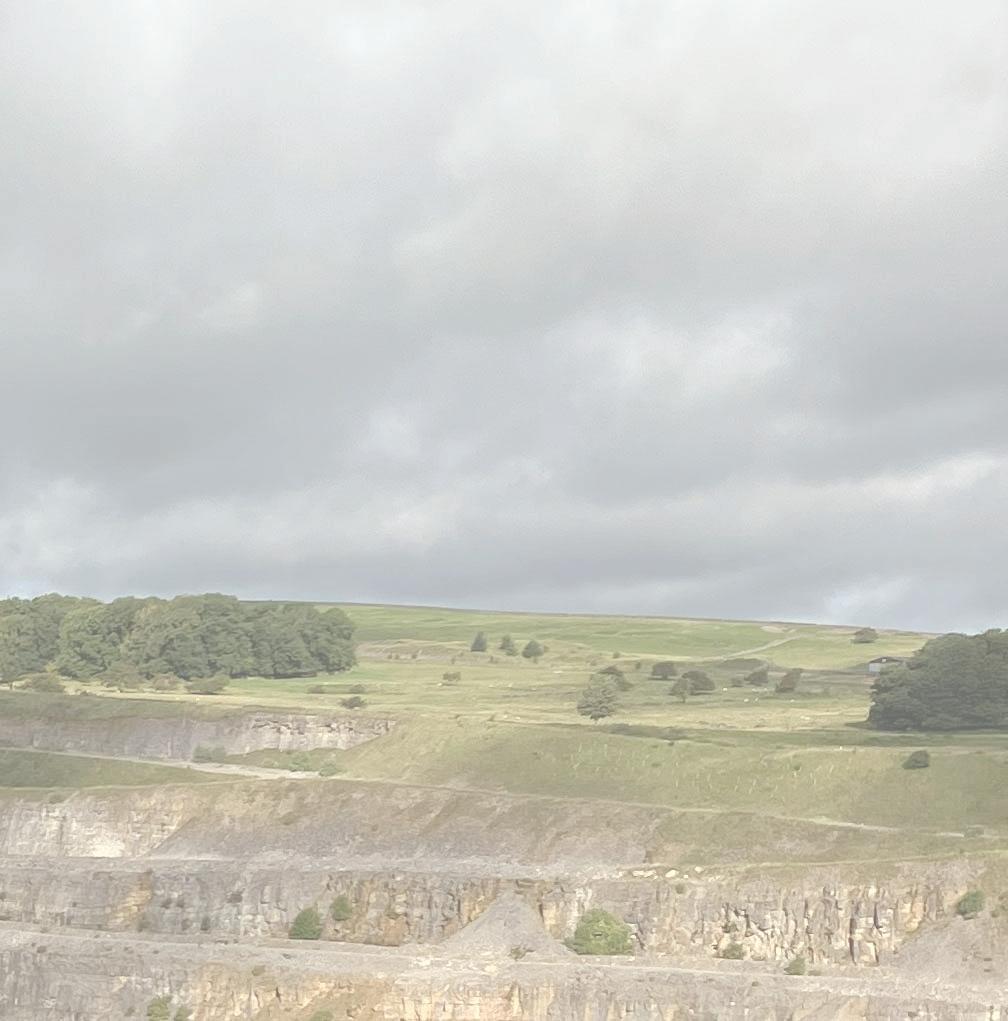
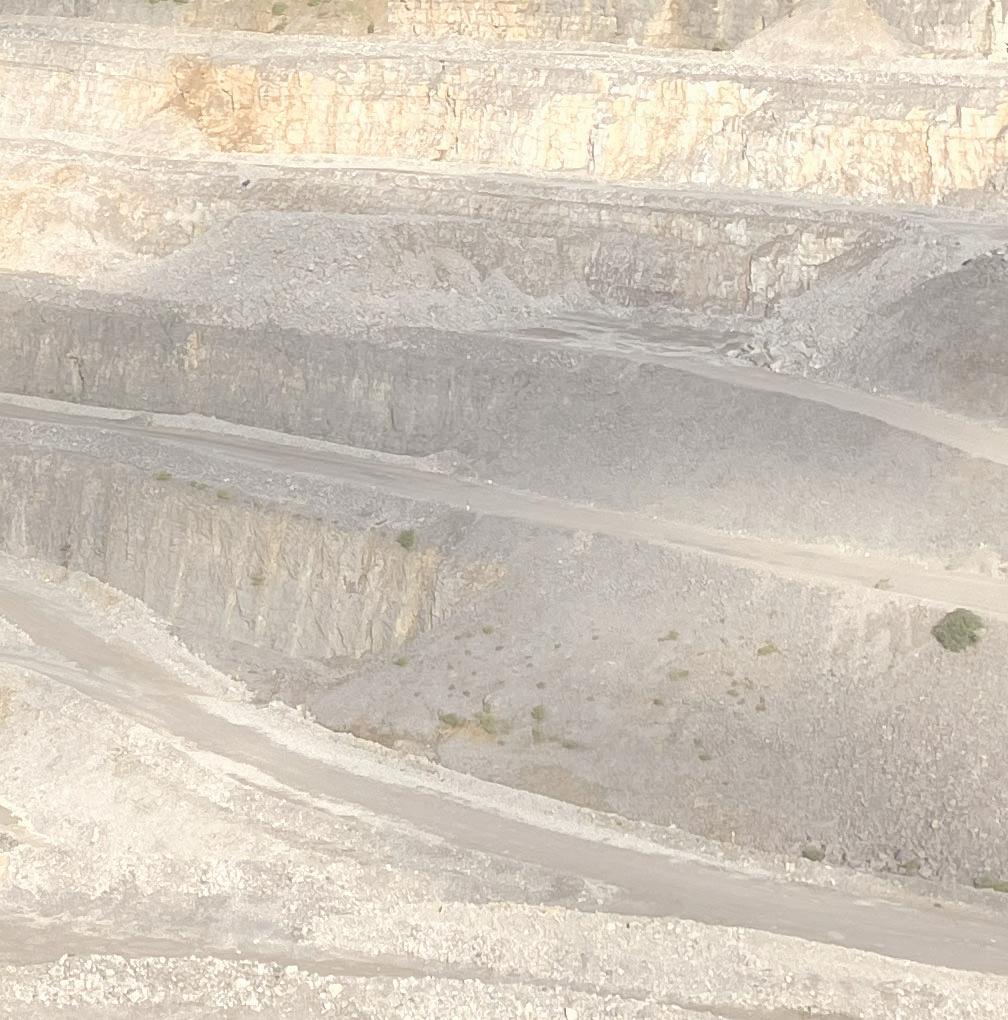
This thesis addresses scarred land, sites that have been permanately damaged by human industrial processes. Compared to our beloved national parks, there are many similarities between the natural environments we choose to protect and the fabricated landscapes we fail to acknowledge. This proposal is for the creation of a new entity, the anti-national park, to build awareness and reclaim abandoned scarred land. By means of a hiking trail, the anti-national park offers exploration of a quarry. Through architectural interventions at key points in the site, Hope Valley capitalizes on the daunting scale of the eerily beautiful landscapes humanity has created.
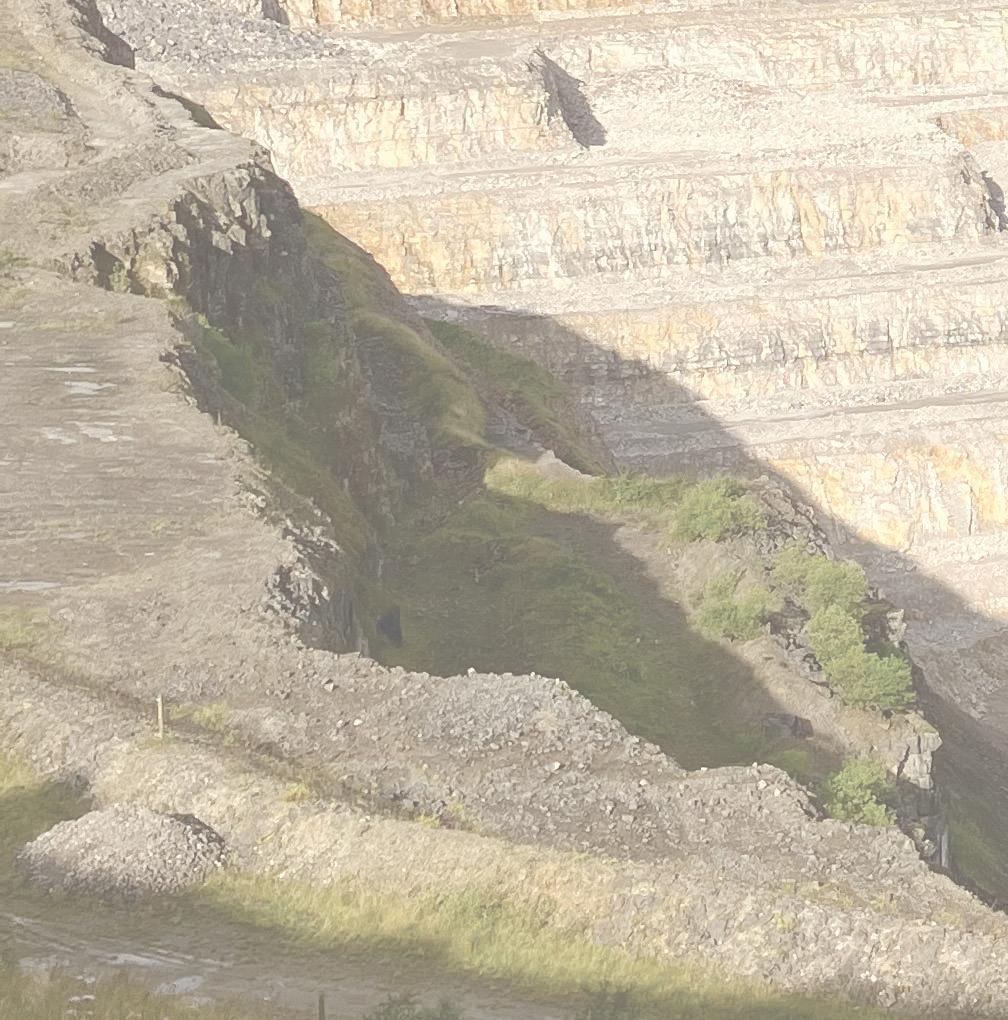
Peak District National Park
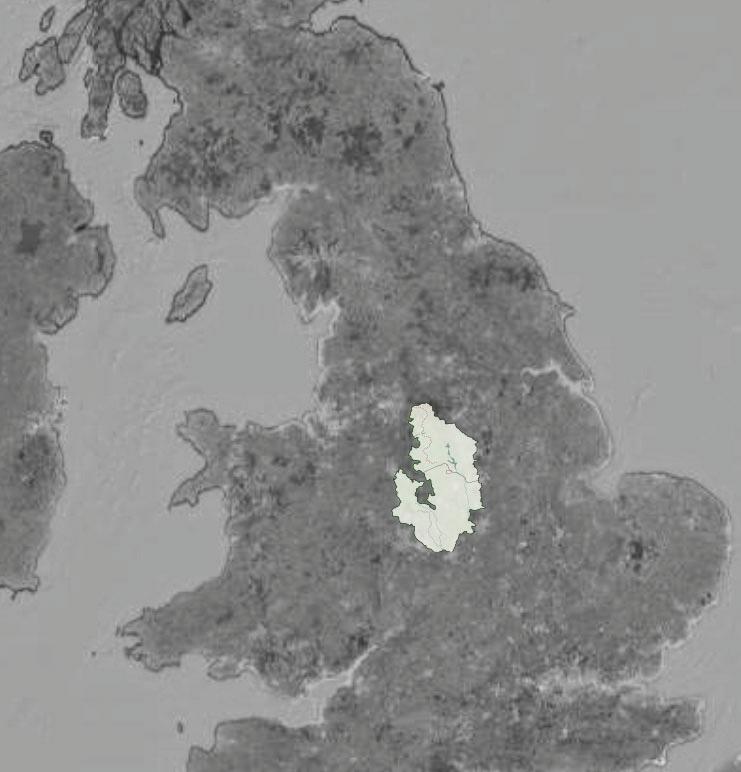
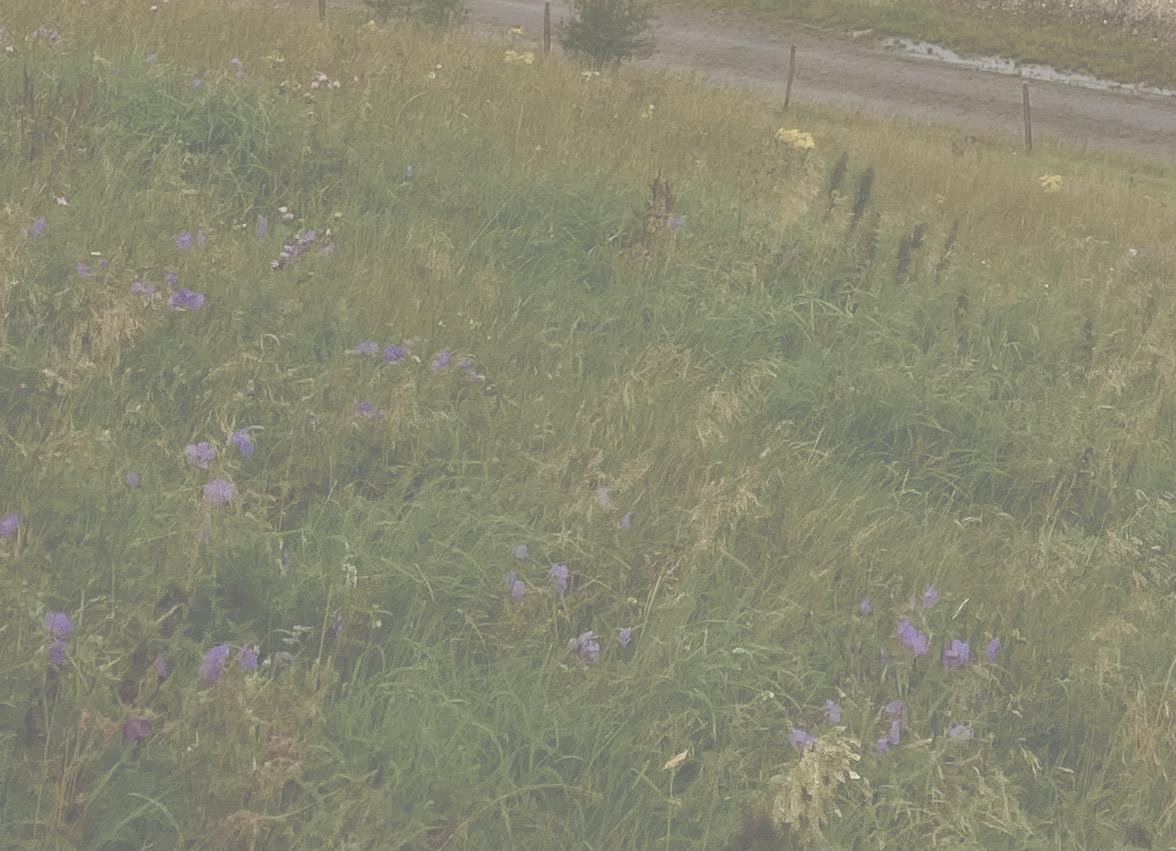
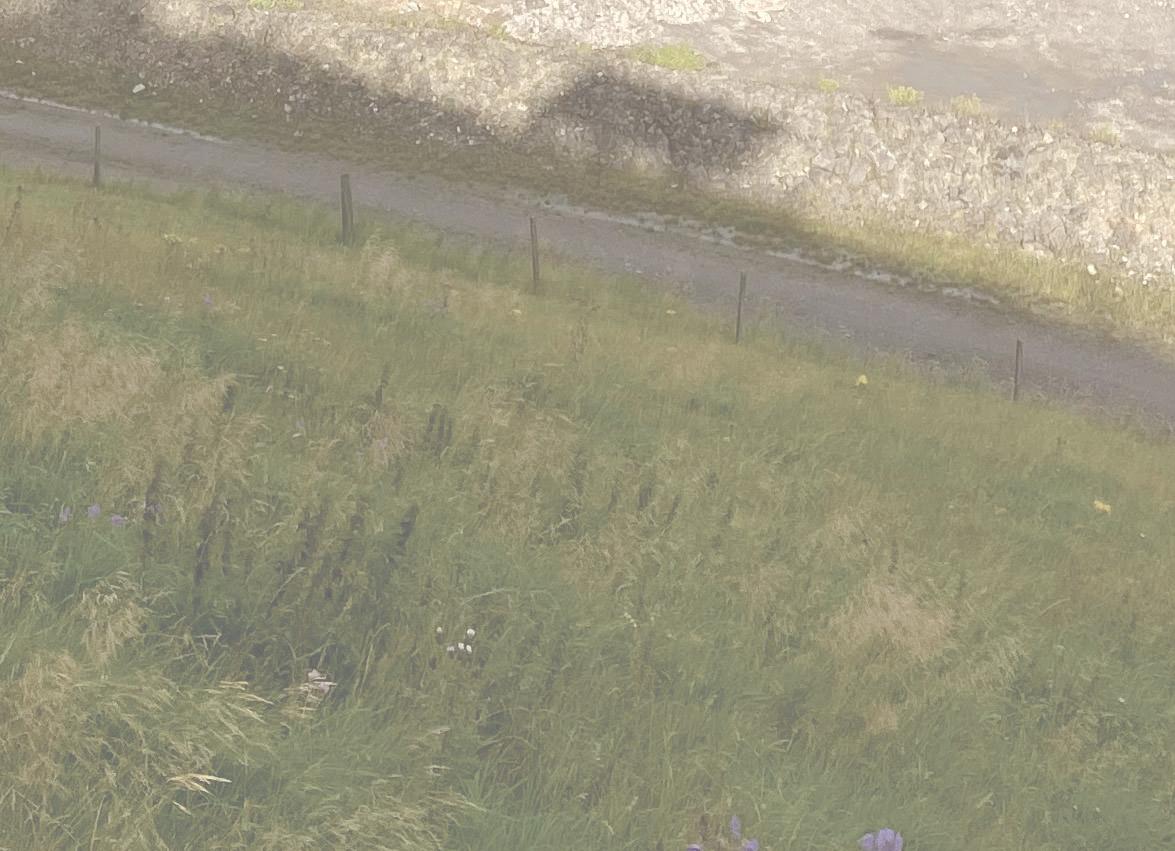
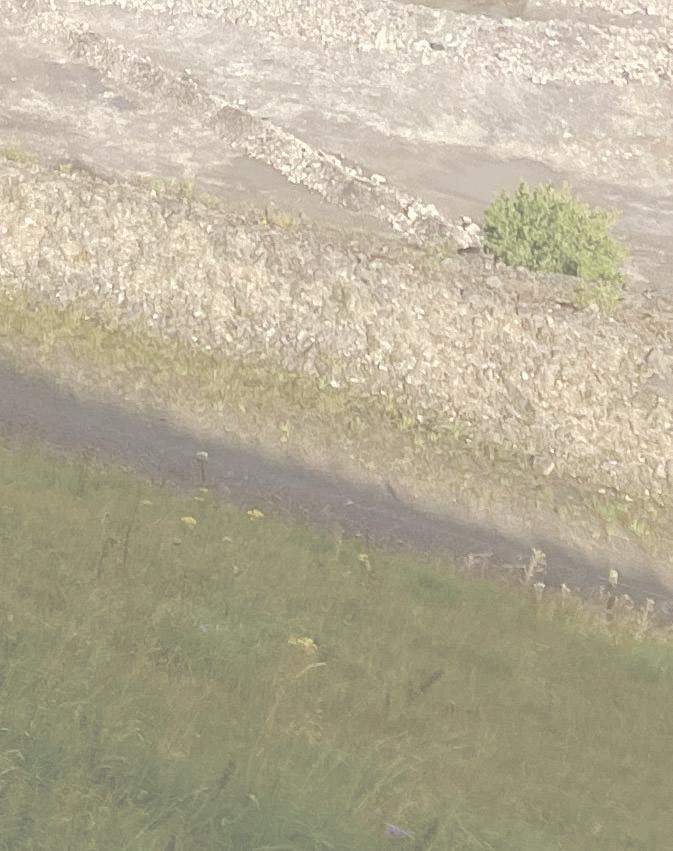
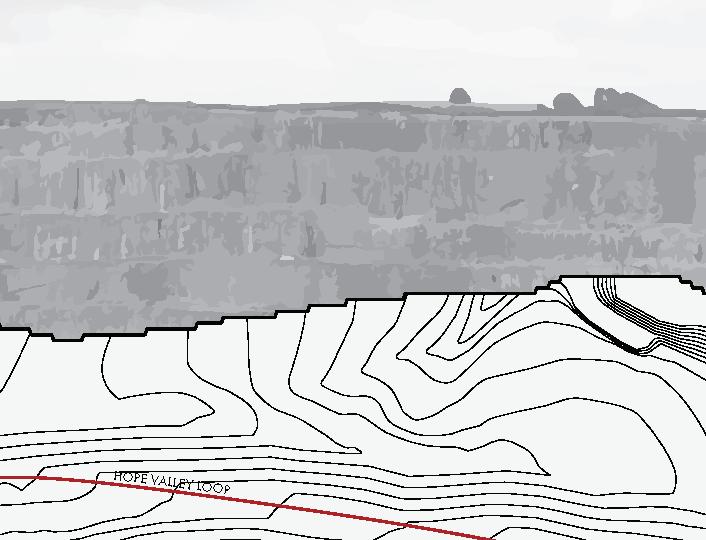
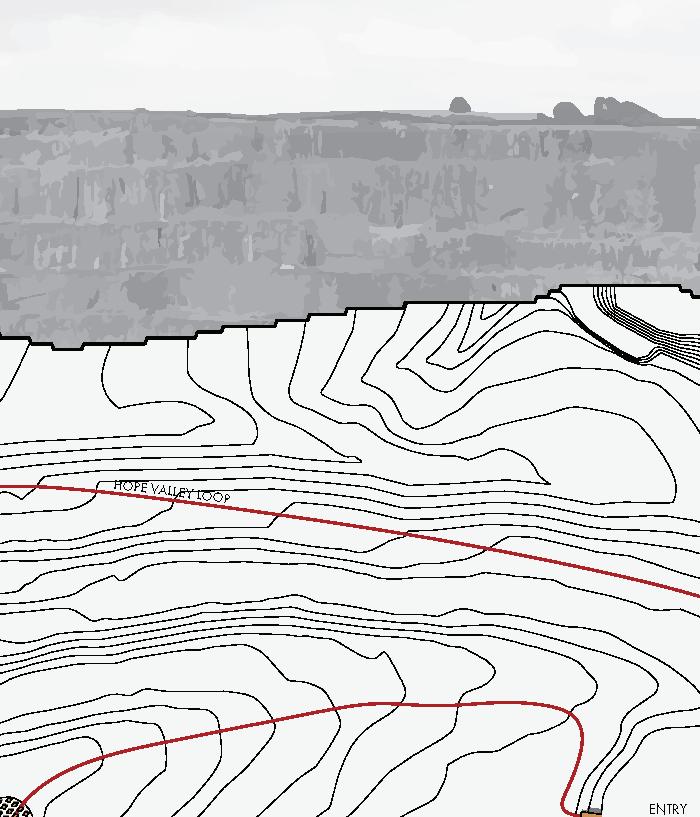
Site: Ironically located in Peak District National Park, the quarry resides just outside the town of Hope along the railway line connecting Manchester and Sheffield. The Peak District is centrally located and was the first national park to be enacted in the United Kingdom. The quarry itself is over 600 feet deep with roots in limestone and shale harvesting.
JACK ELLIOTT PORTFOLIO PAGE 16 Site
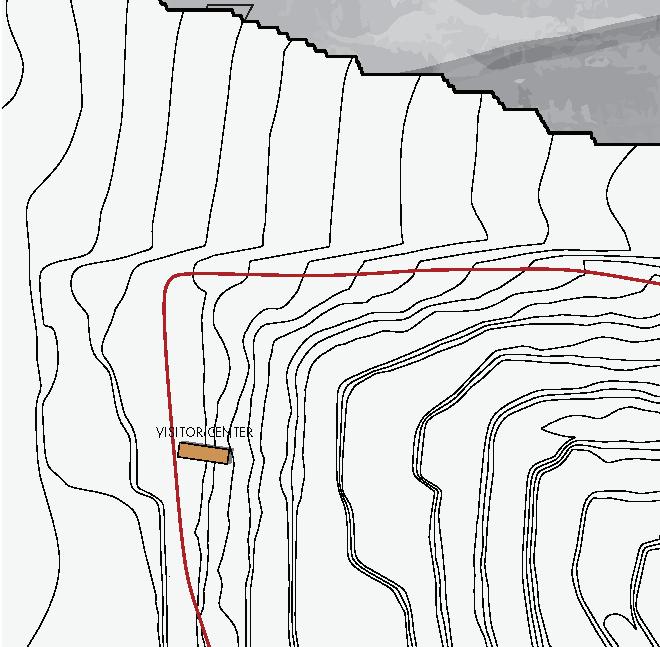
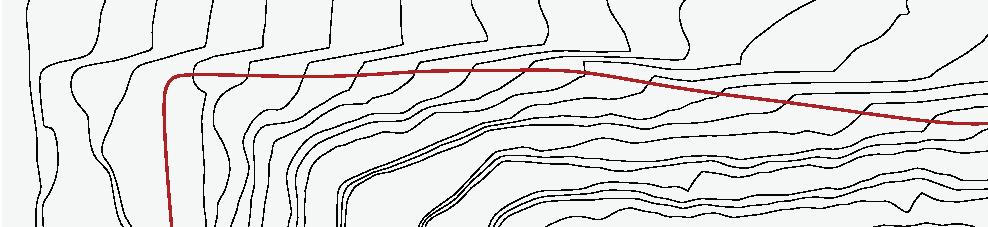
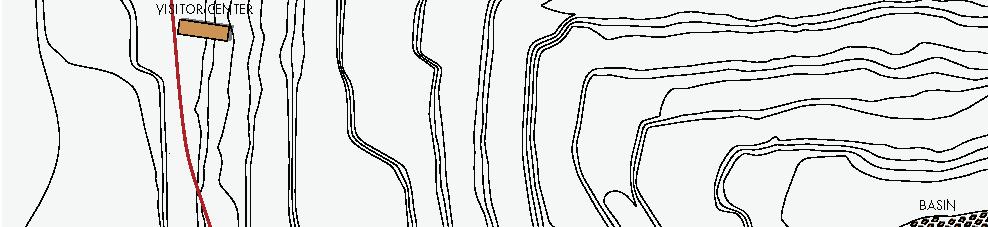
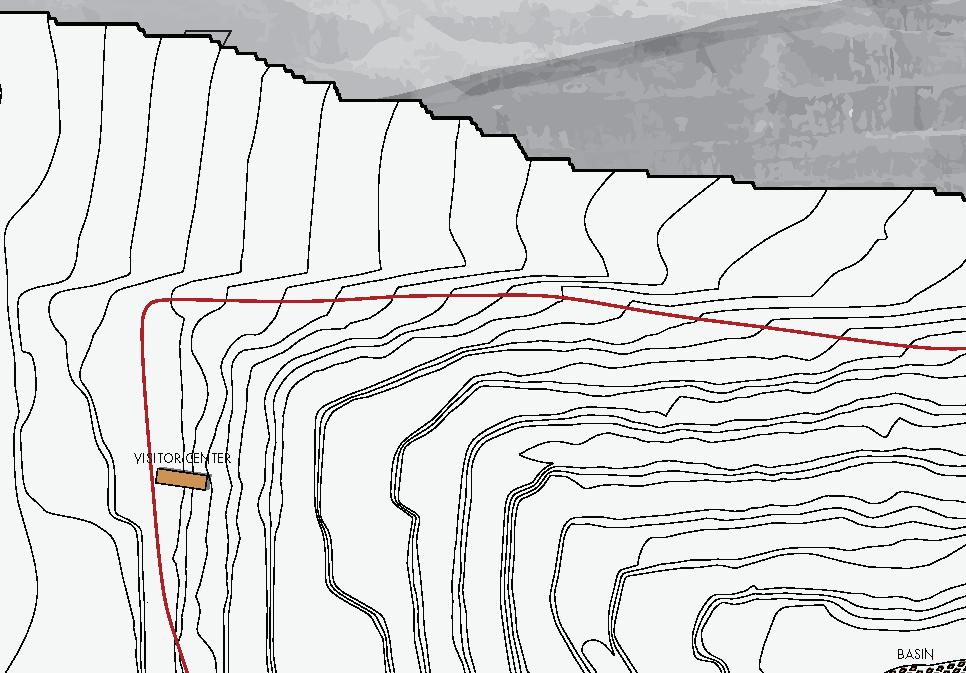
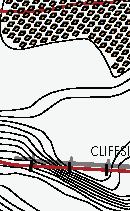
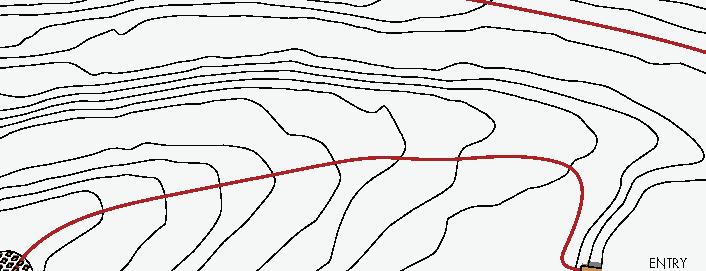
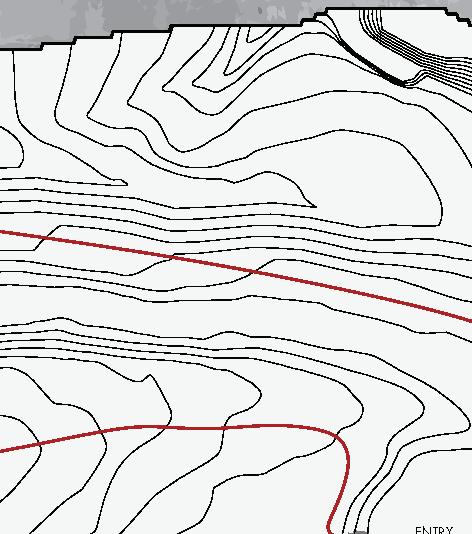
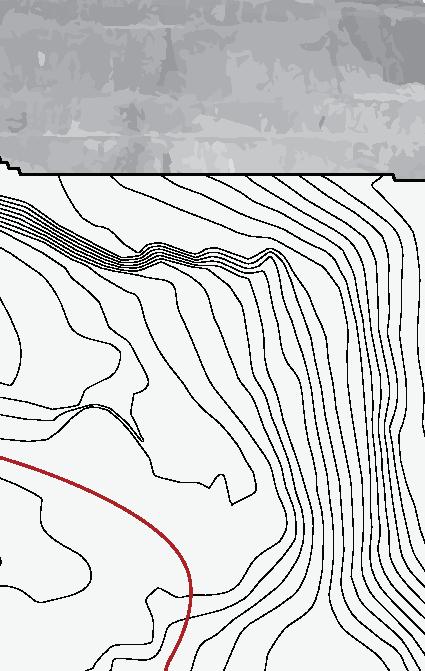
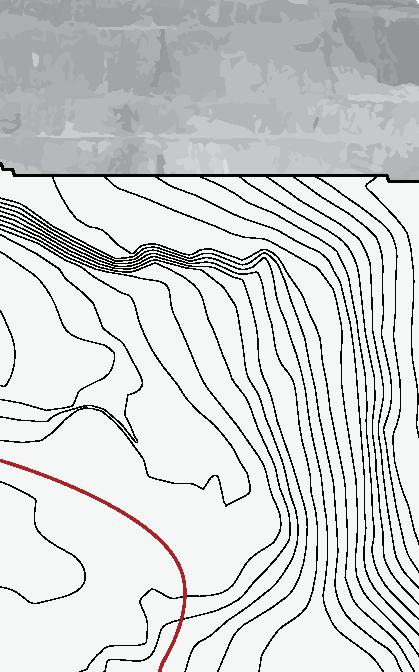
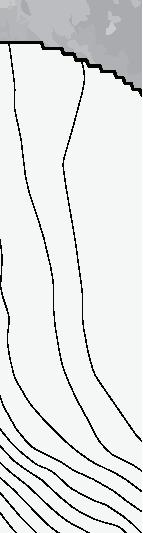
Masterplan: The hiking trail begins at the existing road and hits five focal points. These specific areas are marked due to their unique landforms or resemblence to iconic national park views. The trail itself is about 2.5 miles long and traverses many different grades. The entry tunnel and visitor center found at the highest point lie on the same axis to create a piece of land art that serves as a waypoint to inhabitants.





JACK ELLIOTT PORTFOLIO PAGE 17 0’150’ 300’ 600’ PEAK CLIFFSIDE ALTERNATE CIRCULATION TECHNIQUES EXISTING ROAD
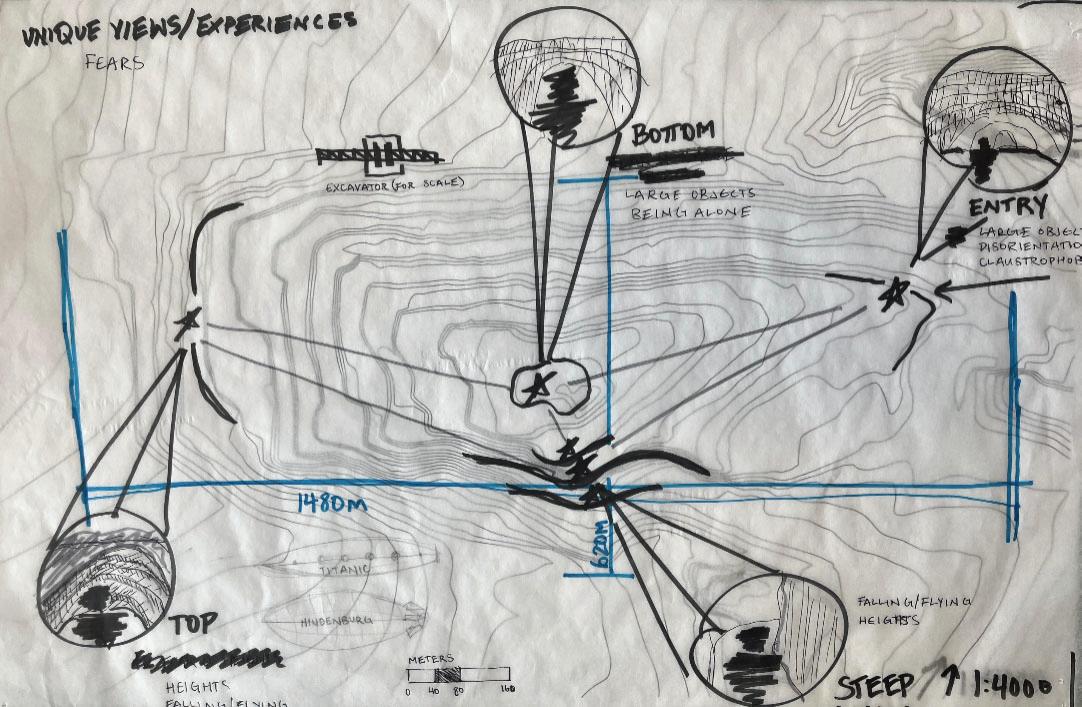
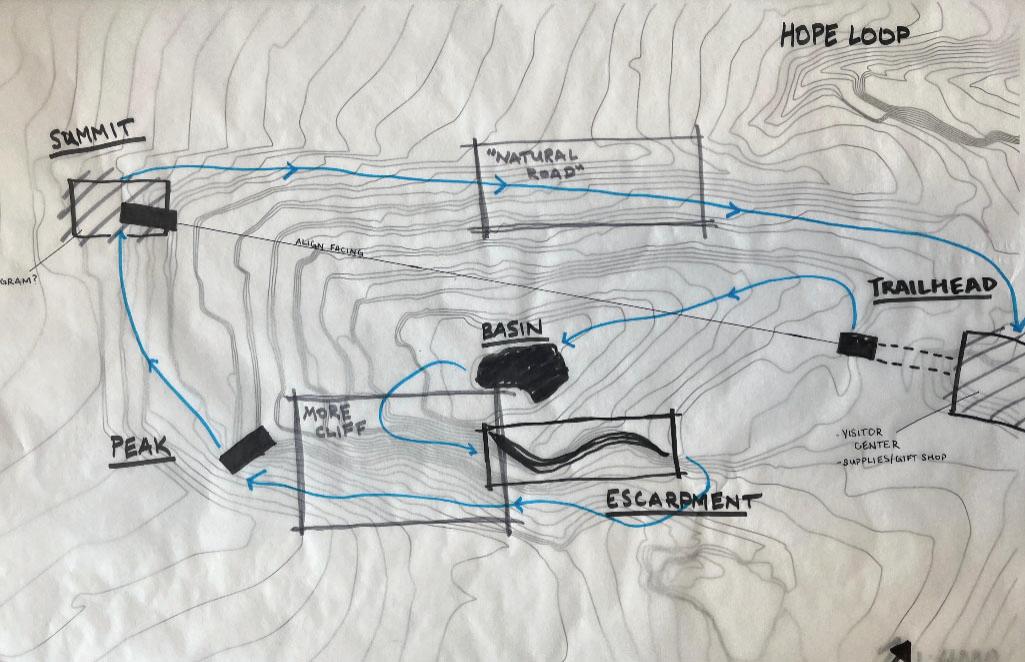
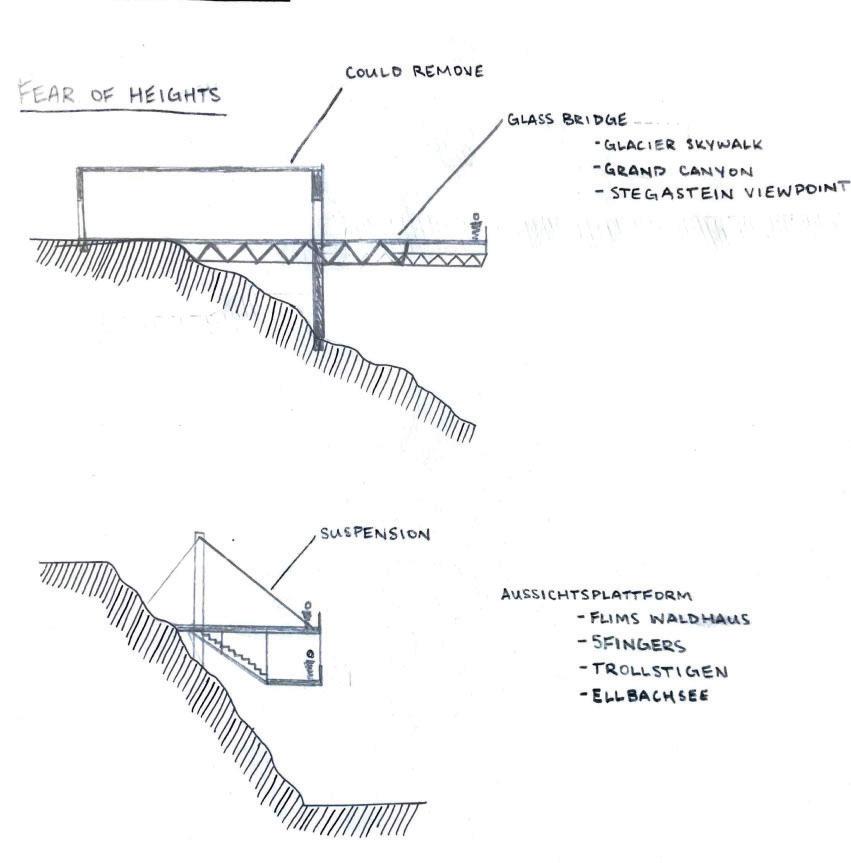
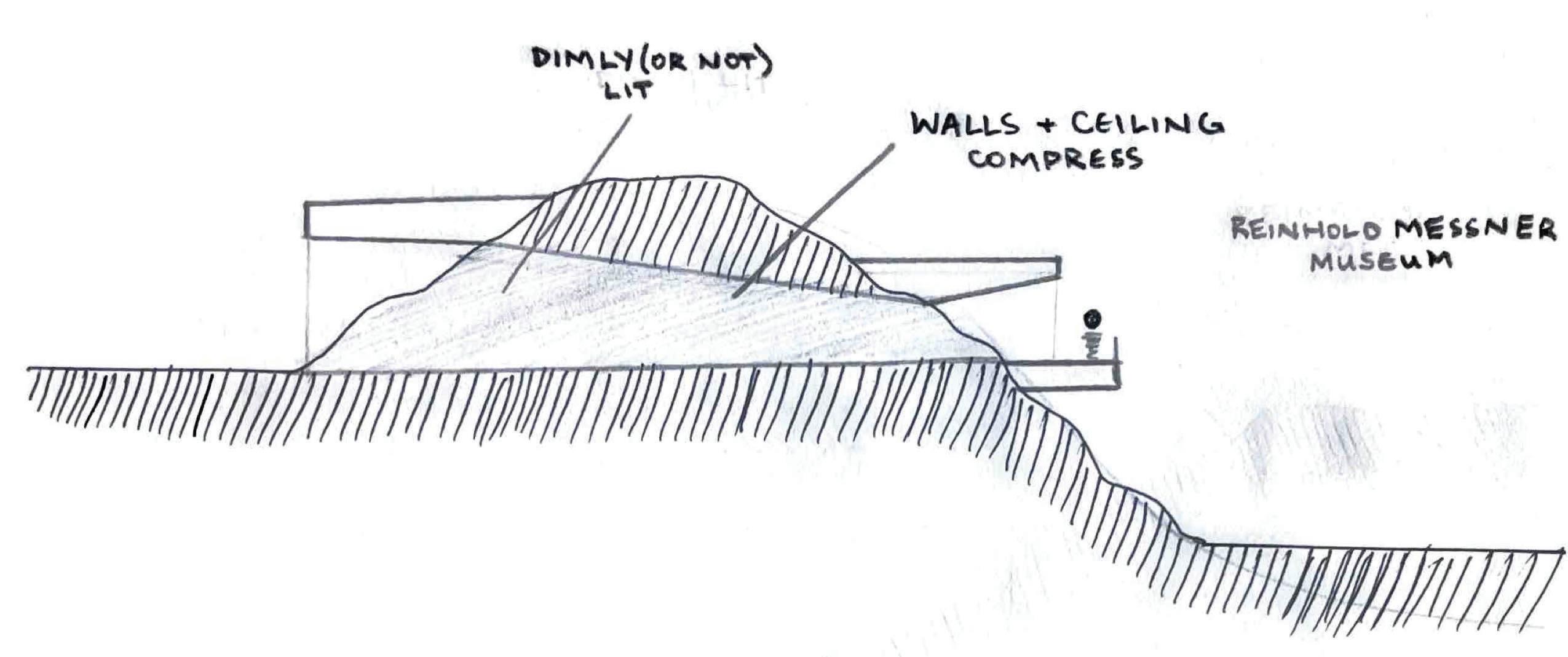
Focal Points: At each of the key moments highlighted around the site, architectural interventions
JACK ELLIOTT PORTFOLIO PAGE 18
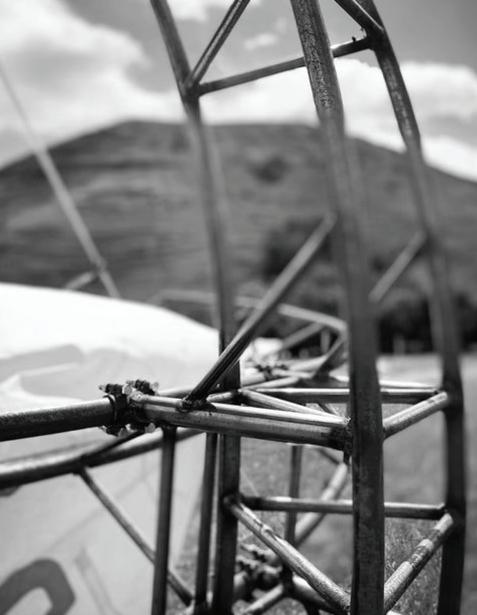
Fabrication
Fabricated work from various studios and design competitions.
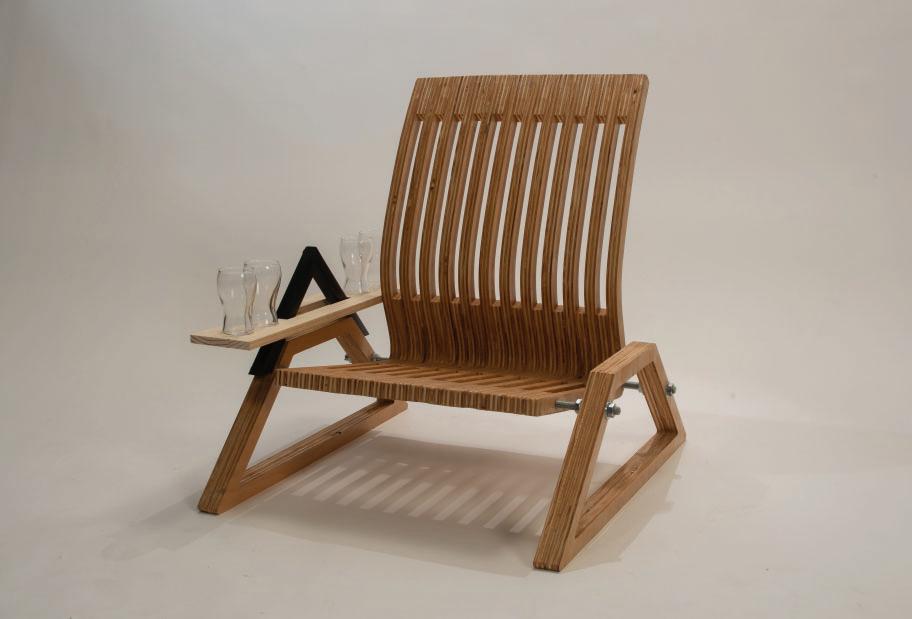
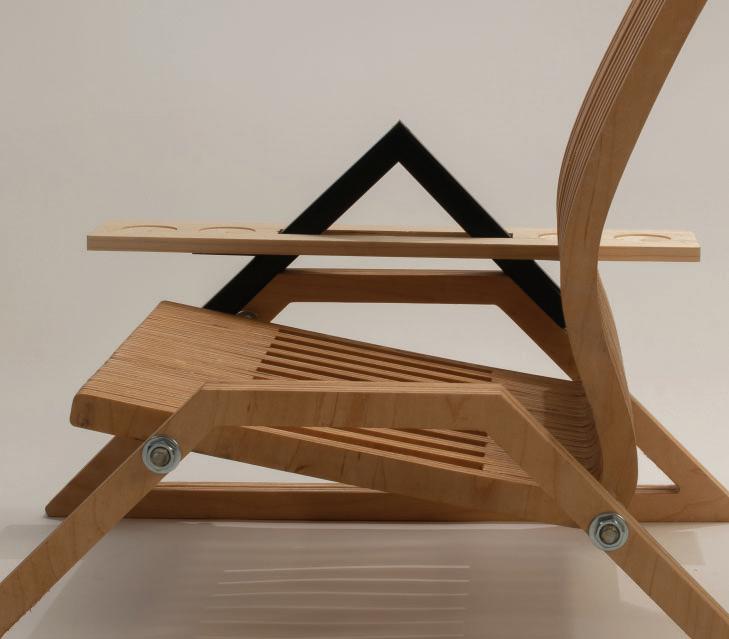
Lawn Chair: Created to be used in the outdoors, this chair is low to the ground similar to the classic lawn chair. The chair was constructed out of plywood parts cut using the CNC machine to give it a more permanent and sturdy effect. Part of a brewery design project, the arms/legs allow the attachment of the flight carrier that was designed at the same time.
JACK ELLIOTT PORTFOLIO PAGE 20
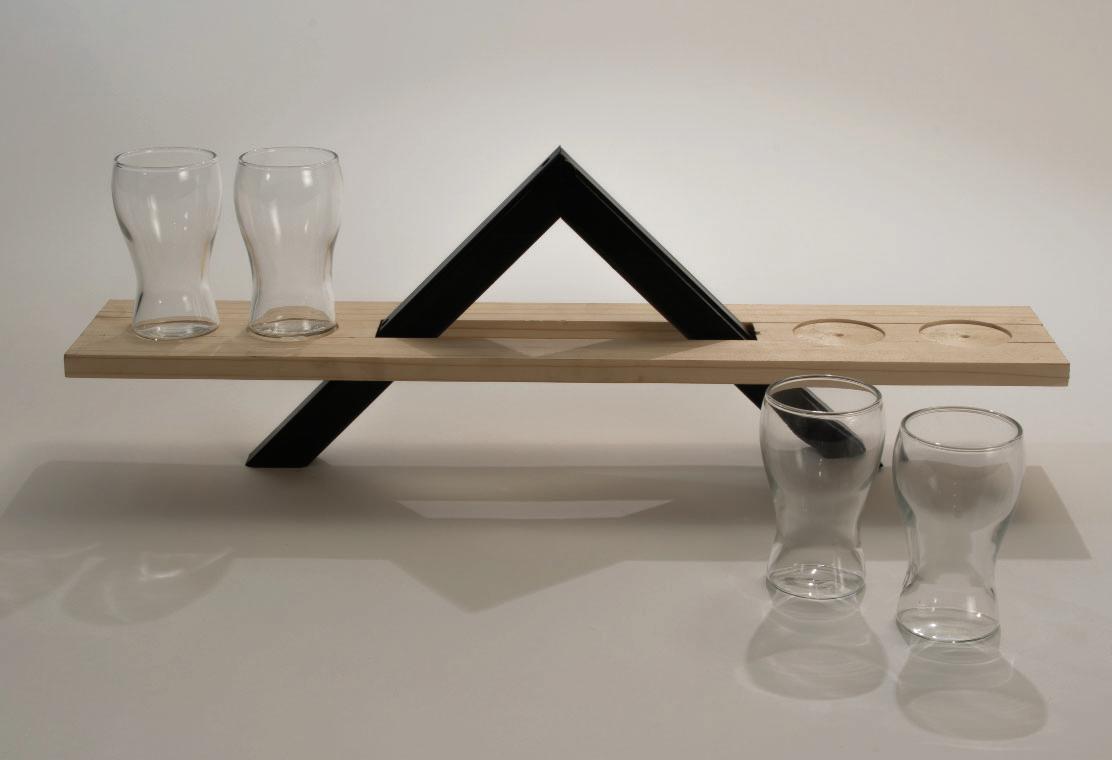
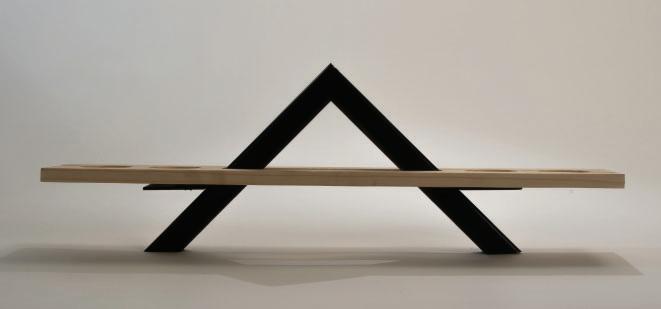
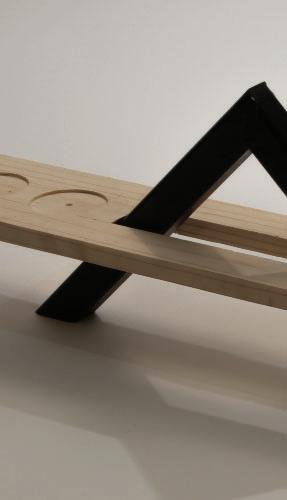
Flight Carrier: Designed for Top Bines Brewery, the handle and skeleton of this flight carrier was created by steel welded at a 90 degree angle. Meant to mimic the top corner of a soccer goal, this flight carrier fits into the arm of the chair designed at the same time.
PAGE 21 JACK ELLIOTT PORTFOLIO
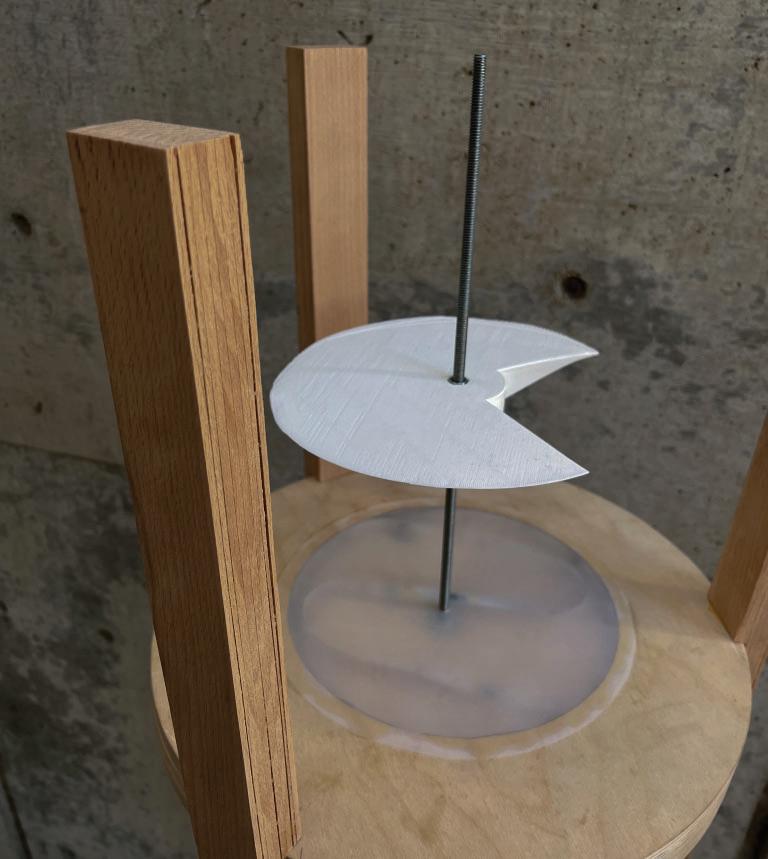
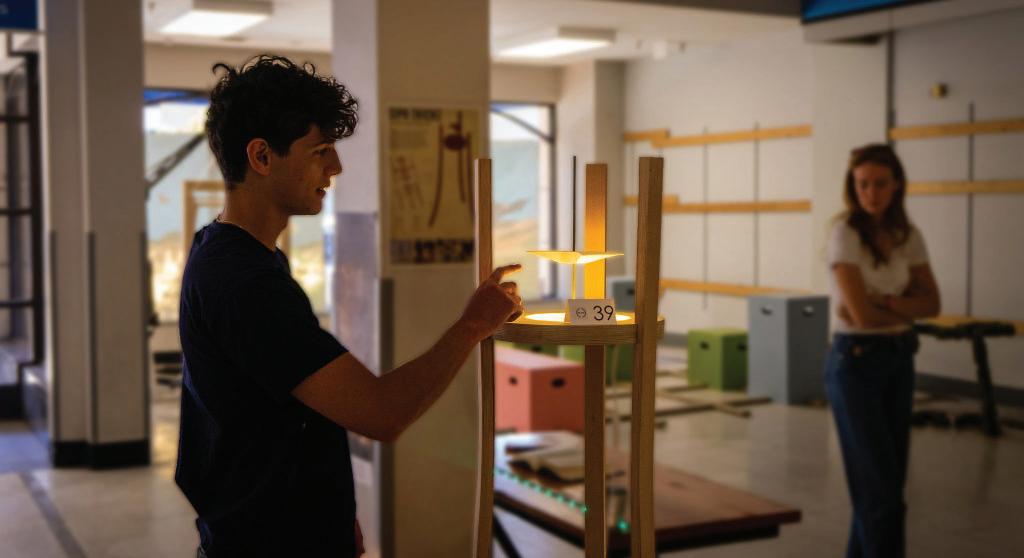
Floor Lamp: Based on the filipino toy Sipa Tingga, this floor lamp captures the up and down movement of the game. The legs of the lamp were created by bending 1/8” strips of wood and gluing them together. The platform that holds the light is a shell of plywood capped by lamp shade film. Threading is shot through the platform with 3D-printed conical disk attached. Similar to the game, the disk spins up and down along the threading, diffusing the light and changing the atmosphere of the room. This piece of was entered in the 2024 Vellum Furniture Design Competition.
JACK ELLIOTT PORTFOLIO PAGE 22