


Education
Autodesk Revit Architecture
Virtual Tic, Autorized Training Center
Grade in Architecture
ETSAC A Coruña
Erasmus Portugal
University of Uminho
Certificates
Autodesk Revit Architecture
Virtual Tic, Autorized Training Center
Professional Experiences
The Antique Shop
Decorator/Appraisals
Languages
Spanish
Native
English B2
Portugues A2
Software skills
AutoCad 2D 3D
Revit
ArchiCad V-Ray
SketchUp
InDesign
Photoshop Cype
Presto
Microsoft Office/iWork
Soft skills
Attention to detail|Time management|Organization (cupable of handling multiple projects)|Team management|Communication|Decision making
Interests
Painting, photography, reading and art
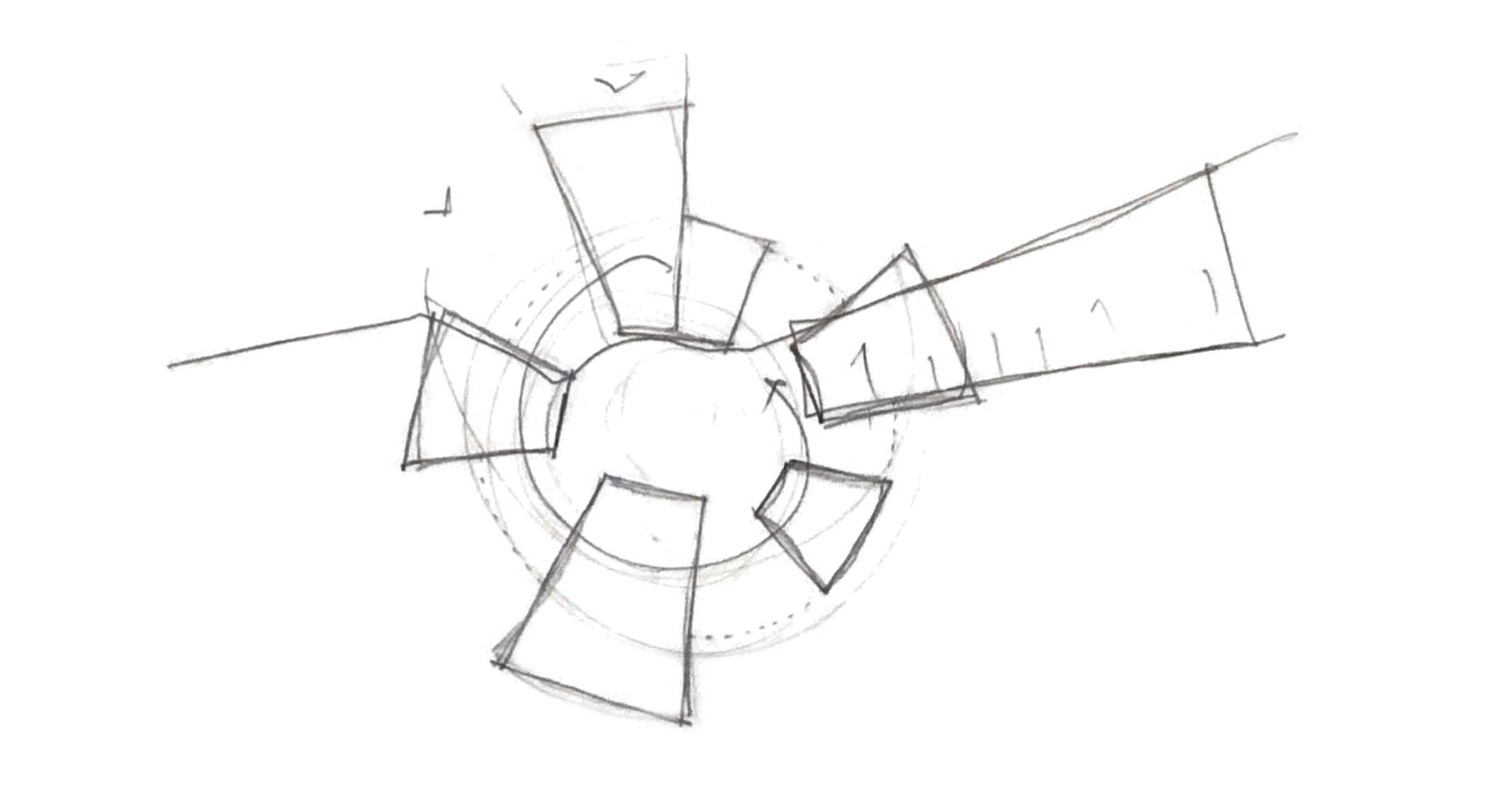
Capela no caminho das estrelas
Albergue no caminho Inglês
Janela para o mar
StudentCenter
FabLab
a história imortal do caminho foi sendo construída ao longo do tempo, mas a sua origem, apesar da crença popular, não começa com a descoberta do túmulo de Santiago em Compostela, mas a sua lenda remonta a séculos antes da chegada de Jesus e da comunidade cristã, a tempos remotos em que o caminho era conhecido como o Caminho das Estrelas.
o caminho de Santiago, concretamente o caminho francês, poderia, portanto, coincidir com um antigo caminho esotérico, uma rota celtiberiana mágica chamada Caminho das Estrelas ou Caminho do Ganso, um mapa escrito no céu que nos guiava à noite de forma infalível para o "Finis Terrae", para o antigo Finisterra, o último canto ocidental do mundo e o lugar onde começava a terra dos mortos. o percurso reproduz também uma pequena parte visível do braço da Via Láctea, utilizado pelos antigos e pelos peregrinos para os guiar no seu caminho.
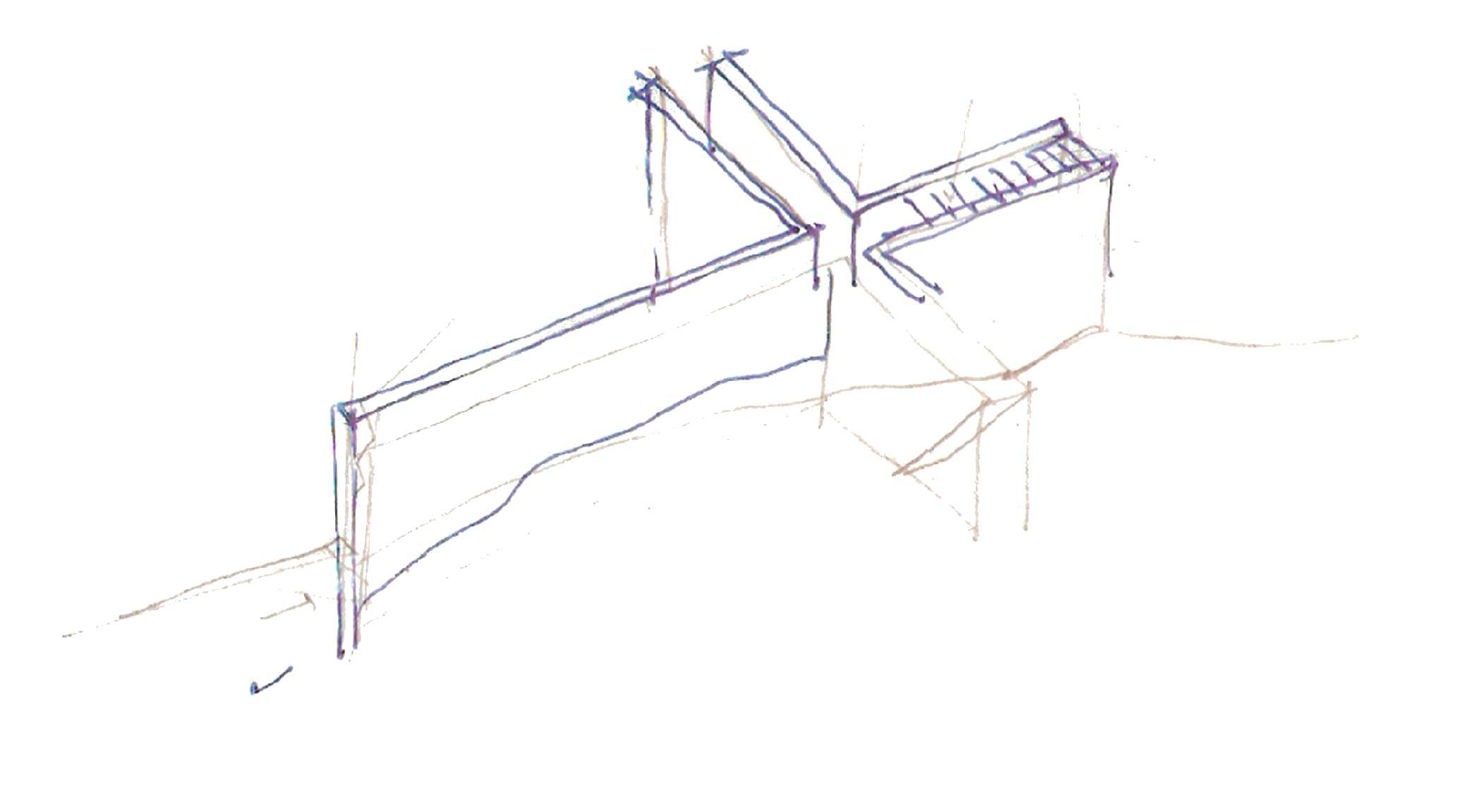
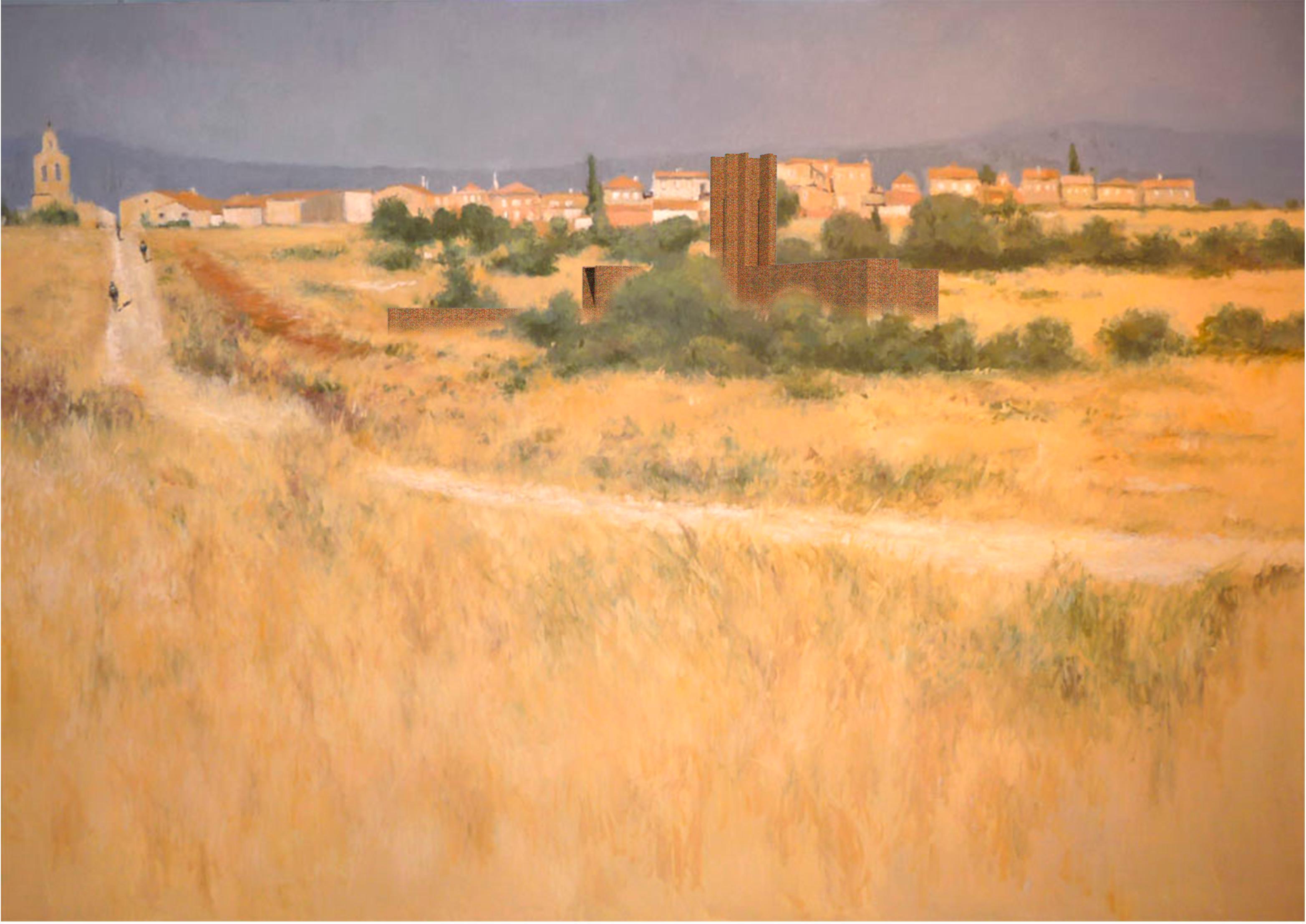
é assim que se define a Capela do Caminho Francês. Entre Melgar de Fernamental e Osorno carregada de simbolismo, uma grande cruz orientada para oeste, horizontal, como a paisagem de Castela, tremendamente plana. Apenas o transecto vertical se eleva, rompendo o horizonte, marcando de alguma forma o lugar. Um caminho estreito conduz-nos por um dos braços da cruz. Uma vez dentro do cruzeiro, este convida-nos a refletir sobre os grandes muros que nos rodeiam, sendo que apenas a luz chega à parte superior dos muros, criando uma atmosfera celestial e mágica.
Nos braços da cruz, virados a norte e a nascente, há uma árvore solitária e um pequeno lago, onde se pode refrescar.
the inmortal history of the path has been built over time, but its origin despite popular beliefs does not begin with the discovery of the tomb of Santiago in Compostela, but its legend goes back centuries before the arrival of Jesus and the Christian community, remote times where the route was known as The Path of the Stars
the camino de Santiago, specifically the french one, could therefore coincide with an ancient esoteric path, a magical Celtiberian route called the Camino de las Estrellas or Camino de la Oca, a map written in the sky that guided us at night in an infallible way towards the "Finis Terrae", fo the ancient Finisterre, the last western corner of the world and the place where the land of the dead began likewise, the route reproduces in its course a small visible part of the arm of the Milky Way, used by ancients and pilgrims to guide their way
this is how the Chapel that appears on the Camino Frances route is defined. Between Melgar de Fernamental and Osorno loaded with symbolism, a large cross facing west, horizontal, like the landscape of Castilla, tremendously flat. Just rising the transceiver, vertical breaking the horizon, somehow marking the place. A narrow path leads us through one of the arms of the cross. Once inside the cross, it invites us to reflect with those great walls that surround us, only the light reaching the top of them, creating a heavenly, magical atmosphere
in the arms of the cross that face North and East, there is a solitary tree, and a small pond, where you can freshen up










 Zona de meditación
Entrada a la capilla
Salida de la capilla
Pequeño estanque
Zona de meditación
Entrada a la capilla
Salida de la capilla
Pequeño estanque
é um albergue situado no Caminho Inglês. As peregrinações do norte, desde os países escandinavos até às Ilhas Britânicas e aos Países Baixos, contribuíram para estabelecer o que hoje conhecemos como Caminho Inglês. Esta rota tem duas alternativas: desde a Corunha e desde Ferrol. Ambas convergem a meio caminho, na localidade de Bruma, onde continuam juntas os últimos 40 quilómetros até Compostela.
O objetivo deste albergue para os peregrinos que fazem este percurso, na altura de Narón e nas imediações do mosteiro de San Martiño de Xuvia.
O edifício situa-se na parte norte do terreno, paralelamente ao Caminho Inglês e na mesma direção do mosteiro de San Martiño de Xuvia, estando totalmente integrado no ambiente do mosteiro.
O albergue tem a sua própria entidade sem se afastar do mosteiro. Quando saímos do Caminho Inglês, temos duas opções, uma delas é continuar na direção do Caminho Inglês só que a outro nível. Toda a cobertura do edifício a este mesmo nível é um fabuloso miradouro, onde podemos ver a ponte das Xuvias até à entrada da Ria de Ferrol.
A outra opção é continuar o caminho que conduz ao mosteiro de San Martiño de Xuvia, em frente à estrada encontramos a entrada da pousada. O edifício está concebido a partir da utilidade e da funcionalidade, partindo de um centro de reuniões, protagonizado por uma fogueira, que recorda a cultura galega de se reunir à volta de uma casa.
A partir deste centro, o edifício organiza-se de forma panóptica, abrindo-se para o território, dando assim lugar a um espaço totalmente aberto e ao mesmo tempo recolhido, sendo esta dualidade a essência do projeto.
It is a hostel located on the Camino Inglés. Pilgrimages from the north, from the Scandinavian countries to the British Isles and the Netherlands helped to establish what we know today as the English Path. This route counts on two alternatives; from Coruña and from Ferrol. Both come together halfway, in the town of Bruma, where they continue together for the last 40 km to Compostela.
the objective of this hostel for pilgrims who make this route, at the height of Narón and in the closeness of the monastery of San Martiño de Xuvia.
The building stands in the northern part of the plot, parallel to the Camino Inglés, and in the same direction as the Monastery of San Martiño de Xuvia, which is fully integrated into the environment of the monastery.
having the hostel its own entity without underestimating the monastery. As soon as we deviate from the Camino Inglés, we have two route options, one of which is to continue in the direction of the Camino Inglés, only at another level. The entire roof of the building at this same level is a fabulous viewpoint, from which we can see the Xuvias bridge as far as the entrance to the Ria de Ferrol.
The other route option is to continue the path that takes us to the monastery of San Martiño de Xuvia, facing the path we find the entrance to the hostel. The building is designed from utility and functionality, starting from a meeting center, led by a fire, thus recalling the Galician culture of congregating around a home.
From this center, the building is organized in a panoptic way, opening up towards the territory, thus giving a place that is totally open and collected at the same time. This duality is the essence of the project.












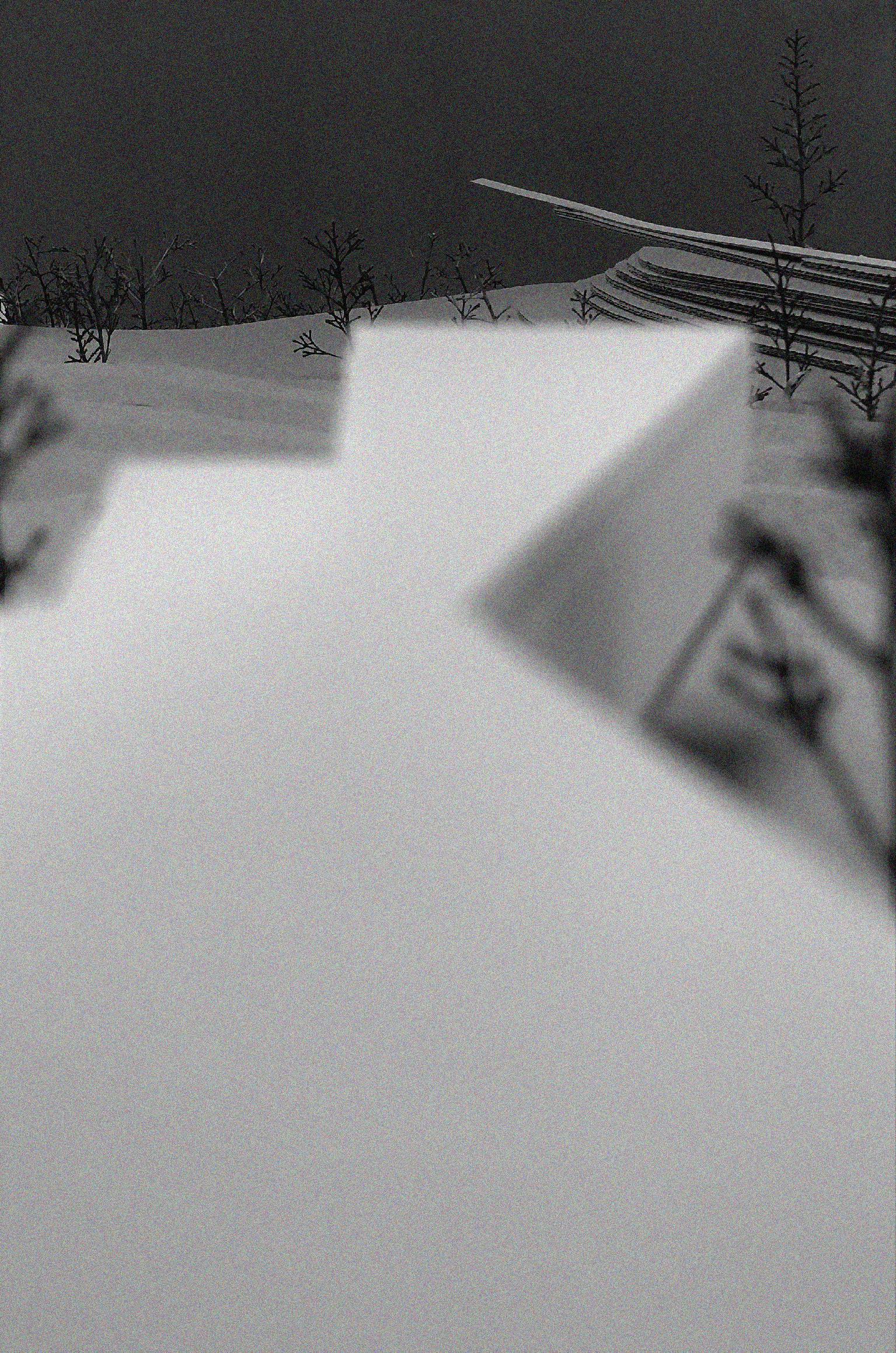
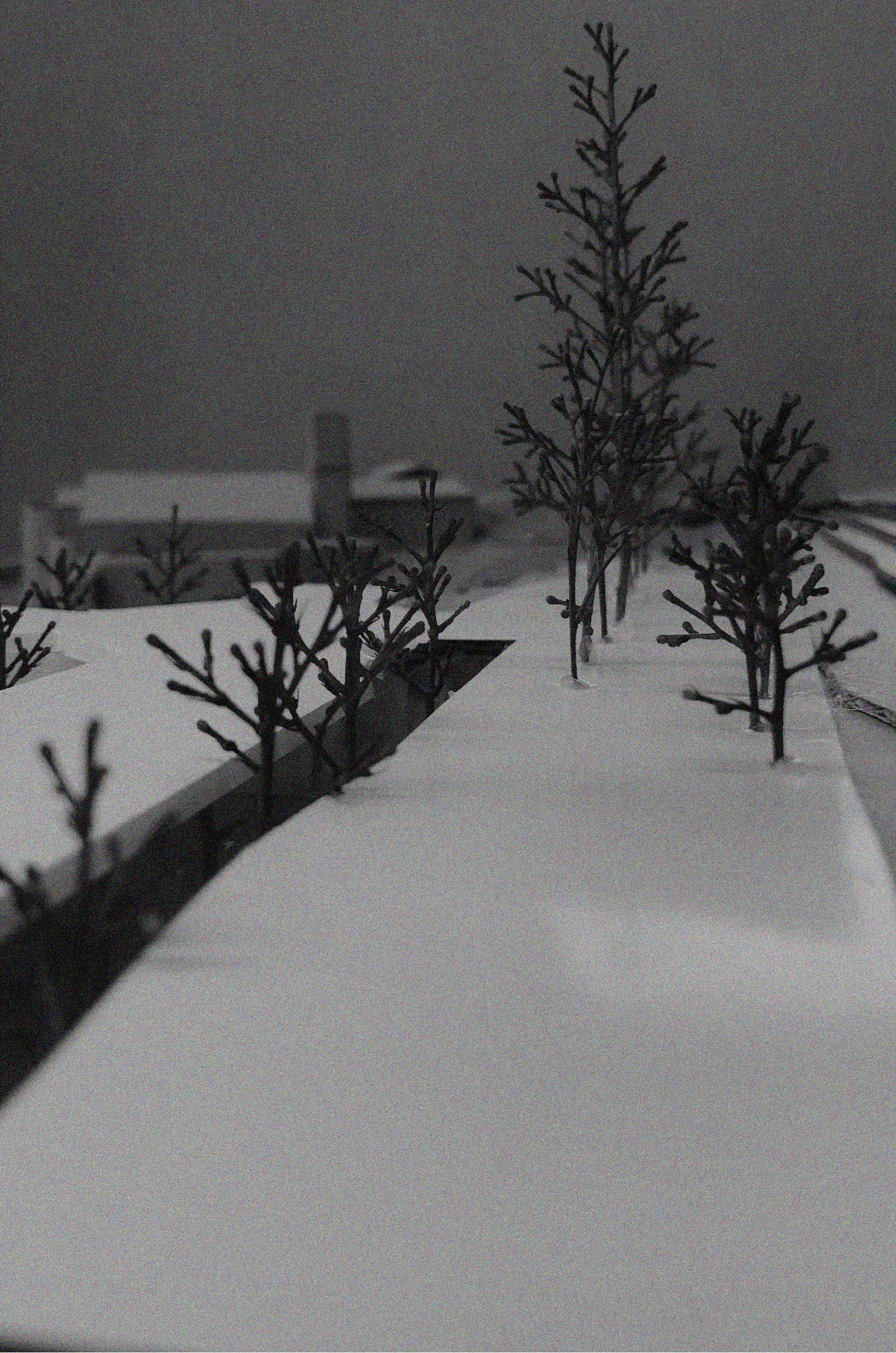
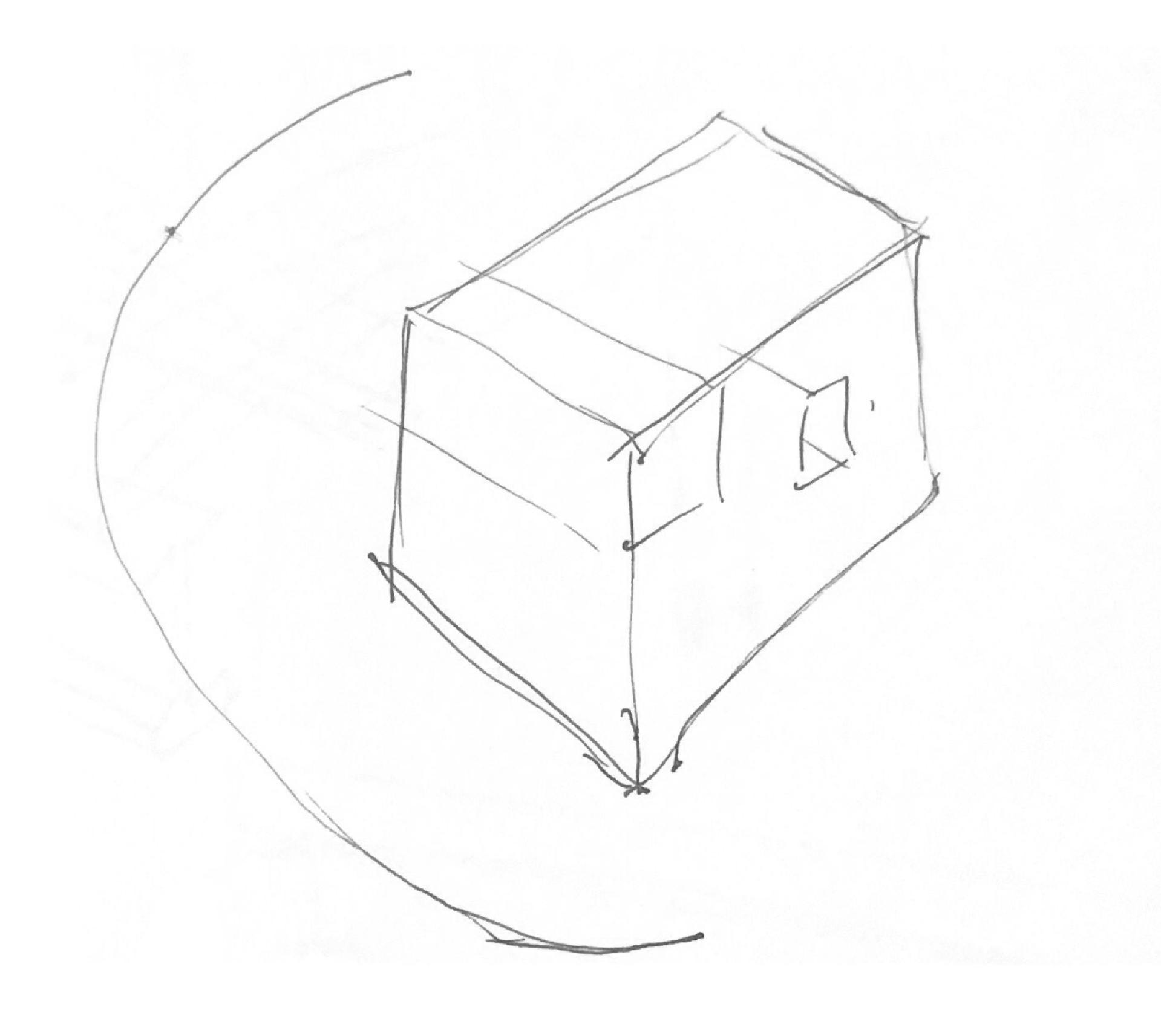
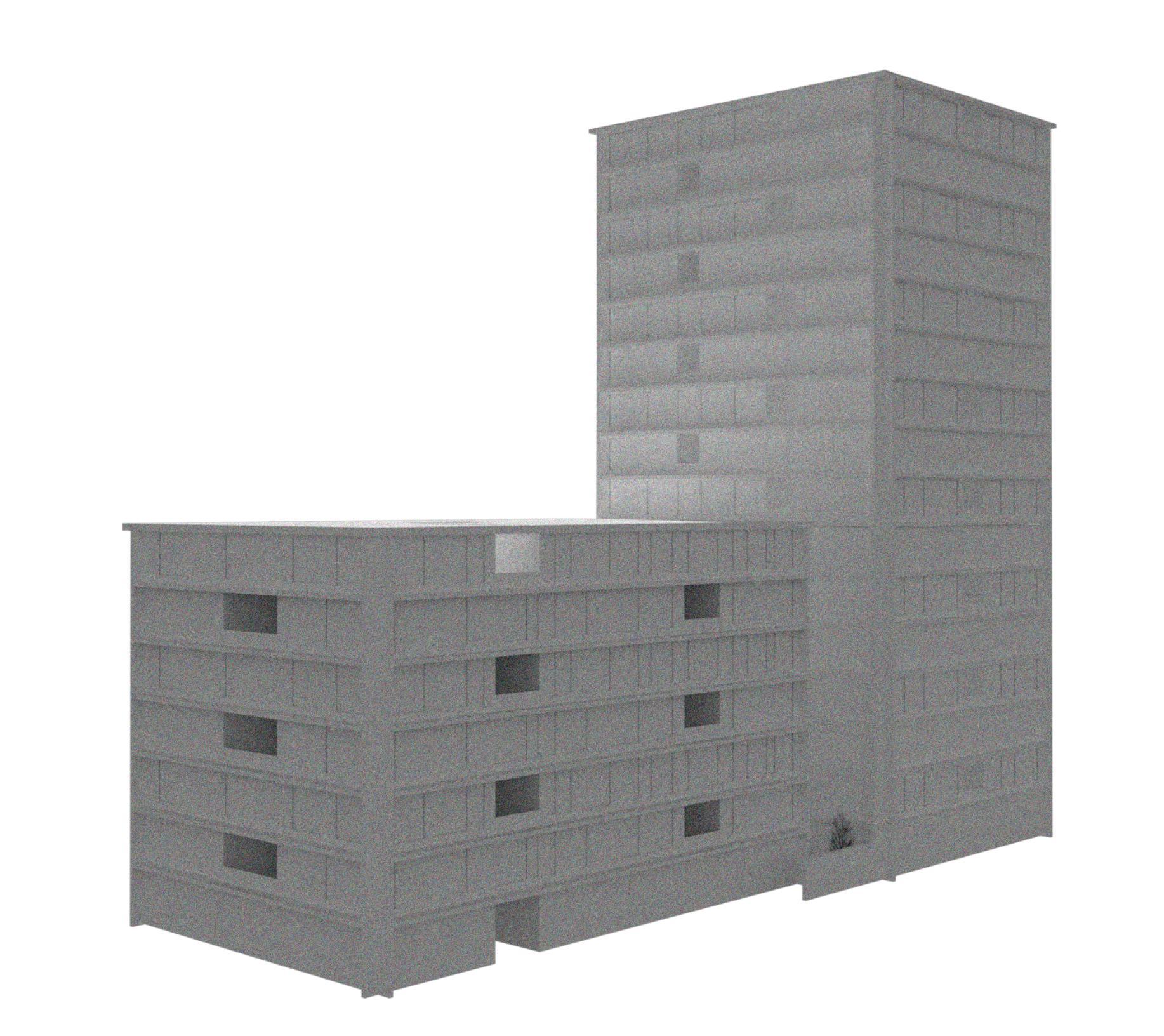
a proposta situa-se na cidade de La Coruña, numa zona privilegiada junto ao Parque Europa, entre a Avenida del Ejército e a Avenida de Oza. A localização oferece um ambiente tranquilo e verde para viver, estando ao mesmo tempo perto do comércio e dos serviços da cidade.
o projeto consiste na construção de um bloco de apartamentos, com uma arquitetura moderna e funcional. O edifício terá uma variedade de habitações com diferentes números de divisões para responder a diferentes necessidades. Foi tida em conta a eficiência energética e o respeito pelo ambiente, utilizando materiais sustentáveis e tecnologias de energias renováveis.
a localização do projeto é também estratégica em termos de proximidade com os serviços públicos e comerciais da cidade. Além disso, está próximo de zonas verdes como o Europa Park, que foi tido em conta na conceção do projeto para tirar partido e melhorar a sua utilização e desenvolvimento.
The proposal is located in the city of La Coruña, in a privileged area near Parque Europa, between Avenida del Ejército and Avenida de Oza. The location offers a quiet and green environment to live, while being close to services and shops in the city.
The project consists in the construction of a block of flats, with a modern and functional architecture. The building will have a variety of homes with different numbers of rooms to adapt to different needs. Energy efficiency and respect for the environment have been considered, using sustainable materials and renewable energy technologies.
The location of the project is also strategic in terms of its proximity to public and commercial services in the city. In addition, it is close to green areas such as Parque Europa, which has been taken into account in the design of the project to take advantage of and improve its use and development.














o local está enquadrado pela sua proximidade com o rio Lerez, com o parque universitário, com a universidade e com a cidade de Pontevedra.
a proposta tem, portanto, de se relacionar com o sítio, procurando a essência do lugar para que a peça gerada dialogue com ele, se relacione com ele. deve ser uma arquitetura intimamente relacionada com a pré-existência.
após a análise, apercebemo-nos de que o lugar esconde modos de vida muito diferentes dos da cidade que lhe está tão próxima, mesmo dos dos bairros de crescimento urbano que podemos alcançar a pé a partir do local de intervenção.
na elaboração da proposta, temos de ter em conta estas sensibilidades adquiridas, temos de responder através de uma utilização correcta de proporções e escalas que reflictam a harmonia que o lugar apresenta. esta última contrasta com a volumetria pesada da antiga fábrica existente, que confere grande presencialidade.
ficaremos com o que nos interessa, com a racionalidade da arquitetura popular e com o tratamento do espaço exterior.
temos de estar conscientes da ética e da estética do lugar e também conscientes de que o nosso projeto, à escala urbana, exige novas necessidades que o próprio lugar não exige.
exigimos espaços de encontro onde possamos gerar um ambiente, tudo isto tem de ser adaptado à escala do lugar e para isso é essencial estudar o ambiente.
o StudientCenter é entendido como um todo que abraça o lugar. A ideia principal da configuração dos espaços é o gesto que une todos os elementos em torno de espaços exteriores e coesos. um lugar onde todas as experiências podem ter lugar.
um gesto limpo que, ao ser materializado, será congelado e se traduzirá e transformará em diferentes linhas que se adaptarão em cada ponto às circunstâncias do terreno e serão contagiadas pelo seu entorno.
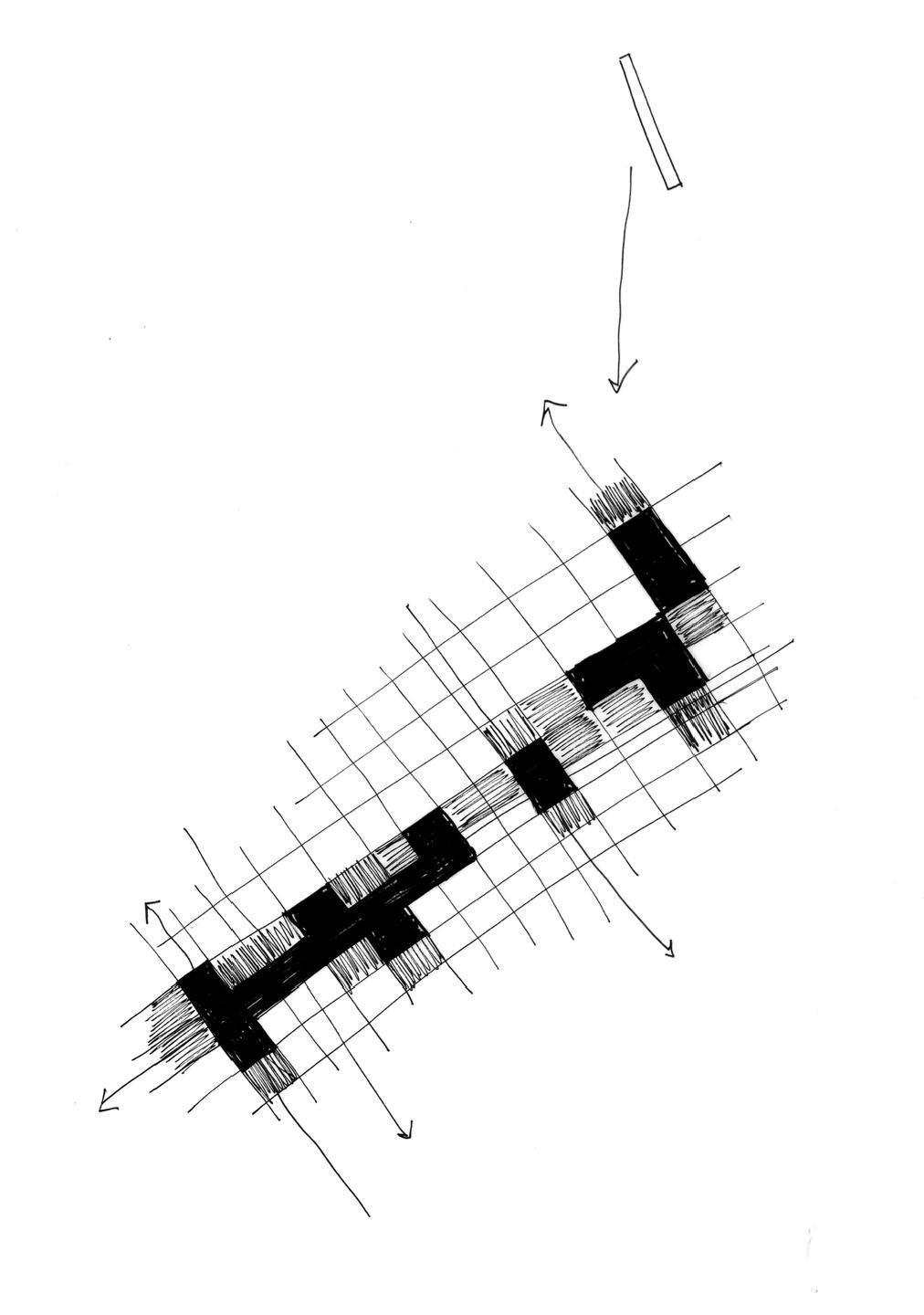
è também suportado por uma grelha que ordena, com base numa grelha de módulos de 6,00x6,00m. esta grelha responde na disposição dos elementos estruturais verticais, nos vazios de forjados e consequentemente, também na organização dos espaços. esta grelha é prolongada no plano vertical, presente na distribuição dos espaços.
o projeto é um nexo de união, que procurará melhorar as condições de vida do local na sua envolvente imediata, conferindo ao projeto uma referencialidade no seu contexto.
the place is framed by its proximity to the Lerez River, the university halt the university and the city of Pontevedra therefore, the proposal must be related to the place where it is located, looking for the essence of the place so that the generated piece dialogues within, relates to it it must be an architecture intimately related to the pre-existent
after the analysis we realize that the place hides ways of living very different from those of the city that is so close, even to those of the neighborhoods of urban growth that we can reach by foot from the place of intervention
when making the proposal, we have to take these acquired sensitivities into account, we have to respond through the correct use of proportions and scales that reflect the harmony that the place presents the latter contrasts with the heavy volume of the old existing factory, wich provides great presence we will stay with what interests us, with the rationality of popular architecture and with the treatment of outer space
we must be aware of the ethics and aesthetics of the place and likewise be aware that our project, on an urban scale, demands new needs that the place itself does not demand we demand meeting spaces where we can create an environment, all this must be adapted to the scale of the place and for this, the study of the environment is essential
the Student Center is understood as a set that embraces the place. The main idea of the configuration of the spaces is the gesture that unites all the elements around exterior and cohesive spaces a place where all experiences can occur
a clean gessture that when materialized will look frozen and will be translated and transformed into different lines that will adapt at each point to the circumstances of the plot, transforming their surroundings
which is also supported by a grid that orders, based on a grid of module 6.00x6.00m
the grid builds different modules, they are generated with different uses of the program. Such grid responds in the arrangement of vertical structural elements, in the forged voids and consequently, also in the organization of the spaces this grid extends in the vertical plane, present in the distribution of spaces
the project´s link, wich will try to improve the living conditions of the place in its immediate environment, giving the project a referentiality in its context












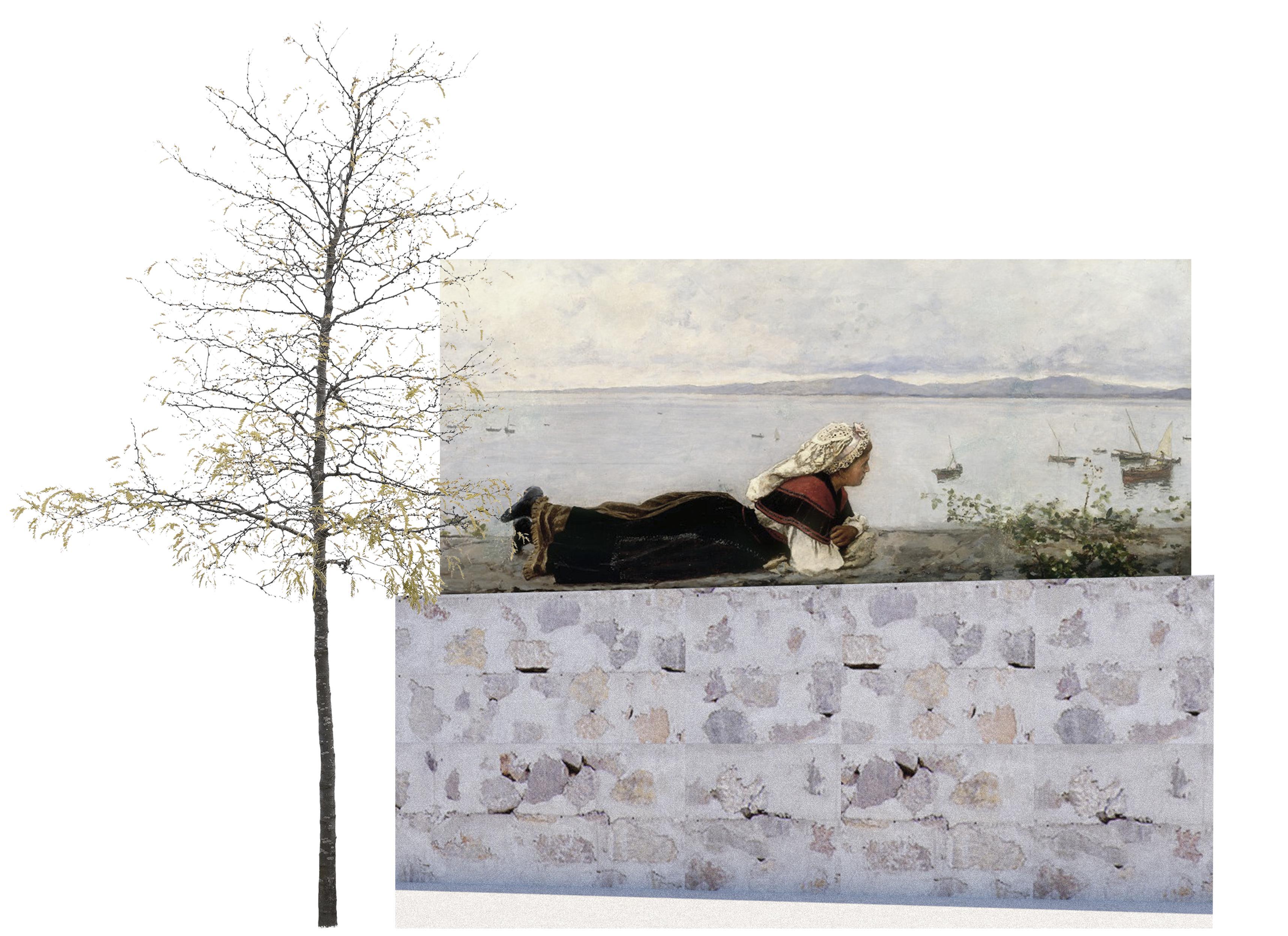
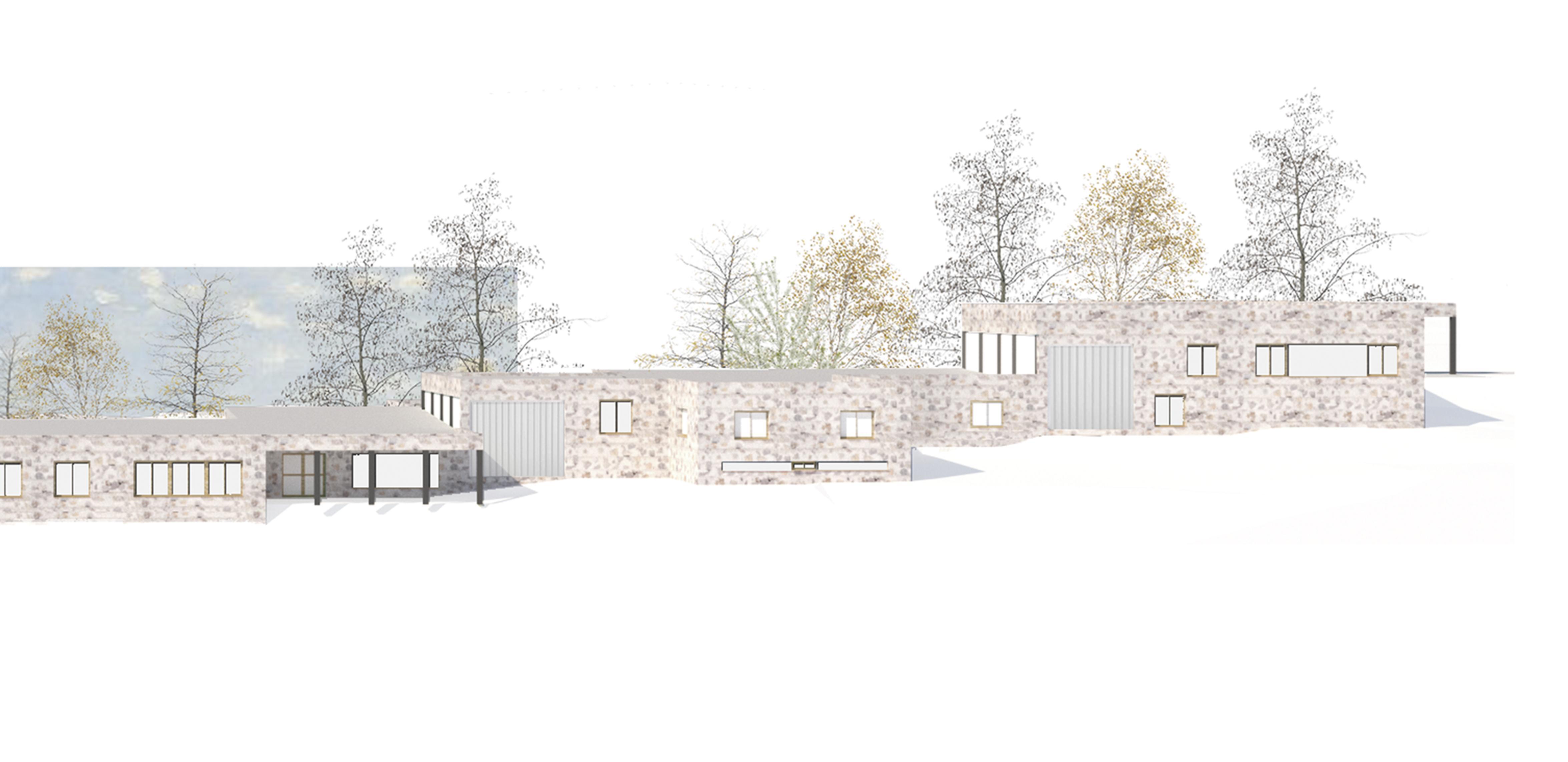
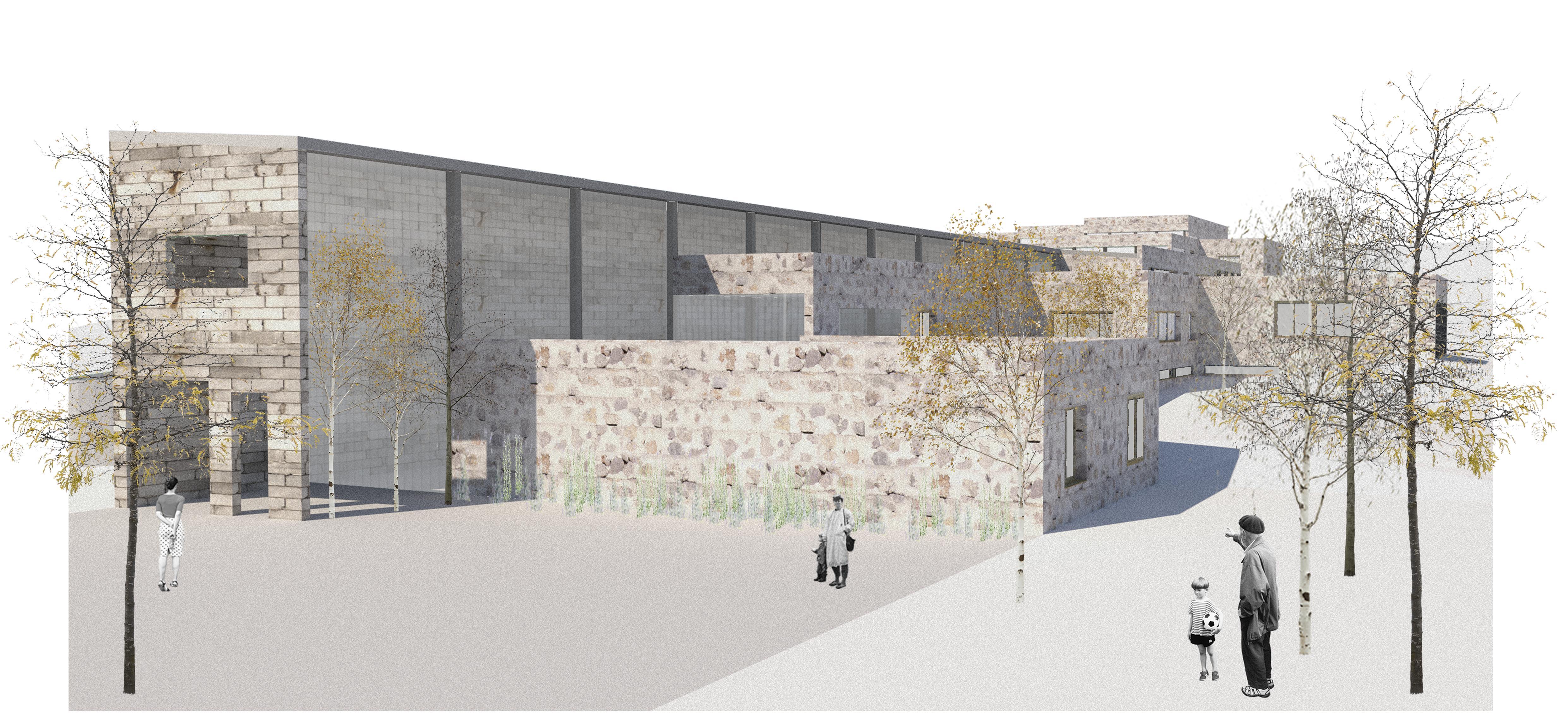
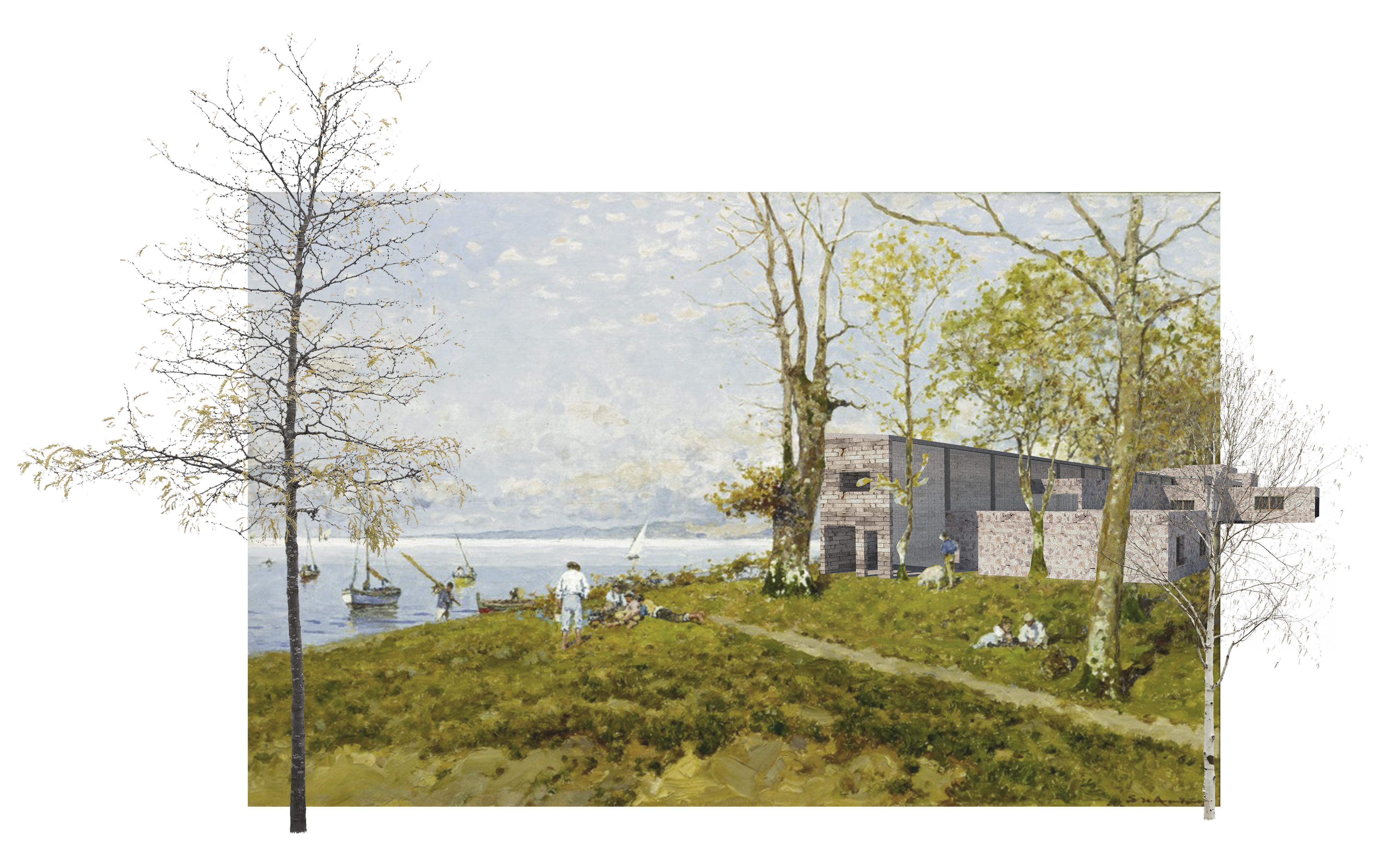 Collage Quadro de Serafín Avedaño
o local é enquadrado pela proximidade do rio Entíns, do centro cultural Outes, da câmara municipal e da paragem de autocarros.
a proposta tem, portanto, de estar relacionada com o local, procurando a essência do lugar para que a peça gerada dialogue com ele, se relacione com ele.
tem de ser uma arquitetura intimamente relacionada com a pré-existência.
uma construção existente que foi o centro da Serra de Outes, coincidindo com um cruzamento e uma das encruzilhadas do rio no passado.
após a análise percebemos que o local esconde formas de viver, o contacto direto com a natureza tem de refletir essa sensibilidade e respeito pelo local.
Ao fazer a proposta, temos de ter em conta estas sensibilidades adquiridas, temos de responder através de uma utilização correcta de proporções e escalas que reflictam a harmonia que o local apresenta.
Esta última contrasta com a volumetria pesada da antiga fábrica/armazém existente, que confere grande presencialidade.
ficaremos com o que nos interessa, com a racionalidade da arquitetura popular e com o tratamento do espaço exterior.
devemos estar conscientes da ética e da estética do lugar e também estar conscientes de que o nosso projeto, à escala urbana, exige novas necessidades que o próprio lugar não exige. exigimos espaços de encontro onde possamos gerar um ambiente, tudo isto tem de ser adaptado à escala do lugar e para isso é essencial estudar o ambiente.
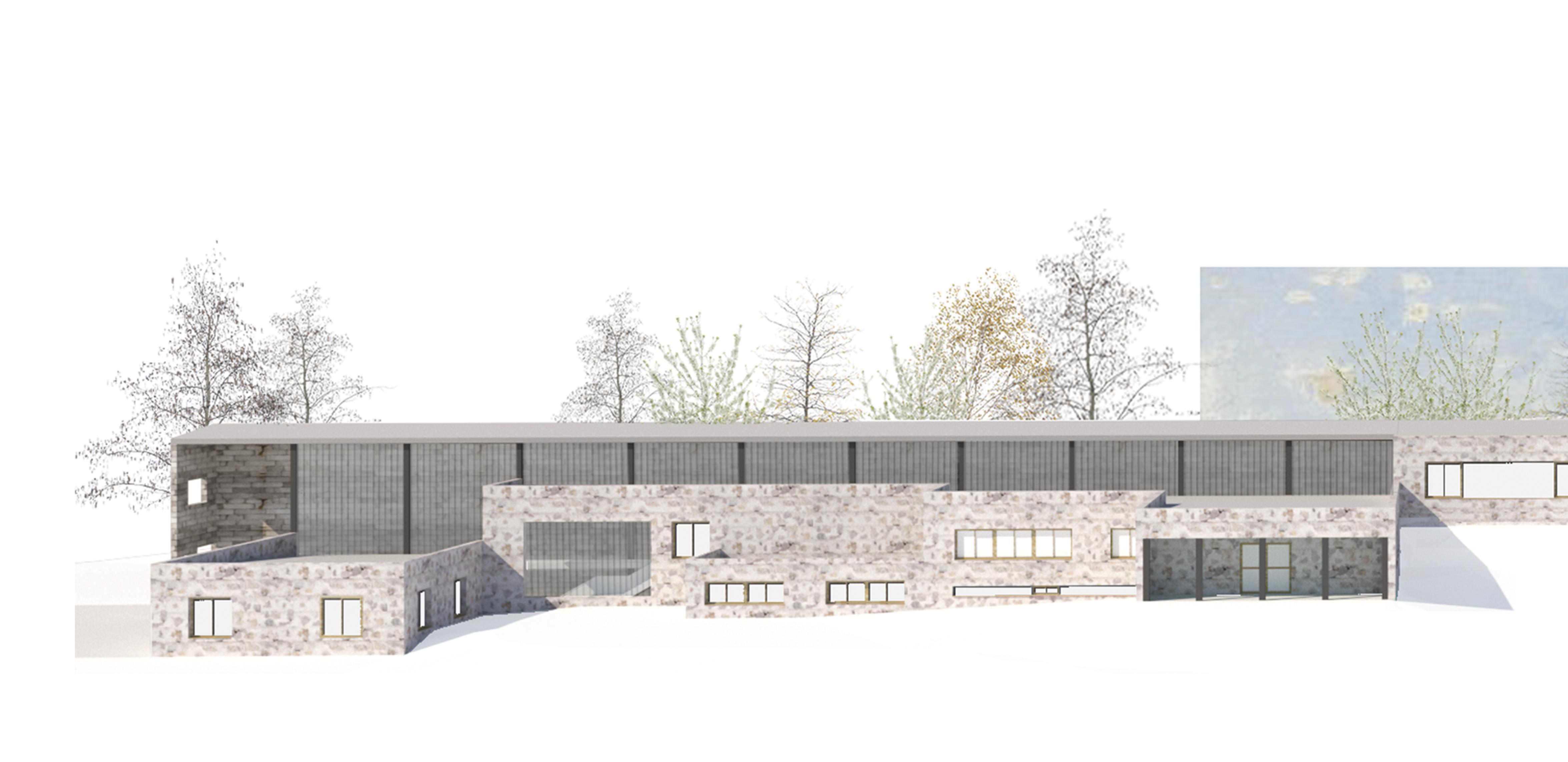
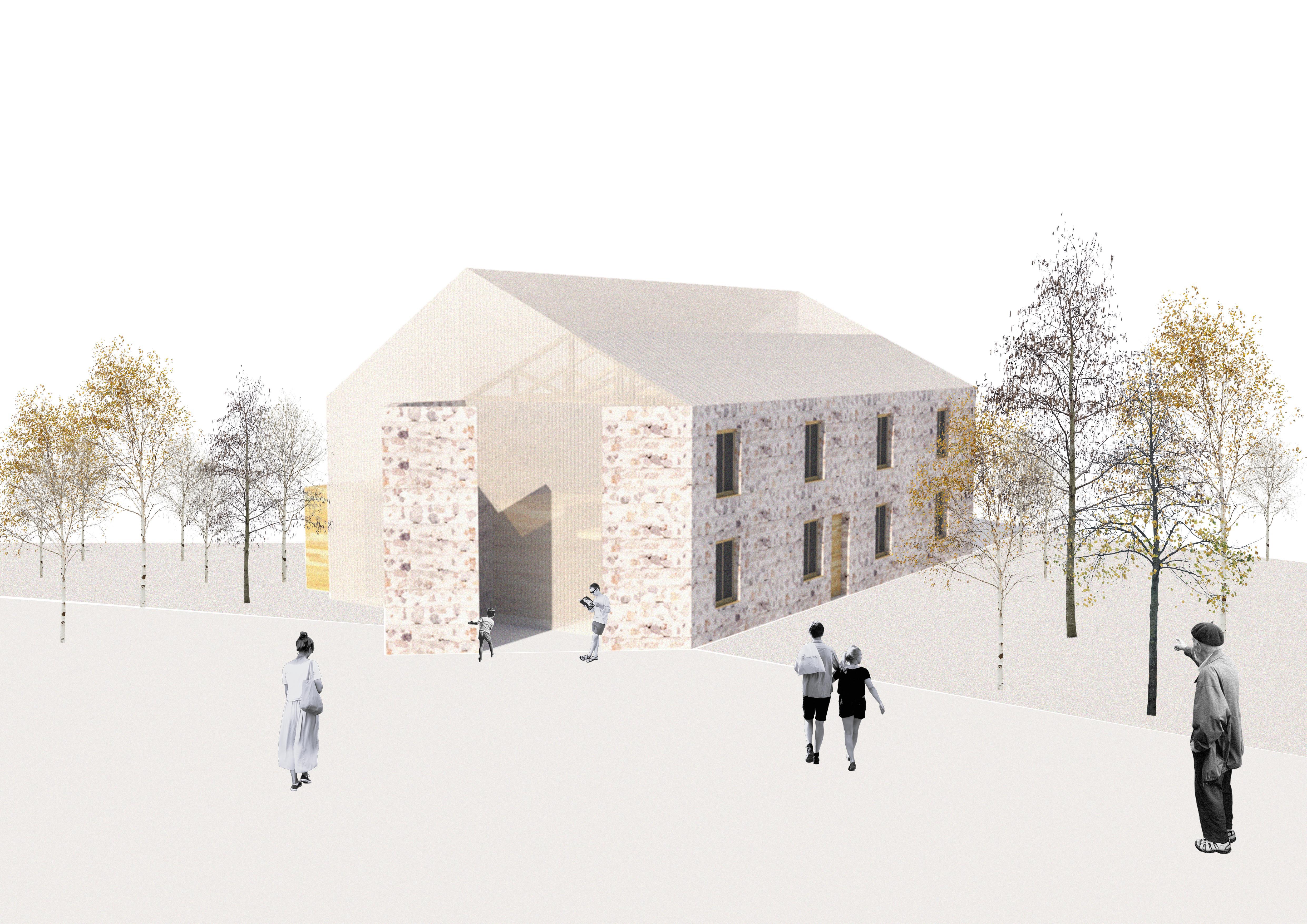
o FabLab é entendido como um todo que abraça o lugar. a ideia principal da configuração dos espaços é o gesto que reúne todos os elementos em torno de espaços exteriores e coesos. um lugar onde todas as experiências podem ter lugar.
um gesto limpo que, ao materializar-se, será congelado e se traduzirá e transformará em diferentes linhas que se adaptarão em cada ponto às circunstâncias do terreno, contagiando-se com o seu entorno.
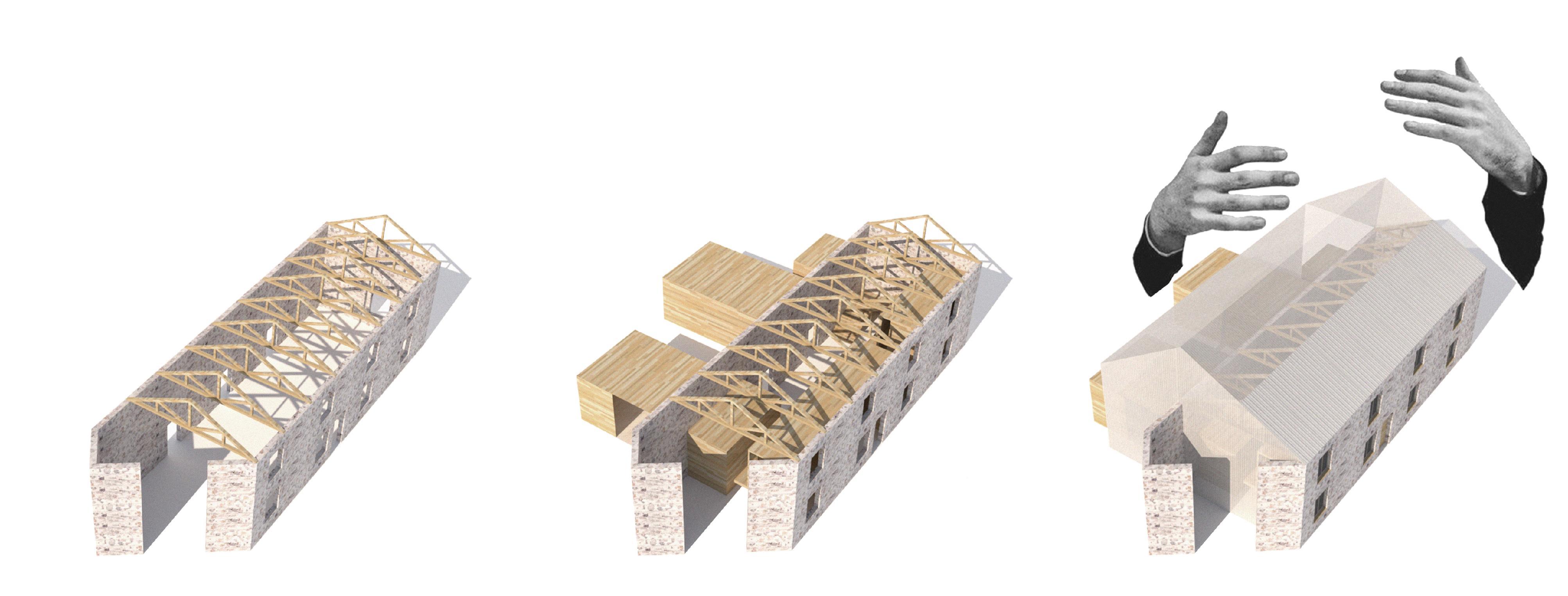
diferentes módulos/caixas de madeira são gerados com diferentes usos do programa. responde à disposição dos elementos estruturais verticais, nos vazios forjados e, consequentemente, também na organização dos espaços.
as dimensões do espaço público são fundamentais para a intervenção, a escala que o FabLab irá adotar.
the place is framed by its proximity to the Entíns River, the Outes house of culture, the town hall and the bus stops.
therefore, the proposal must be related to the place where it is located, looking for the essence of the place so that the generated piece dialogues with it, relates to it.
it must be an architecture intimately related to the pre-existence.
an existing construction that was the center of Serra de Outes, coinciding at a crossroads and one of the river crossings in the past.
after the analysis we realize that the place hides ways of living, the direct contact with nature must reflect this sensitivity and respect for the place.
when making the proposal, we have to take these acquired sensitivities into account, we have to respond through the correct use of proportions and scales that reflect the harmony that the place presents.
the latter contrasts with the heavy volume of the old existing factory/warehouse, which provides great presence.
we will stay with what interests us, with the rationality of popular architecture and with the treatment of outer space.
we must be aware of the ethics and aesthetics of the place and likewise be aware that our project, on an urban scale, demands new needs that the place itself does not demand. we demand meeting spaces where we can create an environment, all this must be adapted to the scale of the place and for this, the study of the environment is essential.
the FabLab is understood as a set that embraces the place. The main idea of the configuration of the spaces is the gesture that unites all the elements around exterior and cohesive spaces. a place where all experiences can occur.
a clean gesture that when materialized will look frozen and will be translated and transformed into different lines that will adapt at each point to the circumstances of the plot, infecting their surroundings.
different modules/wooden boxes are generated with different uses of the program. It responds to the arrangement of vertical structural elements, in the voids of the forging and, consequently, also in the organization of the spaces.
the dimensions of the public space are key when intervening, the scale that the FabLab will adopt











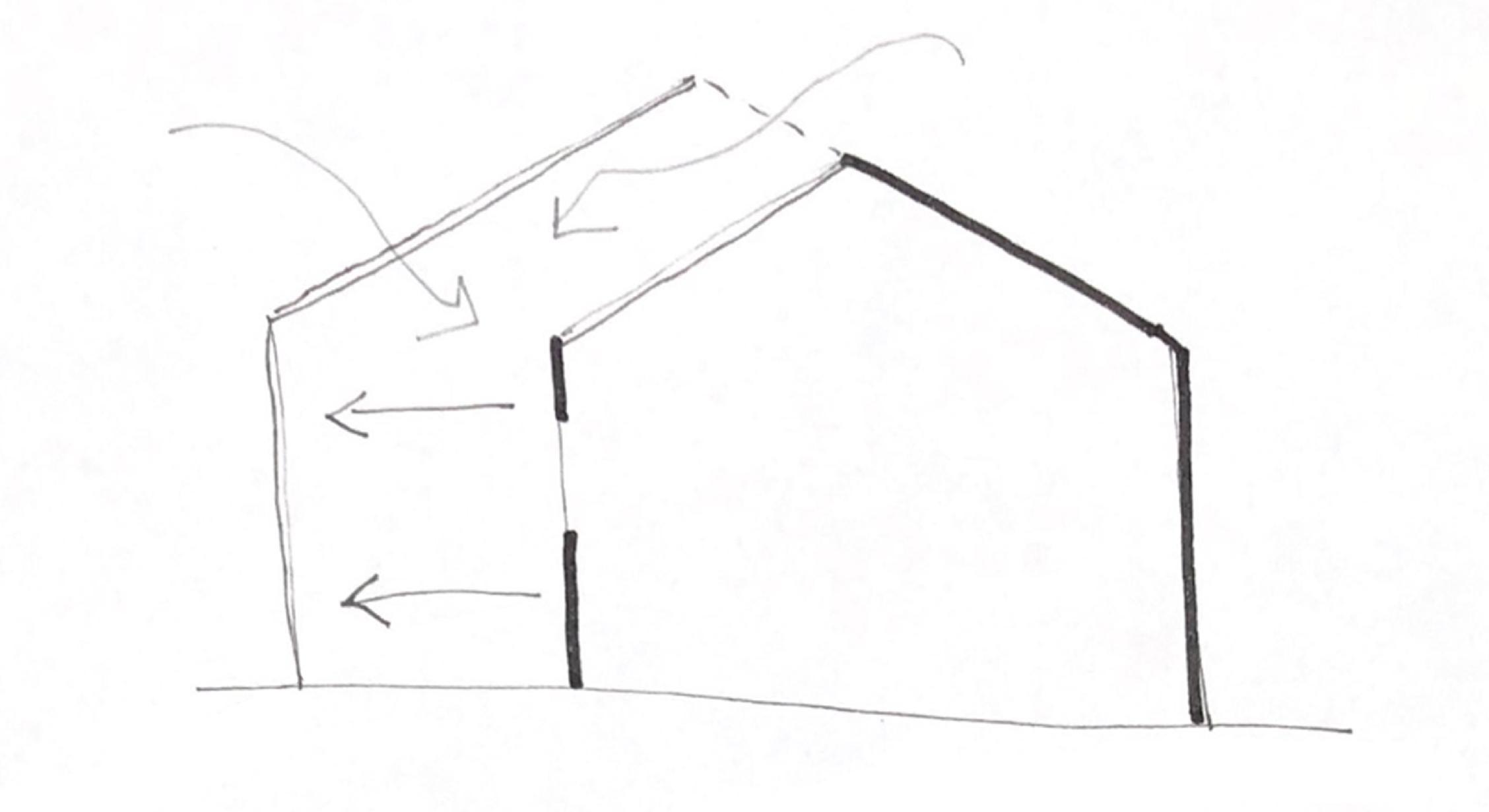
a preexistência dá sentido ao lugar caixas de madeira arrumam o espaço a pele exterior abraça o edifício
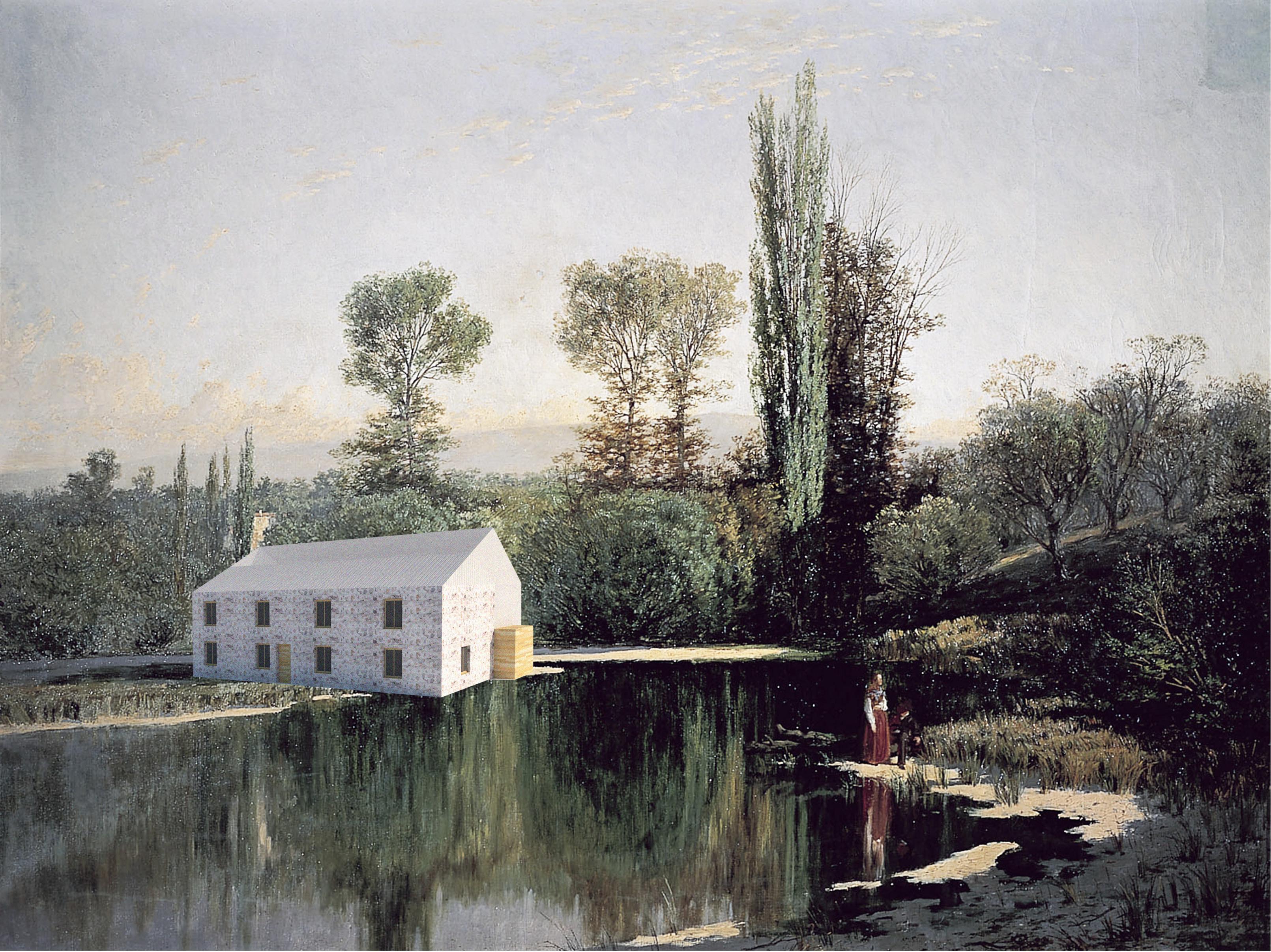 Collage Quadro de Serafín Avedaño