Raised in Dallas, I grew a deep appreciation for creativity and design. Throughout my architecture studies, I discovered an early fascination with visual storytelling through graphic design and later through the built environment. As I explored these creative fields, my passion for craftsmanship and spatial problem-solving naturally led me to pursue architectural design. My work spans conceptual development, precedent studies, site analysis, massing strategies, master planning, floor plans, and architectural renderings. Along the way, I’ve developed a strong command of industry-standard tools, including Adobe Illustrator, Photoshop, Rhino, AutoCAD, Revit, and Lumion, enabling me to communicate ideas with clarity, creativity, and technical precision.
Ivan Rodriguez
Dallas, Texas
05-30-2003
ivan_3003@outlook.com
469-418-5654
Education
Moises E. Molina High School 2017-2021
Mountain View College 2019-2022
University of Texas At Arlington 2021-2025
Organization
Student Planning Association (SPA) Graphic Coordinator
Software Skills
Autodesk CAD Revit
Languages
03 02 04
Casa Cubo
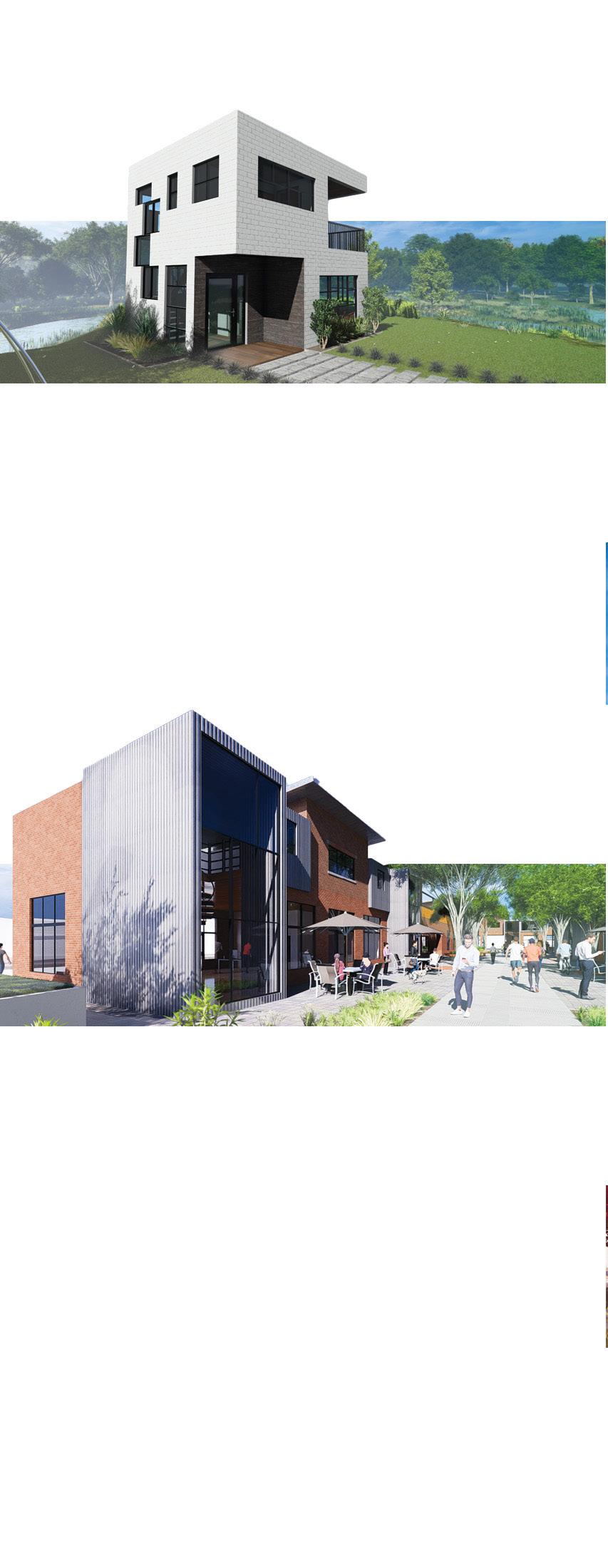
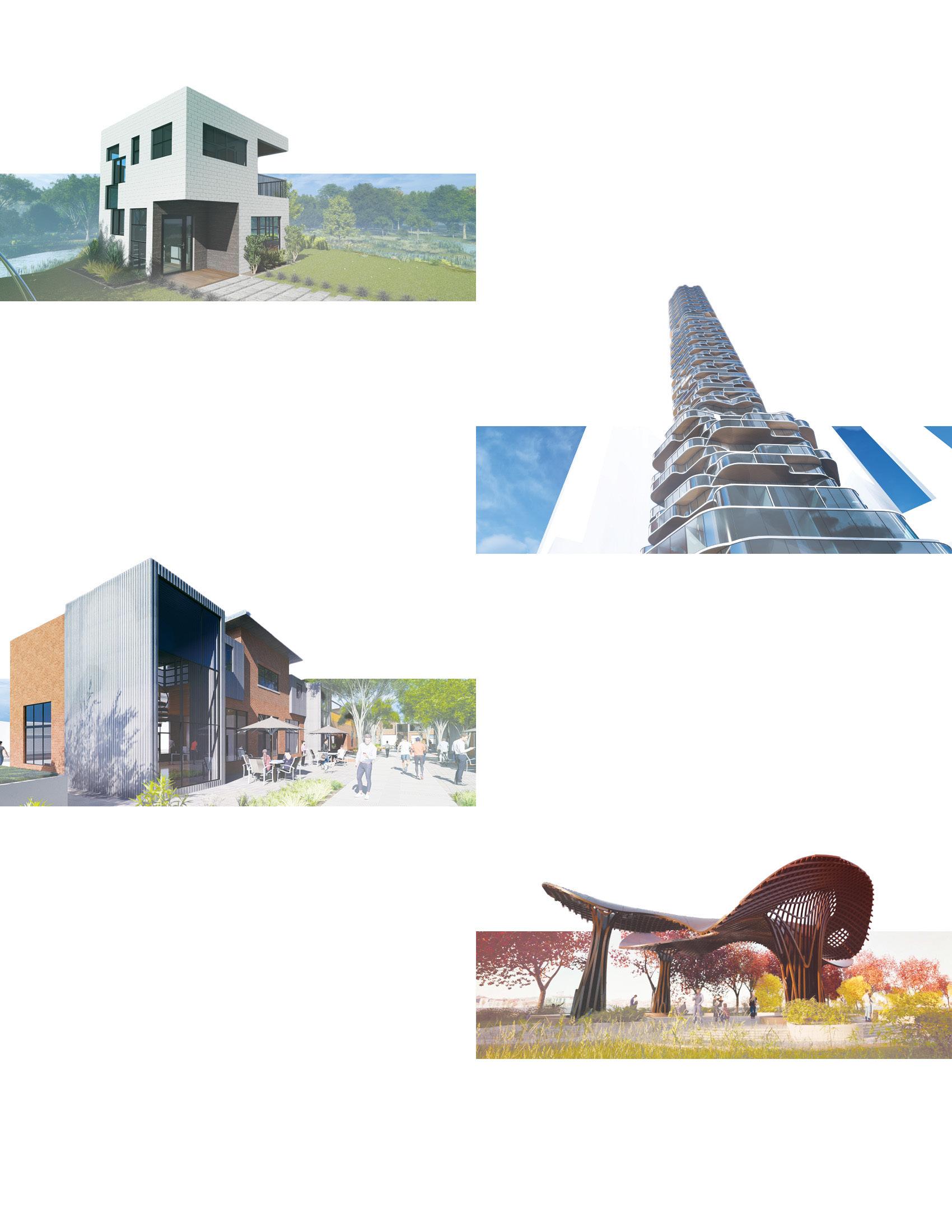
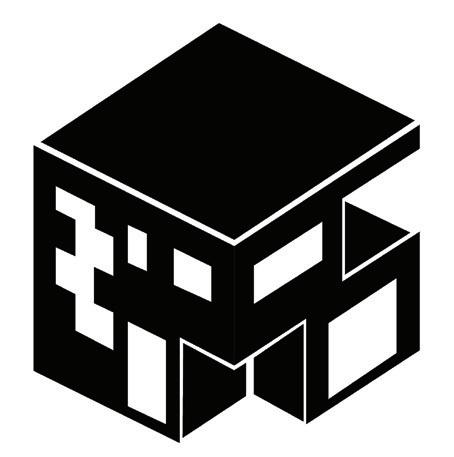
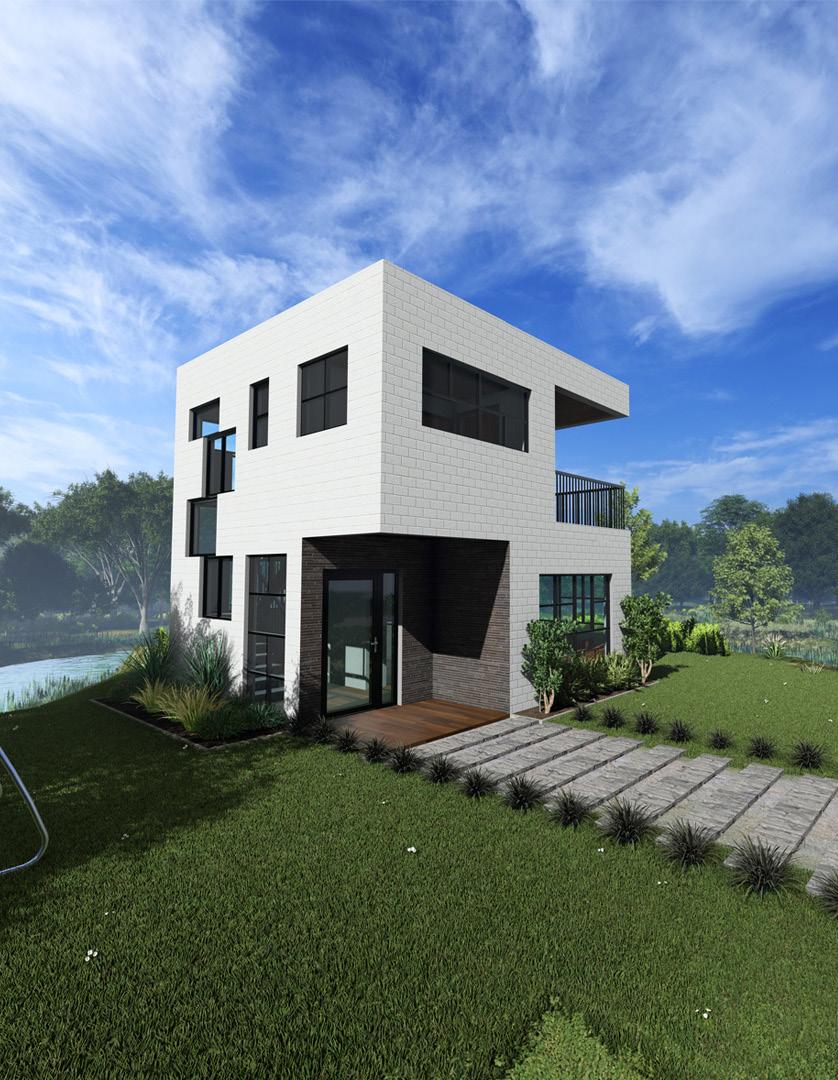
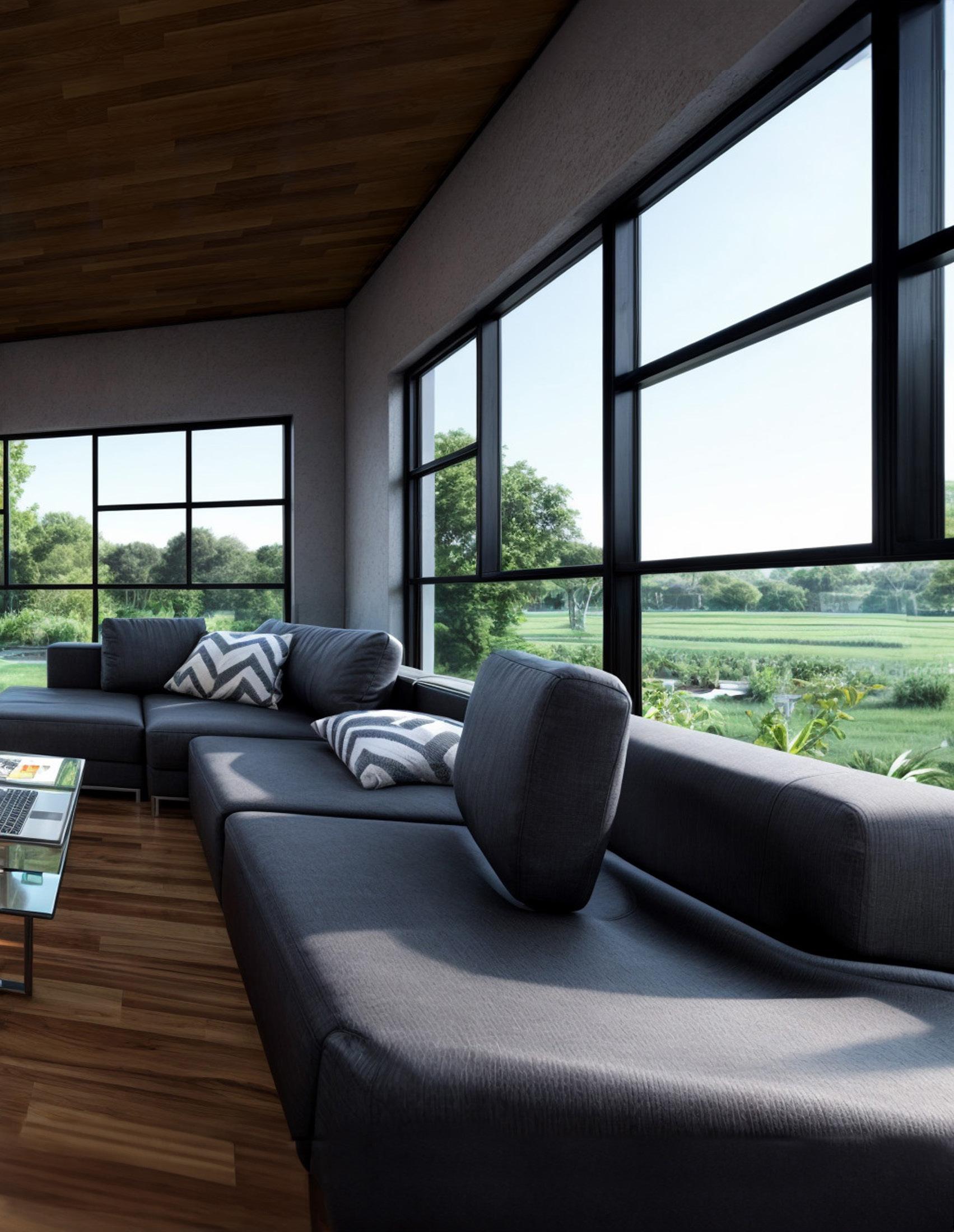
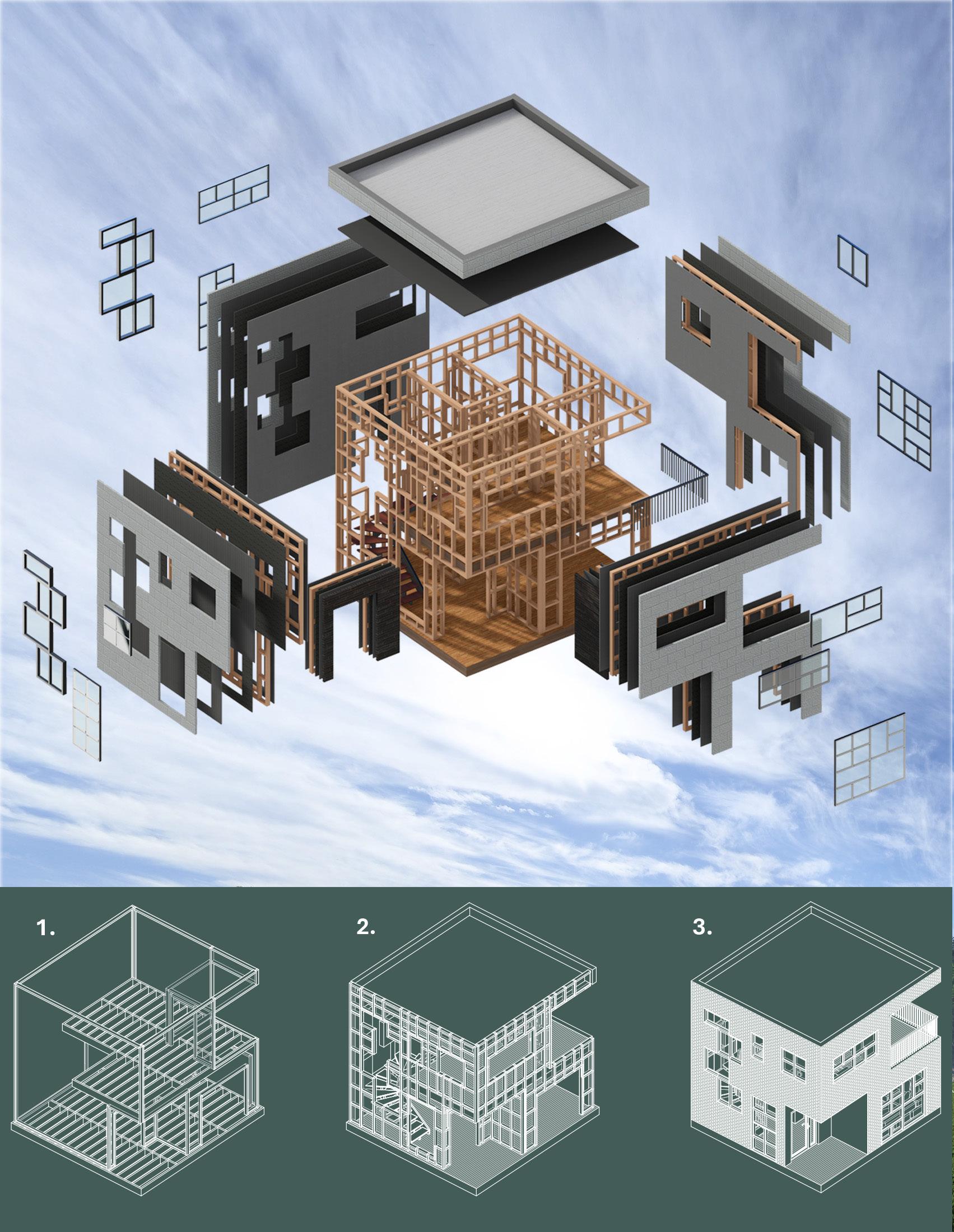
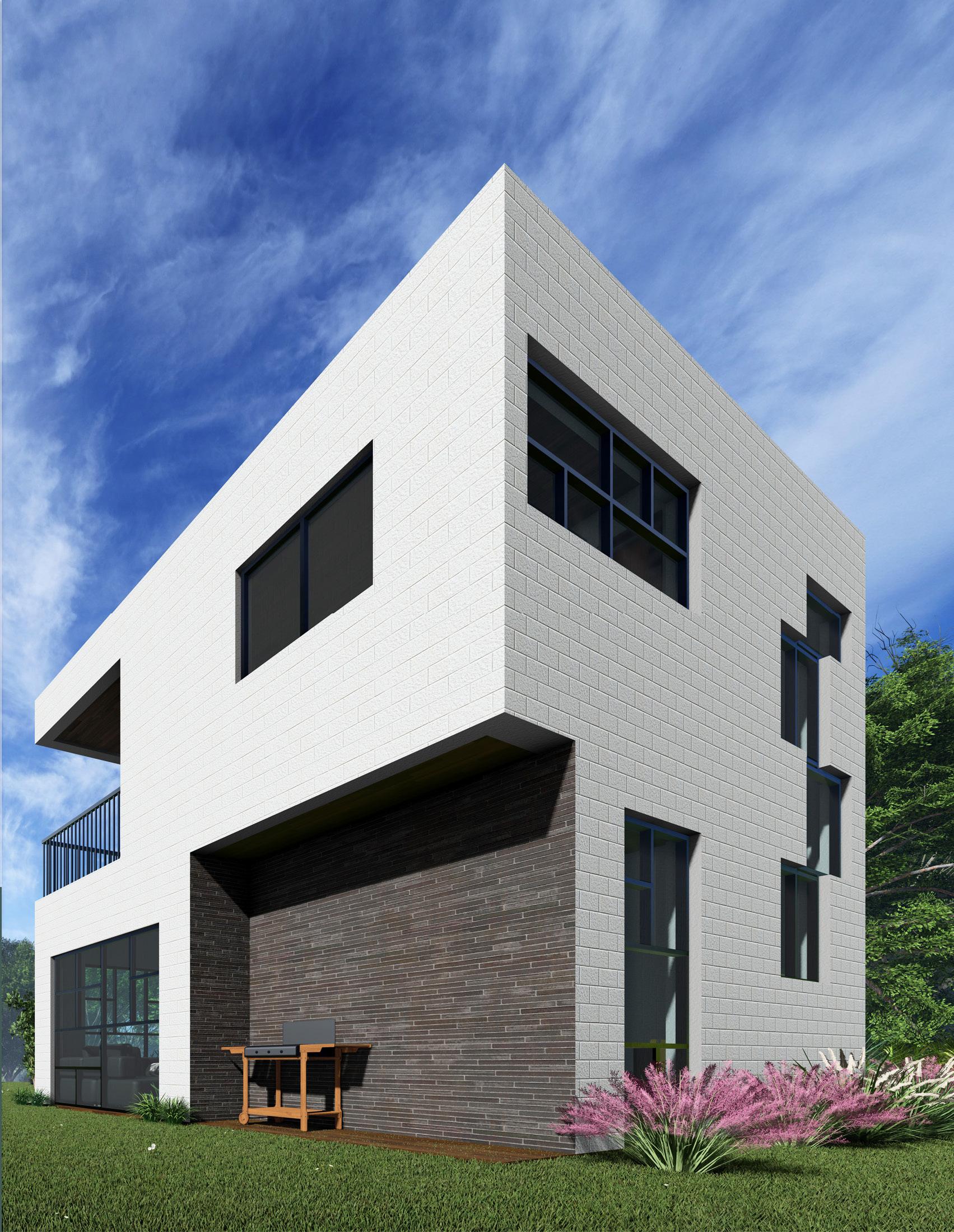
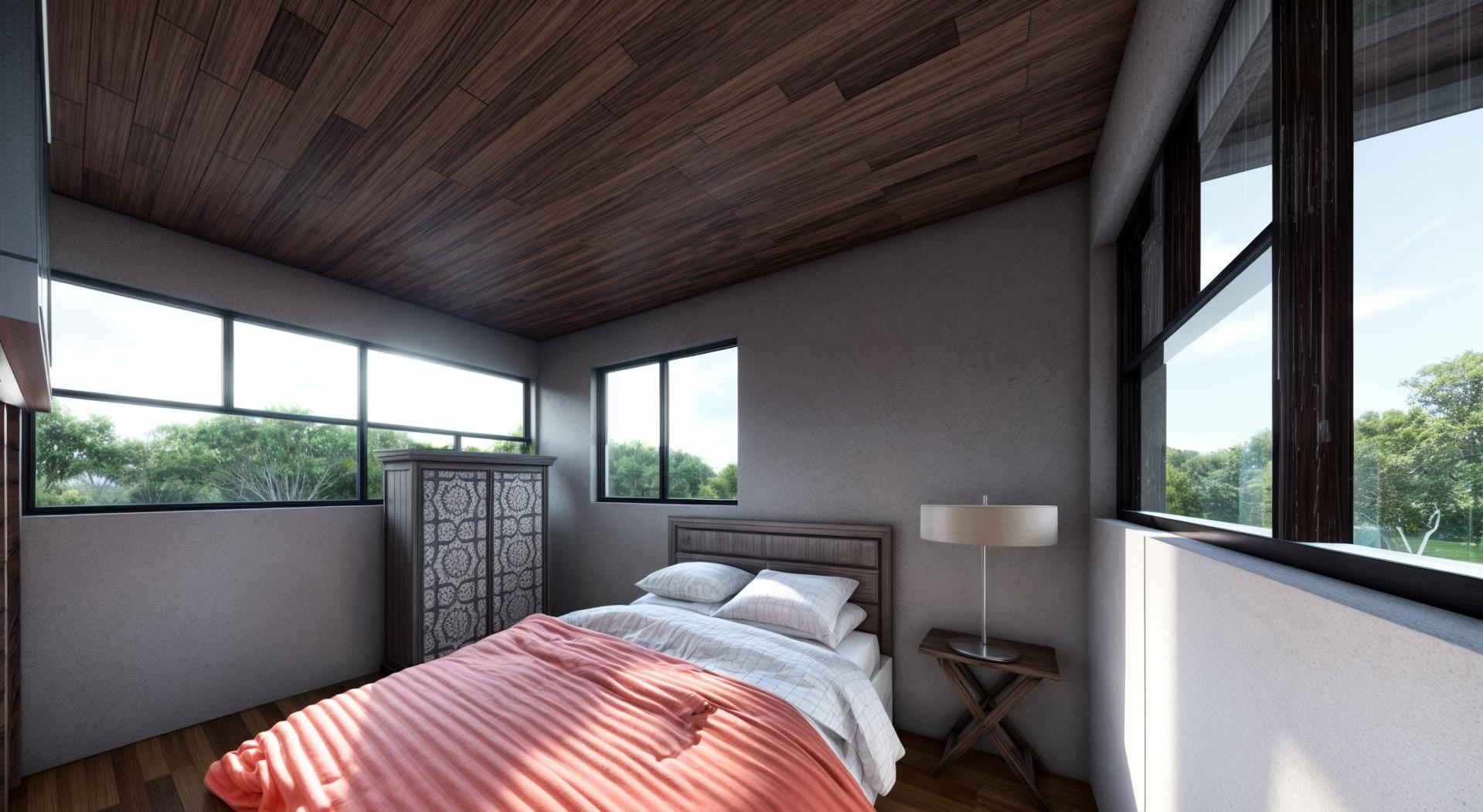
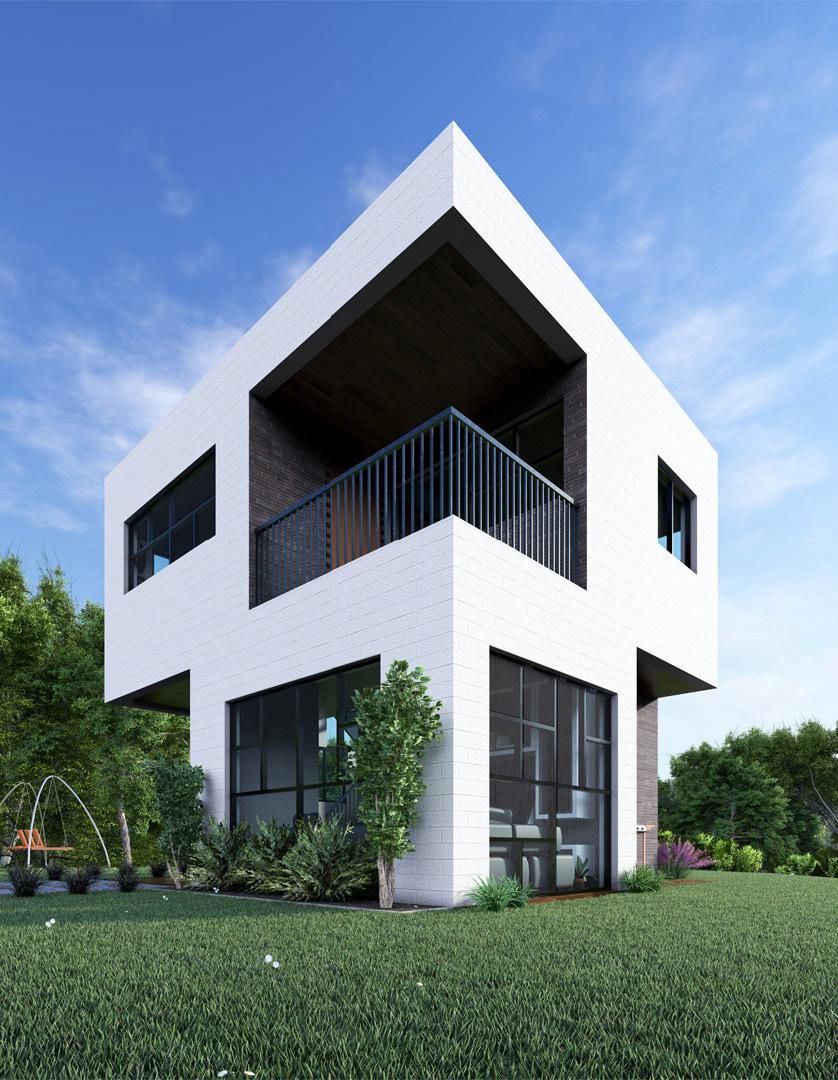
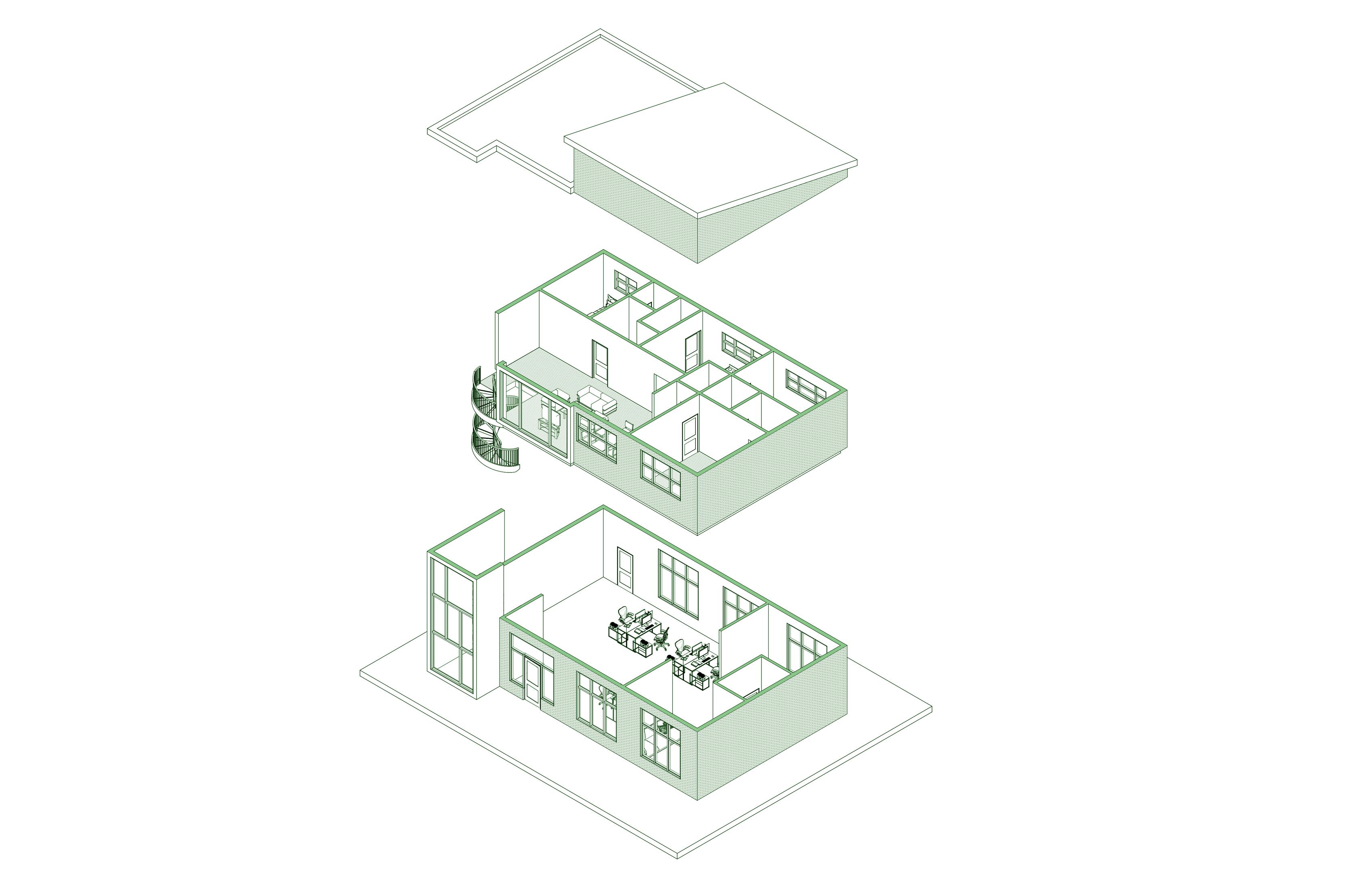
The project centers on the architectural concept of a 20x20 cubic form residence tailored for a particular client. The client for this home is a graphic designer, where the design aims to combine functionality and creative expression. The design stresses clean geometry, with the cubic form serving as a canvas for both construction and creative expression. The facade incorporates modular panels that allow for unique graphic presentations, acting as an evolving visual statement for the designer’s work.
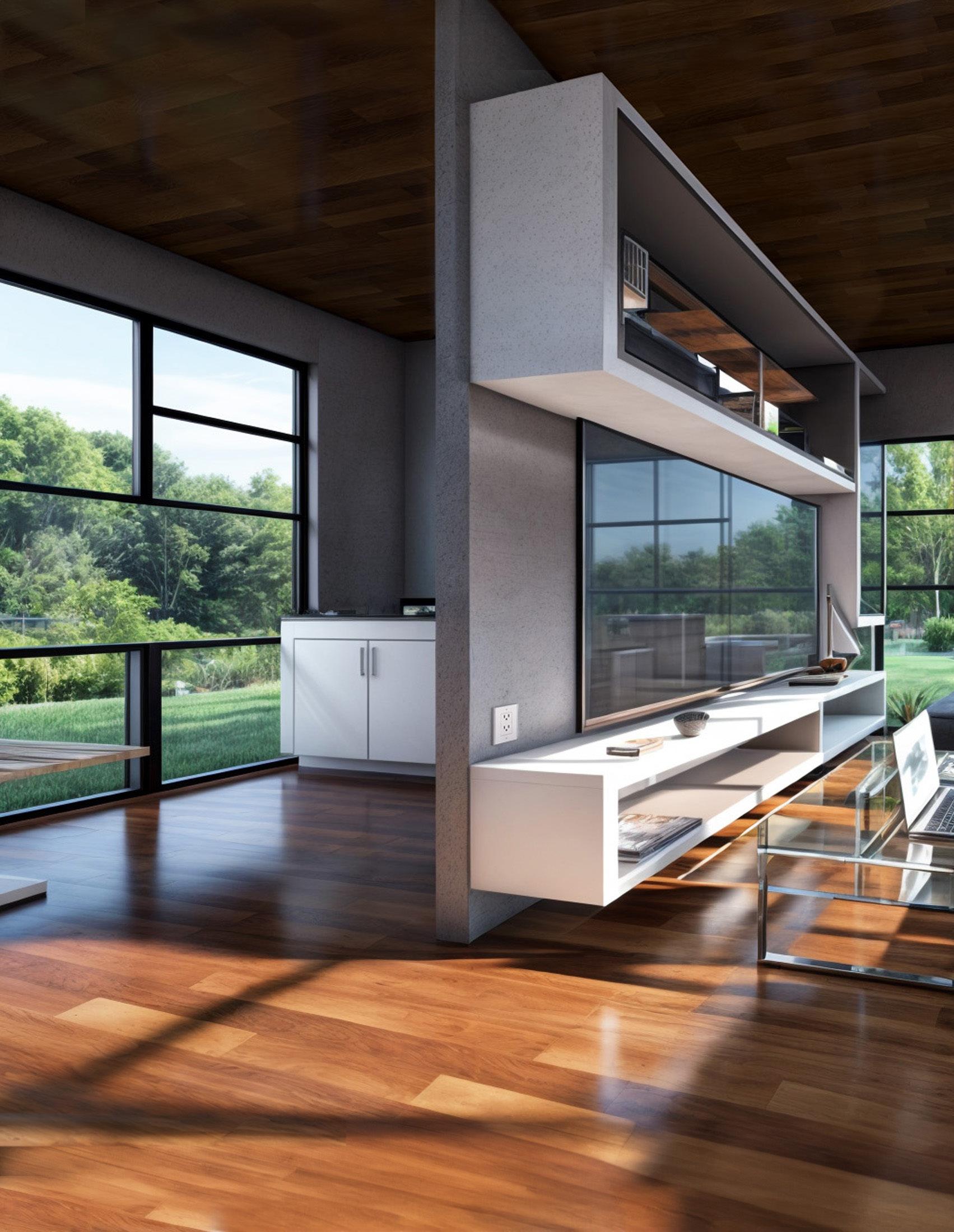
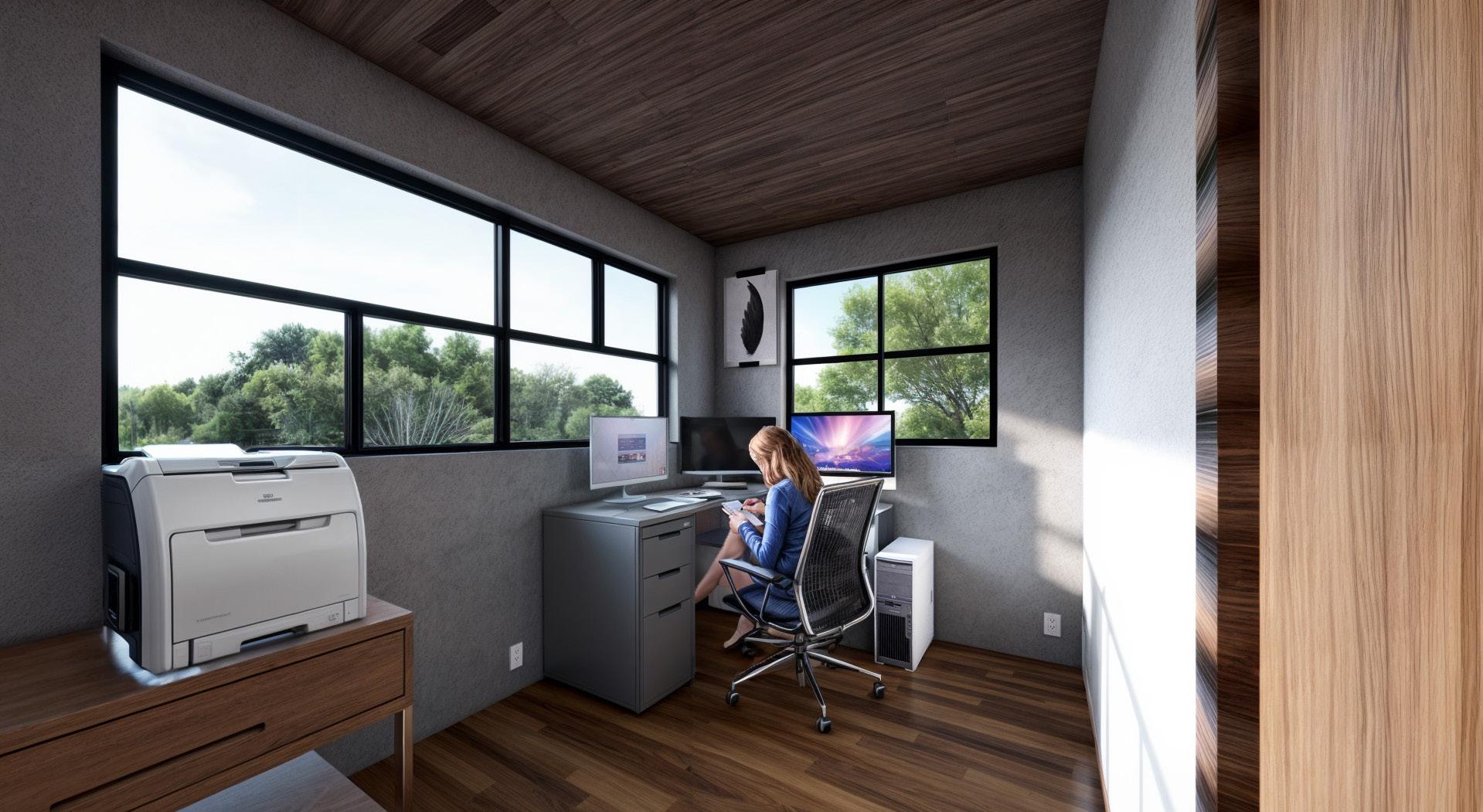
The house’s interior is designed with an open-plan style to promote flexibility in workspace arrangements. The ground level features a basic living room with enough of natural light and huge windows for better visual interaction. The upper level includes a separate bedroom area with a balcony that sits next to the studio, resulting in a fluid transition between work and personal spaces.
Material choices focus on modern aesthetics such as painted brick, wooden frame, and plaster
Programs Used
Revit, Illustrator, Photoshop, Lumion
= 1'-0" 1 North
North Elevation
= 1'-0" 2 South
South Elevation
= 1'-0" 1 West
West Elevation
= 1'-0" 2 East
East Elevation
1/4"
1/4"
1/4"
1/4"
1/4" = 1'-0"
1/4" = 1'-0"
Section 1
First Floor
Second Floor
Vinyl Composition Tile
Metal Furring
Wood Frame
Plaster
Brick
Hudson Beacon
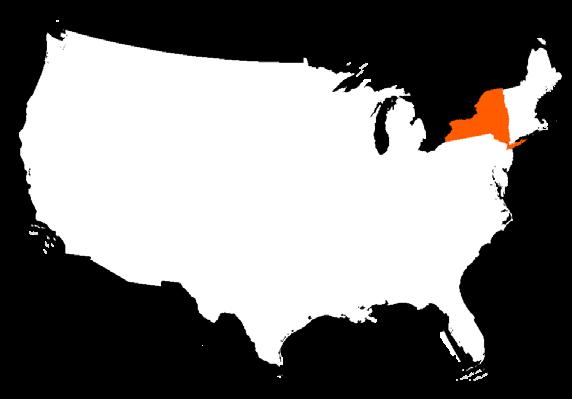
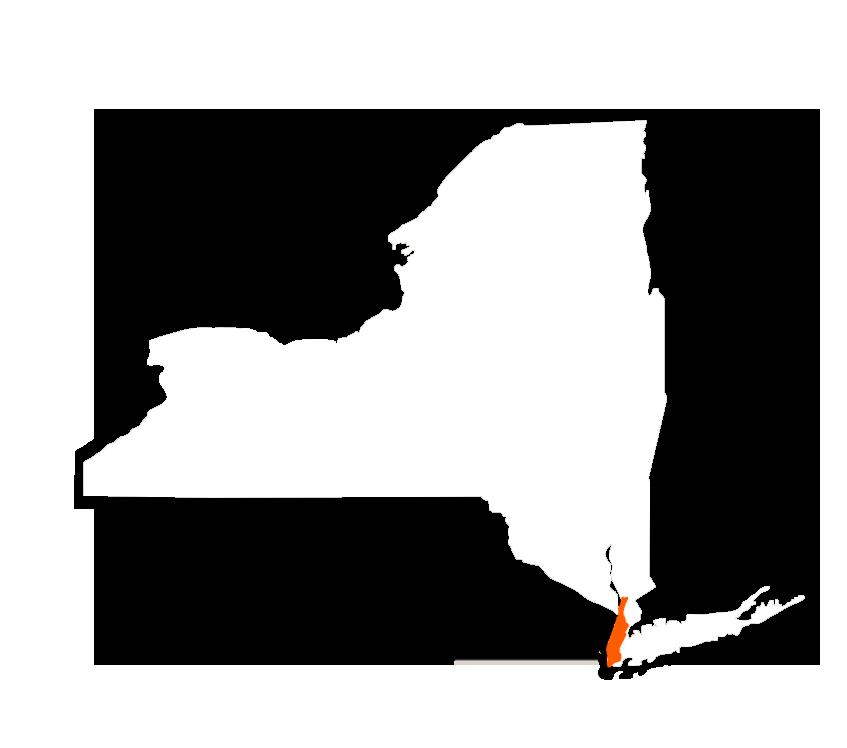
Hudson Yards, Manhattan, NY
Group Project
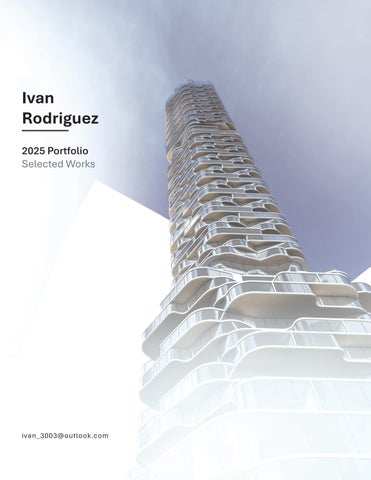
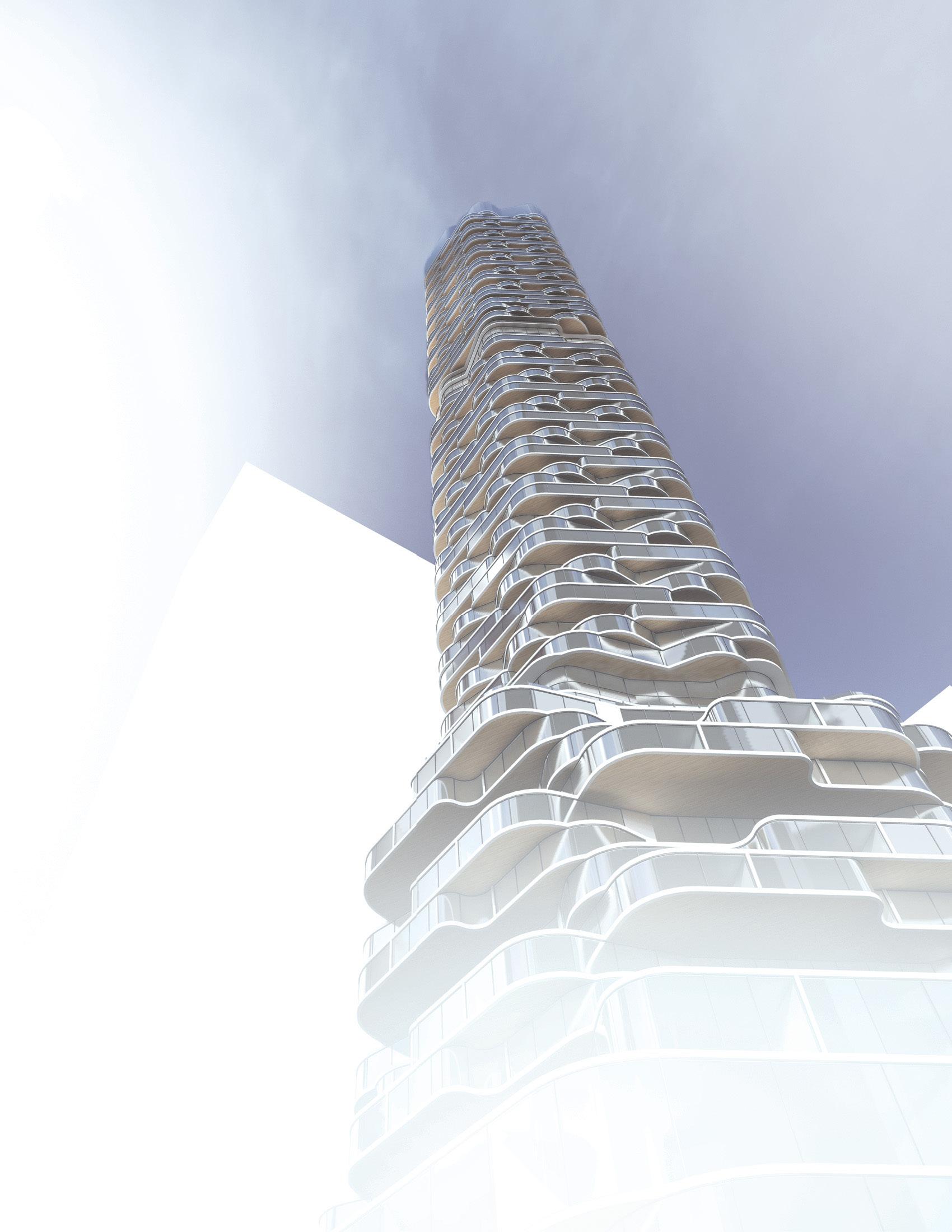
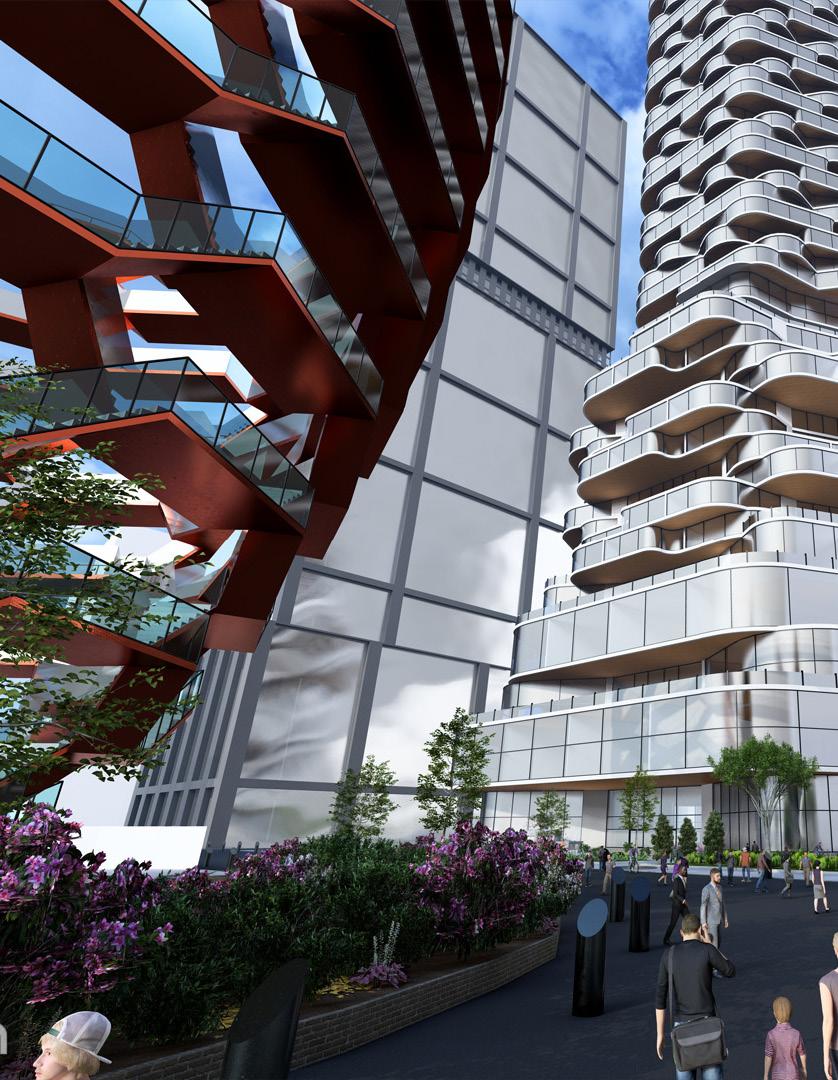
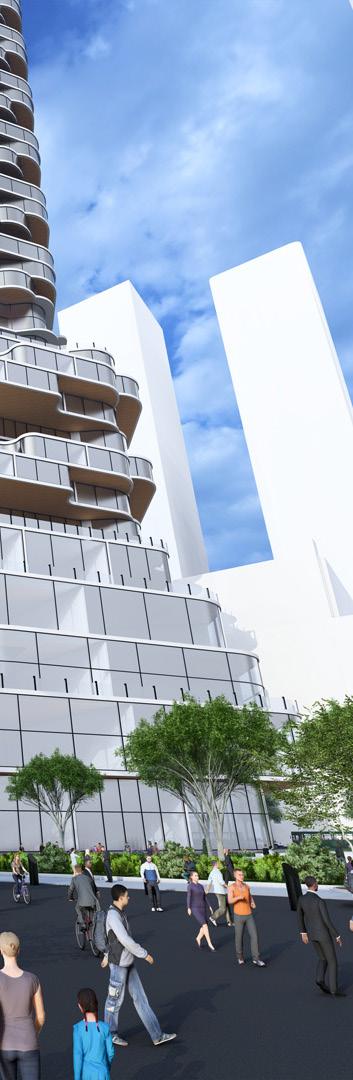
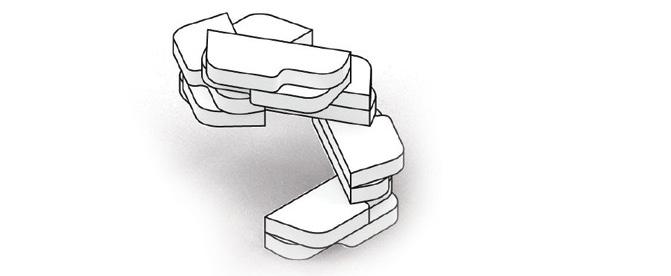
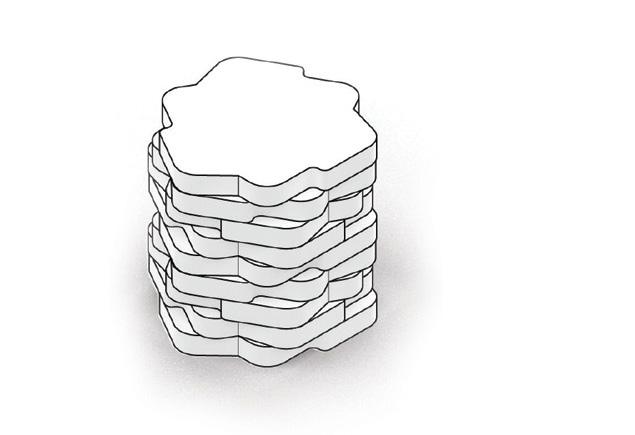
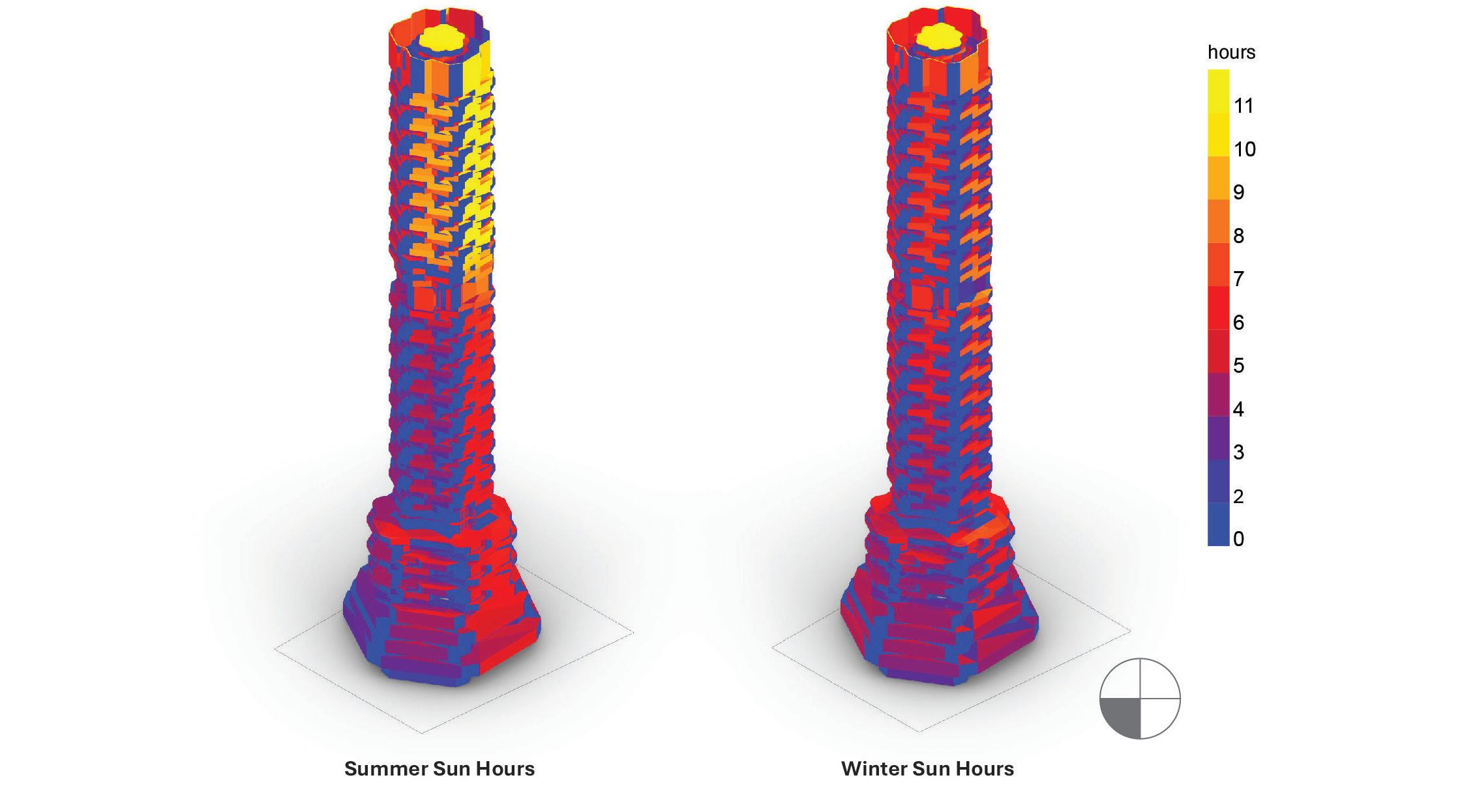
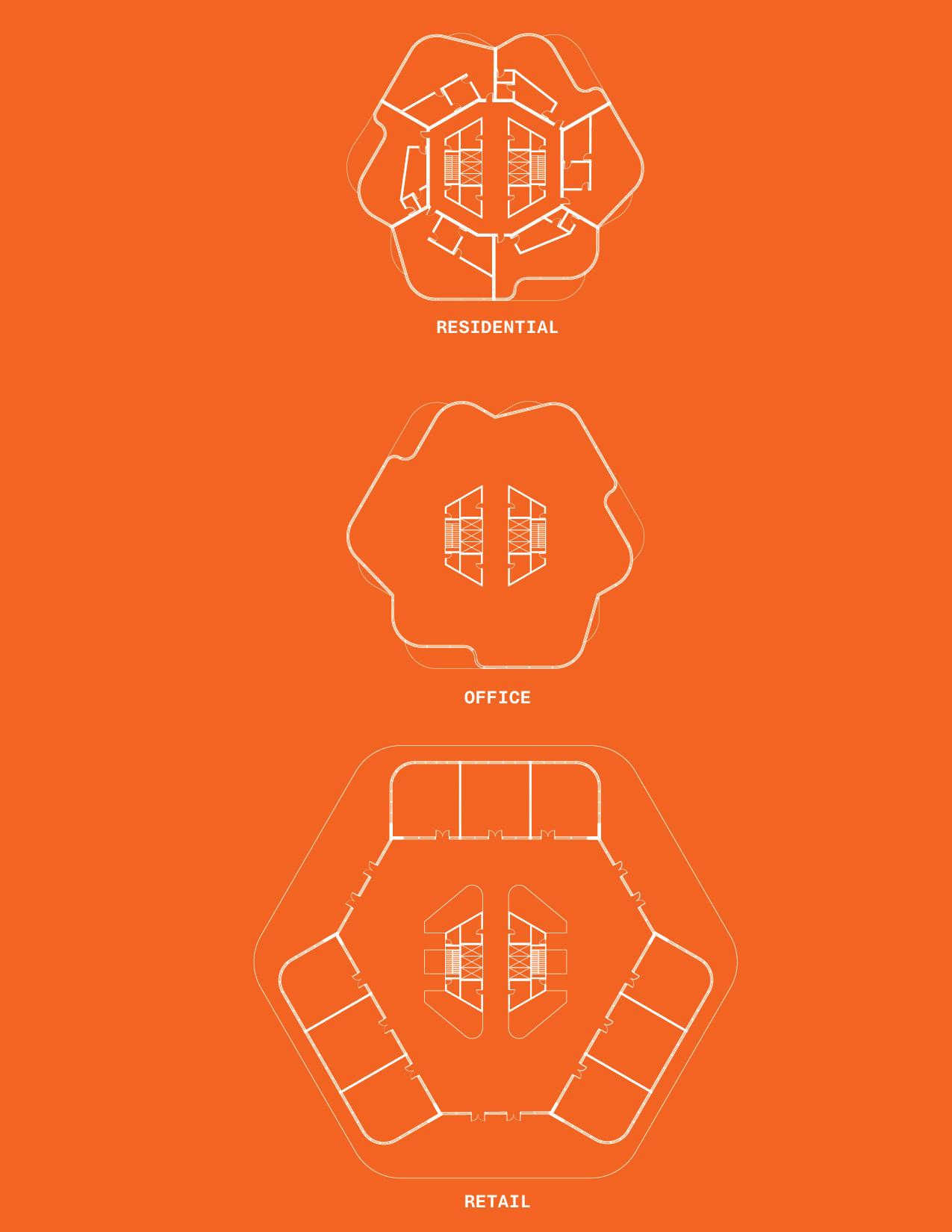
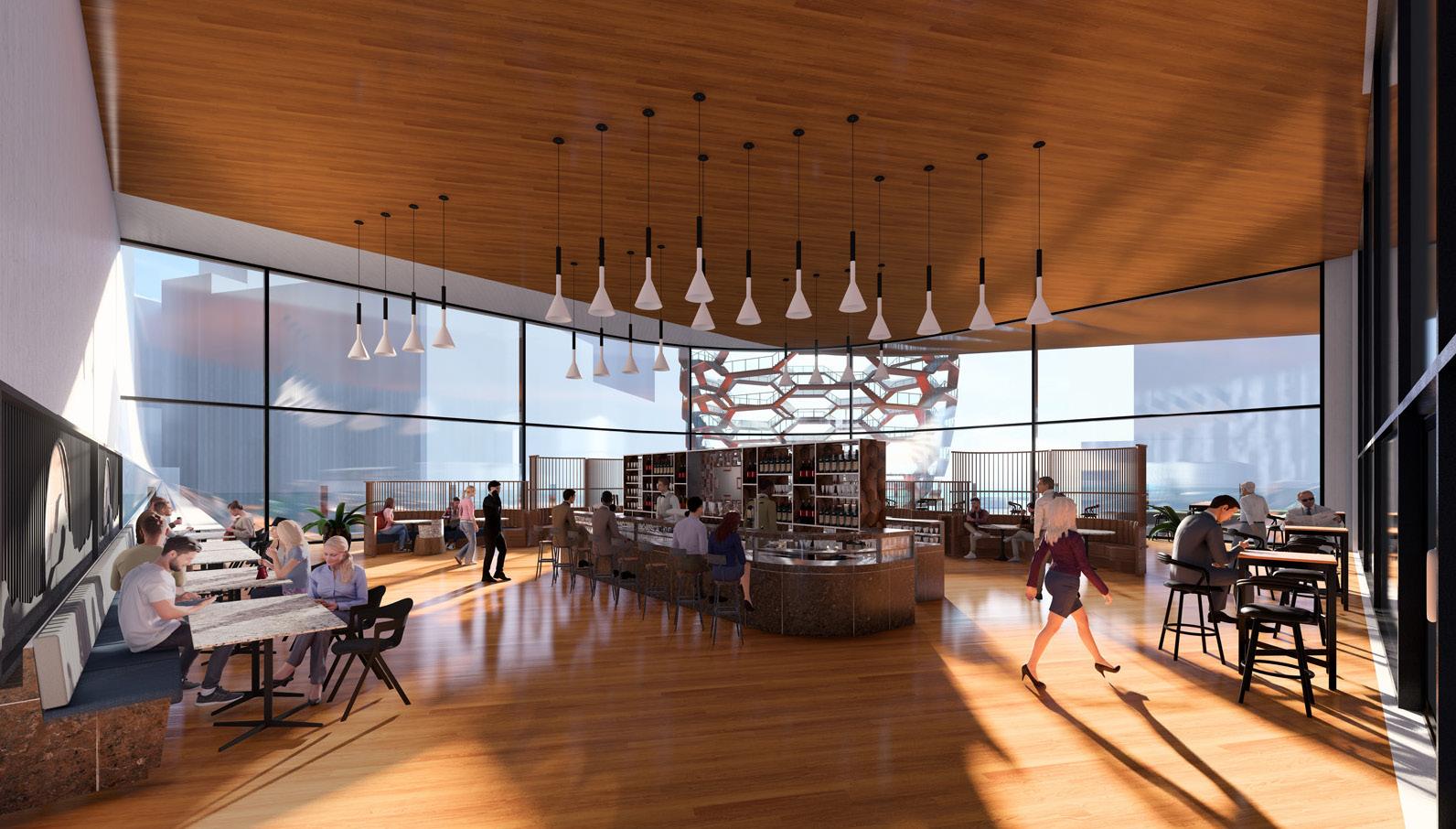
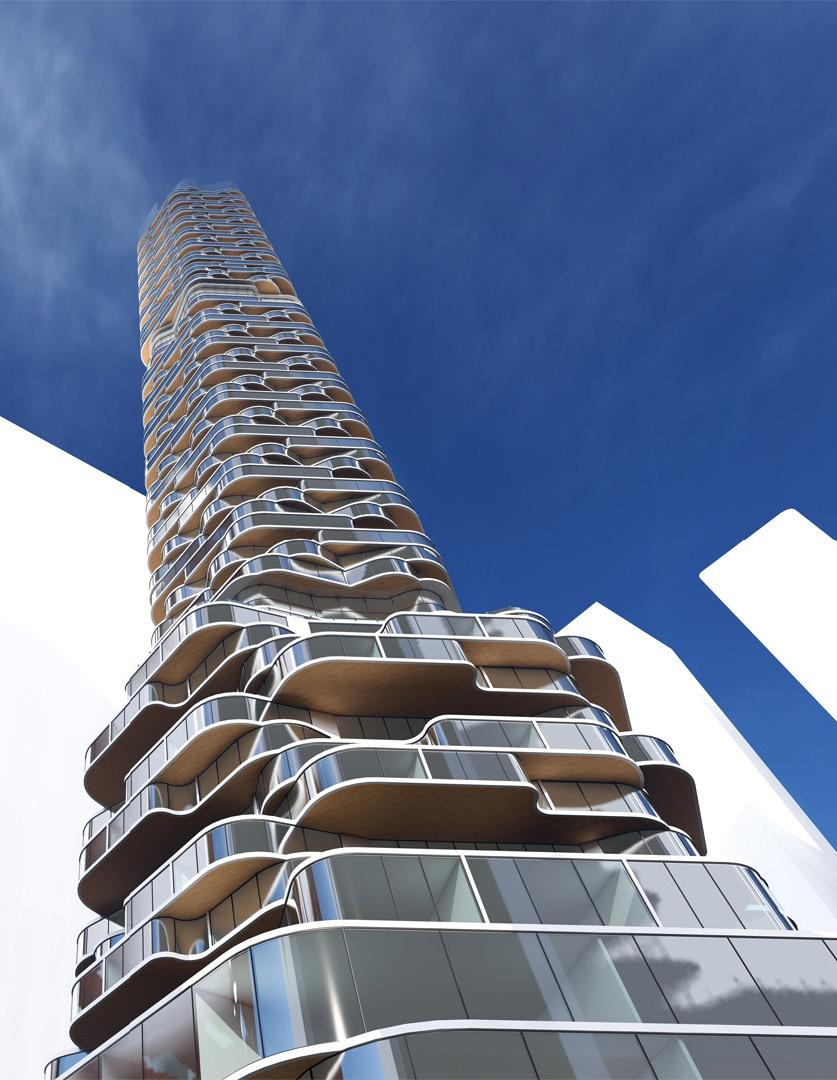
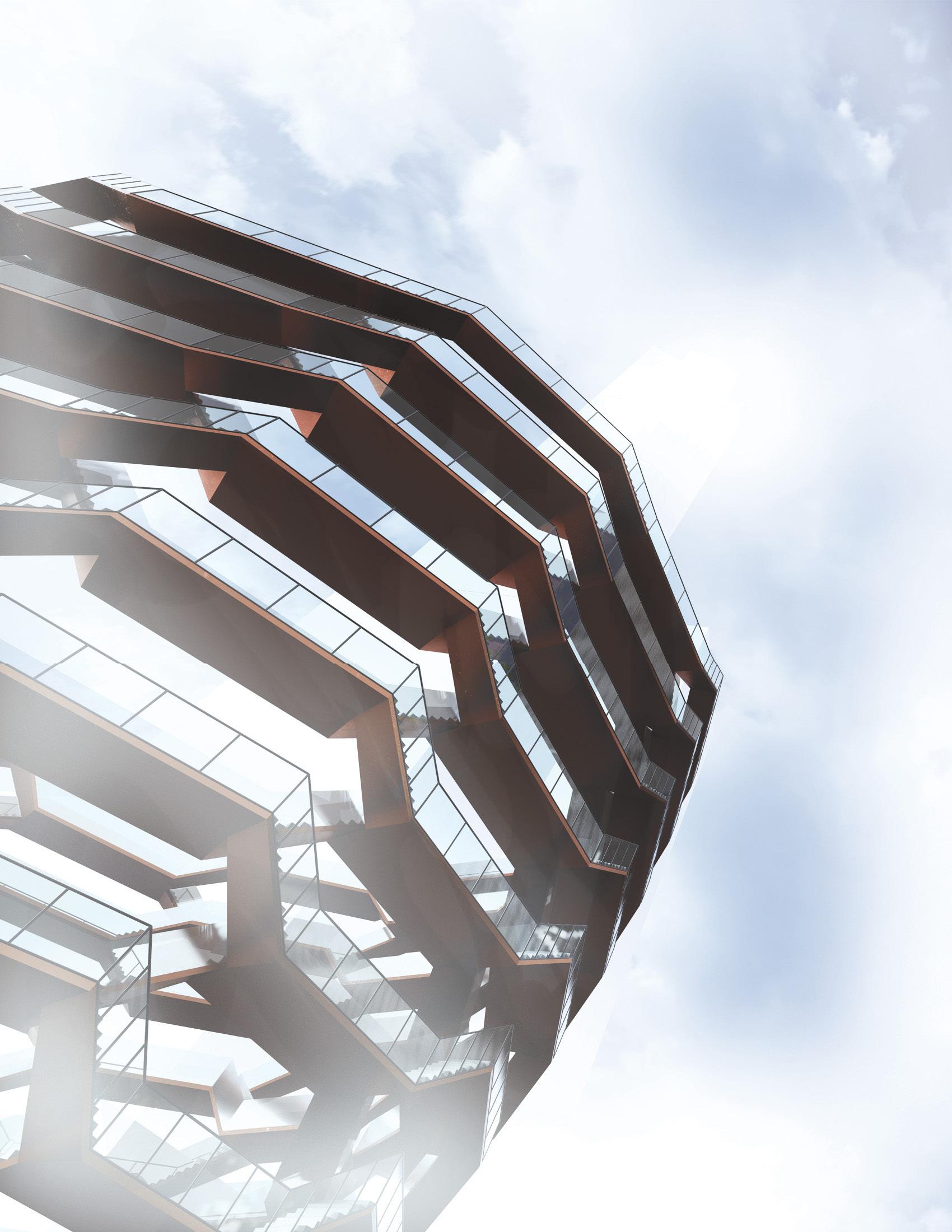
The Hudson Beacon is a universal tower concept located in New York’s Hudson Yards. Drawing inspiration from the site’s historical link to the Hudson railyards, the tower’s design evokes the linearity and modularity of rail tracks, with stacked forms that echo the rhythm of freight containers that were once prominent in the area.
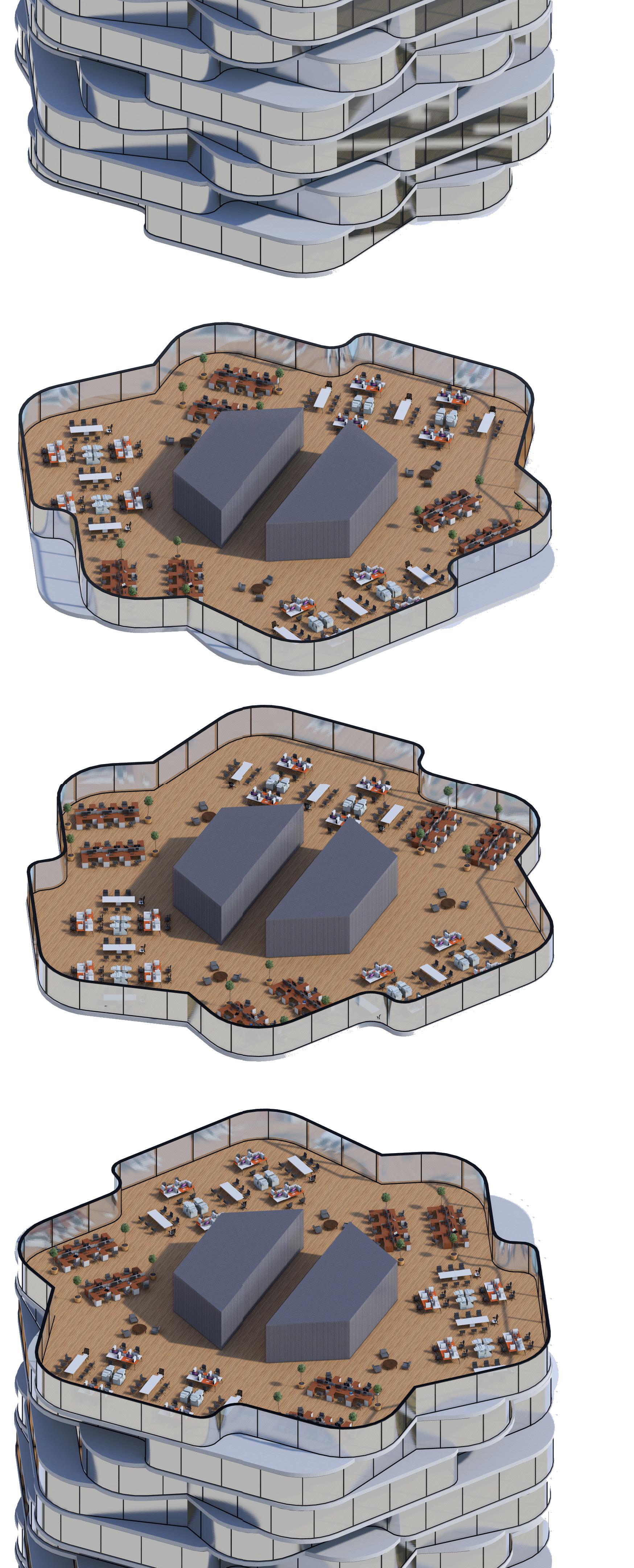
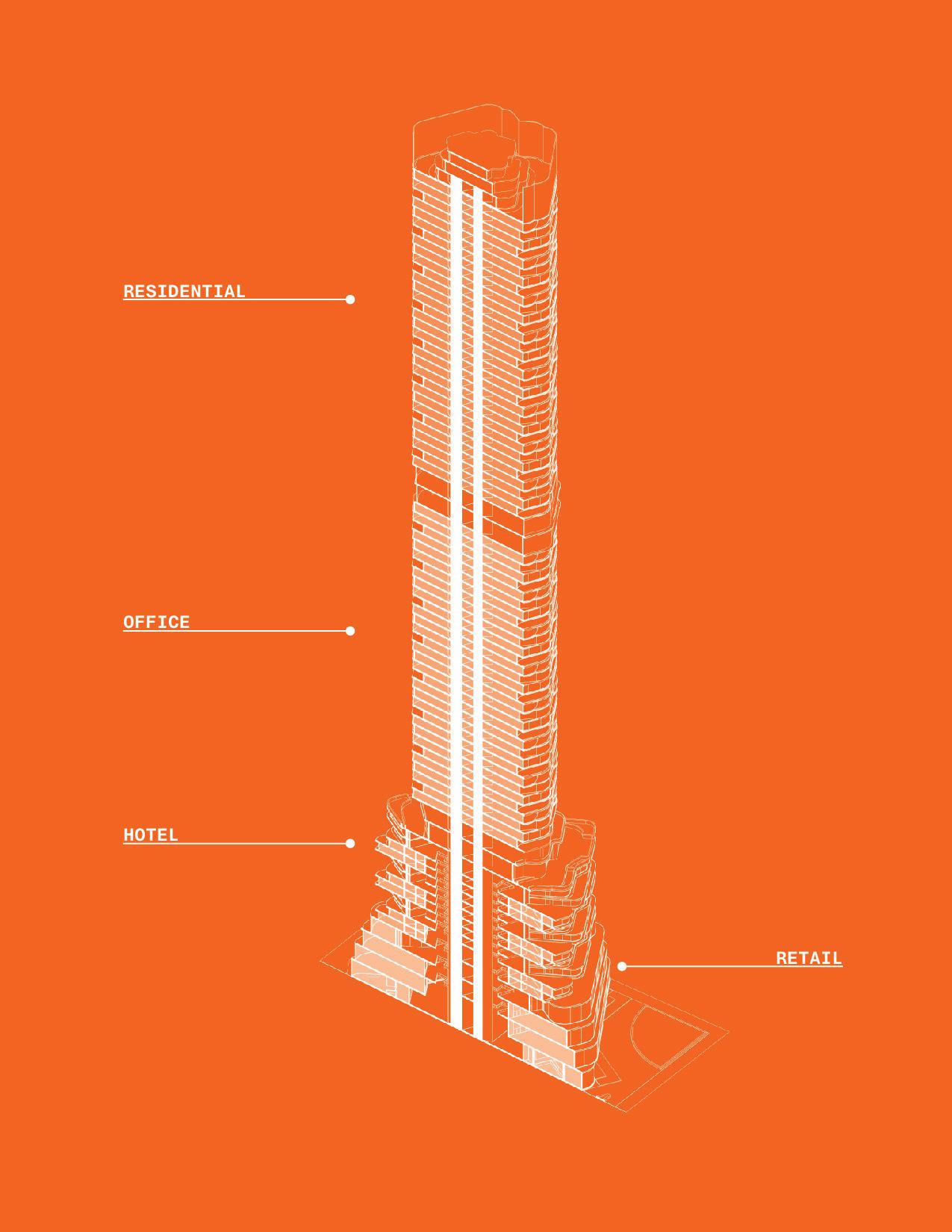
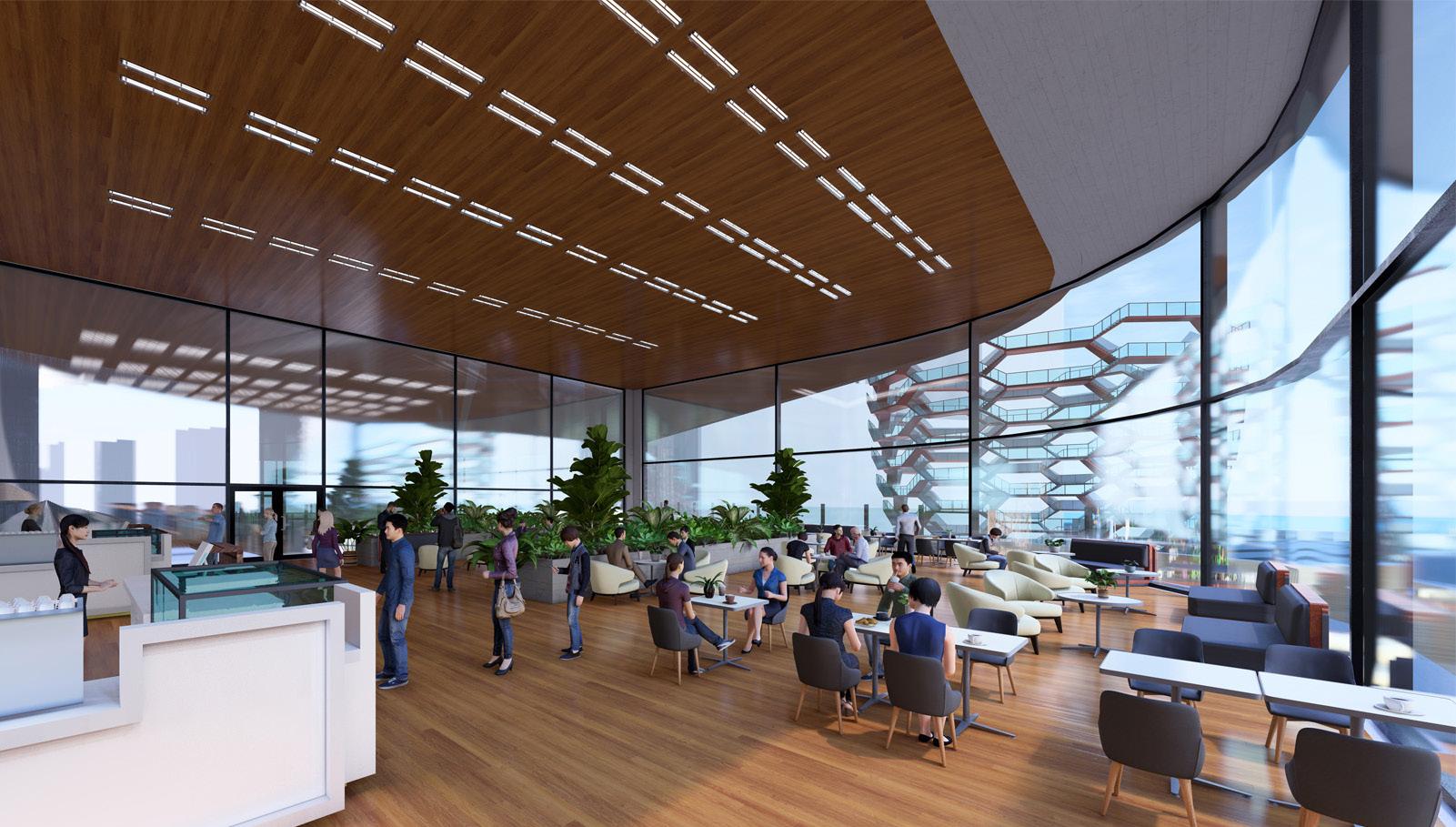
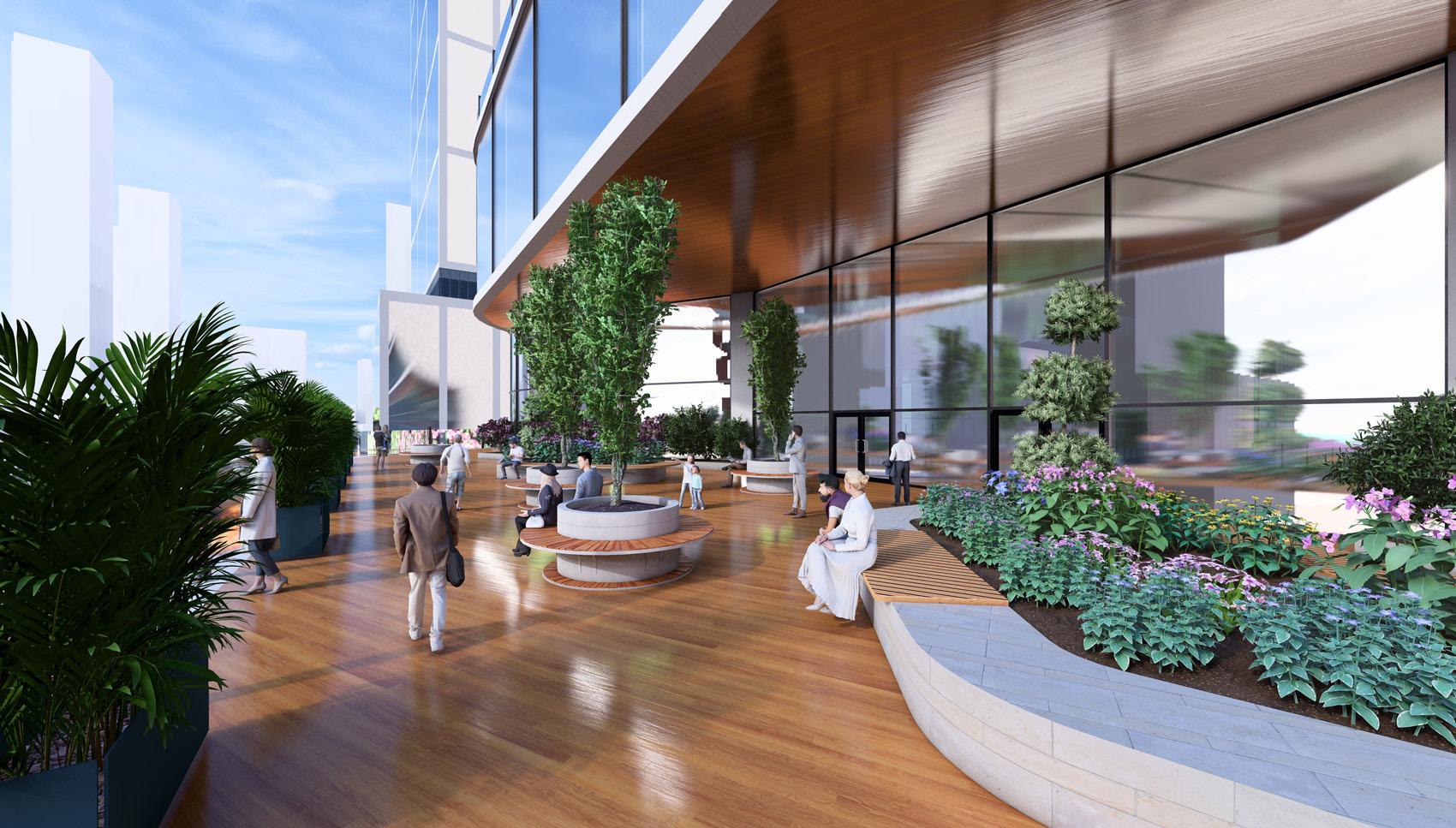
A dynamic series of spaces is provided by the program’s vertical organization. A public plaza on the bottom floor greets guests with lush planting and sitting sculptures that encourage social interaction. An open atrium that runs upward through the lower floors, visually integrating retail areas with natural light and plants, anchors the lobby’s seamless transition into multi-level retail spaces.
A posh hotel located above the shopping area provides services to visitors, including direct access to outdoor terraces that are filled with natural elements and serve as urban retreats for rest. Expanded office spaces offer flexible design for contemporary work settings. The upper floors host premium residential apartments, later finishing off with a rooftop restaurant at the top.
Programs Used
Rhino, AutoCad, Illustrator, Photoshop, Lumion
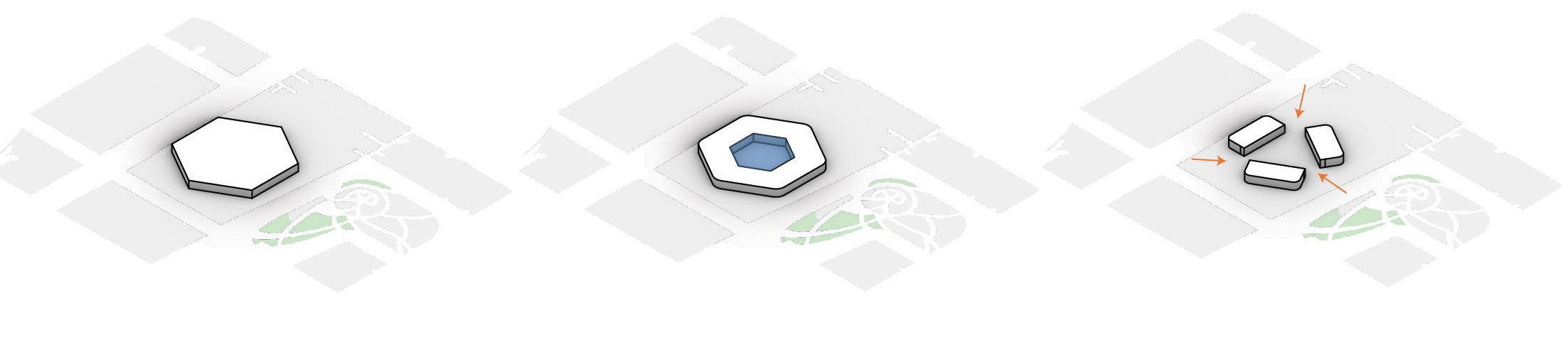
Mass
Hexagon shape representing the lobby space
Atrium
Carving in the middle creates a core for an atrium
Access Points
Granting access towards pedestrian and vehicular navigation
Bridges
A series of bridges connecting towards retail spaces
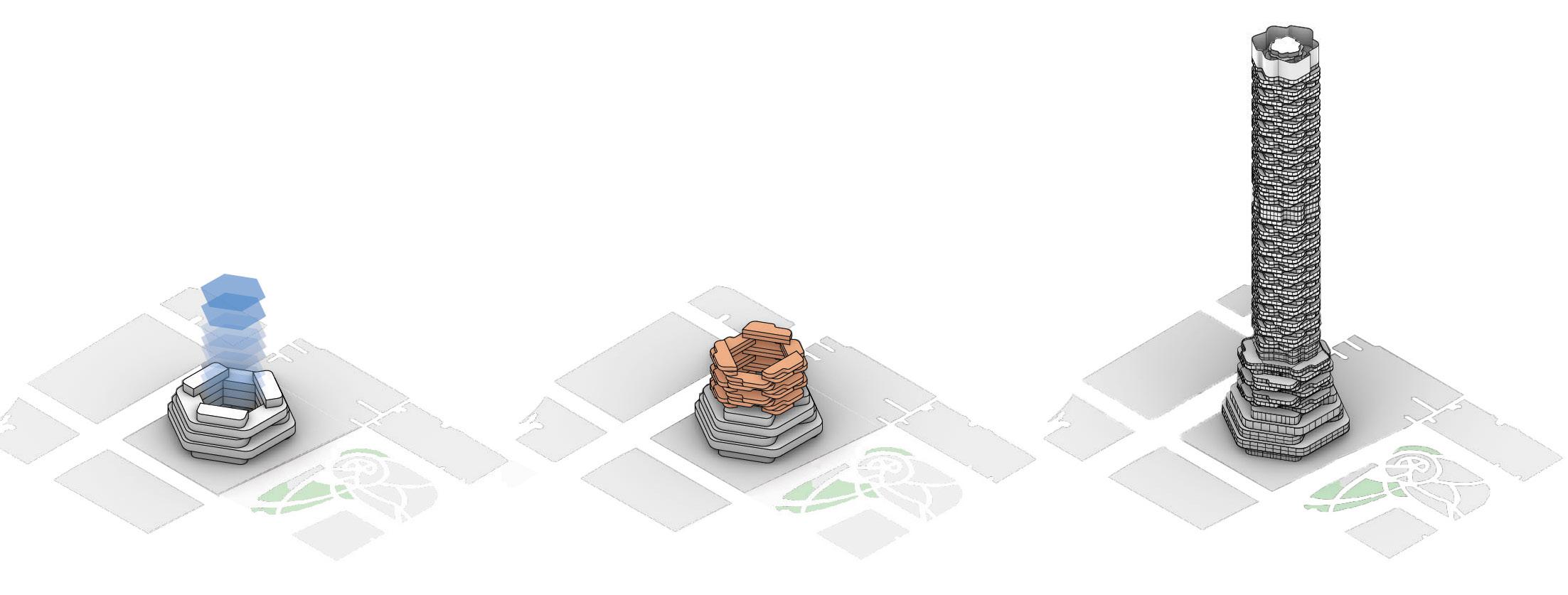
Modular Stacking
A set of rounded modular units stacking between one another
Final Form
Finalized form of the tower with an overall average height of 380 meters
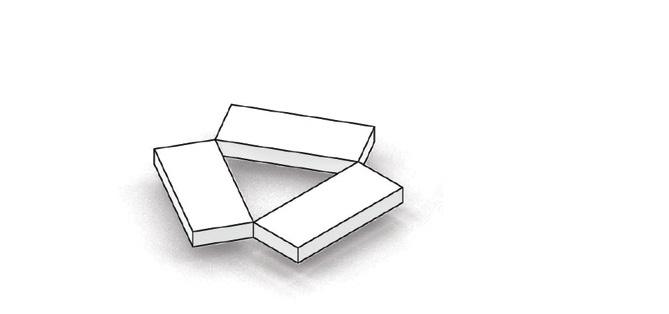
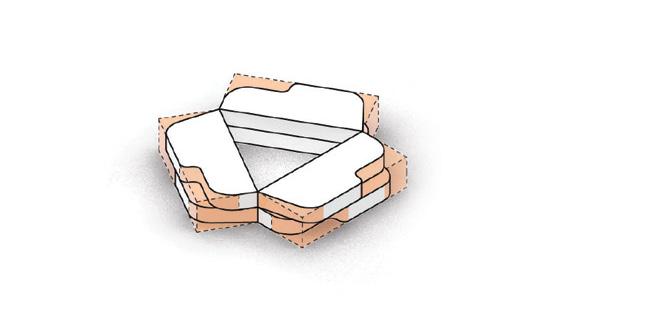
Modular Units
Round Carving
Spiral Layout
Stacking
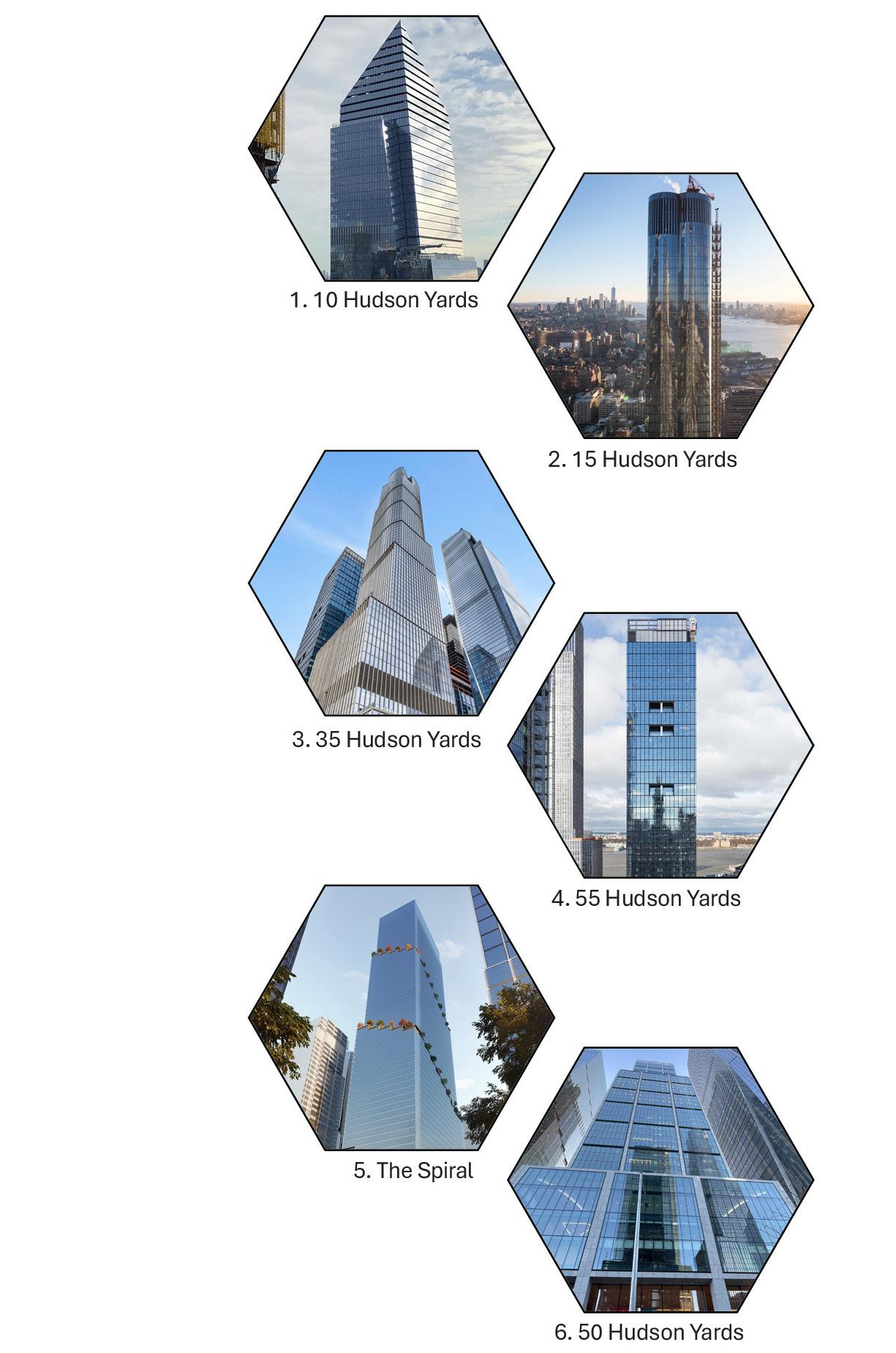
1. 10 Hudson Yards
3. 35 Hudson Yards
5. The Spiral
2. 15 Hudson Yards
4. 55 Hudson Yards
6. 50 Hudson Yards
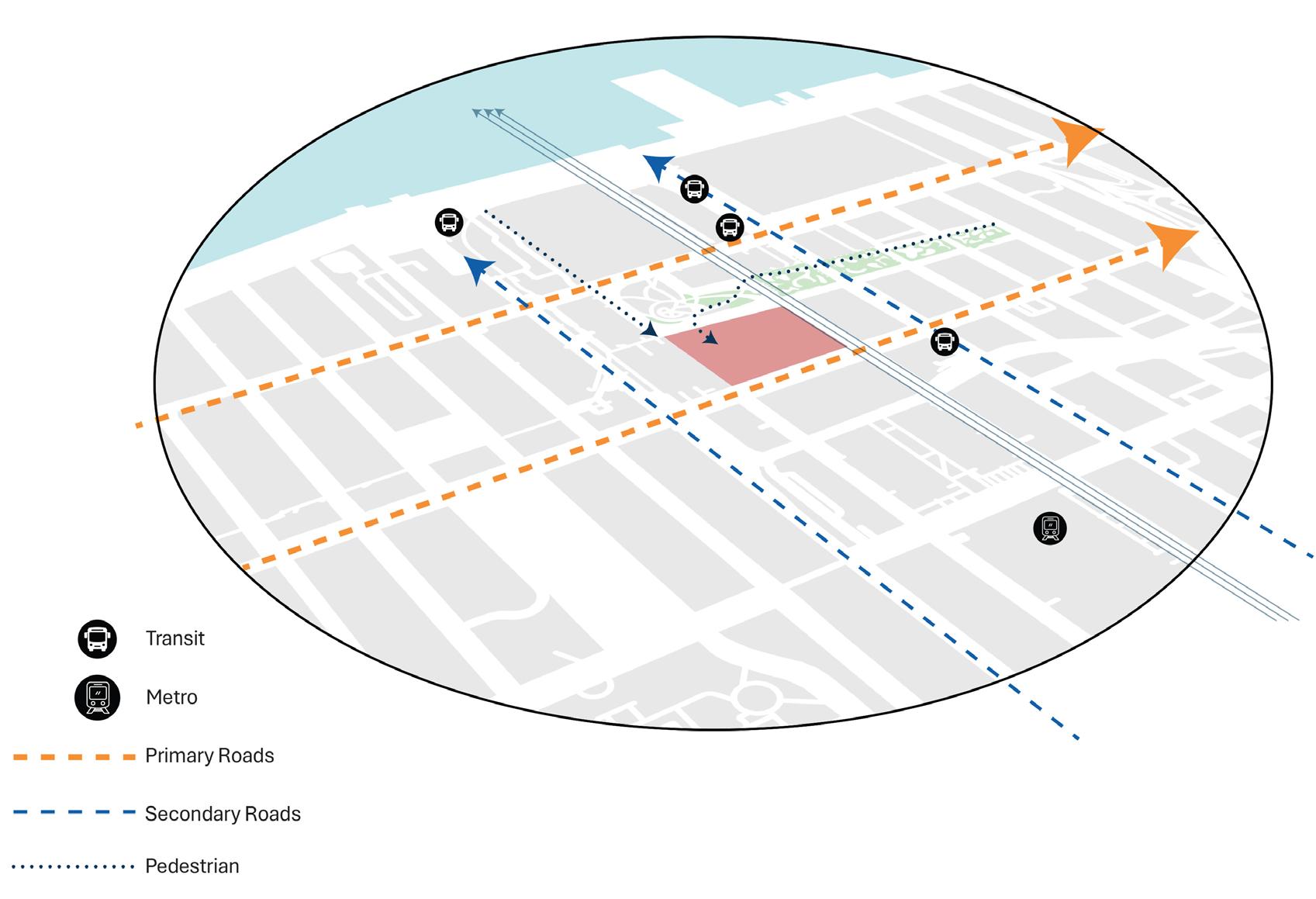
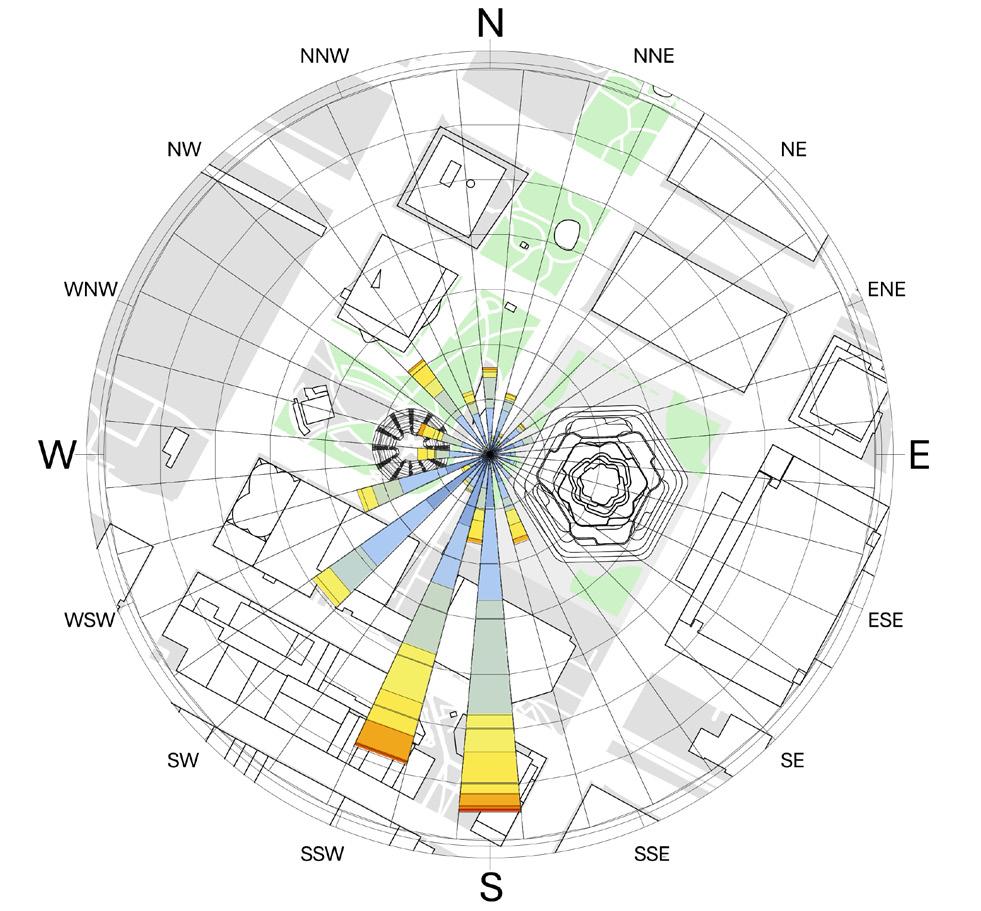
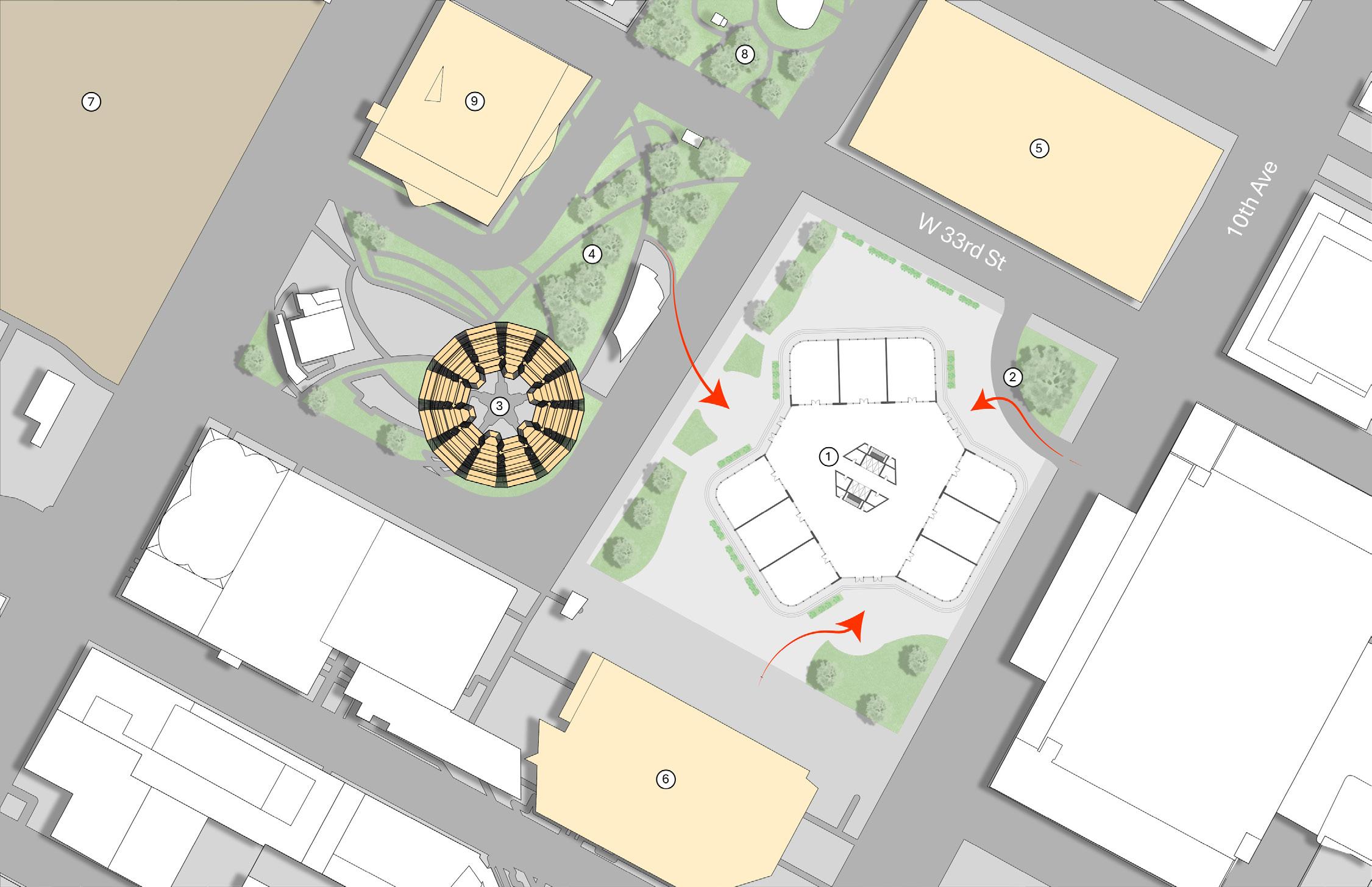
Site Plan
1. Core
2. Drop-Off
3. The Vessel
4. Backyard at Hudson Yards
5. 30 Hudson Yards
6. 10 Hudson Yards
7. MTS West Side Yard
8. Bella Abzug Park
9. 35 Hudson Yards
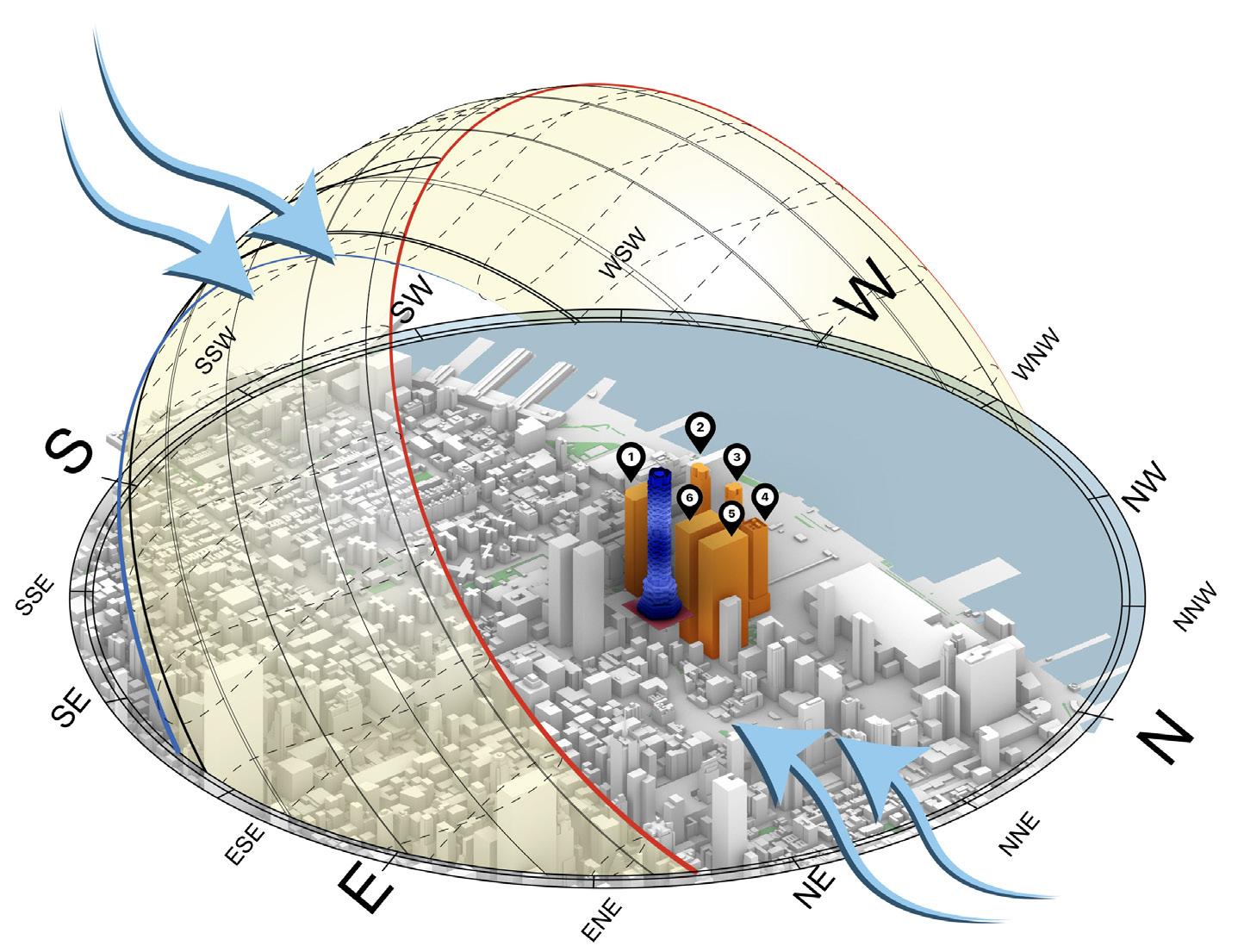
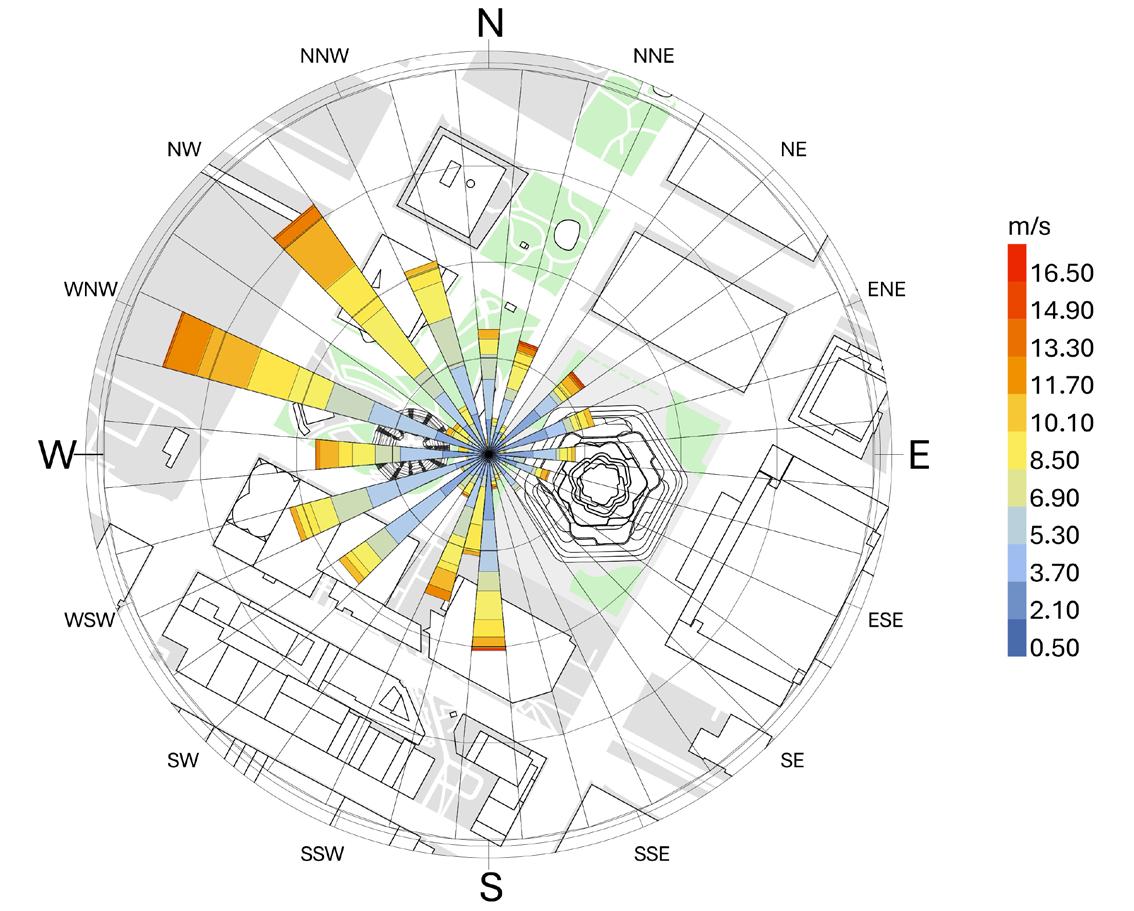
Summer Wind Rose
Winter Wind Rose
Bishop Works
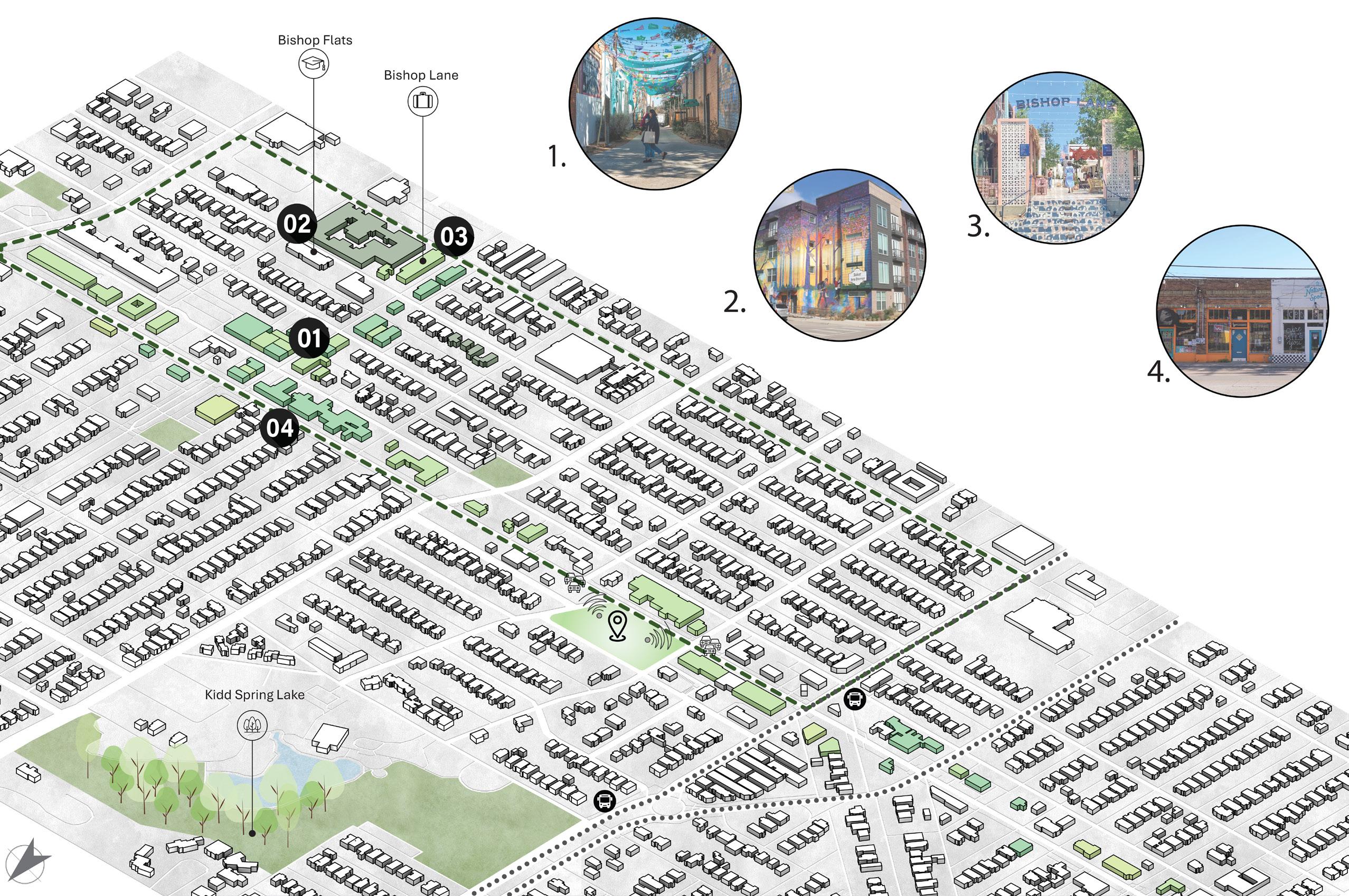
Bishop Arts, Dallas, TX
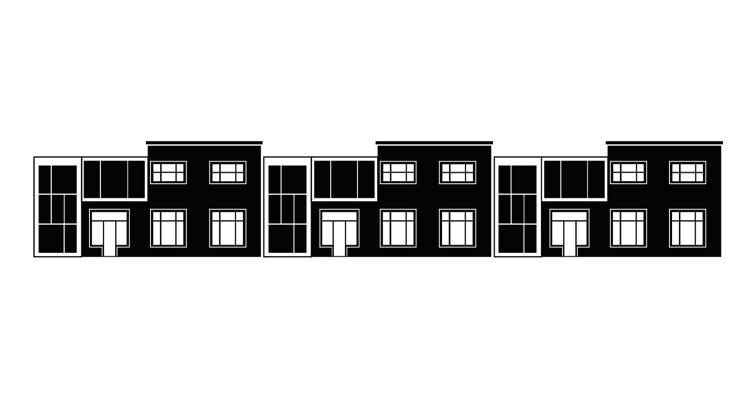
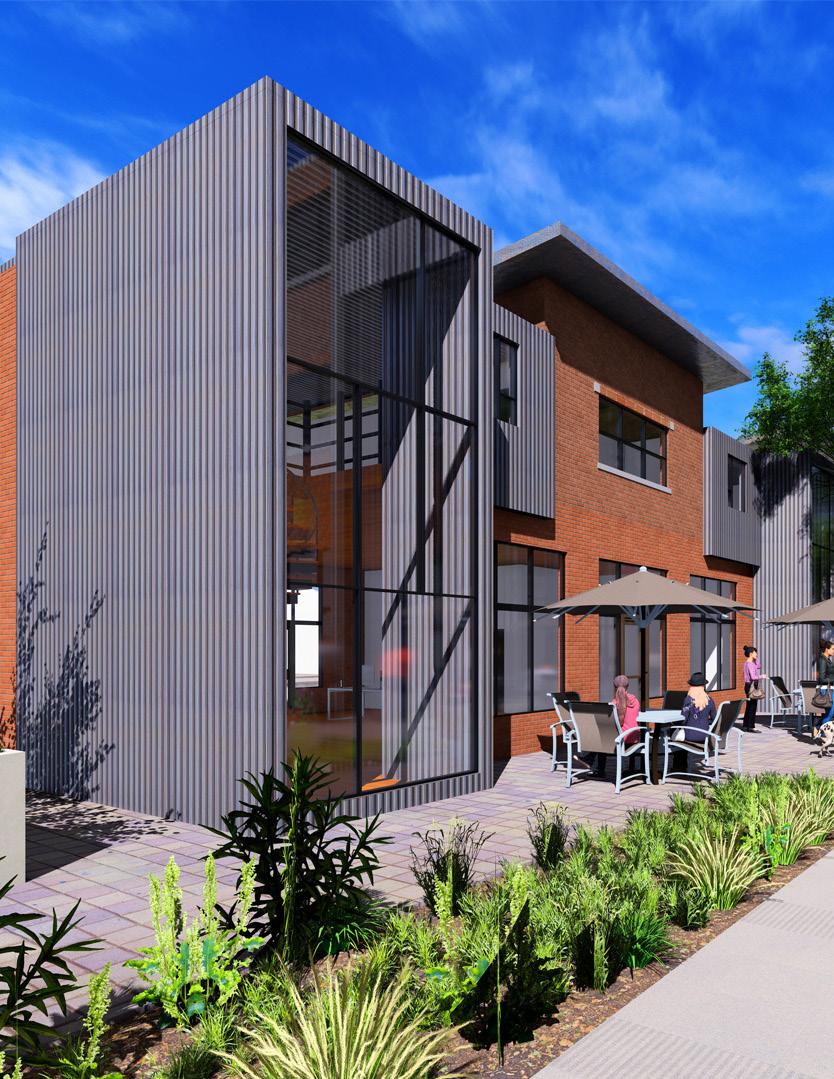
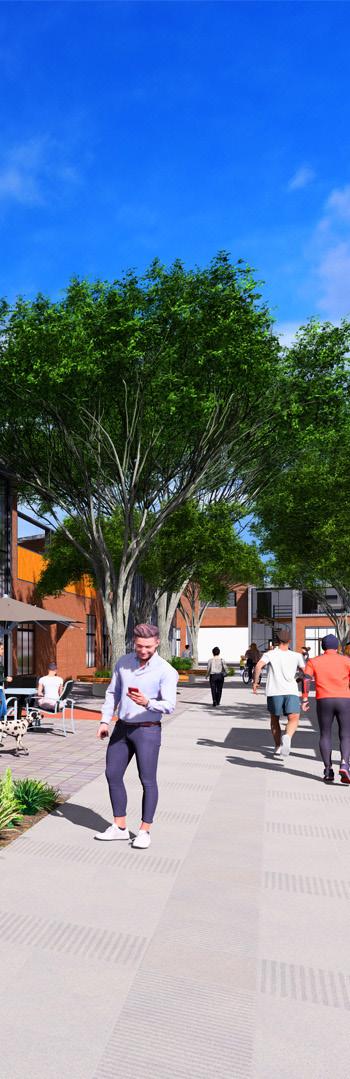
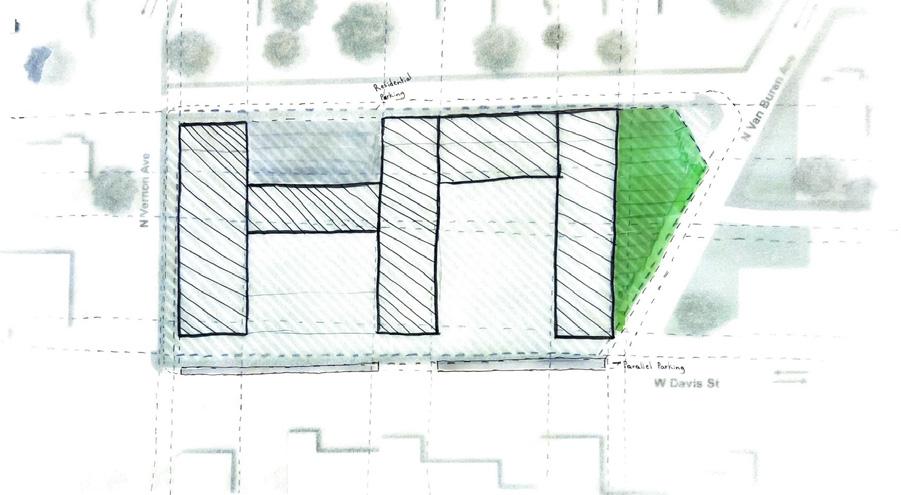
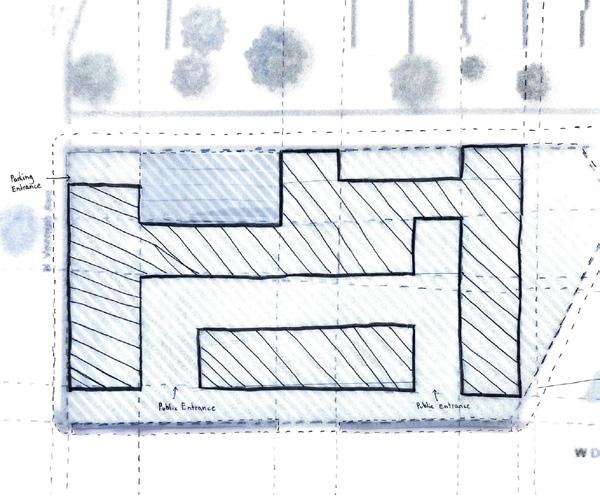
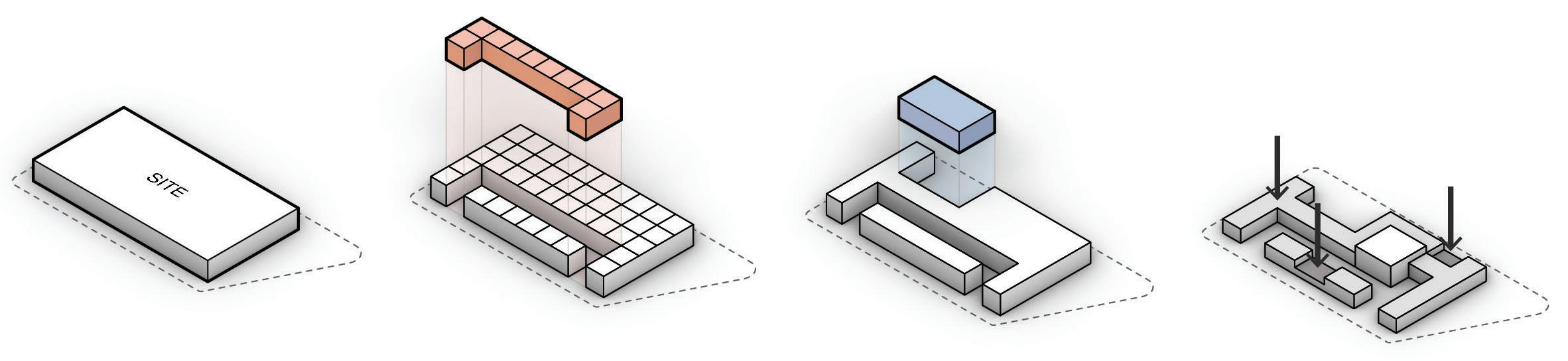
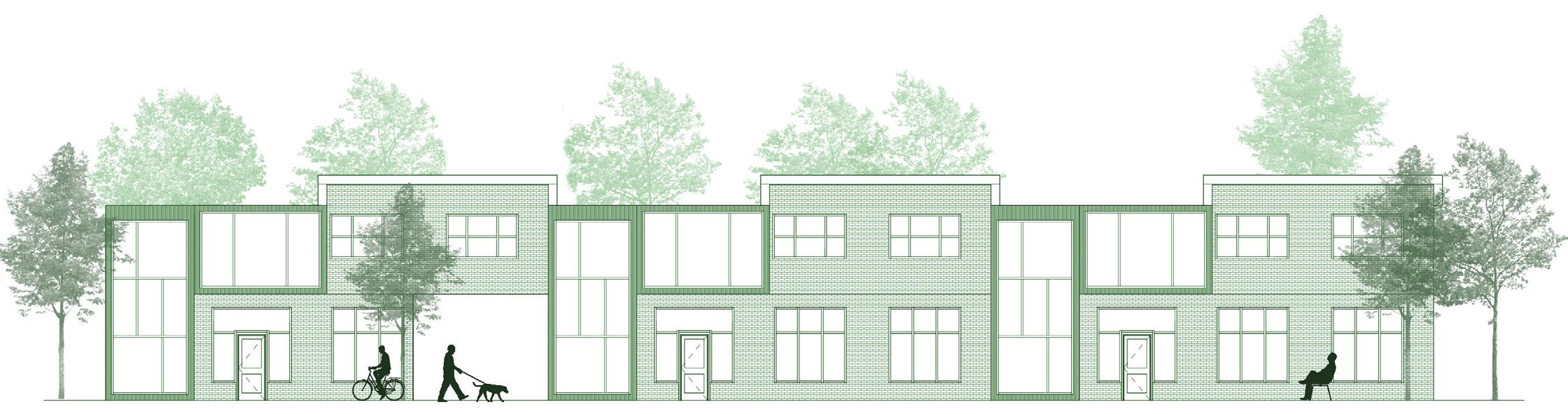
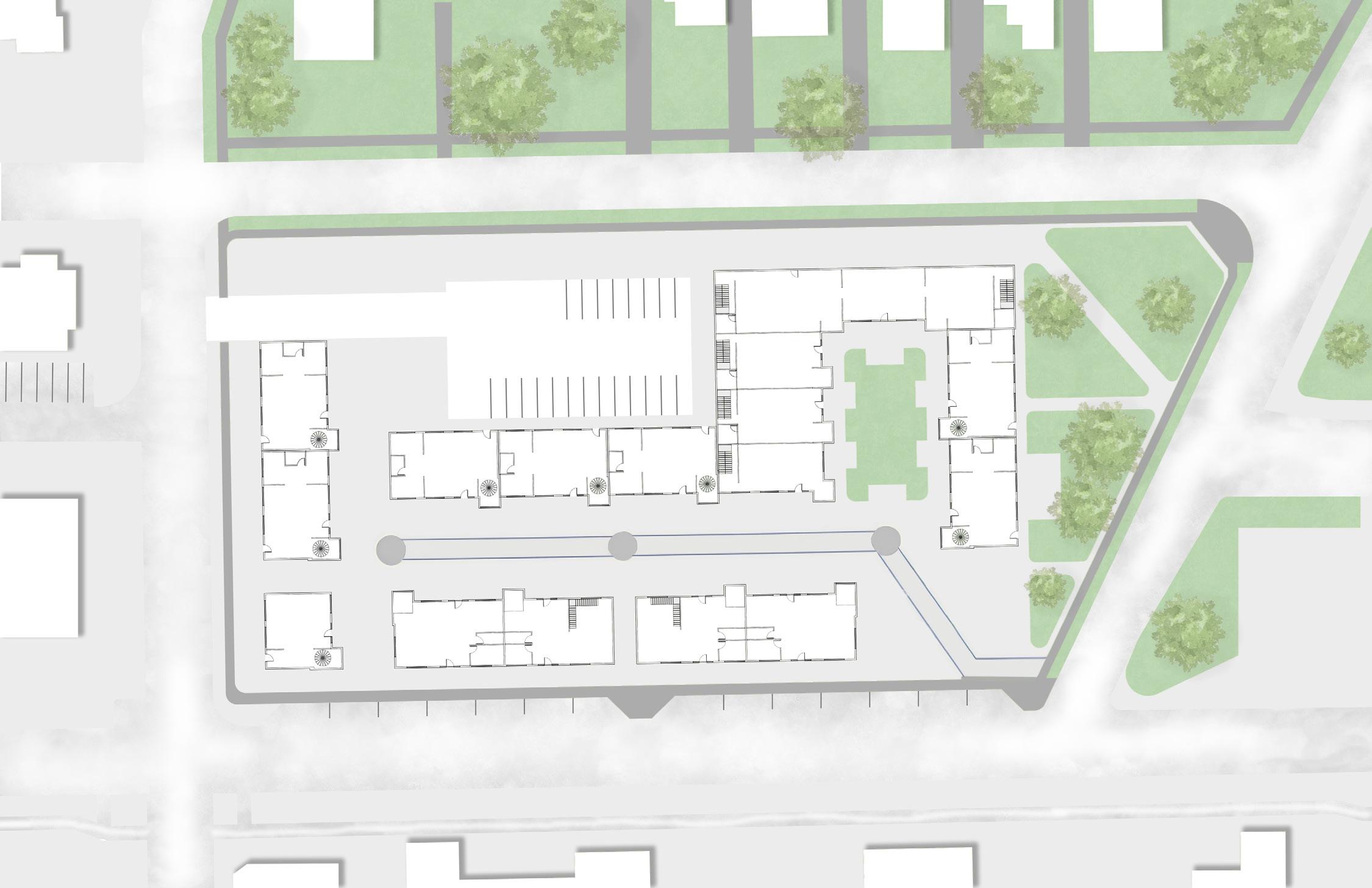
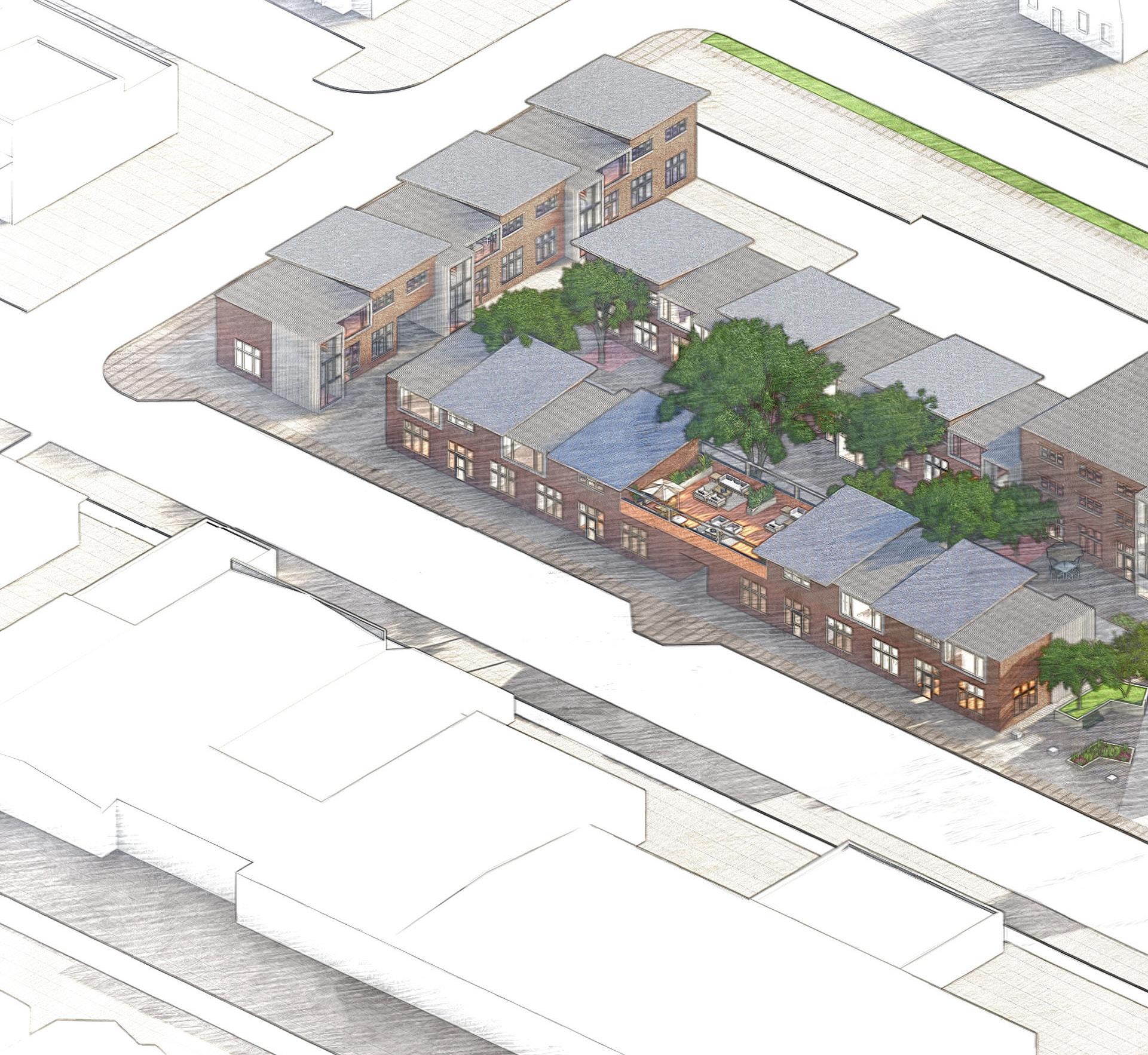
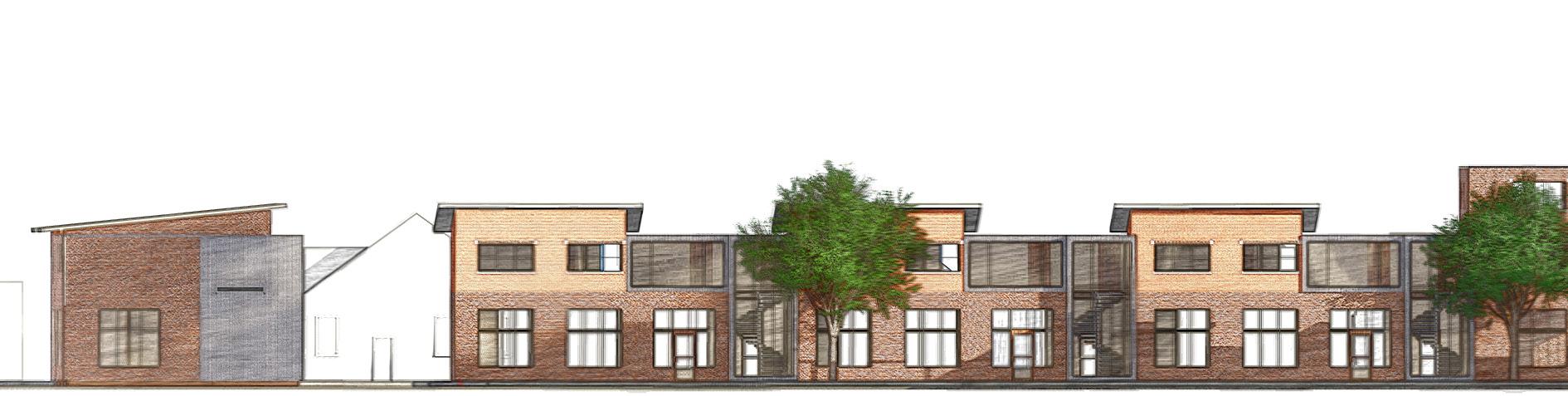
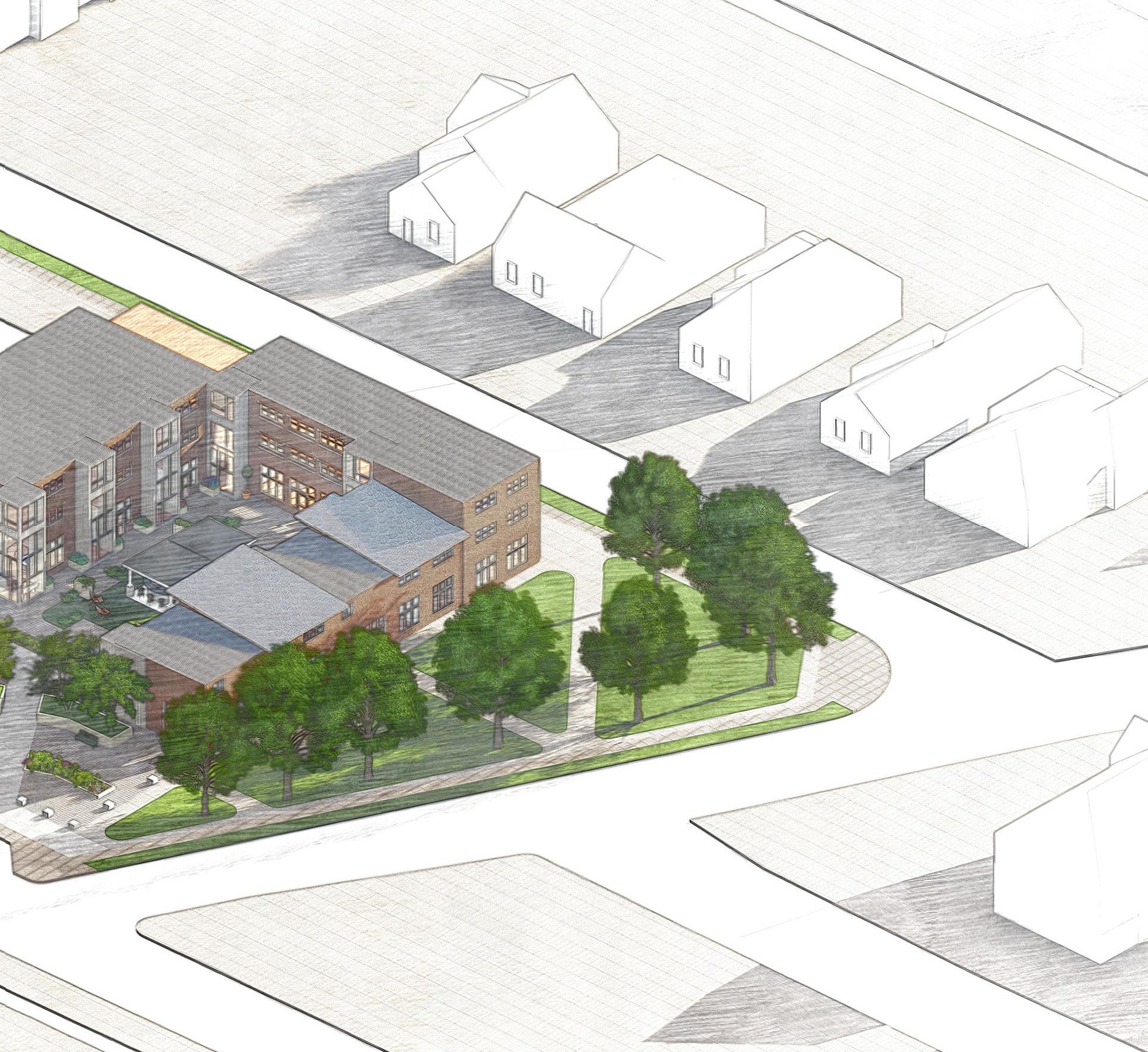
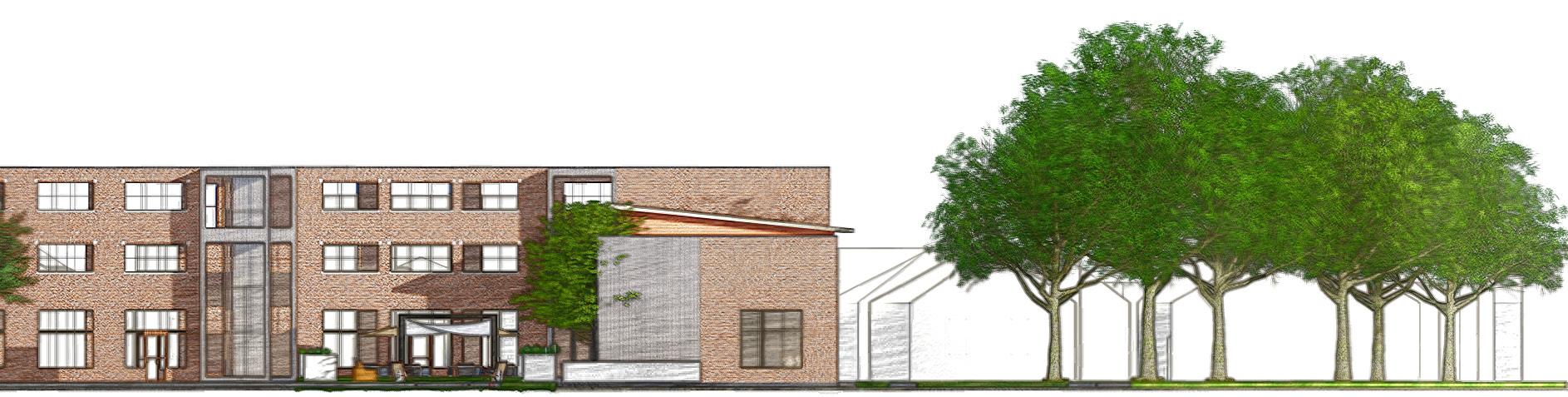
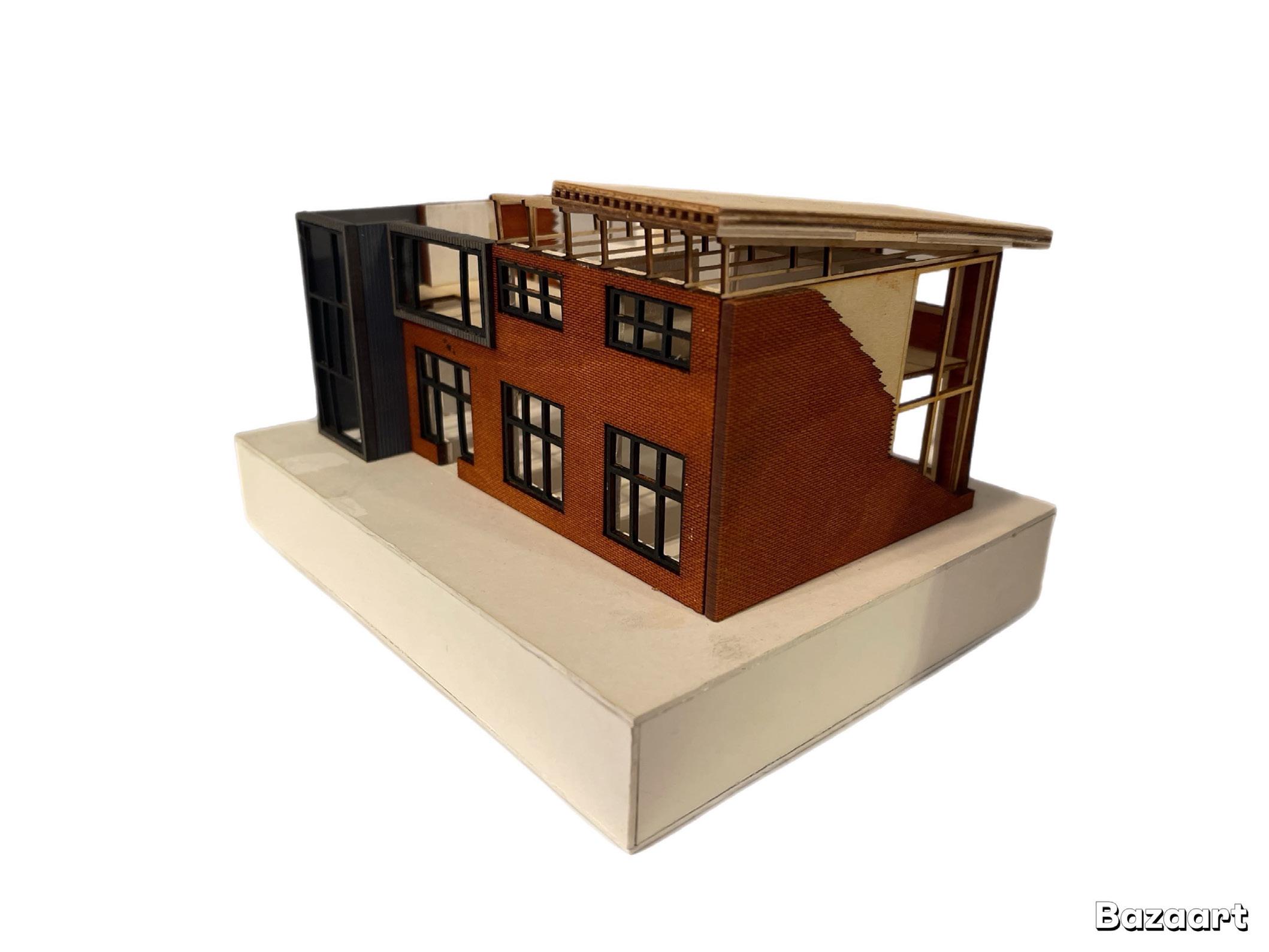
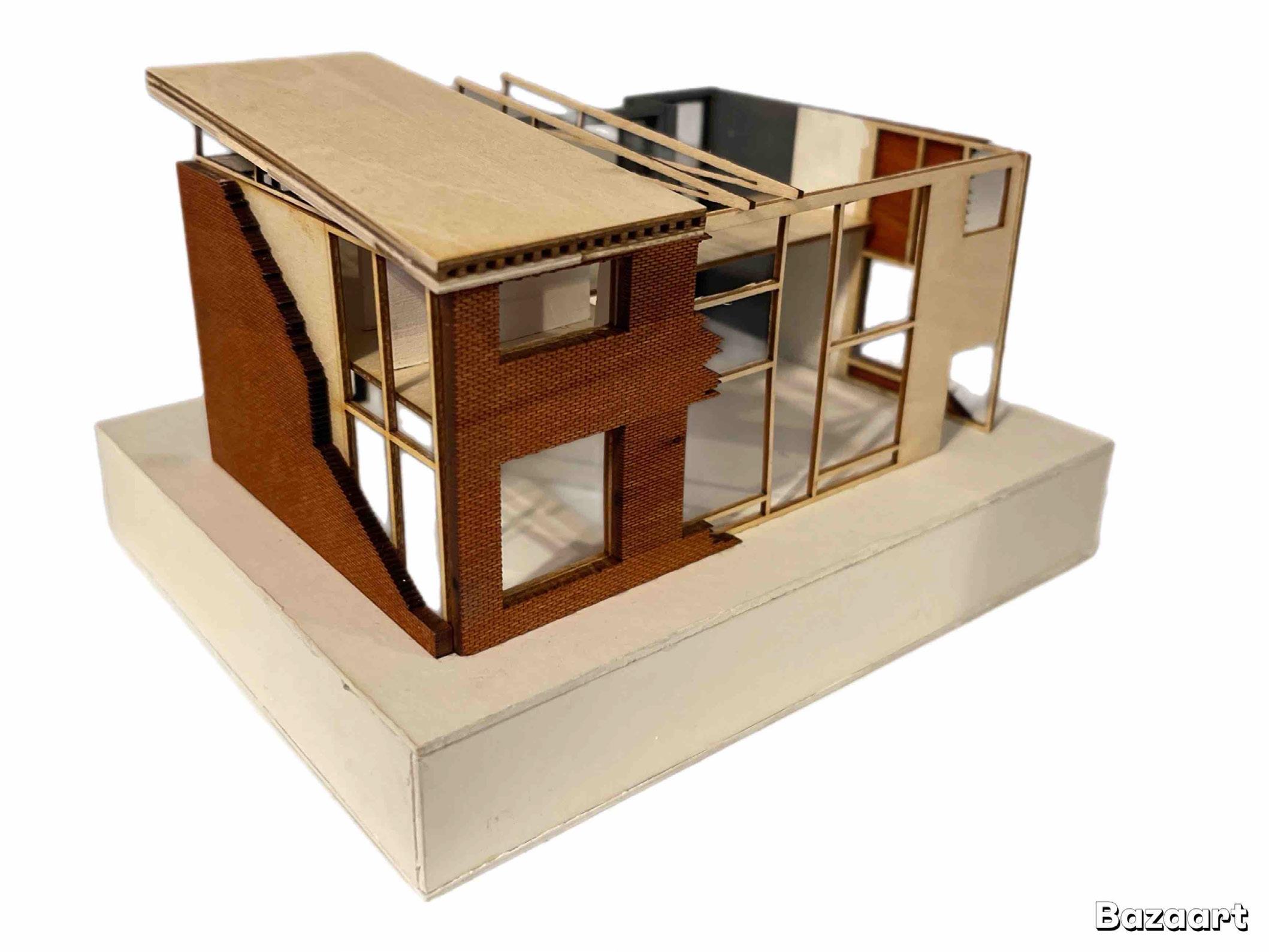
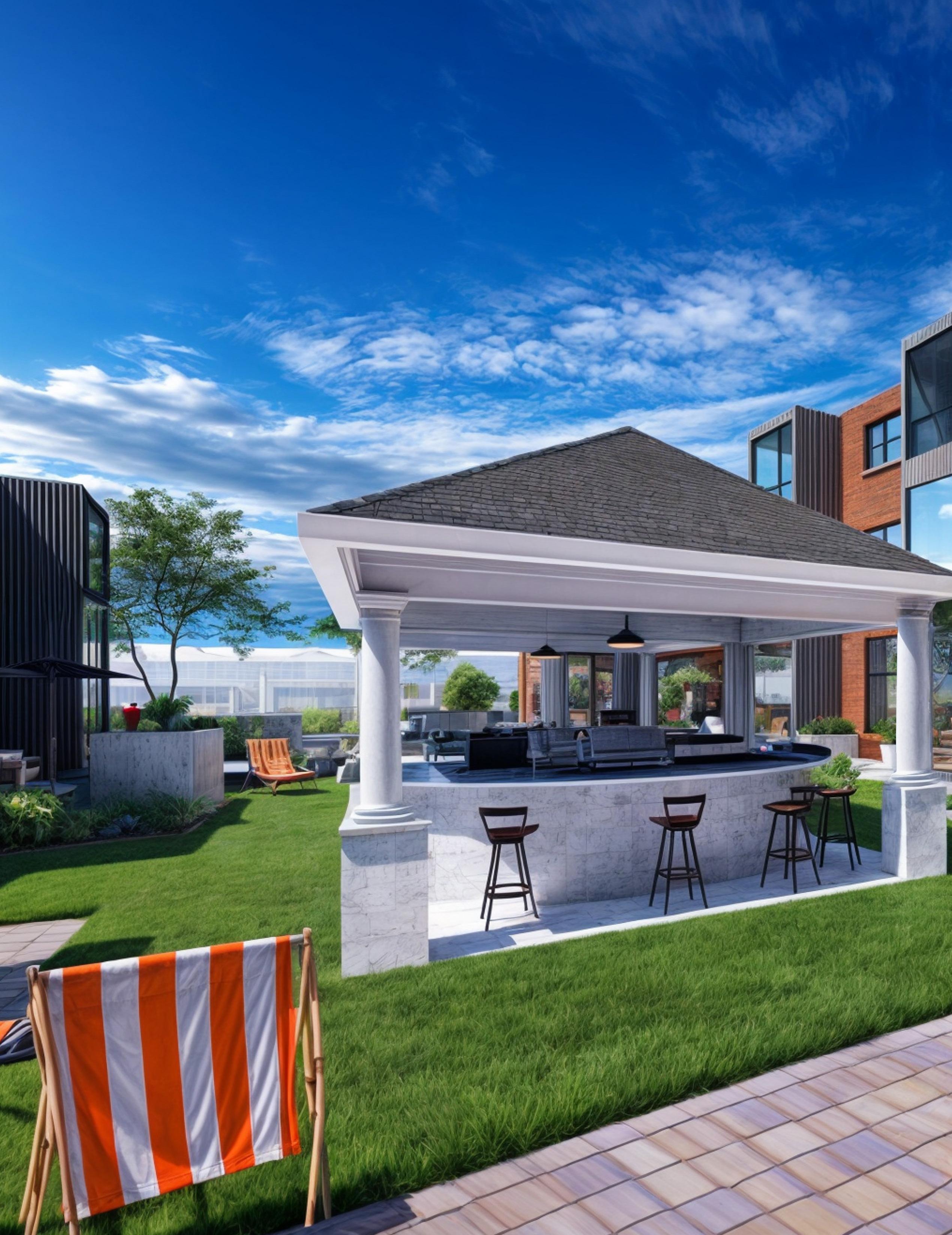
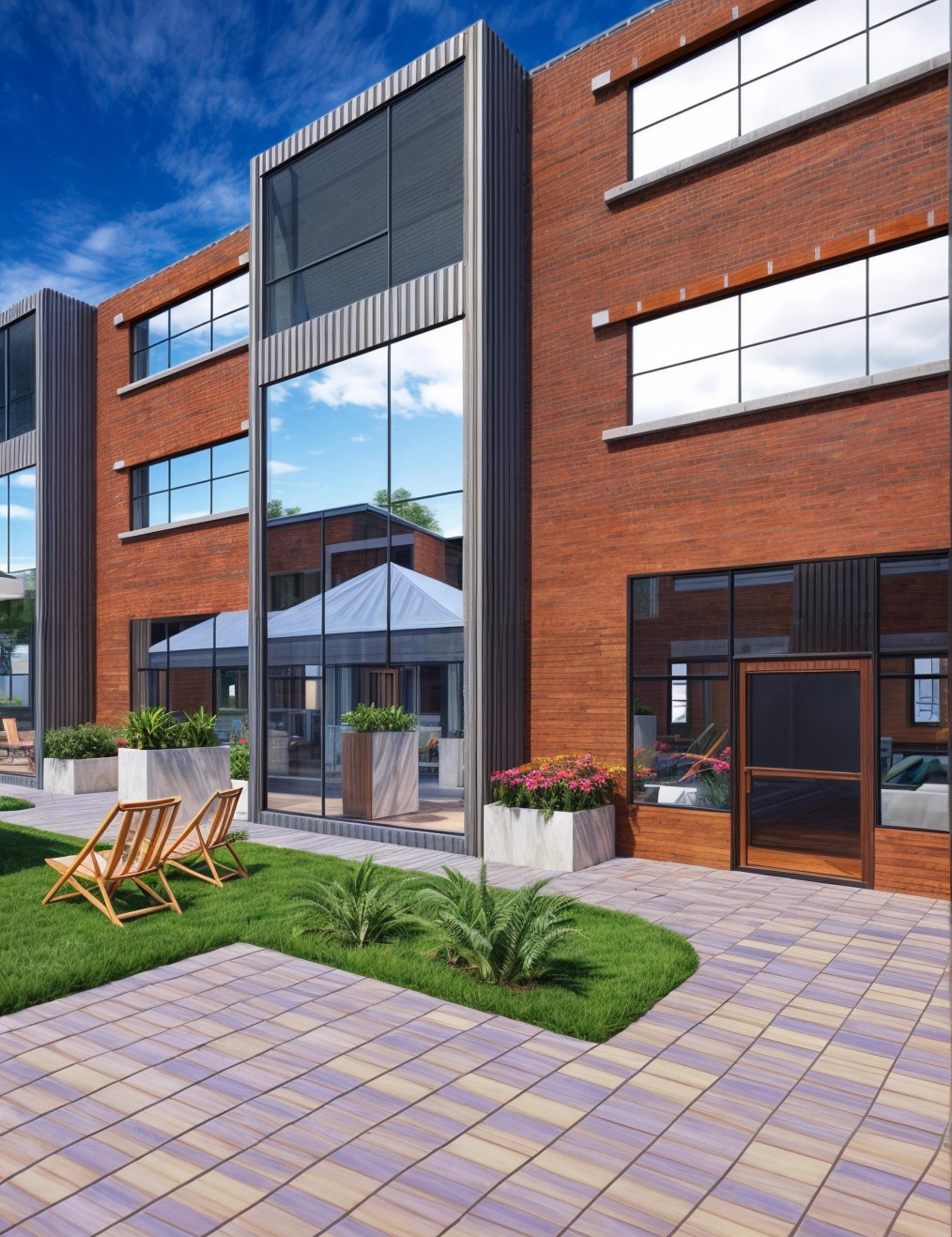
Bishop Works is a live-work townhome project located in the heart of Dallas’ Bishop Arts District, designed to foster a sense of a micro-community while embracing the area’s vibrant cultural identity. The project adopts a mini-village layout, where interconnected pathways and communal gathering spaces encourage social interaction and neighborhood engagement.
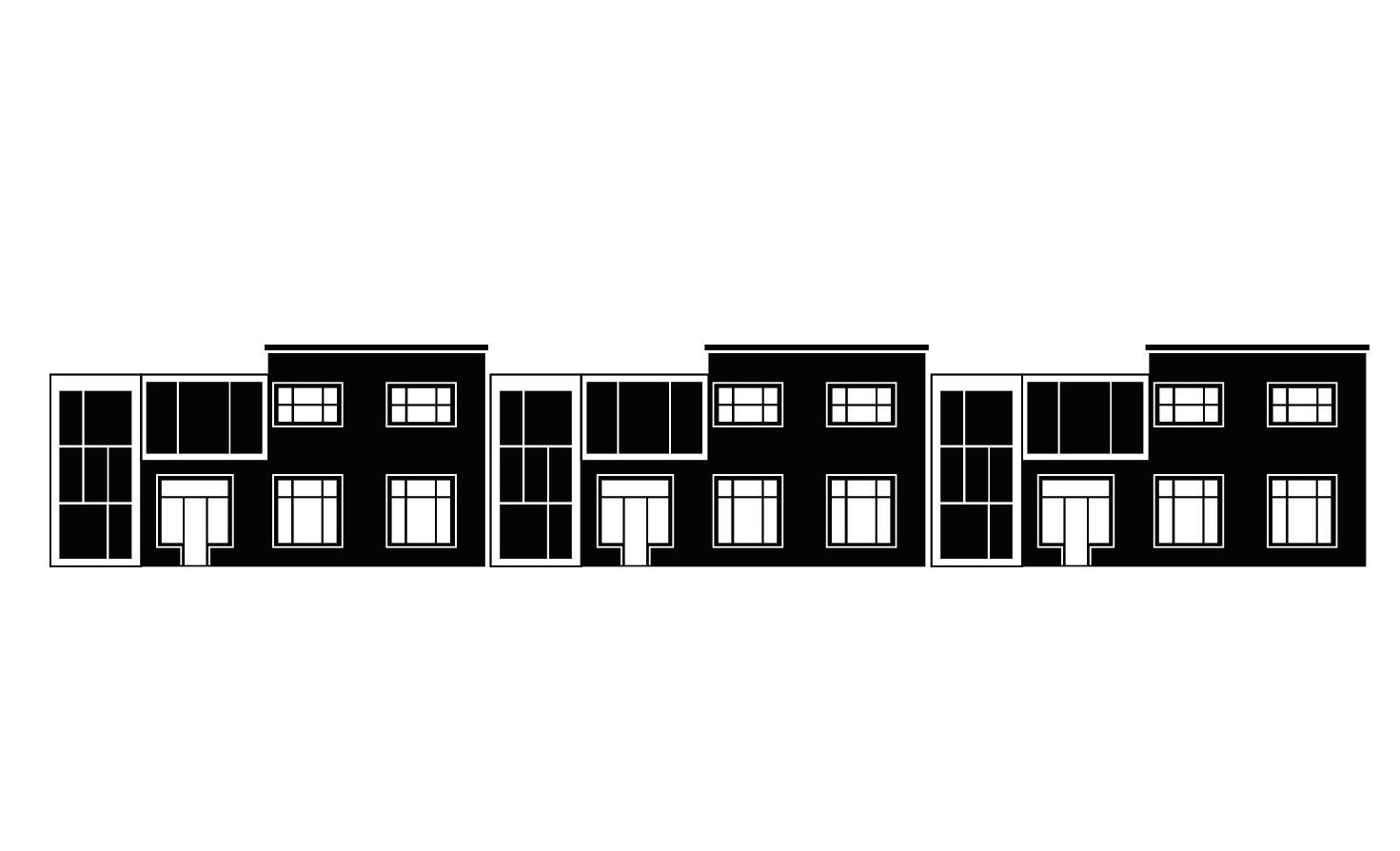
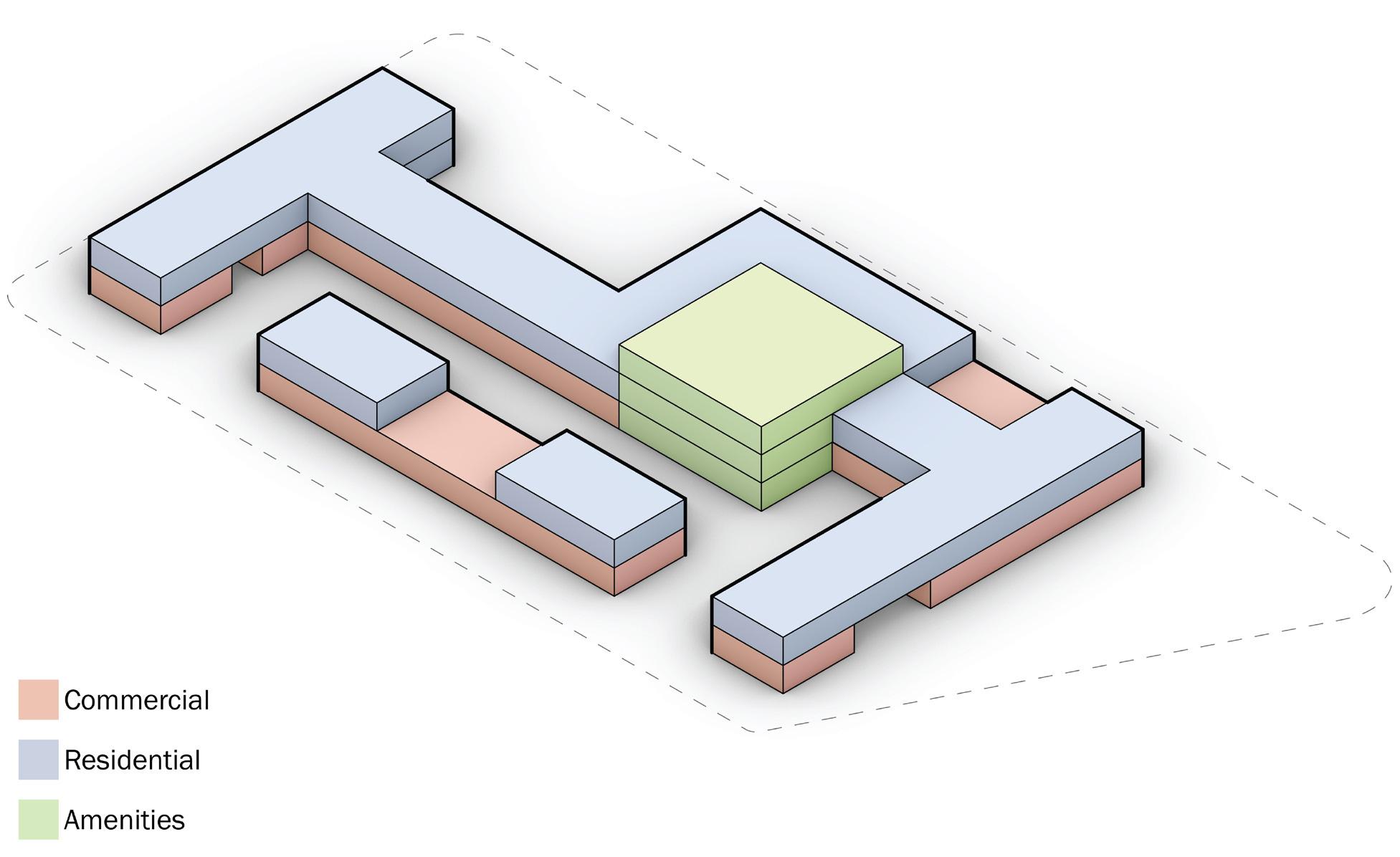
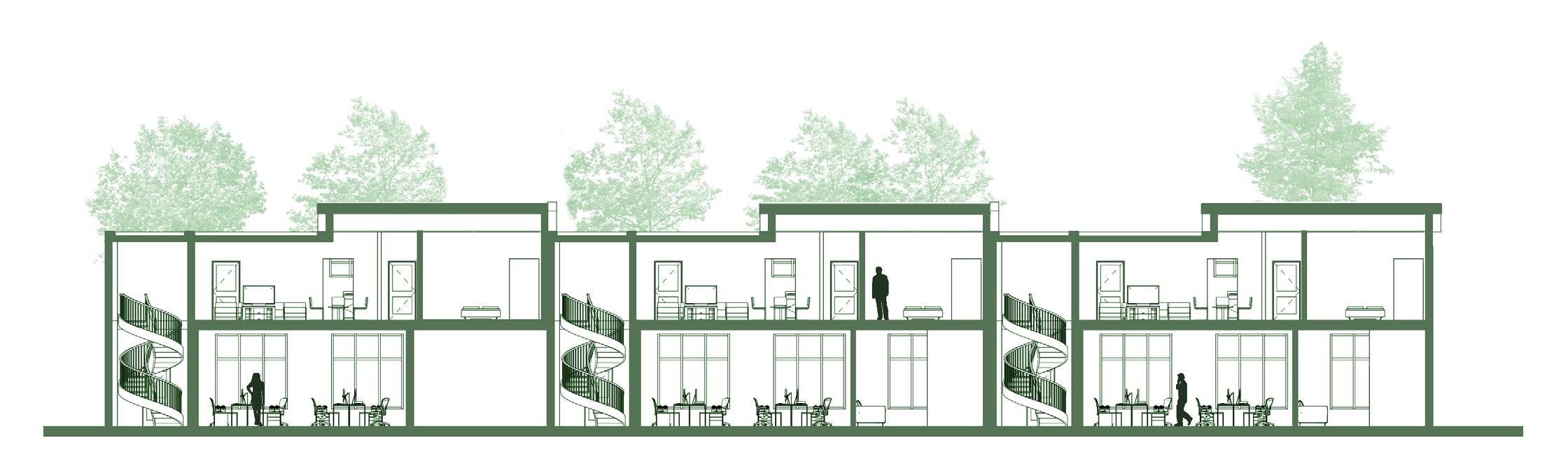
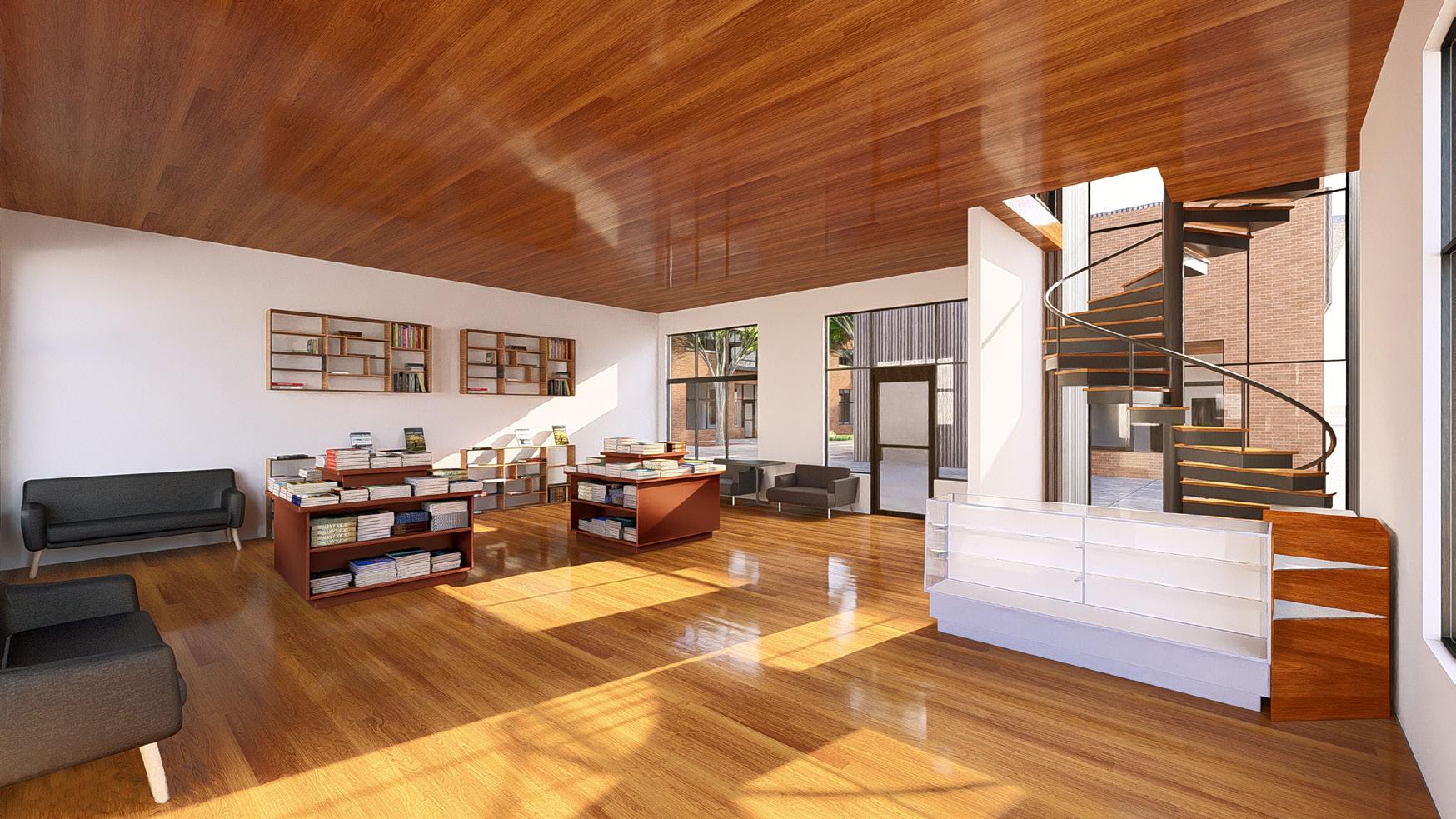
The architectural language reflects Bishop Arts’ eclectic charm, with brick facades, bright accents, and artistic craftsmanship that highlight the district’s unique identity. The ground floors are reserved for office spaces, which are designed with huge windows and adaptable designs to support creative studios, local enterprises, and co-working environments.
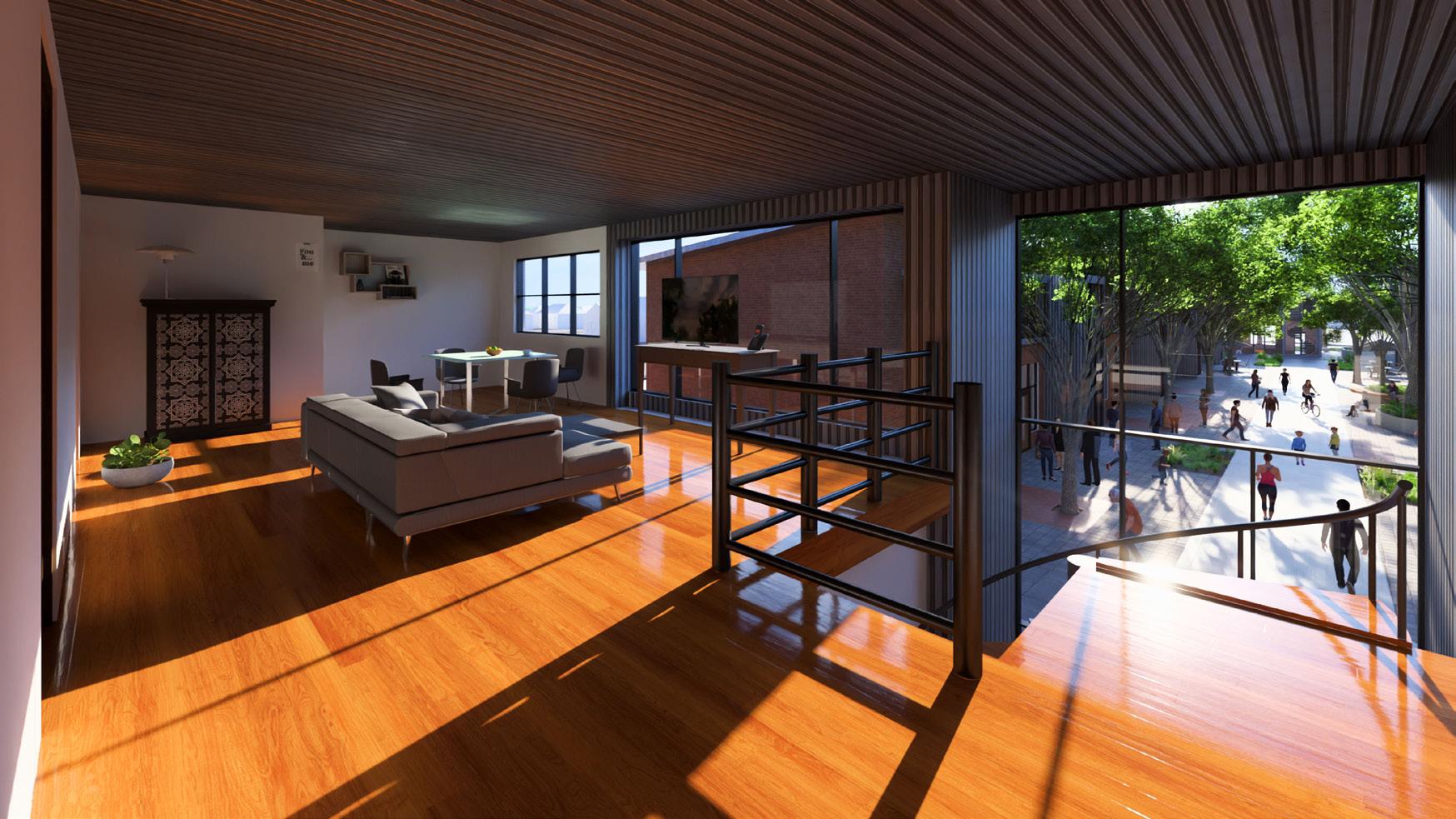
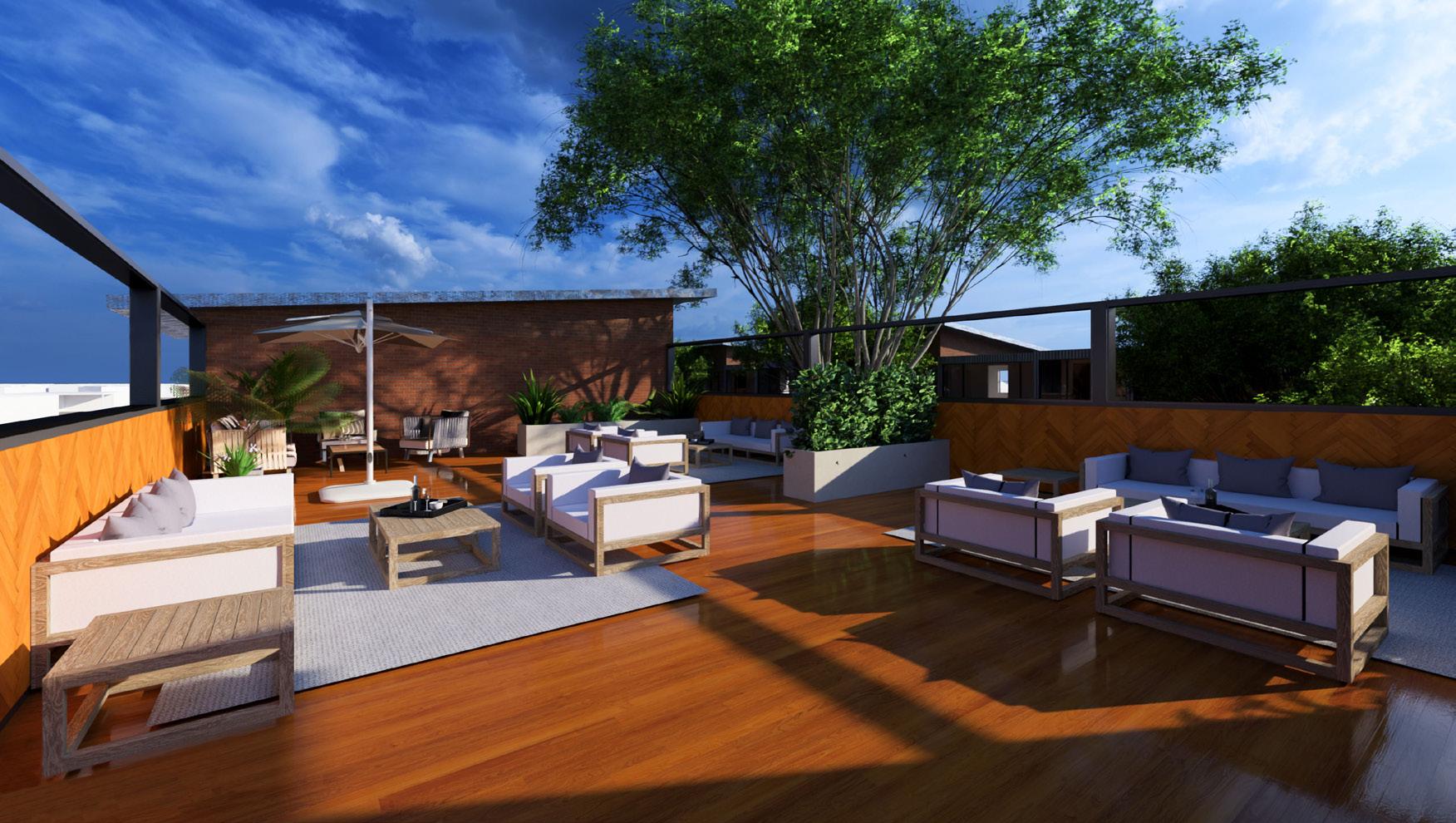
The residential units are located on the higher levels, providing intimate but comfortable living spaces with views of the social areas. Rooftop terraces and shaded patios expand the living space, encouraging outdoor interactions. The use of vegetation, outdoor dining, and shared amenities underscores the project’s goal of creating a close-knit community in this dynamic urban setting.
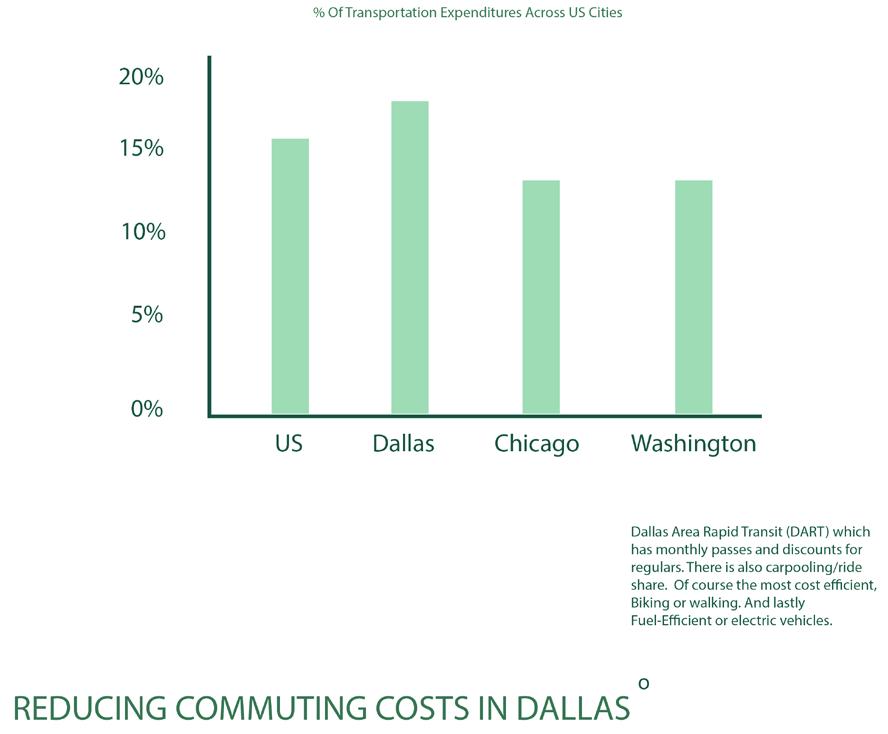
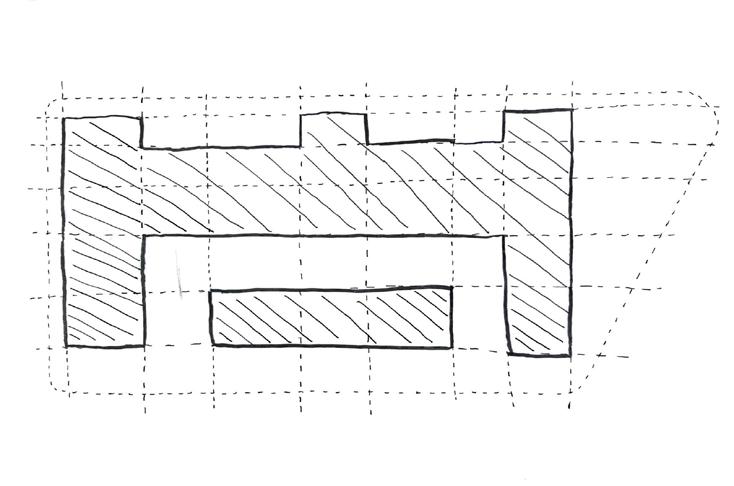
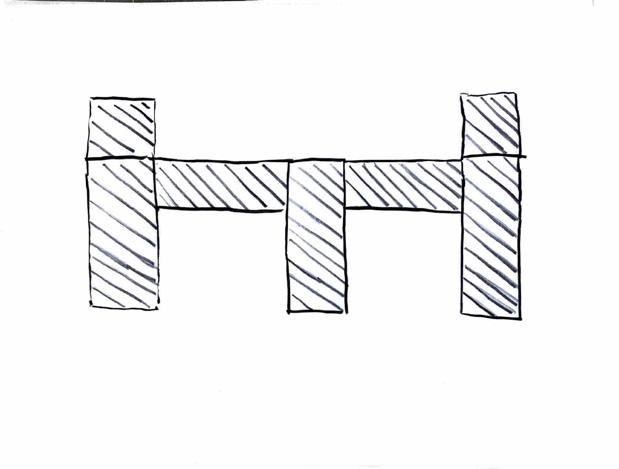
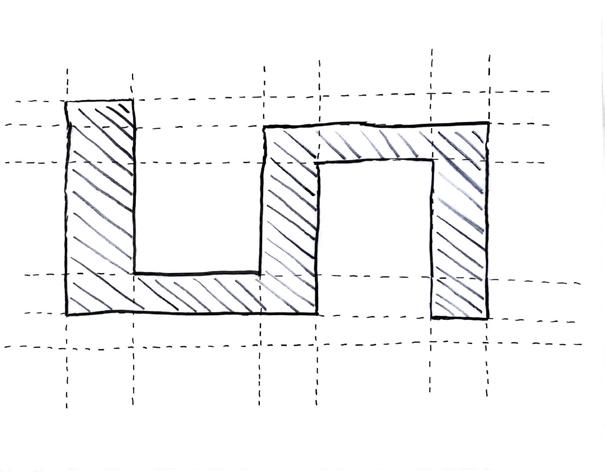
The main objective of Missing Middle Housing was to meet the increasing demand for walkable, community-focused areas by providing more varied and reasonably priced housing options. These housing types are becoming more and more popular in Dallas as a way to address the city’s problems with urban density, especially in neighborhoods like Bishop Arts, Oak Cliff, and East Dallas.
Site Axon
Mass Sketches
Exploded Axon
Office Spaces
Living Spaces
Unit Mass Tweak
Extrusion
Form
First Floor
Longitudinal Elevation
Site Axon
Model
Hyphae Haven
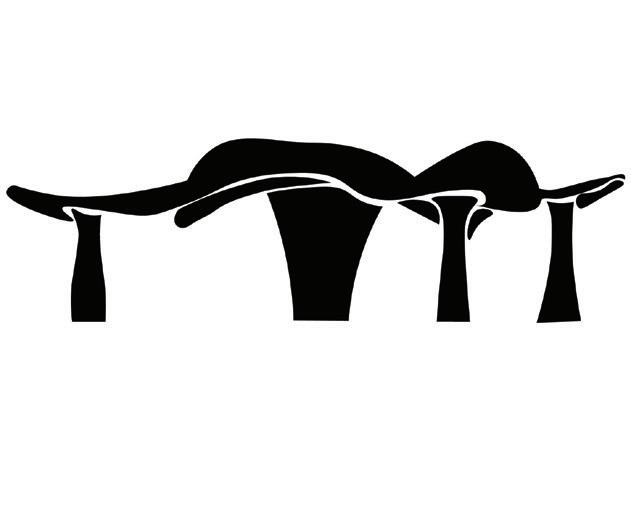
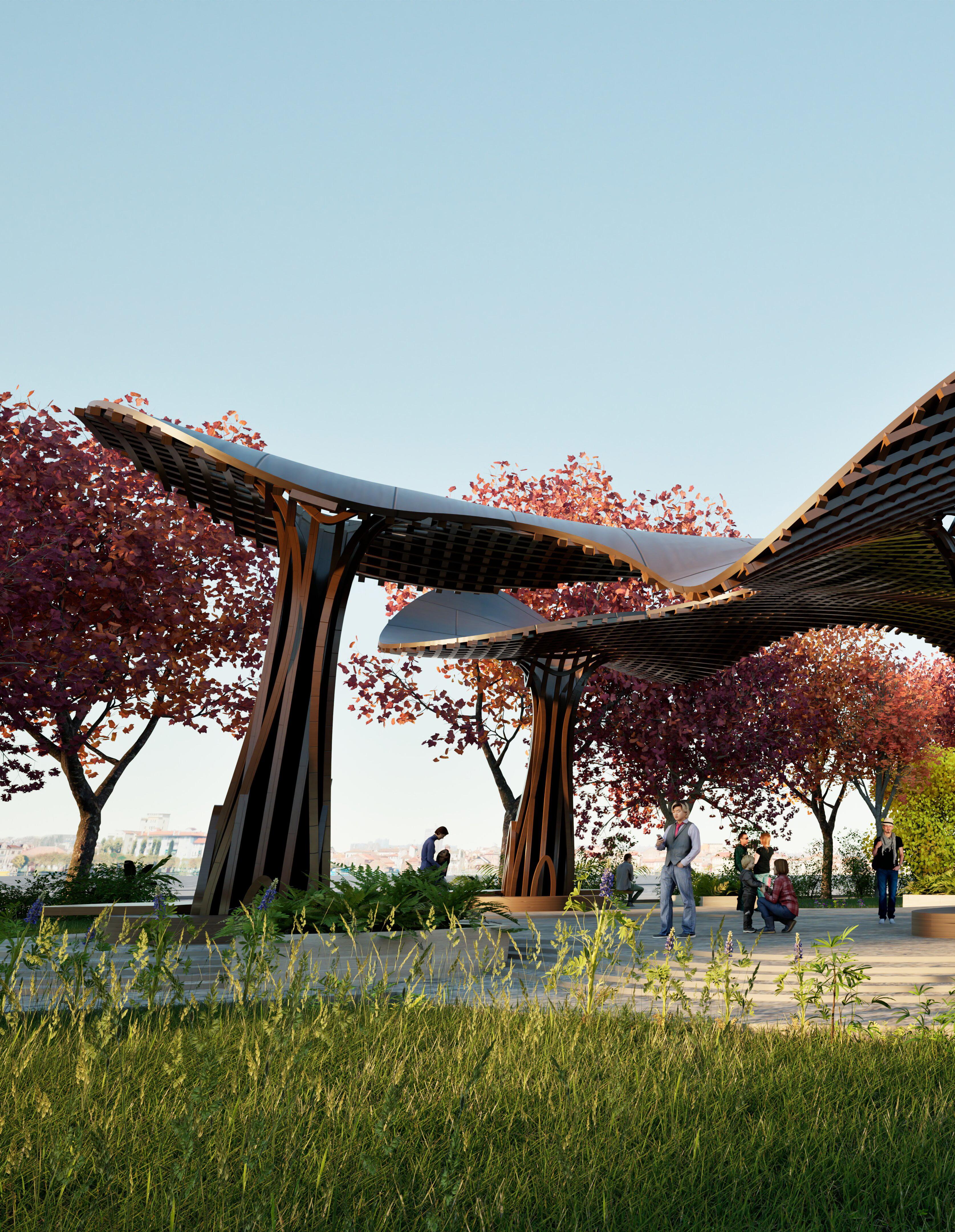
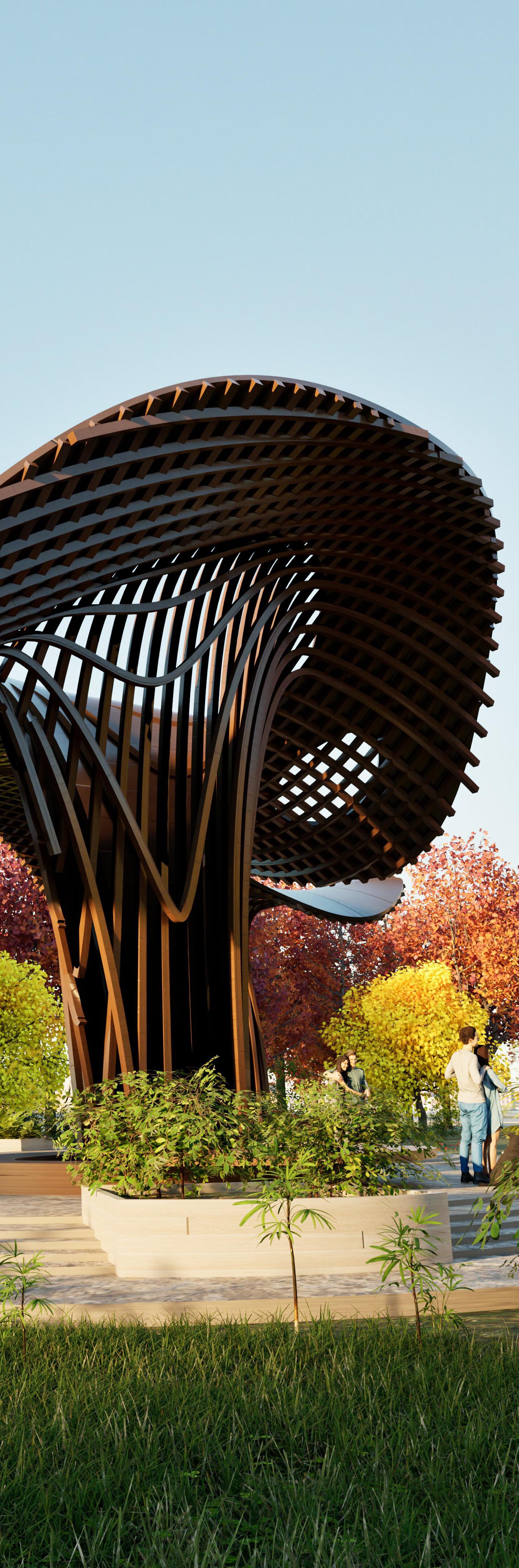
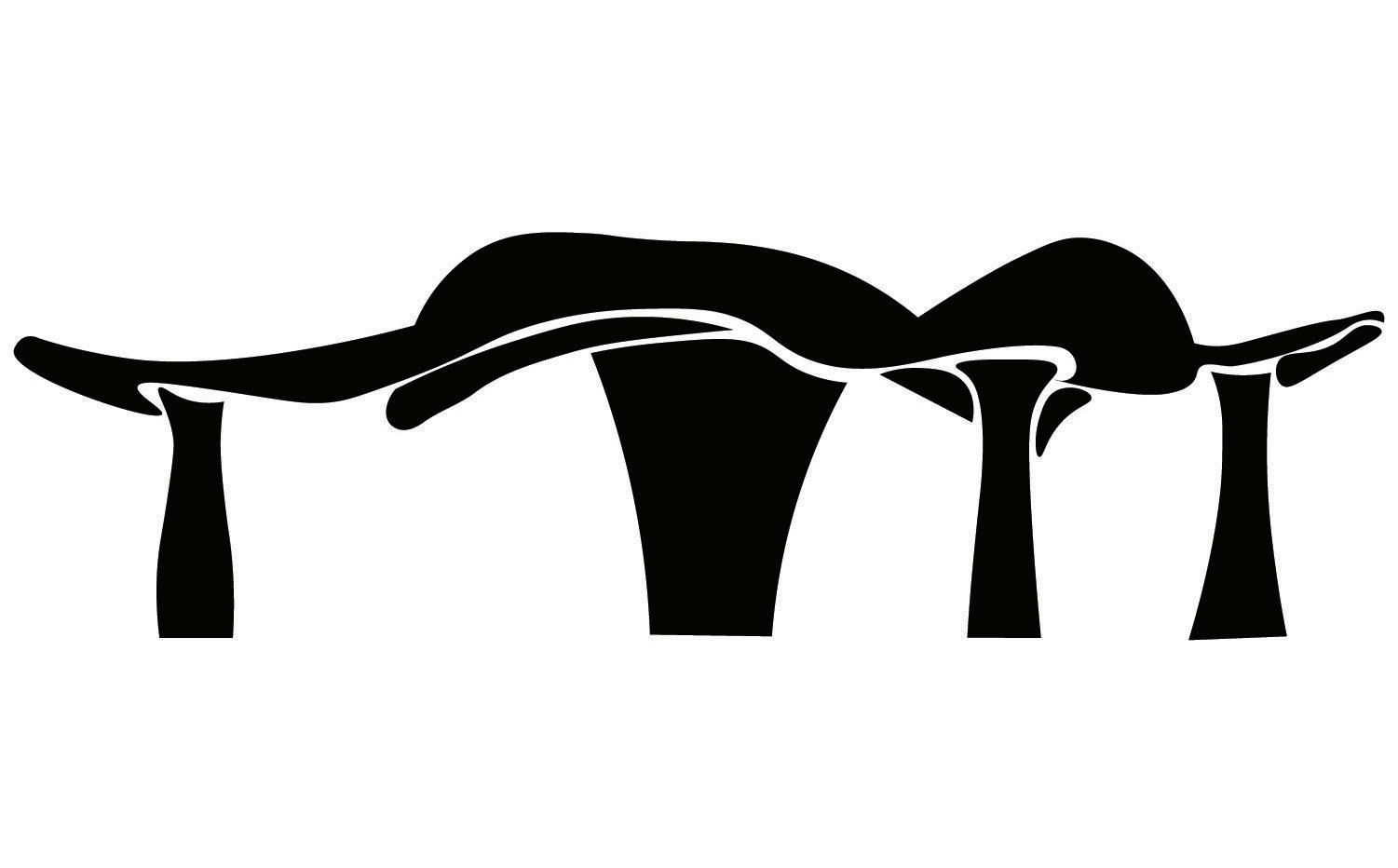
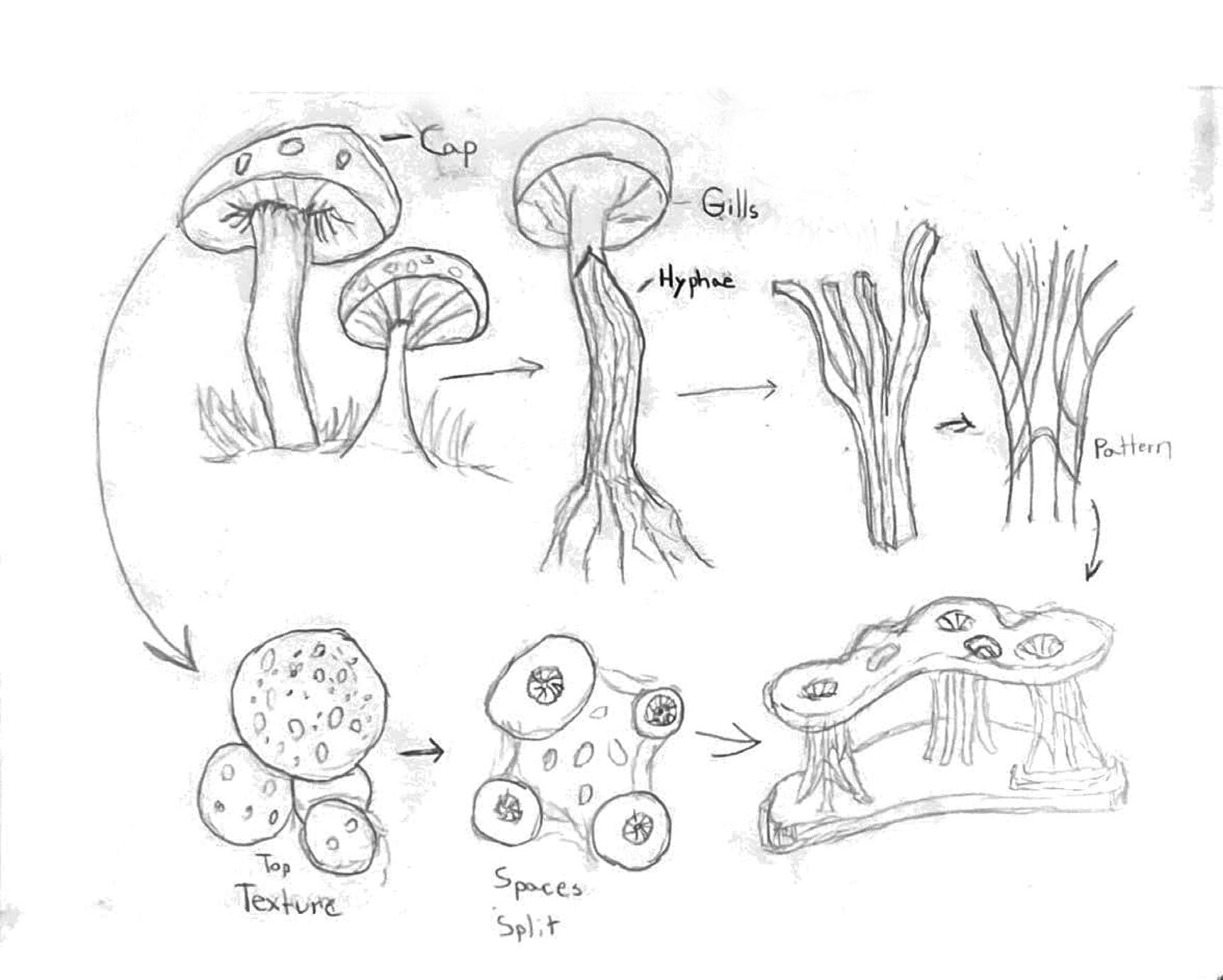
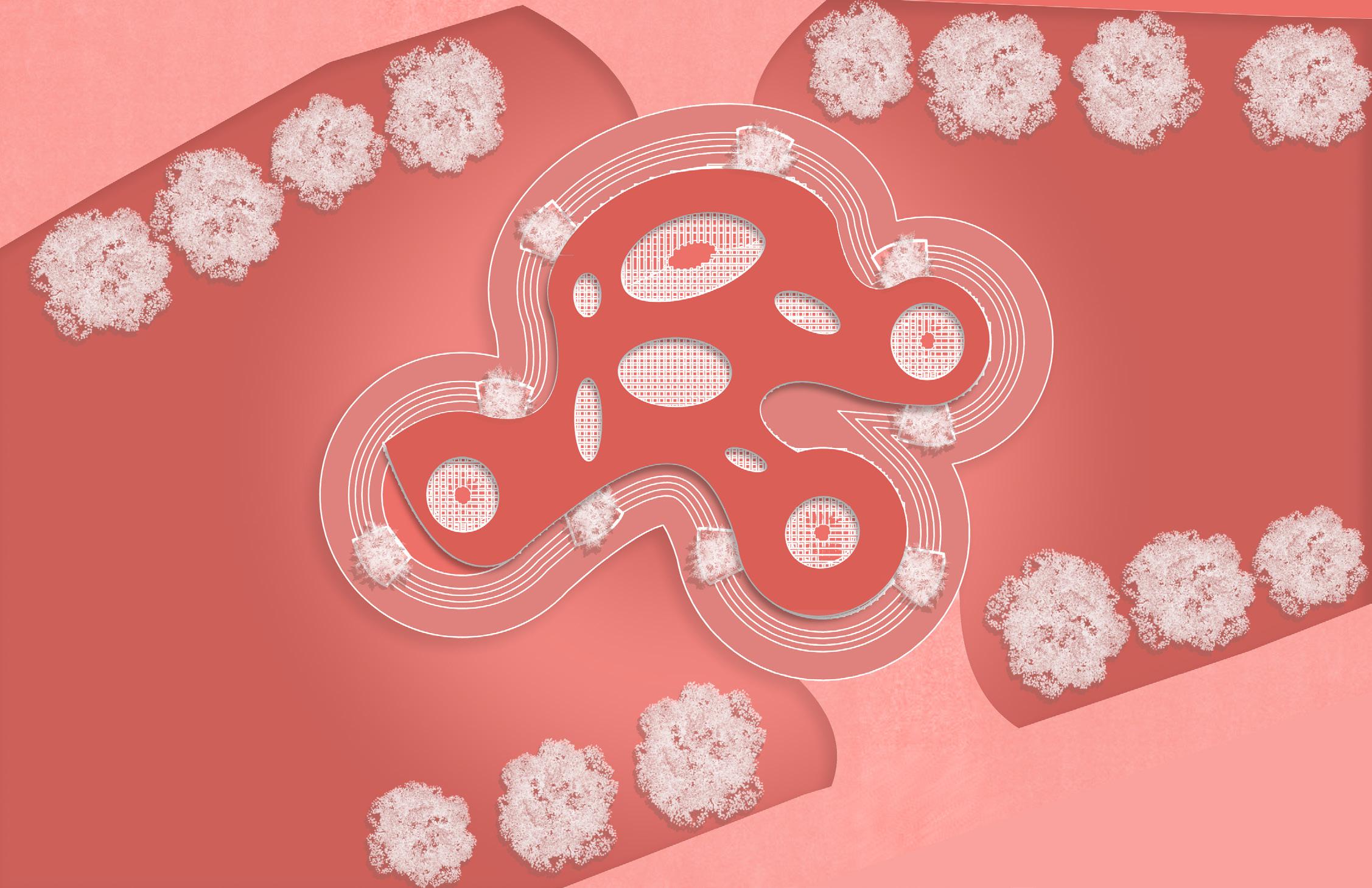
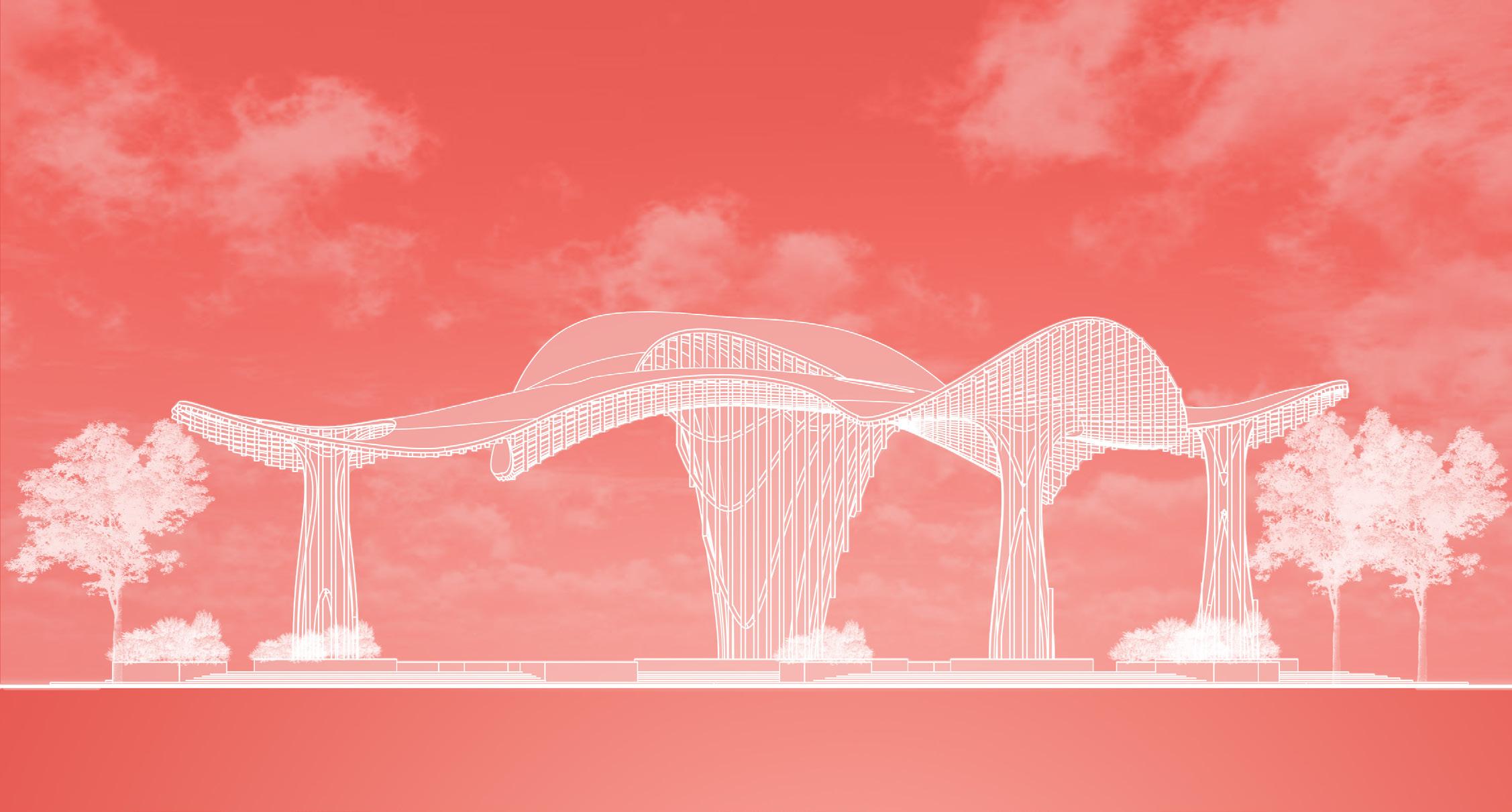
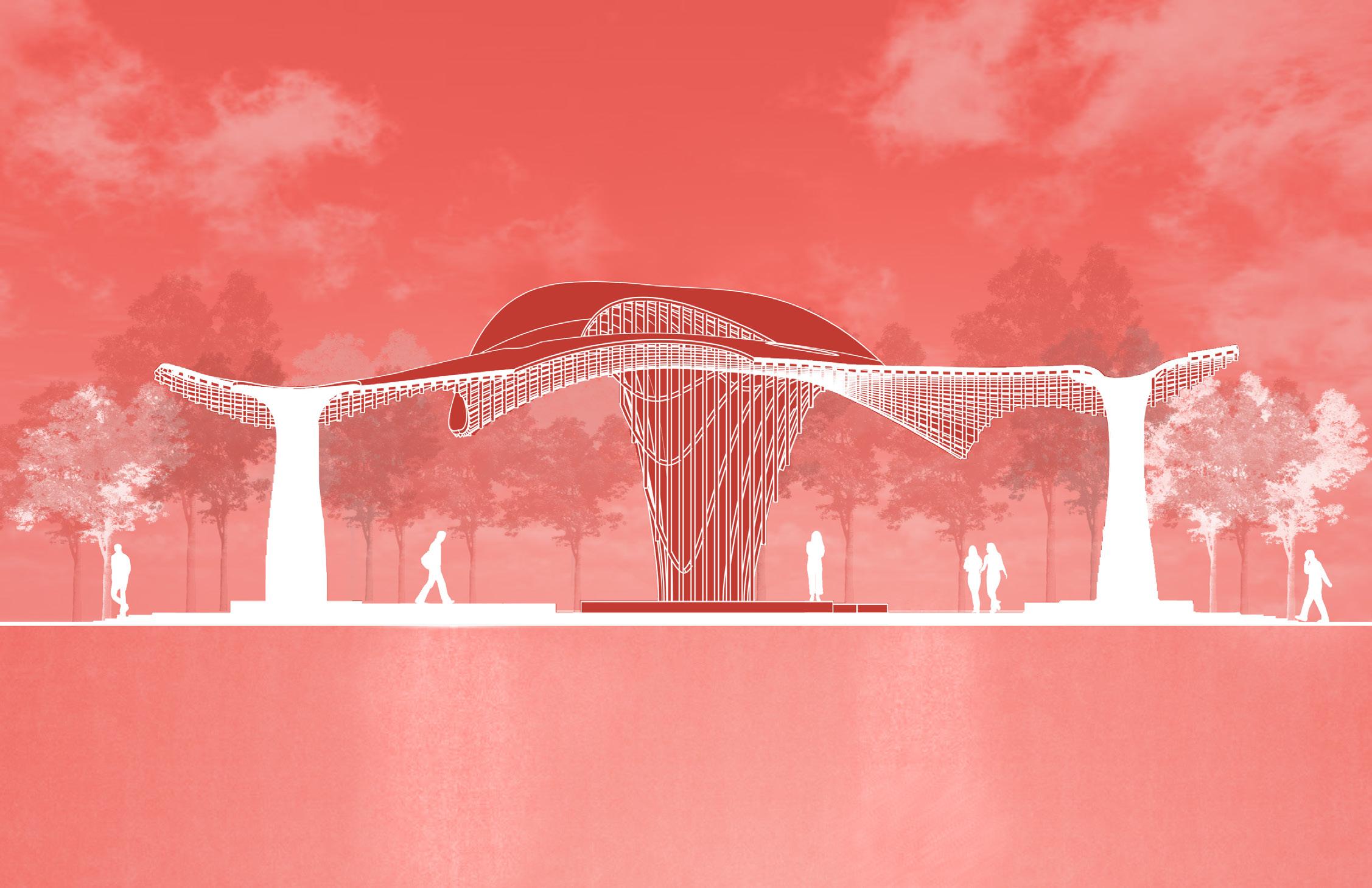
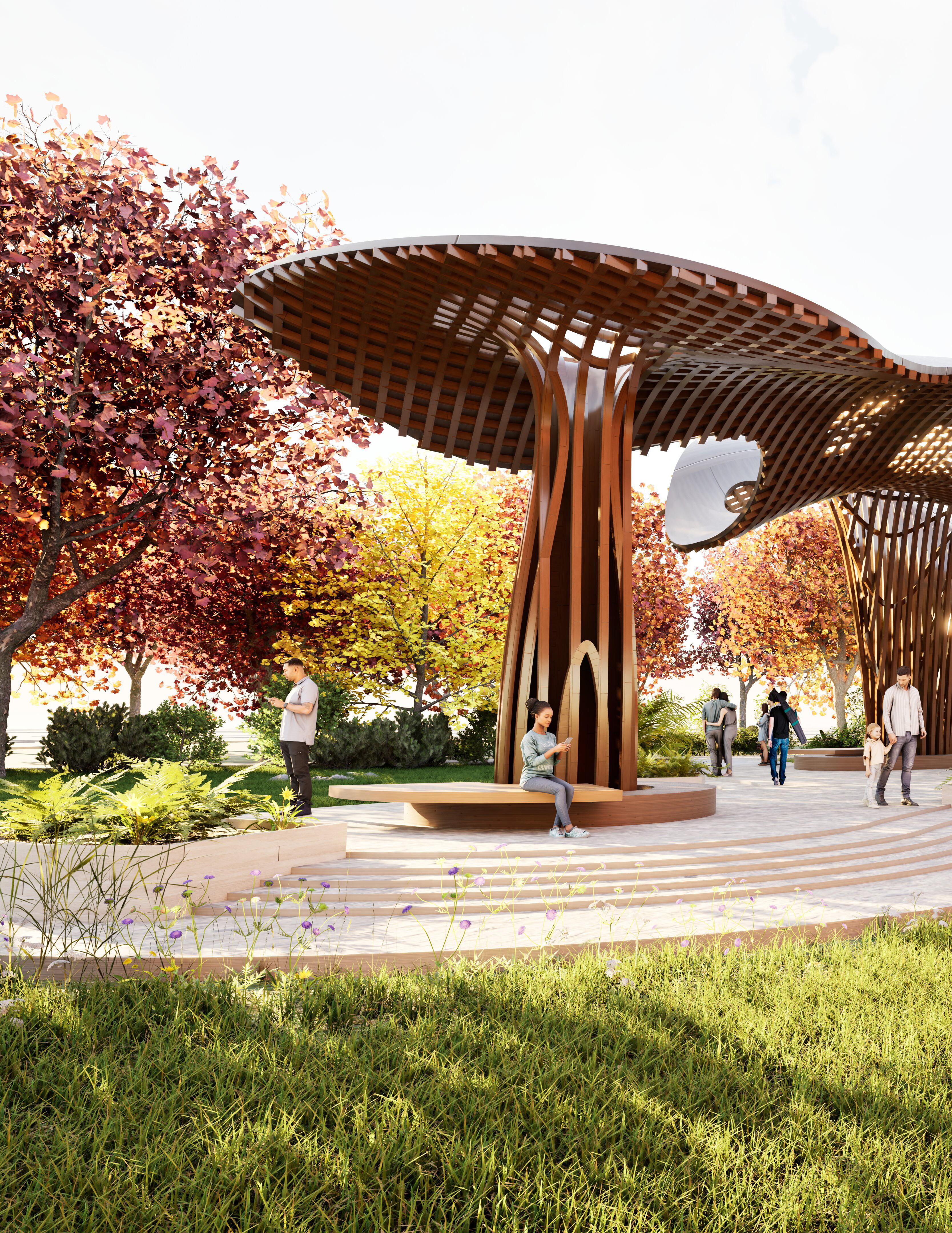
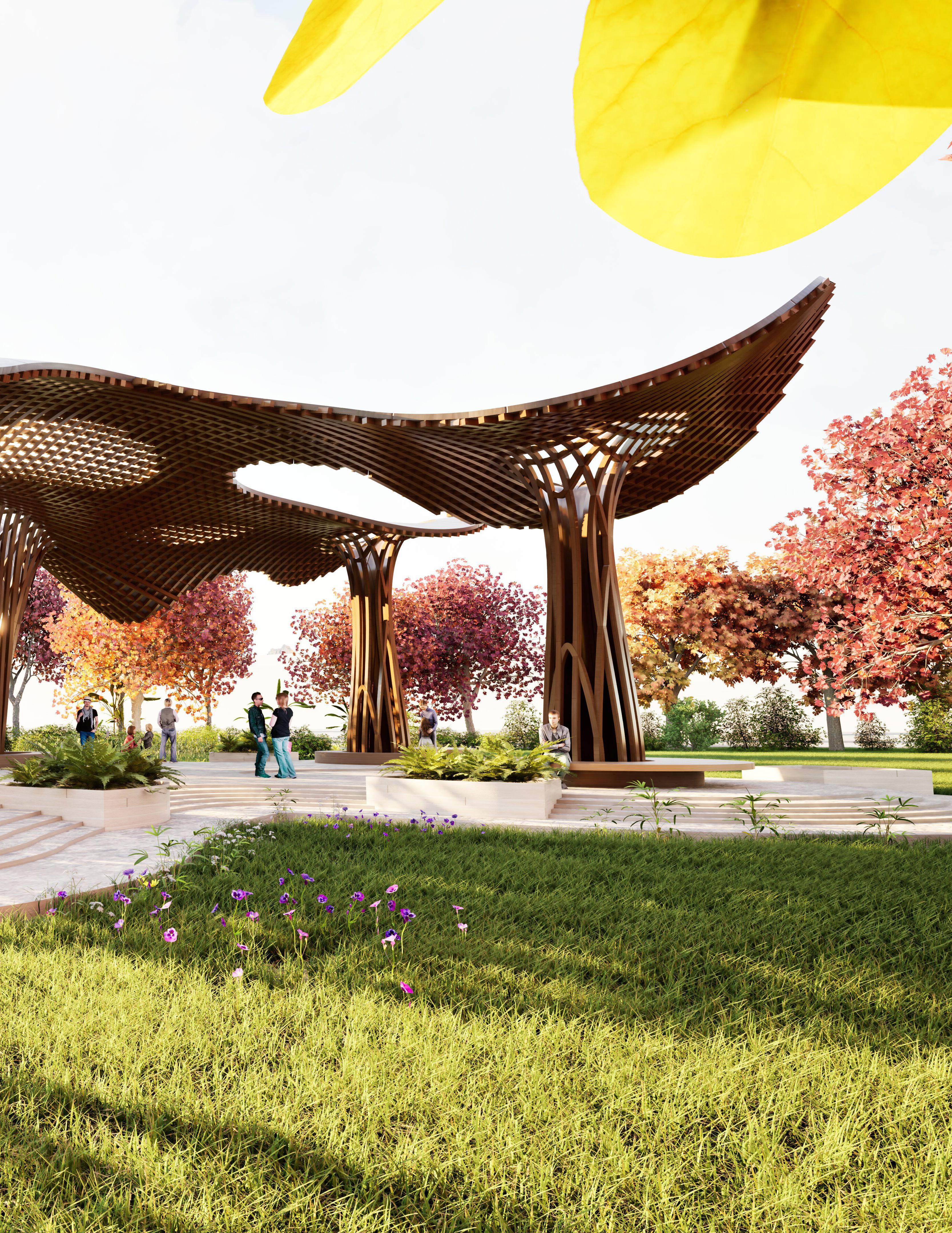
The Hyphae Haven Pavilion is an architectural idea inspired by mushrooms’ complicated structures, with a design concept based on the organic network of hyphae. The pavilion’s structural framework, which serves as a guiding element, replicates the branching, web-like appearance of hyphae, resulting in an interconnected network of slender wooden supports that stretch and link throughout the area.
The pavilion stresses sustainability and workmanship, with the material’s natural warmth complementing the organic look. The roofscape is inspired by the texture of a mushroom cap, with an undulating, textured surface that mimics the delicate yet enduring patterns found in its growth. This roof is intended to give both shade and shelter, with small openings that allow natural light to stream through, mirroring how sunlight moves through a forest canopy.