REPORT 2024 – 2025
REPORT 2024 – 2025
Inner Sydney Voice acknowledges the Traditional Custodians of the lands across the areas we serve, with particular respect to the Gadigal people of the Eora Nation, on whose land our office is located.
We pay our deepest respects to Elders past and present, and extend that respect to all First Nations peoples whose lands we work across — including the Bidjigal, Birrabirragal, Gweagal, and Wangal peoples.
We acknowledge that sovereignty was never ceded, and that these lands always were, and always will be, Aboriginal land.
AN EQUAL SAY. A FAIRER WORLD.
Inner Sydney Voice (ISV) is the regional social development, peak organisation for the central, eastern and inner west regions of Sydney. For over half a century, ISV has promoted social justice and inclusion with and for people who experience social and economic disadvantage. Our work centres on supporting, representing and enabling a strong, diverse and recognised community services sector.
“
There will always be a place for an organisation like Regional [Social Development] Council! Someone to oppose the excesses of the “powers that be”. Someone to keep the community in community services. Someone who really understands that community development is about communities being in control and adequately resourced to solve their problems. Someone who really puts people first!”
MARG BARRY, INNER SYDNEY VOICE, FORWARD TO THE FUTURE, 1995
Everyone has the right to participate in decisions that affect their lives.
Diverse backgrounds, cultures, strengths, and perspectives are cherished social assets.
When all people are equally empowered to participate, it leads to fairer outcomes.
Fairer societies are happier, healthier, safer, and stronger.
Inner Sydney Regional Council for Social Development Inc trading as Inner Sydney Voice
ABN 86 770 127 254
ADDRESS Rear 770 Elizabeth Street Waterloo NSW 2017
PHONE 02 9698 7690
EMAIL admin@innersydneyvoice.org.au
WEB innersydneyvoice.org.au
FACEBOOK facebook.com/innersydneyrcsd
LINKEDIN linkedin.com/company/inner-sydneyvoice---inner-sydney-regional-council-for-socialresponsibility/
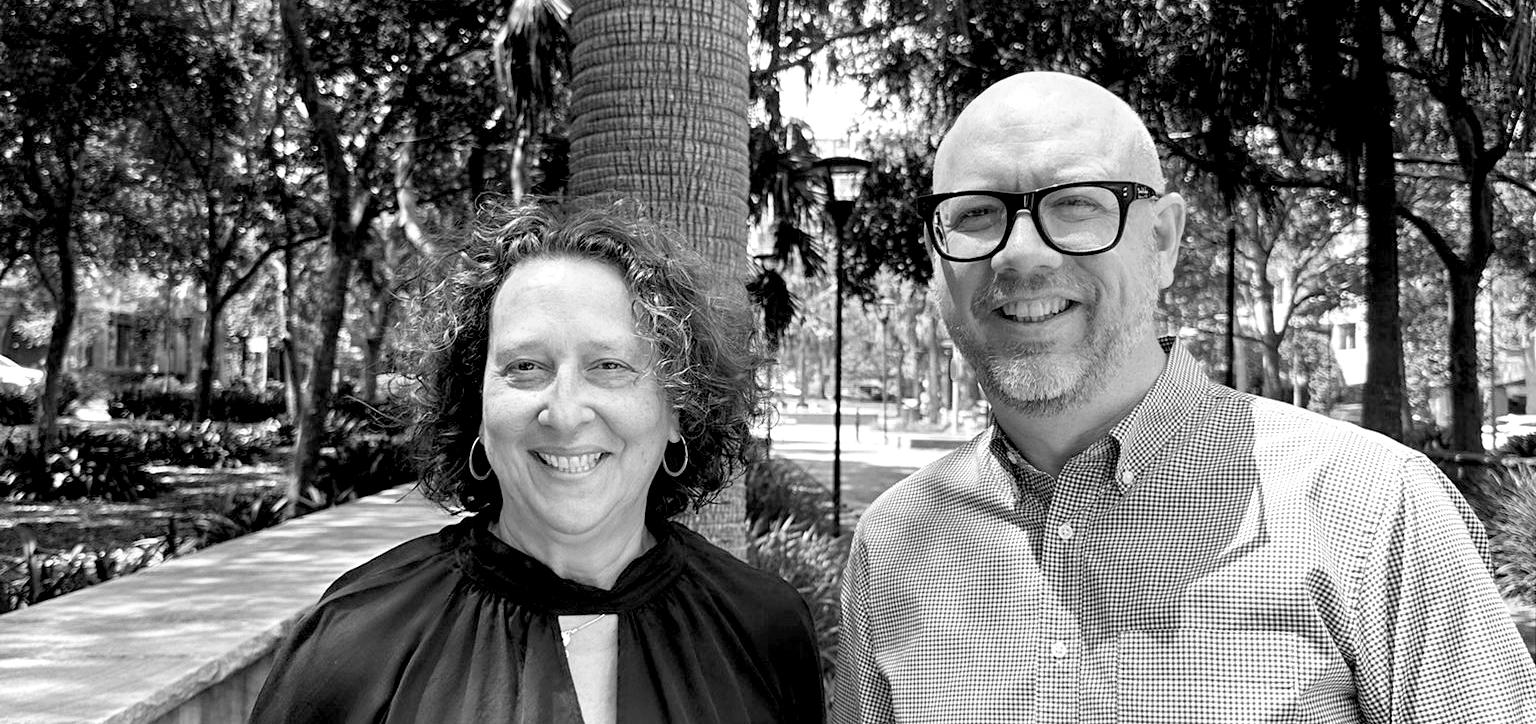
DR JOHN MIKELSONS AND MARIKA KONTELLIS
Dear Members, Friends and Neighbours
Thank you for your participation and support throughout this year. We live, work and play in a changing world and with that change comes the responsibility of ensuring equity and fairness across our neighbourhoods. It is that responsibility that drives the Inner Sydney Board and guides our decision making, engagement activities and advocacy across the communities we exist to serve. It has been an important year for Inner Sydney Voice. We celebrated 50 years of community action and invested in our relationships with local communities.
We met all our obligations to staff, funders and regulators and more importantly, created real, lasting opportunities for people to lead in their communities on their terms.
Through our work and our relationships we consistently confirmed our commitment to, and action with people experiencing poverty, disadvantage and other forms of marginalisation.
… As we reflected on our 50 legacy, paid tribute to past leaders we shaped our understanding of the role we can all play in building social infrastructure, delivering social justice, now and for the future...”
Governing and leading a small, placed based organisation with a big social justice agenda can be complex and challenging. Attracting and keeping funding, engaging members, sustaining an enthusiastic and skilled team (peers, staff, volunteers) whilst ensuring regulatory and funding compliance isn’t always easy. The rewards however, are significant. As we reflected on our 50-year legacy, paid tribute to past leaders we were reminded of the critical role we can all play in building social infrastructure, delivering social justice, now and for the future.
We take this opportunity to thank our funders, NSW Department of Communities and Justice, Commonwealth Department of Health, Reconstruction NSW in association with the National Emergency Management Agency, and the City of Sydney. Funding to drive social development isn’t always a priority for governments so we thank our funders for the trust they put in us to drive a better and fairer Sydney.
To the ISV Board members and the growing team of Peers, Volunteers and staff we are very grateful for your time, energy, skill and dedication.
Finally, to members and supporters, this is your organisation and your participation and leadership shapes what we do next.
Here’s to the next 50 years, John and Marika
In 1974, Australia was undergoing profound social, cultural, and political transformation. Gough Whitlam’s government was introducing sweeping reforms—from abolishing the White Australia Policy and passing the Racial Discrimination Act, to making higher education free and contraceptives affordable, legislating no-fault divorce, and launching universal healthcare through Medibank. Amidst this momentum, community action flourished. In Sydney, storms reshaped the coastline, Cyclone Tracy devastated Darwin, and grassroots movements responded with resilience and innovation. That same year, a group of passionate locals—students, academics, seniors, and housewives—opened Australia’s first women’s refuge, Elsie, in Glebe, forever changing the national conversation on family violence. In Surry Hills, Andrew Jakubowicz led the Residents’ Action Group to establish the Inner Sydney Regional Council for Social Development under the Australian Assistance Plan. With $3,000 in seeding funds, the group laid the foundation for what would become Inner Sydney Voice. This was not the work of governments alone—it was driven by everyday citizens committed to fairness, equity, and community-led change. Fifty years on, Inner Sydney Voice continues to honour that legacy.
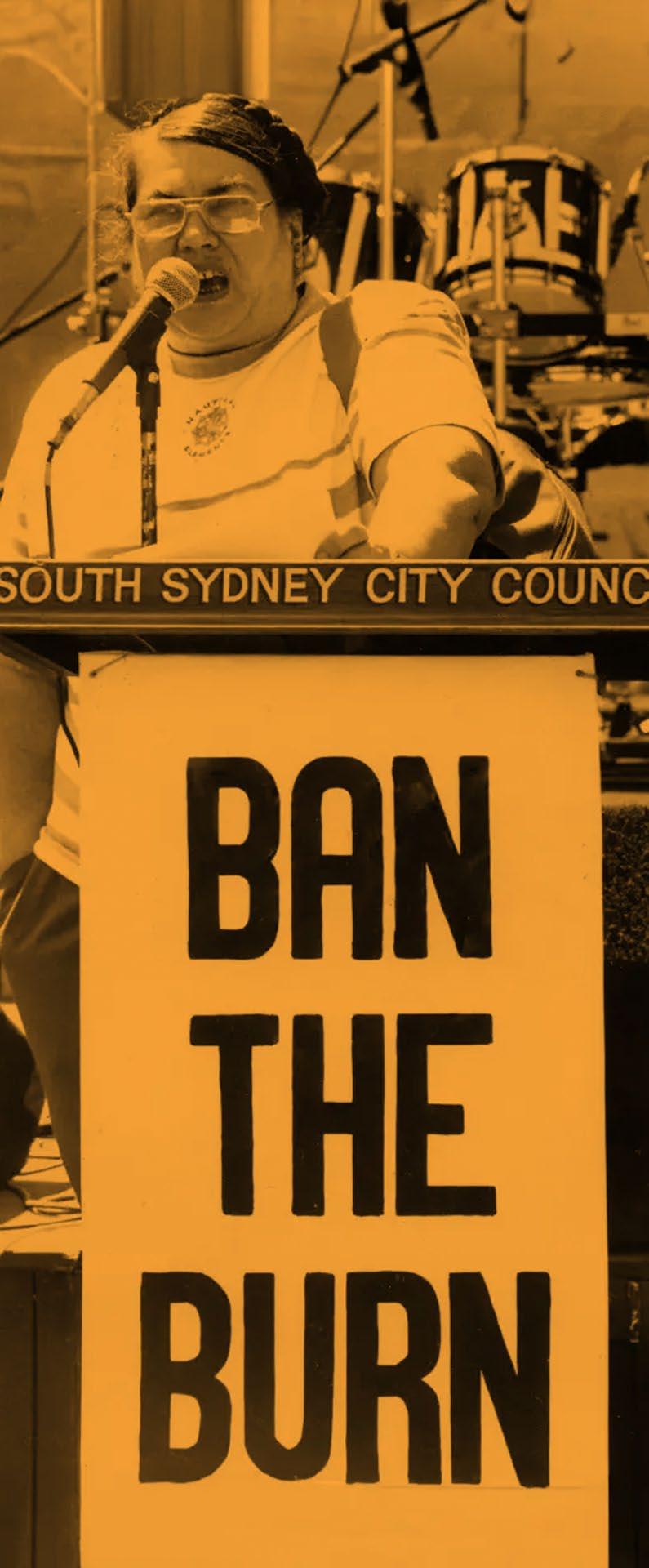
FOUNDATIONS OF CHANGE
Jan 1974: Andrew Jakubowicz, Chair of the Surry Hills Resident Action Group, convenes 40 people to explore forming a Regional Council for Social Development across Sydney, South Sydney, and Leichhardt LGAs.
Jul 1974: $3,000 in seeding funds used to establish an interim council; further funding sought for staff and community development officers in each LGA.
Feb 1975: Colin Menzies appointed Executive Officer; office opens in Glebe, later moving to Chippendale.
1977: Incorporated as a co-operative; funding withdrawn almost immediately after in post-Whitlam dismissal. Organisation pivots to a Regional Information and Resource Centre with state support.
1977–79: Focus shifts to housing, neighbourhood centres, transport, and urban environment issues. Launch of Inner Voice journal and media projects like the film Waterloo and Radio Eastern Sydney.
ADVOCACY AND EXPANSION
1982–83: Engaged in planning and environmental issues including the Waterloo incinerator and Port Botany. Office moves once again: to Pitt Street. Eastern Suburbs added to regional coverage.
1985–86: Launch of Home and Community Care (HACC) Development Project and Urban Environment Council. Advocacy around freeway and third runway developments.
1989–90: Relocation to Alexandria. Environmental concerns and intersection of welfare, community, and environmental issues take centre stage.
GENTRIFICATION AND GRASSROOTS CAMPAIGNS
Early 1990s: An era of economic rationalism. Seminar held to support low-income residents amid gentrification. Active participation in regional planning committees. The organisation moves to Waterloo.
Mid-1990s: ‘Hands off HACC’ campaign launched. Journalist hired for Inner Voice. South Sydney Housing Task Force established.
STRATEGIC SHIFTS AND DIGITAL GROWTH
1994: Launch of Housing Communities Assistance Program (HCAP). Campaigns against local bank closures, hospital shutdowns, and post office closures.
1999: 25th anniversary celebrated. Leadership transitions with Marg Barry retiring. Freda Backes took the reins, followed by Charlie Richardson.
Early 2000s: Board responds to increased management demands and accountability. Becomes regional liaison for National Council of Social Services (NCOSS).
2002: A new regional housing project, Central Sydney North Regional Tenant Resource Service (CSNRTRS), begins.
2006: Organisation adopts new whole of regional focus, relinquishes localised HCAP. Events held across LGAs. New website launched; digital systems upgraded. Office remains in Waterloo after redevelopment reprieve.
2010s: Projects evolve under new guises—The Community Services Program Grant becomes Community Builders, Regional Tenant Resource Service becomes Tenant Participation Resource Service (TPRS), HACC Development Officer becomes Sector Support Development Officer (SSDO).
Mid-2010s: City of Sydney archives 30+ years of ISV documents. Focus intensifies on urban development including Redfern Waterloo Built Environment Plan and Waterloo/Ivanhoe estate redevelopments.
Late 2010s: Organisation rebrands as Inner Sydney Voice, aligning with its publication and clarifying its identity.
2020–2022: Board leads strategic review amid demographic and funding shifts. Decision made to remain independent and build a sustainable future.
2024: Celebrating 50 years of community action. Focus on civic participation, community preparedness, aged care reform, and early intervention for children and families.
OUR YEAR IN NUMBERS
This year, our work reached more people, communities, and service-providers than ever before:
460 8
individuals reached and supported
8 48 29
new partnerships with local organisations community sector workshops and events across 6 LGA’s
new students in our Intern Learning Hub
new stories published in ISV magazine
We renewed and strengthened our focus on working on the issues that people experiencing poverty and disadvantage face.
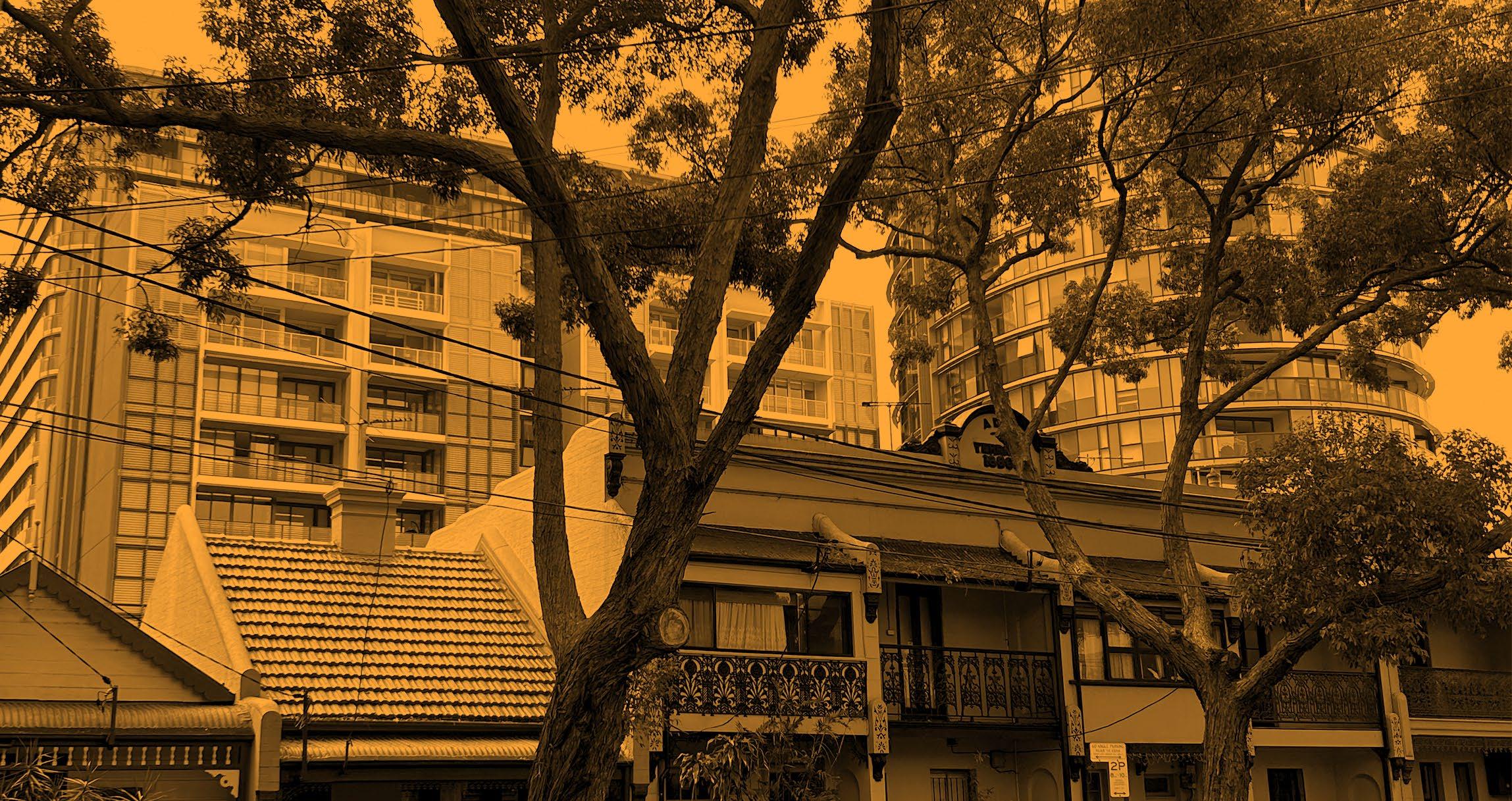
This year, Inner Sydney Voice continued to drive meaningful change across our communities by delivering on the strategic priorities that guide our work. Our constant focus remained on supporting, advocating and enabling people experiencing social and economic disadvantage and other forms of marginalisation. Through collaboration, advocacy, and capacity building, we’ve supported residents, services, and stakeholders to navigate complex challenges and create more inclusive, resilient neighbourhoods. The following highlights showcase our progress under each of our four strategic pillars.
In FY24-25 we applied for funding for a range of projects that reflect our commitments to bring people together and create opportunities, particularly for people experiencing poverty, disadvantage and other forms of marginalisation. These projects include access to employment, digital inclusion, support for vulnerable populations and disaster recovery.
This year, we focused on building strong relationships in Green Square to lay the groundwork for future community-led initiatives and funding opportunities. Our approach centred on becoming active and visible in the area, engaging directly with residents, and fostering trust through consistent support and collaboration. We held preliminary meetings with residents interested in forming a Resident Action Group and supported early conversations around grassroots projects such as a community-led playgroup and a community garden. These interactions have helped identify local priorities and build momentum for collective action.
As part of our commitment to supporting emerging community leadership, we submitted several Green Square oriented funding applications during this financial year on behalf of residents and unincorporated groups. We’ve since been notified of their success, which positions us to move forward with formalising the group and launching initiatives in the coming period. Our focus remains on strengthening local relationships, supporting resident-led ideas, and advocating for a safe, inclusive, and thriving Green Square community.
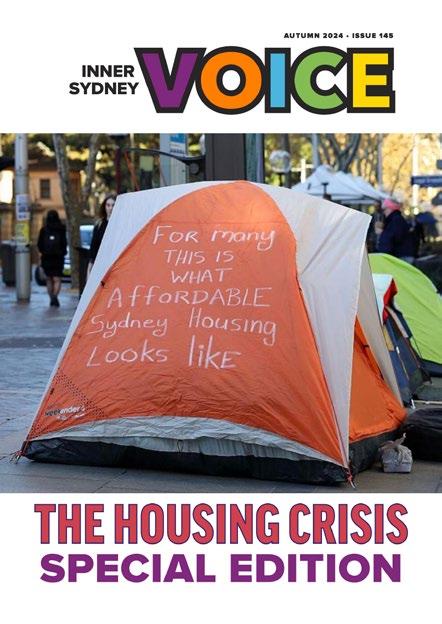
This year we strengthened our role as a trusted platform for the perspectives that often go unheard. Three editions of Inner Sydney Voice were published, which featured a wide range of contributors, including public housing residents on the front lines of redevelopment, First Nations young people speaking about their futures, older women advocating against elder abuse, support workers navigating the NDIS, and young people finding connection in a loneliness epidemic. Our Community Voices section continues to offer a clear pulse check on the issues that matter to people in Inner Sydney, placing lived experience alongside expert analysis on equal footing.
We expanded our journalism beyond the magazine, reporting from tenant meetings, student protests, mayoral candidate forums, budget breakfasts and local community events. This has contributed to sustained growth in our digital reach. Over the past year, our LinkedIn audience has increased by more than 300 percent and our Facebook presence continues to rise.
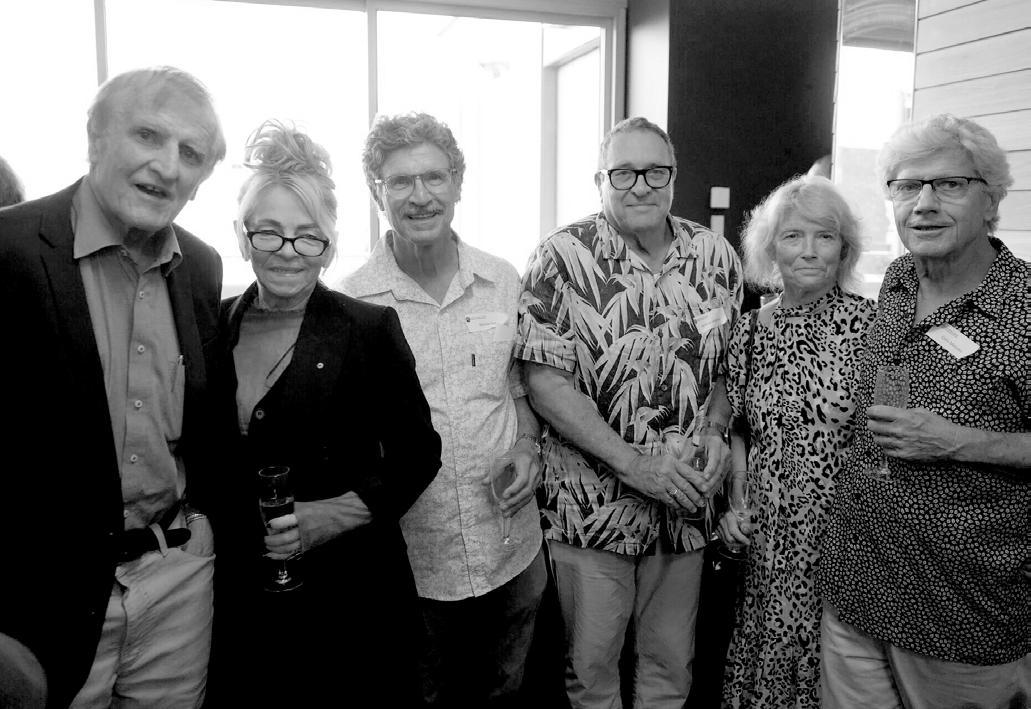
The Annual Marg Barry Memorial Lecture was held in November 2024 as part of our 50-year anniversary celebrations. Julie Bates AO, a pioneering figure in community health and advocacy whose work has had a profound impact on Sydney, delivered the keynote address. The event also featured a panel discussion exploring the past and future of community action, with contributions from E/Professor Andrew Jakubowicz, Mark Skelsey, Faye Williams, and Janet Green.
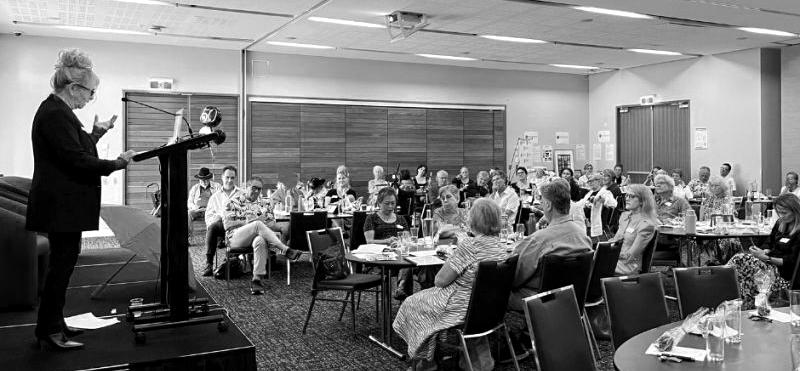
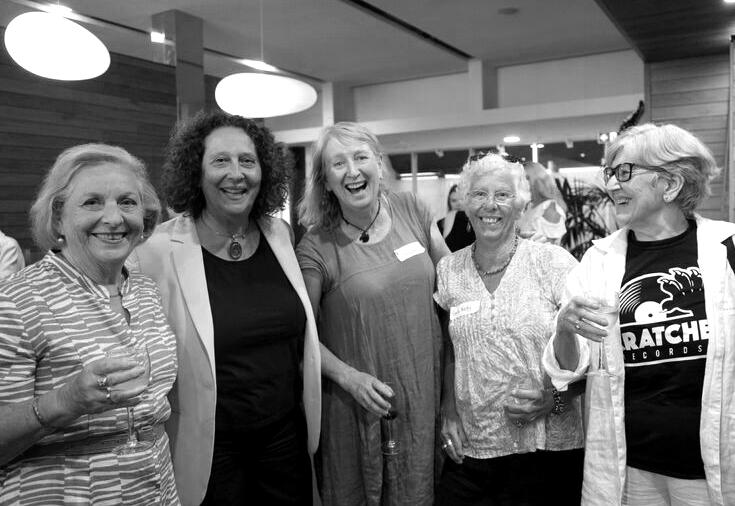
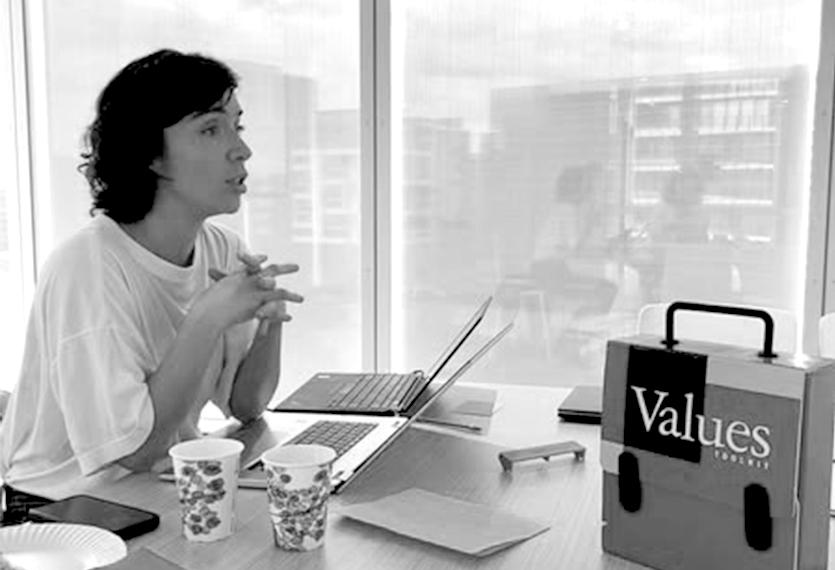
We continue to invest in community capability as part of our editorial mission. We delivered workshops spanning civic participation, digital storytelling and journalism skills, and supported emerging writers through student placements and volunteer contributions. The past two magazine editions recorded our highest readership to date.
Our revamped Hello Sector newsletter has brought CHSP and TEI networks into a single, more effective publication that showcases frontline workers, community programs, training and policy updates. Readership has grown from separate lists of 248 and 287 to a combined audience of 1,300, with around 800 people reading each edition and driving more consistent traffic to our website.
Our engagement with locals creating fresh content for publication continues to grow as does our audience through digital copies of the magazine and sharing of articles through social media.

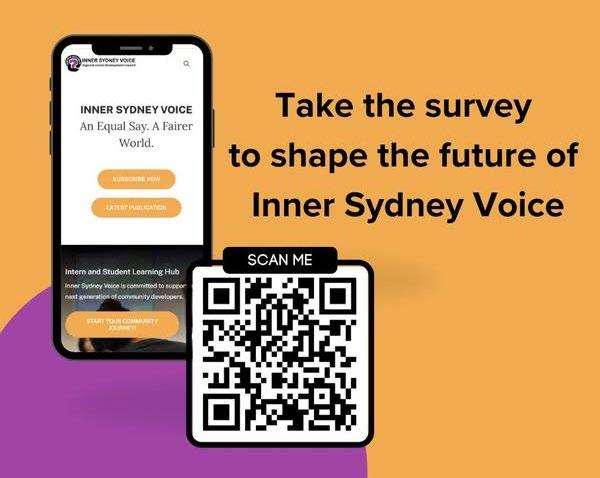
Refreshing the Inner Sydney Voice logo became a genuine listening exercise. We held focus groups with support workers and policy makers, ran online and in-person surveys, and invited feedback through the magazine and community networks. These conversations helped us understand how people see ISV, what they value, and what they want from us in the future. The resulting refreshed identity we look forward to presenting reflects those insights. It is grounded in the priorities of the communities we work alongside and strengthens our clarity of purpose as a trusted voice for the inner city.
Inner Sydney Voice has continued to be a leading regional voice on issues that matter to our community, particularly those who are experiencing poverty, disadvantage and marginalisation. Notably, ISV worked with local residents to develop a response to the NSW Parliamentary Inquiry into the prevalence, causes and impacts of loneliness. We secured funding to address social isolation and loneliness to shape more inclusive communities.
We continued to play a key role in the Waterloo Redevelopment and supported the Waterloo Human Services Collaborative and the Waterloo Frontline Services Group, chairing meetings, reviewing draft plans and reports and leveraging voices of people directly impacted by the redevelopment
Our trusted voice also added value to various advisory groups and government engagement groups such as the DCJ Service Provider Stakeholder Group.
During FY 2024–2025, Inner Sydney Voice (ISV) has continued to strengthen programs and service systems for frail older people living in their homes and children and families at risk of contact with the child protection system in our Sector Support and Development capacity in the Commonwealth Home Support Programme and the Targeted Early Intervention Programme.
This year we supported the transition from the Targeted Early Intervention (TEI) framework to the Children and Family Services (CAFS) model. Our work focused on building stronger, more inclusive communities by connecting service providers, supporting workforce wellbeing, and advocating for system-level improvements. ISV engaged 1,551 service providers and community members across 55 sessions, including 10 targeted education and skills development opportunities.
ISV’s collaboration with local service providers played a central role in advancing workforce wellbeing. Working closely with a reference group of TEI providers, we finalised and shared the report of the Worker Wellbeing Survey, highlighting areas for sector-wide support. In addition, we have been developing a Worker Wellbeing
Kit and a Welcome Pack for new social and community workers. This work included input from local service providers regarding needs and priorities, to provide practical tools and support for professionals either entering the sector or joining the region.
Through our leadership in convening and connecting the community sector, ISV strengthened cross-sector collaboration and coordination. Over the year, we facilitated four sessions of the Waterloo Integrated Referrals Community of Practice, engaging 25 providers per session from legal, domestic violence, alcohol and other drugs, youth, health, and housing sectors. Insights and recommendations from these sessions were shared with the Waterloo Human Services Collaborative to inform regional service delivery. ISV also continued to be actively engaged with the Waterloo Human Services Collaborative and co-chaired the Waterloo Human Services Frontline Group throughout 2024. ISV worked with other networks, interagency groups and services to foster stronger linkages and coordinated responses across services. ISV led quarterly network meetings with Targeted Early Intervention services in our region, focusing on areas identified as priories to improve coordination, collaboration, improve referral pathways, and work with help CEOs and senior managers address key and
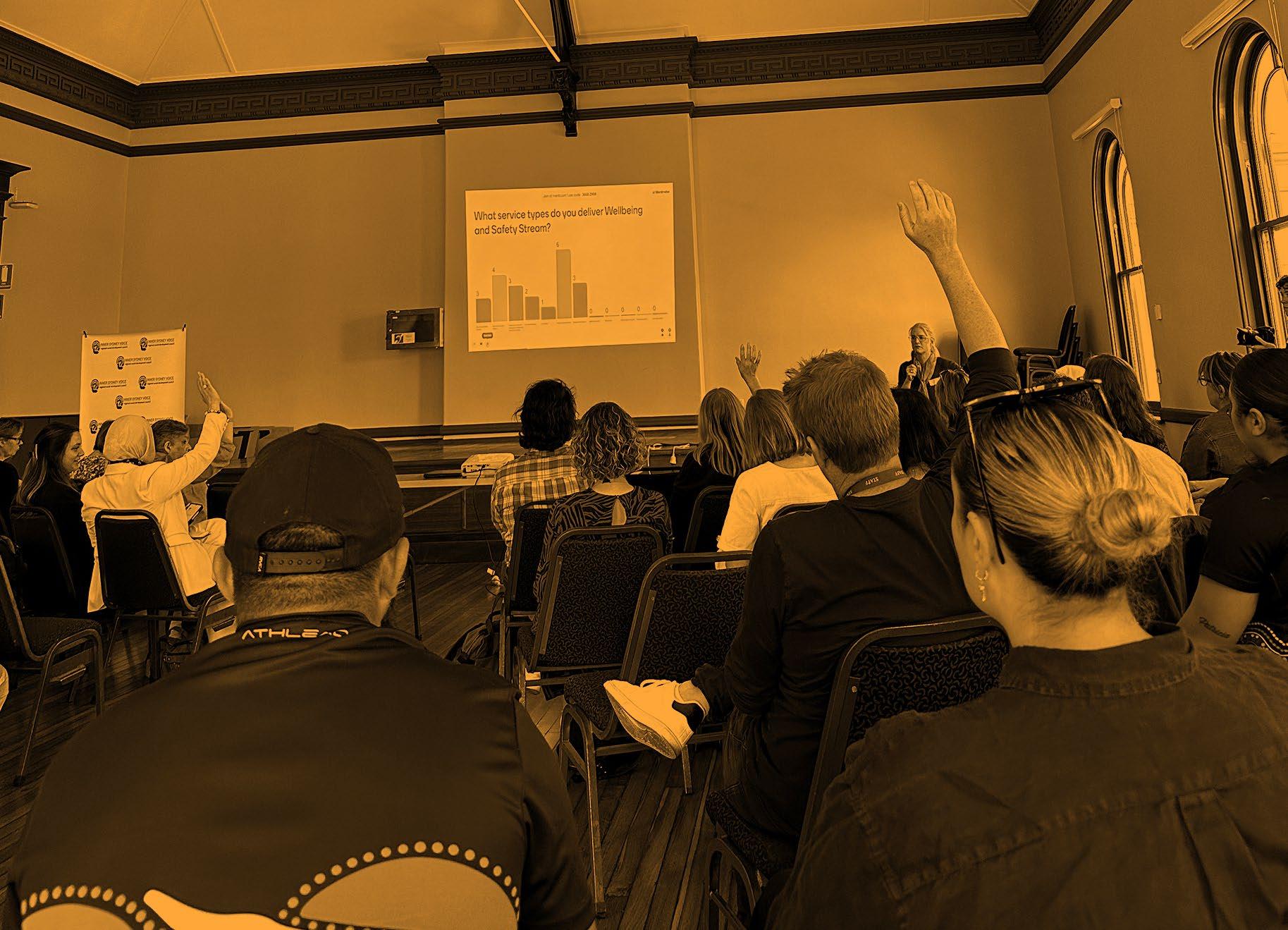
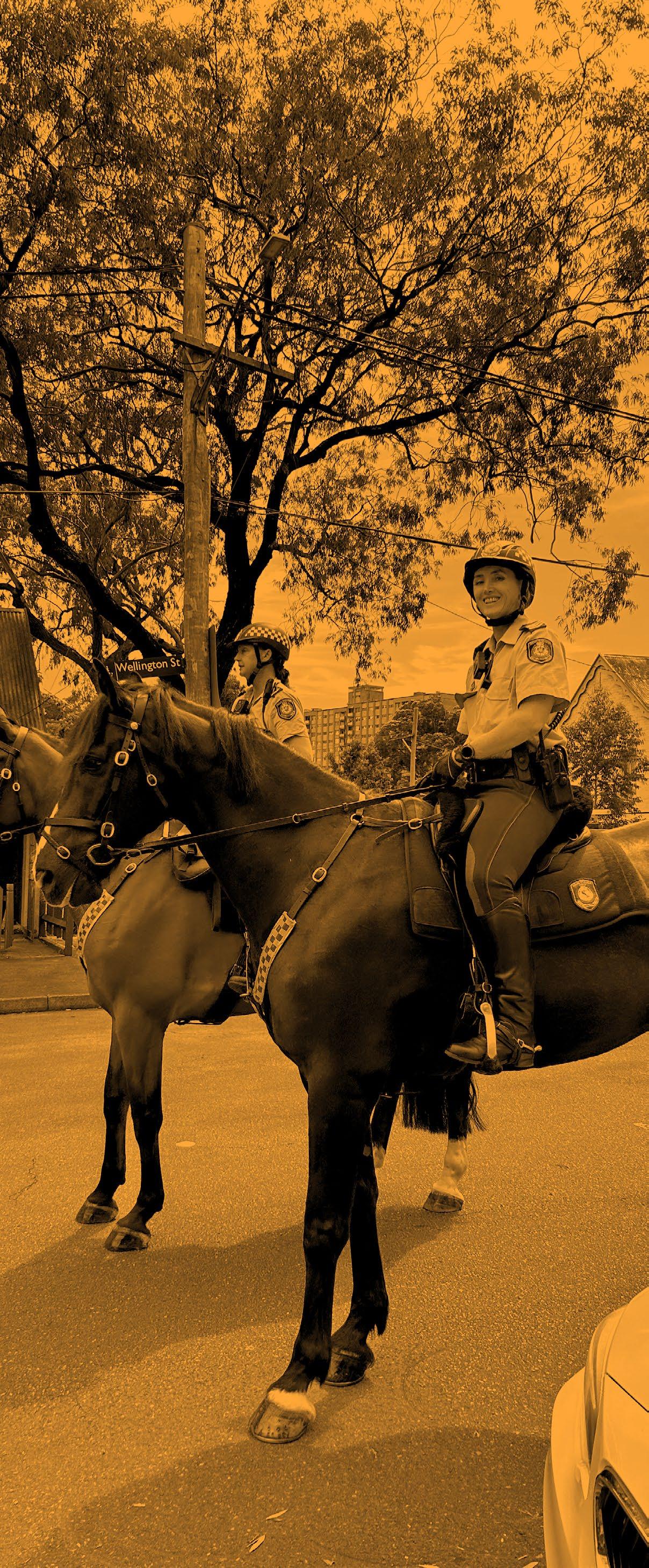
systemic issues, provide opportunities to hear directly from the funding bodies and assist frontline workers navigate complex service systems. ISV also continued to provide targeted and individualised support to services, sharing key information, and connecting organisations to each other to enhance service coordination.
ISV’s strategic planning and advocacy further supported stronger service outcomes. We worked with services to identify key issues and gaps and systemic issues in the service system to inform local and regional planning. Our submissions on TEI Service Specifications, Foundational Supports, and summaries of TEI Evaluation findings contributed to policy discussions and promoted improvements in system-level service delivery. ISV also represented the sector in range of forums and such as Fams Sector Conversations, LCSA Members Forum, and CPMG meetings, ensuring TEI voices were included in broader policy development, while initiatives like Paint the Town ReAD engaged the community and highlighted local service impacts.
Communication and information sharing continued to be a key focus. ISV produced TEI newsletters at least monthly, providing updates on sector developments, training, and resources. The TEI Services List was developed and distributed to improve the visibility of local services, facilitating coordination and effective referrals.
ISV delivered a series of targeted capacity-building initiatives, supporting over 100 participants including CEOs, frontline staff, and emerging leaders. Training sessions included an Appreciative Inquiry workshop led by the CEO of Glebe Youth Centre, as well as sessions on Mental Health at Work and Managing Teams for Wellbeing, delivered in partnership with the Black Dog Institute and co-facilitated by ISV and local partners. A session on Measuring Outcomes was also held, facilitated by the UTS Centre for Social Justice and Inclusion.
In support of the Commonwealth Home Support Programme, Inner Sydney Voice continued to lead key regional networks, namely the City and Eastern Sydney Elder Abuse Collaborative and the City and Eastern Sydney Commonwealth Home Support Programme (CHSP) Forum. The CHSP Forum has taken on particular significance in light of the imminent changes to the Aged Care Act, providing a vital space for information sharing, advocacy, and sector coordination. We have also regularly participated in the City and Eastern Sydney Ageing and Disability Interagency, that is similarly important in the current climate. We also maintained active engagement with state and national Sector Development networks in meetings and in the online Community of Practice, contributing to the collective efforts of Sector Development Officers across NSW and Australia. Our involvement ensures that regional perspectives are represented in broader sector discussions and reforms.
We have continued to distribute vital information to providers, from opinion pieces and polling, to the continued distribution of our Eastern Suburbs and City of Sydney Home Support Services Brochure. We updated our online version and conducted a review of
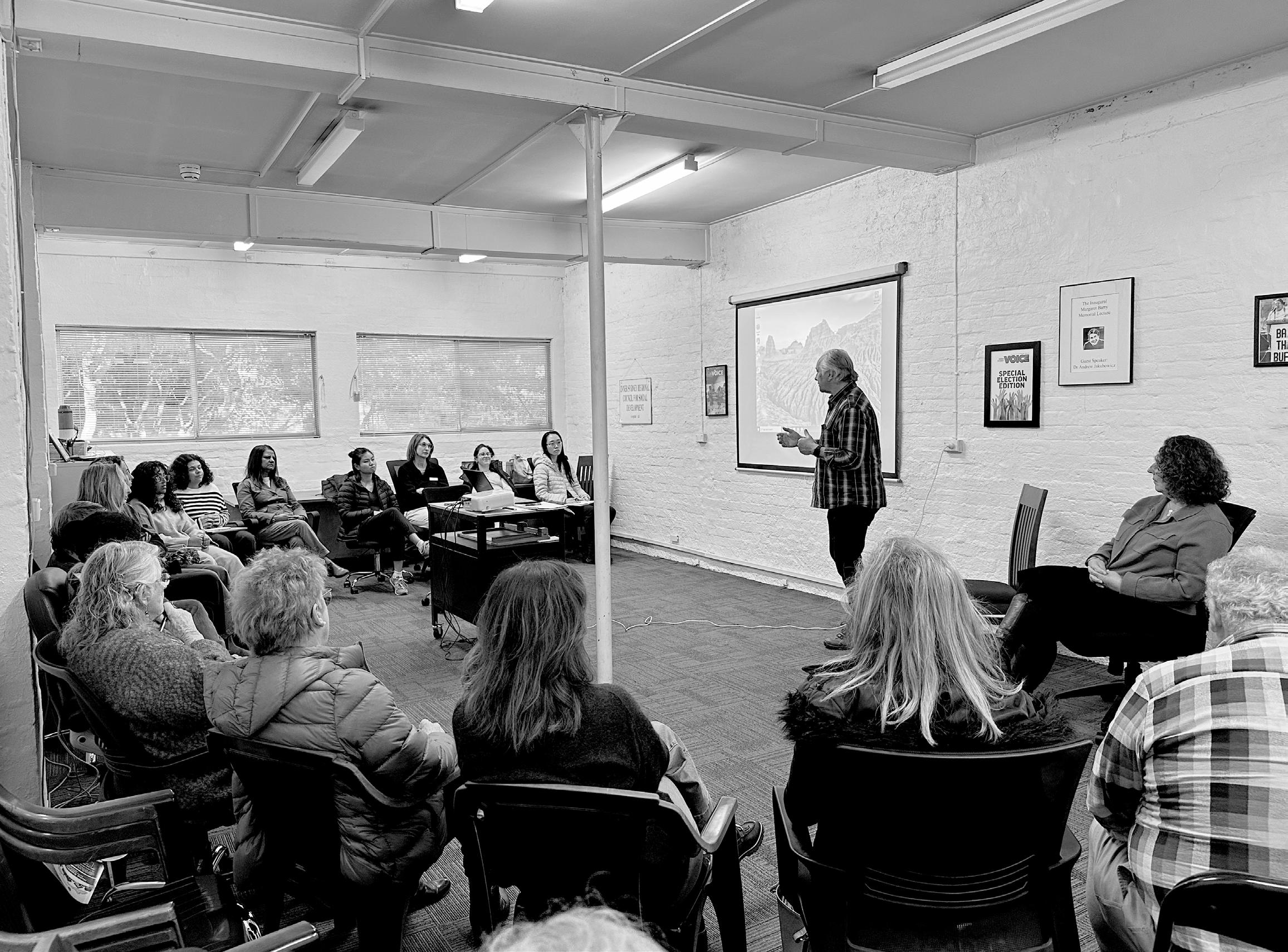
the effectiveness of the brochure and after soliciting feedback from those who use the brochure most. We heard from social workers across the major hospitals in our region that there is value in the current printed format for the older community.
We continued to advance our community action research initiative, Older and Connected, in collaboration with the Sydney Community Collaborative—comprising Canterbury Caring Community Centre, Aged Services, Newtown Neighbourhood Centre, Junction Neighbourhood Centre, and Ethnic Community Services. Led by researchers Michael Fine and Bob Davidson, this project aims to address social isolation and loneliness among older people by developing clear, evidence-based proposals for policy and service improvements.
Inner Sydney Voice co-organised the fifth national online CHSP gathering held in March 2025: CHSP Futures Online Conference – Reimagining CHSP Together. The conference brought together stakeholders from across the sector to explore four key priorities: compliance and regulation; the future vision of the workforce; shaping future service provision; and building capacity, sustainability, and long-term viability.
In conjunction with Junction Neighbourhood Centre (JNC), a CHSP Reform Readiness and Innovation Fund was established. The fund provided one-off grants ranging from $10,000 to $30,000 supporting eight successful applicants to strengthen their capacity and explore innovative approaches to service delivery.
Inner Sydney Voice hosted a range of training and awareness events throughout the year. Notably, we delivered a Mental Health First Aid for Older People training session, facilitated by Jane Massa from Towards Zero Suicide Initiative, equipping participants with practical tools to support older people experiencing mental health challenges. We also marked World Elder Abuse Awareness Day with a special event co-hosted by Marika Kontellis from Inner Sydney Voice and Alan Henderson from Relationships Australia, fostering dialogue and raising awareness around elder abuse prevention.
Across our sector development activities, we were deemed fully compliant in all aspects of the program by the Department.
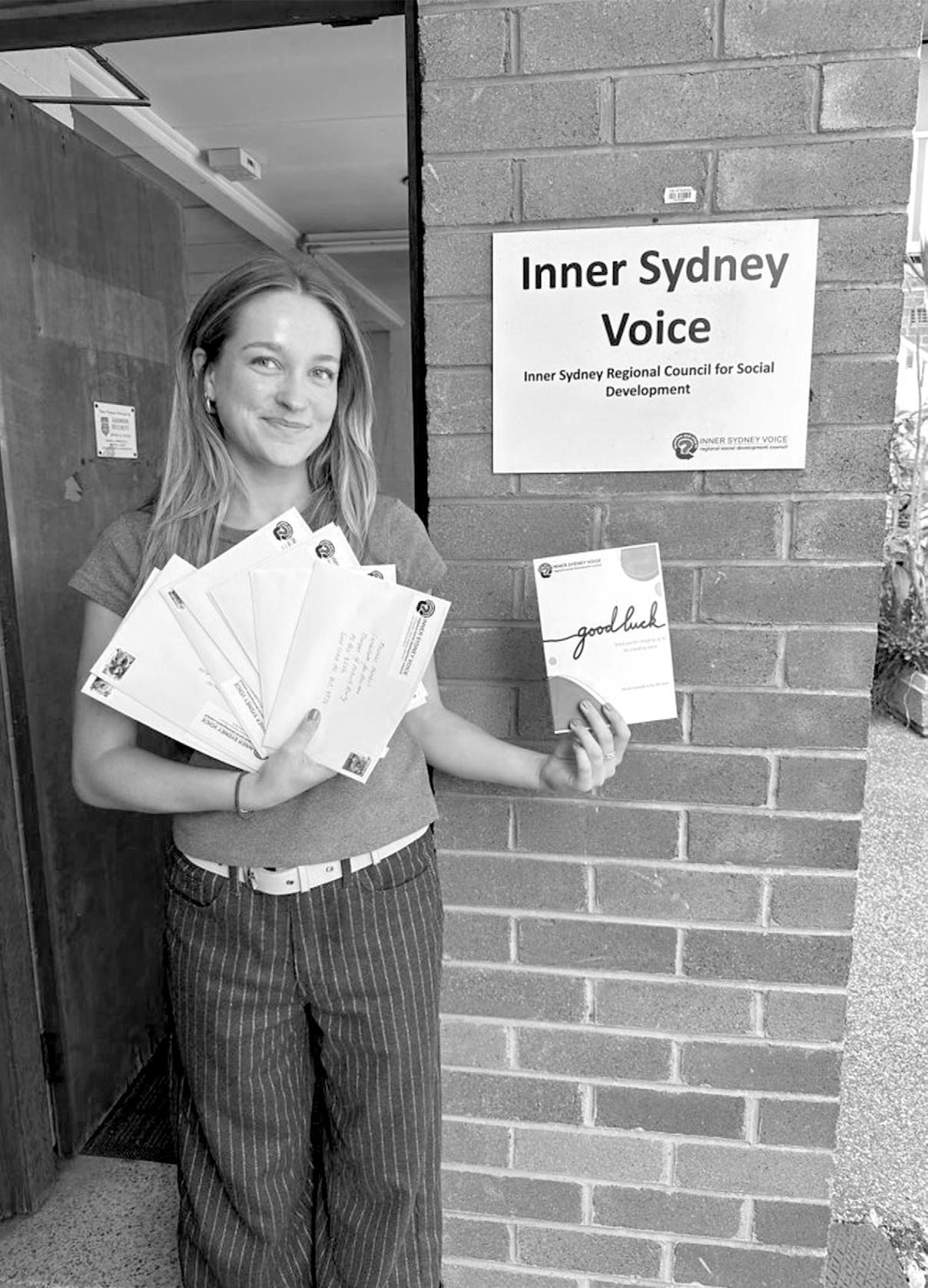
We continued to strengthen the links between communities, services and decision-makers to facilitate the voices of people experiencing poverty, disadvantage and marginalisation. Ahead of the federal election, we briefed all local candidates on the priorities shaping inner-city life, from housing redevelopment and social isolation to child protection, ageing in place, community infrastructure and disaster preparedness. This ensured that frontline experience was brought directly to those seeking to represent our region. The work was delivered with strong support from UTS communications student, Sophia MacKinnon, demonstrating the value of student partnerships in targeted advocacy.
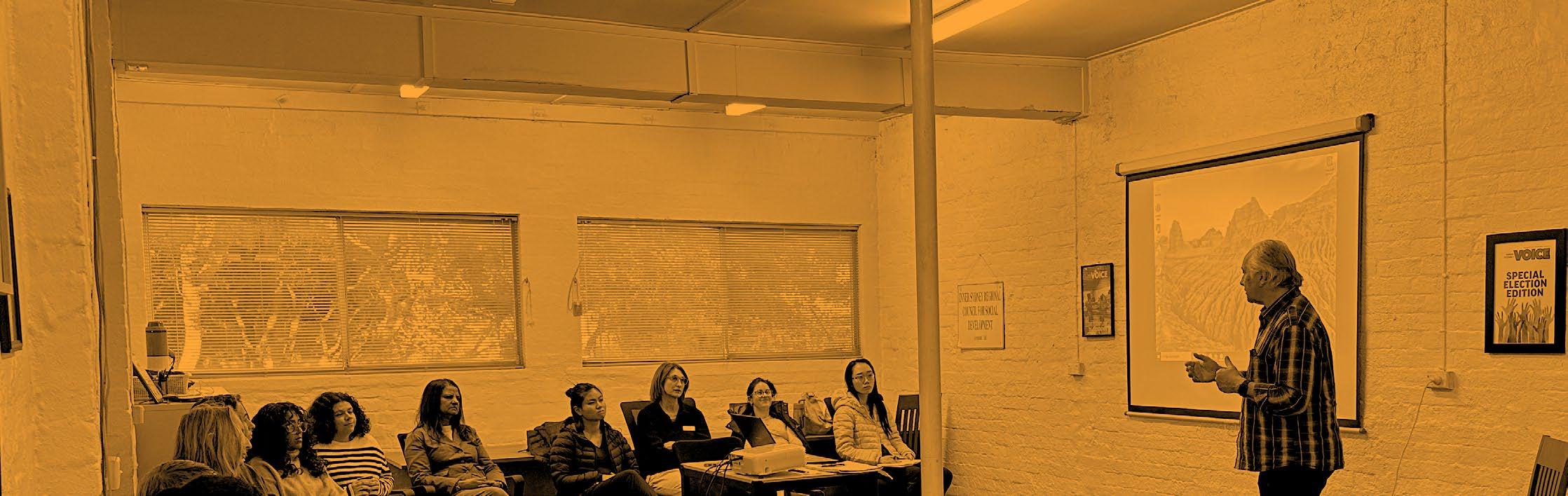
We also equipped local residents to build their own connections. Our Civic Participation Workshop in Green Square provided practical tools for starting community groups, strengthening neighbourhood networks and using digital platforms to support local initiatives.
Through our growing ISV Student Hub, we supported eight students across social work, public policy and communications who gained real-world experience across Waterloo and Redfern. They participated in interagencies and community training, supported events, contributed to election engagement, and helped develop resources for sector newcomers. This has been a reciprocal partnership. Students have strengthened our communications and policy influence with their skills and fresh perspectives, while gaining a deeper understanding of place-based community work.
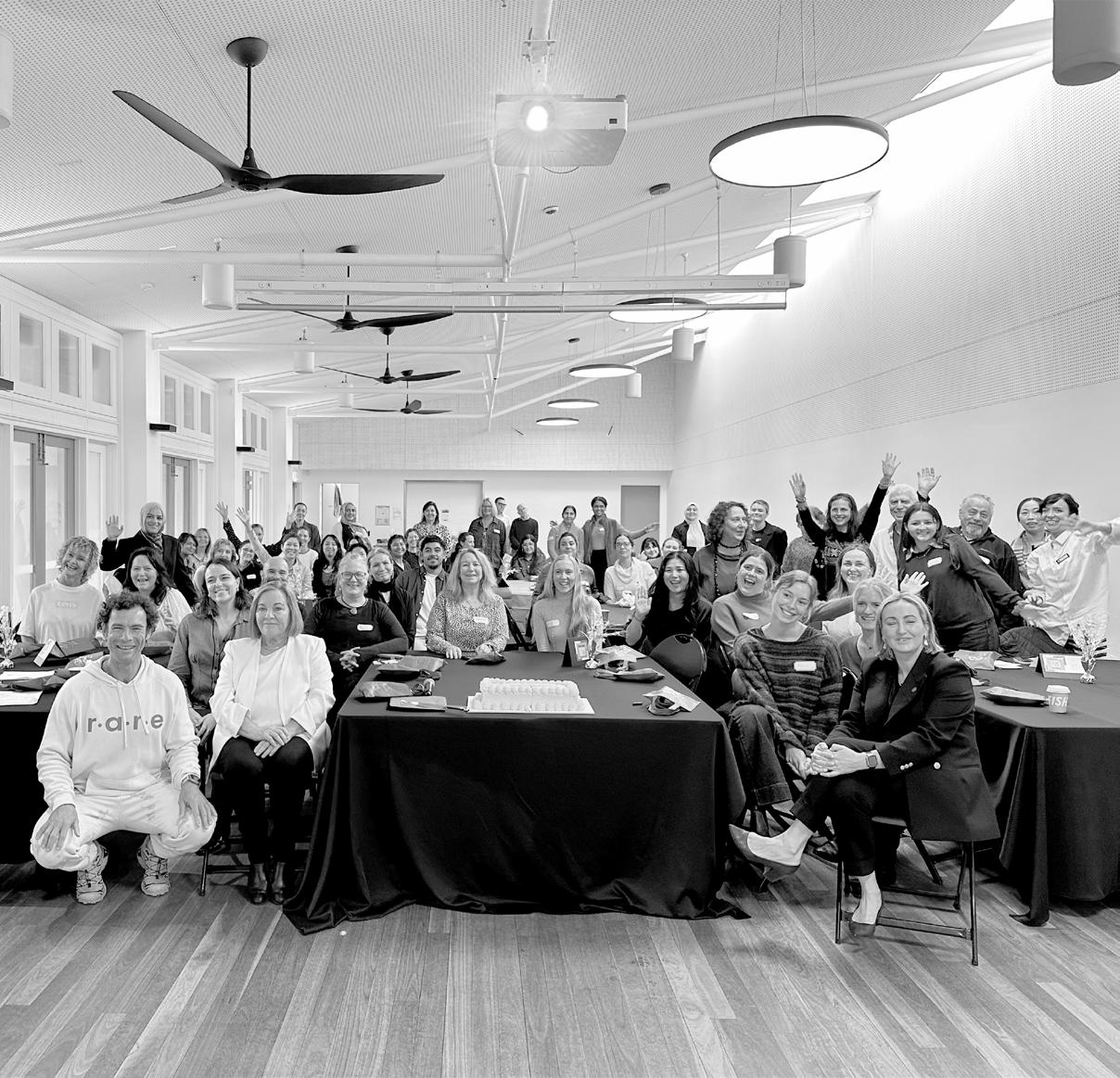
In May 2025, Inner Sydney Voice hosted the third annual Inner Sydney Thanks You event at Bondi Pavilion, celebrating the extraordinary contributions of frontline community workers across the region. The event brought together workers from diverse sectors— including disability, youth, aged care, and housing—for a morning of connection, recognition, and reflection. Attendees enjoyed morning tea, heard from guest speakers, and participated in a digital storytelling campaign that highlighted the everyday impact of their work. The celebration acknowledged the resilience, care, and commitment of those who continue to support communities through complex challenges, often underrecognised and under-resourced. Evaluation results indicated overwhelmingly positive outcomes, with 97% of attendees enjoying the event, 100% feeling more recognised, and 100% connecting with new colleagues.
The Leaders Room© engaged 17 senior and emerging leaders who focussed on understanding their own leadership style and the skills they need to lead in today’s context. The Practice Room©, enagged 14 front-line workers through a peer development process using reflection, critique and evidence to unpack practice.
“ “ “ “
...being part of a team that made this radio program – on issues that I care about was a blast. I now have a plan to do journalism at Uni after my HSC. I hope I get in...”
INNER SYDNEY YOUTH VOICE PARTICIPANT
“
... I feel so motivated to do more in my community... This was the best workshop I have been to and we are already planning our community action...”
GREEN SQUARE CIVIC PARTICIPATION PROGRAM
...I feel at home when I come into this place...Good stuff happens here...”
LOCAL RESIDENT AND PEER LEADER
...The Practice Room was this amazing reflective experience that helped me find a new energy that I thought I had lost... we continue to meet as a group every month or so and love learning from each other...”
PRACTICE ROOM PARTICIPANT
...I never realised how diverse and challenging community work could be... the team at ISV are experienced, they have a diverse set of skills, and they’re very passionate about community. That’s what I want to do when I finish Uni...”
ISV INTERN
There is a risk that sector jargon becomes just that. Collaborations and Partnerships are two terms that are used interchangeably and consistently across our every changing sector. Often in a context of significant reform and a culture of competition. As the independent and impartial social development organisation we crystalised our commitment to working with others this year and developed our comfort in clarifying when we were collaborating, partnering, competing and excluding others from play. Simply because we believe that you can not work with others without trust, honesty and integrity.
Sydney Community Collaborative Older people are connected and participate in their local communities
Green Square Neighbourhood Central Green Square community is connected and services and infrastructure is easily accessible
CHSP Brokerage Project Region increases capacity to innovate and prepare for Aged Care changes
Waterloo Human Services Group People’s choices to remain in the suburb are upheld and the service system is responsive, effective and accessible
NSW Social Development Network Resources and data are shared to increase social development outcomes across our State
Worker Wellbeing Project Frontline community workers are recognised and supported to flourish
Groundswell Public housing for people most at risk
DEX Reporting TEI funded services comply to government reporting requirements
City of Sydney and Eastern Sydney Abuse of Older People Collaborative Prevention and response approaches to elder abuse improve across our region
We stopped using the term collaborating every time we spoke to another organisation and created clear and defined strategies. Most importantly we listened to local residents and community members who said they were tired of being “consulted”, completing surveys, attending a meeting to support a collaboration and partnership agenda that just didn’t stack up.
We shifted to a process that recognised that there are many ways to work with others (partnerships and collaboration being just two options) and that working with others needs trust, integrity and resourcing. We prioritised our approach and focussed our attention on outcomes and place-based priorities.
This year we resourced a number of Projects including but not limited to:
City of Sydney, Inner West, Waverley, Bayside Woollahra, Randwick LGAs
City of Sydney - Green Square Precinct
City of Sydney, Waverley, Woollahra, Randwick
Waterloo
Inner Sydney Western Sydney, Illawarra Shoalhaven, Central Coast and Hunter Regions
City of Sydney, Inner West, Waverley, Bayside Woollahra, Randwick LGAs
Ethnic Community Services, Canterbury Community Caring Centre (4C’s), JNC, Newtown Neighbourhood Centre
Local resident leaders of Green Square community
JNC
Homes NSW, Counterpoint
Western Sydney Community Forum, Community Industry Group, Central Coast Community Council
Newtown Neighbourhood Centre
Waterloo and City of Sydney Counterpoint, RedWatch, Shelter NSW, City of Sydney, UNSW
Central and Eastern Sydney FAMS NSW, DCJ
Central and Eastern Sydney Randick, Woollahra, City of Sydney and Waverely Councils
Access the 2025 Audit Report here
Our focus will always be driven by removing the barriers to equity. We will always be an organisation led by people experiencing disadvantage and marginalisation including those living in poverty and requiring assistance.
As we turn the corner and enter our fifty first year as a representative organisation we are shifting our attention to peer led and lived experience models of social development. We plan to recruit, train, support and resource local people to lead on issues that matter to them. Housing affordability, high density living, the digital divide, heatwaves, chronic illness and access to jobs are some of the key issues people have said are holding them back. Working together to deliver placed based solutions will be our focus. With every project we will help to strengthen the social infrastructure, build the social capital, resource community to make things go better.
Our work to strengthen the service systems will remain core business. The impacts of significant reform across community and family services, aged care, disability and health calls for better ways to innovate and share resources. We have already got better at understanding data driven planning and coordination. We will work to ensure easily accessible and usable resources are available for the thousands of small to medium sized community services across our region.
At the end of the next reporting period we will have improved the way we identify the signs of success in our work. We will be honest about what has not worked. Our local community members will have more ways to engage in their local social development organisation. We will do all this without ever compromising fairness and social justice for those in our neighourhoods that experience disadvantage. That’s our promise.
We thank our members, staff, volunteers, government, and partners for their continued commitment. Together, we are creating stronger, fairer, and more connected communities. Contact us: www.innersydneyvoice.org.au