
International Research Journal of Engineering and Technology (IRJET) e-ISSN: 2395-0056
Volume: 13 Issue: 01 | Jan 2026 www.irjet.net p-ISSN: 2395-0072
International Research Journal of Engineering and Technology (IRJET) e-ISSN: 2395-0056
Volume: 13 Issue: 01 | Jan 2026 www.irjet.net p-ISSN: 2395-0072
1,2Laboratory & Technical Assistant, Department of Electrical Engineering, Shri Vile Parle Kelawani Mandal Institute of Technology, Dhule, Maharashtra, India.
3Laboratory & Technical Assistant, Department of Information Technology Engineering, Shri Vile Parle Kelawani Mandal Institute of Technology, Dhule, Maharashtra, India.
4M. Tech. Department of Mechatronics Engineering, Vellore Institute of Technology, Vellore, Tamil Nadu, India.
Abstract - In India, India in 2047 is the country’s transforms’ aspiration which by the time of the centenary of independence to achieve sustainable, inclusive and resilient development. Renewable energy is at the core of this vision whichweputforthasastrategytothatwhichaddressesincreasingenergydemand,environmentalchange,energysecurity andsocialeconomicdevelopmentatthesametime.Wepresentinthispaperaveryindepthandstructuredanalysisofthe roleofrenewableenergyintheachievementof2047visionwhichwelookatfromatechnical,economic,social,climateand policy stand point. The study also looks at the past of India’s energy sector’s growth and the ever growing need to move awayfromfossilfuel-basedsystemstorenewableenergysourceswhichincludehydro,biomass,wind,solarandalsowhat aretheemergingtechsolutions.Itlooksatlargescalerenewabledeployment,gridmodernization,energystoragesolutions and digitalization which we present as key to a reliable and flexible power system. Also, we look at the integration of renewables in the transport, industry and agriculture sectors which we put forth as very important for deep decarburization. We put special care into study of decentralized renewable energy systems and their role in rural development, energy access, agricultural productivity and local economic empowerment. We see how renewables play a role in job creation, energy equity and in improving quality of life at the same time that they reduce greenhouse gas emissions,airpollutionandenvironmentaldegradation.Wedoaholisticassessmentofsocial,economicandenvironmental impacts to put forth the many benefits of the renewable energy transition. The paper reports we looked at which issues playinto theachievement ofVision 2047 which include technical issues, gridintegration problems,financeissues, policy uncertainties and social acceptance issues. To that end we put forth a detailed policy road map and strategic recommendationswhichstresslongtermpolicystability,infrastructuredevelopment,innovation,humanresourcegrowth and international cooperation. Our study found that renewable energy is not just an energy solution but a foundation of India’slong-termdevelopment.Byaligningtechnology,policyandsocialelementsIndiamayachieveasecure,lowcarbon, and fair energy future. We put forth that a coordinated and sustained transition to renewable energy is key to India’s positionasagloballeaderinsustainabledevelopmentby2047.
Theissueofrenewableenergyasatoolfornationalgrowthhasseengreattransformationoverthepastfewdecades.Inthe earlyresearchonIndia’senergysectorweseethatwhichputoutmainlyfocusedontraditionalpowergenerationandthe issues of large scale growing demand that was being met by fossil fuels. From the late 20th century studies looked at energysecurityissues,importdependency,andinfrastructurallimitations,whichalsobroughttotheforetheissueofhow developingeconomiesareverymuchatthemercyofglobalfuelprices.Theseearlyworkswerethebasewhichrecognized the need for a diverse set of energy sources. As global concern over climate change grew so did academic focus on renewableenergyasacleanalternative.InitialstudyonrenewablesinIndialookedattechnicalwork,resourceassessment and which mostly looked at pilot projects in solar and wind energy. The researchers determined climate and geography factorsandbasicgridintegrationissuesanddeterminedthatIndiahassufficientrenewableresourcesforlongtermenergy sustenance. Such studies crystallized the interest for conceptual exploration. Following studies broadening the sphere of interest,analyzedlargescaledeploymentofrenewableenergy.Researcherscosts,learningcurves,andeconomiesofscale, anddemonstratedtheeconomiccompetitivenessofrenewableenergyvisavisconventionalpowergeneration.Thestudies evidencedtherapidcosteaseofsolarphotovoltaicandwindenergiesandconcludedthatrenewableswerenolongerniche technologies,convincingthecriticsthatmainstreamenergysolutionsrestedinrenewables.Theliteratureduringthisperiod emphasized the financing of projects, expansion of capacity, and mechanisms of the market. As renewables penetration increased, the academic focus, and literature, shifted to the integration of power systems. Researchers investigated the infrastructure needed to provide stability for the grid, manage its intermittency, and forecast its use. Critical enablers to integrated systems with high shares of renewables included energy storage, smart grids, and digitalization. Literature during this phase underscored the need for institutionaland regulatory responses to technological advancements, as
International Research Journal of Engineering and Technology (IRJET) e-ISSN: 2395-0056
Volume: 13 Issue: 01 | Jan 2026 www.irjet.net p-ISSN: 2395-0072
innovationsaloneareinsufficienttoachievethedesiredintegrationofsystems.Contemporaneouslywiththegridfocus,the literaturewiththeintegrationofrenewablesinthevarioussectorswasalsoexpanding.Theliteratureonelectrictransport emphasized the potential of renewable-powered electric vehicles to mitigate urban pollution. In the biofuels and green hydrogen literature, the focus was on decarburization of the heavy transport sector as one of the hard to abate sectors. Thisbodyofworksawtheincreaseincomplexityandinterconnectionofenergytransition.Ruralanddecentralizedenergy systems became a focus in renewable energy research. We found out that central power expansion was not enough to redress energyaccessinequalities.Intheliteraturewesawthatdecentralized renewable energy, micro grids andoffgrid solutionsplayedalargeroleinruralelectrification,agriculturalproductivity,healthcaredelivery,andeducation.Also, we haditthatthesestudieswhichlookedintotherenewableenergy’sroleinruraldevelopmentandpovertyalleviationissues broughtoutthesocial aspectofenergytransitions.Economicandjobs’impactfrom renewable energybeganto getmore attention in later reports. In those studies, we saw analysis on job creation during the course of production, installation, operation,andmaintenanceprocesses.Also,wesawhowrenewableenergyservedasacatalystforeconomicdevelopment atthesametimethatitsupportedskillbuilding.Thisresearchphaseshoredupthe argumentthatrenewableenergyasa contributor to economic development on inclusion basis as well as promoting environment sustainability is a reality. Environmentalimpactassessmentsformedyetanothercriticalstrandofliterature.Studiescontinuedtohighlighttherole ofrenewableenergyinimprovingairandwaterresourceinadditiontogreenhousegasesandconservingtheiremissions. Researchersacknowledged potentiallanduseconflictaswell aswasteofotherresources,environmentalrisks,andother sustainableplanningandlifecycleapproaches.Thisbalancedperspectiveofrisks andchallenges,ontheonehand,andthe potential, on the other, enhanced the credibility of renewable energy research. As the deployment of renewable energy resources became more widespread, policy related literature on technology and innovation became more evident and documented. Scholars focused on the research of national and state policy, regulatory and institutional frameworks and mechanismsingovernancethataffecttheadoptionofrenewableenergy.Researchfoundoutthatpolicystability,longterm targets, financial incentives and governance coordination are the key to success. In terms of comparison, we see that India’srenewableenergytransitionisputinaglobalsettingwhichputsstressoninternationalcooperationandknowledge exchange.Alsorecentstudieshaveitthatrenewablesareputintheframeworkofbroadernationaldevelopmentplanswhich in turn include long term strategies that agree with sustainability and climate goals. Researchers also present renewable energyasa baseelementofwhatistocomeintermsofdevelopmentmodelswhich renewablesstandapartfrombeinga separatesector.ThisplaysintoVision2047whichpresentsrenewableenergyasacatalystforeconomicresilience,social equityand environmental stewardship.In total the body ofliteraturehasseena shiftfrom initial issuesofenergysupply andsecuritytotechnicalandeconomicvalidationofrenewablesandintoafull-scalerecognitionofrenewableenergyasa toolfor multi-dimensional development. Presently wesee that forachievement of long-term national goalsan integrated approachwhichincludestechnology,policy,societyandenvironmentiswhatisputforthbytheexistingstudies.Thislarge body of work is the base which we draw from for the present study which in turn we have put together within the frameworkofIndia’sVision2047.
Theeconomicadvancement,modernizationofindustries,anddevelopmentofsocietyhavealwaysreliedonenergy.Energy accessibleinaformandatavaluethataremanageableimprovesnationalefficiencyandhelpscountriesoutperformothers in a global market. Over the years of the development of the industrial economy up to the modern digital one, a nation’s competitiveness was determined by the availability of energy that was reliable and scalable. In terms of India’s case, the ever-increasingenergyconsumptionthatdemandsmoreofofenergyhasstemmedfromtheextensivepopulationgrowth, urbanization, and increase instandardsof living and the expansion of industries. With 2047, the Independenceof India’s 100thanniversary,onthehorizon,maintainingthesupplyofenergyinaeconomicallyfriendlymannerisamatterofnational importance. Inthe timelines of India,thesources of energyutilized by thecountry’s economic systemhave beenandare primarilyfossilfuels.Theeconomicallybeneficialadvancementofthecountryhascomeatacostoftheenvironment,more specifically the airs and gases. Furthermore, the economy is displaced as India is heavily reliant on imported fossil fuel resourcesandthisdrawsattentiontotheissuesofglobalmarketvolatility,geopoliticalrisksandtheimbalancesoftrade.All of the above draws on the need to achieve an energy transition where there is economic growth and sustainable developmentwithclimateandenergysecurity.India,likealltheothercountrieshavingto defendtheirglobalpositionon climatechangeanddevelopment,isfurtherobligatedtodefendhispositionontheimportanceoftheshifttocleanenergy systems.Manynations,asIndia,intheworld,withtheemergingeconomy,arechallengedtoworkon theclimate,tryingto reducetheeffectsofglobalwarming.TheNationsoftheclimateworld,theParisAccord,andtherecognizedtheimportance of putting economic growth, climate development emissions. This dual issue requires an energy model that is at once environment friendly and economic. Vision 2047 which also goes by the name of Viksit Bharat 2047 is India’s long term developmentplan whichaimsattransformingthecountryintoadevelopedeconomyby2047.Energy playsakeyrolein thisvisionwhichinturnisafunctionofit’simpactonindustrialgrowth,infrastructuredevelopment,digitaltransformation
International Research Journal of Engineering and Technology (IRJET) e-ISSN: 2395-0056
Volume: 13 Issue: 01 | Jan 2026 www.irjet.net p-ISSN: 2395-0072
andsocialwelfare.Renewableenergywhatwithitsclean,availableinabundance,andhomegrownattributeshasbecome the base of India’s Vision 2047 energy policy. This research paper looks at the path which renewable energy can play in supporting and fast-tracking India’s Vision 2047. We look at the present energy picture, we study the which renewable energy sources have the greatest potential and we look at tech, economic and policy issues. The study aims to provide a comprehensiveframeworkforunderstandinghowrenewableenergycanenablesustainablegrowth,energyindependence, andenvironmentalprotectionoverthenexttwodecades.
TheEconomicgrowth,socialinclusion,environmentalsustainabilityandinstitutionalresilience.Energyplaysaroleinallof them. Affordability and reliability of power iskey to industrial performance, job growthand infrastructure development. Also, we see that clean energy is very much a part of the solution for reducing pollution, mitigating climate change and securingintergenerationalequityIntegratingenergysecurityintothevisionfor2047hastobetheforemoststrategy.Ashas been the case for many years, the dependence on import of fossil fuels has been an economic trap. The instability of the world’soilandgasmarketshasadirectimpactoninflation,fiscalbalanceandforeignexchangereserves.Vision2047looks toshiftthistoautilizationofaninternalenergyresourcebaseandthereforeenhancesnationalandeconomicsecurity.The internal and long-term sustainable energy resources for the country to achieve this are solar, wind, hydro and biomass. Technological leadership, to achieveit,isalsoanimportantcomponentofVision2047.The Visionacknowledgesthatthe innovationanddigitalizationofprocesses,alongwithadvancedmanufacturing,willdrivetheeconomicgrowthofthefuture. The smart technologies of renewable energy, such as storage systems, green hydrogen, electric mobility and smart grids, will be critical to that vision. Integrating Environmental Sustainability into the Vision 2047 Framework. Climate change affectstheextremeweatherpatterns,wateravailability,andagriculturalproductivity(i.e.,rainfallvariability)andthreatens development goals in India. Adoption of renewable energy sources mitigates the emission of greenhouse gases, reduces water and air pollution, and fosters climate resilient and healthy populations. Therefore, renewable energy is an energy, environmental,andsocialsolution.InureSustainabilityTransition2047comprisesofthestrategicVision2047framework pillars that include economic growth, energy security, and sustainability (environment and climate). Achieving this clean energyvisionon2047isanimperativeandshouldtargetallcleanenergytechnologiesandinnovations.
WeIndiatodayisatacrossroadswhichitistryingtonavigatebetweentheissuesoflarge-scaleeconomicgrowthandthat ofsustainabilityandenergysecurity.Itistheworld’saswellastheregionalleaderinenergyuse,whichisbeingfueled by industrial development,urbangrowth, increasing in the useofprivate and publictransport andthe growthinhousehold electricalappliances.Althoughwehaveseenlargestridesinexpandingaccesstoelectricity,stillthebaseofIndia’senergy useisverymuchinthefossilfuelbasedwhichismainlycoal.Coalhasbecomethemainplayerintheelectricitysegmentit isalargecomponentoftheinstalledbaseaswellastheactualoutput.Whilethesecoal-basedpowerplantsdoprovidefor thatstablebaseloadelectricitythatisrequired,atthesametimetheyarealsothemajorplayersintermsofcarbonemission andairpollution.Alsointhetransportsectoroilisthemainfuelwhichinturnmakesusveryimportdependentandleaves us at the mercy of global price changes. Natural gas which although better than coal and oil does have supply and infrastructure issues. Over the past decade we have seen great growth in renewable energy which is a result of falling technology costs, support from government policiesandthe increase in private sector’s role. Solar and wind power have becomethemainplayersinaddedcapacityandIndiahasbecomeagloballeaderinrenewableenergymarkets.Weseelarge scale variation in energy access and quality of infrastructure. While urban and industrial areas do very well with power supply,itisruralandremoteareaswhichareaffectedbysupplyissues.Weareseeingtransmissionlossesgodownbutthey still play a role in system efficiency. Also, we are presented with technical issues related to the integration of variable renewable energy into what is mainly a traditional grid which includes problems related to forecasting and balancing. EnergyinIndiaisgoingtoseegreatgrowthinthecomingtwodecadesbecauseofpopulationgrowth,increasingincomes, transport and industry electrification and digitalization. If we are to meet this demand with fossil fuels, we will see environmental and economic issues. Thus, at present the energy situation which sees large scale use of non-renewable resources sets the stage for India’s 2047 energy transition. While there are issues which must be worked out, the quick growthofrenewableenergycapacity,improvementsingridinfrastructureandgrowingpolicysupportputinplaceavery goodbaseforaclean,secureandsustainableenergyfuture.
RenewableenergyformsthebaseofIndia’senergytransitionaswelookto2047.Fromitsdiversityingeographytoitswide rangeofclimateconditionsandlargenaturalresourcebaseIndiahasgreatopportunitytodevelopmanytypesofrenewable
International Research Journal of Engineering and Technology (IRJET) e-ISSN: 2395-0056
Volume: 13 Issue: 01 | Jan 2026 www.irjet.net p-ISSN: 2395-0072
energy. Wemust-seelarge-scaleuseofsolar,wind,hydro, biomass andalsothecoming hybridsystems if wearetomeet futureenergyneedsatthesametimethatwepromotesustainability,energysecurityandeconomicstability.Thissectionwe lookatindetailthemainrenewableenergyresourcesandtheirpartintheachievementofVision2047.
Solarenergywillplay theprimaryroleinIndia’srenewableenergytransitionwhichisaresultofthecountry’shighsolar irradiationandlargeavailablelandmass.Indiareportsanaverageof4to7kWh/m2dailyinmostregions,alsoweseeover 300sunnydayseachyear.ThisnaturaladvantageputssolaratthecoreofVision2047’scleanenergypolicy.Whatwehave seeninIndiaisaveryrapiddropincostofPVtechnology,improvementsinmoduleperformanceandlarge-scaledeployment through solar parks. We have large utility scale solar projects which are a great contribution to grid connected power generation, also we see rooftop solar systems which are enabling decentralized electricity production in residential, commercial,andindustrialsettings.Rooftopsolaralsohastheeffectofreducingtransmissionlossesandatthesametime seesconsumerstakeontheroleofenergyproducerswhichisinlinewiththeprinciplesofenergydemocratization.Also,we have seen those technological improvements in the fields of bifacial solar modules, tracking systems and high efficiency inverters have increased power output and improved reliability. Also we see that Agri voltaic systems which enable agriculturalpracticesunderraisedsolarpanelspresentasolutiontolanduseissuesandatthesametimeincreasefarmer incomes. By 2047 it is reported that solar will play a large role in India’s electricity which in turn will support industrial growth,urbanizationandruraldevelopmentalsoverymuchwithminimalenvironmentalimpact.
Windenergysupplementssolarpowerattimesoflowsolaroutputwhichismainlyatnighttimeandduringmonsoons.In Indiaweseelargewindpowerresourcesincoastalareasandalsoonhigh altitudeterrain.StateslikeTamilNadu,Gujarat, Maharashtra,RajasthanandKarnatakahavegrowntobecomethemainwindpowerplayers.Onshorewindhasbeenthe maingrowthsegmentforwindcapacitywhichwehaveseentoimprovewithbetterturbinedesignthatinturnhasachieved highercapacityfactorsandbetterperformanceatlowwindspeeds.Modernwindturbineshavelargerrotors,tallertowers andadvancedcontrolsystemswhichinturnallowforefficientenergycaptureinavarietyofgeographicalsettings.Interms ofthefutureofwindenergyinIndiaweseegreatpromiseinoffshorewind.Withaverylongcoastlineandhighoffshore windspeedsIndiahasthepotentialforlargescale,reliablepowergenerationfromwindwhichalsohastheaddedbenefitof notcompetingforlanduse.Whilethedevelopmentofoffshorewinddoespresentissuesrelatedtohighinitialinvestment, marineinfrastructureandpolicysupportitisexpectedthatinthelongtermitwilleconomic.Also,weareseeinggrowthin hybridwindandsolarprojectswhichdoabetterjoboflanduseintegration,theysharetransmissioninfrastructureandthey produceamorestablepoweroutput.AsIndiaincludeswindintoitsrenewableenergymixitcanimprovegridreliability, reducethevariableoutputfromwindwhichinturnwillstrengthenenergysecurityunderthe2047vision.
In India’s renewable energy sector, hydropower is unique since it can both generate and store energy. While large hydropowerplantsofferstableelectricitysupply,smallandmicrohydropowerplantshelpdecentralizeenergyinhillyand remoteareas.Ofallthehydropowercontributions,themostimportantforVision2047isprobablyenergypumpedstorage. Pumpedstoragesystemsstoresurplusenergybymovingwatertoahigherelevationandthenreleasedtogenerateelectricity whenenergyisneeded.Thisisveryimportantformanagingtheintermittencyofsolarandwindinarenewablydominated grid.Furthermore,hydropowerprovidesadditional socio-economicbenefitsthroughwatermanagement,irrigation,flood control and more. Nonetheless, large-scale hydropower must undergo detailed environmental and social impact assessments, ensure minimal ecological disruption,and ensuresocial acceptance. Withmoretechnological advancements andsustainableplanning,hydropowerwillremaincrucialintransformingIndia'scleanenergygoals.
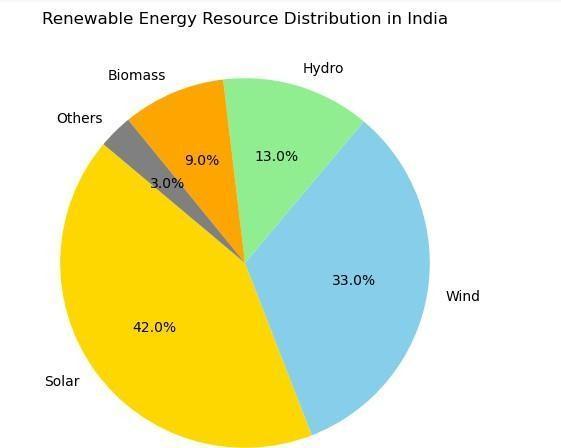
Table 1-RenewableEnergyResourceDistributioninIndia
International Research Journal of Engineering and Technology (IRJET) e-ISSN: 2395-0056
Volume: 13 Issue: 01 | Jan 2026 www.irjet.net p-ISSN: 2395-0072
BiomassenergyisakeycomponentinVision2047whichseesthisenergyproducedfromagriculturalresidue,forestwaste and organic municipal waste. In India we see great quantity of biomass waste which is a result of extensive agricultural practices and this presents a large technical opportunity for biomass-based power generation. Biomass and waste to energytechnologiespresentsolutionstomanyissuesatonce.Theyproviderenewableelectricity,theyreducethepractice of open burning of crop residues, improve waste management, and also bring in extra income for farmers and rural communities. We have technologies like biogas plants, biomass gasification, and biofuels which play into decentralized powergenerationandruralenergysecurity.Inurbanareaswastetoenergyprojectshelpoutinmanagingmunicipalsolid waste while at the same time producing electricity and heat. These systems lessen the volume of landfills and reduce methane emissions, which significantly worsen climate change. By incorporating biomass and waste-to-energy systems, Indiaendorsesthecirculareconomymodelwhichsynergizeseconomicdevelopmentwithecologicalbalance.
In 2047 which is the vision year for India we see growth of not only present renewable resources but also of new technologies and hybrid systems. We have floating solar power which uses reservoirs and canals which in turn reduces landuseandalsoimproves panelefficiencybythevirtueofcoolness.Also,wehaveoceanenergywhichincludestidaland wave power which is a long-term play especially for coastal areas. We are to see growth in hybrid renewable systems whichwillincludecombinationofsolarandwindandstoragewhichinturnwilldoawaywithissuesofreliabilityandwill alsosee in terms of cost efficiency. Also,thesesystems will betteruseupthetransmissioninfrastructure and will reduce curtailmentissues.Also,weseerolefordigitaltechlikeAIanddataanalyticswhichwillimproveperformanceviaaccurate predictionandoptimaldispatch
India’srenewableenergymixofmanysourceswillbewhatmakesitsfutureenergysystemrobust,flexibleandsustainable. Solarwillscale,windwilladdtothatmix,hydrowillbringinstabilityandstorage,biomasswillsupportruraldevelopment andnewtechwillpushtheenvelope.AsawholetheseelementswillallowIndiatomeetgrowingenergydemandswhichin turnwillseeusreduceourenvironmentalimpactandstrengthenenergyindependence.By2047weexpecttoseethefully integrateduseofrenewableresourcestotransformIndia’spowersectoroutofwhichcleanenergywillbethemaindriver of economic and social growth. Renewable energy thus is at the heart of India’s Vision 2047 which is to put in place a sustainableandprosperousenergyfuture.
International Research Journal of Engineering and Technology (IRJET) e-ISSN: 2395-0056
Volume: 13 Issue: 01 | Jan 2026 www.irjet.net p-ISSN: 2395-0072
InordertorealizeVision2047,itwillbeessentialtochangehowtheelectricitygridfunctionstoday.Integratingrenewable energy on a large scale will be contrary to the ‘business as usual’ scenario where electricity generation is based on the centralized,predictablefossil-fuelgenerationofelectricity.Electricityproductionfromsolarandwind,ontheotherhand, is decentralized, and fuel can be free. To ensure the reliability, stability, and efficiency of a renewable-dominated energy system, India will need to deploy modernized grid, energy storage, and digital solutions. Vision 2047 outlines the crosssection of the electricity grid to be a strategic component of National Infrastructure that must be modernized to manage HighRenewablePenetration.Gridmodernizationisaboutupgradingtransmissionandimprovinginterregionalconnection aswellasbringinginadvancedcontrolandcommunicationtechnologies.Weseedevelopmentofgreenenergycorridorsas very important for the transmission of renewable power from resource rich areas to large load centers. These corridors break up grid congestion, they also put a dent in transmission losses and which in turn enables better use of renewable energyassets.Agreatchallengewehavewithrenewableenergyisitsvariability.Solarpowerisadaytimeaffair,windisat themercyoftheweather.Tothat endweareseeinggrowthintheuseofadvancedforecastingsystemsingridoperations. These systems use weather data, machine learning and real time monitoring to do output very accurate predictions of renewable generation. Accurate forecast in turn enables better power plant scheduling, also it reduces reserve requirements. Energy storage is at the core of balance between supply and demand in a renewable energy-based power system. We see that Battery energy storage systems (BESS) are very much into short term storage, frequency regulation and peak load support. Lithium-ion batteries are at present the leaders in the field because of their high energy density whichisalsoreportedtobedecreasingwhichinturnismakingthemmoreaffordable.Also,weareseeinggrowthofother batterytechnologieslikesodium-ionandflowwhichareputtingonthestageforlargescaleandlong-termapplications.For large scale energy storage which also happens to be very mature and cost effective we have pumped hydro storage. By using renewable energy at off peak times to pump water to upper reservoirs these systems store energy which is then released during peak use times. India has great pumped hydro potential. and its development is critical for managing seasonalanddailyvariationsinrenewablegeneration. Pumpedhydrostorageincreasesgridflexibilityandweseeitalso asasolutionwhichreducesdependenceonfossilfuelbasedpeakingpowerplants.Asforlargescaleandseasonalenergy balanceissuewehaveintheworksahydrogen-basedenergystoragewhichisalong-termplay.Weuseexcessrenewable electricitytoproducegreenhydrogenviaelectrolysiswhichinturnisputintostorageandwereconvertitintoelectricity orweuseitinindustry.
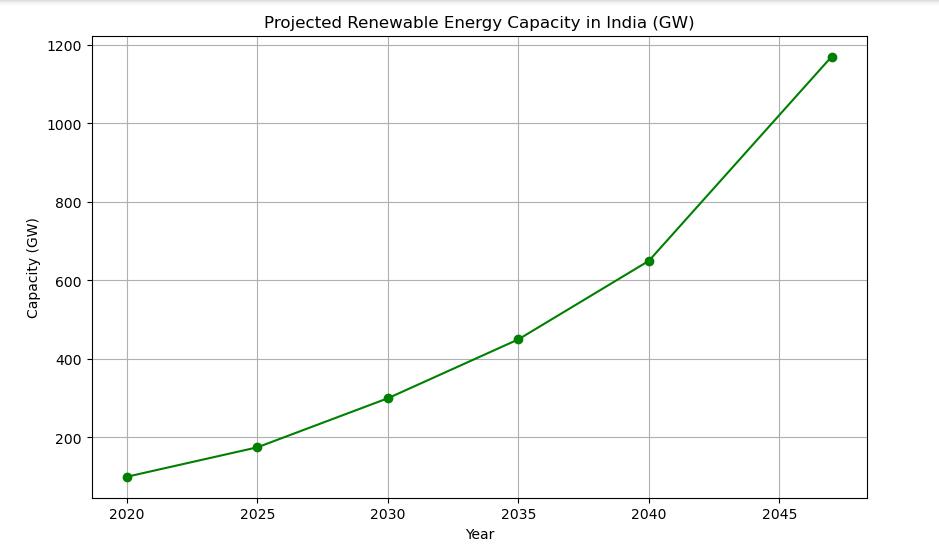
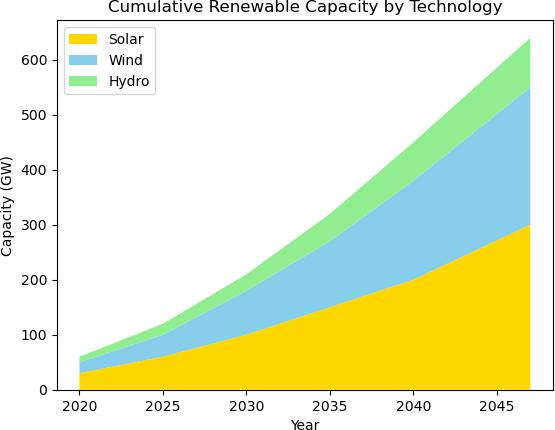
Table 2- ProjectedRenewableEnergyCapacity(2020-2047) Year Growth
2020 Baselinecapacitywithinitialsolar/windprojects
Expansionoflarge-scalesolarparks
Increasedintegrationofdecentralizedsystems
2035 Gridmodernizationandhybridsystemsdeployment
2040 Highrenewableshare;electrictransportintegration
2047 Vision2047target;fullydiversified,sustainableenergymix
Hydrogenenergystoragewhichweseeasaelementinlargescaleenergystorageandwhichalsoplaysintheroleofwhatwe termsectorcouplingbetweenpower,industryandtransport. Whilehydrogenstoragetechisstillinitsgrowthstagesitis expectedtoplayalargeroleinIndia’s2047energyperspective.Digitaltransformationisatthecoreofgridmodernization.We seesmartgrids which include the use of sensors, communication networks and automatic control systems which in turn enable real time grid performance and management. Also, we have advanced metering infrastructure which enables utilitiesandconsumerstotrackenergyusewhichinturnallowsforbetteroptimization.Digitalplatformsalsoplayarolein demandresponseprogramswhichinturnseeconsumerschangetheiruseofelectricitybasedongridconditionsandprice.
International Research Journal of Engineering and Technology (IRJET) e-ISSN: 2395-0056
Volume: 13 Issue: 01 | Jan 2026 www.irjet.net p-ISSN: 2395-0072
Artificialintelligenceanddataanalyticscanalsoaugmentgridperformanceviaoptimizingdispatch,forecastingequipment failures,andenhancingassetmanagement.Thedigitizationofgrids,however,increasesthefocusoncyber security.Vision 2047underscorestheimportanceofstrongcybersecuritymeasurestosafeguardvitalenergyinfrastructureagainstcyberattacks.Alongwithtechnologyimprovements, institutional andregulatory reforms are equallynecessaryforthe efficient modernizationofthegrid.Well-definedmarketcriteriafortheprovisionofancillaryservices,participationofstorage,and flexible generation are necessary to encourage investment. Regulatory structures need to transform to identify energy storage as a separate asset class and put in place the framework for its entry into power markets. In terms of the whole picture,gridmodernization,energystorage,anddigitalizationarethebasewhichIndia’srenewableenergytransitiononto under Vision 2047. A modern, flexible and intelligent grid is the foundation which supports reliable electricity supply, whichinturnmaximizestheuseofrenewableenergyandwhichalsofuelseconomicgrowth.Byputtinginwhatisrequired foradvancedgridinfrastructureandstoragesolutionsIndiacanputinplacearesilientandsustainableenergysystemwhich isalsodesignedtomeetfuturedemandatthesametimeasitreducesenvironmentalimpact.
According to India's Vision 2047, the change to a low-carbon energy system will be spread to other sectors, because the transitionwillalsofocusonRupee48.7trilliononothersectors.Inthisregard,theotherenergycarrierbeingfocusedon is Green Hydrogen which is an energy carrier that can Technological decarburization in Transport and Storage Energy. ProductionofGreenHydrogenandzeroemissionstotheatmosphereisachievedthroughelectrolysisofwaterandtheuse of renewable. Ramesh Green Hydrogen Systems. Our Industry is India's major energy Importer cement, steel, chemicals and fertilizers companies. in. Unlike other sectors of the economy, these sectors produce an equally large share of the nationalgreenhousegasemissions,aswellashavingchallengesrelatedtotherequirementofhigh-temperatureprocesses wheredirectelectrificationisnotviable.However,greenhydrogenservesasacleanfeedstockaswellasfuelforindustrial processes. Forexample,thehydrogen-baseddirectreducedirontechnologycangreatlydecarbonizesteelproduction,and green hydrogen can substitute for natural gas and coal in chemical and the production of fertilizers. The large-scale productionofgreenhydrogenrequiresastrongrenewableenergybase.InIndiawhichhaslargesolarandwindresources we see a great base for large scale electrolytic hydrogen production. By putting renewable energy generation next to hydrogen production, weseea reductionintransmissionlossesand whichin turnimproves economicviability. Wehave electrolysistechnologieswhich includealkaline,protonexchangemembraneandsolidoxidewhichareatdifferentstages of maturity and cost. We expect continuous tech innovation and economies of scale to play in and make green hydrogen morecompetitivewiththatwhichisproducedfromfossilfuels.Alsokeytoagreenhydrogeneconomyisinthestorageand transportofthehydrogen.Hydrogenmay bestoredin compressed, liquefied,orinchemicalformeachwhichhasitsown setofprosandcons.Hydrogenpipelineswhichincludethenaturalgasnetworksandtransportviatankersareputforthas we develop a full scale hydrogen supply chain. We see that development of hydrogen infrastructure is key to wide scale adoptionacrosssectors.
International Research Journal of Engineering and Technology (IRJET) e-ISSN: 2395-0056
Volume: 13 Issue: 01 | Jan 2026 www.irjet.net p-ISSN: 2395-0072
Also,greenhydrogenplays animportantrolein energystorageandgridbalance.Byusing renewableelectricityin which we have a surplus to make hydrogen we are in fact storing energy for long term and that which we revert to electricity when it is needed. This power-to-gas-to-power path we see to be supporting seasonal energy balance and in turn enhancinggridresilience.Inarenewablebasedenergysystemhydrogen-basedstoragewhichalsoincludesbatteriesand pumped hydro storage tech which we use to fill in the gaps that these larger scale solutions present themselves to. The transportsectorisalsoaverypromisingareaforgreenhydrogeninparticularforheavydutyandlong-distancetransport which battery electric solutions do not perform as well in. We see that Hydrogen fuel cell vehicles which include trucks, buses, and trains present high energy density and fast refueling. Also, we have Hydrogen based fuels like ammonia and syntheticfuelswhichareputtingforwardsolutionsformaritimeandaviationsectors.Inthetransportsegmentweseethe adoptionofhydrogenwhichalsoreducesoilimportsandweseeitasacontributortocleanmobilityunderVision2047.
India’sNationalGreenHydrogenMissionisapolicywhichweseeasaframeworktospeedupthegrowthofthehydrogen economy. The mission is about building out domestic electrolyze manufacturing, which they are also pushing with pilot projects and also encouraging Public Private Partnerships. Also key to all of this is that we will see more incentives, regulatorysupportandinternationalcollaborationwhichwillinturnenablethescaleupofhydrogenproductionanduse. Skillgrowthandresearcheffortsalsofuelinnovationandworkforcepreparedness.Althoughithaslargescalepromisethe greenhydrogeneconomyisalsoverymuchinthefaceofmanyissues.Highproductioncosts,lowinfrastructurepresence and technical uncertainties are issues which are impeding wide scale adoption. Also, we must manage water use for electrolysis sustainably to not compete with agricultural and domestic uses. To see through this, require coordinated planning,technologicalbreakthrough,andpolicysupport.IntheendgreenhydrogenisakeyelementofIndia’sVision2047 energy shift. By enabling extensive decarburization of industry, supporting large scale energy storage and in to clean transport green hydrogen plays into the renewable electricity picture and increases energy system flexibility. With strategic investment in hydrogen tech and infrastructure India is to become a global leader in the emerging hydrogen economywhichinturnsupportssustainabledevelopment.
The transport sector is a large user of fossil fuels and reports to be a key player in the production of greenhouse gas emissions and urban air pollution in India. With rapid urban growth, increased vehicle ownership and growing freight demandweseegreatincreaseinenergyuseinthissector.ToachievethegoalsofVision2047werequirethatthetransport systemtransformwhichwedoviatheintegrationofrenewableenergy,electrificationandcleanfuels.Renewableenergyin transport not only see to it that we reduce emissions but alsoimprove energy security by which we mean to say we are decreasing our import of petroleum fuels. Electrification of transport is the main way out for us to de carbonizes road mobility. Electric vehicles which run on renewable electricity we may say run almost emission free as compare to the conventional internal combustion engine vehicles. Battery technology has been improving and policy changes further drivingcostreductionsandtheadoptionofelectricvehiclesinIndia,especiallyinthecaseoftwo-wheelers,three-wheelers, and public transport in cities. The integration of renewable energy sources amplifies the positive effects of the electric vehicles as emissions are cut across the entire energy value chain. One of the main challenges of electric mobility. The installation of public and private charging stations also improves the resilience of electricity grids and mitigates stress duringpeakdemand.RenewablesofferaSmartchargingsystemofferenhancedloadmanagement.Byshiftingdemandfor charging to times when there is high generation of renewable energy, transport can help in stabilizing the grid. Electrificationofpublictransportiscrucialindecreasingthelevelsofemissionsinthecitiesandhelpswithimprovingthe mobilityefficiencies.
Transportationsystemslikeelectricbuses,metrosystemsthatrunonrenewables,andsuburbanrailsystemprovidehighcapacity transport solutions with little to no emissions. The public transport systems help in reducing congestion, and improving the air quality, while improving the accessibility (especially to the urban residents). The integration of the publictransportsystemwithRenewablesandtransportsystemsinpublictransportisalignedwithVision2047thatfocuses on urban development systems that are inclusive and sustainable. Rail systems is a primary expect that supports the integrationoflarge-scalerenewablesandhenceisabottomopportunity.Renewablypoweredelectrifiedrailnetworkswill continuetosavedieselandemissionsandalsohelpinprovidingtransportsystems.Solarenergygenerationalongrailway tracks, on station rooftops and on nearby land allows for spatially distributed renewable energy generation that can be used for railway operations. Rail and renewable energy integration enhance energy efficiency and promotes national decarburization. Long haul and heavy transport are particularly difficult to electrify due to long ranges and high energy requirements.Inthisregard,greenhydrogenandhydrogen-basedfuelsaregoodoptions.Hydrogen-poweredtrainsandfuel cellvehiclesarezero-emissionsolutionsforlong-distanceandfreighttransport.Furthermore,renewablefuelsdecarbonize hard-to-electrifyaviationandmaritimetransport.forinstance,greenammoniaandsustainableaviationfuels.
International Research Journal of Engineering and Technology (IRJET) e-ISSN: 2395-0056
Volume: 13 Issue: 01 | Jan 2026 www.irjet.net p-ISSN: 2395-0072

Biofuelscontinuetosupporttheintegrationofrenewableenergyintothetransportsector.Ethanolandpetrolareblended; biodieselanddieselareincorporatedtocutdowntheuseoffossilfuelswhilehelpingagriculturalvaluechains. Advanced biofuelsaremadeoutofnon-foodfeedstocksandbringadditionalpotentialforsustainabletransportfuels.Decarbonizing transport will be difficult with biofuels alone. However, in conjunction with electrification and the diverse hydrogen options, they aid in the Vision 2047 objectives. Decarbonizing transport will be difficult with biofuels alone. However, in conjunctionwiththediverseelectrificationoptionsandhydrogen,theyaidintheVision2047objectives.Institutionaland policyframeworksarecriticaltofast-trackingrenewableenergy-poweredtransport.GovernmentsupportofEVadoption and charging infrastructures along with alternative fuels gives the market confidence and spurs private investment. Technological innovation and deployment are made easier through standards and incentives as well as public-private collaborations.Jointplanningoftheenergyandtransportsectorsenablestheseamlessadditionofrenewableenergyinto mobility systems. To sum up, the transport sector's assimilation of renewable of renewable energy is a pivotal piece to India’s Vision 2047. India can maintain a cleaner, more efficient and resilient transport system through the use of renewable publictransport, biofuels,hydrogen-basedfuelsand electrification.This emissionreductionandimprovement of energy security will bring economic prosperity, as the transport sector will play a vital role more ground the nation’s long-termgoals.
DecentralizedrenewableenergysystemsareatthecoreofIndia’s2047visionofinclusiveandbalancedgrowth.Although large scale renewable projects add greatly to what we get out of the national grid, it is the small-scale energy solutions whichseethatcleanenergyreachesintoruralandremoteareas.Also,thesesystemsputintopracticetheideasofenergy access,reliabilityandaffordabilitythustheyinturnsupportrurallivelihoods,social infrastructureandeconomicgrowth. InIndia rural and remoteareas presenta challenge interms of gridconnection, power qualityand supplydependability. Butdecentralizedrenewableenergysystemslikerooftopsolar,microgridsandoffgridrenewablesolutionsbringlocalized power generation which in turn reduces that which is put on the centralized grids. Solar home systems and community level micro grids in particular bring about reliable power to households, health care centers and small businesses. Decentralizedrenewables helpimproveanindividual’s accesstoeducation,healthcare, andpromotegender equality, etc. WithVision2047,alargesectorreceivinghelpfromdecentralizerenewablesisagriculture.
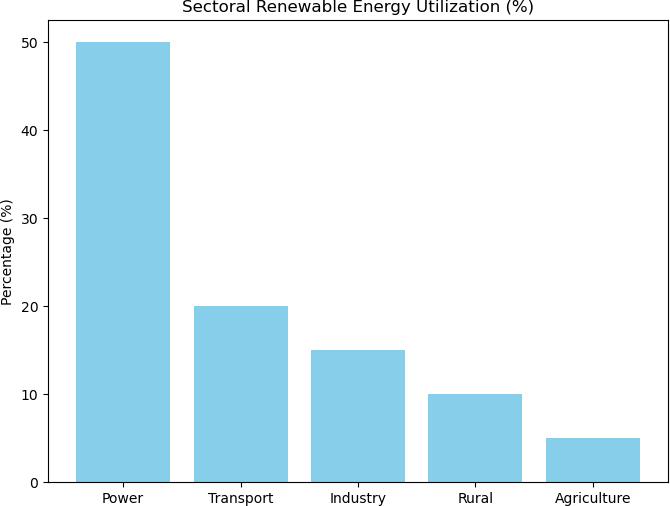
Table -3 SectorialRenewableEnergyUtilization
International Research Journal of Engineering and Technology (IRJET) e-ISSN: 2395-0056
Volume: 13 Issue: 01 | Jan 2026 www.irjet.net p-ISSN: 2395-0072
Solar powered irrigation pumps that replace diesel ones which in turn reduce fuel costs and we see also a drop in emissionswhileatthesameweseeimprovedwateraccessforfarmers.Also,wehavedecentralizedsolarwhichsupports cold storage, food processing and value-added products which in turn increases agricultural productivity and income stability.Weseethattheseapplicationswhichinturnstrengthenruraleconomiesandreducevulnerabilitytoclimateand market fluctuations. Decentralized renewable energy which in turn fosters rural entrepreneurship and local economic development.Smallscalerenewable energyprojectswhichalsocreateopportunitiesforlocalmanufacturing,installation, operation and maintenance services. Also, we see community owned models and cooperatives which empower local stakeholders and promote inclusive participation. By enabling the use of energy productively we see growth of micro enterprises,cottage industriesand digital services whichin turnsupport job creationand poverty reduction. Micro grids areakeyelementofdecentralizedenergyinruralandperi-urbanareas.
They which include solar, wind, biomass and storage technologies bring to bear reliable and flexible power supply that which is tailored to local demand. Also, we see that advanced control systems and digital platforms play a role in the efficientoperation of these micro grids whichin turn alsotie themin withthe maingrid when thatis available.Also, we notethatmicrogridsimproveenergyresilienceinareaswhicharepronetonaturaldisastersorgridoutages.Also,wesee thatdecentralized renewable energy supportssocial infrastructuregrowth.Reliable electricity whichis whatmicro grids provide for health care facilities, vaccine storage, water purification and communication networks. Also, we see that school’sbenefitfrombetterlighting,digitallearningtoolsandimprovedconnectivity.Womenandmarginalizedgroupssee to do better with reduced energy related work and also from improved access to info and services. The scaling of decentralized renewable energy solutions is reliant on policy support and institutional frameworks. The government support programs for rooftop solar, solar pumps and rural micro grids, and government support programs, assists in financingand providing technical support.Longer-term sustainabilityisbuiltthroughlocal expertiseacquiredintraining and development programs. Incorporating decentralized systems into overall energy planning enhances efficiency and improvescoordination. Despitethat which is putforthinfavorof them,decentralized renewable energy systems present problems whichincludeissuesoffinance, technical know-howandmaintenance which inturnthey putout. Toovercome theseissues,weseetheneedforinnovationinfinancialmodels,communityinput,andstrongsupportstructures.Also,we see in digital technology and remote monitoring systems a way to improve performance and dependability of these systems.Intheenditisputforththatdecentralizedrenewableenergysystemsare keytoIndia’sVision2047whichisto have an inclusive and equitable energy transition. Also, by which they empower rural areas, support agriculture and promotelocaleconomyweseethemtobeapartofawholewhichisbalancedgrowth.Also,theirroleinthelargerenergy pictureistostrengthenresilience,reduceenergypovertyandinturntoadvancesustainabledevelopmentgoals.
The in to renewable energy oftheIndian Vision 2047 wesee a very wide range of changes in terms of economy,society, and environment. Renewable energy is not just a shift in tech but a very large-scale development which in turn changes economic structures, social systems, and environmental results. By way of reducing dependence on fossil fuels and promotingsustainable growthrenewable energy is put forth asa key element of ourlong-term national development. In termsoftheeconomywhatweseeisthatrenewableenergygreatlyimprovesenergysecuritybyatthesametimewhichwe see the growth of our energy needs which in past has put us at the at the mercies of global fuel prices and geopolitical issues.
Table -4 Multi-DimensionalBenefitsofRenewableEnergy.
Benefit Type Impact Level (1-100 points)
EconomicGrowth
JobCreation
SocialInclusion
Environmental Protection
EnergySecurity
85
80
75
90
88
Description
Jobcreation,industrialgrowth,energysecurity
Directandindirectemploymentacrossvaluechain
Ruralelectrification,accesstoeducation&healthcare
Reducedemissions,airpollutioncontrol,water conservation
Reducedfossilfueldependence,stablepowersupply
Expansion of home-grown renewable energy sources like solar, wind, biomass, and hydro increases national energy independence and also stabilizes long term energy costs. We also see large scale adoption of renewables which in turn attract foreign investment and support the growth of local manufacturing. Also, a great economic benefit of renewable energyisjobcreationwhichweseerightalongthevaluechainfrommanufacturingtoinstallation,operation,maintenance, research and services. Also what we are seeing is that decentralized energy systems which go into rural and semi-urban
International Research Journal of Engineering and Technology (IRJET) e-ISSN: 2395-0056
Volume: 13 Issue: 01 | Jan 2026 www.irjet.net p-ISSN: 2395-0072
areas support localemployment and entrepreneurship. As we put in place skill development initiatives which go hand in handwithrenewableenergy,weseegrowthinthehumancapital.
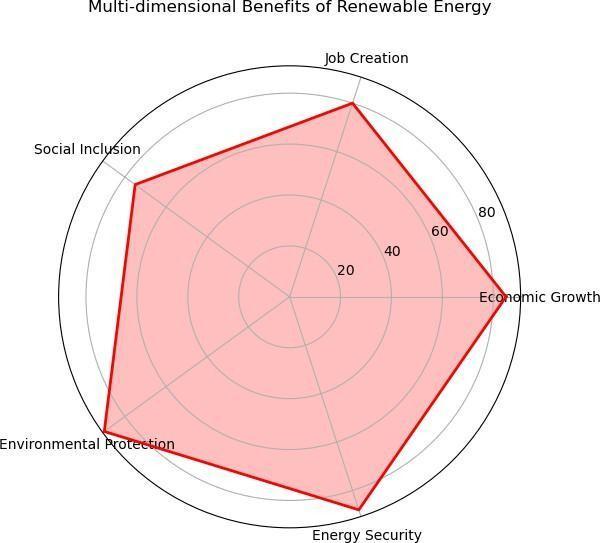
Socialaspectsofrenewableenergytransitionarealsoofgreatimportance.Weseethatwhichimprovedaccesstopureand reliable energy does for education, health care, communication and digital access improvement. Also we note how renewableenergyputsanendtoenergypovertybyextendingelectricitytoremoteareas.Womenandmarginalizedgroups profit from reduced use of traditional fuels, better health results and greater part in economic life. Renewable powered social infrastructure increases community resilience and social equity. Environmental benefits are what may well Ren2G energy’sgreatestasset.Thatweseeinrenewables’lowgreenhousegasoutput whichinturnplaysa largeroleinclimate change mitigation. Also, we see that which reduction in airpollutants likeparticulate matter, sulfur dioxideand nitrogen oxides does for health which also brings down health care costs. Transition to renewables also sees water resources conserved which is a result that renewable technologies in general require less water than do traditional thermal power plants. Also we see that development of renewable energy supports biodiversity conservation and sustainable land use when done responsibility. What we put in to the mix is the use of environmental impact assessments, land use planning and ecosystem protection measures which in turn means renewable expansion is in alignment with ecological sustainability.Alsoweseeinthecirculareconomyaroleforrecyclingofsolarpanelsandbatterieswhichinturnimproves environmental performance. In total what we have with the renewable energy transition under Vision 2047 is a manysided benefit. Economically it puts in play growth and resilience; socially it promotes equity and inclusion; and environmentally it supports climate goals and ecological balance. These many effects put together position renewable energyasabaseelementofsustainablenationaldevelopment.
Volume: 13 Issue: 01 | Jan 2026 www.irjet.net
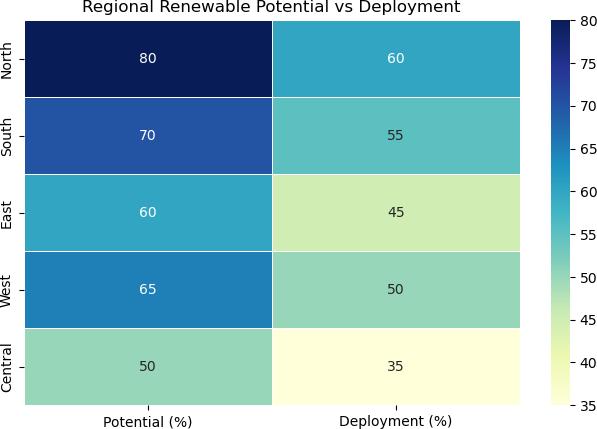
Althoughtherearemajortransitionsintherenewableenergysector,therestillseemstobechallengesandconstraintsthat need to systematically be overcome to achieve vision 2047. The barriers are to be overcome need to be planned and regulated policies. Every phenomenon is linked to a renewable source and that seems to be the toughest problem in the sector. The most difficult to control the amount of energy produced when it is freely sourced from nature, i.e. when harnessingenergyfromthesunandthewind.Powergenerationinthesystemneedstobecontrolledandmonitored.Theis also a problem in the energy control system when wind and renewable energy generation is efficiently integrated to the powersystem.Theproblemofoverdemandinthepowersystemfurtherexcludestheutilizationofrenewableenergyina givenarea.
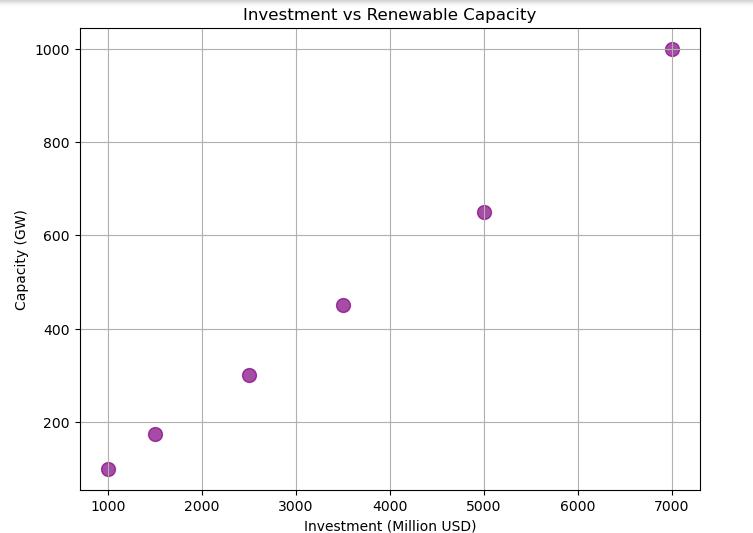
Energy storage is required for the continued integration of renewable generation into the electric grid, but is limited by highcosts,limitedavailability,andtherequiredmaterials.Thecriticalmineralsneededforthemanufactureofbatterieshas caused supply chain, security, and environmental concerns. Dedicating financial, regulatory, and economic resources to long-durationstoragealternatives,likepumpedhydroandhydrogenstorage,areneeded.Thehighcapitalcosts,associated withlimitedfinancing,andinvestmentrisks,arecounteredbythelackofinterestfromsmalldevelopersfordecentralized energy. Project risks are further exacerbated by tariff uncertainty, delayed payments, and financial strain of the distribution company. Overcoming these barriers will require innovative financing and financial reforms. Policy and in consistentpolicieswhichweseewithfrequentregulatorychangesandadministrativedelaysisaissueforinvestors.Also, we see that there is a lack of coordination between central and state governments which complicates implementation. Whatweneedisasimplificationoftheapprovalprocess,stablepolicywhichisnot goingtochangeandwhich giveslong term direction. Also we address social and land issues which play a big role in renewables growth. We have large scale projectswhichrequirelandwhichinturnmayputusatoddswithlocalcommunitiesandotherlandusers.Itisimportant weputinplacefaircompensation,getthecommunityinvolvedandbetransparentinourdecisionswhichwillinturn0gain us social acceptance. We also have the issue of skills gap and lack of awareness which plays a large role in the actual deploymentandoperationofrenewabletechnologies.
International Research Journal of Engineering and Technology (IRJET) e-ISSN: 2395-0056
Volume: 13 Issue: 01 | Jan 2026 www.irjet.net p-ISSN: 2395-0072
Environmentalrisksmaybelessthanwithfossilfuelsbasedsystemsbutalsomustbemanaged.Issuesofimproperwaste management of renewable materials, ecological impact of large-scale installations, and water use in some technologies requirecareinplanningandregulation.Sustainablelifecyclemanagementiswhatwhichwillmakerenewableenergyplay a responsible role. Also, in terms of Vision 2047 which we are to achieve through renewable energy we require to proactivelyaddressissuesandrisks.Wewillhavetoworkontechnicalissues,improvefinancialstructures,securepolicy stability and also win over social acceptance for long term success. A whole picture and adaptive approach will get India overtheseissuesandtothatwhichisasustainable,secureandinclusiveenergyfuture.
India’sVision2047throughtheintegrationofrenewableenergyneedsmeticulous,systematic,focused,anddynamicpolicy developmentthatfusestechnological,economic,socialandenvironmentalaspects.Theenergytransitionmustbedirected viawisepolicies,capableinstitutionsandinstitutionalframeworksthatadjusttonewenvironmentalandpolicychallenges. Thepolicyframeworkmustbeclearandpredictabletofosterconfidenceandstakeholderengagement.Specifiedrenewable energy visions that complement Vision 2047 determines the policy climate enabling energy developers to plan their investments. The energy policy framework that is sustained through political cycles to enable the longevity of environmentalandpolicyvision.Thepolicyintegrationamongthefederalandthestatepoliciesistheicingonthecakeasit improves the operational efficiency within the system. Strengthening of grid infrastructure and improvement of system flexibilityisatoppriority.Weseeinvestmentsintransmissionnetworks,smartgridsanddigitalmonitoringsystemswhich inturnenablelargescaleintegrationofvariablerenewableenergy.Also,wehaveadvancedforecastingtools,demandside managementandtimeofusepricingwhichimprovegridreliabilityandatthesametimemaximizerenewableenergyuse. Wemustsupportenergystoragedeploymentwhichincludesbatteries,pumpedhydroandhydrogenstoragethroughtarget incentives and regulatory changes. Research and development play a key role in the advance of renewable energy technologies.WeseethatincreasedinR&Dsupportsimprovementinefficiency,durabilityandcostdown.Also,weseethat Indigenous manufacturing and technology development which reduce import dependence and at the same time enhance supply chain resilience. We encourage collaboration between academic institutions, research organizations and industry whichinturnquickenstechnologycommercializationandknowledgetransfer.
Sr. No. Policy Area
1 GridModernization Smart grids, forecasting, demand-side management Reliablerenewableintegration
2 Technology&R&D Investmentinsolar,wind,hydrogen,storage Costreduction,indigenoustechdevelopment
3 Finance&Investment Greenbonds,riskmitigation,public-private partnerships Capitalmobilization,projectviability
4 Rural & Decentralized Energy Microgrids, solar irrigation, community ownership Inclusivegrowth,energyaccess
5 HumanCapital&Skills Training, vocational programs, inclusive hiring Workforcereadiness,employmentgeneration
6 InternationalCooperation Technologysharing,climatepartnerships
Accelerateddeployment,globalleadership
Marketreformsandfinancialmechanismsarecriticaltoensuresignificantcapitalmobilization.Newfinancialmodelssuch as blended finance, green bonds, and other risk mitigation tools are designed to target and attract private financing. Improving the financial sustainability of power distribution companies unlocks payment security and improves the economic viability of projects. Environmental pricing and carbon markets incentivize the adoption of renewable energy andtheinternalizationofcostsassociatedwiththeforegoneuseoffossilfuels.Buildinghumancapitalisacornerstoneof therenewableenergyplan.Programsdesignedtofacilitatethedevelopmentofnewskillsensuretheworkforceisprepared to engage with new technologies. Employment generation and innovation are driven by technical training, vocational education, and capacity building initiatives. Inclusive policies ensure the participation of women, and other marginalized groups in the energy transition. International outreach which includes technology, finance and best practices transfer is what International cooperation is about. In the area of energy we see India take a lead role in global renewable energy initiatives,climatepartnershipsandknowledgesharingforums. Wealsonotehowstrategicalliancesplayaroleintheroll outofwhatisadvancedtechnologylikegreenhydrogenandoffshorewind.Tothateffectwhatisputforthisapolicyroad map which has a large scale vision, is innovative, and brings in financial reform and inclusive development which is the basisofthe2047vision.Alsowhatwenoteistheimportanceofthatwhichgoesacrosssectorsandstakeholderswhichin turnmakesrenewableenergythebaseofIndia’ssustainablegrowth.
International Research Journal of Engineering and Technology (IRJET) e-ISSN: 2395-0056
Volume: 13 Issue: 01 | Jan 2026 www.irjet.net p-ISSN: 2395-0072
This research paperwehavelookedat indetailtheroleofrenewable energyinachieving Vision2047 which wecovered via technology options, grid integration, transport transition, rural development, economic and social impact as well as policyissues.Wefoundthatrenewableenergydeploymentputsforthmultiaspectbenefitswhichincludeimprovedenergy security,jobcreation,reducedemissionsandbetterqualityoflife.ThisstudylookedatthepathtowardIndia’sVision2047 viarenewableenergywhichwebeganwiththebasepremisethatenergyisatthecoreofnationaldevelopment.Also,ifwe look at the evolution of India’s energy, we see that while fossil fuel-based systems played a key role in early economic growth they are no longer enough to support a growing economy and large population. This understanding is the beginning of the discussion of the transition to renewable energy in this paper. Once the discussion moved forward, the analysis focused on how renewable energy options like solar, wind, hydro and bio mass became real and available alternativestobebuiltontosolveenergysecurityandsustainabilitychallenges.Initialestimatesonthetechnologicaland economic front showed that renewable energy in a developed economy is no longer a novelty or an add-on, but is a significantandbalancedconstituentofthemodernenergysystem.IndiaVision2047isavisionaryandpathwaydocument thatisaguidetoachievingasustainable,secureandinclusiveenergyfuture.Attheheartofthisvisionisrenewableenergy whichsolvesforthetriplebottomlineofeconomicgrowth,environmentalsustainabilityandsocialinclusiveness.Moving away from fossil fuels to renewable energy is crucial not only to combat climate change but also to aid in furthering a nation’sdevelopment.Itisinthislightthatplanningenergystrategiesfromincorporatingrenewablesourcestobecoming the focal point was a change in energy development policy. Structural changes within the energy sector to accommodate large-scale renewable resources were examined in the paper. The need for a modernized, digitized, reliable and flexible energy system iswherethe importance ofaccurate forecastingand energy storage was presented.Insteadofviewingthe variabilityinrenewablesasahindrance,theresearchsuggestedthatitwasasystemlevelopportunityforinnovationthat would increase the resilience of the power system. The narrative further expanded beyond electricity generation to examine sectorial integration. The transport sector that depended on petroleum fuels has been redefined with the introduction of electrification, renewable powered public transport, green hydrogen and biofuels. The transition has shownthepotentialofrenewableenergytodecarbonizemobility,urbanizeenergyefficiencyandimproveairquality. The same potential, combined with the industry and agriculture, showed cross sectorial potential of the energy transition anticipatedunderVision2047.Oneofthemostcriticalfeaturesofthestudyconcerneditselfwithdecentralizedrenewable energy and rural development. The inclusive vision of the analysis has shown that any national progress is virtually impossible without inclusive growth. The study demonstrated that decentralized systems, micro grids, and solar powered agricultural Solutions bridge the urban rural energy divide, empower local communities, enhance livelihoods and improve social infrastructure. This showed the potential of renewable energy IT for social transformation, beyond just the technologyitself.Reflectinontheeconomy,thesocietyandtheenvironmentandwesee that which renewable energy does is present many benefits. From an economic stand point it supports job growth, industrialdevelopment,andenergyindependence.
International Research Journal of Engineering and Technology (IRJET) e-ISSN: 2395-0056
Volume: 13 Issue: 01 | Jan 2026 www.irjet.net p-ISSN: 2395-0072
Sociallyitimprovesqualityoflife,equityandaccesstobasicservices.Environmentallyitisasolutiontoclimate change;it reducespollutionandconservationofnaturalresources.Thesemanybenefitswhichareconnectedtoeachotherstrengthen the case that renewable energy is a base element of sustainable development. Also, the study looked at the issues which come up during this transition. Wehadtechnicalissues, financing issues,policyinstability,and socialacceptability which wereidentifiedasrealandlargescale.Butinsteadoflookingattheseasroadblocksweputthemoutthereasareaswhich requirestrategicactionand institutional growth.Sinceattainingindependenceandenvisioningin2047,thejourneyfrom the secure energy concerns to the holistic development paradigm reveals a straight pathway toward a low carbon, inclusive and resilient future however to achieve this future prosperity with environmental protection and intergenerationalequitytherenewableenergypathwaysthusneedtobeintegratedwiththegoalssettoachieveby2047. ThispapershowcasedtherenewableenergytonotbeanalternativeenergypathwaybuttheveryframeworkoftheIndia vision 2047. These strategies collectively are the most important and necessary to achieve the desired ambitions set till 2047 and ensure continuity till 2047. India aligning the technology, policy, and social economy and society, can be the globalleaderinthesustainablydevelopment. 13.
[1] InternationalEnergyAgency, India Energy Outlook 2023,IEA,Paris,France,2023.
[2] MinistryofPower,GovernmentofIndia, National Electricity Plan 2023–2032,NewDelhi,India,2023.
[3] MinistryofNewandRenewableEnergy,GovernmentofIndia, Annual Report 2022–23,NewDelhi,India,2023.
[4] GovernmentofIndia, Viksit Bharat @2047: Vision Document,NITIAayog,NewDelhi,India,2022.
[5] IntergovernmentalPanelonClimateChange,SixthAssessmentReport(AR6),IPCC,GenevaSwitzerland,2023.
[6] UnitedNationsFrameworkConventiononClimateChange,TheParisAgreement,UnitedNations,2015.
[7] NITIAayog,India’sLongTermLowEmissionsDevelopmentStrategy,GovernmentofIndia,NewDelhi,2022.
[8] CentralElectricityAuthority,MonthlyPowerSectorReport,CEA,NewDelhiIndia,2024.
[9] These reports should be referred to as Renewable Energy Integration in Indian Power Systems: Challenges and Solutions'Kumaretal(2022);
[10] 'TheSolarEnergyPotentialandFutureProspectsinIndia'ChandelandTiwari(2011);
[11] 'TheRoleofSolarPhotovoltaics'Gulagietal(2017).
[12] GlobalWindEnergyCouncil.GlobalWindReport2023.GWEC.Brussels,Belgium.2023.
[13] S.Rehmanetal.Wind energypotentialassessmentand policyframework inIndia.RenewableEnergy. Vol.136. pp.132147.2019.
[14] CentralWaterCommission.HydropowerDevelopmentinIndia.MinistryofJalShakti.NewDelhi,India.2022.
[15] A.Kumaretal.PumpedhydroenergystorageforrenewableintegrationinIndia.EnergyStorage.Vol.4.Issue2. e245.2022.
[16] FoodandAgricultureOrganization, Bioenergy and Rural Development,FAO,Rome,Italy,2021.
[17] S.KapoorandR.Pathak,“BiomassenergysystemsandcirculareconomyinIndia,” Journal of Cleaner Production,vol. 278,123845,2021.
[18] CentralPollutionControlBoard, Status of Municipal Solid Waste Management in India,CPCB,NewDelhi,India,2022.
[19] P.Denholmetal.,“Energystorageforgridmodernization,” Nature Energy,vol.6,pp.102–112,2021.
[20] InternationalRenewableEnergy Agency, Electricity Storage and Renewables: Costs and Markets,IRENA,Abu Dhabi, UAE,2022.
2026, IRJET | Impact Factor value: 8.315 | ISO 9001:2008 Certified Journal | Page237
International Research Journal of Engineering and Technology (IRJET) e-ISSN: 2395-0056
Volume: 13 Issue: 01 | Jan 2026 www.irjet.net p-ISSN: 2395-0072
[21] MinistryofNewandRenewableEnergy, National Green Hydrogen Mission,GovernmentofIndia,NewDelhi,2023.
[22] IRENA, Green Hydrogen: A Guide to Policy Making,AbuDhabi,UAE,2020.
[23] A. Valente et al., “Hydrogen energy systems for decarbonization,” Energy Conversion and Management, vol. 224,
113346,2020.
[24] MinistryofRoadTransportandHighways, National Electric Mobility Mission Plan,GovernmentofIndia,NewDelhi, India,2021.
[25] InternationalCouncilonCleanTransportation, India EV Charging,ICCT,WashingtonDC,USA,2022.
[26] IndianRailways, Energy Efficiency and Renewable Integration Report,MinistryofRailways,NewDelhi,India,2023.
[27] WorldBank, Decentralized Renewable Energy for Development,WashingtonDC,USA,2021.
[28] S.Palit, “Decentralized renewable energy for rural electrification in India,” Energy Policy,vol.38, no.9, pp. 5018–5029,2010.
[29] UnitedNationsDevelopmentProgramme, Energy Access and Sustainable Development,UNDP,NewYork,USA,2020.
[31]OECD, Economic Impacts of Renewable Energy Transition,OECDPublishing,Paris,France,2021.
[32]WorldHealthOrganization, Air Pollution and Public Health,WHO,Geneva,Switzerland,2022.
[33]A.Bhattacharyya, “Social acceptance of renewable energy projects in India,” Energy Research & Social Science, vol. 65,101–112,2020