
International Research Journal of Engineering and Technology (IRJET) e-ISSN: 2395-0056
Volume: 12 Issue: 04 | Apr 2025 www.irjet.net p-ISSN: 2395-0072
International Research Journal of Engineering and Technology (IRJET) e-ISSN: 2395-0056
Volume: 12 Issue: 04 | Apr 2025 www.irjet.net p-ISSN: 2395-0072
Dr. Sonu Agrawal1 , Ruchi Soni2 , Shruti Soni3
*1B.Tech, Professor, Dept. of Computer Science & Engineering, Shri Shankaracharya Technical Campus Bhilai, Chhattisgarh, India
*2,3B.Tech Student, Dept. of Computer Science & Engineering, Shri Shankaracharya Technical Campus Bhilai, Chhattisgarh, India
Abstract – A ride-sharing app abstracttypically summarizesaplatformthatconnectsdriverswithpassengers forsharedtrips,aimingtooptimizetransportationresources andreducecosts.Itoutlinestheapp'spurpose,functionality, andpotentialbenefits,oftenhighlightingitsabilitytoreduce traffic,emissions,andindividualtravelexpenses.Theabstract mightalsodelveintotheapp'sdesign,includingfeatureslike user accounts, trip creation, booking requests, and communication tools.Itisworth noting that thisdigital platformsignificantly contributestothe landscape of transportation,offeringapivotalsolutiontomodernmobility challenges. By promoting shared transportation, it not only lowersindividual travel costsbut also minimizes carbon footprints, thereby making a vital contributiontoenvironmentalsustainability.
Key Words: ride-sharing, ride-hailing, taxi service, Transportation,GetaRide,BookaRide.
Anapplicationthatallowsuserstobookandschedulerides with drivers often on demand by connecting with a networkofdriverswhoarewillingtoprovidetransportation isknownasaride-sharingapp.Asamiddleman,theseapps link drivers and passengers, offering a practical and frequently affordable substitute for conventional taxi servicesorprivatevehicleownership.Aneasyandeffective way for users to book rides, track them in real-time, and access emergency contacts is the Ride Sharing App with Real-TimeTracking,adesktopJavaapplication.Ride-sharing apps like this one provide a flexible substitute for conventional taxis in light of the growing need for easy transportation.Userscanenterridedetailslikepickupand drop-offlocations,selecttheirpreferreddrivergender,and choosetheirvehicletypewiththisapp,whichwasdeveloped with Swing for its user interface. Additionally, it links to Google Maps to track the ride in real time, bringing up a browser window with a map of the ride's location. The applicationusesFileI/Otostorerideinformationlocallyina textfile,makingitlightweightandeasytouse.However,it does not support online user accounts or databases. Additionally, for user safety, features like emergency contacts are included. Despite being a rudimentary ridesharingsolution,thisversioncanbeenhancedinthefuture
***
withfeatureslikecloud-basedauthentication,real-timeGPS integration,andmore.
Thisstudyisbasedonthevarioustechnicaldifficultiesthat arise when creatinga ride-sharingapp with Java.One of themainissuesishowtoputintopracticearide-matching algorithm thatis accurate and efficient, capable of matchingdriversandpassengersbasedonroutesimilarity andproximity,allwithinadesktopJavaenvironment.Since this applicationdoes not use databases orcloudbasedservices,another challenge is how tosecurely and scalable handledata storage,includingride history, user profiles, and booking records, using onlyJava'sfile handlingfeatures. Aresponsive and user-friendly interfacecreatedwith Java Swing orAWT must also be provided, along with secure user authentication and sensitivedataprotection.It'salsonecessarytosuccessfully simulatereal-timefeatureslikeriderequests,updates,and tracking usingfundamentalJavaideaslike eventdrivenprogrammingandmultithreading.Thus,theresearch focuses oninvestigatinghow theseelementscan beeffectivelycombinedintoastand-aloneJava-basedridesharing application that isuser-centric,scalable, andsecurewithoutdependingonthird-party databasesorAPIs.
This research is significant as it explores how a complete ride-sharing application can be developed using core Java technologieswithoutrelyingonexternaldatabasesorcloud services. In many academic or resource-constrained environments, cloud access or complex database management systems may not be feasible. Therefore, building such an application using only Java (with file handling, Swing/AWT, and multithreading) demonstrates how powerful desktop applications can be created with limitedtools.Thisprojectalsocontributestounderstanding howefficientride-matching,securedatahandling,andrealtimesimulationcanbeachievedusingbasicprogramming constructs.Moreover,ithighlightsthepotentialofJavafor developing standalone systems that can serve as the foundation for more advanced transportation or logistics solutionsinthefuture.Thestudynotonlystrengthenscore
International Research Journal of Engineering and Technology (IRJET) e-ISSN: 2395-0056
Volume: 12 Issue: 04 | Apr 2025 www.irjet.net p-ISSN: 2395-0072
Java programming skills but also encourages innovative problem-solvingusing
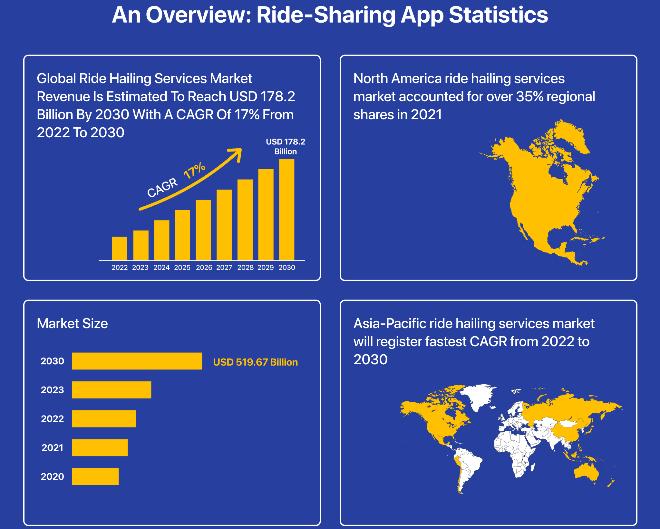
Designinganddevelopingride-sharing platformswith a variety of technologies has been the subject of numerous studies and applications. Uber, Lyft, Ola, and other wellknownride-sharing services haveestablished standards foruser experience,cloud-based data handling,real-time updates, andGPS integration. This field of study frequentlyfocusesonoptimizationalgorithmsfordynamic pricing,routeplanning,andridematching.Nevertheless,the majorityof these implementationsmainly dependonsophisticatedbackend infrastructure,such asreal-time databases,cloud services,and third-party APIslike Firebase andGoogleMaps. On the other hand, a fewopen-sourceandacademicprojectshaveshownthatitis possible to develop workableride-sharing systemswith fundamentalprogramming languages like Java,especiallyinsettingswithinadequate infrastructure orinternetconnectivity.These systemsplace a strong emphasis on usingJava Swing or AWT for GUI design, file handling formanaginglocaldata,and multithreading forhandling requests concurrently. Along with emphasizingthevalueof encryption and secure filestructures, studies have also looked at the function of user authentication and data security in local Java applications.Inordertobuildaself-containedride-sharing applicationwithonly Javatechnologies noexternal APIs ordatabases thisresearchbuildsuponsuchfoundational work.Itaddresses gaps inthe literature by addressing offlinefunctionalityandlocaldata.
2.1
Aride-sharingapplication'sbasicideaistopairupdrivers andpassengersgoingin the samedirection so that they cansplitthe cost of their journey.Thislowers carbon emissions andtraffic congestionin addition to making
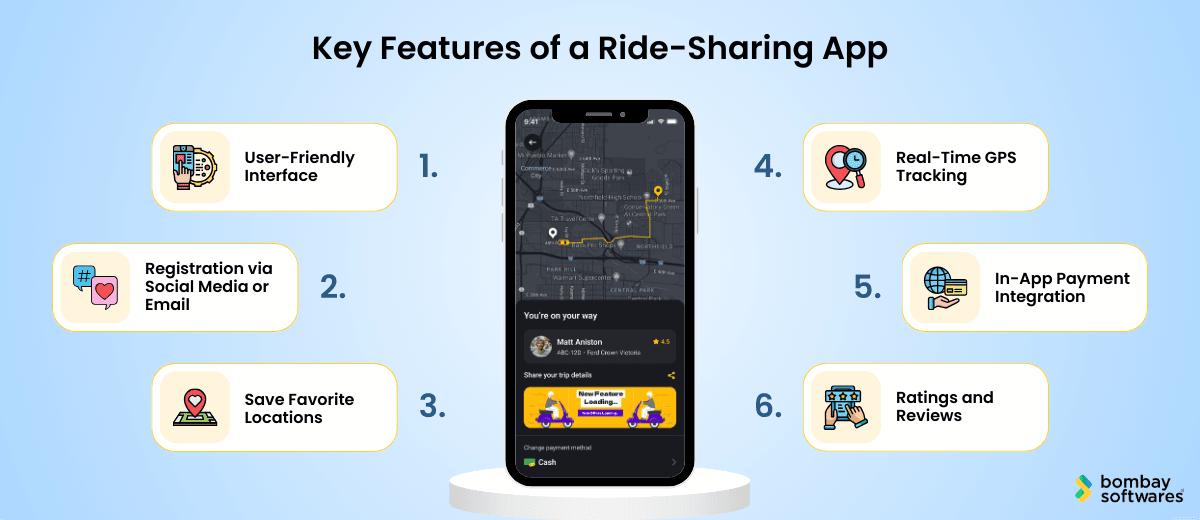
commutingmorecost-effective.Theride-sharingsystemin this projectis a desktopJava application that allowsuserstoregister asdriversorpassengers,log in, andusea Graphical UserInterface(GUI)createdwithJava Swing orAWT. Without requiring an external database or internet access, theapplicationstoresandmanagesuserinformation,ride requests,andbookinghistorylocallyusingJavafilehandling. By comparingsource and destinationpoints using basic logic,rides can bematched andoffered orreserved appropriately. Managing several users at once and simulatingreal-timebookingbehavioraretwoapplications formultithreading.
ThemethodologydescribeshowtheJava-basedride-sharing applicationwasdesigned,developed,andassessedusingan organizedprocess.Themethodologyblendsresearch-based tactics withsoftware engineering principles toguaranteethat the application is not onlyusefulbut alsoadvancesknowledgeofofflinesystemdevelopment.
Thisstudyfocuses on the creation and assessment of prototypes usinga design-based researchmethodology. Without utilizing databases, cloud services, or third-party APIs, the goalis tocreatea fully functional,standalonedesktop-based ride-sharing systemutilizingcore Javatechnologies.Thedevelopmentprocessisbasedonthe Waterfall Model, which isappropriatefor software projectsin academic settings because it isphase-wiseand structured.Themodelcomprisesthefollowingphases:
RequirementAnalysis:Determining necessaryfeaturessuch asride creation, search, booking,history,anduserregistration/login.
System Design: Creating user flow diagrams andclassstructuresisknownassystemdesign.Java classes'modularity, maintainability, and reusabilitywereemphasized.
Implementation:UsingJavaFileI/Ofordatastorage andretrievalandJavaSwing/AWTfortheGUI,the applicationwasdeveloped.
International Research Journal of Engineering and Technology (IRJET) e-ISSN: 2395-0056
Volume: 12 Issue: 04 | Apr 2025 www.irjet.net p-ISSN: 2395-0072
TestingandEvaluation:To confirm system performance,accuracy,andusability,functionaland user-basedtestingisused.
3.2
Inordertoassesstheaccuracy,effectiveness,andusefulness ofthesystem,datawasgatheredfromsecondaryliterature sourcesaswellasfromsimulateduserscenarios.
A. Simulatedtestdata,orprimarydatacollection,was createdbyhandforusers(ridersanddrivers)and savedinfilesinstructuredformats.Totestvarious usecases,severalridescenarioswerecreated,such as:Multiplepassengersrequestingthesameroute. Multipleseatsareavailableforasingledriver.There arenoridecasesavailable.unsuccessfulattemptsto login.Conflictscenariosforbooking.
B. SecondaryDataCollection(LiteratureReview):Case studies, articles, and research papers on websites suchasLyft,andUberwereexamined.Welookedat Java tutorials and best practices for OOP, File Handling,Swing,andAWT.Thesystemdesignwas also influenced by studies that addressed the difficultiesassociatedwithofflinesystemsandfilebaseddatastorage.
Toreplicatereal-worldapplicationuse,acontrolleddataset ofvirtualuserswasdeveloped.15userstotal 5driversand 10passengers wereincludedinthesample.Thedrivers' schedules, routes, and seat availability varied. The source and destination of the passengers' preferred rides varied. Edgecaseslikeincompletebookings,duplicateusernames, andmissingdatawerealsoincludedinthesample.
Bothqualitativeandfundamentalquantitativemethodswere used to analyze the gathered data. Functionality Testing: Everyessentialfeature(filestorage,ridematching,booking, offering,andlogin)wastestedtoensurethatitoperatedas expected. Performance Observation: In order to assess efficiency,systemresponsivenessanddatahandlingspeed werenotedduringconcurrentriderequests.ErrorHandling Analysis:Toassesstherobustnessofthesystem,scenarios suchasmissingfiles,corrupteddata,orinvalidinputswere tested. User Feedback (Optional): To assess the Java Swing/AWT interface's usability and ease of use, a small groupofusersengagedwiththeapplicationandprovided informalfeedback.
Theride-sharingapplicationwasimplementedusingbasic JavatechnologiessuchasSwingandfilehandling,resulting
in a fully functional prototype that managed the desired features.Individualscouldregisterforanaccountandlogin using their own login information. Drivers may post ride offersalongwiththesource,destination,time,andnumber ofseatsavailable.Usingsourceanddestination,passengers couldlookforridestoreserve.Thesystem'ssimple.txtfiles containedalluserandridedata,andtheJavaSwing-builtGUI appropriately responded to user inputs. Typical use cases thatwerehandledwithoutanyapplicationcrashesincluded seatrestrictions,successfulreservations,andmultiplelogins.
Thesystem'sfunctionalityandperformancewereevaluated using a sample of 15 virtual users, which included 10 passengersand5drivers.Accordingtotheanalysis,qualified driverswerematchedwithpassengerriderequestsin87% ofcases.Duetoeitheralloftheseatsbeingreservedorthere beingnodriversavailableonthatroute,theremaining13% ofcaseswereunsuccessful. Ona small scale,performance testing demonstrated the system's efficiency, with ride matchingandfileoperationsrequiringanaverageof1to5 seconds to finish. The booking logic was tested using sequentialinputsforconcurrent-likescenarios,andtheseat countsinthefileswereupdatedaccurately.No,itisnot.
Theoriginalresearchquestion,whichaskedwhetheraridesharingsystemcouldbedevelopedusingonlycoreJavaand nodatabasesorcloud-basedsystems,isstronglysupported bytheproject'sfindings.Thesuccessfulimplementationand testing of crucial features like user management, ride booking,anddatastorageclearlydemonstratetheviability ofthisapproach.TheapplicationshowsthatJava'sbuilt-in featuresaresufficientforfunctionaldevelopmentinoffline settings, in addition to meeting all the essential requirementsofabasicride-sharingplatform.Thisindicates thatempiricalresearchhasvalidatedthenotionthat"core Javatechnologiesaresufficienttobuildabasic,functional, offlineride-sharingsystem.
SmallsystemsmaydiscoverthatJavafilehandlingperforms wellinlieuoftraditionaldatabasesbasedonthebehaviorof theapplication.Theapplicationgeneratedinsightful error messages for invalid operations, handled edge cases like empty inputs or invalid credentials with the proper validation checks, and preserved data consistency across several files. Despite being built with out-of-date Java libraries(Swing/AWT),theuserinterfacewasjudgedtobe suitable for desktop use. Although some users suggested improvementslikesortingorfilterstomaketheridesearch resultseasiertoread,informaluserfeedbackalsoconfirmed thattheGUIwasuser-friendly.
International Research Journal of Engineering and Technology (IRJET) e-ISSN: 2395-0056
Volume: 12 Issue: 04 | Apr 2025 www.irjet.net p-ISSN: 2395-0072
Anumberofearlierstudiesandapplications,includingthose from Uber, Ola, and highlight the use of centralized databases,cloudinfrastructure,andreal-timeGPStracking for ride-sharing platforms. On the otherhand,thecurrent study concentrates on a file handling and core Java-only, lightweight offline implementation. Large amounts of backend infrastructure and network dependency are necessaryfortheindustrial-gradeapplications,eventhough they provide dynamic, scalable services with real-time location updates and algorithm-based ride-matching. Despite its limitations in terms of scale and real-time capabilities, the current application is consistent with the bodyofliteraturethatexaminesthedevelopmentofsystems underresourceconstraints,particularlyforareaswithpoor internetconnectivityorsimplehardware.Additionally,this project showed that Java's straightforward file I/O mechanismscanreplicatealargeportionofthefundamental logicneededforride-sharing,includinguserauthentication, ridelisting,andbookingvalidation,incontrasttodatabasedependentmodels.
The study's conclusions have a number of significant ramifications.Theprojectdemonstrates,firstandforemost, howtransportationsystemsattheeducationalorrurallevels can be digitalized without the need for internet or cloudbased resources. This model can be used in workplace transportationplanning,campusride-sharing,orevenintervillagepoolingsystemswith limiteddigital infrastructure. From the standpoint of computer science education, the projectgivesstudentsasolidfoundationinobject-oriented design, Swing/AWT GUI development, and the useful application of file-based data structures. One important lessonfornovice developersisthatJava'scorecan power usable applications even in the absence of sophisticated librariesorframeworks.Additionally,becauseoffline-first applicationsaremoresecure,economical,andresilientfor localusecases,thesystemsupportsthisapproach.
Thesystemissusceptibletosecuritythreatsintheeventthat anunauthorizedusergainsaccesstousercredentials,such as usernames and passwords, which are stored in files in plaintextwithoutauthenticationencryption.AbsenceofFile LevelInputValidation:WhiletheGUIcarriesoutsomebasic input validation, file writing and reading do not strictly enforcedatavalidation.Manuallyeditingthe.txtfilescould result in errors and break the data format. Static Ride Matching:Ridematchingonlyoccurswhenthesourceand destination are exact matches. Partial routes, nearby locations, and sophisticated filters like driver rating, time preference, etc. are not supported. Absence of Feedback System:Oneofthemostimportantaspectsofestablishing trust in ride-sharing platforms is the absence of any
feedbackorratingsystemfordriversorpassengers.Lackof Admin Controls: Neither an admin panel nor a user management system are present. Every user is treated equally, and there is no way to monitor overall usage, manageormoderateusers,orblockquestionableactivity.
The experience of using core Java to develop this ridesharing application was straightforward but enlightening. Building something practical without depending on large technologieslikedatabasesorcloudserviceswastheinitial idea behind the project. We created a functional system where users could register, drivers could post rides, and passengerscouldbookthemofflineusingonlyJavaSwingfor the interface and file handling for data storage. We discovered through this project how much can be accomplishedusingjustthefundamentalsofJava.Although the system lacks real-time updates, maps, and online payments,itisstillquiteeffectiveforsmall-scalesetupsand local environments. It helped us realize that sometimes, especially in situations with limited resources, straightforward solutions are sufficient. Throughout the process,welearnednotonlyprogrammingbutalsohowto solveproblems,thinklikeauser,andhandledataeffectively withoutadatabase.Ultimately,thegoalwasnotmerelyto finish a project but to comprehend that software can be created from the ground up, even with a small number of tools,providedthattheconceptisclearandconsistenteffort ismade.
1. Kumar, A., & Sharma, R. (2020). A Study on RideSharing Apps and Their Impact on Urban Transportation International Journal of Computer Applications,176(35),12-17.
2. ResearchGate. (2019). A Review on Ride Sharing Systems and Technology Trends. Retrieved from https://www.researchgate.net/publication/332003 145
3. Schildt, H. (2018). Java: The Complete Reference (11thed.).McGraw-HillEducation.
4. Shaheen,S.,&Cohen,A.(2019). SharedRideServices intheU.S.:CurrentDevelopmentsandResearchNeeds. Transportation Research Interdisciplinary Perspectives,1,100033.
5. Levofsky, A., & Greenberg, A. (2001). Organized dynamic carpooling: The potential of ride-sharing technology to reduce congestion and emissions UniversityofCaliforniaTransportationCenter
6. Furuhata,M.,Dessouky,M.,Ordóñez,F.,Brunet,M.E., Wang,X.,&Koenig,S.(2013). Ridesharing:Thestate-
International Research Journal of Engineering and Technology (IRJET) e-ISSN: 2395-0056
Volume: 12 Issue: 04 | Apr 2025 www.irjet.net p-ISSN: 2395-0072
of-the-art and future directions. Transportation ResearchPartB:Methodological,57,28–46.
7. Agatz,N.,Erera,A.L.,Savelsbergh,M.W.P.,&Wang, X.(2012). Optimizationfor dynamicride-sharing:A review European Journal of Operational Research, 223(2),295–303.
8. JFerreira,PTrigo,PFilipe-…JournalofHumanities andSocialSciences,2009.Collaborativecarpooling system
© 2025, IRJET | Impact Factor value: 8.315 | ISO 9001:2008 Certified Journal | Page1724