
International Research Journal of Engineering and Technology (IRJET) e-ISSN: 2395-0056
Volume: 12 Issue: 05 | May 2025 www.irjet.net p-ISSN: 2395-0072
International Research Journal of Engineering and Technology (IRJET) e-ISSN: 2395-0056
Volume: 12 Issue: 05 | May 2025 www.irjet.net p-ISSN: 2395-0072
Deepshikha gupta1 , Prof. Ajay Singh 2
1Research Scholar, department of zoology (Environmental science), Deen Dayal Upadhyaya Gorakhpur university, Gorakhpur,273010
2professor, department of zoology (Environmental science), Deen Dayal Upadhyaya Gorakhpur university, Gorakhpur,273010 ***
Abstract -
InGorakhpur,asinmanyotherIndiantowns,thegrowing population and fast urbanization have made sewage management an even bigger problem. It is imperative to build effective sewage treatment facilities (STPs) because improper sewage treatment poses serious dangers to the environment and publichealth. Overthe pastthreeyears, Gorakhpur city has concentrated on installing on-site wastewatertreatmentplants.Numerousmethodshavebeen developed that are appropriate for on-site wastewater treatmentplants. Thepurposeofthispaper wastoassess and track the technical problems with various onsite wastewatertreatmentplanttechnologies.Aquestionnaire has been designed and distributed into different areas in order to provide a specific technical data about existing onsitewastewatertreatmentplants.Twoonsitewastewater treatment plants at different levels consist of household, collective,andcommunitywereevaluatedoveraperiodof6 monthsdistributedindifferentareas Twoplantsusedupflowgravelfilters,whileoneplantusedtheactivatedsludge process(ASP)atthehomelevel.Atthecollectivelevel,two plants used an extended aeration process: one used anaerobicgravel filters,followedbypolishingsandfilters, whiletheotherusedaerobicfilters.Inthestudy,theremoval efficienciesandobservedeffluentqualityintermsofPH,DO, BOD, COD, TSS, TKN, and TC/FC are compared to typical valuesreportedinthetechnicalliterature,whichhavenever happened for any plant. The performance of filters is expected to function without maintenance for 18 to 24 months,afterwhichthefiltermediumneedstobewashed outwithfreshwater,whichhasalsoneverhappenedforany plant. This clogs the empty spaces in the filter medium, affectingitsabilitytoprovideadequateHRT plantwhichis considercompletelydestroy insidebecauseofitslong-life cycleperiodwithoutmaintenance. Furthermore,duetothetremendouspressureofwastewater overwhelming the wetland's lagoons, which destroys the surrounding wall, the sewage that reaches the created wetlands seeps into the surrounding strata instead of reachingtheeffluentstoragetank.Therewasnodiscernible correlationbetweenloadingratesandeffluentqualityacross allsystemsandlevels.Theinfluenceofloadingratesdiffered from plant to plant and from technology to other, and the
effluentqualitywasindicatedbyseveralfactorsrelatedto designandoperationsparameters.13%ofthecurrentonsite wastewater treatment plants in Gorakhpur are operating well,39%areoperatingwithmoderateefficiency,15%are operatingwithlessefficiency,andtheremainingplantshave been shut down. This is the positive finding from the questionnaire analysis. Where, the plants which were workingonbadsituationaffectedbytheperiodicfollowup ofoperationwhichisthemainfactorthataffectingonthe failureoftheseplants.Thestudy'smostsignificantfindingis thatavailabilityoftrainedworkers,experiencedengineering designers, spare parts for repairs, and efficient operation, maintenance,andmonitoringaremorevitalthanthekindof technology.
Keywords: sequential batch reactor, efficiency, assessment, performance, total nitrogen, and residential wastewater
GorakhpurisamajorandlargestdistrictinUttarPradesh, India, located between latitude 26°46'N and longitude 83°2'E.Itistheadministrativeheadquartersofthedistrict andwascededbytheNawabofAwadhtotheBritishEast IndiaCompanyin1801.Thedistrictissituatedonthebanks of the Rapti River and is part of the Gorakhpur division. Wastewater treatment in India is crucial for reducing the environmentalimpactofwastewaterdischarge.
Volume: 12 Issue: 05 | May 2025 www.irjet.net
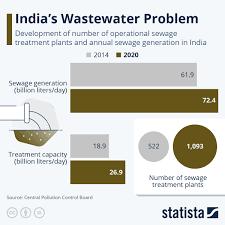
Indiageneratesapproximately72,368millionlitresperday (MLD) of sewage, but only about 28% (20,236 MLD) is treated,leaving72%untreatedanddischargedintowater bodies,leadingtosevereenvironmental andpublichealth issues Although the nation's 1,631 sewage treatment facilities (STPs) have a 36,668 MLD total capacity, only 26,869 MLD of that capacity is being used, which is insufficienttotreatthesewagethatisproduced.Onlyhalfof theSTPsmeettheprescribedeffluentdischargenormsfor biochemical oxygen demand (BOD 30), and 40% of the treated water fails to meet regulatory requirements, resulting in widespread pollution. Untreated wastewater containsorganicmatter,nutrients,andpathogens,causing malodorous gases, depletion of dissolved oxygen in water bodies,eutrophication,andcontaminationoflandandwater sources. Reusing treated wastewater for non-potable purposes like irrigation, industrial cooling, and toilet flushing can alleviate water scarcity and reduce pollution. India hasthepotential totreatandreuseup to80%of its wastewater, but only 10 states have implemented treated wastewaterreusepolicies.TheNationalFrameworkforSafe ReuseofTreatedWaterhasbeenreleasedtoguidestatesin draftingandimplementingwastewatertreatmentpolicies. Addressing the challenges of wastewater treatment and reuse requires substantial investment, improved infrastructure,andeffectivegovernance.(IndiaWaterPortal, IndiaWaterPortal,IndiaWaterPortal,Mongabay-India)
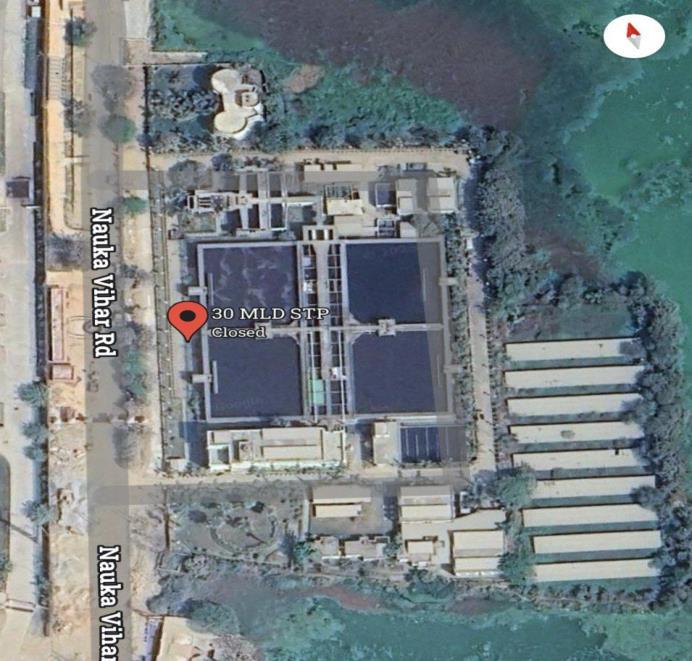
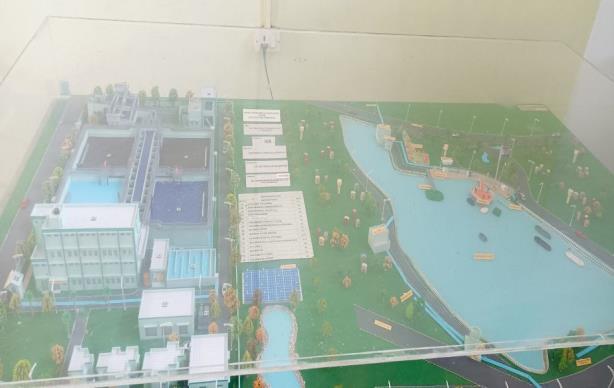
Thestudyareaforthisresearchisthe30MillionLitersper Day (MLD) Sewage Treatment Plant (STP) located in Gorakhpur,UttarPradesh,India.Thisfacilityissituatednear theManayarRiverandtheDeoriaBypassRoad,adjacentto the Kashiram Awas residential colony. Commissioned in February 2015, the plant plays a critical role in managing municipal wastewater generated from Gorakhpur city. UtilizingSequentialBatchReactor(SBR)technology,theSTP is designed to treat domestic sewage before dischargingit intotheenvironmentorreusingitfornon-potablepurposes likeirrigation.Althoughtheinstalledcapacityis30MLD,the actualinflowisaround24MLD,indicatingunderutilization. Theplantisanimportantpartofthecity'sinfrastructurefor urban sanitation and river pollution control. However, performancereportsindicatethatthetreatedeffluentonly partially meets Central Pollution Control Board (CPCB) norms,pointingtochallengesinoperational efficiencyand maintenance. The surrounding area includes residential settlements, agricultural land, and natural water bodies, makingtheenvironmentalandpublichealthimpactsofthe STPakeyfocusforsustainabilitystudies.Thissettingoffers valuableopportunitiestoexploreaspectssuchastreatment efficiency, water reuse practices, compliance with environmental standards, and the socio-economic benefits andchallengesassociatedwithsewagemanagement.
The primary treatment stage of sewage treatment aims to remove large solids from wastewater, such as plastics, garbage,andothernon-biodegradablepollutants.Filtersare usedintheGorakhpurSTPtoseparatethesolidwastefrom the influent wastewater. When wastewater enters sedimentationtanks,theheaviercomponentsthatsinktothe bottomdivideitintosludge.
SecondaryTreatment:Theorganiccompoundsinthesewage are broken down by microorganismsduringthe biological treatment step. This process uses aeration tanks or active sludgesystemsattheGorakhpurSTP.Topromotethegrowth of aerobic bacteria, which effectively break down organic contaminants,airisgiventothewastewater.Atthispoint,the wastewater'sbiologicaloxygendemand(BOD)andchemical oxygen demand (COD) have significantly dropped.
TertiaryTreatment:Eliminatinganyremainingcontaminants, suchasnutrientslikephosphorusandnitrogenthatcancause water bodies to become eutrophic, is the final stage of treatment.
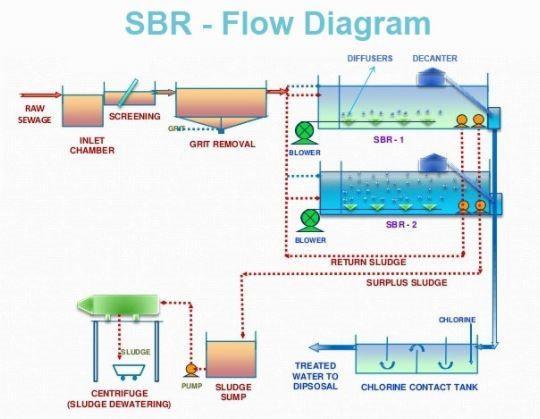
The30MLDSewageTreatmentPlantinGorakhpurutilizes theSequencingBatchReactor(SBR)technology,a fill-anddrawactivatedsludgeprocess,totreatdomesticwastewater. The treatment process begins with the collection of raw sewage through a network of sewer lines, which is then conveyed to the plant's inlet chamber. Upon entering the plant,thesewageundergoesprimarytreatment,wherelarge solids are removed through screening and grit chambers. Followingthis,thewastewaterenterstheSBRtanks,where
International Research Journal of Engineering and Technology (IRJET) e-ISSN: 2395-0056
Volume: 12 Issue: 05 | May 2025 www.irjet.net p-ISSN: 2395-0072
aerationandsettlingoccurinasequentialmanner,facilitating thebreakdownoforganicmatterandremovalofpollutants. Thetreatedeffluentisthensubjectedtosecondaryclarifiers forfurthersettlingofsuspendedsolids.Finally,thetreated waterisdischargedintotheRamgarhTaal,adheringtothe CentralPollutionControlBoard(CPCB)dischargestandards. The plant's effective functioning and adherence to environmental regulations are guaranteed by routine monitoringandmaintenance.
The Sequencing Batch Reactor (SBR) is a true batch process where the steps of fill, aeration, settling, and decantingarecarriedoutsequentiallywithinasinglebasin. Sewagethathasbeenscreenedandde-grittedisthenadded totheSBRbasinsforbiologicaltreatment,whicheliminates suspendedparticles,nutrientslikenitrogenandphosphorus, and pollutants including chemical and biological oxygen demand(BODandCOD).Fill,react,settle,decant,andidleare thefivedistinctphasesthatmakeupeachcycleoftheSBR's batchmode.
During the fill phase, influent wastewater is added to the reactor,andaerationisprovidedtofacilitatethebiological treatment processes. The react phase involves continued aerationtopromotethedegradationoforganicmatterand theremovalofnutrAerationishaltedduringthesettlephase to enable sediments to sink to the reactor's bottom. The settledsludgeisleftbehindaftertheclarifiedsupernatantis removed from the reactor's top during the decant phase. Lastly,theidleperiodenablesthereactortobereadyforthe subsequent cycle. This sequence enables the SBR to effectivelyperformbiologicalorganicremoval,nitrification, denitrification,andbiologicalphosphorusremoval,makingit aversatileandefficientsolutionforwastewatertreatment.
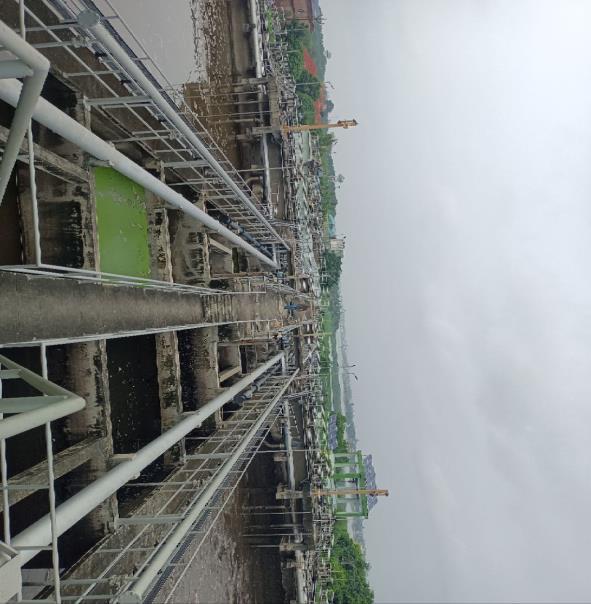
3.1 Sampling Locations
Inlet Sampling Points: Raw sewage entering the treatmentsystem.
Outlet Sampling Points: Treated effluent dischargedfromthesystem.
3.2. Sampling Frequency and Duration
Frequency:Weeklysampling.
Duration:Oneyear(2024–2025).
3.3. Parameters Analyzed
Biochemical OxygenDemand (BOD):Indicatesthe amount of oxygen required by microorganisms to decomposeorganicmatter.
Chemical Oxygen Demand (COD): Measures the total quantity of oxygen required to oxidize both biodegradableandnon-biodegradablesubstances.
International Research Journal of Engineering and Technology (IRJET) e-ISSN: 2395-0056
Volume: 12 Issue: 05 | May 2025 www.irjet.net p-ISSN: 2395-0072
Solidparticlessuspendedinwaterarereferredtoas total suspended solids (TSS). Theamountofoxygendissolvedinwater,whichis necessary for aquatic life, is represented by dissolvedoxygen(DO).
pH:Showshowacidicoralkalinethewateris.
Fecal Coliforms: Bacteria used as indicators of potentialpathogeniccontamination.
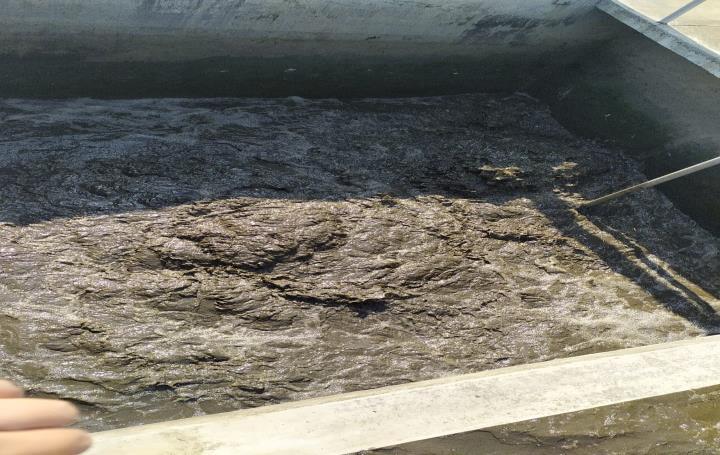
Figure-5: Activated sludge process configuration is using cyclic activated sludge principal for BOD reduction
3.4 Analytical Methods
BOD and COD:Standardtitrimetricmethodsasper APHA (American Public Health Association) guidelines.
TSS:Gravimetricmethodafterfiltration.
DO:Winkler'smethod.
pH:UsingacalibratedpHmeter.
Fecal Coliforms: Most Probable Number (MPN) method.
3.5. Expected Outcomes
Pollutant Reduction:SignificantdecreaseinBOD, COD,TSS,andfecalcoliforms.
Water Quality Improvement:Enhancedsuitability oftreatedwaterforirrigation.
System Efficiency: Evaluation of the DEWATS performanceoverthestudyperiod.
3.6. Limitations
Seasonal Variations:Changesinwaterqualitydue toseasonalfactors.
Operational Challenges:Potentialissuesinsystem maintenanceandoperation.
Sampling Constraints: Access and logistical challengesinremoteareas.en.wikipedia.org
4. OBSERVATION AND RESULT
Table 1: Test Observations of Inlet Raw Sewage And Treated Water
Table 2: Test Observations of inlet sewage parameters
Table 3: Test Observations of Final Treated sewage parameters
Research
Volume: 12 Issue: 05 | May 2025 www.irjet.net p-ISSN: 2395-0072
Analysis and Discussion
Theinfluentflowratesvariedbetween28.7MLDand30.37 MLD,whiletheeffluentflowratesrangedfrom28.27MLDto 31.86 MLD. These figures suggest that the plant was operatingnearitsdesigncapacity,withminorfluctuationsin flowrates.
pH Levels: The pH of the raw sewage remained withintheneutraltoslightlyalkalinerange(6.92to 7.25),whichisconduciveforbiological treatment processes.
TSS (Total Suspended Solids): There was a significant reduction in TSS from 211 mg/L on January 1 to 13 mg/L on January 16, indicating effectivesolidremovalbytheSBRsystem.
COD (Chemical Oxygen Demand): COD levels decreased from 252 mg/L to 28 mg/L, demonstratingthesystem'sefficiencyin reducing organicpollutants.
DO (Dissolved Oxygen): The DO levels in the effluent were consistently high (5.2 to 5.3 mg/L), which is essential for maintaining aerobic conditionsandsupportingthemicrobialcommunity responsiblefortreatment.
BOD (Biochemical Oxygen Demand): BOD levels dropped from 120 mg/L to 7 mg/L, reflecting a substantial reduction in biodegradable organic matter
The 30 MLD SBR sewage treatment plant in Gorakhpur demonstratedeffectiveperformanceintreatingrawsewage overtheobservedperiod.ThesignificantreductionsinTSS, COD,andBOD,alongwithmaintainedDOlevels,indicatethat the SBR system is operating efficiently and meeting the required effluent quality standards. This performance underscores the viability of SBR technology for municipal wastewatertreatmentapplications. The Sequencing Batch Reactor (SBR) is an effective and versatile method for treating wastewater. It efficiently removes organic matter, nitrogen, and phosphorus through a series of sequential steps.StudieshaveshownthatSBRsystemscanachievehigh removal efficiencies for BOD, COD, and nutrients, making themsuitableforvariouswastewatertreatmentapplications. The flexibility of the SBR process allows for optimization based on specific treatment requirements, ensuring compliancewithenvironmentalstandardsandcontributing tosustainablewatermanagementpractices.
Shukla,A.,Gupta,S.,Kumar,P.,&Singh,A.(2019). Performance Evaluation of Decentralized WastewaterSystem(DEWATS)inSemradeviPrasad atGorakhpur.ResearchGate.ResearchGate
Gorakhpur Environmental Action Group. (2017). DecentralizedWastewaterTreatmentSystems.
Antonie, R. L. (2011). Troubleshooting the SequencingBatchReactor.JohnWiley&Sons.
Irvine, R. L., & Busch, A. W. (1979). Sequencing Batch Biological Reactors: An Overview. Journal (WaterPollutionControlFederation).
Wikipedia contributors. (2023, December 22). Sequencing batch reactor. Wikipedia. https://en.wikipedia.org/wiki/Sequencing_batch_re actor
Uttar Pradesh Jal Nigam. (2023). Operational Sewage Treatment Plants. Retrieved from https://jjm.up.gov.in/A_ISA/Operational_STPJal JeevanMission+1JalJeevanMission+1
Times of India. (2025). Gorakhpur’s cost-effective model for sewage treatment. Retrieved from https://timesofindia.indiatimes.com/city/varanasi/ gorakhpurs-cost-effective-model-for-sewagetreatment/articleshow/117094686.cms