International Research Journal of Engineering and Technology (IRJET) e-ISSN: 2395-0056

Volume: 09 Issue: 08 | Aug 2022 www.irjet.net p-ISSN: 2395-0072
International Research Journal of Engineering and Technology (IRJET) e-ISSN: 2395-0056
Volume: 09 Issue: 08 | Aug 2022 www.irjet.net p-ISSN: 2395-0072
Issac K Joy1 , Christy V Vazhappilly 2
1 PG Student, Industrial Automation and Robotics, Jyothi Engineering College Thrissur, Kerala, India.
2 Assistant Professor, Mechanical Engineering, Jyothi Engineering College Thrissur, Kerala, India. ***
Abstract - Urban farming has been increasingly popular recently as society has become more conscious of the quality of the food it consumes. One urban farming method that uses air as a growing medium is called aeroponics. Compared to hydroponic or conventional farming, aeroponics enables a significant reduction in water usage with enhanced yield. This work presents a design and implementation of an Aeroponics system that employs the Internet of Things (IoT) for online and automated monitoring capability. The pH level of the solution in the tank is maintained using a pH sensor. The AM1011A sensor is used to meticulously track the temperature and humidity in this chamber. With the use of a peristaltic pump, the liquid level sensor is employed to liquidate the tank level. All of these operations are precisely timed and published to the ThingSpeak Platform and Blynk App for user engagement using the Atmega 328P Microcontroller and ESP 32 Wi-Fi module.
Key Words: Aeroponics,LiquidLevelSensor,ESP32CAM, AM1011A,Atmega328P.
Thefoundationoforganicfarmingisthesoil.However,soil degradation and nutrient contamination are some of the unfavorable effects of soil-based agriculture on the ecosystem. This encouraged scientists to create urban agricultural techniques.Aeroponics, whichsubstitutesthe air for soil as a growing medium, is one of the most promising techniques. Withoutusing soilora bulk media, aeroponics is the practice of growing plants in an atmosphere of air or mist. The Greek words for "air" and "labour," ponos, are where the word "aeroponics" comes from.
Contrarytotraditionalhydroponics,aquaponics,andplant tissue culture growing, aeroponics culture is unique. Aeroponicsdoesn'tuseagrowingmediumlikehydroponics oraquaponics,whichusewaterandfish wastetosupport plant development and a liquid nutrient solution as the growing medium. Given that nutrients are transferred throughwaterinaeroponics,itisoccasionallyregardedasa formofhydroponics.Thechangesinthefoodindustrieshave been driven by a significant rise in global health consciousnessoverthepasttwodecades.Thegeneralpublic is now more conscious of food quality issues including nutritionandsafety.
Urbangardeninghasbeenincreasinglypopularrecentlyas societyhasbecomemoreconsciousofthequalityofthefood itconsumes.Oneurbanfarmingmethodthatusesairasthe growing medium is called aeroponics. Compared to hydroponic or traditional farming, aeroponics enables a significantreductioninwaterusagewithgreateryield.The Internet of Things (IoT) is used in this work to build and implementanaeroponicssystemwithonlineandautomated monitoringcapabilities.
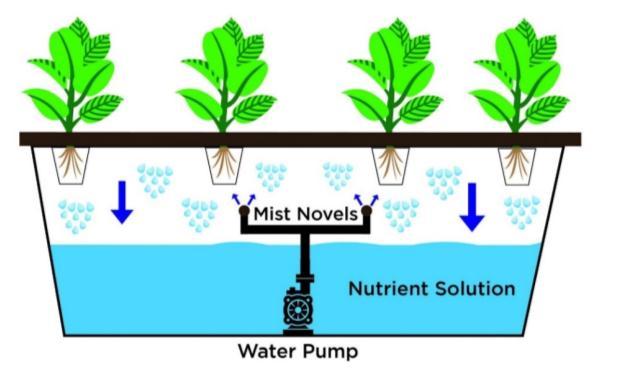
In the current aeroponics method, plants are often placed insideasealedcontainerandinsertedintotheplatformtop holesontopofareservoir.Youmustmakeasupportcollar thatwillholdstemsinplacebecausethereisnorootzone materialforplantstoanchorin.Thesecollarsmustbeboth hard and flexible to provide room for root growth while supportingplantsuprightandholdingtherootsinplace.The pump and sprinkler system creates vapour from the nutrient-rich solution, a hydro-atomized spray of water, nutrients,andgrowthhormones,andspraysthemistinthe reservoir,engulfingandabsorbingthedanglingplantroots.
The current situation we face in systems or in household farmingisonewherelandisneededandwherethelandsoil should be suitable for farming. The second one is that sufficientwatersupplyisrequiredforfarming. Thesetwo major problems will change through this aeroponics farming. In current aeroponics farming there are also drawbacks, like there is no monitoring system, no user interactionetc.Thisprojectprovidesasolutionforthat.The
International Research Journal of Engineering and Technology (IRJET) e-ISSN: 2395-0056
Volume: 09 Issue: 08 | Aug 2022 www.irjet.net p-ISSN: 2395-0072
projectisbasedonArduinoUNOandamobileapplicationto control this farming. The main focus of this project is to removethelimitationsbycreatinganIoT-basedmonitoring systemthathandlesthistaskautonomously.Theuserisfree todothisphysicallydemandingandtime-consumingtask.
Thisproject'smajorgoalistocreateaninventiveaeroponics agriculturalautomationmodelemployingmicrocontrollers andweb/mobileapplications.Thistechniquewillimprove the aeroponics farming's operating effectiveness. The pH levelandwaterlevelinthetankwillbemaintainedbythis automated model. Additionally, it keeps the aeroponics chamber at ambient temperature to promote a better growingenvironment.WiththeuseofanIoTplatformand smart devices, users can effortlessly monitor farming withouttheneedformanualintervention.
Theobjectivesofthisprojectare:
1. TodevelopaprototypethatmaintainsthepHlevel, temperaturelevelandwaterlevel.
2. Todesigntheprojectwithoutanyuserinteractionis requiredafterit'sturnedON.
3. To develop an IOT based monitoring system and updatedailyreportstoreduceusermaintenance.
4. Tomaketheprototypeenvironmentallyfriendly,as the only resource needed is electricity which is storedinitsbattery.
Today'sagriculturaldevelopmenttechnologiesarenotonly sophisticated and clever, but they have also increased the use of resources like labour, land, and other natural resources.Themostrecentinnovationforautomationinthe aeroponicssystemisnotonlyencouraged butalsowidely recognizedandemployedbecauseitisaveryfreshconcept of cultivation and requires additional expertise and technology assistance. A lot of research has gone into automatingtheaeroponicssystem.
Adache Paul et al.,2022 [1] This system's independent automatedstructureforindoorsmallfarminginurbanareas does not require soil or manual watering. This mechanizationwillstimulatetheprovisionoffreshproduct inasetquantitytothosewhoaren'tevenactivelyengagedin gardening,anditwillalsoallowforthemonitoringofsystem status using a web service that provides parameter data. Theycametotheconclusionthatthesystemwouldbecome moreeffectiveandexactbyaddingapHsensor,whichwould also measure the nutrient solution's quality. The system wouldthenbecomeevenmoreautomatedatthatpoint.
Jositha C etal.,2021[2]TheyhavesuggestedanInternetof Things Hydroponics Agriculture Using Web/Mobile Applications for this project. The monitoring, control, and delivery of the plants' nutritional and water needs are all doneusingInternetofThings(IoT)technology.Accordingto the findings, the plants did well under the nutritional and environmentalconditionsthattheyweresubjectedtofora period of six weeks. These can be seen in the visual inspectionsandcomputervisionemployedasproofofplant growth.
Jamhari C A et al.,2020 [4] This project successfully built and deployed an IoT System for Aeroponics Chamber Temperature Monitoring. This system carried out online, real-timemonitoringofthetemperatureandlightlevel.The temperaturewithintherootchamberincreasedto32.9°C with no controls. The root chamber temperature was carefully controlled, yielding an average value of 28.8 °C, well within the range for optimal plant growth. Water spinach was used to test the technique, and the findings revealed that the plants flourished inside the aeroponics chamber.
The following information has led me to conclude that adding automation to the current aeroponics model is necessary for improved performance. I've seen a few problemsthatneedtoberesolvedforabettersystem.They are:
Notemperature,humidity,orpHlevelmonitoring orfeedbackmechanismisavailabletotheuser.
In comparison to the current system, the growth paceisquiteslow.
The water supply to the plants is not automated usingatimer.
Thereisnoautomaticmethodforthetank'swater leveltoberefilled.
Inordertomakeitautomated,Ihaveincludedsomeofmy thoughts; this project is detailed through successive chapters.
3.1 Materials
3.1.1
Thisisthemainmaterialwhichisusedinthisprojectforthe storagetank.Theproductismadeupofplasticmaterialand is clear in color. It consists of dimensions 62x45x38 cm (L*W*H),awhichisintheshapeofarectangle.
International Research Journal of Engineering and Technology (IRJET) e-ISSN: 2395-0056
Volume: 09 Issue: 08 | Aug 2022 www.irjet.net p-ISSN: 2395-0072
ThenutrientsolutionistransportedusingPVCtubing,which is also used to link the submersible head and water sprinklers.3 metersoflengthand25mmdiameterof PVC pipeareusedinthisproject.
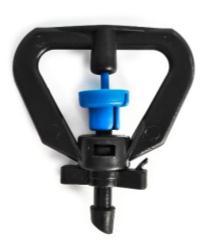
Minute-sprinklersareusedtocreatemicrodropletsthatare sprayed on the plant roots. This Micro Sprinkler sprays a 360° mist that rises. It has a flow rate of 40-60 liters per hourandaworkingpressureof0.8-1.5bars.
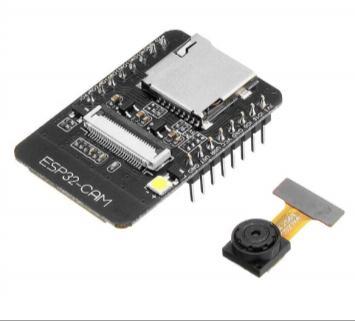
The ESP32-CAM has a very competitive camera module. ESP32-CAMisasmall-sized,lowpowerconsumptioncamera module. The AF2569 camera module consists of 2 MP resolutionandprovidesanonboardTFcardslot.
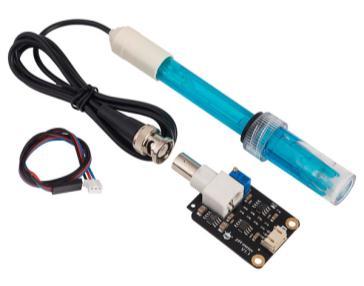
PotentialofHydrogeniswhatpHstandsfor.Itdescribesthe quantityofhydrogenionspresentinasolution.ApHsensor, which ranges from 0 to 14pH, aids in determining the water'sacidityoralkalinity.Weemployagravityanalogue pHsensorwitha responsetimeofundera minuteand an accuracyrangeof0.1pHinthisproject.Tointerfacewiththe microcontroller and receive the input signal from the pH sensor,ithasaBNCconnector.
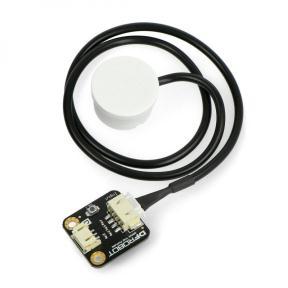
Inthisproject,theliquidlevelischeckedusinganon-contact liquid level sensor. The water induction capacitor can be equippedwithanintelligentnon-contactliquidlevelsensor todetermineifitisfilledwithliquid.ThesensorisanXKCY25PNPmodel.Operatingvoltagerangesfrom5to12VDC. Ithasa50cmwirelengthanda4pinconnector.
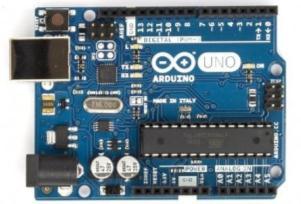
InthisprojectamicrocontrollerboardcalledArduinoUnois based on the ATmega328 is used. It contains 6 analogue inputs,14digitalinput/outputpins(ofwhich6canbeused asPWMoutputs),aUSBport,apowerjack,anICSPheader, andaresetbutton.
The4ChannelRelayModuleisahandypieceofequipment thatmaybeusedtomanagehighvoltage,highcurrentloads suchACloads,motors,etc.Eachchannelonthis5V,4-channel relayinterfaceboardrequiresa15-20mAdrivingcurrent.
International Research Journal of Engineering and Technology (IRJET) e-ISSN: 2395-0056
Volume: 09 Issue: 08 | Aug 2022 www.irjet.net p-ISSN: 2395-0072
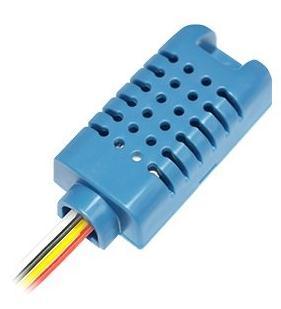
Anaffordabledigitaltemperatureandhumiditysensoristhe AM1011A. It measures the humidity in the air using a thermistorandacapacitivehumiditysensor,anditoutputsa digitalsignalonthedatapin.Itisquiteaccurate,hasstrong long-termstability,issimpletouse,andperformswell.
Itsmainpurposeistomaintainthetemperaturelevelinthe plant.An8025 5Vcoolingfanisusedinthisproject.With simple mounting, it is incredibly simple to install and uninstall.
Inthisproject,arechargeable18650batterieswithavoltage of12Vandachargecapacity(C)of2200mAhisemployed. ThisbatteryincludesaLowself-dischargefeatureandmay befullychargedin40to90minutes.
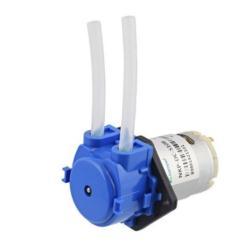
InthisprojectIhaveusedtwo12VofNKP-DC-S10DMinias thePeristalticPump.Therewon'tbeanydirecttouchwith theliquidwhenit'sbeingpumped.Contrarytomostpumps, peristalticpumpscreatethepumpactionbycompressinga siliconetube.Thispumpcanprovideaflowrateofupto80 mlperminuteandrequiresa12VDCinput.
I utilized the Arduino IDE for Arduino programming, the ThingSpeak online platform, and the ThingView App to displaythepreviousandpresentsensoroutputvaluesinthis project.
Fig 8: MiniPeristalticPump
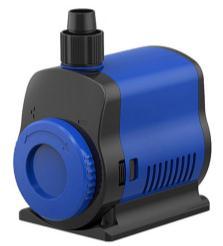
In this project I have used Sunsun JQP 1000 series submersiblepumpandit'splaceddirectlyinthetank.They suckoutthenutrientsolutionfrominsidethetankitself.The powerratingofthispumpis14W.Withaflowrateof1000 L/hrsanditcanlift1.4-meters.
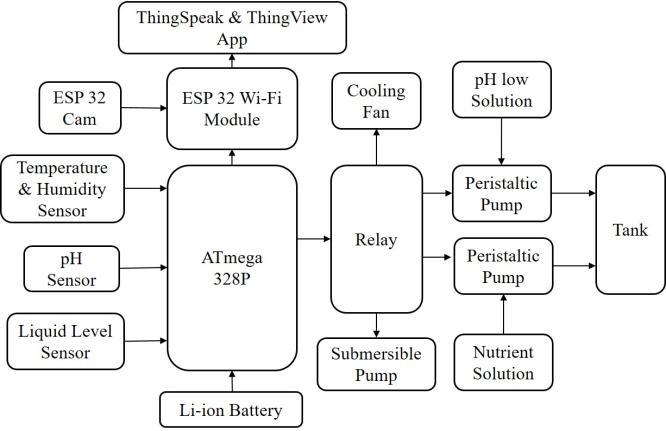
ATmega328Pisusedtocontrolallovertheactionsinthis system. It will give proper timing and duties to the correspondingcomponentsonthebasesofprogramwhich upload in it. Relays are used to give power signal to the output devices like pump, fan, etc. on the basis of microcontroller signal. ESP 32 Wi-Fi module is used as a mediatortosendtheinput sensor data tothe ThingSpeak platform and to ThingView app. pH sensor is used to measurethePHvalueinthewaterandmaintainitasneutral point. If pH value is changed it will be normalized by activatingperistalticpump.Temperature&Humiditysensor isusedtomeasureairtemperatureinthesystemIfitisnot within the normal range, the cooling fan gets activated to bring the temperature to the normal range. Non-contact LiquidLevelsensorisusedtomaintainthewaterlevelinthe tankwithoutdirectcontacttothewater.
International Research Journal of Engineering and Technology (IRJET) e-ISSN: 2395-0056
Volume: 09 Issue: 08 | Aug 2022 www.irjet.net p-ISSN: 2395-0072
1.Masterblend
Nitrogen(N):19g
Phosphorous(P):19g
Potassium(K):19g
2.Calciumnitrate:15 g
3.EpsomSalt:2.5g
For solution A: Take100mlofwater,add15mlofNPK,then addEpsomSaltof7.5ml.
For solution B: Take100mlofwater,add15mlofCalcium Nitrate.
Nutrient Solution: Add4mlofsolutionAandsolutionBto1 literofwaterforgettingthefinalnutrientsolution,forthis experiment,Iused20litersofwater.
ThepHvalueofthenutritionsolutionisdeterminedinthis projectusingapHsensor.UsingaperistalticpumpandapHlowfluid,ahighPhvaluecanbereduced.Thesubmersible pump'sheadlevelismaintainedbytheliquidlevelsensor. Peristalticpumpsareusedtomaintainthelevelwhenithas beendecreased.Byusingacoolingfan,theAM1011Asensor keepsthespaceataconstanttemperature.Coolingfansturn onwhenthetemperaturerangeexceeds30°Candstayontill it does. Circuits are opened and closed using relay mechanisms.Submersiblepumpwillbetriggeredbyarelay
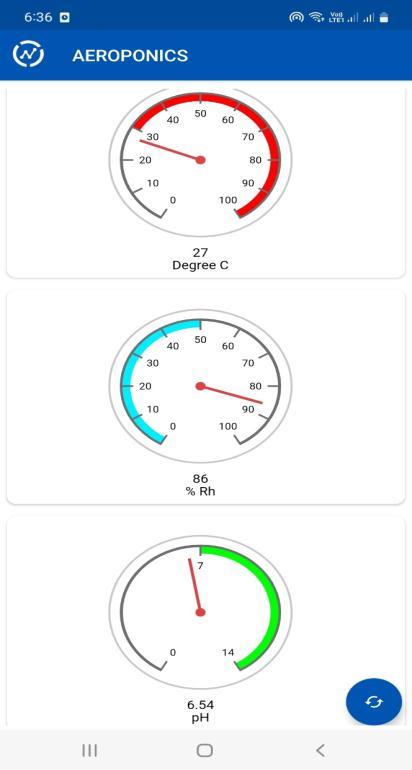
circuitwithatimesequenceof20secondsONand2minutes OFF,anditwillrun.Foruserinteraction,theESP32CAMis employed. The ThingViewappwill displaythecurrent pH value,temperature,andhumidityvalue.OntheThingSpeak webplatform,a day-by-daychartofpH,temperature,and humiditywillbedisplayed.
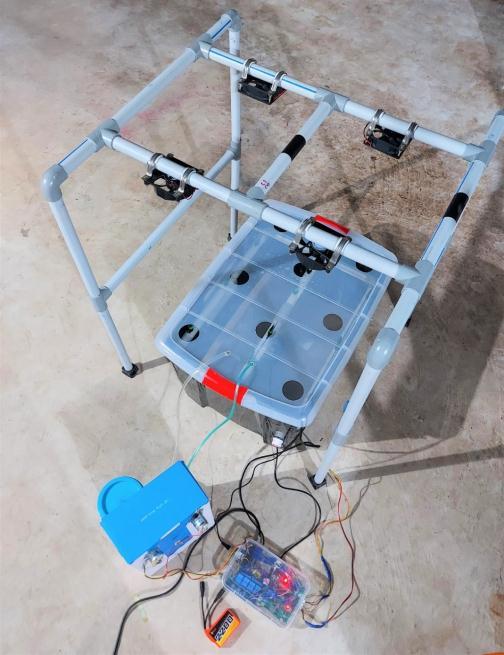
Afterseriesoftestingoftheautomationsystem,itwasseen thatthemicrocontrollerdevicecollecteddata fromall the sensorsanddeviceswhichisattachedtoitandtransmitted toThingSpeakWebplatformandThingViewApp.
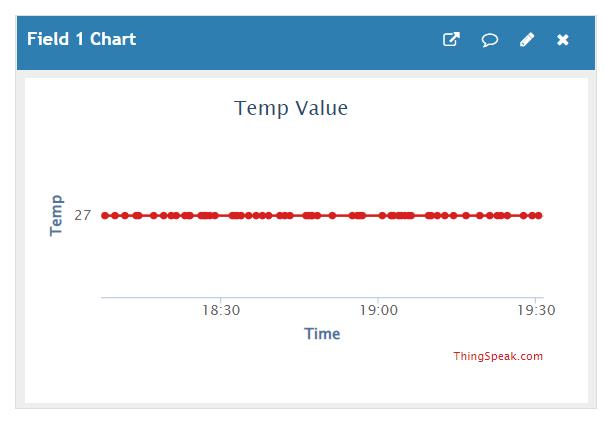
Fig-12 shows atmospheric Temperature sensor data on ThingSpeakplatform.
5.2
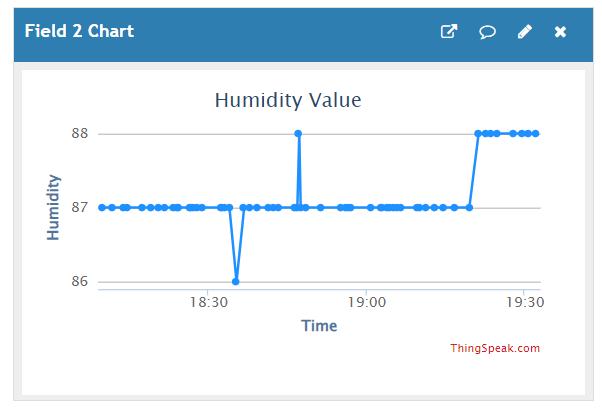
Fig-13,showsrelativehumiditysensordataonThingSpeak platform.
International Research Journal of Engineering and Technology (IRJET) e-ISSN: 2395-0056
Volume: 09 Issue: 08 | Aug 2022 www.irjet.net p-ISSN: 2395-0072
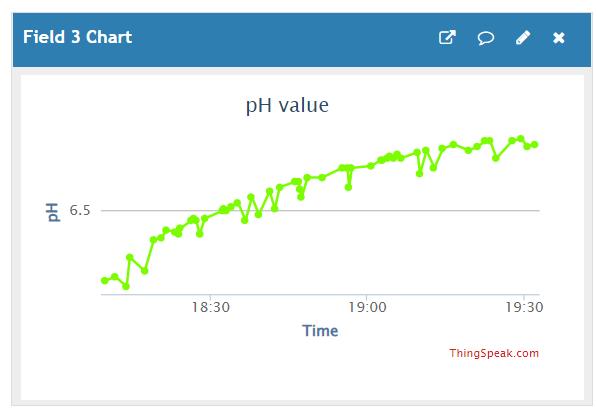
Fig-14,showspHsensordataonThingSpeakplatform.
5.4 ESP 32 CAM
During the series of tests done, ESP 32 CAM successfully gathered and transferred the necessary data about the plant's growth to the mobile application domain. We can stream live video of our farms by connecting to the 192.168.81.39IPaddresswithourwebbrowser.
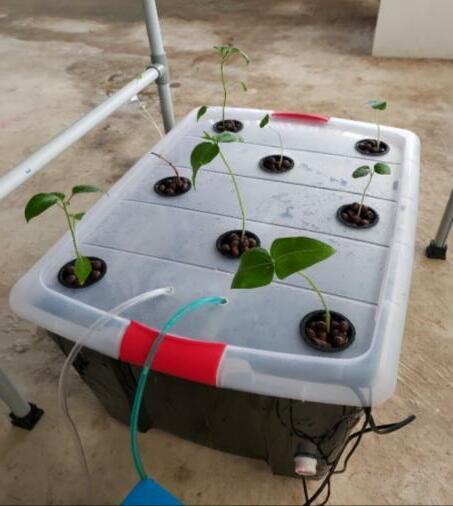
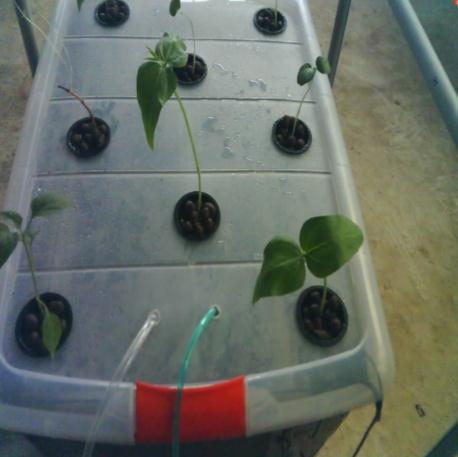
In this Project, I have done the plant evaluation using the plantgrowthattribute.Fromthedirectvisuallook,wecan seethat,theplantsheightisgood.Thecoloroftheplantsis green. The leaf weight and height are very fantastic, an indication that the formula used to grow the plant is very rich.
I have actually planted four varieties including: Mint, Cowpea, Lady finger and Chili to check if all of them can growtogetherusingthesamenutrientsolutionformulation. And from the result, it is clear that they can be grown together using the same formulation because they all responded well. The planted crops are monitored and controlledthemfor15daysThecomputervisionusedinthe implementationoftheplantgrowthevaluationwasbasedon the acquisition and application of ESP32 CAM microcontroller.Fig16showtheresultsoftheevaluationof plantgrowth.
Fig 17: ThingViewDomainData
International Research Journal of Engineering and Technology (IRJET) e-ISSN: 2395-0056
Volume: 09 Issue: 08 | Aug 2022 www.irjet.net p-ISSN: 2395-0072
The current temperature, humidity, and pH value are displayed on this platform. Throughout the series of tests done,thesesensorseffectivelycollectedanddeliveredthe neededdatatothemicrocontroller.
1. ThepHlevelispreserved.
2. Thetemperatureismanaged.
3. Thewaterlevelisretained.
4. Userengagementishigh.
5. Requireslessattention.
1. Whentheelectricitygoesoff,theentire systemshutsdown.
2. Highinitialcost.
3. Manualworkshouldbeusedtobeginthe preparation.
AsmartaeroponicsagricultureusingIoThasbeensuggested forthisprojectjob.Themonitoring,control,anddeliveryof the plants' nutritional and water needs are all done using Internet of Things (IoT) technology. According to the findings,theplantsdidwellunderthe15-daynutritionaland environmentalconditionsthatwereapplied.Healthyroots grow as a result of the microcontroller and submersible pump timing sequence used to deliver nutrients to the plants.Thesearedemonstratedbybothcomputervisionand opticalinspectionofthefigures15and16,whichareutilized asproofofplantgrowth.
Withthehelpoftheperistalticpump'spH-lowsolution,the pHsensorwasabletokeepthetank'spHlevelconstant.The non-contactliquidlevelsensoroperatesadmirablyaswell. Usingaperistalticpump,itreplenishesthewaterlevelbased onthelackofwater.TheAM1011Asensorperformsbetter at detecting temperature and humidity, and when the temperaturerisestoohigh,itactivatesthecoolingfan.The platformsThingSpeakandThingViewareusedtorecordand effectively visualize all sensor data. The ESP 32 Cam performsquitewellwhiletesting.Whileusingcameraand theIPaddress192.168.81.39toviewitinmywebbrowser,I caneasilykeepaneyeonfarmlandanditssurrounds.The plantgrowththatisplacedinanaeroponicschamberunder 15 days thanks to the performance of all the sensors achievesmygoalsuccessfully.
[1] Adache Paul, Dr. Aminat Ajibola, Dr. Emmanuel, “Internet of Things Hydropnics Agriculture Using Web/Mobile Application”, International Research Journal of Engineering and Technology (IRJET), 2022,Volume09,issue02.
[2] Jositha C, Kovur Sarath Kumar, P Kanakaraja, “An Eye On Hydroponics: The Iot Initiative”, International Conference On Electrical Energy System(ICEES),2021.
[3] Nivesh Patil, Shubham Patil, Animesh Uttekar, “Monitoring of Hydroponics System Using Iot Technology”, International Research Journal of EngineeringandTechnology(IRJET),2021,Volume 07,issue06.
[4] Jamhari CA, Wibowo WK, Annisa AR, Roffi TM. “Designandimplementationofaeroponicchamber temperature monitoring”. Third International ConferenceonVocationalEducationandElectrical Engineering(ICVEE)2020,Oct3(pp.1-4). IEEE.
[5] Herman,&Surantha,N,“IntelligentMonitoringand Controlling System for Hydroponics Precision Agriculture”, International Conference on Information and Communication Technology (ICoICT),2019.
[6] AjibadeL.T.&OyeniyiS.T.,“SoillessFarming-AKey Player in the Realization of “Zero Hunger” of the Sustainable Development Goals in Nigeria”, International Journal of ecological Science and EnvironmentalEngineering(IJESEE),2018.
[7] Lakhiar,ImranAli,etal."Modernplantcultivation technologies in agriculture under controlled environment: A review on aeroponics."Journal of plantinteractions13.1(2018):338-352.
[8] Kumar, Nirdosh, and S. L. Shimi. "Smart farming system for Indian farmers using Arduino based technology."International Journal of Advance Research,IdeasandInnovationsinTechnology3.1 (2018):105-110.