International Research Journal of Engineering and Technology (IRJET) e-ISSN: 2395-0056

Volume: 09 Issue: 08 | Aug 2022 www.irjet.net p-ISSN: 2395-0072
International Research Journal of Engineering and Technology (IRJET) e-ISSN: 2395-0056
Volume: 09 Issue: 08 | Aug 2022 www.irjet.net p-ISSN: 2395-0072
1Supriya S, 2Dr. Aravinda H L
1 Students (UG), Assistant Professor 1Department of telecommunication engineering 1Dr.Ambedkar Institute of Technology, Bengaluru, India ***
Abstract - Agriculture is a back bone of Indian economy. A majority of the entire Indian economy is still sustained by agriculture which is the mainstay of villages. With the involvement of technology on the fields a goodupsurge inyield and production can be observed. It can also give a positive impact on quality and productivity. Disease is the major problem faced by the farmers. It gives a down surge in the quality and quantity of agricultural products. A study of plant disease is basically the study of visually observable patron on the various parts of the plant. In the earlier days the disease detection process was carried out manually by an expert person on the field. Though most of the times the results were accurate it requires a lot amount of work and processingtime. This proposed system uses raspberry pi to detect the healthy and unhealthy banana plants by training with convolution neural network algorithm and mathematical computations using tensorflow.
Key Words: ConvolutionalNeuralNetwork,Raspberrypi camera,Raspberrypimodule4,OpenCV,Tenserflow,
Thisdocumentistemplate.Weaskthatauthorsfollowsome simpleguidelines.Inessence,weaskyoutomakeyourpaper lookexactlylikethisdocument.Bananaisthemostvitalfruit consumedin thepartsofAsia andPacific regions.Banana plants are affected by various disease whose symptoms appear on the leaves. The disease is ‘Banana Bunchy top virus’, ’Banana Streak virus’, ‘Black Sigatoka’, ‘Yellow Sigatoka’and‘PanamaWilt’.
Thediscriminationbetweennormalandaffectedplantleafis measuredbasedoncolorvariation.AtfirsttheRaspberrypi camera is enabled and it begins capturing the plant leaf. These images are forwarded for the further purpose of Imagepre-processing,Featureextraction,Segmentationand finally classification. Once the identification process is completedthediseaseisdisplayedwiththeconfidencelevel. Withthatthefarmercanoptforsuitablecurefortheplant.
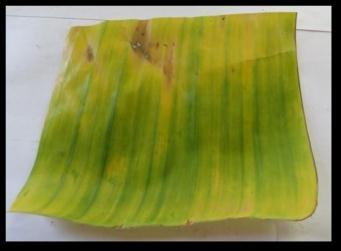
The name Bunchy top comes from one of the most characteristic symptom of the plant, where the leaves are dwarf, upright and bunched at the plant top. Other symptomsincludenewleavesbeingnarrower,yellowand
bunchy experience. Morse code streaking appearance is a veryprominentsymptom,whichgiveadarkcolordashlike appearanceontheleafsurface.Theedgeoftheleavesare also rolled upwards. This disease can be controlled by spraying meta-systox. It can also be controlled by the uprootingtheinfectedplants.
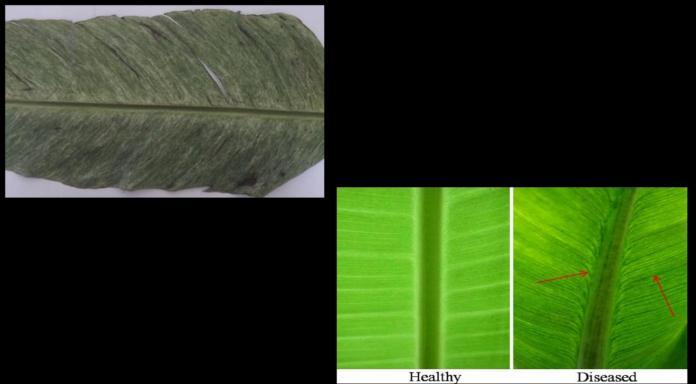
Fig1.1-ImageDepictingBananaBunchyTopVirusand alsodifferencebetweenhealthyanddiseasedleaf
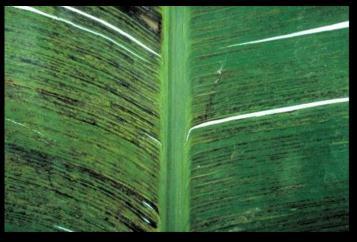
Theprominentsymptomsofthisdiseaseincludechlorotic streaksonthemidribofleaves.Splittingofpseudo-stemis also another symptom. This disease can be controlled by cleanedplantingmaterialanddetention.
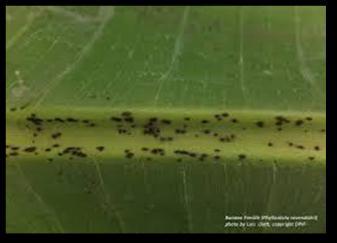
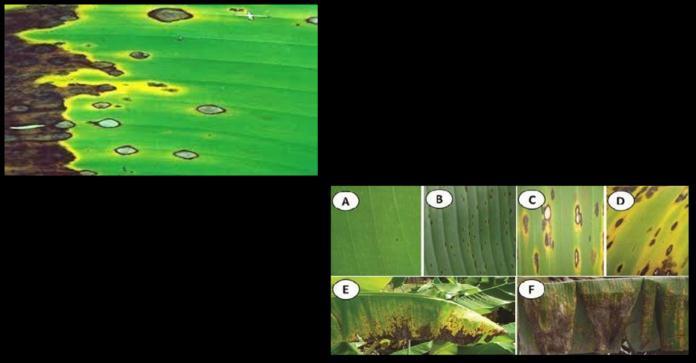
The dominant banana disease all over the world. It’s basically a leaf spot disease of banana plant. Early leaf symptomsinvolvetinyreddish-rustybrownfleckswhichare evidentonundersideofleaf.Theseflecksgraduallylengthen, widenanddarkentoformreddishbrownleafstreaks.The
International Research Journal of Engineering and Technology (IRJET) e-ISSN: 2395-0056
Volume: 09 Issue: 08 | Aug 2022 www.irjet.net p-ISSN: 2395-0072
very prominent symptom is appearance of red or brown spotswithyellowborderonleaf’sedge.Thisdiseasecanbe controlledbysprayingfungicideslikecopperofOxychloride onfoliageandpseudo-stem.
[1]discussestheuseoftheRaspberryPiforthecapturing and the processing of the images. Raspberry Pi 4 is being incorporatedinthecurrentproposedsystem.
[2] uses the ANN ‘Feed Forward neural network’ which involves all the nodes in the processing and is time consuming.But the proposedsystem usesCNN whichis a betterintermsofspeedandprocessing.
[4]usestheMatlabascodinglanguage,theproposedsystem usesPython.
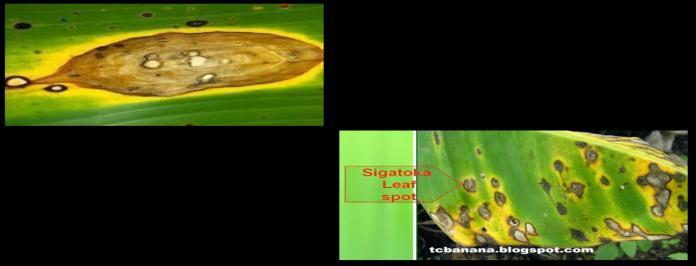
Anotherleafspotdiseaseofbananaplant.Symptomsinclude appearanceofsmallyellowstreakonuppersideofleaves. Theothersymptomsaresmallyellowpatcheshavinggray center and yellow border. This can be controlled by applicationofThiophanteMethyl.
[5] uses the Back Propagation Algorithm which has drawbackslikegettingstuckeasilyinlocalminimaandslow speedofconvergencewhereastheproposedsystemusesthe CNNwhichovercomesallthedrawbackofBackPropagation Algorithm.
[6] uses MATLAB for the coding platform, the proposed systemusesPython.
[7] uses the Nearest Neighbor Classification [KNN] which givesanaccuracyof58.16% whereastheproposedsystem usestheConvolutionNeuralNetwork[CNN]whichgivesan accuracyof79.04%.
[10]usesthemobilecamerawitharesolutionof2MPforthe captureoftheimage,theproposedsystemusesraspberrypi camerawiththeresolutionof5MP.
[11]usestheLenet-5CNNtypewhereastheproposedmodel usestheAlexNetCNNmodelwhichhasmoredepth,having eightlayerswithtrainableparameters.
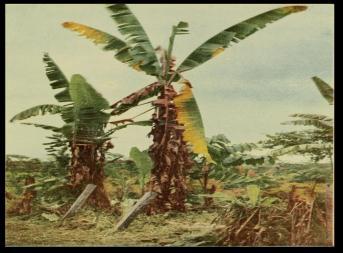
Symptoms of the disease are yellowing of leaves starting fromtheedgeandextendinguptomidriboftheleaves.The symptomsplittingofpseudo-stemcausesthecollapseofthe entireplant.Cureofthisisuprootingtheseverelyaffected plants.
[12]usesthe5layerConvolutionNeuralNetworkandhas gainedtheefficiencyof75%whereastheproposedmodel usestheVGG16 which uses 16layers ofCNN,training the modelrepeatedly,hencegivinganenhancedfunctionalityin trainingaccuracyinturnthemodelaccuracy.
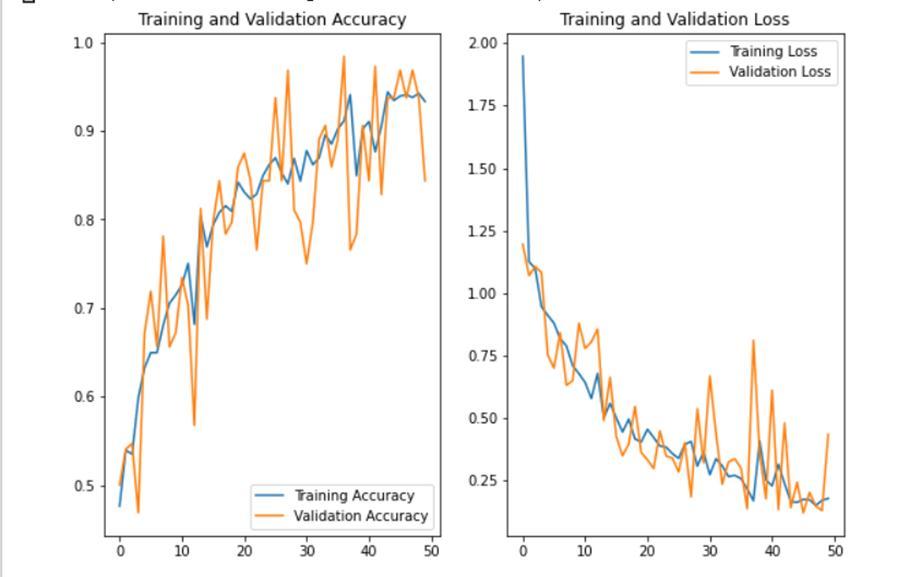
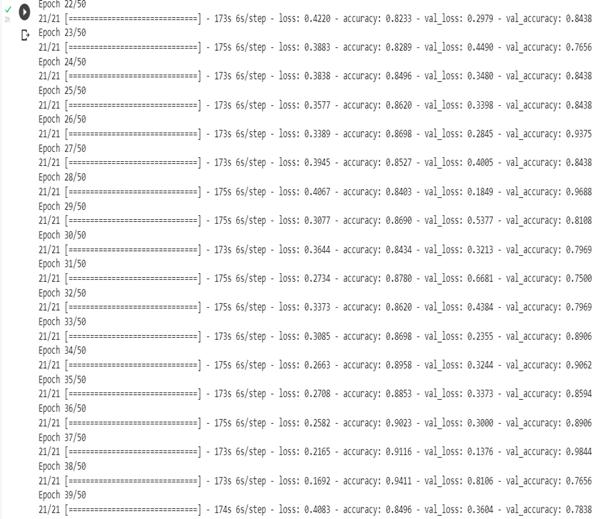
[13]useslessnumber of epoch,thusgivingthevalidation accuracy of 0.0389 whereas the proposed system runs an epochfor50timesachievingavalidationaccuracyof0.9578.
[14] uses the SVM for the training purpose which is not accuratesinceitisfoundtoachieveverylessaccuracyeven for a good dataset, this proposed system uses the CNN algorithmforthemodeltrainingwhichisimprovedmodelin termsofaccuracyandspeed.
[15]versionoftensorflowincorporatedis2.7whichdoesn’t havetheavailabilityofpackagenamed‘keras’whereasthe proposed project uses tensorflow 3.9 which has all the packagesofkerasavailable.
International Research Journal of Engineering and Technology (IRJET) e-ISSN: 2395-0056
Volume: 09 Issue: 08 | Aug 2022 www.irjet.net p-ISSN: 2395-0072
[21]scopeislimitedtotwodiseasesofgrapeplantwhereas proposed system gives a wider platform to expand the diseasedetectiontootherplantwithavarietyofdiseases
[23] uses genetic algorithm for color image segmentation whereastheproposedsystemusesOpenCV
[30] uses major axis and minor axis of the leaf for the classificationpurposewhereastheproposedsystemusesthe canny edge detection method which is a Gaussian based operator computing second order derivative of the digital image.
Fig3.1-
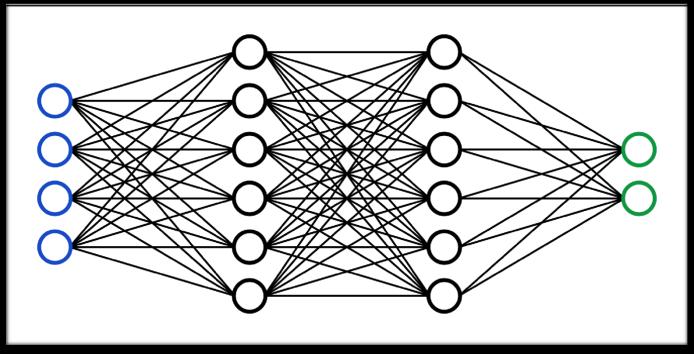
Neuralnetworkisoneofthemethodinartificialintelligence which trains the computer for data process in a method mimicking the human brain. A type of machine learning processdeeplearningmakesuseofinterconnectedneurons whichformalayeredstructureresemblingthehumanbrain. Thus neural network attempt to solve the complicated problems(imageprocessingorrecognizingobjects)onan increaseaccuracy
An artificial neural network is a system combined with hardwareand software components post the operation of neuronsinhumanbrain.Anumerousprocessesoperatein paralleltoformtiresinANN.Tire 1ofthemodelreceives therowinputfirst(similartoopticnervesinhumansystem). The success of tires input is the output of previous tire ratherthanrawinput.Thefinaltiregivestheoutputofthe entiresystem.
ANNhaveasignificantfeatureofbeingadaptivewherethe modifythemselvesfrominitialtrainingandsubsequentruns trainsthemwithinformationabouttheworld.Itsinitiallyfed with the huge amount of training data which consist of providinginputandinformingthenetworkwhattheoutput shouldbe.
Biased data sets are the current challenge in training the systemswhichfindtheanswersontheirownbyrecognizing data pattern. Machine propagates bias when data which feedsalgorithmisnotneural.
Neuralnetworksometimesgetsidentifiedfortheirsocalled hidden layers which makes them almost synonymous to deeplearning.Someofthetypesofneuralnetworkinclude
1.Feedforwardneuralnetwork-theinformationispassed unidirectionalthroughvariousinputnotesuntilitmakesit waytotheoutputmode.Theirfunctionismorepredictable sincetheymayormaynothavehiddenlayers.Theytrained toprocessgoodamountofnoise.Theyfindtheirapplications infacialrecognitionandcomputervision.
2.Recurrent neural network – the output of processing modelissavedandfedbacktothemodelwhichishowthe modelissettolearnthepredictionoftheoutputofalayer. EverynodeofRNNisamemorycell.Thebeginningofneural network of both FNN and RNN are same but the further processinvolvesstoringofprocessedinformationtoreuseit in feature. When the system predicts wrongly it performs backpropagationinwhichitself-learnandworkstowards correct prediction. Finds its application in text to speech conversation.
3.Convolutionneuralnetwork–it’sacomputationalmodel whichusesavariationofmultilayerperceptron.Itconsistsof oneormoreconvolutionallayers,createfeaturemapswhich record an image region which is ultimately broken into rectangle,whichcaneitherbeentirelyconnectedorpooled. CNNisverypopularunderimagerecognition.Theyfindtheir application with AI based facial recognition in mobile phones,texteddigitizationandnaturallanguageprocessing withartificialassistancelikeAlexa,SIRI,etc…
4.Deconvolutionalneuralnetwork–utilizesareversedCNN model process which aims to find the features or signals originally considered unimportant by CNN. Its finds a applicationinimageanalyses
5.Modular neural network – contains a hub of neural networksworkingdifferentlyfromeachother.Thenetworks don’t interfere with each other’s activities during the computation.Theyfindtheirapplicationina solvinga big complexcomputationalprocessefficientlyandaccurately.
International Research Journal of Engineering and Technology (IRJET) e-ISSN: 2395-0056
Volume: 09 Issue: 08 | Aug 2022 www.irjet.net p-ISSN: 2395-0072
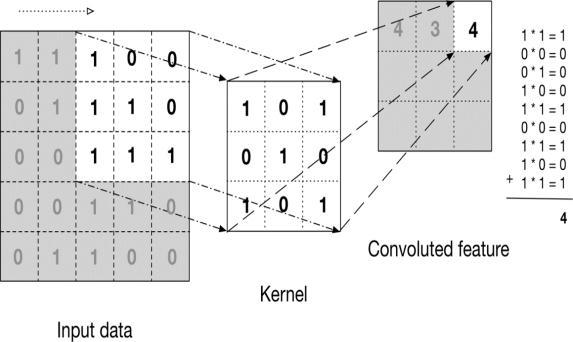
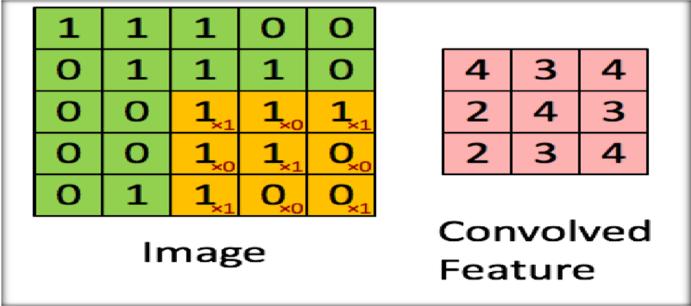
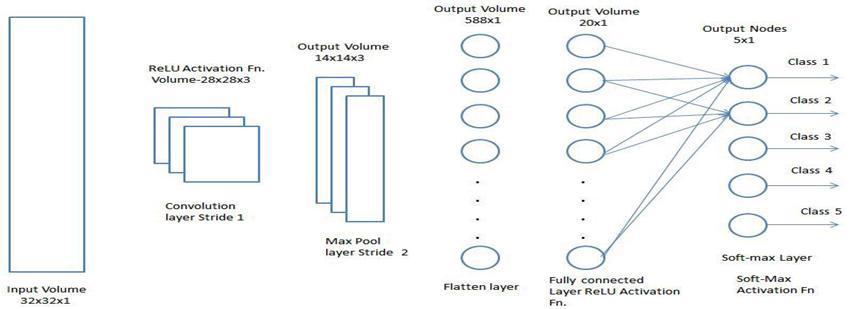
Isadeepneuralnetworkwhichisdesignedforstructured arrayprocessing.Theyfindtheirapplicationwidelyspread incomputervisionandhavebecomestateofartformany visual applicationlikeimageclassification.Theyhavealso found success in natural language processing for text classification.Theyareknownforrecognizingthepatternsin input images which makes them apt for computer vision. Theyoperatedirectlyonrawimageanddonotneedanypreprocessing.It’safeedforwardneuralnetworkwithupto20 or30layers.Convolutionneuralnetworksusuallycontain many convolution layers which are stacked upto on one another where each of them have the capability to recognizedsophisticatedshapes.Usageofconvolutionlayer mirrors the structure of human visual cortex. The hidden layers are usually the convolution layer followed by activationlayersomeofthemarepoolinglayers.
Convolutionlayer
Matrix of pixels of input image is convolved with a kernel matrix.Theconvolvedfeatureissmallerinsizethanthatof theinput of the matrix. This level happensona continues basis until the important features are extracted. The convolution feature creates a large amount of data which makesithardtotrainthemodel.Inordertocompressthe datapoolingisrequired.Padding,whichexpandstheinput matrix by adding fake pixels to the border, this is done becauseconvolutionreducesthesizeofthematrix.Onthe convolvedfeaturestwotypesofoperationareperformed
1.Validpadding–reducedimensionally 2. Same padding – retain the same size or increase the dimension.
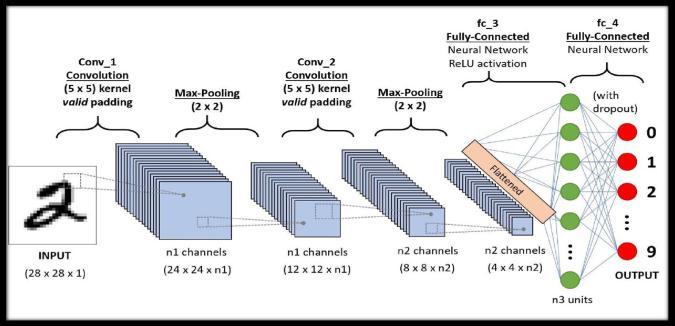
Objective of this layer is to reduce the spatial size of convolvedfeaturewhichinturnreducesthecomputational power requirement. It helps in extraction of dominant features.Ithastwotypes
1.Max-pooling–returnsmaximumvalueofpixelfromthe areacoveredbykernel.
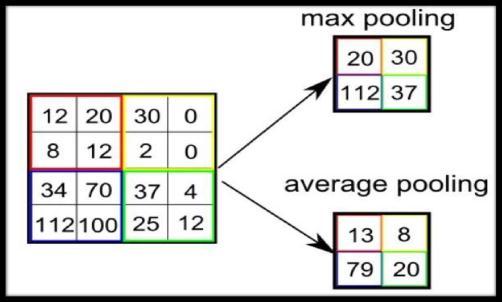
2.Averagepooling–returnsaverageofvaluesinthekernel coveredareaofimage.
Theproposedprojectmodelusesmaxpooling.
Fullyconnectedlayer
International Research Journal of Engineering and Technology (IRJET) e-ISSN: 2395-0056
Volume: 09 Issue: 08 | Aug 2022 www.irjet.net p-ISSN: 2395-0072
Theconvolvedfeaturehastobeflattenedandthenhastobe fed to regular neural network for classification. The input image is converted to a suitable form of multi level perceptron thus flattening the image into column vector. Flattenedoutputisfedtofeedforwardneuralnetworkand backpropagationisappliedateveryiterationtraining.After aseriesofepochs,onecyclethroughtheentiretrainingdata set, the model gains the ability to distinguish between dominatingandlowlevelfeaturesintheimagesandclassify themusingSoftmaxclassificationtechnique.
Fig3.5-BlockDiagram
1.Thebananaleafimageiscapturedusingtheraspberrypi camera.
2.Theimagecapturedispreprocessed.
3. The features required for the diseases mentioned are extractedandthengiventotheCNNclassification.
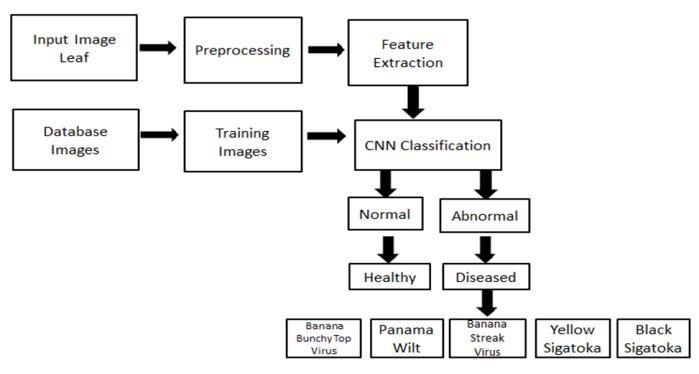
4.Alongwiththeinputimageweareprovidingitthetrained imagesforCNNclassification.
5. There the already trained images and test images are compared.
6.Theniftheleafishealthy,itdisplaysasahealthyleaf.
7.Ifleafisdiseased,itdisplaysasadiseasedleafalongwith thespecificnameofthediseasementionedabove.
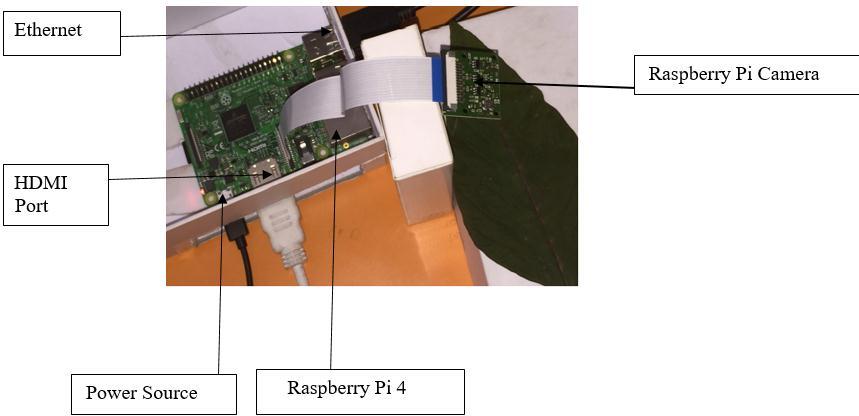
TheRaspberrypi4featuresincludeCPU,GPU,memory,USB ports,videooutputsandNetwork.TheCPUquad-coreis64bit ARM cortex A53.The GPU has 400MHZ videocore IV multimedia.Thememoryis8GBLPDDR2-900SDRAM(900 MHZ).Thereare4USBports.ThevideooutputsareHDMI, composite video (PAL and NTSC) via 3.5mm jack. The networkrangeisabout10/100MbpsEthernetand802.11n Wireless LAN. Peripherals have 17 GPIO plus specific functionsandHATIDbus.Thebluetoothrangeisabout4.1. Thepowersourceisabout5Vviamicro-USBorGPIOheader. Theraspberrypicameraboardisfullycompatiblewiththe both model A and model B Raspberry pi. It has 5Mp omnivision5647cameramodule.Thestillpictureresolution forthepicamis2592into1944.Thevideosupports1080p @30fps,720p@60fpsand640into480pl90recording.Ithas 15-pinMIPIcameraserialinterface-plugsdirectlyintothe theRaspberrypiboard.TheRaspberrypicameraisableto deliveracrystalclear5MPresolutionimage,or1080pHD videorecordingat30fps.ThemoduleattachestoRaspberry pi, by a way of a15 pin MIPI camera serial interface (CSI) which was designed especially for interfacing to cameras. The cable slots into the connector situated between the ethernet and the HDMI ports, with the silver connectors facingtheHDMIport.
International Research Journal of Engineering and Technology (IRJET) e-ISSN: 2395-0056 Volume: 09 Issue: 08 | Aug 2022 www.irjet.net p-ISSN: 2395-0072
15-pinMIPICameraSerialInterface-PlugsDirectlyintothe RaspberryPi Board
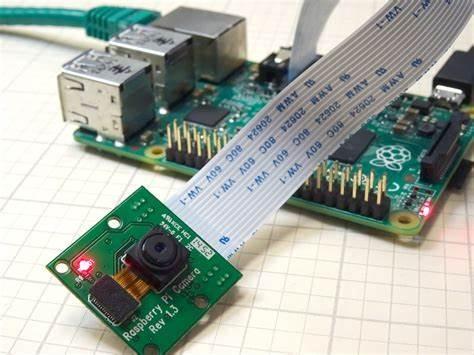
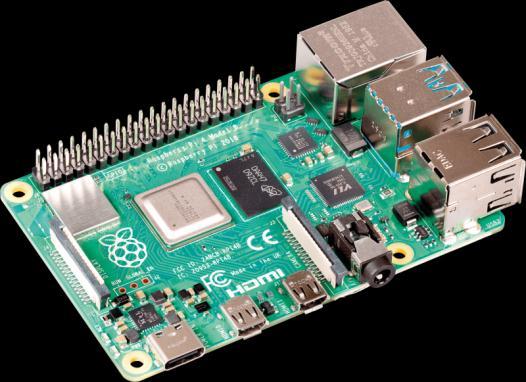
4.2 SOFTWARE REQUIREMENTS
Python3.10 TensorFlow2.8library OpenCV4.5.5
5. RESULTS
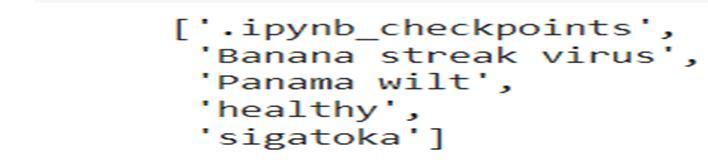
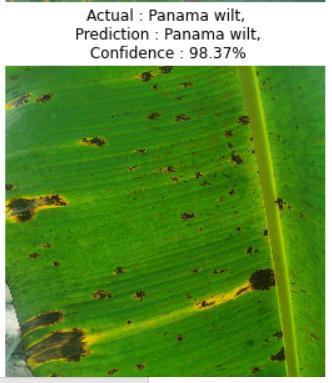
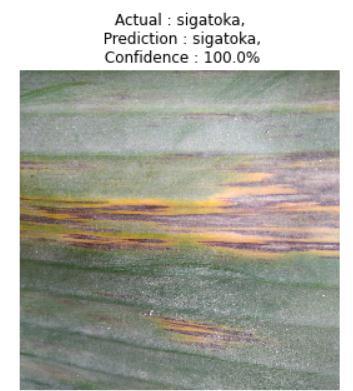
Core goal of the proposed project is detect the various diseasesthataffectthebananaplantbycapturingtheimage using raspberry pi camera and predicting the disease and thusdisplayingitonthemonitorscreenalongwithconfident level
Fig5.1-ImagefilesConsideredforTraining
Fig5.2-NamesofClassesConsidered
International Research Journal of Engineering and Technology (IRJET) e-ISSN: 2395-0056
Volume: 09 Issue: 08 | Aug 2022 www.irjet.net p-ISSN: 2395-0072
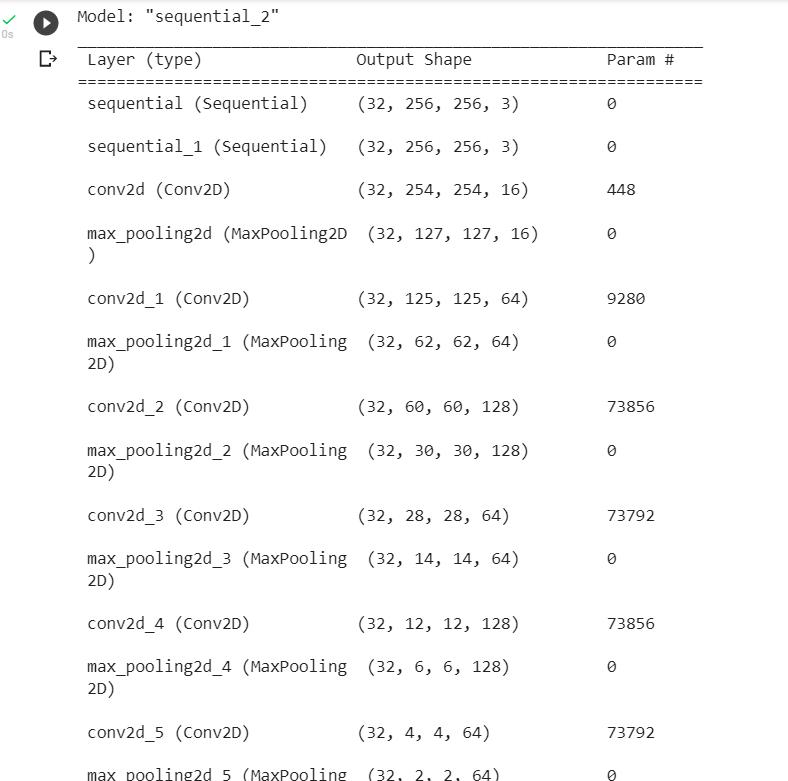
Fig5.3-ConvolutionLayerCodedOutput
Fig5.5-Results
Identificationwhichisdonemanuallyinagriculturalfields, most of the times, happens at the final stage which could resultineconomicallosses.Themainobjectiveoftheproject is to automatically detect and identify the banana plant disease,whichplaysavitalroleincausinglossatagricultural fields. The plant disease is identified by Image processing usingtheconceptofCNNwhichisusedtozoomtheimage andidentifytheaffectedpartwithmoreaccuracy.Laterthe severityofthediseaseisidentifiedbycomparingvaluewith thetraineddatasetanddisplayingit.Theproposedsystem willreducethemanualworkandusedtoincreasetheyield byidentifyingthediseaseinearlierstage.Hencethelosswill besavedandhelpsinagriculturalfieldefficiently
[1] GREEN LEAF DISEASE DETECTION AND INFECTION IDENTIFICATIONUSINGRASPBERRYPIMadhushreeKV1, Poornima G2, Seema N3, Subash K B4, Srinath G M. International Research Journal of Engineering and Technology(IRJET)Volume:07Issue:06|June2020
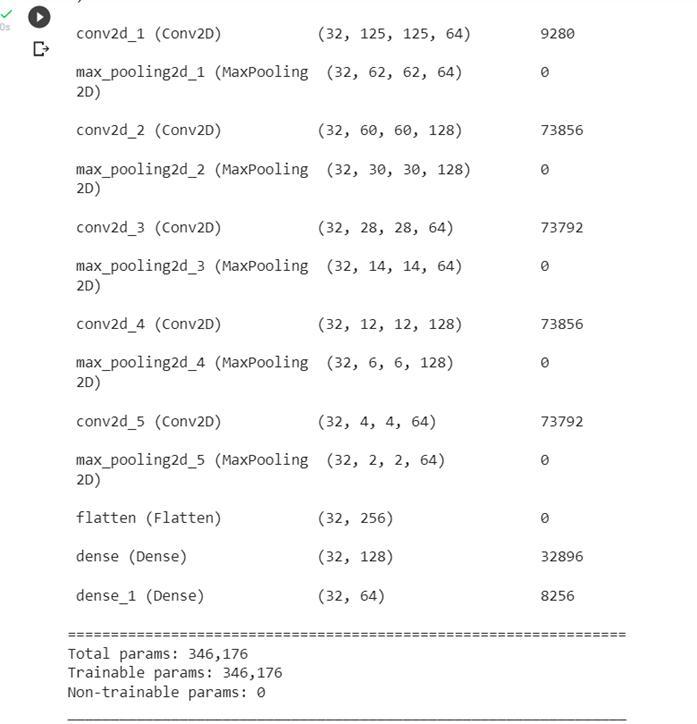
Fig5.4-ModelTraining
Fig5.5-TrainingandValidationaccuracyandloss
[2] Leaf Disease Detection Using Raspberry Pi LAYA YESUDAS1,SANTHIYA.S2,PARIMALA.R3,MOHAMMAD HARRISS4.APR2019|IREJournals|CCCA–2019|Volume 2Issue10|ISSN:2456-8880
[3]Reddy,G.RamaMohan,NettamSaiSumanth,andN.Sai PreethamKumar."PLANTLEAFDISEASEDETECTIONUSING CNNANDRASPBERRYPi."INTERNATIONALJOURNAL5.2 (2020).Reddy,G.RamaMohan,NettamSaiSumanth,andN. Sai Preetham Kumar. "PLANT LEAF DISEASE DETECTION USING CNN AND RASPBERRY Pi." INTERNATIONAL JOURNAL5.2(2020).
[4]Kanungo, Tapas,etal."Anefficientk-meansclustering algorithm:Analysisandimplementation."IEEEtransactions on pattern analysis and machineintelligence 24.7 (2002): 881-892.
International Research Journal of Engineering and Technology (IRJET) e-ISSN: 2395-0056 Volume: 09 Issue: 08 | Aug 2022 www.irjet.net p-ISSN: 2395-0072
[5]Singh,MaltiK.,SubratChetia,andMaltiSingh."Detection andclassificationofplantleafdiseasesinimageprocessing using MATLAB." International journal of life sciences Research5.4(2017):120-124.
[6] Devaraj, Abirami, et al. "Identification of plant disease using image processing technique." 2019 International Conference on Communication and Signal Processing (ICCSP).IEEE,2019.
[7] Beyene, Hailay, Dr Narayan A. Joshi, and Dr Ketan Kotecha."PlantDiseasesPredictionUsingImageProcessing and Machine Learning Techniques: Survey." Int J Comput Appl1.8(2018):226-37.5,May2018
[8] Bhamare, Sandip P., and Samadhan C. Kulkarni. "Detection of black sigatoka on banana tree using image processing techniques." IOSR Journal of Electronics and CommunicationEngineering(2013):60-65.VIIISEM,DEPT. OFTCE,Dr.AITPage|52GreenleafDiseaseDetectionand IdentificationusingRaspberryPi2021-22
[9] Shrivastava, Sourabh, Satish Kumar Singh, and Dhara Singh Hooda. "Color sensing and image processing-based automatic soybean plant foliar disease severity detection andestimation."Multimedia ToolsandApplications74.24 (2015):11467-11484.
[10]Dandawate,Yogesh,andRadhaKokare."Anautomated approach for classification of plant diseases towards developmentoffuturisticDecisionSupportSysteminIndian perspective."2015Internationalconferenceonadvancesin computing,communicationsandinformatics(ICACCI).IEEE, 2015.
[11]Gharge,Saylee,andPriyankaSingh."Imageprocessing forsoybeandiseaseclassificationandseverityestimation." Emerging research in computing, information, communicationandapplications.Springer,NewDelhi,2016. 493-500.
[12]Kamble, JagadishKashinath."Plantdiseasedetector." 2018 International Conference On Advances in CommunicationandComputingTechnology(ICACCT).IEEE, 2018.
[13] Sharma, Pushkara, Pankaj Hans, and Subhash Chand Gupta. "Classification of plant leaf diseases using machine learning and image preprocessing techniques." 2020 10th internationalconferenceoncloudcomputing,datascience& engineering(Confluence).IEEE,2020.
[14] Khirade, Sachin D., and A. B. Patil. "Plant disease detection using image processing." 2015 International conference on computing communication control and automation.IEEE,2015.
[15]Camargo,A.,andJ.S.Smith."Animage-processingbased algorithm to automatically identify plant disease visual symptoms."Biosystemsengineering102.1(2009):9-21.
[16]Al-Hiary,Heba,etal."Fastandaccuratedetectionand classification of plant diseases." International Journal of ComputerApplications17.1(2011):31-38.
[17] S. Albawi, T. A. Mohammed and S. Al-Zawi, "Understanding of a convolutional neural network," 2017 International Conference on Engineering and Technology (ICET), 2017, pp. 1-6, doi: 10.1109/ICEngTechnol.2017.8308186.
[18]Alzubaidi,L.,Zhang,J.,Humaidi,A.J.etal.Reviewofdeep learning: concepts, CNN architectures, challenges, applications,futuredirections.JBigData8,53(2021).
[19]Greenleaf,JamesF.,MostafaFatemi,andMichaelInsana. "Selected methods for imaging elastic properties of biologicaltissues."Annualreviewofbiomedicalengineering 5.1(2003):57-78.
[20] Rathod, Arti N., Bhavesh Tanawal, and Vatsal Shah. "Imageprocessingtechniquesfordetectionofleafdisease." International Journal of Advanced Research in Computer ScienceandSoftwareEngineering3.11(2013).
[21]Gavhale,KiranR.,andUjwallaGawande."Anoverview oftheresearchonplantleavesdiseasedetectionusingimage processing techniques." IOSR Journal of Computer Engineering(IOSR-JCE)16.1(2014):10-16.VIIISEM,DEPT. OFTCE,Dr.AITPage|53GreenleafDiseaseDetectionand IdentificationusingRaspberryPi2021-22
[22] Jagtap, Sachin B., and Mr Shailesh M. Hambarde. "Agriculturalplantleafdiseasedetectionanddiagnosisusing image processing based on morphological feature extraction."IOSRJ.VLSISignalProcess4.5(2014):24-30.
[23] Singh, Vijai, and Ak K. Misra. "Detection of plant leaf diseases using image segmentation and soft computing techniques." Information processing in Agriculture 4.1 (2017):41-49.
[24]Ganatra,Nilay,andAtulPatel."Amulticlassplantleaf disease detection using image processing and machine learning techniques." Int. J. Emerg. Technol 11.2 (2020): 1082-1086.
[25] Singh, Vijai, and A. K. Misra. "Detection of unhealthy region of plant leaves using image processing and genetic algorithm."2015InternationalConferenceonAdvancesin ComputerEngineeringandApplications.IEEE,2015.
[26]Jasim,MarwanAdnan,andJamalMustafaAl-Tuwaijari. "Plantleafdiseasesdetectionandclassificationusingimage processing and deep learning techniques." 2020
International Research Journal of Engineering and Technology (IRJET) e-ISSN: 2395-0056 Volume: 09 Issue: 08 | Aug 2022 www.irjet.net p-ISSN: 2395-0072
InternationalConferenceonComputerScienceandSoftware Engineering(CSASE).IEEE,2020.
[27]Pooja,V.,RahulDas,andV.Kanchana."Identificationof plantleafdiseasesusingimageprocessingtechniques."2017 IEEETechnologicalInnovationsinICTforAgricultureand RuralDevelopment(TIAR).IEEE,2017.
[28]Kumar,SanthoshS.,andB.K.Raghavendra."Diseases detection of various plant leaf using image processing techniques:areview."20195thInternationalConferenceon AdvancedComputing&CommunicationSystems(ICACCS). IEEE,2019.
[29]Shire,Atul,UmeshJawarkar,andManojManmode."A review paper on: agricultural plant leaf disease detection using image processing." Int J Innov Sci Eng Technol 2.1 (2015):282-285.
[30]Kamlapurkar,SushilR."Detectionofplantleafdisease usingimageprocessingapproach."InternationalJournalof ScientificandResearchPublications6.2(2016):73-76.