International Research Journal of Engineering and Technology (IRJET)

e-ISSN: 2395-0056
Volume: 09 Issue: 07 | July 2022 www.irjet.net p-ISSN: 2395-0072
e-ISSN: 2395-0056
Volume: 09 Issue: 07 | July 2022 www.irjet.net p-ISSN: 2395-0072
1 Oak Ridge National Laboratory, One Bethel Valley Road, Oak Ridge, Tennessee, 37831 USA 2 Lenoir City Utility Board, 7698 Creekwood Park Blvd., Lenoir City, TN 37772 ***
Abstract – The need for network connectivity in rural and underserved areas is well known. An ad hoc comparison of data throughput for various broadband technologies is reported.
Key Words: broadband communications, rural setting, sensors, communications, analysis
Broadband infrastructure is vitally important to rural and underserved communities, particularly as such regions have been coping with the COVID pandemic. Broadband can enable remote learning, telecommuting and telemedicine, and can be an engine for economic growth and talent recruitment, but existing infrastructure is inadequatefortoday’sneeds. Alltoooften,familiesinsuch settings struggle with slow or unreliable service or have access to no service at all. And for families hit hardest by thepandemic,availableservicesareoftenfinanciallyoutof reach.
Addressing such a broadband challenge is important to individuals and organizations both as major regional employers and as a members of the community. The co authorsrelyonabroadbandinfrastructuretoexecutetheir research and development (R&D) mission while many of our colleagues work remotely. Similarly, our families and friendsrelyonsuchabroadbandinfrastructuretoadaptto the rapidly changing ways in which we now work, study andaccesshealthcareservices.
Different US federal entities have presented differing broadband download/upload speeds as being acceptable. For example, the US Federal Communications Commision (FCC) broadband benchmark is 25/3 Mbps, while the U.S. DepartmentofAgricultureuses10/1Mbps[1]. Numerous organizationshavestatedthattheminimumspeedsshould behigherthanthe25/3(andcertainlythe10/1)values. In May2022,theFCCproposedthat thebroadbandup/down speeds should be asymmetric 100/20 Mbps [2]. Other
groupsare promotingsymmetrical 100/100 Mbps speeds. Reference[2]presentsatableofperformancespeedsfora variety of broadband technologies. Note that the sources referenced (below the table) are primarily vendor groups (withcontestedvalues).
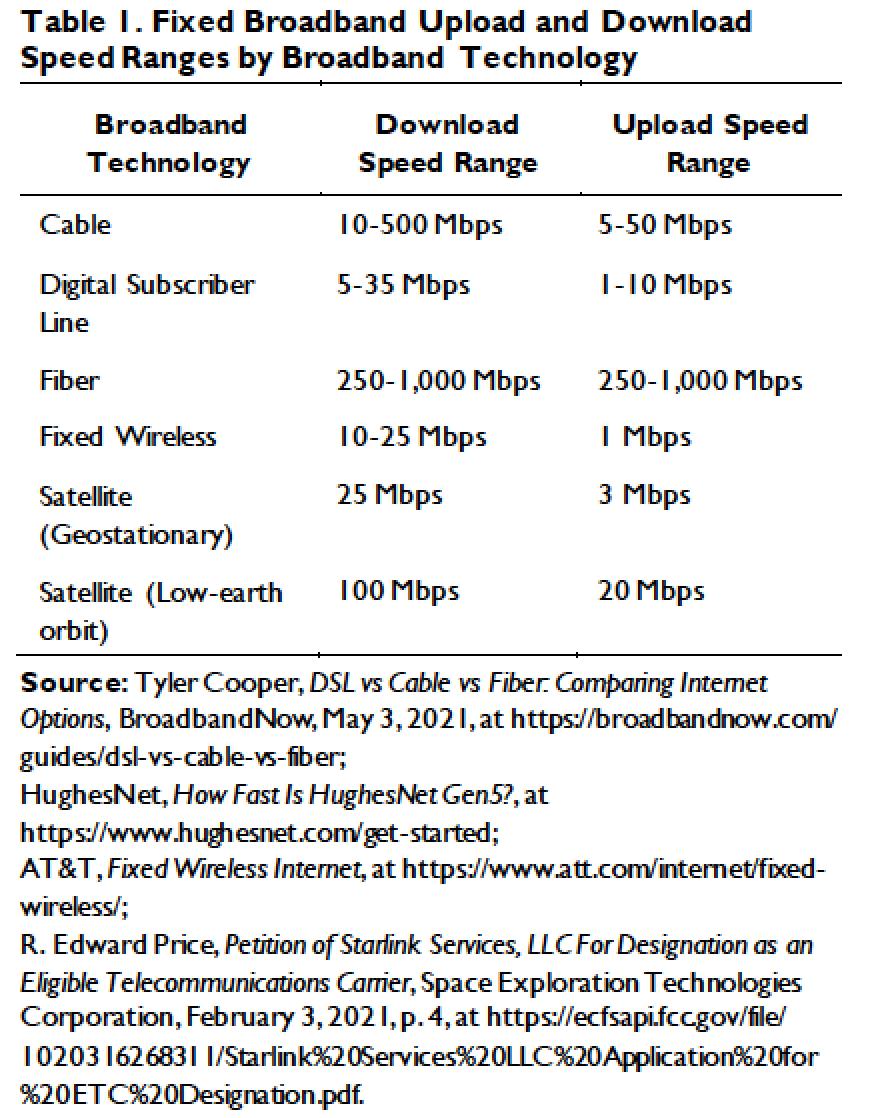
Fig. 1 Technologyspeedcomparison.
The activity presented in this manuscript involves an in field Proof of Principal design and demonstration of potential communication system designs suitable for bringing rural broadband connectivity to an underserved
ThisworkwasconductedatOakRidgeNationalLaboratory,managedbyUT BattelleLLCfortheUSDepartmentofEnergy(DOE)under contractDE AC05 00OR22725.ThismanuscripthasbeenauthoredbyUT BattelleLLCundercontractDE AC05 00OR22725withDOE. TheUSgovernmentretainsandthepublisher,byacceptingthearticleforpublication,acknowledgesthattheUSgovernmentretainsa nonexclusive,paid up,irrevocable,worldwidelicensetopublishorreproducethepublishedformofthismanuscript,orallowothersto doso,forUSgovernmentpurposes.DOEwillprovidepublicaccesstotheseresultsoffederallysponsoredresearchinaccordancewith theDOEPublicAccessPlan(http://energy.gov/downloads/doe public access plan). © 2022, IRJET | Impact Factor value: 7.529 | ISO 9001:2008 Certified Journal | Page 2864
Peter L. Fuhr, Ph.D1 . , Rick Moyers1 , Elizabeth Piersall1 , Ali Ekti, Ph.D1 ., Jason Tuttle, DBA2 , Jason Richards1, Chris Cooper1 , Jeff Cornett1 , David Pesin1, William Monday1Volume: 09 Issue: 07 | July 2022 www.irjet.net p ISSN: 2395 0072
area in East Tennessee1. The technology performance comparison demonstration project was designed and implemented to initially evaluate various topologies consisting of singular point to point, point to multipoint and satellite based wireless communication technologies along with fiber optic , broadband over power line (BPL) and telephone (xDSL) technologies that are potential candidates for deployment in the region’s varied topography. While noting that this is not a complete, comprehensive set of candidate technologies, a workshop involving the authors and individuals from numerous electric utilities acknowledged that no single network topologywillbeappropriate(orcost effective)forthisEast Tennessee region. of technologies selected for the effort's first phase being a structured direct comparison demonstration of more than one topology through a designed andscalable testingscenarioandsystem. The net result of the project being potentially leading to a design of a software tool tailored for determining the optimal communication basis, network topology and deployment strategy for topography and applications throughouttheregion.
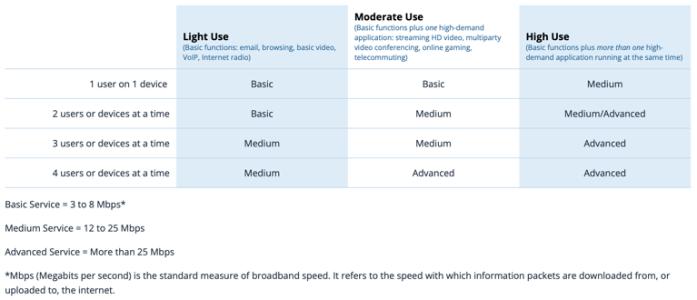
Fig. 3. Minimumacceptabledownloadspeeds perFCC requirements.[3]
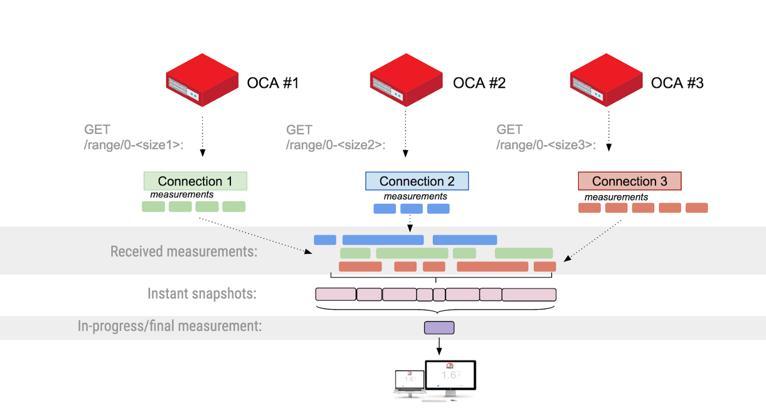
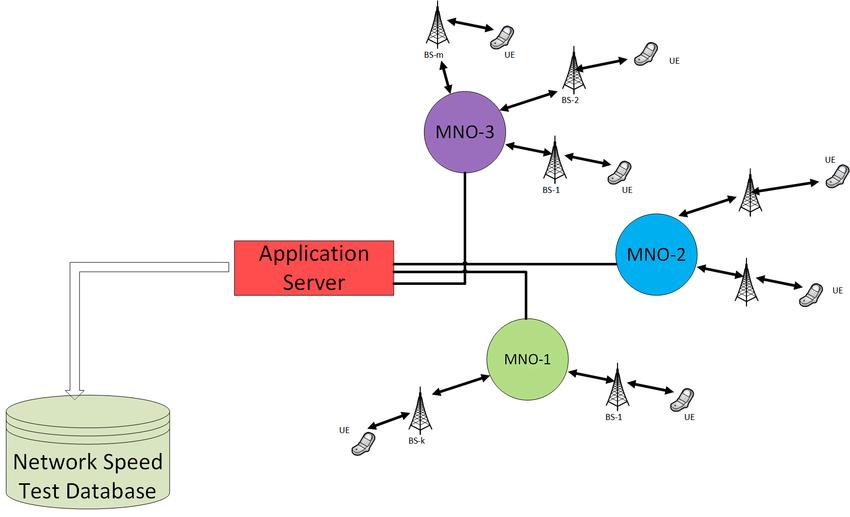
Basis network architectures for speed testing are presented in Figures 4.a and 4.b [4] In each case it is apparent that the device or system under test is inserted ito the overall network topology with internet access. Multiplespeedtestsusingfast.comasthepointofnetwork accesswereconducted.
(a)
Fig. 2. Technologiesassessed.
While an annual measurement and comparison of the performance of various broadband vendors has been conducted[3],thatreportfocusesoncomparingmeasured service versus advertised service. Meetings associated with"findings"anddeterminingthecontenttobeincluded in the report had participants from numerous possible broadband vendors and consortia proving content. Regardless, of industry consortia potential disagreements over content, the "target" speeds are based on the FCC's determinationoflight,medium,andhighbroadbandusage asshowninFigure3.
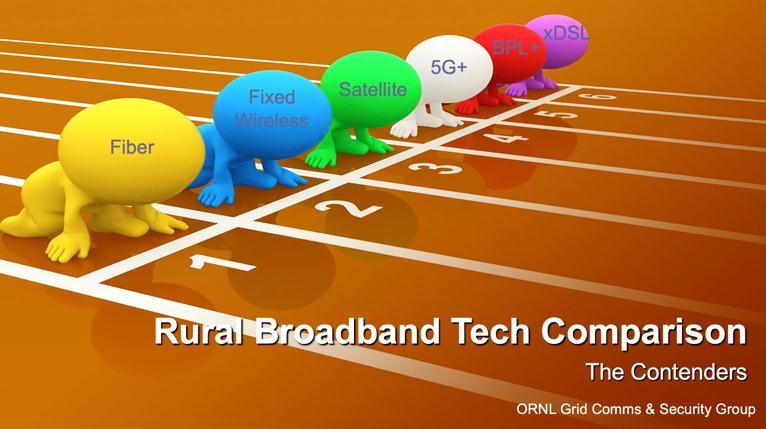
Fig 4.
(b)
networkconfiguration.[4,5]
NotethatthesatellitespeedtestswerebasedonaStarlink system deployed in east Tennessee. That constellation involves numerous low earth orbiting satellites, therefore not suffering from the high latencies associated with geostationarysatellitesystems.
1 withapplicabilityworldwide.
Volume: 09 Issue: 07 | July 2022 www.irjet.net p ISSN: 2395 0072
Note that the results presented in this manuscript are not definitive, but rather comparative from a general perspective. While installation and testing of each technology has been optimized, a wide variety of system variableshavenotbeenfixedforeachcase. Restated,there are many operational parameters, such as differing "acceptable" bit error rates (BERs) for each technology deploymentthatmaybeadjustedwhenseekingmaximum throughputspeeds.
Inaddition,thiscomparisonpurposefullydidnotdelve into the capital and operational expenditures that are associated with deployment and operation2. From an operationalperspective,thereareconsiderabledifferences between, say, buried and aerial deployed optical fiber communication systems. Again, this comparison did not take into account operational/maintenance activities associated with these two or for that matter any of the "technology contenders". The salient measured and compared performance parameter was data throughput speed3
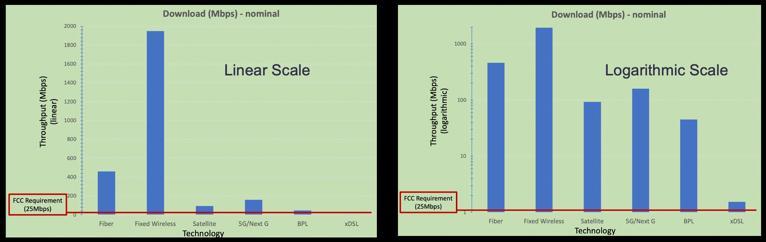
DatathroughputresultsarepresentedinFigures5and6.
Utilities have expressed an interest in providing broadband service to theircustomers. In manycases, the utilities'serviceareaisaruralsettingwith inthecaseof east Tennessee a rolling topography. Given the laboratory basedspeedtestresults,itwasdecidedthatin field performance tests and demonstration should be undertaken.
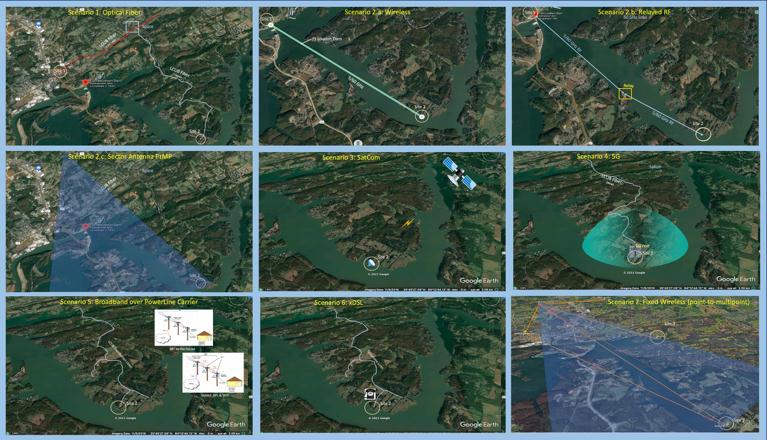
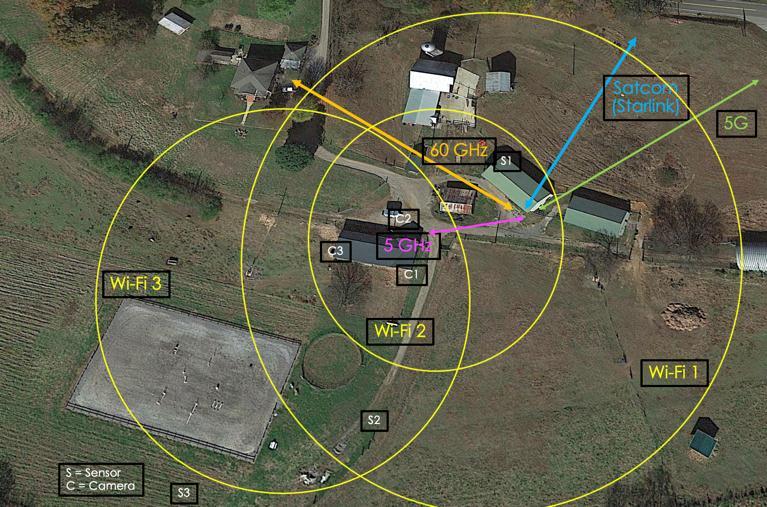
EachofthetechnologieslistedinFigure2werechosen for performance demonstration in Lenoir City Tennessee. ThescenariosareshowninFigure7.
(a) (b)
Fig 6. Data throughput for the various "contenders" is shownonalinearscale(a)andlogarthmicscale(b).
2 Considerable information pertaining to broadband policies, technologies and operation are available in [6 15].
3 Measuredperformanceofbandwidth,latency,etcfora varietyofinternetserviceproviders,ISPs,hasbeen conductedbytheUSFederalCommunicationsCommission (FCC).Resultsfroma2018study"MeasuringFixed Broadband EighthReport",areavailableat https://www.fcc.gov/reports research/reports/measuring broadband america/measuring fixed broadband eighth report
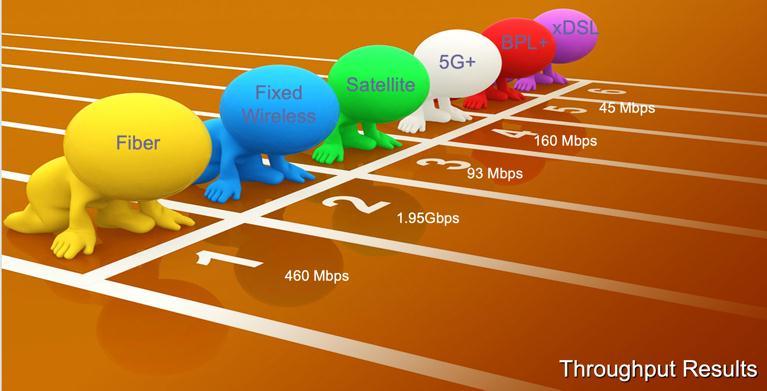
Fig. 7. The envisioned scenarios for rural broadband technologydeploymentinLenoirCityTNUSA.
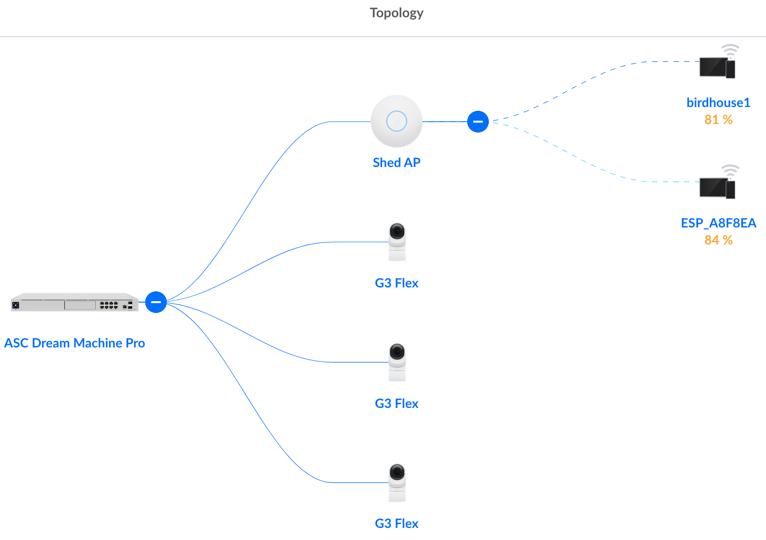
The twenty hectare Agricutural Science Center (ASC) was selected as the in field site. A combination fixed wireless plus satellite based network was designed and deployed. Specifically,a Starlink satellite system was deployedalong with a 5G network interface, a 60 GHz point to point transceiver system (with high gain parabolic antennas), 802.11ac and Wi Fi6 transceivers with omnidirectional antennas, Wi Fi enabled video cameras and sensor modules. An approximation as to where the components aredeployedispresentedasFigure8.
TheSiteAnetworktopology componentconnectivity is presented as Figure 9. The elements listed as "birdhouse1" and "ESP_A8F8EA" are independent sensor suites measuring outdoor setting ambient conditions. Remote access to the network relies on the Starlink satelliteandanestablishedVirtualPrivateNetwork(VPN) forsecureconnectivity.
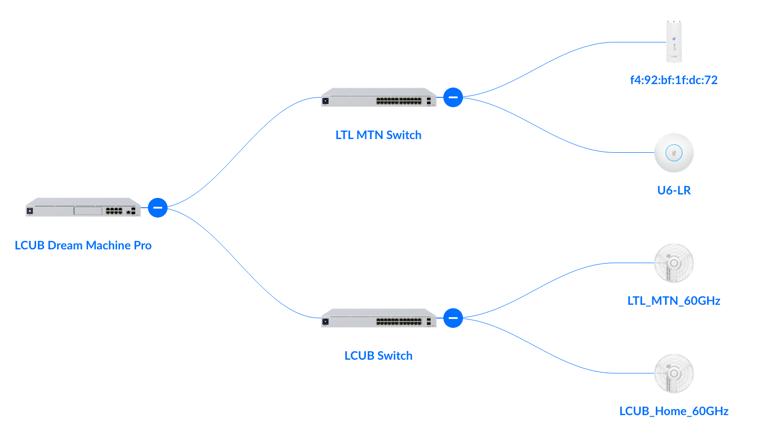
Fig. 10 UAS(drone)beingusedtoconfirmantenna alignmentonSiteB'sradiotowers(~85mheight).
Apoint to multipoint45ofield of viewsectorantennawas installed on the tower for "local" internet connectivity as wellasa60GHzparabolicantenna(whichwaspointedat the Fort Loudon hydroelectric dam). The Site B network topologyispresentedasFigure11
Fig. 9. SiteA'sdevicelistandnetworktopology
As a proof of concept, a network similar to that deployed at Site A was designed for installation using towers and facilities owned and maintained by the Lenoir City Utility Board (LCUB). Given the rolling, tree laden terrain in the town (and surrounding area) of Lenoir City, the design relied on internet connectivity at the LCUB headquarters building followed by a dual 5/60 GHz transceiver link to companion transceivers mounted on a 85m tall utility tower. As shown in Figure 10, drones were used to "oversee" the tower climbing crews' installation and alignmentofthetransceivers.
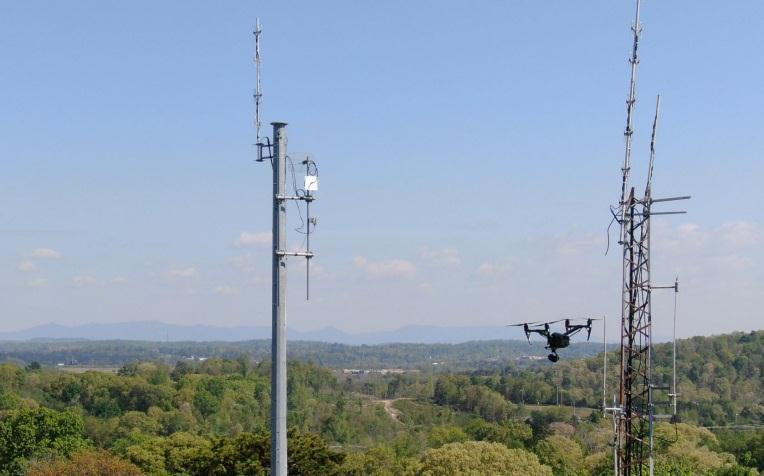
Fig. 11. SiteB'sdevicelistandnetworktopology..
Understanding that this component of the proof of concepteffortwastoserveasausecaseforotherregional utilities to understand this fixed wireless broadband deployment, the sector antenna was pointed in the direction of the center of the town. An approximation of theantenna'sradiation pattern(RF footprint) isshown in Figure12.
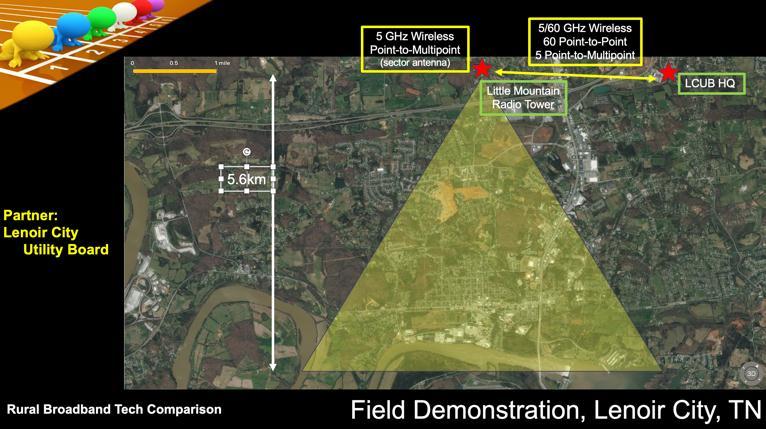
Fig. 12. LayoutandestimatedsignalcoverageforLenoir Cityfieldtests.
International Research Journal of Engineering and Technology (IRJET) e ISSN: 2395 0056
Volume: 09 Issue: 07 | July 2022 www.irjet.net p ISSN: 2395 0072
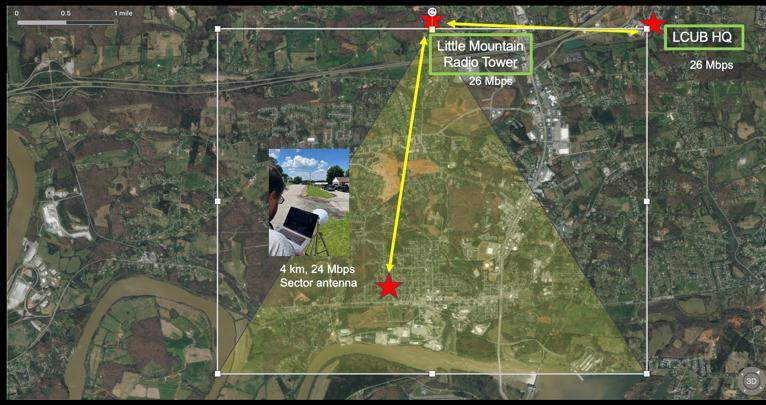
The internet connectivity originated at the LCUB Headquarters see Figure 13 with a data throughput at that site being 26 Mbps. In field, around town, measurementsofdatathroughputwereconductedusinga Cassegrain design 35dBi gain antenna which was connected to a laptop computer. Representative throughputmeasurementsareshowninFigure13.
1. "Raising the Minimum Fixed Broadband Speed Benchmark: Background and Selected Issues (IF11875)", https://crsreports.congress.gov/product/details?prodcod e=IF11875
2. "FCC Seeks Comment On A Proposal To Set Higher Speed Goals For Universal Service Funding Supporting Small Rural Broadband Providers", https://www.fcc.gov/document/fcc proposes higher speed goals small rural broadband providers 0
3. https://data.fcc.gov/download/measuring broadband america/2021/2021 Fixed Measuring Broadband America Report.pdf
4. " A Performance Comparison Platform of Mobile Network Operators ", Yiğit, İbrahim & Ayhan, Gokhan & Zeydan, Engin & Kalyoncu, Feyzullah & Etemoglu, Cagri. (2017).10.1109/NOF.2017.8251238.
Datathroughputwas92%ofthethroughputatthesource. Measurements were taken at a distance of 4km from the LittleMountaintower.
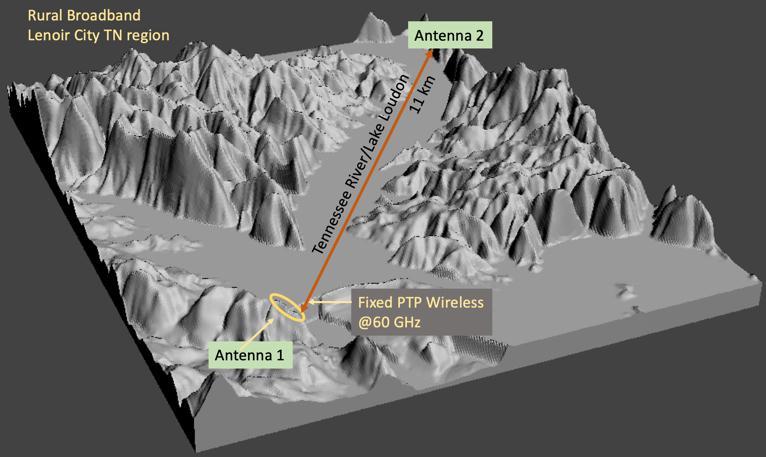
An ad hoc comparison of a number of technologies that are candidates for delivering broadband to rural and underservedareaswasundertaken. Itiskeytonotethat the financial and logistical aspects associated with each technology were not compared. After the controlled setting measurements were completed, an in field demonstration was undertaken in a small town setting in east Tennessee. It is envisioned that the next steps in investigating varying technologies for possible delivery of broadband services will involve continued testing of the fixed wireless and hybrid systems in the region's varying topography,illustratedinFigure14.
5. https://www.newyorker.com/tech/annals of technology/how the biden administration can expand rural broadband
6. "The Economic Case for Bringing Broadband to the RuralUS",WolfgangBocketal,https://www.bcg.com/en us/publications/2018/economic case bringing broadband rural united states
7. "5G is Not the Answer For Rural Broadband", Larry Thompson and Warren Vande Stadt, April 2017, accessed at: https://www.bbcmag.com/rural broadband/5g is not the answer for rural broadband
8. "Broadband Communications using High Voltage Transmission Lines A Review", Peter L. Fuhr (et al), International Research Journal of Engineering and Technology,Volume:07Issue:01|Jan2020.
9. " What are the Best Rural Business Internet Options?", GEOLinks, Oct 2020, accessed at: https://geolinks.com/best rural internet options/
10. "Best High Speed Internet for Rural Areas in 2021", Satellite Internet, Feb 2021, accessed at: https://www.satelliteinternet.com/resources/high speed internet for rural areas/
11. "5 Steps to Get Internet to All Americans", Brookings Institute Report, Tom Wheeler, May 2020, accessed at: https://www.brookings.edu/research/5 steps to get the internet to all americans/
Fig 14 Demonstrationsite,LenoirCityTennesseeUSA, hasvariedtopography.
12. "UnderstandingtheRuralBroadband Problem",white paper by the C Spire Broadband Consortium, accessed at: https://www.cspire.com/resources/docs/rural/ruralbroa dband whitepaper.pdf
International Research Journal of Engineering and Technology (IRJET) e ISSN: 2395 0056
Volume: 09 Issue: 07 | July 2022 www.irjet.net p ISSN: 2395 0072
13. "Electric Co ops Win $1.6 Billion in FCC Rural Broadband Auction", Dec 2020, accessed at: https://www.electric.coop/electric co ops win 1 6 billion in fcc rural broadband auction
14. " Members of Congress Urge FCC to Vet Provider Promises on Rural Broadband", Jan 2021, accessed at: https://www.electric.coop/members of congress urge fcc to vet provider promises on rural broadband
15. "Public Infrastructure/Private Service: A Shared Risk Partnership Model for 21st Century Broadband Infrastructure",BentonInstituteforBroadband&Society
2022, IRJET | Impact Factor value: 7.529 | ISO 9001:2008 Certified Journal