
International Research Journal of Engineering and Technology (IRJET) e-ISSN: 2395-0056
Volume: 12 Issue: 09 | Sep 2025 www.irjet.net p-ISSN: 2395-0072
International Research Journal of Engineering and Technology (IRJET) e-ISSN: 2395-0056
Volume: 12 Issue: 09 | Sep 2025 www.irjet.net p-ISSN: 2395-0072
3
1 M. Tech student, Department of Electronic and Telecommunication, CSMSS Chh Shahu College of Engineering, Chh Sambhaji Nagar (Aurangabad), Maharashtra, India
2 Professor, Department of Electronic and Telecommunication, CSMSS Chh. Shahu College of Engineering,
Abstract - IoT-basedpreventive maintenance hasemerged as an advanced solution for improving the reliability and efficiency of electrical machines and industrial automation systems. In this project, smart sensors such as temperature, vibration, and humidity are integrated with microcontrollers and Wi-Fi modules to continuously monitor machine health. The collected data is transmitted to a cloud platform where it is analyzed to identify early signs of wear, overheating, or abnormal operating conditions. Whenever critical thresholds arereached,alertsare generatedthroughbuzzersanddisplay units, enabling timely corrective action. This proactive approach minimizes unexpected breakdowns, reduces maintenance costs, extends equipment life, and enhances overall productivity. By combining IoT technology with predictivemaintenance strategies,theprojectdemonstratesa practicalsteptoward smarterandmoresustainableindustrial automation.
Key Words: Temperature, Vibration, Current, Humidity, Sensors, Wi-Fi Module, Cloud Computing, Industrial Automation.
Intoday'sindustrialworld,keepingelectricalmachinesand automationsystemsrunningwithoutstopsiskeytomaking production work better, keeping things safe, and saving money. Old ways of fixing machines, like waiting for problemstohappenor fixingthemonlywhen theybreak, often cause unexpected stops, higher costs, and shorter lifespans for equipment. Now, with the Internet of Things (IoT),industriescanmakechangesandcanmaintaintheir equipment from just fixing things after they break to predictingandstoppingproblemsbeforetheyhappen.
IoT-based maintenance uses smart sensors, cloud computing, and real-time data to keep a close eye on the conditionofelectricalmachines.Thesesensorstrackthings liketemperature,vibration,humidity,andhowmuchenergy the machines use. This helps find early signs of wear, problems, or unusual behaviour. By linking these data insights with automation systems, maintenance can be planned ahead of time, which lowers the chance of
unexpectedbreakdownsandmakesuseofresourcesmore efficiently.
OurprojectisaboutcreatingandsettingupanIoTsystem that can be very helpful with preventive maintenance for electrical machines in industries. This project will help to improve the reliability and efficiency of the machines and willalsohelptoreachthegoalsofIndustry4.0,wheresmart decisions and data-based maintenance form the basis of modernmanufacturing.
A Wi-Fi Module is an electronic component that enables wireless communication between the devices and the internetusingstandardWi-Fiprotocols.Itactsasabridge thatallowsmicrocontrollers,sensors,orembeddedsystems to transmit and receive data without wired connections. Commonly used modules, such as ESP8266 and ESP32, integrate a microcontroller with built-in TCP/IP stack, makingthemhighlyefficientforIoTapplications.
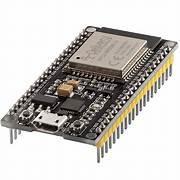
Inpreventivemaintenanceandindustrialautomation,Wi-Fi modules provide seamless connectivity for real-time data transfer from machines to cloud servers or monitoring dashboards.Wi-FiModulesupportsfeatureslikelow-power consumption,highdatarate,andsecureencryption,which arecrucialforreliableandscalableinIoTsystems.Byusing a Wi-Fi module, industries can keep an eye on machines fromfaraway,usethedatatospotissuesbeforetheyoccur, and make smarter choices, which makes the machines performbetterandstayworkingforlonger.
International Research Journal of Engineering and Technology (IRJET) e-ISSN: 2395-0056
Volume: 12 Issue: 09 | Sep 2025 www.irjet.net p-ISSN: 2395-0072
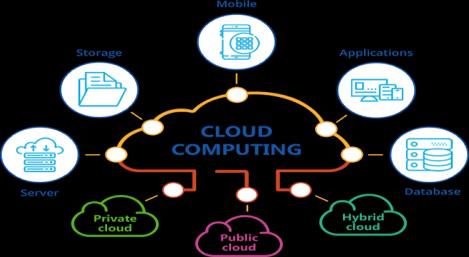
Acloudsystemisadigitalplatformthatgivespeopleaccess tocomputingtoolslikestoringdata,usingprocessingpower, connecting networks, and running applications over the internet,insteadofrelyingonphysicalcomputers.Itallows userstoaccess,share,andworkwithinformationwhenever theywantandfromanywheretheywant,usingdevicesthat areconnectedtotheinternet.Inapreventivemaintenance system that uses the Internet of Things (IoT), the cloud systemplaysakeyrolebecauseitcollectsdatafromsensors, stores it securely, and uses smart tools to process the information. This helps in checking things in real time, making quick decisions, and predicting issues before they happen,withoutneedingalotofphysicalequipmentatthe user'slocation.Cloudsystemscanexpandasneeded,save costs,andworkwellwithautomatedindustrialsystems.
ATemperature Sensor isan electronic tool that measures howhotorcoldsomethingisandchangesthatinformation into electrical signals, which help in keeping track of and managing temperature. In this preventive maintenance systems,thesetemperaturesensorplaysaveryimportant role in tracking the operating temperature of electrical machines.Evenasmallincreasebeyondtheusuallevelcan showproblemsinmachinesliketoomuchload,notenough oil,damagedinsulation,orabrokencoolingsystemetc.
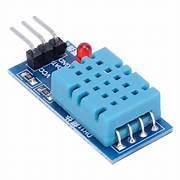
Moderntemperaturesensorscomeindifferenttypes,suchas thermocouples, resistance temperature detectors (RTDs), andsemiconductor-basedsensors.Whenthesesensorsare connectedtotheIoTplatforms,theyprovidecontinuousand real-timedatathatcanbestoredandanalyzedinthecloud system. This enables early fault detection, reduces downtime,andhelpsextendmachinelifespanbypreventing overheating-relatedfailures.
A Vibration Sensor is a smart device used to detect and measure oscillations, movements, or disturbances in machines and structures. It works by turning mechanical vibrations into electrical signals, which are then used to check the condition of the equipment. In industrial applications, vibration sensors are crucial for monitoring rotating machines such as motors, pumps, fans, and gearboxes,asabnormalvibrationoftenindicatesimbalance, misalignment,orwearincomponents.
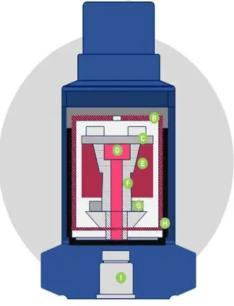
When integrated with IoT systems, vibration sensors provide real-time data that helps predict potential faults before they escalate into major breakdowns. This allows industriestoimplementpreventivemaintenancestrategies, reducedowntime,andextendthelifeofelectricalmachines. Due to their accuracy and ability to continuously monitor machine health, vibration sensors are considered a key element in industrial automation and predictive maintenanceframeworks.
AHumiditySensorisanelectronicdevicethatmeasuresthe amount of water vapor present in the surrounding air. It plays a vital role in applications where environmental conditions directly affect the performance and safety of equipment.InIoT-basedpreventivemaintenance,humidity sensors are used to monitor the moisture levels around electrical machines, since excessive humidity can lead to insulation damage, corrosion of components, and unexpectedfailures.
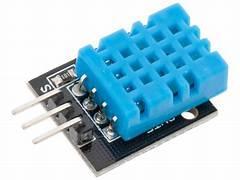
These sensors typically work by detecting changes in electricalpropertiessuchascapacitanceorresistancewhen exposedtomoisture.Thedatathatisgatheredissenttoa microcontrolleroranIoTplatform,whereitischeckedand studiedasithappens.Bykeepinganeyeonhumiditylevels,
International Research Journal of Engineering and Technology (IRJET) e-ISSN: 2395-0056
Volume: 12 Issue: 09 | Sep 2025 www.irjet.net p-ISSN: 2395-0072
industries can stop problems such as short circuits, overheating,andlowermachineperformance,whichhelps maketheequipmentlastlonger.
Abuzzerisanelectronicgadgetthatproducesasoundwhen it receives power. It is often used in various projects, in industrialenvironments,andinternet-connecteddevicesto let people know about problems. Buzzers can create a continuoussoundorasoundthatturnsonandoff,basedon howtheyareprogrammed.
Inmaintenancework,buzzersareveryimportantbecause they give a loud sound right away when something goes wrong,likewhentemperature,movement,ordampnessgoes beyondsafelevels.Thishelpsworkersknowquicklywhen something is not right and take steps to fix it before the problemgetsworse.
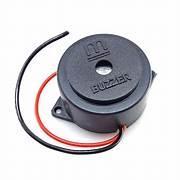
Buzzers are light, cheap, and easy to connect to small computers,whichmakesthemgreatformonitoringsystems thatusetheinternet.Theirabilitytograbattentionquickly makesthemdependableinhelpingkeepindustrialsystems safe,efficient,andresponsive.
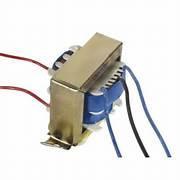
A step-down transformer is a device that reduces high voltagetoasaferandusablelevelwhilekeepingthesame frequency.Itworksthroughelectromagneticinductionand includestwocoils.Theprimarycoilisconnectedtothehighvoltage source, and the secondary coil provides the lower voltage. The amount of voltage reduction depends on the numberofturnsineachcoil.Ifthemaincoilhasmoreloops than the secondary coil, the voltage coming out is lower. Step-downtransformersareimportantinbothbigindustrial settingsandeverydayhomeuse.
A. Block Diagram
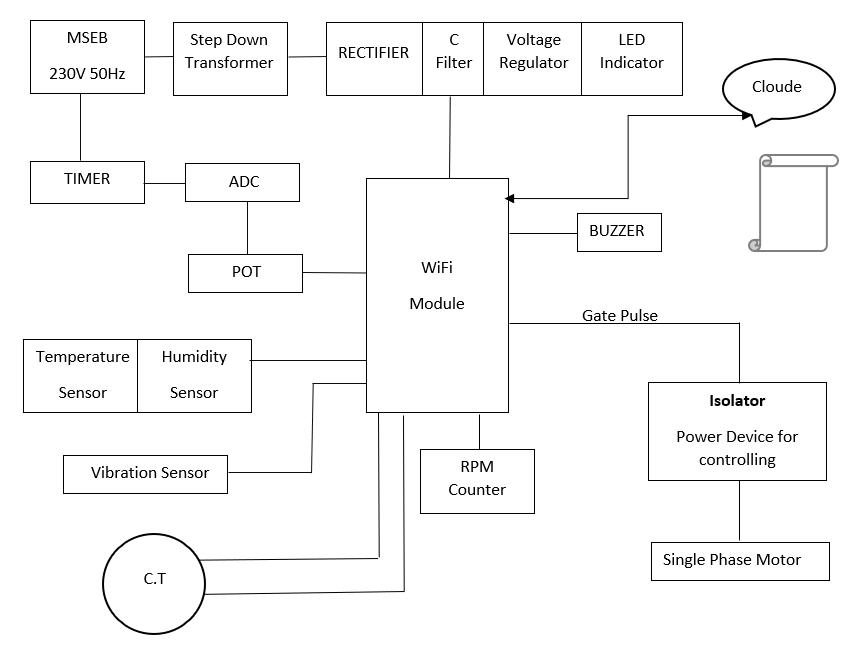
8: Block Diagram of IOT Based Preventive Maintenance for Electrical Machine and Industrial Automation
B. Circuit Diagram
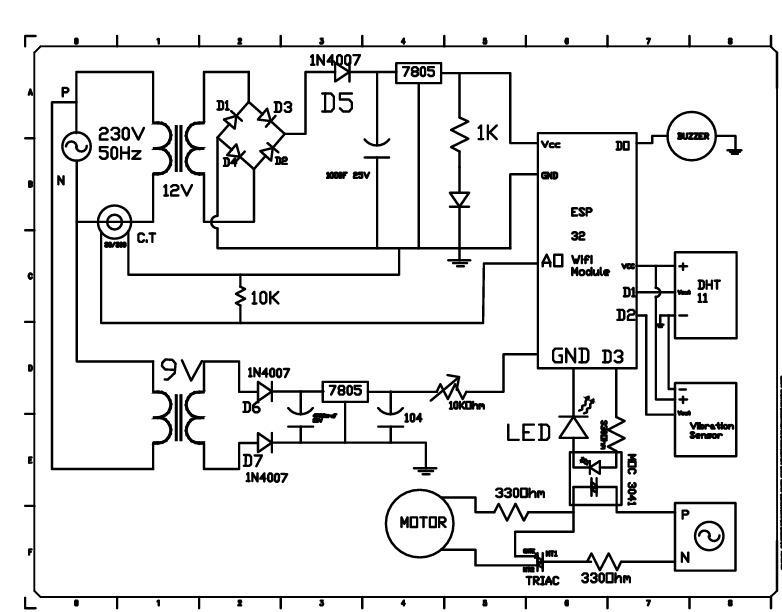
Fig 9: Circuit Diagram
Table 1 : Proposed Data
International Research Journal of Engineering and Technology (IRJET) e-ISSN: 2395-0056
Volume: 12 Issue: 09 | Sep 2025 www.irjet.net p-ISSN: 2395-0072
2. ProcessingLayer(Microcontroller/EdgeDevice)
• A microcontroller (Arduino/ESP32/Node MCU/RaspberryPi)collectssensordata.
• Themicrocontrollerprocessesthereadingsand compares them with predefined threshold values(safeoperatingranges).
• If a parameter exceeds its limit:
▪ Thesystemdetectsitasafaultprediction orpreventivealertcondition.
IhaveusedJavaProgrammingLanguageforthisproject.Java programming plays a crucial role in building intelligent, cross-platform,andsecureIoTapplicationsthatmonitorand manage electrical machines in an industrial automation environment.Itactsasthesoftwarebackbonethatconnects IoT sensors, controllers, cloud platforms, and analytics systemstoenablepreventivemaintenance.
Reliableandefficientdatatransmissionisensuredthrough the use of standard communication protocols used in industry
• MQTT (Message QueuingTelemetryTransport): Small and ideal for use in platforms with limited bandwidth.
• CoAP (Constrained Application Protocol):Itisa protocolthatworkswellwithsmalldevicesorany devicethatdoesn'thavealotofmemory.
• Ethernet/IP: Thisiswidelydescribedinthefieldof industrialautomationwheredataistransferredat highrate.
These protocols enable efficient interaction to occur betweensensors,edgedevicesandcloudplatforms.
1. Sensing Layer (Data Collection)
Different sensors are installed on the electrical machines:
• Temperature Sensor (LM35/DS18B20) → detectsoverheating.
• Vibration Sensor (Piezo/Vibration Sensor Module) →detectsabnormalvibrationsdueto misalignmentorbearingfaults.
• Current Sensor (ACS712) → monitors load current,detectsovercurrentorunder current conditions.
• Humidity Sensor (DHT11/DHT22)→checks surroundingmoisturelevelsthatmaydamage machines.
These sensors continuously collect real-time health data fromthemachine.
▪ Example: Ifmotortemperature>70°C→ overheatingwarning.
3. Communication Layer (IoT Connectivity)
• Theprocesseddataissenttoacloudserveror IoTplatformviaWi-Fi,GSM,orMQTTprotocol.
• Popular platforms: Blynk, Thing Speak, Firebase,orcustomclouddashboards.
• This enables remote monitoring of machine healthinrealtime.
• Data is displayed on a mobile app, web dashboard,orPCsoftware.
• Users/engineerscanvisualizemachinehealth withgraphs,reports,andlogs.
• If an abnormal condition is detected:
▪ Instant alerts are sent via SMS, Email, or Appnotifications.
▪ Example: “Machine Overheating! Please checkmotorbearings.”
• Instead of waiting for a breakdown, the operatorcanschedulemaintenanceinadvance.
• Preventive actions include:
▪ Lubricating machine bearings when vibrationisabnormal.
▪ Coolingorshuttingdownmachinesincase ofoverheating.
▪ Adjusting load in case of overcurrent detection.
• The system can be integrated with relays/actuatorstoautomaticallyshutdownor controlmachinesifcriticalconditionsoccur.
▪ Example: If current > 10A, relay disconnects the power supply to prevent motorburnout.
• Thisensuressafetyandreliabilityinindustrial automation.
International Research Journal of Engineering and Technology (IRJET) e-ISSN: 2395-0056
Volume: 12 Issue: 09 | Sep 2025 www.irjet.net p-ISSN: 2395-0072
7. Data Analytics & Prediction
• StoreddatainthecloudcanbeusedforAI/ML predictiveanalytics:
▪ Predictwhenamachineislikelytofail.
▪ Identifylong-termperformancetrends.
▪ Optimizemaintenanceschedules.
F. EXAMPLE WORKFLOW
1. Motor is running → sensors monitor temperature,vibration,andcurrent.
2. Vibration exceeds threshold → microcontrollerdetectsanomaly.
3. Data sent to IoT cloud → dashboard shows vibrationalert. Notification sent to operator → “Bearing fault suspected, schedule maintenance.”
4. Operator checks machine early → prevents costlybreakdown.
G. PCB, ENCLOSURE & SAFETY
• Keepmainswiringseparatedintheenclosure.
• Usescrewterminalsandstrainreliefforcables.
• Addsurgeprotectionforsensorsconnectedtolong cables.
• ConsiderasmallDIN-railPCBwithterminalblocks, opto-isolation,andtransientsuppression.
1. Unit tests: Verify each sensor individually (heat the motor, tap to simulate vibration, applyvariableload).
2. Integration tests: Simulate combined faults andconfirmalertsandrelayactions.
3. Fail-safe checks: Ensure network loss does notinadvertentlyenergizeunsafestates use localwatchdogsanddefaultsafeoutputs.
4. Record logs andverifytimestamps(synctime viaNTP).
• Keepmainswiringseparatefromlow-voltage electronics
• Useopto-isolatorsorseparatepowersupplies if monitoring high-voltage circuits
• Use proper fusing, earth grounding, and follow local electrical codes
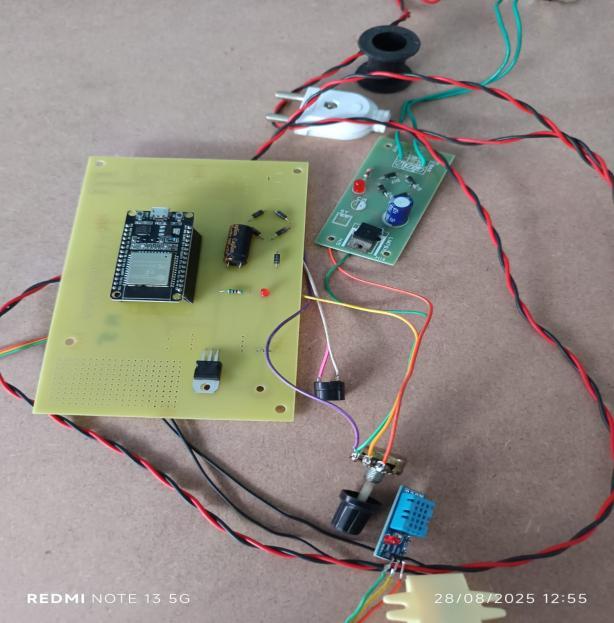
5.
This paper explores the application of IoT for predictive maintenance of industrial electrical machines with an emphasisonreal-timemonitoringandanalysisanddoesnot include non- industrial and manual-based uses of IoT for Predictivemaintenance.
The integration of IoT technology with preventive maintenance in electrical machines and industrial automation presents a powerful solution to overcome the challengesofunplanneddowntime,equipmentfailures,and highmaintenancecosts.Byusingsensors,microcontrollers, and cloud-based analytics and also this system ensures continuous monitoring of critical machine different parameterssuchastemperature,vibration,humidity,etc.
By being proactive, we can spot problems early, plan maintenancebetter,andmakesurethingsrunmorereliably. Also, using real-time alerts and smart data helps people make better decisions, keeps workers safer, and uses resourcesmoreefficiently.
The project shows how IoT can change traditional maintenance methods into smart, predictive, and very efficientsystems,whichfitswiththegoalsofIndustry4.0. Ultimately, such an implementation not only extends the lifespan of machines but also contributes to improved productivity,costsavings,andsustainableindustrialgrowth.
International Research Journal of Engineering and Technology (IRJET) e-ISSN: 2395-0056
IwouldliketoextendmysincerestthankstomyguideProf. Akshay T. Jadhav, Department of Electronic and Telecommunication and CSMSS Chh. Shahu College of Engineering, Chh. Sambhaji Nagar (Aurangabad) for supportingandguidingmeinmyproject.
[1] Pishvaee, M. S., & Torabi, S. A. (2021). IoT-enabled predictivemaintenance:Challengesandfuturedirections InternationalJournalofProductionResearch,59(20),6295–6310.
[2] Ghosh,A.,Mahanti,A.,&Chatterjee,S.(2018). IoT-based predictivemaintenancemanagementofindustrialmachines usingmachinelearning.International Journalof Computer Applications, 182(25), 1–6.
[3] Kumar, P., & Verma, S. (2020). Industrial IoT and predictive analytics for equipment maintenance. InternationalJournalofAdvancedScienceandTechnology, 29(5), 1238–1249.
[4] Lee, J., Bagheri, B., & Kao, H. A. (2015). Acyberphysical systemsarchitectureforindustry4.0-basedmanufacturing systems. Manufacturing Letters, 3, 18–23.
[5] Carvalho,T.P.,etal.(2019). Asystematicliteraturereview of machine learning methods applied to predictive maintenance. Computers & Industrial Engineering, 137, 106024.
[6] Mourtzis, D., Vlachou, E., & Milas, N. (2016). Industrial Big Data as a result of IoT adoption in manufacturing Procedia CIRP, 55, 290–295.
[7] Zhang, W., Yang, D., & Wang, H. (2019). Data-driven methods for predictive maintenance of industrial equipment:Asurvey. IEEE Systems Journal, 13(3), 2213–2227.
[8] Lee, J., Jin, C., & Bagheri, B. (2017). Cyber-physical predictivemaintenance.ManufacturingLetters,14,31–34.
[9] Susto, G. A., Schirru, A., Pampuri, S., McLoone, S., & Beghi, A. (2015). Machine learning for predictive maintenance: A multiple classifier approach. IEEE Transactions on Industrial Informatics, 11(3), 812–820.
[10] Mobley, R. K. (2002). An Introduction to Predictive Maintenance. Butterworth-Heinemann.
[11] Sethi, P., & Sarangi, S. R. (2017). Internet of Things: Architectures, protocols, and applications. Journal of Electrical and Computer Engineering, 2017, 1–25.
[12] Mohammed, N.A., Abdulateef, O.F. and Hamad, A.H., 2023. An IoT and machine learning-based predictive maintenancesystemforelectricalmotors.JournalEuropéen des Systèmes Automatisés, 56(4), pp.651-656.
[13] Rosati, R., Romeo, L., Cecchini, G., Tonetto, F., Viti, P., Mancini,A.andFrontoni,E.,2023.Fromknowledge-based to big data analytic model: a novel IoT and machine learning based decision support system for predictive maintenance in Industry 4.0. Journal of Intelligent Manufacturing, 34(1), pp.107 121.
[14] Mourtzis, D., Angelopoulos, J. and Panopoulos, N., 2021. Design and development of an IoT enabled platform for remotemonitoringandpredictivemaintenanceofindustrial equipment. Procedia Manufacturing, 54, pp.166-171.
[15] Nangia, S., Makkar, S. and Hassan, R., 2020, March. IoT based predictive maintenance in manufacturing sector. In Proceedings of the International Conference on Innovative Computing & Communications (ICICC).
[16] Gidiagba, J.O., Nwaobia, N.K., Biu, P.W., Ezeigweneme, C.A. and Umoh, A.A., 2024. Review on the evolution and impact of iot-driven predictive maintenance: assessing advancements,theirroleinenhancingsystemlongevity,and sustainable operations in both mechanical and electrical realms. Computer Science & IT Research Journal, 5(1), pp.166-189.
[17] Aboshosha, A., Haggag, A., George, N. and Hamad, H.A., 2023.IoT-baseddata-drivenpredictivemaintenancerelying on fuzzy system and artificial neural networks. Scientific Reports, 13(1), p.12186.
[18] Pech, M., Vrchota, J. and Bednář, J., 2021. Predictive maintenance and intelligent sensors in smart factory. Sensors, 21(4), p.1470.
[19] Niyonambaza, I., Zennaro, M. and Uwitonze, A., 2020. Predictive maintenance (Pdm) structure using internet of things(iot)formechanicalequipmentused intohospitalsin Rwanda. Future Internet, 12(12), p.224.
[20] Uppal, M., Gupta, D., Goyal, N., Imoize, A.L., Kumar, A., Ojo, S., Pani, S.K., Kim, Y. and Choi, J., 2023. A Real‐Time Data Monitoring Framework for Predictive Maintenance Based on the Internet of Things. Complexity, 2023(1), p.9991029.
[21] Bouabdallaoui, Y., Lafhaj, Z., Yim, P., Ducoulombier, L. andBennadji,B.,2021.Predictivemaintenanceinbuilding facilities: A machine learning-based approach. Sensors, 21(4), p.1044.
[22] Azrul, M.H.S.E.M., Mashohor, S., Amran, M.E., Hafiz, N.F., Ali, A.M., Naseri, M.S. and Rasid, M.F.A., 2024. Assessment of IoT-Driven Predictive Maintenance Strategies for Computed Tomography Equipment: A Machine Learning Approach. IEEE Access.
[23] Nithya,S.,Vijayalakshmi,K.andParimalaDevi,M.,2022. Predictive Maintenance of Industrial Equipment’s Using IOT. In Proceedings of International Conference on Power Electronics and Renewable Energy Systems: ICPERES 2021 (pp. 257-269). Springer Singapore.
[24] Kliestik, T., Nica, E., Durana, P. and Popescu, G.H., 2023. Artificial intelligence-based predictive maintenance, timesensitive networking, and big data-driven algorithmic decision-making in the economics of Industrial Internet of Things. Oeconomia Copernicana, 14(4), pp.1097-1138.
Volume: 12 Issue: 09 | Sep 2025 www.irjet.net p-ISSN: 2395-0072 © 2025, IRJET | Impact Factor value: 8.315 | ISO 9001:2008 Certified Journal | Page54