
International Research Journal of Engineering and Technology (IRJET) e-ISSN: 2395-0056
Volume: 12 Issue: 12 | Dec 2025 www.irjet.net p-ISSN: 2395-0072
International Research Journal of Engineering and Technology (IRJET) e-ISSN: 2395-0056
Volume: 12 Issue: 12 | Dec 2025 www.irjet.net p-ISSN: 2395-0072
Anuj D Kankholi(Student, MSc Cyber security),
University Department of Information and Technology, University of Mumbai, Mumbai, India ***
Abstract: The rising use of ultramodern technologies has not only served society but also attracted fraudsters and culprits to misuse the technology for fiscal benefits. Fraud over the Internet has increased a lot, resulting in a periodic loss of billions of dollars and loss of service providers worldwide. Fraud directly impacts individualities, both in the case of cyber surfer-grounded and mobile-grounded Internet services, as well as when using traditional telephony services, either through landline phones or mobile phones. Druggies of the technology must be both informed of fraud, as well as defended from fraud through fraud discovery and forestallment systems. In this paper, we present the deconstruction of frauds for different consumer-facing technologies from three broad perspectives bandy Internet, mobile, and traditional telecommunication, from the perspectives of losses through frauds over the technology, fraud attack mechanisms, and systems used for detecting and precluding frauds.
Keywords: Cyber Frauds, Internet, Authentication Procedures, Analog technology, Repurpose digital, etc.
Theworldasawholehasseenariseintechnologiesinwaves,somenewtrendorinformativetechnologyhasalwaysguidedus forward.Althoughanyormostofthetechnologiesaremadewiththebestintentions,Badactorshavealwaysfoundawayto use those technologies to scam and fraud people. If we plot all the relevant technological advancements on a graph. The consumptionofallrelevanttechnologieshasincreaseddrastically.Whennewtechnologiesemergedandpeoplestartedusing them, Bad actors and technological hackers got new ways into people's lives, and new ways to gather data. In the current world,Dataisvaluable.[1]
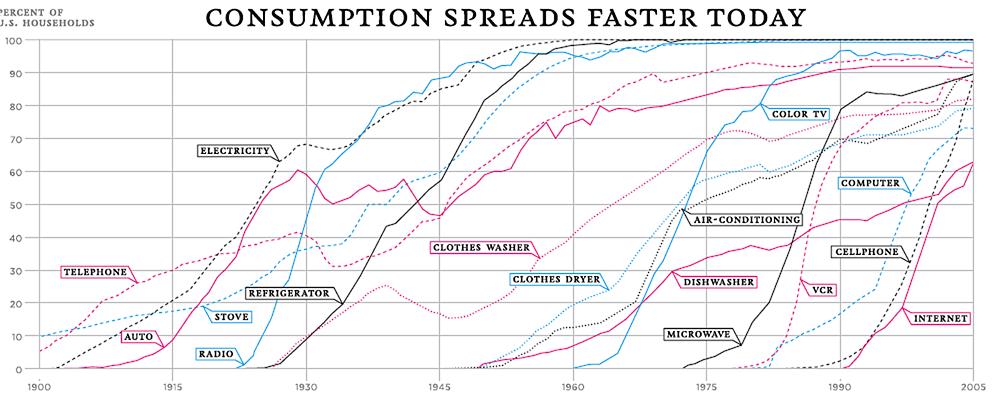
[9]
Today,therearemorethan1.5billionsuchwebsitesontheWorldWideWebfewerthan200millionofthemareworking.The peak of 1 billion websites is hit for the first time in September of 2014. As per a survey of internet live stats, the overall number of sites has risen tremendously through 2016. The number of sites reached 900 million to 1.7 billion from January 2016toDecember2016[12].
Scams and Fraud have existed for a long, and the availability of new ways to hack or gather data has only increased the frequencyofscamsandattacks.
Thisresearchpaperseekstodelveintotheintricaterelationshipbetweentheevolutionoftechnologiesandthepropagation ofscamsandfrauds.Byexploringhowinnovationsintechnologyhavebothenabledandcombatedtheseillicitactivities,weaim toprovideacomprehensiveunderstandingofthiscomplexdynamic.Asweventurethroughtimeandacrossthetechnological
International Research Journal of Engineering and Technology (IRJET) e-ISSN: 2395-0056
Volume: 12 Issue: 12 | Dec 2025 www.irjet.net p-ISSN: 2395-0072
landscape, we will examine the modus operandi of scams and frauds, the methods employed to perpetrate them, and the countermeasuresdesignedtothwarttheiradvances.
With an ever-present need to stay ahead of the curve in safeguarding against scams and frauds, this research paper aims to contributetoadeepercomprehensionofthenexusbetweentechnologyanddeception.Bysheddinglightonthehistoricaland contemporary dimensions of this relationship, we can better equip ourselves and society at large to harness the potential of technology while safeguarding againstits misuse.In doing so, weendeavourto providea valuable resourceforpolicymakers, lawenforcementagencies,businesses,andindividualsstrivingtonavigatetheevolvingtechnologicallandscapewithvigilance andresilience.
Thedevelopmentofurbanenvironmentsisincreasinglybeingdrivenbyknowledge-basedapproaches.Yigitcanlararguesthat cities must evolve through the integration of human capital, knowledge infrastructure, and innovation systems to sustain economicandsocialgrowthinthe21stcentury[1].Communicationtechnologieshaveundergonemajortransformations.The telephone,ashighlightedinahistoricalstudy,hassignificantlyinfluencedbothpersonalandprofessionalinteractionssinceits invention[2].Similarly,thejourneyofradiofromanalogsystemstodigitalplatformshasbeenwelldocumented,showcasing itsenduringrelevanceinmodernbroadcasting[3].
The progression of computing technology has been marked by distinct generations, each bringing improvements in speed, architecture, and usability. This generational evolution, as discussed in [4], plays a crucial role in shaping today's digital systemsandservices.
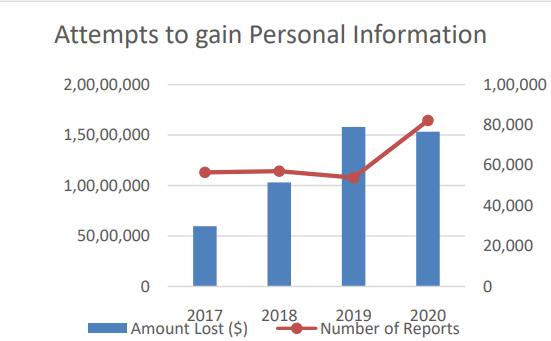
Alongside these advancements, online fraud and cybersecurity threats have surged. A recent report by Ofcom highlights the growingfrequencyandcomplexityofdigitalscams,whichtargetbothindividualsandorganizations[5].Real-worldexamples furtherunderscorethisissue:oneindividuallost₹10lakhinabakeryfranchisefraud[7],andanotherwasdeceivedthrougha screen-sharingappintotransferring₹17lakh[8].
Artificial Intelligence (AI) continues to play a transformative role across industries. Saini explores how AI applications are being used for automation, decision-making, and pattern recognition, providing significant benefits in areas like healthcare andfinance[6].
Technological innovation is now adopted faster than ever before. Gelman’s analysis presents a timeline of how quickly new technologies reach widespread use, suggesting a consistent reduction in the time it takes for adoption curves to mature [9]. However, this acceleration has also contributed to an increase in tech-related scams. Nextiva reports a sharp rise in phonebasedfrauds,wherescammersusetacticssuchasspoofingandimpersonationtomanipulatevictims[10].
New-age tools like Flipper Zero demonstrate both the benefits and risks of advanced technology. As described in [11], this multifunctionaldeviceismarketedforeducationalpurposesbutcanbeusedtointeractwithRFID,NFC,andotherprotocols raisingconcernsoverpotentialmisuse.
Theexponentialgrowthofweb-basedcontentisanothernotabletrend.InternetLiveStatsprovidesdataontherisingnumber ofwebsitesglobally,reflectingtherapiddigitalexpansionanditsimplicationsforaccess,regulation,andcybersecurity[12].
Ansar et al. conduct a comprehensive analysis of internet fraud cases, identifying common attack patterns and proposing countermeasurestoimproveonlinesafety.Theirresearchhighlightstheurgentneedfortechnicalandregulatoryapproaches tocombatevolvingthreatsincyberspace[13].
Themethodologysectionofthisresearchpaperoutlinestheapproachusedtoconductthestudy.Itisimportantto notethat thisresearchisbasedsolelyonacomprehensiveliteraturereviewanddoesnotinvolvedatacollectionorsurveys.Theaimof this methodology is to describe the sources, databases, and analytical methods employed to assess the evolution of technologiesandtheirimpactonscamsandfrauds.
International Research Journal of Engineering and Technology (IRJET) e-ISSN: 2395-0056
Volume: 12 Issue: 12 | Dec 2025 www.irjet.net p-ISSN: 2395-0072
1. Literature Review -Theprimarymethodemployedinthisresearchisanextensivereviewoftheexistingliterature pertaining to the evolution of technologies and their correlation with scams and frauds. The following steps were takentoensureacomprehensiveandsystematicliteraturereview:
1.1.SearchStrategy-Astructuredsearchstrategywasdevelopedtoidentifyrelevantliterature.Thesearchquerieswere formulatedusinga combinationofkeywordsandBooleanoperatorstocapturea broadspectrumofstudiesrelated totechnology evolution and scams/frauds.Samplesearchtermsincluded "technologyevolution,""scams,""frauds," "cybersecurity,"and"digitalcrime."
1.2.Inclusion and Exclusion Criteria - Articles and publications were included in the review if they met the following criteria:Relevancetothestudy'sfocusontechnologyevolutionanditsrelationtoscamsandfrauds.Publicationin peer-reviewedjournalsorfromreputablesources.Availabilityoffulltextforreview.Articleswereexcludedifthey didnotmeetthesecriteriaoriftheywerenotwritteninEnglish.
1.3.Screening and Selection - The initial search results were screened based on title and abstract to assess their relevancetotheresearchtopic.Subsequently,selectedarticleswerereviewedinfulltext,andrelevantinformation wasextracted.
2. Data Analysis - The analysis in this research is primarily qualitative, involving a critical examination of the literaturecollected.Keyfindings,trends,andinsightsfromthereviewedliteraturewereidentifiedandsynthesized toestablishtheevolutionoftechnologiesandtheirconnectiontoscamsandfrauds.Theanalysisencompassed:
2.1.Identificationoftechnologicaladvancementsovertime.
2.2.Explorationofhowthesetechnologieshavebeenexploitedforfraudulentactivities.
2.3.Examination of the countermeasures and solutions proposed in the literature to mitigate scams and frauds in thedigitalage.
3. Ethical Considerations -Sincethisresearchissolelybasedonthereviewofexistingliterature,noethicalconcerns relatedtodatacollection,privacy,orhumansubjectswereapplicable.
This methodology section elucidates the process by which this research paper conducted a literature review to examine the evolution of technologies and their relationship with scams and frauds. By systematically searching, selecting, and analysing relevant literature, the study aims to provide a comprehensive understanding of this evolving landscape. The subsequent sections of the paper will present the findings and insights derived from this methodology, contributing to the broader discourseontechnology-relatedscamsandfrauds.
Theanatomyofascamandfraudtypicallyinvolvesseveralkeycomponentsandstepsthatscammersusetodeceiveindividuals or organizations for financial gain. While the specific tactics and methods can vary widely, here is a general overview of the anatomyofascamandfraud:
1. Identifying Targets: Scammers often target individuals or entities based on various factors, such as their vulnerability, financialstatus,orpersonalinformationavailableinpublicrecords.
2. Building Trust: Scammers work to gain the trust of their targets. They might pose as a legitimate business, government agency,oratrustedindividual.Thiscaninvolveusingofficial-lookinglogos,emailaddresses,orphonenumbers.
3. Creating a Story:Scammersdevelopaconvincingstoryorscenariotoluretheirvictims.Thisstorymayinvolvepromisesof financialgain,urgency,orathreattomanipulatethevictim'semotions.
International Research Journal of Engineering and Technology (IRJET) e-ISSN: 2395-0056
Volume: 12 Issue: 12 | Dec 2025 www.irjet.net p-ISSN: 2395-0072
4. Initial Contact: Scammers initiate contact through various means, including phone calls, emails, text messages, or even inperson meetings. They may use social engineering techniques to seem more convincing, such as pretending to be a bank representativeorafamilymemberindistress.
5. Information Gathering:Scammersmayaskforpersonalinformation,financialdetails,orlogincredentials.Theyoftenclaim thatthisinformationisnecessaryforalegitimatepurpose,likeverifyinganaccountorprovidingaservice.
6. Urgency and Pressure:Scammersoftencreateasenseofurgencyorpressuretorushthevictimintomakingadecision.They mightclaimthattheopportunityortheneedistime-sensitive,leavingthevictimwithlittletimetothink.
7. Payment or Transfer:Toachievetheirfinancial gain,scammersusuallyask formoneyorassets.Thiscantaketheformof wiretransfers,prepaidgiftcards,cryptocurrency,orpersonalchecks.
8. Isolation and Secrecy:Scammersmayadvisetheirvictimstokeepthetransactionorcommunicationsecret.Thisprevents thevictimfromseekingadviceorassistancefromfriends,family,orlawenforcement.
9. Obfuscation:Scammersoftenusetechniquestohidetheirtrueidentityorlocation.Theymightusevirtualprivatenetworks (VPNs),fakeaddresses,ordisposablephonenumberstomakeitdifficulttotracethem.
10. Disappearing Act: Once they've obtained the victim's money or information, scammers typically disappear or cut off contact,makingitchallengingforvictimstorecovertheirlosses.
11. Repeat Offense:Insomecases,scammersmayattempttoexploitthesamevictimmultipletimesorselltheirinformationon thedarkweb,exposingthemtofurtherrisks.
12. Legal Implications:Scammersoftenoperateinviolationofthelaw.Ifcaught,theycanfacecriminalchargesandpenalties.
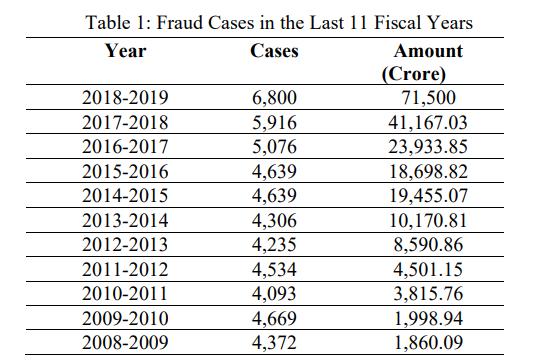
V. THE BEGINNING OF A TECHNOLOGICAL ERA WITH TELEPHONES
InventionOfTheTelephoneAndItsEarlyUses
TypesOfTelephonesandUltramodernUsesOfTelephones
The electronic system wasused for about a century, but in the 1960s, digital telephony came into play(Stefoff,2005). Digital telephonywascharacterizedbyadvancedqualityandlowercosts.Itenabledpeopletocommunicatewithoutpayingattention todistances.[2]
Now, IP telephony is getting more and more popular. Governments, companies, and lots of people are using this type of telephony.Atpresent,lotsofpeopleworldwideenjoymobilephonesthatcanpenetrateeverynanosecond.[2]
Scamsconductedviatelephoneareunfortunatelycommon,andtheycomeinvariousforms.Herearesomeprevalenttelephone scams:
International Research Journal of Engineering and Technology (IRJET) e-ISSN: 2395-0056
Volume: 12 Issue: 12 | Dec 2025 www.irjet.net p-ISSN: 2395-0072
1.CallerIDSpoofing:ScammerscanmanipulatetheircallerIDtodisplayatrustedorlegitimateorganization'snameornumber, makingitmorelikelythatyou'llanswerthecall.
2.ImpersonatingGovernmentAgencies:ScammersmightpretendtobefromgovernmentagenciesliketheIRS,SocialSecurity Administration,orevenlawenforcement,demandingpersonalinformationorpaymenttoresolvefakeissues.
3.TechSupportScams:Ascammercalls,claimingtobefromawell-knowntechcompanylikeMicrosoftorApple,andsaysyour computerhasavirus.Theyoffertohelp,gainremoteaccesstoyourdevice,andoftendemandpaymentfortheir"services."
4. Fake Prize or Sweepstakes Calls: Scammers inform you that you've won a prize orlotteryandask for personal or financial informationupfront,orthey'llclaimyouneedtopaytaxesorfeestoclaimyourwinnings.
5.DebtCollectionScams:Scammerscall,claimingyouowemoneyandthreatenlegalaction,arrest,orotherconsequencesifyou don'tpayimmediately.Theymaytargetindividualswithactualdebtsorusefakedebts.
6.PhishingCalls:Scammersposeasfinancialinstitutionsorcompanies,askingforpersonalorfinancialinformationto"verify" youraccountdetails.Theythenusethisinformationforidentitytheftorfinancialfraud.
7. Romance Scams: Scammers build a romantic relationship with victims over the phone, gaining their trust, and then requestingmoneyforvariousreasonssuchasmedicalemergenciesortravelexpenses.
8. Charity Scams: Scammers impersonate charitable organizations, especially during natural disasters or holidays, to solicit donations.Theyoftenusehigh-pressuretacticstogetyoutogive.
9.LoanScams:Scammersofferfakeloanswithlowinterestratesandnocreditchecks,requiringanupfrontfee.Theydisappear afteryoupay,andthereisnoloan.
10. Robocalls: Automated recorded messages that can be used for various scams, including offering fake services, making fraudulentinvestmentoffers,ordemandingimmediatepaymentforfictitiousbills.
Asweseetheriseintheuseoftelephonestheamountofscamshasdonethroughtelephonesalsorises.
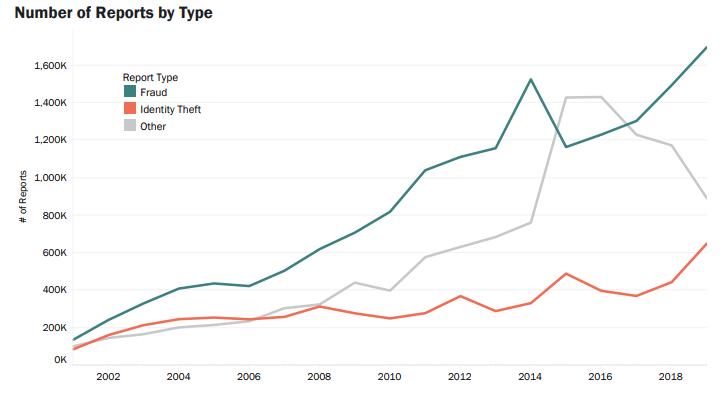
Since2002,wehaveseenan800%increaseinFraud(Datacollected from2002to2018),andhaveseen300%increasein IdentityTheft(Datacollectedfrom2002to2018)
Today,radiosareacommontechnologyfoundinhomes,cars,andevenonmobilephones.Infact,intoday’ssociety,itwould bealmostimpossibletofindanyonewhohasnotused,seen,orheardofradio.However,thiswasnotalwaysthecasebecause beforethe19thCentury,radiocommunicationandtransmissioninitswirelessformasweknowittodaywasunheardof.Even afterradiowasdevelopedinthelate1800sseveralyearshadpassedbeforeitbecameahouseholdfixture.Thehistoryofradio is even more fascinating as it is filled with controversy; while Nikolai Tesla from Missouri, United States demonstrated the
International Research Journal of Engineering and Technology (IRJET) e-ISSN: 2395-0056
Volume: 12 Issue: 12 | Dec 2025 www.irjet.net p-ISSN: 2395-0072
workings ofa wireless radioin 1893,credits go toGuglielmoMarconias theradio’sfather and inventor.Marconi, ofEngland, acquiredthisaccreditationbecauseheobtainedthefirstwirelesstelegraphypatentin1896.Eventually,Teslaacquiredpatents forbasicradioin1900.Still,in1901,Marconisealedthepositionofthefirstradioinventorbybecomingthefirstindividualto transmitradiosignalsacrosstheAtlanticOcean(TechWholesale,2014).BeforeWorldWarI,institutionsmainlyusedradioto contactships,whichsailedoutofsea.Radiocommunicationatthetimewasparticularlybeneficialduringemergencies.
DuringWorldWarI,theusefulnessofradiobecamesignificantlyapparentasthemilitaryuseditasatoolforreceivingand sending messages to the armed forces. Following World War I, radio’s use and popularity spread to include civilians with broadcasting stations cropping up in Europe and the U.S. Therefore, broadcasting stations such as British Broadcasting Company (BBC), Westinghouse’s KDKA, AT&T, CBS, and NBC were created and each were offered specific rights such as toll broadcasting,chainbroadcasting,manufacturingoftransmitters,andmanufacturingofreceivers
Today, the original radio broadcasting signals as invented by Tesla or Marconi have changed drastically. Traditional radio transmissions have evolved with the invention of Internet radio stations and satellite radio. Nowadays radios are found in homes, in vehicles, and other mobile devices. Additionally, the audience can now choose to listen to news, music, or talk shows.[3]
Radiofrequency(RF)technologyisabroadfieldthatencompassesvarioustechnologiesandapplications.Herearesomeofthe typesoftechnologiesandapplicationsthatuseradiofrequency:
1. Radio Broadcasting: Traditional AM (Amplitude Modulation) and FM (Frequency Modulation) radio broadcasting use RFtotransmitaudiosignalsovertheairwaves.
2. TelevisionBroadcasting:TVbroadcastsuseRFtotransmitvideoandaudiosignalstotelevisionsets.
3. WirelessCommunication:Thisincludestechnologieslike:
a. CellularNetworks:MobilephonesandsmartphonescommunicateviaRFsignalswithcelltowers.
b. Wi-Fi:WirelessroutersanddevicesuseRFsignalstoprovidelocalareanetwork(LAN)connectivity.
c. Bluetooth: This short-range wireless technology is used in devices like wireless headphones, keyboards, and speakers.
d. NFC(NearFieldCommunication):NFCenablesproximitycommunicationforapplicationslikecontactlesspayments.
e. RFID (Radio-Frequency Identification): RFID is used for tracking and identifying objects and animals, often in logisticsandinventorymanagement.
4. Satellite Communication: RF signals are used to transmit data to and from satellites in orbit, enabling services like satellitetelevision,globalpositioning(GPS),andsatelliteinternet.
5. RadarSystems:RadarsystemsuseRF wavestodetecttherange,speed,andothercharacteristicsofobjects.Theyare usedinaviation,weatherforecasting,andmilitaryapplications.
6. Wireless SensorNetworks:These networks useRF toenablecommunication between varioussensorsanddevicesin applicationssuchasindustrialautomation,environmentalmonitoring,andhomeautomation.
7. AmateurRadio:HAMradiooperatorsuseRFtechnologyforhobbyistcommunicationandemergencyservices.
8. Microwave Communication: RF signals in the microwave range are used for long-distance point-to-point communication,oftenintheformofmicrowavelinks.
9. RemoteControls:ManyremotecontrolsforTVs,stereos,andotherdevicesuseRFtechnology.
10. Smart Grids: RF technology is used in smart grids to enable two-way communication between utility providers and smartmetersinhomesandbusinesses.
11. RadioFrequencyHeating:RFisusedinindustrialprocessestoheatanddrymaterialslikefoodandwood.
International Research Journal of Engineering and Technology (IRJET) e-ISSN: 2395-0056
Volume: 12 Issue: 12 | Dec 2025 www.irjet.net p-ISSN: 2395-0072
12. Avionics:RFtechnologyiscrucialinvariousaviationcommunicationandnavigationsystems.
13. SecuritySystems:RFtechnologyisusedinsecuritysystems,includingalarmsystemsandaccesscontrol.
14. Healthcare: RF is used in medical devices, such as RFID-based patient tracking systems and some types of medical imaging.
15. WirelessCharging:Somewirelesschargingtechnologies,likeQiwirelesscharging,useRFsignalstotransmitpowerto compatibledevices.
16. Military and Defence: RF technology is employed in various military applications, including communication, radar, electronicwarfare,andsurveillance.
17. SpaceExploration:RFcommunicationisusedfordatatransmissionfromspacecraftandroverstoEarth.
Scams using radio technologies are relatively less common compared to phone or internet-based scams, but they do exist. Radio-basedscamstypicallyinvolvemanipulatingradiosignalsforfraudulentpurposes.Herearesomeexamples:
1. Pirate Radio Scams: Individuals or groups may operate illegal "pirate" radio stations to promote fake products, services, or events. They might advertise non-existent businesses or events, collect money for advertising, and then disappear.
2. JammingCommunications:Scammerswiththeequipmenttojamradiofrequenciescaninterferewithlegitimateradio communications.For example, they might jam the signals of emergency services, air traffic control, or law enforcement, creating a dangeroussituation.
3. Rogue Broadcasting: Some scammers may gain access to or hack into legitimate radio stations to broadcast false emergencyalertsorfakenews.Thiscancausepanicandconfusioninaffectedcommunities.
4. RFID Scams: Radio-frequency identification (RFID) technology is used in various sectors, including retail and transportation.ScammerscanuseRFIDskimmingdevicestostealdatafromRFIDcards,suchascreditcardsoraccess cards,withoutdirectcontact.
5. UnauthorizedEavesdropping:Scammerswiththerightequipmentcaninterceptandeavesdroponradiosignals.This canbeusedtogathersensitiveinformation,suchasconversationsordatabeingtransmittedoverradiowaves.
6. ImpersonatingEmergencyServices:Scammersmayimpersonateemergencyservicesonradiofrequencies,spreading falseinformationaboutemergenciesordisasters.Thiscanleadtounnecessarypanicandconfusion.
The history of computers dates back to the period of the scientific revolution (i.e. 1543 – 1678). The calculating machine constructedbyBlaisePascalin1642andthatofGottfriedLeibnitzmarkedthebirthoftheoperationofmachinesinassiduity.
Thisprogresseduptotheperiod1760–1830whichwastheperiodoftheartificialrevolutioninGreatBritainwheretheuse of machines for products altered the British society and the Western world. During this period Joseph Jacquard constructed theweavingimpend(amachineusedinclothassiduity).
In1980MicrosoftDisk Operating System(MS-Dos) was born and in 1981 IBMintroduced the particularcomputer forhome andofficeuse.ThreetimeslaterApplegaveustheMacintoshcomputerwithitsicon-driveninterfaceandthe90sgaveusthe Windows operating system. As a result of the colorful advancements in the development of the computer, we've seen the computer being used in all areas of life. It's a veritably useful tool that will continue to witness new development as time passes.[4]
The invention of the Internet is a complex and ongoing process that involves the development of various technologies and protocolsoverseveraldecades.Itisnotattributedtoasingleinventororaspecificdate.However,onesignificantmilestonein the creation of the Internet is the development of ARPANET (Advanced Research Projects Agency Network), which can be consideredtheprecursortothemodernInternet.
International Research Journal of Engineering and Technology (IRJET) e-ISSN: 2395-0056
Volume: 12 Issue: 12 | Dec 2025 www.irjet.net p-ISSN: 2395-0072
ARPANETwasfundedbytheU.S.DepartmentofDefense'sAdvancedResearchProjectsAgency(ARPA,laterrenamedDARPA) andbecameoperationalin 1969.Itconnectedcomputersatfourresearchinstitutions:UCLA,StanfordResearchInstitute,UC Santa Barbara, and the University of Utah. This network allowed researchers to share information and resources among the connectedcomputers.
The development of ARPANET was a key step in the evolution of the Internet, but it took many years of research, experimentation,andthecreationofvariousnetworkingprotocolstotransformitintotheglobalandinterconnectednetwork weknowtoday.Theinternethasevolvedthroughthecontributionsofnumerousindividualsandorganizationsovertheyears.
Scams done using the Internet
Scamsconductedontheinternetareunfortunatelywidespread,andtheycomeinmanyforms.Herearesomecommontypes ofinternetscams:
1.PhishingScams:Phishing involvessendingfraudulent emailsormessagesthatappeartobefromlegitimateorganizations, such as banks, social media platforms, or government agencies. These messages often request personal information like usernames,passwords,orcreditcarddetails.
2.AdvanceFeeFraud:Scammerspromisea largesumofmoney,a job,orsomeotherbenefitinexchangefora smallupfront payment.Oncethepaymentismade,thepromisedbenefitnevermaterializes.
3. Online Shopping Scams: Fraudulent online retailers offer products at extremely low prices to entice shoppers. However, onceapaymentismade,thegoodsareneverdelivered,ortheitemsreceivedareoflowquality.
4.AuctionandMarketplaceFraud:ScammersononlinemarketplaceslikeeBayorCraigslistmaypostfakelistingsforgoodsor services,andthenrequestpaymentbutneverdelivertheitems.
5. Romance Scams: Scammers create fake online personas to develop romantic relationships with individuals, gaining their trustbeforeaskingformoneyduetosupposedemergencies,travelexpenses,orotherfabricatedreasons.
6.TechSupport Scams:Ascammer may claimto be froma well-knowntechcompany,informingyouofa computer virus or issue.Theythengainremoteaccesstoyourcomputeranddemandpaymentfor"fixing"theproblem.
7. Investment and Ponzi Schemes: Scammers promise high returns on investments in various schemes or cryptocurrencies, buttheyarerunningPonzischemeswhereearlyinvestorsarepaidwithfundsfromnewerinvestors.
8. Social Engineering Scams: Scammers manipulate people into revealing confidential information through tactics like impersonatingfriendsorfamily,posingascoworkers,orconductingfakesurveys.
9.RansomwareAttacks:Malicioussoftwareisusedtoencryptavictim'sfilesordata,andaransomisdemandedinexchange forthedecryptionkey.
10. Work-from-Home Scams: Scammers offer remote job opportunities that seem too good to be true, and they may require upfrontfeesfortraining,equipment,ormaterialsthatareneverprovided.
11.EmailAccountCompromise:Scammersgainaccesstoanindividual'semailaccountanduseittosendfraudulentemailsor resetpasswordsonotheronlineaccounts.
12. Lottery and Prize Scams: Scammers inform victims that they've won a lottery or prize, but they must pay fees or taxes upfronttoclaimtheirwinnings.
Nearly nine in ten adult internet users (87%) have encountered content online which they believed to be a scam or fraud. Nearly half (46%) of adult internet users reported having personally been drawn into engaging in an online scam or fraud, whilefourinten(39%)reportedknowingsomeonewhohasfallenvictimtoanonlinescamorfraud.
International Research Journal of Engineering and Technology (IRJET) e-ISSN: 2395-0056
Volume: 12 Issue: 12 | Dec 2025 www.irjet.net p-ISSN: 2395-0072
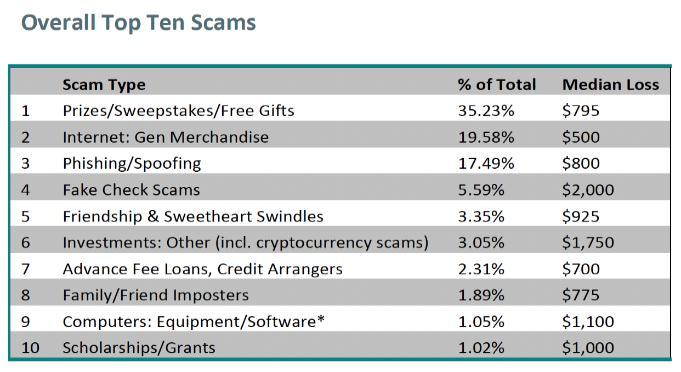
4. RecentTypesofScamsovertheInternet.[5]
Onaverage,inthetop10scamsdoneontheinternet,apersonwilllosebetween500$to2000$.
VIII. THE BLEEDING EDGE OF SCAMS AND AI
ArtificialIntelligence(AI) is thebranchofcomputersciencethatdealswiththeintelligenceofmachineswhereanintelligent agentisasystemthattakes actionsthatmaximizeitschancesofsuccess.Itisthestudyofideasthat enablecomputerstodo the things that make people seem intelligent. The central principles of AI include such as reasoning, knowledge, planning, learning, communication, perception, and the ability to move and manipulate objects. It is the science and engineering of makingintelligentmachines,especiallyintelligentcomputerprograms.[6]
Scams Done using Artificial Intelligence
ScammersareincreasinglyusingAI(ArtificialIntelligence)andmachinelearningtechniquestoenhancethesophisticationand efficiencyoftheirscams.Whilenotanexhaustivelist,herearesomeexamplesofscamsinvolvingAI:
DeepfakeScams:DeepfaketechnologyusesAItocreaterealistic-lookingvideosoraudiorecordingsthatmanipulateaperson's image or voice. Scammers can use deepfakes to impersonate individuals and request fraudulent payments or share false information.
AI-EnhancedPhishing:ScammersuseAItocrafthighlyconvincingphishingemailsormessages.AIcananalyzetherecipient's onlineactivityandpreferences,makingthephishingcontentmoretargetedandpersuasive.
ChatbotScams:SomescammersdeployAI-drivenchatbotsthatimpersonatecustomerservicerepresentatives,salesagents,or evenromanticpartners.Thesechatbotsengagewithvictimsandleadthemintoscamsorgatherpersonalinformation.
VoiceSynthesisScams:AIcanbeusedtogeneratesyntheticvoicesthatmimicrealpeople.Scammersmayusethistechnology forvoicephishing,wheretheyimpersonatetrustedindividualstorequestsensitiveinformationorpayments.
AI-GeneratedFakeNewsandSocialMediaPosts:AIcanbeusedtocreatefakenewsarticles,socialmediaposts,andreviews. Scammerscanspreadfalseinformationtomanipulatemarkets,damagereputations,orpromotefraudulentproducts.
AutomatedTradingScams:AIcanbeusedinhigh-frequencytradingoralgorithmictradingschemesthatmanipulatefinancial marketsforthescammer'sbenefit.Theseschemescancausesignificantfinanciallossesforunsuspectinginvestors.
Credential-StuffingAttacks: AI-driven botscan automatethe processoftestingstolen usernameand password combinations onvariouswebsites,exploitingthefactthatmanypeoplereusepasswordsacrossmultipleaccounts.
Data Privacy Violations: AI can be used to analyze vast amounts of data for targeted advertising or other purposes, raising concerns about privacy violations. Personal data collected by AI systems can be exploited or sold without the individual's consent.
AI-Powered Email Attacks: AI can be used to generate convincing emails that impersonate trusted contacts or use social engineeringtechniquestodeceiverecipientsintotakingharmfulactions,likewiringmoneyordownloadingmalware.
International Research Journal of Engineering and Technology (IRJET) e-ISSN: 2395-0056
Volume: 12 Issue: 12 | Dec 2025 www.irjet.net p-ISSN: 2395-0072
1. Pune man loses Rs 10 lakh to online bakery chain franchise scam. Earlier in the year, several other complaints were recordedbythePunepolicewhichhadasimilarmodusoperandi.AnofficeroftheCyberCrimepolicestationsaid,“Franchise frauds have been reported from across India where names of notable brands are used to lure people into investing in new franchises and large sums are taken from them. People should be extremely careful while choosing the platforms through whichthesecommunicationstakeplace.Peopleshouldcross-check theseinvestmentofferswith thecontactdetailsgivenon theofficialwebsitesofthesecompanies.”[7]
2. A Gurgaon man cheated of Rs 17.5 lakh through a screen-sharing app.
AGurgaonmanhasallegedhewascheatedof Rs17.5lakhbyamanwhoposedasacustomercarerepresentativeofaphone company.“ApersonintroducinghimselfasanAirtelcustomercarerepresentativewiththename‘Manish’offeredtohelpwith theissue.IspokewithhimafewtimesandheexplainedhowtogetarefundfromAirtel.OnJune4,heaskedmetodownload an Android app named ‘Anydesk’ on my mobile phone,” he said in his complaint. The police said the case was filed after a preliminaryprobeonthereceiptofthecomplaint.Thecaseisunderinvestigation,theysaid.[8]
Flipper-Zero: A case of good technology in bad possession.
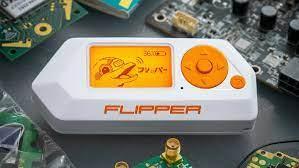
The Flipper Zero is a versatile programmable multi-tool device equipped with various hardware components tailored for securityresearchandhackingpurposes.Itshardwareincludesbuilt-inmodulesforRFID/NFCcommunication,infraredsignals, and radio frequency transmission and reception, making it capable of interacting with and manipulating a wide range of electronicsystemsanddevices.Additionally,itfeatures aprogrammablelogiccontroller(PLC)thatenablesuserstoperform physical security assessments. The device's open-source nature and the ability to upload custom firmware make it highly adaptable for different applications and user needs while serving as an educational platform for learning about hardware hackingandsecurityresearch.
Types of attacks that can be done using Flipper Zero
RFID/NFC Attacks: The Flipper Zero can clone or emulate RFID and NFC cards, allowing for unauthorized access to secure areasorsystems.
International Research Journal of Engineering and Technology (IRJET) e-ISSN: 2395-0056
Volume: 12 Issue: 12 | Dec 2025 www.irjet.net p-ISSN: 2395-0072
InfraredAttacks:Itcantransmitandreplayinfraredsignalstocontrol andmanipulatevariousIR-controlleddevices,suchas TVs,airconditioners,orremotecontrols.
Radio Frequency Attacks: The device can interact with and manipulate radio frequency communication, which may include analyzingandexploitingvulnerabilitiesinwirelesscommunicationsystems.
PhysicalSecurityAssessments:Withitsprogrammablelogiccontroller(PLC),itcanbeusedtoassessandmanipulatephysical securitysystems,suchasaccesscontrol,doorlocks,andalarms.
PenetrationTesting:TheFlipperZerocanbeusedasatoolduringpenetrationtestingexercisestodiscovervulnerabilities in computernetworks,webapplications,andotherdigitalsystems.
ReverseEngineering:Securityresearcherscanusethedevicetoreverseengineerhardwareandsoftwarecomponents,dissect andunderstandhowcertainsystemswork,anddiscoverpotentialweaknesses.
The rapid advancement of emerging technologies has revolutionized nearly every aspect of modern life, bringing unprecedented convenience, connectivity, and innovation. However, as our world becomes increasingly interconnected throughthedigital realm,it hasalsoprovidedfertilegroundformaliciousactorsto exploitthesetechnologiesforscamsand fraudulent activities. This research paper has explored the intricate relationship between emerging technologies and the proliferationofscams,sheddinglightonthevariouswaysinwhichthesetechnologiesareharnessedfornefariouspurposes.
Our investigation revealed a complex and evolving landscape where scams constantly adapt to capitalize on the latest technologicaltrends.FromphishingschemesanddeepfakemanipulationtoAI-drivenfraudandcryptocurrency-relatedscams, the spectrum of deceptive activities has expanded dramatically. Scammers leverage these technologies to not only reach a broader audience but also to create more convincing deceptions, making it increasingly difficult for individuals to discern betweengenuineandfraudulentinteractions.
Furthermore, this research underscores the far-reaching consequences of technology-enabled scams, affecting not only individualvictimsbutalsoindustries,governments,andsocietyasawhole.Financiallosses,databreaches,identitytheft,and theerosionofpublictrustaresomeof thenotableimpactsthatunderscoretheurgencyofaddressingthisissue.
As our study has shown, combating the use of emerging technologies in scams demands a multi-pronged approach. Law enforcement agencies, regulatory bodies, and the technology industry must collaborate to develop robust cybersecurity measuresandregulationsthatcanadapttotheevolving natureofscams.Publicawarenessandeducationcampaignsarealso pivotal to empowering individuals with the knowledge and tools needed to protect themselves from falling victim to these scams.
In conclusion, the coexistence of emerging technologies and scams presents both challenges and opportunities. While the ingenuityofmaliciousactorscontinuestoevolve,thesametechnologiescanbeharnessedtodevelopinnovativesolutionsfor preventionandmitigation.Aswemoveforward,thekeytoeffectivelyaddressingthisissueliesinourabilitytostayaheadof scammers,adapttothechanginglandscape,andharnessthetransformativepoweroftechnologyforthebettermentofsociety while safeguarding against its misuse. Only through continued research, collaboration, and vigilance can we hope to strike a balancethatallowsemergingtechnologiestofulfiltheirvastpotentialwhileminimizingtheiruseinscams.
References
[1] Yigitcanlar,T.Positionpaper:Redefiningknowledge-basedurbandevelopment.Int.J.Knowl.-BasedDev.2011,2,340–356
[2] IvyPanda. (2022, August 16). Technologies: History of Telephone. https://ivypanda.com/essays/technologies-history-oftelephone/
[3] Kuyucu,Mihalis.(2019).TheHistoryEvolutionofRadioinTheWorldonitsDigitalJourney. ISBN-978-9940-540-70-8
International Research Journal of Engineering and Technology (IRJET) e-ISSN: 2395-0056
Volume: 12 Issue: 12 | Dec 2025 www.irjet.net p-ISSN: 2395-0072
[4] Zakari,Ishaq&Yar,Umaru.(2019).Historyofcomputeranditsgenerations.
[5] Executive Summary Report: Online Scams & Fraud Research https://www.ofcom.org.uk/__data/assets/pdf_file/0025/255409/online-scams-and-fraud-summary-report.pdf
[6] Prof.NehaSaini,ResearchpaperonArtificialIntelligenceanditsApplications|ISSN:2456-3315
[7] https://indianexpress.com/article/cities/pune/pune-man-rs-10-lakh-online-bakery-chain-franchise-scam-8968560/
[8] https://indianexpress.com/article/cities/delhi/gurgaon-man-cheated-rs-17-lakh-through-screen-sharing-app-8829424/
[9] https://statmodeling.stat.columbia.edu/2012/04/08/technology-speedup-graph/-SpeedofConsumptionofTechnology
[10] https://www.nextiva.com/blog/common-phone-scams.html-IncreaseinnumberofScamsbyPhones
[11] UnlockingthePowerofFlipperZero:TheEducationalToolWhichHasAMultitudeofFeaturesWhichCouldChangeYour Lives! - https://medium.com/@rshar272k/unlocking-the-power-of-flipper-zero-the-educational-tool-which-has-amultitude-of-features-which-9b3c2548c11b
[12] OnlineAvailableat:https://www.internetlivestats.com/total-number-of-websites/
[13] Ansar,Syed&Yadav,Jaya&Dwivedi,Sujit&Pandey,Ankur&Srivastava,Savarni&Ishrat,Mohammad&Khan,Waris& Pandey,Dhirendra&Khan,Prof.Raees&Khan(2021).ACriticalAnalysisofFraudCasesontheInternet.TurkishJournal ofComputerandMathematicsEducation(TURCOMAT)