
International Research Journal of Engineering and Technology (IRJET) e-ISSN: 2395-0056
Volume: 12 Issue: 11 | Nov 2025 www.irjet.net p-ISSN: 2395-0072
International Research Journal of Engineering and Technology (IRJET) e-ISSN: 2395-0056
Volume: 12 Issue: 11 | Nov 2025 www.irjet.net p-ISSN: 2395-0072
Shishir Bagal1 , Ajay Shahare2 , Sakshi Shinde3 , Shubham Borikar4 , Harshal Ghatbandhe5
1Assistant professor, Dept of Electronics and Telecommunication, KDK College of Engineering, Maharashtra, India 2345UG student, Dept of Electronics and Telecommunication, KDK College of Engineering, Maharashtra, India
Abstract - The desire to farm efficiently and in a green manner has made smart technology which utilizes data a little more significant to more farmers. In order to satisfy this requirement, this project develops a cloud-based system that monitors soil in real time, measures it and assists farmers with making decisions on how to cultivate crops. The system employs soil sensors, which are related to the Internet, cloud computing, and convenient mobile or web application. Whenever you desire it, it monitors such crucial soil facts as pH, moisture, temperature, and nutrients. The sensors collect data in the field and transmit them to the cloud where smart algorithms run on them. The findings provide the farmers with clear guidelines on what to plant, when to irrigate, quantity of water, and the appropriate quantity of fertilizer. In case the soil shifts, notifications are immediately sent to the phones or tablets of the farmers and they can review the records of the previous seasons, compare them and modify the future arrangements with clever guesses. Continuous remote control and automatic data acquisition minimizes manual labor and eliminates errors, which are associated with the previous agricultural practice. It also ensures that there is prudent use of water and fertilizer to ensure that crops grow well and also to conserve the environment. This solution will ease farming, reduce expenses and increase precision farming efficiency and thus farmers can change to smart and green farming.
Key Words: Crop prediction, Wi-Fi Module (ESP32), NPK Sensor, Moisture Sensor, DHT-11 Sensor,
Morefolksarehungrythese days,whilefarmablelandasmorepeoplefacehungerwhilegoodlandshrinksfromclimate shiftsandworn-outsoils.Old-schoolmethodsstillhelp,buttheyusuallyrelyonhunchesorquickcheckups -tooweakfor problemslikedryspells,tireddirt,bugs runningwild,spottyharvests,orlopsidednutrients.Abetterfix?Tryanonlinetool that tests soil live and guides planting choices with solid science instead of guesses. It keeps watch nonstop, shoots off warnings when needed, works across different crops. The setup links smart ground sensors, internet hubs, wireless signals,plusbrainynumber-crunchingtools.TheseparFarming’sgettingtoughsteamuptotrackwaterlevels,acidity,heat, nitrogen-potassium-phosphoruscounts,compostcontent,andtinymineralshidinginearth.Thesegadgetssitrightinthe field,grabbing soildetailsnonstopwhilesendingupdatestoonlinescreensforcheckingandchoices.Thankstowebaccess, growersandfarmproschecklivecropanddirtstatsfromanywhere,makingquickcallsbasedonfactsratherthanguesses. One solid perk? The warning function - it pings people fast if something’s off, like water sinking too low, pH shifting weirdly,nutrientsrunningshortorpilingup,orheatjumpinghighenoughtohurtplants.Warningscomevia texts,phone apps,ordisplaypanelssofarmersreactwithout delay, dodge harm, save yield, and keep crops strong. The system works well for managing watering schedules, showing exactly when to irrigate - these cuts down wasted water, saves power, whilehelpinggrowhealthiercrops.Notjusttracking,itgivestailoredadviceforeachplantusinglivesoilreadings,weather updates,time-of-yeartrends,andlocalfarminghabits.Ratherthanone-size-fits-alltips,itdeliversspecificstepspercropon sowing, feeding, watering, bug control,andpreppingland.Handlingmanycropsatoncelets growers’ pair suitable types, make better use of inputs, boosting earnings over time. Past plus current info saved online allows spotting patterns, forecastingharvests,watchingsoilconditionyearafteryear.Embeddedsystemsusingmachinelearningspotearlycluesof poor nutrients, forecast possible diseases, notice odd changes in soil, or suggest waystopreventproblems.Alertsmixed withsmartpredictionsandcustomadviceturnitintoahandyhelperforon-the-spotchoices,pushingfarmdecisionsrooted inrealdata.Runningthroughthecloudmeansanyonefromsolo growerstobigco-opscanuseitwithouthassle,scalingup as needed. It cuts down excess fertilizers, reduces harmful spills into nature, saves water, while also keeping dirt alivebacking eco-friendly farming tied to worldwide climate efforts.Blending old-school growingknow-how withtoday’s tech reshapesagricultureintosomethingleaner,greener,tougher-readytofeedmorepeopleahead.
a) SoniaWadhwasuggestedastudywhichincorporatesaclevertoolthattracksdirtnutrients,dampness -evenair patterns.Sensorsfeeddatatoatinyprocessor,thenshareitonline.Farmersloginwhenevertheywanttoseecurrentinfosotheyknowexactlywhentoirrigateoradd nutrients. Thatway,resourcesgofurtherwithout beingwasted.Lessrunoff
International Research Journal of Engineering and Technology (IRJET) e-ISSN: 2395-0056
Volume: 12 Issue: 11 | Nov 2025 www.irjet.net p-ISSN: 2395-0072
happenswhileharvestsgrowbigger.Updatespopupfast,noconfusioninvolved.Inshort,thismakesfarmsrunsmoother, yieldmore,andharmnatureless.
b) Sonia Wadhwa (2024), This project checks if tech can boost crop growth on farms. Lots of growers stick to outdated ways that fall short. Crops rely on stuff like nitrogen, phosphorus - also potassium - to stay strong; lacking any weakens them. A solution here is building a clever tool that tracks dirt nutrients, dampness - even air patterns.Sensors feeddatatoatinyprocessor,thenshareit online. Farmers log in whenever they want to see current info-sotheyknow exactlywhentoirrigateoraddnutrients.Thatway,resources gofurtherwithoutbeingwasted.Lessrunoffhappenswhile harvestsgrowbigger.Updatespopupfast,noconfusioninvolved.Inshort,thismakesfarmsrunsmoother,yieldmore,and harmnatureless.
c) Yudhishthir Pandey & it’s Team (2023), The study showed the updated IoT watering system reduces excess water use by monitoring soil moisture in real time, preventing both over- and under-watering. Yet it stayed effective at protecting plants from damage caused by damp conditions while using resources more wisely. Since it uses wireless signals, growers can view data and tweak settings from a distance via smartphone. So routine checks became simpler withoutneedingconstantphysicalpresence.Besidesthis,figuringoutwhatgrowswellwhilegivingproperfoodkeptsoilin decentshape.Simplyput,smartgadgetsconnectedonlineareshiftinghowfarmsworknow -especiallyoncetheyinclude bettercropmonitoringplusdetailedgroundscansdowntheline.
d) Manju G & it’s Team (2024), The research showed soil qualityalongwithsurroundingconditionsheavilyaffecthow wellcropsgrow-whilemachinelearninghelpsfarmerspicktherightplantsfortheirland.Insteadofguessing,asmarttool lookedatdetailslikeacidity,saltlevels,organicmatter, pluskeynutrientssuchasnitrogen,phosphorus,potassium,boron, sulfur,manganese,iron,zinc,andcopper-tosuggestbest-fitcropsprettyaccurately.Outofseveralmethodstried,K-Nearest Neighbors(KNN)workedbest,hitting84%correctnesswhentested.Besidesforecastingtrends,thebuilt-insensorskept trackofvitallivesoildata-likeaciditylevels,heat,moisture,electricalconductivityalongwithkeynutrientshelpstracksoil conditionnonstop.Findingsshow mixingsmartsoftware withinternet-connectedsensors can boost farm choices. Adding live weather updates, info on bugs and plant illnesses, plus smarter math models might make forecastsway better. This setupcouldbecomeasolidhelperforpickingcropswiselywhileliftingharvestoutput.
e) MD Shaifullah Sharafat (2025) Thestudyshowed old-schoollearningtoolsperformjustlikemodernneuralnets when spotting crops on regular hardware, helping move smart farming ahead. Even though deep learning worked decently,classicmodelsoutdidthem-withRandomForestnailingalmost96%accuracy.Closebehind,GradientBoosting landed near 95.5%, while a fused SVC approach edged up to 95.9%. Since it was faster than the rest, Random Forest becamethego-tochoiceforrunningonaRaspberryPi5system.TabNetdidbestinthetest,hittingnearly92%accuracy. WhencheckingwithLIME,nitrogenandrainfallstoodoutaskeyfactors.Whilefarmerslikedhowitworked,theynoteda few areas to fix. According to specialists, quick decisions get easier because of real-time updates. Together, these tools offer strong help for farming that lasts. Adding federated learning at some point could speed things up while keeping results sharp. Edge computing might reduce lag when handling data from the field. Tiny AI versions tend to work more smoothlyonweakhardware.Tackingonpestmonitoringlatercanmakeitwaymorehelpful.Futureupgradesmightbring tools that spot plant diseases. Soil differences help forecasts hit closer to home - nutrient tracking boosts smart farming tricks.
f) Dhananjay Kumar & Sakshi Balyan (2025) Theresultssuggesttakingcareofsoilandhowwehandlenutrients mattersalotwhengrowingfoodwithoutharmingfutureharvests-sincethesefactorsshapehowwellcropsgrowandhow the land holds up over time. Good dirt relies on active microbes, solid texture, enough compost-like material, along with steady recycling of big and tiny plant feeds. Using mix-and-match methods like checking soil levels, giving just enough fertilizer,addingcompostormanure,switchingwhat’splantedeachseason,keepinggroundcoveredbetweencycles,and disturbing the earth less helps build better topsoil while cutting down waste from washing away, sliding off fields, or escapingintoair.Datashowsnewtechaidsandflexiblefarmingchoicesletgrowersadjustfastto changingfieldneedsand feed plants only what they need. Even ifshifting from old-school farming ways to healthier soil methods means spending moreatfirst,you’ll getstrongerdirt, savecashon supplieslater, grow bettercrops - while doinglessharmto nature.In short,whatworksbestreliesonkeepinganeyeonthingsregularly,tailoringapproachesperlocation-butalsoteamingup betweengrowers,scientists,andleaders-allaimedatgrowinggoodfoodwithoutwreckingtheplanet.
g) Denis Magnus & Ken Amara (2025), Agriculture’s grown nonstop over years, just to keep up with how much food, cloth, and animal goods people need - yet that push tends to wreck nature by draining and breaking down dirt. Farming the same land again and again, particularlyheavyfeederssuchassugarcane,stripsawaytopsoil, washes out key elements,andweakensearth'sabilitytogrowthingswell-problemsthatblowupduringharshstormsordroughts.Today’s idea of healthy soil isn’t only about biggerharvests; italsomeans protecting texture, keeping nutrients steady,. Though
International Research Journal of Engineering and Technology (IRJET) e-ISSN: 2395-0056
Volume: 12 Issue: 11 | Nov 2025 www.irjet.net p-ISSN: 2395-0072
sugarcane matters a lot forfeeding populations andsupporting local jobs, it sucks minerals from warm-region soils fast, making output drop unless those lost bits get put back. To boost soil quality, growers might try eco-friendly steps - like mixingincompostorplantingcovercropsinsteadofrelyingonlyonlab-madeplantfood.Stufffromnature,suchasrotted waste, animal droppings, bird litter, or leftover seedpulpkeeps dirtdampwhilefeeding helpful microbesunderground. Tinylifeforms likeAzotobacter, Acetobacter, bug strains that unlock phosphorus,critters fixing nitrogen, plus root fungi slowlyfreeupnourishment,cuttingdowntoxicrunoffifusedaftercheckingearthsamples.Thatway,plantsgetwhatthey need at the right time, grow stronger, and make more sugar. Down the line, scientists could dig into smarter mix-upsof feeds,sharper ways tosave groundandliquid resources, along with custom care plans depending on dirt kind and cane type.
h) Yuliyan to & it’s Team (2025), The research showed a smart farming tool using machine learning helps countriesgrowenoughfoodbypickingtherightcropsforlocal soil and climate. Instead of guessing, it uses data patterns from 1,100 fake but realistic farm setups covering 11 different crops. With the KNN method, it worked best once the numberofneighbors-calledK-wasfine-tuned.Tocreatethosetestcases,valuesfollowedabellcurvepattern,tweaked slightlywith5%randomnoise.Then,theyusedalimitchecktokeepnumberswithinreal-worldsense.Whentested,the model did well - nearly 97% correct picks, on average feeling about 83% sure of its choices. For example, it pushed rice duringheavyrains,chosesoybeanswhenthingsgotdrier,yetwentwithmungbeanswheredroughthithard.Thisproves KNNcangivesolidadvicejustbyreadingnature’ssignals.
i) Vishal Singh & Yogesh Kumar (2024), TheSoilTest Crop Response technique figures out fertilizer amounts by linking lab soil checks with real crop growth data - so yields hit targets without guessing. It looks at dirt nutrients, aciditylevels,plushowplantssoakupfood,thensetsexactfeedratesdependingonexistingsupplyandwhatcropsneed togrowwell.Coreidea?More nutrientsusuallymeanhigherharvestsinasteadyclimb-thattrendletsexpertsmixnatural and synthetic feeds smartly.Benefitsstackup:lessrunoff,lowerspendingoninputs, safer groundwater, steadier outputs, betterpayforgrowerswhennourishmentfitslocallandtraits.Still,therearesomedownsides-likeneedinggoodsoiltests, skilledadvice,carefulsamplecollection,orregularcheck-ups,thingstoughforsmallholderslackinglabhelp.Allinall,STCR offersadown-to-earth,workable,money-friendlymethodtoboostharvestswhileprotectingdirtqualityonheavilyused farms
j) Dattarao Bhise & Manish Kharat (2024), Theresultssuggestgoodfruitandvegetablefarmingdependsmostly onstrongsoilplusgivingplantstherightmixofnutrientstogrowwellanddelivertop-notchharvests.Researchpointsout dirtqualitygetsbetterwithsmartstepslikecheckingsoillevels,addingcompost,managingwaterwisely,switchingcrops regularly,tillingless,keepingacidityincheck,alongwithhandlingnutrientsandpeststogether.Thesemethodsboostroot space, food supply, moisture holding, mineral access - while alsocutting down pollution fromspillsorseepage.It’sclear thatmatchingfertilizerusetowhateachplantactuallyneeds,usingsuitablesoilfixes,helpsgetthe bestpossibleoutput. Farmers can keep their landhealthyover time byusing smart practiceslikeplanting covercropsormanagingfieldsmore thoughtfully.Ingeneral,resultsshowthatmixingcarefulsoilcarewithgoodnutrientchoiceshelpsgrowerssucceed-notjust inyieldbutalsoinprotectingnaturewhilemakingsolidprofits.
Illustrates how the combination of IoT sensors, ML models, and SMS messages can enhance farming operations and decision-making by making it possible for farmers to measure soil and environmental conditions remotely and receive alerts and updates in real time via both an internet- based dashboard or SMS text messages without needing internet connectivityfortimeliness.Theuseofautomatedirrigationsystemsallowedforlesswasteofwaterbecausethewatering schedule is adjusted based on current live measurementsofmoisture,temperature,pH,andnutrients present in the soil, while remote controlling the irrigation system also allowed for improved management of fields, thereby lessening the amount of manual labor required by farmers. In addition, the proposed framework provides farmers with multiple recommendations regarding which crops to plant based on environmental patterns, indicators of soil fertility, recommendedcroprotation intervals,etc.Testsconductedbyfarmersshowthatthe soil-monitoring deviceiseffectiveat providingaccurateandreliablereadingsandiseasytooperate.Themachine-learningmodelsfurtherimprovedthequalityof decisionmaking,withKNNachievinganoverallaccuracyof84%ontheprimarydatasetsandtheclassicalMLmodelssuchas RandomForestandGradientBoostingperformingover95%accuratelyonlargerdatasets,makingthemidealfordeployment ondevicessuchastheRaspberryPi5andotheredgedevices.Thus,theoverallintegratedIoT-MLframeworkdeliveredin real-timesoilassessmentthroughtheintegrateduseofIoTandMLtechnology,providingsupportforintelligentwatering management through SMS alert systems, as well as multiple alternatives for crop planting through the integration of variousenvironmentalfactorsthatgivefarmerstheinformationneededtomakesmarter,moresustainableandproductive farmingpractices.
International Research Journal of Engineering and Technology (IRJET) e-ISSN: 2395-0056
Volume: 12 Issue: 11 | Nov 2025 www.irjet.net p-ISSN: 2395-0072
Thesoilsensorsoutinthefieldkeepcheckingkeythingslikedampness,acidity,heat,alongwithnutrients-nopause.Those numbersgostraighttoasmalldevice,oftensomethinglikeanESP32,Arduino.belowthefigure.
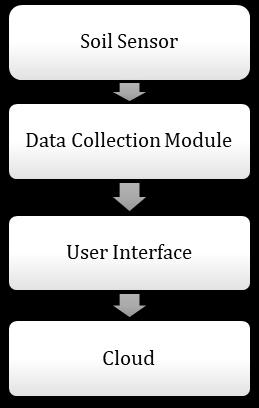
Thatgadgettakeswhatitgets,turnsanalogsignalsintodigitalcode,alsobeamseverythinguponline.Oncethere,thesystem holdsontothatinfo,studiespatternsonthefly,plusfiguresoutpracticaltakeawaysforgrowingcropsbetter.Onphonesor screens, folks see clear updates through apps or dashboards showing live soil details, warnings when trouble’s near, alongsidetipssofarmerscantweakwatering,feedingplants,pickingwhattogrownext.
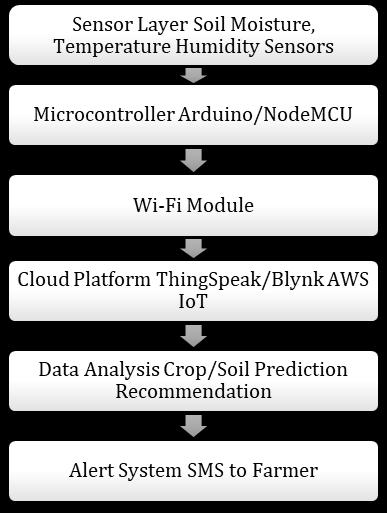
Above the flowchart illustrating the complete process from sensor measurement to sending farmer alerts. See the block diagramforthemajorhardware/softwareinteractionsanddataflowinthesystem.
Thesetupstartswithsensorstrackingsoildampness,heat,andairmoisture-grabbingliveinfofromtheground.Thatdata movesintoasmallbrain,maybeanArduinoorNedelcu,forsorting.Oncesorted,ittravelsviaWi-Fiuptoaweb-basedhub suchasThingSpeak,Blynk,orAWSIoT-tolandsafelyandshowupascharts.Onthedigitalside,numbersgetcheckedto judge earth quality, hint at good plants to grow, and offer smart tips for running the farm. After checking everything, automaticwarningspopupastextstothefarmer,givingquickadviceonwateringchoices,whattoplantnext,pluskeeping dirtstrong.
International Research Journal of Engineering and Technology (IRJET) e-ISSN: 2395-0056
Volume: 12 Issue: 11 | Nov 2025 www.irjet.net p-ISSN: 2395-0072
5. CONCLUSION
Finally,thispaperdemonstratesthattheintegrationofIoTsensorswithmachine-learningmodelsandSMSnotificationscan greatlyenhancethecontemporaryfarmingtothepoint ofimproving it.Thesystem aidsfarmers tomakedecisions much fasterandmorepreciseeveninplaceswithlowinternetconnection,byencouragingthemtowatchsoilandenvironmental conditionsinrealtimeandprovidepromptnotifications.Theautomatedirrigationsystemprovedtosavealotofwaterby usingthewateronlywhenitwasneeded,theremotecontrolprovidedtheoptiontohavethefieldseasilymanagedandless work-consuming.Smarter cropplanningwasalsosupportedbythefactthatthesystemmaderecommendationsofvarious cropsthatwereappropriatedependingonthesoilconditions.Thefieldtrialsestablishedthatthesoil-monitoringinstrument wasreliableand easy to use by farmers. The machine-learning models wereparticularlytheRandomForestandGradient Boostingmodelswhichwereveryaccurateinpredictionthusmakingthesystemdependabletouseintherealworld.Onthe whole,theresearchshowsthatthecombinationofIoTandMLcanresultinthemoreefficientutilizationoftheresources, theimprovementoftheproductivity,andthedevelopmentofmoresustainableagriculturalsystemsthathelpprolongthe healthofsoilandcrops.
1. AshutoshChoubey,SoniaWadhwa,JiteshAyam,HemantArya,AmiteshKeshari“IoT-BasedSoilMonitoringSystem&Crop Management”4April2024at:https://www.researchgate.net/publication/380027943
2. YudhishthirPandey,MohammadFaisalKhan,VishaAshishKumarPandey,S.P.Singh1“Real-TimeSoilMonitoringwith IoTEnabledSystemforCropPrediction”June2023
3. YekiniSuberuMohammed,YusufMohammed,andUsman Omeiza Ahmed, “IoT-Based Electronic System for Real- Time SoilNutrientDetectioninPrecisionAgricultureSimpa James” DOI:https://doi.org/10.62154/ajasfr.2025.019.01034
4. Manju G, Syam Kishor K S, and Binson V A, “An IoT- Enabled Real-Time Crop Prediction System Using Soil FertilityAnalysis”8October2024,https://doi.org/10.3390/eng5040130
5. Simpa James, Yekini Suberu Mohammed, Yusuf Mohammed and Usman Omeiza Ahmed, “IoT-Based ElectronicSystem forReal-TimeSoilNutrientDetectioninPrecisionAgriculture”Jul11,2025,
6. MDShaifullahSharafata,NilavroDasKabyaa,MehrabUddinAhmeda,RiasatKhan,“AnIoT-enabledAIsystemforrealtimecroppredictionusingsoilandweatherdatainprecisionagriculture”July2025,
7. DenisMagnusKenAmara,MelvinSidikieGeorge,Osman SidieVonu, SheriffBangura, Emmanuel Alpha, FodaySaidu Sesay, Alpha Sheku, Abu Bakarr Conteh, Samuel Josie Domingo, Michael Jusu and Foday Turay, “Soil Fertility ManagementinSugarcane”,FoodProcessing–NovelTechnologiesandPractices
8. Dattarao Bhise,manishKharat,RushikeshBhusariandAshutoshKumar,“SoilManagementandnutrientRequirement forHorticulturalCrops”,June2025at:https://www.researchgate.net/publication/392708103
9. Dhananjay Kumar, and Sakshi Balyan, “Soil Health and Nutrient Management” October 2025, at: https://www.researchgate.net/publication/396228868
10. Vishal Singh1, Yogesh Kumar2*, Pravind Yadav1 and Nitima Singh1 “The dynamic relationship between soil testing andcropresponse”,December2024,at:https://www.researchgate.net/publication/386329915
11. Yuliyanto,SupriadiSahib,TaufikImran,AndriansyahOktafiandiArisha and Munawirah, “Crop Recommendation BasedonSoilandWeatherConditionsUsingtheK-NearestNeighborsAlgorithm”July2025,DOI :https://doi.org/10.61628/jsce.v6i3.1955