
International Research Journal of Engineering and Technology (IRJET) e-ISSN: 2395-0056
Volume: 12 Issue: 10 | Oct 2025 www.irjet.net p-ISSN: 2395-0072
International Research Journal of Engineering and Technology (IRJET) e-ISSN: 2395-0056
Volume: 12 Issue: 10 | Oct 2025 www.irjet.net p-ISSN: 2395-0072
Ms. Sayali Chavhan*1, Ms. Vaishnavi Magar*2, Ms. Shivani Mahalle*3, Ms. Shubhangi Phade*4
Department of MCA Management, Met’s Institute of Management Adgaon, Nashik
I ABSTRACT: TheNashikKumbhMela,held everytwelve years, is among the world’s largest spiritual gatherings, drawing millions of pilgrims [10][14]. This massive influx creates significant demand for organized services like lodging and food [11][15]. With increasing expectations for digital convenience, there is a strong need for smart solutions to enhance the pilgrim experience while respecting cultural values [1][3][13]. Currently, no unified digital platform exists to help visitors find suitable accommodations or meal options based on their preferences and spiritual routines [5][6]. This research proposes a Java-based smart web application that offers personalized information on hotels, breakfast availability, andnearbyrestaurantsforlunchanddinner.
Bycombiningstructureddatafromhotelsandfoodoutlets with user inputs, the system delivers tailored, culturally aware recommendations [7][8]. Designed for both mobile and desktop users, it aims to provide an intuitive and accessible platform. The approach can also be adapted to other large-scale religious events, supporting the wider integration of smart technologies in cultural event management[2][16][17].
II KEYWORDS: Nashik Kumbh Mela, Smart digital services, Hotel and accommodation search, Food and meal service options, Budget friendly booking system
Nashik, a major city in Maharashtra, is renowned for its culturalandspiritualsignificance,especiallyasthehostof the Kumbh Mela held every twelve years [10][14]. This massive religious gathering attracts millions of devotees who participate in rituals and seek spiritual enrichment [12]. The scale of the event generates a pressing demand for well-organized facilities, particularly accommodation and food options that respect pilgrims’ practices and preferences [11][15]. Currently, no single digital platform exists to guide visitors toward nearby hotels or culturally appropriatediningchoices[5][6],leaving manytodepend on informal recommendations or time-consuming manual searches. With the increasing use of technology in travel planning, there is a clear scope for an efficient, userfriendly solution [3][13]. This project proposes a Javabased web application to help pilgrims easily find and book hotels while locating suitable breakfast, lunch, and dinner outlets. Users can filter results by location, meal type,budget,andproximitytokeyreligioussitestoensure both convenience and cultural sensitivity [4][9]. The
platform aims to ease logistical challenges, allowing pilgrims to focus on their spiritual journey, and its model canbeadaptedforotherlarge-scalereligiouseventsacross India.
1. Research Objective: Develop a Java-based web applicationtohelppilgrimseasilylocateandbook suitable accommodation during the Nashik KumbhMela.
2. Provide accurate details of food outlets serving breakfast, lunch, and dinner aligned with cultural anddietarypreferences.
3. Minimize time and effort spent by pilgrims in searchingforlodgingandmeals.
4. Create a culturally respectful, mobile- and desktop-friendlyplatform.
Recent research on pilgrimage and tourism in India consistently highlights the importance of accommodation, food,andproximitytosacredsitesforpilgrimsatisfaction. However, most studiestreat lodgingand mealsseparately, offering little insight into integrated services during mass events like the Kumbh Mela. Works on spiritual tourism andreligioushospitalitystressmotivations,infrastructure challenges, and sustainability but rarely examine digital solutions tailored to pilgrims’ cultural and dietary needs [11][12][15]. Foodrelated studies underline the ritual and identity value of cuisine yet do not propose user-facing tools to help locate appropriate meals. Even technologyfocusedcasestudies suchasthoseontheMahakumbhor Himalayan smart tourism emphasize transport, hygiene, andconnectivityratherthancombinedhospitalitysystems [3][13][16]. Overall, the literature shows a clear gap in research on smart platforms that jointly address accommodation and culturally sensitive food services for largescalereligiousgatherings.
Large religious gatherings like the Nashik Kumbh Mela draw millions of pilgrims who require clean, convenient, and culturally appropriate lodging and meals [10][14]. While studies highlight the importance of these services, they rarely address how accommodation and food can be
International Research Journal of Engineering and Technology (IRJET) e-ISSN: 2395-0056
Volume: 12 Issue: 10 | Oct 2025 www.irjet.net p-ISSN: 2395-0072
integrated into a single, user-friendly platform [11][15]. Existing research on digital tools focuses mainly on transport, hygiene, or crowd control, leaving a gap in hospitality solutions [2][13][16]. At present, pilgrims depend on fragmented or informal information, making it difficult to find suitable hotels or food outlets that meet spiritual and dietary preferences. This project seeks to fill that gap by developing a smart, accessible system that combines accommodation and meal services for largescalereligiousevents.
This study adopts a mixed-methods approach, blending quantitative and qualitative techniques. Quantitative data will be gathered through structured surveys, while qualitative insights will come from interviews, observations, and user feedback. A prototype of the proposedwebapplicationwillbetested,wherepossible,to evaluateusabilityandeffectiveness.
Data collection: Surveyquestionnaireswillbedistributed online (for example, via Google Forms) to pilgrims, local service providers such as hotels and food outlets, volunteers, and event organizers. The survey will cover topics like accommodation experiences, dietary preferences, use of digital tools, and price sensitivity. Complementary qualitative data will be obtained through direct observations, informal discussions, and interviews during the Kumbh Mela or with past participants to capture anecdotal experiences and refine the application design[7][8].
Surveyresultsshowadigitallyawareaudiencewithalarge share of first-time visitors who rely on social media for event information [8] Accommodation is the top concern: most respondents favour full-facility hotels, advance booking and mobile-based reservation systems [9][11]. Food choices show a similar pattern, with a clear preferenceforappsoronlinemapstolocateoutlets[6].
Respondents also value cultural immersion in lodging, such as traditional decor and local experiences, alongside priceandavailability.Overall,thefindingspointtoastrong demand for an integrated, easy-to-use platform that combineshotel booking,foodrecommendationsandother key services for the Kumbh Mela. The proposed web application directly addresses this gap and could be replicated at other large religious events in India [2][16][17].
Surveyfindingsshowpilgrimsprefermobileappsforhotel bookingsandfoodinformation.Fullfacilityhotels,advance reservations, and culturally immersive stays are highly
favoured. Social media is the main source of event information[8].Theresultshighlightstrongdemandforan integrated platform combining lodging, meals, and essentialservicesfortheKumbhMela.
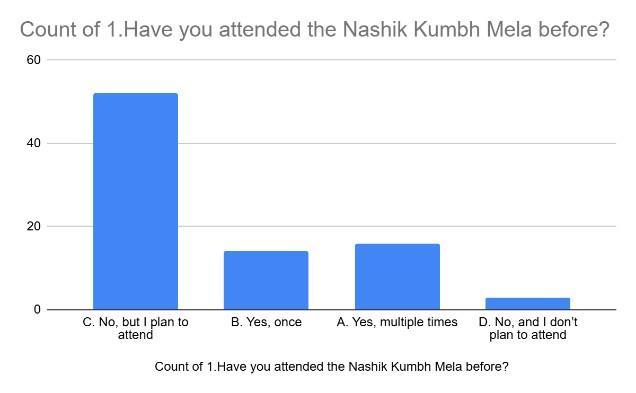
Fig.1:Responsesto“HaveyouattendedtheNashik Kumbh Melabefore.
The bar chart shows that the majority of respondents (61.2%) have not attended the Nashik Kumbh Mela but plan to do so, while smaller proportions attended once (16.5%) or multiple times (18.8%). Only a few (3.5%) do not plan to attend, indicating a high interest among firsttimevisitors.
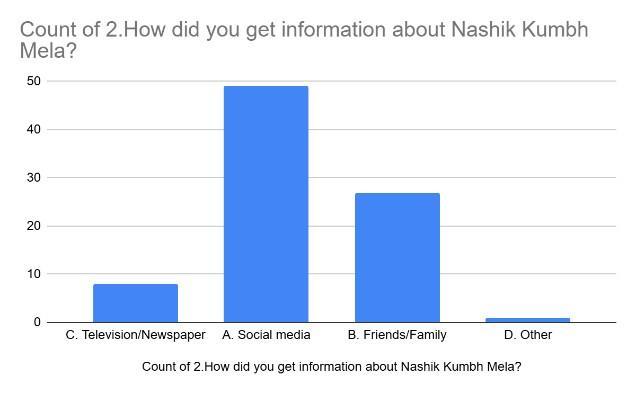
Fig.2:Howdidyougetinformationabout kumbh mela.
Based on the provided bar chart, Social media was the most common way people got information about the Nashik Kumbh Mela, with a count approaching 50. The next most significant source of information was Friends/Family, which accounts for roughly half the responsesseenforsocialmedia.Traditionalmedialike
Television/Newspaper and Other sources were far less utilized.
International Research Journal of Engineering and Technology (IRJET) e-ISSN: 2395-0056
Volume: 12 Issue: 10 | Oct 2025 www.irjet.net p-ISSN: 2395-0072
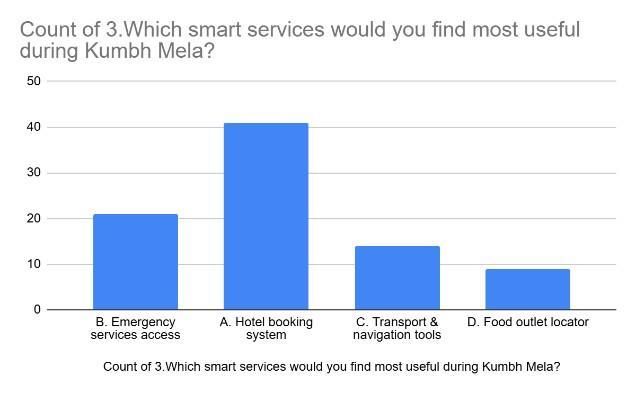
Fig.3:whichsmartserviceswouldyoufinemostuseful duringkumbhmela.
Based on the chart, the Hotel booking system was overwhelmingly considered the most useful smart service during the Kumbh Mela, with a count exceeding 40. Emergency services access wasthesecond most desired service.Incontrast, Transport & navigation tools andthe Food outlet locator were found to be less useful by the respondents.
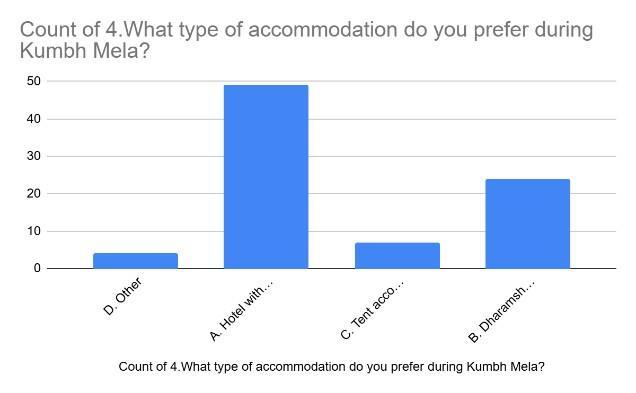
Fig.4:Whattypesofaccommodationdoyoupreferduring kumbhmela.
Thebarchartindicatesthat Hotel with modern facilities is the most preferred type of accommodation during the KumbhMela,receivingnearly50responses.
Dharamshala is the second most popular choice, preferred by approximately 24 respondents. Tent accommodation and Other optionsweresignificantlyless preferred.
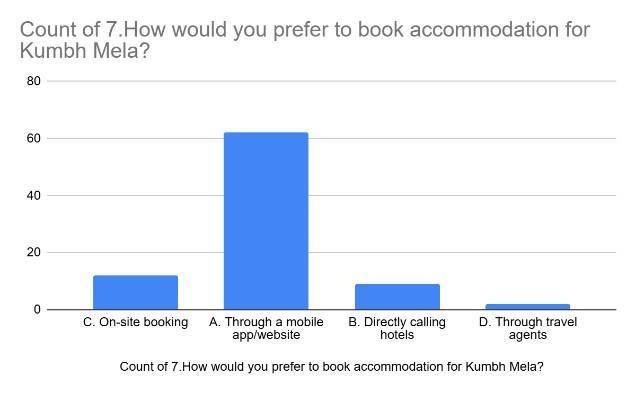
Fig.5:Howwouldyouprefertobookaccommodationfor kumbhmela.
Based on theabove bar chart, the most preferred method tobookaccommodationfortheKumbhMelais Through a mobile app/website, with a count of over 60. On-site booking isthesecondmostcommonpreference,followed by Directly calling hotels. Booking Through travel agents istheleastpreferredoption.
This study highlights the importance of implementing smart tourism solutions that are culturally informed and seamlessly integrated at the Nashik Kumbh Mela. Survey resultsindicatethatpilgrimsshowastrongpreferencefor mobile applications to reserve fully equipped hotels and rely primarily on social media for event updates[8][10][14]. The Java-based web application proposed in this study meets these needs by combining hotel booking with suggestions for culturally appropriate meals, improving both convenience and overall visitor satisfaction. In future applications, this model can be adaptedforotherlarge-scalereligiousandculturalevents. Potential enhancements include real-time crowd monitoring, partnerships with local authorities, and the integration of additional smart tourism technologies to furtherenhanceefficiencyanduserexperience[2][16][17].
[1] S. Lipsa and R. K. Dash, “Seven-year study of Indian tourism with predictive modeling: Smart tourism perspective,” Smart Tourism,vol.5,no.1,2024.
[2] K. S. Kulkarni and J. B. V., “AI-driven tourism transformation: Kerala case study using SMART framework,” Academy of Marketing Studies Journal, vol. 29, no.4,pp.1–19,2025.
[3] S. Arora and A. Sharma, “Promoting sustainable tourism in India through digital marketing for religious events,” in The Emerald Handbook of ICT in Tourism and Hospitality,EmeraldPublishing,2020.
International Research Journal of Engineering and Technology (IRJET) e-ISSN: 2395-0056
Volume: 12 Issue: 10 | Oct 2025 www.irjet.net p-ISSN: 2395-0072
[4] Kristu Jayanti College, “Leveraging smart tourism technologies to enhance visitor experiences in India,” 2023–24. [5] P. Bedi, N. G. Tripathi, and H. B. Singh, “Innovationsinsmarttourism:JaipurMetropolitan Region casestudy,”in Advances in 21st Century Human Settlements, Springer,2018.
[5] A. Bharali and B. C. Baruah, “IoT-based strategies for heritage tourism marketing in India: A systematic review,” jaa.kbsaa.org
[6] ThePrint, “Accommodation management system implementedatMataVaishnoDevishrine,Reasi,J-K.”
[7] MakeMyTrip, “Pilgrimage travel to 56 Indian destinationsrises19%inFY24–25,” Fortune India.
[8] Bansal, Kaundal, Sharma, Sood & Thakur, “Tourist motivations and heritage site visits: ASI monuments in HimachalPradesh,” Christ University Journal of Tourism
[9] R. P. B. Singh, Cultural heritage and sacred geography of the Kumbh Mela,2018
[10] N. Kaul, Hospitality and pilgrimage in India: Traditions, transformations, and digital adoption,2020.
[11] J. Choe and M. O’Regan, “Digital mediation in religioustourismexperiences,”2020.
[12] D. Dredge and S. Gyimothy, Smart tourism: Foundations and development,2017.
[13] R. Bandyopadhyay, Kumbh Mela: Religion, culture, and tourism in India,2019.
[14] R. Bhardwaj and S. Dixit, “Pilgrimage tourism in India: Opportunities, challenges, and digital adaptation,” Journal of Tourism Studies,vol.15,no.2,pp.55–68,2022.
[15] A.SharmaandP.Gupta,“Smartcityapproachesin cultural and religious tourism in India,” International Journal of Smart and Sustainable Built Environment, vol. 10, no.4,pp.567–583,2021. https://doi.org/10.1108/IJSSBE-03-2020-0028
[16] UNESCO, Management of intangible cultural heritage and large religious gatherings in South Asia, Paris: UNESCO, 2018.