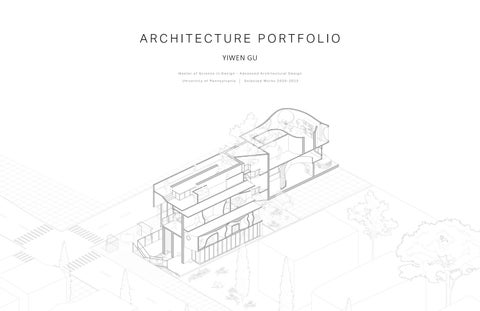
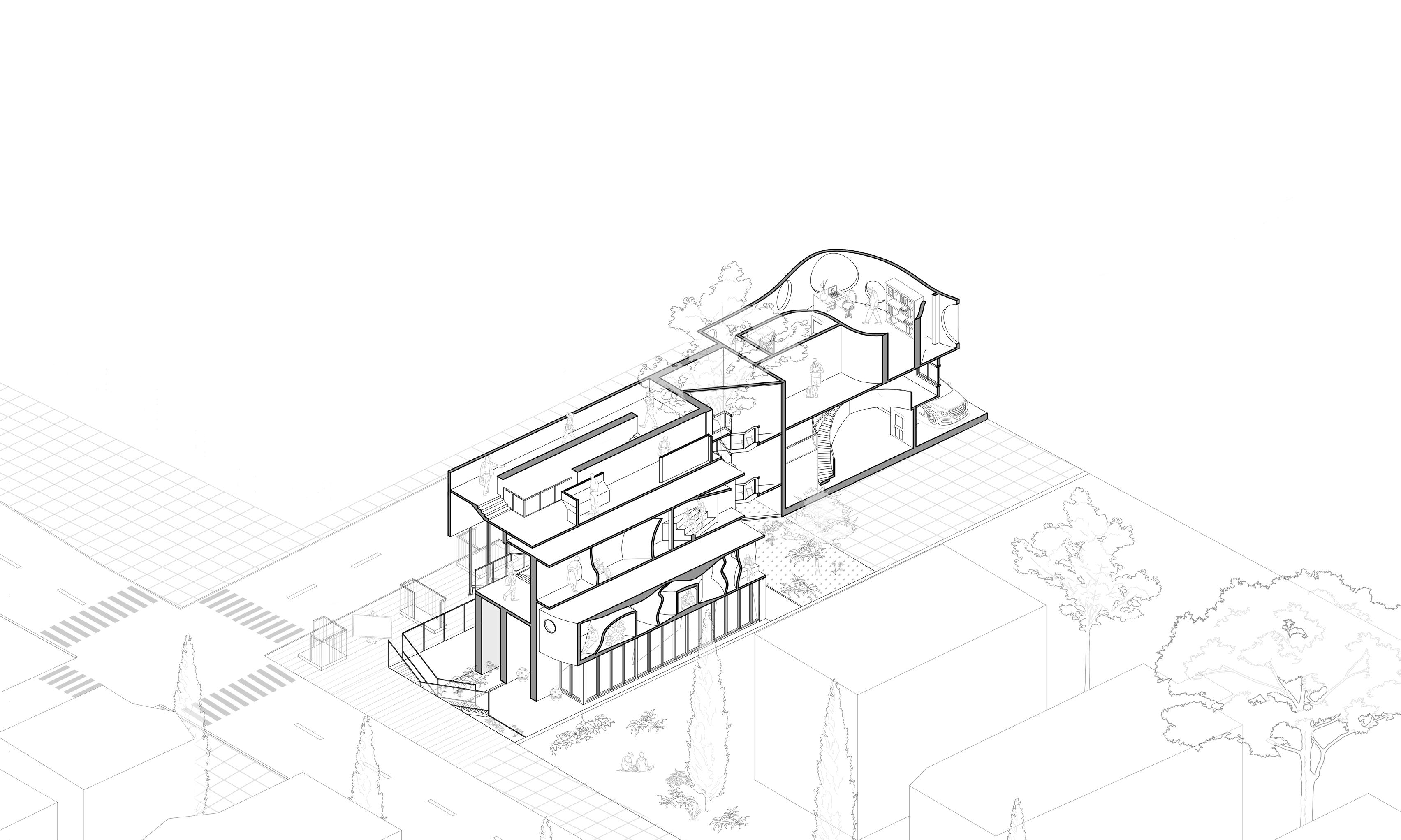
Mass Shooting Memorial 01
A memorial for reflection and healing process
Time: Spring 2020
UNCC Exchange Project
Instructor: Rachel Dickey
Location: Washington D.C., USA
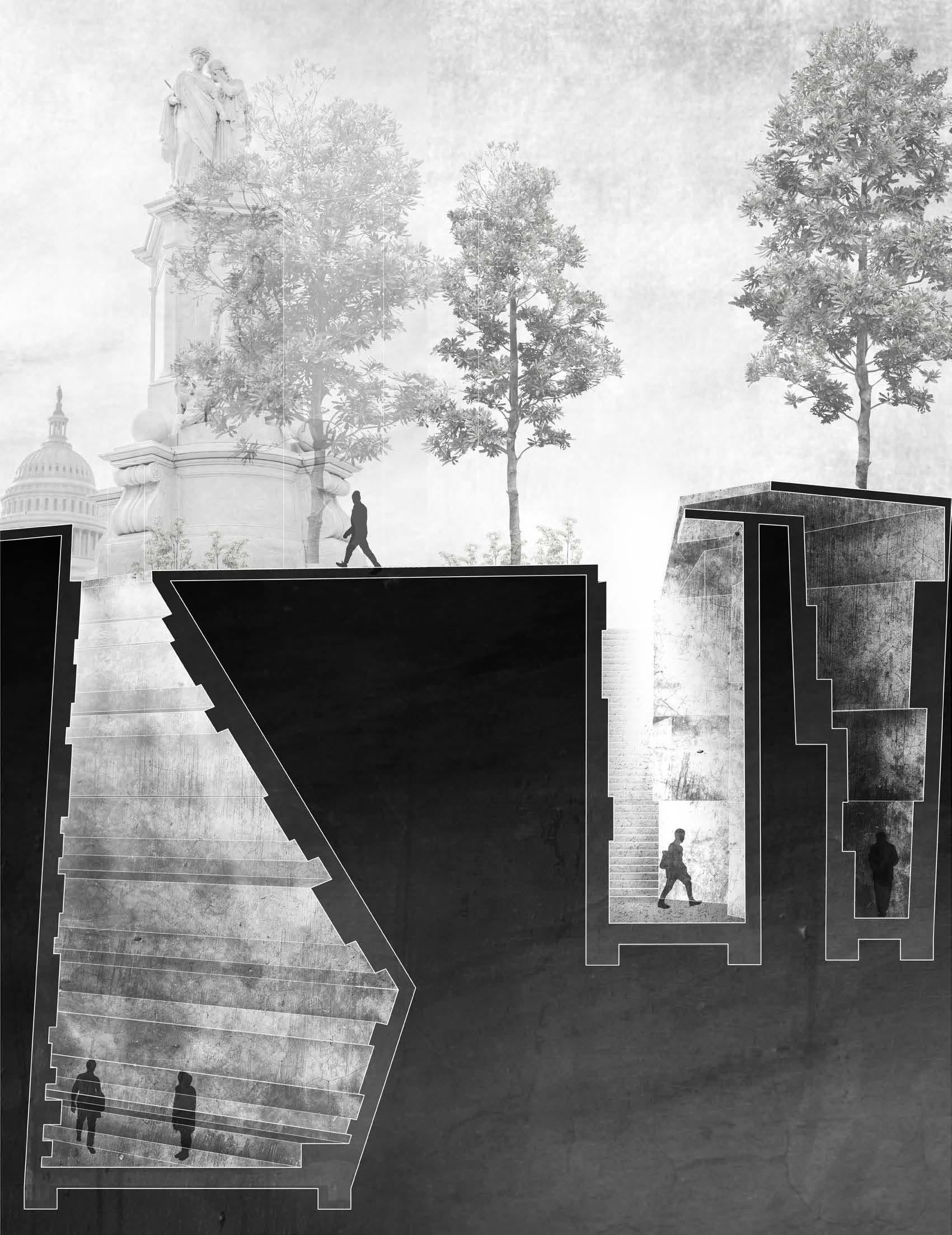
Individual Work Between 2016 and 2018, there were a total of 41 documented mass shootings within the United States. In light of these horrifying incidents, we raise the question of how conflict can be employed as a creative tool to commemorate the lives lost in those tragedies. Drawing inspiration from the repercussions of mass shootings, this project focuses on an architectural response that counters the escalating frequency of such shootings and the distressing cycle of societal apathy and outrage that often ensues after such tragic events. By designing spaces with distinctive characteristics, this project aims to establish a sanctuary where individuals can engage in meditation, reflection, and the commemoration of victims affected by mass gun violence.
01
The USA has had more mass shootings than any other country. Generally, shooters either die by suicide afterward or are restrained or killed by law enforcement officers or civilians.
In the ten years between 2009 and 2018, 1,121 people were shot and killed in the US in mass shootings, and 836 more were shot and wounded. The impact of mass shootings stretches far beyond those killed and wounded, harming the well-being of survivors, their families, and entire communities.

A mass shooting is associated with a 27-percentage-point decline in the likelihood of having excellent community well-being and a 13-percentage-point decline in the likelihood of having excellent emotional health four weeks following the incident.

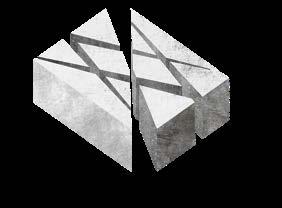
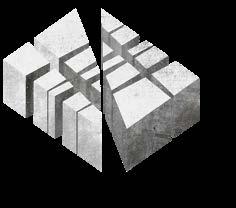
MASSING MODELS
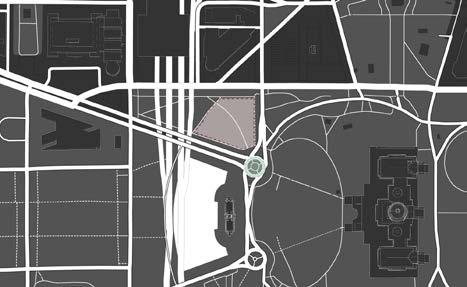
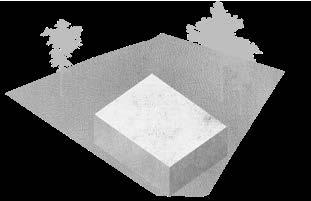
The site is located to the northwest of the Peace Memorial and the United States Capitol in D.C. The mission of the memorial is to provide relief to those who have been affected by these events and to help others understand their impact, as studies suggest that mass shootings incur significant societal costs and generate negative spillover effects that extend beyond those immediately exposed.



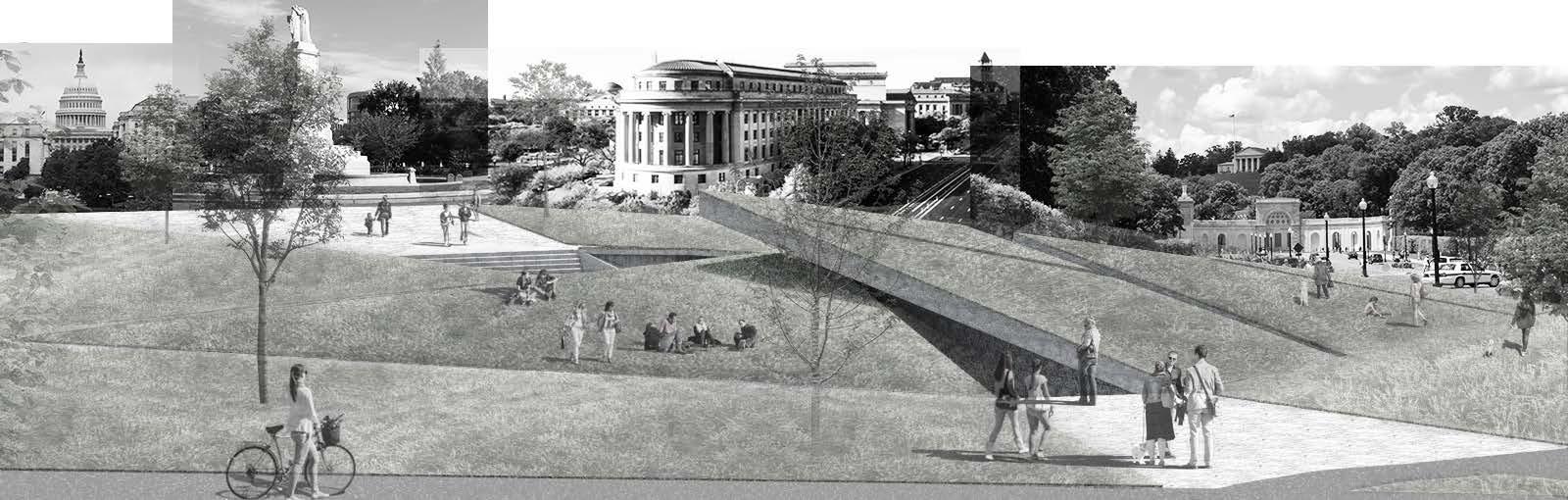
FORM GENERATION
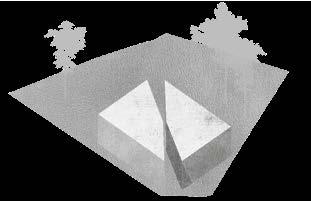
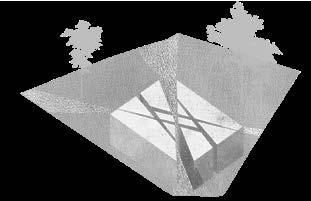
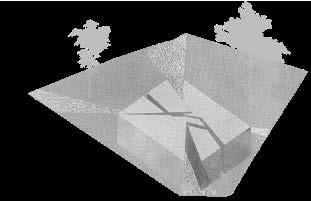









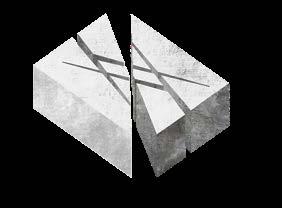
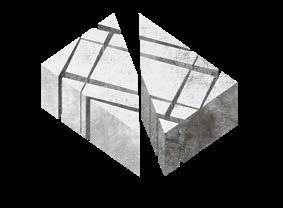
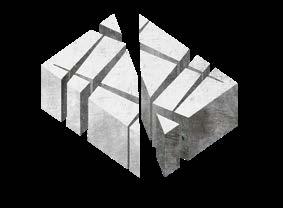
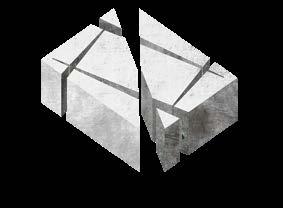
MASS
SHOOTING SITE SITE
Peace Memorial United States Capital
02

1. Experience 2. Understand 3. Reflection Path of Memory Path of Experience 4. Grief / Memory 5. Meditation 6. Healing 1 2 3 4 5 6 03
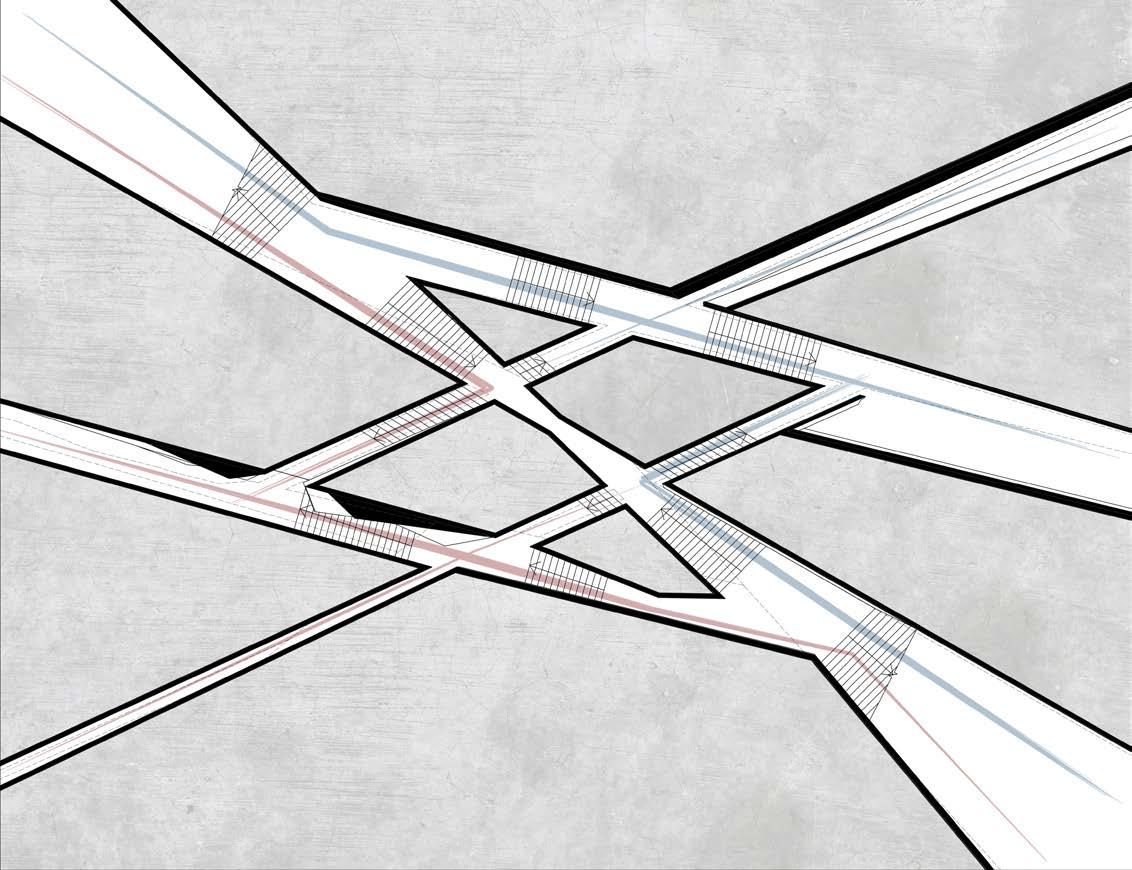
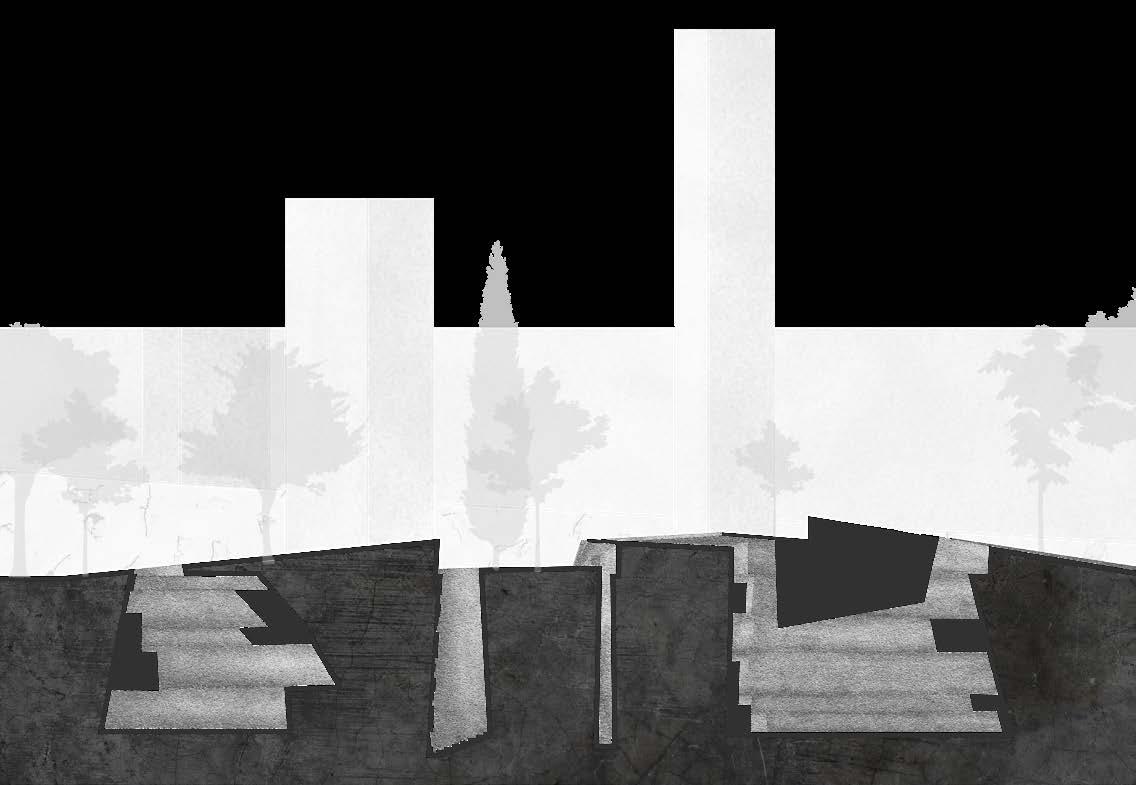
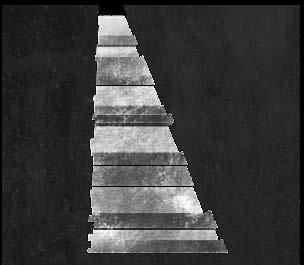
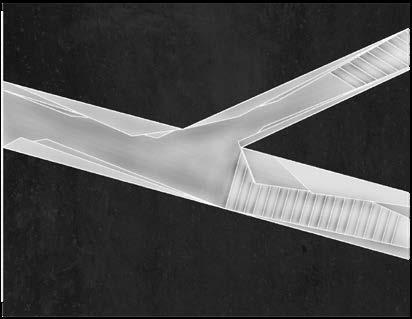
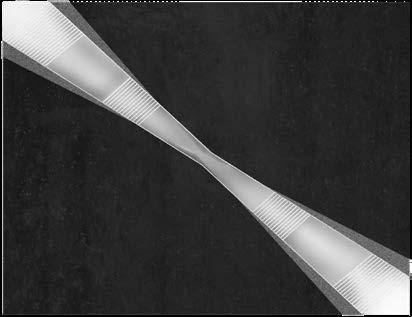
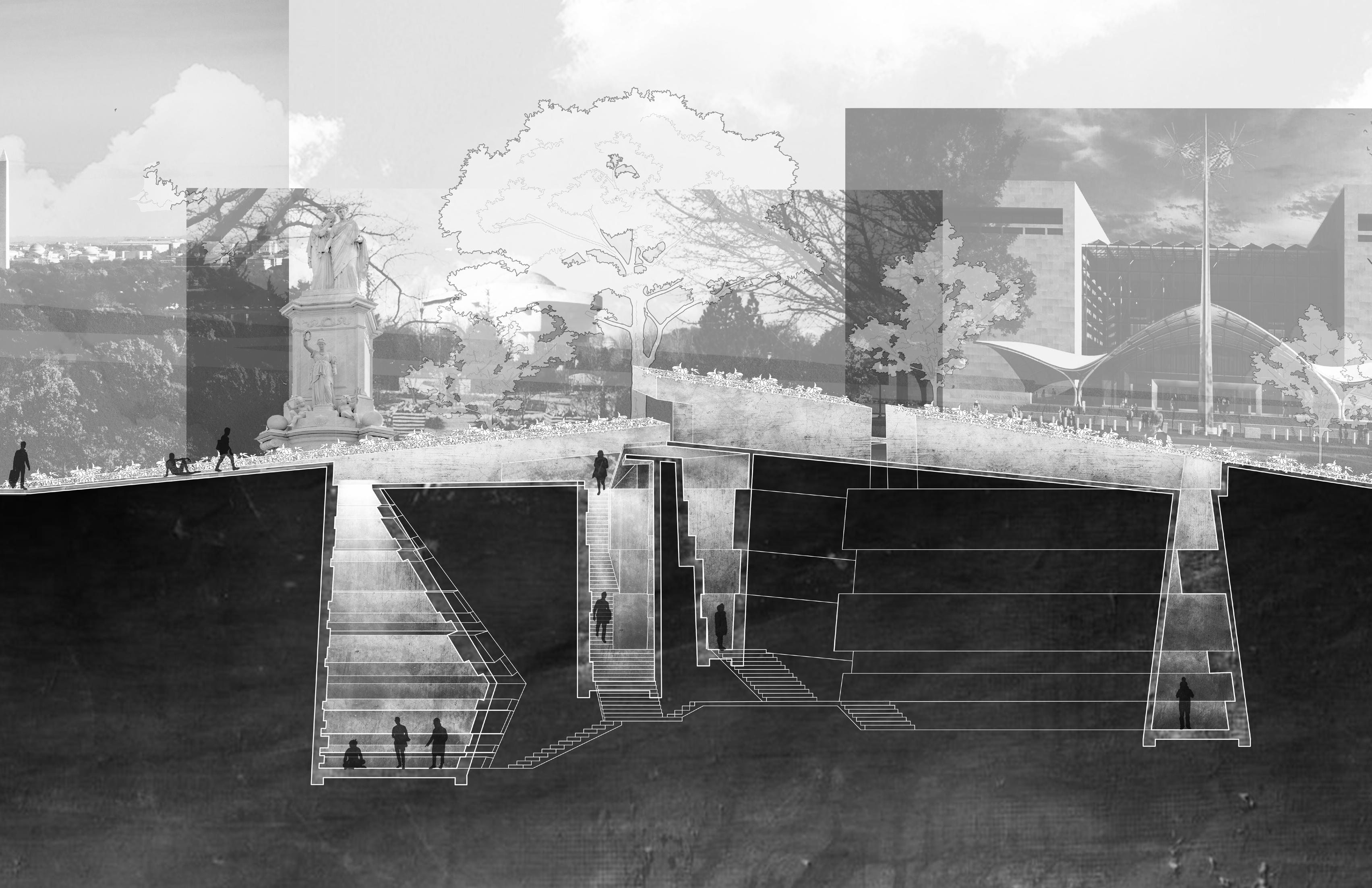
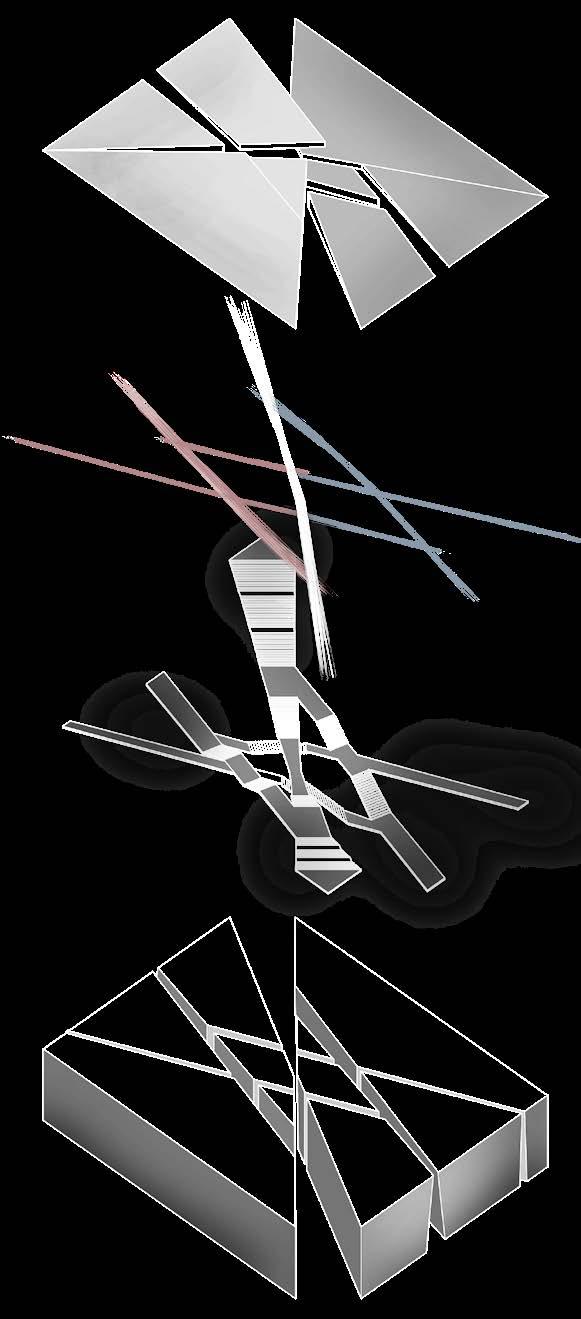
The left path leads to the darker section. With the walls closing in, there is limited sunlight above, and people will experience the feelings of depression and desperation caused by mass shootings, making them contemplate what they should do to prevent such tragedies. The right path is the main route connecting sections on both sides. It darkens as you descend and brightens as you ascend, creating a noticeable contrast.
Meditation Space
Memorial Space
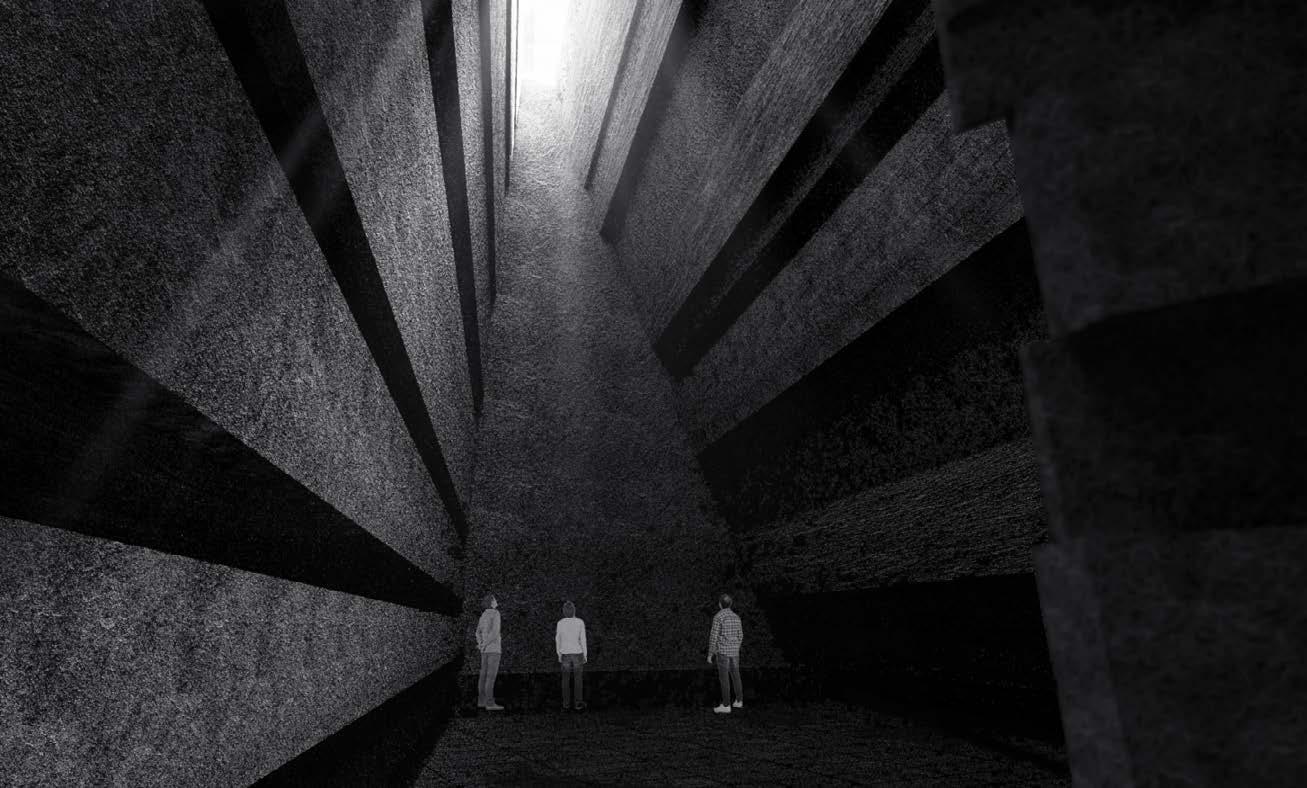
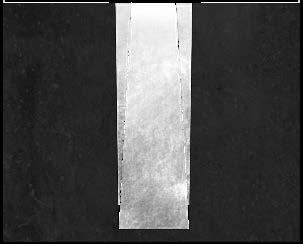
This is the meditation space, especially for visitors who have experienced or lost someone to these tragedies. The tilted walls on both sides create an opening at the top, allowing sunlight to filter through and evoke a mournful atmosphere. However, when visitors look up, they can see the sky and sunlight above. The bright light signifies that even after terrible tragedies, there is still hope, and life continues.
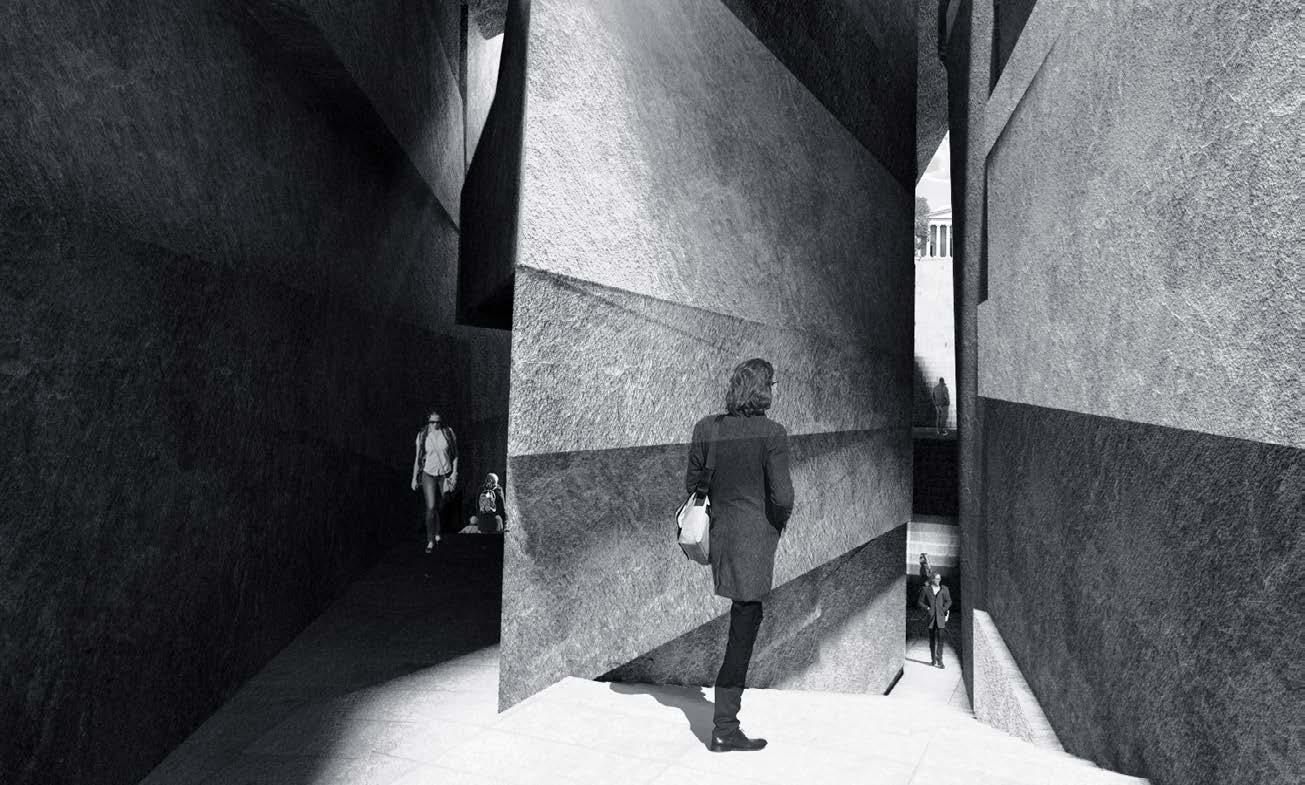
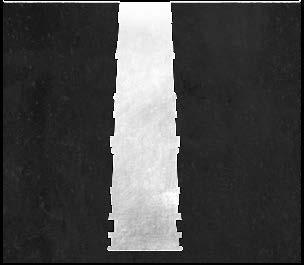
The entrance of the memorial is relatively bright because the outward-leaning walls allow more sunlight into the area.
Repressed Space
Main Path - Transition Space Main Path - Centrual Space
While walking down the stairs, the walls start to bend inward, creating a relatively darker area.

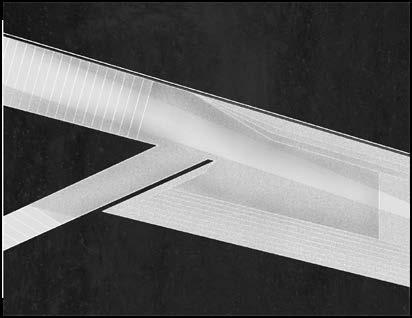
Memorial Space Meditation Space
The central space is the deepest and darkest area on the main path, with only limited light from above.
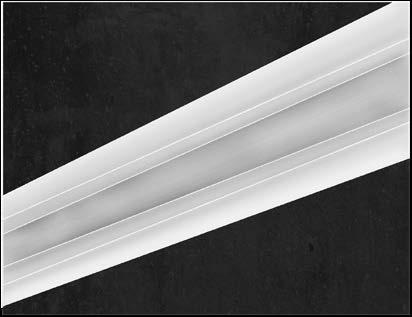
Repressed Space
The memorial space is along the path of memory, offering visitors a place to remember the victims of mass shootings.
The meditation space is intended for people who have experienced or lost someone to mass shootings.
The repressed space is designed to evoke stress and depression in visitors, encouraging them to reflect on mass shootings.
Main Path - Entrance
Main Path
04
05
Hypostyle 02
Architectural elements, spaces, and part-to-whole relationships
Time: Spring 2023
Upenn MSD-AAD Project
Instructor: Barry Wark
Location: Seville, Spain
Group Work: Yiwen Gu, Yutao Chen
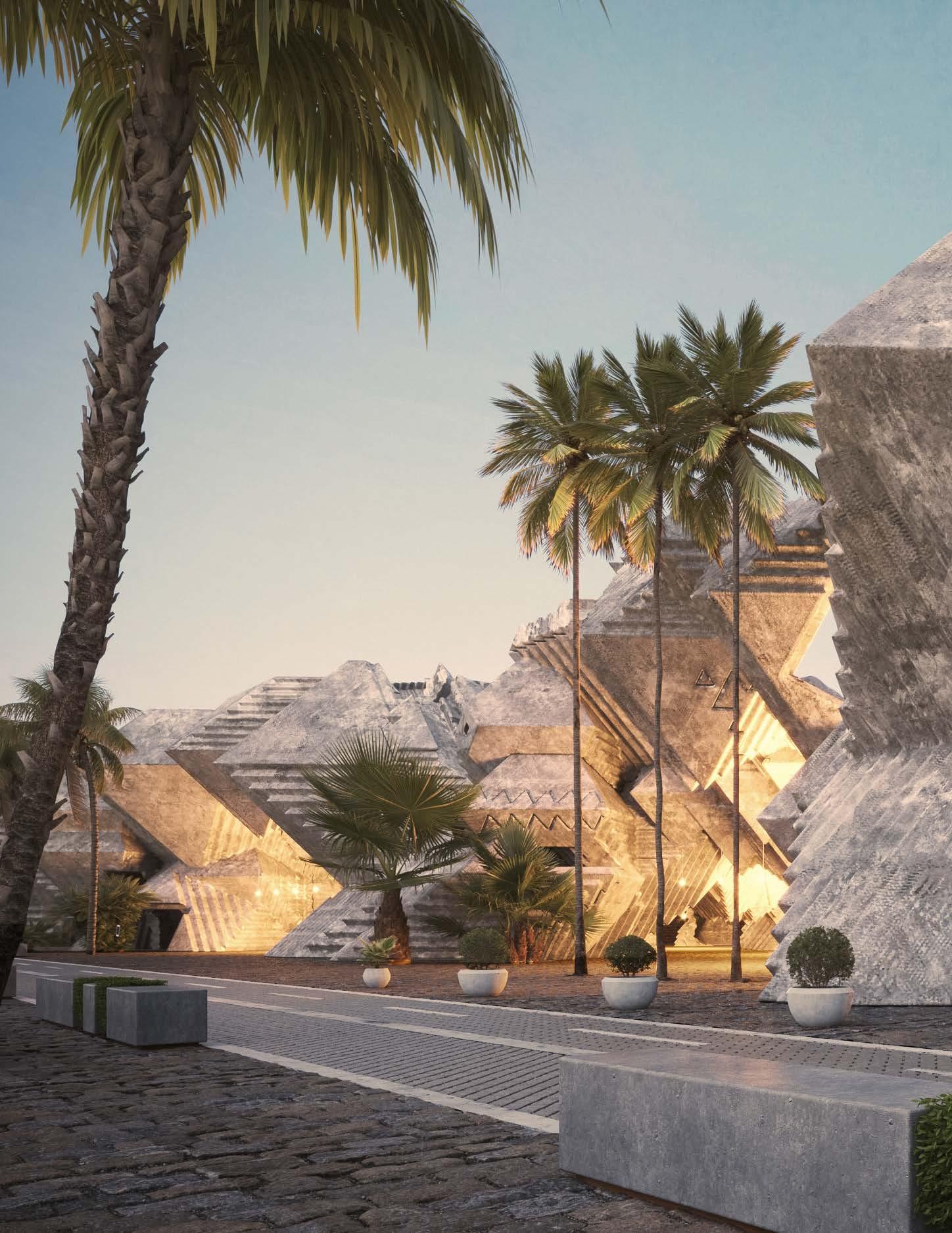
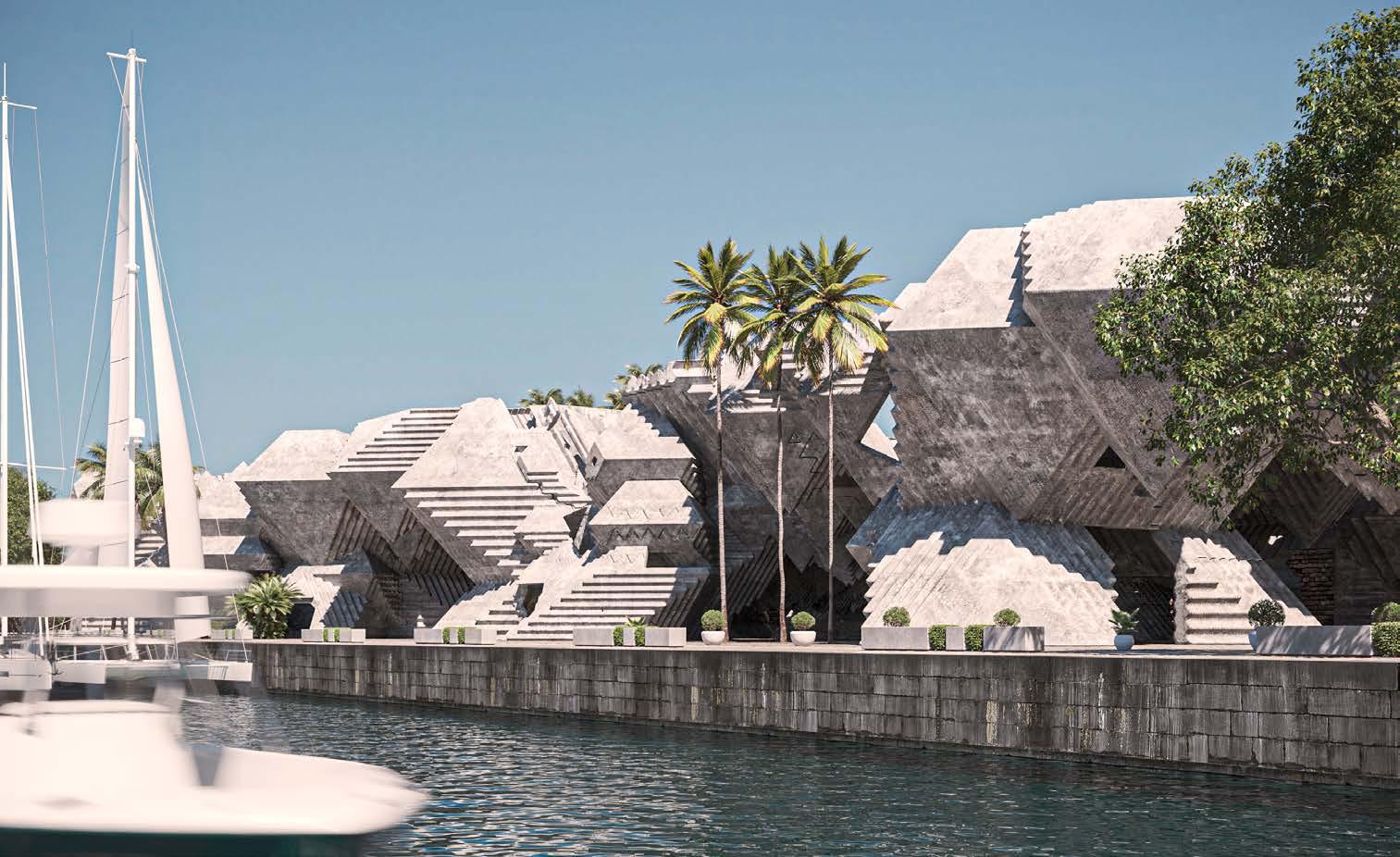
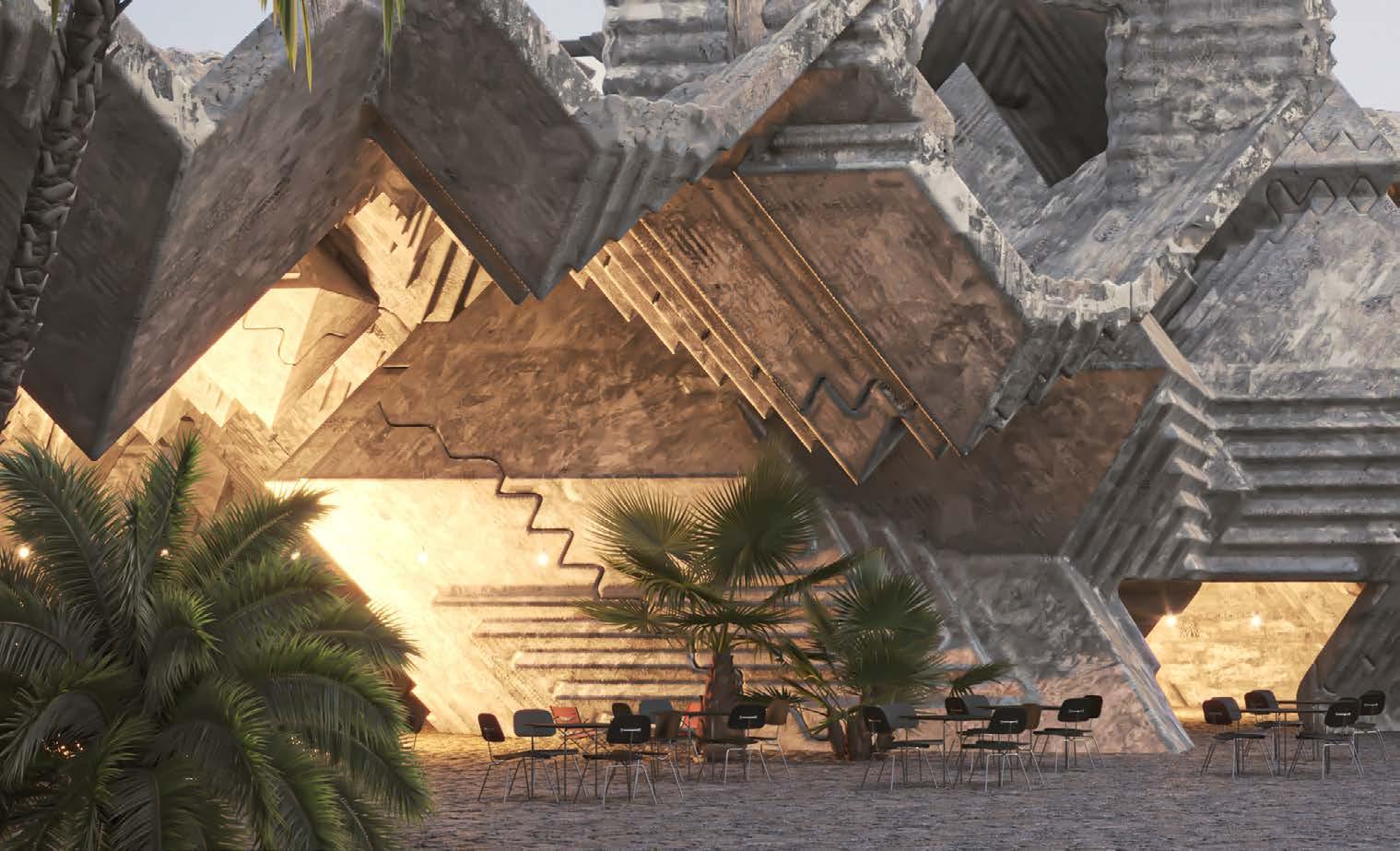
By studying the Moorish and Mudejar architecture of Andalucia, Spain, we speculated on how intricately designed tectonic assemblies could be informed by the regional architecture, aiming to accelerate the manifestation of environmental interconnectedness. The project envisioned architecture not as a fixed and static entity from its initial construction, but rather as a composition of matter that is continually constructed, reconstructed, and perpetually evolving, piece by piece.
By adopting this perspective, a building can embody both qualities of "dirtiness" and pristine conditions simultaneously, as different parts exhibit varying degrees of environmental integration. This approach prevents the sole inclination towards obsolescence and decay.
06
Seville

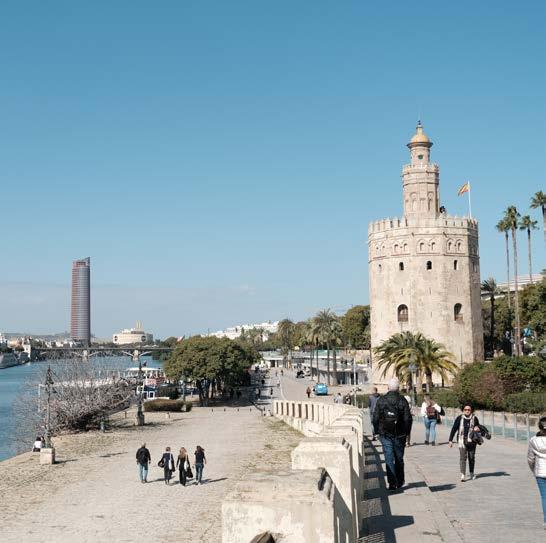
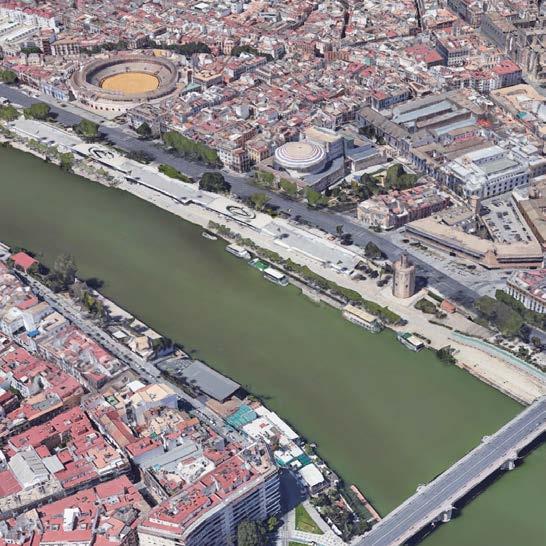
Seville has a rich history dating back over 2,000 years. It has been influenced by various civilizations, including the Romans, Moors, and Christians, which is reflected in its architecture, culture, and traditions. The city boasts a stunning blend of architectural styles, from the Moorish Alcazar Palace and Giralda Tower to the Gothic Seville Cathedral. Seville experiences a Mediterranean climate with hot, dry summers and mild winters.
Site Location
SITE
The Canal de Alfonso XIII is a man-made canal known for its tranquility and scenic beauty. The canal area is surrounded by several parks and gardens, making it a green oasis within the city.
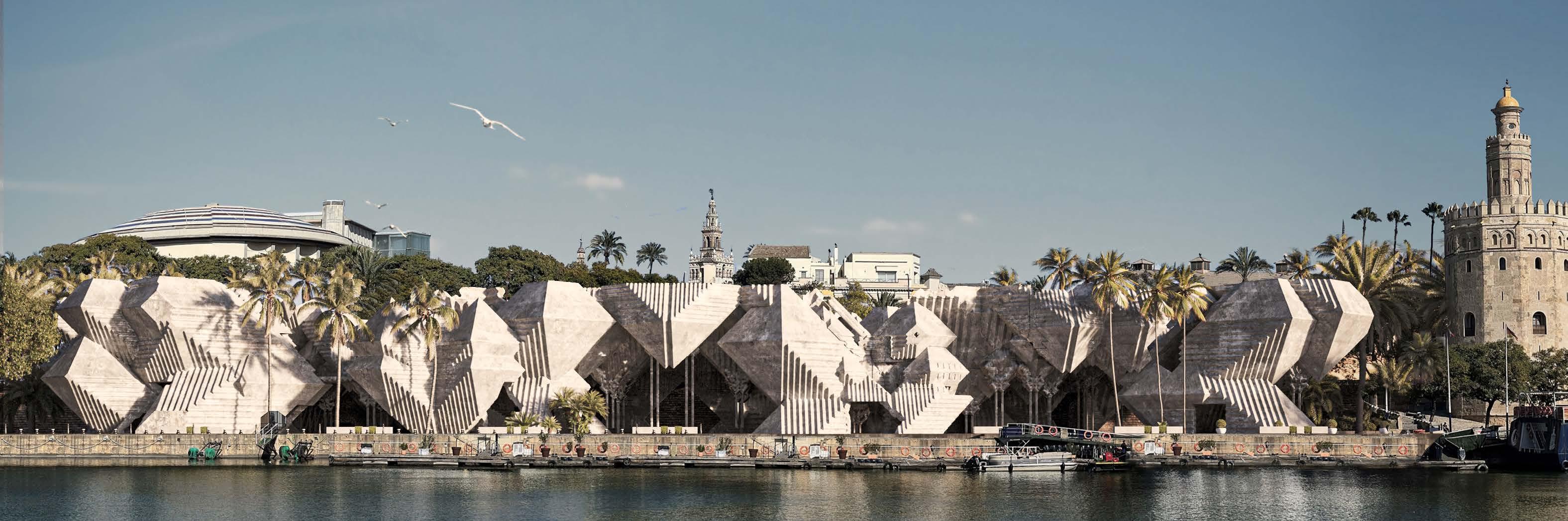
The site is located along the riverbank of the Canal de Alfonso XIII. On the southeast side of the site, you can find the Torre del Oro, a 13th-century military watchtower.
The Canal de Alfonso XIII
07
ALHAMBRA
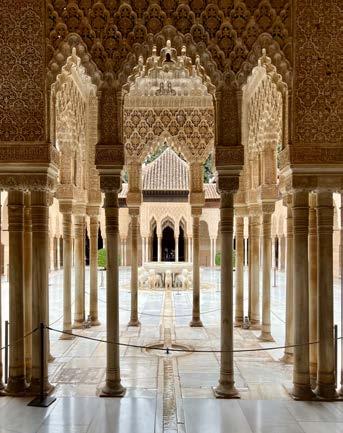
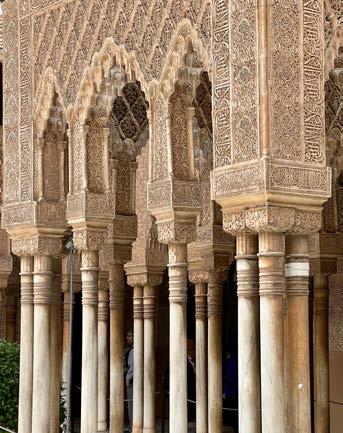
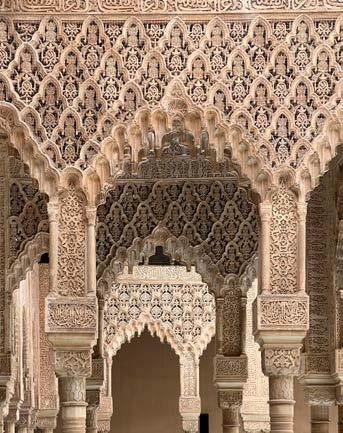
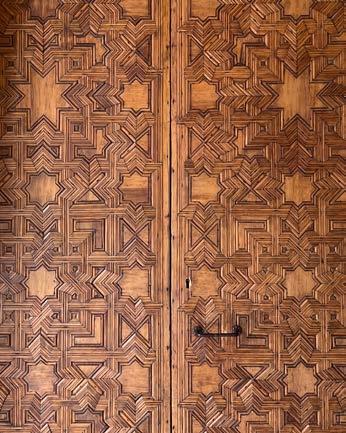
The Alhambra showcases the Moorish architectural style, known for its intricate geometric patterns, arabesques, and calligraphy. It combines Islamic and Andalusian design elements.
MUKARNAS
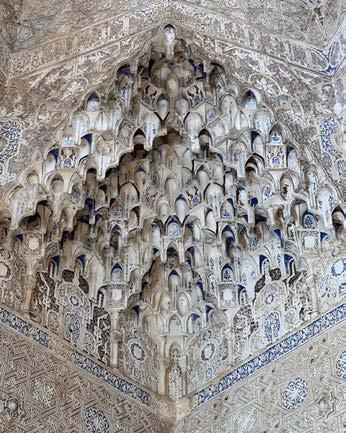
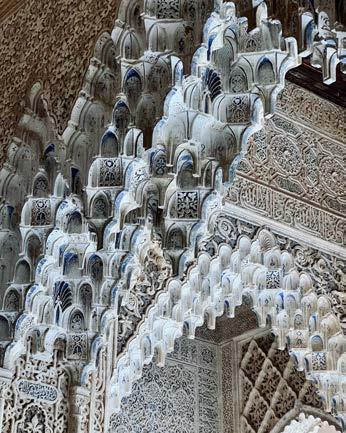
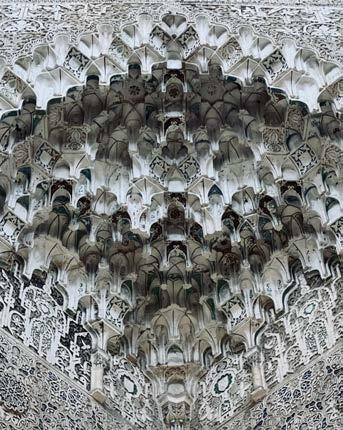
Muqarnas, also known as honeycomb or stalactite vaulting, is a distinctive architectural feature seen in the ceilings of many Alhambra rooms. It adds depth and complexity to the design.
45 DEGREES
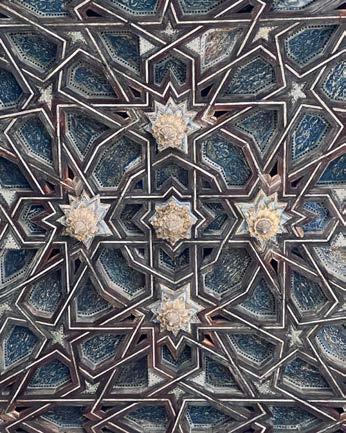
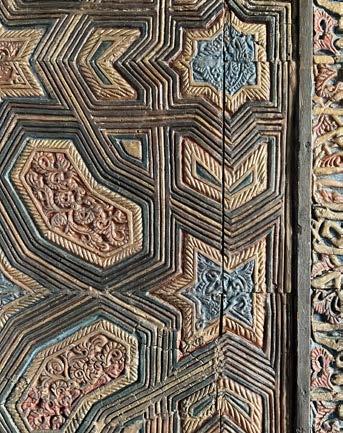
In Moorish and Mudejar architecture, the use of 45-degree angles reflects a commitment to precise geometric patterns and symmetry. These patterns adorn walls, ceilings, and floors, adding an ornate and captivating aspect to the architecture.
WEATHERING
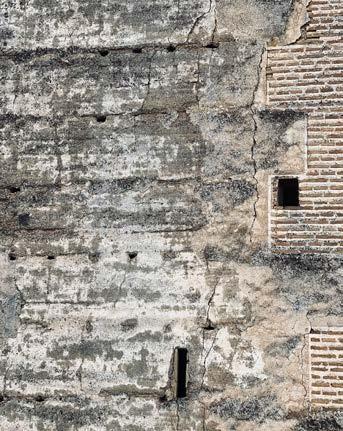
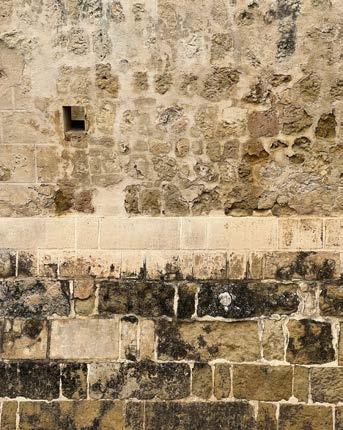
Weathering in Moorish and Mudejar architecture primarily results from exposure to various environmental factors, including sunlight, rain, wind, temperature fluctuations, and air pollution. These elements can have both subtle and noticeable effects on the appearance and condition of architectural surfaces.

08
09 ROOF FRACTURE COLUMN ROOF CEILING DETAILS CEILING GROUND PERMANENT PIECE ASSEMBLE TEMPORARYPIECEASSEMBLE PermanentG Permanent F Permanent E PermanentH TemporaryDTemporaryE Temporary C Temporary A Temporary B Permanent D Permanent C Permanent B Permanent Piece A
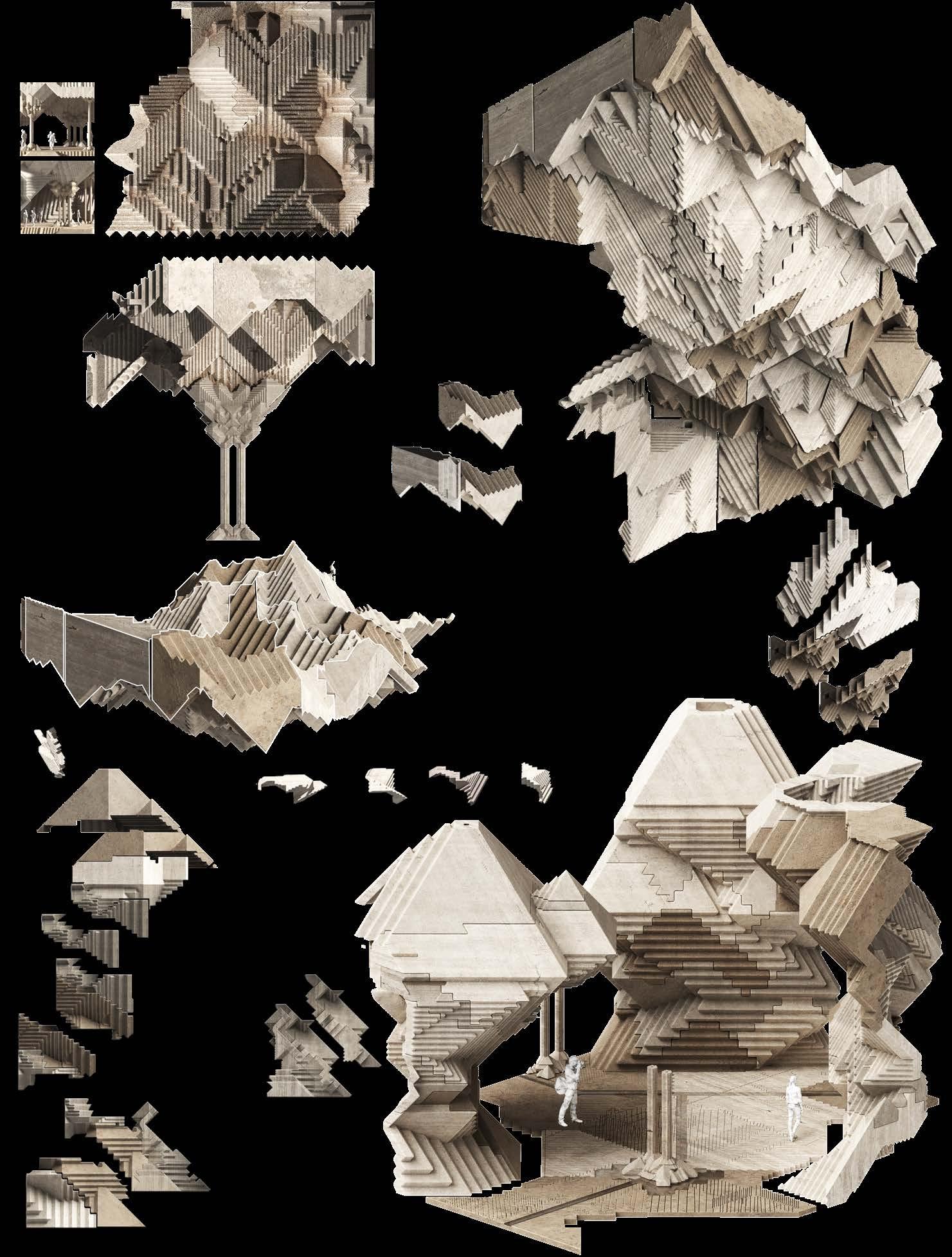
The columns have the finest details on the heads, which help the columns to merge into the ceiling.
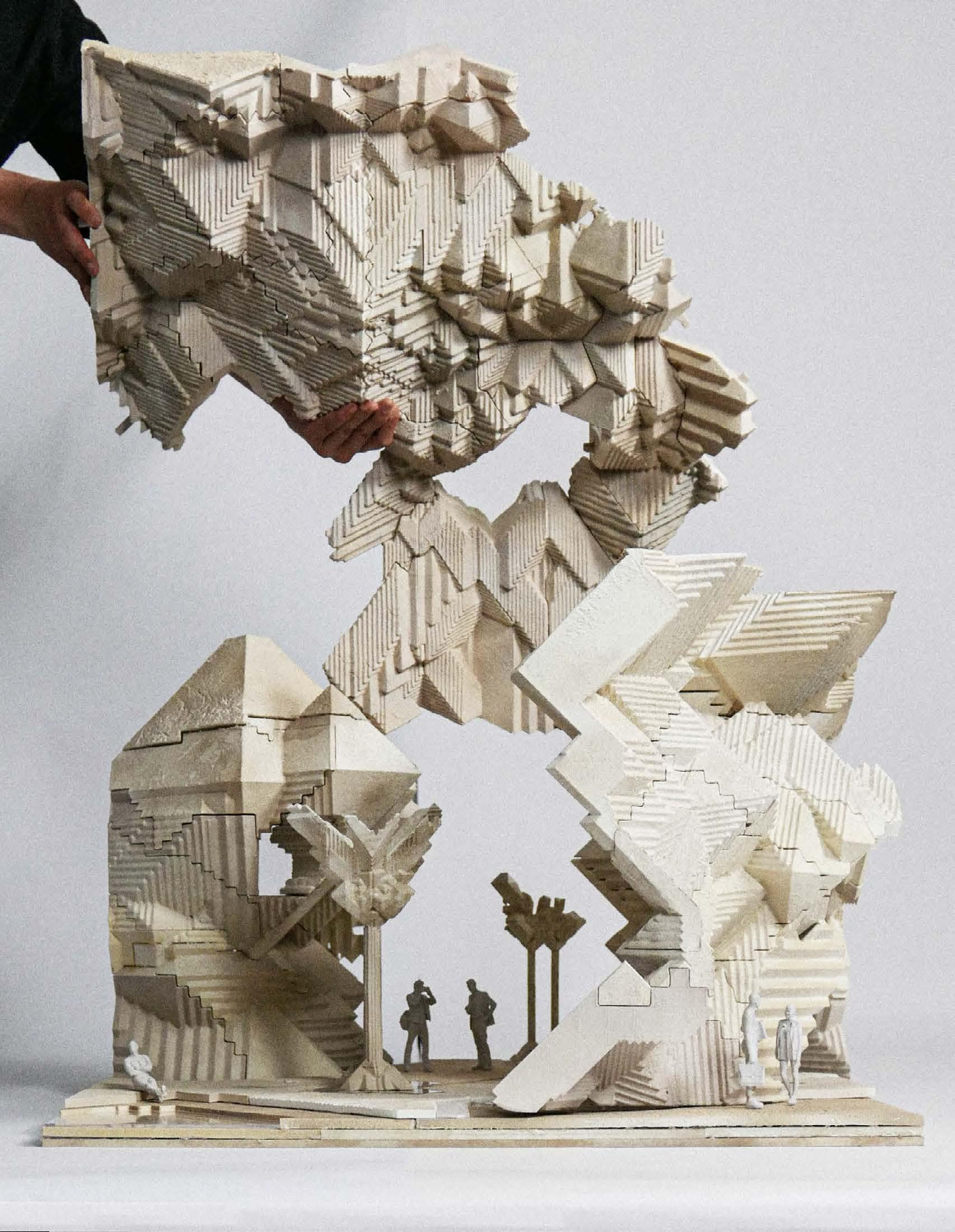
Taking inspiration from Alhambra architecture, we have incorporated three distinct levels of detail into our chunk model.
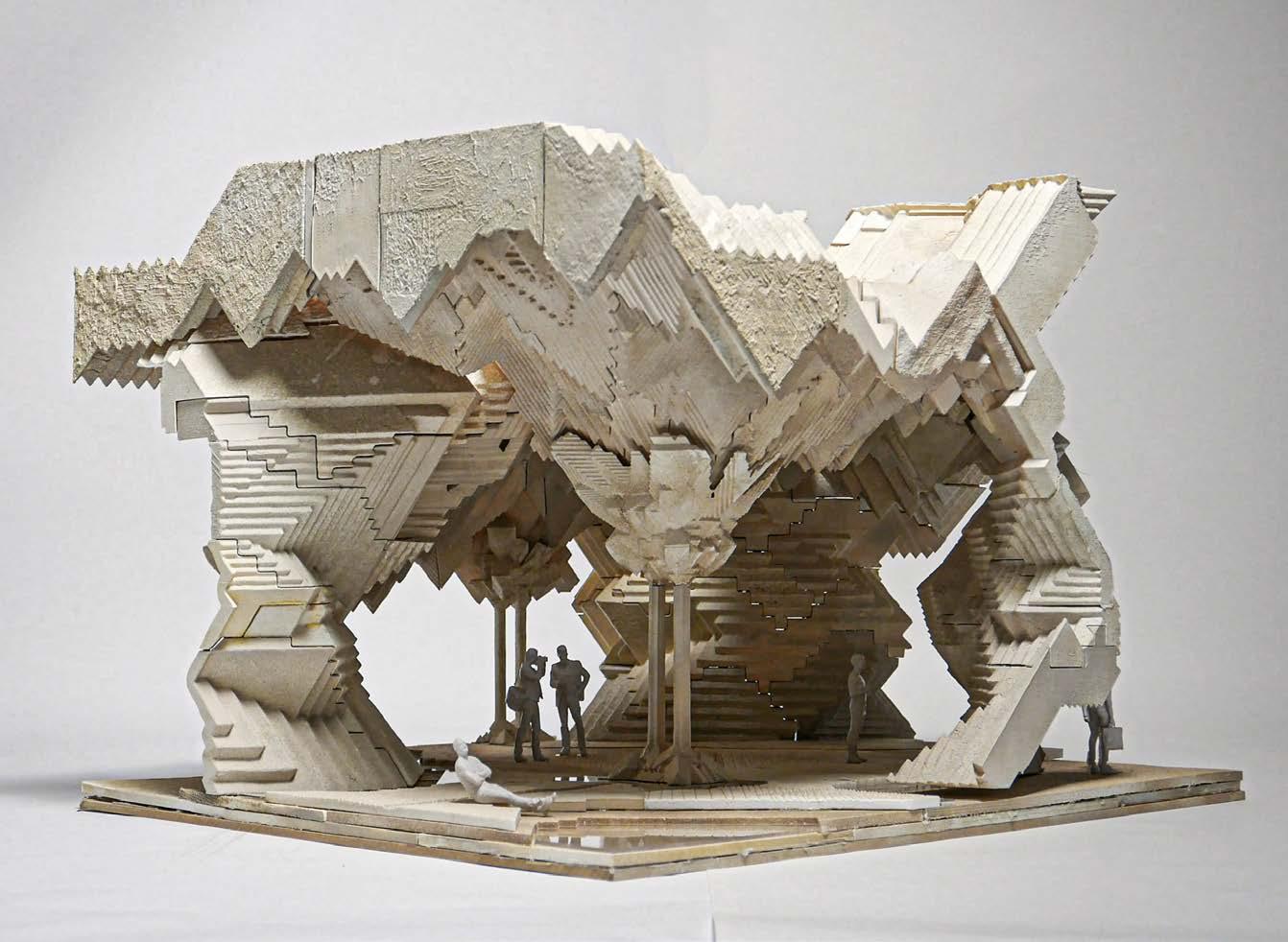
The columns play am important role in creating the transition between the larger and the finer intricacies. The thinness of them not only serves a structural purpose but also contributes to creating varying opacities within the design.
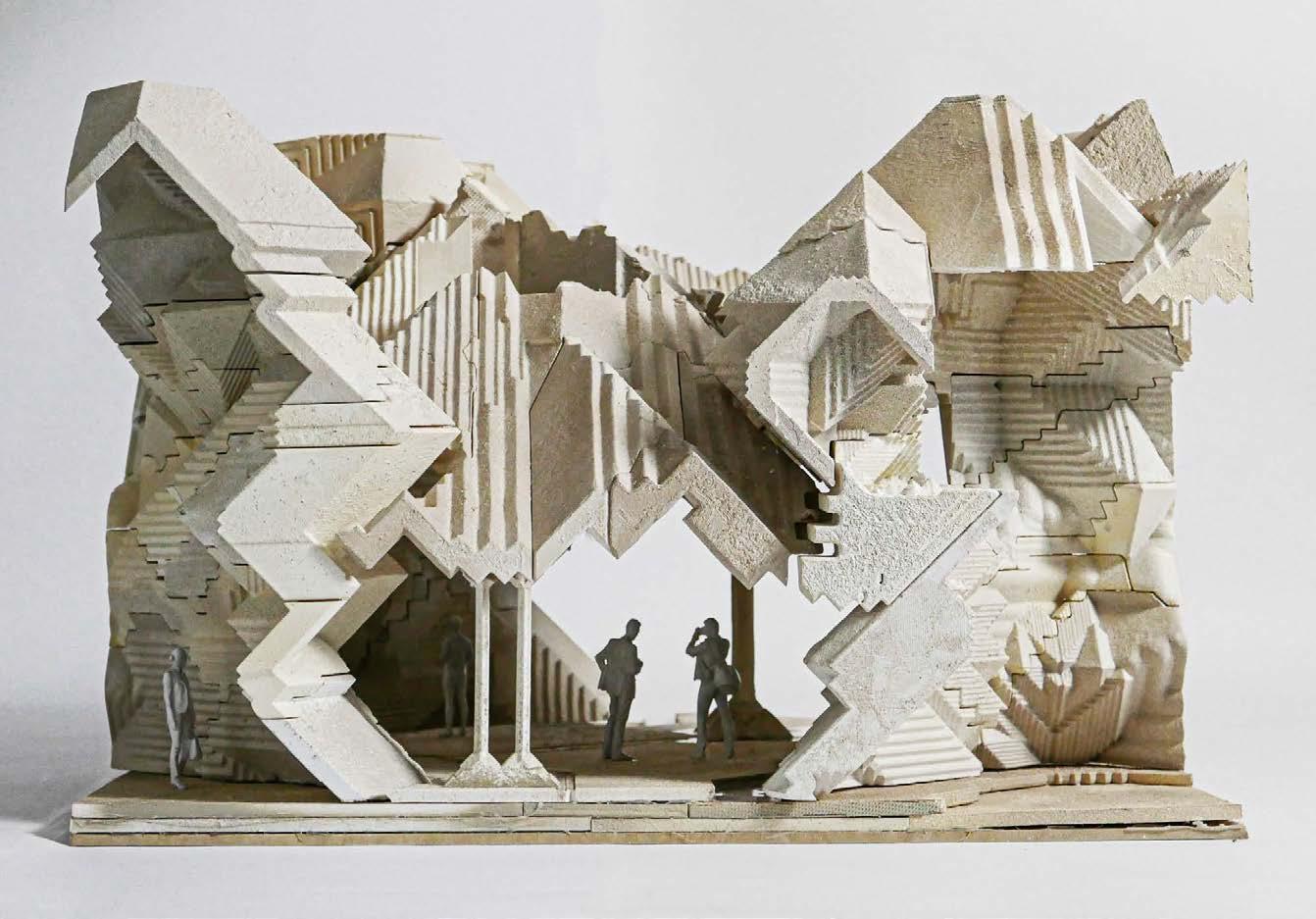
Furthermore, the three walls positioned at the corners of the base serve as the walls of the pocket rooms. These walls also work as supports for the ceiling.
Meanwhile, the initial geometry of the design aids in shaping an interesting profile within the section.
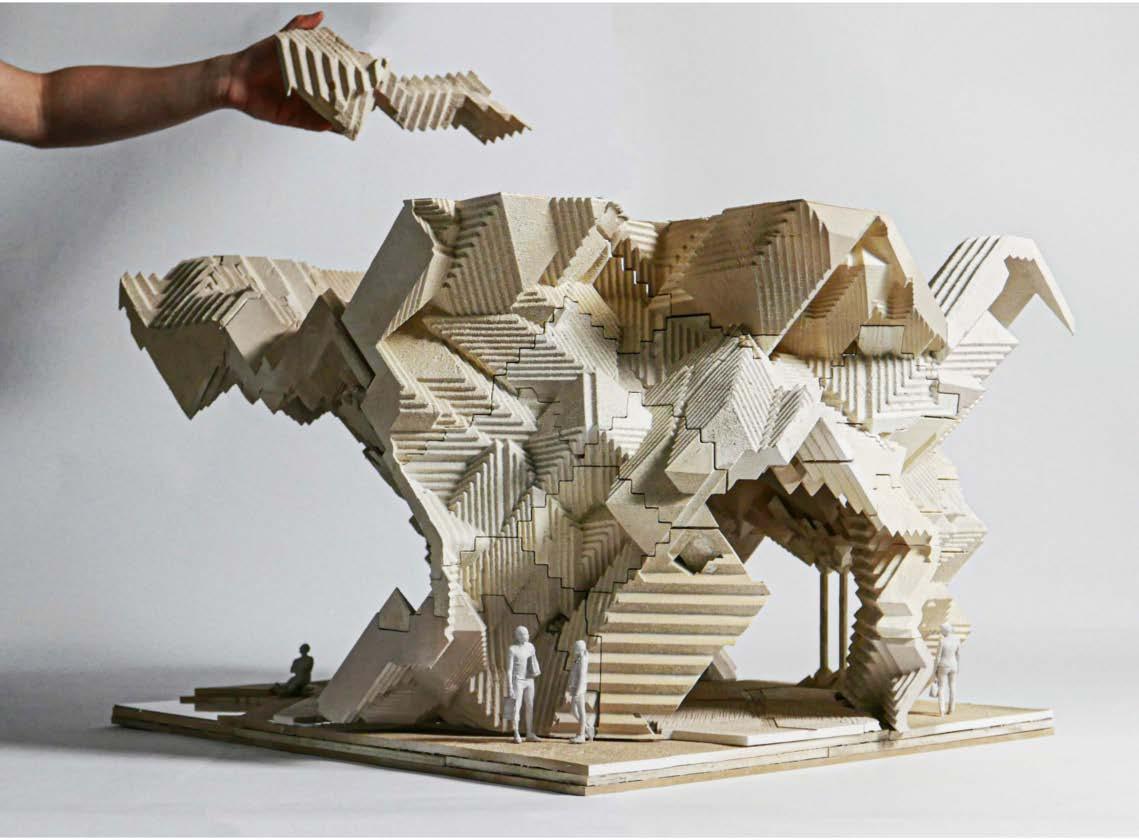
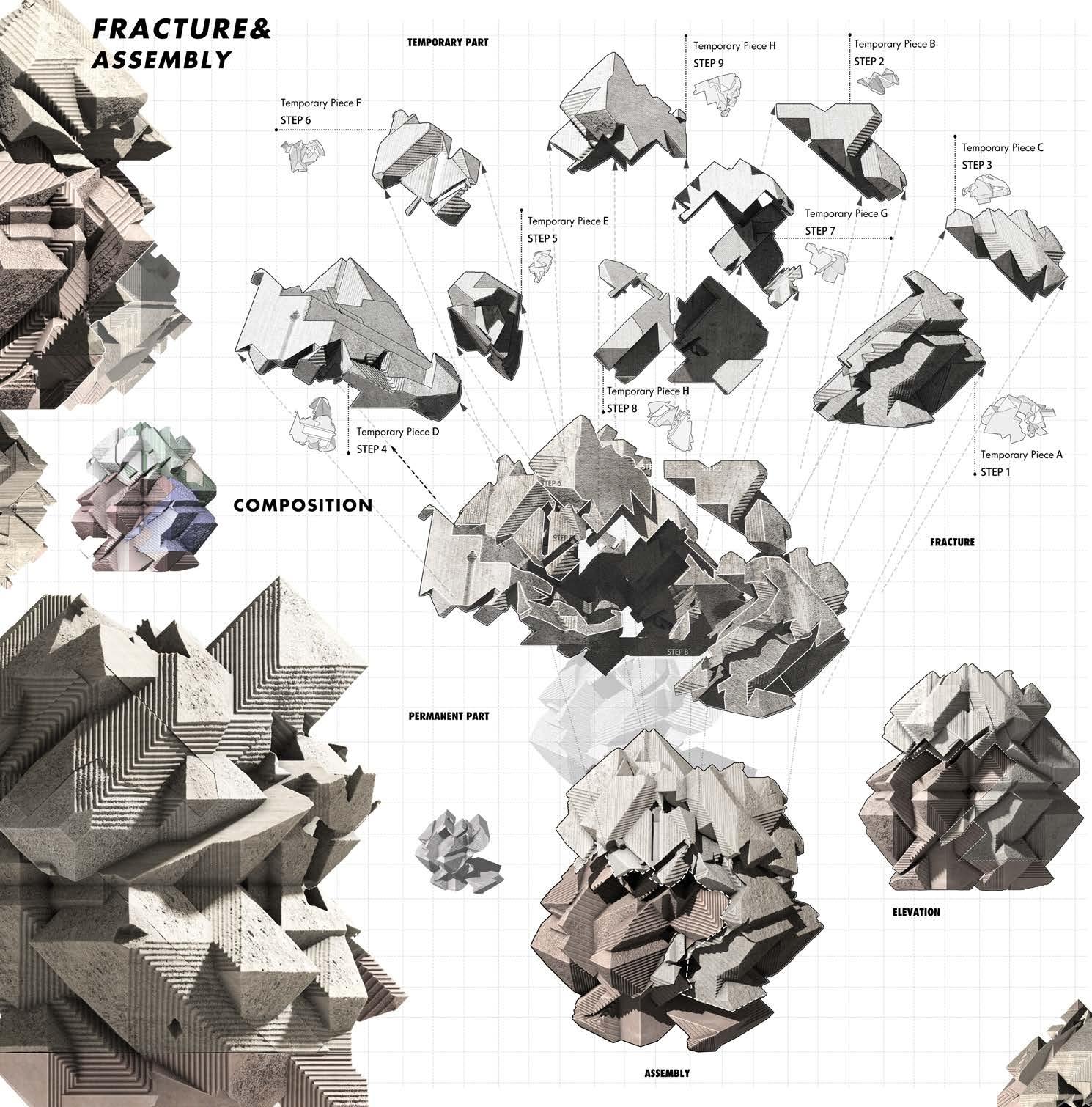
To enhance modularity and flexibility, the entire model has been fractured into different pieces, allowing for easy assembly and reassembly. The cut lines align with the step-like details present on the walls and ceilings, ensuring overall cohesion and integrity.
10
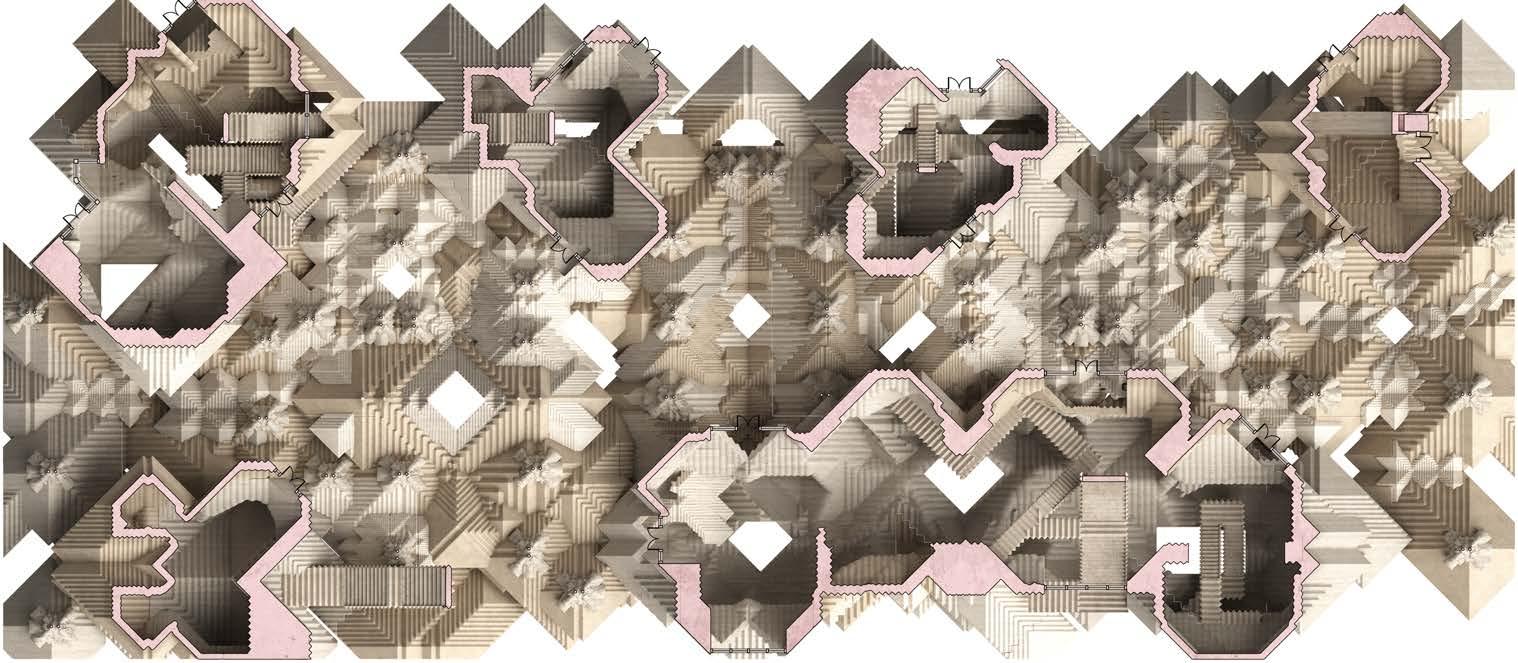
By studying from the sophiscated Muqarnas ceilings of the Alhambra, where each fundamental elements forms a small cell, creating a sense of depth, we sought to incorporate similar characteristics into our own design. These cells, when interlocked, give rise to larger spaces on the ceiling, casting captivating shadows when illuminated.
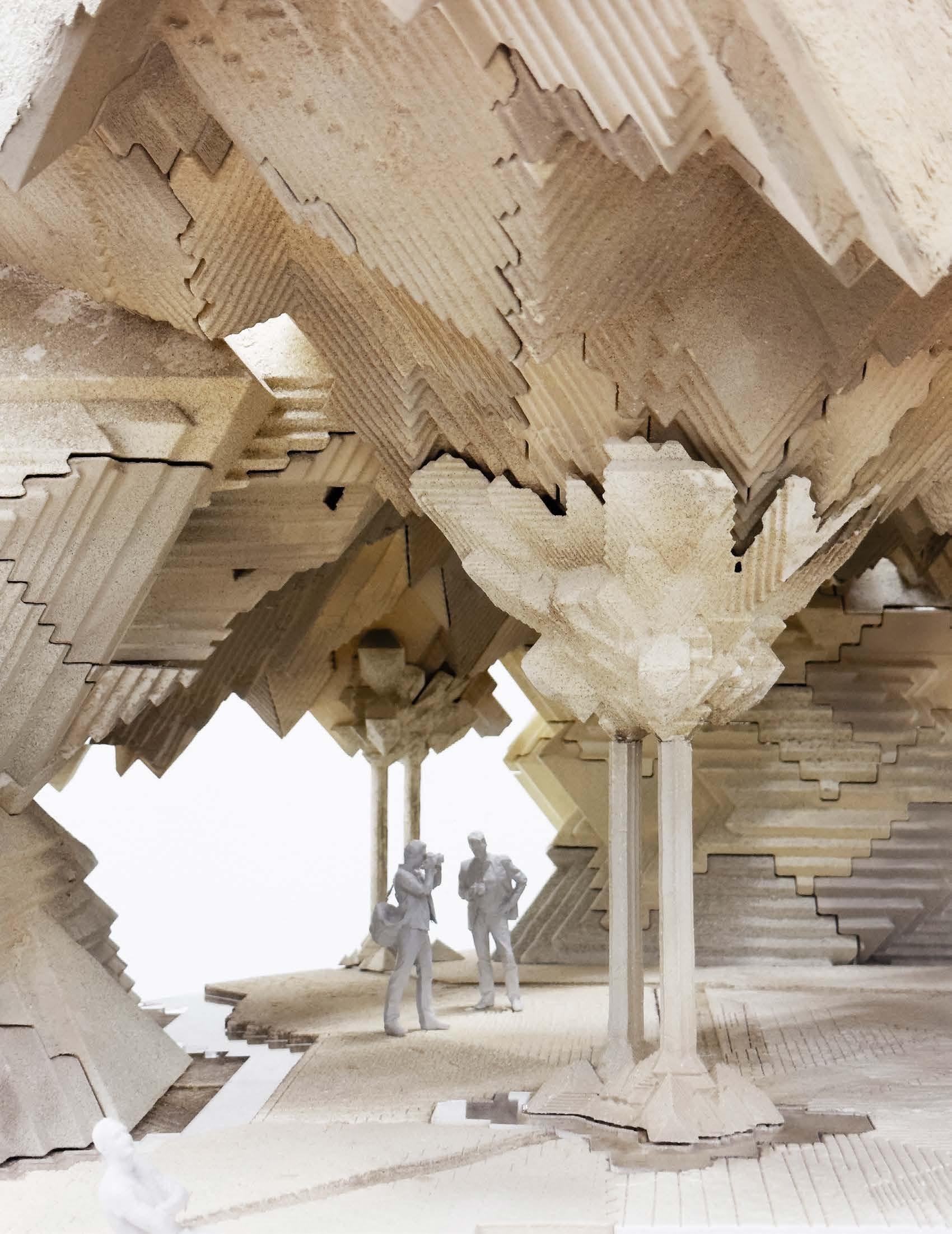
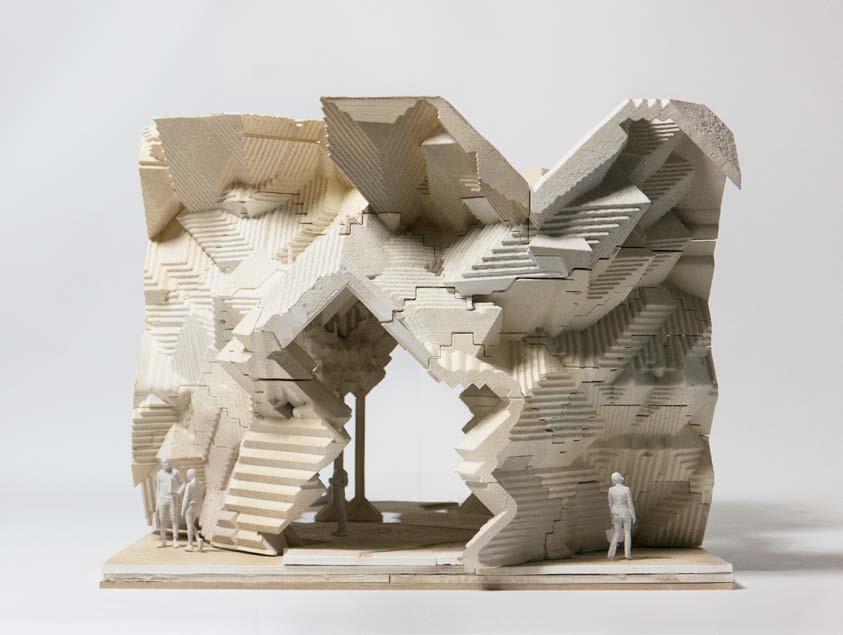
During the development of our chunk study, we adopt the diamond shape as the basic geometry. through a process of replication and mirroring, we gave the model meticulous organizaiton of the geometries, which collectively define the overall profile. This arrangement results in sharp edges and varying surface depths. Furthermore, the model exhibits multiple levels of details.
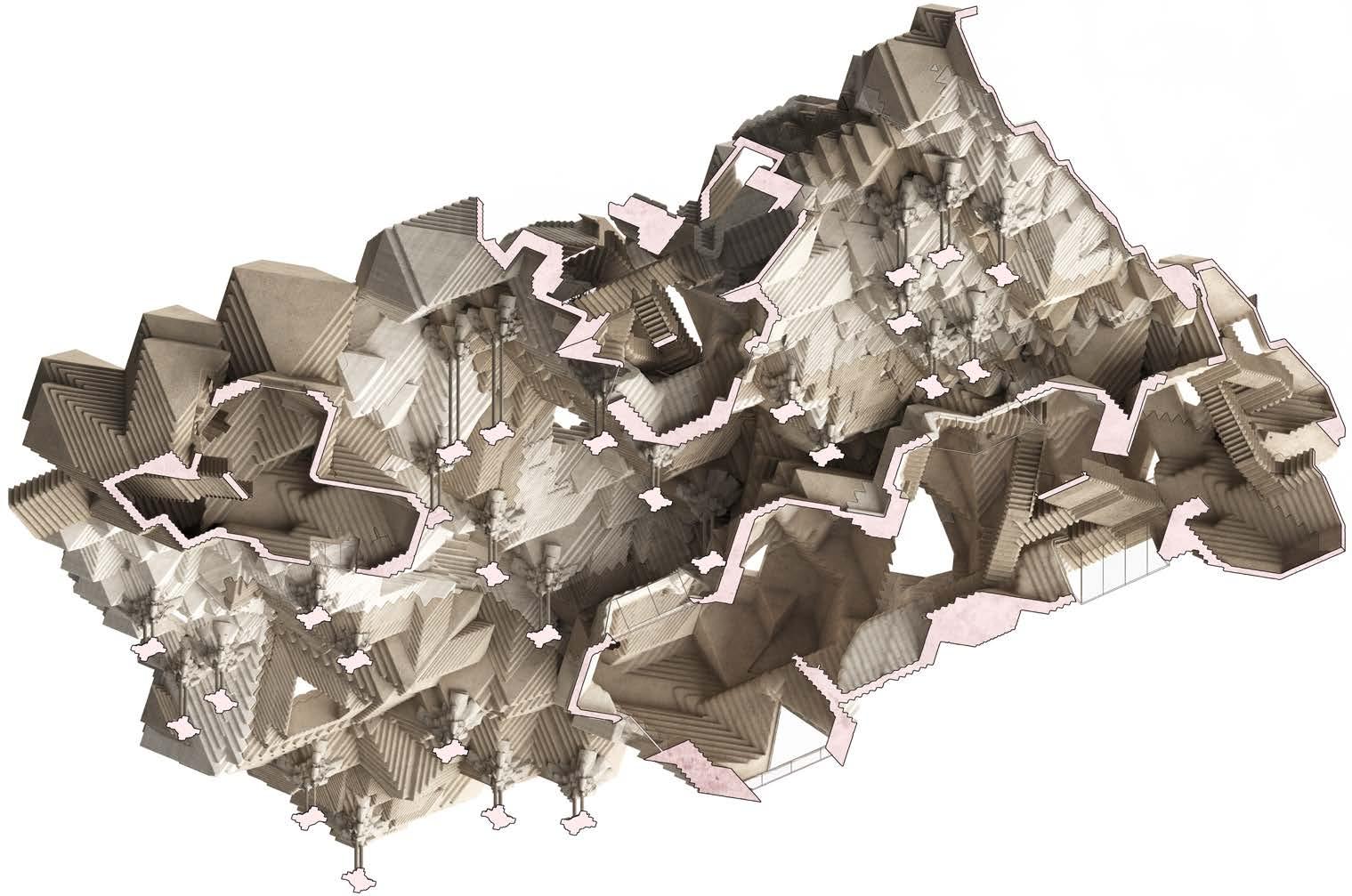
REFLECTED CEILING PLAN
CHUNK STUDY CHOISY
11
During the design phase of the project, we used the diamond shape as our fundamental geometric element. Through a combination of copying and mirroring these shapes, we eventually formed the solid model. The walls' orientation at 45 degrees contributes to the creation of a clean and defined sectional profile. Additionally, these walls exhibit varying thicknesses. We've designated the thicker ones as the primary load-bearing structures due to their ability to stand independently and provide support to other components. Our intention was to create the illusion that the exterior of the roof is substantial and weighty, while in reality, it is thin and lightweight, as evidenced by the section view. This design allows the roof to be effectively supported by the columns. Furthermore, we incorporated openings in the roof to enhance the infusion of natural light into the enclosed space.

ELEVATION
To achieve a stone-like material result, we conducted weathering effect tests on the surface. Meanwhile, a range of distinct colors serve to delineate and differentiate various components within the model. We placed the pocket rooms along the periphery, while the central main hall occupies the central space. To achieve a harmonious aesthetic, we employed identical geometries to construct both the rooms and the ceiling of the hall. What particularly stands out in this model is the meticulous arrangement of these diamond geometries, which collectively define its overall profile. This results in the presence of sharp edges and varying surface depths, contributing to its intricate detailing. Additionally, you can observe distinct levels of intricacy, exemplified by the steps present on different sections of the model.
SECTION
12
Weaving and Hinge 03
A wood wall system fabrication with 3D printed ceramic shingles
Time: Summer 2023
Upenn MSD-AAD Project
Instructor: Nathan Hume
Group Work: Wentao Pan, Yiwen Gu, Yutao Chen
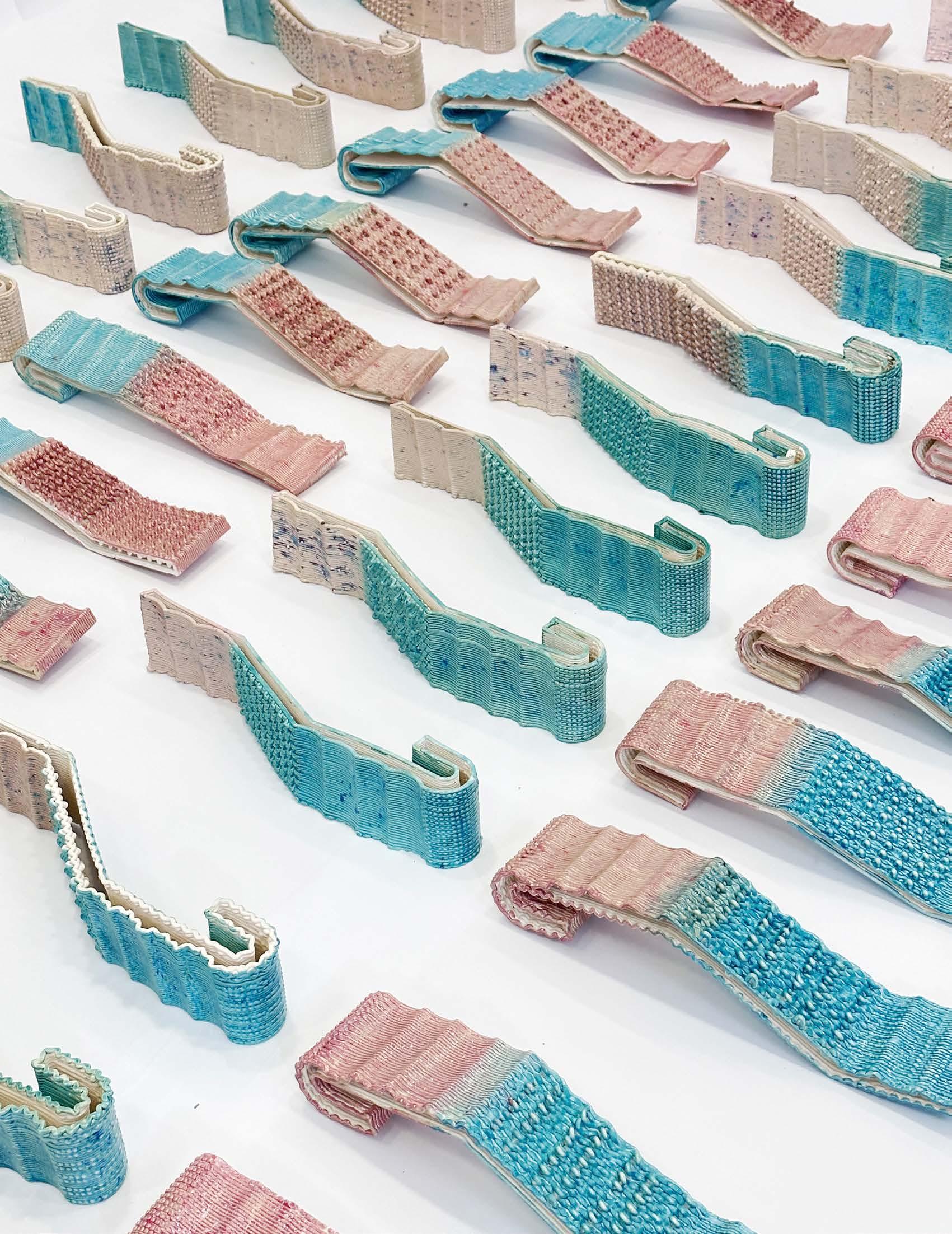
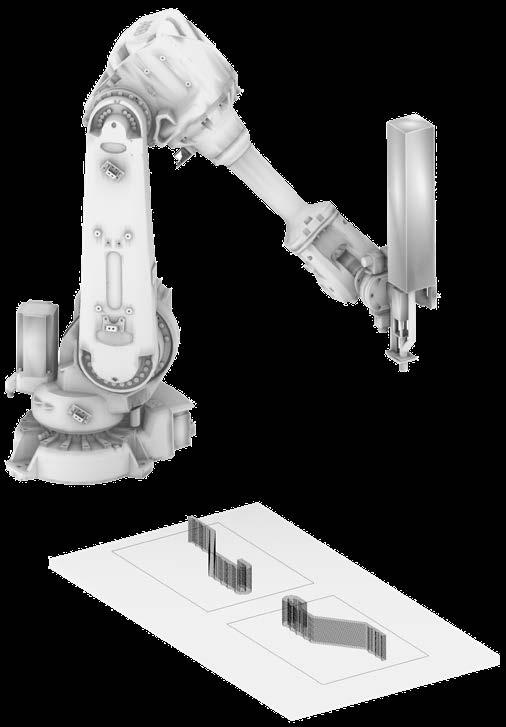
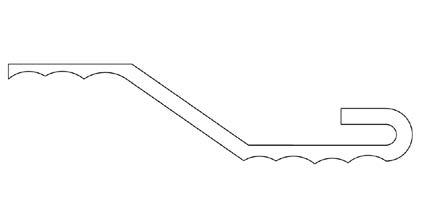
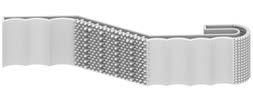
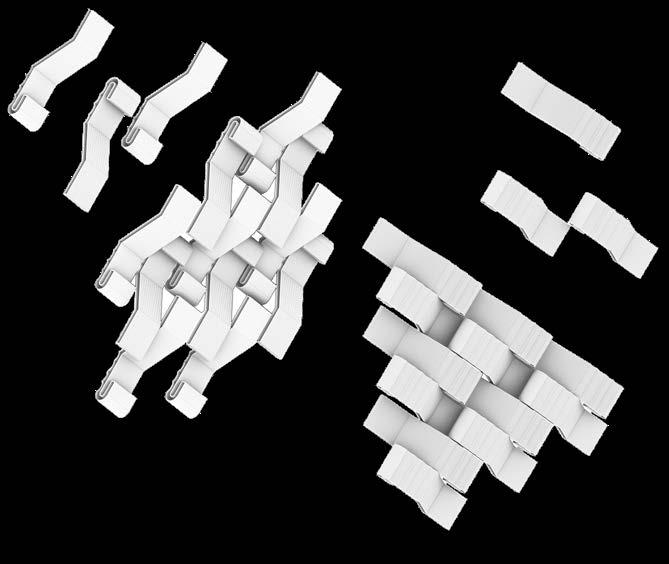
One application of ceramics at the building facade scale would be tiles or shingles. These components, despite being thin and lightweight, offer excellent coverage across surface areas. What sets our shingles apart is their potential for greater texture and a broader spectrum of color options compared to conventional examples. Additionally, we have explored different methods for joining and distinctive outer profiles. Our efforts have resulted in the development of varying 3D printed shingles, each featuring interesting textures and customized shapes. Moreover, we have conducted research into their connection and support systems.
13
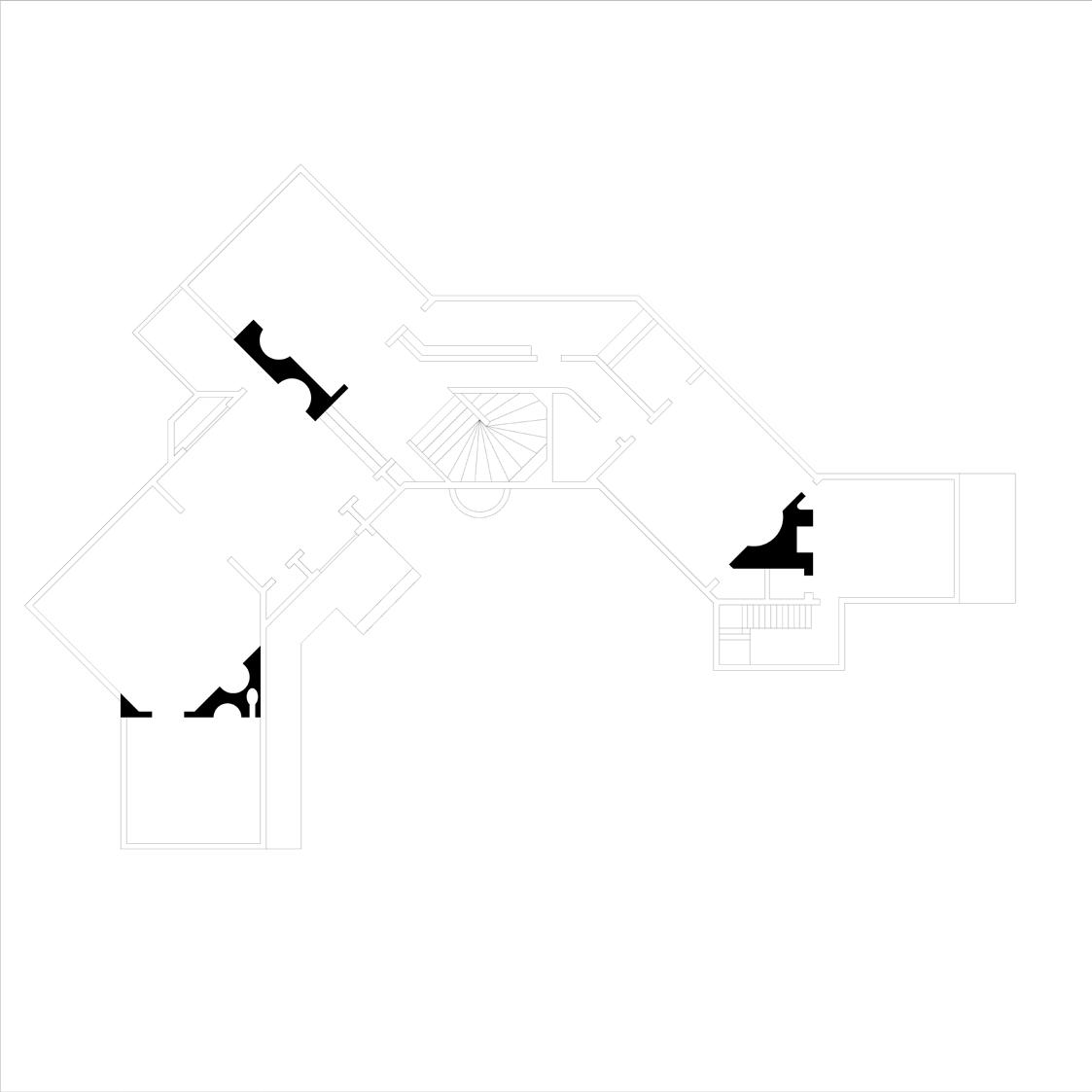
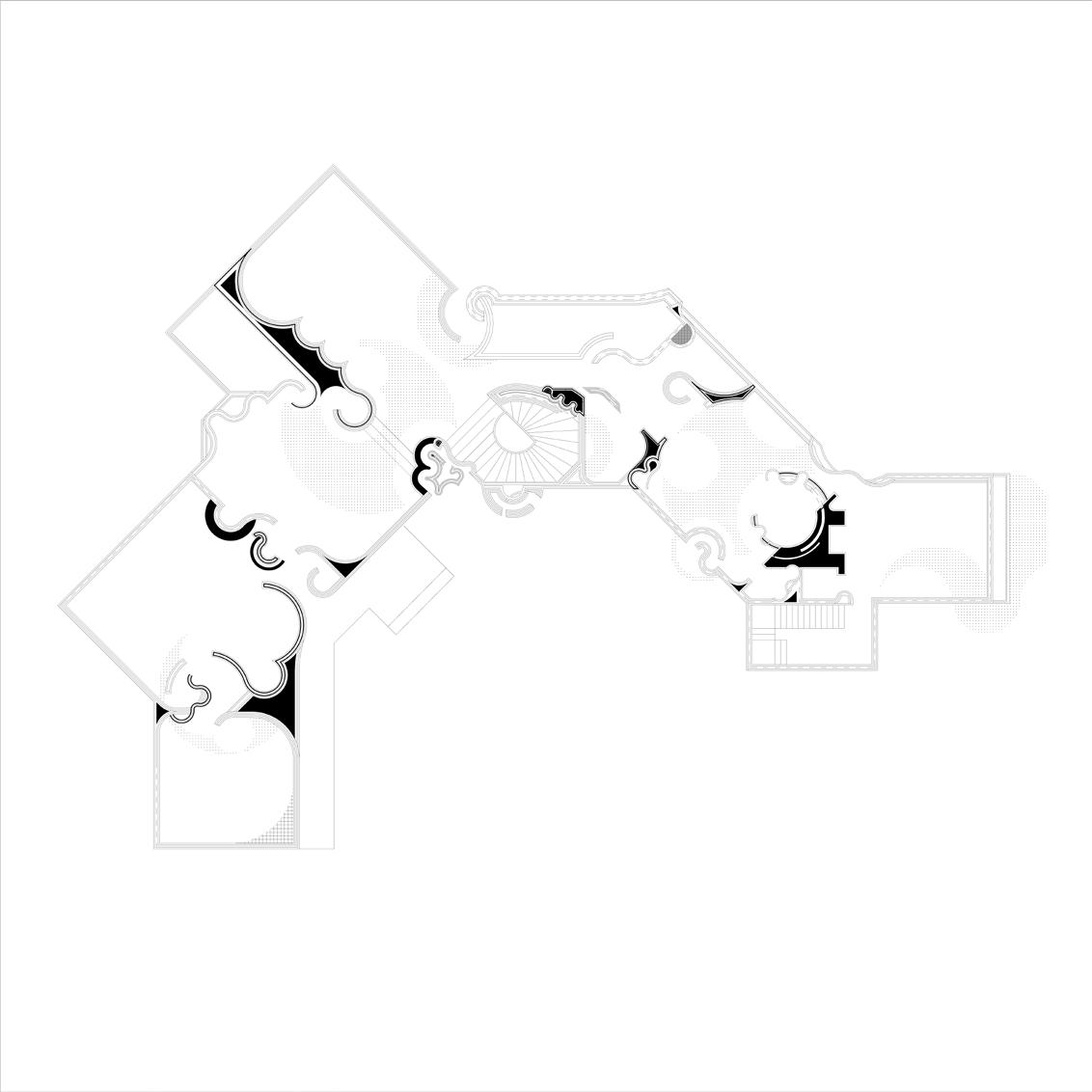
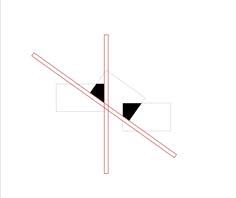

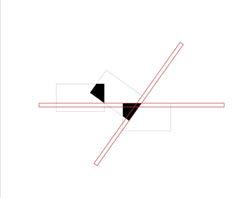
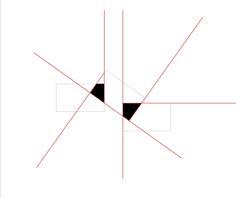
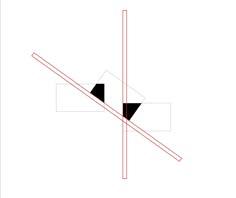
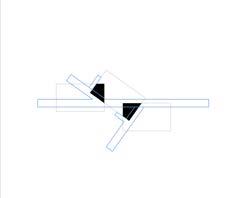
ORIGINAL PLAN PLAN DIAGRAM CHUNK AXON NEW PLAN 3D PRIINTED SHINGLE
18° 34° 26° 66° 42° 26° 12° 25° Basic shingle type - A Basic shingle type - B Printed shingle type - A1 Printed shingle type - A2 Printed shingle type - B1 Printed shingle type - B2 14
McKim, Mead, and White; Misses Appleton House (1883-84)
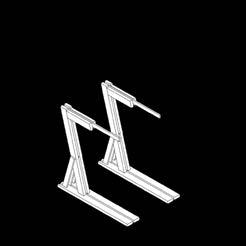
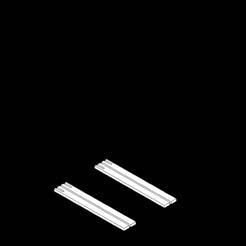
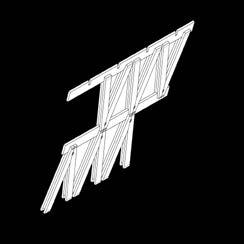
First Step
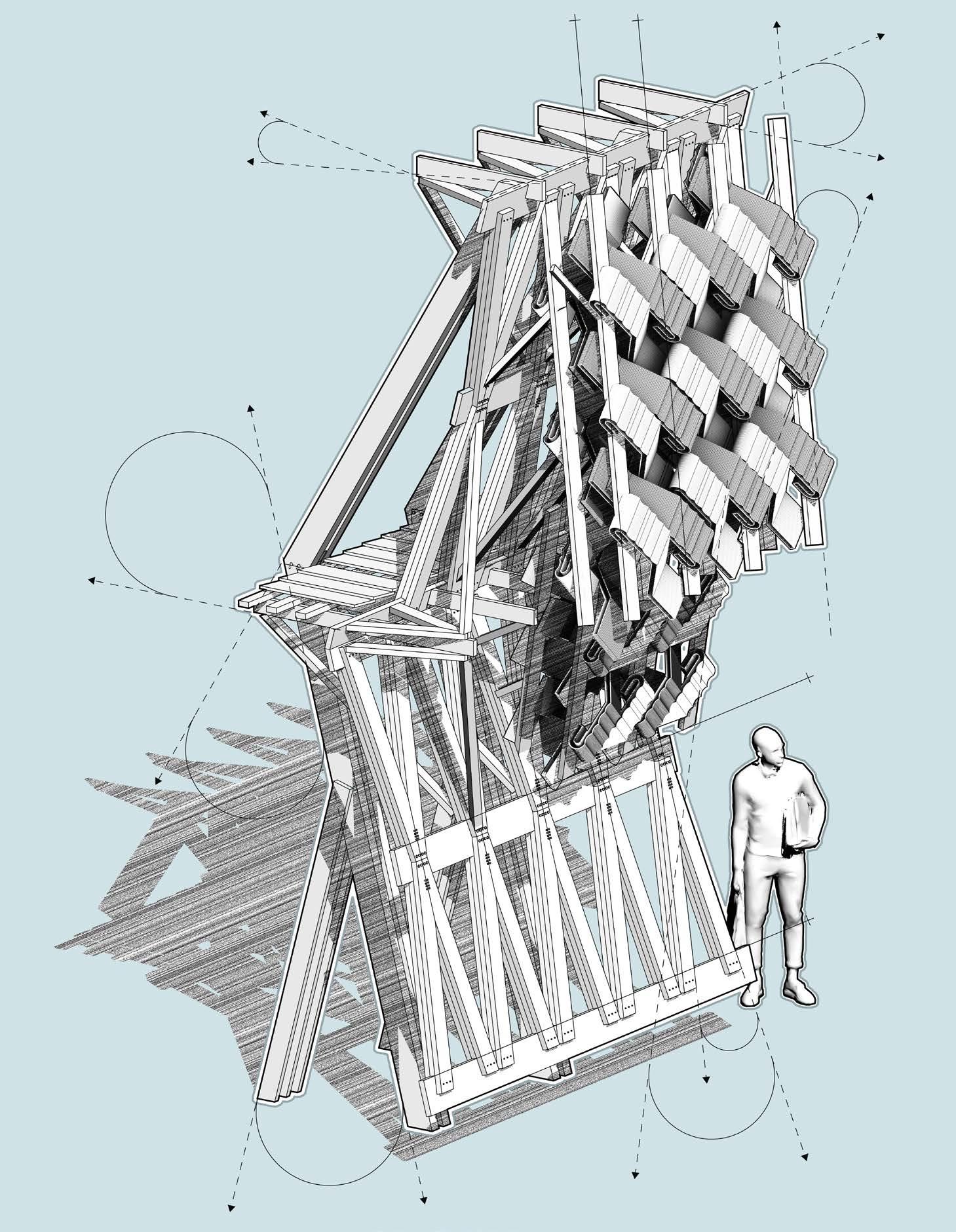
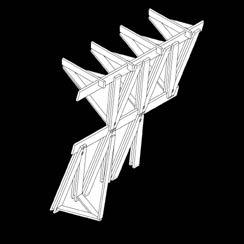
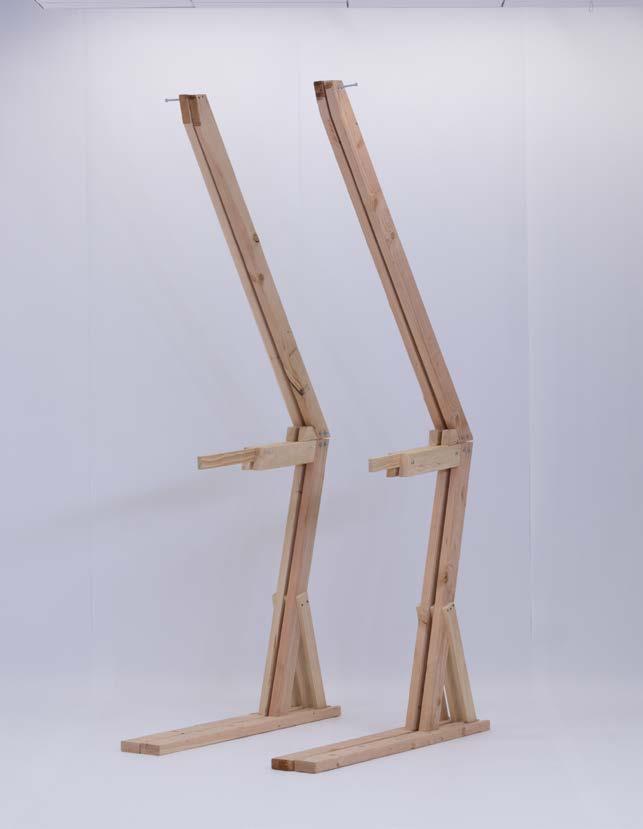
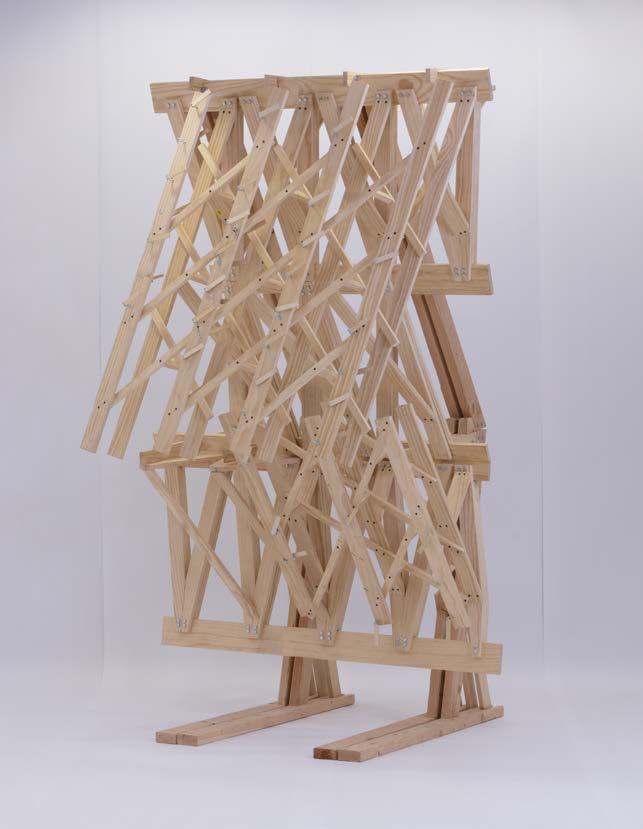
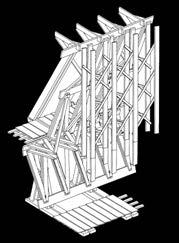
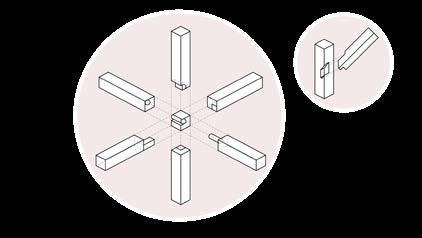
Connect the feet with the columns. The beams situated in the middle not only support the framing system, but also help to reorient the columns.
PART V_A
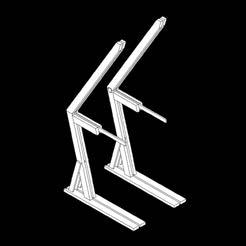
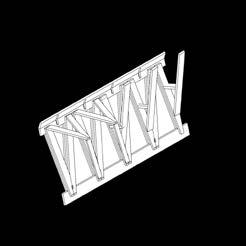
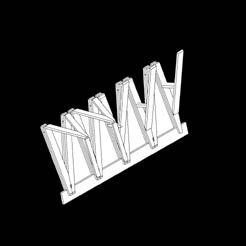
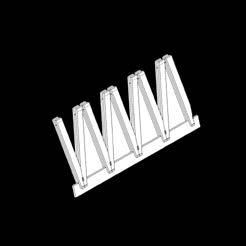
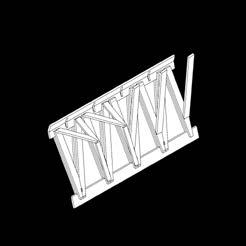

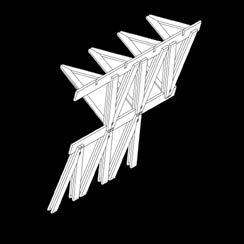
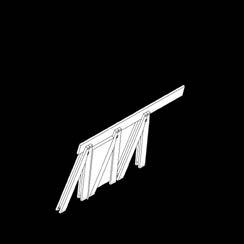

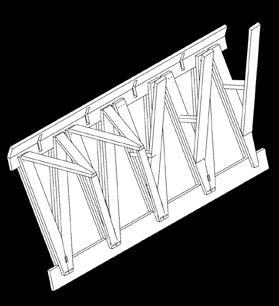
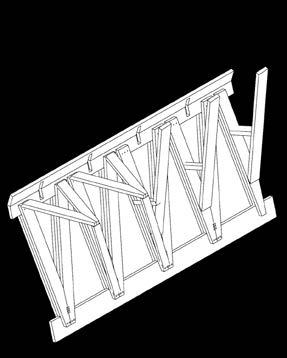
The upper part of the cage gets lifted up from the frame by the support underneath.
Third Step
Finish assembling the upper part of the frame, and then connect the top beams with the top part of the columns.
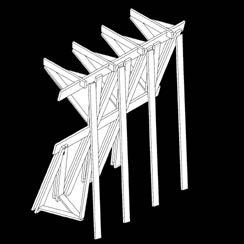
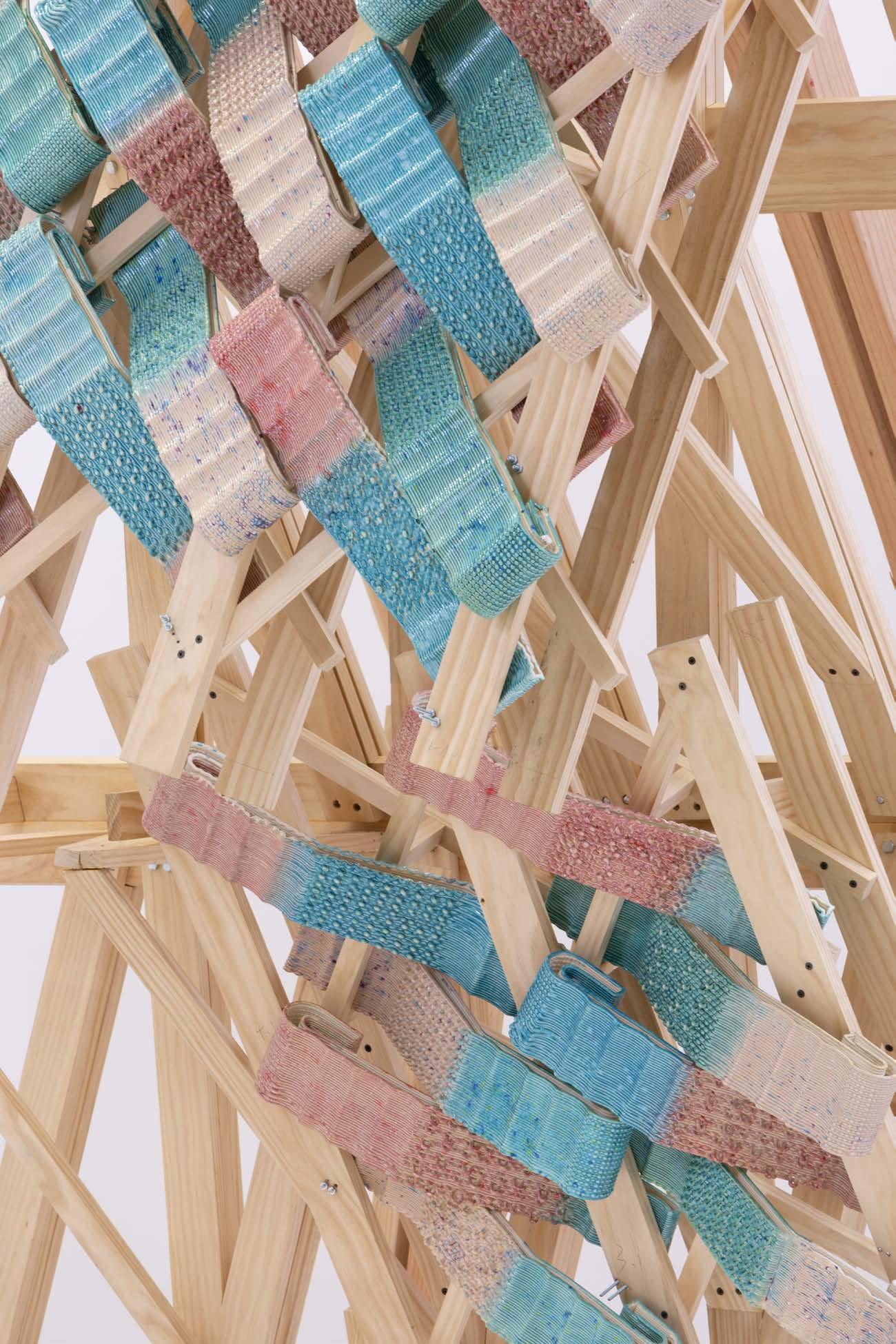
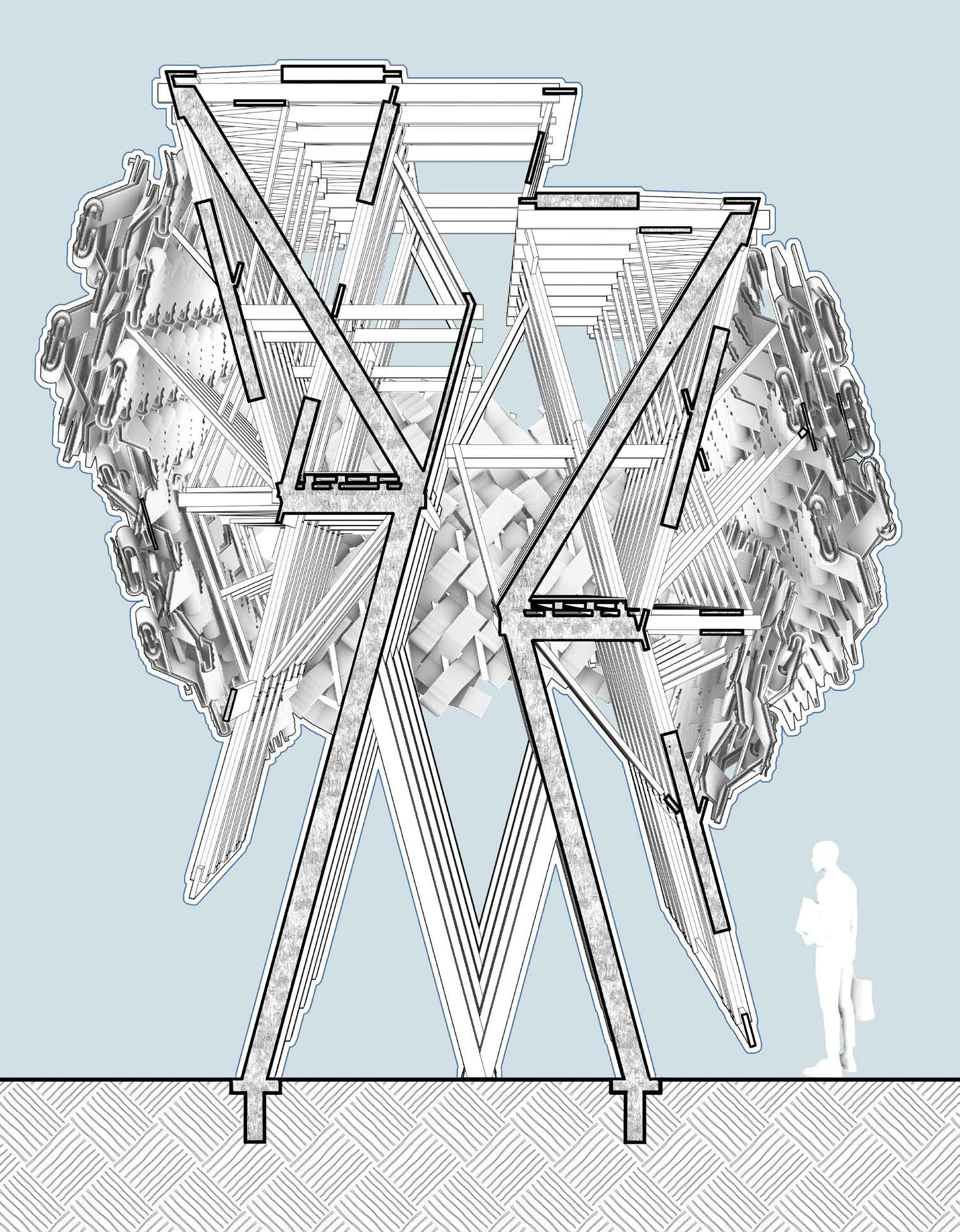
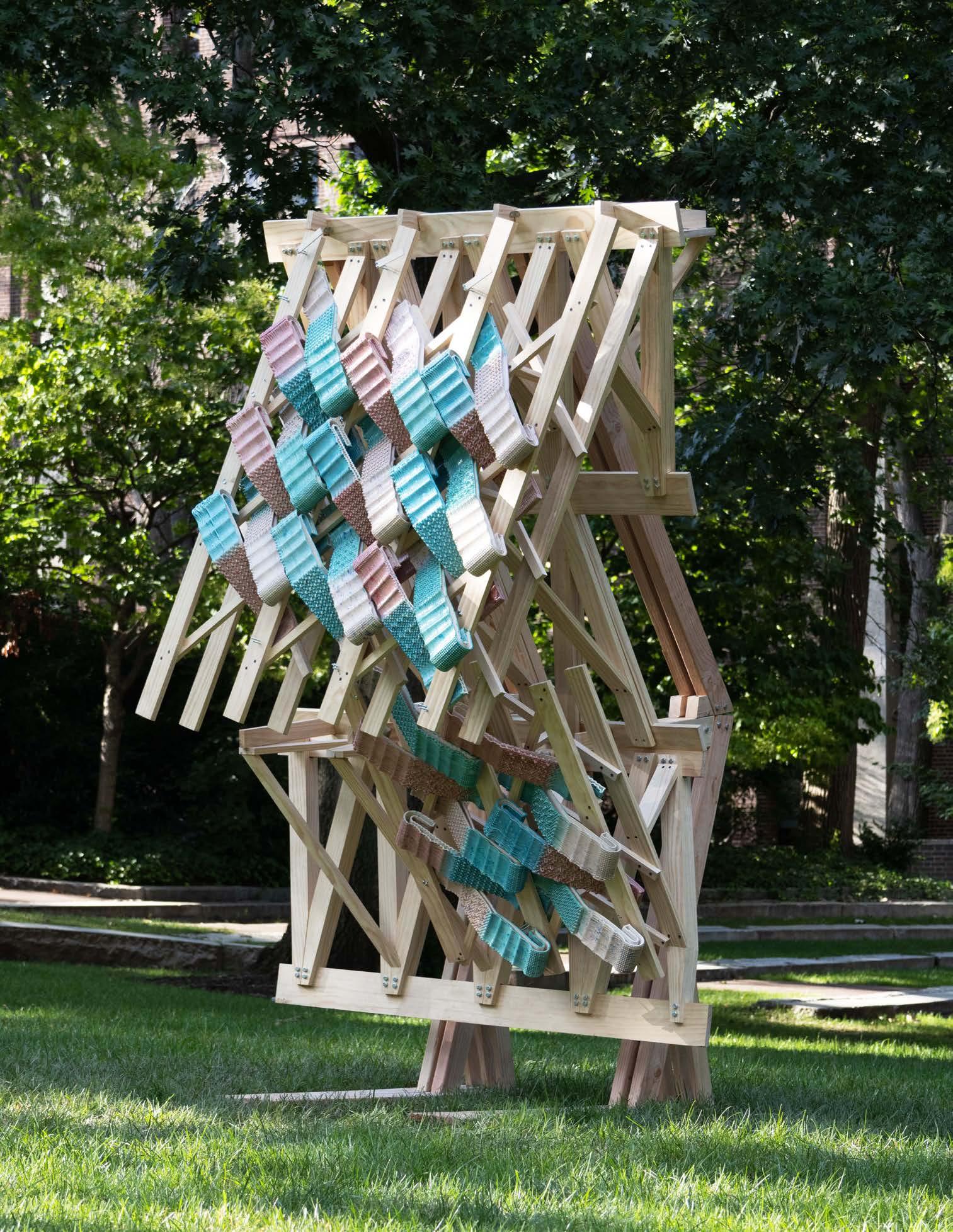
The arrangement of these frames allows for the growth and overlapping of the cages. Upon these cages, there are 3D printed ceramic shingles.
PART V_B
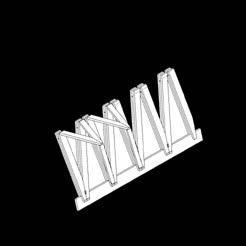
Connected by hinge parts, the wood structure featuring V-braced frames with varying orientations makes the wall system more dynamic.
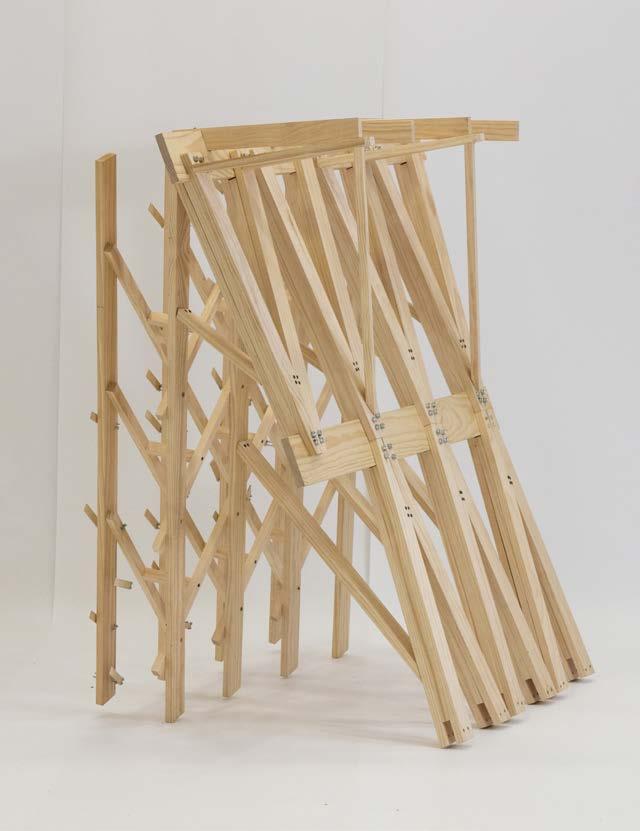
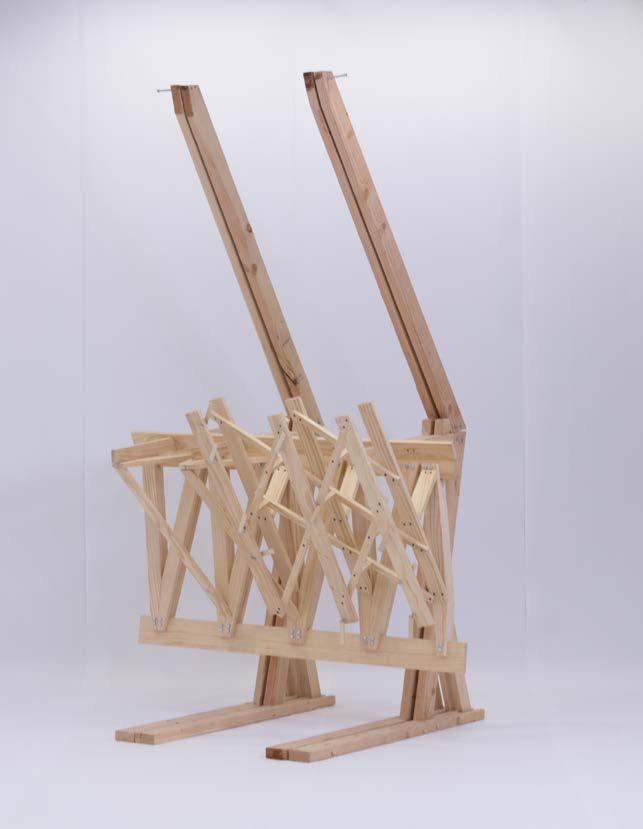
Second Step
Complete the lower section of the frame, and then insert the beam situated on the columns through the upper openings of the frame.

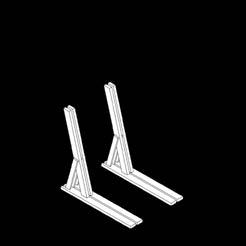
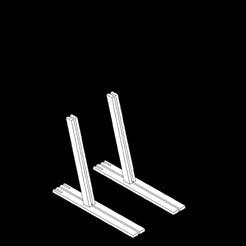
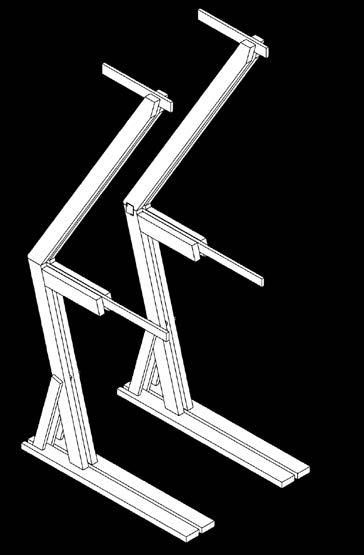
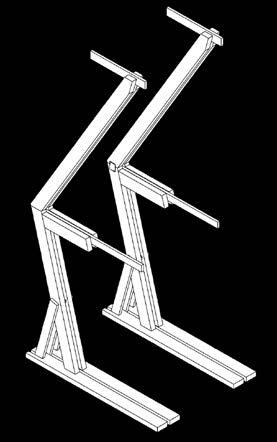
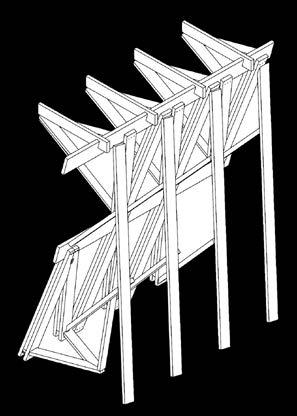
The columns provide structural support for the frames while also establishing an impression of overhang.
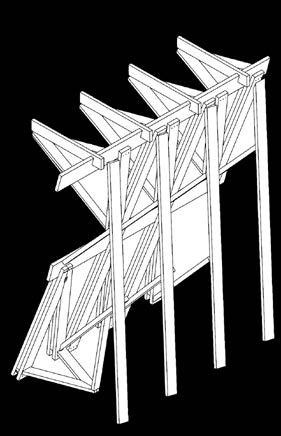
COLUMN
PART V_B
PART V_A
COLUMN 2.5"×0.75" ×1.5' 2.5"×0.75" ×1.5' 2.5"×0.75" ×1.5' 4.5"×0.75" ×6' 4.5"×0.75" ×6' 4.5"×0.75" ×6' 2.5"×0.75" ×2' 2.5"×0.75" ×2' 2.5"×0.75" ×2' 2.5"×0.75" ×2' 2.5"×0.75" ×2' 2.5"×0.75" ×2'
15
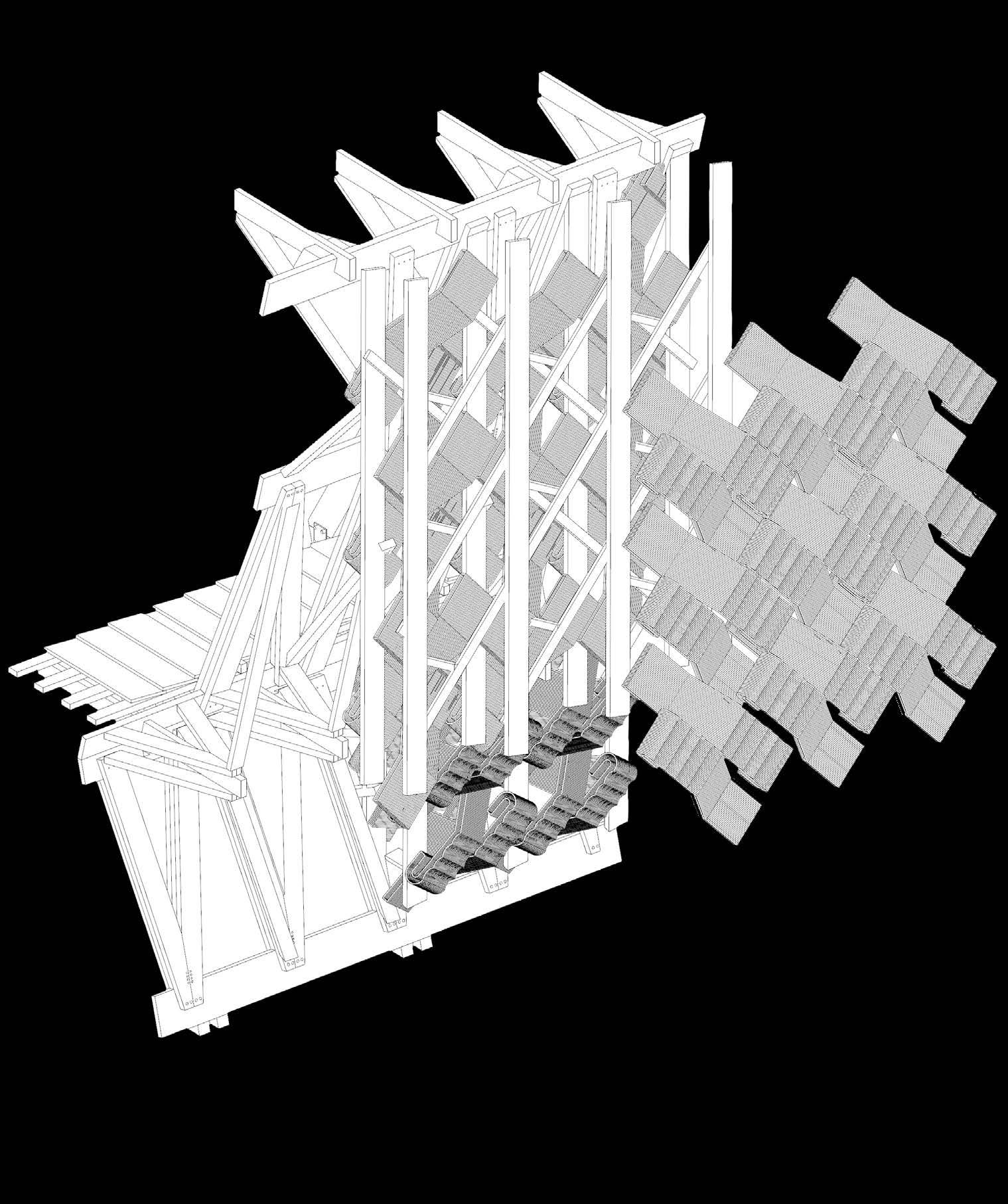
Since the core concept of the project is re-orientation, the cage itself assumes a distinct angle compared to the frames. The finest beams of the cage align with the orientation of the shingles they support, concealing themselves to achieve a cleaner overall facade appearance.
CAGE SHINGLES
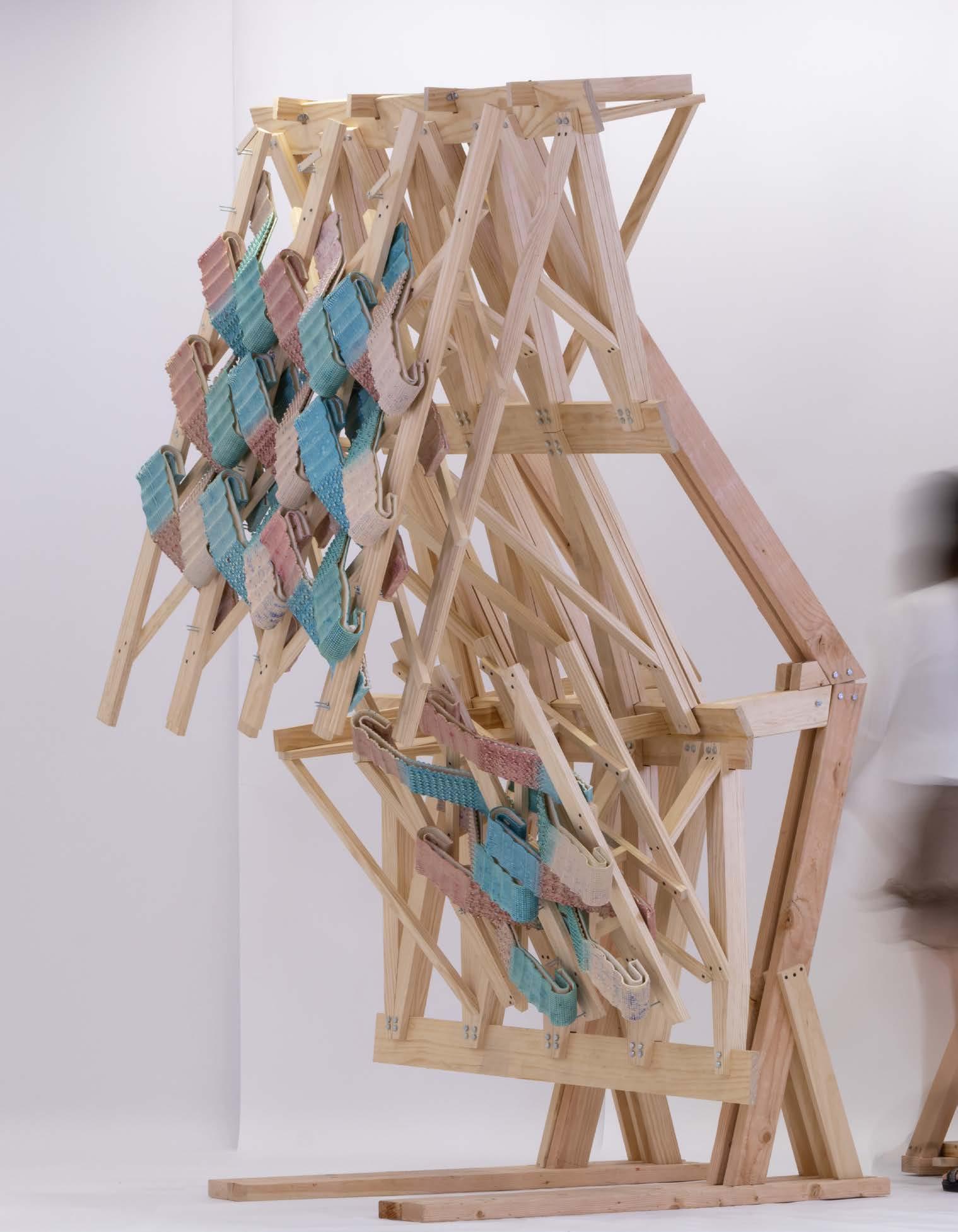
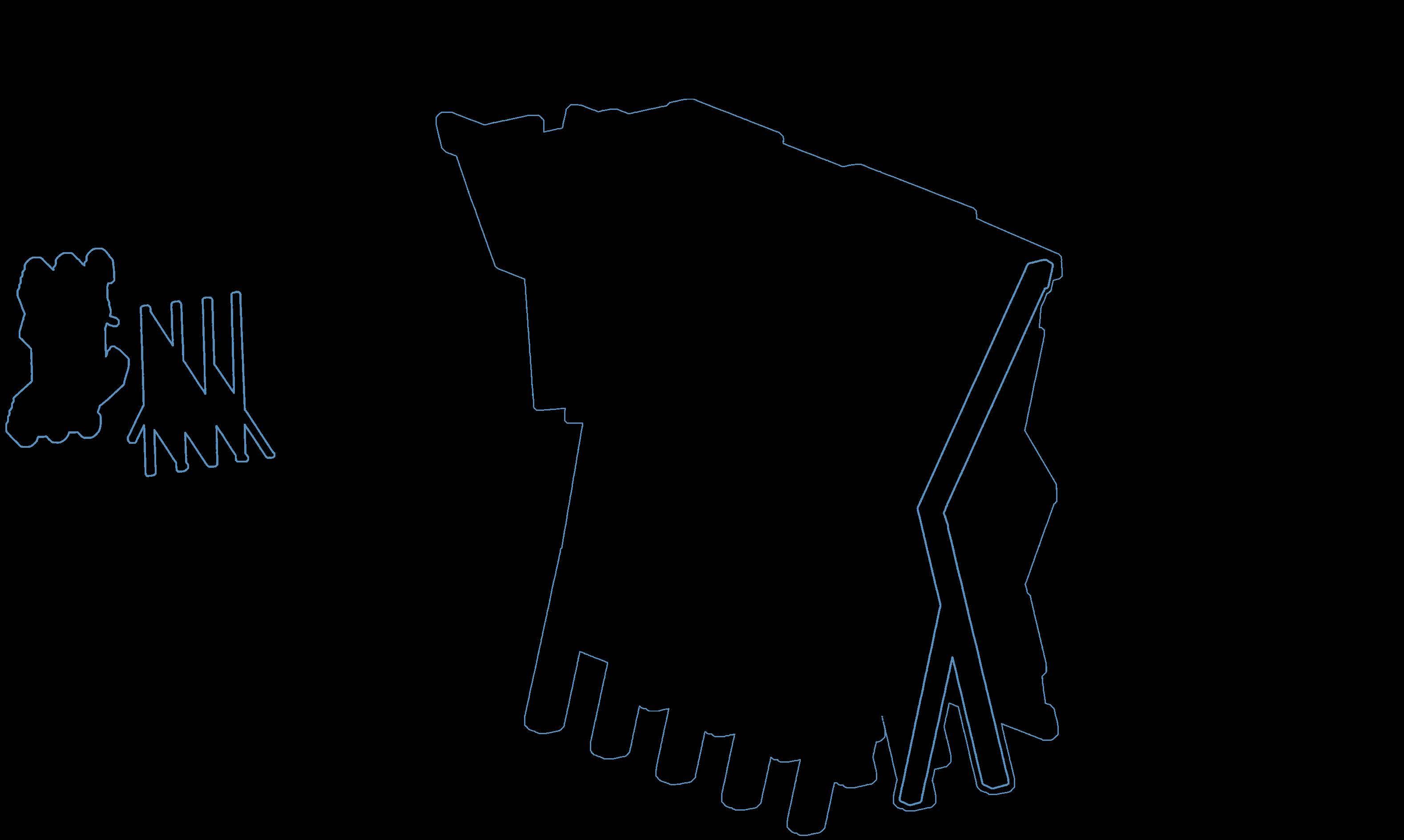
The deliberate overlapping of these shingles contributes to the formation of a weaving pattern that ripples across the surface. As the shingles move forward and backward, they have a more intriguing interaction with the cages. Each line of the shingle has a color pattern different from its neighbors. The colors fade along the length of each shingle, creating a gradient effect, as they gracefully blend into one another. Because they are 3D printed by robotic arms, they possess the capability to form dropping bubbles. In total, there are four patterns, contributing more delicacy and complexity to the overall design.1
16




CAGE COLUMN 17
18

19
Post-Pandemic Hotel
A hotel design for the post-pandemic era
Time: Fall 2021
Academic Design Studio
Location: Shanghai, China
Individual Work
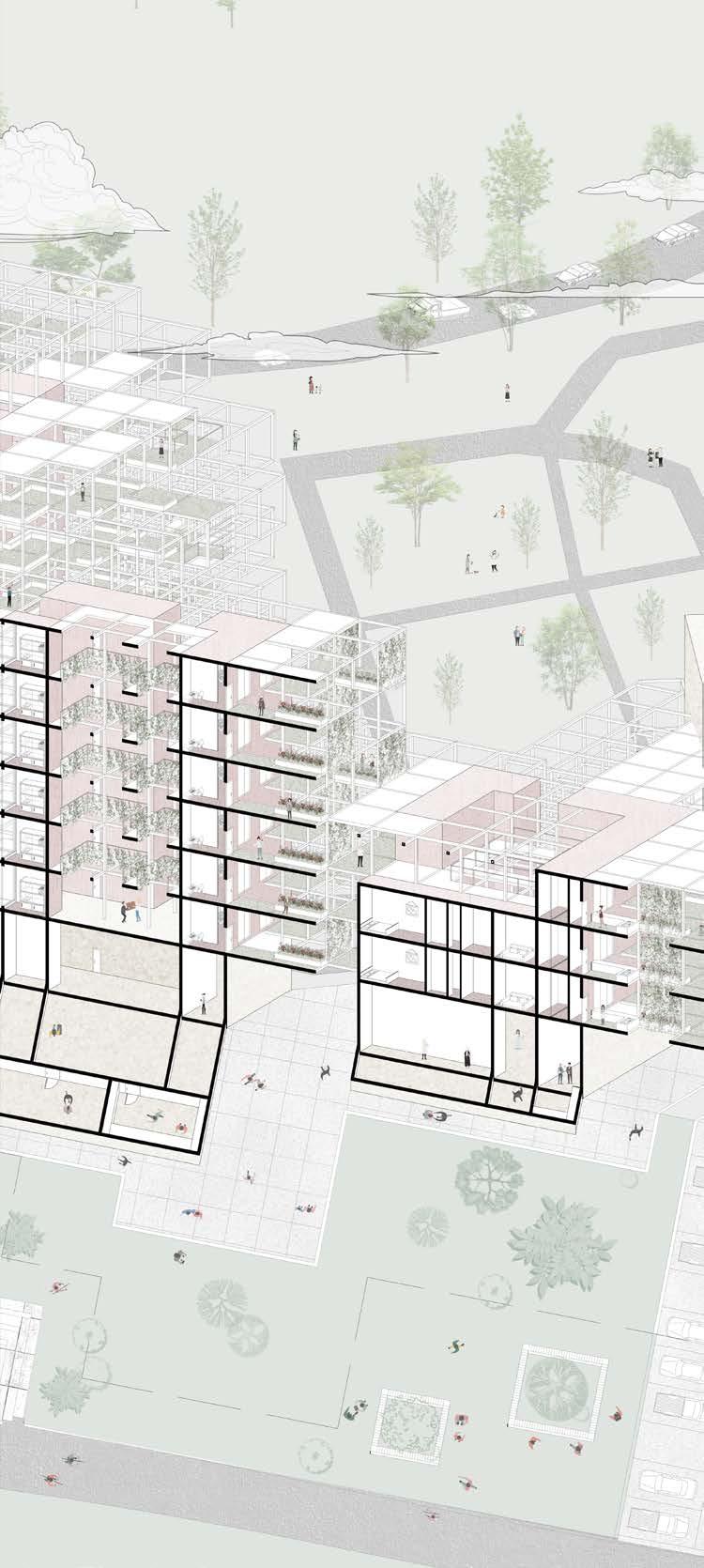
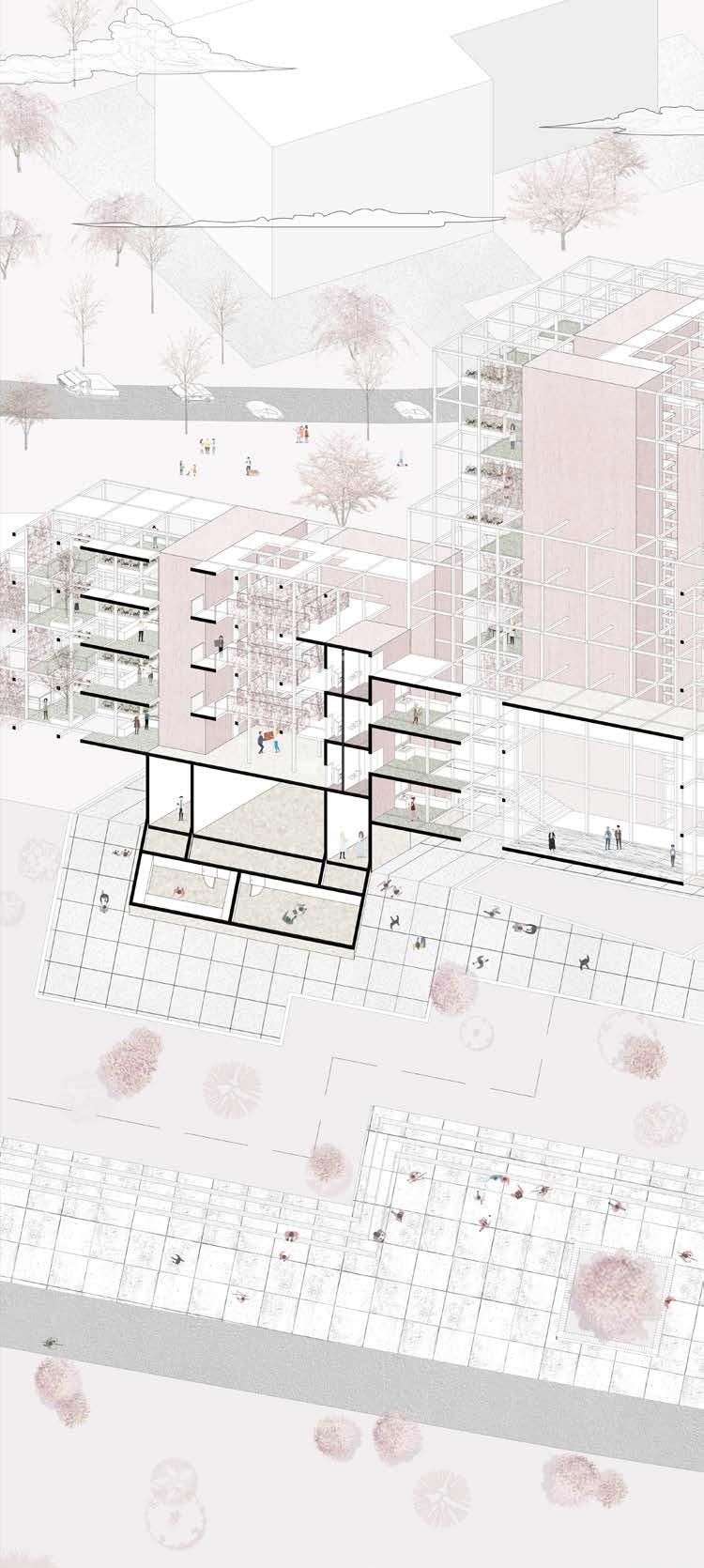
After the breatkout of COVID-19, hotel industry is facing a cold winter. In China, all the close contacts to patients who have already been diagnosed have to be quaranteened at home or in hotels. However, the functions of traditional hotels cannot meet the requirements of quarantine. Material support can be delivered by medical teams, but the emotional needs of quarantine hotel guests are usually neglected. Research says guests staying in quarantine hotels usually will experience negative feelings and high amounts of stress. Traditional hotel rooms' main function is for sleeping, since guests are often travellers who won't stay in hotel rooms for a long time. Quarantine hotel guests, however, have to stay in a single room for at least two weeks. The lack of activities and social contact can damage their mental health greatly. Thus this project is trying to design a quarantine hotel whose function and space can address these problems.
04
20
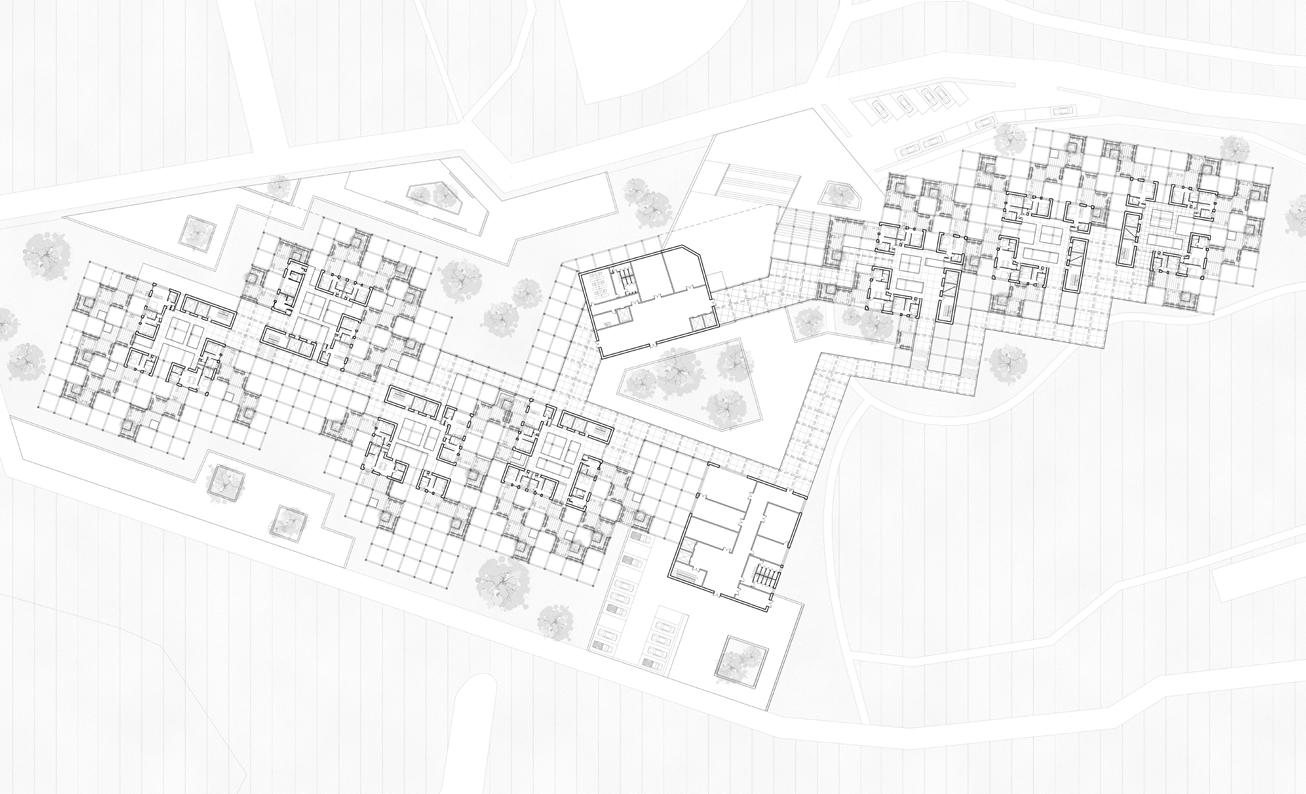

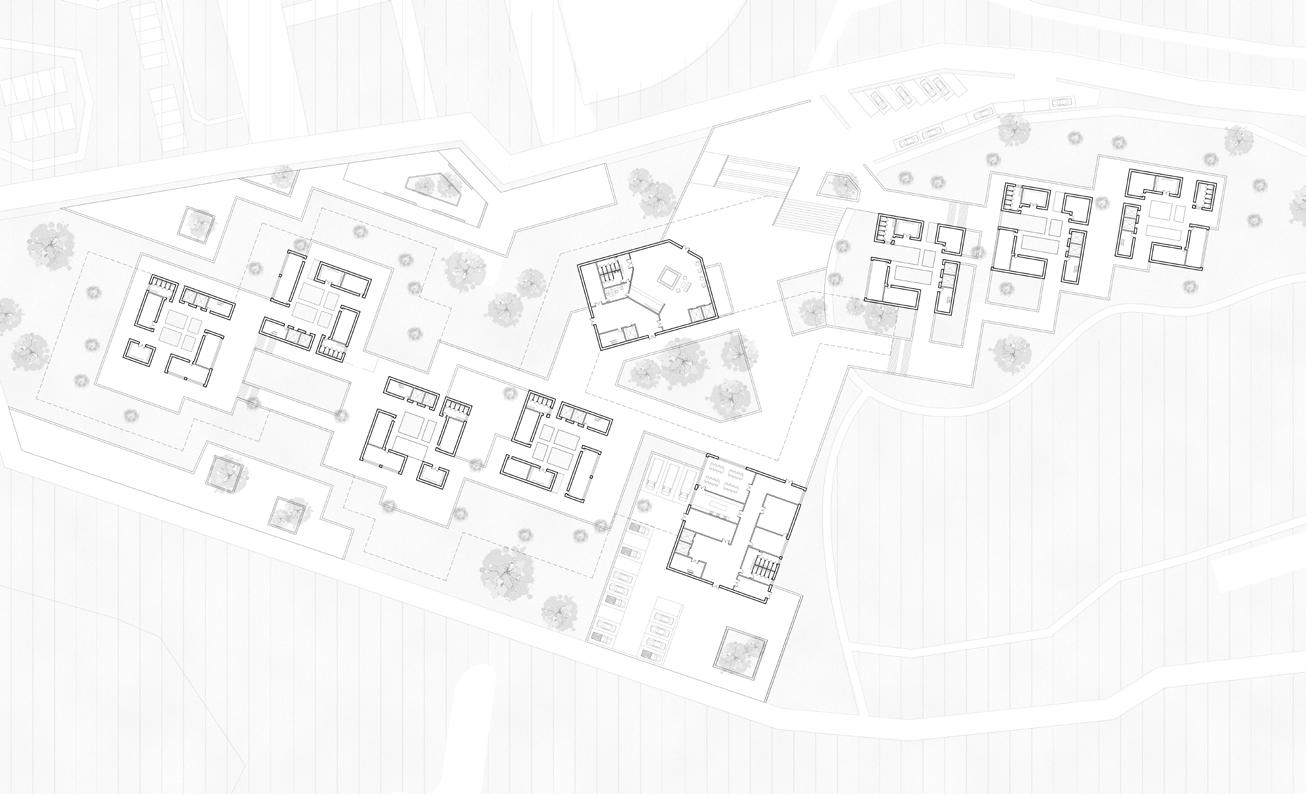
1. Sterilizing Room 2. Medical Room 3. Guest Elevator 4. Administration Office' 5. Staff Elevator 6. Meeting Room 7. Training Room 8. Office 9. Lounge 10. Staff Restroom 11. Dustbin Room 1 1 2 3 4 5 6 7 8 9 10 11 N First Floor Plan Ground Floor Plan 1. Lounge 2. Sterilizing Room 3. Reception 4. Publilc Restroom 5. Reception Office & Luggage Deposit 6. Warehouse 7. Kitchen 8. Staff Cateen 9. Dressing Room 10. Staff Restroom 11. Dustbin Room 12. Laundry Room 1 2 2 3 4 5 6 7 8 9 10 11 11 2 12 N 6 10 21
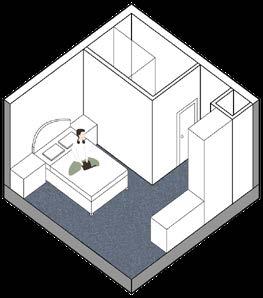
SINGLE ROOM (1)
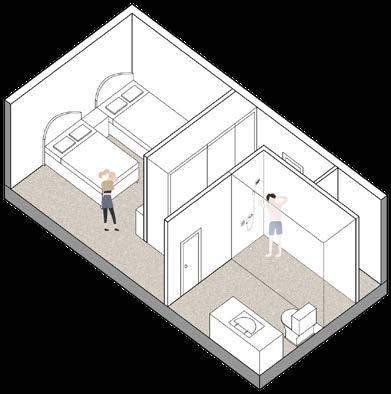
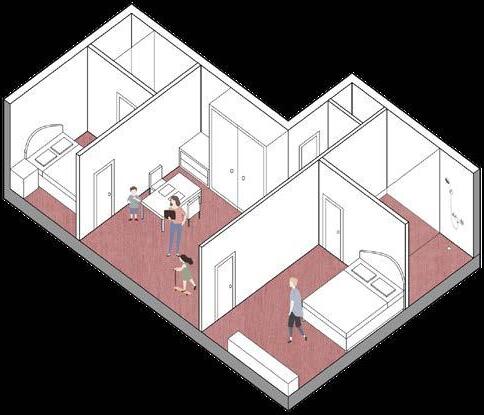
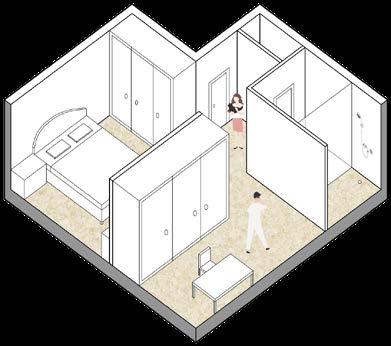




DOUBLE ROOM (2)
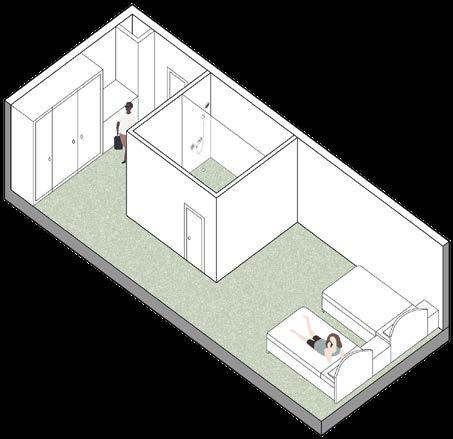
DOUBLE ROOM (2)
DOUBLE ROOM (2)
PUBLIC SPACE
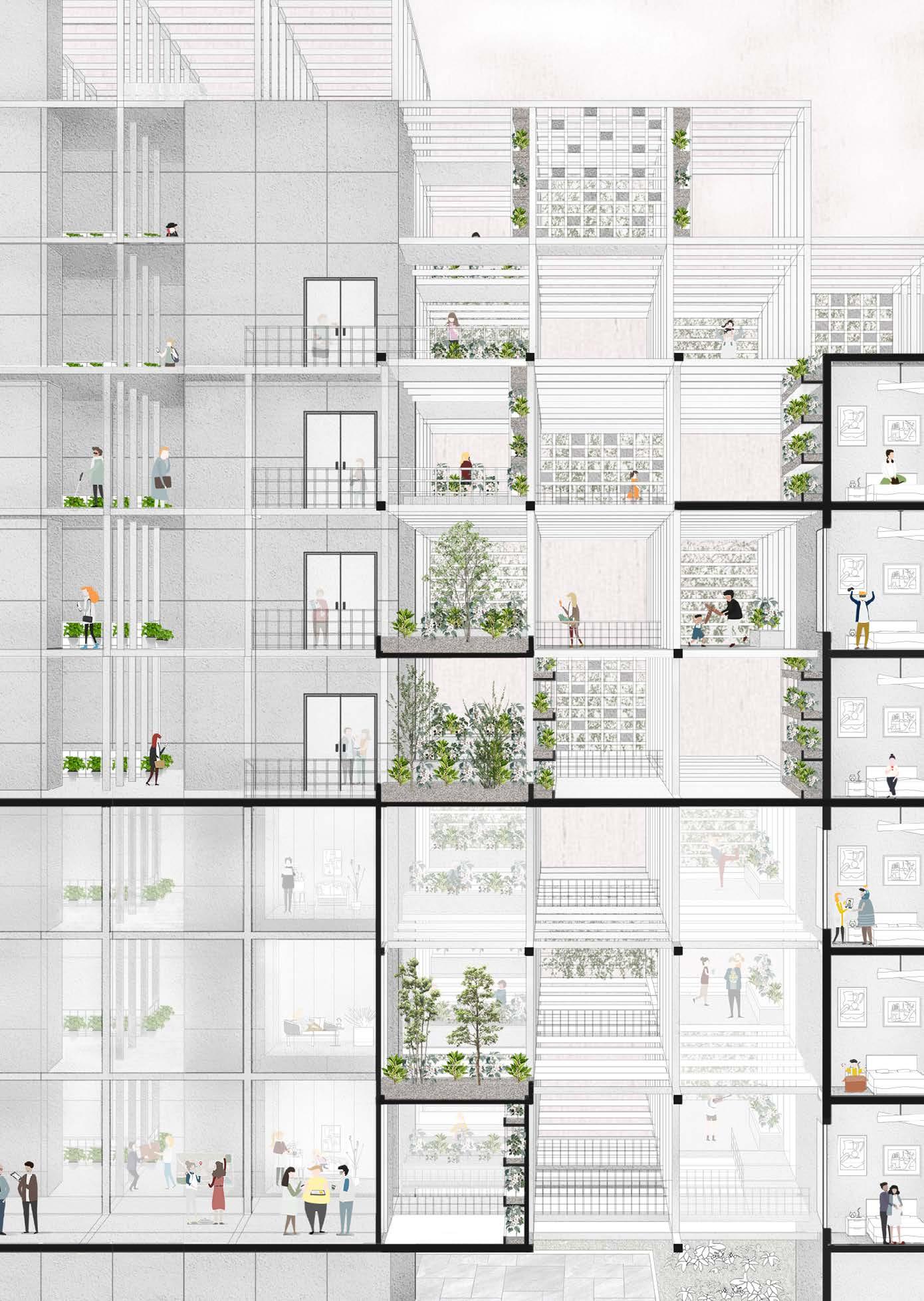
Double-hight public space that reinforce the connection between residents and visitors
CORRIDOR CORRIDOR
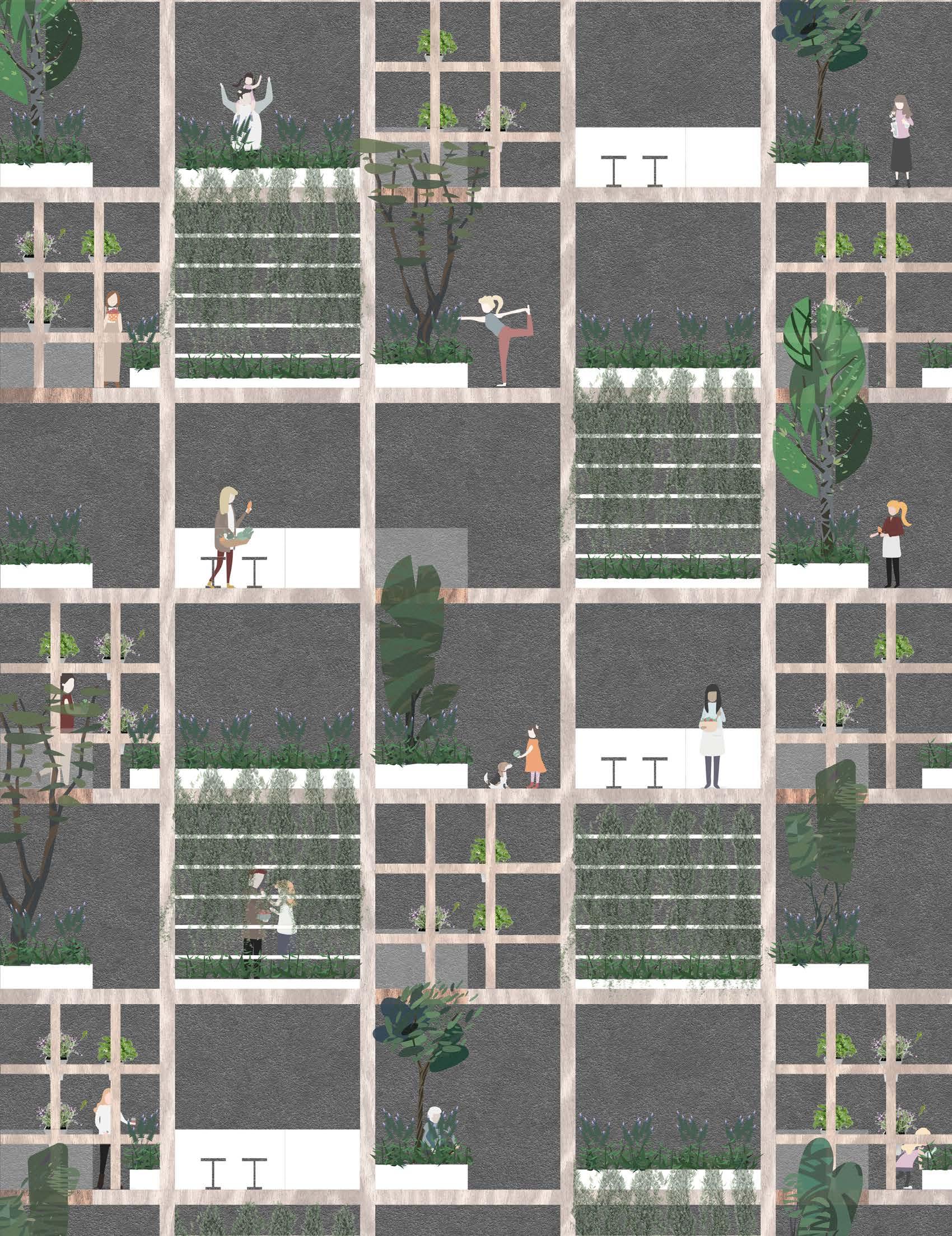
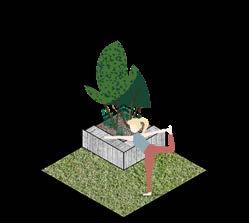
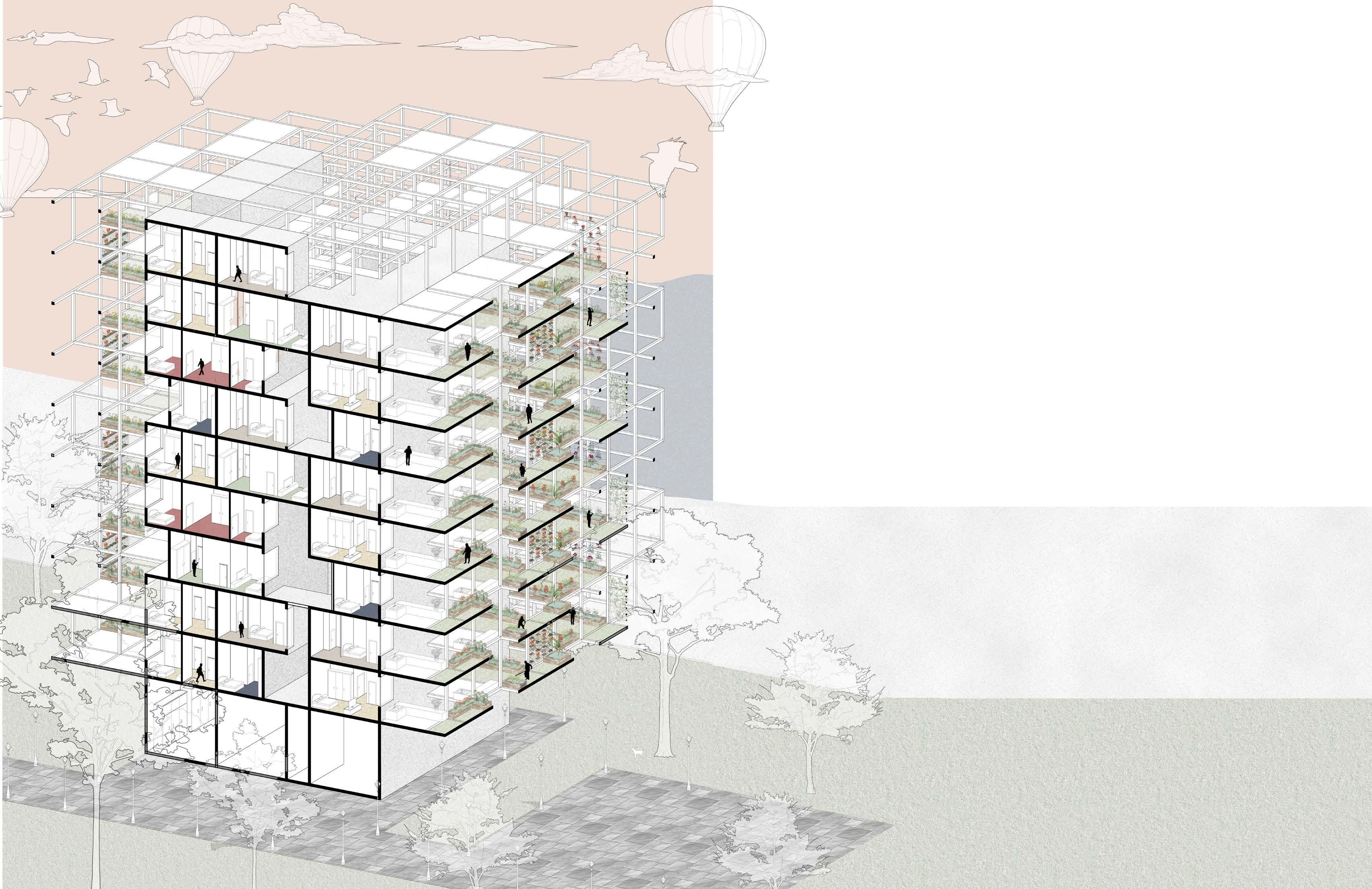
The green area formed by corridors brings nature into the circulation space
The green area formed by corridors brings nature into the circulation space
PLATFORM & CORRIDOR PLATFORM PLATFORM
The connection between platforms and corridors is separated by walls due to the requirements of prevention and control
Due to some limitted space, platforms are small but still separated due to safety reasons
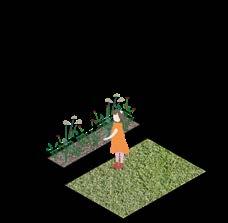
Platforms in long space form double hight areas, which bring more air and light into the planting space
PLATFORM RELATION PLATFORM RELATION
The platform grid ensures safety between two rooms and brings in more air and light
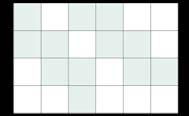
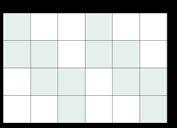

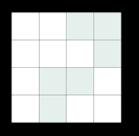
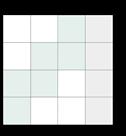


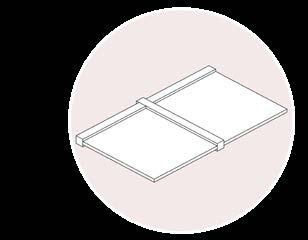
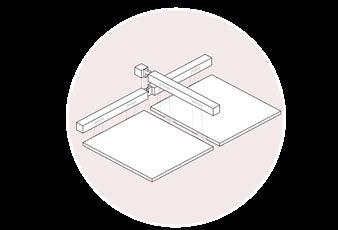
The change of the platform grid creates more variety and space for the plants on lower levels
20 60 100 140 180
22
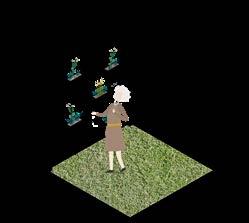
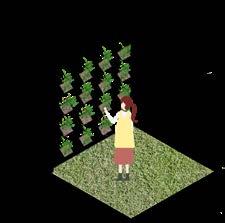
Guests in the quarantine hotel can enjoy spring flowers by looking at the Sheshan Mountain, which is on the south-west part to the hotel. They can also sow the seeds they choose on the platform.
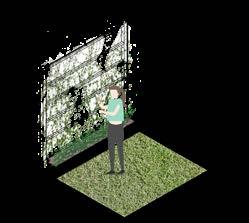
Summer is the time for plants and flowers grow to flourish and blossom. With the view of forest, moutain, and the plants on the platform, guests in the quarantine hotel can enjoy their summer time.
Fall is the season for plants to ripen. Guests can harvest their own vegetables on the platform and make food by themselves.
Guests can enjoy winter scenery on the platform. With the snow covering the trees and the lake refleting the scenery, the whole view will be like a painting.
SPRING SUMMER
FALL WINTER
23
The Magic Association
A project based on architecture deceit theories
Time: Fall 2021
Academic Design Studio
Location: Hangzhou, China
Individual Work
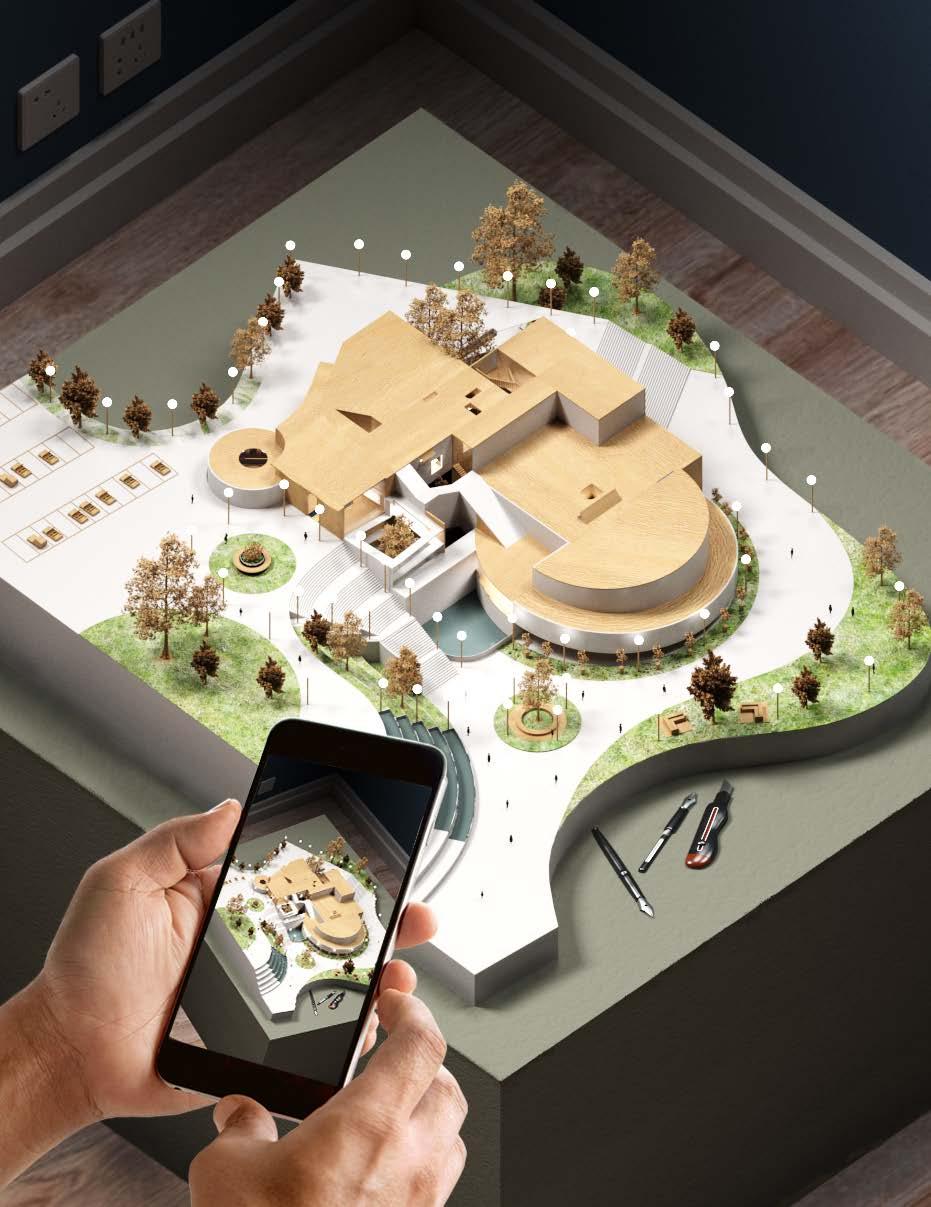
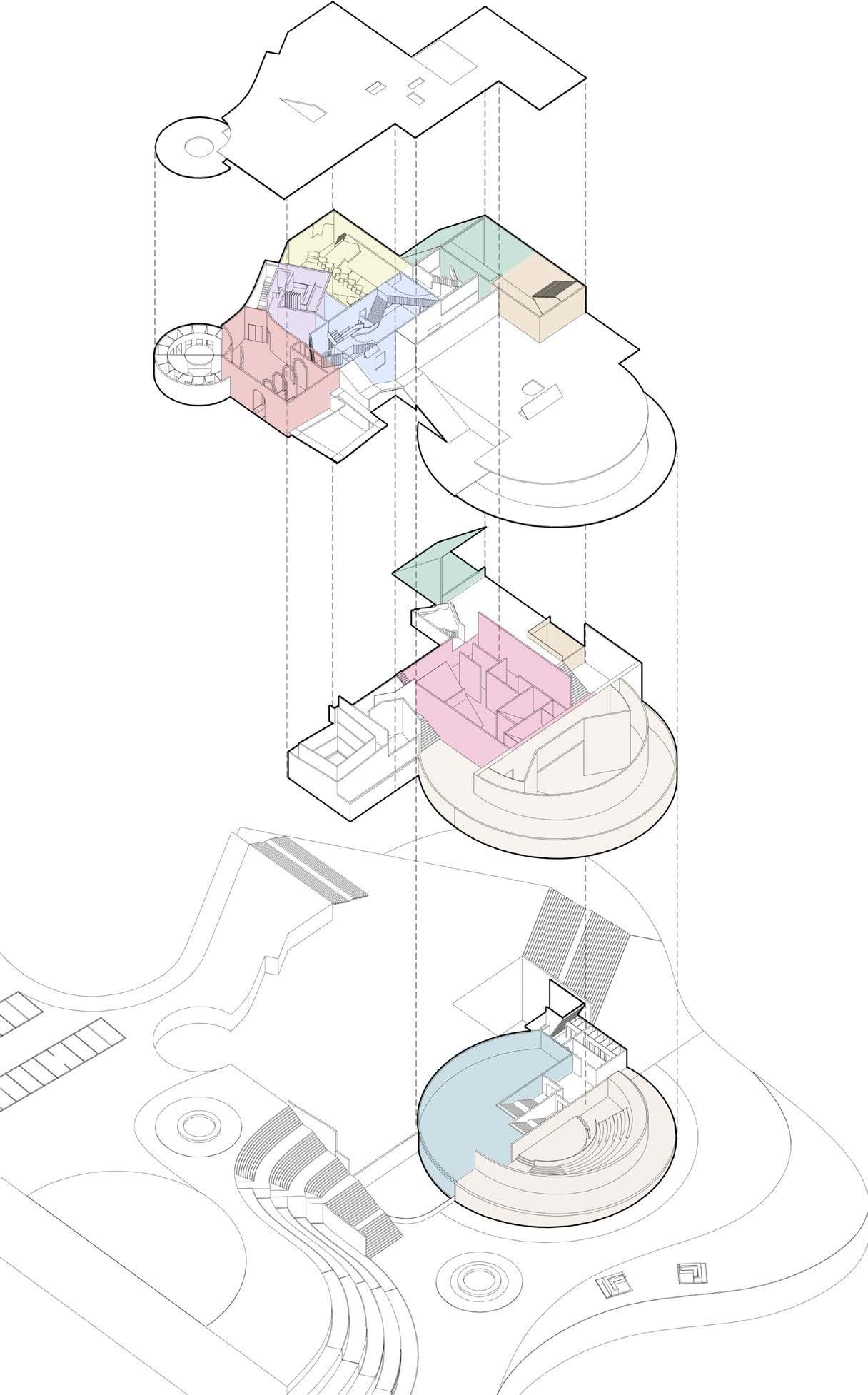
This project is based on two theories. The first one is surface deceit proposed by John Ruskin in the book "The Seven Lamps of Architecture": the painting of sufaces to represen some other mateial than that of which they acturally consis, or the deceptive representation of sculptured ornament upon them. The second theory is from Antonio Miranda's "On the 'Falsation' of Deceitful Architectures": (deceitful arcitectures) suffer internal contradictions in geometric, mechanical, spatial and constructive elements, or incongruities between them. By using these two theories, this project aims at giving visitors a false feeling about the spaces in the magic association, making them question what they see, and creating feelings like confusion, stress, or surprise.
05
24
Surface Deceit — Walls
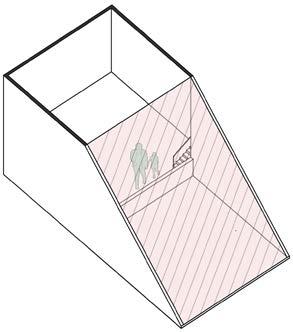
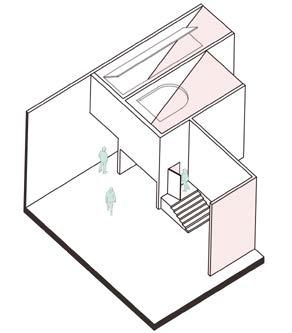
Walls use a geometrically constructed perspective to depict nested space.
Surface Deceit — Floors
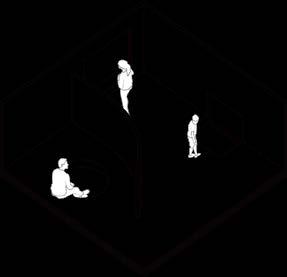
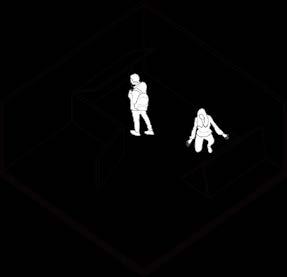
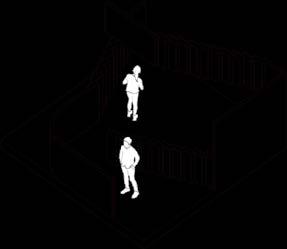
Surface Deceit — Ceilings
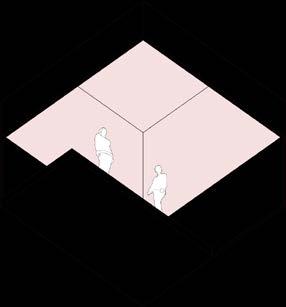
Floors give viewers an illusion of a space beneath them. Deceptive ceilings creates a space above the viewers, making the real space larger.
Surface Deceit — Doors & Windows
Viewers can't tell the diffrence between real and deceptive doors and windows, unless they try to interact with them.
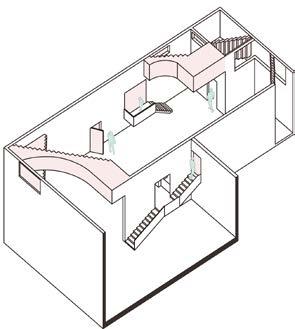
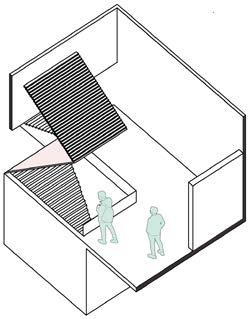
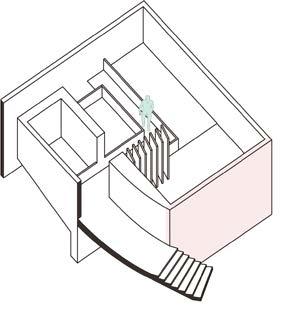
Lateness Deceit — Stairs as Walls Lateness Deceit — Stairs as Ceilings
Using stairs as ceilings can create a feeling of upside down space among viewers.
When the stairs rotate, it loses its original function — connect different levels.
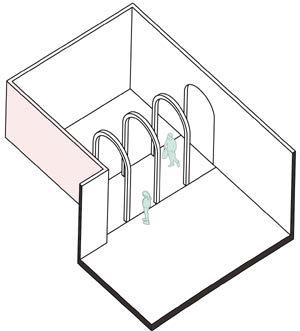
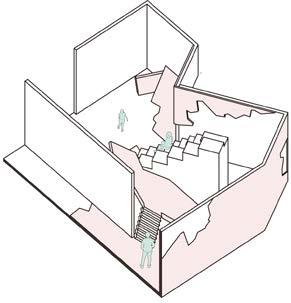
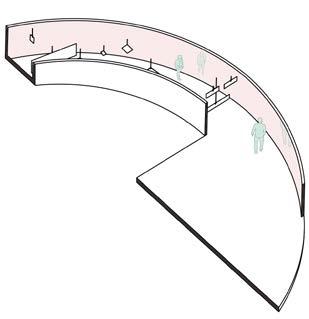
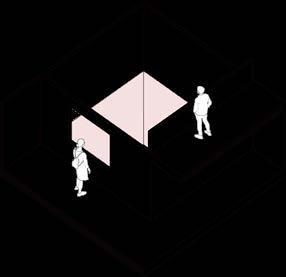
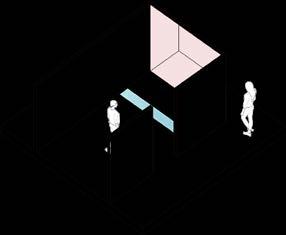
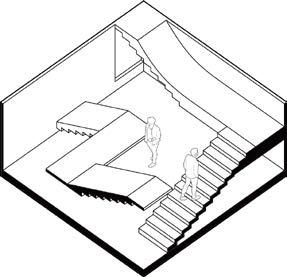
Lateness Deceit — Deceptive Doors Lateness Deceit — Deceptive Windows
Doors are always on the walls, but deceptive doors can be on floors or ceilings.
Windows are always on the walls or ceilings, but deceptive windows can be on floors.
Surface Deciet


- Paintings & Pictures
Surface Deciet - Paintings & Pictures
Lateness Deciet
- Stairs & Windows & Doors
Lateness Deciet
- Mirror Windows & Doors
Lateness Deciet
- Space in Mirror
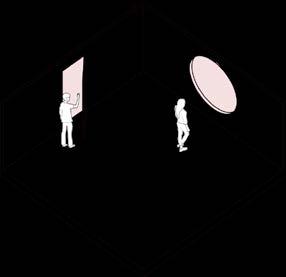
Ruins Mirror Reflection
Lateness Deciet
- Elements in Mirror
PROTOTYPE
SPACIAL TYPE 25
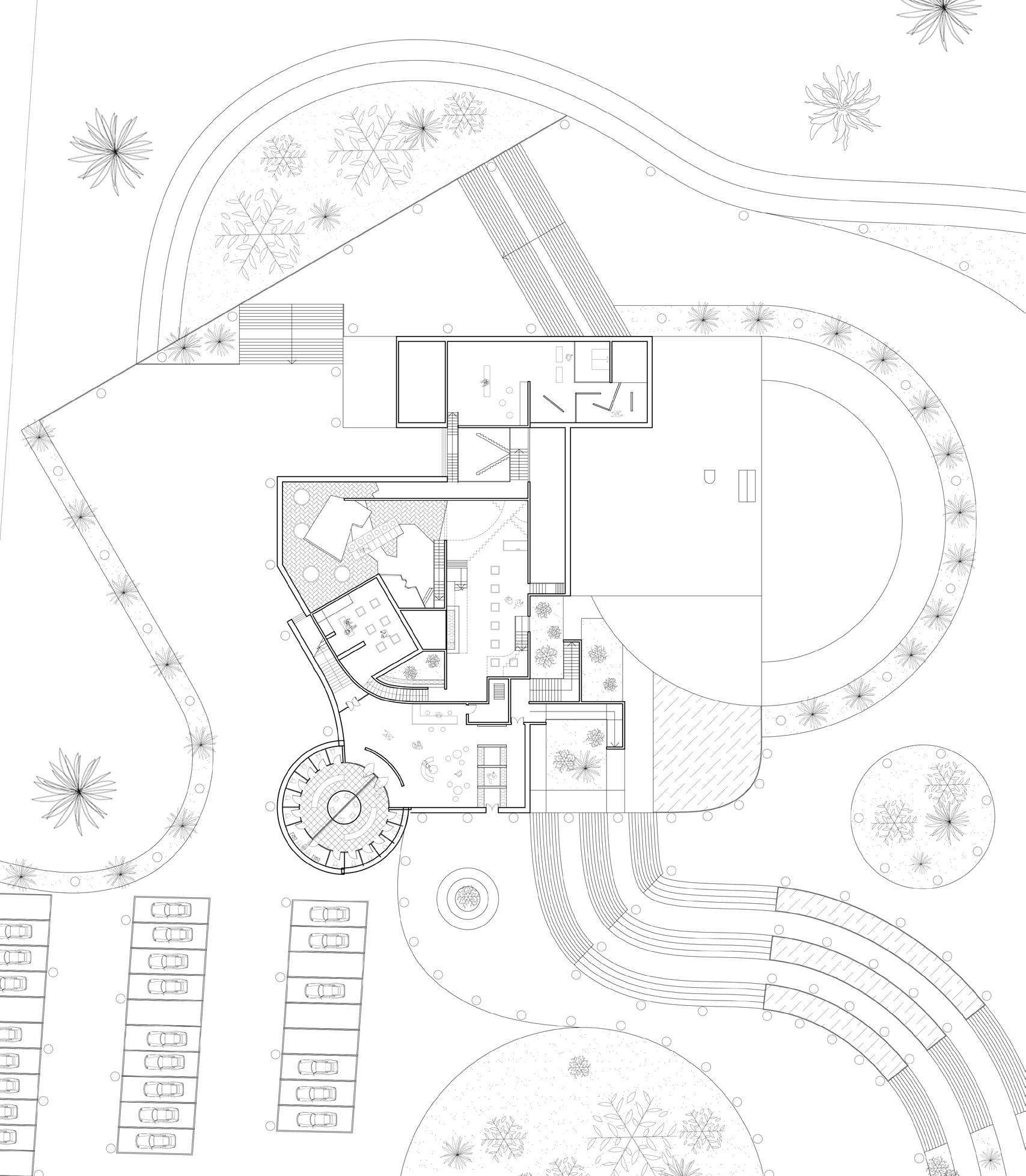
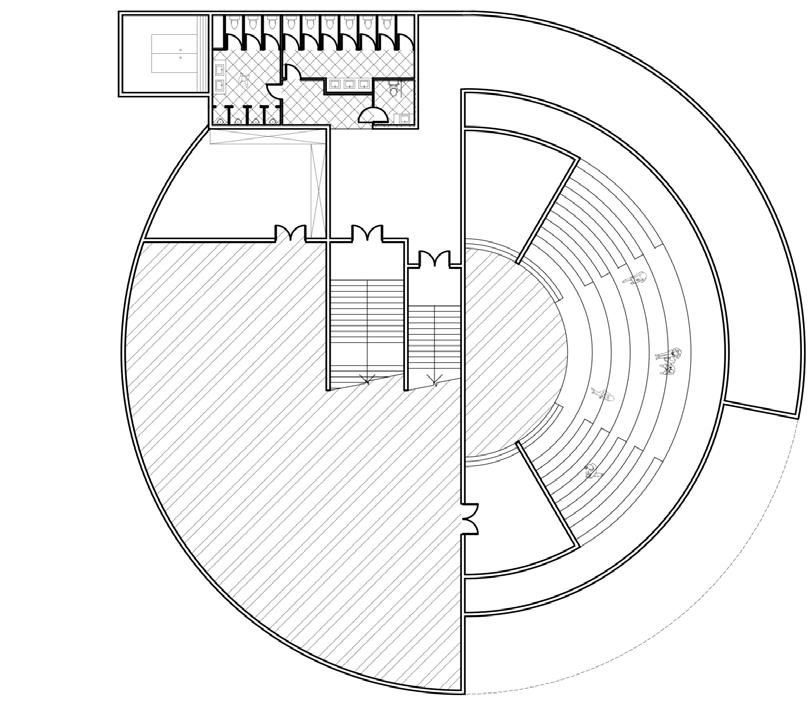
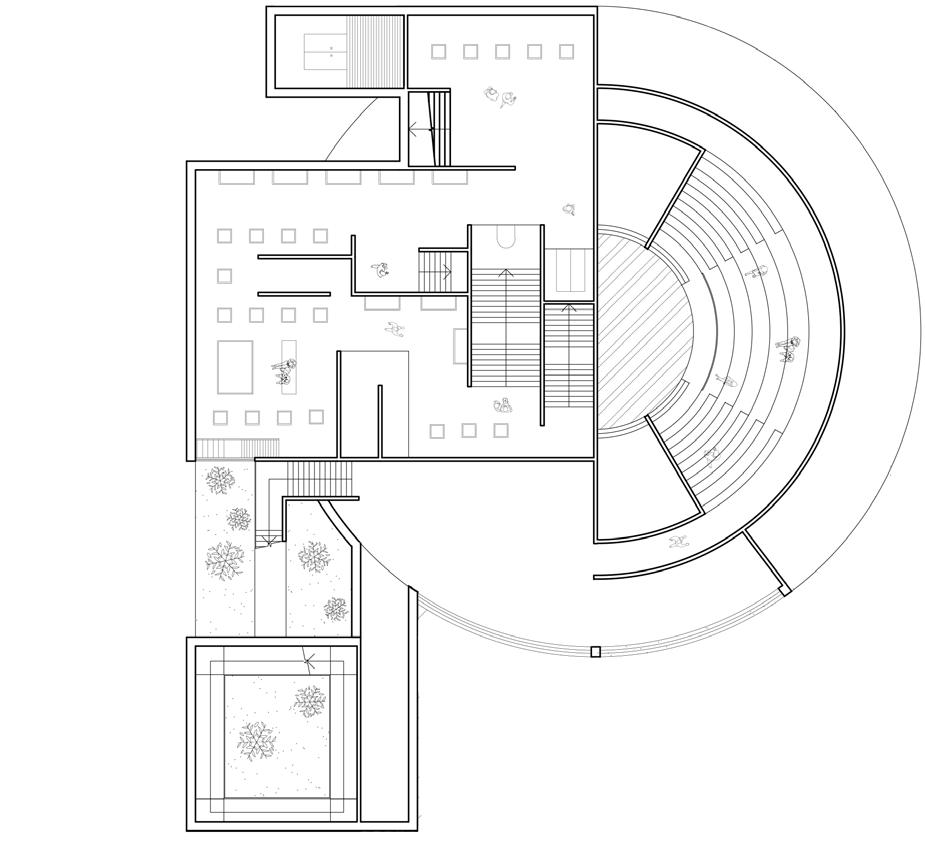
±0.000 ±0.000 -3.400 -4.500 1 3 4 5 6 2 up down 1 1 2 2 -7.900 9 10 11 -4.500 -4.500 7 8 Second Floor Plan
Plan
Third Floor
1. Reception
2. Restroom 1
3. Exhibition Room 1
4. Exhibition Room 3 (Lateness Deciet)
5. Exhibition Room 4 (Ruins)
6. Exhibition Room 5 (Mirrors)
7. Exhibition Room 6 (Mirrors)
8. Magic Theater
9. Backstage & Practice Room
10. Storege
26
11. Restroom 2
VENTED AIRSPACE

WOOD SIDING
ROOF SYSTEM FINISH VARIES
STANDARD WINDOW SYSTEM
VERTICAL REINFORCEMENT
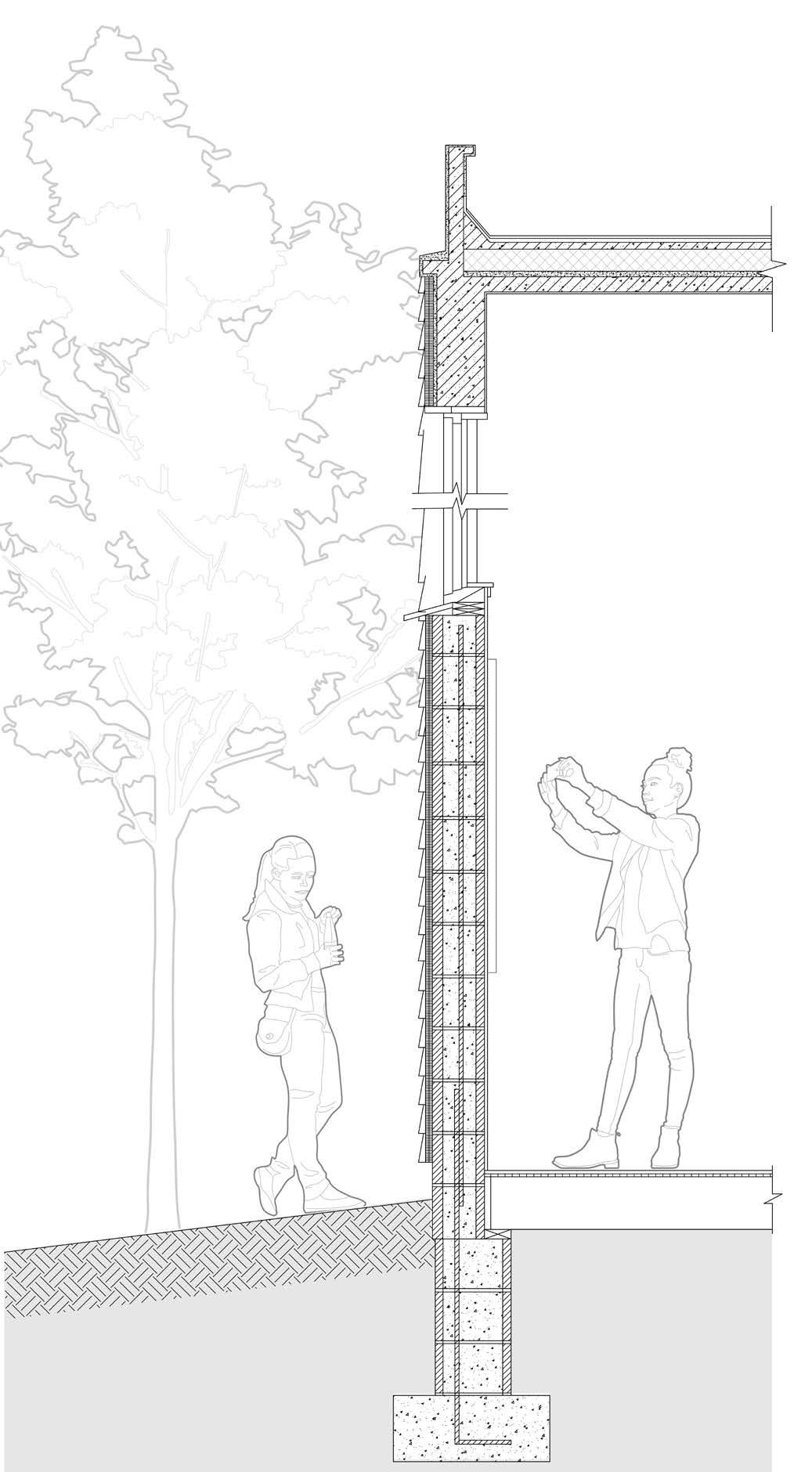
HORIZONTAL JOOINT REINFORCEMENT
POSITIVE SLOPE
SUBFLOOR
CONCRETE FOOTING
FLOOR JOIST
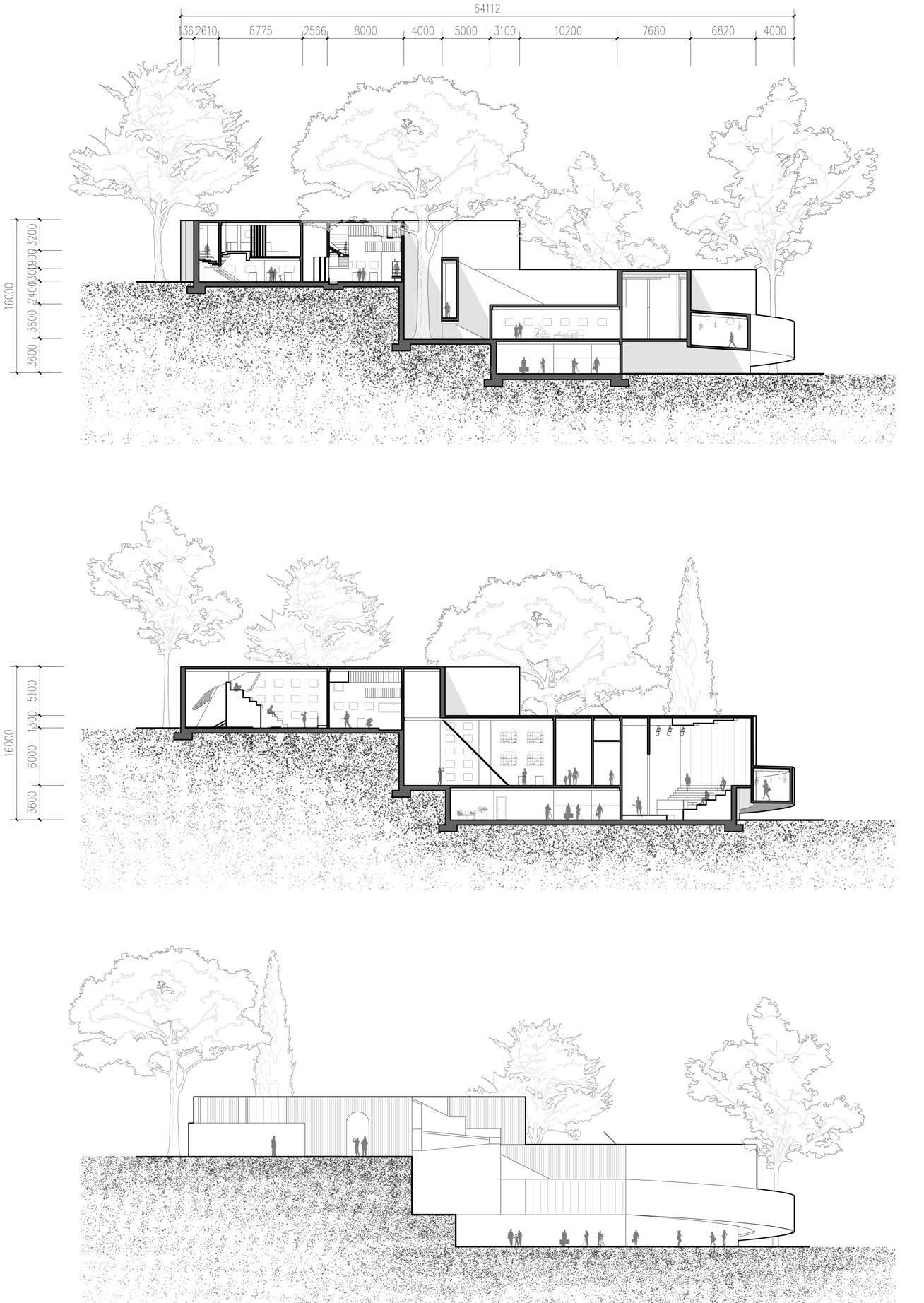
SECTION
Section 1-1
Section 2-2
South Elevation
DETAIL SECTION
27
Between Machines and Humans
Architecture with evolutionary potential
Time: Fall 2022
Upenn MSD-AAD Project
Instructor: Ali Rahim
Group Work: Yiwen Gu, Yutao Chen
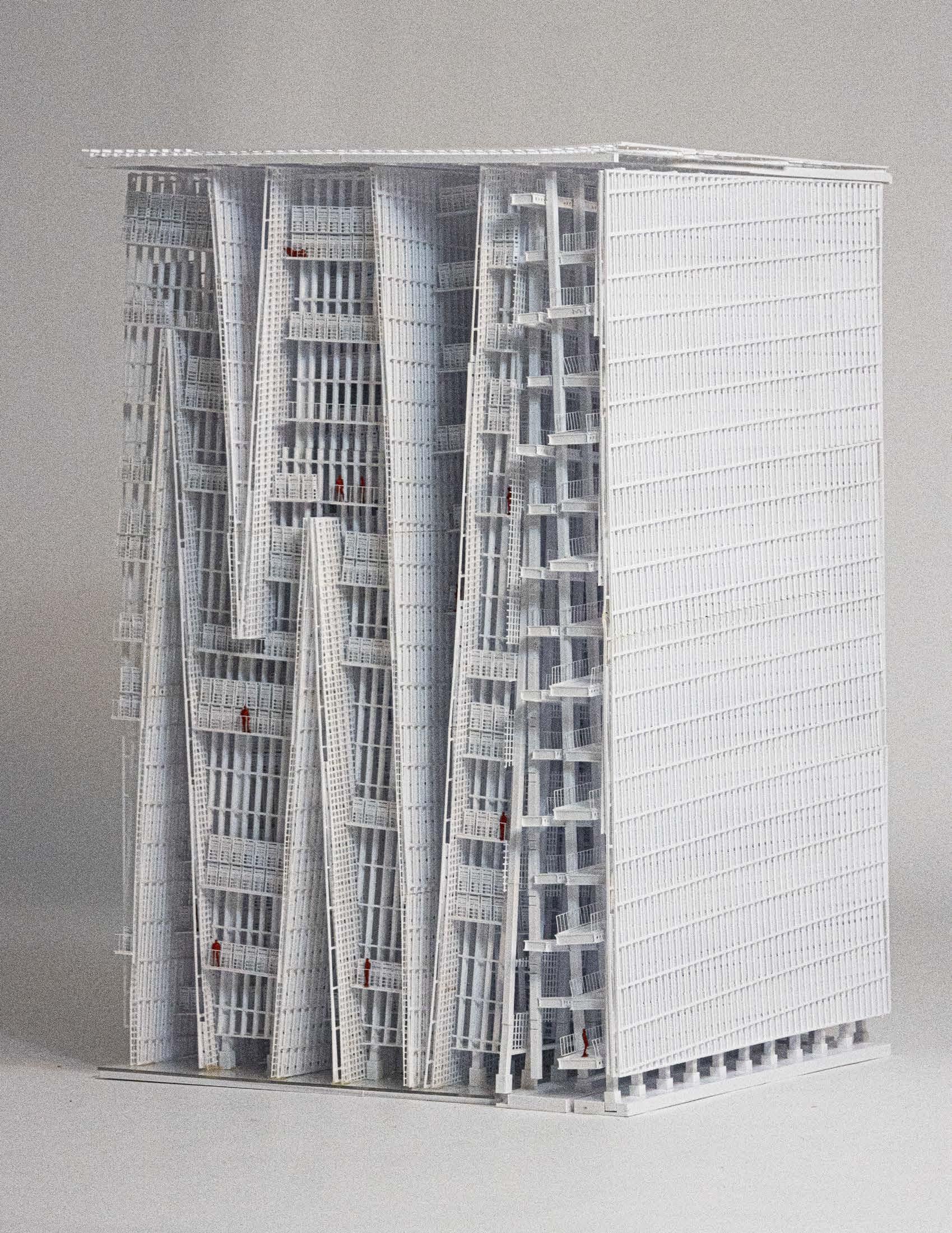
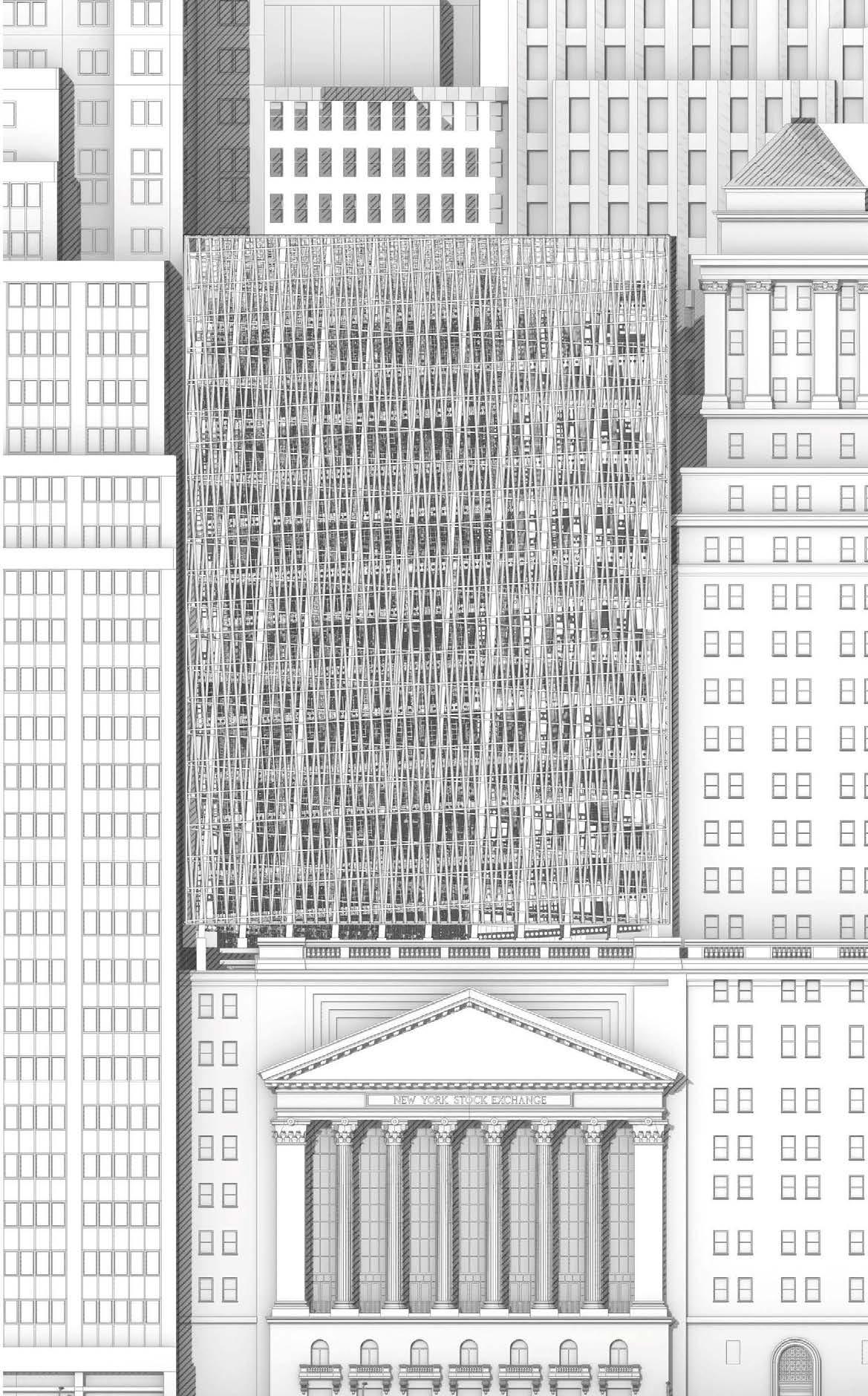
The post-pandemic era has created significant changes in the global economy, as well as in the economy of global cities such as New York City. This raises the conversation in the architectural field about the future of architectural design. Our studio work looks to figure out a way to assemble previous architectural elements of the city to create a building that has an evolutionary potential: one that can contribute to NYSE’s future financial value despite the future’s unpredictability.
06
28
New York Stock Exchange
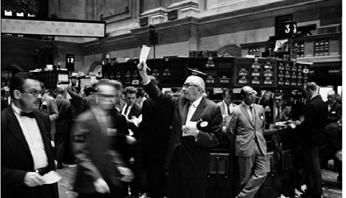
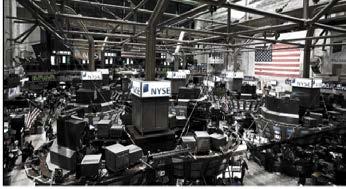
The New York Stock Exchange (NYSE) is a phenomenal building that embodies the development of finance, society, and urban evolution. Since the founding of the NYSE in 1792, when people conversed and made notes on the floor of the trading hall, to today when individuals stand before numerous computer monitors, electronic displays, and servers that facilitate trading, these burgeoning machines have significantly influenced and altered people's behavior and the layout of architectural spaces.
Machine and Human Interaction
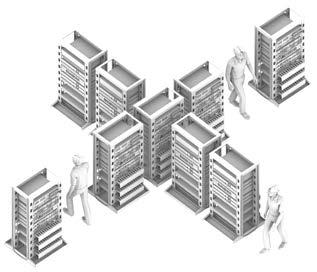
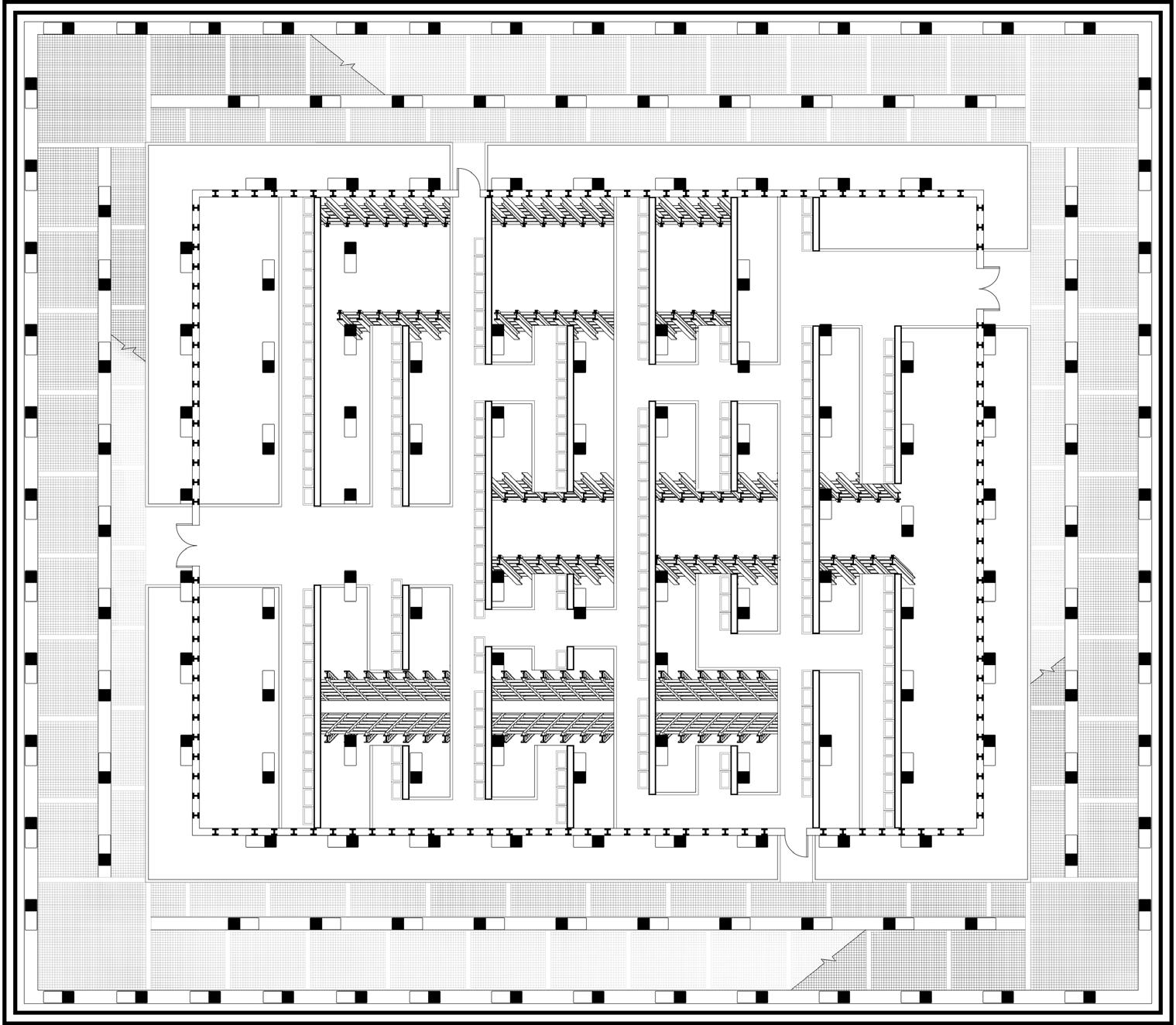
The most significant difference in the layout of the NYSE between today and the past is the increased proportion and positioning of machines.

Circulation
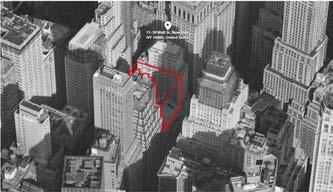
 NYSE Market Hall in 1973 Site Location
NYSE Market Hall in 2008
NYSE Market Hall in 1973 Site Location
NYSE Market Hall in 2008
PLAN ELEVATION
29
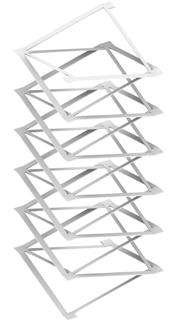
The prototype of the matrix is a zigzag cross, symbolizing ascension and intersection.
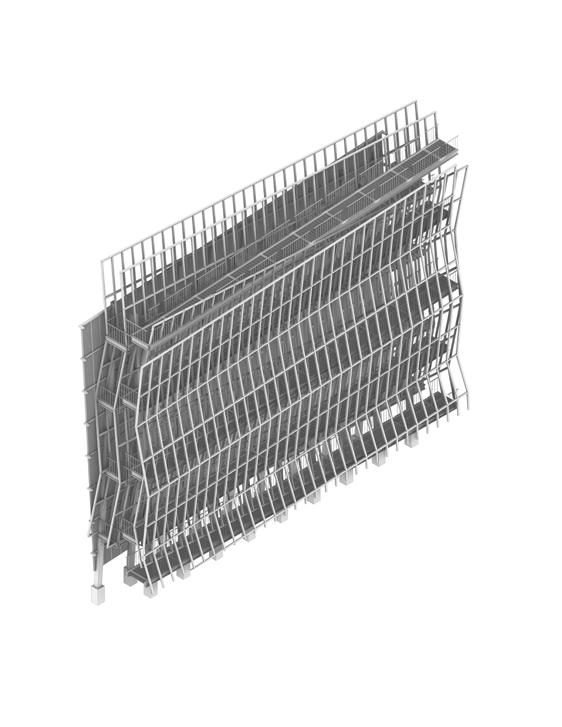
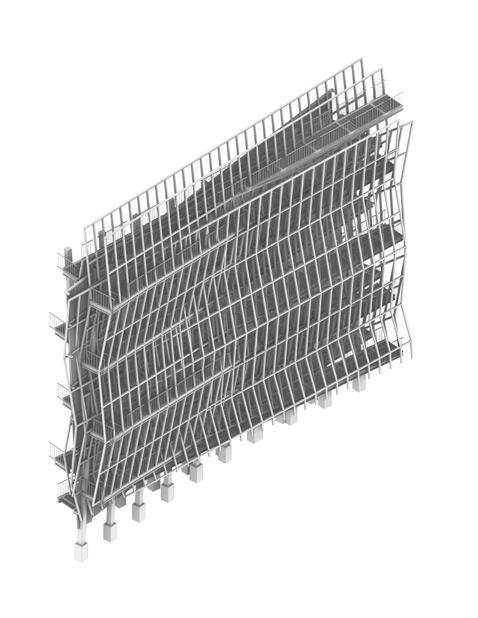
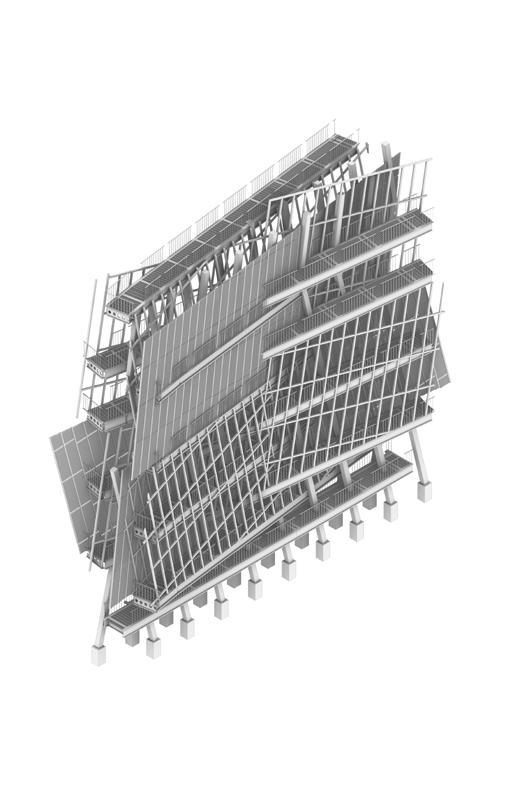
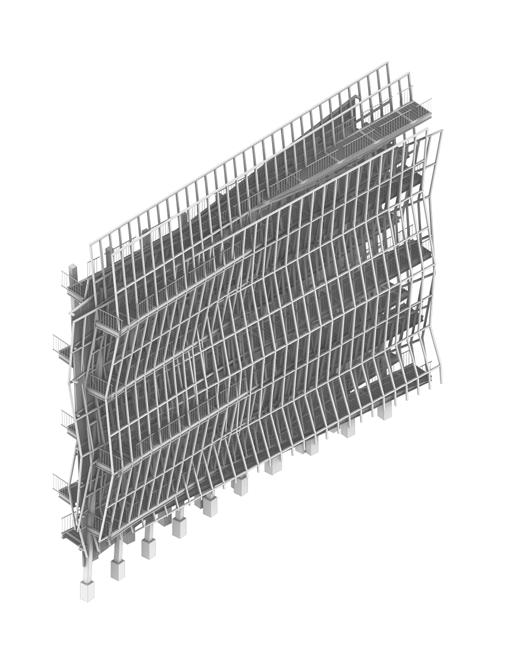
FACADE ITERATION 30
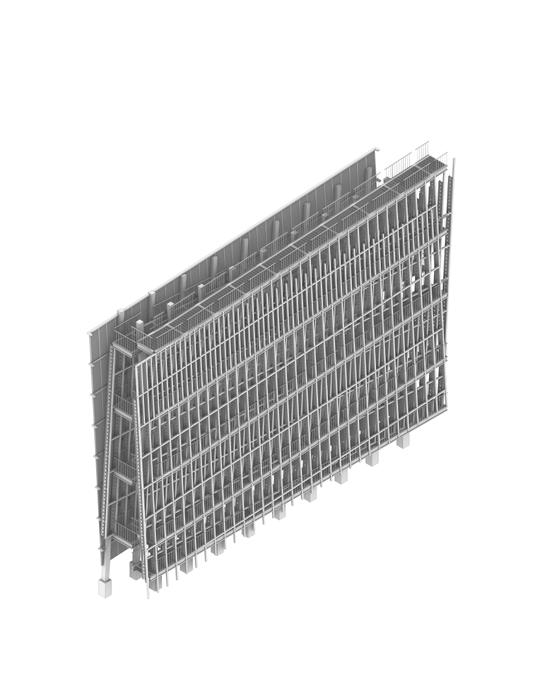
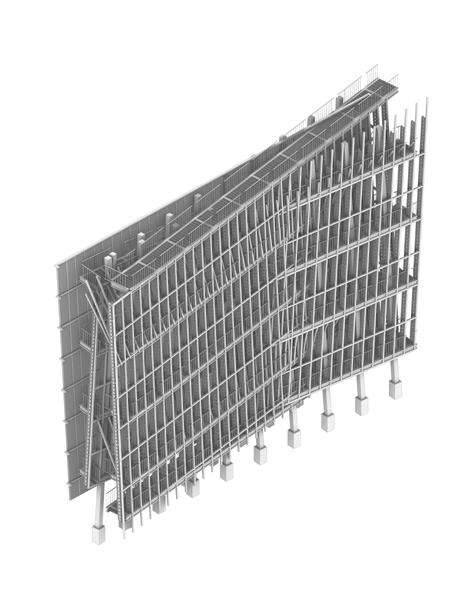
The first step is investigating the connection between ramps and the facade. We conducted multiple iterations to examine how varying the ramp's orientation can alter the spacial virtual effects.
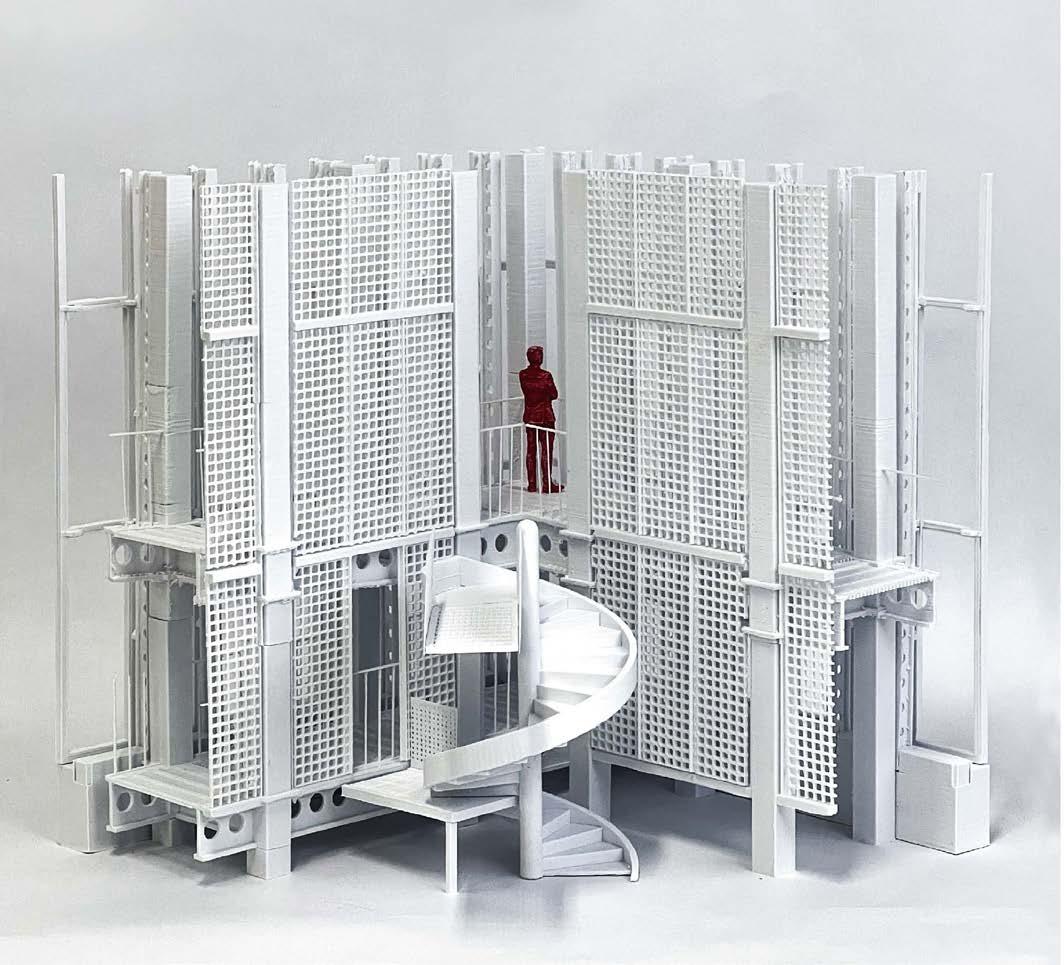
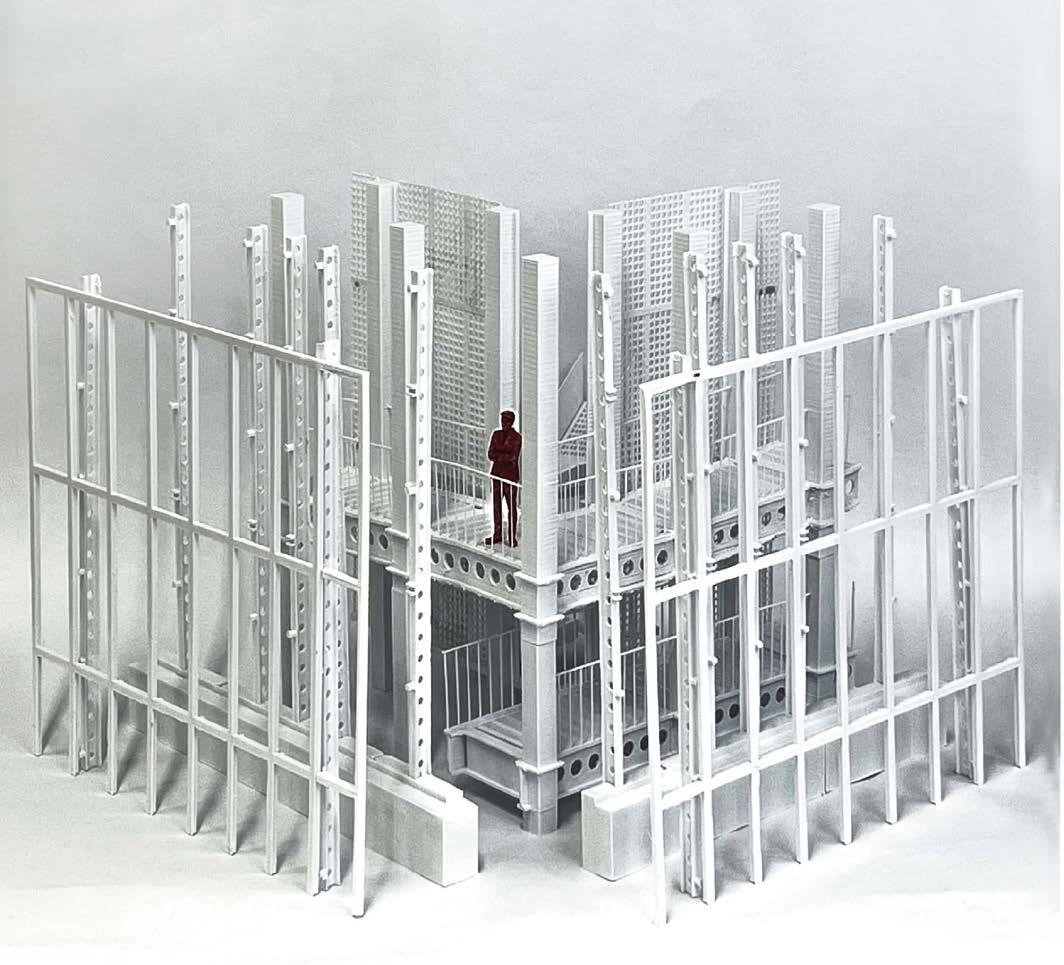
DETAIL MODEL 31
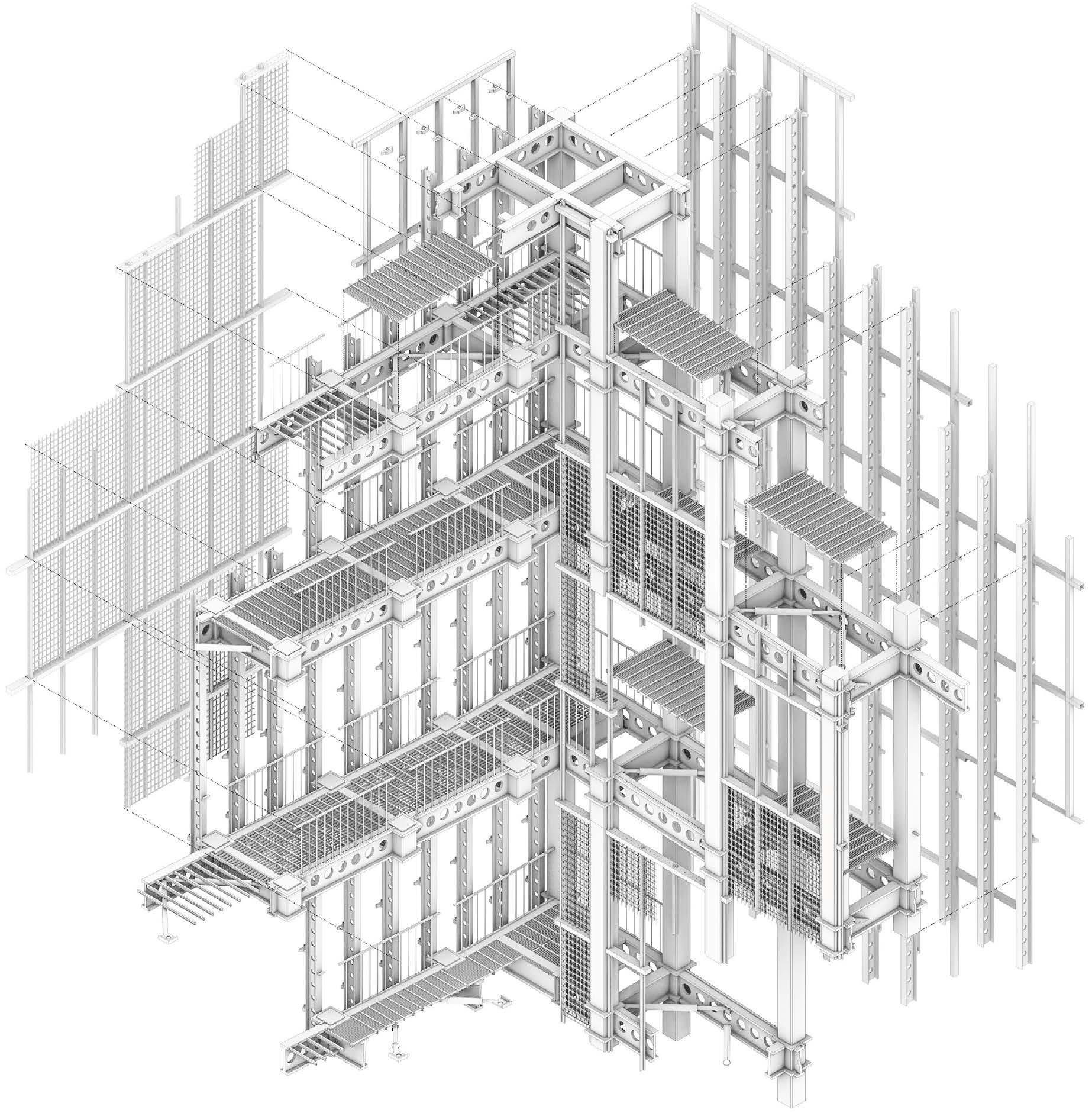
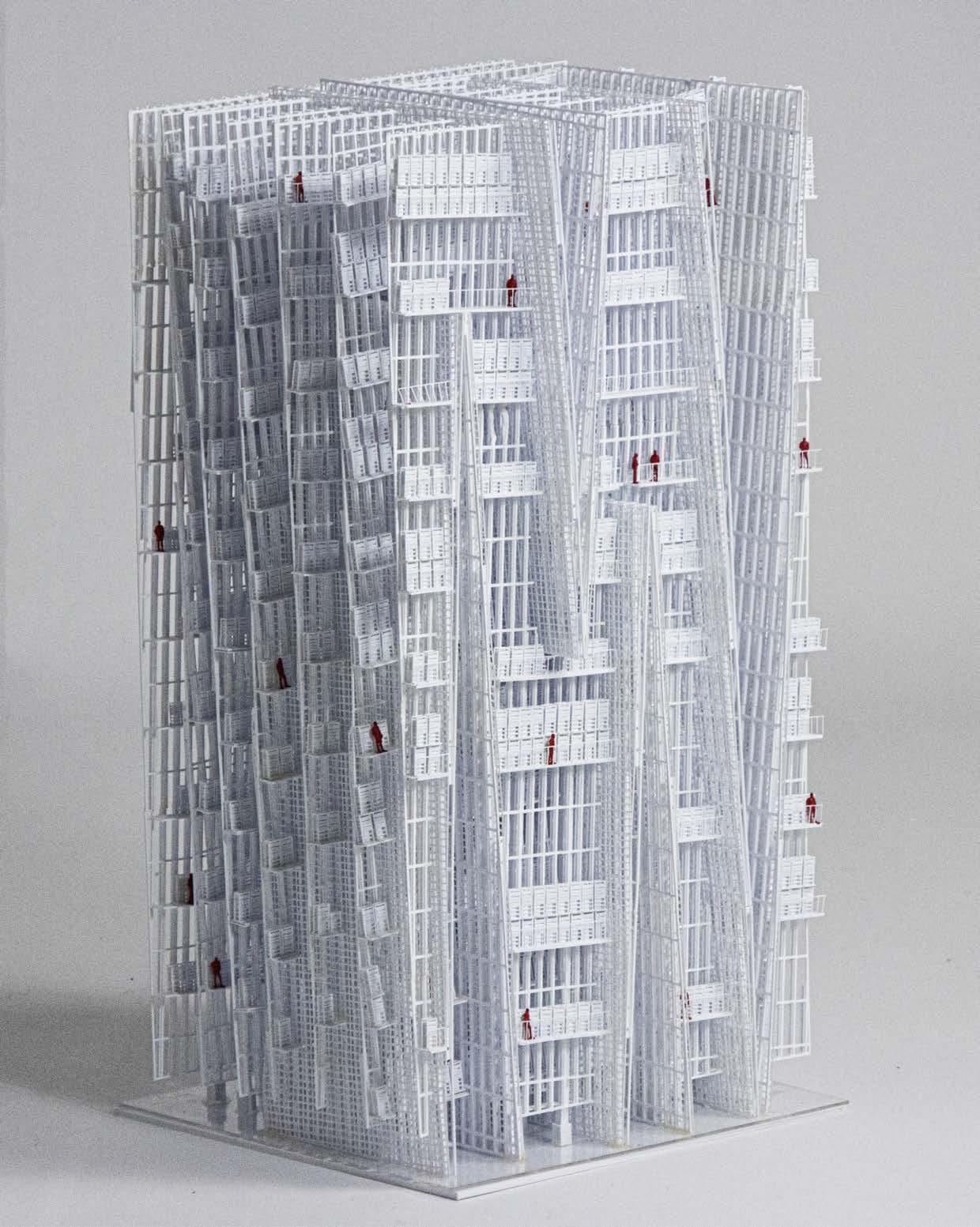 The central space is for servers, while allowing maintenance facilitated by connecting the inner platforms to the outer ramps.
RAMP MODEL SERVER PART 32
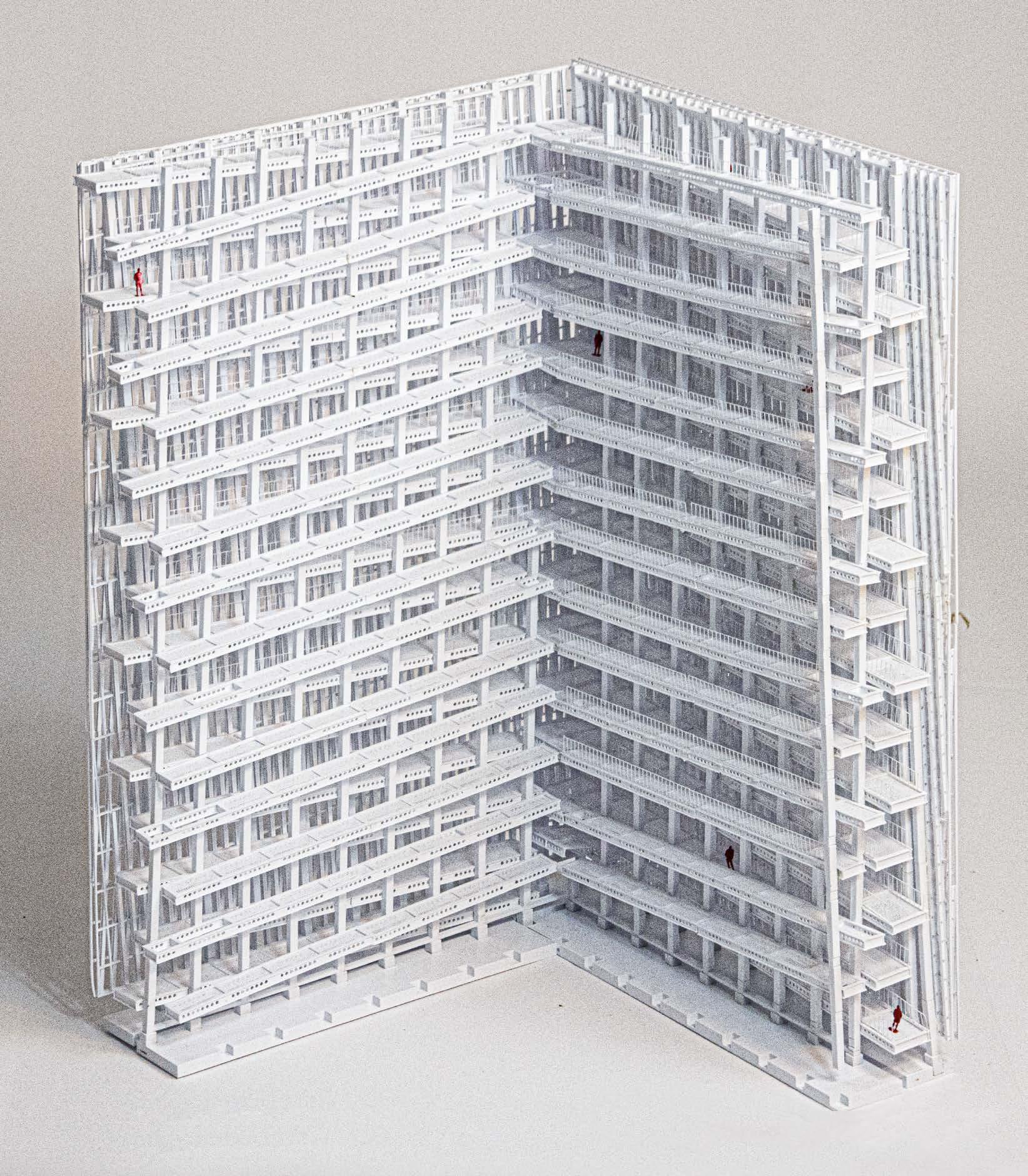
The ramps create enclosed loops that surround the entire building. These circulation spaces are mainly for humans.
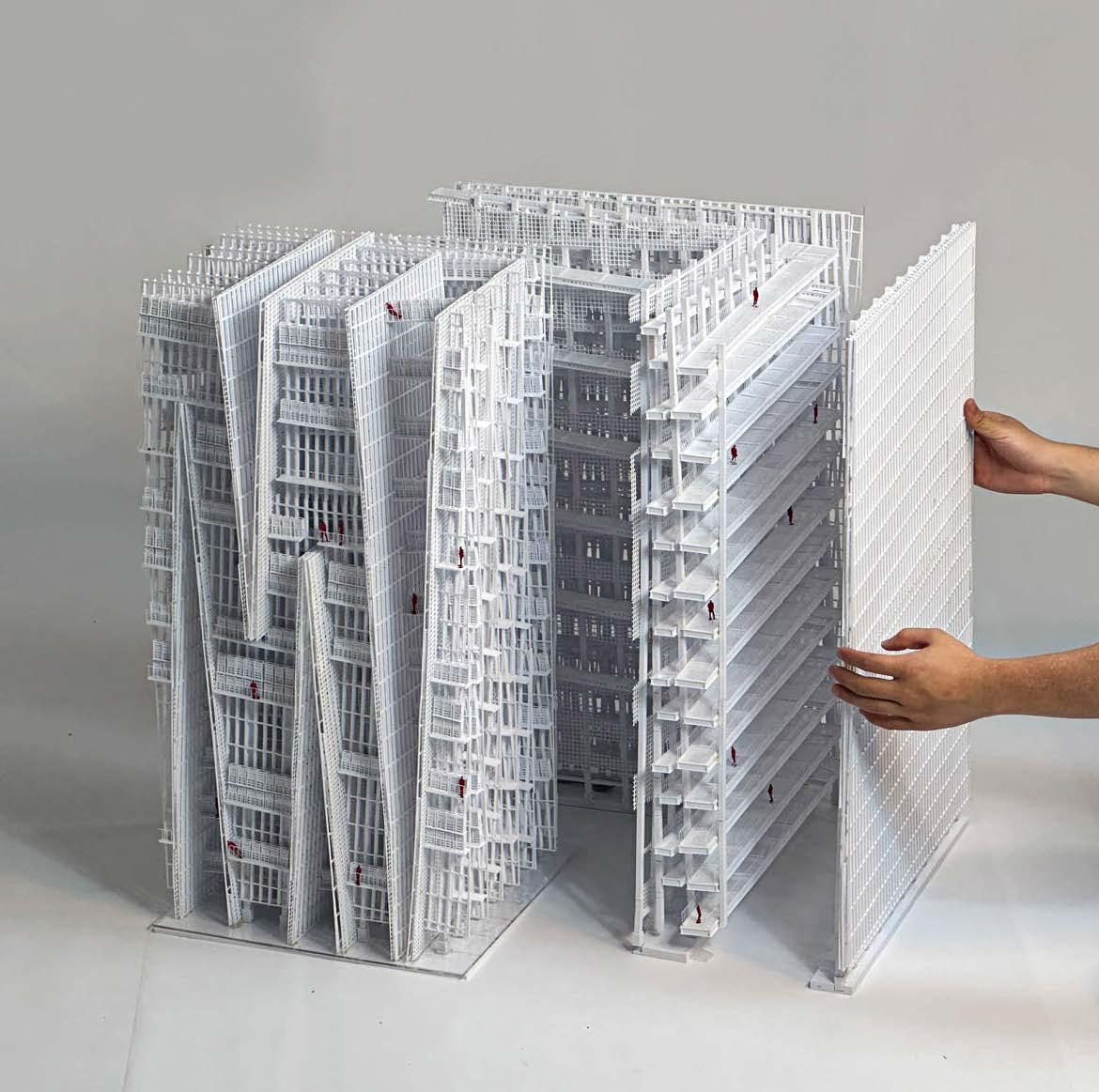
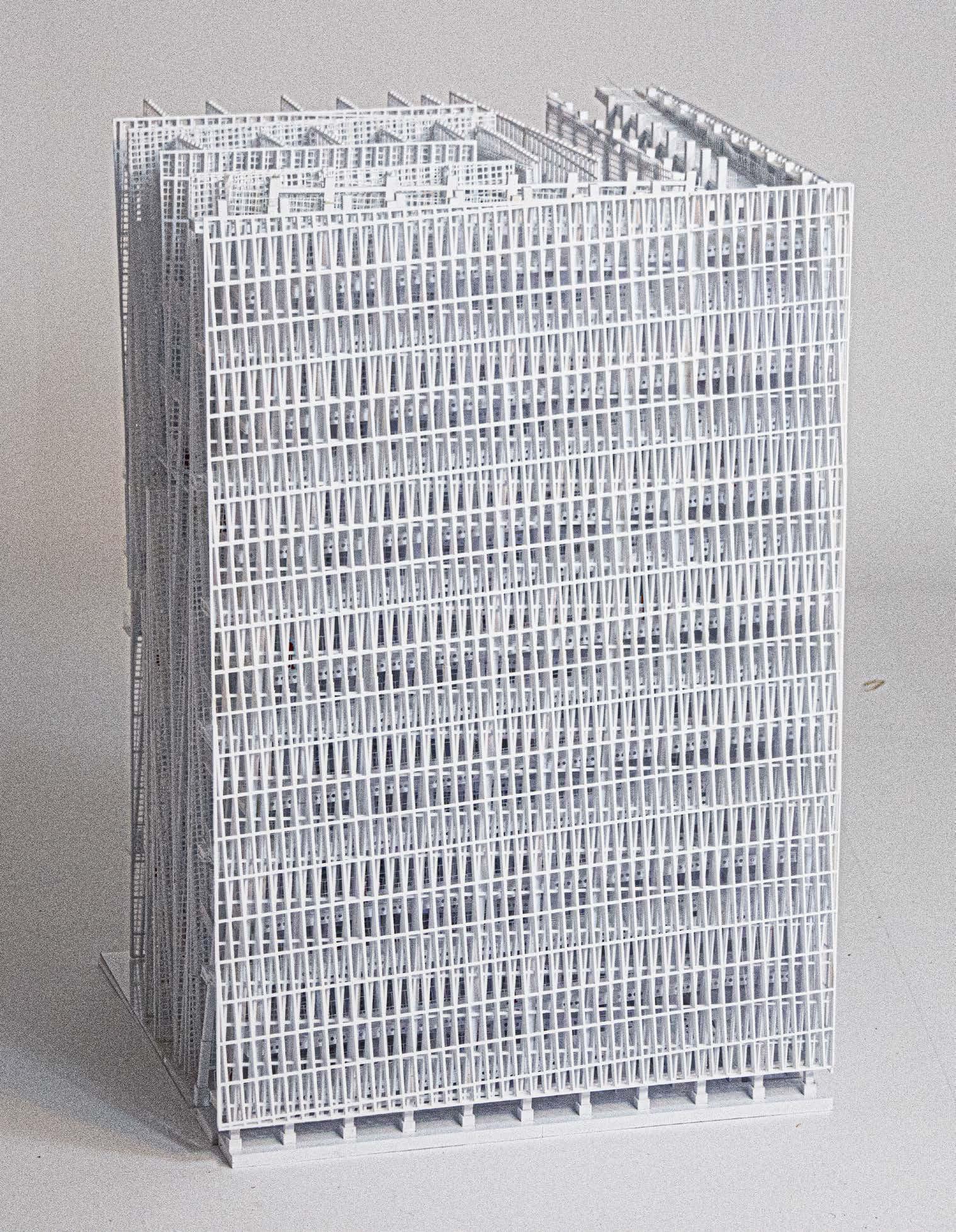
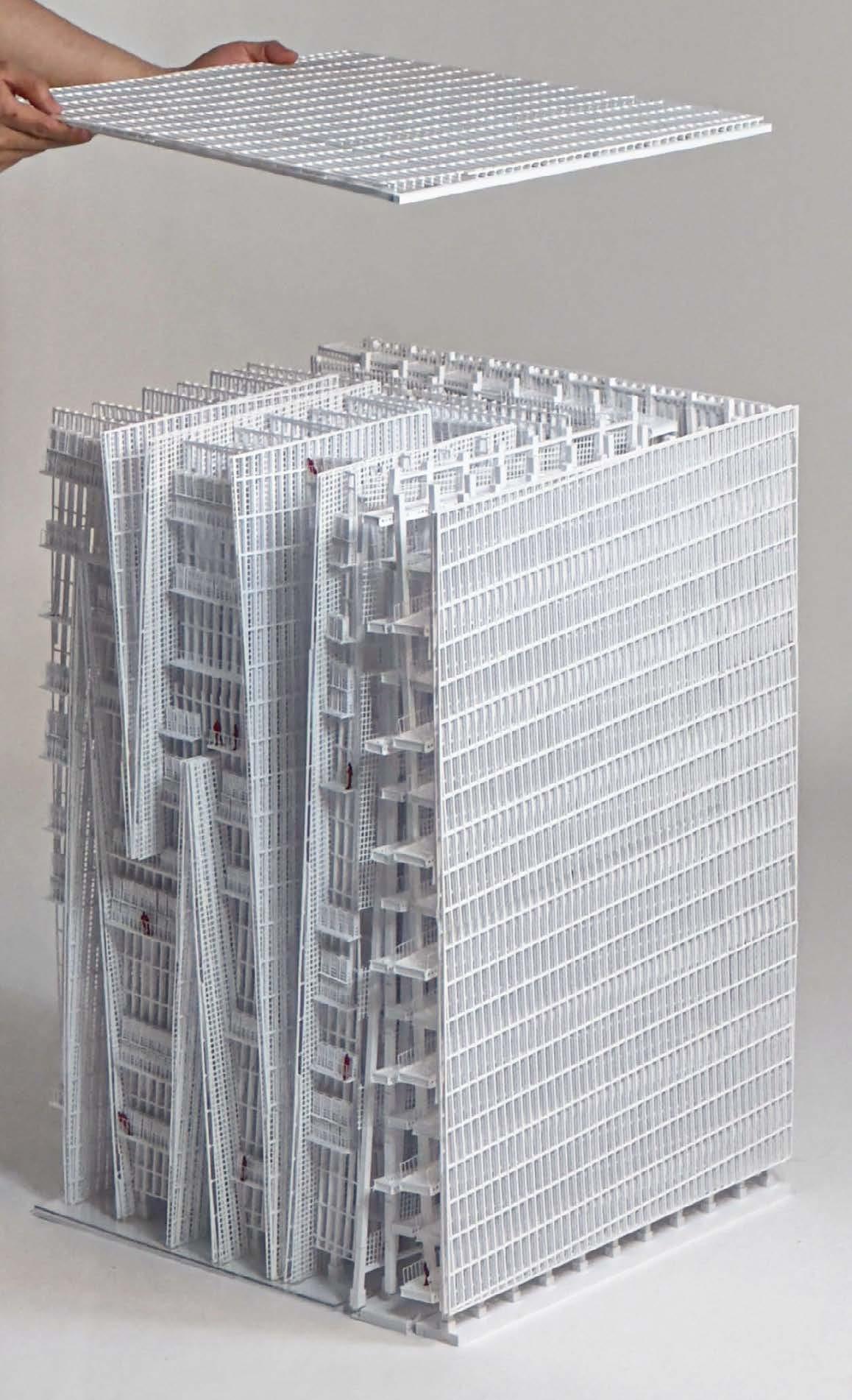 After removing the ceiling, the remaining parts can be detached layer by layer.
33
The physical model can be reassembled. The first step is to remove the ceiling.
Ultra High Performance Concrete Panel Design
Design With Next Generation Precast Concrete
Time: Fall 2022
Upenn MSD-AAD Elective Course
Instructor: Richard Garber
Group Work: Leah Janover, Sarah Johnson, Yiwen Gu
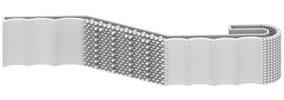
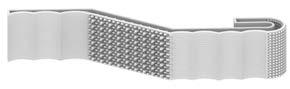
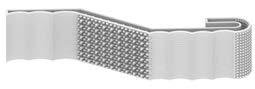
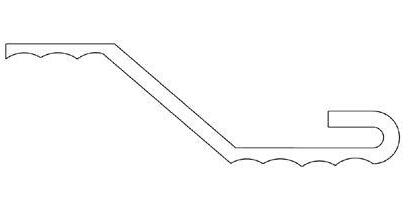
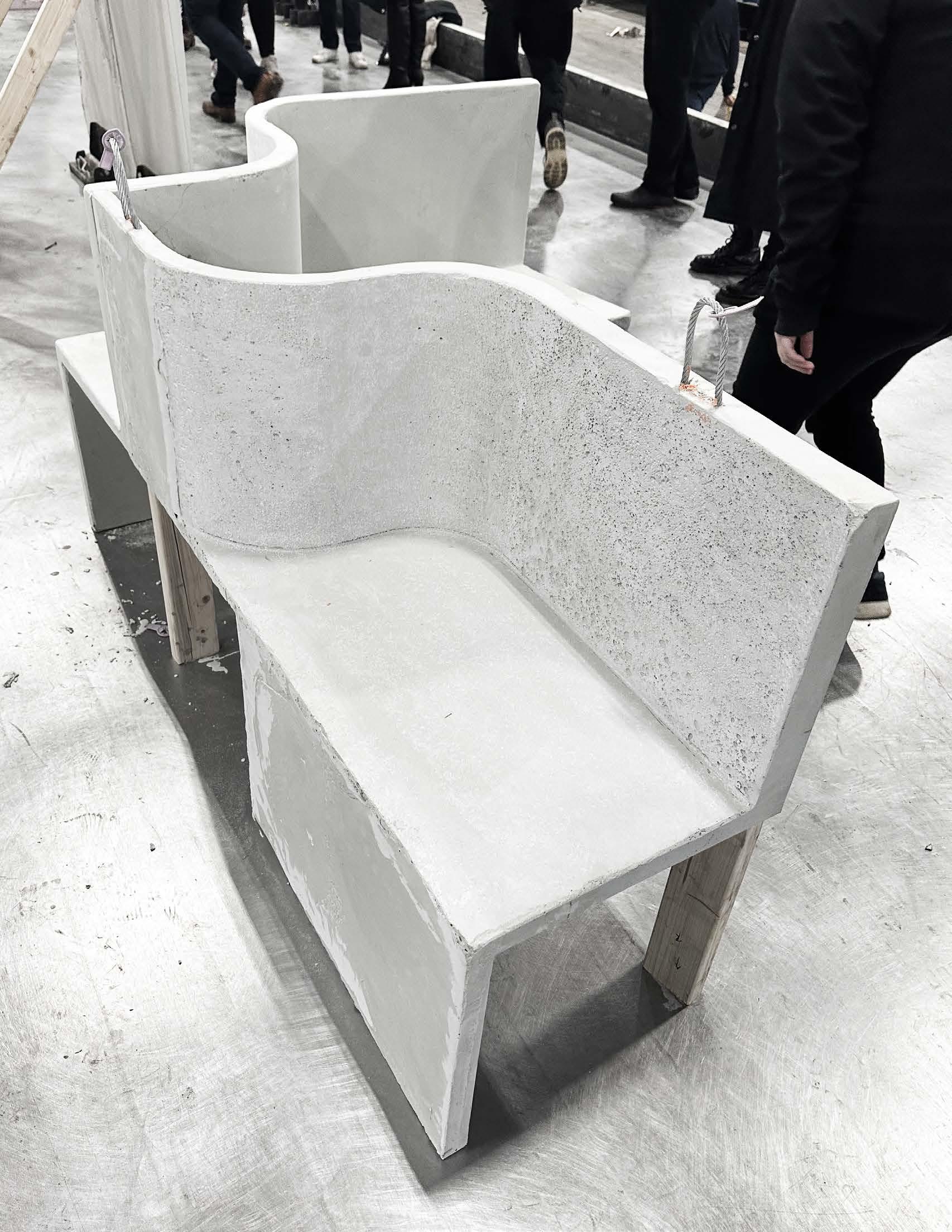
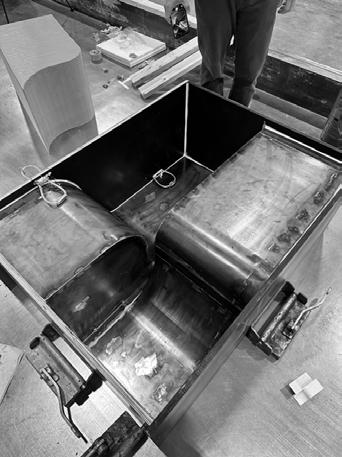
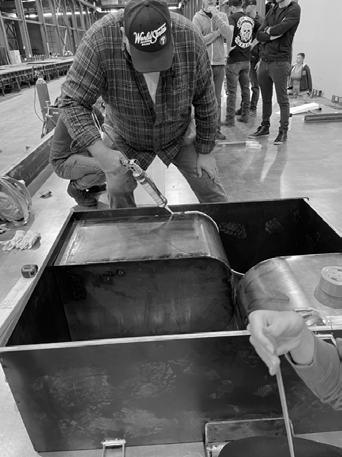
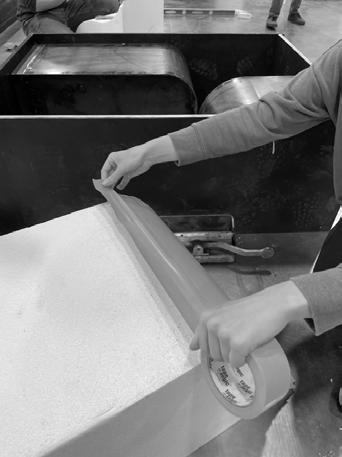
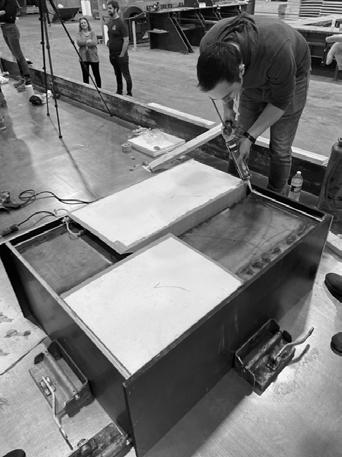
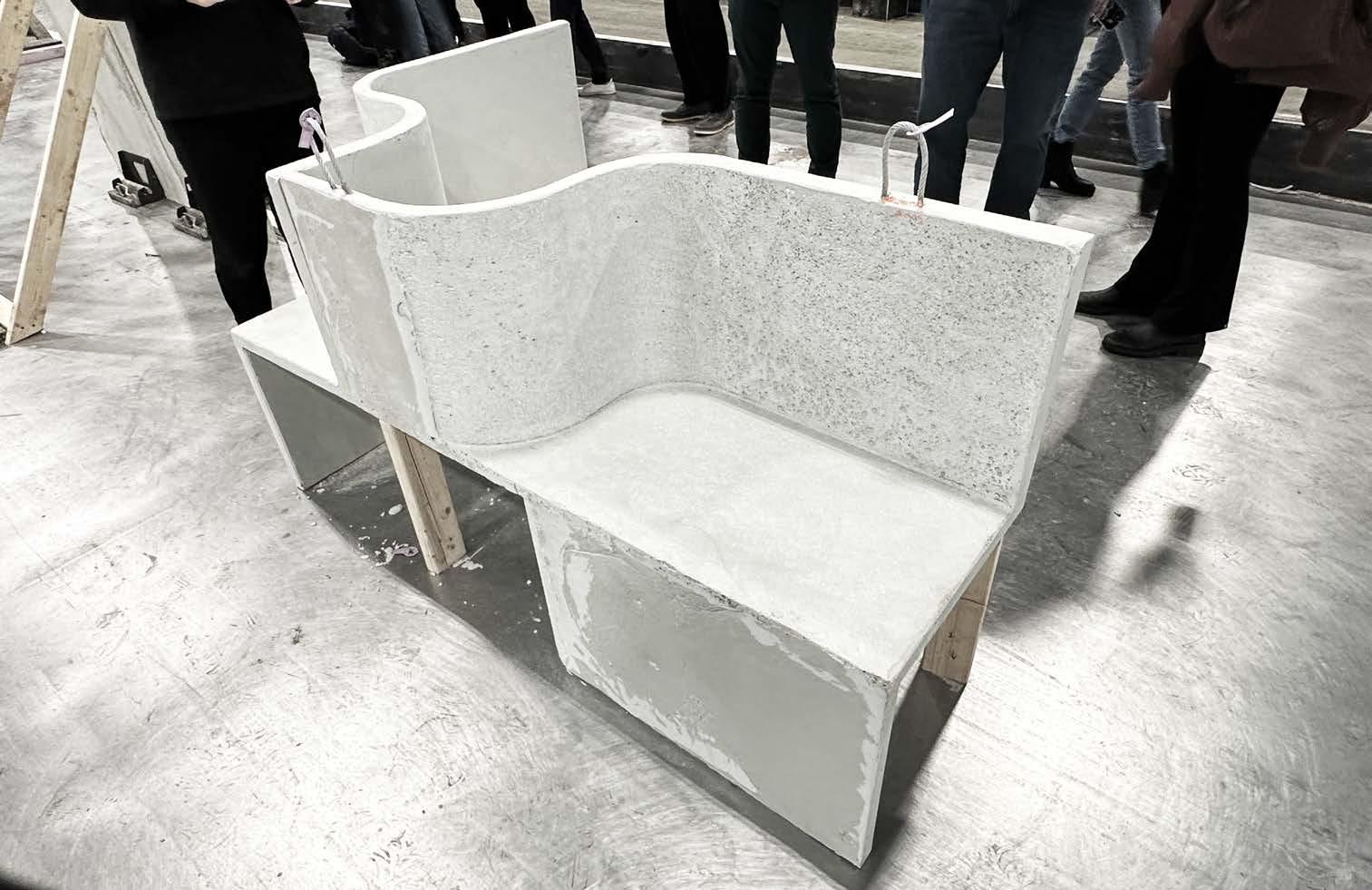
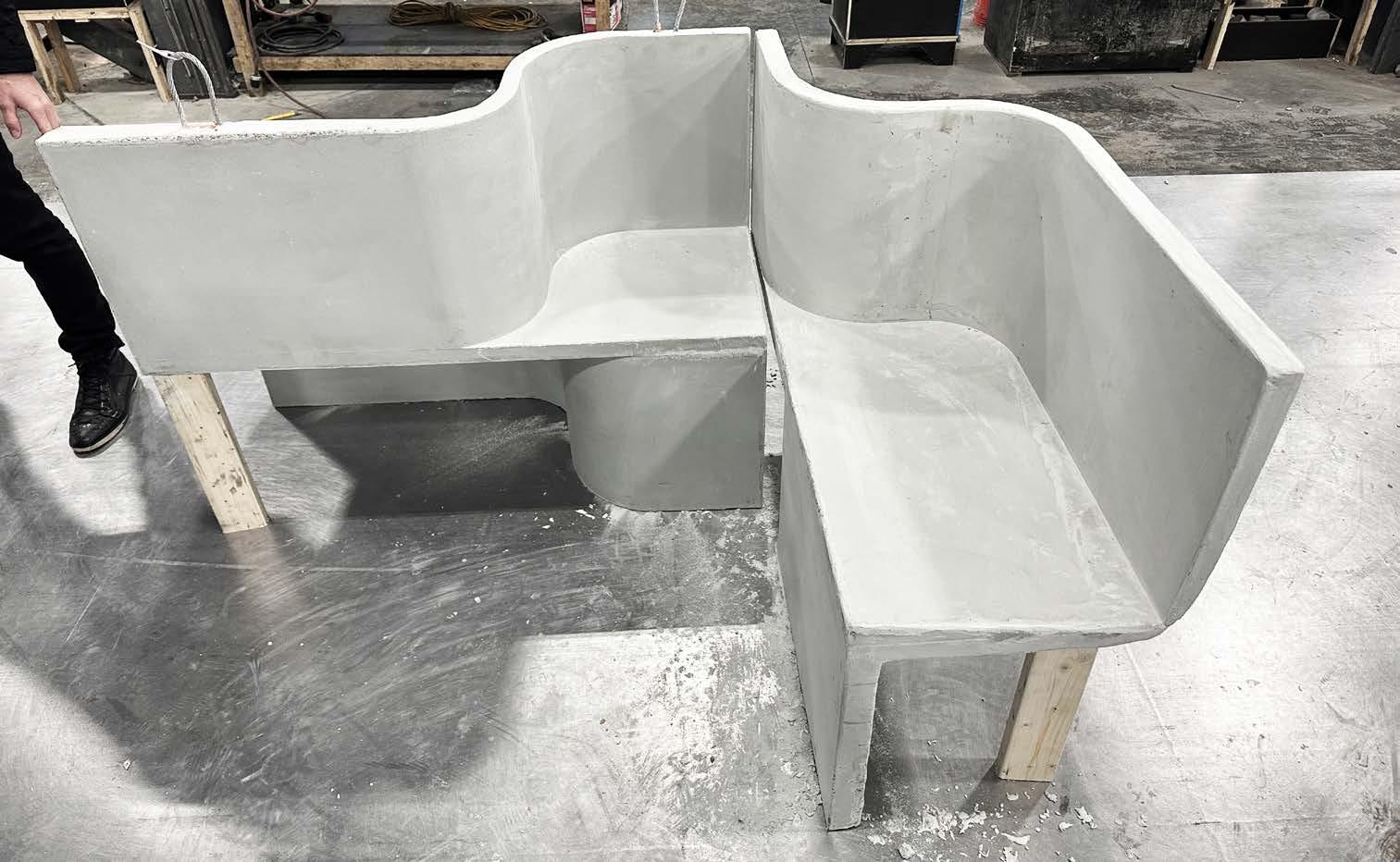
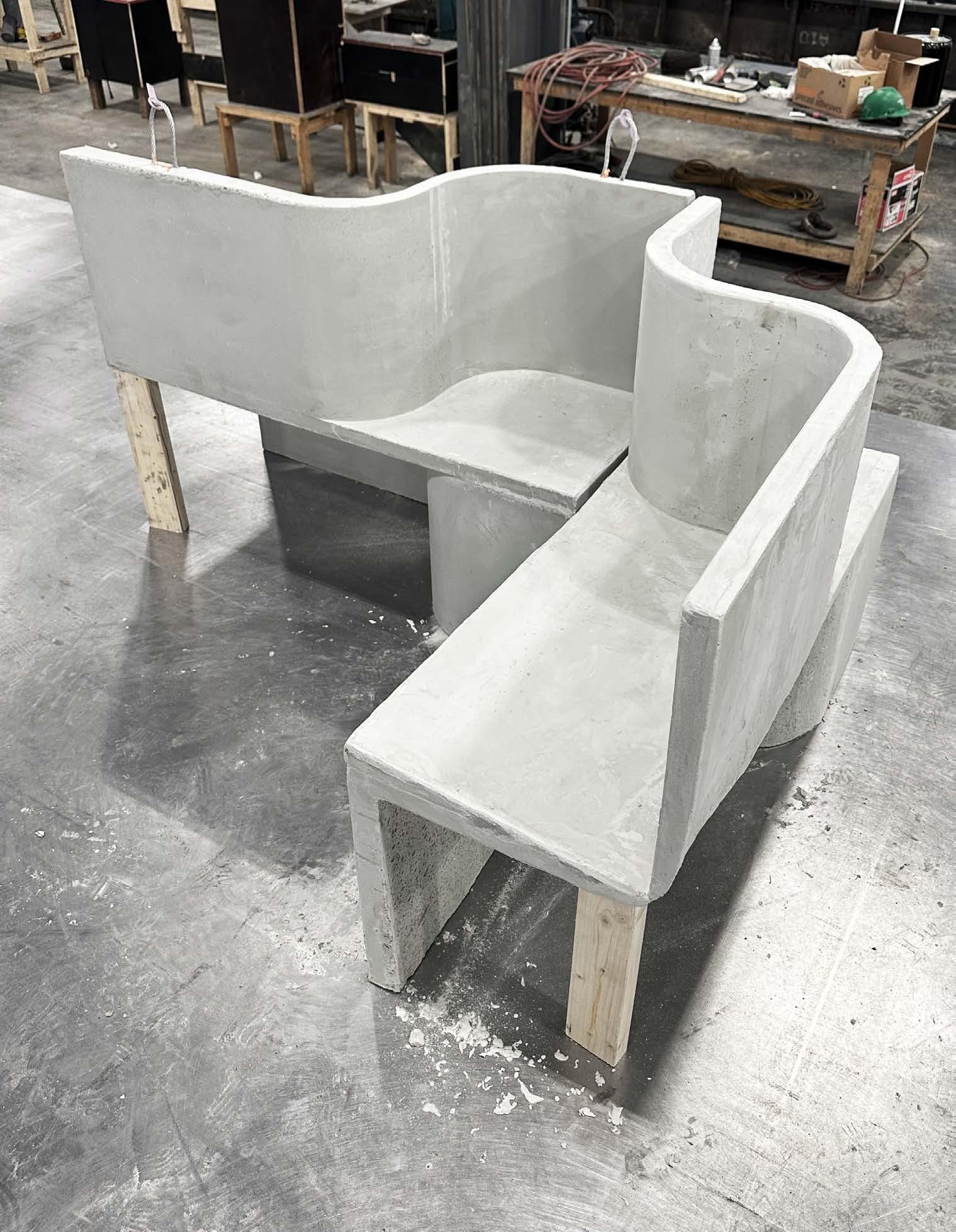
The project focuses on precast concrete and specifically it’s history, materiality – how it is manufactured and the logistics of its assemblyand cultural affects through both its traditional uses within the urban environment as well as new approaches to building typologies such as housing. We worked with professional engineers and concrete experts at Northeast Precast (NEP) to learned about the precast concrete manufacturing process, from material selection to formwork production, to pour, and disassembly. Our goal is to propose thinner panels with less cement to achieve a more sustainable basis by using ultra hign performance concrete.
07
34
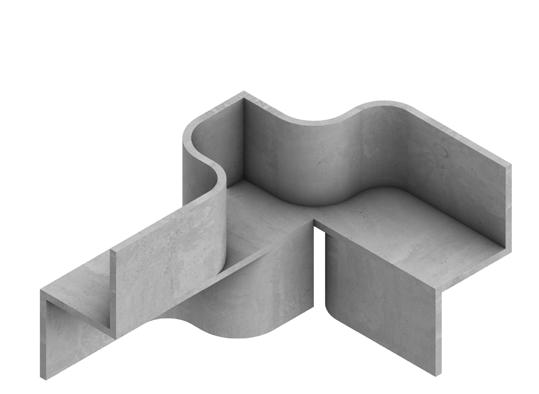
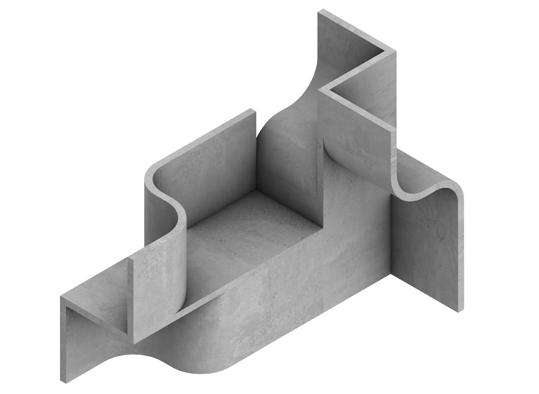
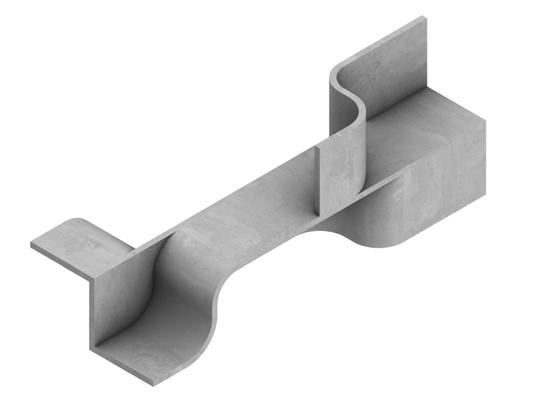
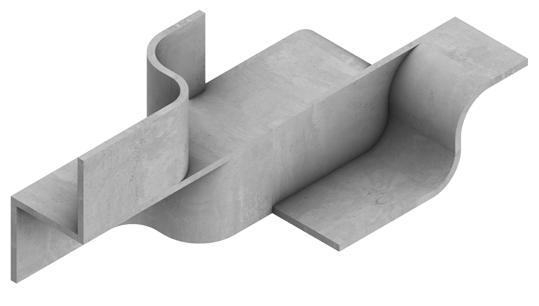
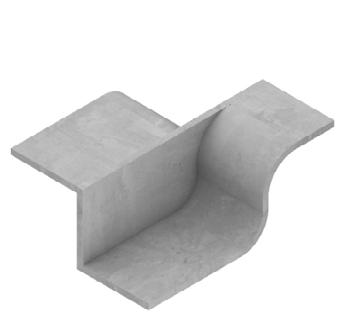
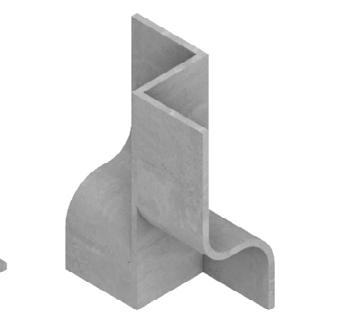
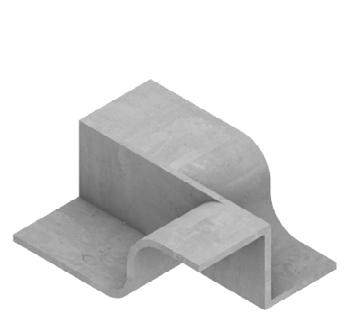
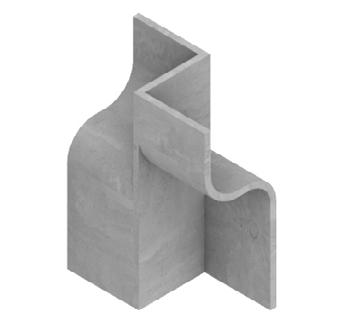
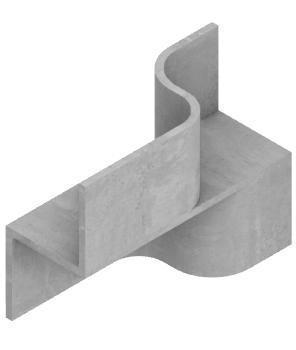
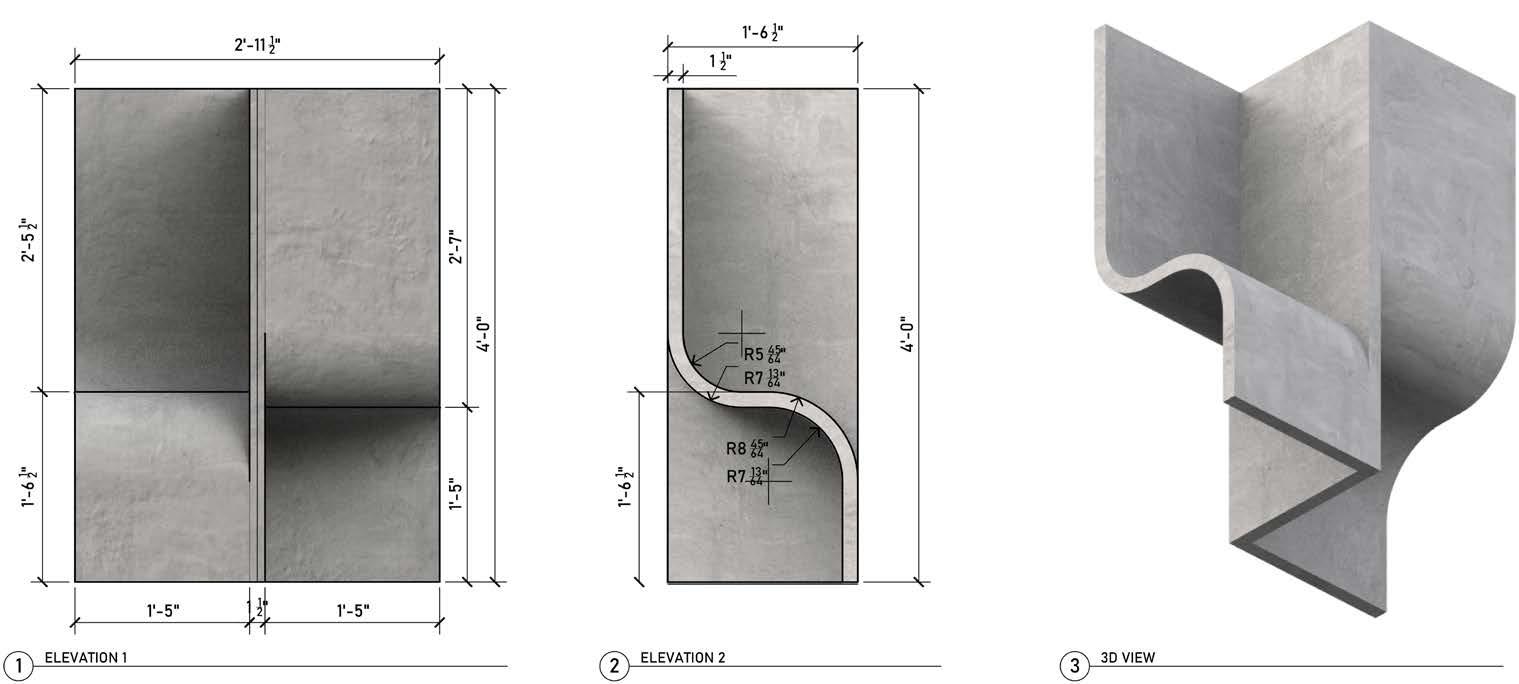
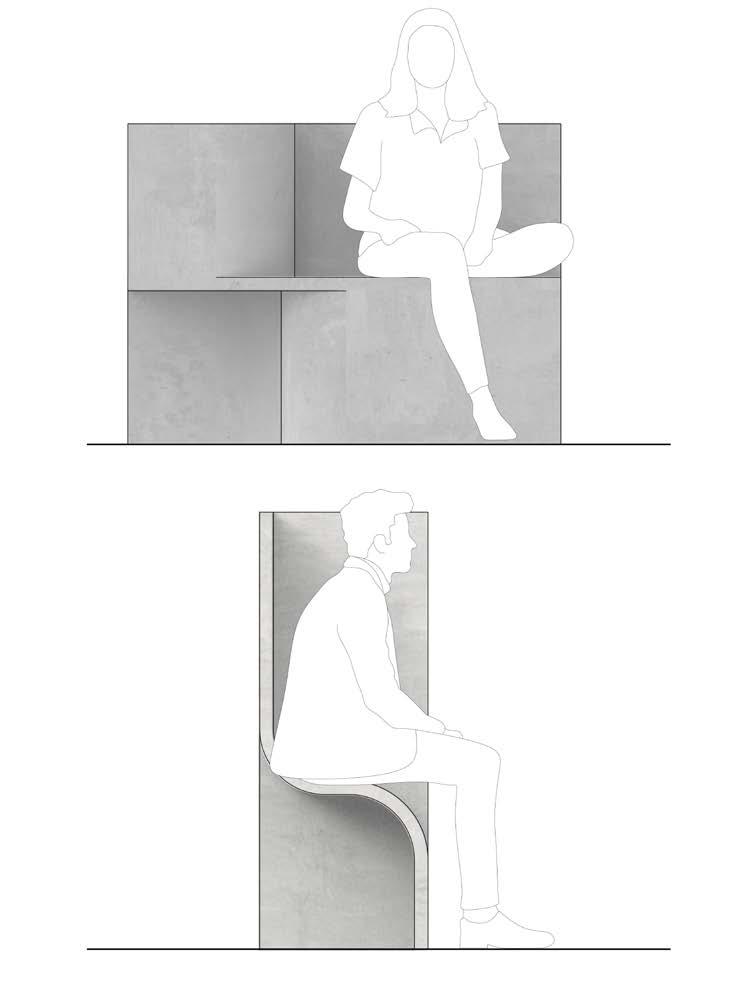
PANEL ITERATION ELEVATION COMBINATION 01 Corner 02 Corner 03 Straight 04 Straight 35
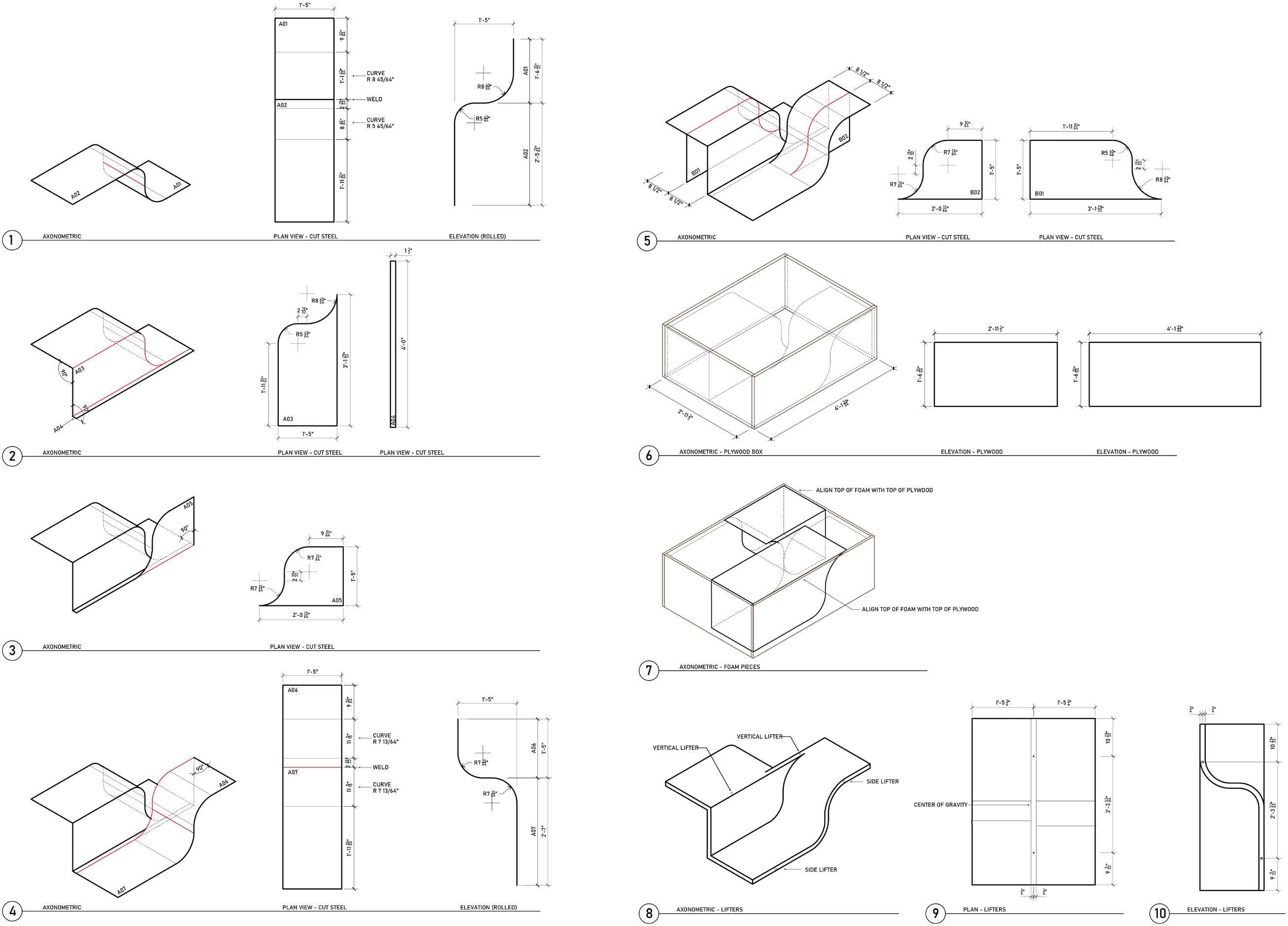
ASSEMBLY DRAWING 36
37