Experiences of implementing a restraint reduction programme
Lessons learnt
Dr Hayley Thomas Consultant Clinical Psychologist
• 8 year restraint reduction programme
• Multi-site (Community residential, Inpatient & Education; Mental Health, ID & Autism)
• Multi-component
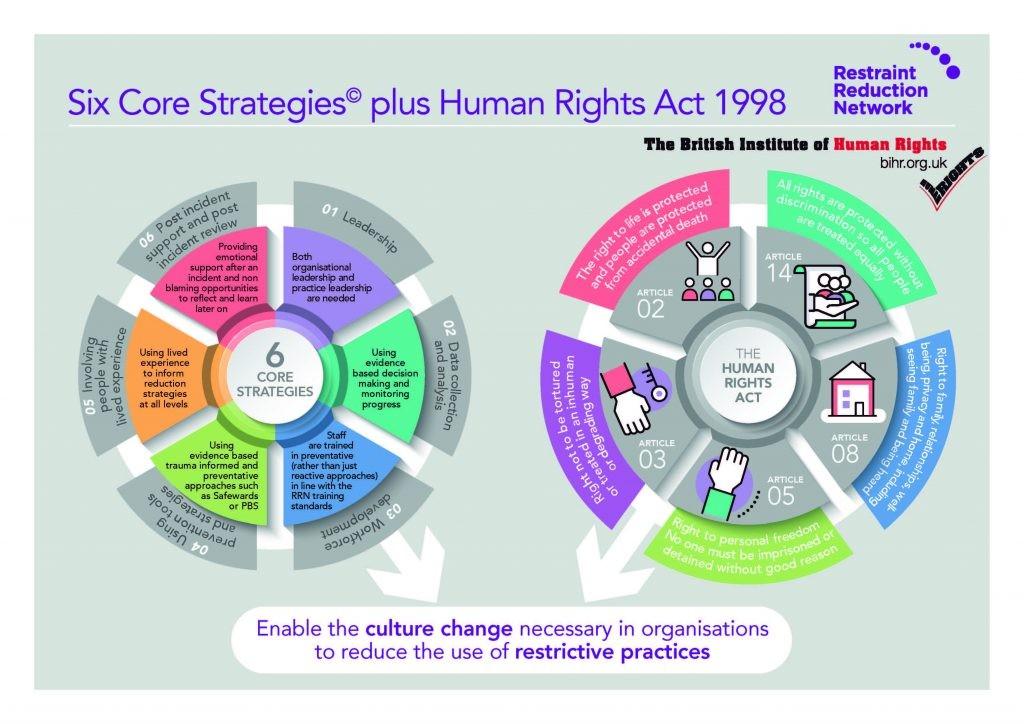
• Systematic implementation of 6 core strategies
• Sustained reduction in restraint
• Clinician reflections on key factors related to efficacy

Restraint Reduction Programme
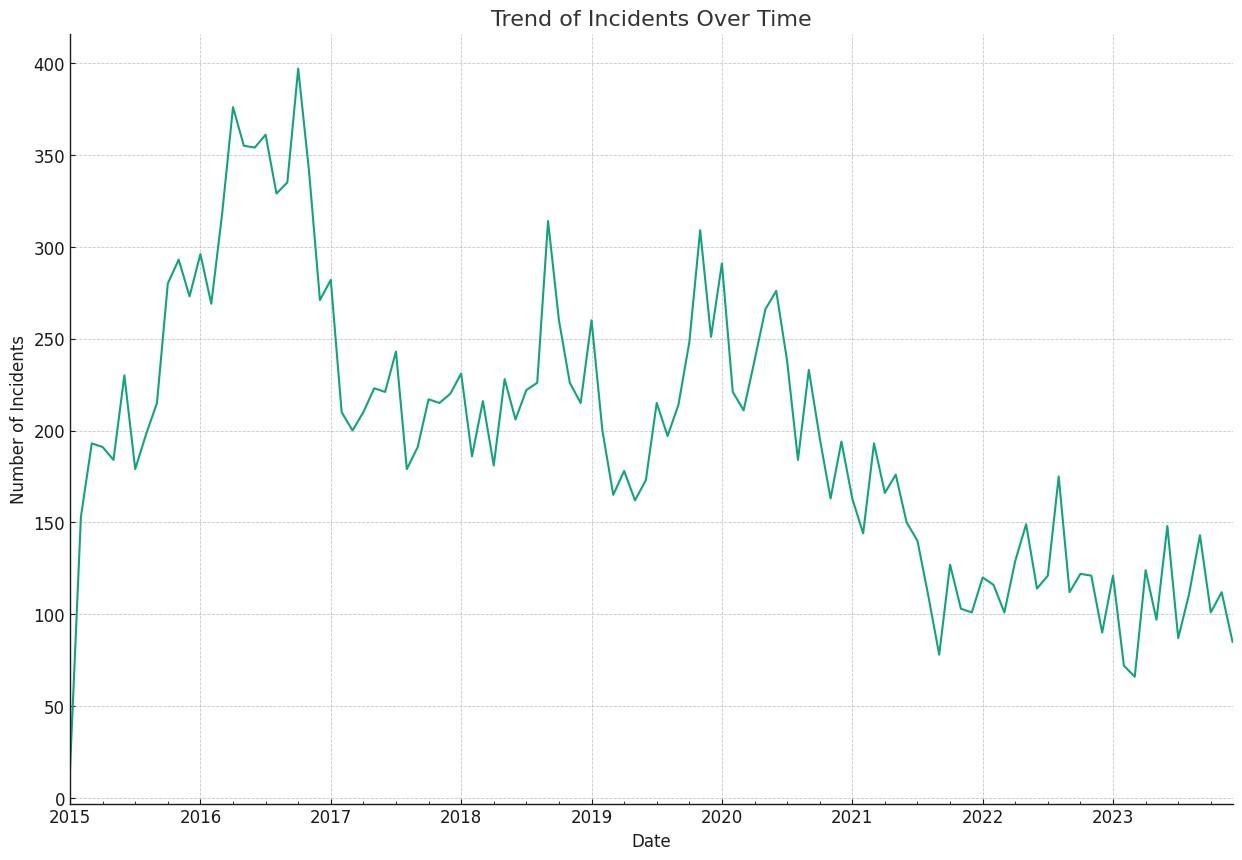
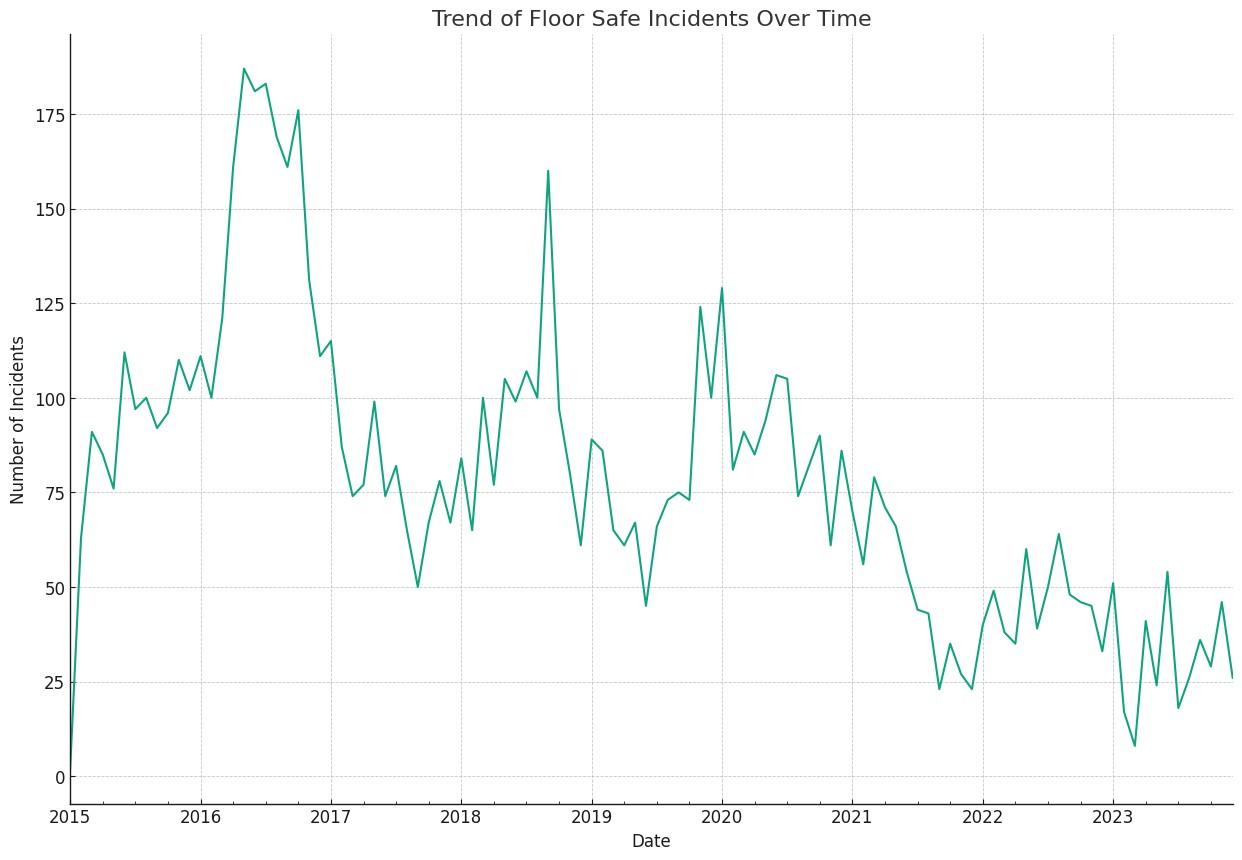
The Results
All Restrictive Interventions (Frequency) – All Sites
The Results
Floor Safehold Interventions (Frequency) – All Sites
Thematic review
• 6 key themes emerged from thematic review of reflections:
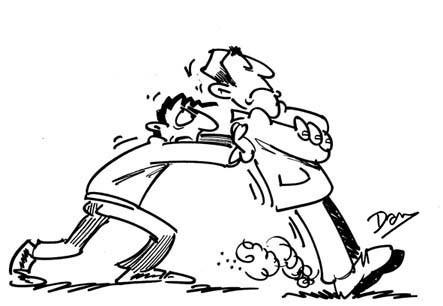
• Resistance from others
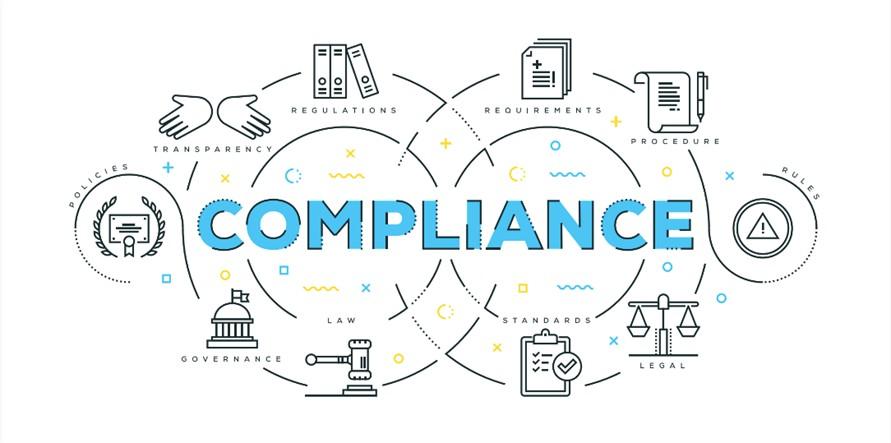
• Compliance vs buy-in
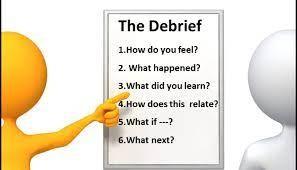
• The importance of support and debrief
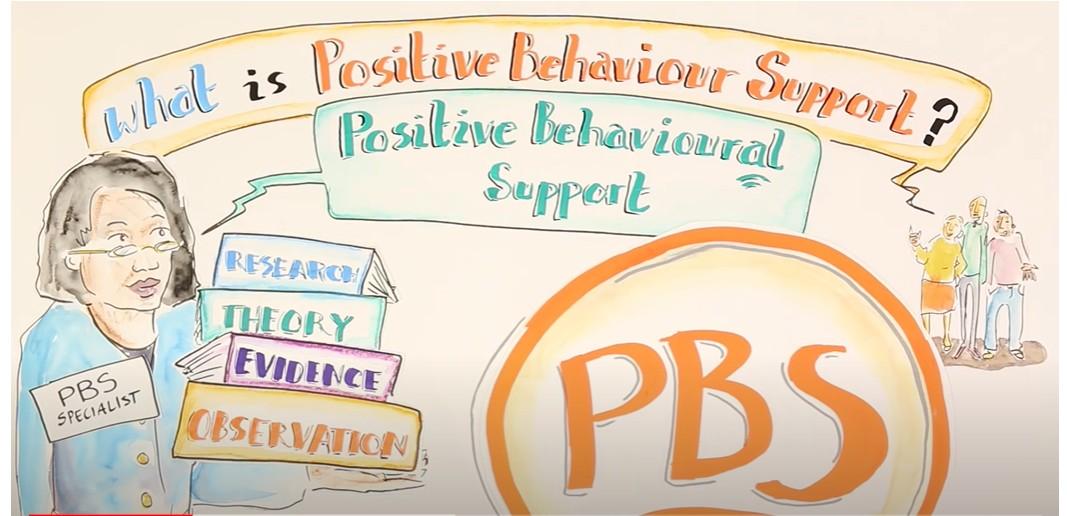
• Understanding Positive Behaviour Support
• Understanding variance and data science
• Giving back




Lesson 4 – Explaining PBS
Lesson 5 – Understanding


Conclusions
• Restraint reduction requires system change
• Individuals alone cannot achieve these outcomes
• Work together - Find your allies
• Change can be achieved
Association of Clinical Psychologists (ACP). (2019). Reducing Restrictive Practice – the role and contribution of Clinical Psychology.
https://acpuk.org.uk/reducing_restrictive_practice_clinical_psychology_role/
Banja, J. (2010). The normalization of deviance in healthcare delivery. Business Horizons, 53(2), 139-148. doi: 10.1016/j.bushor.2009.10.006
Hider, A., Thomas, H. & Price, V. (Aug 2022). ‘Hard Yards’ – the experience of delivering a six year restraint reduction programme. The Bulletin of the Faculty for People with Intellectual Disabilities. Vol 20 (2).